Our Debt Free Family

Commit. Plan. Take action.

  • BUDGETING
  • DEBT REDUCTION
  • INVESTING
  • LIFESTYLE
  • TOOLS
  • ABOUT
  • Privacy Policy
  • CONTACT
You are here: Home / Entertainment / Potions and Demigod Chickens: 14 Western RPG Tropes That Make Us Cringe
Potions and Demigod Chickens: 14 Western RPG Tropes That Make Us Cringe

October 9, 2025 | Leave a Comment

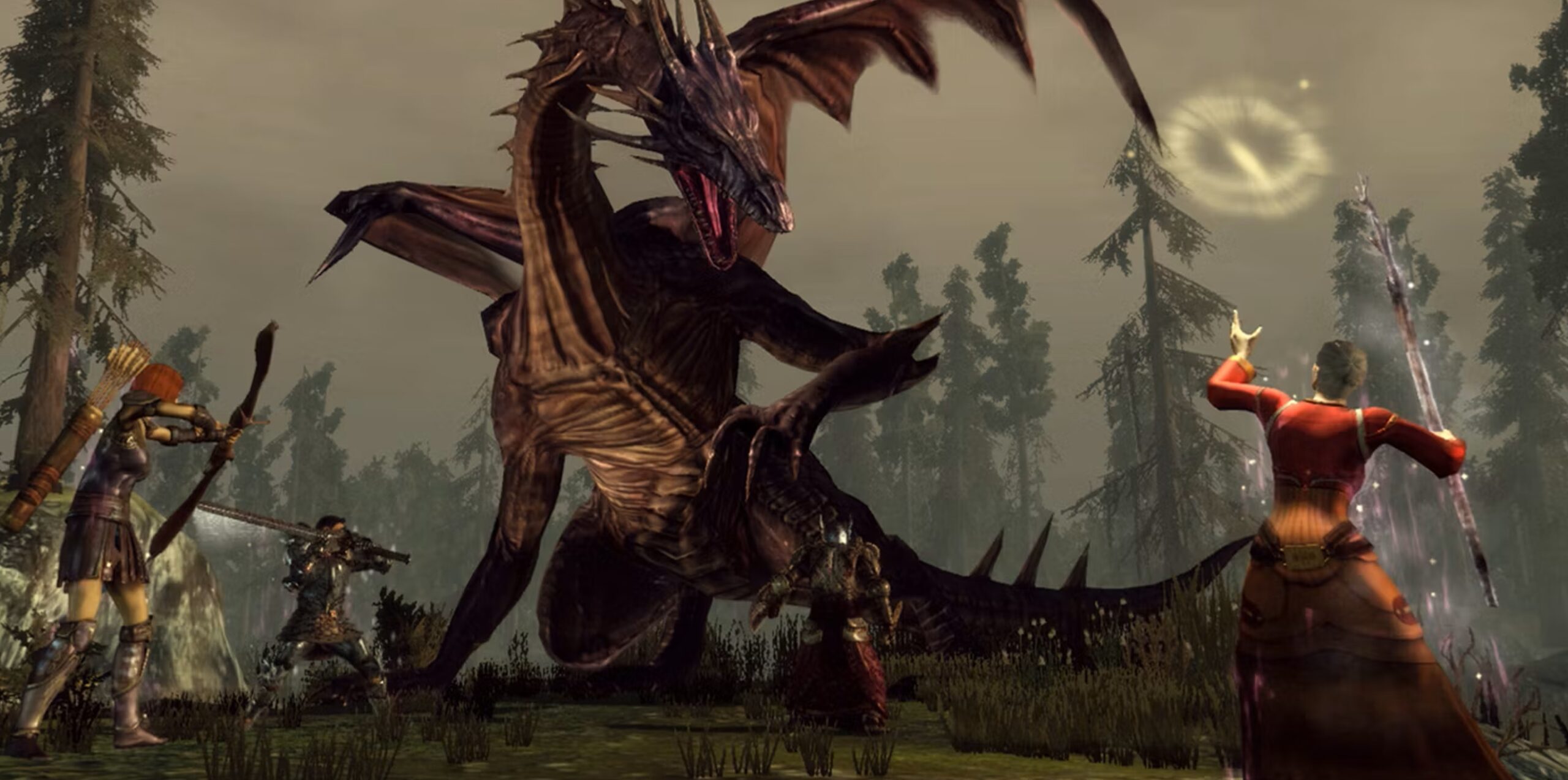
Potions and Demigod Chickens: 14 Western RPG Tropes That Make Us CringeWestern role-playing games (RPGs) have delighted players for decades, offering epic quests, intricate worlds, and memorable characters. But beneath the serious narratives lie some delightful and often absurd tropes that add charm to the genre. We’ll explore fourteen of these quirky conventions that make Western RPGs both entertaining and eyebrow-raising. :: Bioware

Western role-playing games have delighted players for decades, offering epic quests, intricate worlds, and memorable characters. But beneath the serious narratives lie some delightful and often absurd tropes that add charm to the genre. Here are 14 of these quirky conventions that make Western RPGs both entertaining and eyebrow-raising.


1. Fetch Quests

These are repetitive tasks where players are sent to collect a certain number of items or kill a specific number of creatures. An example would be the “Radiant Quests” in The Elder Scrolls V: Skyrim, where you’re asked to retrieve an item or eliminate a target. These quests lack depth and can become monotonous. :: DALL-E

These are repetitive tasks where players are sent to collect a certain number of items or kill a specific number of creatures. An example would be the “Radiant Quests” in The Elder Scrolls V: Skyrim, where you’re asked to retrieve an item or eliminate a target. These quests lack depth and can become monotonous.


2. Generic Fantasy Worlds
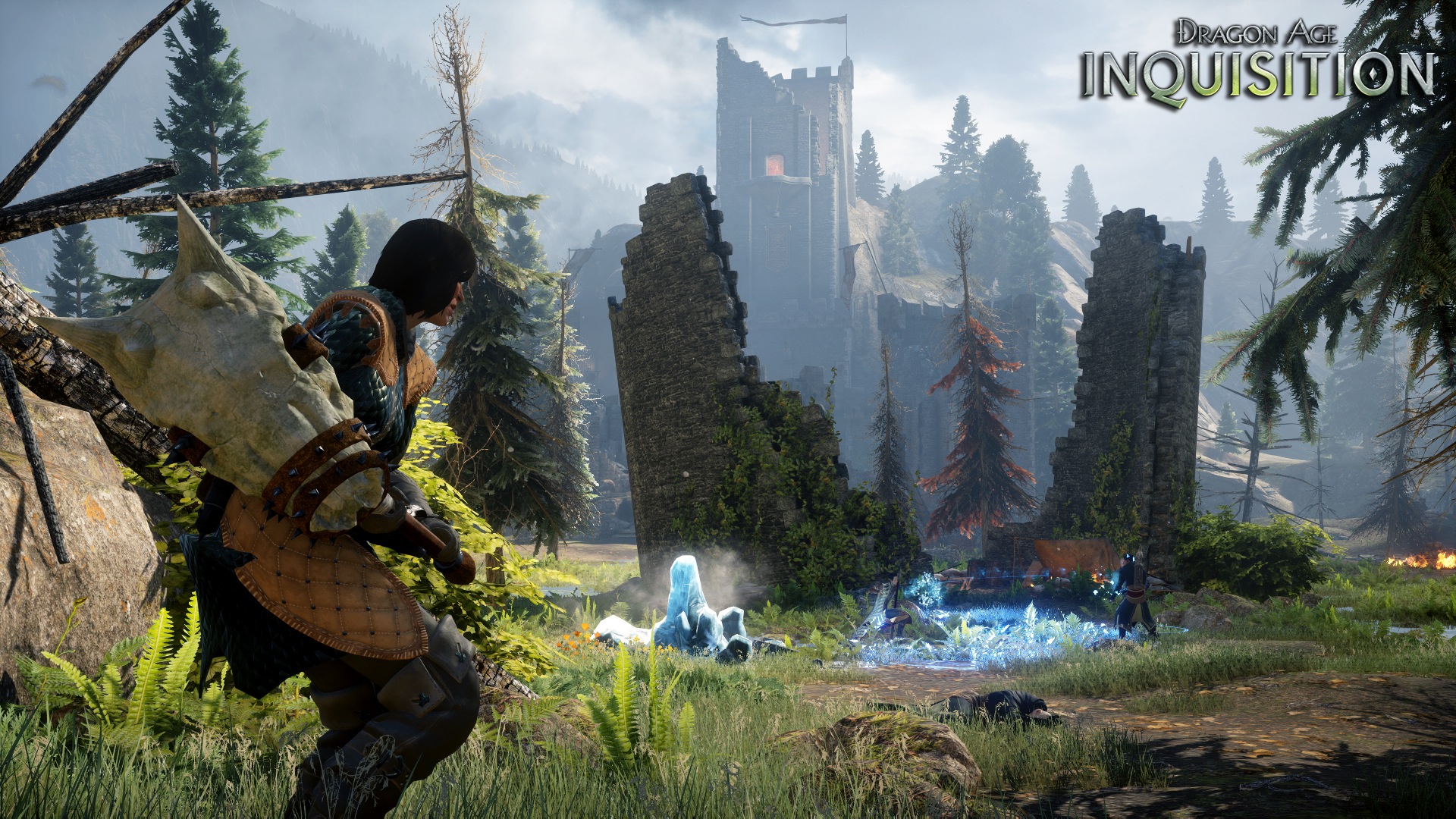
Some Western RPGs rely on generic fantasy settings with elves, dwarves, and dragons. The Witcher 3: Wild Hunt breaks this mold by offering a rich, gritty world inspired by Slavic folklore, making it stand out from the crowd. :: Bioware

Some Western RPGs rely on generic fantasy settings with elves, dwarves, and dragons. The Witcher 3: Wild Hunt breaks this mold by offering a rich, gritty world inspired by Slavic folklore, making it stand out from the crowd.


Politically Correctness (PC)

In Western RPGs, developers often grapple with the challenge of creating content that is inclusive and respectful of diverse backgrounds and identities. While striving for political correctness is commendable, it can sometimes lead to overly sanitized or predictable narratives. Games like Pillars of Eternity have faced criticism for their handling of sensitive topics, as they attempt to balance historical accuracy with modern sensibilities. :: South Park Studios

In Western RPGs, developers often grapple with the challenge of creating content that is inclusive and respectful of diverse backgrounds and identities. While striving for political correctness is commendable, it can sometimes lead to overly sanitized or predictable narratives. Games like Pillars of Eternity have faced criticism for their handling of sensitive topics, as they attempt to balance historical accuracy with modern sensibilities.


4. Overpowered Crafting
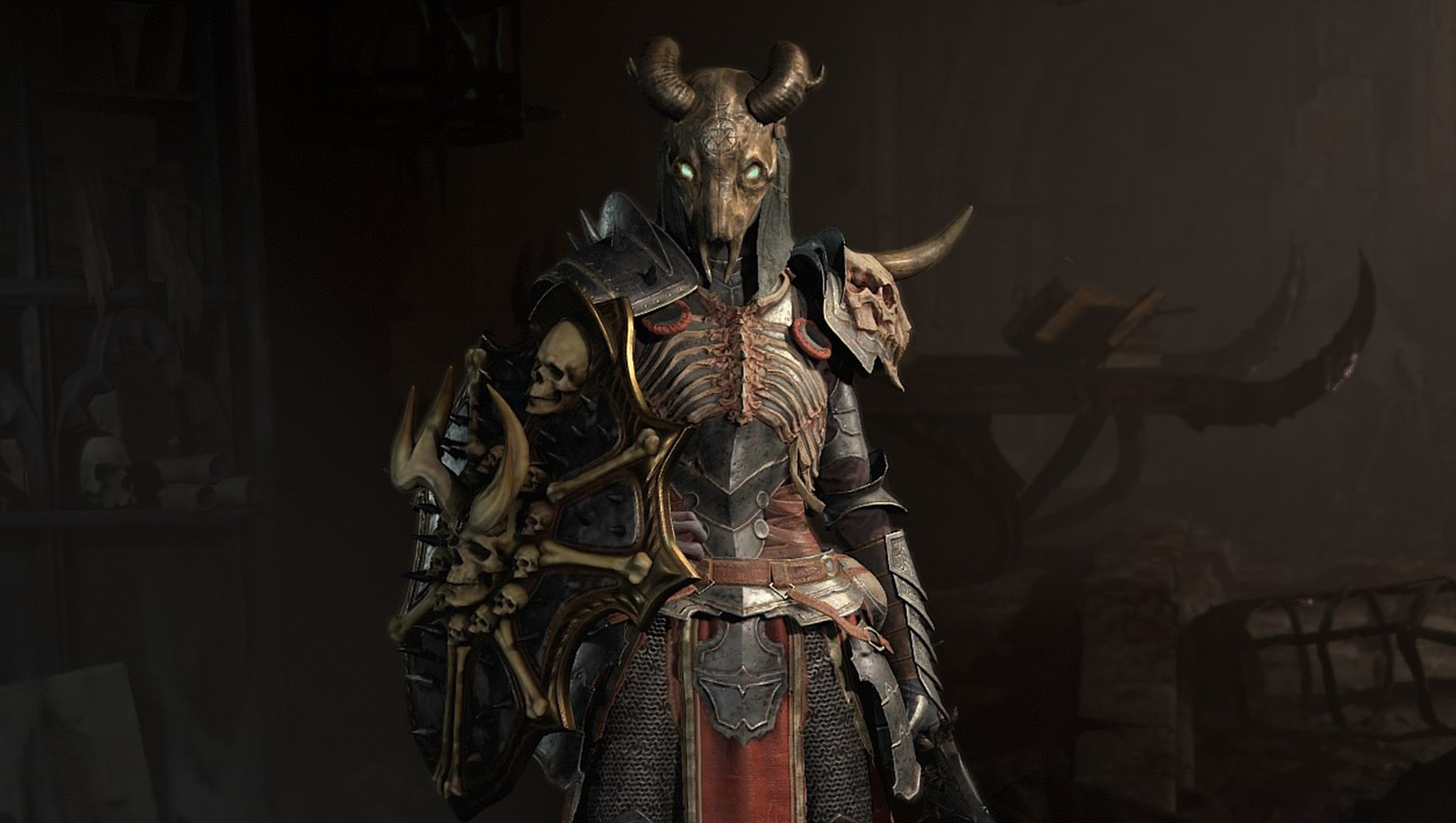
Crafting systems can be fun, but some games allow players to create ridiculously powerful gear. The Elder Scrolls IV: Oblivion had a notorious “Chameleon” enchantment that made characters nearly invisible, breaking immersion. :: Blizzard

Crafting systems can be fun, but some games allow players to create ridiculously powerful gear. The Elder Scrolls IV: Oblivion had a notorious “Chameleon” enchantment that made characters nearly invisible, breaking immersion.


5. Escort Missions
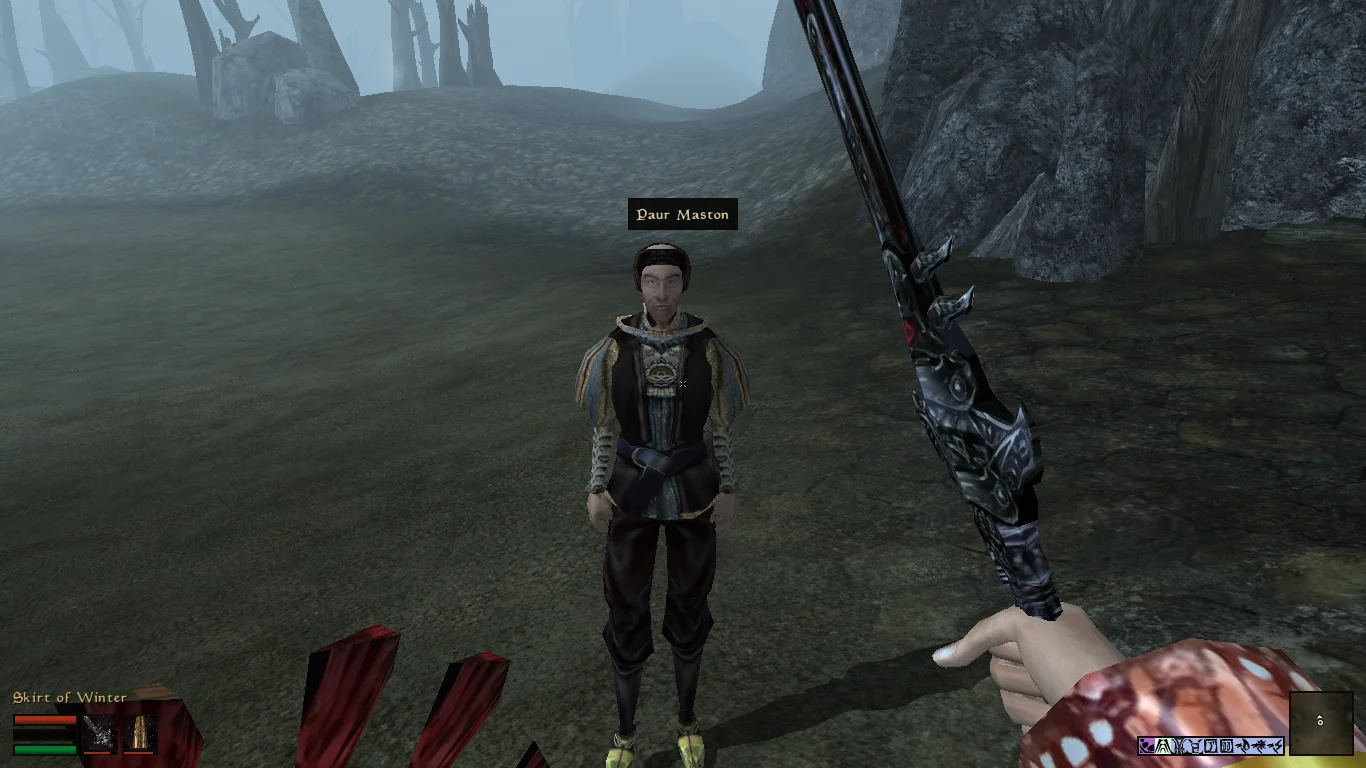
Escorting NPCs through dangerous areas is a frustrating trope. Fallout 3 had the “Following in His Footsteps” quest, where players had to protect a vulnerable character, often leading to their untimely demise. :: Bethesda

Escorting NPCs through dangerous areas is a frustrating trope. Fallout 3 had the “Following in His Footsteps” quest, where players had to protect a vulnerable character, often leading to their untimely demise.


6. Unrealistic Dialogue Choices
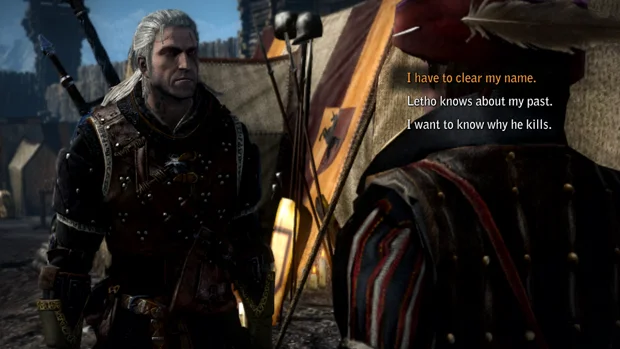
While dialogue trees are a staple of RPGs, some games present choices that don’t align with the character’s personality. Mass Effect faced criticism for oversimplifying complex decisions into binary options. :: CD Projekt

While dialogue trees are a staple of RPGs, some games present choices that don’t align with the character’s personality. Mass Effect faced criticism for oversimplifying complex decisions into binary options.


7. Level Scaling
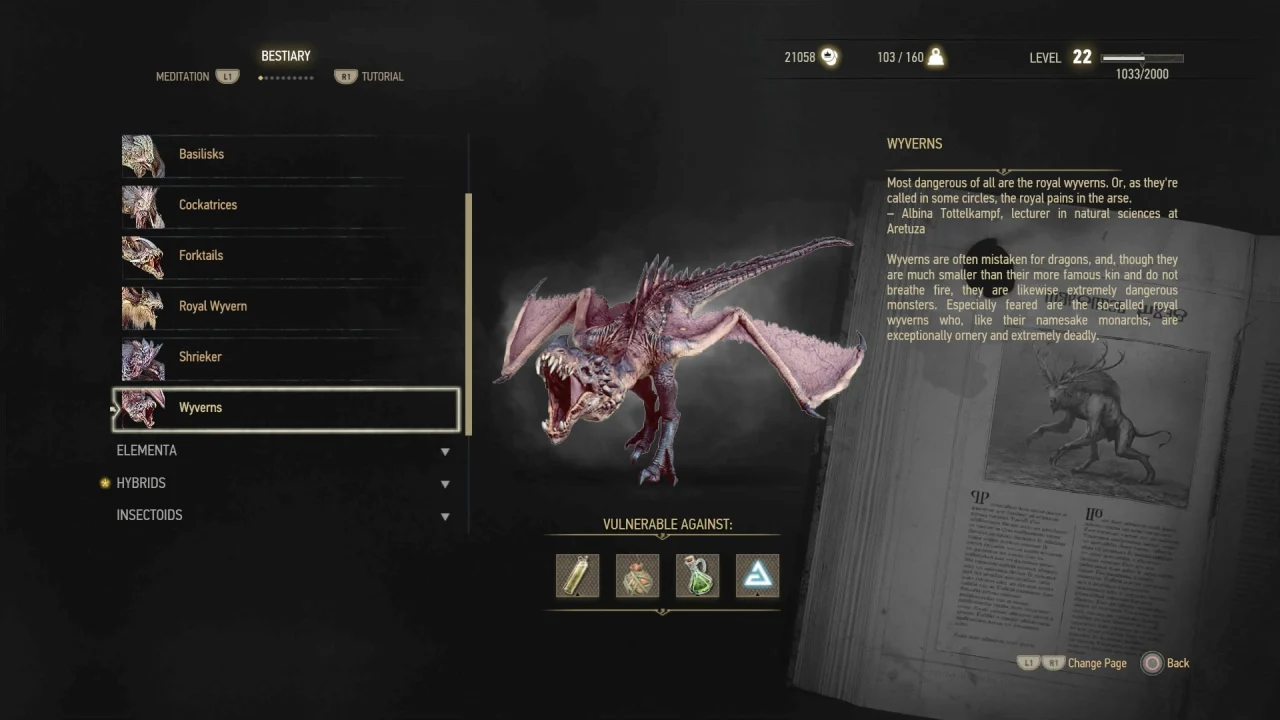
In some Western RPGs, enemy level scaling dynamically adjusts the strength of adversaries based on the player's progress, ensuring a consistent challenge throughout the game. This mechanic aims to maintain a balance between player power growth and enemy difficulty, preventing encounters from becoming too easy or overwhelmingly difficult. For instance, in "The Elder Scrolls V: Skyrim," enemy level scaling ensures that encounters remain challenging regardless of the player's character level, promoting a sense of immersion and strategic gameplay. :: CD Projekt

In some Western RPGs, enemy level scaling dynamically adjusts the strength of adversaries based on the player’s progress, ensuring a consistent challenge throughout the game. This mechanic aims to maintain a balance between player power growth and enemy difficulty, preventing encounters from becoming too easy or overwhelmingly difficult. For instance, in “The Elder Scrolls V: Skyrim,” enemy level scaling ensures that encounters remain challenging regardless of the player’s character level, promoting a sense of immersion and strategic gameplay.


8. Lack of Consequences
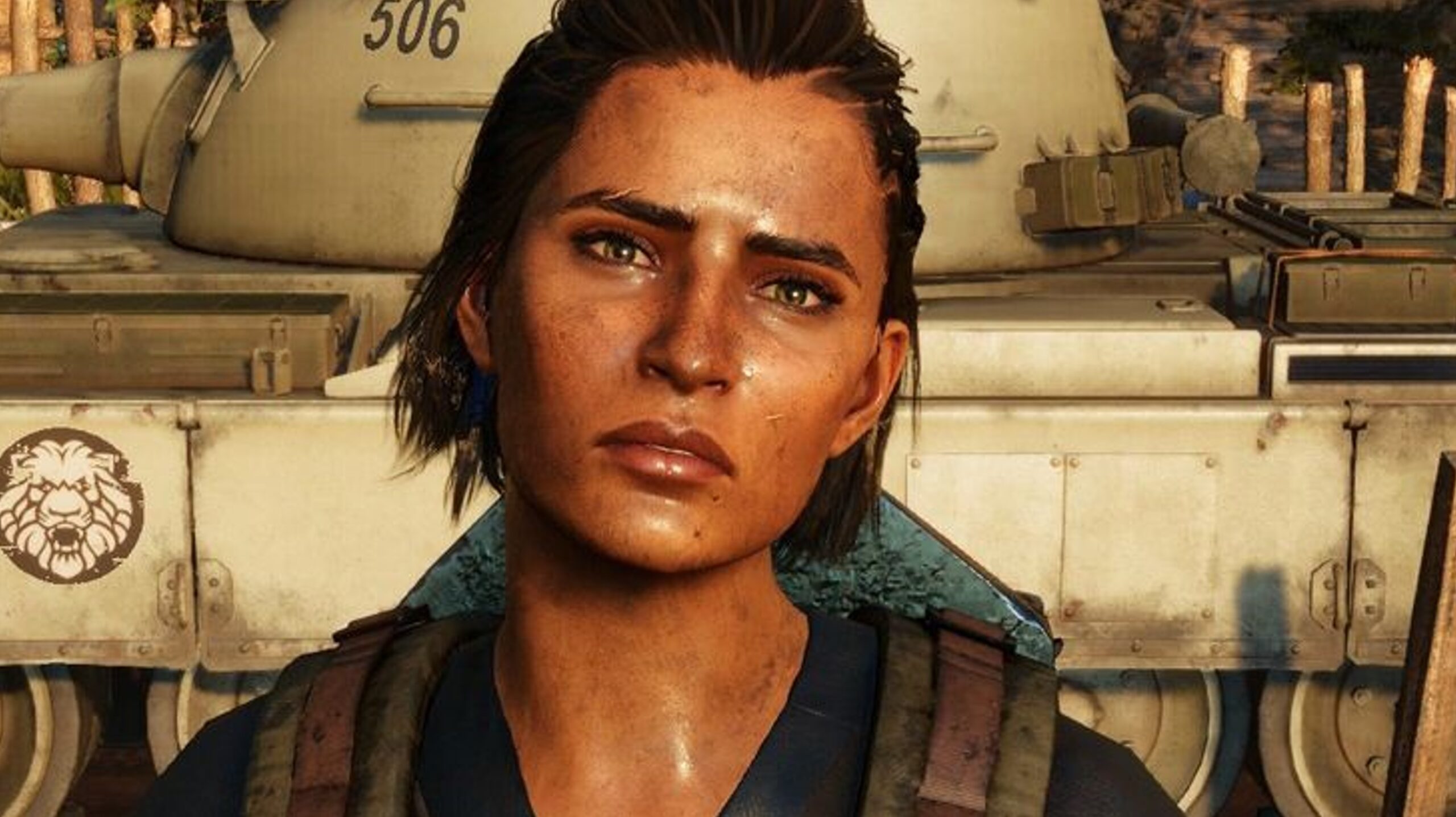
In Western RPGs, the lack of consequences for player choices often results in a world where decisions feel inconsequential and fail to significantly alter the narrative or gameplay. For instance, in "Mass Effect 3," despite the game's emphasis on player choice throughout the series, the ending received criticism for its perceived lack of meaningful consequences based on those choices, leading to a sense of disappointment among players. This absence of impactful outcomes can diminish immersion and replay value, leaving players feeling detached from the consequences of their actions within the game world. :: Ubisoft

In Western RPGs, the lack of consequences for player choices often results in a world where decisions feel inconsequential and fail to significantly alter the narrative or gameplay. For instance, in “Mass Effect 3,” despite the game’s emphasis on player choice throughout the series, the ending received criticism for its perceived lack of meaningful consequences based on those choices, leading to a sense of disappointment among players. This absence of impactful outcomes can diminish immersion and replay value, leaving players feeling detached from the consequences of their actions within the game world.


9. Bland Villains

In many Western RPGs, the bland villain trope often rears its head, presenting players with uninspired antagonists lacking depth or complexity. These villains typically embody generic evil traits without nuanced motivations or compelling backstories, ultimately failing to engage players on an emotional or intellectual level. As a result, the narrative tension and investment suffer, leaving players longing for more dynamic and memorable adversaries to challenge and intrigue them throughout their gaming journey. :: Ubisoft

In many Western RPGs, the bland villain trope often rears its head, presenting players with uninspired antagonists lacking depth or complexity. These villains typically embody generic evil traits without nuanced motivations or compelling backstories, ultimately failing to engage players on an emotional or intellectual level. As a result, the narrative tension and investment suffer, leaving players longing for more dynamic and memorable adversaries to challenge and intrigue them throughout their gaming journey.. Dragon Age II suffered from this with its underdeveloped villain, the “Arishok.”


10. Medieval Fantasy Everywhere

Many Western RPGs default to a medieval-inspired world with castles, knights, and magic. While this setting can be captivating, it’s become somewhat overused. The Elder Scrolls series, particularly Skyrim, exemplifies this trope by immersing players in a medieval-like realm of dragons, dungeons, and swordplay. :: DALL-E


Many Western RPGs default to a medieval-inspired world with castles, knights, and magic. While this setting can be captivating, it’s become somewhat overused. The Elder Scrolls series, particularly Skyrim, exemplifies this trope by immersing players in a medieval-like realm of dragons, dungeons, and swordplay.


11. Skill Tree Overload
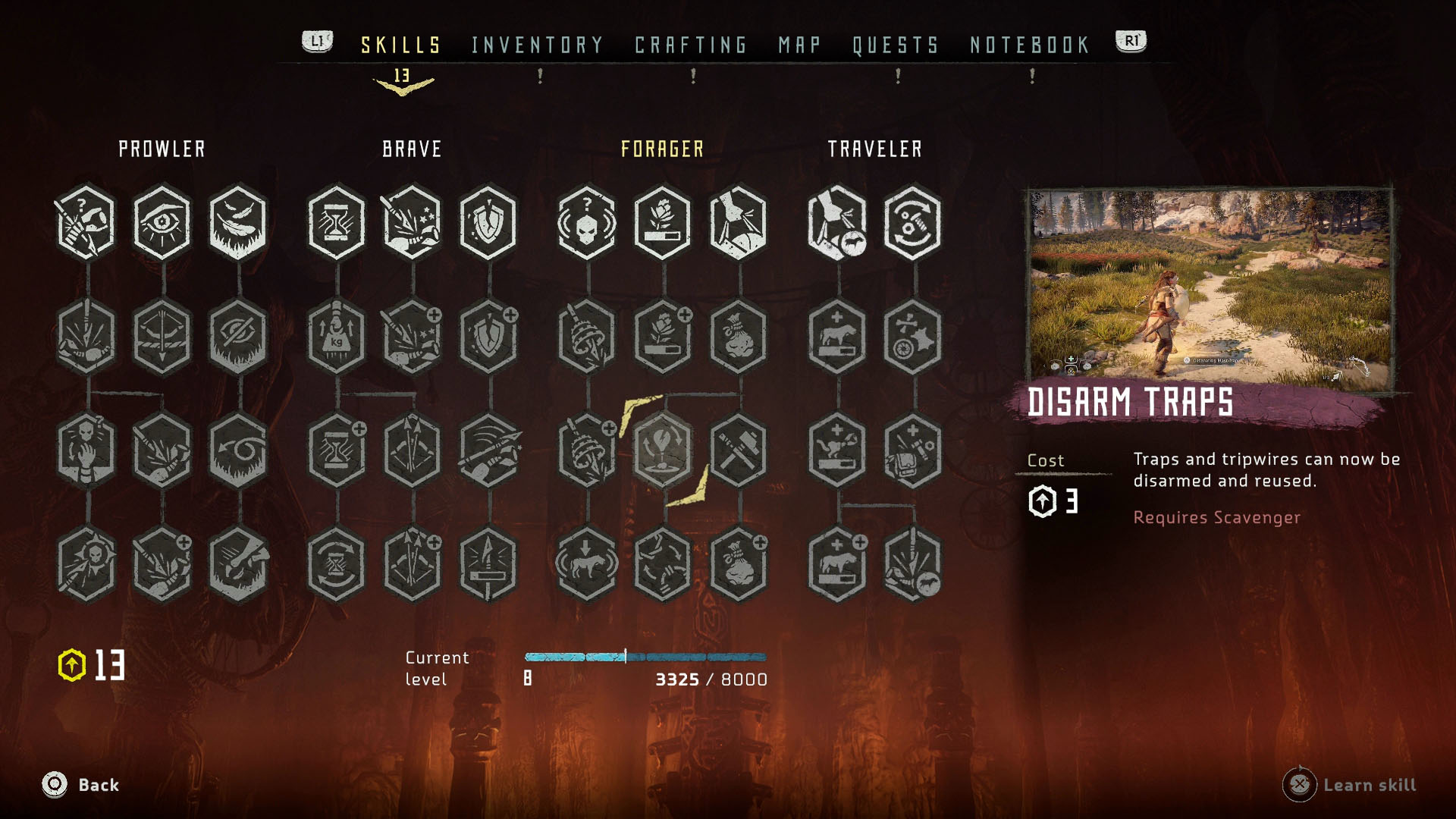
Some Western RPGs feature intricate skill trees with numerous branches, abilities, and prerequisites. While depth is appreciated, overly complex systems can overwhelm players. Path of Exile exemplifies this trope, offering an extensive web of interconnected skills and passives. :: Guerrilla Games

Some Western RPGs feature intricate skill trees with numerous branches, abilities, and prerequisites. While depth is appreciated, overly complex systems can overwhelm players. Path of Exile exemplifies this trope, offering an extensive web of interconnected skills and passives.


12. Junk Item Proliferation

In many Western RPGs, players encounter an excessive number of seemingly useless items—broken swords, rusty keys, and random trinkets. These “junk” items clutter inventories, serve no purpose, and often require manual disposal. Fallout 4 is notorious for its abundance of mundane items that players collect without much benefit. :: Pexels

In many Western RPGs, players encounter an excessive number of seemingly useless items—broken swords, rusty keys, and random trinkets. These “junk” items clutter inventories, serve no purpose, and often require manual disposal. Fallout 4 is notorious for its abundance of mundane items that players collect without much benefit.


13. The Conveniently Placed Crates and Barrels
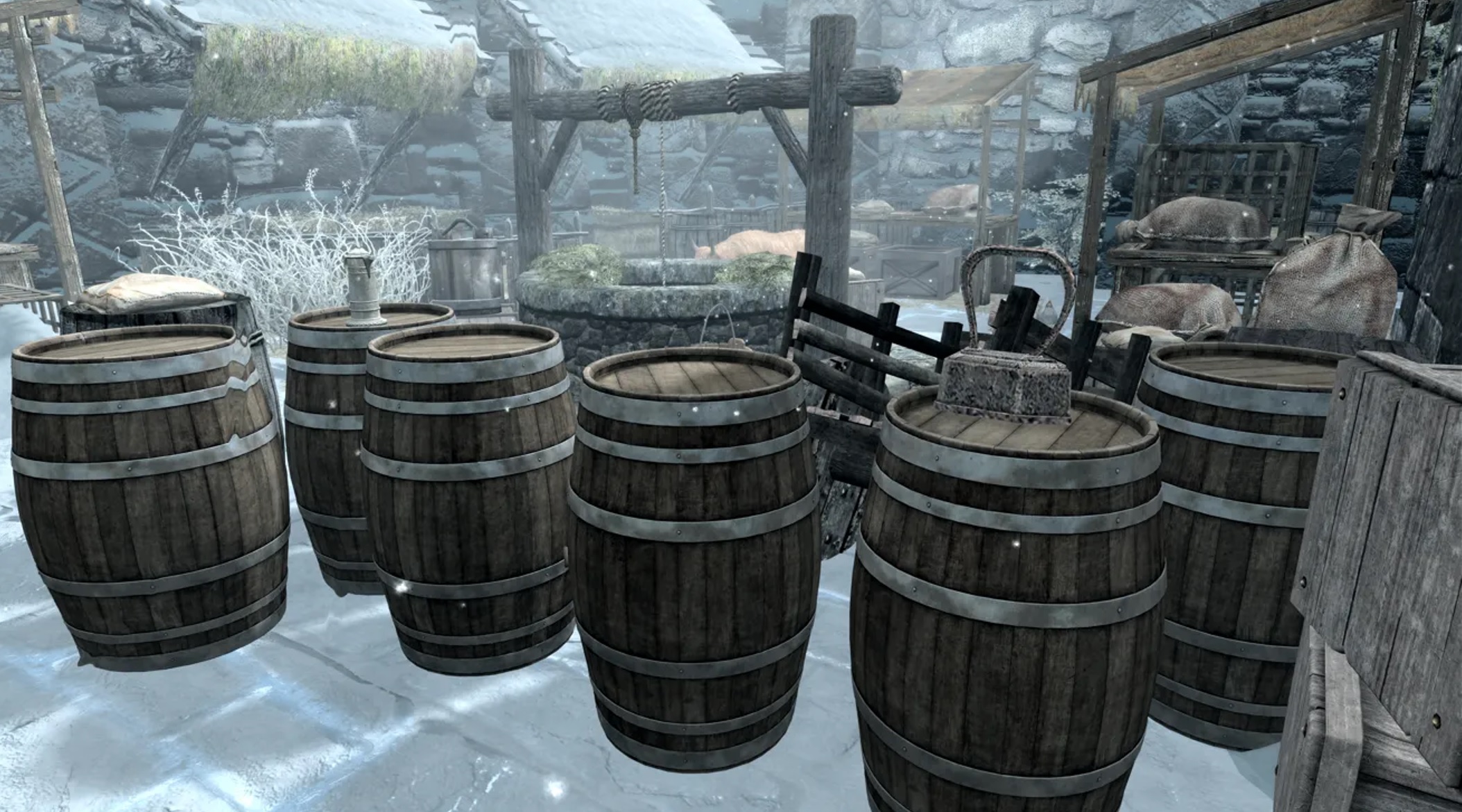
Ever notice how every dungeon or battlefield in Western RPGs is littered with destructible crates and barrels? “The Elder Scrolls V: Skyrim” takes this trope to new heights. As the Dragonborn, you’re not just a hero; you’re also a professional crate-smasher. :: Bethesda

Ever notice how every dungeon or battlefield in Western RPGs is littered with destructible crates and barrels? “The Elder Scrolls V: Skyrim” takes this trope to new heights. As the Dragonborn, you’re not just a hero; you’re also a professional crate-smasher.


14. The Overly Talkative NPC
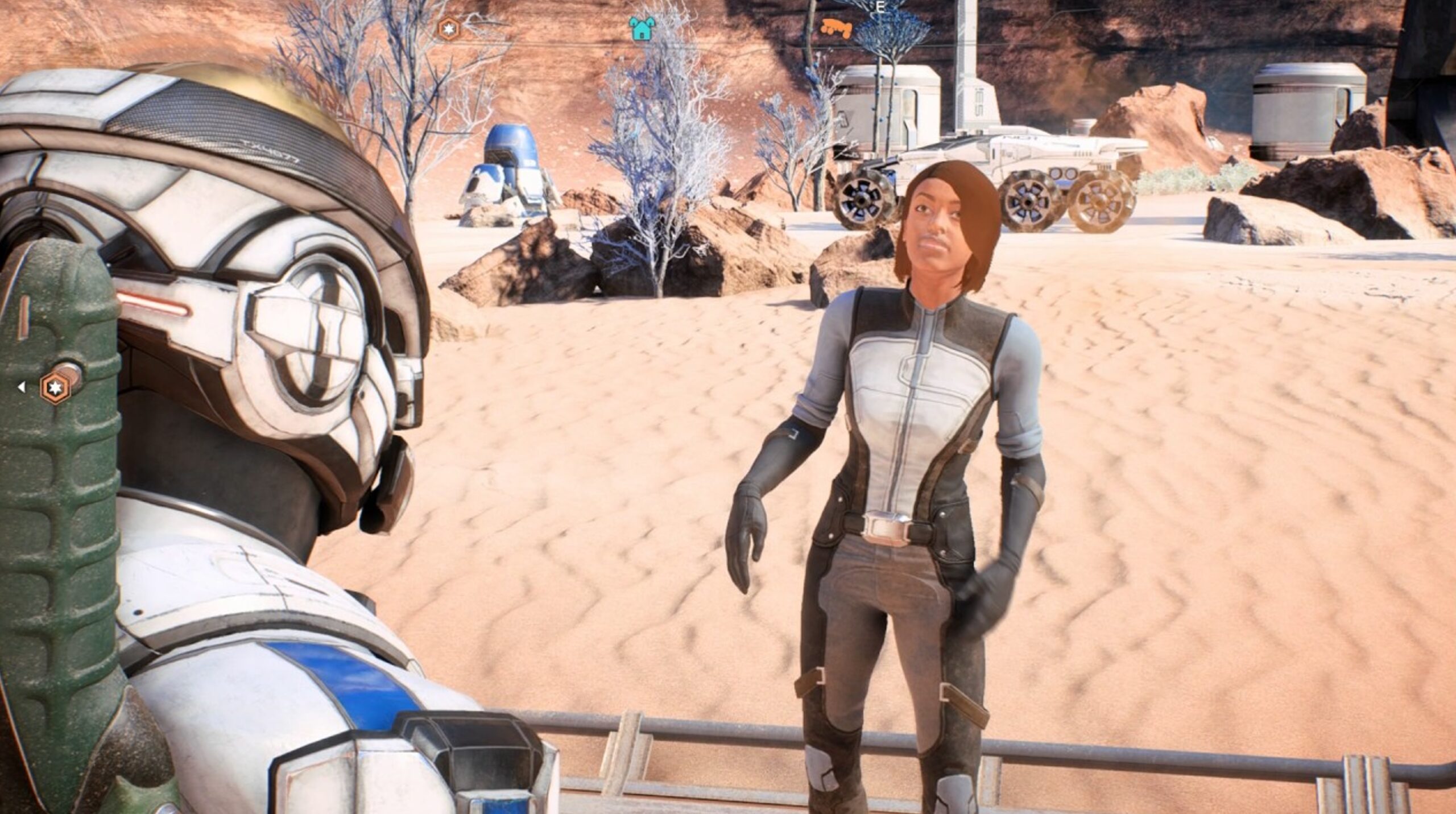
Western RPGs love verbose NPCs. In “Mass Effect”, you can spend hours chatting with crew members about their favorite color or the intricacies of space hamsters. Because nothing says “epic quest” like discussing hamster habitats. :: BioWare


Western RPGs love verbose NPCs. In “Mass Effect”, you can spend hours chatting with crew members about their favorite color or the intricacies of space hamsters. Because nothing says “epic quest” like discussing hamster habitats.


Conclusion

As we journey through the realms of Western RPGs, we encounter talking chickens, mystical artifacts, and backpacks that defy spatial logic. These tropes, while occasionally nonsensical, contribute to the genre’s enduring appeal. So next time you’re immersed in an epic quest, take a moment to appreciate the absurdity—it’s all part of the adventure, or try a JRPG. :: Square Enix

Filed Under: Entertainment

Leave a Reply Cancel reply

Your email address will not be published. Required fields are marked *

  • Email
  • Facebook
  • Pinterest
  • Twitter

Our Most Popular Articles

ClickCashGo Review: Should You Avoid At All Costs?

Ultimate Guide to Mastering Your Credit Score

The 'YOLO' Mindset is a Dangerous Thing

Dave Ramsey's Financial Peace University Review: Is it Worth the Money?

Cash App Glitch 2025: Is the Free Money Glitch Real?

Five Steps To Debt Freedom

Here are five simple guidlines that will help you pay off debt.  

1) Get an emergency fund so you don’t take on debt when something comes up.

2) List your debts. This way you know where you stand.

3) Use the debt snowball. Pay your debts from smallest to largest, or most expensive to least expensive.

4) Avoid new debt. No new credit cards or loans. Period.

5) Go all cash. After everything is paid off, switch to all cash.

Helpful Resources

U of Tennesse Debt Repayment Plan Basics

Vertex 42's Debt Payoff Calculator

Savingadvice's Helpful Debt Forums

Jackie Becks Debt Blog