Our Debt Free Family

Commit. Plan. Take action.

  • BUDGETING
  • DEBT REDUCTION
  • INVESTING
  • LIFESTYLE
  • TOOLS
  • ABOUT
  • Privacy Policy
  • CONTACT

Separation Anxiety? 8 Smart Solutions to Calm Your Dog When You’re Away

January 21, 2026 | Leave a Comment

Separation Anxiety? 8 Smart Solutions to Calm Your Dog When You’re Away

<p> Separation anxiety is a common issue among dogs, affecting their well-being and the peace of mind of their owners. Many dogs experience distress when left alone, leading to behaviors such as excessive barking, chewing, or even house-soiling. Understanding how to alleviate these feelings is crucial for creating a harmonious living environment for both you and your furry friend. Fortunately, there are several effective strategies to help calm your dog when you’re away. In this article, we’ll explore eight smart solutions to ease your dog’s separation anxiety, ensuring they feel secure and content in your absence. </p> :: Pexels

Separation anxiety is a common issue among dogs, affecting their well-being and the peace of mind of their owners. Many dogs experience distress when left alone, leading to behaviors such as excessive barking, chewing, or even house-soiling. Understanding how to alleviate these feelings is crucial for creating a harmonious living environment for both you and your furry friend. Fortunately, there are several effective strategies to help calm your dog when you’re away. Today, we’ll explore eight smart solutions to ease your dog’s separation anxiety, ensuring they feel secure and content in your absence.

1. Gradual Desensitization

<p> Gradual desensitization is a highly effective technique for helping dogs adjust to being alone. Start by leaving your dog alone for short periods, gradually increasing the time as they become more comfortable. For instance, begin with just a few minutes, then gradually extend the duration over several days or weeks. This method allows your dog to associate your departures with positive experiences rather than stress. Make sure to praise and reward your dog for staying calm during these initial alone times, reinforcing the idea that being alone is safe and rewarding. </p> :: Pexels

Gradual desensitization is a highly effective technique for helping dogs adjust to being alone. Start by leaving your dog alone for short periods, gradually increasing the time as they become more comfortable. For instance, begin with just a few minutes, then gradually extend the duration over several days or weeks. This method allows your dog to associate your departures with positive experiences rather than stress. Make sure to praise and reward your dog for staying calm during these initial alone times, reinforcing the idea that being alone is safe and rewarding.

2. Create a Safe Space

<p> Establishing a designated safe space for your dog can significantly reduce anxiety. This area should be comfortable and familiar, filled with your dog’s favorite toys, bedding, and maybe even a piece of your clothing to provide comfort. The goal is to create an environment where your dog feels secure and relaxed. You can also use a crate if your dog is crate-trained, as many dogs view their crate as a safe haven. Ensure the space is free from distractions and stimuli that may trigger anxiety, allowing your dog to feel more at ease when left alone. </p> :: Pexels

Establishing a designated safe space for your dog can significantly reduce anxiety. This area should be comfortable and familiar, filled with your dog’s favorite toys, bedding, and maybe even a piece of your clothing to provide comfort. The goal is to create an environment where your dog feels secure and relaxed. You can also use a crate if your dog is crate-trained, as many dogs view their crate as a safe haven. Ensure the space is free from distractions and stimuli that may trigger anxiety, allowing your dog to feel more at ease when left alone.

3. Use Interactive Toys and Puzzles

<p> Engaging your dog’s mind can be an excellent way to keep them occupied and reduce feelings of anxiety. Interactive toys and puzzles can provide mental stimulation, helping to alleviate boredom while you’re away. Consider toys that dispense treats or require problem-solving skills to keep your dog entertained. Rotate toys regularly to maintain their interest and engagement. This strategy not only keeps your dog busy but also helps redirect their focus away from your absence, making it easier for them to cope. </p> :: Pexels

Engaging your dog’s mind can be an excellent way to keep them occupied and reduce feelings of anxiety. Interactive toys and puzzles can provide mental stimulation, helping to alleviate boredom while you’re away. Consider toys that dispense treats or require problem-solving skills to keep your dog entertained. Rotate toys regularly to maintain their interest and engagement. This strategy not only keeps your dog busy but also helps redirect their focus away from your absence, making it easier for them to cope.

4. Establish a Routine

<p> Dogs thrive on routine, and having a consistent schedule can help ease anxiety. Establishing a daily routine for feeding, walks, playtime, and downtime provides your dog with a sense of stability and predictability. Knowing what to expect each day can significantly reduce stress and anxiety levels. Try to keep your departures and arrivals low-key to minimize the emotional impact on your dog. This helps them understand that you’ll always return, reinforcing their sense of security. </p> :: Pexels

Dogs thrive on routine, and having a consistent schedule can help ease anxiety. Establishing a daily routine for feeding, walks, playtime, and downtime provides your dog with a sense of stability and predictability. Knowing what to expect each day can significantly reduce stress and anxiety levels. Try to keep your departures and arrivals low-key to minimize the emotional impact on your dog. This helps them understand that you’ll always return, reinforcing their sense of security.

5. Practice Short Departures

<p> To help your dog get accustomed to your absence, practice leaving for short periods throughout the day. This practice can help them understand that you will always come back. Start with brief departures of only a few minutes, gradually increasing the length as your dog becomes more comfortable. This technique is similar to gradual desensitization but focuses specifically on your comings and goings. It teaches your dog that your absence isn’t permanent and helps build their confidence in being alone. </p> :: Pexels

To help your dog get accustomed to your absence, practice leaving for short periods throughout the day. This practice can help them understand that you will always come back. Start with brief departures of only a few minutes, gradually increasing the length as your dog becomes more comfortable. This technique is similar to gradual desensitization but focuses specifically on your comings and goings. It teaches your dog that your absence isn’t permanent and helps build their confidence in being alone.

6. Calming Aids

<p> There are several calming aids available that can help soothe an anxious dog. Products like calming collars, pheromone diffusers, and anxiety wraps can provide additional comfort. These products are designed to release soothing scents or apply gentle pressure, mimicking the comforting feeling of being held. Additionally, natural supplements such as CBD oil or herbal calming treats may help alleviate anxiety for some dogs. Always consult your veterinarian before introducing any new products or supplements to ensure they are safe and appropriate for your dog’s needs. </p> :: Pexels

There are several calming aids available that can help soothe an anxious dog. Products like calming collars, pheromone diffusers, and anxiety wraps can provide additional comfort. These products are designed to release soothing scents or apply gentle pressure, mimicking the comforting feeling of being held. Additionally, natural supplements such as CBD oil or herbal calming treats may help alleviate anxiety for some dogs. Always consult your veterinarian before introducing any new products or supplements to ensure they are safe and appropriate for your dog’s needs.

7. Consider Professional Help

<p> If your dog’s separation anxiety persists despite your best efforts, seeking professional help may be beneficial. A certified dog trainer or animal behaviorist can provide tailored strategies to address your dog’s specific needs. They can assess your dog’s behavior, identify triggers, and develop a customized training plan. In some cases, your veterinarian may also recommend behavioral therapy or medication as part of a comprehensive treatment approach. Professional guidance can make a significant difference in helping your dog cope with anxiety and ensuring a happier, more relaxed pet. </p> :: Pexels

If your dog’s separation anxiety persists despite your best efforts, seeking professional help may be beneficial. A certified dog trainer or animal behaviorist can provide tailored strategies to address your dog’s specific needs. They can assess your dog’s behavior, identify triggers, and develop a customized training plan. In some cases, your veterinarian may also recommend behavioral therapy or medication as part of a comprehensive treatment approach. Professional guidance can make a significant difference in helping your dog cope with anxiety and ensuring a happier, more relaxed pet.

8. Hire a Dog Walker or Pet Sitter

<p> If you’re often away from home for extended periods, consider hiring a dog walker or pet sitter. Having someone visit your home to provide companionship, exercise, and stimulation can help ease your dog’s anxiety. A mid-day walk or play session can break up the day and provide your dog with the social interaction they crave. If hiring a professional isn’t feasible, consider asking a friend or neighbor to help out. Regular visits from another person can help your dog feel less lonely and provide reassurance that they are not alone. </p> :: Pexels

If you’re often away from home for extended periods, consider hiring a dog walker or pet sitter. Having someone visit your home to provide companionship, exercise, and stimulation can help ease your dog’s anxiety. A mid-day walk or play session can break up the day and provide your dog with the social interaction they crave. If hiring a professional isn’t feasible, consider asking a friend or neighbor to help out. Regular visits from another person can help your dog feel less lonely and provide reassurance that they are not alone.

Final Thoughts

<p> Separation anxiety in dogs can be a challenging issue for both pets and their owners, but there are numerous effective strategies to help alleviate it. By implementing gradual desensitization, creating a safe space, using interactive toys, and establishing a consistent routine, you can foster a sense of security for your dog. Additionally, considering calming aids, professional help, or hiring a dog walker can further support your efforts. Remember that patience and understanding are key as you work to help your furry friend feel more comfortable and confident when left alone. With time, love, and the right approach, you can help your dog overcome separation anxiety and enjoy a happier, more relaxed life. </p> :: Pexels

Separation anxiety in dogs can be a challenging issue for both pets and their owners, but there are numerous effective strategies to help alleviate it. By implementing gradual desensitization, creating a safe space, using interactive toys, and establishing a consistent routine, you can foster a sense of security for your dog. Additionally, considering calming aids, professional help, or hiring a dog walker can further support your efforts. Remember that patience and understanding are key as you work to help your furry friend feel more comfortable and confident when left alone. With time, love, and the right approach, you can help your dog overcome separation anxiety and enjoy a happier, more relaxed life.

Filed Under: Lifestyle

10 Things Americans Do Every Day That Would Be Socially Unacceptable Elsewhere

January 21, 2026 | Leave a Comment

10 Things Americans Do Every Day That Would Be Socially Unacceptable Elsewhere

<p> If you have ever traveled outside the United States or even watched a few travel videos online, you may have noticed something surprising. Many habits that feel completely normal to Americans can seem strange, rude, or even shocking in other parts of the world. That is not because Americans are inconsiderate. It is because culture quietly shapes how we behave, speak, eat, dress, and interact with others without us even realizing it.

In the U.S., daily life moves fast. Convenience, efficiency, and friendliness are deeply woven into our routines. We talk while walking, customize everything, and treat strangers like future friends. In many other countries, however, social norms are built around calmness, tradition, and clear boundaries between public and private life.

This list is not about criticizing American habits. It is about awareness. Understanding how everyday behaviors translate across cultures can help you travel more confidently, avoid awkward moments, and appreciate just how unique American culture really is. Here are ten things Americans do daily that would be socially unacceptable elsewhere, explained in a relatable and practical way. </p> :: Gemini

If you have ever traveled outside the United States or even watched a few travel videos online, you may have noticed something surprising. Many habits that feel completely normal to Americans can seem strange, rude, or even shocking in other parts of the world. That is not because Americans are inconsiderate. It is because culture quietly shapes how we behave, speak, eat, dress, and interact with others without us even realizing it.

In the U.S., daily life moves fast. Convenience, efficiency, and friendliness are deeply woven into our routines. We talk while walking, customize everything, and treat strangers like future friends. In many other countries, however, social norms are built around calmness, tradition, and clear boundaries between public and private life.

This list is not about criticizing American habits. It is about awareness. Understanding how everyday behaviors translate across cultures can help you travel more confidently, avoid awkward moments, and appreciate just how unique American culture really is. Here are ten things Americans do daily that would be socially unacceptable elsewhere, explained in a relatable and practical way.

1. Speaking Loudly in Public Places

<p> Americans are often described as enthusiastic communicators, and volume is part of that reputation. Conversations in restaurants, on public transportation, or while walking down the street can be loud and animated without anyone thinking twice. In many countries, especially in Europe and Asia, public spaces are expected to be calm and quiet. Speaking loudly can be seen as disruptive or inconsiderate, particularly in trains, cafes, and waiting rooms. What feels like normal excitement in the U.S. may come across as attention seeking or disrespectful abroad. </p> :: Gemini

Americans are often described as enthusiastic communicators, and volume is part of that reputation. Conversations in restaurants, on public transportation, or while walking down the street can be loud and animated without anyone thinking twice. In many countries, especially in Europe and Asia, public spaces are expected to be calm and quiet. Speaking loudly can be seen as disruptive or inconsiderate, particularly in trains, cafes, and waiting rooms. What feels like normal excitement in the U.S. may come across as attention seeking or disrespectful abroad.

2. Making Small Talk With Total Strangers

<p> Chatting with the person behind you in line or joking with a cashier is a hallmark of American friendliness. Many Americans use small talk as a way to be polite and approachable. In other cultures, especially in Northern Europe and parts of Asia, speaking to strangers without a clear reason can feel intrusive. People often prefer to keep interactions purposeful and minimal. Silence is not awkward there. It is respectful. A cheerful comment that feels warm in the U.S. might be met with confusion or discomfort elsewhere. </p> :: Gemini

Chatting with the person behind you in line or joking with a cashier is a hallmark of American friendliness. Many Americans use small talk as a way to be polite and approachable. In other cultures, especially in Northern Europe and parts of Asia, speaking to strangers without a clear reason can feel intrusive. People often prefer to keep interactions purposeful and minimal. Silence is not awkward there. It is respectful. A cheerful comment that feels warm in the U.S. might be met with confusion or discomfort elsewhere.

3. Eating While Walking

<p> Grabbing a sandwich or coffee and eating it on the go is part of daily American life. It saves time and fits into busy schedules. In many countries, eating is treated as an activity that deserves focus and appreciation. Walking while eating can be seen as messy, rushed, or disrespectful to the food itself. In places like Japan or Italy, meals are meant to be enjoyed in one place, even if they are quick. Eating on the street may draw unwanted attention or judgment. </p> :: Gemini

Grabbing a sandwich or coffee and eating it on the go is part of daily American life. It saves time and fits into busy schedules. In many countries, eating is treated as an activity that deserves focus and appreciation. Walking while eating can be seen as messy, rushed, or disrespectful to the food itself. In places like Japan or Italy, meals are meant to be enjoyed in one place, even if they are quick. Eating on the street may draw unwanted attention or judgment.

4. Tipping Almost Everywhere

<p> In the United States, tipping is not just customary. It is expected. Servers, baristas, hair stylists, and delivery drivers often rely on tips as part of their income. In many other countries, service staff are paid a living wage and tipping is minimal or nonexistent. Leaving a large tip can feel confusing or even insulting, as it may suggest the worker needs charity. Americans often mean well, but this habit can unintentionally send the wrong message abroad. </p> :: Gemini

In the United States, tipping is not just customary. It is expected. Servers, baristas, hair stylists, and delivery drivers often rely on tips as part of their income. In many other countries, service staff are paid a living wage and tipping is minimal or nonexistent. Leaving a large tip can feel confusing or even insulting, as it may suggest the worker needs charity. Americans often mean well, but this habit can unintentionally send the wrong message abroad.

5. Asking Personal Questions Early in Conversations

<p> Questions like “What do you do for work?” or “Are you married?” are common conversation starters in the U.S. They help people find common ground quickly. In many cultures, these topics are considered private and are only discussed once a relationship is established. Asking too much too soon can feel intrusive or overly familiar. What Americans see as friendly curiosity may be perceived as nosiness in other parts of the world. </p> :: Gemini

Questions like “What do you do for work?” or “Are you married?” are common conversation starters in the U.S. They help people find common ground quickly. In many cultures, these topics are considered private and are only discussed once a relationship is established. Asking too much too soon can feel intrusive or overly familiar. What Americans see as friendly curiosity may be perceived as nosiness in other parts of the world.

6. Wearing Shoes Indoors

<p> Walking into a home with shoes on is normal for many Americans unless the host specifically asks otherwise. In many countries, removing shoes at the door is a sign of respect and cleanliness. Wearing outdoor shoes indoors can be viewed as unhygienic and careless. In some cultures, this rule is so ingrained that failing to follow it can seriously offend a host. Americans may not even notice they are doing something wrong until it is too late. </p> :: Gemini

Walking into a home with shoes on is normal for many Americans unless the host specifically asks otherwise. In many countries, removing shoes at the door is a sign of respect and cleanliness. Wearing outdoor shoes indoors can be viewed as unhygienic and careless. In some cultures, this rule is so ingrained that failing to follow it can seriously offend a host. Americans may not even notice they are doing something wrong until it is too late.

7. Expecting Large Portions and Taking Food To Go

<p> American portion sizes are famously generous. Many restaurants even expect customers to take leftovers home. In other countries, portions are smaller and designed to be eaten in one sitting. Taking food to go can feel unnecessary or odd, especially in places where meals are carefully portioned. The idea of endless refills and oversized drinks can also seem wasteful rather than convenient. </p> :: Gemini

American portion sizes are famously generous. Many restaurants even expect customers to take leftovers home. In other countries, portions are smaller and designed to be eaten in one sitting. Taking food to go can feel unnecessary or odd, especially in places where meals are carefully portioned. The idea of endless refills and oversized drinks can also seem wasteful rather than convenient.

8. Being Very Casual About Dress Codes

<p> In the U.S., comfort often comes before appearance. Athleisure, sneakers, and casual outfits are acceptable in many settings, including restaurants and workplaces. In other countries, people tend to dress more formally for everyday activities. Wearing very casual clothing in certain settings may be seen as sloppy or disrespectful. This is especially true in places of worship, fine dining establishments, or cultural landmarks. </p> :: Gemini

In the U.S., comfort often comes before appearance. Athleisure, sneakers, and casual outfits are acceptable in many settings, including restaurants and workplaces. In other countries, people tend to dress more formally for everyday activities. Wearing very casual clothing in certain settings may be seen as sloppy or disrespectful. This is especially true in places of worship, fine dining establishments, or cultural landmarks.

9. Showing Affection in Public

<p> Hugging, holding hands, or kissing in public is widely accepted in the United States. In more conservative cultures, public displays of affection are limited or discouraged. What feels natural and loving to Americans may be viewed as inappropriate or offensive elsewhere. Travelers often need to be mindful of local expectations to avoid unwanted attention or criticism. </p> :: Gemini

Hugging, holding hands, or kissing in public is widely accepted in the United States. In more conservative cultures, public displays of affection are limited or discouraged. What feels natural and loving to Americans may be viewed as inappropriate or offensive elsewhere. Travelers often need to be mindful of local expectations to avoid unwanted attention or criticism.

10. Customizing Meals and Sending Food Back

<p> American restaurants are built around customer preference. Modifying dishes, requesting substitutions, and sending food back if it is not perfect are considered normal. In many countries, especially those with strong culinary traditions, altering a dish can be seen as disrespectful to the chef. Meals are prepared a certain way for a reason, and customers are expected to trust that process. Sending food back without a serious issue may be viewed as rude. </p> :: Gemini

American restaurants are built around customer preference. Modifying dishes, requesting substitutions, and sending food back if it is not perfect are considered normal. In many countries, especially those with strong culinary traditions, altering a dish can be seen as disrespectful to the chef. Meals are prepared a certain way for a reason, and customers are expected to trust that process. Sending food back without a serious issue may be viewed as rude.

Final Thoughts

<p> American habits are not wrong. They are simply shaped by a culture that values efficiency, friendliness, personal choice, and comfort. What makes these behaviors stand out elsewhere is not bad intention, but difference. Every culture has its own unspoken rules, and those rules influence how people move through the world.

Understanding these differences can make travel more enjoyable and interactions more meaningful. It helps Americans avoid awkward moments and shows respect for the places they visit. Even if you never leave the country, recognizing how uniquely American some daily habits are can deepen your appreciation for cultural diversity.

At the end of the day, awareness is the real takeaway. When you understand that normal is not universal, you become a more thoughtful traveler and a more observant human being. And sometimes, simply noticing these small differences is what makes exploring the world so fascinating. </p> :: Gemini

American habits are not wrong. They are simply shaped by a culture that values efficiency, friendliness, personal choice, and comfort. What makes these behaviors stand out elsewhere is not bad intention, but difference. Every culture has its own unspoken rules, and those rules influence how people move through the world.

Understanding these differences can make travel more enjoyable and interactions more meaningful. It helps Americans avoid awkward moments and shows respect for the places they visit. Even if you never leave the country, recognizing how uniquely American some daily habits are can deepen your appreciation for cultural diversity.

At the end of the day, awareness is the real takeaway. When you understand that normal is not universal, you become a more thoughtful traveler and a more observant human being. And sometimes, simply noticing these small differences is what makes exploring the world so fascinating.

Filed Under: Lifestyle

Yes, You Can! 7 Fun and Free Ways to Keep Learning After Retirement

January 20, 2026 | Leave a Comment

Yes, You Can! 7 Fun and Free Ways to Keep Learning After Retirement

<p>Retirement doesn’t mean learning stops. In fact, it’s the perfect time to dive into new skills, explore fresh interests, and challenge your brain—all without spending a dime. Lifelong learning keeps the mind sharp, boosts happiness, and even helps you connect with others. Whether you love reading, hands-on projects, or technology, there’s something out there for you. Here are seven fun and free ways to keep learning long after retirement.</p> ::Pexels

Retirement doesn’t mean learning stops. In fact, it’s the perfect time to dive into new skills, explore fresh interests, and challenge your brain—all without spending a dime. Lifelong learning keeps the mind sharp, boosts happiness, and even helps you connect with others. Whether you love reading, hands-on projects, or technology, there’s something out there for you. Here are seven fun and free ways to keep learning long after retirement.

1. Take Advantage of Free Online Courses

<p>The internet has made education more accessible than ever. Websites like Coursera, edX, and Khan Academy offer free courses from top universities. You can study history, science, literature, or even learn a new language. Many courses include video lectures, quizzes, and discussion boards, so it feels like being in a real classroom. Harvard and MIT even have free courses online! With just a laptop or tablet, you can gain knowledge from some of the best teachers in the world—without ever leaving home.</p> ::Pexels

The internet has made education more accessible than ever. Websites like Coursera, edX, and Khan Academy offer free courses from top universities. You can study history, science, literature, or even learn a new language. Many courses include video lectures, quizzes, and discussion boards, so it feels like being in a real classroom. Harvard and MIT even have free courses online! With just a laptop or tablet, you can gain knowledge from some of the best teachers in the world—without ever leaving home.

2. Join a Local Library Program

<p>Public libraries aren’t just for borrowing books. They offer free classes, book clubs, and workshops on everything from creative writing to computer skills. Some even provide access to digital learning platforms like LinkedIn Learning or language-learning programs like Mango Languages. Many libraries also host guest speakers and local history talks. Fun fact: The oldest public library in the U.S. is the Boston Public Library, founded in 1848. If you haven’t explored your local library lately, now is the time!</p> ::Pexels

Public libraries aren’t just for borrowing books. They offer free classes, book clubs, and workshops on everything from creative writing to computer skills. Some even provide access to digital learning platforms like LinkedIn Learning or language-learning programs like Mango Languages. Many libraries also host guest speakers and local history talks. Fun fact: The oldest public library in the U.S. is the Boston Public Library, founded in 1848. If you haven’t explored your local library lately, now is the time!

3. Attend Free Lectures and Seminars

<p>Universities, museums, and community centers often host free lectures and events. These cover a wide range of topics, from science and history to art and philosophy. Some events are in-person, while others are streamed online. TED Talks, for example, are a great way to hear from experts in different fields without spending a cent. You never know what might spark a new passion or idea! Many retirement communities also invite speakers to discuss interesting topics.</p> ::Pexels

Universities, museums, and community centers often host free lectures and events. These cover a wide range of topics, from science and history to art and philosophy. Some events are in-person, while others are streamed online. TED Talks, for example, are a great way to hear from experts in different fields without spending a cent. You never know what might spark a new passion or idea! Many retirement communities also invite speakers to discuss interesting topics.

4. Start a Learning-Based Hobby

<p>Hobbies aren’t just for fun—they’re also great learning tools. Gardening, birdwatching, painting, or playing a musical instrument all engage the brain in new ways. For example, learning to play an instrument strengthens memory and coordination. Studies show that playing music can slow cognitive decline! Meanwhile, gardening teaches patience, science, and planning skills. Hobbies keep life interesting and give you something to look forward to each day. The best part? Most hobbies have online tutorials or local groups that are free to join.</p> ::Pexels

Hobbies aren’t just for fun—they’re also great learning tools. Gardening, birdwatching, painting, or playing a musical instrument all engage the brain in new ways. For example, learning to play an instrument strengthens memory and coordination. Studies show that playing music can slow cognitive decline! Meanwhile, gardening teaches patience, science, and planning skills. Hobbies keep life interesting and give you something to look forward to each day. The best part? Most hobbies have online tutorials or local groups that are free to join.

5. Join a Discussion Group or Club

<p>Learning is more fun when shared. Joining a discussion group, debate club, or even a philosophy meet-up keeps your mind engaged and your social life active. Websites like Meetup.com list free local gatherings on a variety of topics. If you love books, a book club is a great way to explore new ideas while making friends. Studies show that social learning improves memory and brain function. It’s proof that learning doesn’t have to be a solo activity!</p> ::Pexels

Learning is more fun when shared. Joining a discussion group, debate club, or even a philosophy meet-up keeps your mind engaged and your social life active. Websites like Meetup.com list free local gatherings on a variety of topics. If you love books, a book club is a great way to explore new ideas while making friends. Studies show that social learning improves memory and brain function. It’s proof that learning doesn’t have to be a solo activity!

6. Volunteer in a New Field

<p>Volunteering is a hands-on way to learn while giving back. Museums, animal shelters, and historical societies often need volunteers. You can learn about art by helping at a gallery or pick up conservation skills by assisting in a community garden. Some hospitals even have programs where volunteers learn basic medical assisting skills. The best part? You’re not just learning—you’re making a difference. Plus, volunteering has been linked to increased happiness and even a longer lifespan!</p> ::Pexels

Volunteering is a hands-on way to learn while giving back. Museums, animal shelters, and historical societies often need volunteers. You can learn about art by helping at a gallery or pick up conservation skills by assisting in a community garden. Some hospitals even have programs where volunteers learn basic medical assisting skills. The best part? You’re not just learning—you’re making a difference. Plus, volunteering has been linked to increased happiness and even a longer lifespan!

7. Explore Educational Podcasts and Audiobooks

<p>If you love learning but don’t want to sit at a desk, podcasts and audiobooks are a great option. Platforms like Spotify, Apple Podcasts, and Audible offer thousands of free educational talks on history, science, psychology, and more. You can listen while cooking, exercising, or relaxing. Some podcasts even feature interviews with top experts in different fields. Fun fact: The longest-running podcast is “The Tech Guy,” which started in 2004! With just a phone and headphones, you can turn any moment into a learning opportunity.</p> ::Pexels

If you love learning but don’t want to sit at a desk, podcasts and audiobooks are a great option. Platforms like Spotify, Apple Podcasts, and Audible offer thousands of free educational talks on history, science, psychology, and more. You can listen while cooking, exercising, or relaxing. Some podcasts even feature interviews with top experts in different fields. Fun fact: The longest-running podcast is “The Tech Guy,” which started in 2004! With just a phone and headphones, you can turn any moment into a learning opportunity.

Conclusion

<p>Retirement is just the beginning of new adventures. Whether it’s online courses, local clubs, or hands-on hobbies, learning never has to stop. The best part? It’s all free! Keeping your mind active improves memory, boosts mood, and makes life richer. So pick a new skill, dive into a new subject, and enjoy the journey of lifelong learning.</p> ::Pexels

Retirement is just the beginning of new adventures. Whether it’s online courses, local clubs, or hands-on hobbies, learning never has to stop. The best part? It’s all free! Keeping your mind active improves memory, boosts mood, and makes life richer. So pick a new skill, dive into a new subject, and enjoy the journey of lifelong learning.

Filed Under: Lifestyle

6 Everyday Frustrations Boomers Get Made Fun Of For—and They’re Real

January 20, 2026 | Leave a Comment

6 Everyday Frustrations Boomers Get Made Fun Of For—and They’re Real

<p> You have probably seen the meme. Someone grumbles about slow service or confusing technology, and a younger person shrugs and says “OK boomer.” Boomers get teased constantly for complaining about modern life, and often it seems like those complaints are just old-fashioned griping. But here is the truth: many of the things Boomers complain about are genuinely frustrating, and when you stop laughing at the stereotype, you realize they make a lot of sense.

Boomers did not invent complaining. They just complain about things that are actually problems. From customer service to the pace of modern life, these complaints reflect frustrations that people of all ages experience. Let’s take a closer look at six things Boomers get made fun of for complaining about, and why they are actually pretty terrible. </p> :: Gemini

You have probably seen the meme. Someone grumbles about slow service or confusing technology, and a younger person shrugs and says “OK boomer.” Boomers get teased constantly for complaining about modern life, and often it seems like those complaints are just old-fashioned griping. But here is the truth: many of the things Boomers complain about are genuinely frustrating, and when you stop laughing at the stereotype, you realize they make a lot of sense.

Boomers did not invent complaining. They just complain about things that are actually problems. From customer service to the pace of modern life, these complaints reflect frustrations that people of all ages experience. Let’s take a closer look at six things Boomers get made fun of for complaining about, and why they are actually pretty terrible.

1. Customer Service Has Changed a Lot for the Worse

<p> Boomers are often mocked for wishing for the “good old days” of customer service, but anyone who has tried to navigate a modern call center knows why. Today, most customer service starts with automated menus, endless hold times, and chatbots that struggle to understand simple questions. The days of friendly representatives who knew your name and cared about your problem are largely gone.

It is not nostalgia that makes Boomers long for those days. Personalized service mattered. It saved time, reduced stress, and actually solved problems. Modern convenience comes with hidden costs, and frustration is one of the biggest. Even younger adults sometimes find themselves wishing for real human interaction when dealing with companies today. </p> :: Gemini

Boomers are often mocked for wishing for the “good old days” of customer service, but anyone who has tried to navigate a modern call center knows why. Today, most customer service starts with automated menus, endless hold times, and chatbots that struggle to understand simple questions. The days of friendly representatives who knew your name and cared about your problem are largely gone.

It is not nostalgia that makes Boomers long for those days. Personalized service mattered. It saved time, reduced stress, and actually solved problems. Modern convenience comes with hidden costs, and frustration is one of the biggest. Even younger adults sometimes find themselves wishing for real human interaction when dealing with companies today.

2. Technology Overload Is Real

<p> Boomers are often caricatured as technologically inept or resistant to change. But the truth is that modern technology can be overwhelming for anyone. Between constant app updates, confusing settings, password resets, privacy concerns, and new platforms appearing all the time, keeping up can feel like a full-time job.

Boomers are not just complaining because they are “out of touch.” They are pointing out a real problem. Technology is advancing faster than most people’s ability to adapt comfortably. When the tools that are supposed to make life easier end up causing stress, it is understandable to wish for a simpler time. Everyone can relate to the anxiety of a glitchy video call or a forgotten password at the worst possible moment. </p> :: Gemini

Boomers are often caricatured as technologically inept or resistant to change. But the truth is that modern technology can be overwhelming for anyone. Between constant app updates, confusing settings, password resets, privacy concerns, and new platforms appearing all the time, keeping up can feel like a full-time job.

Boomers are not just complaining because they are “out of touch.” They are pointing out a real problem. Technology is advancing faster than most people’s ability to adapt comfortably. When the tools that are supposed to make life easier end up causing stress, it is understandable to wish for a simpler time. Everyone can relate to the anxiety of a glitchy video call or a forgotten password at the worst possible moment.

3. People Are Ruder and Less Courteous

<p> One complaint that gets a lot of ridicule is that people today are less polite. Boomers might be accused of being old-fashioned for caring about manners, but there is a noticeable difference in how people interact now compared to a few decades ago. Phone distractions at meals, strangers who do not hold doors, and a lack of basic social courtesy are more common than ever.

Boomers are not just griping about nostalgia. They are reacting to a cultural shift that affects how we connect with others. Courtesy is about respect and consideration, and when that disappears, everyone loses. It is easy to mock a Boomer for pointing out rudeness, but the truth is that it can make daily life more stressful and interactions less pleasant for everyone. </p> :: Gemini

One complaint that gets a lot of ridicule is that people today are less polite. Boomers might be accused of being old-fashioned for caring about manners, but there is a noticeable difference in how people interact now compared to a few decades ago. Phone distractions at meals, strangers who do not hold doors, and a lack of basic social courtesy are more common than ever.

Boomers are not just griping about nostalgia. They are reacting to a cultural shift that affects how we connect with others. Courtesy is about respect and consideration, and when that disappears, everyone loses. It is easy to mock a Boomer for pointing out rudeness, but the truth is that it can make daily life more stressful and interactions less pleasant for everyone.

4. Life Feels Like It Moves Too Fast

<p> “Everything moves too fast these days” is a classic Boomer complaint, and it might sound like an exaggeration. But consider how much our lives have sped up. Same-day delivery, instant messaging, 24-hour news cycles, social media updates, and endless notifications create a constant pressure to keep up.

Boomers grew up in a world with more predictable rhythms. There was time to plan, reflect, and enjoy slower moments. Today, life often feels like a relentless race. Younger generations may have adapted to this pace, but the mental and emotional toll is real. Complaining about it is not just nostalgia — it is a recognition that a constant rush can negatively affect health, focus, and quality of life. </p> :: Gemini

“Everything moves too fast these days” is a classic Boomer complaint, and it might sound like an exaggeration. But consider how much our lives have sped up. Same-day delivery, instant messaging, 24-hour news cycles, social media updates, and endless notifications create a constant pressure to keep up.

Boomers grew up in a world with more predictable rhythms. There was time to plan, reflect, and enjoy slower moments. Today, life often feels like a relentless race. Younger generations may have adapted to this pace, but the mental and emotional toll is real. Complaining about it is not just nostalgia — it is a recognition that a constant rush can negatively affect health, focus, and quality of life.

5. Social and Community Changes Have Consequences

<p> Another complaint Boomers get teased for is that communities are not what they used to be. It is easy to roll your eyes, but there are real societal shifts at play. People move more frequently, neighbors are less familiar with one another, and online interactions often replace in-person connections. These changes can leave people feeling disconnected and isolated.

Boomers are often pointing out that these shifts affect quality of life. Strong communities provide support, safety, and opportunities for social engagement. Without them, everyone loses a sense of belonging. Complaints about neighborhood decline, lack of local engagement, or disappearing traditions are not just about nostalgia — they are about recognizing a problem that affects people of all ages. </p> :: Gemini

Another complaint Boomers get teased for is that communities are not what they used to be. It is easy to roll your eyes, but there are real societal shifts at play. People move more frequently, neighbors are less familiar with one another, and online interactions often replace in-person connections. These changes can leave people feeling disconnected and isolated.

Boomers are often pointing out that these shifts affect quality of life. Strong communities provide support, safety, and opportunities for social engagement. Without them, everyone loses a sense of belonging. Complaints about neighborhood decline, lack of local engagement, or disappearing traditions are not just about nostalgia — they are about recognizing a problem that affects people of all ages.

6. Ageism Is Real and Frustrating

<p> Finally, one complaint that is consistently mocked but deserves serious attention is ageism. Boomers experience assumptions that they are irrelevant, technologically incompetent, or out of touch. Jokes and stereotypes about “old people” may seem harmless, but they reinforce negative perceptions and affect how older adults are treated in workplaces, healthcare, and social settings.

Being dismissed because of age is not just frustrating — it can impact mental health, opportunities, and overall well-being. Boomers are not complaining for attention. They are pointing out real barriers and biases that continue to affect daily life. Recognizing and addressing ageism benefits everyone, not just older adults. </p> :: Gemini

Finally, one complaint that is consistently mocked but deserves serious attention is ageism. Boomers experience assumptions that they are irrelevant, technologically incompetent, or out of touch. Jokes and stereotypes about “old people” may seem harmless, but they reinforce negative perceptions and affect how older adults are treated in workplaces, healthcare, and social settings.

Being dismissed because of age is not just frustrating — it can impact mental health, opportunities, and overall well-being. Boomers are not complaining for attention. They are pointing out real barriers and biases that continue to affect daily life. Recognizing and addressing ageism benefits everyone, not just older adults.

Final Thoughts

<p> Boomers get made fun of for complaining, but when you look beneath the jokes, many of their frustrations are completely valid. Technology can be overwhelming, customer service can be frustrating, people can be rude, life can feel rushed, communities can feel disconnected, and ageism is real.

The lesson is not to agree with everything a Boomer says, but to listen with perspective. Complaints are often signals of real problems, not just old-fashioned griping. Bridging the gap between generations can help us all navigate a world that is faster, more complex, and sometimes less considerate than we would like.

By paying attention to these complaints instead of laughing them off, we gain insight into what makes daily life challenging for people of all ages. Listening across generations allows us to address real issues, find better solutions, and create a world that works for everyone.

Boomers may complain, but sometimes they are just the canaries in the coal mine. And honestly, they are not wrong. </p> :: Gemini

Boomers get made fun of for complaining, but when you look beneath the jokes, many of their frustrations are completely valid. Technology can be overwhelming, customer service can be frustrating, people can be rude, life can feel rushed, communities can feel disconnected, and ageism is real.

The lesson is not to agree with everything a Boomer says, but to listen with perspective. Complaints are often signals of real problems, not just old-fashioned griping. Bridging the gap between generations can help us all navigate a world that is faster, more complex, and sometimes less considerate than we would like.

By paying attention to these complaints instead of laughing them off, we gain insight into what makes daily life challenging for people of all ages. Listening across generations allows us to address real issues, find better solutions, and create a world that works for everyone.

Boomers may complain, but sometimes they are just the canaries in the coal mine. And honestly, they are not wrong.

Filed Under: Lifestyle

10 Words Boomers Still Say That Gen Z Rarely Recognizes

January 20, 2026 | Leave a Comment

10 Words Boomers Still Say That Gen Z Rarely Recognizes

<p> Language is like a living museum. Every generation leaves behind words and phrases that once felt fresh and exciting but now can sound quirky, puzzling, or even funny to younger people. Baby Boomers, born between 1946 and 1964, grew up with record players, rotary phones, and face-to-face conversations, and the slang of their era reflected the culture, music, and social life of the time. Gen Z, on the other hand, grew up in a whirlwind of social media, texting, and streaming, so hearing a Boomer say something like “groovy” or “boob tube” can feel like stepping into a different world.

While some Boomer expressions have faded into near-oblivion, others still pop up in conversation, often leaving younger listeners scratching their heads. These words are more than nostalgic relics—they are cultural snapshots that show how people talked, thought, and connected in earlier decades. Here are ten words Boomers still use that Gen Z has rarely heard, along with easy explanations to bridge the generational gap. </p> :: Gemini

Language is like a living museum. Every generation leaves behind words and phrases that once felt fresh and exciting but now can sound quirky, puzzling, or even funny to younger people. Baby Boomers, born between 1946 and 1964, grew up with record players, rotary phones, and face-to-face conversations, and the slang of their era reflected the culture, music, and social life of the time. Gen Z, on the other hand, grew up in a whirlwind of social media, texting, and streaming, so hearing a Boomer say something like “groovy” or “boob tube” can feel like stepping into a different world.

While some Boomer expressions have faded into near-oblivion, others still pop up in conversation, often leaving younger listeners scratching their heads. These words are more than nostalgic relics—they are cultural snapshots that show how people talked, thought, and connected in earlier decades. Here are ten words Boomers still use that Gen Z has rarely heard, along with easy explanations to bridge the generational gap.

1. Groovy

<p> In the 1960s and 1970s, calling something “groovy” was the ultimate compliment. If a Boomer called your outfit, song, or idea groovy, it meant it was cool, exciting, or excellent. The word became a cultural hallmark, riding the wave of jazz, psychedelic music, and the countercultural movements of the era. Today, younger people might describe something as “fire,” “bussin,” or “slaps,” leaving groovy firmly in the retro camp. When a Boomer says it now, it often carries a playful, nostalgic, and sometimes ironic tone. Hearing it in conversation is a little like catching a glimpse of history. </p> :: Gemini

In the 1960s and 1970s, calling something “groovy” was the ultimate compliment. If a Boomer called your outfit, song, or idea groovy, it meant it was cool, exciting, or excellent. The word became a cultural hallmark, riding the wave of jazz, psychedelic music, and the countercultural movements of the era. Today, younger people might describe something as “fire,” “bussin,” or “slaps,” leaving groovy firmly in the retro camp. When a Boomer says it now, it often carries a playful, nostalgic, and sometimes ironic tone. Hearing it in conversation is a little like catching a glimpse of history.

2. Boob Tube

<p> “Boob tube” is a fun nickname for a television, blending the slang for a fool with the tube technology of older TVs. Boomers often used the phrase to joke about spending too much time watching television, warning that hours of “boob tube” could rot your brain. For Gen Z, who grew up on streaming services and smartphones, the phrase feels almost mythical, like a word frozen in a pre-digital era. Using it today is a humorous nod to a simpler time when families gathered around a big box in the living room to watch shows together. </p> :: Gemini

“Boob tube” is a fun nickname for a television, blending the slang for a fool with the tube technology of older TVs. Boomers often used the phrase to joke about spending too much time watching television, warning that hours of “boob tube” could rot your brain. For Gen Z, who grew up on streaming services and smartphones, the phrase feels almost mythical, like a word frozen in a pre-digital era. Using it today is a humorous nod to a simpler time when families gathered around a big box in the living room to watch shows together.

3. Whippersnapper

<p> A whippersnapper is a young person who is overly confident, cheeky, or inexperienced. Boomers might use it teasingly, as the verbal equivalent of shaking a finger and saying, “Back in my day.” While Gen Z would probably describe the same person as “bold” or “extra,” whippersnapper has an old-fashioned charm. It conveys playful exasperation, a hint of affection, and a nod to the timeless dynamic between generations. Dropping it into conversation can feel both humorous and slightly dramatic, just as it did decades ago. </p> :: Gemini

A whippersnapper is a young person who is overly confident, cheeky, or inexperienced. Boomers might use it teasingly, as the verbal equivalent of shaking a finger and saying, “Back in my day.” While Gen Z would probably describe the same person as “bold” or “extra,” whippersnapper has an old-fashioned charm. It conveys playful exasperation, a hint of affection, and a nod to the timeless dynamic between generations. Dropping it into conversation can feel both humorous and slightly dramatic, just as it did decades ago.

4. Rolodex

<p> Before smartphones, email, and LinkedIn, professionals kept contacts on a Rolodex—a rotating carousel of business cards. Boomers who say, “I’ll check my Rolodex,” are referring to looking through their contacts, even if the physical device is no longer in use. For Gen Z, the idea of spinning through cards by hand might seem quaint or antiquated. Understanding this term offers a peek into a time when networking was physical, personal, and often involved handwritten notes, in-person introductions, and the occasional business lunch. </p> :: Gemini

Before smartphones, email, and LinkedIn, professionals kept contacts on a Rolodex—a rotating carousel of business cards. Boomers who say, “I’ll check my Rolodex,” are referring to looking through their contacts, even if the physical device is no longer in use. For Gen Z, the idea of spinning through cards by hand might seem quaint or antiquated. Understanding this term offers a peek into a time when networking was physical, personal, and often involved handwritten notes, in-person introductions, and the occasional business lunch.

5. Close, But No Cigar

<p> This phrase originated in carnival games, where almost-winners received nothing instead of a cigar. Boomers today use it to gently tease someone who almost succeeded. Gen Z might simply say “so close” or “almost,” but “close, but no cigar” adds color and humor. It captures a sense of playful disappointment and historical context all at once. Using this phrase is a way to celebrate effort while acknowledging that the outcome fell just short—a reminder that language can carry both meaning and charm. </p> :: Gemini

This phrase originated in carnival games, where almost-winners received nothing instead of a cigar. Boomers today use it to gently tease someone who almost succeeded. Gen Z might simply say “so close” or “almost,” but “close, but no cigar” adds color and humor. It captures a sense of playful disappointment and historical context all at once. Using this phrase is a way to celebrate effort while acknowledging that the outcome fell just short—a reminder that language can carry both meaning and charm.

6. That is the $64,000 Question

<p> “The $64,000 question” comes from a 1950s quiz show in which the biggest prize was worth $64,000—a fortune at the time. Boomers still use the phrase to indicate a difficult or important question. To Gen Z, accustomed to viral challenges and game shows with far higher sums, the number might feel quaint, yet the meaning is clear: this is the question that really matters. It adds a sense of drama and intrigue to a conversation, evoking a time when suspense was measured in dollars and the thrill of winning was tangible. </p> :: Gemini

“The $64,000 question” comes from a 1950s quiz show in which the biggest prize was worth $64,000—a fortune at the time. Boomers still use the phrase to indicate a difficult or important question. To Gen Z, accustomed to viral challenges and game shows with far higher sums, the number might feel quaint, yet the meaning is clear: this is the question that really matters. It adds a sense of drama and intrigue to a conversation, evoking a time when suspense was measured in dollars and the thrill of winning was tangible.

7. Bite the Bullet

<p> Before modern anesthesia, soldiers sometimes bit down on a bullet to endure painful surgery. Today, “bite the bullet” means facing an unpleasant situation with courage. Gen Z might use phrases like “deal with it” or “suck it up,” but bite the bullet carries a vivid historical context that adds weight to the message. It is memorable, dramatic, and gives a sense of overcoming real challenges, not just minor inconveniences. The phrase reminds us that some expressions endure because they are as much about storytelling as they are about communication. </p> :: Gemini

Before modern anesthesia, soldiers sometimes bit down on a bullet to endure painful surgery. Today, “bite the bullet” means facing an unpleasant situation with courage. Gen Z might use phrases like “deal with it” or “suck it up,” but bite the bullet carries a vivid historical context that adds weight to the message. It is memorable, dramatic, and gives a sense of overcoming real challenges, not just minor inconveniences. The phrase reminds us that some expressions endure because they are as much about storytelling as they are about communication.

8. Threads

<p> Threads was a playful term for clothing or outfits, especially popular in the mid-20th century. Boomers might say, “Nice threads!” to compliment someone’s look. Today, younger people are more likely to comment on someone’s “fit” or call an outfit “fire,” but threads conveys warmth, casual style, and appreciation for effort. Using it now adds a touch of retro charm, and it can spark fun, lighthearted exchanges across generations. It is a reminder that language can reflect culture, style, and personality all at once. </p> :: Gemini

Threads was a playful term for clothing or outfits, especially popular in the mid-20th century. Boomers might say, “Nice threads!” to compliment someone’s look. Today, younger people are more likely to comment on someone’s “fit” or call an outfit “fire,” but threads conveys warmth, casual style, and appreciation for effort. Using it now adds a touch of retro charm, and it can spark fun, lighthearted exchanges across generations. It is a reminder that language can reflect culture, style, and personality all at once.

9. The Fuzz

<p> “The fuzz” was a slang term for the police, common in the 1960s and popularized in movies and television shows. Boomers might joke about “the fuzz” when discussing law enforcement. Gen Z, however, tends to use phrases like “the cops” or “12,” so the older term often goes unrecognized. Using it today is both humorous and nostalgic. It evokes classic crime stories, detective shows, and the rebellious counterculture of the 1960s and 1970s. It also shows how language shifts with society while keeping traces of its past alive. </p> :: Gemini

“The fuzz” was a slang term for the police, common in the 1960s and popularized in movies and television shows. Boomers might joke about “the fuzz” when discussing law enforcement. Gen Z, however, tends to use phrases like “the cops” or “12,” so the older term often goes unrecognized. Using it today is both humorous and nostalgic. It evokes classic crime stories, detective shows, and the rebellious counterculture of the 1960s and 1970s. It also shows how language shifts with society while keeping traces of its past alive.

10. The Skinny

<p> When Boomers ask for “the skinny,” they want the plain truth, stripped of fluff and unnecessary details. Gen Z might instead ask someone to “spill the tea” or give the “lowdown,” leaving this phrase as a charmingly retro alternative. The skinny communicates seriousness and friendliness at the same time, offering a clear and concise way to get information. It demonstrates that sometimes older phrases are more than words—they carry tone, history, and personality all at once. </p> :: Gemini

When Boomers ask for “the skinny,” they want the plain truth, stripped of fluff and unnecessary details. Gen Z might instead ask someone to “spill the tea” or give the “lowdown,” leaving this phrase as a charmingly retro alternative. The skinny communicates seriousness and friendliness at the same time, offering a clear and concise way to get information. It demonstrates that sometimes older phrases are more than words—they carry tone, history, and personality all at once.

Final Thoughts

<p> These ten words are more than relics of language. They are snapshots of culture, history, and the ways generations have communicated, joked, and connected. While Gen Z navigates a constantly evolving world of slang, Boomers continue to use words that feel rich with personality, nostalgia, and even humor.

Understanding these expressions helps bridge generations. When a Boomer says “groovy” or “bite the bullet,” they are sharing a piece of history and inviting others to join in. These words remind us that language is not static; it evolves while carrying traces of the past. Using them today can spark curiosity, laughter, and even connection, turning ordinary conversations into opportunities to celebrate history and communication.

Learning these words is not just about vocabulary—it is about empathy, culture, and conversation. It shows younger generations where language came from and allows Boomers to share a piece of their world in a way that is engaging and timeless. Next time you hear a Boomer drop a word like “whippersnapper” or “the skinny,” listen carefully. You may discover a story, a joke, or a glimpse of history waiting to be enjoyed.

Language is a bridge, and every word is a step across generations. </p> :: Gemini

These ten words are more than relics of language. They are snapshots of culture, history, and the ways generations have communicated, joked, and connected. While Gen Z navigates a constantly evolving world of slang, Boomers continue to use words that feel rich with personality, nostalgia, and even humor.

Understanding these expressions helps bridge generations. When a Boomer says “groovy” or “bite the bullet,” they are sharing a piece of history and inviting others to join in. These words remind us that language is not static; it evolves while carrying traces of the past. Using them today can spark curiosity, laughter, and even connection, turning ordinary conversations into opportunities to celebrate history and communication.

Learning these words is not just about vocabulary—it is about empathy, culture, and conversation. It shows younger generations where language came from and allows Boomers to share a piece of their world in a way that is engaging and timeless. Next time you hear a Boomer drop a word like “whippersnapper” or “the skinny,” listen carefully. You may discover a story, a joke, or a glimpse of history waiting to be enjoyed.

Language is a bridge, and every word is a step across generations.

Filed Under: Lifestyle

7 Social Media Scams to Watch Out for in 2026

January 19, 2026 | Leave a Comment

7 Social Media Scams to Watch Out for in 2026

<p>Social media continues to evolve rapidly, but unfortunately, so do the scams that come with it. In 2026, fraudsters are using artificial intelligence, deepfakes, and highly targeted tactics to trick users into giving away their money, sensitive data, or account access. The scariest part? These scams often look legitimate and convincing, even to tech-savvy users. Whether you are active on Facebook, Instagram, TikTok, LinkedIn, or any other platform, staying alert is more important than ever. Online threats no longer come only in obvious forms like spam emails — they are now integrated into the very platforms we trust and use daily. Here are seven major social media scams you absolutely need to be aware of in 2026, along with tips on how to spot and avoid them. </p> :: Freepik

Social media continues to evolve rapidly, but unfortunately, so do the scams that come with it. In 2026, fraudsters are using artificial intelligence, deepfakes, and highly targeted tactics to trick users into giving away their money, sensitive data, or account access. The scariest part? These scams often look legitimate and convincing, even to tech-savvy users. Whether you are active on Facebook, Instagram, TikTok, LinkedIn, or any other platform, staying alert is more important than ever. Online threats no longer come only in obvious forms like spam emails — they are now integrated into the very platforms we trust and use daily. Here are seven major social media scams you absolutely need to be aware of in 2026, along with tips on how to spot and avoid them.

1. AI-Generated Deepfake Scams

<p> One of the most dangerous scams emerging in 2026 involves artificial intelligence-generated deepfake videos. Scammers now use sophisticated tools to create videos that mimic real people’s voices, faces, and even their expressions. You might see a video of a celebrity or influencer you trust promoting a new investment or charitable cause — but it is completely fake. These deepfakes can also impersonate your friends or family, making requests for emergency cash or gift cards. What makes these scams especially tricky is how real they appear at first glance. The person in the video seems to be speaking directly to you with a convincing message. If you see a video urging you to act quickly or hand over money, stop and verify it through another channel. Double-check with the person or source before responding to anything that seems even slightly suspicious. </p> :: Freepik

One of the most dangerous scams emerging in 2026 involves artificial intelligence-generated deepfake videos. Scammers now use sophisticated tools to create videos that mimic real people’s voices, faces, and even their expressions. You might see a video of a celebrity or influencer you trust promoting a new investment or charitable cause — but it is completely fake. These deepfakes can also impersonate your friends or family, making requests for emergency cash or gift cards. What makes these scams especially tricky is how real they appear at first glance. The person in the video seems to be speaking directly to you with a convincing message. If you see a video urging you to act quickly or hand over money, stop and verify it through another channel. Double-check with the person or source before responding to anything that seems even slightly suspicious.

2. Phishing Links in Disguised Ads and Comments

<p> Phishing scams are nothing new, but in 2026, they have taken on new disguises within social media ads and comment sections. Scammers now embed phishing links in what appear to be legitimate sponsored posts or replies to viral content. These links often promise giveaways, event tickets, discounts, or free products and use shortened URLs or intentional misspellings to trick users. Once clicked, these links may redirect you to fake websites that ask for login credentials, personal data, or payment details. Some even install malware on your device without your knowledge. The deception works because users often trust content on high-traffic posts or pages with verified badges. Before clicking any link, take a moment to preview it or search for the source independently. Never enter your personal or financial information unless you are absolutely sure the site is secure and legitimate. </p> :: Freepik

Phishing scams are nothing new, but in 2026, they have taken on new disguises within social media ads and comment sections. Scammers now embed phishing links in what appear to be legitimate sponsored posts or replies to viral content. These links often promise giveaways, event tickets, discounts, or free products and use shortened URLs or intentional misspellings to trick users. Once clicked, these links may redirect you to fake websites that ask for login credentials, personal data, or payment details. Some even install malware on your device without your knowledge. The deception works because users often trust content on high-traffic posts or pages with verified badges. Before clicking any link, take a moment to preview it or search for the source independently. Never enter your personal or financial information unless you are absolutely sure the site is secure and legitimate.

3. Fake Influencer Giveaways

<p> Influencer marketing has exploded, and scammers are using that trend to launch fake giveaways designed to harvest personal data or scam people out of money. These fake promotions are often run by either completely fabricated accounts or compromised influencer profiles that look very real. They typically claim that you have won a giveaway, and to claim the prize, you just need to cover shipping costs or provide your personal information. In some cases, users are asked to visit a third-party website, where their data is stolen or malicious software is installed. Scammers are also using fake verified badges and carefully curated content to appear trustworthy. A genuine giveaway will never require you to pay to receive your prize. If you are contacted out of the blue about winning something, take a moment to check the profile’s authenticity and see if the promotion is mentioned on the influencer’s official pages.</p> :: Pexels

Influencer marketing has exploded, and scammers are using that trend to launch fake giveaways designed to harvest personal data or scam people out of money. These fake promotions are often run by either completely fabricated accounts or compromised influencer profiles that look very real. They typically claim that you have won a giveaway, and to claim the prize, you just need to cover shipping costs or provide your personal information. In some cases, users are asked to visit a third-party website, where their data is stolen or malicious software is installed. Scammers are also using fake verified badges and carefully curated content to appear trustworthy. A genuine giveaway will never require you to pay to receive your prize. If you are contacted out of the blue about winning something, take a moment to check the profile’s authenticity and see if the promotion is mentioned on the influencer’s official pages.

4. Crypto Investment Impersonations

<p>Cryptocurrency investment scams remain rampant, but in 2026, they have become more convincing than ever. Scammers are creating highly realistic impersonator accounts of well-known financial influencers, complete with matching bios, profile pictures, and even reposted content from the original accounts. They often engage users directly through messages or tag them in posts promising fast returns on crypto investments. In many cases, they share fake screenshots showing massive profits or pretend to offer exclusive access to trading programs. These scams are backed by polished fake websites, AI chatbots, and even deepfake video endorsements from celebrities. Once you send your cryptocurrency, the scammer disappears — and the transaction cannot be reversed. Always verify investment advice or opportunities through official websites or channels, and never trust anyone reaching out directly with unsolicited financial tips.</p> :: Pexels

Cryptocurrency investment scams remain rampant, but in 2026, they have become more convincing than ever. Scammers are creating highly realistic impersonator accounts of well-known financial influencers, complete with matching bios, profile pictures, and even reposted content from the original accounts. They often engage users directly through messages or tag them in posts promising fast returns on crypto investments. In many cases, they share fake screenshots showing massive profits or pretend to offer exclusive access to trading programs. These scams are backed by polished fake websites, AI chatbots, and even deepfake video endorsements from celebrities. Once you send your cryptocurrency, the scammer disappears — and the transaction cannot be reversed. Always verify investment advice or opportunities through official websites or channels, and never trust anyone reaching out directly with unsolicited financial tips.

5. Romance Scams on Facebook and Instagram

<p> Romance scams are becoming even more emotionally manipulative and harder to detect in 2026. Scammers often use stolen photos and AI-generated profiles to create attractive and believable personas. They reach out through friend requests, DMs, or comments, slowly building trust with their targets. After weeks or even months of regular communication, they introduce a crisis — such as being stranded overseas, facing a sudden medical emergency, or needing money for a surprise visit. These pleas usually come with urgency and are framed in a way that makes the victim feel emotionally responsible. The scammer might ask for money through wire transfers, prepaid cards, or cryptocurrency. These scams can be devastating emotionally and financially, and they are carefully designed to seem legitimate. If someone you have never met in person starts asking for financial help, no matter how close you feel to them, consider it a red flag and cut off communication.</p> :: Pexels

Romance scams are becoming even more emotionally manipulative and harder to detect in 2026. Scammers often use stolen photos and AI-generated profiles to create attractive and believable personas. They reach out through friend requests, DMs, or comments, slowly building trust with their targets. After weeks or even months of regular communication, they introduce a crisis — such as being stranded overseas, facing a sudden medical emergency, or needing money for a surprise visit. These pleas usually come with urgency and are framed in a way that makes the victim feel emotionally responsible. The scammer might ask for money through wire transfers, prepaid cards, or cryptocurrency. These scams can be devastating emotionally and financially, and they are carefully designed to seem legitimate. If someone you have never met in person starts asking for financial help, no matter how close you feel to them, consider it a red flag and cut off communication.

6. Job Offer Scams on LinkedIn

<p>LinkedIn has become a popular platform for scammers in 2026, particularly with the growing trend of remote work and job seekers looking for flexible employment. Fraudulent recruiters now pose as hiring managers from reputable companies and reach out with fake job offers that promise high pay and minimal requirements. Once the target expresses interest, they are asked to fill out personal information forms, send copies of ID documents, or even pay fees for training materials or background checks. In more aggressive scams, users are asked to install communication software or share sensitive banking information. These scammers often use official-sounding email addresses and company logos to build trust. Before sharing any information, verify the job listing directly on the company's official website or through a reputable job board. No legitimate employer will ask for payment as a condition of employment.</p> :: Pexels

LinkedIn has become a popular platform for scammers in 2026, particularly with the growing trend of remote work and job seekers looking for flexible employment. Fraudulent recruiters now pose as hiring managers from reputable companies and reach out with fake job offers that promise high pay and minimal requirements. Once the target expresses interest, they are asked to fill out personal information forms, send copies of ID documents, or even pay fees for training materials or background checks. In more aggressive scams, users are asked to install communication software or share sensitive banking information. These scammers often use official-sounding email addresses and company logos to build trust. Before sharing any information, verify the job listing directly on the company’s official website or through a reputable job board. No legitimate employer will ask for payment as a condition of employment.

7. Fake Customer Support Accounts on Twitter (X)

<p>Scammers in 2026 have found a clever way to prey on frustrated customers by creating fake customer support accounts on platforms like Twitter, now also known as X. When users post complaints or questions tagging brands, these impersonator accounts quickly reply, appearing helpful and professional. They use usernames that closely resemble real company handles and include logos, banners, and verified-style formatting. These fake accounts then provide phishing links or ask users to send login credentials or credit card details via direct message to “resolve the issue.” It is a smart tactic because it targets people who are already seeking assistance and are more likely to act quickly. The best way to avoid this scam is to double-check the account handle and only interact with verified profiles. If you are ever unsure, go directly to the company’s website to contact support. </p> :: Pexels

Scammers in 2026 have found a clever way to prey on frustrated customers by creating fake customer support accounts on platforms like Twitter, now also known as X. When users post complaints or questions tagging brands, these impersonator accounts quickly reply, appearing helpful and professional. They use usernames that closely resemble real company handles and include logos, banners, and verified-style formatting. These fake accounts then provide phishing links or ask users to send login credentials or credit card details via direct message to “resolve the issue.” It is a smart tactic because it targets people who are already seeking assistance and are more likely to act quickly. The best way to avoid this scam is to double-check the account handle and only interact with verified profiles. If you are ever unsure, go directly to the company’s website to contact support.

Final Thoughts

<p> In 2026, social media scams are more advanced and deceptive than ever before. As scammers continue to leverage artificial intelligence, personal data, and the trust we place in digital platforms, it is up to us to stay alert and protect ourselves. Never act on emotion, always take time to verify the source, and trust your instincts if something feels off. Awareness is the strongest defense against these evolving threats. Social media can be a great tool for connection and opportunity, but only when used with caution and mindfulness. Share this information with friends and loved ones so everyone can stay one step ahead of online scams.</p> :: Pexels

In 2026, social media scams are more advanced and deceptive than ever before. As scammers continue to leverage artificial intelligence, personal data, and the trust we place in digital platforms, it is up to us to stay alert and protect ourselves. Never act on emotion, always take time to verify the source, and trust your instincts if something feels off. Awareness is the strongest defense against these evolving threats. Social media can be a great tool for connection and opportunity, but only when used with caution and mindfulness. Share this information with friends and loved ones so everyone can stay one step ahead of online scams.

Filed Under: Lifestyle

How to Dress Sharp Like a Pro: 8 Easy Tips For Seniors

January 19, 2026 | Leave a Comment

How to Dress Sharp Like a Pro: 8 Easy Tips For Seniors

<p>Looking good never goes out of style, and age should never be a reason to stop dressing sharp. Whether you’re retired, still working, or just want to upgrade your daily look, the right clothing can make you feel more confident and put-together. The good news? Looking sharp doesn’t mean spending a fortune or following every fashion trend. It’s about knowing what works for you, investing in a few timeless pieces, and paying attention to small details that make a big difference. Here are eight easy tips to help seniors dress sharp and feel great every day.</p> ::Pexels

Looking good never goes out of style, and age should never be a reason to stop dressing sharp. Whether you’re retired, still working, or just want to upgrade your daily look, the right clothing can make you feel more confident and put-together. The good news? Looking sharp doesn’t mean spending a fortune or following every fashion trend. It’s about knowing what works for you, investing in a few timeless pieces, and paying attention to small details that make a big difference. Here are eight easy tips to help seniors dress sharp and feel great every day.

Invest in Well-Fitted Clothes

<p>A great fit is the secret to looking sharp at any age. Baggy shirts, loose pants, or overly tight clothing can make even the best outfits look sloppy. Instead of focusing on trends, aim for clothes that fit well and flatter your shape. Tailored clothing doesn’t have to be expensive—many stores offer alterations, and a local tailor can make simple adjustments to improve fit. Fun fact: Studies show that well-fitted clothing can boost confidence and even affect how people perceive you. The right fit makes all the difference.</p> ::Pexels

A great fit is the secret to looking sharp at any age. Baggy shirts, loose pants, or overly tight clothing can make even the best outfits look sloppy. Instead of focusing on trends, aim for clothes that fit well and flatter your shape. Tailored clothing doesn’t have to be expensive—many stores offer alterations, and a local tailor can make simple adjustments to improve fit. Fun fact: Studies show that well-fitted clothing can boost confidence and even affect how people perceive you. The right fit makes all the difference.

Stick to Classic Colors and Patterns

<p>Timeless colors like navy, gray, white, and earth tones make it easy to mix and match outfits. These shades never go out of style and work well for both casual and formal occasions. When it comes to patterns, subtle stripes, checks, or solids are safer choices than loud prints. A crisp white button-down, a navy blazer, or a pair of well-fitted khakis can instantly elevate your look. Classic colors also make shopping easier since they go with almost anything. A simple color palette keeps dressing sharp stress-free.</p> ::Pexels

Timeless colors like navy, gray, white, and earth tones make it easy to mix and match outfits. These shades never go out of style and work well for both casual and formal occasions. When it comes to patterns, subtle stripes, checks, or solids are safer choices than loud prints. A crisp white button-down, a navy blazer, or a pair of well-fitted khakis can instantly elevate your look. Classic colors also make shopping easier since they go with almost anything. A simple color palette keeps dressing sharp stress-free.

Prioritize Comfort Without Sacrificing Style

<p>Dressing well doesn’t mean being uncomfortable. The right fabric choices can keep you looking sharp while feeling at ease. Soft cotton, breathable wool, and high-quality synthetic blends offer both comfort and durability. Shoes with cushioned soles provide support without looking clunky. Elastic waistbands don’t have to be boring—many stylish pants come with hidden stretch for added comfort. Clothing should work with your lifestyle, not against it. You can look polished without giving up ease and movement.</p> ::Pexels

Dressing well doesn’t mean being uncomfortable. The right fabric choices can keep you looking sharp while feeling at ease. Soft cotton, breathable wool, and high-quality synthetic blends offer both comfort and durability. Shoes with cushioned soles provide support without looking clunky. Elastic waistbands don’t have to be boring—many stylish pants come with hidden stretch for added comfort. Clothing should work with your lifestyle, not against it. You can look polished without giving up ease and movement.

Choose Shoes That Are Stylish and Supportive

<p>Shoes can make or break an outfit. A sharp suit or casual look can lose its charm if paired with worn-out sneakers or outdated footwear. Instead, opt for stylish yet supportive options like leather loafers, classic sneakers, or polished dress shoes with good arch support. Brands now offer orthopedic shoes that don’t look orthopedic, blending fashion with function. Did you know? The average person walks about 100,000 miles in a lifetime. Investing in good shoes is investing in your health and style.</p> ::Pexels

Shoes can make or break an outfit. A sharp suit or casual look can lose its charm if paired with worn-out sneakers or outdated footwear. Instead, opt for stylish yet supportive options like leather loafers, classic sneakers, or polished dress shoes with good arch support. Brands now offer orthopedic shoes that don’t look orthopedic, blending fashion with function. Did you know? The average person walks about 100,000 miles in a lifetime. Investing in good shoes is investing in your health and style.

Accessorize With Purpose

<p>Accessories are the finishing touch that takes an outfit from basic to polished. A sleek watch, a well-made belt, or a classic hat can instantly elevate a look. Scarves and pocket squares add personality without being over-the-top. Glasses should be stylish and suit your face shape. Simple, high-quality accessories often have a bigger impact than flashy ones. The trick is to keep it subtle—less is more. Small details can set you apart and give your outfit a refined edge.</p> ::Pexels

Accessories are the finishing touch that takes an outfit from basic to polished. A sleek watch, a well-made belt, or a classic hat can instantly elevate a look. Scarves and pocket squares add personality without being over-the-top. Glasses should be stylish and suit your face shape. Simple, high-quality accessories often have a bigger impact than flashy ones. The trick is to keep it subtle—less is more. Small details can set you apart and give your outfit a refined edge.

Keep Grooming in Check

<p>Sharp dressing isn’t just about clothing—it’s also about grooming. Well-maintained hair, neatly trimmed facial hair, and good skincare make a huge difference. Wrinkled clothes or scuffed shoes can take away from an otherwise polished look. A quick daily routine that includes basic skincare, a fresh haircut, and clean, pressed clothing keeps you looking put-together with minimal effort. Fun fact: Studies show that people who take care of their appearance often feel more confident and even perform better in social situations.</p> ::Pexels

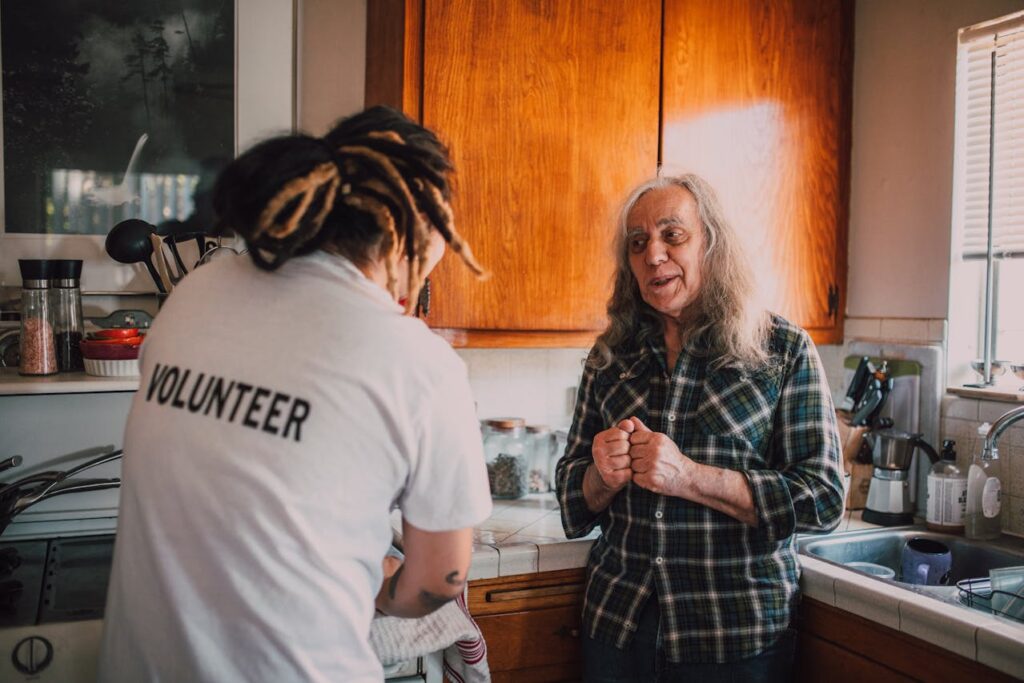
Sharp dressing isn’t just about clothing—it’s also about grooming. Well-maintained hair, neatly trimmed facial hair, and good skincare make a huge difference. Wrinkled clothes or scuffed shoes can take away from an otherwise polished look. A quick daily routine that includes basic skincare, a fresh haircut, and clean, pressed clothing keeps you looking put-together with minimal effort. Fun fact: Studies show that people who take care of their appearance often feel more confident and even perform better in social situations.

Layer Like a Pro

<p>Layering adds depth to an outfit and makes it easy to adjust to changing temperatures. A lightweight sweater over a button-down, a stylish vest, or a well-fitted blazer can transform a simple outfit into something sharp and sophisticated. Stick to layers that complement each other in color and fabric. Avoid bulk—choose slim-fitting layers that don’t add unnecessary weight. The key is balance: each piece should work together to create a polished and effortless look.</p> ::Pexels

Layering adds depth to an outfit and makes it easy to adjust to changing temperatures. A lightweight sweater over a button-down, a stylish vest, or a well-fitted blazer can transform a simple outfit into something sharp and sophisticated. Stick to layers that complement each other in color and fabric. Avoid bulk—choose slim-fitting layers that don’t add unnecessary weight. The key is balance: each piece should work together to create a polished and effortless look.

Update Your Wardrobe With a Few Key Pieces

<p>You don’t need to buy an entirely new wardrobe to look sharp. A few key updates can make all the difference. A quality blazer, a pair of dark jeans, and a polished pair of shoes can refresh your entire closet. Decluttering old, outdated clothes and replacing them with timeless, versatile pieces simplifies dressing well. Keeping your wardrobe fresh ensures you always have something stylish to wear. A few well-chosen items go a long way.</p> ::Pexels

You don’t need to buy an entirely new wardrobe to look sharp. A few key updates can make all the difference. A quality blazer, a pair of dark jeans, and a polished pair of shoes can refresh your entire closet. Decluttering old, outdated clothes and replacing them with timeless, versatile pieces simplifies dressing well. Keeping your wardrobe fresh ensures you always have something stylish to wear. A few well-chosen items go a long way.

Conclusion

<p>Dressing sharp after 60 is all about confidence, comfort, and knowing what works for you. With the right fit, classic colors, and a few well-chosen accessories, looking polished becomes second nature. Prioritizing comfort while maintaining style ensures you feel as good as you look. A well-groomed appearance and a few simple wardrobe updates can make all the difference. No matter your age, dressing well is a form of self-respect—and it’s never too late to step up your style game.</p> ::Pexels

Dressing sharp after 60 is all about confidence, comfort, and knowing what works for you. With the right fit, classic colors, and a few well-chosen accessories, looking polished becomes second nature. Prioritizing comfort while maintaining style ensures you feel as good as you look. A well-groomed appearance and a few simple wardrobe updates can make all the difference. No matter your age, dressing well is a form of self-respect—and it’s never too late to step up your style game.

Filed Under: Lifestyle

16 Things Boomers Were Completely Right About

January 19, 2026 | Leave a Comment

16 Things Boomers Were Completely Right About

<p> Baby Boomers have heard it all—accused of being "old-fashioned" or "out of touch"—but let’s be honest, they got a lot of things right. The world may have changed, but many of their values and habits still make a whole lot of sense today. From money smarts to good manners, Boomers had a way of doing things that younger generations could stand to learn from. So, let’s take a walk down memory lane and celebrate the wisdom of the Boomers. </p> :: Pexels

Baby Boomers have heard it all—accused of being “old-fashioned” or “out of touch”—but let’s be honest, they got a lot of things right. The world may have changed, but many of their values and habits still make a whole lot of sense today. From money smarts to good manners, Boomers had a way of doing things that younger generations could stand to learn from. So, let’s take a walk down memory lane and celebrate the wisdom of the Boomers.

1. Face-to-Face Conversations Are Still the Best

<p> Remember when people actually talked to each other? No screens, no emojis, just good old-fashioned conversation. Boomers knew the value of a firm handshake, eye contact, and meaningful discussions. Today’s digital age has made everything quicker, but it has also made people more distracted. There is something special about a face-to-face chat—whether it is catching up with an old friend over coffee or having a deep discussion with family. Text messages just cannot replace that real human connection. </p> :: Pexels

Remember when people actually talked to each other? No screens, no emojis, just good old-fashioned conversation. Boomers knew the value of a firm handshake, eye contact, and meaningful discussions. Today’s digital age has made everything quicker, but it has also made people more distracted. There is something special about a face-to-face chat—whether it is catching up with an old friend over coffee or having a deep discussion with family. Text messages just cannot replace that real human connection.

2. A Strong Work Ethic Will Get You Far

<p> Boomers believed in working hard, showing up on time, and putting in the effort—because that is how you earn respect and build a good life. They did not expect trophies for just participating, and they knew success does not happen overnight. Today, job-hopping is common, and people chase quick wins, but Boomers knew that loyalty, dedication, and patience pay off in the long run. It is not about working yourself to the bone—it is about taking pride in a job well done. </p> :: Pexels

Boomers believed in working hard, showing up on time, and putting in the effort—because that is how you earn respect and build a good life. They did not expect trophies for just participating, and they knew success does not happen overnight. Today, job-hopping is common, and people chase quick wins, but Boomers knew that loyalty, dedication, and patience pay off in the long run. It is not about working yourself to the bone—it is about taking pride in a job well done.

3. Patience and Saving Up Is Better Than Instant Gratification

<p> Boomers understood that you do not need everything right now. They saved up for big purchases instead of putting everything on credit. They knew the satisfaction of finally buying that new TV or family car after years of careful budgeting. Today’s world is all about "Buy Now, Pay Later," but Boomers knew that patience and financial discipline lead to a lot less stress—and a lot more security. </p> :: Pexels

Boomers understood that you do not need everything right now. They saved up for big purchases instead of putting everything on credit. They knew the satisfaction of finally buying that new TV or family car after years of careful budgeting. Today’s world is all about “Buy Now, Pay Later,” but Boomers knew that patience and financial discipline lead to a lot less stress—and a lot more security.

4. Learning a Trade Can Be a Smart Career Choice

<p> Not everyone needs a college degree to be successful—Boomers knew that. Trades like plumbing, carpentry, and mechanics were not just respectable, they were lucrative. Today, student debt is out of control, and we are facing a shortage of skilled workers. Turns out, Boomers were onto something when they said learning a trade could set you up for life. </p> :: Pexels

Not everyone needs a college degree to be successful—Boomers knew that. Trades like plumbing, carpentry, and mechanics were not just respectable, they were lucrative. Today, student debt is out of control, and we are facing a shortage of skilled workers. Turns out, Boomers were onto something when they said learning a trade could set you up for life.

5. Cooking at Home is Healthier and Cheaper

<p> Boomers grew up in a world where eating out was a treat, not an everyday event. They cooked at home, and guess what? It saved money and was way healthier. Fast food and takeout might be convenient, but nothing beats a home-cooked meal. Not only do you know exactly what is going into your food, but you also get to enjoy quality time around the dinner table—a tradition that is slowly fading but deserves a comeback. </p> :: Pexels

Boomers grew up in a world where eating out was a treat, not an everyday event. They cooked at home, and guess what? It saved money and was way healthier. Fast food and takeout might be convenient, but nothing beats a home-cooked meal. Not only do you know exactly what is going into your food, but you also get to enjoy quality time around the dinner table—a tradition that is slowly fading but deserves a comeback.

6. Retirement Savings Should Start Early

<p> How many young people today are thinking about retirement? Probably not enough. Boomers knew better—they started saving early, even if it was just a little at a time. They understood that the sooner you start, the more comfortable your golden years will be. With rising costs and uncertainty about social security, their advice to prepare for the future is more relevant than ever. </p> :: Pexels

How many young people today are thinking about retirement? Probably not enough. Boomers knew better—they started saving early, even if it was just a little at a time. They understood that the sooner you start, the more comfortable your golden years will be. With rising costs and uncertainty about social security, their advice to prepare for the future is more relevant than ever.

7. Reading Real Books is Good for the Mind

<p> Kindles and audiobooks are convenient, but there is nothing like the feel of a real book in your hands. Boomers always knew that reading was essential—not just for learning, but for relaxation and mental clarity. Unlike scrolling through social media, books make you think, expand your imagination, and provide an escape without the distractions of endless notifications. </p> :: Pexels

Kindles and audiobooks are convenient, but there is nothing like the feel of a real book in your hands. Boomers always knew that reading was essential—not just for learning, but for relaxation and mental clarity. Unlike scrolling through social media, books make you think, expand your imagination, and provide an escape without the distractions of endless notifications.

8. Thinking Critically is a Must

<p> Boomers were raised to ask questions, do their research, and not believe everything they heard. They relied on facts, experience, and common sense before forming an opinion. In a world where misinformation spreads like wildfire online, their emphasis on thinking for yourself is more important than ever. </p> :: Pexels

Boomers were raised to ask questions, do their research, and not believe everything they heard. They relied on facts, experience, and common sense before forming an opinion. In a world where misinformation spreads like wildfire online, their emphasis on thinking for yourself is more important than ever.

9. Driving is an Important Life Skill

<p> Public transportation and rideshare services are great, but Boomers knew that knowing how to drive was a necessity. Being able to get yourself where you need to go—without waiting on someone else—gives you independence and freedom. Whether it is a last-minute road trip or an emergency, Boomers knew that self-sufficiency behind the wheel is invaluable. </p> :: Pexels

Public transportation and rideshare services are great, but Boomers knew that knowing how to drive was a necessity. Being able to get yourself where you need to go—without waiting on someone else—gives you independence and freedom. Whether it is a last-minute road trip or an emergency, Boomers knew that self-sufficiency behind the wheel is invaluable.

10. Being Active in the Community Matters

<p> Boomers built strong communities by getting involved—volunteering, attending local events, and knowing their neighbors. Today, people are more connected online than in real life. But true community comes from showing up, lending a hand, and looking out for one another. A friendly neighborhood where people actually talk to each other? That is something worth keeping alive. </p> :: Pexels

Boomers built strong communities by getting involved—volunteering, attending local events, and knowing their neighbors. Today, people are more connected online than in real life. But true community comes from showing up, lending a hand, and looking out for one another. A friendly neighborhood where people actually talk to each other? That is something worth keeping alive.

11. Voting is Not Just a Right—It is a Responsibility

<p> Boomers never took their right to vote for granted. They knew that if you want change, you have to show up and make your voice heard. While some younger people feel disillusioned with politics, Boomers understood that every vote matters. The policies and leaders we choose shape the future, and staying informed and involved is the only way to make a difference. </p> :: Pexels

Boomers never took their right to vote for granted. They knew that if you want change, you have to show up and make your voice heard. While some younger people feel disillusioned with politics, Boomers understood that every vote matters. The policies and leaders we choose shape the future, and staying informed and involved is the only way to make a difference.

12. Good Manners and Respect Go a Long Way

<p> Remember when people held the door open for each other? Or when kids said "please" and "thank you" without being prompted? Boomers do. They grew up in a time when manners mattered, and being polite was not optional. Respect and kindness make life better for everyone, and it is something the world could use a lot more of today. </p> :: Pexels

Remember when people held the door open for each other? Or when kids said “please” and “thank you” without being prompted? Boomers do. They grew up in a time when manners mattered, and being polite was not optional. Respect and kindness make life better for everyone, and it is something the world could use a lot more of today.

13. Avoiding Debt Means Less Stress

<p> Boomers lived by a simple rule: If you cannot afford it, do not buy it. They avoided unnecessary debt and focused on living within their means. Credit card debt, high-interest loans, and constant spending lead to financial stress. Boomers’ money-smart habits remind us that saving up and budgeting wisely can prevent a world of financial headaches. </p> :: Pexels

Boomers lived by a simple rule: If you cannot afford it, do not buy it. They avoided unnecessary debt and focused on living within their means. Credit card debt, high-interest loans, and constant spending lead to financial stress. Boomers’ money-smart habits remind us that saving up and budgeting wisely can prevent a world of financial headaches.

14. Staying Active Keeps You Young

<p> Boomers understood that movement is the key to staying youthful. Whether it was walking, gardening, or playing a sport, they stayed active. Exercise is not just about fitness—it keeps your body strong, your mind sharp, and your energy levels high. They did not need fancy gyms or fitness apps, just a commitment to keeping moving. </p> :: Pexels

Boomers understood that movement is the key to staying youthful. Whether it was walking, gardening, or playing a sport, they stayed active. Exercise is not just about fitness—it keeps your body strong, your mind sharp, and your energy levels high. They did not need fancy gyms or fitness apps, just a commitment to keeping moving.

15. Basic Life Skills Are Essential

<p> Boomers knew how to do things for themselves—change a tire, sew a button, balance a checkbook. These skills made them self-sufficient and saved them a ton of money. Younger generations rely on services for everything, but knowing how to handle basic tasks is empowering and practical. </p> :: Pexels

Boomers knew how to do things for themselves—change a tire, sew a button, balance a checkbook. These skills made them self-sufficient and saved them a ton of money. Younger generations rely on services for everything, but knowing how to handle basic tasks is empowering and practical.

16. Learning Never Stops

<p> Boomers knew that education does not end with school. They embraced lifelong learning, whether it was picking up new hobbies, reading, or staying informed about the world. In a rapidly changing world, staying curious and open to new knowledge is the key to staying sharp and engaged. </p> :: Pexels

Boomers knew that education does not end with school. They embraced lifelong learning, whether it was picking up new hobbies, reading, or staying informed about the world. In a rapidly changing world, staying curious and open to new knowledge is the key to staying sharp and engaged.

Final Thoughts

<p> Boomers may have grown up in a different time, but their wisdom is timeless. They understood the value of hard work, respect, financial responsibility, and community—all things that still matter today. While the world keeps changing, some things will always be true, and Boomers were right about a lot more than they get credit for. </p> :: Pexels

Boomers may have grown up in a different time, but their wisdom is timeless. They understood the value of hard work, respect, financial responsibility, and community—all things that still matter today. While the world keeps changing, some things will always be true, and Boomers were right about a lot more than they get credit for.

Filed Under: Lifestyle

8 Everyday Joys You Appreciate More in Your Golden Years

January 19, 2026 | Leave a Comment

8 Everyday Joys You Appreciate More in Your Golden Years

<p>Life has a way of making us rush past the little things. But as the years go by, those small moments start to shine. Whether it’s the warmth of a morning sunbeam or the simple joy of an unhurried meal, aging brings a deeper sense of gratitude. Here are eight everyday joys that become even sweeter in your golden years.</p> ::Pexels

Life has a way of making us rush past the little things. But as the years go by, those small moments start to shine. Whether it’s the warmth of a morning sunbeam or the simple joy of an unhurried meal, aging brings a deeper sense of gratitude. Here are eight everyday joys that become even sweeter in your golden years.

A Peaceful Morning

<p>Mornings are no longer a race against the clock. Instead of scrambling to get out the door, you can savor a quiet sunrise with a warm cup of coffee or tea. Birds chirping outside your window suddenly feel like a personal concert. Science even backs this up—exposure to natural morning light helps regulate sleep and mood. It’s no wonder retirees often find mornings to be the best part of the day.</p> ::Pexels

Mornings are no longer a race against the clock. Instead of scrambling to get out the door, you can savor a quiet sunrise with a warm cup of coffee or tea. Birds chirping outside your window suddenly feel like a personal concert. Science even backs this up—exposure to natural morning light helps regulate sleep and mood. It’s no wonder retirees often find mornings to be the best part of the day.

A Good Conversation

<p>As life slows down, you realize that real conversations matter more than ever. Small talk fades, and deep, meaningful exchanges take center stage. Whether it’s reminiscing with an old friend or chatting with a grandchild about their dreams, these moments become treasures. Studies show that social connections can improve mental sharpness and overall well-being. Talking is not just fun—it’s good for your brain.</p> ::Pexels

As life slows down, you realize that real conversations matter more than ever. Small talk fades, and deep, meaningful exchanges take center stage. Whether it’s reminiscing with an old friend or chatting with a grandchild about their dreams, these moments become treasures. Studies show that social connections can improve mental sharpness and overall well-being. Talking is not just fun—it’s good for your brain.

The Joy of a Home-Cooked Meal

<p>Eating isn’t just about fueling the body anymore; it’s about savoring every bite. A homemade dish, whether it’s an old family recipe or a new favorite, carries a kind of comfort that restaurant meals rarely match. Cooking itself becomes a joy, too. Kneading dough, stirring soup, or even just setting the table turns into a soothing ritual. Plus, home-cooked meals are often healthier, which means more energy to enjoy the day.</p> ::Pexels

Eating isn’t just about fueling the body anymore; it’s about savoring every bite. A homemade dish, whether it’s an old family recipe or a new favorite, carries a kind of comfort that restaurant meals rarely match. Cooking itself becomes a joy, too. Kneading dough, stirring soup, or even just setting the table turns into a soothing ritual. Plus, home-cooked meals are often healthier, which means more energy to enjoy the day.

A Leisurely Walk

<p>Once upon a time, walking was just a way to get from point A to point B. Now, it’s an experience to enjoy. A gentle stroll through the park or down a quiet street lets you notice things you once overlooked—the smell of blooming flowers, the crunch of leaves underfoot, or the way the light dances through the trees. Walking is also one of the best exercises for staying strong and keeping the heart healthy.</p> ::Pexels

Once upon a time, walking was just a way to get from point A to point B. Now, it’s an experience to enjoy. A gentle stroll through the park or down a quiet street lets you notice things you once overlooked—the smell of blooming flowers, the crunch of leaves underfoot, or the way the light dances through the trees. Walking is also one of the best exercises for staying strong and keeping the heart healthy.

Music That Takes You Back

<p>A familiar tune has the power to transport you to another time. That song from your first dance? The melody your parents used to play on the radio? Music can trigger memories more vividly than almost anything else. Scientists say that music activates the brain in ways that keep it young. Whether it’s jazz, rock, or classical, the songs of your past now feel more precious than ever.</p> ::Pexels

A familiar tune has the power to transport you to another time. That song from your first dance? The melody your parents used to play on the radio? Music can trigger memories more vividly than almost anything else. Scientists say that music activates the brain in ways that keep it young. Whether it’s jazz, rock, or classical, the songs of your past now feel more precious than ever.

The Beauty of a Good Book

<p>Reading takes on a new meaning when there’s no rush to finish a chapter. Books become old friends, their pages filled with wisdom, adventure, and escape. Whether it’s a classic novel, a gripping mystery, or a well-worn favorite you’ve read a dozen times, a good book is a simple pleasure that never gets old. Studies show that reading keeps the brain engaged and may even help delay cognitive decline.</p> ::Pexels

Reading takes on a new meaning when there’s no rush to finish a chapter. Books become old friends, their pages filled with wisdom, adventure, and escape. Whether it’s a classic novel, a gripping mystery, or a well-worn favorite you’ve read a dozen times, a good book is a simple pleasure that never gets old. Studies show that reading keeps the brain engaged and may even help delay cognitive decline.

A Quiet Afternoon

<p>Afternoons were once packed with tasks and obligations. Now, they offer something rare and valuable: time to simply be. Whether it’s sitting on the porch, watching the world go by, or enjoying a midday nap, these quiet moments bring deep satisfaction. There’s no guilt in resting anymore—it’s a well-earned luxury. The best part? No alarm clock buzzing to cut it short.</p> ::Pexels

Afternoons were once packed with tasks and obligations. Now, they offer something rare and valuable: time to simply be. Whether it’s sitting on the porch, watching the world go by, or enjoying a midday nap, these quiet moments bring deep satisfaction. There’s no guilt in resting anymore—it’s a well-earned luxury. The best part? No alarm clock buzzing to cut it short.

The Warmth of Family and Friends

<p>Relationships take on a new depth with age. The company of loved ones becomes more meaningful than any possession. A hug from a grandchild, a long phone call with an old friend, or even just sharing a meal with family—all of it holds more weight. Studies show that strong social ties are linked to longer, healthier lives. In the end, the best joys are the ones shared.</p> ::Pexels

Relationships take on a new depth with age. The company of loved ones becomes more meaningful than any possession. A hug from a grandchild, a long phone call with an old friend, or even just sharing a meal with family—all of it holds more weight. Studies show that strong social ties are linked to longer, healthier lives. In the end, the best joys are the ones shared.

Conclusion

<p>Aging has a way of revealing the true beauty in everyday life. What once seemed ordinary now feels like a gift. Whether it’s a quiet morning, a good book, or a heartfelt conversation, these small joys make each day richer. The secret to happiness isn’t in chasing more—it’s in appreciating what’s already there.</p> ::Pexels

Aging has a way of revealing the true beauty in everyday life. What once seemed ordinary now feels like a gift. Whether it’s a quiet morning, a good book, or a heartfelt conversation, these small joys make each day richer. The secret to happiness isn’t in chasing more—it’s in appreciating what’s already there.

Filed Under: Lifestyle

7 Simple Living Hacks Millennials Are Loving for a More Peaceful Life

January 19, 2026 | Leave a Comment

7 Simple Living Hacks Millennials Are Loving for a More Peaceful Life

<p> Millennials are embracing the trend of slowing down and reconnecting with nature. A lifestyle often associated with simplicity, sustainability, and mindfulness, this shift has given rise to a movement that values simplicity over complexity. With a focus on self-sufficiency, nature-inspired decor, and a slower pace of life, these "back-to-basics" approaches are exactly what many millennials need to escape the hustle of modern living. If you're ready to take part in this refreshing movement, here are seven simple living hacks millennials are loving for a more peaceful and fulfilling life. </p> :: Freepik

Millennials are embracing the trend of slowing down and reconnecting with nature. A lifestyle often associated with simplicity, sustainability, and mindfulness, this shift has given rise to a movement that values simplicity over complexity. With a focus on self-sufficiency, nature-inspired decor, and a slower pace of life, these “back-to-basics” approaches are exactly what many millennials need to escape the hustle of modern living. If you’re ready to take part in this refreshing movement, here are seven simple living hacks millennials are loving for a more peaceful and fulfilling life.

1. Embracing Homegrown Food and Gardening

<p> One of the most beloved hacks for millennials is starting a garden and growing their own food. Not only does this hobby provide a sense of accomplishment, but it also allows for a more sustainable lifestyle. With concerns over food security and climate change, many millennials are taking matters into their own hands by planting herbs, vegetables, and fruits in their backyards or even on apartment balconies. Gardening offers countless benefits, such as reducing food waste, saving money on groceries, and fostering a deeper connection to nature. Plus, it's a therapeutic way to spend time outdoors while cultivating fresh produce for homemade meals. </p> :: Pexels

One of the most beloved hacks for millennials is starting a garden and growing their own food. Not only does this hobby provide a sense of accomplishment, but it also allows for a more sustainable lifestyle. With concerns over food security and climate change, many millennials are taking matters into their own hands by planting herbs, vegetables, and fruits in their backyards or even on apartment balconies. Gardening offers countless benefits, such as reducing food waste, saving money on groceries, and fostering a deeper connection to nature. Plus, it’s a therapeutic way to spend time outdoors while cultivating fresh produce for homemade meals.

2. Decorating with Natural Elements

<p> Natural materials like wood, stone, and woven textiles have become central to home decor as millennials seek a more organic and earthy atmosphere. This approach to decorating emphasizes simplicity and warmth, with rustic furniture, handmade ceramics, and botanical accents taking center stage. By choosing sustainable materials, millennials are able to create cozy, inviting spaces that promote relaxation and mindfulness. Incorporating greenery, such as houseplants, into the home is another key aspect of this aesthetic. These natural elements help reduce stress and foster a calming, peaceful environment, perfect for unwinding after a busy day. </p> :: Pexels

Natural materials like wood, stone, and woven textiles have become central to home decor as millennials seek a more organic and earthy atmosphere. This approach to decorating emphasizes simplicity and warmth, with rustic furniture, handmade ceramics, and botanical accents taking center stage. By choosing sustainable materials, millennials are able to create cozy, inviting spaces that promote relaxation and mindfulness. Incorporating greenery, such as houseplants, into the home is another key aspect of this aesthetic. These natural elements help reduce stress and foster a calming, peaceful environment, perfect for unwinding after a busy day.

3. Minimalism for Clutter-Free Living

<p> The minimalist lifestyle has become a favorite among millennials looking to simplify their lives and reduce the distractions that come with excess clutter. By focusing on only the essentials and removing unnecessary items, this approach creates a sense of calm and order within the home. Millennials are opting for fewer, more meaningful possessions, opting for high-quality, functional items that bring joy and serve a purpose. Minimalism also extends to digital decluttering, with many embracing practices such as reducing screen time and cleaning up digital files. The goal is to create a balanced, intentional space that encourages more time for hobbies, self-care, and mindfulness. </p> :: Pexels

The minimalist lifestyle has become a favorite among millennials looking to simplify their lives and reduce the distractions that come with excess clutter. By focusing on only the essentials and removing unnecessary items, this approach creates a sense of calm and order within the home. Millennials are opting for fewer, more meaningful possessions, opting for high-quality, functional items that bring joy and serve a purpose. Minimalism also extends to digital decluttering, with many embracing practices such as reducing screen time and cleaning up digital files. The goal is to create a balanced, intentional space that encourages more time for hobbies, self-care, and mindfulness.

4. Slow Mornings and Mindful Routines

<p> Gone are the days of rushing through mornings in a frenzied, stressed-out state. Millennials are loving the slow morning routine, where the first few hours of the day are spent in peaceful, intentional ways. This could mean starting the day with a cup of tea or coffee while reading a book, journaling, or practicing mindfulness meditation. A slow start sets a positive tone for the day ahead, reducing stress and enhancing mental clarity. By focusing on the present moment and avoiding the rush to start the day, millennials are finding that they can embrace a more grounded and balanced lifestyle. Whether it's a relaxing breakfast or a quick walk outside, slow mornings promote self-care and a healthy mindset. </p> :: Pexels

Gone are the days of rushing through mornings in a frenzied, stressed-out state. Millennials are loving the slow morning routine, where the first few hours of the day are spent in peaceful, intentional ways. This could mean starting the day with a cup of tea or coffee while reading a book, journaling, or practicing mindfulness meditation. A slow start sets a positive tone for the day ahead, reducing stress and enhancing mental clarity. By focusing on the present moment and avoiding the rush to start the day, millennials are finding that they can embrace a more grounded and balanced lifestyle. Whether it’s a relaxing breakfast or a quick walk outside, slow mornings promote self-care and a healthy mindset.

5. Sustainable Fashion Choices

<p> Sustainability is a growing concern among millennials, and it’s influencing their fashion choices in significant ways. Instead of buying fast fashion, many are turning to thrift stores, second-hand shops, or sustainable brands that prioritize eco-friendly practices. Upcycling and repurposing old clothing is also a favorite activity, allowing millennials to get creative with their wardrobes while reducing their environmental impact. This shift in buying habits not only promotes a more sustainable way of living but also encourages creativity and individuality in personal style. Millennials are loving this shift because it allows them to make thoughtful, intentional purchases that align with their values while also saving money. </p> :: Freepik

Sustainability is a growing concern among millennials, and it’s influencing their fashion choices in significant ways. Instead of buying fast fashion, many are turning to thrift stores, second-hand shops, or sustainable brands that prioritize eco-friendly practices. Upcycling and repurposing old clothing is also a favorite activity, allowing millennials to get creative with their wardrobes while reducing their environmental impact. This shift in buying habits not only promotes a more sustainable way of living but also encourages creativity and individuality in personal style. Millennials are loving this shift because it allows them to make thoughtful, intentional purchases that align with their values while also saving money.

6. Digital Detox and Disconnecting

<p> As digital devices continue to dominate our lives, millennials are increasingly embracing the digital detox lifestyle. The constant buzz of notifications, emails, and social media updates can lead to burnout, anxiety, and a sense of being constantly "on." To counteract this, millennials are setting aside time each day to disconnect from screens, whether that means spending time outdoors, reading a physical book, or simply enjoying a meal without distractions. Taking a break from the digital world helps improve mental clarity, strengthen relationships, and boost overall well-being. This hack offers a much-needed reprieve from the constant information overload and encourages a more mindful, balanced approach to technology use. </p> :: Pexels

As digital devices continue to dominate our lives, millennials are increasingly embracing the digital detox lifestyle. The constant buzz of notifications, emails, and social media updates can lead to burnout, anxiety, and a sense of being constantly “on.” To counteract this, millennials are setting aside time each day to disconnect from screens, whether that means spending time outdoors, reading a physical book, or simply enjoying a meal without distractions. Taking a break from the digital world helps improve mental clarity, strengthen relationships, and boost overall well-being. This hack offers a much-needed reprieve from the constant information overload and encourages a more mindful, balanced approach to technology use.

7. Slow Fashion and DIY Crafts

<p> Another trend millennials are loving is the return to DIY crafts and slow fashion, which emphasizes creating and making things with intention and care. From knitting scarves to making candles and soap, these hands-on hobbies offer a way to unwind while reconnecting with traditional skills. Not only do these activities promote creativity and mindfulness, but they also allow millennials to produce unique, personalized items that reflect their individual styles. Whether it's sewing clothes from scratch or upcycling old furniture, slow fashion and DIY crafts offer an opportunity to escape the fast-paced, mass-produced world of consumerism and embrace a more sustainable, hands-on lifestyle. </p> :: Pexels

Another trend millennials are loving is the return to DIY crafts and slow fashion, which emphasizes creating and making things with intention and care. From knitting scarves to making candles and soap, these hands-on hobbies offer a way to unwind while reconnecting with traditional skills. Not only do these activities promote creativity and mindfulness, but they also allow millennials to produce unique, personalized items that reflect their individual styles. Whether it’s sewing clothes from scratch or upcycling old furniture, slow fashion and DIY crafts offer an opportunity to escape the fast-paced, mass-produced world of consumerism and embrace a more sustainable, hands-on lifestyle.

Final Thoughts

<p> Millennials are increasingly drawn to simple living hacks that allow them to disconnect from the chaos of modern life and reconnect with nature, creativity, and self-sufficiency. From gardening and minimalism to digital detoxes and sustainable fashion choices, these practices offer a refreshing escape from the hustle and bustle of everyday life. By embracing these seven simple living hacks, millennials are cultivating a lifestyle that prioritizes mindfulness, sustainability, and well-being—an approach that not only benefits the individual but also the planet. Whether it's growing your own food or crafting a cozy, minimalist home, these practices offer a path to a simpler, more fulfilling life. So, if you're looking to slow down and enjoy the present moment, why not try out one (or all!) of these hacks for yourself? </p> :: Pexels

Millennials are increasingly drawn to simple living hacks that allow them to disconnect from the chaos of modern life and reconnect with nature, creativity, and self-sufficiency. From gardening and minimalism to digital detoxes and sustainable fashion choices, these practices offer a refreshing escape from the hustle and bustle of everyday life. By embracing these seven simple living hacks, millennials are cultivating a lifestyle that prioritizes mindfulness, sustainability, and well-being—an approach that not only benefits the individual but also the planet. Whether it’s growing your own food or crafting a cozy, minimalist home, these practices offer a path to a simpler, more fulfilling life. So, if you’re looking to slow down and enjoy the present moment, why not try out one (or all!) of these hacks for yourself?

Filed Under: Lifestyle

  • 1
  • 2
  • 3
  • …
  • 54
  • Next Page »
  • Email
  • Facebook
  • Pinterest
  • Twitter

Our Most Popular Articles

ClickCashGo Review: Should You Avoid At All Costs?

Ultimate Guide to Mastering Your Credit Score

The 'YOLO' Mindset is a Dangerous Thing

Dave Ramsey's Financial Peace University Review: Is it Worth the Money?

Cash App Glitch 2025: Is the Free Money Glitch Real?

Five Steps To Debt Freedom

Here are five simple guidlines that will help you pay off debt.  

1) Get an emergency fund so you don’t take on debt when something comes up.

2) List your debts. This way you know where you stand.

3) Use the debt snowball. Pay your debts from smallest to largest, or most expensive to least expensive.

4) Avoid new debt. No new credit cards or loans. Period.

5) Go all cash. After everything is paid off, switch to all cash.

Helpful Resources

U of Tennesse Debt Repayment Plan Basics

Vertex 42's Debt Payoff Calculator

Savingadvice's Helpful Debt Forums

Jackie Becks Debt Blog