Everyday Items from the 1950s You’d Be Surprised Are Now Illegal
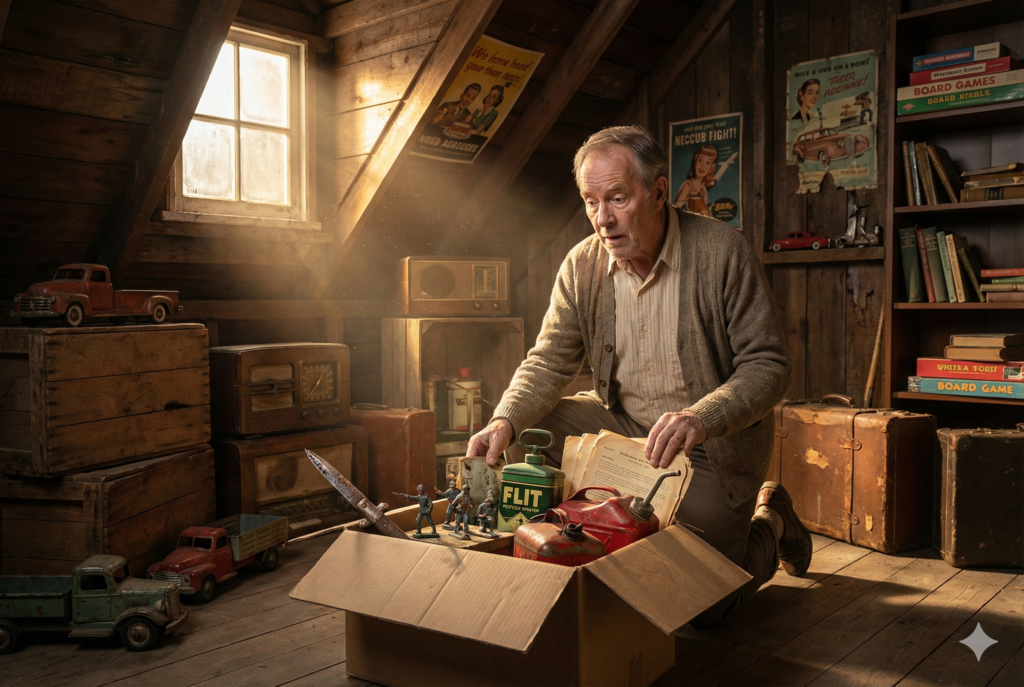
Ah, the 1950s — the golden age of drive-in movies, milkshakes at the diner, and shiny chrome everything. It was a time when kids rode bikes without helmets, people smoked in hospital waiting rooms, and lead paint was practically a household staple. For many baby boomers, these memories bring a wave of nostalgia for simpler days. But those “simpler” times also came with a long list of products and habits that, thanks to modern laws and a better understanding of safety and health, are now completely off-limits.
If you ever find yourself rummaging through an old garage, basement, or family attic, you might be surprised to learn that some of those beloved relics from your childhood are actually illegal to own, sell, or use today. Let’s take a walk down memory lane and uncover 13 everyday items from the 1950s that wouldn’t pass the legal sniff test anymore.
1. Switchblade Knives
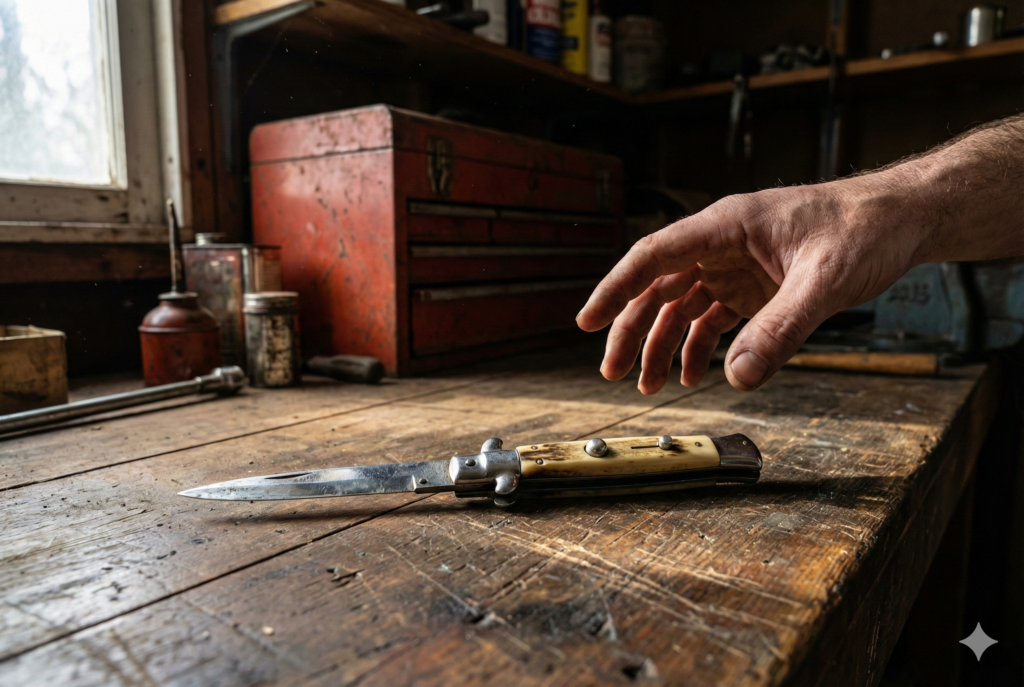
In the 1950s, owning a switchblade knife was a mark of cool rebellion, made famous by Hollywood’s bad-boy movies. But that “click and flick” sound quickly gained a reputation as dangerous, and by 1958, the federal Switchblade Knife Act made it illegal to manufacture, sell, or transport them across state lines. Some states still have strict bans in place today. If you stumble across an old one in a drawer somewhere, it might be better suited for display than your pocket.
2. Lead-Based Paint
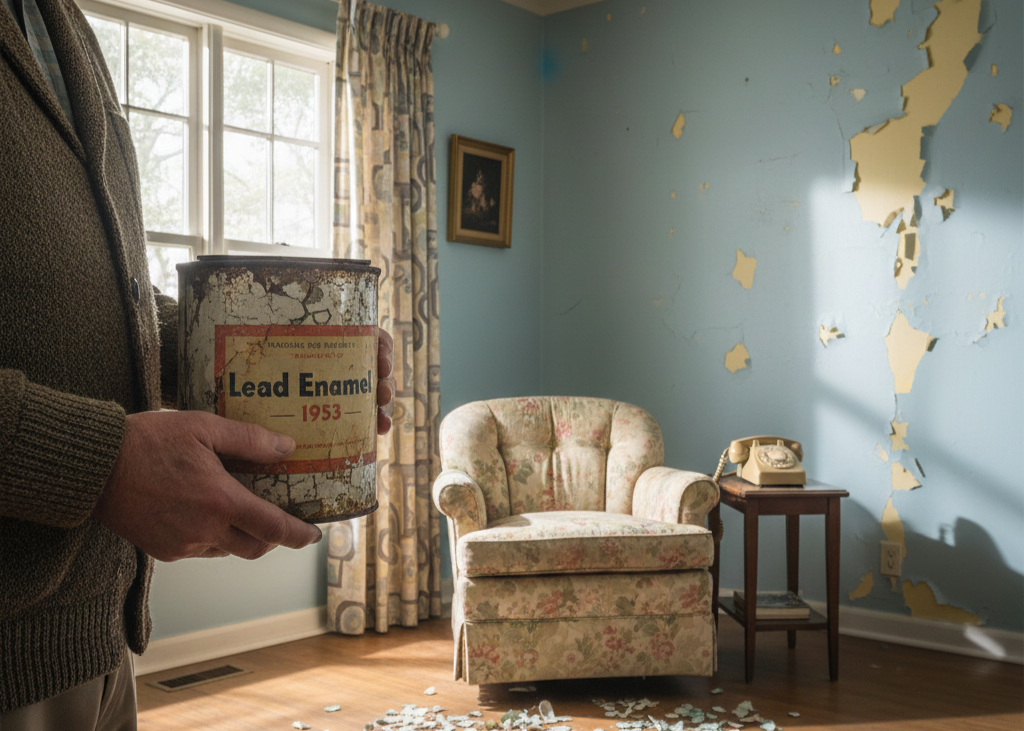
Remember those bright, durable paint colors that seemed to last forever? They owed their longevity to lead — a metal we now know is extremely toxic, especially for children. It wasn’t until 1978 that the U.S. government officially banned the use of lead-based paint in homes. If you still own a 1950s house, it’s worth testing older painted areas for lead before starting renovations. What once made your home shine could now pose serious health risks.
3. DDT Pesticide
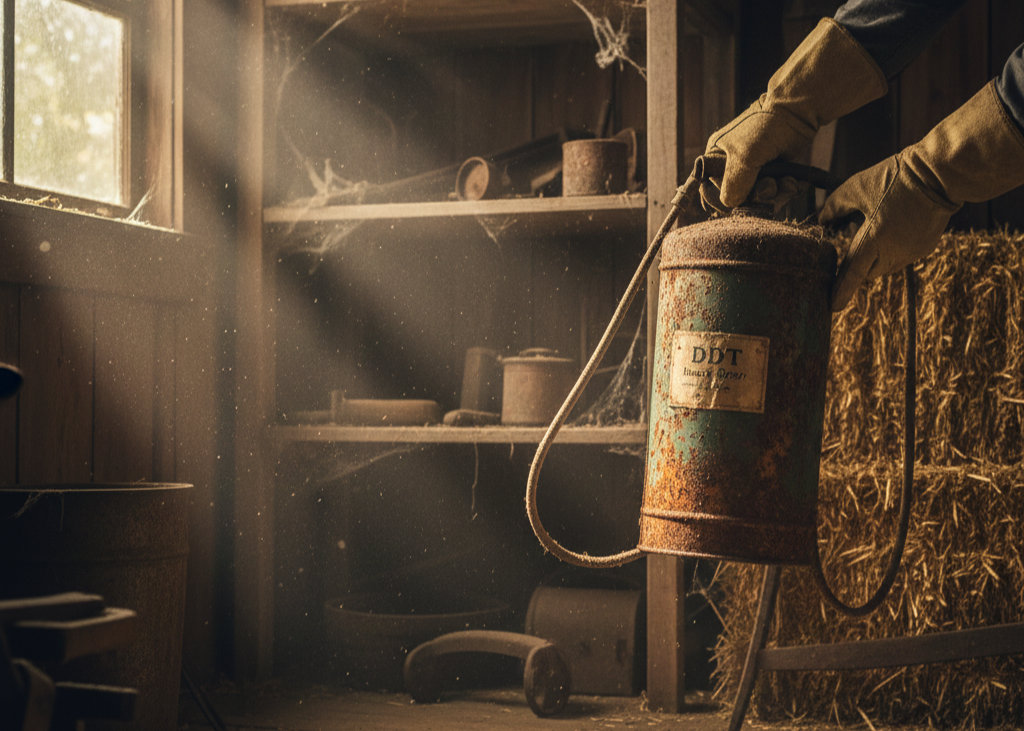
Back then, DDT was considered a miracle chemical for killing bugs. People sprayed it on crops, in gardens, and even around playgrounds without a second thought. But by the early 1970s, the Environmental Protection Agency banned it after discovering its lasting damage to wildlife and its potential to cause health problems in humans. If you ever find an old container of DDT hiding in a shed or barn, don’t open it — it’s a relic of a bygone era that belongs in a hazardous waste facility, not under your sink.
4. Asbestos Insulation
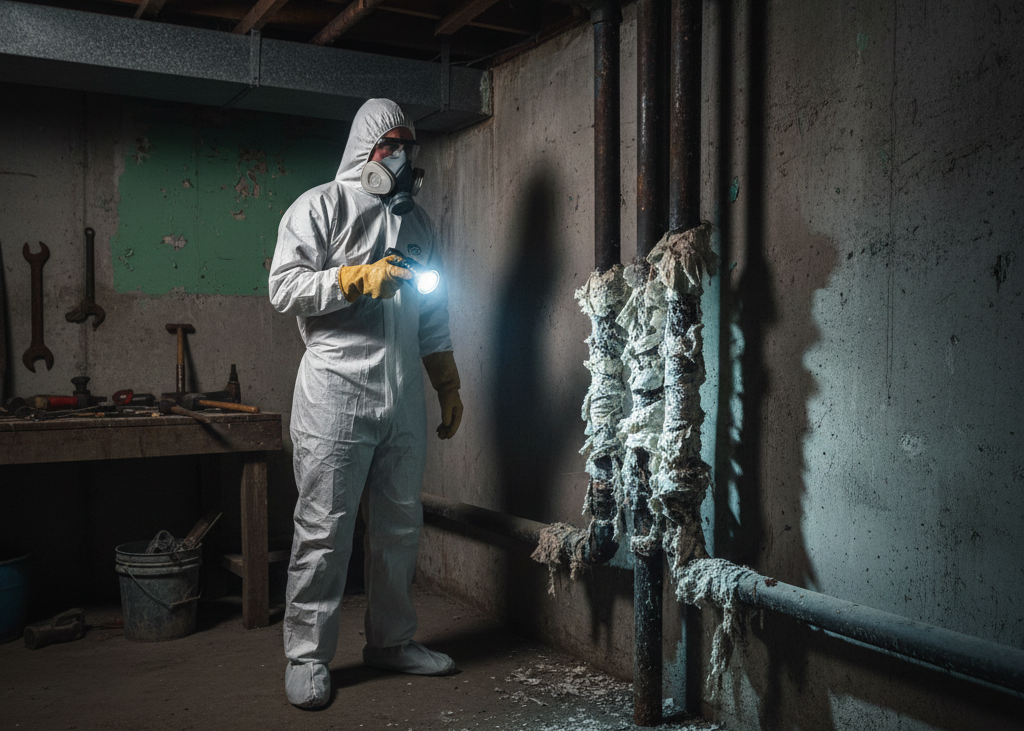
During the 1950s, asbestos was hailed as a wonder material because it was heat-resistant, cheap, and easy to install. It was used in everything from home insulation to floor tiles and even some appliances. Unfortunately, it was later linked to serious lung diseases like mesothelioma. Today, asbestos use is heavily restricted or banned in many products. If your old home still has that original insulation, it’s smart to call in professionals for removal — this is not a DIY job you want to tackle yourself.
5. Leaded Gasoline
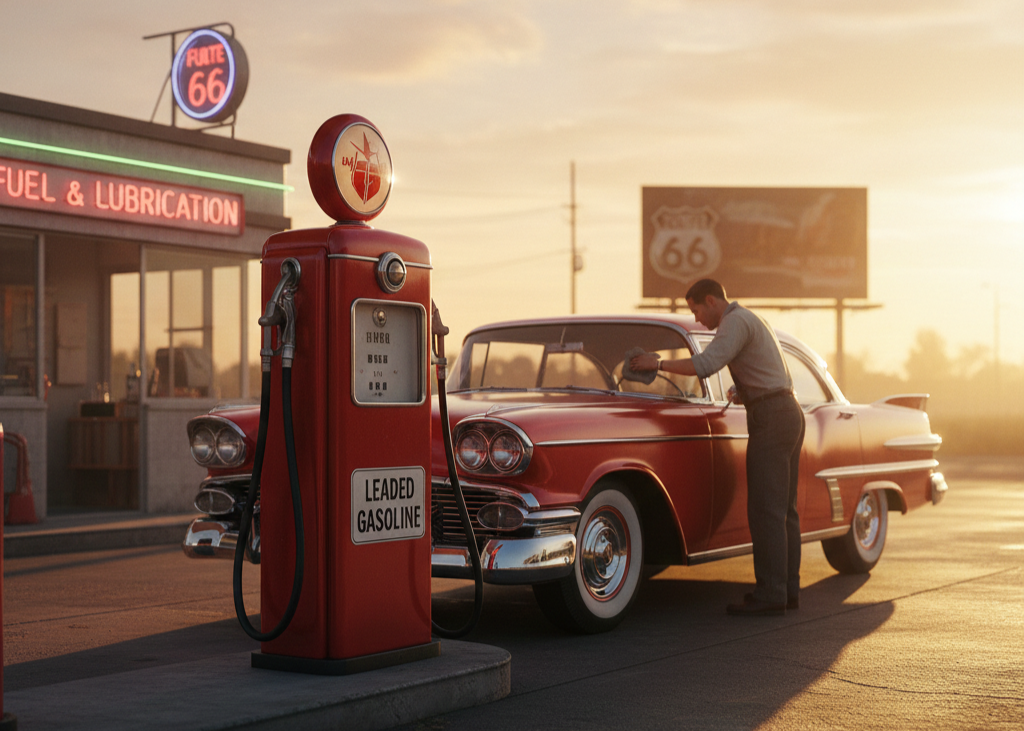
Nothing says 1950s Americana like a shiny car and the smell of gasoline at the corner station. But for decades, that gas contained tetraethyl lead, a chemical that made engines run smoother while quietly poisoning the air. By 1996, leaded gasoline was fully phased out in the United States. While collectors can still own vintage cars, they must run them on unleaded fuel or use approved additives. It’s a good thing cleaner air won out — even if it means your classic Chevy needs a modern tune-up.
6. Smoking in Public Places

Lighting up used to be as common as drinking coffee. People smoked in restaurants, airplanes, offices, and even hospitals. Today, it’s hard to imagine such scenes, but smoking bans didn’t become widespread until the late 1980s and 1990s. Now, nearly every U.S. state restricts smoking in public spaces. Those old “smoking sections” are a memory best left in the past — along with the smell that clung to everything.
7. Unsafe Car Seats (or None at All)
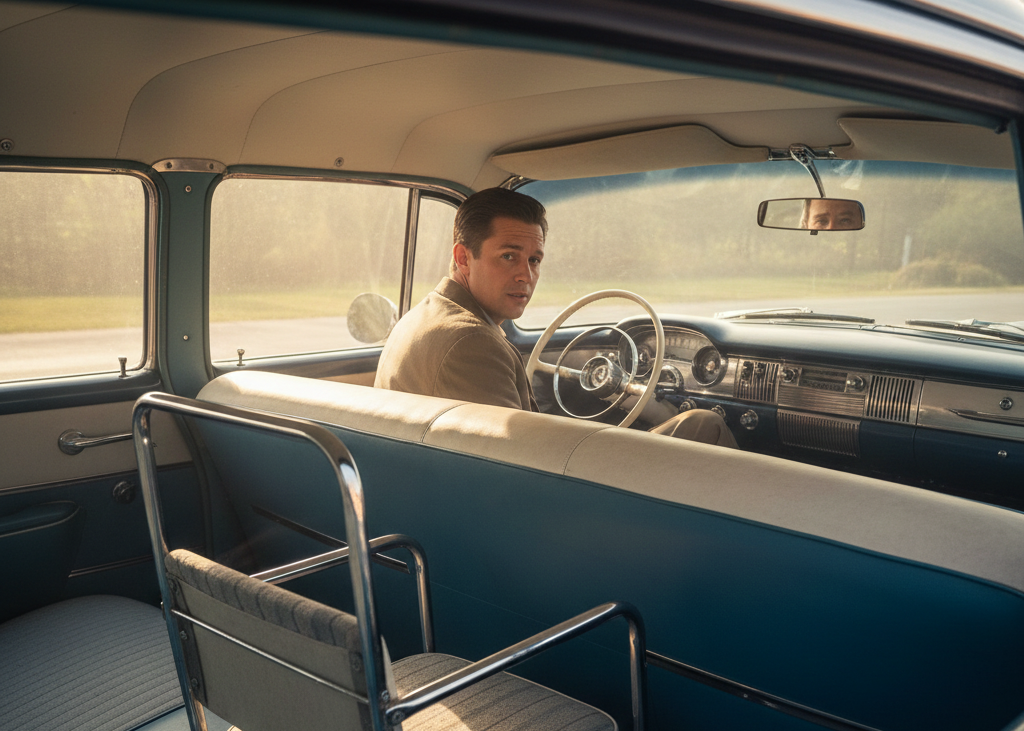
Back in the day, baby car seats were mostly designed to keep little ones sitting upright so Mom could keep an eye on them — not to protect them in an accident. In fact, many kids rode in laps or stood in the back seat while the car cruised down the highway. Modern safety laws have changed that for the better. Today, strict regulations ensure children are buckled in with the right car seats, and those old metal-framed seats from the 1950s would never pass safety standards now.
8. Riding in the Back of Pickup Trucks
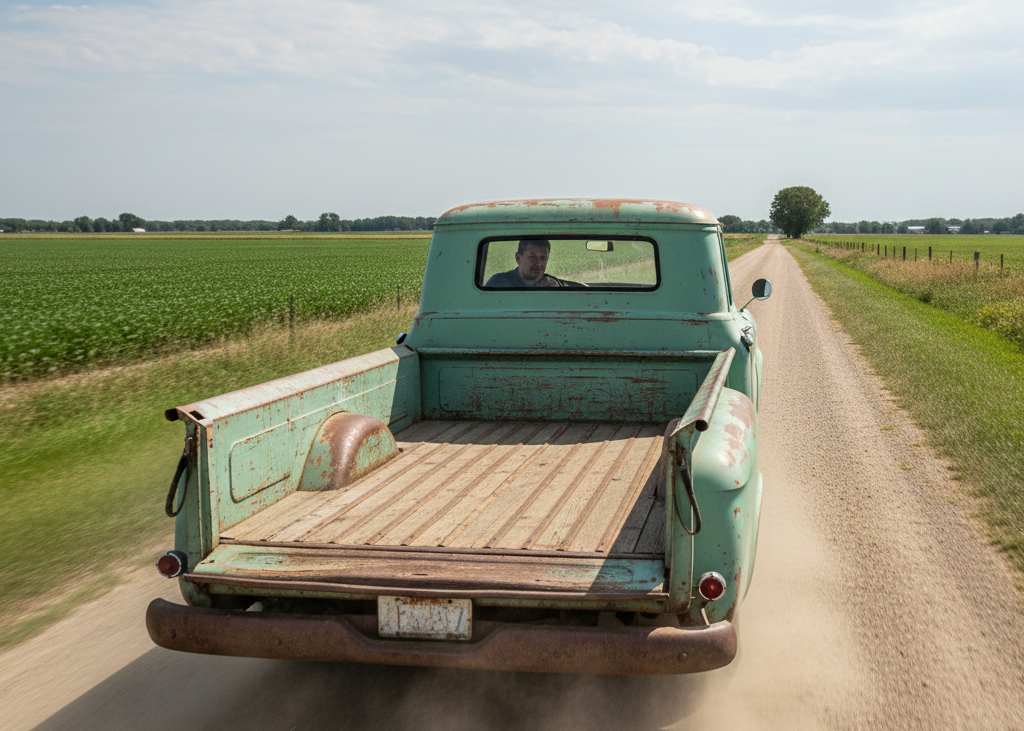
If you grew up in a rural area, chances are you remember piling into the back of a pickup truck with your friends or cousins on a sunny day. While it felt like freedom, it’s now considered dangerous and is illegal in many states, especially for minors. Most states require passengers to ride inside the cab, safely buckled up. Those carefree rides might have been fun, but safety laws now have the last word.
9. Unlabeled Cleaning Products and Chemicals

In the 1950s, you could find powerful cleaning agents in nearly every home, often without clear labels or safety warnings. Some even came in plain bottles with handwritten notes. Today, strict labeling laws require that all household chemicals include detailed warnings and instructions. So if you happen to uncover a mysterious old bottle of cleaner from your parents’ house, don’t experiment with it — it could contain banned ingredients or pose serious health risks.
10. Cigarette Ads Featuring Doctors
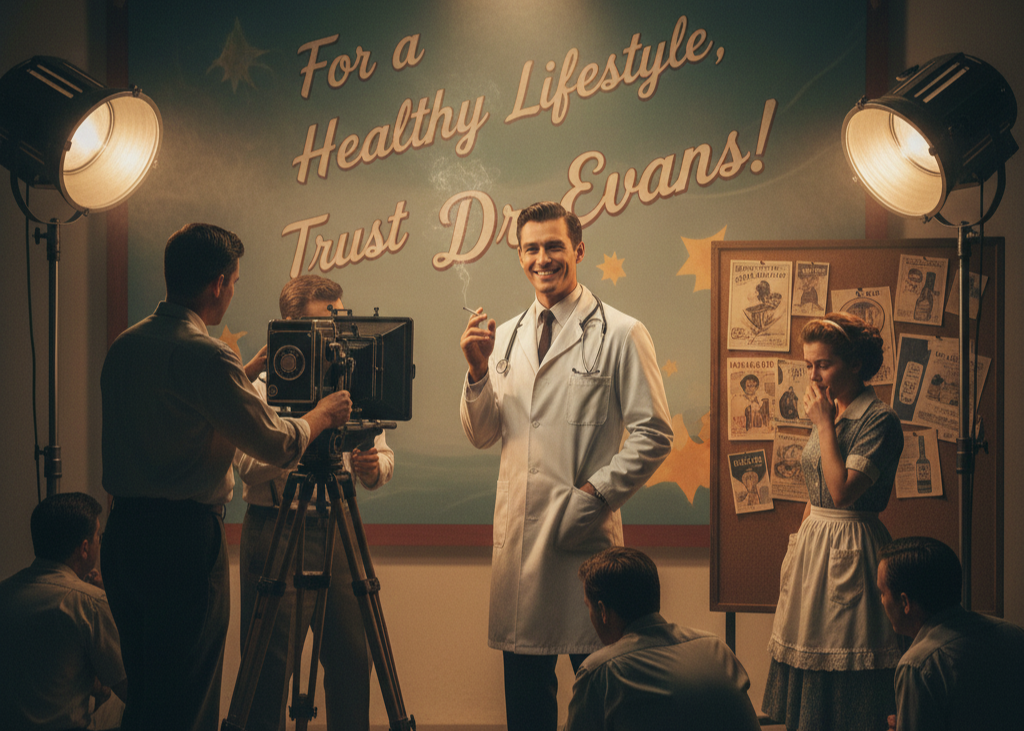
It sounds unbelievable now, but there was a time when cigarette ads proudly featured doctors recommending certain brands as “better for your throat.” These ads appeared in magazines, billboards, and TV commercials. It wasn’t until the mid-1960s that tobacco advertising laws began to crack down on false medical claims. By the 1970s, such ads were completely banned. They may be an amusing piece of nostalgia today, but they also remind us how far public health education has come.
11. Child Labor in Factories and Farms
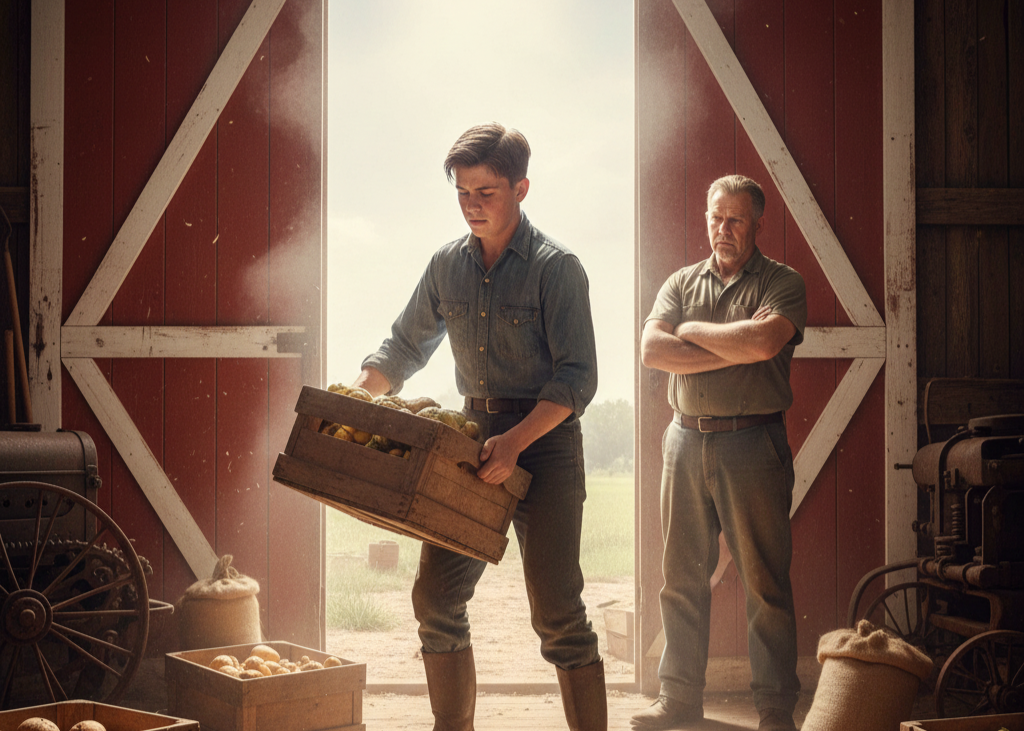
While formal child labor laws were already in place before the 1950s, they weren’t always strictly enforced — especially in rural areas or family businesses. It wasn’t uncommon for teenagers to work long hours on farms or in small factories after school. Modern laws have closed many of those loopholes, strictly limiting the types of work and hours minors can perform. It’s a reminder that while the work ethic of that generation was strong, safety and education matter just as much.
12. Powerful Fireworks and Explosives
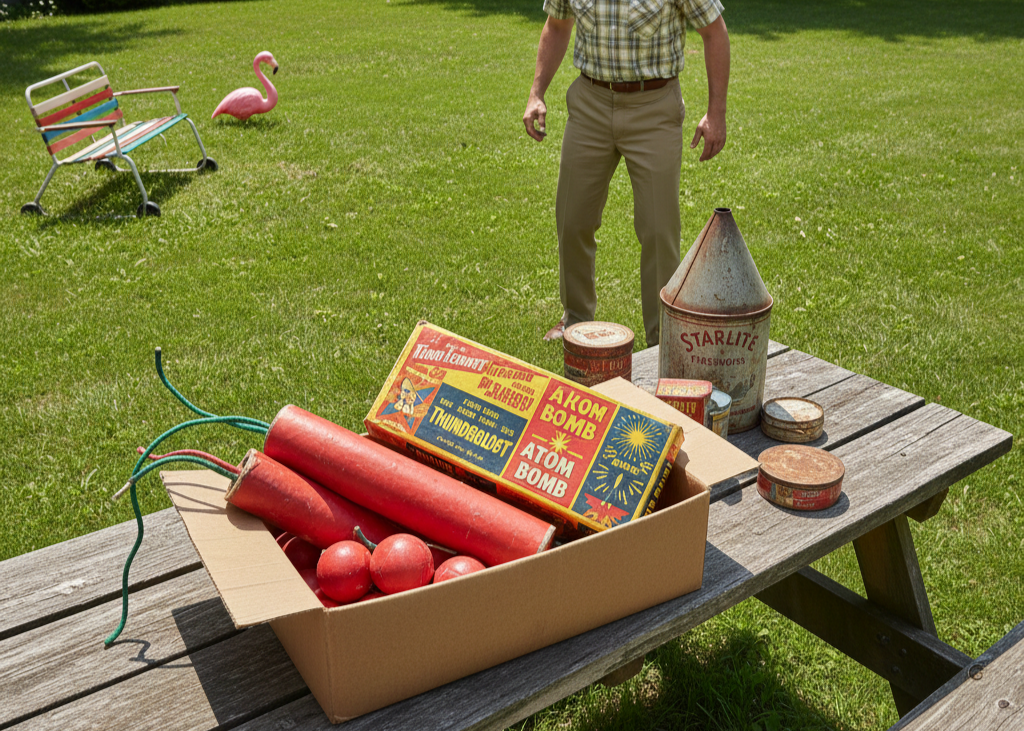
Fireworks were a big part of summer fun in the 1950s, but back then, even kids could buy powerful explosives like M-80s and cherry bombs from roadside stands. Over time, those small but potent fireworks caused countless injuries and fires, prompting new federal restrictions. Today, most high-powered fireworks are illegal for consumer use without a special license. So if you find a dusty old box of fireworks from decades ago, don’t light them — they’re better off safely disposed of than setting your lawn ablaze.
13. “Whites Only” Signs and Segregated Facilities
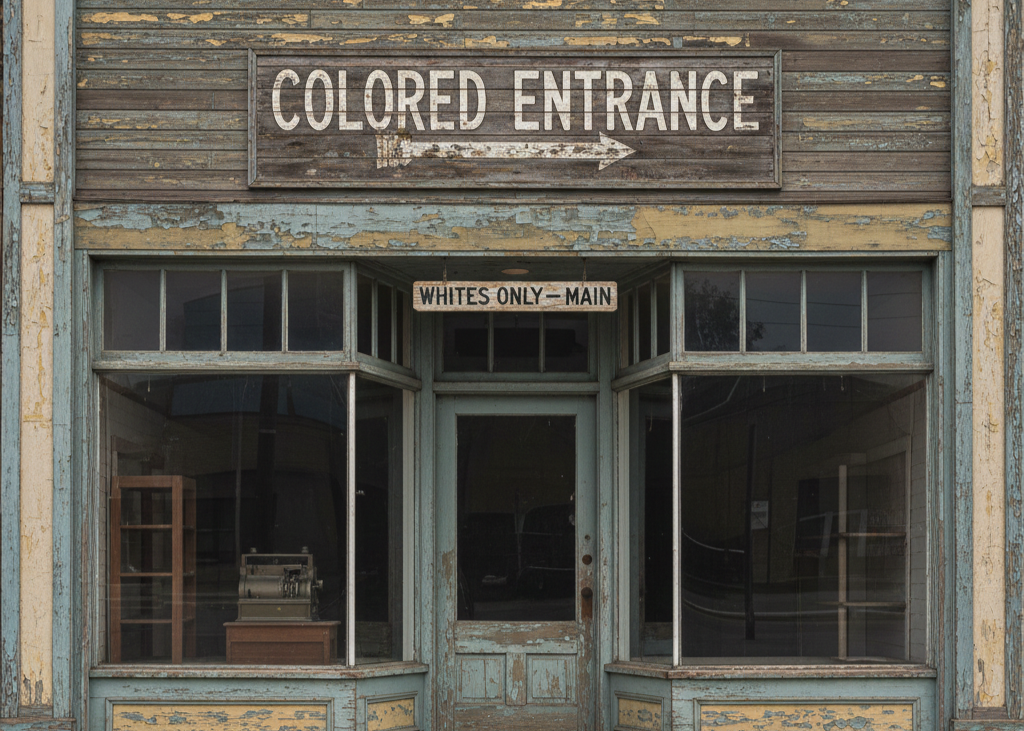
While not a physical product in the same sense, one of the most striking relics of the 1950s are signs and documents enforcing racial segregation. Restaurants, schools, and public spaces once displayed “Whites Only” notices that reflected the deep injustices of the time. The Civil Rights Act of 1964 made such practices illegal, marking an essential step toward equality. Though collectors may still come across these artifacts, they now stand as reminders of a painful past we should never repeat.
Final Thoughts

The 1950s hold a special place in the hearts of baby boomers — a time of optimism, postwar prosperity, and simpler living. But as this list shows, “simple” didn’t always mean “safe.” From toxic paint to unsafe baby gear and outdated social norms, many everyday items from that decade highlight how much progress we’ve made in safety, science, and fairness.
Next time you find an old box of forgotten treasures from your childhood, take a closer look. Some may spark fond memories, but others might belong to history rather than your home. The best part? You can still celebrate the charm of the 1950s — the fashion, the music, the classic cars — without bringing back the dangerous or outdated parts. After all, nostalgia is best enjoyed when it’s safe, smart, and rooted in how far we’ve come.
Leave a Reply