Everyday Things Your Parents Did in the 1960s That No Longer Exist Today: 8 Fascinating Flashbacks
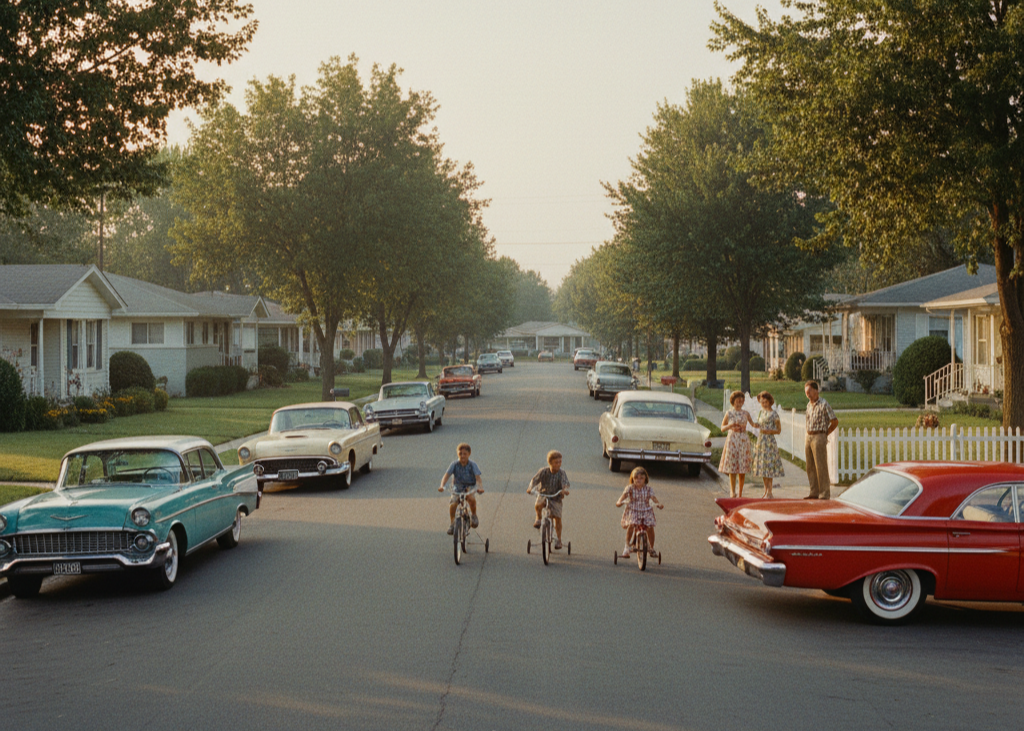
If you grew up during or shortly after the 1960s, you remember a world that felt simpler, slower, and filled with routines that today’s generations might find charming, puzzling, or downright unbelievable. The sixties were a time of neighborhood togetherness, hands-on living, and traditions that shaped the daily rhythm of American families. Many baby boomers remember these moments with warmth because they were not just habits, they were pieces of a lifestyle that encouraged connection, creativity, and independence.
Today, our world is faster, more digital, and packed with conveniences that would have blown people’s minds back then. Yet there is something undeniably nostalgic about looking back at the things your parents did—things that shaped who you became. So let’s take a journey into eight everyday practices from the 1960s that have quietly disappeared, leaving behind memories and perhaps a touch of longing for the way things used to be.
1. Getting Fresh Milk Delivered to Your Doorstep
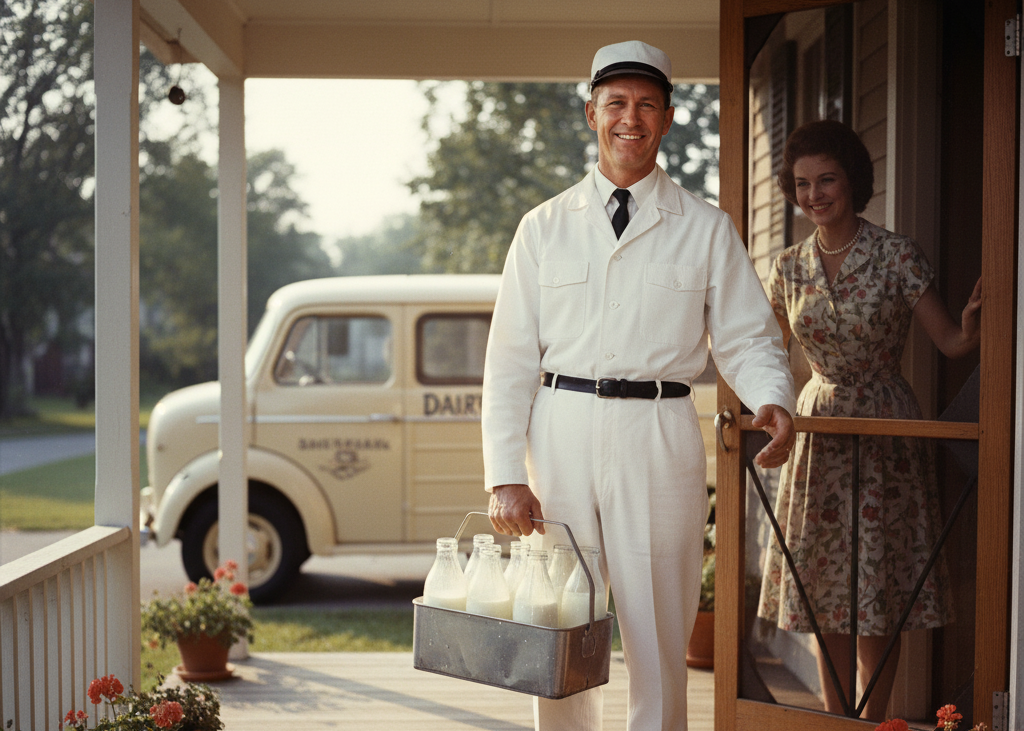
In the 1960s, waking up to the clinking sound of glass milk bottles outside the front door was a normal part of life. The milkman was a familiar face, not just a delivery worker. He knew your family, remembered your weekly order, and often had a friendly chat as he made his rounds. It added a personal touch to life that feels nearly impossible to recreate today. As supermarkets expanded and home refrigeration improved, the milkman slowly faded away, taking with him the charm of this simple routine. While grocery delivery is making a comeback in modern times, it is far more transactional and far less personal than those morning doorstep moments.
2. Sharing a Telephone Party Line with the Neighbors
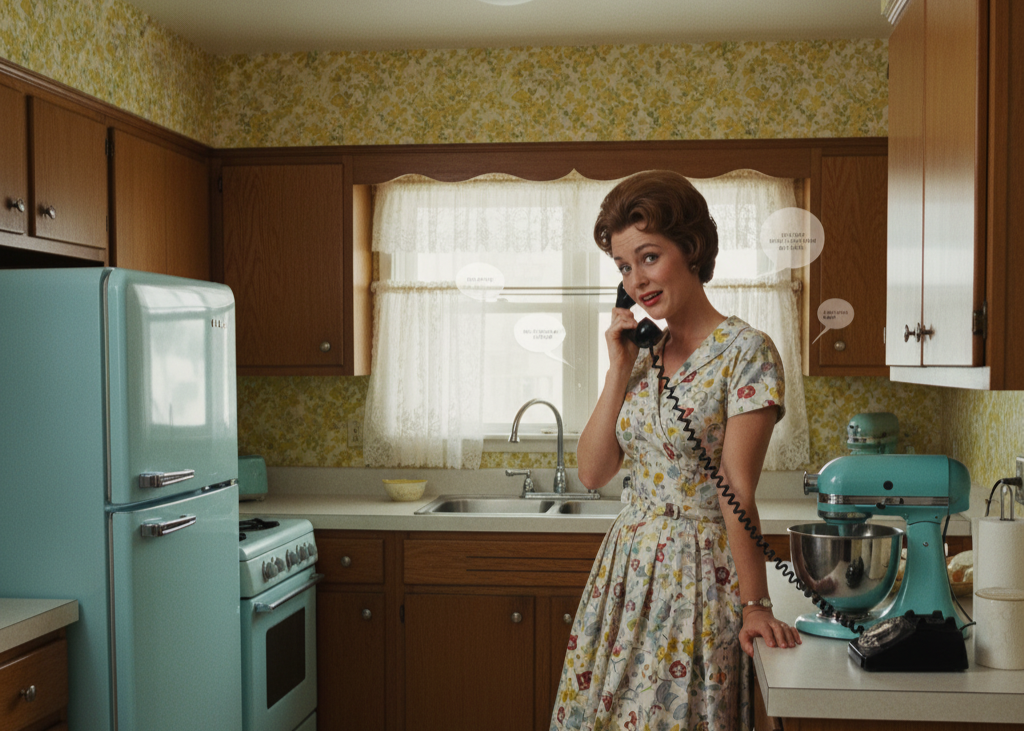
Imagine needing to make a phone call but having to wait because the people next door were already using the shared phone line. That was the reality of party lines. If you grew up in the sixties, you might remember picking up the receiver only to hear a neighbor deep in conversation. It was not unusual to politely ask if they were almost done or to quietly wait your turn. Sometimes people even listened in, which added its own drama to small-town life. It sounds wild now, especially when nearly every adult and teenager carries a private smartphone, but party lines were a big part of what created those tight community ties. Everyone shared space, even on the phone.
3. Gathering for Homemade Ice Cream Socials
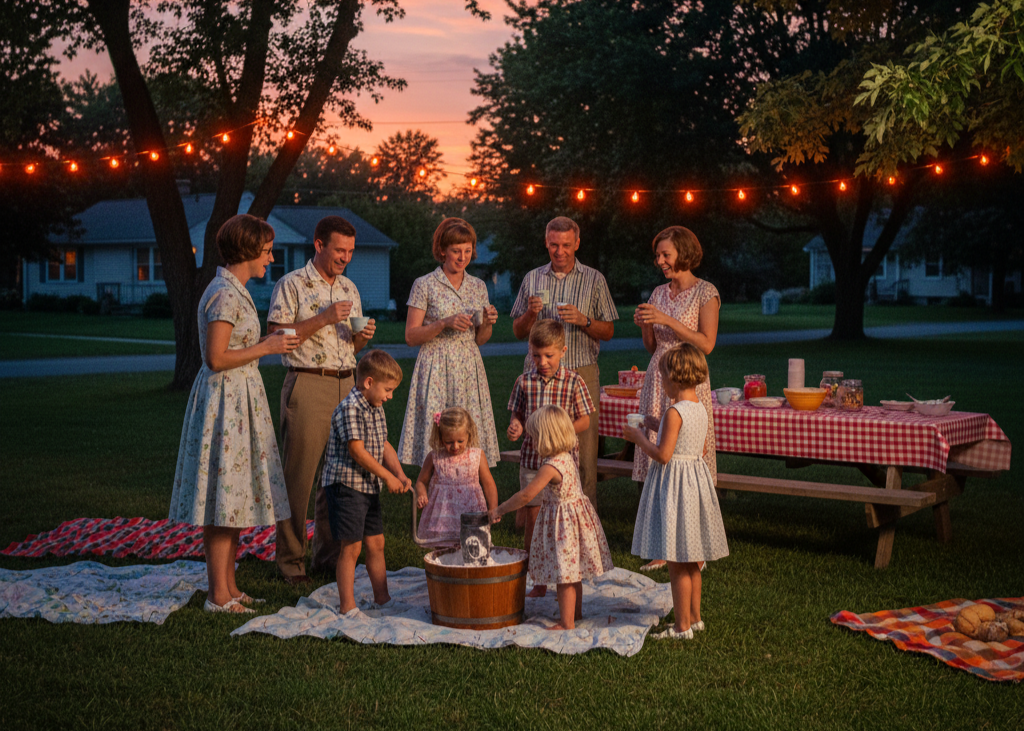
Long before store bought pints filled freezer aisles, families and neighbors sometimes came together to hand-churn their own ice cream. It was not just dessert, it was an event. Making ice cream by hand took work, and that effort turned the experience into a social celebration. Kids took turns cranking the handle while adults told stories, laughed, and enjoyed the warm evening air. These gatherings were the heart of community life before digital entertainment took over. Today, most people grab dessert from a store without a second thought, but those icy, sweet moments from the sixties were woven into family traditions and neighborhood friendships.
4. Smoking Indoors Without a Second Thought
If you walked into a restaurant, office, airplane, or even someone’s living room in the 1960s, you were almost guaranteed to be greeted by a cloud of cigarette smoke. People smoked everywhere, and it was considered completely normal. Ashtrays were built into cars and furniture, and no one blinked an eye when someone lit a cigarette at the dinner table. As health research grew stronger and regulations expanded, indoor smoking slowly disappeared. Today, it is not only uncommon, it is hard for younger generations to believe just how accepted smoking once was. While it is undoubtedly a good thing that indoor smoking became a relic of the past, it still stands as one of the strongest cultural shifts from the sixties to now.
5. Driving or Riding Without Seatbelts
Your parents probably remember piling into a car with no seatbelts, no car seats, and barely any concern for safety rules. Kids stood up in the back, sat on laps, or stretched across the seats during long road trips. Some even rode in the open beds of pickup trucks. It was a completely different world compared to today’s safety-first mindset. Seatbelts were either optional or simply ignored, and parents were more focused on getting everyone in the car than securing them. Modern safety standards make this seem unimaginable, but for families in the 1960s, this was simply how things were done. That shift to strict safety laws represents just how much times have changed.
6. Playing on Active Construction Sites Like They Were Playgrounds
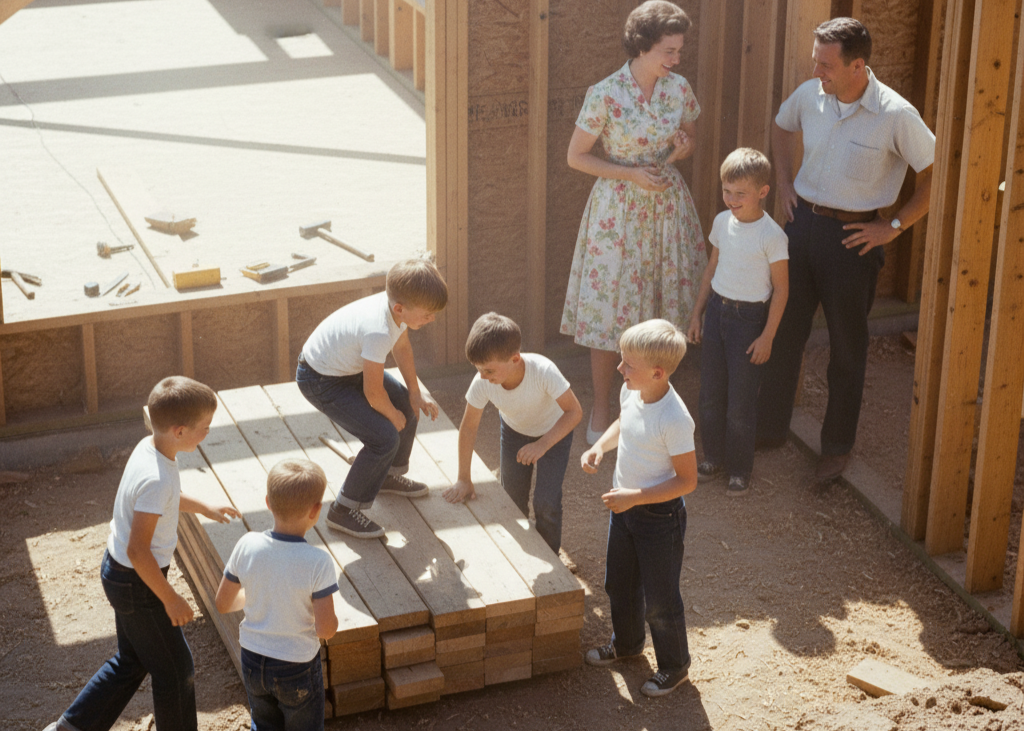
Believe it or not, many children in the sixties treated construction sites as after school adventure zones. Empty lots, partially built houses, lumber piles, and scaffolding were all part of the fun. Kids used their imagination to turn these places into pirate ships, forts, and castles, usually without helmets, supervision, or worry from their parents. It may sound nerve wracking by today’s standards, but back then, children had far more freedom and far fewer restrictions. Neighborhood parents trusted the world around them in a way that feels almost foreign today. While safety concerns have evolved for the better, the carefree spirit of those childhood explorations is a memory many baby boomers treasure.
7. Watching Movies at the Drive In
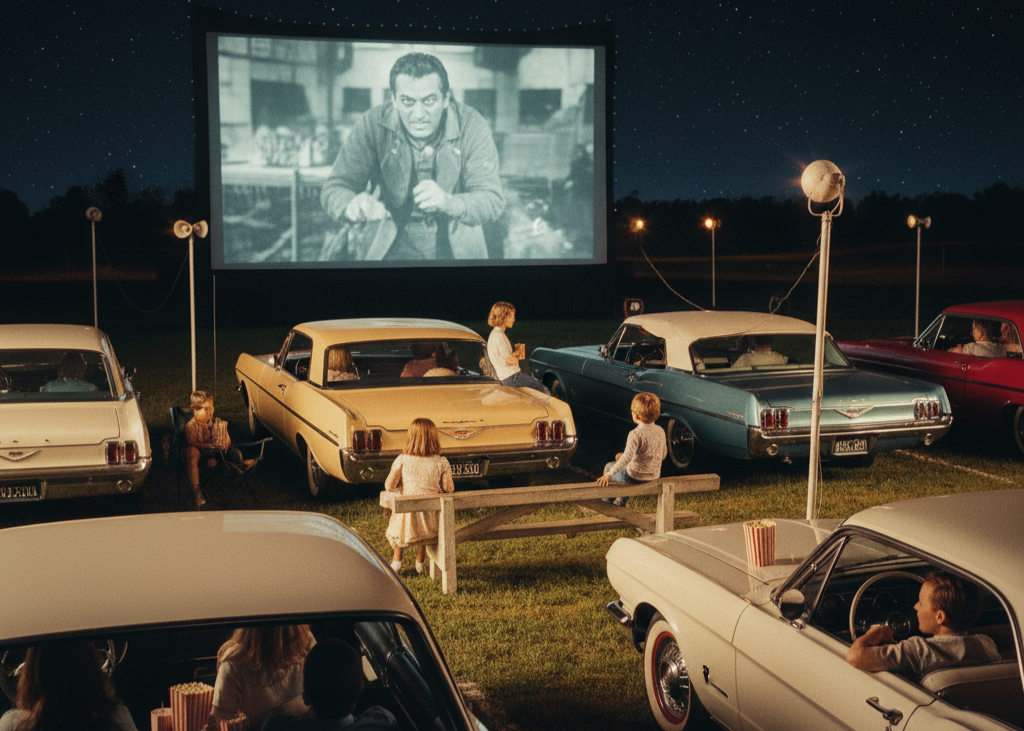
There was something magical about drive in theaters. Families, couples, and groups of friends would pack into the car, bring snacks, and settle in under the night sky to watch a double feature. It was entertainment mixed with adventure. Kids played before the movie started, teens shared the back seat during romantic scenes, and parents enjoyed an easy night out. Although a few drive ins still exist, they are nowhere near as common as they were in the sixties. Streaming services and multiplex theaters have replaced this nostalgic experience. For many, drive ins hold some of the fondest memories of youth, family, and summer nights that stretched long into the evening.
8. Letting Kids Roam Outside Until the Streetlights Turned On
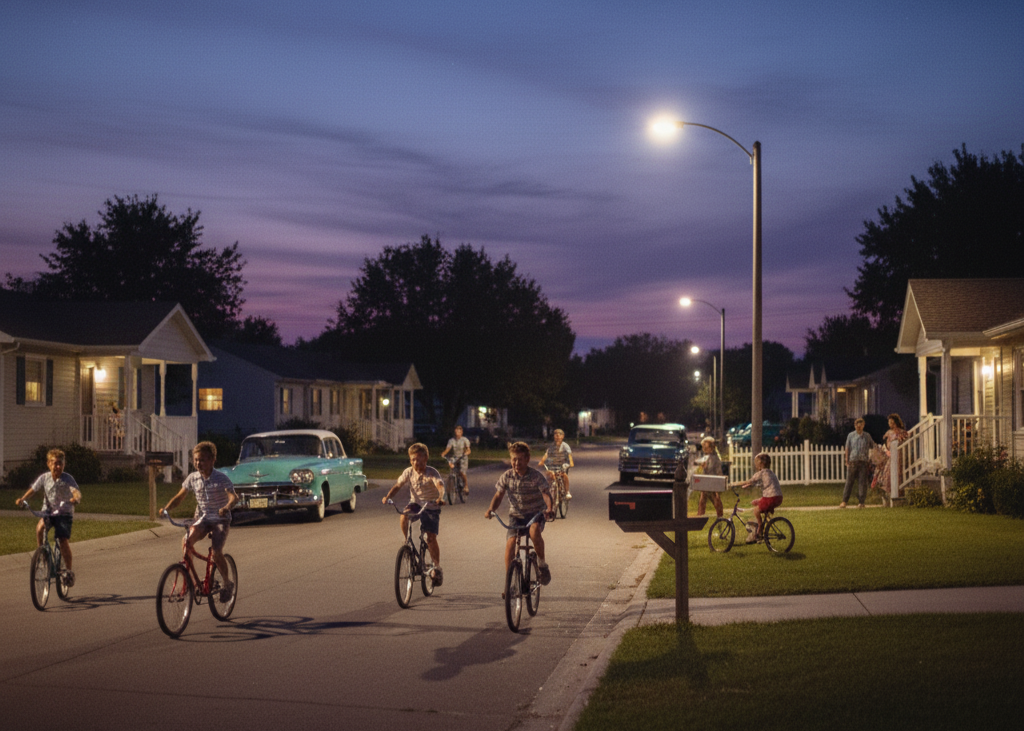
One of the most defining differences between childhood in the sixties and childhood today is freedom. Back then, kids were allowed—encouraged, even—to run around the neighborhood for hours without supervision. They played outside, explored nearby woods or fields, rode bikes in groups, and only came home when the streetlights flickered on. Parents trusted their community and believed that children should learn independence through exploration. Today, children’s schedules are far more structured and supervised, and spontaneous neighborhood play has become rare. Those long, carefree afternoons remain a cherished memory for many baby boomers who grew up during the era.
Final Thoughts

Looking back at these everyday activities from the 1960s is more than just reminiscing about how things used to be. These memories offer a window into a completely different rhythm of life—one that was slower, more personal, and filled with real human connection. While modern conveniences have undoubtedly improved safety, comfort, and efficiency, they have also quietly replaced the warmth and simplicity of many old traditions.
For baby boomers, these changes may feel bittersweet. So much of what shaped childhood, family life, and community togetherness has transformed or disappeared altogether. Yet the stories, experiences, and lessons from that era remain deeply meaningful. They remind us that even as the world changes, the heart of who we are is shaped by moments that never truly fade.
Whether you remember these practices firsthand or heard about them from your parents, they offer a reminder of how far we have come and how important it is to appreciate the past while living fully in the present.
Leave a Reply