The Driving Rules You Learned That No Longer Apply: 7 You Can Finally Forget

Remember your first driver’s ed class? The sweaty palms, the overly cautious instructor, and that terrifying moment when you had to parallel park in front of everyone? For most of us, those early lessons drilled certain “rules” into our heads that we’ve followed ever since. But here’s the thing: not all of those rules are still relevant.
Cars have changed. Roads have changed. Even the laws have changed. What was once considered safe or smart driving might now be outdated—or even dangerous. From hand positions to braking techniques, modern driving has evolved to match new technology and safety standards.
So, if you’ve been holding on to advice from your old driver’s ed handbook, it might be time for a refresher. Let’s take a closer look at seven old driving rules that no longer apply and what you should be doing instead to stay safe and confident on today’s roads.
1. Keep Your Hands at “10 and 2” on the Steering Wheel
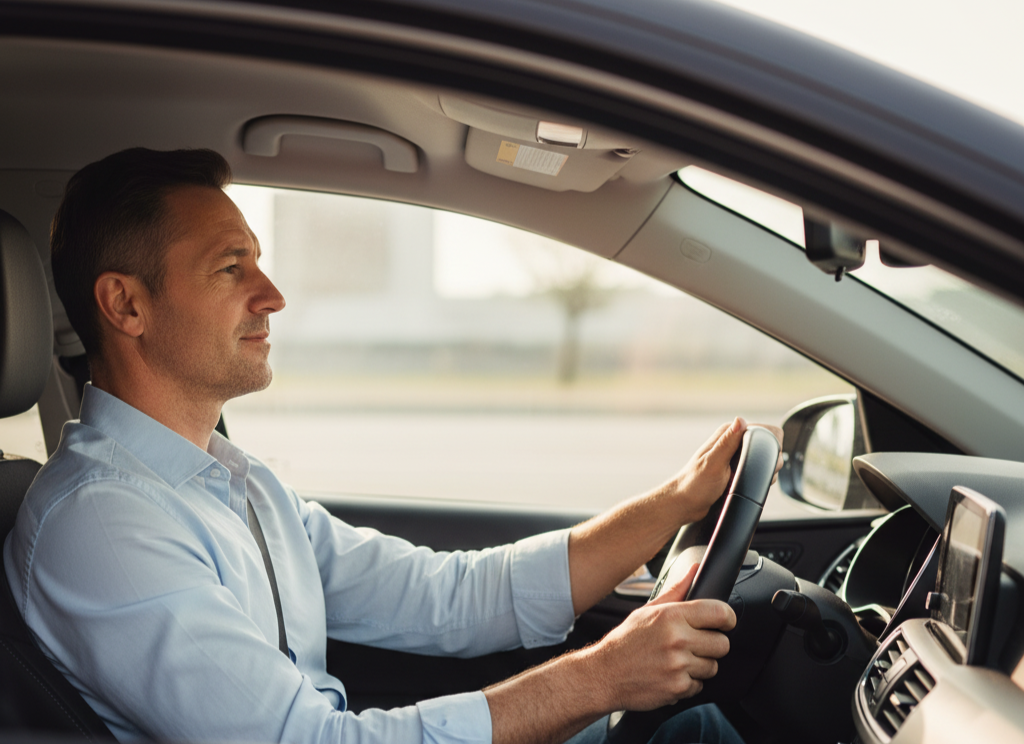
If you learned to drive before smartphones existed, chances are your instructor told you to keep your hands at “10 and 2” on the steering wheel. That used to be the golden rule for control and safety. But modern airbags changed everything.
Today, experts recommend keeping your hands at “9 and 3” or even “8 and 4.” These lower positions keep your arms out of the way if the airbag deploys, which helps prevent serious wrist or arm injuries. It also gives you better control over modern steering systems, which are much more sensitive than they used to be.
So, if you’re still gripping the wheel like you’re in a 1980s driver’s ed video, it’s time to relax your hands and move them down. Your shoulders—and your airbag—will thank you.
2. Pump the Brake Pedal in an Emergency Stop
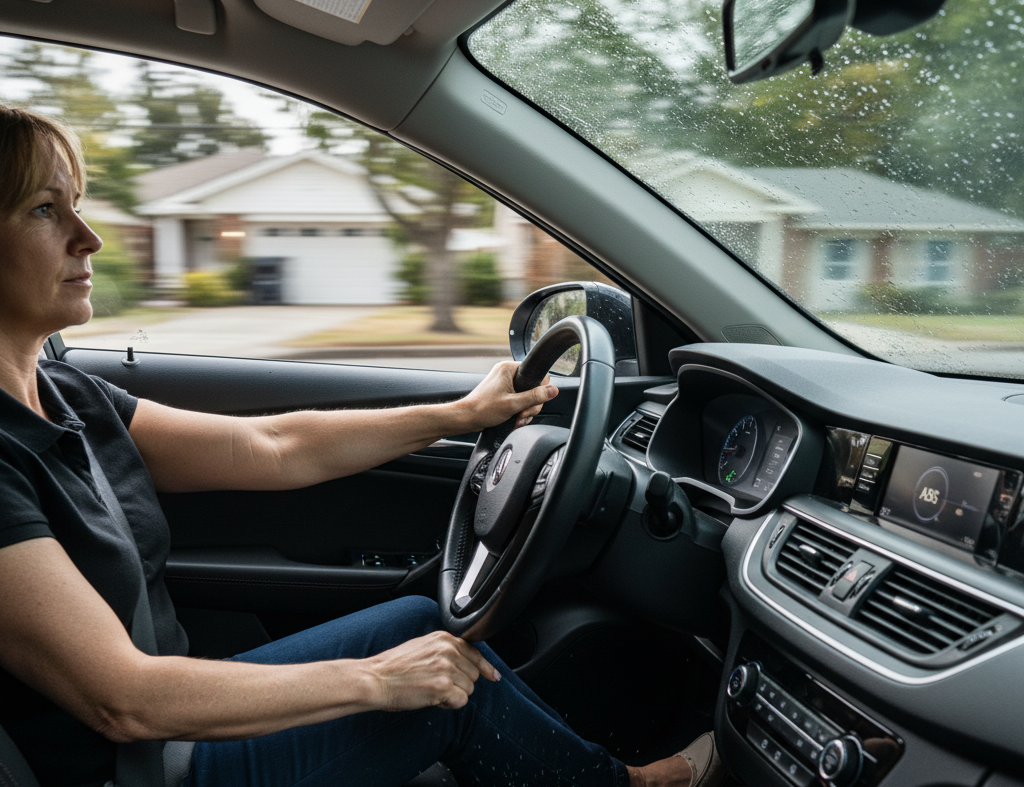
Once upon a time, you were taught to “pump the brakes” when skidding to avoid locking your wheels. That made perfect sense—before anti-lock braking systems (ABS) came along. Today, nearly every car sold in the U.S. comes with ABS, and it does the “pumping” for you automatically.
Instead of frantically tapping the brake pedal, modern advice is simple: press firmly and hold it down. Let the system sense the slip and pulse the brakes on its own. You might feel the pedal vibrate or hear a grinding sound, but that’s just the system working to keep your wheels from locking.
So next time you need to stop quickly, remember—your car is smarter than your foot. Trust the technology.
3. Always Turn Off Your High Beams for Oncoming Cars

You probably remember being told to turn off your high beams the moment you see another car approaching. While that was once a must-follow rule, today’s cars often take care of it automatically.
Modern vehicles now come equipped with auto high-beam assist, which detects oncoming headlights and dips your lights without you lifting a finger. It’s designed to help you see better without blinding anyone else. In fact, in some states, rules about manually switching beams have relaxed, acknowledging that technology is taking over this job.
That said, common courtesy still applies. If you’re driving an older car without this feature, use good judgment. Don’t blind other drivers—but also don’t limit your visibility when you don’t have to.
4. Follow the Exact Order at Four-Way Stops
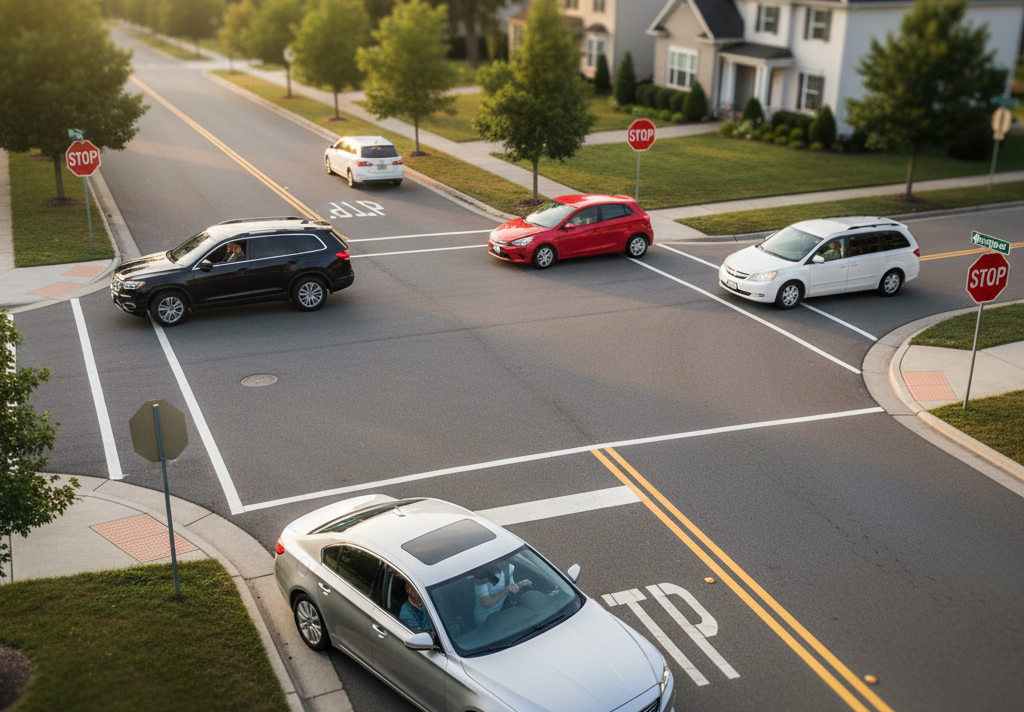
Ah, the four-way stop: the ultimate test of patience and social cues. Remember how you were taught that the first car to arrive has the right of way, followed by the second, and so on? While that’s technically correct, in real-world driving, things aren’t always that neat.
Not everyone stops in the same order—or at all. Many states now emphasize defensive driving and communication over strict sequence-following. That means making eye contact, waving someone through if you’re unsure, and prioritizing safety instead of stubbornly waiting for “your turn.”
In short, the “first come, first go” rule still exists, but flexibility and awareness matter more. Being polite and predictable goes a long way toward preventing fender-benders and road rage.
5. Signal Exactly 100 Feet Before Turning
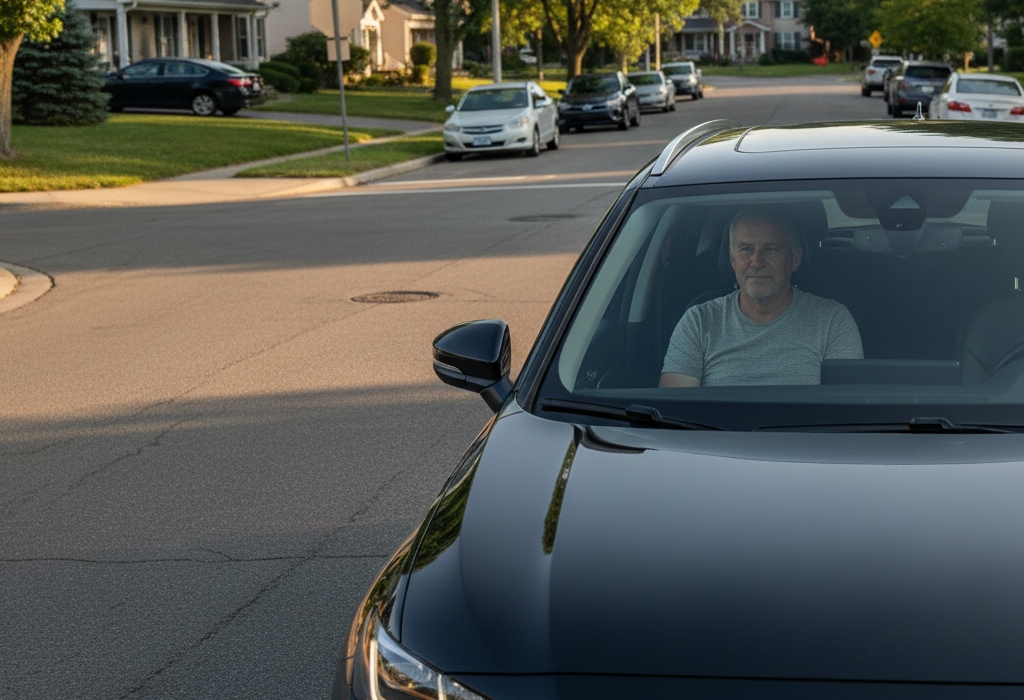
If your instructor ever barked, “Signal 100 feet before your turn,” they weren’t wrong—for the time. Most state laws used to specify a minimum signaling distance. But today, the rule is more about signaling early enough to communicate your intent clearly.
That might mean signaling earlier on highways where you’re moving faster, or closer in slower, neighborhood streets. Some cars even have lane change assist or automatic signaling features that make this process smarter and more consistent.
So, don’t stress about counting car lengths or measuring feet. The point is to let other drivers know what you’re doing—with plenty of time to react safely.
6. Always Yield to the Car on the Right at Uncontrolled Intersections
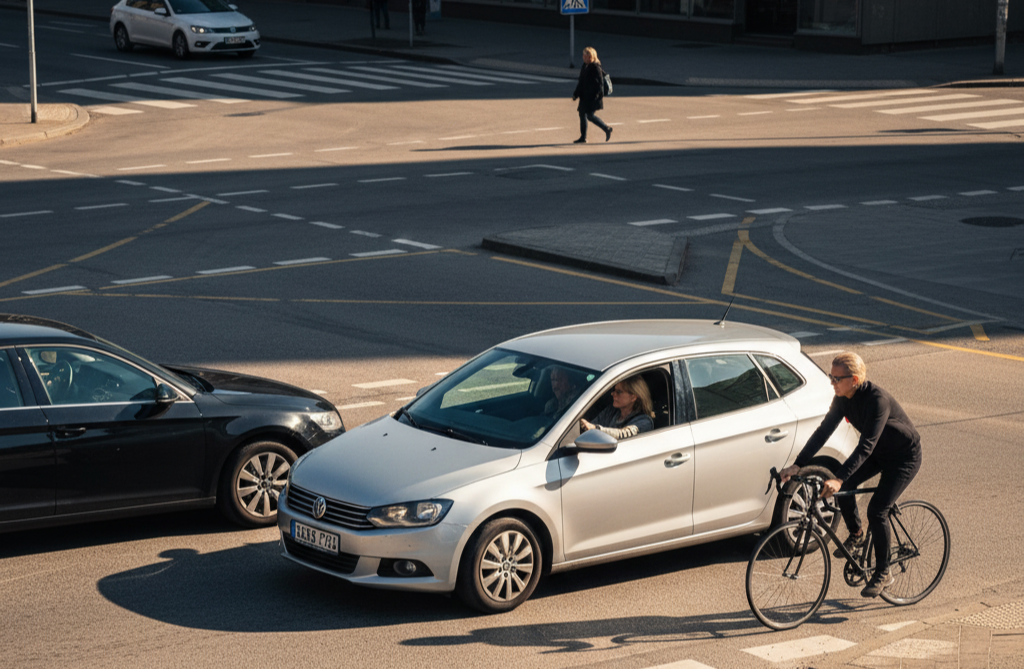
You probably remember this one from your written test: “When two cars arrive at the same time, the car on the right goes first.” It’s a good general rule, but it doesn’t cover every situation.
Modern traffic conditions are more complex, especially with the rise of cyclists, pedestrians, and roundabouts. Many states now teach that you should yield based on what’s safest, not just who’s technically correct. That means slowing down, making eye contact, and letting others go first if there’s any doubt.
Right-of-way laws are still important, but they’re no substitute for good judgment. The goal isn’t to prove you’re right—it’s to avoid a collision.
7. Shift into Neutral at Stoplights to Save Your Transmission
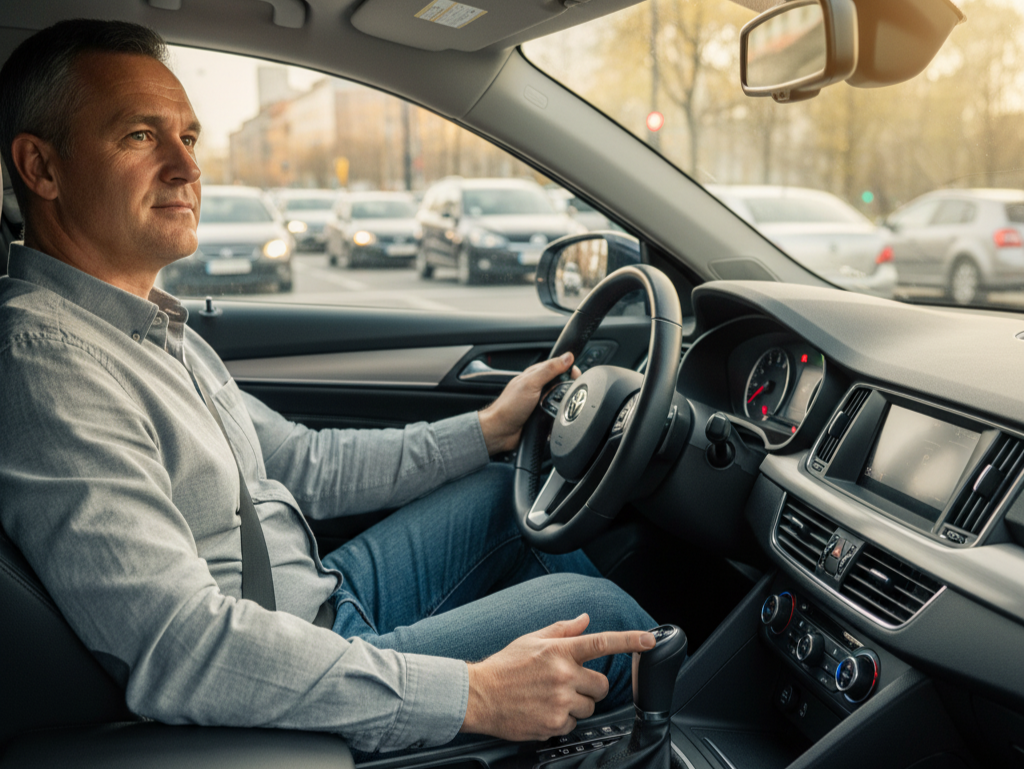
If you learned to drive in a manual car or from someone who did, you might have heard this one: “Put it in neutral at stoplights to save your transmission.” That might have been true decades ago, but not anymore.
Modern automatic transmissions are designed to idle safely in “Drive.” Constantly shifting in and out of gear can actually create unnecessary wear or confuse your car’s electronic systems. Plus, being in neutral can delay your response if the light changes or if you need to move quickly to avoid danger.
Unless you’re driving a manual, the best move is to keep the car in “Drive,” foot on the brake, and eyes on the road. Modern cars are built for it—and so are you.
Final Thoughts

Driving isn’t what it used to be. Cars are smarter, roads are busier, and safety technology has transformed the way we operate behind the wheel. The rules we learned years ago were right for their time, but just like floppy disks and paper maps, they don’t always fit the world we live in now.
The good news? You don’t need to unlearn everything—just adapt. Taking the time to refresh your driving knowledge can make you safer, more confident, and maybe even less frustrated during your commute.
So, next time you slide into the driver’s seat, remember: the best drivers aren’t the ones who know every rule by heart—they’re the ones who know when those rules have changed.
Leave a Reply