Our Debt Free Family

Commit. Plan. Take action.

  • BUDGETING
  • DEBT REDUCTION
  • INVESTING
  • LIFESTYLE
  • TOOLS
  • ABOUT
  • Privacy Policy
  • CONTACT
You are here: Home / Budgeting / Stuck Waiting for Lower Interest Rates? These 7 Actions Can Help Right Now

Stuck Waiting for Lower Interest Rates? These 7 Actions Can Help Right Now

April 8, 2026 | Leave a Comment

7 Constructive Actions to Take While Waiting for Interest Rates to Fall

<p>Interest rates can significantly impact your financial decisions, especially when it comes to borrowing money for large purchases like a home or a car. When interest rates are high, it can be beneficial to wait for them to drop before making such commitments. However, instead of simply waiting, there are several proactive and constructive steps you can take to improve your financial situation and prepare for the future. Here are seven things you can do while waiting for interest rates to fall. </p>:: DALL-E

Interest rates can significantly impact your financial decisions, especially when it comes to borrowing money for large purchases like a home or a car. When interest rates are high, it can be beneficial to wait for them to drop before making such commitments. However, instead of simply waiting, there are several proactive and constructive steps you can take to improve your financial situation and prepare for the future. Here are seven things you can do while waiting for interest rates to fall.


1. Build and Strengthen Your Credit Score
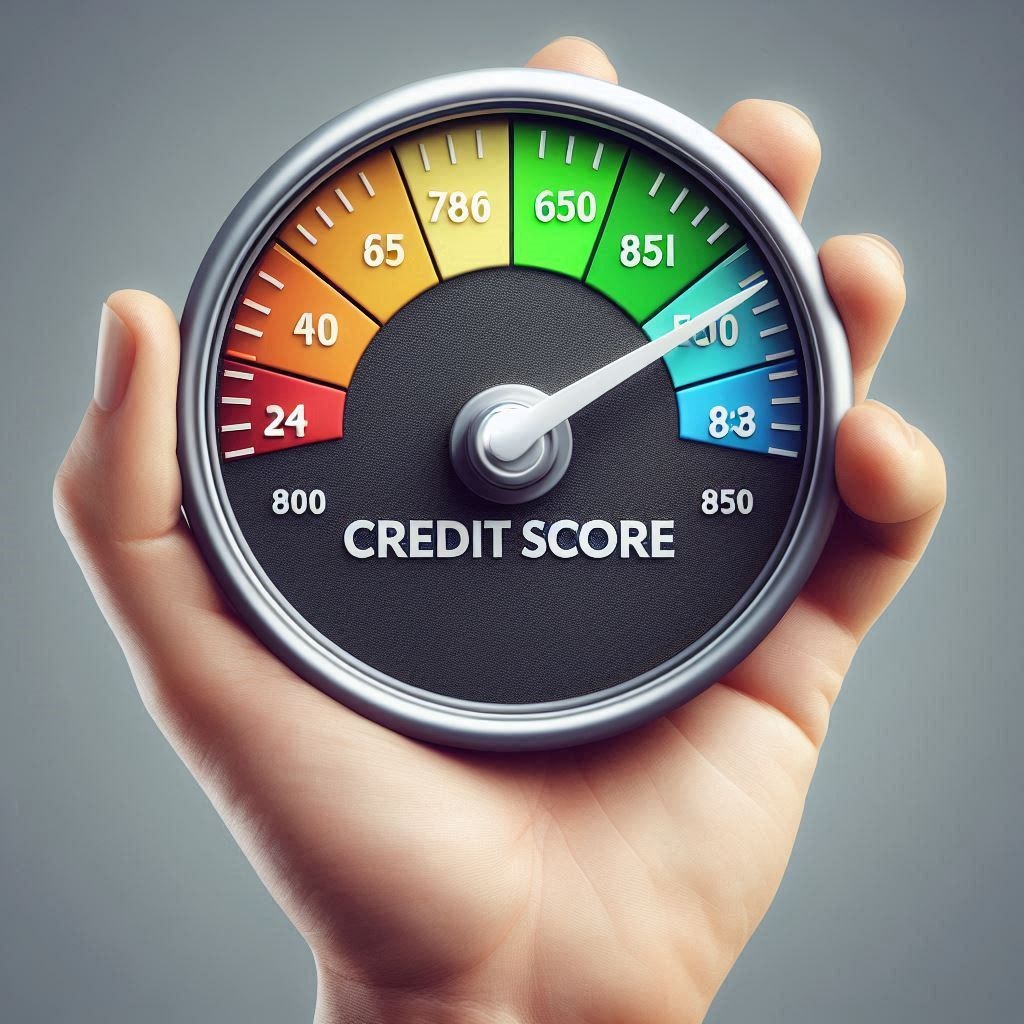
<p>A higher credit score can help you secure better interest rates once they do fall. Use this waiting period to build and strengthen your credit score by paying your bills on time, reducing your debt, and correcting any errors on your credit report. Regularly check your credit report to ensure there are no inaccuracies, and work on paying down high-interest credit card debt to improve your credit utilization ratio. A strong credit score will not only help you get lower interest rates but also make you a more attractive borrower overall. </p>:: DALL-E

A higher credit score can help you secure better interest rates once they do fall. Use this waiting period to build and strengthen your credit score by paying your bills on time, reducing your debt, and correcting any errors on your credit report. Regularly check your credit report to ensure there are no inaccuracies, and work on paying down high-interest credit card debt to improve your credit utilization ratio. A strong credit score will not only help you get lower interest rates but also make you a more attractive borrower overall.


2. Increase Your Savings

<p>High-interest rates often mean higher monthly payments on loans. By increasing your savings, you can make a larger down payment when you do decide to borrow, which can lower your loan amount and your monthly payments. Set up automatic transfers to your savings account, cut back on non-essential expenses, and consider taking on a side job to boost your savings. Having a substantial savings cushion will also give you more financial flexibility and security. </p>:: DALL-E

High-interest rates often mean higher monthly payments on loans. By increasing your savings, you can make a larger down payment when you do decide to borrow, which can lower your loan amount and your monthly payments. Set up automatic transfers to your savings account, cut back on non-essential expenses, and consider taking on a side job to boost your savings. Having a substantial savings cushion will also give you more financial flexibility and security.


3. Educate Yourself on Financial Markets

<p>Use this time to educate yourself about financial markets, interest rates, and economic trends. Understanding the factors that influence interest rates and how they fluctuate can help you make more informed decisions about when to borrow and invest. Read books, attend webinars, and follow reputable financial news sources. The more knowledge you have, the better equipped you will be to navigate the financial landscape and take advantage of favorable conditions when they arise. </p>:: DALL-E

Use this time to educate yourself about financial markets, interest rates, and economic trends. Understanding the factors that influence interest rates and how they fluctuate can help you make more informed decisions about when to borrow and invest. Read books, attend webinars, and follow reputable financial news sources. The more knowledge you have, the better equipped you will be to navigate the financial landscape and take advantage of favorable conditions when they arise.


4. Refinance Existing Debts

<p>If you already have loans or credit card debt, consider refinancing them to take advantage of any opportunities to lower your interest rates. While waiting for rates to fall, you may still find better terms than what you currently have, especially if your credit score has improved. Refinancing can help you reduce your monthly payments, save on interest costs, and pay off your debt faster. Look for refinancing options that offer lower rates, shorter terms, or both. </p>:: DALL-E

If you already have loans or credit card debt, consider refinancing them to take advantage of any opportunities to lower your interest rates. While waiting for rates to fall, you may still find better terms than what you currently have, especially if your credit score has improved. Refinancing can help you reduce your monthly payments, save on interest costs, and pay off your debt faster. Look for refinancing options that offer lower rates, shorter terms, or both.


5. Invest in Professional Development

<p>Investing in your professional development can lead to higher earning potential, which can make it easier to manage debt and take advantage of lower interest rates when they become available. Consider taking courses, obtaining certifications, or learning new skills that can advance your career. Networking and seeking mentorship opportunities can also help you grow professionally. By enhancing your qualifications and increasing your income, you can improve your financial stability and readiness for future borrowing. </p>:: DALL-E

Investing in your professional development can lead to higher earning potential, which can make it easier to manage debt and take advantage of lower interest rates when they become available. Consider taking courses, obtaining certifications, or learning new skills that can advance your career. Networking and seeking mentorship opportunities can also help you grow professionally. By enhancing your qualifications and increasing your income, you can improve your financial stability and readiness for future borrowing.


6. Review and Adjust Your Budget

<p>Take a close look at your current budget and make any necessary adjustments to ensure you are living within your means and saving as much as possible. Identify areas where you can cut back on spending and redirect those funds towards savings or debt repayment. Creating a more efficient budget will help you build a stronger financial foundation and be better prepared for future financial opportunities. Consider using budgeting tools or apps to track your spending and stay on top of your financial goals. </p>:: DALL-E

Take a close look at your current budget and make any necessary adjustments to ensure you are living within your means and saving as much as possible. Identify areas where you can cut back on spending and redirect those funds towards savings or debt repayment. Creating a more efficient budget will help you build a stronger financial foundation and be better prepared for future financial opportunities. Consider using budgeting tools or apps to track your spending and stay on top of your financial goals.


7. Plan Your Financial Future

<p>Use this time to plan and set clear financial goals for the future. Whether you’re saving for a down payment on a house, planning to buy a car, or looking to invest in other opportunities, having a well-thought-out financial plan can help you stay focused and motivated. Consider working with a financial advisor to create a comprehensive plan that includes strategies for saving, investing, and managing debt. A solid financial plan will give you a roadmap to follow and ensure you are making the most of your waiting period. </p>:: DALL-E

Use this time to plan and set clear financial goals for the future. Whether you’re saving for a down payment on a house, planning to buy a car, or looking to invest in other opportunities, having a well-thought-out financial plan can help you stay focused and motivated. Consider working with a financial advisor to create a comprehensive plan that includes strategies for saving, investing, and managing debt. A solid financial plan will give you a roadmap to follow and ensure you are making the most of your waiting period.


Final Thoughts

<p>Waiting for interest rates to fall doesn’t mean you have to remain idle. By taking these proactive and constructive steps, you can improve your financial health and be better prepared for when rates do drop. Strengthening your credit score, increasing your savings, educating yourself on financial markets, refinancing existing debts, investing in professional development, reviewing your budget, and planning your financial future are all valuable actions that can have long-term benefits. Use this waiting period wisely, and you’ll be in a stronger position to take advantage of favorable interest rates when the time comes. </p>:: DALL-E

Waiting for interest rates to fall doesn’t mean you have to remain idle. By taking these proactive and constructive steps, you can improve your financial health and be better prepared for when rates do drop. Strengthening your credit score, increasing your savings, educating yourself on financial markets, refinancing existing debts, investing in professional development, reviewing your budget, and planning your financial future are all valuable actions that can have long-term benefits. Use this waiting period wisely, and you’ll be in a stronger position to take advantage of favorable interest rates when the time comes.

Filed Under: Budgeting

Leave a Reply Cancel reply

Your email address will not be published. Required fields are marked *

  • Email
  • Facebook
  • Pinterest
  • Twitter

Our Most Popular Articles

ClickCashGo Review: Should You Avoid At All Costs?

Ultimate Guide to Mastering Your Credit Score

The 'YOLO' Mindset is a Dangerous Thing

Dave Ramsey's Financial Peace University Review: Is it Worth the Money?

Cash App Glitch 2025: Is the Free Money Glitch Real?

Five Steps To Debt Freedom

Here are five simple guidlines that will help you pay off debt.  

1) Get an emergency fund so you don’t take on debt when something comes up.

2) List your debts. This way you know where you stand.

3) Use the debt snowball. Pay your debts from smallest to largest, or most expensive to least expensive.

4) Avoid new debt. No new credit cards or loans. Period.

5) Go all cash. After everything is paid off, switch to all cash.

Helpful Resources

U of Tennesse Debt Repayment Plan Basics

Vertex 42's Debt Payoff Calculator

Savingadvice's Helpful Debt Forums

Jackie Becks Debt Blog