14 Timeless American Traditions Boomers Wish Would Make a Comeback
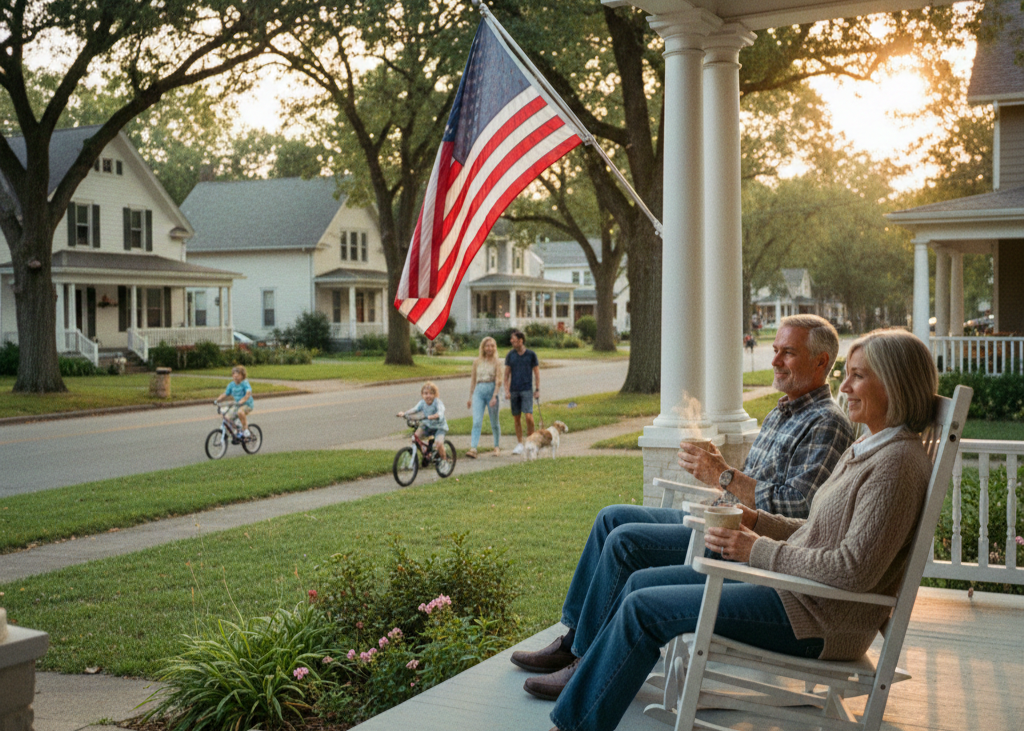
There was a time when life felt slower, friendlier, and filled with small traditions that brought people together. Baby boomers grew up in neighborhoods where conversations flowed from front porches, family dinners were sacred, and even the simplest routines carried meaning. These everyday customs gave life rhythm, joy, and a sense of connection that is often missing in today’s fast-paced, screen-filled world.
Modern life offers speed and convenience, but it comes at a cost. With digital communication, takeout dinners, and jam-packed schedules, many of the simple, human interactions that shaped earlier generations have all but disappeared. Yet for boomers, these traditions are not just nostalgic—they represent a way of living that prioritized family, community, and meaningful connections.
From handwritten letters to lively gatherings at local diners, revisiting these traditions today can bring joy, conversation, and a renewed sense of belonging. Here are 14 timeless American traditions boomers wish would make a comeback—and why they still matter.
1. Front Porch Sitting
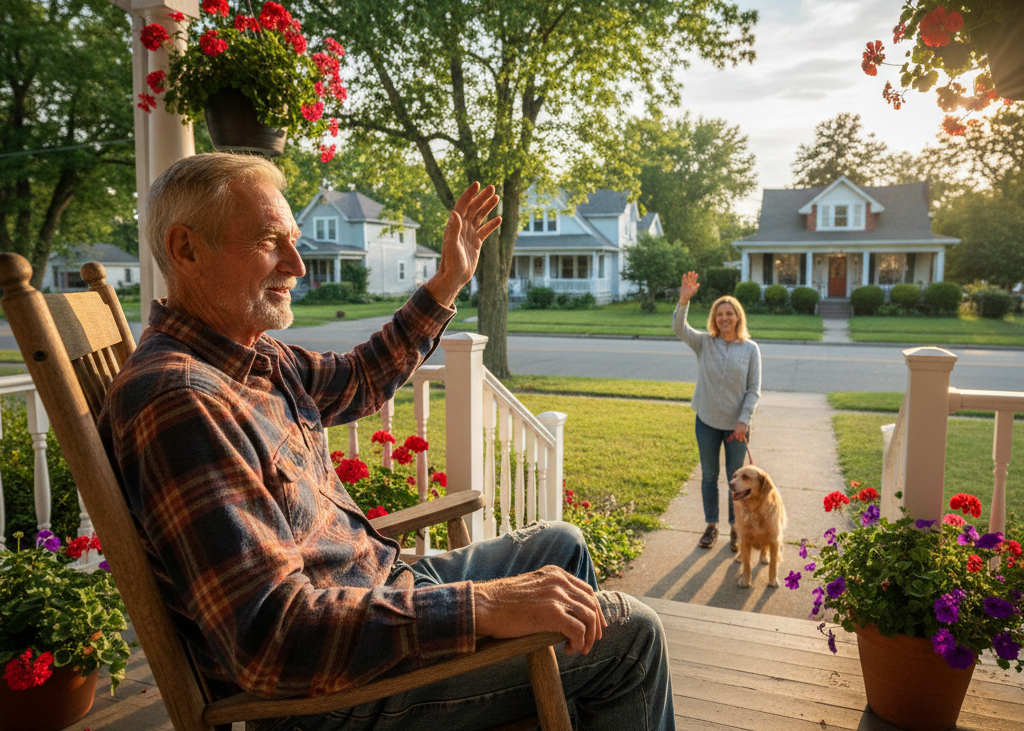
Evenings spent on the front porch with a rocking chair or simple bench were about more than just enjoying fresh air. Porch sitting allowed neighbors to greet each other, children to play safely in the street, and casual conversations to flow naturally. Boomers recall chatting about the day, sharing stories, or simply waving at passersby.
Today, front porches are often overlooked, replaced by living rooms, television, or smartphones. Reintroducing porch sitting, even for a few minutes a day, encourages relaxation, mindfulness, and spontaneous connection. Sitting outside with a cup of coffee or tea can remind us that some of the best interactions happen face-to-face, in our own neighborhoods.
2. Sitting Down for Family Dinners
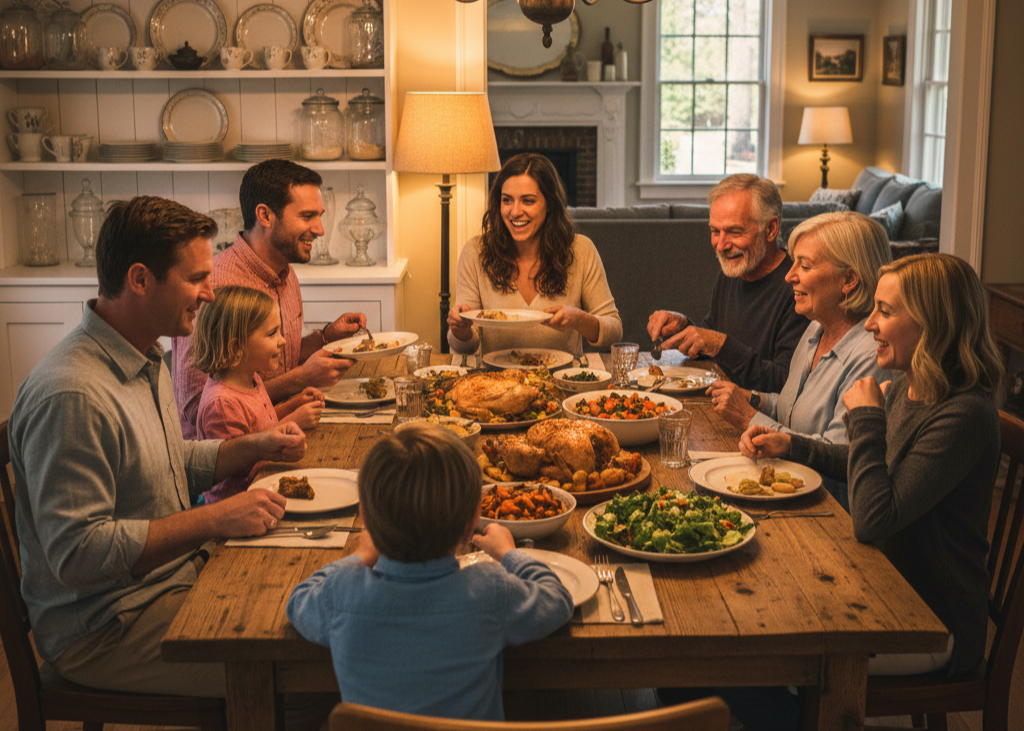
Family dinners were once a cornerstone of daily life. Boomers remember gathering around the table to share home-cooked meals, laugh, tell stories, and sometimes debate over current events. These dinners offered a daily rhythm, reinforcing family bonds while teaching children about conversation, manners, and listening.
In today’s fast-paced world, screens and busy schedules often replace family meals. Bringing back family dinners, even a few nights a week, strengthens relationships and creates memorable experiences. Sharing food is also an opportunity to connect across generations, pass down family recipes, and make time to truly engage with each other.
3. Writing Handwritten Letters

Before texts and emails, handwritten letters were treasured expressions of thought and care. Boomers fondly recall writing notes to loved ones for birthdays, holidays, or simply to say “thinking of you.” Each letter required time and attention, and receiving one often became a cherished keepsake.
In a world dominated by instant messaging, taking time to write a letter adds a personal touch that digital communication cannot replicate. Handwritten notes foster deeper connections, show intentionality, and provide a sense of nostalgia that brightens the recipient’s day.
4. Visiting the Neighborhood Diner
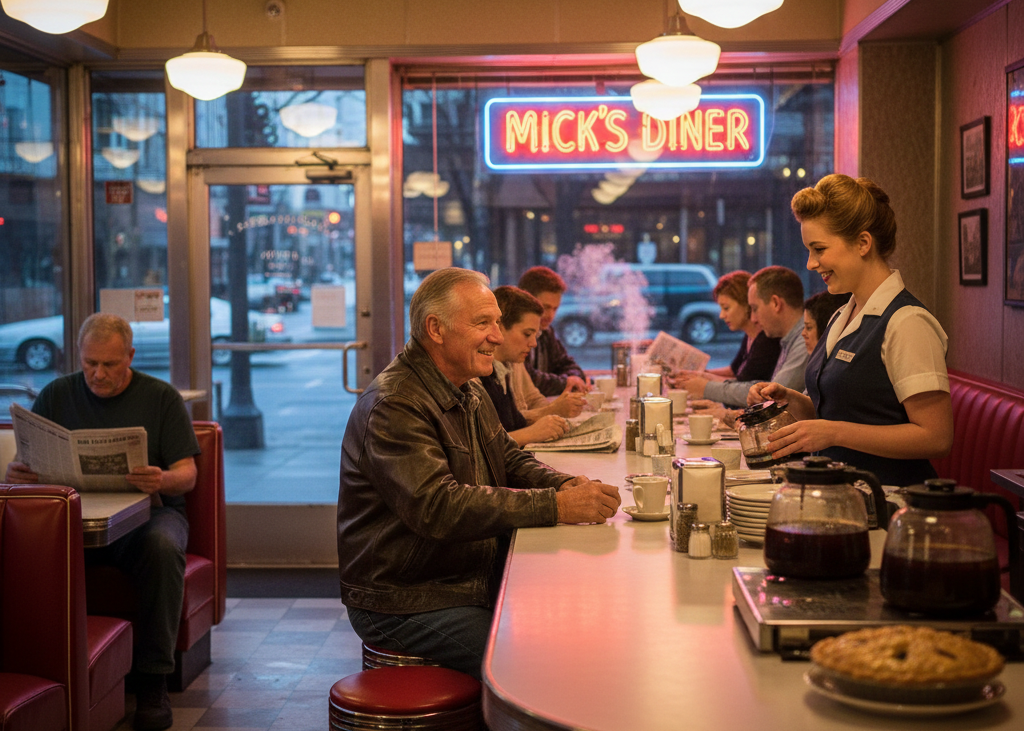
Local diners were once the heartbeat of small-town America. People didn’t just go for food—they went to socialize, catch up on local news, and feel part of the community. Boomers remember familiar faces behind the counter, friendly conversation, and the warmth of a place where everyone was welcome.
Many diners have been replaced by chain restaurants or fast food, erasing that sense of connection. Visiting a local diner, even occasionally, brings back the charm of neighborly conversation, shared meals, and a comforting sense of familiarity. These outings create social connections that restaurants focused solely on speed cannot replicate.
5. Drive-In Movies Under the Stars
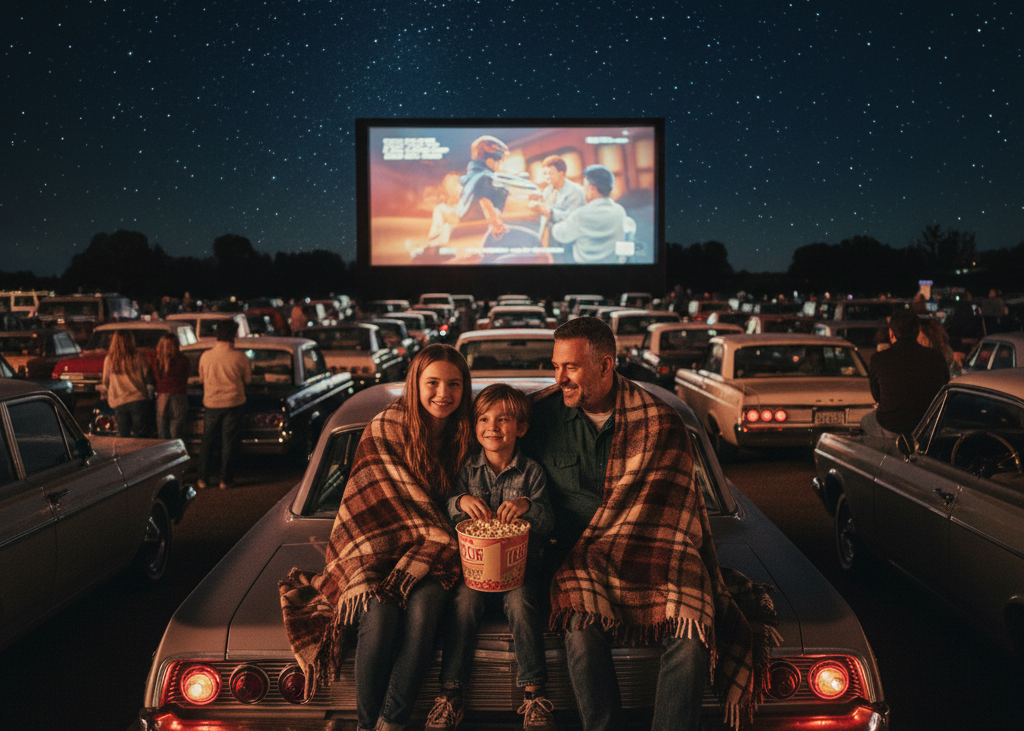
Drive-in movies offered a magical way to experience entertainment. Boomers recall piling into the car with family or friends, bringing blankets and snacks, and enjoying a film under the night sky. These outings fostered laughter, storytelling, and shared excitement in a way that streaming at home never can.
Reviving the drive-in tradition, even occasionally, allows families and friends to enjoy a nostalgic night together. It creates memories, sparks conversation, and reminds us of the simple pleasures of shared experiences outside the home.
6. Clipping and Sharing Coupons with Neighbors

Sundays were often filled with coffee, scissors, and stacks of paper coupons. Boomers remember the joy of clipping coupons and sharing them with neighbors as a small act of kindness. This tradition wasn’t just about saving money—it strengthened bonds and fostered a sense of community.
Reintroducing coupon sharing today encourages connection, thoughtfulness, and generosity. Sharing tips, recipes, or deals with friends and neighbors brings back a sense of human interaction that is increasingly rare in modern life.
7. Sunday Morning Newspaper Time

Sunday mornings once revolved around the newspaper. Families would spread comics, crosswords, news stories, and advertisements across the table while sipping coffee. Boomers valued this ritual as a screen-free way to start the day, discuss current events, and engage in meaningful conversation.
Bringing back a newspaper ritual can slow the pace of the weekend and encourage reflection and discussion. Even a brief hour of reading with family can foster connection, critical thinking, and shared conversation that modern digital news rarely provides.
8. Visiting Extended Family Without Scheduling It
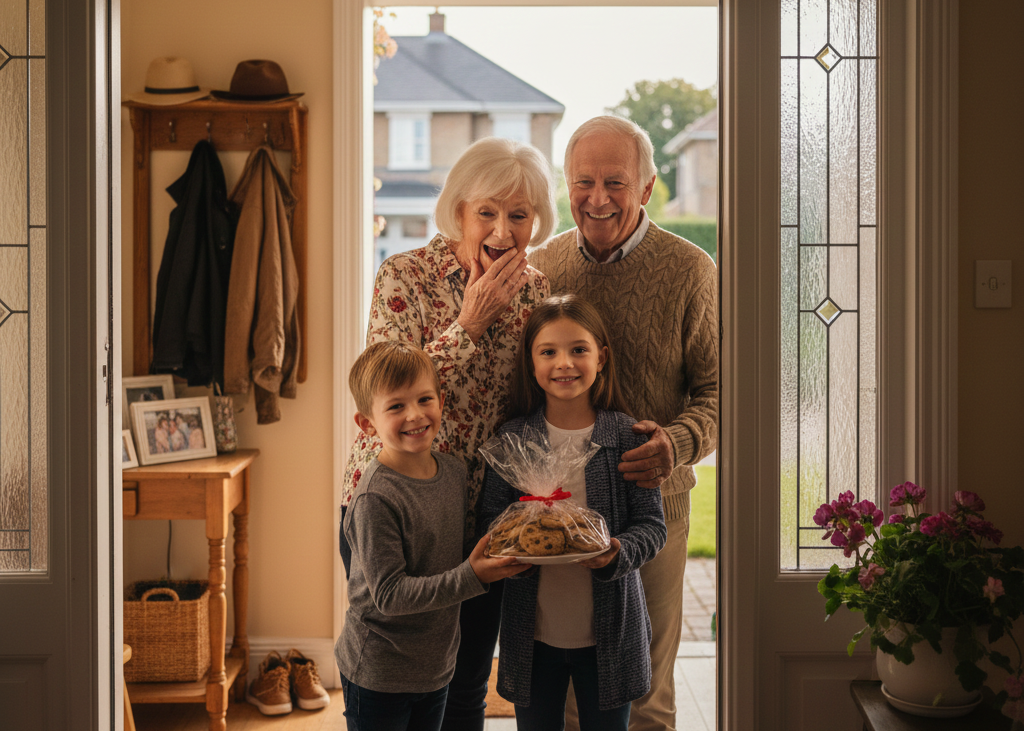
Casual visits to grandparents, aunts, uncles, or cousins were once the norm. Boomers remember walking in unannounced to share a meal, play games, or simply catch up. These spontaneous connections fostered closeness and joy, creating lifelong memories without needing a calendar invite.
In today’s world, visits are often planned weeks in advance, removing spontaneity from family life. Reintroducing casual family visits, even occasionally, strengthens bonds and adds warmth to family connections. A surprise drop-in with homemade treats or a phone call to coordinate an impromptu gathering can make a world of difference.
9. Neighborhood Garage and Yard Sales
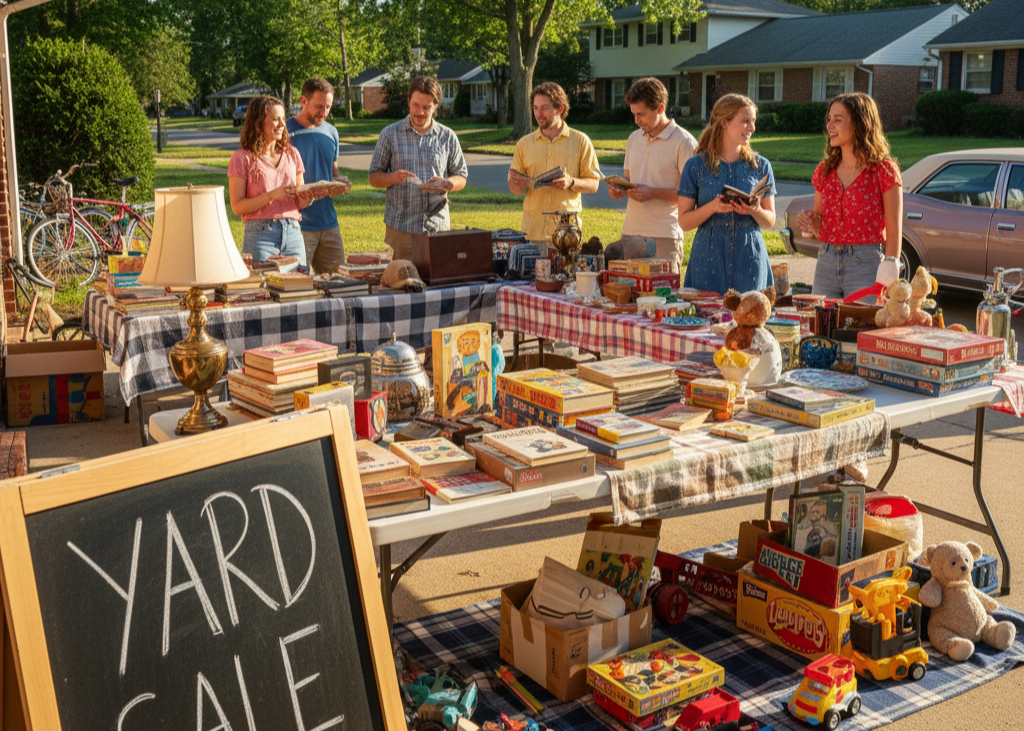
Warm weekends brought neighborhoods to life with garage and yard sales. Tables filled with treasures and neighbors strolling the streets encouraged casual conversation and camaraderie. Boomers remember finding hidden gems and interacting with friends while enjoying a leisurely stroll.
Organizing or participating in a local sale today brings back that sense of community. It provides an opportunity to declutter, connect with neighbors, and enjoy the thrill of discovery. Beyond shopping, the conversations and shared laughter make garage sales meaningful social experiences.
10. Making Homemade Food Together
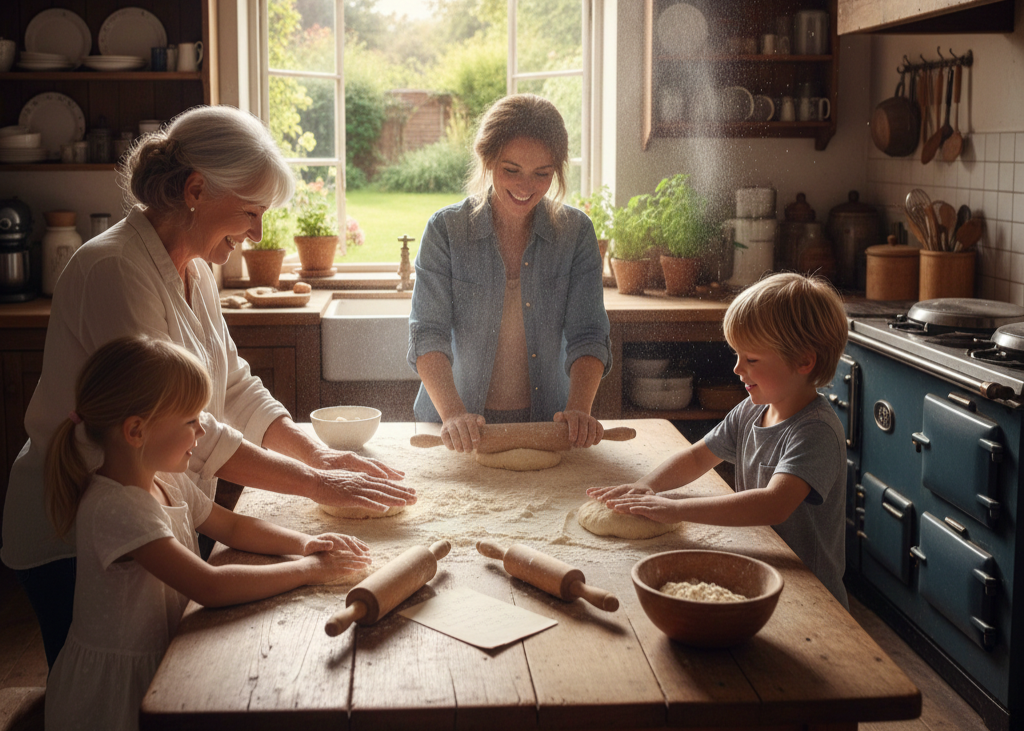
Preparing food together was a family tradition. From canning vegetables to baking bread, boomers remember working side by side in the kitchen, learning practical skills, and creating meals filled with care. Cooking together was a source of bonding, conversation, and shared pride.
Bringing back homemade cooking projects today strengthens family connections and encourages creativity. Even simple activities like baking cookies, preparing a holiday meal, or making jam provide shared accomplishments and teach valuable skills to younger generations.
11. Learning Manners at the Dinner Table
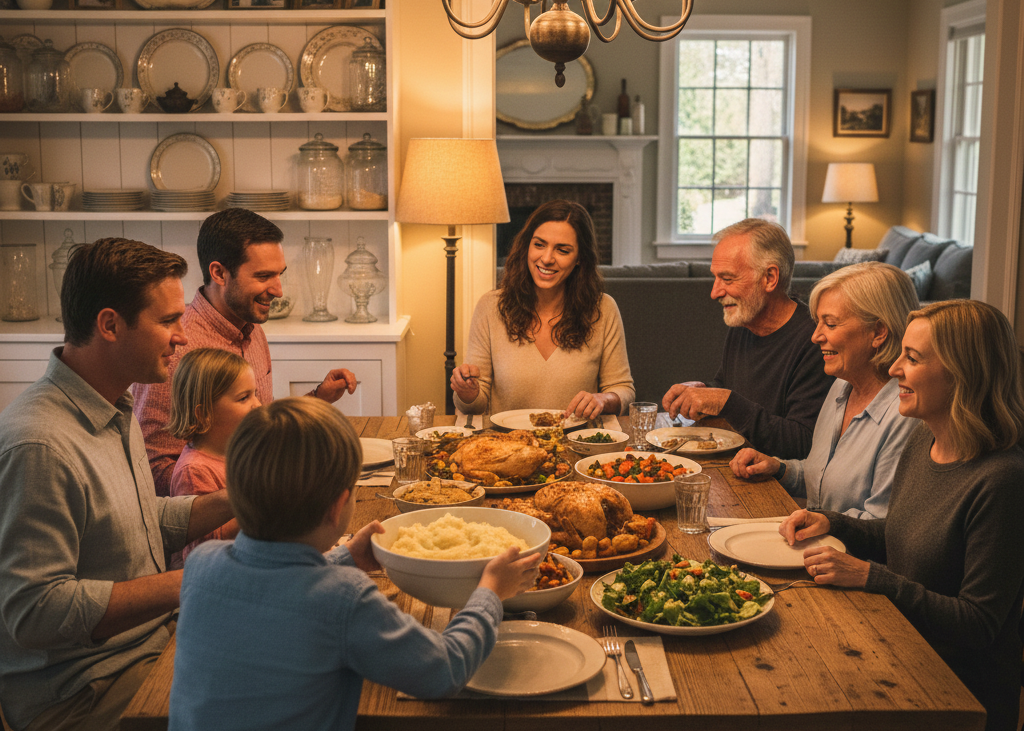
Good manners were a key part of family life. Saying “please” and “thank you,” waiting for your turn, and using utensils properly taught respect, patience, and social grace. Boomers remember these lessons as foundational in shaping how they interacted with others.
Reviving table manners is not about formality—it’s about fostering kindness, respect, and consideration. Practicing these habits can make mealtimes more pleasant, reinforce civility, and pass on important social skills to children and grandchildren.
12. Quarter-a-Bag Penny Candy Stores
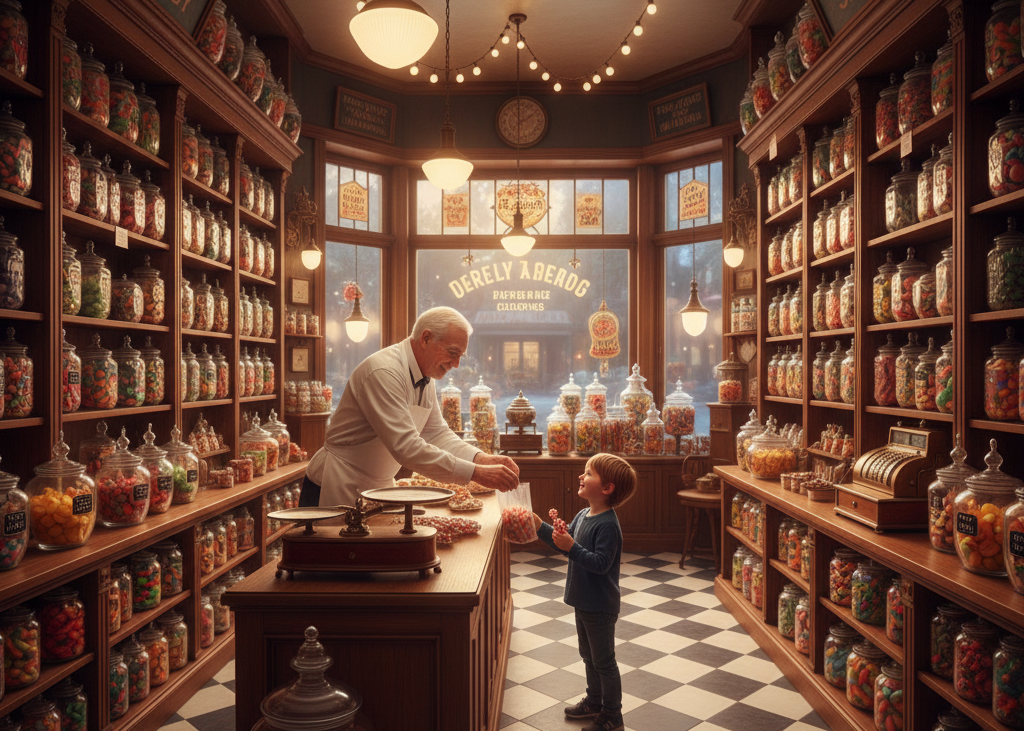
Penny candy stores were small-town staples where kids could buy a handful of treats for a few cents. Boomers remember selecting their favorite candies, interacting with shopkeepers who knew every child by name, and feeling a part of their local community.
While these stores are rare today, supporting local candy shops or creating similar experiences at home brings back childhood nostalgia. Sharing sweets and stories with family and neighbors fosters connection and delight, reminding us of the joy in simple pleasures.
13. Weekly Community Events Like Barn Dances
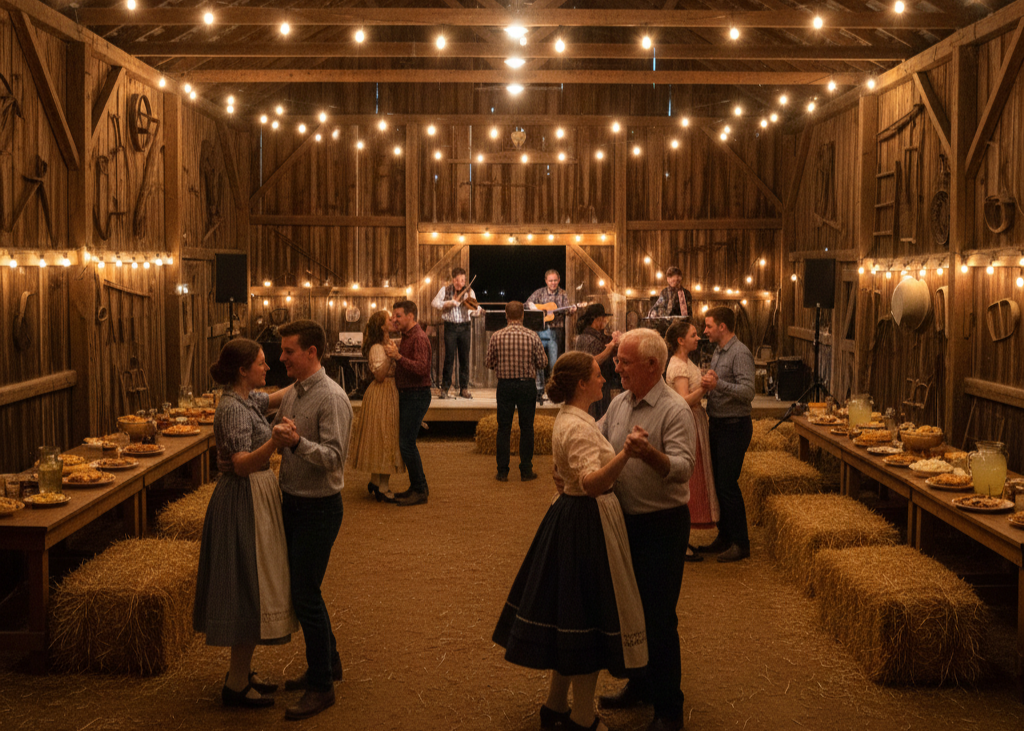
Barn dances, square dances, and town picnics were staples of social life. Boomers recall the laughter, music, and connection that spanned generations. These gatherings were a chance to bond, celebrate, and enjoy life as a community.
Even now, attending or organizing community events restores the same sense of joy and belonging. Dancing, music, and shared meals foster unity and remind us that life is best experienced together.
14. Hand-Hanging Laundry on Clotheslines
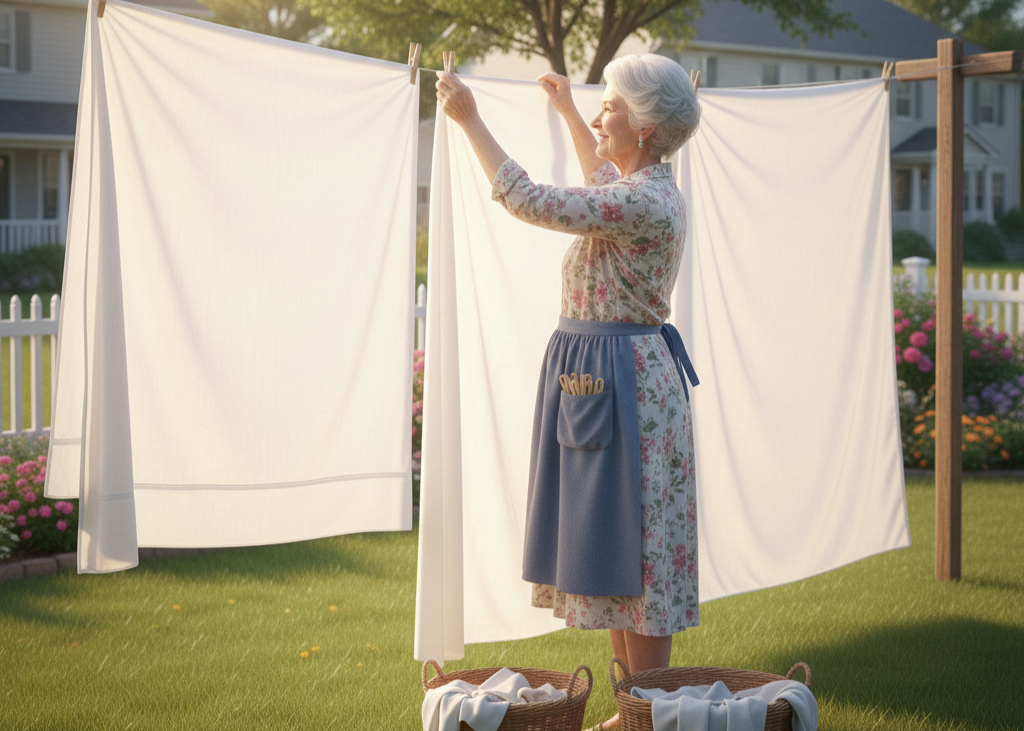
Hanging laundry on a backyard line was more than a chore—it was a daily ritual that connected people with the outdoors. Boomers remember the satisfaction of completing the task, the smell of sun-dried linens, and friendly conversations with neighbors while working outside.
While electric dryers are convenient, hand-hanging laundry slows life down, encourages mindfulness, and creates moments of reflection. This simple practice fosters connection, routine, and even casual neighborly interaction, bringing back a small but meaningful slice of daily life.
Final Thoughts
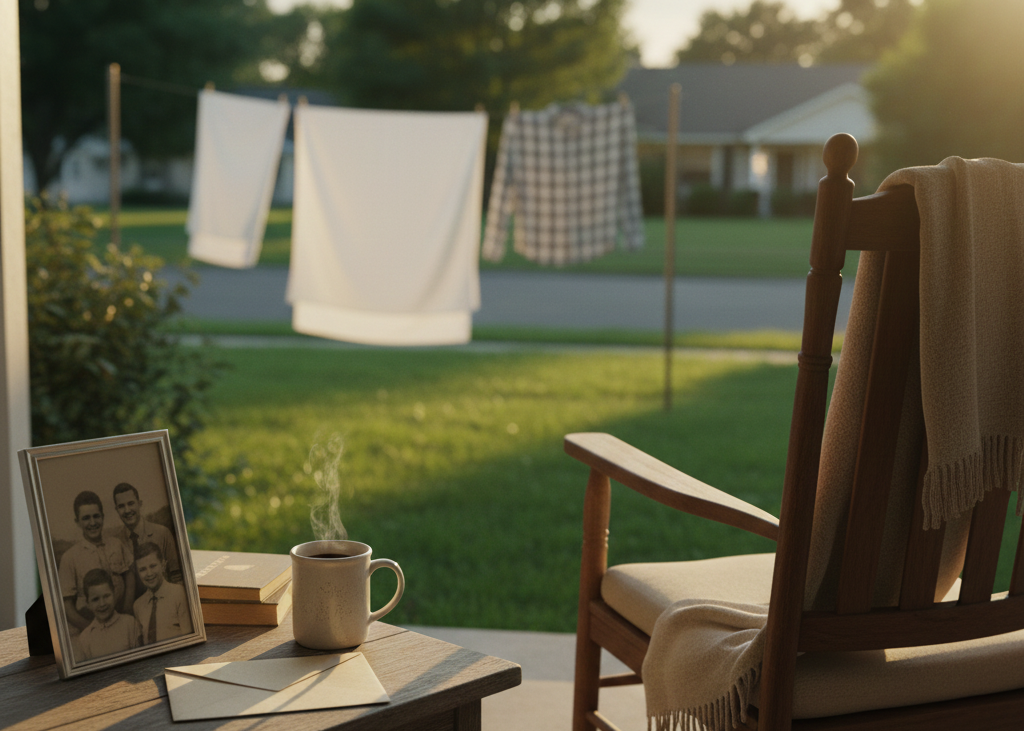
These everyday American traditions were simple, yet profoundly meaningful. They reminded people to slow down, connect with others, and find joy in routine activities. For baby boomers, they represent a lifestyle rooted in family, community, and intentional living.
Reintroducing even a few of these customs today can restore balance, connection, and happiness in modern life. Sitting on a porch, sharing a home-cooked meal, or sending a handwritten note may seem small, but these traditions create moments that are memorable, meaningful, and deeply human. By embracing these timeless customs, boomers and younger generations alike can enjoy deeper relationships, richer family interactions, and the simple pleasures that once defined American life.
Leave a Reply