Avoid These Car Scams: 10 Tricks Buyers and Sellers Must Know
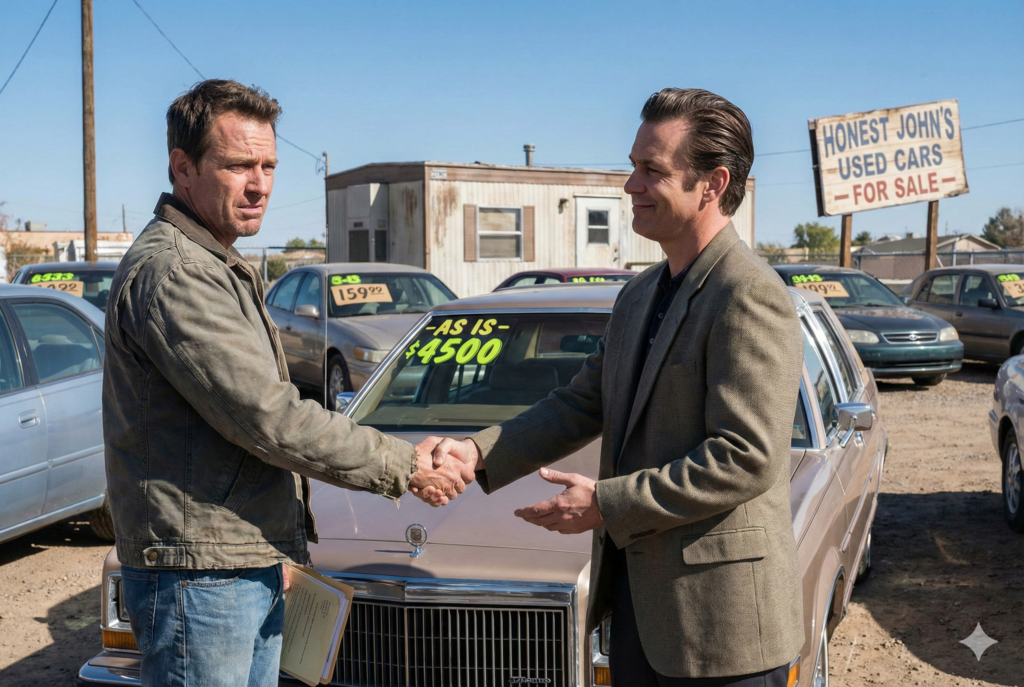
Buying or selling a car should be an exciting milestone. Whether you are upgrading your ride, selling your old vehicle, or just trying to get the best deal, the process can be smooth and satisfying. Unfortunately, the world of car sales can be tricky, and scammers know exactly how to take advantage of unsuspecting buyers and sellers. From sneaky paperwork tricks to online money traps, these scams can leave you frustrated, out of money, and sometimes in legal trouble.
In this guide, we will walk you through ten of the worst car scams to avoid. Each item is explained in a way that is practical, relatable, and easy to understand. Think of it as your crash course in staying one step ahead of scammers so your car deal ends happily rather than painfully.
1. Title Washing or Fake Clean Titles
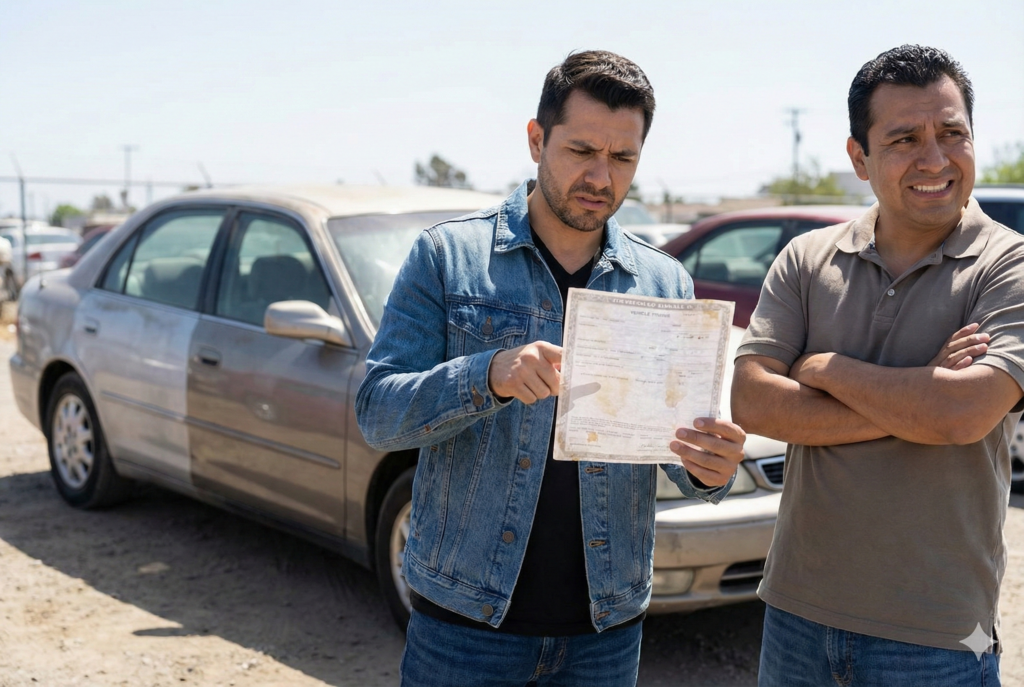
Some cars come with hidden histories, like previous accidents, flood damage, or insurance total loss declarations. In a title washing scam, the seller manipulates state paperwork so the official title no longer shows the vehicle’s true history. What looks like a clean, problem-free car on paper may actually be a ticking time bomb waiting to cost you thousands in repairs.
To protect yourself, always request the car’s VIN and run it through a reliable vehicle history service. Do not simply trust the title or a seller’s word. Digging a little deeper can save you from a major headache down the road.
2. Odometer Rollback Fraud
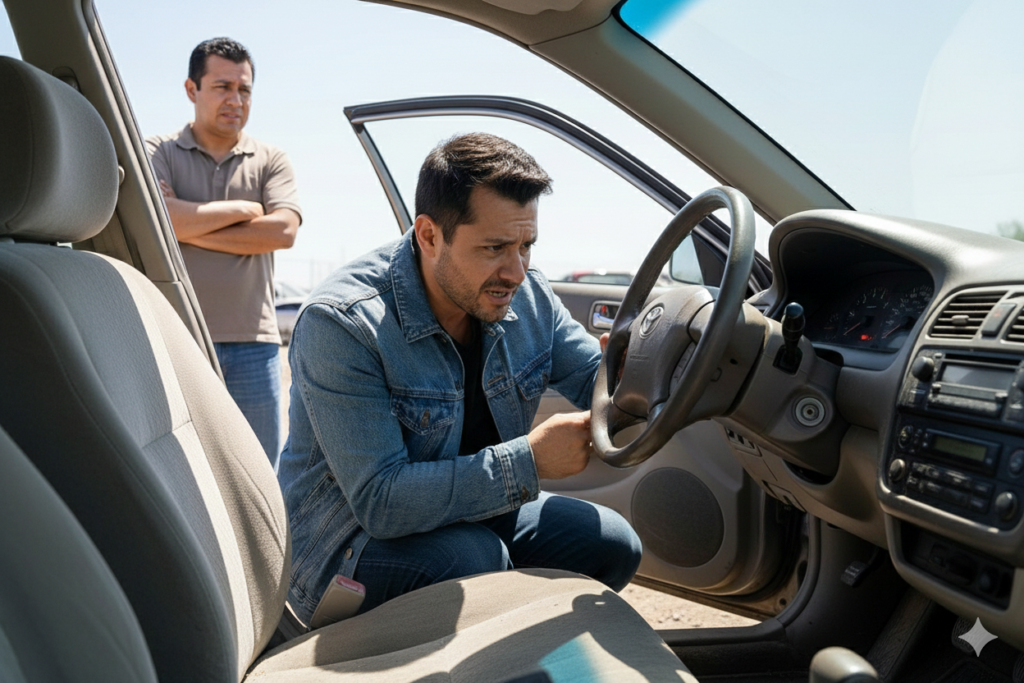
Mileage is one of the most important factors in determining a car’s value. Some dishonest sellers roll back or tamper with odometers to make a high-mileage car appear low-mileage. The result is a car that looks like it has plenty of life left but may actually be on its last legs.
You can spot odometer rollback by comparing the mileage with the wear and tear on pedals, seats, and steering wheels. Also, ask for maintenance records and consider having a trusted mechanic inspect the car. A little vigilance goes a long way in avoiding this scam.
3. VIN Cloning and Stolen Car Identities
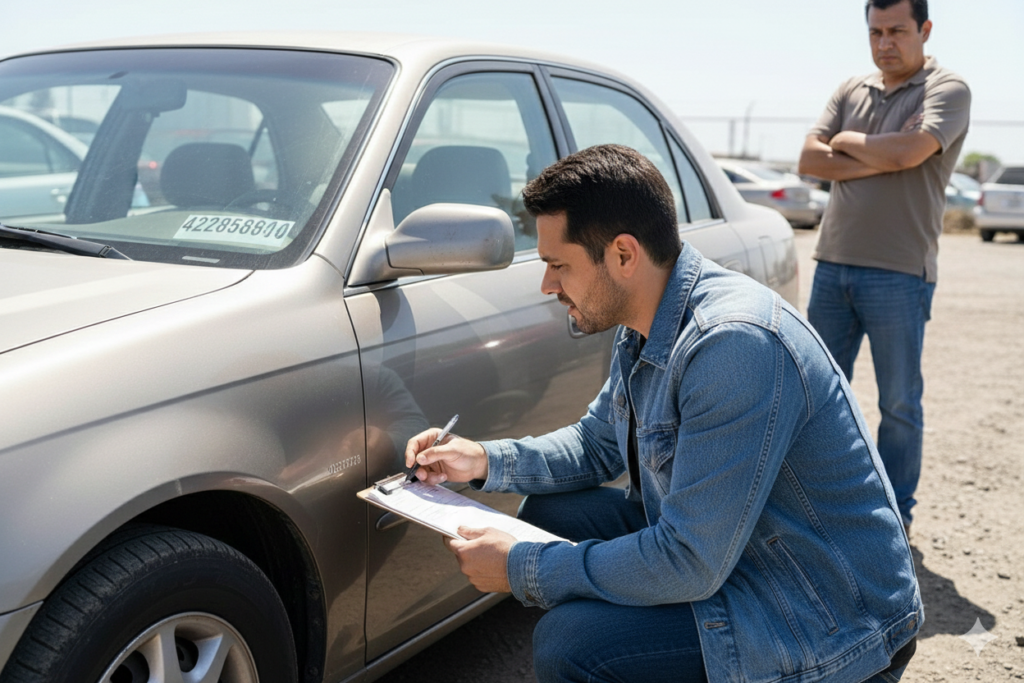
VIN cloning is when scammers take the identifying numbers from a legitimate vehicle and put them on a stolen or salvaged car. This makes the illegal vehicle appear legitimate. Buyers can end up paying for a car that is technically stolen or unsafe, with potential legal issues when they try to register it.
Always check the VIN in multiple locations on the car, including the dashboard, driver-side door jamb, and engine block. Ensure all numbers match the paperwork. Any discrepancies or reluctance from the seller to provide these details should raise red flags.
4. Fake Escrow or Payment Scams
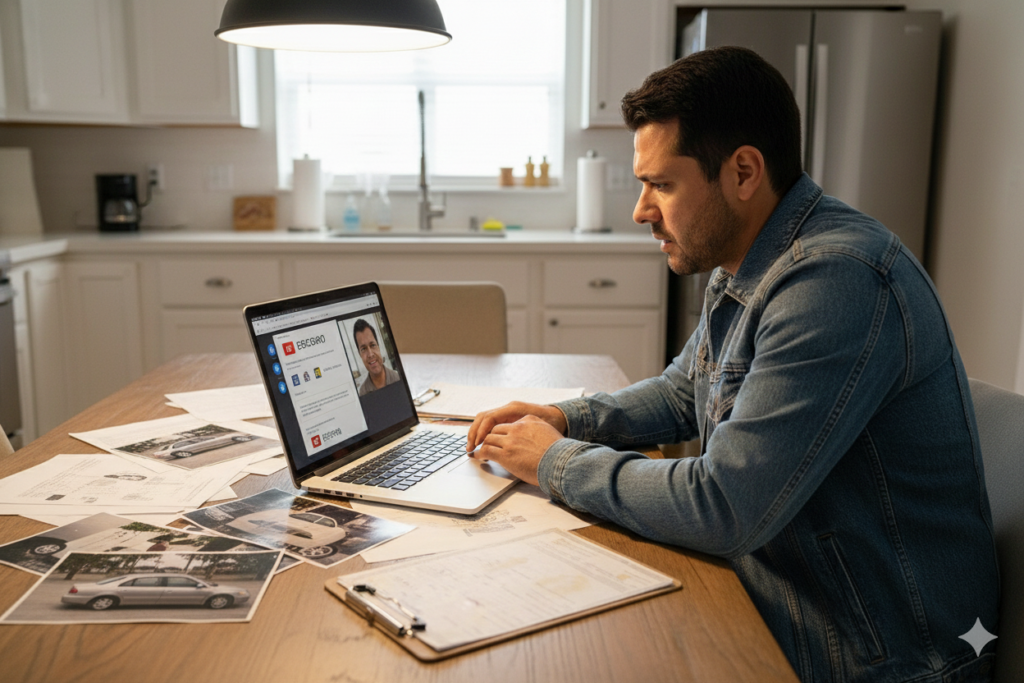
With online car sales becoming more common, fake escrow scams have increased. A scammer may post an attractive listing and then insist on using a fake escrow service or unconventional payment methods such as gift cards, wire transfers, or prepaid accounts. You may send the money, only to find the seller has vanished with your cash.
Never send money before seeing the car in person. If a seller is pushing online-only payments or insists on using a strange service, walk away. Safe, in-person transactions protect you from losing your hard-earned money.
5. Curbstoning: Dealers Pretending to Be Private Sellers
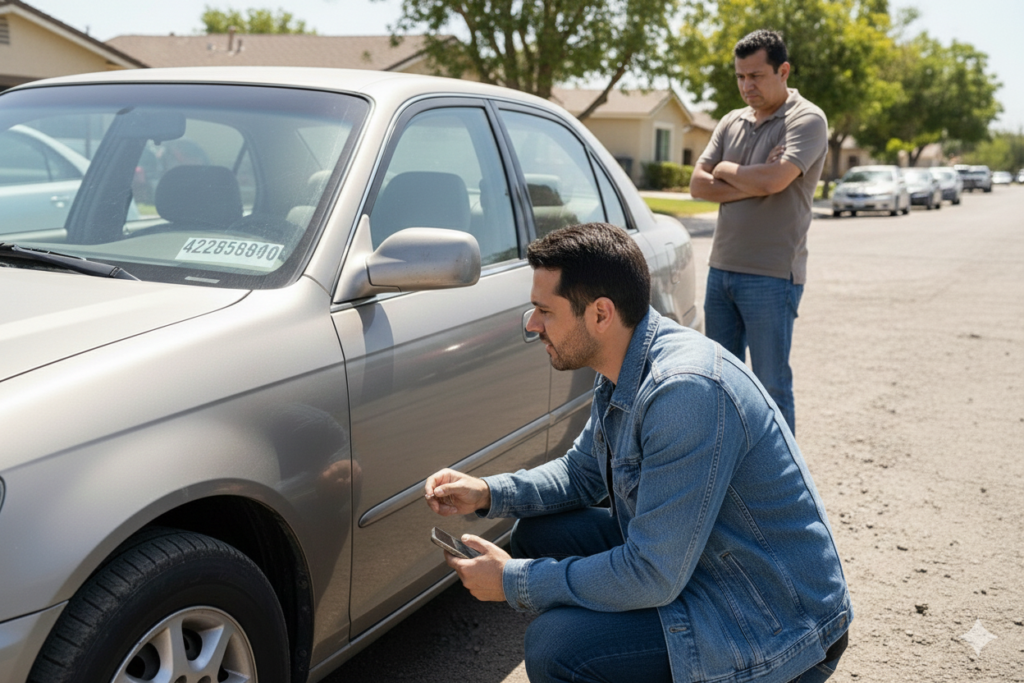
Some dealers pretend to be private sellers to avoid dealer regulations and fees. This is known as curbstoning, and it can mislead buyers into thinking they are dealing directly with a trustworthy individual. The problem is that these dealers may not disclose important information about the car or may sell it at inflated prices.
Always verify that the seller’s name matches the title. Ask detailed questions about the vehicle’s history, and if something feels off, do not hesitate to walk away. Buying from a legitimate private seller or reputable dealer is always safer.
6. Hidden Flood, Accident, or Structural Damage
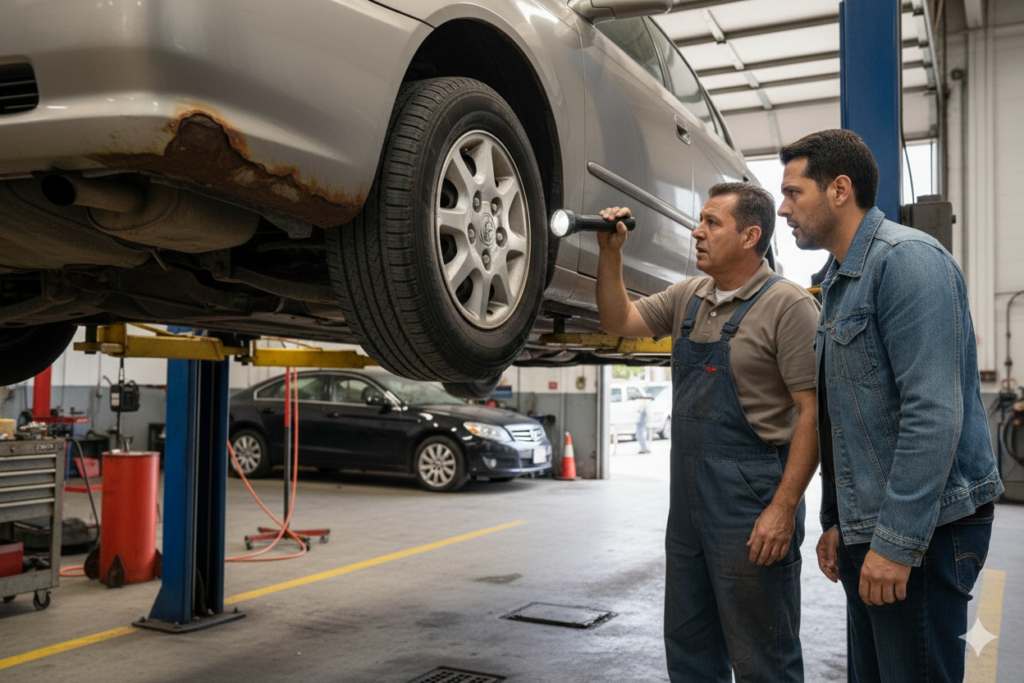
A car may look perfect on the outside, but cosmetic fixes can hide serious issues underneath. Scammers repair the bodywork to make a car appear undamaged, but hidden structural problems or water damage remain. These issues can be expensive to fix and dangerous if not caught in time.
Look for mismatched paint, panel gaps, water stains, or unusual odors. Involve a mechanic if possible, and take your time to inspect the car thoroughly. Catching these hidden problems early can save you both money and stress.
7. Prices That Are Too Good to Be True
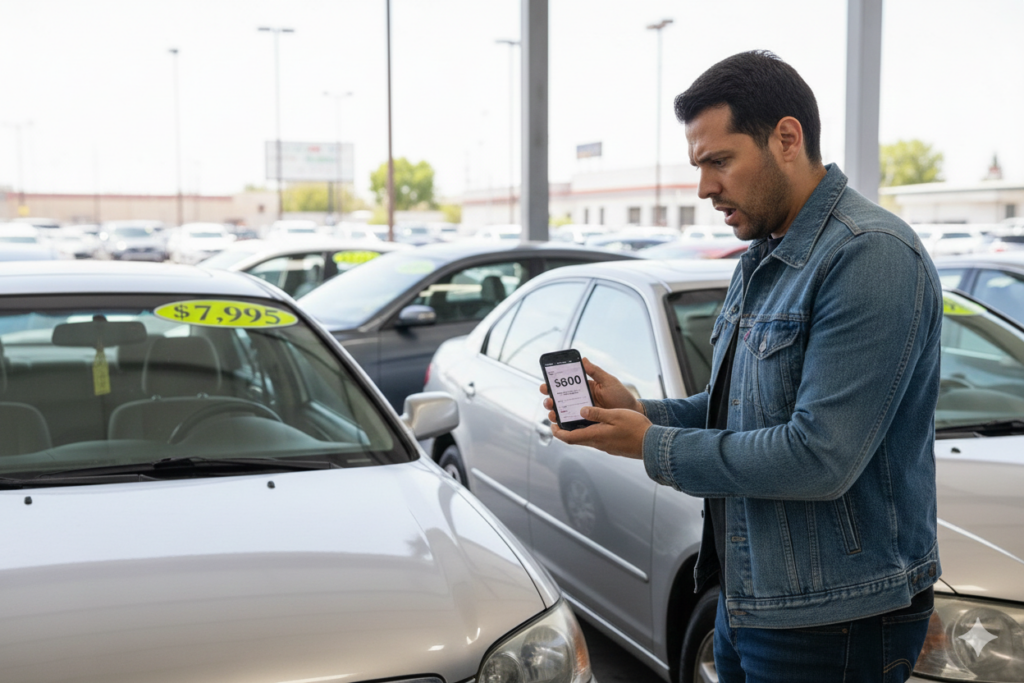
Everyone loves a great deal, but sometimes a price that seems too good to be true is exactly that. Scammers lure buyers with unbelievably low prices, only to change the terms, vanish, or sell a defective vehicle once money has been exchanged.
Compare the car’s price with similar vehicles in your area. Ask the seller why the car is priced so low, and trust your instincts. If the explanation seems weak or the deal feels rushed, it is best to walk away.
8. High-Pressure Sales Tactics
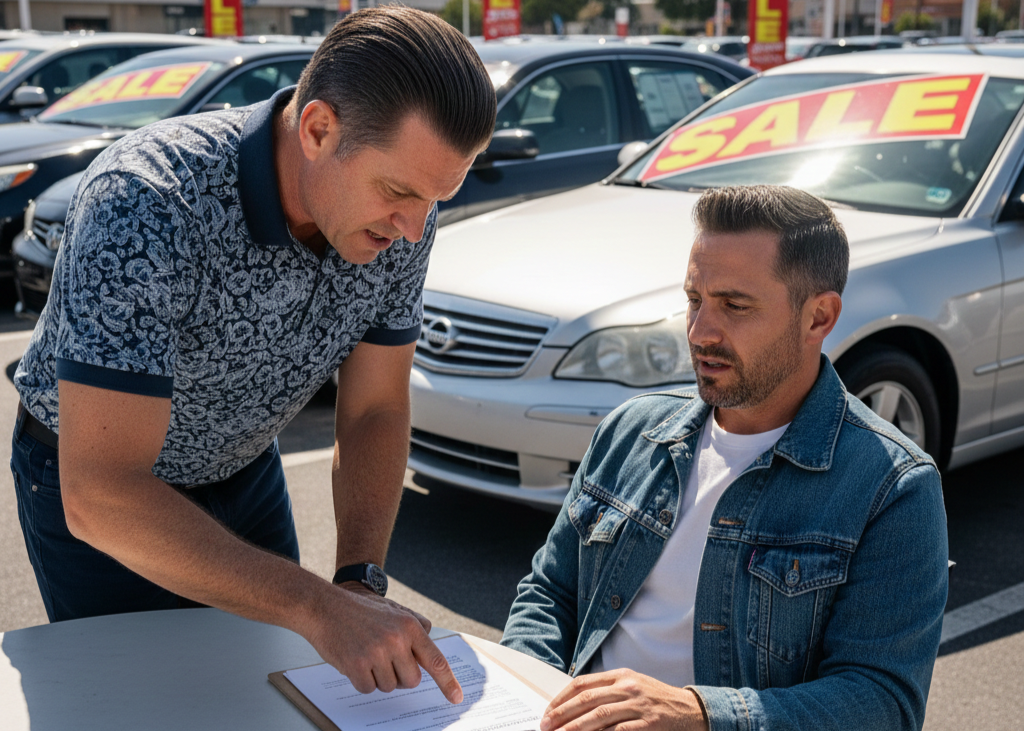
Rushed decisions are a common tactic used by scammers. You may hear phrases like “I have another buyer coming,” “I need to sell before moving,” or “This deal ends today.” These pressure tactics are meant to make you act before you have time to research, inspect, or think.
Take your time. A legitimate seller will respect that you want to verify documents, inspect the car, and ensure you are making a wise choice. Do not let anyone push you into a decision that could cost you thousands.
9. Selling a Car Without Proper Documentation
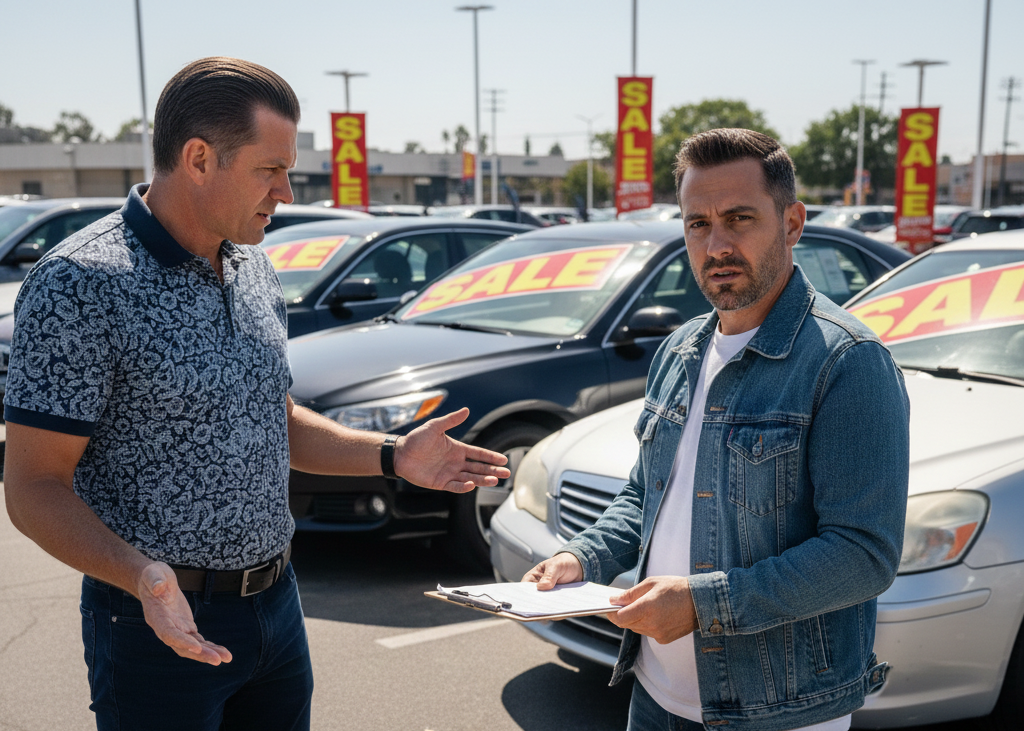
Sellers sometimes omit crucial paperwork, such as the title or lien information. Failing to check these documents can leave you with a car that cannot be legally registered or even one that is not truly yours.
Ensure the title is properly signed over, and verify the seller’s identity. Check that no liens exist on the vehicle. If a seller is hesitant or offers excuses for missing paperwork, it is better to walk away than risk future complications.
10. Fake Mechanical Problems During Test Drives
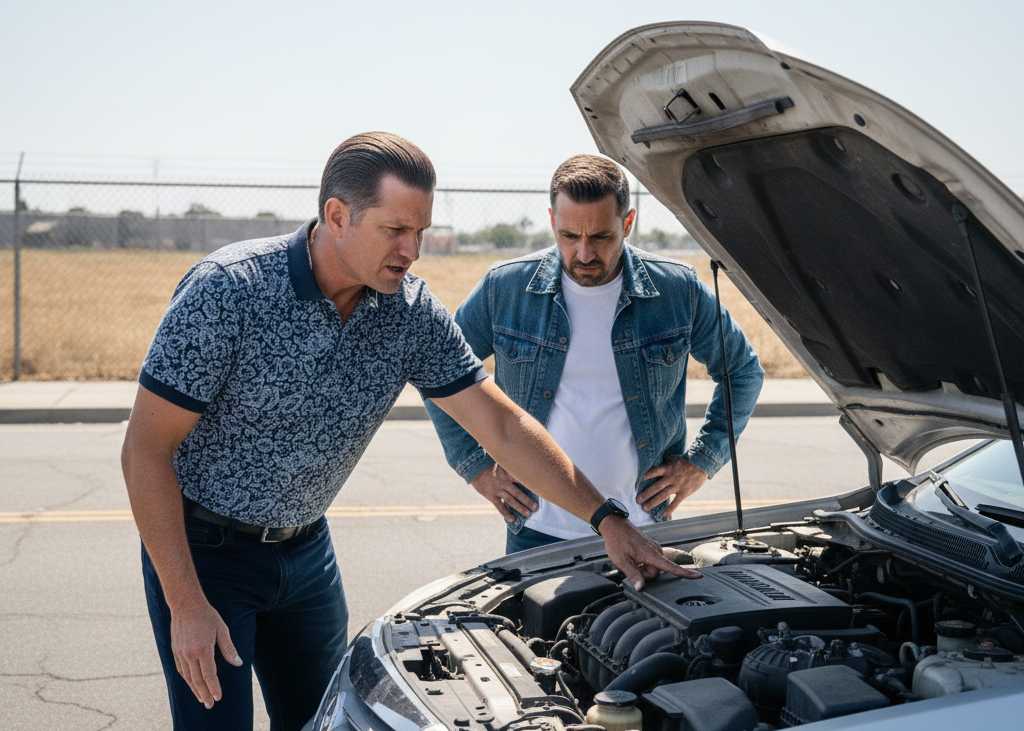
Some scammers create fake issues during test drives to negotiate a lower price. This may involve deliberately causing engine noises or pointing out minor problems as major defects. The goal is to get the seller to reduce the price under false pretenses.
When selling, be cautious about who you allow to take your car for a test drive alone. When buying, pay attention to unusual sounds, smells, or behaviors, and consider having a trusted mechanic present for a thorough check.
Final Thoughts
Navigating the car market can feel like a minefield of potential scams, but awareness is your best defense. Each scam is designed to exploit a common assumption or desire, whether it is trusting the title, falling for a bargain, or acting too quickly. The key to a smooth transaction is vigilance, patience, and careful verification.
Always check the VIN, inspect the car thoroughly, verify the seller’s identity, and do not let pressure tactics or flashy deals cloud your judgment. If you take the time to educate yourself and trust your instincts, you can enjoy the excitement of buying or selling a car without falling prey to scams. A little caution today can save you from big headaches tomorrow.
Remember, a safe and honest deal is worth more than any bargain. Keep these ten scams in mind, and you will be better prepared to make smart decisions, protect your money, and drive away with confidence.
Leave a Reply