10 Home Maintenance Tasks Every Boomer Should Stay on Top Of Before It’s Too Late

Homeownership is a lot like life—things look solid on the surface, but without a little attention, small issues can turn into major headaches. For baby boomers, staying on top of home maintenance is more than just keeping your house looking nice. It is about protecting your investment, staying safe, and avoiding costly surprises that could throw off your retirement plans.
Whether you have lived in your home for decades or are enjoying a newer place, a few preventive steps can save you time, stress, and money. The key is being proactive rather than reactive. These ten essential home maintenance tasks are ones every boomer should prioritize before minor problems become big ones.
1. Inspect Your Roof and Gutters
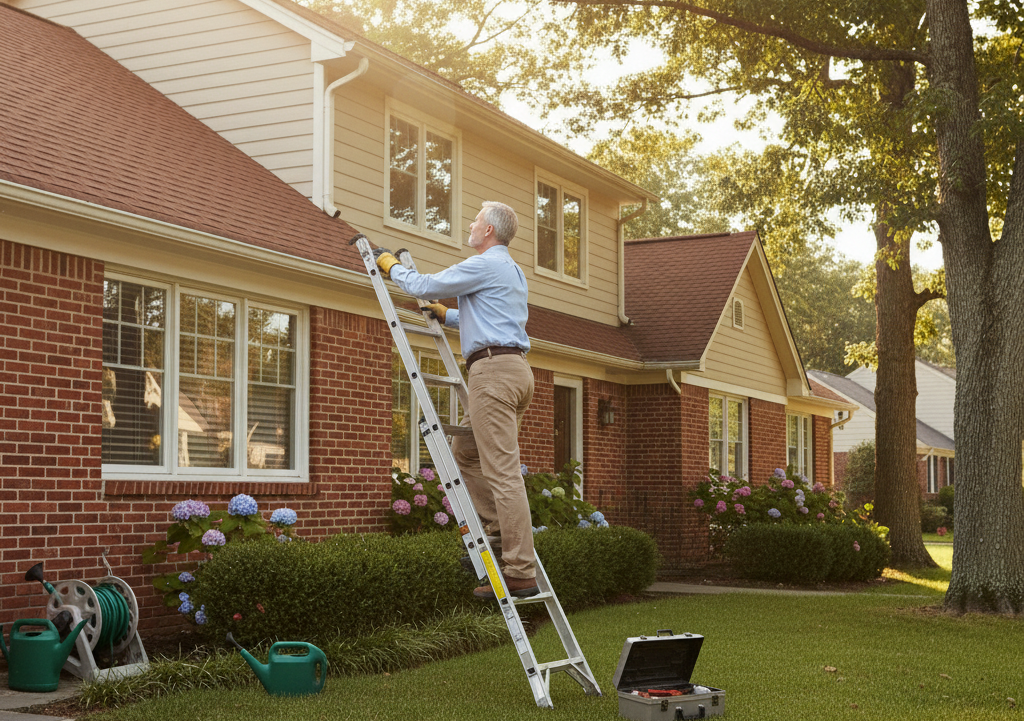
Your roof is your home’s first line of defense against weather, yet it is easy to overlook until a leak appears. Check for missing shingles, cracked tiles, or sagging spots, especially after storms or heavy wind. Gutters deserve attention too. Clogged or damaged gutters can cause water to pool around your foundation, leading to costly structural damage over time.
Clean your gutters at least twice a year, and make sure downspouts direct water away from your home. If climbing ladders is not your thing, hire a professional—your back and balance will thank you. Proactively maintaining your roof and gutters now can prevent thousands of dollars in water damage and insurance headaches later.
2. Service Your HVAC System
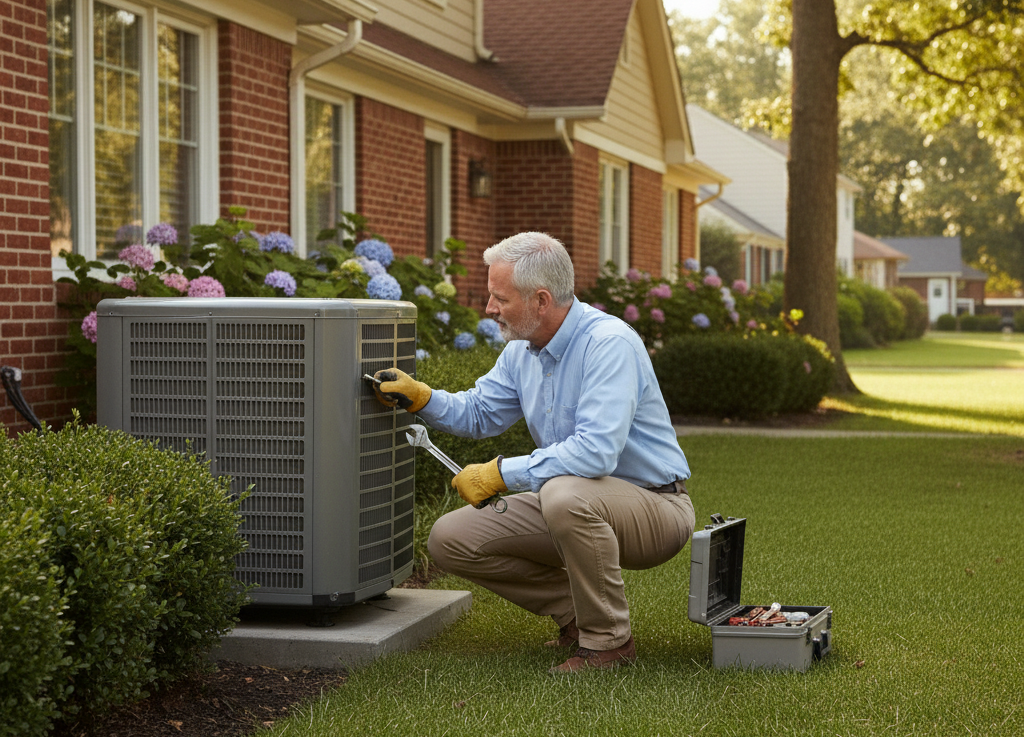
Heating and cooling systems are critical for comfort, particularly in extreme weather. Schedule an annual HVAC service to clean ducts, check filters, and ensure the system is running efficiently. A well-maintained HVAC unit not only saves energy but also extends the system’s lifespan.
Changing air filters every one to three months is an easy task that improves air quality and reduces strain on your system. This is especially important for those with allergies, asthma, or other respiratory concerns. Think of HVAC maintenance as an investment in your comfort, your health, and your energy bill.
3. Check Plumbing for Leaks
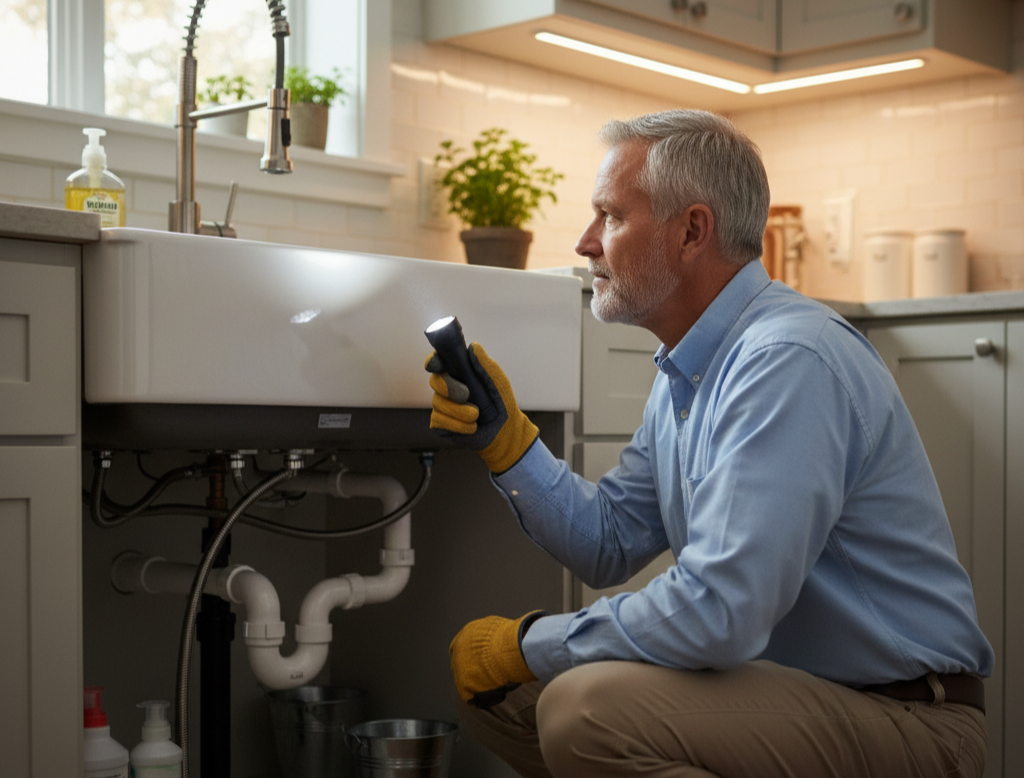
Leaky faucets and slow drains may seem minor, but over time, hidden leaks can cause serious water damage and inflate your bills. Inspect under sinks, around toilets, and check your water meter for unexplained spikes in usage.
Replacing old or corroded pipes and installing water-saving fixtures can prevent costly repairs. Even small leaks can lead to mold or structural issues, which can be a major hassle to fix. Keeping your plumbing in top shape is one of the easiest ways to protect both your home and your wallet.
4. Inspect Electrical Systems
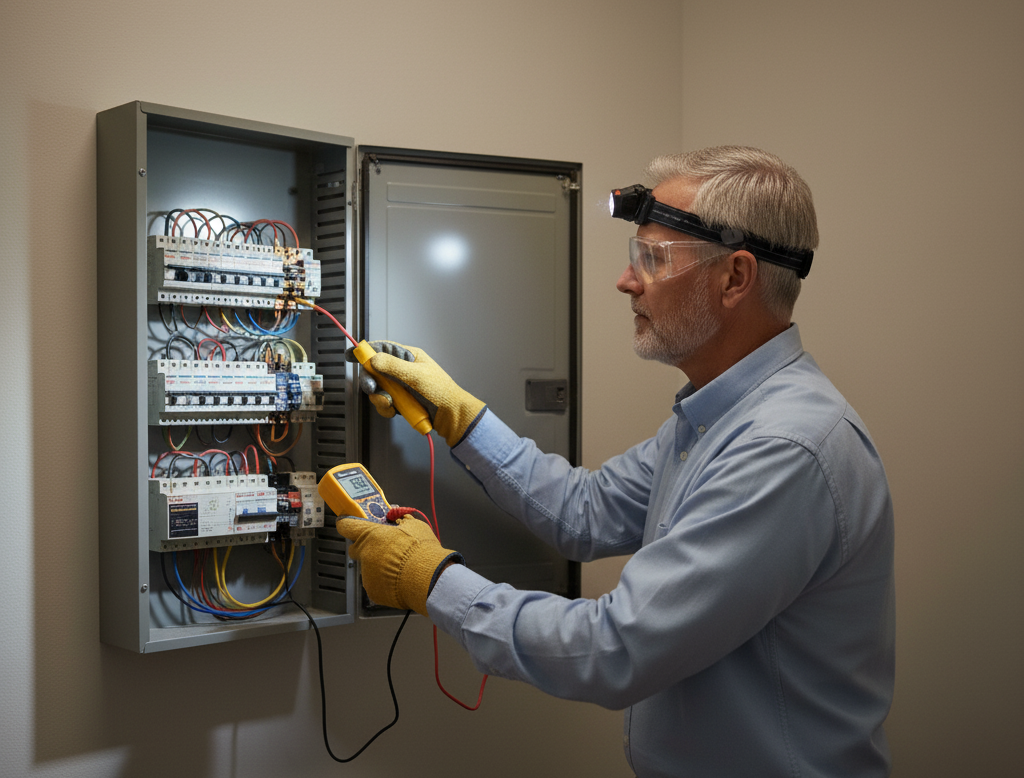
Electricity powers your home quietly, but problems can be dangerous. Have a licensed electrician inspect wiring, outlets, and circuit breakers, especially in older homes. Look for flickering lights, tripped breakers, or discolored outlets—all signs that attention is needed.
Installing surge protectors and ground fault circuit interrupter outlets in bathrooms and kitchens can add extra safety. Ensuring your electrical system is in good condition reduces the risk of fire and gives you peace of mind that your home is safe for everyday living.
5. Maintain Exterior Paint and Siding
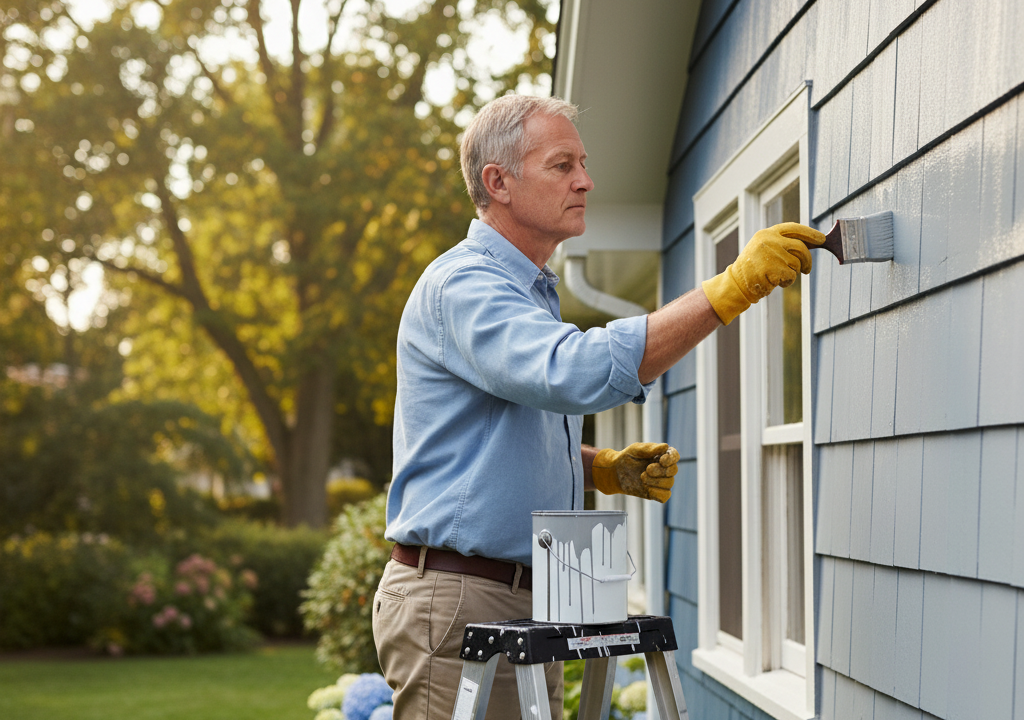
Peeling paint or damaged siding is more than an eyesore—it leaves your home vulnerable to water damage, rot, and pests. Regularly inspect the exterior for cracks, chips, or rotting areas. Touch up paint and repair siding as needed to protect your home’s structure.
A fresh coat of paint or repaired siding does wonders for curb appeal, but it also preserves your home’s value. Taking a few hours each year to maintain the exterior keeps your house looking cared-for and protects it from long-term damage. Even small cosmetic fixes can prevent major repairs down the road.
6. Test Smoke and Carbon Monoxide Detectors
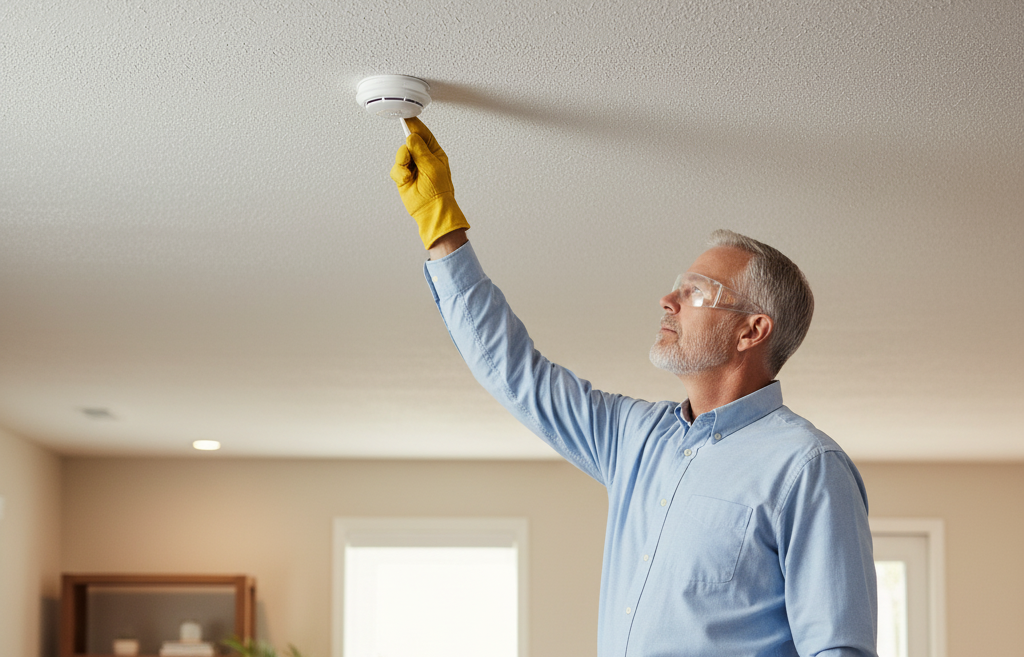
Smoke and carbon monoxide detectors are inexpensive lifesavers, yet many homeowners neglect them. Test alarms monthly and replace batteries at least once a year. Replace older units every ten years to ensure proper function.
These small steps provide enormous peace of mind. One simple click of a test button can reassure you that your family is protected. Safety may not be glamorous, but these little devices are worth every second of attention.
7. Service Your Water Heater
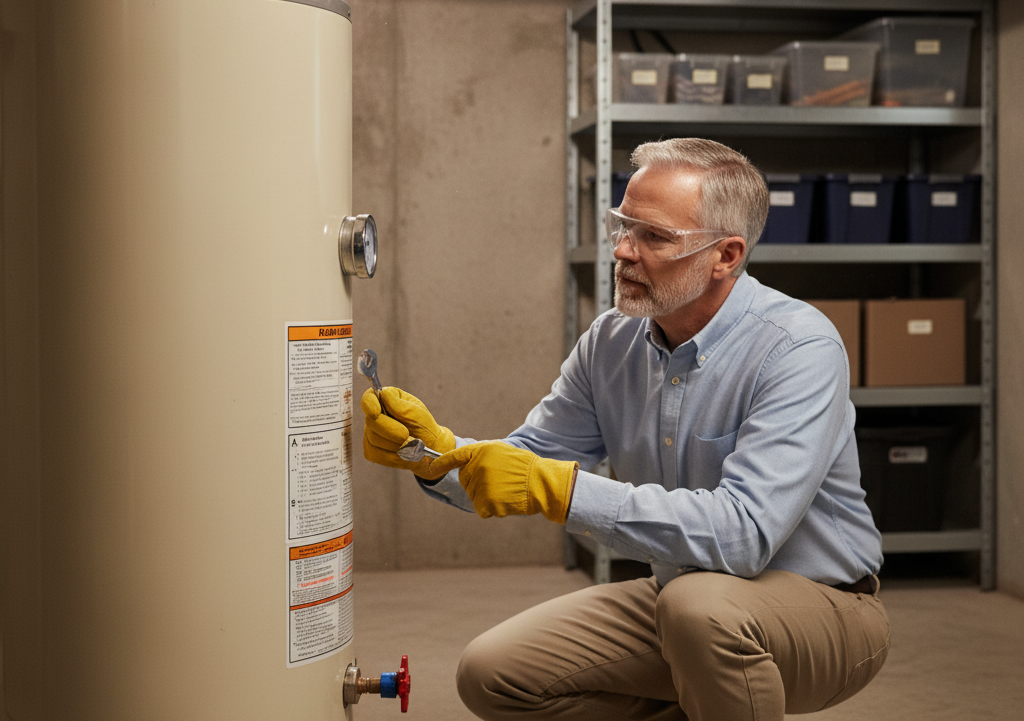
Your water heater works tirelessly every day, and neglect can lead to leaks, inefficiency, or even flooding. Drain and flush your water heater at least once a year to remove sediment buildup and improve performance. Check the pressure relief valve and look for rust or signs of leaks.
A properly maintained water heater ensures you have hot water when you need it and extends the life of the appliance. Consider insulating the tank if it is older—it can reduce energy costs and improve efficiency. Preventive maintenance is a small step that avoids major headaches later.
8. Maintain Your Lawn and Landscaping
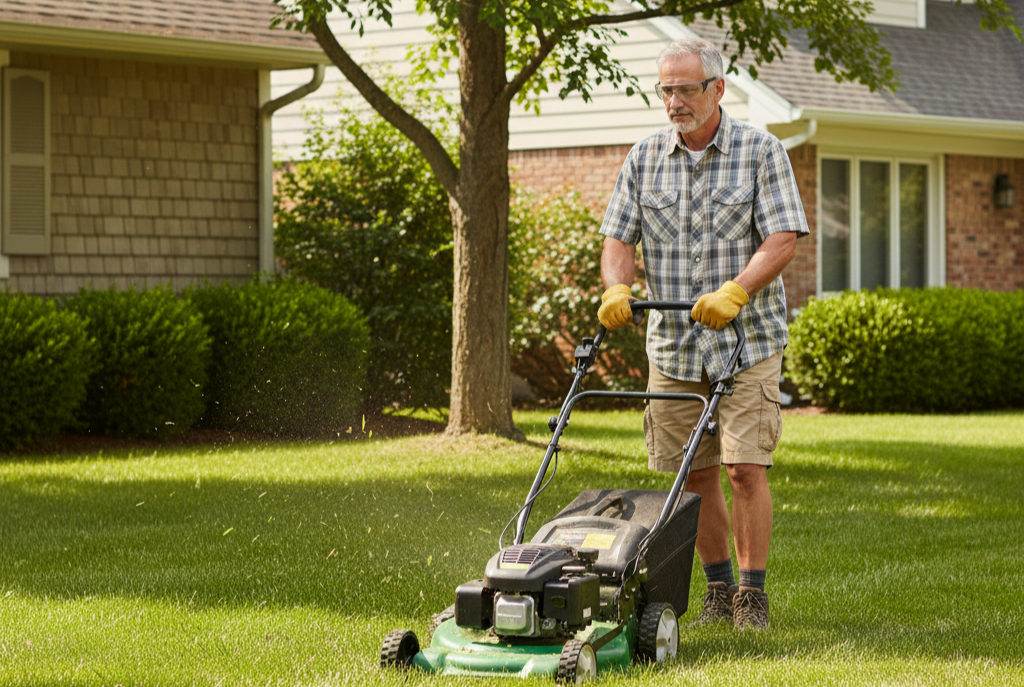
A well-kept yard does more than look nice. It protects your home from damage and helps prevent pests. Trim trees and shrubs so branches do not touch your roof or siding, and ensure proper drainage so water does not pool near your foundation.
Regular lawn care, including mowing, aerating, and fertilizing, keeps grass healthy and prevents weeds from taking over. Even small landscaping adjustments, like filling in low spots or removing debris, can protect your home and add enjoyment to your outdoor space. A little attention each season keeps your yard safe, inviting, and visually appealing.
9. Inspect Windows and Doors
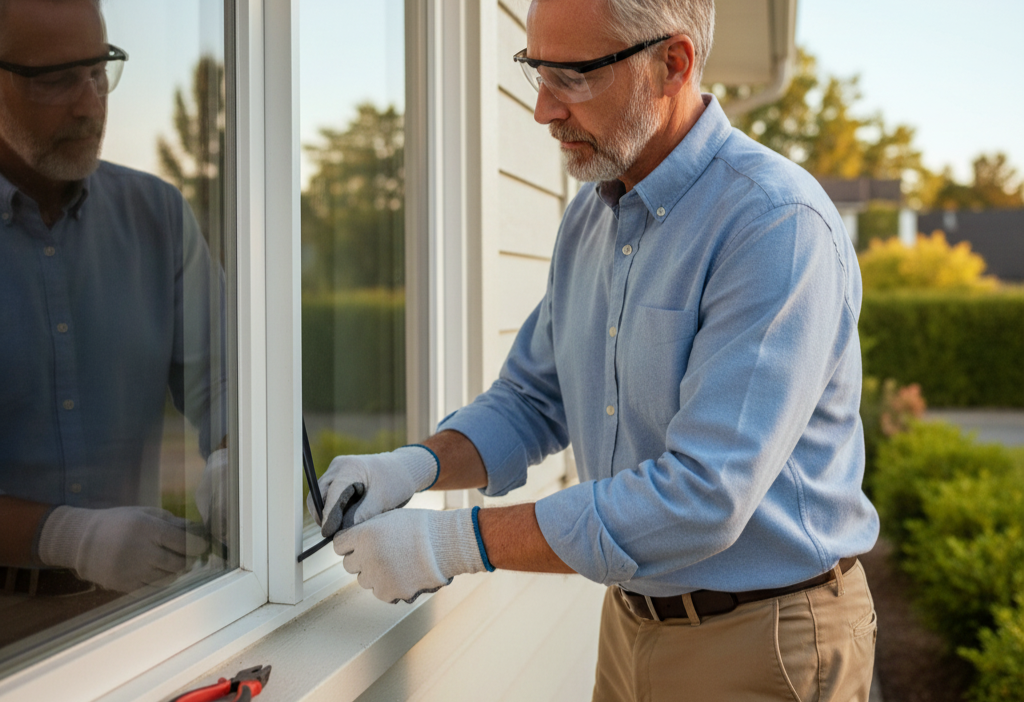
Drafty windows and doors are more than an annoyance—they increase energy costs and make your home uncomfortable. Check seals, weatherstripping, and caulking for wear. Repair or replace damaged parts to maintain insulation and security.
If your windows are older, upgrading to energy-efficient models is worth considering. Properly sealed windows and doors keep your home cozy in winter, cool in summer, and reduce monthly utility bills. For baby boomers, investing in these small upgrades now can improve comfort and make your home easier to enjoy for years to come.
10. Review Your Home Safety Features
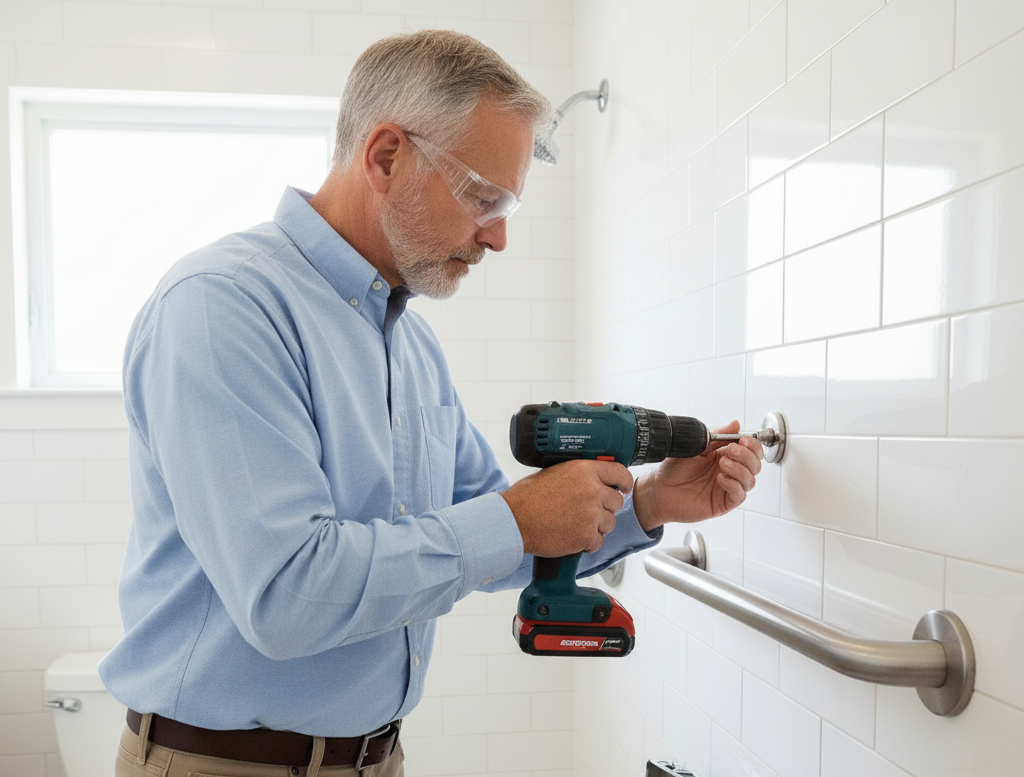
Safety becomes increasingly important as we age. Inspect stair treads, railings, and flooring for hazards, and make adjustments as needed. Installing grab bars in bathrooms, improving lighting in hallways, and adding motion-sensor lights outside can prevent accidents.
Check your fire extinguishers and ensure they are accessible and up to date. Even small safety improvements can make a big difference in preventing injuries and providing peace of mind. A few proactive steps today help you enjoy your home with confidence and security.
Final Thoughts

Home maintenance may not be glamorous, but it is one of the smartest investments you can make in your safety, comfort, and peace of mind. Baby boomers who tackle these ten tasks regularly avoid costly repairs and protect the home they have worked so hard to build.
The key is consistency. Make a plan to handle a few tasks each month, or dedicate a weekend to a more thorough inspection. Involve family or friends if you like—it can make maintenance feel less like a chore and more like a project.
By staying proactive, you protect not just your house but also your lifestyle. Your home will remain safe, comfortable, and enjoyable, allowing you to focus on the things you love rather than stressing over unexpected repairs. Maintaining your home is not just about fixing problems—it is about safeguarding the life and memories you have created within its walls.
With regular care, you can enjoy your home for many more years, knowing it is safe, comfortable, and well maintained. Taking the time now ensures that your golden years are full of peace, comfort, and enjoyment, without the worry of preventable emergencies.
Leave a Reply