10 Reasons Boomers Are Struggling to Get Hired—And What You Can Do About It
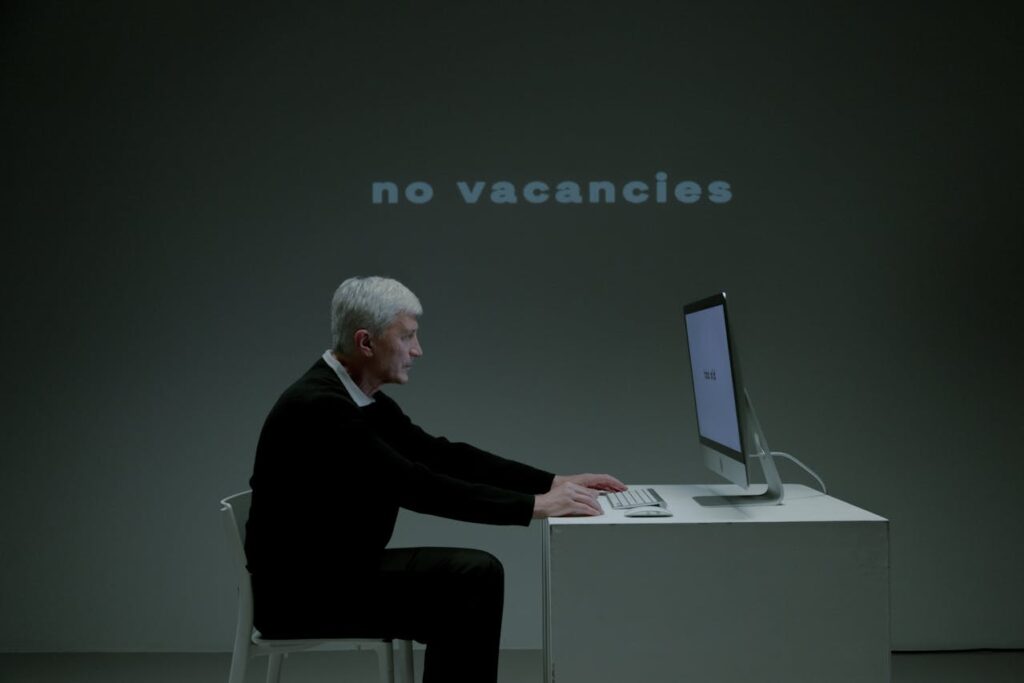
If you are a Baby Boomer looking for work in today’s fast-paced job market, you may feel like the deck is stacked against you. Despite decades of hard-earned experience, many Boomers in the United States find themselves overlooked for positions they are more than qualified to fill. The truth is, while younger generations often get praised for being “tech-savvy” or “innovative,” employers sometimes underestimate the value Boomers bring to the table—like reliability, problem-solving skills, and a lifetime of professional wisdom. The good news? There are practical steps you can take to overcome these obstacles and show employers you are not just relevant—you are the best person for the job. Let’s explore ten of the biggest challenges Boomers face when job hunting today and, more importantly, how you can turn them into opportunities.
1. Age Bias and Discrimination

It is no secret that age discrimination is alive and well in the hiring world. Many Boomers sense their age is a disadvantage, and unfortunately, they are often right. Employers may quietly screen out candidates after noticing a graduation year or spotting a long career history that suggests “retirement age.” This is frustrating, especially when you know you could hit the ground running.
What you can do: Age-proof your resume by removing graduation dates and focusing on recent, relevant experience. Use a clean, modern format that showcases accomplishments from the last 10 to 15 years. Highlight your adaptability and willingness to learn, and remember—you have every right to compete fairly for opportunities.
2. Being Seen as Overqualified

One of the strangest frustrations for Boomers is being told they are “too experienced.” Employers worry that you might expect a higher salary, get bored quickly, or leave as soon as a better opportunity arises. The irony? Companies are rejecting exactly the kind of dependable and knowledgeable talent they say they want.
What you can do: Address the concern directly in your cover letter or interview. Emphasize your flexibility and genuine interest in the position, even if it is not at the peak of your career. If salary expectations are lower than before, state that upfront to reassure hiring managers.
3. Keeping Up with Rapid Tech Changes

Technology evolves at lightning speed, and sometimes employers assume Boomers are not keeping up. Even if you are comfortable with email and Zoom, they may assume you cannot handle newer platforms or cloud-based tools. This bias can cause you to be passed over before you even get a chance to prove yourself.
What you can do: Stay ahead of the curve by investing in training. Free and affordable resources like LinkedIn Learning, Coursera, or local community colleges offer courses in everything from digital marketing to data analysis. Highlight your continued learning in your resume and LinkedIn profile so employers see you are committed to staying current.
4. Talking Too Much About the Past

It is natural to be proud of the career you have built, but talking only about past achievements can unintentionally make you sound like your best days are behind you. Employers want to know how you can contribute now—not just what you accomplished twenty years ago.
What you can do: Reframe your career story in the present and future tense. Instead of saying, “I led a team that successfully expanded into new markets,” say, “I bring proven leadership skills to help teams grow into new markets.” Show employers how your past experience positions you to add value today and tomorrow.
5. Fewer Middle-Management Roles

Many Boomers built their careers in middle-management positions, but the job market has shifted. Companies are streamlining their structures, cutting out layers of management, and expecting fewer people to take on more responsibilities. That means the roles many Boomers are most qualified for are disappearing.
What you can do: Be open to new ways of working. Consulting, coaching, and project-based roles are growing in demand and allow you to put your experience to use without being tied to a traditional management track. This flexibility can also create opportunities to explore part-time or remote work that fits your lifestyle.
6. Needing to Work Longer Than Planned

Retirement used to feel like a finish line. Now, many Boomers are realizing they need to work longer than expected to keep up with rising costs and ensure financial security. Unfortunately, some employers hesitate to hire candidates they think are just looking for a “bridge” job until retirement.
What you can do: Be honest about your goals but frame them positively. Stress your commitment to staying active and engaged in the workforce. Many companies value stability, and showing you are eager to contribute for several more years can ease concerns about short-term tenure.
7. Wasting Time on “Ghost Jobs”

Have you ever applied to a position only to never hear back? Many job postings today are “ghost jobs”—openings companies post without real plans to hire. For Boomers, these can be a discouraging waste of time.
What you can do: Research before applying. Check company reviews on sites like Glassdoor or Indeed, and look for evidence that the job is actively being filled. Whenever possible, network your way into opportunities through referrals and direct connections.
8. Relying on Smaller or Outdated Networks

Networking has always been a powerful way to land a job, but the way people network has changed. Younger candidates are leveraging LinkedIn, online forums, and even social media to connect with hiring managers. Many Boomers still rely mostly on old contacts or traditional methods, which can limit opportunities.
What you can do: Expand your reach. Update your LinkedIn profile, join professional groups, and attend local or virtual networking events. Tap into organizations like AARP’s job board or community-based career centers that cater to older workers. The more visible you are, the more opportunities you will uncover.
9. Outdated Résumé Styles

A long resume listing every job since the 1970s is not doing you any favors. Older formats can unintentionally highlight your age and make hiring managers assume your skills are not current.
What you can do: Create a modern two-page resume that emphasizes the last 10 to 15 years of your experience. Use bullet points to showcase measurable results and keep formatting clean and easy to scan. Consider hiring a professional resume writer familiar with age-friendly strategies.
10. Self-Doubt and Negative Mindsets

Perhaps the biggest obstacle of all is internal. After dozens of applications with no response, it is easy to start doubting yourself. You may begin to think you are too old, too slow, or not tech-savvy enough. These thoughts can unintentionally seep into interviews and make you appear less confident.
What you can do: Remind yourself of the tremendous value you bring. You have decades of wisdom, resilience, and experience that cannot be taught in a classroom. Practice positive self-talk, rehearse answers with a friend, and walk into interviews with the energy and confidence you deserve to show.
Final Thoughts

Finding a job in today’s market can feel discouraging for Baby Boomers, but do not lose hope. The truth is, you have what employers need: a proven work ethic, deep knowledge, and the kind of perspective that only comes with years of experience. The key is to present yourself in a way that highlights your relevance and adaptability. By updating your resume, strengthening your network, sharpening your tech skills, and maintaining a confident mindset, you can show employers that your best years are not behind you—they are right here and ready to make a difference.
Remember, this chapter of your career is not about competing with younger workers—it is about showcasing the unique strengths only you can bring. With the right strategies and mindset, your next great opportunity may be closer than you think.
Leave a Reply