Our Debt Free Family

Commit. Plan. Take action.

  • BUDGETING
  • DEBT REDUCTION
  • INVESTING
  • LIFESTYLE
  • TOOLS
  • ABOUT
  • Privacy Policy
  • CONTACT
You are here: Home / Autos / 10 Car Colors with the Worst Resale Value: A Guide for Buyers and Sellers
10 Car Colors with the Worst Resale Value: A Guide for Buyers and Sellers

October 1, 2024 | Leave a Comment

10 Car Colors with the Worst Resale Value: A Guide for Buyers and Sellers

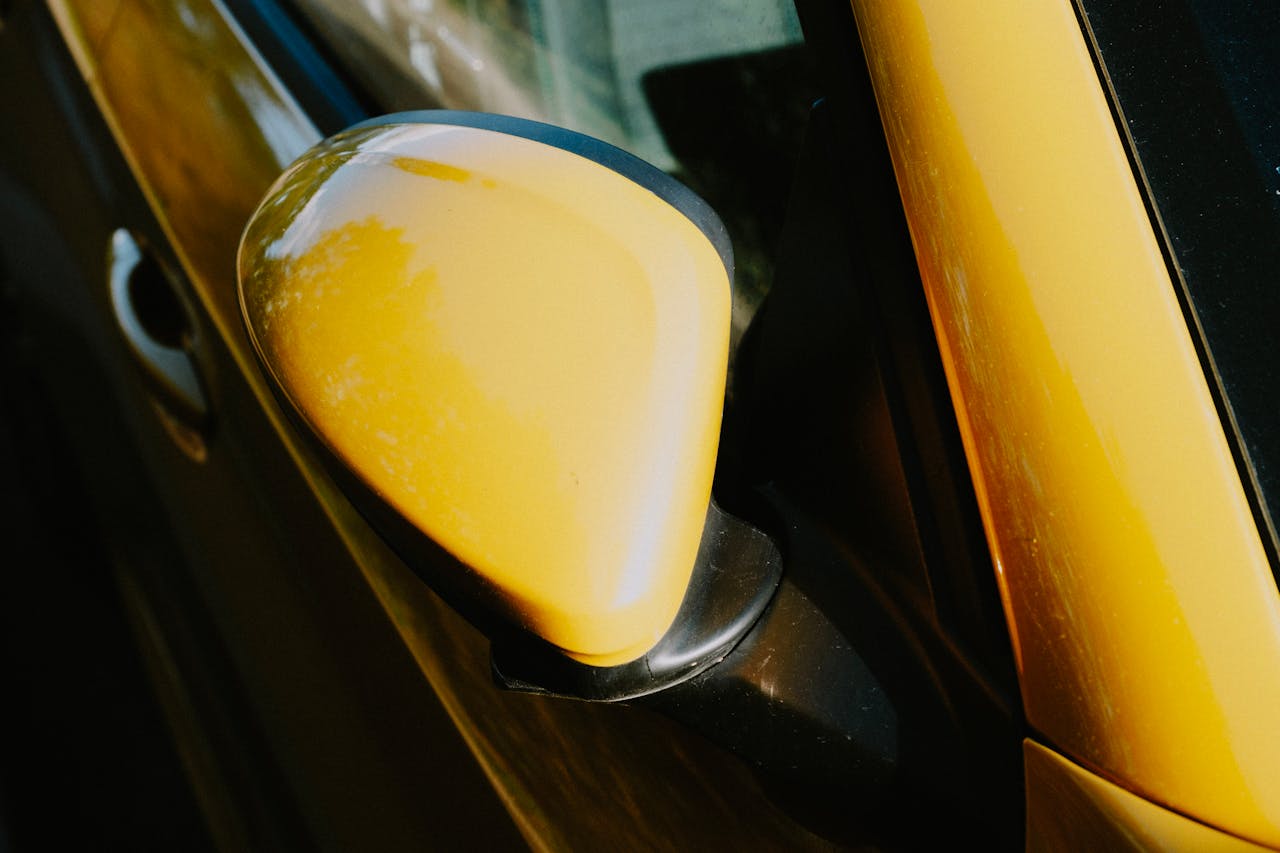
<p> When purchasing a car, many individuals consider not just the initial price but also its potential resale value. After all, no one wants to incur losses on a depreciating asset. While certain car colors tend to maintain better resale values, others are known to diminish in value over time. In this guide, we will explore ten car colors that have the least favorable resale values and examine the factors that contribute to this trend. Whether you're in the market for a new vehicle or contemplating the sale of your current one, this information will empower you to make a well-informed decision. </p> :: Pexels

When purchasing a car, many individuals consider not just the initial price but also its potential resale value. After all, no one wants to incur losses on a depreciating asset. While certain car colors tend to maintain better resale values, others are known to diminish in value over time. In this guide, we will explore ten car colors that have the least favorable resale values and examine the factors that contribute to this trend. Whether you’re in the market for a new vehicle or contemplating the sale of your current one, this information will empower you to make a well-informed decision.

1. Gold: Flashy, but a Tough Sell
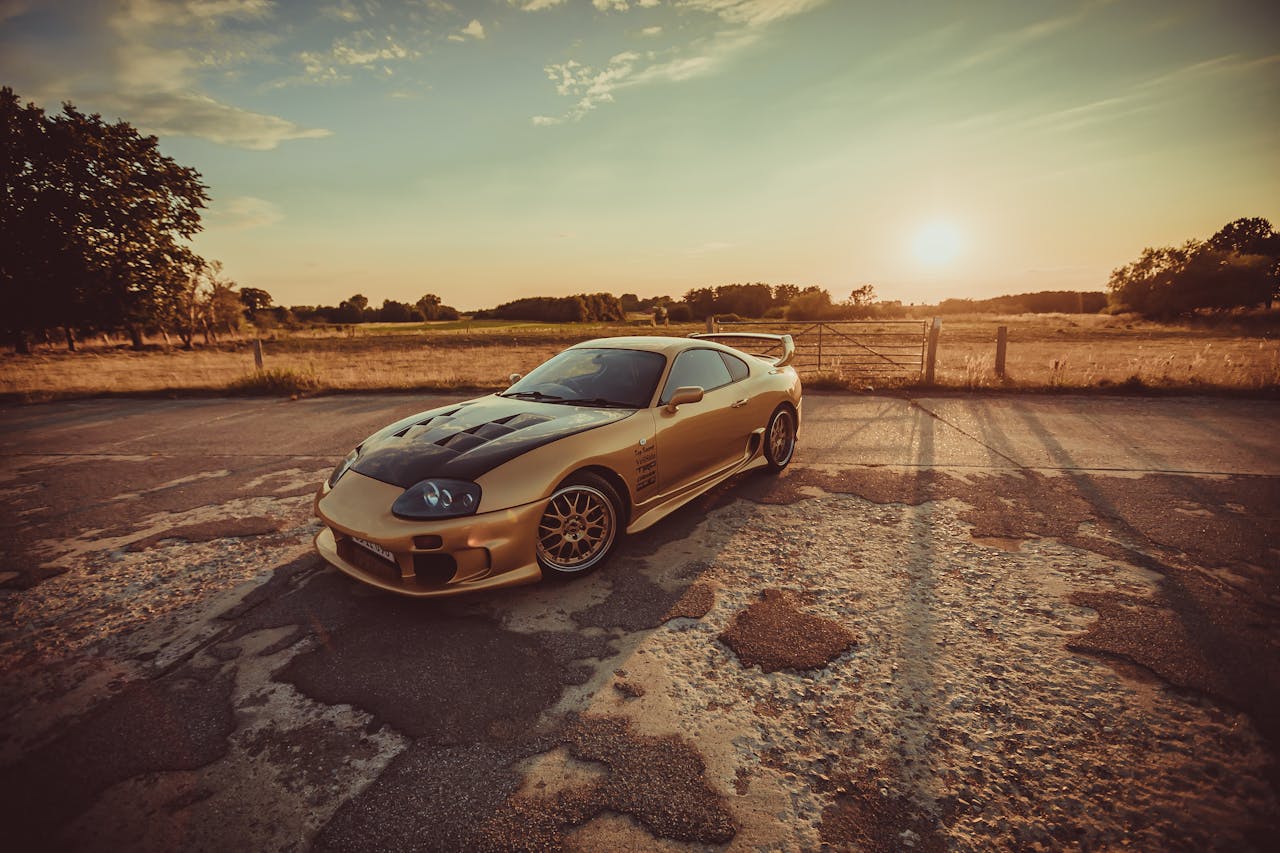
<p> Gold is often perceived as a symbol of luxury, yet it ranks among the least desirable colors in terms of resale value. While this striking hue may catch the eye of some buyers, many find it hard to imagine driving a gold car for the long term. Its boldness lacks the timeless appeal sought by many, making it a risky choice for those looking to maximize their return on investment. In fact, gold vehicles tend to depreciate more rapidly than most other colors, typically losing about 20% more value than the average car. </p> :: Pexels

Gold is often perceived as a symbol of luxury, yet it ranks among the least desirable colors in terms of resale value. While this striking hue may catch the eye of some buyers, many find it hard to imagine driving a gold car for the long term. Its boldness lacks the timeless appeal sought by many, making it a risky choice for those looking to maximize their return on investment. In fact, gold vehicles tend to depreciate more rapidly than most other colors, typically losing about 20% more value than the average car.

2. Yellow: Bright, but a Limited Market
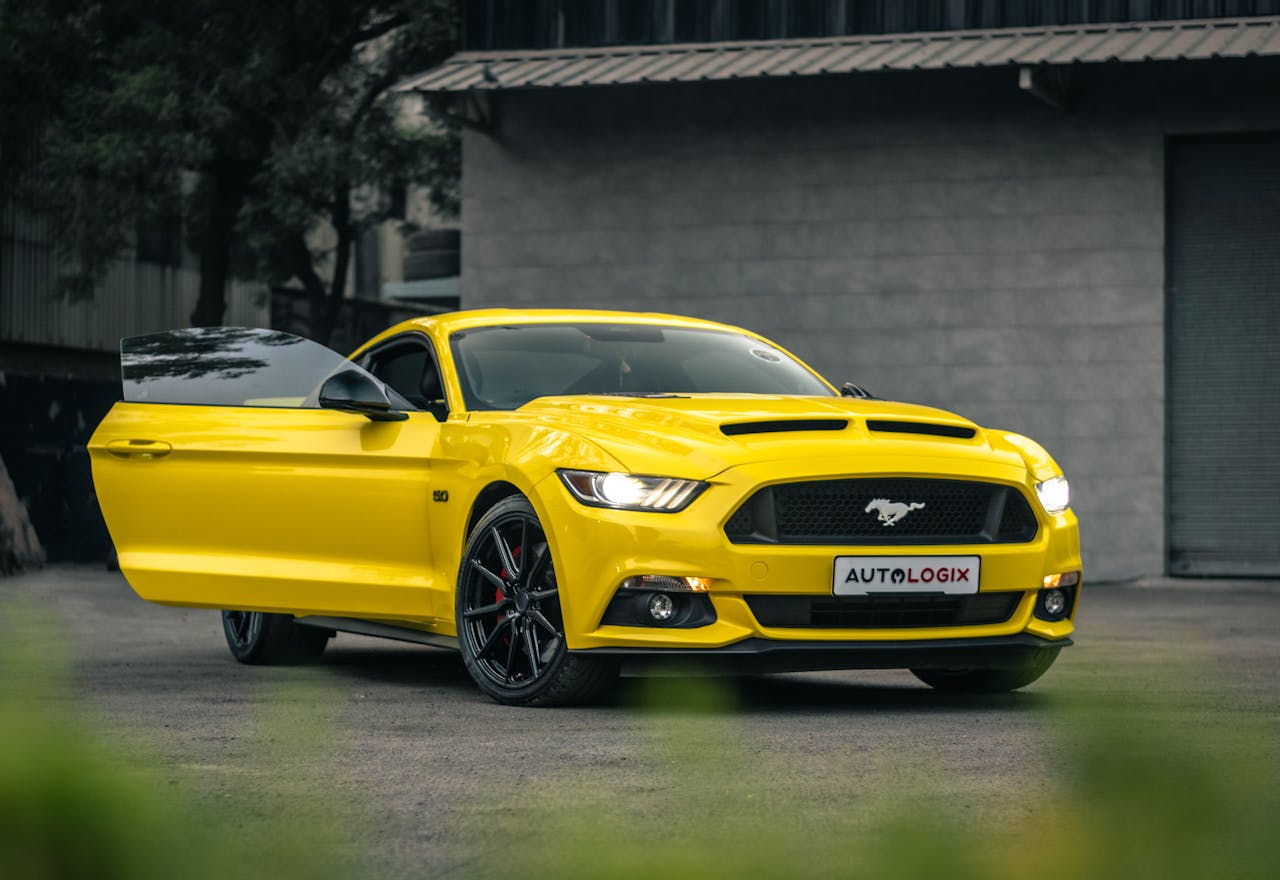
<p> Yellow is a vibrant and cheerful color, often associated with sporty or high-performance vehicles. However, it doesn’t enjoy universal appeal. While a yellow car may attract attention, fewer people are inclined to buy one. Consequently, yellow cars typically remain on the market longer when it’s time to sell. Their resale value can depreciate by as much as 18% compared to more neutral colors like black, silver, or gray. Despite this, some buyers appreciate the uniqueness of yellow cars and see them as a fun, standout choice. Ultimately, the decision to purchase a yellow vehicle often comes down to personal preference and willingness to embrace its boldness. </p> :: Pexels

Yellow is a vibrant and cheerful color, often associated with sporty or high-performance vehicles. However, it doesn’t enjoy universal appeal. While a yellow car may attract attention, fewer people are inclined to buy one. Consequently, yellow cars typically remain on the market longer when it’s time to sell. Their resale value can depreciate by as much as 18% compared to more neutral colors like black, silver, or gray. Despite this, some buyers appreciate the uniqueness of yellow cars and see them as a fun, standout choice. Ultimately, the decision to purchase a yellow vehicle often comes down to personal preference and willingness to embrace its boldness.

3. Orange: Bold, Yet Unpopular
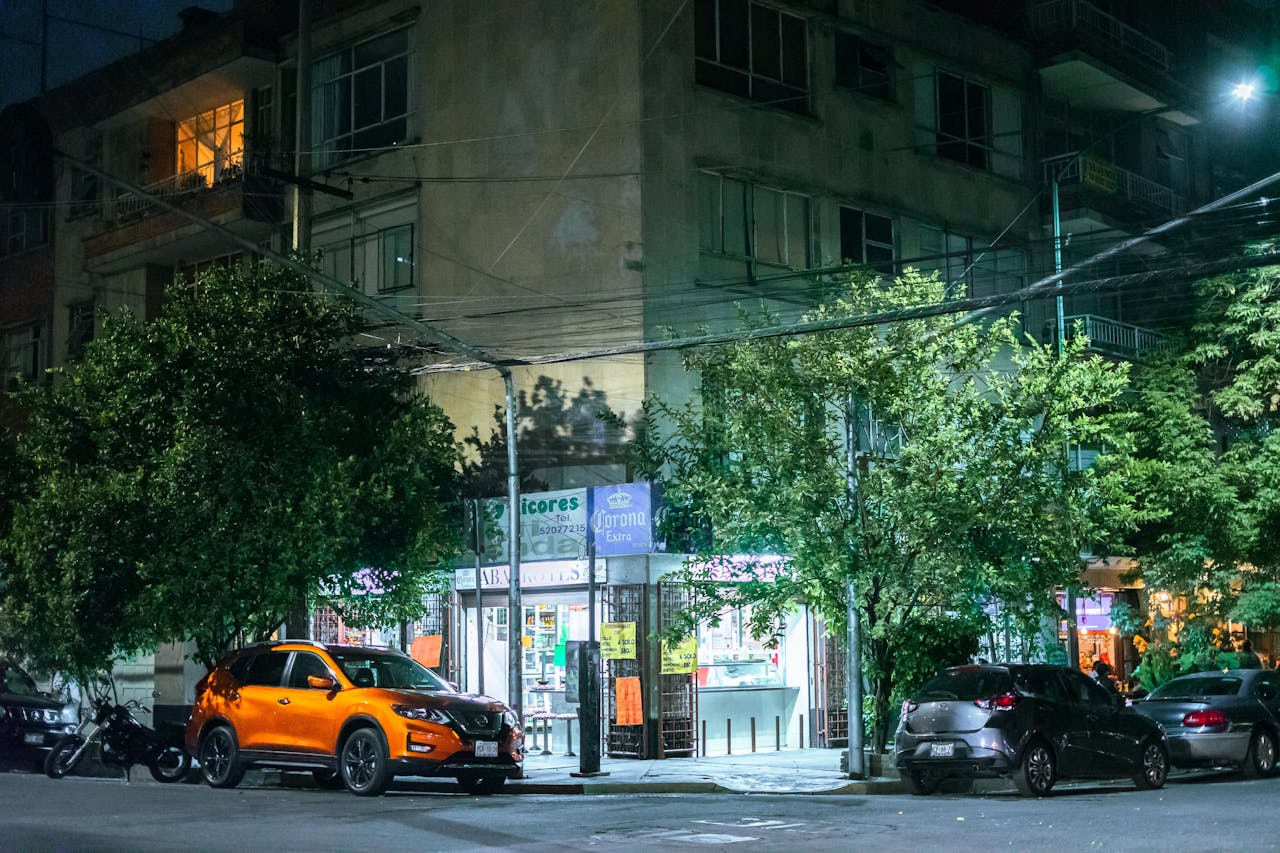
<p> Similar to yellow, orange is a vibrant color that attracts a specific niche of buyers. While it shines on certain vehicles like sports cars and trucks, it lacks universal appeal. This limited attraction results in a smaller pool of potential buyers, complicating sales when the time comes. Typically, orange cars experience depreciation rates of 16-18%, depending on the model and market conditions. Despite its boldness, many buyers prefer more traditional colors, which further limits the market for orange vehicles. As a result, sellers may need to adjust their pricing strategies to move these unique cars more effectively. </p> :: Pexels

Similar to yellow, orange is a vibrant color that attracts a specific niche of buyers. While it shines on certain vehicles like sports cars and trucks, it lacks universal appeal. This limited attraction results in a smaller pool of potential buyers, complicating sales when the time comes. Typically, orange cars experience depreciation rates of 16-18%, depending on the model and market conditions. Despite its boldness, many buyers prefer more traditional colors, which further limits the market for orange vehicles. As a result, sellers may need to adjust their pricing strategies to move these unique cars more effectively.

4. Purple: Unique, but Not Practical
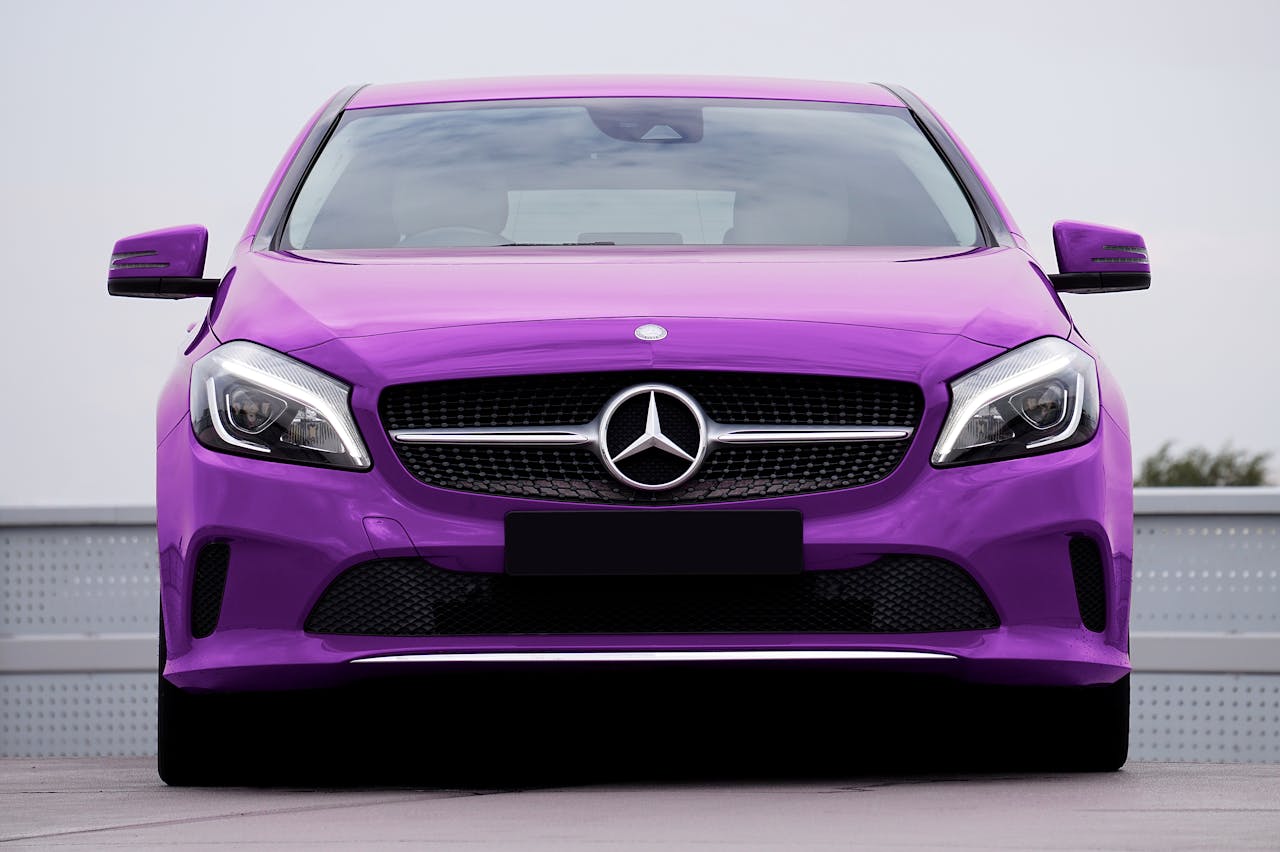
<p> Purple cars are uncommon, and for good reason—they typically have poor resale value. While some buyers may appreciate their uniqueness, most people find the color impractical. As a result, purple vehicles often struggle to attract interest in the used market. They can lose up to 20% more value compared to their neutral-colored counterparts, making them a less favorable investment for those prioritizing resale value. </p> :: Pexels

Purple cars are uncommon, and for good reason—they typically have poor resale value. While some buyers may appreciate their uniqueness, most people find the color impractical. As a result, purple vehicles often struggle to attract interest in the used market. They can lose up to 20% more value compared to their neutral-colored counterparts, making them a less favorable investment for those prioritizing resale value.

5. Brown: Bland and Unappealing
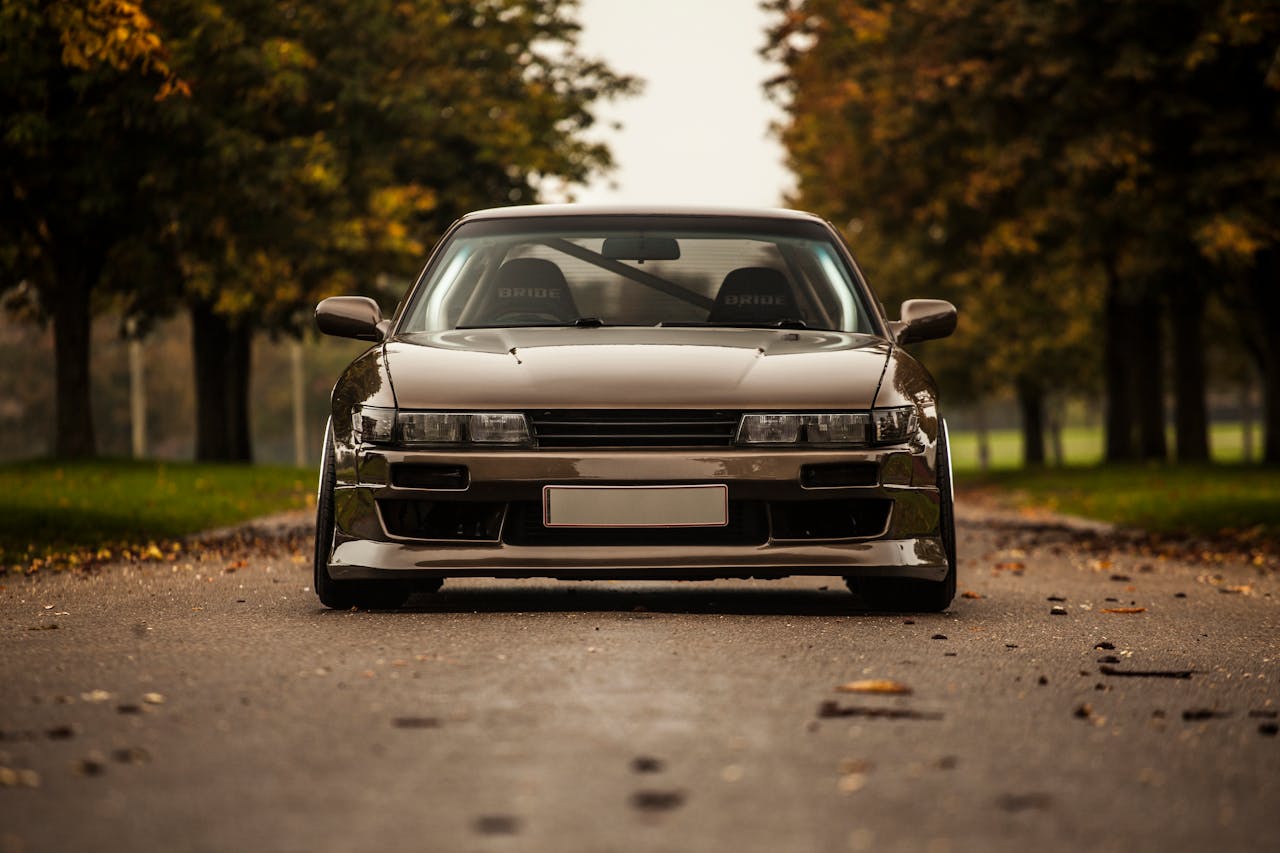
<p> While brown may complement the natural world beautifully, its appeal on cars tells a different tale. Many vehicle buyers perceive it as a dull and lackluster color. Whether it's a soft beige or a rich chocolate brown, this hue generally fails to captivate potential buyers. In fact, brown vehicles often experience resale values that are 15% lower than those of more popular shades like silver, white, or black. With minimal demand for brown cars, selling them quickly or at a favorable price can be quite challenging. </p> :: Pexels

While brown may complement the natural world beautifully, its appeal on cars tells a different tale. Many vehicle buyers perceive it as a dull and lackluster color. Whether it’s a soft beige or a rich chocolate brown, this hue generally fails to captivate potential buyers. In fact, brown vehicles often experience resale values that are 15% lower than those of more popular shades like silver, white, or black. With minimal demand for brown cars, selling them quickly or at a favorable price can be quite challenging.

6. Green: Earthy but Limited Appeal
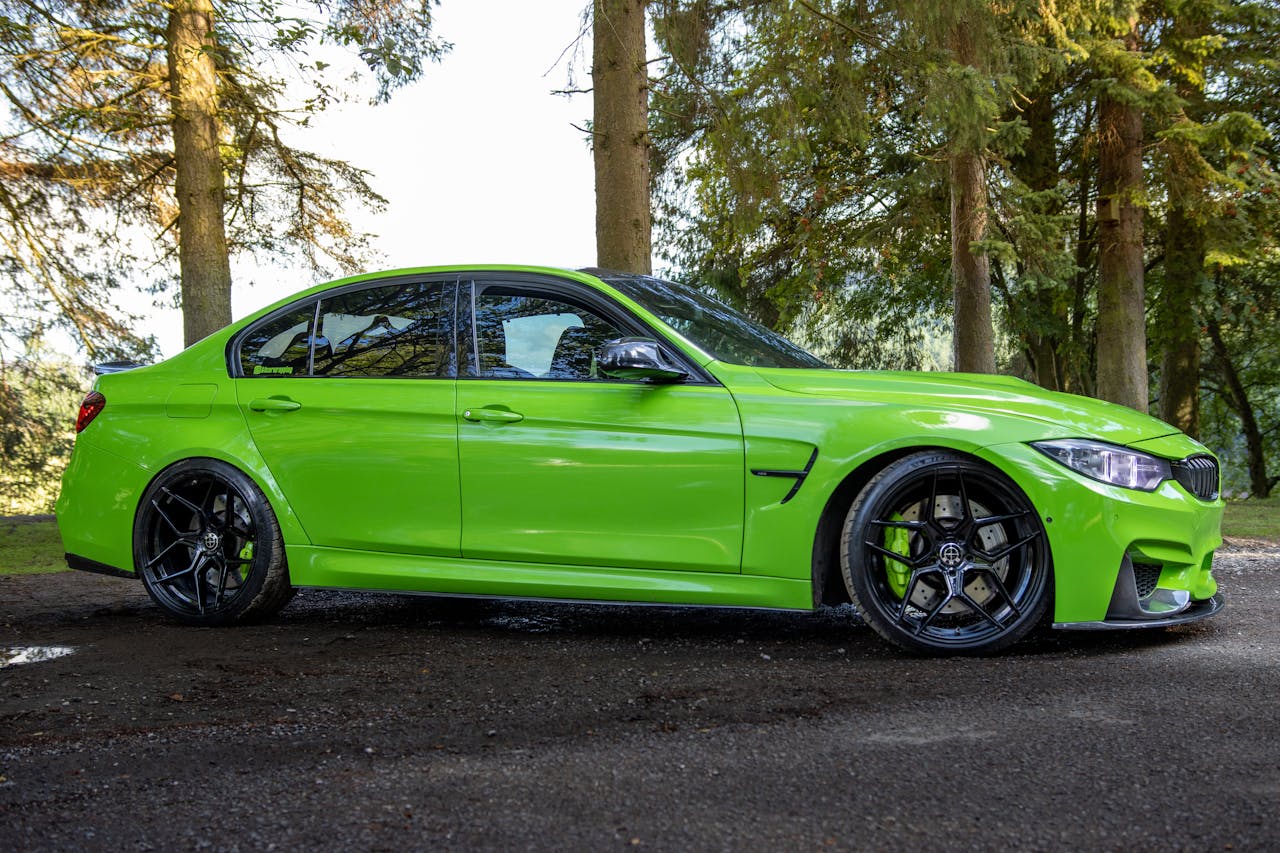
<p> Green cars exude an earthy, organic charm that can look stunning on certain models; however, they cater to a relatively limited market. The challenge with green is its tendency to fluctuate in popularity, making it a risky option for resale value. If you intend to sell your car within a few years, attracting buyers may prove difficult. On average, green cars depreciate about 14-16% more than vehicles in more conventional colors. Despite these challenges, many environmentally conscious buyers appreciate the aesthetic and message of green cars. Ultimately, it’s important to weigh your personal preferences against potential resale considerations. </p> :: Pexels

Green cars exude an earthy, organic charm that can look stunning on certain models; however, they cater to a relatively limited market. The challenge with green is its tendency to fluctuate in popularity, making it a risky option for resale value. If you intend to sell your car within a few years, attracting buyers may prove difficult. On average, green cars depreciate about 14-16% more than vehicles in more conventional colors. Despite these challenges, many environmentally conscious buyers appreciate the aesthetic and message of green cars. Ultimately, it’s important to weigh your personal preferences against potential resale considerations.

7. Beige: Neutral, Yet Boring
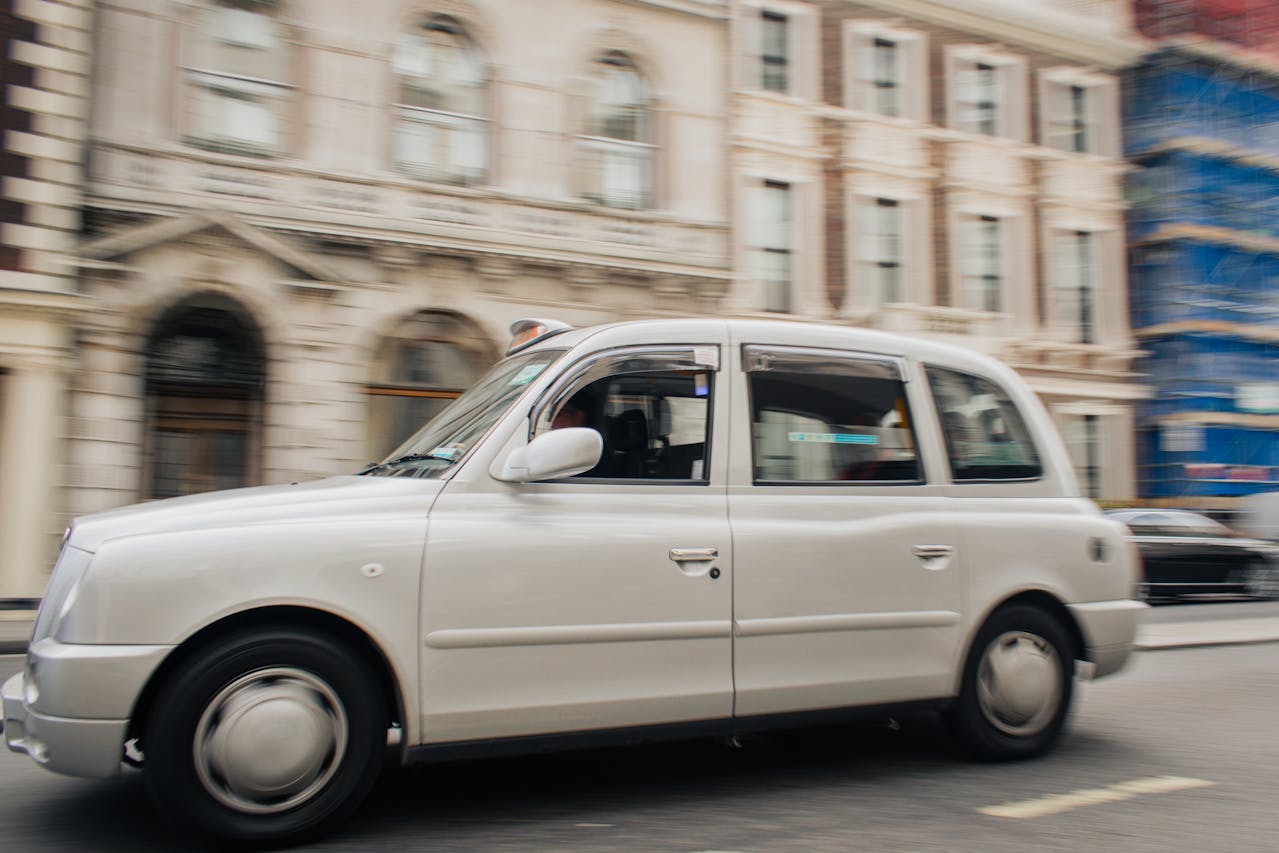
<p> Beige is a neutral color, but unlike silver, black, or white, it lacks the sleek, modern appeal that buyers typically seek. While it’s a safe option in terms of being inoffensive, it’s often considered bland and boring. This perception makes it less desirable on the resale market. Beige cars tend to depreciate at higher rates, often losing around 12-15% more value than the average car. As a result, many buyers are leaning towards more vibrant colors that stand out. Choosing a bold color can enhance a vehicle's resale value and attract more potential buyers. </p> :: Pexels

Beige is a neutral color, but unlike silver, black, or white, it lacks the sleek, modern appeal that buyers typically seek. While it’s a safe option in terms of being inoffensive, it’s often considered bland and boring. This perception makes it less desirable on the resale market. Beige cars tend to depreciate at higher rates, often losing around 12-15% more value than the average car. As a result, many buyers are leaning towards more vibrant colors that stand out. Choosing a bold color can enhance a vehicle’s resale value and attract more potential buyers.

8. Pink: Playful, but a Hard Sell
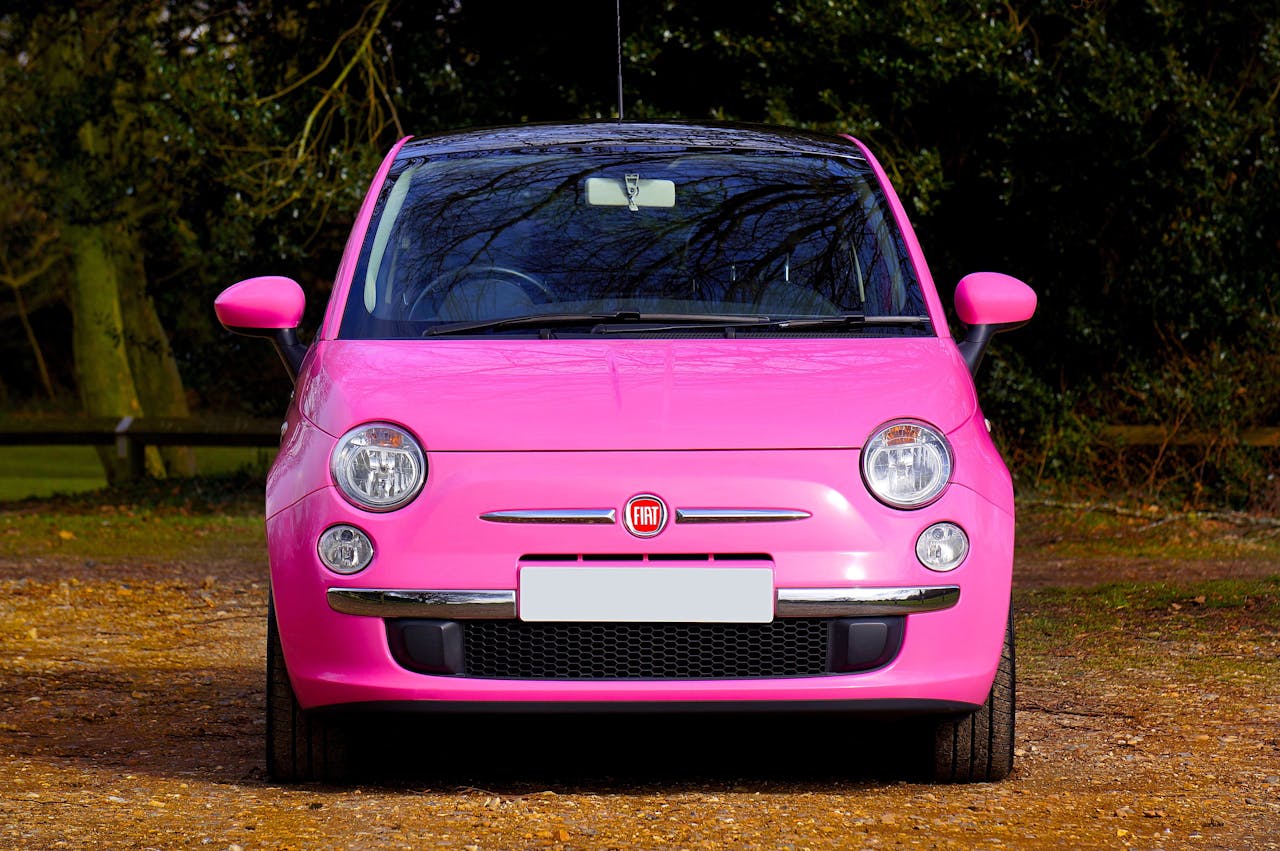
<p> Pink is a fun and vibrant color, but it’s definitely not for everyone. Unless you’re buying a custom vehicle for a specific purpose (like a promotional car), pink is generally considered a very niche color. The resale market for pink cars is incredibly limited, and it’s often difficult to find a buyer who shares the same enthusiasm for the color. Pink cars can lose up to 25% more value compared to other colors, making it one of the riskiest choices for resale. </p> :: Pexels

Pink is a fun and vibrant color, but it’s definitely not for everyone. Unless you’re buying a custom vehicle for a specific purpose (like a promotional car), pink is generally considered a very niche color. The resale market for pink cars is incredibly limited, and it’s often difficult to find a buyer who shares the same enthusiasm for the color. Pink cars can lose up to 25% more value compared to other colors, making it one of the riskiest choices for resale.

9. Turquoise: Stylish, Yet Uncommon
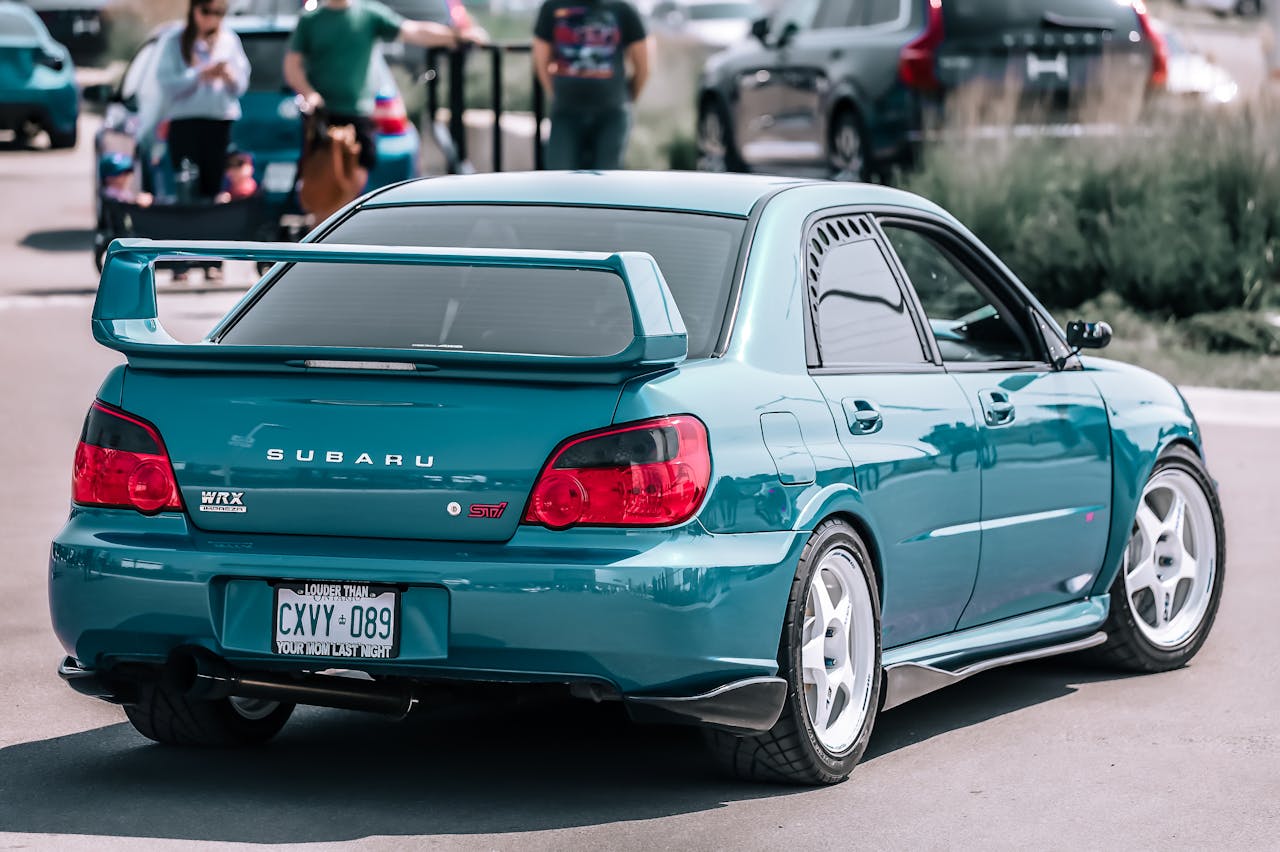
<p> Turquoise can be an eye-catching and stylish color, but its rarity on the market often works against it. Like many bright and unusual colors, turquoise appeals to a smaller pool of buyers. While it may look great when it's new, the demand for turquoise-colored cars is generally low. Car enthusiasts may appreciate the uniqueness of turquoise, but many buyers prefer more conventional colors for resale value. Ultimately, it’s important for owners to consider these factors if they plan to sell their vehicles in the future. The result is often a 10-12% lower resale value than cars in more popular shades. </p> :: Pexels

Turquoise can be an eye-catching and stylish color, but its rarity on the market often works against it. Like many bright and unusual colors, turquoise appeals to a smaller pool of buyers. While it may look great when it’s new, the demand for turquoise-colored cars is generally low. Car enthusiasts may appreciate the uniqueness of turquoise, but many buyers prefer more conventional colors for resale value. Ultimately, it’s important for owners to consider these factors if they plan to sell their vehicles in the future. The result is often a 10-12% lower resale value than cars in more popular shades.

10. Light Blue: Calm, but Lacking Popularity
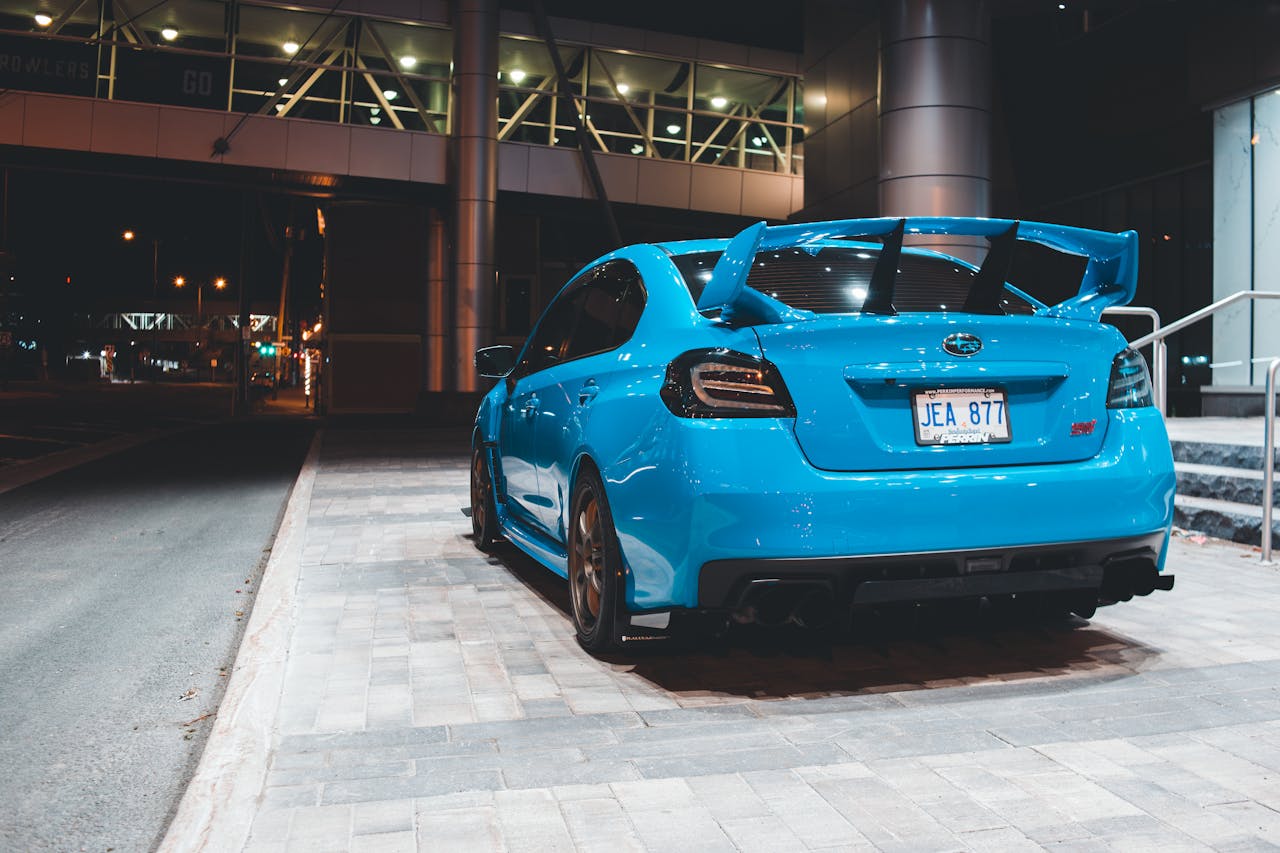
<p> Light blue is often seen as a calm, soothing color. However, when it comes to cars, this soft shade just doesn’t have the same appeal as darker blues or other neutral tones. The resale value for light blue vehicles is typically lower, as fewer buyers are interested in this subtle color. Light blue cars can depreciate about 8-10% faster than their darker, more popular counterparts. This trend highlights the importance of color choice when purchasing a vehicle. Buyers should consider how the color may impact long-term value and resale potential. </p> :: Pexels

Light blue is often seen as a calm, soothing color. However, when it comes to cars, this soft shade just doesn’t have the same appeal as darker blues or other neutral tones. The resale value for light blue vehicles is typically lower, as fewer buyers are interested in this subtle color. Light blue cars can depreciate about 8-10% faster than their darker, more popular counterparts. This trend highlights the importance of color choice when purchasing a vehicle. Buyers should consider how the color may impact long-term value and resale potential.

Final Thoughts
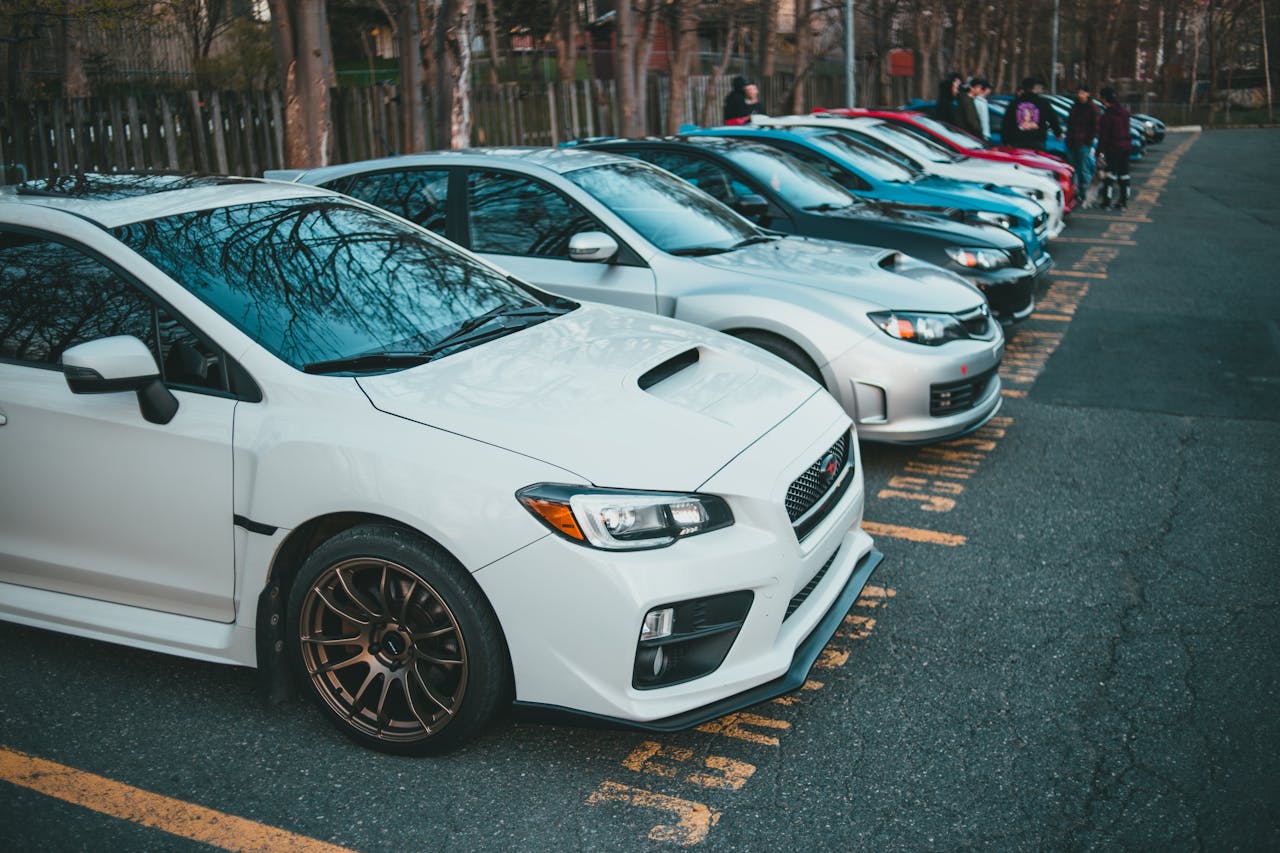
<p> When it comes to choosing the color of your car, it’s essential to consider the potential impact on its resale value. While personal preference should always be a factor, understanding which colors hold their value better can help you make a more informed decision. Stick with popular shades like black, white, silver, and gray for the best chances of getting top dollar when it's time to sell or trade in your vehicle. Remember, while bold and unique colors may be fun, they could also end up costing you more in the long run. So, think carefully before making a decision on your next car's color and weigh the costs and benefits carefully. Happy car shopping! </p> :: Pexels

When it comes to choosing the color of your car, it’s essential to consider the potential impact on its resale value. While personal preference should always be a factor, understanding which colors hold their value better can help you make a more informed decision. Stick with popular shades like black, white, silver, and gray for the best chances of getting top dollar when it’s time to sell or trade in your vehicle. Remember, while bold and unique colors may be fun, they could also end up costing you more in the long run. So, think carefully before making a decision on your next car’s color and weigh the costs and benefits carefully. Happy car shopping!

Filed Under: Autos

Leave a Reply Cancel reply

Your email address will not be published. Required fields are marked *

  • Email
  • Facebook
  • Pinterest
  • Twitter

Our Most Popular Articles

ClickCashGo Review: Should You Avoid At All Costs?

Ultimate Guide to Mastering Your Credit Score

The 'YOLO' Mindset is a Dangerous Thing

Dave Ramsey's Financial Peace University Review: Is it Worth the Money?

Cash App Glitch 2025: Is the Free Money Glitch Real?

Five Steps To Debt Freedom

Here are five simple guidlines that will help you pay off debt.  

1) Get an emergency fund so you don’t take on debt when something comes up.

2) List your debts. This way you know where you stand.

3) Use the debt snowball. Pay your debts from smallest to largest, or most expensive to least expensive.

4) Avoid new debt. No new credit cards or loans. Period.

5) Go all cash. After everything is paid off, switch to all cash.

Helpful Resources

U of Tennesse Debt Repayment Plan Basics

Vertex 42's Debt Payoff Calculator

Savingadvice's Helpful Debt Forums

Jackie Becks Debt Blog