Avoid These 10 Questions at a Car Dealership and Keep Your Wallet Safe

Walking into a car dealership can feel a bit like stepping onto a stage in a game you didn’t quite sign up for. Excitement mixes with anxiety as you scan shiny cars, flashy promotions, and smiling salespeople. But here’s the secret no one tells you: the more you reveal about yourself, the easier it is for a dealer to take advantage of you. The right words at the wrong time can cost you thousands. To help you stay in control, here are the ten questions you should never answer at a dealership and why keeping these cards close to your chest can save you money and stress.
1. “What is my monthly budget?”

Telling a salesperson how much you can afford per month may seem harmless, but it is one of the quickest ways to lose leverage in negotiations. Once they know your target monthly payment, dealers can manipulate the financing terms, spreading payments over longer periods or hiding extra fees, making a car cost much more in the long run. Instead, focus on negotiating the full price of the car first. This keeps the discussion grounded in the real value of the vehicle rather than a number that sounds good month to month.
2. “What is my trade-in worth?”
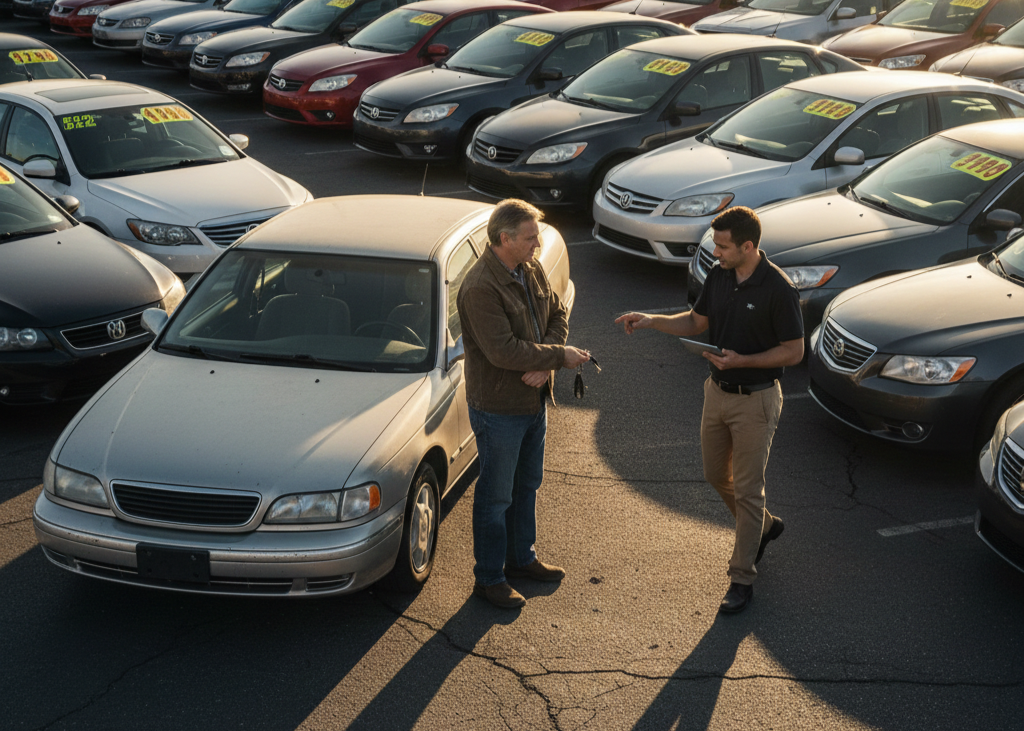
Mentioning a trade-in too early is a trap that can cost you. When dealers know you have a car to trade, they may inflate the price of your new car while offering less for your old one. The result is often a deal that seems reasonable at first glance but ends up costing more. To avoid this, settle on the price of the new car first and then discuss your trade-in. Having your own research on your car’s value can give you an edge and prevent surprises.
3. “I do not really know much about cars”

Admitting ignorance may feel honest, but it is one of the easiest ways to lose control at a dealership. Salespeople are trained to spot uncertainty and may try to steer you toward higher-priced vehicles or options you do not need. Instead of revealing your inexperience, ask questions about features and performance, but stay neutral. This keeps you informed without letting the salesperson sense that they can take advantage of your knowledge gap.
4. “My car is on its last legs”

Sharing that your current vehicle is falling apart might tug at a salesperson’s strategy in your favor, but not in the way you want. This statement signals urgency and reduces your bargaining power. Dealers may assume you are desperate to buy and hold back on discounts or push extras that are not necessary. Treat the purchase like a business transaction and avoid revealing that your situation is urgent.
5. “I love this car”

Showing strong enthusiasm for a specific vehicle can make you vulnerable. Dealers know that when a buyer falls in love with a car, they are more likely to accept a higher price. Try to evaluate multiple vehicles before settling on one. Focus on comparing features, reliability, and value rather than emotional attachment. This strategy helps you negotiate more confidently and keeps your options open.
6. “What is the lowest price you can give me?”

It is natural to ask for the best deal, but asking too early in the negotiation can backfire. Dealers may use this as an opportunity to adjust other aspects of the deal, such as fees or add-ons, to maintain their profit. Instead, gather information first, know the market value of the car, and then discuss pricing strategically. Asking too soon can blur the real cost and limit your ability to negotiate effectively.
7. “What do you think my payment will be if I put down this amount?”

Discussing partial numbers or down payments before agreeing on the total price gives the dealer too much flexibility. They can manipulate loan terms, interest rates, or add-ons to make the monthly payment look appealing while hiding the true cost. Always focus on the total price of the vehicle first, and only then discuss financing or down payments. This approach ensures clarity and prevents unwanted surprises.
8. “Why do I need a new car?”

Sharing personal reasons for buying a vehicle, such as needing it for work or commuting, may feel conversational, but it gives the dealer insight into your urgency. Dealers can use this information to minimize discounts or upsell extras, knowing you might feel pressured to buy. Keep your motivations to yourself and treat the interaction as a professional negotiation rather than an emotional appeal.
9. “I do not know my credit score”

Admitting uncertainty about your credit score or finances can make you appear less prepared and lead to less favorable loan terms. Dealers may offer higher interest rates or push financing options that benefit them rather than you. It is always best to know your credit score before visiting a dealership and, if possible, get pre-approved financing. This preparation strengthens your position and shows that you are serious and informed.
10. “Are you willing to include extras for free?”

Asking for add-ons too early, such as extended warranties, maintenance packages, or accessories, may seem strategic, but timing matters. Dealers can tack these onto the deal without reducing the overall cost or use them to justify a higher price. Wait until the main vehicle price is agreed upon before discussing any extras, and approach it as part of a final negotiation. This ensures that any benefits you receive are genuine and not a disguised markup.
Final Thoughts

Buying a car does not have to feel like navigating a minefield. The difference between a good deal and a frustrating one often comes down to control over the conversation. By carefully managing the information you share, you prevent dealers from using your personal circumstances or emotions against you.
Think of the dealership as a negotiation stage. Each word matters, and patience is your best tool. Do your homework, know your numbers, and keep discussions focused on facts and market value rather than emotions or urgency. When you maintain this mindset, you are more likely to drive away satisfied, confident, and with a deal that truly works in your favor.
Remember, the dealership wants to sell you a car, but you have the power to decide the terms. With careful strategy and a bit of patience, you can ensure that your next car purchase is a win, not a regret. Walk in prepared, stay calm, and make the car buying experience work for you, not against you.
Leave a Reply