Our Debt Free Family

Commit. Plan. Take action.

  • BUDGETING
  • DEBT REDUCTION
  • INVESTING
  • LIFESTYLE
  • TOOLS
  • ABOUT
  • Privacy Policy
  • CONTACT
You are here: Home / Autos / 7 Maintenance Tasks Every Driver Should Do (and 3 You Should Never Touch)

7 Maintenance Tasks Every Driver Should Do (and 3 You Should Never Touch)

February 18, 2026 | Leave a Comment

7 Maintenance Tasks Every Driver Should Do (and 3 You Should Never Touch)

<p> Owning a car is a lot like having a pet. It gives you freedom, convenience, and sometimes a little stress. The difference is that your car won’t tell you when something hurts, it just starts acting up, leaving you stranded or facing an expensive repair bill. The good news is that keeping your car healthy does not have to be complicated or intimidating. With a few simple habits and some practical knowledge, you can save money, avoid breakdowns, and even make your daily drives more enjoyable. In this guide, we will cover seven maintenance tasks every driver should do and three that are best left to the professionals. By the time you finish reading, you will feel confident taking care of your car without breaking a sweat or your wallet. </p> :: Gemini

Owning a car is a lot like having a pet. It gives you freedom, convenience, and sometimes a little stress. The difference is that your car won’t tell you when something hurts, it just starts acting up, leaving you stranded or facing an expensive repair bill. The good news is that keeping your car healthy does not have to be complicated or intimidating. With a few simple habits and some practical knowledge, you can save money, avoid breakdowns, and even make your daily drives more enjoyable. In this guide, we will cover seven maintenance tasks every driver should do and three that are best left to the professionals. By the time you finish reading, you will feel confident taking care of your car without breaking a sweat or your wallet.

1. Change Your Engine Oil and Filter Regularly
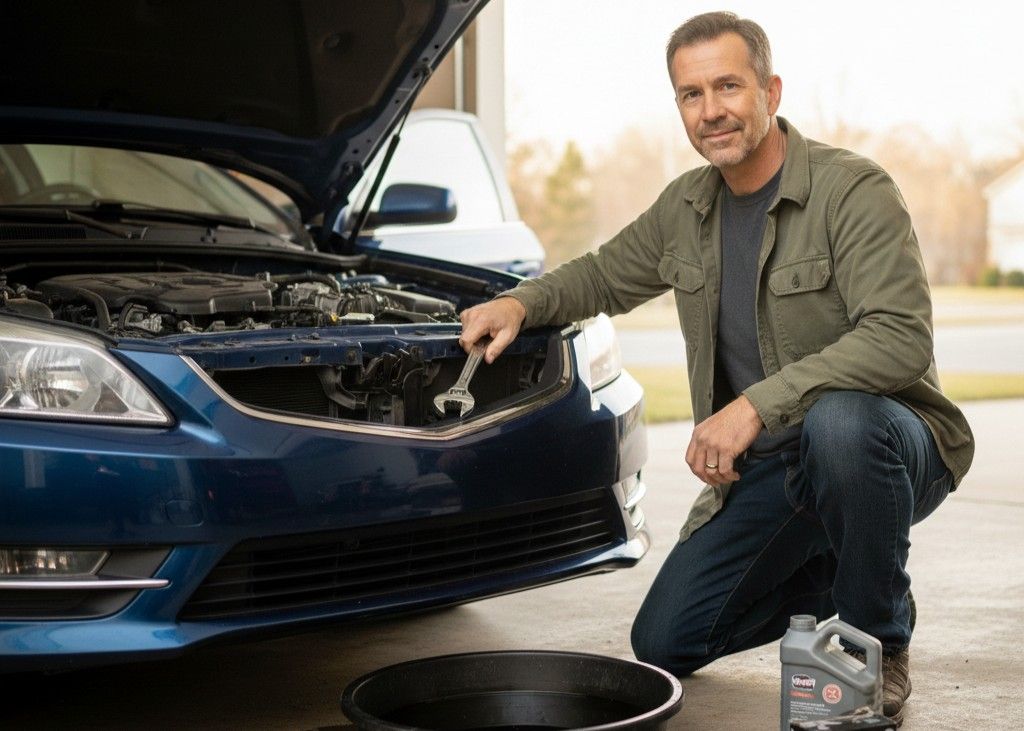
<p> Engine oil is literally the lifeblood of your car. It keeps all the moving parts inside your engine lubricated, prevents overheating, and reduces wear and tear. Over time, oil breaks down and becomes less effective, which can cause your engine to struggle or even fail. Most vehicles require an oil change every 3,000 to 7,500 miles, depending on the type of oil and your driving habits. Changing the oil filter at the same time is just as important because it catches dirt and debris that could otherwise damage your engine. The process is usually straightforward, and many auto stores even sell kits that make it easier than ever to do it yourself. A regular oil change is one of the simplest ways to extend the life of your engine and save yourself from headaches down the road. </p> :: Gemini

Engine oil is literally the lifeblood of your car. It keeps all the moving parts inside your engine lubricated, prevents overheating, and reduces wear and tear. Over time, oil breaks down and becomes less effective, which can cause your engine to struggle or even fail. Most vehicles require an oil change every 3,000 to 7,500 miles, depending on the type of oil and your driving habits. Changing the oil filter at the same time is just as important because it catches dirt and debris that could otherwise damage your engine. The process is usually straightforward, and many auto stores even sell kits that make it easier than ever to do it yourself. A regular oil change is one of the simplest ways to extend the life of your engine and save yourself from headaches down the road.

2. Monitor Tire Pressure and Rotate Tires
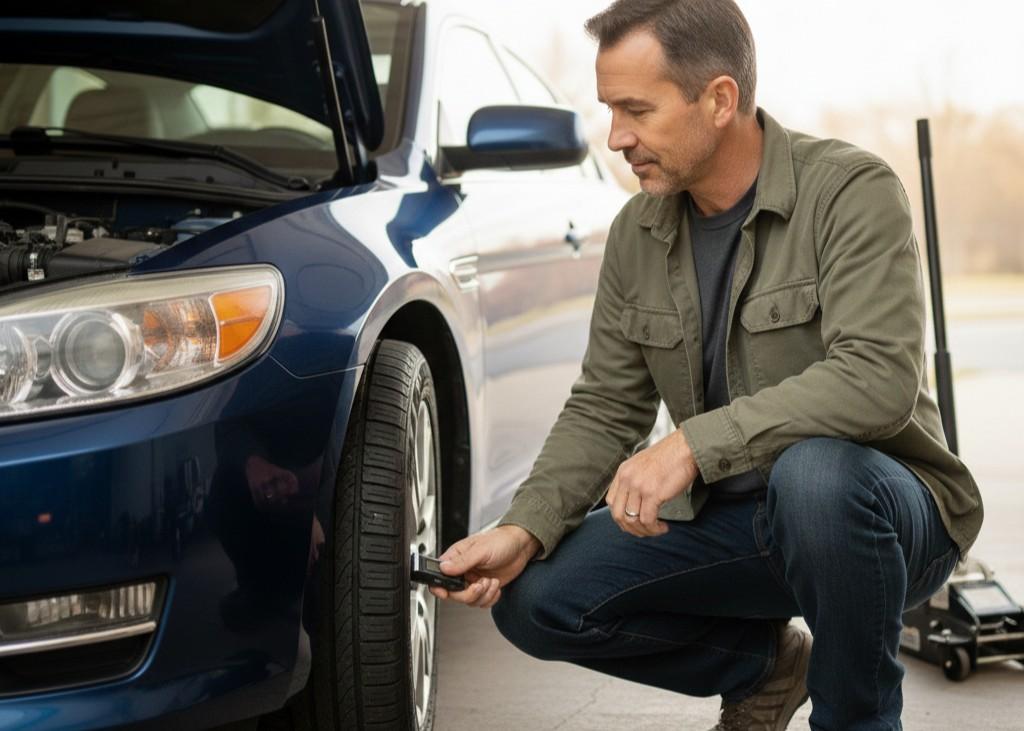
<p> Your tires are the only part of your car that touches the road, so keeping them in good shape is essential. Proper tire pressure improves fuel efficiency, handling, and safety. Underinflated tires can wear unevenly and increase the risk of blowouts, while overinflated tires can make your ride uncomfortable and reduce traction. Check your tire pressure at least once a month and before long trips. The recommended pressure is usually listed on the driver side door or in your owner’s manual. Rotating your tires every 5,000 to 7,500 miles ensures they wear evenly, which extends their lifespan and improves performance. Tire maintenance might seem minor, but it can prevent major problems and save money in the long run. </p> :: Gemini

Your tires are the only part of your car that touches the road, so keeping them in good shape is essential. Proper tire pressure improves fuel efficiency, handling, and safety. Underinflated tires can wear unevenly and increase the risk of blowouts, while overinflated tires can make your ride uncomfortable and reduce traction. Check your tire pressure at least once a month and before long trips. The recommended pressure is usually listed on the driver side door or in your owner’s manual. Rotating your tires every 5,000 to 7,500 miles ensures they wear evenly, which extends their lifespan and improves performance. Tire maintenance might seem minor, but it can prevent major problems and save money in the long run.

3. Replace Engine and Cabin Air Filters
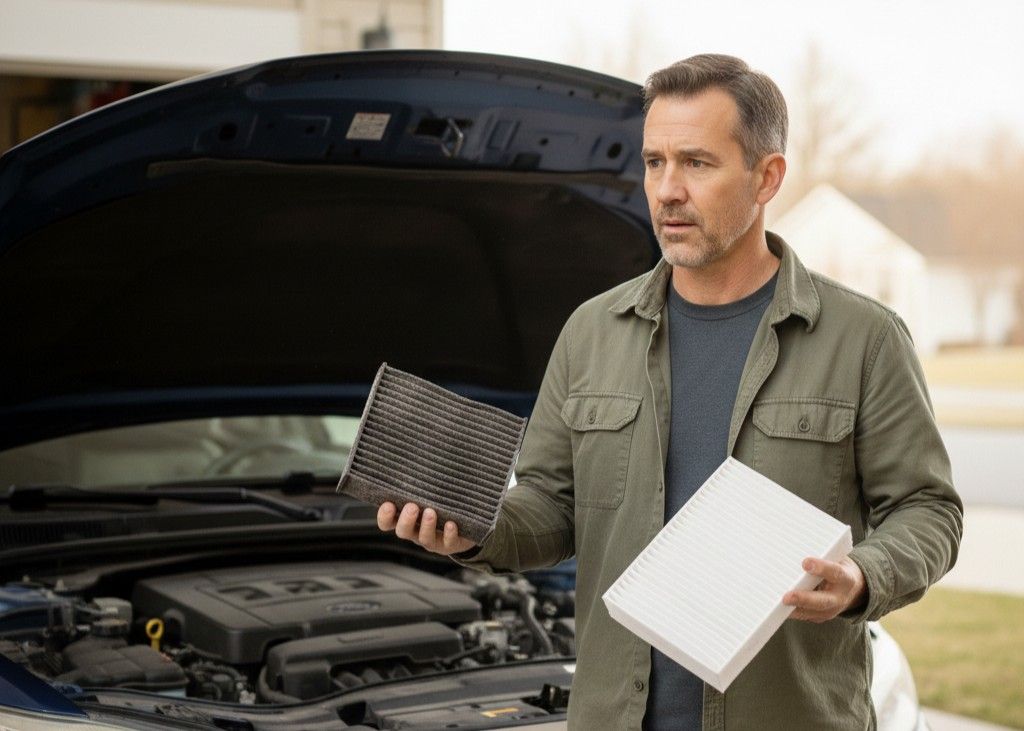
<p> Air filters might not be the first thing you think about, but they play a crucial role in keeping your car running efficiently. The engine air filter stops dirt and debris from entering your engine, which can reduce fuel efficiency and performance if it gets clogged. The cabin air filter ensures the air you breathe inside your car is clean, filtering out pollen, dust, and pollutants. Replacing these filters is usually quick and easy. Many models allow you to slide the old filter out and replace it with a new one in minutes. Not only does this improve performance, but it also makes your driving experience healthier and more pleasant. </p> :: Gemini

Air filters might not be the first thing you think about, but they play a crucial role in keeping your car running efficiently. The engine air filter stops dirt and debris from entering your engine, which can reduce fuel efficiency and performance if it gets clogged. The cabin air filter ensures the air you breathe inside your car is clean, filtering out pollen, dust, and pollutants. Replacing these filters is usually quick and easy. Many models allow you to slide the old filter out and replace it with a new one in minutes. Not only does this improve performance, but it also makes your driving experience healthier and more pleasant.

4. Check Fluid Levels Regularly
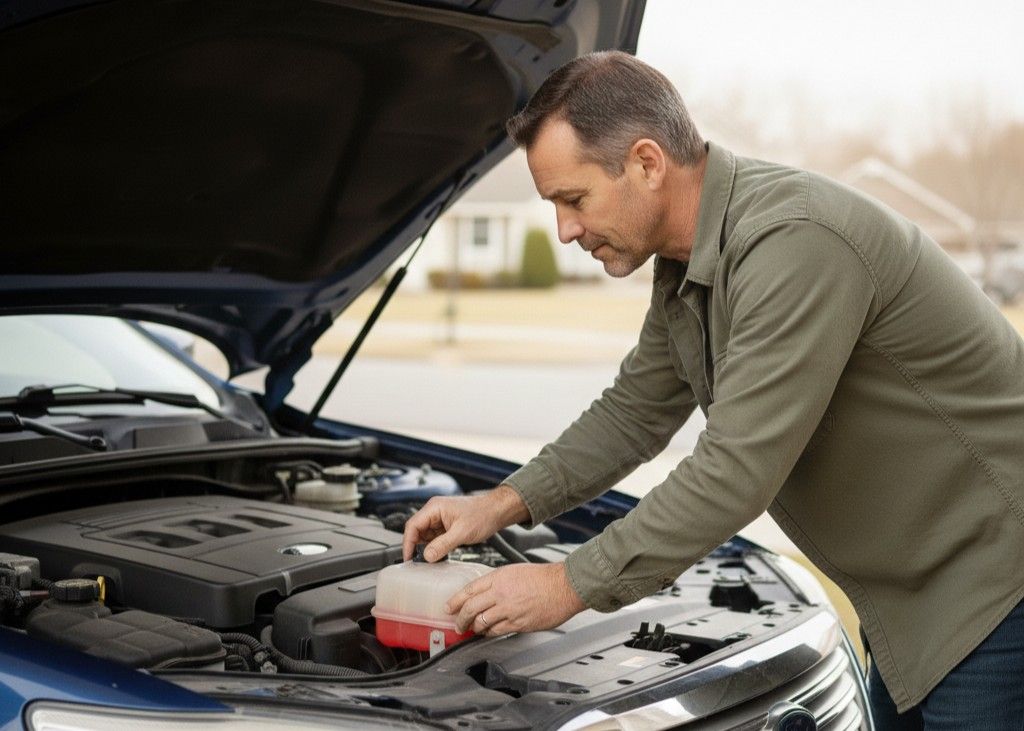
<p> Your car relies on several fluids to operate smoothly, including coolant, brake fluid, transmission fluid, and windshield washer fluid. Checking and topping up these fluids regularly is a small task that can prevent major problems. Coolant keeps your engine from overheating, brake fluid ensures your braking system works properly, and transmission fluid helps your gears shift smoothly. While some modern cars have systems that monitor fluid levels automatically, it is still worth checking them manually from time to time. Using the correct type of fluid is essential, so always refer to your owner’s manual before adding anything. Regular fluid checks are an easy way to catch potential issues early and protect your vehicle. </p> :: Gemini

Your car relies on several fluids to operate smoothly, including coolant, brake fluid, transmission fluid, and windshield washer fluid. Checking and topping up these fluids regularly is a small task that can prevent major problems. Coolant keeps your engine from overheating, brake fluid ensures your braking system works properly, and transmission fluid helps your gears shift smoothly. While some modern cars have systems that monitor fluid levels automatically, it is still worth checking them manually from time to time. Using the correct type of fluid is essential, so always refer to your owner’s manual before adding anything. Regular fluid checks are an easy way to catch potential issues early and protect your vehicle.

5. Inspect and Replace Windshield Wipers

<p> Good visibility is essential for safe driving, especially during rain or snow. Wiper blades wear out over time, crack, or lose grip, leaving streaks on your windshield and making it harder to see. Replacing your wipers is inexpensive, easy, and can be done without tools. Most stores carry a wide selection of blades, and installation usually takes just a few minutes. While it might seem like a minor detail, functional wipers can prevent accidents and make rainy drives much less stressful. Don’t wait until the first downpour to find out your blades are ineffective. </p> :: Gemini

Good visibility is essential for safe driving, especially during rain or snow. Wiper blades wear out over time, crack, or lose grip, leaving streaks on your windshield and making it harder to see. Replacing your wipers is inexpensive, easy, and can be done without tools. Most stores carry a wide selection of blades, and installation usually takes just a few minutes. While it might seem like a minor detail, functional wipers can prevent accidents and make rainy drives much less stressful. Don’t wait until the first downpour to find out your blades are ineffective.

6. Test and Replace Your Battery
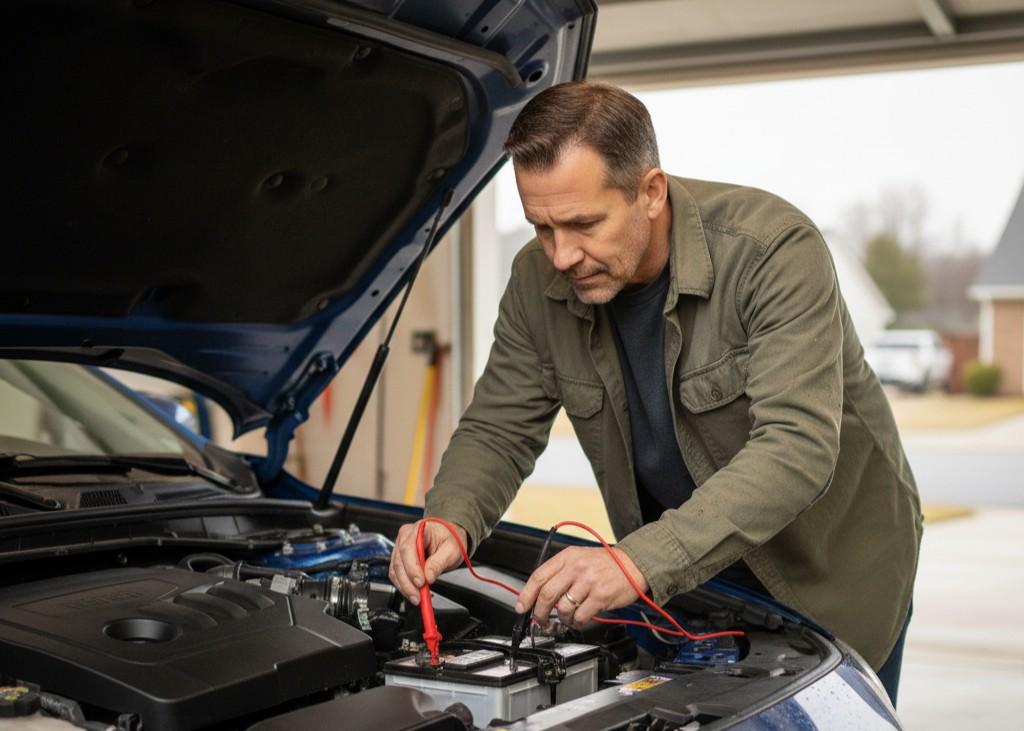
<p> A dead battery can leave you stranded at the worst possible time. Car batteries usually last three to five years, though extreme temperatures can shorten their lifespan. Signs of a weak battery include slow engine cranking, dim lights, or dashboard warning indicators. You can test your battery at home using a simple multimeter, or many auto parts stores offer free testing. If you notice corrosion on the terminals, clean them carefully, starting with the negative terminal to avoid sparks. Replacing a battery is relatively simple, and knowing how to check its health can save you from being stuck in a parking lot or on the side of the road. </p> :: Gemini

A dead battery can leave you stranded at the worst possible time. Car batteries usually last three to five years, though extreme temperatures can shorten their lifespan. Signs of a weak battery include slow engine cranking, dim lights, or dashboard warning indicators. You can test your battery at home using a simple multimeter, or many auto parts stores offer free testing. If you notice corrosion on the terminals, clean them carefully, starting with the negative terminal to avoid sparks. Replacing a battery is relatively simple, and knowing how to check its health can save you from being stuck in a parking lot or on the side of the road.

7. Check Lights and Safety Items Before Driving

<p> Before heading out, do a quick walk around your car to test all lights, including headlights, brake lights, turn signals, and hazard lights. Functional lights keep you visible to other drivers and prevent tickets. This small step only takes a few minutes and can prevent accidents and frustration. Additionally, make sure your emergency kit is stocked with essentials like a flashlight, jumper cables, and a first aid kit. Safety checks like this are quick, free, and a simple way to drive with confidence. </p> :: Gemini

Before heading out, do a quick walk around your car to test all lights, including headlights, brake lights, turn signals, and hazard lights. Functional lights keep you visible to other drivers and prevent tickets. This small step only takes a few minutes and can prevent accidents and frustration. Additionally, make sure your emergency kit is stocked with essentials like a flashlight, jumper cables, and a first aid kit. Safety checks like this are quick, free, and a simple way to drive with confidence.

8. Brake System Repairs Are Best Left to Professionals
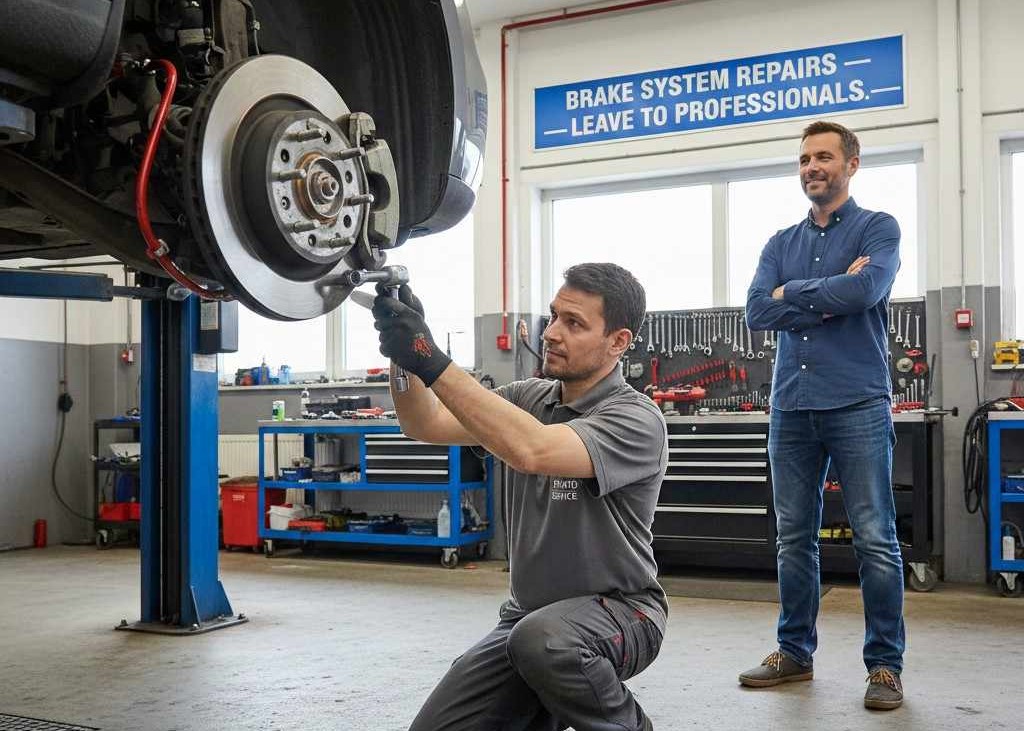
<p> Your brakes are one of the most critical components on your car. Attempting to repair or replace brake pads, rotors, or the hydraulic system yourself is risky. A small mistake could compromise stopping power and put your life and others in danger. Modern brake systems are complex, and professional technicians have the tools and knowledge to ensure the job is done safely. Trusting a professional for brake repairs is not only safer but can prevent expensive damage caused by incorrect installation. </p> :: Gemini

Your brakes are one of the most critical components on your car. Attempting to repair or replace brake pads, rotors, or the hydraulic system yourself is risky. A small mistake could compromise stopping power and put your life and others in danger. Modern brake systems are complex, and professional technicians have the tools and knowledge to ensure the job is done safely. Trusting a professional for brake repairs is not only safer but can prevent expensive damage caused by incorrect installation.

9. Leave Suspension and Strut Spring Work to the Experts
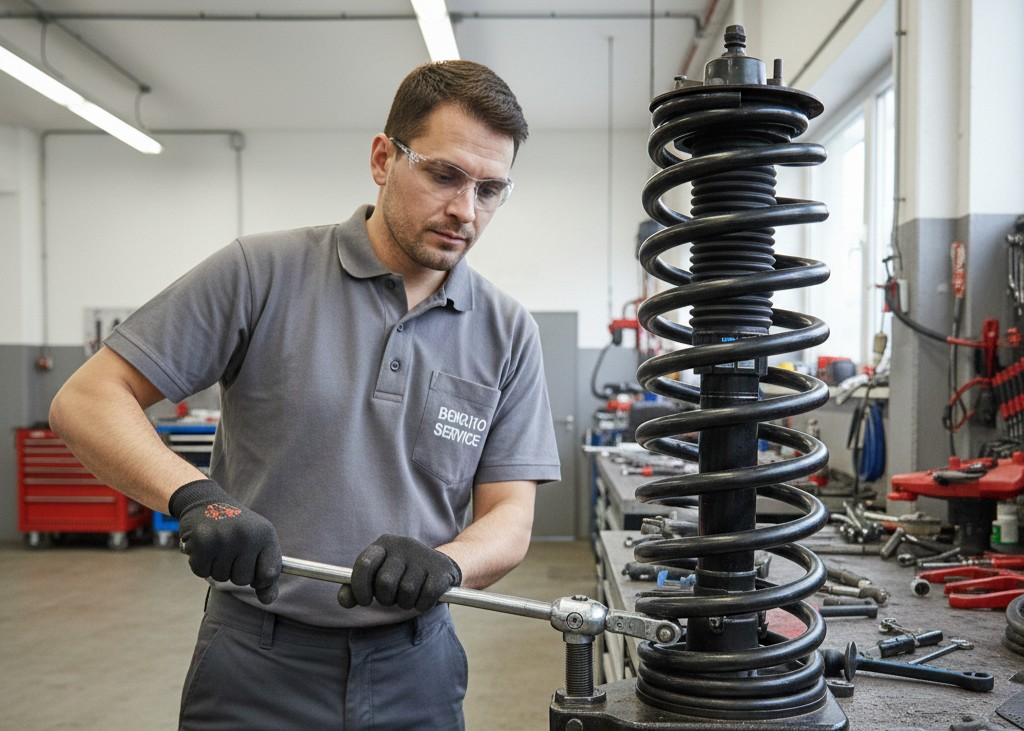
<p> Your car’s suspension keeps your ride smooth and stable. However, components like struts and coil springs are under extreme tension, and handling them without proper tools or experience can be dangerous. Attempting this yourself could result in serious injury or damage to your vehicle. Mechanics have the specialized equipment needed to safely service suspension systems. It is far safer and more cost-effective to let trained professionals handle these high-risk repairs. </p> :: Gemini

Your car’s suspension keeps your ride smooth and stable. However, components like struts and coil springs are under extreme tension, and handling them without proper tools or experience can be dangerous. Attempting this yourself could result in serious injury or damage to your vehicle. Mechanics have the specialized equipment needed to safely service suspension systems. It is far safer and more cost-effective to let trained professionals handle these high-risk repairs.

10. Timing Belt and Chain Replacement Should Not Be a DIY Job
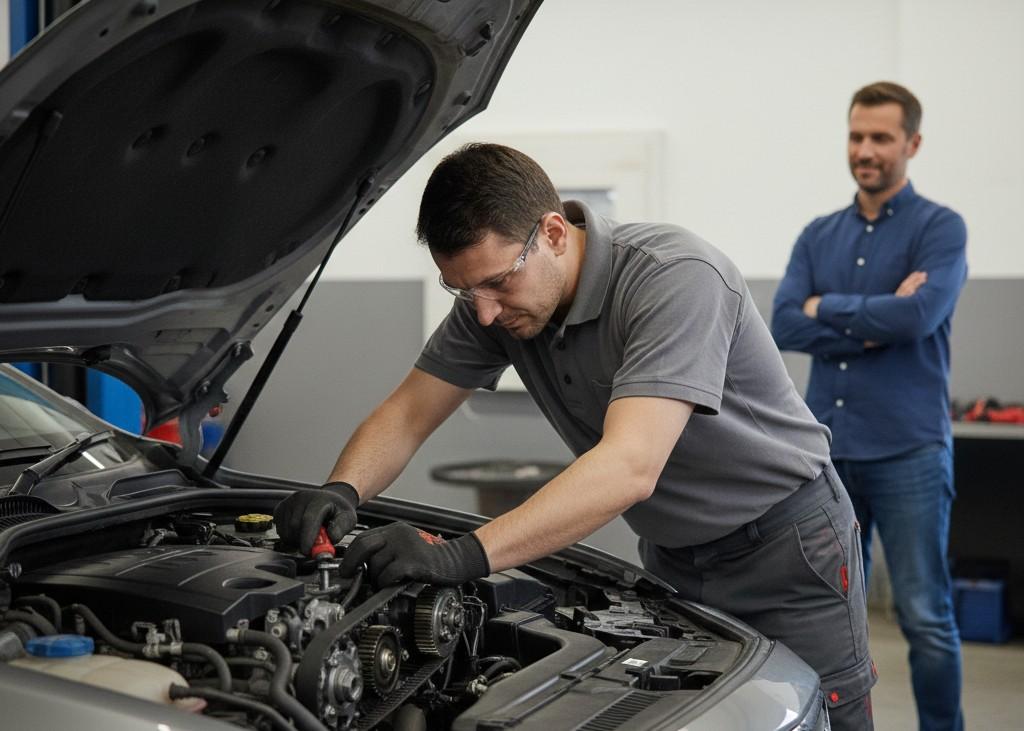
<p> Timing belts and chains synchronize the engine’s valves and pistons. Installing them incorrectly can cause catastrophic engine damage. While it might be tempting to try and save money, this task requires precision, specialized tools, and knowledge. A small error can lead to a repair bill far higher than the cost of professional service. When it comes to timing components, professional care is the only safe choice. </p> :: Gemini

Timing belts and chains synchronize the engine’s valves and pistons. Installing them incorrectly can cause catastrophic engine damage. While it might be tempting to try and save money, this task requires precision, specialized tools, and knowledge. A small error can lead to a repair bill far higher than the cost of professional service. When it comes to timing components, professional care is the only safe choice.

Final Thoughts

<p> Taking care of your car does not have to be intimidating or expensive. Simple tasks like checking fluids, replacing filters, maintaining tire pressure, and ensuring your lights and wipers are working properly can prevent costly repairs, extend your car’s lifespan, and make your daily drives safer and more enjoyable. At the same time, recognizing which tasks are too risky to attempt yourself, like brake repairs, suspension work, and timing belt replacement, is just as important. Smart, consistent maintenance keeps your car reliable, your wallet happy, and your peace of mind intact. Think of your vehicle as an investment: a little care today can save a lot of stress tomorrow. Take the time to stay proactive, stay safe, and enjoy the ride. </p> :: Gemini

Taking care of your car does not have to be intimidating or expensive. Simple tasks like checking fluids, replacing filters, maintaining tire pressure, and ensuring your lights and wipers are working properly can prevent costly repairs, extend your car’s lifespan, and make your daily drives safer and more enjoyable. At the same time, recognizing which tasks are too risky to attempt yourself, like brake repairs, suspension work, and timing belt replacement, is just as important. Smart, consistent maintenance keeps your car reliable, your wallet happy, and your peace of mind intact. Think of your vehicle as an investment: a little care today can save a lot of stress tomorrow. Take the time to stay proactive, stay safe, and enjoy the ride.

Filed Under: Autos

Leave a Reply Cancel reply

Your email address will not be published. Required fields are marked *

  • Email
  • Facebook
  • Pinterest
  • Twitter

Our Most Popular Articles

ClickCashGo Review: Should You Avoid At All Costs?

Ultimate Guide to Mastering Your Credit Score

The 'YOLO' Mindset is a Dangerous Thing

Dave Ramsey's Financial Peace University Review: Is it Worth the Money?

Cash App Glitch 2025: Is the Free Money Glitch Real?

Five Steps To Debt Freedom

Here are five simple guidlines that will help you pay off debt.  

1) Get an emergency fund so you don’t take on debt when something comes up.

2) List your debts. This way you know where you stand.

3) Use the debt snowball. Pay your debts from smallest to largest, or most expensive to least expensive.

4) Avoid new debt. No new credit cards or loans. Period.

5) Go all cash. After everything is paid off, switch to all cash.

Helpful Resources

U of Tennesse Debt Repayment Plan Basics

Vertex 42's Debt Payoff Calculator

Savingadvice's Helpful Debt Forums

Jackie Becks Debt Blog