Car Problems Mechanics Hope You Never Learn to Fix: 12 Issues That Could Cost You Big

Owning a car in the United States comes with a mix of independence and occasional panic. Cars make life easier, but when something goes wrong, even small problems can turn into major headaches. Most of us enjoy tinkering a little, whether it is changing oil, swapping brake pads, or fixing a headlight. But some car problems are far beyond the average DIY enthusiast’s reach. Mechanics quietly hope you never attempt these fixes yourself. Not because they want to keep you spending money, but because some repairs are complicated, dangerous, or extremely easy to get wrong—and the consequences can be expensive or even life threatening.
Here is a practical and relatable breakdown of the top car problems mechanics hope you never learn to fix. Knowing what to leave to the professionals can save you money, frustration, and a lot of stress.
1. Brake System Repairs
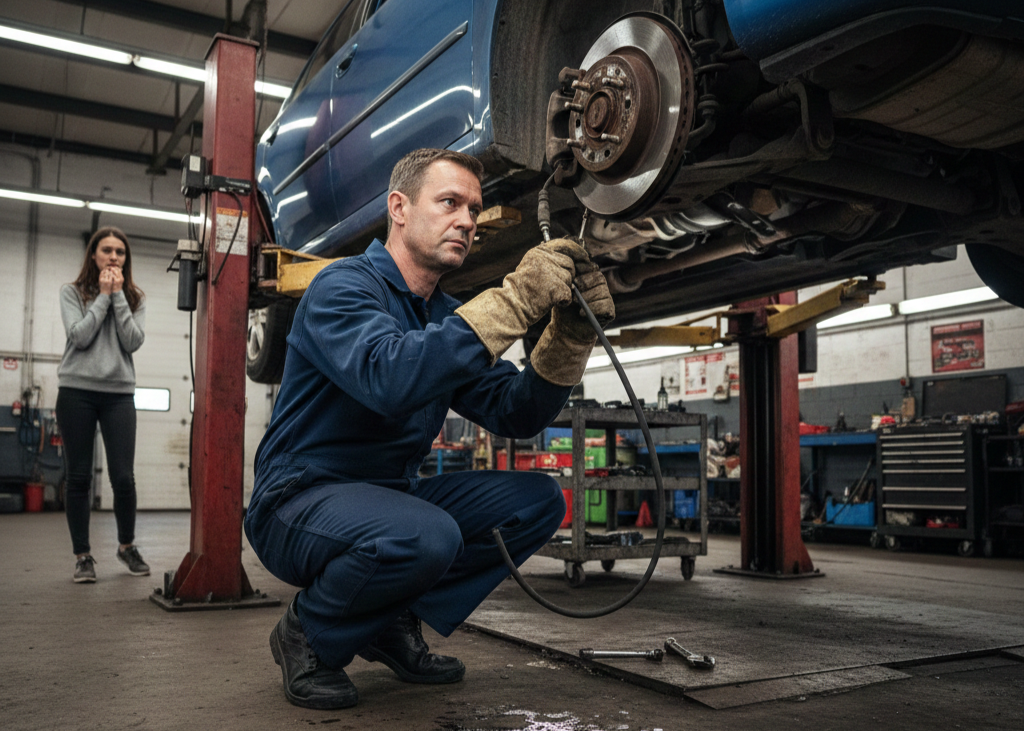
Brakes are one of the most critical safety features of your car, which is why mechanics get nervous when someone tries to fix them without proper training. Modern braking systems include complex parts such as anti-lock brake sensors, hydraulic lines, and master cylinders. Even a small mistake, like misrouting a brake line or improperly bleeding the system, can result in brake failure. While changing brake pads or rotors is manageable for a careful DIYer, anything beyond that should be left to a professional. A safe braking system is not something worth taking risks with.
2. Transmission Overhauls
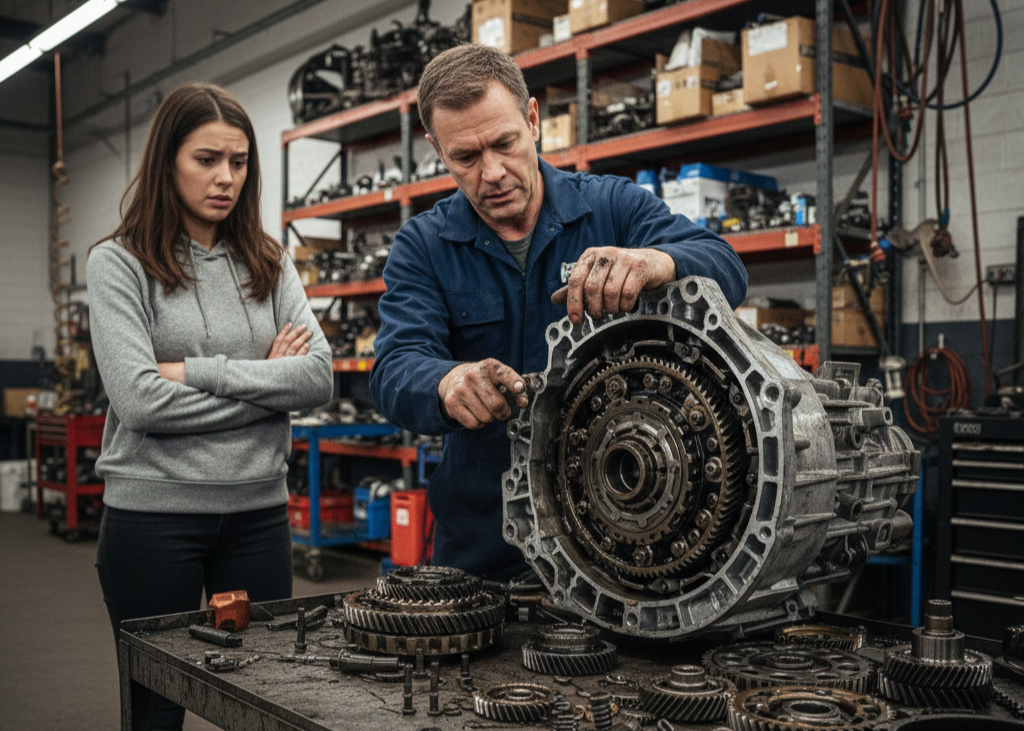
Your car’s transmission is essentially its heart, moving power from the engine to the wheels with incredible precision. Transmission repairs are extremely complex, whether it is a manual gearbox or an automatic transmission. With dozens of gears, clutches, and hydraulic circuits working together, one small error can cause slipping gears or total transmission failure. Without the right tools and years of experience, tackling a transmission at home is more likely to create a bigger problem than it solves.
3. Engine Diagnostics and Fixes
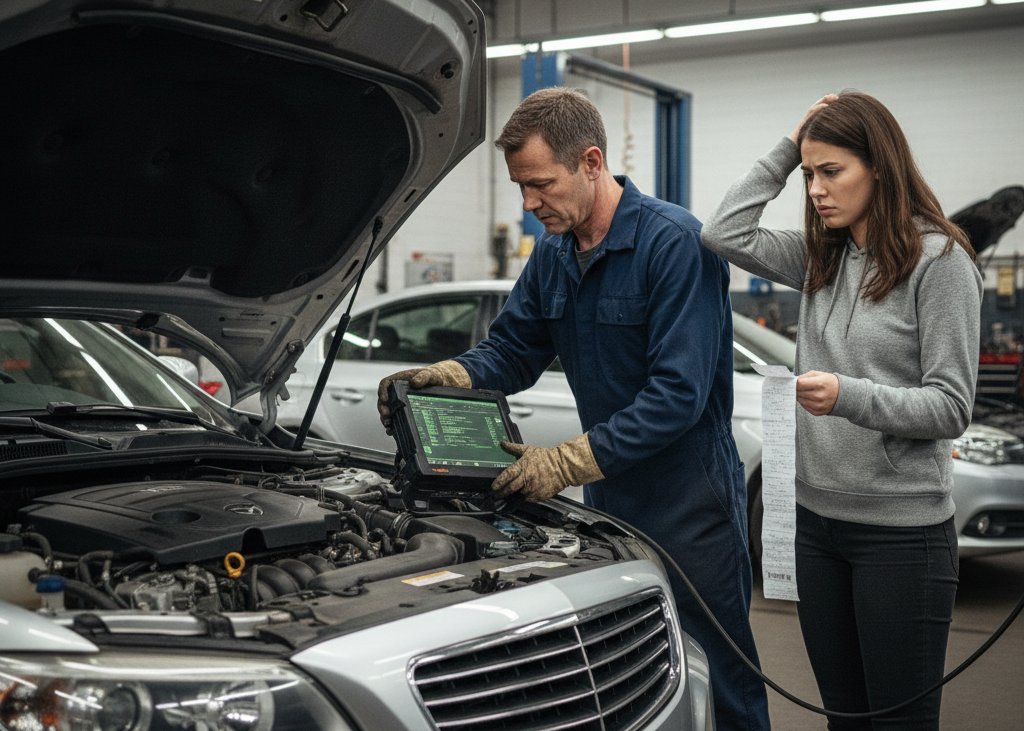
Engines are more than metal and hoses; they are sophisticated systems requiring diagnostic tools and trained eyes to spot problems. Misinterpreting engine codes or guessing what part to replace can lead to unnecessary expenses or further damage. For example, replacing a sensor without fully understanding the cause of a warning light might not fix anything and could even make the problem worse. Professional mechanics have the tools and knowledge to diagnose issues accurately, saving you time and money in the long run.
4. Timing Belt Replacement
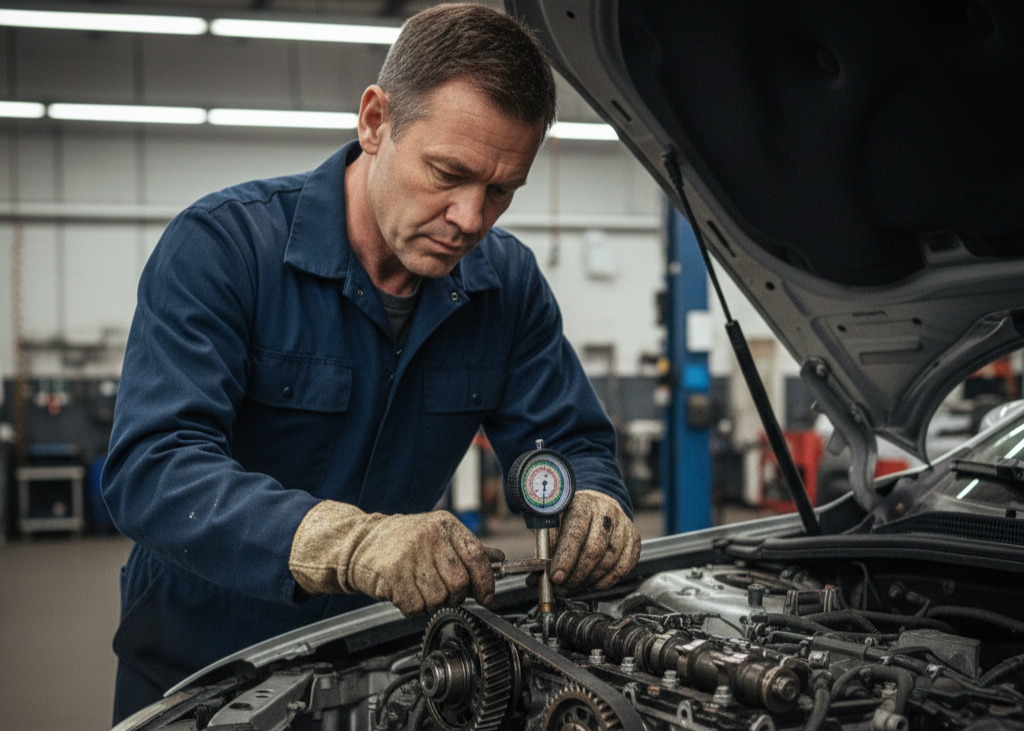
The timing belt is small but vital, keeping the engine’s valves and pistons perfectly synchronized. One tooth off on the belt, and the results can be catastrophic, including bent valves or damaged pistons. Timing belt replacement often requires removing several components, careful measurement, and precise tensioning. Mechanics deal with these tasks every day, but for a DIYer, the margin for error is tiny. Mistakes can quickly become one of the most expensive engine repairs you could face.
5. Electrical System Repairs
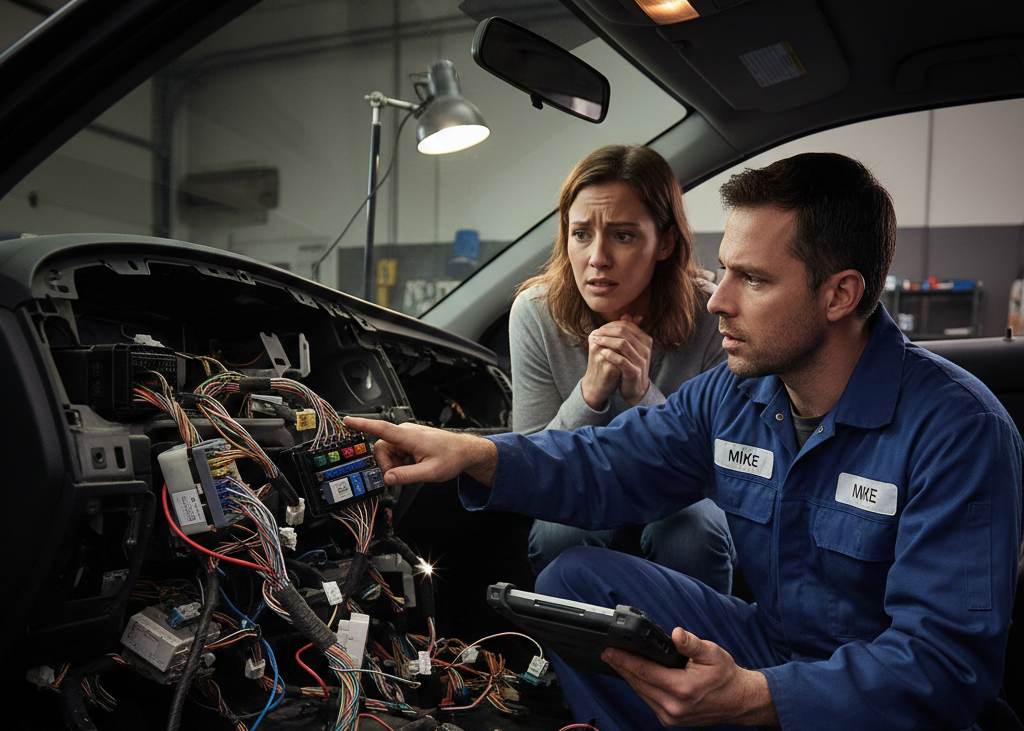
Modern vehicles are essentially computers on wheels, with dozens of sensors and electronic control modules. One incorrect connection or a short circuit can disable your ECU, airbag systems, or safety features. Electrical problems may seem straightforward, but diagnosing and fixing them without specialized tools is a risky venture. Even a single miswired component can turn a small issue into a major headache, making this type of repair a job for professionals who understand vehicle electronics inside and out.
6. Windshield and Glass Replacement
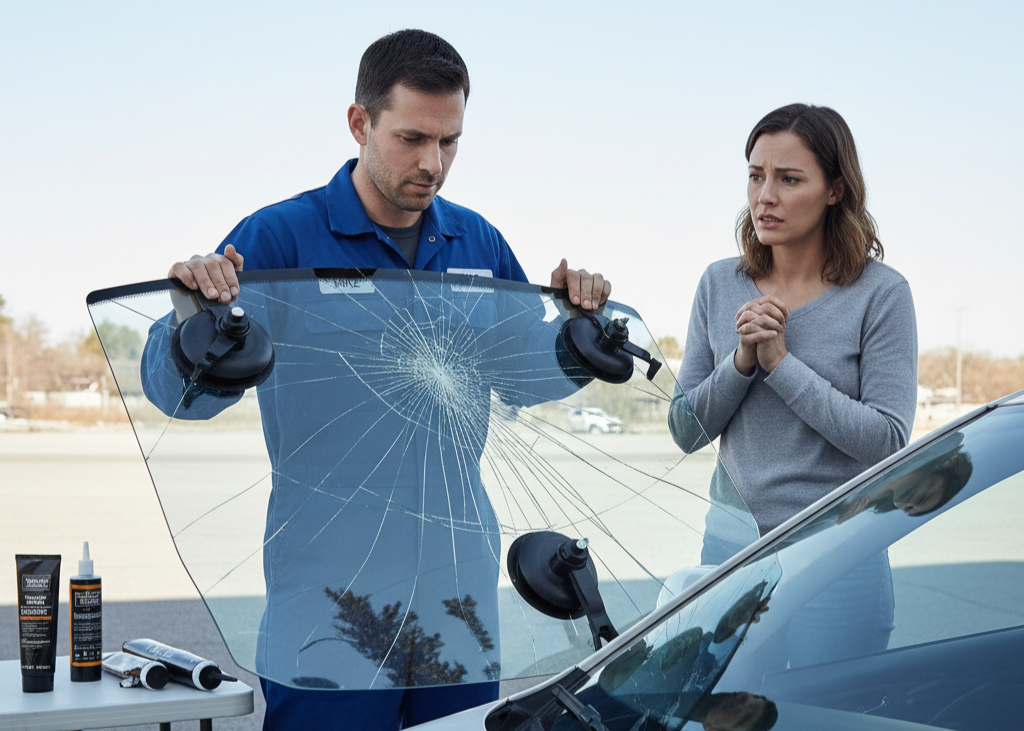
Replacing a cracked windshield or side window may look simple, but it is trickier than it appears. Proper adhesion and sealing are critical to maintaining structural integrity and keeping water out. If the installation is done incorrectly, leaks can form, and the car’s safety in an accident may be compromised. Professionals have the proper adhesives, tools, and curing methods to do the job safely and effectively. Trying it at home could end up costing more than having it done professionally in the first place.
7. Coil Spring Replacement
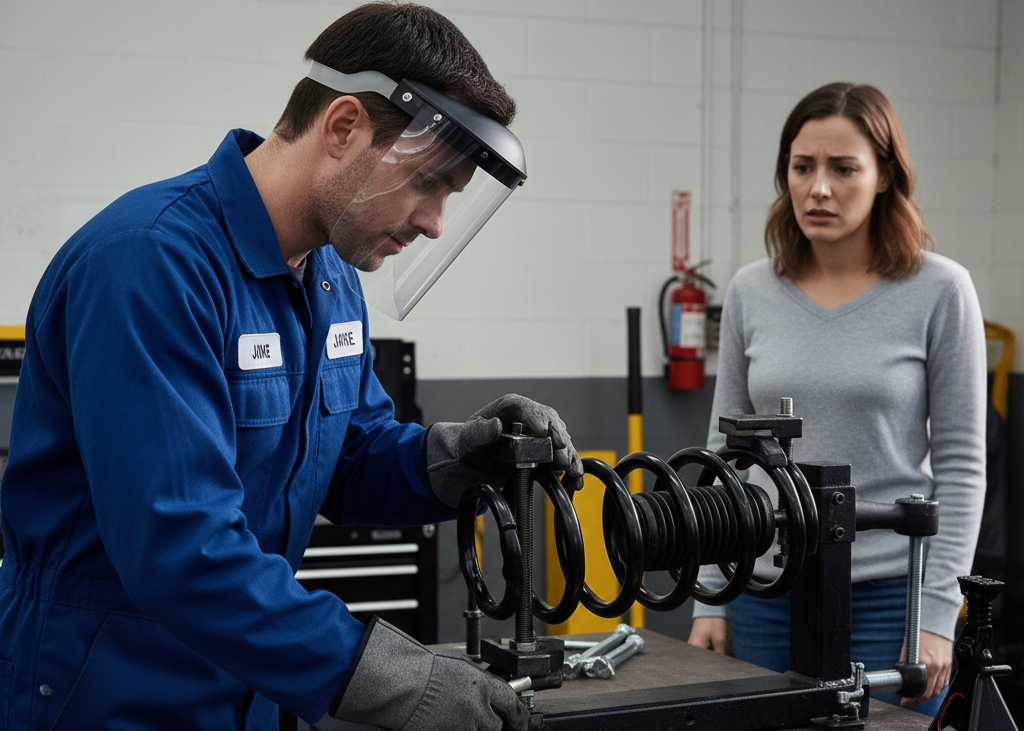
Coil springs store an incredible amount of energy, which makes them extremely dangerous if handled incorrectly. Compressing and installing them without the right tools can lead to springs launching violently, causing serious injury. Mechanics use specialized compressors and know the proper safety protocols to prevent accidents. Coil spring replacement is one of those jobs where experience and equipment are absolutely critical.
8. Differential and Gearbox Repairs
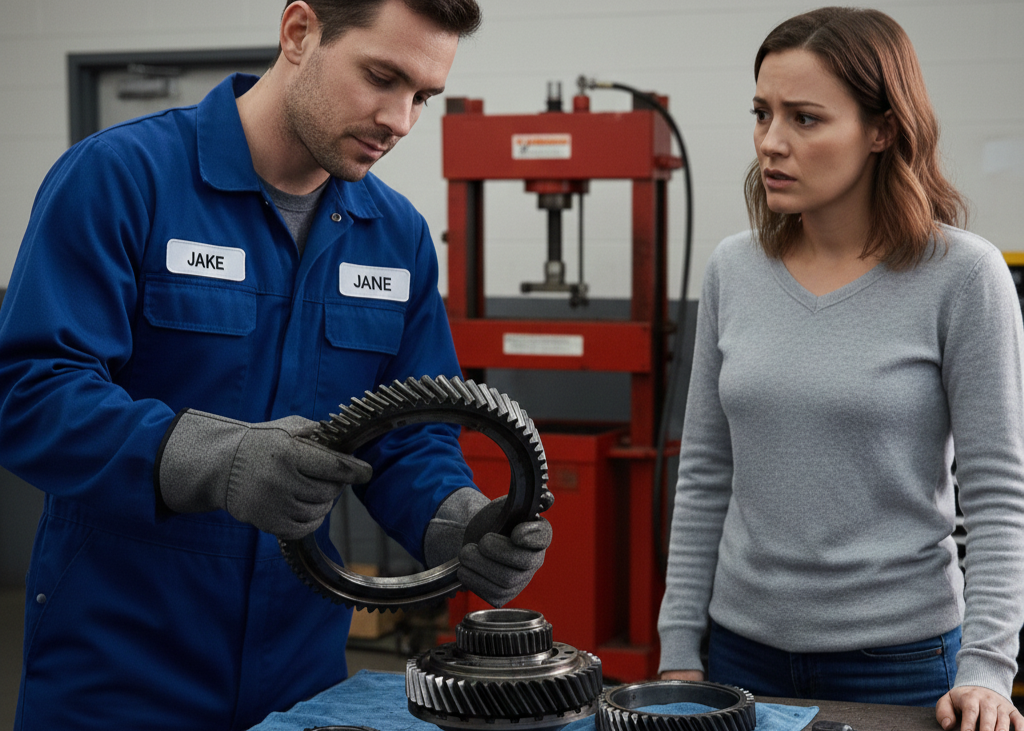
Differentials and gearboxes are highly precise assemblies with gears, bearings, and tolerances that must be perfect. A small misalignment can cause grinding gears, overheating, or complete failure. Even experienced DIYers with a well-stocked garage would struggle with these repairs. Attempting this at home without the right tools and training can result in costly damage and a lot of frustration.
9. ABS and Sensor System Calibration

Anti-lock braking systems interact with traction control and stability systems, making them more complex than traditional brakes. Replacing a sensor without recalibrating the system can leave safety features offline or trigger false warnings. These systems require specific scanning and programming tools to ensure they work correctly. A small mistake here can compromise your car’s safety, so it is best to leave it to a professional.
10. Exhaust System Welding
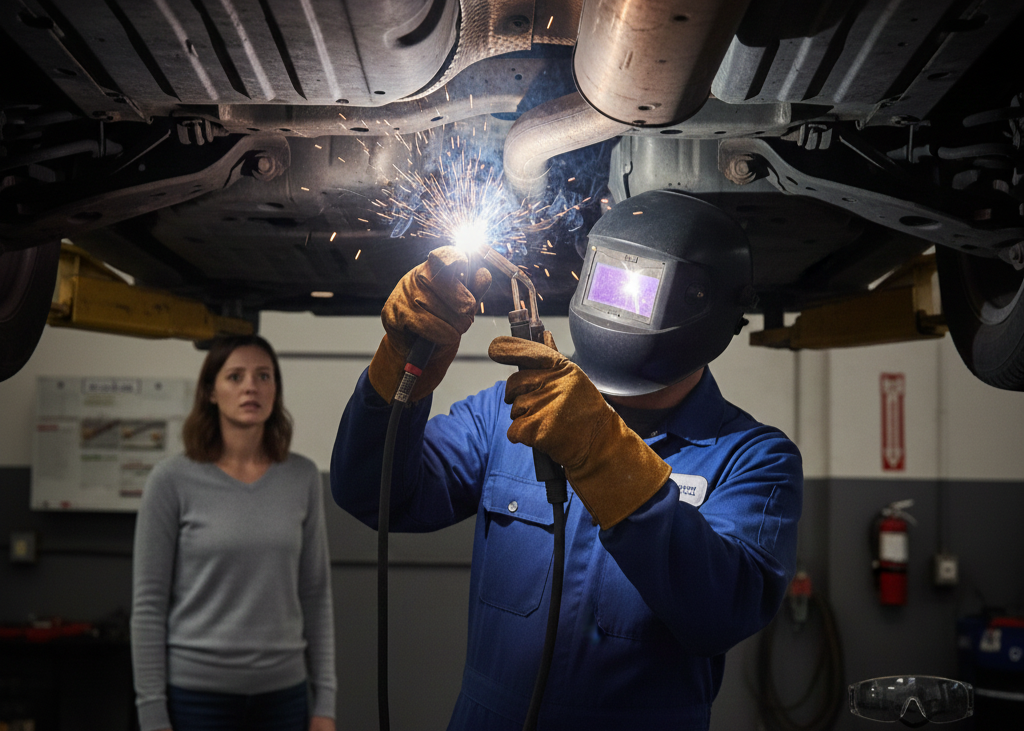
Exhaust repairs may seem like a good DIY project, but welding exhaust pipes can be dangerous. Working in tight spaces with rusted parts, high heat, and toxic fumes is risky. A poorly welded exhaust can leak carbon monoxide into your cabin, creating a severe health hazard. Mechanics have the right equipment and experience to perform exhaust work safely and effectively, protecting both the vehicle and your well-being.
11. High-Voltage Hybrid or Electric Systems
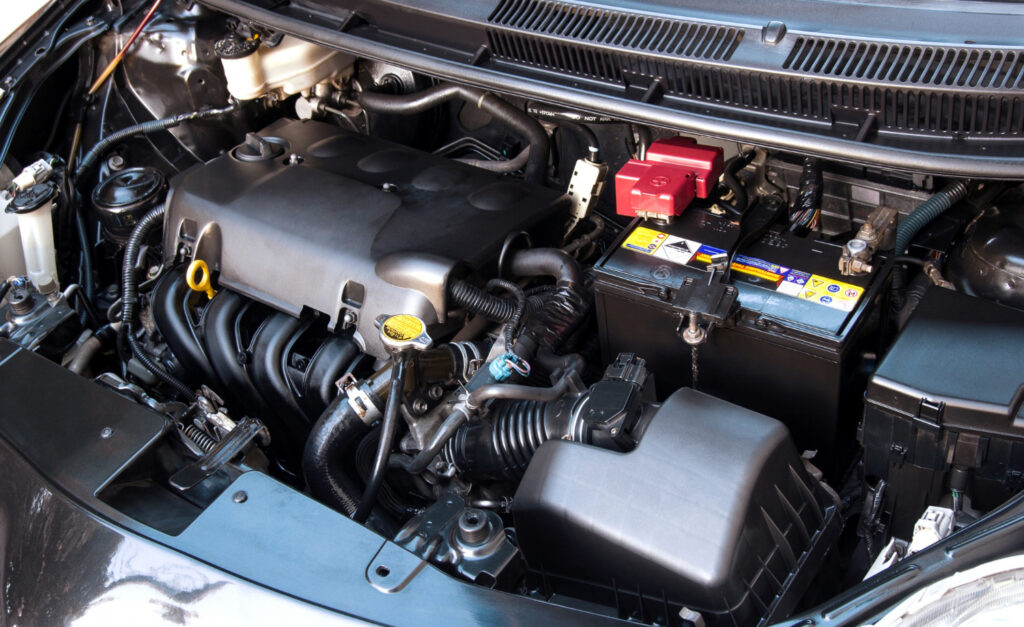
If you drive a hybrid or fully electric car, one of the biggest risks comes from the high-voltage electrical system. These systems can deliver potentially fatal shocks if handled incorrectly. Only technicians trained in electric vehicle safety should attempt repairs or even minor work on these components. Handling high-voltage systems without proper knowledge is extremely dangerous and should never be attempted at home.
12. Coolant System Repairs
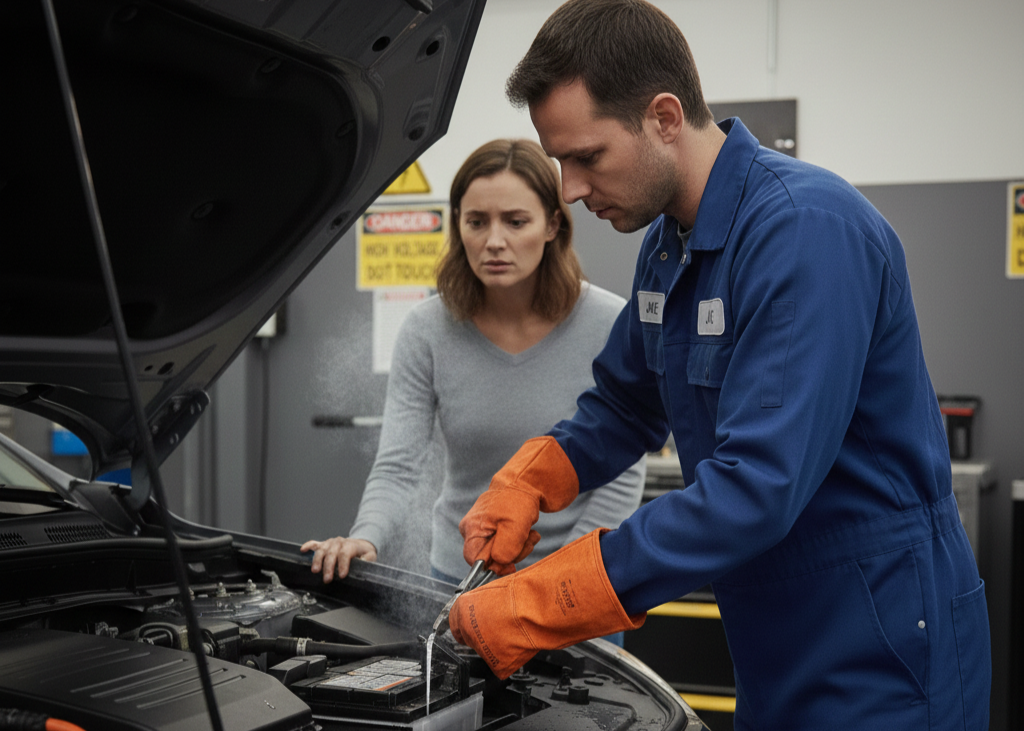
The coolant system keeps your engine at a safe operating temperature, but it is more complicated than just filling a radiator. Incorrect installation of hoses, pumps, or thermostats, or failing to remove trapped air, can lead to rapid engine overheating. Overheating can warp cylinder heads, blow gaskets, and cause thousands of dollars in damage. This is another area where professional knowledge and precision tools make all the difference.
Final Thoughts

It is tempting to try every repair yourself, especially with YouTube tutorials and online guides. However, some car problems are simply not worth the risk. From brakes and transmissions to coil springs and high-voltage systems, the complexity, safety risks, and costs of mistakes make these jobs best left to professionals.
That does not mean you cannot be a hands-on car owner. There are plenty of repairs and maintenance tasks you can safely learn, like changing oil, swapping air filters, or rotating tires. These small projects can save money, teach you valuable skills, and give you a deeper appreciation for your vehicle.
Understanding your limits and knowing when to call a professional will save you headaches, prevent expensive mistakes, and keep you and your passengers safe. A little knowledge is empowering, but some repairs truly are worth leaving in the hands of trained mechanics. After all, your safety and the long-term health of your car are priceless.
Leave a Reply