Our Debt Free Family

Commit. Plan. Take action.

  • BUDGETING
  • DEBT REDUCTION
  • INVESTING
  • LIFESTYLE
  • TOOLS
  • ABOUT
  • Privacy Policy
  • CONTACT

Drivers Are Buzzing About These 7 Must-Have Car Tech Features
April 6, 2026 | Leave a Comment

Drivers Are Buzzing About These 7 Must-Have Car Tech Features

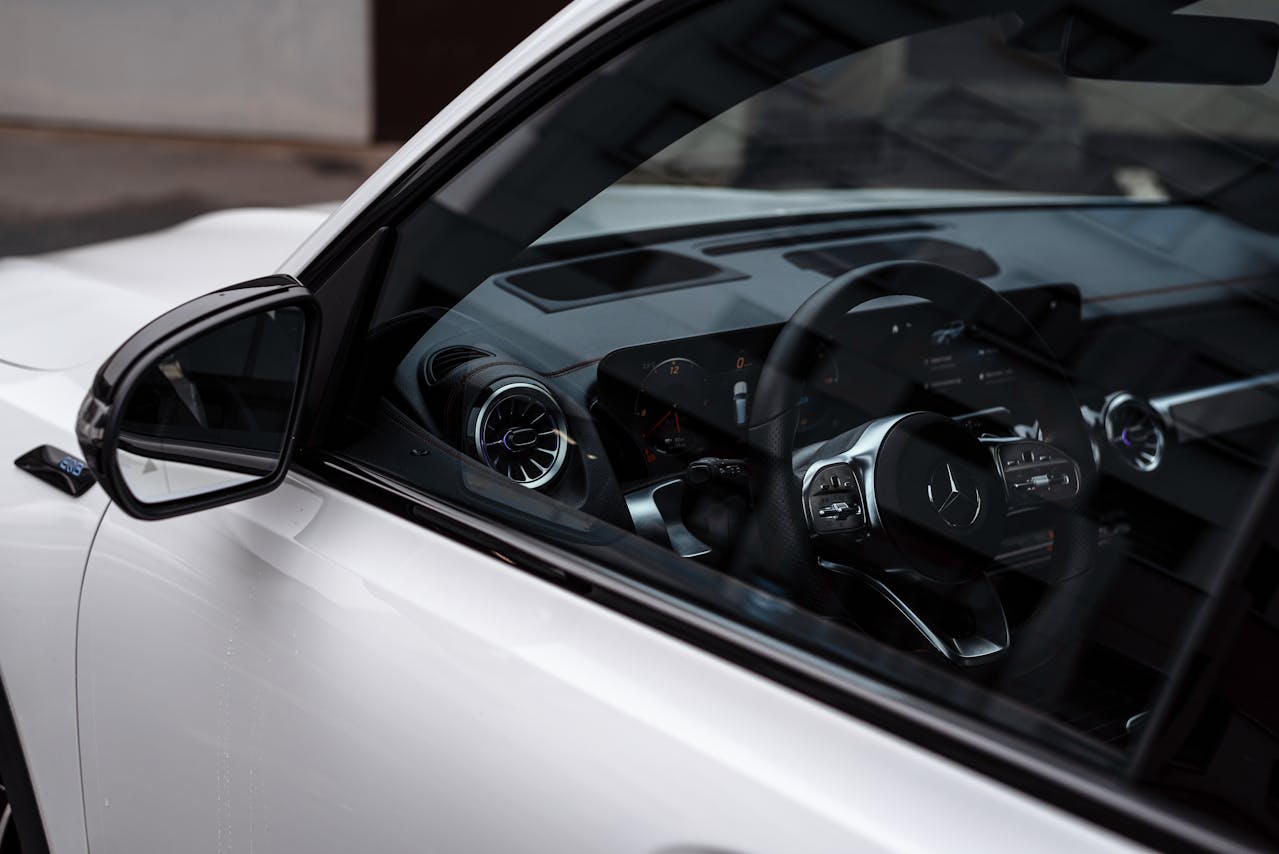
<p> Remember the days when a car’s fanciest feature was power windows or maybe cruise control? Fast forward a few decades, and cars today are practically rolling computers on wheels. For many baby boomers, these upgrades can feel a little overwhelming at first glance—but here’s the good news: modern car tech isn’t just about flashy gadgets for younger drivers. It is about making driving easier, safer, and far more enjoyable for people of all ages. Whether you are running errands around town, heading out on a road trip, or just navigating rush hour traffic, today’s must-have features can take the stress out of driving and give you more peace of mind. Drivers across the country are buzzing about these seven car technologies, and once you learn what they do, you may wonder how you ever drove without them. </p> :: Freepik

Remember the days when a car’s fanciest feature was power windows or maybe cruise control? Fast forward a few decades, and cars today are practically rolling computers on wheels. For many baby boomers, these upgrades can feel a little overwhelming at first glance—but here’s the good news: modern car tech isn’t just about flashy gadgets for younger drivers. It is about making driving easier, safer, and far more enjoyable for people of all ages.

Whether you are running errands around town, heading out on a road trip, or just navigating rush hour traffic, today’s must-have features can take the stress out of driving and give you more peace of mind. Drivers across the country are buzzing about these seven car technologies, and once you learn what they do, you may wonder how you ever drove without them.

1. Advanced Driver Assistance Systems (ADAS)

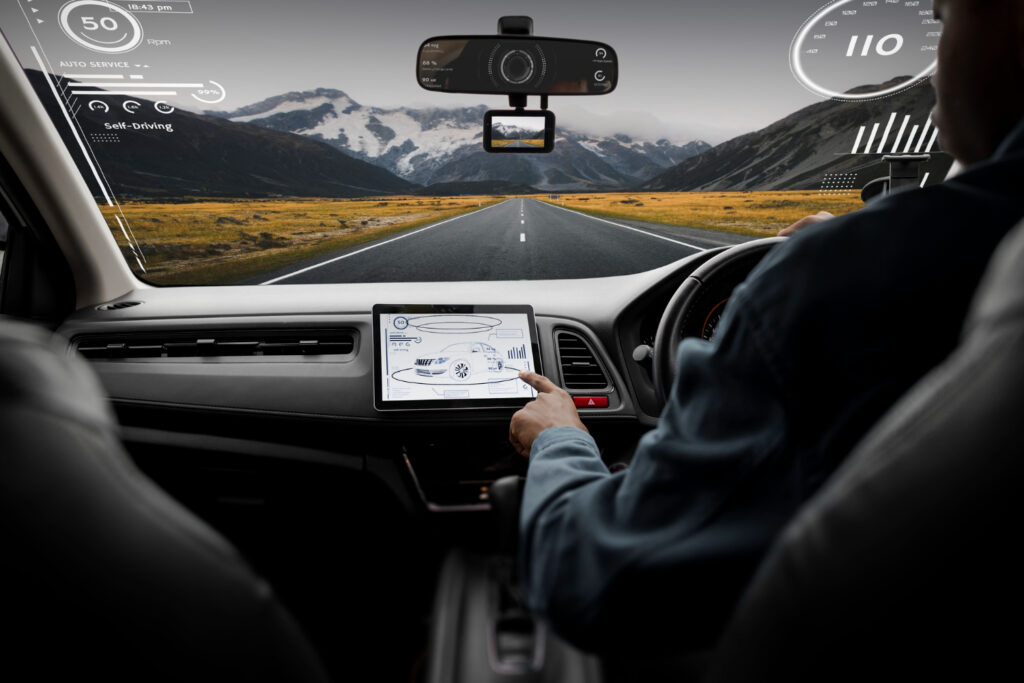
<p> Think of ADAS as your own built-in co-pilot, always on duty. These systems include lane-keeping assist, blind-spot monitoring, adaptive cruise control, and automatic emergency braking. In plain English, they are like having an extra set of eyes that help you avoid the “oops” moments on the road. For baby boomers, especially those who may feel their reflexes are not as quick as they once were, ADAS provides a sense of security. Imagine being gently nudged back into your lane or having the brakes automatically engage when someone suddenly stops in front of you. It is not about replacing your driving skills—it is about giving you backup when you need it most. </p> :: Freepik

Think of ADAS as your own built-in co-pilot, always on duty. These systems include lane-keeping assist, blind-spot monitoring, adaptive cruise control, and automatic emergency braking. In plain English, they are like having an extra set of eyes that help you avoid the “oops” moments on the road. For baby boomers, especially those who may feel their reflexes are not as quick as they once were, ADAS provides a sense of security. Imagine being gently nudged back into your lane or having the brakes automatically engage when someone suddenly stops in front of you. It is not about replacing your driving skills—it is about giving you backup when you need it most.

2. Head-Up Display and Augmented Reality Overlays
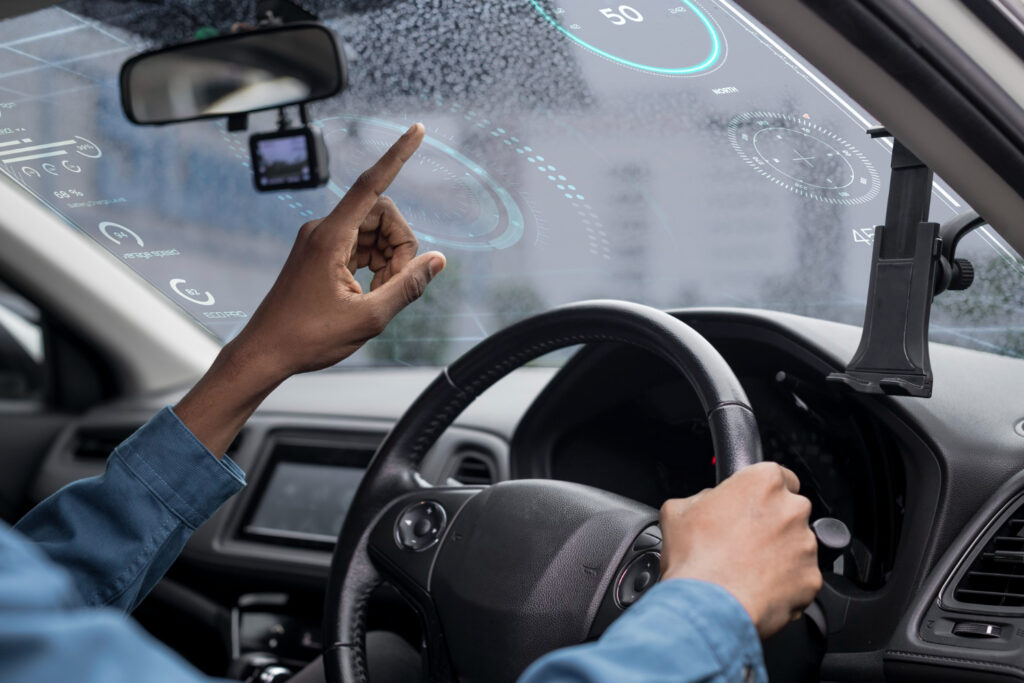
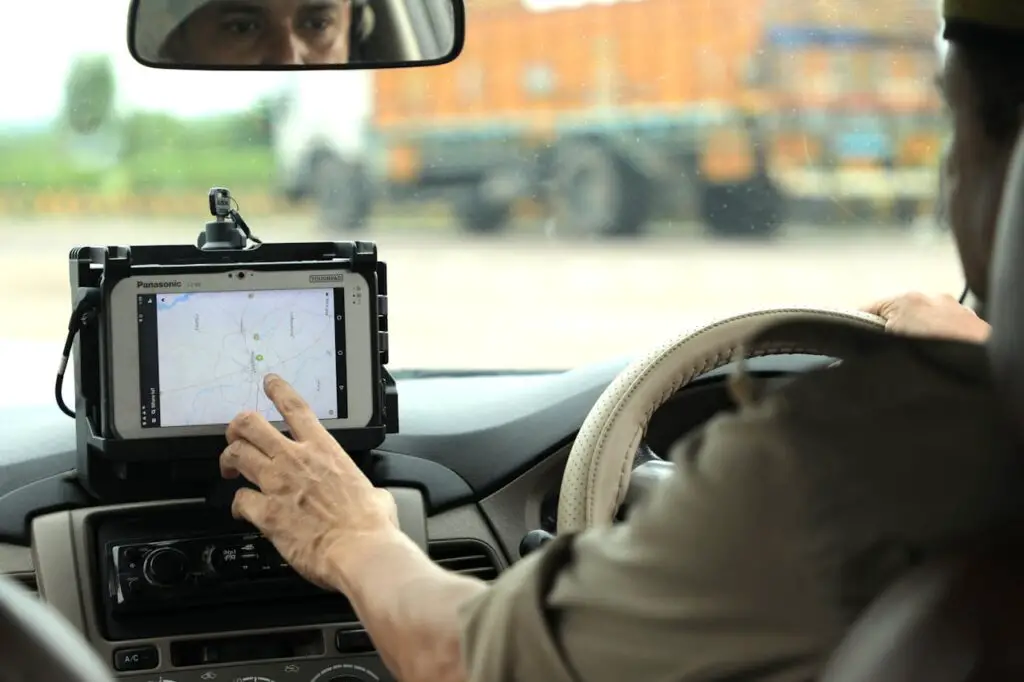
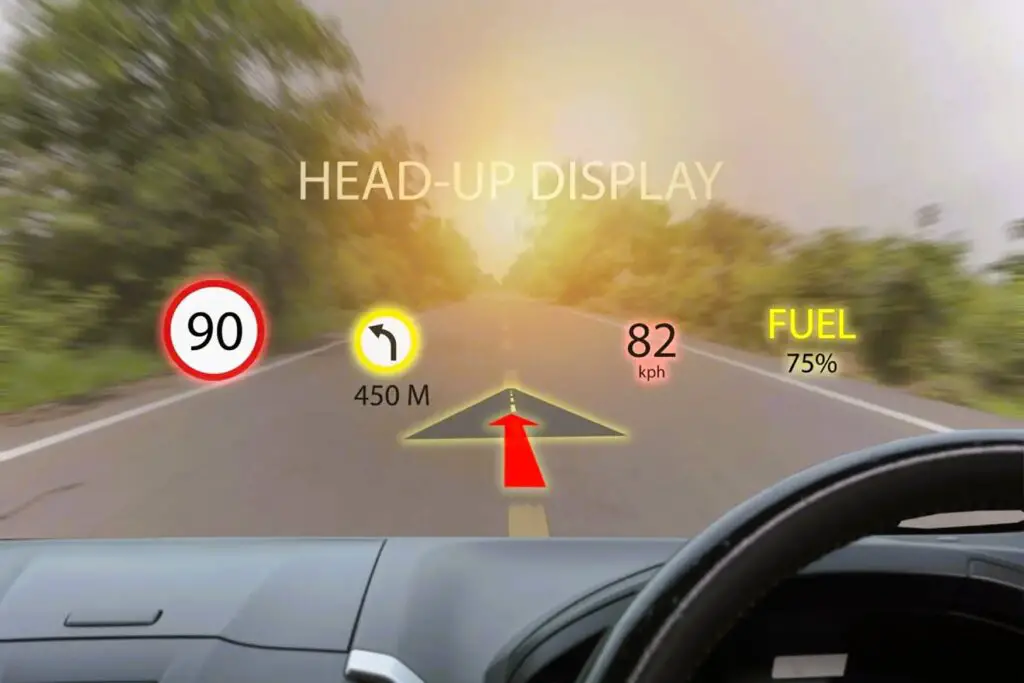
<p> Do you remember fiddling with dashboard dials or glancing down to check your speed, only to look up and realize traffic has changed? A head-up display fixes that problem by projecting important information directly onto your windshield. You can see your speed, navigation prompts, and warning signals right in your line of sight. Some of the newest systems even use augmented reality overlays, placing arrows on the road ahead to guide you through turns. It is like having your GPS whisper directions into your field of vision. For baby boomers, this reduces distractions and keeps your focus exactly where it belongs—on the road ahead. </p> :: Freepik

Do you remember fiddling with dashboard dials or glancing down to check your speed, only to look up and realize traffic has changed? A head-up display fixes that problem by projecting important information directly onto your windshield. You can see your speed, navigation prompts, and warning signals right in your line of sight. Some of the newest systems even use augmented reality overlays, placing arrows on the road ahead to guide you through turns. It is like having your GPS whisper directions into your field of vision. For baby boomers, this reduces distractions and keeps your focus exactly where it belongs—on the road ahead.

3. Seamless Smartphone Integration and Voice Assistants

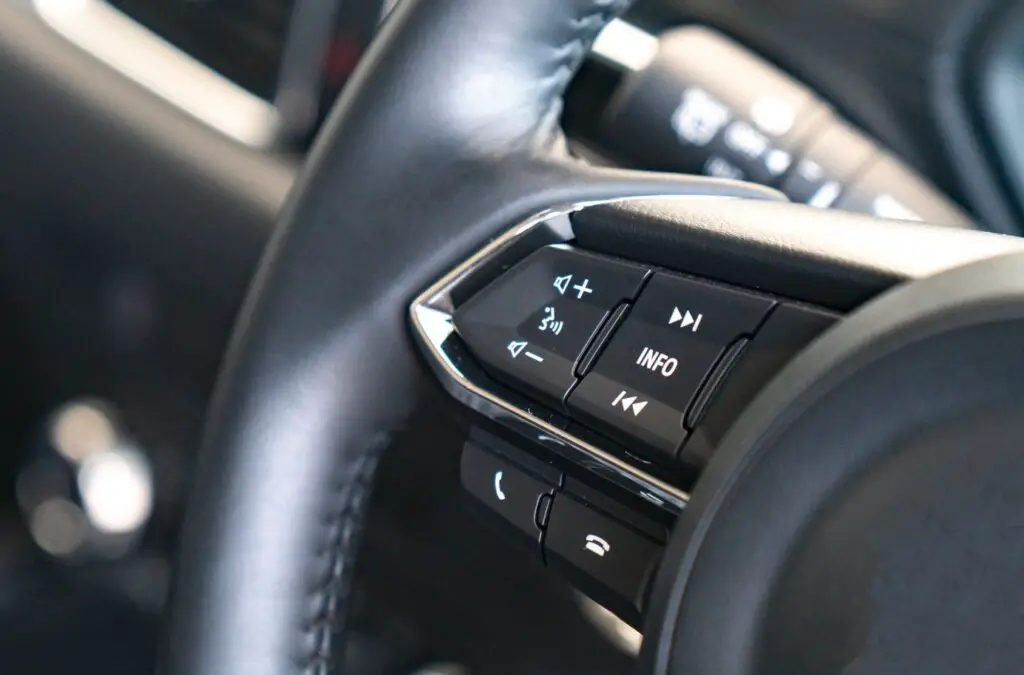
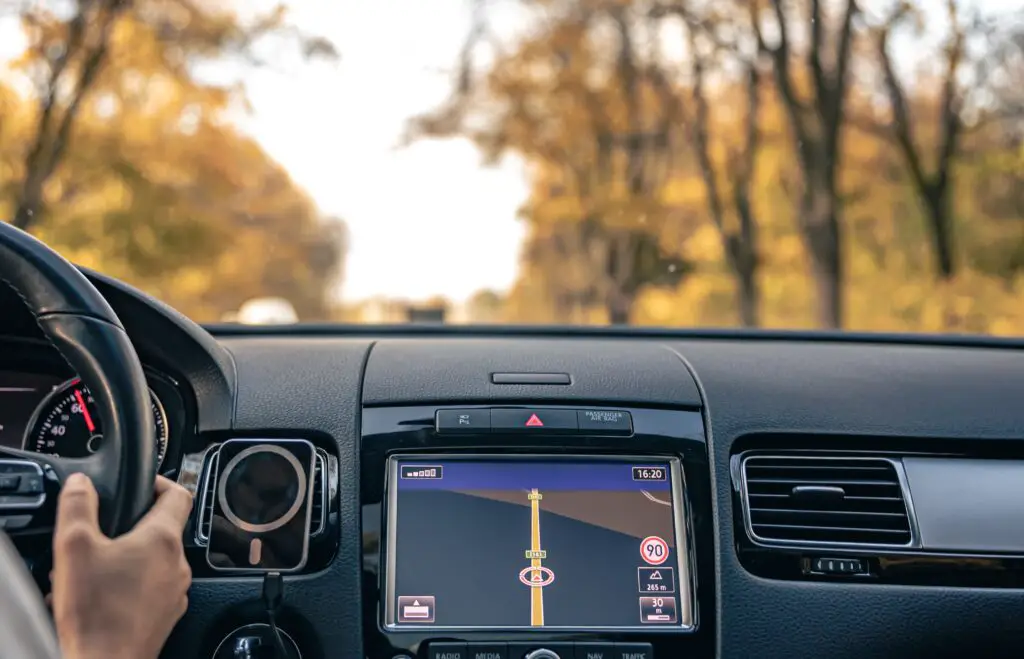
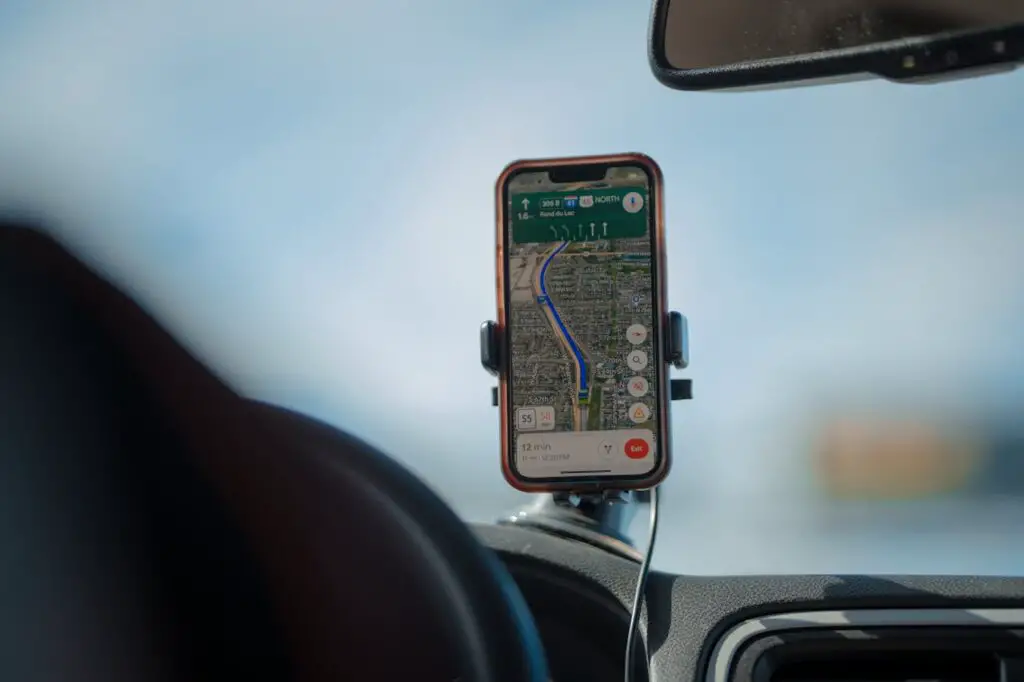
<p> Our phones have become central to how we stay connected, and now cars have finally caught up. With Apple CarPlay and Android Auto, your favorite apps can appear right on the car’s built-in screen. No more fumbling with your phone to play music, check a text, or get directions. Even better, voice assistants allow you to control everything with simple commands. Just say, “Call the pharmacy” or “Play some Frank Sinatra,” and the car takes care of the rest. This makes driving not only safer but also more enjoyable. It is especially handy for boomers who appreciate clear, simple controls without the need to poke at tiny phone screens while driving. </p> :: Freepik

Our phones have become central to how we stay connected, and now cars have finally caught up. With Apple CarPlay and Android Auto, your favorite apps can appear right on the car’s built-in screen. No more fumbling with your phone to play music, check a text, or get directions. Even better, voice assistants allow you to control everything with simple commands. Just say, “Call the pharmacy” or “Play some Frank Sinatra,” and the car takes care of the rest. This makes driving not only safer but also more enjoyable. It is especially handy for boomers who appreciate clear, simple controls without the need to poke at tiny phone screens while driving.

4. Over-the-Air Updates and Remote Diagnostics

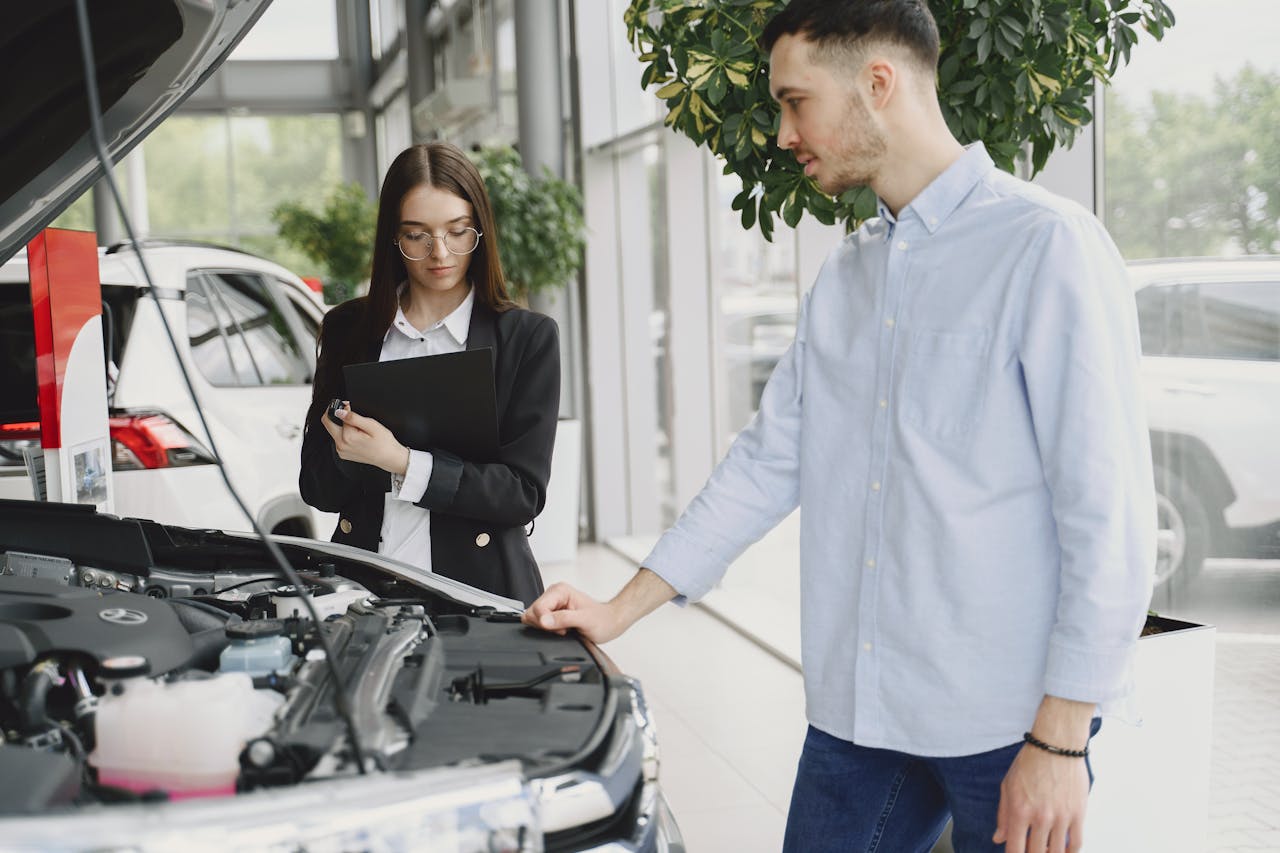
<p> Back in the day, updating your car meant taking it to a mechanic for a recall or service check. Today, many vehicles can receive over-the-air software updates just like your smartphone. This means your car can improve itself while parked in the driveway, adding new features or fixing bugs without you ever leaving home. Remote diagnostics are another major perk. Instead of puzzling over a vague “check engine” light, your car can now tell you exactly what needs attention, sometimes even before a breakdown occurs. For boomers, this reduces guesswork, cuts down on unexpected repair costs, and helps keep your car in top shape without hassle. </p> :: DALL-E

Back in the day, updating your car meant taking it to a mechanic for a recall or service check. Today, many vehicles can receive over-the-air software updates just like your smartphone. This means your car can improve itself while parked in the driveway, adding new features or fixing bugs without you ever leaving home. Remote diagnostics are another major perk. Instead of puzzling over a vague “check engine” light, your car can now tell you exactly what needs attention, sometimes even before a breakdown occurs. For boomers, this reduces guesswork, cuts down on unexpected repair costs, and helps keep your car in top shape without hassle.

5. 360-Degree Cameras and Park Assist
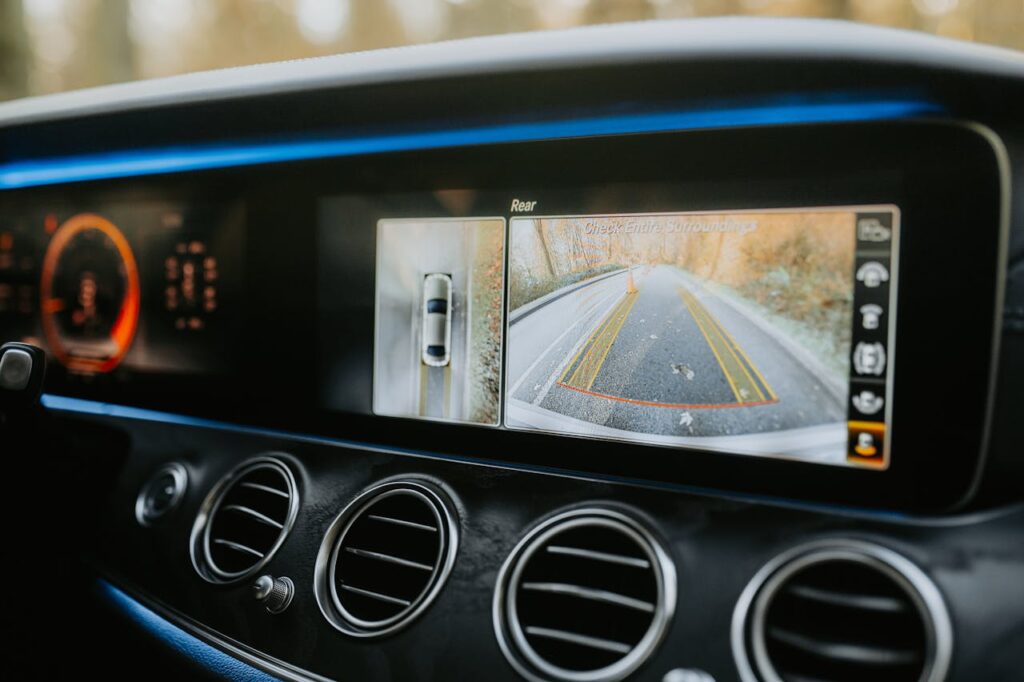
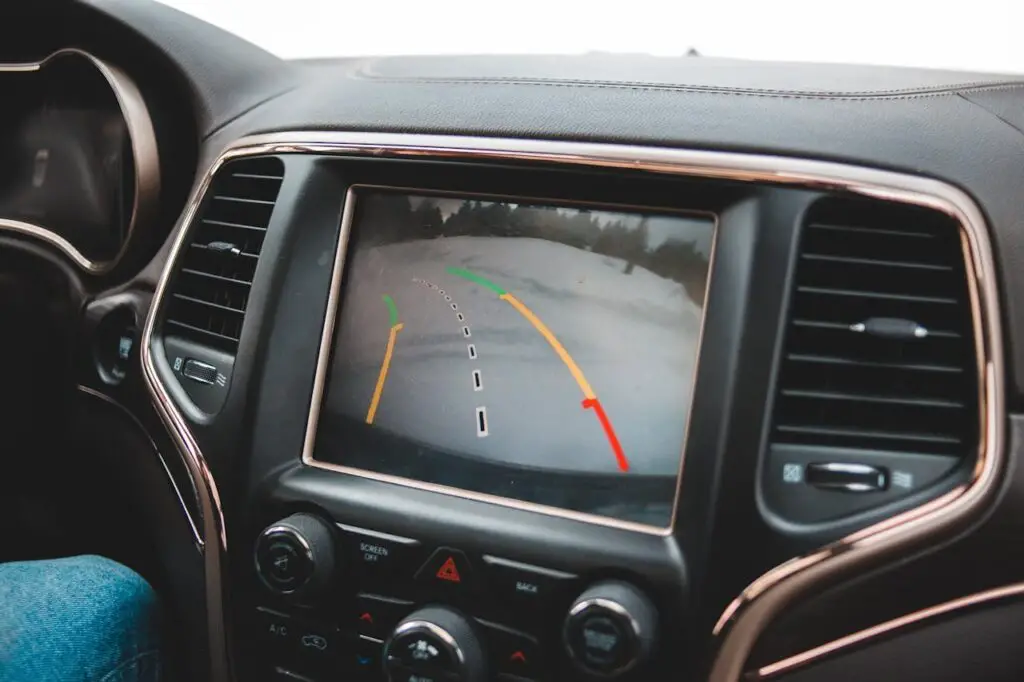
<p> Parking can be stressful, especially in tight spots or crowded shopping center lots. Enter 360-degree camera systems, which provide a bird’s-eye view of your car and its surroundings. You can see obstacles you might otherwise miss, like low curbs or stray shopping carts. Some systems even offer park assist, where the car helps steer into the space while you control the gas and brake. This feature is a game-changer for anyone who has ever dreaded parallel parking. For boomers, it takes away the anxiety of squeezing into tight spots and makes every parking job feel smooth and easy. </p> :: Pexels

Parking can be stressful, especially in tight spots or crowded shopping center lots. Enter 360-degree camera systems, which provide a bird’s-eye view of your car and its surroundings. You can see obstacles you might otherwise miss, like low curbs or stray shopping carts. Some systems even offer park assist, where the car helps steer into the space while you control the gas and brake. This feature is a game-changer for anyone who has ever dreaded parallel parking. For boomers, it takes away the anxiety of squeezing into tight spots and makes every parking job feel smooth and easy.

6. Drowsiness and Driver Monitoring Systems
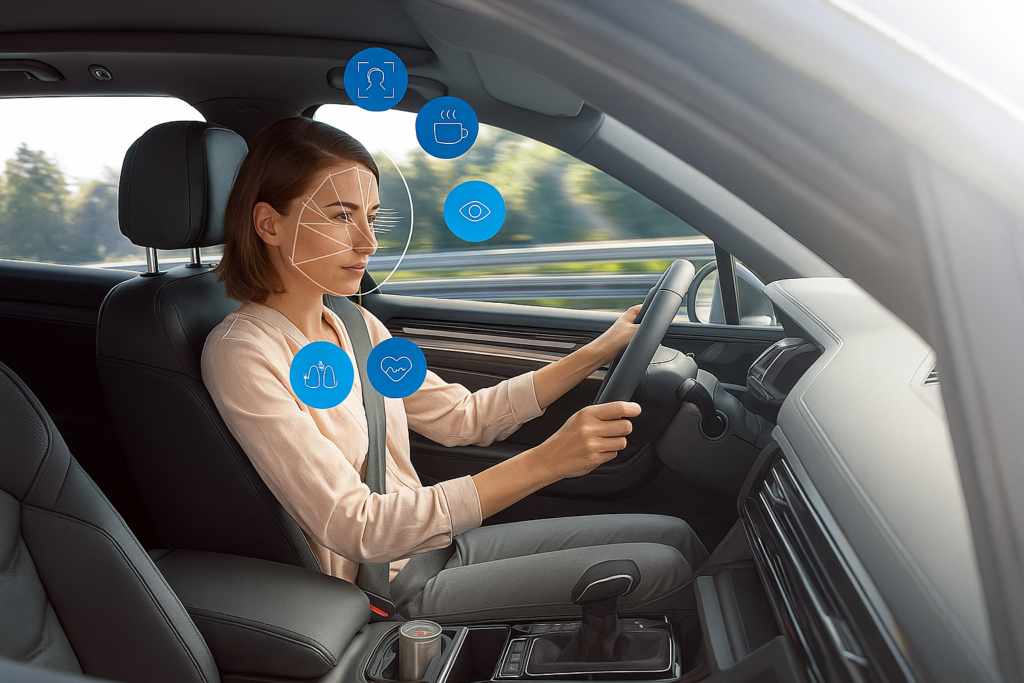
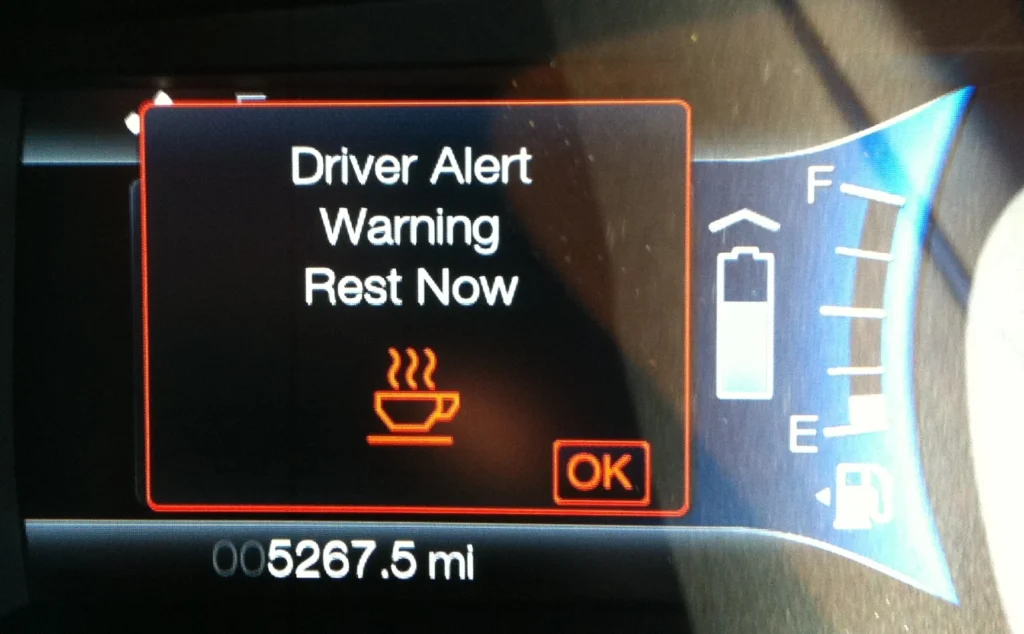
<p> Let’s be honest—long drives can make anyone feel a little tired, and the occasional nod-off moment is not something to take lightly. Driver monitoring systems use cameras and sensors to detect signs of drowsiness or distraction. If your eyes start to close or your steering gets sloppy, the car will alert you with a sound, vibration, or visual cue. Some systems can even gently slow the car down to keep you safe. While it might feel a little strange to have a car watching you, this technology could be the very thing that prevents an accident on a late-night drive. For baby boomers who value an extra layer of safety, it is like having a caring co-pilot reminding you to stay sharp. </p> :: DALL-E

Let’s be honest—long drives can make anyone feel a little tired, and the occasional nod-off moment is not something to take lightly. Driver monitoring systems use cameras and sensors to detect signs of drowsiness or distraction. If your eyes start to close or your steering gets sloppy, the car will alert you with a sound, vibration, or visual cue. Some systems can even gently slow the car down to keep you safe. While it might feel a little strange to have a car watching you, this technology could be the very thing that prevents an accident on a late-night drive. For baby boomers who value an extra layer of safety, it is like having a caring co-pilot reminding you to stay sharp.

7. Adaptive and Automatic Lighting Systems
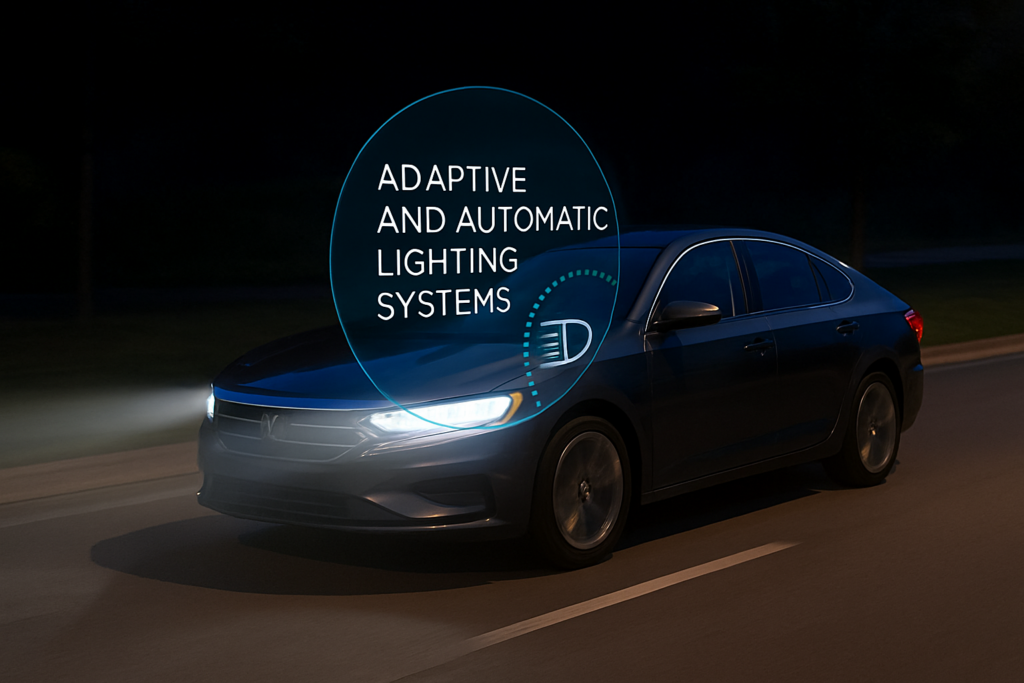
<p> Driving at night can be tough, especially when your eyes have to adjust to sudden changes in brightness. Adaptive lighting takes the guesswork out by automatically adjusting your headlights. The beams can swivel when you turn, widen in very dark conditions, or narrow when another car is approaching so you do not blind anyone. Automatic high beams are another great perk, switching between low and high beams depending on traffic. This not only makes night driving safer but also much less stressful on your eyes. For boomers who may already find night driving challenging, adaptive lighting feels like a breath of fresh air. </p> :: DALL-E

Driving at night can be tough, especially when your eyes have to adjust to sudden changes in brightness. Adaptive lighting takes the guesswork out by automatically adjusting your headlights. The beams can swivel when you turn, widen in very dark conditions, or narrow when another car is approaching so you do not blind anyone. Automatic high beams are another great perk, switching between low and high beams depending on traffic. This not only makes night driving safer but also much less stressful on your eyes. For boomers who may already find night driving challenging, adaptive lighting feels like a breath of fresh air.

Final Thoughts
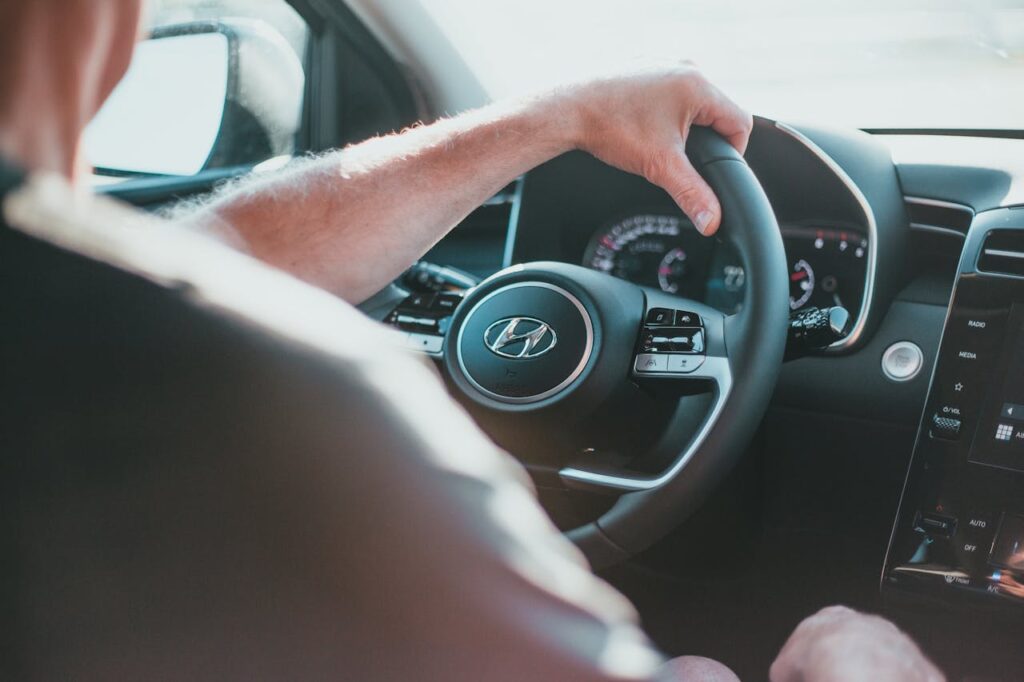
<p> Driving does not have to become more stressful as we age—in fact, with today’s must-have car technologies, it can be smoother, safer, and even more fun than ever. From advanced driver assistance to adaptive lighting, these seven features are designed to give you confidence every time you get behind the wheel. If you are in the market for a new car, bring this list with you and see which models offer the features that matter most to you. And if you already have a car you love, explore aftermarket upgrades to add some of these conveniences. After all, driving should not just be about getting from point A to point B. It should be about enjoying the ride, feeling secure, and knowing that technology is working in your favor. For baby boomers, these innovations are not just nice extras—they are tools that help keep the freedom of the open road alive. And that is something worth buzzing about. </p> :: Pexels

Driving does not have to become more stressful as we age—in fact, with today’s must-have car technologies, it can be smoother, safer, and even more fun than ever. From advanced driver assistance to adaptive lighting, these seven features are designed to give you confidence every time you get behind the wheel.

If you are in the market for a new car, bring this list with you and see which models offer the features that matter most to you. And if you already have a car you love, explore aftermarket upgrades to add some of these conveniences. After all, driving should not just be about getting from point A to point B. It should be about enjoying the ride, feeling secure, and knowing that technology is working in your favor.

For baby boomers, these innovations are not just nice extras—they are tools that help keep the freedom of the open road alive. And that is something worth buzzing about.
Filed Under: Autos

10 Iconic American Cars That Were Once the Biggest and Boldest on the Road

April 1, 2026 | Leave a Comment

10 Iconic American Cars That Were Once the Biggest and Boldest on the Road

<p> American cars have always been known for their bold designs, powerful engines, and the sense of freedom they represent. Over the years, several models have made their mark in the automotive world, becoming icons in their own right. These cars weren’t just vehicles—they were symbols of American innovation, culture, and a desire for performance. In this blog, we’ll take a closer look at 10 iconic American cars that once dominated the roads, capturing the attention of car enthusiasts and everyday drivers alike. </p> :: Pexels

American cars have always been known for their bold designs, powerful engines, and the sense of freedom they represent. Over the years, several models have made their mark in the automotive world, becoming icons in their own right. These cars weren’t just vehicles—they were symbols of American innovation, culture, and a desire for performance. In this blog, we’ll take a closer look at 10 iconic American cars that once dominated the roads, capturing the attention of car enthusiasts and everyday drivers alike.

1. Chevrolet Corvette (1953-Present)

<p> The Chevrolet Corvette is undoubtedly one of the most iconic American sports cars ever made. First introduced in 1953, the Corvette quickly became a symbol of American performance. With its sleek design and powerful V8 engine, it set the standard for what a sports car should be. Over the years, the Corvette has gone through numerous redesigns, but it has always maintained its reputation for speed and style. Whether it’s the classic C1 or the more modern C8, the Corvette has consistently offered a thrilling driving experience that continues to make it a favorite among car enthusiasts. </p> :: Pexels

The Chevrolet Corvette is undoubtedly one of the most iconic American sports cars ever made. First introduced in 1953, the Corvette quickly became a symbol of American performance. With its sleek design and powerful V8 engine, it set the standard for what a sports car should be. Over the years, the Corvette has gone through numerous redesigns, but it has always maintained its reputation for speed and style. Whether it’s the classic C1 or the more modern C8, the Corvette has consistently offered a thrilling driving experience that continues to make it a favorite among car enthusiasts.

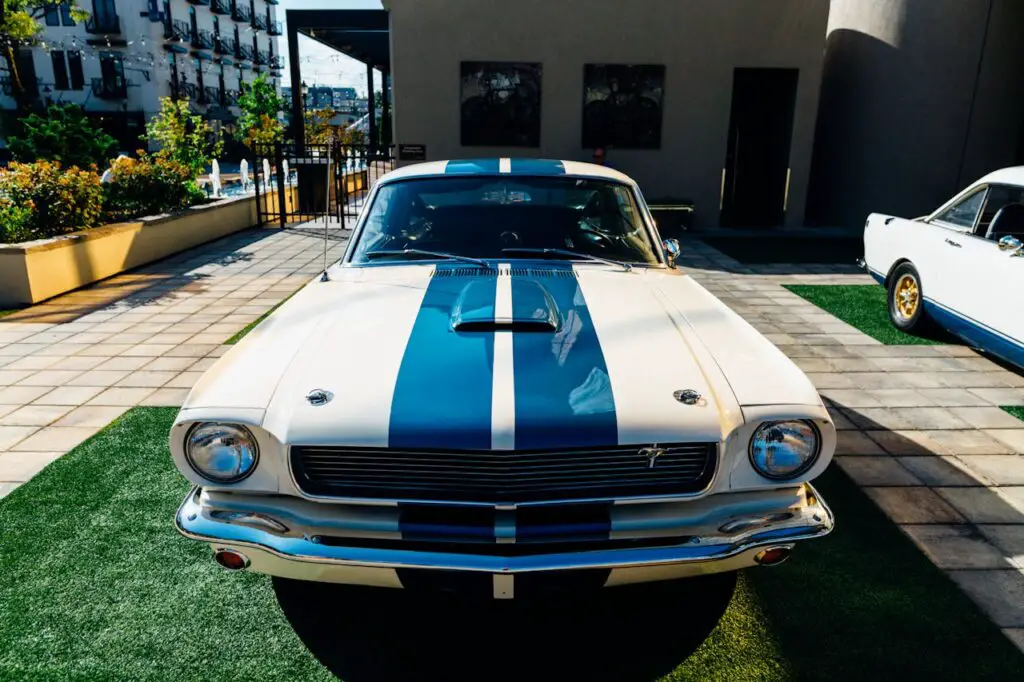
2. Ford Mustang (1964-Present)

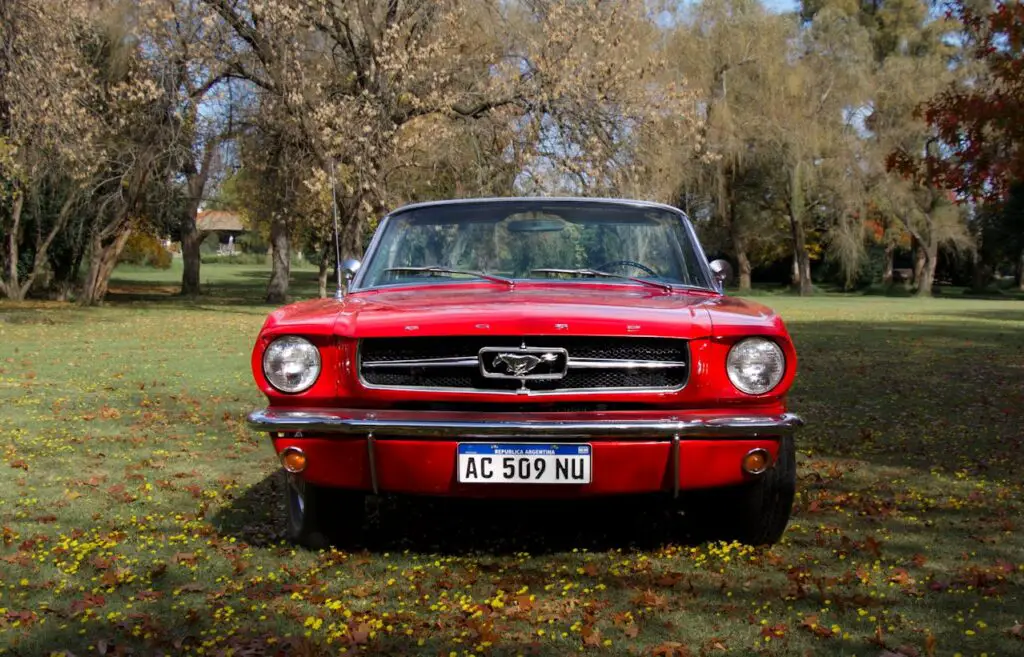
<p> The Ford Mustang is another car that holds a special place in American automotive history. Introduced in 1964, the Mustang created the pony car segment and quickly became a favorite for drivers seeking performance and style at an affordable price. Its aggressive design and powerful engine options made it a standout on the road. Over the decades, the Mustang has evolved, but it has always remained true to its roots as an American muscle car. Today, the Mustang continues to be a popular choice for those who want a car that delivers both power and style, making it a true American classic. </p> :: Pexels

The Ford Mustang is another car that holds a special place in American automotive history. Introduced in 1964, the Mustang created the pony car segment and quickly became a favorite for drivers seeking performance and style at an affordable price. Its aggressive design and powerful engine options made it a standout on the road. Over the decades, the Mustang has evolved, but it has always remained true to its roots as an American muscle car. Today, the Mustang continues to be a popular choice for those who want a car that delivers both power and style, making it a true American classic.

3. Cadillac Eldorado (1953-2002)

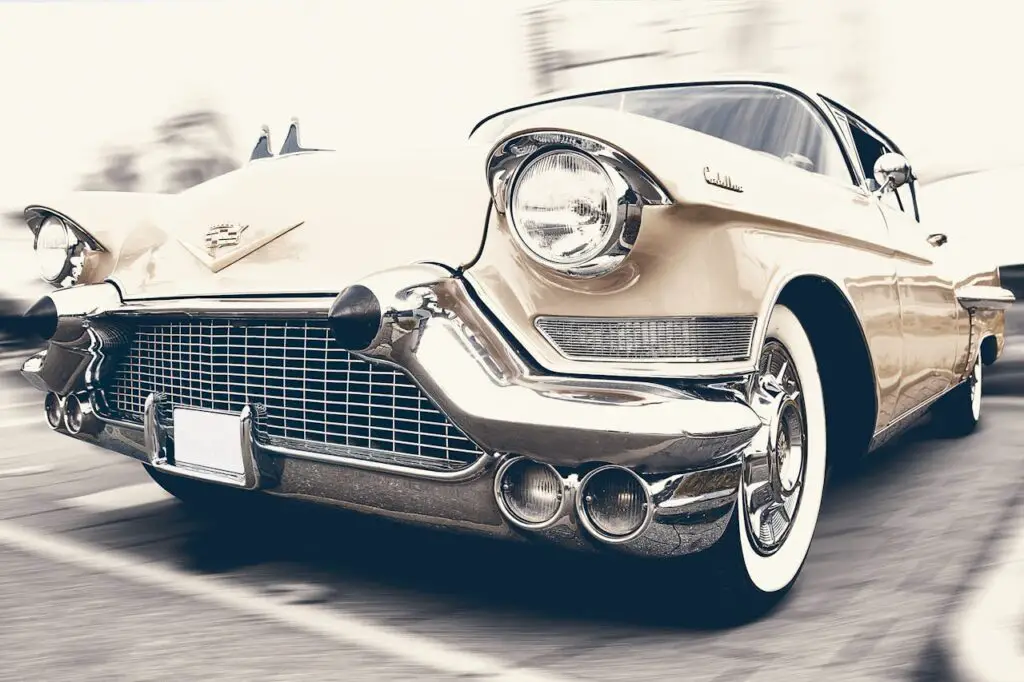
<p> The Cadillac Eldorado was the epitome of luxury for many years. Introduced in 1953, it became one of Cadillac’s most prestigious models, offering cutting-edge features like front-wheel drive and a sophisticated design. The Eldorado’s smooth ride and high-end interior made it a favorite among those who valued comfort and style. Its status as a luxury vehicle was further cemented by its presence in Hollywood films and its appeal to wealthy buyers. Though production ended in 2002, the Eldorado remains a symbol of Cadillac’s commitment to luxury and innovation in the automotive world. </p> :: Pexels

The Cadillac Eldorado was the epitome of luxury for many years. Introduced in 1953, it became one of Cadillac’s most prestigious models, offering cutting-edge features like front-wheel drive and a sophisticated design. The Eldorado’s smooth ride and high-end interior made it a favorite among those who valued comfort and style. Its status as a luxury vehicle was further cemented by its presence in Hollywood films and its appeal to wealthy buyers. Though production ended in 2002, the Eldorado remains a symbol of Cadillac’s commitment to luxury and innovation in the automotive world.

4. Dodge Charger (1966-Present)

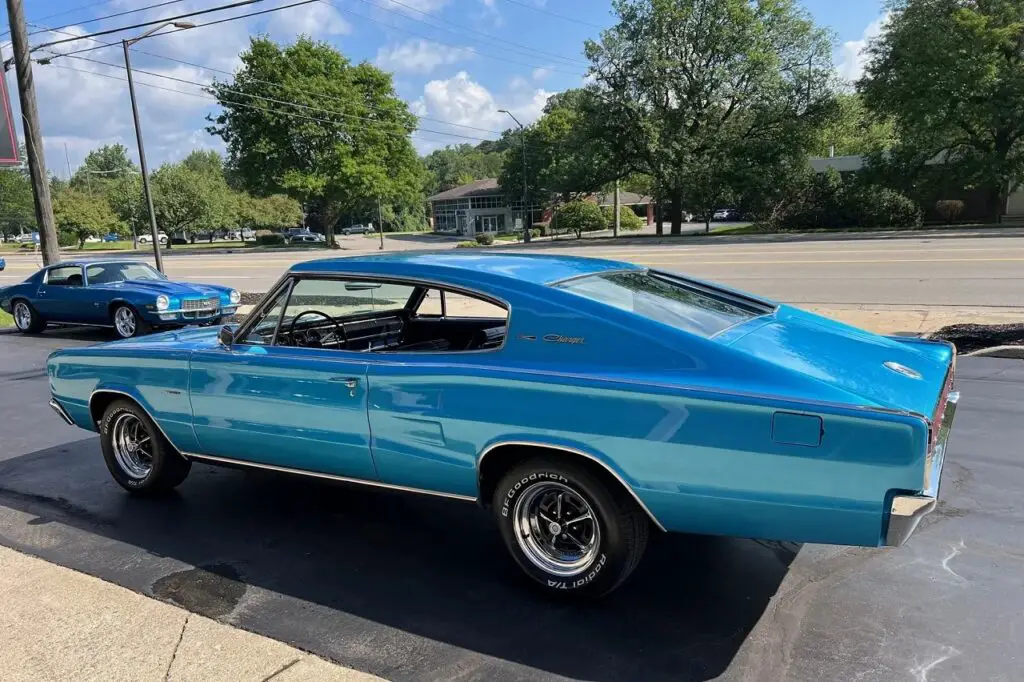
<p> The Dodge Charger is one of the most well-known American muscle cars, known for its power and bold styling. Since its debut in 1966, the Charger has been associated with performance, thanks to its range of powerful V8 engines. Its distinctive design, especially in the late 1960s with its wide stance and long hood, made it a standout on the road. The Charger’s role in pop culture, particularly in the "Fast and the Furious" movie franchise, has kept its legacy alive, and the modern version continues to attract car enthusiasts who appreciate its performance and aggressive look. </p> :: southernmotors

The Dodge Charger is one of the most well-known American muscle cars, known for its power and bold styling. Since its debut in 1966, the Charger has been associated with performance, thanks to its range of powerful V8 engines. Its distinctive design, especially in the late 1960s with its wide stance and long hood, made it a standout on the road. The Charger’s role in pop culture, particularly in the “Fast & Furious” movie franchise, has kept its legacy alive, and the modern version continues to attract car enthusiasts who appreciate its performance and aggressive look.

5. Chevrolet Camaro (1967-Present)

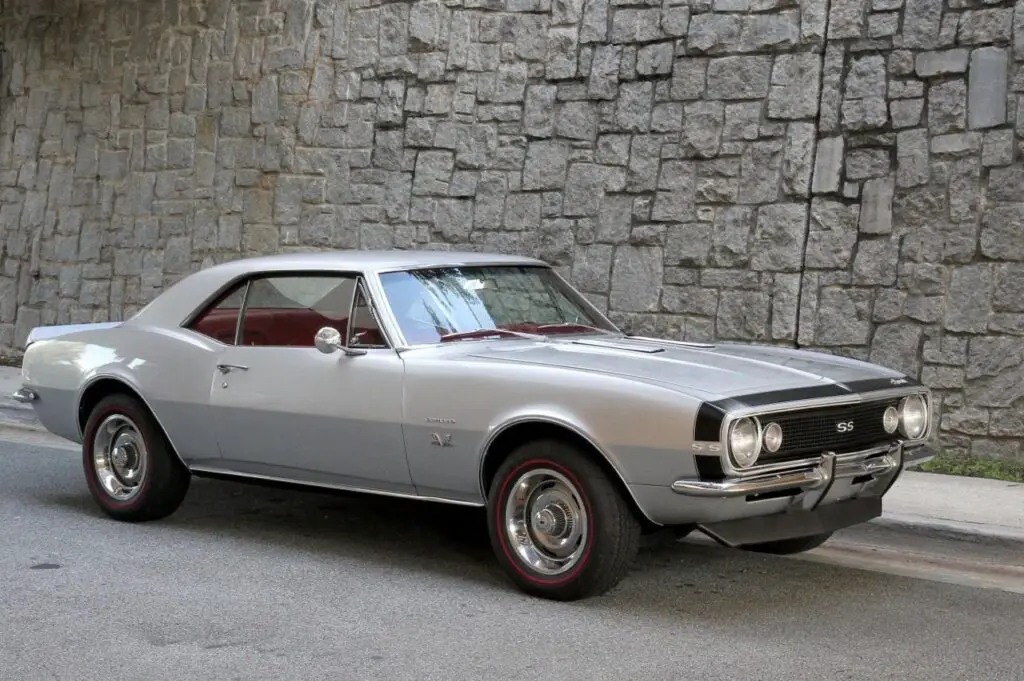
<p> The Chevrolet Camaro is another American muscle car that made a lasting impact. Introduced in 1967 as a competitor to the Ford Mustang, the Camaro quickly earned a reputation for its performance and sleek design. With its powerful engines and aggressive styling, the Camaro became a favorite among those who loved the thrill of driving. Over the years, the Camaro has gone through several redesigns, but it has remained true to its muscle car roots, offering a balance of power and performance. It’s a car that appeals to drivers who want a vehicle that delivers both speed and style. </p> :: motorcarstudio

The Chevrolet Camaro is another American muscle car that made a lasting impact. Introduced in 1967 as a competitor to the Ford Mustang, the Camaro quickly earned a reputation for its performance and sleek design. With its powerful engines and aggressive styling, the Camaro became a favorite among those who loved the thrill of driving. Over the years, the Camaro has gone through several redesigns, but it has remained true to its muscle car roots, offering a balance of power and performance. It’s a car that appeals to drivers who want a vehicle that delivers both speed and style.

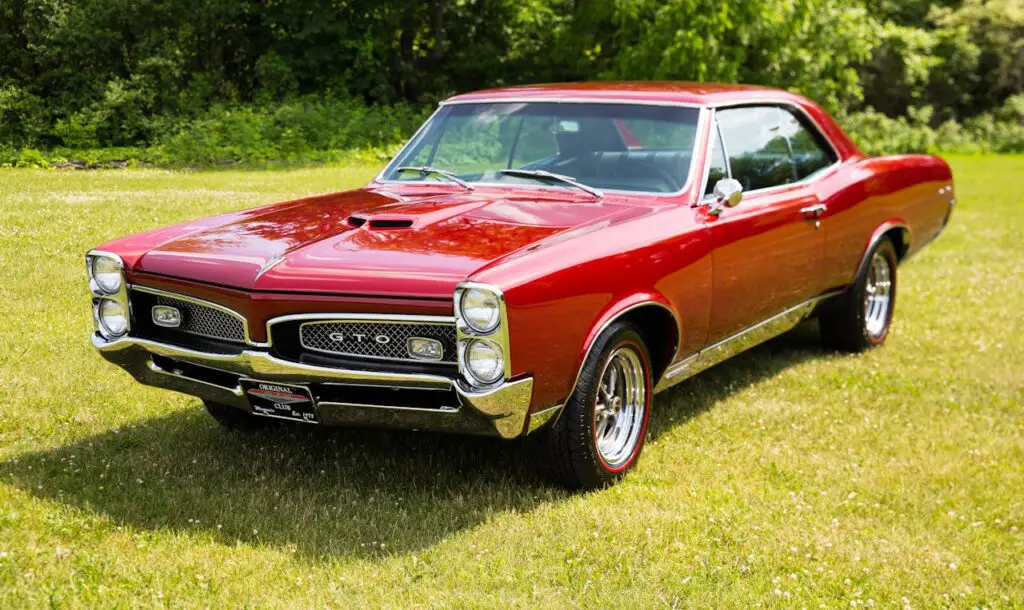
6. Pontiac GTO (1964-1974)

<p> The Pontiac GTO is often credited with starting the muscle car era. Introduced in 1964, the GTO combined a high-performance engine with a relatively affordable price tag, making it accessible to a wide range of drivers. With its bold styling and powerful V8 engine, the GTO became a favorite among those looking for speed and performance. Its impact on the automotive world was significant, and it’s often considered one of the first true muscle cars. Although Pontiac discontinued the GTO in 1974, its influence on American car culture continues to be felt today. </p> :: Pexels

The Pontiac GTO is often credited with starting the muscle car era. Introduced in 1964, the GTO combined a high-performance engine with a relatively affordable price tag, making it accessible to a wide range of drivers. With its bold styling and powerful V8 engine, the GTO became a favorite among those looking for speed and performance. Its impact on the automotive world was significant, and it’s often considered one of the first true muscle cars. Although Pontiac discontinued the GTO in 1974, its influence on American car culture continues to be felt today.

7. Buick Riviera (1963-1999)

<p> The Buick Riviera was a luxury car that offered a blend of performance and style. Introduced in 1963, the Riviera stood out with its sleek design and powerful engine options. It was a departure from Buick’s more traditional offerings, featuring a coupe-like body and a smooth, refined ride. The Riviera became known for its elegance and performance, making it a popular choice among those seeking a high-end vehicle without the extreme price tag of some of its competitors. While production of the Riviera ended in 1999, it remains a symbol of Buick’s commitment to creating cars that offer both luxury and performance. </p> :: Pexels

The Buick Riviera was a luxury car that offered a blend of performance and style. Introduced in 1963, the Riviera stood out with its sleek design and powerful engine options. It was a departure from Buick’s more traditional offerings, featuring a coupe-like body and a smooth, refined ride. The Riviera became known for its elegance and performance, making it a popular choice among those seeking a high-end vehicle without the extreme price tag of some of its competitors. While production of the Riviera ended in 1999, it remains a symbol of Buick’s commitment to creating cars that offer both luxury and performance.

8. Chrysler 300 (1955-Present)

<p> The Chrysler 300 has been a symbol of American luxury and performance since its debut in 1955. Known for its bold styling and powerful engine options, the 300 quickly became a favorite among drivers looking for a car that combined performance with luxury. Over the years, the Chrysler 300 has evolved, but its distinctive look and high-end features have remained a constant. The modern version continues to attract buyers who appreciate its refined interior, smooth ride, and powerful performance. It’s a car that strikes a balance between luxury and power, making it a standout in the American automotive market. </p> :: Pexels

The Chrysler 300 has been a symbol of American luxury and performance since its debut in 1955. Known for its bold styling and powerful engine options, the 300 quickly became a favorite among drivers looking for a car that combined performance with luxury. Over the years, the Chrysler 300 has evolved, but its distinctive look and high-end features have remained a constant. The modern version continues to attract buyers who appreciate its refined interior, smooth ride, and powerful performance. It’s a car that strikes a balance between luxury and power, making it a standout in the American automotive market.

9. Ford Thunderbird (1955-2005)

<p> The Ford Thunderbird is another classic American car that left a lasting impact. Introduced in 1955, the Thunderbird was initially designed as a personal luxury car, offering a mix of performance and comfort. Its sleek design and powerful V8 engine made it a popular choice among affluent buyers. Over the years, the Thunderbird underwent several redesigns, but it always maintained its reputation as a luxury vehicle. The Thunderbird’s influence on the personal luxury car market is undeniable, and its legacy continues to be celebrated by car enthusiasts who appreciate its style and performance. </p> :: Pexels

The Ford Thunderbird is another classic American car that left a lasting impact. Introduced in 1955, the Thunderbird was initially designed as a personal luxury car, offering a mix of performance and comfort. Its sleek design and powerful V8 engine made it a popular choice among affluent buyers. Over the years, the Thunderbird underwent several redesigns, but it always maintained its reputation as a luxury vehicle. The Thunderbird’s influence on the personal luxury car market is undeniable, and its legacy continues to be celebrated by car enthusiasts who appreciate its style and performance.

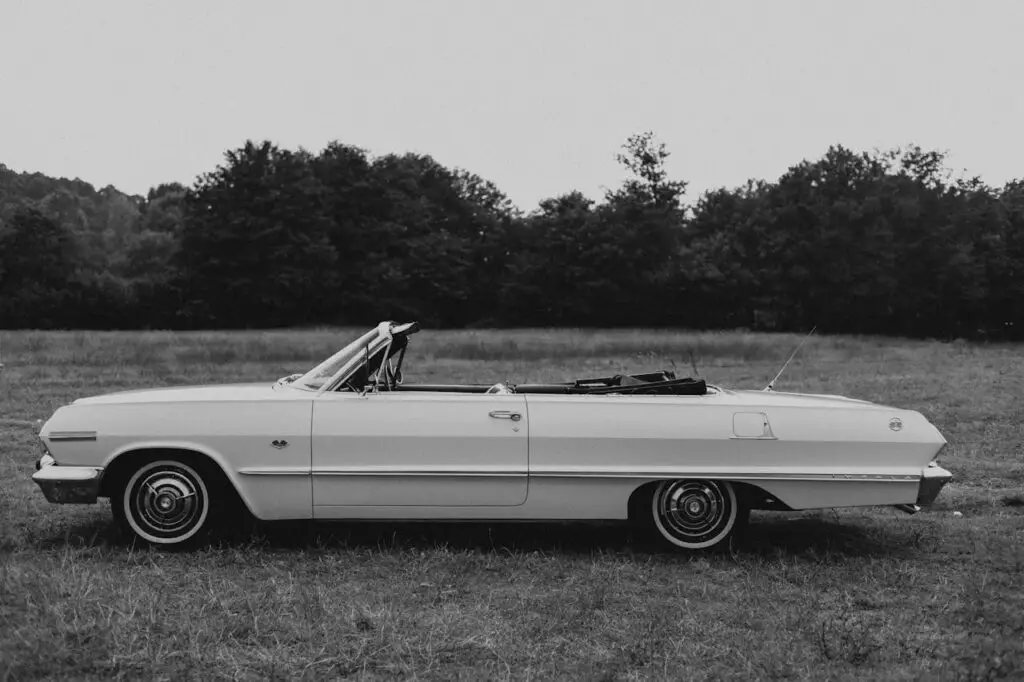
10. Chevrolet Impala (1958-Present)

<p> The Chevrolet Impala is one of the longest-running and most iconic American cars. First introduced in 1958, the Impala quickly became known for its spacious interior, smooth ride, and powerful engine options. It was a car that appealed to families looking for a reliable and comfortable ride, as well as to those who appreciated its stylish design. Over the years, the Impala has undergone numerous changes, but it has always remained a symbol of American automotive engineering. It remains one of the best-selling cars in American history, and its legacy continues to be celebrated by those who appreciate its comfort, performance, and timeless design. </p> :: Pexels

The Chevrolet Impala is one of the longest-running and most iconic American cars. First introduced in 1958, the Impala quickly became known for its spacious interior, smooth ride, and powerful engine options. It was a car that appealed to families looking for a reliable and comfortable ride, as well as to those who appreciated its stylish design. Over the years, the Impala has undergone numerous changes, but it has always remained a symbol of American automotive engineering. It remains one of the best-selling cars in American history, and its legacy continues to be celebrated by those who appreciate its comfort, performance, and timeless design.

Final Thoughts

<p> These 10 iconic American cars have made their mark on the automotive world, each representing a different aspect of American automotive culture. From the sleek and powerful Chevrolet Corvette to the luxurious Cadillac Eldorado, these cars were once the biggest and boldest on the road. They captured the attention of drivers who valued performance, style, and innovation. While some of these models are no longer in production, their legacy continues to influence the automotive industry and inspire car enthusiasts around the world. Whether you’re a fan of muscle cars, luxury cruisers, or high-performance sports cars, these iconic American vehicles remain a testament to the country’s ability to produce some of the most memorable cars in automotive history. </p> :: Pexels

These 10 iconic American cars have made their mark on the automotive world, each representing a different aspect of American automotive culture. From the sleek and powerful Chevrolet Corvette to the luxurious Cadillac Eldorado, these cars were once the biggest and boldest on the road. They captured the attention of drivers who valued performance, style, and innovation. While some of these models are no longer in production, their legacy continues to influence the automotive industry and inspire car enthusiasts around the world. Whether you’re a fan of muscle cars, luxury cruisers, or high-performance sports cars, these iconic American vehicles remain a testament to the country’s ability to produce some of the most memorable cars in automotive history.

Filed Under: Autos

13 Common Roadside Scams Every US Driver Needs to Watch Out For

April 1, 2026 | Leave a Comment

13 Common Roadside Scams Every US Driver Needs to Watch Out For

<p> When you’re driving, whether on a long road trip or just running errands, the last thing you expect is to fall victim to a scam. Unfortunately, roadside scams are more common than many people realize. Scammers often target drivers who are in vulnerable situations, like being stuck on the side of the road or dealing with a minor car issue. Understanding these scams and knowing how to handle them can help you avoid falling into their traps. Here are 13 common roadside scams every U.S. driver should be aware of. </p> :: Pexels

When you’re driving, whether on a long road trip or just running errands, the last thing you expect is to fall victim to a scam. Unfortunately, roadside scams are more common than many people realize. Scammers often target drivers who are in vulnerable situations, like being stuck on the side of the road or dealing with a minor car issue. Understanding these scams and knowing how to handle them can help you avoid falling into their traps. Here are 13 common roadside scams every U.S. driver should be aware of.

1. Fake Car Accident Scams

<p> Fake car accident scams involve scammers who deliberately stage an accident with your vehicle. They might swerve in front of you or brake suddenly, causing a minor collision. Afterward, they claim you were at fault and may demand money for damages. Some scammers even have an accomplice pretending to be a witness to back up their story. If you’re involved in a minor accident, remain calm, gather information, and don’t agree to settle the matter without contacting the police. Always document the situation and call the authorities to ensure everything is handled properly. </p> :: Pexels

Fake car accident scams involve scammers who deliberately stage an accident with your vehicle. They might swerve in front of you or brake suddenly, causing a minor collision. Afterward, they claim you were at fault and may demand money for damages. Some scammers even have an accomplice pretending to be a witness to back up their story. If you’re involved in a minor accident, remain calm, gather information, and don’t agree to settle the matter without contacting the police. Always document the situation and call the authorities to ensure everything is handled properly.

2. The “Help, I’m Out of Gas” Scam

<p> This scam involves someone stopping to ask for help because they claim they’ve run out of gas. They might say they just need a few dollars to get to the nearest gas station. While some people genuinely need assistance, others are simply looking for an opportunity to take advantage of your kindness. If you encounter this situation, offer to call roadside assistance or direct them to the nearest station instead of giving them money. If you’re unsure, it’s better to walk away and avoid getting involved. </p> :: Pexels

This scam involves someone stopping to ask for help because they claim they’ve run out of gas. They might say they just need a few dollars to get to the nearest gas station. While some people genuinely need assistance, others are simply looking for an opportunity to take advantage of your kindness. If you encounter this situation, offer to call roadside assistance or direct them to the nearest station instead of giving them money. If you’re unsure, it’s better to walk away and avoid getting involved.

3. Flat Tire Scams

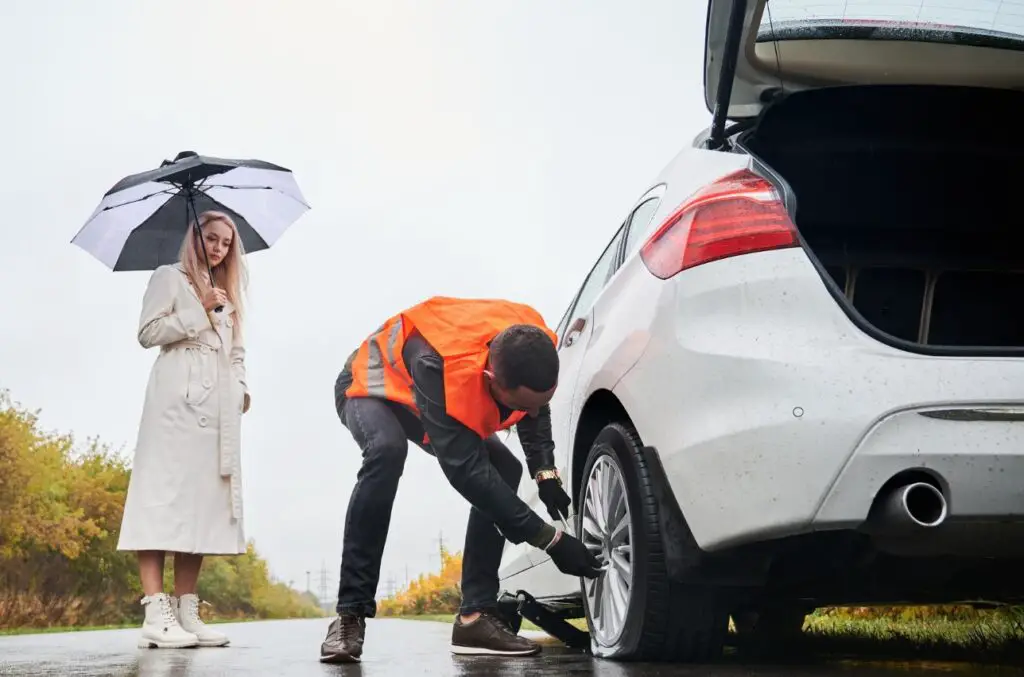
<p> Scammers often target drivers with flat tires, especially if they notice you’re struggling to change it. They may offer to help, but their true goal is to distract you while they steal items from your car or cause additional damage. If you’re in need of assistance, it’s safer to call a trusted roadside service rather than accepting help from a stranger. Always keep your valuables hidden and locked in your car, and if you’re not comfortable with someone offering help, don’t hesitate to decline. </p> :: Freepik

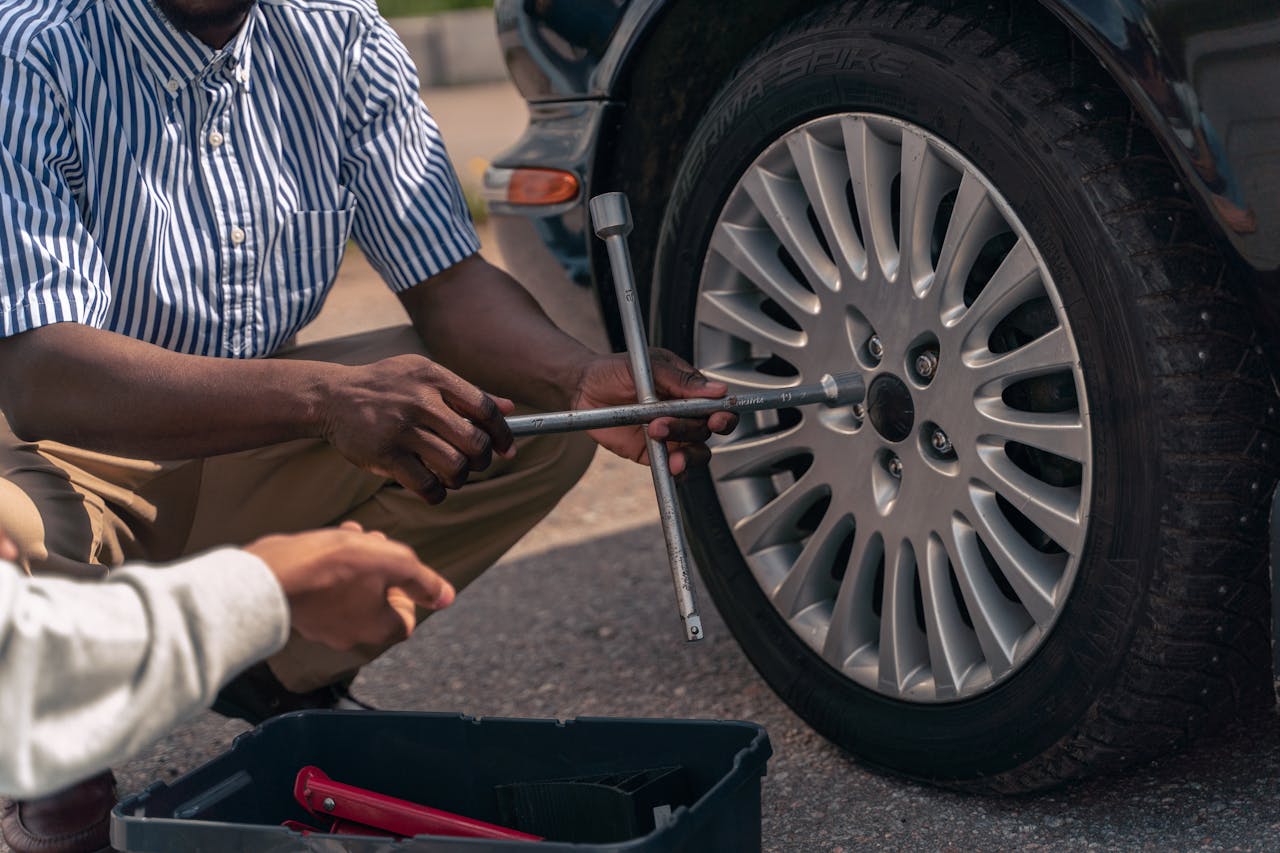
Scammers often target drivers with flat tires, especially if they notice you’re struggling to change it. They may offer to help, but their true goal is to distract you while they steal items from your car or cause additional damage. If you’re in need of assistance, it’s safer to call a trusted roadside service rather than accepting help from a stranger. Always keep your valuables hidden and locked in your car, and if you’re not comfortable with someone offering help, don’t hesitate to decline.

4. The “Good Samaritan” Scam

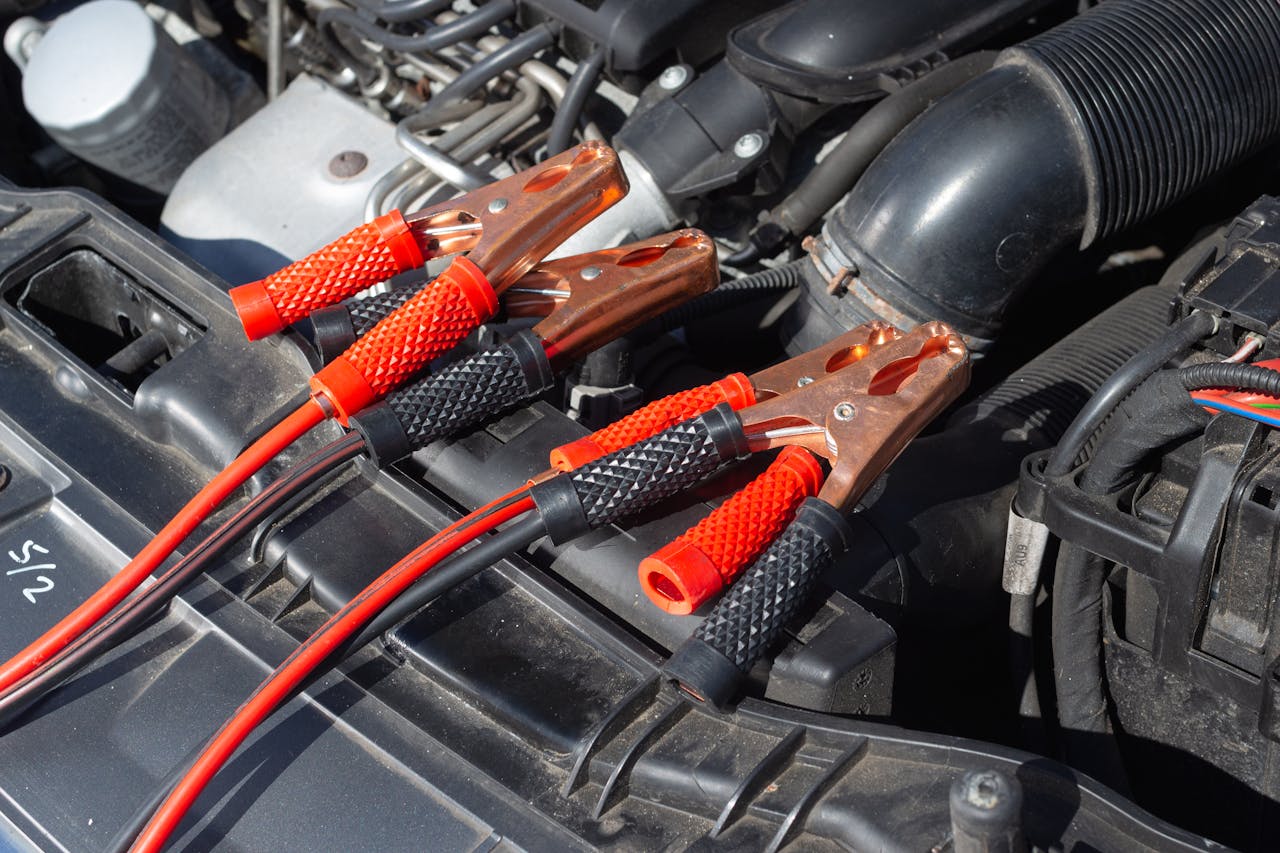
In this scam, a stranger will stop to offer help when your car breaks down or you’re in some other roadside situation. They might offer to jump-start your car or help with minor repairs. However, once they have access to your vehicle, they could steal personal items or cause damage. It’s always better to call a professional service or roadside assistance if you need help. If someone offers assistance, be cautious and keep an eye on your belongings. If you feel uncomfortable, it’s okay to politely decline their help.

5. The “Fake Tow Truck” Scam

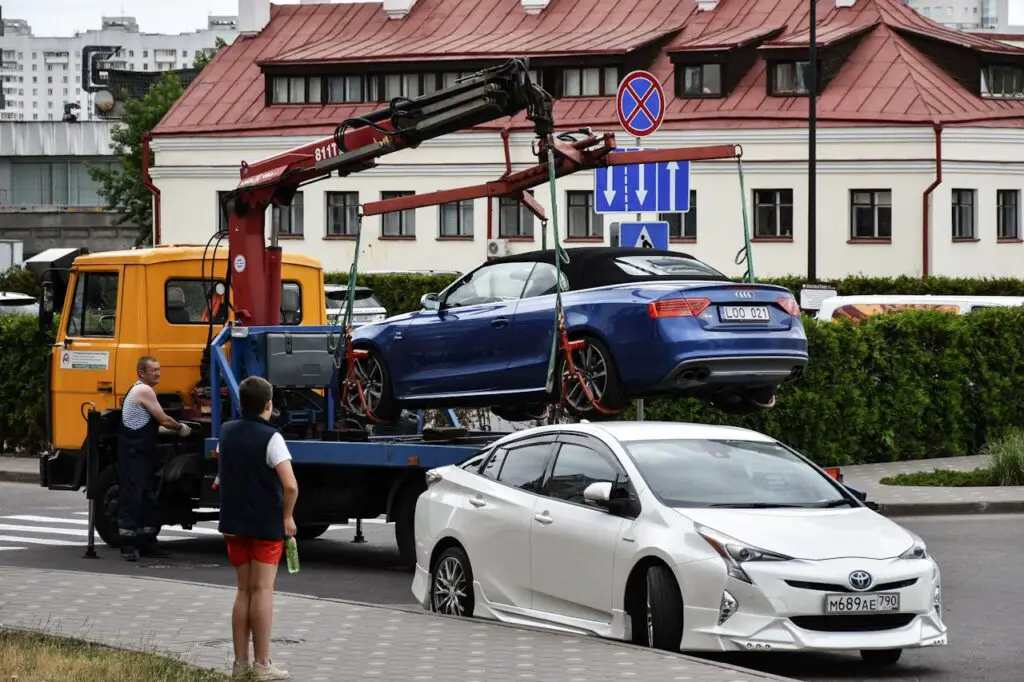
<p> Some scammers impersonate tow truck drivers, claiming that your car is illegally parked or needs to be towed for some reason. They may even provide a fake receipt for towing and demand payment upfront. Always verify the legitimacy of a tow truck by checking for proper identification and contacting your insurance company or local authorities. If you’re ever unsure, it’s safer to wait for official confirmation before paying any fees. Don’t hand over money to someone who can’t prove they are a legitimate tow truck driver. </p> :: Pexels

Some scammers impersonate tow truck drivers, claiming that your car is illegally parked or needs to be towed for some reason. They may even provide a fake receipt for towing and demand payment upfront. Always verify the legitimacy of a tow truck by checking for proper identification and contacting your insurance company or local authorities. If you’re ever unsure, it’s safer to wait for official confirmation before paying any fees. Don’t hand over money to someone who can’t prove they are a legitimate tow truck driver.

6. The “Broken Down Car” Scam

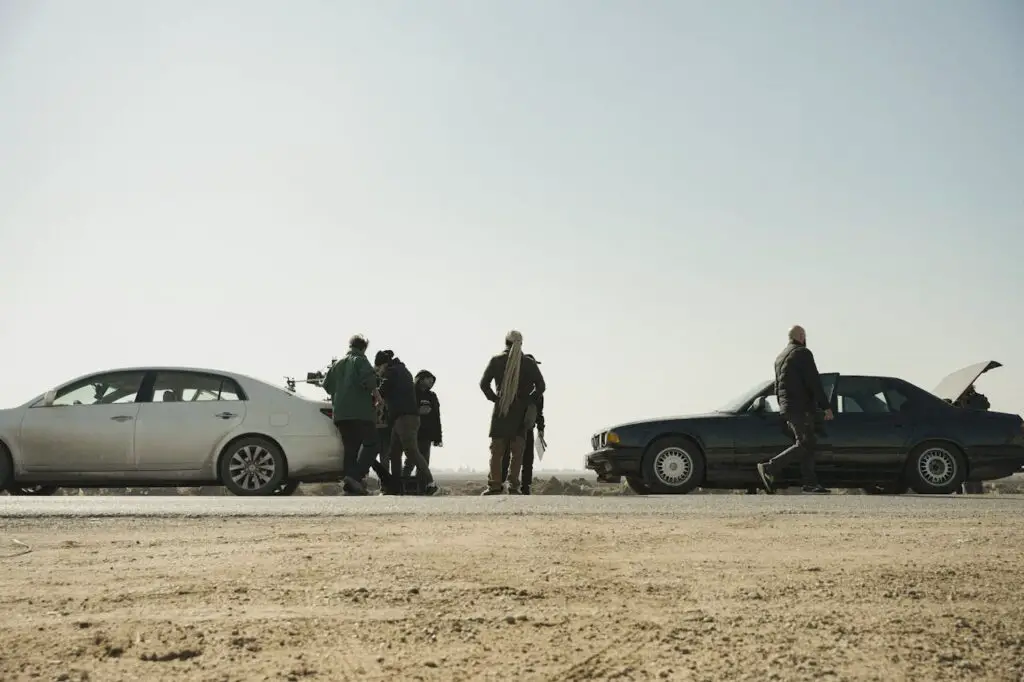
<p> Scammers sometimes position a car in a way that forces you to stop, claiming it’s broken down. Once you stop to offer help, they may ask for a tow or money for repairs. In some cases, they might even try to get you to tow their car to a location where they can rob you or demand more money. If you see a car on the side of the road and feel suspicious, it’s best to keep driving and contact a professional service. You can always report the situation to the authorities if you think something is off. </p> :: Pexels

Scammers sometimes position a car in a way that forces you to stop, claiming it’s broken down. Once you stop to offer help, they may ask for a tow or money for repairs. In some cases, they might even try to get you to tow their car to a location where they can rob you or demand more money. If you see a car on the side of the road and feel suspicious, it’s best to keep driving and contact a professional service. You can always report the situation to the authorities if you think something is off.

7. The “Shady Repairman” Scam

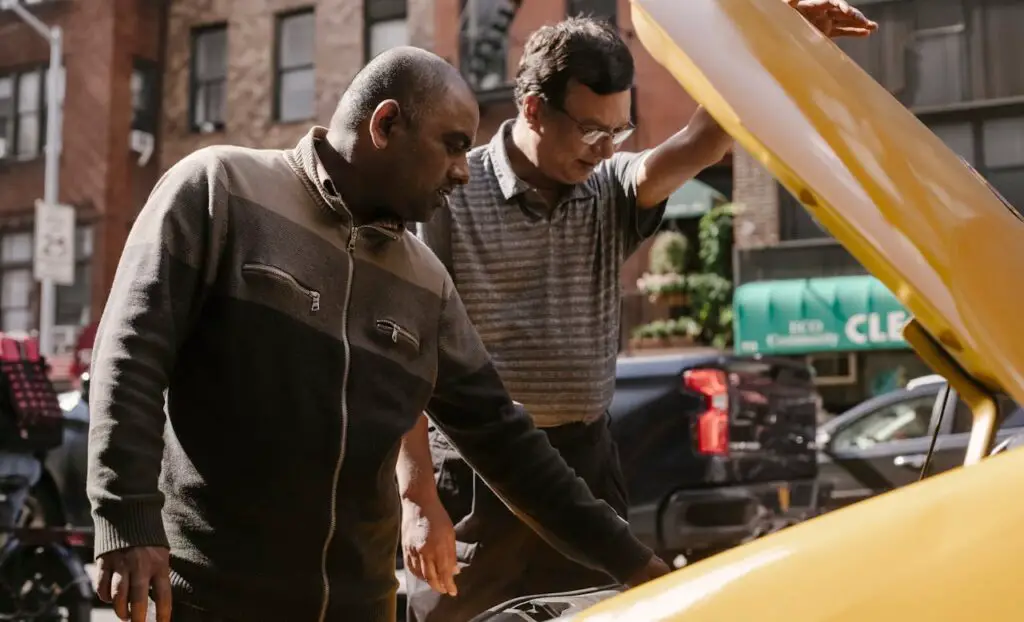
<p> When you’re stuck on the side of the road, a repairman might approach and offer to fix your car. They’ll often charge inflated prices for minor repairs or may even cause further damage to your car to justify the cost. If you need repairs, it’s best to call a trusted mechanic or roadside assistance. Never agree to repairs from someone you don’t know, especially if they’re offering unsolicited help. Always ask for an estimate before agreeing to any work and don’t feel pressured to accept. </p> :: Freepik

When you’re stuck on the side of the road, a repairman might approach and offer to fix your car. They’ll often charge inflated prices for minor repairs or may even cause further damage to your car to justify the cost. If you need repairs, it’s best to call a trusted mechanic or roadside assistance. Never agree to repairs from someone you don’t know, especially if they’re offering unsolicited help. Always ask for an estimate before agreeing to any work and don’t feel pressured to accept.

8. The “Fake Car Wash” Scam

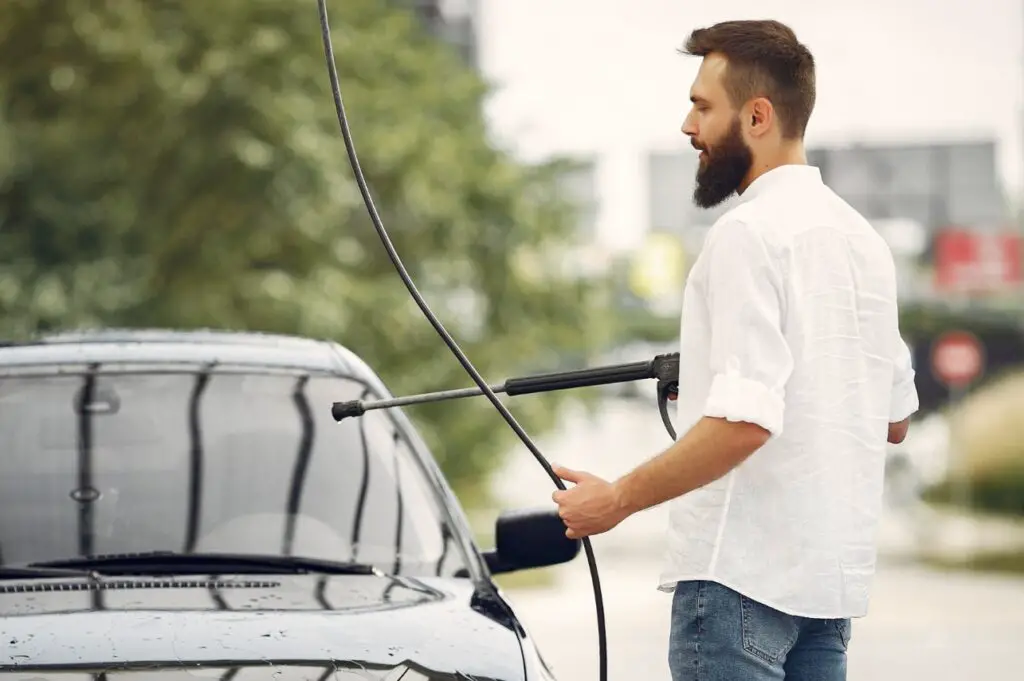
<p> Scammers sometimes set up fake car washes on the side of the road, offering a cheap cleaning for your vehicle. Once they begin washing your car, they may intentionally damage the paint or claim that additional services, like waxing, are needed. Afterward, they demand a much higher fee than what was initially agreed upon. It’s always best to avoid roadside car washes unless you’re sure the service is legitimate. Stick to well-known car washes in your area or ones that you’ve used before. </p> :: Freepik

Scammers sometimes set up fake car washes on the side of the road, offering a cheap cleaning for your vehicle. Once they begin washing your car, they may intentionally damage the paint or claim that additional services, like waxing, are needed. Afterward, they demand a much higher fee than what was initially agreed upon. It’s always best to avoid roadside car washes unless you’re sure the service is legitimate. Stick to well-known car washes in your area or ones that you’ve used before.

9. The “Broken Windshield” Scam

<p> In this scam, someone might throw an object at your windshield, causing a small crack or chip. Then, they will flag you down and claim that you caused the damage. They may offer to repair it for a fee or insist that you pay for the damage. If your windshield is damaged, it’s better to call your insurance company or a trusted repair service rather than dealing with someone on the side of the road. Don’t agree to any repairs without verifying the legitimacy of the person offering them. </p> :: Pexels

In this scam, someone might throw an object at your windshield, causing a small crack or chip. Then, they will flag you down and claim that you caused the damage. They may offer to repair it for a fee or insist that you pay for the damage. If your windshield is damaged, it’s better to call your insurance company or a trusted repair service rather than dealing with someone on the side of the road. Don’t agree to any repairs without verifying the legitimacy of the person offering them.

10. The “Fake Police Officer” Scam

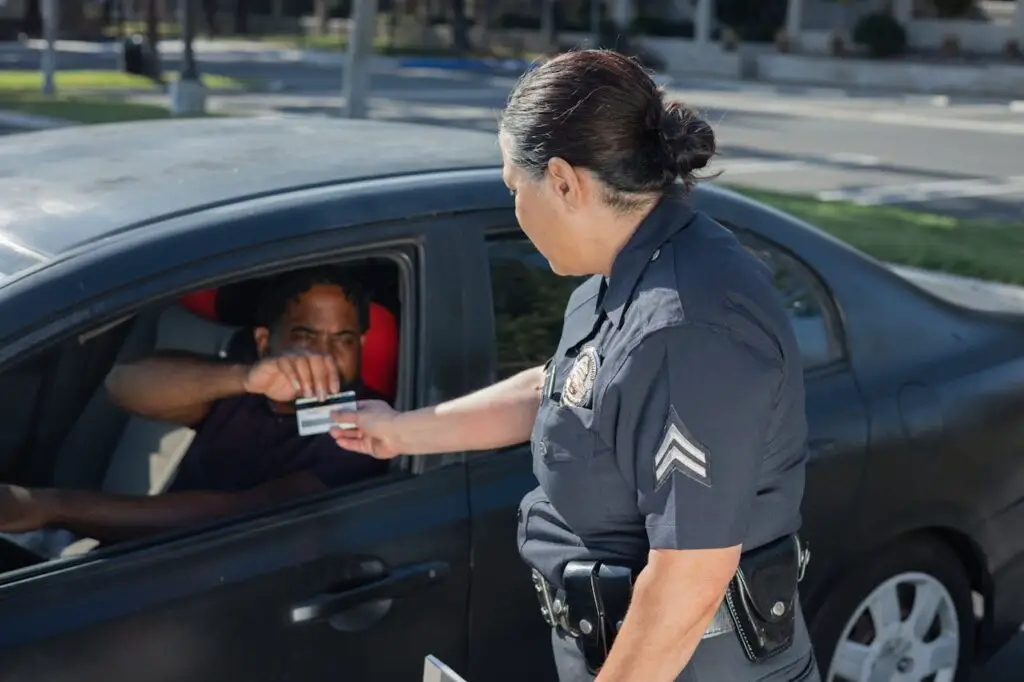
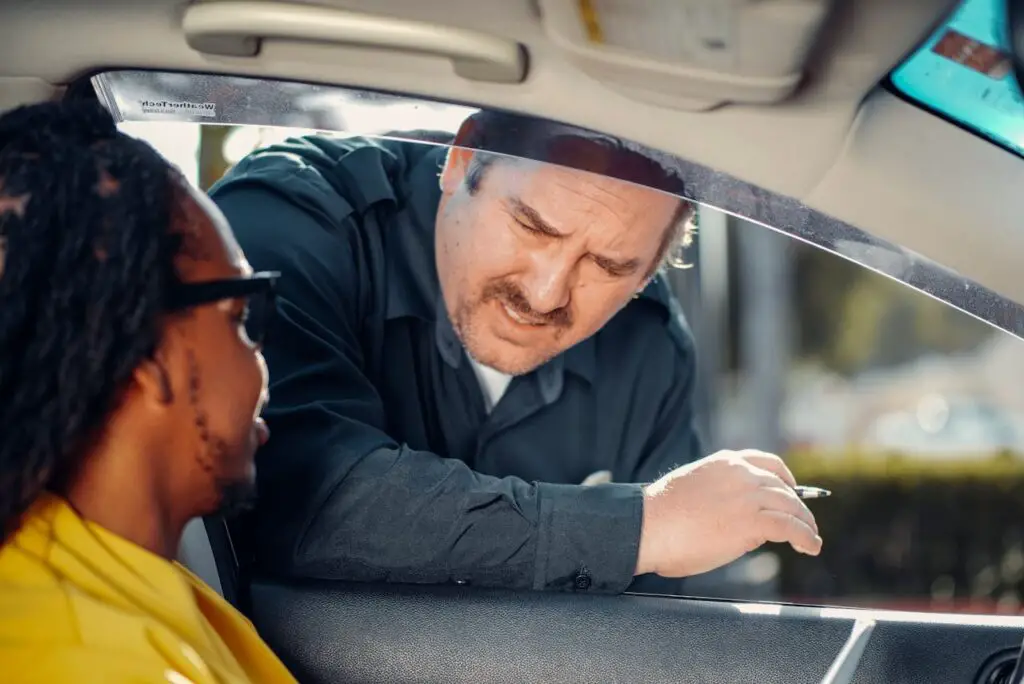
<p> Some scammers impersonate law enforcement officers and pull drivers over for supposed traffic violations. They may ask for your license and registration, claiming you owe a fine. In some cases, they may even steal your identity or charge you for a fake fine. If you’re pulled over and feel suspicious, it’s important to ask for identification and verify the officer’s credentials. If you’re still unsure, you can call the local police department to confirm that the stop is legitimate. Never hand over money or personal information without verifying the officer’s identity. </p> :: Pexels

Some scammers impersonate law enforcement officers and pull drivers over for supposed traffic violations. They may ask for your license and registration, claiming you owe a fine. In some cases, they may even steal your identity or charge you for a fake fine. If you’re pulled over and feel suspicious, it’s important to ask for identification and verify the officer’s credentials. If you’re still unsure, you can call the local police department to confirm that the stop is legitimate. Never hand over money or personal information without verifying the officer’s identity.

11. The “Broken Headlight” Scam

<p> This scam occurs when someone flags you down to let you know that your headlight or taillight is broken. They may offer to help you fix it or demand payment for repairs. In many cases, the scammer has no intention of fixing anything and just wants to take your money. If you believe you have a broken light, it’s best to check it yourself or take your car to a trusted mechanic. Don’t agree to any roadside repairs unless you’re sure the person is legitimate. </p> :: Pexels

This scam occurs when someone flags you down to let you know that your headlight or taillight is broken. They may offer to help you fix it or demand payment for repairs. In many cases, the scammer has no intention of fixing anything and just wants to take your money. If you believe you have a broken light, it’s best to check it yourself or take your car to a trusted mechanic. Don’t agree to any roadside repairs unless you’re sure the person is legitimate.

12. The “Distracted Driver” Scam

<p> In this scam, scammers use distractions to divert your attention while an accomplice steals from your car. They might drop something in front of your vehicle, pretend to argue with another driver, or create another distraction to get you to stop or look away. Always stay alert when driving, especially in busy areas. Keep your car locked and your valuables out of sight, and if something feels off, don’t hesitate to drive away and report the situation to the authorities. </p> :: Pexels

In this scam, scammers use distractions to divert your attention while an accomplice steals from your car. They might drop something in front of your vehicle, pretend to argue with another driver, or create another distraction to get you to stop or look away. Always stay alert when driving, especially in busy areas. Keep your car locked and your valuables out of sight, and if something feels off, don’t hesitate to drive away and report the situation to the authorities.

13. The “Fake Roadside Assistance” Scam

<p> Some scammers pose as roadside assistance providers, offering to help with a flat tire, dead battery, or other issues. They may ask for payment upfront, only to disappear once they have your money. Always verify the legitimacy of the service before agreeing to any repairs or paying for assistance. If you need help, call a trusted roadside assistance service or your insurance provider to ensure you’re getting the help you need. </p> :: Freepik

Some scammers pose as roadside assistance providers, offering to help with a flat tire, dead battery, or other issues. They may ask for payment upfront, only to disappear once they have your money. Always verify the legitimacy of the service before agreeing to any repairs or paying for assistance. If you need help, call a trusted roadside assistance service or your insurance provider to ensure you’re getting the help you need.

Final Thoughts

<p> Roadside scams are a real risk for drivers, but being aware of the common tactics scammers use can help you stay safe and avoid falling victim. Whether it’s a fake tow truck, a staged car accident, or someone offering help with a flat tire, it’s important to stay alert and cautious. Always verify the legitimacy of anyone offering assistance, and don’t hesitate to call a professional service if you’re unsure about the situation. By being informed and prepared, you can protect yourself and your vehicle from these common roadside scams. Stay safe on the road! </p> :: Pexels

Roadside scams are a real risk for drivers, but being aware of the common tactics scammers use can help you stay safe and avoid falling victim. Whether it’s a fake tow truck, a staged car accident, or someone offering help with a flat tire, it’s important to stay alert and cautious. Always verify the legitimacy of anyone offering assistance, and don’t hesitate to call a professional service if you’re unsure about the situation. By being informed and prepared, you can protect yourself and your vehicle from these common roadside scams. Stay safe on the road!

Filed Under: Autos

Do EV Batteries Really Last Longer Than Gas Cars? These 5 Truths Will Shock You

March 29, 2026 | Leave a Comment

Do EV Batteries Really Last Longer Than Gas Cars? These 5 Truths Will Shock You

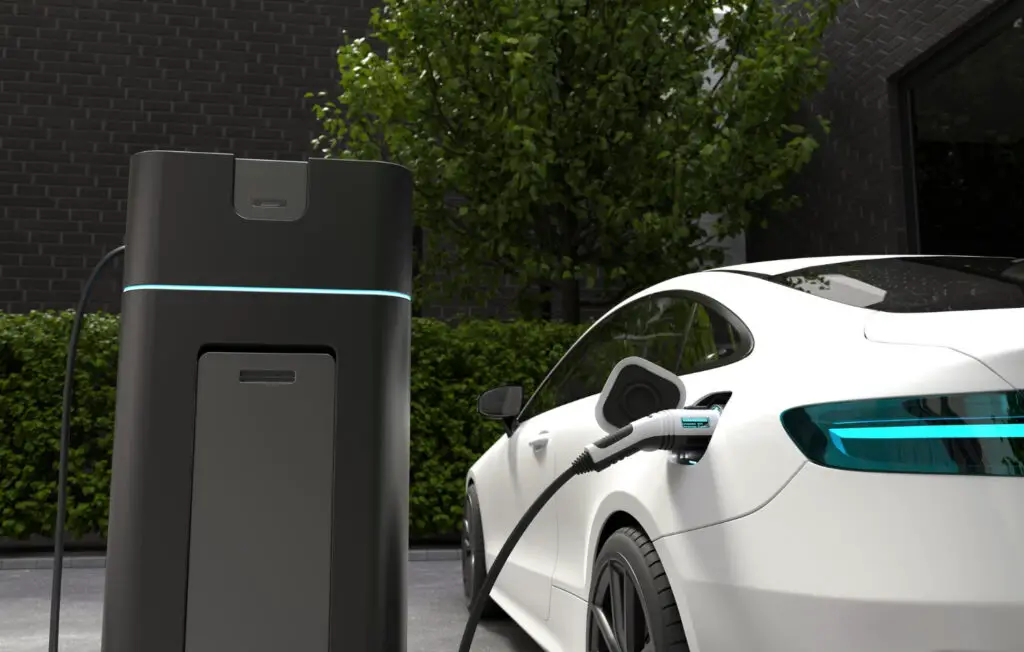
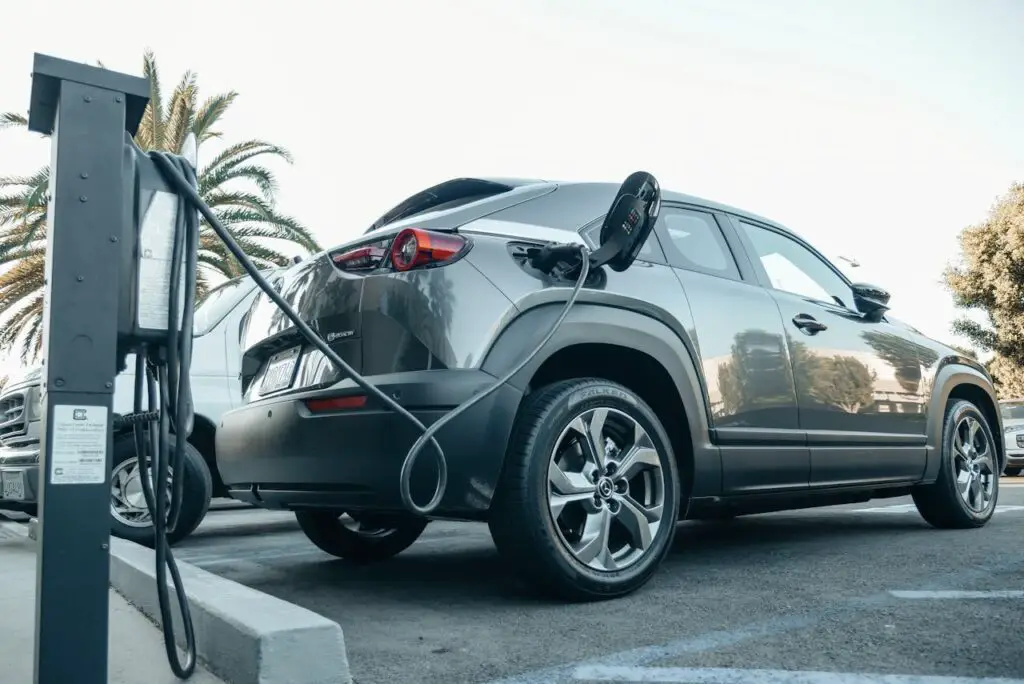
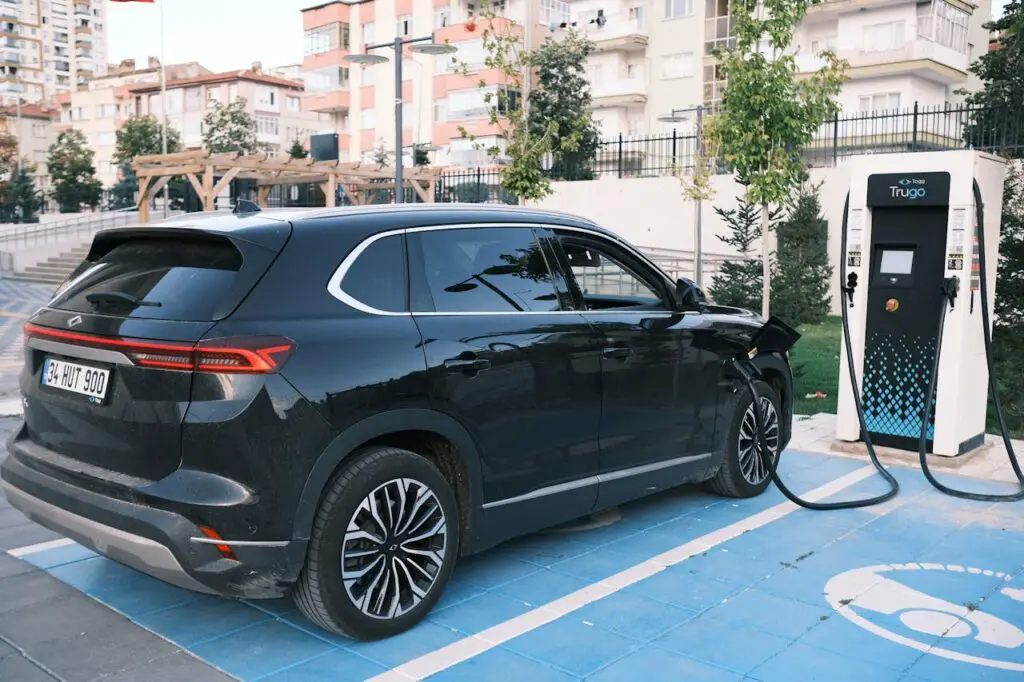
<p> Electric vehicles have gone from being a futuristic novelty to a mainstream option sitting in driveways across America. Along with that shift, a big question hangs in the air: Do EV batteries really last longer than gas cars? If you have ever worried that your EV battery might conk out in a few years or that it will cost a small fortune to replace, you are not alone. Gas car owners often boast about engines lasting 200,000 miles, while EV drivers claim their batteries will keep going for decades. So, who is right? The truth is more complicated than simple bragging rights. Batteries and engines age in completely different ways, and with real-world data piling up, some of the findings might surprise you. Whether you are considering an EV purchase or just curious about how they stack up against your trusty gas-powered ride, here are five truths that will reshape the way you think about EV battery life. </p> :: Freepik

Electric vehicles have gone from being a futuristic novelty to a mainstream option sitting in driveways across America. Along with that shift, a big question hangs in the air: Do EV batteries really last longer than gas cars? If you have ever worried that your EV battery might conk out in a few years or that it will cost a small fortune to replace, you are not alone. Gas car owners often boast about engines lasting 200,000 miles, while EV drivers claim their batteries will keep going for decades. So, who is right?

The truth is more complicated than simple bragging rights. Batteries and engines age in completely different ways, and with real-world data piling up, some of the findings might surprise you. Whether you are considering an EV purchase or just curious about how they stack up against your trusty gas-powered ride, here are five truths that will reshape the way you think about EV battery life.

1. Battery Life Does Not Work the Same Way as an Engine

<p> It is tempting to compare an EV battery to a gas engine and assume they follow the same rules. But that is like comparing apples to spark plugs. A gasoline engine is made up of thousands of moving parts, all rubbing against each other. Over time, friction, heat, and wear tear it down. Even with proper oil changes, belts, and tune-ups, an engine eventually succumbs to mechanical failure. EV batteries, on the other hand, do not simply “break.” They degrade slowly, losing some of their ability to hold a charge over the years. Instead of one day waking up to a dead car, most EV owners notice a gradual reduction in driving range. On average, EV batteries lose about 1.5 to 2 percent of capacity each year. That means after a decade of normal use, most EVs still hold around 80 to 85 percent of their original range. So while gas engines often go strong until they suddenly give out, EV batteries are more of a slow fade. It is less about catastrophic breakdowns and more about learning to live with slightly fewer miles per charge over time. </p> :: Pexels

It is tempting to compare an EV battery to a gas engine and assume they follow the same rules. But that is like comparing apples to spark plugs. A gasoline engine is made up of thousands of moving parts, all rubbing against each other. Over time, friction, heat, and wear tear it down. Even with proper oil changes, belts, and tune-ups, an engine eventually succumbs to mechanical failure.

EV batteries, on the other hand, do not simply “break.” They degrade slowly, losing some of their ability to hold a charge over the years. Instead of one day waking up to a dead car, most EV owners notice a gradual reduction in driving range. On average, EV batteries lose about 1.5 to 2 percent of capacity each year. That means after a decade of normal use, most EVs still hold around 80 to 85 percent of their original range.

So while gas engines often go strong until they suddenly give out, EV batteries are more of a slow fade. It is less about catastrophic breakdowns and more about learning to live with slightly fewer miles per charge over time.

2. EVs Are Now Matching Gas Cars in Lifespan

<p> Not too long ago, critics argued that EVs were unproven and might not last as long as traditional vehicles. But recent studies suggest otherwise. Data from millions of vehicle inspections shows that EVs are now averaging about 18 years on the road, putting them on par with modern gasoline cars. In fact, some EVs in these studies even logged higher average lifetime mileage compared to their gas-powered peers. This is a big deal because it means EVs are no longer just “new tech with unknown results.” They are proving themselves in real-world conditions. Advances in cooling systems, battery chemistry, and software management have all made EVs more durable. Every new generation of EVs brings smarter technology designed to protect the battery from stress, so the trend is only heading upward. In short, if you buy an EV today, there is every reason to believe it can last as long as, or maybe even longer than, the family sedan you grew up with. </p> :: Pexels

Not too long ago, critics argued that EVs were unproven and might not last as long as traditional vehicles. But recent studies suggest otherwise. Data from millions of vehicle inspections shows that EVs are now averaging about 18 years on the road, putting them on par with modern gasoline cars. In fact, some EVs in these studies even logged higher average lifetime mileage compared to their gas-powered peers.

This is a big deal because it means EVs are no longer just “new tech with unknown results.” They are proving themselves in real-world conditions. Advances in cooling systems, battery chemistry, and software management have all made EVs more durable. Every new generation of EVs brings smarter technology designed to protect the battery from stress, so the trend is only heading upward.

In short, if you buy an EV today, there is every reason to believe it can last as long as, or maybe even longer than, the family sedan you grew up with.

3. Battery Replacements Are Rare but Can Be Pricey

<p> Here is one of the scariest myths: “I will have to replace the battery in 10 years, and it will cost me more than the \car is worth.” That image of writing a $15,000 check for a new battery keeps a lot of buyers up at night. But the reality is far less terrifying. Surveys of tens of thousands of EVs show that less than two percent have ever needed a full battery replacement. For most drivers, the battery easily lasts the lifetime of the car. That said, if replacement is ever necessary, it is not cheap. Depending on the model, costs can range from $5,000 to over $20,000. The silver lining is that almost all EVs sold in the United States come with generous warranties—often eight years or 100,000 miles, sometimes even more. That warranty typically covers serious battery issues, giving buyers peace of mind. And as battery technology improves and production scales up, replacement costs are already starting to fall. By the time you might even consider one, it is likely to be much more affordable than it is today. </p> :: Freepik

Here is one of the scariest myths: “I will have to replace the battery in 10 years, and it will cost me more than the \car is worth.” That image of writing a $15,000 check for a new battery keeps a lot of buyers up at night. But the reality is far less terrifying.

Surveys of tens of thousands of EVs show that less than two percent have ever needed a full battery replacement. For most drivers, the battery easily lasts the lifetime of the car. That said, if replacement is ever necessary, it is not cheap. Depending on the model, costs can range from $5,000 to over $20,000.

The silver lining is that almost all EVs sold in the United States come with generous warranties—often eight years or 100,000 miles, sometimes even more. That warranty typically covers serious battery issues, giving buyers peace of mind. And as battery technology improves and production scales up, replacement costs are already starting to fall. By the time you might even consider one, it is likely to be much more affordable than it is today.

4. How You Treat Your Battery Matters More Than You Think

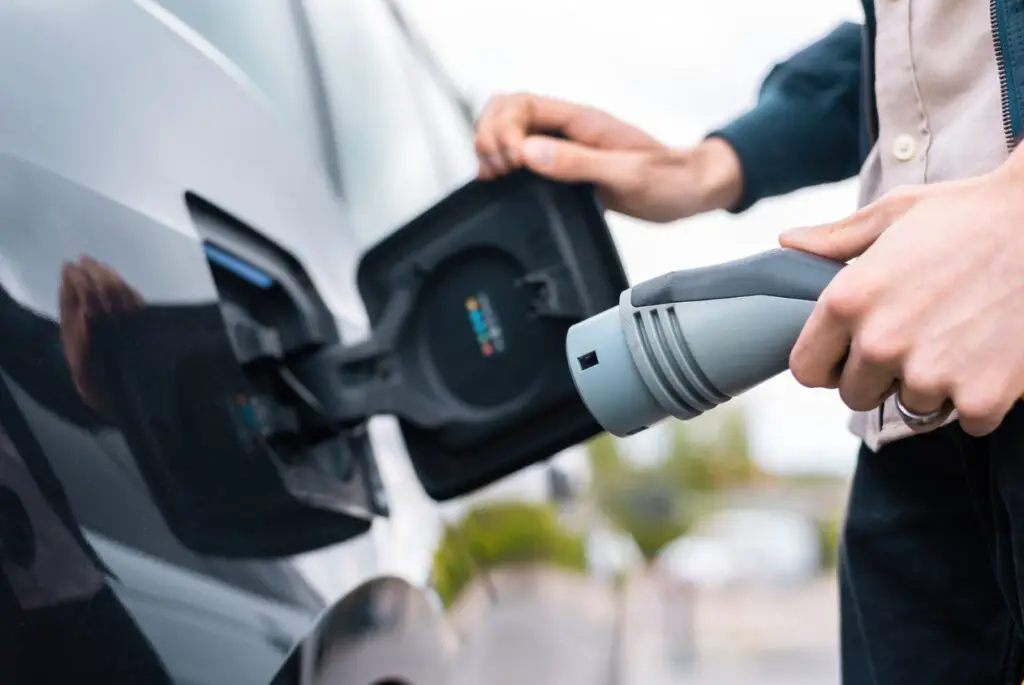
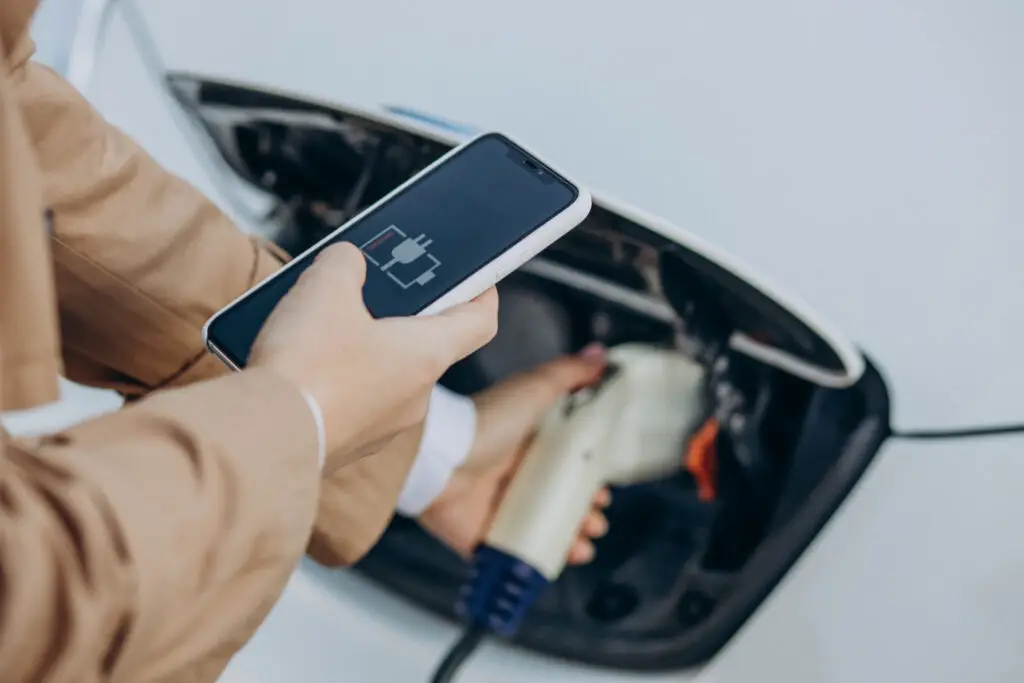
<p> Just like people, batteries age differently depending on how they are treated. You cannot expect to pound your battery with abuse and still have it perform like new. Driving style and charging habits play a massive role in how long a battery lasts. Frequent use of DC fast chargers, while convenient for road trips, puts extra stress on the battery when compared to slower home charging. Consistently charging to 100 percent or running the car down to zero is also hard on the battery’s chemistry. And if you live in an extremely hot climate, your battery may degrade faster than one in cooler conditions. The good news is that EVs come with built-in systems designed to protect their batteries. They manage temperature, regulate charging, and even limit how much of the battery you can access in daily driving. As an owner, you can help by adopting simple habits like charging to around 80 percent for everyday use, avoiding frequent extremes, and saving those fast chargers for road trips. Treat your EV battery with care, and it will reward you with years of reliable service. </p> :: Freepik

Just like people, batteries age differently depending on how they are treated. You cannot expect to pound your battery with abuse and still have it perform like new. Driving style and charging habits play a massive role in how long a battery lasts.

Frequent use of DC fast chargers, while convenient for road trips, puts extra stress on the battery when compared to slower home charging. Consistently charging to 100 percent or running the car down to zero is also hard on the battery’s chemistry. And if you live in an extremely hot climate, your battery may degrade faster than one in cooler conditions.

The good news is that EVs come with built-in systems designed to protect their batteries. They manage temperature, regulate charging, and even limit how much of the battery you can access in daily driving. As an owner, you can help by adopting simple habits like charging to around 80 percent for everyday use, avoiding frequent extremes, and saving those fast chargers for road trips. Treat your EV battery with care, and it will reward you with years of reliable service.

5. A Battery’s “End of Life” Is Not Really the End

<p> When people talk about the “end of life” for a battery, they usually mean it has dropped to about 80 percent of its original capacity. That does not mean the car suddenly becomes useless. It just means your driving range is shorter. For someone commuting 20 miles a day, that reduced range may still be more than enough. But the story does not end there. EV batteries that are no longer ideal for vehicles are finding new lives in other areas. They can be repurposed as storage for solar energy in homes, or as part of larger grid systems that store renewable energy for communities. This second life can extend a battery’s usefulness for many more years before it is ever recycled. On top of that, recycling technology is improving quickly. Companies are already developing processes to recover valuable materials like lithium, nickel, and cobalt, making the battery supply chain more sustainable. So when an EV battery finally retires, it does not just vanish into a landfill—it becomes part of a new cycle of use. </p> :: Pexels

When people talk about the “end of life” for a battery, they usually mean it has dropped to about 80 percent of its original capacity. That does not mean the car suddenly becomes useless. It just means your driving range is shorter. For someone commuting 20 miles a day, that reduced range may still be more than enough.

But the story does not end there. EV batteries that are no longer ideal for vehicles are finding new lives in other areas. They can be repurposed as storage for solar energy in homes, or as part of larger grid systems that store renewable energy for communities. This second life can extend a battery’s usefulness for many more years before it is ever recycled.

On top of that, recycling technology is improving quickly. Companies are already developing processes to recover valuable materials like lithium, nickel, and cobalt, making the battery supply chain more sustainable. So when an EV battery finally retires, it does not just vanish into a landfill—it becomes part of a new cycle of use.

Final Thoughts

<p> So, Do EV batteries really outlast gas cars? The answer is not as simple as a yes or no, but here is what we know: EV batteries are not fragile, they do not need frequent replacements, and in many cases, they are proving to last as long as or even longer than gas engines. They do age differently—more like a slow dimming light bulb than a sudden engine failure—but that does not mean they are less reliable. For American drivers, this means that choosing an EV is no longer a gamble on untested technology. With the right habits and the benefit of modern battery management systems, your EV has every chance of going the distance just like any gas-powered car. And even when its range is reduced, the battery may still live on in new and creative ways. So the next time someone at a barbecue brags about their gas car lasting 200,000 miles, you can smile and know that your EV is not just keeping up—it might even outlast them in the long run. </p> :: Pexels

So, Do EV batteries really outlast gas cars? The answer is not as simple as a yes or no, but here is what we know: EV batteries are not fragile, they do not need frequent replacements, and in many cases, they are proving to last as long as or even longer than gas engines. They do age differently—more like a slow dimming light bulb than a sudden engine failure—but that does not mean they are less reliable.

For American drivers, this means that choosing an EV is no longer a gamble on untested technology. With the right habits and the benefit of modern battery management systems, your EV has every chance of going the distance just like any gas-powered car. And even when its range is reduced, the battery may still live on in new and creative ways.

So the next time someone at a barbecue brags about their gas car lasting 200,000 miles, you can smile and know that your EV is not just keeping up—it might even outlast them in the long run.

Filed Under: Autos

7 Easy-to-Understand Car Safety Features Every Baby Boomer Should Know

March 28, 2026 | Leave a Comment

7 Easy-to-Understand Car Safety Features Every Baby Boomer Should Know

<p> Remember when “car safety” meant buckling your seatbelt and checking the rearview mirror before pulling out of the driveway? Times have certainly changed. Today’s vehicles are packed with smart technology designed not just to protect you during a crash, but to help prevent accidents from happening in the first place. For many baby boomers, all this new technology can seem a bit intimidating—like trying to figure out the remote control for a new TV. But the truth is, these features are designed to make driving easier, safer, and more comfortable, especially as our reflexes and eyesight are not quite what they used to be. If you grew up in the era of carburetors and cassette players, don’t worry—you do not need to be a tech wizard to understand these innovations. In fact, once you know how they work, you will probably wonder how you ever drove without them. Let’s take a look at seven easy-to-understand car safety features that can give you peace of mind and make every trip behind the wheel a little more relaxing. </p> :: Pexels

Remember when “car safety” meant buckling your seatbelt and checking the rearview mirror before pulling out of the driveway? Times have certainly changed. Today’s vehicles are packed with smart technology designed not just to protect you during a crash, but to help prevent accidents from happening in the first place. For many baby boomers, all this new technology can seem a bit intimidating—like trying to figure out the remote control for a new TV. But the truth is, these features are designed to make driving easier, safer, and more comfortable, especially as our reflexes and eyesight are not quite what they used to be.

If you grew up in the era of carburetors and cassette players, don’t worry—you do not need to be a tech wizard to understand these innovations. In fact, once you know how they work, you will probably wonder how you ever drove without them. Let’s take a look at seven easy-to-understand car safety features that can give you peace of mind and make every trip behind the wheel a little more relaxing.

1. Anti-Lock Brakes (ABS) and Electronic Stability Control (ESC)

<p> Imagine you are driving down the highway and suddenly need to slam on the brakes. Back in the day, your wheels might have locked up, sending your car skidding uncontrollably. Anti-lock brakes prevent that from happening by rapidly pulsing the brakes so your wheels keep turning, allowing you to steer while stopping. Pair that with electronic stability control, which detects if your car is starting to skid and gently applies the brakes to specific wheels, and you have a system that can help you stay in control even during sudden maneuvers or on slippery roads. For baby boomers, who may have slower reaction times than they did in their twenties, these features are like having an invisible co-pilot ready to jump in during emergencies. The best part? You do not have to do anything special—just hit the brakes as usual, and the system takes care of the rest. </p> :: Freepik

Imagine you are driving down the highway and suddenly need to slam on the brakes. Back in the day, your wheels might have locked up, sending your car skidding uncontrollably. Anti-lock brakes prevent that from happening by rapidly pulsing the brakes so your wheels keep turning, allowing you to steer while stopping. Pair that with electronic stability control, which detects if your car is starting to skid and gently applies the brakes to specific wheels, and you have a system that can help you stay in control even during sudden maneuvers or on slippery roads.

For baby boomers, who may have slower reaction times than they did in their twenties, these features are like having an invisible co-pilot ready to jump in during emergencies. The best part? You do not have to do anything special—just hit the brakes as usual, and the system takes care of the rest.

2. Blind-Spot Detection and Rear Cross-Traffic Alert

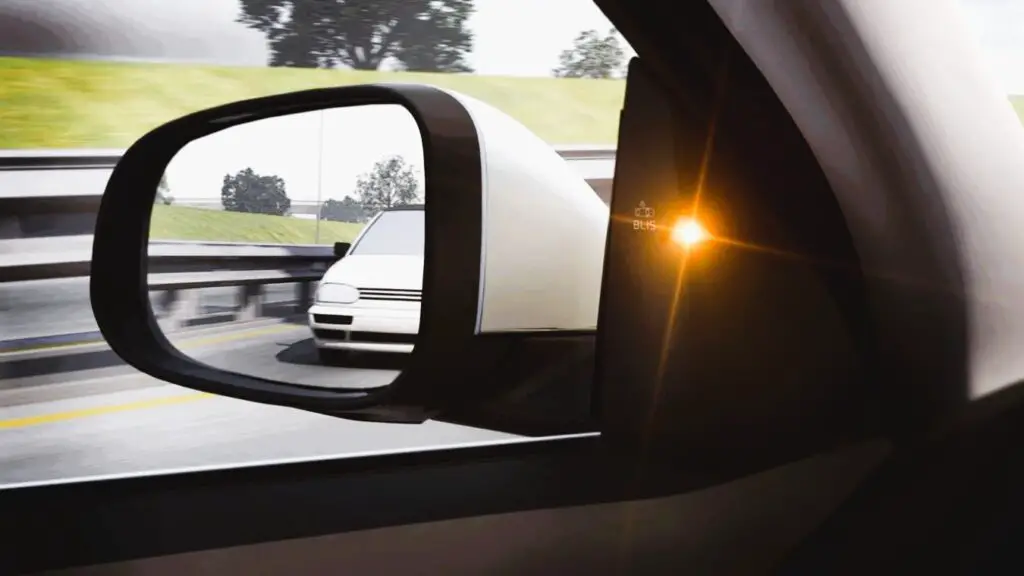
<p> Remember craning your neck to double-check that sneaky spot just behind your car when changing lanes? Blind-spot detection takes care of that for you. Using sensors on the side of the vehicle, it alerts you—usually with a light in the side mirror—when a car is lurking where you cannot easily see it. Rear cross-traffic alert is equally handy. When you are backing out of a parking space, especially in a crowded grocery store lot, it can warn you if a vehicle or even a cyclist is approaching from the side. These systems are lifesavers for those with stiff necks, limited mobility, or simply a desire to avoid those heart-pounding “near misses” we all dread. </p> :: CarExpert | www.carexpert.com.au/

Remember craning your neck to double-check that sneaky spot just behind your car when changing lanes? Blind-spot detection takes care of that for you. Using sensors on the side of the vehicle, it alerts you—usually with a light in the side mirror—when a car is lurking where you cannot easily see it.

Rear cross-traffic alert is equally handy. When you are backing out of a parking space, especially in a crowded grocery store lot, it can warn you if a vehicle or even a cyclist is approaching from the side. These systems are lifesavers for those with stiff necks, limited mobility, or simply a desire to avoid those heart-pounding “near misses” we all dread.

3. Forward Collision Warning and Automatic Emergency Braking

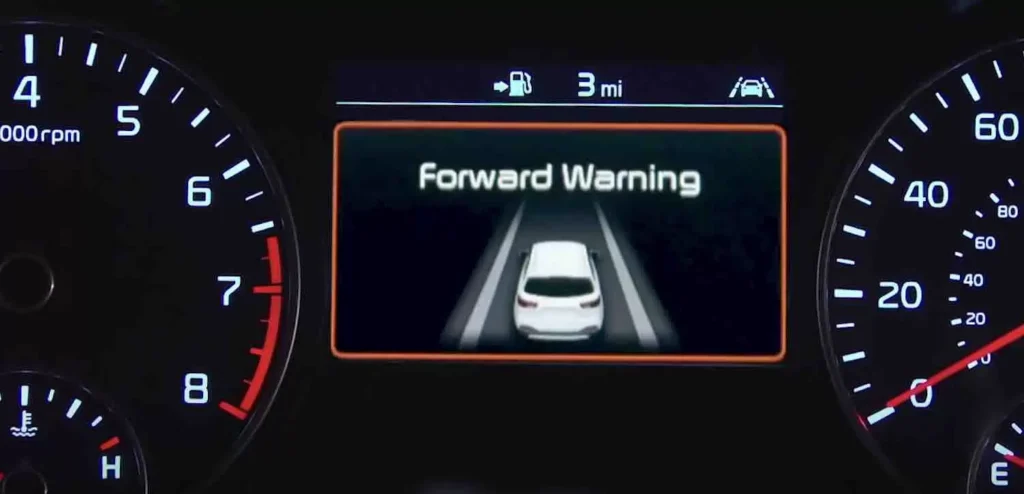
<p> Picture this: traffic suddenly stops on the freeway, and you are a split second too late to hit the brakes. That is where forward collision warning comes in. Using sensors, it monitors the road ahead and gives you a loud warning if you are approaching another vehicle too quickly. If you do not react fast enough, automatic emergency braking can step in and apply the brakes for you. This feature has been a game changer for reducing rear-end accidents. It is especially helpful in stop-and-go traffic, where even the most alert driver can get distracted for a moment. For baby boomers who might not want to deal with the aches and pains that come from even a minor fender bender, this technology is a quiet hero. </p> :: EHCar.net

Picture this: traffic suddenly stops on the freeway, and you are a split second too late to hit the brakes. That is where forward collision warning comes in. Using sensors, it monitors the road ahead and gives you a loud warning if you are approaching another vehicle too quickly. If you do not react fast enough, automatic emergency braking can step in and apply the brakes for you.

This feature has been a game changer for reducing rear-end accidents. It is especially helpful in stop-and-go traffic, where even the most alert driver can get distracted for a moment. For baby boomers who might not want to deal with the aches and pains that come from even a minor fender bender, this technology is a quiet hero.

4. Lane Departure Warning and Lane Keeping Assist

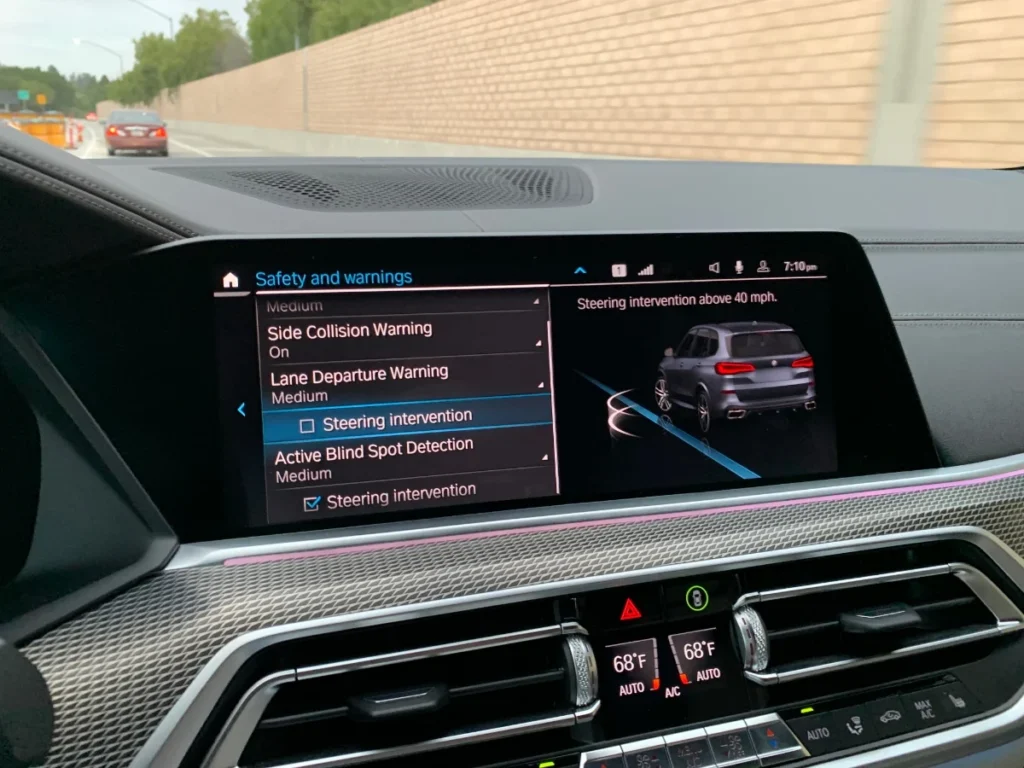
<p> Have you ever realized you were drifting slightly out of your lane because you were adjusting the radio or admiring the scenery? Lane departure warning detects when your car begins to cross a lane marker without using a turn signal. It will then alert you, often with a gentle vibration in the steering wheel or a warning sound. Some vehicles take it a step further with lane keeping assist. If you do not respond quickly, the system can nudge your steering to guide you back into the center of the lane. For long highway drives, this feature can be a real comfort, reducing the risk of drifting into another lane if you momentarily lose focus. </p> :: J.D. Power | jdpower.com

Have you ever realized you were drifting slightly out of your lane because you were adjusting the radio or admiring the scenery? Lane departure warning detects when your car begins to cross a lane marker without using a turn signal. It will then alert you, often with a gentle vibration in the steering wheel or a warning sound.

Some vehicles take it a step further with lane keeping assist. If you do not respond quickly, the system can nudge your steering to guide you back into the center of the lane. For long highway drives, this feature can be a real comfort, reducing the risk of drifting into another lane if you momentarily lose focus.

5. Backup Camera and Rear Camera Systems

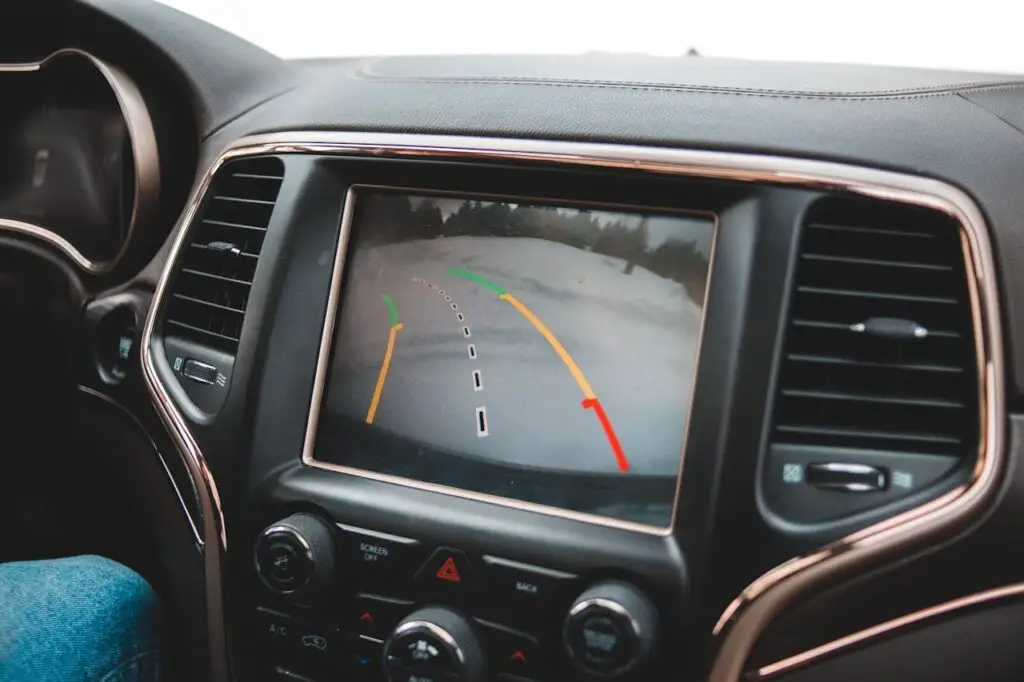
<p> If you have ever tried to back into a tight parking spot while guessing what was behind you, you know how stressful it can be. Thankfully, backup cameras are now standard on all new cars sold in the U.S. since 2018. With a clear view of what is behind your vehicle displayed right on your dashboard screen, reversing becomes far less nerve-wracking. Some cars even include guidelines on the screen to show you the path of your vehicle, making it easier to line up in a driveway or parking spot. For baby boomers, who may not be as flexible for twisting and turning, a backup camera removes the guesswork and can prevent accidents with everything from curbs to kids’ bikes left in the driveway. </p> :: Pexels

If you have ever tried to back into a tight parking spot while guessing what was behind you, you know how stressful it can be. Thankfully, backup cameras are now standard on all new cars sold in the U.S. since 2018. With a clear view of what is behind your vehicle displayed right on your dashboard screen, reversing becomes far less nerve-wracking.

Some cars even include guidelines on the screen to show you the path of your vehicle, making it easier to line up in a driveway or parking spot. For baby boomers, who may not be as flexible for twisting and turning, a backup camera removes the guesswork and can prevent accidents with everything from curbs to kids’ bikes left in the driveway.

6. Driver Alertness and Drowsiness Monitoring

<p> We all like to believe we can drive as long as we want without tiring out. But the truth is, fatigue can sneak up on anyone. Driver alertness systems monitor subtle signs like erratic steering, drifting out of a lane, or even facial cues in some advanced models. If the car detects that you may be getting drowsy, it will send an alert—sometimes even suggesting you pull over for a break. Think of it as a caring friend riding shotgun, reminding you when it is time for a cup of coffee. On long road trips or late-night drives, this feature can be the difference between arriving safely and risking an accident. </p> :: PCMag | pcmag.com

We all like to believe we can drive as long as we want without tiring out. But the truth is, fatigue can sneak up on anyone. Driver alertness systems monitor subtle signs like erratic steering, drifting out of a lane, or even facial cues in some advanced models. If the car detects that you may be getting drowsy, it will send an alert—sometimes even suggesting you pull over for a break.
Think of it as a caring friend riding shotgun, reminding you when it is time for a cup of coffee. On long road trips or late-night drives, this feature can be the difference between arriving safely and risking an accident.
7. Adaptive Cruise Control
<p> Cruise control used to be a simple convenience: set your speed and take your foot off the gas. But today’s adaptive cruise control goes a step further by automatically adjusting your speed to maintain a safe distance from the car ahead. If traffic slows, your car will slow down too—no need to hit the brakes yourself. When traffic clears, it smoothly accelerates back up to your chosen speed. This feature is especially valuable for baby boomers who may experience fatigue during long drives. It reduces the constant need to adjust your speed, making highway travel more comfortable and less stressful. Think of it as having a helpful assistant who never gets tired of keeping the perfect pace. </p> :: caranddriver.com

Cruise control used to be a simple convenience: set your speed and take your foot off the gas. But today’s adaptive cruise control goes a step further by automatically adjusting your speed to maintain a safe distance from the car ahead. If traffic slows, your car will slow down too—no need to hit the brakes yourself. When traffic clears, it smoothly accelerates back up to your chosen speed.

This feature is especially valuable for baby boomers who may experience fatigue during long drives. It reduces the constant need to adjust your speed, making highway travel more comfortable and less stressful. Think of it as having a helpful assistant who never gets tired of keeping the perfect pace.

Final Thoughts

<p> Driving has always been about freedom—whether it was cruising down Main Street in your first car or taking a Sunday drive to the lake. For baby boomers, that freedom is still just as important today, but staying safe on the road is the key to enjoying it for years to come. The good news is that you do not need to be a tech expert to benefit from these modern safety features. From blind-spot detection to adaptive cruise control, these tools are designed to work quietly in the background, stepping in only when you need them most. They are not meant to replace your skills behind the wheel—they are there to back you up. So the next time you shop for a new or used car, ask about these seven features. With them on your side, you can drive with confidence, knowing that you are protected by some of the smartest technology available. After all, you have places to go, memories to make, and a whole lot more life to live—and the road ahead should be as safe and enjoyable as possible. </p> :: Pexels
Driving has always been about freedom—whether it was cruising down Main Street in your first car or taking a Sunday drive to the lake. For baby boomers, that freedom is still just as important today, but staying safe on the road is the key to enjoying it for years to come.

The good news is that you do not need to be a tech expert to benefit from these modern safety features. From blind-spot detection to adaptive cruise control, these tools are designed to work quietly in the background, stepping in only when you need them most. They are not meant to replace your skills behind the wheel—they are there to back you up.

So the next time you shop for a new or used car, ask about these seven features. With them on your side, you can drive with confidence, knowing that you are protected by some of the smartest technology available. After all, you have places to go, memories to make, and a whole lot more life to live—and the road ahead should be as safe and enjoyable as possible.

Filed Under: Autos

Drive with Confidence: 7 Safety Gadgets Every Senior Driver Should Install

March 27, 2026 | Leave a Comment

Drive with Confidence: 7 Safety Gadgets Every Senior Driver Should Install

<p> Hitting the open road doesn’t lose its charm just because you’ve logged more miles around the sun. In fact, driving often represents freedom, independence, and the joy of staying active and connected. But as we age, it's natural for reflexes to slow and eyesight to shift—which makes vehicle safety all the more important. The good news? Today’s technology offers a range of smart, affordable gadgets that can give senior drivers a serious safety edge. Whether you’re commuting to the store, road-tripping with the grandkids, or heading out to your favorite diner, these seven must-have safety gadgets can help keep you safe, aware, and in control—without complicating your drive. Let’s get into the tech that’s making life easier (and the roads safer) for drivers over 50. </p> :: Pexels

Hitting the open road doesn’t lose its charm just because you’ve logged more miles around the sun. In fact, driving often represents freedom, independence, and the joy of staying active and connected. But as we age, it’s natural for reflexes to slow and eyesight to shift—which makes vehicle safety all the more important. The good news? Today’s technology offers a range of smart, affordable gadgets that can give senior drivers a serious safety edge.

Whether you’re commuting to the store, road-tripping with the grandkids, or heading out to your favorite diner, these seven must-have safety gadgets can help keep you safe, aware, and in control—without complicating your drive. Let’s get into the tech that’s making life easier (and the roads safer) for drivers over 50.

1. Blind Spot Detection System

<p> No more neck-craning: this gadget watches your back—literally. A blind spot detection system uses sensors mounted on your vehicle’s rear corners to alert you when another car is lurking in those pesky side blind spots. Some systems even provide audible warnings or flashing lights in your side mirrors if you attempt to change lanes while another vehicle is present. For senior drivers who may not have the same neck flexibility they once did, this can be a game-changer. It’s like having an extra set of eyes on the road—and let’s be honest, who couldn’t use that during highway traffic? </p> :: Qui talkers

No more neck-craning: this gadget watches your back—literally.

A blind spot detection system uses sensors mounted on your vehicle’s rear corners to alert you when another car is lurking in those pesky side blind spots. Some systems even provide audible warnings or flashing lights in your side mirrors if you attempt to change lanes while another vehicle is present. For senior drivers who may not have the same neck flexibility they once did, this can be a game-changer. It’s like having an extra set of eyes on the road—and let’s be honest, who couldn’t use that during highway traffic?

2. Backup Camera with Parking Sensors

<p> Reversing with confidence has never been easier—or safer. Parking lots and narrow driveways can turn into obstacle courses, especially when visibility is limited. A backup camera shows you exactly what’s behind your vehicle, while parking sensors beep if you’re getting too close to something—or someone. Many newer cars have these built in, but if yours doesn’t, aftermarket versions are easy to install. Seniors appreciate these tools because they remove the guesswork (and the risk of backing over a forgotten trash bin or, worse, a tricycle). Bonus: they make parallel parking feel like less of a high-stakes operation. </p> :: Pexels

Reversing with confidence has never been easier—or safer.

Parking lots and narrow driveways can turn into obstacle courses, especially when visibility is limited. A backup camera shows you exactly what’s behind your vehicle, while parking sensors beep if you’re getting too close to something—or someone. Many newer cars have these built in, but if yours doesn’t, aftermarket versions are easy to install. Seniors appreciate these tools because they remove the guesswork (and the risk of backing over a forgotten trash bin or, worse, a tricycle). Bonus: they make parallel parking feel like less of a high-stakes operation.

3. Heads-Up Display (HUD)

<p> Keep your eyes on the road—and still catch your turn signal in time. A heads-up display projects key driving information—like your speed, navigation, and even incoming calls—onto your windshield, right in your line of sight. That means less looking down at your dashboard and more keeping your focus on what’s ahead. For older drivers, this reduces distractions and keeps reaction times sharp. Some HUDs sync with your smartphone or GPS, so you can stay informed without taking your eyes off the road (or your hands off the wheel). It's high-tech help that doesn’t feel overwhelming. </p> :: Parkers

Keep your eyes on the road—and still catch your turn signal in time.

A heads-up display projects key driving information—like your speed, navigation, and even incoming calls—onto your windshield, right in your line of sight. That means less looking down at your dashboard and more keeping your focus on what’s ahead. For older drivers, this reduces distractions and keeps reaction times sharp. Some HUDs sync with your smartphone or GPS, so you can stay informed without taking your eyes off the road (or your hands off the wheel). It’s high-tech help that doesn’t feel overwhelming.

4. Lane Departure Warning System

<p> A gentle reminder when you start to drift—because even coffee can’t fix every swerve. Lane departure warning systems alert you if your vehicle begins to unintentionally veer out of its lane. The alerts can come through a dashboard warning, a vibration in the steering wheel, or even a subtle beep. For senior drivers who may be more susceptible to fatigue during long drives, this kind of system is like a helpful co-pilot, keeping you centered and on course. It’s especially useful on wide, quiet highways where wandering across the lines can happen without even realizing it. </p> :: Freepik

A gentle reminder when you start to drift—because even coffee can’t fix every swerve.

Lane departure warning systems alert you if your vehicle begins to unintentionally veer out of its lane. The alerts can come through a dashboard warning, a vibration in the steering wheel, or even a subtle beep. For senior drivers who may be more susceptible to fatigue during long drives, this kind of system is like a helpful co-pilot, keeping you centered and on course. It’s especially useful on wide, quiet highways where wandering across the lines can happen without even realizing it.

5. Emergency Response System (Crash Detection)

<p> If the unexpected happens, help is already on the way. An emergency response system—such as OnStar or a similar crash detection device—automatically contacts emergency services if your vehicle is involved in a crash. These systems can be lifesaving, particularly if you’re unable to call for help yourself. Some models even provide your GPS location and medical info to first responders. It’s peace of mind not just for you, but for your loved ones, too. Think of it as your personal guardian angel riding shotgun. </p> :: Freepik

If the unexpected happens, help is already on the way.

An emergency response system—such as OnStar or a similar crash detection device—automatically contacts emergency services if your vehicle is involved in a crash. These systems can be lifesaving, particularly if you’re unable to call for help yourself. Some models even provide your GPS location and medical info to first responders. It’s peace of mind not just for you, but for your loved ones, too. Think of it as your personal guardian angel riding shotgun.

6. Tire Pressure Monitoring System (TPMS)

<p> Because low tire pressure can lead to big trouble—and who needs that? Maintaining proper tire pressure is crucial for fuel efficiency, handling, and overall safety. But let’s be honest: checking tire pressure isn’t high on most people’s to-do list. A TPMS alerts you when your tires are under-inflated, helping you avoid blowouts or poor traction—especially important during rain or snow. Most vehicles from 2008 onward have TPMS built in, but if yours doesn’t, standalone monitors are inexpensive and easy to use. Consider it your car’s way of saying, “Hey, something feels a little off.” </p> :: Freepik

Because low tire pressure can lead to big trouble—and who needs that?

Maintaining proper tire pressure is crucial for fuel efficiency, handling, and overall safety. But let’s be honest: checking tire pressure isn’t high on most people’s to-do list. A TPMS alerts you when your tires are under-inflated, helping you avoid blowouts or poor traction—especially important during rain or snow. Most vehicles from 2008 onward have TPMS built in, but if yours doesn’t, standalone monitors are inexpensive and easy to use. Consider it your car’s way of saying, “Hey, something feels a little off.”

7. Dash Cam with GPS Tracking

<p> Protect yourself on the road—with proof if you ever need it. A dash cam records everything happening in front of your vehicle, and many now come with GPS tracking to log your speed and route. This can be helpful if you’re involved in a collision and need evidence of what actually happened. For seniors, a dash cam can provide both protection and peace of mind—especially when insurance companies get involved. Some models even alert you to sudden braking ahead or lane changes, offering another layer of safety. It’s like having a silent witness riding along with you (who never asks to stop for snacks). </p> :: Pexels

Protect yourself on the road—with proof if you ever need it.

A dash cam records everything happening in front of your vehicle, and many now come with GPS tracking to log your speed and route. This can be helpful if you’re involved in a collision and need evidence of what actually happened. For seniors, a dash cam can provide both protection and peace of mind—especially when insurance companies get involved. Some models even alert you to sudden braking ahead or lane changes, offering another layer of safety. It’s like having a silent witness riding along with you (who never asks to stop for snacks).

Final Thoughts<p> The roads aren’t just for the young—they’re for the young at heart, too. Whether you're commuting to see family, running errands, or enjoying scenic routes with your windows down and classic rock turned up, you deserve to feel safe doing it. These gadgets aren’t about overcomplicating your vehicle—they’re about giving you back an edge, streamlining your drive, and helping you stay alert in a changing traffic landscape. Invest in the tools that give you confidence, reduce stress, and make your driving experience smoother and safer. So go ahead—gear up, hit the road, and keep enjoying the ride. The best views still lie ahead. </p> :: Pexels

The roads aren’t just for the young—they’re for the young at heart, too. Whether you’re commuting to see family, running errands, or enjoying scenic routes with your windows down and classic rock turned up, you deserve to feel safe doing it.

These gadgets aren’t about overcomplicating your vehicle—they’re about giving you back an edge, streamlining your drive, and helping you stay alert in a changing traffic landscape. Invest in the tools that give you confidence, reduce stress, and make your driving experience smoother and safer.

So go ahead—gear up, hit the road, and keep enjoying the ride. The best views still lie ahead.

Filed Under: Autos

9 Hidden Pitfalls of Buying a Used Car from a Dealership You Need to Know

March 24, 2026 | Leave a Comment

9 Hidden Pitfalls of Buying a Used Car from a Dealership You Need to Know

<p> Buying a used car from a dealership may seem like a safer and more convenient option, but there are several reasons to think twice before making such a decision. Dealerships have a reputation for professionalism, but that doesn’t always translate into a fair deal for the buyer. While many people associate dealerships with reliability, the reality is that buying a used car through this route can come with its own set of problems. From inflated prices to hidden mechanical issues, here are nine reasons why you might want to avoid purchasing a used car from a dealership. </p> :: Pexels

Buying a used car from a dealership may seem like a safer and more convenient option, but there are several reasons to think twice before making such a decision. Dealerships have a reputation for professionalism, but that doesn’t always translate into a fair deal for the buyer. While many people associate dealerships with reliability, the reality is that buying a used car through this route can come with its own set of problems. From inflated prices to hidden mechanical issues, here are nine reasons why you might want to avoid purchasing a used car from a dealership.

1. Inflated Prices

<p> Dealerships are known for marking up the prices of their used cars far beyond the market value. This is one of the biggest reasons to avoid buying from a dealership. Dealers often add additional costs to cover their overheads, such as facility maintenance, staff salaries, and sales commissions. Even though they may offer financing options and warranties, the inflated price you pay may not be worth it. A car that you could find for thousands less from a private seller will likely cost you much more at a dealership. Shopping around and comparing prices on private sale platforms can give you a better deal without the hefty markup. </p> :: Pexels

Dealerships are known for marking up the prices of their used cars far beyond the market value. This is one of the biggest reasons to avoid buying from a dealership. Dealers often add additional costs to cover their overheads, such as facility maintenance, staff salaries, and sales commissions. Even though they may offer financing options and warranties, the inflated price you pay may not be worth it. A car that you could find for thousands less from a private seller will likely cost you much more at a dealership. Shopping around and comparing prices on private sale platforms can give you a better deal without the hefty markup.

2. High-Pressure Sales Tactics

<p> Dealerships are notorious for using high-pressure sales tactics to close a deal. When you walk into a dealership, you are often greeted by a salesperson whose sole purpose is to sell you a car as quickly as possible, regardless of whether it’s the right vehicle for you. They may push you toward models that maximize their commission or fit within the dealership’s current inventory needs, rather than guiding you to the car that best suits your lifestyle and budget. This pressure can lead you to make rushed decisions, often resulting in regret later on when you realize you didn’t get the best deal. </p> :: Pexels

Dealerships are notorious for using high-pressure sales tactics to close a deal. When you walk into a dealership, you are often greeted by a salesperson whose sole purpose is to sell you a car as quickly as possible, regardless of whether it’s the right vehicle for you. They may push you toward models that maximize their commission or fit within the dealership’s current inventory needs, rather than guiding you to the car that best suits your lifestyle and budget. This pressure can lead you to make rushed decisions, often resulting in regret later on when you realize you didn’t get the best deal.

3. Limited Vehicle History Transparency

<p> While many dealerships claim to offer full transparency with vehicle history reports, they may not always provide the complete picture. A dealership may gloss over or fail to disclose significant past issues like accidents or major repairs that could affect the vehicle's performance. Some dealers may even buy cars from auctions, which means they may not know the full history of the vehicle. If you’re buying from a private seller, you can ask more detailed questions and gauge their honesty. In contrast, dealerships may be less forthcoming, putting you at risk of buying a vehicle with hidden problems. </p> :: Pexels

While many dealerships claim to offer full transparency with vehicle history reports, they may not always provide the complete picture. A dealership may gloss over or fail to disclose significant past issues like accidents or major repairs that could affect the vehicle’s performance. Some dealers may even buy cars from auctions, which means they may not know the full history of the vehicle. If you’re buying from a private seller, you can ask more detailed questions and gauge their honesty. In contrast, dealerships may be less forthcoming, putting you at risk of buying a vehicle with hidden problems.

4. Unnecessary Add-Ons

<p> When you buy a used car from a dealership, you’ll often be offered an array of add-ons that can quickly inflate the final price. Extended warranties, tire protection packages, paint protection, and rustproofing are just some of the extras that dealerships may push. While some add-ons may provide peace of mind, many are unnecessary and overpriced. Dealerships use these add-ons as a way to boost their profits, and buyers often feel pressured to agree, thinking they need these extras for protection. However, these services are often available at a much lower cost from third-party providers or are simply not needed at all. </p> :: Pexels

When you buy a used car from a dealership, you’ll often be offered an array of add-ons that can quickly inflate the final price. Extended warranties, tire protection packages, paint protection, and rustproofing are just some of the extras that dealerships may push. While some add-ons may provide peace of mind, many are unnecessary and overpriced. Dealerships use these add-ons as a way to boost their profits, and buyers often feel pressured to agree, thinking they need these extras for protection. However, these services are often available at a much lower cost from third-party providers or are simply not needed at all.

5. Limited Room for Negotiation

<p> While negotiating is part of the car-buying experience, dealerships often limit how much they’re willing to budge on price, especially when it comes to used cars. Salespeople at dealerships typically have a set range they’re allowed to negotiate within, which means you might not get the significant discount you’re hoping for. Additionally, dealerships sometimes disguise discounts with trade-in deals or financing offers that seem beneficial but ultimately don't reduce the car’s price. In contrast, buying from a private seller usually gives you more room to negotiate directly and potentially get a better deal. </p> :: Pexels

While negotiating is part of the car-buying experience, dealerships often limit how much they’re willing to budge on price, especially when it comes to used cars. Salespeople at dealerships typically have a set range they’re allowed to negotiate within, which means you might not get the significant discount you’re hoping for. Additionally, dealerships sometimes disguise discounts with trade-in deals or financing offers that seem beneficial but ultimately don’t reduce the car’s price. In contrast, buying from a private seller usually gives you more room to negotiate directly and potentially get a better deal.

6. Questionable Certified Pre-Owned Programs

<p> Many buyers are drawn to certified pre-owned (CPO) programs because they believe these vehicles have been thoroughly inspected and come with warranties. While some CPO programs are legitimate, not all are created equal. In some cases, the certification process may be more about marketing than actual quality control. Dealerships may certify vehicles after minimal inspections, and the warranties offered often come with significant limitations and exclusions. You might pay extra for a CPO car but still end up with a vehicle that has issues the dealership overlooked. Always be cautious about assuming that "certified" means problem-free. </p> :: Pexels

Many buyers are drawn to certified pre-owned (CPO) programs because they believe these vehicles have been thoroughly inspected and come with warranties. While some CPO programs are legitimate, not all are created equal. In some cases, the certification process may be more about marketing than actual quality control. Dealerships may certify vehicles after minimal inspections, and the warranties offered often come with significant limitations and exclusions. You might pay extra for a CPO car but still end up with a vehicle that has issues the dealership overlooked. Always be cautious about assuming that “certified” means problem-free.

7. Potential for Hidden Mechanical Issues

<p> Used cars sold by dealerships may have undergone basic repairs or cosmetic touch-ups to look appealing to buyers, but these quick fixes often mask underlying mechanical issues. Dealerships aim to get their used cars off the lot quickly, so they might not invest the time or money needed to ensure the car is in top condition. What looks like a reliable vehicle on the surface could break down soon after you drive it off the lot. A private seller, on the other hand, is more likely to provide a clear picture of the car's condition, as they are typically not motivated by sales targets. </p> :: Pexels

Used cars sold by dealerships may have undergone basic repairs or cosmetic touch-ups to look appealing to buyers, but these quick fixes often mask underlying mechanical issues. Dealerships aim to get their used cars off the lot quickly, so they might not invest the time or money needed to ensure the car is in top condition. What looks like a reliable vehicle on the surface could break down soon after you drive it off the lot. A private seller, on the other hand, is more likely to provide a clear picture of the car’s condition, as they are typically not motivated by sales targets.

8. Less Flexibility with Financing Options

<p> Dealerships often advertise convenient financing options to attract buyers, but these deals might not be as beneficial as they seem. In many cases, dealerships will mark up the interest rates on loans provided through their financing partners, leading you to pay more over the life of the loan than you would if you arranged financing on your own. Additionally, dealers may try to push you into longer loan terms that lower your monthly payments but increase the total amount you’ll pay. By securing financing independently, you can often get a better rate and avoid the dealership’s markup. </p> :: Pexels

Dealerships often advertise convenient financing options to attract buyers, but these deals might not be as beneficial as they seem. In many cases, dealerships will mark up the interest rates on loans provided through their financing partners, leading you to pay more over the life of the loan than you would if you arranged financing on your own. Additionally, dealers may try to push you into longer loan terms that lower your monthly payments but increase the total amount you’ll pay. By securing financing independently, you can often get a better rate and avoid the dealership’s markup.

9. Higher Fees and Extra Costs

<p> When buying a used car from a dealership, you’ll likely face a slew of extra fees that add to the overall cost. Dealerships commonly charge documentation fees, dealership fees, and even "delivery fees" for a used car, which can significantly raise the total price you pay. These fees are often non-negotiable and can come as a surprise when you’re finalizing the deal. Private sellers, on the other hand, typically do not charge these additional fees, meaning the price you agree on is closer to what you’ll actually pay, saving you hundreds or even thousands of dollars in unnecessary costs. </p> :: Pexels

When buying a used car from a dealership, you’ll likely face a slew of extra fees that add to the overall cost. Dealerships commonly charge documentation fees, dealership fees, and even “delivery fees” for a used car, which can significantly raise the total price you pay. These fees are often non-negotiable and can come as a surprise when you’re finalizing the deal. Private sellers, on the other hand, typically do not charge these additional fees, meaning the price you agree on is closer to what you’ll actually pay, saving you hundreds or even thousands of dollars in unnecessary costs.

Final Thoughts

<p> While buying a used car from a dealership may seem like a straightforward option, the reality is that it often comes with numerous disadvantages. From inflated prices to hidden fees, questionable mechanical conditions, and high-pressure sales tactics, dealerships may not always have your best interests at heart. By considering other options, such as buying from a private seller, you could save money, avoid stress, and get a better vehicle that fits your needs. Before committing to a dealership purchase, do your research and weigh the alternatives—you may find that skipping the dealership altogether is the best choice for you. </p> :: Pexels

While buying a used car from a dealership may seem like a straightforward option, the reality is that it often comes with numerous disadvantages. From inflated prices to hidden fees, questionable mechanical conditions, and high-pressure sales tactics, dealerships may not always have your best interests at heart. By considering other options, such as buying from a private seller, you could save money, avoid stress, and get a better vehicle that fits your needs. Before committing to a dealership purchase, do your research and weigh the alternatives—you may find that skipping the dealership altogether is the best choice for you.

Filed Under: Autos

11 Things You Should Never Keep in Your Car and Why

March 19, 2026 | Leave a Comment

11 Things You Should Never Keep in Your Car and Why

<p> Your car is an extension of your home, but unlike the comforts of your living space, your vehicle has unique environmental challenges. From scorching heat to freezing cold, your car's interior can become a dangerous storage spot for various items. To help you keep your car safe and organized, we’ve compiled a list of 11 things you should never keep in your car, along with compelling reasons why you should remove them immediately. </p> :: Pexels

Your car is an extension of your home, but unlike the comforts of your living space, your vehicle has unique environmental challenges. From scorching heat to freezing cold, your car’s interior can become a dangerous storage spot for various items. To help you keep your car safe and organized, we’ve compiled a list of 11 things you should never keep in your car, along with compelling reasons why you should remove them immediately.

1. Medications

<p> While it may seem convenient to keep medications in your car for easy access, it’s a risky choice. Many medications require specific temperature ranges to maintain their effectiveness, and cars can reach extreme temperatures in both summer and winter. Heat can degrade the potency of certain drugs, rendering them ineffective, while cold can cause others to crystallize or change chemically. To ensure your medications remain safe and effective, store them in a cool, dry place at home and take only what you need when you leave. </p> :: Pexels

While it may seem convenient to keep medications in your car for easy access, it’s a risky choice. Many medications require specific temperature ranges to maintain their effectiveness, and cars can reach extreme temperatures in both summer and winter. Heat can degrade the potency of certain drugs, rendering them ineffective, while cold can cause others to crystallize or change chemically. To ensure your medications remain safe and effective, store them in a cool, dry place at home and take only what you need when you leave.

2. Electronics

<p> Smartphones, laptops, and tablets are essential items that many people keep in their vehicles. However, these devices are sensitive to temperature fluctuations. Leaving electronics in a hot car can cause batteries to swell or leak, screens to crack, and components to malfunction. Even moderate temperatures can harm sensitive electronic devices, especially if they are exposed for extended periods. Instead of stashing your gadgets in the car, carry them with you or store them in a temperature-controlled environment. </p> :: Pexels

Smartphones, laptops, and tablets are essential items that many people keep in their vehicles. However, these devices are sensitive to temperature fluctuations. Leaving electronics in a hot car can cause batteries to swell or leak, screens to crack, and components to malfunction. Even moderate temperatures can harm sensitive electronic devices, especially if they are exposed for extended periods. Instead of stashing your gadgets in the car, carry them with you or store them in a temperature-controlled environment.

3. Flammable Materials

<p> Keeping flammable materials like lighter fluid, gasoline, or aerosol sprays in your car can pose serious risks. These substances can ignite due to the heat inside your vehicle, leading to fires or explosions that can endanger both you and others. Even common items like spray paint and air fresheners are not safe in the heat. Always transport flammable materials in approved containers and store them in a secure area away from direct sunlight or heat sources. </p> :: Pexels

Keeping flammable materials like lighter fluid, gasoline, or aerosol sprays in your car can pose serious risks. These substances can ignite due to the heat inside your vehicle, leading to fires or explosions that can endanger both you and others. Even common items like spray paint and air fresheners are not safe in the heat. Always transport flammable materials in approved containers and store them in a secure area away from direct sunlight or heat sources.

4. Important Documents

<p> Your car is not a safe place for important documents like passports, social security cards, and financial records. If your vehicle is broken into, these sensitive documents can be a goldmine for identity thieves. Even if you think you’ve hidden them well, criminals often know where to look. Instead, keep important documents at home in a secure location. If you must have them in your car, consider using a safe or lockbox that is not easily visible. </p> :: Pexels

Your car is not a safe place for important documents like passports, social security cards, and financial records. If your vehicle is broken into, these sensitive documents can be a goldmine for identity thieves. Even if you think you’ve hidden them well, criminals often know where to look. Instead, keep important documents at home in a secure location. If you must have them in your car, consider using a safe or lockbox that is not easily visible.

5. Food and Drinks

<p> Leaving food and beverages in your car can lead to unpleasant odors, pest infestations, and foodborne illnesses. Perishable items, especially, can spoil quickly in warm temperatures, creating a breeding ground for bacteria. Even non-perishables can attract ants and other pests if left unattended for long periods. To keep your car clean and your health in check, consume food and drinks promptly or carry a cooler if you need to transport them. </p> :: Pexels

Leaving food and beverages in your car can lead to unpleasant odors, pest infestations, and foodborne illnesses. Perishable items, especially, can spoil quickly in warm temperatures, creating a breeding ground for bacteria. Even non-perishables can attract ants and other pests if left unattended for long periods. To keep your car clean and your health in check, consume food and drinks promptly or carry a cooler if you need to transport them.

6. Pets

<p> Although you may want to take your furry friend with you on errands, leaving pets in a car—even for just a few minutes—can be deadly. Cars can heat up rapidly, even on relatively mild days, leading to heatstroke or death in a matter of minutes. Pets cannot regulate their body temperatures as effectively as humans, making them particularly vulnerable. Always take your pet inside with you or make alternate arrangements to keep them safe and comfortable. </p> :: Pexels

Although you may want to take your furry friend with you on errands, leaving pets in a car—even for just a few minutes—can be deadly. Cars can heat up rapidly, even on relatively mild days, leading to heatstroke or death in a matter of minutes. Pets cannot regulate their body temperatures as effectively as humans, making them particularly vulnerable. Always take your pet inside with you or make alternate arrangements to keep them safe and comfortable.

7. Batteries

<p> Batteries, especially non-rechargeable types like alkaline batteries, should not be left in your car. Extreme temperatures can cause batteries to leak or even explode, which can damage your vehicle’s interior and create a hazardous mess. Additionally, batteries can lose their charge more quickly when exposed to heat or cold. To ensure batteries last longer and don’t pose a safety risk, store them in a temperature-controlled environment. </p> :: Pexels

Batteries, especially non-rechargeable types like alkaline batteries, should not be left in your car. Extreme temperatures can cause batteries to leak or even explode, which can damage your vehicle’s interior and create a hazardous mess. Additionally, batteries can lose their charge more quickly when exposed to heat or cold. To ensure batteries last longer and don’t pose a safety risk, store them in a temperature-controlled environment.

8. Clothing and Shoes

<p> While it might be convenient to keep an extra outfit or pair of shoes in your car, doing so can lead to unpleasant consequences. Clothing left in a vehicle can absorb odors, attract pests, and even develop mold or mildew in humid conditions. Furthermore, leaving shoes in the car can lead to worn-out soles and other damage due to temperature fluctuations. Instead, try to limit the amount of clothing you keep in your car and regularly clean and air out any items you do have. </p> :: Pexels

While it might be convenient to keep an extra outfit or pair of shoes in your car, doing so can lead to unpleasant consequences. Clothing left in a vehicle can absorb odors, attract pests, and even develop mold or mildew in humid conditions. Furthermore, leaving shoes in the car can lead to worn-out soles and other damage due to temperature fluctuations. Instead, try to limit the amount of clothing you keep in your car and regularly clean and air out any items you do have.

9. Cash and Valuables

<p> Your car is not a bank, and storing cash or valuable items inside it is a bad idea. Thieves often target vehicles that appear to have valuables inside. Leaving items like wallets, jewelry, or electronics visible can attract unwanted attention and increase the risk of break-ins. If you must keep valuables in your car, ensure they are stored in the trunk or hidden from view, and always lock your doors when leaving your vehicle unattended. </p> :: Pexels

Your car is not a bank, and storing cash or valuable items inside it is a bad idea. Thieves often target vehicles that appear to have valuables inside. Leaving items like wallets, jewelry, or electronics visible can attract unwanted attention and increase the risk of break-ins. If you must keep valuables in your car, ensure they are stored in the trunk or hidden from view, and always lock your doors when leaving your vehicle unattended.

10. Unsecured Sports Equipment

<p> While it might seem harmless to keep sports equipment like bicycles, golf clubs, or surfboards in your car, doing so can pose safety risks. Unsecured items can become projectiles in a sudden stop or accident, potentially causing injury to passengers. Additionally, expensive sports gear left in plain sight can attract thieves. Store valuable equipment in a secure place at home, or invest in a roof rack or trunk organizer designed to safely hold sports gear when traveling. </p> :: Pexels

While it might seem harmless to keep sports equipment like bicycles, golf clubs, or surfboards in your car, doing so can pose safety risks. Unsecured items can become projectiles in a sudden stop or accident, potentially causing injury to passengers. Additionally, expensive sports gear left in plain sight can attract thieves. Store valuable equipment in a secure place at home, or invest in a roof rack or trunk organizer designed to safely hold sports gear when traveling.

11. Old Receipts and Trash

<p> Finally, while it may seem trivial, keeping old receipts and trash in your car can create a cluttered and disorganized environment that detracts from your driving experience. Over time, clutter can accumulate, making it difficult to find important items and leading to distractions while driving. Moreover, trash can attract pests and create unpleasant odors. Make it a habit to regularly clean out your car, disposing of unnecessary items and maintaining a tidy space. </p> :: Pexels

Finally, while it may seem trivial, keeping old receipts and trash in your car can create a cluttered and disorganized environment that detracts from your driving experience. Over time, clutter can accumulate, making it difficult to find important items and leading to distractions while driving. Moreover, trash can attract pests and create unpleasant odors. Make it a habit to regularly clean out your car, disposing of unnecessary items and maintaining a tidy space.


Final Thoughts

<p> Your car should be a place of comfort and convenience, not a storage unit for hazardous or unnecessary items. By avoiding the storage of these 11 things, you can protect your vehicle and ensure a safer driving experience. Regularly cleaning out your car and being mindful of what you keep inside will not only enhance your safety but also prolong the life of your vehicle. Remember, a clutter-free car is a happy car! </p> :: Pexels

Your car should be a place of comfort and convenience, not a storage unit for hazardous or unnecessary items. By avoiding the storage of these 11 things, you can protect your vehicle and ensure a safer driving experience. Regularly cleaning out your car and being mindful of what you keep inside will not only enhance your safety but also prolong the life of your vehicle. Remember, a clutter-free car is a happy car!

Filed Under: Autos

10 Hidden Car Features You Probably Didn’t Know You Had

March 10, 2026 | Leave a Comment

10 Hidden Car Features You Probably Didn’t Know You Had

Cars today are more than just modes of transportation—they are packed with smart, often overlooked features that can make your life easier, safer, and more enjoyable. Many of these hidden gems remain undiscovered by car owners, simply because they are tucked away in the fine print of the user manual. Let’s explore ten hidden car features that might surprise you and enhance your driving experience.

1. Auto-Down Windows

<p> Did you know your car might allow you to roll down all the windows before you even step inside? Many vehicles have a feature on the key fob that lets you lower all windows simultaneously by holding the unlock button. This can be a lifesaver on hot days when you need to cool your car quickly before driving off. Whether you are returning from an intense hike or stepping into the car after hours of it baking in the sun, this feature is a game-changer. It's also a great way to impress friends who are unfamiliar with this trick! </p> :: Pexels

Did you know your car might allow you to roll down all the windows before you even step inside? Many vehicles have a feature on the key fob that lets you lower all windows simultaneously by holding the unlock button. This can be a lifesaver on hot days when you need to cool your car quickly before driving off. Whether you are returning from an intense hike or stepping into the car after hours of it baking in the sun, this feature is a game-changer. It’s also a great way to impress friends who are unfamiliar with this trick!

2. Hidden Storage Compartments

<p> Your car could be hiding storage spaces that you have yet to discover. From compartments under seats to secret panels in the trunk, these spots are perfect for stashing tools, emergency gear, or personal items. For instance, some SUVs have hidden spaces beneath the cargo area floor, while others have discreet pull-out drawers under the passenger seat. These compartments are not just about convenience—they’re great for organizing your vehicle and keeping valuables out of sight. </p> :: Pexels

Your car could be hiding storage spaces that you have yet to discover. From compartments under seats to secret panels in the trunk, these spots are perfect for stashing tools, emergency gear, or personal items. For instance, some SUVs have hidden spaces beneath the cargo area floor, while others have discreet pull-out drawers under the passenger seat. These compartments are not just about convenience—they’re great for organizing your vehicle and keeping valuables out of sight.

3. Rear Wiper Delay

<p> If your car has rear wipers, it likely includes a delay feature. When the front wipers are running, the rear wiper activates periodically to keep the back window clear without excessive motion. This thoughtful feature ensures better visibility during rain or snow while avoiding the constant, distracting motion of a rear wiper. For drivers in areas with heavy weather conditions, this small but clever function enhances safety and comfort on the road. </p> :: Pexels

If your car has rear wipers, it likely includes a delay feature. When the front wipers are running, the rear wiper activates periodically to keep the back window clear without excessive motion. This thoughtful feature ensures better visibility during rain or snow while avoiding the constant, distracting motion of a rear wiper. For drivers in areas with heavy weather conditions, this small but clever function enhances safety and comfort on the road.

4. Steering Wheel Controls for Hidden Menus

<p> Your steering wheel might hold the key to hidden settings in your car’s system. Many vehicles allow you to access diagnostic tools, driving stats, or customization options through buttons on the wheel. These hidden menus often include trip data, fuel efficiency reports, or even options to change light settings and alerts. Familiarizing yourself with these controls can make your driving experience more personalized and enjoyable while keeping important information at your fingertips. </p> :: Pexels

Your steering wheel might hold the key to hidden settings in your car’s system. Many vehicles allow you to access diagnostic tools, driving stats, or customization options through buttons on the wheel. These hidden menus often include trip data, fuel efficiency reports, or even options to change light settings and alerts. Familiarizing yourself with these controls can make your driving experience more personalized and enjoyable while keeping important information at your fingertips.

5. Fuel Cap Holder

<p> Fumbling with the gas cap while refueling is unnecessary when most cars provide a designated spot for it. Look for a small hook or holder on the fuel door or inside the lid. This feature keeps the cap secure, preventing it from dangling or scratching your car’s paint. It may seem like a small detail, but it can make filling up more convenient and ensure you don’t lose or misplace your fuel cap—saving you potential headaches down the line. </p> :: Pexels

Fumbling with the gas cap while refueling is unnecessary when most cars provide a designated spot for it. Look for a small hook or holder on the fuel door or inside the lid. This feature keeps the cap secure, preventing it from dangling or scratching your car’s paint. It may seem like a small detail, but it can make filling up more convenient and ensure you don’t lose or misplace your fuel cap—saving you potential headaches down the line.

6. Sun Visor Extenders

<p> Glare from the sun can be distracting and uncomfortable, but your car might have a solution. Many vehicles include an extender or a sliding panel on the sun visor, allowing you to block more sunlight effectively. This is especially helpful during sunrise or sunset when the sun’s position is most bothersome. If your car’s visor includes this feature, you’ll notice how it transforms your driving experience by reducing strain on your eyes and improving visibility. </p> :: Pexels

Glare from the sun can be distracting and uncomfortable, but your car might have a solution. Many vehicles include an extender or a sliding panel on the sun visor, allowing you to block more sunlight effectively. This is especially helpful during sunrise or sunset when the sun’s position is most bothersome. If your car’s visor includes this feature, you’ll notice how it transforms your driving experience by reducing strain on your eyes and improving visibility.

7. Speed-Sensitive Volume Control

<p> If your car stereo adjusts its volume automatically while you drive, you have speed-sensitive volume control to thank. This feature ensures that your music, podcasts, or navigation instructions remain audible by increasing volume as you accelerate and lowering it when you slow down. Whether you're cruising down the highway or stuck in city traffic, this function maintains consistent audio quality and minimizes distractions—giving you one less thing to think about while driving. </p> :: Pexels

If your car stereo adjusts its volume automatically while you drive, you have speed-sensitive volume control to thank. This feature ensures that your music, podcasts, or navigation instructions remain audible by increasing volume as you accelerate and lowering it when you slow down. Whether you’re cruising down the highway or stuck in city traffic, this function maintains consistent audio quality and minimizes distractions—giving you one less thing to think about while driving.

8. Heated Side Mirrors

<p> On cold mornings, scraping ice or clearing fog from side mirrors can be a hassle. Many vehicles include heated side mirrors that activate along with the rear defroster. This feature quickly clears the mirrors, improving visibility and saving time during your morning routine. It's particularly valuable in regions with harsh winters, ensuring that your mirrors are frost-free and your driving experience is safer from the get-go. </p> :: Pexels

On cold mornings, scraping ice or clearing fog from side mirrors can be a hassle. Many vehicles include heated side mirrors that activate along with the rear defroster. This feature quickly clears the mirrors, improving visibility and saving time during your morning routine. It’s particularly valuable in regions with harsh winters, ensuring that your mirrors are frost-free and your driving experience is safer from the get-go.

9. Flat-Folding Passenger Seats

<p> Need extra space to transport long items? Some vehicles offer flat-folding front passenger seats that extend the cargo area. This feature is ideal for hauling furniture, sports gear, or other large items without upgrading to a larger vehicle. Whether you're bringing home a new bookshelf or carrying skis for a weekend trip, this flexibility can make a compact car feel as spacious as an SUV. Check your seat adjustments to see if you can maximize your car’s versatility. </p> :: Nissan Owner Channel Youtube

Need extra space to transport long items? Some vehicles offer flat-folding front passenger seats that extend the cargo area. This feature is ideal for hauling furniture, sports gear, or other large items without upgrading to a larger vehicle. Whether you’re bringing home a new bookshelf or carrying skis for a weekend trip, this flexibility can make a compact car feel as spacious as an SUV. Check your seat adjustments to see if you can maximize your car’s versatility.

10. Hidden Key in Your Fob

<p> Your key fob likely contains a hidden physical key that can unlock your car manually. This is especially helpful if the fob’s battery dies or if you encounter signal interference. Check for a small latch or button on the fob to access this backup key and always know how to use it in case of emergencies. It’s a lifesaver when technology fails and can ensure you’re not stranded without access to your vehicle. </p> :: Pexels

Your key fob likely contains a hidden physical key that can unlock your car manually. This is especially helpful if the fob’s battery dies or if you encounter signal interference. Check for a small latch or button on the fob to access this backup key and always know how to use it in case of emergencies. It’s a lifesaver when technology fails and can ensure you’re not stranded without access to your vehicle.

Final Thoughts

<p> Discovering hidden features in your car is like finding a treasure trove of convenience and utility. These often-overlooked details can simplify your driving experience, enhance safety, and save time. Take a closer look at your car’s manual, experiment with its controls, and explore its design to unlock its full potential. By familiarizing yourself with these features, you will not only enjoy your car more but also maximize the value of what you already own. Who knows? Your next drive might just become a little more enjoyable with these newfound discoveries. </p> :: Pexels

Discovering hidden features in your car is like finding a treasure trove of convenience and utility. These often-overlooked details can simplify your driving experience, enhance safety, and save time. Take a closer look at your car’s manual, experiment with its controls, and explore its design to unlock its full potential.

By familiarizing yourself with these features, you will not only enjoy your car more but also maximize the value of what you already own. Who knows? Your next drive might just become a little more enjoyable with these newfound discoveries.

Filed Under: Autos

12 Useful Tools You Should Always Have in Your Car

March 5, 2026 | Leave a Comment

12 Useful Tools You Should Always Have in Your Car

<p> Having the right tools in your car can make all the difference when you're in a tight spot. Whether you're dealing with a flat tire, a minor engine issue, or simply need to make quick adjustments, being prepared with essential tools can save you time, money, and stress. In this listicle, we’ll cover 12 must-have tools that every car owner should keep in their vehicle for emergencies, maintenance, and convenience. </p> :: Pexels

Having the right tools in your car can make all the difference when you’re in a tight spot. Whether you’re dealing with a flat tire, a minor engine issue, or simply need to make quick adjustments, being prepared with essential tools can save you time, money, and stress. In this listicle, we’ll cover 12 must-have tools that every car owner should keep in their vehicle for emergencies, maintenance, and convenience.

1. Jumper Cables

<p> Jumper cables are an absolute must-have for every car owner. A dead battery can leave you stranded, but with a set of jumper cables, you can quickly get your car back up and running. These cables are easy to use and connect your battery to another vehicle's power source. Keep them in your trunk to ensure you're always prepared for those unexpected moments when your car just won’t start. A high-quality set can last for years, so it's a small investment that pays off when you need it most. When purchasing jumper cables, make sure to choose a set with thick, durable wires and strong clamps for the best results. Having jumper cables in your car can save you from waiting for roadside assistance, which may take a while to arrive. </p> :: Pexels

Jumper cables are an absolute must-have for every car owner. A dead battery can leave you stranded, but with a set of jumper cables, you can quickly get your car back up and running. These cables are easy to use and connect your battery to another vehicle’s power source. Keep them in your trunk to ensure you’re always prepared for those unexpected moments when your car just won’t start. A high-quality set can last for years, so it’s a small investment that pays off when you need it most. When purchasing jumper cables, make sure to choose a set with thick, durable wires and strong clamps for the best results. Having jumper cables in your car can save you from waiting for roadside assistance, which may take a while to arrive.

2. Tire Repair Kit

<p> A flat tire is one of the most common car problems, and it can happen at the most inconvenient times. Having a tire repair kit in your car allows you to quickly patch up a small puncture and get back on the road. These kits typically include tire plugs, a reamer tool, and a plug insertion tool, which can be used to temporarily seal the hole until you can get to a professional for a full repair. A tire repair kit is lightweight and easy to store, making it a must-have for every car owner. The convenience of having this tool on hand means you won’t need to wait for a tow truck or deal with the hassle of trying to find a nearby mechanic. It can be especially helpful if you're in a remote area where help is not easily accessible. </p> :: Freepik

A flat tire is one of the most common car problems, and it can happen at the most inconvenient times. Having a tire repair kit in your car allows you to quickly patch up a small puncture and get back on the road. These kits typically include tire plugs, a reamer tool, and a plug insertion tool, which can be used to temporarily seal the hole until you can get to a professional for a full repair. A tire repair kit is lightweight and easy to store, making it a must-have for every car owner. The convenience of having this tool on hand means you won’t need to wait for a tow truck or deal with the hassle of trying to find a nearby mechanic. It can be especially helpful if you’re in a remote area where help is not easily accessible.

3. Spare Tire and Jack

<p> No car tool kit is complete without a spare tire and a jack. When a tire goes flat and a repair kit isn’t enough, you’ll need to replace the tire entirely. The spare tire is usually stored in the trunk or under the vehicle, and the jack allows you to lift the car safely to swap the damaged tire for the spare. Make sure your spare tire is in good condition and properly inflated, and that your jack is easy to use and sturdy enough for your car’s weight. It’s also important to ensure that you have a lug wrench to remove the bolts from the flat tire. If you’re not sure how to change a tire, it’s worth taking the time to learn, as it’s a valuable skill that can save you in an emergency. </p> :: Pexels

No car tool kit is complete without a spare tire and a jack. When a tire goes flat and a repair kit isn’t enough, you’ll need to replace the tire entirely. The spare tire is usually stored in the trunk or under the vehicle, and the jack allows you to lift the car safely to swap the damaged tire for the spare. Make sure your spare tire is in good condition and properly inflated, and that your jack is easy to use and sturdy enough for your car’s weight. It’s also important to ensure that you have a lug wrench to remove the bolts from the flat tire. If you’re not sure how to change a tire, it’s worth taking the time to learn, as it’s a valuable skill that can save you in an emergency.

4. Multi-Tool

<p> A multi-tool is a versatile piece of equipment that can handle a variety of tasks, from tightening screws to cutting wire. Compact and portable, this tool combines multiple functions in one small device, making it ideal for emergencies or quick fixes. Many multi-tools come with pliers, a knife, a screwdriver, and even a bottle opener, making them an essential addition to your car’s tool kit. When space is limited, a multi-tool can replace several larger tools, saving you valuable trunk space. Whether you're dealing with a broken belt, a loose bolt, or need to open something, a multi-tool is a handy item that can help you get the job done without needing a full toolbox. </p> :: Pexels

A multi-tool is a versatile piece of equipment that can handle a variety of tasks, from tightening screws to cutting wire. Compact and portable, this tool combines multiple functions in one small device, making it ideal for emergencies or quick fixes. Many multi-tools come with pliers, a knife, a screwdriver, and even a bottle opener, making them an essential addition to your car’s tool kit. When space is limited, a multi-tool can replace several larger tools, saving you valuable trunk space. Whether you’re dealing with a broken belt, a loose bolt, or need to open something, a multi-tool is a handy item that can help you get the job done without needing a full toolbox.

5. Flashlight

<p> A flashlight is an indispensable tool, especially if you’re caught in the dark while dealing with a car issue. Whether you're changing a tire at night or inspecting your engine, having a reliable flashlight can make all the difference. Choose a high-quality, durable flashlight with long battery life, and consider one that is rechargeable for added convenience. A flashlight with a magnetic base can also be helpful, as it allows you to free up your hands while you work. It’s important to check the batteries regularly to ensure your flashlight is ready when you need it most. A flashlight can also be used to signal for help if you’re stranded in a remote area. </p> :: Unsplash

A flashlight is an indispensable tool, especially if you’re caught in the dark while dealing with a car issue. Whether you’re changing a tire at night or inspecting your engine, having a reliable flashlight can make all the difference. Choose a high-quality, durable flashlight with long battery life, and consider one that is rechargeable for added convenience. A flashlight with a magnetic base can also be helpful, as it allows you to free up your hands while you work. It’s important to check the batteries regularly to ensure your flashlight is ready when you need it most. A flashlight can also be used to signal for help if you’re stranded in a remote area.

6. Duct Tape

<p> Duct tape is one of the most versatile tools you can keep in your car. From temporary repairs to securing loose items, duct tape can help fix a wide range of issues. If you have a broken hose, a cracked side mirror, or a loose bumper, duct tape can provide a temporary solution until you can get to a mechanic. It’s lightweight, easy to store, and incredibly strong, making it a must-have for any car emergency kit. The best part about duct tape is its ability to adhere to almost any surface, even when wet, making it a great quick fix for a variety of car-related problems. Keep a roll in your glove compartment or trunk for easy access when you need it. </p> :: Freepik

Duct tape is one of the most versatile tools you can keep in your car. From temporary repairs to securing loose items, duct tape can help fix a wide range of issues. If you have a broken hose, a cracked side mirror, or a loose bumper, duct tape can provide a temporary solution until you can get to a mechanic. It’s lightweight, easy to store, and incredibly strong, making it a must-have for any car emergency kit. The best part about duct tape is its ability to adhere to almost any surface, even when wet, making it a great quick fix for a variety of car-related problems. Keep a roll in your glove compartment or trunk for easy access when you need it.

7. Car Battery Terminal Cleaner

<p> A clean battery is essential for keeping your car running smoothly. Over time, corrosion can build up on your battery terminals, causing electrical issues and preventing your car from starting. A car battery terminal cleaner is a small but effective tool that helps you remove corrosion from the terminals and ensure a good connection. Keeping one in your car can help you avoid battery-related problems, especially in extreme weather conditions. Corrosion can cause your battery to drain faster, so cleaning the terminals regularly can extend the life of your battery and prevent unnecessary breakdowns. </p> :: jcomp on Freepik

A clean battery is essential for keeping your car running smoothly. Over time, corrosion can build up on your battery terminals, causing electrical issues and preventing your car from starting. A car battery terminal cleaner is a small but effective tool that helps you remove corrosion from the terminals and ensure a good connection. Keeping one in your car can help you avoid battery-related problems, especially in extreme weather conditions. Corrosion can cause your battery to drain faster, so cleaning the terminals regularly can extend the life of your battery and prevent unnecessary breakdowns.

8. Tire Pressure Gauge

<p> Maintaining proper tire pressure is crucial for the safety and efficiency of your vehicle. Under-inflated tires can lead to poor fuel economy, tire wear, and even blowouts. A tire pressure gauge allows you to quickly check the pressure of your tires and make adjustments as needed. It’s a simple tool that can help you stay on top of your car’s maintenance and prevent potential problems down the road. Many tire pressure gauges are small and easy to store, making them perfect for your car’s glove compartment. Regularly checking tire pressure is especially important during temperature changes, as hot or cold weather can cause fluctuations in tire pressure. </p> :: Pexels

Maintaining proper tire pressure is crucial for the safety and efficiency of your vehicle. Under-inflated tires can lead to poor fuel economy, tire wear, and even blowouts. A tire pressure gauge allows you to quickly check the pressure of your tires and make adjustments as needed. It’s a simple tool that can help you stay on top of your car’s maintenance and prevent potential problems down the road. Many tire pressure gauges are small and easy to store, making them perfect for your car’s glove compartment. Regularly checking tire pressure is especially important during temperature changes, as hot or cold weather can cause fluctuations in tire pressure.

9. Portable Air Compressor

<p> A portable air compressor is a game-changer when it comes to maintaining your car’s tires. If you find yourself with low tire pressure, having a portable air compressor on hand allows you to inflate your tires quickly and easily. Many models are compact, lightweight, and can be powered through your car’s 12V outlet. With a portable air compressor, you won’t have to rely on gas station air pumps, which can sometimes be out of service or inconveniently located. These compressors often come with built-in pressure gauges, so you can easily monitor your tire pressure while inflating. Having one in your car means you can maintain proper tire pressure and avoid the risks associated with driving on under-inflated tires. </p> :: Pexels

A portable air compressor is a game-changer when it comes to maintaining your car’s tires. If you find yourself with low tire pressure, having a portable air compressor on hand allows you to inflate your tires quickly and easily. Many models are compact, lightweight, and can be powered through your car’s 12V outlet. With a portable air compressor, you won’t have to rely on gas station air pumps, which can sometimes be out of service or inconveniently located. These compressors often come with built-in pressure gauges, so you can easily monitor your tire pressure while inflating. Having one in your car means you can maintain proper tire pressure and avoid the risks associated with driving on under-inflated tires.

10. Wrenches and Socket Set

<p> Having a basic set of wrenches and sockets in your car can come in handy for a variety of tasks, from tightening loose bolts to making adjustments under the hood. A good set should include both standard and metric sizes to ensure you’re prepared for any situation. If you’re comfortable with basic car maintenance, this tool set can help you perform minor repairs on the go, such as replacing a loose exhaust or fixing a broken bracket. A wrench and socket set doesn’t take up much space and can be stored in your trunk or under the seat, making it an essential tool for anyone who wants to be prepared for unexpected issues. </p> :: Pexels

Having a basic set of wrenches and sockets in your car can come in handy for a variety of tasks, from tightening loose bolts to making adjustments under the hood. A good set should include both standard and metric sizes to ensure you’re prepared for any situation. If you’re comfortable with basic car maintenance, this tool set can help you perform minor repairs on the go, such as replacing a loose exhaust or fixing a broken bracket. A wrench and socket set doesn’t take up much space and can be stored in your trunk or under the seat, making it an essential tool for anyone who wants to be prepared for unexpected issues.

11. Roadside Assistance Kit

<p> A roadside assistance kit is a comprehensive set of tools designed to help you handle a variety of situations when you’re stranded on the road. These kits often include items like road flares, reflective triangles, first-aid supplies, gloves, and emergency blankets. Some kits also include a small fire extinguisher, which can be essential in the event of a car fire. A roadside assistance kit can provide peace of mind, knowing that you’re equipped to handle emergencies until help arrives. Whether you’re stuck in a snowstorm or dealing with a mechanical failure, a roadside assistance kit can be a lifesaver. </p> :: Pexels

A roadside assistance kit is a comprehensive set of tools designed to help you handle a variety of situations when you’re stranded on the road. These kits often include items like road flares, reflective triangles, first-aid supplies, gloves, and emergency blankets. Some kits also include a small fire extinguisher, which can be essential in the event of a car fire. A roadside assistance kit can provide peace of mind, knowing that you’re equipped to handle emergencies until help arrives. Whether you’re stuck in a snowstorm or dealing with a mechanical failure, a roadside assistance kit can be a lifesaver.

12. Emergency Blanket

<p> An emergency blanket is a small, lightweight tool that can make a big difference in extreme weather conditions. If you’re stuck in your car during a snowstorm or a heatwave, an emergency blanket can help keep you warm or cool, depending on the situation. These blankets are designed to retain body heat and are often made from reflective material that helps regulate temperature. They are compact, inexpensive, and can be a lifesaver in emergency situations. Keep one in your car, especially if you live in an area prone to extreme weather conditions. In an emergency, an emergency blanket can provide vital warmth and comfort until help arrives. </p> :: DALL-E

An emergency blanket is a small, lightweight tool that can make a big difference in extreme weather conditions. If you’re stuck in your car during a snowstorm or a heatwave, an emergency blanket can help keep you warm or cool, depending on the situation. These blankets are designed to retain body heat and are often made from reflective material that helps regulate temperature. They are compact, inexpensive, and can be a lifesaver in emergency situations. Keep one in your car, especially if you live in an area prone to extreme weather conditions. In an emergency, an emergency blanket can provide vital warmth and comfort until help arrives.

Final Thoughts

<p> Being prepared for unexpected situations while on the road is essential for every driver. By keeping these 12 useful tools in your car, you’ll be equipped to handle a variety of common car problems and emergencies. From jumper cables to an emergency blanket, each tool serves a specific purpose that can save you time, money, and stress. Make sure to check your car’s tool kit regularly and replace any worn-out items to ensure you’re always ready for whatever the road throws your way. Keeping these tools in your car is a small investment that can provide great peace of mind, knowing that you’re always prepared for the unexpected. </p> :: Pexels

Being prepared for unexpected situations while on the road is essential for every driver. By keeping these 12 useful tools in your car, you’ll be equipped to handle a variety of common car problems and emergencies. From jumper cables to an emergency blanket, each tool serves a specific purpose that can save you time, money, and stress. Make sure to check your car’s tool kit regularly and replace any worn-out items to ensure you’re always ready for whatever the road throws your way. Keeping these tools in your car is a small investment that can provide great peace of mind, knowing that you’re always prepared for the unexpected.

Filed Under: Autos

  • 1
  • 2
  • 3
  • …
  • 9
  • Next Page »
  • Email
  • Facebook
  • Pinterest
  • Twitter

Our Most Popular Articles

ClickCashGo Review: Should You Avoid At All Costs?

Ultimate Guide to Mastering Your Credit Score

The 'YOLO' Mindset is a Dangerous Thing

Dave Ramsey's Financial Peace University Review: Is it Worth the Money?

Cash App Glitch 2025: Is the Free Money Glitch Real?

Five Steps To Debt Freedom

Here are five simple guidlines that will help you pay off debt.  

1) Get an emergency fund so you don’t take on debt when something comes up.

2) List your debts. This way you know where you stand.

3) Use the debt snowball. Pay your debts from smallest to largest, or most expensive to least expensive.

4) Avoid new debt. No new credit cards or loans. Period.

5) Go all cash. After everything is paid off, switch to all cash.

Helpful Resources

U of Tennesse Debt Repayment Plan Basics

Vertex 42's Debt Payoff Calculator

Savingadvice's Helpful Debt Forums

Jackie Becks Debt Blog