Our Debt Free Family

Commit. Plan. Take action.

  • BUDGETING
  • DEBT REDUCTION
  • INVESTING
  • LIFESTYLE
  • TOOLS
  • ABOUT
  • Privacy Policy
  • CONTACT

Don’t Skip These 19 Items When Inspecting a Used Vehicle Before Purchase
February 28, 2026 | Leave a Comment

Don’t Skip These 19 Items When Inspecting a Used Vehicle Before Purchase

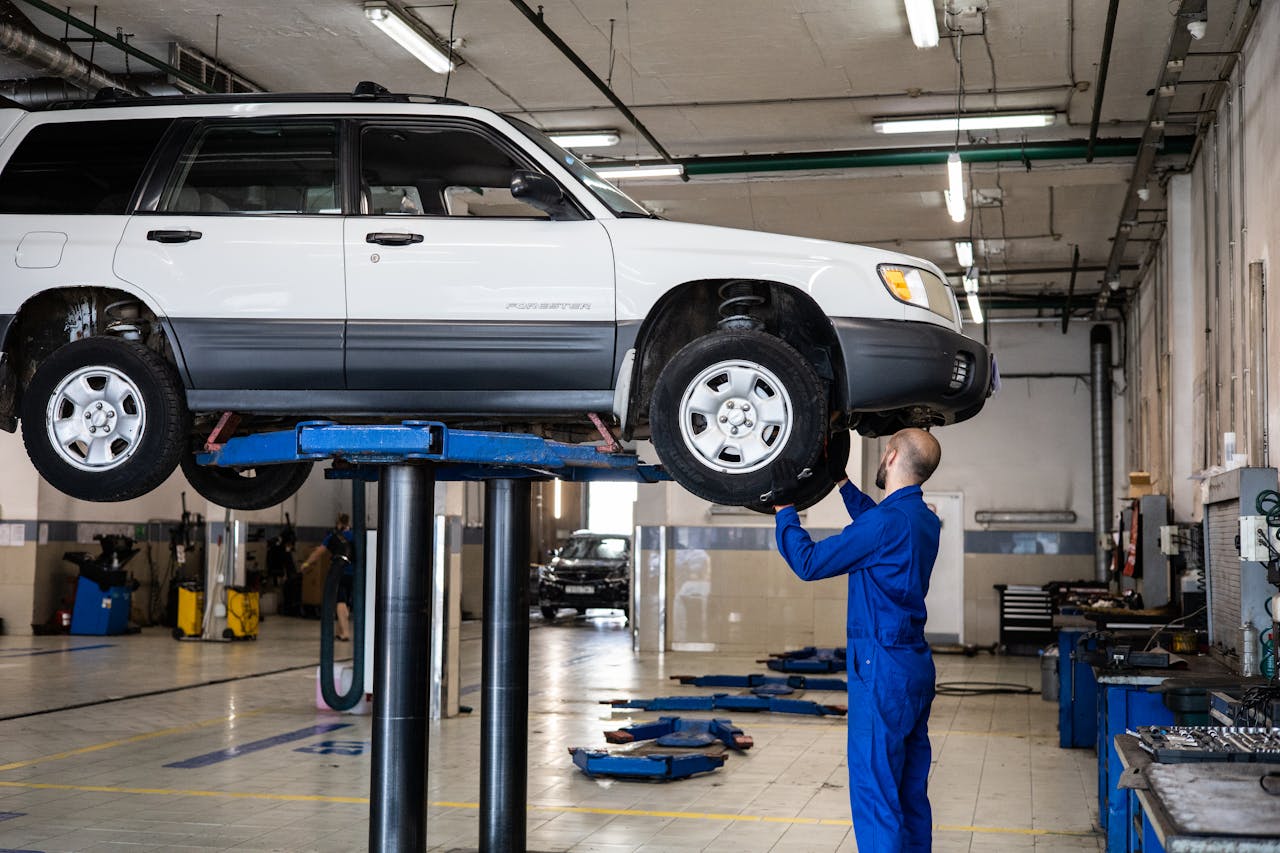
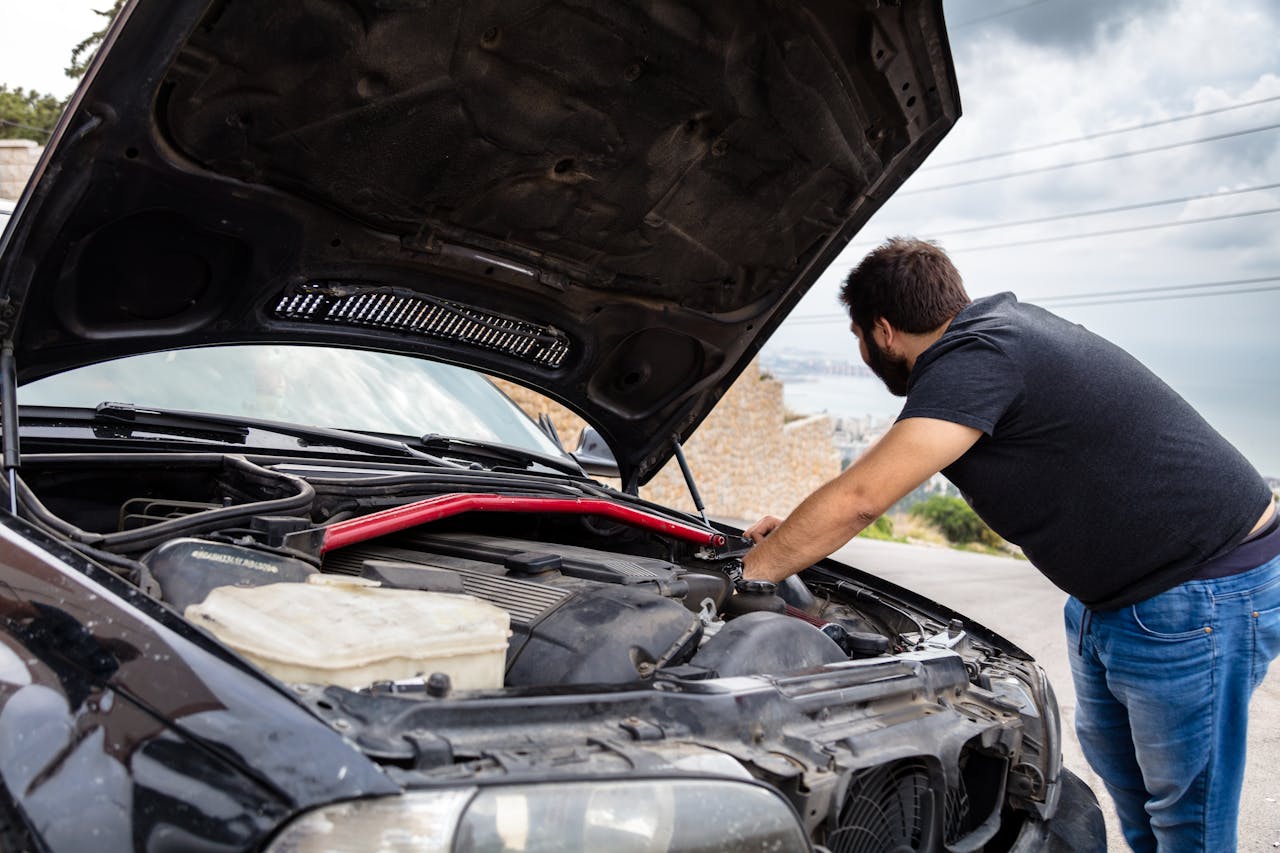
<p>Purchasing a used vehicle can be a smart way to save money, but it requires a thorough inspection to avoid potential headaches. Whether you’re buying from a dealership or a private seller, these 19 items should be on your checklist to ensure you’re getting a reliable car. A meticulous inspection can save you from expensive repairs down the line and ensure you’re making a sound investment.</p> ::Pexels

Purchasing a used vehicle can be a smart way to save money, but it requires a thorough inspection to avoid potential headaches. Whether you’re buying from a dealership or a private seller, these 19 items should be on your checklist to ensure you’re getting a reliable car. A meticulous inspection can save you from expensive repairs down the line and ensure you’re making a sound investment.


1. Listen for Sounds or Rattles at High Speeds

<p>Take the car for a test drive and pay attention to how it sounds at higher speeds. Unusual noises, rattles, or vibrations may indicate underlying mechanical issues. These could point to problems with the suspension, wheel alignment, or even the engine. Make note of any specific sounds to discuss with the seller or a mechanic.</p> ::Pexels

Take the car for a test drive and pay attention to how it sounds at higher speeds. Unusual noises, rattles, or vibrations may indicate underlying mechanical issues. These could point to problems with the suspension, wheel alignment, or even the engine. Make note of any specific sounds to discuss with the seller or a mechanic.


2. Check the Tachometer for Stability During Idle

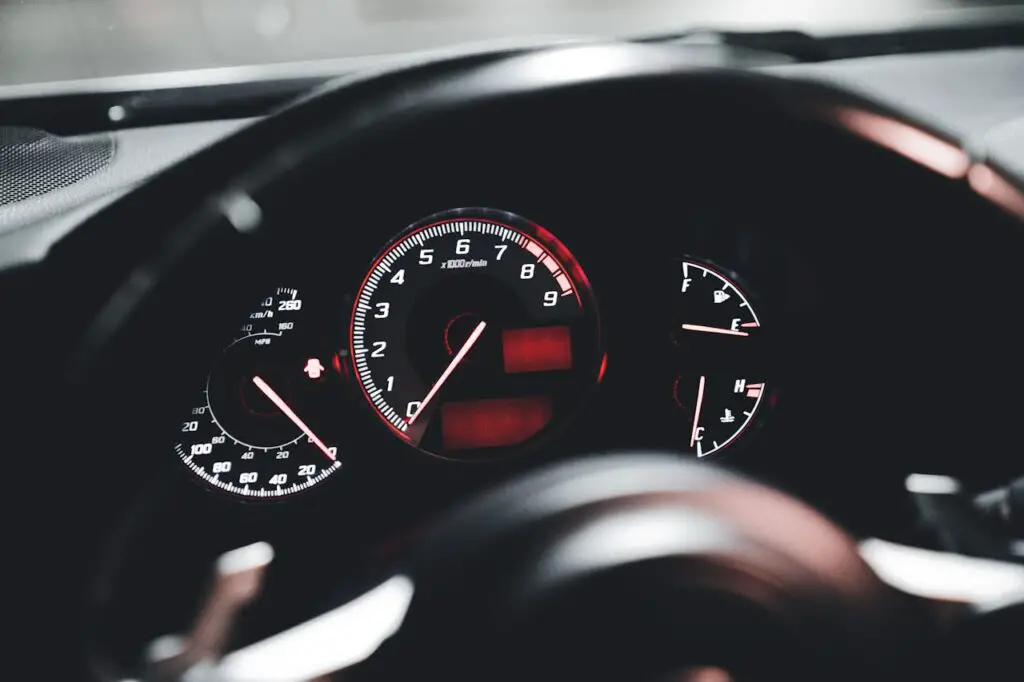
<p>When the car is idling, observe the tachometer. It should remain steady. Fluctuations or rough idling could point to engine problems. This may suggest issues with the fuel system, spark plugs, or other critical engine components.</p> ::Pexels

When the car is idling, observe the tachometer. It should remain steady. Fluctuations or rough idling could point to engine problems. This may suggest issues with the fuel system, spark plugs, or other critical engine components.


3. Raise and Lower a Window Multiple Times
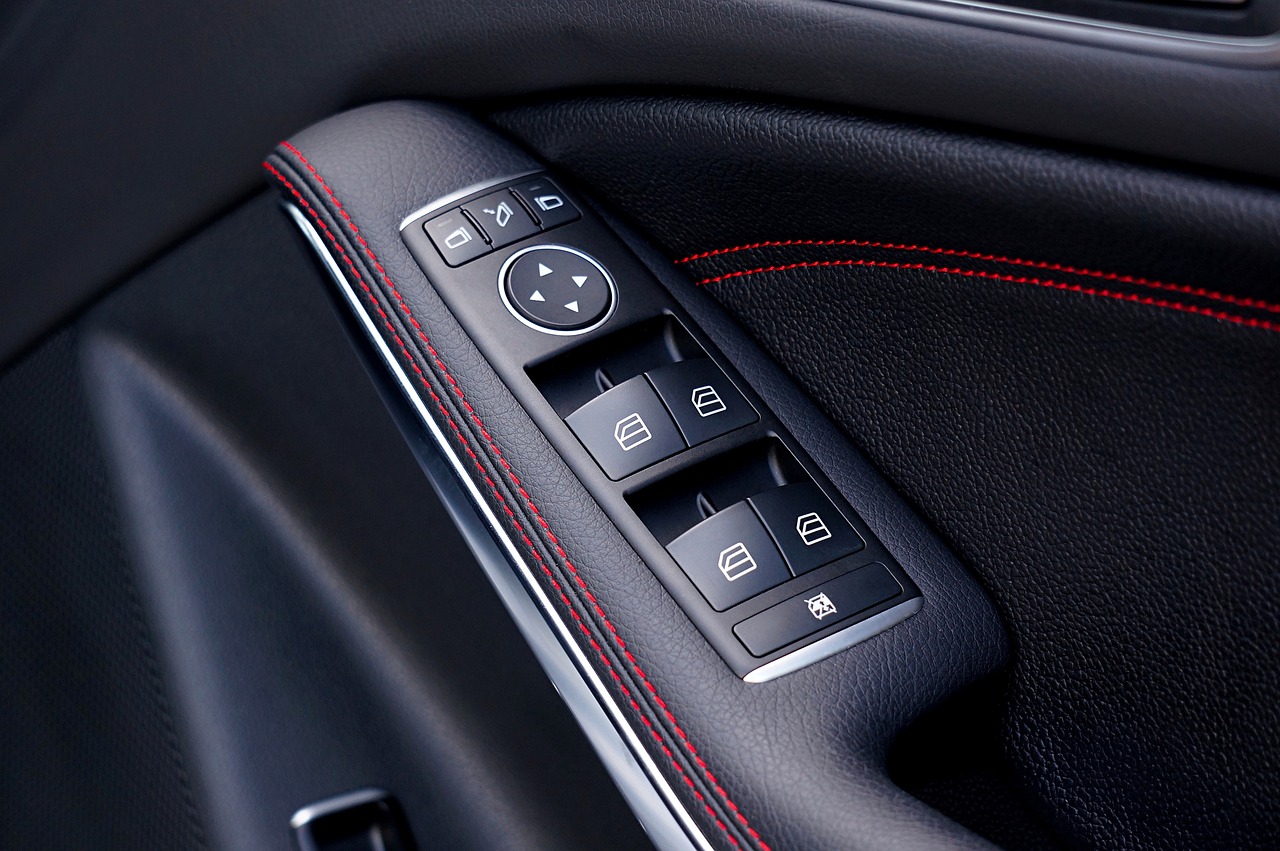
<p>Test all the power windows by raising and lowering them several times. Listen for unusual noises or delays that could indicate motor or switch issues. Faulty window mechanisms can be expensive to repair and are a sign of wear. Don’t forget to test both front and rear windows.</p> ::Pexels

Test all the power windows by raising and lowering them several times. Listen for unusual noises or delays that could indicate motor or switch issues. Faulty window mechanisms can be expensive to repair and are a sign of wear. Don’t forget to test both front and rear windows.


4. Run the AC on Different Levels
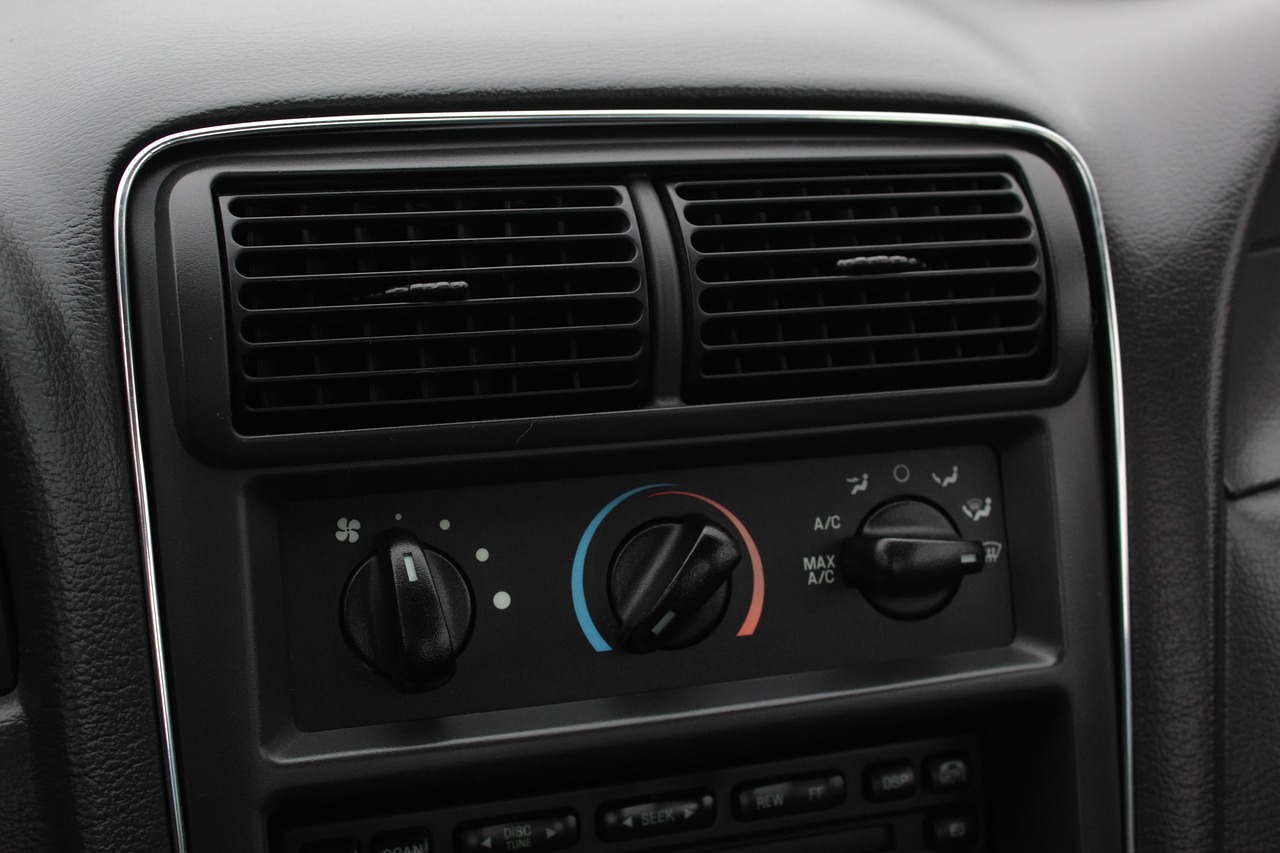
<p>Test the air conditioning system at various levels to ensure it cools efficiently and operates without strange noises or smells. Proper AC function is essential for comfort, especially in hot climates. If the system struggles, it could indicate refrigerant leaks or compressor problems.</p> ::Pexels

Test the air conditioning system at various levels to ensure it cools efficiently and operates without strange noises or smells. Proper AC function is essential for comfort, especially in hot climates. If the system struggles, it could indicate refrigerant leaks or compressor problems.


5. Check the Sun Visor for Light or Adjustment Issues

<p>Inspect the sun visors to ensure they adjust smoothly and that built-in lights, if any, are functional. These minor details can reflect overall maintenance. Broken or non-adjusting visors may seem minor but could be inconvenient and costly to fix.</p> ::Pexels

Inspect the sun visors to ensure they adjust smoothly and that built-in lights, if any, are functional. These minor details can reflect overall maintenance. Broken or non-adjusting visors may seem minor but could be inconvenient and costly to fix.


6. Check Seats to Ensure Functionality
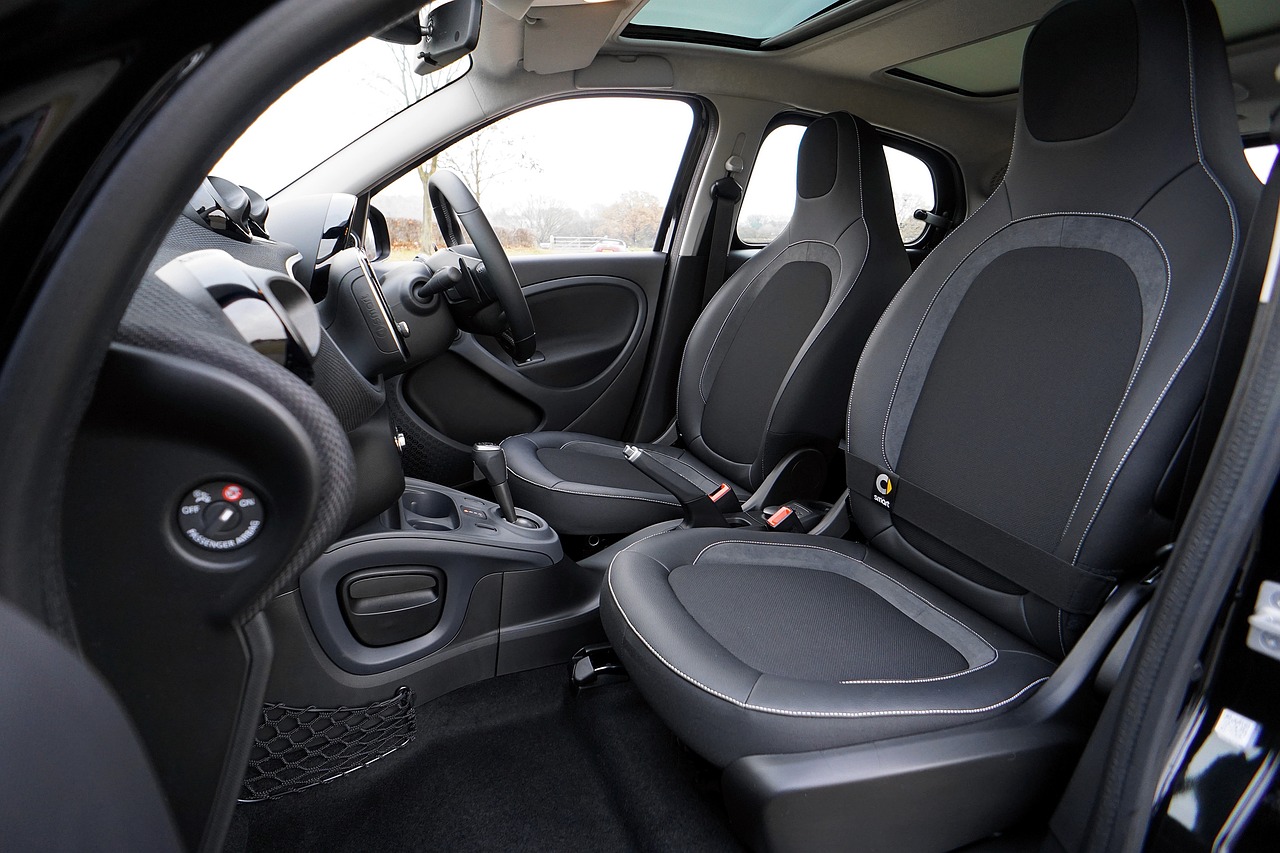
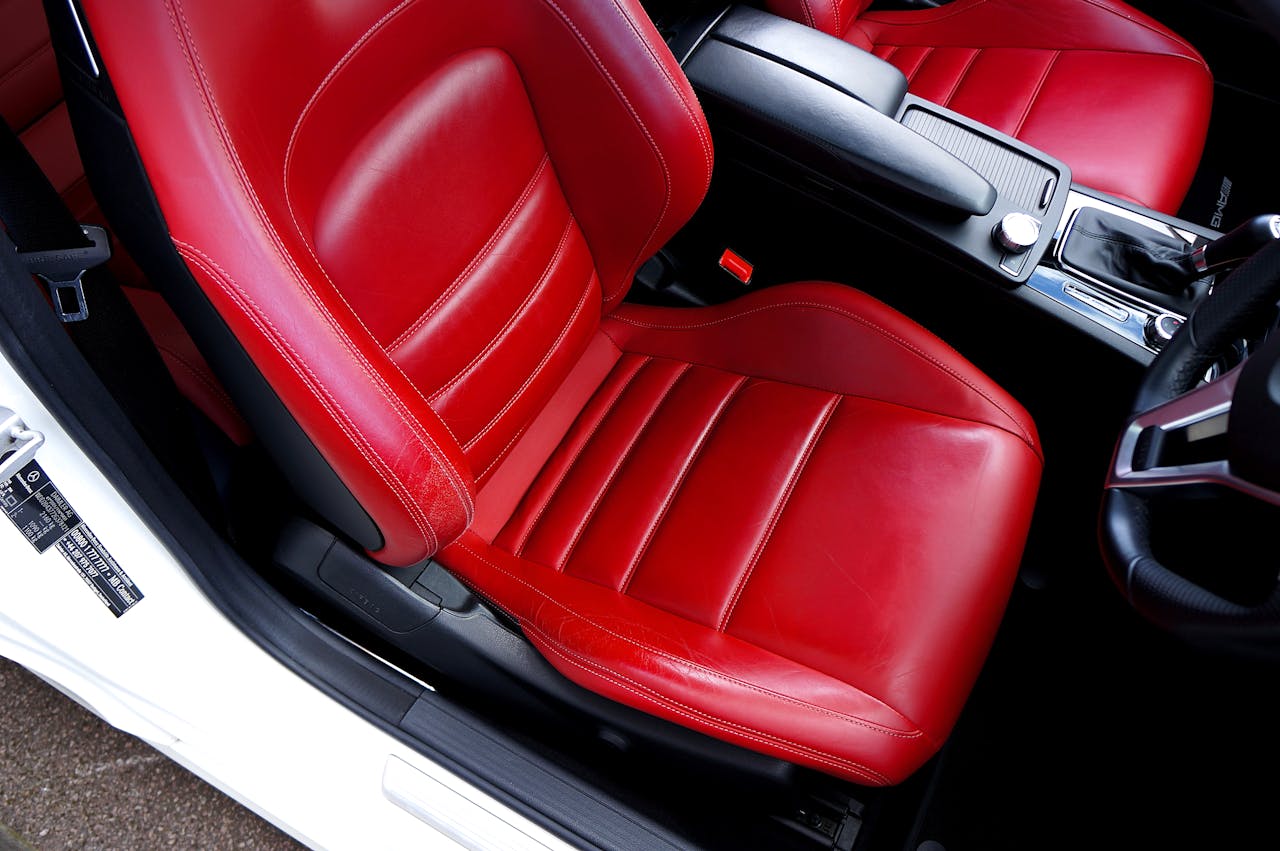
<p>Manually adjust the seats (or use power controls if equipped) to confirm they move properly in all directions. Also, check for tears, stains, or worn-out cushioning. Seat functionality is crucial for comfort and safety, especially for long drives. Be sure to test lumbar support if available.</p> ::Pexels

Manually adjust the seats (or use power controls if equipped) to confirm they move properly in all directions. Also, check for tears, stains, or worn-out cushioning. Seat functionality is crucial for comfort and safety, especially for long drives. Be sure to test lumbar support if available.


7. Play Audio at High Levels to Check for Speaker Issues
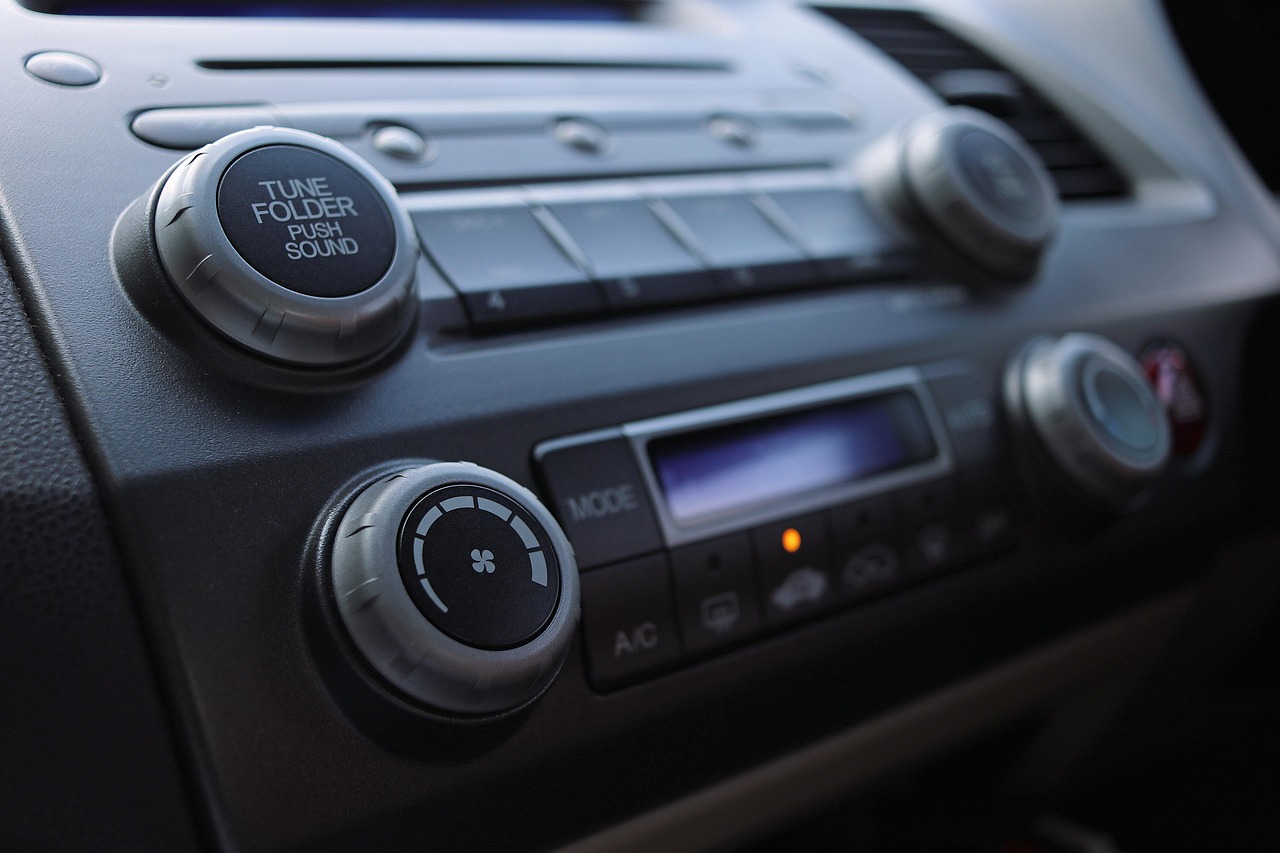
<p>Turn up the volume on the audio system to check for distortion, crackling, or other speaker issues. Ensure the sound quality meets your expectations. Poor audio quality may indicate damaged speakers or a failing head unit. Also, test all speakers to ensure balanced sound.</p> ::Pexels

Turn up the volume on the audio system to check for distortion, crackling, or other speaker issues. Ensure the sound quality meets your expectations. Poor audio quality may indicate damaged speakers or a failing head unit. Also, test all speakers to ensure balanced sound.


8. Drive the Car in Reverse and Listen for Unusual Sounds
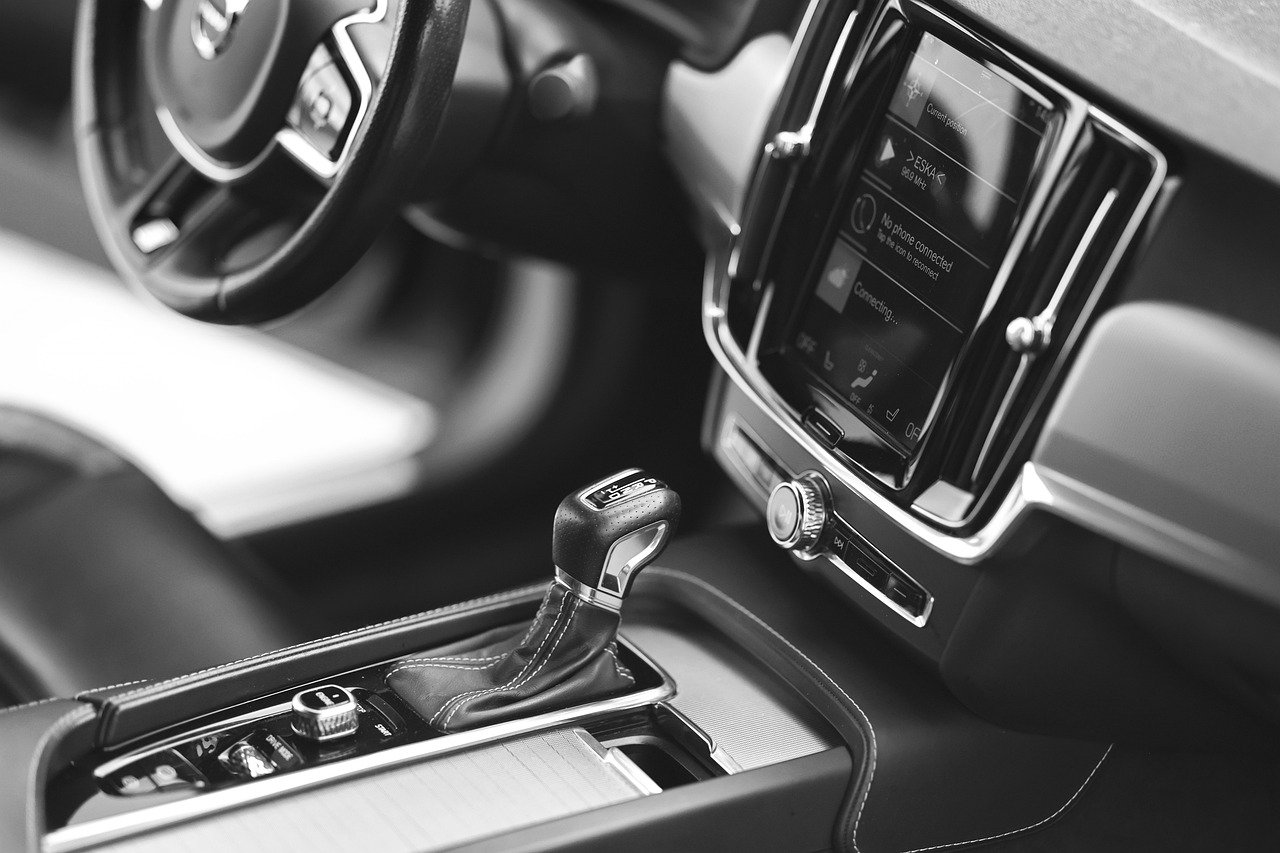
<p>Test the car’s reverse gear by driving in reverse for a short distance. Listen for grinding, clunking, or vibrations that could indicate transmission issues. Reverse gear problems may point to significant drivetrain wear. Ensure the car moves smoothly without resistance or hesitation.</p> ::Pexels

Test the car’s reverse gear by driving in reverse for a short distance. Listen for grinding, clunking, or vibrations that could indicate transmission issues. Reverse gear problems may point to significant drivetrain wear. Ensure the car moves smoothly without resistance or hesitation.


9. Check the Windshield Wipers’ Full Operability

<p>Test the windshield wipers on all speed settings, and make sure the washer fluid sprays correctly. Inspect the blades for wear or tears. Functional wipers are essential for safe driving in bad weather. Don’t overlook the rear wiper if the vehicle is equipped with one.</p> ::Pexels

Test the windshield wipers on all speed settings, and make sure the washer fluid sprays correctly. Inspect the blades for wear or tears. Functional wipers are essential for safe driving in bad weather. Don’t overlook the rear wiper if the vehicle is equipped with one.


10. Check for Loose Paneling

<p>Examine the interior for loose or rattling paneling, especially on doors, the dashboard, and the trunk. Loose panels could signal poor maintenance or prior repairs. Such issues might also indicate previous accidents or subpar assembly quality. Look closely for mismatched screws or uneven gaps.</p> ::Pexels

Examine the interior for loose or rattling paneling, especially on doors, the dashboard, and the trunk. Loose panels could signal poor maintenance or prior repairs. Such issues might also indicate previous accidents or subpar assembly quality. Look closely for mismatched screws or uneven gaps.


11. Check Under the Trunk Liner

<p>Lift the trunk liner to inspect the area underneath for signs of water damage, rust, or a poorly patched tire well. This often-overlooked spot can reveal a lot about a car’s condition. Pay special attention to smells that might indicate hidden mold or moisture.</p> ::Pexels

Lift the trunk liner to inspect the area underneath for signs of water damage, rust, or a poorly patched tire well. This often-overlooked spot can reveal a lot about a car’s condition. Pay special attention to smells that might indicate hidden mold or moisture.


12. Check Bluetooth and Other Audio Connectivity

<p>Test the vehicle’s Bluetooth connectivity by pairing your phone. Ensure it connects seamlessly and check for functionality with calls and audio streaming. A poorly functioning system might require costly software updates. Be sure to test auxiliary ports and USB connections as well.</p> ::Pexels

Test the vehicle’s Bluetooth connectivity by pairing your phone. Ensure it connects seamlessly and check for functionality with calls and audio streaming. A poorly functioning system might require costly software updates. Be sure to test auxiliary ports and USB connections as well.


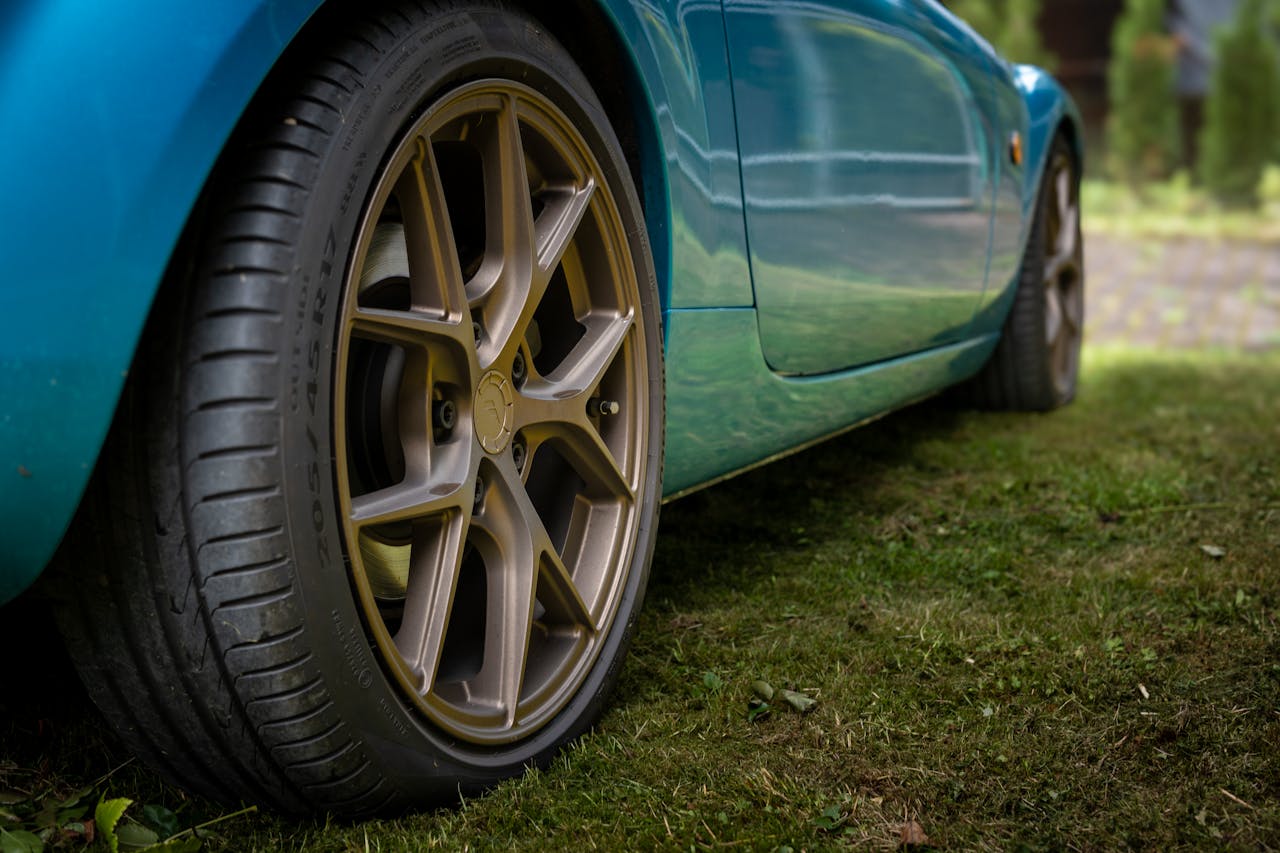
13. Inspect Tires for Wear and Alignment
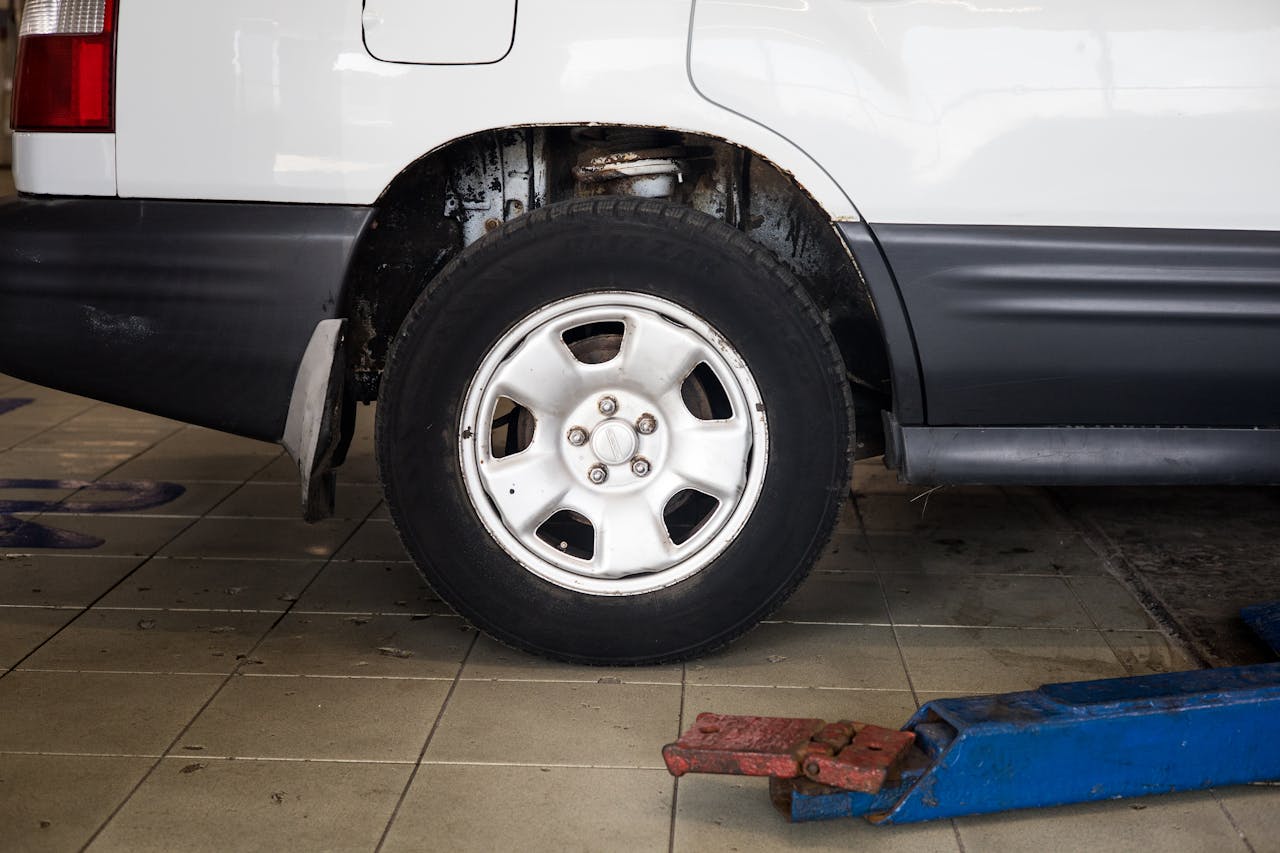
<p>Look at the tires for uneven wear, which could indicate alignment issues. Ensure the tread depth is sufficient and check for cracks or bulges. Tires in poor condition may also suggest neglect in regular maintenance. Don’t forget to inspect the spare tire for usability.</p> ::Pexels

Look at the tires for uneven wear, which could indicate alignment issues. Ensure the tread depth is sufficient and check for cracks or bulges. Tires in poor condition may also suggest neglect in regular maintenance. Don’t forget to inspect the spare tire for usability.


14. Examine All Exterior Lights and Housings

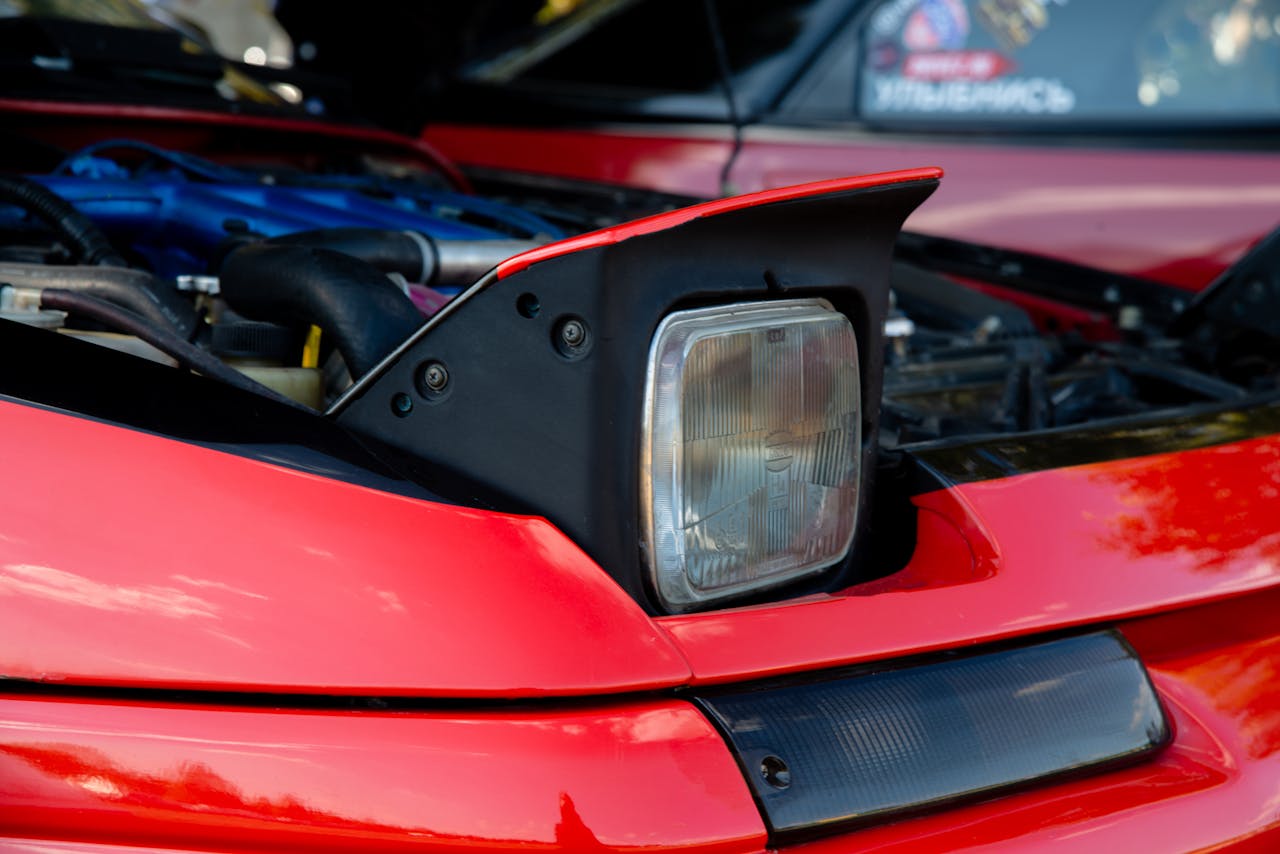
<p>Inspect the headlights, taillights, brake lights, and turn signals. Ask someone to help you check if they illuminate properly while you activate them from inside the car. Burned-out bulbs or malfunctioning lights may hint at electrical issues. Check for condensation inside the light housing, which can cause damage over time.</p> ::Pexels

Inspect the headlights, taillights, brake lights, and turn signals. Ask someone to help you check if they illuminate properly while you activate them from inside the car. Burned-out bulbs or malfunctioning lights may hint at electrical issues. Check for condensation inside the light housing, which can cause damage over time.


15. Look for Fluid Leaks Under the Car
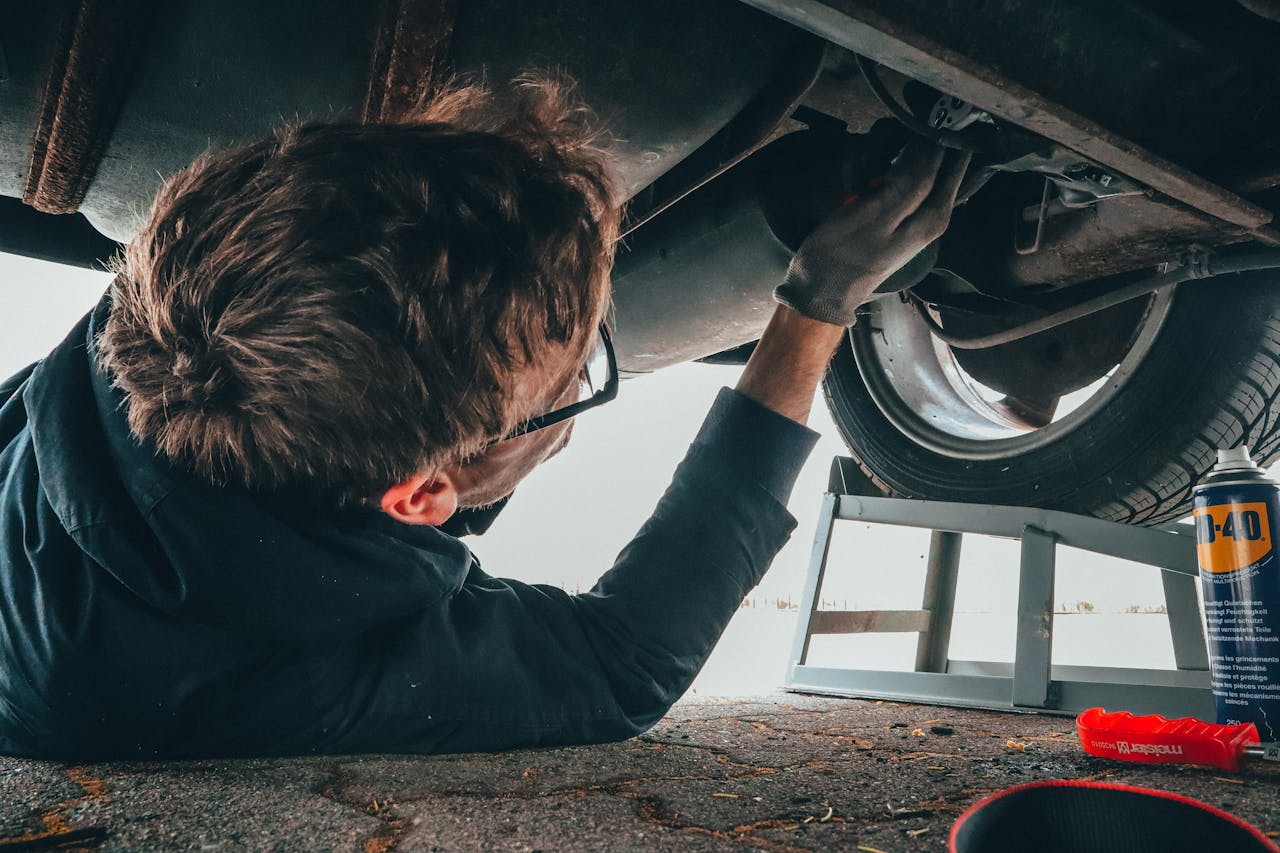
<p>Before and after the test drive, check under the vehicle for any signs of fluid leaks. Oil, coolant, or transmission fluid leaks can indicate serious problems. Be sure to check for leaks near the wheels, as brake fluid leaks are a significant safety hazard.</p> ::Pexels

Before and after the test drive, check under the vehicle for any signs of fluid leaks. Oil, coolant, or transmission fluid leaks can indicate serious problems. Be sure to check for leaks near the wheels, as brake fluid leaks are a significant safety hazard.


16. Inspect Exterior and Interior Trim for Severe Signs of Wear
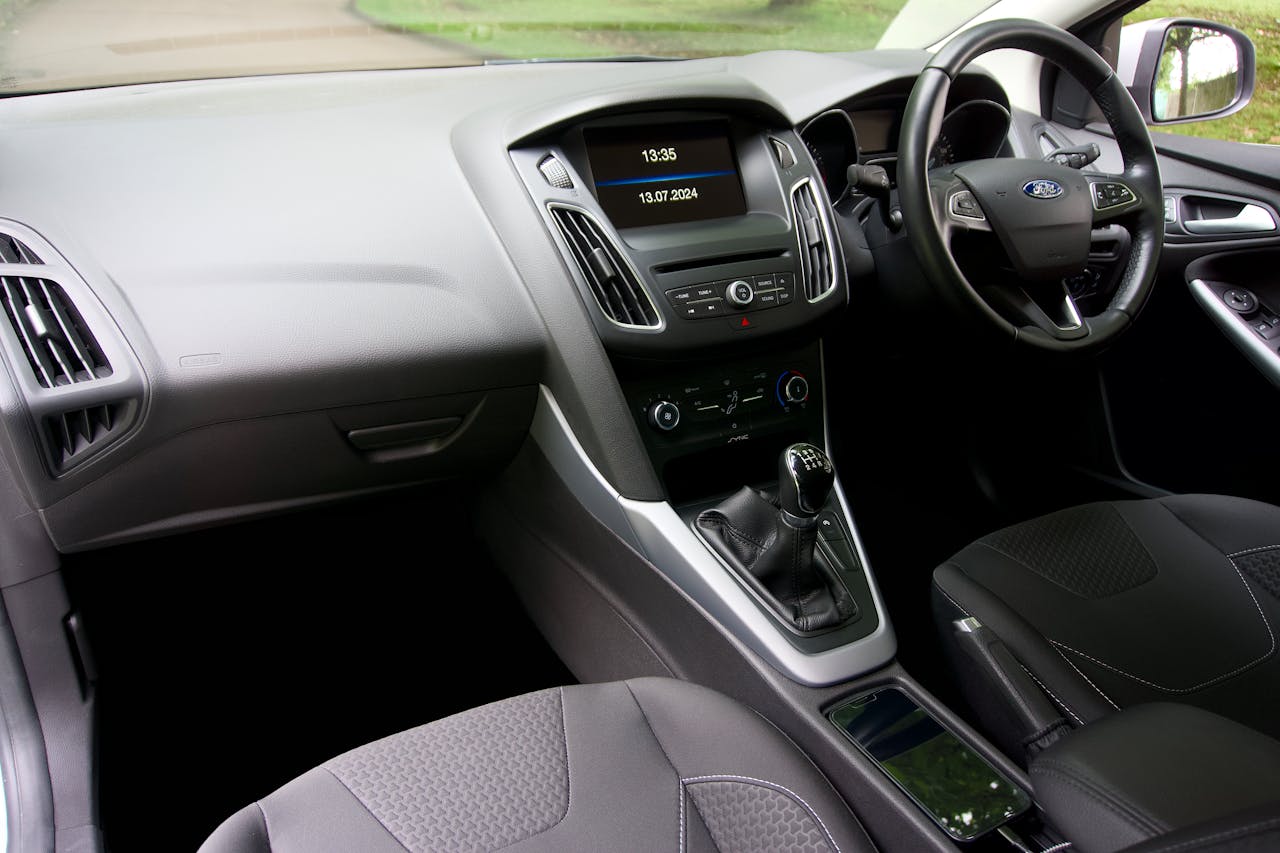
<p>Examine the vehicle’s trim both inside and out. Look for cracks, dents, or excessive wear that might indicate neglect or previous damage. Trim issues can affect the vehicle’s aesthetic and resale value. Pay close attention to areas near the doors and dashboard.</p> ::Pexels

Examine the vehicle’s trim both inside and out. Look for cracks, dents, or excessive wear that might indicate neglect or previous damage. Trim issues can affect the vehicle’s aesthetic and resale value. Pay close attention to areas near the doors and dashboard.


17. Check All Doors’ Locking Mechanisms
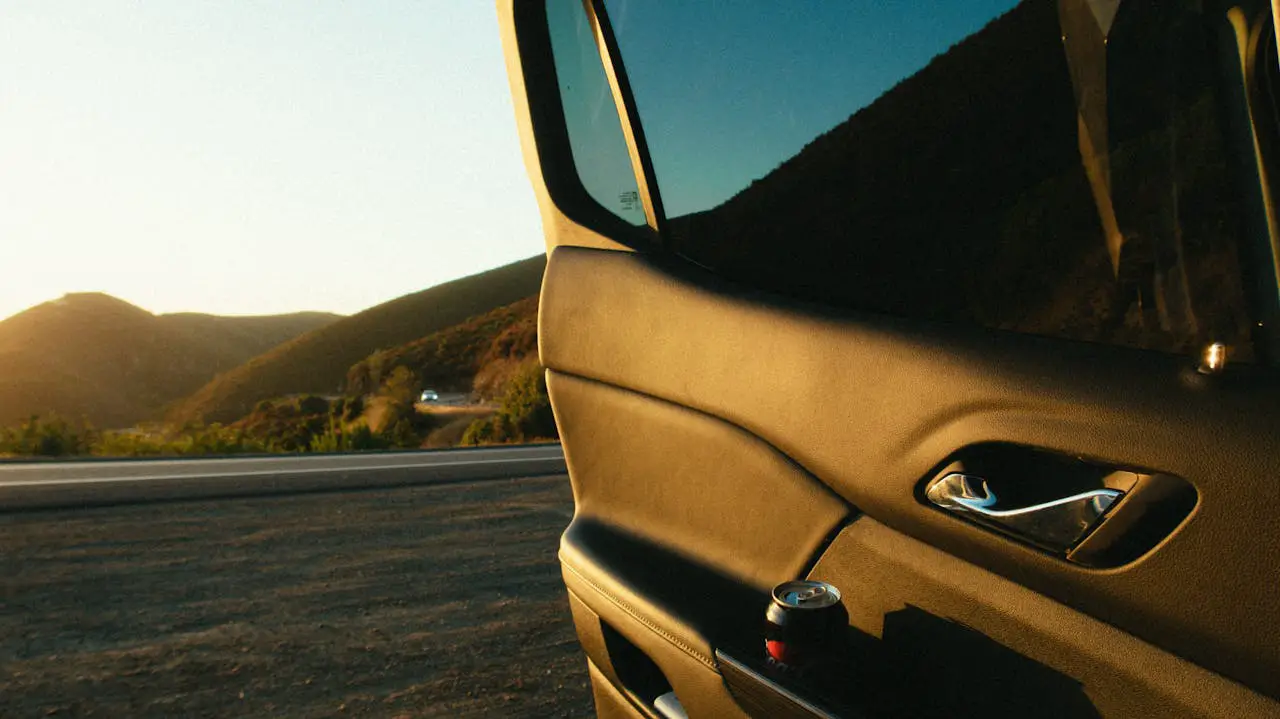
<p>Ensure that all doors lock and unlock smoothly, whether manually or with the remote. Malfunctioning locks can be a safety concern and costly to repair. Test child lock functions if the car is equipped with them, and verify the trunk’s lock operation as well.</p> ::Pexels

Ensure that all doors lock and unlock smoothly, whether manually or with the remote. Malfunctioning locks can be a safety concern and costly to repair. Test child lock functions if the car is equipped with them, and verify the trunk’s lock operation as well.


18. Check All Air Vents for Airflow
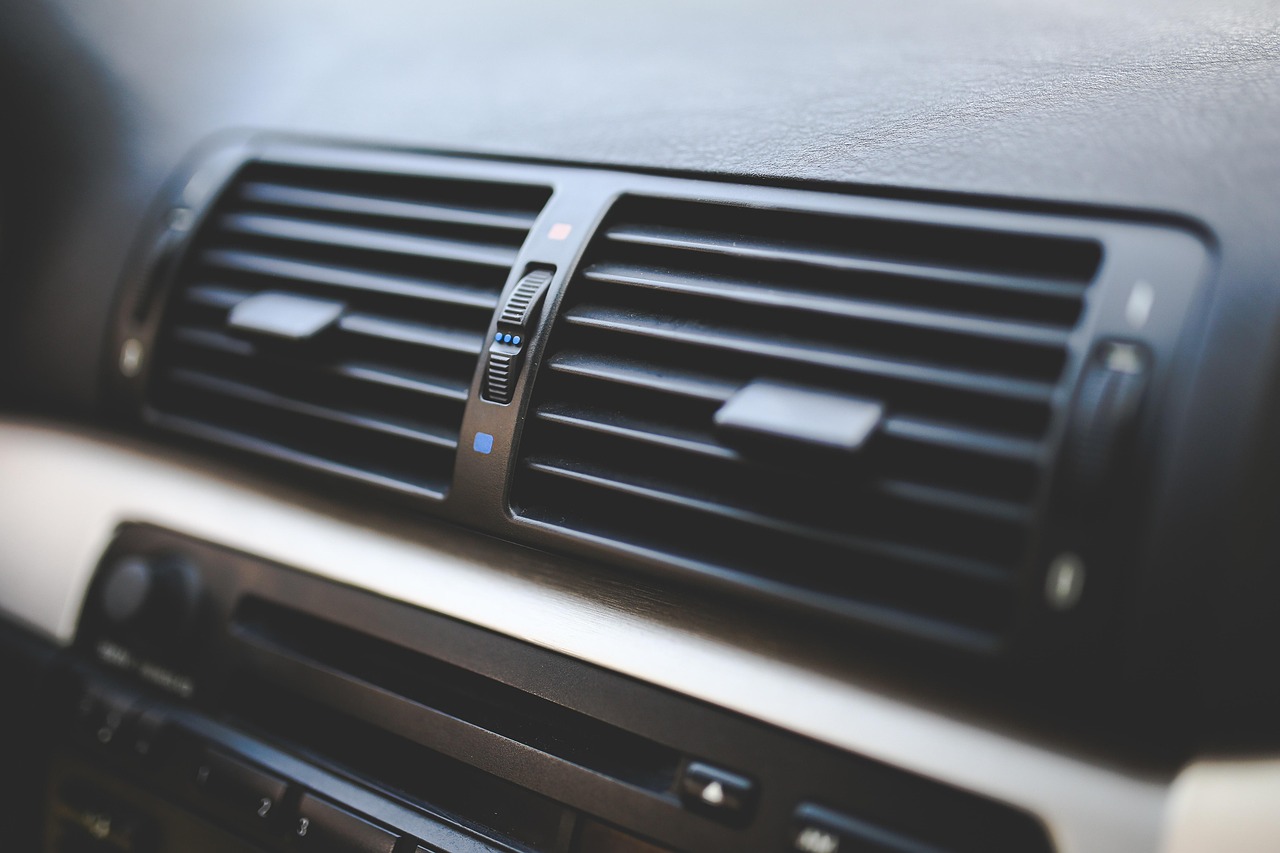
<p>Turn on the fan at different levels and ensure air flows through all vents. Blocked or weak airflow might indicate issues with the HVAC system. Don’t forget to test the rear vents if the vehicle has them.</p> ::Pexels

Turn on the fan at different levels and ensure air flows through all vents. Blocked or weak airflow might indicate issues with the HVAC system. Don’t forget to test the rear vents if the vehicle has them.


19. Check Side View Mirror Full Operation

<p>Inspect the side view mirrors to ensure they adjust properly, either manually or electronically. Test the heating function if equipped, as this is critical for cold weather. Make sure the mirrors remain stable during adjustment without excessive wobbling.</p> ::Pexels

Inspect the side view mirrors to ensure they adjust properly, either manually or electronically. Test the heating function if equipped, as this is critical for cold weather. Make sure the mirrors remain stable during adjustment without excessive wobbling.


Final Thoughts
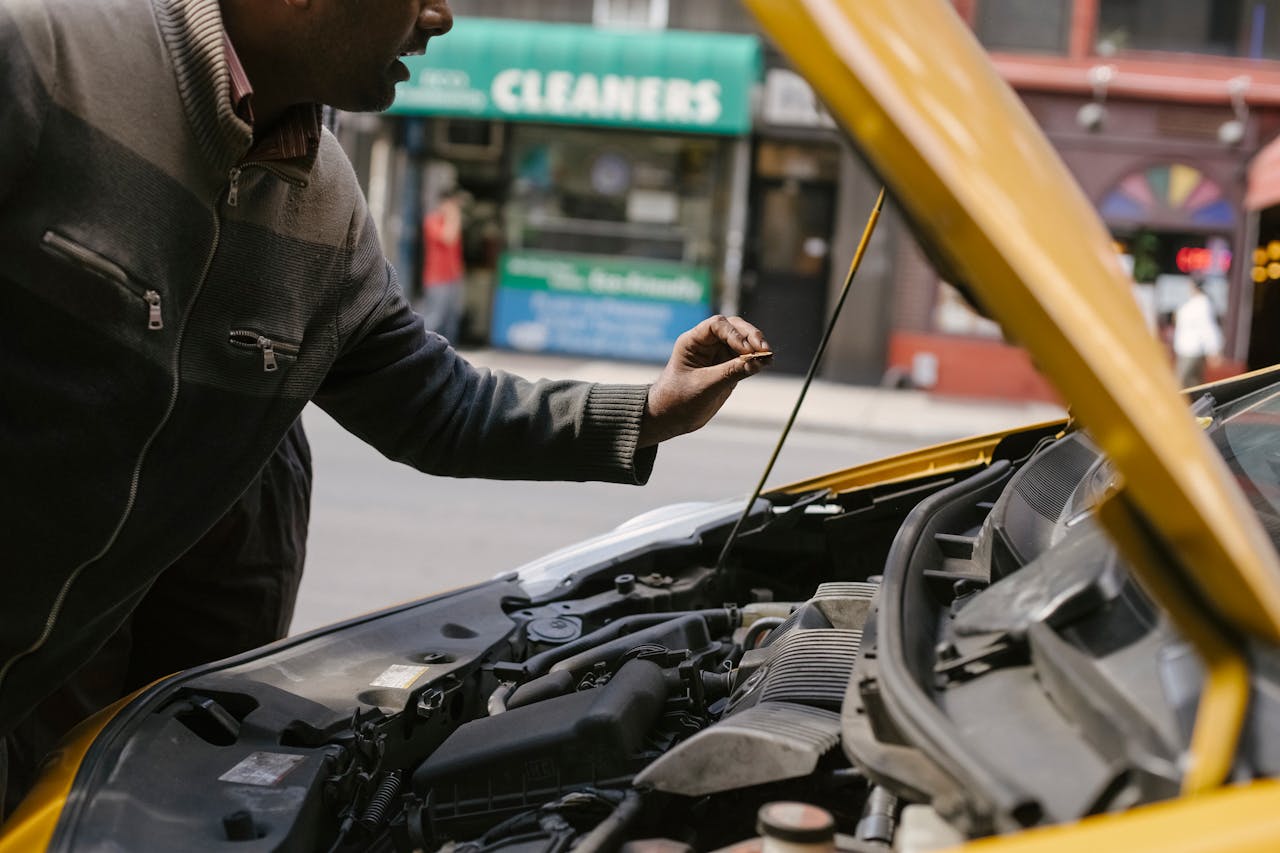
<p>A thorough inspection is crucial when buying a used vehicle. These 17 checks will help you identify potential issues before committing to a purchase, saving you time, money, and stress. When in doubt, consider having a trusted mechanic perform a professional inspection to ensure the car is roadworthy and reliable. Taking the extra time to inspect the vehicle thoroughly ensures peace of mind and long-term satisfaction with your purchase.</p> ::Pexels

A thorough inspection is crucial when buying a used vehicle. These 17 checks will help you identify potential issues before committing to a purchase, saving you time, money, and stress. When in doubt, consider having a trusted mechanic perform a professional inspection to ensure the car is roadworthy and reliable. Taking the extra time to inspect the vehicle thoroughly ensures peace of mind and long-term satisfaction with your purchase.

 

Filed Under: Autos

10 Ways to Drive More Eco-Friendly Without Buying a New Car

February 26, 2026 | Leave a Comment

10 Ways to Drive More Eco-Friendly Without Buying a New Car

<p> If you’ve ever felt a twinge of guilt filling up your gas tank or wondered how you could shrink your carbon footprint without shelling out thousands for a brand-new hybrid or electric vehicle, you’re not alone. Good news: you don’t have to buy a new car to start driving greener. In fact, the most eco-friendly car is often the one you already own—if you use it wisely. From simple habits behind the wheel to smart maintenance choices, there are countless ways to save gas, reduce emissions, and even keep more money in your wallet. Ready to make a difference every time you drive? Let’s dive into ten practical, impactful ways you can drive more eco-friendly—without shopping for a new set of wheels. </p> :: Pexels

If you’ve ever felt a twinge of guilt filling up your gas tank or wondered how you could shrink your carbon footprint without shelling out thousands for a brand-new hybrid or electric vehicle, you’re not alone. Good news: you don’t have to buy a new car to start driving greener. In fact, the most eco-friendly car is often the one you already own—if you use it wisely. From simple habits behind the wheel to smart maintenance choices, there are countless ways to save gas, reduce emissions, and even keep more money in your wallet. Ready to make a difference every time you drive? Let’s dive into ten practical, impactful ways you can drive more eco-friendly—without shopping for a new set of wheels.

1. Master the Art of Smooth Driving

<p> It sounds simple, but one of the easiest ways to drive greener is to avoid hard acceleration and sudden braking. When you stomp on the gas pedal, your engine guzzles fuel at an alarming rate. Studies show aggressive driving can lower your fuel economy by as much as 30 percent on highways and up to 40 percent in city traffic. The trick is to pretend there’s an open coffee cup on your dashboard: accelerate gently, coast into stops, and anticipate traffic flow. Not only will you save fuel, but you’ll also reduce wear and tear on your brakes and tires, making your car—and your budget—last longer. </p> :: Pexels

It sounds simple, but one of the easiest ways to drive greener is to avoid hard acceleration and sudden braking. When you stomp on the gas pedal, your engine guzzles fuel at an alarming rate. Studies show aggressive driving can lower your fuel economy by as much as 30 percent on highways and up to 40 percent in city traffic. The trick is to pretend there’s an open coffee cup on your dashboard: accelerate gently, coast into stops, and anticipate traffic flow. Not only will you save fuel, but you’ll also reduce wear and tear on your brakes and tires, making your car—and your budget—last longer.

2. Maintain a Steady Speed and Use Cruise Control

<p> Few things drain fuel faster than fluctuating speeds on the highway. If you’re constantly speeding up and slowing down, your engine has to work overtime, burning more gas than necessary. Once you’re cruising along at highway speeds, it’s best to keep your speed consistent. Engaging cruise control on open roads can help you maintain a steady pace, preventing unnecessary surges that waste fuel. In fact, driving over 50 mph can cause your gas mileage to drop quickly. Even reducing your speed by five to ten miles per hour can translate to significant savings at the pump and lower emissions overall. </p> :: Pexels

Few things drain fuel faster than fluctuating speeds on the highway. If you’re constantly speeding up and slowing down, your engine has to work overtime, burning more gas than necessary. Once you’re cruising along at highway speeds, it’s best to keep your speed consistent. Engaging cruise control on open roads can help you maintain a steady pace, preventing unnecessary surges that waste fuel. In fact, driving over 50 mph can cause your gas mileage to drop quickly. Even reducing your speed by five to ten miles per hour can translate to significant savings at the pump and lower emissions overall.

3. Avoid Idling—Even for Brief Stops

<p> Many people think letting their car idle for a minute or two is harmless. But idling for even ten seconds burns more fuel than restarting your engine. Whether you’re waiting to pick someone up, grabbing a coffee at the drive-thru, or just sitting in traffic, turning off your engine whenever possible is one of the simplest ways to save gas and reduce emissions. Especially in cooler weather, it’s tempting to leave the car running for heat, but modern engines don’t need lengthy warm-ups. Cutting down on idle time is a small change that adds up over time—and helps protect the air quality in your community. </p> :: Pexels

Many people think letting their car idle for a minute or two is harmless. But idling for even ten seconds burns more fuel than restarting your engine. Whether you’re waiting to pick someone up, grabbing a coffee at the drive-thru, or just sitting in traffic, turning off your engine whenever possible is one of the simplest ways to save gas and reduce emissions. Especially in cooler weather, it’s tempting to leave the car running for heat, but modern engines don’t need lengthy warm-ups. Cutting down on idle time is a small change that adds up over time—and helps protect the air quality in your community.

4. Lighten the Load: Ditch Extra Weight and Drag

<p> Think of your car like a marathon runner—extra baggage slows it down and burns more fuel. Every additional 100 pounds in your vehicle can reduce fuel economy by about one percent. So if your trunk is a mobile storage unit full of sports gear, tools, or last month’s yard-sale finds, it’s time to clean it out. Roof racks and cargo boxes can also increase aerodynamic drag, which can sap up to 20 percent more energy on the highway. If you’re not using those attachments, remove them and let your car slice through the air more efficiently. Traveling lighter means fewer trips to the gas station and lower emissions. </p> :: Pexels

Think of your car like a marathon runner—extra baggage slows it down and burns more fuel. Every additional 100 pounds in your vehicle can reduce fuel economy by about one percent. So if your trunk is a mobile storage unit full of sports gear, tools, or last month’s yard-sale finds, it’s time to clean it out. Roof racks and cargo boxes can also increase aerodynamic drag, which can sap up to 20 percent more energy on the highway. If you’re not using those attachments, remove them and let your car slice through the air more efficiently. Traveling lighter means fewer trips to the gas station and lower emissions.

5. Regular Maintenance is Green Maintenance

<p> There’s nothing eco-friendly about a poorly maintained vehicle. A dirty air filter, old spark plugs, or low tire pressure can sabotage fuel efficiency. For example, underinflated tires increase rolling resistance, forcing your engine to work harder. Keeping tires inflated to the manufacturer’s recommended pressure can improve gas mileage by up to three percent. Replacing clogged air filters and getting regular tune-ups can boost fuel efficiency by as much as ten percent. Following your vehicle’s maintenance schedule helps keep it running at peak performance, which saves fuel, reduces emissions, and avoids costly repairs down the road. </p> :: Pexels

There’s nothing eco-friendly about a poorly maintained vehicle. A dirty air filter, old spark plugs, or low tire pressure can sabotage fuel efficiency. For example, underinflated tires increase rolling resistance, forcing your engine to work harder. Keeping tires inflated to the manufacturer’s recommended pressure can improve gas mileage by up to three percent. Replacing clogged air filters and getting regular tune-ups can boost fuel efficiency by as much as ten percent. Following your vehicle’s maintenance schedule helps keep it running at peak performance, which saves fuel, reduces emissions, and avoids costly repairs down the road.

6. Plan and Combine Errands Efficiently

<p> Short trips that start with a cold engine are some of the least efficient journeys you can take. Cold engines consume significantly more fuel, and repeated short trips mean your vehicle never fully warms up to its optimal operating temperature. Instead, plan your errands in one efficient loop. Start with the farthest destination and work your way back home. You’ll minimize total miles driven, reduce the number of cold starts, and save time. Plus, fewer miles on the road mean lower emissions and less wear on your car. It’s a simple strategy, but one of the most effective for eco-friendly driving. </p> :: Pexels

Short trips that start with a cold engine are some of the least efficient journeys you can take. Cold engines consume significantly more fuel, and repeated short trips mean your vehicle never fully warms up to its optimal operating temperature. Instead, plan your errands in one efficient loop. Start with the farthest destination and work your way back home. You’ll minimize total miles driven, reduce the number of cold starts, and save time. Plus, fewer miles on the road mean lower emissions and less wear on your car. It’s a simple strategy, but one of the most effective for eco-friendly driving.

7. Tap Into “Eco Mode” or Overdrive When Available

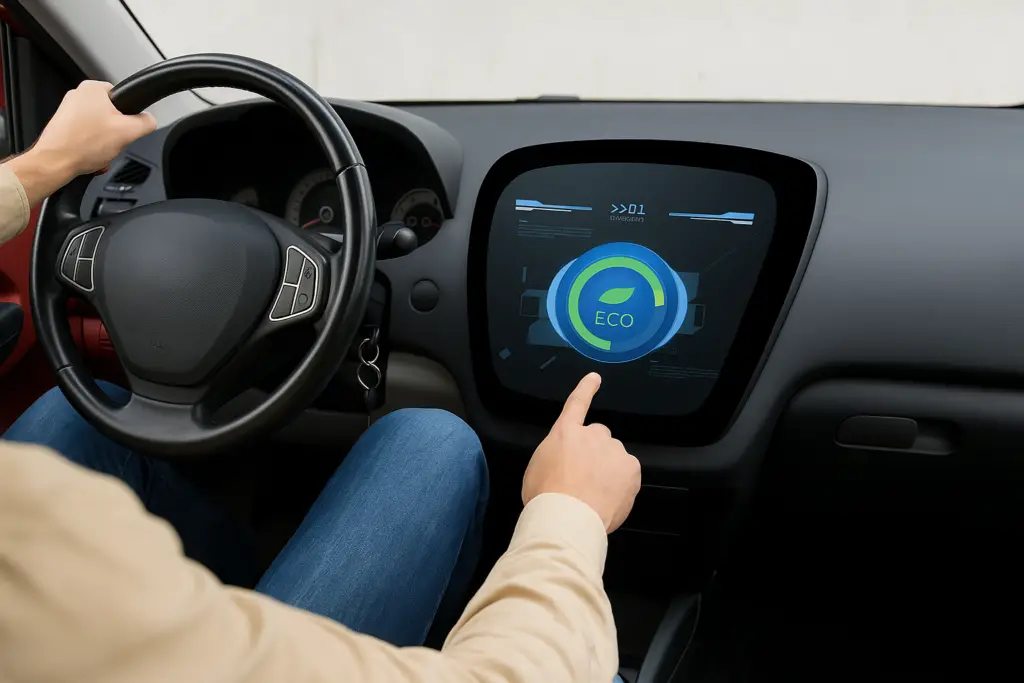
<p> Many newer vehicles come equipped with an “Eco Mode” or overdrive setting designed to optimize fuel economy. When engaged, these systems adjust throttle response, shift points, and even air conditioning performance to use less fuel. For city driving or relaxed highway cruising, Eco Mode can deliver a five to ten percent improvement in mileage without sacrificing comfort. Even older cars often have an overdrive feature for highway speeds, allowing the engine to run at lower RPMs, which burns less gas. It’s worth digging into your owner’s manual to see what fuel-saving features your car might have hiding under the hood. </p> :: DALL-E

Many newer vehicles come equipped with an “Eco Mode” or overdrive setting designed to optimize fuel economy. When engaged, these systems adjust throttle response, shift points, and even air conditioning performance to use less fuel. For city driving or relaxed highway cruising, Eco Mode can deliver a five to ten percent improvement in mileage without sacrificing comfort. Even older cars often have an overdrive feature for highway speeds, allowing the engine to run at lower RPMs, which burns less gas. It’s worth digging into your owner’s manual to see what fuel-saving features your car might have hiding under the hood.

8. Disable the A/C When Practical

<p> Air conditioning can be a surprisingly big fuel hog. Running your car’s A/C can reduce fuel efficiency by as much as 20 percent, especially in smaller vehicles with less powerful engines. On mild days, consider rolling down the windows instead of blasting the air conditioning. Of course, safety and comfort come first—nobody’s suggesting you sweat through a heatwave or deprive your passengers of cool air. But if you’re driving around town on a pleasant day, turning off the A/C can help you save fuel, reduce engine load, and lower your environmental impact. </p> :: Freepik

Air conditioning can be a surprisingly big fuel hog. Running your car’s A/C can reduce fuel efficiency by as much as 20 percent, especially in smaller vehicles with less powerful engines. On mild days, consider rolling down the windows instead of blasting the air conditioning. Of course, safety and comfort come first—nobody’s suggesting you sweat through a heatwave or deprive your passengers of cool air. But if you’re driving around town on a pleasant day, turning off the A/C can help you save fuel, reduce engine load, and lower your environmental impact.

9. Use Fuel-Efficient Driving Tools and Feedback

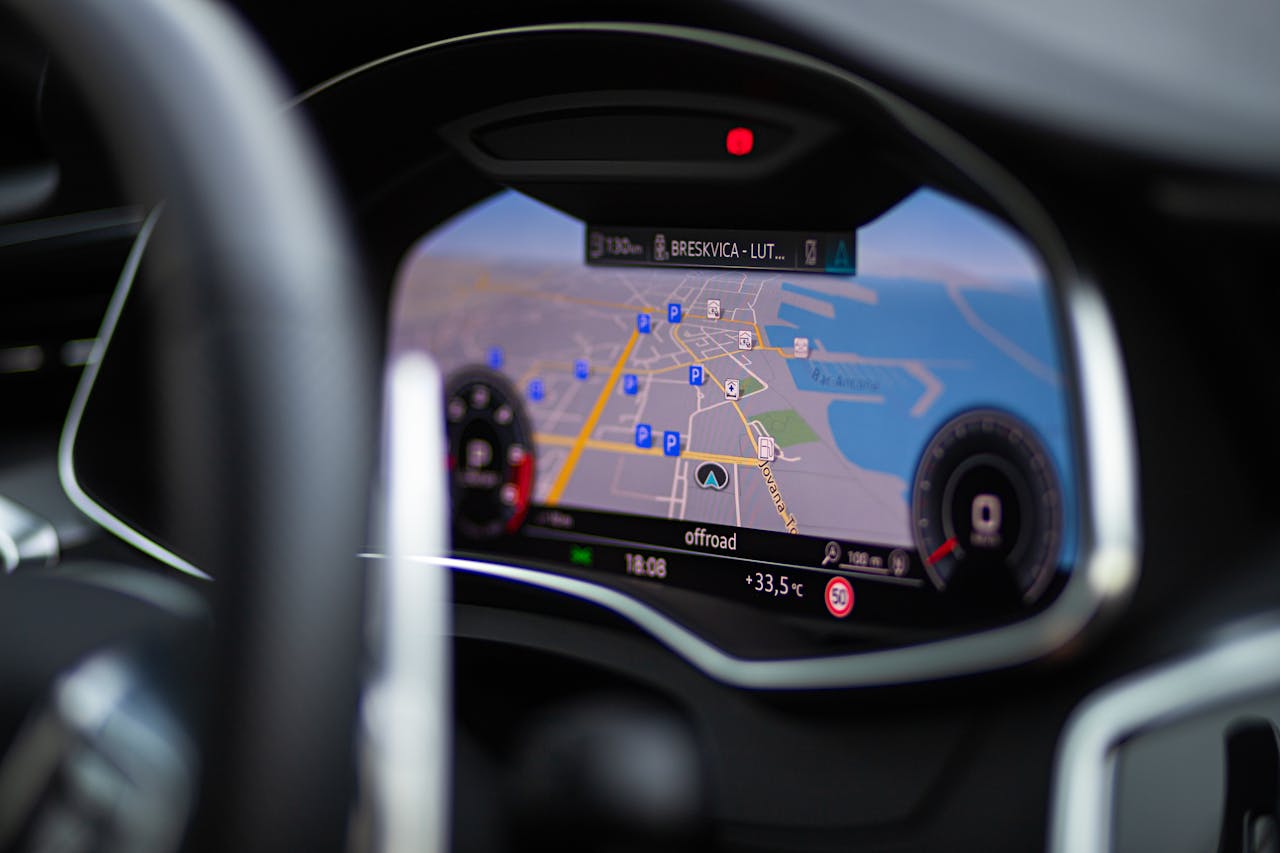
<p> Modern technology offers drivers plenty of tools to help improve fuel economy. From smartphone apps to in-car displays, these systems provide real-time feedback on driving habits like acceleration, braking, and fuel consumption. Studies have shown that drivers who use such feedback can improve fuel efficiency by six to thirty percent simply by adjusting their behavior behind the wheel. Even basic devices like an OBD-II scanner connected to a phone app can deliver valuable insights. It’s like having a personal eco-driving coach riding shotgun, helping you develop greener habits that save money and protect the environment. </p> :: Pexels

Modern technology offers drivers plenty of tools to help improve fuel economy. From smartphone apps to in-car displays, these systems provide real-time feedback on driving habits like acceleration, braking, and fuel consumption. Studies have shown that drivers who use such feedback can improve fuel efficiency by six to thirty percent simply by adjusting their behavior behind the wheel. Even basic devices like an OBD-II scanner connected to a phone app can deliver valuable insights. It’s like having a personal eco-driving coach riding shotgun, helping you develop greener habits that save money and protect the environment.

10. Rethink and Reduce Trips: Carpool, Walk, Bike, or Transit

<p> The absolute best way to drive more eco-friendly is simply to drive less. Whenever you can, consider alternatives like carpooling, public transit, biking, or walking. Sharing a ride even once or twice a week cuts your fuel use, lowers traffic congestion, and reduces wear on your vehicle. In urban areas, public transportation is often faster and more convenient than dealing with parking or traffic jams. For shorter errands, a bike ride or a brisk walk can be healthier for you and better for the environment. Every mile you avoid driving translates into less fuel burned, fewer emissions released, and a lighter environmental footprint. </p> :: Pexels

The absolute best way to drive more eco-friendly is simply to drive less. Whenever you can, consider alternatives like carpooling, public transit, biking, or walking. Sharing a ride even once or twice a week cuts your fuel use, lowers traffic congestion, and reduces wear on your vehicle. In urban areas, public transportation is often faster and more convenient than dealing with parking or traffic jams. For shorter errands, a bike ride or a brisk walk can be healthier for you and better for the environment. Every mile you avoid driving translates into less fuel burned, fewer emissions released, and a lighter environmental footprint.

Final Thoughts

<p> There’s a common misconception that going green behind the wheel requires trading in your current car for an expensive new hybrid or electric vehicle. But the truth is, some of the most impactful changes you can make don’t cost a dime—and they start with the choices you make every day. Whether it’s driving more smoothly, keeping your tires properly inflated, or simply skipping that extra car trip, you have the power to drive more eco-friendly right now. These ten steps aren’t about perfection—they’re about progress. Small changes, when multiplied across millions of drivers, can lead to big improvements for our air quality, our climate, and even our wallets. So the next time you slide behind the wheel, remember: the greenest car might just be the one already in your driveway. Let’s drive smarter, cleaner, and greener—one mile at a time. </p> :: Pexels

There’s a common misconception that going green behind the wheel requires trading in your current car for an expensive new hybrid or electric vehicle. But the truth is, some of the most impactful changes you can make don’t cost a dime—and they start with the choices you make every day. Whether it’s driving more smoothly, keeping your tires properly inflated, or simply skipping that extra car trip, you have the power to drive more eco-friendly right now. These ten steps aren’t about perfection—they’re about progress. Small changes, when multiplied across millions of drivers, can lead to big improvements for our air quality, our climate, and even our wallets. So the next time you slide behind the wheel, remember: the greenest car might just be the one already in your driveway. Let’s drive smarter, cleaner, and greener—one mile at a time.

Filed Under: Autos

7 Maintenance Tasks Every Driver Should Do (and 3 You Should Never Touch)

February 18, 2026 | Leave a Comment

7 Maintenance Tasks Every Driver Should Do (and 3 You Should Never Touch)

<p> Owning a car is a lot like having a pet. It gives you freedom, convenience, and sometimes a little stress. The difference is that your car won’t tell you when something hurts, it just starts acting up, leaving you stranded or facing an expensive repair bill. The good news is that keeping your car healthy does not have to be complicated or intimidating. With a few simple habits and some practical knowledge, you can save money, avoid breakdowns, and even make your daily drives more enjoyable. In this guide, we will cover seven maintenance tasks every driver should do and three that are best left to the professionals. By the time you finish reading, you will feel confident taking care of your car without breaking a sweat or your wallet. </p> :: Gemini

Owning a car is a lot like having a pet. It gives you freedom, convenience, and sometimes a little stress. The difference is that your car won’t tell you when something hurts, it just starts acting up, leaving you stranded or facing an expensive repair bill. The good news is that keeping your car healthy does not have to be complicated or intimidating. With a few simple habits and some practical knowledge, you can save money, avoid breakdowns, and even make your daily drives more enjoyable. In this guide, we will cover seven maintenance tasks every driver should do and three that are best left to the professionals. By the time you finish reading, you will feel confident taking care of your car without breaking a sweat or your wallet.

1. Change Your Engine Oil and Filter Regularly

<p> Engine oil is literally the lifeblood of your car. It keeps all the moving parts inside your engine lubricated, prevents overheating, and reduces wear and tear. Over time, oil breaks down and becomes less effective, which can cause your engine to struggle or even fail. Most vehicles require an oil change every 3,000 to 7,500 miles, depending on the type of oil and your driving habits. Changing the oil filter at the same time is just as important because it catches dirt and debris that could otherwise damage your engine. The process is usually straightforward, and many auto stores even sell kits that make it easier than ever to do it yourself. A regular oil change is one of the simplest ways to extend the life of your engine and save yourself from headaches down the road. </p> :: Gemini

Engine oil is literally the lifeblood of your car. It keeps all the moving parts inside your engine lubricated, prevents overheating, and reduces wear and tear. Over time, oil breaks down and becomes less effective, which can cause your engine to struggle or even fail. Most vehicles require an oil change every 3,000 to 7,500 miles, depending on the type of oil and your driving habits. Changing the oil filter at the same time is just as important because it catches dirt and debris that could otherwise damage your engine. The process is usually straightforward, and many auto stores even sell kits that make it easier than ever to do it yourself. A regular oil change is one of the simplest ways to extend the life of your engine and save yourself from headaches down the road.

2. Monitor Tire Pressure and Rotate Tires

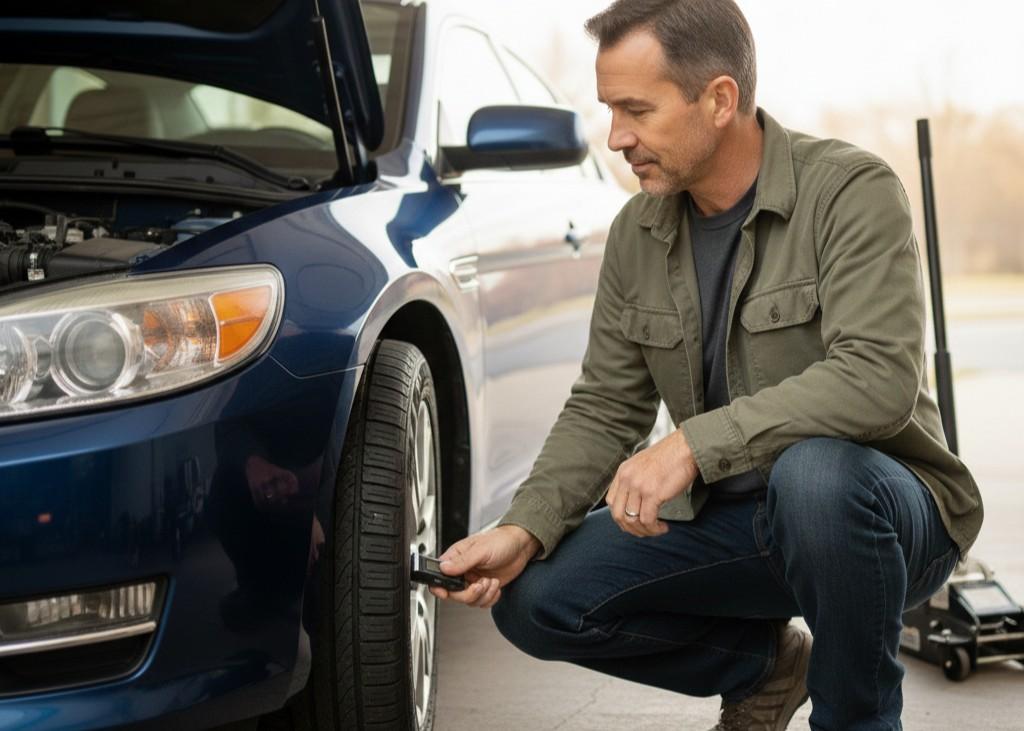
<p> Your tires are the only part of your car that touches the road, so keeping them in good shape is essential. Proper tire pressure improves fuel efficiency, handling, and safety. Underinflated tires can wear unevenly and increase the risk of blowouts, while overinflated tires can make your ride uncomfortable and reduce traction. Check your tire pressure at least once a month and before long trips. The recommended pressure is usually listed on the driver side door or in your owner’s manual. Rotating your tires every 5,000 to 7,500 miles ensures they wear evenly, which extends their lifespan and improves performance. Tire maintenance might seem minor, but it can prevent major problems and save money in the long run. </p> :: Gemini

Your tires are the only part of your car that touches the road, so keeping them in good shape is essential. Proper tire pressure improves fuel efficiency, handling, and safety. Underinflated tires can wear unevenly and increase the risk of blowouts, while overinflated tires can make your ride uncomfortable and reduce traction. Check your tire pressure at least once a month and before long trips. The recommended pressure is usually listed on the driver side door or in your owner’s manual. Rotating your tires every 5,000 to 7,500 miles ensures they wear evenly, which extends their lifespan and improves performance. Tire maintenance might seem minor, but it can prevent major problems and save money in the long run.

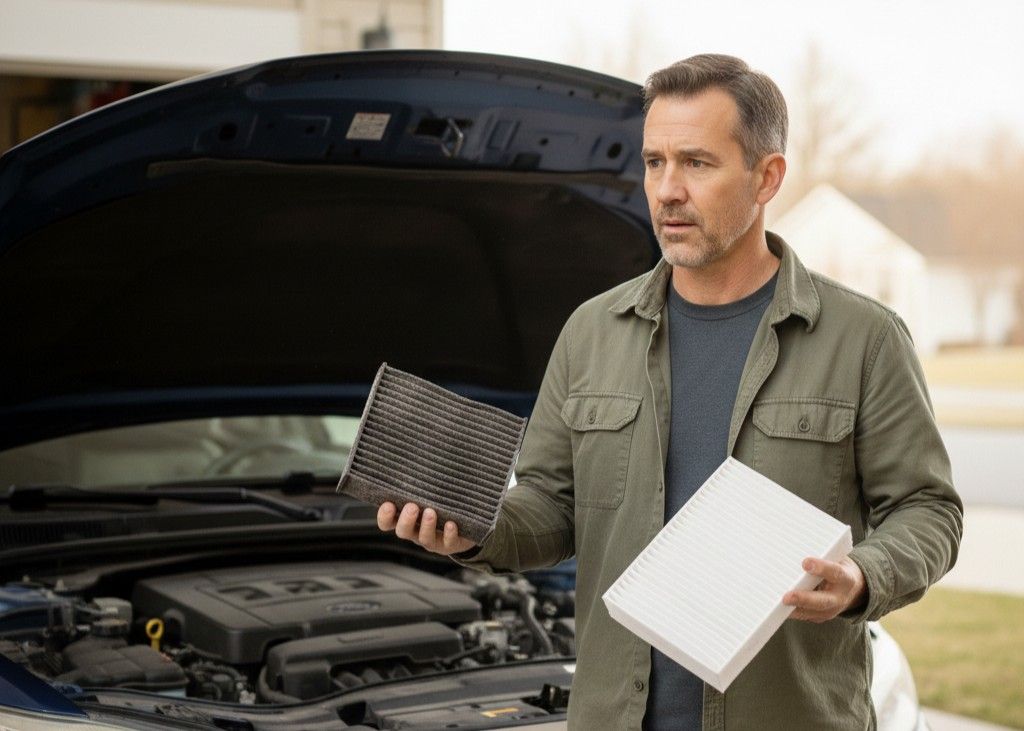
3. Replace Engine and Cabin Air Filters

<p> Air filters might not be the first thing you think about, but they play a crucial role in keeping your car running efficiently. The engine air filter stops dirt and debris from entering your engine, which can reduce fuel efficiency and performance if it gets clogged. The cabin air filter ensures the air you breathe inside your car is clean, filtering out pollen, dust, and pollutants. Replacing these filters is usually quick and easy. Many models allow you to slide the old filter out and replace it with a new one in minutes. Not only does this improve performance, but it also makes your driving experience healthier and more pleasant. </p> :: Gemini

Air filters might not be the first thing you think about, but they play a crucial role in keeping your car running efficiently. The engine air filter stops dirt and debris from entering your engine, which can reduce fuel efficiency and performance if it gets clogged. The cabin air filter ensures the air you breathe inside your car is clean, filtering out pollen, dust, and pollutants. Replacing these filters is usually quick and easy. Many models allow you to slide the old filter out and replace it with a new one in minutes. Not only does this improve performance, but it also makes your driving experience healthier and more pleasant.

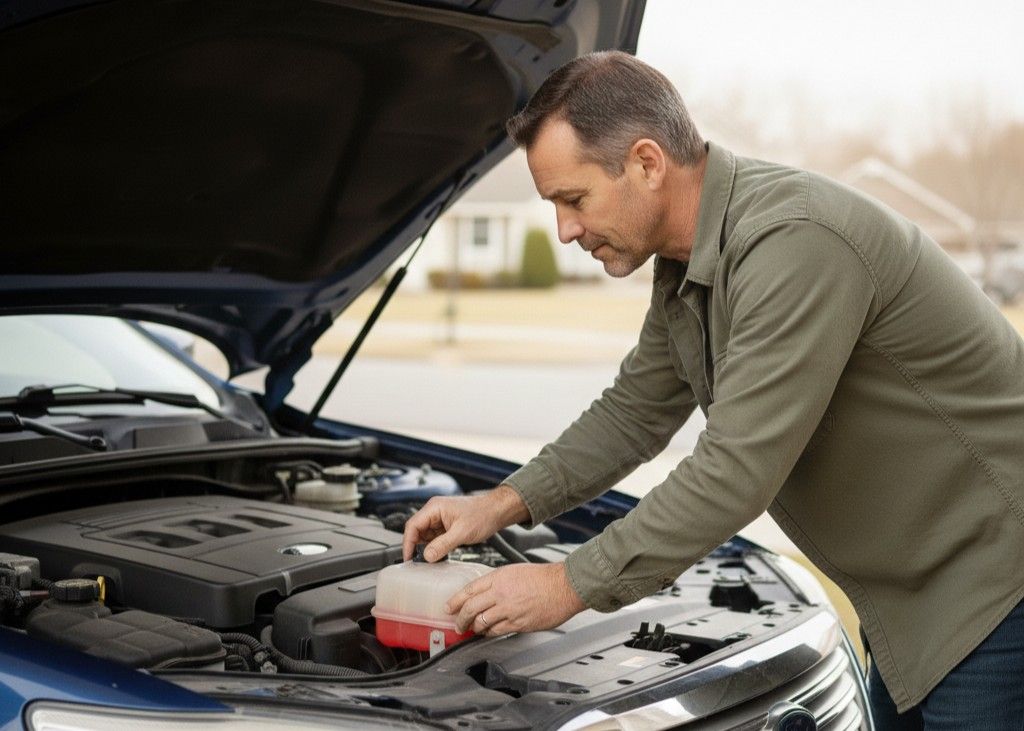
4. Check Fluid Levels Regularly

<p> Your car relies on several fluids to operate smoothly, including coolant, brake fluid, transmission fluid, and windshield washer fluid. Checking and topping up these fluids regularly is a small task that can prevent major problems. Coolant keeps your engine from overheating, brake fluid ensures your braking system works properly, and transmission fluid helps your gears shift smoothly. While some modern cars have systems that monitor fluid levels automatically, it is still worth checking them manually from time to time. Using the correct type of fluid is essential, so always refer to your owner’s manual before adding anything. Regular fluid checks are an easy way to catch potential issues early and protect your vehicle. </p> :: Gemini

Your car relies on several fluids to operate smoothly, including coolant, brake fluid, transmission fluid, and windshield washer fluid. Checking and topping up these fluids regularly is a small task that can prevent major problems. Coolant keeps your engine from overheating, brake fluid ensures your braking system works properly, and transmission fluid helps your gears shift smoothly. While some modern cars have systems that monitor fluid levels automatically, it is still worth checking them manually from time to time. Using the correct type of fluid is essential, so always refer to your owner’s manual before adding anything. Regular fluid checks are an easy way to catch potential issues early and protect your vehicle.

5. Inspect and Replace Windshield Wipers

<p> Good visibility is essential for safe driving, especially during rain or snow. Wiper blades wear out over time, crack, or lose grip, leaving streaks on your windshield and making it harder to see. Replacing your wipers is inexpensive, easy, and can be done without tools. Most stores carry a wide selection of blades, and installation usually takes just a few minutes. While it might seem like a minor detail, functional wipers can prevent accidents and make rainy drives much less stressful. Don’t wait until the first downpour to find out your blades are ineffective. </p> :: Gemini

Good visibility is essential for safe driving, especially during rain or snow. Wiper blades wear out over time, crack, or lose grip, leaving streaks on your windshield and making it harder to see. Replacing your wipers is inexpensive, easy, and can be done without tools. Most stores carry a wide selection of blades, and installation usually takes just a few minutes. While it might seem like a minor detail, functional wipers can prevent accidents and make rainy drives much less stressful. Don’t wait until the first downpour to find out your blades are ineffective.

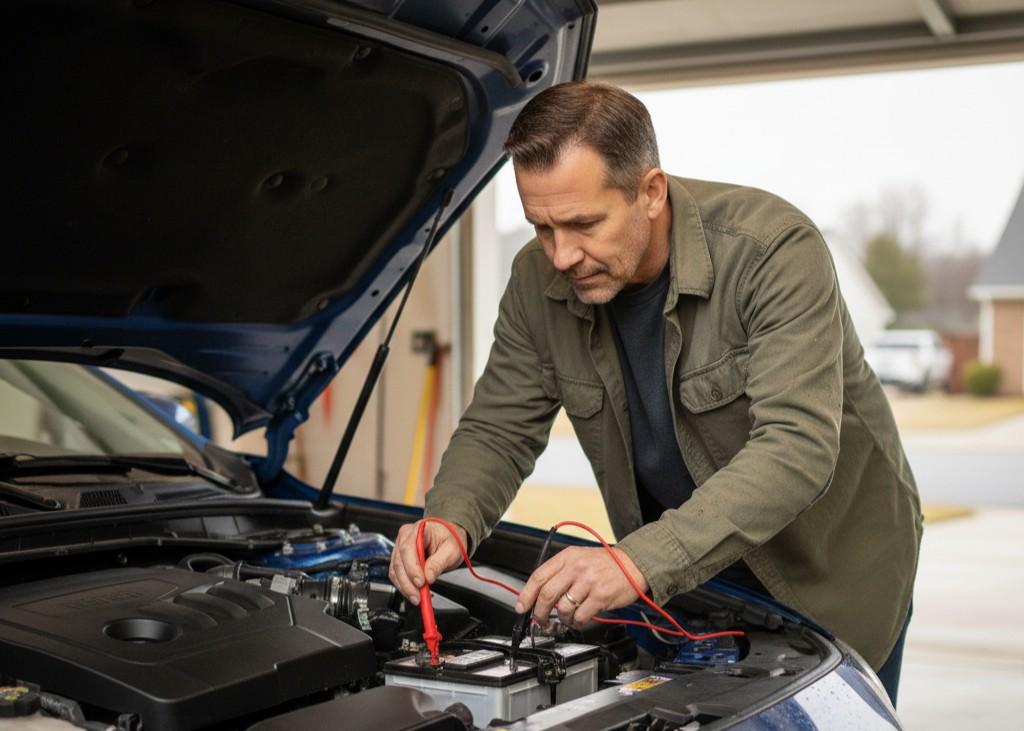
6. Test and Replace Your Battery

<p> A dead battery can leave you stranded at the worst possible time. Car batteries usually last three to five years, though extreme temperatures can shorten their lifespan. Signs of a weak battery include slow engine cranking, dim lights, or dashboard warning indicators. You can test your battery at home using a simple multimeter, or many auto parts stores offer free testing. If you notice corrosion on the terminals, clean them carefully, starting with the negative terminal to avoid sparks. Replacing a battery is relatively simple, and knowing how to check its health can save you from being stuck in a parking lot or on the side of the road. </p> :: Gemini

A dead battery can leave you stranded at the worst possible time. Car batteries usually last three to five years, though extreme temperatures can shorten their lifespan. Signs of a weak battery include slow engine cranking, dim lights, or dashboard warning indicators. You can test your battery at home using a simple multimeter, or many auto parts stores offer free testing. If you notice corrosion on the terminals, clean them carefully, starting with the negative terminal to avoid sparks. Replacing a battery is relatively simple, and knowing how to check its health can save you from being stuck in a parking lot or on the side of the road.

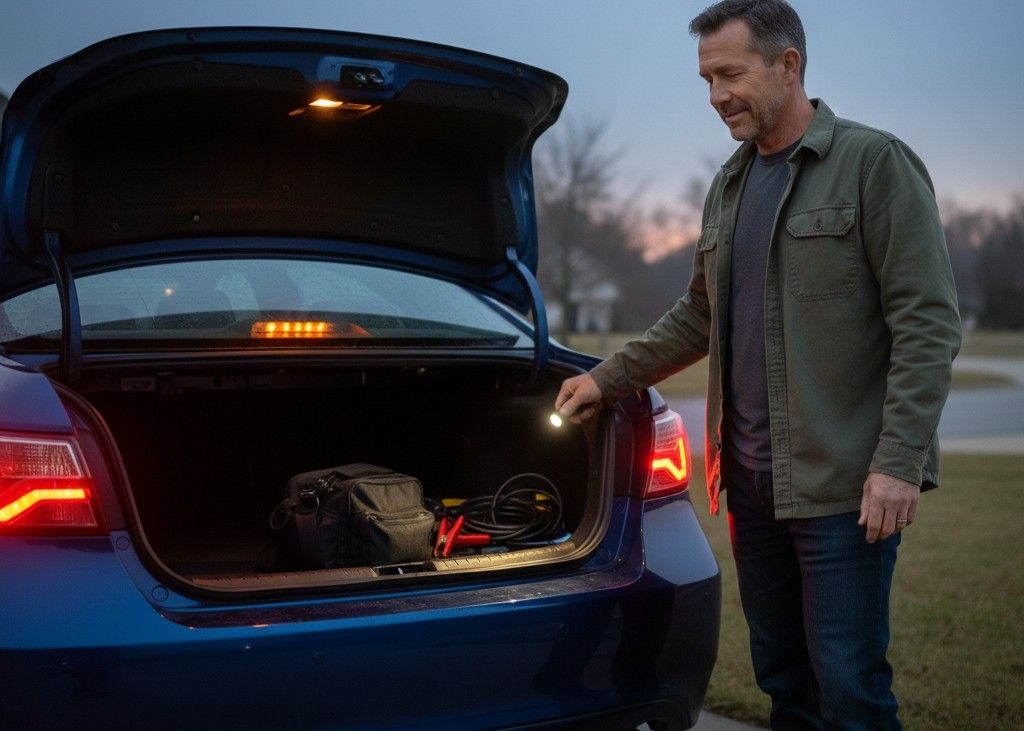
7. Check Lights and Safety Items Before Driving

<p> Before heading out, do a quick walk around your car to test all lights, including headlights, brake lights, turn signals, and hazard lights. Functional lights keep you visible to other drivers and prevent tickets. This small step only takes a few minutes and can prevent accidents and frustration. Additionally, make sure your emergency kit is stocked with essentials like a flashlight, jumper cables, and a first aid kit. Safety checks like this are quick, free, and a simple way to drive with confidence. </p> :: Gemini

Before heading out, do a quick walk around your car to test all lights, including headlights, brake lights, turn signals, and hazard lights. Functional lights keep you visible to other drivers and prevent tickets. This small step only takes a few minutes and can prevent accidents and frustration. Additionally, make sure your emergency kit is stocked with essentials like a flashlight, jumper cables, and a first aid kit. Safety checks like this are quick, free, and a simple way to drive with confidence.

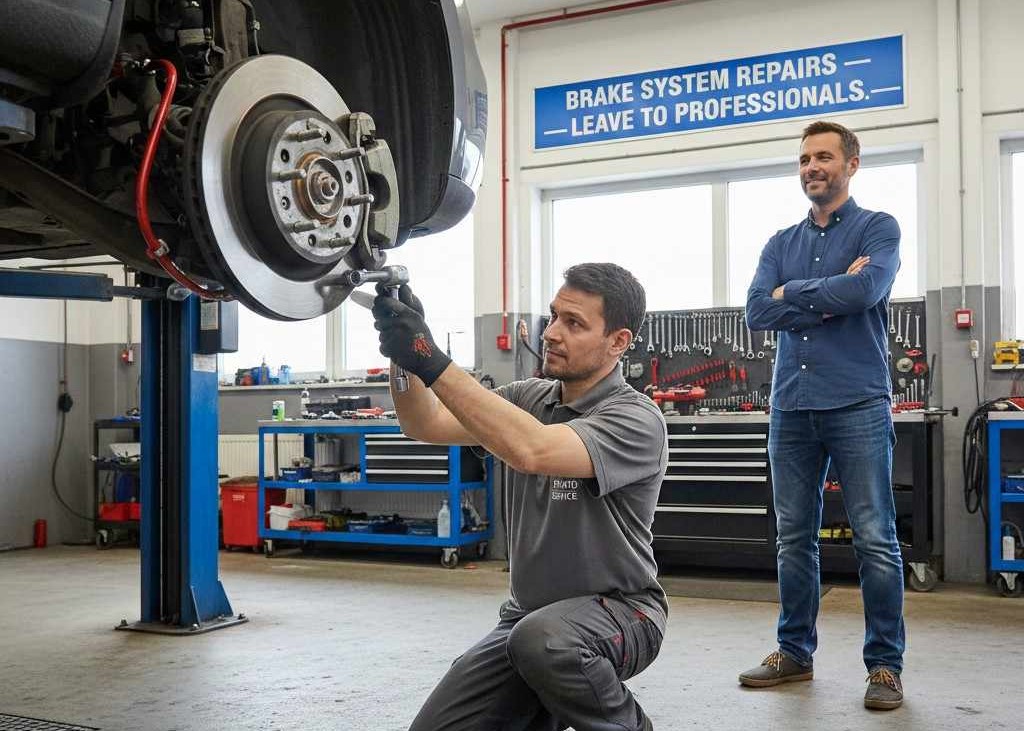
8. Brake System Repairs Are Best Left to Professionals

<p> Your brakes are one of the most critical components on your car. Attempting to repair or replace brake pads, rotors, or the hydraulic system yourself is risky. A small mistake could compromise stopping power and put your life and others in danger. Modern brake systems are complex, and professional technicians have the tools and knowledge to ensure the job is done safely. Trusting a professional for brake repairs is not only safer but can prevent expensive damage caused by incorrect installation. </p> :: Gemini

Your brakes are one of the most critical components on your car. Attempting to repair or replace brake pads, rotors, or the hydraulic system yourself is risky. A small mistake could compromise stopping power and put your life and others in danger. Modern brake systems are complex, and professional technicians have the tools and knowledge to ensure the job is done safely. Trusting a professional for brake repairs is not only safer but can prevent expensive damage caused by incorrect installation.

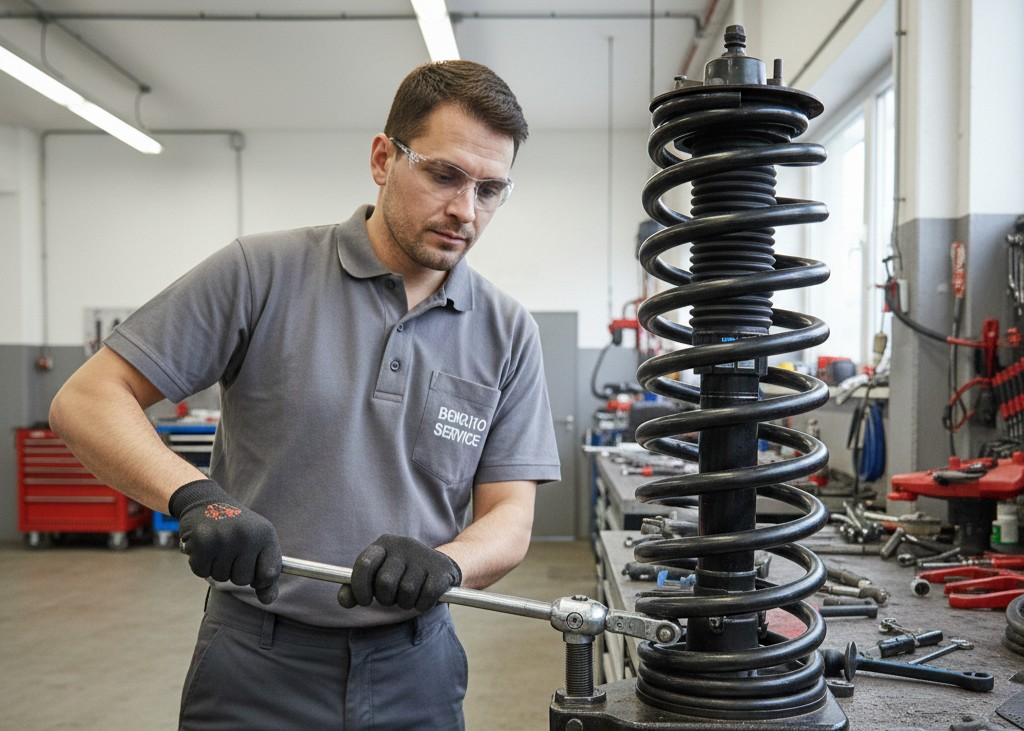
9. Leave Suspension and Strut Spring Work to the Experts

<p> Your car’s suspension keeps your ride smooth and stable. However, components like struts and coil springs are under extreme tension, and handling them without proper tools or experience can be dangerous. Attempting this yourself could result in serious injury or damage to your vehicle. Mechanics have the specialized equipment needed to safely service suspension systems. It is far safer and more cost-effective to let trained professionals handle these high-risk repairs. </p> :: Gemini

Your car’s suspension keeps your ride smooth and stable. However, components like struts and coil springs are under extreme tension, and handling them without proper tools or experience can be dangerous. Attempting this yourself could result in serious injury or damage to your vehicle. Mechanics have the specialized equipment needed to safely service suspension systems. It is far safer and more cost-effective to let trained professionals handle these high-risk repairs.

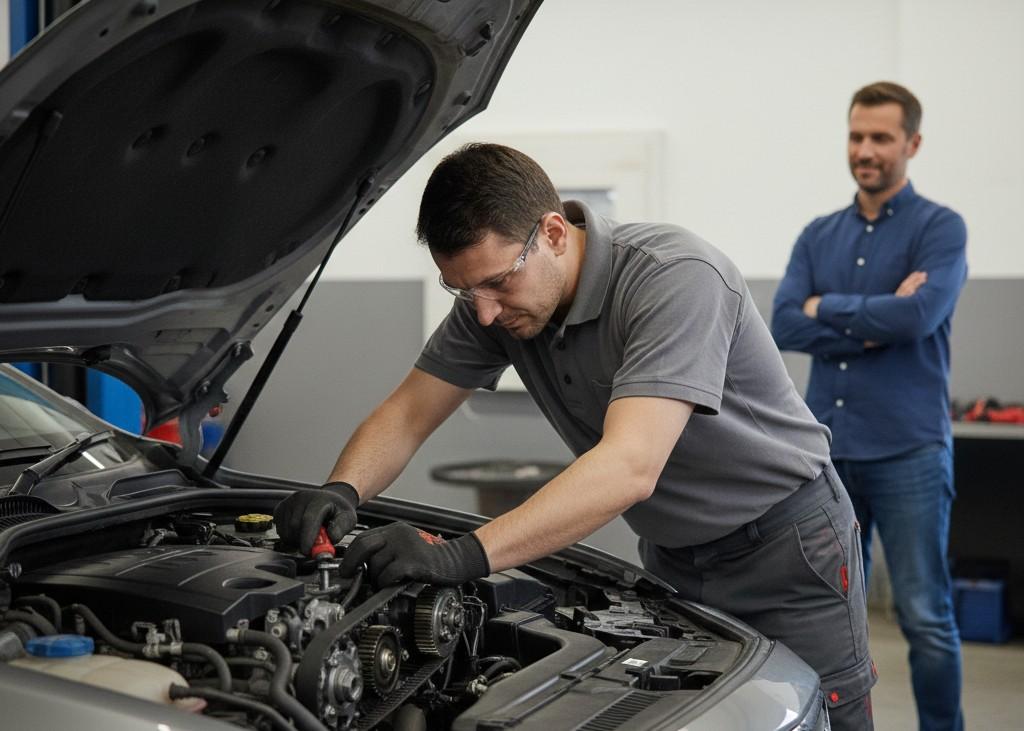
10. Timing Belt and Chain Replacement Should Not Be a DIY Job

<p> Timing belts and chains synchronize the engine’s valves and pistons. Installing them incorrectly can cause catastrophic engine damage. While it might be tempting to try and save money, this task requires precision, specialized tools, and knowledge. A small error can lead to a repair bill far higher than the cost of professional service. When it comes to timing components, professional care is the only safe choice. </p> :: Gemini

Timing belts and chains synchronize the engine’s valves and pistons. Installing them incorrectly can cause catastrophic engine damage. While it might be tempting to try and save money, this task requires precision, specialized tools, and knowledge. A small error can lead to a repair bill far higher than the cost of professional service. When it comes to timing components, professional care is the only safe choice.

Final Thoughts

<p> Taking care of your car does not have to be intimidating or expensive. Simple tasks like checking fluids, replacing filters, maintaining tire pressure, and ensuring your lights and wipers are working properly can prevent costly repairs, extend your car’s lifespan, and make your daily drives safer and more enjoyable. At the same time, recognizing which tasks are too risky to attempt yourself, like brake repairs, suspension work, and timing belt replacement, is just as important. Smart, consistent maintenance keeps your car reliable, your wallet happy, and your peace of mind intact. Think of your vehicle as an investment: a little care today can save a lot of stress tomorrow. Take the time to stay proactive, stay safe, and enjoy the ride. </p> :: Gemini

Taking care of your car does not have to be intimidating or expensive. Simple tasks like checking fluids, replacing filters, maintaining tire pressure, and ensuring your lights and wipers are working properly can prevent costly repairs, extend your car’s lifespan, and make your daily drives safer and more enjoyable. At the same time, recognizing which tasks are too risky to attempt yourself, like brake repairs, suspension work, and timing belt replacement, is just as important. Smart, consistent maintenance keeps your car reliable, your wallet happy, and your peace of mind intact. Think of your vehicle as an investment: a little care today can save a lot of stress tomorrow. Take the time to stay proactive, stay safe, and enjoy the ride.

Filed Under: Autos

What Your Car Says About You: 10 Things People Notice Right Away

February 17, 2026 | Leave a Comment

What Your Car Says About You: 10 Things People Notice Right Away

<p>Your car is more than just a way to get from point A to point B. It’s a reflection of your personality, lifestyle, and even your values. Whether you realize it or not, the vehicle you drive can make a lasting impression on people around you. Here are ten things people tend to notice right away about you based on your car. </p> ::Pexels

Your car is more than just a way to get from point A to point B. It’s a reflection of your personality, lifestyle, and even your values. Whether you realize it or not, the vehicle you drive can make a lasting impression on people around you. Here are ten things people tend to notice right away about you based on your car.


1. The Brand: Status or Practicality?

<p>The brand of your car often speaks volumes. Driving a luxury brand like BMW, Mercedes-Benz, or Tesla can signal success, status, or a desire for premium experiences. On the flip side, driving a reliable brand like Toyota or Honda might suggest that you value practicality and longevity over flash. The car’s badge often gives people their first hint about what kind of driver (and person) you might be.</p> ::Pexels

The brand of your car often speaks volumes. Driving a luxury brand like BMW, Mercedes-Benz, or Tesla can signal success, status, or a desire for premium experiences. On the flip side, driving a reliable brand like Toyota or Honda might suggest that you value practicality and longevity over flash. The car’s badge often gives people their first hint about what kind of driver (and person) you might be.


2. Condition: Clean or Cluttered?

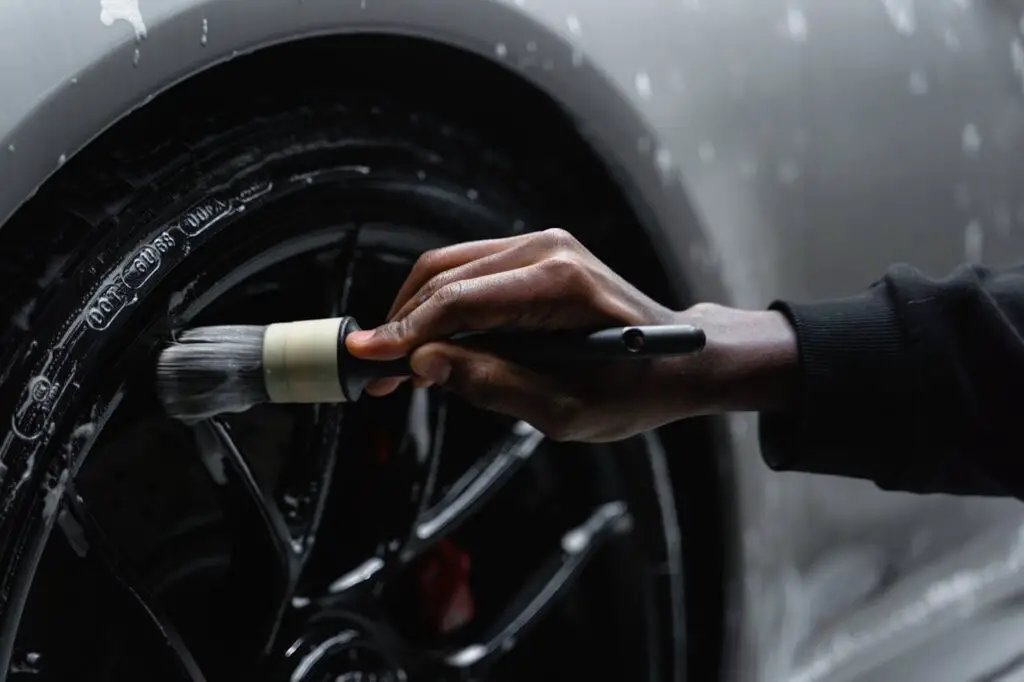
<p>The condition of your car says a lot about your personality and habits. A clean, well-maintained car suggests that you’re organized, responsible, and take pride in your belongings. On the other hand, a cluttered or dirty car can give off the impression that you’re either too busy to clean or don’t mind a bit of chaos in your life.</p> ::Pexels

The condition of your car says a lot about your personality and habits. A clean, well-maintained car suggests that you’re organized, responsible, and take pride in your belongings. On the other hand, a cluttered or dirty car can give off the impression that you’re either too busy to clean or don’t mind a bit of chaos in your life.


3. Age of the Car: Nostalgic or Up-to-Date?

<p>People often notice the age of a car, and this can hint at your lifestyle choices. Driving an older model might suggest that you’re nostalgic, practical, or environmentally conscious by extending the life of your vehicle. A brand-new, high-tech car, on the other hand, can indicate that you’re up-to-date with the latest trends and enjoy having the newest gadgets at your fingertips.if(typeof ez_ad_units == "undefined"){ez_ad_units=[];}ez_ad_units.push([[336,280],"ourdebtfreefamily_com-large-mobile-banner-1","ezslot_4",107,"0","0", "ourdebtfreefamily_com-large-mobile-banner-1-0"]);if(typeof __ez_fad_position == "function"){__ez_fad_position("div-gpt-ad-ourdebtfreefamily_com-large-mobile-banner-1-0");}</p> ::Pexels

People often notice the age of a car, and this can hint at your lifestyle choices. Driving an older model might suggest that you’re nostalgic, practical, or environmentally conscious by extending the life of your vehicle. A brand-new, high-tech car, on the other hand, can indicate that you’re up-to-date with the latest trends and enjoy having the newest gadgets at your fingertips.


4. Color: Bold or Understated?

<p>The color of your car can be a window into your personality. Bold colors like red, yellow, or orange suggest confidence and a desire to stand out, while more neutral colors like white, black, or silver tend to convey professionalism and a no-nonsense attitude. Some people choose colors that reflect their personal style, while others opt for something more practical to hide dirt or scratches.</p> ::Pexels

The color of your car can be a window into your personality. Bold colors like red, yellow, or orange suggest confidence and a desire to stand out, while more neutral colors like white, black, or silver tend to convey professionalism and a no-nonsense attitude. Some people choose colors that reflect their personal style, while others opt for something more practical to hide dirt or scratches.


5. Size: Family-Oriented or Adventurous?

<p>The size of your car is another element people notice right away. A large SUV or minivan suggests a family-oriented lifestyle, prioritizing comfort and space for passengers. A compact car might indicate that you live in the city, value fuel efficiency, or prefer something easy to maneuver. Meanwhile, a rugged pickup truck or off-road vehicle might signal that you love adventure, outdoor activities, or physical work.</p> ::Pexels

The size of your car is another element people notice right away. A large SUV or minivan suggests a family-oriented lifestyle, prioritizing comfort and space for passengers. A compact car might indicate that you live in the city, value fuel efficiency, or prefer something easy to maneuver. Meanwhile, a rugged pickup truck or off-road vehicle might signal that you love adventure, outdoor activities, or physical work.


6. Technology: Minimalist or Tech-Savvy?

<p>The level of technology in your car can hint at how tech-savvy you are. If you drive a high-tech vehicle loaded with features like touchscreens, autonomous driving, or advanced safety systems, it suggests that you’re forward-thinking and love cutting-edge innovations. A more basic model could indicate that you prefer simplicity or have no need for all the bells and whistles.</p> ::Pexels

The level of technology in your car can hint at how tech-savvy you are. If you drive a high-tech vehicle loaded with features like touchscreens, autonomous driving, or advanced safety systems, it suggests that you’re forward-thinking and love cutting-edge innovations. A more basic model could indicate that you prefer simplicity or have no need for all the bells and whistles.


7. Modifications: Customizer or Traditionalist?

<p>If your car has noticeable modifications, like custom rims, tinted windows, or performance upgrades, it shows that you’re someone who likes to stand out and make things your own. Modifying your car also suggests you’re passionate about driving and see your car as an extension of your personality. On the other hand, a car that’s closer to stock form may indicate that you’re a traditionalist or someone who values functionality over form.</p> ::Pexels

If your car has noticeable modifications, like custom rims, tinted windows, or performance upgrades, it shows that you’re someone who likes to stand out and make things your own. Modifying your car also suggests you’re passionate about driving and see your car as an extension of your personality. On the other hand, a car that’s closer to stock form may indicate that you’re a traditionalist or someone who values functionality over form.


8. Eco-Friendliness: Green or Gas Guzzler?

<p>In today’s world, people are increasingly aware of environmental issues, and the type of car you drive sends a clear message about your stance on sustainability. Driving an electric or hybrid vehicle suggests that you’re eco-conscious and mindful of your carbon footprint. On the other hand, a large gas-guzzling SUV or sports car might hint that you prioritize performance and power over environmental concerns.</p> ::Pexels

In today’s world, people are increasingly aware of environmental issues, and the type of car you drive sends a clear message about your stance on sustainability. Driving an electric or hybrid vehicle suggests that you’re eco-conscious and mindful of your carbon footprint. On the other hand, a large gas-guzzling SUV or sports car might hint that you prioritize performance and power over environmental concerns.


9. License Plate: Personalized or Standard?

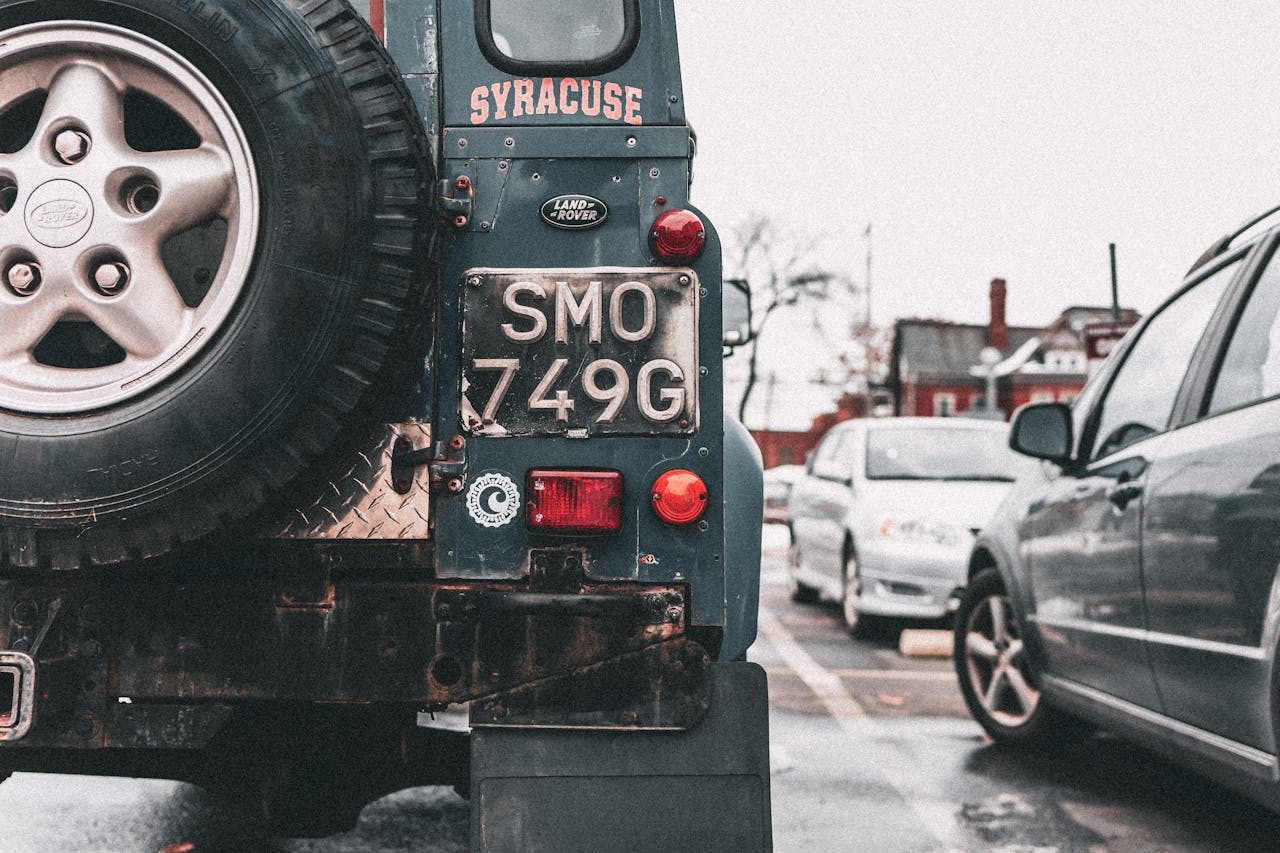
<p>A personalized license plate can offer a glimpse into your sense of humor, interests, or even a bit of your personality. Whether it’s a clever wordplay or a meaningful date, custom plates stand out. On the flip side, a standard plate may suggest you prefer to fly under the radar or that a custom touch just isn’t your style.</p> ::Pexels

A personalized license plate can offer a glimpse into your sense of humor, interests, or even a bit of your personality. Whether it’s a clever wordplay or a meaningful date, custom plates stand out. On the flip side, a standard plate may suggest you prefer to fly under the radar or that a custom touch just isn’t your style.


10. Accessories: Functional or Fun?

<p>Accessories like roof racks, bumper stickers, or seat covers can say a lot about your hobbies and priorities. A car with roof racks might suggest you’re an outdoor enthusiast, while bumper stickers can reflect your beliefs, sense of humor, or even your political views. Fun, quirky accessories show off a playful side, whereas a minimalist approach might signal a focus on function and simplicity.</p> ::Pexels

Accessories like roof racks, bumper stickers, or seat covers can say a lot about your hobbies and priorities. A car with roof racks might suggest you’re an outdoor enthusiast, while bumper stickers can reflect your beliefs, sense of humor, or even your political views. Fun, quirky accessories show off a playful side, whereas a minimalist approach might signal a focus on function and simplicity.


Conclusion

<p>Your car can say a lot about you before you even step out of it. From the brand and condition to the color and technology, every detail can give people clues about your personality, lifestyle, and values. Whether you drive a sleek sports car, a practical sedan, or a rugged truck, remember that people are constantly forming impressions based on what they see. What’s your car saying about you?</p> ::Pexels

Your car can say a lot about you before you even step out of it. From the brand and condition to the color and technology, every detail can give people clues about your personality, lifestyle, and values. Whether you drive a sleek sports car, a practical sedan, or a rugged truck, remember that people are constantly forming impressions based on what they see. What’s your car saying about you?

Filed Under: Autos

Why Boomers Are Switching to Electric: 8 Surprising Reasons You Should Consider It

February 17, 2026 | Leave a Comment

Why Boomers Are Switching to Electric: 8 Surprising Reasons You Should Consider It

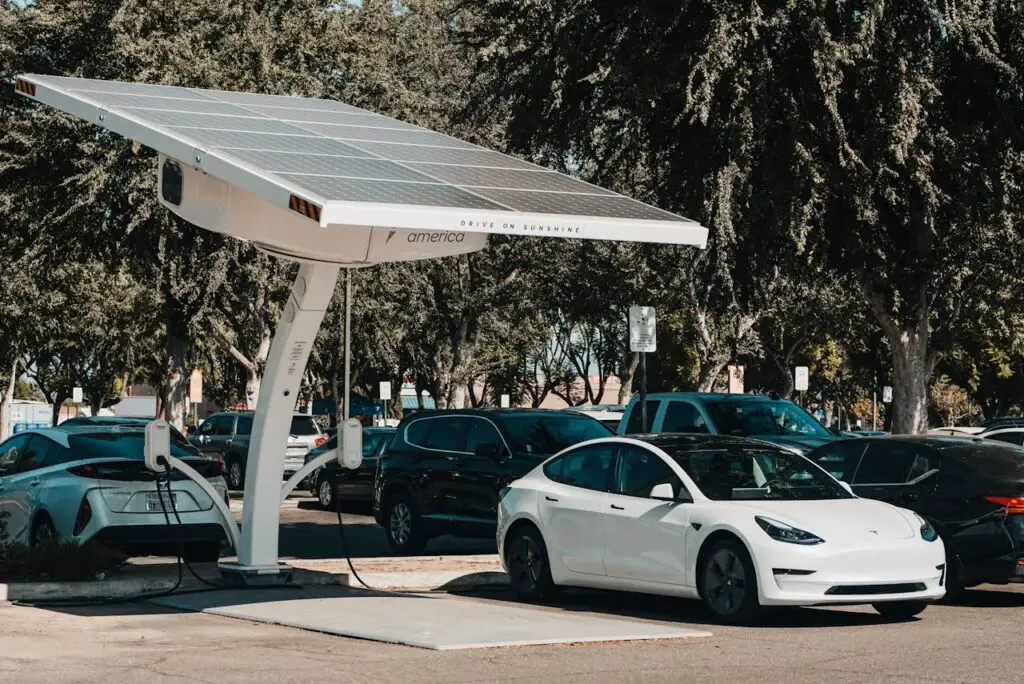
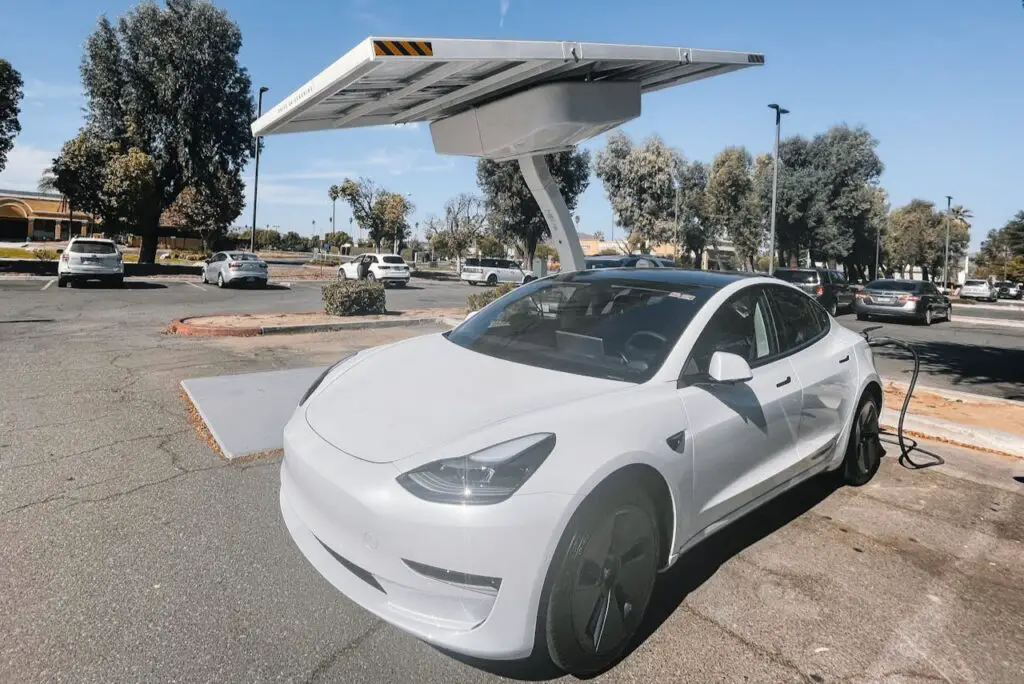
<p> Remember when you first saw a hybrid car and thought, “What in the world is that thing?” Fast forward a few decades, and electric vehicles (EVs) are no longer futuristic novelties—they’re practical, powerful, and popping up in driveways across America. But here’s the twist: it's not just younger generations getting in on the action. More and more Baby Boomers are making the switch to electric, and it’s not just to “keep up with the times.” From lower maintenance to grandkid-friendly air quality, Boomers are discovering that EVs offer real-world advantages that fit their lifestyle—whether they’re retired, semi-retired, or just looking for smarter ways to get around. If you're curious about electric vehicles but still on the fence, these eight surprising reasons might just tip the scales. </p> :: Freepik

Remember when you first saw a hybrid car and thought, “What in the world is that thing?” Fast forward a few decades, and electric vehicles (EVs) are no longer futuristic novelties—they’re practical, powerful, and popping up in driveways across America. But here’s the twist: it’s not just younger generations getting in on the action. More and more Baby Boomers are making the switch to electric, and it’s not just to “keep up with the times.”

From lower maintenance to grandkid-friendly air quality, Boomers are discovering that EVs offer real-world advantages that fit their lifestyle—whether they’re retired, semi-retired, or just looking for smarter ways to get around. If you’re curious about electric vehicles but still on the fence, these eight surprising reasons might just tip the scales.

1. Save Big on Fuel Costs

<p> Let’s start with the money. Gas prices go up and down more often than the weather forecast. With an EV, you can say goodbye to those unpredictable pump stops. Electric vehicles cost significantly less to “fuel,” often saving drivers around $2,200 per year on average. Charging your car at home is not only cheaper than gas but far more predictable, especially if you charge during off-peak hours. For Boomers living on fixed incomes or simply trying to make smarter financial choices, that’s real savings that add up fast. </p> :: Pexels

Let’s start with the money. Gas prices go up and down more often than the weather forecast. With an EV, you can say goodbye to those unpredictable pump stops. Electric vehicles cost significantly less to “fuel,” often saving drivers around $2,200 per year on average. Charging your car at home is not only cheaper than gas but far more predictable, especially if you charge during off-peak hours. For Boomers living on fixed incomes or simply trying to make smarter financial choices, that’s real savings that add up fast.

2. Simpler, Lower-Maintenance Ownership

<p> Here’s one for your “less stress” list: electric cars don’t need oil changes. Or spark plugs. Or timing belts. Because EVs have fewer than 30 moving parts in their motors—compared to hundreds (if not thousands) in traditional gas engines—they break down far less often and require far less maintenance. That means fewer trips to the mechanic and more time doing what you love. For Boomers who’ve been under the hood enough in their lifetimes, this new era of easy car care is a breath of fresh air. </p> :: Freepik

Here’s one for your “less stress” list: electric cars don’t need oil changes. Or spark plugs. Or timing belts. Because EVs have fewer than 30 moving parts in their motors—compared to hundreds (if not thousands) in traditional gas engines—they break down far less often and require far less maintenance. That means fewer trips to the mechanic and more time doing what you love. For Boomers who’ve been under the hood enough in their lifetimes, this new era of easy car care is a breath of fresh air.

3. No More Gas Station Runs

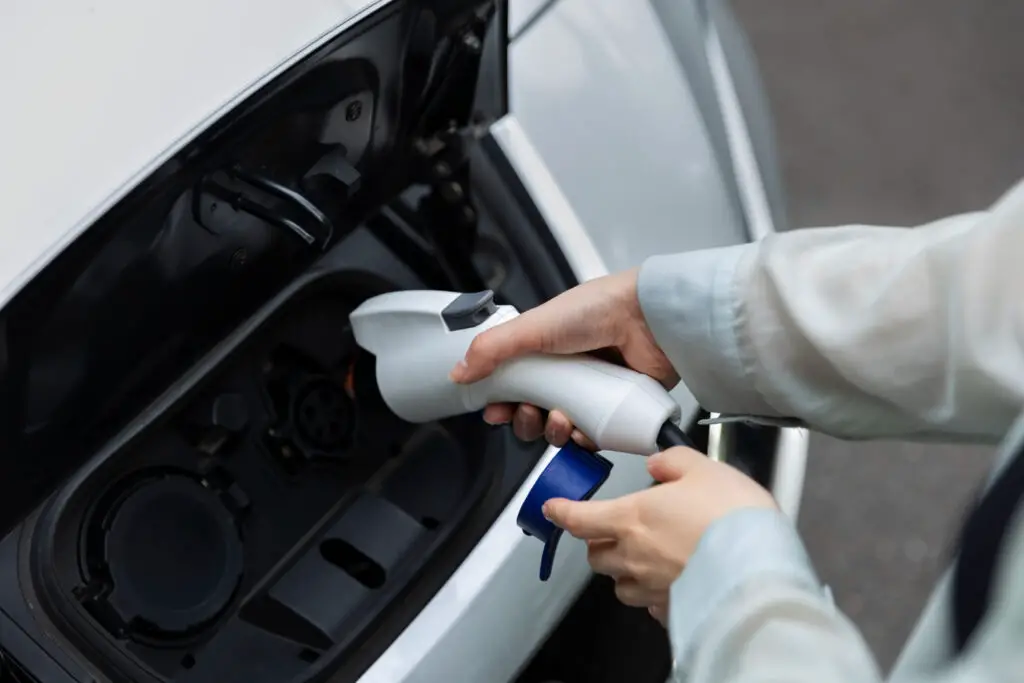
<p> Remember rushing to the gas station during a snowstorm or in the middle of the night? With an EV, that’s a thing of the past. Most EV owners charge their cars right at home—overnight, while they sleep. No more wrestling with cold pumps, long lines, or gas station receipts that mysteriously vanish. If you own your home and have a garage or driveway, installing a Level 2 charger is as easy as calling an electrician. It’s like plugging in your phone: wake up with a full “tank” every morning. </p> :: Pexels

Remember rushing to the gas station during a snowstorm or in the middle of the night? With an EV, that’s a thing of the past. Most EV owners charge their cars right at home—overnight, while they sleep. No more wrestling with cold pumps, long lines, or gas station receipts that mysteriously vanish. If you own your home and have a garage or driveway, installing a Level 2 charger is as easy as calling an electrician. It’s like plugging in your phone: wake up with a full “tank” every morning.

4. Peace of Mind with Safety First

<p> Electric cars are surprisingly safe—and that’s not just marketing fluff. Thanks to their design, they have a lower center of gravity, which makes them more stable and less likely to roll over. Plus, EVs are far less prone to catching fire than traditional gas cars. Add in modern safety tech like automatic emergency braking, blind-spot detection, and lane-keeping assist, and you've got a vehicle that is not only efficient but deeply reassuring to drive. Whether you're navigating city traffic or backing into a parking space at the grocery store, these built-in helpers can be a game changer. </p> :: Freepik

Electric cars are surprisingly safe—and that’s not just marketing fluff. Thanks to their design, they have a lower center of gravity, which makes them more stable and less likely to roll over. Plus, EVs are far less prone to catching fire than traditional gas cars. Add in modern safety tech like automatic emergency braking, blind-spot detection, and lane-keeping assist, and you’ve got a vehicle that is not only efficient but deeply reassuring to drive. Whether you’re navigating city traffic or backing into a parking space at the grocery store, these built-in helpers can be a game changer.

5. Healthier Air for Your Grandkids

<p> EVs don’t have tailpipes, which means they don’t release harmful emissions into the air. By switching to electric, you’re helping reduce air pollution and creating a healthier environment—especially for your kids and grandkids. In fact, driving an EV can prevent up to 5 tons of carbon dioxide emissions every 10,000 miles. If you’re thinking about the legacy you’ll leave behind, this one’s pretty powerful. It’s a simple change that can make a lasting difference for future generations. </p> :: Pexels

EVs don’t have tailpipes, which means they don’t release harmful emissions into the air. By switching to electric, you’re helping reduce air pollution and creating a healthier environment—especially for your kids and grandkids. In fact, driving an EV can prevent up to 5 tons of carbon dioxide emissions every 10,000 miles. If you’re thinking about the legacy you’ll leave behind, this one’s pretty powerful. It’s a simple change that can make a lasting difference for future generations.

6. Smart Tax Breaks and Incentives

<p> Worried about the price tag? Don’t be. Between federal tax credits, state rebates, and local utility incentives, switching to an EV can be more affordable than you think. Depending on where you live, you might qualify for thousands of dollars in savings just for buying electric—and you may even get help with installing a home charger. If you're shopping on a budget, keep in mind that gently used EVs are often available for under $10,000, especially with incentives applied. For Boomers used to looking for a good deal, this is a golden opportunity. </p> :: Freepik

Worried about the price tag? Don’t be. Between federal tax credits, state rebates, and local utility incentives, switching to an EV can be more affordable than you think. Depending on where you live, you might qualify for thousands of dollars in savings just for buying electric—and you may even get help with installing a home charger. If you’re shopping on a budget, keep in mind that gently used EVs are often available for under $10,000, especially with incentives applied. For Boomers used to looking for a good deal, this is a golden opportunity.

7. Homeownership Makes Charging a Breeze

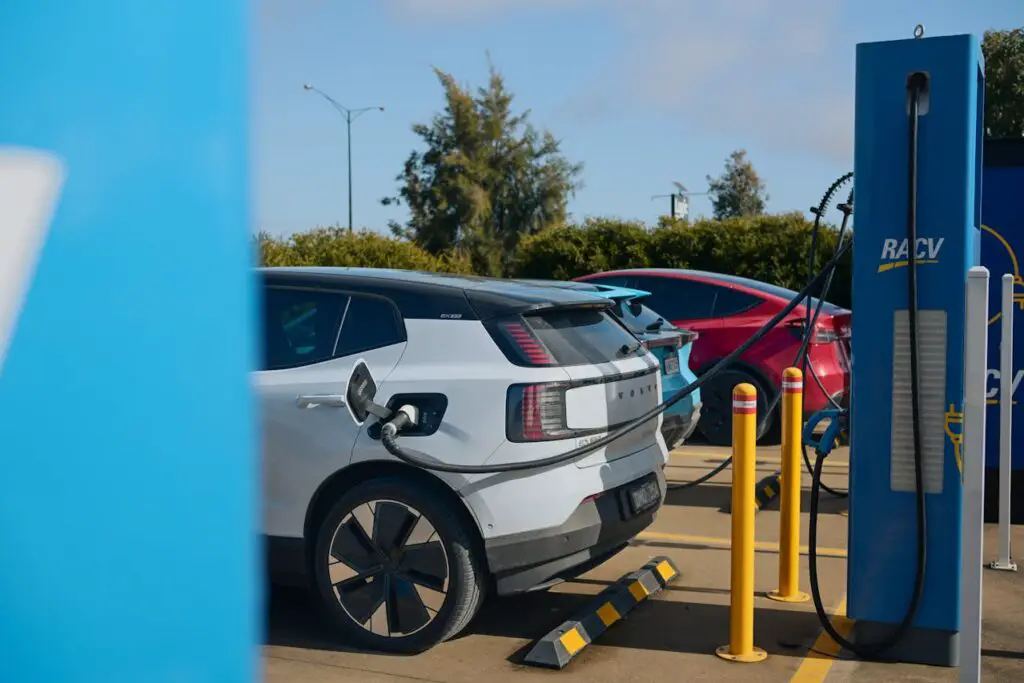
<p> Here’s one more perk of being a homeowner: you’re already in a great position to own an EV. Unlike apartment dwellers who may need to hunt for public chargers, Boomers who own homes can set up a home charging station and forget about it. Once it’s installed, it works quietly in the background while you sleep or watch your favorite show. You don’t have to change your habits—you just plug it in and go. It’s a low-effort lifestyle upgrade that feels high-tech in all the right ways. </p> :: Freepik

Here’s one more perk of being a homeowner: you’re already in a great position to own an EV. Unlike apartment dwellers who may need to hunt for public chargers, Boomers who own homes can set up a home charging station and forget about it. Once it’s installed, it works quietly in the background while you sleep or watch your favorite show. You don’t have to change your habits—you just plug it in and go. It’s a low-effort lifestyle upgrade that feels high-tech in all the right ways.

8. Instant Torque and Surprisingly Fun Driving

<p> Let’s be honest—driving electric is just fun. EVs deliver instant torque, which means you accelerate quickly and smoothly. There’s no lag, no gear-shifting, and no engine rumble—just quiet power at your fingertips. Whether you’re merging onto the highway or zipping around town, the responsiveness of an EV can make even a routine errand feel like a joyride. If you’ve always enjoyed driving but hate the stress that sometimes comes with it, EVs bring back the joy of the open road—minus the noise and fumes. </p> :: Freepik

Let’s be honest—driving electric is just fun. EVs deliver instant torque, which means you accelerate quickly and smoothly. There’s no lag, no gear-shifting, and no engine rumble—just quiet power at your fingertips. Whether you’re merging onto the highway or zipping around town, the responsiveness of an EV can make even a routine errand feel like a joyride. If you’ve always enjoyed driving but hate the stress that sometimes comes with it, EVs bring back the joy of the open road—minus the noise and fumes.

Final Thoughts

<p> Switching to electric isn't about jumping on a trend—it’s about embracing a smarter, cleaner, and more convenient way to drive. For Boomers who value independence, comfort, and long-term savings, EVs are tailor-made for this chapter of life. You’ve spent decades adapting to change, learning new technologies, and caring for your loved ones. Now, you have the chance to invest in a vehicle that pays you back—in peace of mind, dollars saved, and a healthier planet for your grandkids. And here’s the thing: you don’t have to go it alone. There are communities of EV owners, friendly dealerships eager to walk you through the switch, and plenty of resources to help you decide if it’s the right fit. Whether you’re planning your next road trip or just looking for a better way to get to the golf course, an electric car might be your perfect co-pilot. So, is it time to make the switch? Only you can decide. But one thing is certain—Boomers aren’t just riding the wave of the future. They’re driving it. </p> :: Freepik

Switching to electric isn’t about jumping on a trend—it’s about embracing a smarter, cleaner, and more convenient way to drive. For Boomers who value independence, comfort, and long-term savings, EVs are tailor-made for this chapter of life. You’ve spent decades adapting to change, learning new technologies, and caring for your loved ones. Now, you have the chance to invest in a vehicle that pays you back—in peace of mind, dollars saved, and a healthier planet for your grandkids.

And here’s the thing: you don’t have to go it alone. There are communities of EV owners, friendly dealerships eager to walk you through the switch, and plenty of resources to help you decide if it’s the right fit. Whether you’re planning your next road trip or just looking for a better way to get to the golf course, an electric car might be your perfect co-pilot.

So, is it time to make the switch? Only you can decide. But one thing is certain—Boomers aren’t just riding the wave of the future. They’re driving it.

Filed Under: Autos

7 Common Car Repairs That Can Be Done at Home to Save Money

February 13, 2026 | Leave a Comment

7 Common Car Repairs That Can Be Done at Home to Save Money

<p> Car repairs can quickly add up, draining your wallet with labor and parts costs. However, many routine maintenance tasks and minor repairs can be handled right at home, often with basic tools and a little patience. Not only can doing your own car repairs save you significant money, but it also helps you understand your vehicle better, making it easier to maintain in the long run. In this article, we’ll dive into seven common car repairs that you can do at home to save money and avoid costly mechanic bills. </p> :: Pexels

Car repairs can quickly add up, draining your wallet with labor and parts costs. However, many routine maintenance tasks and minor repairs can be handled right at home, often with basic tools and a little patience. Not only can doing your own car repairs save you significant money, but it also helps you understand your vehicle better, making it easier to maintain in the long run. In this article, we’ll dive into seven common car repairs that you can do at home to save money and avoid costly mechanic bills.

1. Changing the Oil

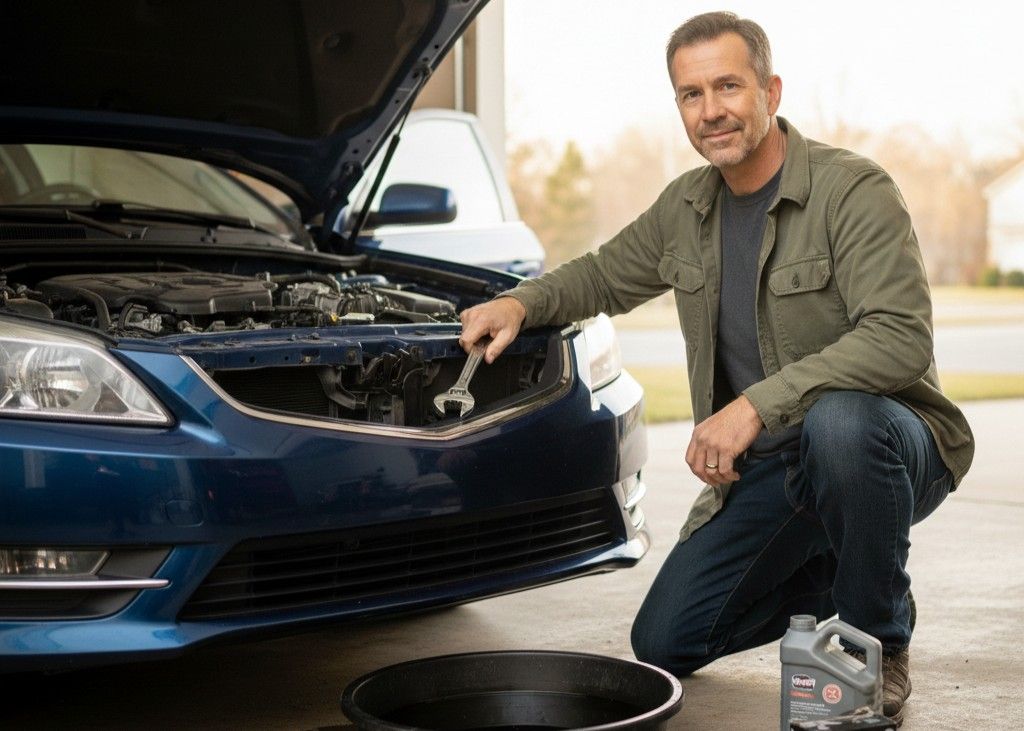
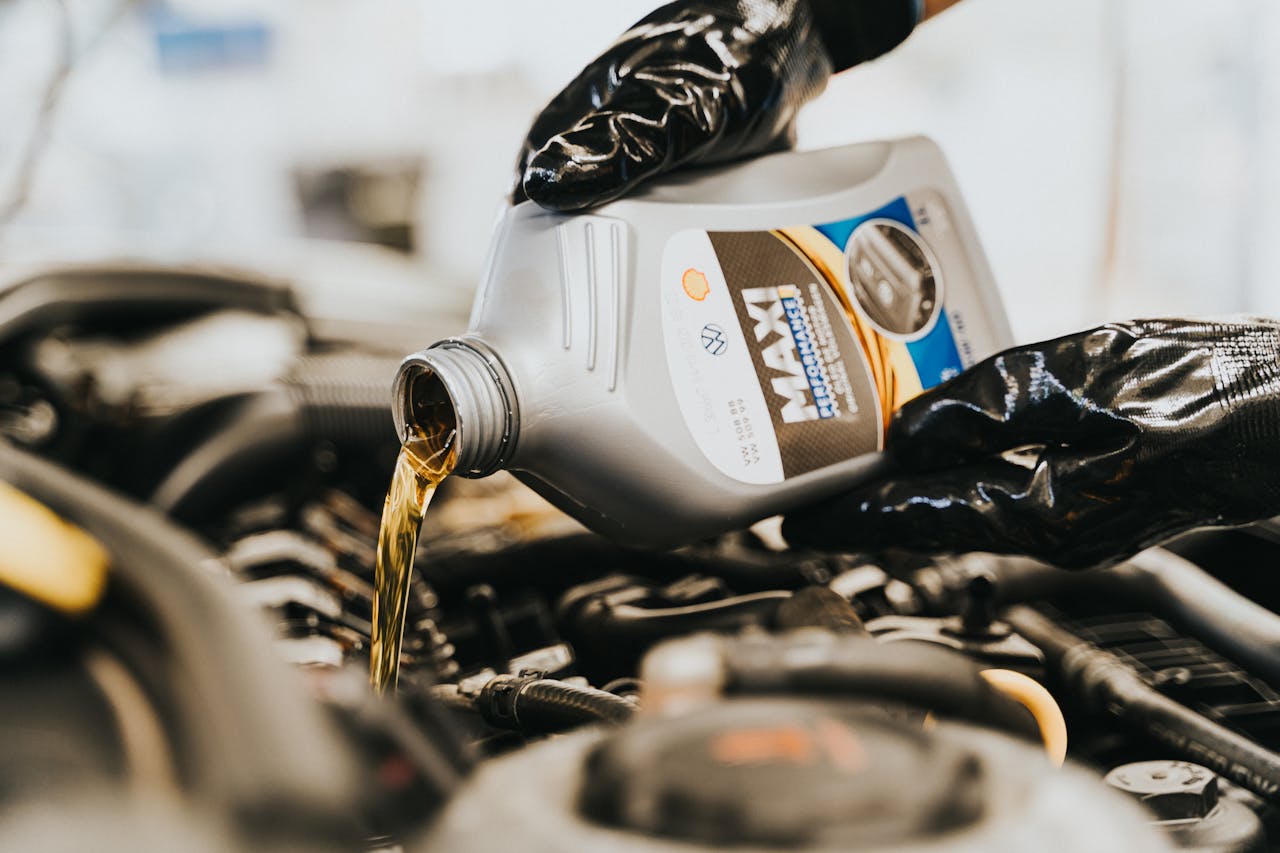
<p> Changing your car’s oil is one of the most routine and essential maintenance tasks that can be done at home. Regular oil changes ensure that your engine runs smoothly, extends its life, and prevents expensive breakdowns. To do this yourself, you’ll need a few basic items: the correct type of oil, a new oil filter, a wrench, and a drain pan. Start by loosening the drain plug to empty the old oil, then replace the oil filter, and finish by refilling the engine with new oil. This task, which can be done in under an hour, will save you around $40 to $70 per oil change, depending on your car’s make and model. By doing this at home, you avoid labor charges and only pay for the oil and filter, making it a great way to keep maintenance costs down. </p> :: Pexels

Changing your car’s oil is one of the most routine and essential maintenance tasks that can be done at home. Regular oil changes ensure that your engine runs smoothly, extends its life, and prevents expensive breakdowns. To do this yourself, you’ll need a few basic items: the correct type of oil, a new oil filter, a wrench, and a drain pan. Start by loosening the drain plug to empty the old oil, then replace the oil filter, and finish by refilling the engine with new oil. This task, which can be done in under an hour, will save you around $40 to $70 per oil change, depending on your car’s make and model. By doing this at home, you avoid labor charges and only pay for the oil and filter, making it a great way to keep maintenance costs down.

2. Replacing Brake Pads

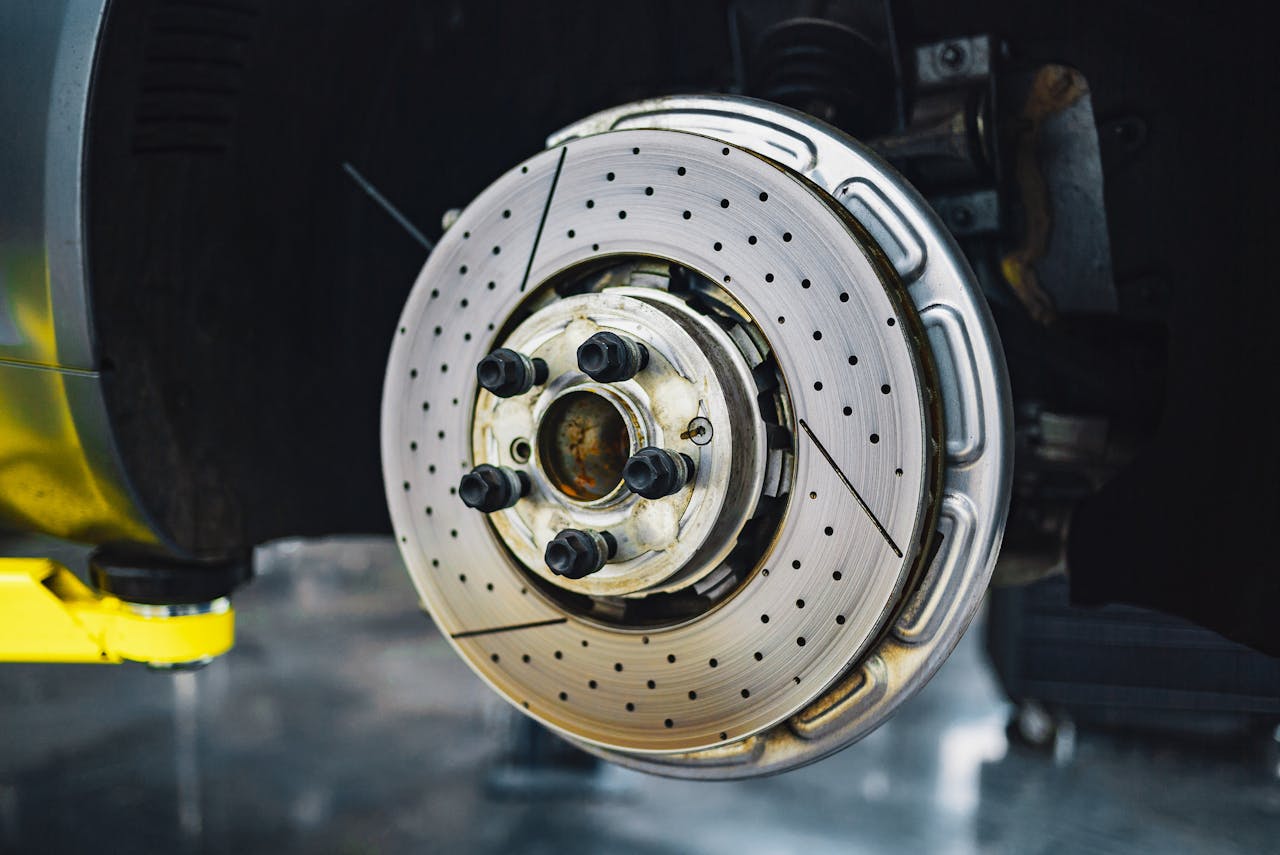
<p> Replacing your car’s brake pads is another repair that can easily be done at home and will save you hundreds of dollars. Brake pads wear down over time and need to be replaced to maintain proper braking performance and avoid damage to the rotors. The tools you’ll need include a car jack, a lug wrench, and a socket set. Once you have the car jacked up and the wheel removed, the brake pads can be accessed and replaced. While it may sound complicated, the process is straightforward and can be done with minimal experience. This repair can save you $150 to $300 in labor costs, and once you get the hang of it, replacing brake pads can take less than an hour per wheel. </p> :: Pexels

Replacing your car’s brake pads is another repair that can easily be done at home and will save you hundreds of dollars. Brake pads wear down over time and need to be replaced to maintain proper braking performance and avoid damage to the rotors. The tools you’ll need include a car jack, a lug wrench, and a socket set. Once you have the car jacked up and the wheel removed, the brake pads can be accessed and replaced. While it may sound complicated, the process is straightforward and can be done with minimal experience. This repair can save you $150 to $300 in labor costs, and once you get the hang of it, replacing brake pads can take less than an hour per wheel.

3. Replacing Air Filters

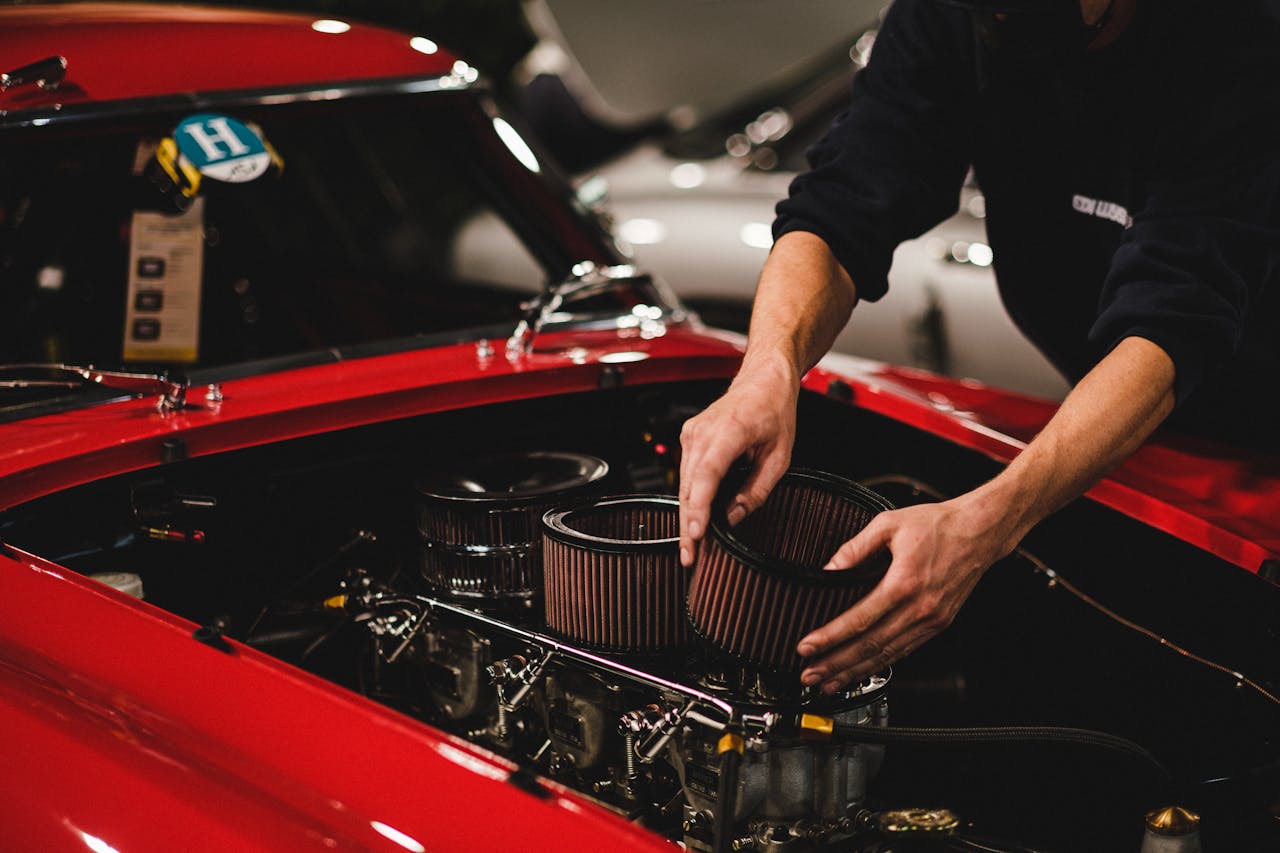
<p> There are two air filters in your car that need regular attention: the engine air filter and the cabin air filter. Both can be replaced easily at home with no special tools required. The engine air filter keeps dirt and debris from entering the engine, while the cabin air filter ensures that the air you breathe inside the car is clean. For most cars, replacing the engine air filter involves opening the airbox, removing the old filter, and inserting a new one. The cabin air filter is often located behind the glove compartment and can be swapped out in a few minutes. This simple task can save you about $40 each time, compared to having it done at a shop, and keeps your car running efficiently. </p> :: Pexels

There are two air filters in your car that need regular attention: the engine air filter and the cabin air filter. Both can be replaced easily at home with no special tools required. The engine air filter keeps dirt and debris from entering the engine, while the cabin air filter ensures that the air you breathe inside the car is clean. For most cars, replacing the engine air filter involves opening the airbox, removing the old filter, and inserting a new one. The cabin air filter is often located behind the glove compartment and can be swapped out in a few minutes. This simple task can save you about $40 each time, compared to having it done at a shop, and keeps your car running efficiently.

4. Fixing Headlights and Taillights

<p> A burnt-out headlight or taillight is not only unsafe, but it can also lead to a ticket if not addressed. Fortunately, replacing a blown bulb is a simple and quick repair that you can handle at home. Start by consulting your vehicle’s manual to determine the correct type of bulb for your car. Then, access the light housing, which is usually secured with screws or clips, and swap out the old bulb for a new one. Most vehicles make this process simple with an easy twist-off mechanism for the bulb housing. Replacing a headlight or taillight at home saves you up to $50 per bulb, which includes both the cost of the part and labor fees. With a minimal investment of time, you can ensure your vehicle is safely visible on the road. </p> :: Pexels

A burnt-out headlight or taillight is not only unsafe, but it can also lead to a ticket if not addressed. Fortunately, replacing a blown bulb is a simple and quick repair that you can handle at home. Start by consulting your vehicle’s manual to determine the correct type of bulb for your car. Then, access the light housing, which is usually secured with screws or clips, and swap out the old bulb for a new one. Most vehicles make this process simple with an easy twist-off mechanism for the bulb housing. Replacing a headlight or taillight at home saves you up to $50 per bulb, which includes both the cost of the part and labor fees. With a minimal investment of time, you can ensure your vehicle is safely visible on the road.

5. Replacing Spark Plugs

<p> Spark plugs are vital to your car’s ignition system and need to be replaced periodically to keep your engine running efficiently. Worn-out spark plugs can cause misfires, reduce fuel efficiency, and lead to hard starts. Fortunately, replacing spark plugs is a relatively simple task that can be done at home with a spark plug socket and a ratchet. First, locate the spark plugs under your car’s hood, typically along the engine’s top. Then, remove the old spark plugs and carefully insert the new ones. Replacing your spark plugs can save you anywhere from $100 to $150 in labor costs, and it’s a repair you can complete in less than an hour. With proper care, this repair also helps your car run smoother and use fuel more efficiently. </p> :: Pexels

Spark plugs are vital to your car’s ignition system and need to be replaced periodically to keep your engine running efficiently. Worn-out spark plugs can cause misfires, reduce fuel efficiency, and lead to hard starts. Fortunately, replacing spark plugs is a relatively simple task that can be done at home with a spark plug socket and a ratchet. First, locate the spark plugs under your car’s hood, typically along the engine’s top. Then, remove the old spark plugs and carefully insert the new ones. Replacing your spark plugs can save you anywhere from $100 to $150 in labor costs, and it’s a repair you can complete in less than an hour. With proper care, this repair also helps your car run smoother and use fuel more efficiently.

6. Replacing Windshield Wipers

<p> Windshield wipers are crucial for safe driving in rain or snow, and worn-out wipers can reduce visibility, making driving dangerous. Replacing your wiper blades is a task that requires no tools and can be done in just a few minutes. First, check your vehicle’s manual for the correct blade size, then remove the old wipers by pressing the release tab or removing a pin, depending on your car’s wiper design. Simply attach the new blades in their place, and you’re good to go. Doing this at home saves you $20 to $40, depending on what an auto shop would charge for parts and labor. This is one of the easiest ways to keep your car road-ready without breaking the bank. </p> :: Pexels

Windshield wipers are crucial for safe driving in rain or snow, and worn-out wipers can reduce visibility, making driving dangerous. Replacing your wiper blades is a task that requires no tools and can be done in just a few minutes. First, check your vehicle’s manual for the correct blade size, then remove the old wipers by pressing the release tab or removing a pin, depending on your car’s wiper design. Simply attach the new blades in their place, and you’re good to go. Doing this at home saves you $20 to $40, depending on what an auto shop would charge for parts and labor. This is one of the easiest ways to keep your car road-ready without breaking the bank.

7. Fixing Small Dents and Scratches

<p> Minor dents and scratches on your car can be unsightly and reduce the overall value of your vehicle, but you don’t need to visit an expensive body shop for every little mark. For small dents, you can use a dent repair kit, which typically includes a suction tool that pops the dent back into place. These kits are affordable and easy to use, saving you hundreds in repair costs. For minor scratches, touch-up paint or a scratch repair kit can restore your car’s finish. While larger body damage requires professional attention, you can easily handle small cosmetic issues at home for a fraction of the cost. Taking care of these minor issues yourself can save you anywhere from $100 to $500, depending on the severity of the damage. </p> :: Pexels

Minor dents and scratches on your car can be unsightly and reduce the overall value of your vehicle, but you don’t need to visit an expensive body shop for every little mark. For small dents, you can use a dent repair kit, which typically includes a suction tool that pops the dent back into place. These kits are affordable and easy to use, saving you hundreds in repair costs. For minor scratches, touch-up paint or a scratch repair kit can restore your car’s finish. While larger body damage requires professional attention, you can easily handle small cosmetic issues at home for a fraction of the cost. Taking care of these minor issues yourself can save you anywhere from $100 to $500, depending on the severity of the damage.


Final Thoughts

<p> Taking on simple car repairs at home can save you hundreds, if not thousands, of dollars over time. The seven repairs listed above—changing oil, replacing brake pads, swapping air filters, fixing headlights and taillights, changing spark plugs, replacing windshield wipers, and repairing small dents and scratches—are all tasks that most car owners can handle with basic tools and a little know-how. Not only does this DIY approach help you save money, but it also gives you a greater understanding of your vehicle’s maintenance needs, helping you avoid costly repairs in the future. Before starting any repair, consult your vehicle’s manual and do a little research to ensure you’re doing the job correctly for your specific make and model. With a small investment of time and effort, you’ll be well on your way to keeping your car in great shape without breaking the bank! </p> :: Pexels

Taking on simple car repairs at home can save you hundreds, if not thousands, of dollars over time. The seven repairs listed above—changing oil, replacing brake pads, swapping air filters, fixing headlights and taillights, changing spark plugs, replacing windshield wipers, and repairing small dents and scratches—are all tasks that most car owners can handle with basic tools and a little know-how. Not only does this DIY approach help you save money, but it also gives you a greater understanding of your vehicle’s maintenance needs, helping you avoid costly repairs in the future. Before starting any repair, consult your vehicle’s manual and do a little research to ensure you’re doing the job correctly for your specific make and model. With a small investment of time and effort, you’ll be well on your way to keeping your car in great shape without breaking the bank!

Filed Under: Autos

Toyota Camry Used to Be One of the Best-Selling Cars: 8 Reasons Why Tesla Model Y Took That Spot

February 13, 2026 | Leave a Comment

Toyota Camry Used to Be One of the Best-Selling Cars: 8 Reasons Why Tesla Model Y Took That Spot

<p>For decades, the Toyota Camry reigned supreme as one of the best-selling cars in the United States. Known for its reliability, affordability, and practicality, the Camry became a household name and a staple in American driveways. However, in recent years, the automotive landscape has shifted dramatically, and the Tesla Model Y has emerged as the new champion. Here are eight reasons why the Tesla Model Y has taken the top spot from the Toyota Camry.</p> ::Pexels

For decades, the Toyota Camry reigned supreme as one of the best-selling cars in the United States. Known for its reliability, affordability, and practicality, the Camry became a household name and a staple in American driveways. However, in recent years, the automotive landscape has shifted dramatically, and the Tesla Model Y has emerged as the new champion. Here are eight reasons why the Tesla Model Y has taken the top spot from the Toyota Camry.


1. Camry is Now Just Another Sedan

<p>Boring! For decades, the Camry was synonymous with reliability, fuel efficiency, and affordability, standing out among gas-powered sedans. However, as competitors like Honda, Hyundai, and Kia improved their sedan offerings, matching or exceeding the Camry in performance, design, and technology, the Camry lost much of its unique appeal. In contrast, the Tesla Model Y not only represents the future of transportation with its electric powertrain and cutting-edge technology but also offers a sleek design and strong brand identity, making traditional gas-powered sedans like the Camry seem outdated in an increasingly eco-conscious market.</p> ::Pexels

Boring! For decades, the Camry was synonymous with reliability, fuel efficiency, and affordability, standing out among gas-powered sedans. However, as competitors like Honda, Hyundai, and Kia improved their sedan offerings, matching or exceeding the Camry in performance, design, and technology, the Camry lost much of its unique appeal. In contrast, the Tesla Model Y not only represents the future of transportation with its electric powertrain and cutting-edge technology but also offers a sleek design and strong brand identity, making traditional gas-powered sedans like the Camry seem outdated in an increasingly eco-conscious market.


2. Electric Revolution

<p>The most significant factor contributing to the rise of the Tesla Model Y is the global shift towards electric vehicles (EVs). As concerns about climate change and fossil fuel dependency grow, consumers are increasingly looking for sustainable alternatives. Tesla, with its all-electric lineup, has positioned itself at the forefront of this revolution. The Model Y, being a fully electric vehicle, appeals to environmentally conscious buyers who want to reduce their carbon footprint.</p> ::Pexels

The most significant factor contributing to the rise of the Tesla Model Y is the global shift towards electric vehicles (EVs). As concerns about climate change and fossil fuel dependency grow, consumers are increasingly looking for sustainable alternatives. Tesla, with its all-electric lineup, has positioned itself at the forefront of this revolution. The Model Y, being a fully electric vehicle, appeals to environmentally conscious buyers who want to reduce their carbon footprint.


3. Performance and Efficiency

<p>The Tesla Model Y boasts impressive performance metrics that appeal to a wide range of drivers. With instant torque and rapid acceleration, the Model Y can go from 0 to 60 mph in just a few seconds, providing a thrilling driving experience. Additionally, the Model Y offers excellent efficiency, with a range of over 300 miles on a single charge, making it a practical option for daily commutes and long road trips alike. In contrast, while the Camry is known for its reliability, it doesn’t offer the same level of excitement or efficiency.if(typeof ez_ad_units == "undefined"){ez_ad_units=[];}ez_ad_units.push([[250,250],"ourdebtfreefamily_com-large-mobile-banner-1","ezslot_14",107,"0","0", "ourdebtfreefamily_com-large-mobile-banner-1-0"]);if(typeof __ez_fad_position == "function"){__ez_fad_position("div-gpt-ad-ourdebtfreefamily_com-large-mobile-banner-1-0");} .large-mobile-banner-1-multi-107{align-items:center;border:none !important;display:flex !important;flex-direction:column !important;float:none !important;justify-content:center;line-height:0px;margin-bottom:15px !important;margin-left:auto !important;margin-right:auto !important;margin-top:15px !important;max-width:100% !important;min-height:250px;min-width:250px;padding:0;text-align:center !important;}</p> ::Pexels

The Tesla Model Y boasts impressive performance metrics that appeal to a wide range of drivers. With instant torque and rapid acceleration, the Model Y can go from 0 to 60 mph in just a few seconds, providing a thrilling driving experience. Additionally, the Model Y offers excellent efficiency, with a range of over 300 miles on a single charge, making it a practical option for daily commutes and long road trips alike. In contrast, while the Camry is known for its reliability, it doesn’t offer the same level of excitement or efficiency.


4. Safety Features

<p>Safety is a top priority for many car buyers, and the Tesla Model Y excels in this area. The Model Y has received high safety ratings from various organizations, thanks to its robust construction, advanced driver-assistance systems, and numerous safety features. Tesla’s commitment to safety is evident in its continuous updates and improvements to its vehicles’ safety systems. While the Toyota Camry is also known for its safety, the Model Y’s advanced technology gives it an edge.</p> ::Pexels

Safety is a top priority for many car buyers, and the Tesla Model Y excels in this area. The Model Y has received high safety ratings from various organizations, thanks to its robust construction, advanced driver-assistance systems, and numerous safety features. Tesla’s commitment to safety is evident in its continuous updates and improvements to its vehicles’ safety systems. While the Toyota Camry is also known for its safety, the Model Y’s advanced technology gives it an edge.


5. Brand Appeal and Innovation

<p>Tesla has cultivated a strong brand appeal that resonates with a broad audience. The company’s commitment to innovation, sustainability, and cutting-edge technology has garnered a loyal following. Tesla’s charismatic CEO, Elon Musk, has also played a significant role in building the brand’s image. The Model Y, as part of Tesla’s lineup, benefits from this brand appeal and is seen as a symbol of progress and innovation. On the other hand, while the Toyota Camry is respected for its reliability, it doesn’t carry the same level of excitement or innovation.</p> ::Pexels

Tesla has cultivated a strong brand appeal that resonates with a broad audience. The company’s commitment to innovation, sustainability, and cutting-edge technology has garnered a loyal following. Tesla’s charismatic CEO, Elon Musk, has also played a significant role in building the brand’s image. The Model Y, as part of Tesla’s lineup, benefits from this brand appeal and is seen as a symbol of progress and innovation. On the other hand, while the Toyota Camry is respected for its reliability, it doesn’t carry the same level of excitement or innovation.


6. Market Trends and Consumer Preferences

<p>The automotive market is experiencing a shift in consumer preferences, with a growing demand for SUVs and crossovers. The Tesla Model Y, being a compact SUV, fits perfectly into this trend. It offers the versatility and space that consumers desire, along with the benefits of an electric powertrain. The Camry, as a sedan, is less aligned with current market trends, which has contributed to its decline in popularity.</p> ::Pexels

The automotive market is experiencing a shift in consumer preferences, with a growing demand for SUVs and crossovers. The Tesla Model Y, being a compact SUV, fits perfectly into this trend. It offers the versatility and space that consumers desire, along with the benefits of an electric powertrain. The Camry, as a sedan, may be considered boring, and is less aligned with current market trends, which has contributed to its decline in popularity.


7. Environmental Incentives and Regulations

<p>Government incentives and regulations have also played a crucial role in the rise of the Tesla Model Y. Many countries and states offer tax credits, rebates, and other incentives for purchasing electric vehicles. Additionally, stricter emissions regulations are pushing consumers towards cleaner alternatives. These incentives make the Model Y a more attractive option financially, further boosting its sales. The Camry, being a traditional ICE vehicle, doesn’t benefit from these incentives to the same extent.</p> ::Pexels

Government incentives and regulations have also played a crucial role in the rise of the Tesla Model Y. Many countries and states offer tax credits, rebates, and other incentives for purchasing electric vehicles. Additionally, stricter emissions regulations are pushing consumers towards cleaner alternatives. These incentives make the Model Y a more attractive option financially, further boosting its sales. The Camry, being a traditional ICE vehicle, doesn’t benefit from these incentives to the same extent.


8. Advanced Technology

<p>Tesla is renowned for its cutting-edge technology, and the Model Y is no exception. From its Autopilot capabilities to over-the-air software updates, the Model Y offers a tech-savvy experience that traditional internal combustion engine (ICE) vehicles like the Camry simply can’t match. Features such as full self-driving (FSD) capabilities, a minimalist interior with a large touchscreen, and seamless integration with smartphones make the Model Y a futuristic choice for modern consumers.</p> ::Pexels

Tesla is renowned for its cutting-edge technology, and the Model Y is no exception. From its Autopilot capabilities to over-the-air software updates, the Model Y offers a tech-savvy experience that traditional internal combustion engine (ICE) vehicles like the Camry simply can’t match. Features such as full self-driving (FSD) capabilities, a minimalist interior with a large touchscreen, and seamless integration with smartphones make the Model Y a futuristic choice for modern consumers.


Final Thoughts

<p>In conclusion, the transition from the Toyota Camry to the Tesla Model Y as the best-selling car reflects broader changes in the automotive industry and consumer preferences. The rise of electric vehicles, advancements in technology, and shifting market trends have all contributed to the Model Y’s success. While the Camry remains a reliable and practical choice, the Model Y represents the future of transportation, offering a blend of sustainability, performance, and innovation that resonates with today’s consumers.</p> ::Pexels

In conclusion, the transition from the Toyota Camry to the Tesla Model Y as the best-selling car reflects broader changes in the automotive industry and consumer preferences. The rise of electric vehicles, advancements in technology, and shifting market trends have all contributed to the Model Y’s success. While the Camry remains a reliable and practical choice, the Model Y represents the future of transportation, offering a blend of sustainability, performance, and innovation that resonates with today’s consumers.


Filed Under: Autos

Forged vs. Cast Wheels: 8 Arguments That Divide Car Enthusiasts

February 12, 2026 | Leave a Comment

Forged vs. Cast Wheels: 8 Arguments That Divide Car Enthusiasts

<p>When it comes to upgrading a vehicle, wheels are often one of the first modifications enthusiasts consider. Among the myriad of options available, forged and cast wheels reign supreme, each with its own set of advocates and detractors. The choice between these two types often leads to passionate debates among car enthusiasts. Here, we explore eight key arguments that divide the community and help you understand the merits and downsides of forged versus cast wheels.</p> ::Pexels

When it comes to upgrading a vehicle, wheels are often one of the first modifications enthusiasts consider. Among the myriad of options available, forged and cast wheels reign supreme, each with its own set of advocates and detractors. The choice between these two types often leads to passionate debates among car enthusiasts. Here, we explore eight key arguments that divide the community and help you understand the merits and downsides of forged versus cast wheels.


1. Strength and Durability

<p>Forged Wheels: Forged wheels are made from a single piece of metal that is compressed and shaped under high pressure, resulting in a dense and durable structure. This process often yields wheels that can withstand greater forces, making them less likely to bend or crack during high-performance driving.</p> <p> Cast Wheels: In contrast, cast wheels are created by pouring molten metal into molds. While advancements have improved their strength, they are generally more susceptible to bending or breaking under extreme conditions. Proponents of cast wheels argue that with proper care and usage, they can perform adequately for most daily driving needs.</p> ::Pexels

Forged Wheels:
Forged wheels are made from a single piece of metal that is compressed and shaped under high pressure, resulting in a dense and durable structure. This process often yields wheels that can withstand greater forces, making them less likely to bend or crack during high-performance driving.

Cast Wheels:
In contrast, cast wheels are created by pouring molten metal into molds. While advancements have improved their strength, they are generally more susceptible to bending or breaking under extreme conditions. Proponents of cast wheels argue that with proper care and usage, they can perform adequately for most daily driving needs.


2. Weight and Performance

<p>Forged Wheels: One of the most significant advantages of forged wheels is their weight. They are typically lighter than cast wheels, which can lead to better handling, acceleration, and braking performance. This reduction in unsprung weight allows for improved responsiveness on the road or track. </p><p> Cast Wheels: While cast wheels can be heavier, enthusiasts argue that the difference in weight is often negligible for street driving. For many, the added weight can enhance stability, particularly in larger vehicles. Moreover, advancements in manufacturing have produced lighter cast options, narrowing the performance gap.</p> ::Pexels

Forged Wheels:
One of the most significant advantages of forged wheels is their weight. They are typically lighter than cast wheels, which can lead to better handling, acceleration, and braking performance. This reduction in unsprung weight allows for improved responsiveness on the road or track.

Cast Wheels:
While cast wheels can be heavier, enthusiasts argue that the difference in weight is often negligible for street driving. For many, the added weight can enhance stability, particularly in larger vehicles. Moreover, advancements in manufacturing have produced lighter cast options, narrowing the performance gap.


3. Cost and Value

<p>Forged Wheels: The production process for forged wheels is more labor-intensive and requires specialized equipment, making them significantly more expensive. Many enthusiasts view this as an investment, arguing that the performance benefits and durability justify the higher price tag.</p><p> Cast Wheels: On the other hand, cast wheels are more budget-friendly, making them a popular choice for casual drivers and those who prioritize aesthetics over performance. Critics of forged wheels often point out that the price difference can be disproportionate to the performance gains, particularly for those who don’t push their vehicles to the limits.</p> ::Pexels

Forged Wheels:
The production process for forged wheels is more labor-intensive and requires specialized equipment, making them significantly more expensive. Many enthusiasts view this as an investment, arguing that the performance benefits and durability justify the higher price tag.

Cast Wheels:
On the other hand, cast wheels are more budget-friendly, making them a popular choice for casual drivers and those who prioritize aesthetics over performance. Critics of forged wheels often point out that the price difference can be disproportionate to the performance gains, particularly for those who don’t push their vehicles to the limits.


4. Aesthetics and Customization

<p>Forged Wheels: Forged wheels often offer a wider range of customization options, including intricate designs and finishes. This versatility allows enthusiasts to tailor their wheels to match their vehicle’s style and personal preferences, which is a significant draw for many. </p><p> Cast Wheels: While cast wheels also come in various designs, they are generally less customizable than their forged counterparts. However, some argue that the aesthetic differences between high-quality cast and forged wheels are often minimal, especially when viewed from a distance.</p> ::Pexels

Forged Wheels:
Forged wheels often offer a wider range of customization options, including intricate designs and finishes. This versatility allows enthusiasts to tailor their wheels to match their vehicle’s style and personal preferences, which is a significant draw for many.

Cast Wheels:
While cast wheels also come in various designs, they are generally less customizable than their forged counterparts. However, some argue that the aesthetic differences between high-quality cast and forged wheels are often minimal, especially when viewed from a distance.


5. Repairability

<p>Forged Wheels: When damaged, forged wheels can be difficult to repair due to their dense structure. Many enthusiasts believe that if a forged wheel is bent or cracked, it should be replaced entirely rather than repaired, given the potential safety risks. </p><p> Cast Wheels: Conversely, cast wheels are often seen as more repairable. Many local shops can fix minor bends and scratches, which can be a significant advantage for drivers who frequently navigate pothole-ridden roads. For some, the ability to repair a wheel adds to the value proposition of cast options.</p> ::Pexels

Forged Wheels:
When damaged, forged wheels can be difficult to repair due to their dense structure. Many enthusiasts believe that if a forged wheel is bent or cracked, it should be replaced entirely rather than repaired, given the potential safety risks.

Cast Wheels:
Conversely, cast wheels are often seen as more repairable. Many local shops can fix minor bends and scratches, which can be a significant advantage for drivers who frequently navigate pothole-ridden roads. For some, the ability to repair a wheel adds to the value proposition of cast options.


6. Heat Dissipation

<p>Forged Wheels: Forged wheels generally have superior heat dissipation properties, which can be crucial for high-performance applications where heat buildup can lead to brake fade. This ability can contribute to better overall performance on the track or during spirited driving. </p><p> Cast Wheels: While cast wheels can also dissipate heat, they may not perform as well under extreme conditions. However, many casual drivers may not experience significant heat-related issues, leading some enthusiasts to deem this argument less relevant for everyday use.</p> ::Pexels

Forged Wheels:
Forged wheels generally have superior heat dissipation properties, which can be crucial for high-performance applications where heat buildup can lead to brake fade. This ability can contribute to better overall performance on the track or during spirited driving.

Cast Wheels:
While cast wheels can also dissipate heat, they may not perform as well under extreme conditions. However, many casual drivers may not experience significant heat-related issues, leading some enthusiasts to deem this argument less relevant for everyday use.


7. Community and Culture

<p>Forged Wheels: Among certain car communities, forged wheels are often seen as a badge of honor, representing a commitment to performance and quality. The choice of forged wheels can indicate a serious dedication to automotive culture, leading to deeper discussions among enthusiasts. </p><p> Cast Wheels: On the flip side, cast wheels have their own loyal following. Many enthusiasts appreciate the balance of performance and affordability that cast options provide. This division can create a sense of camaraderie among those who prefer one type over the other, fostering lively debates at car meets and forums.</p> ::Pexels

Forged Wheels:
Among certain car communities, forged wheels are often seen as a badge of honor, representing a commitment to performance and quality. The choice of forged wheels can indicate a serious dedication to automotive culture, leading to deeper discussions among enthusiasts.

Cast Wheels:
On the flip side, cast wheels have their own loyal following. Many enthusiasts appreciate the balance of performance and affordability that cast options provide. This division can create a sense of camaraderie among those who prefer one type over the other, fostering lively debates at car meets and forums.


8. Brand Loyalty and Marketing Influence

<p>Forged Wheels: Many high-end forged wheel manufacturers have built a strong reputation within the automotive community, often associating their products with luxury and performance. This branding creates a sense of exclusivity and prestige, leading enthusiasts to advocate for forged options as a reflection of their dedication to quality. </p><p> Cast Wheels: Conversely, cast wheel brands often emphasize affordability and practicality in their marketing, appealing to a broader demographic. Some enthusiasts argue that brand loyalty is often driven more by marketing than actual performance differences, leading to debates about the true value of investing in high-end forged wheels versus reliable cast options.</p> ::Pexels

Forged Wheels:
Many high-end forged wheel manufacturers have built a strong reputation within the automotive community, often associating their products with luxury and performance. This branding creates a sense of exclusivity and prestige, leading enthusiasts to advocate for forged options as a reflection of their dedication to quality.

Cast Wheels:
Conversely, cast wheel brands often emphasize affordability and practicality in their marketing, appealing to a broader demographic. Some enthusiasts argue that brand loyalty is often driven more by marketing than actual performance differences, leading to debates about the true value of investing in high-end forged wheels versus reliable cast options.

Final Thoughts

<p>The debate between forged and cast wheels is more than just a discussion about materials and performance; it reflects the diverse preferences and priorities of car enthusiasts. While forged wheels offer superior strength, weight savings, and customization options, cast wheels provide affordability and reparability that appeals to a broader audience. Ultimately, the best choice will depend on individual driving habits, budget constraints, and aesthetic desires. Whether you’re team forged or team cast, what matters most is finding wheels that enhance your driving experience and reflect your automotive passion.</p> ::Pexels

The debate between forged and cast wheels is more than just a discussion about materials and performance; it reflects the diverse preferences and priorities of car enthusiasts. While forged wheels offer superior strength, weight savings, and customization options, cast wheels provide affordability and reparability that appeals to a broader audience. Ultimately, the best choice will depend on individual driving habits, budget constraints, and aesthetic desires. Whether you’re team forged or team cast, what matters most is finding wheels that enhance your driving experience and reflect your automotive passion.

Filed Under: Autos

Boomer’s Guide to Car Savings: 8 Smart Tips to Keep More in Your Tank and Wallet

February 12, 2026 | Leave a Comment

Boomer’s Guide to Car Savings: 8 Smart Tips to Keep More in Your Tank and Wallet

<p> Gas prices seem to climb faster than a classic Mustang on an open road, and if you’re a Baby Boomer watching every dollar in retirement, the pinch at the pump can feel even tighter. Whether you’re road-tripping to visit the grandkids, heading to a doctor’s appointment, or simply enjoying the freedom of the open road, every mile should be a smart one. This guide is packed with practical and budget-friendly tips to help you cut car-related costs without sacrificing comfort or convenience. These aren’t just “nice to know” ideas—they’re “need to know” strategies designed for Boomers who want to keep more money in their pockets and more fuel in their tanks. Let’s dive in. </p> :: Freepik

Gas prices seem to climb faster than a classic Mustang on an open road, and if you’re a Baby Boomer watching every dollar in retirement, the pinch at the pump can feel even tighter. Whether you’re road-tripping to visit the grandkids, heading to a doctor’s appointment, or simply enjoying the freedom of the open road, every mile should be a smart one.

This guide is packed with practical and budget-friendly tips to help you cut car-related costs without sacrificing comfort or convenience. These aren’t just “nice to know” ideas—they’re “need to know” strategies designed for Boomers who want to keep more money in their pockets and more fuel in their tanks. Let’s dive in.

1. Drive Smart to Save More

<p> One of the easiest ways to stretch your gas mileage is to adopt a smooth and steady driving style. Quick starts, hard braking, and speeding all burn more fuel than necessary. In fact, studies show aggressive driving can lower your fuel economy by up to 33 percent on the highway. That’s like tossing dollars out the window with every punch of the gas pedal. Instead, ease into acceleration, coast when possible, and use cruise control on open roads. A calmer drive not only saves gas but also reduces stress—now that’s a win-win. </p> :: Freepik

One of the easiest ways to stretch your gas mileage is to adopt a smooth and steady driving style. Quick starts, hard braking, and speeding all burn more fuel than necessary. In fact, studies show aggressive driving can lower your fuel economy by up to 33 percent on the highway. That’s like tossing dollars out the window with every punch of the gas pedal. Instead, ease into acceleration, coast when possible, and use cruise control on open roads. A calmer drive not only saves gas but also reduces stress—now that’s a win-win.

2. Keep Your Car in Tip-Top Shape

<p> Routine maintenance might not be flashy, but it’s one of the most effective ways to avoid unexpected repair bills and poor fuel efficiency. Make sure you’re getting regular oil changes using the right grade of oil for your vehicle. Replace dirty air filters, inspect spark plugs, and stick to your service schedule. And don’t forget your tires—underinflated tires can drag down your gas mileage by as much as 3 percent. A well-maintained car runs better, lasts longer, and saves you money every time you hit the road. </p> :: Pexels

Routine maintenance might not be flashy, but it’s one of the most effective ways to avoid unexpected repair bills and poor fuel efficiency. Make sure you’re getting regular oil changes using the right grade of oil for your vehicle. Replace dirty air filters, inspect spark plugs, and stick to your service schedule. And don’t forget your tires—underinflated tires can drag down your gas mileage by as much as 3 percent. A well-maintained car runs better, lasts longer, and saves you money every time you hit the road.

3. Clear the Clutter from Your Car

<p> It might seem minor, but all that extra stuff in your trunk or backseat adds weight—and more weight means more fuel burned. Hauling around golf clubs, toolboxes, or old camping gear when you don’t need it can reduce your car’s fuel efficiency. In fact, every 100 pounds of unnecessary weight can cut your mileage by up to 1 percent. Roof racks and cargo carriers are even worse, creating wind resistance that can sap up to 20 percent of your fuel economy at highway speeds. Do your wallet a favor and lighten your load. </p> :: Freepik

It might seem minor, but all that extra stuff in your trunk or backseat adds weight—and more weight means more fuel burned. Hauling around golf clubs, toolboxes, or old camping gear when you don’t need it can reduce your car’s fuel efficiency. In fact, every 100 pounds of unnecessary weight can cut your mileage by up to 1 percent. Roof racks and cargo carriers are even worse, creating wind resistance that can sap up to 20 percent of your fuel economy at highway speeds. Do your wallet a favor and lighten your load.

4. Use Your Car’s Built-In Fuel-Saving Features

<p> Many modern cars come with “eco mode” or fuel-saving settings that help you drive more efficiently. These settings adjust your engine’s performance and transmission shift points to use less fuel, particularly at lower speeds. If your car has this feature, turn it on—especially during city driving. And remember, blasting the air conditioning on every trip can reduce fuel efficiency by up to 10 percent. On mild days, roll down the windows when driving slowly, and use the vent setting to circulate fresh air. Your fuel gauge will thank you. </p> :: Pexels

Many modern cars come with “eco mode” or fuel-saving settings that help you drive more efficiently. These settings adjust your engine’s performance and transmission shift points to use less fuel, particularly at lower speeds. If your car has this feature, turn it on—especially during city driving. And remember, blasting the air conditioning on every trip can reduce fuel efficiency by up to 10 percent. On mild days, roll down the windows when driving slowly, and use the vent setting to circulate fresh air. Your fuel gauge will thank you.

5. Plan Trips to Avoid Wasting Gas

<p> Multiple short trips from a cold start can use twice as much fuel as one longer trip covering the same distance. If you can, combine errands into a single outing to let your engine warm up and run more efficiently. Avoid peak traffic times when possible, and use navigation apps to steer clear of congestion. Also, avoid idling whenever you can—idling for more than a minute wastes fuel and adds unnecessary wear and tear to your engine. By being strategic with your time and route, you’ll save more than just gas—you’ll save your sanity, too. </p> :: Freepik

Multiple short trips from a cold start can use twice as much fuel as one longer trip covering the same distance. If you can, combine errands into a single outing to let your engine warm up and run more efficiently. Avoid peak traffic times when possible, and use navigation apps to steer clear of congestion. Also, avoid idling whenever you can—idling for more than a minute wastes fuel and adds unnecessary wear and tear to your engine. By being strategic with your time and route, you’ll save more than just gas—you’ll save your sanity, too.

6. Buy Used and Save Thousands

<p> A shiny new car might look tempting, but it comes with a hefty price tag—and a steep depreciation curve. New vehicles lose as much as 60 percent of their value in the first five years. For Boomers living on fixed incomes or looking to maximize retirement savings, buying used or “nearly new” is often a smarter financial move. Choose a reliable make and model with a good maintenance history, and you’ll get plenty of mileage for a fraction of the cost. Then, take what you would’ve paid monthly on a new car loan and invest it instead. That’s the kind of retirement math that really adds up. </p> :: Freepik

A shiny new car might look tempting, but it comes with a hefty price tag—and a steep depreciation curve. New vehicles lose as much as 60 percent of their value in the first five years. For Boomers living on fixed incomes or looking to maximize retirement savings, buying used or “nearly new” is often a smarter financial move. Choose a reliable make and model with a good maintenance history, and you’ll get plenty of mileage for a fraction of the cost. Then, take what you would’ve paid monthly on a new car loan and invest it instead. That’s the kind of retirement math that really adds up.

7. Consider Downsizing to One Vehicle

<p> If you and your spouse are both retired and one car rarely leaves the driveway, it might be time to sell it. The cost of owning a second car—insurance, maintenance, registration, and fuel—can total over $12,000 a year. That’s money better spent on travel, hobbies, or building your savings. If you occasionally need a second vehicle, you can rent one or use a ride-share service for far less than the cost of full-time ownership. Downsizing your garage can help you upsize your budget. </p> :: Pexels

If you and your spouse are both retired and one car rarely leaves the driveway, it might be time to sell it. The cost of owning a second car—insurance, maintenance, registration, and fuel—can total over $12,000 a year. That’s money better spent on travel, hobbies, or building your savings. If you occasionally need a second vehicle, you can rent one or use a ride-share service for far less than the cost of full-time ownership. Downsizing your garage can help you upsize your budget.

8. Learn Some DIY Car Basics

<p> You don’t need to be a mechanic to save money on car repairs. With a little time and a YouTube tutorial or two, you can learn to replace windshield wipers, change your air filter, check fluid levels, or even swap out a headlight. These simple tasks cost a lot more at the dealership or mechanic shop due to labor fees. Taking care of basic maintenance at home not only saves cash but also gives you peace of mind—and maybe even a sense of pride. Just remember: when in doubt, consult your owner’s manual or a trusted professional. </p> :: Pexels

You don’t need to be a mechanic to save money on car repairs. With a little time and a YouTube tutorial or two, you can learn to replace windshield wipers, change your air filter, check fluid levels, or even swap out a headlight. These simple tasks cost a lot more at the dealership or mechanic shop due to labor fees. Taking care of basic maintenance at home not only saves cash but also gives you peace of mind—and maybe even a sense of pride. Just remember: when in doubt, consult your owner’s manual or a trusted professional.

Final Thoughts

<p> You’ve spent decades building wisdom and financial savvy—now it’s time to apply that knowledge behind the wheel. These car-saving strategies are designed not just to trim the fat from your fuel bill but to protect your retirement lifestyle, reduce stress, and keep you driving confidently for years to come. Being a Baby Boomer means you remember when gas was under a dollar, cars had bench seats, and cruise control was a luxury. But you also know how to adapt, make smart choices, and stretch a dollar. These eight tips aren’t just about fuel—they’re about freedom. By maintaining your car, driving efficiently, and making financially smart vehicle decisions, you’ll spend less at the pump and more on what truly matters—whether it’s family, travel, or just a great meal with old friends. So next time you slide into the driver’s seat, know that every mile can bring you closer to savings, comfort, and control. Happy driving—and happy saving. </p> :: Pexels

You’ve spent decades building wisdom and financial savvy—now it’s time to apply that knowledge behind the wheel. These car-saving strategies are designed not just to trim the fat from your fuel bill but to protect your retirement lifestyle, reduce stress, and keep you driving confidently for years to come.

Being a Baby Boomer means you remember when gas was under a dollar, cars had bench seats, and cruise control was a luxury. But you also know how to adapt, make smart choices, and stretch a dollar. These eight tips aren’t just about fuel—they’re about freedom.

By maintaining your car, driving efficiently, and making financially smart vehicle decisions, you’ll spend less at the pump and more on what truly matters—whether it’s family, travel, or just a great meal with old friends. So next time you slide into the driver’s seat, know that every mile can bring you closer to savings, comfort, and control.

Happy driving—and happy saving.

Filed Under: Autos

10 Essentials for Your 2026 Car Emergency Kit (Stay Safe on Every Road!)

February 12, 2026 | Leave a Comment

10 Essentials for Your 2026 Car Emergency Kit (Stay Safe on Every Road!)

<p> Picture this: you are cruising down a quiet highway, your favorite song is playing, and everything feels perfect. Suddenly, your car makes an unusual noise, the engine stalls, and you are stranded in the middle of nowhere. Panic sets in. If only you had a well-stocked car emergency kit, this stressful situation could be much more manageable.

A reliable car emergency kit is not just about surviving a minor breakdown. It is about giving yourself confidence and peace of mind knowing that whatever happens on the road, you have the tools to handle it. In 2026, being prepared is smarter than ever. From sudden weather changes to unexpected mechanical issues, having the right supplies in your vehicle can make a huge difference.

Here are the ten essentials that every driver in the United States should have in their car emergency kit this year. Each item is practical, useful, and can truly save the day when the unexpected happens. </p> :: Gemini

Picture this: you are cruising down a quiet highway, your favorite song is playing, and everything feels perfect. Suddenly, your car makes an unusual noise, the engine stalls, and you are stranded in the middle of nowhere. Panic sets in. If only you had a well-stocked car emergency kit, this stressful situation could be much more manageable.

A reliable car emergency kit is not just about surviving a minor breakdown. It is about giving yourself confidence and peace of mind knowing that whatever happens on the road, you have the tools to handle it. In 2026, being prepared is smarter than ever. From sudden weather changes to unexpected mechanical issues, having the right supplies in your vehicle can make a huge difference.

Here are the ten essentials that every driver in the United States should have in their car emergency kit this year. Each item is practical, useful, and can truly save the day when the unexpected happens.

1. Comprehensive First Aid Kit

<p> A first aid kit is the foundation of any emergency kit. Accidents happen when you least expect them, whether it is a minor cut while changing a tire or a bump in a fender-bender. Make sure your kit includes bandages, antiseptic wipes, gauze pads, medical tape, gloves, and basic pain relief. Consider personalizing your kit with prescription medications, allergy medicine, or even baby and pet supplies if you travel with family members or furry companions. A well-prepared first aid kit can turn a stressful situation into a manageable one. </p> :: Gemini

A first aid kit is the foundation of any emergency kit. Accidents happen when you least expect them, whether it is a minor cut while changing a tire or a bump in a fender-bender. Make sure your kit includes bandages, antiseptic wipes, gauze pads, medical tape, gloves, and basic pain relief. Consider personalizing your kit with prescription medications, allergy medicine, or even baby and pet supplies if you travel with family members or furry companions. A well-prepared first aid kit can turn a stressful situation into a manageable one.

2. Portable Power: Jump Starter and Cables

<p> Nothing ruins a day like a dead battery. Jumper cables are a classic solution, allowing you to get help from another motorist. But a portable jump starter adds a new level of independence. With one, you can revive your battery anywhere without relying on someone else. Many models are compact, easy to store, and even include USB ports to charge your devices. This small investment can prevent a long wait on the side of the road and is a must-have for every driver. </p> :: Gemini

Nothing ruins a day like a dead battery. Jumper cables are a classic solution, allowing you to get help from another motorist. But a portable jump starter adds a new level of independence. With one, you can revive your battery anywhere without relying on someone else. Many models are compact, easy to store, and even include USB ports to charge your devices. This small investment can prevent a long wait on the side of the road and is a must-have for every driver.

3. Flashlight with Extra Batteries

<p> Breakdowns often happen at the worst possible times, like late at night or during a storm. A reliable flashlight helps you inspect your vehicle, change a tire, and signal for help. LED flashlights are powerful, energy-efficient, and can last for hours. Make sure to store extra batteries or use a rechargeable model. Headlamps are also great if you need both hands free. When darkness falls unexpectedly, a flashlight can be your best friend. </p> :: Gemini

Breakdowns often happen at the worst possible times, like late at night or during a storm. A reliable flashlight helps you inspect your vehicle, change a tire, and signal for help. LED flashlights are powerful, energy-efficient, and can last for hours. Make sure to store extra batteries or use a rechargeable model. Headlamps are also great if you need both hands free. When darkness falls unexpectedly, a flashlight can be your best friend.

4. Reflective Warning Triangles and Flares

<p> Safety should always come first. Reflective warning triangles and flares make your vehicle visible to other drivers, reducing the risk of another accident. Place them behind your car to create a visible safety zone while you address the problem. Flares work well in the dark or during inclement weather, and triangles are reusable for multiple emergencies. Being seen is one of the simplest ways to stay safe on the road. </p> :: Gemini

Safety should always come first. Reflective warning triangles and flares make your vehicle visible to other drivers, reducing the risk of another accident. Place them behind your car to create a visible safety zone while you address the problem. Flares work well in the dark or during inclement weather, and triangles are reusable for multiple emergencies. Being seen is one of the simplest ways to stay safe on the road.

5. Water and Non-Perishable Snacks

<p> Being stranded for a few hours can be more uncomfortable than dangerous, but staying hydrated and energized is critical. Keep bottled water in your kit, ideally at least one gallon per person per day. Pair it with high-energy snacks like granola bars, nuts, or dried fruit. These essentials will keep you alert and capable of handling emergencies without feeling weak or dizzy. A hungry or dehydrated driver is not a safe driver. </p> :: Gemini

Being stranded for a few hours can be more uncomfortable than dangerous, but staying hydrated and energized is critical. Keep bottled water in your kit, ideally at least one gallon per person per day. Pair it with high-energy snacks like granola bars, nuts, or dried fruit. These essentials will keep you alert and capable of handling emergencies without feeling weak or dizzy. A hungry or dehydrated driver is not a safe driver.

6. Multi-Tool and Basic Tools

<p> A multi-tool is a small but mighty addition to any car emergency kit. Many come with pliers, screwdrivers, knives, and other essential tools that can help you fix minor mechanical problems on the spot. You might also consider including a small screwdriver set or an adjustable wrench for quick fixes. From securing loose parts to cutting through tangled ropes, having the right tools makes a breakdown much less stressful. </p> :: Gemini

A multi-tool is a small but mighty addition to any car emergency kit. Many come with pliers, screwdrivers, knives, and other essential tools that can help you fix minor mechanical problems on the spot. You might also consider including a small screwdriver set or an adjustable wrench for quick fixes. From securing loose parts to cutting through tangled ropes, having the right tools makes a breakdown much less stressful.

7. Tire Repair Kit and Inflator

<p> Flat tires are a common cause of roadside emergencies, but they do not have to ruin your trip. A tire repair kit can temporarily seal small punctures, and a portable inflator allows you to get back on the road without calling for a tow. These tools are especially useful if you do not have a full-size spare or are in a location where help is far away. Knowing how to use your tire repair kit before an emergency happens will save time and frustration. </p> :: Gemini

Flat tires are a common cause of roadside emergencies, but they do not have to ruin your trip. A tire repair kit can temporarily seal small punctures, and a portable inflator allows you to get back on the road without calling for a tow. These tools are especially useful if you do not have a full-size spare or are in a location where help is far away. Knowing how to use your tire repair kit before an emergency happens will save time and frustration.

8. Warm Layers, Blanket, and Rain Gear

<p> Weather is unpredictable, and being prepared for it can mean the difference between comfort and danger. Keep a warm blanket, hats, gloves, and extra socks in your car, especially if you live in colder climates. A lightweight rain poncho or waterproof jacket will keep you dry during unexpected storms. Being able to stay warm and dry while waiting for help is essential, and a few simple items in your kit can make a huge difference in your overall safety and comfort. </p> :: Gemini

Weather is unpredictable, and being prepared for it can mean the difference between comfort and danger. Keep a warm blanket, hats, gloves, and extra socks in your car, especially if you live in colder climates. A lightweight rain poncho or waterproof jacket will keep you dry during unexpected storms. Being able to stay warm and dry while waiting for help is essential, and a few simple items in your kit can make a huge difference in your overall safety and comfort.

9. Window Breaker and Seatbelt Cutter

<p> Though rare, emergencies like water submersion or rollovers can happen. A dedicated safety tool that includes a window breaker and seatbelt cutter can be lifesaving. These tools are small, easy to use, and designed to help you escape quickly if standard exits are blocked. Having one in your car emergency kit provides a sense of security, knowing that even extreme situations can be managed. </p> :: Gemini

Though rare, emergencies like water submersion or rollovers can happen. A dedicated safety tool that includes a window breaker and seatbelt cutter can be lifesaving. These tools are small, easy to use, and designed to help you escape quickly if standard exits are blocked. Having one in your car emergency kit provides a sense of security, knowing that even extreme situations can be managed.

10. Communications and Navigation Aids

<p> Being able to call for help or find your way is critical during a breakdown. A portable power bank ensures your phone remains charged, even if your car battery dies. Consider keeping a paper map or atlas in the kit as a backup in case you lose GPS or cell signal. A charged phone and a backup map might seem simple, but they are essential for getting help and staying on track when technology fails. </p> :: Gemini

Being able to call for help or find your way is critical during a breakdown. A portable power bank ensures your phone remains charged, even if your car battery dies. Consider keeping a paper map or atlas in the kit as a backup in case you lose GPS or cell signal. A charged phone and a backup map might seem simple, but they are essential for getting help and staying on track when technology fails.

Final Thoughts

<p> A 2026-ready car emergency kit is not just about surviving a breakdown. It is about confidence, preparation, and peace of mind. Each of these ten essentials plays a vital role in helping you stay safe, comfortable, and capable no matter what the road throws at you.

Remember to check your kit regularly. Replace expired food, water, and batteries, and make sure all tools are in good working condition. Store your items in an organized way, so essentials like your flashlight, window breaker, and first aid kit are easy to access when every second counts.

The goal is simple: when you encounter unexpected situations, you want to feel equipped instead of anxious. With these ten items in your car emergency kit, you will be ready to handle minor breakdowns, weather surprises, and other road emergencies with confidence. Safety is not just about following the rules of the road; it is also about anticipating challenges and being ready for them.

Take the time now to assemble your kit. You will be glad you did when a flat tire, dead battery, or sudden storm happens. Preparedness is freedom on the road, and with the right emergency kit, every journey in 2026 can be a little safer, smoother, and stress-free. </p> :: Gemini

A 2026-ready car emergency kit is not just about surviving a breakdown. It is about confidence, preparation, and peace of mind. Each of these ten essentials plays a vital role in helping you stay safe, comfortable, and capable no matter what the road throws at you.

Remember to check your kit regularly. Replace expired food, water, and batteries, and make sure all tools are in good working condition. Store your items in an organized way, so essentials like your flashlight, window breaker, and first aid kit are easy to access when every second counts.

The goal is simple: when you encounter unexpected situations, you want to feel equipped instead of anxious. With these ten items in your car emergency kit, you will be ready to handle minor breakdowns, weather surprises, and other road emergencies with confidence. Safety is not just about following the rules of the road; it is also about anticipating challenges and being ready for them.

Take the time now to assemble your kit. You will be glad you did when a flat tire, dead battery, or sudden storm happens. Preparedness is freedom on the road, and with the right emergency kit, every journey in 2026 can be a little safer, smoother, and stress-free.

Filed Under: Autos

  • « Previous Page
  • 1
  • 2
  • 3
  • 4
  • …
  • 9
  • Next Page »
  • Email
  • Facebook
  • Pinterest
  • Twitter

Our Most Popular Articles

ClickCashGo Review: Should You Avoid At All Costs?

Ultimate Guide to Mastering Your Credit Score

The 'YOLO' Mindset is a Dangerous Thing

Dave Ramsey's Financial Peace University Review: Is it Worth the Money?

Cash App Glitch 2025: Is the Free Money Glitch Real?

Five Steps To Debt Freedom

Here are five simple guidlines that will help you pay off debt.  

1) Get an emergency fund so you don’t take on debt when something comes up.

2) List your debts. This way you know where you stand.

3) Use the debt snowball. Pay your debts from smallest to largest, or most expensive to least expensive.

4) Avoid new debt. No new credit cards or loans. Period.

5) Go all cash. After everything is paid off, switch to all cash.

Helpful Resources

U of Tennesse Debt Repayment Plan Basics

Vertex 42's Debt Payoff Calculator

Savingadvice's Helpful Debt Forums

Jackie Becks Debt Blog