10 Eco-Friendly Cars That Will Save You Money Over Time
10 Eco-Friendly Cars That Will Save You Money Over Time
As sustainability becomes a priority for many of us, eco-friendly cars are rapidly gaining traction, offering the dual benefits of saving money and reducing environmental impact. From hybrids to fully electric models, these vehicles are designed to help you cut down on fuel and maintenance costs while embracing a more sustainable lifestyle. If you’re considering an eco-friendly car that pays off in the long run, here’s a roundup of ten top options that balance performance, efficiency, and savings.
1. Toyota Prius
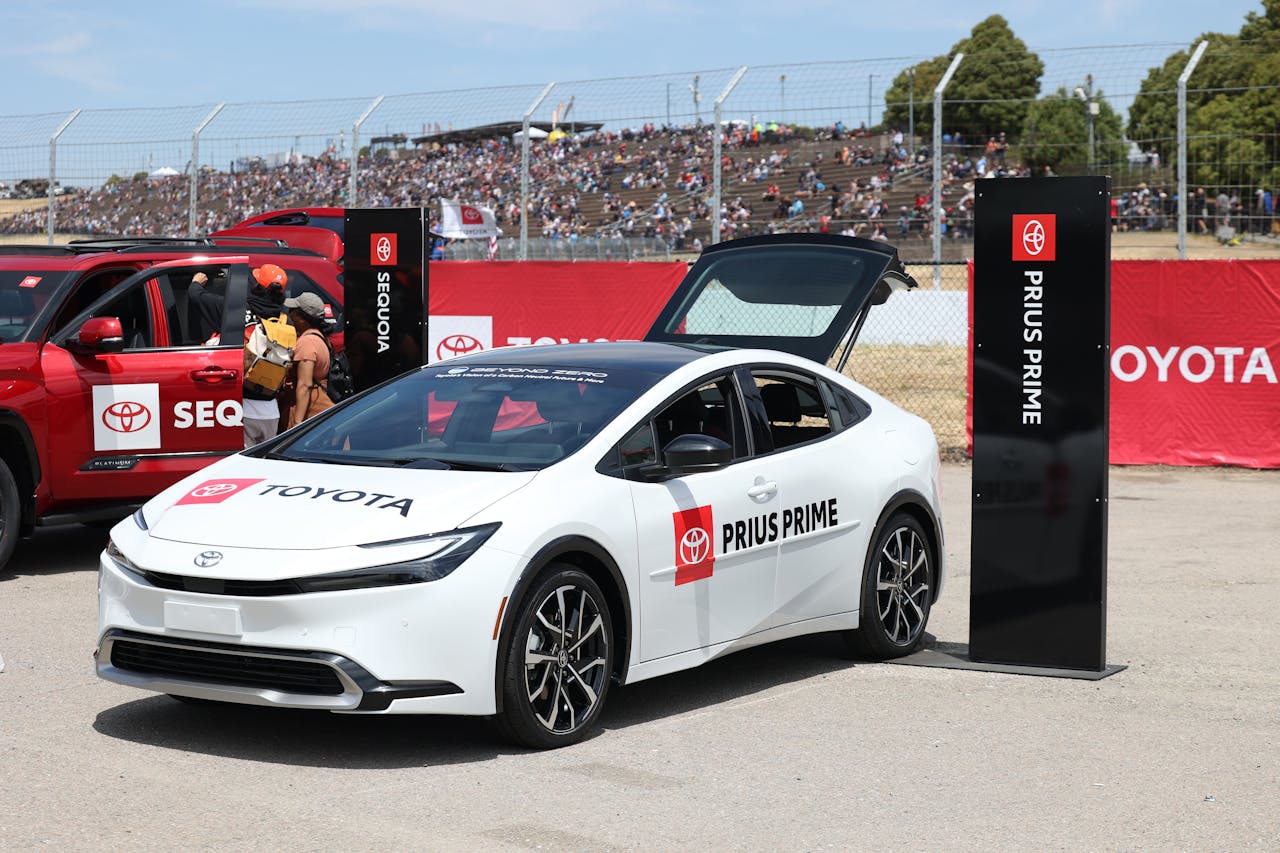
The Toyota Prius is an iconic choice in the hybrid car market, known for its high fuel efficiency and reliable reputation. With an EPA rating of about 56 mpg combined, the Prius allows drivers to make fewer stops at the gas station, reducing fuel expenses significantly. The Prius’s environmentally-friendly design has attracted countless eco-conscious drivers over the years, and its strong resale value further boosts long-term savings. If you’re seeking a budget-friendly, dependable hybrid, the Prius remains a smart investment.
2. Honda Insight
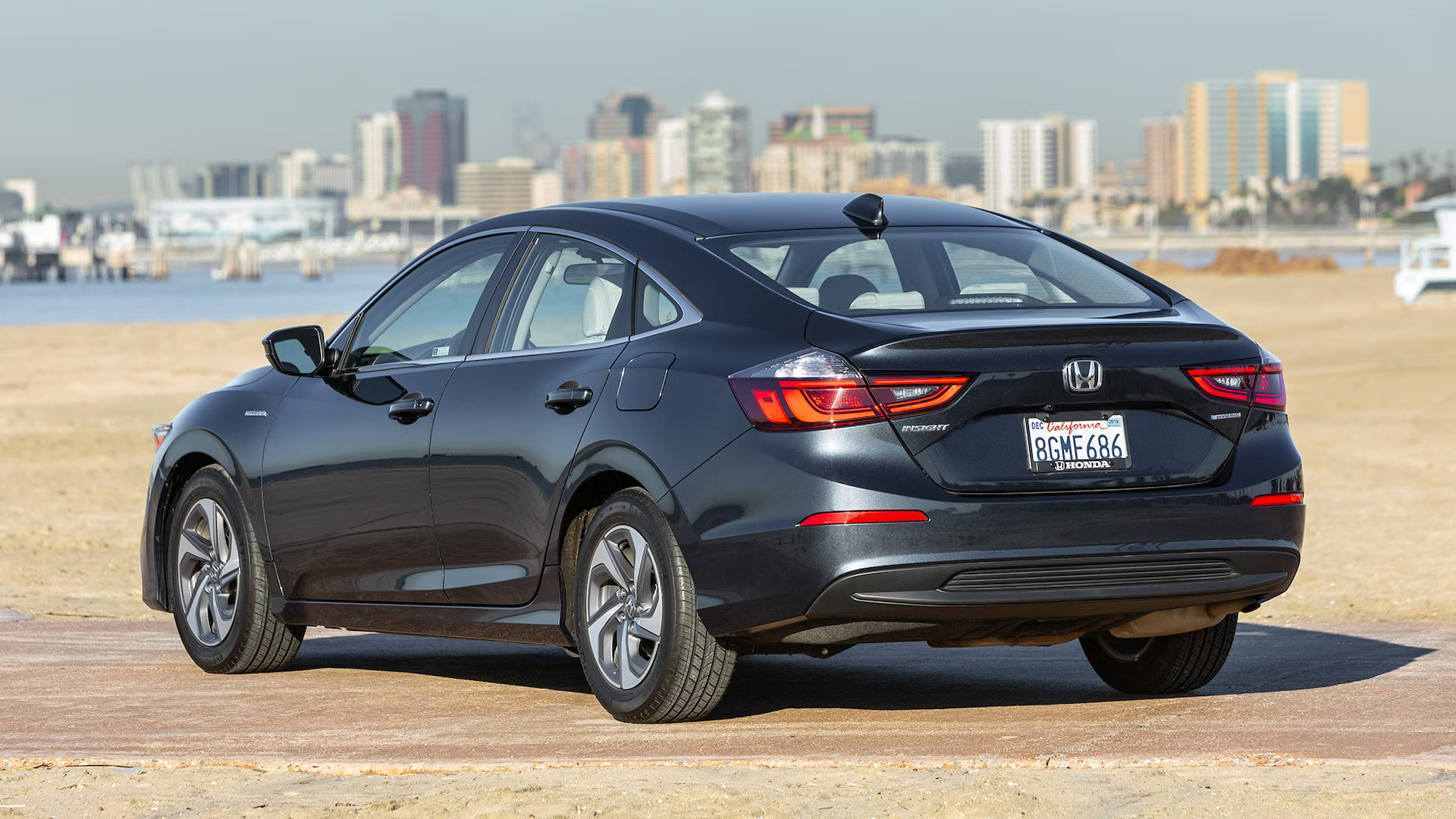
The Honda Insight merges sleek style with exceptional fuel efficiency, achieving an impressive 52 mpg combined. This compact hybrid sedan is comfortable, spacious, and well-equipped with Honda’s latest safety technology, making it ideal for individuals or families who prioritize both savings and sustainability. Lower maintenance costs and potential tax incentives for hybrid vehicles make the Insight a wallet-friendly choice that aligns with green values, helping you drive efficiently and affordably.
3. Tesla Model 3
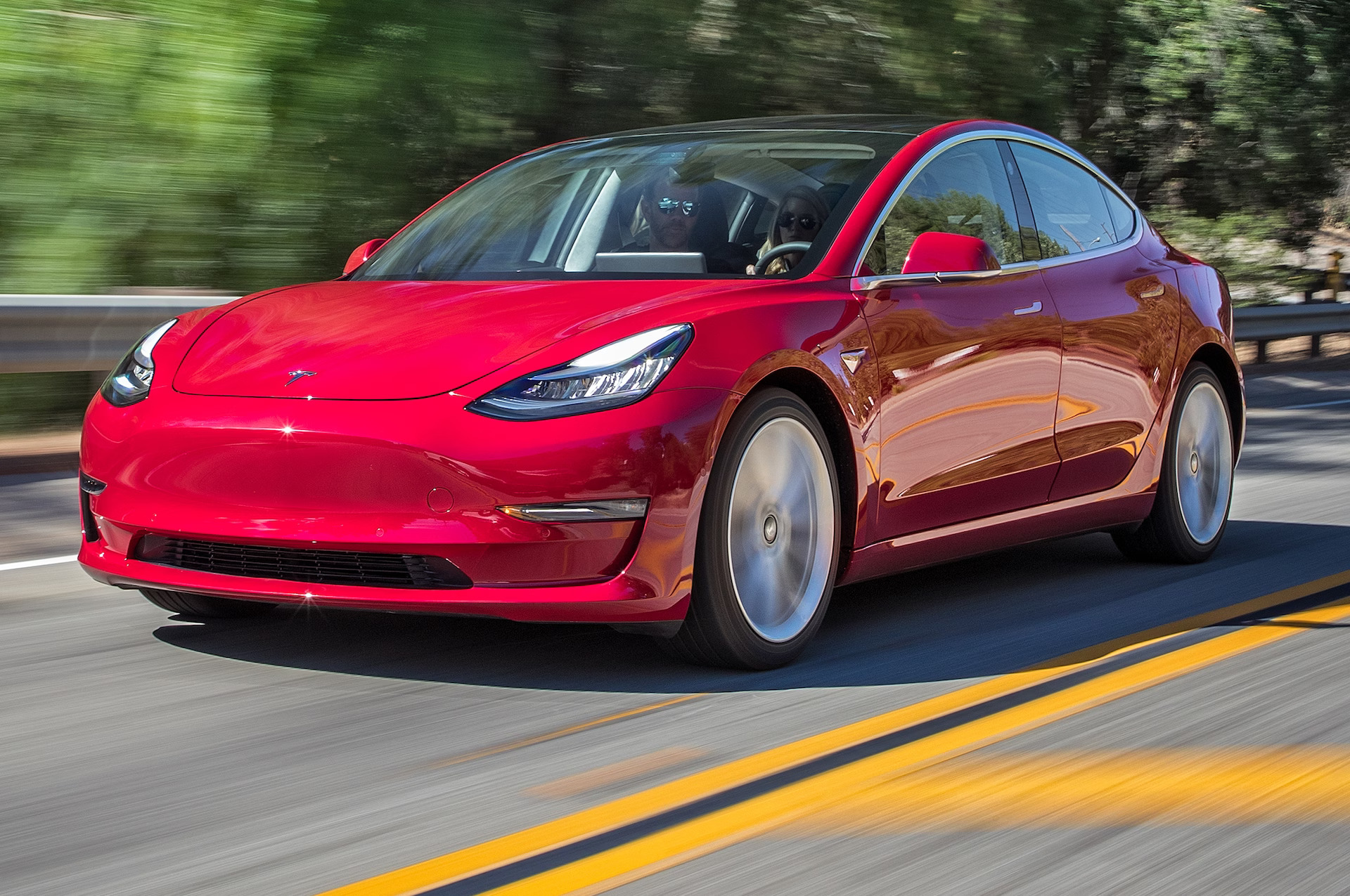
Tesla’s Model 3 has set a new standard in the electric vehicle market with its long range, advanced features, and affordability. Offering a range of over 350 miles on a single charge, the Model 3 minimizes the need for frequent recharging, and Tesla’s expansive Supercharger network makes long-distance travel a breeze. Electric vehicles like the Model 3 save significantly on fuel and have fewer moving parts, leading to reduced maintenance costs. With additional incentives for electric vehicles, the Model 3 is an outstanding choice for those looking to maximize savings in the long term.
4. Hyundai Ioniq Electric
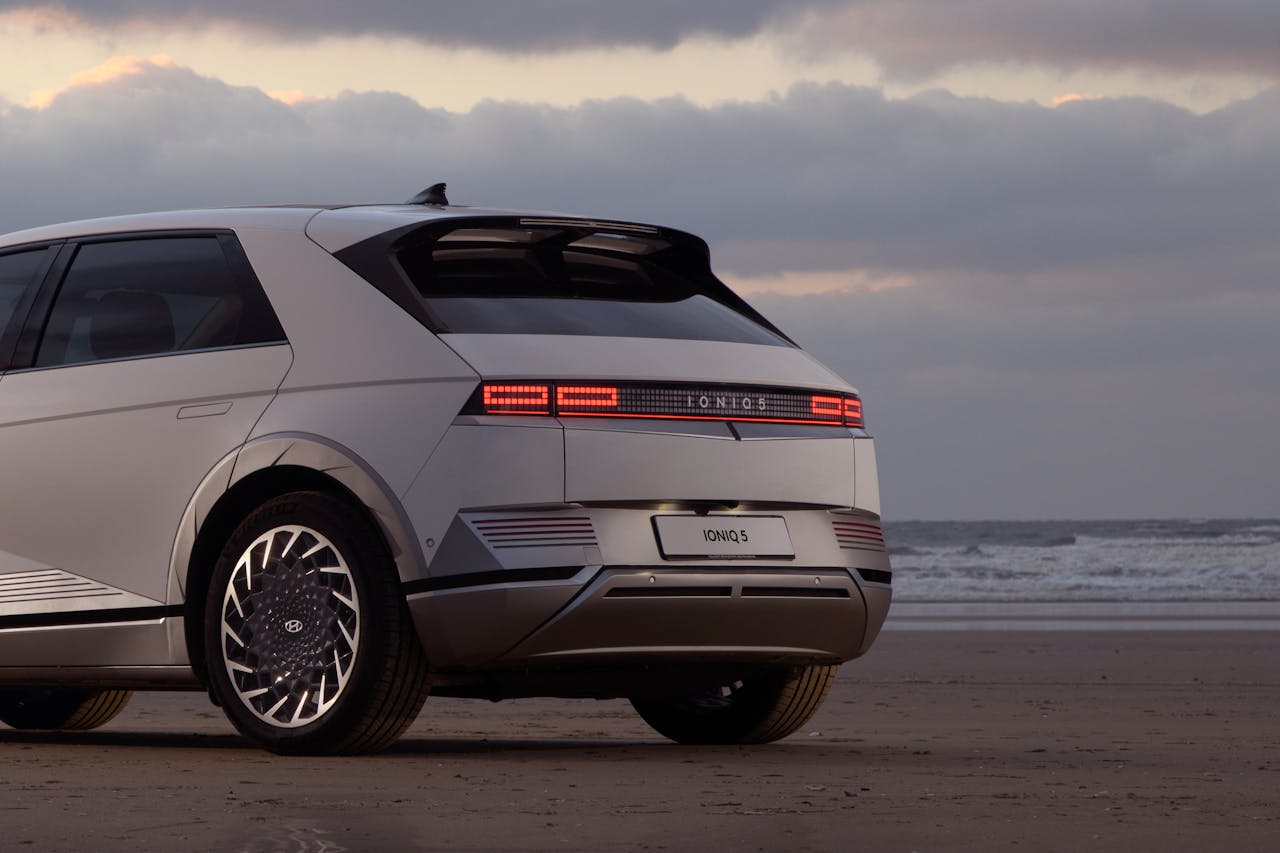
The Hyundai Ioniq Electric is a budget-friendly all-electric vehicle offering impressive efficiency in a sleek, modern design. With a range of about 170 miles per charge, it’s perfect for daily commuting and local trips. The Ioniq Electric is packed with features, including advanced safety technology and a user-friendly infotainment system. With minimal fuel expenses and lower maintenance needs typical of electric cars, the Ioniq Electric stands out as a practical option for those committed to eco-conscious savings.
5. Nissan Leaf
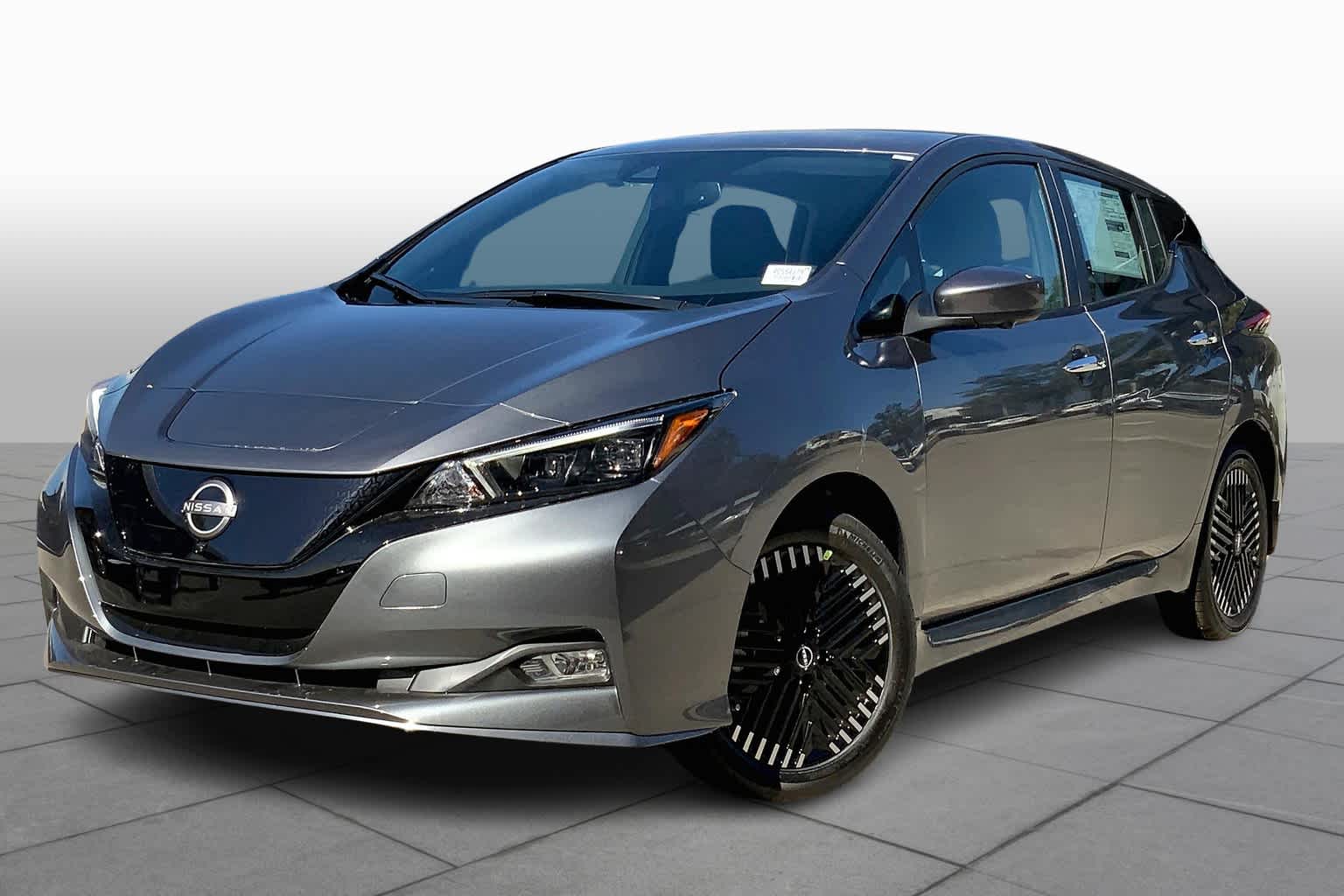
The Nissan Leaf is one of the best-selling electric cars in the world, known for its affordability and reliability. Offering up to 226 miles on a single charge, the Leaf is great for both city driving and longer commutes. Its spacious interior and generous cargo capacity make it a versatile choice for families and individuals alike. Choosing the Leaf means taking advantage of federal tax credits, reduced charging expenses, and lower maintenance fees, making this car a solid choice for budget-minded, eco-friendly drivers.
6. Kia Niro Hybrid
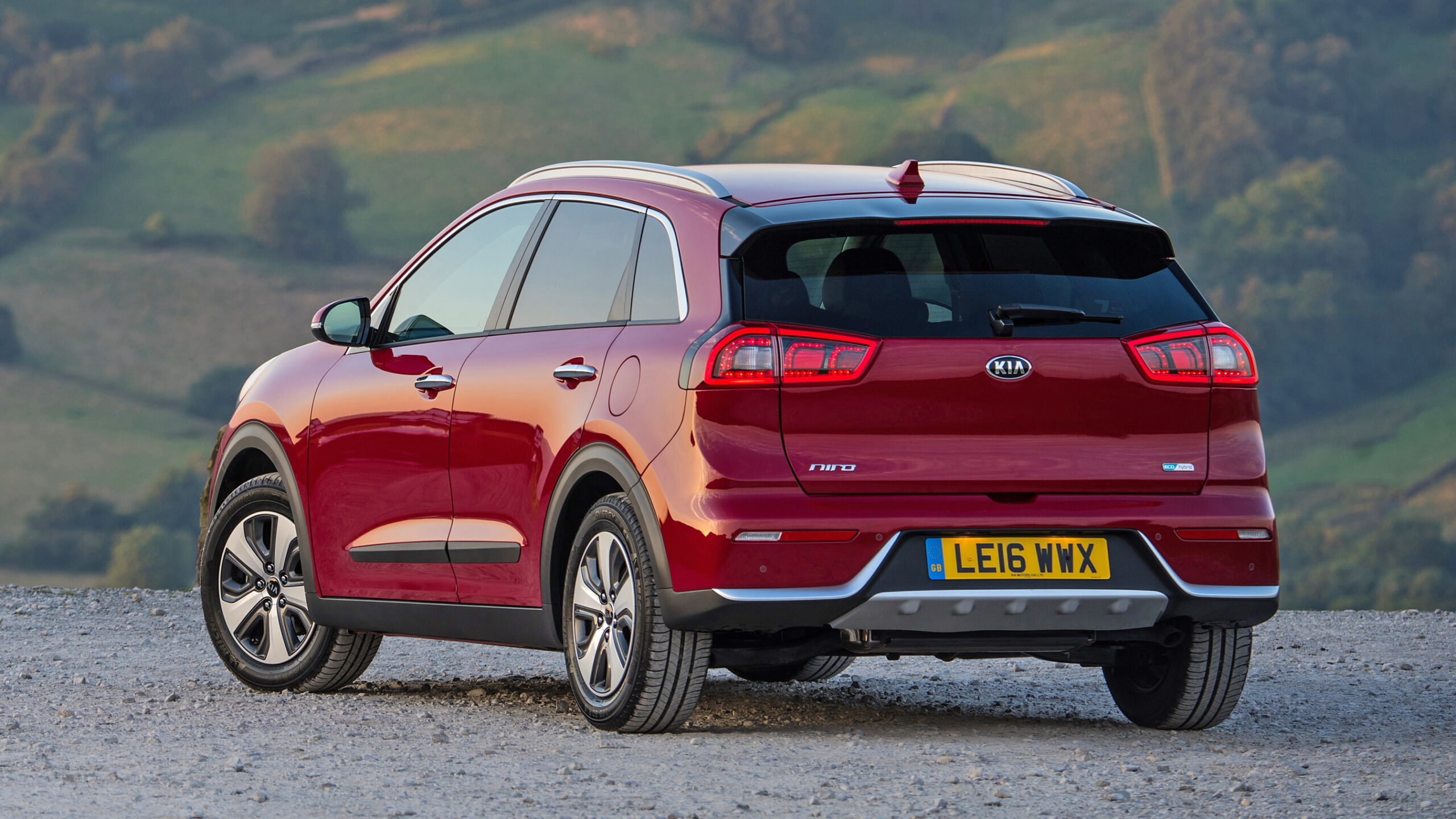
The Kia Niro Hybrid combines the versatility of an SUV with the fuel efficiency of a hybrid, achieving up to 50 mpg combined. Designed for drivers who want the practicality of a crossover without high fuel costs, the Niro offers a spacious interior and substantial cargo room, making it an excellent option for families. Kia’s generous warranty coverage reduces long-term maintenance costs, adding to the vehicle’s appeal as an affordable eco-friendly choice for anyone who needs both space and savings.
7. Ford Mustang Mach-E
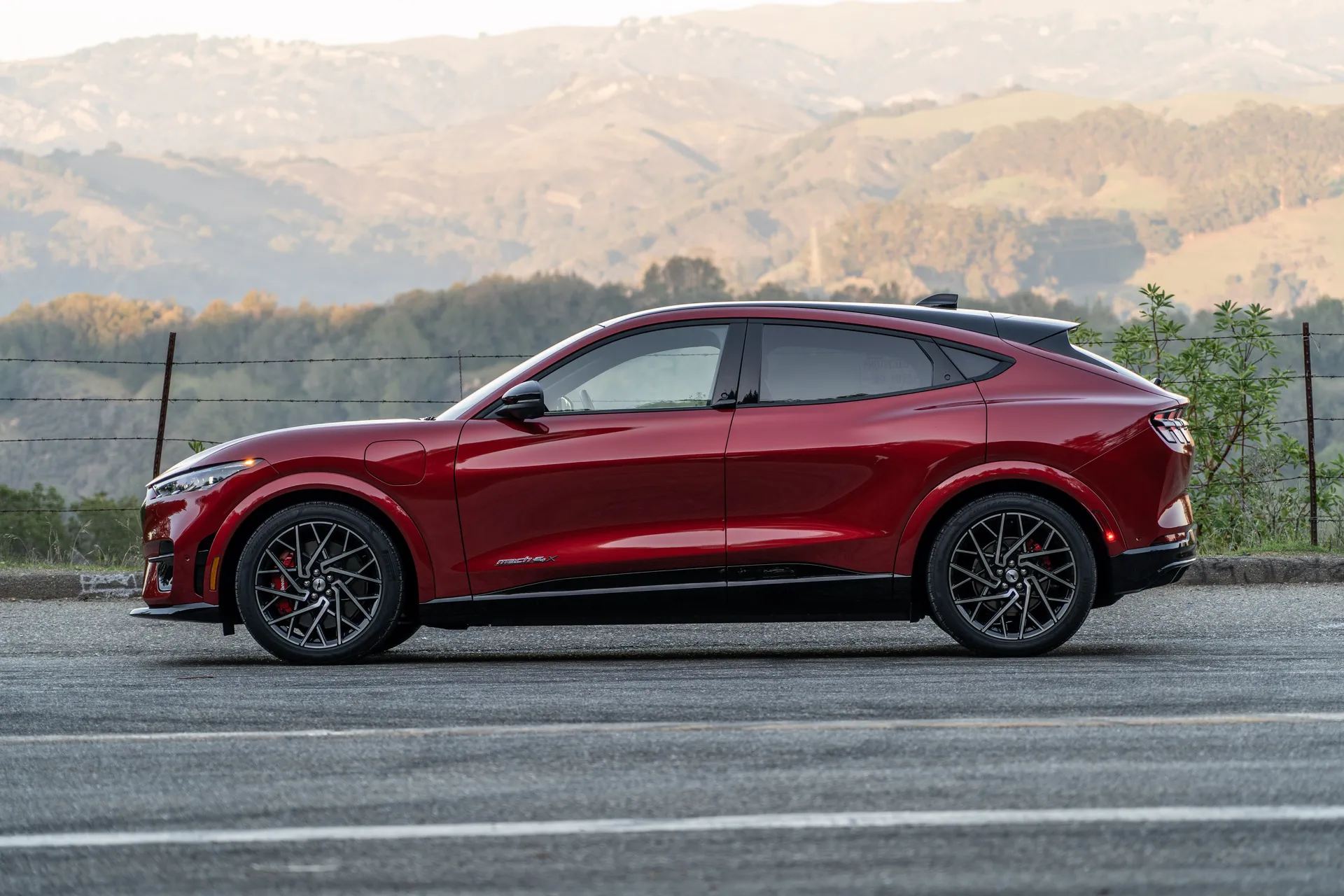
Ford’s Mustang Mach-E brings the iconic Mustang brand into the electric vehicle era, combining a thrilling driving experience with sustainability. With up to 300 miles of range, the Mach-E makes both everyday driving and weekend adventures seamless. The SUV’s dynamic performance adds a fun factor, making it ideal for those who value both power and environmental impact. Alongside fuel savings, the Mach-E’s reduced maintenance requirements make it a wise investment for eco-conscious enthusiasts who want a spirited ride without a hefty environmental toll.
8. Chevrolet Bolt EV
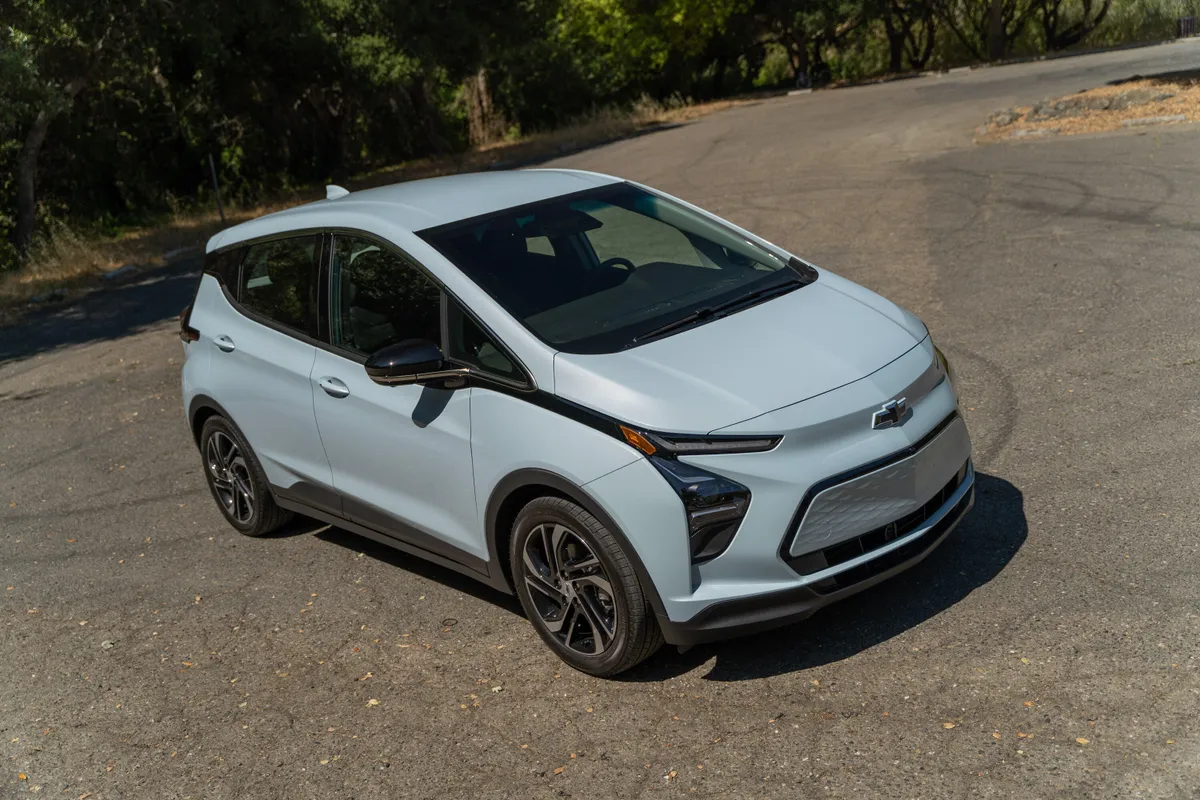
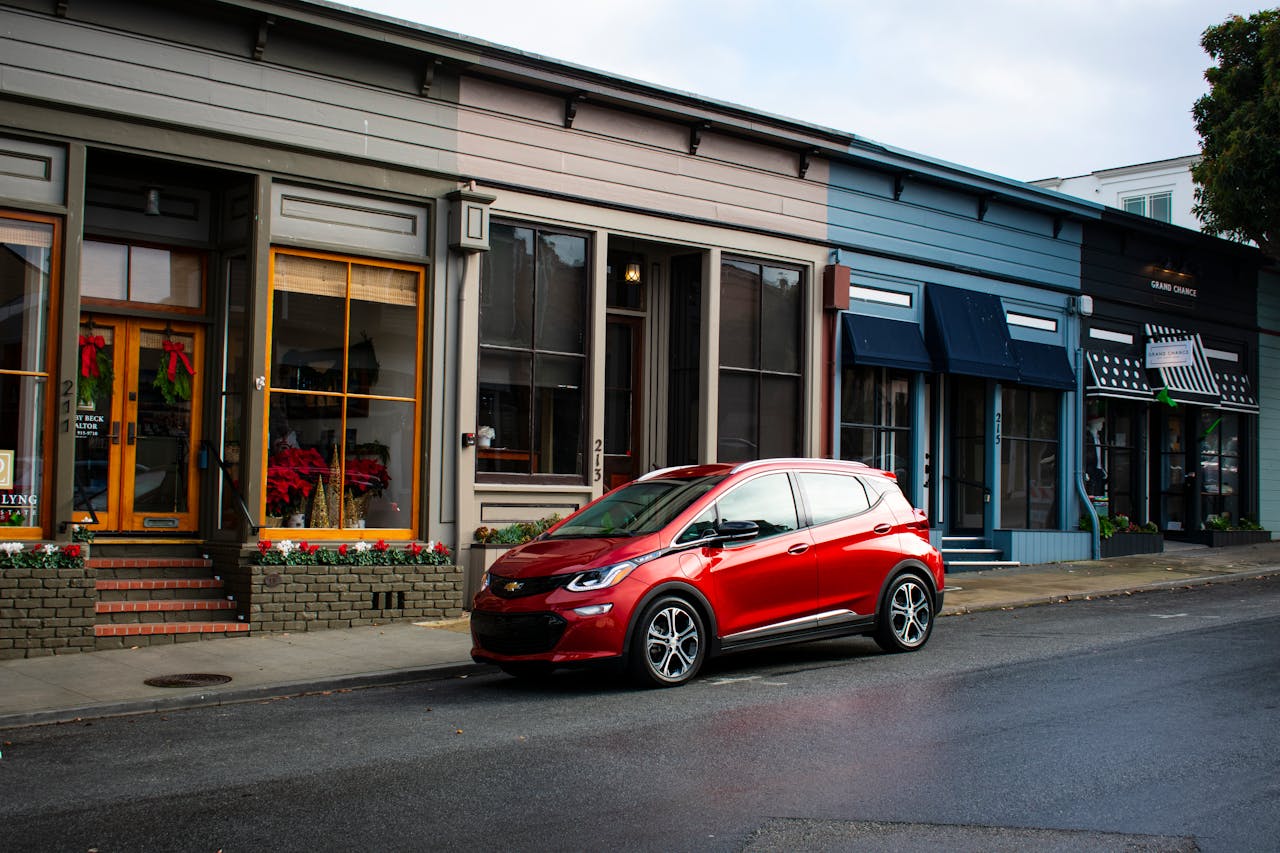
The Chevrolet Bolt EV is a compact electric vehicle that excels in range and affordability, offering around 259 miles on a single charge. With a spacious interior and versatile cargo area, the Bolt EV is perfect for practical eco-conscious drivers. The lower fuel expenses and minimal maintenance needs associated with electric vehicles make the Bolt EV an economical choice, combining budget-friendly driving with sustainability.
9. Subaru Crosstrek Hybrid
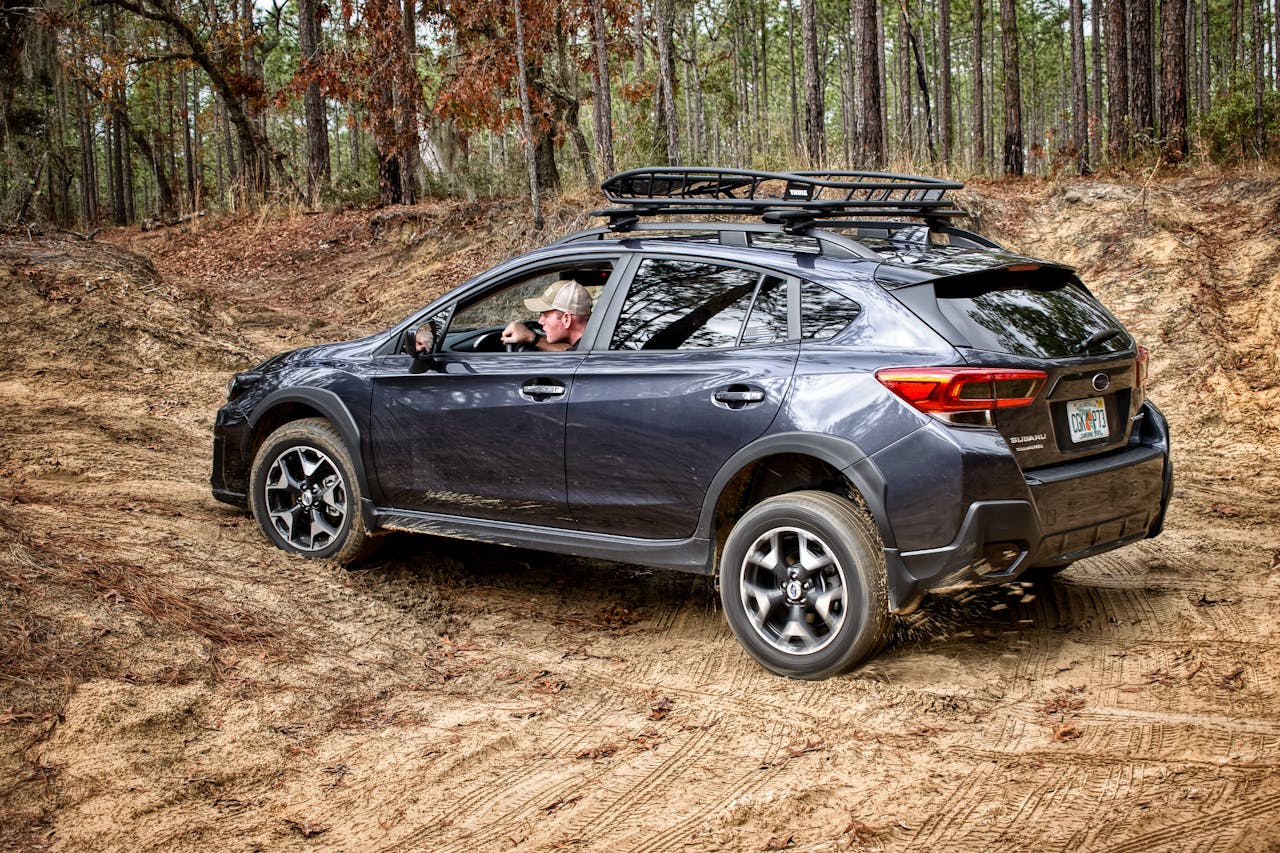
The Subaru Crosstrek Hybrid offers the best of both worlds, blending hybrid technology with Subaru’s popular all-wheel-drive capability. This compact SUV reaches about 90 MPGe, catering to drivers who need both efficiency and versatility. Ideal for outdoor lovers, the Crosstrek Hybrid can handle various terrains with ease, and its fuel-saving features help reduce overall costs. Subaru’s reputation for durability, combined with its lower fuel expenses, make the Crosstrek Hybrid a practical eco-friendly vehicle for long-term savings.
10. Volkswagen ID.4
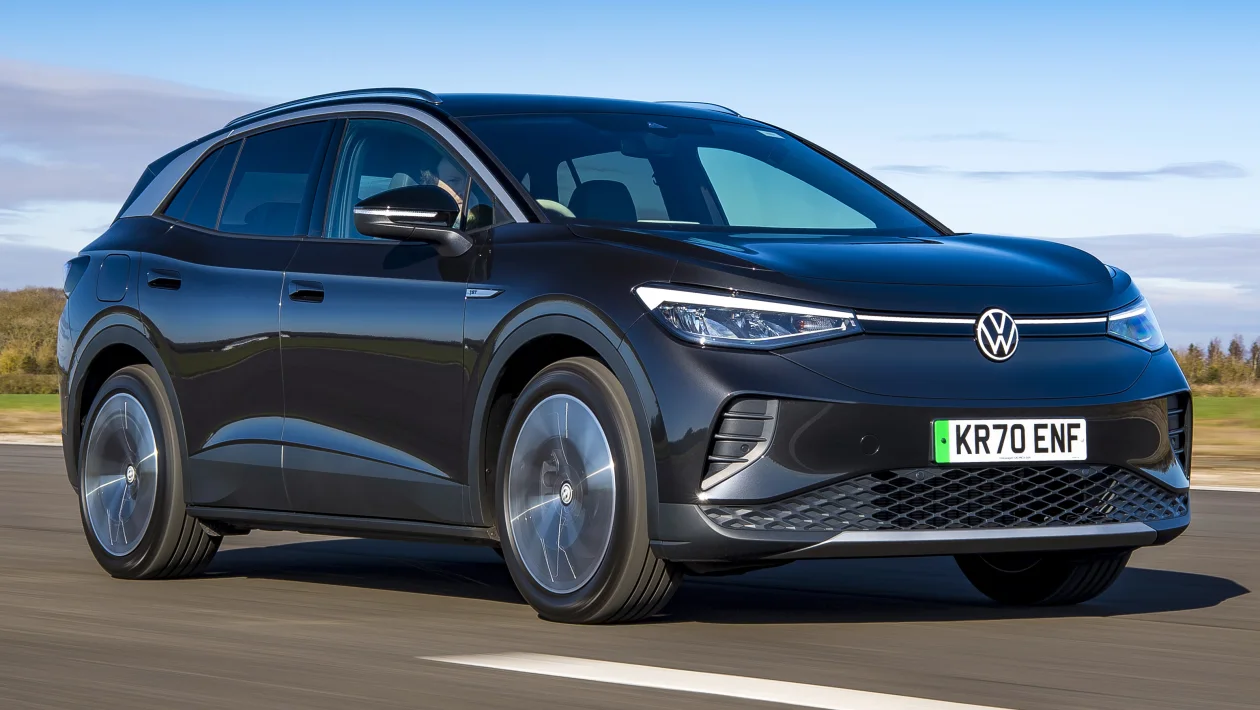
The Volkswagen ID.4 is a stylish all-electric SUV with a range of up to 250 miles, making it ideal for everyday commutes and family trips. This spacious and tech-forward vehicle includes advanced features, plenty of room, and a commitment to sustainability. By choosing the ID.4, drivers can enjoy significant fuel savings and lower maintenance costs typical of electric vehicles, offering an ideal solution for environmentally-conscious consumers looking to reduce expenses over time.
Final Thoughts

Switching to an eco-friendly car can bring about substantial fuel and maintenance savings while helping reduce your carbon footprint. The vehicles featured above are among the best in efficiency, innovation, and cost-effectiveness, offering something for everyone. Whether you’re interested in a hybrid for fuel efficiency or a fully electric car for zero emissions, investing in any of these options can lead to financial savings and a cleaner planet. Embrace the future of driving with these eco-friendly vehicles and enjoy a greener, more economical ride.
8 Road Trip Essentials Every Senior Driver Needs for a Safe and Enjoyable Journey
8 Road Trip Essentials Every Senior Driver Needs for a Safe and Enjoyable Journey

Planning a road trip is one of the most exciting ways to explore the country, especially for baby boomers who appreciate the freedom of the open road. Whether you’re heading out for a weekend getaway or a cross-country adventure, being prepared makes all the difference. For senior drivers, packing the right essentials isn’t just about convenience—it’s about safety, comfort, and peace of mind. With experience comes wisdom, and when it comes to hitting the road, preparation is key to enjoying every mile. Here are 8 must-have road trip essentials every senior driver needs to make your next journey smooth, enjoyable, and stress-free.
1. A Well-Organized Emergency Kit
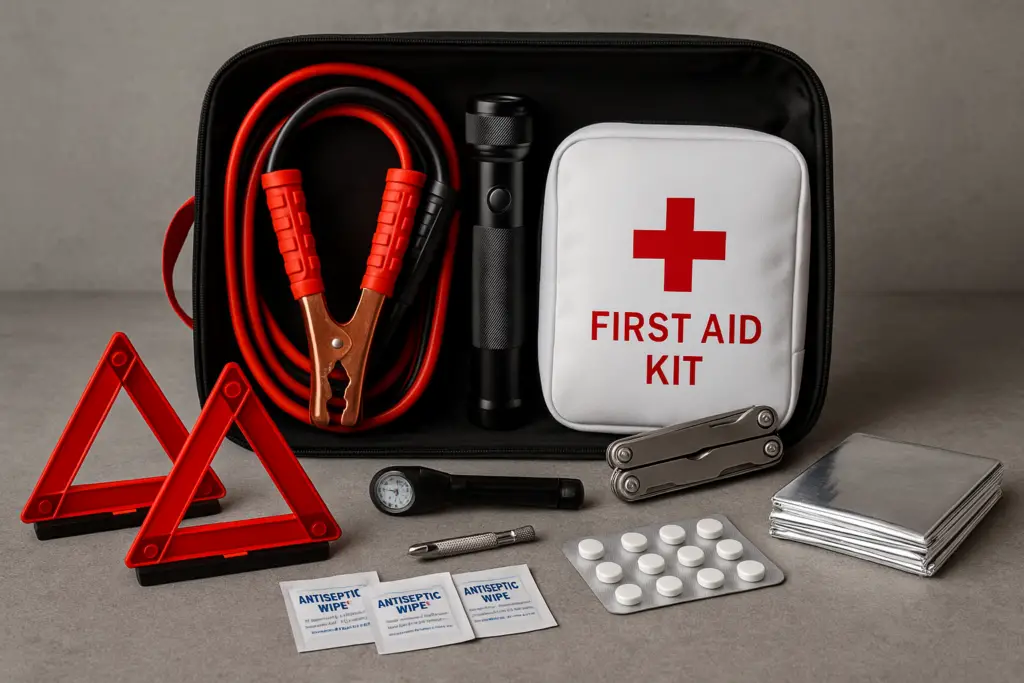
No road trip is complete without a properly stocked emergency kit, and this is especially true for senior drivers who may face unique health or mobility challenges. An emergency kit should go beyond the basic roadside tools. Along with jumper cables, a flashlight with fresh batteries, reflective warning triangles, and a tire pressure gauge, be sure to include a first aid kit stocked with bandages, antiseptic wipes, and any prescription medications you need. A multi-tool and emergency blankets can also prove invaluable if you find yourself stranded. Having this kit accessible in your car is like carrying peace of mind—you’re ready to tackle small emergencies on the road, giving you and your loved ones extra security throughout your adventure.
2. Comfort-Boosting Seat Cushions and Lumbar Support

Anyone who has spent hours driving understands the toll it can take on the back and hips, and seniors are especially prone to discomfort after long stretches behind the wheel. Investing in ergonomic seat cushions and lumbar supports can significantly improve driving comfort and reduce muscle fatigue. Look for cushions made from memory foam or gel, designed to provide targeted support for your lower back and hips. These products are lightweight and portable, so you can easily move them between vehicles or take them with you when you stop for breaks. The difference in comfort can be remarkable, helping you stay alert and pain-free, which is essential for safe driving.
3. A Reliable GPS Device or Smartphone Mount

Getting lost on the road can quickly turn an enjoyable trip into a stressful one. That’s why having a reliable navigation tool is an absolute must for senior drivers. While smartphone GPS apps are widely used, the key to using them safely is a sturdy, adjustable smartphone mount that keeps your device visible and hands-free. This lets you follow directions without taking your eyes off the road or fumbling to hold your phone. If you prefer dedicated GPS units, opt for ones with large screens, clear voice commands, and simplified menus designed for older adults. Having dependable navigation reduces anxiety and helps you focus on the joy of the journey rather than worrying about directions.
4. A Hydration and Snack Station

Maintaining energy and hydration is often overlooked but is crucial, especially for seniors on the road. Dehydration and low blood sugar can lead to dizziness, fatigue, and reduced concentration—all of which are dangerous while driving. Pack a cooler or insulated bag with plenty of water, electrolyte drinks, and healthy snacks such as nuts, fresh fruit, whole-grain crackers, and granola bars. Avoid sugary snacks or caffeine in excess, as these can cause energy spikes followed by crashes. Stopping frequently for a sip of water or a quick snack helps maintain steady energy levels and keeps your mind sharp, so you can enjoy every mile with confidence.
5. Sunglasses and Sun Protection

As eyesight changes with age, seniors can be more sensitive to glare and bright sunlight while driving, which can increase the risk of accidents. Polarized sunglasses are a simple yet effective investment that reduces glare from the sun, wet roads, and other vehicles, making it easier to see details clearly. Choose sunglasses with UV protection and comfortable frames that won’t pinch or slip during long drives. Additionally, protecting your skin during stops is just as important—apply broad-spectrum sunscreen and wear a wide-brimmed hat or visor to shield your face and neck. These precautions help prevent eye strain and sunburn, keeping you comfortable and alert throughout your trip.
6. A Comprehensive Music or Audiobook Playlist
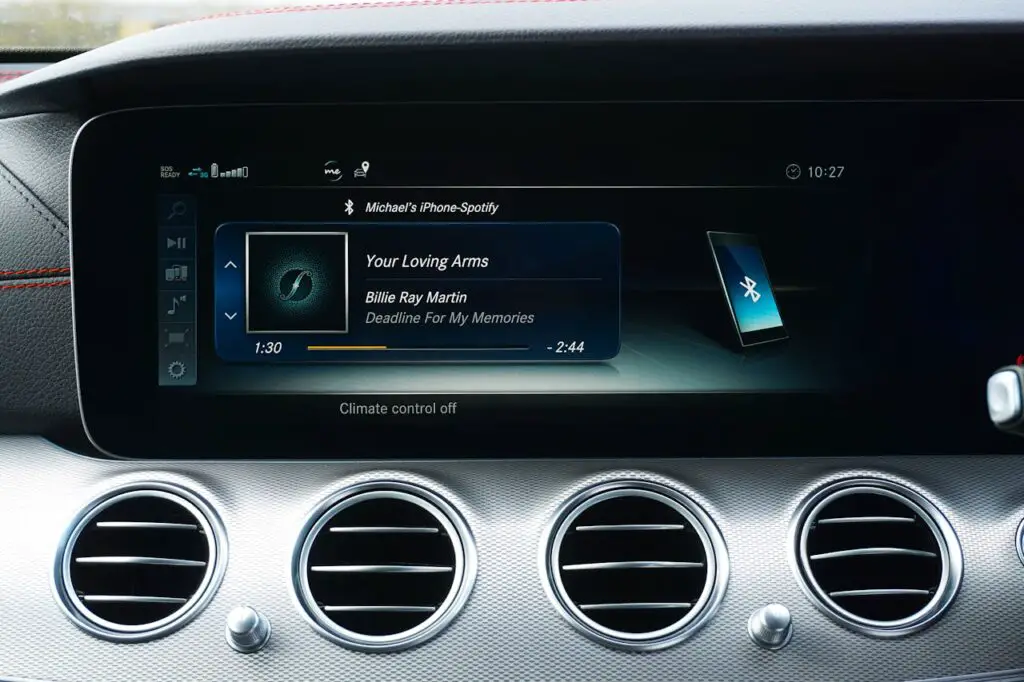
Long stretches on the road can feel monotonous, but a thoughtfully curated playlist can brighten your journey and keep boredom at bay. Whether you prefer classic rock, jazz, country, or gospel, music has the power to uplift spirits and create lasting memories. For those who enjoy stories, audiobooks are an excellent option. They allow you to learn, laugh, or escape into another world while keeping your hands on the wheel and eyes on the road. Many public libraries offer free downloadable audiobooks and podcasts, perfect for road trip entertainment. Sharing your favorite tunes or stories with travel companions can also spark conversations and strengthen bonds along the way.
7. Portable Phone Charger and Power Bank

In today’s digital age, staying connected is vital, especially when on the road. Your smartphone is not only your navigation tool but also your lifeline for emergencies. Nothing causes more stress than a dead phone battery when you need directions or assistance. A portable charger or power bank is a compact and lightweight accessory that can recharge your devices multiple times, ensuring you never run out of juice. Opt for a power bank with a high capacity and fast charging capability to keep all your essential gadgets powered up. This small device can make a big difference in staying connected, informed, and safe wherever your trip takes you.
8. Comfortable Walking Shoes and Stretch Break Essentials

Senior drivers understand the importance of regular breaks during long drives to prevent stiffness and promote circulation. Wearing comfortable, supportive walking shoes makes these stops more enjoyable and effective. Pack shoes that offer good arch support and cushioning, and keep them easily accessible. In addition to footwear, bring along essentials such as a reusable water bottle, a wide-brimmed hat, sunscreen, and a lightweight folding chair or blanket. These items make it easier to relax and stretch your legs during rest stops. Taking time to stretch not only reduces muscle fatigue but also refreshes your mind, helping you stay alert and safe behind the wheel.
Final Thoughts

Road trips are a wonderful way to explore America’s beauty and culture, offering seniors a chance to enjoy independence and create unforgettable memories. But to truly savor the experience, preparation is everything. By packing these 8 road trip essentials, senior drivers can ensure their travels are safe, comfortable, and full of joy. From the practical emergency kit to the little comforts like your favorite music and cushy seat support, each item adds up to peace of mind and a better driving experience.
Before you set off, don’t forget to perform a quick vehicle check-up, plan your route carefully, and allow plenty of time for rest stops. And remember—sometimes the best part of the trip is slowing down and enjoying the journey itself. Happy driving and safe travels!
13 Surprising Things You Cannot Store in Your Garage Without Risking Trouble
13 Surprising Things You Cannot Store in Your Garage Without Risking Trouble
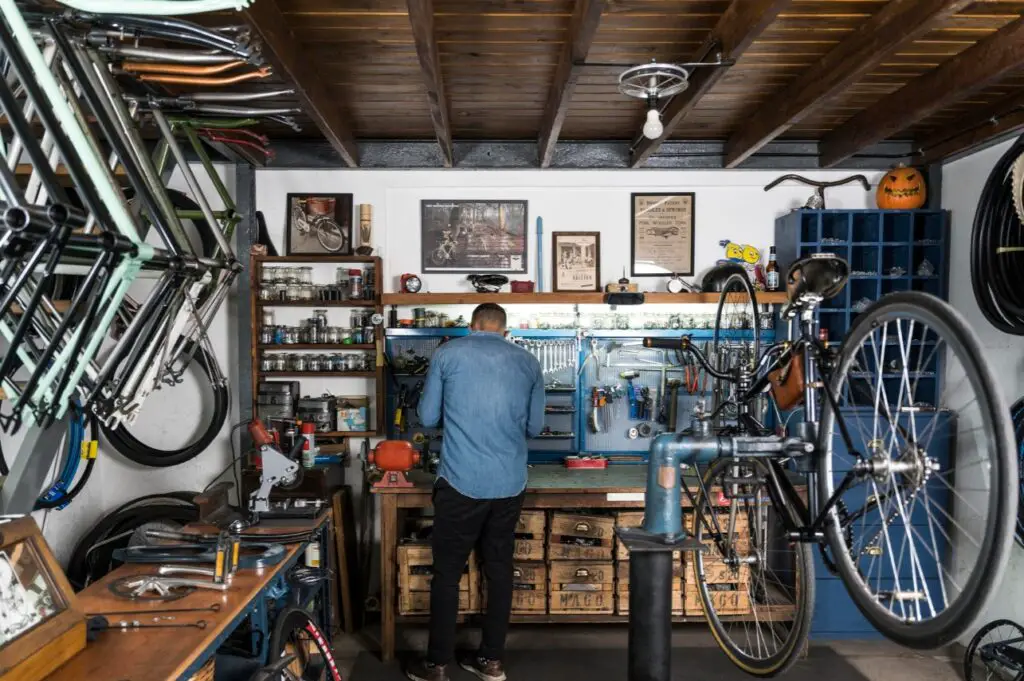
Think your garage is the perfect place to stash anything you do not want cluttering up your house? You are not alone—but you might be making a costly mistake. While garages often become the unofficial storage unit for everything from holiday decor to leftover paint, there are several everyday items that should never be stored there. The risks range from fire hazards and pest infestations to property damage and even insurance nightmares. Some of these items might even violate local safety regulations or void your homeowners insurance in case of an accident. Whether it is about safety, legality, or simply protecting your belongings, this list reveals 13 surprising things you should never keep in your garage—and the serious reasons why.
1. Propane Tanks
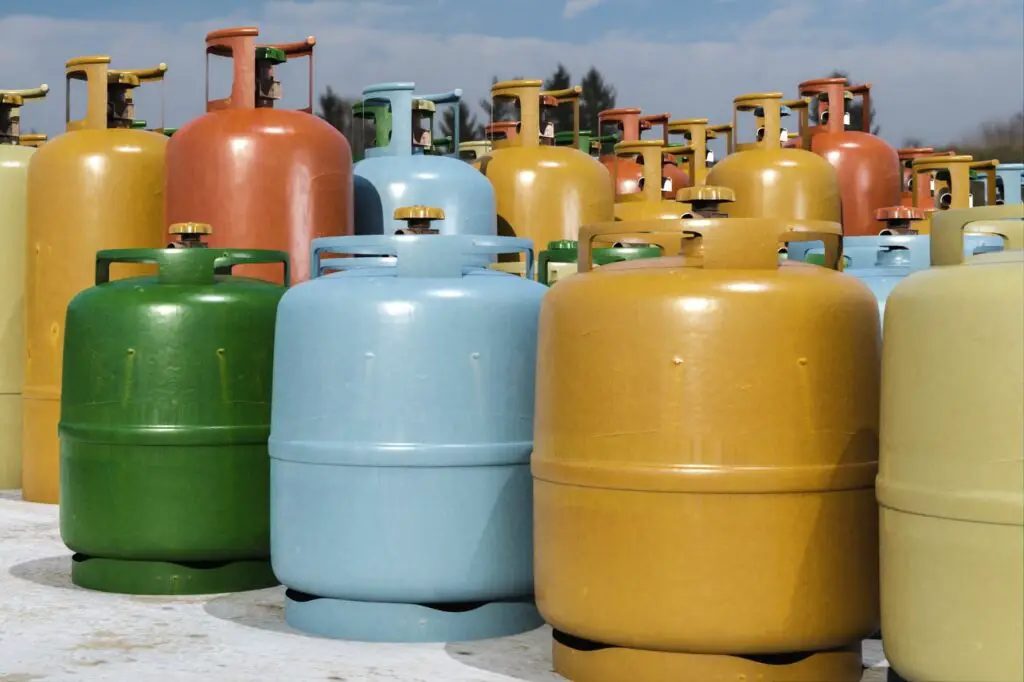
Propane tanks are extremely flammable and can become explosive if not stored properly. Keeping them in your garage may feel convenient, especially when you are grilling regularly, but it is actually a major fire hazard. These tanks can leak slowly over time, and any minor spark—like from starting your car or using a power tool—can ignite the gas. Propane also becomes more unstable in extreme heat, something garages are known for in the summer. Most fire codes require propane to be stored outside, in an upright position, and away from enclosed spaces and direct sunlight. Stick to those guidelines to avoid a potentially deadly mistake.
2. Paint and Paint Thinner

Paints, varnishes, and paint thinners are highly sensitive to temperature changes, which makes garages a poor place to store them. In high heat, these substances can expand, leak, or even combust, while in cold temperatures, they can separate and become unusable. The vapors released from paint thinner can also be toxic in enclosed areas and pose health risks. Storing them improperly may even violate hazardous material regulations in your area. For both safety and quality control, these materials are best kept in a cool, dry indoor space away from kids and pets.
3. Food and Pantry Items

Even if your garage has shelving or storage bins, it is not the place to keep food—whether canned, boxed, or bagged. Extreme temperatures can cause food to spoil faster or degrade in quality, and even sealed cans are not immune to heat, which can affect their integrity. More importantly, food attracts pests like mice, ants, raccoons, and even snakes. Once these animals find a food source in your garage, they are not going anywhere, and they may start exploring your house next. Stick to keeping food inside your kitchen pantry or a properly ventilated basement area.
4. Pet Food

Just like human food, pet food should never be stored in the garage. Heat and moisture can quickly spoil dry kibble and canned pet foods, potentially making your furry friends sick. Plus, the strong smell of pet food can attract a whole range of critters, from rodents to insects. Rodents can chew through the packaging and contaminate the food with droppings and urine, making it unsafe for your pet. Always store pet food in sealed, airtight containers inside your home, preferably in a pantry or cupboard that is cool and dry.
5. Electronics

Old televisions, computers, gaming consoles, and other electronics are often moved to the garage when they are not in use, but garages are one of the worst places to store sensitive tech gear. Electronics do not handle humidity or extreme temperatures well—both of which are common in most garages. Heat can warp plastic and melt components, while cold can crack screens or internal wiring. Moisture also poses a big risk by corroding circuits and attracting mold. If you want to preserve your electronics for future use or resale, keep them in a climate-controlled area indoors.
6. Important Documents and Photos

You may think keeping tax documents, old family photos, or birth certificates boxed up in your garage is safe—but it is far from it. Paper is highly vulnerable to moisture, which can lead to mold, mildew, and total deterioration. Rodents can also chew through boxes and destroy valuable paperwork. Even worse, if a fire or flood occurs, you may lose irreplaceable documents forever. It is much safer to keep important records in a fireproof safe inside your home, or to digitize them and store the originals in a secure filing cabinet indoors.
7. Clothing and Bedding

It might seem like a good idea to store your winter wardrobe or extra linens in the garage during the off-season, but fabrics absorb moisture easily and can develop mold or mildew. Bugs and rodents also love nesting in soft materials, turning your cozy blankets into a breeding ground for pests. Plastic storage bins do not offer full protection either—humidity can still get in and damage your belongings. Use vacuum-sealed bags and store clothing and bedding in your closet, under-bed storage, or an interior storage room with regulated temperature.
8. Wood Furniture

Garages are notorious for fluctuating temperatures and humidity, both of which wreak havoc on wood furniture. Even well-finished pieces can warp, crack, or split over time if stored in a poorly insulated area. If your garage is not climate-controlled, storing antique or quality wooden furniture there could ruin it beyond repair. There is also the added risk of pests like termites and carpenter ants, which are attracted to wood and love dark, quiet spaces like garages. Protect your investment by keeping wood furniture indoors in a stable environment.
9. Wine and Alcohol

Wine and spirits require very specific conditions to maintain quality—namely cool, dark, and stable environments. Garages fail on all three fronts. The temperature swings alone are enough to spoil wine, especially if the cork dries out and lets in air. Heat can also cause bottles to expand and leak, while humidity can destroy labels and packaging. For collectors or casual drinkers alike, keeping alcohol in the garage is a recipe for wasted money. Invest in a wine fridge, basement wine rack, or a designated bar area indoors.
10. Cardboard Boxes

It is easy to stash your storage items in cardboard boxes and pile them up in the garage, but cardboard is not a long-term solution. It absorbs moisture like a sponge, becomes moldy, and can collapse under its own weight. On top of that, cardboard is a favorite nesting material for rodents and insects. If you have items you truly want to preserve, invest in heavy-duty plastic storage bins with tight-fitting lids that offer better protection against weather, water, and pests.
11. Oily Rags

Rags soaked in oil, stain, or solvent should never be left in the garage—especially in a pile or open container. These materials are highly flammable and can spontaneously combust without an external heat source, a phenomenon known as auto-ignition. That means you could walk out of your garage with everything intact and return to a raging fire hours later. Dispose of oily rags according to local hazardous waste guidelines or store them in a specialized sealed metal container designed for this purpose.
12. Lawn Chemicals and Pesticides

It seems logical to store weed killers, insecticides, and other lawn chemicals in the garage near your tools, but these substances are often volatile and dangerous when exposed to high heat or moisture. Some can emit toxic fumes or become unstable if stored too close to ignition sources like water heaters or power tools. Many home insurance policies will not cover damage caused by improperly stored chemicals, so keep them in a locked, ventilated shed or cabinet designed for hazardous materials.
13. Valuables and Collectibles

Your garage might have extra space, but it is not secure or stable enough to house valuable items like artwork, antiques, or collectibles. Fluctuating humidity and temperature can damage delicate items, fade fabrics or paper, and warp materials like plastic and wood. More importantly, garages are easy targets for burglars since they are often less secure than the main house. Insurance companies may also deny claims for stolen or damaged valuables stored in a non-approved area like a garage. Store irreplaceable and high-value items indoors, preferably in a locked, climate-controlled space.
Final Thoughts
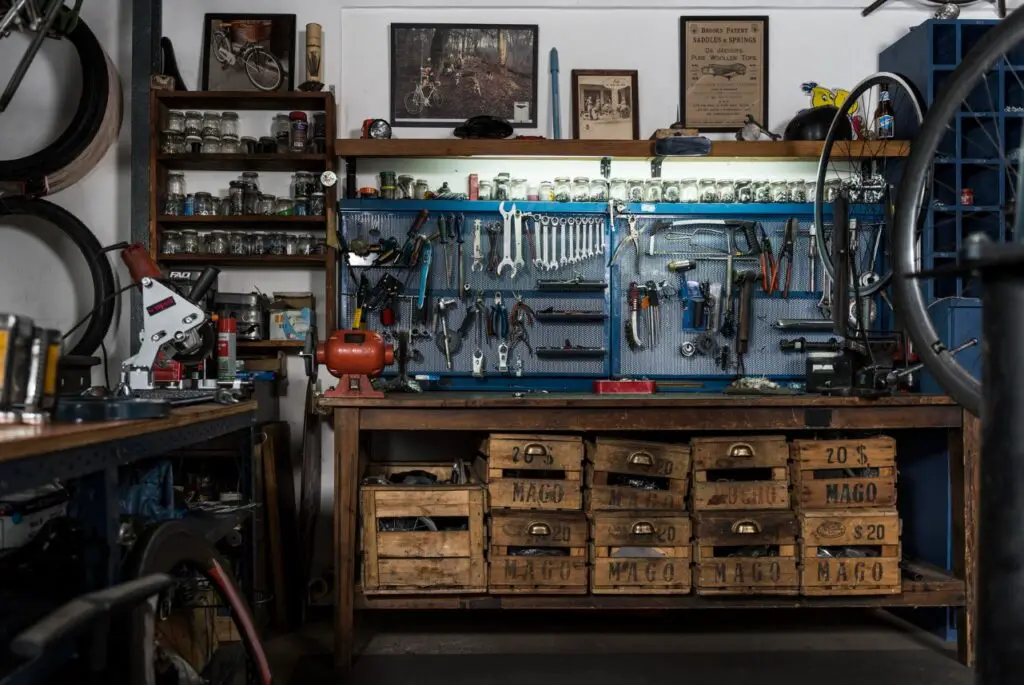
Just because your garage has space does not mean it is safe for everything. Many common household items require specific conditions to remain intact and functional, while others pose legal or safety risks when kept in a garage. From fire hazards and pest problems to potential insurance nightmares, the cost of improper garage storage can be steep. By knowing what not to store in your garage, you can keep your home safer, cleaner, and better protected against the unexpected. Take time to evaluate your current garage setup—you might be surprised at what needs relocating.
Always Be Ready: 10 Essential Items to Keep in Your Car for Emergencies
Always Be Ready: 10 Essential Items to Keep in Your Car for Emergencies

Emergencies can happen at any time, and when you are on the road, being unprepared can quickly turn a minor inconvenience into a dangerous situation. Whether you are commuting to work, heading out for a weekend trip, or simply running errands around town, it is critical to have the right supplies in your vehicle to handle unexpected scenarios. Having an emergency kit in your car not only provides peace of mind but can also make a major difference in your safety and ability to respond effectively. From medical needs to car troubles and weather-related events, here are 10 essential items you should always keep in your car to stay ready for emergencies.
1. First Aid Kit

Every vehicle should be equipped with a well-stocked first aid kit that includes the basics to treat cuts, burns, and other minor injuries. A reliable kit should contain adhesive bandages, gauze pads, antiseptic wipes, antibiotic ointment, tweezers, scissors, medical tape, and pain relievers such as ibuprofen or acetaminophen. It is also a good idea to include allergy medicine, gloves, and a CPR face shield. In case of accidents or injuries while traveling, a first aid kit allows you to provide immediate care until professional help arrives. Even a simple blister or headache can become a bigger problem if you are unprepared, so this item is a must-have for every driver.
2. Jumper Cables or Portable Jump Starter
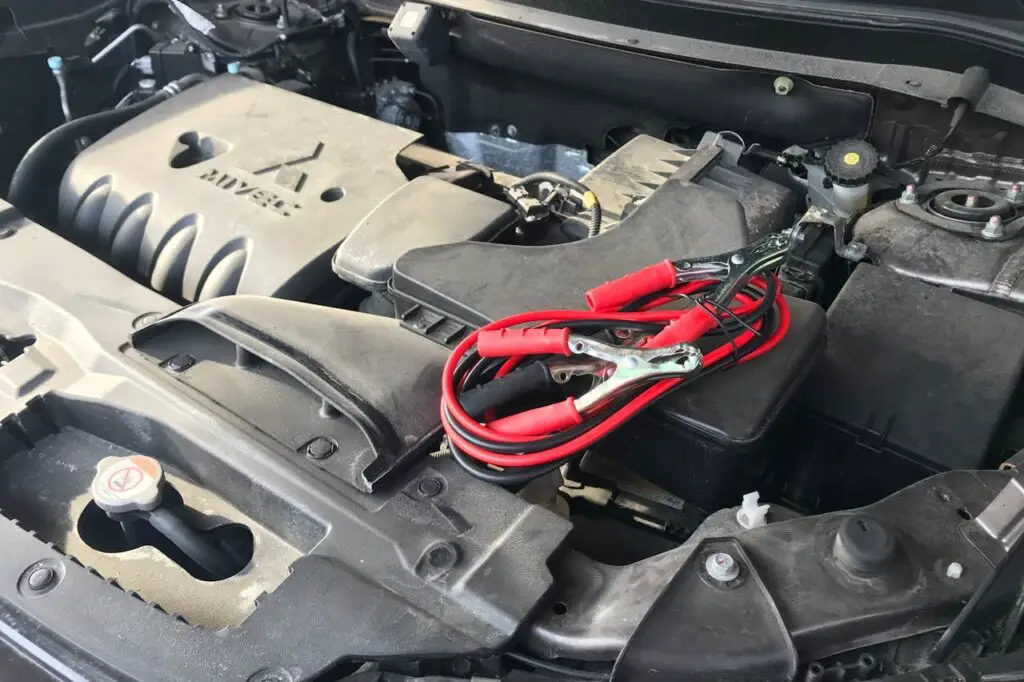
A dead car battery is one of the most common roadside issues, and it often strikes without warning. Jumper cables can help revive your battery with assistance from another vehicle, while a portable jump starter eliminates the need for outside help entirely. A good jump starter should come with built-in safety features and might even include extras like USB ports, flashlights, and air compressors. These devices are especially valuable if you are traveling in a rural area or late at night when finding help can be difficult. Make sure you know how to safely use jumper cables or a jump starter before you need them.
3. Spare Tire, Jack, and Lug Wrench
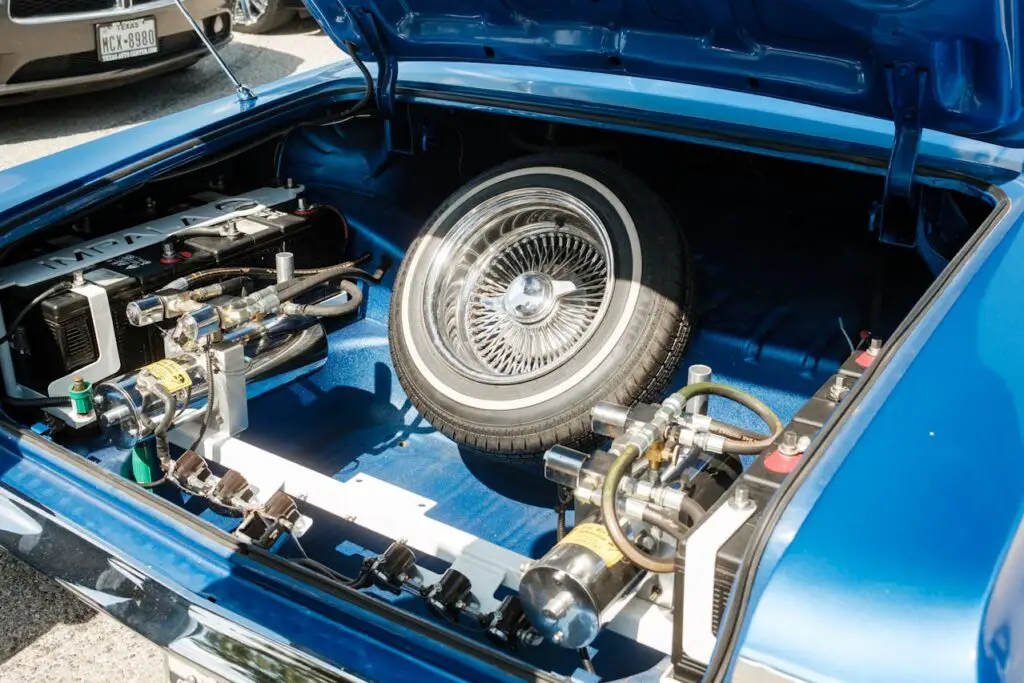
Tire problems can leave you stranded quickly, and waiting for roadside assistance can take hours depending on your location. That is why every car should have a properly inflated spare tire, along with the tools needed to change a flat. This includes a jack to lift the vehicle and a lug wrench to remove the bolts holding the tire. Many cars come with these tools from the manufacturer, but it is wise to double-check that they are present and in working condition. It is also smart to learn how to change a tire before you find yourself in a situation where you have no choice but to do it yourself.
4. Emergency Blanket or Thermal Blanket

An emergency blanket, often made of lightweight reflective material, is designed to retain body heat and protect against cold temperatures. If your car breaks down during winter or at night, staying warm becomes a top priority—especially if you have to wait a long time for help. Thermal blankets are compact, inexpensive, and can be life-saving in freezing conditions. They are also useful in other emergencies such as shock or sudden exposure to rain or wind. Keeping at least one in your car is an easy way to enhance your preparedness for cold-weather events or temperature drops during travel.
5. Flashlight with Extra Batteries

Having a flashlight in your car is crucial for visibility if you are stranded in the dark or need to inspect your vehicle at night. A heavy-duty LED flashlight provides a strong beam and better durability than your phone’s flashlight. Keep spare batteries in your glove compartment, or opt for a rechargeable flashlight with a long-lasting battery life. This tool is not only helpful for mechanical issues but also for signaling for help, navigating dark roads, or walking safely if you need to leave your vehicle. Consider adding a headlamp to your kit for hands-free use during nighttime car repairs or emergencies.
6. Multipurpose Tool or Swiss Army Knife

A high-quality multipurpose tool can serve many functions in an emergency. These compact gadgets often include a knife, pliers, screwdriver heads, scissors, bottle opener, and more. Whether you need to cut a jammed seatbelt, tighten a screw, or open packaging, a versatile tool saves time and space compared to carrying separate tools. These are also handy for camping, road trips, or unexpected car repairs. Storing one in your glove box ensures you have access to basic functionality in nearly any situation, making it a practical and indispensable part of your vehicle emergency kit.
7. Non-Perishable Snacks and Bottled Water

If you are stuck on the side of the road for hours due to weather, traffic, or mechanical problems, having food and water in your vehicle is vital. Stock up on long-lasting snacks like granola bars, nuts, dried fruit, jerky, or energy bars. These will keep your energy up and help prevent fatigue and irritability while waiting for help. Also, keep several bottles of water or emergency water pouches stored in your trunk. Staying hydrated is essential, especially during hot weather or long waits. Check your supplies every few months to ensure they have not expired or been compromised by heat.
8. Reflective Warning Triangles or Road Flares

Safety should always come first when dealing with roadside breakdowns or accidents. Reflective warning triangles or road flares make your vehicle visible to oncoming traffic, reducing the risk of secondary collisions. Place them at increasing distances behind your car to give other drivers enough time to slow down and change lanes if needed. Road flares are highly visible at night and in bad weather, while triangles can be reused and do not require ignition. Whichever option you choose, visibility tools are essential for keeping you and your passengers safe while you wait for assistance.
9. Cell Phone Car Charger or Power Bank
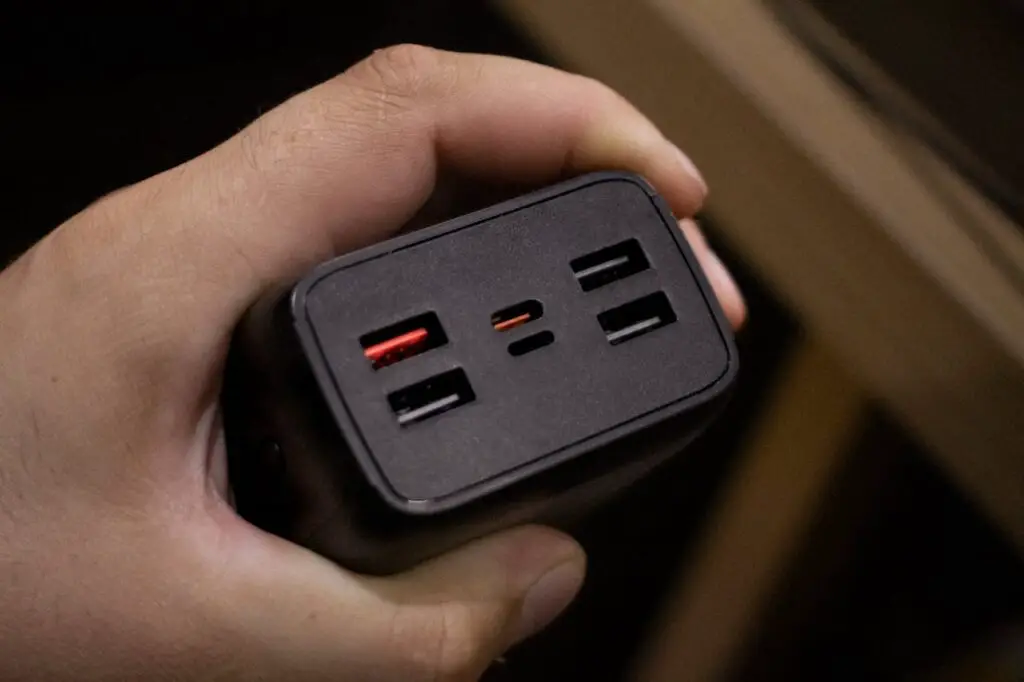
Your phone is your most important communication tool during an emergency. If the battery runs out while you are stranded, your ability to call for help or use GPS navigation disappears. Keep a car charger plugged into your vehicle at all times or carry a portable power bank with enough capacity to charge your phone multiple times. Choose a power bank that holds its charge well over time and store it in a dry, cool place within your vehicle. When an emergency arises, being able to make a phone call or access emergency services can make all the difference.
10. Duct Tape and Zip Ties
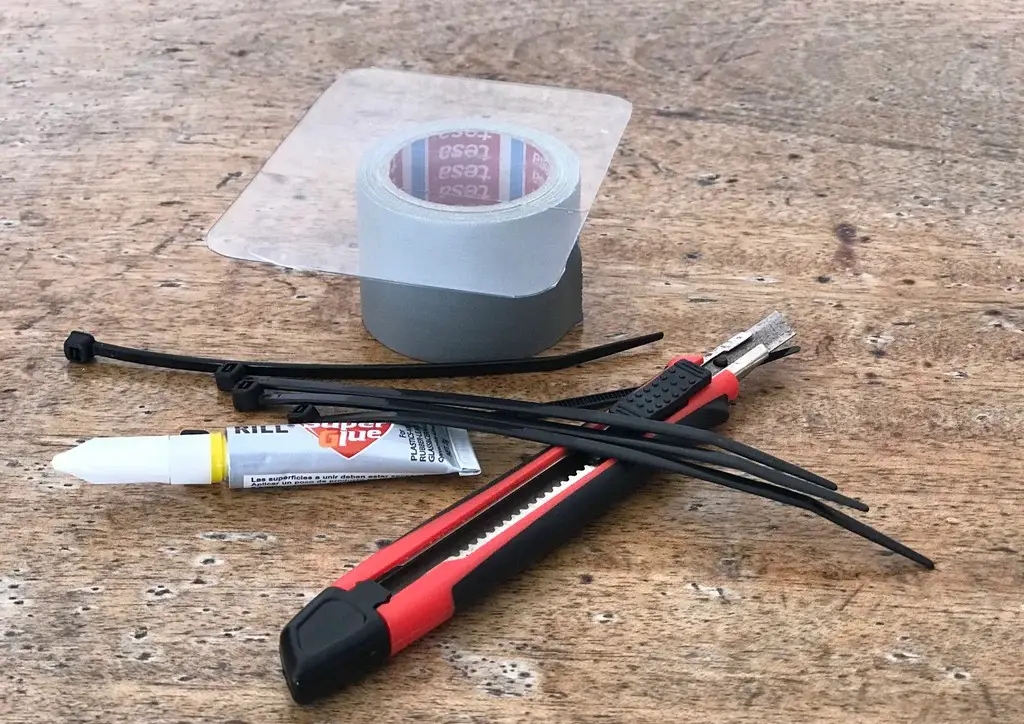
It might surprise you how many roadside problems can be temporarily fixed with something as simple as duct tape and zip ties. These items take up very little space and can be used to hold loose parts in place, secure broken mirrors, fix leaky hoses, or temporarily patch windows. They may not offer a permanent solution, but they can keep your vehicle safe and functional long enough to reach a repair shop. Duct tape and zip ties are also useful in many other travel-related situations and are a cheap, lightweight addition to your car’s emergency preparedness kit.
Final Thoughts

No one plans for emergencies, but being equipped to handle them can significantly reduce stress and danger. By taking the time to stock your car with these 10 essential items, you create a mobile safety net that can protect you and your passengers when the unexpected strikes. These tools do not take up much space, but they offer massive peace of mind and real-world utility. Review your supplies regularly, update expired items, and adjust your kit based on seasonal needs or longer trips. With a little preparation, you can drive confidently knowing that no matter what happens on the road, you are ready to face it head-on.
Why You Should Think Twice Before Buying These 6 Crossover Cars
Why You Should Think Twice Before Buying These 6 Crossover Cars
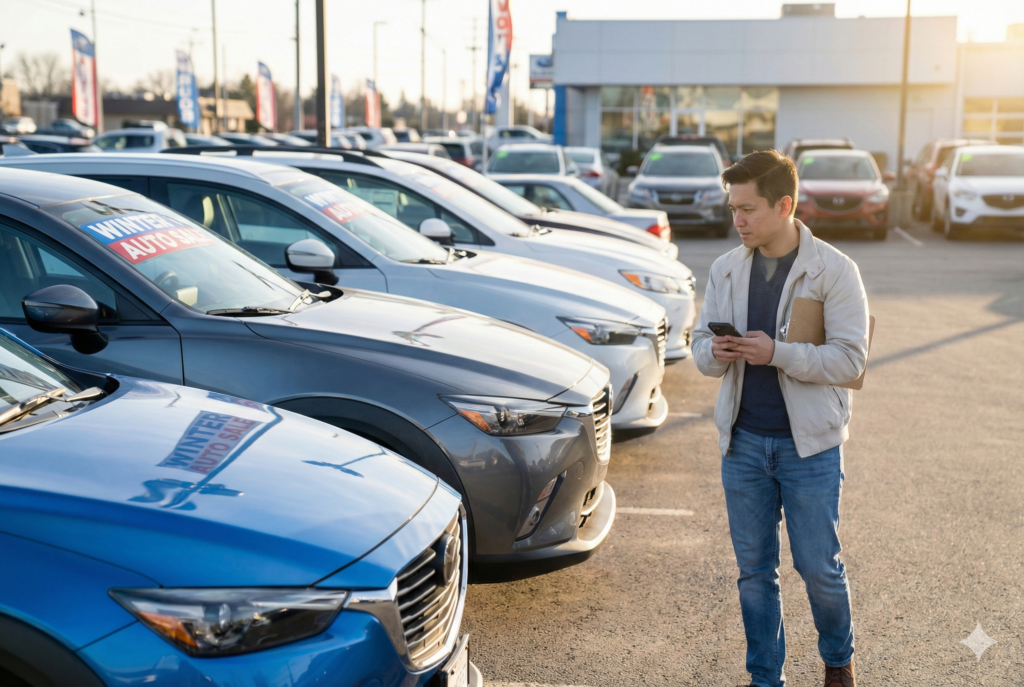
If you have been browsing for a new crossover lately, you already know the choices feel endless. Every brand seems to have at least three different models promising comfort, great mileage, and “advanced technology.” And while many crossovers truly deliver on those claims, a few models have a reputation for disappointing their owners in expensive and frustrating ways.
This list is not here to bash every flaw or nitpick small issues. Instead, it is meant to help you avoid crossovers that are known for problems that are too common, too costly, or too annoying to ignore. Whether it is reliability trouble, lackluster performance, or a driving experience that feels nothing like what you paid for, some models simply do not live up to expectations.
So before you sign paperwork or fall in love with a sleek grill or shiny paint, take a look at the crossover cars that many drivers say they wish they had skipped entirely.
1. Volkswagen Taos
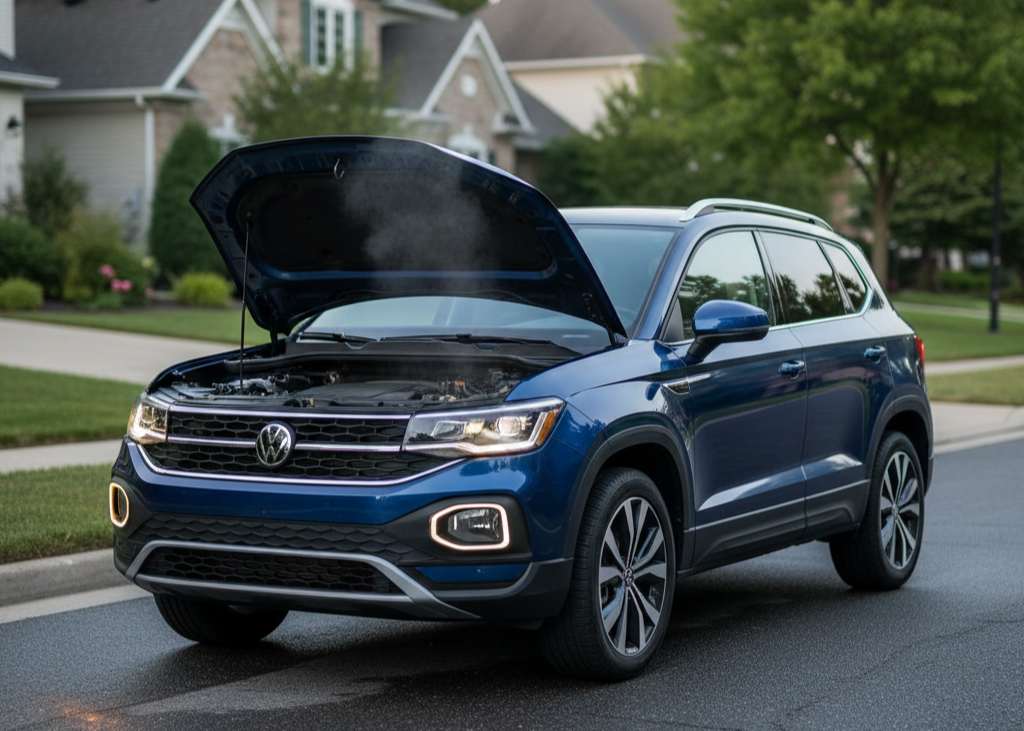
The Volkswagen Taos has become known for being stylish and fun on the surface but unpredictable underneath. Owners and reviewers frequently mention problems related to the powertrain, brakes, and electrical components, with transmission issues being among the most concerning. When a crossover begins having shifting problems or strange noises while driving at low mileage, that is a red flag most buyers do not want to deal with. Another point that makes the Taos a risk is how inconsistent the overall driving experience feels for many drivers. Some say the engine occasionally hesitates when accelerating, which can make everyday driving feel a little too unpredictable. While Volkswagen is often praised for quality, the Taos is one of those rare models that seems to have more ongoing complaints than compliments.
2. Jeep Compass
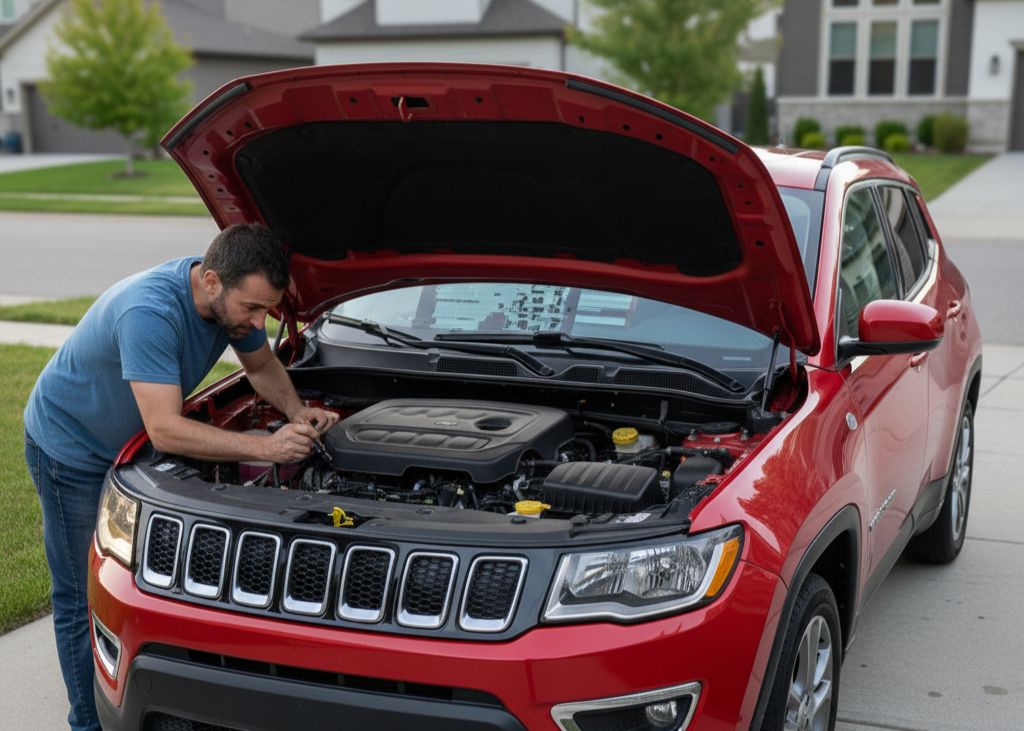
The Jeep Compass might pull you in with its rugged look, especially if you have always liked the Jeep brand. But many owners have found that the Compass struggles with problems that are hard to overlook. Transmission issues remain one of the most common concerns, with drivers reporting rough shifting, slow acceleration, or in some cases, complete transmission failure. Some models have also been known for electrical problems, such as sensor faults, dashboard malfunctions, and window or door lock glitches. While it is affordable compared to other Jeep models, the Compass often ends up eating more money in repairs than buyers expect. If you love the Jeep image but want something more reliable, you might be better off choosing one of their other models.
3. Kia Sportage
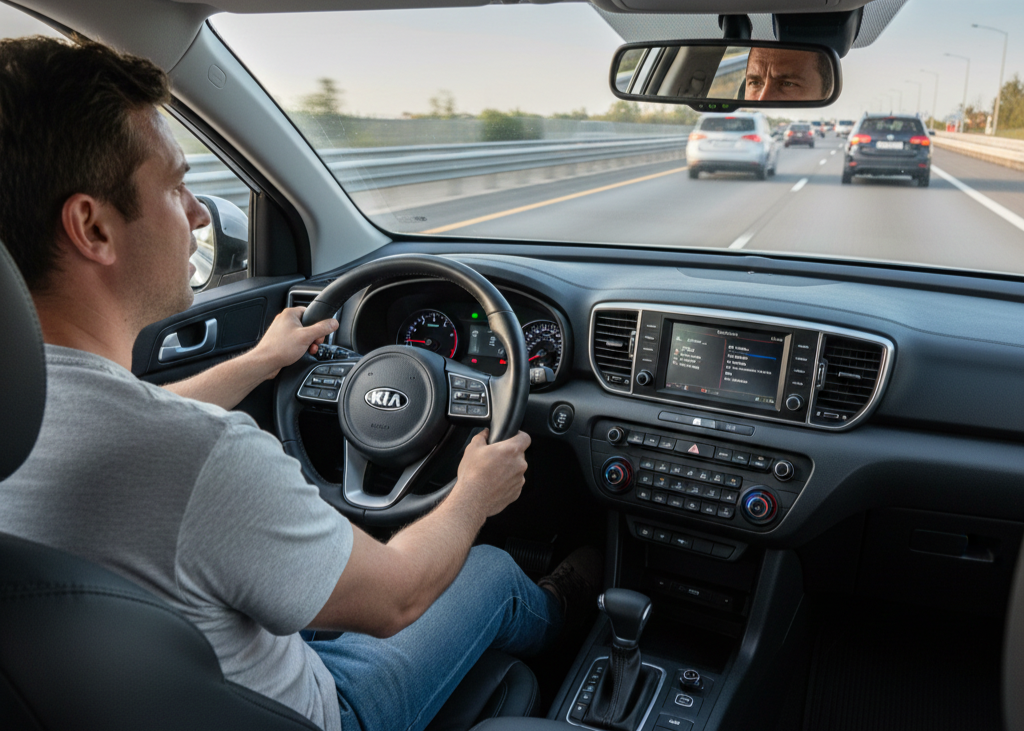
The Kia Sportage is not a terrible crossover, but it often leaves drivers wanting more, especially when it comes to performance. The base engine does not offer much power for climbing hills or passing on the highway, and many owners say it feels sluggish when carrying passengers or cargo. While the Sportage does offer a stylish look and a relatively comfortable interior, the lack of responsive acceleration makes it less appealing for anyone who does not want to feel like the car is struggling to keep up. Fuel economy is also not as strong as some competing models, which makes that underpowered feeling even more noticeable. In a category filled with energetic, smooth-driving competitors, the Sportage simply does not stand out in the ways that matter most.
4. Hyundai Tucson
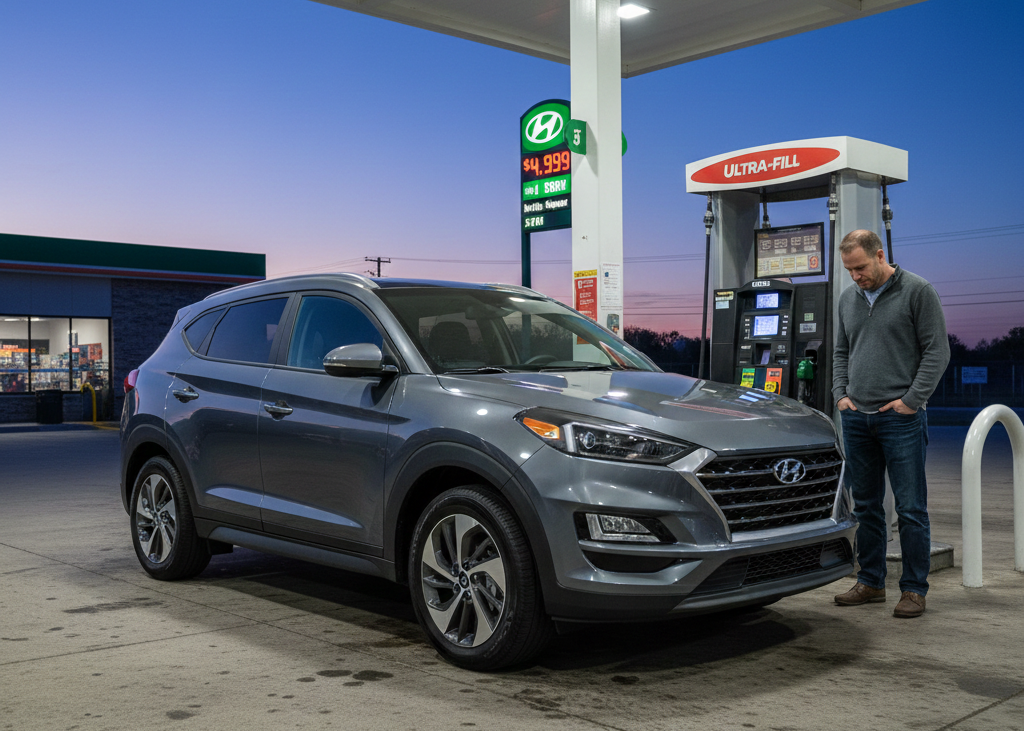
The Hyundai Tucson is another crossover that looks appealing until you dig deeper into owner feedback. Drivers frequently mention average or below average fuel economy, which can become frustrating if you bought the car expecting better efficiency. Some models have also experienced transmission issues, sometimes appearing earlier than expected. When a crossover struggles with basic acceleration even though it has a four-cylinder engine, it becomes clear why some buyers feel let down. While the Tucson offers a comfortable cabin and modern tech features, the lack of energetic performance makes it less enjoyable on the road. Given how many alternatives exist in the same price range, many drivers ultimately decide that the Tucson does not give them the long term value they hoped for.
5. GMC Terrain
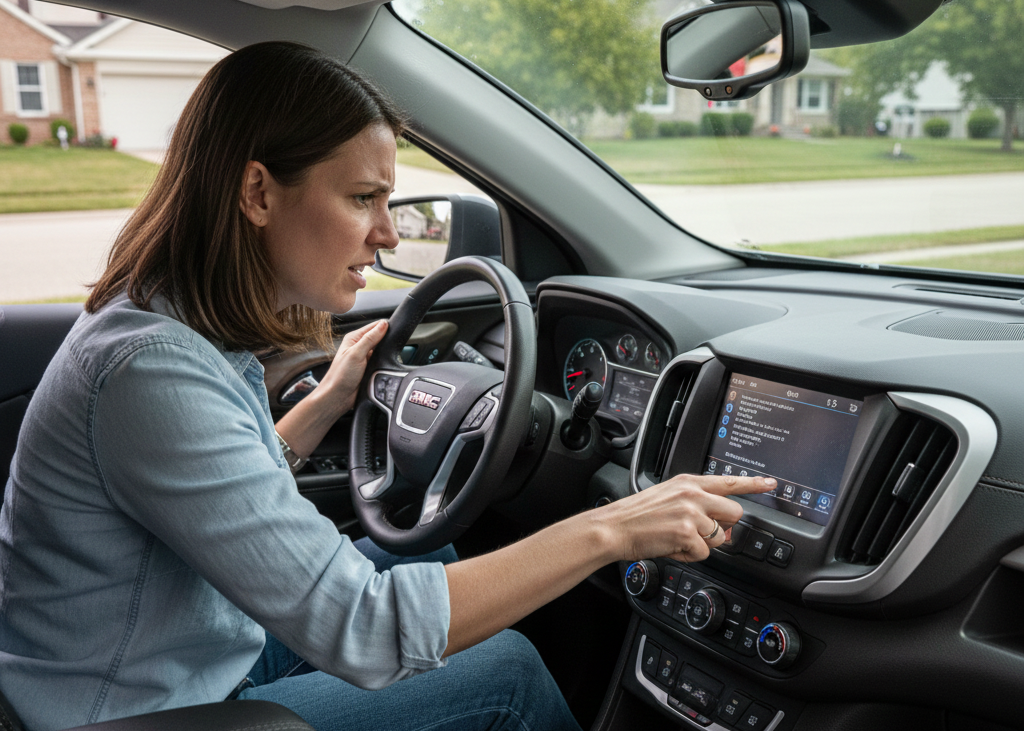
The GMC Terrain has a polished look and a pleasant interior, but the reliability ratings have not always been consistent. Certain model years have faced multiple recalls, especially involving exhaust and climate control systems. While those issues may sound minor on paper, they quickly become irritating when you are dealing with poor heating or cooling in extreme temperatures. Some owners also report occasional mechanical surprises that feel out of place in a crossover at this price point. Even though newer model years have improved somewhat, the Terrain still battles a reputation for inconsistency. If you are hoping for a dependable crossover that will age without a long list of maintenance surprises, this one may not be your safest bet.
6. Dodge Journey
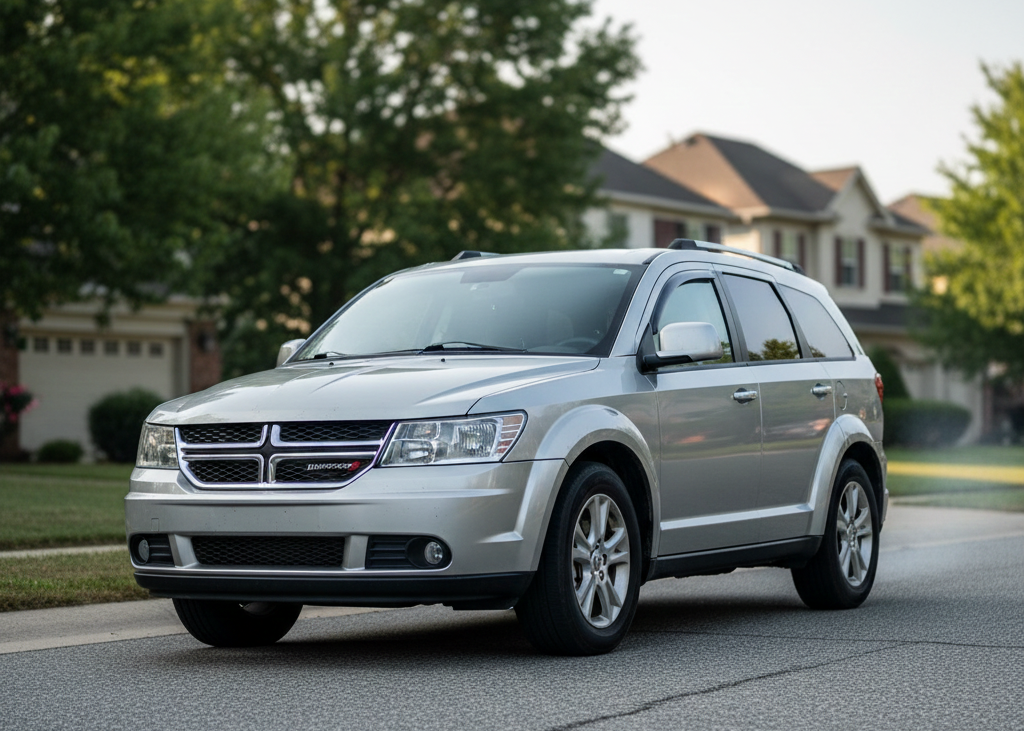
The Dodge Journey is often remembered as a crossover that stayed on the market long after it should have received major updates. While it was once a decent option for families, its outdated design and unimpressive performance eventually made it feel far behind its competition. Owners frequently mention slow acceleration, rough handling, and uninspired interior materials that feel cheaper than expected. The Journey also lacks many modern features and conveniences that have become standard in other crossovers, which makes the overall experience feel dated. If you want a vehicle that feels modern, responsive, and enjoyable to drive, the Journey is likely to leave you wanting something completely different.
Final Thoughts

Choosing a crossover is not just about looks, price, or brand loyalty. It is about finding a vehicle you can rely on every day without worrying about constant repairs or disappointing performance. The models listed here are not the worst cars ever made, but they do have patterns of issues that make them less appealing for long term ownership.
When a crossover struggles with reliability, inconsistent power, or costly repairs, it becomes more of a burden than a convenience. And the truth is, there are plenty of alternatives out there that offer better value, smoother performance, and a far more dependable driving experience.
Before you buy any crossover, take your time. Read owner reviews, compare long term maintenance costs, and test drive more than one option. A little extra research now can save a lot of frustration later.
Avoid These Car Scams: 10 Tricks Buyers and Sellers Must Know
Avoid These Car Scams: 10 Tricks Buyers and Sellers Must Know

Buying or selling a car should be an exciting milestone. Whether you are upgrading your ride, selling your old vehicle, or just trying to get the best deal, the process can be smooth and satisfying. Unfortunately, the world of car sales can be tricky, and scammers know exactly how to take advantage of unsuspecting buyers and sellers. From sneaky paperwork tricks to online money traps, these scams can leave you frustrated, out of money, and sometimes in legal trouble.
In this guide, we will walk you through ten of the worst car scams to avoid. Each item is explained in a way that is practical, relatable, and easy to understand. Think of it as your crash course in staying one step ahead of scammers so your car deal ends happily rather than painfully.
1. Title Washing or Fake Clean Titles
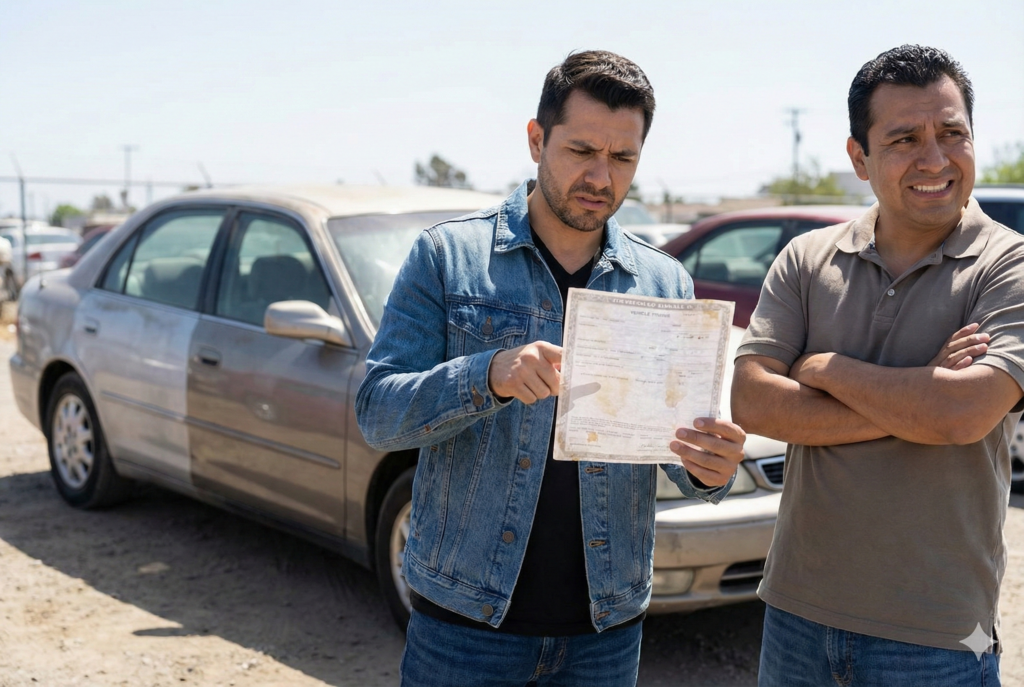
Some cars come with hidden histories, like previous accidents, flood damage, or insurance total loss declarations. In a title washing scam, the seller manipulates state paperwork so the official title no longer shows the vehicle’s true history. What looks like a clean, problem-free car on paper may actually be a ticking time bomb waiting to cost you thousands in repairs.
To protect yourself, always request the car’s VIN and run it through a reliable vehicle history service. Do not simply trust the title or a seller’s word. Digging a little deeper can save you from a major headache down the road.
2. Odometer Rollback Fraud
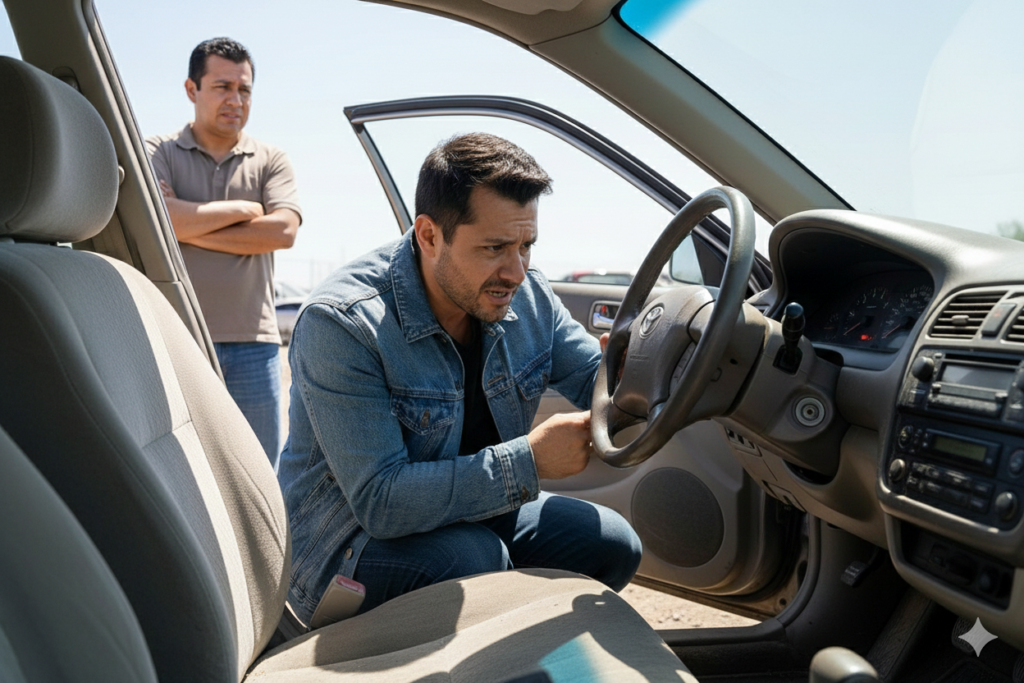
Mileage is one of the most important factors in determining a car’s value. Some dishonest sellers roll back or tamper with odometers to make a high-mileage car appear low-mileage. The result is a car that looks like it has plenty of life left but may actually be on its last legs.
You can spot odometer rollback by comparing the mileage with the wear and tear on pedals, seats, and steering wheels. Also, ask for maintenance records and consider having a trusted mechanic inspect the car. A little vigilance goes a long way in avoiding this scam.
3. VIN Cloning and Stolen Car Identities
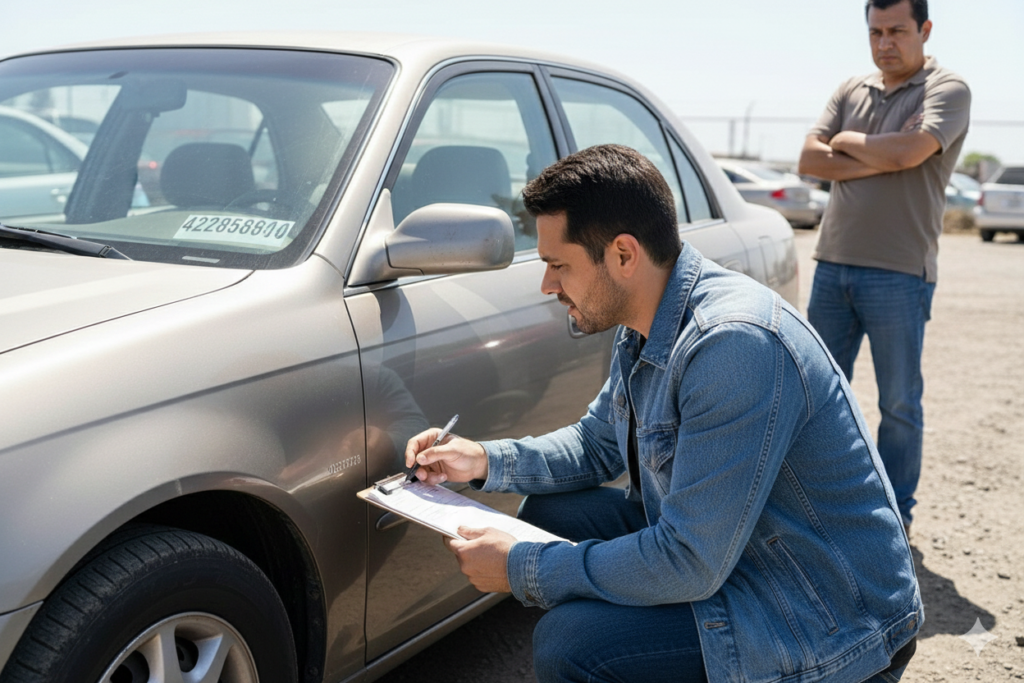
VIN cloning is when scammers take the identifying numbers from a legitimate vehicle and put them on a stolen or salvaged car. This makes the illegal vehicle appear legitimate. Buyers can end up paying for a car that is technically stolen or unsafe, with potential legal issues when they try to register it.
Always check the VIN in multiple locations on the car, including the dashboard, driver-side door jamb, and engine block. Ensure all numbers match the paperwork. Any discrepancies or reluctance from the seller to provide these details should raise red flags.
4. Fake Escrow or Payment Scams

With online car sales becoming more common, fake escrow scams have increased. A scammer may post an attractive listing and then insist on using a fake escrow service or unconventional payment methods such as gift cards, wire transfers, or prepaid accounts. You may send the money, only to find the seller has vanished with your cash.
Never send money before seeing the car in person. If a seller is pushing online-only payments or insists on using a strange service, walk away. Safe, in-person transactions protect you from losing your hard-earned money.
5. Curbstoning: Dealers Pretending to Be Private Sellers
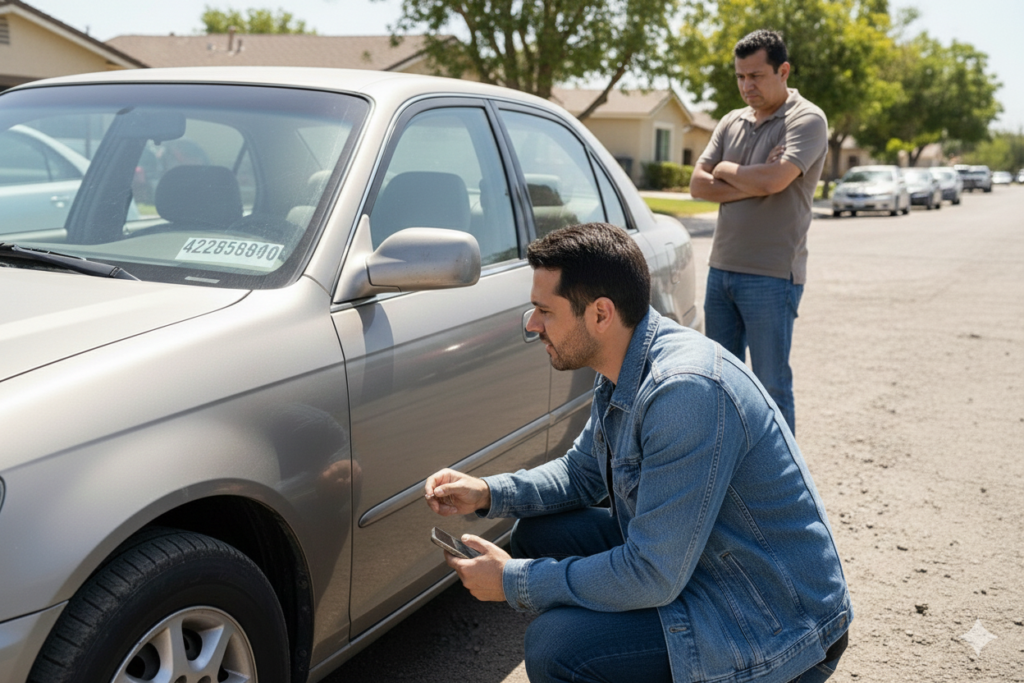
Some dealers pretend to be private sellers to avoid dealer regulations and fees. This is known as curbstoning, and it can mislead buyers into thinking they are dealing directly with a trustworthy individual. The problem is that these dealers may not disclose important information about the car or may sell it at inflated prices.
Always verify that the seller’s name matches the title. Ask detailed questions about the vehicle’s history, and if something feels off, do not hesitate to walk away. Buying from a legitimate private seller or reputable dealer is always safer.
6. Hidden Flood, Accident, or Structural Damage
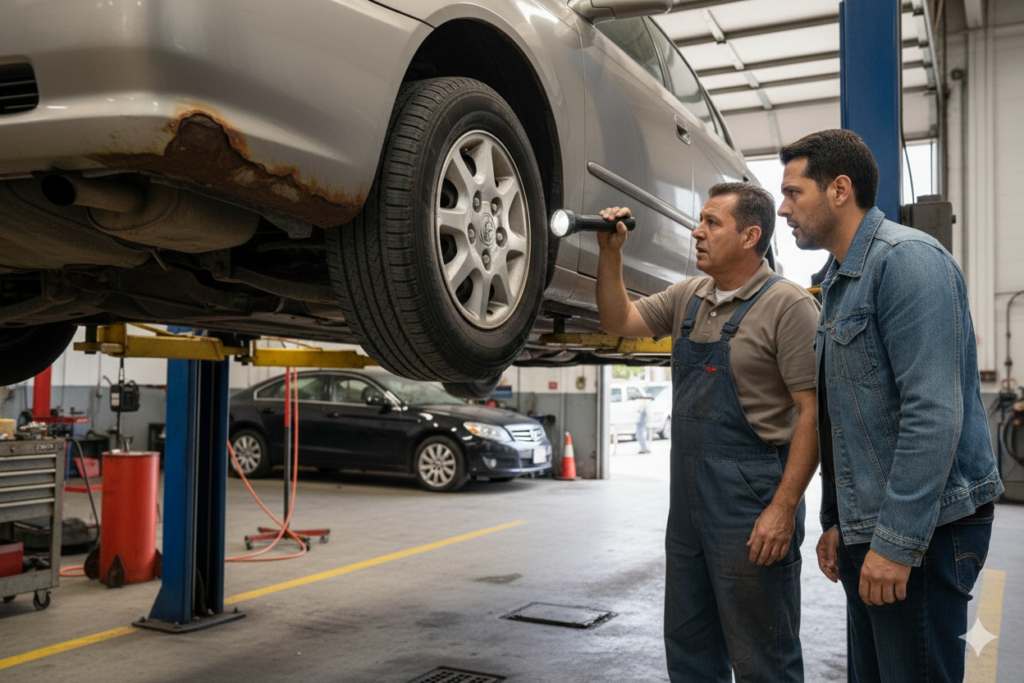
A car may look perfect on the outside, but cosmetic fixes can hide serious issues underneath. Scammers repair the bodywork to make a car appear undamaged, but hidden structural problems or water damage remain. These issues can be expensive to fix and dangerous if not caught in time.
Look for mismatched paint, panel gaps, water stains, or unusual odors. Involve a mechanic if possible, and take your time to inspect the car thoroughly. Catching these hidden problems early can save you both money and stress.
7. Prices That Are Too Good to Be True

Everyone loves a great deal, but sometimes a price that seems too good to be true is exactly that. Scammers lure buyers with unbelievably low prices, only to change the terms, vanish, or sell a defective vehicle once money has been exchanged.
Compare the car’s price with similar vehicles in your area. Ask the seller why the car is priced so low, and trust your instincts. If the explanation seems weak or the deal feels rushed, it is best to walk away.
8. High-Pressure Sales Tactics
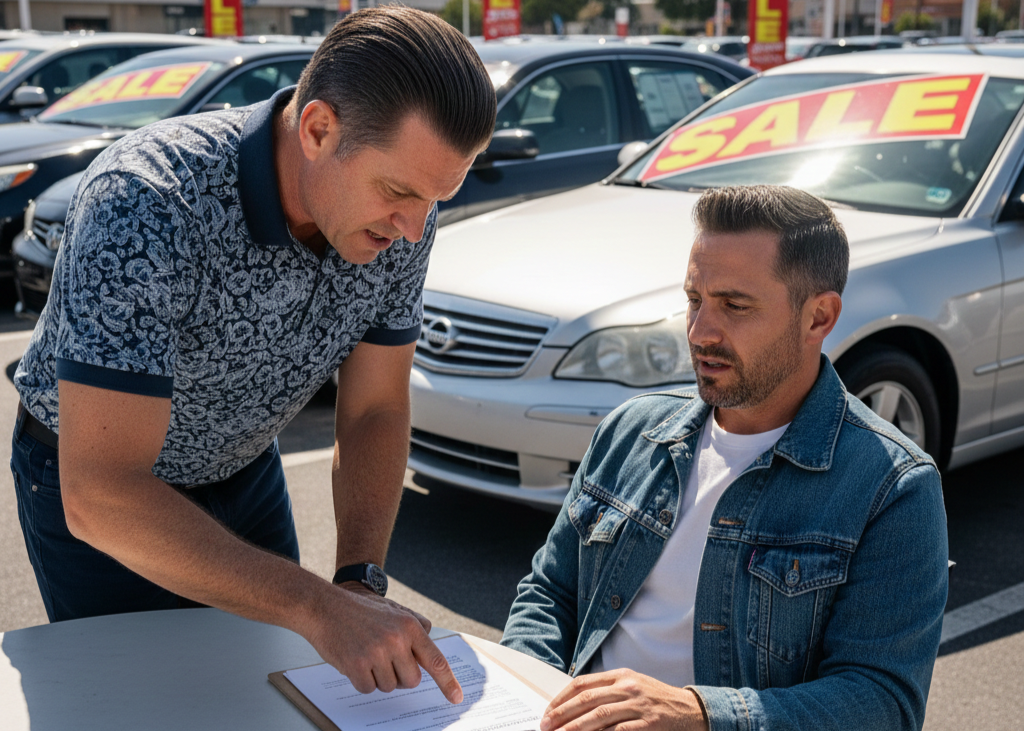
Rushed decisions are a common tactic used by scammers. You may hear phrases like “I have another buyer coming,” “I need to sell before moving,” or “This deal ends today.” These pressure tactics are meant to make you act before you have time to research, inspect, or think.
Take your time. A legitimate seller will respect that you want to verify documents, inspect the car, and ensure you are making a wise choice. Do not let anyone push you into a decision that could cost you thousands.
9. Selling a Car Without Proper Documentation
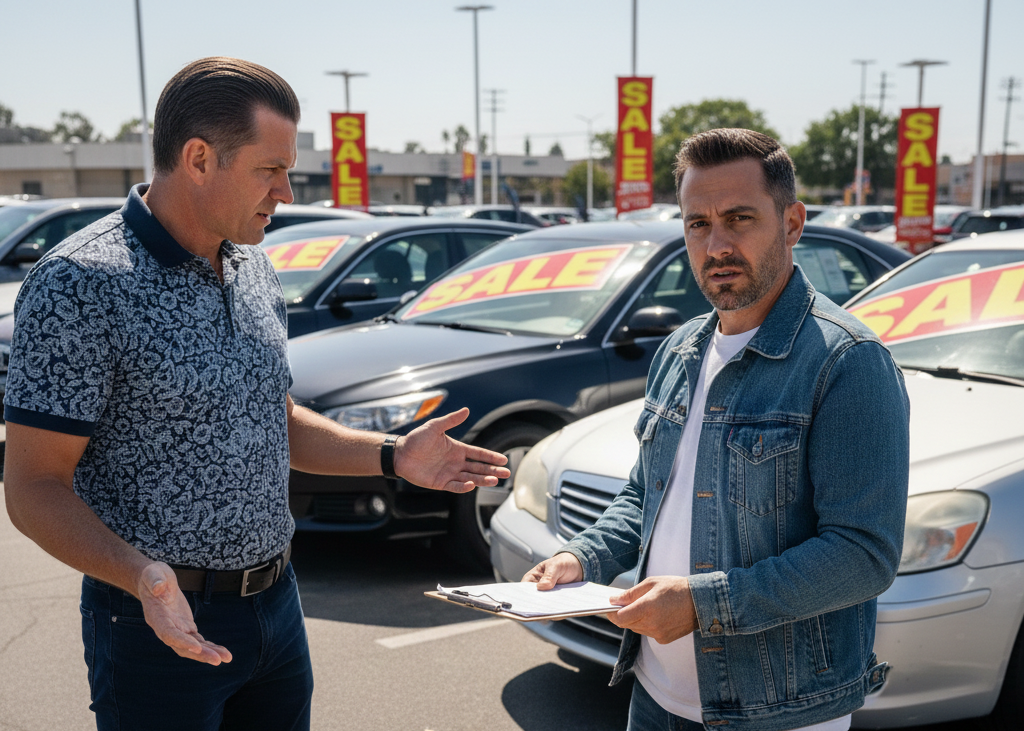
Sellers sometimes omit crucial paperwork, such as the title or lien information. Failing to check these documents can leave you with a car that cannot be legally registered or even one that is not truly yours.
Ensure the title is properly signed over, and verify the seller’s identity. Check that no liens exist on the vehicle. If a seller is hesitant or offers excuses for missing paperwork, it is better to walk away than risk future complications.
10. Fake Mechanical Problems During Test Drives
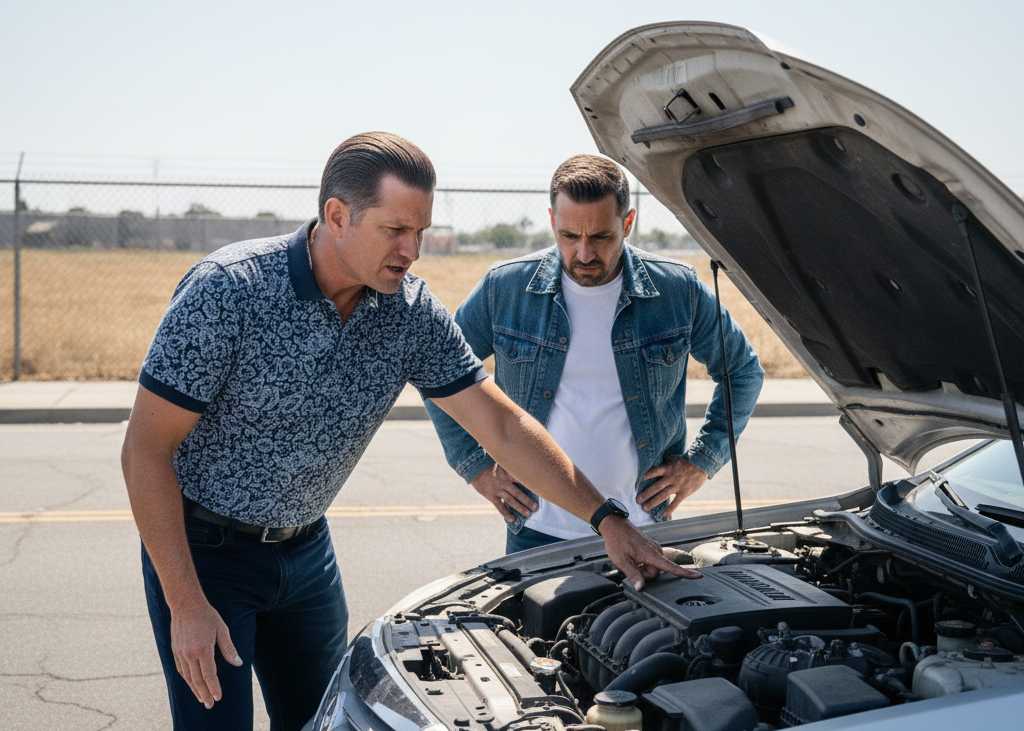
Some scammers create fake issues during test drives to negotiate a lower price. This may involve deliberately causing engine noises or pointing out minor problems as major defects. The goal is to get the seller to reduce the price under false pretenses.
When selling, be cautious about who you allow to take your car for a test drive alone. When buying, pay attention to unusual sounds, smells, or behaviors, and consider having a trusted mechanic present for a thorough check.
Final Thoughts

Navigating the car market can feel like a minefield of potential scams, but awareness is your best defense. Each scam is designed to exploit a common assumption or desire, whether it is trusting the title, falling for a bargain, or acting too quickly. The key to a smooth transaction is vigilance, patience, and careful verification.
Always check the VIN, inspect the car thoroughly, verify the seller’s identity, and do not let pressure tactics or flashy deals cloud your judgment. If you take the time to educate yourself and trust your instincts, you can enjoy the excitement of buying or selling a car without falling prey to scams. A little caution today can save you from big headaches tomorrow.
Remember, a safe and honest deal is worth more than any bargain. Keep these ten scams in mind, and you will be better prepared to make smart decisions, protect your money, and drive away with confidence.
Why Your Transmission Sometimes Defies Even the Best Mechanics
Why Your Transmission Sometimes Defies Even the Best Mechanics
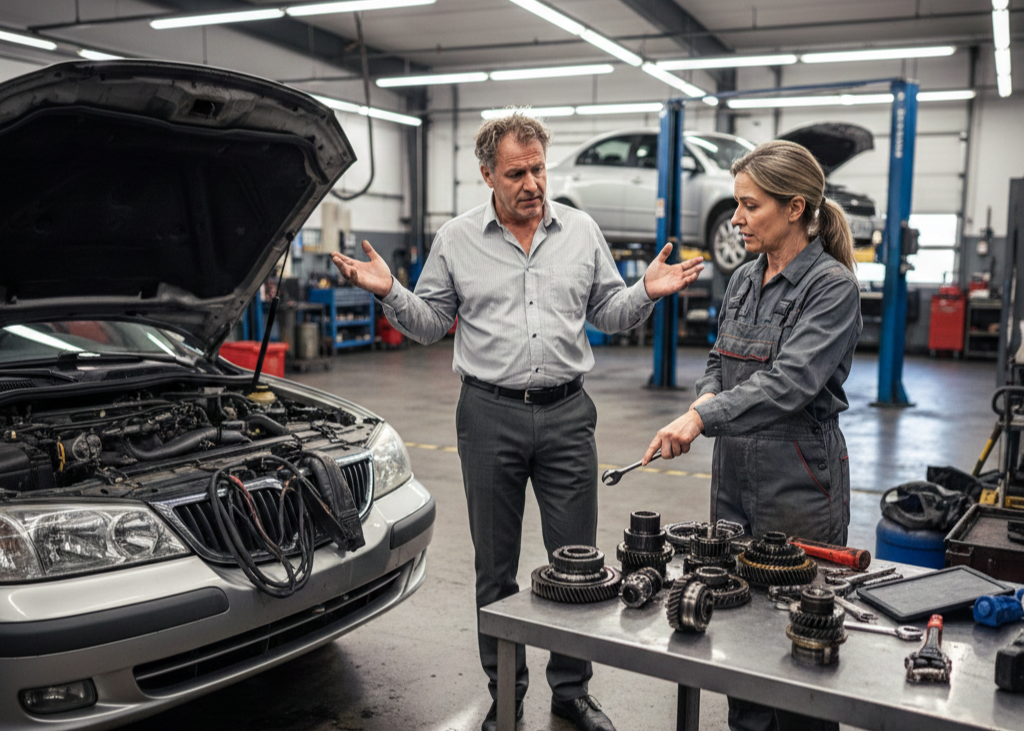
Few experiences are more frustrating than dropping your car off at a trusted mechanic only to find that your transmission is still acting up after the repair. You might leave the shop feeling hopeful, only to discover that your car is still hesitant to shift smoothly, makes unusual noises, or even refuses to move at all. Transmissions are notoriously complex, and even the most skilled mechanics sometimes run into problems that are nearly impossible to fix completely. Understanding why this happens can save you money, frustration, and a lot of unnecessary stress.
In this article, we explore ten reasons why your transmission may resist repair. We will look at everything from mechanical damage to electronics, driving habits, and maintenance history. By the end, you’ll have a clearer picture of why some transmissions seem impossible to fix and how to take smarter steps for your vehicle’s health.
1. Internal Damage Has Advanced Too Far
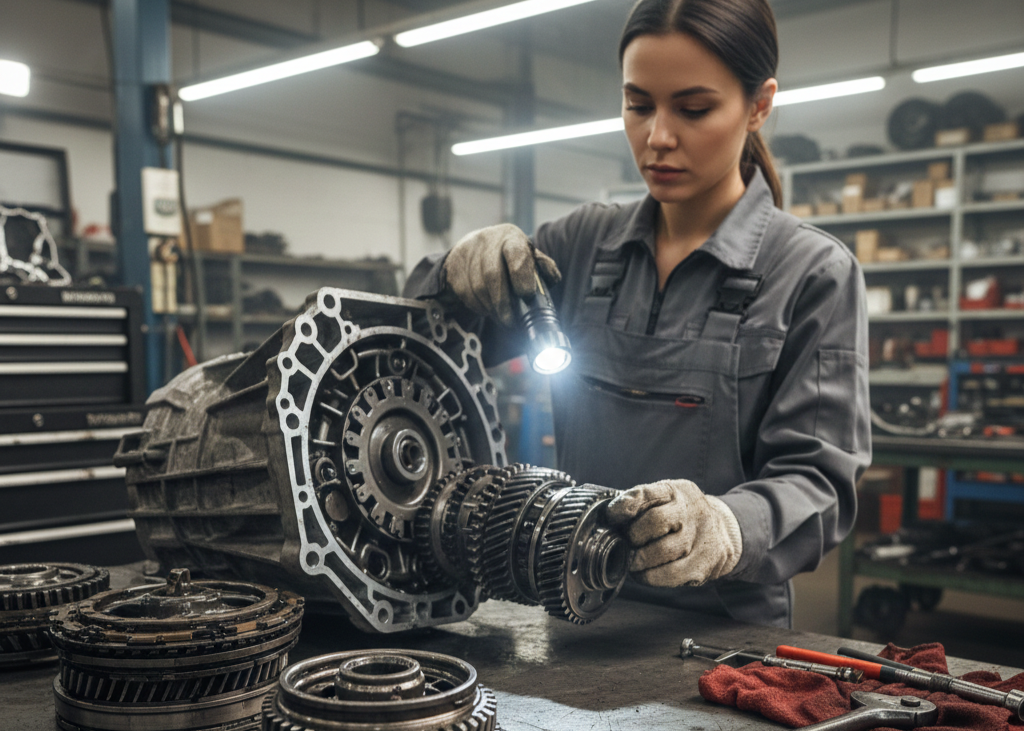
Transmissions are full of intricate components such as gears, bearings, clutch packs, seals, and valve bodies. These parts work together with extreme precision, and once they start to wear, they can trigger a cascade of issues. If a gear tooth is slightly worn, a bearing begins to fail, or a clutch pack starts slipping, repairing just one part may not restore the transmission’s full functionality.
For example, a worn clutch pack in an automatic transmission might cause the car to hesitate or jerk when shifting. Even after a mechanic replaces the clutch, other internal parts that have been weakened over time may fail soon after. In high-mileage vehicles, internal damage may be so advanced that the only long-term solution is a full transmission rebuild or replacement. Think of it like trying to patch a roof with multiple holes in different places; sometimes you need to replace the entire roof to truly fix the problem.
2. Transmission Fluid Problems Are Often Underestimated

Transmission fluid is more than just a lubricant. It cools internal components, maintains hydraulic pressure, and allows smooth power transfer from the engine to the wheels. Problems arise when the fluid becomes contaminated, breaks down due to heat, or is not maintained regularly. Old, burnt, or dirty fluid can cause serious damage that is difficult to reverse.
Even if a mechanic drains and replaces the fluid, the transmission may already have sustained damage to its internal components, such as worn bearings or burnt clutch material. Regular fluid maintenance is critical, and skipping it even once can set the stage for long-term problems. Imagine trying to cook a delicate recipe in a burnt pan; no matter how perfect the ingredients, the results will be affected. Similarly, neglected transmission fluid can leave a lasting impact that a simple repair cannot undo.
3. Torque Converter Issues Can Hide Deeper Problems
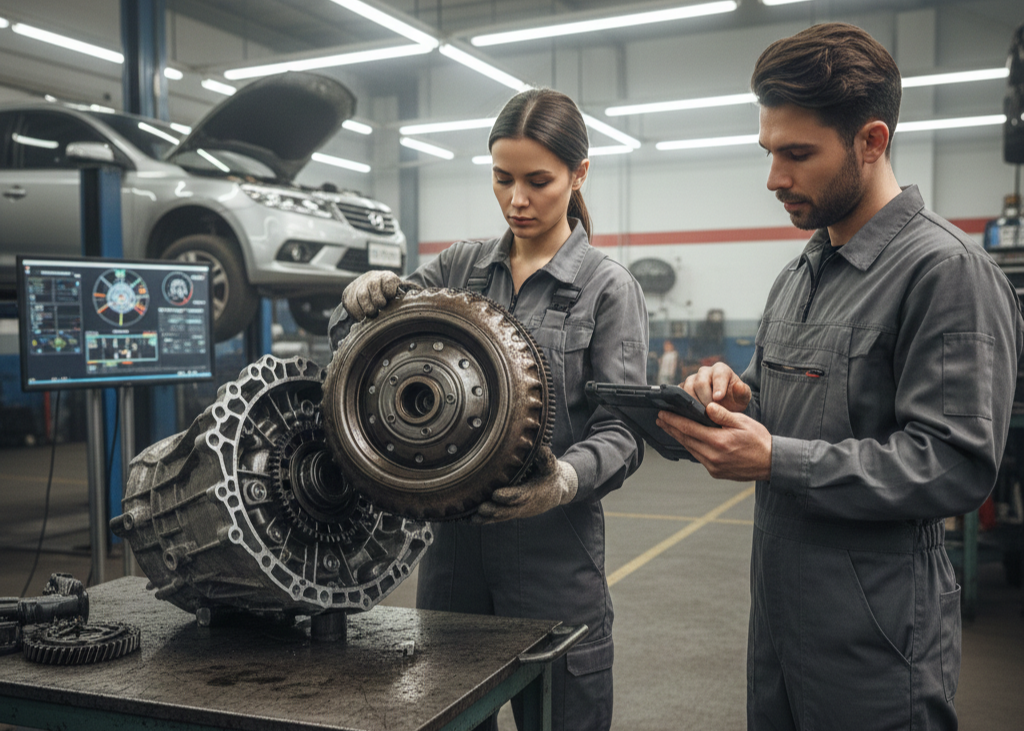
For automatic vehicles, the torque converter is a crucial part of the transmission system. It transfers engine power to the transmission and allows the car to come to a stop without stalling. When the torque converter develops internal problems, it can create symptoms that mimic other transmission failures, such as slipping, shuddering, or overheating.
Even after a skilled mechanic repairs or replaces parts of the transmission, a faulty torque converter can cause recurring issues. Minor installation errors or alignment problems can have major consequences. Drivers often describe it as “the car feels fixed for a week, and then it’s jerking again.” This is why torque converter issues are often overlooked or misdiagnosed, even by experienced professionals.
4. Modern Electronics Introduce New Challenges
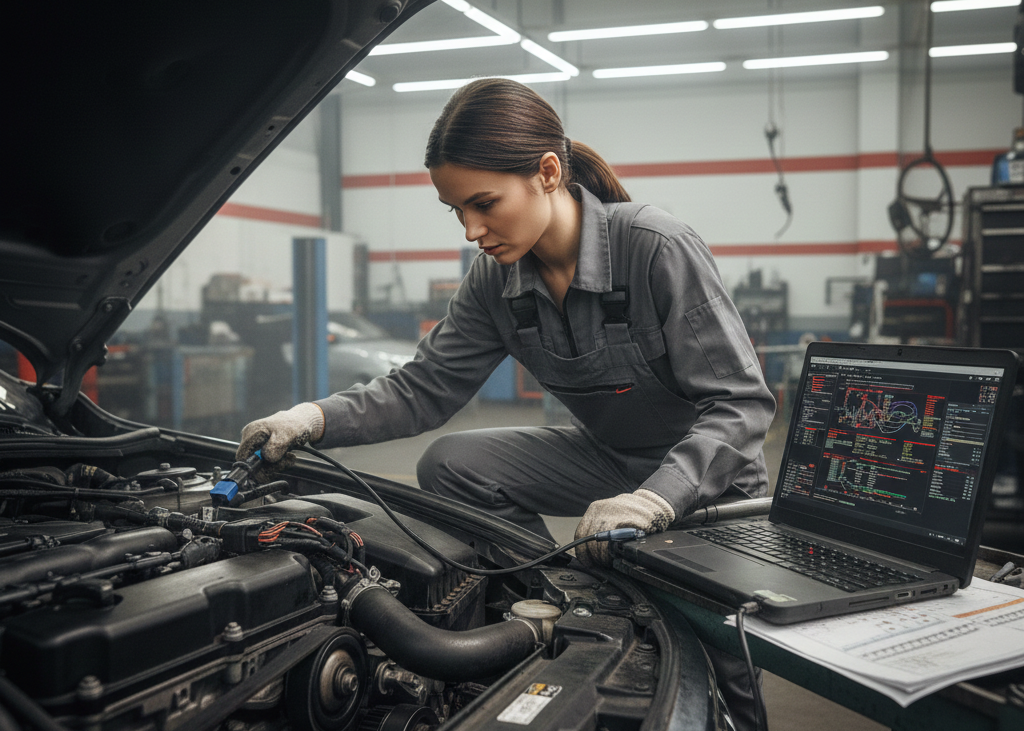
Today’s automatic transmissions rely heavily on sensors, solenoids, and control modules. These electronic components control when and how the transmission shifts, and a single malfunction can lead to erratic or unexpected behavior. Even a minor glitch in a sensor or module can cause delays in shifting, slipping, or irregular gear engagement.
Mechanics may inspect and replace mechanical components while overlooking electronic issues. Diagnosing electrical problems often requires specialized diagnostic tools, and intermittent faults can make it extremely challenging to identify the root cause. For car owners, this means that even after a “successful” repair, the transmission may continue to behave unpredictably until the electronic issue is resolved.
5. Leaky Seals and Gaskets Can Reappear
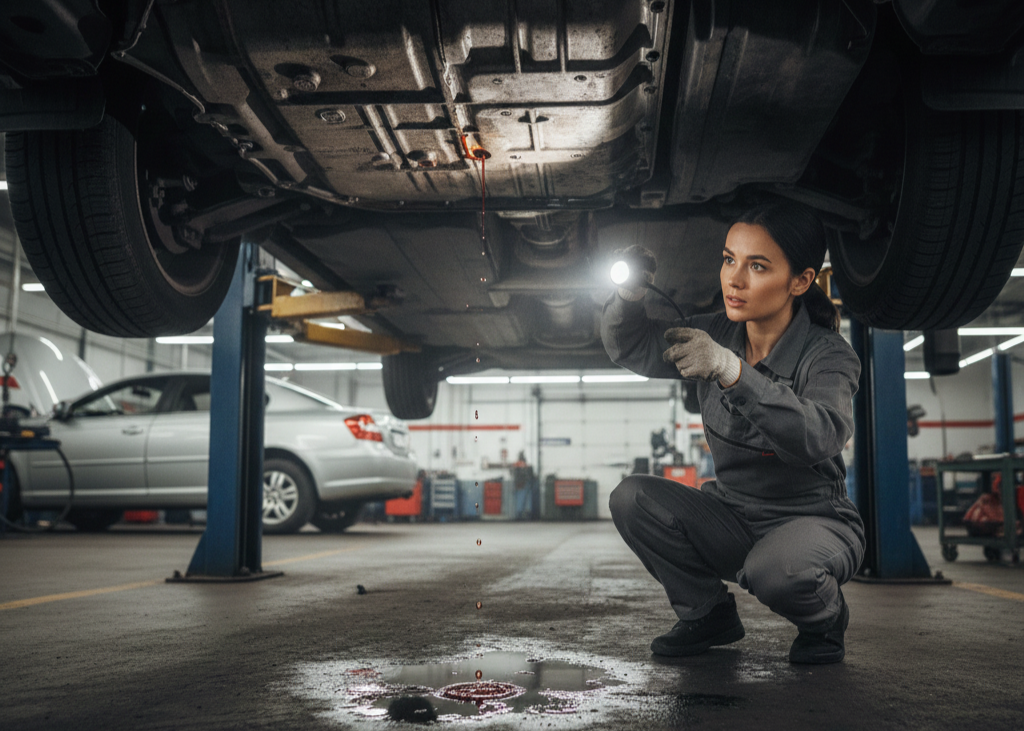
Seals and gaskets play a critical role in a transmission. They maintain hydraulic pressure, prevent contamination, and keep transmission fluid contained. Over time, heat cycles, vibrations, and wear can degrade these components, leading to fluid leaks.
Replacing seals or gaskets is a standard part of transmission repair, but leaks can recur if the underlying cause, such as warped housing or improper torque on bolts, is not addressed. Even a small leak can be dangerous because low fluid levels can quickly lead to slipping, overheating, and accelerated wear on internal parts. This is one of the most common reasons why a repaired transmission may fail again soon after leaving the shop.
6. Overheating Accelerates Wear
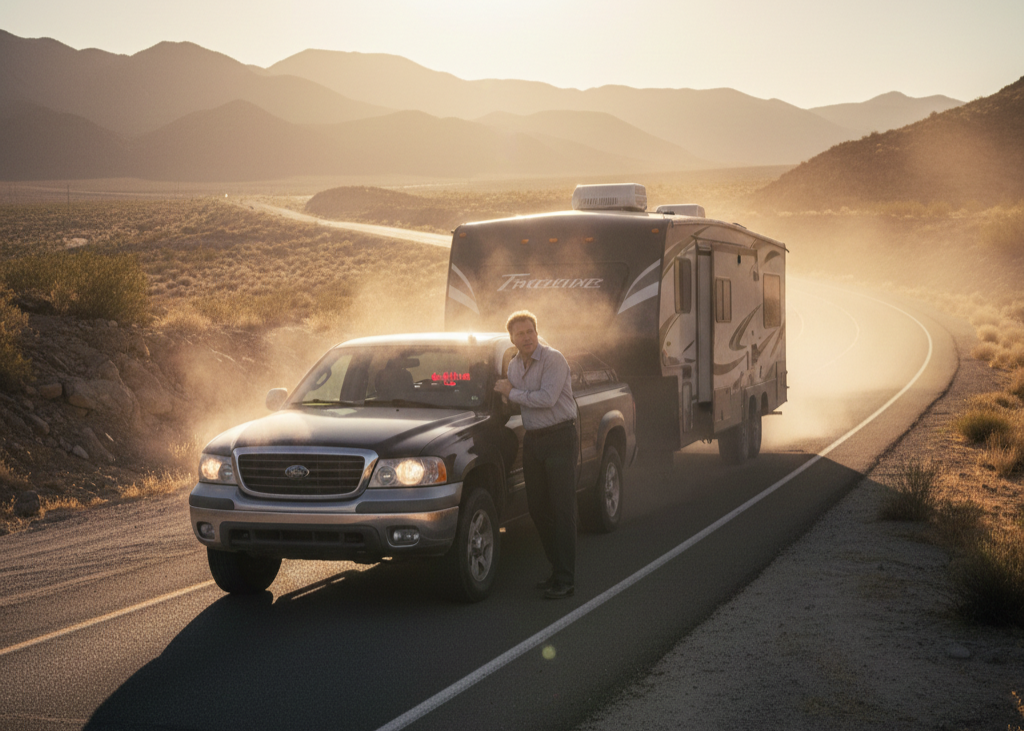
Heat is a transmission’s worst enemy. Excessive heat can thin the fluid, warp metal components, damage seals, and accelerate internal wear. Heavy towing, stop-and-go traffic, or driving in hot climates can push a transmission beyond safe operating temperatures.
Even after repairs, if the vehicle continues to experience high heat conditions, the transmission may degrade again quickly. For example, a transmission rebuilt to perfect specifications can start slipping again if used to tow heavy trailers up steep hills without proper cooling. Preventive measures, such as installing an auxiliary cooler or using high-quality fluid, can make a difference, but excessive heat remains one of the most challenging factors to control.
7. Past Repairs or Maintenance Mistakes Leave a Lasting Impact

Even skilled mechanics can be challenged by previous errors or neglect. Using the wrong type of fluid, installing parts incorrectly, or skipping routine maintenance can all contribute to recurring transmission problems. Many drivers assume transmissions are “sealed for life,” but this is a misconception. Regular inspections and fluid changes are critical to preventing long-term issues.
Think of a transmission as a delicate clock. Even if one cog is replaced, if other parts are worn or were installed incorrectly in the past, the entire mechanism can malfunction. Mechanics often find themselves troubleshooting problems that began years ago, long before the current repair.
8. Driving Habits Affect Transmission Health

Your transmission’s longevity is closely tied to how you drive. Hard starts, aggressive shifting, towing beyond recommended limits, and riding the clutch place significant stress on the system. Even the most carefully repaired transmission can wear out prematurely if subjected to poor driving habits.
For example, drivers who frequently stop and start in traffic or tow heavy loads without adequate cooling can accelerate wear on clutch packs, bearings, and torque converters. Smooth and moderate driving is often overlooked as a factor in transmission health, but it is one of the most effective ways to prevent recurring problems.
9. Some Problems Are Subtle and Hard to Detect

Modern transmissions are incredibly complex, and some issues are nearly invisible until they escalate. Early symptoms like a slight delay in shifting, faint whining, or occasional slipping are easy to miss during routine inspections. By the time a problem is obvious, internal damage may already be significant.
Mechanics diagnose problems based on what they can measure and observe. Intermittent issues or microscopic wear can escape detection, resulting in recurring problems after a repair. Patience, careful observation, and routine checks can help catch subtle issues before they turn into costly failures.
10. Rebuilding or Replacing May Be the Only Option
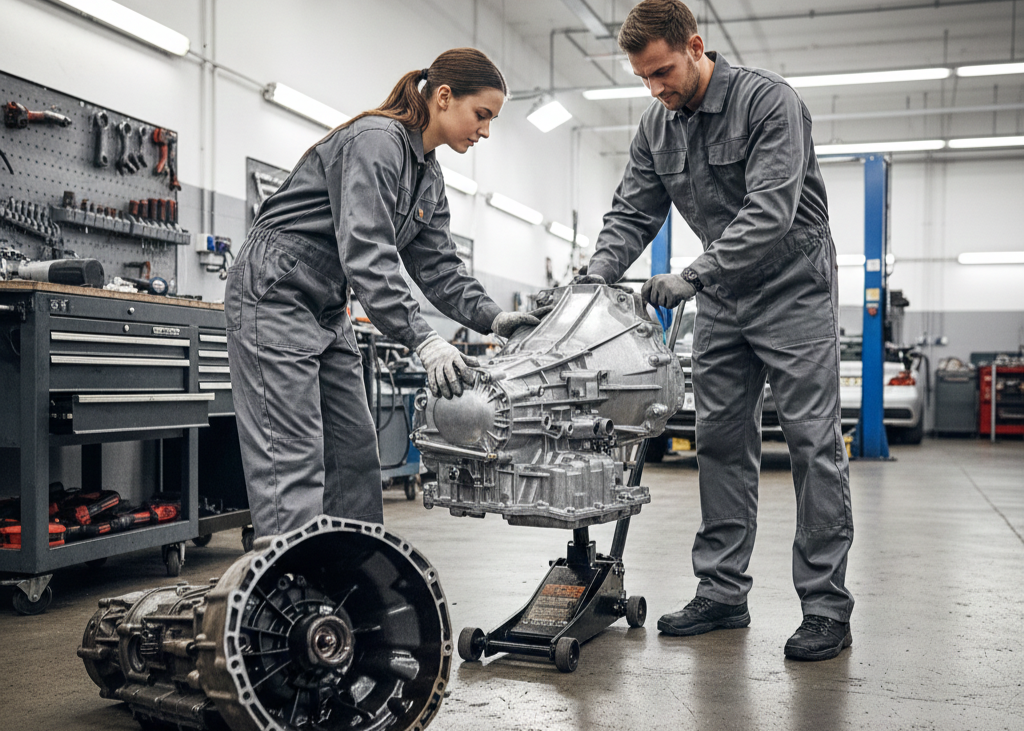
Sometimes, even the best repair cannot solve the problem because the damage is too widespread. Older vehicles with high mileage may have multiple components nearing the end of their useful life. A repaired transmission may only offer a temporary solution, and repeated failures are common.
At this point, a full rebuild or replacement is often the most practical choice. While expensive, this approach addresses systemic issues and gives the vehicle a fresh start. In some cases, replacing the transmission or even the entire vehicle is the smartest long-term decision, saving time, money, and frustration in the long run.
Final Thoughts

Transmissions are among the most intricate parts of a car, with thousands of moving components working in harmony under heat, friction, and pressure. When a transmission fails, it is rarely due to a single problem. Instead, issues often cascade from worn or damaged components, electronic faults, poor maintenance, or driving habits.
Even the best mechanics can only address what is visible and measurable. Some problems, like internal wear, microscopic damage, or intermittent electronic failures, may be beyond repair. Understanding why your transmission resists repair allows you to make smarter decisions about maintenance, driving, and long-term care.
If your transmission continues to give trouble after a repair, consider these questions: Is the problem isolated or systemic? How much wear does the vehicle have overall? Are your driving habits contributing to the problem? In some cases, repairs are worth it, but in others, a replacement or new vehicle may be the most practical solution.
A transmission is only as strong as its weakest component. Mechanics can do their best, but physics, wear, and time sometimes dictate the outcome. Knowledge, preventive care, and realistic expectations are your best tools for keeping your vehicle running smoothly and avoiding frustrating surprises. Remember, a well-maintained transmission can last hundreds of thousands of miles, but even the strongest system requires attention and respect.
Avoid These 10 Questions at a Car Dealership and Keep Your Wallet Safe
Avoid These 10 Questions at a Car Dealership and Keep Your Wallet Safe

Walking into a car dealership can feel a bit like stepping onto a stage in a game you didn’t quite sign up for. Excitement mixes with anxiety as you scan shiny cars, flashy promotions, and smiling salespeople. But here’s the secret no one tells you: the more you reveal about yourself, the easier it is for a dealer to take advantage of you. The right words at the wrong time can cost you thousands. To help you stay in control, here are the ten questions you should never answer at a dealership and why keeping these cards close to your chest can save you money and stress.
1. “What is my monthly budget?”

Telling a salesperson how much you can afford per month may seem harmless, but it is one of the quickest ways to lose leverage in negotiations. Once they know your target monthly payment, dealers can manipulate the financing terms, spreading payments over longer periods or hiding extra fees, making a car cost much more in the long run. Instead, focus on negotiating the full price of the car first. This keeps the discussion grounded in the real value of the vehicle rather than a number that sounds good month to month.
2. “What is my trade-in worth?”

Mentioning a trade-in too early is a trap that can cost you. When dealers know you have a car to trade, they may inflate the price of your new car while offering less for your old one. The result is often a deal that seems reasonable at first glance but ends up costing more. To avoid this, settle on the price of the new car first and then discuss your trade-in. Having your own research on your car’s value can give you an edge and prevent surprises.
3. “I do not really know much about cars”
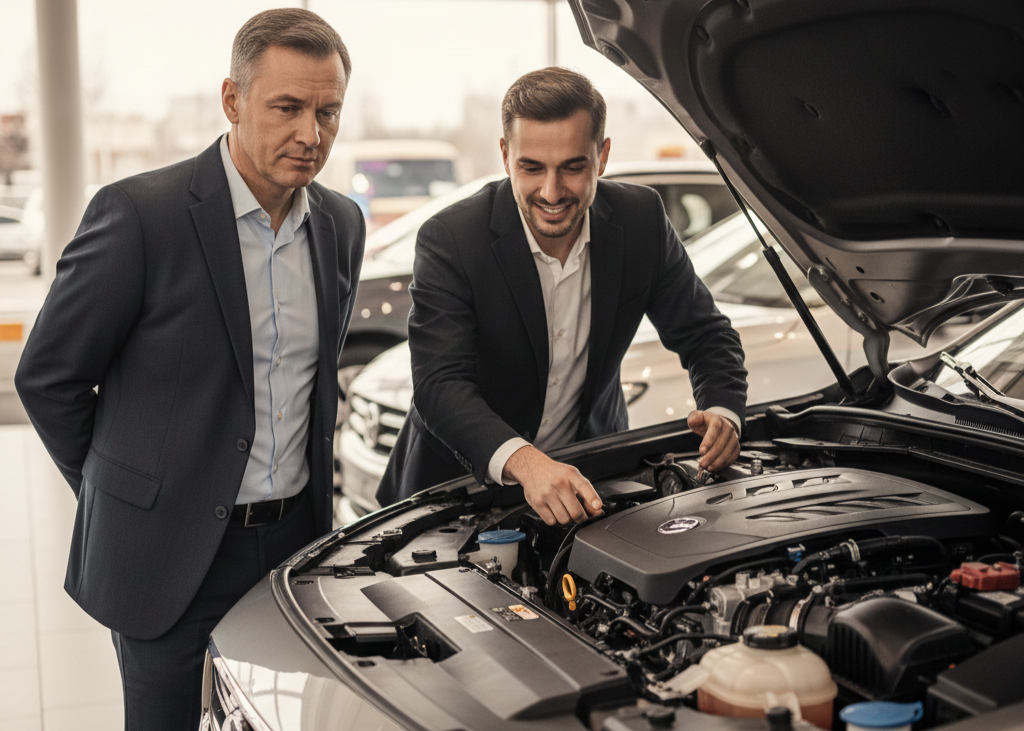
Admitting ignorance may feel honest, but it is one of the easiest ways to lose control at a dealership. Salespeople are trained to spot uncertainty and may try to steer you toward higher-priced vehicles or options you do not need. Instead of revealing your inexperience, ask questions about features and performance, but stay neutral. This keeps you informed without letting the salesperson sense that they can take advantage of your knowledge gap.
4. “My car is on its last legs”

Sharing that your current vehicle is falling apart might tug at a salesperson’s strategy in your favor, but not in the way you want. This statement signals urgency and reduces your bargaining power. Dealers may assume you are desperate to buy and hold back on discounts or push extras that are not necessary. Treat the purchase like a business transaction and avoid revealing that your situation is urgent.
5. “I love this car”

Showing strong enthusiasm for a specific vehicle can make you vulnerable. Dealers know that when a buyer falls in love with a car, they are more likely to accept a higher price. Try to evaluate multiple vehicles before settling on one. Focus on comparing features, reliability, and value rather than emotional attachment. This strategy helps you negotiate more confidently and keeps your options open.
6. “What is the lowest price you can give me?”

It is natural to ask for the best deal, but asking too early in the negotiation can backfire. Dealers may use this as an opportunity to adjust other aspects of the deal, such as fees or add-ons, to maintain their profit. Instead, gather information first, know the market value of the car, and then discuss pricing strategically. Asking too soon can blur the real cost and limit your ability to negotiate effectively.
7. “What do you think my payment will be if I put down this amount?”

Discussing partial numbers or down payments before agreeing on the total price gives the dealer too much flexibility. They can manipulate loan terms, interest rates, or add-ons to make the monthly payment look appealing while hiding the true cost. Always focus on the total price of the vehicle first, and only then discuss financing or down payments. This approach ensures clarity and prevents unwanted surprises.
8. “Why do I need a new car?”

Sharing personal reasons for buying a vehicle, such as needing it for work or commuting, may feel conversational, but it gives the dealer insight into your urgency. Dealers can use this information to minimize discounts or upsell extras, knowing you might feel pressured to buy. Keep your motivations to yourself and treat the interaction as a professional negotiation rather than an emotional appeal.
9. “I do not know my credit score”

Admitting uncertainty about your credit score or finances can make you appear less prepared and lead to less favorable loan terms. Dealers may offer higher interest rates or push financing options that benefit them rather than you. It is always best to know your credit score before visiting a dealership and, if possible, get pre-approved financing. This preparation strengthens your position and shows that you are serious and informed.
10. “Are you willing to include extras for free?”

Asking for add-ons too early, such as extended warranties, maintenance packages, or accessories, may seem strategic, but timing matters. Dealers can tack these onto the deal without reducing the overall cost or use them to justify a higher price. Wait until the main vehicle price is agreed upon before discussing any extras, and approach it as part of a final negotiation. This ensures that any benefits you receive are genuine and not a disguised markup.
Final Thoughts

Buying a car does not have to feel like navigating a minefield. The difference between a good deal and a frustrating one often comes down to control over the conversation. By carefully managing the information you share, you prevent dealers from using your personal circumstances or emotions against you.
Think of the dealership as a negotiation stage. Each word matters, and patience is your best tool. Do your homework, know your numbers, and keep discussions focused on facts and market value rather than emotions or urgency. When you maintain this mindset, you are more likely to drive away satisfied, confident, and with a deal that truly works in your favor.
Remember, the dealership wants to sell you a car, but you have the power to decide the terms. With careful strategy and a bit of patience, you can ensure that your next car purchase is a win, not a regret. Walk in prepared, stay calm, and make the car buying experience work for you, not against you.
13 Terrible Car Tips Mechanics Wish You’d Stop Believing (And What to Do Instead!)
13 Terrible Car Tips Mechanics Wish You’d Stop Believing (And What to Do Instead!)
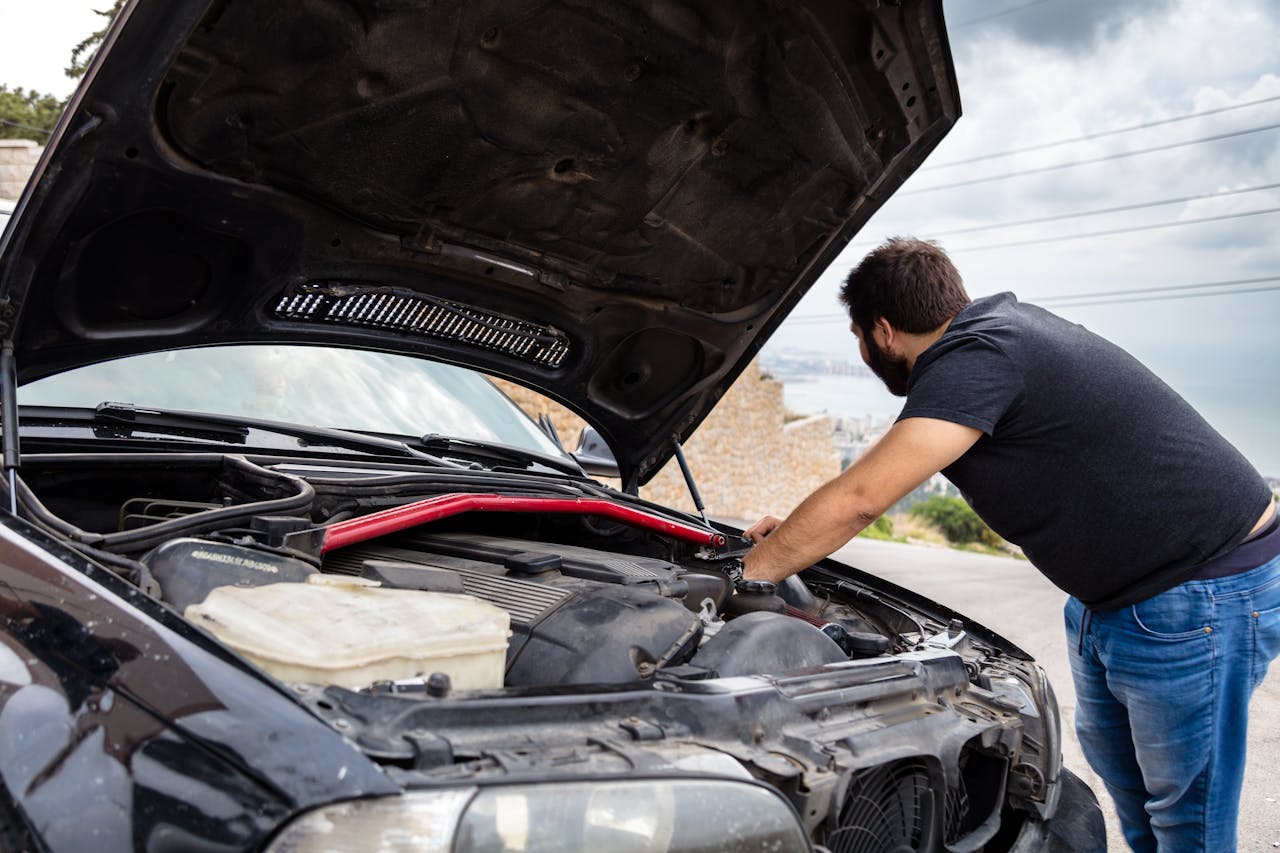
When it comes to car maintenance, everyone seems to have advice. Whether it’s your neighbor who thinks he’s a car expert, or your friend who swears by a “hack” they found on the internet, the truth is, not all car tips are created equal. In fact, many are outright dangerous or detrimental to the health of your vehicle. Mechanics, the real experts in the field, have heard it all—and they’re here to set the record straight.
Here are 12 of the worst car tips mechanics have ever heard, and why you should absolutely avoid them.
1. “You Don’t Need to Change Your Oil Until the Light Comes On”
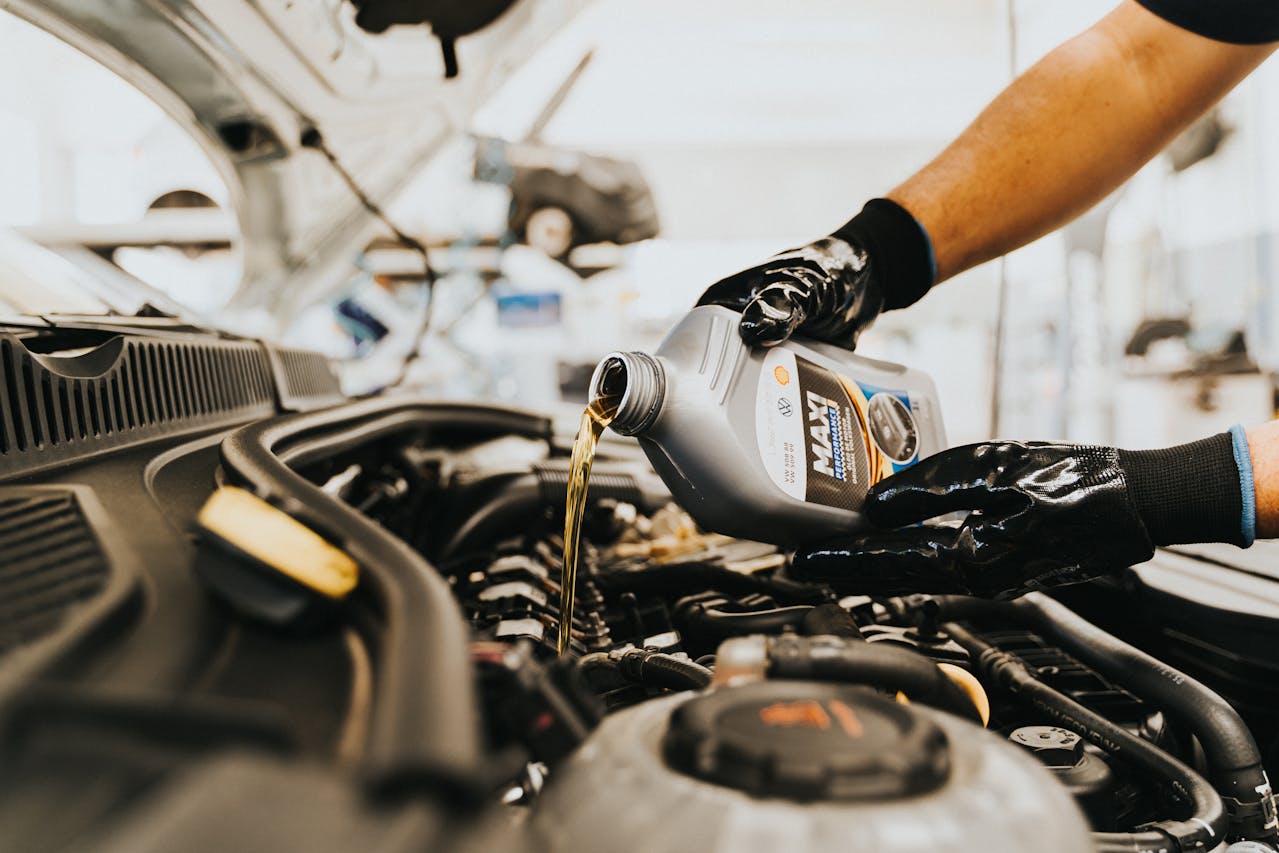
This one might sound logical—why change the oil if the warning light hasn’t come on yet, right? Wrong! The oil light is a late-stage warning, meaning that by the time it lights up, your engine could already be in trouble. Oil changes are crucial to keeping everything running smoothly. Skipping them can lead to engine wear and expensive repairs. Instead, stick to the manufacturer’s recommended interval (usually between 5,000 and 7,500 miles), and don’t wait for the dreaded light to start flashing!
2. “Using Dish Soap as a Car Wash Works Just Fine”
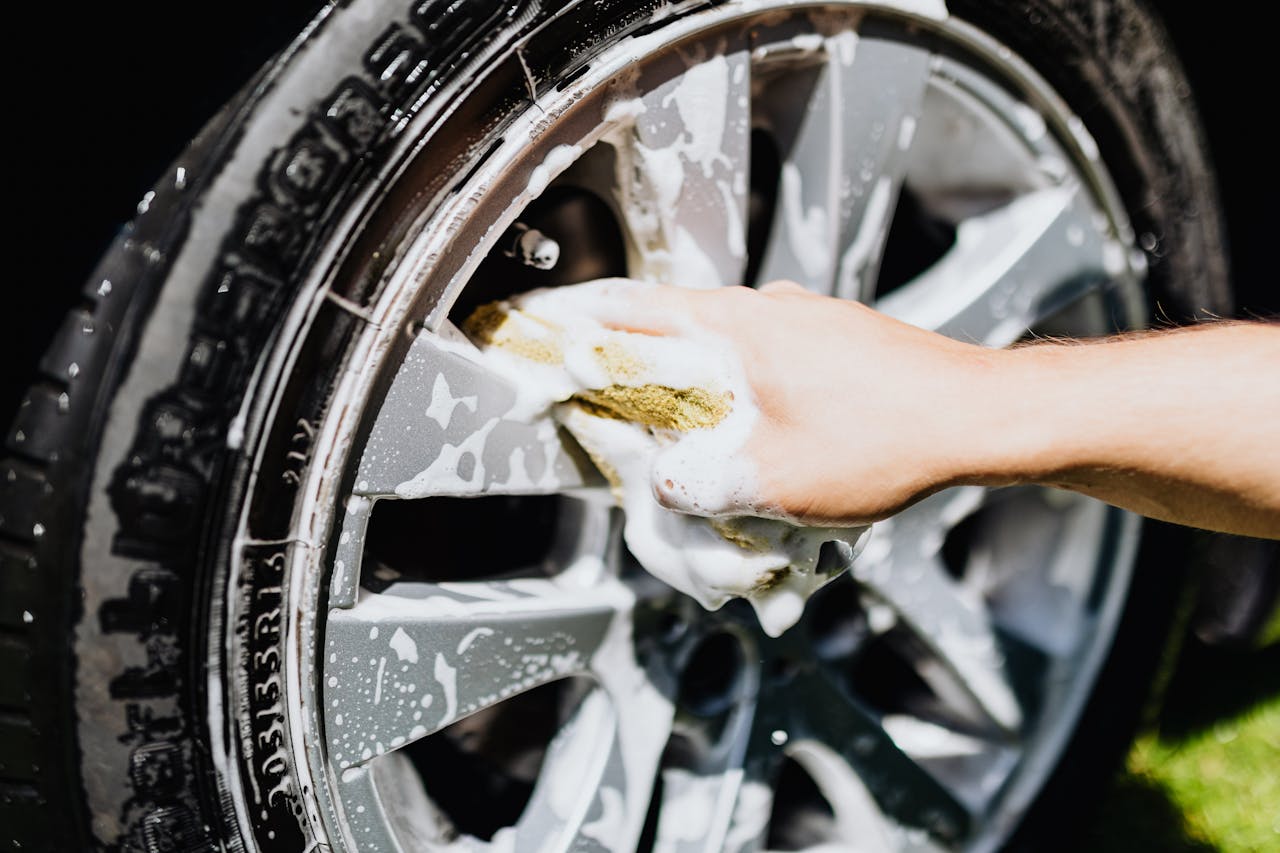
We’ve all got that one friend who swears dish soap will get your car squeaky clean. Sure, dish soap is great for cutting through grease—on your pots and pans! But on your car? Not so much. Dish soap strips the protective wax layer off your car’s paint, leaving it vulnerable to sun damage, dirt, and grime. Stick to a car-specific wash solution, which is designed to clean without harming the paint or finish.
3. “You Can Skip Replacing the Fuel Filter”
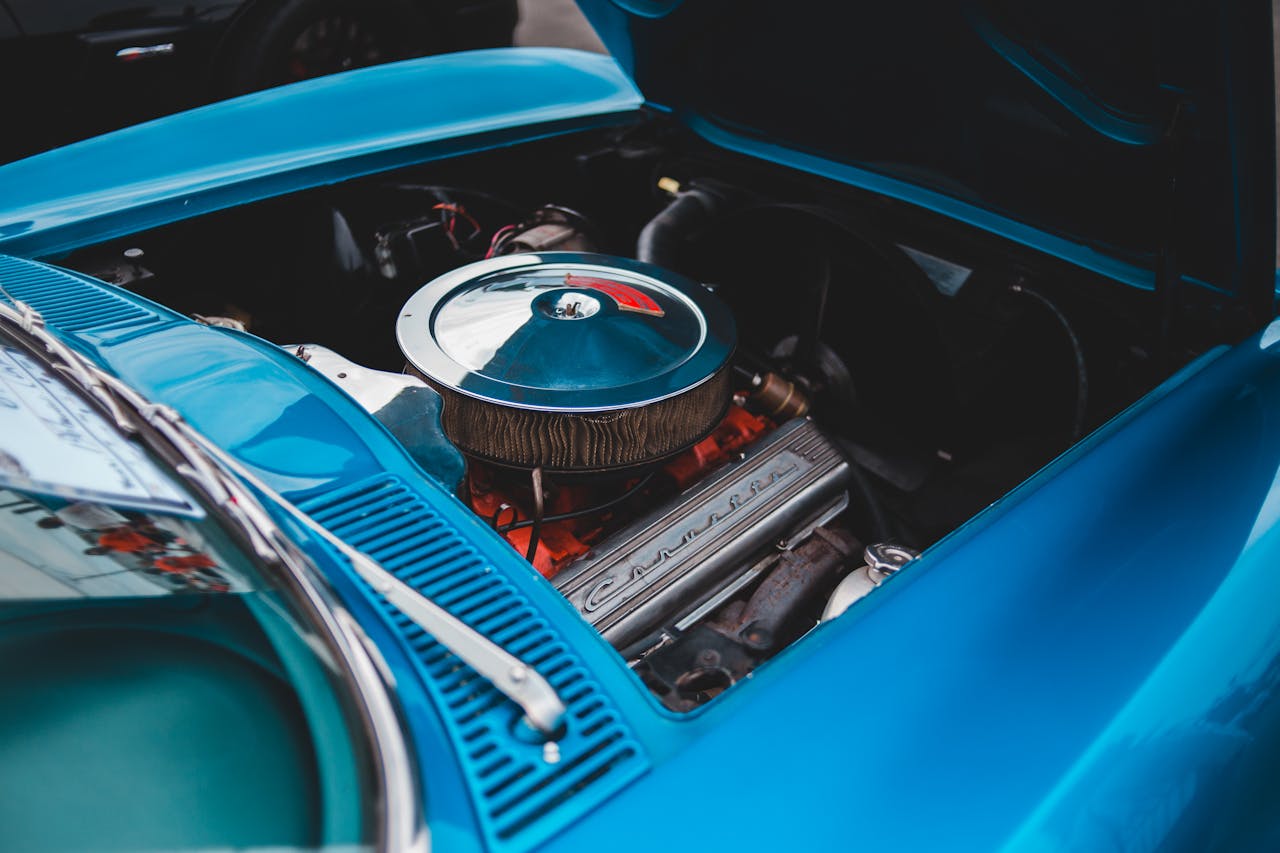
Skipping out on the fuel filter might sound harmless—until it clogs and your car starts sputtering. A clogged fuel filter can restrict fuel flow, reducing engine performance or even causing your car to stall. No one wants that! Mechanics agree: following your car’s maintenance schedule and replacing the fuel filter when needed keeps things running smoothly and prevents bigger problems down the road.
4. “More Gas Is Better for Your Car”

The idea that “filling your tank to the absolute brim is better” is a tip that’s far from helpful. Overfilling your tank can cause damage to modern fuel systems, particularly in cars with evaporative emissions systems. When you overfill, the excess fuel can flood the vapor recovery system, causing all kinds of issues. Mechanics recommend keeping your tank filled between a quarter and three-quarters to avoid these problems—and you can skip that final click at the pump.
5. “You Don’t Need to Rotate Your Tires”
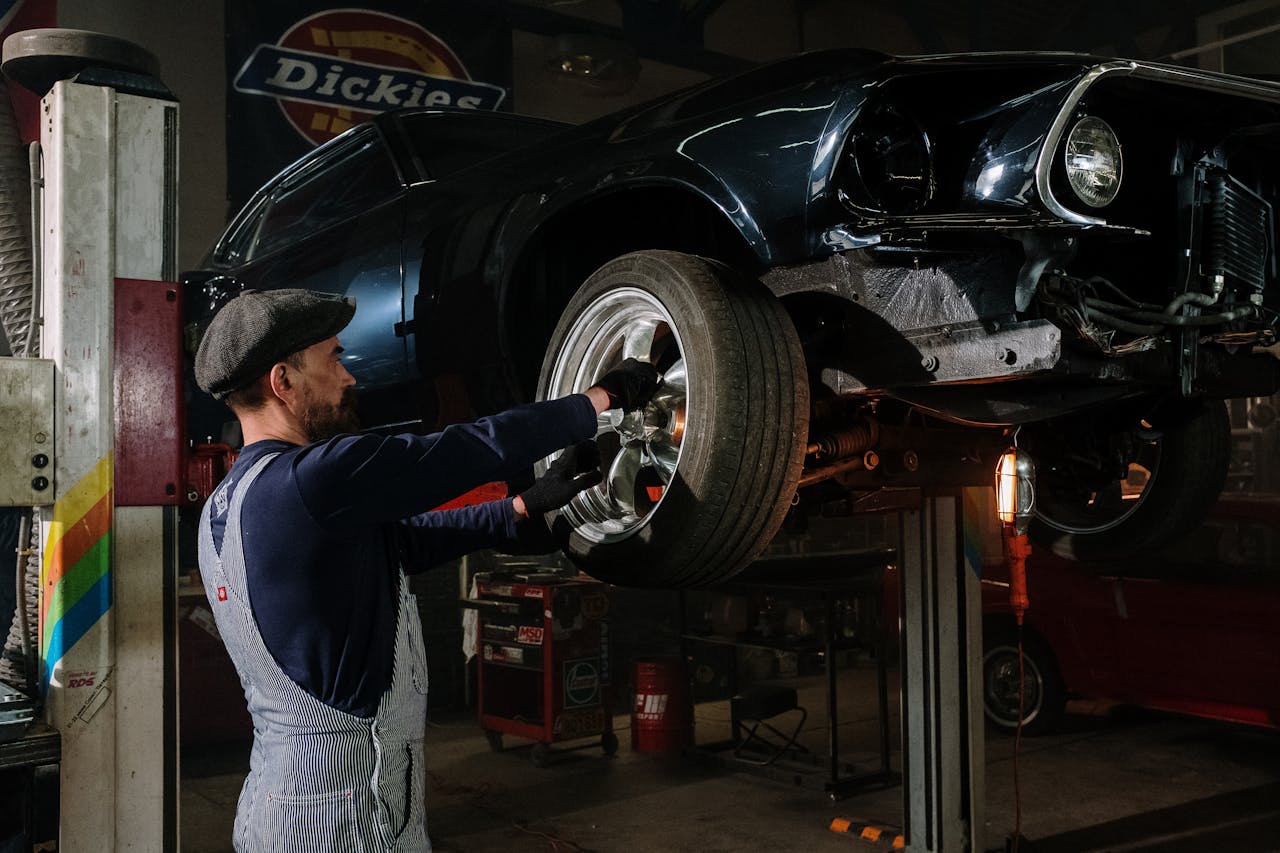
If you’ve ever been told that rotating your tires is unnecessary, throw that tip out with last week’s junk mail. Failing to rotate your tires leads to uneven tread wear, which means you’ll end up replacing them sooner than you should. Uneven wear also impacts handling, making your car less safe to drive. Most mechanics suggest rotating your tires every 5,000 to 7,500 miles (or whenever you get your oil changed).
6. “Warming Up Your Car for 10 Minutes Is Essential”
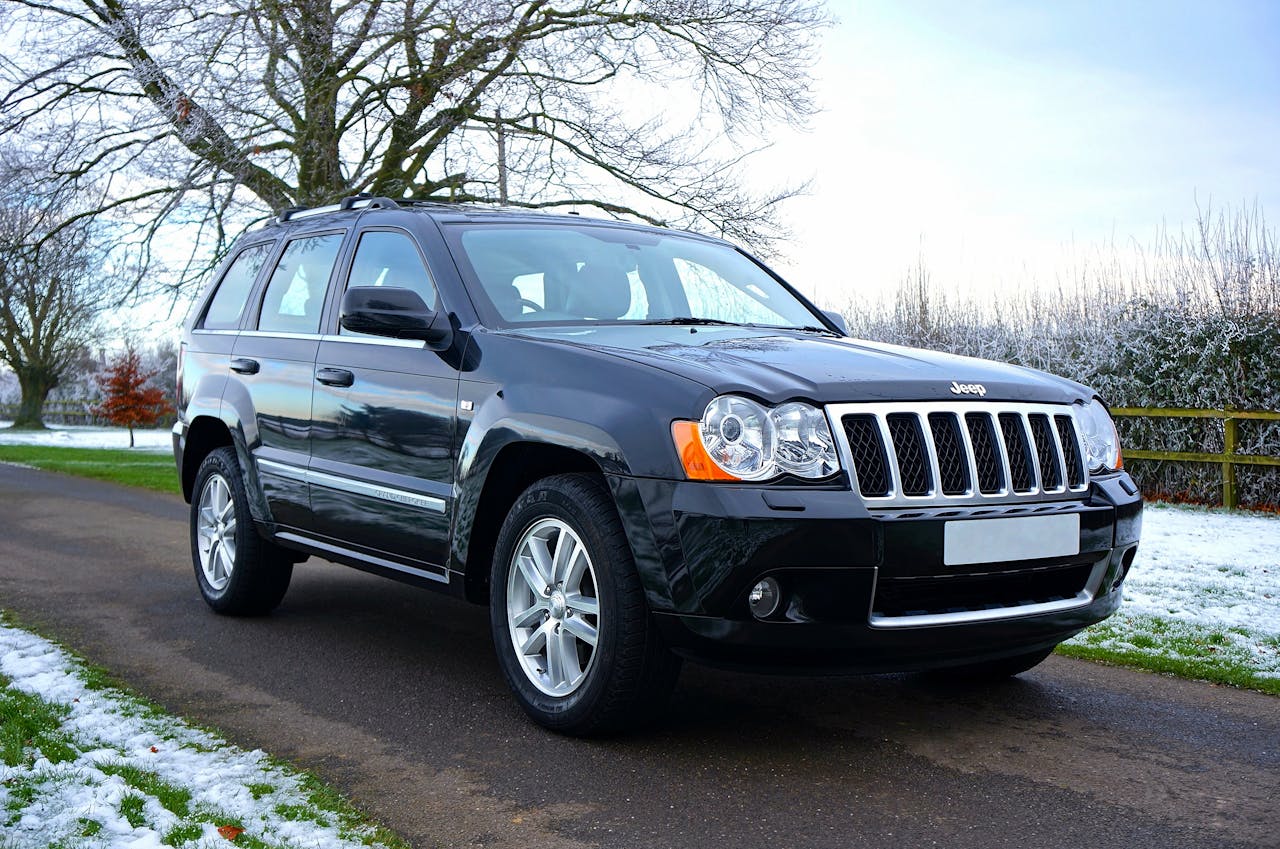
For those living in colder climates, it’s common to think you need to let your car idle for ages before driving. But guess what? That’s outdated advice! Modern engines are designed to warm up quickly while you drive, meaning you don’t need to idle for more than 30 seconds before hitting the road. Idling too long not only wastes gas but also isn’t great for the environment. Just give your car a brief moment, then drive gently until it reaches operating temperature.
7. “High-Octane Gas Is Always Better for Your Engine”
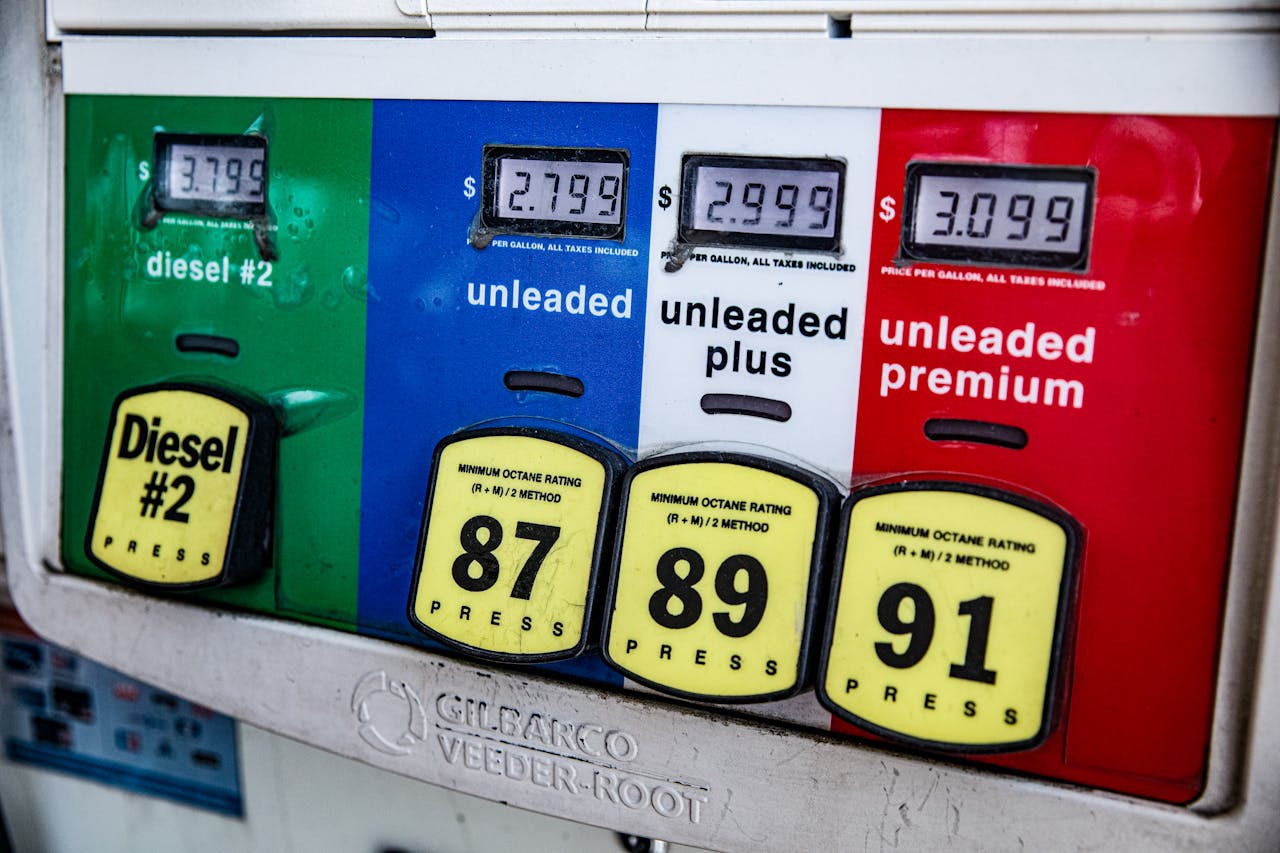
It’s easy to assume that high-octane gas must be better, right? Not really. Unless your car specifically requires premium fuel (as mentioned in your owner’s manual), using high-octane gas won’t improve performance. In fact, you’re just throwing money away. High-octane fuel is designed for high-compression engines, so if your car doesn’t need it, there’s no benefit. Stick to the recommended octane level, and save that extra cash!
8. “If It’s Not Broken, Don’t Fix It”
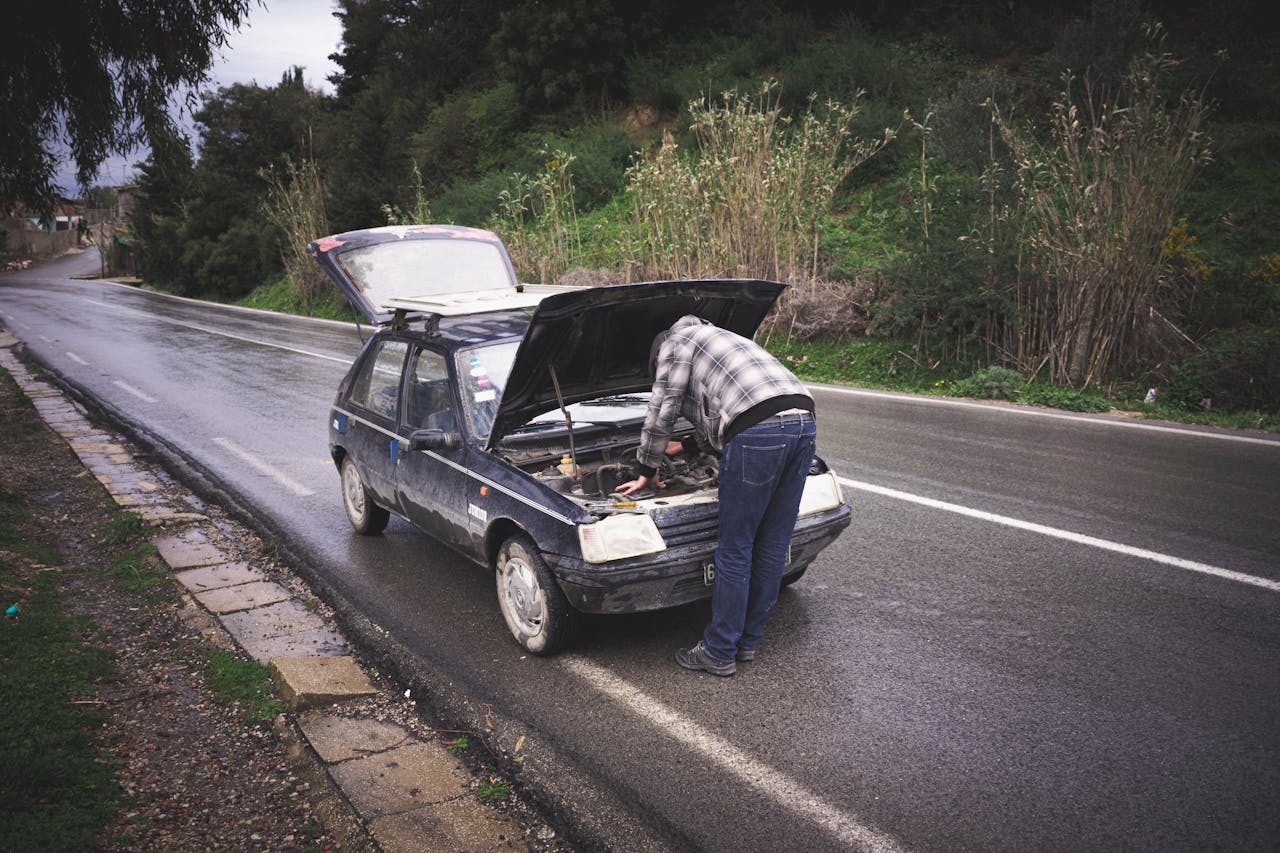
This advice sounds tempting, but when it comes to cars, ignoring preventive maintenance is like playing with fire. Just because your car isn’t visibly “broken” doesn’t mean it’s running perfectly. Many mechanical issues develop silently, and skipping regular maintenance can turn a small, fixable problem into an expensive repair. Mechanics recommend staying on top of routine maintenance, like oil changes, fluid checks, and brake inspections, to avoid costly surprises.
9. “Pouring Coke on a Battery Fixes Corrosion”
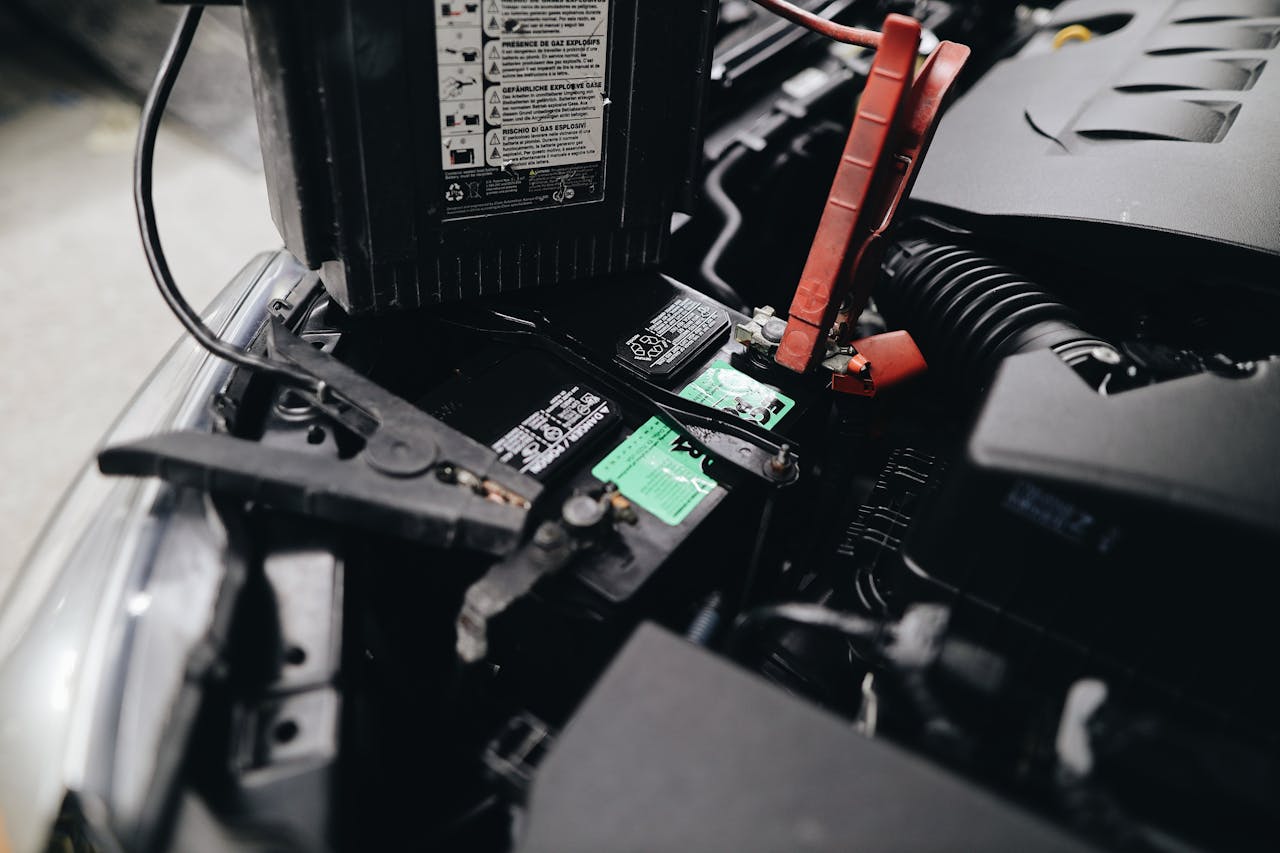
Yes, this sounds bizarre, but it’s something mechanics hear more often than you’d think! While pouring soda on a corroded battery terminal might seem like a quick fix, it’s not the best approach. The acid in soda can indeed eat away at corrosion, but it can also leave behind a sticky mess, attracting dirt and causing more problems. A better solution? Use a mixture of baking soda and water, then clean the terminals with a wire brush for a proper fix.
10. “Any Oil Will Do”
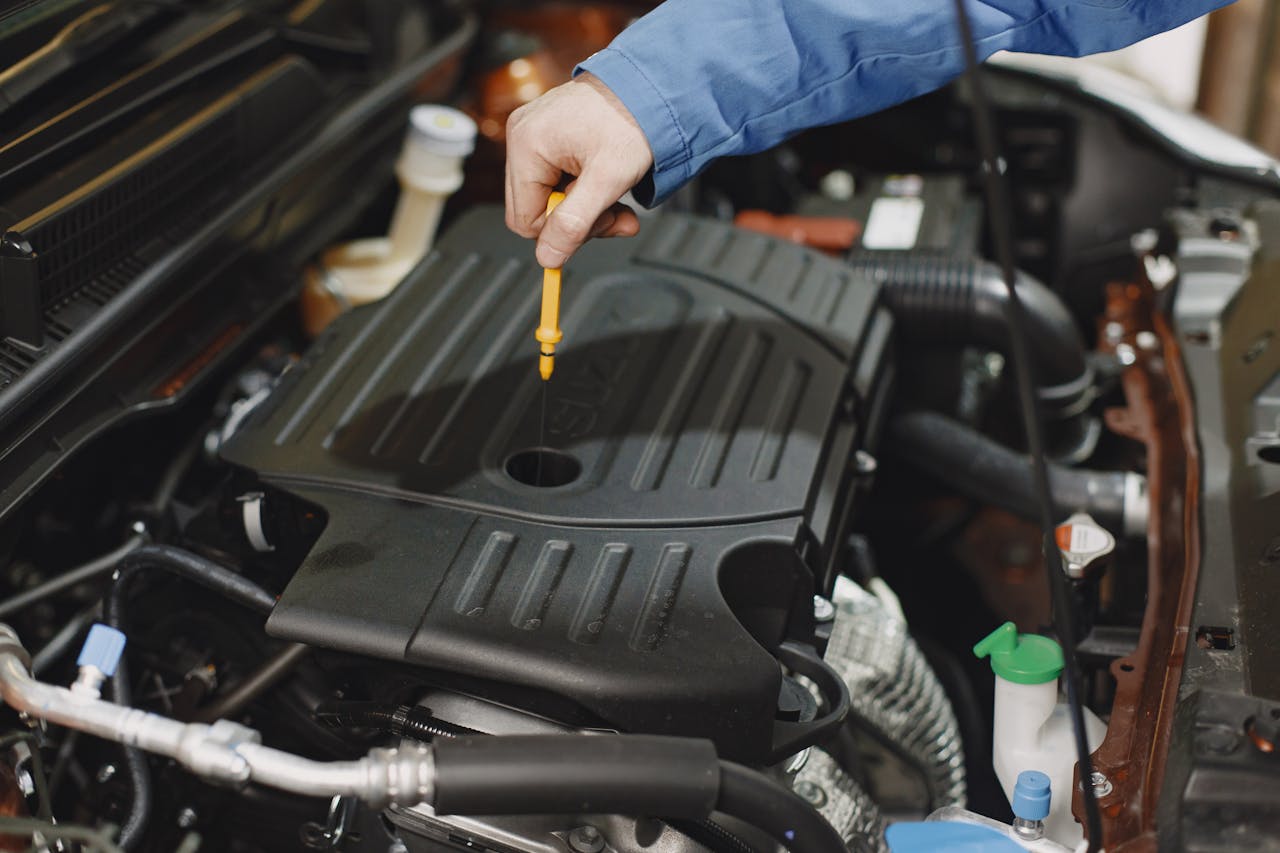
There’s a reason your car’s manual specifies a certain type of oil. Each vehicle’s engine is designed to work with oil of a particular viscosity and composition. Using the wrong oil can lead to poor performance, decreased fuel efficiency, and even engine damage. Mechanics always stress the importance of sticking to the recommended oil type for your car, so don’t just grab whatever’s on sale—your engine will thank you!
11. “Brake Fluid Never Needs to Be Changed”
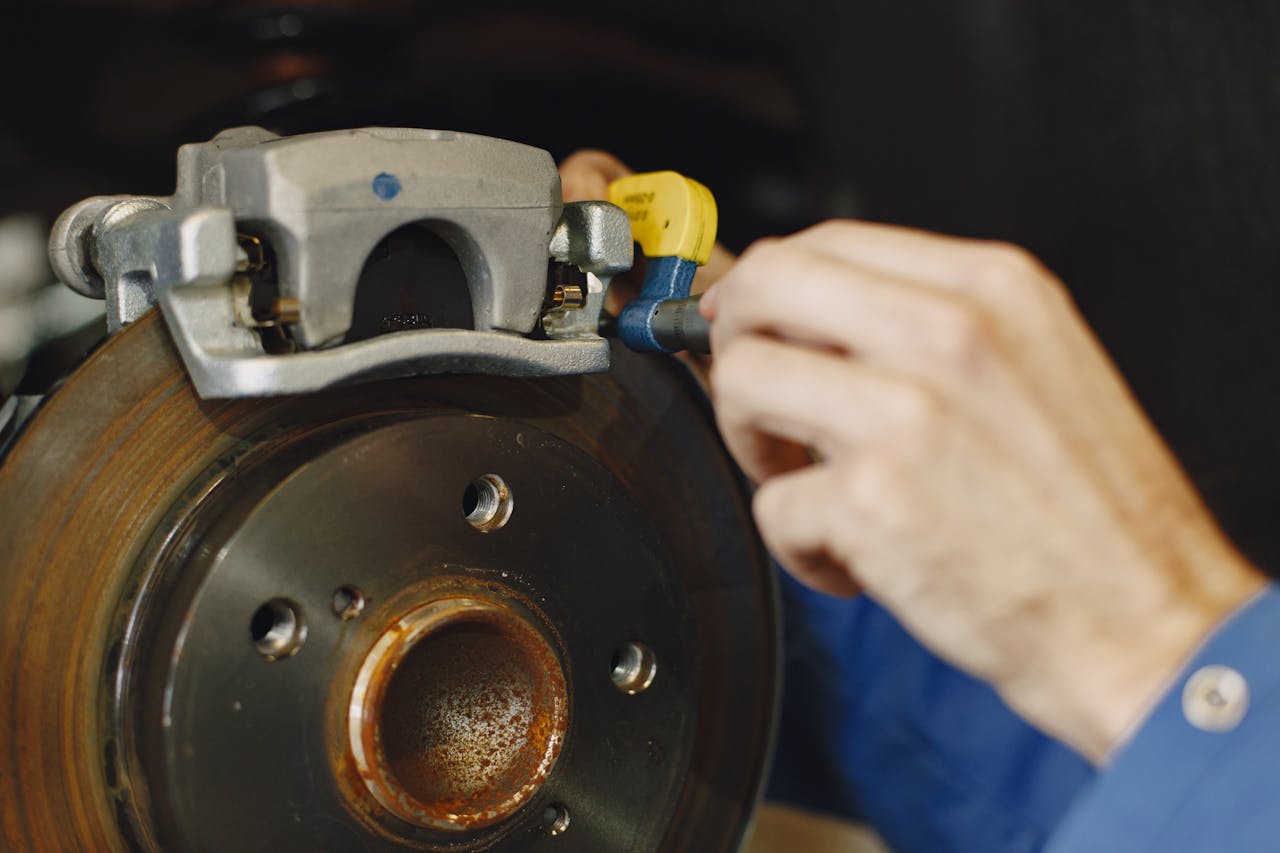
Brake fluid is one of those things people rarely think about, but ignoring it can be dangerous. Over time, brake fluid absorbs moisture, which can lead to corrosion in the brake system or, worse, brake failure. Mechanics recommend replacing brake fluid every two years or according to your car’s maintenance schedule to ensure that your brakes are always working their best.
12. “Just Ignore the Check Engine Light—It’ll Go Away Eventually”
Ah, the infamous check engine light. Some people think that if their car still seems to be running fine, the light is just being dramatic. Bad idea! The check engine light can be triggered by a wide range of issues, from something minor like a loose gas cap to something serious like engine misfires. Ignoring it could lead to bigger problems down the line. If your check engine light comes on, it’s always a good idea to have a mechanic diagnose the issue.
Final Thoughts
With so much car advice out there, it’s easy to see how some myths and bad tips get passed around. But when it comes to your vehicle, it’s important to separate fact from fiction. Listening to the wrong advice can cost you time, money, and maybe even your safety. The best bet? Stick to what your car’s manufacturer recommends and always consult with a trusted mechanic when in doubt.
- « Previous Page
- 1
- …
- 3
- 4
- 5
- 6
- 7
- …
- 9
- Next Page »