Our Debt Free Family

Commit. Plan. Take action.

  • BUDGETING
  • DEBT REDUCTION
  • INVESTING
  • LIFESTYLE
  • TOOLS
  • ABOUT
  • Privacy Policy
  • CONTACT

How You Might Be Destroying Your Car’s Engine Without Realizing It: 10 Habits to Break Today

November 27, 2025 | Leave a Comment

How You Might Be Destroying Your Car’s Engine Without Realizing It: 10 Habits to Break Today

<p> If you have ever owned a car long enough, you know the engine is basically the superstar of the entire operation. It is the part you rely on to start every morning, to get you to work on time, and to pull you through those long weekend drives. But here is the twist most people do not think about: engines are surprisingly sensitive. Even small habits that seem harmless can slowly chip away at their health until one day you are staring at a repair bill that looks like it belongs on a hospital chart.

Nobody wakes up hoping to ruin their engine, yet many drivers unintentionally do things that shorten its lifespan. The good news? Most of these habits are easy to fix once you know what they are. Whether you are a daily commuter, a long-distance traveler, or someone who only drives for grocery runs, this list will help you keep your engine happier, healthier, and running far longer.

Let us break down the ten things to stop doing right now if you want your engine to last. </p> :: Gemini

If you have ever owned a car long enough, you know the engine is basically the superstar of the entire operation. It is the part you rely on to start every morning, to get you to work on time, and to pull you through those long weekend drives. But here is the twist most people do not think about: engines are surprisingly sensitive. Even small habits that seem harmless can slowly chip away at their health until one day you are staring at a repair bill that looks like it belongs on a hospital chart.

Nobody wakes up hoping to ruin their engine, yet many drivers unintentionally do things that shorten its lifespan. The good news? Most of these habits are easy to fix once you know what they are. Whether you are a daily commuter, a long-distance traveler, or someone who only drives for grocery runs, this list will help you keep your engine happier, healthier, and running far longer.

Let us break down the ten things to stop doing right now if you want your engine to last.

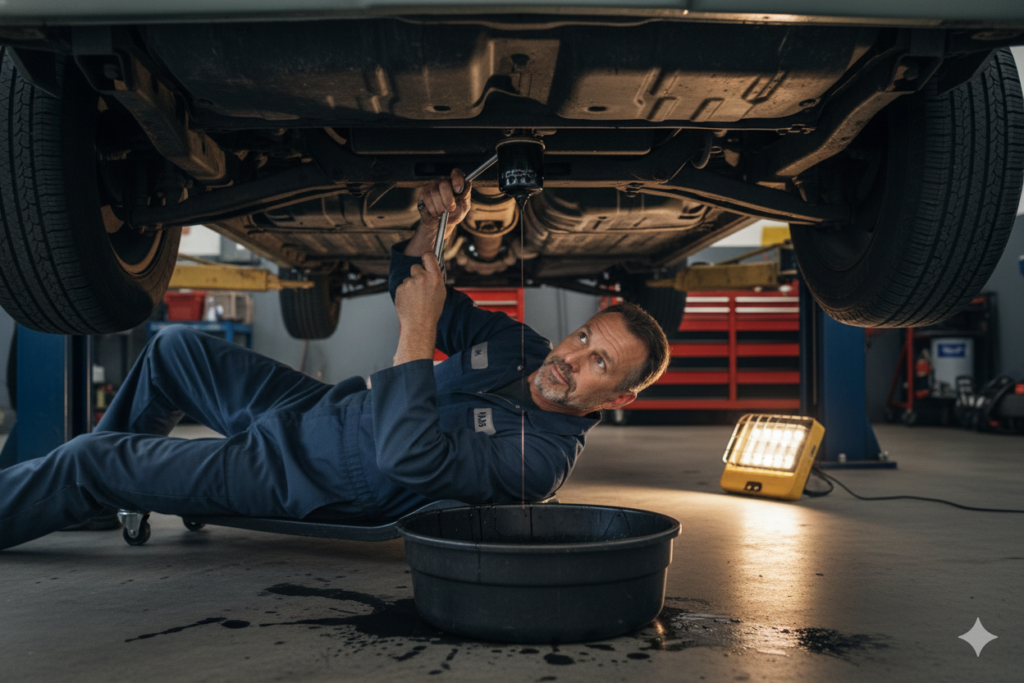
1. Skipping or Delaying Regular Oil and Fluid Changes

<p> One of the fastest ways to ruin an engine is by letting your oil go too long without being changed. Oil is the lifeline that keeps everything moving smoothly inside your engine. When it gets old or dirty, it becomes thick and sludgy, and that sludge can choke the life out of your engine parts.

Fresh oil keeps friction down, helps manage heat, and carries away debris. Neglecting oil changes leads to overheating, metal-on-metal grinding, and internal damage that can be irreversible. The same rule applies to other important fluids such as coolant, brake fluid, and transmission fluid. When they run low or get contaminated, your car’s systems have to work harder than they were designed to.

If you want to avoid engine trouble and keep your repair bills low, stick to the maintenance schedule in your owner’s manual. It is one of the simplest ways to protect your car. </p> :: Gemini

One of the fastest ways to ruin an engine is by letting your oil go too long without being changed. Oil is the lifeline that keeps everything moving smoothly inside your engine. When it gets old or dirty, it becomes thick and sludgy, and that sludge can choke the life out of your engine parts.

Fresh oil keeps friction down, helps manage heat, and carries away debris. Neglecting oil changes leads to overheating, metal-on-metal grinding, and internal damage that can be irreversible. The same rule applies to other important fluids such as coolant, brake fluid, and transmission fluid. When they run low or get contaminated, your car’s systems have to work harder than they were designed to.

If you want to avoid engine trouble and keep your repair bills low, stick to the maintenance schedule in your owner’s manual. It is one of the simplest ways to protect your car.

2. Revving the Engine When It Is Cold or Letting It Idle Too Long

<p> Many people grew up with the idea that “warming up the car” by revving the engine was a smart move. In reality, modern engines are not designed for that. When the engine is cold, the oil has not had time to circulate properly, so revving it puts stress on its internal parts before they are ready.

Excessive idling is no better. Letting your car sit for long periods without moving causes unnecessary buildup inside the engine. It can also dilute your oil with unburned fuel, making it far less effective.

A better approach is simple: start the car, give it about thirty seconds, and then drive gently. Movement warms the engine faster and safer than revving or idling ever could. </p> :: Gemini

Many people grew up with the idea that “warming up the car” by revving the engine was a smart move. In reality, modern engines are not designed for that. When the engine is cold, the oil has not had time to circulate properly, so revving it puts stress on its internal parts before they are ready.

Excessive idling is no better. Letting your car sit for long periods without moving causes unnecessary buildup inside the engine. It can also dilute your oil with unburned fuel, making it far less effective.

A better approach is simple: start the car, give it about thirty seconds, and then drive gently. Movement warms the engine faster and safer than revving or idling ever could.

3. Ignoring Your Cooling System

<p> Your engine creates a tremendous amount of heat every time it runs. Without a reliable cooling system, all of that heat has nowhere to go. That is why coolant, the radiator, the water pump, and the thermostat are crucial.

When coolant levels drop or the system has leaks, your engine can overheat in minutes. Overheating is deeply destructive, often leading to warped metal, cracked heads, and blown gaskets. These are not small, inexpensive repairs. They can take your vehicle off the road for good.

If you notice your temperature gauge rising or steam coming from your hood, do not try to “push through.” Pull over safely and address the issue before things get worse. </p> :: Gemini

Your engine creates a tremendous amount of heat every time it runs. Without a reliable cooling system, all of that heat has nowhere to go. That is why coolant, the radiator, the water pump, and the thermostat are crucial.

When coolant levels drop or the system has leaks, your engine can overheat in minutes. Overheating is deeply destructive, often leading to warped metal, cracked heads, and blown gaskets. These are not small, inexpensive repairs. They can take your vehicle off the road for good.

If you notice your temperature gauge rising or steam coming from your hood, do not try to “push through.” Pull over safely and address the issue before things get worse.

4. Using the Wrong Fuel or Incorrect Octane Level

<p> Engines are designed to run on a specific type of fuel. Using a lower octane level than recommended can cause knocking, hesitation, and long-term internal damage.

Knocking happens when fuel combusts unevenly inside the cylinders. Over time, it can wear down pistons and valves. Some drivers assume that using a higher octane fuel “just to be safe” is harmless, but even that is unnecessary unless your car specifically calls for it.

Using the wrong fuel altogether, like accidentally putting diesel in a gas engine or the other way around, can cause immediate and serious damage. If there is ever a moment to slow down and double check, it is at the pump. </p> :: Gemini

Engines are designed to run on a specific type of fuel. Using a lower octane level than recommended can cause knocking, hesitation, and long-term internal damage.

Knocking happens when fuel combusts unevenly inside the cylinders. Over time, it can wear down pistons and valves. Some drivers assume that using a higher octane fuel “just to be safe” is harmless, but even that is unnecessary unless your car specifically calls for it.

Using the wrong fuel altogether, like accidentally putting diesel in a gas engine or the other way around, can cause immediate and serious damage. If there is ever a moment to slow down and double check, it is at the pump.

5. Driving With Low Oil Levels or Low Coolant

<p> You may be surprised how quickly damage can occur when your car is low on oil or coolant. Even a short trip with insufficient oil can create heat and friction that wears down the engine from the inside. Low coolant, on the other hand, means your engine cannot control its temperature, which leads to overheating.

Both situations are completely preventable with quick checks. Make it a habit to look under the hood now and then, especially if your car is older or you drive long distances regularly. A five minute check can save you thousands of dollars. </p> :: Gemini

You may be surprised how quickly damage can occur when your car is low on oil or coolant. Even a short trip with insufficient oil can create heat and friction that wears down the engine from the inside. Low coolant, on the other hand, means your engine cannot control its temperature, which leads to overheating.

Both situations are completely preventable with quick checks. Make it a habit to look under the hood now and then, especially if your car is older or you drive long distances regularly. A five minute check can save you thousands of dollars.

6. Allowing Your Air Filter to Stay Dirty or Clogged

<p> Your engine needs clean air to function properly. A dirty air filter restricts airflow, forcing the engine to work harder. That means more strain, more fuel consumption, and more heat. Over time, this extra workload can lead to internal wear and tear.

Replacing an air filter is inexpensive and takes almost no time at all, but the benefits are enormous. Your engine will breathe easier, run more efficiently, and stay in better shape for longer. </p> :: Gemini

Your engine needs clean air to function properly. A dirty air filter restricts airflow, forcing the engine to work harder. That means more strain, more fuel consumption, and more heat. Over time, this extra workload can lead to internal wear and tear.

Replacing an air filter is inexpensive and takes almost no time at all, but the benefits are enormous. Your engine will breathe easier, run more efficiently, and stay in better shape for longer.

7. Keeping a Heavy Keychain Attached While Driving

<p> Most people never consider this one, but carrying a giant, heavy keychain while driving can damage your ignition system. A heavy set of keys pulls down on the ignition switch every time you hit a bump or make a turn. Over months and years, that constant pressure can wear down the internal components.

This can lead to stalling, electrical issues, or even a situation where your car refuses to start at all. A lightweight keychain is much safer and keeps your ignition cylinder from wearing out early. </p> :: Gemini

Most people never consider this one, but carrying a giant, heavy keychain while driving can damage your ignition system. A heavy set of keys pulls down on the ignition switch every time you hit a bump or make a turn. Over months and years, that constant pressure can wear down the internal components.

This can lead to stalling, electrical issues, or even a situation where your car refuses to start at all. A lightweight keychain is much safer and keeps your ignition cylinder from wearing out early.

8. Ignoring Warning Lights and Skipping Diagnostic Checks

<p> The “Check Engine” light is not there for decoration. It is your car’s way of saying something is wrong, whether minor or serious. Ignoring it because your car “seems fine” is a risky game.

Sometimes the issue is small, like a loose gas cap. Other times it is a misfire, emissions problem, or failing sensor that needs attention. Regular diagnostics can catch problems early and prevent them from becoming disasters.

Think of it as going to the doctor. Catching things early is always cheaper and less stressful. </p> :: Gemini

The “Check Engine” light is not there for decoration. It is your car’s way of saying something is wrong, whether minor or serious. Ignoring it because your car “seems fine” is a risky game.

Sometimes the issue is small, like a loose gas cap. Other times it is a misfire, emissions problem, or failing sensor that needs attention. Regular diagnostics can catch problems early and prevent them from becoming disasters.

Think of it as going to the doctor. Catching things early is always cheaper and less stressful.

9. Overloading Your Car With Extra Weight

<p> Your car has a maximum weight limit for a reason. When you overload it with tools, equipment, luggage, or anything else that is heavy, the engine has to work harder to get the car moving. That increased effort strains the engine, transmission, suspension, and even the brakes.

While throwing a few bags in the trunk is fine, regularly hauling around unnecessary weight can shorten the life of your car. Lighten the load when you can and be mindful of what you keep in your vehicle. </p> :: Gemini

Your car has a maximum weight limit for a reason. When you overload it with tools, equipment, luggage, or anything else that is heavy, the engine has to work harder to get the car moving. That increased effort strains the engine, transmission, suspension, and even the brakes.

While throwing a few bags in the trunk is fine, regularly hauling around unnecessary weight can shorten the life of your car. Lighten the load when you can and be mindful of what you keep in your vehicle.

10. Pushing the Car Too Hard When It Is Hot or Overheating

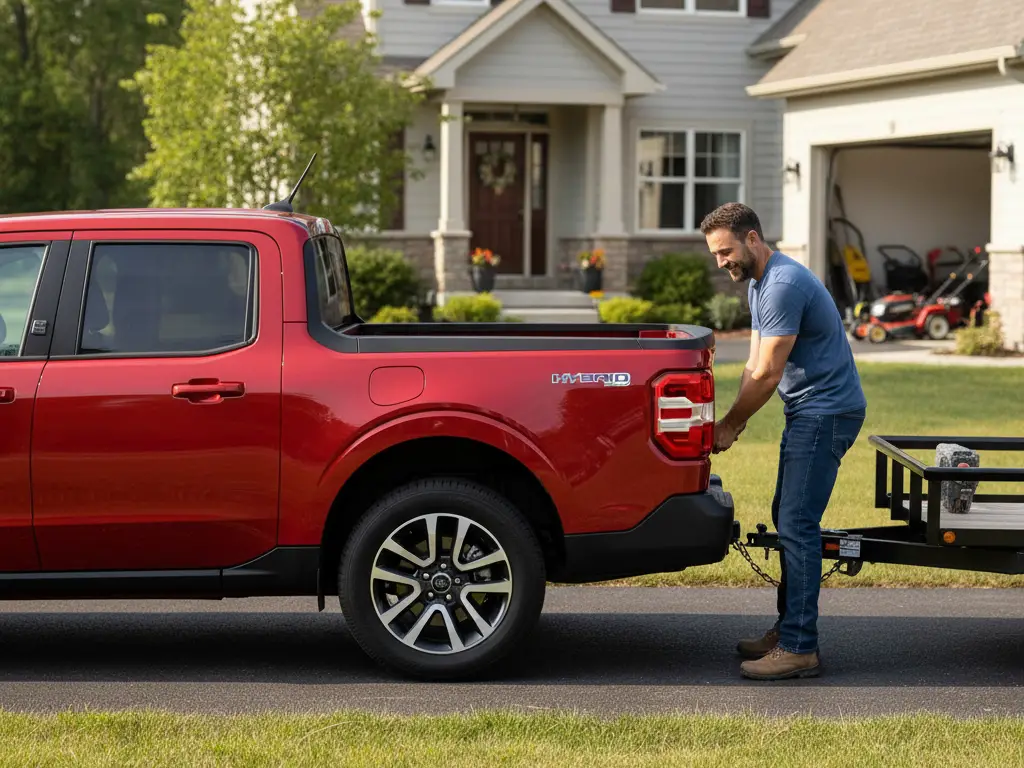
<p> If your engine is already struggling with heat, adding more pressure is the worst thing you can do. Hard acceleration, towing heavy items, or driving uphill when your engine is already too hot can push it past its limit.

Temperature warnings are not optional. If the gauge starts rising or if you notice any signs of overheating such as steam or unusual smells, slow down and safely pull over. Letting the engine cool can prevent permanent damage. </p> ::  Gemini

If your engine is already struggling with heat, adding more pressure is the worst thing you can do. Hard acceleration, towing heavy items, or driving uphill when your engine is already too hot can push it past its limit.

Temperature warnings are not optional. If the gauge starts rising or if you notice any signs of overheating such as steam or unusual smells, slow down and safely pull over. Letting the engine cool can prevent permanent damage.

Final Thoughts

<p> Your car’s engine might be a powerful machine, but it is also surprisingly easy to damage through everyday habits. The choices you make behind the wheel and under the hood have a huge impact on how long your engine will last. The good news is that most of the issues on this list are fully preventable with a bit of awareness and a few quick routine checks.

Caring for your engine is not about being a mechanic or knowing every technical detail. It is about paying attention, treating your vehicle with respect, and not ignoring the warning signs when something feels off. When you protect your engine, you protect your wallet, your daily routine, and your peace of mind.

Your car takes care of you every day. These simple changes are how you return the favor. If you break these habits now, your engine will thank you later in the form of smoother drives, fewer surprise repairs, and a vehicle that lasts for years to come. </p> :: Gemini

Your car’s engine might be a powerful machine, but it is also surprisingly easy to damage through everyday habits. The choices you make behind the wheel and under the hood have a huge impact on how long your engine will last. The good news is that most of the issues on this list are fully preventable with a bit of awareness and a few quick routine checks.

Caring for your engine is not about being a mechanic or knowing every technical detail. It is about paying attention, treating your vehicle with respect, and not ignoring the warning signs when something feels off. When you protect your engine, you protect your wallet, your daily routine, and your peace of mind.

Your car takes care of you every day. These simple changes are how you return the favor. If you break these habits now, your engine will thank you later in the form of smoother drives, fewer surprise repairs, and a vehicle that lasts for years to come.

Filed Under: Autos

Tools Every Car Mechanic Swears By: 10 Must Haves You Will Be Glad You Own

November 25, 2025 | Leave a Comment

Tools Every Car Mechanic Swears By: 10 Must Haves You Will Be Glad You Own

<p> If you have ever watched a seasoned car mechanic work, you know it can look almost magical. They glide from tool to tool, diagnose problems like detectives, and fix issues that would leave most people staring under the hood in confusion. But behind every confident mechanic is a set of trusted tools that make their skill possible. Whether you are a weekend DIYer who loves tinkering in the garage or someone simply curious about what goes into professional automotive work, having the right equipment can turn frustrating projects into satisfying successes.

This list goes beyond the basics and focuses on the tools mechanics genuinely depend on every single day. These are the tools that save time, boost accuracy, prevent costly mistakes, and help you understand your vehicle on a deeper level. Think of this not just as a shopping list, but as a collection of gear that can change the way you work with your car.

Below are ten tools that belong in every serious car enthusiast’s or aspiring mechanic’s toolbox. Each one has a purpose, a personality, and a way of making your automotive life easier. </p> :: Gemini

If you have ever watched a seasoned car mechanic work, you know it can look almost magical. They glide from tool to tool, diagnose problems like detectives, and fix issues that would leave most people staring under the hood in confusion. But behind every confident mechanic is a set of trusted tools that make their skill possible. Whether you are a weekend DIYer who loves tinkering in the garage or someone simply curious about what goes into professional automotive work, having the right equipment can turn frustrating projects into satisfying successes.

This list goes beyond the basics and focuses on the tools mechanics genuinely depend on every single day. These are the tools that save time, boost accuracy, prevent costly mistakes, and help you understand your vehicle on a deeper level. Think of this not just as a shopping list, but as a collection of gear that can change the way you work with your car.

Below are ten tools that belong in every serious car enthusiast’s or aspiring mechanic’s toolbox. Each one has a purpose, a personality, and a way of making your automotive life easier.

1. Socket and Ratchet Set

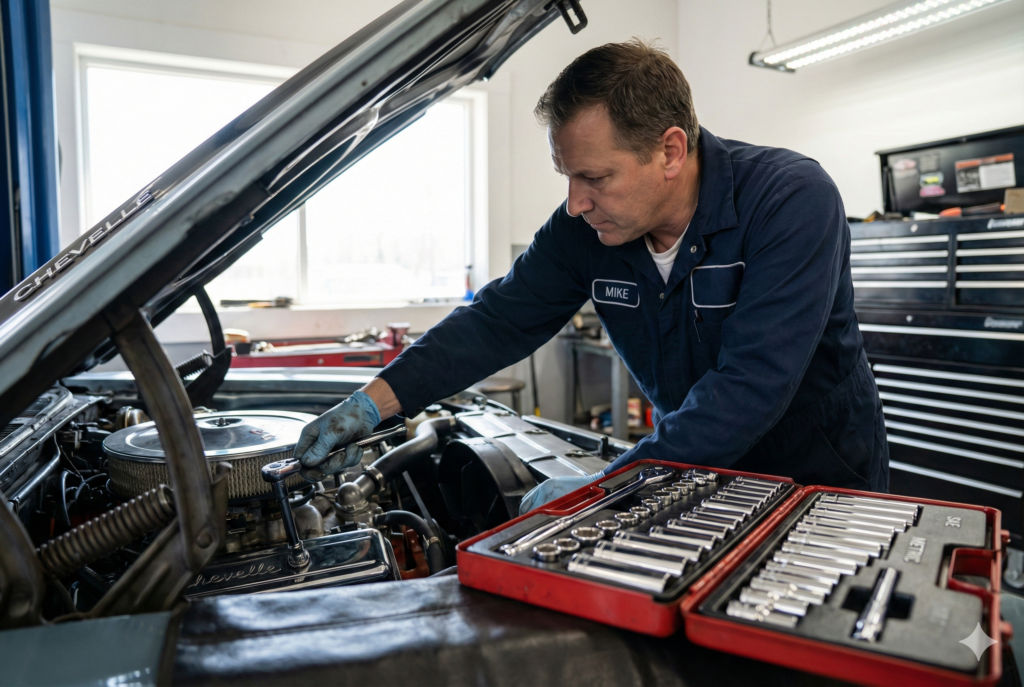
<p> A high quality socket and ratchet set is the backbone of any mechanic’s workspace. If you have ever tried to remove a bolt with the wrong size socket, you already know how quickly frustration can build. A complete set that includes both metric and SAE sizes ensures you can handle almost any fastener your vehicle throws at you. Mechanics reach for these tools constantly because they offer power and control without unnecessary strain. A smooth ratchet mechanism, especially a fine tooth one, makes working in cramped spaces far more manageable. Whether you are swapping out spark plugs or removing an alternator, this is the tool that never feels optional. </p> :: Gemini

A high quality socket and ratchet set is the backbone of any mechanic’s workspace. If you have ever tried to remove a bolt with the wrong size socket, you already know how quickly frustration can build. A complete set that includes both metric and SAE sizes ensures you can handle almost any fastener your vehicle throws at you. Mechanics reach for these tools constantly because they offer power and control without unnecessary strain. A smooth ratchet mechanism, especially a fine tooth one, makes working in cramped spaces far more manageable. Whether you are swapping out spark plugs or removing an alternator, this is the tool that never feels optional.

2. Torque Wrench

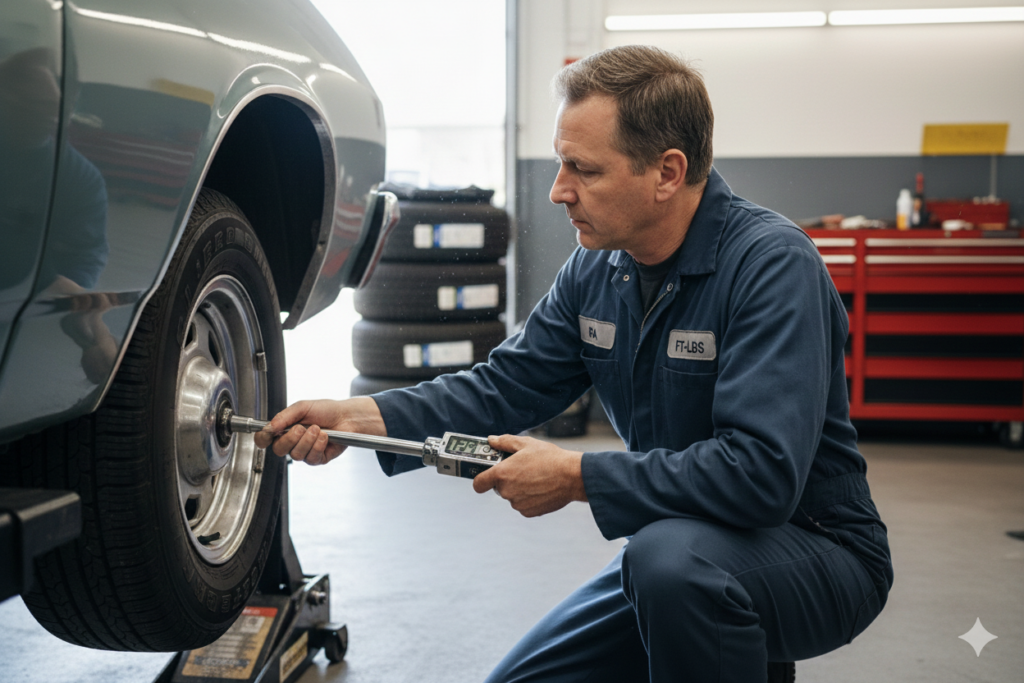
<p> A torque wrench is what separates guessing from precision. Cars are engineered with exact torque specifications for a reason, and overtightening or undertightening bolts can lead to serious problems. From wheel lugs to cylinder head bolts, accuracy matters. A reliable torque wrench ensures you apply just the right amount of force every time. Mechanics love this tool because it protects both the vehicle and the person working on it. Even if you are new to car repair, using a torque wrench will instantly make your work feel more professional and trustworthy. </p> :: Gemini

A torque wrench is what separates guessing from precision. Cars are engineered with exact torque specifications for a reason, and overtightening or undertightening bolts can lead to serious problems. From wheel lugs to cylinder head bolts, accuracy matters. A reliable torque wrench ensures you apply just the right amount of force every time. Mechanics love this tool because it protects both the vehicle and the person working on it. Even if you are new to car repair, using a torque wrench will instantly make your work feel more professional and trustworthy.

3. Breaker Bar

<p> Some bolts simply do not want to budge. That is where a breaker bar saves the day. With its long handle and sturdy build, it gives you the leverage you need to loosen stuck or rusted fasteners without destroying your knuckles or your ratchet. Mechanics swear by breaker bars because they apply controlled power, making even the most stubborn bolts give in eventually. If you live in an area where rust is common or you work on older vehicles, this is a tool that earns its place the moment you use it. </p> :: Gemini

Some bolts simply do not want to budge. That is where a breaker bar saves the day. With its long handle and sturdy build, it gives you the leverage you need to loosen stuck or rusted fasteners without destroying your knuckles or your ratchet. Mechanics swear by breaker bars because they apply controlled power, making even the most stubborn bolts give in eventually. If you live in an area where rust is common or you work on older vehicles, this is a tool that earns its place the moment you use it.

4. Impact Wrench

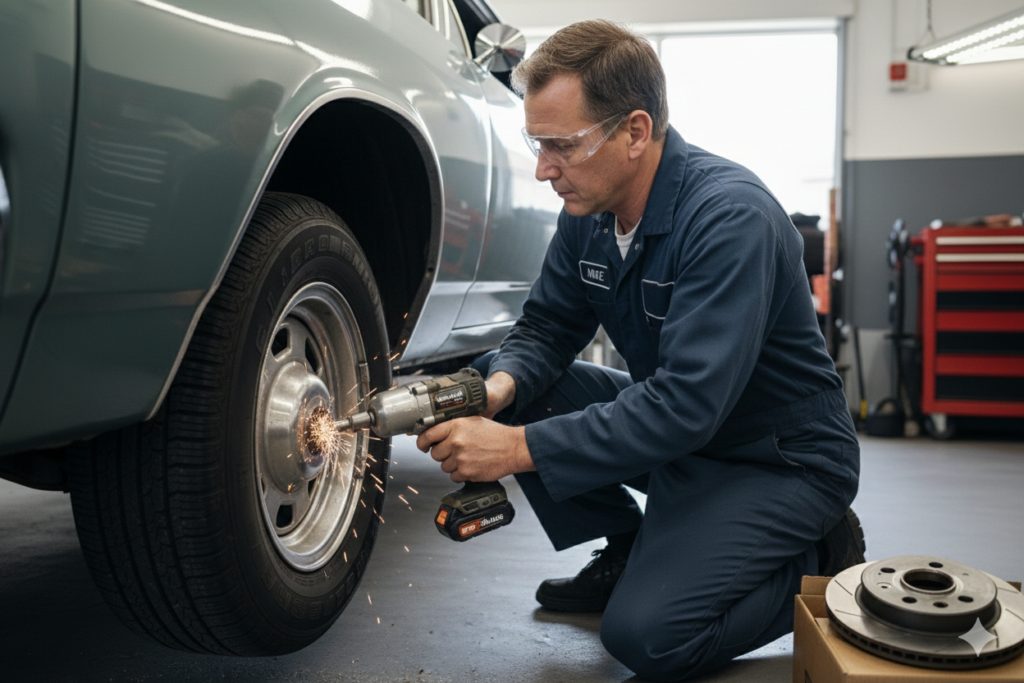
<p> If speed had a mascot in a mechanic’s shop, it would be the impact wrench. Cordless impact wrenches have become incredibly powerful in recent years, making it easier than ever to remove lug nuts, suspension bolts, and anything else that benefits from quick bursts of torque. Mechanics appreciate how much time it saves, especially during repetitive tasks like wheel rotations or brake jobs. It is one of those tools that can turn a two hour job into a thirty minute one when used properly. And yes, it also feels extremely satisfying to use. </p> :: Gemini

If speed had a mascot in a mechanic’s shop, it would be the impact wrench. Cordless impact wrenches have become incredibly powerful in recent years, making it easier than ever to remove lug nuts, suspension bolts, and anything else that benefits from quick bursts of torque. Mechanics appreciate how much time it saves, especially during repetitive tasks like wheel rotations or brake jobs. It is one of those tools that can turn a two hour job into a thirty minute one when used properly. And yes, it also feels extremely satisfying to use.

5. Screwdriver Set

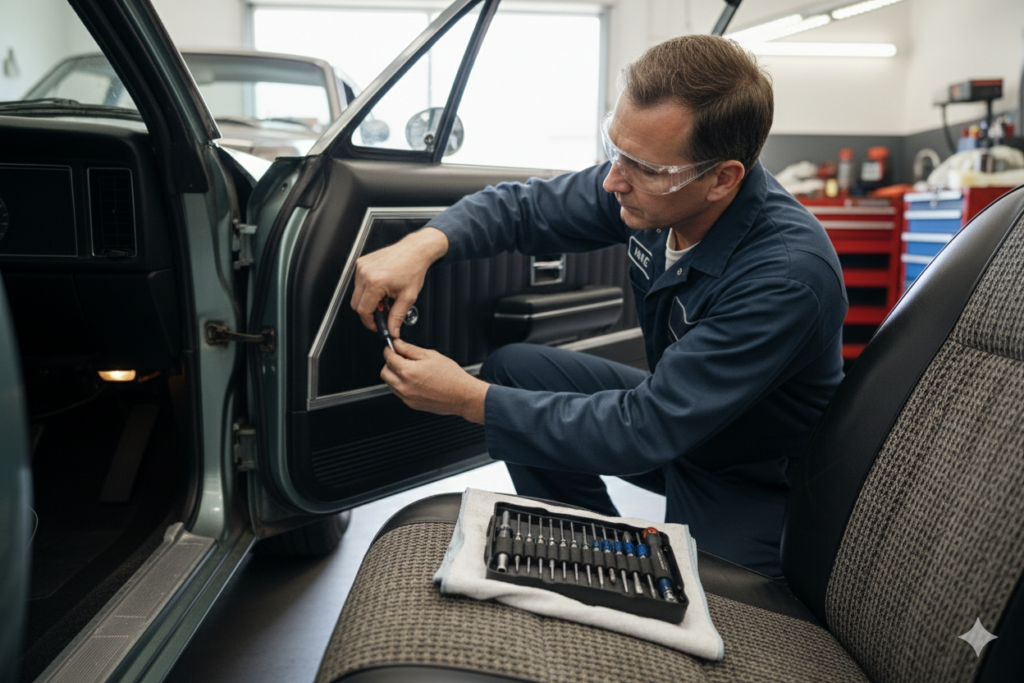
<p> It is easy to overlook screwdrivers until you do not have the right one for the job. A complete screwdriver set with flathead, Phillips, Torx, and hex varieties makes an enormous difference in everyday automotive work. Interior panels, air filters, electrical connectors, and countless small parts rely on the proper driver. Mechanics often choose sets with magnetic tips so screws do not disappear into unreachable corners of the engine bay. A comfortable grip and durable construction also matter more than people realize, especially during long repair sessions. </p> :: Gemini

It is easy to overlook screwdrivers until you do not have the right one for the job. A complete screwdriver set with flathead, Phillips, Torx, and hex varieties makes an enormous difference in everyday automotive work. Interior panels, air filters, electrical connectors, and countless small parts rely on the proper driver. Mechanics often choose sets with magnetic tips so screws do not disappear into unreachable corners of the engine bay. A comfortable grip and durable construction also matter more than people realize, especially during long repair sessions.

6. Pliers and Wire Tools

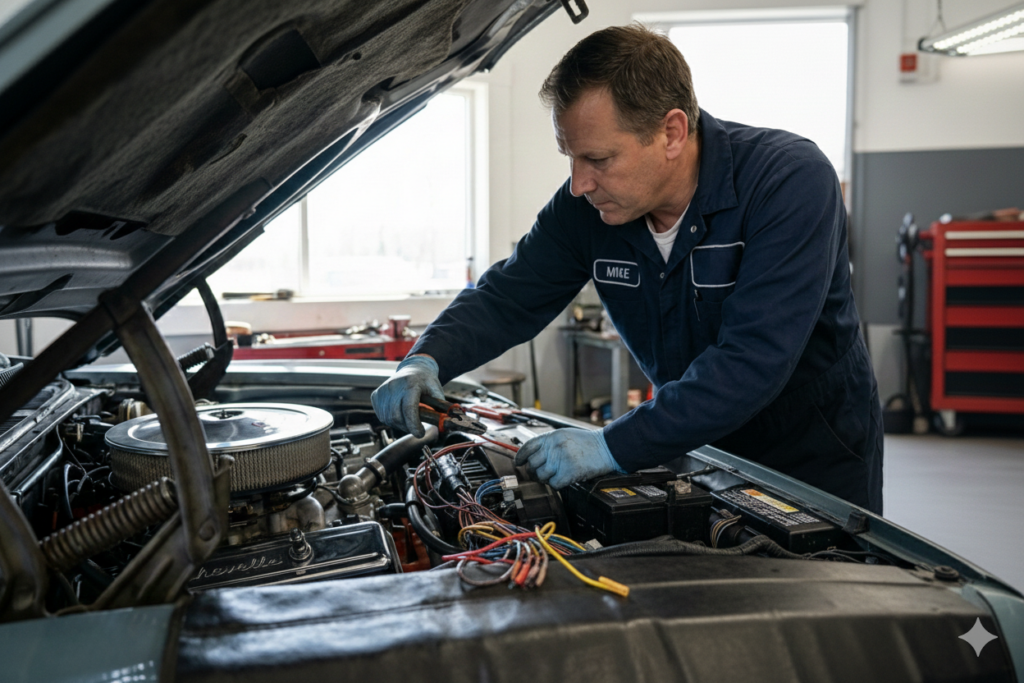
<p> Cars have intricate wiring systems, delicate clips, and tight spaces that require finesse. A selection of pliers, including needle nose, locking, and side cutters, makes it easier to grip, bend, twist, and trim components as needed. Wire strippers and crimpers are equally valuable when handling electrical repairs. Mechanics rely on these tools not only for tasks like replacing battery terminals or repairing wiring harnesses, but also for countless small fixes that come up unexpectedly. Having the right pliers nearby often saves time, patience, and sometimes a bit of your sanity. </p> :: Gemini

Cars have intricate wiring systems, delicate clips, and tight spaces that require finesse. A selection of pliers, including needle nose, locking, and side cutters, makes it easier to grip, bend, twist, and trim components as needed. Wire strippers and crimpers are equally valuable when handling electrical repairs. Mechanics rely on these tools not only for tasks like replacing battery terminals or repairing wiring harnesses, but also for countless small fixes that come up unexpectedly. Having the right pliers nearby often saves time, patience, and sometimes a bit of your sanity.

7. Hex Keys, Allen Wrenches, and Torx Drivers

<p> Car manufacturers love using specialty fasteners, which is why a full set of hex keys and Torx drivers is essential. These bolts appear in places you might not expect, from engine components to interior trim panels. Mechanics always keep multiple sizes and types on hand to avoid stripping fasteners or reaching for mismatched tools. It is surprising how often these drivers come in handy, especially when working on newer vehicles that rely heavily on Torx systems for durability and security. </p> :: Gemini

Car manufacturers love using specialty fasteners, which is why a full set of hex keys and Torx drivers is essential. These bolts appear in places you might not expect, from engine components to interior trim panels. Mechanics always keep multiple sizes and types on hand to avoid stripping fasteners or reaching for mismatched tools. It is surprising how often these drivers come in handy, especially when working on newer vehicles that rely heavily on Torx systems for durability and security.

8. Oil Filter Wrench

<p> Anyone who has tried to remove a stuck oil filter knows exactly why this tool earns its place. Oil filters can tighten over time, become slippery, or simply refuse to turn by hand. An oil filter wrench provides the grip and stability needed to remove the filter cleanly without resorting to dangerous improvisation. Mechanics use this tool to make oil changes smoother, faster, and far less messy. If you change your own oil even once a year, this is a tool worth owning. </p> :: Gemini

Anyone who has tried to remove a stuck oil filter knows exactly why this tool earns its place. Oil filters can tighten over time, become slippery, or simply refuse to turn by hand. An oil filter wrench provides the grip and stability needed to remove the filter cleanly without resorting to dangerous improvisation. Mechanics use this tool to make oil changes smoother, faster, and far less messy. If you change your own oil even once a year, this is a tool worth owning.

9. Creeper

<p> Working under a car does not have to feel like a wrestling match with the floor. A creeper allows you to glide under your vehicle with ease and comfort. It protects your back, keeps your clothes cleaner, and improves mobility in tight spaces. Mechanics who spend hours each week under vehicles consider the creeper one of the unsung heroes of the shop. Once you use one, you will never want to slide under a car on bare concrete again. </p> :: Gemini

Working under a car does not have to feel like a wrestling match with the floor. A creeper allows you to glide under your vehicle with ease and comfort. It protects your back, keeps your clothes cleaner, and improves mobility in tight spaces. Mechanics who spend hours each week under vehicles consider the creeper one of the unsung heroes of the shop. Once you use one, you will never want to slide under a car on bare concrete again.

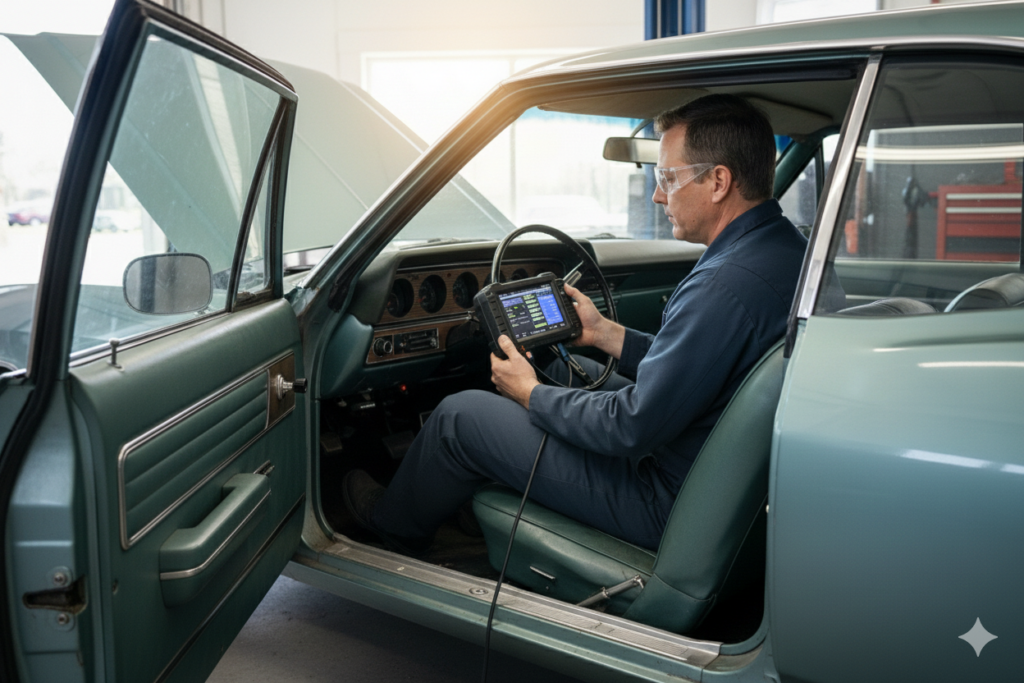
10. Diagnostic Scanner

<p> Today’s vehicles rely heavily on computer systems, and a diagnostic scanner is the key to understanding them. An OBD two scanner plugs into your vehicle and reads error codes, displays sensor data, and helps pinpoint problems more accurately. Mechanics use professional grade scanners, but even affordable consumer models provide valuable insights. This tool empowers you to understand warning lights, diagnose issues sooner, and avoid guessing games. Whether you maintain your own car or want more confidence before visiting a shop, a diagnostic scanner is one of the smartest investments you can make. </p> :: Gemini

Today’s vehicles rely heavily on computer systems, and a diagnostic scanner is the key to understanding them. An OBD two scanner plugs into your vehicle and reads error codes, displays sensor data, and helps pinpoint problems more accurately. Mechanics use professional grade scanners, but even affordable consumer models provide valuable insights. This tool empowers you to understand warning lights, diagnose issues sooner, and avoid guessing games. Whether you maintain your own car or want more confidence before visiting a shop, a diagnostic scanner is one of the smartest investments you can make.

Final Thoughts

<p> Choosing the right tools is not just about collecting shiny gadgets. It is about building confidence, improving safety, and making car repair more rewarding. The tools on this list are trusted by mechanics for a reason: they work, they last, and they make once intimidating tasks feel manageable. When you equip yourself with the same tools professionals reach for every day, you give yourself the power to approach car maintenance with skill instead of hesitation.

Whether you are setting up your first home garage or adding to an existing collection, these ten essentials will support you through countless repairs and projects. Start with a few, learn as you go, and before long you will feel at home under the hood. And who knows—maybe friends and family will start coming to you for help with their cars, too. </p> :: Gemini

Choosing the right tools is not just about collecting shiny gadgets. It is about building confidence, improving safety, and making car repair more rewarding. The tools on this list are trusted by mechanics for a reason: they work, they last, and they make once intimidating tasks feel manageable. When you equip yourself with the same tools professionals reach for every day, you give yourself the power to approach car maintenance with skill instead of hesitation.

Whether you are setting up your first home garage or adding to an existing collection, these ten essentials will support you through countless repairs and projects. Start with a few, learn as you go, and before long you will feel at home under the hood. And who knows—maybe friends and family will start coming to you for help with their cars, too.

Filed Under: Autos

12 Smart Tips You Need to Know Before Buying a Brand New Car in 2025

November 21, 2025 | Leave a Comment

12 Smart Tips You Need to Know Before Buying a Brand New Car in 2025

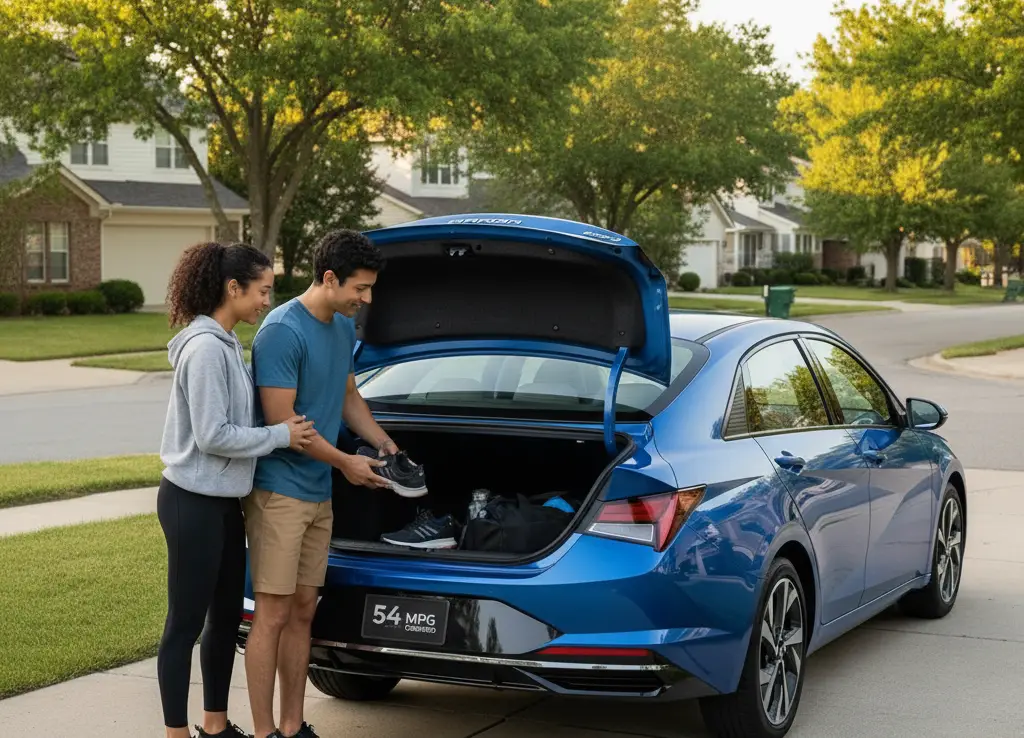
<p> Buying a brand new car is a milestone moment. The excitement of stepping into a showroom, running your fingers over the smooth paint, and imagining yourself behind the wheel is unmatched. But let’s be honest—buying a new car can also feel like navigating a maze. From negotiating with dealers to analyzing financing plans, insurance premiums, new car technology, and hidden costs, the process can get overwhelming fast. The good news? With the right knowledge and preparation, you can turn what feels like a stressful experience into one that’s empowering, enjoyable, and financially smart.

Whether you're upgrading to something more fuel-efficient, switching to a hybrid or electric model, or finally treating yourself to the car you’ve always wanted, being informed is your strongest advantage. Below are 12 practical, strategic tips that will help you make confident decisions, avoid common pitfalls, and get the best possible value from your brand new car purchase in 2025. </p> :: Gemini

Buying a brand new car is a milestone moment. The excitement of stepping into a showroom, running your fingers over the smooth paint, and imagining yourself behind the wheel is unmatched. But let’s be honest—buying a new car can also feel like navigating a maze. From negotiating with dealers to analyzing financing plans, insurance premiums, new car technology, and hidden costs, the process can get overwhelming fast. The good news? With the right knowledge and preparation, you can turn what feels like a stressful experience into one that’s empowering, enjoyable, and financially smart.

Whether you’re upgrading to something more fuel-efficient, switching to a hybrid or electric model, or finally treating yourself to the car you’ve always wanted, being informed is your strongest advantage. Below are 12 practical, strategic tips that will help you make confident decisions, avoid common pitfalls, and get the best possible value from your brand new car purchase in 2025.

1. Set a Realistic Budget and Consider All Costs

<p> Before getting distracted by shiny paint and luxurious interiors, establish a clear and realistic budget. Many buyers make the mistake of only looking at the car’s sticker price, forgetting about long-term expenses. Beyond monthly payments, consider insurance, maintenance, fuel or charging costs, registration fees, and potential repairs. If you're financing, factor in loan interest and total loan cost—not just the monthly payment. A well-planned budget ensures you stay comfortable financially while still driving home a car that fits your goals and lifestyle. This step alone prevents impulse decisions and lays the foundation for a stress-free ownership experience. </p> :: Gemini

Before getting distracted by shiny paint and luxurious interiors, establish a clear and realistic budget. Many buyers make the mistake of only looking at the car’s sticker price, forgetting about long-term expenses. Beyond monthly payments, consider insurance, maintenance, fuel or charging costs, registration fees, and potential repairs. If you’re financing, factor in loan interest and total loan cost—not just the monthly payment. A well-planned budget ensures you stay comfortable financially while still driving home a car that fits your goals and lifestyle. This step alone prevents impulse decisions and lays the foundation for a stress-free ownership experience.

2. Get Pre-Approved for Financing

<p> Walking into a dealership with pre-approved financing is like having a secret advantage in your pocket. Pre-approval from your bank or credit union gives you clarity about your loan terms, interest rate, and spending limits. It also positions you as a serious buyer, giving you more negotiating power and protecting you from accepting dealer financing that may come with higher rates or hidden fees. When you already know what you qualify for, you’re better equipped to focus on negotiating the price of the vehicle rather than the monthly payment. Plus, you can compare your pre-approval with any dealership loan offer and choose the best one without pressure. </p> :: Gemini

Walking into a dealership with pre-approved financing is like having a secret advantage in your pocket. Pre-approval from your bank or credit union gives you clarity about your loan terms, interest rate, and spending limits. It also positions you as a serious buyer, giving you more negotiating power and protecting you from accepting dealer financing that may come with higher rates or hidden fees. When you already know what you qualify for, you’re better equipped to focus on negotiating the price of the vehicle rather than the monthly payment. Plus, you can compare your pre-approval with any dealership loan offer and choose the best one without pressure.

3. Research the Right Car for Your Lifestyle

<p> Choosing a car you love is important, but choosing one that matches your lifestyle is essential. Before stepping foot in any showroom, think carefully about how you live and drive. Do you commute long distances daily? Do you often carry kids, pets, or bulky items? Do you need all-wheel drive for certain weather conditions? Will a hybrid or fully electric vehicle save you money over time? Many shoppers get seduced by horsepower, design, or trendy features but end up with a car that doesn’t truly fit their needs. Doing thoughtful research helps you focus on what actually matters and prevents overspending on features you won’t use. </p> :: Gemini

Choosing a car you love is important, but choosing one that matches your lifestyle is essential. Before stepping foot in any showroom, think carefully about how you live and drive. Do you commute long distances daily? Do you often carry kids, pets, or bulky items? Do you need all-wheel drive for certain weather conditions? Will a hybrid or fully electric vehicle save you money over time? Many shoppers get seduced by horsepower, design, or trendy features but end up with a car that doesn’t truly fit their needs. Doing thoughtful research helps you focus on what actually matters and prevents overspending on features you won’t use.

4. Factor in Fuel Efficiency and Long-Term Costs

<p> A car that seems affordable at first can become costly if it has low fuel economy or expensive maintenance requirements. When comparing models, review miles-per-gallon ratings, maintenance schedules, warranty coverage, tire replacement costs, and repair prices. For electric vehicles, examine battery range, charging options, and whether you have access to convenient charging stations. A slightly pricier but more fuel-efficient or low-maintenance car can save you hundreds or even thousands over time. Looking beyond the purchase price to long-term ownership costs is one of the smartest financial moves you can make. </p> :: Gemini

A car that seems affordable at first can become costly if it has low fuel economy or expensive maintenance requirements. When comparing models, review miles-per-gallon ratings, maintenance schedules, warranty coverage, tire replacement costs, and repair prices. For electric vehicles, examine battery range, charging options, and whether you have access to convenient charging stations. A slightly pricier but more fuel-efficient or low-maintenance car can save you hundreds or even thousands over time. Looking beyond the purchase price to long-term ownership costs is one of the smartest financial moves you can make.

5. Prioritize Safety Features

<p> One of the biggest advantages of buying a new car in 2025 is having access to the latest safety technologies. Modern cars often come equipped with adaptive cruise control, blind-spot monitoring, lane-keeping assist, automatic emergency braking, rear cross-traffic alerts, and 360-degree cameras. These features aren’t just conveniences—they can significantly reduce accidents and protect you, your family, and your investment. Insurance companies may even offer discounts for cars equipped with advanced safety systems. While performance and style matter, nothing outweighs the importance of safety when choosing a brand new vehicle. </p> :: Gemini

One of the biggest advantages of buying a new car in 2025 is having access to the latest safety technologies. Modern cars often come equipped with adaptive cruise control, blind-spot monitoring, lane-keeping assist, automatic emergency braking, rear cross-traffic alerts, and 360-degree cameras. These features aren’t just conveniences—they can significantly reduce accidents and protect you, your family, and your investment. Insurance companies may even offer discounts for cars equipped with advanced safety systems. While performance and style matter, nothing outweighs the importance of safety when choosing a brand new vehicle.

6. Shop Around and Compare Dealer Offers

<p> It can be tempting to buy from the first dealer who treats you kindly or offers a seemingly good deal—but don’t. Pricing varies widely depending on dealership location, sales quotas, available inventory, and promotions. Contact several dealers, request written quotes, and ask about incentives, rebates, or special financing rates. Many dealerships match or even beat competitor prices if you show them written offers. A couple of hours of comparison shopping can lead to significant savings. Remember: you’re in control, not the dealership. The more quotes you gather, the stronger your negotiating position becomes. </p> :: Gemini

It can be tempting to buy from the first dealer who treats you kindly or offers a seemingly good deal—but don’t. Pricing varies widely depending on dealership location, sales quotas, available inventory, and promotions. Contact several dealers, request written quotes, and ask about incentives, rebates, or special financing rates. Many dealerships match or even beat competitor prices if you show them written offers. A couple of hours of comparison shopping can lead to significant savings. Remember: you’re in control, not the dealership. The more quotes you gather, the stronger your negotiating position becomes.

7. Inspect the Car Thoroughly Before Taking Delivery

<p> Even brand new cars can arrive with imperfections from transport, storage, or manufacturing. Before signing any final paperwork, take time to inspect the vehicle carefully. Walk around the exterior in good lighting and look for scratches, dents, uneven paint, or misaligned seams. Check the interior for stains, loose stitching, malfunctioning buttons, or missing accessories. Confirm that all technology features, lights, windows, and climate controls work properly. Test the infotainment system, check tire condition, and ensure the odometer reading is within the expected range for a new vehicle. Addressing issues before you drive off the lot protects you from headaches later. </p> :: Gemini

Even brand new cars can arrive with imperfections from transport, storage, or manufacturing. Before signing any final paperwork, take time to inspect the vehicle carefully. Walk around the exterior in good lighting and look for scratches, dents, uneven paint, or misaligned seams. Check the interior for stains, loose stitching, malfunctioning buttons, or missing accessories. Confirm that all technology features, lights, windows, and climate controls work properly. Test the infotainment system, check tire condition, and ensure the odometer reading is within the expected range for a new vehicle. Addressing issues before you drive off the lot protects you from headaches later.

8. Test Drive Under Real-World Conditions

<p> A quick loop around the dealership parking lot won’t tell you how a car truly performs. Ask for a proper test drive that allows you to experience different road conditions—city streets, highways, stop-and-go traffic, and curves. Pay attention to acceleration, braking, steering, cabin noise, suspension, seat comfort, visibility, and ease of parking. Does the car feel natural to drive? Can you see clearly from all angles? Does the cabin layout work for your daily use? The test drive is your chance to feel the car in action and ensure it fits your comfort, driving style, and expectations. </p> :: Gemini

A quick loop around the dealership parking lot won’t tell you how a car truly performs. Ask for a proper test drive that allows you to experience different road conditions—city streets, highways, stop-and-go traffic, and curves. Pay attention to acceleration, braking, steering, cabin noise, suspension, seat comfort, visibility, and ease of parking. Does the car feel natural to drive? Can you see clearly from all angles? Does the cabin layout work for your daily use? The test drive is your chance to feel the car in action and ensure it fits your comfort, driving style, and expectations.

9. Understand Depreciation and Resale Value

<p> New cars depreciate the moment they leave the lot, often losing up to 20–30% of their value in the first year alone. Some models hold their value better than others due to reliability, brand reputation, demand, and long-term performance. Research how the cars you're considering typically fare after a few years. High-resale-value cars cost less in the long run because you can recoup more money when selling or trading in. Even if you plan to keep the car for many years, understanding depreciation helps you make a smarter and more informed purchase today. </p> :: Gemini

New cars depreciate the moment they leave the lot, often losing up to 20–30% of their value in the first year alone. Some models hold their value better than others due to reliability, brand reputation, demand, and long-term performance. Research how the cars you’re considering typically fare after a few years. High-resale-value cars cost less in the long run because you can recoup more money when selling or trading in. Even if you plan to keep the car for many years, understanding depreciation helps you make a smarter and more informed purchase today.

10. Be Selective with Optional Add-Ons

<p> Dealerships make a significant portion of their profit from add-ons such as extended warranties, interior protection, paint sealants, VIN etching, and GAP insurance. While some of these extras can be genuinely useful, many are overpriced or unnecessary. Do your research before agreeing to add anything to your purchase. If an add-on seems appealing, ask yourself: “Do I really need this?” and “Can I get it cheaper elsewhere?” Take time to read the fine print, do not rush, and decline anything that feels like a sales tactic rather than a practical benefit. </p> :: Gemini

Dealerships make a significant portion of their profit from add-ons such as extended warranties, interior protection, paint sealants, VIN etching, and GAP insurance. While some of these extras can be genuinely useful, many are overpriced or unnecessary. Do your research before agreeing to add anything to your purchase. If an add-on seems appealing, ask yourself: “Do I really need this?” and “Can I get it cheaper elsewhere?” Take time to read the fine print, do not rush, and decline anything that feels like a sales tactic rather than a practical benefit.

11. Check Insurance Costs Before You Buy

<p> Insurance can vary dramatically depending on the make, model, engine size, safety features, and theft ratings of a vehicle. Before settling on a car, request insurance quotes to avoid surprises later. A model that seems affordable might carry higher insurance premiums because of repair costs or risk ratings. By checking early, you get a clear picture of your total monthly expenses and avoid choosing a car that strains your budget. Some insurers also provide discounts for advanced safety features or eco-friendly vehicles, which could help lower your long-term costs. </p> :: Gemini

Insurance can vary dramatically depending on the make, model, engine size, safety features, and theft ratings of a vehicle. Before settling on a car, request insurance quotes to avoid surprises later. A model that seems affordable might carry higher insurance premiums because of repair costs or risk ratings. By checking early, you get a clear picture of your total monthly expenses and avoid choosing a car that strains your budget. Some insurers also provide discounts for advanced safety features or eco-friendly vehicles, which could help lower your long-term costs.

12. Protect Yourself from High-Pressure Sales Tactics

<p> Car buying can be emotional, and salespeople know how to take advantage of that excitement. One of the smartest strategies is to stay calm, patient, and confident throughout the process. Never let a salesperson rush you with phrases like “This deal is only available today” or “Someone else is about to buy this car.” Take your time, compare multiple offers, and be willing to walk away if anything feels off. With pre-approval, research, and preparation, you have the power—not the dealership. Remember: a car is a significant investment, and you deserve to make the decision without pressure or regret. </p> :: Gemini

Car buying can be emotional, and salespeople know how to take advantage of that excitement. One of the smartest strategies is to stay calm, patient, and confident throughout the process. Never let a salesperson rush you with phrases like “This deal is only available today” or “Someone else is about to buy this car.” Take your time, compare multiple offers, and be willing to walk away if anything feels off. With pre-approval, research, and preparation, you have the power—not the dealership. Remember: a car is a significant investment, and you deserve to make the decision without pressure or regret.

Final Thoughts

<p> Buying a brand new car can be one of the most exciting and rewarding experiences of your life, but it’s also a major financial decision that requires careful planning. By setting a realistic budget, doing thorough research, comparing multiple offers, and understanding the true cost of ownership, you empower yourself to make a smart, confident choice. Don’t let flashy marketing or rushed sales tactics influence your decision. Take your time test driving, inspecting, and evaluating your options. When you approach the process with knowledge and a clear plan, you save money, avoid stress, and drive away knowing you made the best decision for your lifestyle and finances.

With these 12 smart tips in hand, you’ll be fully prepared to buy the perfect brand new car in 2025—one that delivers value, reliability, comfort, and peace of mind for years to come. Enjoy the journey and the thrill of stepping into a car that’s truly right for you. </p> :: Gemini

Buying a brand new car can be one of the most exciting and rewarding experiences of your life, but it’s also a major financial decision that requires careful planning. By setting a realistic budget, doing thorough research, comparing multiple offers, and understanding the true cost of ownership, you empower yourself to make a smart, confident choice. Don’t let flashy marketing or rushed sales tactics influence your decision. Take your time test driving, inspecting, and evaluating your options. When you approach the process with knowledge and a clear plan, you save money, avoid stress, and drive away knowing you made the best decision for your lifestyle and finances.

With these 12 smart tips in hand, you’ll be fully prepared to buy the perfect brand new car in 2025—one that delivers value, reliability, comfort, and peace of mind for years to come. Enjoy the journey and the thrill of stepping into a car that’s truly right for you.

Filed Under: Autos

What You Should Never Do When Driving a Manual Car: 10 Mistakes Drivers Still Make

November 19, 2025 | Leave a Comment

What You Should Never Do When Driving a Manual Car: 10 Mistakes Drivers Still Make

<p> Driving a manual car can feel like a superpower. There is something satisfying about controlling every shift, feeling the engine respond to you, and actually driving instead of just steering. For many people, a manual transmission turns an everyday commute into a more engaging, connected experience. But as fun as that is, there are definitely some habits that can ruin the smooth ride, wear out your car faster than you would ever expect, and even make driving more stressful than it needs to be.

Whether you are new to stick shift or you have been doing it for decades, certain bad habits can sneak in without you realizing it. The good news? They are easy to fix once you know what to avoid. This list breaks down ten things you should absolutely never do when driving a manual car, explained in a way that is practical, friendly, and real. Think of this as the advice your car wishes it could give you—but without the judgment.

Let’s get into it. </p> :: Gemini

Driving a manual car can feel like a superpower. There is something satisfying about controlling every shift, feeling the engine respond to you, and actually driving instead of just steering. For many people, a manual transmission turns an everyday commute into a more engaging, connected experience. But as fun as that is, there are definitely some habits that can ruin the smooth ride, wear out your car faster than you would ever expect, and even make driving more stressful than it needs to be.

Whether you are new to stick shift or you have been doing it for decades, certain bad habits can sneak in without you realizing it. The good news? They are easy to fix once you know what to avoid. This list breaks down ten things you should absolutely never do when driving a manual car, explained in a way that is practical, friendly, and real. Think of this as the advice your car wishes it could give you—but without the judgment.

Let’s get into it.

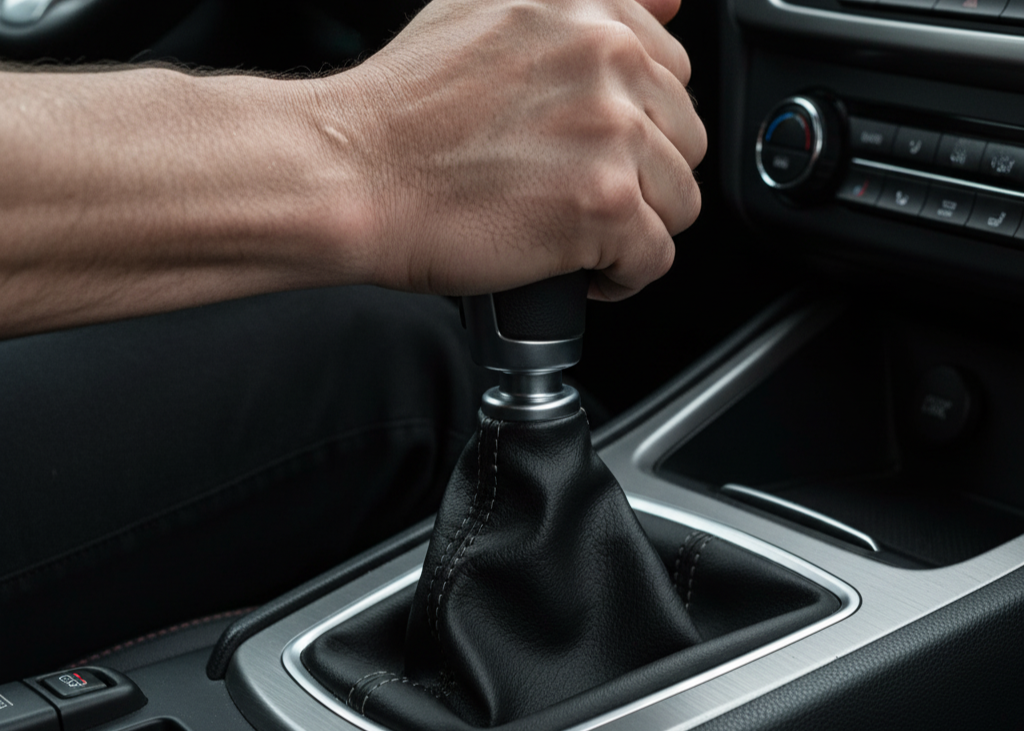
1. Resting Your Hand on the Gear Shifter

<p> It may feel natural to leave your hand on the shifter after changing gears, especially when you are cruising or waiting for the next possible shift. But this is a habit that wears down the gear selector components over time. Even slight pressure can cause unnecessary friction inside the transmission, which eventually leads to bigger repairs.

The solution is simple: keep both hands on the wheel unless you are changing gears. Not only does this help protect your transmission, but it also gives you better control of the car. Plus, it is just a safer driving habit overall. Your shifter is not an armrest, so treat it like the precision tool it is. </p> :: Gemini

It may feel natural to leave your hand on the shifter after changing gears, especially when you are cruising or waiting for the next possible shift. But this is a habit that wears down the gear selector components over time. Even slight pressure can cause unnecessary friction inside the transmission, which eventually leads to bigger repairs.

The solution is simple: keep both hands on the wheel unless you are changing gears. Not only does this help protect your transmission, but it also gives you better control of the car. Plus, it is just a safer driving habit overall. Your shifter is not an armrest, so treat it like the precision tool it is.

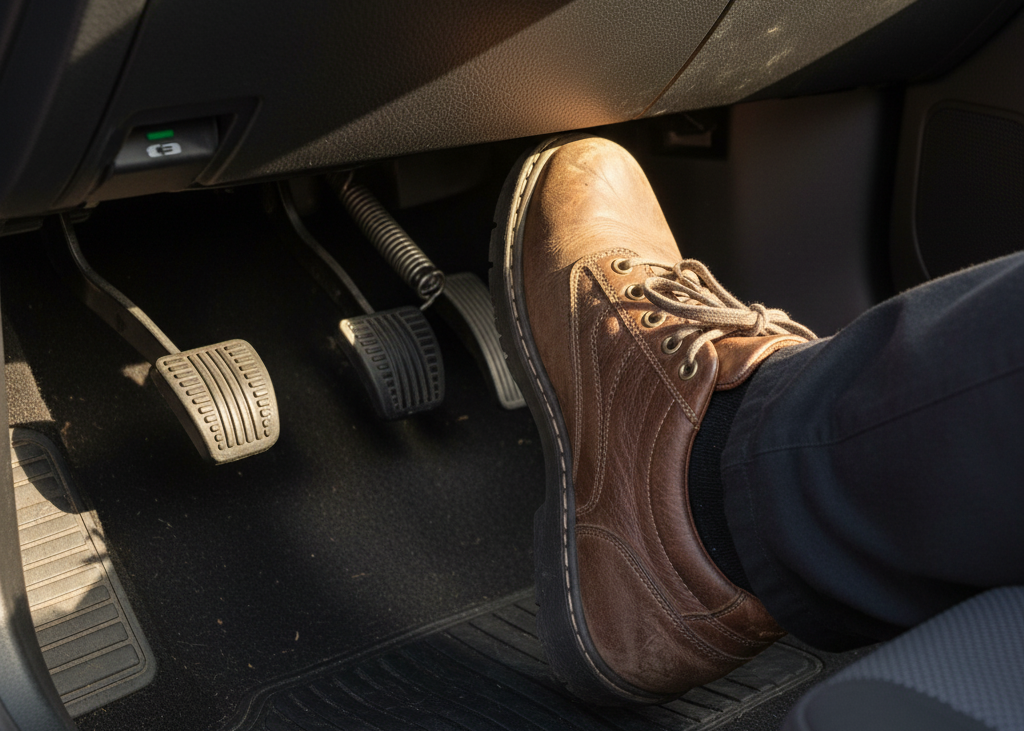
2. Riding the Clutch

<p> Riding the clutch means keeping your foot partially on the clutch pedal when you are not shifting. Many drivers do it without thinking, especially in slow traffic or when they are trying to keep the car ready to move. The problem is that even light pressure keeps the clutch partially engaged, and that increases the wear significantly.

Once you are in gear and moving, your foot should come completely off the clutch pedal. Not halfway, not hovering above it, but fully off. If you are driving a manual every day, this one small change can extend your clutch life by years and save you quite a bit of money in repairs. </p> :: Gemini

Riding the clutch means keeping your foot partially on the clutch pedal when you are not shifting. Many drivers do it without thinking, especially in slow traffic or when they are trying to keep the car ready to move. The problem is that even light pressure keeps the clutch partially engaged, and that increases the wear significantly.

Once you are in gear and moving, your foot should come completely off the clutch pedal. Not halfway, not hovering above it, but fully off. If you are driving a manual every day, this one small change can extend your clutch life by years and save you quite a bit of money in repairs.

3. Holding the Car on a Hill Using the Clutch

<p> If you have ever been stuck on a hill at a stoplight, you know how intimidating it can be to balance the clutch and gas without rolling back. Many drivers try to “hold” the car in place with the clutch alone, but this is one of the fastest ways to burn it out.

Instead, use your parking brake to keep the car still. When it is time to move, release the brake as you slowly let out the clutch and apply gas. It gives you more control, eliminates panic about rolling into the car behind you, and keeps your clutch from taking a beating every time you are on an incline. </p> :: Gemini

If you have ever been stuck on a hill at a stoplight, you know how intimidating it can be to balance the clutch and gas without rolling back. Many drivers try to “hold” the car in place with the clutch alone, but this is one of the fastest ways to burn it out.

Instead, use your parking brake to keep the car still. When it is time to move, release the brake as you slowly let out the clutch and apply gas. It gives you more control, eliminates panic about rolling into the car behind you, and keeps your clutch from taking a beating every time you are on an incline.

4. Shifting Without Fully Pressing the Clutch

<p> This is one mistake you should avoid at all costs. Shifting without pressing the clutch pedal all the way down—also known as “partial clutching” or “lazy shifting”—puts enormous strain on the transmission. You increase the risk of grinding gears, damaging synchros, and shortening the life of the gearbox.

Be firm and intentional with each shift. Press the clutch pedal fully, shift smoothly, and then release it with control. Your transmission will thank you and your ride will be much smoother. </p> :: Gemini

This is one mistake you should avoid at all costs. Shifting without pressing the clutch pedal all the way down—also known as “partial clutching” or “lazy shifting”—puts enormous strain on the transmission. You increase the risk of grinding gears, damaging synchros, and shortening the life of the gearbox.

Be firm and intentional with each shift. Press the clutch pedal fully, shift smoothly, and then release it with control. Your transmission will thank you and your ride will be much smoother.

5. Flooring the Gas at Low RPMs

<p> If you are in a high gear and suddenly floor the gas pedal, the engine struggles. This is known as low RPM flooring, and it is basically asking the engine to sprint before it has even stood up. It is not good for the car and it can cause long-term engine stress.

If you need power quickly, downshift. Manual transmissions give you complete control over engine power, so use that advantage. A quick downshift brings the RPMs up to a healthier range and helps your engine respond the way it is designed to. </p> :: Gemini

If you are in a high gear and suddenly floor the gas pedal, the engine struggles. This is known as low RPM flooring, and it is basically asking the engine to sprint before it has even stood up. It is not good for the car and it can cause long-term engine stress.

If you need power quickly, downshift. Manual transmissions give you complete control over engine power, so use that advantage. A quick downshift brings the RPMs up to a healthier range and helps your engine respond the way it is designed to.

6. Lugging the Engine

<p> Lugging happens when you stay in too high of a gear while driving too slowly. For example, cruising at 30 mph in fifth gear might seem like a way to save fuel, but the engine strains as it tries to move the car without enough power. This can cause long-term internal wear that is completely avoidable.

Shift down to keep the engine in a comfortable RPM range. It should not feel like it is struggling or vibrating heavily. A happy engine makes for a happier (and safer) drive. </p> :: Gemini

Lugging happens when you stay in too high of a gear while driving too slowly. For example, cruising at 30 mph in fifth gear might seem like a way to save fuel, but the engine strains as it tries to move the car without enough power. This can cause long-term internal wear that is completely avoidable.

Shift down to keep the engine in a comfortable RPM range. It should not feel like it is struggling or vibrating heavily. A happy engine makes for a happier (and safer) drive.

7. Coasting in Neutral

<p> Some drivers think shifting into neutral down a hill saves fuel, but with modern engines, that is no longer true. In fact, keeping the car in gear while coasting downhill is usually safer and just as fuel-efficient. When the car is in gear, you get engine braking, which helps keep your speed under control without overusing your brake pads.

Neutral coasting removes that engine support, and suddenly, the entire job of slowing down falls on the brakes alone. Save your brake system and keep the car in gear. You will have more control and better safety without sacrificing efficiency. </p> :: Gemini

Some drivers think shifting into neutral down a hill saves fuel, but with modern engines, that is no longer true. In fact, keeping the car in gear while coasting downhill is usually safer and just as fuel-efficient. When the car is in gear, you get engine braking, which helps keep your speed under control without overusing your brake pads.

Neutral coasting removes that engine support, and suddenly, the entire job of slowing down falls on the brakes alone. Save your brake system and keep the car in gear. You will have more control and better safety without sacrificing efficiency.

8. Forcing the Gear Shifter

<p> If you ever feel like you have to shove the shifter to get it into gear, something is off. Manual transmissions are designed to glide into gear with minimal resistance. Forcing the shifter can cause damage, especially when the gears and synchros are not aligned properly due to incorrect timing or clutch use.

Instead of pushing harder, check your technique. Are you pressing the clutch fully? Are your RPMs appropriate for the gear you are selecting? Most of the time, improving your timing makes shifts smoother without any force at all. </p> :: Gemini

If you ever feel like you have to shove the shifter to get it into gear, something is off. Manual transmissions are designed to glide into gear with minimal resistance. Forcing the shifter can cause damage, especially when the gears and synchros are not aligned properly due to incorrect timing or clutch use.

Instead of pushing harder, check your technique. Are you pressing the clutch fully? Are your RPMs appropriate for the gear you are selecting? Most of the time, improving your timing makes shifts smoother without any force at all.

9. Ignoring the Clutch’s Bite Point

<p> Every manual car has a different clutch feel, and part of driving smoothly is learning where the bite point is. The bite point is the moment the clutch begins to engage and the car starts to move. If you ignore it, you end up with jerky starts, stalling, or unnecessary clutch wear.

Take a few moments to learn your car’s unique bite point. Once you recognize it, starting from a stop becomes much smoother. You gain more control, reduce clutch damage, and feel more confident every time you pull away from a light or stop sign. </p> :: Gemini

Every manual car has a different clutch feel, and part of driving smoothly is learning where the bite point is. The bite point is the moment the clutch begins to engage and the car starts to move. If you ignore it, you end up with jerky starts, stalling, or unnecessary clutch wear.

Take a few moments to learn your car’s unique bite point. Once you recognize it, starting from a stop becomes much smoother. You gain more control, reduce clutch damage, and feel more confident every time you pull away from a light or stop sign.

10. Neglecting Maintenance

<p> Even though manual transmissions are often more durable than automatics, they still need regular maintenance. Transmission fluid eventually breaks down, clutches wear out, and small issues can turn into expensive problems if ignored. Many drivers forget about manual transmission service because it is not talked about as often as oil changes or brake pads.

Check your owner’s manual for the recommended service intervals. Listen for unusual sounds, grinding, or slipping. A little bit of attention goes a long way when you are caring for a manual car. </p> :: Gemini

Even though manual transmissions are often more durable than automatics, they still need regular maintenance. Transmission fluid eventually breaks down, clutches wear out, and small issues can turn into expensive problems if ignored. Many drivers forget about manual transmission service because it is not talked about as often as oil changes or brake pads.

Check your owner’s manual for the recommended service intervals. Listen for unusual sounds, grinding, or slipping. A little bit of attention goes a long way when you are caring for a manual car.

Final Thoughts

<p> Driving a manual car is more than just operating a vehicle. It requires rhythm, timing, and a connection with the engine that automatic drivers never really experience. That is what makes it so rewarding. But it also means you need to treat the car with a little extra care.

When you avoid these common mistakes, you protect your clutch, transmission, and engine, while also making your drives smoother and more enjoyable. Small habits—like taking your hand off the shifter or avoiding neutral coasting—may seem minor, but they add up to a big difference over time.

The best part is that improving your manual driving technique does not require special tools or expensive upgrades. It just takes awareness, practice, and a willingness to adjust old habits. And once you get the hang of it, driving stick becomes second nature—and honestly, a lot more fun.

If you ever want tips on improving your shifting skills, mastering hill starts, or simply understanding your car better, I am always here to help. Just ask, and we will keep your stick-shift game strong. </p> :: Gemini

Driving a manual car is more than just operating a vehicle. It requires rhythm, timing, and a connection with the engine that automatic drivers never really experience. That is what makes it so rewarding. But it also means you need to treat the car with a little extra care.

When you avoid these common mistakes, you protect your clutch, transmission, and engine, while also making your drives smoother and more enjoyable. Small habits—like taking your hand off the shifter or avoiding neutral coasting—may seem minor, but they add up to a big difference over time.

The best part is that improving your manual driving technique does not require special tools or expensive upgrades. It just takes awareness, practice, and a willingness to adjust old habits. And once you get the hang of it, driving stick becomes second nature—and honestly, a lot more fun.

If you ever want tips on improving your shifting skills, mastering hill starts, or simply understanding your car better, I am always here to help. Just ask, and we will keep your stick-shift game strong.

Filed Under: Autos

10 Crucial Things You Must Inspect Before Buying a Used Car

November 18, 2025 | Leave a Comment

10 Crucial Things You Must Inspect Before Buying a Used Car

<p> Buying a used car can feel exciting and stressful at the same time. The idea of getting a great vehicle at a better price than a brand-new one is appealing, but the fear of hidden problems can make even the most confident buyers hesitate. Unlike buying new, used cars come with their own history and quirks. A seemingly perfect car can hide costly surprises if you do not know what to look for. Spending a little extra time inspecting the car now can save you hundreds or even thousands of dollars later.

Here is a practical guide to the most important areas to inspect before committing to a used car purchase. This list is designed for everyday drivers, whether you are buying from a dealer or a private seller in the United States. Follow this checklist, and you will feel more confident that your next car is a smart investment. </p> :: Gemini

Buying a used car can feel exciting and stressful at the same time. The idea of getting a great vehicle at a better price than a brand-new one is appealing, but the fear of hidden problems can make even the most confident buyers hesitate. Unlike buying new, used cars come with their own history and quirks. A seemingly perfect car can hide costly surprises if you do not know what to look for. Spending a little extra time inspecting the car now can save you hundreds or even thousands of dollars later.

Here is a practical guide to the most important areas to inspect before committing to a used car purchase. This list is designed for everyday drivers, whether you are buying from a dealer or a private seller in the United States. Follow this checklist, and you will feel more confident that your next car is a smart investment.

1. Check the Vehicle History and Title Status

<p> One of the first things to do is review the car’s history and title status. Think of it like checking a person’s background before hiring them. Services like CARFAX and AutoCheck can tell you if the car has been in accidents, suffered flood damage, or has an odometer that may not be accurate. The title should be clean, meaning it is free of salvage or rebuilt branding. A car with a branded title is not necessarily undriveable, but it will likely cost more to repair and could be hard to resell. Always match the VIN on the car to the VIN on the history report to make sure everything aligns. Taking the time to verify the car’s story can help you avoid hidden nightmares that only show up after purchase. </p> :: Gemini

One of the first things to do is review the car’s history and title status. Think of it like checking a person’s background before hiring them. Services like CARFAX and AutoCheck can tell you if the car has been in accidents, suffered flood damage, or has an odometer that may not be accurate. The title should be clean, meaning it is free of salvage or rebuilt branding. A car with a branded title is not necessarily undriveable, but it will likely cost more to repair and could be hard to resell. Always match the VIN on the car to the VIN on the history report to make sure everything aligns. Taking the time to verify the car’s story can help you avoid hidden nightmares that only show up after purchase.

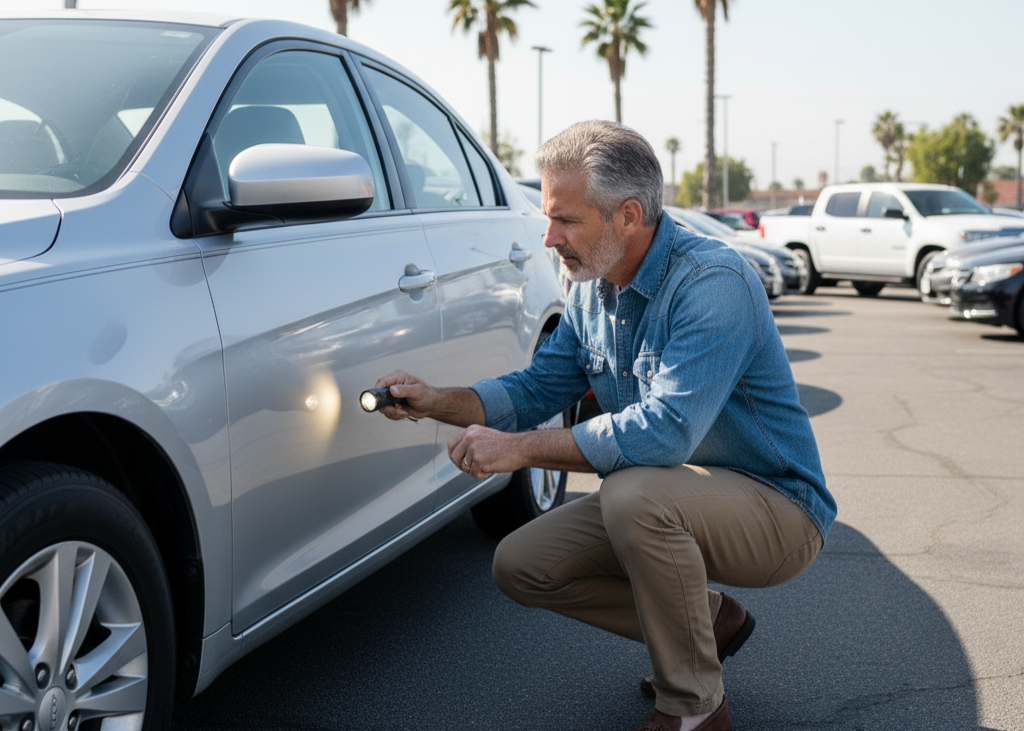
2. Inspect the Exterior and Body Condition

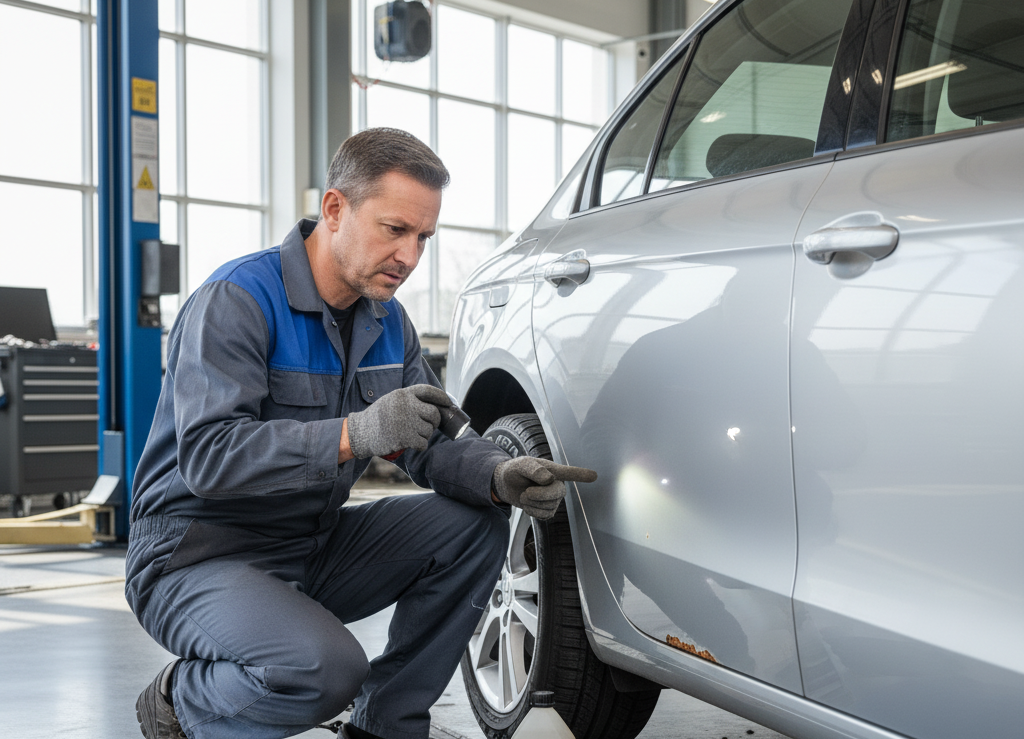
<p> The outside of the car can tell you a lot about how it was treated. Walk around and examine the paint for scratches, rust, and mismatched areas. Look closely at the gaps between panels, which can reveal if the car has been in an accident and poorly repaired. Small dents and chips are normal, but major damage or signs of collision repair could indicate bigger problems. A consistent exterior and well-maintained paint job usually reflect an owner who cared about the vehicle. Pay attention to details such as bumpers, doors, and fenders, and don’t hesitate to ask the seller about anything that looks unusual. </p> :: Gemini

The outside of the car can tell you a lot about how it was treated. Walk around and examine the paint for scratches, rust, and mismatched areas. Look closely at the gaps between panels, which can reveal if the car has been in an accident and poorly repaired. Small dents and chips are normal, but major damage or signs of collision repair could indicate bigger problems. A consistent exterior and well-maintained paint job usually reflect an owner who cared about the vehicle. Pay attention to details such as bumpers, doors, and fenders, and don’t hesitate to ask the seller about anything that looks unusual.

3. Examine the Interior and Functionality

<p> Step inside and take a good look at the interior. Worn seats, ripped upholstery, and dirty carpets can indicate neglect, but they may also signal potential mechanical issues. Smells are important too; a musty or moldy odor can suggest water damage or flooding. Test all the buttons, switches, and electronics including windows, locks, air conditioning, and infotainment systems. If anything does not work, take note. A car with a clean, functional interior often means it has been cared for, while signs of neglect could mean more costly problems later. </p> :: Gemini

Step inside and take a good look at the interior. Worn seats, ripped upholstery, and dirty carpets can indicate neglect, but they may also signal potential mechanical issues. Smells are important too; a musty or moldy odor can suggest water damage or flooding. Test all the buttons, switches, and electronics including windows, locks, air conditioning, and infotainment systems. If anything does not work, take note. A car with a clean, functional interior often means it has been cared for, while signs of neglect could mean more costly problems later.

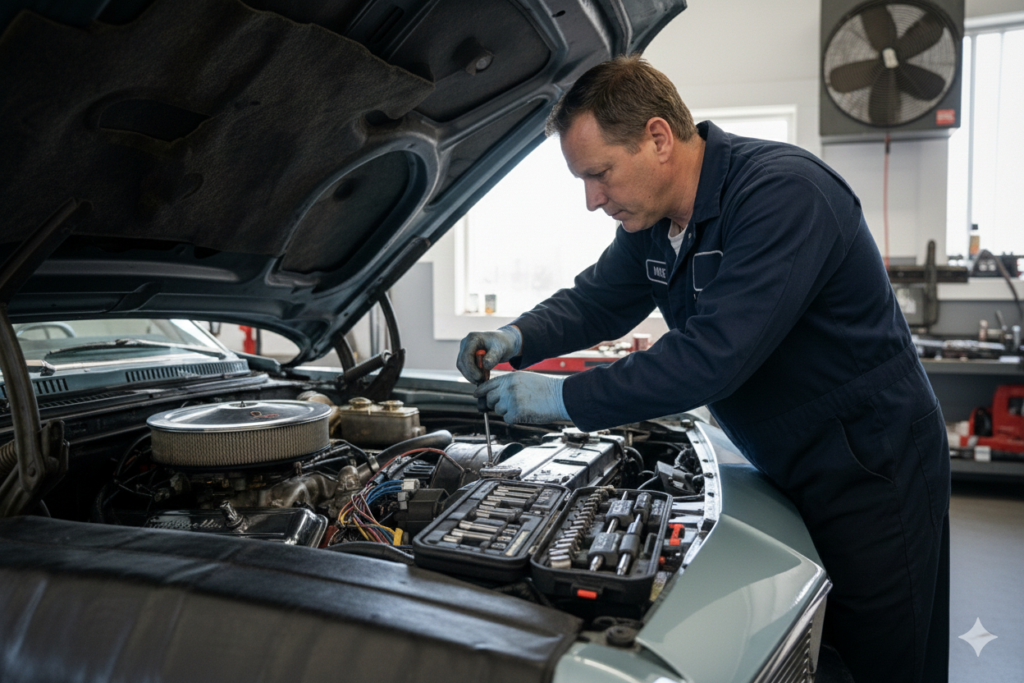
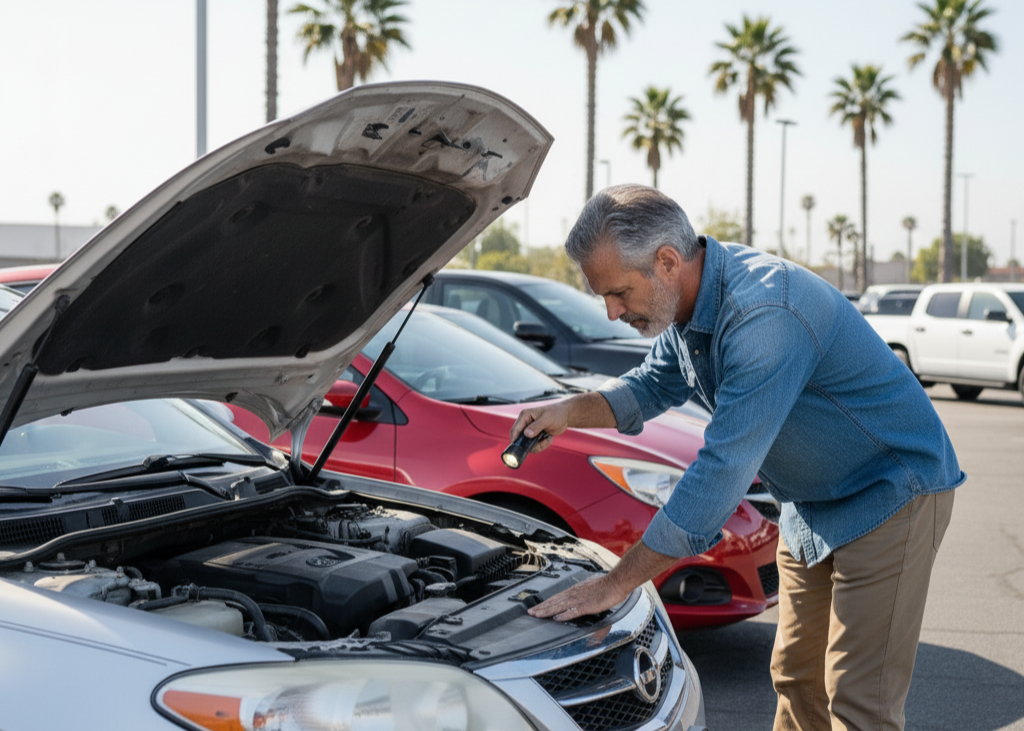
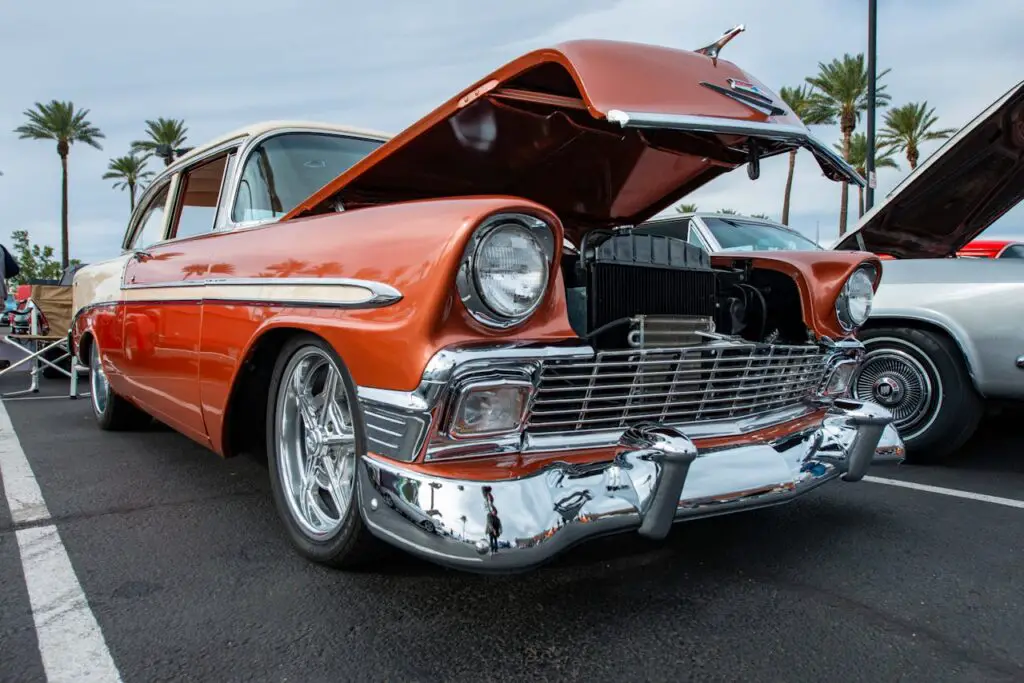
4. Inspect Under the Hood

<p> Pop the hood and inspect the engine bay. Check fluid levels including engine oil, coolant, and brake fluid. Look for any leaks or corrosion on hoses and belts. Even if you are not a mechanic, you can spot obvious issues such as wet spots, worn belts, or a dirty battery. Start the car and listen for unusual noises like knocking, ticking, or rough idling. These sounds can point to deeper mechanical issues. Taking a few minutes to check the engine can help you determine if the car has been maintained or neglected. </p> :: Gemini

Pop the hood and inspect the engine bay. Check fluid levels including engine oil, coolant, and brake fluid. Look for any leaks or corrosion on hoses and belts. Even if you are not a mechanic, you can spot obvious issues such as wet spots, worn belts, or a dirty battery. Start the car and listen for unusual noises like knocking, ticking, or rough idling. These sounds can point to deeper mechanical issues. Taking a few minutes to check the engine can help you determine if the car has been maintained or neglected.

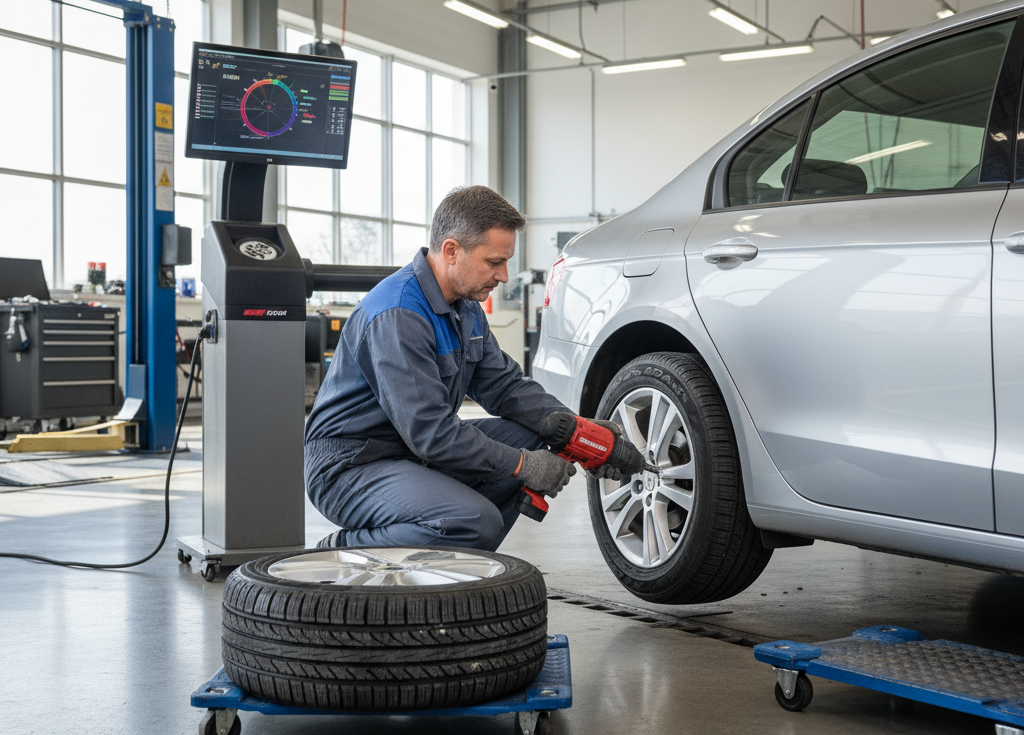
5. Check Tires, Brakes, Suspension, and Underbody

<p> Tires, brakes, and suspension are critical to safety and often overlooked. Inspect tire tread for uneven wear, which may indicate alignment or suspension problems. During a test drive, pay attention to how the car stops and handles. Listen for squeaks, grinding noises, or clunks that could signal worn brakes or suspension components. Look under the car for rust, especially on the frame and suspension. Rust can compromise safety and be expensive to repair. Ensuring these components are in good condition will help you avoid major repairs down the road. </p> :: Gemini

Tires, brakes, and suspension are critical to safety and often overlooked. Inspect tire tread for uneven wear, which may indicate alignment or suspension problems. During a test drive, pay attention to how the car stops and handles. Listen for squeaks, grinding noises, or clunks that could signal worn brakes or suspension components. Look under the car for rust, especially on the frame and suspension. Rust can compromise safety and be expensive to repair. Ensuring these components are in good condition will help you avoid major repairs down the road.

6. Take a Thorough Test Drive

<p> A test drive is where the car shows its true personality. Drive in different conditions, including city streets, highways, and hills if possible. Observe how the car accelerates, brakes, and handles corners. Does the transmission shift smoothly? Are there any vibrations, pulls, or rattles? Test the brakes at various speeds and listen for noises. This is also the time to try out features like heating, cooling, and steering responsiveness. A thorough test drive allows you to confirm the car feels right and works as expected. </p> :: Gemini

A test drive is where the car shows its true personality. Drive in different conditions, including city streets, highways, and hills if possible. Observe how the car accelerates, brakes, and handles corners. Does the transmission shift smoothly? Are there any vibrations, pulls, or rattles? Test the brakes at various speeds and listen for noises. This is also the time to try out features like heating, cooling, and steering responsiveness. A thorough test drive allows you to confirm the car feels right and works as expected.

7. Review Maintenance Records and Wear Items

<p> Maintenance history is essential when evaluating a used car. Ask the seller for service records including oil changes, brake replacements, tire rotations, and major repairs. Knowing whether the timing belt, transmission, and other critical parts have been serviced can save you unexpected expenses. A high-mileage car with thorough maintenance records may be a safer bet than a low-mileage car with no history. Be sure to check whether routine items such as tires, brakes, and battery are in good shape, as these are common replacement costs. A well-documented history reflects a responsible owner and increases your confidence in the purchase. </p> :: Gemini

Maintenance history is essential when evaluating a used car. Ask the seller for service records including oil changes, brake replacements, tire rotations, and major repairs. Knowing whether the timing belt, transmission, and other critical parts have been serviced can save you unexpected expenses. A high-mileage car with thorough maintenance records may be a safer bet than a low-mileage car with no history. Be sure to check whether routine items such as tires, brakes, and battery are in good shape, as these are common replacement costs. A well-documented history reflects a responsible owner and increases your confidence in the purchase.

8. Consider Price, Resale Value, and Hidden Costs

<p> Price is more than just the sticker on the car. Factor in insurance, registration, taxes, and anticipated maintenance. Some cars depreciate faster than others, so check resale value if you plan to sell in the future. Consider upcoming wear items such as tires, brakes, or timing belt replacements. Even minor repairs or cosmetic issues can affect the car’s overall value. Understanding these costs will help you negotiate a fair price and avoid surprises after purchase. A smart buyer is one who considers both the purchase price and the total cost of ownership. </p> :: Gemini

Price is more than just the sticker on the car. Factor in insurance, registration, taxes, and anticipated maintenance. Some cars depreciate faster than others, so check resale value if you plan to sell in the future. Consider upcoming wear items such as tires, brakes, or timing belt replacements. Even minor repairs or cosmetic issues can affect the car’s overall value. Understanding these costs will help you negotiate a fair price and avoid surprises after purchase. A smart buyer is one who considers both the purchase price and the total cost of ownership.

Final Thoughts

<p> Buying a used car does not have to be nerve-wracking. By following this eight-step inspection guide, you will gain clarity, confidence, and peace of mind. Take your time, ask questions, and look closely at the details. Even small red flags can reveal bigger issues, and a thorough inspection is your best defense against costly mistakes. Remember, a successful purchase is not just about the car that looks good today, but the one that will reliably serve you for years to come. With the right approach, your next used car can be a smart investment and a source of enjoyment rather than stress. </p> :: Gemini

Buying a used car does not have to be nerve-wracking. By following this eight-step inspection guide, you will gain clarity, confidence, and peace of mind. Take your time, ask questions, and look closely at the details. Even small red flags can reveal bigger issues, and a thorough inspection is your best defense against costly mistakes. Remember, a successful purchase is not just about the car that looks good today, but the one that will reliably serve you for years to come. With the right approach, your next used car can be a smart investment and a source of enjoyment rather than stress.

Filed Under: Autos

10 Things Mechanics Would Never Do With Their Own Cars

November 14, 2025 | Leave a Comment

10 Things Mechanics Would Never Do With Their Own Cars

<p> Owning a car is more than just having a way to get from point A to point B. It is an investment, a source of freedom, and sometimes, a little slice of pride. But if you really want your car to last and perform at its best, it helps to think like a mechanic. Mechanics see it all—the good, the bad, and the downright dangerous choices drivers make every day. And while they are happy to fix problems caused by other people, there are a few things they would never do with their own vehicles.

From skipping simple maintenance to ignoring warning signs, these are the choices mechanics avoid at all costs. Learning from them can save you money, frustration, and maybe even your life. Here are ten things mechanics would never do with their own cars. </p> :: Gemini

Owning a car is more than just having a way to get from point A to point B. It is an investment, a source of freedom, and sometimes, a little slice of pride. But if you really want your car to last and perform at its best, it helps to think like a mechanic. Mechanics see it all—the good, the bad, and the downright dangerous choices drivers make every day. And while they are happy to fix problems caused by other people, there are a few things they would never do with their own vehicles.

From skipping simple maintenance to ignoring warning signs, these are the choices mechanics avoid at all costs. Learning from them can save you money, frustration, and maybe even your life. Here are ten things mechanics would never do with their own cars.

1. Drive Immediately on a Cold Engine

<p> It might seem harmless to start your car and take off, especially when you are running late, but mechanics avoid this at all costs. When an engine is cold, the oil and other fluids have not yet circulated to all the parts that need lubrication. Driving hard on a cold engine increases wear and tear, which can shorten the life of your motor over time. Mechanics recommend letting your car idle for 30 to 60 seconds after starting it, just enough time for everything to warm up and get moving smoothly. It is a small habit that can make a big difference. </p> :: Gemini

It might seem harmless to start your car and take off, especially when you are running late, but mechanics avoid this at all costs. When an engine is cold, the oil and other fluids have not yet circulated to all the parts that need lubrication. Driving hard on a cold engine increases wear and tear, which can shorten the life of your motor over time. Mechanics recommend letting your car idle for 30 to 60 seconds after starting it, just enough time for everything to warm up and get moving smoothly. It is a small habit that can make a big difference.

2. Use the Wrong Fuel

<p> You would think this is obvious, but it happens more often than you might realize. Using the wrong type of fuel, whether it is regular in a premium car or vice versa, can lead to serious engine damage. Mechanics know that following the manufacturer’s fuel recommendations keeps the engine running efficiently and can prevent costly repairs. Even if you are trying to save a few cents at the pump, using the correct fuel is a decision that professionals would never compromise on. </p> :: Gemini

You would think this is obvious, but it happens more often than you might realize. Using the wrong type of fuel, whether it is regular in a premium car or vice versa, can lead to serious engine damage. Mechanics know that following the manufacturer’s fuel recommendations keeps the engine running efficiently and can prevent costly repairs. Even if you are trying to save a few cents at the pump, using the correct fuel is a decision that professionals would never compromise on.

3. Skip Checking Fluids

<p> Oil gets a lot of attention, but mechanics know that a car is only as healthy as all its fluids. Brake fluid, transmission fluid, coolant, and power steering fluid all play crucial roles. Neglecting any of them can lead to unexpected breakdowns or even dangerous driving conditions. A mechanic would never ignore these checks, and neither should you. Making a quick habit of checking fluids every month can prevent a small issue from becoming a major repair. </p> :: Gemini

Oil gets a lot of attention, but mechanics know that a car is only as healthy as all its fluids. Brake fluid, transmission fluid, coolant, and power steering fluid all play crucial roles. Neglecting any of them can lead to unexpected breakdowns or even dangerous driving conditions. A mechanic would never ignore these checks, and neither should you. Making a quick habit of checking fluids every month can prevent a small issue from becoming a major repair.

4. Ignore Warning Lights or Strange Noises

<p> Your car talks to you, and the dashboard is its way of doing so. Warning lights, unusual beeps, or new noises are signals that something is not right. Mechanics would never ignore these signs, and for good reason. Putting off a check can turn a minor repair into a major expense. Listening to your car and addressing problems early is one of the simplest ways to extend its life. </p> :: Gemini

Your car talks to you, and the dashboard is its way of doing so. Warning lights, unusual beeps, or new noises are signals that something is not right. Mechanics would never ignore these signs, and for good reason. Putting off a check can turn a minor repair into a major expense. Listening to your car and addressing problems early is one of the simplest ways to extend its life.

5. Drive on Bald or Improperly Inflated Tires

<p> Tires are the only thing keeping your car in contact with the road, yet many drivers neglect them. Bald tires or tires with the wrong pressure increase the risk of accidents and decrease fuel efficiency. Mechanics know that proper tire maintenance is essential for safety and performance. They would never drive on unsafe tires, and neither should you. Regularly checking tread depth and tire pressure can save both money and headaches down the road. </p> :: Gemini

Tires are the only thing keeping your car in contact with the road, yet many drivers neglect them. Bald tires or tires with the wrong pressure increase the risk of accidents and decrease fuel efficiency. Mechanics know that proper tire maintenance is essential for safety and performance. They would never drive on unsafe tires, and neither should you. Regularly checking tread depth and tire pressure can save both money and headaches down the road.

6. Attempt Complex Repairs Without the Right Tools

<p> There is a big difference between changing your wiper blades and attempting to rebuild your transmission. Mechanics would never attempt complex repairs on their own cars without proper tools and knowledge. DIY repairs can be rewarding, but trying something beyond your skill level can end up causing more harm than good. Knowing when to call a professional is a smart move that saves time, money, and stress. </p> :: Gemini

There is a big difference between changing your wiper blades and attempting to rebuild your transmission. Mechanics would never attempt complex repairs on their own cars without proper tools and knowledge. DIY repairs can be rewarding, but trying something beyond your skill level can end up causing more harm than good. Knowing when to call a professional is a smart move that saves time, money, and stress.

7. Neglect Tire Rotations and Alignments

<p> Proper tire maintenance goes beyond just pressure checks. Mechanics know that regular tire rotations and alignments prevent uneven wear and improve handling. Ignoring these routine services can lead to a bumpy ride, decreased fuel efficiency, and expensive tire replacements. They would never let their cars go long periods without rotations or alignments, and your car will thank you if you follow the same practice. </p> :: Gemini

Proper tire maintenance goes beyond just pressure checks. Mechanics know that regular tire rotations and alignments prevent uneven wear and improve handling. Ignoring these routine services can lead to a bumpy ride, decreased fuel efficiency, and expensive tire replacements. They would never let their cars go long periods without rotations or alignments, and your car will thank you if you follow the same practice.

8. Ignore Rust or Body Damage

<p> A small chip in the paint or a little rust might seem harmless, but mechanics know it rarely stays small. Rust spreads and can weaken structural parts of your car, and minor body damage can become costly if left unaddressed. Professionals would never let rust fester on their own vehicles. Treating issues early, whether it is a paint chip, dent, or corrosion, prevents larger problems and keeps your car looking and performing its best. </p> :: Gemini

A small chip in the paint or a little rust might seem harmless, but mechanics know it rarely stays small. Rust spreads and can weaken structural parts of your car, and minor body damage can become costly if left unaddressed. Professionals would never let rust fester on their own vehicles. Treating issues early, whether it is a paint chip, dent, or corrosion, prevents larger problems and keeps your car looking and performing its best.

9. Rely on Lifetime Fluids or Skip Scheduled Maintenance

<p> Some drivers believe that "lifetime" fluids never need changing, or they ignore scheduled maintenance recommendations altogether. Mechanics would never do this because it can lead to serious problems over time. Transmission fluid, coolant, brake fluid, and other components all degrade and lose effectiveness. Sticking to your car’s service schedule and topping up fluids as needed is a simple way to avoid major repairs and keep your vehicle running smoothly. </p> :: Gemini

Some drivers believe that “lifetime” fluids never need changing, or they ignore scheduled maintenance recommendations altogether. Mechanics would never do this because it can lead to serious problems over time. Transmission fluid, coolant, brake fluid, and other components all degrade and lose effectiveness. Sticking to your car’s service schedule and topping up fluids as needed is a simple way to avoid major repairs and keep your vehicle running smoothly.

10. Put Off Small Problems

<p> The smallest issues often become the biggest problems. Mechanics see countless cars where a minor leak, rattle, or crack that was ignored turned into a costly repair. They know that addressing small issues early prevents them from snowballing into expensive, time-consuming problems. A quick fix today is always better than a major repair tomorrow. </p> :: Gemini

The smallest issues often become the biggest problems. Mechanics see countless cars where a minor leak, rattle, or crack that was ignored turned into a costly repair. They know that addressing small issues early prevents them from snowballing into expensive, time-consuming problems. A quick fix today is always better than a major repair tomorrow.

Final Thoughts

<p> Taking care of your car is about more than avoiding repairs—it is about respecting your investment and protecting your safety. Mechanics have spent years understanding what makes cars last, and their habits reveal a lot about how to treat your own vehicle. Driving carefully, keeping up with maintenance, and paying attention to warning signs are simple steps that make a big difference.

By thinking like a mechanic, you can avoid common mistakes and extend the life of your car. Every fluid check, tire rotation, and small repair is an opportunity to keep your car reliable and enjoyable. The next time you are tempted to cut corners, ask yourself what a professional would do. Treating your car right today saves headaches, stress, and money in the future. Drive smart, listen to your vehicle, and give it the care it deserves. </p> :: Gemini

Taking care of your car is about more than avoiding repairs—it is about respecting your investment and protecting your safety. Mechanics have spent years understanding what makes cars last, and their habits reveal a lot about how to treat your own vehicle. Driving carefully, keeping up with maintenance, and paying attention to warning signs are simple steps that make a big difference.

By thinking like a mechanic, you can avoid common mistakes and extend the life of your car. Every fluid check, tire rotation, and small repair is an opportunity to keep your car reliable and enjoyable. The next time you are tempted to cut corners, ask yourself what a professional would do. Treating your car right today saves headaches, stress, and money in the future. Drive smart, listen to your vehicle, and give it the care it deserves.

Filed Under: Autos

Why These 8 Classic Cars Just Aren’t Worth Restoring

November 8, 2025 | Leave a Comment

Why These 8 Classic Cars Just Aren’t Worth Restoring

<p> There’s something undeniably romantic about the idea of bringing an old car back to life. You imagine yourself in the garage, sleeves rolled up, wiping grease from your hands as that once-forgotten beauty rumbles back to life. Maybe you dream of cruising down Main Street in a gleaming vintage ride or turning heads at a local car show. But before you start hunting Craigslist for a “project car,” it’s worth knowing that not all classics are worth the sweat, money, and frustration it takes to restore them.

The truth is, some cars simply don’t make financial or practical sense to rebuild. Whether it’s impossible-to-find parts, design flaws, or low collector demand, these vehicles can drain your wallet faster than you can say “just one more part.” If you’re a U.S. car enthusiast hoping to make a smart restoration choice, here are eight classic cars that are better admired from a distance than revived in your garage. </p> :: Gemini

There’s something undeniably romantic about the idea of bringing an old car back to life. You imagine yourself in the garage, sleeves rolled up, wiping grease from your hands as that once-forgotten beauty rumbles back to life. Maybe you dream of cruising down Main Street in a gleaming vintage ride or turning heads at a local car show. But before you start hunting Craigslist for a “project car,” it’s worth knowing that not all classics are worth the sweat, money, and frustration it takes to restore them.

The truth is, some cars simply don’t make financial or practical sense to rebuild. Whether it’s impossible-to-find parts, design flaws, or low collector demand, these vehicles can drain your wallet faster than you can say “just one more part.” If you’re a U.S. car enthusiast hoping to make a smart restoration choice, here are eight classic cars that are better admired from a distance than revived in your garage.

1. Triumph Stag (1970–1977)

<p> At first glance, the Triumph Stag looks like a British dream—sleek lines, convertible top, and a V8 engine that promised excitement. Unfortunately, that dream quickly turned into a nightmare for many owners. The Stag’s engine was notoriously unreliable, suffering from overheating, warped cylinder heads, and timing chain issues that often appeared well before the car hit 30,000 miles. Parts are difficult to find in the United States, and even seasoned mechanics grumble about working on these temperamental machines. Unless you have a deep love for vintage British cars and the patience of a saint, restoring a Stag can feel like pouring money into a very stylish black hole. </p> :: Gemini

At first glance, the Triumph Stag looks like a British dream—sleek lines, convertible top, and a V8 engine that promised excitement. Unfortunately, that dream quickly turned into a nightmare for many owners. The Stag’s engine was notoriously unreliable, suffering from overheating, warped cylinder heads, and timing chain issues that often appeared well before the car hit 30,000 miles. Parts are difficult to find in the United States, and even seasoned mechanics grumble about working on these temperamental machines. Unless you have a deep love for vintage British cars and the patience of a saint, restoring a Stag can feel like pouring money into a very stylish black hole.

2. AMC Gremlin (1970–1978)

<p> The AMC Gremlin may have earned a quirky cult following, but nostalgia alone doesn’t make it a smart restoration project. This subcompact car was an oddball from the start, cobbled together using leftover parts from other AMC models to save money. It has charm, sure—but that charm fades fast when you start pricing replacement parts or dealing with its uneven build quality. Collectors rarely pay top dollar for Gremlins, no matter how pristine, which means your restoration costs could easily exceed the car’s final value. Unless you want to relive the disco era in its full, awkward glory, you might want to let this one stay in the past. </p> :: Gemini

The AMC Gremlin may have earned a quirky cult following, but nostalgia alone doesn’t make it a smart restoration project. This subcompact car was an oddball from the start, cobbled together using leftover parts from other AMC models to save money. It has charm, sure—but that charm fades fast when you start pricing replacement parts or dealing with its uneven build quality. Collectors rarely pay top dollar for Gremlins, no matter how pristine, which means your restoration costs could easily exceed the car’s final value. Unless you want to relive the disco era in its full, awkward glory, you might want to let this one stay in the past.

3. Pontiac Fiero (1984–1988)

<p> When Pontiac first rolled out the Fiero, it sounded revolutionary: a mid-engine American sports car at an affordable price. Sadly, early models became infamous for catching fire—literally—due to oil leaks and engine overheating issues. Later versions were better, but the Fiero’s reputation never recovered. Today, they remain a niche hobbyist car with limited demand and even lower resale value. Finding original parts can be frustrating, and many have already been modified beyond recognition. Unless you’re restoring one purely for sentimental reasons or plan to turn it into a custom showpiece, you’re likely better off skipping this flaming headache. </p> :: Gemini

When Pontiac first rolled out the Fiero, it sounded revolutionary: a mid-engine American sports car at an affordable price. Sadly, early models became infamous for catching fire—literally—due to oil leaks and engine overheating issues. Later versions were better, but the Fiero’s reputation never recovered. Today, they remain a niche hobbyist car with limited demand and even lower resale value. Finding original parts can be frustrating, and many have already been modified beyond recognition. Unless you’re restoring one purely for sentimental reasons or plan to turn it into a custom showpiece, you’re likely better off skipping this flaming headache.

4. Saab 99 (1968–1984)

<p> Saab fans are a devoted bunch, but even they admit the 99 can be a tough project. These Swedish sedans were innovative for their time, with front-wheel drive and quirky styling, but they weren’t built for easy restoration decades later. Replacement parts are scarce, and few mechanics in the United States specialize in these cars anymore. The small market for restored Saabs means you’ll spend more money fixing it than you’ll ever get back. If you love its character and want a long-term project just for fun, go ahead. But if your goal is to turn a profit or have a smooth build, you’ll probably wish you picked something else. </p> :: Gemini

Saab fans are a devoted bunch, but even they admit the 99 can be a tough project. These Swedish sedans were innovative for their time, with front-wheel drive and quirky styling, but they weren’t built for easy restoration decades later. Replacement parts are scarce, and few mechanics in the United States specialize in these cars anymore. The small market for restored Saabs means you’ll spend more money fixing it than you’ll ever get back. If you love its character and want a long-term project just for fun, go ahead. But if your goal is to turn a profit or have a smooth build, you’ll probably wish you picked something else.

5. Volkswagen Type 2 “Microbus” (Late 1960s–1970s)

<p> Few vehicles are as iconic as the Volkswagen Bus. It symbolizes freedom, peace, and endless summer road trips. But not every version of this classic is worth bringing back from the dead. The later Bay Window models from the 1970s, especially the wide-body or cargo versions, often require major rust repair and mechanical overhauls. Add in the challenge of finding quality parts and dealing with underpowered engines, and you have a costly project that might never pay off. While early “split window” and Westfalia camper versions can fetch a decent return, the later models simply don’t have the same collector demand. Restoring one can be a labor of love—but it’s unlikely to be a profitable one. </p> :: Gemini

Few vehicles are as iconic as the Volkswagen Bus. It symbolizes freedom, peace, and endless summer road trips. But not every version of this classic is worth bringing back from the dead. The later Bay Window models from the 1970s, especially the wide-body or cargo versions, often require major rust repair and mechanical overhauls. Add in the challenge of finding quality parts and dealing with underpowered engines, and you have a costly project that might never pay off. While early “split window” and Westfalia camper versions can fetch a decent return, the later models simply don’t have the same collector demand. Restoring one can be a labor of love—but it’s unlikely to be a profitable one.

6. DeLorean DMC-12 (1981–1983)

<p> The DeLorean’s stainless steel body and gull-wing doors made it a pop-culture legend, thanks to Back to the Future. But behind that futuristic façade lies a car that’s far from fun to restore. Built with a quirky mix of British and French components, the DeLorean suffers from electrical gremlins and a lackluster V6 engine. Finding qualified mechanics who can handle its specialized parts can be difficult, and many of the remaining examples are half-finished restoration projects already. While owning one might sound cool, the reality is that a DeLorean restoration often costs far more than the car is worth when complete. Unless you’re a die-hard fan with deep pockets, this one’s best left to the movies. </p> :: Gemini

The DeLorean’s stainless steel body and gull-wing doors made it a pop-culture legend, thanks to Back to the Future. But behind that futuristic façade lies a car that’s far from fun to restore. Built with a quirky mix of British and French components, the DeLorean suffers from electrical gremlins and a lackluster V6 engine. Finding qualified mechanics who can handle its specialized parts can be difficult, and many of the remaining examples are half-finished restoration projects already. While owning one might sound cool, the reality is that a DeLorean restoration often costs far more than the car is worth when complete. Unless you’re a die-hard fan with deep pockets, this one’s best left to the movies.

7. Maserati Merak (1972–1983)

<p> Italian sports cars have an undeniable allure, but the Maserati Merak is a textbook example of beauty being only skin deep. The car’s styling screams exotic, yet maintaining one is anything but glamorous. The Merak’s complex Citroën-sourced hydraulics and finicky electrical systems make repairs expensive and time-consuming. Parts availability is limited, especially in the United States, and labor costs are sky-high. Most Merak restorations end up exceeding the car’s market value by tens of thousands of dollars. Unless you’re restoring it for personal passion and not profit, this is one classic better left to those who enjoy burning money for fun. </p> :: Gemini

Italian sports cars have an undeniable allure, but the Maserati Merak is a textbook example of beauty being only skin deep. The car’s styling screams exotic, yet maintaining one is anything but glamorous. The Merak’s complex Citroën-sourced hydraulics and finicky electrical systems make repairs expensive and time-consuming. Parts availability is limited, especially in the United States, and labor costs are sky-high. Most Merak restorations end up exceeding the car’s market value by tens of thousands of dollars. Unless you’re restoring it for personal passion and not profit, this is one classic better left to those who enjoy burning money for fun.

8. Cadillac Eldorado (1960s Full-Size Models)

<p> There’s no denying the cool factor of a vintage Cadillac Eldorado—long, low, dripping with chrome, and pure Americana. Unfortunately, those same characteristics make it an expensive beast to restore. The sheer size of these luxury cruisers means more paint, more chrome trim, and more interior material to replace. Many parts, especially trim and interior pieces, are rare or reproduction-only, which drives up costs. Even in excellent condition, resale values for these big Caddies often lag far behind the total restoration bill. If you’re restoring one to enjoy the ride, go for it. But if you’re hoping to turn a profit, this boat-sized beauty will likely sink your budget. </p> :: Gemini

There’s no denying the cool factor of a vintage Cadillac Eldorado—long, low, dripping with chrome, and pure Americana. Unfortunately, those same characteristics make it an expensive beast to restore. The sheer size of these luxury cruisers means more paint, more chrome trim, and more interior material to replace. Many parts, especially trim and interior pieces, are rare or reproduction-only, which drives up costs. Even in excellent condition, resale values for these big Caddies often lag far behind the total restoration bill. If you’re restoring one to enjoy the ride, go for it. But if you’re hoping to turn a profit, this boat-sized beauty will likely sink your budget.

Final Thoughts

<p> Restoring a classic car can be one of the most rewarding projects you’ll ever tackle—but only if you pick the right one. For many enthusiasts, the process itself is the joy: tinkering in the garage, uncovering a piece of history, and breathing new life into something special. But for the cars on this list, that joy often comes with more frustration than fulfillment. Between scarce parts, unreliable engineering, and low resale values, they simply don’t offer a good return on the investment of time or money.

If you’re set on restoring a classic, take a little time to research your options. Look for models with strong aftermarket support, solid community interest, and a healthy resale market. Cars like the Ford Mustang, Chevy Camaro, or early Porsche 911 might cost more upfront, but they’ll reward you with both satisfaction and long-term value.

Ultimately, restoring a car should make you smile every time you walk into the garage—not groan at another unexpected bill. The best projects are the ones that remind you why you fell in love with cars in the first place. So, choose wisely, trust your instincts, and remember: sometimes, the smartest restoration decision is knowing when to walk away. </p> :: Gemini

Restoring a classic car can be one of the most rewarding projects you’ll ever tackle—but only if you pick the right one. For many enthusiasts, the process itself is the joy: tinkering in the garage, uncovering a piece of history, and breathing new life into something special. But for the cars on this list, that joy often comes with more frustration than fulfillment. Between scarce parts, unreliable engineering, and low resale values, they simply don’t offer a good return on the investment of time or money.

If you’re set on restoring a classic, take a little time to research your options. Look for models with strong aftermarket support, solid community interest, and a healthy resale market. Cars like the Ford Mustang, Chevy Camaro, or early Porsche 911 might cost more upfront, but they’ll reward you with both satisfaction and long-term value.

Ultimately, restoring a car should make you smile every time you walk into the garage—not groan at another unexpected bill. The best projects are the ones that remind you why you fell in love with cars in the first place. So, choose wisely, trust your instincts, and remember: sometimes, the smartest restoration decision is knowing when to walk away.

Filed Under: Autos

9 Affordable Hybrid Cars Perfect for Everyday Commuters

October 27, 2025 | Leave a Comment

9 Affordable Hybrid Cars Perfect for Everyday Commuters

<p> If you’re tired of watching your gas bill climb higher every month, it might be time to consider a hybrid. For many Americans, commuting is a daily ritual—sometimes enjoyable, often not—and the right car can make all the difference. Hybrids have come a long way from their early days of quirky designs and limited options. Today’s models are sleek, comfortable, and surprisingly affordable, offering the perfect balance between fuel efficiency and modern driving comfort.

Whether your commute is a 10-minute drive through city streets or a 45-minute highway stretch, these nine hybrid cars are built to save you money without sacrificing performance or style. Let’s dive into some of the best and most budget-friendly hybrids on the market right now. </p> :: Gemini

If you’re tired of watching your gas bill climb higher every month, it might be time to consider a hybrid. For many Americans, commuting is a daily ritual—sometimes enjoyable, often not—and the right car can make all the difference. Hybrids have come a long way from their early days of quirky designs and limited options. Today’s models are sleek, comfortable, and surprisingly affordable, offering the perfect balance between fuel efficiency and modern driving comfort.

Whether your commute is a 10-minute drive through city streets or a 45-minute highway stretch, these nine hybrid cars are built to save you money without sacrificing performance or style. Let’s dive into some of the best and most budget-friendly hybrids on the market right now.

1. Toyota Corolla Hybrid

<p> Reliable, efficient, and budget-friendly—the Toyota Corolla Hybrid is the kind of car that quietly gets the job done day after day. Starting around $24,760, it’s one of the most affordable hybrids available in the U.S. It gets up to 53 miles per gallon in the city and 46 on the highway, making it an ideal choice for commuters who spend a lot of time in stop-and-go traffic. Inside, it’s practical and comfortable, with intuitive tech features and Toyota’s excellent reputation for reliability. For anyone looking to save money at the pump without giving up peace of mind, the Corolla Hybrid checks all the boxes. </p> :: Gemini

Reliable, efficient, and budget-friendly—the Toyota Corolla Hybrid is the kind of car that quietly gets the job done day after day. Starting around $24,760, it’s one of the most affordable hybrids available in the U.S. It gets up to 53 miles per gallon in the city and 46 on the highway, making it an ideal choice for commuters who spend a lot of time in stop-and-go traffic. Inside, it’s practical and comfortable, with intuitive tech features and Toyota’s excellent reputation for reliability. For anyone looking to save money at the pump without giving up peace of mind, the Corolla Hybrid checks all the boxes.

2. Hyundai Elantra Hybrid

<p> The Hyundai Elantra Hybrid offers a little more flair and tech for your commute. It combines sharp exterior styling with an impressive 54 miles per gallon combined, meaning fewer stops at gas stations and more money in your pocket. Its spacious cabin and large trunk make it a great fit for daily errands, carpooling, or long drives. Hyundai also includes an impressive warranty, which makes ownership even more affordable in the long run. For a car that feels modern without breaking the budget, the Elantra Hybrid stands out from the crowd. </p> :: Gemini

The Hyundai Elantra Hybrid offers a little more flair and tech for your commute. It combines sharp exterior styling with an impressive 54 miles per gallon combined, meaning fewer stops at gas stations and more money in your pocket. Its spacious cabin and large trunk make it a great fit for daily errands, carpooling, or long drives. Hyundai also includes an impressive warranty, which makes ownership even more affordable in the long run. For a car that feels modern without breaking the budget, the Elantra Hybrid stands out from the crowd.

3. Toyota Camry Hybrid

<p> If you prefer a midsize sedan with a bit more power and space, the Toyota Camry Hybrid delivers comfort and capability in one package. With up to 232 horsepower in its all-wheel-drive version, it offers a smooth ride with plenty of acceleration for highway merging. Yet, it still delivers outstanding fuel economy—around 46 miles per gallon combined. The Camry Hybrid’s roomy interior and quiet cabin make it a commuter’s dream, especially for those who spend a lot of time behind the wheel. It’s a great pick for professionals who want a car that feels more upscale without stepping into luxury pricing. </p> :: Gemini

If you prefer a midsize sedan with a bit more power and space, the Toyota Camry Hybrid delivers comfort and capability in one package. With up to 232 horsepower in its all-wheel-drive version, it offers a smooth ride with plenty of acceleration for highway merging. Yet, it still delivers outstanding fuel economy—around 46 miles per gallon combined. The Camry Hybrid’s roomy interior and quiet cabin make it a commuter’s dream, especially for those who spend a lot of time behind the wheel. It’s a great pick for professionals who want a car that feels more upscale without stepping into luxury pricing.

4. Honda Civic Hybrid

<p> The Honda Civic Hybrid is proof that driving efficiently doesn’t have to be boring. With 200 horsepower and nearly 50 miles per gallon combined, it blends sporty performance with the savings of a hybrid system. Honda’s legendary reliability means you can expect this car to go the distance with minimal maintenance hassles. Inside, it feels premium for its class, with comfortable seating, solid build quality, and a clean, tech-forward dashboard. The Civic Hybrid is perfect for commuters who want a little excitement on their daily drive without sacrificing practicality. </p> :: Gemini

The Honda Civic Hybrid is proof that driving efficiently doesn’t have to be boring. With 200 horsepower and nearly 50 miles per gallon combined, it blends sporty performance with the savings of a hybrid system. Honda’s legendary reliability means you can expect this car to go the distance with minimal maintenance hassles. Inside, it feels premium for its class, with comfortable seating, solid build quality, and a clean, tech-forward dashboard. The Civic Hybrid is perfect for commuters who want a little excitement on their daily drive without sacrificing practicality.

5. Toyota Prius

<p> The Toyota Prius may have started the hybrid revolution, but the latest versions are anything but old-fashioned. With a sleek redesign and improved performance, it’s now one of the most stylish hybrids on the road. The Prius continues to deliver some of the best fuel economy in its class, and Toyota’s reliability record keeps it near the top of many commuters’ lists. It’s also loaded with modern safety features and an intuitive infotainment system. For drivers who want a proven hybrid that’s evolved with the times, the Prius remains an easy recommendation. </p> :: Gemini

The Toyota Prius may have started the hybrid revolution, but the latest versions are anything but old-fashioned. With a sleek redesign and improved performance, it’s now one of the most stylish hybrids on the road. The Prius continues to deliver some of the best fuel economy in its class, and Toyota’s reliability record keeps it near the top of many commuters’ lists. It’s also loaded with modern safety features and an intuitive infotainment system. For drivers who want a proven hybrid that’s evolved with the times, the Prius remains an easy recommendation.

6. Kia Niro Hybrid

<p> For commuters who crave a bit more space and versatility, the Kia Niro Hybrid offers a compact crossover body with impressive fuel efficiency. It delivers up to 53 miles per gallon combined, and its hatchback-style cargo area makes it ideal for those who need to haul groceries, gym gear, or luggage. The Niro feels nimble in the city and comfortable on the highway, striking a great balance between function and fun. With a stylish look, user-friendly tech, and Kia’s solid warranty, the Niro Hybrid is a smart choice for everyday practicality. </p> :: Gemini

For commuters who crave a bit more space and versatility, the Kia Niro Hybrid offers a compact crossover body with impressive fuel efficiency. It delivers up to 53 miles per gallon combined, and its hatchback-style cargo area makes it ideal for those who need to haul groceries, gym gear, or luggage. The Niro feels nimble in the city and comfortable on the highway, striking a great balance between function and fun. With a stylish look, user-friendly tech, and Kia’s solid warranty, the Niro Hybrid is a smart choice for everyday practicality.

7. Hyundai Sonata Hybrid

<p> The Hyundai Sonata Hybrid gives you the comfort of a midsize sedan paired with hybrid-level efficiency. It’s great for longer commutes, offering a quiet, refined ride and an interior that feels more premium than its price suggests. Drivers can expect around 52 miles per gallon combined, which adds up to major fuel savings over time. The Sonata Hybrid also comes with plenty of standard tech, including a user-friendly infotainment system and driver-assist features that make every commute safer and easier. If you want a car that feels a step above the average sedan, this one fits the bill beautifully. </p> :: Gemini

The Hyundai Sonata Hybrid gives you the comfort of a midsize sedan paired with hybrid-level efficiency. It’s great for longer commutes, offering a quiet, refined ride and an interior that feels more premium than its price suggests. Drivers can expect around 52 miles per gallon combined, which adds up to major fuel savings over time. The Sonata Hybrid also comes with plenty of standard tech, including a user-friendly infotainment system and driver-assist features that make every commute safer and easier. If you want a car that feels a step above the average sedan, this one fits the bill beautifully.

8. Toyota Corolla Cross Hybrid

<p> Want the dependability of a Toyota but prefer something a bit taller than a sedan? The Corolla Cross Hybrid combines the efficiency of a hybrid with the practicality of a compact SUV. It’s ideal for commuters who carry passengers, groceries, or gear but still want great fuel economy—around 42 miles per gallon combined. The elevated driving position gives you a better view of the road, and the cabin feels comfortable for both daily errands and weekend trips. For those who want hybrid efficiency without downsizing too much, the Corolla Cross Hybrid is a great fit. </p> :: Gemini

Want the dependability of a Toyota but prefer something a bit taller than a sedan? The Corolla Cross Hybrid combines the efficiency of a hybrid with the practicality of a compact SUV. It’s ideal for commuters who carry passengers, groceries, or gear but still want great fuel economy—around 42 miles per gallon combined. The elevated driving position gives you a better view of the road, and the cabin feels comfortable for both daily errands and weekend trips. For those who want hybrid efficiency without downsizing too much, the Corolla Cross Hybrid is a great fit.

9. Ford Maverick Hybrid

<p> The Ford Maverick Hybrid is perfect for commuters who want something different—a compact pickup that’s as fuel-efficient as many sedans. Starting under $30,000, it delivers around 37 miles per gallon combined, which is impressive for a truck. The Maverick Hybrid has plenty of utility for weekend projects or outdoor adventures while still being easy to park and handle in traffic. Inside, it’s functional and comfortable, with clever storage spaces and a modern infotainment setup. If you like the versatility of a truck but don’t want to pay truck-sized fuel bills, this one’s a no-brainer. </p> :: Gemini

The Ford Maverick Hybrid is perfect for commuters who want something different—a compact pickup that’s as fuel-efficient as many sedans. Starting under $30,000, it delivers around 37 miles per gallon combined, which is impressive for a truck. The Maverick Hybrid has plenty of utility for weekend projects or outdoor adventures while still being easy to park and handle in traffic. Inside, it’s functional and comfortable, with clever storage spaces and a modern infotainment setup. If you like the versatility of a truck but don’t want to pay truck-sized fuel bills, this one’s a no-brainer.

Final Thoughts

<p> Commuting doesn’t have to drain your wallet—or your patience. The beauty of today’s hybrids is that they blend fuel savings with real-world comfort and style. Whether you want a sleek sedan like the Honda Civic Hybrid, a versatile crossover like the Kia Niro, or even a compact pickup like the Ford Maverick, there’s a hybrid that fits your life and your budget.

Choosing an affordable hybrid isn’t just about cutting fuel costs; it’s about improving your daily routine. Fewer stops at the pump mean more time for what matters. Quieter engines make traffic jams a little more bearable. And with modern hybrids offering great tech, comfort, and reliability, your commute can finally feel less like a chore and more like your own personal downtime.

So, as gas prices continue to fluctuate and the world leans toward more efficient driving, consider joining the hybrid crowd. The models on this list prove that saving money doesn’t have to mean giving up on quality or enjoyment. Find the one that fits your style, take it for a spin, and enjoy the smoother, smarter drive to work—you might even start looking forward to your commute. </p> :: Gemini

Commuting doesn’t have to drain your wallet—or your patience. The beauty of today’s hybrids is that they blend fuel savings with real-world comfort and style. Whether you want a sleek sedan like the Honda Civic Hybrid, a versatile crossover like the Kia Niro, or even a compact pickup like the Ford Maverick, there’s a hybrid that fits your life and your budget.

Choosing an affordable hybrid isn’t just about cutting fuel costs; it’s about improving your daily routine. Fewer stops at the pump mean more time for what matters. Quieter engines make traffic jams a little more bearable. And with modern hybrids offering great tech, comfort, and reliability, your commute can finally feel less like a chore and more like your own personal downtime.

So, as gas prices continue to fluctuate and the world leans toward more efficient driving, consider joining the hybrid crowd. The models on this list prove that saving money doesn’t have to mean giving up on quality or enjoyment. Find the one that fits your style, take it for a spin, and enjoy the smoother, smarter drive to work—you might even start looking forward to your commute.

Filed Under: Autos

10 Classic Car Features That Disappeared from Modern Vehicles

October 23, 2025 | Leave a Comment

10 Classic Car Features That Disappeared from Modern Vehicles

<p> Cars have evolved dramatically over the years, with manufacturers focusing on safety, efficiency, and modern technology. While many of these advancements have improved the driving experience, they have also led to the disappearance of some beloved classic car features. From stylish pop-up headlights to functional vent windows, these features once defined vehicles in their respective eras. Although modern cars are equipped with high-tech features, some nostalgic elements of older vehicles are sorely missed by enthusiasts. Here are 10 classic car features that have disappeared from modern vehicles. </p> :: Pexels

Cars have evolved dramatically over the years, with manufacturers focusing on safety, efficiency, and modern technology. While many of these advancements have improved the driving experience, they have also led to the disappearance of some beloved classic car features. From stylish pop-up headlights to functional vent windows, these features once defined vehicles in their respective eras. Although modern cars are equipped with high-tech features, some nostalgic elements of older vehicles are sorely missed by enthusiasts. Here are 10 classic car features that have disappeared from modern vehicles.


1. Pop-Up Headlights

<p> Pop-up headlights were a signature feature of many sports cars, offering a sleek and aerodynamic appearance when closed and an unmistakable charm when activated. Found in iconic models such as the Chevrolet Corvette, Mazda RX-7, and Ferrari Testarossa, these headlights added a futuristic look to cars. However, evolving safety regulations and pedestrian protection laws contributed to their demise. The complexity of moving parts also made them more prone to mechanical failures, leading manufacturers to phase them out in favor of fixed LED and projector headlights. </p> :: www.thedrive.com

Pop-up headlights were a signature feature of many sports cars, offering a sleek and aerodynamic appearance when closed and an unmistakable charm when activated. Found in iconic models such as the Chevrolet Corvette, Mazda RX-7, and Ferrari Testarossa, these headlights added a futuristic look to cars. However, evolving safety regulations and pedestrian protection laws contributed to their demise. The complexity of moving parts also made them more prone to mechanical failures, leading manufacturers to phase them out in favor of fixed LED and projector headlights.


2. Vent Windows

<p> Before air conditioning became standard in vehicles, vent windows provided natural airflow inside the cabin. These small, triangular windows were positioned at the front of side windows and could be tilted open, allowing fresh air in without rolling down the entire window. They were particularly useful for smokers and for reducing wind turbulence while driving. As air conditioning systems became more affordable and aerodynamic efficiency became a priority, vent windows gradually disappeared from car designs in the late 1980s. </p> :: Pexels

Before air conditioning became standard in vehicles, vent windows provided natural airflow inside the cabin. These small, triangular windows were positioned at the front of side windows and could be tilted open, allowing fresh air in without rolling down the entire window. They were particularly useful for smokers and for reducing wind turbulence while driving. As air conditioning systems became more affordable and aerodynamic efficiency became a priority, vent windows gradually disappeared from car designs in the late 1980s.


3. Front Bench Seats

<p> Front bench seats were once a common feature in large American sedans and pickup trucks, allowing for three passengers to sit comfortably in the front row. This seating arrangement provided a cozy and spacious ride, making road trips and daily commutes more enjoyable. However, the rise of bucket seats, center consoles, and the implementation of stricter safety regulations, such as the requirement for seat belts for all passengers, led to the disappearance of bench seats. By the late 1990s, they had been replaced by bucket seats in almost all passenger cars, though a few trucks continued to offer them for some time. </p> :: Pexels

Front bench seats were once a common feature in large American sedans and pickup trucks, allowing for three passengers to sit comfortably in the front row. This seating arrangement provided a cozy and spacious ride, making road trips and daily commutes more enjoyable. However, the rise of bucket seats, center consoles, and the implementation of stricter safety regulations, such as the requirement for seat belts for all passengers, led to the disappearance of bench seats. By the late 1990s, they had been replaced by bucket seats in almost all passenger cars, though a few trucks continued to offer them for some time.


4. Manual Window Cranks

<p> Before power windows became the norm, rolling down car windows required a manual crank handle. Though considered outdated today, manual window cranks were incredibly reliable, with no electrical components that could fail. They also provided a crucial advantage in emergency situations where a power failure could leave occupants unable to open their windows. Despite their durability, the increasing demand for convenience and modernized interiors resulted in the widespread adoption of power windows, making manual cranks a thing of the past. </p> :: Pexels

Before power windows became the norm, rolling down car windows required a manual crank handle. Though considered outdated today, manual window cranks were incredibly reliable, with no electrical components that could fail. They also provided a crucial advantage in emergency situations where a power failure could leave occupants unable to open their windows. Despite their durability, the increasing demand for convenience and modernized interiors resulted in the widespread adoption of power windows, making manual cranks a thing of the past.


5. Ashtrays and Cigarette Lighters

<p> At one time, nearly every car came equipped with a built-in ashtray and a cigarette lighter. These features were a reflection of the high smoking rates in past decades and were standard in both luxury and economy vehicles. The cigarette lighter also doubled as a power source for small devices, a function that later evolved into the 12V accessory socket. As smoking rates declined and car interiors became more refined, manufacturers removed ashtrays and lighters in favor of cup holders and USB charging ports. Today, if a driver wants an ashtray, they must purchase a portable one separately. </p> :: gomechanic.in

At one time, nearly every car came equipped with a built-in ashtray and a cigarette lighter. These features were a reflection of the high smoking rates in past decades and were standard in both luxury and economy vehicles. The cigarette lighter also doubled as a power source for small devices, a function that later evolved into the 12V accessory socket. As smoking rates declined and car interiors became more refined, manufacturers removed ashtrays and lighters in favor of cup holders and USB charging ports. Today, if a driver wants an ashtray, they must purchase a portable one separately.


6. Hood Ornaments

<p> Hood ornaments were once a hallmark of luxury vehicles, symbolizing prestige and elegance. Brands like Mercedes-Benz, Cadillac, and Rolls-Royce used distinctive hood ornaments to make their vehicles stand out. However, concerns about pedestrian safety, theft, and changing design trends led to their decline. Today, most automakers use sleek, embedded emblems instead of raised hood ornaments, maintaining brand identity while keeping up with modern design aesthetics. </p> :: Pexels

Hood ornaments were once a hallmark of luxury vehicles, symbolizing prestige and elegance. Brands like Mercedes-Benz, Cadillac, and Rolls-Royce used distinctive hood ornaments to make their vehicles stand out. However, concerns about pedestrian safety, theft, and changing design trends led to their decline. Today, most automakers use sleek, embedded emblems instead of raised hood ornaments, maintaining brand identity while keeping up with modern design aesthetics.


7. Floor-Mounted Dimmer Switches

<p> In older vehicles, switching between high and low beam headlights was done using a foot-activated switch mounted on the floor near the driver's left foot. This setup allowed for seamless switching without taking hands off the steering wheel. As technology advanced, automakers transitioned to steering column-mounted dimmer switches, leading to the disappearance of floor-mounted controls. While modern setups are more ergonomic, many classic car enthusiasts reminisce about the tactile satisfaction of engaging the dimmer switch with their foot. </p> :: Pexels

In older vehicles, switching between high and low beam headlights was done using a foot-activated switch mounted on the floor near the driver’s left foot. This setup allowed for seamless switching without taking hands off the steering wheel. As technology advanced, automakers transitioned to steering column-mounted dimmer switches, leading to the disappearance of floor-mounted controls. While modern setups are more ergonomic, many classic car enthusiasts reminisce about the tactile satisfaction of engaging the dimmer switch with their foot.


8. Tailfins

<p> During the 1950s, tailfins were a defining design element, adding a futuristic and aerodynamic flair to cars. Inspired by the aviation industry and the space race, models such as the Cadillac Eldorado and Chevrolet Bel Air featured dramatic tailfins that made a bold style statement. However, as automotive design shifted toward efficiency and practicality, tailfins quickly fell out of favor in the 1960s. Today’s vehicles prioritize aerodynamics and fuel efficiency over extravagant design elements, leaving tailfins as a nostalgic relic of the past. </p> :: Pexels

During the 1950s, tailfins were a defining design element, adding a futuristic and aerodynamic flair to cars. Inspired by the aviation industry and the space race, models such as the Cadillac Eldorado and Chevrolet Bel Air featured dramatic tailfins that made a bold style statement. However, as automotive design shifted toward efficiency and practicality, tailfins quickly fell out of favor in the 1960s. Today’s vehicles prioritize aerodynamics and fuel efficiency over extravagant design elements, leaving tailfins as a nostalgic relic of the past.


9. Full-Size Spare Tires

<p> Older vehicles often came equipped with a full-size spare tire in the trunk, ensuring drivers could replace a flat tire without compromising handling or performance. However, in an effort to reduce vehicle weight, improve fuel efficiency, and increase cargo space, manufacturers began replacing full-size spares with space-saver spare tires or tire repair kits. While modern solutions help save fuel and space, they often leave drivers feeling unprepared for a serious tire failure. </p> :: Pexels

Older vehicles often came equipped with a full-size spare tire in the trunk, ensuring drivers could replace a flat tire without compromising handling or performance. However, in an effort to reduce vehicle weight, improve fuel efficiency, and increase cargo space, manufacturers began replacing full-size spares with space-saver spare tires or tire repair kits. While modern solutions help save fuel and space, they often leave drivers feeling unprepared for a serious tire failure.


10. Analog Gauges and Needle Speedometers

<p> Classic cars featured beautifully crafted analog gauges with mechanical dials and needle speedometers. These gauges not only provided essential driving information but also contributed to the overall aesthetic appeal of the dashboard. With the rise of digital displays, touchscreens, and heads-up displays, analog instrument clusters have become increasingly rare. While modern digital dashboards offer customization and advanced features, they lack the character and timeless charm of classic analog gauges. </p> :: Pexels

Classic cars featured beautifully crafted analog gauges with mechanical dials and needle speedometers. These gauges not only provided essential driving information but also contributed to the overall aesthetic appeal of the dashboard. With the rise of digital displays, touchscreens, and heads-up displays, analog instrument clusters have become increasingly rare. While modern digital dashboards offer customization and advanced features, they lack the character and timeless charm of classic analog gauges.

Final Thoughts

<p> While modern vehicles are packed with cutting-edge technology and safety features, they have lost some of the character and nostalgic charm that older cars possessed. These classic car features not only served practical purposes but also made driving a unique and enjoyable experience. Whether it is the sleek design of pop-up headlights, the simplicity of manual window cranks, or the elegance of hood ornaments, many car enthusiasts still long for the days when these features were standard. Do you miss any of these classic car features? Share your thoughts in the comments! </p> :: Pexels

While modern vehicles are packed with cutting-edge technology and safety features, they have lost some of the character and nostalgic charm that older cars possessed. These classic car features not only served practical purposes but also made driving a unique and enjoyable experience. Whether it is the sleek design of pop-up headlights, the simplicity of manual window cranks, or the elegance of hood ornaments, many car enthusiasts still long for the days when these features were standard. Do you miss any of these classic car features? Share your thoughts in the comments!

Filed Under: Autos

10 Road Trip Cars Americans Swear By for Comfort and Reliability

October 20, 2025 | Leave a Comment

10 Road Trip Cars Americans Swear By for Comfort and Reliability

<p> There is something magical about a good road trip. The open highway, the playlists that define the journey, and the spontaneous stops along the way all create memories that last a lifetime. But let’s be real—none of it feels quite as magical if you are stuck in an uncomfortable seat or praying your car does not break down in the middle of nowhere. Choosing the right car is half the adventure, and Americans have strong opinions on which ones go the distance with style, comfort, and reliability.

Whether you are planning a cross-country trek, a weekend escape, or a family vacation, the right car can turn the drive into part of the fun rather than something you simply endure. These are the 10 road trip cars Americans swear by for their ability to blend comfort with rock-solid dependability. </p> :: Gemini

There is something magical about a good road trip. The open highway, the playlists that define the journey, and the spontaneous stops along the way all create memories that last a lifetime. But let’s be real—none of it feels quite as magical if you are stuck in an uncomfortable seat or praying your car does not break down in the middle of nowhere. Choosing the right car is half the adventure, and Americans have strong opinions on which ones go the distance with style, comfort, and reliability.

Whether you are planning a cross-country trek, a weekend escape, or a family vacation, the right car can turn the drive into part of the fun rather than something you simply endure. These are the 10 road trip cars Americans swear by for their ability to blend comfort with rock-solid dependability.

1. Toyota Camry

<p> The Toyota Camry has been a staple of American roads for decades, and for good reason. When it comes to dependability, this sedan is practically legendary. It offers a smooth, quiet ride that makes long stretches of highway feel much less tiring. The roomy rear seats provide enough space for passengers to stretch out, and the trunk has plenty of room for suitcases, coolers, and all those road trip essentials. Many Camry owners boast about putting 200,000 miles or more on the odometer without major issues, which is a huge comfort when you are miles from home. </p> :: Gemini

The Toyota Camry has been a staple of American roads for decades, and for good reason. When it comes to dependability, this sedan is practically legendary. It offers a smooth, quiet ride that makes long stretches of highway feel much less tiring. The roomy rear seats provide enough space for passengers to stretch out, and the trunk has plenty of room for suitcases, coolers, and all those road trip essentials. Many Camry owners boast about putting 200,000 miles or more on the odometer without major issues, which is a huge comfort when you are miles from home.
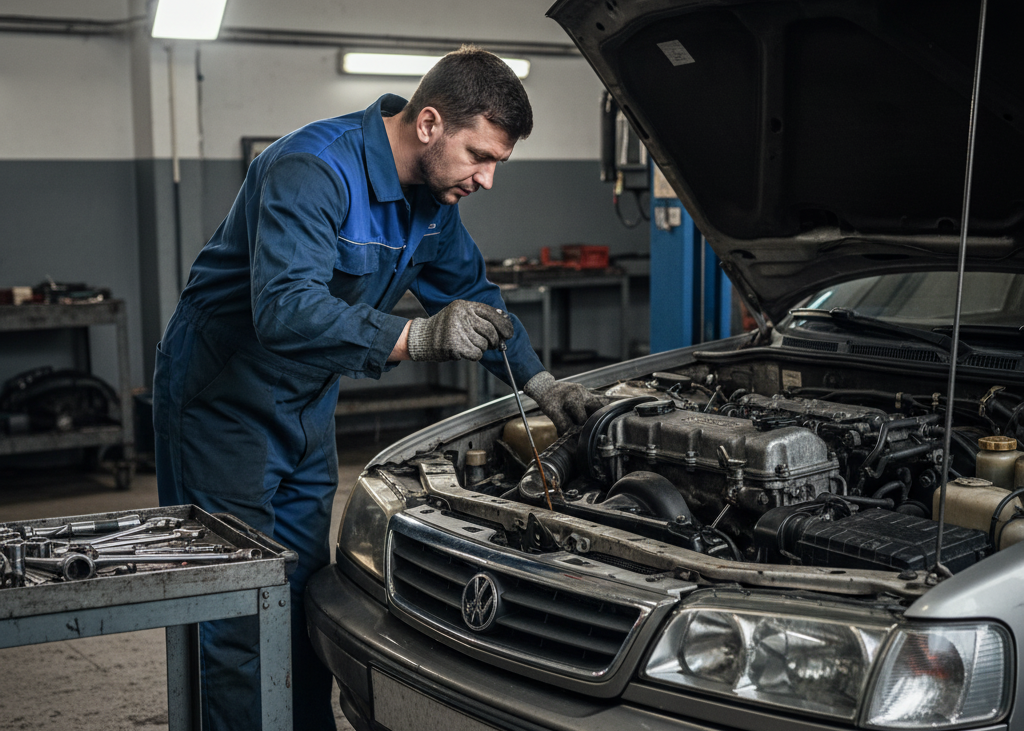
2. Honda CR-V

<p> The Honda CR-V is one of the most popular compact SUVs in America, and it is easy to see why travelers love it for road trips. With its roomy interior, excellent cargo space, and strong fuel efficiency, the CR-V makes long journeys a breeze. Passengers appreciate the quiet cabin and comfortable seating, while drivers enjoy responsive handling that keeps the drive engaging. Its reputation for lasting reliability is the cherry on top, ensuring your road trip memories are about breathtaking views and not unexpected breakdowns. </p> :: Gemini


The Honda CR-V is one of the most popular compact SUVs in America, and it is easy to see why travelers love it for road trips. With its roomy interior, excellent cargo space, and strong fuel efficiency, the CR-V makes long journeys a breeze. Passengers appreciate the quiet cabin and comfortable seating, while drivers enjoy responsive handling that keeps the drive engaging. Its reputation for lasting reliability is the cherry on top, ensuring your road trip memories are about breathtaking views and not unexpected breakdowns.


3. Kia Telluride

<p> The Kia Telluride has become a star in recent years, especially for families and groups looking for comfort without breaking the bank. This three-row SUV delivers a plush ride, tons of passenger space, and an upscale interior that feels much more expensive than its price tag. Road trip veterans love the extra legroom and thoughtful features that make long journeys less exhausting. Whether you are hauling kids, friends, or camping gear, the Telluride has the space and comfort to keep everyone happy from start to finish. </p> :: Gemini

The Kia Telluride has become a star in recent years, especially for families and groups looking for comfort without breaking the bank. This three-row SUV delivers a plush ride, tons of passenger space, and an upscale interior that feels much more expensive than its price tag. Road trip veterans love the extra legroom and thoughtful features that make long journeys less exhausting. Whether you are hauling kids, friends, or camping gear, the Telluride has the space and comfort to keep everyone happy from start to finish.

4. Toyota Highlander

<p> For those who want a reliable three-row SUV, the Toyota Highlander is a proven winner. Known for its durability, it offers peace of mind that you will get to your destination without hiccups. Inside, the Highlander offers a versatile cabin with comfortable seating and enough cargo space to handle everything from hiking gear to family luggage. If you choose the hybrid version, you will also appreciate fewer stops at the pump, which is a blessing on long stretches of road. </p> :: Gemini

For those who want a reliable three-row SUV, the Toyota Highlander is a proven winner. Known for its durability, it offers peace of mind that you will get to your destination without hiccups. Inside, the Highlander offers a versatile cabin with comfortable seating and enough cargo space to handle everything from hiking gear to family luggage. If you choose the hybrid version, you will also appreciate fewer stops at the pump, which is a blessing on long stretches of road.

5. Chevrolet Traverse

<p> If you are looking for a vehicle that combines SUV versatility with loads of space, the Chevrolet Traverse fits the bill. It is large enough to comfortably seat seven or eight passengers while still leaving plenty of room for everyone’s belongings. Families love the Traverse for its road trip practicality, and its smooth ride makes even marathon drives manageable. It is like the more stylish cousin of a minivan—big on comfort and function but still rugged enough to take on longer adventures. </p> :: Gemini

If you are looking for a vehicle that combines SUV versatility with loads of space, the Chevrolet Traverse fits the bill. It is large enough to comfortably seat seven or eight passengers while still leaving plenty of room for everyone’s belongings. Families love the Traverse for its road trip practicality, and its smooth ride makes even marathon drives manageable. It is like the more stylish cousin of a minivan—big on comfort and function but still rugged enough to take on longer adventures.

6. Ram 1500

<p> Pickup trucks are not usually the first thing that comes to mind when you think road trip, but the Ram 1500 proves they can be. Known for its smooth, car-like ride and surprisingly luxurious interior, this truck delivers both power and comfort. Higher trims even offer features like air suspension and plush seating that rival premium SUVs. If you need to tow a camper, haul kayaks, or carry bulky gear, the Ram 1500 handles it with ease while keeping the ride relaxed and enjoyable for driver and passengers alike. </p> :: Gemini

Pickup trucks are not usually the first thing that comes to mind when you think road trip, but the Ram 1500 proves they can be. Known for its smooth, car-like ride and surprisingly luxurious interior, this truck delivers both power and comfort. Higher trims even offer features like air suspension and plush seating that rival premium SUVs. If you need to tow a camper, haul kayaks, or carry bulky gear, the Ram 1500 handles it with ease while keeping the ride relaxed and enjoyable for driver and passengers alike.

7. Chrysler Pacifica

<p> Minivans may not be the coolest vehicles on the road, but when it comes to family road trips, the Chrysler Pacifica makes a strong case for being the smartest choice. With its versatile seating, cavernous cargo space, and clever features like built-in entertainment options, the Pacifica is practically a rolling living room. Parents love how easy it is to reconfigure the seating to fit strollers, sports equipment, or vacation gear. Comfort and practicality win the day here, and kids will thank you when they can spread out and stay entertained for hours. </p> :: Gemini

Minivans may not be the coolest vehicles on the road, but when it comes to family road trips, the Chrysler Pacifica makes a strong case for being the smartest choice. With its versatile seating, cavernous cargo space, and clever features like built-in entertainment options, the Pacifica is practically a rolling living room. Parents love how easy it is to reconfigure the seating to fit strollers, sports equipment, or vacation gear. Comfort and practicality win the day here, and kids will thank you when they can spread out and stay entertained for hours.

8. Volvo V90 Cross Country

<p> For drivers who prefer something a little more refined, the Volvo V90 Cross Country offers a unique mix of wagon practicality and luxury touches. It provides a comfortable, quiet ride that makes it easy to spend long hours behind the wheel, while still offering enough cargo space for all your essentials. Its Scandinavian design aesthetic gives it a stylish edge, and the advanced safety features provide peace of mind when the road stretches on for miles. It is a great choice for travelers who want something distinctive and dependable. </p> :: Gemini

For drivers who prefer something a little more refined, the Volvo V90 Cross Country offers a unique mix of wagon practicality and luxury touches. It provides a comfortable, quiet ride that makes it easy to spend long hours behind the wheel, while still offering enough cargo space for all your essentials. Its Scandinavian design aesthetic gives it a stylish edge, and the advanced safety features provide peace of mind when the road stretches on for miles. It is a great choice for travelers who want something distinctive and dependable.

9. Subaru Outback

<p> The Subaru Outback is practically synonymous with adventure. It comes standard with all-wheel drive, making it perfect for those road trips that involve detours down gravel roads or into the mountains. Drivers love its comfortable cabin, solid reliability, and generous cargo space, while passengers appreciate the roomy seats. The Outback has long been a favorite among campers, hikers, and anyone who enjoys the outdoors, but it is just as dependable for a classic highway trip across state lines. </p> :: Gemini

The Subaru Outback is practically synonymous with adventure. It comes standard with all-wheel drive, making it perfect for those road trips that involve detours down gravel roads or into the mountains. Drivers love its comfortable cabin, solid reliability, and generous cargo space, while passengers appreciate the roomy seats. The Outback has long been a favorite among campers, hikers, and anyone who enjoys the outdoors, but it is just as dependable for a classic highway trip across state lines.

10. Mercedes-Benz E-Class Wagon

<p> For those willing to splurge on luxury, the Mercedes-Benz E-Class Wagon delivers a road trip experience like no other. Its refined suspension and plush seating make the miles melt away, while the quiet cabin allows you to actually hear every detail of your favorite podcast or playlist. Add in top-notch safety features and plenty of cargo space, and you have a luxury car that is also surprisingly practical for long journeys. It is the type of car that turns even a routine drive into a comfortable escape. </p> :: Gemini

For those willing to splurge on luxury, the Mercedes-Benz E-Class Wagon delivers a road trip experience like no other. Its refined suspension and plush seating make the miles melt away, while the quiet cabin allows you to actually hear every detail of your favorite podcast or playlist. Add in top-notch safety features and plenty of cargo space, and you have a luxury car that is also surprisingly practical for long journeys. It is the type of car that turns even a routine drive into a comfortable escape.

Final Thoughts

<p> The best road trip car is the one that keeps you comfortable, confident, and excited to keep driving, whether you are crossing state borders or circling the country. Americans love these vehicles because they strike the right balance between reliability and enjoyment. A dependable car gives you peace of mind, while comfort ensures you arrive at your destination ready to explore instead of just collapse into bed.

From the legendary reliability of the Toyota Camry to the adventurous versatility of the Subaru Outback, each of these cars has earned a reputation for making road trips smoother, safer, and more enjoyable. The perfect car for your journey depends on your style, your passengers, and the kind of adventure you have in mind. But one thing is certain: with the right car, the journey is not just about getting there—it becomes a memorable part of the story.

So pack your bags, grab your snacks, queue up your playlist, and hit the road. With the right wheels beneath you, every mile can feel like the start of something unforgettable. </p> :: Gemini

The best road trip car is the one that keeps you comfortable, confident, and excited to keep driving, whether you are crossing state borders or circling the country. Americans love these vehicles because they strike the right balance between reliability and enjoyment. A dependable car gives you peace of mind, while comfort ensures you arrive at your destination ready to explore instead of just collapse into bed.

From the legendary reliability of the Toyota Camry to the adventurous versatility of the Subaru Outback, each of these cars has earned a reputation for making road trips smoother, safer, and more enjoyable. The perfect car for your journey depends on your style, your passengers, and the kind of adventure you have in mind. But one thing is certain: with the right car, the journey is not just about getting there—it becomes a memorable part of the story.

So pack your bags, grab your snacks, queue up your playlist, and hit the road. With the right wheels beneath you, every mile can feel like the start of something unforgettable.

Filed Under: Autos

  • « Previous Page
  • 1
  • …
  • 4
  • 5
  • 6
  • 7
  • 8
  • 9
  • Next Page »
  • Email
  • Facebook
  • Pinterest
  • Twitter

Our Most Popular Articles

ClickCashGo Review: Should You Avoid At All Costs?

Ultimate Guide to Mastering Your Credit Score

The 'YOLO' Mindset is a Dangerous Thing

Dave Ramsey's Financial Peace University Review: Is it Worth the Money?

Cash App Glitch 2025: Is the Free Money Glitch Real?

Five Steps To Debt Freedom

Here are five simple guidlines that will help you pay off debt.  

1) Get an emergency fund so you don’t take on debt when something comes up.

2) List your debts. This way you know where you stand.

3) Use the debt snowball. Pay your debts from smallest to largest, or most expensive to least expensive.

4) Avoid new debt. No new credit cards or loans. Period.

5) Go all cash. After everything is paid off, switch to all cash.

Helpful Resources

U of Tennesse Debt Repayment Plan Basics

Vertex 42's Debt Payoff Calculator

Savingadvice's Helpful Debt Forums

Jackie Becks Debt Blog