Our Debt Free Family

Commit. Plan. Take action.

  • BUDGETING
  • DEBT REDUCTION
  • INVESTING
  • LIFESTYLE
  • TOOLS
  • ABOUT
  • Privacy Policy
  • CONTACT

8 Reasons Why a Significant Number of EV Owners Desire to Switch Back to Gas-Powered Cars

September 29, 2025 | Leave a Comment

8 Reasons Why a Significant Number of EV Owners Desire to Switch Back to Gas-Powered Cars

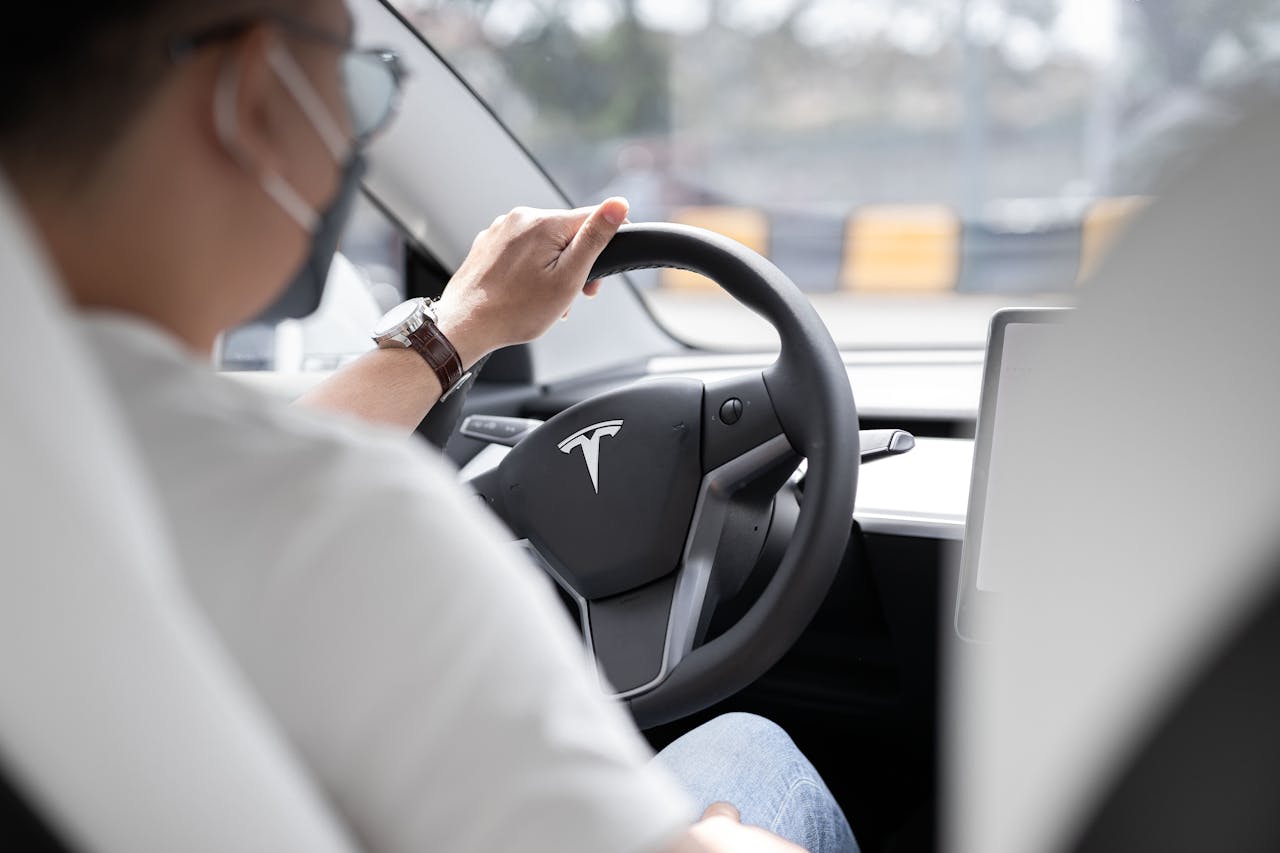
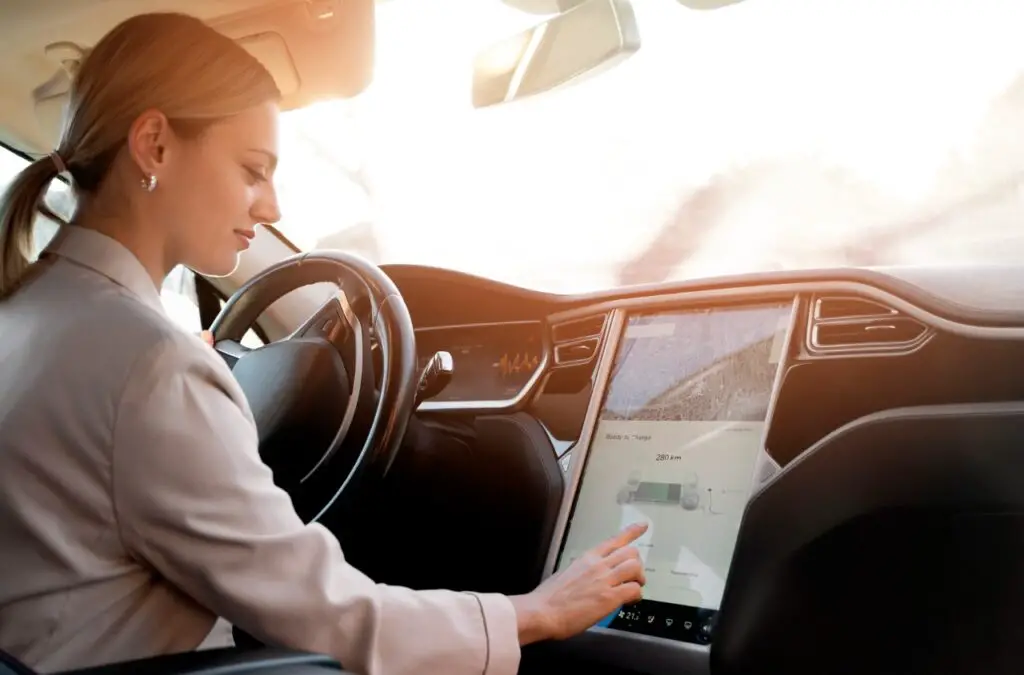
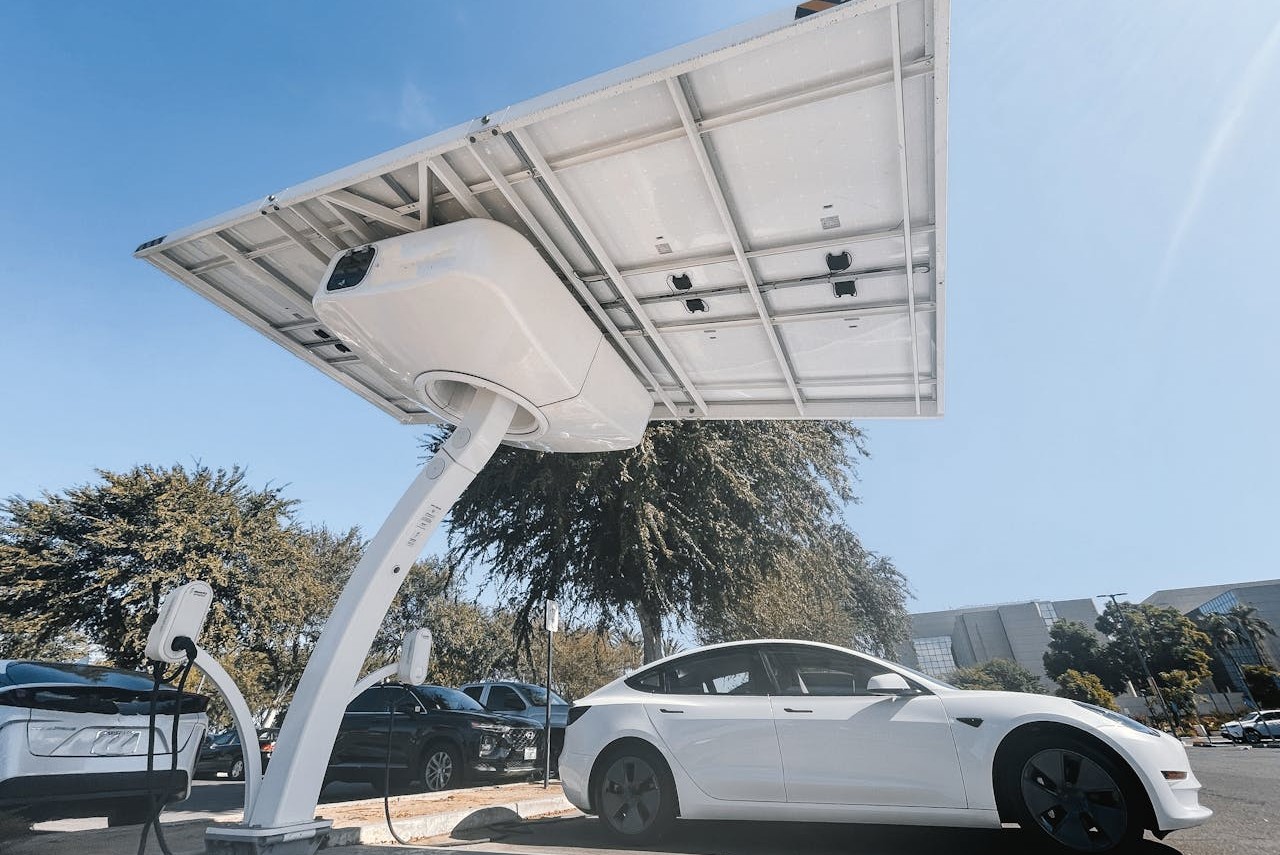
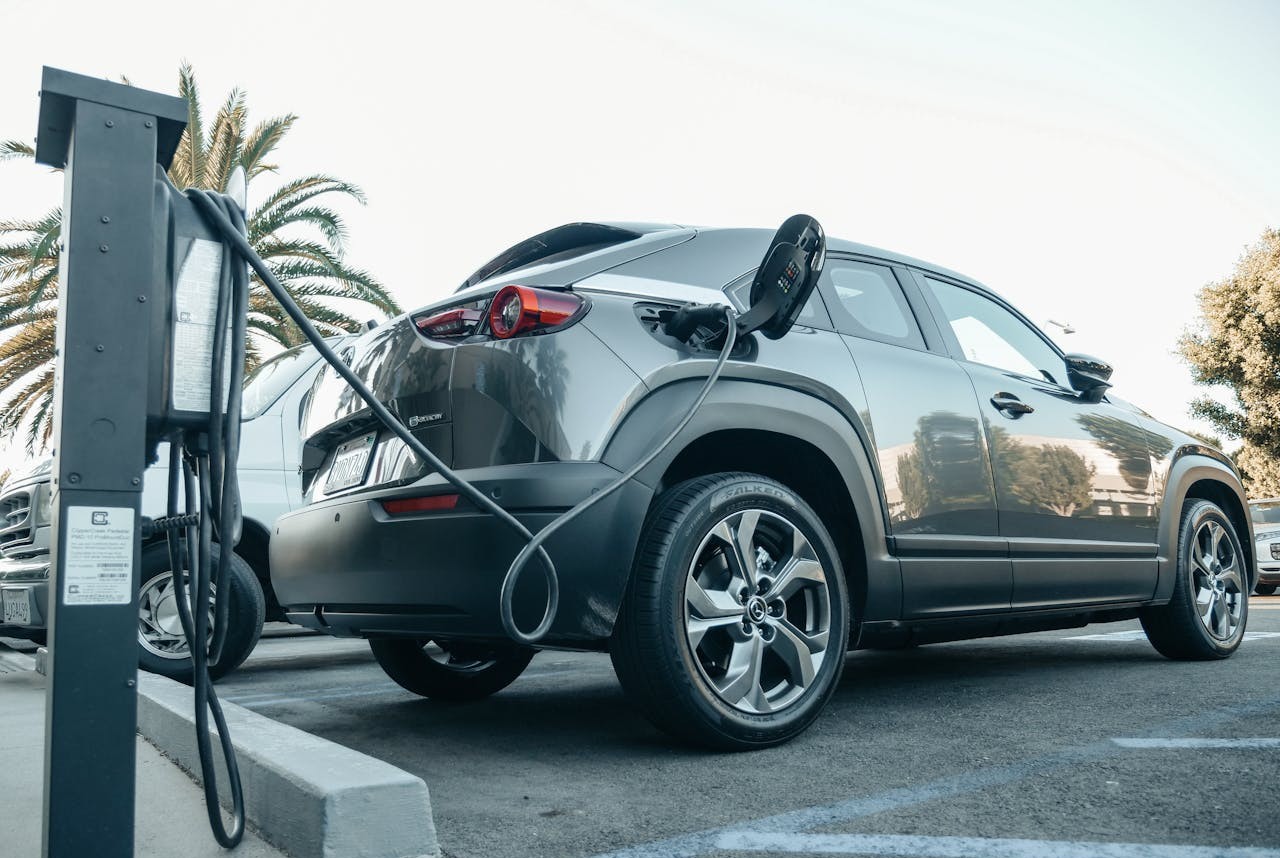
<p>As electric vehicles (EVs) gain popularity, an intriguing trend emerges: a significant portion of EV owners express a desire to switch back to gas-powered cars. While EVs offer environmental benefits and lower operating costs, several challenges persist. According to a recent survey, over 40% of EV buyers contemplate returning to gas-powered vehicles. Lets delve into 8 reasons behind this unexpected shift. </p>:: 123rf

As electric vehicles (EVs) gain popularity, an intriguing trend emerges: a significant portion of EV owners express a desire to switch back to gas-powered cars. While EVs offer environmental benefits and lower operating costs, several challenges persist. According to a recent survey, over 40% of EV buyers contemplate returning to gas-powered vehicles. Lets delve into 8 reasons behind this unexpected shift.


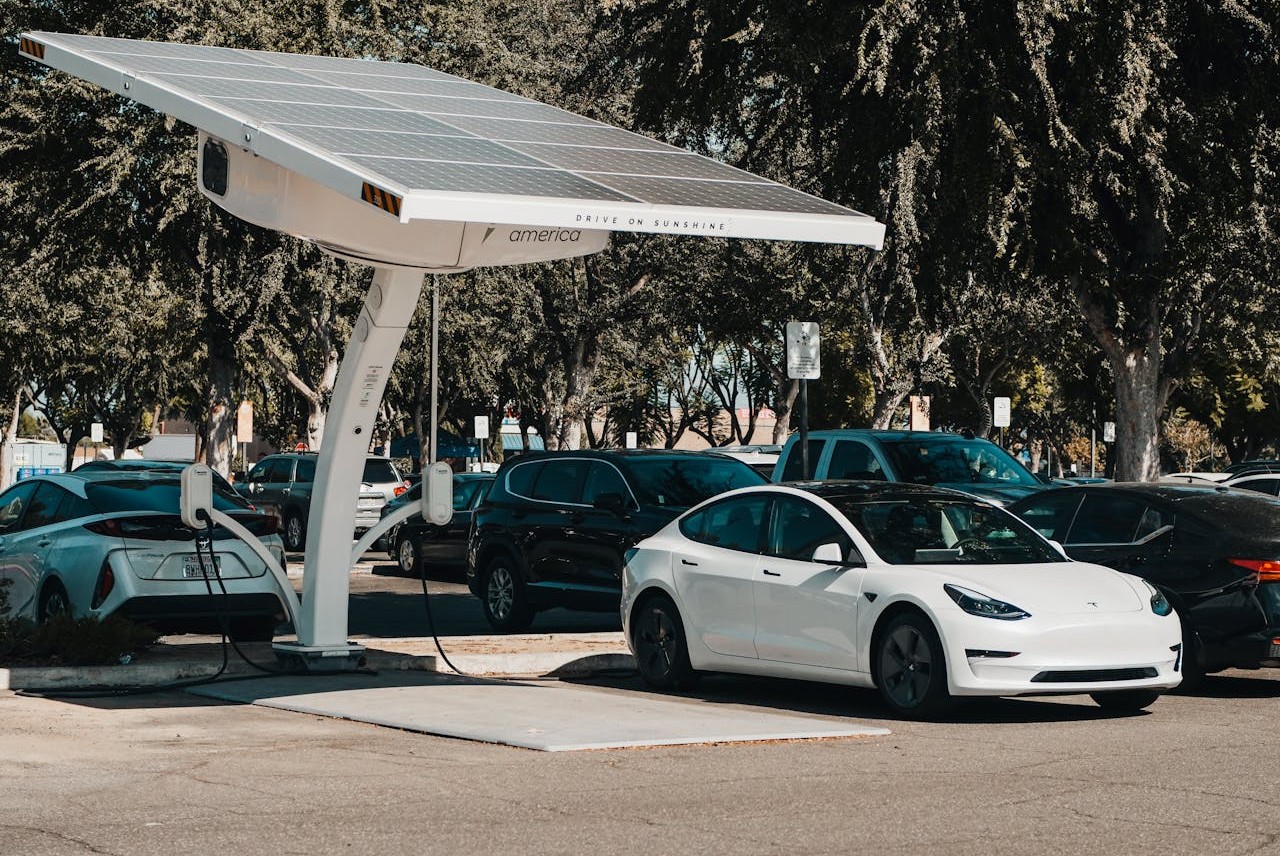
1. Charging Infrastructure Challenges
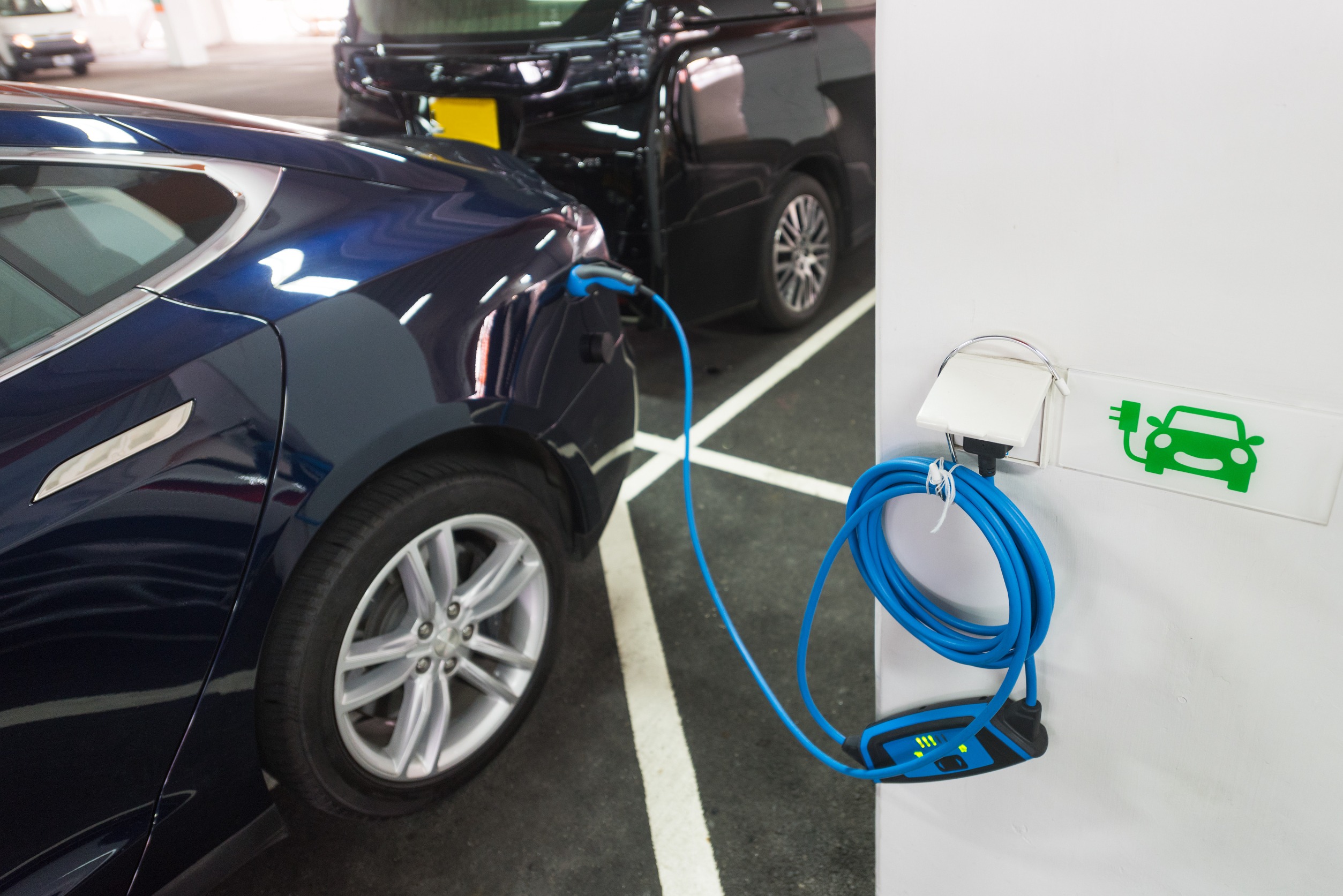
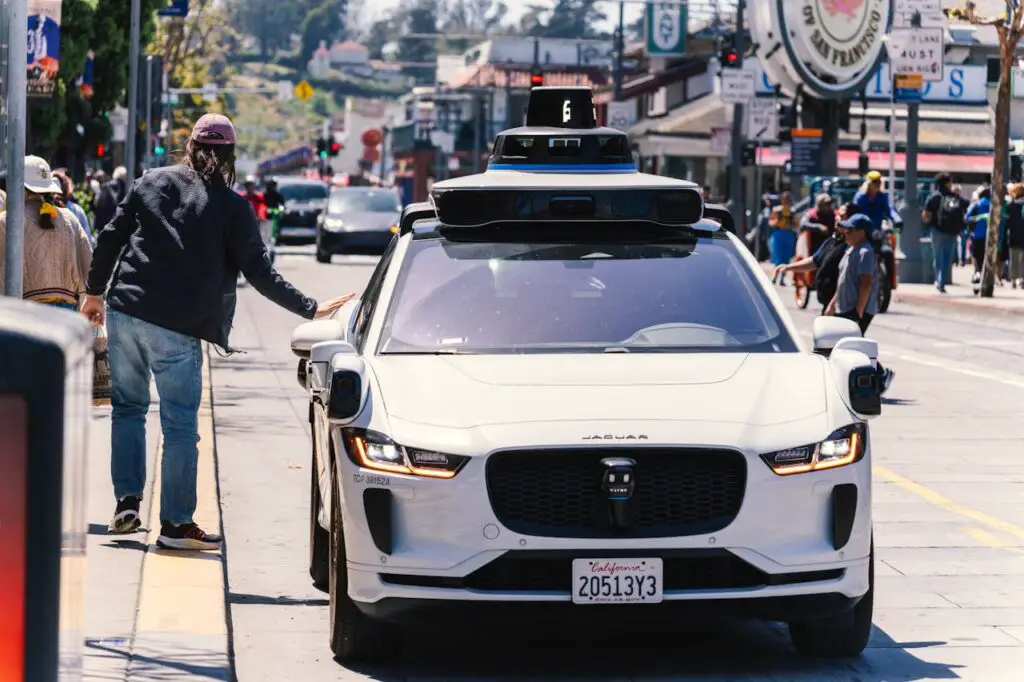
<p>The lack of available charging infrastructure remains a major concern for EV owners. In a recent survey, 35% of respondents cited this as the primary reason they consider returning to gas-powered vehicles. Many EV owners face difficulties finding charging stations in remote or less populated areas, leading to inconvenience and frustration. Even in urban settings, the competition for available chargers can be high, causing delays and longer waiting times. The inconsistent availability of fast-charging options exacerbates this issue, making long-distance travel challenging and less appealing for EV owners. </p>:: 123rf

The lack of available charging infrastructure remains a major concern for EV owners. In a recent survey, 35% of respondents cited this as the primary reason they consider returning to gas-powered vehicles. Many EV owners face difficulties finding charging stations in remote or less populated areas, leading to inconvenience and frustration. Even in urban settings, the competition for available chargers can be high, causing delays and longer waiting times. The inconsistent availability of fast-charging options exacerbates this issue, making long-distance travel challenging and less appealing for EV owners.


2. High Total Cost of Ownership

<p>EVs can be expensive upfront, and while operating costs are generally lower, the initial investment can deter some buyers. 34% of EV owners mentioned the total cost of owning an EV as a reason for wanting to switch back to gas. Besides the high purchase price, the cost of installing home charging equipment can add to the financial burden. Additionally, insurance premiums for EVs can be higher due to the advanced technology and expensive parts involved. The depreciation rate of EVs can also be a concern, as their value may drop faster compared to traditional vehicles. </p>:: 123rf

EVs can be expensive upfront, and while operating costs are generally lower, the initial investment can deter some buyers. 34% of EV owners mentioned the total cost of owning an EV as a reason for wanting to switch back to gas. Besides the high purchase price, the cost of installing home charging equipment can add to the financial burden. Additionally, insurance premiums for EVs can be higher due to the advanced technology and expensive parts involved. The depreciation rate of EVs can also be a concern, as their value may drop faster compared to traditional vehicles.


3. Driving Range Anxiety

<p>Although EVs have improved significantly in terms of range, some owners still worry about running out of charge during long trips. 32% of respondents felt that their driving patterns on long-distance journeys were too affected by having an EV. The fear of not finding a charging station in time can cause significant stress and inconvenience. Planning routes around available charging stations can be time-consuming and limit travel flexibility. This anxiety is particularly pronounced in regions where charging infrastructure is sparse or underdeveloped. </p>:: 123rf

Although EVs have improved significantly in terms of range, some owners still worry about running out of charge during long trips. 32% of respondents felt that their driving patterns on long-distance journeys were too affected by having an EV. The fear of not finding a charging station in time can cause significant stress and inconvenience. Planning routes around available charging stations can be time-consuming and limit travel flexibility. This anxiety is particularly pronounced in regions where charging infrastructure is sparse or underdeveloped.


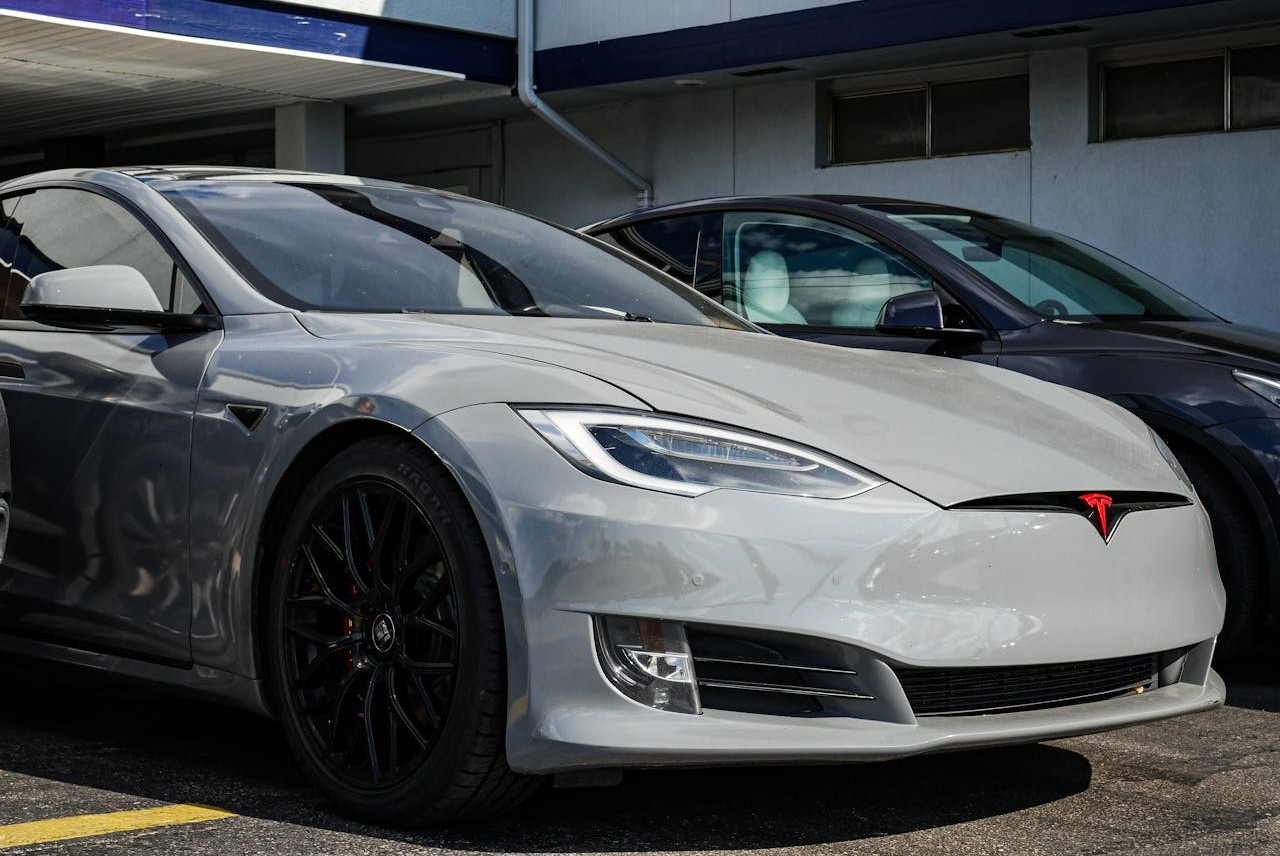
4. Missing the Thrill of Gas-Powered Cars

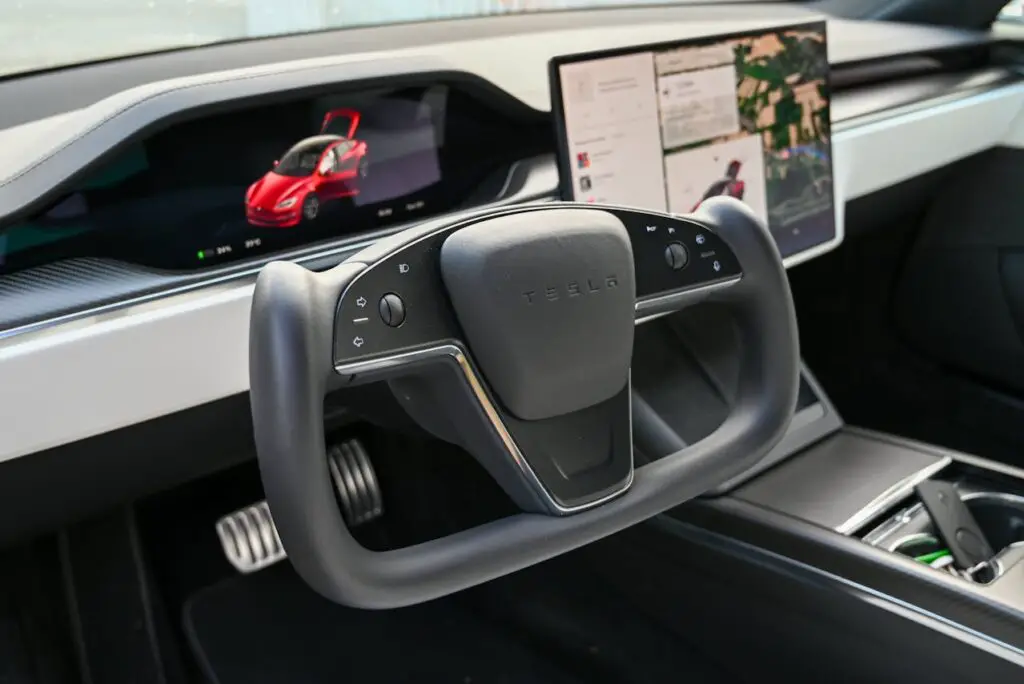
<p>Some EV owners miss the sensory experience and thrill associated with driving gas-powered cars. The sound of a roaring engine and the tactile feedback of traditional vehicles can be more satisfying for certain drivers. Performance enthusiasts may feel that EVs lack the same level of excitement and engagement that comes with driving high-performance gas-powered cars. This desire for a more visceral driving experience can lead some individuals to switch back to gas-powered vehicles, despite the benefits of EVs. </p>:: 123rf

Some EV owners miss the sensory experience and thrill associated with driving gas-powered cars. The sound of a roaring engine and the tactile feedback of traditional vehicles can be more satisfying for certain drivers. Performance enthusiasts may feel that EVs lack the same level of excitement and engagement that comes with driving high-performance gas-powered cars. This desire for a more visceral driving experience can lead some individuals to switch back to gas-powered vehicles, despite the benefits of EVs.


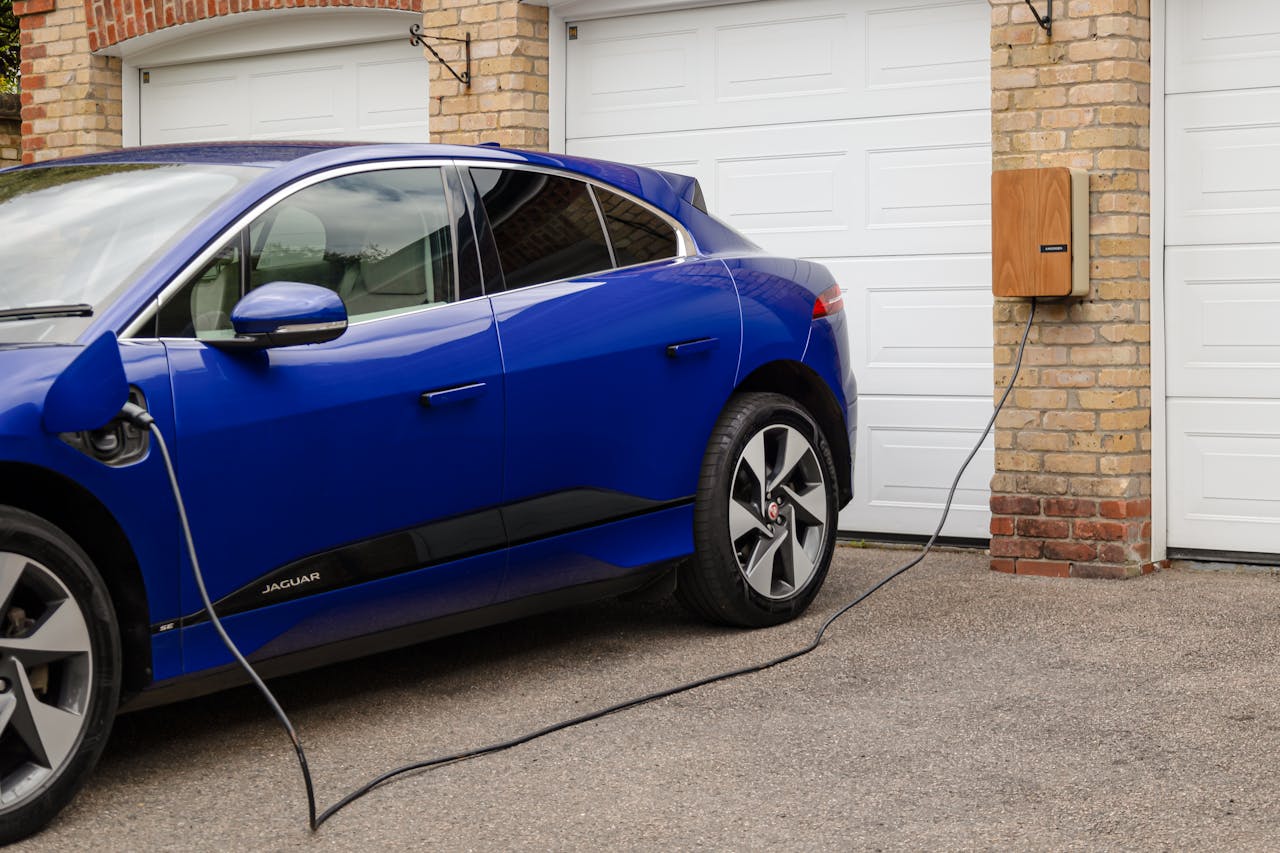
5. Home Charging Challenges
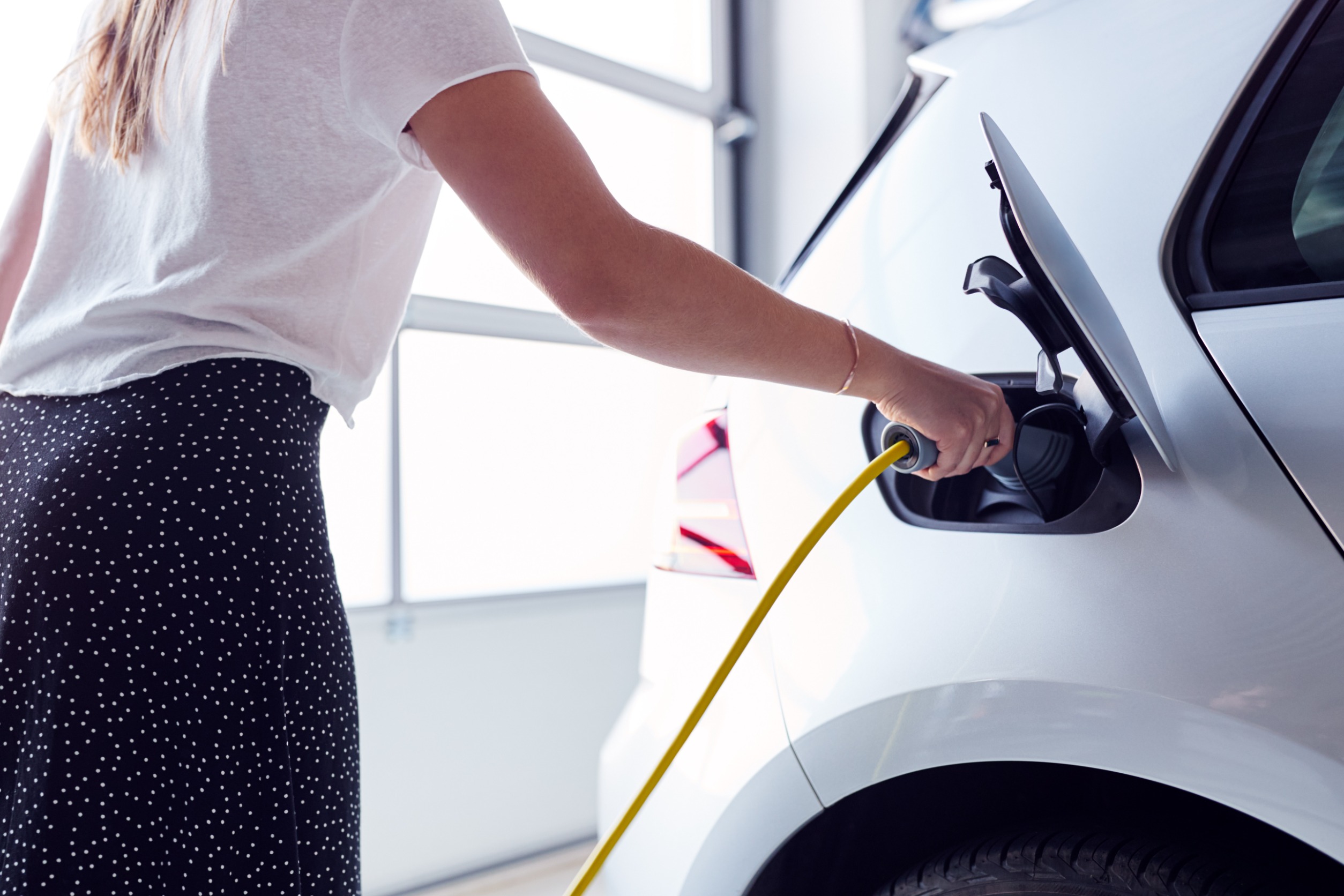
<p>Not having level 2 (240-volt) charging at home can be a significant barrier. Some households lack the necessary infrastructure to charge their EVs conveniently, especially in California where many homes are not optimized for EV charging. Upgrading home electrical systems can be costly and complicated, requiring professional installation and potential permits. Renters face additional challenges, as they often lack the authority to install charging stations or make necessary electrical upgrades. This inconvenience can make daily EV use impractical, leading owners to consider returning to gas-powered cars. </p>:: 123rf

Not having level 2 (240-volt) charging at home can be a significant barrier. Some households lack the necessary infrastructure to charge their EVs conveniently, especially in California where many homes are not optimized for EV charging. Upgrading home electrical systems can be costly and complicated, requiring professional installation and potential permits. Renters face additional challenges, as they often lack the authority to install charging stations or make necessary electrical upgrades. This inconvenience can make daily EV use impractical, leading owners to consider returning to gas-powered cars.


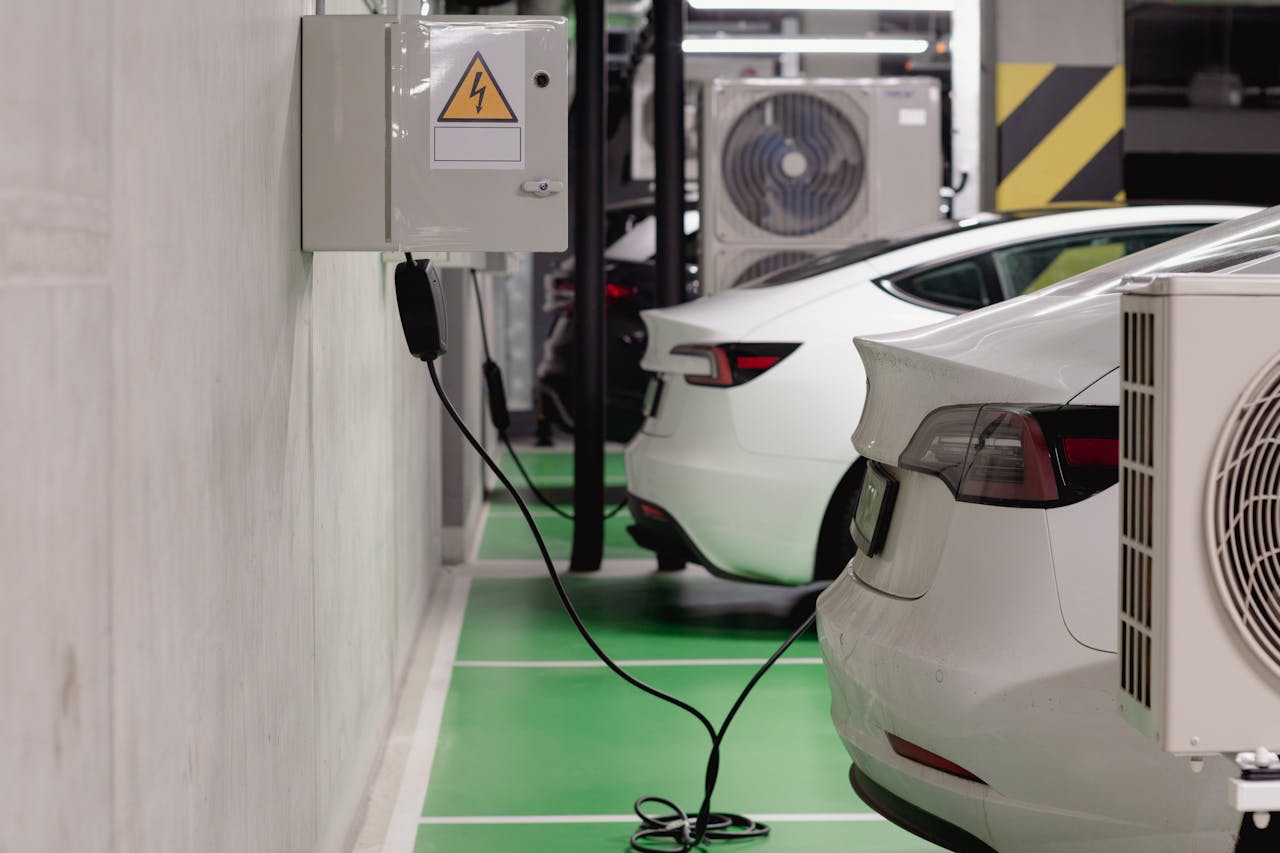
6. Parking Constraints
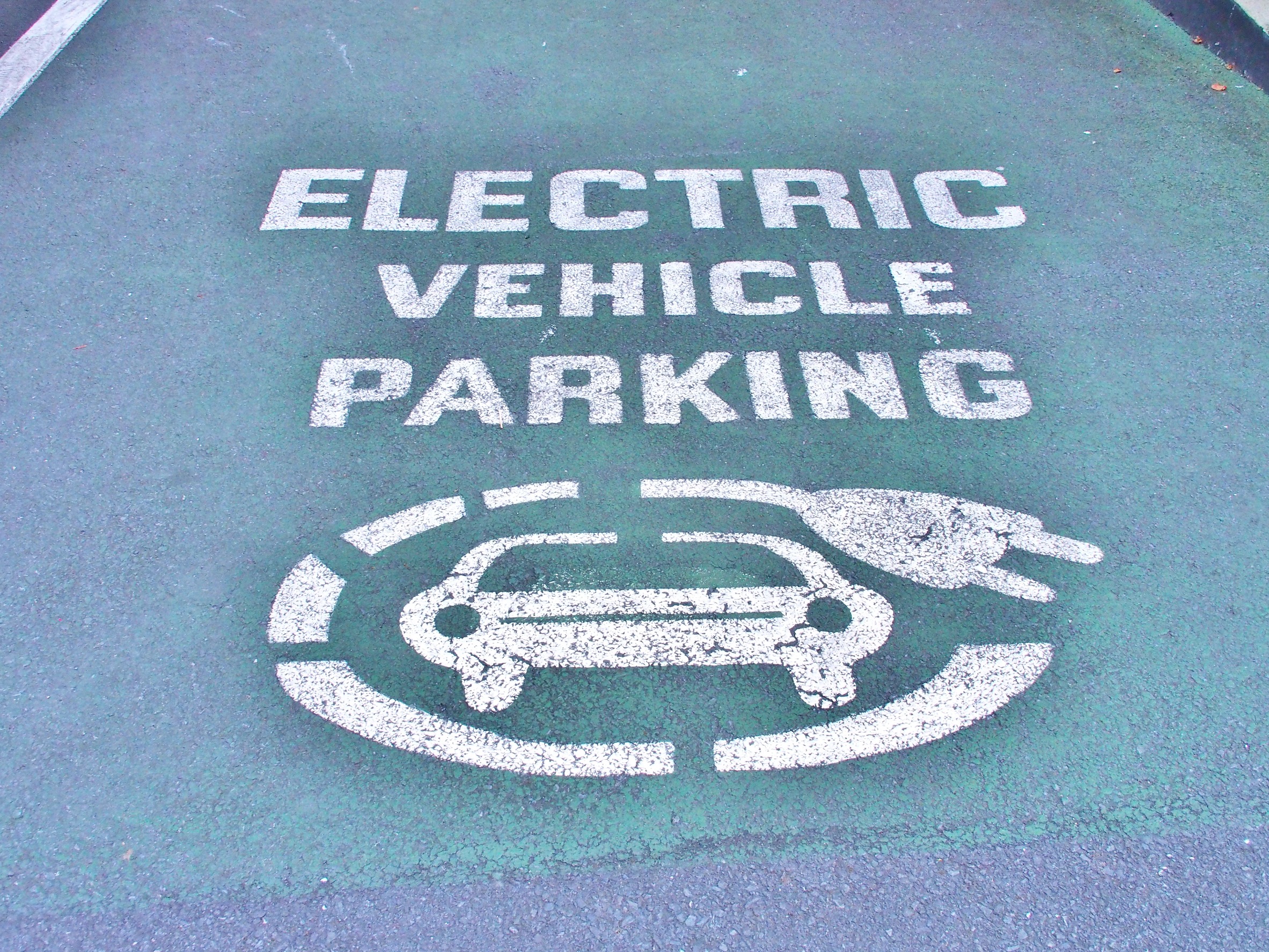
<p>For apartment dwellers or those without dedicated parking spots, managing an EV can be challenging. Lack of access to charging facilities in residential areas can discourage EV ownership. Street parking without nearby charging stations means owners must rely on public or commercial chargers, which can be inconvenient and time-consuming. The absence of charging solutions in many residential complexes further complicates the situation for potential EV buyers. This limitation often makes owning an EV less feasible for individuals in densely populated urban areas. </p>:: 123rf

For apartment dwellers or those without dedicated parking spots, managing an EV can be challenging. Lack of access to charging facilities in residential areas can discourage EV ownership. Street parking without nearby charging stations means owners must rely on public or commercial chargers, which can be inconvenient and time-consuming. The absence of charging solutions in many residential complexes further complicates the situation for potential EV buyers. This limitation often makes owning an EV less feasible for individuals in densely populated urban areas.


7. Household Efficiency
<p>EV owners who also have less efficient gas-powered vehicles in their household may find it more convenient to switch back to gas. Having multiple vehicles with varying efficiency levels can influence their decision. The convenience of filling up a gas tank quickly compared to the time needed for charging an EV can be a significant factor. Additionally, gas-powered vehicles may still be preferred for tasks requiring higher towing capacity or longer driving ranges. Balancing the use of both types of vehicles can lead some owners to revert to gas for overall household efficiency. </p>:: 123rf

EV owners who also have less efficient gas-powered vehicles in their household may find it more convenient to switch back to gas. Having multiple vehicles with varying efficiency levels can influence their decision. The convenience of filling up a gas tank quickly compared to the time needed for charging an EV can be a significant factor. Additionally, gas-powered vehicles may still be preferred for tasks requiring higher towing capacity or longer driving ranges. Balancing the use of both types of vehicles can lead some owners to revert to gas for overall household efficiency.


8. Demographic Factors

<p>The study found that discontinuance rates were higher among younger, female, and lower-income EV owners. These factors, along with household size, play a role in the decision to revert to gas-powered cars. Younger owners may face more financial constraints, making the initial cost and ongoing expenses of EV ownership challenging. Female owners might experience unique safety concerns or logistical issues related to charging infrastructure. Lower-income households may struggle with the upfront costs and potential maintenance expenses associated with EVs, despite the long-term savings on fuel. </p>:: 123rf

The study found that discontinuance rates were higher among younger, female, and lower-income EV owners. These factors, along with household size, play a role in the decision to revert to gas-powered cars. Younger owners may face more financial constraints, making the initial cost and ongoing expenses of EV ownership challenging. Female owners might experience unique safety concerns or logistical issues related to charging infrastructure. Lower-income households may struggle with the upfront costs and potential maintenance expenses associated with EVs, despite the long-term savings on fuel.


Final Thoughts

<p> While electric vehicles offer numerous benefits, including lower operating costs and reduced environmental impact, there are still significant challenges that cause some owners to consider returning to gas-powered cars. Issues such as charging infrastructure, high total cost of ownership, driving range anxiety, and home charging challenges present real barriers. Additional factors like parking constraints, household efficiency, demographic influences, and the sensory experience of driving gas-powered cars also play a role in these decisions. As the automotive industry continues to evolve, addressing these concerns will be crucial in making EVs a more viable and appealing option for a broader range of consumers. </p>:: 123rf

While electric vehicles offer numerous benefits, including lower operating costs and reduced environmental impact, there are still significant challenges that cause some owners to consider returning to gas-powered cars. Issues such as charging infrastructure, high total cost of ownership, driving range anxiety, and home charging challenges present real barriers. Additional factors like parking constraints, household efficiency, demographic influences, and the sensory experience of driving gas-powered cars also play a role in these decisions. As the automotive industry continues to evolve, addressing these concerns will be crucial in making EVs a more viable and appealing option for a broader range of consumers.

Filed Under: Autos

First Picks on Wheels: 10 Car Brands Baby Boomers Choose First When Shopping for a New Vehicle

September 21, 2025 | Leave a Comment

First Picks on Wheels: 10 Car Brands Baby Boomers Choose First When Shopping for a New Vehicle

<p> Buying a new car is always a big decision, but for baby boomers, it can feel like a milestone moment. After all, you have probably owned more than a few vehicles in your lifetime and know the difference between a car that is just “okay” and one that truly makes the driving experience enjoyable. These days, boomers want more than just a shiny set of wheels. Comfort, reliability, safety, and value for the money are at the top of the list. It is no surprise that certain car brands consistently stand out when boomers head to the dealership. These brands have built reputations over decades for offering practical features, trustworthy performance, and a level of comfort that just feels right. Whether you are looking for a dependable sedan, a rugged pickup, or a vehicle that delivers a touch of luxury, the right car brand can make all the difference. Here are the top 10 car brands baby boomers tend to choose first when shopping for a new vehicle, along with why they make such popular picks. </p> :: Freepik

Buying a new car is always a big decision, but for baby boomers, it can feel like a milestone moment. After all, you have probably owned more than a few vehicles in your lifetime and know the difference between a car that is just “okay” and one that truly makes the driving experience enjoyable. These days, boomers want more than just a shiny set of wheels. Comfort, reliability, safety, and value for the money are at the top of the list.

It is no surprise that certain car brands consistently stand out when boomers head to the dealership. These brands have built reputations over decades for offering practical features, trustworthy performance, and a level of comfort that just feels right. Whether you are looking for a dependable sedan, a rugged pickup, or a vehicle that delivers a touch of luxury, the right car brand can make all the difference.

Here are the top 10 car brands baby boomers tend to choose first when shopping for a new vehicle, along with why they make such popular picks.

1. Ford

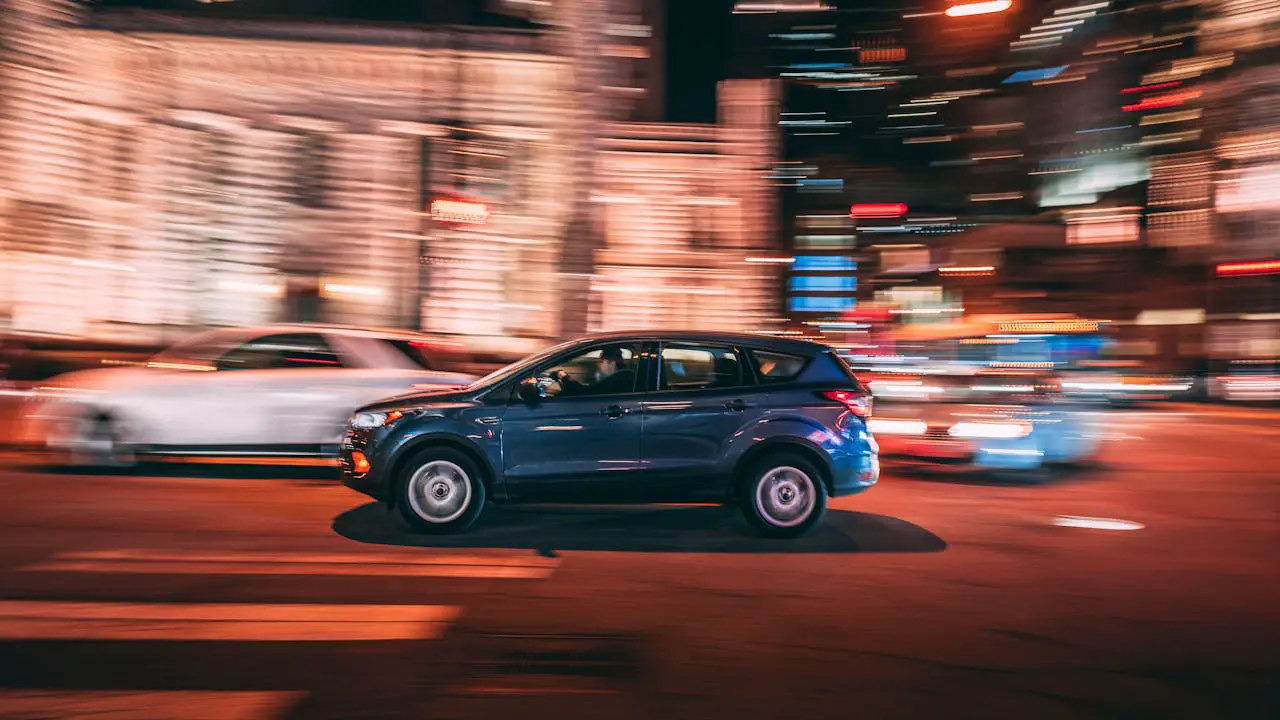
<p> Ford is often the first brand that comes to mind for many boomers, and with good reason. It is as American as apple pie, and the company has been building vehicles for more than a century. From the legendary Ford F-Series pickup to versatile SUVs like the Escape and Explorer, Ford’s lineup has something for nearly everyone. Boomers love Ford for its combination of practicality and familiarity. The trucks are especially popular for those who enjoy towing a camper, hauling gear, or just having a reliable workhorse for weekend projects. At the same time, Ford has done a good job of adding comfort and technology without making its vehicles overly complicated. For many boomers, Ford feels like the brand they can trust to get the job done. </p> :: Pexels

Ford is often the first brand that comes to mind for many boomers, and with good reason. It is as American as apple pie, and the company has been building vehicles for more than a century. From the legendary Ford F-Series pickup to versatile SUVs like the Escape and Explorer, Ford’s lineup has something for nearly everyone.

Boomers love Ford for its combination of practicality and familiarity. The trucks are especially popular for those who enjoy towing a camper, hauling gear, or just having a reliable workhorse for weekend projects. At the same time, Ford has done a good job of adding comfort and technology without making its vehicles overly complicated. For many boomers, Ford feels like the brand they can trust to get the job done.

2. Chevrolet

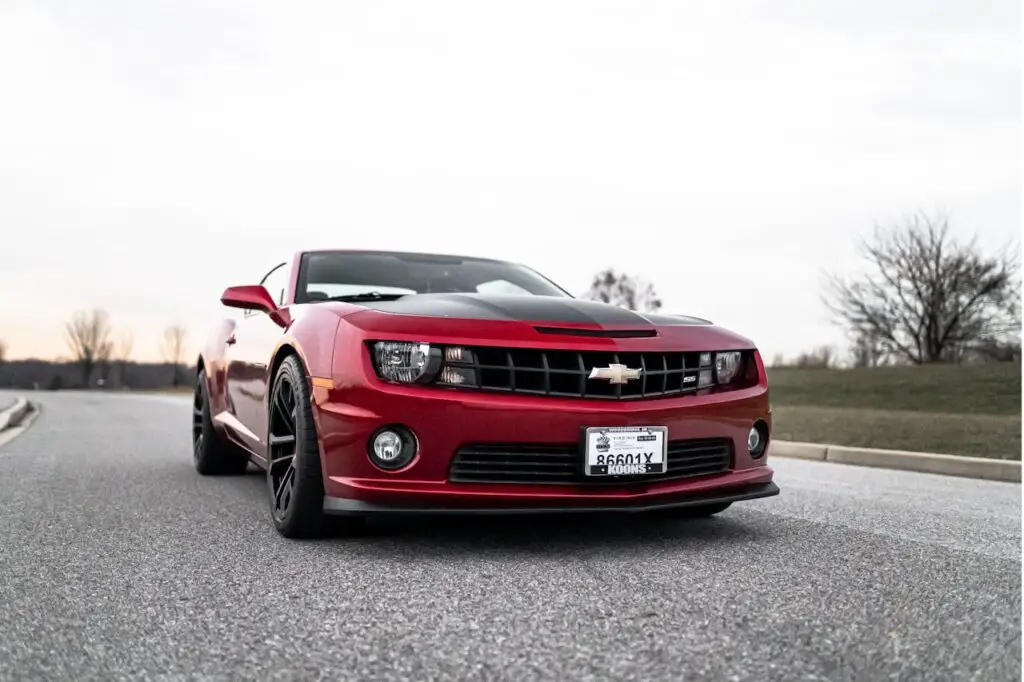
<p> Chevrolet has long been a household name in the U.S., and many boomers grew up seeing Chevys in their family driveways. That sense of nostalgia often carries into car shopping today, making Chevy a top choice for new purchases. What draws boomers to Chevrolet is the wide variety of options at different price points. From the Silverado truck to crossovers like the Equinox, Chevy offers vehicles that are comfortable, versatile, and reasonably priced. The brand also strikes a balance between modern features and a traditional driving experience, which appeals to boomers who want the latest technology but do not want to feel overwhelmed by it. </p> :: Pexels

Chevrolet has long been a household name in the U.S., and many boomers grew up seeing Chevys in their family driveways. That sense of nostalgia often carries into car shopping today, making Chevy a top choice for new purchases.

What draws boomers to Chevrolet is the wide variety of options at different price points. From the Silverado truck to crossovers like the Equinox, Chevy offers vehicles that are comfortable, versatile, and reasonably priced. The brand also strikes a balance between modern features and a traditional driving experience, which appeals to boomers who want the latest technology but do not want to feel overwhelmed by it.

3. Toyota

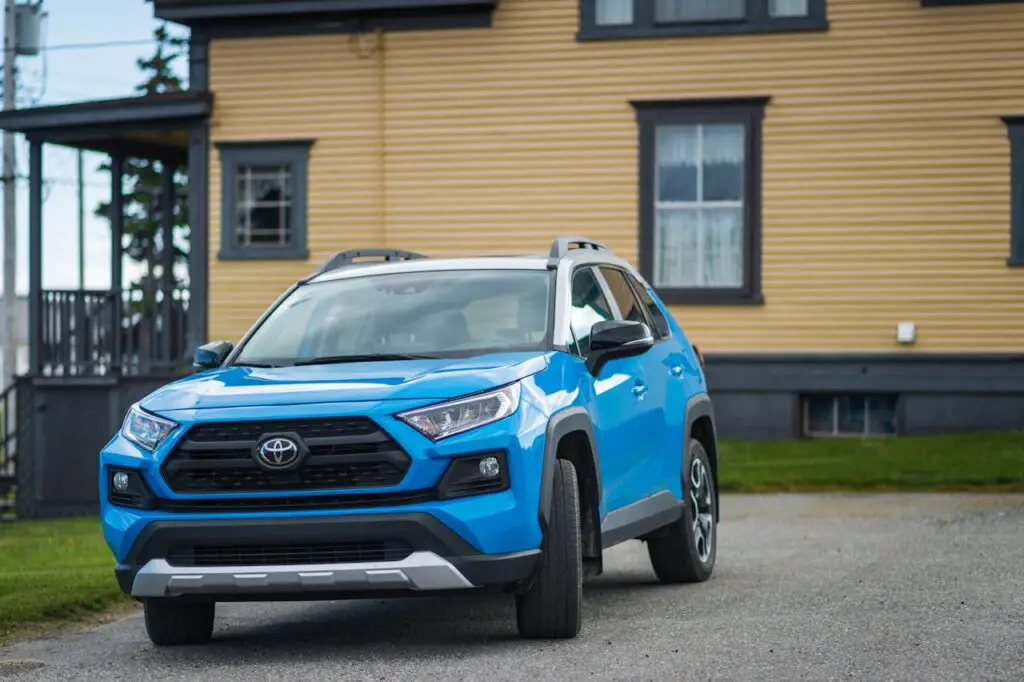
<p> Toyota has built its reputation on reliability, and that is something boomers deeply appreciate. When you are investing in a new car, you want to know it is going to last, and Toyota vehicles are known for staying on the road for many years with minimal problems. Boomers also like that Toyota puts a strong emphasis on safety. Many of the brand’s models come standard with advanced safety systems, giving peace of mind on long drives or while navigating busy city traffic. On top of that, Toyotas tend to have strong resale value, making them a smart financial choice as well. For a car that offers both reliability and peace of mind, Toyota is hard to beat. </p> :: Pexels

Toyota has built its reputation on reliability, and that is something boomers deeply appreciate. When you are investing in a new car, you want to know it is going to last, and Toyota vehicles are known for staying on the road for many years with minimal problems.

Boomers also like that Toyota puts a strong emphasis on safety. Many of the brand’s models come standard with advanced safety systems, giving peace of mind on long drives or while navigating busy city traffic. On top of that, Toyotas tend to have strong resale value, making them a smart financial choice as well. For a car that offers both reliability and peace of mind, Toyota is hard to beat.

4. Honda

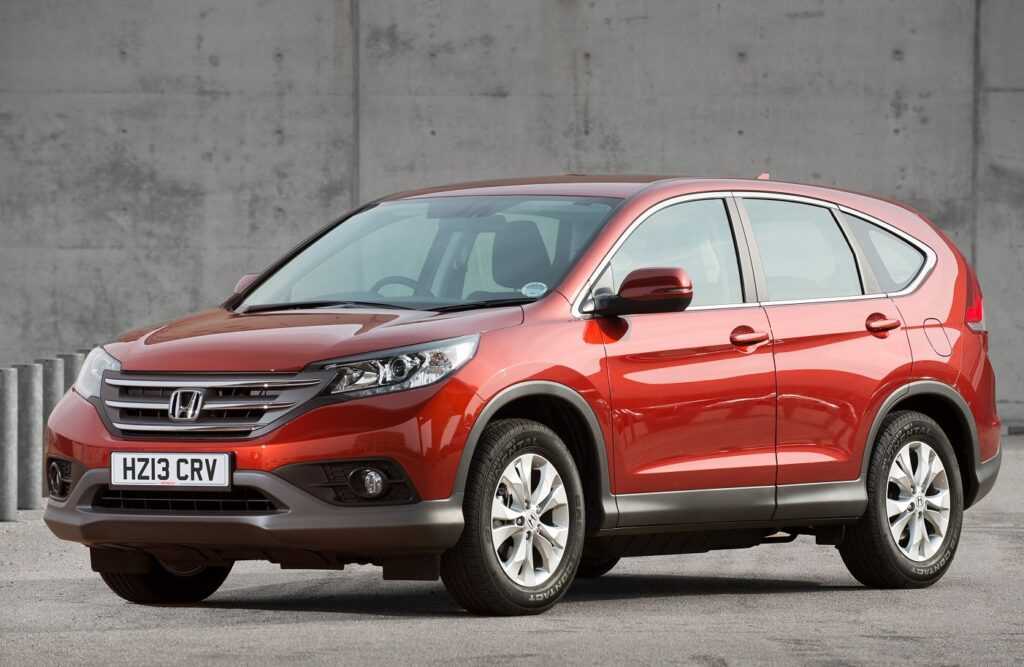
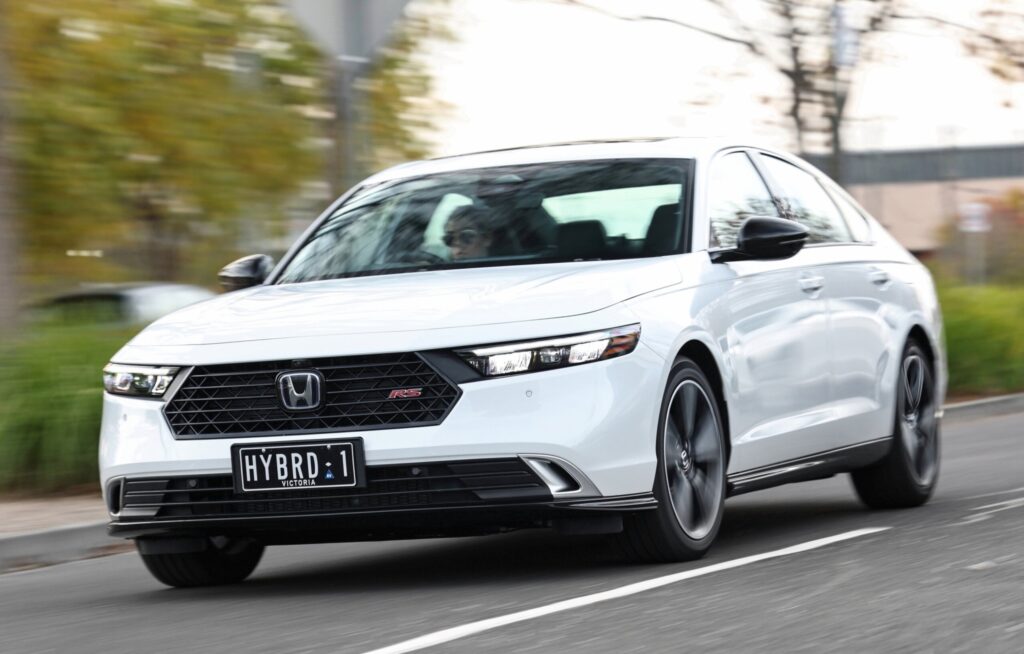
<p> Honda is another brand that boomers frequently turn to when shopping for a new car. Known for efficiency and comfort, Honda vehicles offer a smooth ride that makes them appealing for both everyday driving and longer trips. Models like the Accord and CR-V are favorites because they combine practicality with a touch of style. Boomers also appreciate Honda’s reputation for long-lasting engines and solid build quality. Add in the fact that Honda cars tend to hold their value well, and it is easy to see why this brand has earned a loyal following. For boomers who want a no-fuss car that simply works, Honda is a top contender. </p> :: Pexels

Honda is another brand that boomers frequently turn to when shopping for a new car. Known for efficiency and comfort, Honda vehicles offer a smooth ride that makes them appealing for both everyday driving and longer trips.

Models like the Accord and CR-V are favorites because they combine practicality with a touch of style. Boomers also appreciate Honda’s reputation for long-lasting engines and solid build quality. Add in the fact that Honda cars tend to hold their value well, and it is easy to see why this brand has earned a loyal following. For boomers who want a no-fuss car that simply works, Honda is a top contender.

5. Nissan

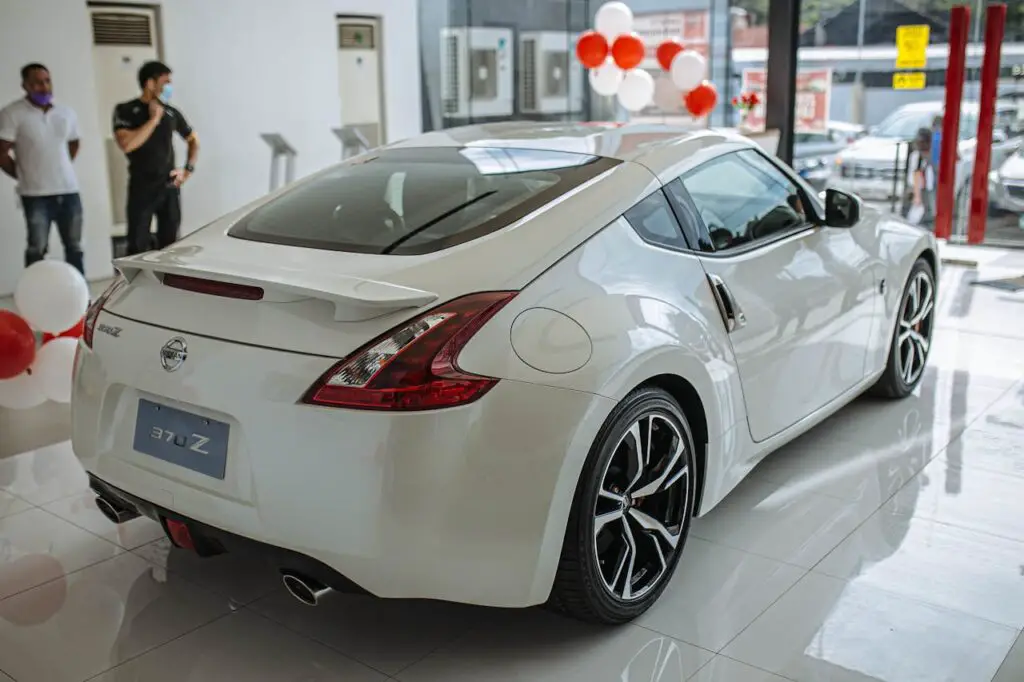
<p> Nissan may not always grab headlines like some of the bigger brands, but it has quietly built a loyal following among boomers. The brand offers dependable sedans and SUVs that provide comfort and value without breaking the bank. Many boomers are drawn to models like the Altima or Rogue because they are affordable, easy to drive, and loaded with useful features. Nissan vehicles also tend to offer roomy interiors, which makes them comfortable for road trips or for simply running errands around town. For those who want solid quality at a reasonable price, Nissan is a practical option worth considering. </p> :: Pexels

Nissan may not always grab headlines like some of the bigger brands, but it has quietly built a loyal following among boomers. The brand offers dependable sedans and SUVs that provide comfort and value without breaking the bank.

Many boomers are drawn to models like the Altima or Rogue because they are affordable, easy to drive, and loaded with useful features. Nissan vehicles also tend to offer roomy interiors, which makes them comfortable for road trips or for simply running errands around town. For those who want solid quality at a reasonable price, Nissan is a practical option worth considering.

6. Subaru

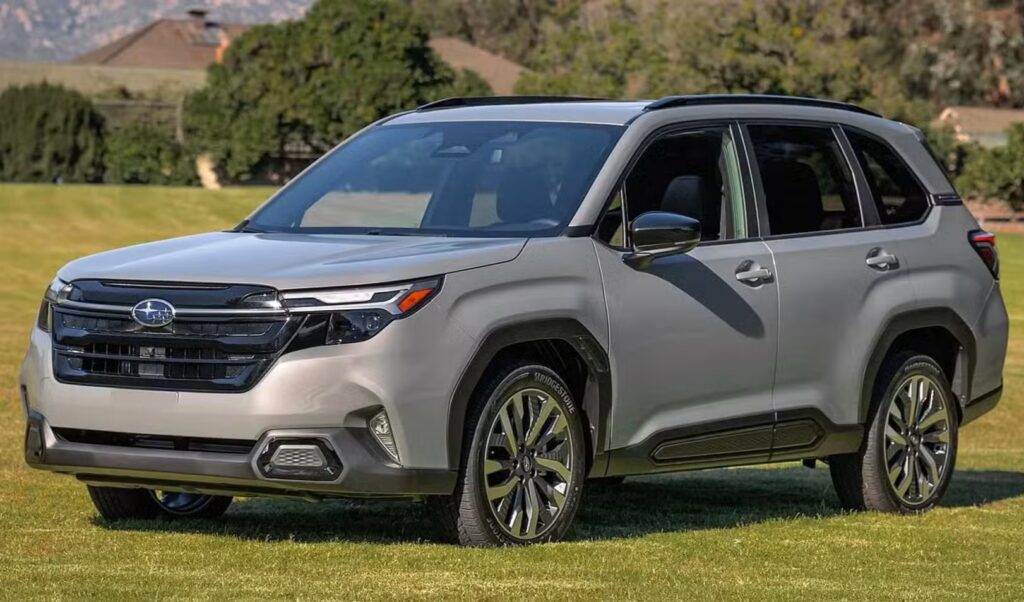
<p> If safety and all-weather capability are high on your list, Subaru deserves a serious look. Boomers living in areas with snowy winters or rainy seasons especially appreciate Subaru’s standard all-wheel drive on many models. Vehicles like the Outback and Forester are popular choices for their spacious interiors and excellent visibility. Subaru has also developed a reputation for durability, with many owners proudly keeping their vehicles for well over a decade. While fuel economy may not always be the best compared to smaller cars, the peace of mind that comes with Subaru’s safety and traction features makes it a popular pick among boomers who value confidence on the road. </p> :: Pexels

If safety and all-weather capability are high on your list, Subaru deserves a serious look. Boomers living in areas with snowy winters or rainy seasons especially appreciate Subaru’s standard all-wheel drive on many models.

Vehicles like the Outback and Forester are popular choices for their spacious interiors and excellent visibility. Subaru has also developed a reputation for durability, with many owners proudly keeping their vehicles for well over a decade. While fuel economy may not always be the best compared to smaller cars, the peace of mind that comes with Subaru’s safety and traction features makes it a popular pick among boomers who value confidence on the road.

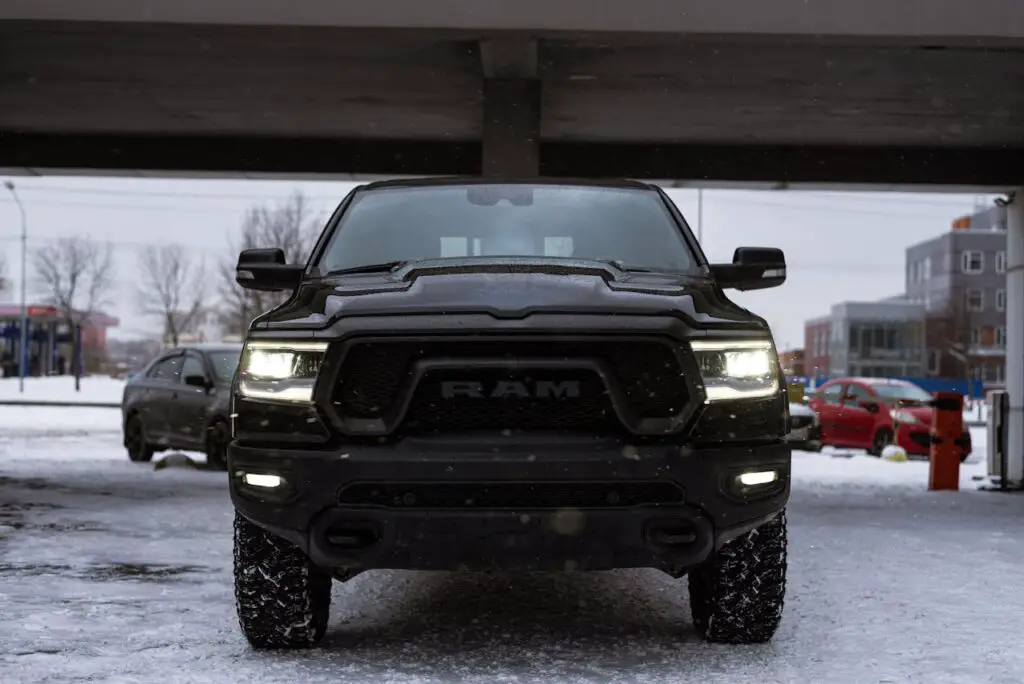
7. Ram

<p> For boomers who need strength and capability, Ram trucks are hard to ignore. Known for their impressive towing capacity and rugged design, Rams have become a top choice for those who need a vehicle that can handle heavy work while still offering modern comfort. One of the standout features for boomers is Ram’s improved interior design. In recent years, Ram trucks have become known for cabins that feel more upscale, with plush seating and intuitive technology. While they are certainly large and not the most fuel-efficient vehicles, Rams appeal to boomers who need a reliable truck that can do it all. </p> :: Pexels

For boomers who need strength and capability, Ram trucks are hard to ignore. Known for their impressive towing capacity and rugged design, Rams have become a top choice for those who need a vehicle that can handle heavy work while still offering modern comfort.

One of the standout features for boomers is Ram’s improved interior design. In recent years, Ram trucks have become known for cabins that feel more upscale, with plush seating and intuitive technology. While they are certainly large and not the most fuel-efficient vehicles, Rams appeal to boomers who need a reliable truck that can do it all.

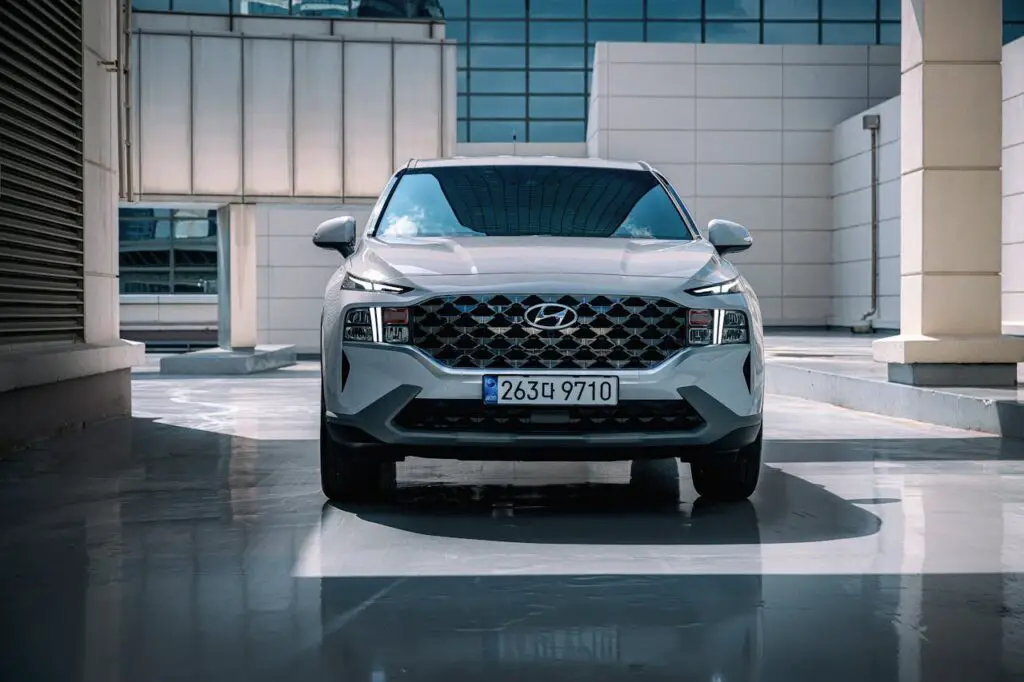
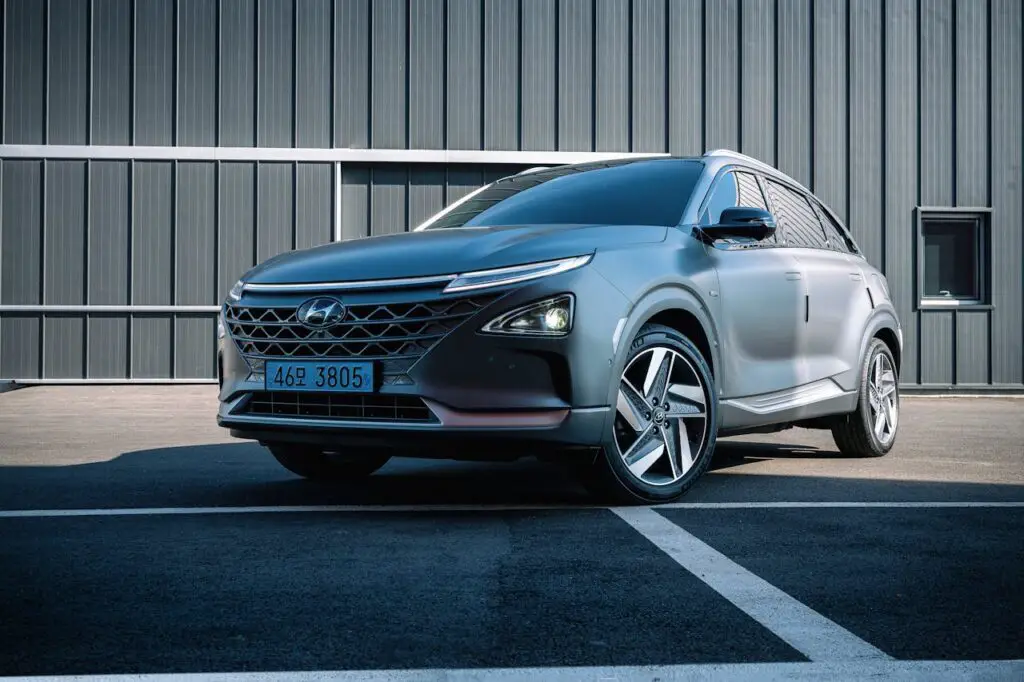
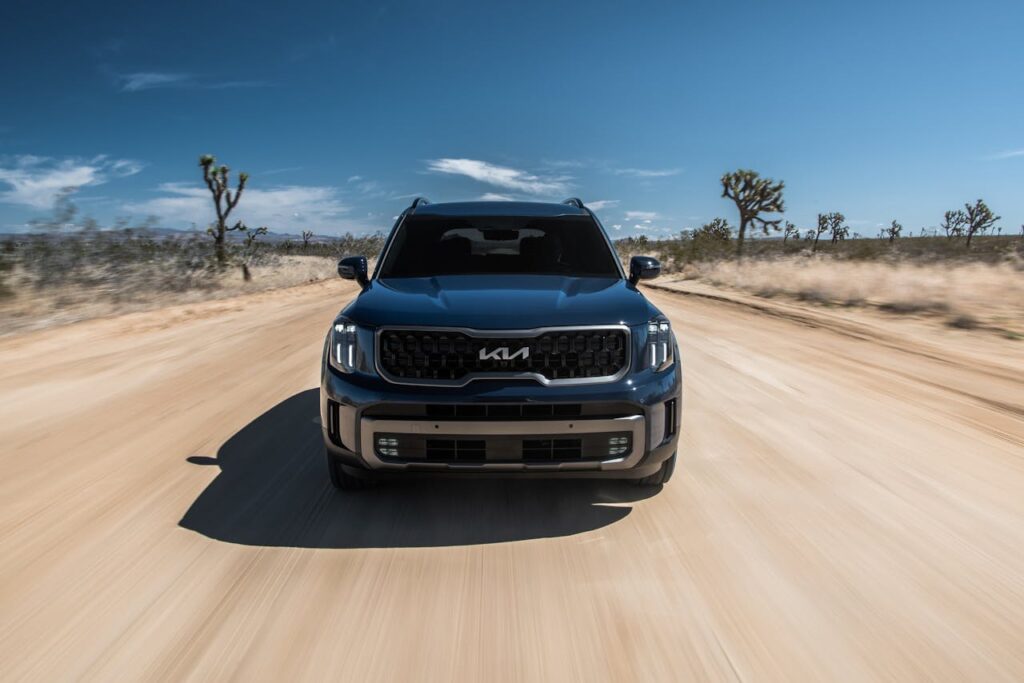
8. Hyundai and Kia

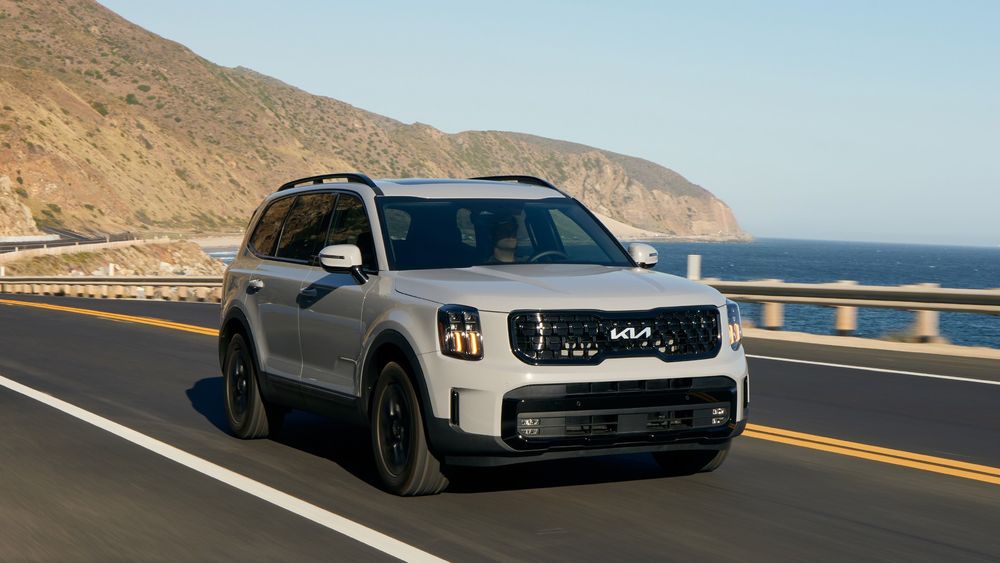
<p> Once seen as budget brands, Hyundai and Kia have transformed into serious competitors in the automotive market. Boomers are increasingly drawn to these brands because they offer excellent value for the money and some of the longest warranties in the business. Models like the Hyundai Tucson or Kia Sportage deliver modern technology, comfortable seating, and impressive fuel economy, all at a price that often undercuts competitors. Many boomers also appreciate the user-friendly technology and stylish designs. While resale value may not always match Toyota or Honda, the generous warranty provides peace of mind that appeals to budget-conscious buyers. </p> :: Pexels

Once seen as budget brands, Hyundai and Kia have transformed into serious competitors in the automotive market. Boomers are increasingly drawn to these brands because they offer excellent value for the money and some of the longest warranties in the business.

Models like the Hyundai Tucson or Kia Sportage deliver modern technology, comfortable seating, and impressive fuel economy, all at a price that often undercuts competitors. Many boomers also appreciate the user-friendly technology and stylish designs. While resale value may not always match Toyota or Honda, the generous warranty provides peace of mind that appeals to budget-conscious buyers.

9. Mercedes-Benz

<p> Not every boomer is looking for practicality above all else. For those who want a little luxury in their driving experience, Mercedes-Benz is often the brand of choice. Known for its elegant interiors and refined driving dynamics, Mercedes offers a level of comfort and prestige that few other brands can match. Boomers who choose Mercedes often do so because they want to enjoy the ride as much as the destination. While maintenance costs can be higher, many feel the experience of driving a Mercedes is worth it. From smooth sedans to versatile SUVs, this brand offers a touch of sophistication that appeals to buyers looking for more than just the basics. </p> :: Pexels

Not every boomer is looking for practicality above all else. For those who want a little luxury in their driving experience, Mercedes-Benz is often the brand of choice. Known for its elegant interiors and refined driving dynamics, Mercedes offers a level of comfort and prestige that few other brands can match.

Boomers who choose Mercedes often do so because they want to enjoy the ride as much as the destination. While maintenance costs can be higher, many feel the experience of driving a Mercedes is worth it. From smooth sedans to versatile SUVs, this brand offers a touch of sophistication that appeals to buyers looking for more than just the basics.

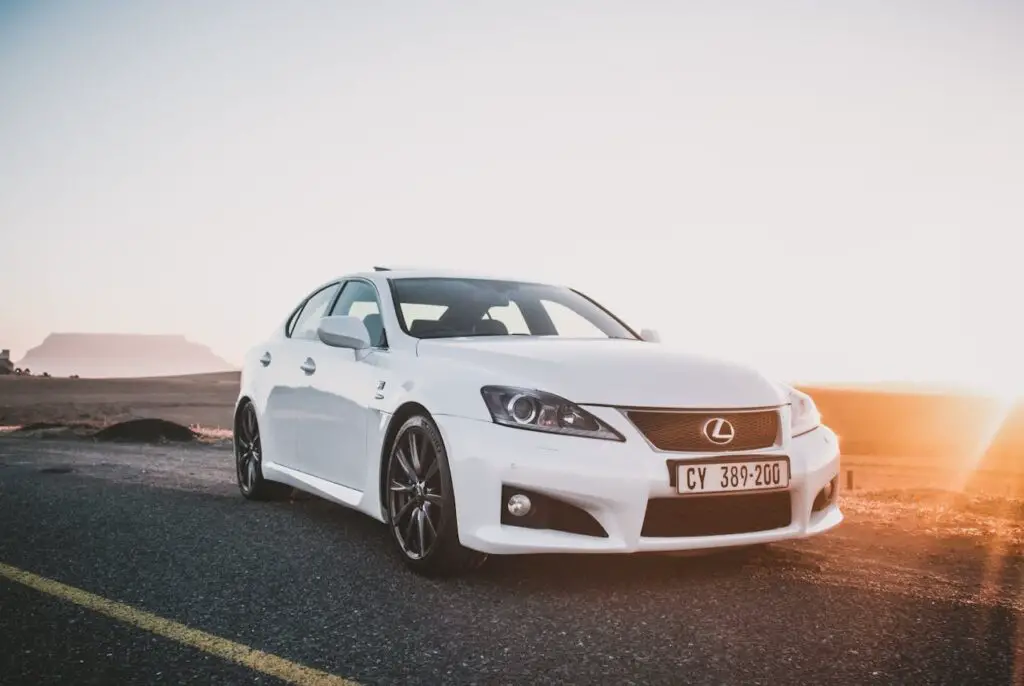
10. Lexus and Other Premium Brands

<p> Finally, many boomers who have spent years driving practical cars now find themselves interested in something a little more premium. Brands like Lexus, BMW, Acura, and Volvo are often on the radar for those who value comfort, quiet rides, and advanced safety features. Lexus in particular is a favorite because it combines Toyota’s reliability with an upscale feel. For boomers who want a car that will last while also offering a sense of refinement, it is a natural step up. Other premium brands offer their own advantages, from sporty performance to Scandinavian design, making this category a solid option for those ready to treat themselves. </p> :: Pexels

Finally, many boomers who have spent years driving practical cars now find themselves interested in something a little more premium. Brands like Lexus, BMW, Acura, and Volvo are often on the radar for those who value comfort, quiet rides, and advanced safety features.

Lexus in particular is a favorite because it combines Toyota’s reliability with an upscale feel. For boomers who want a car that will last while also offering a sense of refinement, it is a natural step up. Other premium brands offer their own advantages, from sporty performance to Scandinavian design, making this category a solid option for those ready to treat themselves.

Final Thoughts

<p> Car shopping for baby boomers is less about flash and more about finding a vehicle that fits their lifestyle, values, and comfort level. Many in this generation have learned through experience which brands deliver long-term satisfaction, and that wisdom shows up in their choices. From Ford and Chevrolet to Toyota and Honda, the most popular picks are rooted in reliability and trust. For others, brands like Subaru, Ram, or even luxury names like Mercedes-Benz or Lexus add extra touches of capability or comfort. At the end of the day, the right car brand for boomers is one that makes every drive feel effortless, safe, and enjoyable. Whether you are planning road trips, hauling gear, or simply running errands, these ten brands have proven themselves to be reliable companions. So, when it is time to walk into that showroom, you will already know where to start—and you just might drive away with a car that keeps you smiling for years to come. </p> :: Pexels

Car shopping for baby boomers is less about flash and more about finding a vehicle that fits their lifestyle, values, and comfort level. Many in this generation have learned through experience which brands deliver long-term satisfaction, and that wisdom shows up in their choices. From Ford and Chevrolet to Toyota and Honda, the most popular picks are rooted in reliability and trust. For others, brands like Subaru, Ram, or even luxury names like Mercedes-Benz or Lexus add extra touches of capability or comfort.

At the end of the day, the right car brand for boomers is one that makes every drive feel effortless, safe, and enjoyable. Whether you are planning road trips, hauling gear, or simply running errands, these ten brands have proven themselves to be reliable companions. So, when it is time to walk into that showroom, you will already know where to start—and you just might drive away with a car that keeps you smiling for years to come.

Filed Under: Autos

8 Expert-Recommended Driving Tips to Help Boomers Stay Safe After 60

September 17, 2025 | Leave a Comment

8 Expert-Recommended Driving Tips to Help Boomers Stay Safe After 60

<p> There is something liberating about driving. For many baby boomers, being behind the wheel is not just about getting from one place to another—it represents independence, freedom, and the ability to stay connected with friends, family, and community. But let’s be honest: as we age, driving can feel a little different. Vision changes, slower reflexes, or even new medications can influence how confident and safe we feel on the road.

The good news? Staying safe after 60 does not mean giving up your car keys. It simply means being a little more intentional and making small adjustments that help keep driving enjoyable and secure. With guidance from experts in aging and road safety, here are eight practical tips designed to help boomers keep their independence while staying safe on the open road. </p> :: Freepik

There is something liberating about driving. For many baby boomers, being behind the wheel is not just about getting from one place to another—it represents independence, freedom, and the ability to stay connected with friends, family, and community. But let’s be honest: as we age, driving can feel a little different. Vision changes, slower reflexes, or even new medications can influence how confident and safe we feel on the road.

The good news? Staying safe after 60 does not mean giving up your car keys. It simply means being a little more intentional and making small adjustments that help keep driving enjoyable and secure. With guidance from experts in aging and road safety, here are eight practical tips designed to help boomers keep their independence while staying safe on the open road.

1. Schedule Regular Vision and Hearing Checks

<p> Your eyes and ears are two of your most important driving tools. Even minor changes in eyesight or hearing can affect how quickly you notice hazards. Eye doctors recommend getting an annual exam to check for common conditions like cataracts, glaucoma, and age-related macular degeneration. These issues can sneak up gradually, but they may impact how well you see road signs, judge distance, or handle glare from headlights at night.

Hearing is just as crucial. A siren from an emergency vehicle or a horn from another driver can be lifesaving signals. If you wear hearing aids, make sure they are properly adjusted, and get tested every couple of years. Staying on top of these checkups is one of the easiest ways to keep yourself safe while maintaining peace of mind. </p> :: Freepik

Your eyes and ears are two of your most important driving tools. Even minor changes in eyesight or hearing can affect how quickly you notice hazards. Eye doctors recommend getting an annual exam to check for common conditions like cataracts, glaucoma, and age-related macular degeneration. These issues can sneak up gradually, but they may impact how well you see road signs, judge distance, or handle glare from headlights at night.

Hearing is just as crucial. A siren from an emergency vehicle or a horn from another driver can be lifesaving signals. If you wear hearing aids, make sure they are properly adjusted, and get tested every couple of years. Staying on top of these checkups is one of the easiest ways to keep yourself safe while maintaining peace of mind.

2. Review Medications With Your Doctor or Pharmacist

<p> Many boomers take prescriptions or over-the-counter medications to manage health conditions, but some of those drugs can affect driving ability. Side effects like drowsiness, blurred vision, or dizziness may sound minor on paper, but behind the wheel they can increase risks.

Set aside time to review your medications with your doctor or pharmacist. Be upfront about how often you drive, and ask specifically whether any of your medicines could interfere with alertness or reaction time. Sometimes the solution is as simple as adjusting the timing of when you take your medication. This small step can prevent dangerous situations and give you confidence knowing you are alert every time you drive. </p> :: Freepik

Many boomers take prescriptions or over-the-counter medications to manage health conditions, but some of those drugs can affect driving ability. Side effects like drowsiness, blurred vision, or dizziness may sound minor on paper, but behind the wheel they can increase risks.

Set aside time to review your medications with your doctor or pharmacist. Be upfront about how often you drive, and ask specifically whether any of your medicines could interfere with alertness or reaction time. Sometimes the solution is as simple as adjusting the timing of when you take your medication. This small step can prevent dangerous situations and give you confidence knowing you are alert every time you drive.

3. Choose Safer Times and Conditions to Drive

<p> Not all driving conditions are created equal. Night driving can be especially challenging as our eyes age, since it becomes harder to recover from glare or spot pedestrians in dim light. Rain, snow, or heavy traffic can also make the road feel overwhelming.

One way to stay safe without sacrificing independence is to plan your trips during daylight and in good weather whenever possible. Need to run errands? Aim for mid-morning after rush hour or early afternoon before traffic builds. If you know a storm is on the horizon, consider rescheduling or asking for a ride. These simple adjustments can reduce stress and keep your trips more enjoyable. </p> :: Freepik

Not all driving conditions are created equal. Night driving can be especially challenging as our eyes age, since it becomes harder to recover from glare or spot pedestrians in dim light. Rain, snow, or heavy traffic can also make the road feel overwhelming.

One way to stay safe without sacrificing independence is to plan your trips during daylight and in good weather whenever possible. Need to run errands? Aim for mid-morning after rush hour or early afternoon before traffic builds. If you know a storm is on the horizon, consider rescheduling or asking for a ride. These simple adjustments can reduce stress and keep your trips more enjoyable.

4. Take Extra Care at Intersections and Turns

<p> Intersections are one of the most common places where accidents happen, especially for older drivers. Left turns across busy lanes can be particularly tricky because they require quick judgment and precise timing.

Experts recommend giving yourself more time at intersections. Do not feel pressured by the car behind you. If you are unsure about crossing, wait for a clear and comfortable gap in traffic. When possible, choose routes with protected left-turn signals or roundabouts, which reduce the stress of crossing multiple lanes. By approaching intersections with patience and caution, you significantly reduce the chances of a close call. </p> :: Pexels

Intersections are one of the most common places where accidents happen, especially for older drivers. Left turns across busy lanes can be particularly tricky because they require quick judgment and precise timing.

Experts recommend giving yourself more time at intersections. Do not feel pressured by the car behind you. If you are unsure about crossing, wait for a clear and comfortable gap in traffic. When possible, choose routes with protected left-turn signals or roundabouts, which reduce the stress of crossing multiple lanes. By approaching intersections with patience and caution, you significantly reduce the chances of a close call.

5. Adjust Your Car for Comfort and Control

<p> Small tweaks to your car setup can make a world of difference. Start with your seat position. You should be able to sit upright with your back supported, your knees slightly bent, and your hands comfortably on the wheel. Adjust your mirrors so you have maximum visibility with minimal head movement.

For many boomers, glare from the sun or headlights is a growing issue. A good pair of polarized sunglasses can help during the day, while anti-glare coatings on prescription glasses can make nighttime driving less stressful. If your car is equipped with modern safety features like blind spot alerts or backup cameras, take the time to learn how they work. Think of them as helpful copilots rather than intimidating gadgets. </p> :: Pexels

Small tweaks to your car setup can make a world of difference. Start with your seat position. You should be able to sit upright with your back supported, your knees slightly bent, and your hands comfortably on the wheel. Adjust your mirrors so you have maximum visibility with minimal head movement.

For many boomers, glare from the sun or headlights is a growing issue. A good pair of polarized sunglasses can help during the day, while anti-glare coatings on prescription glasses can make nighttime driving less stressful. If your car is equipped with modern safety features like blind spot alerts or backup cameras, take the time to learn how they work. Think of them as helpful copilots rather than intimidating gadgets.

6. Keep Your Body and Mind in Driving Shape

<p> Driving may not seem physically demanding, but flexibility, strength, and quick reflexes all play a role. If turning your head to check blind spots or gripping the wheel feels uncomfortable, it may be time to add some simple exercises to your routine. Neck stretches, shoulder rolls, and light strength training can improve your range of motion and control.

Mental sharpness is equally important. Activities like reading, puzzles, or even trying new routes can help keep your brain active and ready to process information quickly. Staying physically and mentally fit ensures that when something unexpected happens on the road, you are able to respond confidently and safely. </p> :: Pexels

Driving may not seem physically demanding, but flexibility, strength, and quick reflexes all play a role. If turning your head to check blind spots or gripping the wheel feels uncomfortable, it may be time to add some simple exercises to your routine. Neck stretches, shoulder rolls, and light strength training can improve your range of motion and control.

Mental sharpness is equally important. Activities like reading, puzzles, or even trying new routes can help keep your brain active and ready to process information quickly. Staying physically and mentally fit ensures that when something unexpected happens on the road, you are able to respond confidently and safely.

7. Use Technology to Your Advantage

<p> Technology is not just for younger generations—it can make driving easier and safer at any age. Modern vehicles often come with features such as lane departure warnings, forward collision alerts, and parking sensors. These tools are designed to back you up, not take over.

If your car has a GPS system, program it before you start driving so you are not distracted while on the move. Voice navigation can be particularly useful since it allows you to keep your eyes on the road. Even if you are not tech-savvy, a little practice with these features can make you feel more confident and secure behind the wheel. </p> :: Pexels

Technology is not just for younger generations—it can make driving easier and safer at any age. Modern vehicles often come with features such as lane departure warnings, forward collision alerts, and parking sensors. These tools are designed to back you up, not take over.

If your car has a GPS system, program it before you start driving so you are not distracted while on the move. Voice navigation can be particularly useful since it allows you to keep your eyes on the road. Even if you are not tech-savvy, a little practice with these features can make you feel more confident and secure behind the wheel.

8. Be Honest With Yourself and Know When to Adjust

<p> Perhaps the most important tip is to regularly check in with yourself. Pay attention to how you feel while driving. Do you find yourself getting lost on familiar routes? Are you more anxious at night or in heavy traffic? Have family members expressed concern about your driving? These could be signs that some adjustments are needed.

That does not always mean hanging up the keys. It may simply mean limiting driving to certain conditions, taking a defensive driving course to brush up on skills, or getting a professional driving evaluation for extra reassurance. And when the time comes to scale back further, remember that rideshare apps, community shuttles, and supportive family members can help you stay mobile and connected. Independence is not about always driving—it is about continuing to get where you need to go safely and confidently. </p> :: Pexels

Perhaps the most important tip is to regularly check in with yourself. Pay attention to how you feel while driving. Do you find yourself getting lost on familiar routes? Are you more anxious at night or in heavy traffic? Have family members expressed concern about your driving? These could be signs that some adjustments are needed.

That does not always mean hanging up the keys. It may simply mean limiting driving to certain conditions, taking a defensive driving course to brush up on skills, or getting a professional driving evaluation for extra reassurance. And when the time comes to scale back further, remember that rideshare apps, community shuttles, and supportive family members can help you stay mobile and connected. Independence is not about always driving—it is about continuing to get where you need to go safely and confidently.

Final Thoughts

<p> Driving after 60 is not about slowing down—it is about driving smarter. The road is still yours to enjoy, whether it is a trip to visit the grandkids, a scenic weekend drive, or a simple grocery run. By making small but meaningful adjustments—like checking your vision and hearing, planning trips during the day, or using modern car safety tools—you can hold onto both your independence and your peace of mind.

Remember, safe driving is not about age. It is about preparation, awareness, and the willingness to adapt. You have spent decades gaining wisdom and experience—now put that to work every time you slide behind the wheel. With these expert-recommended tips, you can keep the keys in your hand and the open road ahead for many more years to come. </p> :: Pexels

Driving after 60 is not about slowing down—it is about driving smarter. The road is still yours to enjoy, whether it is a trip to visit the grandkids, a scenic weekend drive, or a simple grocery run. By making small but meaningful adjustments—like checking your vision and hearing, planning trips during the day, or using modern car safety tools—you can hold onto both your independence and your peace of mind.

Remember, safe driving is not about age. It is about preparation, awareness, and the willingness to adapt. You have spent decades gaining wisdom and experience—now put that to work every time you slide behind the wheel. With these expert-recommended tips, you can keep the keys in your hand and the open road ahead for many more years to come.

Filed Under: Autos

11 Cars with the Lowest Maintenance Costs According to Mechanics

September 16, 2025 | Leave a Comment

11 Cars with the Lowest Maintenance Costs According to Mechanics

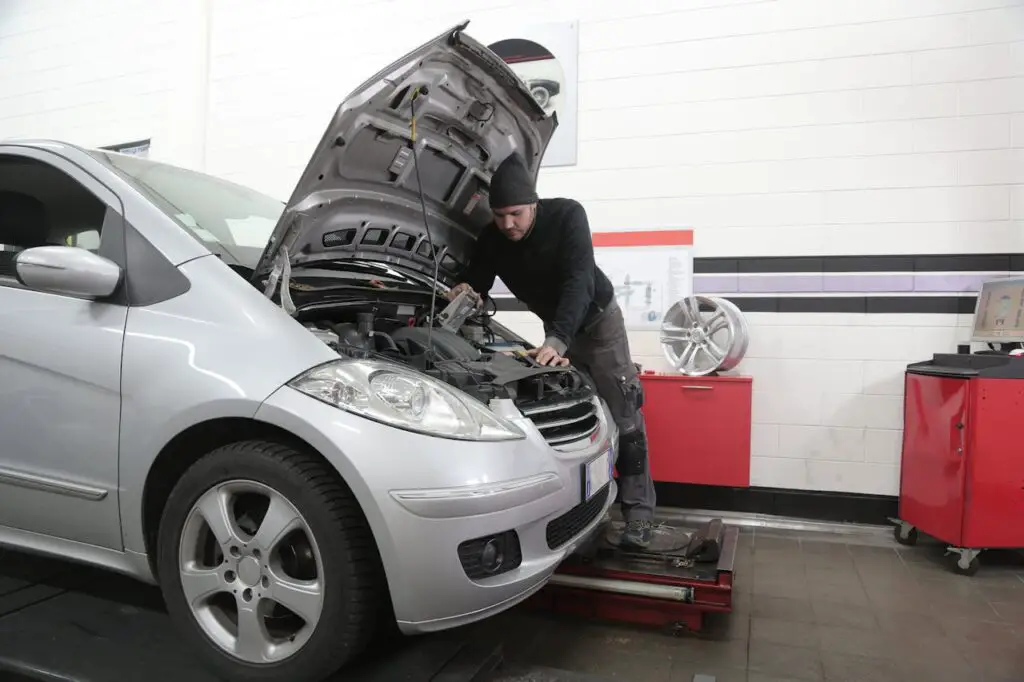
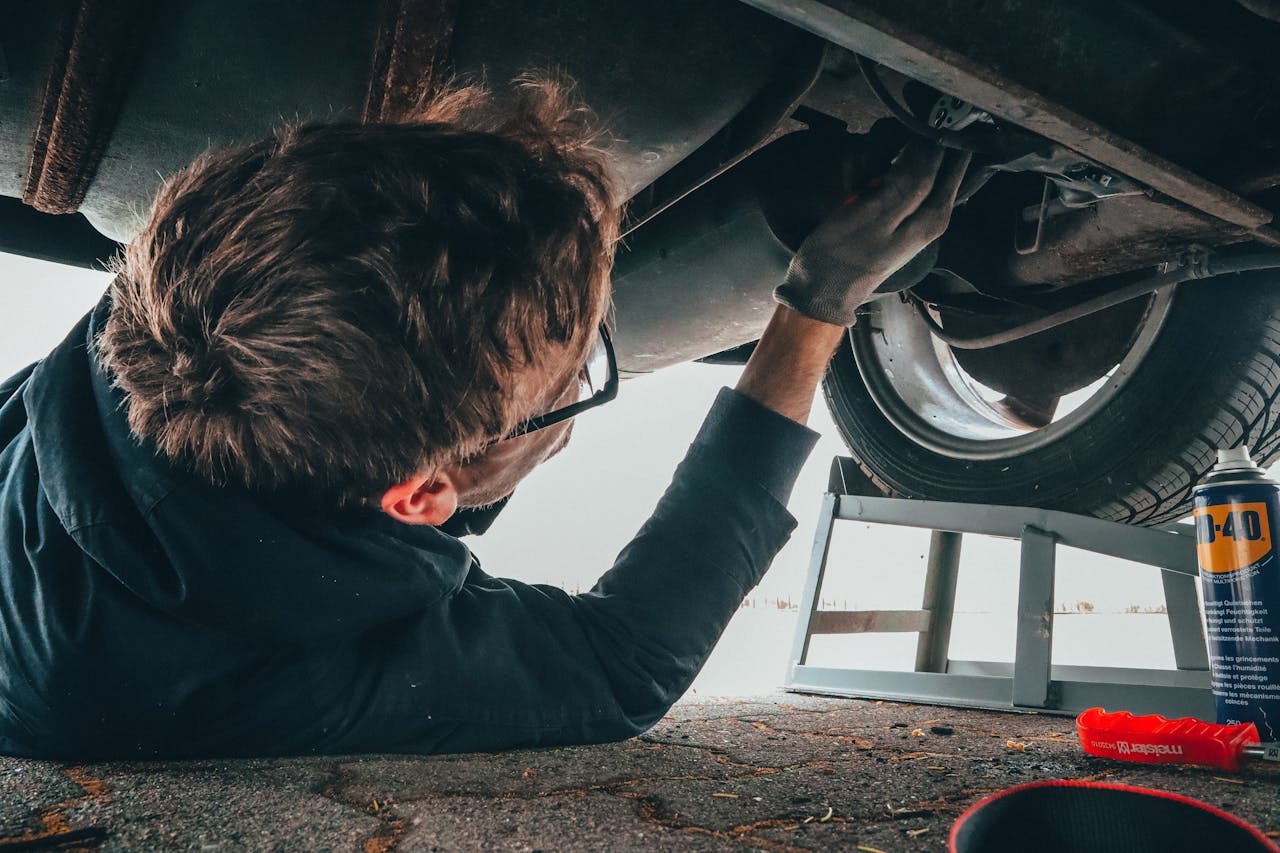
<p> Car ownership can be an exciting and rewarding experience, but anyone who has ever owned a vehicle knows it comes with its own set of challenges. One of the most significant aspects of owning a car is the maintenance costs—something that can quickly turn your dream car into a financial burden. Luckily, some cars are known for being easier on the wallet when it comes to maintenance, and that’s exactly what we’re diving into today. Whether you're a seasoned car enthusiast or just someone looking for a vehicle that won't break the bank in repairs, you're in the right place. Mechanics often emphasize the importance of choosing a car that’s affordable to maintain, as it can save you a lot of headaches (and money) down the road. In this list, we’re showcasing 11 cars that mechanics love to recommend for their low maintenance costs. These cars are not just reliable but have been built to stand the test of time without draining your bank account. So, let’s rev up and take a look at the vehicles that offer both performance and wallet-friendly maintenance! </p> :: Pexels

Car ownership can be an exciting and rewarding experience, but anyone who has ever owned a vehicle knows it comes with its own set of challenges. One of the most significant aspects of owning a car is the maintenance costs—something that can quickly turn your dream car into a financial burden. Luckily, some cars are known for being easier on the wallet when it comes to maintenance, and that’s exactly what we’re diving into today.

Whether you’re a seasoned car enthusiast or just someone looking for a vehicle that won’t break the bank in repairs, you’re in the right place. Mechanics often emphasize the importance of choosing a car that’s affordable to maintain, as it can save you a lot of headaches (and money) down the road. In this list, we’re showcasing 11 cars that mechanics love to recommend for their low maintenance costs. These cars are not just reliable but have been built to stand the test of time without draining your bank account. So, let’s rev up and take a look at the vehicles that offer both performance and wallet-friendly maintenance!

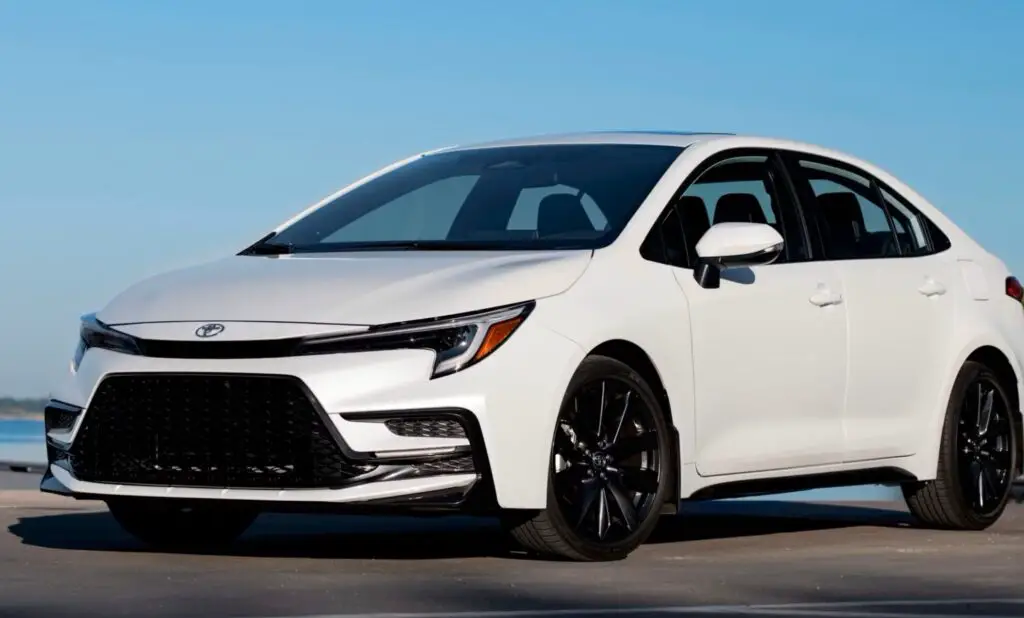
1. Toyota Corolla

<p> The Toyota Corolla is a name that almost everyone recognizes, and for good reason. It's one of the most reliable and durable cars on the road today. Car enthusiasts often point out that the Corolla is a workhorse, built to last and perform without costing a fortune in repairs. Mechanics often praise the Corolla for its straightforward engineering, which makes repairs quick and affordable. This compact sedan doesn’t require a lot of maintenance, and the availability of affordable parts ensures you won’t be paying over the odds for repairs. If you’re looking for a car that’s easy on the wallet both upfront and in the long run, the Toyota Corolla is a solid choice. </p> :: carbuzz.com

The Toyota Corolla is a name that almost everyone recognizes, and for good reason. It’s one of the most reliable and durable cars on the road today. Car enthusiasts often point out that the Corolla is a workhorse, built to last and perform without costing a fortune in repairs. Mechanics often praise the Corolla for its straightforward engineering, which makes repairs quick and affordable. This compact sedan doesn’t require a lot of maintenance, and the availability of affordable parts ensures you won’t be paying over the odds for repairs. If you’re looking for a car that’s easy on the wallet both upfront and in the long run, the Toyota Corolla is a solid choice.

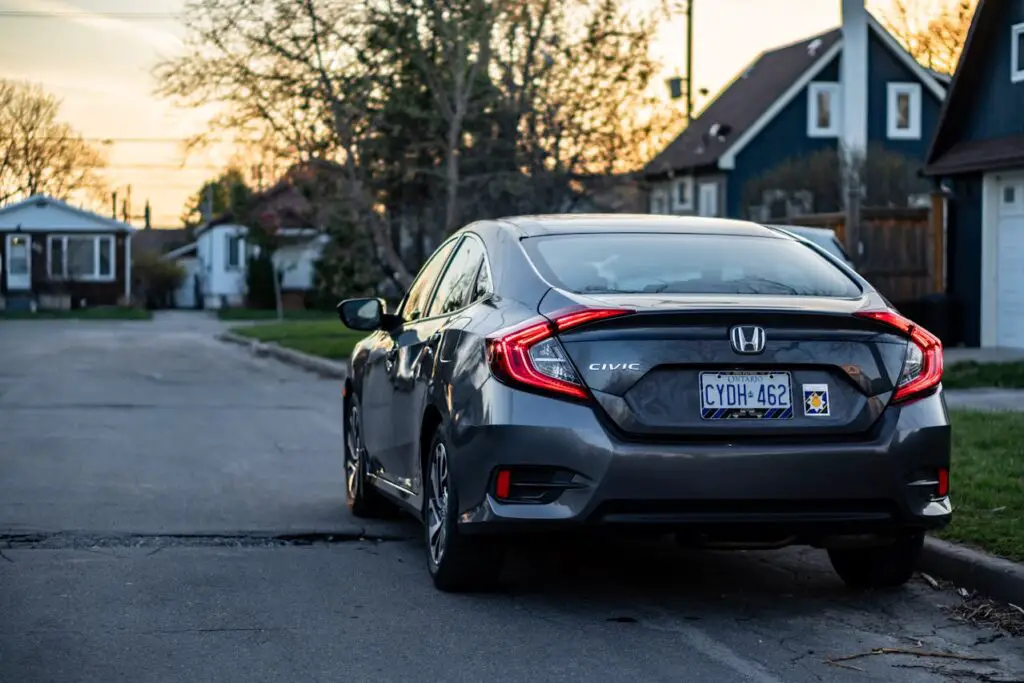
2. Honda Civic

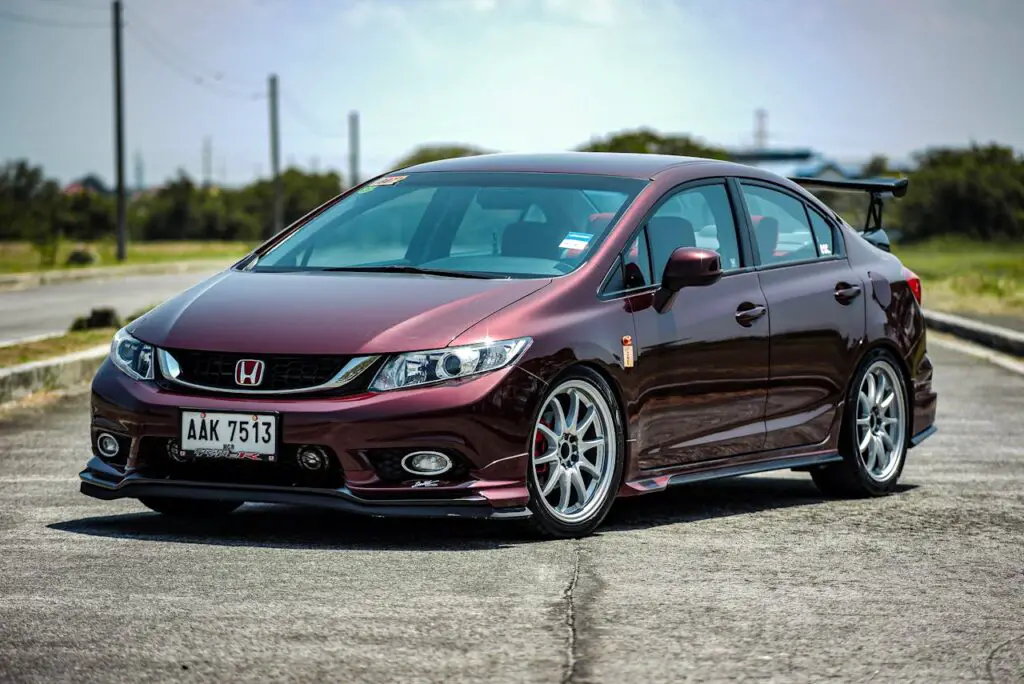
<p> The Honda Civic is another car that has earned a reputation for longevity and affordability. Known for its sportiness and fuel efficiency, the Civic is a favorite among car enthusiasts who want performance without the hefty repair costs. Thanks to its reliable engine and solid build, the Civic remains one of the best cars in terms of low maintenance. It's easy to find parts, and it’s incredibly popular, meaning mechanics are very familiar with it. Whether you’re cruising around town or embarking on a road trip, the Civic will keep you moving without putting a huge dent in your repair budget. </p> :: Pexels

The Honda Civic is another car that has earned a reputation for longevity and affordability. Known for its sportiness and fuel efficiency, the Civic is a favorite among car enthusiasts who want performance without the hefty repair costs. Thanks to its reliable engine and solid build, the Civic remains one of the best cars in terms of low maintenance. It’s easy to find parts, and it’s incredibly popular, meaning mechanics are very familiar with it. Whether you’re cruising around town or embarking on a road trip, the Civic will keep you moving without putting a huge dent in your repair budget.

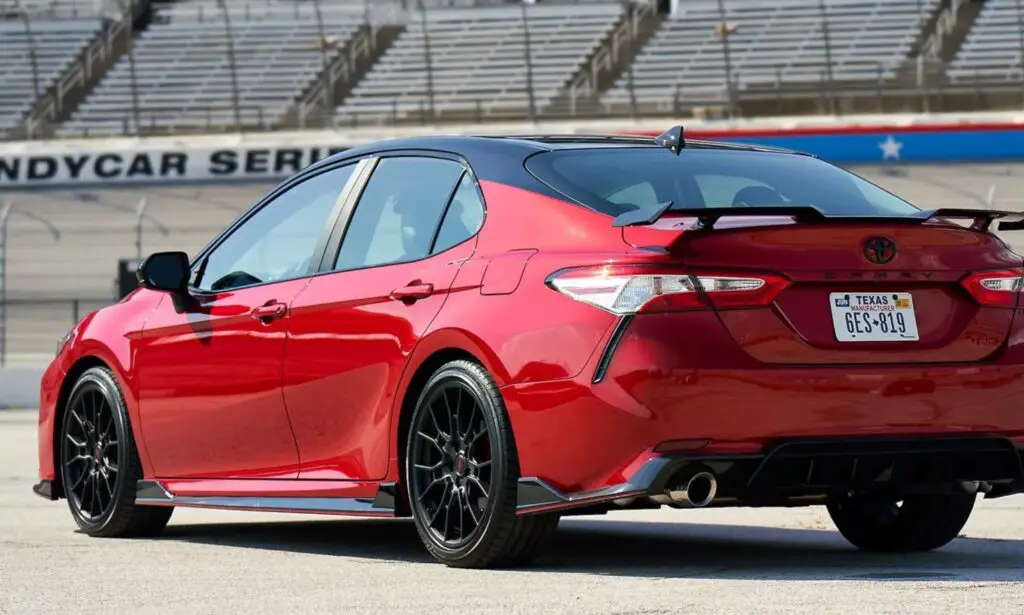
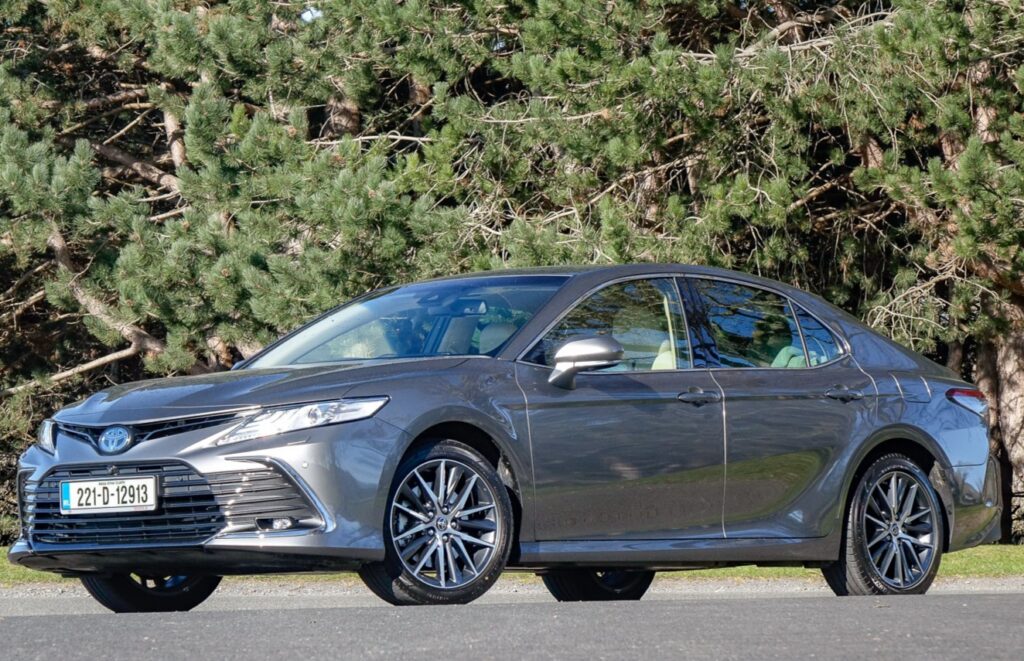
3. Toyota Camry

<p> The Toyota Camry is a staple in the midsize sedan category, known for its smooth ride, excellent fuel efficiency, and, of course, low maintenance costs. Mechanics recommend the Camry not only for its comfort but also because of its reputation for requiring fewer repairs than many other cars in its class. With a durable engine and simple design, the Camry is a great long-term investment for those who want reliability at an affordable price. Owners often report that their Camry requires little more than routine maintenance, and major repairs are rare. This makes it one of the top cars for drivers looking to keep their maintenance costs low. </p> :: Toyota / axios.com

The Toyota Camry is a staple in the midsize sedan category, known for its smooth ride, excellent fuel efficiency, and, of course, low maintenance costs. Mechanics recommend the Camry not only for its comfort but also because of its reputation for requiring fewer repairs than many other cars in its class. With a durable engine and simple design, the Camry is a great long-term investment for those who want reliability at an affordable price. Owners often report that their Camry requires little more than routine maintenance, and major repairs are rare. This makes it one of the top cars for drivers looking to keep their maintenance costs low.

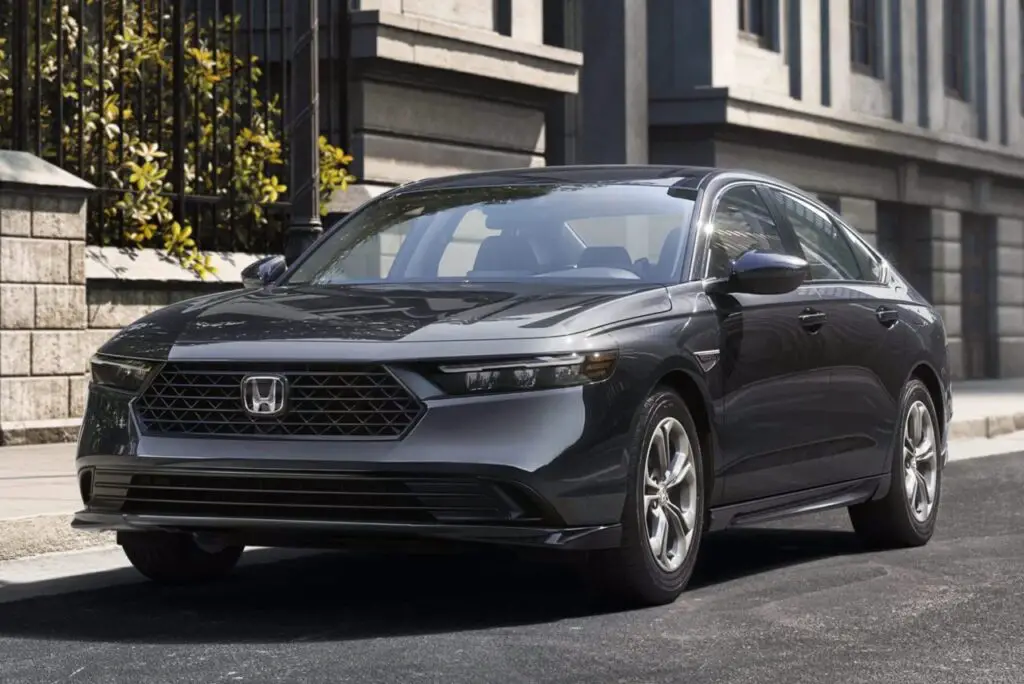
4. Honda Accord

<p> The Honda Accord is a fan favorite, and it’s no surprise why—it's known for its excellent balance of performance and low maintenance costs. With a reputation for being one of the most reliable vehicles on the market, the Accord has become a go-to choice for many. Mechanics love the Accord because it’s designed to last, with minimal repairs needed over time. The straightforward engine design also makes it easy to work on, keeping repair costs to a minimum. Whether you’re tackling the daily commute or heading out on a weekend adventure, the Honda Accord is built to keep you on the road and out of the shop. </p> :: Honda

The Honda Accord is a fan favorite, and it’s no surprise why—it’s known for its excellent balance of performance and low maintenance costs. With a reputation for being one of the most reliable vehicles on the market, the Accord has become a go-to choice for many. Mechanics love the Accord because it’s designed to last, with minimal repairs needed over time. The straightforward engine design also makes it easy to work on, keeping repair costs to a minimum. Whether you’re tackling the daily commute or heading out on a weekend adventure, the Honda Accord is built to keep you on the road and out of the shop.

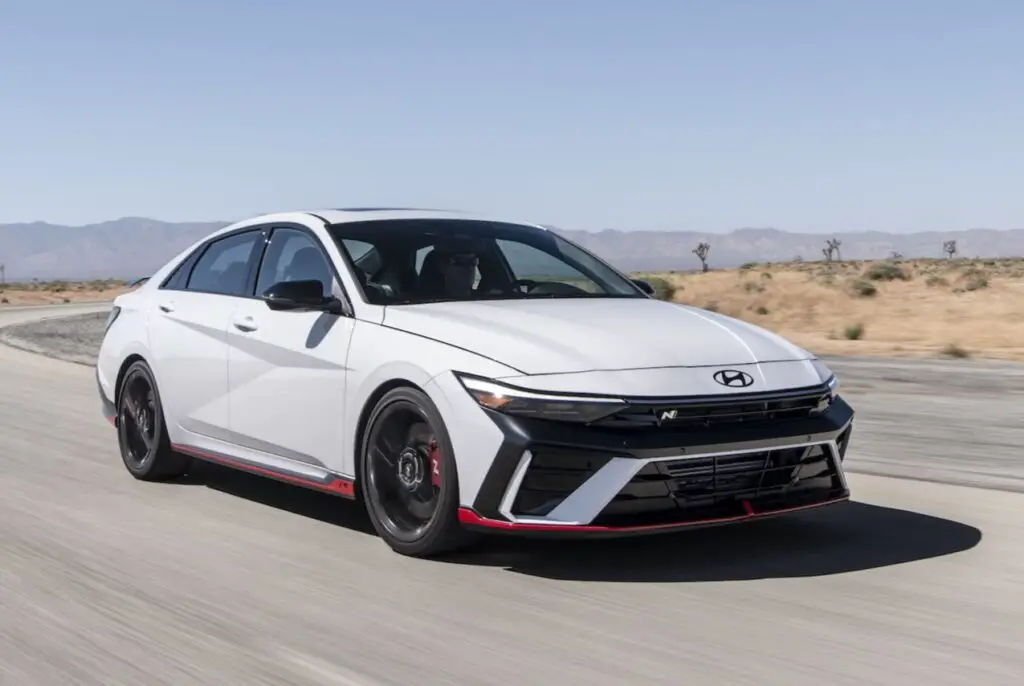
5. Hyundai Elantra

<p> If you're in the market for a budget-friendly vehicle with great reliability, the Hyundai Elantra is worth considering. This compact sedan boasts a reputation for low maintenance costs, which is why it's often recommended by mechanics. The Elantra’s engine is simple yet effective, meaning it doesn’t demand constant attention or costly repairs. Hyundai has also earned a reputation for providing excellent warranty coverage, which is a bonus for drivers looking for peace of mind. The Elantra is a great option for those who want a car that’s both economical and easy to maintain, making it a popular choice among car owners on a budget. </p> :: caranddriver.com

If you’re in the market for a budget-friendly vehicle with great reliability, the Hyundai Elantra is worth considering. This compact sedan boasts a reputation for low maintenance costs, which is why it’s often recommended by mechanics. The Elantra’s engine is simple yet effective, meaning it doesn’t demand constant attention or costly repairs. Hyundai has also earned a reputation for providing excellent warranty coverage, which is a bonus for drivers looking for peace of mind. The Elantra is a great option for those who want a car that’s both economical and easy to maintain, making it a popular choice among car owners on a budget.

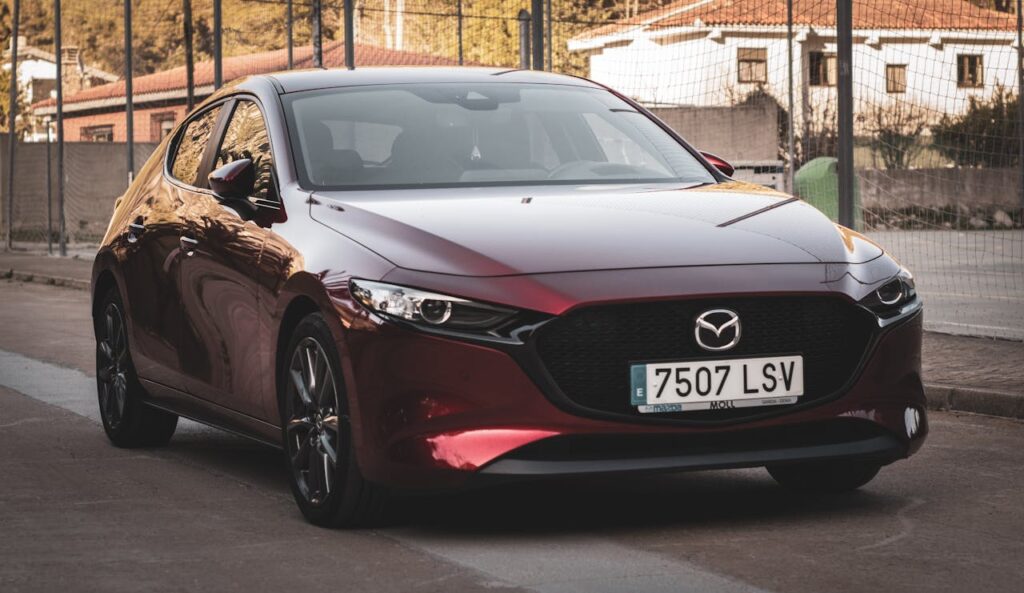
6. Mazda3

<p> For car enthusiasts who love driving but don’t want to deal with high maintenance costs, the Mazda3 is a dream come true. This compact car is known for its sharp handling and engaging driving experience. Mechanics love the Mazda3 because it’s built with a focus on durability and reliability, meaning fewer trips to the repair shop. The simple yet effective design of the Mazda3 keeps repair costs down, and the parts are affordable and easy to find. If you're looking for a car that delivers both fun and savings, the Mazda3 is definitely worth considering. </p> :: edmunds.com

For car enthusiasts who love driving but don’t want to deal with high maintenance costs, the Mazda3 is a dream come true. This compact car is known for its sharp handling and engaging driving experience. Mechanics love the Mazda3 because it’s built with a focus on durability and reliability, meaning fewer trips to the repair shop. The simple yet effective design of the Mazda3 keeps repair costs down, and the parts are affordable and easy to find. If you’re looking for a car that delivers both fun and savings, the Mazda3 is definitely worth considering.

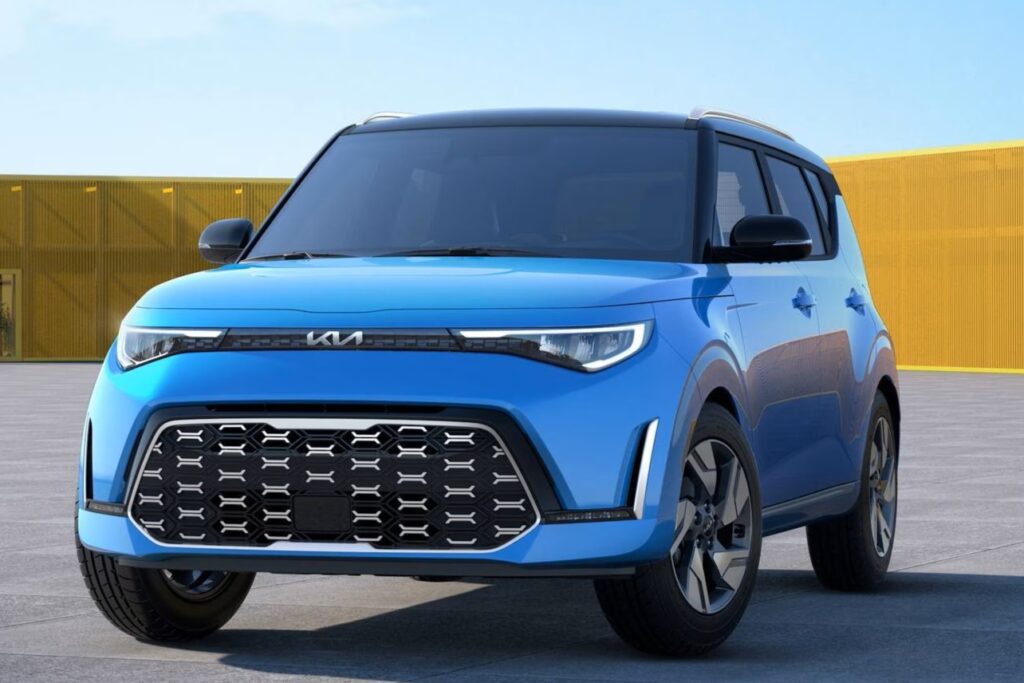
7. Kia Soul

<p> The Kia Soul is a quirky compact crossover that stands out for its low maintenance costs and unique design. It's affordable to maintain, thanks to its reliable engine and straightforward construction. Whether you're a fan of its boxy shape or just appreciate a car that doesn’t drain your wallet, the Kia Soul offers plenty of value. Its low repair costs and ease of maintenance make it a solid choice for anyone who wants a practical vehicle that’s also easy on the budget. Plus, with a spacious interior and impressive technology, the Kia Soul is a car that delivers on both function and affordability. </p> :: Pexels

The Kia Soul is a quirky compact crossover that stands out for its low maintenance costs and unique design. It’s affordable to maintain, thanks to its reliable engine and straightforward construction. Whether you’re a fan of its boxy shape or just appreciate a car that doesn’t drain your wallet, the Kia Soul offers plenty of value. Its low repair costs and ease of maintenance make it a solid choice for anyone who wants a practical vehicle that’s also easy on the budget. Plus, with a spacious interior and impressive technology, the Kia Soul is a car that delivers on both function and affordability.

8. Nissan Versa

<p> The Nissan Versa is an incredibly affordable subcompact car that offers fantastic value without the high maintenance costs. Known for its simplicity and practicality, the Versa is a car that keeps costs low in both repairs and fuel efficiency. Mechanics often recommend the Versa because it’s easy to maintain and doesn’t have many complex components that could break down. It’s an ideal choice for drivers looking for a budget-friendly option that doesn’t compromise on reliability. If you're looking for an economical car that won't need frequent trips to the mechanic, the Nissan Versa fits the bill. </p> :: Aaron Turpen / New Atlas

The Nissan Versa is an incredibly affordable subcompact car that offers fantastic value without the high maintenance costs. Known for its simplicity and practicality, the Versa is a car that keeps costs low in both repairs and fuel efficiency. Mechanics often recommend the Versa because it’s easy to maintain and doesn’t have many complex components that could break down. It’s an ideal choice for drivers looking for a budget-friendly option that doesn’t compromise on reliability. If you’re looking for an economical car that won’t need frequent trips to the mechanic, the Nissan Versa fits the bill.

9. Toyota Yaris

<p> The Toyota Yaris is another great option for those looking for a low-maintenance car that doesn’t skimp on reliability. This subcompact car offers excellent fuel efficiency, and its simple design makes it a mechanic's favorite. The Yaris is less likely to experience major breakdowns, and when repairs are needed, they’re typically inexpensive. With Toyota’s reputation for building long-lasting vehicles, the Yaris is no exception. It’s a perfect choice for anyone who needs an affordable, dependable vehicle without the worry of high maintenance costs. </p> :: Pexels

The Toyota Yaris is another great option for those looking for a low-maintenance car that doesn’t skimp on reliability. This subcompact car offers excellent fuel efficiency, and its simple design makes it a mechanic’s favorite. The Yaris is less likely to experience major breakdowns, and when repairs are needed, they’re typically inexpensive. With Toyota’s reputation for building long-lasting vehicles, the Yaris is no exception. It’s a perfect choice for anyone who needs an affordable, dependable vehicle without the worry of high maintenance costs.

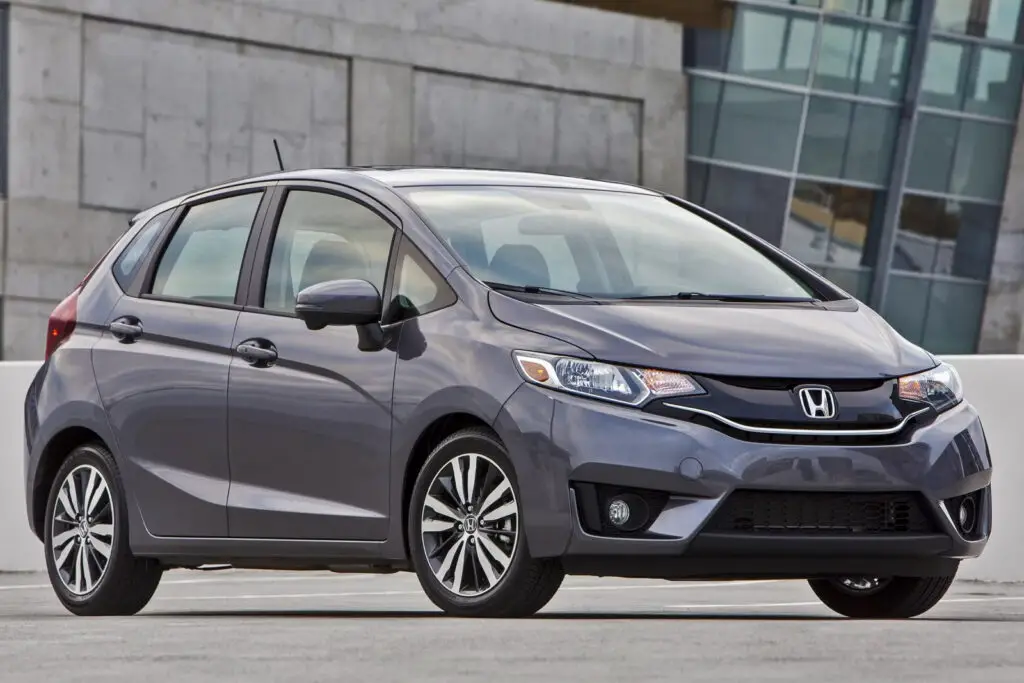
10. Honda Fit

<p> The Honda Fit is a small car that packs a punch when it comes to reliability and low-cost maintenance. Known for its excellent fuel economy and versatile design, the Fit is often recommended by mechanics for its simplicity and long-lasting performance. The Honda Fit has a reputation for being an extremely reliable vehicle that doesn’t require a lot of attention or expensive repairs. Its efficient engine and durable parts ensure that it remains a great option for car owners who want to keep their maintenance costs as low as possible. </p> :: edmunds.com

The Honda Fit is a small car that packs a punch when it comes to reliability and low-cost maintenance. Known for its excellent fuel economy and versatile design, the Fit is often recommended by mechanics for its simplicity and long-lasting performance. The Honda Fit has a reputation for being an extremely reliable vehicle that doesn’t require a lot of attention or expensive repairs. Its efficient engine and durable parts ensure that it remains a great option for car owners who want to keep their maintenance costs as low as possible.

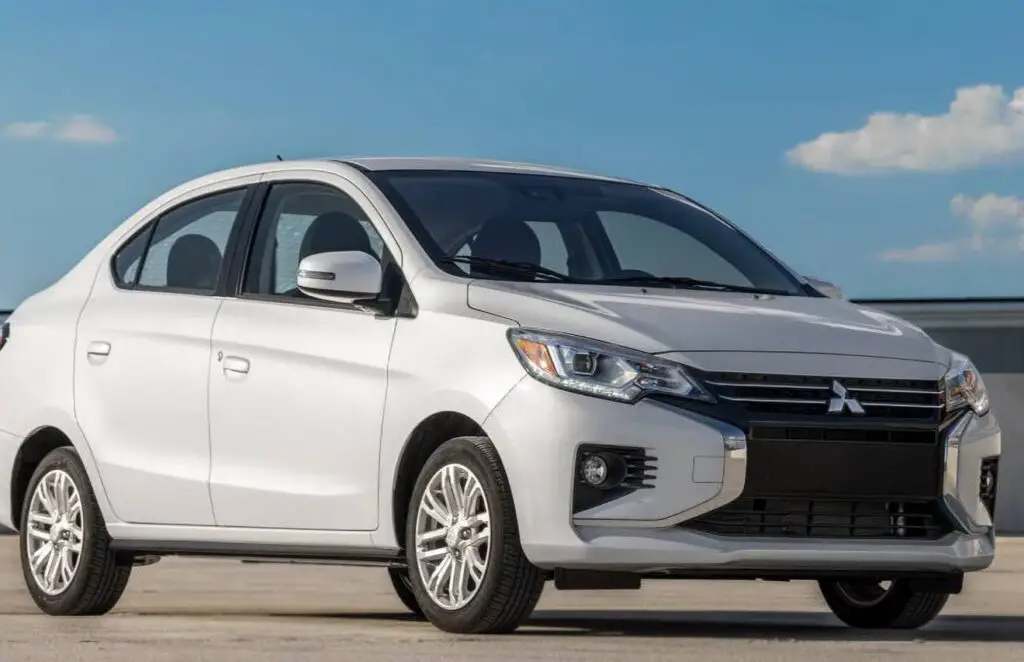
11. Mitsubishi Mirage

<p> The Mitsubishi Mirage is an affordable and reliable subcompact car that’s ideal for anyone looking to minimize maintenance expenses. Mechanics love the Mirage for its simplicity and durability, as it rarely requires costly repairs. The Mirage’s small engine and basic design mean that it’s an inexpensive car to maintain over the long term. If you’re after a vehicle that won’t break the bank in repairs, the Mitsubishi Mirage is a solid, budget-friendly option. </p> :: Pexels

The Mitsubishi Mirage is an affordable and reliable subcompact car that’s ideal for anyone looking to minimize maintenance expenses. Mechanics love the Mirage for its simplicity and durability, as it rarely requires costly repairs. The Mirage’s small engine and basic design mean that it’s an inexpensive car to maintain over the long term. If you’re after a vehicle that won’t break the bank in repairs, the Mitsubishi Mirage is a solid, budget-friendly option.

Final Thoughts

<p> Owning a car is an incredible experience, but when it comes to maintenance, it's crucial to make a smart choice to avoid expensive repairs. The cars listed here are not only fun to drive and reliable, but they are also known for their low maintenance costs, meaning less stress and more time on the road for you. From the ever-popular Toyota Corolla to the efficient Mitsubishi Mirage, these vehicles are a great investment for any car enthusiast or everyday driver. If you’re looking for a car that’s easy on the wallet while still delivering reliable performance, these 11 options will surely fit the bill! </p> :: Pexels

Owning a car is an incredible experience, but when it comes to maintenance, it’s crucial to make a smart choice to avoid expensive repairs. The cars listed here are not only fun to drive and reliable, but they are also known for their low maintenance costs, meaning less stress and more time on the road for you. From the ever-popular Toyota Corolla to the efficient Mitsubishi Mirage, these vehicles are a great investment for any car enthusiast or everyday driver. If you’re looking for a car that’s easy on the wallet while still delivering reliable performance, these 11 options will surely fit the bill!

Filed Under: Autos

Is That Extra Car Worth It? 7 Signs Boomers Should Sell in Retirement

September 10, 2025 | Leave a Comment

Is That Extra Car Worth It? 7 Signs Boomers Should Sell in Retirement

<p> Retirement is supposed to be about freedom, relaxation, and enjoying the fruits of your hard work. For many Baby Boomers, that means less hustle and more living—traveling, spending time with loved ones, or finally tackling that bucket list. But here’s something that often gets overlooked: the cars sitting in the driveway. Maybe you bought that second car when you and your spouse were both commuting to work. Or perhaps you held onto a vehicle out of habit, nostalgia, or “just in case.” But now, you might be paying thousands each year to maintain something you barely use. So, is that extra car really worth it in retirement? For many Boomers, the answer is no. Here are seven clear signs that it might be time to downsize your garage and give yourself a little more breathing room—financially and emotionally. </p> :: Pexels

Retirement is supposed to be about freedom, relaxation, and enjoying the fruits of your hard work. For many Baby Boomers, that means less hustle and more living—traveling, spending time with loved ones, or finally tackling that bucket list. But here’s something that often gets overlooked: the cars sitting in the driveway.

Maybe you bought that second car when you and your spouse were both commuting to work. Or perhaps you held onto a vehicle out of habit, nostalgia, or “just in case.” But now, you might be paying thousands each year to maintain something you barely use.

So, is that extra car really worth it in retirement? For many Boomers, the answer is no. Here are seven clear signs that it might be time to downsize your garage and give yourself a little more breathing room—financially and emotionally.

1. You’re Not Driving It Enough

<p> Be honest: when was the last time you took your second car out for more than a quick spin? If the odometer barely moves from year to year, you are basically paying for a very expensive lawn ornament. Insurance, maintenance, registration, and inspections do not care how often you drive—they cost money whether you use the car daily or once in a blue moon. Think of it this way: if that vehicle is sitting idle more than it is moving, it is draining your budget without providing much value. Retirement is about making smarter choices with your time and money, and keeping a car you rarely use does not check either box. </p> :: Pexels

Be honest: when was the last time you took your second car out for more than a quick spin? If the odometer barely moves from year to year, you are basically paying for a very expensive lawn ornament. Insurance, maintenance, registration, and inspections do not care how often you drive—they cost money whether you use the car daily or once in a blue moon.

Think of it this way: if that vehicle is sitting idle more than it is moving, it is draining your budget without providing much value. Retirement is about making smarter choices with your time and money, and keeping a car you rarely use does not check either box.

2. It’s Eating Into Your Retirement Budget

<p> The truth is, cars are expensive to own even when they sit in the driveway. According to AAA, the average cost of owning and operating a vehicle in the U.S. runs over $4,000 a year once you add up insurance, fuel, maintenance, and registration. Multiply that by two cars, and you could be shelling out more than $8,000 annually—money that could go toward a vacation, home upgrades, or simply padding your retirement savings. For Boomers on a fixed income, trimming unnecessary expenses is key to keeping retirement stress-free. If you are looking for an easy way to cut thousands from your budget without sacrificing much in your lifestyle, selling an extra vehicle might be one of the smartest moves you can make. </p> :: Pexels

The truth is, cars are expensive to own even when they sit in the driveway. According to AAA, the average cost of owning and operating a vehicle in the U.S. runs over $4,000 a year once you add up insurance, fuel, maintenance, and registration. Multiply that by two cars, and you could be shelling out more than $8,000 annually—money that could go toward a vacation, home upgrades, or simply padding your retirement savings.

For Boomers on a fixed income, trimming unnecessary expenses is key to keeping retirement stress-free. If you are looking for an easy way to cut thousands from your budget without sacrificing much in your lifestyle, selling an extra vehicle might be one of the smartest moves you can make.

3. You Could Simplify Your Life

<p> One of the biggest perks of retirement is simplifying. No more long commutes, juggling schedules, or squeezing in errands after work. Downsizing to one car fits perfectly into that lifestyle. Imagine fewer oil changes, fewer repair bills, less paperwork, and no more juggling keys. Instead of worrying about when the next set of tires will cost you or whether your inspection is overdue, you can focus on things that actually bring you joy. Selling that extra car is not just about money—it is also about peace of mind. Retirement is too short to be weighed down by unnecessary hassle. </p> :: Pexels

One of the biggest perks of retirement is simplifying. No more long commutes, juggling schedules, or squeezing in errands after work. Downsizing to one car fits perfectly into that lifestyle. Imagine fewer oil changes, fewer repair bills, less paperwork, and no more juggling keys.

Instead of worrying about when the next set of tires will cost you or whether your inspection is overdue, you can focus on things that actually bring you joy. Selling that extra car is not just about money—it is also about peace of mind. Retirement is too short to be weighed down by unnecessary hassle.

4. You Live in a Walkable or Transit-Friendly Area

<p> If you live in a neighborhood where grocery stores, pharmacies, and coffee shops are just around the corner, you may not need two cars anymore. Many Boomers are discovering the joys of walkable communities where essentials are nearby and public transit is reliable. Even ridesharing apps can make life easier when you only need an occasional extra trip. Not only can this save you thousands each year, but it can also benefit your health. Walking to the store or taking public transit adds gentle activity to your day, which is a great bonus for staying fit in retirement. </p> :: Pexels

If you live in a neighborhood where grocery stores, pharmacies, and coffee shops are just around the corner, you may not need two cars anymore. Many Boomers are discovering the joys of walkable communities where essentials are nearby and public transit is reliable. Even ridesharing apps can make life easier when you only need an occasional extra trip.

Not only can this save you thousands each year, but it can also benefit your health. Walking to the store or taking public transit adds gentle activity to your day, which is a great bonus for staying fit in retirement.

5. You’ve Tried the “One-Car Test”

<p> Still not sure whether you could actually live with one car? Here is an easy experiment: park the car you think you could sell and go a week or even a weekend without it. Use only the vehicle you plan to keep. Notice how often you miss the second car. Was it inconvenient, or did you hardly notice? Most couples discover that coordinating schedules and errands is easier than they expected. If you find that life goes on just fine with one car, that is a strong sign you are ready to let go of the extra wheels. </p> :: Pexels

Still not sure whether you could actually live with one car? Here is an easy experiment: park the car you think you could sell and go a week or even a weekend without it. Use only the vehicle you plan to keep.

Notice how often you miss the second car. Was it inconvenient, or did you hardly notice? Most couples discover that coordinating schedules and errands is easier than they expected. If you find that life goes on just fine with one car, that is a strong sign you are ready to let go of the extra wheels.

6. You’d Rather Trade Convenience for Extra Cash

<p> An extra vehicle might give you a sense of convenience, but selling it could give you something even better: financial breathing room. Even if your second car is not worth a fortune, getting a lump sum from the sale and cutting out ongoing costs like insurance and maintenance can free up serious money. That cash could fund a long-awaited trip, help with home improvements, or simply sit in your savings account as a safety net. Many Boomers find that letting go of a little convenience in exchange for more financial flexibility is well worth it. </p> :: Freepik

An extra vehicle might give you a sense of convenience, but selling it could give you something even better: financial breathing room. Even if your second car is not worth a fortune, getting a lump sum from the sale and cutting out ongoing costs like insurance and maintenance can free up serious money.

That cash could fund a long-awaited trip, help with home improvements, or simply sit in your savings account as a safety net. Many Boomers find that letting go of a little convenience in exchange for more financial flexibility is well worth it.

7. The Car Holds Sentimental but Not Practical Value

<p> Maybe your extra car is a classic convertible you always dreamed of owning. Or perhaps it was your commuter car for decades, and it feels strange to let it go. Sentimental value is real—but it can also be costly. If the vehicle is more of a memory than a practical necessity, consider selling it to someone who will use and enjoy it. You do not have to give up the memories, but you can stop paying for them in the form of insurance, upkeep, and storage. Retirement is the time to prioritize active joy, not nostalgia that sits in the garage. </p> :: Freepik

Maybe your extra car is a classic convertible you always dreamed of owning. Or perhaps it was your commuter car for decades, and it feels strange to let it go. Sentimental value is real—but it can also be costly.

If the vehicle is more of a memory than a practical necessity, consider selling it to someone who will use and enjoy it. You do not have to give up the memories, but you can stop paying for them in the form of insurance, upkeep, and storage. Retirement is the time to prioritize active joy, not nostalgia that sits in the garage.

Final Thoughts

<p> Letting go of an extra car can feel like a big step, especially if you have owned it for years. But think of what you gain: more money in your pocket, less stress, and a simpler, more enjoyable retirement. Instead of pouring resources into something that just sits in the driveway, you can redirect that energy toward experiences that matter—whether it is traveling to see your grandchildren, picking up a new hobby, or finally checking that dream destination off your list. Retirement is about making smart choices that give you freedom. Sometimes, that freedom comes not from adding more but from having less. Selling an extra car might just be the road to a lighter, happier, and more fulfilling chapter of your life. </p> :: Freepik

Letting go of an extra car can feel like a big step, especially if you have owned it for years. But think of what you gain: more money in your pocket, less stress, and a simpler, more enjoyable retirement. Instead of pouring resources into something that just sits in the driveway, you can redirect that energy toward experiences that matter—whether it is traveling to see your grandchildren, picking up a new hobby, or finally checking that dream destination off your list.

Retirement is about making smart choices that give you freedom. Sometimes, that freedom comes not from adding more but from having less. Selling an extra car might just be the road to a lighter, happier, and more fulfilling chapter of your life.

Filed Under: Autos

7 Best Affordable Cars for Baby Boomers in Retirement

September 8, 2025 | Leave a Comment

7 Best Affordable Cars for Baby Boomers in Retirement

<p> Retirement is one of life’s biggest milestones—a chance to finally slow down, enjoy the fruits of your labor, and maybe even take a few spontaneous road trips. But with this new chapter often comes a big question: what kind of car is the best fit for your lifestyle now? For Baby Boomers, the answer is not always about horsepower or flashy gadgets. Instead, it is about comfort, safety, affordability, and reliability. After all, no one wants to spend their retirement years waiting for a tow truck or overpaying for car repairs. A great car should make daily errands easier, weekend getaways more enjoyable, and long drives stress-free. The good news is that you do not have to spend a fortune to get a dependable car that checks all those boxes. Many automakers today focus on designs that are comfortable, easy to drive, and loaded with smart safety features—all at a price that will not drain your retirement savings. So, whether you are planning to visit the grandkids, explore new states, or just cruise down to your favorite coffee shop, here are seven of the best affordable cars for Baby Boomers in retirement. </p> :: Freepik

Retirement is one of life’s biggest milestones—a chance to finally slow down, enjoy the fruits of your labor, and maybe even take a few spontaneous road trips. But with this new chapter often comes a big question: what kind of car is the best fit for your lifestyle now?

For Baby Boomers, the answer is not always about horsepower or flashy gadgets. Instead, it is about comfort, safety, affordability, and reliability. After all, no one wants to spend their retirement years waiting for a tow truck or overpaying for car repairs. A great car should make daily errands easier, weekend getaways more enjoyable, and long drives stress-free.

The good news is that you do not have to spend a fortune to get a dependable car that checks all those boxes. Many automakers today focus on designs that are comfortable, easy to drive, and loaded with smart safety features—all at a price that will not drain your retirement savings.

So, whether you are planning to visit the grandkids, explore new states, or just cruise down to your favorite coffee shop, here are seven of the best affordable cars for Baby Boomers in retirement.

1. Kia Soul

<p> The Kia Soul may not win beauty contests, but it is a star when it comes to practicality and value. Its boxy design makes it easy to get in and out of, which is a huge plus for anyone who wants to avoid the awkward “car yoga” routine. The upright seating position also provides excellent visibility, so you can feel confident on busy highways or in tight parking lots. Inside, the Soul offers surprising space for both passengers and cargo, making it perfect for everyday errands or road trips with a couple of suitcases in tow. It also comes with modern safety features such as forward collision warning and lane-keeping assist, even on lower trims. And the price? Budget-friendly enough that you can enjoy more of your retirement funds on travel or hobbies instead of car payments. </p> :: Edmunds

The Kia Soul may not win beauty contests, but it is a star when it comes to practicality and value. Its boxy design makes it easy to get in and out of, which is a huge plus for anyone who wants to avoid the awkward “car yoga” routine. The upright seating position also provides excellent visibility, so you can feel confident on busy highways or in tight parking lots.

Inside, the Soul offers surprising space for both passengers and cargo, making it perfect for everyday errands or road trips with a couple of suitcases in tow. It also comes with modern safety features such as forward collision warning and lane-keeping assist, even on lower trims. And the price? Budget-friendly enough that you can enjoy more of your retirement funds on travel or hobbies instead of car payments.

2. Toyota Camry

<p> Few cars have the reputation of the Toyota Camry, and for good reason. Known for its rock-solid reliability, this midsize sedan has been a favorite among drivers for decades. For Baby Boomers, the Camry offers a winning combination of comfort, space, and dependability that makes it an easy choice. The ride is smooth and quiet, which is especially nice for long drives or when you simply want to enjoy your favorite playlist without the hum of the road. The cabin is roomy and thoughtfully designed, with controls that are easy to use without squinting at confusing touchscreens. Toyota’s suite of standard safety features, including adaptive cruise control and automatic emergency braking, provides extra peace of mind. Best of all, the Camry has a reputation for lasting well beyond 200,000 miles, which means it is a car you can count on for years to come. </p> :: Complete Car

Few cars have the reputation of the Toyota Camry, and for good reason. Known for its rock-solid reliability, this midsize sedan has been a favorite among drivers for decades. For Baby Boomers, the Camry offers a winning combination of comfort, space, and dependability that makes it an easy choice.

The ride is smooth and quiet, which is especially nice for long drives or when you simply want to enjoy your favorite playlist without the hum of the road. The cabin is roomy and thoughtfully designed, with controls that are easy to use without squinting at confusing touchscreens. Toyota’s suite of standard safety features, including adaptive cruise control and automatic emergency braking, provides extra peace of mind. Best of all, the Camry has a reputation for lasting well beyond 200,000 miles, which means it is a car you can count on for years to come.

3. Honda CR-V

<p> If you prefer something a little higher off the ground, the Honda CR-V is one of the most practical crossovers on the market. It offers the perfect blend of space, comfort, and efficiency, making it a favorite among retirees who want versatility without the bulk of a full-size SUV. The CR-V has wide door openings and a comfortable step-in height, so you will not feel like you are climbing up into a truck. The seats are supportive, and the rear cargo area has plenty of room for groceries, golf clubs, or luggage for a road trip. Safety-wise, the CR-V shines with features like blind spot monitoring and forward collision warning. The fuel economy is also impressive, which means fewer stops at the gas station and more time enjoying the drive. </p> :: exchangeandmart.co.uk

If you prefer something a little higher off the ground, the Honda CR-V is one of the most practical crossovers on the market. It offers the perfect blend of space, comfort, and efficiency, making it a favorite among retirees who want versatility without the bulk of a full-size SUV.

The CR-V has wide door openings and a comfortable step-in height, so you will not feel like you are climbing up into a truck. The seats are supportive, and the rear cargo area has plenty of room for groceries, golf clubs, or luggage for a road trip. Safety-wise, the CR-V shines with features like blind spot monitoring and forward collision warning. The fuel economy is also impressive, which means fewer stops at the gas station and more time enjoying the drive.

4. Subaru Forester

<p> For retirees living in areas with snowy winters or hilly terrain, the Subaru Forester is a dependable companion. Known for its standard all-wheel drive and rugged reliability, the Forester handles rough weather conditions with ease. But it is not just about performance—it is also one of the most senior-friendly SUVs out there. The Forester’s tall windows provide outstanding visibility, which helps you feel more in control behind the wheel. The cabin is spacious and uncluttered, making it easy to find everything you need. Subaru also includes a strong package of safety technology, including adaptive headlights and lane departure warnings, as standard equipment. Add in the generous ground clearance, and the Forester is equally comfortable navigating city streets or scenic backroads. </p> :: drive.com.au

For retirees living in areas with snowy winters or hilly terrain, the Subaru Forester is a dependable companion. Known for its standard all-wheel drive and rugged reliability, the Forester handles rough weather conditions with ease. But it is not just about performance—it is also one of the most senior-friendly SUVs out there.

The Forester’s tall windows provide outstanding visibility, which helps you feel more in control behind the wheel. The cabin is spacious and uncluttered, making it easy to find everything you need. Subaru also includes a strong package of safety technology, including adaptive headlights and lane departure warnings, as standard equipment. Add in the generous ground clearance, and the Forester is equally comfortable navigating city streets or scenic backroads.

5. Honda Accord

<p> Another classic choice, the Honda Accord has long been celebrated for its comfort and reliability. This midsize sedan is slightly larger than the Camry, offering even more interior space without feeling overwhelming to drive. For retirees who still enjoy long-distance road trips, the Accord provides one of the smoothest and most comfortable rides in its class. Honda designed the Accord with practicality in mind. The cabin is spacious and stylish, with intuitive controls and a seating position that reduces strain on your back and legs. Safety technology is generous, even on the base trim, and fuel efficiency is strong enough to save you money at the pump. The Accord’s reputation for long-term dependability also makes it a wise investment for retirement years when peace of mind is priceless. </p> :: WhichCar

Another classic choice, the Honda Accord has long been celebrated for its comfort and reliability. This midsize sedan is slightly larger than the Camry, offering even more interior space without feeling overwhelming to drive. For retirees who still enjoy long-distance road trips, the Accord provides one of the smoothest and most comfortable rides in its class.

Honda designed the Accord with practicality in mind. The cabin is spacious and stylish, with intuitive controls and a seating position that reduces strain on your back and legs. Safety technology is generous, even on the base trim, and fuel efficiency is strong enough to save you money at the pump. The Accord’s reputation for long-term dependability also makes it a wise investment for retirement years when peace of mind is priceless.

6. Kia Telluride

<p> For Baby Boomers who want the flexibility of a larger SUV but still need affordability, the Kia Telluride is a standout. With three rows of seating, it is ideal if you often shuttle grandkids around or like having extra space for family trips. Despite its size, the Telluride remains easy to drive thanks to a comfortable ride and responsive steering. Inside, the Telluride feels far more upscale than its price tag suggests. The seats are plush and supportive, and the cabin design is clean and modern. Kia also packs in a wealth of standard features, from smartphone connectivity to a full suite of advanced safety tools. And while the Telluride looks like a luxury SUV, its cost is surprisingly modest compared to competitors, making it one of the best values on the market today. </p> :: MotorTrend

For Baby Boomers who want the flexibility of a larger SUV but still need affordability, the Kia Telluride is a standout. With three rows of seating, it is ideal if you often shuttle grandkids around or like having extra space for family trips. Despite its size, the Telluride remains easy to drive thanks to a comfortable ride and responsive steering.

Inside, the Telluride feels far more upscale than its price tag suggests. The seats are plush and supportive, and the cabin design is clean and modern. Kia also packs in a wealth of standard features, from smartphone connectivity to a full suite of advanced safety tools. And while the Telluride looks like a luxury SUV, its cost is surprisingly modest compared to competitors, making it one of the best values on the market today.

7. Mazda 3

<p> If you like driving something with a little more personality, the Mazda 3 might be the perfect fit. Available as a sedan or hatchback, it combines sharp styling with nimble handling that makes everyday driving more enjoyable. Do not let its compact size fool you—the Mazda 3 still offers a comfortable ride and a well-designed interior. What makes the Mazda 3 especially appealing for retirees is its excellent safety record. It frequently earns top ratings from safety organizations and comes equipped with features like adaptive cruise control and automatic emergency braking. The controls are straightforward, the seats are supportive, and the fuel economy helps keep operating costs low. It is a small car with a big personality, perfect for retirees who want something practical yet fun. </p> :: Pexels

If you like driving something with a little more personality, the Mazda 3 might be the perfect fit. Available as a sedan or hatchback, it combines sharp styling with nimble handling that makes everyday driving more enjoyable. Do not let its compact size fool you—the Mazda 3 still offers a comfortable ride and a well-designed interior.

What makes the Mazda 3 especially appealing for retirees is its excellent safety record. It frequently earns top ratings from safety organizations and comes equipped with features like adaptive cruise control and automatic emergency braking. The controls are straightforward, the seats are supportive, and the fuel economy helps keep operating costs low. It is a small car with a big personality, perfect for retirees who want something practical yet fun.

Final Thoughts

<p> Retirement should be about enjoying the ride, not worrying about what is under the hood. The right car can make all the difference, offering comfort, safety, and confidence every time you get behind the wheel. Whether you choose the practicality of the Kia Soul, the tried-and-true dependability of the Toyota Camry, or the upscale feel of the Kia Telluride, each of these seven cars is designed to fit the needs of Baby Boomers who want a vehicle that works with their lifestyle, not against it. When choosing your retirement ride, think about how you will use it most. Do you need extra cargo space for road trips, or would a compact car make city errands easier? Are you prioritizing fuel efficiency, all-weather performance, or comfort for long drives? There is no one-size-fits-all answer, but the good news is that today’s market offers plenty of affordable options that do not compromise on quality. So go ahead and start planning those road trips, family visits, and everyday adventures. With one of these cars parked in your driveway, you will be ready to enjoy the freedom and joy that retirement is meant to bring. After all, you have earned it—now it is time to sit back, relax, and enjoy the ride. </p> :: Pexels

Retirement should be about enjoying the ride, not worrying about what is under the hood. The right car can make all the difference, offering comfort, safety, and confidence every time you get behind the wheel. Whether you choose the practicality of the Kia Soul, the tried-and-true dependability of the Toyota Camry, or the upscale feel of the Kia Telluride, each of these seven cars is designed to fit the needs of Baby Boomers who want a vehicle that works with their lifestyle, not against it.

When choosing your retirement ride, think about how you will use it most. Do you need extra cargo space for road trips, or would a compact car make city errands easier? Are you prioritizing fuel efficiency, all-weather performance, or comfort for long drives? There is no one-size-fits-all answer, but the good news is that today’s market offers plenty of affordable options that do not compromise on quality.

So go ahead and start planning those road trips, family visits, and everyday adventures. With one of these cars parked in your driveway, you will be ready to enjoy the freedom and joy that retirement is meant to bring. After all, you have earned it—now it is time to sit back, relax, and enjoy the ride.

Filed Under: Autos

10 States Driving the Future: Leading the Charge Against Gas Cars

August 28, 2025 | Leave a Comment

10 States Driving the Future: Leading the Charge Against Gas Cars

<p> The push for cleaner energy and a sustainable future is gaining momentum across the United States, with many states taking bold actions to reduce their reliance on gas-powered cars. These vehicles have long been a significant contributor to greenhouse gas emissions, and as concerns about climate change grow, there is a growing movement to transition to cleaner alternatives. Electric vehicles (EVs) are emerging as a viable solution to reduce carbon footprints and foster a cleaner environment. A number of states have set ambitious goals to eliminate gas-powered car sales within the next few decades. Below, we explore 10 states leading the charge against gas cars and how they are shaping the future of transportation. </p> :: Pexels

The push for cleaner energy and a sustainable future is gaining momentum across the United States, with many states taking bold actions to reduce their reliance on gas-powered cars. These vehicles have long been a significant contributor to greenhouse gas emissions, and as concerns about climate change grow, there is a growing movement to transition to cleaner alternatives. Electric vehicles (EVs) are emerging as a viable solution to reduce carbon footprints and foster a cleaner environment. A number of states have set ambitious goals to eliminate gas-powered car sales within the next few decades. Below, we explore 10 states leading the charge against gas cars and how they are shaping the future of transportation.

1. California: The Trailblazer in Clean Transportation

<p> California has long been a leader in environmental policy, and its commitment to reducing gas car emissions is one of the most ambitious in the country. The state has set a groundbreaking target to ban the sale of new gas-powered vehicles by 2035, making it the first state to take such a bold step. This policy is part of California’s broader strategy to achieve carbon neutrality by 2045. The state has already implemented stringent emissions standards, including the Zero-Emission Vehicle (ZEV) program, which mandates that a certain percentage of cars sold be electric. California is also investing heavily in EV infrastructure, such as charging stations, to make the transition easier for residents. With its influential role in shaping national policy, California is undoubtedly leading the charge against gas-powered vehicles. </p> :: Pexels

California has long been a leader in environmental policy, and its commitment to reducing gas car emissions is one of the most ambitious in the country. The state has set a groundbreaking target to ban the sale of new gas-powered vehicles by 2035, making it the first state to take such a bold step. This policy is part of California’s broader strategy to achieve carbon neutrality by 2045. The state has already implemented stringent emissions standards, including the Zero-Emission Vehicle (ZEV) program, which mandates that a certain percentage of cars sold be electric. California is also investing heavily in EV infrastructure, such as charging stations, to make the transition easier for residents. With its influential role in shaping national policy, California is undoubtedly leading the charge against gas-powered vehicles.

2. New York: Committed to Cleaner Air and Energy

<p> New York is another state that is making significant strides toward reducing its reliance on gas-powered vehicles. Governor Kathy Hochul’s administration has set a target to have all new car sales be zero-emission vehicles by 2035, following California’s lead. The state is also investing in expanding its EV infrastructure, including more charging stations to ensure that drivers have easy access to the resources they need. New York’s ambitious goal is part of a larger effort to reduce greenhouse gas emissions and improve air quality, especially in urban areas. The state’s commitment to clean energy and sustainable transportation is helping to pave the way for a future free from gas-powered cars. </p> :: Pexels

New York is another state that is making significant strides toward reducing its reliance on gas-powered vehicles. Governor Kathy Hochul’s administration has set a target to have all new car sales be zero-emission vehicles by 2035, following California’s lead. The state is also investing in expanding its EV infrastructure, including more charging stations to ensure that drivers have easy access to the resources they need. New York’s ambitious goal is part of a larger effort to reduce greenhouse gas emissions and improve air quality, especially in urban areas. The state’s commitment to clean energy and sustainable transportation is helping to pave the way for a future free from gas-powered cars.

3. Washington: Leading with Progressive Policies

<p> Washington State has long been a champion for clean energy and environmental sustainability, and its efforts to reduce gas-powered vehicle emissions are no exception. Washington has set a goal to have all new cars sold in the state be electric by 2035. The state is also working to expand its EV infrastructure, with plans to increase the number of charging stations and ensure that residents have access to the resources they need to make the switch to electric vehicles. In addition, Washington has implemented several policies to incentivize the adoption of EVs, such as tax credits and rebates for electric vehicle buyers. With its forward-thinking policies and dedication to sustainability, Washington is setting an example for other states to follow. </p> :: Pexels

Washington State has long been a champion for clean energy and environmental sustainability, and its efforts to reduce gas-powered vehicle emissions are no exception. Washington has set a goal to have all new cars sold in the state be electric by 2035. The state is also working to expand its EV infrastructure, with plans to increase the number of charging stations and ensure that residents have access to the resources they need to make the switch to electric vehicles. In addition, Washington has implemented several policies to incentivize the adoption of EVs, such as tax credits and rebates for electric vehicle buyers. With its forward-thinking policies and dedication to sustainability, Washington is setting an example for other states to follow.

4. Oregon: A Green Leader in the Pacific Northwest

<p> Oregon is another state making significant strides in the fight against gas-powered vehicles. The state has committed to eliminating the sale of new gas-powered cars by 2035, aligning with California’s goals. Oregon is also focused on expanding its EV infrastructure, including the installation of more charging stations to support the growing number of electric vehicles on the road. The state has also implemented several programs to encourage residents to switch to electric vehicles, such as rebates and incentives for purchasing EVs. Oregon’s commitment to sustainability and clean energy solutions makes it a key player in the transition to a greener future. </p> ::: Pexels

Oregon is another state making significant strides in the fight against gas-powered vehicles. The state has committed to eliminating the sale of new gas-powered cars by 2035, aligning with California’s goals. Oregon is also focused on expanding its EV infrastructure, including the installation of more charging stations to support the growing number of electric vehicles on the road. The state has also implemented several programs to encourage residents to switch to electric vehicles, such as rebates and incentives for purchasing EVs. Oregon’s commitment to sustainability and clean energy solutions makes it a key player in the transition to a greener future.

5. Colorado: A Champion for Clean Transportation

<p> Colorado is another state making impressive strides in reducing its reliance on gas-powered vehicles. The state has set an ambitious goal to have 940,000 electric vehicles on the road by 2030, which is part of its broader effort to reduce greenhouse gas emissions and promote clean transportation. Colorado is also focusing on expanding its EV infrastructure, including more charging stations, to make it easier for residents to adopt electric vehicles. In addition, the state has implemented several policies to incentivize EV adoption, such as tax credits and rebates for electric vehicle buyers. Colorado’s efforts are helping to shape a future where electric vehicles are the norm, not the exception. </p> :: Pexels

Colorado is another state making impressive strides in reducing its reliance on gas-powered vehicles. The state has set an ambitious goal to have 940,000 electric vehicles on the road by 2030, which is part of its broader effort to reduce greenhouse gas emissions and promote clean transportation. Colorado is also focusing on expanding its EV infrastructure, including more charging stations, to make it easier for residents to adopt electric vehicles. In addition, the state has implemented several policies to incentivize EV adoption, such as tax credits and rebates for electric vehicle buyers. Colorado’s efforts are helping to shape a future where electric vehicles are the norm, not the exception.

6. Massachusetts: Embracing Clean Energy Solutions

<p> Massachusetts is another state that has committed to reducing its reliance on gas-powered vehicles. The state has set a target to have 100% of new car sales be zero-emission vehicles by 2035, in line with California’s policy. Massachusetts is also focusing on expanding its EV charging infrastructure and providing incentives for residents to make the switch to electric vehicles. The state’s strong focus on clean energy and its commitment to reducing greenhouse gas emissions make it a leader in the push against gas-powered cars. Massachusetts is also exploring ways to integrate electric vehicles into its public transportation system, further reducing emissions and promoting sustainability. </p> :: Pexels

Massachusetts is another state that has committed to reducing its reliance on gas-powered vehicles. The state has set a target to have 100% of new car sales be zero-emission vehicles by 2035, in line with California’s policy. Massachusetts is also focusing on expanding its EV charging infrastructure and providing incentives for residents to make the switch to electric vehicles. The state’s strong focus on clean energy and its commitment to reducing greenhouse gas emissions make it a leader in the push against gas-powered cars. Massachusetts is also exploring ways to integrate electric vehicles into its public transportation system, further reducing emissions and promoting sustainability.

7. Vermont: A Pioneer in Sustainable Transportation

<p> Vermont may be a small state, but it is making big moves when it comes to reducing its carbon footprint. The state has committed to banning the sale of new gas-powered vehicles by 2035, joining other progressive states in the fight against climate change. Vermont is also working to expand its EV infrastructure and provide financial incentives for residents to purchase electric vehicles. The state’s dedication to sustainability and clean energy is helping to shape a future free from gas-powered cars. Vermont’s efforts may be on a smaller scale compared to larger states, but its commitment to clean transportation is nonetheless significant and impactful. </p> :: Pexels

Vermont may be a small state, but it is making big moves when it comes to reducing its carbon footprint. The state has committed to banning the sale of new gas-powered vehicles by 2035, joining other progressive states in the fight against climate change. Vermont is also working to expand its EV infrastructure and provide financial incentives for residents to purchase electric vehicles. The state’s dedication to sustainability and clean energy is helping to shape a future free from gas-powered cars. Vermont’s efforts may be on a smaller scale compared to larger states, but its commitment to clean transportation is nonetheless significant and impactful.

8. Connecticut: Committed to Zero-Emission Vehicles

<p> Connecticut is another state that has set ambitious goals for reducing gas car emissions. The state has committed to having all new car sales be zero-emission vehicles by 2035, in line with California’s policy. Connecticut is also focusing on expanding its EV charging infrastructure and offering incentives for residents to make the switch to electric vehicles. The state’s commitment to clean energy and sustainability is evident in its policies, and it is making significant progress in reducing its reliance on gas-powered vehicles. Connecticut’s efforts are helping to create a cleaner, greener future for its residents and the planet. </p> :: Pexels

Connecticut is another state that has set ambitious goals for reducing gas car emissions. The state has committed to having all new car sales be zero-emission vehicles by 2035, in line with California’s policy. Connecticut is also focusing on expanding its EV charging infrastructure and offering incentives for residents to make the switch to electric vehicles. The state’s commitment to clean energy and sustainability is evident in its policies, and it is making significant progress in reducing its reliance on gas-powered vehicles. Connecticut’s efforts are helping to create a cleaner, greener future for its residents and the planet.

9. New Jersey: Leading the Way on Clean Transportation

<p> New Jersey is another state that is making significant progress in reducing its reliance on gas-powered vehicles. The state has set a goal to have 100% of new car sales be zero-emission vehicles by 2035. New Jersey has also been working to expand its EV charging network and provide incentives for residents to purchase electric vehicles. The state’s focus on clean energy solutions and its commitment to reducing greenhouse gas emissions make it a key player in the fight against gas cars. New Jersey’s policies are setting the stage for a future where electric vehicles are the norm, not the exception. </p> :: Pexels

New Jersey is another state that is making significant progress in reducing its reliance on gas-powered vehicles. The state has set a goal to have 100% of new car sales be zero-emission vehicles by 2035. New Jersey has also been working to expand its EV charging network and provide incentives for residents to purchase electric vehicles. The state’s focus on clean energy solutions and its commitment to reducing greenhouse gas emissions make it a key player in the fight against gas cars. New Jersey’s policies are setting the stage for a future where electric vehicles are the norm, not the exception.

10. Maryland: A State Committed to Clean Transportation and Sustainability

<p> Maryland is another state that is taking significant steps toward reducing its dependence on gas-powered vehicles. The state has set a goal to have 300,000 electric vehicles on the road by 2025 and is working toward the complete elimination of gas-powered car sales by 2035. Maryland is also focused on expanding its EV infrastructure and providing financial incentives for residents to switch to electric vehicles. The state’s commitment to clean energy and sustainability makes it a key player in the movement away from gas-powered cars. Maryland’s policies are helping to ensure that the state remains at the forefront of the clean energy revolution. </p> :: Pexels

Maryland is another state that is taking significant steps toward reducing its dependence on gas-powered vehicles. The state has set a goal to have 300,000 electric vehicles on the road by 2025 and is working toward the complete elimination of gas-powered car sales by 2035. Maryland is also focused on expanding its EV infrastructure and providing financial incentives for residents to switch to electric vehicles. The state’s commitment to clean energy and sustainability makes it a key player in the movement away from gas-powered cars. Maryland’s policies are helping to ensure that the state remains at the forefront of the clean energy revolution.

Final Thoughts

<p> The transition from gas-powered vehicles to electric cars is a crucial step in combating climate change and creating a more sustainable future. These 10 states are leading the way in reducing their reliance on fossil fuels and promoting the use of clean energy solutions. By setting ambitious goals, expanding EV infrastructure, and providing incentives for residents to make the switch to electric vehicles, these states are helping to shape a future where gas cars are no longer the norm. As more states follow suit, we can expect to see even greater progress in the fight against climate change and the transition to a cleaner, greener future. </p> :: Pexels

The transition from gas-powered vehicles to electric cars is a crucial step in combating climate change and creating a more sustainable future. These 10 states are leading the way in reducing their reliance on fossil fuels and promoting the use of clean energy solutions. By setting ambitious goals, expanding EV infrastructure, and providing incentives for residents to make the switch to electric vehicles, these states are helping to shape a future where gas cars are no longer the norm. As more states follow suit, we can expect to see even greater progress in the fight against climate change and the transition to a cleaner, greener future.

Filed Under: Autos

10 Things You Should Know About Self-Driving Cars in 2025

July 1, 2025 | Leave a Comment

10 Things You Should Know About Self-Driving Cars in 2025

<p> If you’d told someone a decade ago that a car might show up at their doorstep—with no driver, no steering wheel, and a friendly voice greeting them—they’d have thought you were quoting a sci-fi movie. Yet here we are in 2025, and self-driving cars aren’t just test projects—they’re an everyday reality in some U.S. cities. From robotaxis quietly whisking people across town to debates raging over safety and privacy, autonomous vehicles have officially hit the mainstream conversation. But amid the excitement, confusion still reigns: Are these cars truly “driverless”? Are they safe? And how close are we to owning one in our garage? Buckle up as we explore 10 essential things every American should know about self-driving cars in 2025. Whether you’re tech-obsessed, safety-focused, or just plain curious, here’s what’s really going on behind the wheel—or, increasingly, the lack of one. </p> :: Freepik

If you’d told someone a decade ago that a car might show up at their doorstep—with no driver, no steering wheel, and a friendly voice greeting them—they’d have thought you were quoting a sci-fi movie. Yet here we are in 2025, and self-driving cars aren’t just test projects—they’re an everyday reality in some U.S. cities.

From robotaxis quietly whisking people across town to debates raging over safety and privacy, autonomous vehicles have officially hit the mainstream conversation. But amid the excitement, confusion still reigns: Are these cars truly “driverless”? Are they safe? And how close are we to owning one in our garage?

Buckle up as we explore 10 essential things every American should know about self-driving cars in 2025. Whether you’re tech-obsessed, safety-focused, or just plain curious, here’s what’s really going on behind the wheel—or, increasingly, the lack of one.

1. Self-Driving Ride-Hailing Is No Longer Sci-Fi

<p> Forget waiting for a human driver—robotaxis are rolling on real streets right now. Companies like Waymo (Google’s sibling) and Cruise have launched autonomous ride-hailing services in cities including Phoenix, San Francisco, Los Angeles, Austin, and Atlanta. Riders can summon a car through an app, hop in, and get driven across town—without anyone in the driver’s seat. Waymo recently celebrated over 250,000 rides a week, showing this tech is far from experimental. Tesla, meanwhile, is cautiously testing supervised robotaxis in Austin, blending automation with human oversight. While the idea of a driverless cab might feel unsettling, for thousands of riders, it’s become just another Tuesday commute. </p> :: Pexels

Forget waiting for a human driver—robotaxis are rolling on real streets right now. Companies like Waymo (Google’s sibling) and Cruise have launched autonomous ride-hailing services in cities including Phoenix, San Francisco, Los Angeles, Austin, and Atlanta. Riders can summon a car through an app, hop in, and get driven across town—without anyone in the driver’s seat.

Waymo recently celebrated over 250,000 rides a week, showing this tech is far from experimental. Tesla, meanwhile, is cautiously testing supervised robotaxis in Austin, blending automation with human oversight. While the idea of a driverless cab might feel unsettling, for thousands of riders, it’s become just another Tuesday commute.

2. Tesla’s Fully Driverless Delivery Made Headlines

<p> In a jaw-dropping moment earlier this year, Tesla delivered a brand-new Model Y to a Texas owner—without a human behind the wheel. The car navigated highways, merged lanes, and pulled into the customer’s driveway entirely on its own. It wasn’t a stunt. It was a milestone, showcasing how advanced Tesla’s autonomous tech has become. While this doesn’t mean your next Tesla will be entirely driverless, it’s a giant leap closer to mainstream adoption. It also signals how fiercely automakers are racing toward a future where cars might arrive at your door with no human assistance at all. </p> :: Pexels

In a jaw-dropping moment earlier this year, Tesla delivered a brand-new Model Y to a Texas owner—without a human behind the wheel. The car navigated highways, merged lanes, and pulled into the customer’s driveway entirely on its own.

It wasn’t a stunt. It was a milestone, showcasing how advanced Tesla’s autonomous tech has become. While this doesn’t mean your next Tesla will be entirely driverless, it’s a giant leap closer to mainstream adoption. It also signals how fiercely automakers are racing toward a future where cars might arrive at your door with no human assistance at all.

3. Government Regulations Are Finally Taking Shape

<p> For years, self-driving tech outpaced lawmakers, creating a Wild West of innovation—and legal uncertainty. But 2025 is ushering in new laws to bring order to the roads. The Autonomous Vehicle Acceleration Act, introduced in Congress this year, is setting national standards for testing, safety protocols, and liability. Meanwhile, the National Highway Traffic Safety Administration (NHTSA) is streamlining rules to help companies deploy autonomous fleets without endless red tape. It’s good news for consumers. With clear regulations, companies can scale faster, and drivers can feel more confident about sharing the road with cars that… well, don’t have drivers. </p> :: Freepik
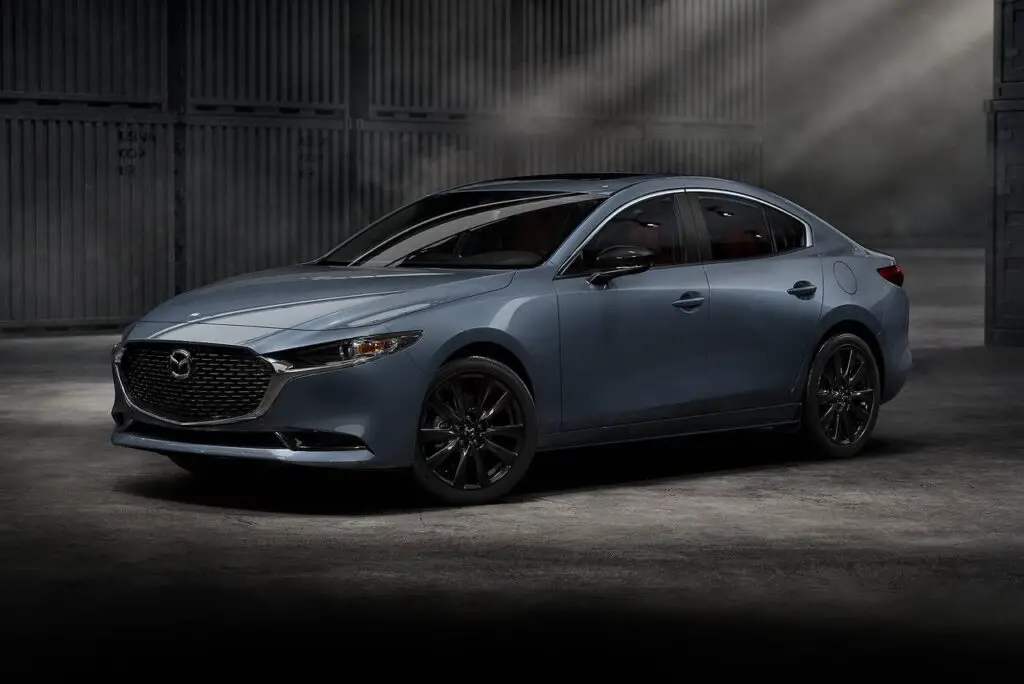
For years, self-driving tech outpaced lawmakers, creating a Wild West of innovation—and legal uncertainty. But 2025 is ushering in new laws to bring order to the roads.

The Autonomous Vehicle Acceleration Act, introduced in Congress this year, is setting national standards for testing, safety protocols, and liability. Meanwhile, the National Highway Traffic Safety Administration (NHTSA) is streamlining rules to help companies deploy autonomous fleets without endless red tape.

It’s good news for consumers. With clear regulations, companies can scale faster, and drivers can feel more confident about sharing the road with cars that… well, don’t have drivers.
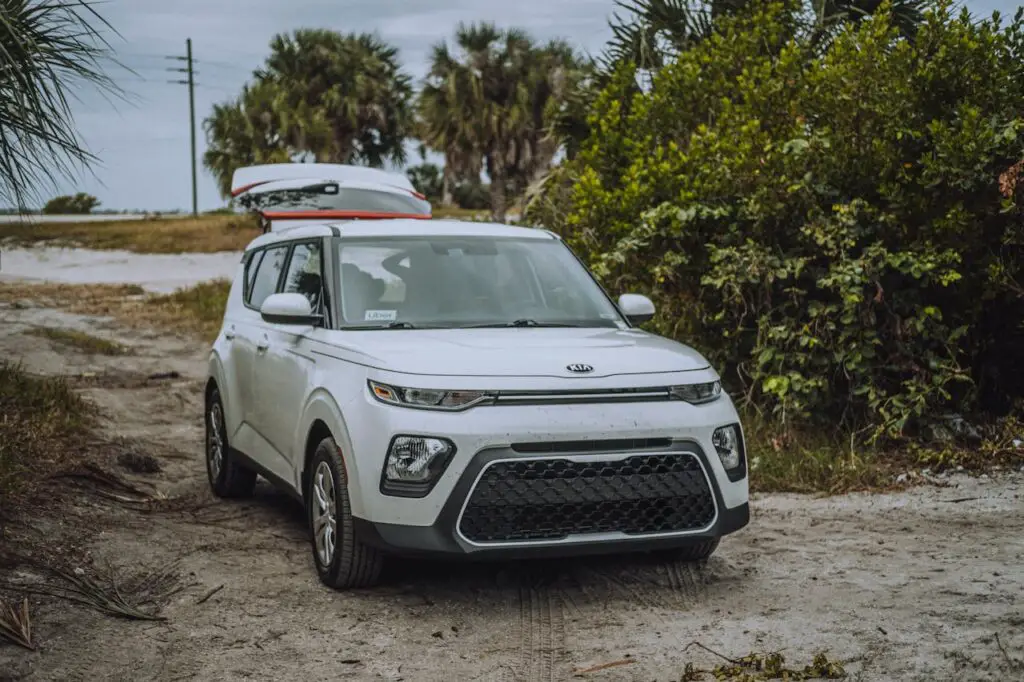
4. “Self-Driving” Doesn’t Always Mean Fully Autonomous

<p> Here’s one of the biggest misconceptions: when a carmaker advertises “self-driving,” it doesn’t necessarily mean the car is fully autonomous. Industry experts categorize autonomous driving into five levels: Level 0: No automation Level 1: Basic driver assistance (like cruise control) Level 2: Partial automation (the car can steer and accelerate but needs driver supervision) Level 3: Conditional automation (the car drives itself but expects the driver to take over if needed) Level 4: High automation (the car can handle driving in certain areas without any driver intervention) Level 5: Full automation (no driver required anywhere, anytime) In 2025, most personal vehicles—including Teslas, BMWs, and Fords—hover around Levels 2 or 3. So while your car might steer itself on the highway, you still need to keep your hands and eyes ready. For now, true Level 5 cars remain rare outside experimental fleets. </p> :: Pexels

Here’s one of the biggest misconceptions: when a carmaker advertises “self-driving,” it doesn’t necessarily mean the car is fully autonomous.

Industry experts categorize autonomous driving into five levels:

  • Level 0: No automation

  • Level 1: Basic driver assistance (like cruise control)

  • Level 2: Partial automation (the car can steer and accelerate but needs driver supervision)

  • Level 3: Conditional automation (the car drives itself but expects the driver to take over if needed)

  • Level 4: High automation (the car can handle driving in certain areas without any driver intervention)

  • Level 5: Full automation (no driver required anywhere, anytime)

In 2025, most personal vehicles—including Teslas, BMWs, and Fords—hover around Levels 2 or 3. So while your car might steer itself on the highway, you still need to keep your hands and eyes ready. For now, true Level 5 cars remain rare outside experimental fleets.

5. The Great Camera vs. Lidar Debate Rolls On

<p> Tech giants are deeply divided on how to “see” the world. Tesla champions a camera-only system, believing high-resolution cameras and artificial intelligence can match—or even surpass—human vision. Elon Musk calls lidar (laser-based sensors) expensive and unnecessary. Waymo, Cruise, and Zoox disagree. They use lidar to map surroundings in 3D with incredible precision, giving vehicles an extra layer of perception—especially useful in poor lighting or fog. Each side has its pros and cons. Cameras are cheaper and simpler. Lidar provides richer detail but comes at a cost. In 2025, the debate is far from settled. Meanwhile, engineers keep pushing both technologies to be safer, smarter, and more affordable. </p> :: Pexels

Tech giants are deeply divided on how to “see” the world. Tesla champions a camera-only system, believing high-resolution cameras and artificial intelligence can match—or even surpass—human vision. Elon Musk calls lidar (laser-based sensors) expensive and unnecessary.

Waymo, Cruise, and Zoox disagree. They use lidar to map surroundings in 3D with incredible precision, giving vehicles an extra layer of perception—especially useful in poor lighting or fog.

Each side has its pros and cons. Cameras are cheaper and simpler. Lidar provides richer detail but comes at a cost. In 2025, the debate is far from settled. Meanwhile, engineers keep pushing both technologies to be safer, smarter, and more affordable.

6. Small-Scale Autonomous Shuttles Are Quietly Thriving

<p> While flashy robotaxis grab headlines, there’s a quieter revolution underway in places like retirement communities, corporate campuses, and small towns. Companies like May Mobility and Aurora Innovation are running autonomous shuttles in controlled environments where traffic is lighter and speeds are lower. Think of them as test kitchens for the future of autonomy. These small-scale deployments let companies refine their technology while minimizing risk. Riders get a taste of self-driving travel, and operators gather critical real-world data. It’s a win-win—and a big reason why self-driving tech keeps inching closer to mainstream life. </p> :: Destination Ann Arbor

While flashy robotaxis grab headlines, there’s a quieter revolution underway in places like retirement communities, corporate campuses, and small towns. Companies like May Mobility and Aurora Innovation are running autonomous shuttles in controlled environments where traffic is lighter and speeds are lower.

Think of them as test kitchens for the future of autonomy. These small-scale deployments let companies refine their technology while minimizing risk. Riders get a taste of self-driving travel, and operators gather critical real-world data. It’s a win-win—and a big reason why self-driving tech keeps inching closer to mainstream life.

7. Insurance Is Getting a Futuristic Makeover

<p> Here’s a puzzle: If your car drives itself and crashes, who’s to blame—you or the automaker? That question is rewriting the entire auto insurance industry. Some manufacturers, like Mercedes-Benz, already take full legal responsibility when their Level 3 systems are active. That means if the autonomous system messes up, the carmaker—not the driver—takes the hit. Insurance providers are racing to create new products focused on product liability rather than traditional driver fault. It’s a huge shift that could eventually change how you buy car insurance—and possibly how much you pay for it. </p> :: Freepik AI

Here’s a puzzle: If your car drives itself and crashes, who’s to blame—you or the automaker?

That question is rewriting the entire auto insurance industry. Some manufacturers, like Mercedes-Benz, already take full legal responsibility when their Level 3 systems are active. That means if the autonomous system messes up, the carmaker—not the driver—takes the hit.

Insurance providers are racing to create new products focused on product liability rather than traditional driver fault. It’s a huge shift that could eventually change how you buy car insurance—and possibly how much you pay for it.

8. Privacy and Cybersecurity Are Big-Time Concerns

<p> Your self-driving car is basically a rolling computer, gathering mountains of data about where you go, how you drive, and even what you say. In 2025, cybersecurity has become a front-line issue. Hackers could theoretically seize control of an autonomous vehicle, putting passengers and pedestrians at risk. That’s why automakers and lawmakers are investing heavily in data encryption, secure software updates, and strict privacy laws. Consumers should pay close attention to privacy policies. It’s essential to know who owns your data, how it’s stored, and whether your futuristic ride is keeping your personal info truly private. </p> :: Freepik

Your self-driving car is basically a rolling computer, gathering mountains of data about where you go, how you drive, and even what you say.

In 2025, cybersecurity has become a front-line issue. Hackers could theoretically seize control of an autonomous vehicle, putting passengers and pedestrians at risk. That’s why automakers and lawmakers are investing heavily in data encryption, secure software updates, and strict privacy laws.

Consumers should pay close attention to privacy policies. It’s essential to know who owns your data, how it’s stored, and whether your futuristic ride is keeping your personal info truly private.

9. Semi-Autonomous Features Are Already in Many Driveways

<p> Even if you’re not planning to summon a robotaxi, chances are your next car will include some form of semi-autonomous tech. The 2025 Chevy Tahoe, Genesis G90, BMW X5, and many other models now offer advanced features like: Adaptive cruise control that adjusts speed in traffic Lane-centering that keeps you precisely between lines Automatic emergency braking Hands-free highway driving in certain conditions These features make long trips safer and less tiring, offering a glimpse of full autonomy without taking humans completely out of the equation. It’s like dipping your toe in the self-driving pool—without diving in headfirst. </p> :: Freepik

Even if you’re not planning to summon a robotaxi, chances are your next car will include some form of semi-autonomous tech.

The 2025 Chevy Tahoe, Genesis G90, BMW X5, and many other models now offer advanced features like:

  • Adaptive cruise control that adjusts speed in traffic

  • Lane-centering that keeps you precisely between lines

  • Automatic emergency braking

  • Hands-free highway driving in certain conditions

These features make long trips safer and less tiring, offering a glimpse of full autonomy without taking humans completely out of the equation. It’s like dipping your toe in the self-driving pool—without diving in headfirst.

10. Public Trust Remains the Biggest Hurdle

<p> Technologically, self-driving cars are inching closer to prime time. But emotionally? Many Americans still aren’t sold. Surveys in 2025 show significant skepticism about riding in a car with no driver. People worry about safety, software errors, and the idea of surrendering control to a machine. That’s why companies are investing heavily in public outreach, safety records, and transparent reporting. Winning over hearts and minds might be the final frontier. No matter how advanced the tech becomes, widespread adoption hinges on drivers—and passengers—feeling confident enough to let go of the wheel. </p> :: Freepik

Technologically, self-driving cars are inching closer to prime time. But emotionally? Many Americans still aren’t sold.

Surveys in 2025 show significant skepticism about riding in a car with no driver. People worry about safety, software errors, and the idea of surrendering control to a machine. That’s why companies are investing heavily in public outreach, safety records, and transparent reporting.

Winning over hearts and minds might be the final frontier. No matter how advanced the tech becomes, widespread adoption hinges on drivers—and passengers—feeling confident enough to let go of the wheel.

Final Thoughts

<p> It’s official: Self-driving cars have left the test tracks and entered everyday American life. From driverless taxis to autonomous deliveries, the future is pulling up to the curb—sometimes quite literally. But as we’ve seen, this transformation is equal parts thrilling and complex. The road ahead isn’t perfectly paved. There are regulatory hurdles to clear, ethical dilemmas to solve, and the all-important task of convincing people to trust technology with their lives. Yet the potential benefits are enormous: safer roads, reduced traffic, newfound freedom for seniors and people with disabilities, and the possibility of reclaiming precious hours once lost to driving. Whether you’re eager to summon a robotaxi or simply intrigued by the changes ahead, one thing’s certain: the age of the autonomous vehicle has arrived. So keep your eyes open—and maybe keep your hands near the wheel—for now. The ride is only just beginning. </p> :: Freepik

It’s official: Self-driving cars have left the test tracks and entered everyday American life. From driverless taxis to autonomous deliveries, the future is pulling up to the curb—sometimes quite literally. But as we’ve seen, this transformation is equal parts thrilling and complex.

The road ahead isn’t perfectly paved. There are regulatory hurdles to clear, ethical dilemmas to solve, and the all-important task of convincing people to trust technology with their lives. Yet the potential benefits are enormous: safer roads, reduced traffic, newfound freedom for seniors and people with disabilities, and the possibility of reclaiming precious hours once lost to driving.

Whether you’re eager to summon a robotaxi or simply intrigued by the changes ahead, one thing’s certain: the age of the autonomous vehicle has arrived. So keep your eyes open—and maybe keep your hands near the wheel—for now. The ride is only just beginning.

Filed Under: Autos

9 Surprising Reasons Why Electric Cars Might Be a Bad Idea

January 25, 2025 | Leave a Comment

9 Surprising Reasons Why Electric Cars Might Be a Bad Idea

<p> Electric cars have been hailed as the future of transportation, promising cleaner air, reduced carbon emissions, and less dependence on fossil fuels. But as their popularity grows, so do the concerns about their true impact on the environment, economy, and society. While they certainly offer some advantages, there are several compelling reasons why electric cars may not be the perfect solution we’ve been led to believe. In fact, banning them could be a more effective way to tackle the challenges we face. Here are nine surprising reasons why electric cars might not be all they’re cracked up to be. </p> :: Pexels

Electric cars have been hailed as the future of transportation, promising cleaner air, reduced carbon emissions, and less dependence on fossil fuels. But as their popularity grows, so do the concerns about their true impact on the environment, economy, and society. While they certainly offer some advantages, there are several compelling reasons why electric cars may not be the perfect solution we’ve been led to believe. In fact, banning them could be a more effective way to tackle the challenges we face. Here are nine surprising reasons why electric cars might not be all they’re cracked up to be.

1. The Environmental Impact of Manufacturing Electric Cars

<p> Electric cars are often touted as environmentally friendly, but the process of building them is far from green. Manufacturing electric vehicles (EVs), particularly the batteries, requires mining for precious metals like lithium, cobalt, and nickel. This mining process can cause massive environmental damage, from deforestation to water contamination. Furthermore, the energy-intensive manufacturing process leads to significant carbon emissions, which may cancel out the supposed benefits of driving an EV. While they’re cleaner on the road, the production of electric cars can have a much larger environmental footprint than many realize. </p> :: Pexels

Electric cars are often touted as environmentally friendly, but the process of building them is far from green. Manufacturing electric vehicles (EVs), particularly the batteries, requires mining for precious metals like lithium, cobalt, and nickel. This mining process can cause massive environmental damage, from deforestation to water contamination. Furthermore, the energy-intensive manufacturing process leads to significant carbon emissions, which may cancel out the supposed benefits of driving an EV. While they’re cleaner on the road, the production of electric cars can have a much larger environmental footprint than many realize.

2. Short Driving Range and Inconvenient Charging

<p> One of the biggest drawbacks of electric cars is their limited driving range. Unlike gasoline-powered cars, which can travel hundreds of miles on a single tank, many electric vehicles need to be recharged after just a few hundred miles. This makes long road trips a logistical nightmare. Charging stations are still not as widespread as gas stations, especially in rural areas, and the time it takes to recharge an EV can be frustratingly long. While advancements in battery technology are being made, the current infrastructure simply isn't ready to support widespread adoption of electric cars. </p> :: Pexels

One of the biggest drawbacks of electric cars is their limited driving range. Unlike gasoline-powered cars, which can travel hundreds of miles on a single tank, many electric vehicles need to be recharged after just a few hundred miles. This makes long road trips a logistical nightmare. Charging stations are still not as widespread as gas stations, especially in rural areas, and the time it takes to recharge an EV can be frustratingly long. While advancements in battery technology are being made, the current infrastructure simply isn’t ready to support widespread adoption of electric cars.

3. The High Price Tag

<p> Electric cars might save you money in the long run, but their steep upfront costs are a major barrier for many consumers. Even with government incentives and rebates, EVs are still more expensive than their gasoline counterparts. The high price is primarily due to the cost of the battery, which makes up a large portion of the vehicle’s price. For many people, the initial investment required to buy an electric car is simply too much, leaving them with fewer affordable options for cleaner transportation. </p> :: Pexels
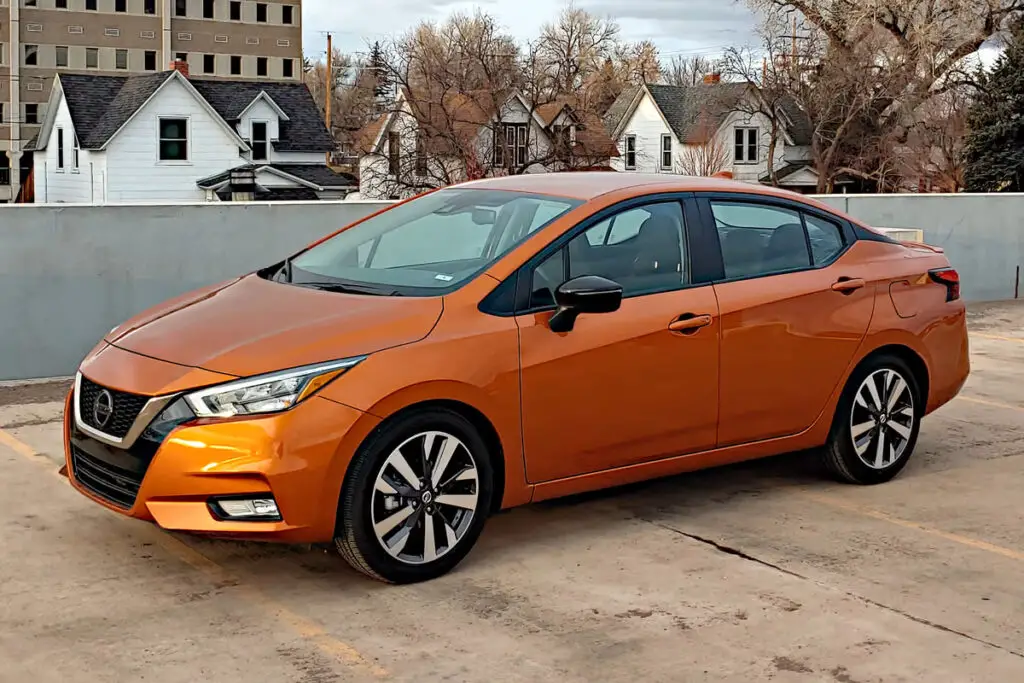
Electric cars might save you money in the long run, but their steep upfront costs are a major barrier for many consumers. Even with government incentives and rebates, EVs are still more expensive than their gasoline counterparts. The high price is primarily due to the cost of the battery, which makes up a large portion of the vehicle’s price. For many people, the initial investment required to buy an electric car is simply too much, leaving them with fewer affordable options for cleaner transportation.
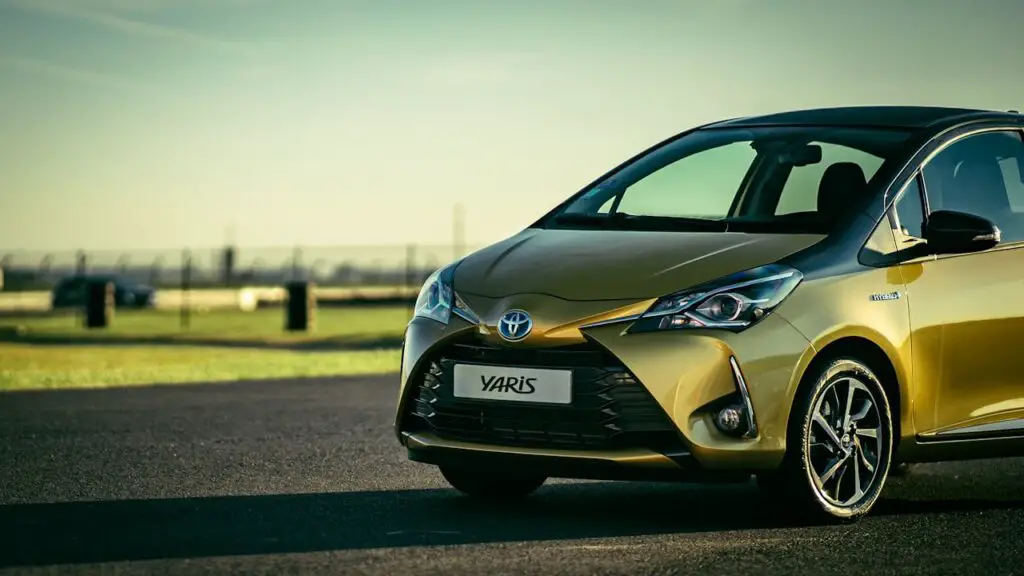
4. Expensive and Short-Lived Batteries

<p> While electric car batteries are designed to last for many years, they do eventually degrade over time, resulting in shorter driving ranges and diminished performance. Replacing these batteries can be incredibly expensive, with some models costing thousands of dollars for a new one. For used electric car buyers, the prospect of paying for a new battery just a few years after purchase can be a huge deterrent. The hidden cost of replacing batteries makes owning an electric car less financially appealing in the long run, especially for those who are not prepared for the expense. </p> :: Pexels

While electric car batteries are designed to last for many years, they do eventually degrade over time, resulting in shorter driving ranges and diminished performance. Replacing these batteries can be incredibly expensive, with some models costing thousands of dollars for a new one. For used electric car buyers, the prospect of paying for a new battery just a few years after purchase can be a huge deterrent. The hidden cost of replacing batteries makes owning an electric car less financially appealing in the long run, especially for those who are not prepared for the expense.

5. The Reality of Electricity Generation

<p> Electric cars may be “zero-emission” at the tailpipe, but the electricity that powers them often comes from fossil fuels. In many parts of the world, electricity is generated by burning coal, natural gas, or oil, all of which contribute to air pollution and climate change. Until the grid is powered primarily by renewable energy sources, the environmental benefits of electric cars are limited. In fact, in areas where the electricity grid is still heavily reliant on fossil fuels, electric cars may end up producing more emissions than their gasoline counterparts. </p> :: Pexels

Electric cars may be “zero-emission” at the tailpipe, but the electricity that powers them often comes from fossil fuels. In many parts of the world, electricity is generated by burning coal, natural gas, or oil, all of which contribute to air pollution and climate change. Until the grid is powered primarily by renewable energy sources, the environmental benefits of electric cars are limited. In fact, in areas where the electricity grid is still heavily reliant on fossil fuels, electric cars may end up producing more emissions than their gasoline counterparts.

6. The Growing Demand for Rare Earth Metals

<p> The rise of electric vehicles has led to a surge in demand for rare earth metals, such as lithium, cobalt, and nickel. These materials are essential for EV batteries, but their extraction comes with serious environmental and ethical concerns. Mining for these metals often leads to deforestation, water pollution, and human rights abuses in mining communities. The environmental impact of extracting these resources is often overlooked in the push for cleaner transportation. As demand for electric cars increases, so too does the strain on these critical resources, making it harder to justify their use. </p> :: Pexels

The rise of electric vehicles has led to a surge in demand for rare earth metals, such as lithium, cobalt, and nickel. These materials are essential for EV batteries, but their extraction comes with serious environmental and ethical concerns. Mining for these metals often leads to deforestation, water pollution, and human rights abuses in mining communities. The environmental impact of extracting these resources is often overlooked in the push for cleaner transportation. As demand for electric cars increases, so too does the strain on these critical resources, making it harder to justify their use.

7. Promoting Overconsumption

<p> While electric cars are marketed as a sustainable alternative to gasoline-powered vehicles, they can contribute to overconsumption. The push for electric cars encourages people to buy new vehicles even when their old ones are still functional. This cycle of constant consumption leads to increased resource use, waste, and pollution. Instead of focusing on simply replacing one form of consumption with another, we should be looking for ways to reduce overall vehicle ownership and promote more sustainable transportation options, such as public transit, biking, or walking. </p> :: Pexels

While electric cars are marketed as a sustainable alternative to gasoline-powered vehicles, they can contribute to overconsumption. The push for electric cars encourages people to buy new vehicles even when their old ones are still functional. This cycle of constant consumption leads to increased resource use, waste, and pollution. Instead of focusing on simply replacing one form of consumption with another, we should be looking for ways to reduce overall vehicle ownership and promote more sustainable transportation options, such as public transit, biking, or walking.

8. The Job Losses in Traditional Automotive Industries

<p> The transition to electric cars could have a significant impact on jobs in the traditional automotive industry. Electric vehicles require fewer moving parts than gasoline-powered cars, which means there is less demand for workers in sectors such as engine manufacturing, exhaust systems, and fuel-related components. As electric cars become more widespread, workers in these industries may face job losses and economic disruption. While the rise of electric vehicles may create new jobs in areas like battery manufacturing, the transition could leave many people without work in traditional automotive sectors. </p> :: Pexels
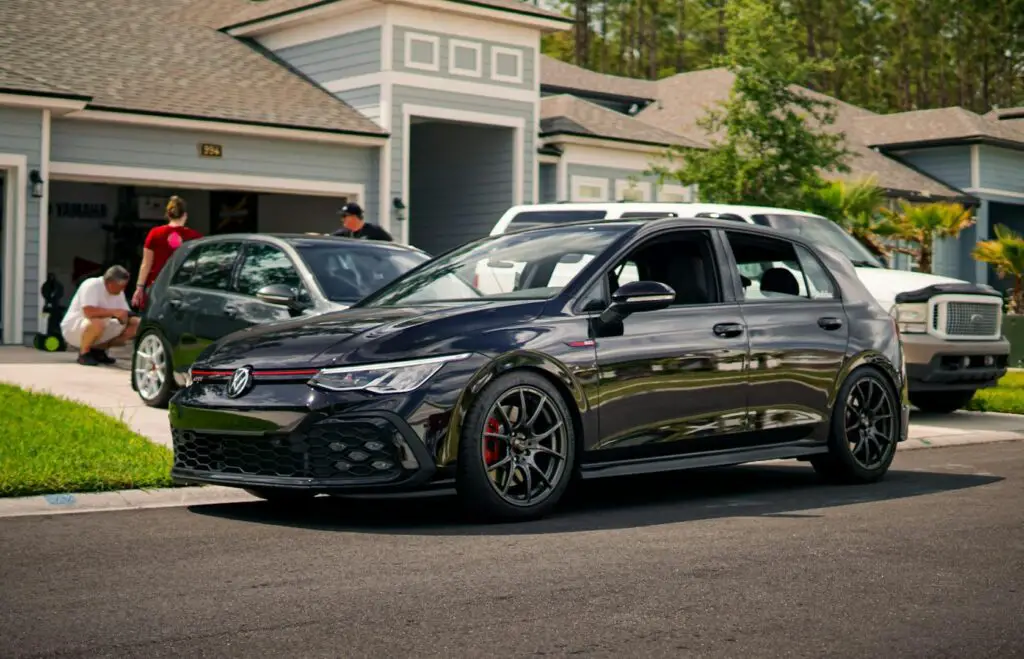
The transition to electric cars could have a significant impact on jobs in the traditional automotive industry. Electric vehicles require fewer moving parts than gasoline-powered cars, which means there is less demand for workers in sectors such as engine manufacturing, exhaust systems, and fuel-related components. As electric cars become more widespread, workers in these industries may face job losses and economic disruption. While the rise of electric vehicles may create new jobs in areas like battery manufacturing, the transition could leave many people without work in traditional automotive sectors.
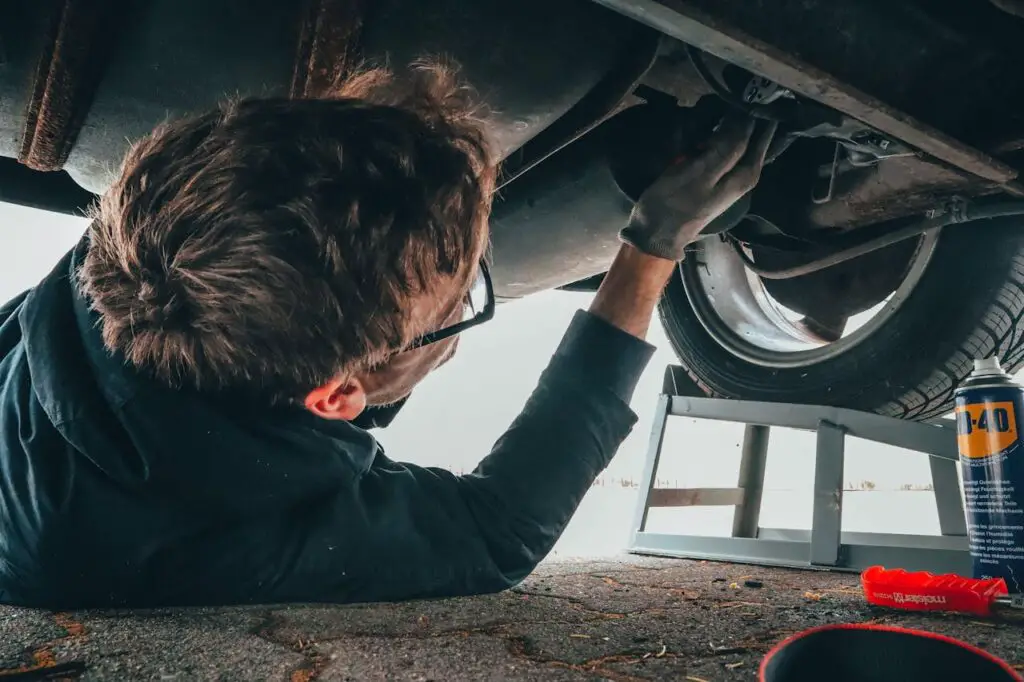


9. The “Zero Emissions” Myth

<p> Electric cars are often promoted as “zero-emission” vehicles, but this is a misleading claim. While they may not produce emissions from their tailpipes, they still contribute to pollution and environmental damage throughout their entire lifecycle. From mining the raw materials for batteries to manufacturing the vehicles and generating the electricity needed to power them, every step in the process generates some form of environmental impact. The idea of “zero emissions” is therefore a myth, and the environmental benefits of electric cars are not as clear-cut as many believe. </p> :: Pexels

Electric cars are often promoted as “zero-emission” vehicles, but this is a misleading claim. While they may not produce emissions from their tailpipes, they still contribute to pollution and environmental damage throughout their entire lifecycle. From mining the raw materials for batteries to manufacturing the vehicles and generating the electricity needed to power them, every step in the process generates some form of environmental impact. The idea of “zero emissions” is therefore a myth, and the environmental benefits of electric cars are not as clear-cut as many believe.

Final Thoughts

<p> While electric cars have been presented as the solution to our transportation problems, there are numerous reasons why they may not be the ideal choice. From the environmental costs of manufacturing and battery disposal to the limited driving range and high upfront costs, electric cars come with a number of significant drawbacks. Additionally, the increased demand for rare earth metals, the reliance on fossil-fuel-generated electricity, and the potential for job losses in traditional industries all raise important questions about the true sustainability of electric vehicles. Instead of embracing electric cars as the ultimate solution, we should focus on a more holistic approach to sustainable transportation that includes reducing overall consumption, improving public transit, and investing in renewable energy sources. Only then can we hope to create a truly sustainable and equitable transportation system for the future. </p> :: Pexels

While electric cars have been presented as the solution to our transportation problems, there are numerous reasons why they may not be the ideal choice. From the environmental costs of manufacturing and battery disposal to the limited driving range and high upfront costs, electric cars come with a number of significant drawbacks. Additionally, the increased demand for rare earth metals, the reliance on fossil-fuel-generated electricity, and the potential for job losses in traditional industries all raise important questions about the true sustainability of electric vehicles. Instead of embracing electric cars as the ultimate solution, we should focus on a more holistic approach to sustainable transportation that includes reducing overall consumption, improving public transit, and investing in renewable energy sources. Only then can we hope to create a truly sustainable and equitable transportation system for the future.

Filed Under: Autos

7 Things You Should Never Leave in Your Car During Winter

November 15, 2024 | Leave a Comment

7 Things You Should Never Leave in Your Car During Winter

<p> Winter brings a whole new set of challenges for car owners, and it’s not just about keeping your engine running smoothly. When the temperatures drop, leaving certain items in your car can lead to damage, safety risks, and unnecessary expenses. Whether you're running errands or just parked for a while, some belongings should never be left inside your car during the winter months. From electronics to medications, the cold can affect more than just your car. Here are seven things you should always take with you instead of leaving in your vehicle during the winter. </p> :: Pexels

Winter brings a whole new set of challenges for car owners, and it’s not just about keeping your engine running smoothly. When the temperatures drop, leaving certain items in your car can lead to damage, safety risks, and unnecessary expenses. Whether you’re running errands or just parked for a while, some belongings should never be left inside your car during the winter months. From electronics to medications, the cold can affect more than just your car. Here are seven things you should always take with you instead of leaving in your vehicle during the winter.

1. Electronics and Gadgets

<p> You might think your smartphone or tablet can handle the cold, but extreme temperatures can do serious damage to your electronics. The batteries in devices like smartphones, cameras, and laptops can freeze and lose their charge more quickly when exposed to frigid temperatures. In some cases, condensation inside your device when you move it from the cold car to a warm place can short-circuit internal components, making it unusable. Not to mention, leaving electronics in your car can make them easy targets for thieves. The best way to protect your gadgets is to keep them inside where it's warm and safe. </p> :: Pexels

You might think your smartphone or tablet can handle the cold, but extreme temperatures can do serious damage to your electronics. The batteries in devices like smartphones, cameras, and laptops can freeze and lose their charge more quickly when exposed to frigid temperatures. In some cases, condensation inside your device when you move it from the cold car to a warm place can short-circuit internal components, making it unusable. Not to mention, leaving electronics in your car can make them easy targets for thieves. The best way to protect your gadgets is to keep them inside where it’s warm and safe.

2. Bottled Water and Beverages

<p> It might seem harmless to leave a bottle of water or a beverage in your car, but the cold can cause big problems. When liquids freeze, they expand, which can cause plastic bottles to crack or burst. Glass bottles are even more vulnerable, as the liquid inside them can freeze and shatter the container. Besides creating a mess, frozen beverages lose their taste and can be unsafe to consume after they've been thawed and refrozen. To prevent this from happening, always bring your drinks indoors when you leave your car. </p> :: Pexels

It might seem harmless to leave a bottle of water or a beverage in your car, but the cold can cause big problems. When liquids freeze, they expand, which can cause plastic bottles to crack or burst. Glass bottles are even more vulnerable, as the liquid inside them can freeze and shatter the container. Besides creating a mess, frozen beverages lose their taste and can be unsafe to consume after they’ve been thawed and refrozen. To prevent this from happening, always bring your drinks indoors when you leave your car.

3. Medications

<p> Your health should always come first, and that means taking extra care with your medications during the winter. Many medications, especially liquids like insulin, are temperature-sensitive and can lose their effectiveness or even become dangerous if exposed to extreme cold. The cold can cause condensation to form in medication containers, potentially leading to mold or degradation of the product. Keep your medications in a temperature-controlled environment to ensure they remain safe and effective. If you’re traveling with them, make sure they stay with you in a warm bag or pocket. </p> :: Pexels

Your health should always come first, and that means taking extra care with your medications during the winter. Many medications, especially liquids like insulin, are temperature-sensitive and can lose their effectiveness or even become dangerous if exposed to extreme cold. The cold can cause condensation to form in medication containers, potentially leading to mold or degradation of the product. Keep your medications in a temperature-controlled environment to ensure they remain safe and effective. If you’re traveling with them, make sure they stay with you in a warm bag or pocket.

4. Canned Foods

<p> While canned foods are great for stockpiling emergency supplies, they don’t fare well in freezing temperatures. The liquid inside the can can expand as it freezes, causing the can to bulge or even burst open. Even if the can doesn’t break, freezing can alter the texture and taste of the food inside. This can lead to an unpleasant eating experience or, worse, food that’s no longer safe to consume. To avoid dealing with these problems, keep canned goods inside your home or in a temperature-stable location, especially during the colder months. </p> :: Pexels

While canned foods are great for stockpiling emergency supplies, they don’t fare well in freezing temperatures. The liquid inside the can can expand as it freezes, causing the can to bulge or even burst open. Even if the can doesn’t break, freezing can alter the texture and taste of the food inside. This can lead to an unpleasant eating experience or, worse, food that’s no longer safe to consume. To avoid dealing with these problems, keep canned goods inside your home or in a temperature-stable location, especially during the colder months.

5. Aerosol Cans

<p> Aerosol cans, like deodorants, air fresheners, or spray paints, should never be left in your car when the weather turns cold. The pressurized contents inside the cans are vulnerable to temperature extremes. When exposed to freezing temperatures, the internal pressure can decrease, and if the can warms up or is shaken, it could cause an explosion. Not only could this create a mess, but it could also be hazardous. For your safety and to protect your car, always store aerosol products in a warm place away from extreme temperature fluctuations. </p> :: Pexels

Aerosol cans, like deodorants, air fresheners, or spray paints, should never be left in your car when the weather turns cold. The pressurized contents inside the cans are vulnerable to temperature extremes. When exposed to freezing temperatures, the internal pressure can decrease, and if the can warms up or is shaken, it could cause an explosion. Not only could this create a mess, but it could also be hazardous. For your safety and to protect your car, always store aerosol products in a warm place away from extreme temperature fluctuations.

6. Musical Instruments

<p> If you're a musician, your instruments are probably some of your most prized possessions. Cold temperatures can wreak havoc on musical instruments, especially those made of wood or metal. Wood can crack or warp when exposed to the cold, while metal parts can contract and become brittle. For stringed instruments, like guitars, the tension in the strings can change due to the temperature, making it difficult to tune properly and even damaging the instrument. Condensation can also form inside the instrument when moving it from the cold to a warm environment, which can cause internal damage. To preserve the integrity of your musical instruments, always store them indoors where the temperature remains stable. </p> :: Pexels

If you’re a musician, your instruments are probably some of your most prized possessions. Cold temperatures can wreak havoc on musical instruments, especially those made of wood or metal. Wood can crack or warp when exposed to the cold, while metal parts can contract and become brittle. For stringed instruments, like guitars, the tension in the strings can change due to the temperature, making it difficult to tune properly and even damaging the instrument. Condensation can also form inside the instrument when moving it from the cold to a warm environment, which can cause internal damage. To preserve the integrity of your musical instruments, always store them indoors where the temperature remains stable.

7. Perishable Groceries

<p> When you leave perishable items, such as dairy, meat, or fresh produce, in your car during winter, you risk damaging them beyond repair. While it might seem like the cold temperature could preserve the food, freezing temperatures can cause fruits and vegetables to become mushy and unappetizing once thawed. Dairy products can also spoil, and the texture of meats can change, making them unsafe to eat. Moreover, if your car heats up during the day or if temperatures fluctuate, it can cause the food to thaw and refreeze, which can lead to bacterial growth. Always bring perishable groceries indoors as soon as you can to ensure they remain fresh and safe. </p> :: Pexels

When you leave perishable items, such as dairy, meat, or fresh produce, in your car during winter, you risk damaging them beyond repair. While it might seem like the cold temperature could preserve the food, freezing temperatures can cause fruits and vegetables to become mushy and unappetizing once thawed. Dairy products can also spoil, and the texture of meats can change, making them unsafe to eat. Moreover, if your car heats up during the day or if temperatures fluctuate, it can cause the food to thaw and refreeze, which can lead to bacterial growth. Always bring perishable groceries indoors as soon as you can to ensure they remain fresh and safe.

Final Thoughts

<p> While winter may be the perfect time for hot cocoa and cozy moments indoors, it’s also a season to take extra care with the items you leave in your car. From electronics that could malfunction to medications that could lose their effectiveness, the cold can damage more than just your vehicle. By remembering to take these seven items with you instead of leaving them in your car, you can protect your belongings, save money on replacements, and keep your car organized and safe. So, the next time you’re headed out in freezing temperatures, make sure to double-check your car and take these essentials with you. </p> :: Pexels

While winter may be the perfect time for hot cocoa and cozy moments indoors, it’s also a season to take extra care with the items you leave in your car. From electronics that could malfunction to medications that could lose their effectiveness, the cold can damage more than just your vehicle. By remembering to take these seven items with you instead of leaving them in your car, you can protect your belongings, save money on replacements, and keep your car organized and safe. So, the next time you’re headed out in freezing temperatures, make sure to double-check your car and take these essentials with you.

Filed Under: Autos

  • « Previous Page
  • 1
  • …
  • 6
  • 7
  • 8
  • 9
  • Next Page »
  • Email
  • Facebook
  • Pinterest
  • Twitter

Our Most Popular Articles

ClickCashGo Review: Should You Avoid At All Costs?

Ultimate Guide to Mastering Your Credit Score

The 'YOLO' Mindset is a Dangerous Thing

Dave Ramsey's Financial Peace University Review: Is it Worth the Money?

Cash App Glitch 2025: Is the Free Money Glitch Real?

Five Steps To Debt Freedom

Here are five simple guidlines that will help you pay off debt.  

1) Get an emergency fund so you don’t take on debt when something comes up.

2) List your debts. This way you know where you stand.

3) Use the debt snowball. Pay your debts from smallest to largest, or most expensive to least expensive.

4) Avoid new debt. No new credit cards or loans. Period.

5) Go all cash. After everything is paid off, switch to all cash.

Helpful Resources

U of Tennesse Debt Repayment Plan Basics

Vertex 42's Debt Payoff Calculator

Savingadvice's Helpful Debt Forums

Jackie Becks Debt Blog