Our Debt Free Family

Commit. Plan. Take action.

  • BUDGETING
  • DEBT REDUCTION
  • INVESTING
  • LIFESTYLE
  • TOOLS
  • ABOUT
  • Privacy Policy
  • CONTACT

8 Everyday Joys You Appreciate More in Your Golden Years

January 19, 2026 | Leave a Comment

8 Everyday Joys You Appreciate More in Your Golden Years

<p>Life has a way of making us rush past the little things. But as the years go by, those small moments start to shine. Whether it’s the warmth of a morning sunbeam or the simple joy of an unhurried meal, aging brings a deeper sense of gratitude. Here are eight everyday joys that become even sweeter in your golden years.</p> ::Pexels

Life has a way of making us rush past the little things. But as the years go by, those small moments start to shine. Whether it’s the warmth of a morning sunbeam or the simple joy of an unhurried meal, aging brings a deeper sense of gratitude. Here are eight everyday joys that become even sweeter in your golden years.

A Peaceful Morning

<p>Mornings are no longer a race against the clock. Instead of scrambling to get out the door, you can savor a quiet sunrise with a warm cup of coffee or tea. Birds chirping outside your window suddenly feel like a personal concert. Science even backs this up—exposure to natural morning light helps regulate sleep and mood. It’s no wonder retirees often find mornings to be the best part of the day.</p> ::Pexels

Mornings are no longer a race against the clock. Instead of scrambling to get out the door, you can savor a quiet sunrise with a warm cup of coffee or tea. Birds chirping outside your window suddenly feel like a personal concert. Science even backs this up—exposure to natural morning light helps regulate sleep and mood. It’s no wonder retirees often find mornings to be the best part of the day.

A Good Conversation

<p>As life slows down, you realize that real conversations matter more than ever. Small talk fades, and deep, meaningful exchanges take center stage. Whether it’s reminiscing with an old friend or chatting with a grandchild about their dreams, these moments become treasures. Studies show that social connections can improve mental sharpness and overall well-being. Talking is not just fun—it’s good for your brain.</p> ::Pexels

As life slows down, you realize that real conversations matter more than ever. Small talk fades, and deep, meaningful exchanges take center stage. Whether it’s reminiscing with an old friend or chatting with a grandchild about their dreams, these moments become treasures. Studies show that social connections can improve mental sharpness and overall well-being. Talking is not just fun—it’s good for your brain.

The Joy of a Home-Cooked Meal

<p>Eating isn’t just about fueling the body anymore; it’s about savoring every bite. A homemade dish, whether it’s an old family recipe or a new favorite, carries a kind of comfort that restaurant meals rarely match. Cooking itself becomes a joy, too. Kneading dough, stirring soup, or even just setting the table turns into a soothing ritual. Plus, home-cooked meals are often healthier, which means more energy to enjoy the day.</p> ::Pexels

Eating isn’t just about fueling the body anymore; it’s about savoring every bite. A homemade dish, whether it’s an old family recipe or a new favorite, carries a kind of comfort that restaurant meals rarely match. Cooking itself becomes a joy, too. Kneading dough, stirring soup, or even just setting the table turns into a soothing ritual. Plus, home-cooked meals are often healthier, which means more energy to enjoy the day.

A Leisurely Walk

<p>Once upon a time, walking was just a way to get from point A to point B. Now, it’s an experience to enjoy. A gentle stroll through the park or down a quiet street lets you notice things you once overlooked—the smell of blooming flowers, the crunch of leaves underfoot, or the way the light dances through the trees. Walking is also one of the best exercises for staying strong and keeping the heart healthy.</p> ::Pexels

Once upon a time, walking was just a way to get from point A to point B. Now, it’s an experience to enjoy. A gentle stroll through the park or down a quiet street lets you notice things you once overlooked—the smell of blooming flowers, the crunch of leaves underfoot, or the way the light dances through the trees. Walking is also one of the best exercises for staying strong and keeping the heart healthy.

Music That Takes You Back

<p>A familiar tune has the power to transport you to another time. That song from your first dance? The melody your parents used to play on the radio? Music can trigger memories more vividly than almost anything else. Scientists say that music activates the brain in ways that keep it young. Whether it’s jazz, rock, or classical, the songs of your past now feel more precious than ever.</p> ::Pexels

A familiar tune has the power to transport you to another time. That song from your first dance? The melody your parents used to play on the radio? Music can trigger memories more vividly than almost anything else. Scientists say that music activates the brain in ways that keep it young. Whether it’s jazz, rock, or classical, the songs of your past now feel more precious than ever.

The Beauty of a Good Book

<p>Reading takes on a new meaning when there’s no rush to finish a chapter. Books become old friends, their pages filled with wisdom, adventure, and escape. Whether it’s a classic novel, a gripping mystery, or a well-worn favorite you’ve read a dozen times, a good book is a simple pleasure that never gets old. Studies show that reading keeps the brain engaged and may even help delay cognitive decline.</p> ::Pexels

Reading takes on a new meaning when there’s no rush to finish a chapter. Books become old friends, their pages filled with wisdom, adventure, and escape. Whether it’s a classic novel, a gripping mystery, or a well-worn favorite you’ve read a dozen times, a good book is a simple pleasure that never gets old. Studies show that reading keeps the brain engaged and may even help delay cognitive decline.

A Quiet Afternoon

<p>Afternoons were once packed with tasks and obligations. Now, they offer something rare and valuable: time to simply be. Whether it’s sitting on the porch, watching the world go by, or enjoying a midday nap, these quiet moments bring deep satisfaction. There’s no guilt in resting anymore—it’s a well-earned luxury. The best part? No alarm clock buzzing to cut it short.</p> ::Pexels

Afternoons were once packed with tasks and obligations. Now, they offer something rare and valuable: time to simply be. Whether it’s sitting on the porch, watching the world go by, or enjoying a midday nap, these quiet moments bring deep satisfaction. There’s no guilt in resting anymore—it’s a well-earned luxury. The best part? No alarm clock buzzing to cut it short.

The Warmth of Family and Friends

<p>Relationships take on a new depth with age. The company of loved ones becomes more meaningful than any possession. A hug from a grandchild, a long phone call with an old friend, or even just sharing a meal with family—all of it holds more weight. Studies show that strong social ties are linked to longer, healthier lives. In the end, the best joys are the ones shared.</p> ::Pexels

Relationships take on a new depth with age. The company of loved ones becomes more meaningful than any possession. A hug from a grandchild, a long phone call with an old friend, or even just sharing a meal with family—all of it holds more weight. Studies show that strong social ties are linked to longer, healthier lives. In the end, the best joys are the ones shared.

Conclusion

<p>Aging has a way of revealing the true beauty in everyday life. What once seemed ordinary now feels like a gift. Whether it’s a quiet morning, a good book, or a heartfelt conversation, these small joys make each day richer. The secret to happiness isn’t in chasing more—it’s in appreciating what’s already there.</p> ::Pexels

Aging has a way of revealing the true beauty in everyday life. What once seemed ordinary now feels like a gift. Whether it’s a quiet morning, a good book, or a heartfelt conversation, these small joys make each day richer. The secret to happiness isn’t in chasing more—it’s in appreciating what’s already there.


Filed Under: Lifestyle

7 Simple Living Hacks Millennials Are Loving for a More Peaceful Life

January 19, 2026 | Leave a Comment

7 Simple Living Hacks Millennials Are Loving for a More Peaceful Life

<p> Millennials are embracing the trend of slowing down and reconnecting with nature. A lifestyle often associated with simplicity, sustainability, and mindfulness, this shift has given rise to a movement that values simplicity over complexity. With a focus on self-sufficiency, nature-inspired decor, and a slower pace of life, these "back-to-basics" approaches are exactly what many millennials need to escape the hustle of modern living. If you're ready to take part in this refreshing movement, here are seven simple living hacks millennials are loving for a more peaceful and fulfilling life. </p> :: Freepik

Millennials are embracing the trend of slowing down and reconnecting with nature. A lifestyle often associated with simplicity, sustainability, and mindfulness, this shift has given rise to a movement that values simplicity over complexity. With a focus on self-sufficiency, nature-inspired decor, and a slower pace of life, these “back-to-basics” approaches are exactly what many millennials need to escape the hustle of modern living. If you’re ready to take part in this refreshing movement, here are seven simple living hacks millennials are loving for a more peaceful and fulfilling life.

1. Embracing Homegrown Food and Gardening

<p> One of the most beloved hacks for millennials is starting a garden and growing their own food. Not only does this hobby provide a sense of accomplishment, but it also allows for a more sustainable lifestyle. With concerns over food security and climate change, many millennials are taking matters into their own hands by planting herbs, vegetables, and fruits in their backyards or even on apartment balconies. Gardening offers countless benefits, such as reducing food waste, saving money on groceries, and fostering a deeper connection to nature. Plus, it's a therapeutic way to spend time outdoors while cultivating fresh produce for homemade meals. </p> :: Pexels

One of the most beloved hacks for millennials is starting a garden and growing their own food. Not only does this hobby provide a sense of accomplishment, but it also allows for a more sustainable lifestyle. With concerns over food security and climate change, many millennials are taking matters into their own hands by planting herbs, vegetables, and fruits in their backyards or even on apartment balconies. Gardening offers countless benefits, such as reducing food waste, saving money on groceries, and fostering a deeper connection to nature. Plus, it’s a therapeutic way to spend time outdoors while cultivating fresh produce for homemade meals.

2. Decorating with Natural Elements

<p> Natural materials like wood, stone, and woven textiles have become central to home decor as millennials seek a more organic and earthy atmosphere. This approach to decorating emphasizes simplicity and warmth, with rustic furniture, handmade ceramics, and botanical accents taking center stage. By choosing sustainable materials, millennials are able to create cozy, inviting spaces that promote relaxation and mindfulness. Incorporating greenery, such as houseplants, into the home is another key aspect of this aesthetic. These natural elements help reduce stress and foster a calming, peaceful environment, perfect for unwinding after a busy day. </p> :: Pexels

Natural materials like wood, stone, and woven textiles have become central to home decor as millennials seek a more organic and earthy atmosphere. This approach to decorating emphasizes simplicity and warmth, with rustic furniture, handmade ceramics, and botanical accents taking center stage. By choosing sustainable materials, millennials are able to create cozy, inviting spaces that promote relaxation and mindfulness. Incorporating greenery, such as houseplants, into the home is another key aspect of this aesthetic. These natural elements help reduce stress and foster a calming, peaceful environment, perfect for unwinding after a busy day.

3. Minimalism for Clutter-Free Living

<p> The minimalist lifestyle has become a favorite among millennials looking to simplify their lives and reduce the distractions that come with excess clutter. By focusing on only the essentials and removing unnecessary items, this approach creates a sense of calm and order within the home. Millennials are opting for fewer, more meaningful possessions, opting for high-quality, functional items that bring joy and serve a purpose. Minimalism also extends to digital decluttering, with many embracing practices such as reducing screen time and cleaning up digital files. The goal is to create a balanced, intentional space that encourages more time for hobbies, self-care, and mindfulness. </p> :: Pexels

The minimalist lifestyle has become a favorite among millennials looking to simplify their lives and reduce the distractions that come with excess clutter. By focusing on only the essentials and removing unnecessary items, this approach creates a sense of calm and order within the home. Millennials are opting for fewer, more meaningful possessions, opting for high-quality, functional items that bring joy and serve a purpose. Minimalism also extends to digital decluttering, with many embracing practices such as reducing screen time and cleaning up digital files. The goal is to create a balanced, intentional space that encourages more time for hobbies, self-care, and mindfulness.

4. Slow Mornings and Mindful Routines

<p> Gone are the days of rushing through mornings in a frenzied, stressed-out state. Millennials are loving the slow morning routine, where the first few hours of the day are spent in peaceful, intentional ways. This could mean starting the day with a cup of tea or coffee while reading a book, journaling, or practicing mindfulness meditation. A slow start sets a positive tone for the day ahead, reducing stress and enhancing mental clarity. By focusing on the present moment and avoiding the rush to start the day, millennials are finding that they can embrace a more grounded and balanced lifestyle. Whether it's a relaxing breakfast or a quick walk outside, slow mornings promote self-care and a healthy mindset. </p> :: Pexels

Gone are the days of rushing through mornings in a frenzied, stressed-out state. Millennials are loving the slow morning routine, where the first few hours of the day are spent in peaceful, intentional ways. This could mean starting the day with a cup of tea or coffee while reading a book, journaling, or practicing mindfulness meditation. A slow start sets a positive tone for the day ahead, reducing stress and enhancing mental clarity. By focusing on the present moment and avoiding the rush to start the day, millennials are finding that they can embrace a more grounded and balanced lifestyle. Whether it’s a relaxing breakfast or a quick walk outside, slow mornings promote self-care and a healthy mindset.

5. Sustainable Fashion Choices

<p> Sustainability is a growing concern among millennials, and it’s influencing their fashion choices in significant ways. Instead of buying fast fashion, many are turning to thrift stores, second-hand shops, or sustainable brands that prioritize eco-friendly practices. Upcycling and repurposing old clothing is also a favorite activity, allowing millennials to get creative with their wardrobes while reducing their environmental impact. This shift in buying habits not only promotes a more sustainable way of living but also encourages creativity and individuality in personal style. Millennials are loving this shift because it allows them to make thoughtful, intentional purchases that align with their values while also saving money. </p> :: Freepik

Sustainability is a growing concern among millennials, and it’s influencing their fashion choices in significant ways. Instead of buying fast fashion, many are turning to thrift stores, second-hand shops, or sustainable brands that prioritize eco-friendly practices. Upcycling and repurposing old clothing is also a favorite activity, allowing millennials to get creative with their wardrobes while reducing their environmental impact. This shift in buying habits not only promotes a more sustainable way of living but also encourages creativity and individuality in personal style. Millennials are loving this shift because it allows them to make thoughtful, intentional purchases that align with their values while also saving money.

6. Digital Detox and Disconnecting

<p> As digital devices continue to dominate our lives, millennials are increasingly embracing the digital detox lifestyle. The constant buzz of notifications, emails, and social media updates can lead to burnout, anxiety, and a sense of being constantly "on." To counteract this, millennials are setting aside time each day to disconnect from screens, whether that means spending time outdoors, reading a physical book, or simply enjoying a meal without distractions. Taking a break from the digital world helps improve mental clarity, strengthen relationships, and boost overall well-being. This hack offers a much-needed reprieve from the constant information overload and encourages a more mindful, balanced approach to technology use. </p> :: Pexels

As digital devices continue to dominate our lives, millennials are increasingly embracing the digital detox lifestyle. The constant buzz of notifications, emails, and social media updates can lead to burnout, anxiety, and a sense of being constantly “on.” To counteract this, millennials are setting aside time each day to disconnect from screens, whether that means spending time outdoors, reading a physical book, or simply enjoying a meal without distractions. Taking a break from the digital world helps improve mental clarity, strengthen relationships, and boost overall well-being. This hack offers a much-needed reprieve from the constant information overload and encourages a more mindful, balanced approach to technology use.

7. Slow Fashion and DIY Crafts

<p> Another trend millennials are loving is the return to DIY crafts and slow fashion, which emphasizes creating and making things with intention and care. From knitting scarves to making candles and soap, these hands-on hobbies offer a way to unwind while reconnecting with traditional skills. Not only do these activities promote creativity and mindfulness, but they also allow millennials to produce unique, personalized items that reflect their individual styles. Whether it's sewing clothes from scratch or upcycling old furniture, slow fashion and DIY crafts offer an opportunity to escape the fast-paced, mass-produced world of consumerism and embrace a more sustainable, hands-on lifestyle. </p> :: Pexels

Another trend millennials are loving is the return to DIY crafts and slow fashion, which emphasizes creating and making things with intention and care. From knitting scarves to making candles and soap, these hands-on hobbies offer a way to unwind while reconnecting with traditional skills. Not only do these activities promote creativity and mindfulness, but they also allow millennials to produce unique, personalized items that reflect their individual styles. Whether it’s sewing clothes from scratch or upcycling old furniture, slow fashion and DIY crafts offer an opportunity to escape the fast-paced, mass-produced world of consumerism and embrace a more sustainable, hands-on lifestyle.

Final Thoughts

<p> Millennials are increasingly drawn to simple living hacks that allow them to disconnect from the chaos of modern life and reconnect with nature, creativity, and self-sufficiency. From gardening and minimalism to digital detoxes and sustainable fashion choices, these practices offer a refreshing escape from the hustle and bustle of everyday life. By embracing these seven simple living hacks, millennials are cultivating a lifestyle that prioritizes mindfulness, sustainability, and well-being—an approach that not only benefits the individual but also the planet. Whether it's growing your own food or crafting a cozy, minimalist home, these practices offer a path to a simpler, more fulfilling life. So, if you're looking to slow down and enjoy the present moment, why not try out one (or all!) of these hacks for yourself? </p> :: Pexels

Millennials are increasingly drawn to simple living hacks that allow them to disconnect from the chaos of modern life and reconnect with nature, creativity, and self-sufficiency. From gardening and minimalism to digital detoxes and sustainable fashion choices, these practices offer a refreshing escape from the hustle and bustle of everyday life. By embracing these seven simple living hacks, millennials are cultivating a lifestyle that prioritizes mindfulness, sustainability, and well-being—an approach that not only benefits the individual but also the planet. Whether it’s growing your own food or crafting a cozy, minimalist home, these practices offer a path to a simpler, more fulfilling life. So, if you’re looking to slow down and enjoy the present moment, why not try out one (or all!) of these hacks for yourself?

Filed Under: Lifestyle

7 Old Garage Tools People Rarely Use Anymore

January 19, 2026 | Leave a Comment

7 Old Garage Tools People Rarely Use Anymore

<p> Walk into almost any garage in the United States, and you might feel like you’ve stepped into a mini time capsule. Behind paint cans, under workbenches, and in drawers that haven’t been opened in years, there are tools that were once essential to home projects. These tools helped generations of DIY enthusiasts, car tinkerers, and hobbyists get the job done. Today, many of them are collecting dust. They are relics of a past era, replaced by modern innovations that save time, energy, and sometimes even sanity. Here is a list of seven old garage tools people rarely use anymore, along with why they fell out of favor and what you might do with them if you still have them tucked away. </p> :: Gemini

Walk into almost any garage in the United States, and you might feel like you’ve stepped into a mini time capsule. Behind paint cans, under workbenches, and in drawers that haven’t been opened in years, there are tools that were once essential to home projects. These tools helped generations of DIY enthusiasts, car tinkerers, and hobbyists get the job done. Today, many of them are collecting dust. They are relics of a past era, replaced by modern innovations that save time, energy, and sometimes even sanity.

Here is a list of seven old garage tools people rarely use anymore, along with why they fell out of favor and what you might do with them if you still have them tucked away.

1. Hand Crank Drill (Brace and Bit)

<p> Before electric drills became a household staple, the hand crank drill — often called a brace and bit — was a must-have tool. These drills relied entirely on human effort. You turned the handle, and the bit would bore a hole in wood. It sounds simple, but it required patience, arm strength, and a steady hand. For anyone trying to build furniture, repair a fence, or create small wood projects, this tool was a commitment to hard work. Today, cordless drills have completely replaced hand crank drills. Modern drills are faster, more precise, and often come with adjustable torque settings to handle almost any task. The hand crank drill now serves more as a conversation piece than a practical tool. Some people still use it for certain delicate projects or when working in areas without electricity, but for most DIYers, it is little more than a dusty keepsake. If you still have one, think of it as a bridge to the past. It is a reminder of how much effort went into projects before the age of batteries and motors. </p> :: Gemini

Before electric drills became a household staple, the hand crank drill — often called a brace and bit — was a must-have tool. These drills relied entirely on human effort. You turned the handle, and the bit would bore a hole in wood. It sounds simple, but it required patience, arm strength, and a steady hand. For anyone trying to build furniture, repair a fence, or create small wood projects, this tool was a commitment to hard work.

Today, cordless drills have completely replaced hand crank drills. Modern drills are faster, more precise, and often come with adjustable torque settings to handle almost any task. The hand crank drill now serves more as a conversation piece than a practical tool. Some people still use it for certain delicate projects or when working in areas without electricity, but for most DIYers, it is little more than a dusty keepsake.

If you still have one, think of it as a bridge to the past. It is a reminder of how much effort went into projects before the age of batteries and motors.

2. Vintage Oil Can with Spout

<p> The metal oil can with a long spout used to be a fixture in garages across the country. From squeaky door hinges to bicycle chains and machinery bearings, this tool was how people kept things running smoothly. These cans were durable, but they were also messy. Oil could spill or drip in unexpected places, and the long spouts could bend or break if you weren’t careful. Today, spray lubricants and precision oil bottles have replaced the old cans. Products like WD-40 or aerosol machine oils are cleaner, faster, and far less prone to mess. They allow homeowners to target tight spots without soaking their hands in oil. That doesn’t mean the vintage oil cans have no charm. Many collectors prize them for their classic design and nostalgic value. For a modern DIYer, however, they mostly sit on shelves, admired for their history rather than their function. </p> :: Gemini

The metal oil can with a long spout used to be a fixture in garages across the country. From squeaky door hinges to bicycle chains and machinery bearings, this tool was how people kept things running smoothly. These cans were durable, but they were also messy. Oil could spill or drip in unexpected places, and the long spouts could bend or break if you weren’t careful.

Today, spray lubricants and precision oil bottles have replaced the old cans. Products like WD-40 or aerosol machine oils are cleaner, faster, and far less prone to mess. They allow homeowners to target tight spots without soaking their hands in oil. That doesn’t mean the vintage oil cans have no charm. Many collectors prize them for their classic design and nostalgic value. For a modern DIYer, however, they mostly sit on shelves, admired for their history rather than their function.

3. Manual Tire Bead Breaker Bar

<p> Separating a tire from its rim once required brute strength and patience using a manual tire bead breaker bar. This long bar allowed someone to pry a tire away from the wheel, a task that was often exhausting, especially for larger car tires. It could take several minutes of careful leverage to accomplish what modern tools do in seconds. Now, powered tire tools and hydraulic machines make this process nearly effortless. Even small, affordable electric bead breakers are far easier to handle than the old manual bars. The manual version has become one of those tools that most homeowners do not need unless they enjoy heavy physical work or are restoring vintage cars. For many people, seeing one in their garage is a reminder of how hard it used to be to do basic vehicle maintenance. </p> :: Gemini

Separating a tire from its rim once required brute strength and patience using a manual tire bead breaker bar. This long bar allowed someone to pry a tire away from the wheel, a task that was often exhausting, especially for larger car tires. It could take several minutes of careful leverage to accomplish what modern tools do in seconds.

Now, powered tire tools and hydraulic machines make this process nearly effortless. Even small, affordable electric bead breakers are far easier to handle than the old manual bars. The manual version has become one of those tools that most homeowners do not need unless they enjoy heavy physical work or are restoring vintage cars. For many people, seeing one in their garage is a reminder of how hard it used to be to do basic vehicle maintenance.

4. Hand-Powered Air Pump

<p> The hand-powered air pump is another tool that has largely disappeared from garages. In decades past, inflating a car or bicycle tire meant hours of pumping by hand. Foot pumps were slightly easier, but they still demanded persistence, patience, and a decent amount of leg strength. Modern portable air compressors and rechargeable inflators have made hand pumping almost obsolete. They are fast, accurate, and can fill tires in minutes instead of hours. While a manual pump might still be handy in emergencies, most homeowners have replaced them with compact electric inflators that store easily in a garage or even a car trunk. If you still have a hand pump, it might be worth keeping it for nostalgia, but for everyday use, there is little reason to reach for it anymore. </p> :: Gemini

The hand-powered air pump is another tool that has largely disappeared from garages. In decades past, inflating a car or bicycle tire meant hours of pumping by hand. Foot pumps were slightly easier, but they still demanded persistence, patience, and a decent amount of leg strength.

Modern portable air compressors and rechargeable inflators have made hand pumping almost obsolete. They are fast, accurate, and can fill tires in minutes instead of hours. While a manual pump might still be handy in emergencies, most homeowners have replaced them with compact electric inflators that store easily in a garage or even a car trunk. If you still have a hand pump, it might be worth keeping it for nostalgia, but for everyday use, there is little reason to reach for it anymore.

5. Fixed-Size Socket Wrench Sets

<p> Before modular ratcheting socket sets became common, homeowners often owned vast collections of fixed-size socket wrenches. Each socket fit a specific bolt or nut, which meant you needed dozens of pieces to handle everyday projects. These sets were bulky and could be frustrating when you needed the right size at the wrong time. Modern ratcheting sets and adjustable wrenches offer greater flexibility and speed. One ratchet can work with multiple socket sizes, cutting down on clutter and making DIY projects faster. Fixed-size sockets are still useful in some scenarios, particularly when dealing with a specialized piece of machinery or automotive repair, but most home users find themselves reaching for a ratchet set first. If you still have a complete fixed-size set, consider keeping a few pieces for emergencies and donating or selling the rest. </p> :: Gemini

Before modular ratcheting socket sets became common, homeowners often owned vast collections of fixed-size socket wrenches. Each socket fit a specific bolt or nut, which meant you needed dozens of pieces to handle everyday projects. These sets were bulky and could be frustrating when you needed the right size at the wrong time.

Modern ratcheting sets and adjustable wrenches offer greater flexibility and speed. One ratchet can work with multiple socket sizes, cutting down on clutter and making DIY projects faster. Fixed-size sockets are still useful in some scenarios, particularly when dealing with a specialized piece of machinery or automotive repair, but most home users find themselves reaching for a ratchet set first. If you still have a complete fixed-size set, consider keeping a few pieces for emergencies and donating or selling the rest.

6. Old-School Manual Grinder

<p> Before electric bench grinders and cordless sharpening tools became common, garages relied on hand-crank grinders. Sharpening knives, chisels, or axes required patience, steady hands, and consistent pressure. The result could be uneven if not done carefully, and it often took far longer than modern tools would require. Powered grinders have changed everything. They provide uniform edges, work faster, and spare your arms from tiring quickly. The manual grinder is now mostly a historical piece, appealing to collectors or those who enjoy traditional craftsmanship. Some people still use them for small, precise jobs, but they are rarely part of the everyday toolkit in modern garages. If you own one, it is worth keeping as a nostalgic reminder of the old ways, but don’t expect to reach for it often. </p> :: Gemini

Before electric bench grinders and cordless sharpening tools became common, garages relied on hand-crank grinders. Sharpening knives, chisels, or axes required patience, steady hands, and consistent pressure. The result could be uneven if not done carefully, and it often took far longer than modern tools would require.

Powered grinders have changed everything. They provide uniform edges, work faster, and spare your arms from tiring quickly. The manual grinder is now mostly a historical piece, appealing to collectors or those who enjoy traditional craftsmanship. Some people still use them for small, precise jobs, but they are rarely part of the everyday toolkit in modern garages. If you own one, it is worth keeping as a nostalgic reminder of the old ways, but don’t expect to reach for it often.

7. Manual Screwdrivers

<p> Manual screwdrivers might seem timeless, but they are increasingly replaced by cordless drills with interchangeable bits. Modern drills can handle screws of almost any size or type in seconds, while a full set of manual screwdrivers can take up an entire drawer and still be less convenient. This does not mean that hand screwdrivers are entirely useless. They are ideal for delicate work, tight spaces, or electronics. Still, most people rarely use them anymore, preferring the speed and versatility of a drill. A few hand screwdrivers in the toolbox are worth keeping, but large sets of every size often go unused for years. </p> :: Gemini

Manual screwdrivers might seem timeless, but they are increasingly replaced by cordless drills with interchangeable bits. Modern drills can handle screws of almost any size or type in seconds, while a full set of manual screwdrivers can take up an entire drawer and still be less convenient.

This does not mean that hand screwdrivers are entirely useless. They are ideal for delicate work, tight spaces, or electronics. Still, most people rarely use them anymore, preferring the speed and versatility of a drill. A few hand screwdrivers in the toolbox are worth keeping, but large sets of every size often go unused for years.

Final Thoughts

<p> Garages are snapshots of our personal history. They tell the story of past projects, hobbies, and the tools that once made everyday tasks easier. But as technology advances, certain tools that were once indispensable become less practical. The hand crank drill, vintage oil can, manual grinder, and other tools on this list are examples of items that were once essential but are now mostly decorative or nostalgic. Decluttering your garage by letting go of tools you rarely use can improve your workspace and make room for the tools that really matter. It is not about getting rid of every old item but rather about recognizing which tools serve a real purpose today. Keeping a few vintage pieces for their charm or sentimental value is perfectly fine, but most of these old favorites no longer provide the efficiency and convenience modern DIYers expect. Ultimately, working smarter is better than working harder. Modern tools allow us to accomplish more with less effort, and that is something to appreciate. The next time you open your toolbox or garage, take a moment to acknowledge the evolution of tools over the decades. Smile at the hand crank drill, the manual grinder, and the vintage oil can, but do not feel guilty if you never use them again. Your modern toolbox has earned its place, making DIY projects faster, cleaner, and more enjoyable. Embrace the tools that help you work efficiently, while cherishing the memories of the tools that helped shape the way we DIY. After all, progress is not about forgetting the past — it is about making the present easier. </p> :: Gemini

Garages are snapshots of our personal history. They tell the story of past projects, hobbies, and the tools that once made everyday tasks easier. But as technology advances, certain tools that were once indispensable become less practical. The hand crank drill, vintage oil can, manual grinder, and other tools on this list are examples of items that were once essential but are now mostly decorative or nostalgic.

Decluttering your garage by letting go of tools you rarely use can improve your workspace and make room for the tools that really matter. It is not about getting rid of every old item but rather about recognizing which tools serve a real purpose today. Keeping a few vintage pieces for their charm or sentimental value is perfectly fine, but most of these old favorites no longer provide the efficiency and convenience modern DIYers expect.

Ultimately, working smarter is better than working harder. Modern tools allow us to accomplish more with less effort, and that is something to appreciate. The next time you open your toolbox or garage, take a moment to acknowledge the evolution of tools over the decades. Smile at the hand crank drill, the manual grinder, and the vintage oil can, but do not feel guilty if you never use them again. Your modern toolbox has earned its place, making DIY projects faster, cleaner, and more enjoyable.

Embrace the tools that help you work efficiently, while cherishing the memories of the tools that helped shape the way we DIY. After all, progress is not about forgetting the past — it is about making the present easier.

Filed Under: Lifestyle

Sorry, Baby Boomers — Gen Z Is Right About These 10 Things

January 19, 2026 | Leave a Comment

Sorry, Baby Boomers — Gen Z Is Right About These 10 Things

<p> Every generation reaches a moment when it looks at the younger crowd and thinks, What happened to common sense? Baby boomers once stood on the receiving end of that judgment themselves, challenging tradition, questioning authority, and redefining what adulthood looked like. Decades later, the roles have flipped, and Gen Z is now the generation pushing back against long-held beliefs.

At first glance, their attitudes toward work, money, technology, and life can feel frustrating or even dismissive of the values boomers worked hard to build. But when you look closer, many of Gen Z’s ideas are not about rejecting responsibility. They are about adapting to a world that has changed dramatically since the 1960s, 70s, and 80s. Rising costs, longer lifespans, digital everything, and shifting social norms require new ways of thinking.

This article is not about proving anyone wrong or declaring one generation superior. It is about recognizing where Gen Z actually has a point and how those insights can be genuinely useful for baby boomers today. From health and happiness to finances and relationships, these perspectives may feel unfamiliar, but they just might make life easier and more fulfilling. </p> :: Gemini

Every generation reaches a moment when it looks at the younger crowd and thinks, What happened to common sense? Baby boomers once stood on the receiving end of that judgment themselves, challenging tradition, questioning authority, and redefining what adulthood looked like. Decades later, the roles have flipped, and Gen Z is now the generation pushing back against long-held beliefs.

At first glance, their attitudes toward work, money, technology, and life can feel frustrating or even dismissive of the values boomers worked hard to build. But when you look closer, many of Gen Z’s ideas are not about rejecting responsibility. They are about adapting to a world that has changed dramatically since the 1960s, 70s, and 80s. Rising costs, longer lifespans, digital everything, and shifting social norms require new ways of thinking.

This article is not about proving anyone wrong or declaring one generation superior. It is about recognizing where Gen Z actually has a point and how those insights can be genuinely useful for baby boomers today. From health and happiness to finances and relationships, these perspectives may feel unfamiliar, but they just might make life easier and more fulfilling.

1. Work Should Not Be Your Entire Identity

<p> Many baby boomers were raised to believe that your job says everything about who you are. Careers were tied to pride, purpose, and personal worth. Gen Z questions that idea and separates identity from employment. They see work as one part of life, not the centerpiece. This mindset reduces burnout and encourages people to invest in relationships, hobbies, and health. For boomers entering retirement or semi-retirement, this lesson is especially valuable. People who define themselves beyond their careers often adjust better to life changes and feel more satisfied in later years. </p> :: Gemini

Many baby boomers were raised to believe that your job says everything about who you are. Careers were tied to pride, purpose, and personal worth. Gen Z questions that idea and separates identity from employment. They see work as one part of life, not the centerpiece. This mindset reduces burnout and encourages people to invest in relationships, hobbies, and health. For boomers entering retirement or semi-retirement, this lesson is especially valuable. People who define themselves beyond their careers often adjust better to life changes and feel more satisfied in later years.

2. Mental Health Deserves Real Attention

<p> Gen Z talks openly about anxiety, stress, depression, and therapy in a way that feels foreign to many boomers. In earlier generations, emotional struggles were often ignored or minimized. Younger adults understand that mental health affects physical health, decision-making, and quality of life. Chronic stress can worsen heart disease, sleep problems, and memory decline. By embracing open conversations and professional support, boomers can improve not only emotional well-being but also long-term physical health. Addressing mental health is not weakness; it is self-care with real benefits. </p> :: Gemini

Gen Z talks openly about anxiety, stress, depression, and therapy in a way that feels foreign to many boomers. In earlier generations, emotional struggles were often ignored or minimized. Younger adults understand that mental health affects physical health, decision-making, and quality of life. Chronic stress can worsen heart disease, sleep problems, and memory decline. By embracing open conversations and professional support, boomers can improve not only emotional well-being but also long-term physical health. Addressing mental health is not weakness; it is self-care with real benefits.

3. Hustle Culture Is Overrated

<p> The idea that nonstop work equals success is losing its shine. Gen Z openly rejects hustle culture, arguing that exhaustion is not a badge of honor. Many boomers now recognize that decades of overwork came with hidden costs, including missed family time and declining health. Gen Z’s emphasis on balance, rest, and sustainable effort aligns closely with what doctors and retirement experts recommend today. Slowing down does not mean giving up. It means protecting energy so it can be used on what truly matters. </p> :: Gemini

The idea that nonstop work equals success is losing its shine. Gen Z openly rejects hustle culture, arguing that exhaustion is not a badge of honor. Many boomers now recognize that decades of overwork came with hidden costs, including missed family time and declining health. Gen Z’s emphasis on balance, rest, and sustainable effort aligns closely with what doctors and retirement experts recommend today. Slowing down does not mean giving up. It means protecting energy so it can be used on what truly matters.

4. Technology Is a Tool, Not the Enemy

<p> It is easy to view smartphones and apps as distractions, but Gen Z sees technology as an extension of everyday life. They use it to manage finances, access healthcare, learn new skills, and stay connected. For baby boomers, technology can be empowering rather than intimidating. Video calls reduce loneliness, online services increase independence, and smart devices improve home safety. The lesson is not to chase every trend, but to adopt tools that make life simpler, safer, and more connected. </p> :: Gemini

It is easy to view smartphones and apps as distractions, but Gen Z sees technology as an extension of everyday life. They use it to manage finances, access healthcare, learn new skills, and stay connected. For baby boomers, technology can be empowering rather than intimidating. Video calls reduce loneliness, online services increase independence, and smart devices improve home safety. The lesson is not to chase every trend, but to adopt tools that make life simpler, safer, and more connected.

5. Traditional Life Timelines No Longer Apply

<p> Many boomers followed a predictable path: education, career, marriage, home ownership, and retirement. Gen Z knows this timeline no longer fits modern realities. Housing costs, job instability, and longer lifespans demand flexibility. Younger generations accept delayed milestones and nonlinear paths as normal. Boomers facing career changes, downsizing, or delayed retirement can benefit from this mindset. Life does not run on a single schedule, and adjusting expectations can reduce stress and disappointment. </p> :: Gemini

Many boomers followed a predictable path: education, career, marriage, home ownership, and retirement. Gen Z knows this timeline no longer fits modern realities. Housing costs, job instability, and longer lifespans demand flexibility. Younger generations accept delayed milestones and nonlinear paths as normal. Boomers facing career changes, downsizing, or delayed retirement can benefit from this mindset. Life does not run on a single schedule, and adjusting expectations can reduce stress and disappointment.

6. Questioning Authority Can Be Smart

<p> Boomers were often taught to trust institutions, employers, and experts without challenge. Gen Z believes authority should be questioned respectfully and verified. This approach has practical value, especially in an era of scams, misinformation, and complex healthcare decisions. Asking questions, seeking second opinions, and doing research protects financial security and personal safety. Healthy skepticism is not about disrespect. It is about staying informed and making better choices. </p> :: Gemini

Boomers were often taught to trust institutions, employers, and experts without challenge. Gen Z believes authority should be questioned respectfully and verified. This approach has practical value, especially in an era of scams, misinformation, and complex healthcare decisions. Asking questions, seeking second opinions, and doing research protects financial security and personal safety. Healthy skepticism is not about disrespect. It is about staying informed and making better choices.

7. Experiences Matter More Than Possessions

<p> Gen Z prioritizes experiences over material goods, focusing on memories rather than accumulation. Many boomers discover the wisdom of this approach when downsizing later in life. Travel, shared meals, creative pursuits, and time with loved ones often provide deeper satisfaction than owning more items. Research consistently shows that experiences bring longer-lasting happiness than purchases. Letting go of excess can feel freeing and refocus attention on what truly enriches daily life. </p> :: Gemini

Gen Z prioritizes experiences over material goods, focusing on memories rather than accumulation. Many boomers discover the wisdom of this approach when downsizing later in life. Travel, shared meals, creative pursuits, and time with loved ones often provide deeper satisfaction than owning more items. Research consistently shows that experiences bring longer-lasting happiness than purchases. Letting go of excess can feel freeing and refocus attention on what truly enriches daily life.

8. Diversity and Inclusion Benefit Everyone

<p> Gen Z embraces diversity and inclusion as everyday values rather than abstract ideals. They recognize that people thrive when they feel respected and heard. For baby boomers, adopting this perspective can strengthen relationships with younger family members, coworkers, and neighbors. Inclusive thinking leads to better communication, reduced conflict, and stronger communities. It is less about changing beliefs overnight and more about listening with openness and empathy. </p> :: Gemini

Gen Z embraces diversity and inclusion as everyday values rather than abstract ideals. They recognize that people thrive when they feel respected and heard. For baby boomers, adopting this perspective can strengthen relationships with younger family members, coworkers, and neighbors. Inclusive thinking leads to better communication, reduced conflict, and stronger communities. It is less about changing beliefs overnight and more about listening with openness and empathy.

9. Financial Security Requires Flexibility

<p> Gen Z does not rely solely on traditional financial paths. With pensions largely gone and job stability uncertain, they diversify income and skills. While boomers benefited from more predictable systems, many still face rising costs and longer retirements. Gen Z’s focus on adaptability, continued learning, and multiple income streams offers valuable lessons. Financial planning is no longer a one-time event. It is an ongoing process that benefits from flexibility and regular adjustment. </p> :: Gemini

Gen Z does not rely solely on traditional financial paths. With pensions largely gone and job stability uncertain, they diversify income and skills. While boomers benefited from more predictable systems, many still face rising costs and longer retirements. Gen Z’s focus on adaptability, continued learning, and multiple income streams offers valuable lessons. Financial planning is no longer a one-time event. It is an ongoing process that benefits from flexibility and regular adjustment.

10. Success Is Personal, Not One-Size-Fits-All

<p> For many boomers, success was defined by status, salary, and stability. Gen Z views success more personally, emphasizing happiness, health, flexibility, and purpose. This broader definition aligns with what many boomers realize later in life. Fulfillment comes from living in line with values, not just meeting expectations. Redefining success can bring peace of mind and reduce regret, especially during major life transitions. </p> :: Gemini

For many boomers, success was defined by status, salary, and stability. Gen Z views success more personally, emphasizing happiness, health, flexibility, and purpose. This broader definition aligns with what many boomers realize later in life. Fulfillment comes from living in line with values, not just meeting expectations. Redefining success can bring peace of mind and reduce regret, especially during major life transitions.

Final Thoughts

<p> Every generation adapts to the world it inherits. Baby boomers built their lives around hard work, perseverance, and responsibility. Gen Z is responding to a different reality, one shaped by rapid change, digital life, and economic uncertainty. Recognizing where Gen Z is right does not erase boomer wisdom. It builds on it.

By staying open to new perspectives, baby boomers can navigate modern life with less stress and more confidence. The goal is not to abandon long-held values, but to refine them for today’s world. Growth does not stop with age, and sometimes the most powerful insight comes from listening to those who see the future a little differently. </p> :: Gemini

Every generation adapts to the world it inherits. Baby boomers built their lives around hard work, perseverance, and responsibility. Gen Z is responding to a different reality, one shaped by rapid change, digital life, and economic uncertainty. Recognizing where Gen Z is right does not erase boomer wisdom. It builds on it.

By staying open to new perspectives, baby boomers can navigate modern life with less stress and more confidence. The goal is not to abandon long-held values, but to refine them for today’s world. Growth does not stop with age, and sometimes the most powerful insight comes from listening to those who see the future a little differently.

Filed Under: Lifestyle

7 Commonly Missed Spots That Make Your Home Look Dirty to Guests

January 18, 2026 | Leave a Comment

7 Commonly Missed Spots That Make Your Home Look Dirty to Guests

<p> You’ve mopped, dusted, and vacuumed every visible surface in your home. The counters are spotless, the floors shine, and the bathroom mirror is gleaming. You’re confident everything looks perfect—until a guest arrives and their eyes wander to something you didn’t even think to clean. Suddenly, it hits you: there are parts of your home you’ve completely overlooked. And worse? They’re the very things that guests tend to notice most. No matter how thorough your cleaning routine is, certain areas are easy to forget simply because they blend into the background of everyday life. But those little details—the dusty fan blade, the grime on the light switch, or the cobwebs in the ceiling corner—stand out to fresh eyes. These missed spots don’t just make your space feel unkempt; they can also affect the overall impression your home makes. Don’t let those sneaky details sabotage your hard work. Below are seven of the most commonly forgotten places in your home that people actually do notice—plus tips on how to keep them clean and fresh all year round. </p> :: Freepik

You’ve mopped, dusted, and vacuumed every visible surface in your home. The counters are spotless, the floors shine, and the bathroom mirror is gleaming. You’re confident everything looks perfect—until a guest arrives and their eyes wander to something you didn’t even think to clean. Suddenly, it hits you: there are parts of your home you’ve completely overlooked. And worse? They’re the very things that guests tend to notice most.

No matter how thorough your cleaning routine is, certain areas are easy to forget simply because they blend into the background of everyday life. But those little details—the dusty fan blade, the grime on the light switch, or the cobwebs in the ceiling corner—stand out to fresh eyes. These missed spots don’t just make your space feel unkempt; they can also affect the overall impression your home makes.

Don’t let those sneaky details sabotage your hard work. Below are seven of the most commonly forgotten places in your home that people actually do notice—plus tips on how to keep them clean and fresh all year round.

1. Light Switches and Door Handles

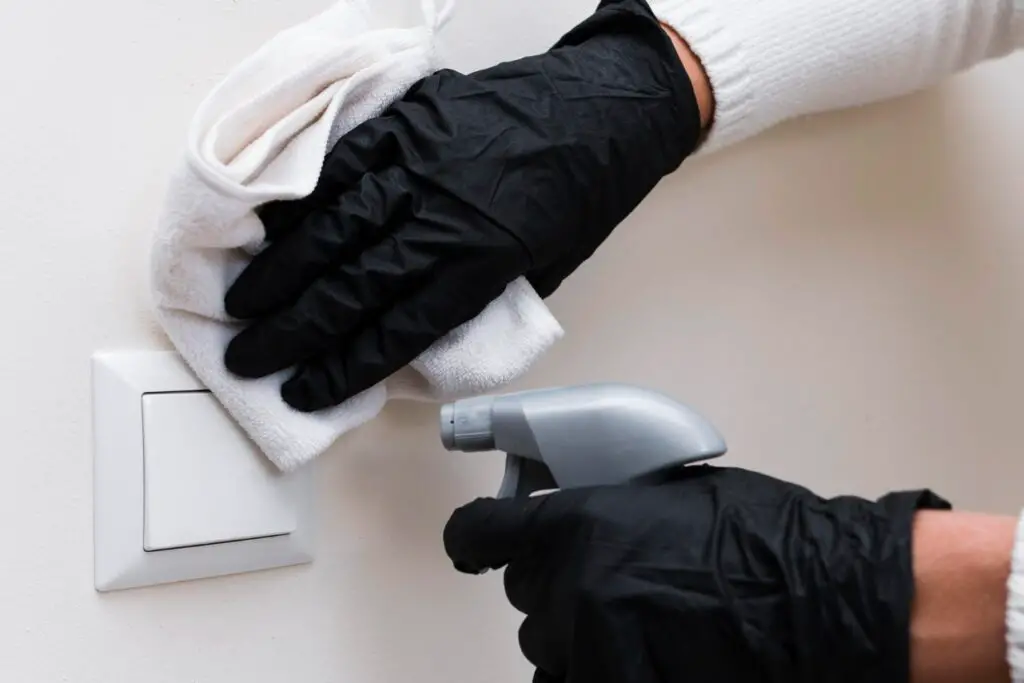
<p> Light switches and door handles are some of the most touched surfaces in your home, yet they are among the least frequently cleaned. Because you use them so often, they become almost invisible to your daily routine. But to someone entering your home for the first time, smudges, fingerprints, and grime on these high-contact areas are immediately obvious—especially in natural or overhead lighting. In addition to being unsightly, these areas can harbor bacteria and viruses, making them not only dirty-looking but also unhygienic. A quick weekly wipe with a disinfectant cloth or all-purpose spray can keep these surfaces spotless and help you make a polished first impression every time. </p> :: Freepik

Light switches and door handles are some of the most touched surfaces in your home, yet they are among the least frequently cleaned. Because you use them so often, they become almost invisible to your daily routine. But to someone entering your home for the first time, smudges, fingerprints, and grime on these high-contact areas are immediately obvious—especially in natural or overhead lighting. In addition to being unsightly, these areas can harbor bacteria and viruses, making them not only dirty-looking but also unhygienic. A quick weekly wipe with a disinfectant cloth or all-purpose spray can keep these surfaces spotless and help you make a polished first impression every time.

2. Baseboards and Trim

<p> When was the last time you gave your baseboards a good scrub? These narrow strips of molding that frame your walls often go completely unnoticed—until they’re caked with dust, hair, or scuff marks. The truth is, baseboards tend to be in your peripheral vision and are easy to forget, but to guests who are sitting down, relaxing, or observing the room, they’re directly in view. Dirty baseboards can drag down the look of an otherwise immaculate room. All it takes is a damp microfiber cloth or sponge to wipe them clean. Make it a habit to give your trim and baseboards a once-over once a month to keep your space looking truly tidy. </p> :: Pexels

When was the last time you gave your baseboards a good scrub? These narrow strips of molding that frame your walls often go completely unnoticed—until they’re caked with dust, hair, or scuff marks. The truth is, baseboards tend to be in your peripheral vision and are easy to forget, but to guests who are sitting down, relaxing, or observing the room, they’re directly in view. Dirty baseboards can drag down the look of an otherwise immaculate room. All it takes is a damp microfiber cloth or sponge to wipe them clean. Make it a habit to give your trim and baseboards a once-over once a month to keep your space looking truly tidy.

3. Ceiling Fans and Light Fixtures

<p> It’s easy to ignore what you don’t see—like the tops of ceiling fan blades or overhead light fixtures—but these areas can become coated in thick layers of dust and cobwebs. When ceiling fans are turned on, that dust doesn’t stay put. Instead, it spreads throughout the room, landing on furniture, floors, and even food. Similarly, light fixtures can trap dust and dead bugs inside glass covers, making your lighting appear dim and dirty. These elements are highly visible, especially in daylight or bright artificial lighting. Use an extendable duster or microfiber cloth to clean ceiling fans and fixtures at least once a month. For glass covers, a gentle soak in warm soapy water can bring back their shine and clarity. </p> :: Freepik

It’s easy to ignore what you don’t see—like the tops of ceiling fan blades or overhead light fixtures—but these areas can become coated in thick layers of dust and cobwebs. When ceiling fans are turned on, that dust doesn’t stay put. Instead, it spreads throughout the room, landing on furniture, floors, and even food. Similarly, light fixtures can trap dust and dead bugs inside glass covers, making your lighting appear dim and dirty. These elements are highly visible, especially in daylight or bright artificial lighting. Use an extendable duster or microfiber cloth to clean ceiling fans and fixtures at least once a month. For glass covers, a gentle soak in warm soapy water can bring back their shine and clarity.

4. Behind and Under Furniture

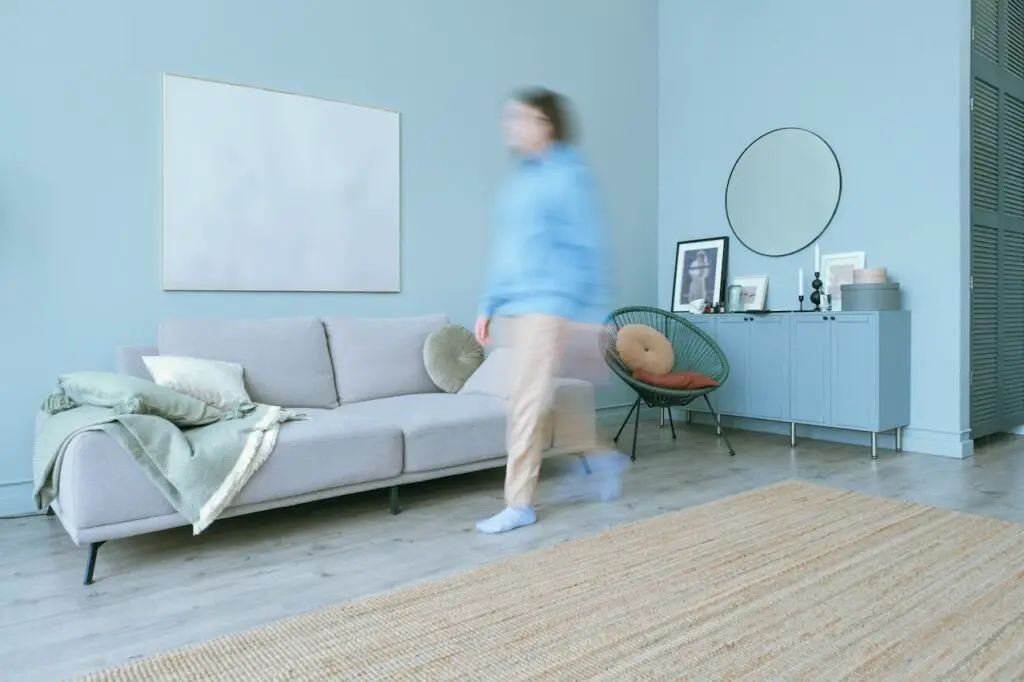
<p> Out of sight definitely does not mean out of mind—especially when it comes to what’s hiding under your couch or behind a bookcase. These forgotten spaces are dust traps and often collect lost items, pet hair, food crumbs, and more. It’s not uncommon for guests, particularly children or pet owners, to peek behind furniture when playing or retrieving dropped items. What they find can be embarrassing. While it may be tempting to skip these hidden zones during regular cleaning, taking the time to shift your furniture and vacuum or sweep behind and beneath it makes a huge difference. Doing this once every season will keep these areas from becoming home to allergens or unpleasant surprises. </p> :: Pexels

Out of sight definitely does not mean out of mind—especially when it comes to what’s hiding under your couch or behind a bookcase. These forgotten spaces are dust traps and often collect lost items, pet hair, food crumbs, and more. It’s not uncommon for guests, particularly children or pet owners, to peek behind furniture when playing or retrieving dropped items. What they find can be embarrassing. While it may be tempting to skip these hidden zones during regular cleaning, taking the time to shift your furniture and vacuum or sweep behind and beneath it makes a huge difference. Doing this once every season will keep these areas from becoming home to allergens or unpleasant surprises.

5. Shower Curtains and Bathroom Vents

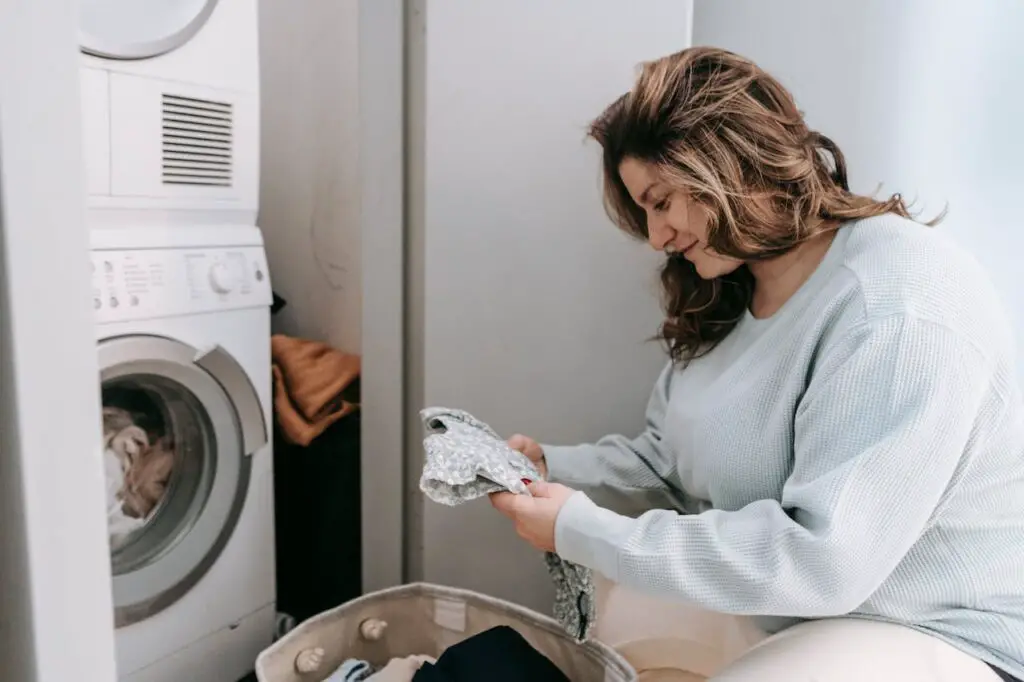
<p> Even if you keep your toilet scrubbed and your sink shiny, a mildewed shower curtain or clogged bathroom vent can undo all your effort. Shower curtains, especially fabric ones, tend to develop mold and soap scum over time, leading to unpleasant odors and unsightly stains. Meanwhile, your bathroom’s exhaust fan—designed to reduce humidity—can become clogged with dust and lint, making it both ineffective and unattractive. These are areas that guests will notice while using the bathroom, and they leave a lasting impression. To fix this, toss fabric curtains and liners into the washing machine every few weeks and let them air-dry. For the vent, a quick vacuum or wipe with a damp cloth can restore both function and appearance. </p> :: Pexels

Even if you keep your toilet scrubbed and your sink shiny, a mildewed shower curtain or clogged bathroom vent can undo all your effort. Shower curtains, especially fabric ones, tend to develop mold and soap scum over time, leading to unpleasant odors and unsightly stains. Meanwhile, your bathroom’s exhaust fan—designed to reduce humidity—can become clogged with dust and lint, making it both ineffective and unattractive. These are areas that guests will notice while using the bathroom, and they leave a lasting impression. To fix this, toss fabric curtains and liners into the washing machine every few weeks and let them air-dry. For the vent, a quick vacuum or wipe with a damp cloth can restore both function and appearance.

6. Trash Cans and Waste Bins

<p> It’s easy to assume that because you use a liner, your trash can stays clean. Unfortunately, that’s not the case. Liquids can leak, food can spill, and sticky residue can build up under or around the bag. Over time, this creates foul odors and leaves your bins looking—and smelling—far from fresh. Kitchen and bathroom trash cans are the worst offenders, and guests will notice the smell or stains the second they get near them. Make it a monthly ritual to clean your trash bins with warm water and dish soap or a disinfectant spray. Be sure to scrub the inside, outside, lid, and even the foot pedal if your bin has one. A clean trash can goes a long way in keeping your entire home feeling sanitary. </p> :: Freepik

It’s easy to assume that because you use a liner, your trash can stays clean. Unfortunately, that’s not the case. Liquids can leak, food can spill, and sticky residue can build up under or around the bag. Over time, this creates foul odors and leaves your bins looking—and smelling—far from fresh. Kitchen and bathroom trash cans are the worst offenders, and guests will notice the smell or stains the second they get near them. Make it a monthly ritual to clean your trash bins with warm water and dish soap or a disinfectant spray. Be sure to scrub the inside, outside, lid, and even the foot pedal if your bin has one. A clean trash can goes a long way in keeping your entire home feeling sanitary.

7. Remote Controls and Electronics

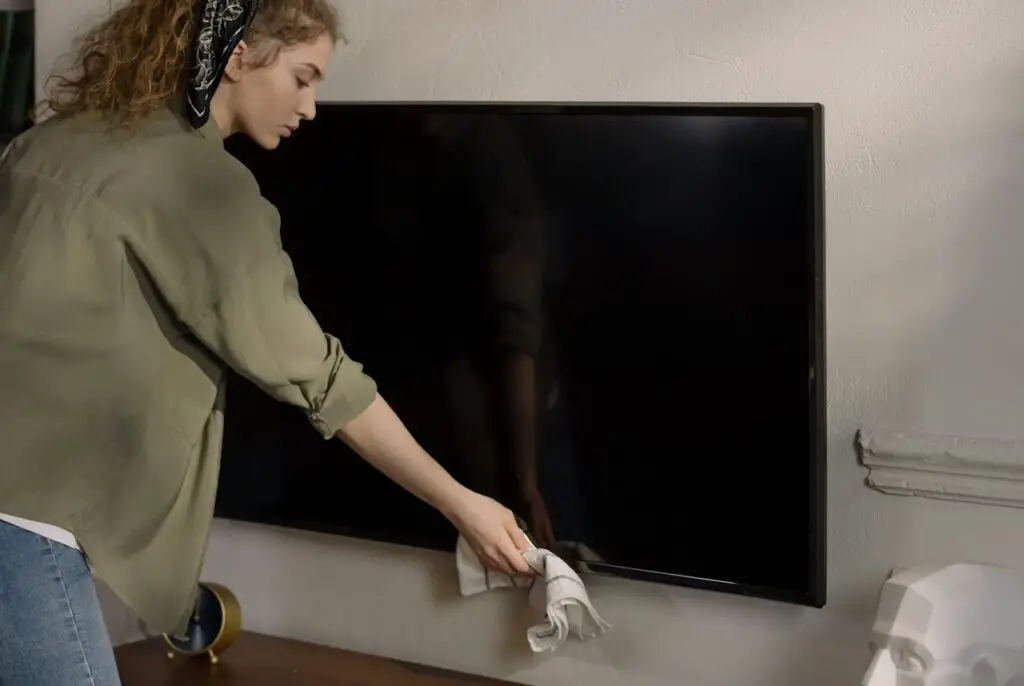
<p> Remotes, gaming controllers, and keyboards are used constantly and rarely cleaned. The result? A sticky, germ-covered, crumb-filled mess that guests often come into direct contact with. Since these items are shared and frequently touched, they can accumulate bacteria, skin oils, and food debris quickly. When a guest picks up your TV remote or uses your keyboard, they’ll immediately notice if it feels greasy or looks neglected. To keep things sanitary and visually appealing, wipe down electronics weekly using a microfiber cloth slightly dampened with rubbing alcohol or an electronics-safe cleaner. This not only helps remove grime but also protects your devices from damage due to buildup or spills. </p> :: Pexels

Remotes, gaming controllers, and keyboards are used constantly and rarely cleaned. The result? A sticky, germ-covered, crumb-filled mess that guests often come into direct contact with. Since these items are shared and frequently touched, they can accumulate bacteria, skin oils, and food debris quickly. When a guest picks up your TV remote or uses your keyboard, they’ll immediately notice if it feels greasy or looks neglected. To keep things sanitary and visually appealing, wipe down electronics weekly using a microfiber cloth slightly dampened with rubbing alcohol or an electronics-safe cleaner. This not only helps remove grime but also protects your devices from damage due to buildup or spills.

Final Thoughts

<p> Cleaning your home doesn’t have to mean perfection—it just means being mindful of the little things that make a big difference. By focusing on these seven frequently forgotten areas, you’ll not only avoid embarrassment when guests drop by but also improve the overall feel of your space. These tasks don’t require major effort or hours of your time. In fact, most can be completed in just a few minutes each week. So next time you clean, take a second look at those switches, vents, and hidden corners. Your home—and your guests—will thank you. </p> :: Pexels

Cleaning your home doesn’t have to mean perfection—it just means being mindful of the little things that make a big difference. By focusing on these seven frequently forgotten areas, you’ll not only avoid embarrassment when guests drop by but also improve the overall feel of your space. These tasks don’t require major effort or hours of your time. In fact, most can be completed in just a few minutes each week. So next time you clean, take a second look at those switches, vents, and hidden corners. Your home—and your guests—will thank you.

Filed Under: Lifestyle

Restaurant Behaviors That Instantly Give Away Your Social Status: 11 Subtle Signals You Might Not Realize

January 18, 2026 | Leave a Comment

Restaurant Behaviors That Instantly Give Away Your Social Status: 11 Subtle Signals You Might Not Realize

<p> Ever noticed how some diners seem to glide effortlessly through a restaurant, while others unintentionally draw attention for all the wrong reasons? Restaurants are more than places to eat—they are social theaters. Every choice you make, from how you speak to the server to how you handle the bill, quietly communicates your level of comfort, awareness, and social experience.

This isn’t about money, judgment, or pretending to be someone you’re not. Social status in restaurants is less about wealth and more about ease—how naturally you move through the experience without stress, confusion, or disruption. Even when you think no one is watching, people notice these small cues. Understanding them can help you feel more confident, relaxed, and at home in any dining situation.

Here are 11 subtle restaurant behaviors that instantly give away social status, along with practical insights that anyone can use to dine with more confidence and grace. </p> :: Gemini

Ever noticed how some diners seem to glide effortlessly through a restaurant, while others unintentionally draw attention for all the wrong reasons? Restaurants are more than places to eat—they are social theaters. Every choice you make, from how you speak to the server to how you handle the bill, quietly communicates your level of comfort, awareness, and social experience.

This isn’t about money, judgment, or pretending to be someone you’re not. Social status in restaurants is less about wealth and more about ease—how naturally you move through the experience without stress, confusion, or disruption. Even when you think no one is watching, people notice these small cues. Understanding them can help you feel more confident, relaxed, and at home in any dining situation.

Here are 11 subtle restaurant behaviors that instantly give away social status, along with practical insights that anyone can use to dine with more confidence and grace.

1. How You Treat the Server

<p> The way you interact with waitstaff is one of the clearest signals of social awareness. Calm greetings, polite requests, eye contact, and simple “please” and “thank you” communicate confidence and emotional intelligence. People who feel comfortable in restaurants tend to treat servers as professionals rather than servants.

On the other hand, snapping fingers, speaking abruptly, or acting demanding often signals discomfort or insecurity masked as authority. Respectful behavior doesn’t just reflect well on you—it usually leads to better service and a more pleasant experience overall. </p> :: Gemini

The way you interact with waitstaff is one of the clearest signals of social awareness. Calm greetings, polite requests, eye contact, and simple “please” and “thank you” communicate confidence and emotional intelligence. People who feel comfortable in restaurants tend to treat servers as professionals rather than servants.

On the other hand, snapping fingers, speaking abruptly, or acting demanding often signals discomfort or insecurity masked as authority. Respectful behavior doesn’t just reflect well on you—it usually leads to better service and a more pleasant experience overall.

2. Your Relationship With Menu Prices

<p> Everyone notices prices, but not everyone broadcasts it. Quietly scanning the menu and ordering without commentary suggests ease and familiarity with dining out. Loud reactions, repeated price comparisons, or announcing how expensive everything is can signal anxiety or discomfort.

This doesn’t mean you have to order the most expensive item. It simply means keeping financial considerations private. Subtlety allows the focus to remain on enjoyment, conversation, and the experience itself. </p> :: Gemini

Everyone notices prices, but not everyone broadcasts it. Quietly scanning the menu and ordering without commentary suggests ease and familiarity with dining out. Loud reactions, repeated price comparisons, or announcing how expensive everything is can signal anxiety or discomfort.

This doesn’t mean you have to order the most expensive item. It simply means keeping financial considerations private. Subtlety allows the focus to remain on enjoyment, conversation, and the experience itself.

3. How You Customize Your Order

<p> Small, reasonable modifications are normal and expected. Experienced diners tend to make brief, polite requests and trust the kitchen’s expertise. They don’t over-explain or attempt to redesign the dish.

Excessive substitutions, complicated instructions, or long justifications can come across as nervous or controlling. Confidence often shows in simplicity—knowing what you want, asking clearly, and accepting that not everything needs to be customized. </p> :: Gemini

Small, reasonable modifications are normal and expected. Experienced diners tend to make brief, polite requests and trust the kitchen’s expertise. They don’t over-explain or attempt to redesign the dish.

Excessive substitutions, complicated instructions, or long justifications can come across as nervous or controlling. Confidence often shows in simplicity—knowing what you want, asking clearly, and accepting that not everything needs to be customized.

4. Phone Etiquette at the Table

<p> Your phone is one of the loudest nonverbal signals in a restaurant. Placing it face-up on the table, scrolling mid-conversation, or constantly checking notifications suggests distraction or social unease.

People who are comfortable in social settings tend to put their phones away and remain present. They engage fully with their companions, the food, and the moment. That presence signals confidence, respect, and genuine interest—qualities that stand out immediately. </p> :: Gemini

Your phone is one of the loudest nonverbal signals in a restaurant. Placing it face-up on the table, scrolling mid-conversation, or constantly checking notifications suggests distraction or social unease.

People who are comfortable in social settings tend to put their phones away and remain present. They engage fully with their companions, the food, and the moment. That presence signals confidence, respect, and genuine interest—qualities that stand out immediately.

5. Napkin Know-How

<p> Napkin etiquette may seem trivial, but it’s surprisingly revealing. Placing your napkin on your lap shortly after sitting down, using it to dab—not wipe—and leaving it loosely folded at the end of the meal signals familiarity with dining norms.

Throwing it on the table, stuffing it into a plate, or ignoring it altogether often suggests inexperience. These small habits aren’t about formality—they’re about ease and attention to detail. </p> :: Gemini

Napkin etiquette may seem trivial, but it’s surprisingly revealing. Placing your napkin on your lap shortly after sitting down, using it to dab—not wipe—and leaving it loosely folded at the end of the meal signals familiarity with dining norms.

Throwing it on the table, stuffing it into a plate, or ignoring it altogether often suggests inexperience. These small habits aren’t about formality—they’re about ease and attention to detail.

6. Volume and Conversation Style

<p> How loudly you speak matters more than what you say. Confident diners naturally adjust their tone to the room. They laugh freely but not disruptively, contribute to conversation without dominating it, and remain aware of those around them.

Speaking loudly, oversharing personal stories, or trying to command attention often signals discomfort or a need for validation. Social ease shows in moderation and awareness, not silence or restraint. </p> :: Gemini

How loudly you speak matters more than what you say. Confident diners naturally adjust their tone to the room. They laugh freely but not disruptively, contribute to conversation without dominating it, and remain aware of those around them.

Speaking loudly, oversharing personal stories, or trying to command attention often signals discomfort or a need for validation. Social ease shows in moderation and awareness, not silence or restraint.

7. Handling Mistakes Gracefully

<p> Every restaurant makes mistakes. The food might arrive cold, an order may be incorrect, or a request may be forgotten. How you respond reveals a great deal.

Calmly explaining the issue and politely asking for a correction shows maturity and confidence. Making a scene, showing visible irritation, or embarrassing the server often signals insecurity or lack of experience. Grace under minor inconvenience is one of the strongest indicators of social confidence. </p> :: Gemini

Every restaurant makes mistakes. The food might arrive cold, an order may be incorrect, or a request may be forgotten. How you respond reveals a great deal.

Calmly explaining the issue and politely asking for a correction shows maturity and confidence. Making a scene, showing visible irritation, or embarrassing the server often signals insecurity or lack of experience. Grace under minor inconvenience is one of the strongest indicators of social confidence.

8. Comfort With Formal Dining Elements

<p> Multiple utensils, bread plates, wine presentations, and place settings can feel intimidating. People accustomed to dining out approach these elements casually, without overthinking or drawing attention to uncertainty.

Those less familiar may hesitate, overcompensate, or visibly stress. The key is remembering that confidence matters more than perfection. Observing quietly and moving calmly communicates ease—even if you’re learning as you go. </p> :: Gemini

Multiple utensils, bread plates, wine presentations, and place settings can feel intimidating. People accustomed to dining out approach these elements casually, without overthinking or drawing attention to uncertainty.

Those less familiar may hesitate, overcompensate, or visibly stress. The key is remembering that confidence matters more than perfection. Observing quietly and moving calmly communicates ease—even if you’re learning as you go.

9. Handling the Bill With Tact

<p> The check is a moment where many people unintentionally reveal discomfort. Smoothly offering to split, thanking whoever pays, or handling the payment discreetly signals social intelligence.

Arguing loudly over who pays, dramatically announcing totals, or scrutinizing every line item draws unnecessary attention. Confident diners handle the bill efficiently and move on, keeping the focus on the company rather than the cost. </p> :: Gemini

The check is a moment where many people unintentionally reveal discomfort. Smoothly offering to split, thanking whoever pays, or handling the payment discreetly signals social intelligence.

Arguing loudly over who pays, dramatically announcing totals, or scrutinizing every line item draws unnecessary attention. Confident diners handle the bill efficiently and move on, keeping the focus on the company rather than the cost.

10. Presence and Engagement at the Table

<p> Being fully present is one of the strongest social signals you can send. Making eye contact, listening actively, and responding thoughtfully shows comfort and self-assurance.

Fidgeting, scanning the room, or mentally checking out suggests unease. Restaurants are shared experiences, and those who engage fully tend to appear more confident, grounded, and socially fluent. </p> :: Gemini

Being fully present is one of the strongest social signals you can send. Making eye contact, listening actively, and responding thoughtfully shows comfort and self-assurance.

Fidgeting, scanning the room, or mentally checking out suggests unease. Restaurants are shared experiences, and those who engage fully tend to appear more confident, grounded, and socially fluent.

11. Respecting Shared Space and Timing

<p> Awareness of timing and space also matters. Arriving on time, pacing your meal with others, and not lingering excessively when the restaurant is busy shows consideration.

Ignoring these rhythms can signal self-focus or unfamiliarity with shared social environments. Social ease often appears in small acts of consideration that make the experience smoother for everyone. </p> :: Gemini

Awareness of timing and space also matters. Arriving on time, pacing your meal with others, and not lingering excessively when the restaurant is busy shows consideration.

Ignoring these rhythms can signal self-focus or unfamiliarity with shared social environments. Social ease often appears in small acts of consideration that make the experience smoother for everyone.

Final Thoughts

<p> Restaurants quietly reveal how comfortable we are navigating shared social spaces. These behaviors aren’t about status in the financial sense—they’re about awareness, confidence, and ease. The good news is that all of them are learnable.

By treating staff with respect, handling the menu calmly, staying present at the table, and responding gracefully to small challenges, anyone can elevate their dining experience. These subtle adjustments don’t just change how others perceive you—they change how you feel.

The next time you dine out, notice your habits. A tucked-away phone, a calm voice, or a polite word to a server can make the entire experience feel smoother and more enjoyable. Dining isn’t a performance—it’s an opportunity to connect, relax, and move through the world with quiet confidence.

When you master these small social cues, eating out becomes less stressful and far more satisfying—no matter the restaurant, occasion, or company. </p> :: Gemini

Restaurants quietly reveal how comfortable we are navigating shared social spaces. These behaviors aren’t about status in the financial sense—they’re about awareness, confidence, and ease. The good news is that all of them are learnable.

By treating staff with respect, handling the menu calmly, staying present at the table, and responding gracefully to small challenges, anyone can elevate their dining experience. These subtle adjustments don’t just change how others perceive you—they change how you feel.

The next time you dine out, notice your habits. A tucked-away phone, a calm voice, or a polite word to a server can make the entire experience feel smoother and more enjoyable. Dining isn’t a performance—it’s an opportunity to connect, relax, and move through the world with quiet confidence.

When you master these small social cues, eating out becomes less stressful and far more satisfying—no matter the restaurant, occasion, or company.

Filed Under: Lifestyle

Why Bosses Are Terminating Gen Z Workers at Alarming Rates, Say These 9 Behaviors Are to Blame

January 18, 2026 | Leave a Comment

Why Bosses Are Terminating Gen Z Workers at Alarming Rates, Say These 9 Behaviors Are to Blame

<p> Walk into almost any workplace today and you will hear the same quiet frustration whispered in break rooms and offices across the country. Many seasoned managers, especially Baby Boomers, say they are struggling to keep younger employees long term. It is not that Gen Z lacks intelligence or creativity. In fact, many employers praise their tech skills, fresh ideas, and social awareness. The problem, according to bosses, is that certain everyday behaviors are clashing hard with long-standing workplace expectations.

For Baby Boomers who spent decades showing up early, learning by watching, and climbing the ladder one rung at a time, these clashes can feel confusing and even disrespectful. For Gen Z workers, the workplace often feels outdated, rigid, or out of touch with modern life. When those two perspectives collide without clear communication, the result is often disappointment, poor reviews, and in many cases, termination.

This list is not about blaming one generation. It is about understanding why so many Gen Z workers are being let go and what Baby Boomer readers can learn from it, whether you are managing employees, running a small business, or simply trying to make sense of today’s changing work culture. </p> :: Gemini

Walk into almost any workplace today and you will hear the same quiet frustration whispered in break rooms and offices across the country. Many seasoned managers, especially Baby Boomers, say they are struggling to keep younger employees long term. It is not that Gen Z lacks intelligence or creativity. In fact, many employers praise their tech skills, fresh ideas, and social awareness. The problem, according to bosses, is that certain everyday behaviors are clashing hard with long-standing workplace expectations.

For Baby Boomers who spent decades showing up early, learning by watching, and climbing the ladder one rung at a time, these clashes can feel confusing and even disrespectful. For Gen Z workers, the workplace often feels outdated, rigid, or out of touch with modern life. When those two perspectives collide without clear communication, the result is often disappointment, poor reviews, and in many cases, termination.

This list is not about blaming one generation. It is about understanding why so many Gen Z workers are being let go and what Baby Boomer readers can learn from it, whether you are managing employees, running a small business, or simply trying to make sense of today’s changing work culture.

1. Over-Reliance on Digital Communication

<p> Many managers say Gen Z leans too heavily on texting, instant messaging, and quick app-based communication. While these tools are efficient, problems arise when important conversations are reduced to a few short lines on a screen. Tone gets lost, urgency is misunderstood, and accountability becomes fuzzy.

For Baby Boomers, a phone call or face-to-face conversation shows respect and seriousness. When younger workers avoid those interactions, it can come across as evasive or unprofessional, even if that is not the intention. Employers often say this habit leads to miscommunication that could have been easily avoided. </p> :: Gemini

Many managers say Gen Z leans too heavily on texting, instant messaging, and quick app-based communication. While these tools are efficient, problems arise when important conversations are reduced to a few short lines on a screen. Tone gets lost, urgency is misunderstood, and accountability becomes fuzzy.

For Baby Boomers, a phone call or face-to-face conversation shows respect and seriousness. When younger workers avoid those interactions, it can come across as evasive or unprofessional, even if that is not the intention. Employers often say this habit leads to miscommunication that could have been easily avoided.

2. Chronic Lateness and Loose Time Management

<p> One of the most common complaints from employers is punctuality. Some Gen Z workers view start times and deadlines as flexible guidelines rather than firm expectations. While flexibility has become more common, many workplaces still rely on structure to function smoothly.

To managers who built careers around showing up early and staying late, repeated lateness feels like a lack of commitment. Over time, even strong skills cannot outweigh the impression that someone simply cannot be relied on to be where they are supposed to be. </p> :: Gemini

One of the most common complaints from employers is punctuality. Some Gen Z workers view start times and deadlines as flexible guidelines rather than firm expectations. While flexibility has become more common, many workplaces still rely on structure to function smoothly.

To managers who built careers around showing up early and staying late, repeated lateness feels like a lack of commitment. Over time, even strong skills cannot outweigh the impression that someone simply cannot be relied on to be where they are supposed to be.

3. Weak Follow-Through on Tasks

<p> Managers often say the job does not end when an assignment is technically completed. It includes checking details, confirming expectations, and making sure the final result meets standards. Some Gen Z workers, however, are described as completing tasks exactly as asked and nothing more.

This is not laziness. It is often a misunderstanding of workplace culture. Employers expect initiative and ownership, not just box-checking. When follow-through is missing, managers may feel they have to babysit, which quickly leads to frustration. </p> :: Gemini

Managers often say the job does not end when an assignment is technically completed. It includes checking details, confirming expectations, and making sure the final result meets standards. Some Gen Z workers, however, are described as completing tasks exactly as asked and nothing more.

This is not laziness. It is often a misunderstanding of workplace culture. Employers expect initiative and ownership, not just box-checking. When follow-through is missing, managers may feel they have to babysit, which quickly leads to frustration.

4. Blurred Professional Boundaries

<p> Gen Z tends to value openness and authenticity, which can be refreshing. But in professional settings, too much personal sharing or overly casual behavior can create discomfort. Some managers report younger workers venting frustrations openly, challenging authority publicly, or oversharing personal issues at work.

Older generations were taught to keep personal matters private and handle conflicts discreetly. When those boundaries are crossed, even unintentionally, it can damage professional relationships and trust. </p> :: Gemini

Gen Z tends to value openness and authenticity, which can be refreshing. But in professional settings, too much personal sharing or overly casual behavior can create discomfort. Some managers report younger workers venting frustrations openly, challenging authority publicly, or oversharing personal issues at work.

Older generations were taught to keep personal matters private and handle conflicts discreetly. When those boundaries are crossed, even unintentionally, it can damage professional relationships and trust.

5. Difficulty Accepting Constructive Feedback

<p> Feedback is meant to help employees grow, but many employers say Gen Z workers take criticism personally. Instead of adjusting and improving, some become defensive or discouraged.

Baby Boomers often grew up in environments where feedback was blunt and sometimes harsh. To them, being coachable is a key sign of professionalism. When feedback leads to resistance instead of progress, managers may conclude that a worker is not a good long-term fit. </p> :: Gemini

Feedback is meant to help employees grow, but many employers say Gen Z workers take criticism personally. Instead of adjusting and improving, some become defensive or discouraged.

Baby Boomers often grew up in environments where feedback was blunt and sometimes harsh. To them, being coachable is a key sign of professionalism. When feedback leads to resistance instead of progress, managers may conclude that a worker is not a good long-term fit.

6. Expectation of Fast Promotions and Raises

<p> Social media has created a powerful narrative of overnight success. Many young workers enter the workforce expecting rapid advancement and frequent recognition. When reality moves slower, frustration sets in.

Employers say impatience is a major issue. Entry-level work still involves learning, repetition, and proving reliability over time. When Gen Z workers express dissatisfaction too quickly or question why they are not moving up, managers may interpret it as entitlement. </p> :: Gemini

Social media has created a powerful narrative of overnight success. Many young workers enter the workforce expecting rapid advancement and frequent recognition. When reality moves slower, frustration sets in.

Employers say impatience is a major issue. Entry-level work still involves learning, repetition, and proving reliability over time. When Gen Z workers express dissatisfaction too quickly or question why they are not moving up, managers may interpret it as entitlement.

7. Constant Digital Distractions

<p> Smartphones are a normal part of life, but many bosses say phone use during work hours has become excessive. Frequent checking of social media, messages, and notifications can significantly reduce focus and productivity.

To older managers, this behavior signals disengagement. Even if the work eventually gets done, the appearance of distraction can be enough to raise concerns about professionalism and performance. </p> :: Gemini

Smartphones are a normal part of life, but many bosses say phone use during work hours has become excessive. Frequent checking of social media, messages, and notifications can significantly reduce focus and productivity.

To older managers, this behavior signals disengagement. Even if the work eventually gets done, the appearance of distraction can be enough to raise concerns about professionalism and performance.

8. Conflicting Views on Work Ethic and Balance

<p> Gen Z places a high value on mental health and work-life balance. Many refuse to sacrifice personal well-being for a job. While this mindset is healthy in many ways, it can clash with workplaces that still reward long hours and availability.

Baby Boomers often equate dedication with extra effort. When younger workers strictly limit their availability, some employers view it as a lack of ambition. Without honest conversations, this difference in values can quickly turn into conflict. </p> :: Gemini

Gen Z places a high value on mental health and work-life balance. Many refuse to sacrifice personal well-being for a job. While this mindset is healthy in many ways, it can clash with workplaces that still reward long hours and availability.

Baby Boomers often equate dedication with extra effort. When younger workers strictly limit their availability, some employers view it as a lack of ambition. Without honest conversations, this difference in values can quickly turn into conflict.

9. Misalignment With Established Workplace Norms

<p> Every workplace has unspoken rules. How people dress, speak, respond to authority, and handle conflict all matter. Gen Z workers who question or ignore these norms may not realize how strongly they influence performance evaluations.

Managers often say it is not one big mistake that leads to termination, but a pattern of small disconnects. Over time, those disconnects add up and make it hard to justify keeping someone on the team. </p> :: Gemini

Every workplace has unspoken rules. How people dress, speak, respond to authority, and handle conflict all matter. Gen Z workers who question or ignore these norms may not realize how strongly they influence performance evaluations.

Managers often say it is not one big mistake that leads to termination, but a pattern of small disconnects. Over time, those disconnects add up and make it hard to justify keeping someone on the team.

Final Thoughts

<p> The rising number of Gen Z terminations is not simply about poor behavior or outdated management. It is about two generations shaped by very different experiences trying to work together without a shared playbook. Baby Boomers were taught that loyalty, patience, and structure lead to success. Gen Z was raised in a fast-moving digital world that values flexibility, transparency, and balance.

When those values clash, misunderstandings happen. The good news is that most of these issues are fixable. Clear expectations, honest communication, and mutual respect go a long way. For Baby Boomers, understanding where younger workers are coming from can reduce frustration. For Gen Z, learning the unwritten rules of the workplace can mean the difference between being let go and building a lasting career.

Work culture will continue to evolve, but one truth remains the same. Success at work still depends on showing up, listening, adapting, and respecting the people around you. When generations meet each other halfway, everyone wins. </p> :: Gemini

The rising number of Gen Z terminations is not simply about poor behavior or outdated management. It is about two generations shaped by very different experiences trying to work together without a shared playbook. Baby Boomers were taught that loyalty, patience, and structure lead to success. Gen Z was raised in a fast-moving digital world that values flexibility, transparency, and balance.

When those values clash, misunderstandings happen. The good news is that most of these issues are fixable. Clear expectations, honest communication, and mutual respect go a long way. For Baby Boomers, understanding where younger workers are coming from can reduce frustration. For Gen Z, learning the unwritten rules of the workplace can mean the difference between being let go and building a lasting career.

Work culture will continue to evolve, but one truth remains the same. Success at work still depends on showing up, listening, adapting, and respecting the people around you. When generations meet each other halfway, everyone wins.

Filed Under: Lifestyle

6 Surprising Habits People With Immaculately Tidy Homes Never Do That You Might Be Guilty Of

January 17, 2026 | Leave a Comment

6 Surprising Habits People With Immaculately Tidy Homes Never Do That You Might Be Guilty Of

<p> Have you ever stepped into someone’s home and instantly felt a sense of calm because everything was just so neat and orderly? No cluttered counters. No overflowing laundry baskets. No random items left behind on every available surface. While it might feel like magic, people who live in consistently tidy homes aren’t born with a cleaning gene. They simply follow habits that keep their spaces organized without letting things spiral out of control. But what’s even more telling than the things they do is what they don’t do. If you’ve been striving for a cleaner, more peaceful home environment, it may be time to rethink some common practices that might be sabotaging your progress. These six habits are things that tidy people avoid at all costs—and once you ditch them too, your home will start looking a whole lot better without endless effort. </p> :: Freepik

Have you ever stepped into someone’s home and instantly felt a sense of calm because everything was just so neat and orderly? No cluttered counters. No overflowing laundry baskets. No random items left behind on every available surface. While it might feel like magic, people who live in consistently tidy homes aren’t born with a cleaning gene. They simply follow habits that keep their spaces organized without letting things spiral out of control. But what’s even more telling than the things they do is what they don’t do.

If you’ve been striving for a cleaner, more peaceful home environment, it may be time to rethink some common practices that might be sabotaging your progress. These six habits are things that tidy people avoid at all costs—and once you ditch them too, your home will start looking a whole lot better without endless effort.

1. They Never Let Clutter Build Up “Just for Now”

<p> One of the biggest differences between someone with a perpetually messy space and someone who maintains a tidy home is what they do in the moment. People with clean homes never say “I’ll put it away later” because they know how slippery that slope can be. When you let things sit out—even for a short while—it creates visual clutter that can quickly snowball into chaos. Whether it’s unopened mail, a package that just arrived, or a bag from your latest shopping trip, tidy people deal with it immediately. They either put it in its designated place, recycle it, or discard it entirely. The key is never giving clutter a chance to take hold. The easiest way to build this habit is to adopt the five-minute rule. If it takes less than five minutes to do, do it right away. These quick actions, done consistently, make a huge impact over time and prevent mess from ever getting out of hand. </p> :: Pexels

One of the biggest differences between someone with a perpetually messy space and someone who maintains a tidy home is what they do in the moment. People with clean homes never say “I’ll put it away later” because they know how slippery that slope can be. When you let things sit out—even for a short while—it creates visual clutter that can quickly snowball into chaos. Whether it’s unopened mail, a package that just arrived, or a bag from your latest shopping trip, tidy people deal with it immediately. They either put it in its designated place, recycle it, or discard it entirely. The key is never giving clutter a chance to take hold. The easiest way to build this habit is to adopt the five-minute rule. If it takes less than five minutes to do, do it right away. These quick actions, done consistently, make a huge impact over time and prevent mess from ever getting out of hand.

2. They Never Keep Things “Just in Case”

<p> Clutter often hides in plain sight as items you keep with the best of intentions. That extra toaster oven in the basement? Just in case the current one breaks. The stack of old birthday cards and invitations? Sentimental value. The closet full of clothes that haven’t been worn in years? They might come back in style. People who live in tidy homes avoid this trap by being brutally honest about what they actually use and need. They don’t hold onto items that might come in handy someday if those items are taking up valuable space now. They declutter with clarity and confidence, understanding that physical clutter leads to mental clutter. A good rule of thumb they follow is this: if you haven’t used it in the past year and wouldn’t buy it again today, it’s probably time to let it go. Decluttering regularly and letting go of the “just in case” mentality helps maintain a home that feels open, spacious, and calm instead of cramped and chaotic. </p> :: Pexels

Clutter often hides in plain sight as items you keep with the best of intentions. That extra toaster oven in the basement? Just in case the current one breaks. The stack of old birthday cards and invitations? Sentimental value. The closet full of clothes that haven’t been worn in years? They might come back in style. People who live in tidy homes avoid this trap by being brutally honest about what they actually use and need. They don’t hold onto items that might come in handy someday if those items are taking up valuable space now. They declutter with clarity and confidence, understanding that physical clutter leads to mental clutter. A good rule of thumb they follow is this: if you haven’t used it in the past year and wouldn’t buy it again today, it’s probably time to let it go. Decluttering regularly and letting go of the “just in case” mentality helps maintain a home that feels open, spacious, and calm instead of cramped and chaotic.

3. They Never Leave a Room Without Taking Something With Them

<p> Tidy people have a superpower that helps them maintain order without constantly “cleaning”—they never walk from one room to another empty-handed. It’s not about making a huge effort; it’s simply a matter of observation and action. If they’re leaving the living room and spot an empty coffee mug, a throw pillow out of place, or a sock kicked under the sofa, they grab it on their way out and put it back where it belongs. This micro-habit is known as the one-touch rule. Rather than letting things pile up until a big clean-up is necessary, they handle it immediately. This approach keeps mess from accumulating and saves time in the long run. Try integrating this into your daily routine. Make it a habit to scan the room for anything that’s out of place each time you leave. You’ll be amazed at how much tidier your space stays with virtually no extra effort. </p> :: Freepik

Tidy people have a superpower that helps them maintain order without constantly “cleaning”—they never walk from one room to another empty-handed. It’s not about making a huge effort; it’s simply a matter of observation and action. If they’re leaving the living room and spot an empty coffee mug, a throw pillow out of place, or a sock kicked under the sofa, they grab it on their way out and put it back where it belongs. This micro-habit is known as the one-touch rule. Rather than letting things pile up until a big clean-up is necessary, they handle it immediately. This approach keeps mess from accumulating and saves time in the long run. Try integrating this into your daily routine. Make it a habit to scan the room for anything that’s out of place each time you leave. You’ll be amazed at how much tidier your space stays with virtually no extra effort.

4. They Never Rely on Weekend Cleaning Marathons

<p> We have all fallen into the trap of letting the house go during a busy week and promising ourselves we’ll tackle it all on Saturday. But people with consistently tidy homes know that this approach creates stress and leads to burnout. Instead of exhausting weekend deep cleans, they maintain their homes with small, daily habits. They clean as they go—wiping down surfaces after using them, putting things away immediately, and sticking to a routine that fits naturally into their lifestyle. This strategy eliminates the need for those dreaded cleaning marathons. It might mean vacuuming high-traffic areas on a Tuesday or doing a five-minute declutter each night before bed. By distributing tasks throughout the week, they avoid the cycle of overwhelming messes followed by exhausting clean-ups. Start by identifying one or two cleaning tasks you can do daily, like wiping down kitchen counters or sorting mail. Over time, these small routines will create a cleaner home with far less effort. </p> :: Pexels

We have all fallen into the trap of letting the house go during a busy week and promising ourselves we’ll tackle it all on Saturday. But people with consistently tidy homes know that this approach creates stress and leads to burnout. Instead of exhausting weekend deep cleans, they maintain their homes with small, daily habits. They clean as they go—wiping down surfaces after using them, putting things away immediately, and sticking to a routine that fits naturally into their lifestyle. This strategy eliminates the need for those dreaded cleaning marathons. It might mean vacuuming high-traffic areas on a Tuesday or doing a five-minute declutter each night before bed. By distributing tasks throughout the week, they avoid the cycle of overwhelming messes followed by exhausting clean-ups. Start by identifying one or two cleaning tasks you can do daily, like wiping down kitchen counters or sorting mail. Over time, these small routines will create a cleaner home with far less effort.

5. They Never Let Laundry Become a Mountain

<p> Few things make a home feel messier than heaps of dirty laundry. People who maintain tidy spaces have systems in place to manage laundry consistently and efficiently. They never let it pile up to the point where it takes an entire day to wash, dry, fold, and put everything away. Some prefer doing a load a day, while others stick to a strict two-day-a-week schedule. The most important aspect is that they finish the job—meaning clothes get put away, not left in the basket or draped over chairs. If laundry feels overwhelming in your home, try assigning specific days for each step of the process and set timers or reminders so nothing gets stuck in the wash or dryer for too long. You can also make folding more enjoyable by pairing it with your favorite podcast or TV show. Consistency is key, and turning laundry into a routine task instead of an epic chore helps keep your home looking neat and feeling peaceful. </p> :: Pexels

Few things make a home feel messier than heaps of dirty laundry. People who maintain tidy spaces have systems in place to manage laundry consistently and efficiently. They never let it pile up to the point where it takes an entire day to wash, dry, fold, and put everything away. Some prefer doing a load a day, while others stick to a strict two-day-a-week schedule. The most important aspect is that they finish the job—meaning clothes get put away, not left in the basket or draped over chairs. If laundry feels overwhelming in your home, try assigning specific days for each step of the process and set timers or reminders so nothing gets stuck in the wash or dryer for too long. You can also make folding more enjoyable by pairing it with your favorite podcast or TV show. Consistency is key, and turning laundry into a routine task instead of an epic chore helps keep your home looking neat and feeling peaceful.

6. They Never Overcomplicate Their Organization Systems

<p> You might think the people with picture-perfect homes are all using elaborate organizing strategies, complete with color-coded bins, custom labels, and perfectly folded linens. While some might enjoy that level of detail, most tidy people keep it simple. The reason? Complexity makes consistency hard. The more steps it takes to put something away, the less likely it is to stay tidy. Tidy people rely on straightforward systems—think labeled baskets, drawer dividers, or a simple filing folder for paperwork. Their goal isn’t aesthetic perfection but functional efficiency. If it’s hard to maintain, it won’t last. Whether it’s a designated drop zone for keys near the door or a small basket in each room for daily odds and ends, easy systems are sustainable systems. Start by evaluating where clutter accumulates most in your home and create a basic storage solution that requires as few steps as possible. You’ll find that when it’s easy to put things away, tidiness naturally follows. </p> :: Pexels

You might think the people with picture-perfect homes are all using elaborate organizing strategies, complete with color-coded bins, custom labels, and perfectly folded linens. While some might enjoy that level of detail, most tidy people keep it simple. The reason? Complexity makes consistency hard. The more steps it takes to put something away, the less likely it is to stay tidy. Tidy people rely on straightforward systems—think labeled baskets, drawer dividers, or a simple filing folder for paperwork. Their goal isn’t aesthetic perfection but functional efficiency. If it’s hard to maintain, it won’t last. Whether it’s a designated drop zone for keys near the door or a small basket in each room for daily odds and ends, easy systems are sustainable systems. Start by evaluating where clutter accumulates most in your home and create a basic storage solution that requires as few steps as possible. You’ll find that when it’s easy to put things away, tidiness naturally follows.

Final Thoughts

<p> What sets people with tidy homes apart is not perfection—it’s intention. They’ve built small, sustainable habits that align with how they live and what their spaces need. They don’t spend hours every day cleaning. Instead, they work smarter by avoiding behaviors that lead to mess and clutter in the first place. From refusing to keep things “just in case” to taking something with them every time they leave a room, these habits add up to a home that feels calm, functional, and effortlessly clean. If your home feels out of control, don’t aim for an overnight transformation. Start with one of these six habits and build from there. With consistency, you’ll see meaningful change—and you may never need another weekend cleaning marathon again. </p> :: Pexels
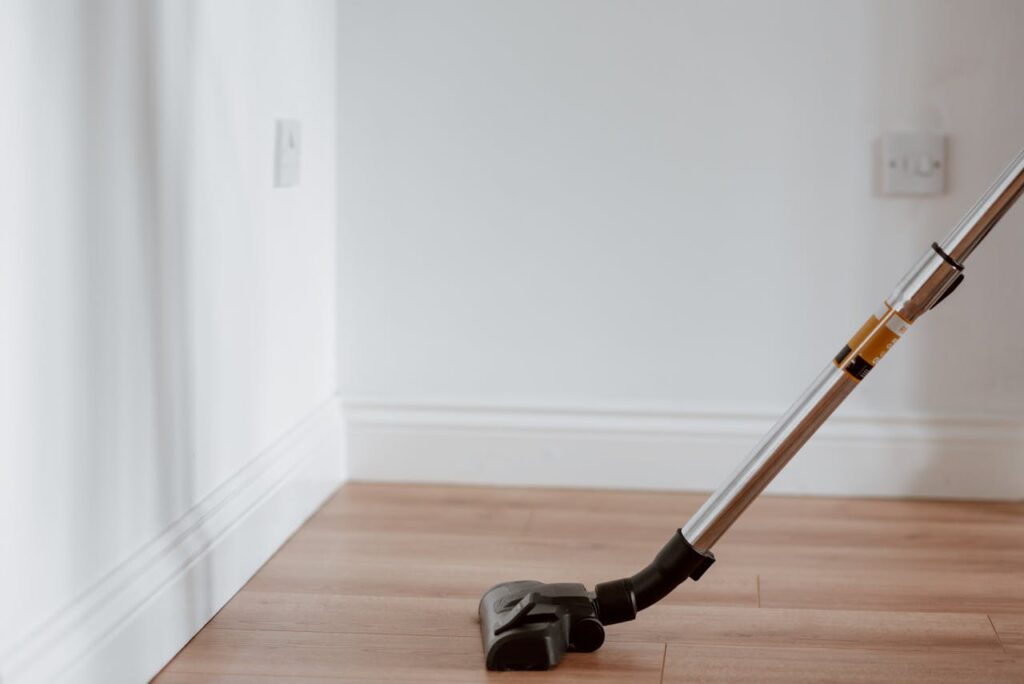
What sets people with tidy homes apart is not perfection—it’s intention. They’ve built small, sustainable habits that align with how they live and what their spaces need. They don’t spend hours every day cleaning. Instead, they work smarter by avoiding behaviors that lead to mess and clutter in the first place. From refusing to keep things “just in case” to taking something with them every time they leave a room, these habits add up to a home that feels calm, functional, and effortlessly clean. If your home feels out of control, don’t aim for an overnight transformation. Start with one of these six habits and build from there. With consistency, you’ll see meaningful change—and you may never need another weekend cleaning marathon again.
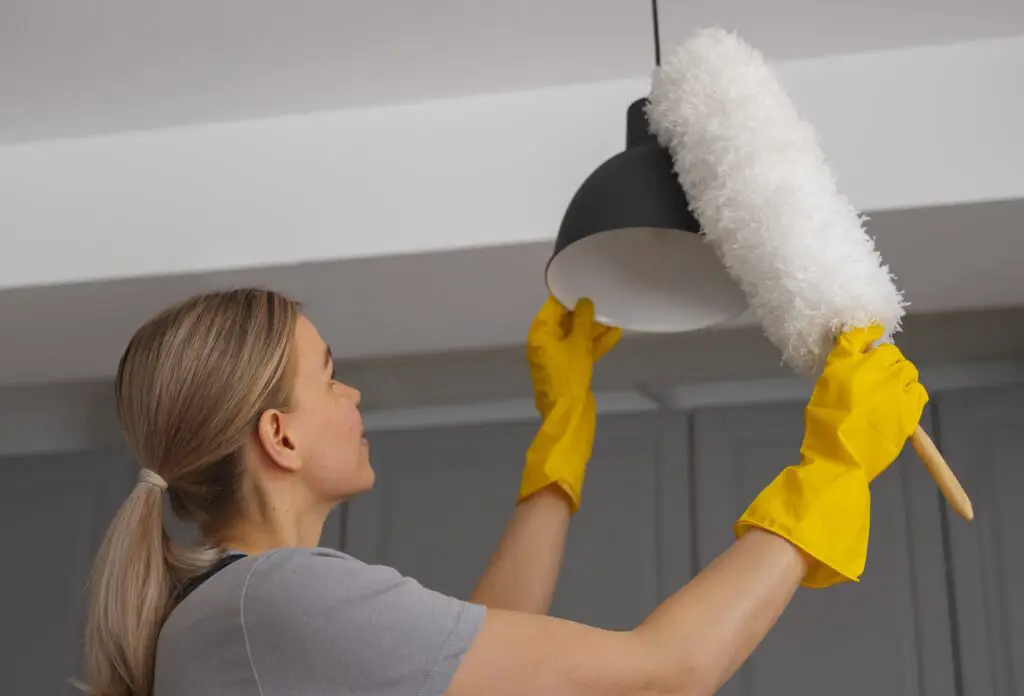
Filed Under: Lifestyle

9 Smart Ways to Set Boundaries With Family Without Feeling Guilty

January 17, 2026 | Leave a Comment

9 Smart Ways to Set Boundaries With Family Without Feeling Guilty

<p> Setting boundaries with family members can feel like walking a tightrope. You want to protect your peace, but the idea of upsetting your parents, siblings, or in-laws can tie your stomach in knots. We are often taught that family comes first—no matter what—but where does that leave you when their demands drain your time, energy, and sanity? The truth is, setting boundaries is not selfish. It is a powerful act of self-respect that helps create healthier relationships. When done right, it does not push your loved ones away—it brings clarity, stability, and even deeper connection. If you are ready to reclaim your space without drowning in guilt, these 9 practical and emotionally intelligent tips will help you set boundaries with your family while staying true to yourself. Let’s dive into how to do it the right way—without shame, fear, or regret. </p> :: Freepik

Setting boundaries with family members can feel like walking a tightrope. You want to protect your peace, but the idea of upsetting your parents, siblings, or in-laws can tie your stomach in knots. We are often taught that family comes first—no matter what—but where does that leave you when their demands drain your time, energy, and sanity? The truth is, setting boundaries is not selfish. It is a powerful act of self-respect that helps create healthier relationships. When done right, it does not push your loved ones away—it brings clarity, stability, and even deeper connection. If you are ready to reclaim your space without drowning in guilt, these 9 practical and emotionally intelligent tips will help you set boundaries with your family while staying true to yourself.

Let’s dive into how to do it the right way—without shame, fear, or regret.

1. Get Clear on Your Personal Limits

<p> Before you can set any boundary, you have to know what your boundaries are. Take some time to reflect on the interactions or behaviors that leave you feeling uncomfortable, drained, or resentful. Do you dread surprise visits from your relatives? Do family members ask for money or favors that stretch your limits? Boundaries look different for everyone—what is okay for your sibling might not be okay for you. By defining what you will and will not tolerate, you gain the clarity and confidence needed to stand your ground when the moment arises. Writing down your limits helps reinforce your values and can be a powerful reminder during difficult conversations. </p> :: Pexels

Before you can set any boundary, you have to know what your boundaries are. Take some time to reflect on the interactions or behaviors that leave you feeling uncomfortable, drained, or resentful. Do you dread surprise visits from your relatives? Do family members ask for money or favors that stretch your limits? Boundaries look different for everyone—what is okay for your sibling might not be okay for you. By defining what you will and will not tolerate, you gain the clarity and confidence needed to stand your ground when the moment arises. Writing down your limits helps reinforce your values and can be a powerful reminder during difficult conversations.


2. Speak Calmly and Assertively—Not Aggressively

<p> When it comes time to actually communicate your boundary, tone matters just as much as the message. Instead of sounding accusatory or defensive, aim for calm, assertive language that centers on your feelings and needs. Use “I” statements to express your position clearly, such as: “I feel overwhelmed when I get multiple texts in a row while I’m working. I need space during those hours.” This approach reduces defensiveness in the listener and keeps the conversation grounded in mutual respect. Setting boundaries does not require confrontation—it requires clarity. And when delivered with kindness, your words are more likely to be heard and respected. </p> :: Pexels

When it comes time to actually communicate your boundary, tone matters just as much as the message. Instead of sounding accusatory or defensive, aim for calm, assertive language that centers on your feelings and needs. Use “I” statements to express your position clearly, such as: “I feel overwhelmed when I get multiple texts in a row while I’m working. I need space during those hours.” This approach reduces defensiveness in the listener and keeps the conversation grounded in mutual respect. Setting boundaries does not require confrontation—it requires clarity. And when delivered with kindness, your words are more likely to be heard and respected.

3. Expect Resistance and Hold Firm

<p> If your family is not used to hearing the word “no” from you, your new boundaries might trigger confusion or pushback. That does not mean you are doing something wrong—it means you are creating change. People often resist boundaries because they are used to benefiting from the lack of them. Stay firm, and do not fall into the trap of over-explaining or backtracking. If your parents get upset because you declined a last-minute dinner invite, that is their emotion to manage, not yours. Repeating your boundary without emotion or justification sends a clear message: your limits are not up for negotiation. Temporary discomfort is the price of long-term peace. </p> :: Pexels

If your family is not used to hearing the word “no” from you, your new boundaries might trigger confusion or pushback. That does not mean you are doing something wrong—it means you are creating change. People often resist boundaries because they are used to benefiting from the lack of them. Stay firm, and do not fall into the trap of over-explaining or backtracking. If your parents get upset because you declined a last-minute dinner invite, that is their emotion to manage, not yours. Repeating your boundary without emotion or justification sends a clear message: your limits are not up for negotiation. Temporary discomfort is the price of long-term peace.

4. Be Consistent With Your Boundaries

<p> The most effective boundaries are the ones you reinforce consistently. If you say you will not be answering calls after 9 PM but keep picking up, you are training others to ignore your limits. Consistency teaches your family that you are serious about your needs and will follow through on your words. This does not mean you have to be harsh or rigid—it simply means you honor your commitments to yourself. Think of it like building a muscle: the more often you practice sticking to your boundary, the stronger and more natural it becomes. Over time, your family will start to adapt to your new standards—and so will you. </p> :: Pexels

The most effective boundaries are the ones you reinforce consistently. If you say you will not be answering calls after 9 PM but keep picking up, you are training others to ignore your limits. Consistency teaches your family that you are serious about your needs and will follow through on your words. This does not mean you have to be harsh or rigid—it simply means you honor your commitments to yourself. Think of it like building a muscle: the more often you practice sticking to your boundary, the stronger and more natural it becomes. Over time, your family will start to adapt to your new standards—and so will you.

5. Release the Need to Be the “Nice One”

<p> One of the biggest obstacles to boundary-setting is the fear of being seen as mean, cold, or difficult. If you have always been the peacemaker or people-pleaser in your family, asserting your needs might feel wrong. But being “nice” at your own expense is not kindness—it is self-neglect. You can be compassionate and assertive at the same time. Saying “I’m not available that weekend” does not make you a bad person—it makes you an honest one. Let go of the idea that you have to keep everyone happy to be worthy of love. Your needs matter, and you are allowed to protect them without apology. </p> :: Freepik

One of the biggest obstacles to boundary-setting is the fear of being seen as mean, cold, or difficult. If you have always been the peacemaker or people-pleaser in your family, asserting your needs might feel wrong. But being “nice” at your own expense is not kindness—it is self-neglect. You can be compassionate and assertive at the same time. Saying “I’m not available that weekend” does not make you a bad person—it makes you an honest one. Let go of the idea that you have to keep everyone happy to be worthy of love. Your needs matter, and you are allowed to protect them without apology.

6. Set Boundaries Without Cutting People Off

<p> A common misconception is that setting boundaries automatically means distancing yourself from your family or cutting ties. In reality, boundaries are a way to preserve relationships—not destroy them. Maybe you don’t want to share details about your dating life with your parents. Or maybe you need to limit how often you speak to a sibling who tends to emotionally dump. These are examples of healthy boundaries that create space for respect and understanding. You can still love and connect with your family while honoring your emotional capacity. Boundaries do not sever ties—they redefine how those ties function in a healthy, sustainable way. </p> :: Pexels

A common misconception is that setting boundaries automatically means distancing yourself from your family or cutting ties. In reality, boundaries are a way to preserve relationships—not destroy them. Maybe you don’t want to share details about your dating life with your parents. Or maybe you need to limit how often you speak to a sibling who tends to emotionally dump. These are examples of healthy boundaries that create space for respect and understanding. You can still love and connect with your family while honoring your emotional capacity. Boundaries do not sever ties—they redefine how those ties function in a healthy, sustainable way.

7. Keep It Simple—No Long Explanations Needed

<p> You do not owe anyone a dissertation about your boundaries. In fact, over-explaining often weakens your position and invites debate. If your family asks you to do something that does not align with your values or energy, it is okay to say, “I’m not able to do that,” and leave it at that. You are not obligated to justify your decision, especially if the other person is unlikely to be satisfied with any answer. Keeping your message short, direct, and polite helps reinforce your boundary without emotional entanglement. Trust that your “no” is enough—it always is. </p> :: Pexels

You do not owe anyone a dissertation about your boundaries. In fact, over-explaining often weakens your position and invites debate. If your family asks you to do something that does not align with your values or energy, it is okay to say, “I’m not able to do that,” and leave it at that. You are not obligated to justify your decision, especially if the other person is unlikely to be satisfied with any answer. Keeping your message short, direct, and polite helps reinforce your boundary without emotional entanglement. Trust that your “no” is enough—it always is.

8. Use “Let Me Get Back to You” as a Boundary Tool

<p> If you are someone who reflexively says “yes” to requests before thinking them through, give yourself a buffer. A simple “Let me get back to you” buys you time to assess whether a request aligns with your needs or not. This tactic helps reduce people-pleasing, guilt-based decisions and allows you to make thoughtful choices based on your emotional bandwidth. It also signals to others that your time and energy are not automatically available, encouraging more respectful interactions. By pausing before committing, you maintain control over your boundaries and make fewer decisions that lead to resentment later. </p> :: Pexels

If you are someone who reflexively says “yes” to requests before thinking them through, give yourself a buffer. A simple “Let me get back to you” buys you time to assess whether a request aligns with your needs or not. This tactic helps reduce people-pleasing, guilt-based decisions and allows you to make thoughtful choices based on your emotional bandwidth. It also signals to others that your time and energy are not automatically available, encouraging more respectful interactions. By pausing before committing, you maintain control over your boundaries and make fewer decisions that lead to resentment later.

9. Build a Support System That Validates Your Growth

<p> Boundary-setting can feel lonely—especially when your family does not understand or support your new stance. That is why it is essential to build a support network of people who see and respect your growth. Whether it’s a therapist, a trusted friend, or a community group, having allies can help you stay grounded when you feel pressured or guilt-tripped. They can also remind you that you are not crazy or selfish for needing space. Surround yourself with people who uplift you and respect your limits. You are more likely to succeed when you are not trying to change your family dynamics alone. </p> :: Pexels

Boundary-setting can feel lonely—especially when your family does not understand or support your new stance. That is why it is essential to build a support network of people who see and respect your growth. Whether it’s a therapist, a trusted friend, or a community group, having allies can help you stay grounded when you feel pressured or guilt-tripped. They can also remind you that you are not crazy or selfish for needing space. Surround yourself with people who uplift you and respect your limits. You are more likely to succeed when you are not trying to change your family dynamics alone.

Final Thoughts

<p> Setting boundaries with family can be one of the hardest—but most freeing—things you will ever do. It is not about rejection or punishment; it is about protecting your peace, honoring your needs, and fostering mutual respect. You might feel guilt at first, but that guilt is not a sign you are doing something wrong—it is a sign you are doing something different. And different is often what growth looks like. The only people who get upset about your boundaries are those who benefited from you having none. Choose self-respect over guilt, and watch how your relationships transform—not because you gave more, but because you finally chose yourself. </p> :: Pexels

Setting boundaries with family can be one of the hardest—but most freeing—things you will ever do. It is not about rejection or punishment; it is about protecting your peace, honoring your needs, and fostering mutual respect. You might feel guilt at first, but that guilt is not a sign you are doing something wrong—it is a sign you are doing something different. And different is often what growth looks like. The only people who get upset about your boundaries are those who benefited from you having none. Choose self-respect over guilt, and watch how your relationships transform—not because you gave more, but because you finally chose yourself.

Filed Under: Lifestyle

10 Everyday American Habits That Leave the World Completely Confused

January 17, 2026 | Leave a Comment

10 Everyday American Habits That Leave the World Completely Confused

<p> The United States is known for its cultural diversity, technological advancements, and global influence—but that doesn't mean all of its daily customs make sense to outsiders. In fact, many everyday American behaviors seem downright baffling to people from other parts of the world. Whether it’s the way Americans eat, interact, or even use the restroom, visitors are often left wide-eyed and scratching their heads. While these quirks are second nature to most Americans, they often highlight fascinating cultural differences that spark curiosity, confusion, and even a little amusement among international travelers. So if you’ve ever wondered why Americans do what they do, here are 10 habits that regularly leave the rest of the world completely bewildered. </p> :: Freepik

The United States is known for its cultural diversity, technological advancements, and global influence—but that doesn’t mean all of its daily customs make sense to outsiders. In fact, many everyday American behaviors seem downright baffling to people from other parts of the world. Whether it’s the way Americans eat, interact, or even use the restroom, visitors are often left wide-eyed and scratching their heads. While these quirks are second nature to most Americans, they often highlight fascinating cultural differences that spark curiosity, confusion, and even a little amusement among international travelers. So if you’ve ever wondered why Americans do what they do, here are 10 habits that regularly leave the rest of the world completely bewildered.

1. Tipping Is Practically Mandatory

<p> In most countries, tipping is a nice gesture—an optional bonus for exceptional service. But in the United States, it’s a built-in part of the service economy. Whether you're dining at a restaurant, grabbing a drink at a bar, or getting your hair cut, you're expected to tip between 15 and 25 percent. Tourists are often shocked to learn that servers and bartenders rely heavily on tips to make a livable wage, as the federal minimum wage for tipped workers is just $2.13 an hour. This expectation confuses visitors from places like Japan or Australia, where tipping is minimal or even frowned upon. What Americans see as appreciation, many foreigners view as awkward or financially burdensome. </p> :: Pexels

In most countries, tipping is a nice gesture—an optional bonus for exceptional service. But in the United States, it’s a built-in part of the service economy. Whether you’re dining at a restaurant, grabbing a drink at a bar, or getting your hair cut, you’re expected to tip between 15 and 25 percent. Tourists are often shocked to learn that servers and bartenders rely heavily on tips to make a livable wage, as the federal minimum wage for tipped workers is just $2.13 an hour. This expectation confuses visitors from places like Japan or Australia, where tipping is minimal or even frowned upon. What Americans see as appreciation, many foreigners view as awkward or financially burdensome.

2. Prices Never Include Tax

<p> Picture this: you're shopping in an American store, you pick up an item labeled $9.99, but when you get to the register, it rings up at $10.74. That’s because sales tax is added at the point of sale—and that amount varies by state and even by city. In contrast, most other countries include taxes in the price tag, so the amount you see is exactly what you pay. This discrepancy leaves many travelers baffled and frustrated as they try to calculate final costs on the fly. For international shoppers used to all-inclusive pricing, the American system feels unnecessarily confusing and inconsistent. </p> :: Pexels

Picture this: you’re shopping in an American store, you pick up an item labeled $9.99, but when you get to the register, it rings up at $10.74. That’s because sales tax is added at the point of sale—and that amount varies by state and even by city. In contrast, most other countries include taxes in the price tag, so the amount you see is exactly what you pay. This discrepancy leaves many travelers baffled and frustrated as they try to calculate final costs on the fly. For international shoppers used to all-inclusive pricing, the American system feels unnecessarily confusing and inconsistent.

3. Restaurant Portions Are Supersized

<p> One of the first things international visitors notice when dining in the U.S. is the sheer size of the portions. From burgers and fries to pasta dishes and milkshakes, American meals are often large enough to feed two people. While generous portions may be appealing to some, others find it wasteful and excessive. Many cultures place a strong emphasis on moderation, and the American love for “bigger is better” doesn’t always sit well with that mindset. Leftovers are common and even expected in the U.S., but for those from countries where food waste is frowned upon, the excess can be overwhelming. </p> :: Pexels

One of the first things international visitors notice when dining in the U.S. is the sheer size of the portions. From burgers and fries to pasta dishes and milkshakes, American meals are often large enough to feed two people. While generous portions may be appealing to some, others find it wasteful and excessive. Many cultures place a strong emphasis on moderation, and the American love for “bigger is better” doesn’t always sit well with that mindset. Leftovers are common and even expected in the U.S., but for those from countries where food waste is frowned upon, the excess can be overwhelming.

4. Free Drink Refills Everywhere

<p> Imagine sitting down at a diner, ordering a soda, and the server keeps topping up your glass every few minutes—without charging extra. In the U.S., free refills on soft drinks and coffee are standard in many casual restaurants. This is a delightful surprise for some visitors but a confusing one for others who are used to paying per glass. In Europe, for instance, a small soda can cost several euros with no refills in sight. The idea of unlimited drinks at no additional cost can seem too good to be true, and sometimes, it actually is—just don't expect it at more upscale establishments or bars. </p> :: Pexels

Imagine sitting down at a diner, ordering a soda, and the server keeps topping up your glass every few minutes—without charging extra. In the U.S., free refills on soft drinks and coffee are standard in many casual restaurants. This is a delightful surprise for some visitors but a confusing one for others who are used to paying per glass. In Europe, for instance, a small soda can cost several euros with no refills in sight. The idea of unlimited drinks at no additional cost can seem too good to be true, and sometimes, it actually is—just don’t expect it at more upscale establishments or bars.

5. Ice in Every Beverage

<p> If there’s one thing Americans love almost as much as free refills, it’s ice. From water to soda and even iced coffee, drinks in the U.S. are often filled to the brim with ice cubes. To foreigners, this can seem excessive—especially in colder months. In many countries, beverages are served at room temperature or lightly chilled, and ice is considered unnecessary or even undesirable. Some visitors feel short-changed, thinking they’re getting less actual drink because of all the frozen water. But for Americans, a drink without ice is just not refreshing enough, no matter the season. </p> :: Pexels

If there’s one thing Americans love almost as much as free refills, it’s ice. From water to soda and even iced coffee, drinks in the U.S. are often filled to the brim with ice cubes. To foreigners, this can seem excessive—especially in colder months. In many countries, beverages are served at room temperature or lightly chilled, and ice is considered unnecessary or even undesirable. Some visitors feel short-changed, thinking they’re getting less actual drink because of all the frozen water. But for Americans, a drink without ice is just not refreshing enough, no matter the season.

6. Cranking the Air Conditioning

<p> Walk into any building in the summer—restaurants, stores, offices—and you’ll likely be greeted with a blast of icy cold air. Americans are notorious for their love of air conditioning, often keeping indoor spaces at frigid temperatures regardless of the season. While this might be a welcome relief from sweltering heat for locals, visitors from countries where air conditioning is used more sparingly often find it uncomfortable or wasteful. Wearing a sweater indoors during a heatwave might seem ridiculous elsewhere, but in the U.S., it’s just part of the climate control game. </p> :: Freepik

Walk into any building in the summer—restaurants, stores, offices—and you’ll likely be greeted with a blast of icy cold air. Americans are notorious for their love of air conditioning, often keeping indoor spaces at frigid temperatures regardless of the season. While this might be a welcome relief from sweltering heat for locals, visitors from countries where air conditioning is used more sparingly often find it uncomfortable or wasteful. Wearing a sweater indoors during a heatwave might seem ridiculous elsewhere, but in the U.S., it’s just part of the climate control game.

7. Wearing Shoes Inside the House

<p> In many parts of the world, it’s customary to remove your shoes before entering someone’s home. This practice is rooted in hygiene and respect, especially in countries like Japan, Korea, and parts of Europe. However, in the United States, it’s common—especially in certain regions—for people to wear shoes indoors. While some American households do prefer a no-shoes policy, there’s no nationwide consensus, which can confuse visitors who are unsure of the etiquette. What seems normal to Americans may strike others as unsanitary or even rude. </p> :: Pexels

In many parts of the world, it’s customary to remove your shoes before entering someone’s home. This practice is rooted in hygiene and respect, especially in countries like Japan, Korea, and parts of Europe. However, in the United States, it’s common—especially in certain regions—for people to wear shoes indoors. While some American households do prefer a no-shoes policy, there’s no nationwide consensus, which can confuse visitors who are unsure of the etiquette. What seems normal to Americans may strike others as unsanitary or even rude.

8. Servers Who Are a Little Too Friendly

<p> You sit down at a restaurant and the server greets you with a huge smile, introduces themselves by name, and checks in multiple times during the meal. For many international visitors, this level of enthusiasm and attentiveness can feel fake or overbearing. In contrast, service in other countries tends to be more reserved and less intrusive. While Americans may see this behavior as good hospitality, foreigners might interpret it as forced friendliness or a transparent attempt to earn a bigger tip. It’s not uncommon for travelers to wonder, “Are they always this cheerful, or is it just for show?” </p> :: Pexels

You sit down at a restaurant and the server greets you with a huge smile, introduces themselves by name, and checks in multiple times during the meal. For many international visitors, this level of enthusiasm and attentiveness can feel fake or overbearing. In contrast, service in other countries tends to be more reserved and less intrusive. While Americans may see this behavior as good hospitality, foreigners might interpret it as forced friendliness or a transparent attempt to earn a bigger tip. It’s not uncommon for travelers to wonder, “Are they always this cheerful, or is it just for show?”

9. Lack of Bathroom Privacy

<p> One of the more surprising—and uncomfortable—aspects of American public restrooms is the design of the stalls. In most facilities, there are large gaps around the doors and walls, sometimes so wide that you can make eye contact with people walking by. For travelers used to fully enclosed stalls that offer complete privacy, this setup feels shockingly exposed. Despite complaints, this design remains prevalent across the U.S., leaving many foreigners to wonder why such a private activity is handled so publicly. The reasoning behind it ranges from security concerns to easier cleaning, but that explanation rarely eases the awkwardness. </p> :: Pexels

One of the more surprising—and uncomfortable—aspects of American public restrooms is the design of the stalls. In most facilities, there are large gaps around the doors and walls, sometimes so wide that you can make eye contact with people walking by. For travelers used to fully enclosed stalls that offer complete privacy, this setup feels shockingly exposed. Despite complaints, this design remains prevalent across the U.S., leaving many foreigners to wonder why such a private activity is handled so publicly. The reasoning behind it ranges from security concerns to easier cleaning, but that explanation rarely eases the awkwardness.

10. Prescription Drug Commercials on TV

<p> If you’ve ever watched American television, chances are you’ve seen a commercial promoting a prescription medication—complete with smiling actors and a long list of side effects spoken at lightning speed. This kind of direct-to-consumer pharmaceutical advertising is allowed in only two countries in the world: the United States and New Zealand. Visitors from countries where drug ads are banned often find it bizarre that medications are marketed like snack foods or laundry detergent. These commercials not only seem out of place but also raise ethical questions about the commercialization of healthcare. </p> :: Freepik

If you’ve ever watched American television, chances are you’ve seen a commercial promoting a prescription medication—complete with smiling actors and a long list of side effects spoken at lightning speed. This kind of direct-to-consumer pharmaceutical advertising is allowed in only two countries in the world: the United States and New Zealand. Visitors from countries where drug ads are banned often find it bizarre that medications are marketed like snack foods or laundry detergent. These commercials not only seem out of place but also raise ethical questions about the commercialization of healthcare.

Final Thoughts

<p> From supersized portions to overly friendly servers, these everyday American behaviors can leave outsiders feeling amused, confused, or downright bewildered. While many of these customs stem from historical, economic, or cultural roots, they highlight just how different life can be from one country to the next. Understanding these quirky differences is a great way to build cultural awareness and appreciate the fascinating diversity of global norms. So the next time you spot a bewildered tourist navigating an American diner or fumbling with a tip, remember: what’s perfectly normal in one country might be utterly perplexing in another. </p> :: Pexels

From supersized portions to overly friendly servers, these everyday American behaviors can leave outsiders feeling amused, confused, or downright bewildered. While many of these customs stem from historical, economic, or cultural roots, they highlight just how different life can be from one country to the next. Understanding these quirky differences is a great way to build cultural awareness and appreciate the fascinating diversity of global norms. So the next time you spot a bewildered tourist navigating an American diner or fumbling with a tip, remember: what’s perfectly normal in one country might be utterly perplexing in another.

Filed Under: Lifestyle

  • « Previous Page
  • 1
  • …
  • 18
  • 19
  • 20
  • 21
  • 22
  • …
  • 60
  • Next Page »
  • Email
  • Facebook
  • Pinterest
  • Twitter

Our Most Popular Articles

ClickCashGo Review: Should You Avoid At All Costs?

Ultimate Guide to Mastering Your Credit Score

The 'YOLO' Mindset is a Dangerous Thing

Dave Ramsey's Financial Peace University Review: Is it Worth the Money?

Cash App Glitch 2025: Is the Free Money Glitch Real?

Five Steps To Debt Freedom

Here are five simple guidlines that will help you pay off debt.  

1) Get an emergency fund so you don’t take on debt when something comes up.

2) List your debts. This way you know where you stand.

3) Use the debt snowball. Pay your debts from smallest to largest, or most expensive to least expensive.

4) Avoid new debt. No new credit cards or loans. Period.

5) Go all cash. After everything is paid off, switch to all cash.

Helpful Resources

U of Tennesse Debt Repayment Plan Basics

Vertex 42's Debt Payoff Calculator

Savingadvice's Helpful Debt Forums

Jackie Becks Debt Blog