Our Debt Free Family

Commit. Plan. Take action.

  • BUDGETING
  • DEBT REDUCTION
  • INVESTING
  • LIFESTYLE
  • TOOLS
  • ABOUT
  • Privacy Policy
  • CONTACT

Stop Being ‘Too Nice’ at Work, Says Psychologist—7 Ways to Be Genuine and Trustworthy

January 17, 2026 | Leave a Comment

Stop Being ‘Too Nice’ at Work, Says Psychologist—7 Ways to Be Genuine and Trustworthy

<p> Being "too nice" at work might seem like a good way to get along with everyone, but it can actually have the opposite effect. Psychologists often point out that excessive niceness can come off as insincere, leading others to question your authenticity and trustworthiness. While it’s essential to be respectful and friendly in the workplace, striking the right balance is crucial. So, if you’ve been working hard to keep everyone happy at the cost of your own needs or authentic self, it’s time for a change. Here are seven ways to stop being "too nice" and be genuine and trustworthy, while still maintaining a healthy work environment. </p> :: Pexels

Being “too nice” at work might seem like a good way to get along with everyone, but it can actually have the opposite effect. Psychologists often point out that excessive niceness can come off as insincere, leading others to question your authenticity and trustworthiness. While it’s essential to be respectful and friendly in the workplace, striking the right balance is crucial. So, if you’ve been working hard to keep everyone happy at the cost of your own needs or authentic self, it’s time for a change. Here are seven ways to stop being “too nice” and be genuine and trustworthy, while still maintaining a healthy work environment.

1. Set Boundaries—Know When to Say No

<p> One of the most important aspects of being genuine is knowing when to set boundaries. As a "nice" person, you might often say yes to requests even when it’s inconvenient for you. However, constantly agreeing to take on extra work, help colleagues with their tasks, or attend unnecessary meetings can lead to burnout and resentment. Psychologists recommend learning how to say "no" in a constructive way. Being able to decline without feeling guilty shows confidence and respect for your time. This helps establish you as someone who values their own boundaries, which, in turn, fosters trust in your professional relationships. </p> :: Pexels

One of the most important aspects of being genuine is knowing when to set boundaries. As a “nice” person, you might often say yes to requests even when it’s inconvenient for you. However, constantly agreeing to take on extra work, help colleagues with their tasks, or attend unnecessary meetings can lead to burnout and resentment. Psychologists recommend learning how to say “no” in a constructive way. Being able to decline without feeling guilty shows confidence and respect for your time. This helps establish you as someone who values their own boundaries, which, in turn, fosters trust in your professional relationships.

2. Speak Up When You Disagree

<p> Many people who are "too nice" tend to avoid confrontation, even when they feel strongly about an issue. The fear of conflict can often lead to suppressing honest opinions, which diminishes your authenticity. A key aspect of being genuine at work is the ability to voice your thoughts and disagreements respectfully. Psychologists emphasize the importance of healthy conflict as a way to improve relationships and promote innovation. By speaking up in a professional manner, you show that you’re not just agreeing with the status quo to avoid tension. You’re also demonstrating your value as someone who can offer constructive feedback and contribute to the growth of the team or company. </p> :: Pexels

Many people who are “too nice” tend to avoid confrontation, even when they feel strongly about an issue. The fear of conflict can often lead to suppressing honest opinions, which diminishes your authenticity. A key aspect of being genuine at work is the ability to voice your thoughts and disagreements respectfully. Psychologists emphasize the importance of healthy conflict as a way to improve relationships and promote innovation. By speaking up in a professional manner, you show that you’re not just agreeing with the status quo to avoid tension. You’re also demonstrating your value as someone who can offer constructive feedback and contribute to the growth of the team or company.

3. Be Transparent About Your Intentions

<p> Sometimes, "too nice" people try to avoid being direct to avoid hurting others' feelings, but this can create confusion and misunderstandings. Instead, embrace transparency in your communication. Be clear about your intentions and the reasons behind your actions. If you’re helping a colleague, explain why you’re doing it and how it aligns with your responsibilities or goals. This avoids any unnecessary ambiguity, which helps others see you as more trustworthy. When people understand your true motivations, they can more easily respect your decisions and actions, even if they don’t always agree with them. </p> :: Pexels

Sometimes, “too nice” people try to avoid being direct to avoid hurting others’ feelings, but this can create confusion and misunderstandings. Instead, embrace transparency in your communication. Be clear about your intentions and the reasons behind your actions. If you’re helping a colleague, explain why you’re doing it and how it aligns with your responsibilities or goals. This avoids any unnecessary ambiguity, which helps others see you as more trustworthy. When people understand your true motivations, they can more easily respect your decisions and actions, even if they don’t always agree with them.

4. Stop Seeking Validation from Others

<p> If you’ve always aimed to please others and gain their approval, you may find yourself constantly seeking validation. While it's natural to want recognition for your hard work, relying too heavily on external validation can undermine your authenticity. Psychologists advise building your self-esteem internally rather than looking for external praise. Instead of waiting for acknowledgment from others, take pride in your achievements and make decisions based on what you believe is right. This will not only improve your self-confidence but will also help you appear more genuine to your colleagues. People are drawn to those who are secure in themselves and don’t need constant reassurance. </p> :: Pexels

If you’ve always aimed to please others and gain their approval, you may find yourself constantly seeking validation. While it’s natural to want recognition for your hard work, relying too heavily on external validation can undermine your authenticity. Psychologists advise building your self-esteem internally rather than looking for external praise. Instead of waiting for acknowledgment from others, take pride in your achievements and make decisions based on what you believe is right. This will not only improve your self-confidence but will also help you appear more genuine to your colleagues. People are drawn to those who are secure in themselves and don’t need constant reassurance.

5. Express Your Real Emotions—Appropriately

<p> Being "too nice" at work often involves suppressing your true emotions to avoid conflict or discomfort. However, this can make you come across as detached or fake. To be authentic, it’s important to express your emotions appropriately. If something upsets you, instead of bottling it up, address it calmly and professionally. Expressing emotions doesn’t mean being overly dramatic or unprofessional; it means acknowledging your feelings and communicating them effectively. When you allow yourself to be vulnerable in a controlled manner, you create deeper, more honest relationships with your colleagues. It’s an essential aspect of being both genuine and trustworthy at work. </p> :: Pexels

Being “too nice” at work often involves suppressing your true emotions to avoid conflict or discomfort. However, this can make you come across as detached or fake. To be authentic, it’s important to express your emotions appropriately. If something upsets you, instead of bottling it up, address it calmly and professionally. Expressing emotions doesn’t mean being overly dramatic or unprofessional; it means acknowledging your feelings and communicating them effectively. When you allow yourself to be vulnerable in a controlled manner, you create deeper, more honest relationships with your colleagues. It’s an essential aspect of being both genuine and trustworthy at work.

6. Focus on Quality, Not Pleasing Everyone

<p> When you're "too nice," there’s a tendency to over-extend yourself in the hopes of satisfying everyone around you. However, this often leads to compromising the quality of your work and spreading yourself too thin. Instead of trying to please every single person, focus on delivering high-quality work that aligns with your values and objectives. Trust is built on consistency and reliability, not on constantly seeking approval. By concentrating on what truly matters, you’ll be seen as someone who is dependable, confident, and genuine—someone others can trust to get the job done without playing to the crowd. </p> :: Pexels

When you’re “too nice,” there’s a tendency to over-extend yourself in the hopes of satisfying everyone around you. However, this often leads to compromising the quality of your work and spreading yourself too thin. Instead of trying to please every single person, focus on delivering high-quality work that aligns with your values and objectives. Trust is built on consistency and reliability, not on constantly seeking approval. By concentrating on what truly matters, you’ll be seen as someone who is dependable, confident, and genuine—someone others can trust to get the job done without playing to the crowd.

7. Be Honest About Your Limitations

<p> Everyone has limitations, but "too nice" individuals often avoid admitting them out of fear that it might make them seem weak or incapable. However, acknowledging your limitations is an important part of being authentic and trustworthy. When you’re honest about what you can and cannot do, it shows that you are self-aware and realistic. It also allows others to support you in ways that are mutually beneficial. By not overpromising and underdelivering, you’ll establish credibility and trust. People respect others who are upfront about their abilities and limitations, as it fosters a sense of fairness and clarity within the team. </p> :: Pexels

Everyone has limitations, but “too nice” individuals often avoid admitting them out of fear that it might make them seem weak or incapable. However, acknowledging your limitations is an important part of being authentic and trustworthy. When you’re honest about what you can and cannot do, it shows that you are self-aware and realistic. It also allows others to support you in ways that are mutually beneficial. By not overpromising and underdelivering, you’ll establish credibility and trust. People respect others who are upfront about their abilities and limitations, as it fosters a sense of fairness and clarity within the team.

Final Thoughts

<p> It’s important to remember that being "too nice" doesn’t mean you’re a bad person or a poor employee. It simply means you might be hiding behind a mask of politeness, which can prevent your true self from shining through. By implementing these seven strategies—setting boundaries, speaking up when you disagree, being transparent, letting go of the need for validation, expressing your emotions appropriately, focusing on quality, and acknowledging your limitations—you can become a more genuine, confident, and trustworthy professional. At work, being genuinely nice doesn’t mean constantly seeking to please others; it means being true to who you are while maintaining respect and professionalism. Being authentic allows you to build stronger relationships, gain the respect of your colleagues, and, ultimately, create a more fulfilling career. Trust yourself, embrace your uniqueness, and watch your professional life thrive in ways you never thought possible. </p> :: Pexels

It’s important to remember that being “too nice” doesn’t mean you’re a bad person or a poor employee. It simply means you might be hiding behind a mask of politeness, which can prevent your true self from shining through. By implementing these seven strategies—setting boundaries, speaking up when you disagree, being transparent, letting go of the need for validation, expressing your emotions appropriately, focusing on quality, and acknowledging your limitations—you can become a more genuine, confident, and trustworthy professional.

At work, being genuinely nice doesn’t mean constantly seeking to please others; it means being true to who you are while maintaining respect and professionalism. Being authentic allows you to build stronger relationships, gain the respect of your colleagues, and, ultimately, create a more fulfilling career. Trust yourself, embrace your uniqueness, and watch your professional life thrive in ways you never thought possible.

Filed Under: Lifestyle

How to Start Journaling (Even If You’re Not a Writer)—9 Simple Tips to Begin Today

January 16, 2026 | Leave a Comment

How to Start Journaling (Even If You’re Not a Writer)—9 Simple Tips to Begin Today

<p> Journaling isn’t just for novelists or poets—it’s a powerful tool anyone can use to reduce stress, boost mental clarity, and improve self-awareness. But if the idea of putting your thoughts on paper feels intimidating, especially if you don’t consider yourself “a writer,” you’re not alone. The good news is that journaling doesn’t require perfect grammar, eloquent prose, or deep introspection to be effective. Whether you're hoping to manage anxiety, track your goals, or just organize your thoughts, these nine beginner-friendly journaling tips will help you start—no writing skills necessary. Here's how to make journaling a habit that sticks and transforms your daily life. </p> :: Pexels

Journaling isn’t just for novelists or poets—it’s a powerful tool anyone can use to reduce stress, boost mental clarity, and improve self-awareness. But if the idea of putting your thoughts on paper feels intimidating, especially if you don’t consider yourself “a writer,” you’re not alone. The good news is that journaling doesn’t require perfect grammar, eloquent prose, or deep introspection to be effective. Whether you’re hoping to manage anxiety, track your goals, or just organize your thoughts, these nine beginner-friendly journaling tips will help you start—no writing skills necessary. Here’s how to make journaling a habit that sticks and transforms your daily life.

1. Start Small—Even a Few Sentences Count

<p> You don’t need to write pages of heartfelt musings to be a “real” journaler. In fact, starting small is one of the best ways to make journaling a sustainable habit. Begin by writing just two or three sentences each day—describe how you feel, something that stood out during your day, or what you’re looking forward to. Keeping things short removes the pressure of having to be profound or perfect, making it easier to show up consistently. Over time, as you get more comfortable, your entries may naturally grow longer, but there’s no need to force it. Consistency beats quantity when it comes to journaling. </p> :: Pexels

You don’t need to write pages of heartfelt musings to be a “real” journaler. In fact, starting small is one of the best ways to make journaling a sustainable habit. Begin by writing just two or three sentences each day—describe how you feel, something that stood out during your day, or what you’re looking forward to. Keeping things short removes the pressure of having to be profound or perfect, making it easier to show up consistently. Over time, as you get more comfortable, your entries may naturally grow longer, but there’s no need to force it. Consistency beats quantity when it comes to journaling.

2. Use Prompts to Eliminate “Blank Page Syndrome”

<p> One of the most common obstacles for beginners is staring at an empty page, unsure of where to begin. That’s where journal prompts come in—they provide a guided starting point so you’re never stuck wondering what to write. Prompts like “What made me smile today?”, “What am I grateful for right now?”, or “What’s something I’m avoiding and why?” can open up meaningful reflection without requiring literary finesse. You can find thousands of prompts online, in journaling apps, or printable workbooks, tailored to themes like mindfulness, personal growth, or even career planning. </p> :: Pexels

One of the most common obstacles for beginners is staring at an empty page, unsure of where to begin. That’s where journal prompts come in—they provide a guided starting point so you’re never stuck wondering what to write. Prompts like “What made me smile today?”, “What am I grateful for right now?”, or “What’s something I’m avoiding and why?” can open up meaningful reflection without requiring literary finesse. You can find thousands of prompts online, in journaling apps, or printable workbooks, tailored to themes like mindfulness, personal growth, or even career planning.

3. Don’t Worry About Grammar, Spelling or Structure

<p> The beauty of journaling is that it’s a completely private and judgment-free zone—your journal isn’t being graded, edited or published. Let go of the idea that your writing needs to be polished or even coherent. Scribble, bullet point, doodle—whatever helps you get your thoughts out. Think of journaling more as a mental unload than a writing exercise. When you stop worrying about spelling errors or sentence structure, you’ll find it easier to write honestly and authentically. That’s where the real value lies—not in perfection, but in self-expression. </p> :: Pexels

The beauty of journaling is that it’s a completely private and judgment-free zone—your journal isn’t being graded, edited or published. Let go of the idea that your writing needs to be polished or even coherent. Scribble, bullet point, doodle—whatever helps you get your thoughts out. Think of journaling more as a mental unload than a writing exercise. When you stop worrying about spelling errors or sentence structure, you’ll find it easier to write honestly and authentically. That’s where the real value lies—not in perfection, but in self-expression.

4. Choose a Medium That Fits Your Lifestyle

<p> Journaling isn’t one-size-fits-all. While some people love the feel of pen and paper, others prefer the speed and convenience of digital journaling. Try different mediums to see what feels most natural—this could be a classic notebook, a notes app on your phone, a journaling app like Day One, or even a voice memo. Your medium should suit your lifestyle and feel easy to use. For instance, if you’re always on the go, a smartphone might make more sense. What matters most is that you feel comfortable and committed to returning to it regularly. </p> :: Pexels

Journaling isn’t one-size-fits-all. While some people love the feel of pen and paper, others prefer the speed and convenience of digital journaling. Try different mediums to see what feels most natural—this could be a classic notebook, a notes app on your phone, a journaling app like Day One, or even a voice memo. Your medium should suit your lifestyle and feel easy to use. For instance, if you’re always on the go, a smartphone might make more sense. What matters most is that you feel comfortable and committed to returning to it regularly.

5. Make It a Daily Ritual (But Skip the Pressure)

<p> Consistency builds habits, and the same goes for journaling. Setting aside a specific time each day—even just five minutes—can help you build journaling into your routine. Some people find mornings energizing for setting intentions, while others prefer journaling at night to reflect and unwind. That said, journaling should feel like a release, not a chore. If you miss a day (or even a week), don’t beat yourself up—just pick up where you left off. Flexibility over perfection is key. You’re building a supportive habit, not following a strict rulebook. </p> :: Pexels

Consistency builds habits, and the same goes for journaling. Setting aside a specific time each day—even just five minutes—can help you build journaling into your routine. Some people find mornings energizing for setting intentions, while others prefer journaling at night to reflect and unwind. That said, journaling should feel like a release, not a chore. If you miss a day (or even a week), don’t beat yourself up—just pick up where you left off. Flexibility over perfection is key. You’re building a supportive habit, not following a strict rulebook.

6. Experiment With Different Styles Until One Clicks

<p> Journaling isn’t limited to the traditional “Dear Diary” format. There are many ways to journal, and experimenting with different styles can help you discover what resonates. Try gratitude journaling, where you list three things you’re thankful for each day. Or try bullet journaling, which combines to-do lists, habit tracking, and reflection. Stream-of-consciousness journaling, where you write non-stop for a few minutes without filtering your thoughts, can also be liberating. The key is to find a format that aligns with your goals, whether it’s stress relief, productivity, or self-discovery. </p> :: Pexels

Journaling isn’t limited to the traditional “Dear Diary” format. There are many ways to journal, and experimenting with different styles can help you discover what resonates. Try gratitude journaling, where you list three things you’re thankful for each day. Or try bullet journaling, which combines to-do lists, habit tracking, and reflection. Stream-of-consciousness journaling, where you write non-stop for a few minutes without filtering your thoughts, can also be liberating. The key is to find a format that aligns with your goals, whether it’s stress relief, productivity, or self-discovery.

7. Keep It Private to Stay Honest

<p> One of the biggest benefits of journaling is the ability to be completely honest with yourself—but that honesty often hinges on privacy. Treat your journal as a safe space that’s just for you. If you’re worried someone might read it, take precautions—use a password-protected app, keep your physical journal in a drawer, or use shorthand or nicknames for sensitive topics. Knowing your words won’t be judged or misinterpreted by others gives you the freedom to be open, vulnerable, and real—and that’s when journaling becomes truly transformative. </p> :: Pexels

One of the biggest benefits of journaling is the ability to be completely honest with yourself—but that honesty often hinges on privacy. Treat your journal as a safe space that’s just for you. If you’re worried someone might read it, take precautions—use a password-protected app, keep your physical journal in a drawer, or use shorthand or nicknames for sensitive topics. Knowing your words won’t be judged or misinterpreted by others gives you the freedom to be open, vulnerable, and real—and that’s when journaling becomes truly transformative.

8. Reflect Back on Old Entries Occasionally

<p> While the act of writing is therapeutic in itself, going back to read past journal entries can provide powerful insights. You may notice patterns in your thoughts, progress in how you handle stress, or shifts in your mindset that would have otherwise gone unnoticed. This reflection can motivate you, help you identify triggers or recurring challenges, and deepen your self-understanding. Don’t feel like you need to analyze everything you write, but revisiting your words every few weeks or months can reveal just how much you’ve grown. </p> :: Pexels

While the act of writing is therapeutic in itself, going back to read past journal entries can provide powerful insights. You may notice patterns in your thoughts, progress in how you handle stress, or shifts in your mindset that would have otherwise gone unnoticed. This reflection can motivate you, help you identify triggers or recurring challenges, and deepen your self-understanding. Don’t feel like you need to analyze everything you write, but revisiting your words every few weeks or months can reveal just how much you’ve grown.

9. Be Kind to Yourself in Your Writing

<p> Self-talk matters, even on paper. Many people start journaling to work through tough emotions, but it’s important to avoid using the page as a space for self-criticism. Instead, practice self-compassion—write to yourself like you would to a friend going through the same situation. If you’re venting, allow your emotions to flow, but balance it by acknowledging your strengths, efforts, and intentions. Journaling should leave you feeling lighter, not weighed down. Over time, this positive tone will help rewire how you speak to yourself mentally too. </p> :: Pexels

Self-talk matters, even on paper. Many people start journaling to work through tough emotions, but it’s important to avoid using the page as a space for self-criticism. Instead, practice self-compassion—write to yourself like you would to a friend going through the same situation. If you’re venting, allow your emotions to flow, but balance it by acknowledging your strengths, efforts, and intentions. Journaling should leave you feeling lighter, not weighed down. Over time, this positive tone will help rewire how you speak to yourself mentally too.

Final Thoughts

<p> Journaling is one of the most accessible and rewarding wellness habits you can adopt, and it requires zero writing talent—just a willingness to pause and check in with yourself. Whether you’re scribbling on a notepad or typing into an app during your lunch break, journaling is about capturing your inner world, not impressing anyone. With these nine beginner-friendly tips, you can overcome your resistance, ditch perfectionism, and finally start a journaling practice that feels natural, supportive, and uniquely yours. No pressure. No judgment. Just you, your thoughts, and the freedom to explore them. </p> :: Pexels

Journaling is one of the most accessible and rewarding wellness habits you can adopt, and it requires zero writing talent—just a willingness to pause and check in with yourself. Whether you’re scribbling on a notepad or typing into an app during your lunch break, journaling is about capturing your inner world, not impressing anyone. With these nine beginner-friendly tips, you can overcome your resistance, ditch perfectionism, and finally start a journaling practice that feels natural, supportive, and uniquely yours. No pressure. No judgment. Just you, your thoughts, and the freedom to explore them.

Filed Under: Lifestyle

9 Budget-Friendly Crafts You Can Create for Fun and Relaxation

January 16, 2026 | Leave a Comment

9 Budget-Friendly Crafts You Can Create for Fun and Relaxation

<p> Looking for creative ways to pass the time without breaking the bank? Whether you're looking to add a personal touch to your home decor, find new hobbies, or spend quality time with family, crafting can be the perfect outlet. The best part? You don't need a big budget to create something amazing. From repurposing old materials to using inexpensive supplies, here are 9 fun and easy crafts you can do on a budget, all designed to spark your creativity and bring a little joy into your life. </p> :: Pexels

Looking for creative ways to pass the time without breaking the bank? Whether you’re looking to add a personal touch to your home decor, find new hobbies, or spend quality time with family, crafting can be the perfect outlet. The best part? You don’t need a big budget to create something amazing. From repurposing old materials to using inexpensive supplies, here are 9 fun and easy crafts you can do on a budget, all designed to spark your creativity and bring a little joy into your life.

1. DIY Painted Mason Jars for Stylish Storage

<p> Transform ordinary mason jars into trendy storage containers with just a few supplies. All you need are mason jars, some acrylic paint, and a few brushes. Choose your favorite colors or patterns to paint the jars, and you can use them for anything from storing pens and pencils to creating lovely centerpieces for your dining table. To add an extra flair, you can also distress the paint for a rustic look or add a ribbon around the rim for a more festive touch. This craft is both practical and beautiful, and best of all, mason jars are incredibly inexpensive. </p> :: DALL-E

Transform ordinary mason jars into trendy storage containers with just a few supplies. All you need are mason jars, some acrylic paint, and a few brushes. Choose your favorite colors or patterns to paint the jars, and you can use them for anything from storing pens and pencils to creating lovely centerpieces for your dining table. To add an extra flair, you can also distress the paint for a rustic look or add a ribbon around the rim for a more festive touch. This craft is both practical and beautiful, and best of all, mason jars are incredibly inexpensive.

2. Upcycled T-Shirt Tote Bag

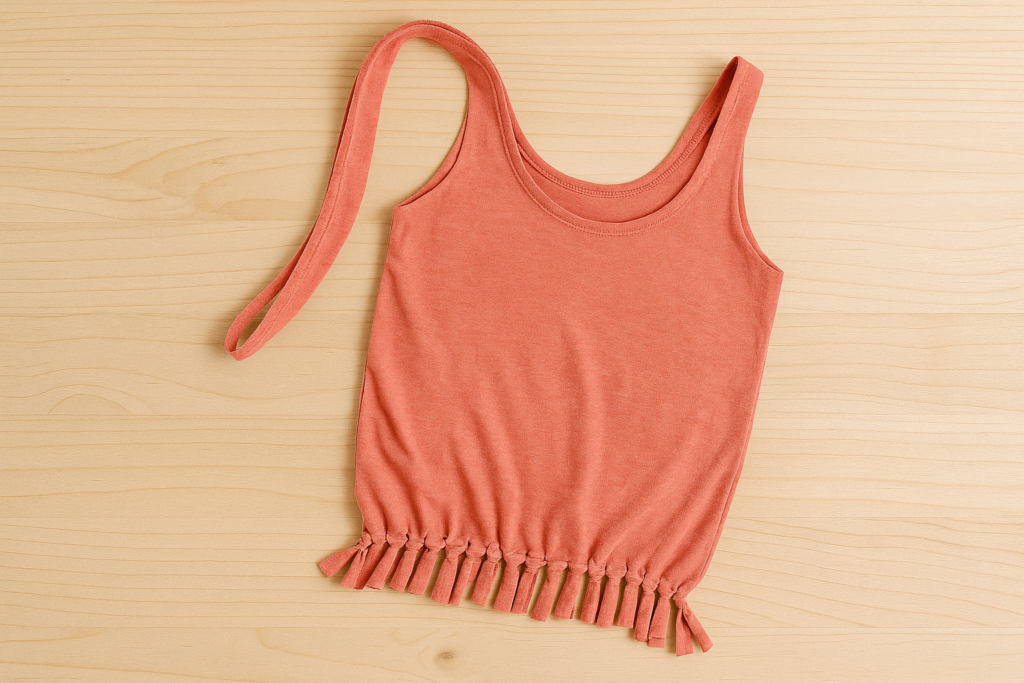
<p> Repurpose old t-shirts into a useful and eco-friendly tote bag. This project is simple and requires no sewing skills. All you need is a t-shirt, scissors, and maybe a fabric marker if you want to add a personal touch. Cut off the sleeves and neckline, then tie the bottom of the shirt together to form a bag. You can even decorate your tote with fabric paint, patches, or embroidery to give it a unique flair. This budget-friendly project is a great way to breathe new life into worn-out clothes and create something functional. </p> :: DALL-E

Repurpose old t-shirts into a useful and eco-friendly tote bag. This project is simple and requires no sewing skills. All you need is a t-shirt, scissors, and maybe a fabric marker if you want to add a personal touch. Cut off the sleeves and neckline, then tie the bottom of the shirt together to form a bag. You can even decorate your tote with fabric paint, patches, or embroidery to give it a unique flair. This budget-friendly project is a great way to breathe new life into worn-out clothes and create something functional.

3. Paper Flower Bouquets

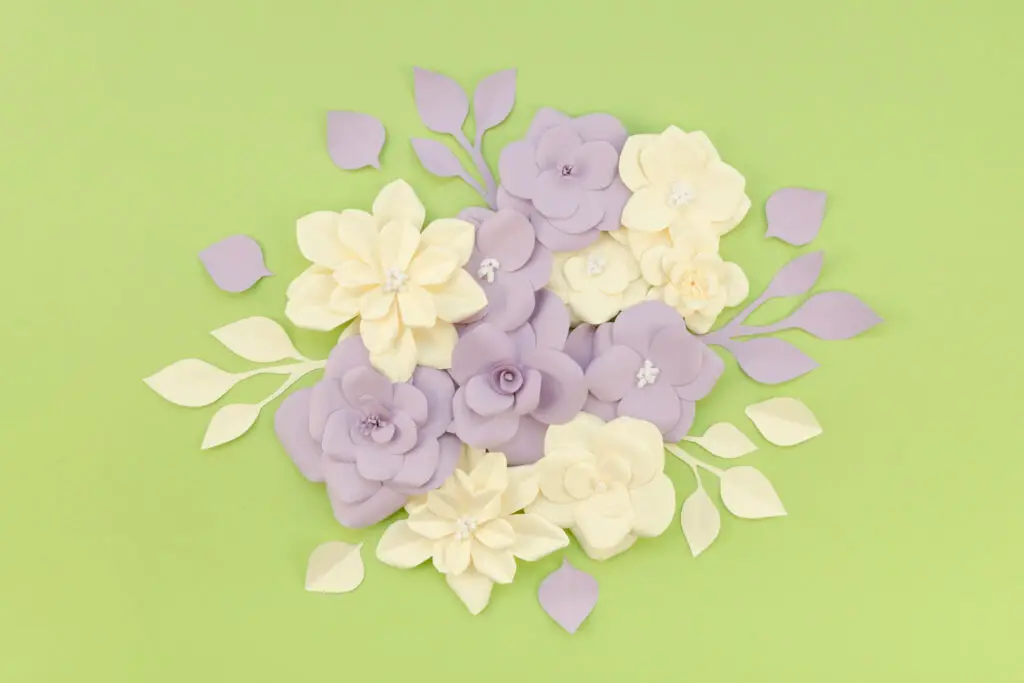
<p> If you love flowers but don't want to spend money on fresh blooms, why not create your own paper flowers? Using inexpensive materials like construction paper, tissue paper, or old magazines, you can easily craft beautiful flowers in any shape and color. There are countless tutorials online to help guide you through creating roses, daisies, tulips, and more. Paper flowers can be arranged into lovely bouquets, wreaths, or used as decorations for parties and special events. They also make thoughtful homemade gifts for birthdays and other celebrations. </p> :: Freepik

If you love flowers but don’t want to spend money on fresh blooms, why not create your own paper flowers? Using inexpensive materials like construction paper, tissue paper, or old magazines, you can easily craft beautiful flowers in any shape and color. There are countless tutorials online to help guide you through creating roses, daisies, tulips, and more. Paper flowers can be arranged into lovely bouquets, wreaths, or used as decorations for parties and special events. They also make thoughtful homemade gifts for birthdays and other celebrations.

4. Yarn Wall Hanging

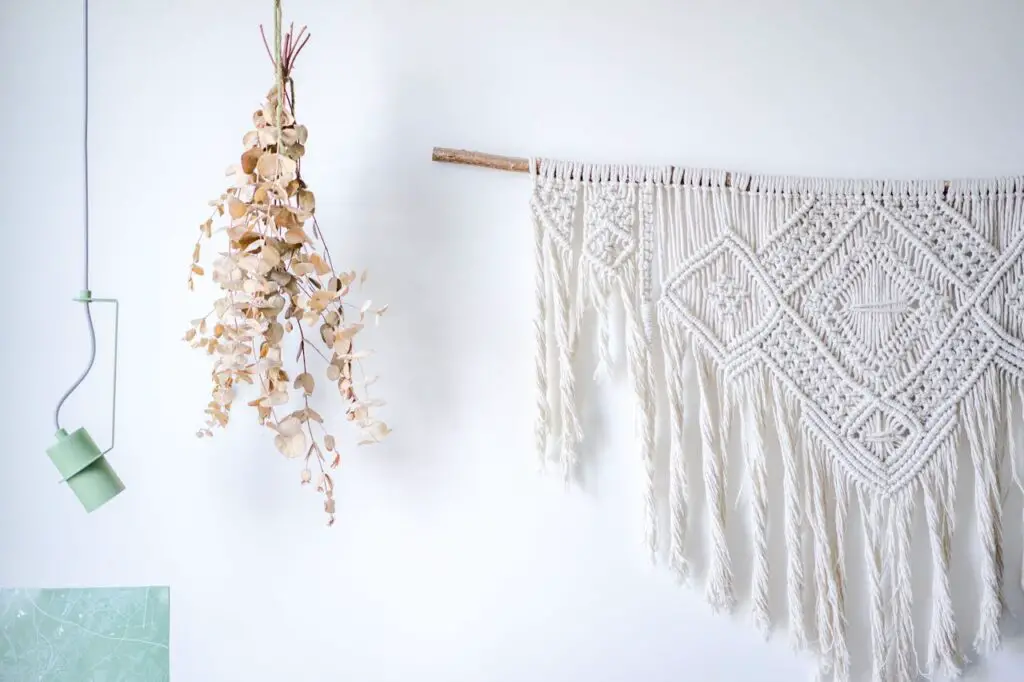
<p> A yarn wall hanging is a simple, inexpensive craft that adds a bohemian touch to any room. With just a few skeins of yarn in different colors and textures, a wooden dowel (or even a stick from your backyard), and a pair of scissors, you can create a stunning piece of wall art. Experiment with different knots, braids, and patterns to create a one-of-a-kind design. You can even add beads, feathers, or ribbons to customize it further. This craft is a relaxing project that lets you tap into your creative side while decorating your space. </p> :: Pexels

A yarn wall hanging is a simple, inexpensive craft that adds a bohemian touch to any room. With just a few skeins of yarn in different colors and textures, a wooden dowel (or even a stick from your backyard), and a pair of scissors, you can create a stunning piece of wall art. Experiment with different knots, braids, and patterns to create a one-of-a-kind design. You can even add beads, feathers, or ribbons to customize it further. This craft is a relaxing project that lets you tap into your creative side while decorating your space.

5. Painted Rock Art

<p> Go on a scavenger hunt in your yard or local park to collect smooth, flat rocks, then use them to create colorful painted rock art. This craft requires very few materials—rocks, acrylic paint, and paintbrushes. You can create intricate designs like mandalas, inspirational quotes, or cute animals, or even paint rocks to look like miniature gardens. Once you're finished, you can place the rocks in your garden, use them as paperweights, or give them as gifts. Painted rocks are a great way to get outside, connect with nature, and create something beautiful on a budget. </p> :: Pexels

Go on a scavenger hunt in your yard or local park to collect smooth, flat rocks, then use them to create colorful painted rock art. This craft requires very few materials—rocks, acrylic paint, and paintbrushes. You can create intricate designs like mandalas, inspirational quotes, or cute animals, or even paint rocks to look like miniature gardens. Once you’re finished, you can place the rocks in your garden, use them as paperweights, or give them as gifts. Painted rocks are a great way to get outside, connect with nature, and create something beautiful on a budget.

6. DIY Friendship Bracelets

<p> Friendship bracelets are a classic and easy craft that you can create using embroidery floss or yarn. There are countless patterns to try, from simple braids to more complex designs like chevrons and hearts. All you need is some colorful thread and a little patience to weave them into stylish accessories for yourself or your friends. Friendship bracelets also make great gifts and are perfect for kids or anyone who enjoys working with their hands. The materials are inexpensive, and the creative possibilities are endless. </p> :: Freepik

Friendship bracelets are a classic and easy craft that you can create using embroidery floss or yarn. There are countless patterns to try, from simple braids to more complex designs like chevrons and hearts. All you need is some colorful thread and a little patience to weave them into stylish accessories for yourself or your friends. Friendship bracelets also make great gifts and are perfect for kids or anyone who enjoys working with their hands. The materials are inexpensive, and the creative possibilities are endless.

7. Homemade Candles

<p> Creating your own candles can be a fun and rewarding craft that doesn’t require much money. You can easily make candles at home using wax, a wick, and a container, which can be as simple as an old mason jar or an unused teacup. Add a few drops of essential oil for fragrance, and experiment with different colors and designs. Making candles is a calming process that can be as simple or as intricate as you like, and they make lovely gifts or decor pieces. Best of all, you can customize the scents and colors to suit your personal preferences or home decor style. </p> :: Pexels

Creating your own candles can be a fun and rewarding craft that doesn’t require much money. You can easily make candles at home using wax, a wick, and a container, which can be as simple as an old mason jar or an unused teacup. Add a few drops of essential oil for fragrance, and experiment with different colors and designs. Making candles is a calming process that can be as simple or as intricate as you like, and they make lovely gifts or decor pieces. Best of all, you can customize the scents and colors to suit your personal preferences or home decor style.

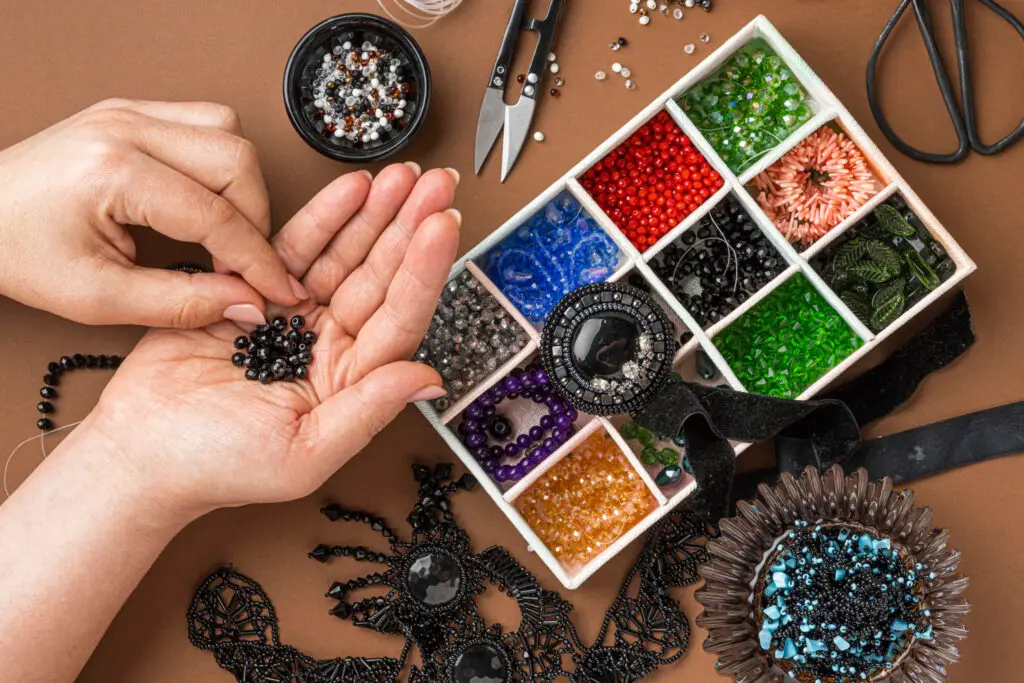
8. Beaded Jewelry

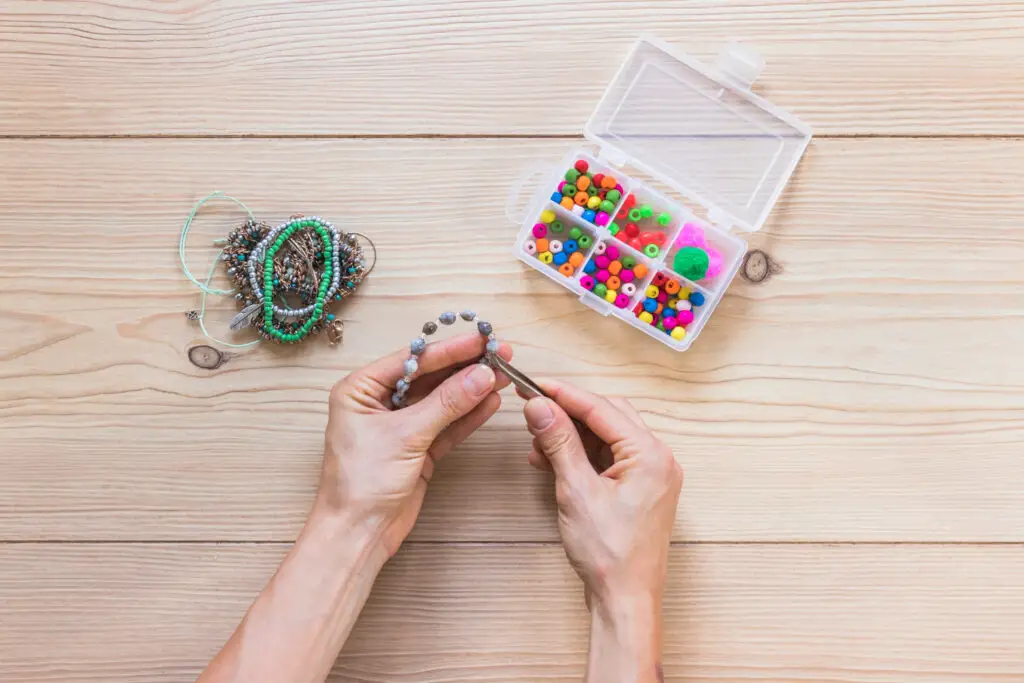
<p> Making your own jewelry is a fantastic craft that doesn’t have to cost a fortune. Beads come in all shapes, sizes, and colors, so you can create a wide range of styles—from simple bracelets to intricate necklaces. All you need are some beads, jewelry wire, clasps, and pliers to start making your own accessories. You can create matching sets, experiment with different color schemes, or even repurpose old jewelry pieces to create something new. Beaded jewelry is perfect for personal use or as thoughtful, handmade gifts for loved ones. </p> :: Freepik

Making your own jewelry is a fantastic craft that doesn’t have to cost a fortune. Beads come in all shapes, sizes, and colors, so you can create a wide range of styles—from simple bracelets to intricate necklaces. All you need are some beads, jewelry wire, clasps, and pliers to start making your own accessories. You can create matching sets, experiment with different color schemes, or even repurpose old jewelry pieces to create something new. Beaded jewelry is perfect for personal use or as thoughtful, handmade gifts for loved ones.

9. Decorative Coasters

<p> If you're looking for a practical craft that doubles as a home decor project, consider making your own decorative coasters. This is a simple and affordable project that only requires cork or cardboard coasters, paint, markers, or fabric. You can create designs that match your home’s aesthetic, paint cute quotes or patterns, or even glue fabric onto the coasters for a unique texture. Once completed, you’ll have a set of stylish coasters to protect your furniture while adding a personal touch to your coffee table or dining room. </p> :: Pexels

If you’re looking for a practical craft that doubles as a home decor project, consider making your own decorative coasters. This is a simple and affordable project that only requires cork or cardboard coasters, paint, markers, or fabric. You can create designs that match your home’s aesthetic, paint cute quotes or patterns, or even glue fabric onto the coasters for a unique texture. Once completed, you’ll have a set of stylish coasters to protect your furniture while adding a personal touch to your coffee table or dining room.

Final Thoughts

<p> Crafting is a wonderful way to express your creativity, relax, and even create beautiful handmade items for your home. And as you can see, you don’t need to spend a lot of money to make stunning projects. With a little imagination and a few simple materials, you can transform inexpensive supplies into functional and beautiful pieces that you'll be proud to display. So gather your supplies, get your crafting tools ready, and start creating today! </p> :: Pexels

Crafting is a wonderful way to express your creativity, relax, and even create beautiful handmade items for your home. And as you can see, you don’t need to spend a lot of money to make stunning projects. With a little imagination and a few simple materials, you can transform inexpensive supplies into functional and beautiful pieces that you’ll be proud to display. So gather your supplies, get your crafting tools ready, and start creating today!

Filed Under: Lifestyle

8 Biggest Regrets Boomers Have When Downsizing Too Soon

January 16, 2026 | Leave a Comment

8 Biggest Regrets Boomers Have When Downsizing Too Soon

<p>Downsizing seems like the logical next step for many Baby Boomers entering retirement. The appeal is clear: fewer rooms to clean, lower utility bills, and less upkeep overall. But while simplifying life sounds wonderful in theory, many Boomers who downsize too early find that reality doesn’t always live up to expectations. In hindsight, they often wish they’d waited longer or considered the broader implications. Here are the eight biggest regrets Boomers commonly share after downsizing too soon.</p> ::Pexels

Downsizing seems like the logical next step for many Baby Boomers entering retirement. The appeal is clear: fewer rooms to clean, lower utility bills, and less upkeep overall. But while simplifying life sounds wonderful in theory, many Boomers who downsize too early find that reality doesn’t always live up to expectations. In hindsight, they often wish they’d waited longer or considered the broader implications. Here are the eight biggest regrets Boomers commonly share after downsizing too soon.

1. Letting Go of Space Too Quickly

<p>Many Boomers regret giving up extra bedrooms, a home office, or storage areas they later realize were still essential. Whether it’s accommodating visiting grandkids, hosting holidays, or having a quiet space to pursue hobbies, smaller homes can feel limiting once the initial excitement wears off—and that extra square footage may have supported multigenerational visits, creative projects, or simply provided breathing room they didn’t know they’d miss.</p> ::Pexels

Many Boomers regret giving up extra bedrooms, a home office, or storage areas they later realize were still essential. Whether it’s accommodating visiting grandkids, hosting holidays, or having a quiet space to pursue hobbies, smaller homes can feel limiting once the initial excitement wears off—and that extra square footage may have supported multigenerational visits, creative projects, or simply provided breathing room they didn’t know they’d miss.

2. Underestimating Emotional Attachment

<p>It’s one thing to imagine leaving a house filled with decades of memories—it’s another thing entirely to actually do it. Boomers often underestimate the emotional toll of saying goodbye to the place where they raised children, celebrated milestones, or bonded with neighbors, and once those doors close for the last time, the sense of loss can be more profound than expected.</p> ::Pexels

It’s one thing to imagine leaving a house filled with decades of memories—it’s another thing entirely to actually do it. Boomers often underestimate the emotional toll of saying goodbye to the place where they raised children, celebrated milestones, or bonded with neighbors, and once those doors close for the last time, the sense of loss can be more profound than expected.

3. Choosing the Wrong Location

<p>In the rush to downsize, some Boomers prioritize smaller, more affordable homes but fail to consider the community around them. Regret often sets in when they realize they’re now farther from friends, family, doctors, or even a favorite grocery store, because a new ZIP code can quickly feel isolating if it lacks familiarity, connection, or convenience.</p> ::Pexels

In the rush to downsize, some Boomers prioritize smaller, more affordable homes but fail to consider the community around them. Regret often sets in when they realize they’re now farther from friends, family, doctors, or even a favorite grocery store, because a new ZIP code can quickly feel isolating if it lacks familiarity, connection, or convenience.

4. Not Thinking Ahead About Accessibility

<p>While the new home may be smaller, it’s not always better suited for aging in place. Boomers who move into two-story townhomes or condos without elevators often regret not choosing a layout that would accommodate mobility needs down the road, since failing to plan for future physical limitations can turn a dream home into a long-term challenge.</p> ::Pexels

While the new home may be smaller, it’s not always better suited for aging in place. Boomers who move into two-story townhomes or condos without elevators often regret not choosing a layout that would accommodate mobility needs down the road, since failing to plan for future physical limitations can turn a dream home into a long-term challenge.

5. Assuming Less Space Means Less Stress

<p>Many Boomers envision a simpler life with fewer possessions—but the act of decluttering can be overwhelming. Others discover that downsizing doesn’t necessarily reduce stress—it can increase it when storage becomes an issue, or when they constantly feel like they’re living in tight quarters, because what starts as minimalism can morph into daily frustration if the space doesn’t suit your lifestyle.</p> ::Pexels

Many Boomers envision a simpler life with fewer possessions—but the act of decluttering can be overwhelming. Others discover that downsizing doesn’t necessarily reduce stress—it can increase it when storage becomes an issue, or when they constantly feel like they’re living in tight quarters, because what starts as minimalism can morph into daily frustration if the space doesn’t suit your lifestyle.

6. Selling Too Early in a Hot Market

<p>While a hot housing market may seem like the perfect time to sell, some Boomers regret cashing out too soon. After the sale, they face inflated prices and competition in the downsizing market, and the profit from selling high can quickly evaporate if buying low is no longer an option.</p> ::Pexels

While a hot housing market may seem like the perfect time to sell, some Boomers regret cashing out too soon. After the sale, they face inflated prices and competition in the downsizing market, and the profit from selling high can quickly evaporate if buying low is no longer an option.

7. Losing a Sense of Community

<p>Downsizing often means leaving behind close-knit neighborhoods, longtime friends, or familiar routines. For Boomers who move into a new area or community that lacks social opportunities or shared interests, loneliness can creep in—a home is more than walls, after all; it’s the people and patterns that give it soul.</p> ::Pexels

Downsizing often means leaving behind close-knit neighborhoods, longtime friends, or familiar routines. For Boomers who move into a new area or community that lacks social opportunities or shared interests, loneliness can creep in—a home is more than walls, after all; it’s the people and patterns that give it soul.

8. Overestimating the Financial Benefits

<p>Downsizing doesn’t always result in the financial windfall Boomers expect. Between realtor fees, moving costs, renovations to prepare the old home for sale, and buying or renting in a competitive market, many find that they don’t save as much as anticipated, and in some cases, Boomers find themselves spending more just to adapt their new space to their needs.</p> ::Pexels

Downsizing doesn’t always result in the financial windfall Boomers expect. Between realtor fees, moving costs, renovations to prepare the old home for sale, and buying or renting in a competitive market, many find that they don’t save as much as anticipated, and in some cases, Boomers find themselves spending more just to adapt their new space to their needs.

Final Thoughts

<p>For many Boomers, downsizing can be the right decision—but only when it’s timed well and thoughtfully planned. Jumping into it too soon often leads to practical challenges and emotional regrets that overshadow the intended simplicity. Before making the leap, it’s wise to ask not just “Can I live with less?”—but also “Will I thrive with less?” because in retirement, comfort isn’t just about cost—it’s about quality of life.</p> ::Pexels

For many Boomers, downsizing can be the right decision—but only when it’s timed well and thoughtfully planned. Jumping into it too soon often leads to practical challenges and emotional regrets that overshadow the intended simplicity. Before making the leap, it’s wise to ask not just “Can I live with less?”—but also “Will I thrive with less?” because in retirement, comfort isn’t just about cost—it’s about quality of life.

Filed Under: Lifestyle

The 9 Biggest Regrets Couples Have When Getting Married Too Fast

January 16, 2026 | Leave a Comment

The 9 Biggest Regrets Couples Have When Getting Married Too Fast

<p>Love can sweep two people into a passionate whirlwind, but when that whirlwind turns into a rushed wedding, regrets often follow. While some couples thrive despite a fast track to the altar, others discover harsh truths too late. Time reveals what infatuation often conceals—differences in values, habits, and long-term goals that can’t be solved by romance alone. These nine common regrets from couples who married too quickly offer a glimpse into what’s often overlooked in the rush to say “I do.”</p> ::Pexels

Love can sweep two people into a passionate whirlwind, but when that whirlwind turns into a rushed wedding, regrets often follow. While some couples thrive despite a fast track to the altar, others discover harsh truths too late. Time reveals what infatuation often conceals—differences in values, habits, and long-term goals that can’t be solved by romance alone. These nine common regrets from couples who married too quickly offer a glimpse into what’s often overlooked in the rush to say “I do.”

1. Not Truly Knowing Each Other

<p>Many couples who marry in haste later admit they didn’t take the time to truly understand one another beyond surface-level attraction. Important qualities—like emotional maturity, reactions under pressure, or how one handles money, family, and conflict—tend to emerge slowly. What felt like love at first sight can fade into a realization that their partner is far different from the person they believed they knew.</p> ::Pexels

Many couples who marry in haste later admit they didn’t take the time to truly understand one another beyond surface-level attraction. Important qualities—like emotional maturity, reactions under pressure, or how one handles money, family, and conflict—tend to emerge slowly. What felt like love at first sight can fade into a realization that their partner is far different from the person they believed they knew.

2. Ignoring Red Flags

<p>In the early stages of infatuation, it’s easy to brush off concerning behavior. Couples who rush often overlook signs of emotional instability, possessiveness, anger issues, or an unwillingness to compromise, assuming love will fix it all. After marriage, those same red flags become glaring problems, leaving one or both partners wishing they had slowed down and paid closer attention.</p> ::Pexels

In the early stages of infatuation, it’s easy to brush off concerning behavior. Couples who rush often overlook signs of emotional instability, possessiveness, anger issues, or an unwillingness to compromise, assuming love will fix it all. After marriage, those same red flags become glaring problems, leaving one or both partners wishing they had slowed down and paid closer attention.

3. Financial Misalignment

<p>Few topics cause more tension in marriage than money, and fast-moving couples often fail to have candid conversations about spending habits, debt, savings goals, or financial priorities. Discovering after the wedding that your spouse is financially irresponsible or holds opposing views on money can lead to major stress and conflict, especially when financial hardship hits.</p> ::Pexels

Few topics cause more tension in marriage than money, and fast-moving couples often fail to have candid conversations about spending habits, debt, savings goals, or financial priorities. Discovering after the wedding that your spouse is financially irresponsible or holds opposing views on money can lead to major stress and conflict, especially when financial hardship hits.

4. Skipping Conversations About Life Goals

<p>When relationships move quickly, discussions about children, religion, long-term living arrangements, or career aspirations are often put off or skipped entirely. Once married, many couples are shocked to learn they have completely different visions for the future—dreams that were never aligned to begin with. This disconnect can create ongoing resentment and emotional distance.</p> ::Pexels

When relationships move quickly, discussions about children, religion, long-term living arrangements, or career aspirations are often put off or skipped entirely. Once married, many couples are shocked to learn they have completely different visions for the future—dreams that were never aligned to begin with. This disconnect can create ongoing resentment and emotional distance.

5. Lack of Conflict Resolution Experience

<p>Fighting fair is a skill developed over time, and couples who haven’t weathered real-life disagreements before getting married often find themselves overwhelmed by conflict. Without understanding how their partner communicates under stress or resolves arguments, disagreements can quickly spiral into destructive fights or cold silences, eroding the foundation of the relationship.</p> ::Pexels

Fighting fair is a skill developed over time, and couples who haven’t weathered real-life disagreements before getting married often find themselves overwhelmed by conflict. Without understanding how their partner communicates under stress or resolves arguments, disagreements can quickly spiral into destructive fights or cold silences, eroding the foundation of the relationship.

6. Neglecting Emotional Baggage

<p>Everyone brings past experiences into a relationship—some of them unhealed. Quick marriages often bypass the vulnerability needed to reveal deeper emotional wounds or traumas. Later, suppressed pain can surface in the form of jealousy, fear of abandonment, or emotional shutdowns, leaving spouses feeling confused, unsupported, and unprepared to deal with one another’s inner struggles.</p> ::Pexels

Everyone brings past experiences into a relationship—some of them unhealed. Quick marriages often bypass the vulnerability needed to reveal deeper emotional wounds or traumas. Later, suppressed pain can surface in the form of jealousy, fear of abandonment, or emotional shutdowns, leaving spouses feeling confused, unsupported, and unprepared to deal with one another’s inner struggles.

7. Pressure from External Sources

<p>Some couples marry not because they’re ready, but because they feel pressured—by family, religion, pregnancy, or a ticking biological clock. These external motivators may rush people into commitments they wouldn’t have made on their own timeline. Later, they often regret marrying to satisfy others’ expectations rather than their own readiness or genuine desire.</p> ::Pexels

Some couples marry not because they’re ready, but because they feel pressured—by family, religion, pregnancy, or a ticking biological clock. These external motivators may rush people into commitments they wouldn’t have made on their own timeline. Later, they often regret marrying to satisfy others’ expectations rather than their own readiness or genuine desire.

8. Losing Personal Identity

<p>In fast-moving relationships, it’s common to become so focused on the partnership that personal interests, friendships, and individual growth are put aside. After marriage, many people wake up feeling like they’ve lost themselves—unable to reconnect with their passions or sense of independence, and unsure how to reclaim their identity within the relationship.</p> ::Pexels

In fast-moving relationships, it’s common to become so focused on the partnership that personal interests, friendships, and individual growth are put aside. After marriage, many people wake up feeling like they’ve lost themselves—unable to reconnect with their passions or sense of independence, and unsure how to reclaim their identity within the relationship.

9. Not Establishing Boundaries with Others

<p>When couples rush into marriage, they often forget to establish boundaries with outside influences like in-laws, exes, friends, or work. Without discussing and setting these boundaries early on, external interference can invade the marriage, causing tension, misunderstandings, and division—especially when one spouse feels unsupported by the other.</p> ::Pexels

When couples rush into marriage, they often forget to establish boundaries with outside influences like in-laws, exes, friends, or work. Without discussing and setting these boundaries early on, external interference can invade the marriage, causing tension, misunderstandings, and division—especially when one spouse feels unsupported by the other.

Final Thoughts

<p>Getting married quickly may feel romantic in the moment, but it can come with serious emotional and practical consequences. A successful marriage requires more than love—it demands self-awareness, shared values, clear communication, and time-tested trust. Many who regret marrying too soon say they wish they had slowed down, asked more questions, and grown together before taking the leap. For anyone considering marriage in a rush, remember: real love is worth the wait.</p> ::Pexels

Getting married quickly may feel romantic in the moment, but it can come with serious emotional and practical consequences. A successful marriage requires more than love—it demands self-awareness, shared values, clear communication, and time-tested trust. Many who regret marrying too soon say they wish they had slowed down, asked more questions, and grown together before taking the leap. For anyone considering marriage in a rush, remember: real love is worth the wait.

Filed Under: Lifestyle

10 Rude Habits That People Really Need to Stop Doing (And What to Do Instead)

January 16, 2026 | Leave a Comment

10 Rude Habits That People Really Need to Stop Doing (And What to Do Instead)

<p> Let’s face it—we’ve all encountered someone whose behavior made us cringe. Whether it’s a loud phone conversation in a quiet café or someone cutting the line at the grocery store, rudeness is everywhere. But what’s worse is that many people don’t even realize they’re being rude. These behaviors not only irritate others, but they also chip away at the fabric of everyday kindness. If you want to make the world a slightly better and more polite place, it starts with awareness. Below are 10 rude habits that people really need to stop doing—along with suggestions on how to become more considerate and socially aware in everyday situations. </p> :: Freepik

Let’s face it—we’ve all encountered someone whose behavior made us cringe. Whether it’s a loud phone conversation in a quiet café or someone cutting the line at the grocery store, rudeness is everywhere. But what’s worse is that many people don’t even realize they’re being rude. These behaviors not only irritate others, but they also chip away at the fabric of everyday kindness. If you want to make the world a slightly better and more polite place, it starts with awareness. Below are 10 rude habits that people really need to stop doing—along with suggestions on how to become more considerate and socially aware in everyday situations.

1. Talking Loudly on Speakerphone in Public

<p> There’s nothing more grating than someone blasting their personal conversation through speakerphone in a public space. Whether you’re in a waiting room, on public transport, or walking through a store, using speakerphone in public comes off as inconsiderate and disruptive. It forces everyone around you to unwillingly become part of your conversation. If you need to make or take a call, use headphones or step outside to a more private area. Respect for others’ peace and quiet goes a long way in maintaining a shared sense of civility in public settings. Conversations are meant to be private for a reason, and having them in a public setting with the volume up high shows a lack of boundaries and awareness. </p> :: Freepik

There’s nothing more grating than someone blasting their personal conversation through speakerphone in a public space. Whether you’re in a waiting room, on public transport, or walking through a store, using speakerphone in public comes off as inconsiderate and disruptive. It forces everyone around you to unwillingly become part of your conversation. If you need to make or take a call, use headphones or step outside to a more private area. Respect for others’ peace and quiet goes a long way in maintaining a shared sense of civility in public settings. Conversations are meant to be private for a reason, and having them in a public setting with the volume up high shows a lack of boundaries and awareness.

2. Not Saying “Thank You” or Acknowledging Kind Gestures

<p> A lack of basic gratitude is one of the most commonly overlooked rude behaviors. Whether someone holds the door open for you, lets you merge into traffic, or brings you a cup of coffee, acknowledging the gesture with a simple “thank you” is the least you can do. Ignoring kindness sends a message that you feel entitled rather than appreciative. Practicing gratitude not only makes others feel valued but also cultivates a positive and respectful atmosphere in everyday interactions. Gratitude, even when expressed in small ways, has the power to brighten someone’s day and reinforce good behavior. Failing to acknowledge others makes you seem indifferent, which can strain both personal and professional relationships. </p> :: Pexels

A lack of basic gratitude is one of the most commonly overlooked rude behaviors. Whether someone holds the door open for you, lets you merge into traffic, or brings you a cup of coffee, acknowledging the gesture with a simple “thank you” is the least you can do. Ignoring kindness sends a message that you feel entitled rather than appreciative. Practicing gratitude not only makes others feel valued but also cultivates a positive and respectful atmosphere in everyday interactions. Gratitude, even when expressed in small ways, has the power to brighten someone’s day and reinforce good behavior. Failing to acknowledge others makes you seem indifferent, which can strain both personal and professional relationships.

3. Checking Your Phone During Conversations

<p> Constantly checking your phone while someone is talking to you is a modern-day form of disrespect. It sends the message that the person you’re with is less important than whatever notification just popped up. This habit can be especially hurtful in personal relationships, work meetings, and social gatherings. To fix this, put your phone away or on silent and give the people you're with your full attention. Genuine presence is rare and valued in today’s distracted world—practice it, and others will notice. Prioritizing human connection over digital distraction shows emotional intelligence and deepens your connections with others. When someone sees you make eye contact and truly listen, it leaves a lasting impression. </p> :: Pexels

Constantly checking your phone while someone is talking to you is a modern-day form of disrespect. It sends the message that the person you’re with is less important than whatever notification just popped up. This habit can be especially hurtful in personal relationships, work meetings, and social gatherings. To fix this, put your phone away or on silent and give the people you’re with your full attention. Genuine presence is rare and valued in today’s distracted world—practice it, and others will notice. Prioritizing human connection over digital distraction shows emotional intelligence and deepens your connections with others. When someone sees you make eye contact and truly listen, it leaves a lasting impression.

4. Not Cleaning Up After Yourself in Shared Spaces

<p> Leaving behind your mess—whether it’s in a shared office kitchen, public restroom, or someone else’s home—is both thoughtless and selfish. People often assume that someone else will take care of their crumbs, spilled coffee, or trash, but that “someone” ends up being the next unlucky person. Taking responsibility for your mess not only shows maturity but also respect for those who share the space with you. Clean up after yourself as if you were the one coming in next—it’s a simple mindset that makes a huge difference. Maintaining shared environments benefits everyone and demonstrates that you’re not only self-aware but also community-minded. </p> :: Pexels

Leaving behind your mess—whether it’s in a shared office kitchen, public restroom, or someone else’s home—is both thoughtless and selfish. People often assume that someone else will take care of their crumbs, spilled coffee, or trash, but that “someone” ends up being the next unlucky person. Taking responsibility for your mess not only shows maturity but also respect for those who share the space with you. Clean up after yourself as if you were the one coming in next—it’s a simple mindset that makes a huge difference. Maintaining shared environments benefits everyone and demonstrates that you’re not only self-aware but also community-minded.

5. Interrupting Others While They’re Speaking

<p> Cutting someone off mid-sentence is more than just poor conversation etiquette—it shows a lack of patience and regard for others’ opinions. This habit tends to surface in heated discussions or when someone is eager to share their thoughts, but it ultimately derails meaningful dialogue. Instead of interrupting, actively listen and wait for your turn to speak. You’ll find that the conversation flows more naturally, and people will appreciate your ability to truly hear them out. Being a good listener is one of the most underrated yet powerful social skills, and mastering it leads to better relationships, smoother collaborations, and a more respectful exchange of ideas. </p> :: Pexels

Cutting someone off mid-sentence is more than just poor conversation etiquette—it shows a lack of patience and regard for others’ opinions. This habit tends to surface in heated discussions or when someone is eager to share their thoughts, but it ultimately derails meaningful dialogue. Instead of interrupting, actively listen and wait for your turn to speak. You’ll find that the conversation flows more naturally, and people will appreciate your ability to truly hear them out. Being a good listener is one of the most underrated yet powerful social skills, and mastering it leads to better relationships, smoother collaborations, and a more respectful exchange of ideas.

6. Blasting Music or Videos in Public Without Headphones

<p> There’s a reason headphones exist—it’s so the rest of the world doesn’t have to listen to your playlist, TikToks, or YouTube videos. Playing media out loud in public spaces, whether it’s at the park, on the bus, or in a waiting room, is not just annoying; it’s downright rude. It invades others’ personal space and creates unnecessary noise pollution. Always carry headphones or earbuds with you if you plan to listen to something. Respecting other people’s need for a quiet or neutral sound environment is basic public courtesy. Plus, being mindful of your audio habits helps maintain a more peaceful, less chaotic public environment for everyone. </p> :: Pexels

There’s a reason headphones exist—it’s so the rest of the world doesn’t have to listen to your playlist, TikToks, or YouTube videos. Playing media out loud in public spaces, whether it’s at the park, on the bus, or in a waiting room, is not just annoying; it’s downright rude. It invades others’ personal space and creates unnecessary noise pollution. Always carry headphones or earbuds with you if you plan to listen to something. Respecting other people’s need for a quiet or neutral sound environment is basic public courtesy. Plus, being mindful of your audio habits helps maintain a more peaceful, less chaotic public environment for everyone.

7. Being Chronically Late and Not Apologizing

<p> Running late once in a while happens, but being chronically late and acting like it’s no big deal is a serious sign of disrespect. Time is one of the most valuable things people have, and making others wait—especially without explanation or apology—shows you don’t value theirs. If you know you're running behind, let people know as soon as possible. And when you arrive, offer a sincere apology. Better yet, work on building habits that help you be more punctual. It shows you’re reliable and that you respect other people’s schedules. Being on time is not just about showing up; it’s about showing that you care enough to plan ahead. </p> :: Pexels

Running late once in a while happens, but being chronically late and acting like it’s no big deal is a serious sign of disrespect. Time is one of the most valuable things people have, and making others wait—especially without explanation or apology—shows you don’t value theirs. If you know you’re running behind, let people know as soon as possible. And when you arrive, offer a sincere apology. Better yet, work on building habits that help you be more punctual. It shows you’re reliable and that you respect other people’s schedules. Being on time is not just about showing up; it’s about showing that you care enough to plan ahead.

8. Leaving Shopping Carts in Parking Spaces

<p> One of the smallest but most frustrating rude behaviors is leaving a shopping cart in the middle of a parking space instead of returning it to the designated corral. It might seem trivial, but it creates inconvenience for others and makes more work for store employees. Taking 30 seconds to return your cart is an easy way to be a more considerate shopper and citizen. It’s a small act that signals personal responsibility—and believe it or not, people do notice these things. Those simple choices often reflect larger patterns of behavior, and being the kind of person who does the right thing—even when no one’s watching—builds integrity. </p> :: Pexels

One of the smallest but most frustrating rude behaviors is leaving a shopping cart in the middle of a parking space instead of returning it to the designated corral. It might seem trivial, but it creates inconvenience for others and makes more work for store employees. Taking 30 seconds to return your cart is an easy way to be a more considerate shopper and citizen. It’s a small act that signals personal responsibility—and believe it or not, people do notice these things. Those simple choices often reflect larger patterns of behavior, and being the kind of person who does the right thing—even when no one’s watching—builds integrity.

9. Oversharing or Dominating Conversations

<p> Everyone loves a good story, but some people take over every conversation with their opinions, experiences, or personal dramas, leaving little room for others to speak. This kind of behavior can make interactions feel one-sided and exhausting. The key to a good conversation is balance: ask questions, listen actively, and invite others to share. If you notice you're the only one talking, take a step back. Being a good conversationalist is about engaging with others, not performing a monologue. When you let others share their thoughts, the conversation becomes richer, more inclusive, and far more enjoyable for everyone involved. </p> :: Pexels

Everyone loves a good story, but some people take over every conversation with their opinions, experiences, or personal dramas, leaving little room for others to speak. This kind of behavior can make interactions feel one-sided and exhausting. The key to a good conversation is balance: ask questions, listen actively, and invite others to share. If you notice you’re the only one talking, take a step back. Being a good conversationalist is about engaging with others, not performing a monologue. When you let others share their thoughts, the conversation becomes richer, more inclusive, and far more enjoyable for everyone involved.

10. Not Respecting Personal Space

<p> Standing too close to someone in line, leaning over their shoulder to see their screen, or touching them without consent all fall under the umbrella of ignoring personal space—and it’s surprisingly common. Everyone has different comfort levels, and violating that space can make people feel anxious, annoyed, or even threatened. Be mindful of body language and context. If you’re unsure, err on the side of giving more space, not less. It’s an easy way to show respect and consideration for others’ boundaries. Understanding spatial cues and respecting personal boundaries is key to avoiding awkward or even confrontational situations in social or professional settings. </p> :: Pexels

Standing too close to someone in line, leaning over their shoulder to see their screen, or touching them without consent all fall under the umbrella of ignoring personal space—and it’s surprisingly common. Everyone has different comfort levels, and violating that space can make people feel anxious, annoyed, or even threatened. Be mindful of body language and context. If you’re unsure, err on the side of giving more space, not less. It’s an easy way to show respect and consideration for others’ boundaries. Understanding spatial cues and respecting personal boundaries is key to avoiding awkward or even confrontational situations in social or professional settings.

Final Thoughts

<p> Rude habits, no matter how small they may seem, add up over time and can significantly impact how others perceive you. Most of these behaviors are born out of laziness, distraction, or lack of awareness—but the good news is that they’re completely fixable. With just a little mindfulness and effort, you can break these bad habits and replace them with actions that make people feel respected and valued. Kindness doesn’t have to be complicated. Often, it starts with simply paying attention to how your actions affect those around you. The next time you’re in a rush or feel tempted to ignore basic courtesies, remember that a little politeness can go a long way in making the world a more pleasant place to live. Let’s all do our part to stop these rude habits and encourage a culture where kindness, empathy, and respect are the norm. </p> :: Freepik

Rude habits, no matter how small they may seem, add up over time and can significantly impact how others perceive you. Most of these behaviors are born out of laziness, distraction, or lack of awareness—but the good news is that they’re completely fixable. With just a little mindfulness and effort, you can break these bad habits and replace them with actions that make people feel respected and valued. Kindness doesn’t have to be complicated. Often, it starts with simply paying attention to how your actions affect those around you. The next time you’re in a rush or feel tempted to ignore basic courtesies, remember that a little politeness can go a long way in making the world a more pleasant place to live. Let’s all do our part to stop these rude habits and encourage a culture where kindness, empathy, and respect are the norm.



Filed Under: Lifestyle

12 Unspoken Truths Adult Children Wish Their Parents Knew

January 16, 2026 | Leave a Comment

12 Unspoken Truths Adult Children Wish Their Parents Knew

<p> As children grow older, the parent-child relationship shifts in complex ways. When we transition from childhood to adulthood, we start to see our parents not just as authority figures, but as people with their own flaws and experiences. Adult children often have feelings and needs that are difficult to express, especially as they try to balance respect for their parents with their own evolving independence. In this blog, we’ll explore 12 key things adult children wish their parents knew. These unspoken truths can help parents better understand their grown children, and help adult children navigate this delicate phase of life. Whether you're a parent trying to improve your relationship or an adult child looking for ways to communicate better, these insights will foster understanding and empathy. </p> :: Freepik

As children grow older, the parent-child relationship shifts in complex ways. When we transition from childhood to adulthood, we start to see our parents not just as authority figures, but as people with their own flaws and experiences. Adult children often have feelings and needs that are difficult to express, especially as they try to balance respect for their parents with their own evolving independence. In this blog, we’ll explore 12 key things adult children wish their parents knew. These unspoken truths can help parents better understand their grown children, and help adult children navigate this delicate phase of life. Whether you’re a parent trying to improve your relationship or an adult child looking for ways to communicate better, these insights will foster understanding and empathy.

1. We Don’t Need You to Solve All Our Problems

<p> As children, we often turned to our parents for advice, solutions, and guidance. However, as we grow into adults, we develop the ability to solve our own problems. While we still appreciate your wisdom, adult children no longer expect you to fix every issue. Sometimes, we just need someone to listen, not provide answers. We don’t want to burden you, but we do need your emotional support during tough times, even if it’s just offering a listening ear rather than a solution. </p> :: Pexels

As children, we often turned to our parents for advice, solutions, and guidance. However, as we grow into adults, we develop the ability to solve our own problems. While we still appreciate your wisdom, adult children no longer expect you to fix every issue. Sometimes, we just need someone to listen, not provide answers. We don’t want to burden you, but we do need your emotional support during tough times, even if it’s just offering a listening ear rather than a solution.

2. We’re Not Trying to Avoid You—We Just Have Busy Lives

<p> As adults, we often juggle work, relationships, and personal commitments. It can be hard to keep up with everything, and this sometimes leads to less frequent communication with our parents. But please understand that when we can't visit or call as often as we’d like, it's not because we’re avoiding you. It’s simply because our schedules are packed. We care deeply, but life pulls us in different directions. Just because we can’t always be there doesn't mean we don’t want to spend time with you. </p> :: Pexels

As adults, we often juggle work, relationships, and personal commitments. It can be hard to keep up with everything, and this sometimes leads to less frequent communication with our parents. But please understand that when we can’t visit or call as often as we’d like, it’s not because we’re avoiding you. It’s simply because our schedules are packed. We care deeply, but life pulls us in different directions. Just because we can’t always be there doesn’t mean we don’t want to spend time with you.

3. We Value Your Advice, But We Need to Make Our Own Decisions

<p> While we still value your opinion and may seek your advice, adult children need the space to make their own decisions. Part of growing up is gaining the confidence to navigate life’s challenges independently. While we may come to you for guidance occasionally, we also need to feel trusted to make our own choices. It’s not that we don’t respect your views—it’s that we need to carve our own path, even if it means making mistakes along the way. </p> :: Pexels

While we still value your opinion and may seek your advice, adult children need the space to make their own decisions. Part of growing up is gaining the confidence to navigate life’s challenges independently. While we may come to you for guidance occasionally, we also need to feel trusted to make our own choices. It’s not that we don’t respect your views—it’s that we need to carve our own path, even if it means making mistakes along the way.

4. We Are Grateful for Everything You Did, But We Can’t Live in Your Shadow

<p> We deeply appreciate the sacrifices you made for us and all the lessons you taught us. However, as we reach adulthood, we often feel the weight of trying to live up to your accomplishments or expectations. We love you, but we can’t always live our lives according to your ideals. We want to find our own goals, successes, and failures. It’s essential for our growth to have the freedom to forge our own paths, without feeling like we’re constantly measuring up to your legacy. </p> :: Pexels

We deeply appreciate the sacrifices you made for us and all the lessons you taught us. However, as we reach adulthood, we often feel the weight of trying to live up to your accomplishments or expectations. We love you, but we can’t always live our lives according to your ideals. We want to find our own goals, successes, and failures. It’s essential for our growth to have the freedom to forge our own paths, without feeling like we’re constantly measuring up to your legacy.

5. Our Life Choices Are Ours to Make

<p> Whether it’s our career, relationships, or lifestyle, adult children often feel judged by their parents for their choices. We understand that you want what’s best for us, but we need you to accept that our life decisions are ours to make. Even if our choices don't align with your vision, it’s important for you to support us in pursuing what makes us happy. We are adults now, and while we still need your love, we also need you to respect our autonomy in choosing our own life course. </p> :: Pexels

Whether it’s our career, relationships, or lifestyle, adult children often feel judged by their parents for their choices. We understand that you want what’s best for us, but we need you to accept that our life decisions are ours to make. Even if our choices don’t align with your vision, it’s important for you to support us in pursuing what makes us happy. We are adults now, and while we still need your love, we also need you to respect our autonomy in choosing our own life course.

6. We Need You to Respect Our Boundaries

<p> As adults, our need for privacy and personal space grows. While we cherish our relationships with you, we may need more boundaries—whether that’s physical space, time alone, or the freedom to make our own decisions without constant input. Setting these boundaries doesn’t mean we love you any less. In fact, respecting each other’s space helps maintain a healthy relationship. By honoring these boundaries, you show us that you trust us and respect our journey into adulthood. </p> :: Pexels

As adults, our need for privacy and personal space grows. While we cherish our relationships with you, we may need more boundaries—whether that’s physical space, time alone, or the freedom to make our own decisions without constant input. Setting these boundaries doesn’t mean we love you any less. In fact, respecting each other’s space helps maintain a healthy relationship. By honoring these boundaries, you show us that you trust us and respect our journey into adulthood.

7. We Don’t Always Have the Answers, Even as Adults

<p> Many adult children still feel pressure to have everything figured out. The truth is, we don’t always have the answers. Just because we are adults doesn’t mean we’ve mastered life’s challenges. Like everyone, we continue to learn and adapt to new situations. While we might seem like we have everything under control, we still experience struggles and uncertainties. It can be reassuring to know that you understand this and that we don’t have to appear perfect in your eyes. </p> :: Pexels

Many adult children still feel pressure to have everything figured out. The truth is, we don’t always have the answers. Just because we are adults doesn’t mean we’ve mastered life’s challenges. Like everyone, we continue to learn and adapt to new situations. While we might seem like we have everything under control, we still experience struggles and uncertainties. It can be reassuring to know that you understand this and that we don’t have to appear perfect in your eyes.

8. We Feel Guilt Too—About Not Being Perfect Children

<p> Even though we are adults, many of us still carry the burden of wanting to meet your expectations. We may feel guilty for not being the “perfect” child, for not visiting often enough, or for making decisions you don’t agree with. This guilt can weigh heavily on us, and sometimes we feel torn between our own desires and your hopes for us. While we understand that you want the best for us, it’s important to know that we’re doing our best, and we need your acceptance even when we fall short. </p> :: Pexels

Even though we are adults, many of us still carry the burden of wanting to meet your expectations. We may feel guilty for not being the “perfect” child, for not visiting often enough, or for making decisions you don’t agree with. This guilt can weigh heavily on us, and sometimes we feel torn between our own desires and your hopes for us. While we understand that you want the best for us, it’s important to know that we’re doing our best, and we need your acceptance even when we fall short.

9. We Need You to Let Go (Even if It’s Hard for You)

<p> One of the most difficult things for parents to do is to let go as their children become adults. But adult children need space to grow, develop their own identities, and make their own decisions. Letting go doesn’t mean we love you less or that we want distance from you. It simply means that we need the freedom to become independent and to create our own lives separate from your influence. It can be hard, but it’s necessary for both of us to thrive in this new stage of life. </p> :: Pexels

One of the most difficult things for parents to do is to let go as their children become adults. But adult children need space to grow, develop their own identities, and make their own decisions. Letting go doesn’t mean we love you less or that we want distance from you. It simply means that we need the freedom to become independent and to create our own lives separate from your influence. It can be hard, but it’s necessary for both of us to thrive in this new stage of life.

10. We Wish You Would Acknowledge Our Efforts More

<p> As adult children, we still crave validation and recognition. It might not be as frequent as when we were children, but acknowledgment of our hard work goes a long way in making us feel appreciated. Whether it’s a small compliment about how we’ve managed a challenging situation or a simple "I’m proud of you," these words mean a lot. We may not always ask for recognition, but deep down, we still need it to feel supported and understood. </p> :: Pexels

As adult children, we still crave validation and recognition. It might not be as frequent as when we were children, but acknowledgment of our hard work goes a long way in making us feel appreciated. Whether it’s a small compliment about how we’ve managed a challenging situation or a simple “I’m proud of you,” these words mean a lot. We may not always ask for recognition, but deep down, we still need it to feel supported and understood.

11. We Don’t Want to Take Care of You Just Because We’re Your Children

<p> As parents age, adult children often become caregivers. While we want to help, we sometimes feel that the expectation to care for our parents solely because we are their children can be overwhelming. Caregiving should not rest entirely on our shoulders. It’s important for us to maintain our own lives and well-being while providing care, and we need to find ways to share these responsibilities. This doesn’t mean we love you any less, but we want to maintain balance in our own lives too. </p> :: Pexels

As parents age, adult children often become caregivers. While we want to help, we sometimes feel that the expectation to care for our parents solely because we are their children can be overwhelming. Caregiving should not rest entirely on our shoulders. It’s important for us to maintain our own lives and well-being while providing care, and we need to find ways to share these responsibilities. This doesn’t mean we love you any less, but we want to maintain balance in our own lives too.

12. We Still Need Your Love—Just in a Different Way

<p> No matter how old we get, we still need your love. But as adults, the way we experience love may shift. Instead of daily check-ins or physical affection, we may need encouragement, advice, or simply knowing that you support our choices. Our need for love hasn’t diminished; it’s just expressed differently. Understanding this shift can help keep the bond between us strong, no matter how much time passes. </p> :: Pexels

No matter how old we get, we still need your love. But as adults, the way we experience love may shift. Instead of daily check-ins or physical affection, we may need encouragement, advice, or simply knowing that you support our choices. Our need for love hasn’t diminished; it’s just expressed differently. Understanding this shift can help keep the bond between us strong, no matter how much time passes.

Final Thoughts

<p> The relationship between parents and adult children is constantly evolving. As children transition into adulthood, the way they relate to their parents changes, and it’s not always easy to navigate these shifts. There are many unspoken truths that adult children wish their parents understood, from the desire for independence to the need for validation and love. By respecting boundaries, offering support rather than solutions, and allowing space for growth, parents can help nurture a deeper, more fulfilling relationship with their grown children. Recognizing these unspoken truths can go a long way toward creating a more understanding, compassionate, and balanced relationship in this new phase of life. </p> :: Pexels

The relationship between parents and adult children is constantly evolving. As children transition into adulthood, the way they relate to their parents changes, and it’s not always easy to navigate these shifts. There are many unspoken truths that adult children wish their parents understood, from the desire for independence to the need for validation and love. By respecting boundaries, offering support rather than solutions, and allowing space for growth, parents can help nurture a deeper, more fulfilling relationship with their grown children. Recognizing these unspoken truths can go a long way toward creating a more understanding, compassionate, and balanced relationship in this new phase of life.

Filed Under: Lifestyle

The 7 Daily Habits Happy Couples Do Without Even Realizing It

January 16, 2026 | Leave a Comment

The 7 Daily Habits Happy Couples Do Without Even Realizing It

<p> Have you ever wondered what makes some couples seem effortlessly happy while others struggle to connect on even the most basic level? While compatibility, trust, and communication are essential ingredients in a healthy relationship, it is often the seemingly insignificant day-to-day behaviors that set truly happy couples apart. These are not grand romantic gestures or expensive date nights, but small, meaningful actions that happen regularly—sometimes without the couple even noticing. These actions create a rhythm of connection, build emotional intimacy, and keep the relationship strong even during stressful times. If you are looking to strengthen your relationship or maintain the joy in your partnership, it is worth paying attention to the everyday habits that successful couples naturally build over time. Here are seven of those powerful yet often unconscious daily habits that happy couples do without realizing it. </p> :: Pexels

Have you ever wondered what makes some couples seem effortlessly happy while others struggle to connect on even the most basic level? While compatibility, trust, and communication are essential ingredients in a healthy relationship, it is often the seemingly insignificant day-to-day behaviors that set truly happy couples apart. These are not grand romantic gestures or expensive date nights, but small, meaningful actions that happen regularly—sometimes without the couple even noticing. These actions create a rhythm of connection, build emotional intimacy, and keep the relationship strong even during stressful times. If you are looking to strengthen your relationship or maintain the joy in your partnership, it is worth paying attention to the everyday habits that successful couples naturally build over time. Here are seven of those powerful yet often unconscious daily habits that happy couples do without realizing it.

1. They Greet Each Other Warmly Even If It Is Just for a Second

<p> A simple hello, a warm hug, or even a smile from across the room can make a major impact on how connected couples feel on a daily basis. Happy couples make a point—often without realizing it—of acknowledging each other’s presence with warmth, regardless of how busy or distracted they might be. Whether it is a kiss goodbye in the morning or a cheerful “How was your day?” in the evening, these micro-moments build emotional intimacy and show each partner that they are seen, valued, and appreciated. It is not about time-consuming displays of affection, but rather about being intentional and emotionally available in the moments that matter most. Over time, these brief greetings become part of a secure relationship routine that makes both partners feel loved and prioritized. </p> :: Pexels

A simple hello, a warm hug, or even a smile from across the room can make a major impact on how connected couples feel on a daily basis. Happy couples make a point—often without realizing it—of acknowledging each other’s presence with warmth, regardless of how busy or distracted they might be. Whether it is a kiss goodbye in the morning or a cheerful “How was your day?” in the evening, these micro-moments build emotional intimacy and show each partner that they are seen, valued, and appreciated. It is not about time-consuming displays of affection, but rather about being intentional and emotionally available in the moments that matter most. Over time, these brief greetings become part of a secure relationship routine that makes both partners feel loved and prioritized.

2. They Touch Frequently and Naturally Throughout the Day

<p> Physical touch plays a critical role in maintaining emotional bonds between partners. Happy couples often engage in gentle, affectionate touch without consciously deciding to do so. Whether it is holding hands, placing a hand on the shoulder, cuddling on the couch, or giving a quick back rub while passing by, these moments of touch serve as nonverbal affirmations of love and support. Touch helps release oxytocin, sometimes called the “bonding hormone,” which deepens feelings of trust and affection. Unlike sexual intimacy, these everyday physical gestures require no planning or effort—they simply reflect a comfort level and emotional connection that happy couples build over time. When partners naturally gravitate toward each other in this way, it creates a warm, loving environment that strengthens the relationship even on the most ordinary days. </p> :: Pexels

Physical touch plays a critical role in maintaining emotional bonds between partners. Happy couples often engage in gentle, affectionate touch without consciously deciding to do so. Whether it is holding hands, placing a hand on the shoulder, cuddling on the couch, or giving a quick back rub while passing by, these moments of touch serve as nonverbal affirmations of love and support. Touch helps release oxytocin, sometimes called the “bonding hormone,” which deepens feelings of trust and affection. Unlike sexual intimacy, these everyday physical gestures require no planning or effort—they simply reflect a comfort level and emotional connection that happy couples build over time. When partners naturally gravitate toward each other in this way, it creates a warm, loving environment that strengthens the relationship even on the most ordinary days.

3. They Share Their Daily Lives, No Matter How Small the Detail

<p> While deep conversations and emotional check-ins are important, happy couples also place a high value on sharing the little things—like what they ate for lunch, a random funny video they saw, or a conversation with a coworker. These details may seem trivial, but they create a strong foundation for emotional intimacy. Happy couples make a habit of including each other in the rhythm of daily life, which keeps them emotionally connected even during busy or stressful times. This kind of casual sharing fosters a sense of “us” that can help couples stay aligned. Over time, these light exchanges build trust and understanding, reducing the likelihood of miscommunication or emotional distance. When your partner knows the ins and outs of your everyday experiences, it becomes easier to feel like you are truly sharing a life together. </p> :: Pexels

While deep conversations and emotional check-ins are important, happy couples also place a high value on sharing the little things—like what they ate for lunch, a random funny video they saw, or a conversation with a coworker. These details may seem trivial, but they create a strong foundation for emotional intimacy. Happy couples make a habit of including each other in the rhythm of daily life, which keeps them emotionally connected even during busy or stressful times. This kind of casual sharing fosters a sense of “us” that can help couples stay aligned. Over time, these light exchanges build trust and understanding, reducing the likelihood of miscommunication or emotional distance. When your partner knows the ins and outs of your everyday experiences, it becomes easier to feel like you are truly sharing a life together.

4. They Regularly Express Gratitude for Even the Smallest Acts

<p> Happy couples frequently say “thank you” to one another—not just for the big things, but especially for the small, often overlooked tasks that keep life running smoothly. Whether it is acknowledging someone for taking out the trash, folding laundry, cooking dinner, or simply being there to listen, these expressions of gratitude can go a long way. Rather than assuming a partner will fulfill certain responsibilities, happy couples treat each action as a gift, which fosters mutual respect and emotional safety. Regularly hearing appreciation builds a culture of positivity in the relationship, where both people feel seen and valued. Even a quick “I appreciate you” text or a passing comment of thanks in the kitchen can keep the emotional connection alive and well. Over time, this gratitude becomes second nature, turning routine tasks into expressions of love. </p> :: Pexels

Happy couples frequently say “thank you” to one another—not just for the big things, but especially for the small, often overlooked tasks that keep life running smoothly. Whether it is acknowledging someone for taking out the trash, folding laundry, cooking dinner, or simply being there to listen, these expressions of gratitude can go a long way. Rather than assuming a partner will fulfill certain responsibilities, happy couples treat each action as a gift, which fosters mutual respect and emotional safety. Regularly hearing appreciation builds a culture of positivity in the relationship, where both people feel seen and valued. Even a quick “I appreciate you” text or a passing comment of thanks in the kitchen can keep the emotional connection alive and well. Over time, this gratitude becomes second nature, turning routine tasks into expressions of love.

5. They Check In With Each Other About Emotions and Logistics

<p> Throughout the day, happy couples naturally check in with one another—not just about schedules and errands, but also about emotions and well-being. A midday message asking “How are you feeling today?” or a quick chat about how a meeting went shows interest and care beyond logistics. These check-ins help couples stay emotionally in tune and reduce misunderstandings. On the practical side, coordinating plans, meals, or responsibilities helps partners feel like a team instead of two individuals navigating life side by side. This kind of communication may seem small, but it prevents resentment and confusion from building up. Over time, couples who regularly check in build trust and efficiency into their relationship, allowing them to tackle challenges together instead of feeling overwhelmed or unsupported. Happy couples make these touchpoints part of their daily rhythm, keeping both the emotional and functional aspects of the relationship strong. </p> :: Pexels

Throughout the day, happy couples naturally check in with one another—not just about schedules and errands, but also about emotions and well-being. A midday message asking “How are you feeling today?” or a quick chat about how a meeting went shows interest and care beyond logistics. These check-ins help couples stay emotionally in tune and reduce misunderstandings. On the practical side, coordinating plans, meals, or responsibilities helps partners feel like a team instead of two individuals navigating life side by side. This kind of communication may seem small, but it prevents resentment and confusion from building up. Over time, couples who regularly check in build trust and efficiency into their relationship, allowing them to tackle challenges together instead of feeling overwhelmed or unsupported. Happy couples make these touchpoints part of their daily rhythm, keeping both the emotional and functional aspects of the relationship strong.

6. They Find Reasons to Laugh Together Every Day

<p> One of the most overlooked yet powerful tools for relationship health is laughter. Happy couples laugh together often, whether it is at a shared joke, a silly mishap, a meme sent during lunch, or a funny moment during a show. Laughter reduces stress, boosts endorphins, and fosters a sense of playfulness that keeps relationships fresh and lighthearted. Shared humor also builds intimacy, as it creates a language and bond unique to the couple. Happy couples may not even realize how often they are laughing together because it becomes part of how they interact. Even during difficult periods, they can find levity and comfort in each other’s company. Making each other laugh is not just about entertainment—it is about affirming the joy and fun that can be found in everyday life when experienced together. Laughter makes love feel alive, resilient, and fun. </p> :: Pexels

One of the most overlooked yet powerful tools for relationship health is laughter. Happy couples laugh together often, whether it is at a shared joke, a silly mishap, a meme sent during lunch, or a funny moment during a show. Laughter reduces stress, boosts endorphins, and fosters a sense of playfulness that keeps relationships fresh and lighthearted. Shared humor also builds intimacy, as it creates a language and bond unique to the couple. Happy couples may not even realize how often they are laughing together because it becomes part of how they interact. Even during difficult periods, they can find levity and comfort in each other’s company. Making each other laugh is not just about entertainment—it is about affirming the joy and fun that can be found in everyday life when experienced together. Laughter makes love feel alive, resilient, and fun.

7. They Prioritize Togetherness Without Needing a Label

<p> Spending time together does not always need to be planned or structured. Happy couples often naturally build in time for togetherness during everyday activities—whether that means cooking dinner side by side, folding laundry while chatting, going for a walk after work, or unwinding with a favorite show before bed. These shared moments are not always framed as “date nights” or “quality time,” but they are deeply meaningful nonetheless. They create opportunities for bonding, conversation, and shared experience without requiring much effort or planning. What matters most is that the couple is choosing to spend time in each other’s presence and valuing that time. This daily rhythm of being together, even in silence or routine, becomes the glue that holds a relationship together through life’s ups and downs. When couples value these ordinary moments, they build a strong sense of unity and togetherness. </p> :: Pexels

Spending time together does not always need to be planned or structured. Happy couples often naturally build in time for togetherness during everyday activities—whether that means cooking dinner side by side, folding laundry while chatting, going for a walk after work, or unwinding with a favorite show before bed. These shared moments are not always framed as “date nights” or “quality time,” but they are deeply meaningful nonetheless. They create opportunities for bonding, conversation, and shared experience without requiring much effort or planning. What matters most is that the couple is choosing to spend time in each other’s presence and valuing that time. This daily rhythm of being together, even in silence or routine, becomes the glue that holds a relationship together through life’s ups and downs. When couples value these ordinary moments, they build a strong sense of unity and togetherness.

Final Thoughts

<p> The secret to long-lasting happiness in relationships often lies not in big declarations or perfect compatibility, but in the small, consistent habits that couples build over time. These daily actions—many of which go unnoticed—create a rich emotional foundation rooted in trust, respect, and affection. Happy couples do not necessarily try harder than others; they simply live their love through ordinary moments with consistency, warmth, and intentionality. From a warm morning greeting to a simple thank you, from an inside joke to a quiet evening spent side by side, these habits become the threads that weave a strong and lasting bond. If you want to strengthen your relationship, start with the little things. Because in the end, it is the little things done with love that mean the most. </p> :: Pexels

The secret to long-lasting happiness in relationships often lies not in big declarations or perfect compatibility, but in the small, consistent habits that couples build over time. These daily actions—many of which go unnoticed—create a rich emotional foundation rooted in trust, respect, and affection. Happy couples do not necessarily try harder than others; they simply live their love through ordinary moments with consistency, warmth, and intentionality. From a warm morning greeting to a simple thank you, from an inside joke to a quiet evening spent side by side, these habits become the threads that weave a strong and lasting bond. If you want to strengthen your relationship, start with the little things. Because in the end, it is the little things done with love that mean the most.

Filed Under: Lifestyle

16 Things Boomers Used to Say That Made Sense Back Then

January 16, 2026 | Leave a Comment

16 Things Boomers Used to Say That Made Sense Back Then

<p> If you grew up in the Baby Boomer era, you probably remember a few phrases that parents, grandparents, or teachers used to say that seemed old-fashioned at the time but made perfect sense once you understood the reasoning behind them. From lessons about money and manners to words of encouragement, these sayings were a mix of wisdom, practicality, and humor. Many of them have stood the test of time, offering insight into a world before smartphones, streaming services, and instant gratification. In this article, we take a trip down memory lane to explore 16 things Boomers used to say that made sense back then, and why they are still relevant today. You might laugh, nod in agreement, or even feel a little nostalgic as you revisit these classic expressions that shaped a generation. </p> :: Gemini

If you grew up in the Baby Boomer era, you probably remember a few phrases that parents, grandparents, or teachers used to say that seemed old-fashioned at the time but made perfect sense once you understood the reasoning behind them. From lessons about money and manners to words of encouragement, these sayings were a mix of wisdom, practicality, and humor. Many of them have stood the test of time, offering insight into a world before smartphones, streaming services, and instant gratification.

In this article, we take a trip down memory lane to explore 16 things Boomers used to say that made sense back then, and why they are still relevant today. You might laugh, nod in agreement, or even feel a little nostalgic as you revisit these classic expressions that shaped a generation.

1. Money does not grow on trees

<p> This phrase was a staple in households everywhere. Boomers grew up hearing this whenever they asked for a treat or a toy. The point was clear: money had to be earned, not taken for granted. Even today, it is a reminder of financial responsibility and the importance of budgeting wisely. Teaching younger generations that resources are limited and valuable is as relevant now as it was decades ago. </p> :: Gemini

This phrase was a staple in households everywhere. Boomers grew up hearing this whenever they asked for a treat or a toy. The point was clear: money had to be earned, not taken for granted. Even today, it is a reminder of financial responsibility and the importance of budgeting wisely. Teaching younger generations that resources are limited and valuable is as relevant now as it was decades ago.

2. Back in my day

<p> While often met with an eye roll from younger listeners, this saying was Boomers’ way of offering perspective. Life really was different in their time. There were fewer conveniences, and kids often had to walk miles to school, work part-time jobs, and handle responsibilities at home. Using this phrase was a way to share stories that taught patience, resilience, and appreciation for what they had. </p> :: Gemini

While often met with an eye roll from younger listeners, this saying was Boomers’ way of offering perspective. Life really was different in their time. There were fewer conveniences, and kids often had to walk miles to school, work part-time jobs, and handle responsibilities at home. Using this phrase was a way to share stories that taught patience, resilience, and appreciation for what they had.

3. Do not waste food

<p> Growing up with parents or grandparents who lived through tough times instilled a deep respect for food. Many Boomers remember being scolded for leaving even a bite on their plate. Food was precious, and nothing was thrown away lightly. The lesson behind this saying is simple: be grateful for what you have and make the most of it. It also encourages modern-day mindfulness and sustainability. </p> :: Gemini

Growing up with parents or grandparents who lived through tough times instilled a deep respect for food. Many Boomers remember being scolded for leaving even a bite on their plate. Food was precious, and nothing was thrown away lightly. The lesson behind this saying is simple: be grateful for what you have and make the most of it. It also encourages modern-day mindfulness and sustainability.

4. We worked hard for everything

<p> Boomers were raised in a time when hard work was non-negotiable. From summer jobs to chores at home, the emphasis was always on effort and persistence. This saying served as a reminder that nothing worth having comes easy. Today, this wisdom resonates in both professional and personal life. Whether building a career, tending a garden, or raising a family, putting in effort pays off in meaningful ways. </p> :: Gemini

Boomers were raised in a time when hard work was non-negotiable. From summer jobs to chores at home, the emphasis was always on effort and persistence. This saying served as a reminder that nothing worth having comes easy. Today, this wisdom resonates in both professional and personal life. Whether building a career, tending a garden, or raising a family, putting in effort pays off in meaningful ways.



5. Write it down

<p> Before the digital age, remembering appointments, tasks, or birthdays required a physical list or a calendar. Boomers were encouraged to write things down to stay organized. This simple practice cultivated accountability, improved memory, and helped people manage their busy lives. Even in a world filled with apps and reminders, this advice remains a useful tool for productivity and clarity. </p> :: Gemini

Before the digital age, remembering appointments, tasks, or birthdays required a physical list or a calendar. Boomers were encouraged to write things down to stay organized. This simple practice cultivated accountability, improved memory, and helped people manage their busy lives. Even in a world filled with apps and reminders, this advice remains a useful tool for productivity and clarity.

6. Hold your horses

<p> Patience is a virtue, and this phrase was a favorite way to remind kids to slow down. Boomers understood the value of thinking before acting and taking the time to make better decisions. In today’s fast-paced world, this advice is still useful. It encourages mindfulness and reduces stress by reminding us not to rush through life or important choices. </p> :: Gemini

Patience is a virtue, and this phrase was a favorite way to remind kids to slow down. Boomers understood the value of thinking before acting and taking the time to make better decisions. In today’s fast-paced world, this advice is still useful. It encourages mindfulness and reduces stress by reminding us not to rush through life or important choices.

7. They do not make them like they used to

<p> This saying often applied to cars, appliances, or furniture. Boomers noticed that products were built to last longer, and quality was prioritized over quantity. It serves as a reminder to value durability, craftsmanship, and thoughtful purchasing. Even in an era of disposable goods, seeking quality over convenience is a lesson worth holding onto. </p> :: Gemini

This saying often applied to cars, appliances, or furniture. Boomers noticed that products were built to last longer, and quality was prioritized over quantity. It serves as a reminder to value durability, craftsmanship, and thoughtful purchasing. Even in an era of disposable goods, seeking quality over convenience is a lesson worth holding onto.

8. Because I said so

<p> Short, firm, and often met with groans, this phrase was a parental tool to assert authority when explanations would not suffice. It reflected the understanding that some rules exist for safety and guidance, even if they are not immediately clear. Today, it reminds us that boundaries and structure are important in teaching, parenting, and leadership. </p> :: Gemini

Short, firm, and often met with groans, this phrase was a parental tool to assert authority when explanations would not suffice. It reflected the understanding that some rules exist for safety and guidance, even if they are not immediately clear. Today, it reminds us that boundaries and structure are important in teaching, parenting, and leadership.

9. If you do not have anything nice to say

<p> Boomers grew up understanding the weight of words. This saying encouraged tact, kindness, and consideration in communication. Whether around the dinner table or in social settings, thinking before speaking was seen as essential. It is a timeless lesson in civility that remains relevant in a world where words travel faster than ever. </p> :: Gemini

Boomers grew up understanding the weight of words. This saying encouraged tact, kindness, and consideration in communication. Whether around the dinner table or in social settings, thinking before speaking was seen as essential. It is a timeless lesson in civility that remains relevant in a world where words travel faster than ever.

10. Close the door were you raised in a barn

<p> A playful yet firm expression of household manners, this phrase reminded children to respect the home environment. It reflects the importance of etiquette and responsibility in everyday actions. Humor often accompanied these reminders, making them memorable lessons rather than strict reprimands. </p> :: Gemini

A playful yet firm expression of household manners, this phrase reminded children to respect the home environment. It reflects the importance of etiquette and responsibility in everyday actions. Humor often accompanied these reminders, making them memorable lessons rather than strict reprimands.

11. We were grateful to have an orange for Christmas

<p> Many Boomers remember simple pleasures during childhood holidays. An orange in the stocking was considered a special treat. This saying highlights gratitude for small joys, teaching that happiness often comes from appreciating the little things. Even today, this wisdom encourages mindfulness and thankfulness in daily life. </p> :: Gemini

Many Boomers remember simple pleasures during childhood holidays. An orange in the stocking was considered a special treat. This saying highlights gratitude for small joys, teaching that happiness often comes from appreciating the little things. Even today, this wisdom encourages mindfulness and thankfulness in daily life.

12. A little hard work never hurt anybody

<p> This saying reinforced the value of effort, persistence, and resilience. Boomers grew up doing chores, helping neighbors, and contributing to their households. The principle behind the phrase remains relevant: consistent effort and responsibility build character, shape habits, and create a sense of accomplishment. </p> :: Gemini

This saying reinforced the value of effort, persistence, and resilience. Boomers grew up doing chores, helping neighbors, and contributing to their households. The principle behind the phrase remains relevant: consistent effort and responsibility build character, shape habits, and create a sense of accomplishment.

13. You will understand when you are older

<p> This patient phrase was a reminder that perspective and understanding often come with experience. Boomers frequently used it when trying to convey lessons that seemed abstract or unfair at the time. It encourages patience with life’s complexities and teaches that knowledge and wisdom grow with age. </p> :: Gemini

This patient phrase was a reminder that perspective and understanding often come with experience. Boomers frequently used it when trying to convey lessons that seemed abstract or unfair at the time. It encourages patience with life’s complexities and teaches that knowledge and wisdom grow with age.

14. Waste not want not

<p> Closely tied to the lesson of not wasting food, this phrase applied to everything from clothing to household items. Boomers learned to make the most of what they had and to avoid unnecessary consumption. It is a principle that encourages frugality, creativity, and environmental consciousness in today’s consumer-driven world. </p> :: Gemini

Closely tied to the lesson of not wasting food, this phrase applied to everything from clothing to household items. Boomers learned to make the most of what they had and to avoid unnecessary consumption. It is a principle that encourages frugality, creativity, and environmental consciousness in today’s consumer-driven world.

15. Do not let the bedbugs bite

<p> A playful and comforting phrase said at bedtime, it showed how small rituals and words can create warmth and care in family life. Boomers often used such expressions to make ordinary moments special. It reminds us that a little humor and tenderness in daily routines can leave lasting memories. </p> :: Gemini

A playful and comforting phrase said at bedtime, it showed how small rituals and words can create warmth and care in family life. Boomers often used such expressions to make ordinary moments special. It reminds us that a little humor and tenderness in daily routines can leave lasting memories.

16. Give it time it will all work out

<p> Life is full of challenges and uncertainty, and Boomers understood that patience often leads to better outcomes. This saying encouraged perseverance, perspective, and optimism. In retirement, career transitions, or personal challenges, it continues to offer reassurance that things tend to resolve when approached with calm and patience. </p> :: Gemini

Life is full of challenges and uncertainty, and Boomers understood that patience often leads to better outcomes. This saying encouraged perseverance, perspective, and optimism. In retirement, career transitions, or personal challenges, it continues to offer reassurance that things tend to resolve when approached with calm and patience.

Final Thoughts

<p> The sayings of the Baby Boomer generation are more than nostalgic echoes from the past. They are practical lessons in patience, hard work, gratitude, and perspective. These phrases shaped the way Boomers approached life, family, and community. Even today, revisiting them reminds us of the wisdom that comes from experience and the value of simple truths. Whether you are passing these sayings to younger generations or simply reflecting on the lessons they carry, they serve as a bridge between past and present. Life may have changed, but the essence of these words remains timeless, offering guidance, humor, and reassurance in every stage of life. </p> :: Gemini

The sayings of the Baby Boomer generation are more than nostalgic echoes from the past. They are practical lessons in patience, hard work, gratitude, and perspective. These phrases shaped the way Boomers approached life, family, and community.

Even today, revisiting them reminds us of the wisdom that comes from experience and the value of simple truths. Whether you are passing these sayings to younger generations or simply reflecting on the lessons they carry, they serve as a bridge between past and present. Life may have changed, but the essence of these words remains timeless, offering guidance, humor, and reassurance in every stage of life.

Filed Under: Lifestyle

12 Phrases People Use When They’re Hiding the Truth

January 16, 2026 | Leave a Comment

12 Phrases People Use When They’re Hiding the Truth

<p> It’s easy to think that people always say what they mean, but in reality, many of us hide the truth in various ways. Whether it's a small white lie or a larger omission, people often use certain phrases to mask the truth. These phrases can sometimes be a way to protect themselves or others, avoid confrontation, or simply evade the reality of a situation. Understanding these phrases can help you recognize when someone might not be fully transparent with you. In this article, we’ll dive into 12 common phrases people use when they’re hiding the truth, and what they may really mean. </p> :: Pexels

It’s easy to think that people always say what they mean, but in reality, many of us hide the truth in various ways. Whether it’s a small white lie or a larger omission, people often use certain phrases to mask the truth. These phrases can sometimes be a way to protect themselves or others, avoid confrontation, or simply evade the reality of a situation. Understanding these phrases can help you recognize when someone might not be fully transparent with you. In this article, we’ll dive into 12 common phrases people use when they’re hiding the truth, and what they may really mean.

1. “I’ll be honest with you…”

<p> At first glance, this phrase seems to promise transparency, but it often signals the opposite. People who say "I’ll be honest with you" may be preparing to share something less than truthful or only part of the story. It’s a clever way to ease into a statement without fully revealing all the facts. If someone uses this phrase, it’s wise to approach their following words with caution. </p> :: Pexels

At first glance, this phrase seems to promise transparency, but it often signals the opposite. People who say “I’ll be honest with you” may be preparing to share something less than truthful or only part of the story. It’s a clever way to ease into a statement without fully revealing all the facts. If someone uses this phrase, it’s wise to approach their following words with caution.

2. “To be fair…”

<p> This phrase is often used as a preface to statements meant to soften the blow or deflect blame. While it might seem like an attempt at fairness, "to be fair" is commonly used to shift focus away from uncomfortable truths or avoid taking full responsibility for something. When someone starts a sentence with this, they may be trying to present a skewed version of events or conceal their true intentions. </p> :: Pexels

This phrase is often used as a preface to statements meant to soften the blow or deflect blame. While it might seem like an attempt at fairness, “to be fair” is commonly used to shift focus away from uncomfortable truths or avoid taking full responsibility for something. When someone starts a sentence with this, they may be trying to present a skewed version of events or conceal their true intentions.

3. “I didn’t mean to…”

<p> “I didn’t mean to” is often used as a defense mechanism when someone is trying to downplay their actions or avoid accepting responsibility. While it might sound like an honest admission, this phrase is frequently used to deflect blame and divert attention away from the real situation. People use this phrase when they want to avoid the consequences of their actions by presenting themselves as innocent or careless, rather than guilty. </p> :: Pexels

“I didn’t mean to” is often used as a defense mechanism when someone is trying to downplay their actions or avoid accepting responsibility. While it might sound like an honest admission, this phrase is frequently used to deflect blame and divert attention away from the real situation. People use this phrase when they want to avoid the consequences of their actions by presenting themselves as innocent or careless, rather than guilty.

4. “I’ve heard that…”

<p> When someone says, "I’ve heard that," it may be a way to distance themselves from the actual opinion or statement they are relaying. This phrase is commonly used when a person wants to share information or an opinion without taking ownership of it. It can be a way to avoid responsibility for a controversial or potentially hurtful idea. By attributing the statement to "someone else," they hope to escape any backlash or confrontation. </p> :: Pexels

When someone says, “I’ve heard that,” it may be a way to distance themselves from the actual opinion or statement they are relaying. This phrase is commonly used when a person wants to share information or an opinion without taking ownership of it. It can be a way to avoid responsibility for a controversial or potentially hurtful idea. By attributing the statement to “someone else,” they hope to escape any backlash or confrontation.

5. “You know what I mean…”

<p> This phrase is often used to fill in gaps in conversation, especially when someone wants to avoid providing specifics. It’s a way to leave things unsaid while assuming the listener will fill in the blanks. This can be an attempt to hide something, whether it’s a lack of knowledge, an uncomfortable fact, or a deliberate omission. When people use this phrase, they may be trying to avoid confronting the full truth. </p> :: Pexels

This phrase is often used to fill in gaps in conversation, especially when someone wants to avoid providing specifics. It’s a way to leave things unsaid while assuming the listener will fill in the blanks. This can be an attempt to hide something, whether it’s a lack of knowledge, an uncomfortable fact, or a deliberate omission. When people use this phrase, they may be trying to avoid confronting the full truth.

6. “It’s not what you think…”

<p> When someone says, "It’s not what you think," it typically signals that something is, indeed, exactly what you think. People often use this phrase as a way to calm suspicions or reframe a situation without actually addressing the truth. It’s a defense tactic to prevent the listener from jumping to conclusions while subtly avoiding the real details. Be wary of this phrase, as it’s often used to mislead or downplay a more complex issue. </p> :: Pexels

When someone says, “It’s not what you think,” it typically signals that something is, indeed, exactly what you think. People often use this phrase as a way to calm suspicions or reframe a situation without actually addressing the truth. It’s a defense tactic to prevent the listener from jumping to conclusions while subtly avoiding the real details. Be wary of this phrase, as it’s often used to mislead or downplay a more complex issue.

7. “I’m not saying that…”

<p> This phrase is often used to preface an opinion or idea that someone is about to share but doesn’t want to fully commit to. It’s a way of hinting at something without directly stating it. By using this phrase, the speaker can offer an opinion or suggest something without taking ownership of it. It’s often used when someone is trying to avoid consequences or confrontations related to the truth. </p> :: Pexels

This phrase is often used to preface an opinion or idea that someone is about to share but doesn’t want to fully commit to. It’s a way of hinting at something without directly stating it. By using this phrase, the speaker can offer an opinion or suggest something without taking ownership of it. It’s often used when someone is trying to avoid consequences or confrontations related to the truth.

8. “You’re overthinking it…”

<p> When someone tells you, "You’re overthinking it," they may be dismissing your concerns and avoiding the real issue. This phrase is often used to shut down deeper questions and can be a tactic to make the other person feel like they’re making a big deal out of nothing. Instead of addressing the problem, the speaker shifts the blame to you, making it sound like you're the one who’s not seeing things clearly. </p> :: Pexels

When someone tells you, “You’re overthinking it,” they may be dismissing your concerns and avoiding the real issue. This phrase is often used to shut down deeper questions and can be a tactic to make the other person feel like they’re making a big deal out of nothing. Instead of addressing the problem, the speaker shifts the blame to you, making it sound like you’re the one who’s not seeing things clearly.

9. “I can’t recall…”

<p> "I can’t recall" is a classic phrase used to avoid giving an answer, especially when the truth might be uncomfortable. People use this phrase when they want to deny knowledge or avoid sharing something that could be incriminating or embarrassing. By claiming to forget, they effectively avoid the conversation without offering any specific details, keeping the truth at arm’s length. </p> :: Pexels

“I can’t recall” is a classic phrase used to avoid giving an answer, especially when the truth might be uncomfortable. People use this phrase when they want to deny knowledge or avoid sharing something that could be incriminating or embarrassing. By claiming to forget, they effectively avoid the conversation without offering any specific details, keeping the truth at arm’s length.

10. “That’s just the way it is…”

<p> When someone says, "That’s just the way it is," they are often trying to shut down further questioning or discussion. This phrase is a way to avoid explaining something more complicated or uncomfortable. It suggests that the situation cannot be changed or questioned, even if that’s far from the truth. By using this phrase, people try to avoid facing the reality of a situation and prevent further probing. </p> :: Pexels

When someone says, “That’s just the way it is,” they are often trying to shut down further questioning or discussion. This phrase is a way to avoid explaining something more complicated or uncomfortable. It suggests that the situation cannot be changed or questioned, even if that’s far from the truth. By using this phrase, people try to avoid facing the reality of a situation and prevent further probing.

11. “It’s complicated…”

<p> "It's complicated" is a go-to phrase when someone wants to avoid giving a clear answer or revealing the full truth. While it may sound like a reasonable explanation for a complex issue, it’s often used as a way to avoid offering specific details. This vague phrase allows the speaker to deflect any pressure for clarity and prevents the listener from pressing further into the situation. </p> :: Pexels

“It’s complicated” is a go-to phrase when someone wants to avoid giving a clear answer or revealing the full truth. While it may sound like a reasonable explanation for a complex issue, it’s often used as a way to avoid offering specific details. This vague phrase allows the speaker to deflect any pressure for clarity and prevents the listener from pressing further into the situation.

12. “I’m just trying to protect you…”

<p> When people say, "I’m just trying to protect you," it’s usually because they don’t want to reveal something that could cause harm or discomfort. While it may appear as though they’re acting out of concern, this phrase often masks the truth in an effort to shield the listener from something difficult or inconvenient. Instead of addressing the issue directly, they hide behind a facade of protection to avoid the negative repercussions of full disclosure. </p> :: Pexels

When people say, “I’m just trying to protect you,” it’s usually because they don’t want to reveal something that could cause harm or discomfort. While it may appear as though they’re acting out of concern, this phrase often masks the truth in an effort to shield the listener from something difficult or inconvenient. Instead of addressing the issue directly, they hide behind a facade of protection to avoid the negative repercussions of full disclosure.

Final Thoughts

<p> Recognizing the phrases people use when they’re hiding the truth can help you navigate tricky conversations and understand when someone might not be being fully transparent. Whether it's to protect themselves, avoid conflict, or simply cover up something uncomfortable, these phrases serve as red flags that something might be left unsaid. While some of these phrases may sound innocent on the surface, it’s important to listen closely and pay attention to the context. By becoming more aware of how others use language to hide the truth, you can better navigate the complexities of communication and avoid being misled. </p> :: Pexels

Recognizing the phrases people use when they’re hiding the truth can help you navigate tricky conversations and understand when someone might not be being fully transparent. Whether it’s to protect themselves, avoid conflict, or simply cover up something uncomfortable, these phrases serve as red flags that something might be left unsaid. While some of these phrases may sound innocent on the surface, it’s important to listen closely and pay attention to the context. By becoming more aware of how others use language to hide the truth, you can better navigate the complexities of communication and avoid being misled.

Filed Under: Lifestyle

  • « Previous Page
  • 1
  • …
  • 19
  • 20
  • 21
  • 22
  • 23
  • …
  • 60
  • Next Page »
  • Email
  • Facebook
  • Pinterest
  • Twitter

Our Most Popular Articles

ClickCashGo Review: Should You Avoid At All Costs?

Ultimate Guide to Mastering Your Credit Score

The 'YOLO' Mindset is a Dangerous Thing

Dave Ramsey's Financial Peace University Review: Is it Worth the Money?

Cash App Glitch 2025: Is the Free Money Glitch Real?

Five Steps To Debt Freedom

Here are five simple guidlines that will help you pay off debt.  

1) Get an emergency fund so you don’t take on debt when something comes up.

2) List your debts. This way you know where you stand.

3) Use the debt snowball. Pay your debts from smallest to largest, or most expensive to least expensive.

4) Avoid new debt. No new credit cards or loans. Period.

5) Go all cash. After everything is paid off, switch to all cash.

Helpful Resources

U of Tennesse Debt Repayment Plan Basics

Vertex 42's Debt Payoff Calculator

Savingadvice's Helpful Debt Forums

Jackie Becks Debt Blog