10 Home Repairs You Are Not Legally Allowed to Do Yourself and Why It Matters
There is something undeniably satisfying about tackling a home repair yourself. Whether it is fixing a leaky faucet, painting a room, or installing new shelves, the sense of accomplishment that comes with DIY success is hard to beat. But not all home projects are created equal. While some repairs are perfectly safe for homeowners to handle, others fall into a gray area where attempting them could land you in legal trouble, void your insurance, or put your safety at risk.
Many homeowners dive into big projects with confidence only to find themselves facing fines, uninsurable damages, or, even worse, dangerous hazards. Knowing which home repairs you are legally not allowed to do yourself is crucial. These are projects that, by law, typically require licensed professionals, permits, or inspections to ensure safety and compliance with local codes. Think of it as learning where the “DIY fun zone” ends and the “call a pro” zone begins.
If you want to keep your home safe, protect your investment, and avoid unnecessary stress, this list will guide you through some of the most important home repairs that are off limits to most homeowners.
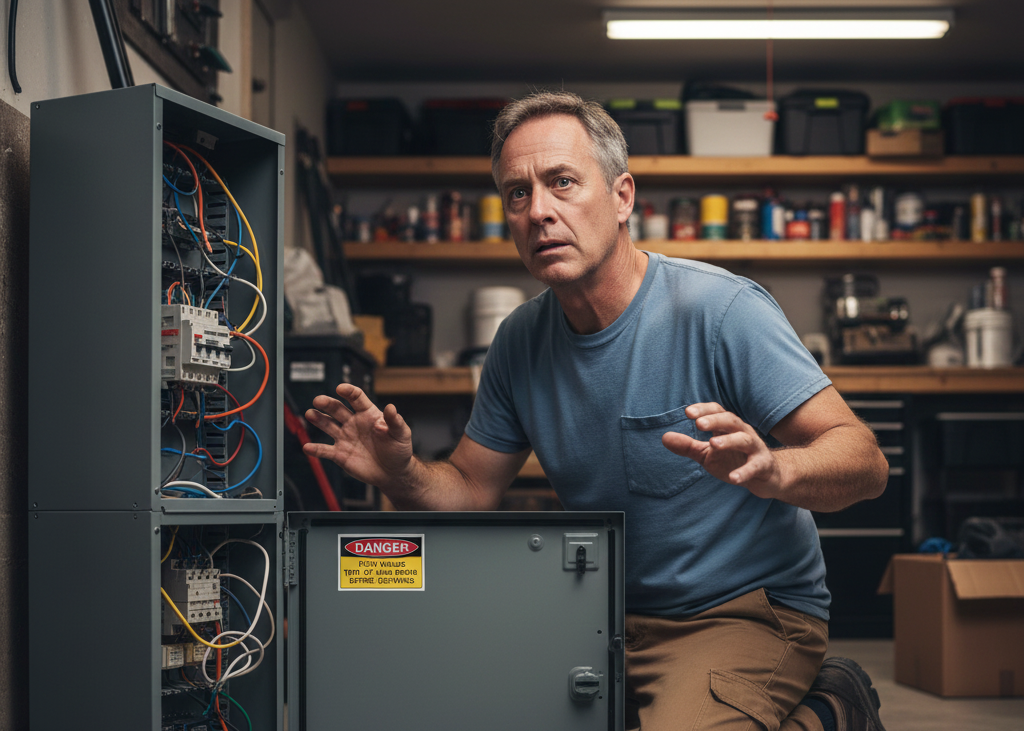
1. Electrical Wiring and Circuit Work
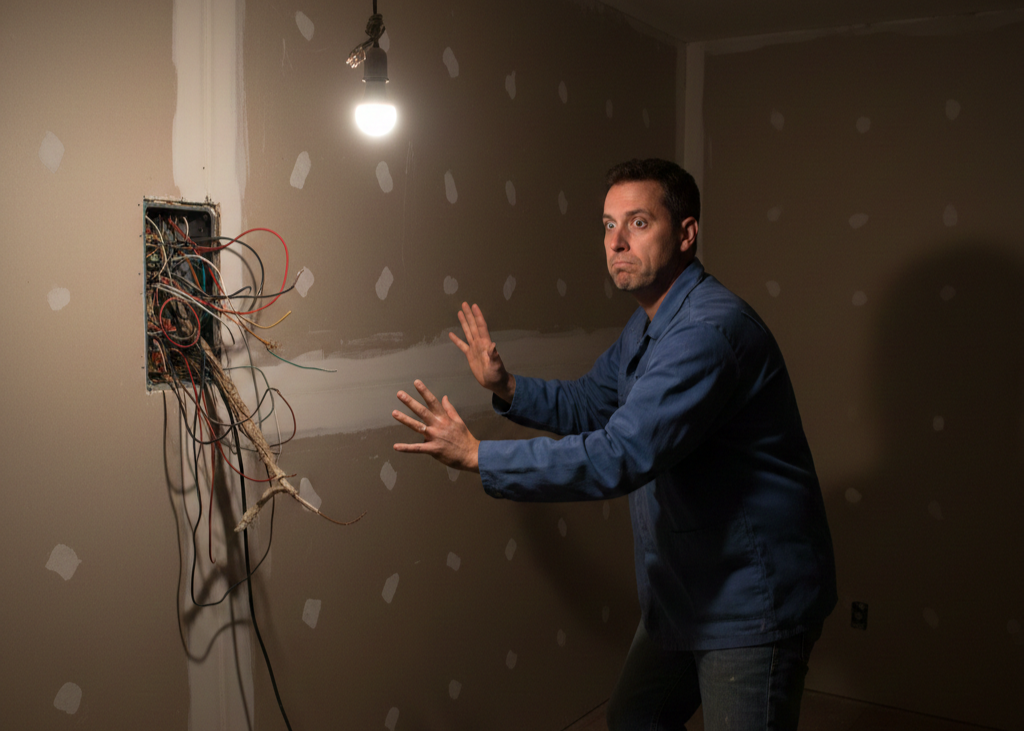
There is a reason electricians undergo extensive training and licensing. Your home’s electrical system is complex, and even minor mistakes can cause fires or severe injuries. Installing new outlets, replacing wiring, or upgrading your electrical panel requires a licensed professional and usually a permit. Attempting these tasks without proper credentials can put your family at risk and may violate local laws. Even experienced DIY enthusiasts should avoid tackling any electrical work beyond basic tasks such as changing a light bulb or swapping a cover plate.
2. Gas Line Repairs or Extensions
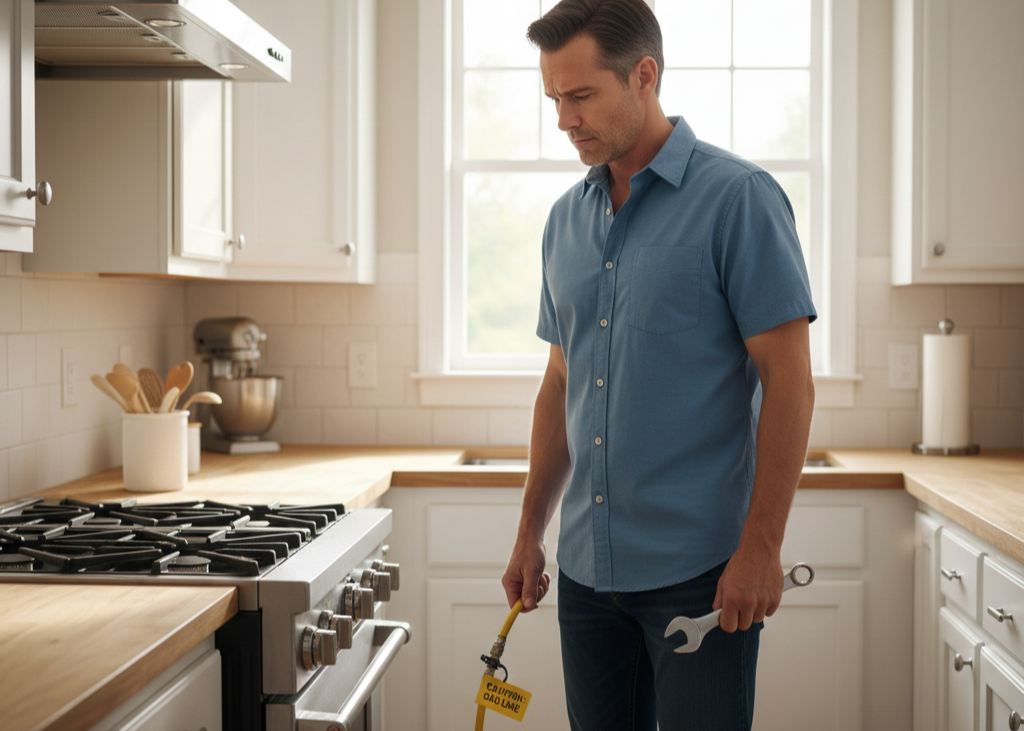
Working with natural gas is not something to take lightly. Gas line repairs or installations involve a high risk of leaks, explosions, and carbon monoxide poisoning. Because of these hazards, almost all states require that a licensed professional handle any work on gas lines. Even connecting a new stove to a gas line is not typically allowed for homeowners. A small mistake in this area can have catastrophic consequences, making it one of the most critical repairs to leave to the experts.
3. Major Plumbing System Modifications
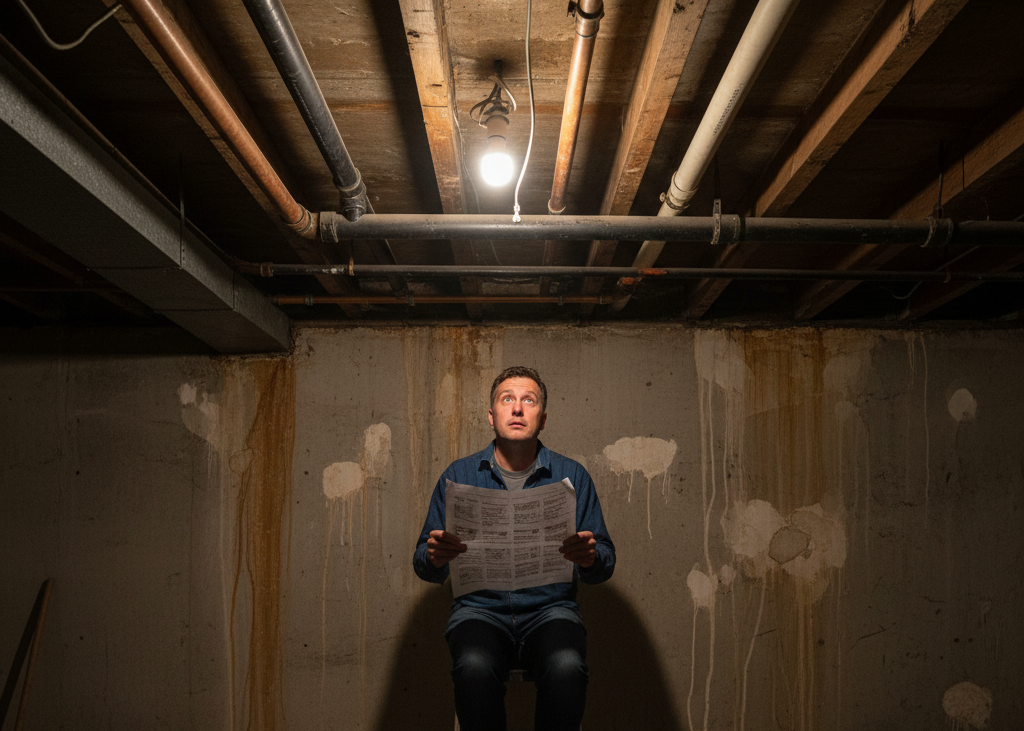
Unclogging a drain or replacing a faucet is usually safe for homeowners. However, major plumbing projects such as rerouting pipes, connecting to the municipal water supply, or installing new fixtures that affect the main plumbing system require permits and a licensed plumber. Mistakes can lead to leaks, water contamination, and damage that may not be covered by insurance. Major plumbing errors can also compromise your home’s structural integrity if water leaks go unnoticed for too long.
4. HVAC Installation and Refrigerant Work
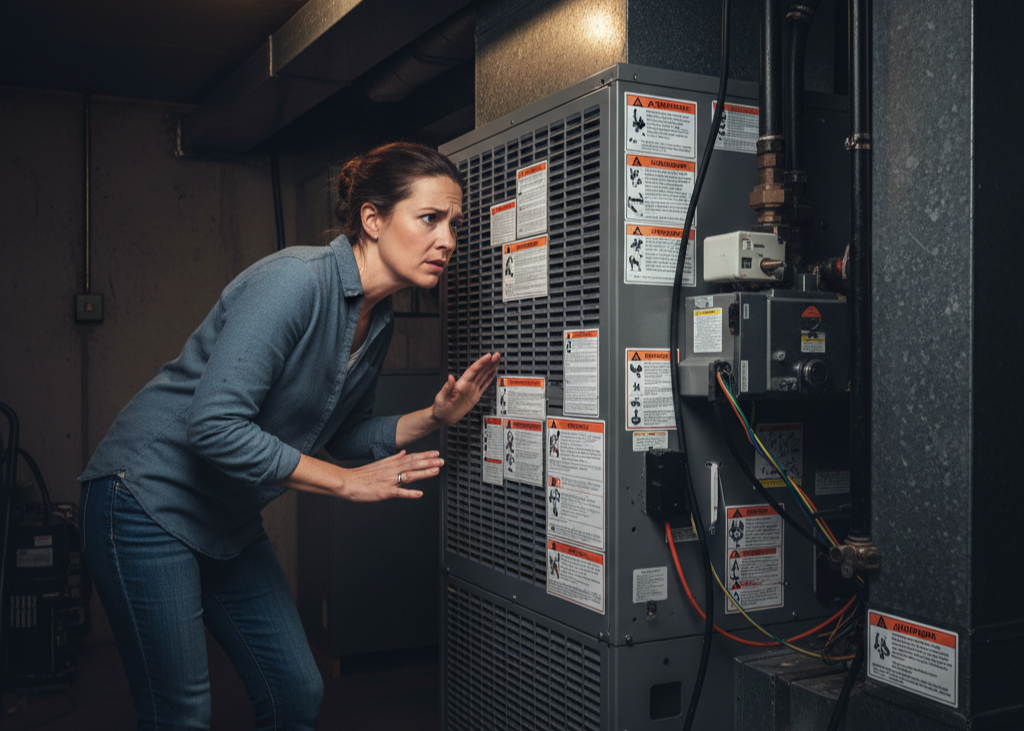
Heating and cooling systems keep our homes comfortable, but they also contain high-voltage wiring, pressurized refrigerants, and sometimes gas connections. Installing a new HVAC system or performing significant repairs without proper certification is both illegal and dangerous. Certified technicians not only ensure your system works efficiently, but they also handle environmental and safety regulations. DIY attempts can lead to system failures, health hazards, and expensive repairs.
5. Structural Changes
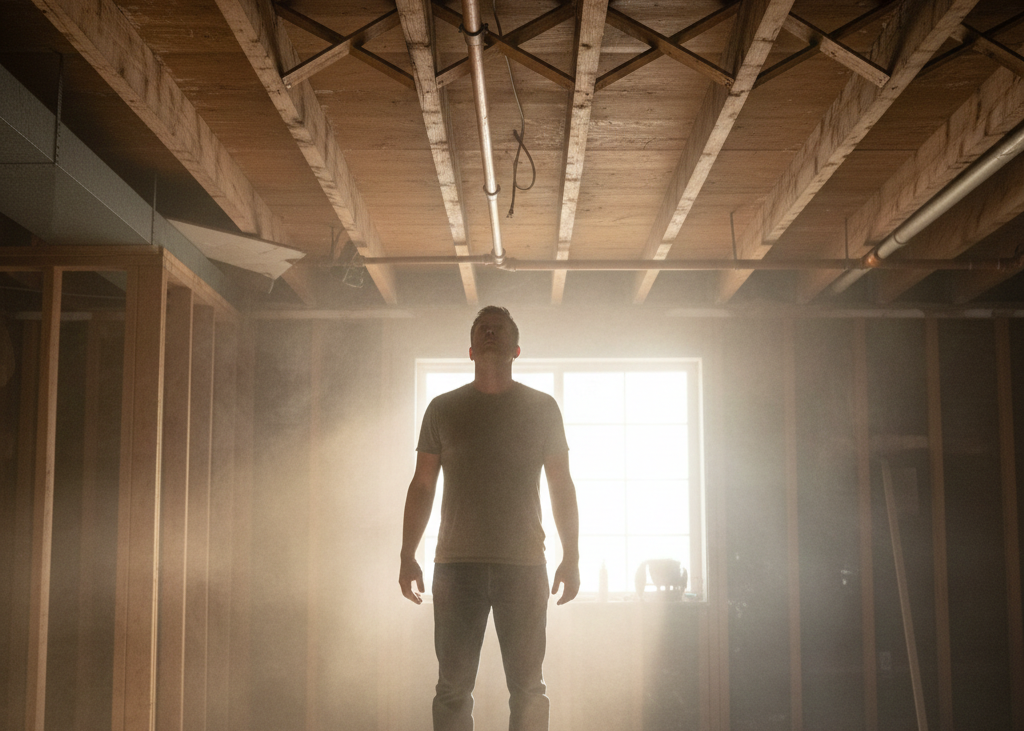
Altering the skeleton of your home is not a task for beginners. Removing load-bearing walls, modifying foundations, or building structural additions requires detailed engineering plans and licensed professionals. These changes can impact your home’s stability, and failing to secure permits or work with a professional can result in code violations, fines, or worse. Even seemingly small structural adjustments have long-term consequences that can affect your safety and the value of your home.
6. Roof Replacements and Major Roof Repairs
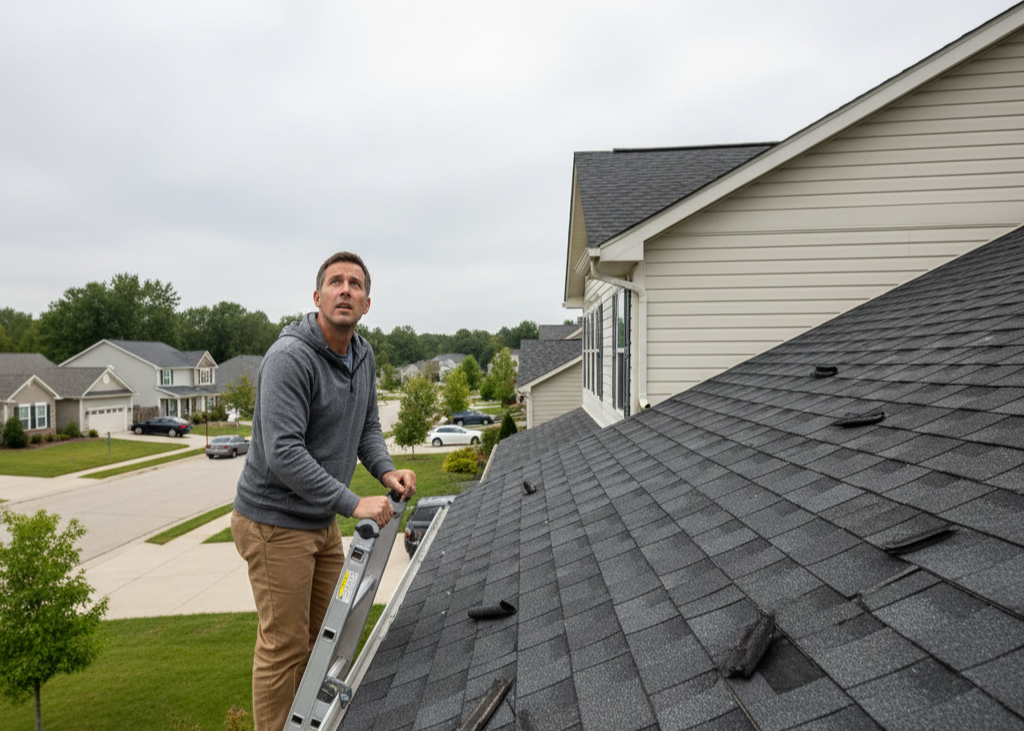
Climbing onto your roof may feel adventurous, but replacing a roof or performing major repairs involves more than just nails and shingles. Roofing work is dangerous and requires proper training to ensure it is done correctly and in compliance with local codes. Licensed contractors know how to handle potential issues such as leaks, ventilation, and weatherproofing. Attempting a major roof repair yourself could lead to serious injuries, water damage, or insurance complications if not done professionally.
7. Septic System Installation or Repair
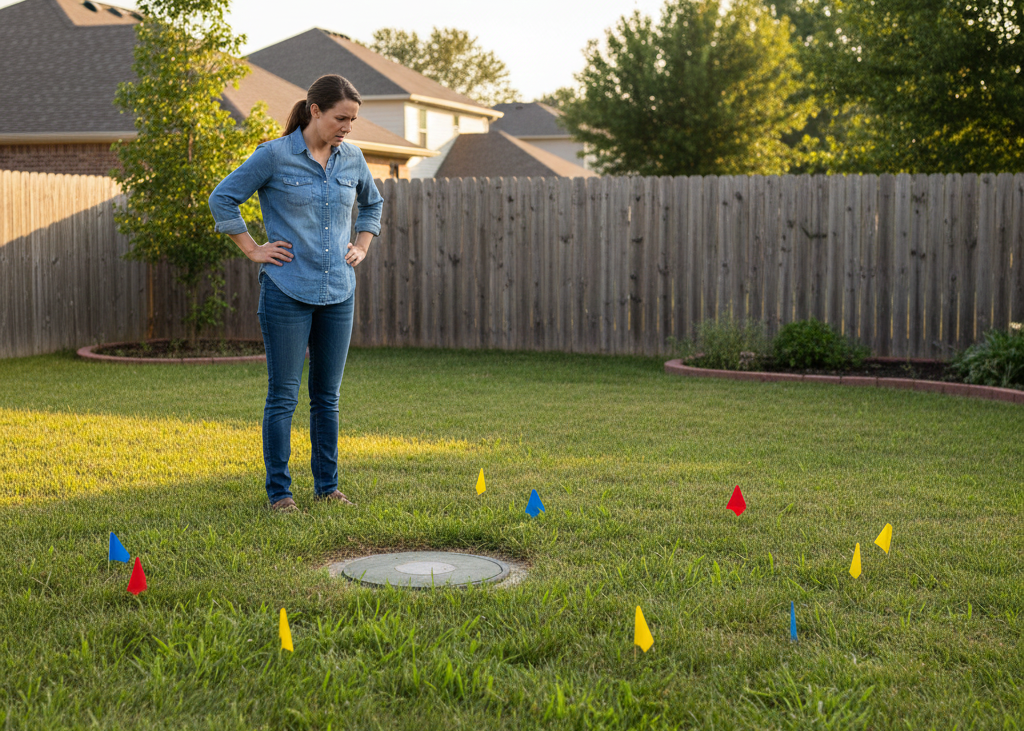
If your home uses a septic system, it is essential to understand that installation or repair is not a typical DIY project. These systems are highly regulated to protect the environment and public health. Performing work on a septic system without proper licensing can contaminate groundwater, create health hazards, and result in substantial fines. Licensed professionals ensure that your system functions correctly, protects your family, and remains compliant with local regulations.
8. Window and Door Openings That Affect Structure
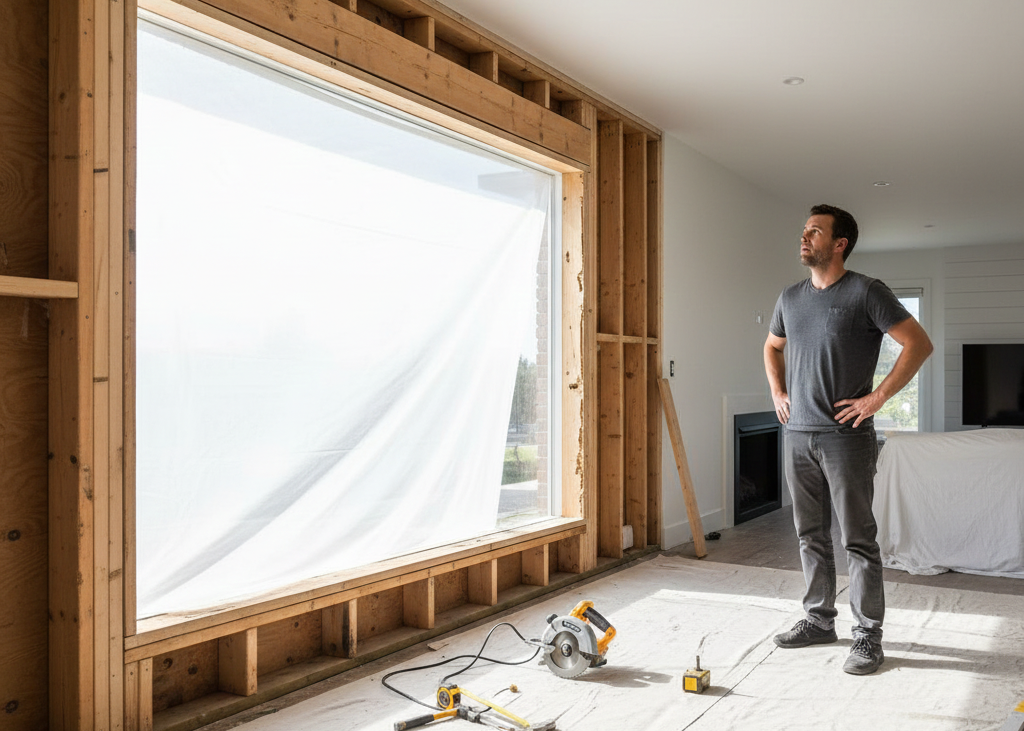
Replacing a window or door with the same size is usually fine. However, altering the size, location, or header of a window or door often requires permits and licensed professionals. These changes impact your home’s structural integrity and energy efficiency. Attempting these modifications on your own could lead to problems with water infiltration, compromised support, or code violations. It is always best to consult a professional when making significant structural changes to your openings.
9. Water Heater Installation
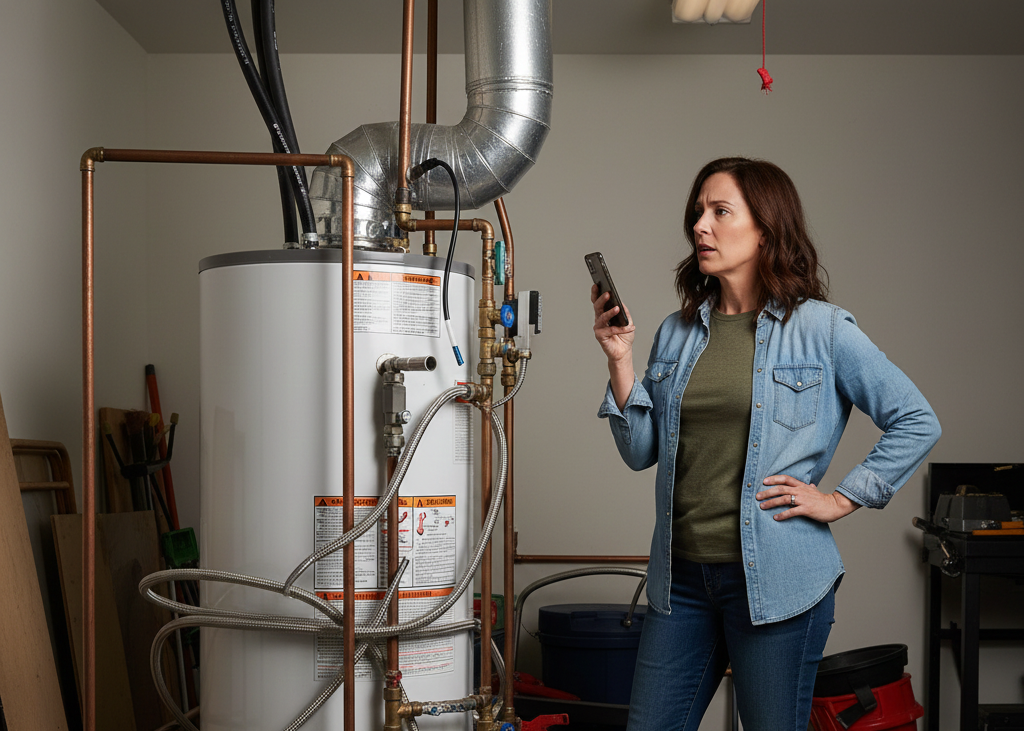
Installing a water heater may seem like a manageable project, but the combination of plumbing, electrical work, gas lines, and venting makes it complicated. Most municipalities require that a licensed plumber or HVAC professional handle these installations. A poorly installed water heater can cause leaks, flooding, gas hazards, or even electrical shock. Relying on a licensed professional protects your home, ensures your system functions properly, and keeps your family safe.
10. Major Deck or Outdoor Structural Projects
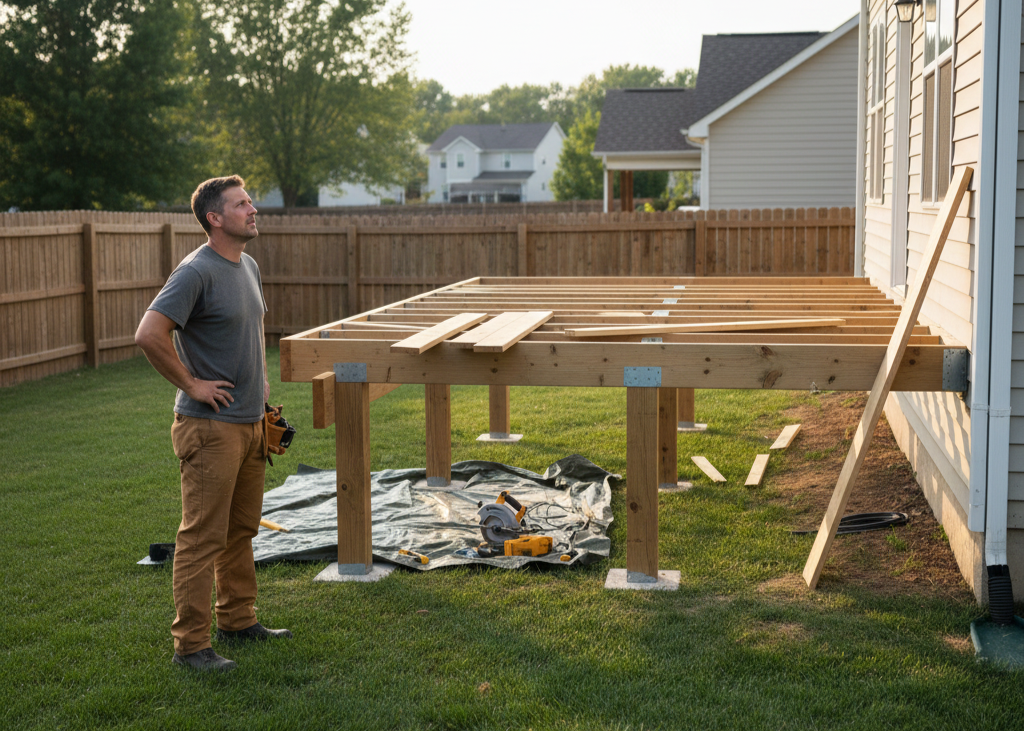
Building a deck can be a fun DIY project, but once the size or structural connection to your home crosses certain limits, permits and licensed contractors are often required. Projects that include roofing, electrical outlets, or load-bearing connections are especially regulated. Working without proper licensing or permits can result in code violations, structural failures, and insurance issues. Even if you are skilled with tools, certain outdoor projects are safer and more legally compliant when handled by a professional.
Final Thoughts

DIY home repairs are rewarding, empowering, and cost-saving, but it is crucial to recognize where your skills end and the law begins. Electrical systems, gas lines, plumbing, structural modifications, and hazardous materials are just a few areas where doing the work yourself is not only risky but often illegal. Attempting these projects without proper licensing, permits, or professional guidance can result in injuries, fines, insurance complications, or long-term damage to your home.
The best approach is to embrace DIY where it is safe and permissible, such as painting, small cosmetic upgrades, or minor repairs. For more complex and legally restricted work, hiring a licensed professional is not just a legal requirement—it is an investment in safety, quality, and peace of mind. Taking the time to consult with experts, pull permits, and follow codes ensures your home remains safe, your family is protected, and your property retains its value.
Next time you see a DIY project that seems intimidating or legally tricky, pause, assess the risks, and remember that calling a professional is often the smartest and safest choice. Your home is one of your most valuable assets, and some repairs are simply worth the expertise.