Our Debt Free Family

Commit. Plan. Take action.

  • BUDGETING
  • DEBT REDUCTION
  • INVESTING
  • LIFESTYLE
  • TOOLS
  • ABOUT
  • Privacy Policy
  • CONTACT

10 Unspoken American Rules You Learn as a Kid But Never Say Out Loud

January 3, 2026 | Leave a Comment

10 Unspoken American Rules You Learn as a Kid But Never Say Out Loud

<p> Every country has its own cultural playbook, but in America, many of the most important lessons are never written down or even talked about. They are the silent rules you pick up as early as kindergarten and carry with you for life—shaping how you talk, act, and even think. These rules are so ingrained that most Americans do not even realize they are following them. They are not taught in classrooms, but they are enforced through side-eyes, subtle corrections, and social pressure. From keeping your emotions in check to avoiding certain topics like the plague, here are ten rules that every American learns young but rarely puts into words—yet they govern everyday life more than most realize. </p> :: Pexels

Every country has its own cultural playbook, but in America, many of the most important lessons are never written down or even talked about. They are the silent rules you pick up as early as kindergarten and carry with you for life—shaping how you talk, act, and even think. These rules are so ingrained that most Americans do not even realize they are following them. They are not taught in classrooms, but they are enforced through side-eyes, subtle corrections, and social pressure. From keeping your emotions in check to avoiding certain topics like the plague, here are ten rules that every American learns young but rarely puts into words—yet they govern everyday life more than most realize.

1. Do Not Talk About Money, Politics or Religion at the Table

<p> From family dinners to holiday gatherings, Americans are subtly taught that some subjects are just too risky to bring up in casual conversation. Money, politics and religion top the list. These topics are seen as deeply personal and potentially explosive, and mentioning them can quickly turn a peaceful moment into a heated debate. Children grow up understanding that the best way to keep things friendly and avoid conflict is to steer clear of these controversial issues, especially in polite company. The result is a culture of small talk, polite smiles, and carefully chosen words that avoid stirring the pot. </p> :: Pexels

From family dinners to holiday gatherings, Americans are subtly taught that some subjects are just too risky to bring up in casual conversation. Money, politics and religion top the list. These topics are seen as deeply personal and potentially explosive, and mentioning them can quickly turn a peaceful moment into a heated debate. Children grow up understanding that the best way to keep things friendly and avoid conflict is to steer clear of these controversial issues, especially in polite company. The result is a culture of small talk, polite smiles, and carefully chosen words that avoid stirring the pot.

2. Personal Space Is Not Optional—Respect the Invisible Bubble

<p> One of the first things American kids learn—without anyone ever explicitly saying it—is to respect personal space. Whether standing in line, talking to someone, or sitting on a bus, there is an invisible bubble around each person that you are not supposed to pop. Getting too close is seen as invasive and rude. This rule is so deeply embedded that Americans often feel uncomfortable when people from other cultures stand closer or touch more during conversations. Personal space is not just about comfort—it is a boundary that communicates respect, safety, and social awareness. </p> :: Pexels

One of the first things American kids learn—without anyone ever explicitly saying it—is to respect personal space. Whether standing in line, talking to someone, or sitting on a bus, there is an invisible bubble around each person that you are not supposed to pop. Getting too close is seen as invasive and rude. This rule is so deeply embedded that Americans often feel uncomfortable when people from other cultures stand closer or touch more during conversations. Personal space is not just about comfort—it is a boundary that communicates respect, safety, and social awareness.

3. Be Friendly, But Keep Your Distance

<p> American friendliness is famous around the world, but there is a catch: it does not always mean what it seems. From childhood, Americans are taught to smile at strangers, say hello to neighbors, and be pleasant in public. But this friendliness often stops at the surface. You can be warm and polite without forming a real connection, and that is just how things work. Kids learn that asking "How are you?" is more of a greeting than a genuine question, and being friendly does not mean you are best friends. It is a social skill—a way to keep interactions smooth and non-confrontational. </p> :: Pexels

American friendliness is famous around the world, but there is a catch: it does not always mean what it seems. From childhood, Americans are taught to smile at strangers, say hello to neighbors, and be pleasant in public. But this friendliness often stops at the surface. You can be warm and polite without forming a real connection, and that is just how things work. Kids learn that asking “How are you?” is more of a greeting than a genuine question, and being friendly does not mean you are best friends. It is a social skill—a way to keep interactions smooth and non-confrontational.

4. Time Is a Resource—Do Not Waste It

<p> The American obsession with productivity starts early. From the ringing school bells to timed standardized tests, children are trained to stick to schedules and use their time efficiently. Being late is seen as disrespectful, and wasting time—your own or someone else’s—is a major faux pas. This mindset carries into adulthood, where deadlines, meetings, and packed calendars are the norm. The unspoken rule is simple: time is valuable, and how you use it reflects your character. If you are not doing something productive, you are falling behind. </p> :: Pexels

The American obsession with productivity starts early. From the ringing school bells to timed standardized tests, children are trained to stick to schedules and use their time efficiently. Being late is seen as disrespectful, and wasting time—your own or someone else’s—is a major faux pas. This mindset carries into adulthood, where deadlines, meetings, and packed calendars are the norm. The unspoken rule is simple: time is valuable, and how you use it reflects your character. If you are not doing something productive, you are falling behind.

5. Independence Is a Virtue—Handle Things Yourself

<p> The idea of self-reliance is one of the most cherished values in American culture, and it is drilled into kids from a young age. Whether it is tying your own shoes, solving your own problems, or earning your own money, independence is applauded. Asking for too much help can be seen as weakness, and children are often encouraged to "figure it out on your own." This rule fosters a strong sense of individualism but can also make people hesitant to ask for support, even when they really need it. In America, doing things alone is often a badge of honor. </p> :: Pexels

The idea of self-reliance is one of the most cherished values in American culture, and it is drilled into kids from a young age. Whether it is tying your own shoes, solving your own problems, or earning your own money, independence is applauded. Asking for too much help can be seen as weakness, and children are often encouraged to “figure it out on your own.” This rule fosters a strong sense of individualism but can also make people hesitant to ask for support, even when they really need it. In America, doing things alone is often a badge of honor.

6. Always Look Like You Have It Together

<p> "Never let them see you sweat" is not just a slogan—it is an unspoken rule most Americans live by. From school presentations to job interviews, the pressure to appear calm, capable and composed is constant. Even if someone is struggling on the inside, they are expected to keep it together on the outside. This cultural expectation teaches kids to put on a brave face, answer "I’m good" even when they are not, and keep personal problems out of public view. While it can promote resilience, it also leads to emotional isolation and a fear of appearing vulnerable. </p> :: Pexels

“Never let them see you sweat” is not just a slogan—it is an unspoken rule most Americans live by. From school presentations to job interviews, the pressure to appear calm, capable and composed is constant. Even if someone is struggling on the inside, they are expected to keep it together on the outside. This cultural expectation teaches kids to put on a brave face, answer “I’m good” even when they are not, and keep personal problems out of public view. While it can promote resilience, it also leads to emotional isolation and a fear of appearing vulnerable.

7. Keep Your Cool—No Meltdowns in Public

<p> Another unspoken rule drilled into American kids is to control their emotions, especially in public. Crying in a store, yelling on the street, or showing intense anger is not just embarrassing—it is frowned upon. Parents often scold their kids for "making a scene," and this training sticks. By the time they are adults, Americans have learned to keep their public behavior composed and drama-free. This cultural expectation reinforces the idea that public spaces are meant to be calm and orderly, even if people are feeling anything but calm inside. </p> :: Pexels

Another unspoken rule drilled into American kids is to control their emotions, especially in public. Crying in a store, yelling on the street, or showing intense anger is not just embarrassing—it is frowned upon. Parents often scold their kids for “making a scene,” and this training sticks. By the time they are adults, Americans have learned to keep their public behavior composed and drama-free. This cultural expectation reinforces the idea that public spaces are meant to be calm and orderly, even if people are feeling anything but calm inside.

8. Your Job Is Who You Are—So Pick a Good One

<p> From early on, American children are asked what they want to be when they grow up, not what kind of person they want to become. Career identity is a huge part of self-worth in American culture. People are judged—consciously or not—by what they do, how much they earn, and how busy they are. Success is not just about being happy or kind; it is about being productive and impressive. This rule turns career ambition into a lifelong race, and those who do not play the game often feel like outsiders. </p> :: Pexels

From early on, American children are asked what they want to be when they grow up, not what kind of person they want to become. Career identity is a huge part of self-worth in American culture. People are judged—consciously or not—by what they do, how much they earn, and how busy they are. Success is not just about being happy or kind; it is about being productive and impressive. This rule turns career ambition into a lifelong race, and those who do not play the game often feel like outsiders.

9. Be Nice or Be Quiet

<p> Another deeply rooted rule in American culture is the idea that honesty should never come at the expense of kindness. Kids are told, "If you do not have anything nice to say, do not say anything at all," and that lesson stays with them. Harsh truths, criticism and blunt opinions are often softened, sugar-coated or avoided altogether. While this creates a polite society on the surface, it also leads to a lot of indirect communication and passive-aggressiveness. Americans learn to master the art of saying something without really saying it. </p> :: Pexels

Another deeply rooted rule in American culture is the idea that honesty should never come at the expense of kindness. Kids are told, “If you do not have anything nice to say, do not say anything at all,” and that lesson stays with them. Harsh truths, criticism and blunt opinions are often softened, sugar-coated or avoided altogether. While this creates a polite society on the surface, it also leads to a lot of indirect communication and passive-aggressiveness. Americans learn to master the art of saying something without really saying it.

10. Fit In—But Also Stand Out Just Enough

<p> One of the most confusing American lessons is the balance between conformity and individuality. Children are encouraged to "be yourself," but they are also pressured to dress, talk, and act like everyone else to avoid being seen as weird. There is a narrow window for standing out—just enough to be interesting, but not so much that you challenge the group. This push-and-pull dynamic is everywhere, from high school cliques to workplace culture. The goal is to express yourself, but within socially acceptable limits. </p> :: Pexels

One of the most confusing American lessons is the balance between conformity and individuality. Children are encouraged to “be yourself,” but they are also pressured to dress, talk, and act like everyone else to avoid being seen as weird. There is a narrow window for standing out—just enough to be interesting, but not so much that you challenge the group. This push-and-pull dynamic is everywhere, from high school cliques to workplace culture. The goal is to express yourself, but within socially acceptable limits.

Final Thoughts

<p> These unspoken American rules are rarely written down or discussed openly, but they influence everything from daily interactions to lifelong goals. They teach people how to navigate society without making waves—how to be polite without being too personal, ambitious without appearing arrogant, and open without being vulnerable. For outsiders, these hidden rules can be baffling. For Americans, they are second nature. Understanding them is like decoding a cultural script that explains not just how people act—but why. They are the quiet framework behind everyday American life, shaping how people show up in the world, even when no one is looking. </p> :: Pexels

These unspoken American rules are rarely written down or discussed openly, but they influence everything from daily interactions to lifelong goals. They teach people how to navigate society without making waves—how to be polite without being too personal, ambitious without appearing arrogant, and open without being vulnerable. For outsiders, these hidden rules can be baffling. For Americans, they are second nature. Understanding them is like decoding a cultural script that explains not just how people act—but why. They are the quiet framework behind everyday American life, shaping how people show up in the world, even when no one is looking.


Filed Under: Lifestyle

10 Simple Habits That Will Completely Transform Your Daily Routine

January 3, 2026 | Leave a Comment

10 Simple Habits That Will Completely Transform Your Daily Routine

<p> Are you ready to reclaim your day and finally break free from the chaos? The secret to living a more productive, balanced, and fulfilling life doesn't lie in massive changes or overnight success. In fact, it's often the smallest, most manageable habits that can create the biggest impact. Whether you're struggling with stress, feeling overwhelmed by your to-do list, or simply want to feel more in control, these seven simple habits are the game changers you need. By implementing these easy yet powerful habits into your daily routine, you'll not only improve your productivity but also set yourself up for long-term success. Ready to take charge? Let’s dive in and explore how small tweaks can lead to big results! </p> :: Pexels

Are you ready to reclaim your day and finally break free from the chaos? The secret to living a more productive, balanced, and fulfilling life doesn’t lie in massive changes or overnight success. In fact, it’s often the smallest, most manageable habits that can create the biggest impact. Whether you’re struggling with stress, feeling overwhelmed by your to-do list, or simply want to feel more in control, these seven simple habits are the game changers you need. By implementing these easy yet powerful habits into your daily routine, you’ll not only improve your productivity but also set yourself up for long-term success. Ready to take charge? Let’s dive in and explore how small tweaks can lead to big results!

1. Start Your Day with a Morning Ritual

<p> Your morning sets the foundation for the rest of your day, and starting it with a purposeful ritual can have an immediate impact on your energy and focus. A morning ritual doesn’t need to be complicated—it’s all about creating a routine that grounds you and prepares you mentally and physically for the day ahead. Whether it’s stretching, drinking a glass of water, journaling, or just enjoying a moment of stillness with your favorite cup of coffee, the key is to do something that puts you in the right frame of mind. Studies show that people who stick to a consistent morning routine feel more in control, experience less stress, and are more productive throughout the day. Taking even just 10 minutes to focus on yourself first thing in the morning can set a positive tone that lasts all day long. </p> :: Pexels

Your morning sets the foundation for the rest of your day, and starting it with a purposeful ritual can have an immediate impact on your energy and focus. A morning ritual doesn’t need to be complicated—it’s all about creating a routine that grounds you and prepares you mentally and physically for the day ahead. Whether it’s stretching, drinking a glass of water, journaling, or just enjoying a moment of stillness with your favorite cup of coffee, the key is to do something that puts you in the right frame of mind. Studies show that people who stick to a consistent morning routine feel more in control, experience less stress, and are more productive throughout the day. Taking even just 10 minutes to focus on yourself first thing in the morning can set a positive tone that lasts all day long.

2. Tackle Your Most Important Task First

<p> Have you ever found yourself putting off your most important task until later, only to find that you’re out of time and energy by the end of the day? This common struggle can be easily solved by prioritizing your most challenging or crucial task first thing in the morning. Known as the "Eat That Frog" method, this technique, popularized by Brian Tracy, encourages you to get your toughest task done early. Why? Because you're freshest in the morning, and tackling that big task gives you a sense of accomplishment that motivates you for the rest of the day. No more procrastination! Once that daunting task is checked off your list, everything else feels more manageable, and your productivity skyrockets. </p> :: Pexels

Have you ever found yourself putting off your most important task until later, only to find that you’re out of time and energy by the end of the day? This common struggle can be easily solved by prioritizing your most challenging or crucial task first thing in the morning. Known as the “Eat That Frog” method, this technique, popularized by Brian Tracy, encourages you to get your toughest task done early. Why? Because you’re freshest in the morning, and tackling that big task gives you a sense of accomplishment that motivates you for the rest of the day. No more procrastination! Once that daunting task is checked off your list, everything else feels more manageable, and your productivity skyrockets.

3. Take Regular Movement Breaks

<p> We live in a world where many of us spend hours sitting at desks, which can leave us feeling drained and sluggish. One of the simplest ways to refresh your body and mind during the day is by incorporating regular movement breaks. It doesn’t have to be a full workout—just a quick walk, stretching, or even some light yoga can make a huge difference. These breaks help improve circulation, increase energy levels, and boost focus, ensuring you're ready to tackle your next task with vigor. Studies have shown that taking short, frequent movement breaks throughout the day can reduce stress, improve mood, and even enhance productivity. So, instead of pushing through the fatigue, get up, move around, and recharge. Your body (and mind) will thank you. </p> :: Pexels

We live in a world where many of us spend hours sitting at desks, which can leave us feeling drained and sluggish. One of the simplest ways to refresh your body and mind during the day is by incorporating regular movement breaks. It doesn’t have to be a full workout—just a quick walk, stretching, or even some light yoga can make a huge difference. These breaks help improve circulation, increase energy levels, and boost focus, ensuring you’re ready to tackle your next task with vigor. Studies have shown that taking short, frequent movement breaks throughout the day can reduce stress, improve mood, and even enhance productivity. So, instead of pushing through the fatigue, get up, move around, and recharge. Your body (and mind) will thank you.

4. Plan Your Meals in Advance

<p> How many times have you found yourself scrambling to figure out what to eat, only to end up reaching for unhealthy snacks or ordering takeout? Meal planning is a simple yet effective habit that can save you time, reduce stress, and help you maintain a healthy lifestyle. By taking just one or two hours each week to prep your meals in advance, you can eliminate the daily struggle of deciding what to eat. Plan out your breakfasts, lunches, and dinners, and prepare ingredients in bulk. This way, you’ll always have nutritious meals ready to go, which helps you avoid the temptation of last-minute fast food. Not only does this habit support your health, but it also saves you money and mental energy, making your day run a lot more smoothly. </p> :: Pexels

How many times have you found yourself scrambling to figure out what to eat, only to end up reaching for unhealthy snacks or ordering takeout? Meal planning is a simple yet effective habit that can save you time, reduce stress, and help you maintain a healthy lifestyle. By taking just one or two hours each week to prep your meals in advance, you can eliminate the daily struggle of deciding what to eat. Plan out your breakfasts, lunches, and dinners, and prepare ingredients in bulk. This way, you’ll always have nutritious meals ready to go, which helps you avoid the temptation of last-minute fast food. Not only does this habit support your health, but it also saves you money and mental energy, making your day run a lot more smoothly.

5. Practice Gratitude Daily

<p> In the midst of a busy life, it’s easy to focus on everything that’s going wrong. But what if you could change that narrative by actively shifting your focus to what’s going well? Practicing gratitude is a small habit that can have a powerful effect on your mindset. Taking just a few moments each day to reflect on things you're grateful for—whether it’s your health, a supportive friend, or a quiet moment in the morning—can significantly improve your mood and overall outlook. Research shows that gratitude practices can reduce stress, boost happiness, and even improve your physical health. You don’t need to overthink it; simply take a few minutes every morning or evening to jot down three things you're thankful for. It’s a small habit that can lead to a more positive and fulfilling day. </p> :: Pexels

In the midst of a busy life, it’s easy to focus on everything that’s going wrong. But what if you could change that narrative by actively shifting your focus to what’s going well? Practicing gratitude is a small habit that can have a powerful effect on your mindset. Taking just a few moments each day to reflect on things you’re grateful for—whether it’s your health, a supportive friend, or a quiet moment in the morning—can significantly improve your mood and overall outlook. Research shows that gratitude practices can reduce stress, boost happiness, and even improve your physical health. You don’t need to overthink it; simply take a few minutes every morning or evening to jot down three things you’re thankful for. It’s a small habit that can lead to a more positive and fulfilling day.

6. Set Boundaries to Protect Your Time

<p> If you find yourself constantly overwhelmed by tasks, responsibilities, and social obligations, it’s time to set some boundaries. A common habit of highly successful people is knowing when to say "no" to things that don’t serve their well-being or priorities. Setting boundaries is not about being selfish—it's about preserving your energy and focusing on what truly matters. Whether it’s limiting work hours to avoid burnout or saying no to unnecessary commitments, boundaries help you protect your time and maintain balance. Once you get comfortable with this habit, you’ll notice that you feel more in control of your day, less stressed, and more focused on your own goals. Remember, saying no is a way of saying yes to your own priorities. </p> :: Pexels

If you find yourself constantly overwhelmed by tasks, responsibilities, and social obligations, it’s time to set some boundaries. A common habit of highly successful people is knowing when to say “no” to things that don’t serve their well-being or priorities. Setting boundaries is not about being selfish—it’s about preserving your energy and focusing on what truly matters. Whether it’s limiting work hours to avoid burnout or saying no to unnecessary commitments, boundaries help you protect your time and maintain balance. Once you get comfortable with this habit, you’ll notice that you feel more in control of your day, less stressed, and more focused on your own goals. Remember, saying no is a way of saying yes to your own priorities.

7. Declutter Your Space for a Clearer Mind

<p> A cluttered environment often leads to a cluttered mind, leaving you feeling stressed and distracted. One of the easiest ways to improve your productivity and mental clarity is to declutter your space regularly. Whether it's your workspace, home, or digital files, clearing out unnecessary items and organizing your surroundings can instantly improve your focus and reduce anxiety. Start small by dedicating 10-15 minutes each day to organizing one area, such as your desk, kitchen counter, or email inbox. By making this a daily habit, you’ll create an environment that promotes calm, focus, and creativity. Plus, with less clutter around, you’ll feel more in control and less stressed throughout the day. </p> :: Pexels

A cluttered environment often leads to a cluttered mind, leaving you feeling stressed and distracted. One of the easiest ways to improve your productivity and mental clarity is to declutter your space regularly. Whether it’s your workspace, home, or digital files, clearing out unnecessary items and organizing your surroundings can instantly improve your focus and reduce anxiety. Start small by dedicating 10-15 minutes each day to organizing one area, such as your desk, kitchen counter, or email inbox. By making this a daily habit, you’ll create an environment that promotes calm, focus, and creativity. Plus, with less clutter around, you’ll feel more in control and less stressed throughout the day.

8. Wind Down with a Relaxing Evening Routine

<p> Just as a good morning routine sets the tone for your day, a calming evening routine ensures you unwind and prepare for restful sleep. In our busy world, it’s easy to fall into the habit of working late or scrolling through screens before bed. However, this can interfere with sleep quality and leave you feeling unrested. Instead, dedicate the last 30 minutes of your day to winding down. This could involve reading, journaling, or practicing relaxation techniques like deep breathing or meditation. Turning off your electronics at least 30 minutes before bed is also crucial to help your body transition into sleep mode. By creating a soothing evening routine, you'll set yourself up for a peaceful night's sleep, which is essential for feeling energized and focused the next day. </p> :: Pexels

Just as a good morning routine sets the tone for your day, a calming evening routine ensures you unwind and prepare for restful sleep. In our busy world, it’s easy to fall into the habit of working late or scrolling through screens before bed. However, this can interfere with sleep quality and leave you feeling unrested. Instead, dedicate the last 30 minutes of your day to winding down. This could involve reading, journaling, or practicing relaxation techniques like deep breathing or meditation. Turning off your electronics at least 30 minutes before bed is also crucial to help your body transition into sleep mode. By creating a soothing evening routine, you’ll set yourself up for a peaceful night’s sleep, which is essential for feeling energized and focused the next day.

9. Stay Hydrated Throughout the Day

<p> It’s easy to overlook hydration when you're busy, but drinking enough water is a simple habit that can drastically improve your energy levels, mood, and overall health. Dehydration can cause fatigue, headaches, and difficulty concentrating, so staying hydrated is essential for maintaining peak performance throughout the day. A great way to ensure you’re drinking enough water is to keep a water bottle with you at all times. Set a reminder on your phone to take a sip every hour, or start each meal with a glass of water to kickstart your hydration. Proper hydration supports better digestion, clearer skin, and better focus, making it one of the easiest habits you can implement for a healthier and more productive day. </p> :: Pexels

It’s easy to overlook hydration when you’re busy, but drinking enough water is a simple habit that can drastically improve your energy levels, mood, and overall health. Dehydration can cause fatigue, headaches, and difficulty concentrating, so staying hydrated is essential for maintaining peak performance throughout the day. A great way to ensure you’re drinking enough water is to keep a water bottle with you at all times. Set a reminder on your phone to take a sip every hour, or start each meal with a glass of water to kickstart your hydration. Proper hydration supports better digestion, clearer skin, and better focus, making it one of the easiest habits you can implement for a healthier and more productive day.

10. Learn to Say No Without Guilt

<p> One of the most empowering habits you can adopt is learning how to say no—without feeling guilty. Overcommitting yourself to work, family obligations, and social events can quickly lead to stress and burnout. By setting boundaries and politely saying no to things that don’t align with your priorities, you protect your time and energy for what truly matters. Saying no can be difficult at first, especially if you're someone who loves to help others or dislikes disappointing people. However, by getting comfortable with this habit, you'll be able to create more space for yourself, reduce overwhelm, and focus on your own well-being. It’s a small but powerful change that can transform your daily routine and your overall quality of life. </p> :: Pexels

One of the most empowering habits you can adopt is learning how to say no—without feeling guilty. Overcommitting yourself to work, family obligations, and social events can quickly lead to stress and burnout. By setting boundaries and politely saying no to things that don’t align with your priorities, you protect your time and energy for what truly matters. Saying no can be difficult at first, especially if you’re someone who loves to help others or dislikes disappointing people. However, by getting comfortable with this habit, you’ll be able to create more space for yourself, reduce overwhelm, and focus on your own well-being. It’s a small but powerful change that can transform your daily routine and your overall quality of life.

Final Thoughts

<p> Transforming your daily routine doesn’t require a complete overhaul of your life. Sometimes, the most effective changes come from small, simple habits that you incorporate gradually. By adopting just a few of these habits—whether it’s prioritizing your most important task, practicing gratitude, or setting clear boundaries—you’ll notice improvements in your productivity, well-being, and overall happiness. Remember, consistency is key. Start with one or two habits and build from there. With time, these small changes will lead to a more balanced, productive, and fulfilling life. </p> :: Pexels

Transforming your daily routine doesn’t require a complete overhaul of your life. Sometimes, the most effective changes come from small, simple habits that you incorporate gradually. By adopting just a few of these habits—whether it’s prioritizing your most important task, practicing gratitude, or setting clear boundaries—you’ll notice improvements in your productivity, well-being, and overall happiness. Remember, consistency is key. Start with one or two habits and build from there. With time, these small changes will lead to a more balanced, productive, and fulfilling life.

Filed Under: Lifestyle

Forgotten Brands Boomers Continue to Miss: 10 Icons That Shaped Their Lives

January 3, 2026 | Leave a Comment

Forgotten Brands Boomers Continue to Miss: 10 Icons That Shaped Their Lives

<p> There is something uniquely comforting about brands that defined an era. For many baby boomers in the United States, certain names are more than products or stores — they are memories. They remind us of family traditions, childhood excitement, and the simple joys of everyday life. From the thrill of traveling with Pan American World Airways to wandering the colorful aisles of Toys “R” Us, these brands were woven into the fabric of daily life. Over time, many have disappeared or transformed beyond recognition, yet the nostalgia they evoke remains strong. </p> :: Gemini

There is something uniquely comforting about brands that defined an era. For many baby boomers in the United States, certain names are more than products or stores — they are memories. They remind us of family traditions, childhood excitement, and the simple joys of everyday life. From the thrill of traveling with Pan American World Airways to wandering the colorful aisles of Toys “R” Us, these brands were woven into the fabric of daily life. Over time, many have disappeared or transformed beyond recognition, yet the nostalgia they evoke remains strong.

1. Pan Am — The Airline of Dreams

<p> Pan American World Airways, known affectionately as Pan Am, was more than just an airline. It was a symbol of adventure, sophistication, and the excitement of seeing the world. Baby boomers remember boarding flights with cushioned seats, sleek flight attendants, and a promise of faraway places waiting to be explored. Flying with Pan Am felt like stepping into a glamorous movie scene. The airline filed for bankruptcy in 1991, yet the brand lives on in stories of first international trips, family vacations, and the golden age of air travel. It represents a time when flying was an experience, not just a necessity. </p> :: Gemini

Pan American World Airways, known affectionately as Pan Am, was more than just an airline. It was a symbol of adventure, sophistication, and the excitement of seeing the world. Baby boomers remember boarding flights with cushioned seats, sleek flight attendants, and a promise of faraway places waiting to be explored. Flying with Pan Am felt like stepping into a glamorous movie scene. The airline filed for bankruptcy in 1991, yet the brand lives on in stories of first international trips, family vacations, and the golden age of air travel. It represents a time when flying was an experience, not just a necessity.

2. Blockbuster — Friday Night Rituals

<p> Long before streaming, there was Blockbuster. The ritual of visiting the video rental store on Friday nights to pick a VHS tape or DVD created a sense of anticipation and excitement. Families and friends would debate which movies to watch, often wandering the aisles in awe of new releases and classic favorites. For boomers, it was a weekly tradition that blended entertainment with community. Blockbuster could not survive the digital shift, leading to its closure across the United States by the early 2010s. Still, the memories of these movie nights remain vivid and cherished. </p> :: Gemini

Long before streaming, there was Blockbuster. The ritual of visiting the video rental store on Friday nights to pick a VHS tape or DVD created a sense of anticipation and excitement. Families and friends would debate which movies to watch, often wandering the aisles in awe of new releases and classic favorites. For boomers, it was a weekly tradition that blended entertainment with community. Blockbuster could not survive the digital shift, leading to its closure across the United States by the early 2010s. Still, the memories of these movie nights remain vivid and cherished.

3. RadioShack — The Tinkerers’ Paradise

<p> RadioShack was a haven for anyone who loved tinkering or building things. Its shelves were packed with wires, resistors, batteries, radios, and DIY electronics kits. Baby boomers fondly recall spending hours in the store, experimenting with gadgets and working on projects that sparked creativity. It was more than a retail store; it was a place to learn, explore, and problem-solve. As online shopping and big-box stores took over, RadioShack stores gradually disappeared, leaving behind a sense of nostalgia for hands-on curiosity and discovery. </p> :: Gemini

RadioShack was a haven for anyone who loved tinkering or building things. Its shelves were packed with wires, resistors, batteries, radios, and DIY electronics kits. Baby boomers fondly recall spending hours in the store, experimenting with gadgets and working on projects that sparked creativity. It was more than a retail store; it was a place to learn, explore, and problem-solve. As online shopping and big-box stores took over, RadioShack stores gradually disappeared, leaving behind a sense of nostalgia for hands-on curiosity and discovery.

4. Circuit City — Electronics Central

<p> Circuit City was the go-to destination for electronics shopping before online stores dominated the market. Televisions, stereos, and home gadgets lined its showroom floors, accompanied by staff eager to guide customers through the latest technology. For many boomers, visiting Circuit City was both practical and enjoyable, offering the chance to explore the newest innovations firsthand. The store filed for bankruptcy in 2008, leaving behind memories of a time when buying electronics felt like an interactive experience rather than a click-and-order task. </p> :: Gemini

Circuit City was the go-to destination for electronics shopping before online stores dominated the market. Televisions, stereos, and home gadgets lined its showroom floors, accompanied by staff eager to guide customers through the latest technology. For many boomers, visiting Circuit City was both practical and enjoyable, offering the chance to explore the newest innovations firsthand. The store filed for bankruptcy in 2008, leaving behind memories of a time when buying electronics felt like an interactive experience rather than a click-and-order task.

5. Toys “R” Us — Childhood Magic

<p> Few brands evoke childhood nostalgia like Toys “R” Us. Its colorful aisles, life-sized displays, and the familiar jingle made shopping for toys an adventure in itself. Many boomers remember taking their children or grandchildren to pick out the latest toys, experiencing the joy of shared excitement. Unfortunately, the store filed for bankruptcy in 2017, closing most of its U.S. locations. Despite this, the brand remains a powerful symbol of innocence, excitement, and the magic of childhood memories that never fade. </p> :: Gemini

Few brands evoke childhood nostalgia like Toys “R” Us. Its colorful aisles, life-sized displays, and the familiar jingle made shopping for toys an adventure in itself. Many boomers remember taking their children or grandchildren to pick out the latest toys, experiencing the joy of shared excitement. Unfortunately, the store filed for bankruptcy in 2017, closing most of its U.S. locations. Despite this, the brand remains a powerful symbol of innocence, excitement, and the magic of childhood memories that never fade.

6. Borders — Books and Community

<p> Borders was more than a bookstore; it was a community hub for readers. Its expansive shelves and quiet corners invited leisurely browsing, while the in-store cafes provided a space to linger over a cup of coffee with a good book. Baby boomers recall spending hours lost among novels and magazines, discovering new authors, and soaking up knowledge. Borders could not adapt quickly enough to the rise of e-books and online retail, leading to its closure in 2011. Still, the memory of wandering through those book-lined aisles brings a comforting sense of nostalgia. </p> :: Gemini

Borders was more than a bookstore; it was a community hub for readers. Its expansive shelves and quiet corners invited leisurely browsing, while the in-store cafes provided a space to linger over a cup of coffee with a good book. Baby boomers recall spending hours lost among novels and magazines, discovering new authors, and soaking up knowledge. Borders could not adapt quickly enough to the rise of e-books and online retail, leading to its closure in 2011. Still, the memory of wandering through those book-lined aisles brings a comforting sense of nostalgia.

7. Polaroid — Capturing Moments Instantly

<p> Polaroid cameras revolutionized photography, offering instant gratification and tangible memories in a single frame. For many baby boomers, watching a photo develop before their eyes was magical. Family vacations, holidays, and everyday moments were immortalized with a Polaroid camera, making each picture feel special and personal. While the brand has seen revivals in niche markets, the original company filed for bankruptcy in 2001. The joy of capturing moments instantly remains an enduring memory for those who grew up with Polaroid. </p> :: Gemini

Polaroid cameras revolutionized photography, offering instant gratification and tangible memories in a single frame. For many baby boomers, watching a photo develop before their eyes was magical. Family vacations, holidays, and everyday moments were immortalized with a Polaroid camera, making each picture feel special and personal. While the brand has seen revivals in niche markets, the original company filed for bankruptcy in 2001. The joy of capturing moments instantly remains an enduring memory for those who grew up with Polaroid.

8. Aunt Jemima — Breakfast Table Nostalgia

<p> Aunt Jemima products were staples in American kitchens for generations. Pancake mixes and syrups were part of weekend rituals, family breakfasts, and Saturday morning indulgences. Baby boomers remember the sweet aroma of pancakes wafting through the kitchen, sticky fingers, and smiles at the table. In 2021, the brand was retired amid cultural changes, yet many boomers still associate it with warmth, comfort, and simple joys of family life. The nostalgia for this brand extends far beyond its products. </p> :: Gemini

Aunt Jemima products were staples in American kitchens for generations. Pancake mixes and syrups were part of weekend rituals, family breakfasts, and Saturday morning indulgences. Baby boomers remember the sweet aroma of pancakes wafting through the kitchen, sticky fingers, and smiles at the table. In 2021, the brand was retired amid cultural changes, yet many boomers still associate it with warmth, comfort, and simple joys of family life. The nostalgia for this brand extends far beyond its products.

9. Kodak — Preserving Family Memories

<p> Kodak was synonymous with photography, capturing countless family milestones and everyday joys. The phrase “Kodak moment” became part of the American lexicon, representing the beauty of preserving memories. Boomers recall loading rolls of film into cameras, waiting to develop photos, and creating albums that documented generations. Kodak filed for bankruptcy in 2012, struggling to pivot to digital photography. Even so, the brand remains iconic for its role in helping families remember the moments that mattered most. </p> :: Gemini

Kodak was synonymous with photography, capturing countless family milestones and everyday joys. The phrase “Kodak moment” became part of the American lexicon, representing the beauty of preserving memories. Boomers recall loading rolls of film into cameras, waiting to develop photos, and creating albums that documented generations. Kodak filed for bankruptcy in 2012, struggling to pivot to digital photography. Even so, the brand remains iconic for its role in helping families remember the moments that mattered most.

10. FAO Schwarz (Original Era) — The Toy Wonderland

<p> FAO Schwarz’s original flagship store at Rockefeller Center was a toy wonderland. Towering displays, life-sized stuffed animals, and the famous dance-on piano offered a magical experience for children and adults alike. Baby boomers remember visiting the store with their families, marveling at the imaginative displays and enjoying the wonder that seemed to come alive inside those walls. Although the brand still exists in a limited form today, the charm of the original store is unmatched and remains a symbol of childhood excitement and playful imagination. </p> :: Gemini

FAO Schwarz’s original flagship store at Rockefeller Center was a toy wonderland. Towering displays, life-sized stuffed animals, and the famous dance-on piano offered a magical experience for children and adults alike. Baby boomers remember visiting the store with their families, marveling at the imaginative displays and enjoying the wonder that seemed to come alive inside those walls. Although the brand still exists in a limited form today, the charm of the original store is unmatched and remains a symbol of childhood excitement and playful imagination.

Final Thoughts

<p> These brands are more than just names or logos; they are memories, cultural touchstones, and markers of an era that shaped the lives of baby boomers. They remind us of family traditions, simple pleasures, and shared experiences that defined everyday life. Although many have disappeared or changed beyond recognition, the nostalgia they evoke continues to resonate. Remembering these brands is not just about longing for the past; it is about celebrating the moments, connections, and joy they brought into our lives. For boomers, these names will forever carry a sense of warmth, adventure, and comfort, reminding us that while times change, cherished memories never fade. </p> :: Gemini

These brands are more than just names or logos; they are memories, cultural touchstones, and markers of an era that shaped the lives of baby boomers. They remind us of family traditions, simple pleasures, and shared experiences that defined everyday life. Although many have disappeared or changed beyond recognition, the nostalgia they evoke continues to resonate. Remembering these brands is not just about longing for the past; it is about celebrating the moments, connections, and joy they brought into our lives. For boomers, these names will forever carry a sense of warmth, adventure, and comfort, reminding us that while times change, cherished memories never fade.

Filed Under: Lifestyle

White Lies Women Think You Will Never Catch: 10 Relatable Examples

January 3, 2026 | Leave a Comment

White Lies Women Think You Will Never Catch: 10 Relatable Examples

<p> We all know relationships require honesty, but let’s face it: no one is perfect. Even the most open, communicative partners tell little fibs from time to time. Some of these are harmless, born out of politeness, a desire to avoid conflict, or simply to protect feelings. Women, like men, occasionally tell what are commonly called white lies. These are not meant to hurt anyone; they are usually meant to smooth things over, lighten the mood, or make life feel easier. Understanding these little fibs can actually help you connect more deeply. When you know the common ones to watch out for, you can respond with empathy, humor, and patience instead of suspicion. This list of ten white lies women might tell is meant to be both entertaining and insightful, giving you a peek behind the curtain of everyday relationship dynamics. </p> :: Gemini

We all know relationships require honesty, but let’s face it: no one is perfect. Even the most open, communicative partners tell little fibs from time to time. Some of these are harmless, born out of politeness, a desire to avoid conflict, or simply to protect feelings. Women, like men, occasionally tell what are commonly called white lies. These are not meant to hurt anyone; they are usually meant to smooth things over, lighten the mood, or make life feel easier.

Understanding these little fibs can actually help you connect more deeply. When you know the common ones to watch out for, you can respond with empathy, humor, and patience instead of suspicion. This list of ten white lies women might tell is meant to be both entertaining and insightful, giving you a peek behind the curtain of everyday relationship dynamics.

1. I am fine

<p> One of the most classic phrases you will hear is “I am fine.” Most of the time, she is not fine at all. This simple statement is often used to avoid unpacking emotions that feel overwhelming or inconvenient at the moment. She might still be processing how she feels, or she might not want to start a conversation that could turn into an argument. Rather than seeing this as a deliberate deception, it is more a way of keeping the peace and buying herself time. </p> :: Gemini

One of the most classic phrases you will hear is “I am fine.” Most of the time, she is not fine at all. This simple statement is often used to avoid unpacking emotions that feel overwhelming or inconvenient at the moment. She might still be processing how she feels, or she might not want to start a conversation that could turn into an argument. Rather than seeing this as a deliberate deception, it is more a way of keeping the peace and buying herself time.

2. I am not mad

<p> When she says she is not mad, she often is. This phrase is a way to avoid immediate conflict and to keep things calm in the moment. She might be frustrated about something that feels small but is still important to her. By saying she is not mad, she gives herself a buffer to process her feelings without escalating the situation unnecessarily. </p> :: Gemini

When she says she is not mad, she often is. This phrase is a way to avoid immediate conflict and to keep things calm in the moment. She might be frustrated about something that feels small but is still important to her. By saying she is not mad, she gives herself a buffer to process her feelings without escalating the situation unnecessarily.

3. I will be ready in five minutes

<p> If you have ever heard “I will be ready in five minutes,” you probably know that this is a flexible estimate at best. She might be finishing her hair, picking out the perfect outfit, or just taking a moment for herself. This white lie is rarely meant to frustrate you. It is usually an optimistic guess about timing, one that most people in relationships have told at some point. </p> :: Pexels

If you have ever heard “I will be ready in five minutes,” you probably know that this is a flexible estimate at best. She might be finishing her hair, picking out the perfect outfit, or just taking a moment for herself. This white lie is rarely meant to frustrate you. It is usually an optimistic guess about timing, one that most people in relationships have told at some point.

4. I do not remember saying that

<p> Sometimes she might say she does not remember saying something. Often, this is not a literal truth. Instead, it is a gentle way to avoid diving back into a conversation she does not want to repeat or revisit. Whether it is because the memory is uncomfortable, or the topic feels unresolved, this white lie allows her to navigate the conversation more smoothly. </p> :: Gemini

Sometimes she might say she does not remember saying something. Often, this is not a literal truth. Instead, it is a gentle way to avoid diving back into a conversation she does not want to repeat or revisit. Whether it is because the memory is uncomfortable, or the topic feels unresolved, this white lie allows her to navigate the conversation more smoothly.

5. That looks great on you

<p> Even if she is not completely convinced, she might say “that looks great on you” to boost your confidence. Compliments like these are often about positivity and encouragement rather than a literal opinion. They help build harmony in the relationship and show appreciation for effort, even if her personal taste does not fully align with yours. </p> :: Gemini

Even if she is not completely convinced, she might say “that looks great on you” to boost your confidence. Compliments like these are often about positivity and encouragement rather than a literal opinion. They help build harmony in the relationship and show appreciation for effort, even if her personal taste does not fully align with yours.

6. I do not mind your friends

<p> Saying she does not mind your friends is often about maintaining social harmony. She might genuinely like most of the people you spend time with, but some individuals might not be her favorite. Instead of causing tension or making you feel defensive, she chooses a white lie that preserves your peace and keeps the vibe positive. </p> :: Gemini

Saying she does not mind your friends is often about maintaining social harmony. She might genuinely like most of the people you spend time with, but some individuals might not be her favorite. Instead of causing tension or making you feel defensive, she chooses a white lie that preserves your peace and keeps the vibe positive.

7. I love your cooking

<p> Even if a meal was not her favorite, she might say “I love your cooking” as a way to acknowledge your effort. This white lie is usually about gratitude and politeness. It shows appreciation for the time and care you put into preparing a meal, rather than a comment on taste alone. Relationships thrive on this kind of mutual respect and positive reinforcement. </p> :: Gemini

Even if a meal was not her favorite, she might say “I love your cooking” as a way to acknowledge your effort. This white lie is usually about gratitude and politeness. It shows appreciation for the time and care you put into preparing a meal, rather than a comment on taste alone. Relationships thrive on this kind of mutual respect and positive reinforcement.

8. I did not get your text

<p> In the world of digital communication, this is a common white lie. She probably saw the message, but responding immediately might not have felt convenient or necessary at that moment. Saying she did not get it can be an easy way to buy herself a little time without causing unnecessary stress or pressure in the conversation. </p> :: Gemini

In the world of digital communication, this is a common white lie. She probably saw the message, but responding immediately might not have felt convenient or necessary at that moment. Saying she did not get it can be an easy way to buy herself a little time without causing unnecessary stress or pressure in the conversation.

9. That baby was so cute

<p> Whether it is a baby, a pet, or something that is a little questionable, she might respond with “that was so cute” even if she is not entirely convinced. This white lie often comes from a place of kindness. Instead of focusing on her personal preference, she chooses to highlight the positive and maintain a pleasant atmosphere. </p> :: Gemini

Whether it is a baby, a pet, or something that is a little questionable, she might respond with “that was so cute” even if she is not entirely convinced. This white lie often comes from a place of kindness. Instead of focusing on her personal preference, she chooses to highlight the positive and maintain a pleasant atmosphere.

10. We are just friends

<p> This one can be tricky. Saying “we are just friends” might be a way to set boundaries or avoid conflict, but sometimes the emotional reality is more complicated. The phrase is often used as a diplomatic measure to prevent unnecessary jealousy or misunderstanding, rather than as a literal statement about feelings. </p> :: Gemini

This one can be tricky. Saying “we are just friends” might be a way to set boundaries or avoid conflict, but sometimes the emotional reality is more complicated. The phrase is often used as a diplomatic measure to prevent unnecessary jealousy or misunderstanding, rather than as a literal statement about feelings.

Final Thoughts

<p> White lies are a natural part of human interaction, and they are often rooted in kindness rather than deceit. The key is not to focus on every little fib but to notice patterns in communication that may indicate larger issues. Relationships thrive on trust, empathy, and the ability to handle awkward or uncomfortable truths with grace. When you catch a white lie, approach it with curiosity rather than confrontation. Ask gentle questions, create a safe space for honesty, and focus on patterns instead of isolated incidents. Humor can also help; sometimes laughing about the small fibs makes the relationship feel lighter and more connected. </p> :: Gemini

White lies are a natural part of human interaction, and they are often rooted in kindness rather than deceit. The key is not to focus on every little fib but to notice patterns in communication that may indicate larger issues. Relationships thrive on trust, empathy, and the ability to handle awkward or uncomfortable truths with grace.

When you catch a white lie, approach it with curiosity rather than confrontation. Ask gentle questions, create a safe space for honesty, and focus on patterns instead of isolated incidents. Humor can also help; sometimes laughing about the small fibs makes the relationship feel lighter and more connected.

The goal is not to police every word or action but to build a foundation where both partners feel safe sharing their true feelings. White lies can be a reminder that everyone has moments of vulnerability and the desire to protect themselves or their loved ones. Recognizing this can lead to more compassion, better communication, and ultimately stronger, more authentic connections.

Honesty is more than just avoiding lies. It is about creating a space where both people feel comfortable being fully themselves. And sometimes, understanding the harmless white lies can help you navigate relationships with a little more patience, a little more humor, and a lot more love.

Filed Under: Lifestyle

How to Make Your Home More Energy-Efficient: 10 Electrical Tips

January 2, 2026 | Leave a Comment

How to Make Your Home More Energy-Efficient: 10 Electrical Tips

<p> In today’s world, energy efficiency is not only about reducing costs but also about contributing to a sustainable future. As utility bills continue to rise, many homeowners are searching for ways to lower their electricity expenses while reducing their carbon footprint. By implementing simple adjustments in your home, you can make a significant difference. Here are ten electrical tips that can help you make your home more energy-efficient and save money on energy costs. </p> :: Unsplash

In today’s world, energy efficiency is not only about reducing costs but also about contributing to a sustainable future. As utility bills continue to rise, many homeowners are searching for ways to lower their electricity expenses while reducing their carbon footprint. By implementing simple adjustments in your home, you can make a significant difference. Here are ten electrical tips that can help you make your home more energy-efficient and save money on energy costs.

1. Upgrade to LED Lighting

<p> One of the simplest and most effective ways to improve energy efficiency is by switching to LED bulbs. LED lights use up to 75 percent less energy than traditional incandescent bulbs and last significantly longer, which means you will spend less money on replacements over time. In addition, they generate less heat, allowing your air conditioning system to operate more efficiently during the hot summer months. LED bulbs are available in a variety of color temperatures and brightness levels, making them suitable for every room in your home. The initial investment may be higher, but the long-term savings and benefits are well worth it. </p> :: Pexels

One of the simplest and most effective ways to improve energy efficiency is by switching to LED bulbs. LED lights use up to 75 percent less energy than traditional incandescent bulbs and last significantly longer, which means you will spend less money on replacements over time. In addition, they generate less heat, allowing your air conditioning system to operate more efficiently during the hot summer months. LED bulbs are available in a variety of color temperatures and brightness levels, making them suitable for every room in your home. The initial investment may be higher, but the long-term savings and benefits are well worth it.

2. Install Smart Thermostats

<p> Smart thermostats are a game changer when it comes to optimizing energy usage in your home. These innovative devices allow you to control the temperature of your home remotely through a smartphone application. Many smart thermostats can even learn your daily routines and adjust settings automatically, ensuring that your heating and cooling systems are not running unnecessarily when you are not at home. Over time, a smart thermostat can reduce your heating and cooling costs by up to 10 percent, making it a wise investment for long-term energy savings. Plus, the convenience of controlling your home’s temperature from anywhere adds to the appeal. </p> :: Unsplash

Smart thermostats are a game changer when it comes to optimizing energy usage in your home. These innovative devices allow you to control the temperature of your home remotely through a smartphone application. Many smart thermostats can even learn your daily routines and adjust settings automatically, ensuring that your heating and cooling systems are not running unnecessarily when you are not at home. Over time, a smart thermostat can reduce your heating and cooling costs by up to 10 percent, making it a wise investment for long-term energy savings. Plus, the convenience of controlling your home’s temperature from anywhere adds to the appeal.

3. Seal Gaps and Cracks

<p> A drafty home can lead to increased energy costs because your heating and cooling systems have to work harder to maintain a comfortable temperature. Sealing any gaps or cracks around windows, doors, and electrical outlets can help keep the conditioned air inside and prevent outdoor air from entering your home. Weatherstripping, caulking, and foam insulation are affordable and effective methods for reducing air leaks and improving your home's energy efficiency. Performing a thorough inspection and sealing any areas of concern will help maintain a stable indoor temperature and reduce your overall energy consumption. </p> :: Pexels

A drafty home can lead to increased energy costs because your heating and cooling systems have to work harder to maintain a comfortable temperature. Sealing any gaps or cracks around windows, doors, and electrical outlets can help keep the conditioned air inside and prevent outdoor air from entering your home. Weatherstripping, caulking, and foam insulation are affordable and effective methods for reducing air leaks and improving your home’s energy efficiency. Performing a thorough inspection and sealing any areas of concern will help maintain a stable indoor temperature and reduce your overall energy consumption.

4. Use Energy-Efficient Appliances

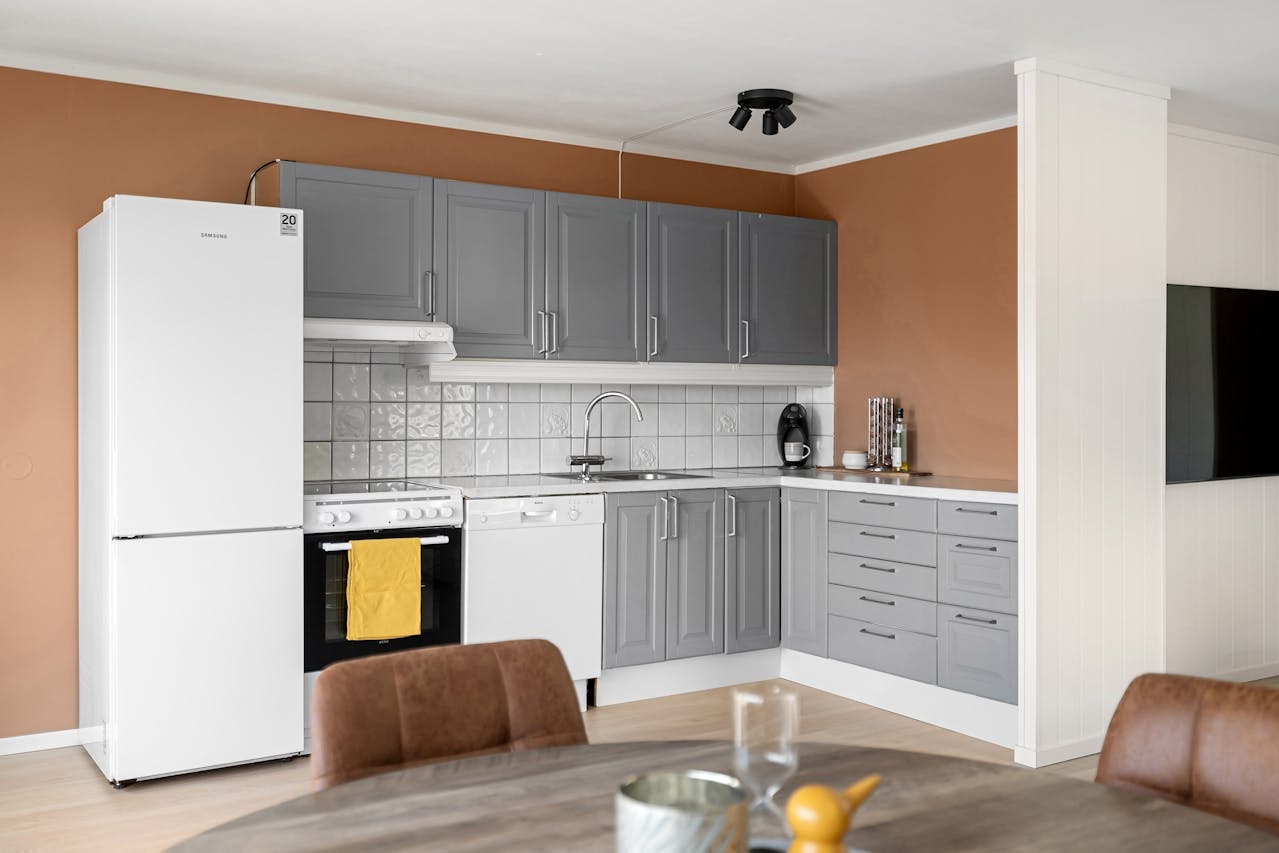
<p> Energy-efficient appliances are specifically designed to consume less electricity while still providing optimal performance. When shopping for new appliances, look for the ENERGY STAR label, which indicates that the product meets or exceeds government standards for energy efficiency. Whether it is a refrigerator, washing machine, or dishwasher, upgrading to energy-efficient appliances can significantly lower your household's overall energy consumption. In addition, these appliances often come with advanced features that enhance convenience and ease of use. Investing in energy-efficient appliances is not only beneficial for the environment but also for your wallet. </p> :: Pexels

Energy-efficient appliances are specifically designed to consume less electricity while still providing optimal performance. When shopping for new appliances, look for the ENERGY STAR label, which indicates that the product meets or exceeds government standards for energy efficiency. Whether it is a refrigerator, washing machine, or dishwasher, upgrading to energy-efficient appliances can significantly lower your household’s overall energy consumption. In addition, these appliances often come with advanced features that enhance convenience and ease of use. Investing in energy-efficient appliances is not only beneficial for the environment but also for your wallet.

5. Unplug Electronics When Not in Use

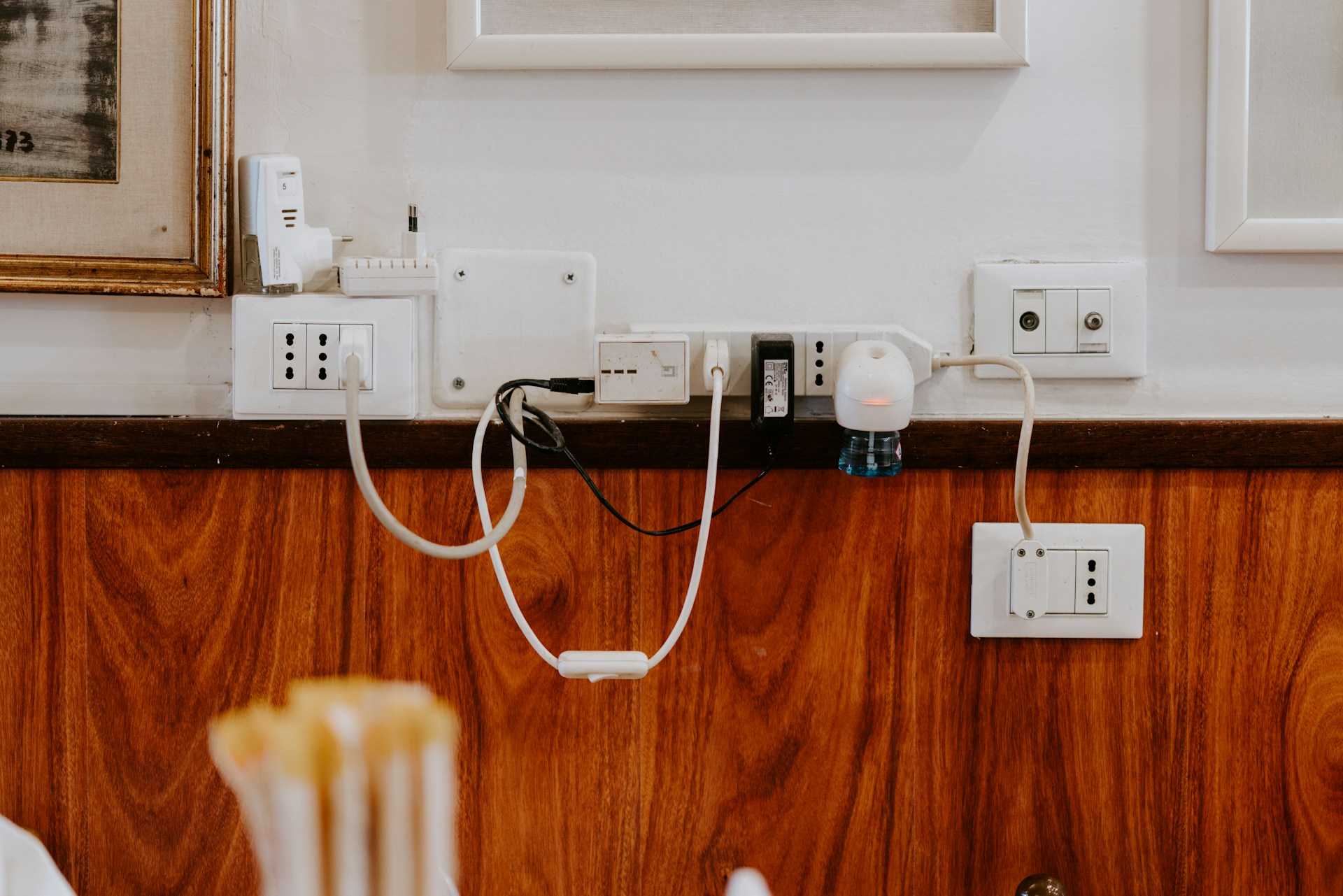
<p> Many electronics continue to draw power even when they are turned off. This phenomenon, known as "phantom load" or "vampire power," can result in wasted energy and higher utility bills. To combat this issue, unplug devices such as televisions, computers, chargers, and gaming consoles when they are not in use. Alternatively, you can use a power strip with an on/off switch to cut power to multiple devices at once. Developing the habit of unplugging electronics when they are not in use can prevent unnecessary energy waste and help you save money in the long run. </p> :: Unsplash

Many electronics continue to draw power even when they are turned off. This phenomenon, known as “phantom load” or “vampire power,” can result in wasted energy and higher utility bills. To combat this issue, unplug devices such as televisions, computers, chargers, and gaming consoles when they are not in use. Alternatively, you can use a power strip with an on/off switch to cut power to multiple devices at once. Developing the habit of unplugging electronics when they are not in use can prevent unnecessary energy waste and help you save money in the long run.

6. Install Dimmer Switches

<p> Dimmer switches offer an excellent way to enhance your home’s energy efficiency while creating a more inviting atmosphere. By allowing you to adjust the brightness of your lights based on your needs, dimmer switches reduce energy consumption and extend the life of your bulbs. When lights are dimmed, they use less electricity, which can lead to lower energy bills over time. Installing dimmer switches in commonly used areas such as the living room, dining room, and bedrooms is an easy way to improve energy efficiency while also enhancing the ambiance of your home. </p> :: Pexels

Dimmer switches offer an excellent way to enhance your home’s energy efficiency while creating a more inviting atmosphere. By allowing you to adjust the brightness of your lights based on your needs, dimmer switches reduce energy consumption and extend the life of your bulbs. When lights are dimmed, they use less electricity, which can lead to lower energy bills over time. Installing dimmer switches in commonly used areas such as the living room, dining room, and bedrooms is an easy way to improve energy efficiency while also enhancing the ambiance of your home.

7. Invest in Solar Panels

<p> While solar panels require a significant upfront investment, they can dramatically reduce your energy bills and increase your home’s overall energy efficiency. Solar energy is renewable and environmentally friendly, allowing you to generate your own electricity and rely less on the grid. Depending on your location and energy usage, solar panels can eventually pay for themselves through lower electricity costs and potential tax incentives. Furthermore, installing solar panels can increase your home’s resale value and make it more attractive to environmentally conscious buyers. It is essential to research local regulations and incentives to determine the feasibility of solar panel installation for your specific situation. </p> :: Pexels

While solar panels require a significant upfront investment, they can dramatically reduce your energy bills and increase your home’s overall energy efficiency. Solar energy is renewable and environmentally friendly, allowing you to generate your own electricity and rely less on the grid. Depending on your location and energy usage, solar panels can eventually pay for themselves through lower electricity costs and potential tax incentives. Furthermore, installing solar panels can increase your home’s resale value and make it more attractive to environmentally conscious buyers. It is essential to research local regulations and incentives to determine the feasibility of solar panel installation for your specific situation.

8. Use Ceiling Fans Wisely

<p> Ceiling fans are a fantastic tool for enhancing your home’s energy efficiency throughout the year. In the summer months, ceiling fans can help circulate cool air, allowing you to set your thermostat a few degrees higher without sacrificing comfort. In the winter, reversing the direction of the fan blades will push warm air down from the ceiling, helping to heat your space more effectively. Using ceiling fans in conjunction with your heating and cooling systems can reduce your overall energy usage and maintain a comfortable living environment year-round. Be sure to select fans with energy-efficient motors to maximize savings. </p> :: Pexels

Ceiling fans are a fantastic tool for enhancing your home’s energy efficiency throughout the year. In the summer months, ceiling fans can help circulate cool air, allowing you to set your thermostat a few degrees higher without sacrificing comfort. In the winter, reversing the direction of the fan blades will push warm air down from the ceiling, helping to heat your space more effectively. Using ceiling fans in conjunction with your heating and cooling systems can reduce your overall energy usage and maintain a comfortable living environment year-round. Be sure to select fans with energy-efficient motors to maximize savings.

9. Upgrade Your Insulation

<p> Proper insulation is crucial for maintaining a consistent indoor temperature and reducing the strain on your heating and cooling systems. Poor insulation can lead to significant energy loss, especially in older homes. If you notice that certain rooms are harder to keep warm or cool, it may be time to upgrade your insulation. Focus on insulating the attic, walls, floors, and crawl spaces to create a more energy-efficient home that requires less electricity to stay comfortable. Investing in high-quality insulation not only helps you save on energy costs but also enhances the overall comfort of your living space. </p> :: Pexels

Proper insulation is crucial for maintaining a consistent indoor temperature and reducing the strain on your heating and cooling systems. Poor insulation can lead to significant energy loss, especially in older homes. If you notice that certain rooms are harder to keep warm or cool, it may be time to upgrade your insulation. Focus on insulating the attic, walls, floors, and crawl spaces to create a more energy-efficient home that requires less electricity to stay comfortable. Investing in high-quality insulation not only helps you save on energy costs but also enhances the overall comfort of your living space.

10. Optimize Your Water Heater

<p> Your water heater is one of the largest consumers of energy in your home, so optimizing its usage can lead to substantial savings on your utility bills. Start by lowering the temperature of your water heater to 120 degrees Fahrenheit (49 degrees Celsius), which is typically hot enough for household needs and reduces the amount of energy required to heat the water. Installing a water heater blanket can help minimize heat loss, especially if you have an older model. For even greater energy efficiency, consider upgrading to a tankless water heater, which heats water on demand rather than continuously maintaining a reservoir of hot water. This upgrade can significantly reduce energy usage, especially for households that use hot water sporadically throughout the day. </p> :: Pexels

Your water heater is one of the largest consumers of energy in your home, so optimizing its usage can lead to substantial savings on your utility bills. Start by lowering the temperature of your water heater to 120 degrees Fahrenheit (49 degrees Celsius), which is typically hot enough for household needs and reduces the amount of energy required to heat the water. Installing a water heater blanket can help minimize heat loss, especially if you have an older model. For even greater energy efficiency, consider upgrading to a tankless water heater, which heats water on demand rather than continuously maintaining a reservoir of hot water. This upgrade can significantly reduce energy usage, especially for households that use hot water sporadically throughout the day.

Final Thoughts

<p> Making your home more energy-efficient does not have to be complicated or expensive. By following these ten electrical tips, you can significantly reduce your energy consumption, save on utility bills, and contribute to a healthier planet. From upgrading to LED lighting and smart thermostats to optimizing your water heater and investing in solar panels, every step you take toward improving energy efficiency can have a positive impact on both your wallet and the environment. Start small and gradually implement these changes to create a more energy-efficient and sustainable home. By making these adjustments, you not only save money but also promote a greener future for generations to come. Embrace these changes today, and enjoy the benefits of a more energy-efficient home. </p> :: Pexels

Making your home more energy-efficient does not have to be complicated or expensive. By following these ten electrical tips, you can significantly reduce your energy consumption, save on utility bills, and contribute to a healthier planet. From upgrading to LED lighting and smart thermostats to optimizing your water heater and investing in solar panels, every step you take toward improving energy efficiency can have a positive impact on both your wallet and the environment. Start small and gradually implement these changes to create a more energy-efficient and sustainable home. By making these adjustments, you not only save money but also promote a greener future for generations to come. Embrace these changes today, and enjoy the benefits of a more energy-efficient home.

Filed Under: Lifestyle

10 Plants That Will Ruin Your Vegetable Garden If You Let Them

January 2, 2026 | Leave a Comment

10 Plants That Will Ruin Your Vegetable Garden If You Let Them

<p> A thriving vegetable garden doesn’t happen by accident—it takes planning, care, and the right companions in the soil. But while most gardeners focus on what to grow, knowing what not to plant is just as important. Some plants that look harmless or even helpful can actually cause chaos in your garden beds. Whether it's through aggressive root systems, toxic chemicals, or greedy nutrient consumption, these plants can stunt your crops, attract pests, and choke out your harvest before it begins. In this guide, we’re revealing 10 plants that will sabotage your vegetable garden if you let them—and why you should keep them far from your prized tomatoes, cucumbers, and greens. Get ready to make smarter planting decisions and protect your veggies from silent saboteurs hiding in plain sight. </p> :: Pexels

A thriving vegetable garden doesn’t happen by accident—it takes planning, care, and the right companions in the soil. But while most gardeners focus on what to grow, knowing what not to plant is just as important. Some plants that look harmless or even helpful can actually cause chaos in your garden beds. Whether it’s through aggressive root systems, toxic chemicals, or greedy nutrient consumption, these plants can stunt your crops, attract pests, and choke out your harvest before it begins. In this guide, we’re revealing 10 plants that will sabotage your vegetable garden if you let them—and why you should keep them far from your prized tomatoes, cucumbers, and greens. Get ready to make smarter planting decisions and protect your veggies from silent saboteurs hiding in plain sight.

1. Mint – The Invasive Overachiever

<p> Mint is beloved for its refreshing aroma and culinary uses, but it’s a nightmare when introduced to a vegetable garden. This herb spreads aggressively through underground rhizomes, quickly taking over any available space and crowding out your vegetables. Once established, mint becomes nearly impossible to remove entirely, as even tiny root fragments can regrow. Its invasive nature means it will compete for water, sunlight, and nutrients, leaving your vegetables struggling to thrive. To enjoy mint without risking your crops, grow it in containers and keep it well away from your garden beds. </p> :: Pexels

Mint is beloved for its refreshing aroma and culinary uses, but it’s a nightmare when introduced to a vegetable garden. This herb spreads aggressively through underground rhizomes, quickly taking over any available space and crowding out your vegetables. Once established, mint becomes nearly impossible to remove entirely, as even tiny root fragments can regrow. Its invasive nature means it will compete for water, sunlight, and nutrients, leaving your vegetables struggling to thrive. To enjoy mint without risking your crops, grow it in containers and keep it well away from your garden beds.

2. Fennel – The Anti-Social Herb

<p> Fennel is another herb that may seem like a great garden addition, but it doesn’t play well with others. It releases allelopathic chemicals that can stunt the growth of many popular vegetables such as tomatoes, beans, and peas. These substances essentially poison the soil around it, making it difficult for other plants to grow successfully nearby. In addition, fennel doesn’t benefit from any companion plants, making it a lone wolf in the garden. If you want to grow fennel, give it a separate, dedicated space well away from your other crops. </p> :: Pexels

Fennel is another herb that may seem like a great garden addition, but it doesn’t play well with others. It releases allelopathic chemicals that can stunt the growth of many popular vegetables such as tomatoes, beans, and peas. These substances essentially poison the soil around it, making it difficult for other plants to grow successfully nearby. In addition, fennel doesn’t benefit from any companion plants, making it a lone wolf in the garden. If you want to grow fennel, give it a separate, dedicated space well away from your other crops.

3. Black Walnut Trees – The Silent Killers

<p> If you have a black walnut tree anywhere near your garden, your vegetables may be in danger. These trees release a chemical called juglone, which is toxic to many plants, especially members of the nightshade family like tomatoes, potatoes, peppers, and eggplants. The toxin is present in the roots, leaves, and even the husks, and it can leach into the soil or be spread through rainwater runoff. Vegetables growing in juglone-contaminated soil may wilt, yellow, or die suddenly. Keep your garden beds as far as possible from black walnut trees and consider using raised beds with barriers if you must plant nearby. </p> :: Freepik

If you have a black walnut tree anywhere near your garden, your vegetables may be in danger. These trees release a chemical called juglone, which is toxic to many plants, especially members of the nightshade family like tomatoes, potatoes, peppers, and eggplants. The toxin is present in the roots, leaves, and even the husks, and it can leach into the soil or be spread through rainwater runoff. Vegetables growing in juglone-contaminated soil may wilt, yellow, or die suddenly. Keep your garden beds as far as possible from black walnut trees and consider using raised beds with barriers if you must plant nearby.

4. Bamboo – The Bully of the Garden

<p> Bamboo may look exotic and elegant, but it’s one of the worst plants to have near a vegetable garden. This fast-growing grass spreads rapidly through underground runners and can become invasive in no time. Its roots aggressively compete for nutrients and water, depriving your vegetables of the essentials they need to grow. Bamboo also creates dense shade that can smother sun-loving crops. Even clumping varieties can overstep their bounds over time. If you love the aesthetic of bamboo, plant it in heavy-duty containers and place it far from your edible beds to avoid a garden takeover. </p> :: Pexels

Bamboo may look exotic and elegant, but it’s one of the worst plants to have near a vegetable garden. This fast-growing grass spreads rapidly through underground runners and can become invasive in no time. Its roots aggressively compete for nutrients and water, depriving your vegetables of the essentials they need to grow. Bamboo also creates dense shade that can smother sun-loving crops. Even clumping varieties can overstep their bounds over time. If you love the aesthetic of bamboo, plant it in heavy-duty containers and place it far from your edible beds to avoid a garden takeover.

5. Morning Glory – The Beautiful Menace

<p> Morning glories produce beautiful, colorful blooms that brighten up fences and trellises, but their vines are more sinister than they appear. These plants grow quickly and wrap themselves around anything in their path, including your delicate vegetable plants. This leads to reduced sunlight, limited airflow, and tangled stems, which can all harm your crops. Morning glories also reseed easily and can become a long-term nuisance in your garden. To avoid their creeping chokehold, admire morning glories from a separate flower bed, not near your vegetables. </p> :: Pexels

Morning glories produce beautiful, colorful blooms that brighten up fences and trellises, but their vines are more sinister than they appear. These plants grow quickly and wrap themselves around anything in their path, including your delicate vegetable plants. This leads to reduced sunlight, limited airflow, and tangled stems, which can all harm your crops. Morning glories also reseed easily and can become a long-term nuisance in your garden. To avoid their creeping chokehold, admire morning glories from a separate flower bed, not near your vegetables.

6. Rue – The Toxic Companion

<p> Rue is a historic herb once valued for its medicinal properties, but it is best kept out of the vegetable garden. It produces oils and compounds that can inhibit the growth of neighboring plants, especially herbs like basil and sage. Additionally, rue can cause severe skin irritation when touched, particularly under sunlight, making it a safety risk for gardeners. While it may repel some pests, its harmful effects on both plants and people make it a poor companion in any edible garden. Grow rue in a secluded area if you choose to plant it at all. </p> :: The Spruce

Rue is a historic herb once valued for its medicinal properties, but it is best kept out of the vegetable garden. It produces oils and compounds that can inhibit the growth of neighboring plants, especially herbs like basil and sage. Additionally, rue can cause severe skin irritation when touched, particularly under sunlight, making it a safety risk for gardeners. While it may repel some pests, its harmful effects on both plants and people make it a poor companion in any edible garden. Grow rue in a secluded area if you choose to plant it at all.

7. Sunflowers – The Greedy Giants

<p> Sunflowers are often planted to attract pollinators, but they can do more harm than good in close proximity to vegetables. These tall, striking plants require a lot of water and nutrients, which makes them fierce competitors for nearby crops. On top of that, sunflowers may produce allelopathic substances that prevent other plants from germinating or growing properly. Their large leaves can also cast shade on sun-loving vegetables, reducing yields. If you enjoy sunflowers, plant them at the edge of your garden where they can still attract bees without disrupting your harvest. </p> :: Pexels

Sunflowers are often planted to attract pollinators, but they can do more harm than good in close proximity to vegetables. These tall, striking plants require a lot of water and nutrients, which makes them fierce competitors for nearby crops. On top of that, sunflowers may produce allelopathic substances that prevent other plants from germinating or growing properly. Their large leaves can also cast shade on sun-loving vegetables, reducing yields. If you enjoy sunflowers, plant them at the edge of your garden where they can still attract bees without disrupting your harvest.

8. Horseradish – The Root That Won’t Quit

<p> Horseradish is a hardy plant with a pungent flavor and strong roots that make it more trouble than it’s worth in the vegetable garden. Its roots spread aggressively underground, and even a small leftover piece can regrow into a full plant. Once horseradish establishes itself, it’s extremely difficult to eradicate and can crowd out other vegetables by hogging nutrients and space. If you enjoy growing horseradish, use a large container or designate an isolated area that you're willing to sacrifice to this stubborn root. </p> :: The Spruce

Horseradish is a hardy plant with a pungent flavor and strong roots that make it more trouble than it’s worth in the vegetable garden. Its roots spread aggressively underground, and even a small leftover piece can regrow into a full plant. Once horseradish establishes itself, it’s extremely difficult to eradicate and can crowd out other vegetables by hogging nutrients and space. If you enjoy growing horseradish, use a large container or designate an isolated area that you’re willing to sacrifice to this stubborn root.

9. Wormwood – The Pest-Repelling Plant That Repels More Than Bugs

<p> Wormwood is sometimes praised for its ability to deter pests, but it comes with a major downside: it’s highly allelopathic. This means it releases chemicals that suppress the growth of many vegetable garden staples like carrots, beans, and peas. Wormwood's toxicity extends to the soil, and even small amounts of leaf litter can inhibit nearby plants. Though it might repel some harmful insects, wormwood also creates an inhospitable environment for your crops. Keep it well away from your vegetable garden if you decide to grow it at all. </p> :: Pexels

Wormwood is sometimes praised for its ability to deter pests, but it comes with a major downside: it’s highly allelopathic. This means it releases chemicals that suppress the growth of many vegetable garden staples like carrots, beans, and peas. Wormwood’s toxicity extends to the soil, and even small amounts of leaf litter can inhibit nearby plants. Though it might repel some harmful insects, wormwood also creates an inhospitable environment for your crops. Keep it well away from your vegetable garden if you decide to grow it at all.

10. Tree of Heaven – The Urban Invader

<p> Tree of Heaven is often found in urban areas and grows incredibly fast, which makes it sound appealing for landscaping—but it’s anything but heavenly for your garden. It produces powerful allelopathic chemicals that poison the soil and prevent vegetables from thriving. Even worse, this tree attracts pests like the spotted lanternfly, which can severely damage both fruit and vegetable crops. The tree’s roots are invasive, its sap is sticky and messy, and its seedlings sprout aggressively. If you spot a Tree of Heaven near your garden, it’s best to remove it completely before it ruins your soil and your harvest. </p> :: The Spruce

Tree of Heaven is often found in urban areas and grows incredibly fast, which makes it sound appealing for landscaping—but it’s anything but heavenly for your garden. It produces powerful allelopathic chemicals that poison the soil and prevent vegetables from thriving. Even worse, this tree attracts pests like the spotted lanternfly, which can severely damage both fruit and vegetable crops. The tree’s roots are invasive, its sap is sticky and messy, and its seedlings sprout aggressively. If you spot a Tree of Heaven near your garden, it’s best to remove it completely before it ruins your soil and your harvest.

Final Thoughts

<p> The success of your vegetable garden depends not just on what you plant, but on what you keep out. The ten plants listed above may be beautiful, aromatic, or even useful in other parts of your yard, but they bring nothing but problems to your vegetable beds. Whether they’re spreading underground, poisoning the soil, or outcompeting your veggies for essential nutrients, these garden misfits can significantly reduce your harvest and increase your frustration. If you want to protect your garden and boost productivity, choose your plant neighbors wisely. Consider companion plants that actually benefit vegetables, such as marigolds for pest control, basil for flavor enhancement, or legumes for nitrogen fixation. Creating a balanced, mutually supportive environment in your garden will not only increase your yields but also make gardening more enjoyable and sustainable in the long run. In short, avoid these ten troublemakers, and your vegetable garden will thank you with rich soil, strong plants, and a harvest worth celebrating. </p> :: Pexels

The success of your vegetable garden depends not just on what you plant, but on what you keep out. The ten plants listed above may be beautiful, aromatic, or even useful in other parts of your yard, but they bring nothing but problems to your vegetable beds. Whether they’re spreading underground, poisoning the soil, or outcompeting your veggies for essential nutrients, these garden misfits can significantly reduce your harvest and increase your frustration.

If you want to protect your garden and boost productivity, choose your plant neighbors wisely. Consider companion plants that actually benefit vegetables, such as marigolds for pest control, basil for flavor enhancement, or legumes for nitrogen fixation. Creating a balanced, mutually supportive environment in your garden will not only increase your yields but also make gardening more enjoyable and sustainable in the long run. In short, avoid these ten troublemakers, and your vegetable garden will thank you with rich soil, strong plants, and a harvest worth celebrating.

Filed Under: Lifestyle

9 Fun Hobbies to Explore in Retirement That Will Keep You Entertained

January 2, 2026 | Leave a Comment

9 Fun Hobbies to Explore in Retirement That Will Keep You Entertained

<p> Retirement is a time to embrace freedom, rediscover passions, and explore new interests that you may not have had time for during your working years. Engaging in hobbies can provide not just entertainment but also mental stimulation, social connections, and a sense of accomplishment. If you are looking for exciting ways to fill your days, here are nine fun hobbies to explore in retirement that will keep you entertained and fulfilled. </p> :: Pexels

Retirement is a time to embrace freedom, rediscover passions, and explore new interests that you may not have had time for during your working years. Engaging in hobbies can provide not just entertainment but also mental stimulation, social connections, and a sense of accomplishment. If you are looking for exciting ways to fill your days, here are nine fun hobbies to explore in retirement that will keep you entertained and fulfilled.

1. Gardening

<p> Gardening is more than just planting flowers; it is a holistic experience that nurtures both the body and mind. This hobby encourages physical activity through digging, planting, and weeding, which can improve your strength and flexibility. Whether you choose to create a flower garden, vegetable plot, or a small herb garden, you will find joy in watching your plants grow. The process can be meditative and rewarding, providing a deep sense of accomplishment as you reap the fruits (or vegetables) of your labor. Plus, gardening can enhance your home environment and provide fresh produce for healthy meals. </p> :: Pexels

Gardening is more than just planting flowers; it is a holistic experience that nurtures both the body and mind. This hobby encourages physical activity through digging, planting, and weeding, which can improve your strength and flexibility. Whether you choose to create a flower garden, vegetable plot, or a small herb garden, you will find joy in watching your plants grow. The process can be meditative and rewarding, providing a deep sense of accomplishment as you reap the fruits (or vegetables) of your labor. Plus, gardening can enhance your home environment and provide fresh produce for healthy meals.

2. Painting and Drawing

<p> Artistic expression is a fantastic way to tap into your creativity and find joy in retirement. Whether you are a seasoned artist or a complete novice, painting and drawing can be incredibly therapeutic. You can experiment with different mediums like watercolors, acrylics, or charcoal, and there are endless online tutorials and community classes to guide you. Not only does creating art enhance your cognitive functions, but it also provides an excellent opportunity for self-expression. Furthermore, it is a great way to connect with others through art groups or workshops, making new friends who share similar interests. </p> :: Pexels

Artistic expression is a fantastic way to tap into your creativity and find joy in retirement. Whether you are a seasoned artist or a complete novice, painting and drawing can be incredibly therapeutic. You can experiment with different mediums like watercolors, acrylics, or charcoal, and there are endless online tutorials and community classes to guide you. Not only does creating art enhance your cognitive functions, but it also provides an excellent opportunity for self-expression. Furthermore, it is a great way to connect with others through art groups or workshops, making new friends who share similar interests.

3. Photography

<p> In our visually driven world, photography is an excellent hobby that allows you to capture memories and beauty in everyday life. With the advent of smartphones and digital cameras, taking pictures has never been easier. You can start with simple family events or local scenery, gradually exploring more artistic angles and editing techniques. Photography not only encourages you to observe your surroundings more keenly but also provides an opportunity for storytelling through images. You might even consider creating an online portfolio or a photo book to share your work with family and friends, preserving memories for years to come. </p> :: Pexels

In our visually driven world, photography is an excellent hobby that allows you to capture memories and beauty in everyday life. With the advent of smartphones and digital cameras, taking pictures has never been easier. You can start with simple family events or local scenery, gradually exploring more artistic angles and editing techniques. Photography not only encourages you to observe your surroundings more keenly but also provides an opportunity for storytelling through images. You might even consider creating an online portfolio or a photo book to share your work with family and friends, preserving memories for years to come.

4. Cooking and Baking

<p> Retirement is the perfect time to explore culinary skills you may have set aside. Cooking and baking can be a delightful and satisfying way to spend your days, whether you are trying out new recipes or experimenting with your own creations. This hobby not only allows you to enjoy delicious meals but also encourages healthier eating habits. You can join cooking classes or workshops to learn new techniques, explore different cuisines, or even take it a step further by starting a food blog or YouTube channel to share your culinary journey. The joy of sharing your creations with friends and family can make every meal a special occasion. </p> :: Pexels

Retirement is the perfect time to explore culinary skills you may have set aside. Cooking and baking can be a delightful and satisfying way to spend your days, whether you are trying out new recipes or experimenting with your own creations. This hobby not only allows you to enjoy delicious meals but also encourages healthier eating habits. You can join cooking classes or workshops to learn new techniques, explore different cuisines, or even take it a step further by starting a food blog or YouTube channel to share your culinary journey. The joy of sharing your creations with friends and family can make every meal a special occasion.

5. Volunteering

<p> If you are looking for a way to give back to your community while staying active, consider volunteering. There are countless opportunities available that cater to a wide range of interests and skills. Whether it is helping at a local food bank, tutoring children, or assisting in animal shelters, volunteering not only keeps you engaged but also fosters a sense of purpose. You will meet like-minded individuals and form meaningful connections while making a positive impact on the lives of others. Plus, many organizations appreciate the experience and wisdom that retirees bring, allowing you to contribute in significant ways. </p> :: Pexels

If you are looking for a way to give back to your community while staying active, consider volunteering. There are countless opportunities available that cater to a wide range of interests and skills. Whether it is helping at a local food bank, tutoring children, or assisting in animal shelters, volunteering not only keeps you engaged but also fosters a sense of purpose. You will meet like-minded individuals and form meaningful connections while making a positive impact on the lives of others. Plus, many organizations appreciate the experience and wisdom that retirees bring, allowing you to contribute in significant ways.

6. Learning a Musical Instrument

<p> Have you always dreamed of playing the guitar, piano, or any other musical instrument? Retirement is the perfect time to pursue that passion! Learning to play an instrument can be incredibly rewarding, offering a fun challenge while improving cognitive skills and hand-eye coordination. You can take lessons online or in person, and there are many resources available to help you practice at your own pace. Playing music can be a wonderful outlet for expression and can even lead to participation in community bands or ensembles. Sharing your music with friends and family can create joyful moments and lasting memories. </p> :: Pexels

Have you always dreamed of playing the guitar, piano, or any other musical instrument? Retirement is the perfect time to pursue that passion! Learning to play an instrument can be incredibly rewarding, offering a fun challenge while improving cognitive skills and hand-eye coordination. You can take lessons online or in person, and there are many resources available to help you practice at your own pace. Playing music can be a wonderful outlet for expression and can even lead to participation in community bands or ensembles. Sharing your music with friends and family can create joyful moments and lasting memories.

7. Traveling

<p> Traveling does not have to stop when you retire; in fact, it can become one of the most enjoyable hobbies of your life. With more free time, you can explore destinations you have always wanted to visit or discover hidden gems in your local area. Whether you are interested in leisurely road trips, guided tours, or international adventures, travel provides a wealth of experiences that enrich your life. Consider joining travel groups or clubs to meet other retirees who share your wanderlust. This not only helps you find travel partners but also expands your social circle, allowing you to forge new friendships along the way. </p> :: Pexels

Traveling does not have to stop when you retire; in fact, it can become one of the most enjoyable hobbies of your life. With more free time, you can explore destinations you have always wanted to visit or discover hidden gems in your local area. Whether you are interested in leisurely road trips, guided tours, or international adventures, travel provides a wealth of experiences that enrich your life. Consider joining travel groups or clubs to meet other retirees who share your wanderlust. This not only helps you find travel partners but also expands your social circle, allowing you to forge new friendships along the way.

8. Writing

<p> Writing is a fantastic outlet for self-expression and creativity that can take many forms, whether you enjoy journaling, storytelling, poetry, or blogging. Many retirees find writing to be a therapeutic way to reflect on their experiences, share their wisdom, or even document family histories. With countless online platforms available, you can easily share your work and connect with fellow writers. Consider joining local writing groups or workshops to gain feedback and inspiration. Writing not only sharpens your mind but also provides a lasting legacy, allowing you to leave your thoughts and stories for future generations. </p> :: Pexels

Writing is a fantastic outlet for self-expression and creativity that can take many forms, whether you enjoy journaling, storytelling, poetry, or blogging. Many retirees find writing to be a therapeutic way to reflect on their experiences, share their wisdom, or even document family histories. With countless online platforms available, you can easily share your work and connect with fellow writers. Consider joining local writing groups or workshops to gain feedback and inspiration. Writing not only sharpens your mind but also provides a lasting legacy, allowing you to leave your thoughts and stories for future generations.

9. Joining a Fitness Class

<p> Staying active is crucial for maintaining both physical and mental health in retirement. Joining a fitness class can be a fun and social way to keep fit. From yoga and Pilates to dance classes and water aerobics, there is something for everyone. Participating in group classes provides motivation, structure, and a sense of community, which can be especially beneficial as you navigate this new phase of life. Fitness classes not only help improve your strength and flexibility but also boost your mood and energy levels, allowing you to enjoy other hobbies even more. </p> :: Pexels

Staying active is crucial for maintaining both physical and mental health in retirement. Joining a fitness class can be a fun and social way to keep fit. From yoga and Pilates to dance classes and water aerobics, there is something for everyone. Participating in group classes provides motivation, structure, and a sense of community, which can be especially beneficial as you navigate this new phase of life. Fitness classes not only help improve your strength and flexibility but also boost your mood and energy levels, allowing you to enjoy other hobbies even more.

Final Thoughts

<p> Exploring new hobbies in retirement can lead to personal growth, social connections, and immense joy. Whether you choose to embrace the outdoors through gardening, unleash your creativity through painting, or find purpose in volunteering, these activities offer endless possibilities for enrichment. As you embark on this exciting chapter, remember that the key is to enjoy the process, keep an open mind, and embrace every opportunity that comes your way. Your retirement years can be the most fulfilling time of your life—filled with exploration, adventure, and the joy of discovering new passions. So, which hobby will you explore first? </p> :: Pexels

Exploring new hobbies in retirement can lead to personal growth, social connections, and immense joy. Whether you choose to embrace the outdoors through gardening, unleash your creativity through painting, or find purpose in volunteering, these activities offer endless possibilities for enrichment. As you embark on this exciting chapter, remember that the key is to enjoy the process, keep an open mind, and embrace every opportunity that comes your way. Your retirement years can be the most fulfilling time of your life—filled with exploration, adventure, and the joy of discovering new passions. So, which hobby will you explore first?

Filed Under: Lifestyle

9 Behaviors That Reveal a Truly Cold-Hearted Person

January 2, 2026 | Leave a Comment

9 Behaviors That Reveal a Truly Cold-Hearted Person

<p> Some people just have a chill that goes beyond being reserved—they make you feel small, dismissed, or even invisible. At first, you might brush it off, thinking they are having a rough day or are just naturally blunt. But over time, patterns emerge. Cold-hearted individuals do not just have occasional off moments; their behavior consistently drains the emotional energy of everyone around them. Interactions with them often leave you feeling tired, frustrated, or unsure if you are even being seen. Recognizing these patterns is essential. It helps you protect your emotional well-being, set healthy boundaries, and focus on relationships that are nurturing instead of exhausting.

Here are nine behaviors that clearly signal when someone is truly cold-hearted. </p> :: Gemini

Some people just have a chill that goes beyond being reserved—they make you feel small, dismissed, or even invisible. At first, you might brush it off, thinking they are having a rough day or are just naturally blunt. But over time, patterns emerge. Cold-hearted individuals do not just have occasional off moments; their behavior consistently drains the emotional energy of everyone around them. Interactions with them often leave you feeling tired, frustrated, or unsure if you are even being seen. Recognizing these patterns is essential. It helps you protect your emotional well-being, set healthy boundaries, and focus on relationships that are nurturing instead of exhausting.

Here are nine behaviors that clearly signal when someone is truly cold-hearted.

1. They Rarely Show Empathy

<p> Empathy is the cornerstone of human connection. It allows people to understand and care about the feelings of others. Cold-hearted people, however, often treat empathy as optional, rarely acknowledging what others feel or need. Statements like “you are overreacting” or “just get over it” are common. Over time, this lack of emotional responsiveness makes you feel invisible, as if your emotions are unimportant. It is not only hurtful; it can also leave you questioning your own worth. When someone consistently fails to show empathy, it is a strong indicator that emotional connection is not a priority for them. </p> :: Gemini

Empathy is the cornerstone of human connection. It allows people to understand and care about the feelings of others. Cold-hearted people, however, often treat empathy as optional, rarely acknowledging what others feel or need. Statements like “you are overreacting” or “just get over it” are common. Over time, this lack of emotional responsiveness makes you feel invisible, as if your emotions are unimportant. It is not only hurtful; it can also leave you questioning your own worth. When someone consistently fails to show empathy, it is a strong indicator that emotional connection is not a priority for them.

2. They Manipulate to Get What They Want

<p> Relationships are meant to be mutually supportive, but cold-hearted people often treat them like transactions. They may use guilt, selective truth-telling, or emotional pressure to bend situations to their advantage. This behavior is not just occasional—it is habitual. They view people as tools to achieve personal gain, rather than as equals with their own feelings. Recognizing manipulation early is crucial. It allows you to protect your boundaries, avoid unnecessary stress, and prevent being drawn into patterns where your time, energy, and emotions are exploited. </p> :: Gemini

Relationships are meant to be mutually supportive, but cold-hearted people often treat them like transactions. They may use guilt, selective truth-telling, or emotional pressure to bend situations to their advantage. This behavior is not just occasional—it is habitual. They view people as tools to achieve personal gain, rather than as equals with their own feelings. Recognizing manipulation early is crucial. It allows you to protect your boundaries, avoid unnecessary stress, and prevent being drawn into patterns where your time, energy, and emotions are exploited.

3. They Consistently Lack Gratitude

<p> A cold-hearted person rarely expresses genuine gratitude. Acts of kindness, whether big or small, are often met with indifference, entitlement, or even condescension. They may take credit for others’ work, dismiss efforts, or act as if giving is expected rather than appreciated. Over time, this creates a one-sided dynamic, leaving you feeling undervalued and unacknowledged. Gratitude is a sign that someone recognizes and respects your contributions. Without it, relationships feel transactional and emotionally hollow. </p> :: Gemini

A cold-hearted person rarely expresses genuine gratitude. Acts of kindness, whether big or small, are often met with indifference, entitlement, or even condescension. They may take credit for others’ work, dismiss efforts, or act as if giving is expected rather than appreciated. Over time, this creates a one-sided dynamic, leaving you feeling undervalued and unacknowledged. Gratitude is a sign that someone recognizes and respects your contributions. Without it, relationships feel transactional and emotionally hollow.

4. They Enjoy Seeing Others Fail

<p> While most people may feel fleeting satisfaction at minor mishaps, cold-hearted individuals often take deliberate pleasure in the misfortune of others. This might manifest as gossip, critical comments, or subtle undermining. Instead of offering support or encouragement during setbacks, they appear amused or indifferent. This behavior signals a lack of compassion and a prioritization of their own satisfaction over the well-being of those around them. Over time, such attitudes can poison relationships and create a toxic environment where trust and openness are impossible. </p> :: Gemini

While most people may feel fleeting satisfaction at minor mishaps, cold-hearted individuals often take deliberate pleasure in the misfortune of others. This might manifest as gossip, critical comments, or subtle undermining. Instead of offering support or encouragement during setbacks, they appear amused or indifferent. This behavior signals a lack of compassion and a prioritization of their own satisfaction over the well-being of those around them. Over time, such attitudes can poison relationships and create a toxic environment where trust and openness are impossible.

5. They Avoid Taking Responsibility

<p> Cold-hearted people rarely own their mistakes. They are quick to shift blame, rationalize harmful actions, or make excuses for bad behavior. This refusal to take accountability leaves others to shoulder the consequences, often causing unnecessary conflict and stress. Recognizing this behavior is key to maintaining your sanity. It allows you to avoid being dragged into guilt trips or manipulative dynamics. Being around someone who consistently deflects responsibility can be emotionally exhausting, making it crucial to know when to disengage or set boundaries. </p> :: Gemini

Cold-hearted people rarely own their mistakes. They are quick to shift blame, rationalize harmful actions, or make excuses for bad behavior. This refusal to take accountability leaves others to shoulder the consequences, often causing unnecessary conflict and stress. Recognizing this behavior is key to maintaining your sanity. It allows you to avoid being dragged into guilt trips or manipulative dynamics. Being around someone who consistently deflects responsibility can be emotionally exhausting, making it crucial to know when to disengage or set boundaries.

6. They Dismiss Emotional or Vulnerable Moments

<p> Sharing feelings should strengthen relationships, but cold-hearted individuals often treat vulnerability as inconvenient or even irritating. They might change the subject, crack a joke, or downplay your experience. This repeated dismissal communicates that your emotions are insignificant and unwelcome. While some people struggle with emotional expression, cold-hearted individuals consistently avoid meaningful connection. Over time, this one-sided dynamic can leave you feeling isolated, unheard, and emotionally drained, even when you are in their presence. </p> :: Gemini

Sharing feelings should strengthen relationships, but cold-hearted individuals often treat vulnerability as inconvenient or even irritating. They might change the subject, crack a joke, or downplay your experience. This repeated dismissal communicates that your emotions are insignificant and unwelcome. While some people struggle with emotional expression, cold-hearted individuals consistently avoid meaningful connection. Over time, this one-sided dynamic can leave you feeling isolated, unheard, and emotionally drained, even when you are in their presence.

7. They Frequently Criticize or Judge

<p> Everyone offers feedback from time to time, but cold-hearted individuals turn criticism into a tool to belittle or control others. Their remarks are rarely constructive; instead, they nitpick, compare, or highlight flaws in ways that undermine confidence. Minor mistakes are exaggerated, personal choices are judged, and even small accomplishments may be minimized. This relentless pattern erodes self-esteem and fosters an environment of tension and anxiety. When criticism becomes a constant weapon rather than a helpful tool, it is a sign that the person lacks empathy and warmth. </p> :: Gemini

Everyone offers feedback from time to time, but cold-hearted individuals turn criticism into a tool to belittle or control others. Their remarks are rarely constructive; instead, they nitpick, compare, or highlight flaws in ways that undermine confidence. Minor mistakes are exaggerated, personal choices are judged, and even small accomplishments may be minimized. This relentless pattern erodes self-esteem and fosters an environment of tension and anxiety. When criticism becomes a constant weapon rather than a helpful tool, it is a sign that the person lacks empathy and warmth.

8. They Exploit Others’ Generosity

<p> Generosity is meant to be appreciated, not exploited. Cold-hearted people often treat kindness as an opportunity for personal gain. They might borrow money and never return it, expect favors without reciprocation, or consistently take advantage of others’ time and resources. These relationships feel unbalanced, leaving one person giving far more than they receive. Recognizing this pattern early allows you to protect your emotional and material resources and invest in relationships where mutual respect and appreciation exist. </p> :: Gemini

Generosity is meant to be appreciated, not exploited. Cold-hearted people often treat kindness as an opportunity for personal gain. They might borrow money and never return it, expect favors without reciprocation, or consistently take advantage of others’ time and resources. These relationships feel unbalanced, leaving one person giving far more than they receive. Recognizing this pattern early allows you to protect your emotional and material resources and invest in relationships where mutual respect and appreciation exist.

9. They Remain Emotionally Detached in Close Relationships

<p> Perhaps the most revealing sign of a cold-hearted individual is persistent emotional detachment, even in relationships where closeness is expected. They rarely open up, share feelings, or show affection. Life events, whether joyous or challenging, often pass without acknowledgment or sincere engagement. This lack of emotional investment makes meaningful connection nearly impossible and signals that their concern for others is minimal. Over time, such detachment can leave those around them feeling disconnected, undervalued, and frustrated. </p> :: Gemini

Perhaps the most revealing sign of a cold-hearted individual is persistent emotional detachment, even in relationships where closeness is expected. They rarely open up, share feelings, or show affection. Life events, whether joyous or challenging, often pass without acknowledgment or sincere engagement. This lack of emotional investment makes meaningful connection nearly impossible and signals that their concern for others is minimal. Over time, such detachment can leave those around them feeling disconnected, undervalued, and frustrated.

Final Thoughts

<p> Cold-hearted behavior is not always obvious at first, but repeated patterns eventually reveal the truth. From a lack of empathy and gratitude to manipulation, emotional detachment, and consistent criticism, these behaviors can slowly erode your energy, confidence, and emotional well-being. Recognizing these patterns allows you to make informed decisions about how much time, energy, and emotional investment to give.

Healthy relationships are reciprocal, uplifting, and grounded in care, respect, and genuine connection. Stepping back from individuals who consistently drain your energy allows you to focus on relationships that nurture, inspire, and support you. Life is too short to spend it investing in people who cannot or will not value your feelings. Trust your instincts, set clear boundaries, and prioritize the connections that bring warmth, understanding, and joy into your life.

Protecting your emotional space does not make you cold-hearted; it makes you wise, self-aware, and resilient. Recognizing these behaviors empowers you to choose relationships that leave you feeling supported, appreciated, and emotionally healthy. </p> :: Gemini

Cold-hearted behavior is not always obvious at first, but repeated patterns eventually reveal the truth. From a lack of empathy and gratitude to manipulation, emotional detachment, and consistent criticism, these behaviors can slowly erode your energy, confidence, and emotional well-being. Recognizing these patterns allows you to make informed decisions about how much time, energy, and emotional investment to give.

Healthy relationships are reciprocal, uplifting, and grounded in care, respect, and genuine connection. Stepping back from individuals who consistently drain your energy allows you to focus on relationships that nurture, inspire, and support you. Life is too short to spend it investing in people who cannot or will not value your feelings. Trust your instincts, set clear boundaries, and prioritize the connections that bring warmth, understanding, and joy into your life.

Protecting your emotional space does not make you cold-hearted; it makes you wise, self-aware, and resilient. Recognizing these behaviors empowers you to choose relationships that leave you feeling supported, appreciated, and emotionally healthy.

Filed Under: Lifestyle

10 Things Smart People Do That Most People Don’t Understand

January 1, 2026 | Leave a Comment

10 Things Smart People Do That Most People Don’t Understand

<p> Have you ever noticed that some people just seem to think differently? They approach problems, conversations, and even downtime in ways that make you pause and wonder what they’re doing that you are not. The truth is, highly intelligent people often have habits and routines that seem unusual or even confusing to others. These are not tricks or secret formulas; they are practical ways of living, learning, and thinking that keep their minds sharp and their decisions effective. Understanding these habits can give you insight into how smart people navigate life and may even inspire you to adopt some of them yourself.

Here are ten things smart people do that most people do not fully understand, along with explanations of why these behaviors matter. </p> :: Gemini

Have you ever noticed that some people just seem to think differently? They approach problems, conversations, and even downtime in ways that make you pause and wonder what they’re doing that you are not. The truth is, highly intelligent people often have habits and routines that seem unusual or even confusing to others. These are not tricks or secret formulas; they are practical ways of living, learning, and thinking that keep their minds sharp and their decisions effective. Understanding these habits can give you insight into how smart people navigate life and may even inspire you to adopt some of them yourself.

Here are ten things smart people do that most people do not fully understand, along with explanations of why these behaviors matter.

1. They Read Widely and With Purpose

<p> Smart people read a lot, but not just within their area of expertise. They explore history, science, literature, psychology, and even fiction because they know that knowledge from multiple sources strengthens thinking. Reading widely allows them to draw connections that others miss, see different perspectives, and generate creative ideas. It is not about showing off knowledge but about understanding the world better and keeping their minds active. Whether it is a thought-provoking essay, a captivating novel, or a detailed research article, smart people treat reading as a tool for growth rather than just entertainment. </p> :: Gemini

Smart people read a lot, but not just within their area of expertise. They explore history, science, literature, psychology, and even fiction because they know that knowledge from multiple sources strengthens thinking. Reading widely allows them to draw connections that others miss, see different perspectives, and generate creative ideas. It is not about showing off knowledge but about understanding the world better and keeping their minds active. Whether it is a thought-provoking essay, a captivating novel, or a detailed research article, smart people treat reading as a tool for growth rather than just entertainment.

2. They Embrace Solitude

<p> Spending time alone is not a sign of loneliness; it is a deliberate choice for reflection. Smart people seek solitude to think deeply, process experiences, and plan their next steps without distractions. This quiet time allows them to solve complex problems and understand themselves better. In a busy world filled with constant noise and notifications, moments of intentional solitude can be incredibly powerful for mental clarity and focus. </p> :: Gemini

Spending time alone is not a sign of loneliness; it is a deliberate choice for reflection. Smart people seek solitude to think deeply, process experiences, and plan their next steps without distractions. This quiet time allows them to solve complex problems and understand themselves better. In a busy world filled with constant noise and notifications, moments of intentional solitude can be incredibly powerful for mental clarity and focus.

3. They Ask Tough Questions

<p> Intelligent individuals are naturally curious. They ask questions that challenge assumptions and dig deeper than the surface. While many people accept answers at face value, smart people probe further with questions like “Why?” and “What if?” This habit helps them uncover hidden insights, avoid misunderstandings, and develop a clearer understanding of situations. Asking the right questions is not about being confrontational; it is about genuinely seeking knowledge and understanding. </p> :: Gemini

Intelligent individuals are naturally curious. They ask questions that challenge assumptions and dig deeper than the surface. While many people accept answers at face value, smart people probe further with questions like “Why?” and “What if?” This habit helps them uncover hidden insights, avoid misunderstandings, and develop a clearer understanding of situations. Asking the right questions is not about being confrontational; it is about genuinely seeking knowledge and understanding.

4. They Learn From Mistakes

<p> Everyone makes mistakes, but smart people respond differently. Instead of feeling defeated or defensive, they analyze what went wrong and figure out how to avoid repeating it. Mistakes are viewed as lessons rather than failures. This mindset allows them to grow continuously, improve their decision-making, and adapt to new challenges. By embracing mistakes as opportunities for learning, they turn setbacks into stepping stones toward success. </p> :: Gemini

Everyone makes mistakes, but smart people respond differently. Instead of feeling defeated or defensive, they analyze what went wrong and figure out how to avoid repeating it. Mistakes are viewed as lessons rather than failures. This mindset allows them to grow continuously, improve their decision-making, and adapt to new challenges. By embracing mistakes as opportunities for learning, they turn setbacks into stepping stones toward success.

5. They Focus Deeply

<p> In a world obsessed with multitasking and constant notifications, smart people know the power of focus. They dedicate time to deep work, concentrating fully on tasks that matter most. Shallow busyness is avoided because it rarely produces meaningful results. By focusing on one important task at a time, they can accomplish more in less time, make better decisions, and experience a sense of accomplishment that fragmented attention cannot provide. </p> :: Gemini

In a world obsessed with multitasking and constant notifications, smart people know the power of focus. They dedicate time to deep work, concentrating fully on tasks that matter most. Shallow busyness is avoided because it rarely produces meaningful results. By focusing on one important task at a time, they can accomplish more in less time, make better decisions, and experience a sense of accomplishment that fragmented attention cannot provide.

6. They Tolerate Complexity

<p> Life is rarely black and white, and smart people understand this intuitively. They do not shy away from complexity or uncertainty. Instead, they approach problems with patience and care, weighing multiple factors before drawing conclusions. By accepting that not every question has a simple answer, they can navigate tricky situations more effectively and make decisions that consider the full picture rather than a convenient shortcut. </p> :: Gemini

Life is rarely black and white, and smart people understand this intuitively. They do not shy away from complexity or uncertainty. Instead, they approach problems with patience and care, weighing multiple factors before drawing conclusions. By accepting that not every question has a simple answer, they can navigate tricky situations more effectively and make decisions that consider the full picture rather than a convenient shortcut.

7. They Don’t Feel the Need to Prove Their Intelligence

<p> Confidence in smart people comes from knowledge and experience, not from showing off. They do not feel the need to dominate conversations, use complex vocabulary unnecessarily, or constantly validate their intellect. This quiet confidence allows them to listen more, learn from others, and approach situations without ego interfering. People often misunderstand this humility as a lack of intelligence, but it is actually a sign of self-assured thinking. </p> :: Gemini

Confidence in smart people comes from knowledge and experience, not from showing off. They do not feel the need to dominate conversations, use complex vocabulary unnecessarily, or constantly validate their intellect. This quiet confidence allows them to listen more, learn from others, and approach situations without ego interfering. People often misunderstand this humility as a lack of intelligence, but it is actually a sign of self-assured thinking.


8. They Surround Themselves With Interesting People

<p> Intelligent people know the value of good company. They seek out people who challenge them intellectually, offer different perspectives, and inspire growth. These relationships are not about competition but about mutual enrichment. Conversations with curious, thoughtful, or experienced individuals keep their minds sharp and introduce new ideas they might not encounter on their own. </p> :: Gemini

Intelligent people know the value of good company. They seek out people who challenge them intellectually, offer different perspectives, and inspire growth. These relationships are not about competition but about mutual enrichment. Conversations with curious, thoughtful, or experienced individuals keep their minds sharp and introduce new ideas they might not encounter on their own.

9. They Use Time Strategically

<p> While many people focus on productivity hacks or doing more in less time, smart individuals prioritize meaningful time use. They schedule moments for focused thinking, reflection, and creative work when they are most alert. Smart people are strategic about when and how they invest their energy, ensuring their efforts align with long-term goals instead of simply reacting to urgent but unimportant tasks. </p> :: Gemini

While many people focus on productivity hacks or doing more in less time, smart individuals prioritize meaningful time use. They schedule moments for focused thinking, reflection, and creative work when they are most alert. Smart people are strategic about when and how they invest their energy, ensuring their efforts align with long-term goals instead of simply reacting to urgent but unimportant tasks.

10. They Adapt and Evolve

<p> Life is full of change, and smart people do not cling rigidly to old habits simply because they are familiar. They are flexible and willing to adjust their methods, perspectives, and routines as circumstances evolve. This adaptability allows them to overcome challenges, seize new opportunities, and stay ahead in rapidly changing environments. Being open to evolution does not mean abandoning principles; it means learning how to thrive amid uncertainty. </p> :: Gemini

Life is full of change, and smart people do not cling rigidly to old habits simply because they are familiar. They are flexible and willing to adjust their methods, perspectives, and routines as circumstances evolve. This adaptability allows them to overcome challenges, seize new opportunities, and stay ahead in rapidly changing environments. Being open to evolution does not mean abandoning principles; it means learning how to thrive amid uncertainty.

Final Thoughts

<p> What makes these habits remarkable is not that they are complicated or unattainable. They are simple behaviors rooted in curiosity, reflection, and intentional living. Most people do not fully understand why smart individuals act this way because the benefits are not immediately obvious. Yet, when examined closely, each habit contributes to clearer thinking, better problem-solving, and more purposeful action.


The beauty of these practices is that they are accessible. You do not need to be a genius to adopt them. Reading a little more broadly, taking time to reflect, asking meaningful questions, learning from mistakes, and focusing deeply are habits anyone can cultivate. Surrounding yourself with curious individuals, using your time strategically, and being willing to adapt are equally within reach.

By understanding the rationale behind these behaviors, you can start integrating them into your own life. Doing so will not only make you more intelligent in action but also more thoughtful, resilient, and intentional in how you navigate the world. Smart people often operate quietly, but their habits speak volumes. Observing and learning from them offers a blueprint for improving your own life and thinking in ways most people never consider.

Intelligence is not merely what you know; it is how you live, think, and respond. By embracing these habits, you can begin to see the world with a sharper, more insightful perspective and make choices that reflect understanding rather than impulse. </p> :: Gemini

What makes these habits remarkable is not that they are complicated or unattainable. They are simple behaviors rooted in curiosity, reflection, and intentional living. Most people do not fully understand why smart individuals act this way because the benefits are not immediately obvious. Yet, when examined closely, each habit contributes to clearer thinking, better problem-solving, and more purposeful action.

The beauty of these practices is that they are accessible. You do not need to be a genius to adopt them. Reading a little more broadly, taking time to reflect, asking meaningful questions, learning from mistakes, and focusing deeply are habits anyone can cultivate. Surrounding yourself with curious individuals, using your time strategically, and being willing to adapt are equally within reach.

By understanding the rationale behind these behaviors, you can start integrating them into your own life. Doing so will not only make you more intelligent in action but also more thoughtful, resilient, and intentional in how you navigate the world. Smart people often operate quietly, but their habits speak volumes. Observing and learning from them offers a blueprint for improving your own life and thinking in ways most people never consider.

Intelligence is not merely what you know; it is how you live, think, and respond. By embracing these habits, you can begin to see the world with a sharper, more insightful perspective and make choices that reflect understanding rather than impulse.

Filed Under: Lifestyle

12 Boomer Habits That Are So Boomer You Will Totally Relate

December 31, 2025 | Leave a Comment

12 Boomer Habits That Are So Boomer You Will Totally Relate

<p> Baby Boomers, born between 1946 and 1964, grew up in a world that looks very different from today. They witnessed the rise of television, the space race, and the dawn of personal computers. They also experienced economic highs and lows that shaped their approach to money, family, and everyday life. As a result, Boomers developed habits that are sometimes practical, sometimes quirky, and often deeply ingrained.

Some of these habits make younger generations shake their heads and ask, “Why do they still do that?” Others make us admire their wisdom and wish we could incorporate a few of their old-school practices into our own lives. In this post, we dive into 12 habits that are unmistakably Boomer, exploring why they persist, how they make life better, and what they reveal about this remarkable generation. </p> :: Gemini

Baby Boomers, born between 1946 and 1964, grew up in a world that looks very different from today. They witnessed the rise of television, the space race, and the dawn of personal computers. They also experienced economic highs and lows that shaped their approach to money, family, and everyday life. As a result, Boomers developed habits that are sometimes practical, sometimes quirky, and often deeply ingrained.

Some of these habits make younger generations shake their heads and ask, “Why do they still do that?” Others make us admire their wisdom and wish we could incorporate a few of their old-school practices into our own lives. In this post, we dive into 12 habits that are unmistakably Boomer, exploring why they persist, how they make life better, and what they reveal about this remarkable generation.

1. Writing Checks Instead of Using Apps

<p> While many people now pay bills with a click or a swipe, Boomers often still rely on checks. This habit is about more than nostalgia. Writing a check allows you to feel in control, track exactly where your money goes, and avoid mistakes that can happen with online banking. It may take longer than a digital transaction, but Boomers often see it as a ritual of responsibility and a small way to stay financially grounded. </p> :: Gemini

While many people now pay bills with a click or a swipe, Boomers often still rely on checks. This habit is about more than nostalgia. Writing a check allows you to feel in control, track exactly where your money goes, and avoid mistakes that can happen with online banking. It may take longer than a digital transaction, but Boomers often see it as a ritual of responsibility and a small way to stay financially grounded.

2. Watching Television on a Schedule

<p> Boomers grew up in a time when shows aired at a specific hour, and missing an episode meant waiting for a rerun. Even now, many Boomers prefer scheduled programming, whether it is the evening news or their favorite drama. This habit fosters structure and a sense of routine. It also creates shared experiences — neighbors discussing the same show on the same day — something that streaming services cannot replicate. </p> :: Gemini

Boomers grew up in a time when shows aired at a specific hour, and missing an episode meant waiting for a rerun. Even now, many Boomers prefer scheduled programming, whether it is the evening news or their favorite drama. This habit fosters structure and a sense of routine. It also creates shared experiences — neighbors discussing the same show on the same day — something that streaming services cannot replicate.

3. Keeping a Well-Stocked Pantry

<p> Planning ahead is a classic Boomer trait. Stocking up on staples like pasta, canned goods, and baking ingredients may seem old-fashioned, but it is practical. It prevents last-minute grocery runs, helps save money, and ensures the family is prepared for unexpected meals or guests. For Boomers, a full pantry symbolizes readiness, self-sufficiency, and comfort. </p> :: Gemini

Planning ahead is a classic Boomer trait. Stocking up on staples like pasta, canned goods, and baking ingredients may seem old-fashioned, but it is practical. It prevents last-minute grocery runs, helps save money, and ensures the family is prepared for unexpected meals or guests. For Boomers, a full pantry symbolizes readiness, self-sufficiency, and comfort.

4. Paying Bills on Time

<p> Boomers take pride in punctuality, especially when it comes to finances. Paying bills on time is not just about avoiding fees or maintaining credit; it is about peace of mind and responsibility. This habit reflects years of understanding the value of reliability. Younger generations might rely on auto-pay reminders, but Boomers enjoy the certainty that comes with handling finances themselves. </p> :: Gemini

Boomers take pride in punctuality, especially when it comes to finances. Paying bills on time is not just about avoiding fees or maintaining credit; it is about peace of mind and responsibility. This habit reflects years of understanding the value of reliability. Younger generations might rely on auto-pay reminders, but Boomers enjoy the certainty that comes with handling finances themselves.

5. Choosing Quality Over Cheap

<p> Boomers learned early that durability matters. From clothing to appliances, they often prefer items that last longer rather than those that are trendy or inexpensive. This habit is rooted in practicality and long-term thinking. It is also environmentally conscious, as fewer replacements mean less waste. In a world obsessed with convenience, Boomers show us that investing in quality pays off over time. </p> :: Gemini

Boomers learned early that durability matters. From clothing to appliances, they often prefer items that last longer rather than those that are trendy or inexpensive. This habit is rooted in practicality and long-term thinking. It is also environmentally conscious, as fewer replacements mean less waste. In a world obsessed with convenience, Boomers show us that investing in quality pays off over time.

6. Talking on the Phone Instead of Texting

<p> Even though texting is convenient, Boomers prefer conversations. Hearing a voice adds warmth, clarity, and a personal connection that text messages cannot replicate. This habit strengthens relationships, whether it is a quick check-in with a friend or an in-depth conversation with family. For Boomers, a phone call is more than communication; it is a way of staying close and attentive to the people they care about. </p> :: Gemini

Even though texting is convenient, Boomers prefer conversations. Hearing a voice adds warmth, clarity, and a personal connection that text messages cannot replicate. This habit strengthens relationships, whether it is a quick check-in with a friend or an in-depth conversation with family. For Boomers, a phone call is more than communication; it is a way of staying close and attentive to the people they care about.

7. Reading Printed News

<p> In an age of constant digital alerts, Boomers often still enjoy a printed newspaper. Reading long-form articles offers perspective and depth, allowing them to absorb information without distraction. For many, the morning paper with a cup of coffee is a comforting ritual, blending news, leisure, and reflection. It is an intentional way to stay informed, rather than skimming headlines on a screen. </p> :: Gemini

In an age of constant digital alerts, Boomers often still enjoy a printed newspaper. Reading long-form articles offers perspective and depth, allowing them to absorb information without distraction. For many, the morning paper with a cup of coffee is a comforting ritual, blending news, leisure, and reflection. It is an intentional way to stay informed, rather than skimming headlines on a screen.

8. Dressing Up for Everyday Outings

<p> Boomers grew up believing that looking presentable is a form of respect — for yourself and for others. Even a casual trip to the grocery store can be an opportunity to dress neatly and with intention. While younger generations embrace casual comfort, Boomers understand that small choices in appearance can influence confidence, mood, and social perception. This habit shows that effort and pride in oneself are timeless values. </p> :: Gemini

Boomers grew up believing that looking presentable is a form of respect — for yourself and for others. Even a casual trip to the grocery store can be an opportunity to dress neatly and with intention. While younger generations embrace casual comfort, Boomers understand that small choices in appearance can influence confidence, mood, and social perception. This habit shows that effort and pride in oneself are timeless values.

9. Maintaining In-Person Social Networks

<p> Before social media, community was built face-to-face. Boomers know the value of showing up — at church events, neighborhood gatherings, and social clubs. These in-person interactions create lasting bonds and deep friendships. Many younger adults, accustomed to digital connections, secretly envy the depth and reliability of Boomer social networks. Maintaining these connections requires effort, but Boomers prove that it is worth it. </p> :: Gemini

Before social media, community was built face-to-face. Boomers know the value of showing up — at church events, neighborhood gatherings, and social clubs. These in-person interactions create lasting bonds and deep friendships. Many younger adults, accustomed to digital connections, secretly envy the depth and reliability of Boomer social networks. Maintaining these connections requires effort, but Boomers prove that it is worth it.

10. Walking and Staying Physically Active

<p> Exercise does not have to be complicated. Boomers have long embraced walking and other simple activities to stay fit and healthy. Daily walks offer physical benefits, mental clarity, and a chance to enjoy nature. This habit highlights the value of consistency and simplicity. It is proof that staying active is less about fancy workouts and more about integrating movement into everyday life. </p> :: Gemini

Exercise does not have to be complicated. Boomers have long embraced walking and other simple activities to stay fit and healthy. Daily walks offer physical benefits, mental clarity, and a chance to enjoy nature. This habit highlights the value of consistency and simplicity. It is proof that staying active is less about fancy workouts and more about integrating movement into everyday life.

11. Keeping Loose Change

<p> A jar of coins is a common sight in Boomer households. While digital wallets dominate today, Boomers keep spare change for tipping, parking meters, or emergencies. This habit is practical and comforting — there is security in knowing you have cash on hand. It also reflects a mindset of preparedness, showing that even small efforts to plan ahead can make life easier. </p> :: Gemini

A jar of coins is a common sight in Boomer households. While digital wallets dominate today, Boomers keep spare change for tipping, parking meters, or emergencies. This habit is practical and comforting — there is security in knowing you have cash on hand. It also reflects a mindset of preparedness, showing that even small efforts to plan ahead can make life easier.

12. Volunteering and Staying Involved

<p> Retirement for Boomers is often an opportunity to give back. Volunteering, joining community groups, or participating in local events provides purpose, keeps the mind active, and strengthens social bonds. This habit reflects a deep commitment to community and personal fulfillment. It is a reminder that life after work can be vibrant, meaningful, and socially engaged. </p> :: Gemini

Retirement for Boomers is often an opportunity to give back. Volunteering, joining community groups, or participating in local events provides purpose, keeps the mind active, and strengthens social bonds. This habit reflects a deep commitment to community and personal fulfillment. It is a reminder that life after work can be vibrant, meaningful, and socially engaged.

Final Thoughts

<p> While some of these habits may seem outdated to younger generations, they reveal the values that have helped Boomers navigate life with resilience, practicality, and intentionality. From financial responsibility and thoughtful consumption to strong social connections and community involvement, these habits offer lessons that remain relevant today.

Boomers have shown that consistency, preparation, and engagement can lead to stability, happiness, and fulfillment. Their habits are not just quirks; they are tools for living well. Younger generations can learn from these practices, while Boomers can take pride in the legacy of wisdom they carry.

Embracing a few of these habits, whether it is keeping a tidy pantry, taking a walk every day, or making a phone call instead of sending a text, can improve quality of life. These habits remind us that life is best lived with intention, connection, and a bit of old-fashioned practicality. </p> :: Gemini

While some of these habits may seem outdated to younger generations, they reveal the values that have helped Boomers navigate life with resilience, practicality, and intentionality. From financial responsibility and thoughtful consumption to strong social connections and community involvement, these habits offer lessons that remain relevant today.

Boomers have shown that consistency, preparation, and engagement can lead to stability, happiness, and fulfillment. Their habits are not just quirks; they are tools for living well. Younger generations can learn from these practices, while Boomers can take pride in the legacy of wisdom they carry.

Embracing a few of these habits, whether it is keeping a tidy pantry, taking a walk every day, or making a phone call instead of sending a text, can improve quality of life. These habits remind us that life is best lived with intention, connection, and a bit of old-fashioned practicality.

Filed Under: Lifestyle

  • « Previous Page
  • 1
  • …
  • 22
  • 23
  • 24
  • 25
  • 26
  • …
  • 60
  • Next Page »
  • Email
  • Facebook
  • Pinterest
  • Twitter

Our Most Popular Articles

ClickCashGo Review: Should You Avoid At All Costs?

Ultimate Guide to Mastering Your Credit Score

The 'YOLO' Mindset is a Dangerous Thing

Dave Ramsey's Financial Peace University Review: Is it Worth the Money?

Cash App Glitch 2025: Is the Free Money Glitch Real?

Five Steps To Debt Freedom

Here are five simple guidlines that will help you pay off debt.  

1) Get an emergency fund so you don’t take on debt when something comes up.

2) List your debts. This way you know where you stand.

3) Use the debt snowball. Pay your debts from smallest to largest, or most expensive to least expensive.

4) Avoid new debt. No new credit cards or loans. Period.

5) Go all cash. After everything is paid off, switch to all cash.

Helpful Resources

U of Tennesse Debt Repayment Plan Basics

Vertex 42's Debt Payoff Calculator

Savingadvice's Helpful Debt Forums

Jackie Becks Debt Blog