Our Debt Free Family

Commit. Plan. Take action.

  • BUDGETING
  • DEBT REDUCTION
  • INVESTING
  • LIFESTYLE
  • TOOLS
  • ABOUT
  • Privacy Policy
  • CONTACT

8 Easy Fall Crafts to Try at Home for Adults Over 40
December 19, 2025 | Leave a Comment

8 Easy Fall Crafts to Try at Home for Adults Over 40

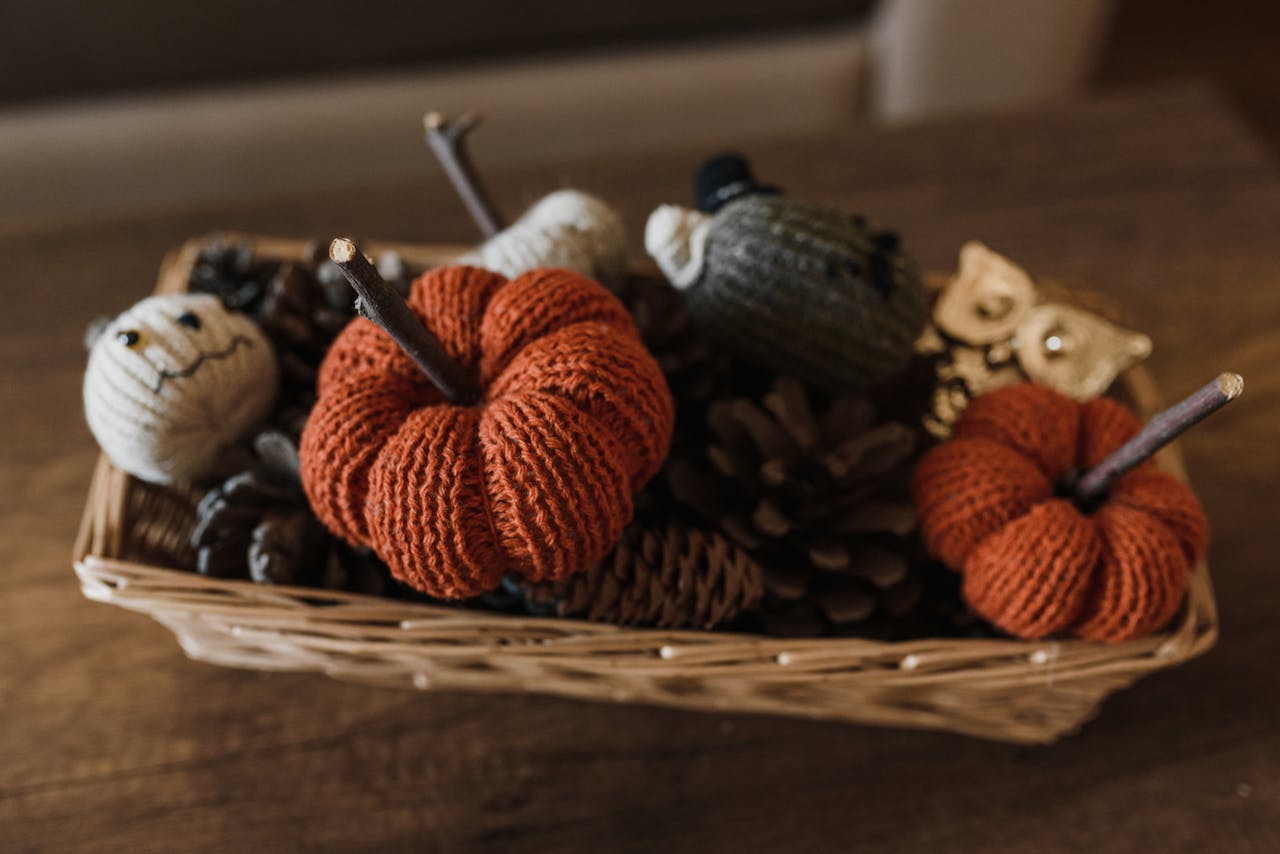
<p> Fall is a time for cozy moments, warm colors, and the chance to bring some seasonal charm into your home. If you're over 40 and looking for a relaxing and creative way to celebrate the season, fall crafts are the perfect option. Whether you are a crafting pro or a beginner, these easy and engaging projects will help you make the most of the autumn season. Let’s explore eight fun and simple fall crafts that you can enjoy at home! </p> :: Pexels

Fall is a time for cozy moments, warm colors, and the chance to bring some seasonal charm into your home. If you’re over 40 and looking for a relaxing and creative way to celebrate the season, fall crafts are the perfect option. Whether you are a crafting pro or a beginner, these easy and engaging projects will help you make the most of the autumn season. Let’s explore eight fun and simple fall crafts that you can enjoy at home!

1. DIY Autumn Wreaths
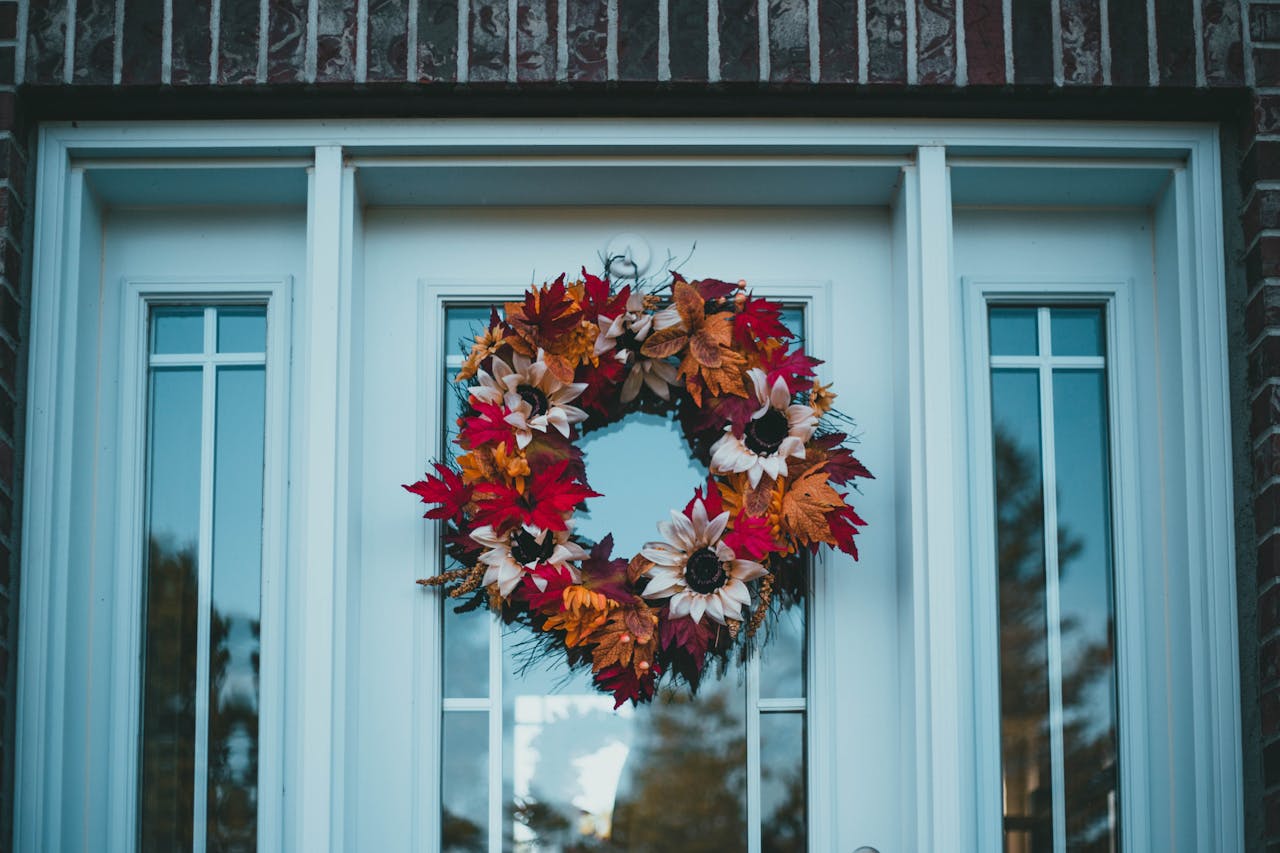
<p> Making your own autumn wreath is a wonderful way to welcome the season and add a personal touch to your front door. All you need is a wreath base made of grapevine or foam, along with some fall decorations like faux leaves, pinecones, acorns, and mini pumpkins. Start by attaching your decorations with hot glue, layering them to create a full, lush look. Add a burlap ribbon or a decorative bow for a final touch. This project is not only easy but also highly customizable, allowing you to create a wreath that matches your home’s fall decor perfectly. </p> :: Pexels

Making your own autumn wreath is a wonderful way to welcome the season and add a personal touch to your front door. All you need is a wreath base made of grapevine or foam, along with some fall decorations like faux leaves, pinecones, acorns, and mini pumpkins. Start by attaching your decorations with hot glue, layering them to create a full, lush look. Add a burlap ribbon or a decorative bow for a final touch. This project is not only easy but also highly customizable, allowing you to create a wreath that matches your home’s fall decor perfectly.

2. Pumpkin Spice Candles
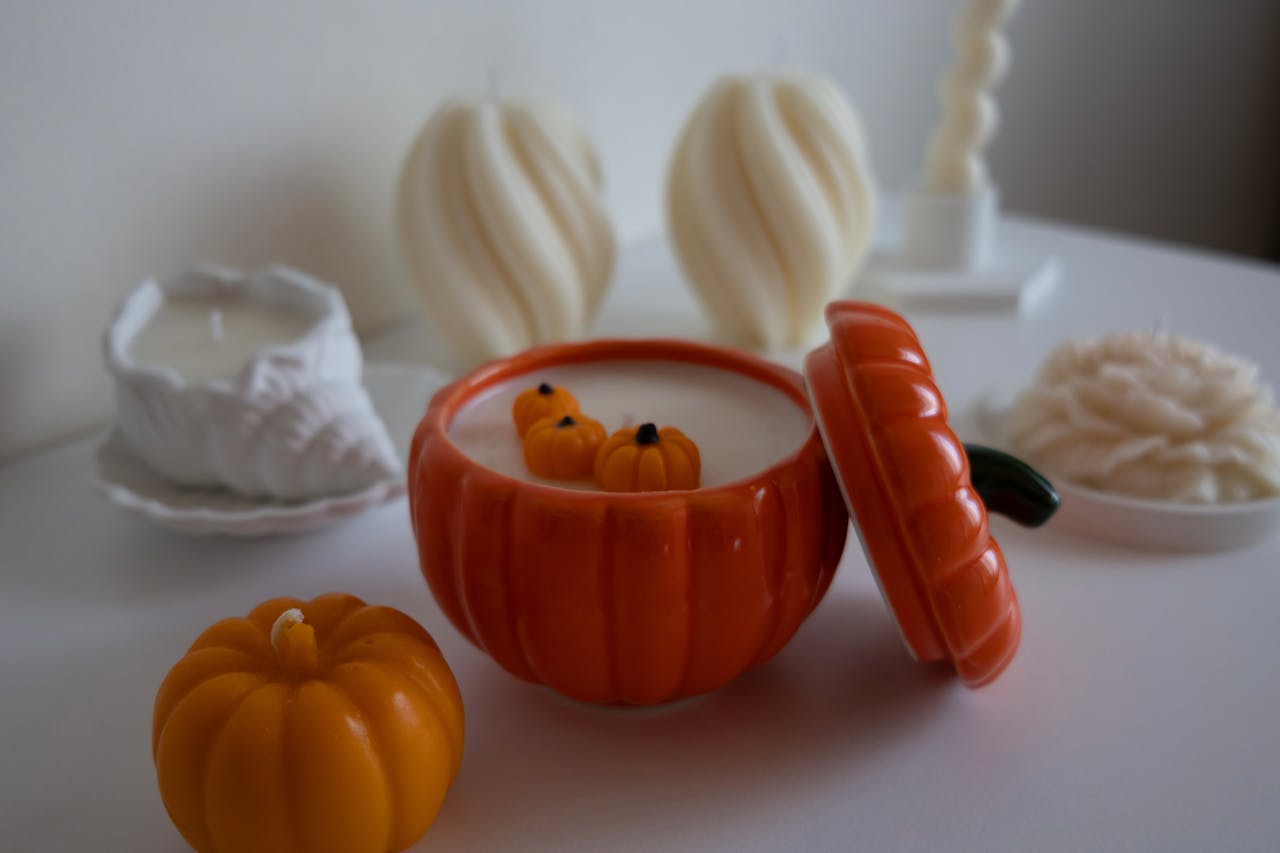
<p> The comforting scent of pumpkin spice instantly brings the fall season to life. Making your own candles at home is easier than it sounds and a great way to enjoy the autumn aroma. You will need soy wax flakes, pumpkin spice-scented oil, candle wicks, and glass jars. Start by melting the wax in a double boiler, then mix in the scented oil. Carefully pour the mixture into your jars, placing a wick in each one. Let the candles cool and solidify before lighting them up. These homemade candles are perfect for setting a cozy mood and filling your space with the warm, inviting scent of fall. </p> :: Pexels

The comforting scent of pumpkin spice instantly brings the fall season to life. Making your own candles at home is easier than it sounds and a great way to enjoy the autumn aroma. You will need soy wax flakes, pumpkin spice-scented oil, candle wicks, and glass jars. Start by melting the wax in a double boiler, then mix in the scented oil. Carefully pour the mixture into your jars, placing a wick in each one. Let the candles cool and solidify before lighting them up. These homemade candles are perfect for setting a cozy mood and filling your space with the warm, inviting scent of fall.

3. Leaf-Printed Table Runners
<p> Adding a touch of autumn to your dining table can be simple and stylish with a DIY leaf-printed table runner. To make this craft, you only need a plain fabric runner, some fabric paint, and freshly fallen leaves. Start by brushing paint onto the back of a leaf, then press it onto the fabric to create a print. You can use leaves of different shapes and sizes to create a unique and natural design. This craft is an easy way to bring the beauty of fall indoors, and it creates a lovely centerpiece for your seasonal gatherings. </p> :: Pexels

Adding a touch of autumn to your dining table can be simple and stylish with a DIY leaf-printed table runner. To make this craft, you only need a plain fabric runner, some fabric paint, and freshly fallen leaves. Start by brushing paint onto the back of a leaf, then press it onto the fabric to create a print. You can use leaves of different shapes and sizes to create a unique and natural design. This craft is an easy way to bring the beauty of fall indoors, and it creates a lovely centerpiece for your seasonal gatherings.

4. Mason Jar Lanterns

<p> Mason jar lanterns are a simple yet charming way to illuminate your home with the warm glow of fall. To get started, gather a few mason jars, tea lights or LED candles, and some fall-themed decorations like twine, dried leaves, or mini pinecones. Begin by placing a tea light inside each jar, then decorate the outside using Mod Podge to attach dried leaves. When the candles are lit, the leaves give off a beautiful stained-glass effect. These lanterns can be used on your porch, dining table, or mantle, adding a cozy glow to any space. </p> :: Pexels

Mason jar lanterns are a simple yet charming way to illuminate your home with the warm glow of fall. To get started, gather a few mason jars, tea lights or LED candles, and some fall-themed decorations like twine, dried leaves, or mini pinecones. Begin by placing a tea light inside each jar, then decorate the outside using Mod Podge to attach dried leaves. When the candles are lit, the leaves give off a beautiful stained-glass effect. These lanterns can be used on your porch, dining table, or mantle, adding a cozy glow to any space.

5. No-Sew Flannel Throw Pillows

<p> Nothing says fall like the comfort of flannel. You can make your own cozy throw pillows without needing a sewing machine. For this project, find an old flannel shirt or some flannel fabric, a pillow insert, and fabric glue. Cut two square pieces of fabric slightly larger than your pillow insert. Use fabric glue to secure three sides of the fabric together, leaving one side open to insert the pillow. Once the insert is in place, glue the final edge shut. These no-sew pillows add a warm and rustic touch to your living room, making them a perfect addition to your fall decor. </p> :: Pexels

Nothing says fall like the comfort of flannel. You can make your own cozy throw pillows without needing a sewing machine. For this project, find an old flannel shirt or some flannel fabric, a pillow insert, and fabric glue. Cut two square pieces of fabric slightly larger than your pillow insert. Use fabric glue to secure three sides of the fabric together, leaving one side open to insert the pillow. Once the insert is in place, glue the final edge shut. These no-sew pillows add a warm and rustic touch to your living room, making them a perfect addition to your fall decor.

6. Pinecone Fire Starters

<p> As the weather cools down, there’s nothing better than a cozy fire to warm up your home. Pinecone fire starters are a great way to add a seasonal touch to your fireplace. To make these, gather pinecones, soy wax, candle wicks, and essential oils like cinnamon or clove for a fall scent. Dip the pinecones in melted wax, then place a wick at the top of each one. Once the wax hardens, your fire starters are ready to use. They not only help ignite your fire quickly but also release a lovely fragrance as they burn. </p> :: Pexels

As the weather cools down, there’s nothing better than a cozy fire to warm up your home. Pinecone fire starters are a great way to add a seasonal touch to your fireplace. To make these, gather pinecones, soy wax, candle wicks, and essential oils like cinnamon or clove for a fall scent. Dip the pinecones in melted wax, then place a wick at the top of each one. Once the wax hardens, your fire starters are ready to use. They not only help ignite your fire quickly but also release a lovely fragrance as they burn.

7. Fall-Themed Painted Rocks
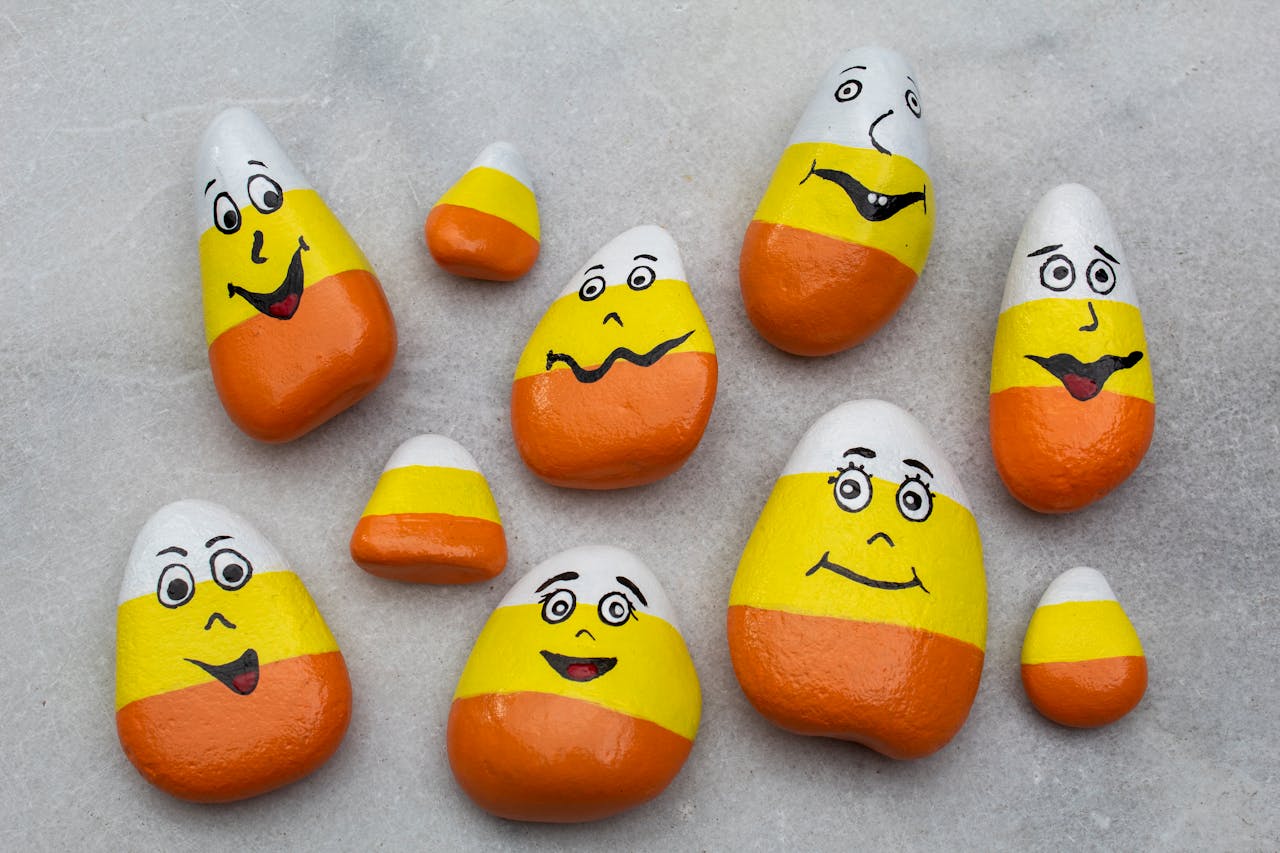
<p> Painting rocks is a fun and creative way to express your love for the fall season. Start by collecting smooth, flat stones and washing them thoroughly. Using acrylic paints, create autumn-inspired designs like pumpkins, leaves, acorns, or even simple words like “Cozy” and “Harvest.” Once the paint dries, seal the designs with a clear varnish to protect them. These painted rocks can be used as paperweights, garden decorations, or as part of a fall-themed centerpiece in your home. It’s a simple and enjoyable craft that allows you to bring a touch of autumn to your indoor or outdoor spaces. </p> :: Pexels

Painting rocks is a fun and creative way to express your love for the fall season. Start by collecting smooth, flat stones and washing them thoroughly. Using acrylic paints, create autumn-inspired designs like pumpkins, leaves, acorns, or even simple words like “Cozy” and “Harvest.” Once the paint dries, seal the designs with a clear varnish to protect them. These painted rocks can be used as paperweights, garden decorations, or as part of a fall-themed centerpiece in your home. It’s a simple and enjoyable craft that allows you to bring a touch of autumn to your indoor or outdoor spaces.

8. DIY Fall Potpourri
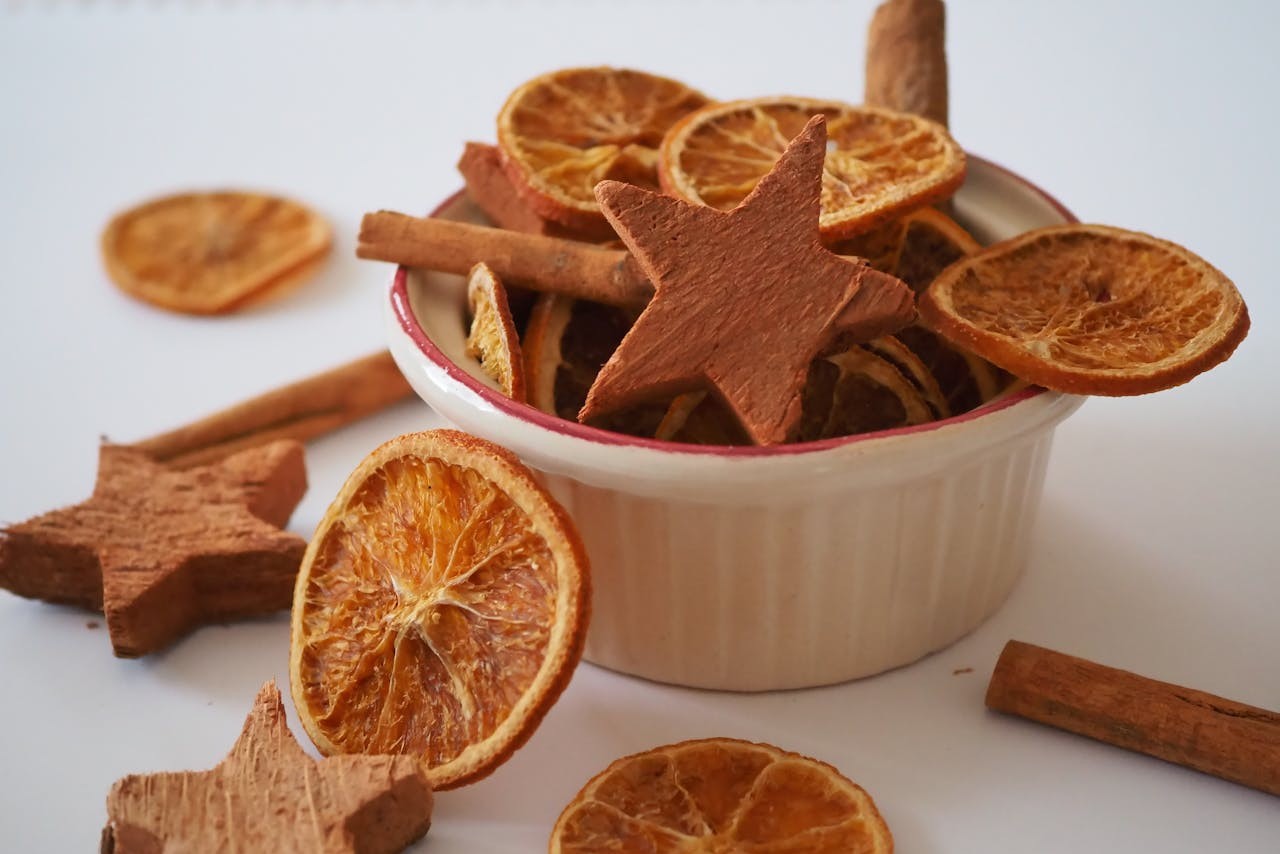
<p> Fill your home with the delightful scents of fall by making your own potpourri. This craft is simple to put together and makes a lovely gift as well. Gather dried orange slices, cinnamon sticks, star anise, cloves, and dried apple slices. You can also add small pinecones and eucalyptus leaves for extra fragrance and texture. Mix all the ingredients in a decorative bowl or place them in small sachet bags to spread around your home. The scent of the potpourri will instantly make your space feel more inviting, creating a warm atmosphere for you and your guests to enjoy throughout the season. </p> :: Pexels

Fill your home with the delightful scents of fall by making your own potpourri. This craft is simple to put together and makes a lovely gift as well. Gather dried orange slices, cinnamon sticks, star anise, cloves, and dried apple slices. You can also add small pinecones and eucalyptus leaves for extra fragrance and texture. Mix all the ingredients in a decorative bowl or place them in small sachet bags to spread around your home. The scent of the potpourri will instantly make your space feel more inviting, creating a warm atmosphere for you and your guests to enjoy throughout the season.

Final Thoughts

<p> Crafting is a fantastic way to embrace the fall season, especially if you’re looking for activities that help you unwind and get creative. These eight easy fall crafts are perfect for adults over 40 who want to add a touch of autumn to their homes. From making your own candles and wreaths to painting rocks and designing table runners, there’s a project for every skill level and style preference. So grab your crafting supplies, set aside some time for yourself, and dive into these fun and festive activities. Happy crafting, and may your fall season be filled with creativity and warmth! </p> :: Pexels

Crafting is a fantastic way to embrace the fall season, especially if you’re looking for activities that help you unwind and get creative. These eight easy fall crafts are perfect for adults over 40 who want to add a touch of autumn to their homes. From making your own candles and wreaths to painting rocks and designing table runners, there’s a project for every skill level and style preference. So grab your crafting supplies, set aside some time for yourself, and dive into these fun and festive activities. Happy crafting, and may your fall season be filled with creativity and warmth!


Filed Under: Lifestyle

12 Phrases You Should Watch Out For Because Liars Almost Always Use Them

December 19, 2025 | Leave a Comment

12 Phrases You Should Watch Out For Because Liars Almost Always Use Them

<p> We all want to believe people when they speak to us. Trust is the invisible glue that holds relationships together, whether those relationships are with close family members, longtime friends, coworkers, or even casual acquaintances. Most of us operate under the assumption that people are generally telling the truth, because questioning every statement would be exhausting and unhealthy. Yet there are moments when something doesn’t quite sit right. A story sounds a little too polished. A response comes too quickly or feels oddly defensive. You might not be able to explain exactly why, but your instincts quietly whisper that something is off. More often than not, that feeling is worth paying attention to. Psychologists, linguists, and behavioral researchers who study deception have discovered that people who lie tend to fall back on specific language patterns. These phrases act as verbal safety nets. They are designed to sound convincing, deflect suspicion, or manipulate how the listener interprets the situation. While no single phrase automatically proves someone is lying, repeated use of these expressions—especially in tense or high-stakes conversations—can be revealing. Below are 12 phrases you should listen for carefully, along with explanations of what they may signal beneath the surface. </p> :: Gemini

We all want to believe people when they speak to us. Trust is the invisible glue that holds relationships together, whether those relationships are with close family members, longtime friends, coworkers, or even casual acquaintances. Most of us operate under the assumption that people are generally telling the truth, because questioning every statement would be exhausting and unhealthy.

Yet there are moments when something doesn’t quite sit right. A story sounds a little too polished. A response comes too quickly or feels oddly defensive. You might not be able to explain exactly why, but your instincts quietly whisper that something is off. More often than not, that feeling is worth paying attention to.

Psychologists, linguists, and behavioral researchers who study deception have discovered that people who lie tend to fall back on specific language patterns. These phrases act as verbal safety nets. They are designed to sound convincing, deflect suspicion, or manipulate how the listener interprets the situation. While no single phrase automatically proves someone is lying, repeated use of these expressions—especially in tense or high-stakes conversations—can be revealing.

Below are 12 phrases you should listen for carefully, along with explanations of what they may signal beneath the surface.

1. “Honestly”

<p> At first glance, “honestly” seems harmless, even reassuring. However, when someone is being genuinely truthful, they usually don’t need to announce it. Starting a sentence with “honestly” often serves as a credibility booster, especially when the speaker feels uncertain or anticipates doubt. In many cases, this word appears when someone is trying to convince you rather than inform you. It can act as a psychological nudge, subtly suggesting that questioning their statement would be unreasonable. While people do sometimes use “honestly” out of habit, frequent or strategic use can be a sign of insecurity in the truth of what’s being said. </p> :: Gemini

At first glance, “honestly” seems harmless, even reassuring. However, when someone is being genuinely truthful, they usually don’t need to announce it. Starting a sentence with “honestly” often serves as a credibility booster, especially when the speaker feels uncertain or anticipates doubt.

In many cases, this word appears when someone is trying to convince you rather than inform you. It can act as a psychological nudge, subtly suggesting that questioning their statement would be unreasonable. While people do sometimes use “honestly” out of habit, frequent or strategic use can be a sign of insecurity in the truth of what’s being said.

2. “To tell you the truth”

<p> This phrase functions much like “honestly,” but with an added layer of emphasis. The irony is that truth usually doesn’t need such a dramatic introduction. When someone repeatedly frames statements with “to tell you the truth,” it may indicate they are aware their credibility is shaky. In everyday conversation, truthful people tend to state facts plainly. Overemphasizing sincerity can feel unnatural and may actually trigger skepticism, especially if the statement that follows contradicts previous behavior or information. </p> :: Gemini

This phrase functions much like “honestly,” but with an added layer of emphasis. The irony is that truth usually doesn’t need such a dramatic introduction. When someone repeatedly frames statements with “to tell you the truth,” it may indicate they are aware their credibility is shaky.

In everyday conversation, truthful people tend to state facts plainly. Overemphasizing sincerity can feel unnatural and may actually trigger skepticism, especially if the statement that follows contradicts previous behavior or information.

3. “Trust me”

<p> “Trust me” is one of the most common phrases used to shortcut credibility. Instead of offering evidence, logic, or transparency, the speaker asks you to suspend doubt based on their word alone. Real trust is built through consistency and honesty over time, not through verbal requests. When someone leans heavily on “trust me,” it can suggest they are hoping belief will replace verification. This phrase often appears when proof is weak or missing altogether. </p> :: Gemini

“Trust me” is one of the most common phrases used to shortcut credibility. Instead of offering evidence, logic, or transparency, the speaker asks you to suspend doubt based on their word alone.

Real trust is built through consistency and honesty over time, not through verbal requests. When someone leans heavily on “trust me,” it can suggest they are hoping belief will replace verification. This phrase often appears when proof is weak or missing altogether.

4. “I swear”

<p> Swearing—whether on one’s life, family, or something emotionally significant—is a powerful emotional appeal. While it can be sincere in some contexts, repeated or exaggerated use of “I swear” is often a red flag. Liars frequently use this phrase to inject emotion into a story, hoping intensity will override logic. Emotional force, however, is not the same as truth. When someone relies on dramatic swearing instead of clear explanations, it’s worth pausing and listening more closely. </p> :: Gemini

Swearing—whether on one’s life, family, or something emotionally significant—is a powerful emotional appeal. While it can be sincere in some contexts, repeated or exaggerated use of “I swear” is often a red flag.

Liars frequently use this phrase to inject emotion into a story, hoping intensity will override logic. Emotional force, however, is not the same as truth. When someone relies on dramatic swearing instead of clear explanations, it’s worth pausing and listening more closely.

5. “I never” or “I always”

<p> Absolute language rarely reflects reality. Most human behavior exists in shades of gray, not extremes. Liars often use absolutes like “never” or “always” to simplify their narrative and avoid accountability. For example, saying “I never do that” shuts down further discussion, even though few behaviors truly never happen. These words can signal defensiveness and an attempt to create an airtight story that leaves no room for follow-up questions. </p> :: Gemini

Absolute language rarely reflects reality. Most human behavior exists in shades of gray, not extremes. Liars often use absolutes like “never” or “always” to simplify their narrative and avoid accountability.

For example, saying “I never do that” shuts down further discussion, even though few behaviors truly never happen. These words can signal defensiveness and an attempt to create an airtight story that leaves no room for follow-up questions.

6. “As far as I remember”

<p> This phrase introduces uncertainty while appearing cooperative. It gives the speaker flexibility to change details later without fully admitting inconsistency. By framing information as memory-based rather than factual, the speaker protects themselves from being proven wrong. Truthful people typically recall important events with relative clarity. When someone repeatedly qualifies their statements with “as far as I remember,” especially about significant matters, it may indicate intentional vagueness. </p> :: Gemini

This phrase introduces uncertainty while appearing cooperative. It gives the speaker flexibility to change details later without fully admitting inconsistency. By framing information as memory-based rather than factual, the speaker protects themselves from being proven wrong.

Truthful people typically recall important events with relative clarity. When someone repeatedly qualifies their statements with “as far as I remember,” especially about significant matters, it may indicate intentional vagueness.

7. “It’s complicated”

<p> Sometimes life truly is complicated. However, this phrase is often used to avoid giving a clear answer when one is expected. Instead of explaining a situation simply, the speaker implies that you wouldn’t understand—or that the details are too complex to share. Liars may use this phrase to discourage further questions or to mask inconsistencies. Complexity can act as a smokescreen, making it harder for the listener to identify gaps or contradictions in the story. </p> :: Gemini

Sometimes life truly is complicated. However, this phrase is often used to avoid giving a clear answer when one is expected. Instead of explaining a situation simply, the speaker implies that you wouldn’t understand—or that the details are too complex to share.

Liars may use this phrase to discourage further questions or to mask inconsistencies. Complexity can act as a smokescreen, making it harder for the listener to identify gaps or contradictions in the story.

8. “What I mean is…”

<p> This phrase often appears when someone senses they’ve said something wrong or revealing. Rather than acknowledging a mistake, they attempt to reframe or soften their original statement. While clarification can be innocent, frequent use of this phrase during sensitive conversations may indicate evasiveness. It allows the speaker to regain control of the narrative without fully addressing what was originally said. </p> :: Gemini

This phrase often appears when someone senses they’ve said something wrong or revealing. Rather than acknowledging a mistake, they attempt to reframe or soften their original statement.

While clarification can be innocent, frequent use of this phrase during sensitive conversations may indicate evasiveness. It allows the speaker to regain control of the narrative without fully addressing what was originally said.

9. “Believe me”

<p> “Believe me” is another direct appeal for trust without supporting evidence. Instead of strengthening an argument with facts, the speaker relies on persuasion alone. Honest statements tend to stand on their own. When someone repeatedly asks you to believe them, it may suggest they are more concerned with your perception than with accuracy. </p> :: Gemini

“Believe me” is another direct appeal for trust without supporting evidence. Instead of strengthening an argument with facts, the speaker relies on persuasion alone.

Honest statements tend to stand on their own. When someone repeatedly asks you to believe them, it may suggest they are more concerned with your perception than with accuracy.

10. “You’re just being paranoid”

<p> This phrase shifts attention away from the speaker and onto the listener. It’s a classic deflection tactic that reframes valid concerns as irrational or exaggerated. By labeling you as paranoid, the speaker avoids addressing the issue itself. This tactic can be especially damaging in relationships, as it undermines your confidence and instincts while protecting the liar from scrutiny. </p> :: Gemini

This phrase shifts attention away from the speaker and onto the listener. It’s a classic deflection tactic that reframes valid concerns as irrational or exaggerated.

By labeling you as paranoid, the speaker avoids addressing the issue itself. This tactic can be especially damaging in relationships, as it undermines your confidence and instincts while protecting the liar from scrutiny.

11. “Would I lie to you?”

<p> Rather than answering a question directly, this phrase turns the conversation back on you. It puts you in the uncomfortable position of defending your doubt instead of evaluating the facts. This rhetorical question is designed to guilt the listener into backing down. While honest people may occasionally say this in frustration, habitual use is often a sign of manipulation or avoidance. </p> :: Gemini

Rather than answering a question directly, this phrase turns the conversation back on you. It puts you in the uncomfortable position of defending your doubt instead of evaluating the facts.

This rhetorical question is designed to guilt the listener into backing down. While honest people may occasionally say this in frustration, habitual use is often a sign of manipulation or avoidance.

12. Excessive, rehearsed details

<p> Sometimes liars don’t rely on a single phrase at all. Instead, they overwhelm you with detail. They may include exact times, minor sensory descriptions, names, and unnecessary background information. While detail can make a story sound convincing, too much precision can feel rehearsed. Genuine memories tend to flow naturally and unevenly. Over-prepared narratives often indicate an attempt to control how the story is perceived rather than simply recounting events. </p> :: Gemini

Sometimes liars don’t rely on a single phrase at all. Instead, they overwhelm you with detail. They may include exact times, minor sensory descriptions, names, and unnecessary background information.

While detail can make a story sound convincing, too much precision can feel rehearsed. Genuine memories tend to flow naturally and unevenly. Over-prepared narratives often indicate an attempt to control how the story is perceived rather than simply recounting events.

Final Thoughts

<p> Language reveals far more than we often realize. When people lie, their words tend to follow recognizable patterns—phrases designed to persuade, deflect, or emotionally manipulate. Learning to recognize these patterns doesn’t mean assuming everyone is dishonest. Context always matters, and many people use these expressions out of habit, nervousness, or poor communication skills. The key is to look for repetition and inconsistency. Does someone rely on the same phrases when challenged? Do their words align with their actions? Are they avoiding direct answers while appealing for trust? Awareness is not cynicism. It’s a practical skill that helps you navigate conversations with greater clarity and confidence. By paying attention to both language and behavior, you protect your time, your energy, and your trust. The next time someone begins a story with “Honestly” or asks you to “trust me,” you don’t have to jump to conclusions. Just listen carefully. Sometimes the truth isn’t hidden in what people say—but in how they say it. </p> :: Gemini

Language reveals far more than we often realize. When people lie, their words tend to follow recognizable patterns—phrases designed to persuade, deflect, or emotionally manipulate. Learning to recognize these patterns doesn’t mean assuming everyone is dishonest. Context always matters, and many people use these expressions out of habit, nervousness, or poor communication skills.

The key is to look for repetition and inconsistency. Does someone rely on the same phrases when challenged? Do their words align with their actions? Are they avoiding direct answers while appealing for trust?

Awareness is not cynicism. It’s a practical skill that helps you navigate conversations with greater clarity and confidence. By paying attention to both language and behavior, you protect your time, your energy, and your trust.

The next time someone begins a story with “Honestly” or asks you to “trust me,” you don’t have to jump to conclusions. Just listen carefully. Sometimes the truth isn’t hidden in what people say—but in how they say it.

Filed Under: Lifestyle

7 Rewarding Volunteer Ideas for Baby Boomers Looking to Give Back

December 18, 2025 | Leave a Comment

7 Rewarding Volunteer Ideas for Baby Boomers Looking to Give Back

<p> Many baby boomers are entering a new chapter in life where time is more flexible, responsibilities have shifted, and the desire to make a difference is stronger than ever. Volunteering offers a deeply satisfying way to stay active, engaged, and purposeful. Whether it is one hour a week or a regular schedule, giving back can enrich your life while supporting people and causes that truly need it. Here are seven fulfilling volunteer opportunities perfectly suited for baby boomers looking to contribute their time and talents while enjoying the rewards of service. </p> :: Freepik

Many baby boomers are entering a new chapter in life where time is more flexible, responsibilities have shifted, and the desire to make a difference is stronger than ever. Volunteering offers a deeply satisfying way to stay active, engaged, and purposeful. Whether it is one hour a week or a regular schedule, giving back can enrich your life while supporting people and causes that truly need it. Here are seven fulfilling volunteer opportunities perfectly suited for baby boomers looking to contribute their time and talents while enjoying the rewards of service.

1. Mentor the Next Generation and Share Your Wisdom

<p> One of the most impactful ways to give back is by mentoring young people who are navigating school, career choices, or life challenges. As a baby boomer, you have valuable life and work experience that can guide and inspire someone who may be struggling or simply lacking direction. You could volunteer through local schools, youth development programs, or national organizations like Big Brothers Big Sisters. Many students benefit from having a reliable adult to turn to for advice, encouragement, and perspective. Your mentorship could help shape someone’s future, boost their confidence, and provide them with the tools they need to succeed. Even just one hour a week can have a lasting impact. </p> :: Pexels

One of the most impactful ways to give back is by mentoring young people who are navigating school, career choices, or life challenges. As a baby boomer, you have valuable life and work experience that can guide and inspire someone who may be struggling or simply lacking direction. You could volunteer through local schools, youth development programs, or national organizations like Big Brothers Big Sisters. Many students benefit from having a reliable adult to turn to for advice, encouragement, and perspective. Your mentorship could help shape someone’s future, boost their confidence, and provide them with the tools they need to succeed. Even just one hour a week can have a lasting impact.

2. Volunteer at Food Banks and Meal Programs

<p> Food insecurity remains a widespread issue, and food banks and meal services rely on volunteers to meet the growing need. As a volunteer, you can sort food donations, pack grocery bags, or serve hot meals at community kitchens. These activities not only ensure that people in need receive basic nutrition, but they also foster a sense of community and dignity for those experiencing hardship. Volunteering at a food pantry or soup kitchen often provides meaningful social interaction, a sense of purpose, and physical activity. Whether you are handing out boxes or chatting with guests, your presence brings comfort and hope to those in difficult situations. </p> :: Pexels

Food insecurity remains a widespread issue, and food banks and meal services rely on volunteers to meet the growing need. As a volunteer, you can sort food donations, pack grocery bags, or serve hot meals at community kitchens. These activities not only ensure that people in need receive basic nutrition, but they also foster a sense of community and dignity for those experiencing hardship. Volunteering at a food pantry or soup kitchen often provides meaningful social interaction, a sense of purpose, and physical activity. Whether you are handing out boxes or chatting with guests, your presence brings comfort and hope to those in difficult situations.

3. Use Your Career Skills to Help Nonprofit Organizations Thrive

<p> After years in the workforce, baby boomers have developed a wide range of professional skills that can be incredibly valuable to nonprofits operating with limited resources. Whether your background is in accounting, marketing, education, legal work, healthcare, or administration, your expertise can help a nonprofit grow and improve its operations. You might help write grant proposals, train staff, manage budgets, or support communications efforts. Many small organizations are in desperate need of this kind of experienced support. Websites like Catchafire and VolunteerMatch allow you to connect with nonprofits that are looking for skilled volunteers. By applying your professional knowledge in this way, you continue doing meaningful work that has a lasting impact on a cause you care about. </p> :: Freepik

After years in the workforce, baby boomers have developed a wide range of professional skills that can be incredibly valuable to nonprofits operating with limited resources. Whether your background is in accounting, marketing, education, legal work, healthcare, or administration, your expertise can help a nonprofit grow and improve its operations. You might help write grant proposals, train staff, manage budgets, or support communications efforts. Many small organizations are in desperate need of this kind of experienced support. Websites like Catchafire and VolunteerMatch allow you to connect with nonprofits that are looking for skilled volunteers. By applying your professional knowledge in this way, you continue doing meaningful work that has a lasting impact on a cause you care about.

4. Support Veterans and Their Families

<p> Volunteering to support veterans is an honorable and compassionate way to give back to those who have served the country. Many veterans face challenges such as health issues, housing instability, or loneliness. You can offer companionship to veterans in hospitals or long-term care facilities, provide transportation to medical appointments, or support families of deployed service members. Organizations like the USO and the Department of Veterans Affairs often need volunteers to help organize events, provide wellness support, or simply spend time with veterans. Your time and attention can help them feel remembered and appreciated. Whether you are a veteran yourself or just want to say thank you, this type of service is especially meaningful and rewarding. </p> :: Freepik

Volunteering to support veterans is an honorable and compassionate way to give back to those who have served the country. Many veterans face challenges such as health issues, housing instability, or loneliness. You can offer companionship to veterans in hospitals or long-term care facilities, provide transportation to medical appointments, or support families of deployed service members. Organizations like the USO and the Department of Veterans Affairs often need volunteers to help organize events, provide wellness support, or simply spend time with veterans. Your time and attention can help them feel remembered and appreciated. Whether you are a veteran yourself or just want to say thank you, this type of service is especially meaningful and rewarding.

5. Protect the Environment Through Hands-On Conservation Work

<p> If you enjoy spending time outdoors and want to protect nature for future generations, environmental volunteering could be the perfect fit. Parks, nature preserves, and conservation groups welcome volunteers for trail maintenance, tree planting, invasive species removal, and river or beach cleanups. These projects promote sustainability and preserve natural beauty while keeping you active and connected to your local community. Some environmental organizations also seek help with outreach, education, and advocacy efforts. Volunteering in this way is not only fulfilling but also contributes to a healthier planet. Whether you are planting a tree or clearing a trail, every action counts toward creating a cleaner and greener future. </p> :: Freepik

If you enjoy spending time outdoors and want to protect nature for future generations, environmental volunteering could be the perfect fit. Parks, nature preserves, and conservation groups welcome volunteers for trail maintenance, tree planting, invasive species removal, and river or beach cleanups. These projects promote sustainability and preserve natural beauty while keeping you active and connected to your local community. Some environmental organizations also seek help with outreach, education, and advocacy efforts. Volunteering in this way is not only fulfilling but also contributes to a healthier planet. Whether you are planting a tree or clearing a trail, every action counts toward creating a cleaner and greener future.

6. Offer Companionship at Hospitals and Senior Living Centers

<p> Loneliness is a serious concern for many seniors and hospital patients, and your friendly face and listening ear can make all the difference. Volunteering in hospitals, rehabilitation centers, or senior living facilities allows you to bring joy, comfort, and companionship to individuals who may not receive many visitors. You might assist with group activities, help serve meals, read books, or simply provide someone to talk to. Some programs also involve musical performances, pet therapy, or storytelling. As a baby boomer, you may connect naturally with older adults and understand their experiences. Your presence can lift spirits, reduce feelings of isolation, and create meaningful moments for those you visit. </p> :: Pexels

Loneliness is a serious concern for many seniors and hospital patients, and your friendly face and listening ear can make all the difference. Volunteering in hospitals, rehabilitation centers, or senior living facilities allows you to bring joy, comfort, and companionship to individuals who may not receive many visitors. You might assist with group activities, help serve meals, read books, or simply provide someone to talk to. Some programs also involve musical performances, pet therapy, or storytelling. As a baby boomer, you may connect naturally with older adults and understand their experiences. Your presence can lift spirits, reduce feelings of isolation, and create meaningful moments for those you visit.

7. Help Local Animal Shelters Care for Pets in Need

<p> Animal shelters are often understaffed and overwhelmed, and they depend heavily on volunteers to keep operations running smoothly. If you love animals, this is a highly rewarding way to give back. Volunteer roles include walking dogs, socializing cats, cleaning enclosures, and assisting with adoption events. Some shelters also offer foster programs where you temporarily care for animals in your home until they are adopted. Providing comfort and care to animals not only improves their chances of finding a forever home but also offers emotional rewards for you as a volunteer. The bond you form with rescued pets and the joy of seeing them adopted into loving homes makes this a heartwarming and therapeutic experience. </p> :: Pexels

Animal shelters are often understaffed and overwhelmed, and they depend heavily on volunteers to keep operations running smoothly. If you love animals, this is a highly rewarding way to give back. Volunteer roles include walking dogs, socializing cats, cleaning enclosures, and assisting with adoption events. Some shelters also offer foster programs where you temporarily care for animals in your home until they are adopted. Providing comfort and care to animals not only improves their chances of finding a forever home but also offers emotional rewards for you as a volunteer. The bond you form with rescued pets and the joy of seeing them adopted into loving homes makes this a heartwarming and therapeutic experience.

Final Thoughts

<p> Giving back through volunteering offers more than just a way to stay busy—it is a pathway to deeper purpose, joy, and community connection. As a baby boomer, your experiences, skills, and compassion are incredibly valuable to people, animals, and causes in need. Whether you choose to mentor a young person, feed the hungry, support veterans, care for animals, or preserve the environment, your efforts create ripples of positive change. Volunteering allows you to stay active, engaged, and fulfilled while making the world a better place. Choose a cause that speaks to you, and let your legacy be one of kindness, generosity, and meaningful impact. </p> :: Freepik

Giving back through volunteering offers more than just a way to stay busy—it is a pathway to deeper purpose, joy, and community connection. As a baby boomer, your experiences, skills, and compassion are incredibly valuable to people, animals, and causes in need. Whether you choose to mentor a young person, feed the hungry, support veterans, care for animals, or preserve the environment, your efforts create ripples of positive change. Volunteering allows you to stay active, engaged, and fulfilled while making the world a better place. Choose a cause that speaks to you, and let your legacy be one of kindness, generosity, and meaningful impact.

Filed Under: Lifestyle

10 Grown-Up Purchases That Are Surprisingly Fun

December 18, 2025 | Leave a Comment

10 Grown-Up Purchases That Are Surprisingly Fun

<p>Adulthood often brings responsibilities that can feel overwhelming, but it also offers the freedom to make purchases that add joy to daily life. Surprisingly, some grown-up buys not only serve practical purposes but also bring unexpected fun. Here are ten such items that can enhance your adult experience with a touch of delight.​</p> ::Pexels

Adulthood often brings responsibilities that can feel overwhelming, but it also offers the freedom to make purchases that add joy to daily life. Surprisingly, some grown-up buys not only serve practical purposes but also bring unexpected fun. Here are ten such items that can enhance your adult experience with a touch of delight.​

1. High-Quality Blender

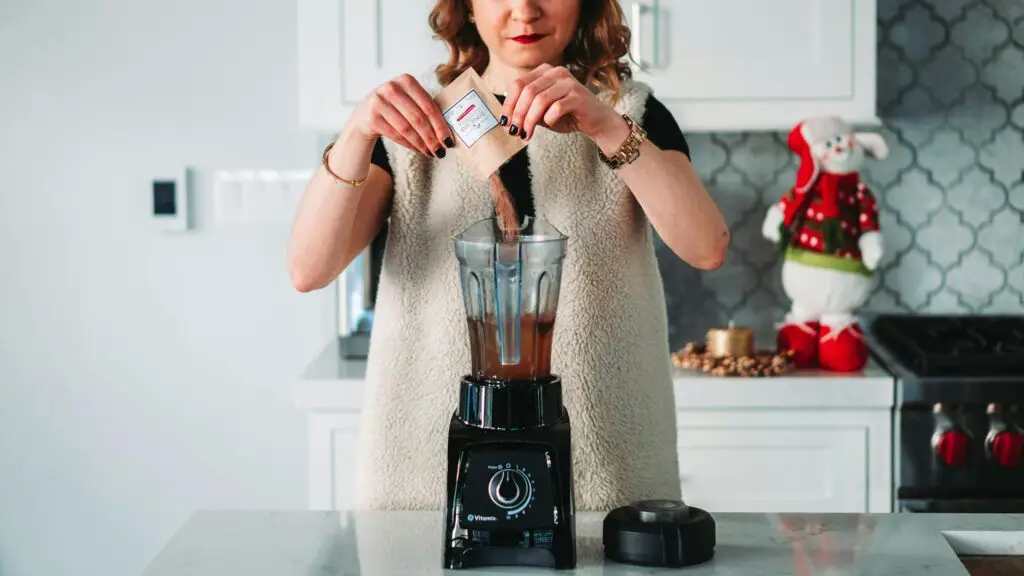
<p>Investing in a top-notch blender opens up a world of culinary possibilities. From morning smoothies packed with nutrients to homemade soups and sauces, the versatility is impressive. Blending your own drinks can be both healthier and more cost-effective than store-bought options. Fun fact: the first blender was invented in 1922 to make malted milkshakes. With a quality blender, experimenting in the kitchen becomes a pleasurable adventure.​</p> ::Pexels

Investing in a top-notch blender opens up a world of culinary possibilities. From morning smoothies packed with nutrients to homemade soups and sauces, the versatility is impressive. Blending your own drinks can be both healthier and more cost-effective than store-bought options. Fun fact: the first blender was invented in 1922 to make malted milkshakes. With a quality blender, experimenting in the kitchen becomes a pleasurable adventure.​

2. Comfortable Mattress

<p>A good night’s sleep is invaluable, and a comfortable mattress is key to achieving it. Upgrading your mattress can improve sleep quality, leading to better overall health and mood. Considering we spend about a third of our lives sleeping, this purchase is both practical and indulgent. Many modern mattresses come with trial periods, allowing you to find the perfect fit. Waking up refreshed makes the entire day more enjoyable.​</p> ::Pexels

A good night’s sleep is invaluable, and a comfortable mattress is key to achieving it. Upgrading your mattress can improve sleep quality, leading to better overall health and mood. Considering we spend about a third of our lives sleeping, this purchase is both practical and indulgent. Many modern mattresses come with trial periods, allowing you to find the perfect fit. Waking up refreshed makes the entire day more enjoyable.​

3. Espresso Machine

<p>For coffee enthusiasts, owning an espresso machine can transform your morning routine into a delightful ritual. Crafting your own lattes and cappuccinos at home not only saves money but also allows for customization to your taste. The aroma of freshly brewed espresso can be a comforting start to the day. Plus, impressing guests with barista-level skills adds a fun social element. Did you know? The term “espresso” means “pressed out” in Italian, referring to the method of brewing.​</p> ::Pexels

For coffee enthusiasts, owning an espresso machine can transform your morning routine into a delightful ritual. Crafting your own lattes and cappuccinos at home not only saves money but also allows for customization to your taste. The aroma of freshly brewed espresso can be a comforting start to the day. Plus, impressing guests with barista-level skills adds a fun social element. Did you know? The term “espresso” means “pressed out” in Italian, referring to the method of brewing.​

4. Smart Home Devices

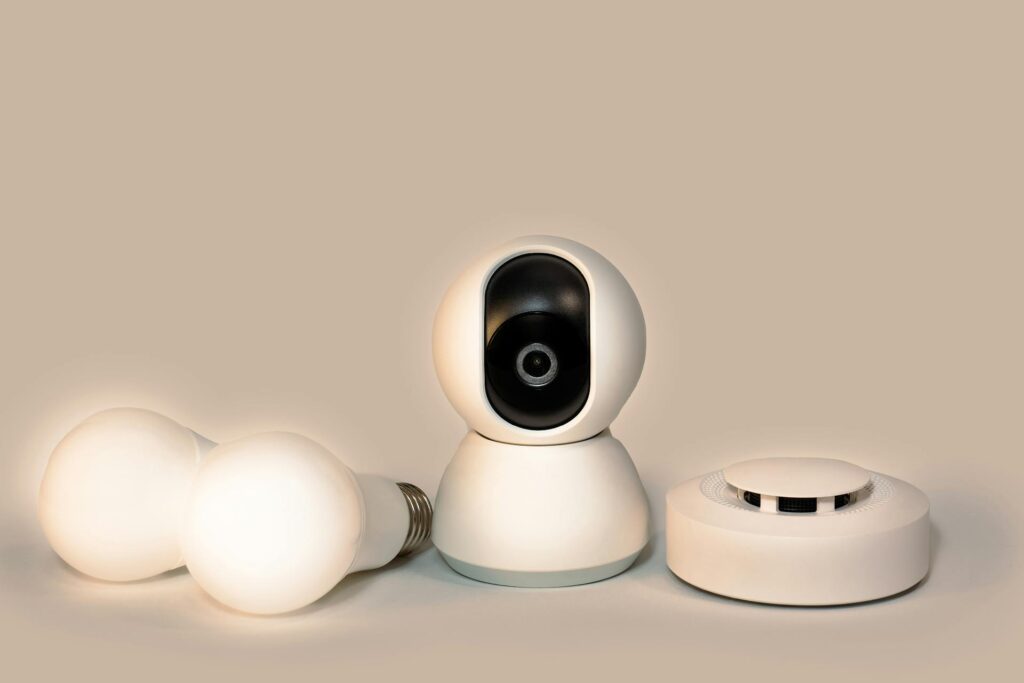
<p>Integrating smart devices into your home can make everyday tasks more convenient and enjoyable. Voice-activated assistants, smart lights, and thermostats offer control and automation that can simplify life. Setting the mood with lighting or playing your favorite music with a simple command adds a touch of magic to mundane moments. As of 2021, over 40% of U.S. households had adopted smart home technology. Embracing these gadgets can make you feel like you’re living in the future.​</p> ::Pexels

Integrating smart devices into your home can make everyday tasks more convenient and enjoyable. Voice-activated assistants, smart lights, and thermostats offer control and automation that can simplify life. Setting the mood with lighting or playing your favorite music with a simple command adds a touch of magic to mundane moments. As of 2021, over 40% of U.S. households had adopted smart home technology. Embracing these gadgets can make you feel like you’re living in the future.​

5. Quality Chef’s Knife

<p>Cooking becomes a pleasure when you have the right tools, and a sharp, well-balanced chef’s knife is essential. It makes meal prep more efficient and safer, as less force is needed when cutting. A good knife can last a lifetime with proper care. Interestingly, in many cultures, giving a knife as a gift is thought to sever relationships unless a coin is exchanged in return. Slicing and dicing with ease can reignite your passion for home cooking.​</p> ::Pexels

Cooking becomes a pleasure when you have the right tools, and a sharp, well-balanced chef’s knife is essential. It makes meal prep more efficient and safer, as less force is needed when cutting. A good knife can last a lifetime with proper care. Interestingly, in many cultures, giving a knife as a gift is thought to sever relationships unless a coin is exchanged in return. Slicing and dicing with ease can reignite your passion for home cooking.​

6. Bicycle

<p>Rediscovering the joy of cycling can be both fun and beneficial for your health. A bicycle offers a sense of freedom reminiscent of childhood, while also serving as a practical mode of transportation. Regular cycling improves cardiovascular fitness and reduces stress. Cities worldwide are becoming more bike-friendly, making it easier to incorporate cycling into daily life. Plus, it’s an eco-friendly way to explore your surroundings.​</p> ::Pexels

Rediscovering the joy of cycling can be both fun and beneficial for your health. A bicycle offers a sense of freedom reminiscent of childhood, while also serving as a practical mode of transportation. Regular cycling improves cardiovascular fitness and reduces stress. Cities worldwide are becoming more bike-friendly, making it easier to incorporate cycling into daily life. Plus, it’s an eco-friendly way to explore your surroundings.​

7. Musical Instrument

<p>Learning to play a musical instrument as an adult can be a rewarding and enjoyable experience. It stimulates the brain, enhances memory, and provides a creative outlet. Whether it’s a guitar, piano, or even a ukulele, making music can be a great stress reliever. Many find that picking up an instrument they once played brings back fond memories. Plus, it’s never too late to start a new hobby that brings joy.​</p> ::Pexels

Learning to play a musical instrument as an adult can be a rewarding and enjoyable experience. It stimulates the brain, enhances memory, and provides a creative outlet. Whether it’s a guitar, piano, or even a ukulele, making music can be a great stress reliever. Many find that picking up an instrument they once played brings back fond memories. Plus, it’s never too late to start a new hobby that brings joy.​

8. Board Games

<p>Board games aren’t just for kids; many are designed with adults in mind, offering complex strategies and engaging themes. Hosting game nights can be a fun way to socialize and challenge your mind. The board game industry has seen a resurgence, with sales increasing significantly over the past decade. Games like Catan and Ticket to Ride have become modern classics. Diving into the world of board games can provide endless entertainment.​</p> ::Pexels

Board games aren’t just for kids; many are designed with adults in mind, offering complex strategies and engaging themes. Hosting game nights can be a fun way to socialize and challenge your mind. The board game industry has seen a resurgence, with sales increasing significantly over the past decade. Games like Catan and Ticket to Ride have become modern classics. Diving into the world of board games can provide endless entertainment.​

9. High-Quality Headphones

<p>Investing in a pair of high-quality headphones can transform your listening experience. Whether you’re enjoying music, podcasts, or audiobooks, superior sound quality enhances the enjoyment. Noise-canceling features can provide a personal oasis in noisy environments. As of 2020, the global headphone market was valued at over billion, reflecting their popularity. Immersing yourself in sound can make commutes or workouts more pleasurable.​</p> ::Pexels

Investing in a pair of high-quality headphones can transform your listening experience. Whether you’re enjoying music, podcasts, or audiobooks, superior sound quality enhances the enjoyment. Noise-canceling features can provide a personal oasis in noisy environments. As of 2020, the global headphone market was valued at over $25 billion, reflecting their popularity. Immersing yourself in sound can make commutes or workouts more pleasurable.​

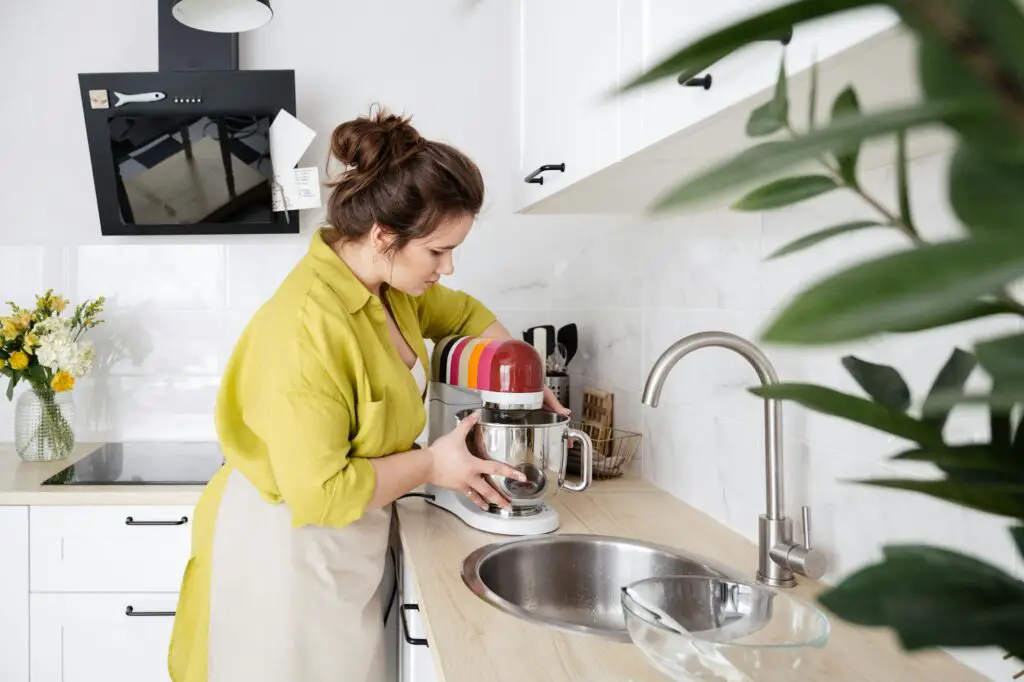
10. Stand Mixer

<p>For those who enjoy baking or cooking, a stand mixer can be a game-changer. It simplifies tasks like kneading dough and whipping cream, making the process more enjoyable. Stand mixers often come with various attachments, expanding their versatility. The iconic design of some models has even made them a statement piece in kitchens. Baking homemade bread or cakes becomes a fun and satisfying endeavor.​</p> ::Pexels

For those who enjoy baking or cooking, a stand mixer can be a game-changer. It simplifies tasks like kneading dough and whipping cream, making the process more enjoyable. Stand mixers often come with various attachments, expanding their versatility. The iconic design of some models has even made them a statement piece in kitchens. Baking homemade bread or cakes becomes a fun and satisfying endeavor.​

Conclusion

<p>While adulthood comes with its share of responsibilities, it also offers the opportunity to invest in items that bring both practicality and joy. These ten purchases not only enhance daily life but also add an element of fun and satisfaction. Embracing these grown-up buys can make the journey of adulthood more enjoyable and fulfilling.</p> ::Pexels

While adulthood comes with its share of responsibilities, it also offers the opportunity to invest in items that bring both practicality and joy. These ten purchases not only enhance daily life but also add an element of fun and satisfaction. Embracing these grown-up buys can make the journey of adulthood more enjoyable and fulfilling.

Filed Under: Lifestyle

Smart Home Upgrades for Retirement: 6 Changes That Make Life Easier as You Age

December 18, 2025 | Leave a Comment

Smart Home Upgrades for Retirement: 6 Changes That Make Life Easier as You Age

<p> As retirement approaches, many baby boomers are choosing to stay in the homes they love rather than downsizing or moving to senior living communities. This trend, known as “aging in place,” emphasizes making practical changes that allow individuals to live comfortably and safely in their homes for many years to come. Preparing your home for this next phase in life does not have to mean sterile medical-looking equipment or major construction projects. With a few well-thought-out upgrades, your home can remain stylish, safe, and supportive as your needs evolve. Here are six valuable remodeling ideas that can help you enjoy your retirement years with confidence and peace of mind. </p> :: Freepik

As retirement approaches, many baby boomers are choosing to stay in the homes they love rather than downsizing or moving to senior living communities. This trend, known as “aging in place,” emphasizes making practical changes that allow individuals to live comfortably and safely in their homes for many years to come. Preparing your home for this next phase in life does not have to mean sterile medical-looking equipment or major construction projects. With a few well-thought-out upgrades, your home can remain stylish, safe, and supportive as your needs evolve. Here are six valuable remodeling ideas that can help you enjoy your retirement years with confidence and peace of mind.

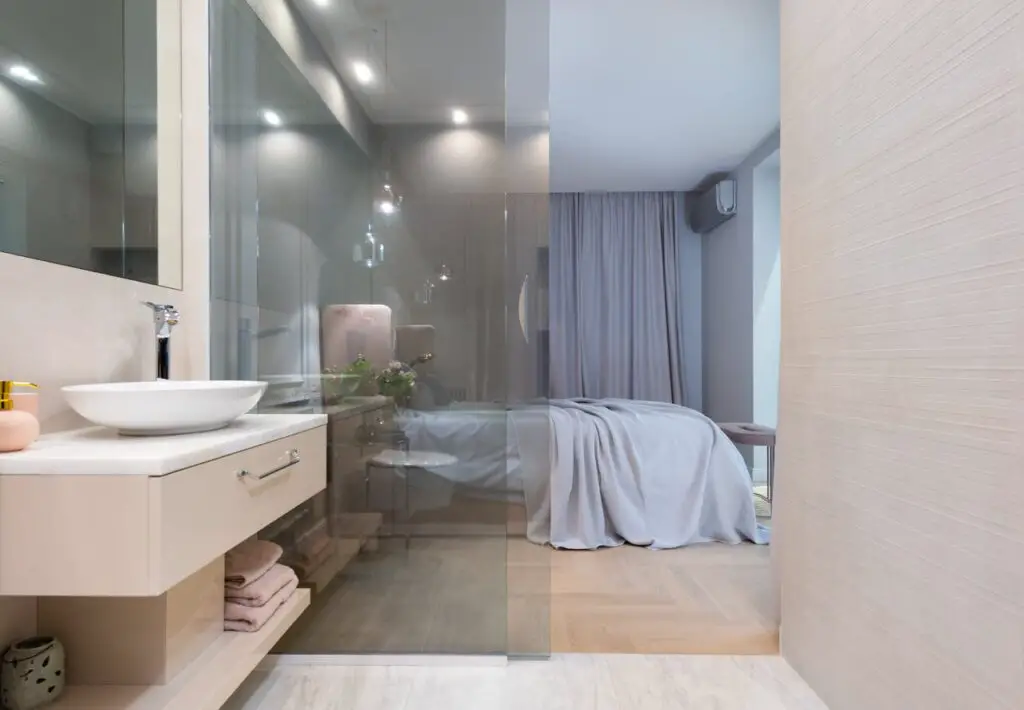
1. Install a Walk-In Shower With No Threshold

<p> One of the most important and popular upgrades for aging in place is replacing the traditional bathtub or combined shower-tub unit with a walk-in shower that has no threshold. As we grow older, stepping over a bathtub wall becomes more difficult and increases the risk of falling. A curbless shower provides a flat, step-free entry, making it much easier to use whether you are dealing with arthritis, limited mobility, or future mobility aids such as a walker or wheelchair. To take safety and convenience to the next level, consider adding a built-in bench, slip-resistant flooring, handheld showerheads, and attractive grab bars. These features can make your daily routine both easier and safer. Modern walk-in showers also come in beautiful, contemporary designs that enhance the look of your bathroom, so there is no need to sacrifice style for functionality. </p> :: Pexels

One of the most important and popular upgrades for aging in place is replacing the traditional bathtub or combined shower-tub unit with a walk-in shower that has no threshold. As we grow older, stepping over a bathtub wall becomes more difficult and increases the risk of falling. A curbless shower provides a flat, step-free entry, making it much easier to use whether you are dealing with arthritis, limited mobility, or future mobility aids such as a walker or wheelchair. To take safety and convenience to the next level, consider adding a built-in bench, slip-resistant flooring, handheld showerheads, and attractive grab bars. These features can make your daily routine both easier and safer. Modern walk-in showers also come in beautiful, contemporary designs that enhance the look of your bathroom, so there is no need to sacrifice style for functionality.

2. Add Better Lighting Throughout the House

<p> As we age, our vision often changes, making good lighting more essential than ever. Dimly lit areas, especially stairs, hallways, and bathrooms, can become dangerous over time. Adding or upgrading lighting throughout your home can make an enormous difference in terms of both safety and comfort. Install brighter, energy-efficient LED bulbs that mimic natural daylight to reduce glare and improve visibility. Consider under-cabinet lighting in the kitchen, additional reading lamps in living areas, and motion-sensor nightlights in bedrooms and bathrooms to make nighttime navigation easier. Hallways and staircases benefit greatly from additional light sources or sconces. With improved lighting, you reduce your risk of falls, ease the strain on your eyes, and create a warm, inviting atmosphere in every room. </p> :: Pexels

As we age, our vision often changes, making good lighting more essential than ever. Dimly lit areas, especially stairs, hallways, and bathrooms, can become dangerous over time. Adding or upgrading lighting throughout your home can make an enormous difference in terms of both safety and comfort. Install brighter, energy-efficient LED bulbs that mimic natural daylight to reduce glare and improve visibility. Consider under-cabinet lighting in the kitchen, additional reading lamps in living areas, and motion-sensor nightlights in bedrooms and bathrooms to make nighttime navigation easier. Hallways and staircases benefit greatly from additional light sources or sconces. With improved lighting, you reduce your risk of falls, ease the strain on your eyes, and create a warm, inviting atmosphere in every room.

3. Widen Doorways for Easier Access

<p> Standard interior doors in older homes are often too narrow to accommodate walkers or wheelchairs. Even if you do not currently use mobility aids, planning for future accessibility is a wise investment. Widening doorways to at least 36 inches creates a more open, comfortable flow between rooms and ensures your home remains accessible no matter what the future holds. This change is especially useful for key areas like bathrooms, bedrooms, and kitchens. If your remodeling project includes larger structural changes, consider opening up your floor plan to eliminate tight hallways and awkward corners that may become problematic later on. Wider doorways also make it easier to move furniture and allow more natural light to pass through the home, which is an added bonus for aging eyes. </p> :: Pexels

Standard interior doors in older homes are often too narrow to accommodate walkers or wheelchairs. Even if you do not currently use mobility aids, planning for future accessibility is a wise investment. Widening doorways to at least 36 inches creates a more open, comfortable flow between rooms and ensures your home remains accessible no matter what the future holds. This change is especially useful for key areas like bathrooms, bedrooms, and kitchens. If your remodeling project includes larger structural changes, consider opening up your floor plan to eliminate tight hallways and awkward corners that may become problematic later on. Wider doorways also make it easier to move furniture and allow more natural light to pass through the home, which is an added bonus for aging eyes.

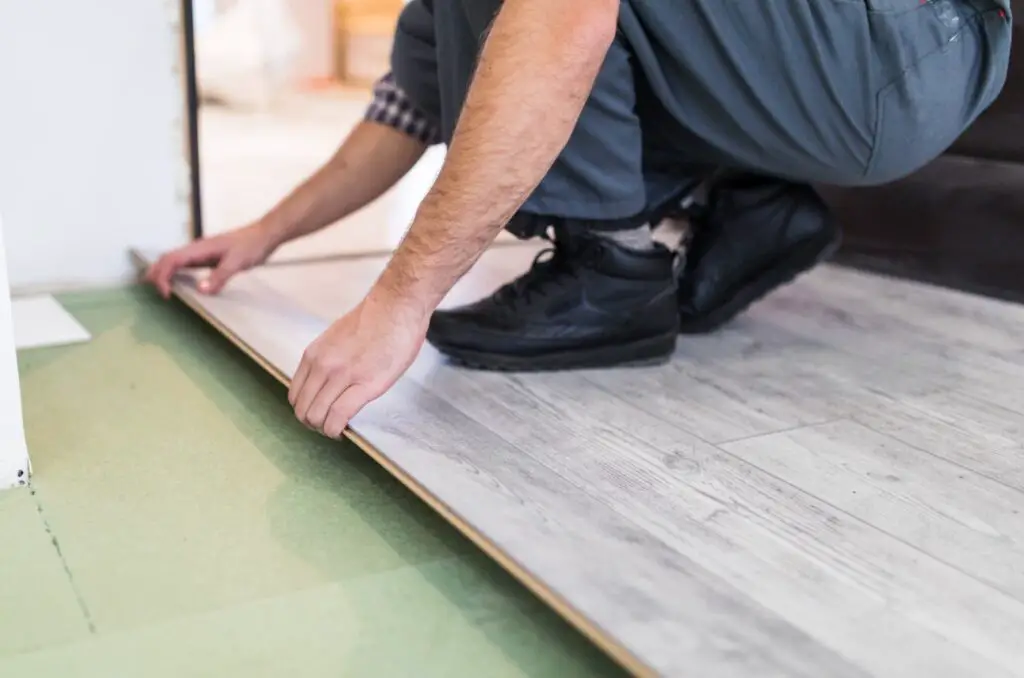
4. Replace Flooring With Slip-Resistant Materials

<p> Falls are one of the leading causes of injury among older adults, and flooring plays a critical role in preventing them. Replacing glossy or slippery surfaces such as tile or hardwood with safer, more forgiving materials can significantly reduce the chance of accidents. Look for non-slip options such as textured vinyl, cork, rubber flooring, or low-pile carpet. These materials provide a better grip underfoot while remaining attractive and easy to maintain. If you love the look of hardwood floors, choose engineered wood with a matte finish and wider planks, which offer more traction than traditional options. Avoid rugs that slide or curl at the edges. If you choose to keep area rugs for comfort or décor, make sure they have non-skid backing and lie flat. Safe flooring is not only a safety feature—it adds comfort and peace of mind to every step you take. </p> :: Freepik

Falls are one of the leading causes of injury among older adults, and flooring plays a critical role in preventing them. Replacing glossy or slippery surfaces such as tile or hardwood with safer, more forgiving materials can significantly reduce the chance of accidents. Look for non-slip options such as textured vinyl, cork, rubber flooring, or low-pile carpet. These materials provide a better grip underfoot while remaining attractive and easy to maintain. If you love the look of hardwood floors, choose engineered wood with a matte finish and wider planks, which offer more traction than traditional options. Avoid rugs that slide or curl at the edges. If you choose to keep area rugs for comfort or décor, make sure they have non-skid backing and lie flat. Safe flooring is not only a safety feature—it adds comfort and peace of mind to every step you take.

5. Install Lever-Style Handles and User-Friendly Fixtures

<p> Arthritis and reduced hand strength are common challenges as we get older. Replacing round doorknobs and twist-style faucet handles with lever-style versions can make your home significantly more comfortable and accessible. Lever handles require far less effort to use and are easier to manage for anyone experiencing joint pain or stiffness. These small hardware upgrades extend to other areas too—install lever-style handles on cabinets and drawers, or use larger, easy-grip pulls that offer a better grip. In the kitchen and bathroom, consider single-handle or touchless faucets that allow for smoother control and temperature adjustment. These types of upgrades are affordable, attractive, and make a meaningful difference in daily life without requiring a major renovation. </p> :: Pexels

Arthritis and reduced hand strength are common challenges as we get older. Replacing round doorknobs and twist-style faucet handles with lever-style versions can make your home significantly more comfortable and accessible. Lever handles require far less effort to use and are easier to manage for anyone experiencing joint pain or stiffness. These small hardware upgrades extend to other areas too—install lever-style handles on cabinets and drawers, or use larger, easy-grip pulls that offer a better grip. In the kitchen and bathroom, consider single-handle or touchless faucets that allow for smoother control and temperature adjustment. These types of upgrades are affordable, attractive, and make a meaningful difference in daily life without requiring a major renovation.

6. Create a Bedroom and Full Bathroom on the Main Floor

<p> Stairs can become a serious obstacle for older adults, especially in a multi-story home. Creating a full bedroom and bathroom on the main level ensures that you can avoid using stairs every day, which is critical for long-term comfort and safety. If your home already has a guest bedroom on the first floor, consider upgrading it into a master suite with a connected bathroom. If not, think about reconfiguring your current layout or adding a small extension to create a private, convenient space for sleeping, bathing, and dressing all on one level. This adjustment not only benefits you now but can increase your home’s resale value in the future, as more buyers are seeking homes with first-floor living. With aging in place in mind, make sure the bedroom and bathroom have wide doorways, non-slip flooring, and accessible lighting and switches. </p> :: Pexels

Stairs can become a serious obstacle for older adults, especially in a multi-story home. Creating a full bedroom and bathroom on the main level ensures that you can avoid using stairs every day, which is critical for long-term comfort and safety. If your home already has a guest bedroom on the first floor, consider upgrading it into a master suite with a connected bathroom. If not, think about reconfiguring your current layout or adding a small extension to create a private, convenient space for sleeping, bathing, and dressing all on one level. This adjustment not only benefits you now but can increase your home’s resale value in the future, as more buyers are seeking homes with first-floor living. With aging in place in mind, make sure the bedroom and bathroom have wide doorways, non-slip flooring, and accessible lighting and switches.

Final Thoughts

<p> Your retirement years should be a time of relaxation, joy, and comfort—not daily struggles with stairs, slippery floors, or hard-to-reach fixtures. The key to successful aging in place is planning ahead and making upgrades that are both functional and beautiful. From walk-in showers and accessible bedrooms to wider doorways and improved lighting, each change you make brings you one step closer to a home that supports your independence and well-being. You do not need to do everything at once. Start with the most pressing changes—perhaps a bathroom remodel or a lighting upgrade—and then build from there. Even small modifications can have a lasting impact on your quality of life. With thoughtful planning and a few smart investments, your home can remain the comfortable, welcoming place you have always known, perfectly suited to support you throughout your retirement years. </p> :: Freepik

Your retirement years should be a time of relaxation, joy, and comfort—not daily struggles with stairs, slippery floors, or hard-to-reach fixtures. The key to successful aging in place is planning ahead and making upgrades that are both functional and beautiful. From walk-in showers and accessible bedrooms to wider doorways and improved lighting, each change you make brings you one step closer to a home that supports your independence and well-being.

You do not need to do everything at once. Start with the most pressing changes—perhaps a bathroom remodel or a lighting upgrade—and then build from there. Even small modifications can have a lasting impact on your quality of life. With thoughtful planning and a few smart investments, your home can remain the comfortable, welcoming place you have always known, perfectly suited to support you throughout your retirement years.

Filed Under: Lifestyle

7 Little Daily Habits That Make Life After Retirement Even Better

December 18, 2025 | Leave a Comment

7 Little Daily Habits That Make Life After Retirement Even Better

<p>Retirement is a fresh start, not a finish line. With more free time, small daily habits can make a big impact on your well-being. These simple changes can bring more joy, better health, and a sense of purpose. The best part? They don’t take much effort but make life much sweeter.</p> ::Pexels

Retirement is a fresh start, not a finish line. With more free time, small daily habits can make a big impact on your well-being. These simple changes can bring more joy, better health, and a sense of purpose. The best part? They don’t take much effort but make life much sweeter.

1. Start the Day with Gratitude

<p>A simple “thank you” can change your entire outlook. Taking a few moments each morning to reflect on what you’re grateful for can set a positive tone for the rest of the day. It doesn’t have to be anything grand—maybe it’s the warm sunlight, a good cup of coffee, or a phone call from a friend. Studies show that practicing gratitude can lower stress, improve sleep, and even boost heart health. Keeping a small journal to jot down daily blessings is a great way to make this habit stick. The more you practice, the easier it becomes to notice life’s little joys.</p> ::Pexels

A simple “thank you” can change your entire outlook. Taking a few moments each morning to reflect on what you’re grateful for can set a positive tone for the rest of the day. It doesn’t have to be anything grand—maybe it’s the warm sunlight, a good cup of coffee, or a phone call from a friend. Studies show that practicing gratitude can lower stress, improve sleep, and even boost heart health. Keeping a small journal to jot down daily blessings is a great way to make this habit stick. The more you practice, the easier it becomes to notice life’s little joys.

2. Walk for at Least 20 Minutes

<p>Walking is one of the easiest and most effective ways to stay active after retirement. It keeps your heart healthy, strengthens muscles, and improves mood. A 20-minute walk each day can help lower the risk of heart disease, arthritis, and even dementia. Plus, it’s a great way to enjoy fresh air and connect with nature. If walking alone feels dull, consider joining a walking group or listening to music or a podcast. A fun fact? Walking regularly can actually boost creativity by up to 60%, according to Stanford University research.</p> ::Pexels

Walking is one of the easiest and most effective ways to stay active after retirement. It keeps your heart healthy, strengthens muscles, and improves mood. A 20-minute walk each day can help lower the risk of heart disease, arthritis, and even dementia. Plus, it’s a great way to enjoy fresh air and connect with nature. If walking alone feels dull, consider joining a walking group or listening to music or a podcast. A fun fact? Walking regularly can actually boost creativity by up to 60%, according to Stanford University research.

3. Try Something New Every Day

<p>Keeping your brain active is just as important as keeping your body moving. Learning something new each day, even something small, keeps your mind sharp and engaged. It could be a new word, a recipe, a hobby, or even a different route for your daily walk. The brain thrives on novelty, and studies suggest lifelong learning helps reduce cognitive decline. Plus, it adds a sense of adventure to daily life. Trying new things doesn’t mean big commitments—small changes like reading a new genre or trying a new type of tea can bring fresh excitement.</p> ::Pexels

Keeping your brain active is just as important as keeping your body moving. Learning something new each day, even something small, keeps your mind sharp and engaged. It could be a new word, a recipe, a hobby, or even a different route for your daily walk. The brain thrives on novelty, and studies suggest lifelong learning helps reduce cognitive decline. Plus, it adds a sense of adventure to daily life. Trying new things doesn’t mean big commitments—small changes like reading a new genre or trying a new type of tea can bring fresh excitement.

4. Stay Social—Even in Small Ways

<p>Retirement can sometimes feel isolating, but human connection is vital for happiness and mental health. A quick chat with a neighbor, a short phone call to an old friend, or even a smile at a passerby can make a difference. Socializing doesn’t have to mean big gatherings; small, daily interactions matter just as much. Research shows that staying social reduces stress, keeps the brain sharp, and even helps people live longer. Whether it’s joining a local club, attending community events, or simply sending a text, keeping in touch is a habit that pays off.</p> ::Pexels

Retirement can sometimes feel isolating, but human connection is vital for happiness and mental health. A quick chat with a neighbor, a short phone call to an old friend, or even a smile at a passerby can make a difference. Socializing doesn’t have to mean big gatherings; small, daily interactions matter just as much. Research shows that staying social reduces stress, keeps the brain sharp, and even helps people live longer. Whether it’s joining a local club, attending community events, or simply sending a text, keeping in touch is a habit that pays off.

5. Eat One Healthy Meal Mindfully

<p>Food isn’t just fuel—it’s an experience. Taking time to eat at least one meal slowly and without distractions helps you enjoy flavors, improves digestion, and even prevents overeating. Choosing whole, nutritious foods like fresh vegetables, lean proteins, and healthy fats can improve energy and overall health. The Mediterranean diet, which focuses on these foods, has been linked to longer life and lower risks of heart disease. If cooking feels like a chore, try experimenting with easy, healthy recipes or sharing meals with friends. Enjoying food with intention makes every bite more satisfying.</p> ::Pexels

Food isn’t just fuel—it’s an experience. Taking time to eat at least one meal slowly and without distractions helps you enjoy flavors, improves digestion, and even prevents overeating. Choosing whole, nutritious foods like fresh vegetables, lean proteins, and healthy fats can improve energy and overall health. The Mediterranean diet, which focuses on these foods, has been linked to longer life and lower risks of heart disease. If cooking feels like a chore, try experimenting with easy, healthy recipes or sharing meals with friends. Enjoying food with intention makes every bite more satisfying.

6. Do Something Creative

<p>Creativity isn’t just for artists. Engaging in creative activities, like painting, writing, gardening, or even arranging furniture, is a great way to keep the mind active. Studies show that creative hobbies help reduce stress, boost mood, and even improve memory. The key is to do something enjoyable without worrying about results. It’s about the process, not perfection. Many famous artists and writers did their best work later in life—Grandma Moses, for example, didn’t start painting until she was in her 70s. Creativity brings a sense of fulfillment and can make everyday life feel more vibrant.</p> ::Pexels

Creativity isn’t just for artists. Engaging in creative activities, like painting, writing, gardening, or even arranging furniture, is a great way to keep the mind active. Studies show that creative hobbies help reduce stress, boost mood, and even improve memory. The key is to do something enjoyable without worrying about results. It’s about the process, not perfection. Many famous artists and writers did their best work later in life—Grandma Moses, for example, didn’t start painting until she was in her 70s. Creativity brings a sense of fulfillment and can make everyday life feel more vibrant.

7. End the Day with a Simple Reflection

<p>Just as starting the day with gratitude is powerful, ending it with reflection brings a sense of peace. Taking a few minutes before bed to think about what went well can improve sleep and overall happiness. This habit doesn’t need to be complicated—just a quiet moment to appreciate small victories, lessons learned, or happy moments. Keeping a journal or simply talking about the day with a loved one can make this habit more meaningful. Reflection helps shift focus from worries to appreciation, making each day feel more fulfilling.</p> ::Pexels

Just as starting the day with gratitude is powerful, ending it with reflection brings a sense of peace. Taking a few minutes before bed to think about what went well can improve sleep and overall happiness. This habit doesn’t need to be complicated—just a quiet moment to appreciate small victories, lessons learned, or happy moments. Keeping a journal or simply talking about the day with a loved one can make this habit more meaningful. Reflection helps shift focus from worries to appreciation, making each day feel more fulfilling.

Conclusion

<p>Life after retirement is what you make it. Small, simple habits can create a big difference in how you feel every day. Whether it’s moving more, learning something new, or just taking a moment to be thankful, these little changes add up to a happier, healthier life. The key is to start small and stay consistent. Before you know it, these daily habits will feel natural, making retirement a time of joy and growth.</p> ::Pexels

Life after retirement is what you make it. Small, simple habits can create a big difference in how you feel every day. Whether it’s moving more, learning something new, or just taking a moment to be thankful, these little changes add up to a happier, healthier life. The key is to start small and stay consistent. Before you know it, these daily habits will feel natural, making retirement a time of joy and growth.

Filed Under: Lifestyle

9 Driving Tips Our Parents Taught Us That Are Now Illegal in the U.S.

December 18, 2025 | Leave a Comment

9 Driving Tips Our Parents Taught Us That Are Now Illegal in the U.S.

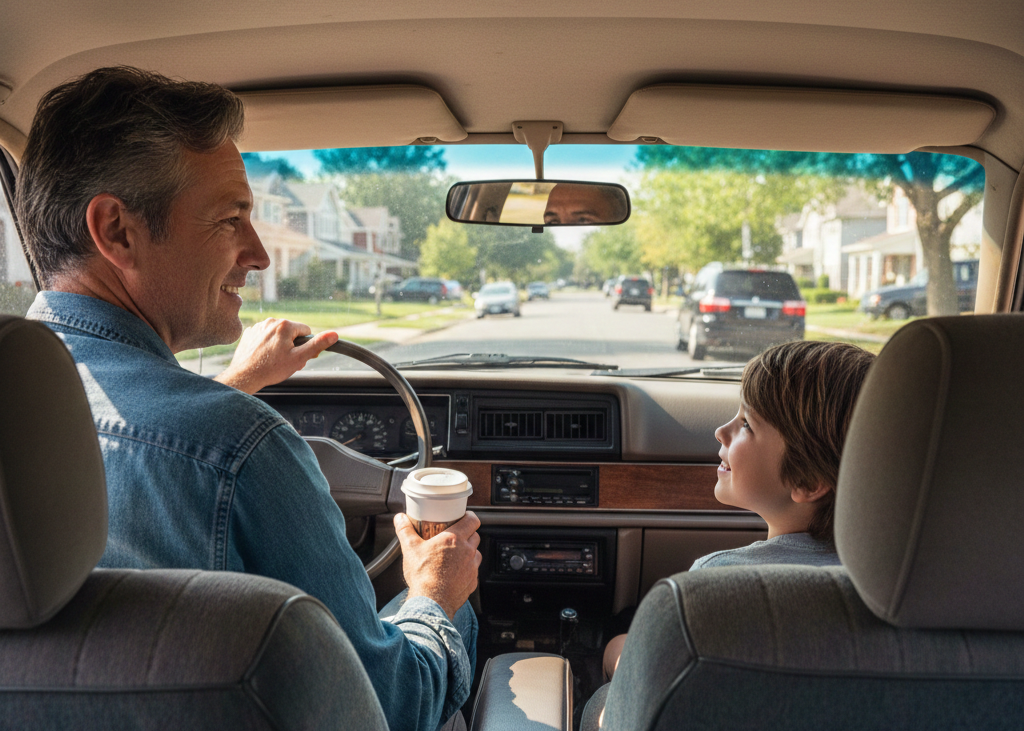
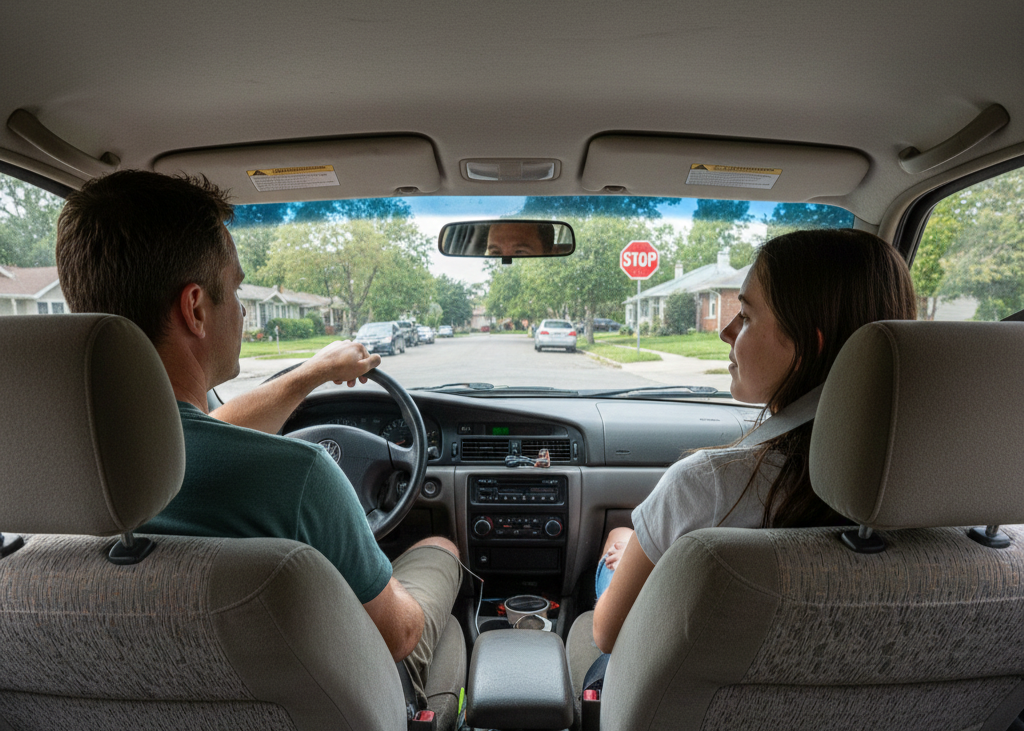
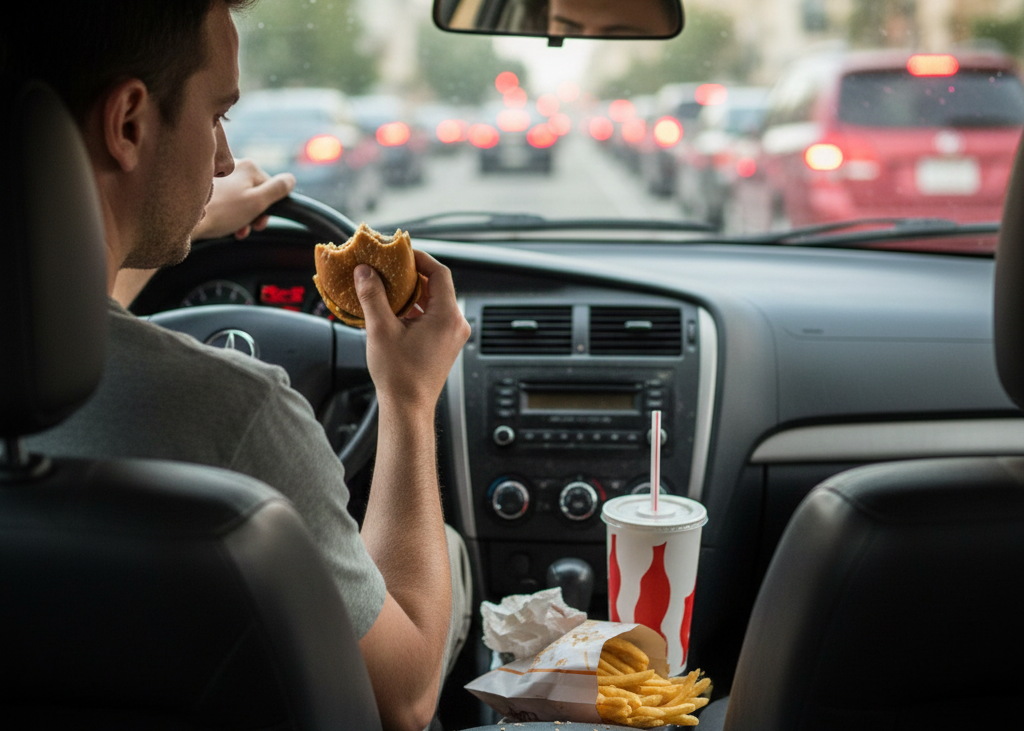
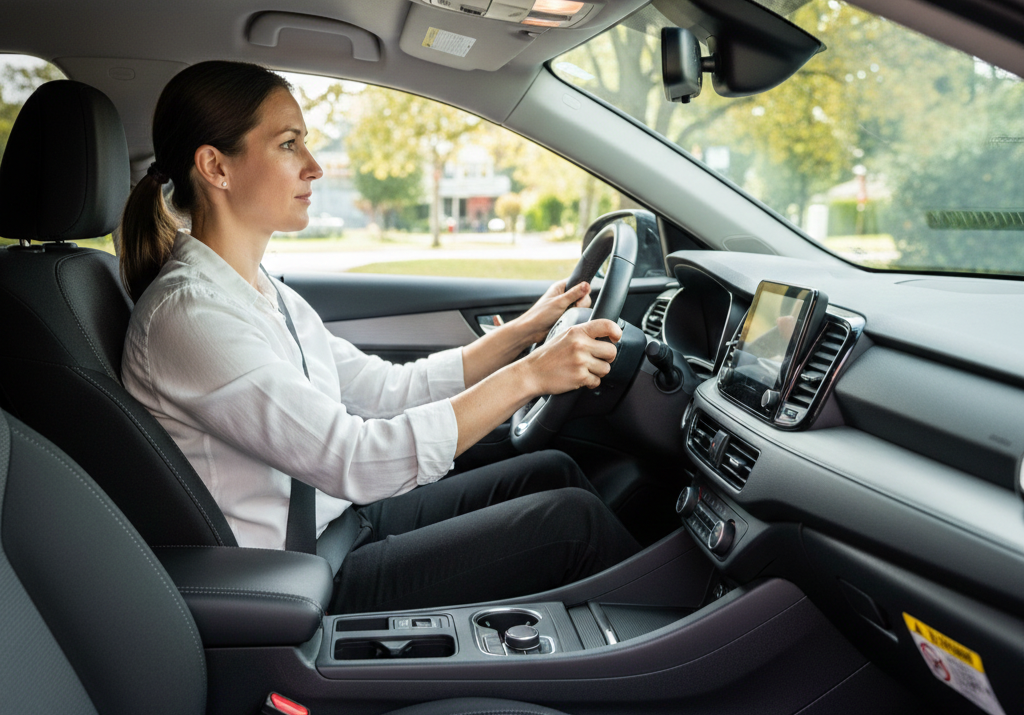
<p> Remember sitting in the passenger seat while your parents cruised down the road with one hand on the steering wheel and the other holding a coffee cup? Back then, driving felt simpler, less stressful, and far less regulated. Parents passed down tips and habits they truly believed made driving easier or more practical, and for their time, many of those habits were considered normal—even smart.

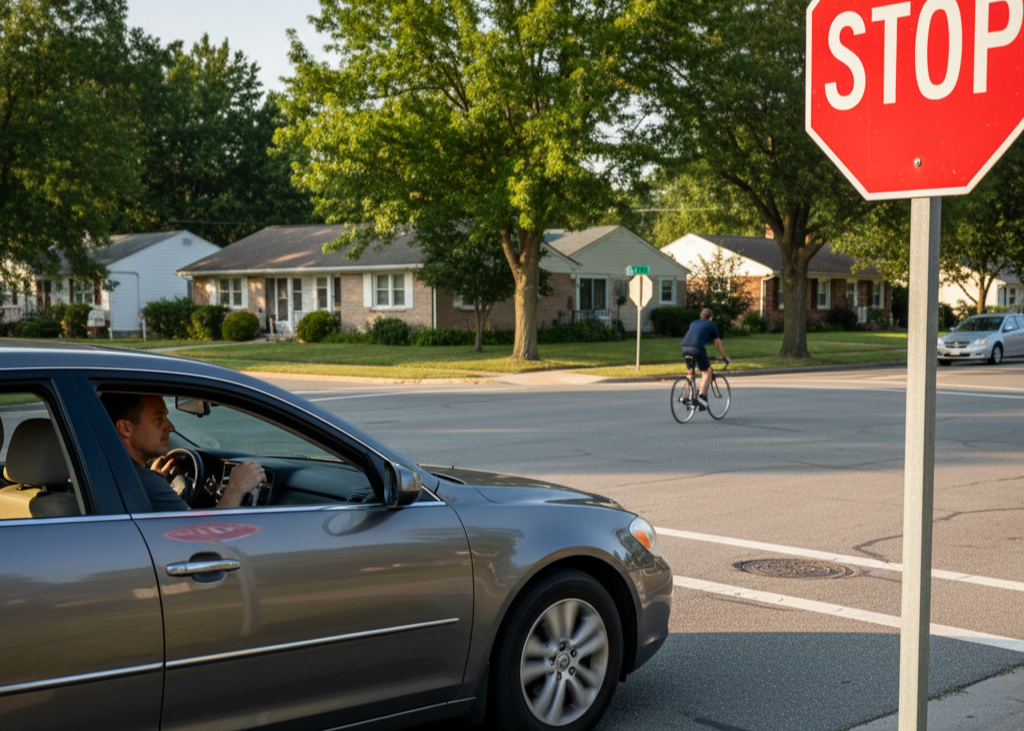
But roads have changed. Cars are faster, traffic is heavier, and safety research has advanced dramatically. As a result, many driving tips our parents confidently taught us are now illegal, heavily fined, or strongly discouraged across the United States. While these habits may spark nostalgia, clinging to them today can put you at risk of tickets, accidents, or serious injuries.

Here are nine driving tips our parents taught us that are now illegal in the U.S., along with why it is important to leave these habits in the past for safer driving today. </p> :: Gemini

Remember sitting in the passenger seat while your parents cruised down the road with one hand on the steering wheel and the other holding a coffee cup? Back then, driving felt simpler, less stressful, and far less regulated. Parents passed down tips and habits they truly believed made driving easier or more practical, and for their time, many of those habits were considered normal—even smart.

But roads have changed. Cars are faster, traffic is heavier, and safety research has advanced dramatically. As a result, many driving tips our parents confidently taught us are now illegal, heavily fined, or strongly discouraged across the United States. While these habits may spark nostalgia, clinging to them today can put you at risk of tickets, accidents, or serious injuries.

Here are nine driving tips our parents taught us that are now illegal in the U.S., along with why it is important to leave these habits in the past for safer driving today.

1. Skipping the Seatbelt on Short Drives

<p> For many families, seatbelts were treated as optional—especially for quick trips to the store or around the neighborhood. Parents often reassured us by saying, “We’re only going a few blocks,” or “Nothing is going to happen.”

Today, this mindset is both outdated and illegal. Seatbelt laws now exist in all fifty states, requiring drivers and passengers to buckle up regardless of distance or speed. Studies consistently show that most serious accidents occur close to home, not on long road trips. A sudden stop, distracted driver, or unexpected obstacle can turn a short drive into a life-altering event.

Skipping a seatbelt can result in fines, points on your license, and significantly higher risk of injury or death. What once felt like a harmless shortcut is now recognized as one of the most dangerous driving habits. Buckling up every time is one of the simplest ways to protect yourself and others. </p> :: Gemini

For many families, seatbelts were treated as optional—especially for quick trips to the store or around the neighborhood. Parents often reassured us by saying, “We’re only going a few blocks,” or “Nothing is going to happen.”

Today, this mindset is both outdated and illegal. Seatbelt laws now exist in all fifty states, requiring drivers and passengers to buckle up regardless of distance or speed. Studies consistently show that most serious accidents occur close to home, not on long road trips. A sudden stop, distracted driver, or unexpected obstacle can turn a short drive into a life-altering event.

Skipping a seatbelt can result in fines, points on your license, and significantly higher risk of injury or death. What once felt like a harmless shortcut is now recognized as one of the most dangerous driving habits. Buckling up every time is one of the simplest ways to protect yourself and others.

2. Eating or Drinking While Driving

<p> Many of us grew up watching our parents balance burgers, fries, or coffee cups while navigating traffic. It was treated as a normal part of life—especially during busy mornings or long commutes.

Today, eating or drinking behind the wheel is often classified as distracted driving. While laws vary by state, many jurisdictions allow officers to issue citations if eating or drinking interferes with safe vehicle operation. Taking your eyes off the road, one hand off the wheel, or your attention away for even a few seconds can be enough to cause a crash.

Modern driving laws emphasize focus above all else. With increased traffic density and higher speeds, multitasking is no longer considered harmless. Pulling over to eat may feel inconvenient, but it dramatically reduces risk and keeps you compliant with the law. </p> :: Gemini

Many of us grew up watching our parents balance burgers, fries, or coffee cups while navigating traffic. It was treated as a normal part of life—especially during busy mornings or long commutes.

Today, eating or drinking behind the wheel is often classified as distracted driving. While laws vary by state, many jurisdictions allow officers to issue citations if eating or drinking interferes with safe vehicle operation. Taking your eyes off the road, one hand off the wheel, or your attention away for even a few seconds can be enough to cause a crash.

Modern driving laws emphasize focus above all else. With increased traffic density and higher speeds, multitasking is no longer considered harmless. Pulling over to eat may feel inconvenient, but it dramatically reduces risk and keeps you compliant with the law.

3. Rolling Through Stop Signs

<p> Parents often taught us that stop signs were flexible—especially in quiet neighborhoods. A slow roll-through, also known as a “California stop,” was seen as acceptable if no other cars were around.

Today, traffic laws require a full and complete stop at all stop signs. This means your wheels must come to a complete halt, even if the intersection appears empty. Rolling stops are now a common reason for traffic tickets, especially with the widespread use of traffic cameras and increased enforcement.

Stop signs exist to create predictable behavior for all drivers, cyclists, and pedestrians. Even a brief failure to stop can lead to serious accidents. What once felt like efficiency is now recognized as a significant safety risk. </p> :: Gemini

Parents often taught us that stop signs were flexible—especially in quiet neighborhoods. A slow roll-through, also known as a “California stop,” was seen as acceptable if no other cars were around.

Today, traffic laws require a full and complete stop at all stop signs. This means your wheels must come to a complete halt, even if the intersection appears empty. Rolling stops are now a common reason for traffic tickets, especially with the widespread use of traffic cameras and increased enforcement.

Stop signs exist to create predictable behavior for all drivers, cyclists, and pedestrians. Even a brief failure to stop can lead to serious accidents. What once felt like efficiency is now recognized as a significant safety risk.

4. Letting Kids Sit in the Front Seat

<p> Sitting in the front seat as a child once felt like a major milestone. Parents often rewarded good behavior by letting kids ride up front, believing it was safe enough.

Modern safety research has proven otherwise. Front-seat airbags are designed for adults and can seriously injure or kill children during a collision. As a result, most states have strict laws requiring children to ride in the back seat using appropriate car seats or booster seats based on age, height, and weight.

Violating child passenger safety laws can result in hefty fines and, more importantly, puts children at unnecessary risk. Keeping kids properly restrained in the back seat is one of the most important changes in modern driving safety. </p> :: Gemini

Sitting in the front seat as a child once felt like a major milestone. Parents often rewarded good behavior by letting kids ride up front, believing it was safe enough.

Modern safety research has proven otherwise. Front-seat airbags are designed for adults and can seriously injure or kill children during a collision. As a result, most states have strict laws requiring children to ride in the back seat using appropriate car seats or booster seats based on age, height, and weight.

Violating child passenger safety laws can result in hefty fines and, more importantly, puts children at unnecessary risk. Keeping kids properly restrained in the back seat is one of the most important changes in modern driving safety.

5. Flashing Headlights to Warn About Police

<p> Flashing headlights to warn oncoming drivers about speed traps or police checkpoints used to be considered a friendly courtesy. Many parents taught this as an unspoken rule of the road.

Today, this practice is illegal in many states and can be interpreted as interfering with law enforcement. Police argue that it can help impaired or dangerous drivers avoid detection, putting the public at risk. Drivers caught flashing headlights for this purpose may face citations or fines.

Instead of relying on outdated signals, modern driving emphasizes compliance—following posted speed limits and traffic laws at all times, not just when enforcement is visible. </p> :: Gemini

Flashing headlights to warn oncoming drivers about speed traps or police checkpoints used to be considered a friendly courtesy. Many parents taught this as an unspoken rule of the road.

Today, this practice is illegal in many states and can be interpreted as interfering with law enforcement. Police argue that it can help impaired or dangerous drivers avoid detection, putting the public at risk. Drivers caught flashing headlights for this purpose may face citations or fines.

Instead of relying on outdated signals, modern driving emphasizes compliance—following posted speed limits and traffic laws at all times, not just when enforcement is visible.

6. Driving With One Hand on the Wheel

<p> Driving with one hand draped casually over the steering wheel was once seen as relaxed and confident. Parents often did it without a second thought, especially on familiar roads.

Today, this habit is considered unsafe and may contribute to citations if it leads to poor vehicle control. Modern vehicles are highly responsive, and unexpected hazards can appear in seconds. Maintaining proper control typically requires both hands on the wheel, especially at higher speeds or in traffic.

While the law may not explicitly ban one-handed driving everywhere, it can still be cited under careless or reckless driving statutes if it compromises safety. </p> :: Gemini

Driving with one hand draped casually over the steering wheel was once seen as relaxed and confident. Parents often did it without a second thought, especially on familiar roads.

Today, this habit is considered unsafe and may contribute to citations if it leads to poor vehicle control. Modern vehicles are highly responsive, and unexpected hazards can appear in seconds. Maintaining proper control typically requires both hands on the wheel, especially at higher speeds or in traffic.

While the law may not explicitly ban one-handed driving everywhere, it can still be cited under careless or reckless driving statutes if it compromises safety.

7. Resting Your Arm Out the Window

<p> Letting your arm hang out the window during a drive once symbolized comfort and freedom. Many parents drove this way on warm days, unaware of the risks.

Modern safety standards strongly discourage this behavior, and some states consider it a traffic violation. In the event of a collision, even a minor one, an exposed arm is extremely vulnerable to severe injury. It can also limit your ability to react quickly in an emergency.

Keeping both arms inside the vehicle improves control and reduces injury risk, aligning with today’s emphasis on proactive safety. </p> :: Gemini

Letting your arm hang out the window during a drive once symbolized comfort and freedom. Many parents drove this way on warm days, unaware of the risks.

Modern safety standards strongly discourage this behavior, and some states consider it a traffic violation. In the event of a collision, even a minor one, an exposed arm is extremely vulnerable to severe injury. It can also limit your ability to react quickly in an emergency.

Keeping both arms inside the vehicle improves control and reduces injury risk, aligning with today’s emphasis on proactive safety.

8. Driving Barefoot or in Slippers

<p> Parents often dismissed concerns about footwear, insisting that driving barefoot or in flip-flops was perfectly fine. For many families, shoes were optional when getting behind the wheel.

Today, driving without proper footwear is discouraged and, in some states, may be cited if it contributes to unsafe driving. Bare feet or loose footwear can slip off pedals or reduce reaction time during emergencies.

Wearing secure, well-fitting shoes ensures better pedal control and helps prevent avoidable accidents. What once felt comfortable is now recognized as a potential hazard. </p> :: Gemini

Parents often dismissed concerns about footwear, insisting that driving barefoot or in flip-flops was perfectly fine. For many families, shoes were optional when getting behind the wheel.

Today, driving without proper footwear is discouraged and, in some states, may be cited if it contributes to unsafe driving. Bare feet or loose footwear can slip off pedals or reduce reaction time during emergencies.

Wearing secure, well-fitting shoes ensures better pedal control and helps prevent avoidable accidents. What once felt comfortable is now recognized as a potential hazard.

9. Passing When You Think the Road Is Clear

<p> Parents often relied on judgment rather than signage, teaching us that if the road looked empty, it was safe to pass slower vehicles. This advice worked in quieter times with less traffic.

Modern laws strictly regulate passing. Passing in no-passing zones, over double yellow lines, or in areas with limited visibility is illegal and extremely dangerous. Head-on collisions caused by improper passing are among the deadliest types of accidents.

Designated passing zones exist for a reason, and ignoring them can lead to severe legal consequences and life-threatening situations. </p> :: Gemini

Parents often relied on judgment rather than signage, teaching us that if the road looked empty, it was safe to pass slower vehicles. This advice worked in quieter times with less traffic.

Modern laws strictly regulate passing. Passing in no-passing zones, over double yellow lines, or in areas with limited visibility is illegal and extremely dangerous. Head-on collisions caused by improper passing are among the deadliest types of accidents.

Designated passing zones exist for a reason, and ignoring them can lead to severe legal consequences and life-threatening situations.

Final Thoughts

<p> The driving tips our parents taught us were shaped by a different era—one with fewer cars, less congestion, and limited safety research. These habits were not reckless at the time; they were simply products of their environment.

Today’s traffic laws reflect decades of data, innovation, and hard lessons learned from preventable accidents. Seatbelts, child safety seats, distracted driving laws, and stricter enforcement are not about taking the joy out of driving—they are about saving lives.

Honoring our parents does not mean copying their driving habits exactly as they were. It means taking the confidence, awareness, and responsibility they modeled and combining it with modern safety standards. By unlearning outdated practices and embracing current laws, you protect yourself, your passengers, and everyone else on the road.

Driving may never feel as carefree as it once did, but it can be far safer—and that is a trade worth making. </p> :: Gemini

The driving tips our parents taught us were shaped by a different era—one with fewer cars, less congestion, and limited safety research. These habits were not reckless at the time; they were simply products of their environment.

Today’s traffic laws reflect decades of data, innovation, and hard lessons learned from preventable accidents. Seatbelts, child safety seats, distracted driving laws, and stricter enforcement are not about taking the joy out of driving—they are about saving lives.

Honoring our parents does not mean copying their driving habits exactly as they were. It means taking the confidence, awareness, and responsibility they modeled and combining it with modern safety standards. By unlearning outdated practices and embracing current laws, you protect yourself, your passengers, and everyone else on the road.

Driving may never feel as carefree as it once did, but it can be far safer—and that is a trade worth making.

Filed Under: Lifestyle

How Capitalism Has Seriously Changed the Holidays: 12 Ways It Affects You

December 18, 2025 | Leave a Comment

How Capitalism Has Seriously Changed the Holidays: 12 Ways It Affects You

<p> The holidays are supposed to be the most wonderful time of the year. Cozy moments with family, twinkling lights, and the simple joy of giving used to define this season. But somewhere along the way, capitalism swooped in and transformed our celebrations into something that often feels stressful, expensive, and exhausting. From early holiday marketing to the pressure to buy more than we can afford, many of us end up feeling more frazzled than festive. In this article, we explore twelve ways capitalism has altered the holidays, making it easier to recognize these patterns and take back control of your season. </p> :: Gemini

The holidays are supposed to be the most wonderful time of the year. Cozy moments with family, twinkling lights, and the simple joy of giving used to define this season. But somewhere along the way, capitalism swooped in and transformed our celebrations into something that often feels stressful, expensive, and exhausting. From early holiday marketing to the pressure to buy more than we can afford, many of us end up feeling more frazzled than festive. In this article, we explore twelve ways capitalism has altered the holidays, making it easier to recognize these patterns and take back control of your season.

1. Holiday Marketing Starts Earlier Every Year

<p> Have you noticed Christmas decorations appearing before Halloween? This trend, known as holiday creep, is fueled by retailers who want to stretch the shopping season and maximize sales. For consumers, it means being pulled into holiday spending before you have even fully enjoyed the last season. The result is a constant commercial buzz that makes it hard to savor the true spirit of the holidays. </p> :: Gemini

Have you noticed Christmas decorations appearing before Halloween? This trend, known as holiday creep, is fueled by retailers who want to stretch the shopping season and maximize sales. For consumers, it means being pulled into holiday spending before you have even fully enjoyed the last season. The result is a constant commercial buzz that makes it hard to savor the true spirit of the holidays.

2. Gift-Giving Feels Like an Obligation

<p> Gift-giving used to be about thoughtful gestures and heartfelt surprises. Today, it often feels like a test of who can spend the most. Advertisements and social media comparisons push us to measure love by the price tag, turning what should be a meaningful tradition into a stressful chore. It is easy to forget that the most memorable gifts are not always the most expensive. </p> :: Gemini

Gift-giving used to be about thoughtful gestures and heartfelt surprises. Today, it often feels like a test of who can spend the most. Advertisements and social media comparisons push us to measure love by the price tag, turning what should be a meaningful tradition into a stressful chore. It is easy to forget that the most memorable gifts are not always the most expensive.

3. Traditions Take a Back Seat to Sales

<p> Family gatherings, cozy rituals, and time together are often overshadowed by shopping lists and sales promotions. Many people report that the parts they love most about the holidays get lost amid the pressure to buy and consume. The experience becomes less about connection and more about checking off obligations dictated by commercial calendars. </p> :: Gemini

Family gatherings, cozy rituals, and time together are often overshadowed by shopping lists and sales promotions. Many people report that the parts they love most about the holidays get lost amid the pressure to buy and consume. The experience becomes less about connection and more about checking off obligations dictated by commercial calendars.

4. Holiday Debt Becomes Commonplace

<p> Many Americans enter the new year carrying debt from holiday spending. Retailers and marketers thrive on this cycle, encouraging purchases beyond what people can comfortably afford. The financial stress can quickly overshadow any joy, leaving people worried and exhausted instead of excited and relaxed. </p> :: Gemini

Many Americans enter the new year carrying debt from holiday spending. Retailers and marketers thrive on this cycle, encouraging purchases beyond what people can comfortably afford. The financial stress can quickly overshadow any joy, leaving people worried and exhausted instead of excited and relaxed.

5. Emotional Experiences Are Commodified

<p> The way we celebrate emotions like joy, nostalgia, and love has changed. Corporate campaigns sell these feelings back to us through themed events, decorations, and experiences. It can be hard to separate genuine emotional moments from the commercial packaging designed to make us spend more, which makes authentic holiday experiences feel rare. </p> :: Gemini

The way we celebrate emotions like joy, nostalgia, and love has changed. Corporate campaigns sell these feelings back to us through themed events, decorations, and experiences. It can be hard to separate genuine emotional moments from the commercial packaging designed to make us spend more, which makes authentic holiday experiences feel rare.

6. Small Businesses Get Squeezed

<p> The dominance of big-box retailers during the holidays often sidelines smaller, local businesses. While corporations offer flashy deals and wide selections, small shops struggle to compete, which can weaken community ties and reduce diversity in the market. Supporting local businesses can help keep holiday commerce closer to home and more personal. </p> :: Gemini

The dominance of big-box retailers during the holidays often sidelines smaller, local businesses. While corporations offer flashy deals and wide selections, small shops struggle to compete, which can weaken community ties and reduce diversity in the market. Supporting local businesses can help keep holiday commerce closer to home and more personal.

7. Advertising Creates Unrealistic Expectations

<p> Social media and billboards constantly present an idealized version of holiday life. This encourages comparisons and makes it seem like everyone else is hosting perfect parties and giving perfect gifts. In reality, those “perfect” moments are carefully curated, and trying to replicate them can lead to unnecessary stress and disappointment. </p> :: Gemini

Social media and billboards constantly present an idealized version of holiday life. This encourages comparisons and makes it seem like everyone else is hosting perfect parties and giving perfect gifts. In reality, those “perfect” moments are carefully curated, and trying to replicate them can lead to unnecessary stress and disappointment.

8. The Environmental Impact Is Huge

<p> Extra purchases, decorations, and packaging take a toll on the environment. The holiday season leads to a noticeable spike in household waste, which capitalism fuels by encouraging constant consumption. Choosing eco-friendly gifts and sustainable decorations can reduce the negative environmental impact and make the holidays feel lighter and more intentional. </p> :: Gemini

Extra purchases, decorations, and packaging take a toll on the environment. The holiday season leads to a noticeable spike in household waste, which capitalism fuels by encouraging constant consumption. Choosing eco-friendly gifts and sustainable decorations can reduce the negative environmental impact and make the holidays feel lighter and more intentional.

9. Mental Health Suffers

<p> The rush of shopping, social obligations, and financial pressure can take a significant toll on mental health. Anxiety, stress, and exhaustion are common side effects of the commercialized holiday season. Recognizing the role capitalism plays in this pressure can help people set boundaries and prioritize self-care during the holidays. </p> :: Gemini

The rush of shopping, social obligations, and financial pressure can take a significant toll on mental health. Anxiety, stress, and exhaustion are common side effects of the commercialized holiday season. Recognizing the role capitalism plays in this pressure can help people set boundaries and prioritize self-care during the holidays.

10. Holidays Are Packaged as Opportunities to Spend

<p> Once rooted in cultural, spiritual, or community traditions, many holidays are now opportunities for profit. Thanksgiving sales, Easter candy, and Christmas promotions focus on consumption instead of reflection or connection. This shift changes the way we view holidays and often leaves people feeling empty despite all the spending. </p> :: Gemini


Once rooted in cultural, spiritual, or community traditions, many holidays are now opportunities for profit. Thanksgiving sales, Easter candy, and Christmas promotions focus on consumption instead of reflection or connection. This shift changes the way we view holidays and often leaves people feeling empty despite all the spending.

11. Excess Goods Lead to Waste and Regret

<p> Many gifts end up returned, re-gifted, or discarded. Economists call this the “deadweight loss” of holiday consumption. The mismatch between what is purchased and what is actually appreciated highlights how capitalism prioritizes buying over meaningful giving. Learning to buy thoughtfully and consider the recipient’s preferences can reduce waste and make gift-giving more enjoyable. </p> :: Gemini

Many gifts end up returned, re-gifted, or discarded. Economists call this the “deadweight loss” of holiday consumption. The mismatch between what is purchased and what is actually appreciated highlights how capitalism prioritizes buying over meaningful giving. Learning to buy thoughtfully and consider the recipient’s preferences can reduce waste and make gift-giving more enjoyable.

12. The Spirit of the Holidays Is Replaced by Market Forces

<p> Capitalism thrives on creating demand, and holidays provide a predictable, annual opportunity to sell. Happiness, joy, and love are marketed as products that depend on spending, which diminishes the deeper meaning of the season. By recognizing this, people can focus on traditions, connections, and personal reflection instead of falling into the consumption trap. </p> :: Gemini

Capitalism thrives on creating demand, and holidays provide a predictable, annual opportunity to sell. Happiness, joy, and love are marketed as products that depend on spending, which diminishes the deeper meaning of the season. By recognizing this, people can focus on traditions, connections, and personal reflection instead of falling into the consumption trap.

Final Thoughts

<p> It is easy to get caught up in the commercial whirlwind of the holidays. From early marketing to debt, environmental impact, and pressure to impress, capitalism has changed the way we celebrate. But understanding these influences gives us the power to reclaim the season. Choosing experiences over material goods, supporting local businesses, setting spending limits, and prioritizing genuine connection can restore joy and meaning.

The holidays can still be magical. By being intentional and mindful, we can enjoy moments of laughter, love, and togetherness without letting commercial pressures dictate our happiness. This season, take control, slow down, and remember that the best parts of the holidays are often the simplest. </p> :: Gemini

It is easy to get caught up in the commercial whirlwind of the holidays. From early marketing to debt, environmental impact, and pressure to impress, capitalism has changed the way we celebrate. But understanding these influences gives us the power to reclaim the season. Choosing experiences over material goods, supporting local businesses, setting spending limits, and prioritizing genuine connection can restore joy and meaning.

The holidays can still be magical. By being intentional and mindful, we can enjoy moments of laughter, love, and togetherness without letting commercial pressures dictate our happiness. This season, take control, slow down, and remember that the best parts of the holidays are often the simplest.

Filed Under: Lifestyle

12 Everyday Words Americans Use That Aren’t Actually English

December 17, 2025 | Leave a Comment

12 Everyday Words Americans Use That Aren’t Actually English

<p> When we think about the English language in the United States, we assume it's just a slightly modified version of British English—some dropped "u’s," different spellings, and the occasional slang. But the truth is, American English has absorbed a wild mix of influences from all over the world. In fact, many of the words Americans use every day aren’t originally from England at all. These borrowed terms come from German, French, Spanish, Dutch, and even Native American languages. Let’s dive into 12 common words that have become part of everyday American vocabulary—but didn’t come from England. </p> :: Pexels

When we think about the English language in the United States, we assume it’s just a slightly modified version of British English—some dropped “u’s,” different spellings, and the occasional slang. But the truth is, American English has absorbed a wild mix of influences from all over the world. In fact, many of the words Americans use every day aren’t originally from England at all. These borrowed terms come from German, French, Spanish, Dutch, and even Native American languages. Let’s dive into 12 common words that have become part of everyday American vocabulary—but didn’t come from England.

1. Cookie

<p> While Brits prefer to call them "biscuits," Americans bite into "cookies." But guess what? The word "cookie" isn’t even English in origin—it comes from the Dutch word koekje, which means "little cake." Dutch settlers brought the term with them to New York (formerly New Amsterdam), and it stuck. Today, you can’t walk into a grocery store in the U.S. without passing multiple cookie aisles, proving just how deeply this Dutch word has rooted itself in American culture. The next time you grab a cookie from the cookie jar, remember that you're indulging in a little Dutch history. </p> :: Pexels

While Brits prefer to call them “biscuits,” Americans bite into “cookies.” But guess what? The word “cookie” isn’t even English in origin—it comes from the Dutch word koekje, which means “little cake.” Dutch settlers brought the term with them to New York (formerly New Amsterdam), and it stuck. Today, you can’t walk into a grocery store in the U.S. without passing multiple cookie aisles, proving just how deeply this Dutch word has rooted itself in American culture. The next time you grab a cookie from the cookie jar, remember that you’re indulging in a little Dutch history.

2. Ketchup

<p> Even though it sounds as American as apple pie, the word “ketchup” has a surprisingly international background. The original version, kê-tsiap, came from Chinese (specifically Amoy dialect), referring to a fermented fish sauce. It made its way through Southeast Asia, eventually becoming kecap in Malay and Indonesian. English traders encountered it and tried to replicate it—eventually transforming it into the tomato-based condiment Americans know and love today. So the next time you drizzle some ketchup on your fries, you’re tasting a bit of global history. </p> :: Pexels

Even though it sounds as American as apple pie, the word “ketchup” has a surprisingly international background. The original version, kê-tsiap, came from Chinese (specifically Amoy dialect), referring to a fermented fish sauce. It made its way through Southeast Asia, eventually becoming kecap in Malay and Indonesian. English traders encountered it and tried to replicate it—eventually transforming it into the tomato-based condiment Americans know and love today. So the next time you drizzle some ketchup on your fries, you’re tasting a bit of global history.

3. Kindergarten

<p> This word may sound academic and innocent enough, but it’s actually a direct borrowing from German. Kindergarten means “children’s garden” and was coined by German educator Friedrich Froebel in the 19th century. The concept and the word were imported to the U.S. as part of early childhood education reform. Unlike some other foreign words that got “Anglicized,” this one came over fully intact—pronunciation and all. Americans adopted the word wholeheartedly, and today it’s the standard term for early childhood education across the country. </p> :: Pexels

This word may sound academic and innocent enough, but it’s actually a direct borrowing from German. Kindergarten means “children’s garden” and was coined by German educator Friedrich Froebel in the 19th century. The concept and the word were imported to the U.S. as part of early childhood education reform. Unlike some other foreign words that got “Anglicized,” this one came over fully intact—pronunciation and all. Americans adopted the word wholeheartedly, and today it’s the standard term for early childhood education across the country.

4. Rodeo

<p> If you think "rodeo" is pure cowboy slang, think again. The term actually comes from the Spanish word rodear, which means "to go around" or "to surround." Spanish-speaking cattle herders in the American West used it to describe the act of rounding up cattle. Eventually, rodeos evolved into sporting events with lasso tricks and bull riding, but the Spanish origin of the term never changed. The next time you attend a rodeo, you’ll have a deeper appreciation for how Spanish-speaking cultures shaped this all-American tradition. </p> :: Pexels

If you think “rodeo” is pure cowboy slang, think again. The term actually comes from the Spanish word rodear, which means “to go around” or “to surround.” Spanish-speaking cattle herders in the American West used it to describe the act of rounding up cattle. Eventually, rodeos evolved into sporting events with lasso tricks and bull riding, but the Spanish origin of the term never changed. The next time you attend a rodeo, you’ll have a deeper appreciation for how Spanish-speaking cultures shaped this all-American tradition.

5. Boss

<p> When you hear “boss,” you probably think of your workplace, leadership, or someone who runs the show. But this word didn’t come from England either—it actually has Dutch roots. The term baas means master or overseer in Dutch, and it was adopted by Americans to refer to someone in charge. Interestingly, it became a democratic alternative to “master” during the colonial period, as the U.S. was moving away from the old European class system. Whether you’re at work or just casually talking about someone in charge, you can thank Dutch settlers for this one. </p> :: Pexels

When you hear “boss,” you probably think of your workplace, leadership, or someone who runs the show. But this word didn’t come from England either—it actually has Dutch roots. The term baas means master or overseer in Dutch, and it was adopted by Americans to refer to someone in charge. Interestingly, it became a democratic alternative to “master” during the colonial period, as the U.S. was moving away from the old European class system. Whether you’re at work or just casually talking about someone in charge, you can thank Dutch settlers for this one.

6. Patio

<p> Most American homes dream of having a cozy patio, but this chill outdoor space isn’t named with an English word. "Patio" comes straight from Spanish, where it refers to an inner courtyard. Americans adopted the term in the 20th century as backyard culture started booming—especially in warmer states like California and Florida. Today, it’s hard to imagine backyard living without this foreign word. Whether you’re enjoying a warm evening in your own backyard or dining out, the patio has become an iconic symbol of leisure in American life. </p> :: Pexels

Most American homes dream of having a cozy patio, but this chill outdoor space isn’t named with an English word. “Patio” comes straight from Spanish, where it refers to an inner courtyard. Americans adopted the term in the 20th century as backyard culture started booming—especially in warmer states like California and Florida. Today, it’s hard to imagine backyard living without this foreign word. Whether you’re enjoying a warm evening in your own backyard or dining out, the patio has become an iconic symbol of leisure in American life.

7. Café

<p> It’s one of the most stylish ways to refer to a coffee shop, but "café" is not originally English. This word came from the French language, where it simply means "coffee." The term made its way into English-speaking countries as European-style coffee culture started to take hold. Now it’s firmly rooted in American vocabulary and used to describe not only coffee spots, but also brunch places with lattes and avocado toast. The next time you step into a café, you’ll be sipping coffee in a place named with a little French flair. </p> :: Pexels

It’s one of the most stylish ways to refer to a coffee shop, but “café” is not originally English. This word came from the French language, where it simply means “coffee.” The term made its way into English-speaking countries as European-style coffee culture started to take hold. Now it’s firmly rooted in American vocabulary and used to describe not only coffee spots, but also brunch places with lattes and avocado toast. The next time you step into a café, you’ll be sipping coffee in a place named with a little French flair.

8. Alcohol

<p> Surprise—this very familiar word has Arabic origins. “Alcohol” comes from the Arabic word al-kuḥl, which originally referred to a powdered cosmetic. Over time, it came to describe a process of distillation, and then the distilled substance itself. The term entered English through medieval Latin and then French, finally arriving in English and being adopted for distilled spirits. Today, it’s one of the most frequently used words in American social life. Next time you're grabbing a drink at a party, just remember—you’re using a word that has traveled through centuries and cultures. </p> :: Pexels

Surprise—this very familiar word has Arabic origins. “Alcohol” comes from the Arabic word al-kuḥl, which originally referred to a powdered cosmetic. Over time, it came to describe a process of distillation, and then the distilled substance itself. The term entered English through medieval Latin and then French, finally arriving in English and being adopted for distilled spirits. Today, it’s one of the most frequently used words in American social life. Next time you’re grabbing a drink at a party, just remember—you’re using a word that has traveled through centuries and cultures.

9. Loot

<p> “Loot” sounds like the kind of word that pirates would use, and it definitely has a gritty, treasure-chasing vibe. But it’s actually from Hindi. The word lūṭ means "to plunder" or "steal," and it was brought into English during the British colonial era in India. It became popular in American slang to describe anything gained quickly or sneakily—like “loot boxes” in video games or post-holiday shopping hauls. So, the next time you see someone score a great deal, you might jokingly say they "looted" the store, and you'd be tapping into a bit of history. </p> :: Pexels

“Loot” sounds like the kind of word that pirates would use, and it definitely has a gritty, treasure-chasing vibe. But it’s actually from Hindi. The word lūṭ means “to plunder” or “steal,” and it was brought into English during the British colonial era in India. It became popular in American slang to describe anything gained quickly or sneakily—like “loot boxes” in video games or post-holiday shopping hauls. So, the next time you see someone score a great deal, you might jokingly say they “looted” the store, and you’d be tapping into a bit of history.

10. Pajamas

<p> Believe it or not, your comfy nighttime outfit didn’t get its name from the English. "Pajamas" comes from the Hindi and Persian word pāy-jāma, which means “leg garment.” British colonists in India adopted the loose-fitting trousers for sleeping and lounging in the hot climate, and they brought both the style and the name back to the West. Americans quickly embraced both, and now pajamas are a bedtime essential. So the next time you put on your PJs, know you’re sporting a name that has crossed continents. </p> :: Pexels

Believe it or not, your comfy nighttime outfit didn’t get its name from the English. “Pajamas” comes from the Hindi and Persian word pāy-jāma, which means “leg garment.” British colonists in India adopted the loose-fitting trousers for sleeping and lounging in the hot climate, and they brought both the style and the name back to the West. Americans quickly embraced both, and now pajamas are a bedtime essential. So the next time you put on your PJs, know you’re sporting a name that has crossed continents.

11. Macho

<p> Used to describe someone overly masculine or acting "like a man’s man," the word "macho" comes directly from Spanish. In Spanish, macho simply means male, but in American English, it evolved to refer to exaggerated displays of masculinity—sometimes in a humorous or critical way. Think of action movie heroes or overly confident gym-goers, and you’ve got the American flavor of the word. It’s one of those terms that has gained a life of its own in American slang, reflecting cultural ideas of toughness and manliness. </p> :: Pexels

Used to describe someone overly masculine or acting “like a man’s man,” the word “macho” comes directly from Spanish. In Spanish, macho simply means male, but in American English, it evolved to refer to exaggerated displays of masculinity—sometimes in a humorous or critical way. Think of action movie heroes or overly confident gym-goers, and you’ve got the American flavor of the word. It’s one of those terms that has gained a life of its own in American slang, reflecting cultural ideas of toughness and manliness.

12. Tsunami

<p> Here’s a word most Americans now know due to increased awareness of natural disasters, but it isn’t English—it’s Japanese. Tsunami combines two Japanese characters: tsu (harbor) and nami (wave), literally meaning "harbor wave." The term became widely adopted in American vocabulary following increased global news coverage of major tsunamis in the early 2000s. Despite its tragic associations, it’s another example of how American English absorbs foreign terms, especially from scientific or global events. Whether you’re reading the news or studying geography, "tsunami" is now a mainstream term that has transcended its Japanese origins. </p> :: Pexels

Here’s a word most Americans now know due to increased awareness of natural disasters, but it isn’t English—it’s Japanese. Tsunami combines two Japanese characters: tsu (harbor) and nami (wave), literally meaning “harbor wave.” The term became widely adopted in American vocabulary following increased global news coverage of major tsunamis in the early 2000s. Despite its tragic associations, it’s another example of how American English absorbs foreign terms, especially from scientific or global events. Whether you’re reading the news or studying geography, “tsunami” is now a mainstream term that has transcended its Japanese origins.

Final Thoughts

<p> American English is less of a rigid language and more of a living, breathing cultural sponge—soaking up words from wherever history, immigration, trade, or pop culture takes it. From your morning coffee at a café to relaxing on your patio in pajamas, chances are you’re using more non-English words than you realize. These 12 are just the tip of the linguistic iceberg, showing how international the "American" language really is. So next time someone brags about speaking perfect English, remind them that even their cookie has a Dutch past. </p> :: Pexels

American English is less of a rigid language and more of a living, breathing cultural sponge—soaking up words from wherever history, immigration, trade, or pop culture takes it. From your morning coffee at a café to relaxing on your patio in pajamas, chances are you’re using more non-English words than you realize. These 12 are just the tip of the linguistic iceberg, showing how international the “American” language really is. So next time someone brags about speaking perfect English, remind them that even their cookie has a Dutch past.

Filed Under: Lifestyle

10 Signs You’re Thriving in Your 30s (Even if You Don’t Feel Like It Yet)

December 17, 2025 | Leave a Comment

10 Signs You’re Thriving in Your 30s (Even if You Don’t Feel Like It Yet)

<p>Your 30s can feel like a strange in-between zone. You’re no longer winging it like you might have in your 20s, but you’re not always sure you’ve got things figured out either. The truth? You’re likely doing better than you think. Thriving doesn’t have to look flashy. Sometimes, it’s tucked into the small things you barely notice — but they matter. Here are 10 real signs you’re thriving in your 30s, even if it doesn’t always feel that way.</p> ::Pexels

Your 30s can feel like a strange in-between zone. You’re no longer winging it like you might have in your 20s, but you’re not always sure you’ve got things figured out either. The truth? You’re likely doing better than you think. Thriving doesn’t have to look flashy. Sometimes, it’s tucked into the small things you barely notice — but they matter. Here are 10 real signs you’re thriving in your 30s, even if it doesn’t always feel that way.

You Set Boundaries Without Guilt

<p>One clear sign you’re thriving is when you start saying “no” without feeling bad about it. Maybe you turn down weekend plans to rest or pass on that extra work task that doesn’t serve you. That’s growth. Boundaries help protect your energy, and learning to set them means you’re valuing yourself more. It’s not always easy, but it’s powerful. A fun fact? Research shows people with strong boundaries have lower stress levels and better self-esteem.</p> ::Pexels

One clear sign you’re thriving is when you start saying “no” without feeling bad about it. Maybe you turn down weekend plans to rest or pass on that extra work task that doesn’t serve you. That’s growth. Boundaries help protect your energy, and learning to set them means you’re valuing yourself more. It’s not always easy, but it’s powerful. A fun fact? Research shows people with strong boundaries have lower stress levels and better self-esteem.

You Keep Learning (Just Because You Want To)

<p>Thriving in your 30s often looks like picking up a new skill, not for work, but just for fun. Maybe it’s a language app you use on your lunch break or a YouTube tutorial that helps you fix a leaky sink. You’re curious, and that’s a huge win. Adults who keep learning tend to have sharper minds and even longer lifespans. Plus, it feels good to realize you’re not too old to try new things — you’re just getting better at picking what matters.</p> ::Pexels

Thriving in your 30s often looks like picking up a new skill, not for work, but just for fun. Maybe it’s a language app you use on your lunch break or a YouTube tutorial that helps you fix a leaky sink. You’re curious, and that’s a huge win. Adults who keep learning tend to have sharper minds and even longer lifespans. Plus, it feels good to realize you’re not too old to try new things — you’re just getting better at picking what matters.

You Care Less About Impressing Others

<p>Remember when you used to panic over outfits or felt you had to prove something at every party or meeting? If that pressure is fading, it’s a big sign of growth. You start dressing for comfort, speaking more freely, and letting go of what others think. That’s confidence — the quiet kind that lasts. It’s not about being careless; it’s about being clear on who you are. That kind of peace is priceless.</p> ::Pexels

Remember when you used to panic over outfits or felt you had to prove something at every party or meeting? If that pressure is fading, it’s a big sign of growth. You start dressing for comfort, speaking more freely, and letting go of what others think. That’s confidence — the quiet kind that lasts. It’s not about being careless; it’s about being clear on who you are. That kind of peace is priceless.

You Actually Enjoy Time Alone

<p>Being okay with alone time doesn’t mean you’re antisocial — it means you’ve become your own best company. Whether it’s reading on the couch or taking a solo walk, you’re not trying to fill every hour with people or noise. This shift shows self-trust and emotional strength. Studies even link regular solitude to improved creativity and stress recovery. You’re not lonely — you’re centered.</p> ::Pexels

Being okay with alone time doesn’t mean you’re antisocial — it means you’ve become your own best company. Whether it’s reading on the couch or taking a solo walk, you’re not trying to fill every hour with people or noise. This shift shows self-trust and emotional strength. Studies even link regular solitude to improved creativity and stress recovery. You’re not lonely — you’re centered.

You Know When to Ask for Help

<p>Thriving doesn’t mean you handle everything alone. In your 30s, you may finally start reaching out without shame — asking a friend for advice, hiring a therapist, or telling your doctor the truth. That’s real strength. It’s easy to think independence means never needing anyone. But the people doing the best are the ones who know when to lean on others. It takes guts to say, “I can’t do this alone.”</p> ::Pexels

Thriving doesn’t mean you handle everything alone. In your 30s, you may finally start reaching out without shame — asking a friend for advice, hiring a therapist, or telling your doctor the truth. That’s real strength. It’s easy to think independence means never needing anyone. But the people doing the best are the ones who know when to lean on others. It takes guts to say, “I can’t do this alone.”

You Prioritize Sleep and Health (Most of the Time)

<p>Late nights and fast food lose their charm when you realize how much better life feels with decent sleep and good food. Maybe you’re not a gym rat, but you take walks, drink more water, and go to bed before midnight — on purpose. These small choices add up. People in their 30s who focus on rest and diet report higher energy, lower anxiety, and better moods. You don’t have to be perfect, just intentional.</p> ::Pexels

Late nights and fast food lose their charm when you realize how much better life feels with decent sleep and good food. Maybe you’re not a gym rat, but you take walks, drink more water, and go to bed before midnight — on purpose. These small choices add up. People in their 30s who focus on rest and diet report higher energy, lower anxiety, and better moods. You don’t have to be perfect, just intentional.

You’re Letting Go of Toxic People

<p>At some point, you stopped chasing one-sided friendships or entertaining draining family drama. Cutting ties or creating distance takes courage, and doing it for your peace shows you’re thriving. It’s not mean — it’s wise. Every healthy adult eventually learns that not everyone deserves a seat at your table. And when you stop trying to fix people who don’t want to change, you free yourself to grow.</p> ::Pexels

At some point, you stopped chasing one-sided friendships or entertaining draining family drama. Cutting ties or creating distance takes courage, and doing it for your peace shows you’re thriving. It’s not mean — it’s wise. Every healthy adult eventually learns that not everyone deserves a seat at your table. And when you stop trying to fix people who don’t want to change, you free yourself to grow.

You Budget — and Stick to It (Mostly)

<p>Being in control of your money, even if you don’t have a lot of it, is a major win. Maybe you check your bank app regularly, track spending, or finally made a dent in your debt. It doesn’t sound exciting, but this kind of responsibility can be life-changing. Financial habits built in your 30s often shape your 40s and beyond. Plus, you sleep better knowing you’re not ignoring that credit card bill anymore.</p> ::Pexels

Being in control of your money, even if you don’t have a lot of it, is a major win. Maybe you check your bank app regularly, track spending, or finally made a dent in your debt. It doesn’t sound exciting, but this kind of responsibility can be life-changing. Financial habits built in your 30s often shape your 40s and beyond. Plus, you sleep better knowing you’re not ignoring that credit card bill anymore.

You Celebrate the Small Wins

<p>In your 30s, thriving often looks like being proud of finishing laundry, sticking to a budget, or cooking a real dinner. That’s not boring — that’s building a life. When you stop waiting for huge milestones to feel proud and start noticing the beauty in everyday wins, you’ve hit your stride. Gratitude is linked to better moods and stronger health. And nothing fuels gratitude like cheering for yourself more often.</p> ::Pexels

In your 30s, thriving often looks like being proud of finishing laundry, sticking to a budget, or cooking a real dinner. That’s not boring — that’s building a life. When you stop waiting for huge milestones to feel proud and start noticing the beauty in everyday wins, you’ve hit your stride. Gratitude is linked to better moods and stronger health. And nothing fuels gratitude like cheering for yourself more often.

You’re Clearer About What Makes You Happy

<p>Your 20s were for trying things out. Your 30s are when you start noticing patterns. You figure out which people, places, and routines lift you up — and which ones drain you. You’re not afraid to shift course, cancel plans, or say no to stuff that used to sound good but no longer fits. This clarity is a form of freedom. You might not know exactly where you’re headed, but you’re no longer wasting time on paths that aren’t yours.</p> ::Pexels

Your 20s were for trying things out. Your 30s are when you start noticing patterns. You figure out which people, places, and routines lift you up — and which ones drain you. You’re not afraid to shift course, cancel plans, or say no to stuff that used to sound good but no longer fits. This clarity is a form of freedom. You might not know exactly where you’re headed, but you’re no longer wasting time on paths that aren’t yours.

Conclusion

<p>You might not feel like you’re thriving. But thriving doesn’t always come with fireworks or a perfect Instagram feed. Sometimes, it’s choosing rest, setting limits, and trusting your own voice. These 10 signs are proof that you’re growing into a life that fits — even if it doesn’t look flashy. Keep going. You’re doing better than you think.</p> ::Pexels

You might not feel like you’re thriving. But thriving doesn’t always come with fireworks or a perfect Instagram feed. Sometimes, it’s choosing rest, setting limits, and trusting your own voice. These 10 signs are proof that you’re growing into a life that fits — even if it doesn’t look flashy. Keep going. You’re doing better than you think.

Filed Under: Lifestyle

  • « Previous Page
  • 1
  • …
  • 26
  • 27
  • 28
  • 29
  • 30
  • …
  • 59
  • Next Page »
  • Email
  • Facebook
  • Pinterest
  • Twitter

Our Most Popular Articles

ClickCashGo Review: Should You Avoid At All Costs?

Ultimate Guide to Mastering Your Credit Score

The 'YOLO' Mindset is a Dangerous Thing

Dave Ramsey's Financial Peace University Review: Is it Worth the Money?

Cash App Glitch 2025: Is the Free Money Glitch Real?

Five Steps To Debt Freedom

Here are five simple guidlines that will help you pay off debt.  

1) Get an emergency fund so you don’t take on debt when something comes up.

2) List your debts. This way you know where you stand.

3) Use the debt snowball. Pay your debts from smallest to largest, or most expensive to least expensive.

4) Avoid new debt. No new credit cards or loans. Period.

5) Go all cash. After everything is paid off, switch to all cash.

Helpful Resources

U of Tennesse Debt Repayment Plan Basics

Vertex 42's Debt Payoff Calculator

Savingadvice's Helpful Debt Forums

Jackie Becks Debt Blog