Our Debt Free Family

Commit. Plan. Take action.

  • BUDGETING
  • DEBT REDUCTION
  • INVESTING
  • LIFESTYLE
  • TOOLS
  • ABOUT
  • Privacy Policy
  • CONTACT

Transform Your Study Habits: 10 Techniques for Effective Learning

December 17, 2025 | Leave a Comment

Transform Your Study Habits: 10 Techniques for Effective Learning

<p> When it comes to studying effectively, there’s no one-size-fits-all approach. Different techniques work for different people, and understanding how to study effectively can make a world of difference in your learning journey. Whether you’re a high school student prepping for finals, a college student tackling complex subjects, or an adult learner looking to pick up new skills, these ten study techniques can help you optimize your learning process. Let’s dive into these effective strategies for better study habits! </p> :: Pexels

When it comes to studying effectively, there’s no one-size-fits-all approach. Different techniques work for different people, and understanding how to study effectively can make a world of difference in your learning journey. Whether you’re a high school student prepping for finals, a college student tackling complex subjects, or an adult learner looking to pick up new skills, these ten study techniques can help you optimize your learning process. Let’s dive into these effective strategies for better study habits!


1. The Pomodoro Technique: Time to Focus

<p> If you struggle with distractions or find it hard to maintain concentration for long periods, the Pomodoro Technique might just be your new best friend. This method involves studying for 25 minutes straight, followed by a 5-minute break. After four “Pomodoros,” take a longer break of 15 to 30 minutes. Why it works: Breaking study sessions into manageable chunks helps prevent burnout and keeps your mind fresh. Plus, knowing you have a break coming up can make it easier to focus during those 25 minutes. Try it out—set a timer and watch your productivity soar! </p> :: Pexels

If you struggle with distractions or find it hard to maintain concentration for long periods, the Pomodoro Technique might just be your new best friend. This method involves studying for 25 minutes straight, followed by a 5-minute break. After four “Pomodoros,” take a longer break of 15 to 30 minutes.

Why it works: Breaking study sessions into manageable chunks helps prevent burnout and keeps your mind fresh. Plus, knowing you have a break coming up can make it easier to focus during those 25 minutes. Try it out—set a timer and watch your productivity soar!


2. Active Recall: Test Yourself

<p> One of the most effective ways to retain information is through active recall. Instead of passively reading your notes, actively test yourself on the material. Create flashcards with questions on one side and answers on the other, or use apps like Anki that employ spaced repetition. Why it works: Active recall forces your brain to retrieve information, strengthening your memory pathways. The more you practice retrieving information, the better you’ll remember it when it matters most—like during an exam! </p> :: Pexels

One of the most effective ways to retain information is through active recall. Instead of passively reading your notes, actively test yourself on the material. Create flashcards with questions on one side and answers on the other, or use apps like Anki that employ spaced repetition.

Why it works: Active recall forces your brain to retrieve information, strengthening your memory pathways. The more you practice retrieving information, the better you’ll remember it when it matters most—like during an exam!


3. Spaced Repetition: Spacing Out Your Study Sessions

<p> Building on the idea of active recall, spaced repetition is all about timing. Instead of cramming all at once, spread your study sessions over days or weeks. For example, study a topic today, review it again in a couple of days, then revisit it a week later. Why it works: Spacing out your study sessions helps combat the forgetting curve, making it more likely that you'll retain the information long-term. It’s like giving your brain a chance to strengthen its memory without overwhelming it. </p> :: Pexels


Building on the idea of active recall, spaced repetition is all about timing. Instead of cramming all at once, spread your study sessions over days or weeks. For example, study a topic today, review it again in a couple of days, then revisit it a week later.

Why it works: Spacing out your study sessions helps combat the forgetting curve, making it more likely that you’ll retain the information long-term. It’s like giving your brain a chance to strengthen its memory without overwhelming it.


4. Mind Mapping: Visual Learning at Its Best

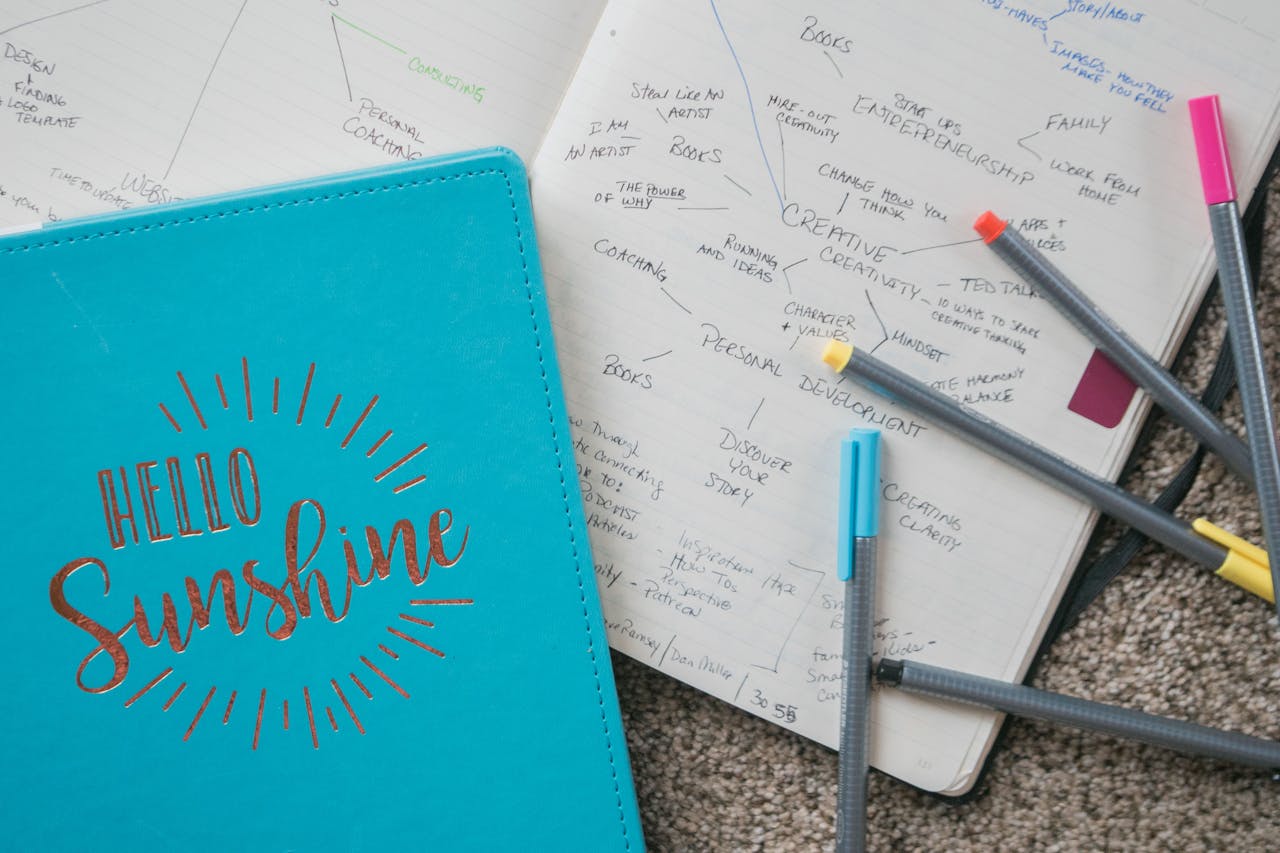
<p> If you’re a visual learner, mind mapping could be your ticket to effective study sessions. Start with a central idea and branch out with related concepts, creating a web of information. Use colors, images, and symbols to make it visually engaging. Why it works: Mind maps help organize information in a way that makes it easier to understand and remember. This technique encourages you to see the bigger picture and how concepts interconnect, making your study sessions more holistic. </p> :: Pexels

If you’re a visual learner, mind mapping could be your ticket to effective study sessions. Start with a central idea and branch out with related concepts, creating a web of information. Use colors, images, and symbols to make it visually engaging.

Why it works: Mind maps help organize information in a way that makes it easier to understand and remember. This technique encourages you to see the bigger picture and how concepts interconnect, making your study sessions more holistic.


5. The Feynman Technique: Teach to Learn

<p> The Feynman Technique is based on the principle that you truly understand a concept when you can explain it simply. Pick a topic, write down everything you know about it, and then try to teach it to someone else (or even just to yourself). Why it works: This method helps identify gaps in your knowledge. If you struggle to explain a concept, you’ll know it’s an area that requires further study. Plus, teaching others reinforces your own understanding and retention. </p> :: Pexels

The Feynman Technique is based on the principle that you truly understand a concept when you can explain it simply. Pick a topic, write down everything you know about it, and then try to teach it to someone else (or even just to yourself).

Why it works: This method helps identify gaps in your knowledge. If you struggle to explain a concept, you’ll know it’s an area that requires further study. Plus, teaching others reinforces your own understanding and retention.


6. Study Groups: Collaborate for Success

<p> Studying doesn’t have to be a solo endeavor. Joining or forming a study group can be an incredibly effective way to learn. Discussing topics, quizzing each other, and sharing resources can deepen your understanding. Why it works: Collaborative learning exposes you to different perspectives and explanations, which can clarify complex concepts. It also adds a social element to studying, making it less daunting and more enjoyable. </p> :: Pexels

Studying doesn’t have to be a solo endeavor. Joining or forming a study group can be an incredibly effective way to learn. Discussing topics, quizzing each other, and sharing resources can deepen your understanding.

Why it works: Collaborative learning exposes you to different perspectives and explanations, which can clarify complex concepts. It also adds a social element to studying, making it less daunting and more enjoyable.


7. Set Specific Goals: Aim for Success

<p> Before you start studying, set specific, achievable goals for what you want to accomplish during your session. Instead of saying, “I’ll study biology,” try, “I’ll complete chapter three and summarize the key concepts.” Why it works: Setting clear goals gives your study session direction and purpose. You’re less likely to get distracted when you know exactly what you need to achieve, and crossing items off your to-do list provides a satisfying sense of accomplishment. </p> :: Pexels

Before you start studying, set specific, achievable goals for what you want to accomplish during your session. Instead of saying, “I’ll study biology,” try, “I’ll complete chapter three and summarize the key concepts.”

Why it works: Setting clear goals gives your study session direction and purpose. You’re less likely to get distracted when you know exactly what you need to achieve, and crossing items off your to-do list provides a satisfying sense of accomplishment.


8. Change Your Study Environment: A Fresh Perspective

<p> Sometimes, all you need to boost your concentration is a change of scenery. Try studying in different locations—like a library, a coffee shop, or a park—to see where you feel most productive. Why it works: A new environment can spark creativity and make studying feel less monotonous. Additionally, different settings can help associate specific locations with certain subjects, making it easier to recall information later. </p> :: Pexels

Sometimes, all you need to boost your concentration is a change of scenery. Try studying in different locations—like a library, a coffee shop, or a park—to see where you feel most productive.

Why it works: A new environment can spark creativity and make studying feel less monotonous. Additionally, different settings can help associate specific locations with certain subjects, making it easier to recall information later.


9. Use Mnemonics: Memory Aids to the Rescue
<p> Mnemonics are memory aids that can help you remember information through simple associations. For instance, you might create acronyms, rhymes, or visual images to link concepts together. Why it works: By creating memorable associations, mnemonics make complex information easier to recall. They can turn a daunting list of facts into something more fun and engaging, improving your retention. </p> :: Pexels

Mnemonics are memory aids that can help you remember information through simple associations. For instance, you might create acronyms, rhymes, or visual images to link concepts together.

Why it works: By creating memorable associations, mnemonics make complex information easier to recall. They can turn a daunting list of facts into something more fun and engaging, improving your retention.


10. Practice Mindfulness: Calm Your Mind

<p> In today’s fast-paced world, it’s easy to feel overwhelmed, especially when juggling multiple subjects and deadlines. Incorporating mindfulness practices—like meditation or deep breathing—into your study routine can help calm your mind and improve focus. Why it works: Mindfulness can reduce stress and anxiety, leading to better concentration and a more productive study session. By taking a few moments to center yourself, you can approach your studies with a clearer mind and renewed energy. </p> :: Pexels

In today’s fast-paced world, it’s easy to feel overwhelmed, especially when juggling multiple subjects and deadlines. Incorporating mindfulness practices—like meditation or deep breathing—into your study routine can help calm your mind and improve focus.

Why it works: Mindfulness can reduce stress and anxiety, leading to better concentration and a more productive study session. By taking a few moments to center yourself, you can approach your studies with a clearer mind and renewed energy.


Final Thoughts

<p> Every learner is different, and the key to effective studying is discovering what techniques resonate with you. Don’t be afraid to experiment with these methods—mix and match them to create a personalized study routine that fits your learning style. Whether you’re using the Pomodoro Technique to maintain focus, employing active recall to solidify your knowledge, or embracing mindfulness to keep stress at bay, the ultimate goal is to make your study sessions more productive and enjoyable. Happy studying! </p> :: Pexels

Every learner is different, and the key to effective studying is discovering what techniques resonate with you. Don’t be afraid to experiment with these methods—mix and match them to create a personalized study routine that fits your learning style.

Whether you’re using the Pomodoro Technique to maintain focus, employing active recall to solidify your knowledge, or embracing mindfulness to keep stress at bay, the ultimate goal is to make your study sessions more productive and enjoyable. Happy studying!

Filed Under: Lifestyle

7 Proven Parenting Strategies That Really Work (And How to Use Them)

December 17, 2025 | Leave a Comment

7 Proven Parenting Strategies That Really Work (And How to Use Them)

<p> Parenting does not come with an instruction manual, but certain tried-and-true strategies can guide you through the challenges with confidence. Whether you are navigating toddler tantrums, school-age struggles, or teenage drama, the foundation of great parenting is built on love, structure, and communication. The goal is not perfection but progress—raising happy, resilient, and responsible children who feel supported and understood. In this blog, we explore seven proven parenting strategies that are backed by experience and research. More importantly, you will learn how to use these tools in your everyday life to create a healthier and more connected family dynamic. </p> :: Pexels

Parenting does not come with an instruction manual, but certain tried-and-true strategies can guide you through the challenges with confidence. Whether you are navigating toddler tantrums, school-age struggles, or teenage drama, the foundation of great parenting is built on love, structure, and communication. The goal is not perfection but progress—raising happy, resilient, and responsible children who feel supported and understood. In this blog, we explore seven proven parenting strategies that are backed by experience and research. More importantly, you will learn how to use these tools in your everyday life to create a healthier and more connected family dynamic.

1. Use Positive Reinforcement to Shape Good Behavior

<p> One of the most effective and encouraging ways to guide your child’s behavior is through positive reinforcement. Instead of focusing on punishing mistakes, highlight the moments when your child does something right. This could be as simple as praising them for picking up their toys, being kind to a sibling, or finishing homework on time. The trick is to be specific and enthusiastic—say “I really liked how you shared your snack with your sister” rather than just “good job.” You can reinforce behavior with verbal praise, stickers, small privileges, or special one-on-one time. When children associate positive actions with rewarding outcomes, they are more likely to repeat them. Over time, this method builds self-esteem and encourages a natural motivation to do well. </p> :: Pexels

One of the most effective and encouraging ways to guide your child’s behavior is through positive reinforcement. Instead of focusing on punishing mistakes, highlight the moments when your child does something right. This could be as simple as praising them for picking up their toys, being kind to a sibling, or finishing homework on time. The trick is to be specific and enthusiastic—say “I really liked how you shared your snack with your sister” rather than just “good job.” You can reinforce behavior with verbal praise, stickers, small privileges, or special one-on-one time. When children associate positive actions with rewarding outcomes, they are more likely to repeat them. Over time, this method builds self-esteem and encourages a natural motivation to do well.

2. Establish Clear Boundaries with Consistent Consequences

<p> Boundaries provide children with a sense of security and predictability. Kids may push against limits, but they actually thrive when they know what is expected of them. Clear rules help reduce confusion and conflict, and consistent consequences help reinforce those rules. For example, if screen time ends at 7 PM, make sure to enforce it every evening—even when you are tired or distracted. Consistency builds trust and helps children understand cause and effect. When consequences are applied calmly and predictably, children learn that their choices have outcomes. Avoid making threats you do not intend to carry out. Instead, create consequences that are reasonable, relevant, and connected to the behavior. Over time, your child will learn to respect boundaries because they are enforced with fairness and clarity. </p> :: Pexels

Boundaries provide children with a sense of security and predictability. Kids may push against limits, but they actually thrive when they know what is expected of them. Clear rules help reduce confusion and conflict, and consistent consequences help reinforce those rules. For example, if screen time ends at 7 PM, make sure to enforce it every evening—even when you are tired or distracted. Consistency builds trust and helps children understand cause and effect. When consequences are applied calmly and predictably, children learn that their choices have outcomes. Avoid making threats you do not intend to carry out. Instead, create consequences that are reasonable, relevant, and connected to the behavior. Over time, your child will learn to respect boundaries because they are enforced with fairness and clarity.

3. Practice Active Listening to Build Trust and Connection

<p> Communication is a two-way street, and one of the most powerful parenting strategies is learning to truly listen to your child. Active listening means giving your child your full attention without distractions, judgments, or interruptions. When your child speaks, pause, make eye contact, and respond in a way that shows you understand. For example, you can say, “It sounds like you felt left out at lunch today—tell me more about that.” This validation helps children feel seen, heard, and valued. It also builds emotional intelligence by encouraging them to express feelings in healthy ways. Over time, children who are listened to are more likely to communicate openly, seek guidance, and trust that you are someone they can rely on. </p> :: Pexels

Communication is a two-way street, and one of the most powerful parenting strategies is learning to truly listen to your child. Active listening means giving your child your full attention without distractions, judgments, or interruptions. When your child speaks, pause, make eye contact, and respond in a way that shows you understand. For example, you can say, “It sounds like you felt left out at lunch today—tell me more about that.” This validation helps children feel seen, heard, and valued. It also builds emotional intelligence by encouraging them to express feelings in healthy ways. Over time, children who are listened to are more likely to communicate openly, seek guidance, and trust that you are someone they can rely on.

4. Model the Behavior You Want to See

<p> Children often imitate what they observe, not necessarily what they are told. This makes role modeling one of the most effective and subtle parenting techniques. Whether it is demonstrating patience in a stressful situation, apologizing when you make a mistake, or treating others with kindness, your behavior teaches far more than your words. For example, if you want your child to be honest, make sure you are honest in your daily interactions—even in small moments, like admitting you forgot something instead of covering it up. When you show your child how to manage conflict, cope with frustration, and show empathy, they will learn those skills through observation. Being mindful of your own actions and reactions can help your child grow into a respectful, thoughtful, and emotionally intelligent person. </p> :: Pexels

Children often imitate what they observe, not necessarily what they are told. This makes role modeling one of the most effective and subtle parenting techniques. Whether it is demonstrating patience in a stressful situation, apologizing when you make a mistake, or treating others with kindness, your behavior teaches far more than your words. For example, if you want your child to be honest, make sure you are honest in your daily interactions—even in small moments, like admitting you forgot something instead of covering it up. When you show your child how to manage conflict, cope with frustration, and show empathy, they will learn those skills through observation. Being mindful of your own actions and reactions can help your child grow into a respectful, thoughtful, and emotionally intelligent person.

5. Encourage Independence and Problem-Solving

<p> Fostering independence is essential for developing confidence, resilience, and decision-making skills. Allow your child to make choices, solve problems, and experience natural consequences when it is safe to do so. This might mean letting a preschooler choose their clothes, even if the outfit looks mismatched, or encouraging a teenager to manage their own school deadlines. Instead of jumping in to fix every issue, ask guiding questions like, “What do you think you could do next time?” or “How would you handle that differently?” These conversations promote critical thinking and help children learn from experience. When you give your child space to try, fail, and succeed on their own terms, you are giving them the tools to thrive in the real world. </p> :: Pexels

Fostering independence is essential for developing confidence, resilience, and decision-making skills. Allow your child to make choices, solve problems, and experience natural consequences when it is safe to do so. This might mean letting a preschooler choose their clothes, even if the outfit looks mismatched, or encouraging a teenager to manage their own school deadlines. Instead of jumping in to fix every issue, ask guiding questions like, “What do you think you could do next time?” or “How would you handle that differently?” These conversations promote critical thinking and help children learn from experience. When you give your child space to try, fail, and succeed on their own terms, you are giving them the tools to thrive in the real world.

6. Create Routines to Foster Stability and Reduce Power Struggles

<p> Daily routines are more than just time management tools—they provide children with a sense of order, predictability, and emotional security. A consistent routine helps children know what to expect each day, which reduces anxiety and behavioral issues. Establish routines for mornings, mealtimes, homework, and bedtime, and stick to them as closely as possible. For younger children, visual schedules with pictures can be helpful. For older children, talk through the routine and give them a voice in the planning. When children are part of the process, they are more likely to cooperate. Routines also cut down on power struggles because expectations are already established. Instead of arguing about brushing teeth or doing chores, the routine becomes the guide. Over time, this structure helps children become more organized, independent, and self-regulating. </p> :: Pexels

Daily routines are more than just time management tools—they provide children with a sense of order, predictability, and emotional security. A consistent routine helps children know what to expect each day, which reduces anxiety and behavioral issues. Establish routines for mornings, mealtimes, homework, and bedtime, and stick to them as closely as possible. For younger children, visual schedules with pictures can be helpful. For older children, talk through the routine and give them a voice in the planning. When children are part of the process, they are more likely to cooperate. Routines also cut down on power struggles because expectations are already established. Instead of arguing about brushing teeth or doing chores, the routine becomes the guide. Over time, this structure helps children become more organized, independent, and self-regulating.

7. Use Emotion Coaching to Help Kids Handle Big Feelings

<p> Teaching your child to recognize and manage emotions is a vital life skill, and emotion coaching is one of the best ways to do it. This strategy involves acknowledging your child’s feelings and guiding them through emotional experiences without judgment or dismissal. When your child is upset, avoid phrases like “Stop crying” or “You’re being dramatic.” Instead, validate their feelings by saying something like, “I can see that you’re really disappointed—we all feel that way sometimes.” Once you name the emotion, help them learn appropriate ways to deal with it—such as taking deep breaths, using words instead of actions, or finding a quiet place to cool down. Over time, children who are taught to understand and cope with their emotions become more empathetic, better at managing stress, and more skilled in handling conflict. Emotion coaching also strengthens your bond and reinforces your role as a safe and supportive presence in your child’s life. </p> :: Pexels

Teaching your child to recognize and manage emotions is a vital life skill, and emotion coaching is one of the best ways to do it. This strategy involves acknowledging your child’s feelings and guiding them through emotional experiences without judgment or dismissal. When your child is upset, avoid phrases like “Stop crying” or “You’re being dramatic.” Instead, validate their feelings by saying something like, “I can see that you’re really disappointed—we all feel that way sometimes.” Once you name the emotion, help them learn appropriate ways to deal with it—such as taking deep breaths, using words instead of actions, or finding a quiet place to cool down. Over time, children who are taught to understand and cope with their emotions become more empathetic, better at managing stress, and more skilled in handling conflict. Emotion coaching also strengthens your bond and reinforces your role as a safe and supportive presence in your child’s life.

Final Thoughts

<p> Parenting is a journey filled with learning, both for you and your child. While there is no one-size-fits-all method, the strategies in this list are grounded in both research and real-world parenting experience. Using positive reinforcement, establishing boundaries, actively listening, modeling behavior, encouraging independence, building routines, and emotion coaching will help you create a balanced, nurturing home where your child can thrive. These strategies are not about controlling your child—they are about guiding, supporting, and empowering them to become the best version of themselves. Start with one or two strategies and build from there. Remember, small steps taken consistently make the biggest impact over time. You are not alone in this journey—and with the right tools, you are more than capable of being the parent your child needs. </p> :: Pexels

Parenting is a journey filled with learning, both for you and your child. While there is no one-size-fits-all method, the strategies in this list are grounded in both research and real-world parenting experience. Using positive reinforcement, establishing boundaries, actively listening, modeling behavior, encouraging independence, building routines, and emotion coaching will help you create a balanced, nurturing home where your child can thrive. These strategies are not about controlling your child—they are about guiding, supporting, and empowering them to become the best version of themselves. Start with one or two strategies and build from there. Remember, small steps taken consistently make the biggest impact over time. You are not alone in this journey—and with the right tools, you are more than capable of being the parent your child needs.

Filed Under: Lifestyle

10 Signs Your Dog May Know Its Time Is Near

December 17, 2025 | Leave a Comment

10 Signs Your Dog May Know Its Time Is Near

<p> Few experiences are as heart-wrenching as realizing your beloved dog is nearing the end of its life. Dogs are more than pets; they are loyal companions who share our homes, routines, and hearts. Sometimes, even when we can’t put words to their feelings, our dogs communicate in ways only those who love them closely can recognize. Understanding these signs can help you provide comfort, make informed decisions, and spend precious moments together with awareness and empathy.

While no single behavior definitively tells us a dog knows it is going to die, veterinarians and pet behavior experts have observed patterns that frequently appear as a dog approaches the end of life. Recognizing these signals can be a bittersweet opportunity to honor your dog’s life with compassion and presence.

Here are ten signs dogs may show when they sense their final days approaching. Each one is a window into their experience and a guide for how you can support them. </p> :: Gemini

Few experiences are as heart-wrenching as realizing your beloved dog is nearing the end of its life. Dogs are more than pets; they are loyal companions who share our homes, routines, and hearts. Sometimes, even when we can’t put words to their feelings, our dogs communicate in ways only those who love them closely can recognize. Understanding these signs can help you provide comfort, make informed decisions, and spend precious moments together with awareness and empathy.

While no single behavior definitively tells us a dog knows it is going to die, veterinarians and pet behavior experts have observed patterns that frequently appear as a dog approaches the end of life. Recognizing these signals can be a bittersweet opportunity to honor your dog’s life with compassion and presence.

Here are ten signs dogs may show when they sense their final days approaching. Each one is a window into their experience and a guide for how you can support them.

1. Loss of Appetite and Thirst

<p> One of the most noticeable changes in a dog nearing the end of life is a reduced interest in eating or drinking. Even their favorite treats or meals may no longer spark excitement. This is often a natural response as the body begins to slow down and organs begin to function less efficiently.

At this stage, it is more important to focus on comfort than nutrition. Offering soft foods, warm broth, or small, easy-to-eat meals can help. It is also crucial not to force them to eat. Your presence, gentle attention, and understanding are far more valuable than insisting on food. </p> :: Gemini

One of the most noticeable changes in a dog nearing the end of life is a reduced interest in eating or drinking. Even their favorite treats or meals may no longer spark excitement. This is often a natural response as the body begins to slow down and organs begin to function less efficiently.

At this stage, it is more important to focus on comfort than nutrition. Offering soft foods, warm broth, or small, easy-to-eat meals can help. It is also crucial not to force them to eat. Your presence, gentle attention, and understanding are far more valuable than insisting on food.

2. Extreme Lethargy and Increased Sleep

<p> Dogs nearing the end of life often sleep more than usual. They may seem uninterested in play, walks, or family activities that once thrilled them. While aging dogs naturally sleep more, lethargy combined with other signs can indicate that your dog is experiencing significant decline.

Providing a cozy, quiet space for rest is essential. Short moments of gentle petting or quiet companionship can reassure your dog without causing stress or fatigue. These quiet moments can also strengthen your emotional connection. </p> :: Gemini

Dogs nearing the end of life often sleep more than usual. They may seem uninterested in play, walks, or family activities that once thrilled them. While aging dogs naturally sleep more, lethargy combined with other signs can indicate that your dog is experiencing significant decline.

Providing a cozy, quiet space for rest is essential. Short moments of gentle petting or quiet companionship can reassure your dog without causing stress or fatigue. These quiet moments can also strengthen your emotional connection.

3. Changes in Breathing

<p> Noticeable changes in breathing can be a significant signal that a dog is approaching the end of life. They may pant heavily, breathe irregularly, or pause between breaths more often. Some dogs display shallow or labored breathing even at rest, which can indicate decreased respiratory efficiency.

You can help by keeping the environment calm and comfortable. Make sure the room is at a moderate temperature, and provide a soft, supportive surface for your dog to rest. If breathing seems uncomfortable or distressing, contacting your veterinarian is always the best step. </p> :: Gemini

Noticeable changes in breathing can be a significant signal that a dog is approaching the end of life. They may pant heavily, breathe irregularly, or pause between breaths more often. Some dogs display shallow or labored breathing even at rest, which can indicate decreased respiratory efficiency.

You can help by keeping the environment calm and comfortable. Make sure the room is at a moderate temperature, and provide a soft, supportive surface for your dog to rest. If breathing seems uncomfortable or distressing, contacting your veterinarian is always the best step.

4. Declining Mobility

<p> Difficulty moving is a common sign of a dog nearing the end of life. Dogs may struggle to rise, wobble while walking, or avoid stairs and long walks. Muscle weakness and fatigue make movement challenging, and sometimes your dog may simply prefer to stay in one comfortable spot.

Support your dog by providing ramps, lifting assistance if needed, and soft bedding. Minimizing the effort required to move around helps them stay comfortable while maintaining dignity. </p> :: Gemini

Difficulty moving is a common sign of a dog nearing the end of life. Dogs may struggle to rise, wobble while walking, or avoid stairs and long walks. Muscle weakness and fatigue make movement challenging, and sometimes your dog may simply prefer to stay in one comfortable spot.

Support your dog by providing ramps, lifting assistance if needed, and soft bedding. Minimizing the effort required to move around helps them stay comfortable while maintaining dignity.

5. Behavioral Shifts

<p> Many dogs show significant changes in behavior as they sense the end of life. Some become clingy, following you from room to room and seeking constant attention. Others withdraw, choosing quiet corners or secluded spots to rest alone.

Both clinginess and isolation are natural ways for dogs to cope with discomfort and stress. Respect your dog’s preferences. If they want to be close, offer gentle companionship. If they prefer solitude, give them space while remaining nearby for reassurance. </p> :: Gemini

Many dogs show significant changes in behavior as they sense the end of life. Some become clingy, following you from room to room and seeking constant attention. Others withdraw, choosing quiet corners or secluded spots to rest alone.

Both clinginess and isolation are natural ways for dogs to cope with discomfort and stress. Respect your dog’s preferences. If they want to be close, offer gentle companionship. If they prefer solitude, give them space while remaining nearby for reassurance.

6. Confusion and Disorientation

<p> Cognitive changes can also appear as a dog approaches the end of life. Your dog may pace, stare blankly at walls, seem unsure of familiar spaces, or act forgetful. These signs can result from neurological decline, reduced oxygen flow, or general organ slowing.

To help your dog, maintain a familiar environment with minimal obstacles. Using a soft voice to provide reassurance and keeping daily routines as simple as possible can reduce stress and confusion. </p> :: Gemini

Cognitive changes can also appear as a dog approaches the end of life. Your dog may pace, stare blankly at walls, seem unsure of familiar spaces, or act forgetful. These signs can result from neurological decline, reduced oxygen flow, or general organ slowing.

To help your dog, maintain a familiar environment with minimal obstacles. Using a soft voice to provide reassurance and keeping daily routines as simple as possible can reduce stress and confusion.

7. Loss of Control Over Bladder and Bowels

<p> Incontinence can occur as muscle strength diminishes. Even well-trained dogs may have accidents inside the home. This is often a physical response to weakening muscles and organ function rather than a behavioral choice.

Protect bedding and flooring with washable pads, and gently clean your dog to ensure comfort. Handling accidents with patience and compassion helps your dog maintain dignity during this vulnerable stage. </p> :: Gemini

Incontinence can occur as muscle strength diminishes. Even well-trained dogs may have accidents inside the home. This is often a physical response to weakening muscles and organ function rather than a behavioral choice.

Protect bedding and flooring with washable pads, and gently clean your dog to ensure comfort. Handling accidents with patience and compassion helps your dog maintain dignity during this vulnerable stage.

8. Weight Loss and Muscle Wasting

<p> Weight loss is another sign that a dog may be nearing the end of life. You may notice that their body appears leaner, with visible bones or sagging skin. This is often a combination of reduced appetite, changes in metabolism, and decreased nutrient absorption.

Focus on comfort over strict diet goals. Soft, easily digestible foods and gentle encouragement to eat small amounts can help. The goal is to make each moment as comfortable and pleasant as possible. </p> :: Gemini

Weight loss is another sign that a dog may be nearing the end of life. You may notice that their body appears leaner, with visible bones or sagging skin. This is often a combination of reduced appetite, changes in metabolism, and decreased nutrient absorption.

Focus on comfort over strict diet goals. Soft, easily digestible foods and gentle encouragement to eat small amounts can help. The goal is to make each moment as comfortable and pleasant as possible.

9. Dull Eyes and Temperature Fluctuations

<p> Eyes may lose their usual sparkle and become dull or glassy. Dogs may also have difficulty regulating their body temperature, feeling unusually cold or seeking warmth in blankets or sunny spots. These changes result from slower circulation and metabolic shifts.

Creating a cozy, draft-free resting area and offering soft blankets or gentle warming can provide comfort. Observing your dog’s cues ensures that they are as comfortable as possible during these final days. </p> :: Gemini

Eyes may lose their usual sparkle and become dull or glassy. Dogs may also have difficulty regulating their body temperature, feeling unusually cold or seeking warmth in blankets or sunny spots. These changes result from slower circulation and metabolic shifts.

Creating a cozy, draft-free resting area and offering soft blankets or gentle warming can provide comfort. Observing your dog’s cues ensures that they are as comfortable as possible during these final days.

10. Vocalizations and Restlessness

<p> As dogs approach the end of life, some may vocalize more than usual. Whining, humming, or low grunts can indicate discomfort or a need for attention. Restlessness, frequent position changes, and attempts to find a comfortable spot are also common during this stage.

Being present and offering quiet reassurance can be deeply comforting. Speaking softly, gentle petting, and calm companionship help your dog feel safe. In cases of extreme discomfort, a veterinarian can provide guidance on managing pain and ensuring dignity. </p> :: Gemini

As dogs approach the end of life, some may vocalize more than usual. Whining, humming, or low grunts can indicate discomfort or a need for attention. Restlessness, frequent position changes, and attempts to find a comfortable spot are also common during this stage.

Being present and offering quiet reassurance can be deeply comforting. Speaking softly, gentle petting, and calm companionship help your dog feel safe. In cases of extreme discomfort, a veterinarian can provide guidance on managing pain and ensuring dignity.

Final Thoughts

<p> The end-of-life journey with a dog is emotionally challenging, but it is also an opportunity to deepen your bond and honor a lifetime of loyalty and love. Dogs communicate their needs and feelings in subtle ways, and recognizing these signs allows you to respond with compassion and presence.

Every dog experiences the final stages differently, so it is important to focus on comfort, reassurance, and emotional support. Hospice care, palliative options, or professional guidance can help ensure your dog’s final days are peaceful and dignified.

Remember that love does not end with the physical presence of your dog. It continues through memories, the lessons they taught you about loyalty and joy, and the quiet moments of companionship that marked your shared life. Being attentive, patient, and compassionate during this time allows both you and your dog to navigate this stage with dignity and grace.

Cherish these moments, and know that your presence — calm, loving, and aware — is the greatest gift you can give your dog as they move toward the end of life. </p> :: Gemini

The end-of-life journey with a dog is emotionally challenging, but it is also an opportunity to deepen your bond and honor a lifetime of loyalty and love. Dogs communicate their needs and feelings in subtle ways, and recognizing these signs allows you to respond with compassion and presence.

Every dog experiences the final stages differently, so it is important to focus on comfort, reassurance, and emotional support. Hospice care, palliative options, or professional guidance can help ensure your dog’s final days are peaceful and dignified.

Remember that love does not end with the physical presence of your dog. It continues through memories, the lessons they taught you about loyalty and joy, and the quiet moments of companionship that marked your shared life. Being attentive, patient, and compassionate during this time allows both you and your dog to navigate this stage with dignity and grace.

Cherish these moments, and know that your presence — calm, loving, and aware — is the greatest gift you can give your dog as they move toward the end of life.

Filed Under: Lifestyle

Understanding the Biggest Fears of Americans Over 60 and How to Confront Them

December 17, 2025 | Leave a Comment

Understanding the Biggest Fears of Americans Over 60 and How to Confront Them

<p> Growing older is a journey filled with wisdom, experience, freedom, and, let’s be honest, a few worries. If you are 60 or older, you may notice that some fears start to creep in more often than they used to. From concerns about health to financial security, independence, and social connections, these worries are natural, but they do not have to control your life. The good news is that you can face these fears head-on with practical strategies, planning, and a touch of humor along the way.

In this guide, we explore some of the most common fears experienced by baby boomers in the United States and offer actionable advice for managing them. Whether you are approaching retirement or have been living it for a few years, these tips are designed to help you live confidently, stay connected, and enjoy life to the fullest. </p> :: Gemini

Growing older is a journey filled with wisdom, experience, freedom, and, let’s be honest, a few worries. If you are 60 or older, you may notice that some fears start to creep in more often than they used to. From concerns about health to financial security, independence, and social connections, these worries are natural, but they do not have to control your life. The good news is that you can face these fears head-on with practical strategies, planning, and a touch of humor along the way.

In this guide, we explore some of the most common fears experienced by baby boomers in the United States and offer actionable advice for managing them. Whether you are approaching retirement or have been living it for a few years, these tips are designed to help you live confidently, stay connected, and enjoy life to the fullest.

1. Running Out of Money

<p> Many people over 60 fear running out of money during retirement. Financial concerns often top the list, and for good reason. Medical expenses, unexpected home repairs, and daily living costs can quickly add up and create anxiety.

How to face it: Begin by taking a close look at your finances. Reassess your budget, track your spending, and understand your retirement income sources, including Social Security, pensions, and savings. Meeting with a financial advisor can provide clarity and help you build a strategy that covers emergency funds, long-term care, and planned expenses. Even small adjustments, like paying off debt or reducing unnecessary spending, can help you regain a sense of control. </p> :: Gemini

Many people over 60 fear running out of money during retirement. Financial concerns often top the list, and for good reason. Medical expenses, unexpected home repairs, and daily living costs can quickly add up and create anxiety.

How to face it: Begin by taking a close look at your finances. Reassess your budget, track your spending, and understand your retirement income sources, including Social Security, pensions, and savings. Meeting with a financial advisor can provide clarity and help you build a strategy that covers emergency funds, long-term care, and planned expenses. Even small adjustments, like paying off debt or reducing unnecessary spending, can help you regain a sense of control.

2. Declining Health

<p> Health concerns often weigh heavily on people over 60. Many worry about losing mobility, strength, or overall vitality. The fear is not just about getting sick but also about losing the ability to enjoy life and maintain independence.

How to face it: Maintaining an active lifestyle is key. Walking, swimming, yoga, or gentle strength exercises can help preserve mobility and balance. Regular medical checkups, preventive screenings, and a nutritious diet are equally important. Small, consistent actions today can pay off in improved health and peace of mind tomorrow. </p> :: Gemini

Health concerns often weigh heavily on people over 60. Many worry about losing mobility, strength, or overall vitality. The fear is not just about getting sick but also about losing the ability to enjoy life and maintain independence.

How to face it: Maintaining an active lifestyle is key. Walking, swimming, yoga, or gentle strength exercises can help preserve mobility and balance. Regular medical checkups, preventive screenings, and a nutritious diet are equally important. Small, consistent actions today can pay off in improved health and peace of mind tomorrow.

3. Memory Loss or Cognitive Decline

<p> Memory issues and cognitive decline, including dementia, are common fears for older adults. Losing mental sharpness can feel like losing a part of yourself, along with the ability to live independently.

How to face it: Keep your mind active through reading, puzzles, games, learning new skills, or engaging in creative hobbies. Social interaction is also important for brain health. Pay attention to sleep and nutrition, which are linked to cognitive function. If memory problems begin to interfere with daily life, speak to a healthcare professional. Early support and intervention can make a meaningful difference. </p> :: Gemini

Memory issues and cognitive decline, including dementia, are common fears for older adults. Losing mental sharpness can feel like losing a part of yourself, along with the ability to live independently.

How to face it: Keep your mind active through reading, puzzles, games, learning new skills, or engaging in creative hobbies. Social interaction is also important for brain health. Pay attention to sleep and nutrition, which are linked to cognitive function. If memory problems begin to interfere with daily life, speak to a healthcare professional. Early support and intervention can make a meaningful difference.

4. Losing Independence

<p> Many older adults fear becoming dependent on others for daily activities. Whether it is giving up driving or needing help around the house, the thought of losing autonomy is stressful.

How to face it: Planning ahead can help maintain your independence. Consider home modifications such as grab bars, better lighting, or mobility aids. Driving refresher courses or planning alternative transportation can also help you stay self-reliant. Legal tools like powers of attorney and healthcare directives ensure your wishes are respected and reduce worry about losing control. </p> :: Gemini

Many older adults fear becoming dependent on others for daily activities. Whether it is giving up driving or needing help around the house, the thought of losing autonomy is stressful.

How to face it: Planning ahead can help maintain your independence. Consider home modifications such as grab bars, better lighting, or mobility aids. Driving refresher courses or planning alternative transportation can also help you stay self-reliant. Legal tools like powers of attorney and healthcare directives ensure your wishes are respected and reduce worry about losing control.

5. Loneliness and Social Isolation

<p> Loneliness is a common concern for older adults, especially as friends and family move or pass away. Being socially isolated can negatively affect mental and physical health, making it a fear worth addressing.

How to face it: Make social connections a priority. Schedule regular calls with loved ones, join community events or clubs, and volunteer. Even small interactions, like chatting with a neighbor, can boost mood and strengthen your sense of connection. Being intentional about staying connected helps you maintain a vibrant social life and a stronger sense of belonging. </p> :: Gemini

Loneliness is a common concern for older adults, especially as friends and family move or pass away. Being socially isolated can negatively affect mental and physical health, making it a fear worth addressing.

How to face it: Make social connections a priority. Schedule regular calls with loved ones, join community events or clubs, and volunteer. Even small interactions, like chatting with a neighbor, can boost mood and strengthen your sense of connection. Being intentional about staying connected helps you maintain a vibrant social life and a stronger sense of belonging.

6. Being a Burden on Loved Ones

<p> Many older adults worry about asking for help, fearing they will become a burden to family and friends. This fear can prevent people from seeking the support they need until it becomes urgent.

How to face it: Open communication is essential. Discuss your wishes regarding care, living arrangements, and support with your family ahead of time. Creating a care plan together provides guidance and reassurance, helping your loved ones feel prepared rather than overwhelmed. Planning in advance also allows you to maintain dignity while ensuring you receive the support you need. </p> :: Gemini

Many older adults worry about asking for help, fearing they will become a burden to family and friends. This fear can prevent people from seeking the support they need until it becomes urgent.

How to face it: Open communication is essential. Discuss your wishes regarding care, living arrangements, and support with your family ahead of time. Creating a care plan together provides guidance and reassurance, helping your loved ones feel prepared rather than overwhelmed. Planning in advance also allows you to maintain dignity while ensuring you receive the support you need.

7. Unexpected Medical Costs

<p> Even with Medicare coverage, healthcare expenses can be unpredictable and expensive. Costs for prescriptions, dental care, long-term care, and vision care often cause stress.

How to face it: Review your healthcare coverage annually and explore supplemental insurance if necessary. Build a dedicated healthcare savings fund and discuss strategies with a financial professional. Preventive care and managing chronic conditions early can also reduce unexpected medical bills. Staying proactive empowers you to handle healthcare costs without panic. </p> :: Gemini

Even with Medicare coverage, healthcare expenses can be unpredictable and expensive. Costs for prescriptions, dental care, long-term care, and vision care often cause stress.

How to face it: Review your healthcare coverage annually and explore supplemental insurance if necessary. Build a dedicated healthcare savings fund and discuss strategies with a financial professional. Preventive care and managing chronic conditions early can also reduce unexpected medical bills. Staying proactive empowers you to handle healthcare costs without panic.

8. Losing a Sense of Purpose

<p> Retirement is a major life transition, and many people fear losing the sense of purpose work once provided. Without the structure of a job, days can feel long and unstructured.

How to face it: Rediscover purpose through hobbies, volunteering, mentoring, or even part-time work. Creative projects, learning new skills, and engaging in meaningful activities can replace the daily rhythm of work with new, fulfilling routines. Purpose is not just about staying busy — it is about finding activities that make you feel valued and energized. </p> :: Gemini

Retirement is a major life transition, and many people fear losing the sense of purpose work once provided. Without the structure of a job, days can feel long and unstructured.

How to face it: Rediscover purpose through hobbies, volunteering, mentoring, or even part-time work. Creative projects, learning new skills, and engaging in meaningful activities can replace the daily rhythm of work with new, fulfilling routines. Purpose is not just about staying busy — it is about finding activities that make you feel valued and energized.

9. Losing Loved Ones

<p> Aging naturally brings the reality of losing family and friends. The fear of grief and loneliness that accompanies loss can be overwhelming.

How to face it: Focus on nurturing relationships and creating cherished memories. Plan trips, family gatherings, or shared experiences. Document family stories or create photo albums to celebrate connections. Emotional support from friends, support groups, or counselors can help process grief and reinforce the bonds that remain. </p> :: Gemini

Aging naturally brings the reality of losing family and friends. The fear of grief and loneliness that accompanies loss can be overwhelming.

How to face it: Focus on nurturing relationships and creating cherished memories. Plan trips, family gatherings, or shared experiences. Document family stories or create photo albums to celebrate connections. Emotional support from friends, support groups, or counselors can help process grief and reinforce the bonds that remain.

10. Technological Change and Scams

<p> Rapid technological advances can feel intimidating, and fear of online scams is common among older adults. Being targeted by fraud can lead to financial loss and decreased confidence.

How to face it: Learning basic digital skills can greatly reduce fear. Take community or online classes, use strong passwords, enable two-factor authentication, and consult a trusted family member before engaging with unfamiliar online communications. Staying informed helps you navigate technology safely and confidently. </p> :: Gemini

Rapid technological advances can feel intimidating, and fear of online scams is common among older adults. Being targeted by fraud can lead to financial loss and decreased confidence.

How to face it: Learning basic digital skills can greatly reduce fear. Take community or online classes, use strong passwords, enable two-factor authentication, and consult a trusted family member before engaging with unfamiliar online communications. Staying informed helps you navigate technology safely and confidently.

11. Losing Control Over Legal or Financial Decisions

<p> Many older adults worry about losing control over important decisions if they become ill or incapacitated. This fear can create anxiety about the future.

How to face it: Create legal documents such as wills, powers of attorney, and advance directives. Consulting with an attorney or financial advisor ensures your wishes are documented and respected. Knowing your affairs are in order provides peace of mind for you and your family, allowing you to enjoy life without constant worry. </p> :: Gemini

Many older adults worry about losing control over important decisions if they become ill or incapacitated. This fear can create anxiety about the future.

How to face it: Create legal documents such as wills, powers of attorney, and advance directives. Consulting with an attorney or financial advisor ensures your wishes are documented and respected. Knowing your affairs are in order provides peace of mind for you and your family, allowing you to enjoy life without constant worry.

12. Falling or Accidents at Home

<p> Accidental falls are a serious concern for older adults, especially those living alone. Fear of injury and the inability to get help can make daily life feel riskier than it needs to be.

How to face it: Simple home safety improvements can make a big difference. Install grab bars, add non-slip mats, improve lighting, and consider a medical alert device. Balance and strength exercises reduce fall risk. Preparing your home and body for safety allows you to feel confident and secure in your own space. </p> :: Gemini

Accidental falls are a serious concern for older adults, especially those living alone. Fear of injury and the inability to get help can make daily life feel riskier than it needs to be.

How to face it: Simple home safety improvements can make a big difference. Install grab bars, add non-slip mats, improve lighting, and consider a medical alert device. Balance and strength exercises reduce fall risk. Preparing your home and body for safety allows you to feel confident and secure in your own space.

Final Thoughts

<p> Aging comes with challenges, but it does not have to come with fear. Most of the concerns outlined here are common because they reflect genuine life transitions. The key is preparing thoughtfully, seeking support, and taking proactive steps to maintain health, financial security, and social connections.

Remember, each fear can be met with a practical solution or an empowering plan. Embrace the years ahead with curiosity, humor, and confidence. By facing these fears with clarity and action, you can enjoy retirement and life after 60 fully and meaningfully. You have the tools, knowledge, and resilience to navigate these years with grace. The future can be not only manageable but also deeply fulfilling. </p> :: Gemini

Aging comes with challenges, but it does not have to come with fear. Most of the concerns outlined here are common because they reflect genuine life transitions. The key is preparing thoughtfully, seeking support, and taking proactive steps to maintain health, financial security, and social connections.

Remember, each fear can be met with a practical solution or an empowering plan. Embrace the years ahead with curiosity, humor, and confidence. By facing these fears with clarity and action, you can enjoy retirement and life after 60 fully and meaningfully. You have the tools, knowledge, and resilience to navigate these years with grace. The future can be not only manageable but also deeply fulfilling.

Filed Under: Lifestyle

The Psychology of Sports Fans: 8 Reasons We Love Rooting for Our Favorite Teams

December 16, 2025 | Leave a Comment

The Psychology of Sports Fans: 8 Reasons We Love Rooting for Our Favorite Teams

<p> Sports have a unique ability to bring people together, creating a sense of community and shared experience. Whether it's the thrill of a last-minute victory or the heartbreak of a tough loss, rooting for a favorite team is a powerful emotional experience that transcends age, gender, and cultural background. But what drives this passion? Understanding the psychology behind sports fandom reveals a complex interplay of social, emotional, and psychological factors that make being a sports fan an integral part of many people's lives. In this article, we explore eight compelling reasons why we love rooting for our favorite teams. </p> :: Pexels

Sports have a unique ability to bring people together, creating a sense of community and shared experience. Whether it’s the thrill of a last-minute victory or the heartbreak of a tough loss, rooting for a favorite team is a powerful emotional experience that transcends age, gender, and cultural background. But what drives this passion? Understanding the psychology behind sports fandom reveals a complex interplay of social, emotional, and psychological factors that make being a sports fan an integral part of many people’s lives. In this article, we explore eight compelling reasons why we love rooting for our favorite teams.

1. A Sense of Belonging

<p> One of the primary reasons people become sports fans is the sense of belonging it provides. Supporting a team creates a community, allowing fans to connect with others who share similar interests and passions. This camaraderie fosters a feeling of unity and belonging, especially in larger cities where fans often come together in bars, stadiums, or homes to watch games. The shared experience of cheering for a team can deepen social connections and create lifelong friendships, making fans feel part of something greater than themselves. </p> :: Pexels

One of the primary reasons people become sports fans is the sense of belonging it provides. Supporting a team creates a community, allowing fans to connect with others who share similar interests and passions. This camaraderie fosters a feeling of unity and belonging, especially in larger cities where fans often come together in bars, stadiums, or homes to watch games. The shared experience of cheering for a team can deepen social connections and create lifelong friendships, making fans feel part of something greater than themselves.

2. Emotional Investment

<p> Sports evoke strong emotions, and fans often become emotionally invested in their teams. This emotional connection can lead to intense feelings of joy, pride, or disappointment, depending on the outcome of a game. Fans may feel a sense of victory when their team wins or experience profound sadness when they lose. This rollercoaster of emotions creates an adrenaline rush and adds excitement to life. The highs and lows associated with being a fan contribute to a rich tapestry of experiences that make sports an integral part of many people's lives. </p> :: Pexels

Sports evoke strong emotions, and fans often become emotionally invested in their teams. This emotional connection can lead to intense feelings of joy, pride, or disappointment, depending on the outcome of a game. Fans may feel a sense of victory when their team wins or experience profound sadness when they lose. This rollercoaster of emotions creates an adrenaline rush and adds excitement to life. The highs and lows associated with being a fan contribute to a rich tapestry of experiences that make sports an integral part of many people’s lives.

3. Escapism and Distraction

<p> For many fans, sports provide an escape from the challenges of everyday life. Engaging with a favorite team offers a break from routine, stress, and personal issues. During games, fans can immerse themselves in the action, allowing them to forget their worries and fully engage in the thrill of competition. This escapism can be therapeutic, providing a healthy outlet for stress and a chance to recharge mentally and emotionally. The anticipation of game days and the rituals surrounding them can become a source of comfort and joy. </p> :: Pexels

For many fans, sports provide an escape from the challenges of everyday life. Engaging with a favorite team offers a break from routine, stress, and personal issues. During games, fans can immerse themselves in the action, allowing them to forget their worries and fully engage in the thrill of competition. This escapism can be therapeutic, providing a healthy outlet for stress and a chance to recharge mentally and emotionally. The anticipation of game days and the rituals surrounding them can become a source of comfort and joy.

4. Identity and Self-Expression

<p> Supporting a sports team often becomes a significant part of a person's identity. Fans often wear team jerseys, decorate their homes with memorabilia, and proudly display their loyalty on social media. This self-expression allows individuals to showcase their passion and loyalty, creating a sense of pride in their team. Additionally, rooting for a team can serve as a conversation starter, helping fans connect with others and share their experiences. This identity can provide a sense of stability and consistency in an ever-changing world. </p> :: Pexels

Supporting a sports team often becomes a significant part of a person’s identity. Fans often wear team jerseys, decorate their homes with memorabilia, and proudly display their loyalty on social media. This self-expression allows individuals to showcase their passion and loyalty, creating a sense of pride in their team. Additionally, rooting for a team can serve as a conversation starter, helping fans connect with others and share their experiences. This identity can provide a sense of stability and consistency in an ever-changing world.

5. Tradition and Rituals

<p> Many sports fans engage in traditions and rituals that enhance their connection to their teams. These can range from family traditions of watching games together to personal rituals like wearing lucky socks or performing specific pre-game activities. These rituals can provide a sense of control and comfort, especially in high-stakes situations. Additionally, the continuity of these traditions can create lasting memories, allowing fans to bond with family and friends over shared experiences. The repeated nature of these rituals adds depth to the fan experience and can strengthen emotional connections. </p> :: Pexels

Many sports fans engage in traditions and rituals that enhance their connection to their teams. These can range from family traditions of watching games together to personal rituals like wearing lucky socks or performing specific pre-game activities. These rituals can provide a sense of control and comfort, especially in high-stakes situations. Additionally, the continuity of these traditions can create lasting memories, allowing fans to bond with family and friends over shared experiences. The repeated nature of these rituals adds depth to the fan experience and can strengthen emotional connections.

6. Community and Social Interaction

<p> Being a sports fan often extends beyond individual experience; it fosters community engagement and social interaction. Fans gather to watch games, participate in discussions, and celebrate victories together. This social aspect of fandom can be especially strong in local communities, where sports teams serve as a source of pride and identity. Local businesses often thrive on game days, creating a sense of economic community around a shared passion. These interactions can enhance feelings of connection and provide opportunities for fans to forge new relationships. </p> :: Pexels

Being a sports fan often extends beyond individual experience; it fosters community engagement and social interaction. Fans gather to watch games, participate in discussions, and celebrate victories together. This social aspect of fandom can be especially strong in local communities, where sports teams serve as a source of pride and identity. Local businesses often thrive on game days, creating a sense of economic community around a shared passion. These interactions can enhance feelings of connection and provide opportunities for fans to forge new relationships.

7. Competition and Rivalry

<p> The competitive nature of sports is a major draw for many fans. Rooting for a team offers an opportunity to engage in friendly rivalries and competition with others. These rivalries can create a sense of excitement and anticipation, as fans look forward to matchups against long-time competitors. This competitive spirit adds an additional layer of enjoyment to the experience of being a fan, as it encourages passionate discussions and debates about team performance, strategy, and future prospects. The thrill of competition enhances the overall experience of following a team. </p> :: Pexels

The competitive nature of sports is a major draw for many fans. Rooting for a team offers an opportunity to engage in friendly rivalries and competition with others. These rivalries can create a sense of excitement and anticipation, as fans look forward to matchups against long-time competitors. This competitive spirit adds an additional layer of enjoyment to the experience of being a fan, as it encourages passionate discussions and debates about team performance, strategy, and future prospects. The thrill of competition enhances the overall experience of following a team.

8. Role Models and Inspiration

<p> Sports fans often look up to athletes as role models, drawing inspiration from their dedication, hard work, and success. Athletes can embody values such as resilience, teamwork, and perseverance, which resonate with fans on a personal level. By following their favorite athletes, fans can glean valuable life lessons and motivation to pursue their own goals. Additionally, stories of athletes overcoming adversity can serve as a source of hope and encouragement, reinforcing the idea that hard work and determination can lead to success. </p> :: Pexels

Sports fans often look up to athletes as role models, drawing inspiration from their dedication, hard work, and success. Athletes can embody values such as resilience, teamwork, and perseverance, which resonate with fans on a personal level. By following their favorite athletes, fans can glean valuable life lessons and motivation to pursue their own goals. Additionally, stories of athletes overcoming adversity can serve as a source of hope and encouragement, reinforcing the idea that hard work and determination can lead to success.

Final Thoughts

<p> The psychology of sports fandom is a fascinating exploration of human behavior, driven by a combination of emotional investment, community, and identity. Understanding the reasons we love rooting for our favorite teams reveals the profound impact sports have on our lives. From the thrill of victory to the solace of community, being a sports fan is more than just a pastime; it’s a rich tapestry of experiences that shapes our identities and connections to others. As we continue to cheer for our teams, we celebrate not only the game itself but the bonds, emotions, and memories that come with being a fan. </p> :: Pexels

The psychology of sports fandom is a fascinating exploration of human behavior, driven by a combination of emotional investment, community, and identity. Understanding the reasons we love rooting for our favorite teams reveals the profound impact sports have on our lives. From the thrill of victory to the solace of community, being a sports fan is more than just a pastime; it’s a rich tapestry of experiences that shapes our identities and connections to others. As we continue to cheer for our teams, we celebrate not only the game itself but the bonds, emotions, and memories that come with being a fan.

Filed Under: Lifestyle

12 Traditions and Trends Quietly Fading Along with the Boomers

December 16, 2025 | Leave a Comment

12 Traditions and Trends Quietly Fading Along with the Boomers

<p> Every generation leaves its mark, shaping culture with traditions, habits, and quirks that reflect the times they grew up in. For baby boomers, those born between 1946 and 1964, that mark is especially strong. Boomers grew up in an era of family dinners, handwritten notes, and neighborhood street play. But as the world becomes increasingly digital, many of those cherished customs are fading into the background. That does not mean they were not important. In fact, most of these traditions helped define community, family, and everyday life for decades. Younger generations simply live in a different rhythm, one that values speed, convenience, and flexibility over formality and patience. For boomers, this shift can feel bittersweet—watching beloved traditions slowly disappear while adapting to new ways of doing things. So, let’s take a thoughtful (and sometimes lighthearted) walk through 12 traditions and trends that are slowly fading with the baby boomer generation. Some you may miss dearly, others you might not mind leaving in the past, but all tell the story of a generation that grew up differently than the kids and grandkids of today. </p> :: Pexels

Every generation leaves its mark, shaping culture with traditions, habits, and quirks that reflect the times they grew up in. For baby boomers, those born between 1946 and 1964, that mark is especially strong. Boomers grew up in an era of family dinners, handwritten notes, and neighborhood street play. But as the world becomes increasingly digital, many of those cherished customs are fading into the background.

That does not mean they were not important. In fact, most of these traditions helped define community, family, and everyday life for decades. Younger generations simply live in a different rhythm, one that values speed, convenience, and flexibility over formality and patience. For boomers, this shift can feel bittersweet—watching beloved traditions slowly disappear while adapting to new ways of doing things.

So, let’s take a thoughtful (and sometimes lighthearted) walk through 12 traditions and trends that are slowly fading with the baby boomer generation. Some you may miss dearly, others you might not mind leaving in the past, but all tell the story of a generation that grew up differently than the kids and grandkids of today.

1. Physical Photo Albums and Scrapbooks

<p> There was something magical about flipping through a photo album filled with snapshots of birthdays, vacations, and everyday moments. Boomers grew up with shelves lined with scrapbooks, each page a story told with printed photos and handwritten captions. Today, most pictures live on phones or the cloud, rarely printed, and often forgotten in endless folders. While digital storage makes sharing easier, it lacks the tactile charm of holding a photo in your hands and reliving a memory with the turn of a page. </p> :: Pexels

There was something magical about flipping through a photo album filled with snapshots of birthdays, vacations, and everyday moments. Boomers grew up with shelves lined with scrapbooks, each page a story told with printed photos and handwritten captions. Today, most pictures live on phones or the cloud, rarely printed, and often forgotten in endless folders. While digital storage makes sharing easier, it lacks the tactile charm of holding a photo in your hands and reliving a memory with the turn of a page.

2. Formal Dinner Parties and Gracious Entertaining

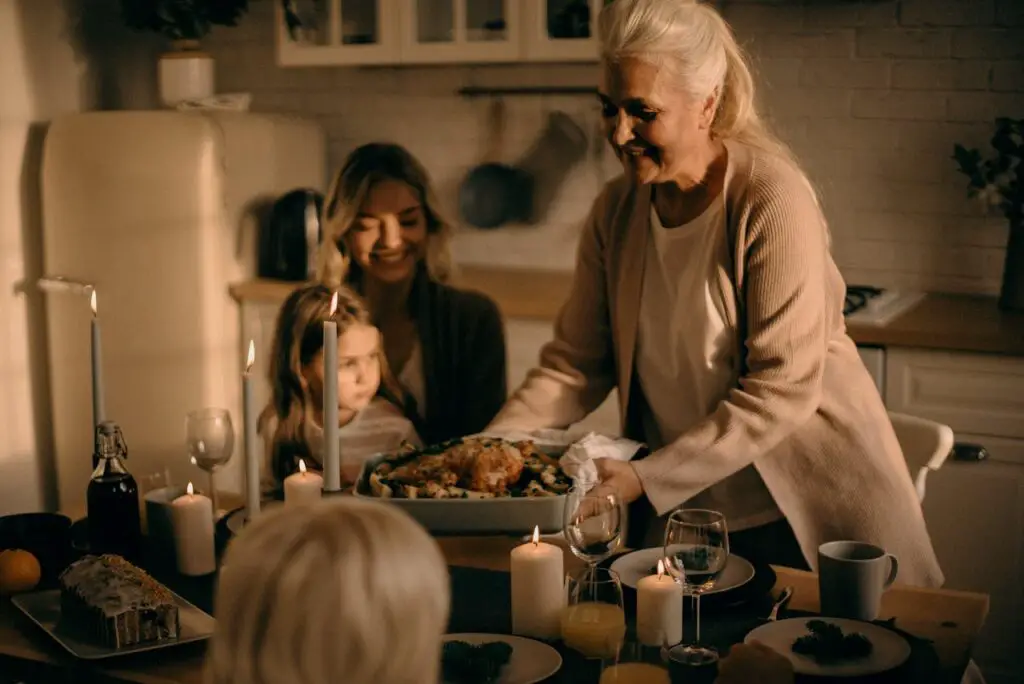
<p> Once upon a time, hosting a dinner party meant pulling out the fine china, polishing the silver, and planning a three-course meal. It was not just about food, it was about atmosphere, conversation, and a touch of elegance. These days, gatherings lean more toward casual potlucks, backyard barbecues, or even ordering takeout. While modern get-togethers are fun and low-stress, they rarely carry the same sense of ritual that boomers cherished. </p> :: Pexels

Once upon a time, hosting a dinner party meant pulling out the fine china, polishing the silver, and planning a three-course meal. It was not just about food, it was about atmosphere, conversation, and a touch of elegance. These days, gatherings lean more toward casual potlucks, backyard barbecues, or even ordering takeout. While modern get-togethers are fun and low-stress, they rarely carry the same sense of ritual that boomers cherished.

3. Print Newspapers and Morning Rituals

<p> For many boomers, mornings began with the sound of the paper landing on the doorstep and the smell of fresh coffee. Reading the newspaper at the kitchen table, clipping articles, and working through the crossword puzzle was part of a daily ritual. Younger generations may skim headlines online, but the tactile satisfaction of spreading out the Sunday paper and diving into its pages is something that is disappearing quickly. </p> :: Pexels

For many boomers, mornings began with the sound of the paper landing on the doorstep and the smell of fresh coffee. Reading the newspaper at the kitchen table, clipping articles, and working through the crossword puzzle was part of a daily ritual. Younger generations may skim headlines online, but the tactile satisfaction of spreading out the Sunday paper and diving into its pages is something that is disappearing quickly.

4. Landlines, Voicemail, and the Familiar “Beep”

<p> There was a time when the house phone was the central hub of communication. Families shared one line, and voicemails with that unmistakable beep were standard. Today, landlines are nearly extinct, replaced by cell phones, texting, and instant messaging. While smartphones offer convenience, they also lack the shared experience of huddling around the family phone to hear who just called. </p> :: Freepik

There was a time when the house phone was the central hub of communication. Families shared one line, and voicemails with that unmistakable beep were standard. Today, landlines are nearly extinct, replaced by cell phones, texting, and instant messaging. While smartphones offer convenience, they also lack the shared experience of huddling around the family phone to hear who just called.

5. Clipping Coupons by Hand

<p> Remember sitting at the kitchen table with scissors in hand, cutting coupons from the Sunday paper? For boomers, this was both a money-saving habit and a small weekly ritual. Now, coupons are almost entirely digital, often applied automatically through apps or loyalty programs. It is certainly more efficient, but the art of carefully clipping and organizing coupons in an envelope has quietly faded into history. </p> :: Freepik

Remember sitting at the kitchen table with scissors in hand, cutting coupons from the Sunday paper? For boomers, this was both a money-saving habit and a small weekly ritual. Now, coupons are almost entirely digital, often applied automatically through apps or loyalty programs. It is certainly more efficient, but the art of carefully clipping and organizing coupons in an envelope has quietly faded into history.

6. Physical Keys, Yellow Pages, and “Looking It Up”

<p> Boomers grew up in a world where car keys jingled in your pocket and the Yellow Pages sat on the counter for when you needed a plumber. Today, many cars start with a push of a button, and information is just a voice command away. Younger generations will never know the satisfying thump of a phone book or the proud feeling of solving a problem by “looking it up” instead of Googling it. </p> :: Pexels

Boomers grew up in a world where car keys jingled in your pocket and the Yellow Pages sat on the counter for when you needed a plumber. Today, many cars start with a push of a button, and information is just a voice command away. Younger generations will never know the satisfying thump of a phone book or the proud feeling of solving a problem by “looking it up” instead of Googling it.

7. Formal Living Rooms and Collectible Trinkets

<p> The “good” living room, often off-limits to kids and reserved for guests, was a staple in boomer households. It was usually spotless, decorated with collectibles, and sometimes barely used. Over time, families have moved toward open floor plans, multifunctional spaces, and minimalism. Younger generations do not want delicate figurines or collectible plates; they prefer cozy, practical living spaces that get used every day. </p> :: Freepik

The “good” living room, often off-limits to kids and reserved for guests, was a staple in boomer households. It was usually spotless, decorated with collectibles, and sometimes barely used. Over time, families have moved toward open floor plans, multifunctional spaces, and minimalism. Younger generations do not want delicate figurines or collectible plates; they prefer cozy, practical living spaces that get used every day.

8. Print Encyclopedias and Reference Books

<p> Owning a full set of encyclopedias was once a source of pride, and it often doubled as homework help for boomer kids. Those heavy volumes of knowledge stood as symbols of education and curiosity. Now, the internet has replaced them with instant answers available at the touch of a screen. Encyclopedias are still nostalgic treasures, but they have lost their place as the go-to resource for learning. </p> :: Pexels

Owning a full set of encyclopedias was once a source of pride, and it often doubled as homework help for boomer kids. Those heavy volumes of knowledge stood as symbols of education and curiosity. Now, the internet has replaced them with instant answers available at the touch of a screen. Encyclopedias are still nostalgic treasures, but they have lost their place as the go-to resource for learning.

9. Drive-In Movies and Neighborhood Street Play

<p> Boomers remember riding bikes around the neighborhood until the streetlights came on and spending summer nights at drive-in theaters with friends or family. Today, kids are more likely to be indoors, involved in organized activities, or glued to screens. Drive-ins have largely been replaced by streaming services, and the spontaneous joy of free neighborhood play is becoming rare. </p> :: Pexels

Boomers remember riding bikes around the neighborhood until the streetlights came on and spending summer nights at drive-in theaters with friends or family. Today, kids are more likely to be indoors, involved in organized activities, or glued to screens. Drive-ins have largely been replaced by streaming services, and the spontaneous joy of free neighborhood play is becoming rare.

10. Handwritten Letters, Thank You Cards, and First-Date Flowers

<p> There was a time when expressing gratitude meant writing a heartfelt note on paper, not shooting off a text. Letters and thank you cards were thoughtful gestures that took time and care. Even first dates often came with flowers as a sign of respect and romance. In today’s fast-paced world, communication tends to be short and digital, which makes handwritten notes even more meaningful when they do appear. </p> :: Pexels

There was a time when expressing gratitude meant writing a heartfelt note on paper, not shooting off a text. Letters and thank you cards were thoughtful gestures that took time and care. Even first dates often came with flowers as a sign of respect and romance. In today’s fast-paced world, communication tends to be short and digital, which makes handwritten notes even more meaningful when they do appear.

11. Cable Television and Restaurant Pagers

<p> Channel surfing through a hundred cable stations was once a nightly routine, and many boomers remember family debates over which show to watch. Today, streaming services have all but replaced cable, allowing people to binge their favorites on demand. Restaurant pagers, those little buzzing discs that lit up when your table was ready, are fading too. Now, a simple text message tells you it is time to sit down, but it is hard to forget the satisfying vibration of those devices. </p> :: Freepik

Channel surfing through a hundred cable stations was once a nightly routine, and many boomers remember family debates over which show to watch. Today, streaming services have all but replaced cable, allowing people to binge their favorites on demand. Restaurant pagers, those little buzzing discs that lit up when your table was ready, are fading too. Now, a simple text message tells you it is time to sit down, but it is hard to forget the satisfying vibration of those devices.

12. Christmas Traditions and Holiday Staples

<p> Holiday traditions are shifting too. Boomers grew up with elaborate family dinners, handwritten cards, and festive gatherings where everyone dressed up. Increasingly, families are choosing more relaxed celebrations. Some are even trading the classic turkey or ham for pizza or tacos and spending the day in pajamas instead of holiday best. While the spirit of the holidays is still alive, the formality and rituals that boomers cherished are slowly evolving into something more casual. </p> :: Pexels

Holiday traditions are shifting too. Boomers grew up with elaborate family dinners, handwritten cards, and festive gatherings where everyone dressed up. Increasingly, families are choosing more relaxed celebrations. Some are even trading the classic turkey or ham for pizza or tacos and spending the day in pajamas instead of holiday best. While the spirit of the holidays is still alive, the formality and rituals that boomers cherished are slowly evolving into something more casual.

Final Thoughts

<p> Every generation leaves behind traditions, and every generation also creates new ones. Boomers shaped a world of family rituals, meaningful gestures, and slower-paced living that offered comfort and connection. While many of those customs are fading, their spirit does not have to. The beauty of traditions is that they can be adapted. Maybe your grandkids will not flip through encyclopedias, but you can teach them to appreciate family albums. Maybe they will not know the thrill of a restaurant pager, but they can still gather around a holiday table to share laughter and stories. In the end, what matters most is not whether a tradition looks exactly the way it did decades ago. It is about the feelings it creates—love, connection, gratitude, and belonging. As a boomer, you have a treasure chest of traditions to pass down. The challenge and the joy lie in deciding which ones you want to keep alive for the generations to come. </p> :: Pexels

Every generation leaves behind traditions, and every generation also creates new ones. Boomers shaped a world of family rituals, meaningful gestures, and slower-paced living that offered comfort and connection. While many of those customs are fading, their spirit does not have to.

The beauty of traditions is that they can be adapted. Maybe your grandkids will not flip through encyclopedias, but you can teach them to appreciate family albums. Maybe they will not know the thrill of a restaurant pager, but they can still gather around a holiday table to share laughter and stories.

In the end, what matters most is not whether a tradition looks exactly the way it did decades ago. It is about the feelings it creates—love, connection, gratitude, and belonging. As a boomer, you have a treasure chest of traditions to pass down. The challenge and the joy lie in deciding which ones you want to keep alive for the generations to come.

Filed Under: Lifestyle

Trend or Tragedy: 10 Fashion Takes That Divide the Industry

December 16, 2025 | Leave a Comment

Trend or Tragedy: 10 Fashion Takes That Divide the Industry

<p> Fashion has always been a space where creativity thrives, but it’s also a realm full of polarizing opinions. Some trends capture the world’s attention, transforming everyday wardrobes, while others leave us scratching our heads. What makes a trend iconic or disastrous is often a matter of perspective—what one person sees as cutting-edge, another may view as a fashion misstep. In this blog, we’ll dive into ten controversial fashion takes that split opinions, sparking debates across runways and social media alike. Whether you love them or hate them, these divisive trends are shaping the future of style. So, are they a trend or a tragedy? Let’s find out! </p> :: Pexels

Fashion has always been a space where creativity thrives, but it’s also a realm full of polarizing opinions. Some trends capture the world’s attention, transforming everyday wardrobes, while others leave us scratching our heads. What makes a trend iconic or disastrous is often a matter of perspective—what one person sees as cutting-edge, another may view as a fashion misstep. In this blog, we’ll dive into ten controversial fashion takes that split opinions, sparking debates across runways and social media alike. Whether you love them or hate them, these divisive trends are shaping the future of style. So, are they a trend or a tragedy? Let’s find out!

1. Crocs as Fashion Footwear

<p> Crocs have undergone a surprising transformation from being the butt of many fashion jokes to becoming a must-have item in high fashion. Designers like Balenciaga have collaborated with Crocs, turning the once "ugly" shoes into runway-worthy pieces. Fans argue that Crocs offer comfort, versatility, and an unconventional sense of style, especially in an era where practicality often trumps beauty. However, detractors still find them hideous, considering them clunky and aesthetically unpleasant. Despite the divide, Crocs continue to thrive in the fashion industry, blurring the lines between practicality and style. </p> :: DALL-E 3

Crocs have undergone a surprising transformation from being the butt of many fashion jokes to becoming a must-have item in high fashion. Designers like Balenciaga have collaborated with Crocs, turning the once “ugly” shoes into runway-worthy pieces. Fans argue that Crocs offer comfort, versatility, and an unconventional sense of style, especially in an era where practicality often trumps beauty. However, detractors still find them hideous, considering them clunky and aesthetically unpleasant. Despite the divide, Crocs continue to thrive in the fashion industry, blurring the lines between practicality and style.

2. Sheer Clothing Everywhere

<p> Sheer clothing has taken both runways and streetwear by storm, allowing for bold, skin-baring outfits that push boundaries. From red carpet looks featuring see-through gowns to casual sheer tops paired with bralettes, this trend is considered daring and empowering by many. Fans claim sheer clothing is an expression of body positivity and confidence, allowing individuals to own their style. However, critics argue that it can easily cross into the territory of being too revealing or inappropriate for certain settings. For many, the balance between elegance and excess is often difficult to strike, making it a controversial choice. </p> :: Pexels

Sheer clothing has taken both runways and streetwear by storm, allowing for bold, skin-baring outfits that push boundaries. From red carpet looks featuring see-through gowns to casual sheer tops paired with bralettes, this trend is considered daring and empowering by many. Fans claim sheer clothing is an expression of body positivity and confidence, allowing individuals to own their style. However, critics argue that it can easily cross into the territory of being too revealing or inappropriate for certain settings. For many, the balance between elegance and excess is often difficult to strike, making it a controversial choice.

3. Low-Rise Jeans Revival

<p> The return of low-rise jeans has reignited early 2000s nostalgia, with many fashionistas embracing their comeback. These hip-hugging pants were a staple of Y2K fashion and have reappeared on catwalks and in streetwear collections. While some celebrate their return as a fun nod to a bygone era, others criticize low-rise jeans for their impractical fit and their tendency to emphasize body insecurities. High-waisted jeans are considered more flattering by many, offering comfort and support. As the battle between low and high-rise jeans continues, this trend remains one of the most divisive in fashion today. </p> :: Pexels

The return of low-rise jeans has reignited early 2000s nostalgia, with many fashionistas embracing their comeback. These hip-hugging pants were a staple of Y2K fashion and have reappeared on catwalks and in streetwear collections. While some celebrate their return as a fun nod to a bygone era, others criticize low-rise jeans for their impractical fit and their tendency to emphasize body insecurities. High-waisted jeans are considered more flattering by many, offering comfort and support. As the battle between low and high-rise jeans continues, this trend remains one of the most divisive in fashion today.

4. Oversized Everything

<p> Oversized fashion has become a dominant trend in recent years, with boxy jackets, wide-legged trousers, and oversized shirts leading the charge. Proponents of this style praise it for being both comfortable and effortlessly chic, offering a relaxed, androgynous silhouette that feels modern. However, critics believe that oversized clothing can look sloppy or ill-fitting, obscuring the body's natural shape and making wearers appear unpolished. Despite this, the oversized trend remains popular, appealing to those who prioritize comfort and prefer a minimalist approach to fashion. Whether it’s fashionable or frumpy, oversized clothing continues to divide opinions. </p> :: Pexels

Oversized fashion has become a dominant trend in recent years, with boxy jackets, wide-legged trousers, and oversized shirts leading the charge. Proponents of this style praise it for being both comfortable and effortlessly chic, offering a relaxed, androgynous silhouette that feels modern. However, critics believe that oversized clothing can look sloppy or ill-fitting, obscuring the body’s natural shape and making wearers appear unpolished. Despite this, the oversized trend remains popular, appealing to those who prioritize comfort and prefer a minimalist approach to fashion. Whether it’s fashionable or frumpy, oversized clothing continues to divide opinions.

5. Logomania

<p> The resurgence of "logomania," where designer logos dominate an outfit, has sparked debate in the fashion world. Brands like Gucci, Louis Vuitton, and Balenciaga are known for producing logo-heavy pieces that allow wearers to flaunt their luxury status. Fans argue that wearing logos is a way to showcase brand loyalty and celebrate luxury craftsmanship. Critics, however, find it ostentatious and unoriginal, claiming it reduces fashion to a flashy display of wealth rather than an expression of personal style. While some embrace logomania as a statement, others prefer subtlety and creativity in their fashion choices. </p> :: Pexels

The resurgence of “logomania,” where designer logos dominate an outfit, has sparked debate in the fashion world. Brands like Gucci, Louis Vuitton, and Balenciaga are known for producing logo-heavy pieces that allow wearers to flaunt their luxury status. Fans argue that wearing logos is a way to showcase brand loyalty and celebrate luxury craftsmanship. Critics, however, find it ostentatious and unoriginal, claiming it reduces fashion to a flashy display of wealth rather than an expression of personal style. While some embrace logomania as a statement, others prefer subtlety and creativity in their fashion choices.

6. Socks with Sandals

<p> Socks with sandals were once a universally recognized fashion faux pas, but they’ve recently evolved into a trend embraced by fashion-forward individuals. Celebrities and influencers alike have been spotted sporting the once-derided combo, elevating it from its previously "uncool" status. Supporters love the casual comfort and retro vibes the pairing offers, seeing it as a quirky, unexpected way to accessorize. Detractors, however, still view the look as a fashion blunder, arguing that it contradicts the purpose of sandals and looks unrefined. Despite the divided opinions, socks and sandals remain a trend that refuses to die. </p> :: Pexels

Socks with sandals were once a universally recognized fashion faux pas, but they’ve recently evolved into a trend embraced by fashion-forward individuals. Celebrities and influencers alike have been spotted sporting the once-derided combo, elevating it from its previously “uncool” status. Supporters love the casual comfort and retro vibes the pairing offers, seeing it as a quirky, unexpected way to accessorize. Detractors, however, still view the look as a fashion blunder, arguing that it contradicts the purpose of sandals and looks unrefined. Despite the divided opinions, socks and sandals remain a trend that refuses to die.

7. Bold Neon Colors

<p> Neon colors have made a huge comeback, with vibrant shades of lime green, electric pink, and highlighter yellow making appearances in fashion collections. Advocates of neon love its attention-grabbing quality, using these bold hues to stand out and make a statement. Neon is seen as energetic and fun, a breath of fresh air in a sea of neutral tones. However, for many, neon is too loud, overwhelming, and difficult to style for everyday wear. Critics argue that neon lacks versatility and can easily come across as gaudy or over-the-top. Nonetheless, neon's boldness keeps it relevant. </p> :: Pexels

Neon colors have made a huge comeback, with vibrant shades of lime green, electric pink, and highlighter yellow making appearances in fashion collections. Advocates of neon love its attention-grabbing quality, using these bold hues to stand out and make a statement. Neon is seen as energetic and fun, a breath of fresh air in a sea of neutral tones. However, for many, neon is too loud, overwhelming, and difficult to style for everyday wear. Critics argue that neon lacks versatility and can easily come across as gaudy or over-the-top. Nonetheless, neon’s boldness keeps it relevant.

8. Biker Shorts as Streetwear

<p> Biker shorts have transitioned from athletic wear to a streetwear staple, largely thanks to the athleisure movement. Celebrities like Kim Kardashian have popularized pairing biker shorts with oversized blazers, crop tops, or hoodies, making the once-functional garment a high-fashion piece. Supporters love biker shorts for their comfort and versatility, while critics argue they’re too casual and unflattering for everyday fashion. Many believe they belong strictly in the gym or during exercise, not in the fashion world. The debate continues, with biker shorts blurring the line between sportswear and chic, creating a trend that’s both loved and loathed. </p> :: Pexels

Biker shorts have transitioned from athletic wear to a streetwear staple, largely thanks to the athleisure movement. Celebrities like Kim Kardashian have popularized pairing biker shorts with oversized blazers, crop tops, or hoodies, making the once-functional garment a high-fashion piece. Supporters love biker shorts for their comfort and versatility, while critics argue they’re too casual and unflattering for everyday fashion. Many believe they belong strictly in the gym or during exercise, not in the fashion world. The debate continues, with biker shorts blurring the line between sportswear and chic, creating a trend that’s both loved and loathed.

9. Gender-Fluid Fashion

<p> Fashion has increasingly embraced gender-fluid clothing, with many brands offering unisex collections or removing gender labels altogether. This trend is celebrated by those who believe that clothing should be an expression of individuality rather than conforming to traditional gender norms. Celebrities and influencers are leading the charge by donning skirts, dresses, and makeup regardless of their gender. However, critics feel that traditional masculine and feminine fashion still has its place and that blurring these lines erases valuable aspects of identity. The debate over gender-fluid fashion reflects broader societal conversations about identity, equality, and expression. </p> :: Pexels

Fashion has increasingly embraced gender-fluid clothing, with many brands offering unisex collections or removing gender labels altogether. This trend is celebrated by those who believe that clothing should be an expression of individuality rather than conforming to traditional gender norms. Celebrities and influencers are leading the charge by donning skirts, dresses, and makeup regardless of their gender. However, critics feel that traditional masculine and feminine fashion still has its place and that blurring these lines erases valuable aspects of identity. The debate over gender-fluid fashion reflects broader societal conversations about identity, equality, and expression.

10. Excessive Ruffles and Layers

<p> Ruffles and voluminous layers have made a comeback in recent fashion shows, bringing drama and flair to outfits. From extravagant dresses to layered tops, these elements add texture and movement. Fans of this trend appreciate the romantic and whimsical aesthetic that ruffles and layers provide, drawing inspiration from historical fashion. On the other hand, critics find the look too over-the-top, likening it to costume attire or outdated fashion. Excessive ruffles are seen as impractical for everyday wear, making the trend polarizing. Whether celebrated for its creativity or dismissed as impractical, ruffles continue to stir debate in fashion. </p> :: Pexels

Ruffles and voluminous layers have made a comeback in recent fashion shows, bringing drama and flair to outfits. From extravagant dresses to layered tops, these elements add texture and movement. Fans of this trend appreciate the romantic and whimsical aesthetic that ruffles and layers provide, drawing inspiration from historical fashion. On the other hand, critics find the look too over-the-top, likening it to costume attire or outdated fashion. Excessive ruffles are seen as impractical for everyday wear, making the trend polarizing. Whether celebrated for its creativity or dismissed as impractical, ruffles continue to stir debate in fashion.

Final Thoughts

<p> Fashion has always been subjective, and these controversial trends are proof that what works for some may not appeal to others. Whether it’s the comfort of Crocs, the boldness of neon colors, or the revival of low-rise jeans, these divisive styles challenge traditional norms and push the boundaries of what’s considered "in." Ultimately, fashion is about personal expression, and the trends that spark debate are often the ones that leave a lasting impact. Love them or hate them, these fashion takes continue to shape the industry, reminding us that style is about embracing both individuality and change. </p> :: Pexels

Fashion has always been subjective, and these controversial trends are proof that what works for some may not appeal to others. Whether it’s the comfort of Crocs, the boldness of neon colors, or the revival of low-rise jeans, these divisive styles challenge traditional norms and push the boundaries of what’s considered “in.” Ultimately, fashion is about personal expression, and the trends that spark debate are often the ones that leave a lasting impact. Love them or hate them, these fashion takes continue to shape the industry, reminding us that style is about embracing both individuality and change.

Filed Under: Lifestyle

7 New Things You Can Learn at Any Age (Yes, Even Now!)

December 16, 2025 | Leave a Comment

7 New Things You Can Learn at Any Age (Yes, Even Now!)

<p>You’re never too old to start something new. The truth is, your brain loves a good challenge, and your soul thrives when it gets to play, explore, and grow. Whether you’re looking to sharpen your mind, spark some joy, or simply break your routine, learning a new skill can be one of the most rewarding things you do. Here are seven beginner-friendly things you can dive into right now—no age limit, no pressure, just pure curiosity.</p> ::Pexels

You’re never too old to start something new. The truth is, your brain loves a good challenge, and your soul thrives when it gets to play, explore, and grow. Whether you’re looking to sharpen your mind, spark some joy, or simply break your routine, learning a new skill can be one of the most rewarding things you do. Here are seven beginner-friendly things you can dive into right now—no age limit, no pressure, just pure curiosity.

1. Drawing or Sketching

<p>You don’t have to be born with talent to enjoy drawing. In fact, most people improve fast with just a little daily practice. Sketching helps you slow down and pay attention to the small things—shapes, light, texture. It also trains hand-eye coordination and gives your brain a quiet task to focus on. There are tons of free tutorials online for beginners, and all you need to start is a pencil and paper. Plus, drawing can be very calming—almost like meditation.</p> ::Pexels

You don’t have to be born with talent to enjoy drawing. In fact, most people improve fast with just a little daily practice. Sketching helps you slow down and pay attention to the small things—shapes, light, texture. It also trains hand-eye coordination and gives your brain a quiet task to focus on. There are tons of free tutorials online for beginners, and all you need to start is a pencil and paper. Plus, drawing can be very calming—almost like meditation.

2. Birdwatching

<p>Birdwatching, or “birding,” is a quiet hobby that turns everyday walks into mini adventures. All it takes is a little patience, a notebook, and maybe a pair of binoculars. You start to notice colors, songs, and patterns you’d normally miss. Many people say birding makes them feel more present and in tune with the seasons. Fun fact: over 45 million Americans do some kind of birdwatching every year. It’s easy to start and brings a real sense of wonder.</p> ::Pexels

Birdwatching, or “birding,” is a quiet hobby that turns everyday walks into mini adventures. All it takes is a little patience, a notebook, and maybe a pair of binoculars. You start to notice colors, songs, and patterns you’d normally miss. Many people say birding makes them feel more present and in tune with the seasons. Fun fact: over 45 million Americans do some kind of birdwatching every year. It’s easy to start and brings a real sense of wonder.

3. Learning to Dance

<p>You don’t need to be on Dancing with the Stars to enjoy moving to music. Whether it’s salsa, swing, or just grooving in your kitchen, dancing wakes up the body and lifts your mood. It’s also great cardio and helps with balance and coordination. There are beginner classes online and in local community centers, many of which don’t require a partner. Dancing has even been shown to help brain health and memory in older adults.</p> :: Pexels

You don’t need to be on Dancing with the Stars to enjoy moving to music. Whether it’s salsa, swing, or just grooving in your kitchen, dancing wakes up the body and lifts your mood. It’s also great cardio and helps with balance and coordination. There are beginner classes online and in local community centers, many of which don’t require a partner. Dancing has even been shown to help brain health and memory in older adults.

4. Calligraphy or Hand Lettering

<p>Calligraphy is both an art form and a soothing way to spend time. It’s all about forming letters with flair, and you don’t need fancy tools to start. Many people find it helps with focus and hand control, especially if you like slow, quiet crafts. You can use your skills to decorate cards, journals, or even signs for events. Unlike typing, writing by hand can slow your thoughts and help you feel more present.</p> ::Pexels

Calligraphy is both an art form and a soothing way to spend time. It’s all about forming letters with flair, and you don’t need fancy tools to start. Many people find it helps with focus and hand control, especially if you like slow, quiet crafts. You can use your skills to decorate cards, journals, or even signs for events. Unlike typing, writing by hand can slow your thoughts and help you feel more present.

5. Learning Chess

<p>Chess might seem tough at first, but it’s surprisingly fun once you get the hang of the basics. It sharpens your memory, teaches patience, and boosts your ability to plan ahead. You can play online for free or use apps to learn step-by-step. A cool fact: kids and seniors often learn chess side-by-side in community clubs, and both groups benefit in different ways. It’s a game that really stretches your thinking—and it never gets boring.</p> ::Pexels

Chess might seem tough at first, but it’s surprisingly fun once you get the hang of the basics. It sharpens your memory, teaches patience, and boosts your ability to plan ahead. You can play online for free or use apps to learn step-by-step. A cool fact: kids and seniors often learn chess side-by-side in community clubs, and both groups benefit in different ways. It’s a game that really stretches your thinking—and it never gets boring.

6. Journaling or Storytelling

<p>Writing your thoughts down can be one of the best ways to process your day. You don’t have to be a great writer—just honest. Journaling helps improve mood, track goals, and make sense of big feelings. If you enjoy writing, you can even try storytelling, like sharing memories or making up short tales. It’s fun to write stories for your kids or grandkids—or even yourself. Bonus: writing regularly keeps your mind sharp.</p> ::Pexels

Writing your thoughts down can be one of the best ways to process your day. You don’t have to be a great writer—just honest. Journaling helps improve mood, track goals, and make sense of big feelings. If you enjoy writing, you can even try storytelling, like sharing memories or making up short tales. It’s fun to write stories for your kids or grandkids—or even yourself. Bonus: writing regularly keeps your mind sharp.

7. Learning About the Night Sky

<p>Stargazing is more than just looking up. It’s about learning the names of constellations, spotting planets, and watching the moon shift through its phases. Even in cities, you can often see a few stars—and there are great phone apps that help you name what you’re looking at. Learning about the cosmos puts things in perspective and adds a little magic to the night. No telescope needed—just your eyes and some curiosity.</p> ::Pexels

Stargazing is more than just looking up. It’s about learning the names of constellations, spotting planets, and watching the moon shift through its phases. Even in cities, you can often see a few stars—and there are great phone apps that help you name what you’re looking at. Learning about the cosmos puts things in perspective and adds a little magic to the night. No telescope needed—just your eyes and some curiosity.

Conclusion

<p>Learning something new doesn’t mean starting a second career or becoming an expert. It’s about feeding your sense of wonder, staying sharp, and doing something that feels good. Whether it’s sketching a tree, spotting a cardinal, or writing down your favorite memory, these small acts have a big impact. Pick one and see where it takes you—because no matter your age, your best chapters can still be full of firsts.</p> ::Pexels

Learning something new doesn’t mean starting a second career or becoming an expert. It’s about feeding your sense of wonder, staying sharp, and doing something that feels good. Whether it’s sketching a tree, spotting a cardinal, or writing down your favorite memory, these small acts have a big impact. Pick one and see where it takes you—because no matter your age, your best chapters can still be full of firsts.

Filed Under: Lifestyle

11 Effective Strategies to Teach Kids How to Establish Routines

December 16, 2025 | Leave a Comment

11 Effective Strategies to Teach Kids How to Establish Routines

<p>Establishing routines is essential for children as it promotes stability, security, and a sense of responsibility. Routines help kids manage their time, reduce anxiety, and develop positive habits. Here are ten effective strategies to help teach kids how to establish and stick to routines. </p>:: Pexels

Establishing routines is essential for children as it promotes stability, security, and a sense of responsibility. Routines help kids manage their time, reduce anxiety, and develop positive habits. Here are ten effective strategies to help teach kids how to establish and stick to routines.


1. Start with Simple Tasks

Begin with easy-to-follow routines that your child can handle without feeling overwhelmed. Simple tasks like brushing teeth, making the bed, or putting toys away can be the foundation upon which more complex routines are built. Consistency in these small tasks fosters a sense of achievement and responsibility. :: Pexels

Begin with easy-to-follow routines that your child can handle without feeling overwhelmed. Simple tasks like brushing teeth, making the bed, or putting toys away can be the foundation upon which more complex routines are built. Consistency in these small tasks fosters a sense of achievement and responsibility.


2. Create a Visual Schedule

Children, especially younger ones, respond well to visual aids. Create a chart or a visual schedule that outlines daily routines using pictures or icons. This visual representation can make it easier for kids to understand and remember their tasks. You can use colorful drawings or stickers to make the schedule more engaging. :: Pixabay

Children, especially younger ones, respond well to visual aids. Create a chart or a visual schedule that outlines daily routines using pictures or icons. This visual representation can make it easier for kids to understand and remember their tasks. You can use colorful drawings or stickers to make the schedule more engaging.


3. Set a Consistent Routine

Consistency is key to establishing effective routines. Set regular times for waking up, meals, homework, play, and bedtime. When children know what to expect and when to expect it, they feel more secure and are more likely to adhere to the routine. Consistent timing helps in developing internal clocks, making transitions smoother. :: Pixabay

Consistency is key to establishing effective routines. Set regular times for waking up, meals, homework, play, and bedtime. When children know what to expect and when to expect it, they feel more secure and are more likely to adhere to the routine. Consistent timing helps in developing internal clocks, making transitions smoother.


4. Involve Kids in Planning

Engage your children in the process of creating their routines. Ask for their input on what tasks they think are important and how they would like to organize their day. This involvement gives them a sense of ownership and increases their commitment to following the routine. It also helps them develop planning and decision-making skills. :: Pexels

Engage your children in the process of creating their routines. Ask for their input on what tasks they think are important and how they would like to organize their day. This involvement gives them a sense of ownership and increases their commitment to following the routine. It also helps them develop planning and decision-making skills.


5. Use Positive Reinforcement

Encourage and reward your children for sticking to their routines. Positive reinforcement can be in the form of praise, stickers, or a small treat. Celebrating their efforts helps build their confidence and reinforces the importance of following routines. Ensure the rewards are appropriate and proportionate to the tasks completed. :: Pexels

Encourage and reward your children for sticking to their routines. Positive reinforcement can be in the form of praise, stickers, or a small treat. Celebrating their efforts helps build their confidence and reinforces the importance of following routines. Ensure the rewards are appropriate and proportionate to the tasks completed.


6. Be a Role Model

Children learn a lot by observing their parents and caregivers. Demonstrate the importance of routines by adhering to your own schedule. Show them how you plan your day, manage your time, and stay organized. Your behavior sets an example, making it easier for them to understand the benefits of routines. :: Pexels

Children learn a lot by observing their parents and caregivers. Demonstrate the importance of routines by adhering to your own schedule. Show them how you plan your day, manage your time, and stay organized. Your behavior sets an example, making it easier for them to understand the benefits of routines.


7. Introduce Routines Gradually

Introduce new routines one at a time to avoid overwhelming your child. Gradual implementation allows them to adjust to one change before adding another. This step-by-step approach helps them build confidence and ensures they are more likely to stick with the routine in the long run. :: Pexels

Introduce new routines one at a time to avoid overwhelming your child. Gradual implementation allows them to adjust to one change before adding another. This step-by-step approach helps them build confidence and ensures they are more likely to stick with the routine in the long run.


8. Make Routines Fun

Incorporate fun elements into routines to keep your child engaged. Turn routine tasks into games or add a playful element to them. For example, set a timer and see if they can complete a task before it goes off, or play their favorite music while they tidy up. Making routines enjoyable can motivate kids to stick to them. :: Pixabay

Incorporate fun elements into routines to keep your child engaged. Turn routine tasks into games or add a playful element to them. For example, set a timer and see if they can complete a task before it goes off, or play their favorite music while they tidy up. Making routines enjoyable can motivate kids to stick to them.


9. Be Flexible

While consistency is important, it's also crucial to be flexible. Life can be unpredictable, and sometimes routines need to be adjusted. Teach your children that it’s okay to adapt when necessary. Flexibility ensures that routines are practical and sustainable, even in the face of unexpected changes. :: Pexels

While consistency is important, it’s also crucial to be flexible. Life can be unpredictable, and sometimes routines need to be adjusted. Teach your children that it’s okay to adapt when necessary. Flexibility ensures that routines are practical and sustainable, even in the face of unexpected changes.


10. Review and Adjust

Regularly review the routines with your children to see what’s working and what’s not. Discuss any challenges they might be facing and adjust the routines accordingly. This ongoing dialogue helps to fine-tune routines, ensuring they remain effective and relevant as your child grows and their needs change. :: Pexels

Regularly review the routines with your children to see what’s working and what’s not. Discuss any challenges they might be facing and adjust the routines accordingly. This ongoing dialogue helps to fine-tune routines, ensuring they remain effective and relevant as your child grows and their needs change.


11. Incorporate Learning Opportunities

Integrate educational activities into daily routines to promote continuous learning. For instance, include a specific time for reading, doing puzzles, or engaging in educational games. Making learning a regular part of the routine not only reinforces the habit of daily learning but also helps children associate routine with growth and development. This strategy encourages a love for learning and highlights the value of knowledge and skill-building in their everyday lives. :: Pexels

Integrate educational activities into daily routines to promote continuous learning. For instance, include a specific time for reading, doing puzzles, or engaging in educational games. Making learning a regular part of the routine not only reinforces the habit of daily learning but also helps children associate routine with growth and development. This strategy encourages a love for learning and highlights the value of knowledge and skill-building in their everyday lives.


Final Thoughts

Establishing routines for kids is a vital part of their development, fostering a sense of security and responsibility. By starting with simple tasks, using visual aids, and involving children in the planning process, parents can create effective and enjoyable routines. Consistency, positive reinforcement, and flexibility are key to maintaining these routines over time. With patience and perseverance, children can learn to manage their time effectively, paving the way for a more organized and stress-free life. :: Pexels

Establishing routines for kids is a vital part of their development, fostering a sense of security and responsibility. By starting with simple tasks, using visual aids, and involving children in the planning process, parents can create effective and enjoyable routines. Consistency, positive reinforcement, and flexibility are key to maintaining these routines over time. With patience and perseverance, children can learn to manage their time effectively, paving the way for a more organized and stress-free life.

Filed Under: Lifestyle

7 Micro-Adventures That’ll Shake You Out of a Rut (Without Booking a Flight)

December 16, 2025 | Leave a Comment

7 Micro-Adventures That’ll Shake You Out of a Rut (Without Booking a Flight)

<p>Feeling stuck in the same routine can be draining. Breaking free doesn’t require a plane ticket or a hefty budget. Micro-adventures offer simple, local, and affordable ways to inject excitement into your life. Here are seven micro-adventures to rejuvenate your spirit:​</p> ::Pexels

Feeling stuck in the same routine can be draining. Breaking free doesn’t require a plane ticket or a hefty budget. Micro-adventures offer simple, local, and affordable ways to inject excitement into your life. Here are seven micro-adventures to rejuvenate your spirit:​

1. Sleep Under the Stars in Your Backyard

<p>Transform your backyard into a campsite for a night under the stars. Set up a tent or lay out a sleeping bag, and immerse yourself in the nocturnal sounds of nature. This experience can rekindle a sense of wonder and provide a refreshing break from indoor routines. Interestingly, sleeping outdoors can improve sleep quality and reduce stress levels.</p> ::Pexels

Transform your backyard into a campsite for a night under the stars. Set up a tent or lay out a sleeping bag, and immerse yourself in the nocturnal sounds of nature. This experience can rekindle a sense of wonder and provide a refreshing break from indoor routines. Interestingly, sleeping outdoors can improve sleep quality and reduce stress levels.

2. Embark on a Night Hike with Headlamps

<p>Exploring a familiar trail after dark offers a new perspective and heightened senses. Equip yourself with a headlamp and venture into the night. The sounds and sights differ vastly from daytime hikes, making it an exhilarating experience. Always inform someone of your plans and choose well-known paths for safety. Night hiking can also enhance your navigation skills and confidence. ​</p> ::Pexels

Exploring a familiar trail after dark offers a new perspective and heightened senses. Equip yourself with a headlamp and venture into the night. The sounds and sights differ vastly from daytime hikes, making it an exhilarating experience. Always inform someone of your plans and choose well-known paths for safety. Night hiking can also enhance your navigation skills and confidence. ​

3. Have a Wilderness Picnic

<p>Pack a simple meal and head to a nearby natural spot—a park, forest, or riverside—for a picnic. Dining amidst nature allows you to disconnect from daily stressors and appreciate your surroundings. It’s a cost-effective way to enjoy the outdoors and can be a solitary retreat or a social gathering. Studies have shown that spending time in nature can boost mood and creativity. ​</p> ::Pexels

Pack a simple meal and head to a nearby natural spot—a park, forest, or riverside—for a picnic. Dining amidst nature allows you to disconnect from daily stressors and appreciate your surroundings. It’s a cost-effective way to enjoy the outdoors and can be a solitary retreat or a social gathering. Studies have shown that spending time in nature can boost mood and creativity. ​

4. Swim in a Natural Body of Water

<p>Seek out a local river, lake, or beach for a wild swimming adventure. Unlike swimming pools, natural waters offer varying temperatures and conditions, adding an element of thrill. Ensure the area is safe for swimming and be mindful of currents and local wildlife. Wild swimming has been linked to increased alertness and a strengthened immune system. ​</p> :: Pexels

Seek out a local river, lake, or beach for a wild swimming adventure. Unlike swimming pools, natural waters offer varying temperatures and conditions, adding an element of thrill. Ensure the area is safe for swimming and be mindful of currents and local wildlife. Wild swimming has been linked to increased alertness and a strengthened immune system. ​

5. Go for a Walk by the Light of the Moon

<p>Walking under the moonlight provides a serene and reflective experience. Choose a clear night and a safe path to stroll, allowing the moon to illuminate your way. This activity can be meditative and offers a unique way to connect with the nocturnal environment. Historically, many cultures have revered moonlit walks for their calming effects. ​</p> ::Pexels

Walking under the moonlight provides a serene and reflective experience. Choose a clear night and a safe path to stroll, allowing the moon to illuminate your way. This activity can be meditative and offers a unique way to connect with the nocturnal environment. Historically, many cultures have revered moonlit walks for their calming effects. ​

6. Explore a Nearby Town on Foot

<p>Visit a neighboring town or city and explore it entirely on foot. Wander through streets, visit local shops, and perhaps discover hidden gems. This approach allows for an immersive experience and a deeper appreciation of local culture. Traveling without a set plan can lead to unexpected and memorable encounters.</p> ::Pexels

Visit a neighboring town or city and explore it entirely on foot. Wander through streets, visit local shops, and perhaps discover hidden gems. This approach allows for an immersive experience and a deeper appreciation of local culture. Traveling without a set plan can lead to unexpected and memorable encounters.

7. Attend a Local Festival or Event

<p>Keep an eye out for local festivals, fairs, or cultural events happening in your area. Participating in these events can provide a sense of community and expose you to new experiences. It’s an opportunity to learn, celebrate, and break the monotony of daily life. Engaging with local traditions can also deepen your connection to your community. ​</p> ::Pexels

Keep an eye out for local festivals, fairs, or cultural events happening in your area. Participating in these events can provide a sense of community and expose you to new experiences. It’s an opportunity to learn, celebrate, and break the monotony of daily life. Engaging with local traditions can also deepen your connection to your community. ​

Conclusion

<p>Micro-adventures prove that you don’t need to travel far or spend much to break free from routine. By embracing simple, local activities, you can rediscover excitement and joy in everyday life. These small steps can lead to significant shifts in perspective and well-being. So, step out of your comfort zone and embark on a micro-adventure today.​</p> ::Pexels

Micro-adventures prove that you don’t need to travel far or spend much to break free from routine. By embracing simple, local activities, you can rediscover excitement and joy in everyday life. These small steps can lead to significant shifts in perspective and well-being. So, step out of your comfort zone and embark on a micro-adventure today.​

Filed Under: Lifestyle

  • « Previous Page
  • 1
  • …
  • 27
  • 28
  • 29
  • 30
  • 31
  • …
  • 59
  • Next Page »
  • Email
  • Facebook
  • Pinterest
  • Twitter

Our Most Popular Articles

ClickCashGo Review: Should You Avoid At All Costs?

Ultimate Guide to Mastering Your Credit Score

The 'YOLO' Mindset is a Dangerous Thing

Dave Ramsey's Financial Peace University Review: Is it Worth the Money?

Cash App Glitch 2025: Is the Free Money Glitch Real?

Five Steps To Debt Freedom

Here are five simple guidlines that will help you pay off debt.  

1) Get an emergency fund so you don’t take on debt when something comes up.

2) List your debts. This way you know where you stand.

3) Use the debt snowball. Pay your debts from smallest to largest, or most expensive to least expensive.

4) Avoid new debt. No new credit cards or loans. Period.

5) Go all cash. After everything is paid off, switch to all cash.

Helpful Resources

U of Tennesse Debt Repayment Plan Basics

Vertex 42's Debt Payoff Calculator

Savingadvice's Helpful Debt Forums

Jackie Becks Debt Blog