Our Debt Free Family

Commit. Plan. Take action.

  • BUDGETING
  • DEBT REDUCTION
  • INVESTING
  • LIFESTYLE
  • TOOLS
  • ABOUT
  • Privacy Policy
  • CONTACT

Stop Doing These 10 Things That Are Making Your Home Smell Bad

December 15, 2025 | Leave a Comment

Stop Doing These 10 Things That Are Making Your Home Smell Bad

<p> A clean, fresh-smelling home creates an inviting atmosphere that lifts your mood and makes a great impression on visitors. But even if you keep things tidy, certain habits could be filling your home with unpleasant odors. From overlooked cleaning tasks to poor ventilation, a range of everyday behaviors may be silently sabotaging your efforts. If your house does not smell quite right, it might be time to make some simple but powerful changes. Here are 10 common things you should stop doing immediately if you want your home to smell clean, pleasant, and welcoming every day. </p> :: Freepik

A clean, fresh-smelling home creates an inviting atmosphere that lifts your mood and makes a great impression on visitors. But even if you keep things tidy, certain habits could be filling your home with unpleasant odors. From overlooked cleaning tasks to poor ventilation, a range of everyday behaviors may be silently sabotaging your efforts. If your house does not smell quite right, it might be time to make some simple but powerful changes. Here are 10 common things you should stop doing immediately if you want your home to smell clean, pleasant, and welcoming every day.

1. Neglecting to Clean the Garbage Disposal
<p> Garbage disposals can be one of the biggest hidden contributors to foul kitchen odors. When food particles get trapped in the disposal, they quickly begin to decay, emitting a strong sour or rotting smell. Even if you run water through it after use, that is not enough to clean the buildup lurking in the crevices. To keep it smelling fresh, grind up a handful of ice cubes with lemon or orange peels weekly. You can also pour a mix of baking soda and vinegar down the drain and let it sit for 15 minutes before flushing it with hot water. Avoid letting this often-ignored area sabotage your efforts to keep your kitchen smelling fresh. </p> :: Freepik

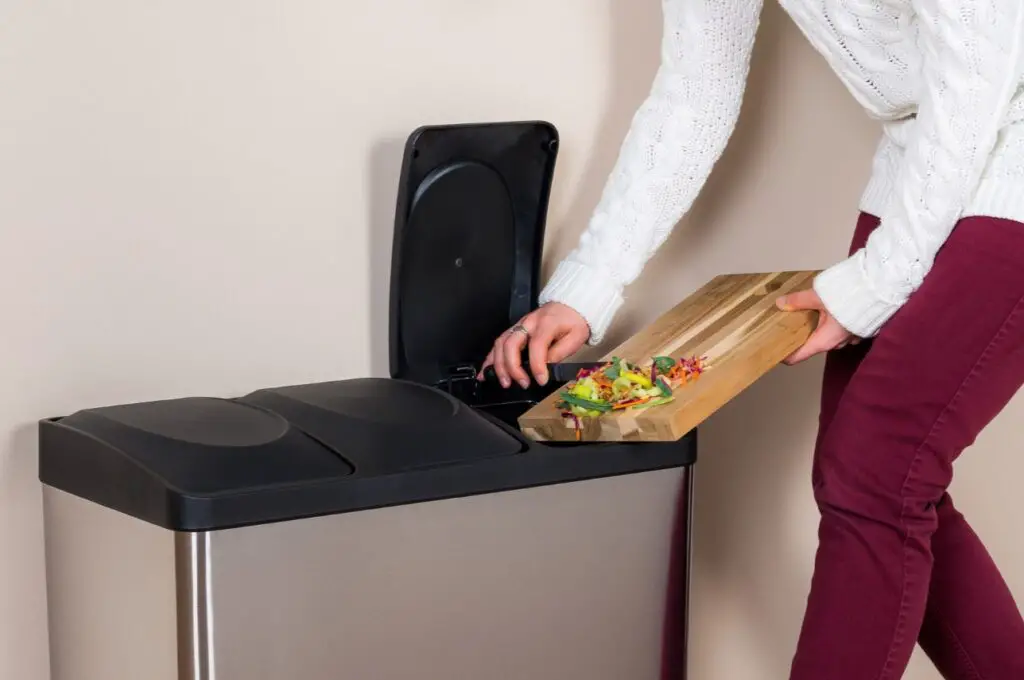
Garbage disposals can be one of the biggest hidden contributors to foul kitchen odors. When food particles get trapped in the disposal, they quickly begin to decay, emitting a strong sour or rotting smell. Even if you run water through it after use, that is not enough to clean the buildup lurking in the crevices. To keep it smelling fresh, grind up a handful of ice cubes with lemon or orange peels weekly. You can also pour a mix of baking soda and vinegar down the drain and let it sit for 15 minutes before flushing it with hot water. Avoid letting this often-ignored area sabotage your efforts to keep your kitchen smelling fresh.

2. Letting Laundry Pile Up
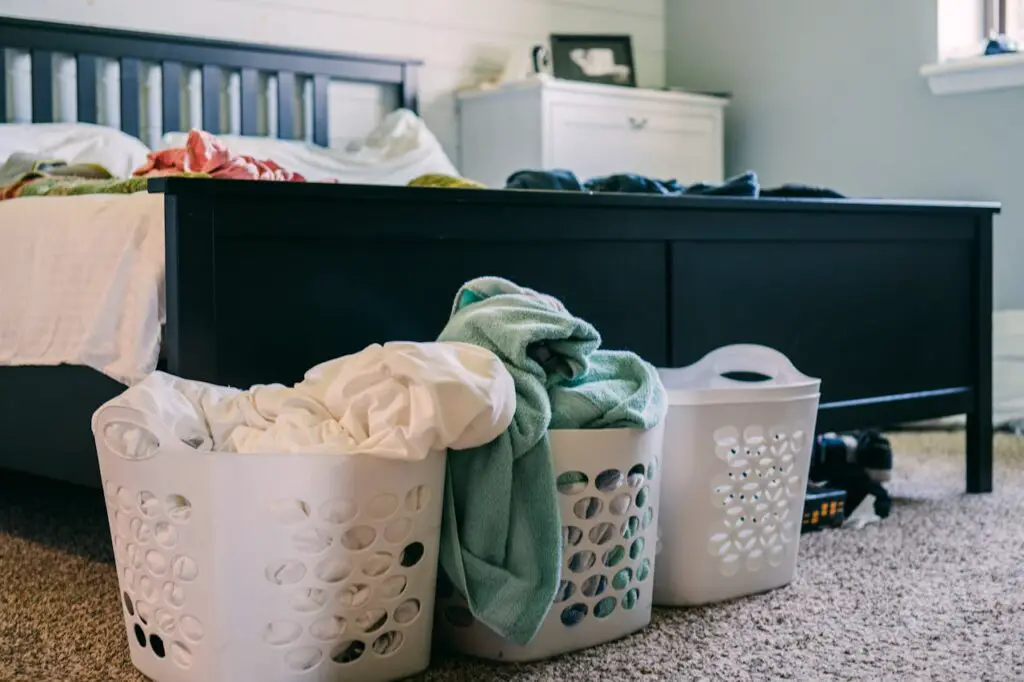
<p> Dirty clothes do more than just create clutter. When you let laundry sit in the hamper too long—especially sweaty gym wear, damp towels, or clothes with spills—odors begin to develop and spread. Damp items can even foster mold and mildew, leading to that unmistakable musty scent that lingers long after the laundry is done. Avoid these issues by doing laundry frequently and never leaving damp items in a pile. Using a breathable laundry basket and placing a small deodorizing sachet at the bottom can help control smells in between washes. Laundry should be part of your regular routine, not something that gets ignored until it becomes unbearable. </p> :: Pexels

Dirty clothes do more than just create clutter. When you let laundry sit in the hamper too long—especially sweaty gym wear, damp towels, or clothes with spills—odors begin to develop and spread. Damp items can even foster mold and mildew, leading to that unmistakable musty scent that lingers long after the laundry is done. Avoid these issues by doing laundry frequently and never leaving damp items in a pile. Using a breathable laundry basket and placing a small deodorizing sachet at the bottom can help control smells in between washes. Laundry should be part of your regular routine, not something that gets ignored until it becomes unbearable.

3. Forgetting to Empty the Trash Regularly

<p> Even if your trash can is only half full, it can quickly start to emit odors when food scraps or other organic materials are inside. Meat wrappers, fruit peels, eggshells, and coffee grounds begin to decompose within hours and can fill the kitchen with an overpowering scent. Waiting too long to empty the bin allows odors to settle into the room and even the walls. Make it a habit to take out the kitchen trash daily, especially during warmer months when smells intensify. To stay ahead of the issue, line the bottom of your trash can with baking soda to absorb odors and wash the can with soap and hot water weekly. </p> :: Pexels

Even if your trash can is only half full, it can quickly start to emit odors when food scraps or other organic materials are inside. Meat wrappers, fruit peels, eggshells, and coffee grounds begin to decompose within hours and can fill the kitchen with an overpowering scent. Waiting too long to empty the bin allows odors to settle into the room and even the walls. Make it a habit to take out the kitchen trash daily, especially during warmer months when smells intensify. To stay ahead of the issue, line the bottom of your trash can with baking soda to absorb odors and wash the can with soap and hot water weekly.

4. Ignoring the Litter Box

<p> If you have cats, a poorly maintained litter box can easily be the reason your home smells unpleasant. Skipping daily scooping, using low-quality litter, or neglecting to clean the box itself can cause waste odors to drift through your entire home. Even if the box is tucked away in a hidden corner, the smell will find its way out if not managed properly. Scoop the litter at least once a day, do a full litter change every week, and scrub the box with unscented soap and warm water. You can also try placing a small bowl of baking soda nearby to help neutralize odors naturally. </p> :: Freepik

If you have cats, a poorly maintained litter box can easily be the reason your home smells unpleasant. Skipping daily scooping, using low-quality litter, or neglecting to clean the box itself can cause waste odors to drift through your entire home. Even if the box is tucked away in a hidden corner, the smell will find its way out if not managed properly. Scoop the litter at least once a day, do a full litter change every week, and scrub the box with unscented soap and warm water. You can also try placing a small bowl of baking soda nearby to help neutralize odors naturally.

5. Skipping Carpet and Upholstery Cleaning
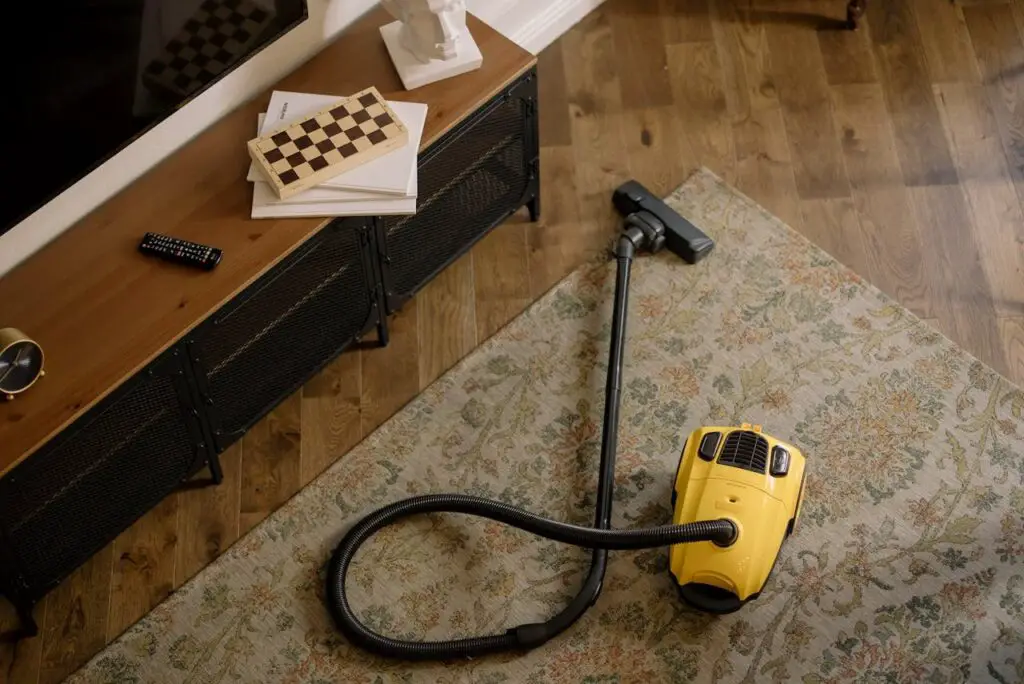
<p> Carpeted floors and upholstered furniture act like sponges for odors. They trap everything from pet smells and cigarette smoke to food spills and body odors. Regular vacuuming helps reduce surface-level dirt, but it does not remove deep-seated smells. If your living space always seems to have a stale or slightly sour scent, the carpets or couch might be the source. Schedule a deep cleaning at least once a year, either by renting a steam cleaner or hiring a professional. In between, sprinkle baking soda over carpets before vacuuming to neutralize everyday smells. Keeping these surfaces clean makes a huge difference in how your entire home smells. </p> :: Pexels

Carpeted floors and upholstered furniture act like sponges for odors. They trap everything from pet smells and cigarette smoke to food spills and body odors. Regular vacuuming helps reduce surface-level dirt, but it does not remove deep-seated smells. If your living space always seems to have a stale or slightly sour scent, the carpets or couch might be the source. Schedule a deep cleaning at least once a year, either by renting a steam cleaner or hiring a professional. In between, sprinkle baking soda over carpets before vacuuming to neutralize everyday smells. Keeping these surfaces clean makes a huge difference in how your entire home smells.

6. Not Changing Air Filters

<p> Dirty air filters in your heating or cooling system can spread dust, allergens, and unpleasant odors throughout your home. When filters become clogged, they lose their ability to trap particles and instead circulate musty, unclean air. If your home smells stale despite regular cleaning, the HVAC system might be blowing hidden odors into every room. Change your air filters every one to three months depending on usage and always follow the manufacturer’s guidelines. Upgrading to a high-efficiency filter can also help capture odor-causing particles. Maintaining clean air circulation is essential to keeping your home smelling fresh and healthy. </p> :: Freepik

Dirty air filters in your heating or cooling system can spread dust, allergens, and unpleasant odors throughout your home. When filters become clogged, they lose their ability to trap particles and instead circulate musty, unclean air. If your home smells stale despite regular cleaning, the HVAC system might be blowing hidden odors into every room. Change your air filters every one to three months depending on usage and always follow the manufacturer’s guidelines. Upgrading to a high-efficiency filter can also help capture odor-causing particles. Maintaining clean air circulation is essential to keeping your home smelling fresh and healthy.

7. Overusing Scented Products to Mask Odors

<p> Relying on air fresheners, candles, and sprays to cover up smells can actually make things worse. When you layer strong artificial fragrances over lingering bad odors, the result is often a confusing and overwhelming mix that fails to solve the problem. This masking approach does nothing to address the real source of the smell, whether it is mold, garbage, or spoiled food. Instead of masking odors, focus on eliminating them at the source. Use natural deodorizers like white vinegar in the kitchen, activated charcoal in closets, and essential oils in a diffuser. Clean first, then freshen, so your home smells naturally good instead of artificially perfumed. </p> :: Pexels

Relying on air fresheners, candles, and sprays to cover up smells can actually make things worse. When you layer strong artificial fragrances over lingering bad odors, the result is often a confusing and overwhelming mix that fails to solve the problem. This masking approach does nothing to address the real source of the smell, whether it is mold, garbage, or spoiled food. Instead of masking odors, focus on eliminating them at the source. Use natural deodorizers like white vinegar in the kitchen, activated charcoal in closets, and essential oils in a diffuser. Clean first, then freshen, so your home smells naturally good instead of artificially perfumed.

8. Letting Dishes Sit in the Sink
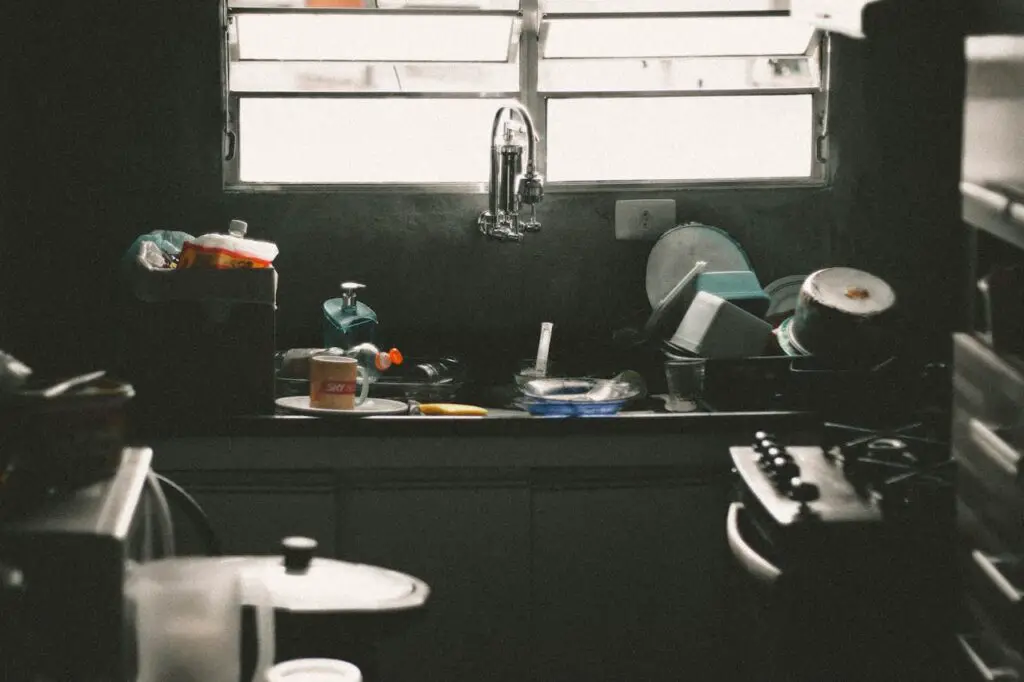
<p> Leaving dirty dishes in the sink overnight is a guaranteed way to invite unpleasant smells into your kitchen. Food scraps, grease, and dirty water combine to create a lingering odor that intensifies as the hours pass. Even just a few unwashed dishes can start to smell bad surprisingly fast. Make it a habit to rinse and load the dishwasher right after eating, or hand wash dishes as you go. Pay attention to sink strainers and dish sponges too—both can harbor bacteria and mildew. Keeping your sink clean and dry goes a long way toward eliminating bad smells in one of the most frequently used rooms of your home. </p> :: Pexels

Leaving dirty dishes in the sink overnight is a guaranteed way to invite unpleasant smells into your kitchen. Food scraps, grease, and dirty water combine to create a lingering odor that intensifies as the hours pass. Even just a few unwashed dishes can start to smell bad surprisingly fast. Make it a habit to rinse and load the dishwasher right after eating, or hand wash dishes as you go. Pay attention to sink strainers and dish sponges too—both can harbor bacteria and mildew. Keeping your sink clean and dry goes a long way toward eliminating bad smells in one of the most frequently used rooms of your home.

9. Neglecting Bathroom Ventilation

<p> Bathrooms are naturally humid spaces, and that makes them ideal for odors to linger if proper ventilation is not in place. Whether it is the scent of cleaning products, mildew, or bodily functions, bad smells tend to stick around much longer in a bathroom with poor airflow. If you are not turning on your bathroom fan during and after showers, or if the fan is clogged and ineffective, the smells will accumulate and seep into other parts of your home. Make sure your fan works efficiently, clean it monthly, and consider cracking a window to allow fresh air to circulate. Proper ventilation makes a huge difference in keeping the air clean and odor-free. </p> :: Freepik

Bathrooms are naturally humid spaces, and that makes them ideal for odors to linger if proper ventilation is not in place. Whether it is the scent of cleaning products, mildew, or bodily functions, bad smells tend to stick around much longer in a bathroom with poor airflow. If you are not turning on your bathroom fan during and after showers, or if the fan is clogged and ineffective, the smells will accumulate and seep into other parts of your home. Make sure your fan works efficiently, clean it monthly, and consider cracking a window to allow fresh air to circulate. Proper ventilation makes a huge difference in keeping the air clean and odor-free.

10. Keeping Wet Items Indoors

<p> Wet towels on the bathroom floor, damp coats on a hook, and rain-soaked shoes by the door all have one thing in common—they breed mildew and that unmistakable musty smell. When moisture has nowhere to go, it starts to cling to fabrics and surfaces, creating the perfect environment for mold growth. To avoid this, always hang wet towels immediately, remove damp shoes from enclosed spaces, and dry umbrellas before storing them. Use a designated drying rack or mudroom area to air out these items and prevent the spread of odor throughout the house. Keeping things dry is one of the easiest and most effective ways to keep your home smelling fresh. </p> :: DALL-E ChatGPT

Wet towels on the bathroom floor, damp coats on a hook, and rain-soaked shoes by the door all have one thing in common—they breed mildew and that unmistakable musty smell. When moisture has nowhere to go, it starts to cling to fabrics and surfaces, creating the perfect environment for mold growth. To avoid this, always hang wet towels immediately, remove damp shoes from enclosed spaces, and dry umbrellas before storing them. Use a designated drying rack or mudroom area to air out these items and prevent the spread of odor throughout the house. Keeping things dry is one of the easiest and most effective ways to keep your home smelling fresh.

Final Thoughts

<p> Creating a home that smells great is not about spraying more air fresheners or buying expensive gadgets—it is about changing the small daily habits that allow odors to take hold. Whether it is letting dishes sit too long, forgetting to take out the trash, or skipping deep cleans on carpets and furniture, these simple mistakes can quickly lead to a smelly environment. By stopping the 10 habits listed above, you can reclaim a fresher, cleaner-smelling home and enjoy a more pleasant space for yourself, your family, and your guests. With a little awareness and consistency, your house can smell as good as it looks—every single day. </p> :: Freepik

Creating a home that smells great is not about spraying more air fresheners or buying expensive gadgets—it is about changing the small daily habits that allow odors to take hold. Whether it is letting dishes sit too long, forgetting to take out the trash, or skipping deep cleans on carpets and furniture, these simple mistakes can quickly lead to a smelly environment. By stopping the 10 habits listed above, you can reclaim a fresher, cleaner-smelling home and enjoy a more pleasant space for yourself, your family, and your guests. With a little awareness and consistency, your house can smell as good as it looks—every single day.

Filed Under: Lifestyle

You Won’t Believe These 10 Boomer Habits That Have Grandkids Laughing

December 15, 2025 | Leave a Comment

You Won’t Believe These 10 Boomer Habits That Have Grandkids Laughing

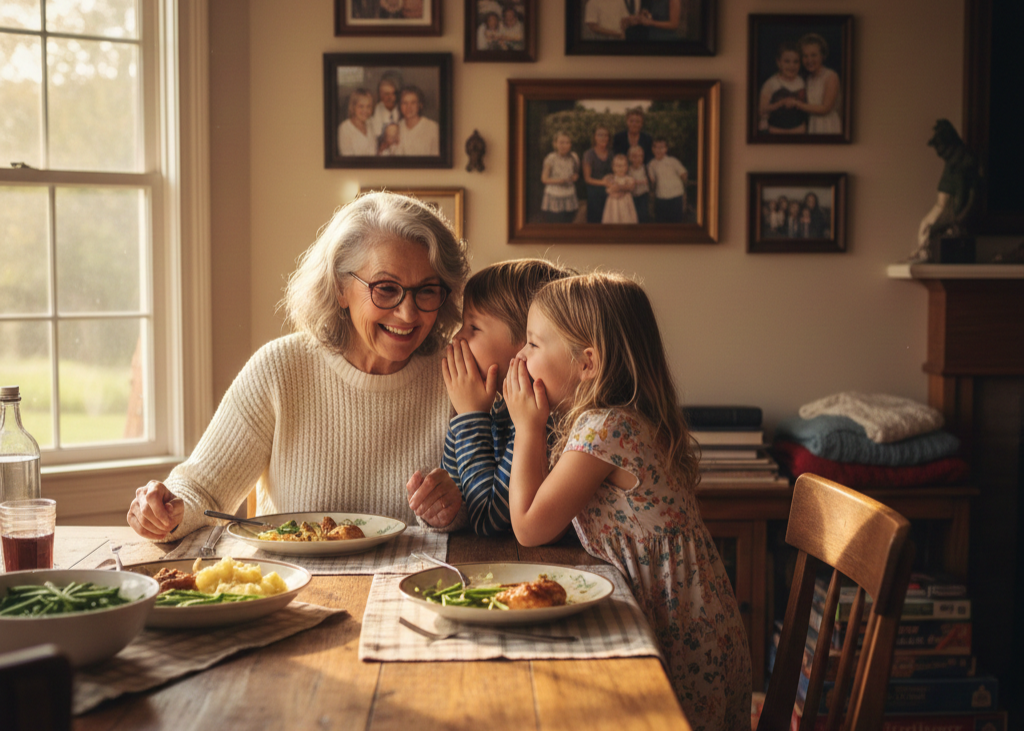
<p> Let’s be honest—grandkids are a curious bunch. They marvel at our stories, our wisdom, and yes, sometimes our quirks. As a Baby Boomer, you’ve lived through incredible decades, seen the rise of rock and roll, watched the world go digital, and mastered the art of handwritten thank-you notes. But here’s a little secret: some of the habits you carry through life? They make your grandkids laugh…sometimes quietly behind your back, sometimes openly at the dinner table.

Before you get defensive, remember this: it’s all in good fun. These little habits reflect the wisdom, practicality, and love that only experience can teach. Let’s take a playful look at ten Boomer habits that younger generations find amusing, nostalgic, or downright entertaining. </p> :: Gemini

Let’s be honest—grandkids are a curious bunch. They marvel at our stories, our wisdom, and yes, sometimes our quirks. As a Baby Boomer, you’ve lived through incredible decades, seen the rise of rock and roll, watched the world go digital, and mastered the art of handwritten thank-you notes. But here’s a little secret: some of the habits you carry through life? They make your grandkids laugh…sometimes quietly behind your back, sometimes openly at the dinner table.

Before you get defensive, remember this: it’s all in good fun. These little habits reflect the wisdom, practicality, and love that only experience can teach. Let’s take a playful look at ten Boomer habits that younger generations find amusing, nostalgic, or downright entertaining.

1) Texting in Ways That Confuse Everyone

<p> If your grandkids roll their eyes when you type “LOL” or “OMG,” don’t worry—you’re not doing it wrong. Boomers often learned these abbreviations in ways that predate the internet’s current slang. Sometimes “LOL” really means “lots of love,” and “OMG” may just be a dramatic reaction to a minor spill. The result is a funny mix-up that makes your grandkids giggle and secretly appreciate your effort to connect digitally. </p> :: Gemini

If your grandkids roll their eyes when you type “LOL” or “OMG,” don’t worry—you’re not doing it wrong. Boomers often learned these abbreviations in ways that predate the internet’s current slang. Sometimes “LOL” really means “lots of love,” and “OMG” may just be a dramatic reaction to a minor spill. The result is a funny mix-up that makes your grandkids giggle and secretly appreciate your effort to connect digitally.

2) All Caps, Because Small Text is Hard to Read

<p> There’s no shame in boldness—especially when it comes to your eyesight. If you type in all capital letters, it’s probably because small text is hard to see, not because you’re shouting at your grandkids. That said, they can’t help but laugh at the intensity of a fully capitalized “DON’T FORGET YOUR COAT.” It’s a harmless habit that adds a little dramatic flair to ordinary reminders. </p> :: Gemini

There’s no shame in boldness—especially when it comes to your eyesight. If you type in all capital letters, it’s probably because small text is hard to see, not because you’re shouting at your grandkids. That said, they can’t help but laugh at the intensity of a fully capitalized “DON’T FORGET YOUR COAT.” It’s a harmless habit that adds a little dramatic flair to ordinary reminders.

3) Saving Every Plastic Bag and Coin

<p> We all know a Boomer who keeps plastic bags and jars full of loose change. Grandkids may find it puzzling or funny, but there’s method to the madness. Those bags come in handy, and the coins? They fund small adventures, charity donations, or even a sudden craving for vending machine snacks. What seems quirky to them is actually your way of being prepared for anything. </p> :: Gemini

We all know a Boomer who keeps plastic bags and jars full of loose change. Grandkids may find it puzzling or funny, but there’s method to the madness. Those bags come in handy, and the coins? They fund small adventures, charity donations, or even a sudden craving for vending machine snacks. What seems quirky to them is actually your way of being prepared for anything.

4) Handwritten Cards—Because Touch Matters

<p> Grandkids might not get why you spend hours picking the perfect card and writing a heartfelt note. In a world of texts and emojis, your handwritten cards feel like treasure. Sure, it may arrive a little late, but the thoughtfulness shines through. They laugh because it’s “so old-fashioned,” but deep down, they cherish the personal touch only a Boomer can provide. </p> :: Gemini

Grandkids might not get why you spend hours picking the perfect card and writing a heartfelt note. In a world of texts and emojis, your handwritten cards feel like treasure. Sure, it may arrive a little late, but the thoughtfulness shines through. They laugh because it’s “so old-fashioned,” but deep down, they cherish the personal touch only a Boomer can provide.

5) Balancing Checkbooks With Precision

<p> While younger generations rely on apps and digital notifications, you know the satisfaction of balancing a checkbook. It’s an art form—every pen stroke and careful tally shows discipline and attention to detail. Grandkids might chuckle at the old-fashioned method, but they also respect the skill and patience it takes. Plus, it’s a conversation starter and a chance to share life lessons about money management. </p> :: Gemini

While younger generations rely on apps and digital notifications, you know the satisfaction of balancing a checkbook. It’s an art form—every pen stroke and careful tally shows discipline and attention to detail. Grandkids might chuckle at the old-fashioned method, but they also respect the skill and patience it takes. Plus, it’s a conversation starter and a chance to share life lessons about money management.

6) Paying With Cash—Always Ready

<p> There’s something satisfying about handing over cash for a coffee or a small purchase. Younger folks tap their phones and move on, but you prefer the tangible connection money provides. Grandkids may smirk when they see you counting bills at the counter, but they secretly admire your confidence in handling cash and staying aware of your spending. It’s classic Boomer wisdom in action. </p> :: Gemini

There’s something satisfying about handing over cash for a coffee or a small purchase. Younger folks tap their phones and move on, but you prefer the tangible connection money provides. Grandkids may smirk when they see you counting bills at the counter, but they secretly admire your confidence in handling cash and staying aware of your spending. It’s classic Boomer wisdom in action.

7) Wristwatches Over Smartphones

<p> You might glance at your watch instead of your phone to check the time, and that’s perfectly fine. Grandkids find it a little amusing, but your wristwatch is more than a timepiece—it’s a statement of style, punctuality, and consistency. In a fast-moving world, you still honor the old-fashioned elegance of checking the time the old way. </p> :: Gemini

You might glance at your watch instead of your phone to check the time, and that’s perfectly fine. Grandkids find it a little amusing, but your wristwatch is more than a timepiece—it’s a statement of style, punctuality, and consistency. In a fast-moving world, you still honor the old-fashioned elegance of checking the time the old way.

8) Fashion That Tells a Story

<p> Boomers have a flair for fashion that younger generations might call “vintage” or “retro.” Flared pants, bold prints, or hand-knitted sweaters are more than clothing—they’re conversation starters. Grandkids may giggle, but they are also hearing stories of decades past, learning about the styles and trends that shaped your youth. Your fashion tells a story, and every outfit comes with memories worth sharing. </p> :: Gemini

Boomers have a flair for fashion that younger generations might call “vintage” or “retro.” Flared pants, bold prints, or hand-knitted sweaters are more than clothing—they’re conversation starters. Grandkids may giggle, but they are also hearing stories of decades past, learning about the styles and trends that shaped your youth. Your fashion tells a story, and every outfit comes with memories worth sharing.

9) Savoring the Physical Newspaper

<p> Coffee, morning sun, and a physical newspaper—there’s nothing like it. In a world of screens and notifications, this habit seems old-fashioned to your grandkids. They may laugh at the sprawling pages or the clunky layout, but they also learn the value of slowing down, absorbing news carefully, and enjoying a quiet moment. You’re teaching them patience in a world that rarely pauses. </p> :: Gemini

Coffee, morning sun, and a physical newspaper—there’s nothing like it. In a world of screens and notifications, this habit seems old-fashioned to your grandkids. They may laugh at the sprawling pages or the clunky layout, but they also learn the value of slowing down, absorbing news carefully, and enjoying a quiet moment. You’re teaching them patience in a world that rarely pauses.

10) Preferring Phone Calls to Texts

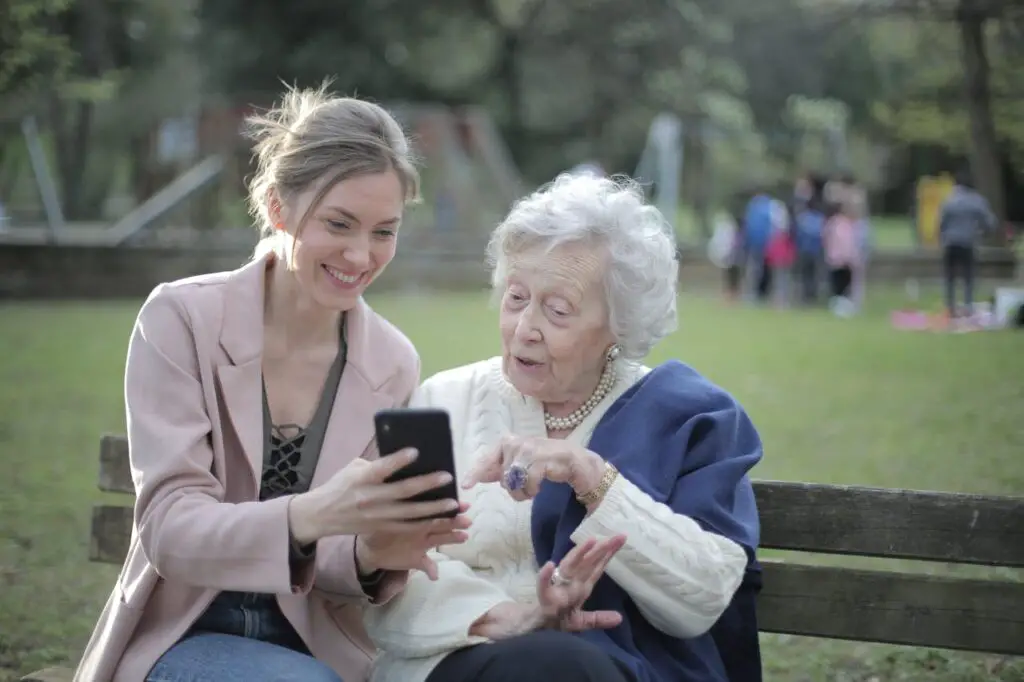
<p> Some habits never go out of style, and preferring phone calls over texts is one of them. Grandkids may roll their eyes at hearing your voice on the line instead of reading a quick message, but these calls are filled with warmth, laughter, and stories they might never get in a text. While amusing, your habit is a way to maintain genuine connections, and it often leads to meaningful conversations and unforgettable memories. </p> :: Gemini

Some habits never go out of style, and preferring phone calls over texts is one of them. Grandkids may roll their eyes at hearing your voice on the line instead of reading a quick message, but these calls are filled with warmth, laughter, and stories they might never get in a text. While amusing, your habit is a way to maintain genuine connections, and it often leads to meaningful conversations and unforgettable memories.

Final Thoughts

<p> Grandkids laugh at Boomer habits not to mock, but because these quirks are so different from the world they know. Every handwritten card, carefully balanced checkbook, and jar of coins tells a story of patience, preparation, and love. Your habits may seem old-fashioned, but they are part of what makes you unforgettable.

The humor is the bridge between generations, creating laughter and connection in equal measure. So embrace these habits, share your stories, and let your grandkids giggle a little. After all, your quirks are the threads that weave family history together, and a good laugh is one of the best gifts you can pass along. </p> :: Gemini

Grandkids laugh at Boomer habits not to mock, but because these quirks are so different from the world they know. Every handwritten card, carefully balanced checkbook, and jar of coins tells a story of patience, preparation, and love. Your habits may seem old-fashioned, but they are part of what makes you unforgettable.

The humor is the bridge between generations, creating laughter and connection in equal measure. So embrace these habits, share your stories, and let your grandkids giggle a little. After all, your quirks are the threads that weave family history together, and a good laugh is one of the best gifts you can pass along.

Filed Under: Lifestyle

20 Smart Christmas Gifts for 2025 That Won’t Break the Bank

December 14, 2025 | Leave a Comment

20 Smart Christmas Gifts for 2025 That Won’t Break the Bank

<p> The holiday season is right around the corner, and for many of us, the thought of gift shopping brings equal parts excitement and stress. We want to give presents that feel thoughtful and special, but we also want to stay within budget. Luckily, affordable gifts can be just as meaningful as expensive ones when chosen carefully. The key is to find items that are useful, enjoyable, and bring a smile to someone’s face.

This year, we’ve rounded up some of the best affordable Christmas gifts for 2025. These ideas are practical, fun, and perfect for friends, family, coworkers, and even those hard-to-shop-for relatives. Each suggestion is budget-friendly but still feels like a gift you put thought into, not just something picked up at the last minute. </p> :: Gemini

The holiday season is right around the corner, and for many of us, the thought of gift shopping brings equal parts excitement and stress. We want to give presents that feel thoughtful and special, but we also want to stay within budget. Luckily, affordable gifts can be just as meaningful as expensive ones when chosen carefully. The key is to find items that are useful, enjoyable, and bring a smile to someone’s face.

This year, we’ve rounded up some of the best affordable Christmas gifts for 2025. These ideas are practical, fun, and perfect for friends, family, coworkers, and even those hard-to-shop-for relatives. Each suggestion is budget-friendly but still feels like a gift you put thought into, not just something picked up at the last minute.

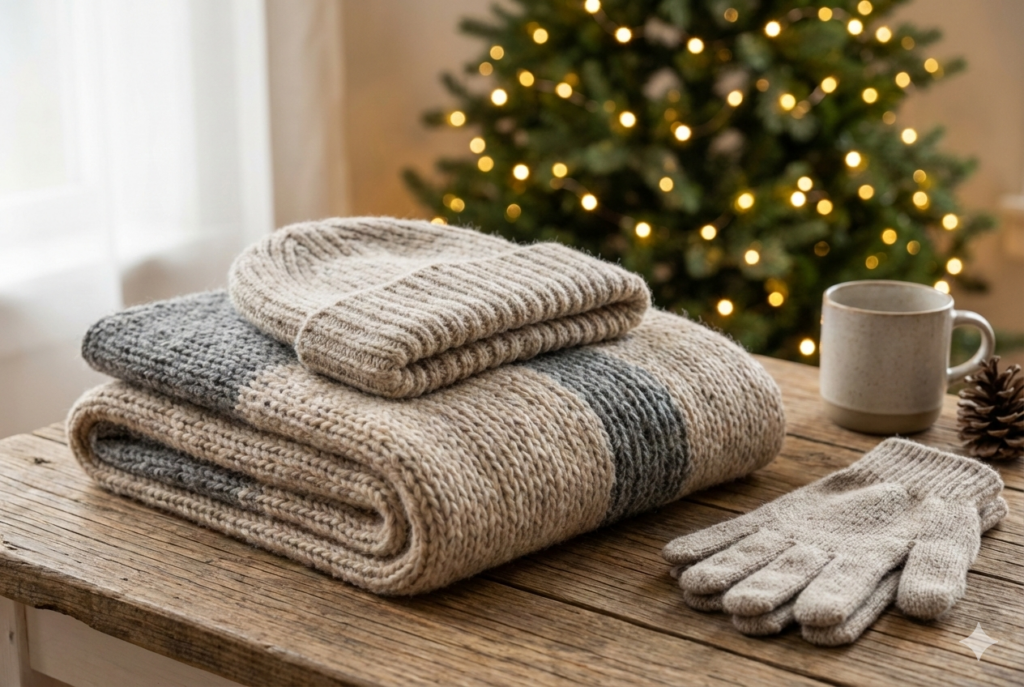
1. Cozy Knit Scarf and Beanie Set

<p> Nothing says comfort quite like a soft scarf and beanie. A warm knit set is perfect for those chilly winter days and comes in a variety of colors and styles to suit anyone’s taste. Even better, many high-quality options are available for under $15, so you can give warmth without spending a fortune. Pair it with a simple note wishing them a cozy holiday, and it instantly becomes a thoughtful, heartwarming gift. </p> :: Gemini

Nothing says comfort quite like a soft scarf and beanie. A warm knit set is perfect for those chilly winter days and comes in a variety of colors and styles to suit anyone’s taste. Even better, many high-quality options are available for under $15, so you can give warmth without spending a fortune. Pair it with a simple note wishing them a cozy holiday, and it instantly becomes a thoughtful, heartwarming gift.

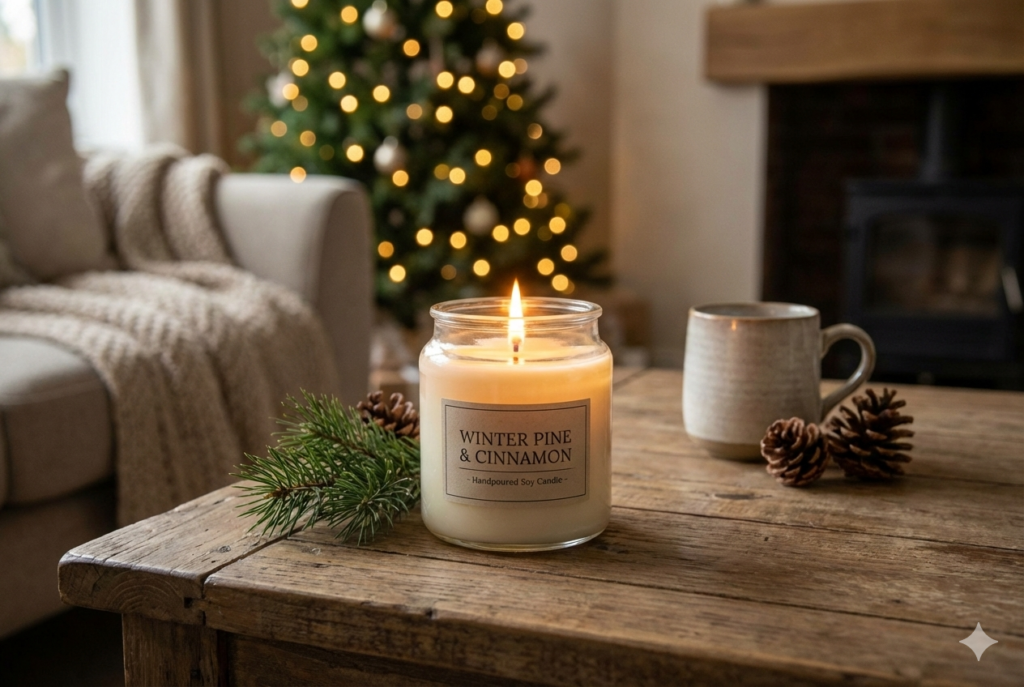
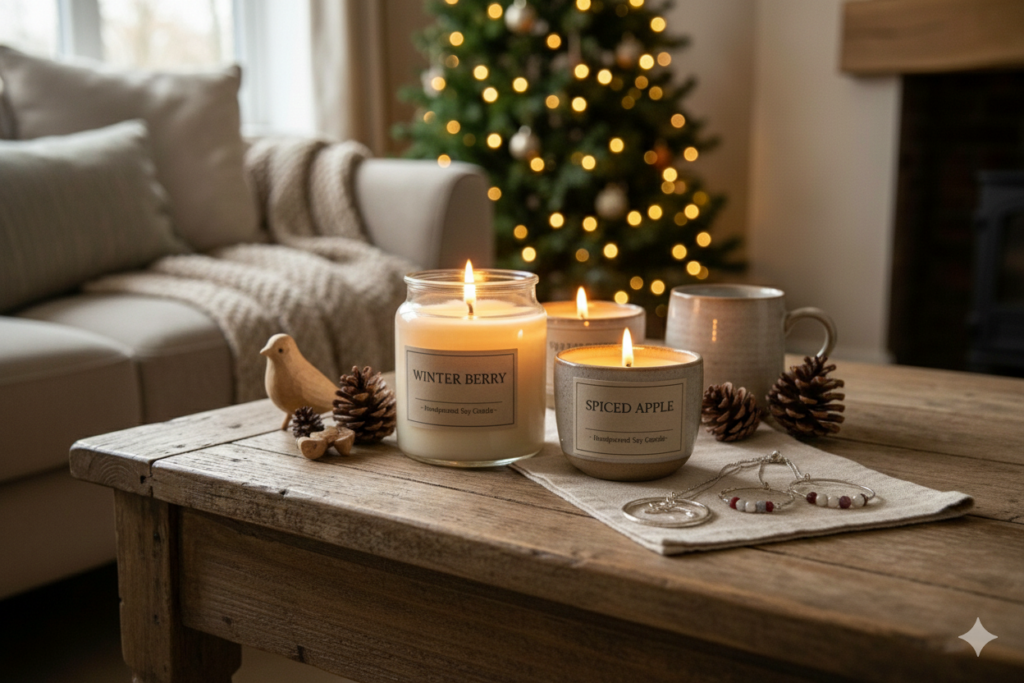
2. Scented Soy Candle

<p> A scented candle is a classic holiday gift that never goes out of style. Opt for soy candles with scents like vanilla, cinnamon, pine, or cedar to create a cozy atmosphere at home. They are eco-friendly, burn cleanly, and often last longer than traditional candles. A candle priced under $25 can transform a space and make anyone feel pampered during the holiday season. It is a great gift for roommates, friends who live alone, or anyone who enjoys a calming ambiance. </p> :: Gemini

A scented candle is a classic holiday gift that never goes out of style. Opt for soy candles with scents like vanilla, cinnamon, pine, or cedar to create a cozy atmosphere at home. They are eco-friendly, burn cleanly, and often last longer than traditional candles. A candle priced under $25 can transform a space and make anyone feel pampered during the holiday season. It is a great gift for roommates, friends who live alone, or anyone who enjoys a calming ambiance.

3. Compact Power Bank or Portable Charger

<p> We all know the frustration of a dead phone battery at the worst possible time. A compact power bank is a lifesaver for students, travelers, and busy professionals alike. Many high-quality models are available for under $30 and are small enough to slip into a purse or backpack. This practical gift is perfect for anyone who relies heavily on their devices, ensuring they stay connected when it matters most. </p> :: Gemini

We all know the frustration of a dead phone battery at the worst possible time. A compact power bank is a lifesaver for students, travelers, and busy professionals alike. Many high-quality models are available for under $30 and are small enough to slip into a purse or backpack. This practical gift is perfect for anyone who relies heavily on their devices, ensuring they stay connected when it matters most.

4. Reusable Travel Mug or Stainless Steel Tumbler

<p> For coffee and tea lovers, a durable travel mug or insulated tumbler is a gift that keeps giving. These mugs keep beverages hot or cold for hours, fit easily in car cup holders, and help reduce disposable cup waste. Practical, stylish, and budget-friendly, this gift is ideal for friends and coworkers who are always on the go. You can even personalize it with a sticker, monogram, or favorite quote to make it extra special. </p> :: Gemini

For coffee and tea lovers, a durable travel mug or insulated tumbler is a gift that keeps giving. These mugs keep beverages hot or cold for hours, fit easily in car cup holders, and help reduce disposable cup waste. Practical, stylish, and budget-friendly, this gift is ideal for friends and coworkers who are always on the go. You can even personalize it with a sticker, monogram, or favorite quote to make it extra special.

5. Personalized Engraved Keychain

<p> A small, engraved keychain is a simple but meaningful gift. Adding initials, a name, or a short message can turn an everyday item into a keepsake. Priced under $15, it makes a great stocking stuffer or Secret Santa present. While small in size, its personal touch leaves a lasting impression, reminding the recipient of your thoughtfulness every time they use their keys. </p> :: Gemini

A small, engraved keychain is a simple but meaningful gift. Adding initials, a name, or a short message can turn an everyday item into a keepsake. Priced under $15, it makes a great stocking stuffer or Secret Santa present. While small in size, its personal touch leaves a lasting impression, reminding the recipient of your thoughtfulness every time they use their keys.

6. Hardcover or Feel-Good Book

<p> Books remain one of the most timeless gift options. Whether it is a bestselling novel, an inspiring self-help guide, or a lighthearted feel-good story, a book can offer entertainment, knowledge, or relaxation during the busy holiday season. Many excellent titles are available for $12 to $25, making it an affordable yet meaningful gift. Including a handwritten note inside can make it even more personal and memorable. </p> :: Gemini

Books remain one of the most timeless gift options. Whether it is a bestselling novel, an inspiring self-help guide, or a lighthearted feel-good story, a book can offer entertainment, knowledge, or relaxation during the busy holiday season. Many excellent titles are available for $12 to $25, making it an affordable yet meaningful gift. Including a handwritten note inside can make it even more personal and memorable.

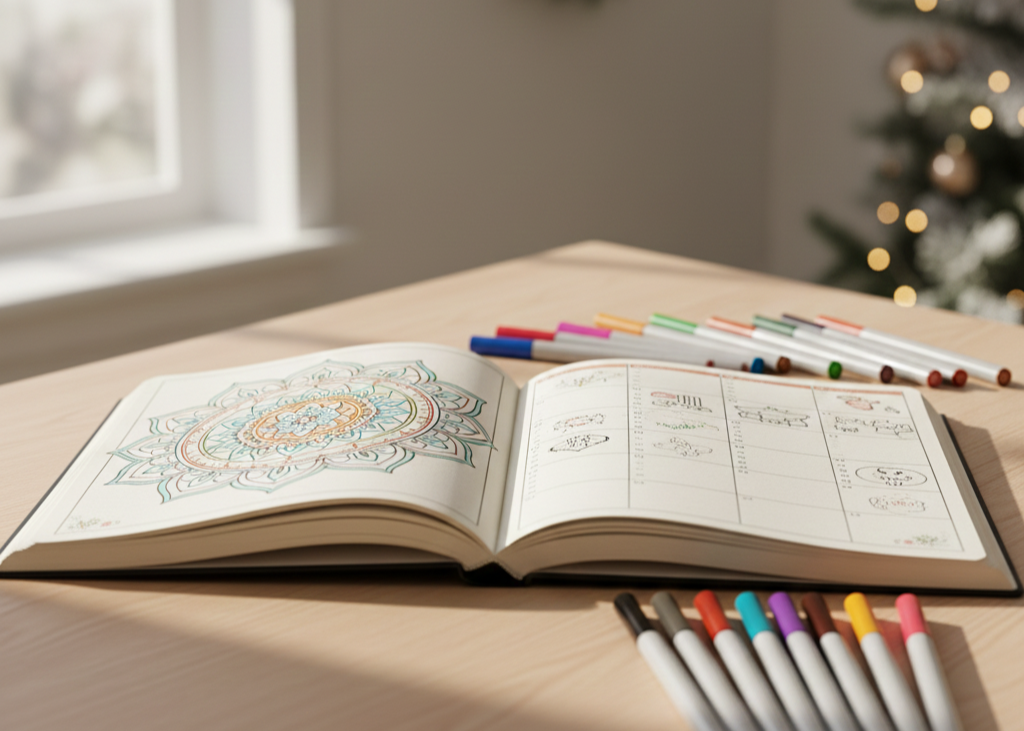
7. Adult Coloring Book or Journal with Markers

<p> Adult coloring books and journals are more than just fun—they are stress-relieving and allow for creative expression. Pairing one with a set of colored pens or markers creates a thoughtful bundle that encourages relaxation and mindfulness. Perfect for friends, students, or anyone who enjoys creative activities, this gift provides a screen-free way to unwind and explore their artistic side. </p> :: Gemini

Adult coloring books and journals are more than just fun—they are stress-relieving and allow for creative expression. Pairing one with a set of colored pens or markers creates a thoughtful bundle that encourages relaxation and mindfulness. Perfect for friends, students, or anyone who enjoys creative activities, this gift provides a screen-free way to unwind and explore their artistic side.

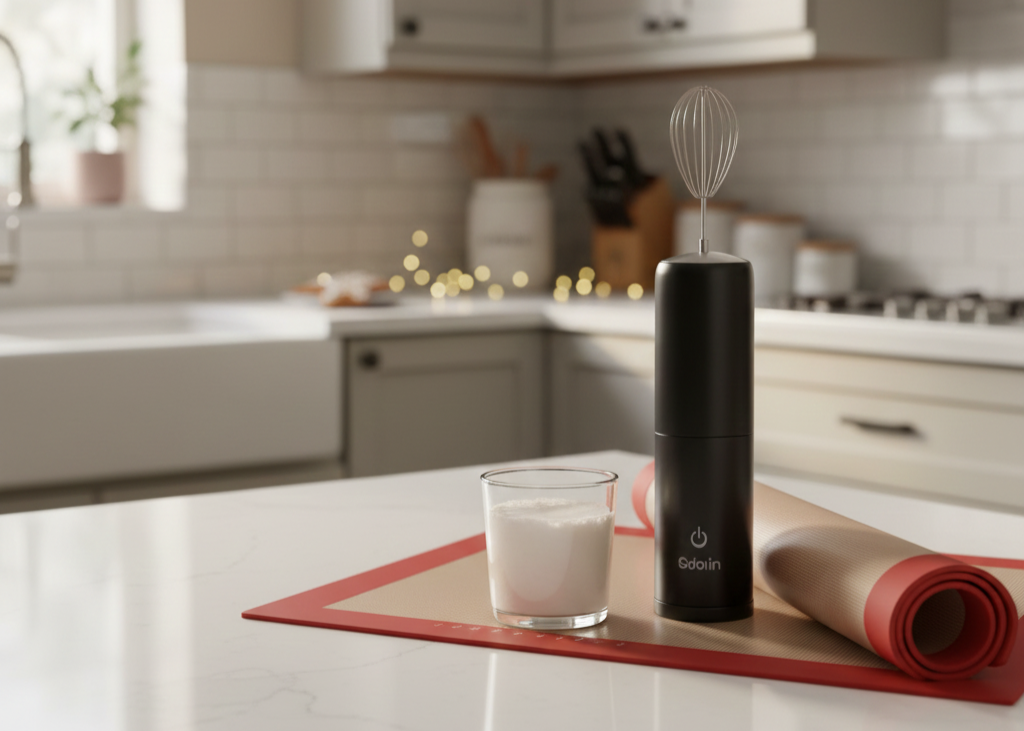
8. Compact Kitchen Gadget

<p> Small kitchen gadgets are both practical and exciting to receive. Think mini milk frothers, silicone baking mats, or compact utensil sets. They are typically inexpensive but highly useful for anyone who enjoys cooking or baking. A kitchen gadget can be a delightful surprise that inspires culinary creativity and makes everyday tasks a little easier. </p> :: Gemini

Small kitchen gadgets are both practical and exciting to receive. Think mini milk frothers, silicone baking mats, or compact utensil sets. They are typically inexpensive but highly useful for anyone who enjoys cooking or baking. A kitchen gadget can be a delightful surprise that inspires culinary creativity and makes everyday tasks a little easier.

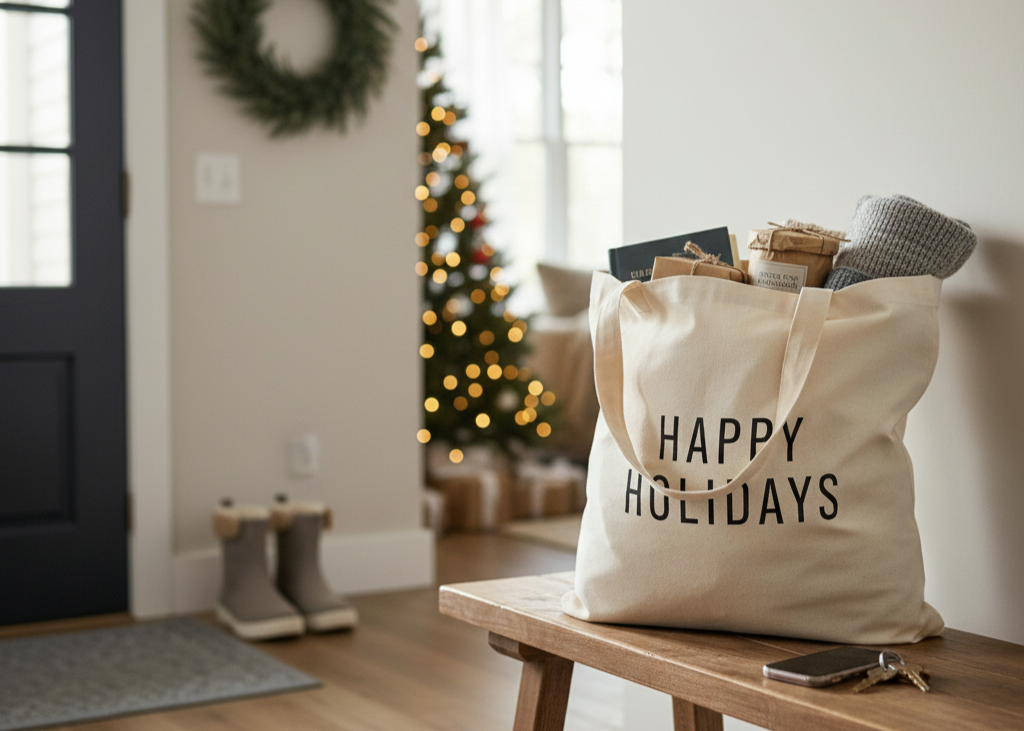
9. Reusable Eco Tote Bag

<p> A reusable tote bag is a gift that is both practical and environmentally friendly. Look for designs that are festive or stylish to make the bag more fun. You can also create a mini gift bundle by filling the tote with small treats, a candle, or a book. This approach adds a personal touch while keeping the gift affordable. It is ideal for those who frequently shop or need a handy bag for errands. </p> :: Gemini

A reusable tote bag is a gift that is both practical and environmentally friendly. Look for designs that are festive or stylish to make the bag more fun. You can also create a mini gift bundle by filling the tote with small treats, a candle, or a book. This approach adds a personal touch while keeping the gift affordable. It is ideal for those who frequently shop or need a handy bag for errands.

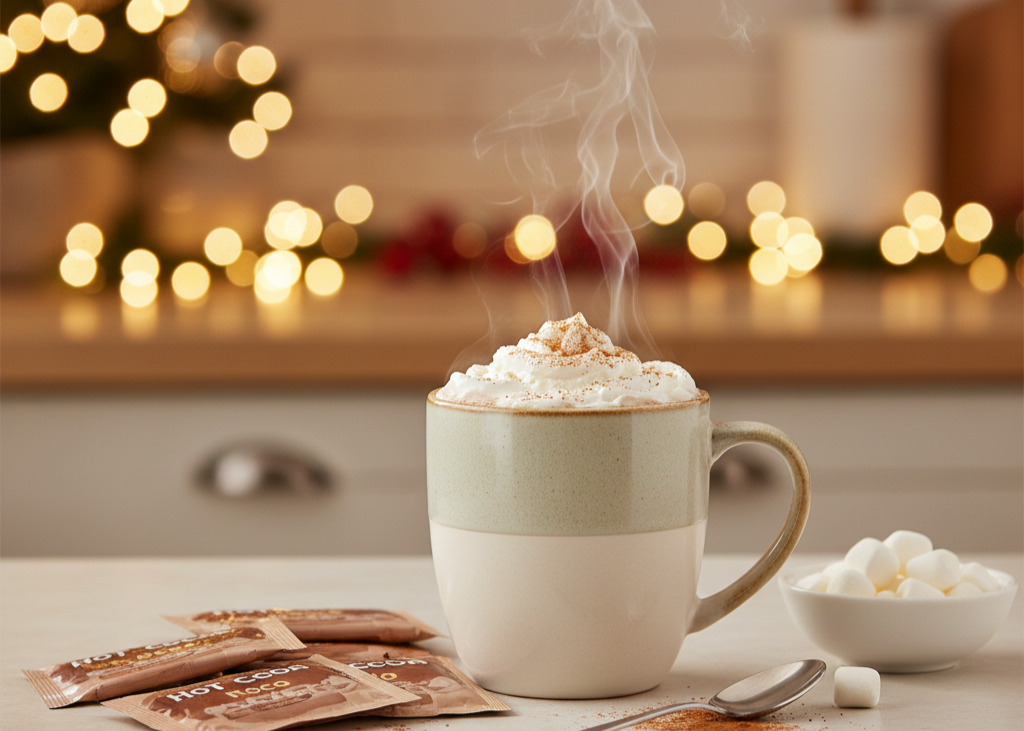
10. Ceramic Mug with Hot Cocoa or Coffee Mix

<p> Sometimes the simplest gifts are the most appreciated. A cozy ceramic mug paired with gourmet cocoa, coffee mix, or tea is perfect for the holiday season. This gift is versatile, budget-friendly, and offers comfort to the recipient. Personalizing it with a small note, sticker, or holiday ornament can make it even more thoughtful. It is ideal for friends, family, or coworkers who enjoy a warm drink during the winter months. </p> :: Gemini

Sometimes the simplest gifts are the most appreciated. A cozy ceramic mug paired with gourmet cocoa, coffee mix, or tea is perfect for the holiday season. This gift is versatile, budget-friendly, and offers comfort to the recipient. Personalizing it with a small note, sticker, or holiday ornament can make it even more thoughtful. It is ideal for friends, family, or coworkers who enjoy a warm drink during the winter months.

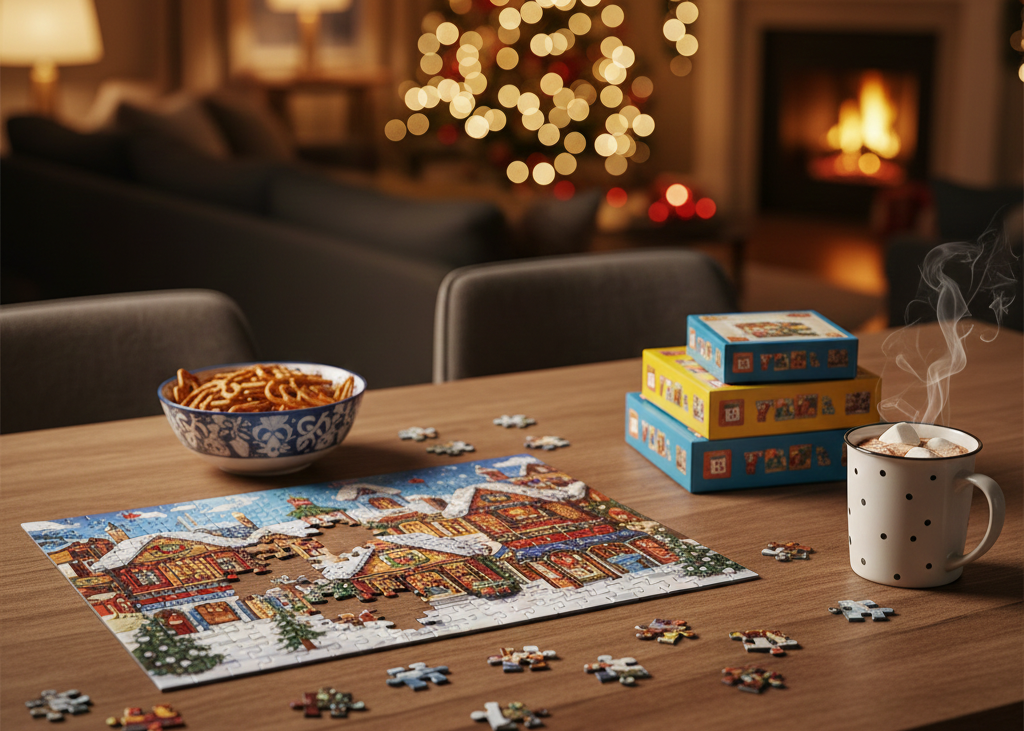
11. Fun Puzzle or Brain Game

<p> Puzzles and brain games have made a huge comeback in recent years. They are fun, challenging, and perfect for both solo relaxation and family bonding. A medium-sized puzzle or a compact travel-friendly game can cost under $20, making it an affordable option with hours of entertainment. This gift works for anyone, from kids to adults, and encourages problem-solving while providing holiday entertainment. </p> :: Gemini

Puzzles and brain games have made a huge comeback in recent years. They are fun, challenging, and perfect for both solo relaxation and family bonding. A medium-sized puzzle or a compact travel-friendly game can cost under $20, making it an affordable option with hours of entertainment. This gift works for anyone, from kids to adults, and encourages problem-solving while providing holiday entertainment.

12. Cozy Slippers

<p> There is nothing quite like sliding your feet into a pair of soft, warm slippers after a long day. They are perfect for lounging around the house and add a touch of comfort to daily life. Affordable slippers can be found for $15 to $25, and choosing a neutral or festive color ensures they appeal to anyone. This gift is practical, thoughtful, and guaranteed to be appreciated during the colder months. </p> :: Gemini

There is nothing quite like sliding your feet into a pair of soft, warm slippers after a long day. They are perfect for lounging around the house and add a touch of comfort to daily life. Affordable slippers can be found for $15 to $25, and choosing a neutral or festive color ensures they appeal to anyone. This gift is practical, thoughtful, and guaranteed to be appreciated during the colder months.

13. Holiday-Themed Socks

<p> Holiday-themed socks are cheerful, practical, and always bring a smile. They can range from cute and funny designs to elegant winter patterns. Socks are inexpensive, usually under $10 to $15, making them perfect for stockings or as a small, thoughtful gift. Everyone appreciates a pair of cozy socks during the winter season, and they are an easy way to spread holiday cheer. </p> :: Gemini

Holiday-themed socks are cheerful, practical, and always bring a smile. They can range from cute and funny designs to elegant winter patterns. Socks are inexpensive, usually under $10 to $15, making them perfect for stockings or as a small, thoughtful gift. Everyone appreciates a pair of cozy socks during the winter season, and they are an easy way to spread holiday cheer.

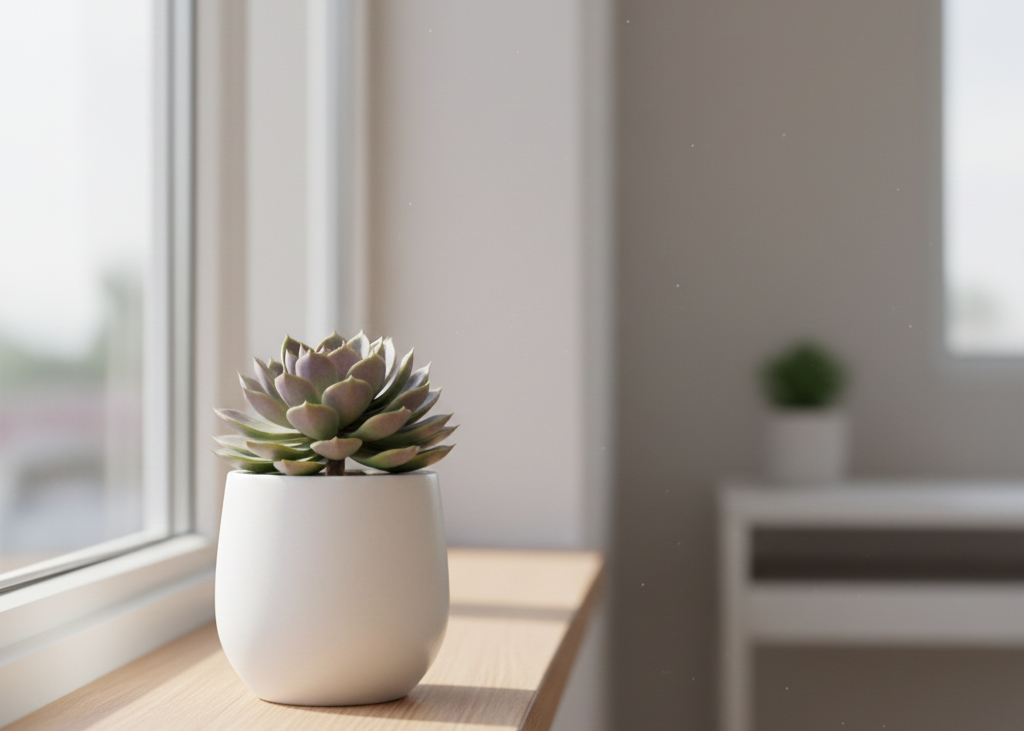
14. Small Indoor Plant

<p> Indoor plants bring life and freshness to any space. Options like succulents, mini potted herbs, or small flowering plants are perfect for gifting. They are easy to care for and add a touch of nature indoors, which can be uplifting during the winter months. Most small plants are affordable, and they make a thoughtful gift for coworkers, friends, or family members who enjoy greenery or decorating their home. </p> :: Gemini

Indoor plants bring life and freshness to any space. Options like succulents, mini potted herbs, or small flowering plants are perfect for gifting. They are easy to care for and add a touch of nature indoors, which can be uplifting during the winter months. Most small plants are affordable, and they make a thoughtful gift for coworkers, friends, or family members who enjoy greenery or decorating their home.

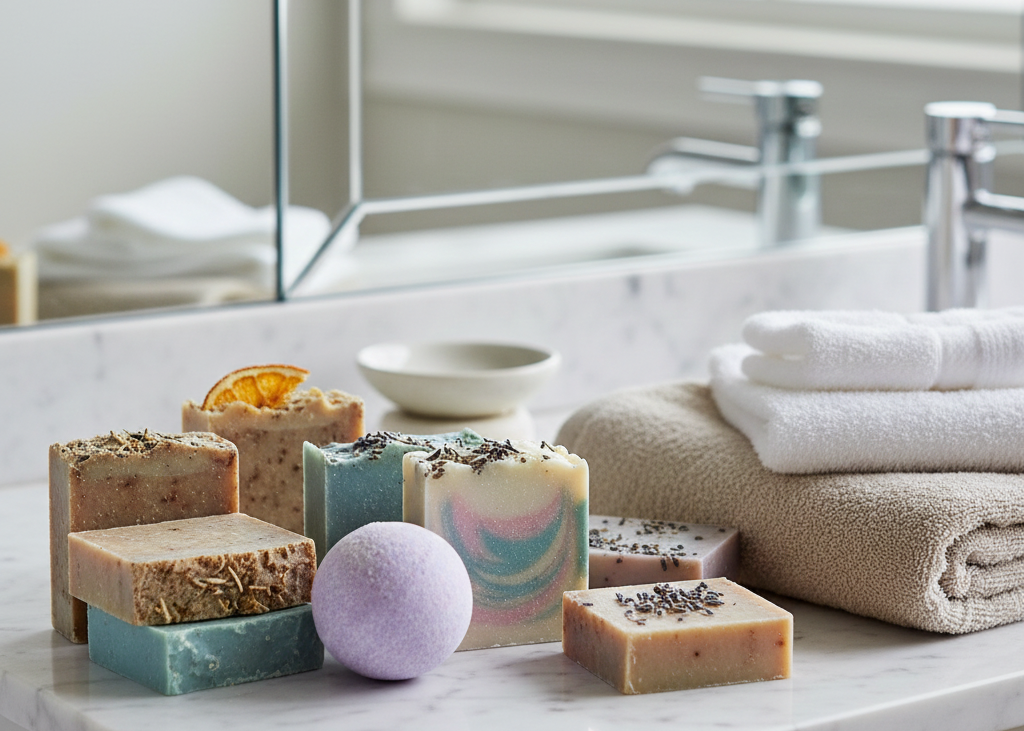
15. Handmade Soap or Bath Bombs

<p> Handmade soaps and bath bombs are luxurious yet inexpensive gifts. They offer a spa-like experience at home, perfect for relaxation and self-care during the busy holiday season. You can often find beautifully packaged sets for under $20, and many are made with natural ingredients, making them suitable for a wide range of skin types. This gift is ideal for anyone who enjoys pampering themselves. </p> :: Gemini

Handmade soaps and bath bombs are luxurious yet inexpensive gifts. They offer a spa-like experience at home, perfect for relaxation and self-care during the busy holiday season. You can often find beautifully packaged sets for under $20, and many are made with natural ingredients, making them suitable for a wide range of skin types. This gift is ideal for anyone who enjoys pampering themselves.

16. Holiday-Themed Puzzle Book

<p> A puzzle book with crosswords, Sudoku, or word searches is a thoughtful and entertaining gift. It encourages mental engagement and provides hours of fun, especially during downtime at home over the holidays. Affordable and easy to find, a puzzle book is ideal for friends, family, or coworkers who enjoy a little challenge and love to keep their minds sharp. </p> :: Gemini

A puzzle book with crosswords, Sudoku, or word searches is a thoughtful and entertaining gift. It encourages mental engagement and provides hours of fun, especially during downtime at home over the holidays. Affordable and easy to find, a puzzle book is ideal for friends, family, or coworkers who enjoy a little challenge and love to keep their minds sharp.

17. Cute Desk Accessories

<p> For anyone who spends time at a desk, small and cute desk accessories make a great gift. Think decorative pen holders, sticky note sets, or fun paperweights. These items are practical, brighten up a workspace, and are typically very affordable. Adding a personal touch like a motivational note or a small holiday decoration can make it feel more special. </p> :: Gemini

For anyone who spends time at a desk, small and cute desk accessories make a great gift. Think decorative pen holders, sticky note sets, or fun paperweights. These items are practical, brighten up a workspace, and are typically very affordable. Adding a personal touch like a motivational note or a small holiday decoration can make it feel more special.

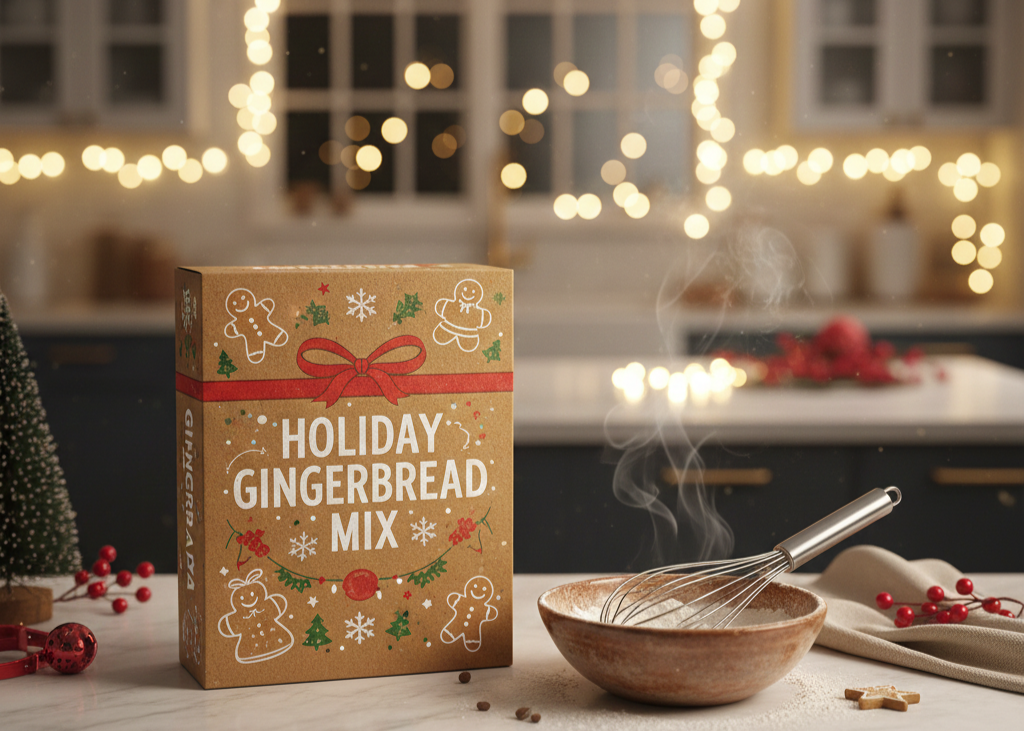
18. Festive Baking Mix

<p> Baking mixes, such as cookies, brownies, or gingerbread, make fun and easy gifts. They are affordable, usually under $15, and offer a way to create delicious treats at home. Pairing a mix with a simple utensil or small spatula can turn it into a mini gift bundle. This is perfect for families, friends, or anyone who enjoys baking during the holidays. </p> :: Gemini

Baking mixes, such as cookies, brownies, or gingerbread, make fun and easy gifts. They are affordable, usually under $15, and offer a way to create delicious treats at home. Pairing a mix with a simple utensil or small spatula can turn it into a mini gift bundle. This is perfect for families, friends, or anyone who enjoys baking during the holidays.

19. Travel-Sized Skincare or Beauty Set

<p> Travel-sized skincare or beauty kits are great for anyone who likes to try new products or travels often. These sets are often budget-friendly, ranging from $10 to $25, and can include moisturizers, hand creams, or bath products. They offer a touch of luxury without a high price tag, making them a thoughtful and practical gift. </p> :: Gemini

Travel-sized skincare or beauty kits are great for anyone who likes to try new products or travels often. These sets are often budget-friendly, ranging from $10 to $25, and can include moisturizers, hand creams, or bath products. They offer a touch of luxury without a high price tag, making them a thoughtful and practical gift.

20. Handmade or Local Artisan Gifts

<p> Supporting local artisans while gifting something unique is a win-win. Handmade jewelry, candles, or small crafts not only provide a personal touch but also help small businesses. These items can often be found at affordable prices, especially if you shop at local markets or online platforms specializing in handcrafted goods. A handmade gift is meaningful and shows that you put thought into selecting something special. </p> :: Gemini

Supporting local artisans while gifting something unique is a win-win. Handmade jewelry, candles, or small crafts not only provide a personal touch but also help small businesses. These items can often be found at affordable prices, especially if you shop at local markets or online platforms specializing in handcrafted goods. A handmade gift is meaningful and shows that you put thought into selecting something special.

Final Thoughts

<p> Affordable gifts do not have to feel cheap or impersonal. With a little thought and creativity, you can find presents that are useful, meaningful, and bring genuine joy to the recipient. Whether it is a cozy scarf, a warm mug with cocoa, or a small indoor plant, these gifts show you care without stretching your budget.

The secret is to focus on utility, personalization, and small touches that make a gift memorable. A handwritten note, a thoughtful bundle, or choosing something that aligns with the recipient’s interests can turn a simple present into something they treasure.

This holiday season, give gifts that bring comfort, joy, and a smile. Thoughtful, practical, and affordable presents remind us that the best part of Christmas is not how much we spend but the happiness we create. Happy gift-giving, and may your 2025 holiday season be filled with laughter, love, and warm memories. </p> :: Gemini

Affordable gifts do not have to feel cheap or impersonal. With a little thought and creativity, you can find presents that are useful, meaningful, and bring genuine joy to the recipient. Whether it is a cozy scarf, a warm mug with cocoa, or a small indoor plant, these gifts show you care without stretching your budget.

The secret is to focus on utility, personalization, and small touches that make a gift memorable. A handwritten note, a thoughtful bundle, or choosing something that aligns with the recipient’s interests can turn a simple present into something they treasure.

This holiday season, give gifts that bring comfort, joy, and a smile. Thoughtful, practical, and affordable presents remind us that the best part of Christmas is not how much we spend but the happiness we create. Happy gift-giving, and may your 2025 holiday season be filled with laughter, love, and warm memories.

Filed Under: Lifestyle

10 Words Boomers Say That Gen Z Has Never Heard Before

December 13, 2025 | Leave a Comment

10 Words Boomers Say That Gen Z Has Never Heard Before

<p> Language is like a time capsule. Every generation leaves behind a trail of words and phrases that defined their culture, values, and sense of humor. For Baby Boomers—those born between 1946 and 1964—language was influenced by rock and roll, post-war optimism, and the rise of television. Their slang was shaped by different social norms and cultural trends, many of which are completely unfamiliar to Gen Z. Meanwhile, Gen Z communicates through memes, emojis, abbreviations, and viral phrases that often fade just as quickly as they appear. When these two generations talk, there is sometimes a funny disconnect, especially when Boomers use words that sound completely alien to younger ears. If you are curious about some of the classic vocabulary that may cause blank stares today, here are 10 words Boomers say that Gen Z has probably never heard before—along with their meanings and the stories behind them. </p> :: Pexels

Language is like a time capsule. Every generation leaves behind a trail of words and phrases that defined their culture, values, and sense of humor. For Baby Boomers—those born between 1946 and 1964—language was influenced by rock and roll, post-war optimism, and the rise of television. Their slang was shaped by different social norms and cultural trends, many of which are completely unfamiliar to Gen Z. Meanwhile, Gen Z communicates through memes, emojis, abbreviations, and viral phrases that often fade just as quickly as they appear. When these two generations talk, there is sometimes a funny disconnect, especially when Boomers use words that sound completely alien to younger ears. If you are curious about some of the classic vocabulary that may cause blank stares today, here are 10 words Boomers say that Gen Z has probably never heard before—along with their meanings and the stories behind them.

1. Groovy

<p> One of the most iconic words from the 1960s and 70s, “groovy” was used to describe anything that was cool, stylish, or impressive. It originated from jazz slang where musicians described something as “in the groove,” meaning it flowed effortlessly or sounded great. Over time, “groovy” evolved into a catch-all term for anything positive or fashionable. A Boomer might say, “That’s a groovy song!” or “You look groovy in that outfit.” Today, the word sounds almost cartoonish or overly retro, and Gen Z is far more likely to say something is “fire” or “vibes” instead. Still, “groovy” remains one of the most colorful expressions from the Boomer era and a perfect example of how language reflects the mood of a generation. </p> :: Pexels

One of the most iconic words from the 1960s and 70s, “groovy” was used to describe anything that was cool, stylish, or impressive. It originated from jazz slang where musicians described something as “in the groove,” meaning it flowed effortlessly or sounded great. Over time, “groovy” evolved into a catch-all term for anything positive or fashionable. A Boomer might say, “That’s a groovy song!” or “You look groovy in that outfit.” Today, the word sounds almost cartoonish or overly retro, and Gen Z is far more likely to say something is “fire” or “vibes” instead. Still, “groovy” remains one of the most colorful expressions from the Boomer era and a perfect example of how language reflects the mood of a generation.

2. Hunky-Dory

<p> If something is going “hunky-dory,” it means everything is fine, smooth, or just as it should be. This cheerful phrase was widely used by Boomers and their parents, often in a casual or reassuring tone. You might hear, “Don’t worry, things are hunky-dory now.” The origin is thought to come from a street in Japan called “Honcho-dori” that was popular with American sailors, although others believe it came from nonsense phrases in early 20th-century English. Regardless of where it started, it gained traction as a lighthearted way to express that things were under control. Gen Z would probably just say “all good” or “no worries,” and hearing “hunky-dory” today might sound like a character from a children’s book. Still, it adds a little warmth and optimism that modern phrases sometimes lack. </p> :: Pexels

If something is going “hunky-dory,” it means everything is fine, smooth, or just as it should be. This cheerful phrase was widely used by Boomers and their parents, often in a casual or reassuring tone. You might hear, “Don’t worry, things are hunky-dory now.” The origin is thought to come from a street in Japan called “Honcho-dori” that was popular with American sailors, although others believe it came from nonsense phrases in early 20th-century English. Regardless of where it started, it gained traction as a lighthearted way to express that things were under control. Gen Z would probably just say “all good” or “no worries,” and hearing “hunky-dory” today might sound like a character from a children’s book. Still, it adds a little warmth and optimism that modern phrases sometimes lack.

3. Fuddy-Duddy

<p> A “fuddy-duddy” is someone who is old-fashioned, uptight, or unwilling to try new things. It is a word often used by Boomers to describe their own parents, teachers, or anyone who refused to go along with change. Calling someone a fuddy-duddy was a playful way to say they were stuck in their ways or simply too serious. The phrase likely evolved from older Scottish slang and became more popular in the early 1900s. Nowadays, Gen Z might say someone is “basic,” “boring,” or “out of touch.” But “fuddy-duddy” has a unique charm that paints a very specific picture. It is humorous without being too harsh and is one of those words that instantly makes you smile, even if you have never heard it before. </p> :: Pexels

A “fuddy-duddy” is someone who is old-fashioned, uptight, or unwilling to try new things. It is a word often used by Boomers to describe their own parents, teachers, or anyone who refused to go along with change. Calling someone a fuddy-duddy was a playful way to say they were stuck in their ways or simply too serious. The phrase likely evolved from older Scottish slang and became more popular in the early 1900s. Nowadays, Gen Z might say someone is “basic,” “boring,” or “out of touch.” But “fuddy-duddy” has a unique charm that paints a very specific picture. It is humorous without being too harsh and is one of those words that instantly makes you smile, even if you have never heard it before.

4. Whippersnapper

<p> This word has deep roots in English history and was once used to describe young people who were overly confident or disrespectful. Boomers likely heard this from their own elders, who would shout things like, “Get off my lawn, you little whippersnapper!” It combines the words “whip” and “snap” and was originally used to describe people who made noise or acted lively without any real purpose. Over time, it became associated with feisty youngsters who challenged authority. Gen Z might label these people as “smart alecks” or just “bold,” but “whippersnapper” carries a sense of old-fashioned disapproval with a dash of comedic flair. The word feels like something out of a vintage cartoon and is rarely used today except in jest. </p> :: Pexels

This word has deep roots in English history and was once used to describe young people who were overly confident or disrespectful. Boomers likely heard this from their own elders, who would shout things like, “Get off my lawn, you little whippersnapper!” It combines the words “whip” and “snap” and was originally used to describe people who made noise or acted lively without any real purpose. Over time, it became associated with feisty youngsters who challenged authority. Gen Z might label these people as “smart alecks” or just “bold,” but “whippersnapper” carries a sense of old-fashioned disapproval with a dash of comedic flair. The word feels like something out of a vintage cartoon and is rarely used today except in jest.

5. Knucklehead

<p> When someone was being silly, reckless, or just plain foolish, Boomers would call them a “knucklehead.” It is a gentle insult that implies the person is not using their brain or is acting in a way that lacks common sense. “Stop being a knucklehead and get back to work” was a phrase that might have been heard in classrooms, workplaces, or homes during the Boomer generation. The term became especially popular thanks to the comedic antics of the Three Stooges, who frequently used it as a punchline. Gen Z might say someone is being “dumb” or “goofy,” but “knucklehead” adds a warm, nostalgic tone that feels less mean-spirited and more like a playful nudge. </p> :: Freepik

When someone was being silly, reckless, or just plain foolish, Boomers would call them a “knucklehead.” It is a gentle insult that implies the person is not using their brain or is acting in a way that lacks common sense. “Stop being a knucklehead and get back to work” was a phrase that might have been heard in classrooms, workplaces, or homes during the Boomer generation. The term became especially popular thanks to the comedic antics of the Three Stooges, who frequently used it as a punchline. Gen Z might say someone is being “dumb” or “goofy,” but “knucklehead” adds a warm, nostalgic tone that feels less mean-spirited and more like a playful nudge.

6. Cat’s Pajamas

<p> “The cat’s pajamas” was once a phrase of high praise, meaning something or someone was the best of the best. It was used in the 1920s and 30s but remained in circulation well into the Boomer years. Along with similar phrases like “the bee’s knees” or “the cat’s meow,” it was part of a quirky trend of animal-themed compliments. If someone said, “That new car is the cat’s pajamas,” they meant it was top-of-the-line or cutting-edge. Today, the phrase sounds extremely dated, and Gen Z is more likely to use modern slang like “next level” or “elite.” Still, “cat’s pajamas” has a whimsical ring to it that evokes a time when expressions were as fun to say as they were to hear. </p> :: Pexels

“The cat’s pajamas” was once a phrase of high praise, meaning something or someone was the best of the best. It was used in the 1920s and 30s but remained in circulation well into the Boomer years. Along with similar phrases like “the bee’s knees” or “the cat’s meow,” it was part of a quirky trend of animal-themed compliments. If someone said, “That new car is the cat’s pajamas,” they meant it was top-of-the-line or cutting-edge. Today, the phrase sounds extremely dated, and Gen Z is more likely to use modern slang like “next level” or “elite.” Still, “cat’s pajamas” has a whimsical ring to it that evokes a time when expressions were as fun to say as they were to hear.

7. Skedaddle

<p> To “skedaddle” means to leave in a hurry or run off, often to avoid trouble. Boomers used this word when telling kids to scram, such as “You better skedaddle before your mom sees the mess you made!” It is thought to have originated during the American Civil War, where it was used to describe troops retreating quickly from battle. The word has a rhythmic, playful sound that makes it more amusing than urgent. While Gen Z might say “bounce,” “dip,” or “peace out,” “skedaddle” has a theatrical quality that is hard to forget. It conjures images of cartoon characters kicking up dust as they race away and carries a sense of mischief that modern phrases often lack. </p> :: Pexels

To “skedaddle” means to leave in a hurry or run off, often to avoid trouble. Boomers used this word when telling kids to scram, such as “You better skedaddle before your mom sees the mess you made!” It is thought to have originated during the American Civil War, where it was used to describe troops retreating quickly from battle. The word has a rhythmic, playful sound that makes it more amusing than urgent. While Gen Z might say “bounce,” “dip,” or “peace out,” “skedaddle” has a theatrical quality that is hard to forget. It conjures images of cartoon characters kicking up dust as they race away and carries a sense of mischief that modern phrases often lack.

8. Dungarees

<p> Before the word “jeans” became universally accepted, Boomers called them “dungarees.” This term referred to sturdy denim pants often worn for work, play, or casual outings. The word comes from “dungri,” a Hindi term for a coarse cloth used in India, and it entered English through British colonial trade. For Boomers, dungarees were a practical and stylish choice, especially among teenagers and blue-collar workers. Today, Gen Z rarely uses the term and might even think it refers to overalls or a specific clothing brand. While denim is still very much in fashion, the word “dungarees” has faded into the background, remembered mostly in old photographs and family stories. </p> :: Pexels

Before the word “jeans” became universally accepted, Boomers called them “dungarees.” This term referred to sturdy denim pants often worn for work, play, or casual outings. The word comes from “dungri,” a Hindi term for a coarse cloth used in India, and it entered English through British colonial trade. For Boomers, dungarees were a practical and stylish choice, especially among teenagers and blue-collar workers. Today, Gen Z rarely uses the term and might even think it refers to overalls or a specific clothing brand. While denim is still very much in fashion, the word “dungarees” has faded into the background, remembered mostly in old photographs and family stories.

9. Cripes

<p> “Cripes” was a sanitized exclamation used by Boomers to express surprise, frustration, or annoyance. It was a substitute for “Christ” in an era where taking the Lord’s name in vain was considered highly inappropriate. Instead of saying, “Christ, that’s cold,” someone might exclaim, “Cripes, it’s freezing out here!” It was commonly heard in family homes, schools, and workplaces where strong language was frowned upon. Gen Z would probably say “OMG,” “bruh,” or just use an emoji, but “cripes” retains a uniquely old-fashioned flavor that feels like a polite curse from a more buttoned-up era. </p> :: Freepik

“Cripes” was a sanitized exclamation used by Boomers to express surprise, frustration, or annoyance. It was a substitute for “Christ” in an era where taking the Lord’s name in vain was considered highly inappropriate. Instead of saying, “Christ, that’s cold,” someone might exclaim, “Cripes, it’s freezing out here!” It was commonly heard in family homes, schools, and workplaces where strong language was frowned upon. Gen Z would probably say “OMG,” “bruh,” or just use an emoji, but “cripes” retains a uniquely old-fashioned flavor that feels like a polite curse from a more buttoned-up era.

10. Malarkey

<p> “Malarkey” means nonsense or foolish talk. If a Boomer thought someone was being dishonest or exaggerating, they might say, “That’s a load of malarkey.” The word dates back to early 20th-century Irish-American slang and was popularized during political debates and everyday conversations. It implies that what is being said is both untrue and a bit ridiculous. Gen Z might call it “cap,” “BS,” or just roll their eyes. While those words are blunt, “malarkey” has a slightly comical and exaggerated tone that makes it fun to say. It is one of those rare words that manages to criticize and entertain at the same time. </p> :: Pexels

“Malarkey” means nonsense or foolish talk. If a Boomer thought someone was being dishonest or exaggerating, they might say, “That’s a load of malarkey.” The word dates back to early 20th-century Irish-American slang and was popularized during political debates and everyday conversations. It implies that what is being said is both untrue and a bit ridiculous. Gen Z might call it “cap,” “BS,” or just roll their eyes. While those words are blunt, “malarkey” has a slightly comical and exaggerated tone that makes it fun to say. It is one of those rare words that manages to criticize and entertain at the same time.

Final Thoughts

<p> Every generation has its own unique vocabulary, and these words are like cultural time markers that tell us about the past. Boomers grew up with expressions that were shaped by the music, media, and manners of their time. While Gen Z communicates in a completely different digital language, exploring these Boomer-era words offers a charming look at how slang has changed and how different generations express themselves. Whether you are chuckling at “cat’s pajamas” or wondering how “skedaddle” ever made it into a serious conversation, these words remind us that language is always evolving—but that some old phrases still have a lot of character left. </p> :: Pexels

Every generation has its own unique vocabulary, and these words are like cultural time markers that tell us about the past. Boomers grew up with expressions that were shaped by the music, media, and manners of their time. While Gen Z communicates in a completely different digital language, exploring these Boomer-era words offers a charming look at how slang has changed and how different generations express themselves. Whether you are chuckling at “cat’s pajamas” or wondering how “skedaddle” ever made it into a serious conversation, these words remind us that language is always evolving—but that some old phrases still have a lot of character left.

Filed Under: Lifestyle

8 Musical Instruments That Are Easy—and Fun—to Learn Later in Life

December 13, 2025 | Leave a Comment

8 Musical Instruments That Are Easy—and Fun—to Learn Later in Life

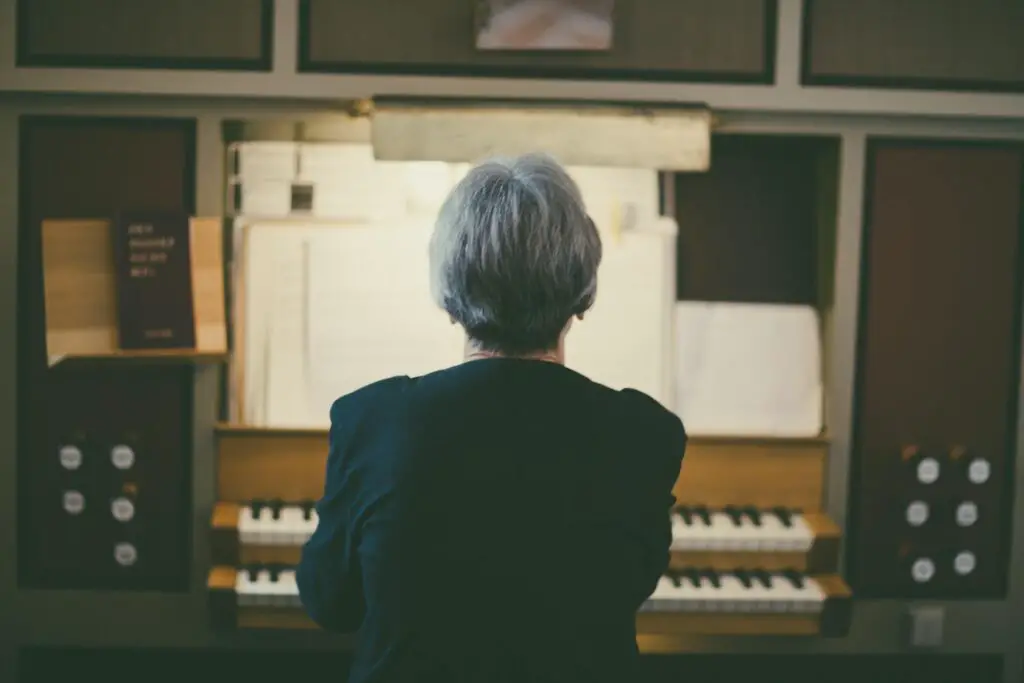
<p>Learning to play music isn’t just for kids. Picking up an instrument in your 40s, 60s, or even 80s can boost your brain, lift your mood, and give you a sense of purpose. You don’t have to become a pro to enjoy it. The trick is to pick something simple to start with—something fun, low-pressure, and rewarding right away. These eight instruments are beginner-friendly, don’t need fancy gear, and are easy to learn at your own pace. Let’s dive into some of the most joyful options out there.</p> ::Pexels

Learning to play music isn’t just for kids. Picking up an instrument in your 40s, 60s, or even 80s can boost your brain, lift your mood, and give you a sense of purpose. You don’t have to become a pro to enjoy it. The trick is to pick something simple to start with—something fun, low-pressure, and rewarding right away. These eight instruments are beginner-friendly, don’t need fancy gear, and are easy to learn at your own pace. Let’s dive into some of the most joyful options out there.

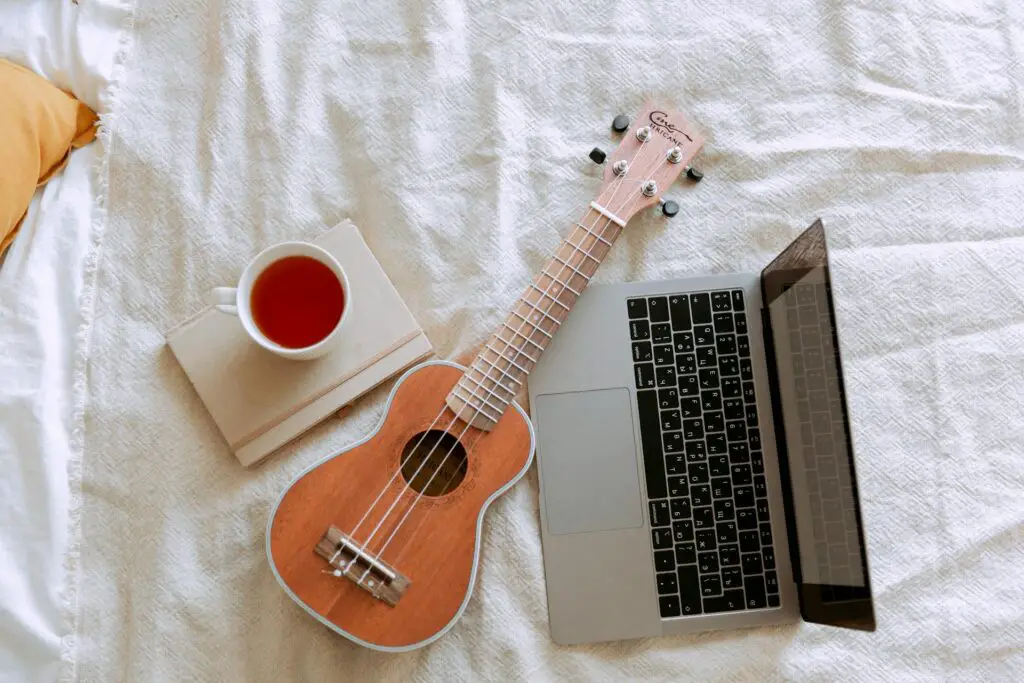
1. Ukulele

<p>The ukulele is a small, four-string instrument that’s light, portable, and full of cheer. The strings are soft and easy on the fingers, which makes it a great pick for people with arthritis or weak grip. You can learn a few simple chords and start playing songs in less than an hour. It also sounds great on its own, no band needed. Fun fact: it became wildly popular in the U.S. after being featured at the 1915 Panama-Pacific Expo in San Francisco.</p> ::Pexels

The ukulele is a small, four-string instrument that’s light, portable, and full of cheer. The strings are soft and easy on the fingers, which makes it a great pick for people with arthritis or weak grip. You can learn a few simple chords and start playing songs in less than an hour. It also sounds great on its own, no band needed. Fun fact: it became wildly popular in the U.S. after being featured at the 1915 Panama-Pacific Expo in San Francisco.

2. Hand Drums (like the Djembe or Cajón)

<p>Hand drums are not just easy to learn—they’re great stress relievers. Drumming taps into your natural rhythm, and it doesn’t take long to get the hang of basic patterns. Many people use drums like the djembe or cajón in community drum circles or just for solo fun. You don’t need to read music, and there’s no wrong way to play as long as you stay on beat. Playing hand drums also boosts coordination and can even give you a light workout.</p> ::Pexels

Hand drums are not just easy to learn—they’re great stress relievers. Drumming taps into your natural rhythm, and it doesn’t take long to get the hang of basic patterns. Many people use drums like the djembe or cajón in community drum circles or just for solo fun. You don’t need to read music, and there’s no wrong way to play as long as you stay on beat. Playing hand drums also boosts coordination and can even give you a light workout.

3. Harmonica

<p>This tiny instrument fits in your pocket but packs a lot of soul. The harmonica is often used in blues, folk, and country music, and you can learn simple melodies with just a bit of breath control. It’s great for people with limited space, and you can find lessons and play-along videos online for free. Fun fact: Abraham Lincoln reportedly carried a harmonica with him. It’s also a solid choice if you want to improve your breath strength and control.</p> ::Pexels

This tiny instrument fits in your pocket but packs a lot of soul. The harmonica is often used in blues, folk, and country music, and you can learn simple melodies with just a bit of breath control. It’s great for people with limited space, and you can find lessons and play-along videos online for free. Fun fact: Abraham Lincoln reportedly carried a harmonica with him. It’s also a solid choice if you want to improve your breath strength and control.

4. Keyboard or Digital Piano

<p>Keyboards let you play a wide range of music without needing to tune strings or develop calluses. The layout of notes is visual and easy to follow, which makes it beginner-friendly. Digital keyboards often come with built-in lessons and fun sound effects, so it feels more like a game than work. You can start with just a few songs and grow from there. Playing piano also builds hand coordination and finger strength over time, which is good for brain health too.</p> ::Pexels

Keyboards let you play a wide range of music without needing to tune strings or develop calluses. The layout of notes is visual and easy to follow, which makes it beginner-friendly. Digital keyboards often come with built-in lessons and fun sound effects, so it feels more like a game than work. You can start with just a few songs and grow from there. Playing piano also builds hand coordination and finger strength over time, which is good for brain health too.

5. Recorder

<p>The recorder often gets a bad rap because so many kids play it in school, but it’s a smart pick for adults too. It’s cheap, light, and doesn’t need much breath to get a sound. Learning a few songs is easy, and you can play solo or with a group if you like. The finger patterns are simple, and many tunes use just five or six notes. It’s a great gateway into learning more woodwind instruments down the line.</p> ::Pexels

The recorder often gets a bad rap because so many kids play it in school, but it’s a smart pick for adults too. It’s cheap, light, and doesn’t need much breath to get a sound. Learning a few songs is easy, and you can play solo or with a group if you like. The finger patterns are simple, and many tunes use just five or six notes. It’s a great gateway into learning more woodwind instruments down the line.

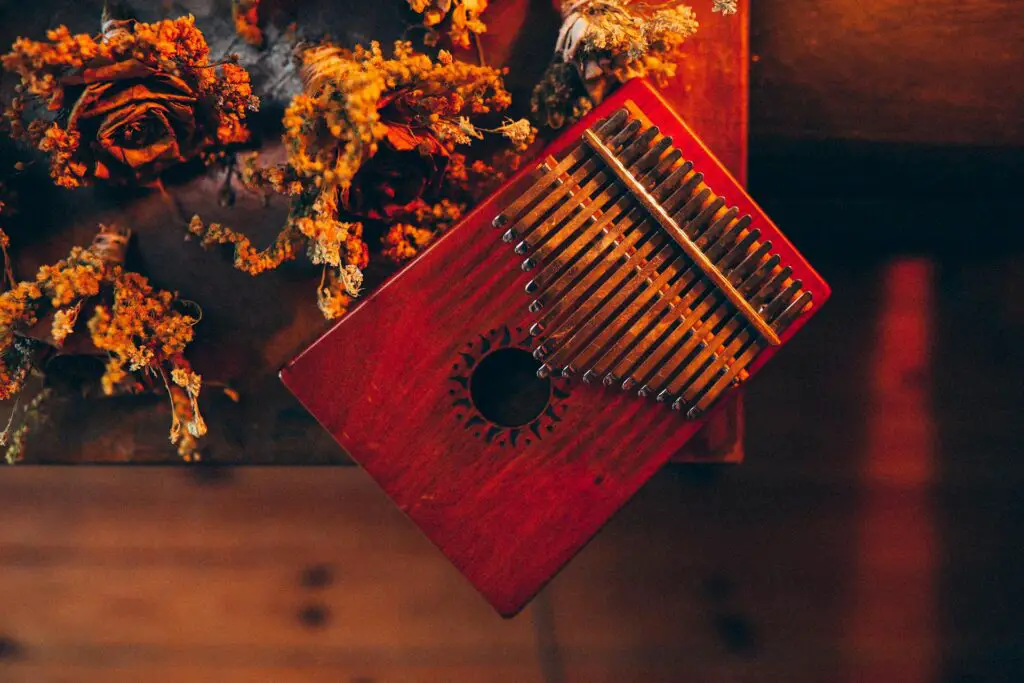
6. Kalimba (Thumb Piano)

<p>The kalimba, or thumb piano, is a small wooden instrument with metal tines that you pluck with your thumbs. It has a soft, dreamy sound that’s calming and easy on the ears. The notes are often arranged in a way that makes every combination sound nice, which means you can’t hit a “bad” note. It’s a peaceful solo activity and easy to play while watching TV or sitting outside. Many kalimbas come with numbers or symbols on the keys to help beginners.</p> ::Pexels

The kalimba, or thumb piano, is a small wooden instrument with metal tines that you pluck with your thumbs. It has a soft, dreamy sound that’s calming and easy on the ears. The notes are often arranged in a way that makes every combination sound nice, which means you can’t hit a “bad” note. It’s a peaceful solo activity and easy to play while watching TV or sitting outside. Many kalimbas come with numbers or symbols on the keys to help beginners.

7. Guitar (with Nylon Strings)

<p>Guitar can be a little harder than others on this list, but starting with a nylon-string acoustic makes a big difference. These strings are softer and easier on the fingers than steel ones. You can start with just three or four chords and play many popular songs. Once you learn a few shapes, you can switch between them with ease. Guitar is also great for singing along, and there are loads of slow-paced tutorials online geared toward adults.</p> ::Pexels

Guitar can be a little harder than others on this list, but starting with a nylon-string acoustic makes a big difference. These strings are softer and easier on the fingers than steel ones. You can start with just three or four chords and play many popular songs. Once you learn a few shapes, you can switch between them with ease. Guitar is also great for singing along, and there are loads of slow-paced tutorials online geared toward adults.

8. Tongue Drum or Steel Drum

<p>Tongue drums (also called steel tongue drums) are tuned percussion instruments made of metal. You play them by striking with your hands or soft mallets. Each section of the drum plays a different note, and most are tuned to a specific scale so that every note sounds good with the others. You don’t need to know music theory to play. It’s great for stress relief and meditation, and the sound is rich and peaceful. These are a hit in music therapy for a reason.</p> ::Pexels

Tongue drums (also called steel tongue drums) are tuned percussion instruments made of metal. You play them by striking with your hands or soft mallets. Each section of the drum plays a different note, and most are tuned to a specific scale so that every note sounds good with the others. You don’t need to know music theory to play. It’s great for stress relief and meditation, and the sound is rich and peaceful. These are a hit in music therapy for a reason.

Conclusion

<p>Learning an instrument later in life is a gift you give yourself. You don’t have to perform, record, or impress anyone. Just the act of playing—moving your hands, hearing the sound, feeling the rhythm—can brighten your day. Whether you want a simple strum or a peaceful hum, there’s something here that’ll suit your pace and mood. Pick one, press play on a tutorial, and enjoy the ride. It’s never too late to make music.</p> ::Pexels

Learning an instrument later in life is a gift you give yourself. You don’t have to perform, record, or impress anyone. Just the act of playing—moving your hands, hearing the sound, feeling the rhythm—can brighten your day. Whether you want a simple strum or a peaceful hum, there’s something here that’ll suit your pace and mood. Pick one, press play on a tutorial, and enjoy the ride. It’s never too late to make music.

Filed Under: Lifestyle

8 Reasons Baby Boomers Lose Interest in Leaving the House—And What It Means

December 13, 2025 | Leave a Comment

8 Reasons Baby Boomers Lose Interest in Leaving the House—And What It Means

<p> As baby boomers enter their retirement years, many are finding themselves less inclined to leave the comfort of their homes. While this shift might seem like a natural part of aging, it reflects deeper psychological, physical, and societal trends that are worth exploring. From health limitations to changes in social circles, there are multiple layers to this growing phenomenon. Understanding why baby boomers are losing interest in going out not only helps family members support them better but also reveals important insights about aging gracefully and maintaining a high quality of life. Here are eight compelling reasons baby boomers are choosing to stay in—and what each reason could mean. </p> :: Pexels

As baby boomers enter their retirement years, many are finding themselves less inclined to leave the comfort of their homes. While this shift might seem like a natural part of aging, it reflects deeper psychological, physical, and societal trends that are worth exploring. From health limitations to changes in social circles, there are multiple layers to this growing phenomenon. Understanding why baby boomers are losing interest in going out not only helps family members support them better but also reveals important insights about aging gracefully and maintaining a high quality of life. Here are eight compelling reasons baby boomers are choosing to stay in—and what each reason could mean.

1. Mobility Challenges and Chronic Pain

<p> As people age, the body experiences natural wear and tear that can result in joint pain, arthritis, and other mobility issues. For many baby boomers, especially those living with chronic conditions, leaving the house becomes physically draining. Simple activities like walking through a park or attending a family gathering may no longer be comfortable or even manageable without assistance. These mobility challenges can lead to increased isolation, as they begin to associate outings with discomfort, fatigue, or frustration. Avoiding movement altogether can further contribute to physical decline, making it essential to introduce safe, at-home exercises and provide proper support devices to maintain some degree of independence. </p> :: Pexels

As people age, the body experiences natural wear and tear that can result in joint pain, arthritis, and other mobility issues. For many baby boomers, especially those living with chronic conditions, leaving the house becomes physically draining. Simple activities like walking through a park or attending a family gathering may no longer be comfortable or even manageable without assistance. These mobility challenges can lead to increased isolation, as they begin to associate outings with discomfort, fatigue, or frustration. Avoiding movement altogether can further contribute to physical decline, making it essential to introduce safe, at-home exercises and provide proper support devices to maintain some degree of independence.

2. Shrinking Social Circles

<p> Over time, social networks naturally change. Retirement, relocation, illness, and the passing of peers can all contribute to shrinking social circles for baby boomers. Without regular interaction with friends or colleagues, the desire to go out and socialize starts to fade. A once-busy calendar of dinners and outings may become noticeably empty, leading to a cycle of isolation and inactivity. Without invitations or reasons to go out, staying at home becomes the default choice. This lack of social engagement not only affects emotional well-being but also cognitive health, emphasizing the need for intentional social connection, whether through community centers, clubs, or virtual platforms. </p> :: Freepik

Over time, social networks naturally change. Retirement, relocation, illness, and the passing of peers can all contribute to shrinking social circles for baby boomers. Without regular interaction with friends or colleagues, the desire to go out and socialize starts to fade. A once-busy calendar of dinners and outings may become noticeably empty, leading to a cycle of isolation and inactivity. Without invitations or reasons to go out, staying at home becomes the default choice. This lack of social engagement not only affects emotional well-being but also cognitive health, emphasizing the need for intentional social connection, whether through community centers, clubs, or virtual platforms.

3. Anxiety and Mental Health Struggles

<p> Mental health concerns in older adults are often underdiagnosed or misunderstood, yet they play a major role in behavior. For baby boomers, anxiety can stem from fears about driving, falling in public, dealing with crowds, or handling unfamiliar situations. Depression can also make the thought of leaving home feel overwhelming. Over time, the comfort of home becomes a safe haven, while the outside world is seen as unpredictable and stressful. This type of emotional withdrawal may go unnoticed by others, especially if the person is otherwise independent. Providing access to mental health support and creating low-pressure opportunities for social engagement can help ease some of these internal barriers. </p> :: Pexels

Mental health concerns in older adults are often underdiagnosed or misunderstood, yet they play a major role in behavior. For baby boomers, anxiety can stem from fears about driving, falling in public, dealing with crowds, or handling unfamiliar situations. Depression can also make the thought of leaving home feel overwhelming. Over time, the comfort of home becomes a safe haven, while the outside world is seen as unpredictable and stressful. This type of emotional withdrawal may go unnoticed by others, especially if the person is otherwise independent. Providing access to mental health support and creating low-pressure opportunities for social engagement can help ease some of these internal barriers.

4. Comfort and Convenience of Home

<p> The modern world has made it easier than ever to stay home. With streaming services, online shopping, food delivery, video calls, and even virtual doctor visits, baby boomers can meet most of their needs from the comfort of their living room. The convenience factor is enormous, particularly for those who are less mobile or technology-savvy. When comfort and convenience are combined, the motivation to leave the house often takes a backseat. Although staying home has its benefits, overreliance on it can reduce exposure to new experiences and limit physical activity. Encouraging baby boomers to balance home comforts with real-world stimulation is key to maintaining overall health. </p> :: Pexels

The modern world has made it easier than ever to stay home. With streaming services, online shopping, food delivery, video calls, and even virtual doctor visits, baby boomers can meet most of their needs from the comfort of their living room. The convenience factor is enormous, particularly for those who are less mobile or technology-savvy. When comfort and convenience are combined, the motivation to leave the house often takes a backseat. Although staying home has its benefits, overreliance on it can reduce exposure to new experiences and limit physical activity. Encouraging baby boomers to balance home comforts with real-world stimulation is key to maintaining overall health.

5. Disinterest in Modern Social Settings

<p> Many baby boomers feel out of place in today’s fast-changing social environments. From noisy restaurants and crowded venues to tech-driven gatherings, the atmosphere may feel disconnected from their preferences. The younger generation’s cultural trends, pace of life, and reliance on social media can be unappealing or even alienating. When baby boomers do not feel included or valued in social settings, they may opt to avoid them altogether. This growing disinterest can result in a reluctance to attend events that do not cater to their tastes. Offering more age-inclusive activities or events that align with their interests—such as live music, history talks, or hobby groups—can reignite a desire to re-engage. </p> :: Pexels

Many baby boomers feel out of place in today’s fast-changing social environments. From noisy restaurants and crowded venues to tech-driven gatherings, the atmosphere may feel disconnected from their preferences. The younger generation’s cultural trends, pace of life, and reliance on social media can be unappealing or even alienating. When baby boomers do not feel included or valued in social settings, they may opt to avoid them altogether. This growing disinterest can result in a reluctance to attend events that do not cater to their tastes. Offering more age-inclusive activities or events that align with their interests—such as live music, history talks, or hobby groups—can reignite a desire to re-engage.

6. Financial Concerns in Retirement

<p> Retirement often brings lifestyle changes, including adjustments to a fixed income. With the rising costs of living, healthcare, transportation, and entertainment, many baby boomers are watching their budgets more closely than ever before. The idea of spending money on gas, meals, parking, or event tickets may cause stress, especially when finances are tight. As a result, they may choose to stay home more often as a cost-saving measure. While being financially cautious is wise, too much restriction can lead to isolation. Communities and families can help by highlighting low-cost or free local events, promoting senior discounts, or organizing group activities that are affordable and enjoyable. </p> :: Pexels

Retirement often brings lifestyle changes, including adjustments to a fixed income. With the rising costs of living, healthcare, transportation, and entertainment, many baby boomers are watching their budgets more closely than ever before. The idea of spending money on gas, meals, parking, or event tickets may cause stress, especially when finances are tight. As a result, they may choose to stay home more often as a cost-saving measure. While being financially cautious is wise, too much restriction can lead to isolation. Communities and families can help by highlighting low-cost or free local events, promoting senior discounts, or organizing group activities that are affordable and enjoyable.

7. Health Safety Concerns After the Pandemic

<p> The COVID-19 pandemic left a lasting impression on everyone, but older adults were among the most affected. Even with vaccines and safety measures in place, the sense of vulnerability has not completely faded for many baby boomers. Concerns about exposure to viruses in public spaces, particularly for those with compromised immune systems or pre-existing health issues, continue to influence behavior. What was once a routine trip to the grocery store now involves more anxiety and hesitation. This heightened caution has made many baby boomers reluctant to return to pre-pandemic habits. Promoting safe, outdoor, or socially distanced activities may help rebuild confidence and ease lingering fears. </p> :: Pexels

The COVID-19 pandemic left a lasting impression on everyone, but older adults were among the most affected. Even with vaccines and safety measures in place, the sense of vulnerability has not completely faded for many baby boomers. Concerns about exposure to viruses in public spaces, particularly for those with compromised immune systems or pre-existing health issues, continue to influence behavior. What was once a routine trip to the grocery store now involves more anxiety and hesitation. This heightened caution has made many baby boomers reluctant to return to pre-pandemic habits. Promoting safe, outdoor, or socially distanced activities may help rebuild confidence and ease lingering fears.

8. Loss of Routine and Sense of Purpose

<p> When baby boomers retire or experience life changes like becoming empty nesters, they often lose the structured routine that once kept them active and connected. Without a regular schedule or specific reason to get up and go out, time begins to feel unstructured and less meaningful. This lack of purpose can lead to boredom and a general lack of motivation. The longer someone stays in this cycle, the harder it becomes to re-establish routines. Helping baby boomers discover new passions, whether through volunteering, part-time work, or creative pursuits, can give them a renewed sense of purpose and a reason to step outside their comfort zone again. </p> :: Pexels

When baby boomers retire or experience life changes like becoming empty nesters, they often lose the structured routine that once kept them active and connected. Without a regular schedule or specific reason to get up and go out, time begins to feel unstructured and less meaningful. This lack of purpose can lead to boredom and a general lack of motivation. The longer someone stays in this cycle, the harder it becomes to re-establish routines. Helping baby boomers discover new passions, whether through volunteering, part-time work, or creative pursuits, can give them a renewed sense of purpose and a reason to step outside their comfort zone again.

Final Thoughts

<p> The reasons baby boomers are losing interest in leaving the house are complex, but they are not insurmountable. With understanding and the right support, it is entirely possible to help older adults reclaim their independence, rediscover their passions, and rejoin the world outside their front doors. Whether it is through mobility assistance, mental health support, financial resources, or meaningful community engagement, the goal should be to ensure that aging does not mean retreating from the world—but rather adapting to it in a way that is empowering, safe, and fulfilling. Encouraging baby boomers to take small steps—like joining a walking group, attending a local event, or reconnecting with old friends—can lead to profound changes. When older adults feel seen, supported, and included, they are more likely to re-engage with the world around them. This can improve their mental health, physical well-being, and overall satisfaction with life. With the right environment, tools, and encouragement, staying home does not have to mean staying out of life. </p> :: Pexels

The reasons baby boomers are losing interest in leaving the house are complex, but they are not insurmountable. With understanding and the right support, it is entirely possible to help older adults reclaim their independence, rediscover their passions, and rejoin the world outside their front doors. Whether it is through mobility assistance, mental health support, financial resources, or meaningful community engagement, the goal should be to ensure that aging does not mean retreating from the world—but rather adapting to it in a way that is empowering, safe, and fulfilling. Encouraging baby boomers to take small steps—like joining a walking group, attending a local event, or reconnecting with old friends—can lead to profound changes. When older adults feel seen, supported, and included, they are more likely to re-engage with the world around them. This can improve their mental health, physical well-being, and overall satisfaction with life. With the right environment, tools, and encouragement, staying home does not have to mean staying out of life.

Filed Under: Lifestyle

6 Must-Know Parenting Strategies That Make a Big Difference

December 12, 2025 | Leave a Comment

6 Must-Know Parenting Strategies That Make a Big Difference

<p> Parenting is one of the most fulfilling roles a person can take on, but it is also among the most demanding. Whether you are raising toddlers or teens, every stage of your child’s development comes with its own set of challenges. The good news is that you do not need to be perfect to be a great parent. What truly makes a difference is your willingness to learn, adapt, and connect with your children in meaningful ways. By applying certain core strategies rooted in emotional intelligence, communication, and consistency, you can foster a healthier family environment and help your children grow into confident and compassionate individuals. These six must-know parenting strategies are not only effective but also transformative when practiced consistently. They go beyond surface-level discipline and get to the heart of building a strong, respectful, and lasting bond between parent and child. </p> :: Freepik

Parenting is one of the most fulfilling roles a person can take on, but it is also among the most demanding. Whether you are raising toddlers or teens, every stage of your child’s development comes with its own set of challenges. The good news is that you do not need to be perfect to be a great parent. What truly makes a difference is your willingness to learn, adapt, and connect with your children in meaningful ways. By applying certain core strategies rooted in emotional intelligence, communication, and consistency, you can foster a healthier family environment and help your children grow into confident and compassionate individuals. These six must-know parenting strategies are not only effective but also transformative when practiced consistently. They go beyond surface-level discipline and get to the heart of building a strong, respectful, and lasting bond between parent and child.

1. Practice Active Listening to Build Trust

<p> One of the most underrated yet powerful parenting tools is the ability to listen—truly listen—to your child. Active listening means giving your child your undivided attention, maintaining eye contact, and reflecting back what they are saying to show that you understand. This simple act can dramatically increase your child’s trust in you, making them more likely to confide in you during difficult times. Children, like adults, want to feel heard and validated, especially when they are navigating emotions they may not fully understand. Even if your child is upset or expressing something you disagree with, resist the urge to interrupt or correct them immediately. Instead, acknowledge their feelings, ask open-ended questions, and reassure them that it is okay to talk about whatever is on their mind. This creates an emotionally safe environment that strengthens your relationship and teaches your child how to communicate effectively with others. </p> :: Pexels

One of the most underrated yet powerful parenting tools is the ability to listen—truly listen—to your child. Active listening means giving your child your undivided attention, maintaining eye contact, and reflecting back what they are saying to show that you understand. This simple act can dramatically increase your child’s trust in you, making them more likely to confide in you during difficult times. Children, like adults, want to feel heard and validated, especially when they are navigating emotions they may not fully understand. Even if your child is upset or expressing something you disagree with, resist the urge to interrupt or correct them immediately. Instead, acknowledge their feelings, ask open-ended questions, and reassure them that it is okay to talk about whatever is on their mind. This creates an emotionally safe environment that strengthens your relationship and teaches your child how to communicate effectively with others.

2. Set Consistent Boundaries with Compassion

<p> Children need structure to feel secure, and one of the best ways to provide that is by setting clear, consistent boundaries. However, the key to making those boundaries work lies in your approach. Rather than imposing strict rules with an authoritarian tone, frame your boundaries in a compassionate and explanatory way. Help your child understand the reasons behind the rules so they are more likely to respect them. For example, instead of saying “Because I said so,” explain why bedtime routines matter or why screen time should be limited. Let them know the rules are not punishments but tools to help them grow and stay safe. When boundaries are enforced with patience and empathy, children learn accountability without fear. They begin to internalize the rules and make smarter choices because they understand the benefits and consequences, not just because they are afraid of punishment. This kind of discipline fosters emotional growth, critical thinking, and mutual respect. </p> :: Pexels

Children need structure to feel secure, and one of the best ways to provide that is by setting clear, consistent boundaries. However, the key to making those boundaries work lies in your approach. Rather than imposing strict rules with an authoritarian tone, frame your boundaries in a compassionate and explanatory way. Help your child understand the reasons behind the rules so they are more likely to respect them. For example, instead of saying “Because I said so,” explain why bedtime routines matter or why screen time should be limited. Let them know the rules are not punishments but tools to help them grow and stay safe. When boundaries are enforced with patience and empathy, children learn accountability without fear. They begin to internalize the rules and make smarter choices because they understand the benefits and consequences, not just because they are afraid of punishment. This kind of discipline fosters emotional growth, critical thinking, and mutual respect.

3. Encourage Independence and Responsibility

<p> Letting your child take responsibility for their actions, choices, and daily tasks is one of the best gifts you can offer them. From a young age, children are capable of learning essential life skills, and it is important to provide them with opportunities to do so. Start small by letting them choose their clothes, pack their school lunch, or help with simple chores like feeding the pet or setting the dinner table. As they grow older, gradually increase their responsibilities in a way that is appropriate for their age and maturity level. When children are encouraged to be independent, they gain confidence in their abilities and feel a sense of pride in their contributions to the family. Avoid the temptation to micromanage or redo their work, as this can send the message that they are not capable. Instead, offer guidance and support while allowing space for them to learn through trial and error. This teaches resilience, decision-making, and the satisfaction that comes from self-reliance. </p> :: Pexels

Letting your child take responsibility for their actions, choices, and daily tasks is one of the best gifts you can offer them. From a young age, children are capable of learning essential life skills, and it is important to provide them with opportunities to do so. Start small by letting them choose their clothes, pack their school lunch, or help with simple chores like feeding the pet or setting the dinner table. As they grow older, gradually increase their responsibilities in a way that is appropriate for their age and maturity level. When children are encouraged to be independent, they gain confidence in their abilities and feel a sense of pride in their contributions to the family. Avoid the temptation to micromanage or redo their work, as this can send the message that they are not capable. Instead, offer guidance and support while allowing space for them to learn through trial and error. This teaches resilience, decision-making, and the satisfaction that comes from self-reliance.

4. Use Positive Reinforcement Over Punishment

<p> Children naturally crave approval from the people they love the most, and using positive reinforcement is a powerful way to encourage good behavior. Rather than focusing on what your child is doing wrong, shift your attention to what they are doing right. Acknowledge their efforts with specific praise, whether it is for sharing with a sibling, completing homework on time, or showing kindness to a friend. Positive reinforcement helps build a child’s self-esteem and motivates them to continue acting in ways that earn your approval. It can take the form of verbal praise, stickers, extra story time, or simply a big hug and a “thank you.” This approach is far more effective than punishment in the long run because it fosters intrinsic motivation rather than fear. When children understand the benefits of good behavior and feel proud of their choices, they are more likely to repeat them. Mistakes should still be addressed, but always with a tone of guidance and understanding rather than anger and blame. </p> :: Pexels

Children naturally crave approval from the people they love the most, and using positive reinforcement is a powerful way to encourage good behavior. Rather than focusing on what your child is doing wrong, shift your attention to what they are doing right. Acknowledge their efforts with specific praise, whether it is for sharing with a sibling, completing homework on time, or showing kindness to a friend. Positive reinforcement helps build a child’s self-esteem and motivates them to continue acting in ways that earn your approval. It can take the form of verbal praise, stickers, extra story time, or simply a big hug and a “thank you.” This approach is far more effective than punishment in the long run because it fosters intrinsic motivation rather than fear. When children understand the benefits of good behavior and feel proud of their choices, they are more likely to repeat them. Mistakes should still be addressed, but always with a tone of guidance and understanding rather than anger and blame.

5. Model the Behavior You Want to See

<p> Children are like sponges—constantly observing, absorbing, and mimicking the behaviors of the adults around them. This means your own actions, reactions, and words have a greater influence on your child’s behavior than you might think. If you want your child to be respectful, responsible, and compassionate, you need to model those qualities in your daily life. Show kindness to others, apologize when you make a mistake, and manage stress in healthy ways. Even during moments of conflict, how you handle your emotions teaches your child how to handle theirs. Demonstrating empathy, honesty, and patience sets a powerful example that your child will naturally follow. When children see these traits in action, they are more likely to adopt them because they view them as normal and valuable. It also creates consistency between what you say and what you do, which builds credibility and trust. The more intentional you are about modeling positive behavior, the more those values will take root in your child. </p> :: Pexels

Children are like sponges—constantly observing, absorbing, and mimicking the behaviors of the adults around them. This means your own actions, reactions, and words have a greater influence on your child’s behavior than you might think. If you want your child to be respectful, responsible, and compassionate, you need to model those qualities in your daily life. Show kindness to others, apologize when you make a mistake, and manage stress in healthy ways. Even during moments of conflict, how you handle your emotions teaches your child how to handle theirs. Demonstrating empathy, honesty, and patience sets a powerful example that your child will naturally follow. When children see these traits in action, they are more likely to adopt them because they view them as normal and valuable. It also creates consistency between what you say and what you do, which builds credibility and trust. The more intentional you are about modeling positive behavior, the more those values will take root in your child.

6. Prioritize Quality Time and Emotional Connection

<p> In today’s fast-paced world, it can be easy to get caught up in busy schedules and miss out on genuine moments of connection with your child. However, even a small amount of quality time each day can make a significant impact. Prioritizing this time shows your child that they matter and helps build a strong emotional foundation. You do not need elaborate plans or expensive outings—just consistent, meaningful interactions. This could be anything from cooking dinner together to taking a short walk, playing a board game, or simply sitting down and talking about their day. During these moments, put away your phone and give your child your full attention. These times of connection help your child feel secure, loved, and understood. Emotional closeness not only enhances your relationship but also supports your child’s mental and emotional development. Children who feel connected to their parents are more resilient, confident, and better equipped to handle life’s challenges. </p> :: Pexels

In today’s fast-paced world, it can be easy to get caught up in busy schedules and miss out on genuine moments of connection with your child. However, even a small amount of quality time each day can make a significant impact. Prioritizing this time shows your child that they matter and helps build a strong emotional foundation. You do not need elaborate plans or expensive outings—just consistent, meaningful interactions. This could be anything from cooking dinner together to taking a short walk, playing a board game, or simply sitting down and talking about their day. During these moments, put away your phone and give your child your full attention. These times of connection help your child feel secure, loved, and understood. Emotional closeness not only enhances your relationship but also supports your child’s mental and emotional development. Children who feel connected to their parents are more resilient, confident, and better equipped to handle life’s challenges.

Final Thoughts

<p> Parenting is a journey that comes with ups and downs, triumphs and challenges, but the strategies you use along the way can make a world of difference. These six parenting strategies—active listening, compassionate boundaries, encouraging independence, positive reinforcement, leading by example, and prioritizing quality time—are grounded in respect, empathy, and intentionality. They are not about achieving perfection but about cultivating a home environment where your child feels safe, valued, and empowered to grow into their best self. The real power of these techniques lies in their consistency and authenticity. When practiced with love and patience, they transform not just your child’s behavior but also the bond you share. By focusing on connection over control, and growth over correction, you can raise emotionally intelligent, resilient, and confident children who are prepared to thrive in the world. </p> :: Pexels

Parenting is a journey that comes with ups and downs, triumphs and challenges, but the strategies you use along the way can make a world of difference. These six parenting strategies—active listening, compassionate boundaries, encouraging independence, positive reinforcement, leading by example, and prioritizing quality time—are grounded in respect, empathy, and intentionality. They are not about achieving perfection but about cultivating a home environment where your child feels safe, valued, and empowered to grow into their best self. The real power of these techniques lies in their consistency and authenticity. When practiced with love and patience, they transform not just your child’s behavior but also the bond you share. By focusing on connection over control, and growth over correction, you can raise emotionally intelligent, resilient, and confident children who are prepared to thrive in the world.

Filed Under: Lifestyle

7 Thoughtful Ways to Stay Connected With Grandkids

December 12, 2025 | Leave a Comment

7 Thoughtful Ways to Stay Connected With Grandkids

<p>Staying close to your grandkids can be a joy, even when miles or busy schedules get in the way. You don’t need big trips or expensive gifts to build strong bonds. What matters most is showing up in ways that feel warm and personal. From sharing stories to sending small surprises, there are lots of ways to stay in their hearts and minds—no matter the distance. These simple but thoughtful ideas help keep your connection strong while making sweet memories together.</p> ::Pexels

Staying close to your grandkids can be a joy, even when miles or busy schedules get in the way. You don’t need big trips or expensive gifts to build strong bonds. What matters most is showing up in ways that feel warm and personal. From sharing stories to sending small surprises, there are lots of ways to stay in their hearts and minds—no matter the distance. These simple but thoughtful ideas help keep your connection strong while making sweet memories together.

1. Send Letters, Drawings, or Postcards

<p>There’s something special about getting real mail. A handwritten note or a hand-drawn picture feels more personal than a text or email. You can send a funny postcard, share a quick story, or even slip in a sticker or riddle. Kids love getting mail with their name on it—it feels like a small event in their day. This habit also helps younger grandkids get excited about reading and writing. You might be surprised at how much they’ll look forward to your next letter.</p> ::Pexels

There’s something special about getting real mail. A handwritten note or a hand-drawn picture feels more personal than a text or email. You can send a funny postcard, share a quick story, or even slip in a sticker or riddle. Kids love getting mail with their name on it—it feels like a small event in their day. This habit also helps younger grandkids get excited about reading and writing. You might be surprised at how much they’ll look forward to your next letter.

2. Read the Same Book Together

<p>Reading the same book, even from afar, can give you something to talk about beyond “How was your day?” Pick a chapter book for older grandkids or a short picture book if they’re younger. Set a time each week to chat about it or even read it out loud over video. It can turn into a sweet tradition. This is also a great way to gently encourage reading if their parents are trying to reduce screen time. Plus, books are easy to borrow or gift.</p> ::Pexels

Reading the same book, even from afar, can give you something to talk about beyond “How was your day?” Pick a chapter book for older grandkids or a short picture book if they’re younger. Set a time each week to chat about it or even read it out loud over video. It can turn into a sweet tradition. This is also a great way to gently encourage reading if their parents are trying to reduce screen time. Plus, books are easy to borrow or gift.

3. Schedule “Video Playdates”

<p>Not every video call has to be about talking. Try baking together over Zoom, drawing the same thing, or playing games like “I Spy” or “20 Questions.” This takes pressure off shy grandkids who don’t always know what to say. One fun idea is to set up a shared project—like growing a plant or building something from blocks—then showing each other the progress each week. The time together feels more fun when it’s active, not just a chat. This also gives your calls a playful spark.</p> ::Pexels

Not every video call has to be about talking. Try baking together over Zoom, drawing the same thing, or playing games like “I Spy” or “20 Questions.” This takes pressure off shy grandkids who don’t always know what to say. One fun idea is to set up a shared project—like growing a plant or building something from blocks—then showing each other the progress each week. The time together feels more fun when it’s active, not just a chat. This also gives your calls a playful spark.

4. Celebrate the Little Things

<p>Big birthdays and holidays get most of the attention, but small wins and everyday events matter too. Did they lose a tooth? Win a game? Start a new hobby? Celebrate it. Send a quick video or card saying, “I heard about your big day!” or “You did it!” This helps kids feel seen and valued. You don’t need a reason to say “I’m proud of you.” Just knowing you’re paying attention can mean the world. These small acts often stay in their memory much longer than you’d think.</p> ::Pexels

Big birthdays and holidays get most of the attention, but small wins and everyday events matter too. Did they lose a tooth? Win a game? Start a new hobby? Celebrate it. Send a quick video or card saying, “I heard about your big day!” or “You did it!” This helps kids feel seen and valued. You don’t need a reason to say “I’m proud of you.” Just knowing you’re paying attention can mean the world. These small acts often stay in their memory much longer than you’d think.

5. Create a Shared Journal or Scrapbook

<p>Try starting a shared notebook or scrapbook that goes back and forth by mail. One week, you write or draw in it, then they do the next. You can add photos, pressed flowers, jokes, or even short poems. Over time, it turns into a record of your bond. It also gives kids a reason to think about you in a creative, hands-on way. It’s low-tech, personal, and something they might keep for years. Fun fact: scrapbooking grew in popularity in the 1980s as a way to preserve family stories.</p> ::Pexels

Try starting a shared notebook or scrapbook that goes back and forth by mail. One week, you write or draw in it, then they do the next. You can add photos, pressed flowers, jokes, or even short poems. Over time, it turns into a record of your bond. It also gives kids a reason to think about you in a creative, hands-on way. It’s low-tech, personal, and something they might keep for years. Fun fact: scrapbooking grew in popularity in the 1980s as a way to preserve family stories.

6. Share Family Stories and Old Photos

<p>Kids love hearing about what life was like “back in the day.” Pull out old pictures, tell stories from your own childhood, or share tales about their parents when they were young. These stories connect grandkids to their roots and help them feel part of something bigger. If you’re not sure where to start, try telling them about your first job, your school days, or the games you used to play. You could even record voice notes so they can listen to your stories anytime.</p> ::Pexels

Kids love hearing about what life was like “back in the day.” Pull out old pictures, tell stories from your own childhood, or share tales about their parents when they were young. These stories connect grandkids to their roots and help them feel part of something bigger. If you’re not sure where to start, try telling them about your first job, your school days, or the games you used to play. You could even record voice notes so they can listen to your stories anytime.

7. Start a Monthly “Surprise Box”

<p>Once a month, send a small box filled with fun things—a puzzle, a new book, a craft kit, or even a snack from your area. You don’t have to spend much. It’s the surprise that makes it special. Kids love opening things, and they’ll start to look forward to your package. You can even give the box a theme—“Beach Day,” “Art Attack,” or “Grandma’s Favorites.” Add a personal note or photo so it feels like a gift from the heart. It’s a sweet way to say “I’m thinking of you.”</p> ::Pexels

Once a month, send a small box filled with fun things—a puzzle, a new book, a craft kit, or even a snack from your area. You don’t have to spend much. It’s the surprise that makes it special. Kids love opening things, and they’ll start to look forward to your package. You can even give the box a theme—“Beach Day,” “Art Attack,” or “Grandma’s Favorites.” Add a personal note or photo so it feels like a gift from the heart. It’s a sweet way to say “I’m thinking of you.”

Conclusion

<p>You don’t have to live next door or be a tech whiz to stay close to your grandkids. A little thought goes a long way. Whether you’re writing a note, reading together, or just showing up in small but steady ways, what you’re really doing is saying, “I’m here, and I care.” These moments, big or small, are what they’ll carry with them as they grow. So pick one, try it out, and enjoy the joy it brings—to both of you.</p> ::Pexels

You don’t have to live next door or be a tech whiz to stay close to your grandkids. A little thought goes a long way. Whether you’re writing a note, reading together, or just showing up in small but steady ways, what you’re really doing is saying, “I’m here, and I care.” These moments, big or small, are what they’ll carry with them as they grow. So pick one, try it out, and enjoy the joy it brings—to both of you.

Filed Under: Lifestyle

8 Mental Health Habits That Keep Me Sane as a Digital Nomad

December 12, 2025 | Leave a Comment

8 Mental Health Habits That Keep Me Sane as a Digital Nomad

<p>Being a digital nomad can look like a dream—and it often is. But between the airports, spotty Wi-Fi, and being far from your comfort zone, it’s also a lifestyle that can quietly wear you down. I’ve learned the hard way that if I don’t take care of my mind, no beach or mountain view will fix it. These eight habits are the ones I rely on every week, no matter where I land. They keep me balanced, calm, and ready to enjoy the adventure without burning out.</p> ::Pexels

Being a digital nomad can look like a dream—and it often is. But between the airports, spotty Wi-Fi, and being far from your comfort zone, it’s also a lifestyle that can quietly wear you down. I’ve learned the hard way that if I don’t take care of my mind, no beach or mountain view will fix it. These eight habits are the ones I rely on every week, no matter where I land. They keep me balanced, calm, and ready to enjoy the adventure without burning out.

1. Morning Walks—Before the Laptop Opens

<p>My first rule? Don’t touch the screen until I’ve stepped outside. Even if it’s just 15 minutes around the block or down to a café, moving early helps reset my brain. Morning light wakes up the body’s clock and helps with sleep later on. Plus, it’s a simple way to feel grounded in a new place. You see locals, breathe fresh air, and feel part of the world before getting sucked into the virtual one.</p> ::Pexels

My first rule? Don’t touch the screen until I’ve stepped outside. Even if it’s just 15 minutes around the block or down to a café, moving early helps reset my brain. Morning light wakes up the body’s clock and helps with sleep later on. Plus, it’s a simple way to feel grounded in a new place. You see locals, breathe fresh air, and feel part of the world before getting sucked into the virtual one.

2. Digital Curfews

<p>I set a time each night to shut down work, no matter what’s left on the list. Some days, that’s 6 p.m. Other days, it’s 9. The point is to draw a line. Without one, time zones blur, and you find yourself answering emails at midnight. I keep a simple rule: when the laptop closes, so do the notifications. My brain needs clear breaks, or I start resenting the work I usually love.</p> ::Pexels

I set a time each night to shut down work, no matter what’s left on the list. Some days, that’s 6 p.m. Other days, it’s 9. The point is to draw a line. Without one, time zones blur, and you find yourself answering emails at midnight. I keep a simple rule: when the laptop closes, so do the notifications. My brain needs clear breaks, or I start resenting the work I usually love.

3. Finding a “Third Place” in Every City

<p>No matter where I stay, I find a third place—a café, park, or co-working space that isn’t home or work. It gives me structure and social cues, even when I’m alone. Familiar spots help create a sense of routine, even in a new city. Some even start to feel like home. It’s also a way to meet people without needing to “network.” Just being a regular somewhere does wonders for mental calm.</p> ::Pexels

No matter where I stay, I find a third place—a café, park, or co-working space that isn’t home or work. It gives me structure and social cues, even when I’m alone. Familiar spots help create a sense of routine, even in a new city. Some even start to feel like home. It’s also a way to meet people without needing to “network.” Just being a regular somewhere does wonders for mental calm.

4. Weekly Calls With Friends (Not Just Texts)

<p>Texting’s great, but hearing someone laugh or vent in real time is better. I block out one night a week for a long call with someone who knows me. It’s easy to get lost in solo mode when you’re always on the move. These calls keep me grounded, remind me who I am, and help me feel less alone. Fun fact: hearing a friend’s voice can trigger oxytocin, the brain’s feel-good chemical.</p> ::Pexels

Texting’s great, but hearing someone laugh or vent in real time is better. I block out one night a week for a long call with someone who knows me. It’s easy to get lost in solo mode when you’re always on the move. These calls keep me grounded, remind me who I am, and help me feel less alone. Fun fact: hearing a friend’s voice can trigger oxytocin, the brain’s feel-good chemical.

5. Slow Mornings When I Can

<p>I used to jump out of bed and try to “win the morning” with cold showers and productivity apps. Now, I take it slower. Coffee, journal, stretch, breathe. Even just 20 calm minutes makes a huge difference in how I handle stress. Rushing into work mode always backfires for me. Giving myself a quiet buffer sets a tone of care instead of chase.</p> ::Pexels

I used to jump out of bed and try to “win the morning” with cold showers and productivity apps. Now, I take it slower. Coffee, journal, stretch, breathe. Even just 20 calm minutes makes a huge difference in how I handle stress. Rushing into work mode always backfires for me. Giving myself a quiet buffer sets a tone of care instead of chase.

6. Staying Active—Without a Gym

<p>I don’t always have a gym nearby, but I always find ways to move. Walking, hiking, bodyweight workouts, or YouTube yoga—it all counts. Moving my body clears my head and helps me sleep. Even short bursts, like dancing for one song or stretching while my coffee brews, make a difference. When I skip movement for too long, everything else—mood, energy, focus—starts to slip.</p> ::Pexels

I don’t always have a gym nearby, but I always find ways to move. Walking, hiking, bodyweight workouts, or YouTube yoga—it all counts. Moving my body clears my head and helps me sleep. Even short bursts, like dancing for one song or stretching while my coffee brews, make a difference. When I skip movement for too long, everything else—mood, energy, focus—starts to slip.

7. Eating One Proper Meal a Day (at Least)

<p>Food is fuel, yes, but it’s also comfort. I try to cook or sit down for one real meal a day, even if the rest is random snacks or street food. When I skip meals or eat junk all day, I feel it—tired, cranky, off. A balanced meal grounds me. It’s also a small act of self-care in a lifestyle that often skips over the basics.</p> ::Pexels

Food is fuel, yes, but it’s also comfort. I try to cook or sit down for one real meal a day, even if the rest is random snacks or street food. When I skip meals or eat junk all day, I feel it—tired, cranky, off. A balanced meal grounds me. It’s also a small act of self-care in a lifestyle that often skips over the basics.

8. Knowing When to Book a Break

<p>This one took time to learn. If I start feeling numb or irritated by little things, I check in with myself. Sometimes, I need to stop moving. I’ll book a few days somewhere quiet with no plans. No sightseeing, no Instagram, just sleep and slow walks. Not every trip has to be packed with adventure. Rest isn’t a reward—it’s the reset that keeps the joy in the journey.</p> ::Pexels

This one took time to learn. If I start feeling numb or irritated by little things, I check in with myself. Sometimes, I need to stop moving. I’ll book a few days somewhere quiet with no plans. No sightseeing, no Instagram, just sleep and slow walks. Not every trip has to be packed with adventure. Rest isn’t a reward—it’s the reset that keeps the joy in the journey.

Conclusion

<p>Digital nomad life isn’t just laptops and lattes. It takes work to stay mentally well when your world is always changing. But with simple, steady habits, it becomes easier to enjoy the freedom without falling apart. These eight habits aren’t fancy, and they’re not always perfect—but they help me stay sane, sharp, and soft, even on the hard days. If you’re on the road, or thinking of hitting it soon, try building just one or two of these into your rhythm. Your mind will thank you.</p> ::Pexels

Digital nomad life isn’t just laptops and lattes. It takes work to stay mentally well when your world is always changing. But with simple, steady habits, it becomes easier to enjoy the freedom without falling apart. These eight habits aren’t fancy, and they’re not always perfect—but they help me stay sane, sharp, and soft, even on the hard days. If you’re on the road, or thinking of hitting it soon, try building just one or two of these into your rhythm. Your mind will thank you.

Filed Under: Lifestyle

7 Quick Wellness Tips That Fit Into Any Schedule

December 12, 2025 | Leave a Comment

7 Quick Wellness Tips That Fit Into Any Schedule

<p>Wellness doesn’t have to take hours out of your day. You don’t need a fancy gym, special gear, or a whole afternoon to feel better. Sometimes, the small stuff adds up the most. A five-minute stretch, a glass of water, or a few deep breaths can shift your whole vibe. This list is for real life—when you’re busy, stressed, or just don’t know where to start. These seven tips are simple, fast, and easy to slide into your day, even when life gets wild.</p> ::Pexels

Wellness doesn’t have to take hours out of your day. You don’t need a fancy gym, special gear, or a whole afternoon to feel better. Sometimes, the small stuff adds up the most. A five-minute stretch, a glass of water, or a few deep breaths can shift your whole vibe. This list is for real life—when you’re busy, stressed, or just don’t know where to start. These seven tips are simple, fast, and easy to slide into your day, even when life gets wild.

Drink a Glass of Water First Thing

<p>Your body wakes up a little dry. After hours without water, your brain, muscles, and skin all need a boost. One glass of water in the morning can kick-start your system and help you feel more alert. It sounds too easy, but it works. You can even leave a glass by your bed to make it part of your routine. Fun fact: even mild dehydration can mess with your mood and focus, so this one step can do more than you think.</p> ::Pexels

Your body wakes up a little dry. After hours without water, your brain, muscles, and skin all need a boost. One glass of water in the morning can kick-start your system and help you feel more alert. It sounds too easy, but it works. You can even leave a glass by your bed to make it part of your routine. Fun fact: even mild dehydration can mess with your mood and focus, so this one step can do more than you think.

Take 5 Deep Breaths Before You Check Your Phone

<p>Your brain doesn’t need to wake up to a wall of news, emails, and texts. Before you scroll, stop. Just five deep breaths can lower your heart rate, calm your nerves, and set a better tone for the day. Try breathing in through your nose, holding for a few seconds, and then exhaling slow through your mouth. You’ll feel a small shift—and that’s the point. It’s not about big moves, just better starts.</p> ::Pexels

Your brain doesn’t need to wake up to a wall of news, emails, and texts. Before you scroll, stop. Just five deep breaths can lower your heart rate, calm your nerves, and set a better tone for the day. Try breathing in through your nose, holding for a few seconds, and then exhaling slow through your mouth. You’ll feel a small shift—and that’s the point. It’s not about big moves, just better starts.

Stand Up and Stretch Once Every Hour

<p>Sitting all day does a number on your body. It tightens your back, stiffens your neck, and slows your blood flow. The fix? A simple stretch once an hour. Set a timer if you have to. Stand up, reach overhead, roll your shoulders, touch your toes—whatever feels good. It’s fast, free, and it works. Plus, it can help reset your focus if you’ve been staring at a screen too long.</p> ::Pexels

Sitting all day does a number on your body. It tightens your back, stiffens your neck, and slows your blood flow. The fix? A simple stretch once an hour. Set a timer if you have to. Stand up, reach overhead, roll your shoulders, touch your toes—whatever feels good. It’s fast, free, and it works. Plus, it can help reset your focus if you’ve been staring at a screen too long.

Eat One Fresh Thing With Every Meal

<p>You don’t need to overhaul your diet to eat better. Just add one fresh thing—like fruit, greens, or raw veggies—at every meal. This adds fiber, boosts vitamins, and helps balance out heavier stuff. A handful of berries with breakfast, a side salad with lunch, or sliced cucumbers at dinner. Simple, right? You’ll feel the difference without tracking calories or cutting out foods you love. It’s more about what you add than what you skip.</p> ::Pexels

You don’t need to overhaul your diet to eat better. Just add one fresh thing—like fruit, greens, or raw veggies—at every meal. This adds fiber, boosts vitamins, and helps balance out heavier stuff. A handful of berries with breakfast, a side salad with lunch, or sliced cucumbers at dinner. Simple, right? You’ll feel the difference without tracking calories or cutting out foods you love. It’s more about what you add than what you skip.

Get Sunlight Before Noon

<p>Sunlight helps set your body’s clock. It tells your brain to wake up and helps regulate your mood. Try to step outside within the first hour or two of waking up. Even five minutes of real light—no sunglasses—can help. It’s also tied to better sleep later. If you can’t go for a walk, open a window or sit by a bright spot. Morning light gives your body a boost with no effort at all.</p> ::Pexels

Sunlight helps set your body’s clock. It tells your brain to wake up and helps regulate your mood. Try to step outside within the first hour or two of waking up. Even five minutes of real light—no sunglasses—can help. It’s also tied to better sleep later. If you can’t go for a walk, open a window or sit by a bright spot. Morning light gives your body a boost with no effort at all.

Write Down One Good Thing Each Day

<p>Your brain is wired to spot problems. That’s how we stay safe—but it can also wear us down. Taking a minute to write down one good thing that happened each day can shift your mindset. It doesn’t have to be deep. A warm coffee, a funny text, a task you finished—anything works. This habit builds over time and helps your brain notice more good stuff. It’s a small way to train your mind to look for light.</p> ::Pexels

Your brain is wired to spot problems. That’s how we stay safe—but it can also wear us down. Taking a minute to write down one good thing that happened each day can shift your mindset. It doesn’t have to be deep. A warm coffee, a funny text, a task you finished—anything works. This habit builds over time and helps your brain notice more good stuff. It’s a small way to train your mind to look for light.

Move Your Body in Any Way That Feels Fun

<p>You don’t need to “work out.” Just move. Dance in your room. Walk your dog. Stretch while watching TV. The key is to pick something that doesn’t feel like a chore. Even ten minutes of fun movement can boost your mood and ease stress. Your body was made to move, not sit all day. And when it feels good, you’ll want to do it again. That’s the secret: joy makes habits stick.</p> ::Pexels

You don’t need to “work out.” Just move. Dance in your room. Walk your dog. Stretch while watching TV. The key is to pick something that doesn’t feel like a chore. Even ten minutes of fun movement can boost your mood and ease stress. Your body was made to move, not sit all day. And when it feels good, you’ll want to do it again. That’s the secret: joy makes habits stick.
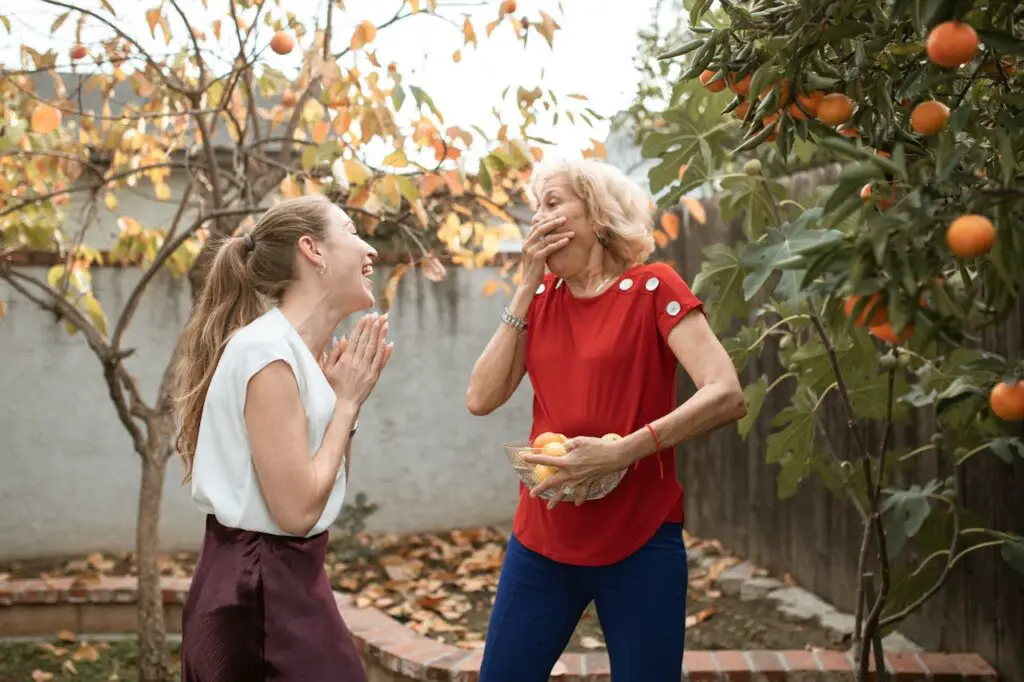


Conclusion

<p>Wellness doesn’t have to be big or perfect. It just has to fit your life. These seven tips are short, sweet, and powerful. They work because they’re easy to start and hard to mess up. You don’t need to wait for the “right time” or “enough energy.” You can start now. One sip of water. One deep breath. One stretch. Wellness isn’t about doing more—it’s about doing what works.</p> ::Pexels

Wellness doesn’t have to be big or perfect. It just has to fit your life. These seven tips are short, sweet, and powerful. They work because they’re easy to start and hard to mess up. You don’t need to wait for the “right time” or “enough energy.” You can start now. One sip of water. One deep breath. One stretch. Wellness isn’t about doing more—it’s about doing what works.

Filed Under: Lifestyle

  • « Previous Page
  • 1
  • …
  • 29
  • 30
  • 31
  • 32
  • 33
  • …
  • 59
  • Next Page »
  • Email
  • Facebook
  • Pinterest
  • Twitter

Our Most Popular Articles

ClickCashGo Review: Should You Avoid At All Costs?

Ultimate Guide to Mastering Your Credit Score

The 'YOLO' Mindset is a Dangerous Thing

Dave Ramsey's Financial Peace University Review: Is it Worth the Money?

Cash App Glitch 2025: Is the Free Money Glitch Real?

Five Steps To Debt Freedom

Here are five simple guidlines that will help you pay off debt.  

1) Get an emergency fund so you don’t take on debt when something comes up.

2) List your debts. This way you know where you stand.

3) Use the debt snowball. Pay your debts from smallest to largest, or most expensive to least expensive.

4) Avoid new debt. No new credit cards or loans. Period.

5) Go all cash. After everything is paid off, switch to all cash.

Helpful Resources

U of Tennesse Debt Repayment Plan Basics

Vertex 42's Debt Payoff Calculator

Savingadvice's Helpful Debt Forums

Jackie Becks Debt Blog