Our Debt Free Family

Commit. Plan. Take action.

  • BUDGETING
  • DEBT REDUCTION
  • INVESTING
  • LIFESTYLE
  • TOOLS
  • ABOUT
  • Privacy Policy
  • CONTACT

Daily Chores That 60s Kids Know All Too Well: 11 Tasks That Shaped a Generation
December 8, 2025 | Leave a Comment

Daily Chores That 60s Kids Know All Too Well: 11 Tasks That Shaped a Generation

<p> Growing up in the 1960s in the United States meant childhood came with its share of responsibilities. While today’s kids might spend hours on video games or texting friends, kids back then were busy learning life lessons through daily chores. These tasks were not optional. They were part of growing up, helping the family, and understanding the value of hard work. If you were raised in a 60s household, you probably remember the satisfaction, exhaustion, and sometimes the frustration that came with these everyday tasks. Many of these chores shaped who we became as adults, teaching lessons that went beyond the surface. Here are 11 daily chores that 60s kids know all too well. </p> :: Gemini

Growing up in the 1960s in the United States meant childhood came with its share of responsibilities. While today’s kids might spend hours on video games or texting friends, kids back then were busy learning life lessons through daily chores. These tasks were not optional. They were part of growing up, helping the family, and understanding the value of hard work.

If you were raised in a 60s household, you probably remember the satisfaction, exhaustion, and sometimes the frustration that came with these everyday tasks. Many of these chores shaped who we became as adults, teaching lessons that went beyond the surface. Here are 11 daily chores that 60s kids know all too well.

1. Hanging Laundry on the Line
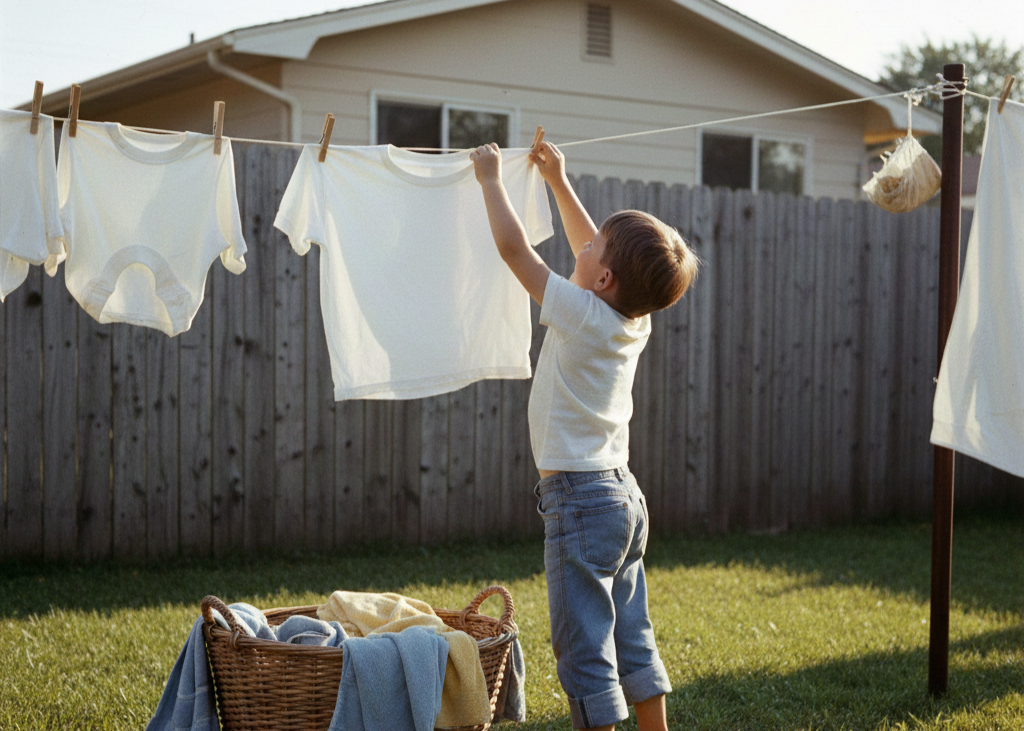
<p> Before the days of tumble dryers, laundry had to be hung outside to dry. Kids carried heavy baskets of wet clothes, towels, and sheets and pinned them to the clothesline, sometimes stretching on tiptoes to reach the highest line. Rain clouds added an element of urgency, turning laundry duty into a small race against time. This chore taught patience, observation, and responsibility. There was a certain pride in seeing a backyard full of sun-dried clothes fluttering in the breeze, the scent of fresh linen filling the air. It was more than just a task; it was a daily ritual that connected kids to the rhythms of life and the satisfaction of a job done well. </p> :: Gemini

Before the days of tumble dryers, laundry had to be hung outside to dry. Kids carried heavy baskets of wet clothes, towels, and sheets and pinned them to the clothesline, sometimes stretching on tiptoes to reach the highest line. Rain clouds added an element of urgency, turning laundry duty into a small race against time.

This chore taught patience, observation, and responsibility. There was a certain pride in seeing a backyard full of sun-dried clothes fluttering in the breeze, the scent of fresh linen filling the air. It was more than just a task; it was a daily ritual that connected kids to the rhythms of life and the satisfaction of a job done well.

2. Ironing the Family’s Clothes
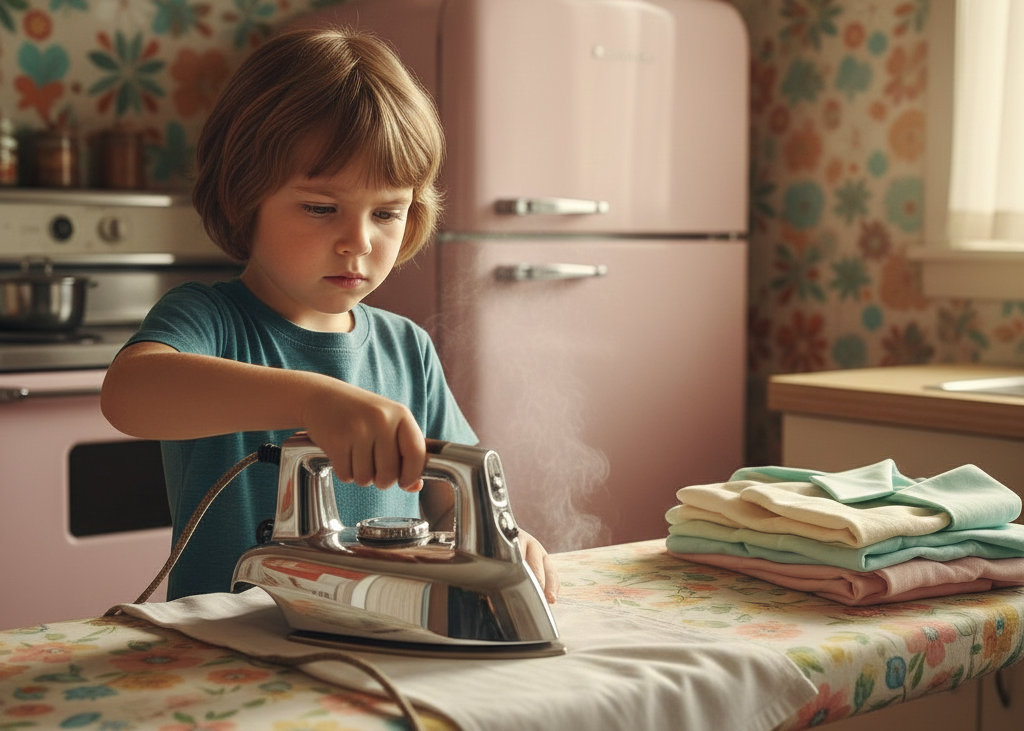
<p> Wrinkle-free fabrics were rare in the 1960s, which meant ironing was often a daily necessity. Kids frequently had to iron their own clothes and sometimes the family’s wardrobe, including shirts, pillowcases, and handkerchiefs. Using a heavy metal iron, often heated on a stove, required care, concentration, and a little bit of courage. Scorching a shirt could mean a gentle scolding, but mastering the art of pressing clothes perfectly gave kids a sense of accomplishment. Ironing taught attention to detail and patience, skills that stayed with many long into adulthood. </p> :: Gemini

Wrinkle-free fabrics were rare in the 1960s, which meant ironing was often a daily necessity. Kids frequently had to iron their own clothes and sometimes the family’s wardrobe, including shirts, pillowcases, and handkerchiefs.

Using a heavy metal iron, often heated on a stove, required care, concentration, and a little bit of courage. Scorching a shirt could mean a gentle scolding, but mastering the art of pressing clothes perfectly gave kids a sense of accomplishment. Ironing taught attention to detail and patience, skills that stayed with many long into adulthood.

3. Scrubbing Floors on Hands and Knees

<p> Floor cleaning was far from effortless in the 60s. Without modern mops or steam cleaners, kids often scrubbed floors on their hands and knees using brushes, buckets of soapy water, and rags. Kitchens, hallways, and bathrooms all demanded thorough attention. Though it could be exhausting, this chore taught a strong work ethic and the tangible results of effort. A clean floor was more than just aesthetically pleasing; it was proof that diligence and hard work paid off. </p> :: Gemini

Floor cleaning was far from effortless in the 60s. Without modern mops or steam cleaners, kids often scrubbed floors on their hands and knees using brushes, buckets of soapy water, and rags. Kitchens, hallways, and bathrooms all demanded thorough attention.

Though it could be exhausting, this chore taught a strong work ethic and the tangible results of effort. A clean floor was more than just aesthetically pleasing; it was proof that diligence and hard work paid off.

4. Mowing Lawns with a Heavy Push Mower
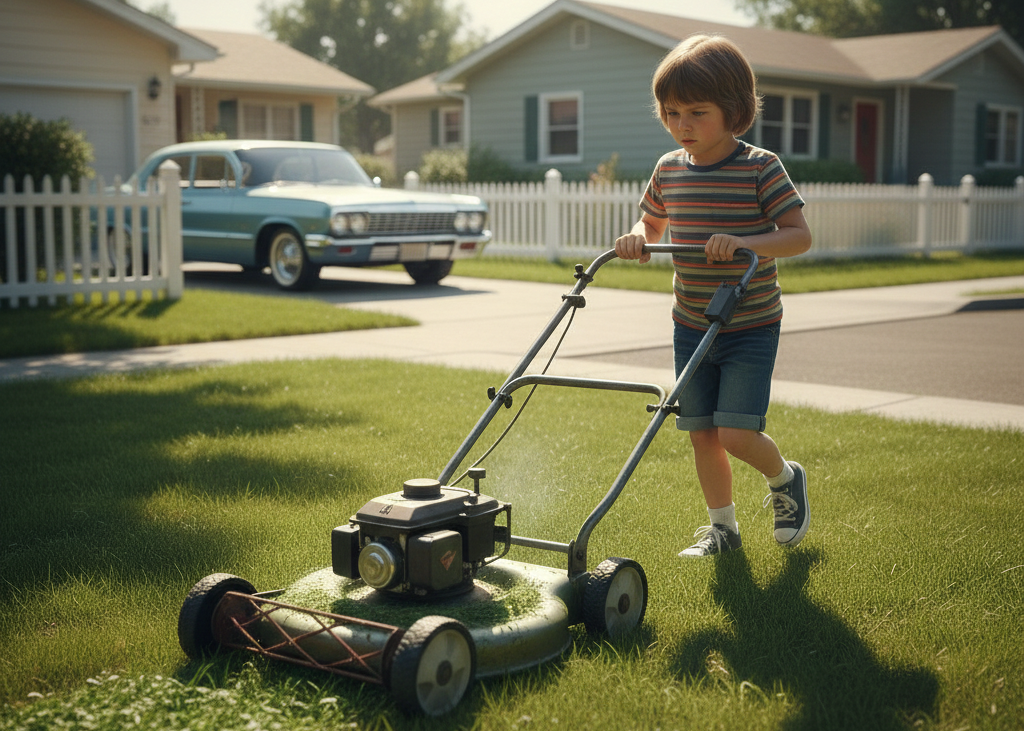
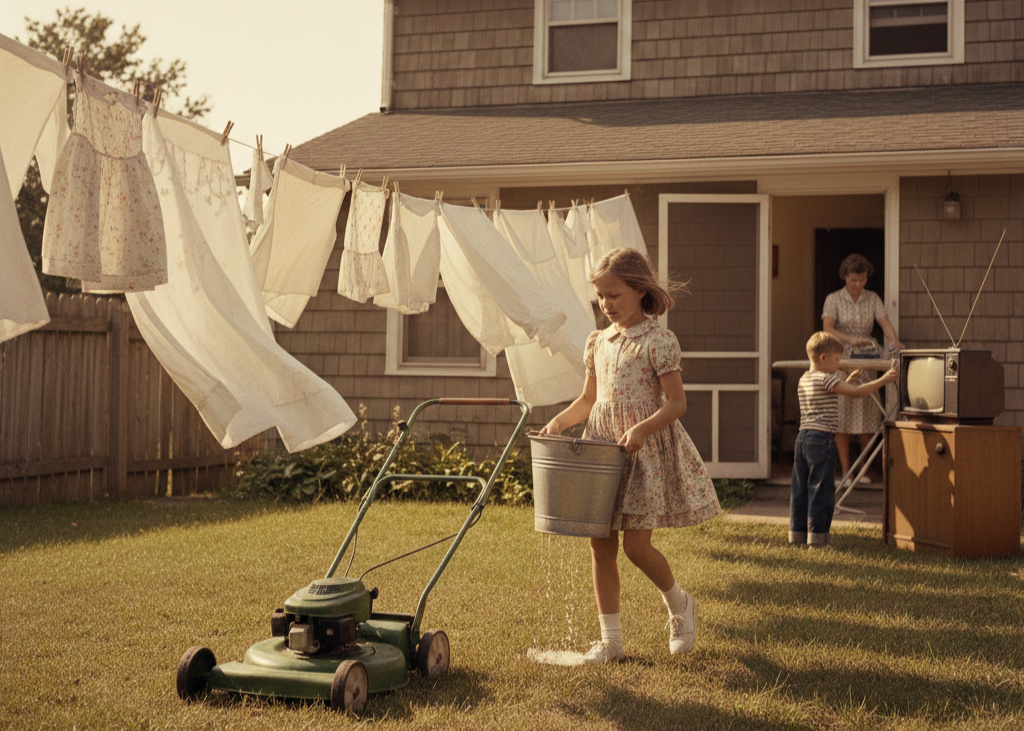
<p> Lawns in the 1960s were rarely maintained with gas-powered equipment. Many kids had to push heavy reel mowers across their yards, sweating under the summer sun. It was hard work, often requiring multiple trips back and forth across the grass. While tiring, mowing the lawn gave kids a sense of pride and ownership. Seeing a neatly trimmed, even lawn was a small but meaningful reward for effort. It was also a subtle lesson in patience and persistence, teaching that the satisfaction of a job well done often comes only after hard work. </p> :: Gemini

Lawns in the 1960s were rarely maintained with gas-powered equipment. Many kids had to push heavy reel mowers across their yards, sweating under the summer sun. It was hard work, often requiring multiple trips back and forth across the grass.

While tiring, mowing the lawn gave kids a sense of pride and ownership. Seeing a neatly trimmed, even lawn was a small but meaningful reward for effort. It was also a subtle lesson in patience and persistence, teaching that the satisfaction of a job well done often comes only after hard work.

5. Beating Rugs Outdoors
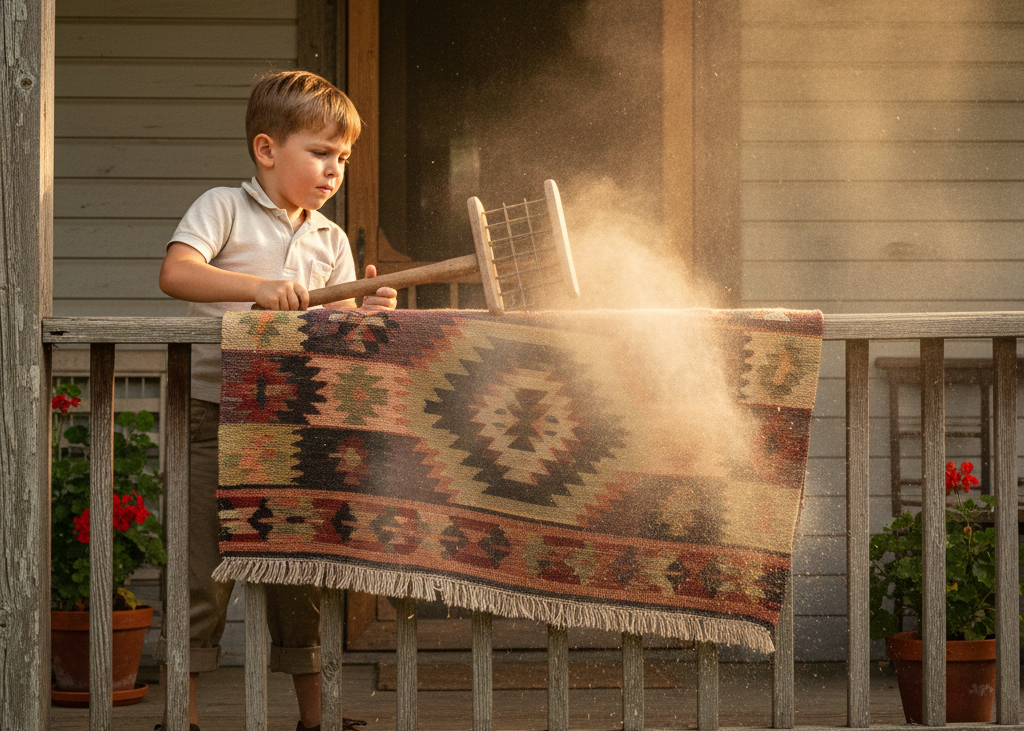
<p> Vacuum cleaners were not always commonplace, and rugs often needed to be beaten to remove dust and dirt. Kids carried rugs outside, hung them over porch rails or clotheslines, and used wooden rug beaters to remove embedded debris. The clouds of dust that rose with each strike were a small price to pay for a clean rug. This chore was physically demanding but oddly satisfying. There was something almost ceremonial about transforming a dusty rug into a fresh, clean surface ready for use. </p> :: Gemini

Vacuum cleaners were not always commonplace, and rugs often needed to be beaten to remove dust and dirt. Kids carried rugs outside, hung them over porch rails or clotheslines, and used wooden rug beaters to remove embedded debris.

The clouds of dust that rose with each strike were a small price to pay for a clean rug. This chore was physically demanding but oddly satisfying. There was something almost ceremonial about transforming a dusty rug into a fresh, clean surface ready for use.

6. Manually Defrosting the Freezer
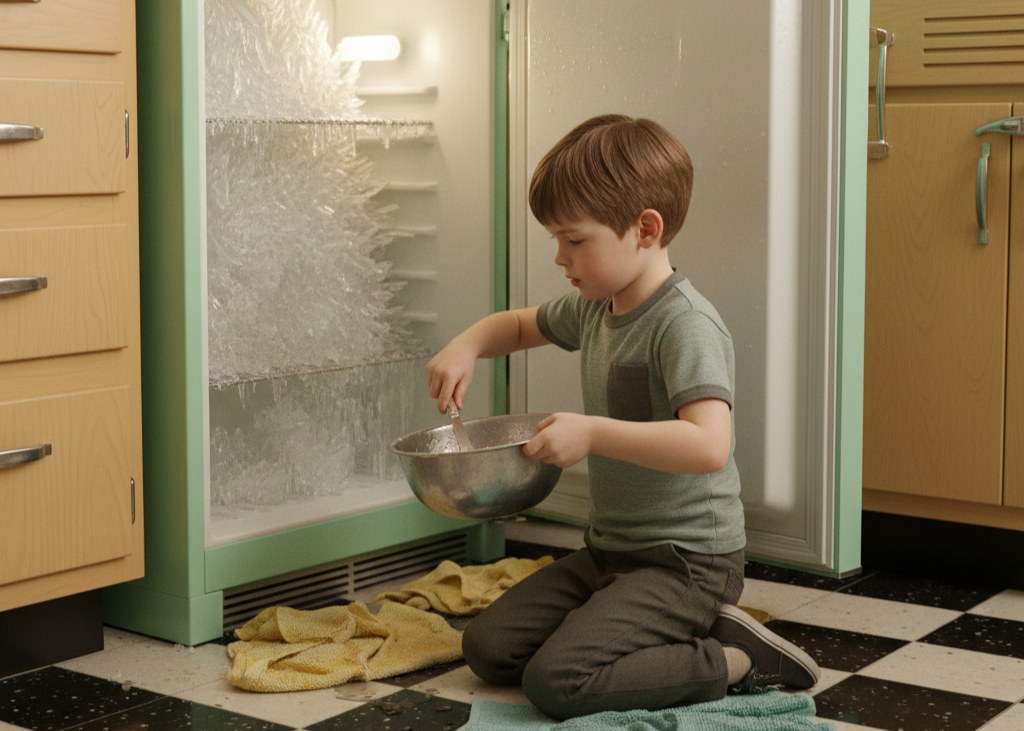
<p> Before frost-free freezers, thick ice would accumulate, and it became a kid’s responsibility to chip it away. Using butter knives or spatulas, they carefully removed ice, collected meltwater, and dried the freezer afterward. It was messy, sometimes frustrating work, but it taught practical problem-solving and attention to detail. Kids learned that maintenance and care are just as important as completing more visible chores, and that patience can turn a tedious task into a manageable one. </p> :: Gemini

Before frost-free freezers, thick ice would accumulate, and it became a kid’s responsibility to chip it away. Using butter knives or spatulas, they carefully removed ice, collected meltwater, and dried the freezer afterward.

It was messy, sometimes frustrating work, but it taught practical problem-solving and attention to detail. Kids learned that maintenance and care are just as important as completing more visible chores, and that patience can turn a tedious task into a manageable one.

7. Polishing Silver and Special Dinnerware
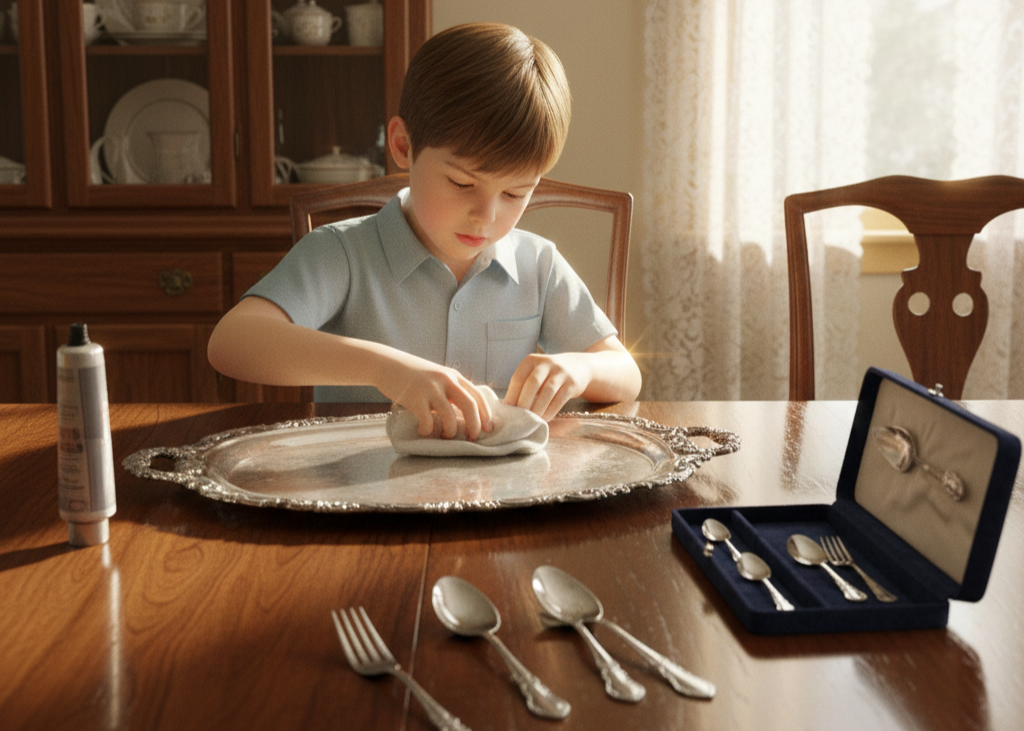
<p> Special silverware and serving trays were a point of pride in many homes. Kids were often tasked with polishing tarnished silver, a chore requiring patience and finesse. They rubbed, buffed, and polished until each piece shone bright, ready for family dinners or holiday gatherings. Though repetitive, this chore instilled an appreciation for effort and the beauty of small details. It showed that care and attention to appearance mattered, and it encouraged pride in contributing to the household in a meaningful way. </p> :: Gemini

Special silverware and serving trays were a point of pride in many homes. Kids were often tasked with polishing tarnished silver, a chore requiring patience and finesse. They rubbed, buffed, and polished until each piece shone bright, ready for family dinners or holiday gatherings.

Though repetitive, this chore instilled an appreciation for effort and the beauty of small details. It showed that care and attention to appearance mattered, and it encouraged pride in contributing to the household in a meaningful way.

8. Cooking Meals from Scratch

<p> Frozen dinners and microwaves were rare, so families cooked meals from scratch. Kids frequently helped by peeling vegetables, chopping ingredients, stirring pots, or even helping with baking. This chore was more than just preparation; it was a way to learn practical life skills and understand the work involved in providing for a family. Cooking taught creativity, timing, and the importance of patience, and it also gave kids a sense of accomplishment when a meal came together beautifully. </p> :: Gemini

Frozen dinners and microwaves were rare, so families cooked meals from scratch. Kids frequently helped by peeling vegetables, chopping ingredients, stirring pots, or even helping with baking.

This chore was more than just preparation; it was a way to learn practical life skills and understand the work involved in providing for a family. Cooking taught creativity, timing, and the importance of patience, and it also gave kids a sense of accomplishment when a meal came together beautifully.

9. Collecting and Returning Soda or Milk Bottles
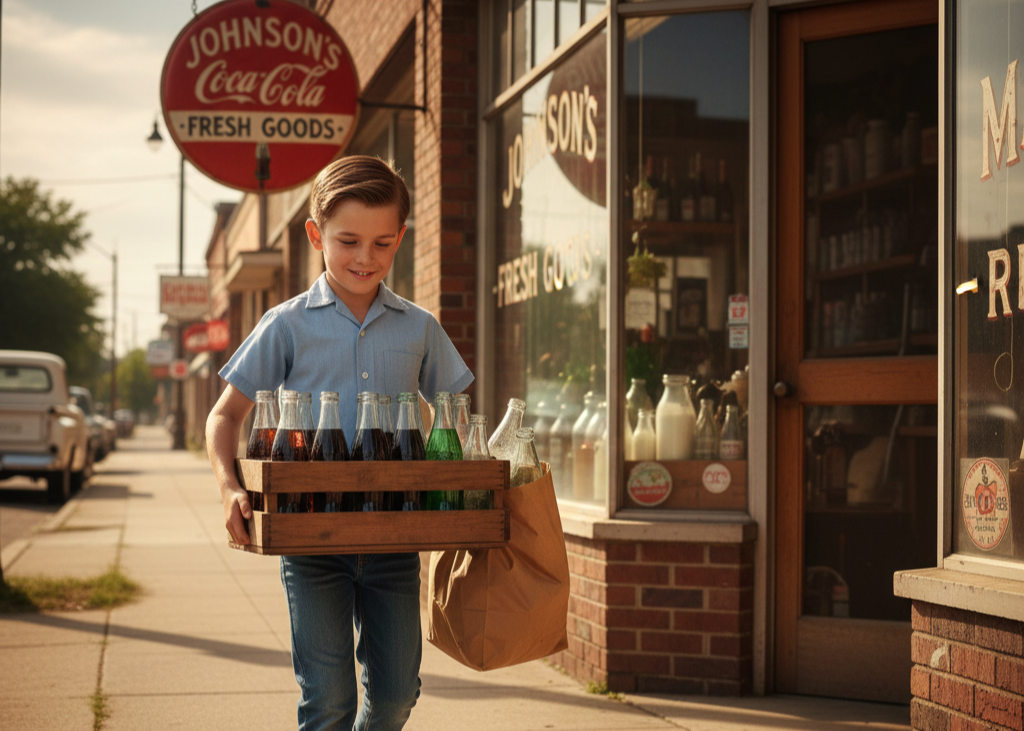
<p> Before disposable bottles became common, glass bottles were collected, cleaned, and returned for a small deposit. Kids often ran errands to bring the bottles back to the store, earning a few cents along the way. This chore might seem minor, but it taught responsibility, resourcefulness, and the value of small contributions. It also encouraged environmental awareness, as families reused bottles instead of tossing them away, showing that even small actions could make a difference. </p> :: Gemini

Before disposable bottles became common, glass bottles were collected, cleaned, and returned for a small deposit. Kids often ran errands to bring the bottles back to the store, earning a few cents along the way.

This chore might seem minor, but it taught responsibility, resourcefulness, and the value of small contributions. It also encouraged environmental awareness, as families reused bottles instead of tossing them away, showing that even small actions could make a difference.

10. Adjusting the TV Antenna

<p> Television reception depended on over-the-air signals, and kids often became the family’s designated antenna adjuster. Moving rooftop antennas or adjusting indoor “rabbit-ear” antennas required patience and skill to get a clear picture. Though it sometimes meant standing on chairs or climbing outside, it also gave kids a sense of accomplishment when the fuzzy static disappeared and their favorite shows came into focus. This chore combined problem-solving with a practical reward, teaching persistence in a fun, often interactive way. </p> :: Gemini

Television reception depended on over-the-air signals, and kids often became the family’s designated antenna adjuster. Moving rooftop antennas or adjusting indoor “rabbit-ear” antennas required patience and skill to get a clear picture.

Though it sometimes meant standing on chairs or climbing outside, it also gave kids a sense of accomplishment when the fuzzy static disappeared and their favorite shows came into focus. This chore combined problem-solving with a practical reward, teaching persistence in a fun, often interactive way.

11. Taking Out the Trash
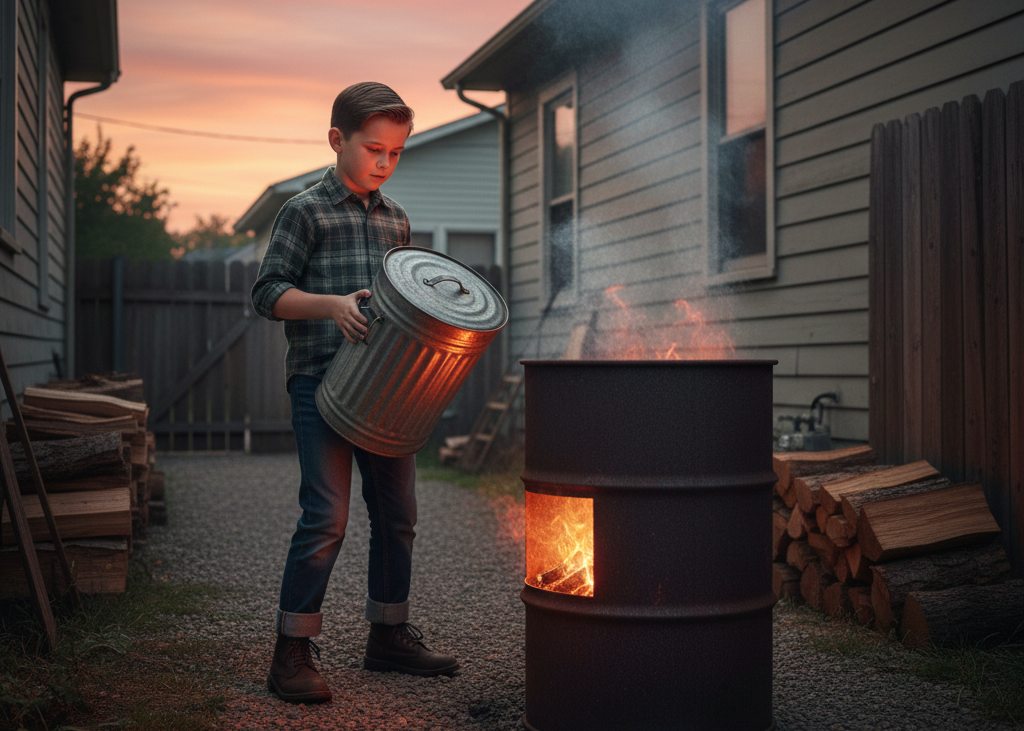
<p> Trash disposal in the 1960s was often done manually. Kids hauled garbage to backyard burn barrels or incinerators, sometimes tending the fires and cleaning up afterward. It was dirty and smoky work, but it gave kids a sense of responsibility for the household. They learned that maintaining a home involved sometimes unpleasant tasks and that helping the family often required effort beyond what was immediately enjoyable. </p> :: Gemini

Trash disposal in the 1960s was often done manually. Kids hauled garbage to backyard burn barrels or incinerators, sometimes tending the fires and cleaning up afterward.

It was dirty and smoky work, but it gave kids a sense of responsibility for the household. They learned that maintaining a home involved sometimes unpleasant tasks and that helping the family often required effort beyond what was immediately enjoyable.

Final Thoughts

<p> Looking back, the chores of the 1960s were more than just daily tasks; they were life lessons in disguise. Each task taught responsibility, self-reliance, and practical skills. From ironing and hanging laundry to cooking and polishing silver, kids learned patience, perseverance, and the value of hard work. Many of these chores were physically demanding, sometimes frustrating, but they offered a sense of accomplishment that modern conveniences often remove. They shaped a generation, helping kids grow into adults who understood that effort and care are essential parts of life. While today’s children may never experience all of these chores in the same way, there is value in revisiting some of them. Even a small task, done with intention, can teach responsibility, pride, and practical skills. Remembering these chores is not just nostalgia; it is a reminder of how everyday work can shape character and create a sense of purpose in daily life. The next time you fold laundry, cook a meal, or sweep the floor, you might catch a glimpse of what it meant to grow up in the 60s. It was hard work, yes, but it was also the foundation of responsibility, independence, and life skills that many of us still carry with us today. </p> :: Gemini

Looking back, the chores of the 1960s were more than just daily tasks; they were life lessons in disguise. Each task taught responsibility, self-reliance, and practical skills. From ironing and hanging laundry to cooking and polishing silver, kids learned patience, perseverance, and the value of hard work.

Many of these chores were physically demanding, sometimes frustrating, but they offered a sense of accomplishment that modern conveniences often remove. They shaped a generation, helping kids grow into adults who understood that effort and care are essential parts of life.

While today’s children may never experience all of these chores in the same way, there is value in revisiting some of them. Even a small task, done with intention, can teach responsibility, pride, and practical skills. Remembering these chores is not just nostalgia; it is a reminder of how everyday work can shape character and create a sense of purpose in daily life.

The next time you fold laundry, cook a meal, or sweep the floor, you might catch a glimpse of what it meant to grow up in the 60s. It was hard work, yes, but it was also the foundation of responsibility, independence, and life skills that many of us still carry with us today.
Filed Under: Lifestyle

Fall and Winter Gardening: 12 Vegetables You Can Plant for a Cold Season Harvest

December 8, 2025 | Leave a Comment

Fall and Winter Gardening: 12 Vegetables You Can Plant for a Cold Season Harvest

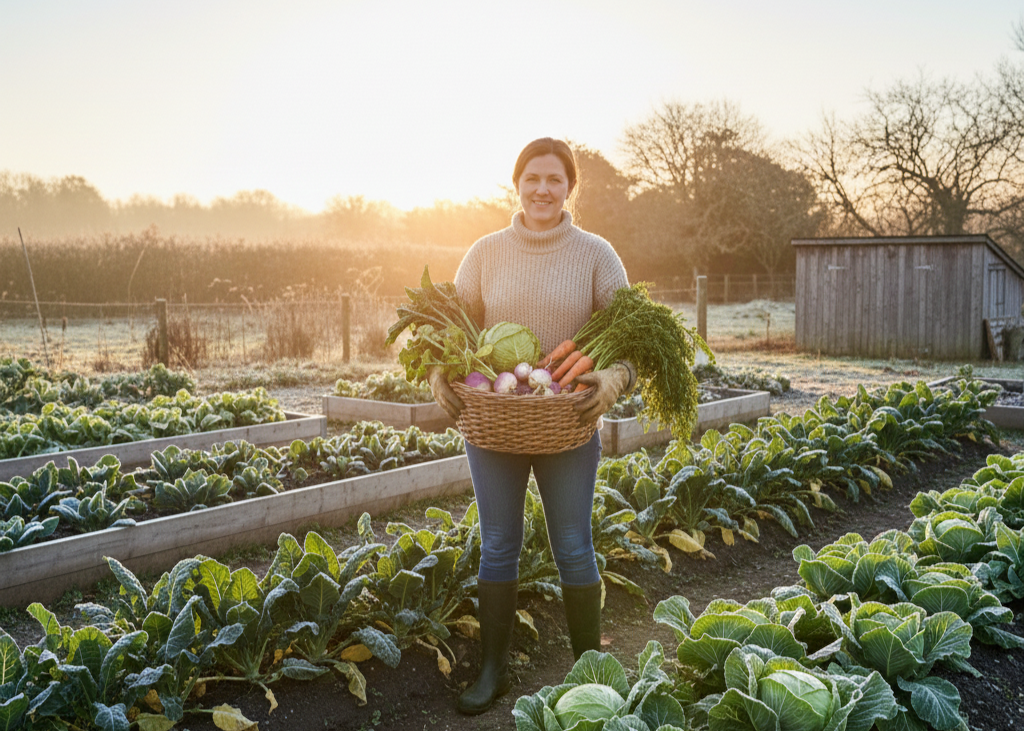
<p> As summer winds down and the first hints of fall chill the air, many gardeners think their planting days are over. The truth is, some of the tastiest vegetables actually thrive in cooler weather. Planting in fall and winter can be incredibly rewarding. Your garden can stay lively, your kitchen full of fresh greens, and your meals brighter even when the rest of the landscape has gone dormant.

Fall and winter vegetables often have a flavor advantage too. Cold temperatures can turn natural starches into sugars, giving root vegetables and leafy greens a naturally sweet, tender taste. Plus, growing during these seasons extends your harvest window, reduces pests, and allows you to enjoy homegrown produce when grocery store options are limited.

Here are 12 vegetables that you can plant in the fall and winter, with practical tips and insights for gardeners across the United States. </p> :: Gemini

As summer winds down and the first hints of fall chill the air, many gardeners think their planting days are over. The truth is, some of the tastiest vegetables actually thrive in cooler weather. Planting in fall and winter can be incredibly rewarding. Your garden can stay lively, your kitchen full of fresh greens, and your meals brighter even when the rest of the landscape has gone dormant.

Fall and winter vegetables often have a flavor advantage too. Cold temperatures can turn natural starches into sugars, giving root vegetables and leafy greens a naturally sweet, tender taste. Plus, growing during these seasons extends your harvest window, reduces pests, and allows you to enjoy homegrown produce when grocery store options are limited.

Here are 12 vegetables that you can plant in the fall and winter, with practical tips and insights for gardeners across the United States.

1. Spinach

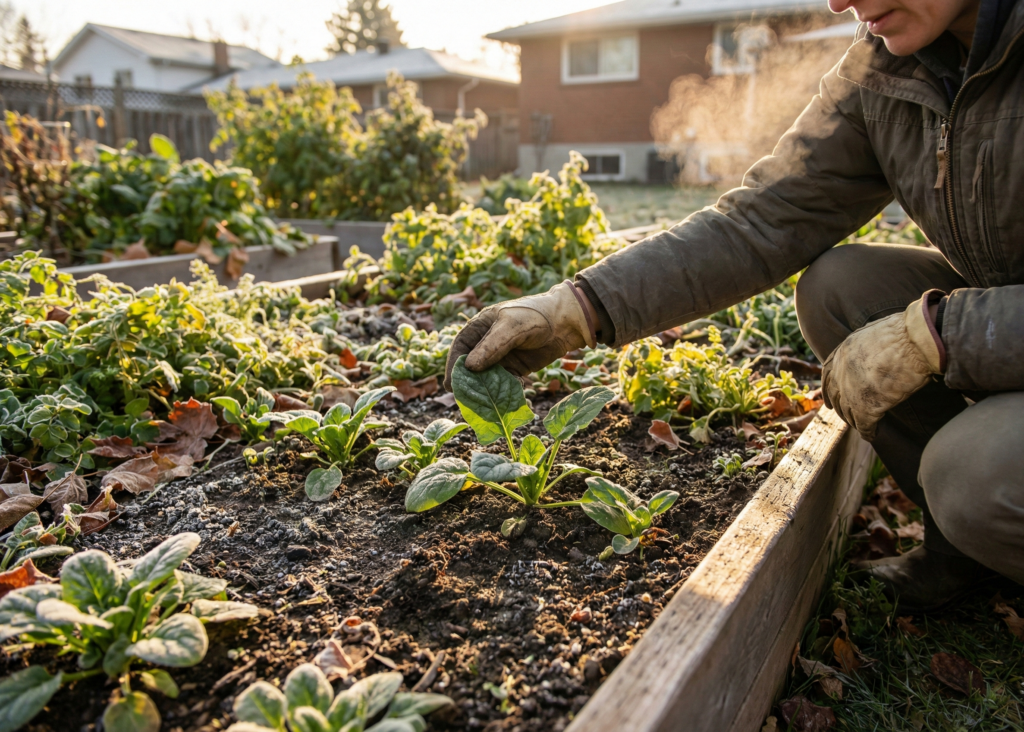
<p> Spinach is a superstar of cold-season gardening. It grows quickly, tolerates frost, and produces tender leaves that are perfect for salads, sautés, and smoothies. Plant seeds six to eight weeks before your first average frost. Spinach tends to bolt less often in cooler weather, which means more harvests over time. Its rich, earthy flavor actually improves when exposed to a light frost, making your late-season salads particularly delicious. </p> :: Gemini

Spinach is a superstar of cold-season gardening. It grows quickly, tolerates frost, and produces tender leaves that are perfect for salads, sautés, and smoothies. Plant seeds six to eight weeks before your first average frost. Spinach tends to bolt less often in cooler weather, which means more harvests over time. Its rich, earthy flavor actually improves when exposed to a light frost, making your late-season salads particularly delicious.

2. Kale

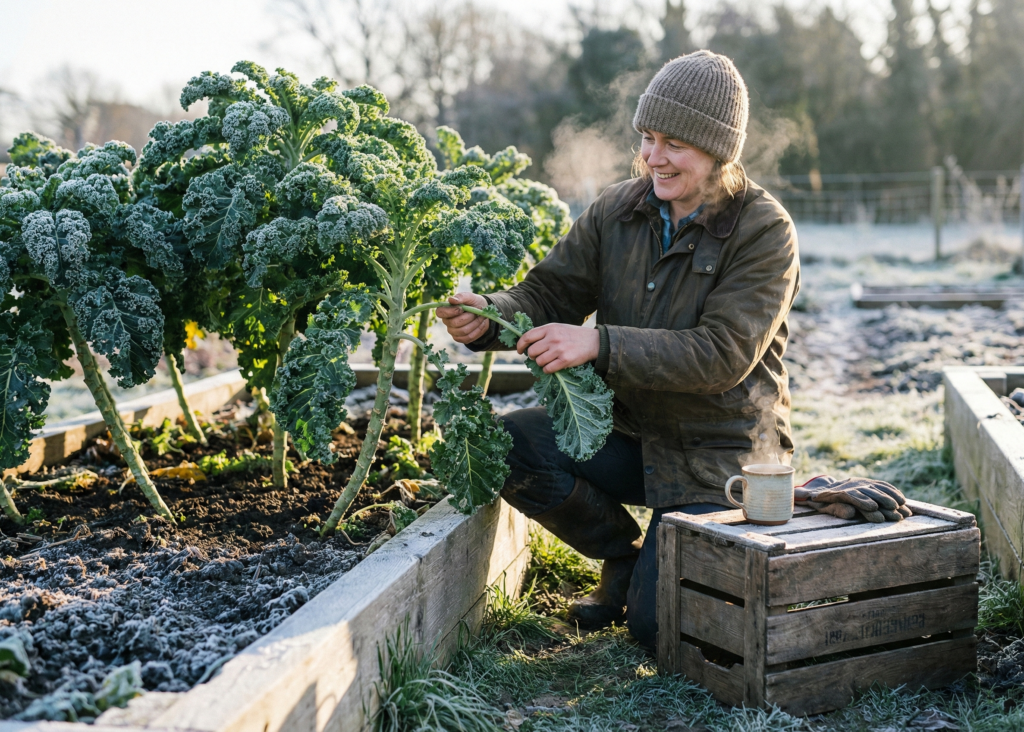
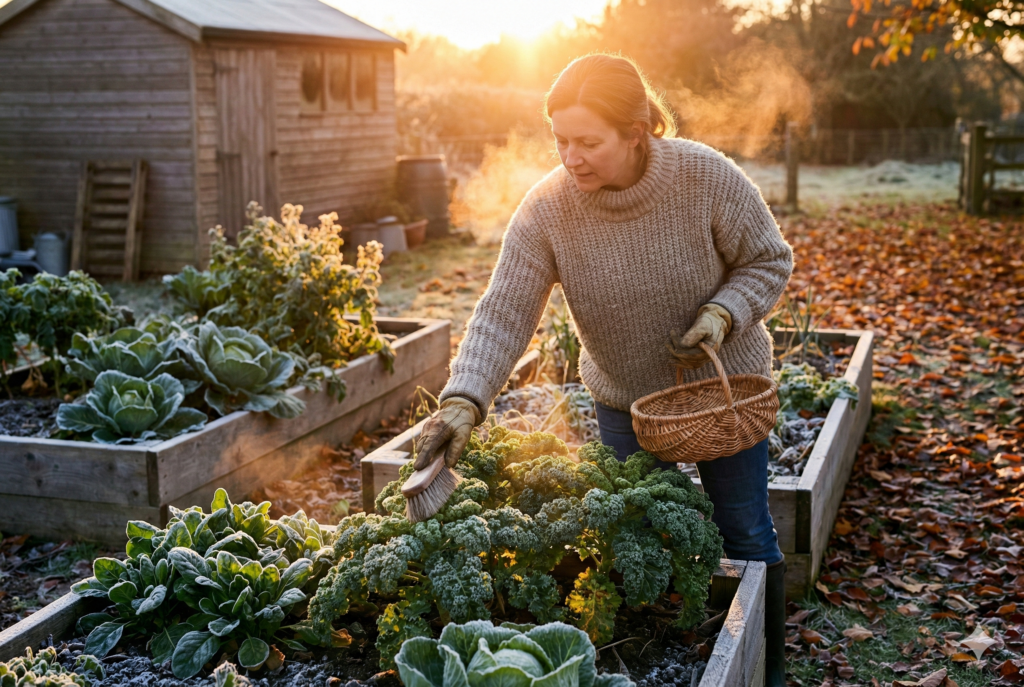
<p> Kale is one of the hardiest vegetables you can grow in fall or winter. Many gardeners notice that kale leaves taste sweeter after a frost, making it ideal for winter soups and sautés. It grows well in garden beds, containers, or raised beds, and if planted in late summer or early fall, it can continue producing leaves throughout the colder months. Kale is also packed with nutrients, so you get both flavor and a health boost. </p> :: Gemini

Kale is one of the hardiest vegetables you can grow in fall or winter. Many gardeners notice that kale leaves taste sweeter after a frost, making it ideal for winter soups and sautés. It grows well in garden beds, containers, or raised beds, and if planted in late summer or early fall, it can continue producing leaves throughout the colder months. Kale is also packed with nutrients, so you get both flavor and a health boost.

3. Carrots

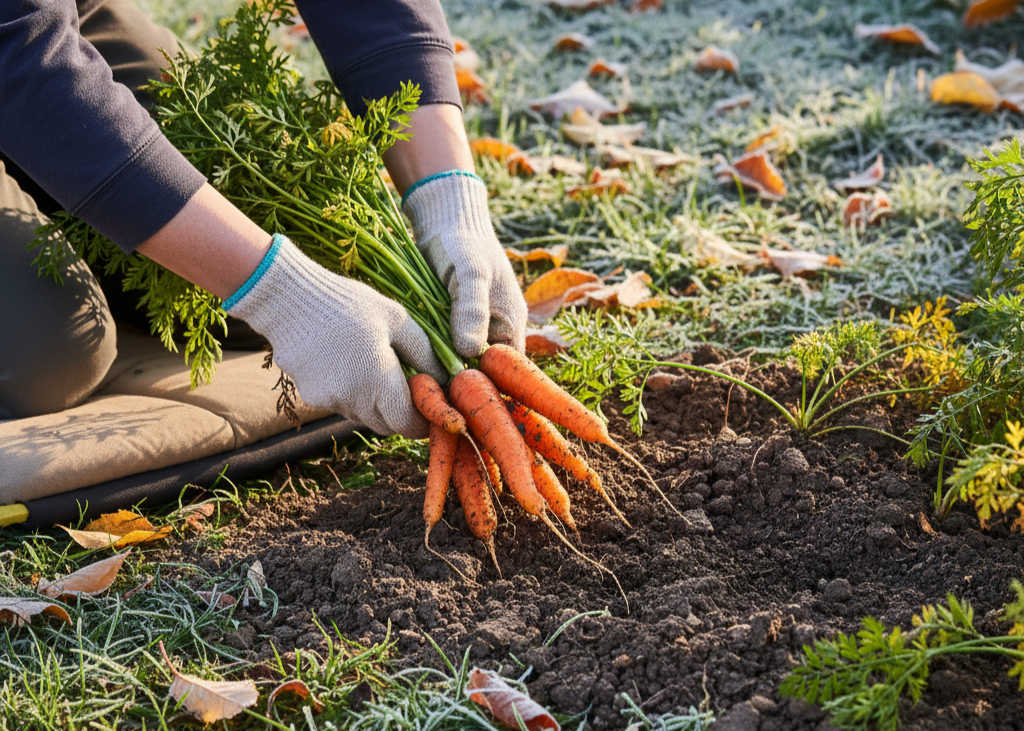
<p> Cool temperatures are great for carrots. Plant them in late summer or early fall and they will sweeten as the weather turns chilly. Loose, well-drained soil allows roots to grow straight and tender. You can harvest small, baby carrots for snacking or let them grow to full size for roasting and soups. Carrots often survive light frost, making them a reliable choice for a winter garden. </p> :: Gemini

Cool temperatures are great for carrots. Plant them in late summer or early fall and they will sweeten as the weather turns chilly. Loose, well-drained soil allows roots to grow straight and tender. You can harvest small, baby carrots for snacking or let them grow to full size for roasting and soups. Carrots often survive light frost, making them a reliable choice for a winter garden.

4. Beets

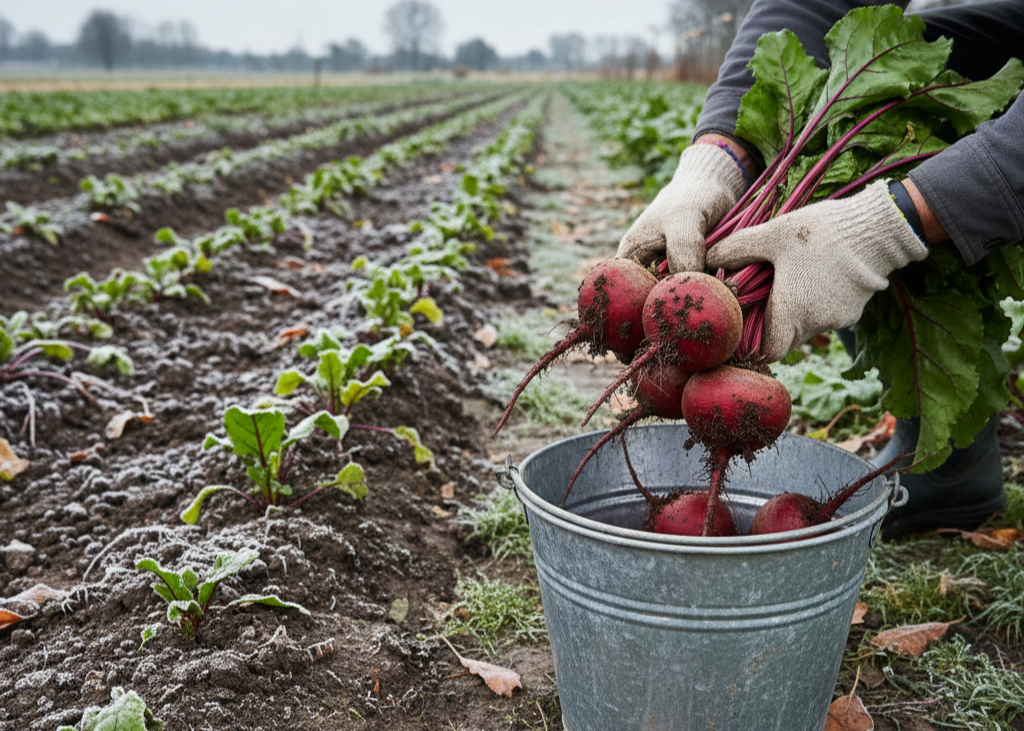
<p> Beets are versatile, nutritious, and surprisingly hardy. Both the roots and the greens are edible, so you get double value from a single planting. Sow seeds in late summer or early fall, and the plants will tolerate frost. Beets are excellent roasted, pickled, or added to salads, and their greens can be used like spinach or chard. Their sweet, earthy flavor develops even more in cool temperatures. </p> :: Gemini

Beets are versatile, nutritious, and surprisingly hardy. Both the roots and the greens are edible, so you get double value from a single planting. Sow seeds in late summer or early fall, and the plants will tolerate frost. Beets are excellent roasted, pickled, or added to salads, and their greens can be used like spinach or chard. Their sweet, earthy flavor develops even more in cool temperatures.

5. Turnips

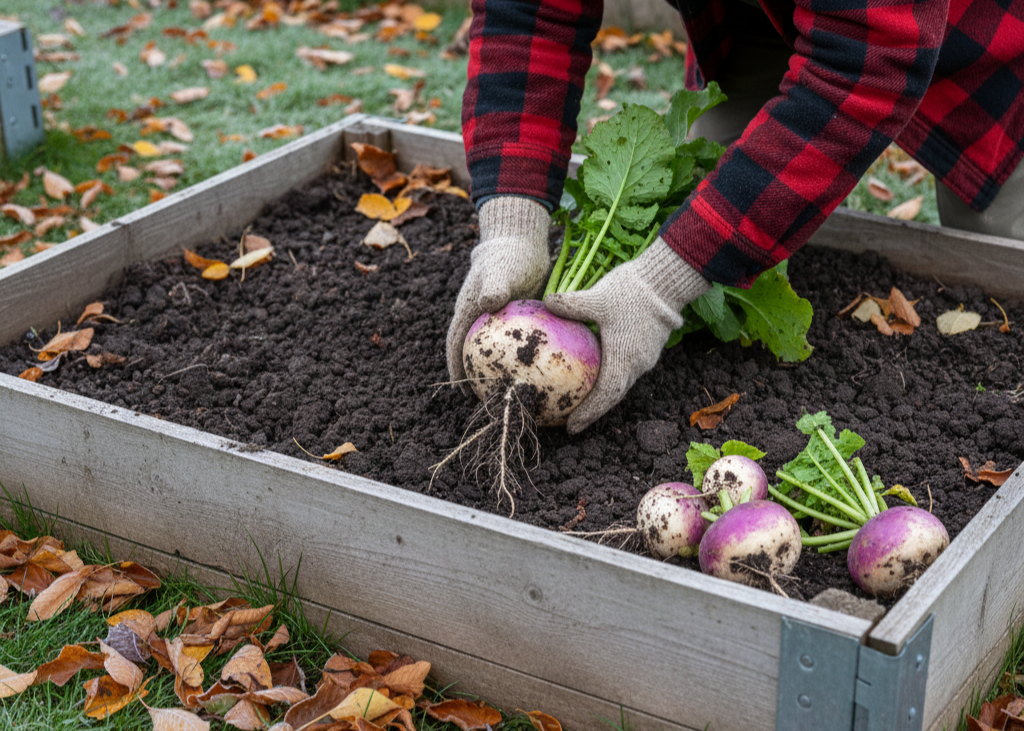
<p> Turnips are fast-growing root vegetables that love cooler weather. Plant them in late summer or early fall, and they will mature quickly enough for a late fall harvest. Turnip greens are peppery and delicious in sautés or soups, while the roots can be roasted, mashed, or added to stews. They are ideal for smaller garden spaces because they do not require much room to grow. </p> :: Gemini

Turnips are fast-growing root vegetables that love cooler weather. Plant them in late summer or early fall, and they will mature quickly enough for a late fall harvest. Turnip greens are peppery and delicious in sautés or soups, while the roots can be roasted, mashed, or added to stews. They are ideal for smaller garden spaces because they do not require much room to grow.

6. Lettuce

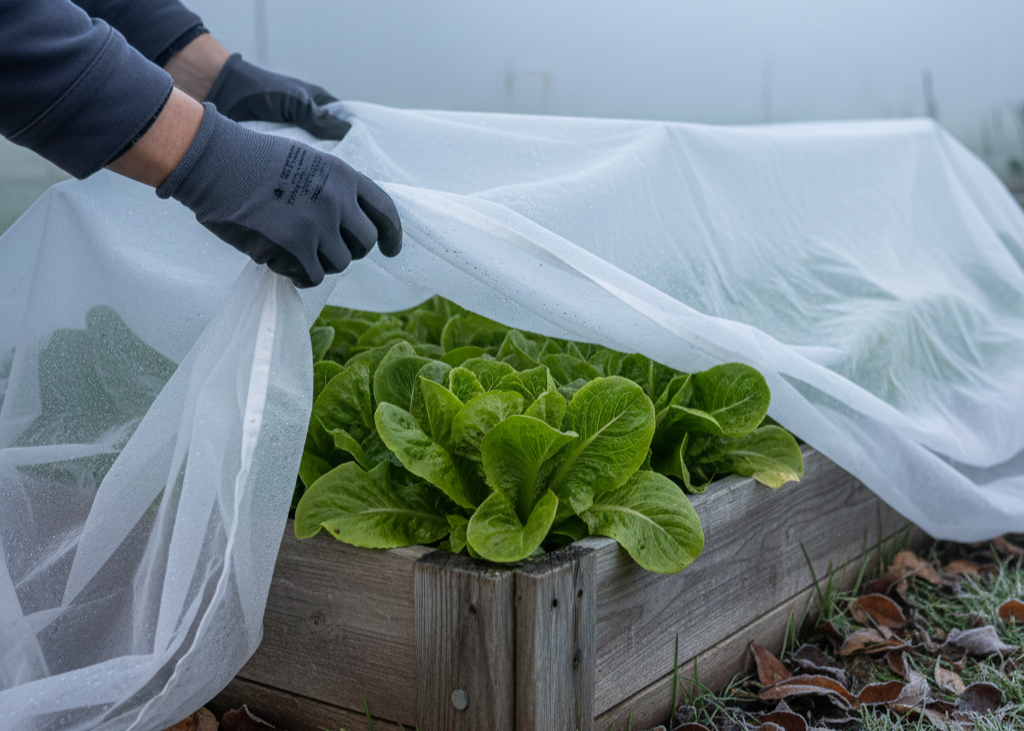
<p> Loose-leaf varieties of lettuce are perfect for fall and winter gardens. They grow faster than head lettuce and tolerate cooler temperatures well. Covering young plants with a frost blanket or cold frame can extend their growing season even further. Harvest leaves continuously for fresh salads or sandwich toppings, and enjoy the crisp, tender texture that only cold-grown lettuce can provide. </p> :: Gemini

Loose-leaf varieties of lettuce are perfect for fall and winter gardens. They grow faster than head lettuce and tolerate cooler temperatures well. Covering young plants with a frost blanket or cold frame can extend their growing season even further. Harvest leaves continuously for fresh salads or sandwich toppings, and enjoy the crisp, tender texture that only cold-grown lettuce can provide.

7. Swiss Chard and Other Cold-Tolerant Greens

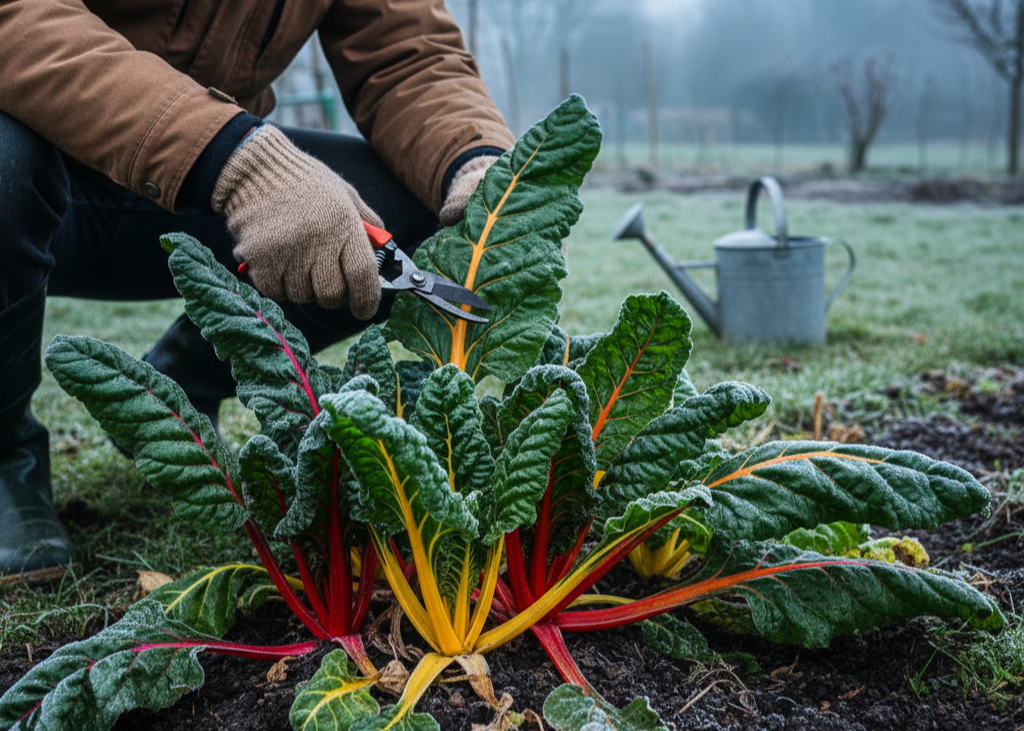
<p> Swiss chard and similar leafy greens thrive when temperatures drop. They grow more slowly in cold weather, but they continue producing leaves well into winter. These greens are packed with vitamins and minerals, and they are delicious in soups, sautés, or as a base for salads. Their vibrant colors can also brighten up your winter garden when many other plants have faded. </p> :: Gemini

Swiss chard and similar leafy greens thrive when temperatures drop. They grow more slowly in cold weather, but they continue producing leaves well into winter. These greens are packed with vitamins and minerals, and they are delicious in soups, sautés, or as a base for salads. Their vibrant colors can also brighten up your winter garden when many other plants have faded.

8. Broccoli

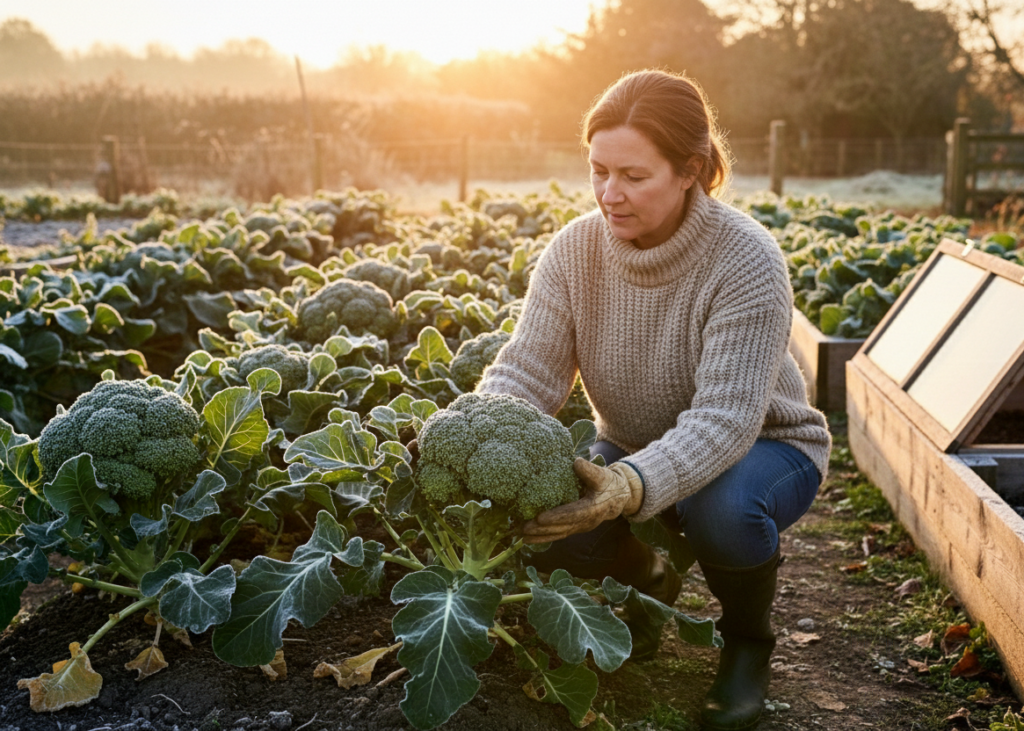
<p> Broccoli is a cool-season vegetable that does best when grown in fall or mild winter conditions. Plant it early enough so that the main head develops before deep winter. Even after harvesting the primary head, broccoli often produces side shoots for additional harvests. It grows well in garden beds or containers with rich, well-drained soil, and a little protection from frost can keep it productive for months. </p> :: Gemini

Broccoli is a cool-season vegetable that does best when grown in fall or mild winter conditions. Plant it early enough so that the main head develops before deep winter. Even after harvesting the primary head, broccoli often produces side shoots for additional harvests. It grows well in garden beds or containers with rich, well-drained soil, and a little protection from frost can keep it productive for months.

9. Cauliflower

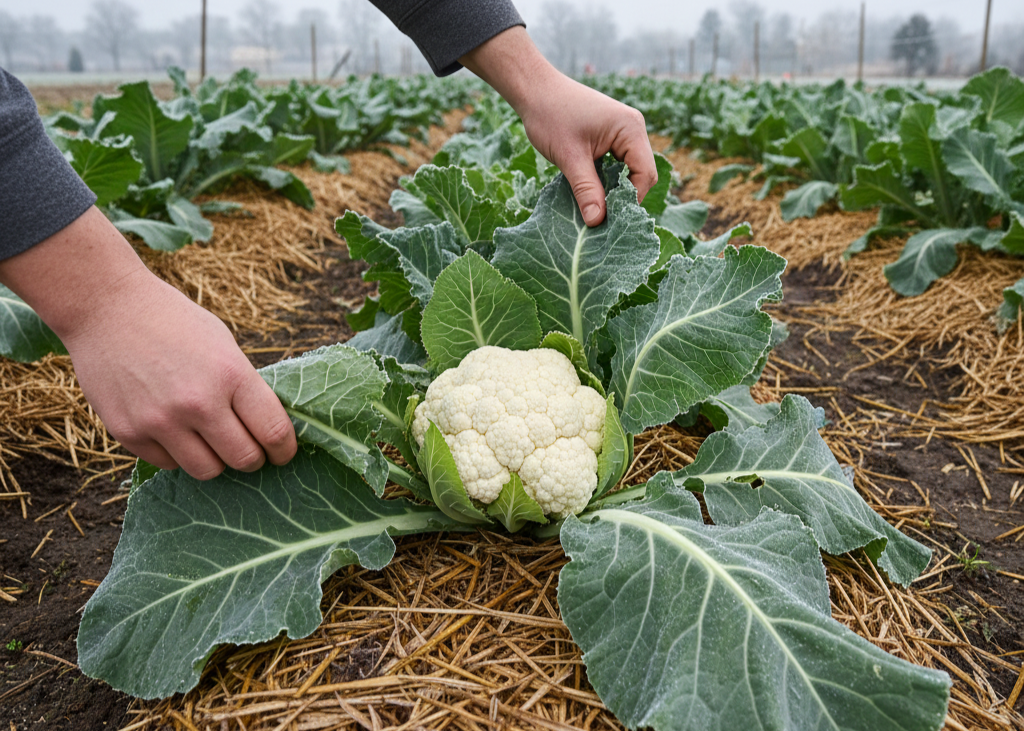
<p> Cauliflower prefers cool temperatures and is ideal for planting in late summer or early fall. While it is more sensitive than kale or spinach, the flavor is exceptional when harvested in cooler weather. Plant in fertile soil with consistent moisture, and consider using row covers or cold frames if temperatures drop significantly. Cauliflower is versatile in the kitchen and can be roasted, mashed, or used as a low-carb substitute for grains. </p> :: Gemini

Cauliflower prefers cool temperatures and is ideal for planting in late summer or early fall. While it is more sensitive than kale or spinach, the flavor is exceptional when harvested in cooler weather. Plant in fertile soil with consistent moisture, and consider using row covers or cold frames if temperatures drop significantly. Cauliflower is versatile in the kitchen and can be roasted, mashed, or used as a low-carb substitute for grains.

10. Cabbage and Collards

<p> Cabbage and collards are some of the most frost-tolerant vegetables you can grow. They thrive in cold conditions and are perfect for hearty winter meals such as stews, stir-fries, and fermented dishes like sauerkraut. Plant them in early to mid-fall so that heads or leaves are ready to harvest well into winter. Their durability makes them a reliable choice when other crops may struggle in the cold. </p> :: Gemini

Cabbage and collards are some of the most frost-tolerant vegetables you can grow. They thrive in cold conditions and are perfect for hearty winter meals such as stews, stir-fries, and fermented dishes like sauerkraut. Plant them in early to mid-fall so that heads or leaves are ready to harvest well into winter. Their durability makes them a reliable choice when other crops may struggle in the cold.

11. Peas

<p> Certain varieties of peas can be planted in early fall for a late fall or early winter harvest. They perform well in mild winter climates and benefit from protection like cold frames or row covers. Fresh peas harvested in cooler weather are sweeter and more tender than those grown in the heat of summer. They are also a fun and rewarding crop for gardeners who enjoy a quick-growing plant that can produce tasty results in just a few weeks. </p> :: Gemini

Certain varieties of peas can be planted in early fall for a late fall or early winter harvest. They perform well in mild winter climates and benefit from protection like cold frames or row covers. Fresh peas harvested in cooler weather are sweeter and more tender than those grown in the heat of summer. They are also a fun and rewarding crop for gardeners who enjoy a quick-growing plant that can produce tasty results in just a few weeks.

12. Garlic and Onions

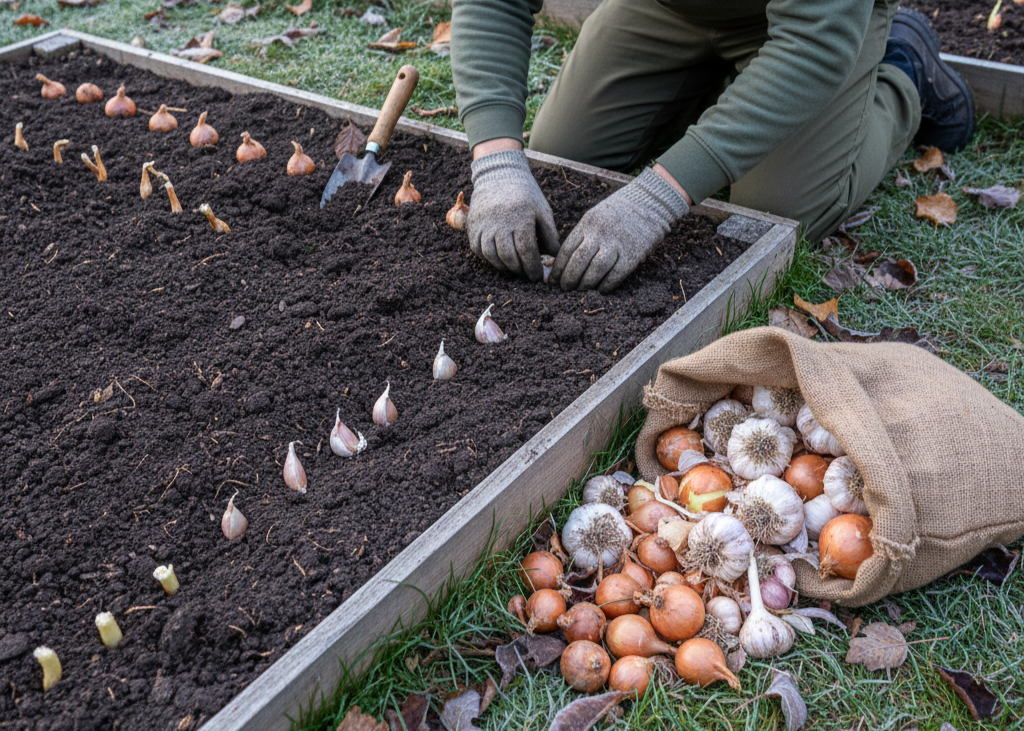
<p> Planting garlic and bulb onions in the fall gives them a head start for next summer. These crops develop roots before going dormant in the cold, then resume growth in spring. Garlic and onions planted in fall produce stronger, fuller bulbs by harvest time. They require minimal care over winter, making them ideal for gardeners who want an early summer harvest without intensive attention. </p> :: Gemini

Planting garlic and bulb onions in the fall gives them a head start for next summer. These crops develop roots before going dormant in the cold, then resume growth in spring. Garlic and onions planted in fall produce stronger, fuller bulbs by harvest time. They require minimal care over winter, making them ideal for gardeners who want an early summer harvest without intensive attention.

Final Thoughts

<p> Fall and winter gardening opens a whole new world of possibilities. It allows you to enjoy fresh, homegrown vegetables when most gardens have gone quiet. These cool-season crops are often sweeter, more tender, and packed with nutrients thanks to the chill in the air.

Even if you are new to gardening, fall and winter planting is accessible. Start with hardy greens and root vegetables, use simple protection if needed, and watch as your garden continues to thrive while others rest. Experimenting with late-season crops can be both rewarding and educational, and it helps you make the most of your garden space year-round.

The satisfaction of harvesting your own fresh spinach, kale, carrots, or garlic while the world outside feels cold and gray is unmatched. With a little planning and care, your fall and winter garden can provide abundant produce, vibrant color, and the joy of knowing that fresh, homegrown food is just steps away.

Gardening does not stop when summer ends. It evolves. And embracing the colder months might just turn out to be the most rewarding part of the year. </p> :: Gemini

Fall and winter gardening opens a whole new world of possibilities. It allows you to enjoy fresh, homegrown vegetables when most gardens have gone quiet. These cool-season crops are often sweeter, more tender, and packed with nutrients thanks to the chill in the air.

Even if you are new to gardening, fall and winter planting is accessible. Start with hardy greens and root vegetables, use simple protection if needed, and watch as your garden continues to thrive while others rest. Experimenting with late-season crops can be both rewarding and educational, and it helps you make the most of your garden space year-round.

The satisfaction of harvesting your own fresh spinach, kale, carrots, or garlic while the world outside feels cold and gray is unmatched. With a little planning and care, your fall and winter garden can provide abundant produce, vibrant color, and the joy of knowing that fresh, homegrown food is just steps away.

Gardening does not stop when summer ends. It evolves. And embracing the colder months might just turn out to be the most rewarding part of the year.

Filed Under: Lifestyle

Everyday Items You Should Always Wash Your Hands After Touching: 10 Surprising Germ Hotspots

December 7, 2025 | Leave a Comment

Everyday Items You Should Always Wash Your Hands After Touching: 10 Surprising Germ Hotspots

<p> We all like to think of ourselves as careful and clean, but the truth is germs are everywhere. Some of the places you touch daily are hiding more bacteria and viruses than you might expect. You don’t need to live in a bubble to stay healthy, but being mindful about when to wash your hands can make a big difference. Handwashing is one of the simplest ways to prevent illness, yet most people underestimate just how many opportunities there are for germs to hop onto your hands. From the grocery store to your office and even your own home, germs travel in ways you might never notice.

To help you stay on top of your hygiene game, we have compiled a list of everyday items you should always wash your hands after touching. Some are obvious, while others may surprise you. Pay attention, because these small actions can make a big difference for your health. </p> :: Gemini

We all like to think of ourselves as careful and clean, but the truth is germs are everywhere. Some of the places you touch daily are hiding more bacteria and viruses than you might expect. You don’t need to live in a bubble to stay healthy, but being mindful about when to wash your hands can make a big difference. Handwashing is one of the simplest ways to prevent illness, yet most people underestimate just how many opportunities there are for germs to hop onto your hands. From the grocery store to your office and even your own home, germs travel in ways you might never notice.

To help you stay on top of your hygiene game, we have compiled a list of everyday items you should always wash your hands after touching. Some are obvious, while others may surprise you. Pay attention, because these small actions can make a big difference for your health.

1. Doorknobs and Door Handles

<p> Doorknobs are an everyday gateway for germs. Whether at work, at home, or in public spaces, these handles are constantly touched by countless hands. Even if the handle looks clean, bacteria and viruses can linger unnoticed. Washing your hands after using a doorknob is a simple habit that can prevent germs from moving from the handle to your face, phone, or food. Think of it as giving yourself a little shield against invisible invaders. </p> :: Gemini

Doorknobs are an everyday gateway for germs. Whether at work, at home, or in public spaces, these handles are constantly touched by countless hands. Even if the handle looks clean, bacteria and viruses can linger unnoticed. Washing your hands after using a doorknob is a simple habit that can prevent germs from moving from the handle to your face, phone, or food. Think of it as giving yourself a little shield against invisible invaders.

2. Grocery Carts and Shopping Baskets

<p> When you go shopping, your hands come into contact with handles, baskets, conveyor belts, and product packaging. All of these surfaces have been touched by many people before you, meaning germs can transfer easily. Washing your hands after grocery shopping, especially before handling food or putting items away, is a small step that can help reduce your exposure to harmful bacteria. It is also a good excuse to take a brief moment for yourself before tackling the groceries. </p> :: Gemini

When you go shopping, your hands come into contact with handles, baskets, conveyor belts, and product packaging. All of these surfaces have been touched by many people before you, meaning germs can transfer easily. Washing your hands after grocery shopping, especially before handling food or putting items away, is a small step that can help reduce your exposure to harmful bacteria. It is also a good excuse to take a brief moment for yourself before tackling the groceries.

3. Public Transportation Poles and Handrails

<p> Riding public transportation can feel routine, but those poles and handrails are high-traffic germ zones. Each person who holds onto a pole or rail can leave behind bacteria or viruses. Washing your hands after using public transit reduces the chance of transferring germs to your face, mouth, or personal belongings. Even if you are just running a quick errand, a little handwashing goes a long way in protecting yourself and others. </p> :: Gemini

Riding public transportation can feel routine, but those poles and handrails are high-traffic germ zones. Each person who holds onto a pole or rail can leave behind bacteria or viruses. Washing your hands after using public transit reduces the chance of transferring germs to your face, mouth, or personal belongings. Even if you are just running a quick errand, a little handwashing goes a long way in protecting yourself and others.

4. Elevator Buttons and ATM Keypads

<p> Buttons on elevators, ATMs, or even building entry systems are touched by dozens of people every hour. Germs can survive on these small surfaces and move quickly from person to person. After using them, washing your hands is essential. It only takes a few seconds, but it significantly reduces the risk of transferring germs to your face or onto your personal devices. Make it part of your routine, and you’ll notice the difference over time. </p> :: Gemini

Buttons on elevators, ATMs, or even building entry systems are touched by dozens of people every hour. Germs can survive on these small surfaces and move quickly from person to person. After using them, washing your hands is essential. It only takes a few seconds, but it significantly reduces the risk of transferring germs to your face or onto your personal devices. Make it part of your routine, and you’ll notice the difference over time.

5. Phones, Tablets, and Laptops

<p> Our devices are with us almost all day, and we touch them constantly. From phones to tablets to laptops, germs can accumulate quickly on these surfaces. Even if your hands were clean before using them, they pick up germs from desks, countertops, or shared surfaces. Washing your hands before and after using your devices is a simple way to keep germs at bay. For added protection, wipe down your devices with disinfectant regularly. </p> :: Gemini

Our devices are with us almost all day, and we touch them constantly. From phones to tablets to laptops, germs can accumulate quickly on these surfaces. Even if your hands were clean before using them, they pick up germs from desks, countertops, or shared surfaces. Washing your hands before and after using your devices is a simple way to keep germs at bay. For added protection, wipe down your devices with disinfectant regularly.

6. Car Steering Wheels and Gas Pump Handles

<p> Many people don’t realize that items like car steering wheels, gas pump handles, and shared vehicle surfaces can be major germ hotspots. Whether it is your own car or a rideshare, germs can easily transfer to your hands. Washing your hands after handling these surfaces is especially important before you eat, touch your face, or use your phone. If you do not have access to a sink immediately, using hand sanitizer is a practical alternative until you can wash properly. </p> :: Gemini

Many people don’t realize that items like car steering wheels, gas pump handles, and shared vehicle surfaces can be major germ hotspots. Whether it is your own car or a rideshare, germs can easily transfer to your hands. Washing your hands after handling these surfaces is especially important before you eat, touch your face, or use your phone. If you do not have access to a sink immediately, using hand sanitizer is a practical alternative until you can wash properly.

7. Reusable Grocery Bags and Product Packaging

<p> Reused bags, boxes, jars, and cans pass through multiple hands before reaching your kitchen. Reusable grocery bags in particular can carry bacteria if they are not washed regularly. Washing your hands after unpacking groceries ensures that any germs picked up along the supply chain do not end up on your food or surfaces at home. It is a small act that protects both you and your family. </p> :: Gemini

Reused bags, boxes, jars, and cans pass through multiple hands before reaching your kitchen. Reusable grocery bags in particular can carry bacteria if they are not washed regularly. Washing your hands after unpacking groceries ensures that any germs picked up along the supply chain do not end up on your food or surfaces at home. It is a small act that protects both you and your family.

8. Handrails in Public Spaces

<p> Handrails on stairs, escalators, and other public spaces are touched by hundreds of people every day. These surfaces are often overlooked when it comes to cleaning, making them prime locations for germs to linger. Taking a moment to wash your hands after using them can significantly reduce the risk of illness. It is a simple habit that becomes second nature once you start noticing how often you actually touch these surfaces. </p> :: Gemini

Handrails on stairs, escalators, and other public spaces are touched by hundreds of people every day. These surfaces are often overlooked when it comes to cleaning, making them prime locations for germs to linger. Taking a moment to wash your hands after using them can significantly reduce the risk of illness. It is a simple habit that becomes second nature once you start noticing how often you actually touch these surfaces.

9. Shared Keyboards and Office Equipment

<p> If you work in an office, library, or shared workspace, keyboards, computer mice, and office equipment are likely to be touched by multiple people each day. Germs can build up quickly on these items, making handwashing a must after using them. This is particularly important before eating or touching your face. Simple steps like washing your hands regularly and keeping a small bottle of hand sanitizer at your desk can help you stay healthy during the workday. </p> :: Gemini

If you work in an office, library, or shared workspace, keyboards, computer mice, and office equipment are likely to be touched by multiple people each day. Germs can build up quickly on these items, making handwashing a must after using them. This is particularly important before eating or touching your face. Simple steps like washing your hands regularly and keeping a small bottle of hand sanitizer at your desk can help you stay healthy during the workday.

10. Trash Cans and Recycling Bins

<p> Handling garbage or recycling might seem like a mundane task, but these containers can harbor a surprising amount of germs. Touching the lid, bag, or surface of a bin can transfer bacteria to your hands, which can then move to your face, phone, or food. Washing your hands after handling trash is essential to prevent illness. It only takes a moment, but the health benefits are long-lasting. </p> :: Gemini

Handling garbage or recycling might seem like a mundane task, but these containers can harbor a surprising amount of germs. Touching the lid, bag, or surface of a bin can transfer bacteria to your hands, which can then move to your face, phone, or food. Washing your hands after handling trash is essential to prevent illness. It only takes a moment, but the health benefits are long-lasting.

Final Thoughts

<p> We interact with dozens of surfaces every day, often without realizing it. Doorknobs, shopping carts, phones, and even trash cans are all potential carriers of germs. Handwashing may seem like a small act, but it is one of the most effective ways to protect yourself and your loved ones from illness.

Making handwashing a routine part of your day does not require extreme measures. It is about being mindful and consistent. Wash after touching public surfaces, before eating, and after handling potentially dirty items. Use hand sanitizer when a sink is not available, and clean frequently touched personal items regularly.

By taking these simple steps, you are giving yourself a powerful defense against everyday germs. Small habits like these create a ripple effect of health benefits, protecting you and everyone around you. So the next time you grab a doorknob, swipe an ATM, or unload groceries, take a moment to wash your hands. Your body will thank you, and your risk of illness will drop significantly. Staying healthy is not just about avoiding germs, but about being proactive in the little things that make a big difference in daily life. </p> :: Gemini

We interact with dozens of surfaces every day, often without realizing it. Doorknobs, shopping carts, phones, and even trash cans are all potential carriers of germs. Handwashing may seem like a small act, but it is one of the most effective ways to protect yourself and your loved ones from illness.

Making handwashing a routine part of your day does not require extreme measures. It is about being mindful and consistent. Wash after touching public surfaces, before eating, and after handling potentially dirty items. Use hand sanitizer when a sink is not available, and clean frequently touched personal items regularly.

By taking these simple steps, you are giving yourself a powerful defense against everyday germs. Small habits like these create a ripple effect of health benefits, protecting you and everyone around you. So the next time you grab a doorknob, swipe an ATM, or unload groceries, take a moment to wash your hands. Your body will thank you, and your risk of illness will drop significantly. Staying healthy is not just about avoiding germs, but about being proactive in the little things that make a big difference in daily life.

Filed Under: Lifestyle

Everyday Items from the 1950s You’d Be Surprised Are Now Illegal

December 6, 2025 | Leave a Comment

Everyday Items from the 1950s You’d Be Surprised Are Now Illegal

<p> Ah, the 1950s — the golden age of drive-in movies, milkshakes at the diner, and shiny chrome everything. It was a time when kids rode bikes without helmets, people smoked in hospital waiting rooms, and lead paint was practically a household staple. For many baby boomers, these memories bring a wave of nostalgia for simpler days. But those “simpler” times also came with a long list of products and habits that, thanks to modern laws and a better understanding of safety and health, are now completely off-limits.

If you ever find yourself rummaging through an old garage, basement, or family attic, you might be surprised to learn that some of those beloved relics from your childhood are actually illegal to own, sell, or use today. Let’s take a walk down memory lane and uncover 13 everyday items from the 1950s that wouldn’t pass the legal sniff test anymore. </p> :: Gemini

Ah, the 1950s — the golden age of drive-in movies, milkshakes at the diner, and shiny chrome everything. It was a time when kids rode bikes without helmets, people smoked in hospital waiting rooms, and lead paint was practically a household staple. For many baby boomers, these memories bring a wave of nostalgia for simpler days. But those “simpler” times also came with a long list of products and habits that, thanks to modern laws and a better understanding of safety and health, are now completely off-limits.

If you ever find yourself rummaging through an old garage, basement, or family attic, you might be surprised to learn that some of those beloved relics from your childhood are actually illegal to own, sell, or use today. Let’s take a walk down memory lane and uncover 13 everyday items from the 1950s that wouldn’t pass the legal sniff test anymore.

1. Switchblade Knives

<p> In the 1950s, owning a switchblade knife was a mark of cool rebellion, made famous by Hollywood’s bad-boy movies. But that “click and flick” sound quickly gained a reputation as dangerous, and by 1958, the federal Switchblade Knife Act made it illegal to manufacture, sell, or transport them across state lines. Some states still have strict bans in place today. If you stumble across an old one in a drawer somewhere, it might be better suited for display than your pocket. </p> :: Gemini
In the 1950s, owning a switchblade knife was a mark of cool rebellion, made famous by Hollywood’s bad-boy movies. But that “click and flick” sound quickly gained a reputation as dangerous, and by 1958, the federal Switchblade Knife Act made it illegal to manufacture, sell, or transport them across state lines. Some states still have strict bans in place today. If you stumble across an old one in a drawer somewhere, it might be better suited for display than your pocket.

2. Lead-Based Paint

<p> Remember those bright, durable paint colors that seemed to last forever? They owed their longevity to lead — a metal we now know is extremely toxic, especially for children. It wasn’t until 1978 that the U.S. government officially banned the use of lead-based paint in homes. If you still own a 1950s house, it’s worth testing older painted areas for lead before starting renovations. What once made your home shine could now pose serious health risks. </p> :: Gemini

Remember those bright, durable paint colors that seemed to last forever? They owed their longevity to lead — a metal we now know is extremely toxic, especially for children. It wasn’t until 1978 that the U.S. government officially banned the use of lead-based paint in homes. If you still own a 1950s house, it’s worth testing older painted areas for lead before starting renovations. What once made your home shine could now pose serious health risks.

3. DDT Pesticide

<p> Back then, DDT was considered a miracle chemical for killing bugs. People sprayed it on crops, in gardens, and even around playgrounds without a second thought. But by the early 1970s, the Environmental Protection Agency banned it after discovering its lasting damage to wildlife and its potential to cause health problems in humans. If you ever find an old container of DDT hiding in a shed or barn, don’t open it — it’s a relic of a bygone era that belongs in a hazardous waste facility, not under your sink. </p> :: Gemini

Back then, DDT was considered a miracle chemical for killing bugs. People sprayed it on crops, in gardens, and even around playgrounds without a second thought. But by the early 1970s, the Environmental Protection Agency banned it after discovering its lasting damage to wildlife and its potential to cause health problems in humans. If you ever find an old container of DDT hiding in a shed or barn, don’t open it — it’s a relic of a bygone era that belongs in a hazardous waste facility, not under your sink.

4. Asbestos Insulation

<p> During the 1950s, asbestos was hailed as a wonder material because it was heat-resistant, cheap, and easy to install. It was used in everything from home insulation to floor tiles and even some appliances. Unfortunately, it was later linked to serious lung diseases like mesothelioma. Today, asbestos use is heavily restricted or banned in many products. If your old home still has that original insulation, it’s smart to call in professionals for removal — this is not a DIY job you want to tackle yourself. </p> :: Gemini

During the 1950s, asbestos was hailed as a wonder material because it was heat-resistant, cheap, and easy to install. It was used in everything from home insulation to floor tiles and even some appliances. Unfortunately, it was later linked to serious lung diseases like mesothelioma. Today, asbestos use is heavily restricted or banned in many products. If your old home still has that original insulation, it’s smart to call in professionals for removal — this is not a DIY job you want to tackle yourself.

5. Leaded Gasoline

<p> Nothing says 1950s Americana like a shiny car and the smell of gasoline at the corner station. But for decades, that gas contained tetraethyl lead, a chemical that made engines run smoother while quietly poisoning the air. By 1996, leaded gasoline was fully phased out in the United States. While collectors can still own vintage cars, they must run them on unleaded fuel or use approved additives. It’s a good thing cleaner air won out — even if it means your classic Chevy needs a modern tune-up. </p> :: Gemini

Nothing says 1950s Americana like a shiny car and the smell of gasoline at the corner station. But for decades, that gas contained tetraethyl lead, a chemical that made engines run smoother while quietly poisoning the air. By 1996, leaded gasoline was fully phased out in the United States. While collectors can still own vintage cars, they must run them on unleaded fuel or use approved additives. It’s a good thing cleaner air won out — even if it means your classic Chevy needs a modern tune-up.

6. Smoking in Public Places

<p> Lighting up used to be as common as drinking coffee. People smoked in restaurants, airplanes, offices, and even hospitals. Today, it’s hard to imagine such scenes, but smoking bans didn’t become widespread until the late 1980s and 1990s. Now, nearly every U.S. state restricts smoking in public spaces. Those old “smoking sections” are a memory best left in the past — along with the smell that clung to everything. </p> :: Gemini

Lighting up used to be as common as drinking coffee. People smoked in restaurants, airplanes, offices, and even hospitals. Today, it’s hard to imagine such scenes, but smoking bans didn’t become widespread until the late 1980s and 1990s. Now, nearly every U.S. state restricts smoking in public spaces. Those old “smoking sections” are a memory best left in the past — along with the smell that clung to everything.

7. Unsafe Car Seats (or None at All)

<p> Back in the day, baby car seats were mostly designed to keep little ones sitting upright so Mom could keep an eye on them — not to protect them in an accident. In fact, many kids rode in laps or stood in the back seat while the car cruised down the highway. Modern safety laws have changed that for the better. Today, strict regulations ensure children are buckled in with the right car seats, and those old metal-framed seats from the 1950s would never pass safety standards now. </p> :: Gemini

Back in the day, baby car seats were mostly designed to keep little ones sitting upright so Mom could keep an eye on them — not to protect them in an accident. In fact, many kids rode in laps or stood in the back seat while the car cruised down the highway. Modern safety laws have changed that for the better. Today, strict regulations ensure children are buckled in with the right car seats, and those old metal-framed seats from the 1950s would never pass safety standards now.

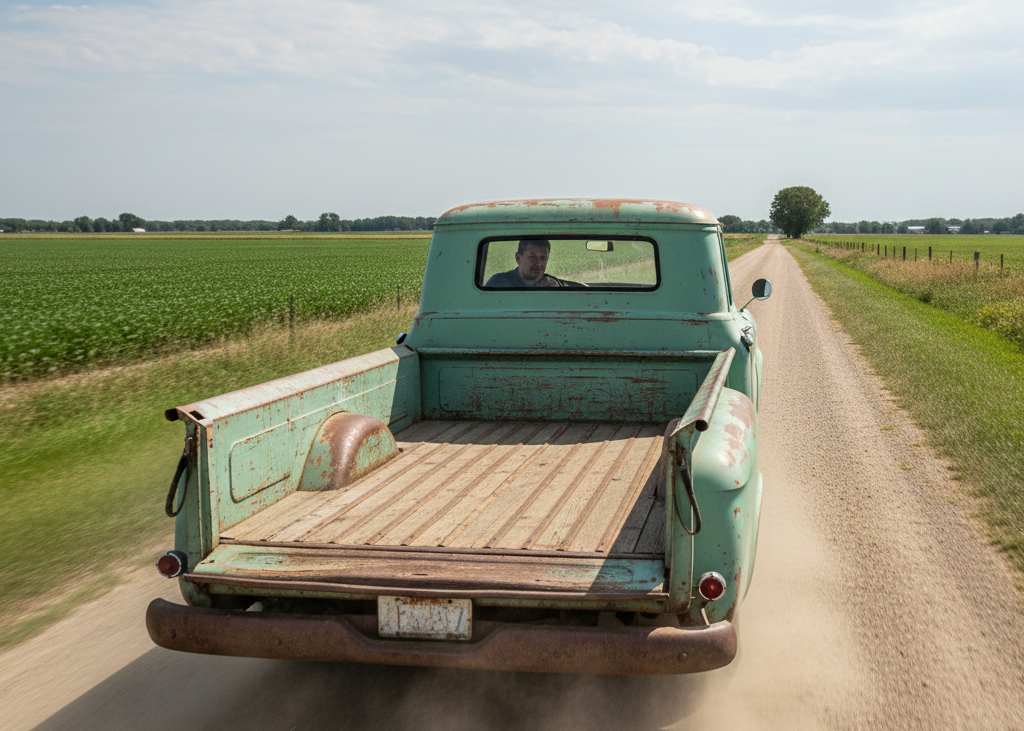
8. Riding in the Back of Pickup Trucks

<p> If you grew up in a rural area, chances are you remember piling into the back of a pickup truck with your friends or cousins on a sunny day. While it felt like freedom, it’s now considered dangerous and is illegal in many states, especially for minors. Most states require passengers to ride inside the cab, safely buckled up. Those carefree rides might have been fun, but safety laws now have the last word. </p> :: Gemini

If you grew up in a rural area, chances are you remember piling into the back of a pickup truck with your friends or cousins on a sunny day. While it felt like freedom, it’s now considered dangerous and is illegal in many states, especially for minors. Most states require passengers to ride inside the cab, safely buckled up. Those carefree rides might have been fun, but safety laws now have the last word.

9. Unlabeled Cleaning Products and Chemicals

<p> In the 1950s, you could find powerful cleaning agents in nearly every home, often without clear labels or safety warnings. Some even came in plain bottles with handwritten notes. Today, strict labeling laws require that all household chemicals include detailed warnings and instructions. So if you happen to uncover a mysterious old bottle of cleaner from your parents’ house, don’t experiment with it — it could contain banned ingredients or pose serious health risks. </p> :: Gemini

In the 1950s, you could find powerful cleaning agents in nearly every home, often without clear labels or safety warnings. Some even came in plain bottles with handwritten notes. Today, strict labeling laws require that all household chemicals include detailed warnings and instructions. So if you happen to uncover a mysterious old bottle of cleaner from your parents’ house, don’t experiment with it — it could contain banned ingredients or pose serious health risks.

10. Cigarette Ads Featuring Doctors

<p> It sounds unbelievable now, but there was a time when cigarette ads proudly featured doctors recommending certain brands as “better for your throat.” These ads appeared in magazines, billboards, and TV commercials. It wasn’t until the mid-1960s that tobacco advertising laws began to crack down on false medical claims. By the 1970s, such ads were completely banned. They may be an amusing piece of nostalgia today, but they also remind us how far public health education has come. </p> :: Gemini

It sounds unbelievable now, but there was a time when cigarette ads proudly featured doctors recommending certain brands as “better for your throat.” These ads appeared in magazines, billboards, and TV commercials. It wasn’t until the mid-1960s that tobacco advertising laws began to crack down on false medical claims. By the 1970s, such ads were completely banned. They may be an amusing piece of nostalgia today, but they also remind us how far public health education has come.

11. Child Labor in Factories and Farms

<p> While formal child labor laws were already in place before the 1950s, they weren’t always strictly enforced — especially in rural areas or family businesses. It wasn’t uncommon for teenagers to work long hours on farms or in small factories after school. Modern laws have closed many of those loopholes, strictly limiting the types of work and hours minors can perform. It’s a reminder that while the work ethic of that generation was strong, safety and education matter just as much. </p> :: Gemini

While formal child labor laws were already in place before the 1950s, they weren’t always strictly enforced — especially in rural areas or family businesses. It wasn’t uncommon for teenagers to work long hours on farms or in small factories after school. Modern laws have closed many of those loopholes, strictly limiting the types of work and hours minors can perform. It’s a reminder that while the work ethic of that generation was strong, safety and education matter just as much.

12. Powerful Fireworks and Explosives

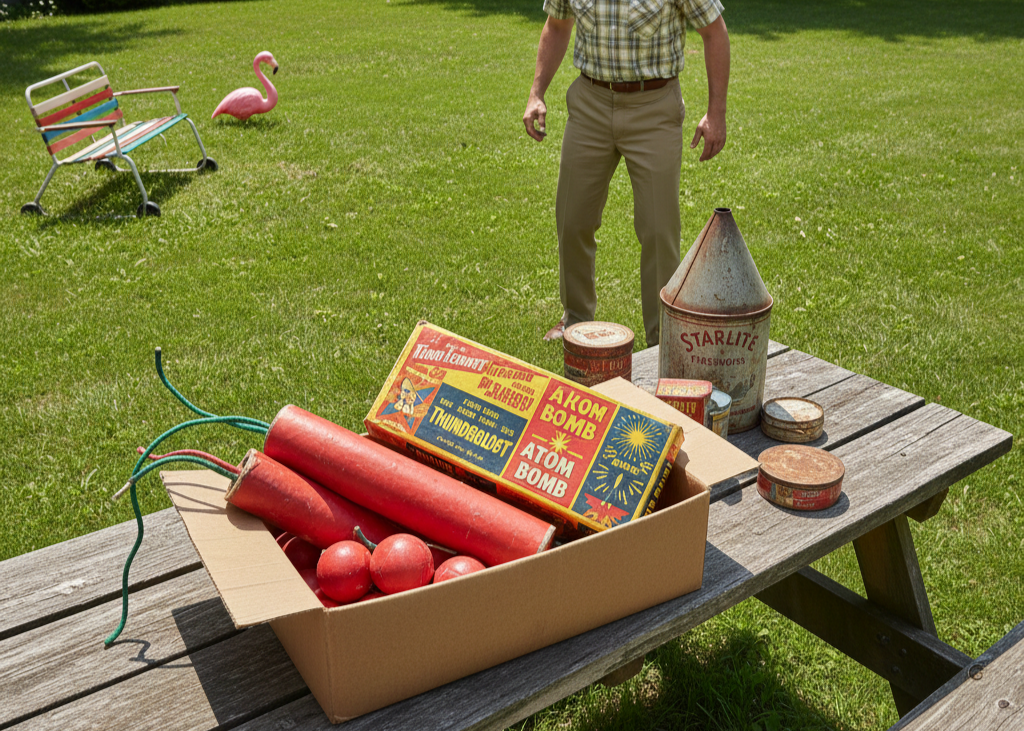
<p> Fireworks were a big part of summer fun in the 1950s, but back then, even kids could buy powerful explosives like M-80s and cherry bombs from roadside stands. Over time, those small but potent fireworks caused countless injuries and fires, prompting new federal restrictions. Today, most high-powered fireworks are illegal for consumer use without a special license. So if you find a dusty old box of fireworks from decades ago, don’t light them — they’re better off safely disposed of than setting your lawn ablaze. </p> :: Gemini

Fireworks were a big part of summer fun in the 1950s, but back then, even kids could buy powerful explosives like M-80s and cherry bombs from roadside stands. Over time, those small but potent fireworks caused countless injuries and fires, prompting new federal restrictions. Today, most high-powered fireworks are illegal for consumer use without a special license. So if you find a dusty old box of fireworks from decades ago, don’t light them — they’re better off safely disposed of than setting your lawn ablaze.

13. “Whites Only” Signs and Segregated Facilities

<p> While not a physical product in the same sense, one of the most striking relics of the 1950s are signs and documents enforcing racial segregation. Restaurants, schools, and public spaces once displayed “Whites Only” notices that reflected the deep injustices of the time. The Civil Rights Act of 1964 made such practices illegal, marking an essential step toward equality. Though collectors may still come across these artifacts, they now stand as reminders of a painful past we should never repeat. </p> :: Gemini

While not a physical product in the same sense, one of the most striking relics of the 1950s are signs and documents enforcing racial segregation. Restaurants, schools, and public spaces once displayed “Whites Only” notices that reflected the deep injustices of the time. The Civil Rights Act of 1964 made such practices illegal, marking an essential step toward equality. Though collectors may still come across these artifacts, they now stand as reminders of a painful past we should never repeat.

Final Thoughts

<p> The 1950s hold a special place in the hearts of baby boomers — a time of optimism, postwar prosperity, and simpler living. But as this list shows, “simple” didn’t always mean “safe.” From toxic paint to unsafe baby gear and outdated social norms, many everyday items from that decade highlight how much progress we’ve made in safety, science, and fairness.

Next time you find an old box of forgotten treasures from your childhood, take a closer look. Some may spark fond memories, but others might belong to history rather than your home. The best part? You can still celebrate the charm of the 1950s — the fashion, the music, the classic cars — without bringing back the dangerous or outdated parts. After all, nostalgia is best enjoyed when it’s safe, smart, and rooted in how far we’ve come. </p> :: Gemini

The 1950s hold a special place in the hearts of baby boomers — a time of optimism, postwar prosperity, and simpler living. But as this list shows, “simple” didn’t always mean “safe.” From toxic paint to unsafe baby gear and outdated social norms, many everyday items from that decade highlight how much progress we’ve made in safety, science, and fairness.

Next time you find an old box of forgotten treasures from your childhood, take a closer look. Some may spark fond memories, but others might belong to history rather than your home. The best part? You can still celebrate the charm of the 1950s — the fashion, the music, the classic cars — without bringing back the dangerous or outdated parts. After all, nostalgia is best enjoyed when it’s safe, smart, and rooted in how far we’ve come.

Filed Under: Lifestyle

Why Your Garage Is Not the Storage Space You Think It Is: 9 Things You Should Never Keep There and the Real Reasons Why

December 5, 2025 | Leave a Comment

Why Your Garage Is Not the Storage Space You Think It Is: 9 Things You Should Never Keep There and the Real Reasons Why

<p> If you are like most homeowners, your garage has probably become a catch-all for the things you do not know where else to put. A box of old tax documents? In the garage. That half-used can of paint from the living room makeover you did three summers ago? Garage. Extra pet food? Also garage. Before you know it, the place meant to protect your car has slowly turned into a climate-swinging, pest-friendly, hazard-prone storage unit that does your belongings absolutely no favors. The truth is, garages seem convenient, but many everyday items simply cannot handle the heat, humidity, cold, or lack of ventilation that comes with typical garage conditions. Some items can even become unsafe when stored there. If you have ever wondered why things get ruined “out of nowhere” or why pests mysteriously show up, your garage may be quietly sabotaging you. This guide breaks down the nine things you should never store in your garage and explains in clear, practical, human terms why they just do not belong there. The goal is to help you avoid damage, save money, reduce hazards, and make smarter use of your home’s storage spaces. </p> :: Gemini

If you are like most homeowners, your garage has probably become a catch-all for the things you do not know where else to put. A box of old tax documents? In the garage. That half-used can of paint from the living room makeover you did three summers ago? Garage. Extra pet food? Also garage. Before you know it, the place meant to protect your car has slowly turned into a climate-swinging, pest-friendly, hazard-prone storage unit that does your belongings absolutely no favors.

The truth is, garages seem convenient, but many everyday items simply cannot handle the heat, humidity, cold, or lack of ventilation that comes with typical garage conditions. Some items can even become unsafe when stored there. If you have ever wondered why things get ruined “out of nowhere” or why pests mysteriously show up, your garage may be quietly sabotaging you.

This guide breaks down the nine things you should never store in your garage and explains in clear, practical, human terms why they just do not belong there. The goal is to help you avoid damage, save money, reduce hazards, and make smarter use of your home’s storage spaces.

1. Paint, Solvents, and Other Household Chemicals

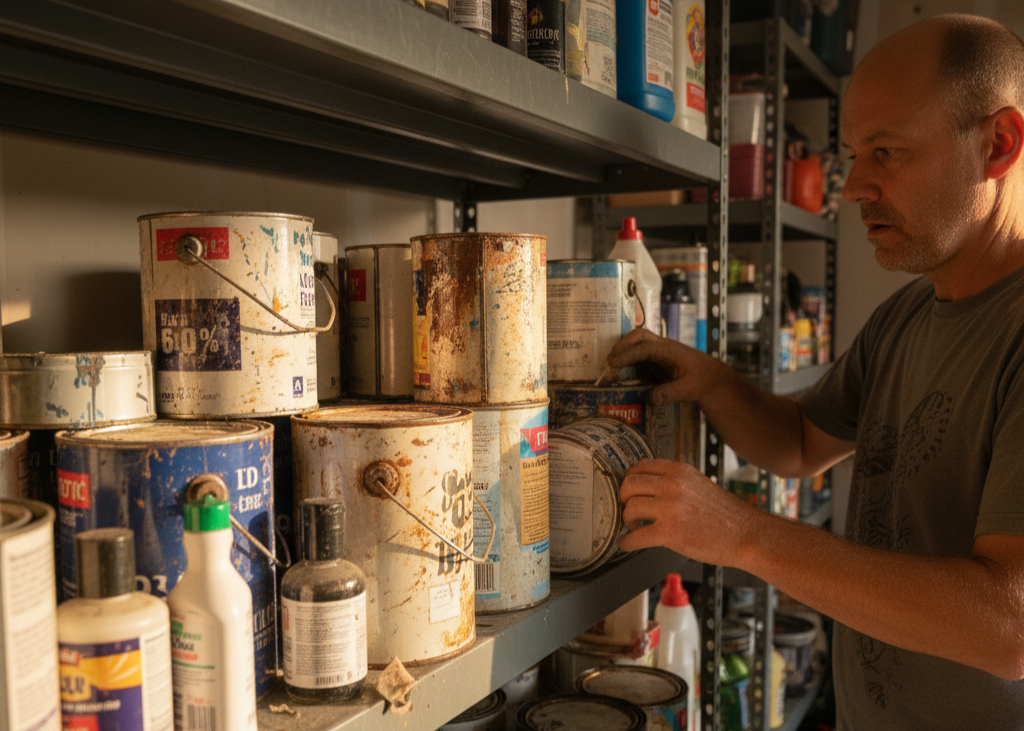
<p> It is incredibly tempting to toss leftover paint, varnish, stain, or cleaning chemicals into the garage. They feel like “garage items,” but they definitely are not. Paint and chemicals do not react well to heat or cold, especially in places where temperatures swing dramatically throughout the year. Paint separates or thickens, while solvents and cleaners can become unstable or release fumes you really do not want lingering anywhere near your home. When stored in hot conditions, pressure can build up inside containers, causing leaks or, in rare cases, even combustion. Even if nothing dramatic happens, the products will simply not perform the way they are supposed to when you eventually try to use them. It is much safer to keep these items in a cool indoor closet, a utility cabinet, or a temperature-controlled shed if you have one. </p> :: Gemini

It is incredibly tempting to toss leftover paint, varnish, stain, or cleaning chemicals into the garage. They feel like “garage items,” but they definitely are not. Paint and chemicals do not react well to heat or cold, especially in places where temperatures swing dramatically throughout the year. Paint separates or thickens, while solvents and cleaners can become unstable or release fumes you really do not want lingering anywhere near your home.

When stored in hot conditions, pressure can build up inside containers, causing leaks or, in rare cases, even combustion. Even if nothing dramatic happens, the products will simply not perform the way they are supposed to when you eventually try to use them. It is much safer to keep these items in a cool indoor closet, a utility cabinet, or a temperature-controlled shed if you have one.

2. Propane Tanks, Gasoline, and Fuel Containers

<p> Propane tanks and gasoline are some of the most dangerous things to leave in a garage. Even a tiny leak from a propane tank can allow gas to collect in an enclosed space. Since propane is heavier than air, it does not just float away; it settles low to the ground, waiting for an ignition source. One spark from a car engine, an appliance, or even static electricity can turn a harmless-looking tank into a disaster. Gasoline and other fuels are just as problematic. The fumes they release are not only highly flammable but also unhealthy to inhale. These containers belong outside in a ventilated storage area that is protected from direct sunlight but not sealed up tight. The goal is to allow fumes to disperse safely rather than accumulate. </p> :: Gemini

Propane tanks and gasoline are some of the most dangerous things to leave in a garage. Even a tiny leak from a propane tank can allow gas to collect in an enclosed space. Since propane is heavier than air, it does not just float away; it settles low to the ground, waiting for an ignition source. One spark from a car engine, an appliance, or even static electricity can turn a harmless-looking tank into a disaster.

Gasoline and other fuels are just as problematic. The fumes they release are not only highly flammable but also unhealthy to inhale. These containers belong outside in a ventilated storage area that is protected from direct sunlight but not sealed up tight. The goal is to allow fumes to disperse safely rather than accumulate.

3. Food and Pet Food

<p> Storing food in the garage might seem like a great way to free up pantry space, especially if you shop in bulk. But whether it is human food, canned goods, or a giant sack of dog kibble, your garage is simply not the right place for it. The fluctuating temperatures are not good for food quality, and humidity can lead to spoilage far sooner than you might expect. Plus, if there is one thing pests love, it is food that is easy to get to. Rodents, ants, and insects will happily chew through bags, boxes, or containers to reach a meal. Once they have found a food source, you can bet they will keep coming back. Food should stay inside your home where temperatures remain stable and pests are not waiting for an invitation. </p> :: Gemini

Storing food in the garage might seem like a great way to free up pantry space, especially if you shop in bulk. But whether it is human food, canned goods, or a giant sack of dog kibble, your garage is simply not the right place for it. The fluctuating temperatures are not good for food quality, and humidity can lead to spoilage far sooner than you might expect.

Plus, if there is one thing pests love, it is food that is easy to get to. Rodents, ants, and insects will happily chew through bags, boxes, or containers to reach a meal. Once they have found a food source, you can bet they will keep coming back. Food should stay inside your home where temperatures remain stable and pests are not waiting for an invitation.

4. Electronics and Tech Equipment

<p> Old laptops, gaming systems, speakers, printers, and cords often get tossed into the garage “just until I figure out what to do with them.” Unfortunately, electronic devices do not tolerate moisture or heat very well. Humidity can cause corrosion inside components, while extreme temperatures can warp or crack delicate parts. Even dust buildup becomes a problem over time and causes internal damage or blockages. If you have electronics you do not currently use but want to keep, store them inside the house where the environment is controlled. Even a closet shelf is a better option than the garage. </p> :: Gemini

Old laptops, gaming systems, speakers, printers, and cords often get tossed into the garage “just until I figure out what to do with them.” Unfortunately, electronic devices do not tolerate moisture or heat very well. Humidity can cause corrosion inside components, while extreme temperatures can warp or crack delicate parts.

Even dust buildup becomes a problem over time and causes internal damage or blockages. If you have electronics you do not currently use but want to keep, store them inside the house where the environment is controlled. Even a closet shelf is a better option than the garage.

5. Rugs, Clothing, and Any Kind of Fabric

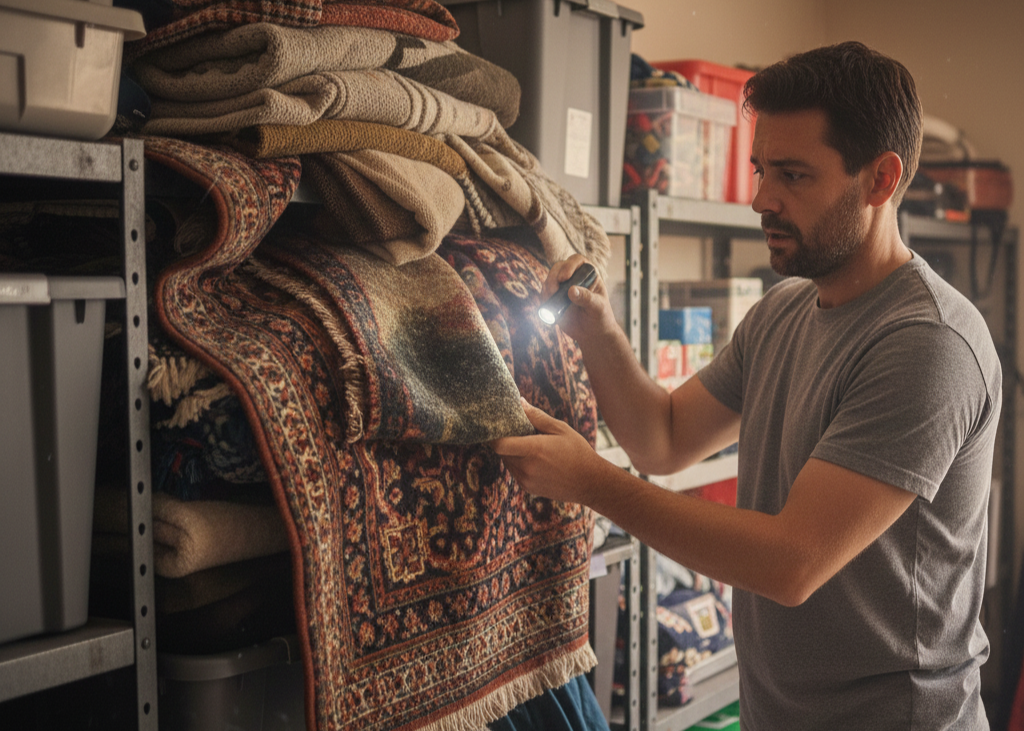
<p> Garages might look like a decent spot to stash old blankets, extra linens, seasonal clothing, or area rugs that you are “not using right now.” The problem is that fabric absorbs moisture. A garage’s humidity can slowly lead to mildew, musty odors, and even mold. Fabrics also attract pests like moths and rodents that love nothing more than turning your belongings into nesting material. Once they get in, the damage is often impossible to fix. Instead, pack fabrics in airtight plastic storage bins and keep them somewhere cool and dry indoors. </p> :: Gemini

Garages might look like a decent spot to stash old blankets, extra linens, seasonal clothing, or area rugs that you are “not using right now.” The problem is that fabric absorbs moisture. A garage’s humidity can slowly lead to mildew, musty odors, and even mold.

Fabrics also attract pests like moths and rodents that love nothing more than turning your belongings into nesting material. Once they get in, the damage is often impossible to fix. Instead, pack fabrics in airtight plastic storage bins and keep them somewhere cool and dry indoors.

6. Important Documents, Photos, and Sentimental Items

<p> Garages are one of the worst places to store anything irreplaceable. Paper absorbs moisture, which leads to warping, sticking, mold, and fading. Photographs can be damaged beyond recognition with just a little humidity or heat. And pests will happily chew through cardboard boxes and paper if given the chance. If you want your documents, family photos, kids’ artwork, or keepsakes to survive long term, store them indoors in airtight containers. Even better, use a fireproof and water-resistant box. Garages are great for many things, but preserving memories is not one of them. </p> :: Gemini

Garages are one of the worst places to store anything irreplaceable. Paper absorbs moisture, which leads to warping, sticking, mold, and fading. Photographs can be damaged beyond recognition with just a little humidity or heat. And pests will happily chew through cardboard boxes and paper if given the chance.

If you want your documents, family photos, kids’ artwork, or keepsakes to survive long term, store them indoors in airtight containers. Even better, use a fireproof and water-resistant box. Garages are great for many things, but preserving memories is not one of them.

7. Firewood

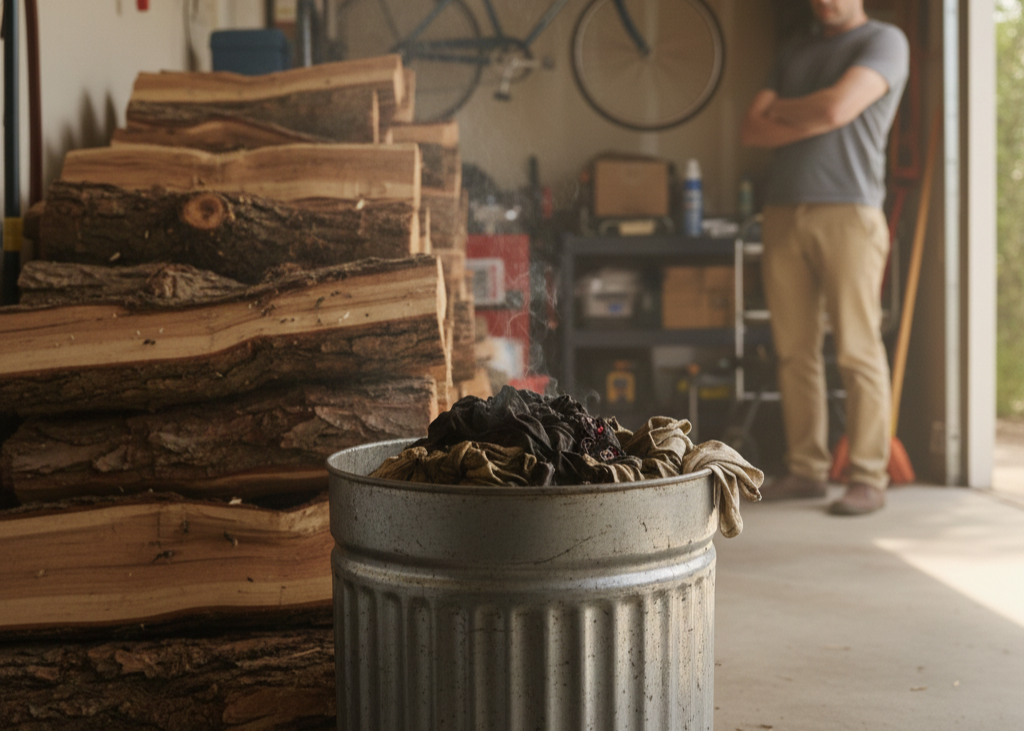
<p> It feels logical to keep firewood close to the house. After all, who wants to trek across the yard on a freezing evening? But storing wood in the garage brings in insects and pests that are hiding in the bark or the crevices of the logs. Once those pests are comfortable, they often migrate into your home. Firewood also needs airflow to dry properly. A garage typically does not provide enough ventilation, which can lead to mold growth and musty smells. The best place for firewood is outdoors, raised off the ground and covered with something that protects it from rain but still allows air to circulate. </p> :: Gemini

It feels logical to keep firewood close to the house. After all, who wants to trek across the yard on a freezing evening? But storing wood in the garage brings in insects and pests that are hiding in the bark or the crevices of the logs. Once those pests are comfortable, they often migrate into your home.

Firewood also needs airflow to dry properly. A garage typically does not provide enough ventilation, which can lead to mold growth and musty smells. The best place for firewood is outdoors, raised off the ground and covered with something that protects it from rain but still allows air to circulate.

8. Oily Rags and Solvent-Soaked Materials

<p> Many people do not realize that oily rags can spontaneously combust under the right conditions. If the heat from the oil binding with oxygen builds up faster than it can dissipate, the rag can begin smoldering on its own. Combine that with a closed garage and potential ignition sources, and you have a genuine fire hazard. If you must store oily rags temporarily, let them dry fully outdoors first, then place them in a sealed metal container until you can dispose of them properly. Never toss them into a pile in the garage and assume nothing will happen. </p> :: Gemini

Many people do not realize that oily rags can spontaneously combust under the right conditions. If the heat from the oil binding with oxygen builds up faster than it can dissipate, the rag can begin smoldering on its own. Combine that with a closed garage and potential ignition sources, and you have a genuine fire hazard.

If you must store oily rags temporarily, let them dry fully outdoors first, then place them in a sealed metal container until you can dispose of them properly. Never toss them into a pile in the garage and assume nothing will happen.

9. Aerosol Cans and Flammable Sprays

<p> Aerosol cans are pressurized, which means they react to temperature changes. Inside a hot garage, pressure builds, increasing the risk of leaks or even bursting. Products such as spray paint, cleaning sprays, insecticides, and automotive aerosols become especially dangerous in uncontrolled conditions. Not only can the cans themselves become unstable, but the product inside can break down or become unusable. These items do best in indoor storage spaces away from heat sources, pilot lights, or extreme cold. </p> :: Gemini

Aerosol cans are pressurized, which means they react to temperature changes. Inside a hot garage, pressure builds, increasing the risk of leaks or even bursting. Products such as spray paint, cleaning sprays, insecticides, and automotive aerosols become especially dangerous in uncontrolled conditions.

Not only can the cans themselves become unstable, but the product inside can break down or become unusable. These items do best in indoor storage spaces away from heat sources, pilot lights, or extreme cold.

Final Thoughts

<p> Your garage can be incredibly useful, but only when you treat it for what it is: a space with constantly changing temperatures, inconsistent ventilation, and plenty of opportunities for pests to sneak in. Once you understand that, it becomes clearer why some items thrive there and others absolutely do not. By choosing the right storage locations for paint, food, electronics, documents, and other sensitive items, you protect your belongings, reduce safety risks, and avoid the unpleasant surprise of discovering something has been ruined. A little intentional storage planning can save you money, frustration, and in some cases, prevent serious hazards. The next time you are tempted to stash something in the garage “just for now,” pause for a moment. If it cannot handle heat, cold, moisture, or pests, your garage is not the place for it. Your future self will be glad you made the smarter choice. </p> :: Gemini

Your garage can be incredibly useful, but only when you treat it for what it is: a space with constantly changing temperatures, inconsistent ventilation, and plenty of opportunities for pests to sneak in. Once you understand that, it becomes clearer why some items thrive there and others absolutely do not.

By choosing the right storage locations for paint, food, electronics, documents, and other sensitive items, you protect your belongings, reduce safety risks, and avoid the unpleasant surprise of discovering something has been ruined. A little intentional storage planning can save you money, frustration, and in some cases, prevent serious hazards.

The next time you are tempted to stash something in the garage “just for now,” pause for a moment. If it cannot handle heat, cold, moisture, or pests, your garage is not the place for it. Your future self will be glad you made the smarter choice.

Filed Under: Lifestyle

Old-School Etiquette Rules That Gen Z Doesn’t Bother With Anymore: 10 You Might Remember

December 4, 2025 | Leave a Comment

Old-School Etiquette Rules That Gen Z Doesn’t Bother With Anymore: 10 You Might Remember

<p> If you grew up in the era of handwritten thank-you notes, formal greetings, and careful table manners, the modern world of etiquette might seem almost unrecognizable. Many of the rules Baby Boomers grew up with now feel like quaint relics to younger generations. Social media, texting, and casual culture have reshaped the way people interact, often leaving older traditions in the dust.

For those of us who remember when a simple handshake or arriving a few minutes early meant the world, it can be shocking to watch younger people breezing past these time-honored courtesies. This is not about judging anyone; it is about understanding how much society has shifted and reflecting on the little acts that still make life polite, considerate, and surprisingly warm. Here are 10 old-school etiquette rules that Generation Z rarely follows anymore, and why they still hold value. </p> :: Gemini

If you grew up in the era of handwritten thank-you notes, formal greetings, and careful table manners, the modern world of etiquette might seem almost unrecognizable. Many of the rules Baby Boomers grew up with now feel like quaint relics to younger generations. Social media, texting, and casual culture have reshaped the way people interact, often leaving older traditions in the dust.

For those of us who remember when a simple handshake or arriving a few minutes early meant the world, it can be shocking to watch younger people breezing past these time-honored courtesies. This is not about judging anyone; it is about understanding how much society has shifted and reflecting on the little acts that still make life polite, considerate, and surprisingly warm. Here are 10 old-school etiquette rules that Generation Z rarely follows anymore, and why they still hold value.

1. Write a Handwritten Thank-You Note

<p> There was a time when thanking someone meant more than hitting the reply button on your phone. A handwritten thank-you note was personal, thoughtful, and sincere. It showed that you truly appreciated the time, effort, or gift someone had extended to you. Today, many younger people default to texts, social media messages, or quick emails. While these are convenient, they lack the tangible warmth of a note that sits on a kitchen counter or fridge. For Baby Boomers, the practice of taking a few minutes to write a thank-you note is more than etiquette; it is a small but meaningful gesture of care and attention. </p> :: Gemini

There was a time when thanking someone meant more than hitting the reply button on your phone. A handwritten thank-you note was personal, thoughtful, and sincere. It showed that you truly appreciated the time, effort, or gift someone had extended to you. Today, many younger people default to texts, social media messages, or quick emails. While these are convenient, they lack the tangible warmth of a note that sits on a kitchen counter or fridge. For Baby Boomers, the practice of taking a few minutes to write a thank-you note is more than etiquette; it is a small but meaningful gesture of care and attention.

2. Show Up on Time or a Bit Early

<p> Being punctual used to be considered a mark of respect. Arriving five minutes early was ideal, giving you time to settle in and prepare. Nowadays, the casual mindset has softened the edges of punctuality. Text messages explaining a five-minute delay or the habit of arriving late have become common. Being on time is still about more than just clock-watching; it demonstrates respect for other people’s schedules and shows that you take commitments seriously. It is a simple habit that communicates reliability without saying a word. </p> :: Gemini

Being punctual used to be considered a mark of respect. Arriving five minutes early was ideal, giving you time to settle in and prepare. Nowadays, the casual mindset has softened the edges of punctuality. Text messages explaining a five-minute delay or the habit of arriving late have become common. Being on time is still about more than just clock-watching; it demonstrates respect for other people’s schedules and shows that you take commitments seriously. It is a simple habit that communicates reliability without saying a word.

3. Hold the Door for Others

<p> Opening a door for someone behind you was once a natural act of courtesy, not tied to gender or expectation, but to awareness and thoughtfulness. In the current era of smartphones and constant distraction, this small gesture is often forgotten. Holding the door takes no more than a second, yet it sends a message that you notice others and respect their presence. Simple, human, and effective, this act of kindness continues to speak volumes, even in a fast-paced world. </p> :: Gemini

Opening a door for someone behind you was once a natural act of courtesy, not tied to gender or expectation, but to awareness and thoughtfulness. In the current era of smartphones and constant distraction, this small gesture is often forgotten. Holding the door takes no more than a second, yet it sends a message that you notice others and respect their presence. Simple, human, and effective, this act of kindness continues to speak volumes, even in a fast-paced world.

4. Maintain Table Manners

<p> Meal times used to be more formal affairs. People waited for everyone to be served, kept elbows off the table, and placed phones out of reach. Sharing a meal was an opportunity to connect, not a moment for multitasking. Today, it is common to see someone scrolling on their phone or starting before everyone is seated. While casual dining has its place, maintaining basic table manners reflects respect for both the people you are eating with and the experience of sharing a meal. </p> :: Gemini

Meal times used to be more formal affairs. People waited for everyone to be served, kept elbows off the table, and placed phones out of reach. Sharing a meal was an opportunity to connect, not a moment for multitasking. Today, it is common to see someone scrolling on their phone or starting before everyone is seated. While casual dining has its place, maintaining basic table manners reflects respect for both the people you are eating with and the experience of sharing a meal.

5. Greet People Properly

<p> Proper greetings were more than a formality. They included eye contact, a polite tone, and, when appropriate, the use of respectful titles such as Mr., Mrs., Ma’am, or Sir. For younger generations, formal greetings can feel outdated or unnecessary, with first names and casual salutations becoming the norm. Yet a thoughtful greeting can set a positive tone for any interaction. Taking a moment to make eye contact and acknowledge someone with care is an understated way of showing respect and consideration. </p> :: Gemini

Proper greetings were more than a formality. They included eye contact, a polite tone, and, when appropriate, the use of respectful titles such as Mr., Mrs., Ma’am, or Sir. For younger generations, formal greetings can feel outdated or unnecessary, with first names and casual salutations becoming the norm. Yet a thoughtful greeting can set a positive tone for any interaction. Taking a moment to make eye contact and acknowledge someone with care is an understated way of showing respect and consideration.

6. Offer a Firm Handshake

<p> A handshake was once the standard way to establish trust, confidence, and respect in a first meeting. A firm handshake communicated reliability and self-assuredness, whether in business or social situations. Today, some younger people forgo physical greetings altogether, choosing a nod, wave, or verbal acknowledgment instead. While preferences may differ, a confident handshake remains a universally recognized sign of courtesy, leaving a lasting impression without words. </p> :: Gemini

A handshake was once the standard way to establish trust, confidence, and respect in a first meeting. A firm handshake communicated reliability and self-assuredness, whether in business or social situations. Today, some younger people forgo physical greetings altogether, choosing a nod, wave, or verbal acknowledgment instead. While preferences may differ, a confident handshake remains a universally recognized sign of courtesy, leaving a lasting impression without words.

7. Respond to Invitations Promptly

<p> RSVPs were once considered non-negotiable. Receiving an invitation meant replying promptly with a yes, no, or polite decline. Today, it is all too easy for invites to go unanswered, especially digital ones. While casual invites are commonplace, taking the time to respond demonstrates consideration and respect for the host’s planning and effort. A quick reply may seem small, but it communicates gratitude and social responsibility. </p> :: Gemini

RSVPs were once considered non-negotiable. Receiving an invitation meant replying promptly with a yes, no, or polite decline. Today, it is all too easy for invites to go unanswered, especially digital ones. While casual invites are commonplace, taking the time to respond demonstrates consideration and respect for the host’s planning and effort. A quick reply may seem small, but it communicates gratitude and social responsibility.

8. Dress With Intention

<p> In the past, dressing appropriately for an occasion was a way of showing respect and thoughtfulness. Whether it was polished shoes, pressed clothing, or simply looking neat, dressing with intention conveyed that you valued both yourself and those around you. Today, casual wear dominates nearly every setting. While comfort and personal expression are important, making an effort to dress appropriately shows respect for the occasion and the people you are interacting with, adding a subtle layer of dignity to everyday life. </p> :: Gemini

In the past, dressing appropriately for an occasion was a way of showing respect and thoughtfulness. Whether it was polished shoes, pressed clothing, or simply looking neat, dressing with intention conveyed that you valued both yourself and those around you. Today, casual wear dominates nearly every setting. While comfort and personal expression are important, making an effort to dress appropriately shows respect for the occasion and the people you are interacting with, adding a subtle layer of dignity to everyday life.

9. Practice Thoughtful Apologies

<p> Older generations often apologized frequently for minor inconveniences, using phrases like “Sorry to bother you” or “I’m sorry to ask.” While over-apologizing can feel performative, the underlying principle of consideration for others is timeless. Younger people prefer directness, which is valuable in its own right. The key is finding a balance: being sincere without unnecessary self-deprecation. Thoughtful apologies reflect empathy and respect without undermining confidence. </p> :: Gemini

Older generations often apologized frequently for minor inconveniences, using phrases like “Sorry to bother you” or “I’m sorry to ask.” While over-apologizing can feel performative, the underlying principle of consideration for others is timeless. Younger people prefer directness, which is valuable in its own right. The key is finding a balance: being sincere without unnecessary self-deprecation. Thoughtful apologies reflect empathy and respect without undermining confidence.

10. Show Respect for Elders and Experience

<p> In past generations, acknowledging the presence of elders or those with life experience was automatic. Standing up, offering a polite greeting, or simply showing attentiveness were common signs of respect. Today, younger people may view these gestures as outdated or overly formal, favoring equality and informality instead. Nonetheless, showing respect for age and experience communicates gratitude, humility, and appreciation, maintaining a human connection that transcends generational differences. </p> :: Gemini

In past generations, acknowledging the presence of elders or those with life experience was automatic. Standing up, offering a polite greeting, or simply showing attentiveness were common signs of respect. Today, younger people may view these gestures as outdated or overly formal, favoring equality and informality instead. Nonetheless, showing respect for age and experience communicates gratitude, humility, and appreciation, maintaining a human connection that transcends generational differences.

Final Thoughts

<p> Old-school etiquette may feel out of step with modern life, but it is rooted in timeless principles: respect, thoughtfulness, and consideration for others. Even small gestures like a handwritten note, holding a door, or greeting someone properly can create meaningful connections that last longer than any text or emoji.

For Baby Boomers, these traditions are not about rigidity but about enhancing everyday life. They remind us that in a fast-moving, digital world, human connection and courtesy still matter. Reviving even a few of these practices can make interactions richer, relationships stronger, and the world a touch more thoughtful. The beauty of these rules is that they require minimal effort but offer maximum impact, helping us all navigate a culture that sometimes forgets the value of simple, human kindness.

Old-school manners are not just nostalgia; they are tools for fostering civility, empathy, and respect across generations. Whether or not younger generations follow them, keeping these principles alive in our own behavior can make everyday life smoother, warmer, and more connected. </p> :: Gemini

Old-school etiquette may feel out of step with modern life, but it is rooted in timeless principles: respect, thoughtfulness, and consideration for others. Even small gestures like a handwritten note, holding a door, or greeting someone properly can create meaningful connections that last longer than any text or emoji.

For Baby Boomers, these traditions are not about rigidity but about enhancing everyday life. They remind us that in a fast-moving, digital world, human connection and courtesy still matter. Reviving even a few of these practices can make interactions richer, relationships stronger, and the world a touch more thoughtful. The beauty of these rules is that they require minimal effort but offer maximum impact, helping us all navigate a culture that sometimes forgets the value of simple, human kindness.

Old-school manners are not just nostalgia; they are tools for fostering civility, empathy, and respect across generations. Whether or not younger generations follow them, keeping these principles alive in our own behavior can make everyday life smoother, warmer, and more connected.

Filed Under: Lifestyle

10 Clear Signs You’re Actually Happier Alone Than in a Relationship

December 3, 2025 | Leave a Comment

10 Clear Signs You’re Actually Happier Alone Than in a Relationship

<p> Have you ever noticed that some nights, curling up on your couch with a book, binge-watching your favorite show, or simply listening to your own thoughts feels more satisfying than going on a date or planning a night out with someone else? If this resonates with you, it might mean that you are genuinely happier on your own. Society often makes it seem like happiness is only found in romantic relationships, but the truth is, many people thrive and feel most complete while single. Being alone does not mean being lonely, and recognizing your own joy outside of a relationship can be incredibly empowering. Being single often provides opportunities that are hard to experience when coupled. You have the freedom to explore your own interests, establish your own routines, and make decisions based entirely on what you want. There is a unique sense of satisfaction that comes from knowing you are not dependent on anyone else for your emotional or social well-being. Some people thrive in relationships, but others discover that their best life is one where they are fully self-reliant and content with their own company. Here are ten clear signs that you might be happier alone than in a relationship, along with why these feelings are perfectly natural and healthy. </p> :: Gemini

Have you ever noticed that some nights, curling up on your couch with a book, binge-watching your favorite show, or simply listening to your own thoughts feels more satisfying than going on a date or planning a night out with someone else? If this resonates with you, it might mean that you are genuinely happier on your own. Society often makes it seem like happiness is only found in romantic relationships, but the truth is, many people thrive and feel most complete while single. Being alone does not mean being lonely, and recognizing your own joy outside of a relationship can be incredibly empowering.

Being single often provides opportunities that are hard to experience when coupled. You have the freedom to explore your own interests, establish your own routines, and make decisions based entirely on what you want. There is a unique sense of satisfaction that comes from knowing you are not dependent on anyone else for your emotional or social well-being. Some people thrive in relationships, but others discover that their best life is one where they are fully self-reliant and content with their own company.

Here are ten clear signs that you might be happier alone than in a relationship, along with why these feelings are perfectly natural and healthy.

1. You feel content when you are by yourself

<p> One of the most obvious signs that you thrive alone is that you feel completely at ease in your own company. When a night spent reading, cooking for yourself, or taking a long walk feels peaceful rather than lonely, you are demonstrating emotional independence. Many people confuse solitude with loneliness, but these are very different experiences. Loneliness comes from feeling disconnected, while solitude is a choice to spend time with yourself in a fulfilling way. Enjoying your own presence shows that your happiness does not rely on having a partner nearby. Moreover, being comfortable alone allows you to recharge in ways that relationships sometimes prevent. For instance, you can reflect on your goals, think deeply without distractions, and even tackle personal projects that require undivided attention. The ability to savor these quiet moments is a major marker of someone who is happier being single. </p> :: Gemini

One of the most obvious signs that you thrive alone is that you feel completely at ease in your own company. When a night spent reading, cooking for yourself, or taking a long walk feels peaceful rather than lonely, you are demonstrating emotional independence. Many people confuse solitude with loneliness, but these are very different experiences. Loneliness comes from feeling disconnected, while solitude is a choice to spend time with yourself in a fulfilling way. Enjoying your own presence shows that your happiness does not rely on having a partner nearby.

Moreover, being comfortable alone allows you to recharge in ways that relationships sometimes prevent. For instance, you can reflect on your goals, think deeply without distractions, and even tackle personal projects that require undivided attention. The ability to savor these quiet moments is a major marker of someone who is happier being single.

2. You value your independence and freedom

<p> If you cherish the ability to make choices without compromise, you might be happier on your own. This independence can manifest in many areas of life: traveling spontaneously, adjusting your work schedule, redecorating your living space on a whim, or pursuing a hobby you love. Without the need to consider someone else’s preferences constantly, life can feel refreshingly flexible and self-directed. Independence also includes making long-term decisions that prioritize your growth and well-being. Whether it’s moving to a new city for a job opportunity, taking a solo trip across the country, or investing in personal development, being single often gives you the freedom to act without restraint. You don’t have to negotiate major life choices or compromise your own vision of happiness for someone else, which can be liberating. </p> :: Gemini

If you cherish the ability to make choices without compromise, you might be happier on your own. This independence can manifest in many areas of life: traveling spontaneously, adjusting your work schedule, redecorating your living space on a whim, or pursuing a hobby you love. Without the need to consider someone else’s preferences constantly, life can feel refreshingly flexible and self-directed.

Independence also includes making long-term decisions that prioritize your growth and well-being. Whether it’s moving to a new city for a job opportunity, taking a solo trip across the country, or investing in personal development, being single often gives you the freedom to act without restraint. You don’t have to negotiate major life choices or compromise your own vision of happiness for someone else, which can be liberating.

3. You see relationships realistically

<p> Happier singles tend to approach relationships with a practical perspective rather than an idealized fantasy. You recognize that love involves effort, compromise, and challenges. You understand that no one person can fulfill all your needs, and that a relationship is not a magical solution to personal problems. This realistic mindset can be incredibly freeing. You are not chasing the idea of a “perfect romance” or expecting a partner to complete your life. Instead, you view relationships as one aspect of life that can enhance it, but not define your happiness. This awareness allows you to avoid unnecessary heartbreak or disappointment and keeps your expectations grounded. </p> :: Gemini

Happier singles tend to approach relationships with a practical perspective rather than an idealized fantasy. You recognize that love involves effort, compromise, and challenges. You understand that no one person can fulfill all your needs, and that a relationship is not a magical solution to personal problems.

This realistic mindset can be incredibly freeing. You are not chasing the idea of a “perfect romance” or expecting a partner to complete your life. Instead, you view relationships as one aspect of life that can enhance it, but not define your happiness. This awareness allows you to avoid unnecessary heartbreak or disappointment and keeps your expectations grounded.

4. You feel emotionally balanced and mentally clear

<p> Being single can bring a noticeable sense of peace and mental clarity. Relationships, even healthy ones, come with emotional highs and lows. Conflict, compromise, and the daily navigation of someone else’s needs can sometimes lead to stress or fatigue. Without that extra emotional load, you might notice that you sleep better, think more clearly, and enjoy a calmer everyday rhythm. Mental clarity and emotional balance are key components of happiness. When you are alone, you can focus entirely on yourself — your thoughts, your feelings, and your goals — without constantly adjusting to accommodate someone else. This peace of mind often translates to increased productivity, better decision-making, and a general sense of well-being that might not be as easy to achieve in a relationship. </p> :: Gemini

Being single can bring a noticeable sense of peace and mental clarity. Relationships, even healthy ones, come with emotional highs and lows. Conflict, compromise, and the daily navigation of someone else’s needs can sometimes lead to stress or fatigue. Without that extra emotional load, you might notice that you sleep better, think more clearly, and enjoy a calmer everyday rhythm.

Mental clarity and emotional balance are key components of happiness. When you are alone, you can focus entirely on yourself — your thoughts, your feelings, and your goals — without constantly adjusting to accommodate someone else. This peace of mind often translates to increased productivity, better decision-making, and a general sense of well-being that might not be as easy to achieve in a relationship.

5. You prioritize personal growth and your passions

<p> If you are content being alone, your energy often goes into personal development rather than constantly seeking a partner. You can explore hobbies, dedicate yourself to a career goal, or take on creative projects without the compromises that come with a romantic relationship. Investing in yourself and your passions leads to a sense of fulfillment that is both authentic and enduring. Many people find that when they focus on personal growth, they become more self-aware, confident, and emotionally resilient. You get to discover what truly makes you happy and cultivate skills, experiences, and relationships that align with your values. This kind of personal satisfaction can sometimes be deeper and more meaningful than what a relationship alone can provide. </p> :: Gemini

If you are content being alone, your energy often goes into personal development rather than constantly seeking a partner. You can explore hobbies, dedicate yourself to a career goal, or take on creative projects without the compromises that come with a romantic relationship. Investing in yourself and your passions leads to a sense of fulfillment that is both authentic and enduring.

Many people find that when they focus on personal growth, they become more self-aware, confident, and emotionally resilient. You get to discover what truly makes you happy and cultivate skills, experiences, and relationships that align with your values. This kind of personal satisfaction can sometimes be deeper and more meaningful than what a relationship alone can provide.

6. Your social life feels rich and satisfying

<p> Being single does not equate to being lonely. If you enjoy meaningful friendships, family connections, and community engagement, your social life is likely vibrant and fulfilling. You can create strong bonds with people who share your interests and values without relying on a romantic partner to meet your emotional needs. A rich social network allows you to celebrate successes, navigate challenges, and enjoy fun experiences with people who genuinely care about you. In many ways, these relationships provide a different, often more diverse form of emotional support than what a romantic partner might offer. Being able to cultivate these bonds is a strong sign of contentment in single life. </p> :: Gemini

Being single does not equate to being lonely. If you enjoy meaningful friendships, family connections, and community engagement, your social life is likely vibrant and fulfilling. You can create strong bonds with people who share your interests and values without relying on a romantic partner to meet your emotional needs.

A rich social network allows you to celebrate successes, navigate challenges, and enjoy fun experiences with people who genuinely care about you. In many ways, these relationships provide a different, often more diverse form of emotional support than what a romantic partner might offer. Being able to cultivate these bonds is a strong sign of contentment in single life.

7. You do not feel envious of couples

<p> If seeing friends or acquaintances in relationships does not trigger jealousy or longing, you are likely content with your own life. You can celebrate the happiness of others without feeling pressured to be in a relationship yourself. Your joy comes from living life according to your own standards, not by comparing yourself to societal expectations or other people’s milestones. This sense of satisfaction reflects emotional maturity. It shows that you understand happiness is not a one-size-fits-all concept and that being single can be just as fulfilling as being in a relationship. You are confident enough in your own path to resist the cultural narrative that romantic coupling is essential to a good life. </p> :: Gemini

If seeing friends or acquaintances in relationships does not trigger jealousy or longing, you are likely content with your own life. You can celebrate the happiness of others without feeling pressured to be in a relationship yourself. Your joy comes from living life according to your own standards, not by comparing yourself to societal expectations or other people’s milestones.

This sense of satisfaction reflects emotional maturity. It shows that you understand happiness is not a one-size-fits-all concept and that being single can be just as fulfilling as being in a relationship. You are confident enough in your own path to resist the cultural narrative that romantic coupling is essential to a good life.

8. You are selective about romantic involvement

<p> When you are happy alone, you become more discerning about relationships. You are unlikely to settle for someone just to avoid being single. Instead, you seek connections that genuinely enhance your life and align with your values. You are willing to wait for the right person rather than compromise your happiness for the sake of companionship. Being selective is not about being picky; it is about recognizing your own worth and prioritizing meaningful connections. This approach prevents you from entering relationships that are not truly fulfilling and allows you to maintain the life satisfaction you have already cultivated independently. </p> :: Gemini

When you are happy alone, you become more discerning about relationships. You are unlikely to settle for someone just to avoid being single. Instead, you seek connections that genuinely enhance your life and align with your values. You are willing to wait for the right person rather than compromise your happiness for the sake of companionship.

Being selective is not about being picky; it is about recognizing your own worth and prioritizing meaningful connections. This approach prevents you from entering relationships that are not truly fulfilling and allows you to maintain the life satisfaction you have already cultivated independently.

9. You feel free to be your authentic self

<p> Happiness in single life often comes with the freedom to fully express yourself. You can indulge in your quirks, follow your odd routines, or pursue unusual interests without compromise. Whether you stay up late binge-watching your favorite show, redecorate your apartment in your unique style, or spend an entire weekend pursuing a hobby, you can do it without considering someone else’s preferences. This authenticity contributes to a deep sense of satisfaction. Being able to live life your way, without needing approval or adjusting constantly for someone else, fosters confidence, self-respect, and joy. It is a reminder that your happiness is under your own control. </p> :: Gemini

Happiness in single life often comes with the freedom to fully express yourself. You can indulge in your quirks, follow your odd routines, or pursue unusual interests without compromise. Whether you stay up late binge-watching your favorite show, redecorate your apartment in your unique style, or spend an entire weekend pursuing a hobby, you can do it without considering someone else’s preferences.

This authenticity contributes to a deep sense of satisfaction. Being able to live life your way, without needing approval or adjusting constantly for someone else, fosters confidence, self-respect, and joy. It is a reminder that your happiness is under your own control.

10. You imagine the future without fear

<p> Finally, if thinking about the years ahead does not make you anxious about being single, it is a sign that you are truly content on your own. You can envision a fulfilling life filled with adventure, personal growth, and meaningful relationships without relying on a romantic partner. This confidence in your future demonstrates that your happiness is self-generated and sustainable. Being able to imagine a life of solo exploration and accomplishment without fear or doubt is empowering. It shows that you have cultivated resilience, independence, and a strong sense of self-worth — qualities that lead to long-lasting contentment. </p> :: Gemini

Finally, if thinking about the years ahead does not make you anxious about being single, it is a sign that you are truly content on your own. You can envision a fulfilling life filled with adventure, personal growth, and meaningful relationships without relying on a romantic partner. This confidence in your future demonstrates that your happiness is self-generated and sustainable.

Being able to imagine a life of solo exploration and accomplishment without fear or doubt is empowering. It shows that you have cultivated resilience, independence, and a strong sense of self-worth — qualities that lead to long-lasting contentment.

Final Thoughts

<p> Recognizing that you are happier alone can be liberating and empowering. Society often glorifies romantic love as the ultimate source of happiness, but the truth is that fulfillment comes in many forms. Being single allows you to focus on your own growth, build meaningful friendships, and live authentically without compromise. If you see yourself in several of these signs, it is likely that you are thriving on your own. Embracing independence, nurturing your passions, and enjoying your own company can lead to a deeply satisfying and joyful life. Being alone does not mean missing out; it can be a period of exploration, empowerment, and self-discovery. Happiness is personal, and for many people, the most lasting and genuine satisfaction comes from living life on their own terms. Celebrate your freedom, trust your instincts, and enjoy the journey of being fully, unapologetically you. Remember, life is not about fitting into someone else’s expectations — it is about creating your own path and savoring every moment of it. </p> :: Gemini

Recognizing that you are happier alone can be liberating and empowering. Society often glorifies romantic love as the ultimate source of happiness, but the truth is that fulfillment comes in many forms. Being single allows you to focus on your own growth, build meaningful friendships, and live authentically without compromise.

If you see yourself in several of these signs, it is likely that you are thriving on your own. Embracing independence, nurturing your passions, and enjoying your own company can lead to a deeply satisfying and joyful life. Being alone does not mean missing out; it can be a period of exploration, empowerment, and self-discovery.

Happiness is personal, and for many people, the most lasting and genuine satisfaction comes from living life on their own terms. Celebrate your freedom, trust your instincts, and enjoy the journey of being fully, unapologetically you. Remember, life is not about fitting into someone else’s expectations — it is about creating your own path and savoring every moment of it.

Filed Under: Lifestyle

9 Childhood Habits You Still Carry Into Adulthood Without Realizing It

December 3, 2025 | Leave a Comment

9 Childhood Habits You Still Carry Into Adulthood Without Realizing It

<p> We like to think that growing up means leaving childish behaviors behind, but many of the habits we formed as kids quietly follow us into adulthood. Sometimes they show up in harmless ways, like twirling a pen during a meeting, and other times they can hold us back without us even realizing it. Think about the times you’ve nervously bitten your nails, over-apologized for speaking up, or avoided trying something new because you feared failing. Chances are, one of these habits is rooted in your childhood. Our early years shape not only who we are but also how we handle stress, relate to others, and perceive ourselves. Some childhood habits stick around because they once helped us cope, while others continue because our brain simply learned them as default behaviors. Recognizing these patterns can help you understand yourself better and make small changes that have a big impact on your life today. Here are nine childhood habits that often linger into adulthood and what they might look like now. </p> :: Gemini

We like to think that growing up means leaving childish behaviors behind, but many of the habits we formed as kids quietly follow us into adulthood. Sometimes they show up in harmless ways, like twirling a pen during a meeting, and other times they can hold us back without us even realizing it. Think about the times you’ve nervously bitten your nails, over-apologized for speaking up, or avoided trying something new because you feared failing. Chances are, one of these habits is rooted in your childhood.

Our early years shape not only who we are but also how we handle stress, relate to others, and perceive ourselves. Some childhood habits stick around because they once helped us cope, while others continue because our brain simply learned them as default behaviors. Recognizing these patterns can help you understand yourself better and make small changes that have a big impact on your life today.

Here are nine childhood habits that often linger into adulthood and what they might look like now.

1. Nail Biting, Hair Twirling, or Other Comfort Tics

<p> Many of us developed small habits as children, like biting nails, picking cuticles, twirling hair, or tapping our fingers. These actions often started as ways to cope with boredom, anxiety, or stress. As adults, they can still pop up during tense situations, whether it’s a difficult meeting, a traffic jam, or waiting for an important phone call. Even if these behaviors feel harmless, they can be distracting or even physically damaging. On the other hand, noticing them can be a useful signal that your nervous system is under stress. Once you’re aware, you can experiment with healthier ways to calm yourself, such as deep breathing or gentle stretching, without losing the comfort you once sought. </p> :: Gemini

Many of us developed small habits as children, like biting nails, picking cuticles, twirling hair, or tapping our fingers. These actions often started as ways to cope with boredom, anxiety, or stress. As adults, they can still pop up during tense situations, whether it’s a difficult meeting, a traffic jam, or waiting for an important phone call.

Even if these behaviors feel harmless, they can be distracting or even physically damaging. On the other hand, noticing them can be a useful signal that your nervous system is under stress. Once you’re aware, you can experiment with healthier ways to calm yourself, such as deep breathing or gentle stretching, without losing the comfort you once sought.

2. People-Pleasing and Avoiding Conflict

<p> If you grew up in an environment where disagreeing felt unsafe or being “good” was the key to love, you might still be a people-pleaser today. Saying yes when you want to say no, overextending yourself, or avoiding conflict may feel automatic, but it often leaves you exhausted and disconnected from your own needs. This habit can appear at work, in friendships, or in family relationships. Over time, it can lead to resentment, stress, and burnout. The good news is that learning to set boundaries and assert your needs is possible at any age. Even small steps, like voicing a preference or declining a favor, can help you break free from this automatic pattern. </p> :: Gemini

If you grew up in an environment where disagreeing felt unsafe or being “good” was the key to love, you might still be a people-pleaser today. Saying yes when you want to say no, overextending yourself, or avoiding conflict may feel automatic, but it often leaves you exhausted and disconnected from your own needs.

This habit can appear at work, in friendships, or in family relationships. Over time, it can lead to resentment, stress, and burnout. The good news is that learning to set boundaries and assert your needs is possible at any age. Even small steps, like voicing a preference or declining a favor, can help you break free from this automatic pattern.

3. Perfectionism and Fear of Failure

<p> Some children grow up learning that mistakes are unacceptable or that only perfect results earn praise. As adults, this can show up as overthinking decisions, avoiding new challenges, or editing your work repeatedly to avoid errors. Perfectionism can make you feel like nothing is ever good enough and can prevent you from taking risks or enjoying the process of learning. Recognizing when perfectionism is influencing your choices allows you to take more realistic, forgiving approaches to tasks. Accepting that mistakes are part of growth can open doors to new opportunities and personal development. </p> :: Gemini

Some children grow up learning that mistakes are unacceptable or that only perfect results earn praise. As adults, this can show up as overthinking decisions, avoiding new challenges, or editing your work repeatedly to avoid errors.

Perfectionism can make you feel like nothing is ever good enough and can prevent you from taking risks or enjoying the process of learning. Recognizing when perfectionism is influencing your choices allows you to take more realistic, forgiving approaches to tasks. Accepting that mistakes are part of growth can open doors to new opportunities and personal development.

4. Suppressing Emotions Instead of Expressing Them

<p> Children who learned that expressing emotions was unsafe often carry that habit into adulthood. Suppressing feelings like anger, sadness, or frustration can seem like a coping mechanism at the time, but it can make forming deep connections or handling stress more challenging later in life. You might avoid difficult conversations, bottle up your feelings, or struggle to identify what you are really experiencing. By noticing these patterns, you can begin to express emotions more openly and seek healthier outlets for your feelings, such as journaling, talking with trusted friends, or practicing mindfulness. </p> :: Gemini

Children who learned that expressing emotions was unsafe often carry that habit into adulthood. Suppressing feelings like anger, sadness, or frustration can seem like a coping mechanism at the time, but it can make forming deep connections or handling stress more challenging later in life.

You might avoid difficult conversations, bottle up your feelings, or struggle to identify what you are really experiencing. By noticing these patterns, you can begin to express emotions more openly and seek healthier outlets for your feelings, such as journaling, talking with trusted friends, or practicing mindfulness.

5. Over-Responsibility or Workaholic Tendencies

<p> Some children are placed in situations where they must take care of others, manage household responsibilities, or “grow up fast.” This often results in a strong sense of responsibility that persists into adulthood. As an adult, you may take on too many commitments, feel guilty for asking for help, or believe it is your duty to fix everyone’s problems. While reliability is admirable, it can lead to burnout. Learning to share responsibilities and prioritize your own needs is essential for maintaining balance and avoiding exhaustion. </p> :: Gemini

Some children are placed in situations where they must take care of others, manage household responsibilities, or “grow up fast.” This often results in a strong sense of responsibility that persists into adulthood.

As an adult, you may take on too many commitments, feel guilty for asking for help, or believe it is your duty to fix everyone’s problems. While reliability is admirable, it can lead to burnout. Learning to share responsibilities and prioritize your own needs is essential for maintaining balance and avoiding exhaustion.

6. Seeking Comfort Through Food, Shopping, or Other Rewards

<p> Many of us were taught to find comfort in treats, toys, or small indulgences when things felt tough. These childhood habits can carry into adulthood as emotional coping mechanisms. You might notice yourself eating sugary foods when stressed, shopping impulsively when lonely, or turning to other forms of temporary comfort. While occasional treats are fine, relying on them to manage emotions consistently can prevent you from addressing the root cause of stress. Practicing healthier coping strategies, such as going for a walk, meditating, or connecting with a friend, can provide the same comfort without the drawbacks. </p> :: Gemini

Many of us were taught to find comfort in treats, toys, or small indulgences when things felt tough. These childhood habits can carry into adulthood as emotional coping mechanisms.

You might notice yourself eating sugary foods when stressed, shopping impulsively when lonely, or turning to other forms of temporary comfort. While occasional treats are fine, relying on them to manage emotions consistently can prevent you from addressing the root cause of stress. Practicing healthier coping strategies, such as going for a walk, meditating, or connecting with a friend, can provide the same comfort without the drawbacks.

7. Communication Patterns Learned from Family

<p> The way our families communicated during childhood often becomes the template for how we interact as adults. If conflict was avoided or emotions were suppressed, you might struggle to express your needs or assert boundaries. This habit can show up as apologizing first, avoiding tough conversations, or overanalyzing others’ words and intentions. Recognizing these patterns allows you to consciously improve communication, speak up when necessary, and engage in healthier relationships. </p> :: Gemini

The way our families communicated during childhood often becomes the template for how we interact as adults. If conflict was avoided or emotions were suppressed, you might struggle to express your needs or assert boundaries.

This habit can show up as apologizing first, avoiding tough conversations, or overanalyzing others’ words and intentions. Recognizing these patterns allows you to consciously improve communication, speak up when necessary, and engage in healthier relationships.

8. Fear of Failure or Rejection

<p> Children who grew up in environments that overly praised success or punished mistakes often develop a fear of failure. This can linger into adulthood, affecting your willingness to try new things, take risks, or pursue opportunities. You might undervalue your skills, play it safe, or avoid challenges to protect yourself from potential rejection or disappointment. While caution is understandable, letting fear dominate your decisions can limit growth and satisfaction. Acknowledging this fear is the first step toward embracing challenges with confidence and curiosity. </p> :: Gemini

Children who grew up in environments that overly praised success or punished mistakes often develop a fear of failure. This can linger into adulthood, affecting your willingness to try new things, take risks, or pursue opportunities.

You might undervalue your skills, play it safe, or avoid challenges to protect yourself from potential rejection or disappointment. While caution is understandable, letting fear dominate your decisions can limit growth and satisfaction. Acknowledging this fear is the first step toward embracing challenges with confidence and curiosity.

9. Tying Self-Worth to External Validation

<p> If love or approval as a child depended on achievements or good behavior, you may still seek validation from others as an adult. This habit can manifest as constant reassurance-seeking, fear of disappointing people, or feeling inadequate unless praised. Tying your self-worth to external feedback can create a cycle of dependence and self-doubt. Learning to recognize your intrinsic value, independent of others’ opinions, can lead to greater self-confidence and peace of mind. Practicing self-compassion and celebrating small personal victories can reinforce a healthier sense of self. </p> :: Gemini

If love or approval as a child depended on achievements or good behavior, you may still seek validation from others as an adult. This habit can manifest as constant reassurance-seeking, fear of disappointing people, or feeling inadequate unless praised.

Tying your self-worth to external feedback can create a cycle of dependence and self-doubt. Learning to recognize your intrinsic value, independent of others’ opinions, can lead to greater self-confidence and peace of mind. Practicing self-compassion and celebrating small personal victories can reinforce a healthier sense of self.

Final Thoughts

<p> Childhood habits do not simply vanish when we grow up. Many linger quietly, shaping how we cope with stress, relate to others, and perceive ourselves. Some of these behaviors are helpful, providing resilience or structure, while others can limit growth and happiness if left unchecked. Awareness is the first step toward change. Notice when these habits appear in your life and consider whether they serve you or hold you back. Simple actions, like setting boundaries, practicing healthy coping strategies, or embracing mistakes as learning opportunities, can create meaningful shifts. Remember that these habits developed for a reason. They were once adaptive ways to navigate childhood challenges. With awareness and intention, you can honor the lessons they taught you while choosing new, healthier patterns for adulthood. Your childhood may have shaped you, but it does not have to define you. </p> :: Gemini

Childhood habits do not simply vanish when we grow up. Many linger quietly, shaping how we cope with stress, relate to others, and perceive ourselves. Some of these behaviors are helpful, providing resilience or structure, while others can limit growth and happiness if left unchecked.

Awareness is the first step toward change. Notice when these habits appear in your life and consider whether they serve you or hold you back. Simple actions, like setting boundaries, practicing healthy coping strategies, or embracing mistakes as learning opportunities, can create meaningful shifts.

Remember that these habits developed for a reason. They were once adaptive ways to navigate childhood challenges. With awareness and intention, you can honor the lessons they taught you while choosing new, healthier patterns for adulthood. Your childhood may have shaped you, but it does not have to define you.

Filed Under: Lifestyle

How to Find Love Again: 10 Tips for Navigating Life After Divorce or Loss

December 2, 2025 | Leave a Comment

How to Find Love Again: 10 Tips for Navigating Life After Divorce or Loss

<p> Reentering the world of romance after a divorce or the loss of a partner can feel overwhelming, confusing, and emotionally draining—but it can also be healing, hopeful, and full of new beginnings. Whether your heart was broken by circumstance or by choice, finding love again requires courage, self-awareness, and a fresh perspective. These 10 essential tips will help you navigate the complexities of dating and relationships after deep emotional loss, giving you practical steps and gentle reminders to open your heart when you are ready. </p> :: Freepik

Reentering the world of romance after a divorce or the loss of a partner can feel overwhelming, confusing, and emotionally draining—but it can also be healing, hopeful, and full of new beginnings. Whether your heart was broken by circumstance or by choice, finding love again requires courage, self-awareness, and a fresh perspective. These 10 essential tips will help you navigate the complexities of dating and relationships after deep emotional loss, giving you practical steps and gentle reminders to open your heart when you are ready.

1. Give Yourself Permission to Heal First

<p> Before diving into a new relationship, it is crucial to take the time to grieve, reflect, and process what you have been through. Whether you are recovering from a painful divorce or mourning the loss of a spouse, healing does not follow a strict timeline. Suppressing your emotions or rushing into dating too soon can lead to unresolved baggage spilling into future connections. Allow yourself the grace to cry, be angry, feel lonely, or even enjoy moments of solitude. This self-compassion becomes the foundation of emotional readiness and long-term happiness. </p> :: Pexels

Before diving into a new relationship, it is crucial to take the time to grieve, reflect, and process what you have been through. Whether you are recovering from a painful divorce or mourning the loss of a spouse, healing does not follow a strict timeline. Suppressing your emotions or rushing into dating too soon can lead to unresolved baggage spilling into future connections. Allow yourself the grace to cry, be angry, feel lonely, or even enjoy moments of solitude. This self-compassion becomes the foundation of emotional readiness and long-term happiness.

2. Rebuild Your Identity Outside of a Relationship

<p> After years spent as part of a couple, it is easy to lose sight of who you are independently. One of the healthiest things you can do post-divorce or loss is to rediscover yourself—your interests, passions, values, goals, and even quirks. This is your opportunity to reconnect with the version of you that may have been set aside during your past relationship. Join a class, take a solo trip, volunteer for a cause you love, or simply spend time doing what brings you peace and joy. When you are grounded in your individuality, you will naturally attract partners who respect and complement your authentic self. </p> :: Pexels

After years spent as part of a couple, it is easy to lose sight of who you are independently. One of the healthiest things you can do post-divorce or loss is to rediscover yourself—your interests, passions, values, goals, and even quirks. This is your opportunity to reconnect with the version of you that may have been set aside during your past relationship. Join a class, take a solo trip, volunteer for a cause you love, or simply spend time doing what brings you peace and joy. When you are grounded in your individuality, you will naturally attract partners who respect and complement your authentic self.

3. Take It Slow and Respect Your Own Timeline

<p> There is no universal “right” time to start dating again—only your time. Some people feel ready within months, while others may take years. Do not compare your journey to anyone else’s, and do not let well-meaning friends or family members pressure you into something you are not emotionally prepared for. Reentering the dating world slowly allows you to test the waters without overwhelming yourself. Start with light conversation, maybe a coffee date or a casual walk. Taking your time gives you space to evaluate your feelings, intentions, and how a new person fits into your evolving life. </p> :: Pexels

There is no universal “right” time to start dating again—only your time. Some people feel ready within months, while others may take years. Do not compare your journey to anyone else’s, and do not let well-meaning friends or family members pressure you into something you are not emotionally prepared for. Reentering the dating world slowly allows you to test the waters without overwhelming yourself. Start with light conversation, maybe a coffee date or a casual walk. Taking your time gives you space to evaluate your feelings, intentions, and how a new person fits into your evolving life.

4. Be Honest About What You Want and Do Not Want

<p> Clarity is your best friend when navigating love after loss. You do not need to have every detail figured out, but having a general sense of what you are looking for—whether it is companionship, casual dating, emotional support, or a long-term partnership—helps you set boundaries and avoid unnecessary heartache. It is also perfectly okay to be unsure and to communicate that honestly. Being upfront with yourself and with potential partners lays the groundwork for healthy, respectful relationships that meet your current emotional and lifestyle needs. </p> :: Pexels

Clarity is your best friend when navigating love after loss. You do not need to have every detail figured out, but having a general sense of what you are looking for—whether it is companionship, casual dating, emotional support, or a long-term partnership—helps you set boundaries and avoid unnecessary heartache. It is also perfectly okay to be unsure and to communicate that honestly. Being upfront with yourself and with potential partners lays the groundwork for healthy, respectful relationships that meet your current emotional and lifestyle needs.

5. Watch Out for Rebound Relationships

<p> After a breakup or bereavement, the desire to feel connected and wanted can lead to rebound relationships—those that fill an emotional void but may not be built on long-term compatibility. While not all rebounds are inherently negative, entering one before you have processed your emotions can delay healing and cause more pain in the long run. Ask yourself what you are truly seeking. Are you dating to escape loneliness, or are you ready to connect with someone meaningfully? Awareness of your own motivations will help you form deeper, more intentional bonds. </p> :: Pexels

After a breakup or bereavement, the desire to feel connected and wanted can lead to rebound relationships—those that fill an emotional void but may not be built on long-term compatibility. While not all rebounds are inherently negative, entering one before you have processed your emotions can delay healing and cause more pain in the long run. Ask yourself what you are truly seeking. Are you dating to escape loneliness, or are you ready to connect with someone meaningfully? Awareness of your own motivations will help you form deeper, more intentional bonds.

6. Practice Vulnerability, Even When It Feels Scary

<p> Opening your heart again after it has been broken takes immense courage. Vulnerability is the bridge to genuine connection, but it can be one of the most intimidating parts of starting over. Instead of hiding behind emotional walls, try to gradually share your story, your fears, and your hopes with someone new. Vulnerability does not mean oversharing; it means allowing yourself to be seen and valued for who you truly are. Each moment of emotional honesty is a step toward rebuilding trust, not only in others but in your own resilience. </p> :: Pexels

Opening your heart again after it has been broken takes immense courage. Vulnerability is the bridge to genuine connection, but it can be one of the most intimidating parts of starting over. Instead of hiding behind emotional walls, try to gradually share your story, your fears, and your hopes with someone new. Vulnerability does not mean oversharing; it means allowing yourself to be seen and valued for who you truly are. Each moment of emotional honesty is a step toward rebuilding trust, not only in others but in your own resilience.

7. Address Emotional Baggage with a Therapist or Trusted Friend

<p> Everyone brings some form of emotional baggage into new relationships—but unprocessed pain, guilt, or resentment can sabotage even the healthiest beginnings. Whether you are coping with grief, betrayal, anger, or anxiety, speaking with a therapist or a trusted confidant can help you process your experiences and begin to heal. Therapy is particularly helpful in identifying patterns, strengthening self-esteem, and offering a neutral perspective. When you take the time to understand your past, you are better equipped to build a future free from its shadow. </p> :: Pexels

Everyone brings some form of emotional baggage into new relationships—but unprocessed pain, guilt, or resentment can sabotage even the healthiest beginnings. Whether you are coping with grief, betrayal, anger, or anxiety, speaking with a therapist or a trusted confidant can help you process your experiences and begin to heal. Therapy is particularly helpful in identifying patterns, strengthening self-esteem, and offering a neutral perspective. When you take the time to understand your past, you are better equipped to build a future free from its shadow.

8. Embrace Online Dating with Caution and Confidence

<p> Online dating can be a useful and empowering tool, especially if you have been out of the dating scene for years. While it can initially feel overwhelming or awkward, a confident and cautious approach can make the experience more enjoyable. Choose platforms that align with your relationship goals and create a profile that authentically reflects who you are today. Be mindful of red flags, trust your intuition, and set firm boundaries. Online dating may not lead to instant love, but it can open doors to new friendships, experiences, and possibly even your next meaningful relationship. </p> :: Pexels

Online dating can be a useful and empowering tool, especially if you have been out of the dating scene for years. While it can initially feel overwhelming or awkward, a confident and cautious approach can make the experience more enjoyable. Choose platforms that align with your relationship goals and create a profile that authentically reflects who you are today. Be mindful of red flags, trust your intuition, and set firm boundaries. Online dating may not lead to instant love, but it can open doors to new friendships, experiences, and possibly even your next meaningful relationship.


9. Involve Your Family Thoughtfully and Gradually

<p> If you have children or close family members, reentering the dating world may involve more than just your emotions. You might worry about how your new relationship will affect them or how they will perceive your decision to move on. It is important to be sensitive to their feelings while also honoring your right to seek companionship. Introduce a new partner only when the relationship feels stable and serious. Communicate openly and age-appropriately with your children, and remind them that they are still your priority. Over time, many families adjust and even thrive when love is reintroduced with care and intention. </p> :: Pexels

If you have children or close family members, reentering the dating world may involve more than just your emotions. You might worry about how your new relationship will affect them or how they will perceive your decision to move on. It is important to be sensitive to their feelings while also honoring your right to seek companionship. Introduce a new partner only when the relationship feels stable and serious. Communicate openly and age-appropriately with your children, and remind them that they are still your priority. Over time, many families adjust and even thrive when love is reintroduced with care and intention.

10. Believe That Love Is Still Possible and Worth Pursuing

<p> Perhaps the most important tip of all is to believe that love, even after deep loss, is still possible. It may not look the same as your previous relationship, and that is okay. This is a new chapter, not a repeat. Release the idea that you have missed your window for happiness or that love is only for people without scars. Many people find meaningful, life-changing connections in their forties, fifties, sixties, and beyond. The heart has an incredible ability to heal, grow, and love again. Your story is not over—it is simply evolving. </p> :: Pexels

Perhaps the most important tip of all is to believe that love, even after deep loss, is still possible. It may not look the same as your previous relationship, and that is okay. This is a new chapter, not a repeat. Release the idea that you have missed your window for happiness or that love is only for people without scars. Many people find meaningful, life-changing connections in their forties, fifties, sixties, and beyond. The heart has an incredible ability to heal, grow, and love again. Your story is not over—it is simply evolving.

Final Thoughts

<p> The road to finding love after divorce or loss may be winding, but it is paved with opportunities for growth, renewal, and joy. By embracing your healing process, nurturing your individuality, and opening yourself up to the possibilities of new connection, you are not just seeking love—you are becoming it. Remember, your next relationship does not define your worth; it reflects the love you have cultivated within yourself. Be kind to your heart, take your time, and when you are ready, step into love with hope and intention. The best is yet to come. </p> :: Pexels

The road to finding love after divorce or loss may be winding, but it is paved with opportunities for growth, renewal, and joy. By embracing your healing process, nurturing your individuality, and opening yourself up to the possibilities of new connection, you are not just seeking love—you are becoming it. Remember, your next relationship does not define your worth; it reflects the love you have cultivated within yourself. Be kind to your heart, take your time, and when you are ready, step into love with hope and intention. The best is yet to come.

Filed Under: Lifestyle

Why the ‘Midlife Crisis’ Is Actually 7 Reasons to Wake Up and Transform Your Life

December 2, 2025 | Leave a Comment

Why the ‘Midlife Crisis’ Is Actually 7 Reasons to Wake Up and Transform Your Life

<p> For decades, the phrase “midlife crisis” has carried a negative connotation—sports cars, impulsive life changes, and emotional breakdowns. But what if we've been looking at it all wrong? Rather than a crisis, midlife can be a profound turning point, an overdue wake-up call that forces you to reassess, realign, and rediscover who you really are. As you hit your 40s or 50s, life tends to shift gears—physically, emotionally, and mentally. While it may feel overwhelming at first, this phase can be one of the most powerful and freeing times in your life. In fact, many people who lean into the process find it liberating rather than limiting. Here are 7 reasons why the so-called midlife crisis is actually a wake-up call—and one you will want to answer. </p> :: Freepik

For decades, the phrase “midlife crisis” has carried a negative connotation—sports cars, impulsive life changes, and emotional breakdowns. But what if we’ve been looking at it all wrong? Rather than a crisis, midlife can be a profound turning point, an overdue wake-up call that forces you to reassess, realign, and rediscover who you really are. As you hit your 40s or 50s, life tends to shift gears—physically, emotionally, and mentally. While it may feel overwhelming at first, this phase can be one of the most powerful and freeing times in your life. In fact, many people who lean into the process find it liberating rather than limiting. Here are 7 reasons why the so-called midlife crisis is actually a wake-up call—and one you will want to answer.

1. You Are Forced to Reflect on What Truly Matters

<p> One of the most transformative aspects of a midlife "crisis" is that it forces you to hit pause and truly reflect. After decades of chasing goals—whether related to career, family, or financial stability—you suddenly find yourself at a crossroads. The demands of life might begin to feel hollow or exhausting, and that discontent serves a purpose. It pushes you to reevaluate everything, from how you spend your time to who you spend it with. This reflection is not about spiraling into regret—it is about surfacing deeper truths. You start questioning if your choices have aligned with your core values, and for the first time in a long while, you may begin living with more awareness. Rather than letting life happen to you, you begin to shape it with clarity and intention. </p> :: Pexels

One of the most transformative aspects of a midlife “crisis” is that it forces you to hit pause and truly reflect. After decades of chasing goals—whether related to career, family, or financial stability—you suddenly find yourself at a crossroads. The demands of life might begin to feel hollow or exhausting, and that discontent serves a purpose. It pushes you to reevaluate everything, from how you spend your time to who you spend it with. This reflection is not about spiraling into regret—it is about surfacing deeper truths. You start questioning if your choices have aligned with your core values, and for the first time in a long while, you may begin living with more awareness. Rather than letting life happen to you, you begin to shape it with clarity and intention.

2. You Recognize That Time Is Finite—and That Is Empowering

<p> Realizing that life is not endless can feel heavy, but it can also be incredibly freeing. During midlife, you may begin noticing time differently. Milestones come and go more quickly, children grow up, and the future no longer feels far away. This recognition is often the spark that sets change in motion. Instead of putting off dreams or settling into routines, you start feeling an urgency to act. You may finally take that trip, write that book, or launch that business idea you shelved years ago. The awareness of your limited time makes each decision more meaningful. It fuels courage to say no to things that no longer serve you and yes to things that light you up. This perspective can be the difference between a life of routine and one of purpose. </p> :: Pexels

Realizing that life is not endless can feel heavy, but it can also be incredibly freeing. During midlife, you may begin noticing time differently. Milestones come and go more quickly, children grow up, and the future no longer feels far away. This recognition is often the spark that sets change in motion. Instead of putting off dreams or settling into routines, you start feeling an urgency to act. You may finally take that trip, write that book, or launch that business idea you shelved years ago. The awareness of your limited time makes each decision more meaningful. It fuels courage to say no to things that no longer serve you and yes to things that light you up. This perspective can be the difference between a life of routine and one of purpose.

3. You Begin Shedding Old Labels and Expectations

<p> By the time you reach your 40s or 50s, you have likely worn many hats—parent, employee, caregiver, spouse. While these roles may have shaped your identity, they do not define the totality of who you are. A midlife turning point often brings a sense of discomfort with labels that once seemed essential. You may begin to feel boxed in or disconnected from the version of yourself that others expect. This discomfort, though unsettling, is actually a sign of growth. You are evolving, and that means letting go of outdated expectations—both your own and those imposed by others. Whether it is stepping away from a job that no longer fulfills you or embracing a long-forgotten passion, midlife is the perfect time to reclaim your identity. You stop trying to fit into molds and start shaping your life around who you are becoming. </p> :: Pexels

By the time you reach your 40s or 50s, you have likely worn many hats—parent, employee, caregiver, spouse. While these roles may have shaped your identity, they do not define the totality of who you are. A midlife turning point often brings a sense of discomfort with labels that once seemed essential. You may begin to feel boxed in or disconnected from the version of yourself that others expect. This discomfort, though unsettling, is actually a sign of growth. You are evolving, and that means letting go of outdated expectations—both your own and those imposed by others. Whether it is stepping away from a job that no longer fulfills you or embracing a long-forgotten passion, midlife is the perfect time to reclaim your identity. You stop trying to fit into molds and start shaping your life around who you are becoming.

4. Your Emotional Intelligence Reaches a New Level

<p> With age comes a deeper understanding of emotions—your own and others'. In midlife, your emotional intelligence begins to shine as you become more aware of your triggers, needs, and patterns. You start noticing how much energy you have spent people-pleasing, avoiding conflict, or staying quiet just to keep the peace. But now, you are more interested in being real than being liked. This emotional clarity empowers you to set healthy boundaries, have honest conversations, and make choices based on inner alignment rather than outside approval. You may find yourself apologizing less for your feelings and honoring them instead. The beauty of this stage is that you are no longer driven by ego or perfectionism. You are driven by peace, growth, and connection. And that changes everything. </p> :: Freepik

With age comes a deeper understanding of emotions—your own and others’. In midlife, your emotional intelligence begins to shine as you become more aware of your triggers, needs, and patterns. You start noticing how much energy you have spent people-pleasing, avoiding conflict, or staying quiet just to keep the peace. But now, you are more interested in being real than being liked. This emotional clarity empowers you to set healthy boundaries, have honest conversations, and make choices based on inner alignment rather than outside approval. You may find yourself apologizing less for your feelings and honoring them instead. The beauty of this stage is that you are no longer driven by ego or perfectionism. You are driven by peace, growth, and connection. And that changes everything.

5. You Are Ready to Take Control of Your Health

<p> Aging has a way of putting health into the spotlight. Whether it is increased fatigue, weight gain, joint pain, or a health scare, your body starts signaling that it needs more care and attention. This wake-up call can be the nudge you need to finally prioritize your well-being. Rather than resisting the changes, you begin making proactive choices—whether that is eating cleaner, moving more, reducing stress, or improving your sleep hygiene. You start listening to your body rather than pushing it past its limits. The result? You gain not only physical benefits but also a renewed sense of energy, confidence, and self-respect. What may begin as a necessity often becomes a lifestyle shift, allowing you to enter the next chapter of life stronger, not weaker. </p> :: Pexels

Aging has a way of putting health into the spotlight. Whether it is increased fatigue, weight gain, joint pain, or a health scare, your body starts signaling that it needs more care and attention. This wake-up call can be the nudge you need to finally prioritize your well-being. Rather than resisting the changes, you begin making proactive choices—whether that is eating cleaner, moving more, reducing stress, or improving your sleep hygiene. You start listening to your body rather than pushing it past its limits. The result? You gain not only physical benefits but also a renewed sense of energy, confidence, and self-respect. What may begin as a necessity often becomes a lifestyle shift, allowing you to enter the next chapter of life stronger, not weaker.

6. You Reevaluate Relationships and Prioritize the Right Ones

<p> Midlife is a time of emotional decluttering. Just as you might clean out your closets or garage, you begin sorting through your relationships—identifying which ones support you and which ones drain you. You may realize that some friendships have become one-sided or that certain family dynamics are unhealthy. This awareness prompts action. You start setting firmer boundaries, communicating more clearly, and walking away from toxic patterns. The people you surround yourself with become more intentional—those who understand your journey and respect your growth. Instead of holding onto connections out of guilt or habit, you choose relationships based on depth, trust, and mutual support. This shift can be one of the most liberating aspects of midlife, leading to richer, more authentic interactions. </p> :: Pexels

Midlife is a time of emotional decluttering. Just as you might clean out your closets or garage, you begin sorting through your relationships—identifying which ones support you and which ones drain you. You may realize that some friendships have become one-sided or that certain family dynamics are unhealthy. This awareness prompts action. You start setting firmer boundaries, communicating more clearly, and walking away from toxic patterns. The people you surround yourself with become more intentional—those who understand your journey and respect your growth. Instead of holding onto connections out of guilt or habit, you choose relationships based on depth, trust, and mutual support. This shift can be one of the most liberating aspects of midlife, leading to richer, more authentic interactions.

7. You Finally Give Yourself Permission to Be Happy

<p> Many of us spend our younger years chasing a version of success defined by society—climbing the corporate ladder, buying a house, raising a family. While these goals can bring joy, they do not always lead to personal fulfillment. In midlife, you begin questioning these definitions. You ask yourself what happiness truly means to you. It might look like downsizing your home to travel more, leaving a high-stress job for something more meaningful, or finally embracing that creative pursuit you always pushed aside. The difference now is that you are no longer waiting for permission. You realize happiness is not a reward for hard work—it is a right, a daily choice. This mindset shift allows you to pursue joy unapologetically and live in alignment with your true self. </p> :: Pexels

Many of us spend our younger years chasing a version of success defined by society—climbing the corporate ladder, buying a house, raising a family. While these goals can bring joy, they do not always lead to personal fulfillment. In midlife, you begin questioning these definitions. You ask yourself what happiness truly means to you. It might look like downsizing your home to travel more, leaving a high-stress job for something more meaningful, or finally embracing that creative pursuit you always pushed aside. The difference now is that you are no longer waiting for permission. You realize happiness is not a reward for hard work—it is a right, a daily choice. This mindset shift allows you to pursue joy unapologetically and live in alignment with your true self.

Final Thoughts

<p> The so-called midlife crisis is not a breakdown—it is a breakthrough. It is your inner voice urging you to live more consciously, more courageously, and more joyfully. Yes, it may be messy, emotional, and even scary at times, but it is also powerful and necessary. This phase invites you to peel back the layers of who you were so you can step into who you are meant to be. It is a time of rediscovery, reinvention, and realignment. Instead of fearing this chapter, embrace it. Use it to reflect, reconnect, and rebuild a life that feels not only successful but also soulful. Because when you treat midlife as a wake-up call rather than a warning sign, you open the door to a future that is brighter, freer, and more authentically yours. </p> :: Pexels

The so-called midlife crisis is not a breakdown—it is a breakthrough. It is your inner voice urging you to live more consciously, more courageously, and more joyfully. Yes, it may be messy, emotional, and even scary at times, but it is also powerful and necessary. This phase invites you to peel back the layers of who you were so you can step into who you are meant to be. It is a time of rediscovery, reinvention, and realignment. Instead of fearing this chapter, embrace it. Use it to reflect, reconnect, and rebuild a life that feels not only successful but also soulful. Because when you treat midlife as a wake-up call rather than a warning sign, you open the door to a future that is brighter, freer, and more authentically yours.

Filed Under: Lifestyle

  • « Previous Page
  • 1
  • …
  • 31
  • 32
  • 33
  • 34
  • 35
  • …
  • 59
  • Next Page »
  • Email
  • Facebook
  • Pinterest
  • Twitter

Our Most Popular Articles

ClickCashGo Review: Should You Avoid At All Costs?

Ultimate Guide to Mastering Your Credit Score

The 'YOLO' Mindset is a Dangerous Thing

Dave Ramsey's Financial Peace University Review: Is it Worth the Money?

Cash App Glitch 2025: Is the Free Money Glitch Real?

Five Steps To Debt Freedom

Here are five simple guidlines that will help you pay off debt.  

1) Get an emergency fund so you don’t take on debt when something comes up.

2) List your debts. This way you know where you stand.

3) Use the debt snowball. Pay your debts from smallest to largest, or most expensive to least expensive.

4) Avoid new debt. No new credit cards or loans. Period.

5) Go all cash. After everything is paid off, switch to all cash.

Helpful Resources

U of Tennesse Debt Repayment Plan Basics

Vertex 42's Debt Payoff Calculator

Savingadvice's Helpful Debt Forums

Jackie Becks Debt Blog