Our Debt Free Family

Commit. Plan. Take action.

  • BUDGETING
  • DEBT REDUCTION
  • INVESTING
  • LIFESTYLE
  • TOOLS
  • ABOUT
  • Privacy Policy
  • CONTACT

6 Kitchen Items You Probably Don’t Need After Turning 60
December 2, 2025 | Leave a Comment

6 Kitchen Items You Probably Don’t Need After Turning 60

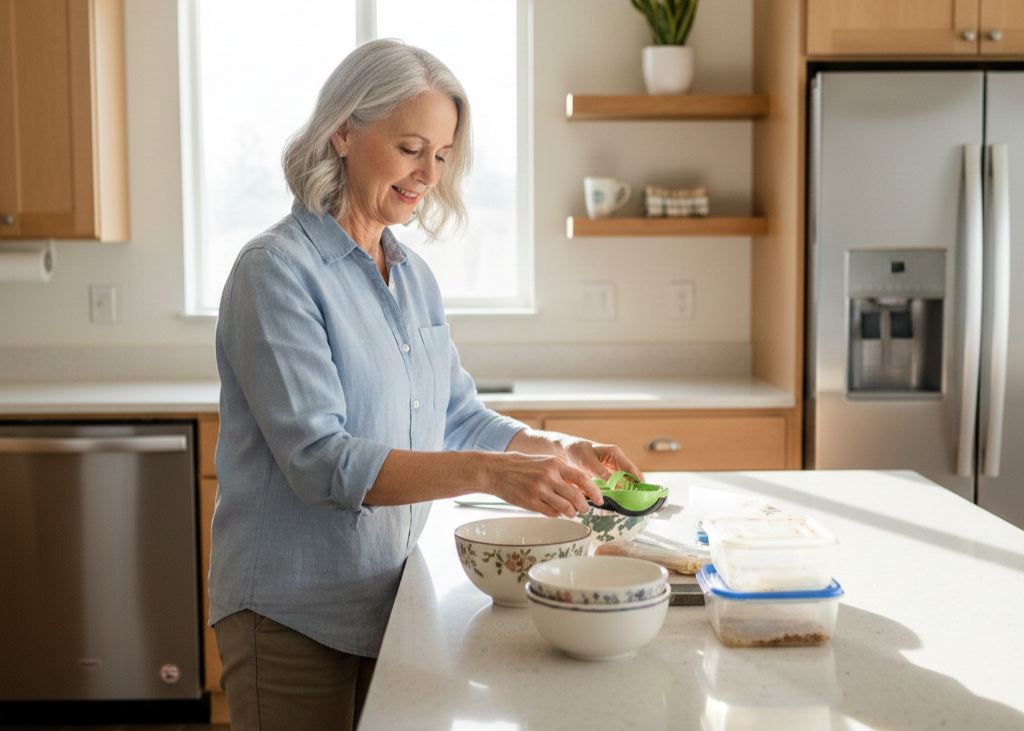
<p> Stepping into your 60s is an exciting time. It can bring more freedom, more time to focus on hobbies, and a greater appreciation for simplicity. That includes the kitchen, a space that should make life easier, not more complicated. Over the years, many of us accumulate gadgets, utensils, and appliances that seemed essential at one point but now sit unused, taking up precious space and creating unnecessary clutter. As we age, practicality and ease become far more important than trendiness or novelty.

If you want a kitchen that is functional, stress-free, and actually enjoyable to use, it may be time to reassess what really belongs in your cabinets. Here are six kitchen items that are often unnecessary after turning 60, along with practical suggestions on how to streamline your space. </p> :: Gemini

Stepping into your 60s is an exciting time. It can bring more freedom, more time to focus on hobbies, and a greater appreciation for simplicity. That includes the kitchen, a space that should make life easier, not more complicated. Over the years, many of us accumulate gadgets, utensils, and appliances that seemed essential at one point but now sit unused, taking up precious space and creating unnecessary clutter. As we age, practicality and ease become far more important than trendiness or novelty.

If you want a kitchen that is functional, stress-free, and actually enjoyable to use, it may be time to reassess what really belongs in your cabinets. Here are six kitchen items that are often unnecessary after turning 60, along with practical suggestions on how to streamline your space.

1. Specialty Gadgets That Only Serve One Purpose
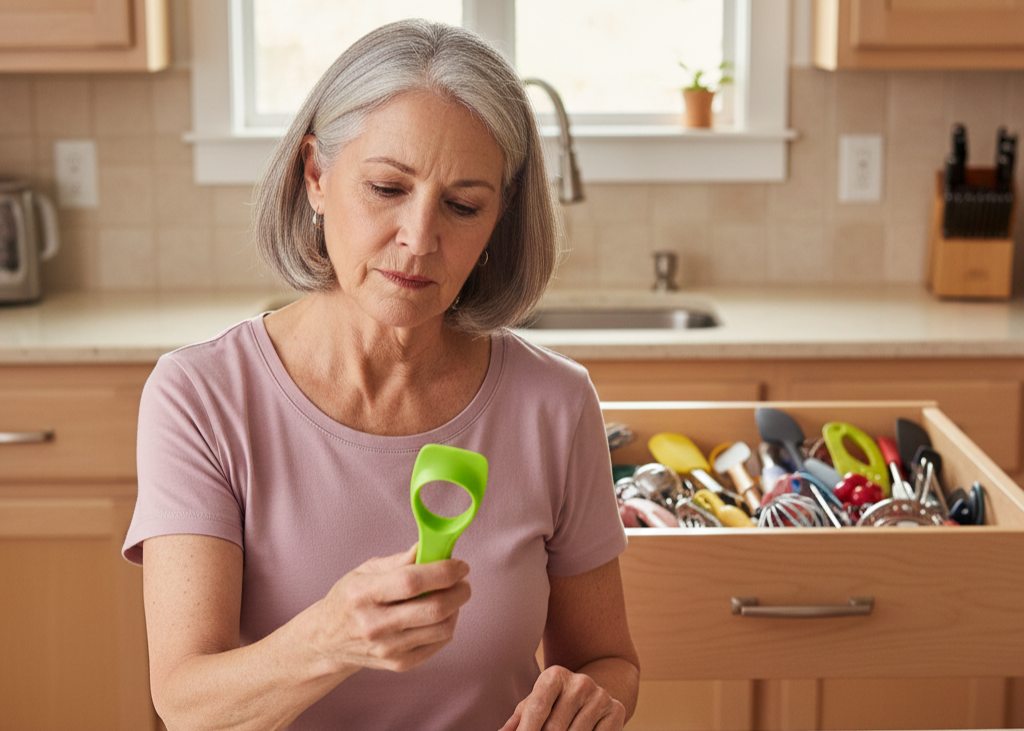
<p> You know the ones: avocado slicers, cherry pitters, garlic presses that rarely get used. These specialty gadgets are designed for a single task, but the reality is that a good knife or a spoon can usually do the job just as well. While these gadgets may seem fun or innovative, they often end up tucked away in drawers, gathering dust, and creating clutter.

For those of us over 60, having fewer, more versatile tools makes cooking less stressful and cleaning up faster. Instead of keeping an array of single-use gadgets, focus on multi-functional items that serve several purposes. This approach not only saves space but also simplifies your kitchen and allows you to enjoy meal preparation without fussing over tools that add little value. </p> :: Gemini

You know the ones: avocado slicers, cherry pitters, garlic presses that rarely get used. These specialty gadgets are designed for a single task, but the reality is that a good knife or a spoon can usually do the job just as well. While these gadgets may seem fun or innovative, they often end up tucked away in drawers, gathering dust, and creating clutter.

For those of us over 60, having fewer, more versatile tools makes cooking less stressful and cleaning up faster. Instead of keeping an array of single-use gadgets, focus on multi-functional items that serve several purposes. This approach not only saves space but also simplifies your kitchen and allows you to enjoy meal preparation without fussing over tools that add little value.

2. Multiple Sets of Measuring Cups, Bowls, and Duplicate Utensils
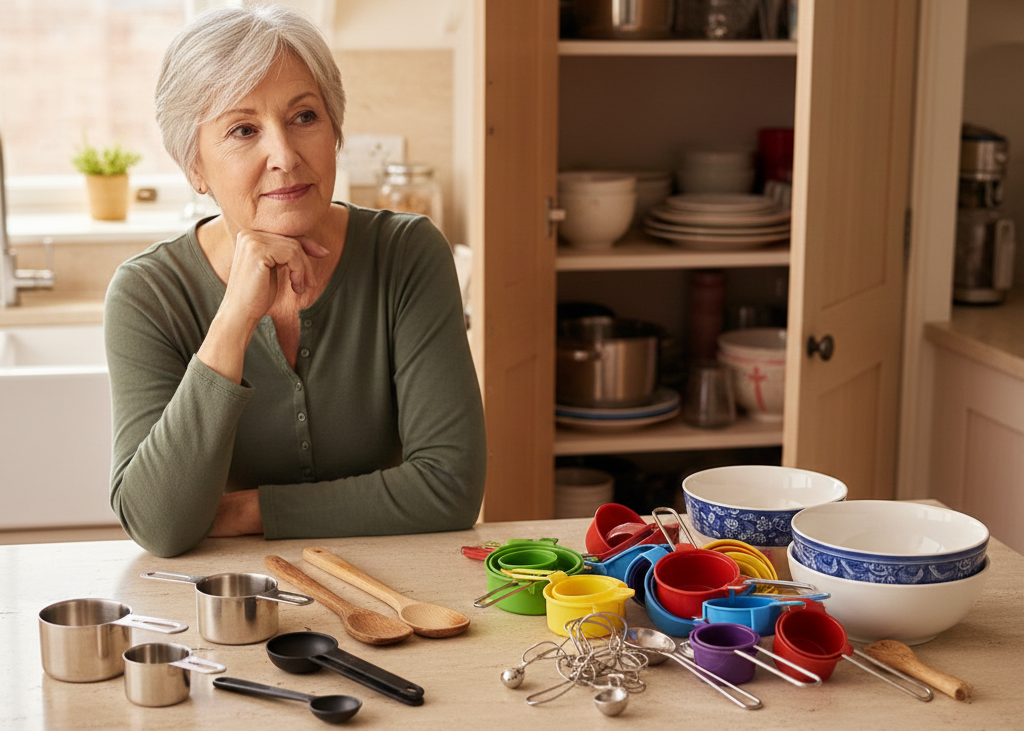
<p> It is easy to fall into the trap of collecting several sets of measuring cups, mixing bowls, and utensils over the years. But when you look closely, most people only use one or two of each item regularly. Having duplicates takes up space and adds to the time spent cleaning and organizing.

For those in their 60s and beyond, downsizing these essentials can make a kitchen feel more organized and functional. Keep the items you reach for most, and let go of the extras. You will find it much easier to navigate your kitchen, and you will spend less time searching for the right bowl or utensil. This small change can make a surprisingly big difference in the enjoyment of cooking. </p> :: Gemini

It is easy to fall into the trap of collecting several sets of measuring cups, mixing bowls, and utensils over the years. But when you look closely, most people only use one or two of each item regularly. Having duplicates takes up space and adds to the time spent cleaning and organizing.

For those in their 60s and beyond, downsizing these essentials can make a kitchen feel more organized and functional. Keep the items you reach for most, and let go of the extras. You will find it much easier to navigate your kitchen, and you will spend less time searching for the right bowl or utensil. This small change can make a surprisingly big difference in the enjoyment of cooking.

3. Unused Small Appliances
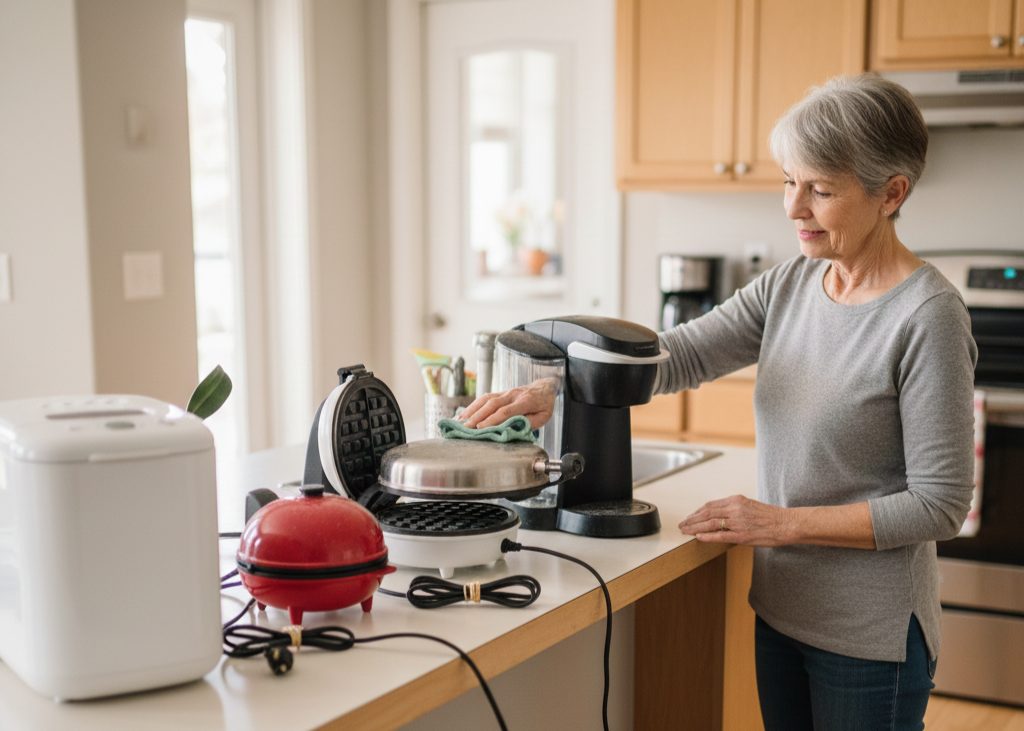
<p> Bread makers, waffle irons, single-purpose coffee machines, and donut makers may have seemed like fun purchases when you were younger, but chances are many of these appliances have sat idle for months, if not years. Small appliances often take up counter space, require extra cleaning, and rarely justify the clutter they create.

If you are over 60 and have not used a particular appliance in a year, it is likely that you do not need it. Consider donating or selling the ones you rarely use. This will free up space for tools that you actually use and make your kitchen feel less crowded. A minimalist approach to appliances encourages cooking that is simple, practical, and enjoyable. </p> :: Gemini

Bread makers, waffle irons, single-purpose coffee machines, and donut makers may have seemed like fun purchases when you were younger, but chances are many of these appliances have sat idle for months, if not years. Small appliances often take up counter space, require extra cleaning, and rarely justify the clutter they create.

If you are over 60 and have not used a particular appliance in a year, it is likely that you do not need it. Consider donating or selling the ones you rarely use. This will free up space for tools that you actually use and make your kitchen feel less crowded. A minimalist approach to appliances encourages cooking that is simple, practical, and enjoyable.

4. Excessive Storage Containers
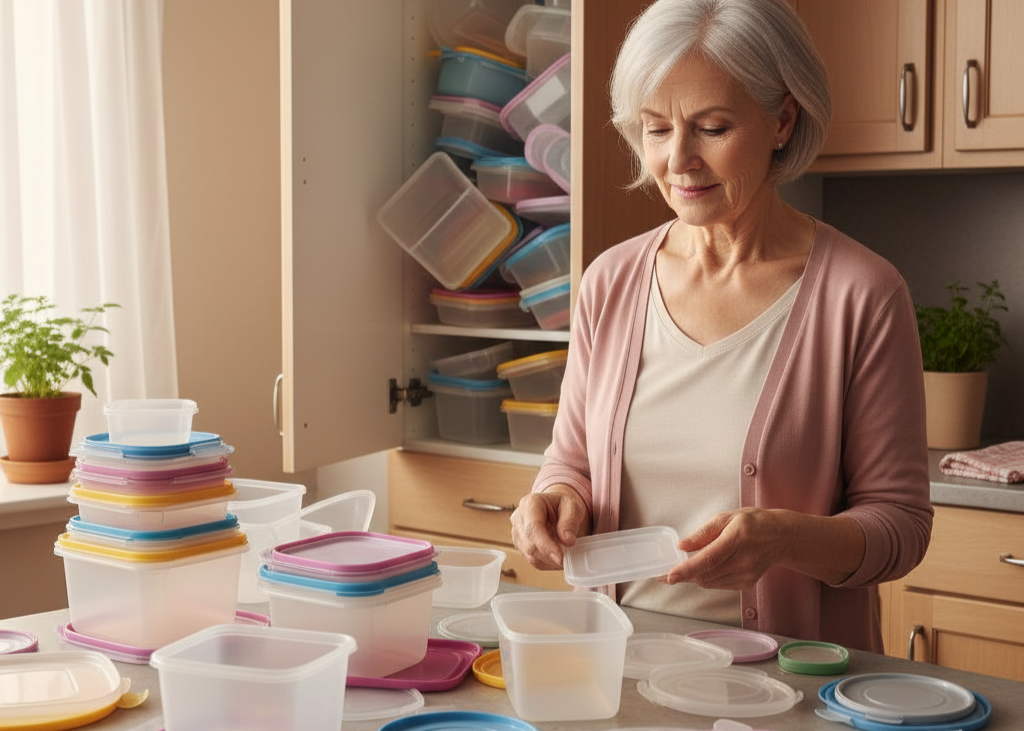
<p> Plastic storage containers have a way of multiplying in the kitchen. Over time, lids go missing, sizes become mismatched, and some containers become brittle or warped. Having too many containers creates clutter and makes it harder to find what you need when you need it.

After 60, a smaller, more manageable collection of stackable, durable storage containers can make a huge difference. Keep a few versatile sizes that serve multiple purposes and let go of the ones you never use. You will find that your kitchen feels more orderly, and you will save time searching for matching lids. A clean, organized storage system also encourages you to cook and store food efficiently, reducing stress in your daily routine. </p> :: Gemini

Plastic storage containers have a way of multiplying in the kitchen. Over time, lids go missing, sizes become mismatched, and some containers become brittle or warped. Having too many containers creates clutter and makes it harder to find what you need when you need it.

After 60, a smaller, more manageable collection of stackable, durable storage containers can make a huge difference. Keep a few versatile sizes that serve multiple purposes and let go of the ones you never use. You will find that your kitchen feels more orderly, and you will save time searching for matching lids. A clean, organized storage system also encourages you to cook and store food efficiently, reducing stress in your daily routine.

5. Decorative or Seasonal Dishware
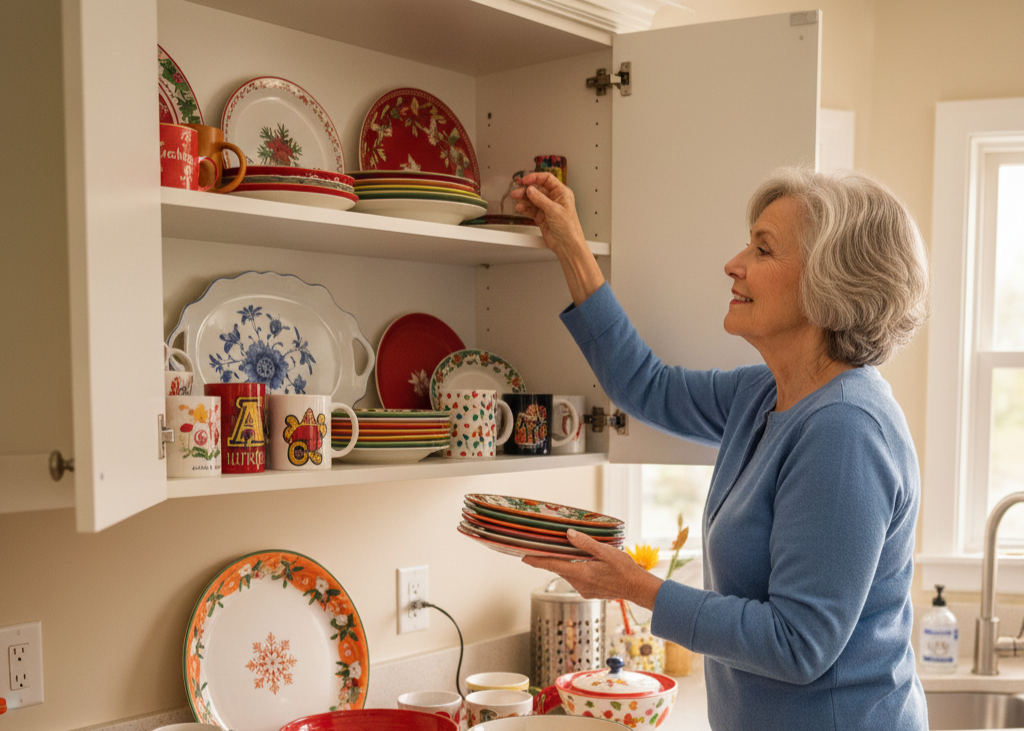
<p> Holiday-themed plates, collectible dishes, or specialty serving trays are beautiful, but most are used only occasionally. The reality is that if you are preparing everyday meals, you do not need a full cabinet devoted to dishes that only see the light of day a few times a year.

Simplifying your dishware collection allows you to focus on the pieces you actually use. Keep a set of everyday dishes, a couple of serving platters for company, and perhaps one or two special pieces for holidays. This approach saves space, reduces the effort required to clean and store items, and keeps your kitchen feeling open and functional. A clutter-free kitchen is a welcoming kitchen, making it easier to enjoy your meals without distraction. </p> :: Gemini

Holiday-themed plates, collectible dishes, or specialty serving trays are beautiful, but most are used only occasionally. The reality is that if you are preparing everyday meals, you do not need a full cabinet devoted to dishes that only see the light of day a few times a year.

Simplifying your dishware collection allows you to focus on the pieces you actually use. Keep a set of everyday dishes, a couple of serving platters for company, and perhaps one or two special pieces for holidays. This approach saves space, reduces the effort required to clean and store items, and keeps your kitchen feeling open and functional. A clutter-free kitchen is a welcoming kitchen, making it easier to enjoy your meals without distraction.

6. Bulky Knife Blocks or Full Knife Sets
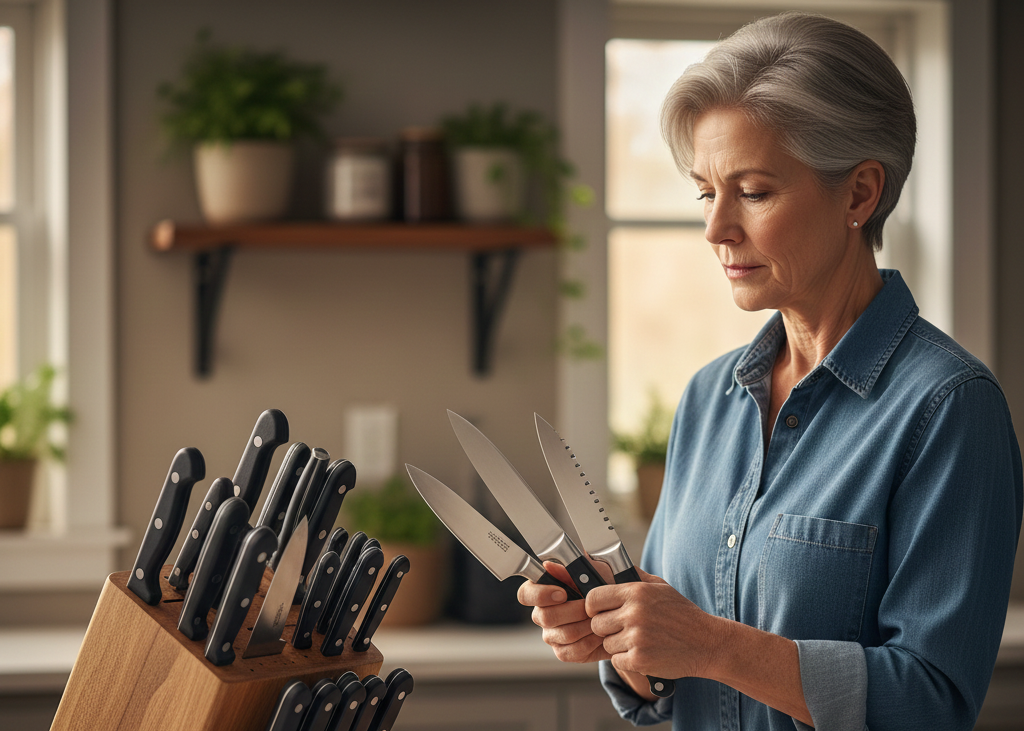
<p> Many kitchens contain full knife sets in large blocks, often with a dozen or more knives. The truth is that most home cooks regularly use only a few knives, typically a chef’s knife, a paring knife, and maybe a serrated knife. The rest take up space, collect dust, and rarely see use.

Downsizing to only the knives you need makes meal preparation easier and safer. Consider keeping two or three high-quality knives that are comfortable to use and easy to store. Removing bulky knife blocks from your counter or drawers can open up valuable space and make your kitchen feel cleaner and more approachable. At this stage in life, simplicity and efficiency are far more important than having every type of knife imaginable. </p> :: Gemini

Many kitchens contain full knife sets in large blocks, often with a dozen or more knives. The truth is that most home cooks regularly use only a few knives, typically a chef’s knife, a paring knife, and maybe a serrated knife. The rest take up space, collect dust, and rarely see use.

Downsizing to only the knives you need makes meal preparation easier and safer. Consider keeping two or three high-quality knives that are comfortable to use and easy to store. Removing bulky knife blocks from your counter or drawers can open up valuable space and make your kitchen feel cleaner and more approachable. At this stage in life, simplicity and efficiency are far more important than having every type of knife imaginable.

Final Thoughts

<p> Reaching your 60s is an opportunity to rethink what you need in your kitchen. Instead of collecting gadgets, duplicate tools, and decorative items, focus on practicality, ease, and simplicity. Letting go of unnecessary items does more than just free up space; it reduces stress, saves time, and makes cooking and meal prep a pleasure rather than a chore.

Start by taking a careful look at your kitchen and asking yourself, “Do I really use this?” If the answer is no, it is probably time to let it go. Whether it is specialty gadgets, multiple utensils, unused small appliances, excess storage containers, decorative dishware, or bulky knife sets, paring down to essentials will make your kitchen feel lighter and more functional.

A streamlined kitchen also encourages healthier habits, as it is easier to access the items you need for cooking fresh, simple meals. It allows you to spend less time wrestling with clutter and more time enjoying your space and the meals you create. By focusing on what truly matters, your kitchen can become a place of calm and joy, perfectly suited to the lifestyle you deserve in your golden years.

Remember, a kitchen that works for you is better than a kitchen full of things you do not. Simplify, organize, and enjoy. Your 60s are a time to embrace comfort, practicality, and the satisfaction of a space that feels just right. </p> :: Gemini

Reaching your 60s is an opportunity to rethink what you need in your kitchen. Instead of collecting gadgets, duplicate tools, and decorative items, focus on practicality, ease, and simplicity. Letting go of unnecessary items does more than just free up space; it reduces stress, saves time, and makes cooking and meal prep a pleasure rather than a chore.

Start by taking a careful look at your kitchen and asking yourself, “Do I really use this?” If the answer is no, it is probably time to let it go. Whether it is specialty gadgets, multiple utensils, unused small appliances, excess storage containers, decorative dishware, or bulky knife sets, paring down to essentials will make your kitchen feel lighter and more functional.

A streamlined kitchen also encourages healthier habits, as it is easier to access the items you need for cooking fresh, simple meals. It allows you to spend less time wrestling with clutter and more time enjoying your space and the meals you create. By focusing on what truly matters, your kitchen can become a place of calm and joy, perfectly suited to the lifestyle you deserve in your golden years.

Remember, a kitchen that works for you is better than a kitchen full of things you do not. Simplify, organize, and enjoy. Your 60s are a time to embrace comfort, practicality, and the satisfaction of a space that feels just right.

Filed Under: Lifestyle

15 Beloved Childhood Memories Boomers Cherish the Most

December 1, 2025 | Leave a Comment

15 Beloved Childhood Memories Boomers Cherish the Most

<p> There is something magical about looking back at childhood. For the generation known as baby boomers, born between 1946 and 1964, growing up in post-war America was full of simple pleasures that still spark joy decades later. From carefree afternoons chasing an ice cream truck to the thrill of hearing a favorite song crackle from a vinyl record, these memories are more than nostalgia. They are reminders of a time when life moved at a gentler pace and joy was found in small, everyday moments. Here are fifteen things that boomers remember fondly from their childhood, each one a small window into a world that feels both distant and delightfully familiar. </p> :: Gemini

There is something magical about looking back at childhood. For the generation known as baby boomers, born between 1946 and 1964, growing up in post-war America was full of simple pleasures that still spark joy decades later. From carefree afternoons chasing an ice cream truck to the thrill of hearing a favorite song crackle from a vinyl record, these memories are more than nostalgia. They are reminders of a time when life moved at a gentler pace and joy was found in small, everyday moments.

Here are fifteen things that boomers remember fondly from their childhood, each one a small window into a world that feels both distant and delightfully familiar.

1. The Ice Cream Truck Jingle

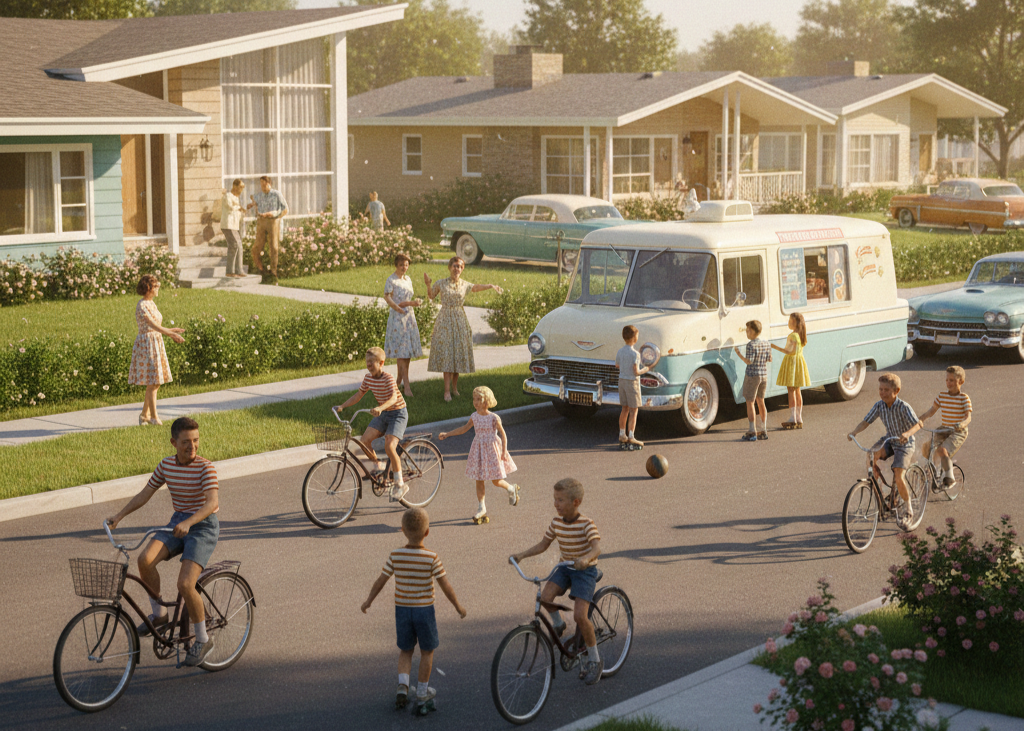
<p> Few sounds could make a summer afternoon feel as magical as the jingle of the ice cream truck. Boomers remember racing outside with spare change, sometimes dropping toys along the way, just to grab a Popsicle or a drumstick. That simple ritual transformed an ordinary day into a mini celebration. Families and neighbors often gathered on curbs, sharing in the excitement as children scrambled to claim their favorite frozen treat. </p> :: Gemini

Few sounds could make a summer afternoon feel as magical as the jingle of the ice cream truck. Boomers remember racing outside with spare change, sometimes dropping toys along the way, just to grab a Popsicle or a drumstick. That simple ritual transformed an ordinary day into a mini celebration. Families and neighbors often gathered on curbs, sharing in the excitement as children scrambled to claim their favorite frozen treat.

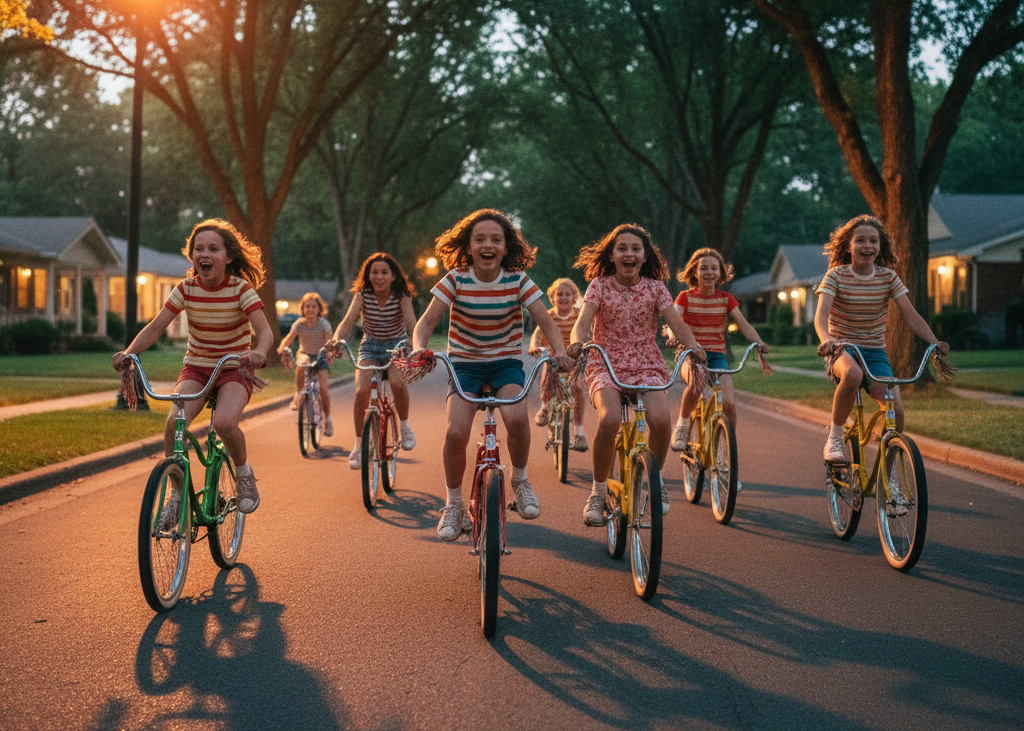
2. Riding Bikes Until the Streetlights Came On

<p> Bicycles offered an unmatched sense of freedom. From early morning until dusk, kids rode up and down the streets, racing friends, exploring neighborhoods, and feeling the wind in their hair. There was trust in the rule, "Be home when the streetlights come on." Those rides were more than just fun. They were lessons in independence, endurance, and friendship that left an unforgettable mark on every boomer who pedaled their way through childhood. </p> :: Gemini

Bicycles offered an unmatched sense of freedom. From early morning until dusk, kids rode up and down the streets, racing friends, exploring neighborhoods, and feeling the wind in their hair. There was trust in the rule, “Be home when the streetlights come on.” Those rides were more than just fun. They were lessons in independence, endurance, and friendship that left an unforgettable mark on every boomer who pedaled their way through childhood.

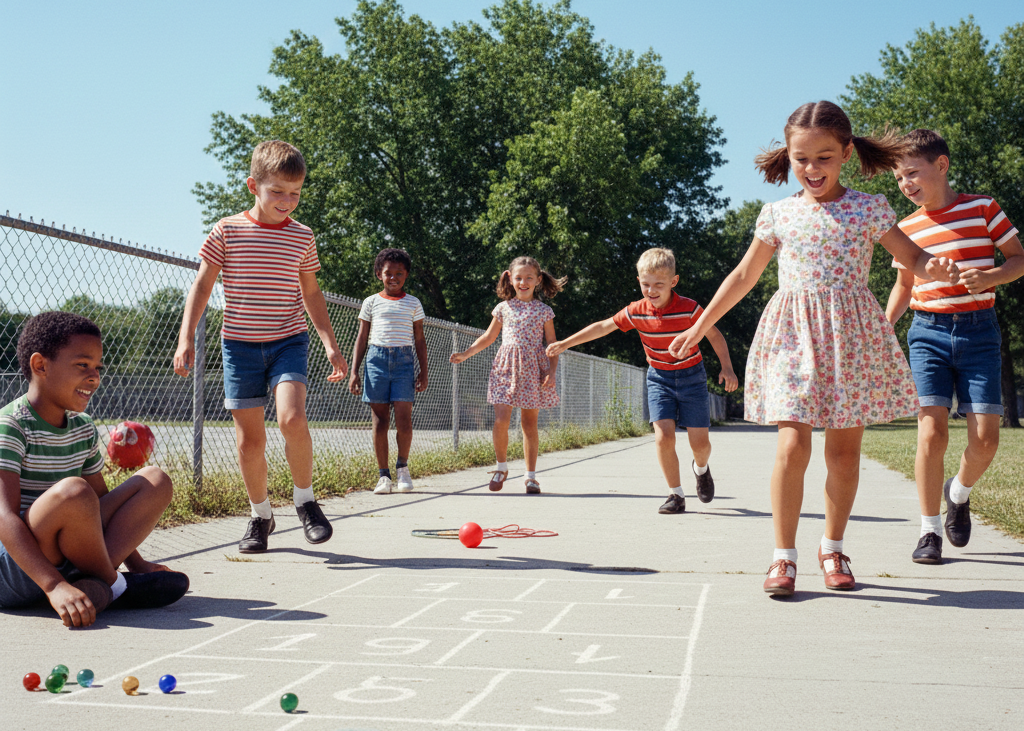
3. Outdoor Play with Friends

<p> Sidewalks and schoolyards were buzzing with activity. Children played marbles, hopscotch, Red Rover, and countless variations of tag. Unlike organized sports, these games were spontaneous and imaginative. They taught problem-solving, coordination, and teamwork while keeping kids moving and laughing. Many boomers recall the thrill of inventing new games on the fly and the simple joy of being outdoors with friends for hours on end. </p> :: Gemini

Sidewalks and schoolyards were buzzing with activity. Children played marbles, hopscotch, Red Rover, and countless variations of tag. Unlike organized sports, these games were spontaneous and imaginative. They taught problem-solving, coordination, and teamwork while keeping kids moving and laughing. Many boomers recall the thrill of inventing new games on the fly and the simple joy of being outdoors with friends for hours on end.

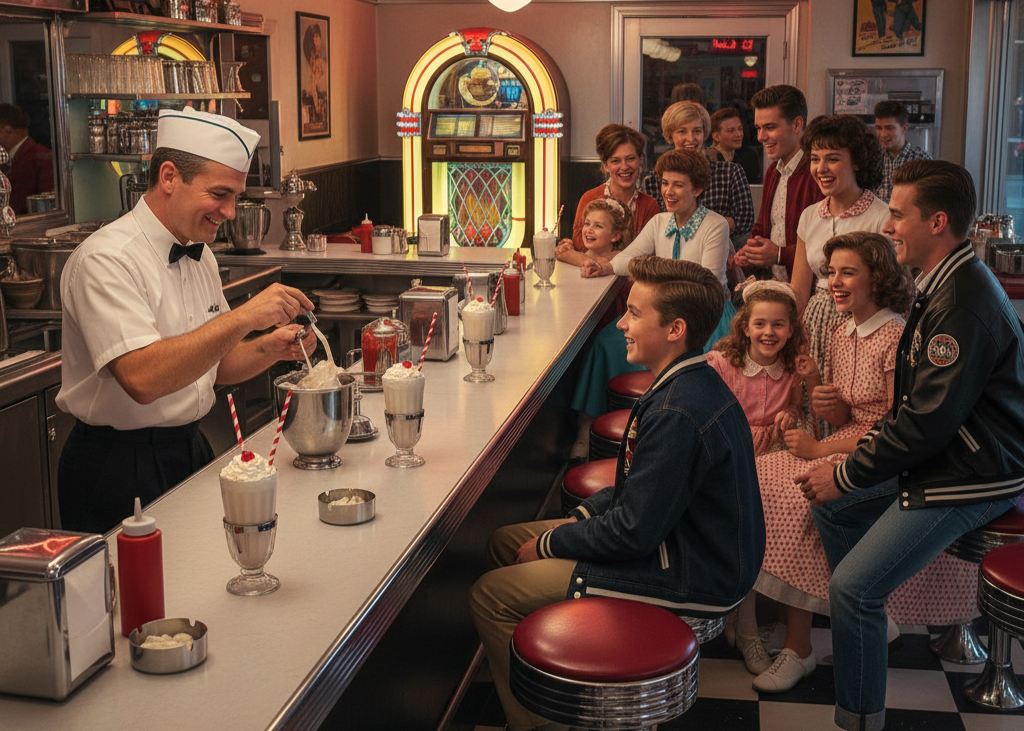
4. Neighborhood Soda Fountains and Diners

<p> Stopping by a local soda fountain or diner was a cherished experience. Families and teens alike gathered to sip milkshakes or enjoy a cherry soda. The chrome-trimmed counters, the clatter of stools, and the occasional tune from a jukebox created an atmosphere that felt exciting and comforting at the same time. Soda fountains were not just about food—they were about socializing, sharing stories, and savoring small moments of togetherness. </p> :: Gemini

Stopping by a local soda fountain or diner was a cherished experience. Families and teens alike gathered to sip milkshakes or enjoy a cherry soda. The chrome-trimmed counters, the clatter of stools, and the occasional tune from a jukebox created an atmosphere that felt exciting and comforting at the same time. Soda fountains were not just about food—they were about socializing, sharing stories, and savoring small moments of togetherness.

5. Drive-in Movies Under the Stars

<p> Drive-in theaters were a beloved escape. Families would pile into cars with blankets and snacks, settling in for a movie under the night sky. The experience was casual, fun, and sometimes romantic for teenagers on their first dates. The flickering screen and the smell of popcorn added to the charm, turning a simple film into a memorable evening that often became a family tradition or a rite of passage. </p> :: Gemini

Drive-in theaters were a beloved escape. Families would pile into cars with blankets and snacks, settling in for a movie under the night sky. The experience was casual, fun, and sometimes romantic for teenagers on their first dates. The flickering screen and the smell of popcorn added to the charm, turning a simple film into a memorable evening that often became a family tradition or a rite of passage.

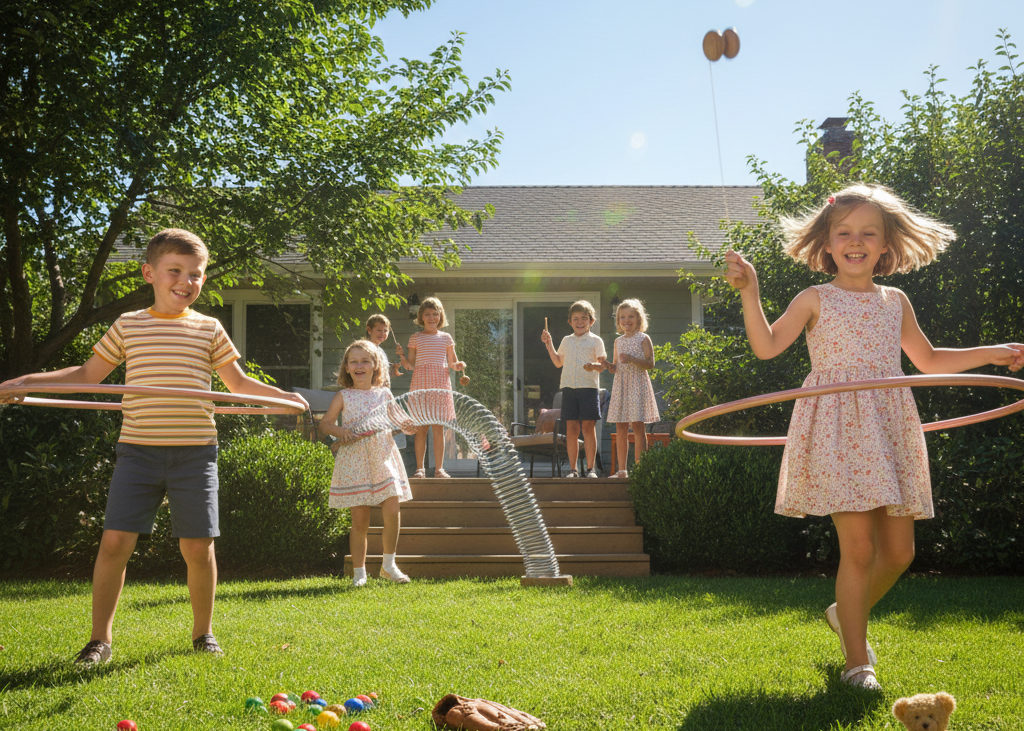
6. Hula Hoops, Slinkys, and Classic Toys

<p> Simple toys brought endless joy. Hula hoops twirling around hips, Slinkys walking down stairs, and yo-yos spinning in hands filled days with laughter. These toys encouraged physical activity, creativity, and persistence. Boomers remember the thrill of mastering a new trick or showing off a favorite toy to friends. The fun was immediate and tactile, a perfect contrast to today’s digital entertainment. </p> :: Gemini

Simple toys brought endless joy. Hula hoops twirling around hips, Slinkys walking down stairs, and yo-yos spinning in hands filled days with laughter. These toys encouraged physical activity, creativity, and persistence. Boomers remember the thrill of mastering a new trick or showing off a favorite toy to friends. The fun was immediate and tactile, a perfect contrast to today’s digital entertainment.

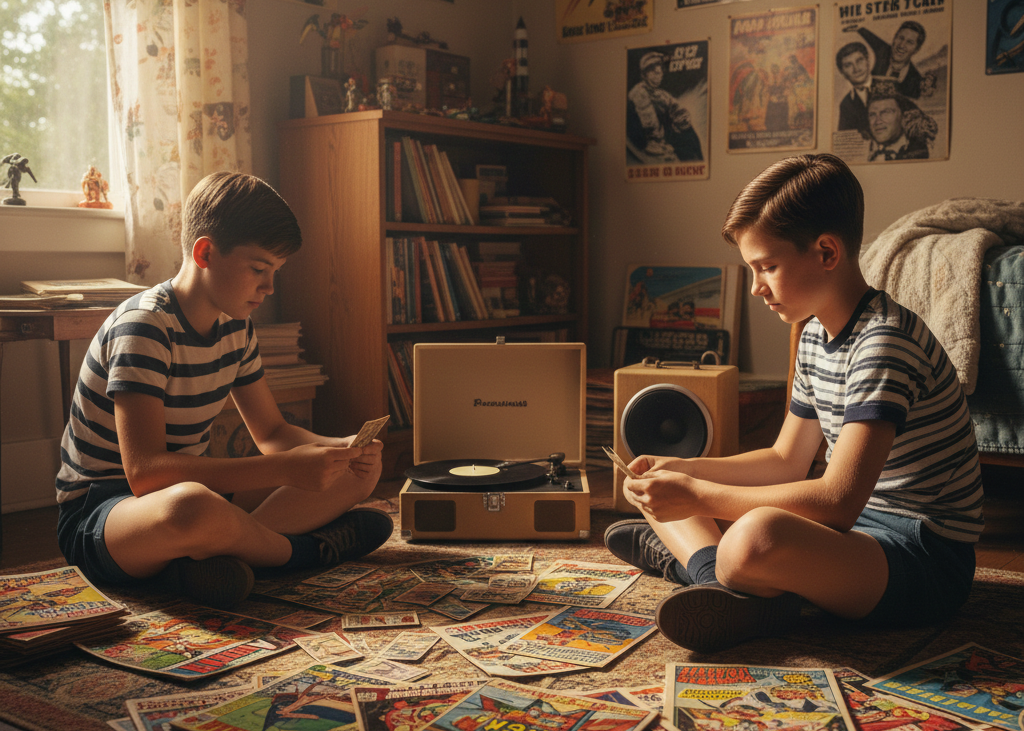
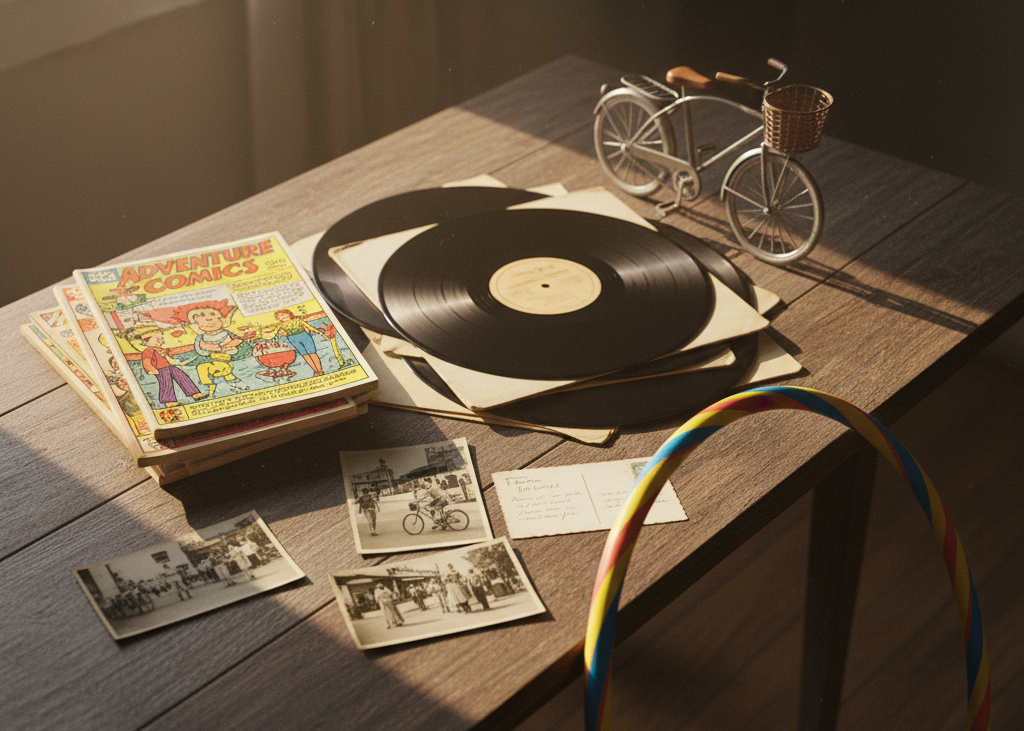
7. Collecting Comic Books, Trading Cards, and Vinyl Records

<p> Collecting was a beloved pastime. Comics, baseball cards, and vinyl records were treasured possessions that sparked excitement and pride. Kids traded cards on playgrounds, browsed comic book stacks, and carefully handled records to preserve their favorite music. These collections often became lifelong hobbies, a source of connection with peers, and a way to express personal taste and interests in a pre-digital world. </p> :: Gemini

Collecting was a beloved pastime. Comics, baseball cards, and vinyl records were treasured possessions that sparked excitement and pride. Kids traded cards on playgrounds, browsed comic book stacks, and carefully handled records to preserve their favorite music. These collections often became lifelong hobbies, a source of connection with peers, and a way to express personal taste and interests in a pre-digital world.

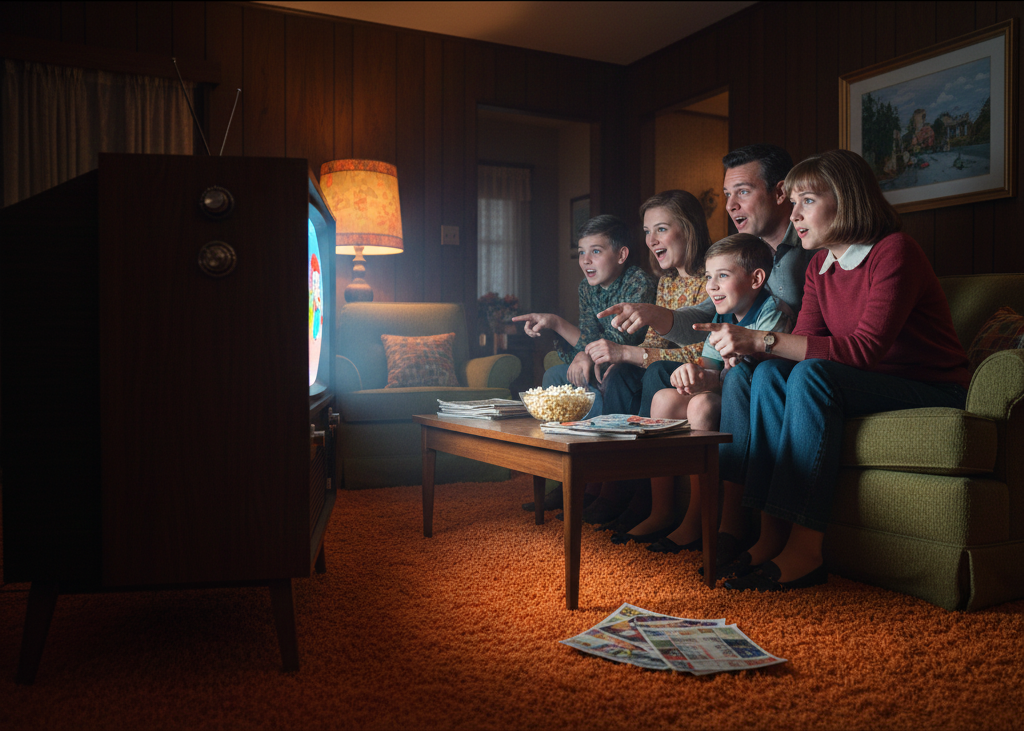
8. Getting the First Color Television Set

<p> Watching television in color was nothing short of revolutionary. Families upgraded from black-and-white sets and suddenly cartoons, variety shows, and news broadcasts burst to life. Saturday morning cartoons became a ritual, and favorite shows were eagerly anticipated events. The arrival of color TV transformed living rooms into entertainment centers and created a shared cultural experience that connected family members across generations. </p> :: Gemini

Watching television in color was nothing short of revolutionary. Families upgraded from black-and-white sets and suddenly cartoons, variety shows, and news broadcasts burst to life. Saturday morning cartoons became a ritual, and favorite shows were eagerly anticipated events. The arrival of color TV transformed living rooms into entertainment centers and created a shared cultural experience that connected family members across generations.

9. Family Board Game Nights

<p> Board games brought families together like nothing else. Monopoly, Clue, and The Game of Life were staples for weekend evenings, encouraging friendly competition and conversation. These gatherings strengthened family bonds and created memories that lasted far beyond the final turn of a dice. For boomers, game nights were opportunities to laugh, strategize, and enjoy each other’s company in a screen-free setting. </p> :: Gemini

Board games brought families together like nothing else. Monopoly, Clue, and The Game of Life were staples for weekend evenings, encouraging friendly competition and conversation. These gatherings strengthened family bonds and created memories that lasted far beyond the final turn of a dice. For boomers, game nights were opportunities to laugh, strategize, and enjoy each other’s company in a screen-free setting.

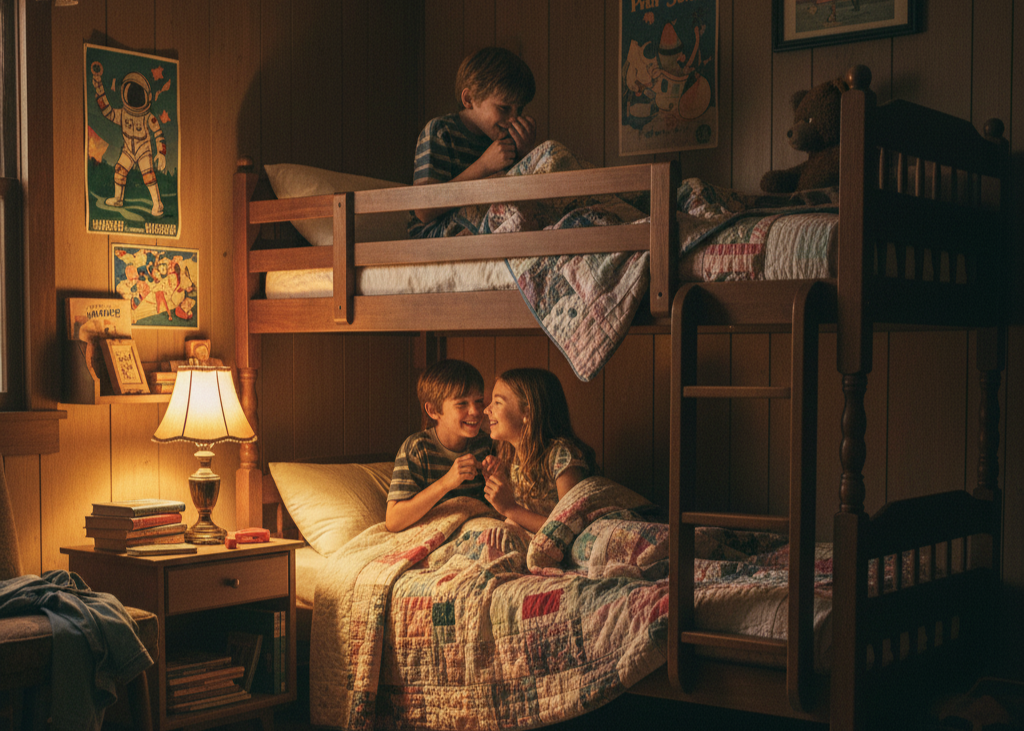
10. Sharing Bedrooms with Siblings

<p> Many boomers grew up in homes with multiple siblings, sharing bedrooms, bunk beds, and sometimes whispered secrets long after lights-out. These shared spaces fostered camaraderie, playful rivalries, and close connections. The experience of growing up shoulder-to-shoulder with brothers or sisters taught patience, compromise, and the joy of companionship, leaving memories that remain vivid to this day. </p> :: Gemini

Many boomers grew up in homes with multiple siblings, sharing bedrooms, bunk beds, and sometimes whispered secrets long after lights-out. These shared spaces fostered camaraderie, playful rivalries, and close connections. The experience of growing up shoulder-to-shoulder with brothers or sisters taught patience, compromise, and the joy of companionship, leaving memories that remain vivid to this day.

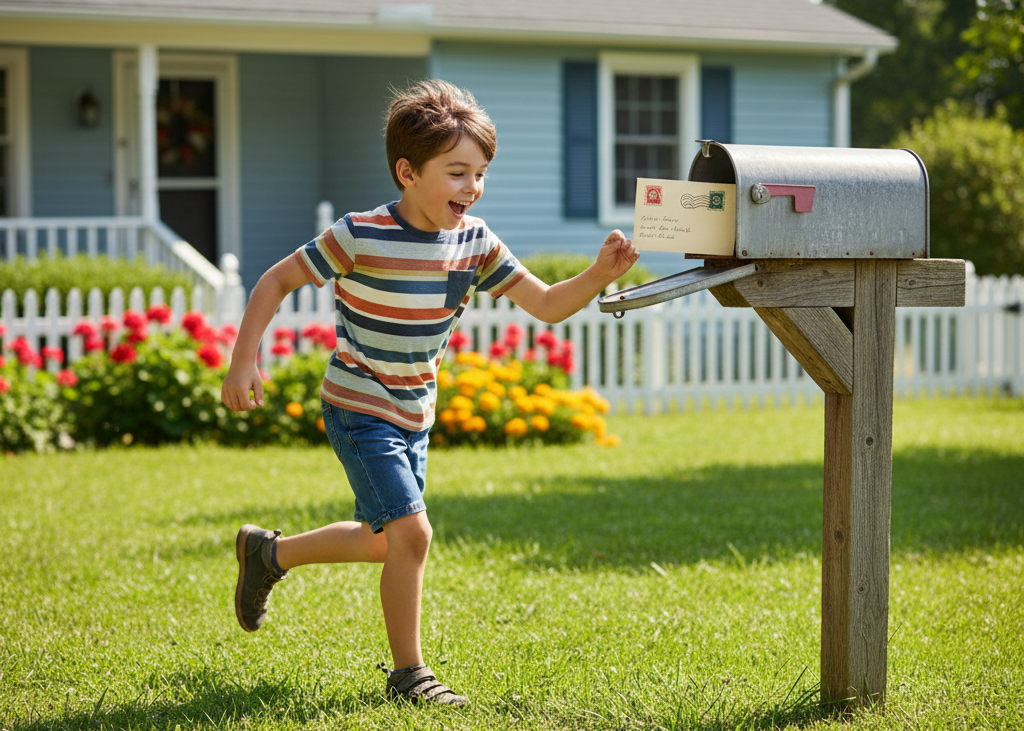
11. The Thrill of Opening the Mailbox

<p> Receiving a letter or postcard was an event. With no instant messaging, kids eagerly ran to the mailbox, hoping for a note from a friend or relative. Unfolding handwritten letters, smelling fresh ink, and reading personal messages brought excitement and connection across distances. That tactile joy of physical correspondence is a stark contrast to today’s digital messages, making it a cherished memory for many boomers. </p> :: Gemini

Receiving a letter or postcard was an event. With no instant messaging, kids eagerly ran to the mailbox, hoping for a note from a friend or relative. Unfolding handwritten letters, smelling fresh ink, and reading personal messages brought excitement and connection across distances. That tactile joy of physical correspondence is a stark contrast to today’s digital messages, making it a cherished memory for many boomers.

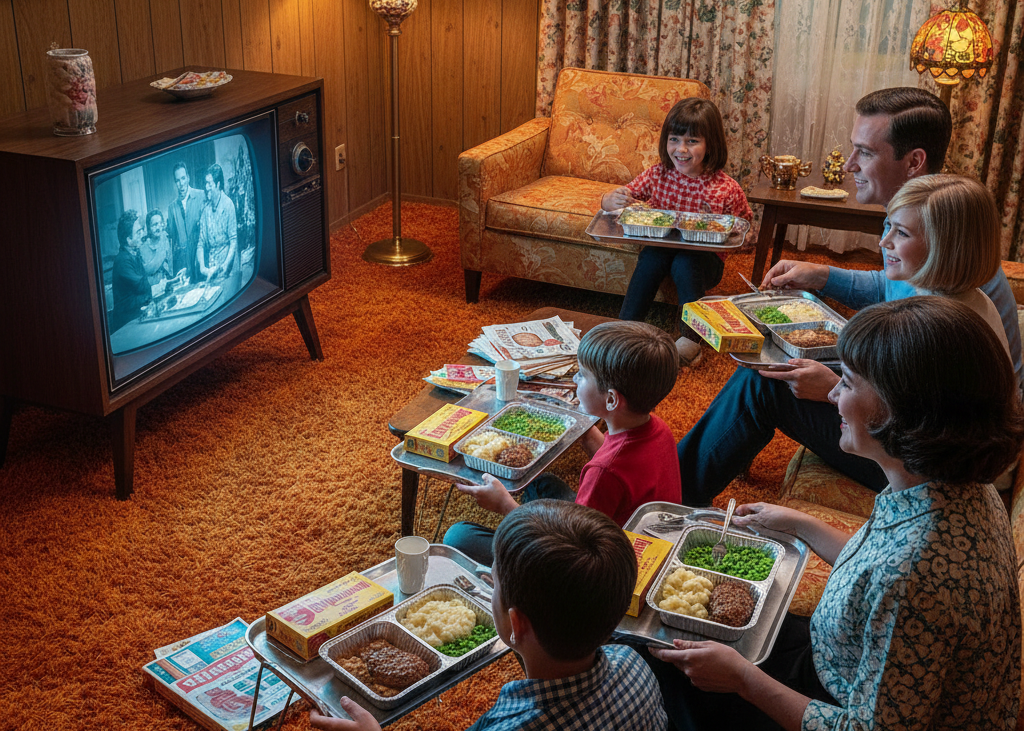
12. TV Dinners and Comfort Food

<p> Frozen TV dinners, casseroles, and Jell-O salads were staples of childhood meals. Popping a TV dinner into the oven and eating in front of the television felt modern and fun. Comfort foods like macaroni and cheese or meatloaf offered warmth and familiarity, creating moments of family bonding. These meals provided more than sustenance—they were part of the rhythm of daily life and the foundation of home-cooked memories. </p> :: Gemini

Frozen TV dinners, casseroles, and Jell-O salads were staples of childhood meals. Popping a TV dinner into the oven and eating in front of the television felt modern and fun. Comfort foods like macaroni and cheese or meatloaf offered warmth and familiarity, creating moments of family bonding. These meals provided more than sustenance—they were part of the rhythm of daily life and the foundation of home-cooked memories.

13. Classic Family Potlucks

<p> Community gatherings were rich with food and friendship. Potlucks allowed families to share their favorite dishes and enjoy the company of neighbors and relatives. Boomers fondly recall deviled eggs, casseroles, and fruit salads passed around tables while stories, laughter, and music filled the air. These events were a celebration of togetherness and an opportunity to build lasting relationships outside of the home. </p> :: Gemini

Community gatherings were rich with food and friendship. Potlucks allowed families to share their favorite dishes and enjoy the company of neighbors and relatives. Boomers fondly recall deviled eggs, casseroles, and fruit salads passed around tables while stories, laughter, and music filled the air. These events were a celebration of togetherness and an opportunity to build lasting relationships outside of the home.

14. School Supplies and Doodled Textbooks

<p> Back-to-school season was an exciting ritual. New textbooks, notebooks, and pencil cases signaled the start of another year of learning and creativity. Many boomers remember decorating textbook covers with doodles, stickers, or colored paper to personalize their school supplies. These small acts of self-expression offered pride and ownership while providing a playful escape from routine, reminding them that school could be both productive and fun. </p> :: Gemini

Back-to-school season was an exciting ritual. New textbooks, notebooks, and pencil cases signaled the start of another year of learning and creativity. Many boomers remember decorating textbook covers with doodles, stickers, or colored paper to personalize their school supplies. These small acts of self-expression offered pride and ownership while providing a playful escape from routine, reminding them that school could be both productive and fun.

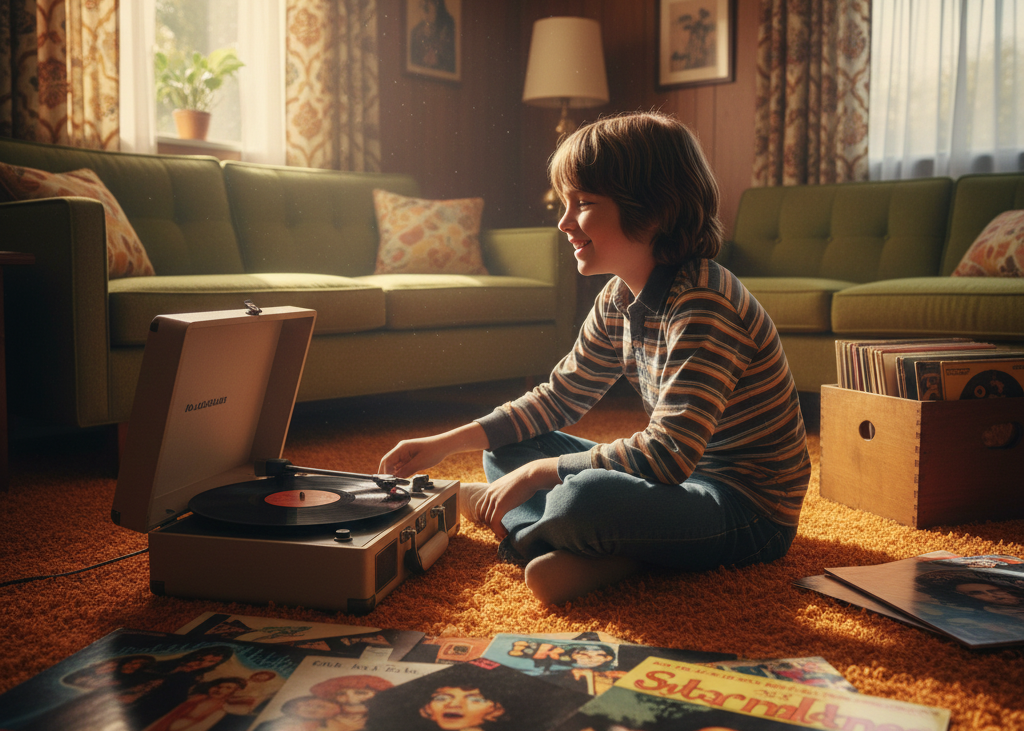
15. Listening to Vinyl Records

<p> Music was a central part of childhood, and vinyl records were the vessel of that experience. Kids would eagerly flip through records, listening to songs over and over, memorizing lyrics, and dancing in living rooms. The sound of a record spinning, with its occasional crackles and pops, carried a warmth that digital music cannot replicate. For boomers, these moments sparked lifelong love for music, community, and the joy of shared experiences. </p> :: Gemini

Music was a central part of childhood, and vinyl records were the vessel of that experience. Kids would eagerly flip through records, listening to songs over and over, memorizing lyrics, and dancing in living rooms. The sound of a record spinning, with its occasional crackles and pops, carried a warmth that digital music cannot replicate. For boomers, these moments sparked lifelong love for music, community, and the joy of shared experiences.

Final Thoughts

<p> Reflecting on these memories, it is clear why they endure. Boomers grew up in an era that valued simplicity, creativity, and connection. Life moved slower, which gave children time to explore, play, and form lasting friendships. Small rituals like chasing an ice cream truck, trading baseball cards, or playing a board game created deep, meaningful experiences that continue to resonate today. Even as the world changes with technology and instant communication, these memories remind us that joy does not always come from complexity or speed. Sometimes, it comes from spinning a hula hoop, sharing a meal, or riding a bike until the streetlights come on. These moments, no matter how small, shaped a generation and continue to bring warmth and nostalgia to those who lived them. For those who grew up in this era, revisiting these cherished childhood experiences is more than a trip down memory lane—it is a celebration of the simple, enduring joys that defined a generation. </p> :: Gemini

Reflecting on these memories, it is clear why they endure. Boomers grew up in an era that valued simplicity, creativity, and connection. Life moved slower, which gave children time to explore, play, and form lasting friendships. Small rituals like chasing an ice cream truck, trading baseball cards, or playing a board game created deep, meaningful experiences that continue to resonate today.

Even as the world changes with technology and instant communication, these memories remind us that joy does not always come from complexity or speed. Sometimes, it comes from spinning a hula hoop, sharing a meal, or riding a bike until the streetlights come on. These moments, no matter how small, shaped a generation and continue to bring warmth and nostalgia to those who lived them.

For those who grew up in this era, revisiting these cherished childhood experiences is more than a trip down memory lane—it is a celebration of the simple, enduring joys that defined a generation.

Filed Under: Lifestyle

How to Stay Focused When Working From Home: 10 Proven Tips to Boost Productivity

December 1, 2025 | Leave a Comment

How to Stay Focused When Working From Home: 10 Proven Tips to Boost Productivity

<p> Working from home has quickly become the norm for millions of people, offering flexibility, comfort, and time savings. But along with those benefits come distractions—from the TV and social media to laundry and kitchen trips—that can seriously derail your productivity. The truth is, staying focused when working remotely requires intentional effort. Whether you are a seasoned remote worker or new to the game, these 10 proven tips can help you stay productive, eliminate distractions, and maintain a healthy work-life balance while working from home. </p> :: Pexels

Working from home has quickly become the norm for millions of people, offering flexibility, comfort, and time savings. But along with those benefits come distractions—from the TV and social media to laundry and kitchen trips—that can seriously derail your productivity. The truth is, staying focused when working remotely requires intentional effort. Whether you are a seasoned remote worker or new to the game, these 10 proven tips can help you stay productive, eliminate distractions, and maintain a healthy work-life balance while working from home.

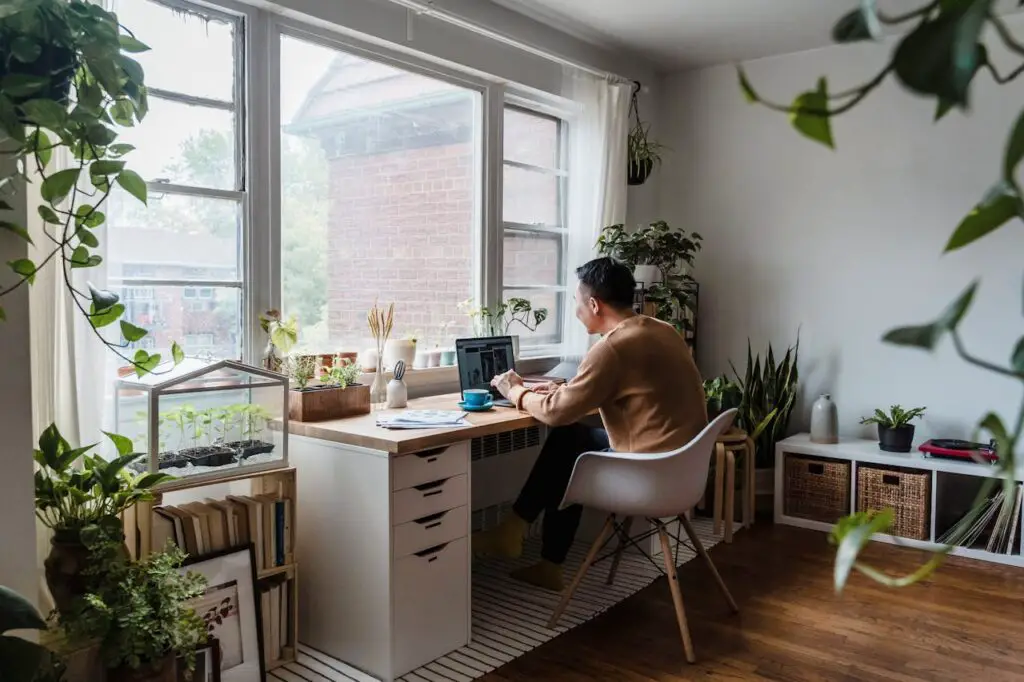
1. Designate a Dedicated Workspace

<p> Creating a dedicated workspace is one of the most important steps in staying focused when working from home. Instead of working from your couch, bed, or kitchen table—which your brain typically associates with relaxation or meals—set up a space that is used solely for work. This area does not need to be fancy; even a simple desk in the corner of a room can do the trick. The key is to have a consistent, organized, and distraction-free environment that signals to your brain that it is time to focus. Personalize the space to make it comfortable, well-lit, and stocked with the supplies you need. This mental and physical separation between work and leisure goes a long way in boosting concentration and efficiency. </p> :: Pexels

Creating a dedicated workspace is one of the most important steps in staying focused when working from home. Instead of working from your couch, bed, or kitchen table—which your brain typically associates with relaxation or meals—set up a space that is used solely for work. This area does not need to be fancy; even a simple desk in the corner of a room can do the trick. The key is to have a consistent, organized, and distraction-free environment that signals to your brain that it is time to focus. Personalize the space to make it comfortable, well-lit, and stocked with the supplies you need. This mental and physical separation between work and leisure goes a long way in boosting concentration and efficiency.

2. Stick to a Consistent Schedule

<p> One of the biggest challenges of working remotely is the blurred line between personal and professional time. That is why setting and sticking to a daily schedule is critical. Start and end your workday at the same time each day to establish a routine. Plan out your day in time blocks, including periods for focused work, scheduled breaks, and meetings. Having a predictable structure helps condition your mind for productivity and minimizes the temptation to procrastinate. Plus, keeping a regular schedule helps maintain better communication with your team and creates a sense of accountability that can be lacking in a remote setting. </p> :: Freepik

One of the biggest challenges of working remotely is the blurred line between personal and professional time. That is why setting and sticking to a daily schedule is critical. Start and end your workday at the same time each day to establish a routine. Plan out your day in time blocks, including periods for focused work, scheduled breaks, and meetings. Having a predictable structure helps condition your mind for productivity and minimizes the temptation to procrastinate. Plus, keeping a regular schedule helps maintain better communication with your team and creates a sense of accountability that can be lacking in a remote setting.

3. Dress Like You Are Going to the Office

<p> While it might be tempting to work in pajamas, getting dressed as if you are going into the office has a powerful effect on your mindset. When you wear professional or semi-professional attire, you are telling your brain that it is time to be alert and productive. You do not need to wear a blazer or tie—just opt for clean, presentable clothes that you would feel comfortable wearing on a video call. This small change can improve your confidence, energy levels, and sense of professionalism, all of which contribute to better focus and work performance. </p> :: Pexels

While it might be tempting to work in pajamas, getting dressed as if you are going into the office has a powerful effect on your mindset. When you wear professional or semi-professional attire, you are telling your brain that it is time to be alert and productive. You do not need to wear a blazer or tie—just opt for clean, presentable clothes that you would feel comfortable wearing on a video call. This small change can improve your confidence, energy levels, and sense of professionalism, all of which contribute to better focus and work performance.

4. Use a Task List to Stay Organized

<p> When you are working from home, it is easy to feel overwhelmed by responsibilities. A clear, prioritized task list is a simple but powerful tool for managing your day. Start each morning by writing down your top goals and breaking them into smaller, manageable tasks. Use digital tools like Todoist, Trello, or even a paper notebook to stay organized and track your progress. By checking items off throughout the day, you build momentum and stay motivated. Having a visual representation of what you need to accomplish also keeps you focused and reduces the chances of getting sidetracked by less important tasks. </p> :: Pexels

When you are working from home, it is easy to feel overwhelmed by responsibilities. A clear, prioritized task list is a simple but powerful tool for managing your day. Start each morning by writing down your top goals and breaking them into smaller, manageable tasks. Use digital tools like Todoist, Trello, or even a paper notebook to stay organized and track your progress. By checking items off throughout the day, you build momentum and stay motivated. Having a visual representation of what you need to accomplish also keeps you focused and reduces the chances of getting sidetracked by less important tasks.

5. Embrace the Power of the Pomodoro Technique

<p> The Pomodoro Technique is a productivity strategy that involves working in 25-minute focused intervals followed by a 5-minute break. After four cycles, you take a longer 15 to 30-minute break. This method helps prevent burnout by giving your brain regular rest periods, allowing you to maintain consistent energy and attention throughout the day. Tools like TomatoTimer, Focus Keeper, or Pomofocus can help you implement this technique. The Pomodoro Technique works well for remote workers who need structure without a rigid schedule, and it encourages deep work while discouraging multitasking. </p> :: Pexels

The Pomodoro Technique is a productivity strategy that involves working in 25-minute focused intervals followed by a 5-minute break. After four cycles, you take a longer 15 to 30-minute break. This method helps prevent burnout by giving your brain regular rest periods, allowing you to maintain consistent energy and attention throughout the day. Tools like TomatoTimer, Focus Keeper, or Pomofocus can help you implement this technique. The Pomodoro Technique works well for remote workers who need structure without a rigid schedule, and it encourages deep work while discouraging multitasking.

6. Limit Distractions with Website Blockers

<p> Digital distractions are one of the biggest enemies of focus when working remotely. One minute you are checking your email, and the next you have fallen down a social media rabbit hole. Website blockers are a smart way to reclaim your time. Apps like Freedom, Cold Turkey, and StayFocusd allow you to block access to distracting websites and apps during your work hours. You can customize which sites to block and for how long, creating a virtual barrier that keeps you focused. Setting these digital boundaries makes it easier to resist temptation and stay locked in on your tasks. </p> :: Pexels

Digital distractions are one of the biggest enemies of focus when working remotely. One minute you are checking your email, and the next you have fallen down a social media rabbit hole. Website blockers are a smart way to reclaim your time. Apps like Freedom, Cold Turkey, and StayFocusd allow you to block access to distracting websites and apps during your work hours. You can customize which sites to block and for how long, creating a virtual barrier that keeps you focused. Setting these digital boundaries makes it easier to resist temptation and stay locked in on your tasks.

7. Communicate Clear Boundaries with Household Members

<p> If you live with family, roommates, or a partner, working from home can get complicated unless you establish clear boundaries. Make sure to communicate your work hours and expectations so that others know when you should not be disturbed. You can use physical cues like a closed door, a sign that indicates you are in a meeting, or even noise-canceling headphones to create a buffer between yourself and household distractions. Setting these boundaries respectfully helps minimize interruptions, reduces frustration, and creates a more productive environment for everyone under the same roof. </p> :: Pexels

If you live with family, roommates, or a partner, working from home can get complicated unless you establish clear boundaries. Make sure to communicate your work hours and expectations so that others know when you should not be disturbed. You can use physical cues like a closed door, a sign that indicates you are in a meeting, or even noise-canceling headphones to create a buffer between yourself and household distractions. Setting these boundaries respectfully helps minimize interruptions, reduces frustration, and creates a more productive environment for everyone under the same roof.

8. Take Meaningful Breaks Away from Screens

<p> Taking breaks is essential for maintaining focus, but not all breaks are created equal. Instead of scrolling through your phone or watching YouTube during your downtime, step away from all screens and do something physically or mentally refreshing. Stretch, take a walk, do a quick workout, or make a healthy snack. These types of breaks improve blood circulation, reduce eye strain, and reset your mental energy. Engaging in screen-free activities helps your brain truly rest, making it easier to dive back into work with renewed concentration and clarity. </p> :: Pexels

Taking breaks is essential for maintaining focus, but not all breaks are created equal. Instead of scrolling through your phone or watching YouTube during your downtime, step away from all screens and do something physically or mentally refreshing. Stretch, take a walk, do a quick workout, or make a healthy snack. These types of breaks improve blood circulation, reduce eye strain, and reset your mental energy. Engaging in screen-free activities helps your brain truly rest, making it easier to dive back into work with renewed concentration and clarity.

9. Set Daily Intentions and Reflect on Progress

<p> Starting your day with a sense of purpose can help guide your actions and maintain focus. Spend a few minutes each morning setting an intention or writing down what you want to accomplish. This could be a major work goal, a personal milestone, or simply a reminder to stay calm and productive. At the end of the day, take a moment to reflect on your progress—what went well, what could be improved, and what you need to tackle tomorrow. This simple practice encourages mindfulness, promotes accountability, and reinforces positive work habits that lead to long-term success. </p> :: Pexels

Starting your day with a sense of purpose can help guide your actions and maintain focus. Spend a few minutes each morning setting an intention or writing down what you want to accomplish. This could be a major work goal, a personal milestone, or simply a reminder to stay calm and productive. At the end of the day, take a moment to reflect on your progress—what went well, what could be improved, and what you need to tackle tomorrow. This simple practice encourages mindfulness, promotes accountability, and reinforces positive work habits that lead to long-term success.

10. Prioritize Self-Care to Stay Mentally Sharp

<p> Working from home can make it easy to blur the lines between work and rest, sometimes leading to overwork and burnout. That is why self-care should be a priority—not a luxury. Make sure you are getting enough sleep, eating nourishing meals, staying hydrated, and incorporating physical activity into your day. Even a short daily walk or stretch session can improve focus and reduce stress. Mental well-being is equally important, so consider adding meditation, journaling, or quiet time to your routine. When you take care of your body and mind, you build a strong foundation for sustained focus and peak performance. </p> :: Pexels

Working from home can make it easy to blur the lines between work and rest, sometimes leading to overwork and burnout. That is why self-care should be a priority—not a luxury. Make sure you are getting enough sleep, eating nourishing meals, staying hydrated, and incorporating physical activity into your day. Even a short daily walk or stretch session can improve focus and reduce stress. Mental well-being is equally important, so consider adding meditation, journaling, or quiet time to your routine. When you take care of your body and mind, you build a strong foundation for sustained focus and peak performance.

Final Thoughts

<p> Staying focused while working from home is not about perfection—it is about consistency, intention, and smart strategies. By creating a structured routine, minimizing distractions, and prioritizing self-care, you can transform your home into a productive and inspiring work environment. Start by implementing a few of these tips and adjust as you learn what works best for you. Over time, you will find that remote work does not have to mean reduced productivity—it can actually become a powerful way to get more done, with less stress, and more satisfaction. </p> :: Pexels

Staying focused while working from home is not about perfection—it is about consistency, intention, and smart strategies. By creating a structured routine, minimizing distractions, and prioritizing self-care, you can transform your home into a productive and inspiring work environment. Start by implementing a few of these tips and adjust as you learn what works best for you. Over time, you will find that remote work does not have to mean reduced productivity—it can actually become a powerful way to get more done, with less stress, and more satisfaction.

Filed Under: Lifestyle

A Senior Driver’s Guide to Knowing When It Is Time to Stop Driving

December 1, 2025 | Leave a Comment

A Senior Driver’s Guide to Knowing When It Is Time to Stop Driving

<p> Driving is more than just a way to get from point A to point B. For many seniors, it represents independence, freedom, and control over daily life. But as we age, our abilities behind the wheel can change, sometimes subtly, sometimes dramatically. Recognizing when it is time to consider slowing down or giving up driving altogether can be challenging. No one wants to feel like they are losing their independence, but the truth is that staying on the road when it is no longer safe can put both yourself and others at serious risk. This guide is meant to help seniors and their families understand the warning signs that suggest it might be time to stop driving. It is written with compassion, humor, and practicality, offering a roadmap for making tough decisions while preserving independence in other ways. </p> :: Gemini

Driving is more than just a way to get from point A to point B. For many seniors, it represents independence, freedom, and control over daily life. But as we age, our abilities behind the wheel can change, sometimes subtly, sometimes dramatically. Recognizing when it is time to consider slowing down or giving up driving altogether can be challenging. No one wants to feel like they are losing their independence, but the truth is that staying on the road when it is no longer safe can put both yourself and others at serious risk.

This guide is meant to help seniors and their families understand the warning signs that suggest it might be time to stop driving. It is written with compassion, humor, and practicality, offering a roadmap for making tough decisions while preserving independence in other ways.

1. Getting Lost on Familiar Roads

<p> Have you ever turned onto a street you have driven hundreds of times and felt unsure if you were going the right way? That sense of confusion or disorientation on familiar routes can be one of the first signs that driving might be becoming risky. It is normal to occasionally forget a turn, but repeated instances can indicate that your spatial awareness or attention is declining. Being lost does not only affect you but can also increase stress and danger on the road. Recognizing these moments early and talking about them with family, friends, or your doctor can help you assess whether adjustments or a complete pause in driving is necessary. </p> :: Gemini

Have you ever turned onto a street you have driven hundreds of times and felt unsure if you were going the right way? That sense of confusion or disorientation on familiar routes can be one of the first signs that driving might be becoming risky. It is normal to occasionally forget a turn, but repeated instances can indicate that your spatial awareness or attention is declining. Being lost does not only affect you but can also increase stress and danger on the road.

Recognizing these moments early and talking about them with family, friends, or your doctor can help you assess whether adjustments or a complete pause in driving is necessary.

2. Slower Reaction Times and Coordination

<p> Driving requires quick reflexes and precise coordination. If you notice yourself hesitating before making a turn, braking late, or struggling to steer smoothly, your body might not be keeping up with the demands of the road. Even minor delays in reaction time can lead to dangerous situations, especially in unexpected circumstances like sudden stops or swerving vehicles. Understanding that slower reflexes are a natural part of aging is important, but acting on these signs is even more critical. Slowing down on the road, avoiding busy traffic, or considering alternative transportation may be necessary steps. </p> :: Gemini

Driving requires quick reflexes and precise coordination. If you notice yourself hesitating before making a turn, braking late, or struggling to steer smoothly, your body might not be keeping up with the demands of the road. Even minor delays in reaction time can lead to dangerous situations, especially in unexpected circumstances like sudden stops or swerving vehicles.

Understanding that slower reflexes are a natural part of aging is important, but acting on these signs is even more critical. Slowing down on the road, avoiding busy traffic, or considering alternative transportation may be necessary steps.

3. Vision, Hearing, and Medication Concerns

<p> Clear vision and hearing are essential for safe driving. Aging can bring challenges such as reduced night vision, increased glare sensitivity, and difficulty detecting sounds like horns or sirens. Additionally, medications commonly taken by seniors can cause drowsiness, dizziness, or other side effects that impair driving ability. If you have trouble reading signs, noticing hazards, or reacting promptly due to medication effects, it is worth consulting your doctor or eye specialist. Safety comes first, and sometimes even a minor adjustment, like new glasses or changing medication timing, can make a big difference. </p> :: Gemini

Clear vision and hearing are essential for safe driving. Aging can bring challenges such as reduced night vision, increased glare sensitivity, and difficulty detecting sounds like horns or sirens. Additionally, medications commonly taken by seniors can cause drowsiness, dizziness, or other side effects that impair driving ability.

If you have trouble reading signs, noticing hazards, or reacting promptly due to medication effects, it is worth consulting your doctor or eye specialist. Safety comes first, and sometimes even a minor adjustment, like new glasses or changing medication timing, can make a big difference.

4. Frequent Near Misses or Minor Collisions

<p> Even if you have never had a serious accident, frequent close calls, minor fender benders, or hitting curbs can indicate that driving skills are declining. These incidents might seem minor but can signal slower decision-making or reduced awareness behind the wheel. Paying attention to patterns is key. If you find these moments happening more often than they used to, it might be time to consider reducing driving or stopping altogether. </p> :: Gemini

Even if you have never had a serious accident, frequent close calls, minor fender benders, or hitting curbs can indicate that driving skills are declining. These incidents might seem minor but can signal slower decision-making or reduced awareness behind the wheel.

Paying attention to patterns is key. If you find these moments happening more often than they used to, it might be time to consider reducing driving or stopping altogether.

5. Feeling Nervous or Overwhelmed Behind the Wheel

<p> Driving should feel manageable, not stressful. If you notice that traffic, night driving, bad weather, or even simple errands make you anxious or exhausted, your driving comfort level may be declining. Stress can slow reaction time, reduce focus, and increase the likelihood of mistakes on the road. Acknowledging these feelings is not a sign of weakness. Instead, it is a recognition that safety and peace of mind matter just as much as independence. Reducing or stopping driving may allow you to continue getting around safely without unnecessary anxiety. </p> :: Gemini

Driving should feel manageable, not stressful. If you notice that traffic, night driving, bad weather, or even simple errands make you anxious or exhausted, your driving comfort level may be declining. Stress can slow reaction time, reduce focus, and increase the likelihood of mistakes on the road.

Acknowledging these feelings is not a sign of weakness. Instead, it is a recognition that safety and peace of mind matter just as much as independence. Reducing or stopping driving may allow you to continue getting around safely without unnecessary anxiety.

6. Health Conditions Affecting Driving

<p> Chronic health conditions can have a significant impact on driving safety. Arthritis, joint pain, dizziness, memory issues, or other age-related ailments can interfere with steering, braking, or maintaining focus. These physical limitations often develop gradually, and sometimes seniors do not realize how much they affect driving until problems arise. Listening to your body and consulting your healthcare provider can help determine whether driving is still safe. In some cases, targeted therapies, exercises, or adaptive devices may help, but it is important to recognize when the risks outweigh the benefits. </p> :: Gemini

Chronic health conditions can have a significant impact on driving safety. Arthritis, joint pain, dizziness, memory issues, or other age-related ailments can interfere with steering, braking, or maintaining focus. These physical limitations often develop gradually, and sometimes seniors do not realize how much they affect driving until problems arise.

Listening to your body and consulting your healthcare provider can help determine whether driving is still safe. In some cases, targeted therapies, exercises, or adaptive devices may help, but it is important to recognize when the risks outweigh the benefits.

7. Observations from Family and Friends

<p> Sometimes those closest to you notice changes that you might not recognize yourself. If family members or passengers frequently express concern about your driving, it is worth paying attention. Repeated comments about missed turns, delayed reactions, or uncertain maneuvers can be important indicators. Family feedback can be difficult to hear, but it can also be lifesaving. Taking their observations seriously can help guide decisions about reducing driving or transitioning to alternative transportation. </p> :: Gemini

Sometimes those closest to you notice changes that you might not recognize yourself. If family members or passengers frequently express concern about your driving, it is worth paying attention. Repeated comments about missed turns, delayed reactions, or uncertain maneuvers can be important indicators.

Family feedback can be difficult to hear, but it can also be lifesaving. Taking their observations seriously can help guide decisions about reducing driving or transitioning to alternative transportation.

8. Avoiding Risky Driving Situations

<p> Many seniors naturally begin avoiding night driving, highways, busy intersections, or bad weather. This is a form of self-regulation and can help maintain safety. However, if you find yourself limiting driving to only the simplest, shortest trips and even those feel challenging, it may be time to consider stopping altogether. Acknowledging that driving under certain conditions is no longer safe does not mean giving up independence. Instead, it is a step toward ensuring safety while exploring other ways to maintain mobility. </p> :: Gemini

Many seniors naturally begin avoiding night driving, highways, busy intersections, or bad weather. This is a form of self-regulation and can help maintain safety. However, if you find yourself limiting driving to only the simplest, shortest trips and even those feel challenging, it may be time to consider stopping altogether.

Acknowledging that driving under certain conditions is no longer safe does not mean giving up independence. Instead, it is a step toward ensuring safety while exploring other ways to maintain mobility.

9. Physical Limitations

<p> Physical limitations can make driving uncomfortable or unsafe. Difficulty turning the head, reduced arm or leg strength, arthritis, or fatigue can all interfere with the ability to steer, brake, or accelerate safely. Even if your mental focus is sharp, these physical challenges can make driving hazardous. Being honest about physical limitations allows you to make decisions that protect both yourself and other drivers. Sometimes small modifications to the car help, but often these limitations signal it is time to stop driving. </p> :: Gemini

Physical limitations can make driving uncomfortable or unsafe. Difficulty turning the head, reduced arm or leg strength, arthritis, or fatigue can all interfere with the ability to steer, brake, or accelerate safely. Even if your mental focus is sharp, these physical challenges can make driving hazardous.

Being honest about physical limitations allows you to make decisions that protect both yourself and other drivers. Sometimes small modifications to the car help, but often these limitations signal it is time to stop driving.

10. Driving Incidents or Violations

<p> Your recent driving history is a key indicator of whether it is time to stop. Tickets, warnings, or minor accidents that have occurred more frequently may indicate that driving skills are declining. These incidents are not about blame but about recognizing patterns that suggest it is time to reconsider your ability to drive safely. If you notice these patterns, it is important to act rather than ignore them. Taking action now can prevent more serious consequences later. </p> :: Gemini

Your recent driving history is a key indicator of whether it is time to stop. Tickets, warnings, or minor accidents that have occurred more frequently may indicate that driving skills are declining. These incidents are not about blame but about recognizing patterns that suggest it is time to reconsider your ability to drive safely.

If you notice these patterns, it is important to act rather than ignore them. Taking action now can prevent more serious consequences later.

Final Thoughts

<p> Deciding to stop driving is never easy. For many seniors, driving represents freedom, independence, and connection to daily life. At the same time, continuing to drive when it is unsafe can have serious consequences for both the driver and others on the road. The goal is not to take away independence but to recognize when safety should take priority. Paying attention to the warning signs, listening to feedback from family or medical professionals, and being honest with yourself are critical steps. Transitioning away from driving does not mean losing control of your life. There are many alternatives, from ridesharing and public transportation to family and community support networks. Planning ahead, staying informed, and exploring options can help maintain independence while keeping yourself and others safe. Being able to recognize the right time to stop driving is an act of responsibility, wisdom, and care. By doing so, you are not just protecting yourself, but also ensuring that the roads remain safe for everyone, and that your golden years remain vibrant and fulfilling. </p> :: Gemini

Deciding to stop driving is never easy. For many seniors, driving represents freedom, independence, and connection to daily life. At the same time, continuing to drive when it is unsafe can have serious consequences for both the driver and others on the road.

The goal is not to take away independence but to recognize when safety should take priority. Paying attention to the warning signs, listening to feedback from family or medical professionals, and being honest with yourself are critical steps.

Transitioning away from driving does not mean losing control of your life. There are many alternatives, from ridesharing and public transportation to family and community support networks. Planning ahead, staying informed, and exploring options can help maintain independence while keeping yourself and others safe.

Being able to recognize the right time to stop driving is an act of responsibility, wisdom, and care. By doing so, you are not just protecting yourself, but also ensuring that the roads remain safe for everyone, and that your golden years remain vibrant and fulfilling.

Filed Under: Lifestyle

7 Side Hustles That Fit a Grown-Up Life (No MLMs!)

December 1, 2025 | Leave a Comment

7 Side Hustles That Fit a Grown-Up Life (No MLMs!)

Side hustles aren’t just for college kids or influencers anymore. Plenty of adults—busy with jobs, kids, bills, and everything else—are picking up smart side gigs to earn more on their own terms. The trick? Choose something that fits your life now. No cold messaging old friends. No sales scripts. No weird promises. Just useful skills, good work, and fair pay. Whether you’re saving for a trip, padding your retirement, or just want a creative outlet that brings in a few bucks, these grown-up side hustles can help.

Freelance Proofreading

Got an eye for typos? Freelance proofreading is a quiet but in-demand gig, and you don’t need a fancy degree to start. Businesses, bloggers, and students all need a second pair of eyes. You can work at your own pace, and the best part is you don’t need to write anything—just catch mistakes. There are even short online courses to sharpen your skills. Fun fact: the average proofreader earns $20–$40 per hour depending on experience and turnaround time.

Pet Sitting or Dog Walking

Love animals? This side hustle gets you out of the house, keeps you active, and pays surprisingly well. Apps like Rover or word-of-mouth in your neighborhood make it easy to find pet owners who need a hand. You can watch pets in your home, check in on them during the day, or take dogs out for walks. Many retired folks and remote workers pick this up because it fits easily into daily life. Bonus: dog walking can burn up to 200 calories per hour.

Online Course Creator

You don’t need to be a teacher to teach. If you know how to do something well—gardening, graphic design, baking bread—you can build a short online course. Sites like Teachable and Udemy make it simple. Start small with just a few lessons, and let it grow over time. The best courses solve a clear problem or answer a simple question. Many creators make extra income from one-time effort. One fun fact: people have made full courses on how to fold fitted sheets and earned thousands.

Sell Digital Products on Etsy

If you’re creative but don’t want to deal with shipping boxes, digital products are the way to go. Think printable planners, templates, art, or simple worksheets. You make them once, list them on Etsy, and they sell on autopilot. It’s a great passive income option for folks who love design or organization. Canva makes it super easy to create even if you’re not a pro. Some sellers even earn enough to replace part-time jobs with just a few top listings.

Virtual Assistant Work

If you’re good with email, calendars, or data entry, you can be a virtual assistant (VA). Many small business owners and solopreneurs need help but can’t afford a full-time hire. That’s where you come in. VA tasks can include inbox clean-up, research, social media posting, or basic bookkeeping. You set your hours and take on as much as you can handle. It’s one of the fastest-growing freelance jobs, and the average VA earns between $18–$35 per hour, depending on skills.

Renting Out a Room or Space

Got an extra room, garage, or even a driveway? You can rent it. Airbnb isn’t just for full homes—some people rent a guest room once a month just to earn extra. Others list storage space through apps like Neighbor, where folks pay you to keep stuff in your unused shed or basement. It’s low effort and steady. You don’t have to be a host every weekend to make this work. Fun fact: in 2023, the average Airbnb room host earned over $4,000 per year.

Local Tour Guide or Experience Host

Know your town better than most? Turn it into a side hustle. Many retirees or locals are now offering small walking tours, food tastings, or cultural experiences right in their city. Sites like Airbnb Experiences or even Facebook groups make it easy to post a listing. You don’t need to be an expert—just friendly and organized. Some hosts run weekly tours or offer one-time events based on holidays or local history. It’s a fun way to meet people and earn for sharing what you already know.

Conclusion

Side hustles don’t have to be pushy, scammy, or take over your whole life. The right one should fit smoothly around your real schedule—and even give you joy or purpose while earning extra. Whether you’re a night owl, early bird, introvert, or planner, there’s a hustle out there with your name on it. You don’t need to be a tech genius or full-time entrepreneur. You just need to start small and stay smart. No MLMs, no weird pitches—just honest, flexible work that grows with you.

Filed Under: Lifestyle

9 Weekend Habits That Recharge You Like a Mini Vacation

December 1, 2025 | Leave a Comment

9 Weekend Habits That Recharge You Like a Mini Vacation

<p>Weekends can slip by fast. One minute it’s Friday night, the next thing you know, it’s Sunday evening and you’re staring down Monday with zero energy. But it doesn’t have to be like that. With a few smart habits, you can turn your weekends into small-but-mighty resets. No flights or packing needed—just simple choices that help your body rest and your brain reset. These are the habits that actually feel like a break, not just chores with better clothes.</p> ::Pexels

Weekends can slip by fast. One minute it’s Friday night, the next thing you know, it’s Sunday evening and you’re staring down Monday with zero energy. But it doesn’t have to be like that. With a few smart habits, you can turn your weekends into small-but-mighty resets. No flights or packing needed—just simple choices that help your body rest and your brain reset. These are the habits that actually feel like a break, not just chores with better clothes.

Go Tech-Free for a Morning

<p>Start your weekend by skipping the scroll. Put your phone down for a few hours on Saturday or Sunday morning and watch how much calmer you feel. The break from screens helps your eyes rest, lowers stress, and boosts focus. You might notice birds outside or enjoy your coffee more. Studies show even short digital detoxes can lift mood and help sleep. If you’re brave, leave your phone off till lunch.</p> ::Pexels

Start your weekend by skipping the scroll. Put your phone down for a few hours on Saturday or Sunday morning and watch how much calmer you feel. The break from screens helps your eyes rest, lowers stress, and boosts focus. You might notice birds outside or enjoy your coffee more. Studies show even short digital detoxes can lift mood and help sleep. If you’re brave, leave your phone off till lunch.

Eat Breakfast Somewhere New

<p>Change your routine with a small food adventure. Pick a local cafe, food truck, or even a picnic spot in a nearby park. This little shift feels like travel without the ticket. New flavors and scenes light up parts of your brain tied to joy and memory. It doesn’t have to be fancy—just fresh. Bonus points if you eat outside. Sunlight and new sights both help your brain shake off stress.</p> ::Pexels

Change your routine with a small food adventure. Pick a local cafe, food truck, or even a picnic spot in a nearby park. This little shift feels like travel without the ticket. New flavors and scenes light up parts of your brain tied to joy and memory. It doesn’t have to be fancy—just fresh. Bonus points if you eat outside. Sunlight and new sights both help your brain shake off stress.

Take a Long Walk With No Goal

<p>Don’t rush, don’t track your steps, and don’t treat it like a workout. Just walk. Pick a park, a quiet street, or a new part of town and wander. It’s one of the simplest ways to clear your head and feel like you’ve gone somewhere—even if you’re only a few miles from home. Walking also helps your brain work better and can ease low moods. Fun fact: the poet William Wordsworth once said he walked over 180,000 miles in his lifetime. No gym needed.</p> ::Pexels

Don’t rush, don’t track your steps, and don’t treat it like a workout. Just walk. Pick a park, a quiet street, or a new part of town and wander. It’s one of the simplest ways to clear your head and feel like you’ve gone somewhere—even if you’re only a few miles from home. Walking also helps your brain work better and can ease low moods. Fun fact: the poet William Wordsworth once said he walked over 180,000 miles in his lifetime. No gym needed.

Do One Thing Just for Fun

<p>Not for money. Not to impress anyone. Just for you. It could be painting, singing badly, baking something wild, or even playing with LEGO. Hobbies aren’t just for kids—they’re brain fuel. Doing something just because you like it gives your brain a break from stress and work mode. It’s how you recharge your creative side. Even 30 minutes of play can shift your mood for the day.</p> ::Pexels

Not for money. Not to impress anyone. Just for you. It could be painting, singing badly, baking something wild, or even playing with LEGO. Hobbies aren’t just for kids—they’re brain fuel. Doing something just because you like it gives your brain a break from stress and work mode. It’s how you recharge your creative side. Even 30 minutes of play can shift your mood for the day.

Try a New Local Spot

<p>Act like a tourist in your own city. Look up a shop, museum, or trail you’ve never tried and go explore it. Many people live near places they’ve never bothered to visit. Doing something new gives your brain a jolt of novelty, which is key for beating boredom and burnout. Even a quirky thrift store or local garden can feel like a tiny escape. Change your scene, change your energy.</p> ::Pexels

Act like a tourist in your own city. Look up a shop, museum, or trail you’ve never tried and go explore it. Many people live near places they’ve never bothered to visit. Doing something new gives your brain a jolt of novelty, which is key for beating boredom and burnout. Even a quirky thrift store or local garden can feel like a tiny escape. Change your scene, change your energy.

Take a Nap Without Guilt

<p>This one’s simple and golden. A 20 to 30 minute nap boosts memory, mood, and alertness. The key is not feeling bad about it. Rest is not lazy—it’s repair. Use a soft blanket, set a timer, and give yourself full permission to do nothing. Even if you just rest without sleep, the break still helps your body reset. NASA once tested naps on pilots and found a short rest boosted alertness by 54%.</p> ::Pexels

This one’s simple and golden. A 20 to 30 minute nap boosts memory, mood, and alertness. The key is not feeling bad about it. Rest is not lazy—it’s repair. Use a soft blanket, set a timer, and give yourself full permission to do nothing. Even if you just rest without sleep, the break still helps your body reset. NASA once tested naps on pilots and found a short rest boosted alertness by 54%.

Watch a Comfort Movie or Show

<p>Rewatching a favorite show isn’t lazy—it’s science. Studies show that watching movies or shows you already know can be calming and help reduce anxiety. It’s like mental comfort food. Your brain doesn’t have to work hard to process the plot, so it can relax. That’s why so many people rewatch old sitcoms on weekends. You already know how it ends—and that’s part of the charm.</p> ::Pexels

Rewatching a favorite show isn’t lazy—it’s science. Studies show that watching movies or shows you already know can be calming and help reduce anxiety. It’s like mental comfort food. Your brain doesn’t have to work hard to process the plot, so it can relax. That’s why so many people rewatch old sitcoms on weekends. You already know how it ends—and that’s part of the charm.

Go Somewhere With Trees

<p>Even ten minutes near trees can lower blood pressure and stress. It doesn’t have to be a forest—any green space will do. Sit under a shady tree, listen to the wind, or walk through a leafy park. Nature works fast on your nervous system. In Japan, they call it “forest bathing,” and it’s a real thing doctors prescribe. Time in nature isn’t just good for the body—it’s good for your whole mood.</p> ::Pexels

Even ten minutes near trees can lower blood pressure and stress. It doesn’t have to be a forest—any green space will do. Sit under a shady tree, listen to the wind, or walk through a leafy park. Nature works fast on your nervous system. In Japan, they call it “forest bathing,” and it’s a real thing doctors prescribe. Time in nature isn’t just good for the body—it’s good for your whole mood.

Set a Sunday Night Ritual

<p>End your weekend with intention, not dread. Set up a short, calming ritual to help you wind down and ease into the week. This could be a hot bath, a short journal entry, or even a playlist and candle. A steady Sunday habit trains your brain to feel settled instead of stressed. It also signals to your body that rest is ending, but not in a harsh way. It’s like a soft landing instead of a crash.</p> ::Pexels

End your weekend with intention, not dread. Set up a short, calming ritual to help you wind down and ease into the week. This could be a hot bath, a short journal entry, or even a playlist and candle. A steady Sunday habit trains your brain to feel settled instead of stressed. It also signals to your body that rest is ending, but not in a harsh way. It’s like a soft landing instead of a crash.

Conclusion

<p>You don’t need a plane ticket or a fancy plan to feel refreshed. Just a few smart, kind choices can make your weekends feel like mini getaways. The trick is doing things that pull you out of the usual rush and into the present. Go slower. Breathe deeper. Rest on purpose. Whether it’s walking, watching your favorite show, or trying a new bagel spot, these habits add up. Bit by bit, they recharge you in ways a packed weekend can’t. So next time Saturday rolls around, skip the pressure—and pick peace instead.</p> ::Pexels

You don’t need a plane ticket or a fancy plan to feel refreshed. Just a few smart, kind choices can make your weekends feel like mini getaways. The trick is doing things that pull you out of the usual rush and into the present. Go slower. Breathe deeper. Rest on purpose. Whether it’s walking, watching your favorite show, or trying a new bagel spot, these habits add up. Bit by bit, they recharge you in ways a packed weekend can’t. So next time Saturday rolls around, skip the pressure—and pick peace instead.

Filed Under: Lifestyle

The Simple Planting Hack That Changes Everything: 9 Ways to Ditch Tomato Cages

November 29, 2025 | Leave a Comment

The Simple Planting Hack That Changes Everything: 9 Ways to Ditch Tomato Cages

<p> If you love growing tomatoes but dread the wrestling match that comes with metal cages, you are not alone. Those wire cylinders often topple over, get tangled with leaves, or simply cost more than you expected. But what if I told you that there is a smarter, simpler way to grow healthy, heavy-yielding tomatoes without the headache of traditional cages? By making a few tweaks to how you plant and support your tomatoes, you can save space, reduce maintenance, and enjoy a cleaner, more organized garden. Here are nine practical, easy-to-follow methods that will change the way you grow tomatoes forever. Each one is designed to be accessible for backyard gardeners, container growers, and anyone tired of bulky cages taking over their garden. </p> :: Gemini

If you love growing tomatoes but dread the wrestling match that comes with metal cages, you are not alone. Those wire cylinders often topple over, get tangled with leaves, or simply cost more than you expected. But what if I told you that there is a smarter, simpler way to grow healthy, heavy-yielding tomatoes without the headache of traditional cages? By making a few tweaks to how you plant and support your tomatoes, you can save space, reduce maintenance, and enjoy a cleaner, more organized garden.

Here are nine practical, easy-to-follow methods that will change the way you grow tomatoes forever. Each one is designed to be accessible for backyard gardeners, container growers, and anyone tired of bulky cages taking over their garden.

1. Plant Deep for Strong Roots

<p> One of the easiest ways to grow stable, healthy tomato plants is to plant them deeper than usual. Tomatoes have a remarkable ability to grow roots from any part of their stem that is buried in soil. By digging a deeper hole and planting more of the stem below the surface, you encourage a stronger root system. Strong roots help the plant absorb more water and nutrients and make it less likely to topple in windy conditions. This method creates naturally sturdy plants that need less support throughout the growing season. </p> :: Gemini

One of the easiest ways to grow stable, healthy tomato plants is to plant them deeper than usual. Tomatoes have a remarkable ability to grow roots from any part of their stem that is buried in soil. By digging a deeper hole and planting more of the stem below the surface, you encourage a stronger root system. Strong roots help the plant absorb more water and nutrients and make it less likely to topple in windy conditions. This method creates naturally sturdy plants that need less support throughout the growing season.

2. Stake Your Tomatoes for Upright Growth

<p> Using a single stake per plant is a simple way to give your tomatoes structure without the bulk of a cage. Choose a strong wooden post, bamboo cane, or metal stake, and tie the main stem to it using soft garden twine, cloth strips, or plant tape. As the tomato grows, adjust the ties to support new growth. Staked plants grow vertically, improving airflow, saving space, and making fruit easier to harvest. While staking requires occasional attention, it is a lightweight, practical alternative to clunky cages. </p> :: Gemini

Using a single stake per plant is a simple way to give your tomatoes structure without the bulk of a cage. Choose a strong wooden post, bamboo cane, or metal stake, and tie the main stem to it using soft garden twine, cloth strips, or plant tape. As the tomato grows, adjust the ties to support new growth. Staked plants grow vertically, improving airflow, saving space, and making fruit easier to harvest. While staking requires occasional attention, it is a lightweight, practical alternative to clunky cages.

3. Build a Trellis or Vertical String System

<p> If you have multiple tomato plants in a row, a trellis or vertical string system can help keep them organized. Create a frame with wood, metal, or PVC pipes and attach strong twine for the plants to climb. Gently guide the vines as they grow and tie them to the strings to keep the plants upright. This setup improves air circulation, prevents disease, and makes it easier to harvest your tomatoes. A trellis system is especially helpful for small gardens or container setups because it maximizes vertical space and reduces clutter. </p> :: Gemini

If you have multiple tomato plants in a row, a trellis or vertical string system can help keep them organized. Create a frame with wood, metal, or PVC pipes and attach strong twine for the plants to climb. Gently guide the vines as they grow and tie them to the strings to keep the plants upright. This setup improves air circulation, prevents disease, and makes it easier to harvest your tomatoes. A trellis system is especially helpful for small gardens or container setups because it maximizes vertical space and reduces clutter.

4. Use the Florida Weave Method

<p> The Florida Weave is a clever, space-saving technique for rows of tomato plants. Place sturdy stakes at each end of the row, and optionally in the middle for longer rows. As the plants grow, weave garden twine horizontally between the stakes and around the plants. This keeps plants upright without needing a cage for each one. The Florida Weave is ideal for indeterminate tomato varieties that keep producing fruit throughout the season. It provides strong support while using less material than traditional cages, making it both cost-effective and practical. </p> :: Gemini

The Florida Weave is a clever, space-saving technique for rows of tomato plants. Place sturdy stakes at each end of the row, and optionally in the middle for longer rows. As the plants grow, weave garden twine horizontally between the stakes and around the plants. This keeps plants upright without needing a cage for each one. The Florida Weave is ideal for indeterminate tomato varieties that keep producing fruit throughout the season. It provides strong support while using less material than traditional cages, making it both cost-effective and practical.

5. Let Tomatoes Sprawl Naturally

<p> Not all tomatoes need support to thrive. Compact or determinate varieties, such as bush types or cherry tomatoes, can often grow happily without staking or caging. If you have enough space, let the plants sprawl naturally along the ground. This approach requires more garden space, but it can save time, materials, and effort. You will still need to monitor for soil-borne disease and pests, but the simplicity of a free-form tomato patch can be surprisingly rewarding for gardeners who enjoy a relaxed, low-maintenance setup. </p> :: Gemini

Not all tomatoes need support to thrive. Compact or determinate varieties, such as bush types or cherry tomatoes, can often grow happily without staking or caging. If you have enough space, let the plants sprawl naturally along the ground. This approach requires more garden space, but it can save time, materials, and effort. You will still need to monitor for soil-borne disease and pests, but the simplicity of a free-form tomato patch can be surprisingly rewarding for gardeners who enjoy a relaxed, low-maintenance setup.

6. Improve Soil and Use Mulch

<p> Strong plants start with strong soil. Use well-draining, nutrient-rich soil amended with compost or organic matter. Plant your tomatoes deeply, as described earlier, and cover the soil with mulch. Mulch helps retain moisture, prevent weeds, and protect the roots from temperature fluctuations. Healthy, well-supported plants rely less on cages for stability because the combination of rich soil, deep roots, and mulch reduces stress on the stems. This is a simple, natural way to support your tomatoes without extra structures. </p> :: Gemini

Strong plants start with strong soil. Use well-draining, nutrient-rich soil amended with compost or organic matter. Plant your tomatoes deeply, as described earlier, and cover the soil with mulch. Mulch helps retain moisture, prevent weeds, and protect the roots from temperature fluctuations. Healthy, well-supported plants rely less on cages for stability because the combination of rich soil, deep roots, and mulch reduces stress on the stems. This is a simple, natural way to support your tomatoes without extra structures.

7. Prune and Train for Better Growth

<p> Pruning and training your tomato plants can make a huge difference in how well they grow without a cage. Remove lower leaves and suckers, which are small shoots that take energy away from the main plant. This helps direct resources toward producing fruit rather than excessive foliage. Training the plants along stakes, strings, or a trellis makes pruning easier and encourages upright growth. A well-pruned tomato plant is lighter, healthier, and produces more fruit while requiring minimal structural support. </p> :: Gemini

Pruning and training your tomato plants can make a huge difference in how well they grow without a cage. Remove lower leaves and suckers, which are small shoots that take energy away from the main plant. This helps direct resources toward producing fruit rather than excessive foliage. Training the plants along stakes, strings, or a trellis makes pruning easier and encourages upright growth. A well-pruned tomato plant is lighter, healthier, and produces more fruit while requiring minimal structural support.

8. Choose Varieties Wisely

Selecting the right tomato variety can make or break your no-cage gardening success. Compact, determinate varieties tend to grow to a fixed size and set their fruit over a short period, making them perfect for minimal support methods. Indeterminate varieties, which continue growing and producing fruit all season, do better with stakes, strings, or a Florida Weave. Matching your support method to the tomato variety helps you avoid overbuilding or under-supporting, saving effort, materials, and frustration in the long run.

9. Enjoy a Cleaner, More Flexible Garden

<p> One of the biggest benefits of ditching cages is having a cleaner, more flexible garden. Without bulky wire cylinders crowding your plants, it is easier to water, weed, inspect for pests, and harvest your fruit. Stakes and strings are easy to adjust and remove at the end of the season, and trellises can be repurposed for other climbing plants. A simplified system allows you to rotate crops, move containers, or change your garden layout without wrestling with cumbersome cages. It makes tomato season less stressful and more enjoyable. </p> :: Gemini

One of the biggest benefits of ditching cages is having a cleaner, more flexible garden. Without bulky wire cylinders crowding your plants, it is easier to water, weed, inspect for pests, and harvest your fruit. Stakes and strings are easy to adjust and remove at the end of the season, and trellises can be repurposed for other climbing plants. A simplified system allows you to rotate crops, move containers, or change your garden layout without wrestling with cumbersome cages. It makes tomato season less stressful and more enjoyable.

Final Thoughts

<p> Ditching tomato cages does not mean giving up on strong, productive plants. By planting deeply, staking, pruning, and choosing the right varieties, you can enjoy healthy tomato plants without the clutter and hassle of traditional cages. Whether you are growing in a small backyard, raised beds, or containers, these methods save space, reduce maintenance, and improve airflow and sunlight exposure. Trying one or a combination of these approaches this season can transform how you garden. You might discover that growing tomatoes is not only easier but also more rewarding. Less wrestling with wire, more time enjoying your garden, and plenty of juicy, ripe tomatoes at harvest time — it is a win-win for any gardener. </p> :: Gemini

Ditching tomato cages does not mean giving up on strong, productive plants. By planting deeply, staking, pruning, and choosing the right varieties, you can enjoy healthy tomato plants without the clutter and hassle of traditional cages. Whether you are growing in a small backyard, raised beds, or containers, these methods save space, reduce maintenance, and improve airflow and sunlight exposure.

Trying one or a combination of these approaches this season can transform how you garden. You might discover that growing tomatoes is not only easier but also more rewarding. Less wrestling with wire, more time enjoying your garden, and plenty of juicy, ripe tomatoes at harvest time — it is a win-win for any gardener.

Filed Under: Lifestyle

Is Your Cat Avoiding You? 10 Signs They May Not Like You

November 28, 2025 | Leave a Comment

Is Your Cat Avoiding You? 10 Signs They May Not Like You That Much

<p>Cats have earned a reputation for being independent and sometimes mysterious creatures. While some cats may shower their owners with affection, others might seem distant or even indifferent. It’s easy to assume that every cat is just doing their own thing, but sometimes, their behavior could be indicating that they’re not as fond of you as you’d hope. If you’ve ever felt that your cat might not be your biggest fan, it could be worth paying closer attention to the subtle signs in their behavior.</p>::Pexels

Cats have earned a reputation for being independent and sometimes mysterious creatures. While some cats may shower their owners with affection, others might seem distant or even indifferent. It’s easy to assume that every cat is just doing their own thing, but sometimes, their behavior could be indicating that they’re not as fond of you as you’d hope. If you’ve ever felt that your cat might not be your biggest fan, it could be worth paying closer attention to the subtle signs in their behavior.

Lets look at 10 common signs that your cat may not be as attached to you as you’d like. Keep in mind that each cat has a unique personality, so some of these behaviors could be their natural disposition. However, if multiple signs are present, it may be time to rethink how your relationship with your feline friend is going.


1. Your Cat Avoids You

<p>One of the most telling signs that your cat may not like you is if they actively avoid your presence. If they consistently retreat to another room whenever you enter, or seem to vanish at the sound of your footsteps, this might indicate that they’re uncomfortable or uninterested in being around you.</p>::Pexels

One of the most telling signs that your cat may not like you is if they actively avoid your presence. If they consistently retreat to another room whenever you enter, or seem to vanish at the sound of your footsteps, this might indicate that they’re uncomfortable or uninterested in being around you.

Cats that like their owners often follow them around, greet them at the door, or at least remain in the same room. If your cat constantly avoids you, it could mean they’re either afraid of you, find your presence stressful, or simply prefer their own space.


2. Your Cat Refuses to Cuddle or Be Held

<p>Most cat owners cherish the idea of having their furry friend curl up on their lap or snuggle with them. However, if your cat refuses to be held, cuddled, or petted, it might be a sign that they don’t enjoy your company. Cats that are fond of their humans usually appreciate close physical contact, even if it’s brief.</p>::Pexels

Most cat owners cherish the idea of having their furry friend curl up on their lap or snuggle with them. However, if your cat refuses to be held, cuddled, or petted, it might be a sign that they don’t enjoy your company. Cats that are fond of their humans usually appreciate close physical contact, even if it’s brief.

If your cat squirms away or protests loudly whenever you attempt to pick them up, it could be a strong indicator that they’re not entirely comfortable with you, or they’re more independent than you’d like them to be.


3. Aggressive Behavior Toward You

<p> Cats can become aggressive for many reasons, but if your cat tends to hiss, swat, or even bite you frequently, this behavior should be taken seriously. Aggression is a clear sign that something is wrong, and it often indicates that your cat is either fearful, stressed, or doesn’t feel safe around you. This aggression may not necessarily mean your cat "dislikes" you, but it does mean that there's a problem in the relationship that needs addressing. If this behavior persists, it’s essential to consult with a veterinarian or animal behaviorist to understand the root of the issue. </p>:: Pexels

Cats can become aggressive for many reasons, but if your cat tends to hiss, swat, or even bite you frequently, this behavior should be taken seriously. Aggression is a clear sign that something is wrong, and it often indicates that your cat is either fearful, stressed, or doesn’t feel safe around you.

This aggression may not necessarily mean your cat “dislikes” you, but it does mean that there’s a problem in the relationship that needs addressing. If this behavior persists, it’s essential to consult with a veterinarian or animal behaviorist to understand the root of the issue.


4. Your Cat Ignores You When You Call

<p> Cats may not be as eager to respond to their names as dogs are, but a cat that likes its owner will usually acknowledge them, even if in a laid-back way. A slow blink, a tail twitch, or a gentle head turn are all signs that your cat is at least aware of your presence and doesn’t mind it. However, if your cat ignores you entirely when you call their name or try to get their attention, they may not feel the same attachment toward you. Indifference can be a sign of detachment or apathy, which may suggest your cat doesn’t feel particularly bonded to you. </p>:: Pexels

Cats may not be as eager to respond to their names as dogs are, but a cat that likes its owner will usually acknowledge them, even if in a laid-back way. A slow blink, a tail twitch, or a gentle head turn are all signs that your cat is at least aware of your presence and doesn’t mind it.

However, if your cat ignores you entirely when you call their name or try to get their attention, they may not feel the same attachment toward you. Indifference can be a sign of detachment or apathy, which may suggest your cat doesn’t feel particularly bonded to you.


5. Avoiding Eye Contact

<p> Eye contact is a form of communication for cats. A cat that trusts you may offer slow blinks as a sign of affection, signaling that they feel safe and comfortable around you. On the other hand, if your cat actively avoids making eye contact, it might suggest that they are anxious or uncomfortable in your presence. A lack of eye contact could also indicate that your cat is fearful of you or doesn’t trust you entirely. While some cats are naturally more shy or reserved, avoiding eye contact combined with other signs may suggest an underlying issue in your relationship. </p>:: Pexels

Eye contact is a form of communication for cats. A cat that trusts you may offer slow blinks as a sign of affection, signaling that they feel safe and comfortable around you. On the other hand, if your cat actively avoids making eye contact, it might suggest that they are anxious or uncomfortable in your presence.

A lack of eye contact could also indicate that your cat is fearful of you or doesn’t trust you entirely. While some cats are naturally more shy or reserved, avoiding eye contact combined with other signs may suggest an underlying issue in your relationship.


6. Your Cat Doesn’t Groom You

<p> Cats are fastidious groomers, and they often show affection by grooming each other or even their human companions. If your cat doesn’t ever attempt to lick or groom you, it might mean they don’t feel a close bond with you. Grooming is a sign of trust and affection in cats. While not all cats will groom their humans regularly, those that never do might be signaling that they don’t see you as part of their "inner circle." </p>:: Pexels

Cats are fastidious groomers, and they often show affection by grooming each other or even their human companions. If your cat doesn’t ever attempt to lick or groom you, it might mean they don’t feel a close bond with you.

Grooming is a sign of trust and affection in cats. While not all cats will groom their humans regularly, those that never do might be signaling that they don’t see you as part of their “inner circle.”


7. Your Cat Displays Tail Flicking When You’re Around

<p> A cat’s tail is a useful barometer for their mood. When a cat is happy, their tail is often relaxed, upright, or gently curled. However, if your cat’s tail is flicking back and forth sharply whenever you approach, it’s a sign of agitation or irritation. Frequent tail flicking can suggest that your presence is bothering your cat. It’s their way of telling you that they’re not in the mood for interaction, and forcing the issue might only cause them to retreat or become more upset. </p>:: Pexels

A cat’s tail is a useful barometer for their mood. When a cat is happy, their tail is often relaxed, upright, or gently curled. However, if your cat’s tail is flicking back and forth sharply whenever you approach, it’s a sign of agitation or irritation.

Frequent tail flicking can suggest that your presence is bothering your cat. It’s their way of telling you that they’re not in the mood for interaction, and forcing the issue might only cause them to retreat or become more upset.


8. Your Cat Doesn’t Use Your Laps or Beds as Comfort Zones

<p> Cats are drawn to warmth and comfort, and they often seek out their favorite human’s lap or a cozy spot in bed to relax. If your cat never chooses to sit on your lap, curl up beside you, or even share the bed with you, this might indicate they don't find your company reassuring or comfortable. This behavior could mean your cat prefers other spots in the house or simply doesn’t feel emotionally connected enough to you to seek comfort from your presence. </p>:: Pexels

Cats are drawn to warmth and comfort, and they often seek out their favorite human’s lap or a cozy spot in bed to relax. If your cat never chooses to sit on your lap, curl up beside you, or even share the bed with you, this might indicate they don’t find your company reassuring or comfortable.

This behavior could mean your cat prefers other spots in the house or simply doesn’t feel emotionally connected enough to you to seek comfort from your presence.


9. Your Cat Rarely Purrs Around You

<p> Purring is one of the most common signs of contentment and happiness in cats. While cats sometimes purr when they’re anxious or in pain, a cat that purrs around their owner is generally showing positive emotions. If your cat rarely purrs when they're around you, or only does so when they want something (like food), it may suggest that they don’t feel entirely at ease or happy in your presence. Pay attention to when and why your cat purrs; if it seems transactional or irregular, it could be a red flag. </p>:: Pexels

Purring is one of the most common signs of contentment and happiness in cats. While cats sometimes purr when they’re anxious or in pain, a cat that purrs around their owner is generally showing positive emotions.

If your cat rarely purrs when they’re around you, or only does so when they want something (like food), it may suggest that they don’t feel entirely at ease or happy in your presence. Pay attention to when and why your cat purrs; if it seems transactional or irregular, it could be a red flag.


10. Your Cat Refuses to Play With You

<p> Cats are playful creatures, and engaging them in interactive play is often a great way to bond. However, if your cat refuses to play with you or shows no interest in the toys you offer, it could be a sign that they’re not enjoying the time spent with you. Disinterest in playtime can mean your cat is bored or stressed, but it can also indicate that they don’t find your attempts to interact appealing. If your cat consistently ignores your playtime efforts, it’s worth reconsidering how you’re trying to engage them. </p>:: Pexels

Cats are playful creatures, and engaging them in interactive play is often a great way to bond. However, if your cat refuses to play with you or shows no interest in the toys you offer, it could be a sign that they’re not enjoying the time spent with you.

Disinterest in playtime can mean your cat is bored or stressed, but it can also indicate that they don’t find your attempts to interact appealing. If your cat consistently ignores your playtime efforts, it’s worth reconsidering how you’re trying to engage them.


Final Thoughts

<p> If you've recognized several of these signs in your cat, don’t despair. There’s still hope to improve your relationship with them. Cats are creatures of habit, and sometimes small changes in routine or environment can make a big difference in how they feel about you. Building a relationship with a cat can take time, and some cats will always be more aloof than others. However, with patience and understanding, you can improve your bond and create a more harmonious relationship with your feline friend. </p>:: Pexels

If you’ve recognized several of these signs in your cat, don’t despair. There’s still hope to improve your relationship with them. Cats are creatures of habit, and sometimes small changes in routine or environment can make a big difference in how they feel about you. Building a relationship with a cat can take time, and some cats will always be more aloof than others. However, with patience and understanding, you can improve your bond and create a more harmonious relationship with your feline friend.

Filed Under: Lifestyle

Transform Your Space With 7 Small Upgrades That Instantly Boost Home Comfort and Value

November 28, 2025 | Leave a Comment

Transform Your Space With 7 Small Upgrades That Instantly Boost Home Comfort and Value

<p> Upgrading your home does not always require major renovations or big investments. In fact, a few carefully chosen improvements can dramatically increase your home's comfort while also adding value. Whether you are looking to sell soon or just want to make your space more enjoyable, these small home upgrades can make a noticeable impact. From smart technology to aesthetic refreshes, here are seven simple yet effective changes that can instantly transform your living space and make it more appealing to both you and potential buyers. </p> :: Pexels

Upgrading your home does not always require major renovations or big investments. In fact, a few carefully chosen improvements can dramatically increase your home’s comfort while also adding value. Whether you are looking to sell soon or just want to make your space more enjoyable, these small home upgrades can make a noticeable impact. From smart technology to aesthetic refreshes, here are seven simple yet effective changes that can instantly transform your living space and make it more appealing to both you and potential buyers.

1. Install a Smart Thermostat for Efficient Climate Control

<p> A smart thermostat is one of the most impactful and cost-effective upgrades you can make to your home. These devices automatically learn your preferences and adjust the temperature to keep your home comfortable without wasting energy. Most models can be controlled remotely using your smartphone, giving you the ability to change settings while you are away. Not only does this reduce energy bills, but it also enhances your daily comfort by keeping your home at the perfect temperature throughout the day. Buyers are increasingly looking for energy-efficient and tech-savvy features, so this small investment can pay off in both convenience and resale value. </p> :: Pexels

A smart thermostat is one of the most impactful and cost-effective upgrades you can make to your home. These devices automatically learn your preferences and adjust the temperature to keep your home comfortable without wasting energy. Most models can be controlled remotely using your smartphone, giving you the ability to change settings while you are away. Not only does this reduce energy bills, but it also enhances your daily comfort by keeping your home at the perfect temperature throughout the day. Buyers are increasingly looking for energy-efficient and tech-savvy features, so this small investment can pay off in both convenience and resale value.

2. Upgrade Lighting Fixtures for Better Ambiance and Style

<p> Lighting has the power to completely transform a room, making it feel larger, warmer, and more inviting. Replacing outdated fixtures with modern options like pendant lights, wall sconces, or recessed lighting can dramatically improve the overall atmosphere of your home. Consider adding dimmer switches to control brightness based on the time of day or the mood you want to create. In living rooms and bedrooms, soft lighting adds a cozy vibe, while in kitchens and bathrooms, bright task lighting improves functionality. Stylish and functional lighting is one of the easiest ways to increase both the aesthetic appeal and value of your home. </p> :: Pexels

Lighting has the power to completely transform a room, making it feel larger, warmer, and more inviting. Replacing outdated fixtures with modern options like pendant lights, wall sconces, or recessed lighting can dramatically improve the overall atmosphere of your home. Consider adding dimmer switches to control brightness based on the time of day or the mood you want to create. In living rooms and bedrooms, soft lighting adds a cozy vibe, while in kitchens and bathrooms, bright task lighting improves functionality. Stylish and functional lighting is one of the easiest ways to increase both the aesthetic appeal and value of your home.

3. Refresh Walls With Modern Paint Colors

<p> Never underestimate the power of a fresh coat of paint. It is one of the most affordable ways to update your home’s interior and give it a clean, refreshed look. Choose neutral, modern colors like soft grays, warm whites, or subtle earth tones to create a calm and cohesive atmosphere that appeals to a wide range of buyers. Avoid bold or unusual colors that may not suit everyone’s taste. If you are not ready for a full repaint, consider touching up high-traffic areas or adding an accent wall for a pop of character. Paint can make your home feel newer, brighter, and more inviting without breaking your budget. </p> :: Pexels

Never underestimate the power of a fresh coat of paint. It is one of the most affordable ways to update your home’s interior and give it a clean, refreshed look. Choose neutral, modern colors like soft grays, warm whites, or subtle earth tones to create a calm and cohesive atmosphere that appeals to a wide range of buyers. Avoid bold or unusual colors that may not suit everyone’s taste. If you are not ready for a full repaint, consider touching up high-traffic areas or adding an accent wall for a pop of character. Paint can make your home feel newer, brighter, and more inviting without breaking your budget.

4. Enhance Curb Appeal With Simple Landscaping

<p> The exterior of your home sets the tone for what is inside, and first impressions are everything. Basic landscaping improvements can significantly boost your home's curb appeal and create a welcoming appearance. Trim back overgrown hedges, edge your lawn, plant colorful flowers, and add fresh mulch to garden beds to make your yard look tidy and attractive. Painting your front door a cheerful, bold color and updating your house numbers or mailbox can also make a big difference. You do not need to hire a professional—just a few hours of work can add charm and show that the property is well maintained, which increases both comfort and value. </p> :: Pexels

The exterior of your home sets the tone for what is inside, and first impressions are everything. Basic landscaping improvements can significantly boost your home’s curb appeal and create a welcoming appearance. Trim back overgrown hedges, edge your lawn, plant colorful flowers, and add fresh mulch to garden beds to make your yard look tidy and attractive. Painting your front door a cheerful, bold color and updating your house numbers or mailbox can also make a big difference. You do not need to hire a professional—just a few hours of work can add charm and show that the property is well maintained, which increases both comfort and value.

5. Upgrade Cabinet Hardware for a Fresh Look

<p> Replacing old cabinet knobs and drawer pulls is a quick and affordable way to modernize your kitchen or bathroom. You would be surprised how much impact new hardware can have on the overall feel of a room. Choose finishes that match your existing fixtures and add a cohesive, stylish touch—options like matte black, brushed nickel, or brass are popular choices that work well in a variety of settings. This easy DIY project can usually be completed in a single afternoon and requires only basic tools. The result is a more polished, updated space that looks custom and well cared for without the need for a full remodel. </p> :: Pexels

Replacing old cabinet knobs and drawer pulls is a quick and affordable way to modernize your kitchen or bathroom. You would be surprised how much impact new hardware can have on the overall feel of a room. Choose finishes that match your existing fixtures and add a cohesive, stylish touch—options like matte black, brushed nickel, or brass are popular choices that work well in a variety of settings. This easy DIY project can usually be completed in a single afternoon and requires only basic tools. The result is a more polished, updated space that looks custom and well cared for without the need for a full remodel.

6. Install a Water Filtration System for Health and Convenience

<p> A water filtration system is a practical upgrade that improves the taste, quality, and safety of your tap water. Whether you choose a single-point system for your kitchen sink or a whole-house unit, filtered water is a valuable everyday convenience. It reduces contaminants like chlorine, lead, and sediment, which can be especially important for families or anyone concerned about water quality. It also saves money over time by reducing the need for bottled water. Health-conscious buyers appreciate this feature, and it is one of those behind-the-scenes upgrades that adds value to your home in a subtle yet meaningful way. </p> :: Pexels

A water filtration system is a practical upgrade that improves the taste, quality, and safety of your tap water. Whether you choose a single-point system for your kitchen sink or a whole-house unit, filtered water is a valuable everyday convenience. It reduces contaminants like chlorine, lead, and sediment, which can be especially important for families or anyone concerned about water quality. It also saves money over time by reducing the need for bottled water. Health-conscious buyers appreciate this feature, and it is one of those behind-the-scenes upgrades that adds value to your home in a subtle yet meaningful way.

7. Add Insulation for Year-Round Comfort and Energy Savings

<p> Many homes—especially older ones—lack adequate insulation, which leads to inconsistent indoor temperatures and higher energy bills. Adding insulation to your attic, basement, or crawl spaces helps regulate your home's climate, keeping it warmer in winter and cooler in summer. While it is not a visual upgrade, it greatly improves comfort and lowers heating and cooling costs, making it a smart investment. Improved insulation is also a strong selling point for eco-conscious buyers who are looking for energy-efficient properties. It is a practical enhancement that not only benefits your wallet but also increases the long-term value of your home. </p> :: Pexels

Many homes—especially older ones—lack adequate insulation, which leads to inconsistent indoor temperatures and higher energy bills. Adding insulation to your attic, basement, or crawl spaces helps regulate your home’s climate, keeping it warmer in winter and cooler in summer. While it is not a visual upgrade, it greatly improves comfort and lowers heating and cooling costs, making it a smart investment. Improved insulation is also a strong selling point for eco-conscious buyers who are looking for energy-efficient properties. It is a practical enhancement that not only benefits your wallet but also increases the long-term value of your home.

Final Thoughts

<p> Upgrading your home does not require a massive renovation or a major financial commitment. As these seven small home improvements show, even modest changes can significantly boost both comfort and resale value. From smart thermostats that save energy to new lighting that brightens up your space, these easy upgrades make your home more enjoyable to live in while also making it more attractive to future buyers. Whether you tackle one project at a time or take on several over a weekend, every improvement adds up. With just a little time and effort, you can create a more comfortable, functional, and valuable home that reflects your personal style and practical needs. </p> :: Pexels

Upgrading your home does not require a massive renovation or a major financial commitment. As these seven small home improvements show, even modest changes can significantly boost both comfort and resale value. From smart thermostats that save energy to new lighting that brightens up your space, these easy upgrades make your home more enjoyable to live in while also making it more attractive to future buyers. Whether you tackle one project at a time or take on several over a weekend, every improvement adds up. With just a little time and effort, you can create a more comfortable, functional, and valuable home that reflects your personal style and practical needs.

Filed Under: Lifestyle

7 Things That Were Better in the 90s—And Still Are

November 28, 2025 | Leave a Comment

7 Things That Were Better in the 90s—And Still Are

<p>The 1990s had a vibe that was hard to fake. No one was glued to a screen all day. Kids played outside, movies came on VHS, and music had heart. It wasn’t perfect, but it had charm. And even with all the tech and trends today, some 90s things still hit better. They were built to last—physically or emotionally. If you grew up in that decade, you probably feel a bit of this already. If not, it’s never too late to enjoy the best of it.</p> ::Pexels

The 1990s had a vibe that was hard to fake. No one was glued to a screen all day. Kids played outside, movies came on VHS, and music had heart. It wasn’t perfect, but it had charm. And even with all the tech and trends today, some 90s things still hit better. They were built to last—physically or emotionally. If you grew up in that decade, you probably feel a bit of this already. If not, it’s never too late to enjoy the best of it.

Saturday Morning Cartoons

<p>Before streaming, you had to wake up early to catch your favorites. It was a weekly ritual—bowl of cereal in hand, blanket on the floor, and hours of Bugs Bunny, X-Men, or Animaniacs. Cartoons today are slick, but 90s shows had a mix of fun, wit, and soul that’s hard to beat. Plus, they weren’t just ads for toys. Some even taught basic life stuff in a fun way. It was screen time you looked forward to—and then ran outside after.</p> ::Pexels

Before streaming, you had to wake up early to catch your favorites. It was a weekly ritual—bowl of cereal in hand, blanket on the floor, and hours of Bugs Bunny, X-Men, or Animaniacs. Cartoons today are slick, but 90s shows had a mix of fun, wit, and soul that’s hard to beat. Plus, they weren’t just ads for toys. Some even taught basic life stuff in a fun way. It was screen time you looked forward to—and then ran outside after.

Physical Music Collections

<p>There’s something powerful about holding a CD or cassette. You picked it, paid for it, and played it start to finish. No skipping. No endless shuffle. Just you and the album. Cover art mattered. Lyrics came in the case. And mixtapes? They were pure love. Music wasn’t just sound—it was a full moment. Today, playlists are easy, but that ease can make music feel disposable. The 90s gave it weight.</p> ::Pexels

There’s something powerful about holding a CD or cassette. You picked it, paid for it, and played it start to finish. No skipping. No endless shuffle. Just you and the album. Cover art mattered. Lyrics came in the case. And mixtapes? They were pure love. Music wasn’t just sound—it was a full moment. Today, playlists are easy, but that ease can make music feel disposable. The 90s gave it weight.

Hanging Out in Person

<p>You had to call the house phone. You had to show up. No text saying “running late”—you were either there or not. That made meetups feel real. Whether it was hanging out at the mall, riding bikes, or just walking around the block, time with friends was face-to-face. That kind of simple connection builds real bonds. Now, it’s easy to stay in touch—but also easy to stay distant. The 90s were slower, but somehow deeper.</p> ::Pexels



You had to call the house phone. You had to show up. No text saying “running late”—you were either there or not. That made meetups feel real. Whether it was hanging out at the mall, riding bikes, or just walking around the block, time with friends was face-to-face. That kind of simple connection builds real bonds. Now, it’s easy to stay in touch—but also easy to stay distant. The 90s were slower, but somehow deeper.

Affordable Fun

<p>You didn’t need much to have a good time. A few bucks could get you into an arcade or the movies. Renting a game or video was a whole weekend plan. Most toys didn’t need batteries. Even snacks were cheaper and more fun—remember Dunkaroos or 25-cent gum from a machine? You made do with what you had, and somehow it felt like more. Today’s fun can come with big price tags, but in the 90s, joy came cheap.</p> ::Pexels

You didn’t need much to have a good time. A few bucks could get you into an arcade or the movies. Renting a game or video was a whole weekend plan. Most toys didn’t need batteries. Even snacks were cheaper and more fun—remember Dunkaroos or 25-cent gum from a machine? You made do with what you had, and somehow it felt like more. Today’s fun can come with big price tags, but in the 90s, joy came cheap.

TV Shows You Had to Wait For

<p>Appointment TV was a thing. You waited all week for your favorite show. “TGIF” lineups and prime-time drama gave your week structure. And missing an episode? That meant real FOMO—no rewinds, no spoilers, just genuine suspense. Waiting made it special. Binge-watching is fast, but the 90s gave you space to enjoy the ride. Some of those shows still hold up, too. Just try watching Fresh Prince or ER again—you might get hooked.</p> ::Pexels

Appointment TV was a thing. You waited all week for your favorite show. “TGIF” lineups and prime-time drama gave your week structure. And missing an episode? That meant real FOMO—no rewinds, no spoilers, just genuine suspense. Waiting made it special. Binge-watching is fast, but the 90s gave you space to enjoy the ride. Some of those shows still hold up, too. Just try watching Fresh Prince or ER again—you might get hooked.

Simpler Tech (That Just Worked)

<p>Game Boys. Landlines. Polaroids. VCRs. These weren’t sleek, but they were solid. You didn’t need software updates or extra cables. You just turned it on and it worked. Kids in the 90s knew how to blow on a game cartridge to fix it, or rewind a tape with a pencil. There’s joy in that simplicity. You didn’t worry about viruses or your phone spying on you. Tech didn’t own you—it helped you have fun.</p> ::Pexels

Game Boys. Landlines. Polaroids. VCRs. These weren’t sleek, but they were solid. You didn’t need software updates or extra cables. You just turned it on and it worked. Kids in the 90s knew how to blow on a game cartridge to fix it, or rewind a tape with a pencil. There’s joy in that simplicity. You didn’t worry about viruses or your phone spying on you. Tech didn’t own you—it helped you have fun.

Style That Wasn’t Trying So Hard

<p>Denim everything. Scrunchies. Windbreakers. Big shoes. The 90s were comfy and loud in the best way. It was okay to mix colors, clash prints, or just wear overalls and call it fashion. Grunge was cool because it didn’t care. Today, trends move fast and feel polished. But 90s style still finds its way back into closets—and for good reason. It was honest. It was fun. And it didn’t take itself too seriously.</p> ::Pexels

Denim everything. Scrunchies. Windbreakers. Big shoes. The 90s were comfy and loud in the best way. It was okay to mix colors, clash prints, or just wear overalls and call it fashion. Grunge was cool because it didn’t care. Today, trends move fast and feel polished. But 90s style still finds its way back into closets—and for good reason. It was honest. It was fun. And it didn’t take itself too seriously.

Conclusion

<p>The 90s weren’t perfect, but they had staying power. In a world moving fast, these things remind us of how good simple, real moments can feel. From Saturday cartoons to music with soul, there’s a reason people keep coming back to 90s vibes. You can stream the shows, wear the clothes, or start a mixtape just for fun. Whether you lived it or just love it, these things aren’t stuck in the past—they’re still worth keeping close.</p> ::Pexels

The 90s weren’t perfect, but they had staying power. In a world moving fast, these things remind us of how good simple, real moments can feel. From Saturday cartoons to music with soul, there’s a reason people keep coming back to 90s vibes. You can stream the shows, wear the clothes, or start a mixtape just for fun. Whether you lived it or just love it, these things aren’t stuck in the past—they’re still worth keeping close.

Filed Under: Lifestyle

  • « Previous Page
  • 1
  • …
  • 32
  • 33
  • 34
  • 35
  • 36
  • …
  • 59
  • Next Page »
  • Email
  • Facebook
  • Pinterest
  • Twitter

Our Most Popular Articles

ClickCashGo Review: Should You Avoid At All Costs?

Ultimate Guide to Mastering Your Credit Score

The 'YOLO' Mindset is a Dangerous Thing

Dave Ramsey's Financial Peace University Review: Is it Worth the Money?

Cash App Glitch 2025: Is the Free Money Glitch Real?

Five Steps To Debt Freedom

Here are five simple guidlines that will help you pay off debt.  

1) Get an emergency fund so you don’t take on debt when something comes up.

2) List your debts. This way you know where you stand.

3) Use the debt snowball. Pay your debts from smallest to largest, or most expensive to least expensive.

4) Avoid new debt. No new credit cards or loans. Period.

5) Go all cash. After everything is paid off, switch to all cash.

Helpful Resources

U of Tennesse Debt Repayment Plan Basics

Vertex 42's Debt Payoff Calculator

Savingadvice's Helpful Debt Forums

Jackie Becks Debt Blog