Our Debt Free Family

Commit. Plan. Take action.

  • BUDGETING
  • DEBT REDUCTION
  • INVESTING
  • LIFESTYLE
  • TOOLS
  • ABOUT
  • Privacy Policy
  • CONTACT

10 Time Management Tricks for Getting More Done in Less Time

November 28, 2025 | Leave a Comment

10 Time Management Tricks for Getting More Done in Less Time

<p> Feeling like there aren’t enough hours in the day? You’re not alone. With deadlines, errands, and daily distractions piling up, managing time effectively can seem impossible. But here’s the good news: with the right time management tricks, you can take back control of your schedule and actually get more done in less time. Whether you are working from home, managing a busy office, or juggling personal responsibilities, these practical strategies will help you streamline your workflow, boost your productivity, and carve out more space for what truly matters. Let’s dive into ten proven time management tricks that can transform your day. </p> :: Pexels

Feeling like there aren’t enough hours in the day? You’re not alone. With deadlines, errands, and daily distractions piling up, managing time effectively can seem impossible. But here’s the good news: with the right time management tricks, you can take back control of your schedule and actually get more done in less time. Whether you are working from home, managing a busy office, or juggling personal responsibilities, these practical strategies will help you streamline your workflow, boost your productivity, and carve out more space for what truly matters. Let’s dive into ten proven time management tricks that can transform your day.

1. Start Your Day with a Time-Blocked Plan

<p> Time blocking is one of the most effective ways to structure your day for maximum productivity. Instead of relying on a vague to-do list, allocate specific blocks of time to each task or category of work. For example, you can designate 9:00 AM to 10:30 AM for answering emails, 11:00 AM to 12:00 PM for deep work, and 2:00 PM to 3:00 PM for meetings. This method helps eliminate indecision and reduces the mental energy wasted on switching tasks. It also promotes deep focus by creating clear boundaries and ensures that your breaks and personal time are just as intentional as your work. Time blocking works because it transforms your day into a purposeful plan, making it easier to stay on track and avoid distractions. </p> :: Pexels

Time blocking is one of the most effective ways to structure your day for maximum productivity. Instead of relying on a vague to-do list, allocate specific blocks of time to each task or category of work. For example, you can designate 9:00 AM to 10:30 AM for answering emails, 11:00 AM to 12:00 PM for deep work, and 2:00 PM to 3:00 PM for meetings. This method helps eliminate indecision and reduces the mental energy wasted on switching tasks. It also promotes deep focus by creating clear boundaries and ensures that your breaks and personal time are just as intentional as your work. Time blocking works because it transforms your day into a purposeful plan, making it easier to stay on track and avoid distractions.

2. Use the Two-Minute Rule to Clear Clutter Fast

<p> If a task takes less than two minutes to complete, do it right away. This time-saving rule, introduced by productivity expert David Allen, is an excellent way to prevent small tasks from becoming a mountain of unfinished work. Whether it’s replying to a short message, organizing your desk, or filing a document, taking immediate action on quick tasks keeps your environment tidy and your mind focused. Over time, the two-minute rule becomes a habit that minimizes clutter—both physical and mental—and frees up your energy for more complex projects. It is a simple but powerful technique that helps you stay proactive instead of reactive. </p> :: Freepik

If a task takes less than two minutes to complete, do it right away. This time-saving rule, introduced by productivity expert David Allen, is an excellent way to prevent small tasks from becoming a mountain of unfinished work. Whether it’s replying to a short message, organizing your desk, or filing a document, taking immediate action on quick tasks keeps your environment tidy and your mind focused. Over time, the two-minute rule becomes a habit that minimizes clutter—both physical and mental—and frees up your energy for more complex projects. It is a simple but powerful technique that helps you stay proactive instead of reactive.

3. Prioritize with the Eisenhower Matrix

<p> The Eisenhower Matrix is a decision-making tool that helps you determine which tasks deserve your attention and which can be postponed, delegated, or eliminated. It divides tasks into four quadrants: urgent and important (do these immediately), important but not urgent (schedule these), urgent but not important (delegate these), and neither urgent nor important (eliminate these). By using this matrix, you avoid the trap of spending your time on low-value tasks that feel urgent but do not contribute to your long-term goals. Instead, you focus on what matters most, which improves your decision-making and makes your workday more strategic and satisfying. </p> :: Pexels

The Eisenhower Matrix is a decision-making tool that helps you determine which tasks deserve your attention and which can be postponed, delegated, or eliminated. It divides tasks into four quadrants: urgent and important (do these immediately), important but not urgent (schedule these), urgent but not important (delegate these), and neither urgent nor important (eliminate these). By using this matrix, you avoid the trap of spending your time on low-value tasks that feel urgent but do not contribute to your long-term goals. Instead, you focus on what matters most, which improves your decision-making and makes your workday more strategic and satisfying.

4. Eliminate Distractions with the Pomodoro Technique

<p> The Pomodoro Technique is a time management method that encourages working in focused intervals—typically 25 minutes of concentrated work followed by a 5-minute break. After completing four intervals, take a longer break of 15 to 30 minutes. This method boosts focus and prevents burnout by giving your brain consistent rest. It also makes starting a task feel less overwhelming because you know you only have to commit to 25 minutes. The regular breaks refresh your mind, improve concentration, and help you get into a rhythm that maximizes productivity without the exhaustion that comes from long, unbroken work sessions. </p> :: Pexels

The Pomodoro Technique is a time management method that encourages working in focused intervals—typically 25 minutes of concentrated work followed by a 5-minute break. After completing four intervals, take a longer break of 15 to 30 minutes. This method boosts focus and prevents burnout by giving your brain consistent rest. It also makes starting a task feel less overwhelming because you know you only have to commit to 25 minutes. The regular breaks refresh your mind, improve concentration, and help you get into a rhythm that maximizes productivity without the exhaustion that comes from long, unbroken work sessions.

5. Tackle Your Most Important Tasks First

<p> Identify your top one to three Most Important Tasks (MITs) each day and complete them first thing in the morning. These are the tasks that will make the biggest impact on your goals, so getting them done early ensures your day starts with a sense of accomplishment. Morning hours are when most people are mentally sharpest, making it the ideal time to focus on work that requires concentration, problem-solving, or creativity. By knocking out your MITs early, you create momentum that carries into the rest of the day and prevents you from wasting time on less meaningful activities. </p> :: Pexels

Identify your top one to three Most Important Tasks (MITs) each day and complete them first thing in the morning. These are the tasks that will make the biggest impact on your goals, so getting them done early ensures your day starts with a sense of accomplishment. Morning hours are when most people are mentally sharpest, making it the ideal time to focus on work that requires concentration, problem-solving, or creativity. By knocking out your MITs early, you create momentum that carries into the rest of the day and prevents you from wasting time on less meaningful activities.

6. Batch Similar Tasks to Minimize Mental Switching

<p> Task batching involves grouping similar tasks together and completing them during a single block of time. This technique prevents context switching—the mental effort it takes to jump between unrelated activities—which is a major productivity killer. For instance, instead of responding to emails throughout the day, you can set aside specific blocks for inbox management. Similarly, make all your phone calls back-to-back, or handle all your administrative tasks in one go. Batching helps you stay in the same mental zone longer, which speeds up execution and keeps you from getting sidetracked by unrelated distractions. </p> :: Pexels

Task batching involves grouping similar tasks together and completing them during a single block of time. This technique prevents context switching—the mental effort it takes to jump between unrelated activities—which is a major productivity killer. For instance, instead of responding to emails throughout the day, you can set aside specific blocks for inbox management. Similarly, make all your phone calls back-to-back, or handle all your administrative tasks in one go. Batching helps you stay in the same mental zone longer, which speeds up execution and keeps you from getting sidetracked by unrelated distractions.

7. Set Time Limits for Every Task

<p> Giving yourself a specific time frame to complete each task can significantly improve focus and efficiency. For example, instead of spending an indefinite amount of time preparing a presentation, decide you will finish it in 60 minutes. Deadlines create urgency and force you to avoid perfectionism and procrastination. When time is limited, you are more likely to concentrate fully, prioritize essential details, and finish without getting bogged down in the less important parts. This technique not only helps you complete tasks faster but also improves your ability to make decisions quickly and confidently. </p> :: Pexels

Giving yourself a specific time frame to complete each task can significantly improve focus and efficiency. For example, instead of spending an indefinite amount of time preparing a presentation, decide you will finish it in 60 minutes. Deadlines create urgency and force you to avoid perfectionism and procrastination. When time is limited, you are more likely to concentrate fully, prioritize essential details, and finish without getting bogged down in the less important parts. This technique not only helps you complete tasks faster but also improves your ability to make decisions quickly and confidently.

8. Say “No” More Often Without Feeling Guilty

<p> One of the most effective ways to take control of your time is learning how to say “no” to requests that do not align with your goals. Every time you say yes to a meeting, a favor, or a new task that adds little value, you are saying no to something that could have made a bigger difference. Saying no does not make you rude—it makes you responsible. By setting boundaries and protecting your schedule, you gain more control over your day and reduce stress. Be polite but firm, and remember that your time is one of your most valuable resources. </p> :: Pexels

One of the most effective ways to take control of your time is learning how to say “no” to requests that do not align with your goals. Every time you say yes to a meeting, a favor, or a new task that adds little value, you are saying no to something that could have made a bigger difference. Saying no does not make you rude—it makes you responsible. By setting boundaries and protecting your schedule, you gain more control over your day and reduce stress. Be polite but firm, and remember that your time is one of your most valuable resources.

9. Use Digital Tools to Automate and Organize

<p> There are countless digital tools designed to streamline your workflow and help you stay organized. Project management apps like Trello, Asana, or ClickUp can help you break projects into manageable tasks and assign deadlines. Calendar apps allow you to schedule and visualize your time, while automation tools like Zapier can eliminate repetitive steps in your workday. Even simple tools like timers, note apps, or email filters can make a huge difference. By leveraging technology, you reduce manual effort and keep your tasks, projects, and goals in one accessible place, which improves both productivity and peace of mind. </p> :: Pexels

There are countless digital tools designed to streamline your workflow and help you stay organized. Project management apps like Trello, Asana, or ClickUp can help you break projects into manageable tasks and assign deadlines. Calendar apps allow you to schedule and visualize your time, while automation tools like Zapier can eliminate repetitive steps in your workday. Even simple tools like timers, note apps, or email filters can make a huge difference. By leveraging technology, you reduce manual effort and keep your tasks, projects, and goals in one accessible place, which improves both productivity and peace of mind.

10. Reflect and Review Weekly to Adjust and Improve

<p> At the end of each week, take 15 to 30 minutes to reflect on your accomplishments, identify areas for improvement, and plan for the next week. Ask yourself: What did I complete? What did I struggle with? What can I do better? This habit helps you track progress, eliminate recurring time-wasters, and adjust your priorities based on what is actually working. Weekly reviews also keep you motivated by highlighting how far you have come and ensuring that your goals remain aligned with how you spend your time. It is a small investment that delivers big results in clarity and performance. </p> :: Pexels

At the end of each week, take 15 to 30 minutes to reflect on your accomplishments, identify areas for improvement, and plan for the next week. Ask yourself: What did I complete? What did I struggle with? What can I do better? This habit helps you track progress, eliminate recurring time-wasters, and adjust your priorities based on what is actually working. Weekly reviews also keep you motivated by highlighting how far you have come and ensuring that your goals remain aligned with how you spend your time. It is a small investment that delivers big results in clarity and performance.

Final Thoughts

<p> Mastering time management is not about doing more tasks—it is about doing the right tasks more efficiently. These ten tricks can help you create structure, eliminate waste, and focus your energy where it matters most. Whether you are trying to succeed professionally, improve your personal life, or simply make space for more rest and creativity, better time management is the foundation. Start with one or two of these strategies, be consistent, and adapt them to suit your lifestyle. Over time, you will find yourself accomplishing more in less time—and enjoying life a lot more in the process. </p> :: Pexels

Mastering time management is not about doing more tasks—it is about doing the right tasks more efficiently. These ten tricks can help you create structure, eliminate waste, and focus your energy where it matters most. Whether you are trying to succeed professionally, improve your personal life, or simply make space for more rest and creativity, better time management is the foundation. Start with one or two of these strategies, be consistent, and adapt them to suit your lifestyle. Over time, you will find yourself accomplishing more in less time—and enjoying life a lot more in the process.


Filed Under: Lifestyle

Grow a Thriving Vegetable Garden with These 10 Essential Tips

November 28, 2025 | Leave a Comment

Grow a Thriving Vegetable Garden with These 10 Essential Tips

<p> Have you ever imagined stepping outside to your backyard, plucking a ripe tomato straight from the vine, or harvesting crisp lettuce for a fresh salad? Starting a vegetable garden is more than a hobby; it is a journey that connects you with nature, teaches patience, and rewards you with fresh, healthy produce. Whether you live in a spacious yard or a small urban balcony, a vegetable garden is achievable with the right approach. Here are ten practical, beginner-friendly tips to help your garden flourish and turn your dreams of homegrown veggies into reality. </p> :: Gemini

Have you ever imagined stepping outside to your backyard, plucking a ripe tomato straight from the vine, or harvesting crisp lettuce for a fresh salad? Starting a vegetable garden is more than a hobby; it is a journey that connects you with nature, teaches patience, and rewards you with fresh, healthy produce. Whether you live in a spacious yard or a small urban balcony, a vegetable garden is achievable with the right approach. Here are ten practical, beginner-friendly tips to help your garden flourish and turn your dreams of homegrown veggies into reality.

1. Choose the Right Spot for Your Garden

<p> Location is everything when it comes to a thriving vegetable garden. Most vegetables need six to eight hours of sunlight each day to grow well. Pay attention to how the sun moves across your yard or balcony and pick a spot that receives consistent light. Good drainage is equally important because vegetables do not like soggy roots. If your chosen area tends to stay wet, raised beds or large containers filled with quality soil can solve the problem while keeping plants healthy. </p> :: Gemini

Location is everything when it comes to a thriving vegetable garden. Most vegetables need six to eight hours of sunlight each day to grow well. Pay attention to how the sun moves across your yard or balcony and pick a spot that receives consistent light. Good drainage is equally important because vegetables do not like soggy roots. If your chosen area tends to stay wet, raised beds or large containers filled with quality soil can solve the problem while keeping plants healthy.

2. Start with Easy-to-Grow Vegetables

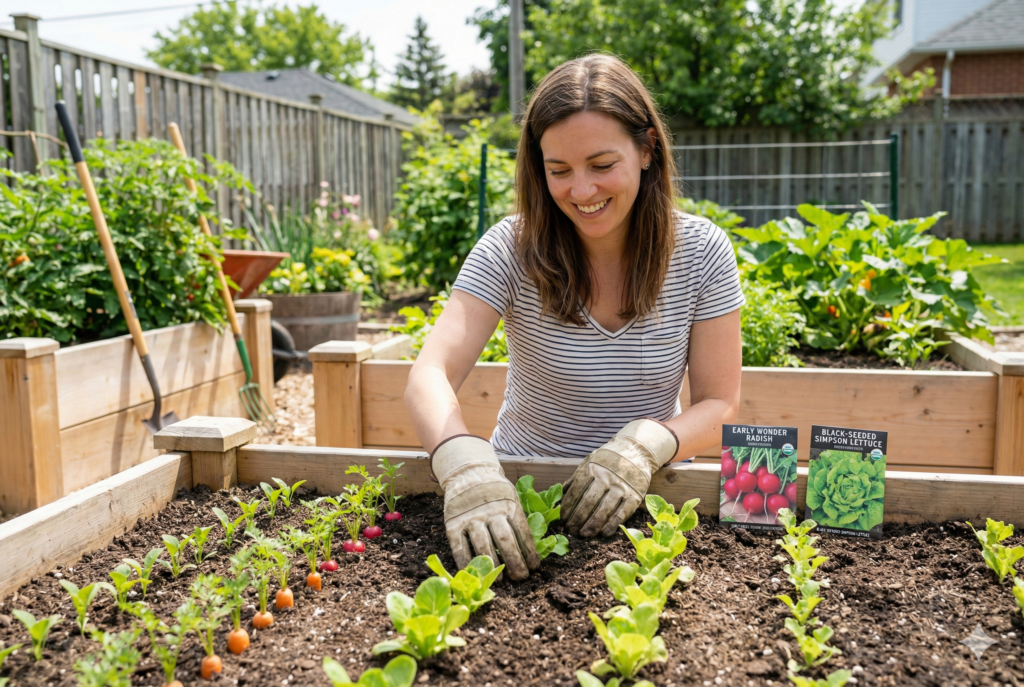
<p> If you are new to gardening, begin with vegetables that are forgiving and grow quickly. Leafy greens such as lettuce and spinach, root vegetables like radishes and carrots, and legumes including peas and beans are great choices. These vegetables are generally low-maintenance and adaptable to different soil conditions. Starting with beginner-friendly crops helps build confidence and allows you to experience the joy of harvesting sooner rather than later. </p> :: Gemini

If you are new to gardening, begin with vegetables that are forgiving and grow quickly. Leafy greens such as lettuce and spinach, root vegetables like radishes and carrots, and legumes including peas and beans are great choices. These vegetables are generally low-maintenance and adaptable to different soil conditions. Starting with beginner-friendly crops helps build confidence and allows you to experience the joy of harvesting sooner rather than later.

3. Know Your Climate and Planting Schedule

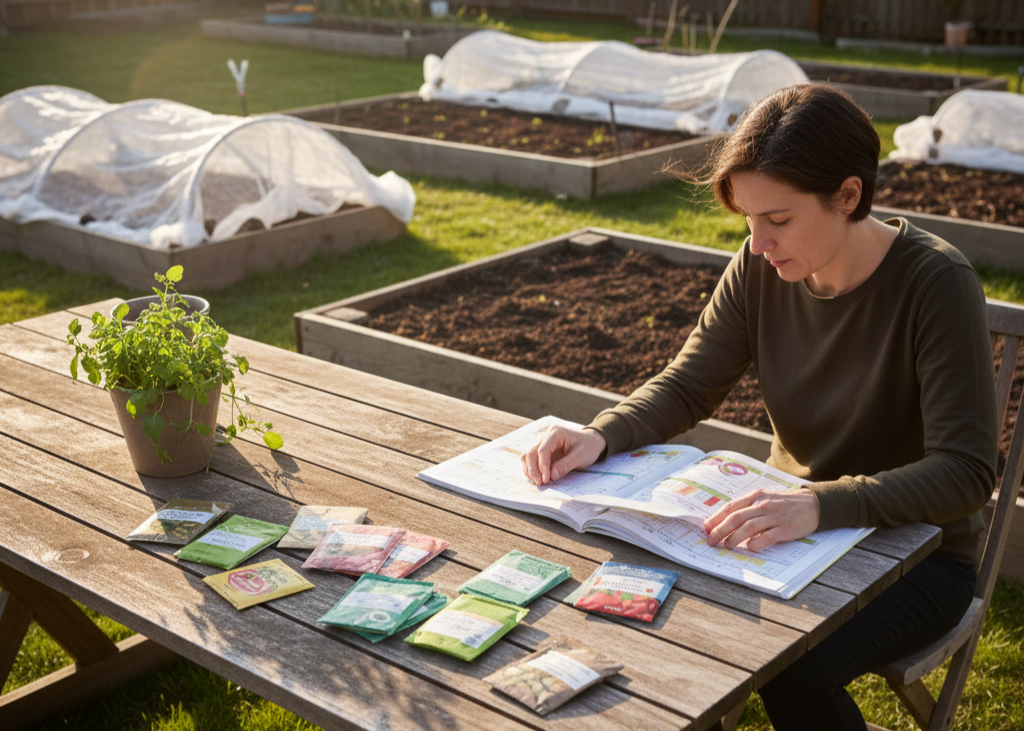
<p> Understanding your local climate is key to timing your planting correctly. Warm-season vegetables such as tomatoes, peppers, and squash thrive after all risk of frost has passed. Cool-season vegetables such as lettuce, peas, and radishes can often be planted earlier in the season. Checking a local planting calendar or reading your seed packets will ensure you plant at the right time. Paying attention to seasonal timing prevents unnecessary setbacks and increases your chances of a successful harvest. </p> :: Gemini

Understanding your local climate is key to timing your planting correctly. Warm-season vegetables such as tomatoes, peppers, and squash thrive after all risk of frost has passed. Cool-season vegetables such as lettuce, peas, and radishes can often be planted earlier in the season. Checking a local planting calendar or reading your seed packets will ensure you plant at the right time. Paying attention to seasonal timing prevents unnecessary setbacks and increases your chances of a successful harvest.

4. Prepare Your Soil for Healthy Growth

<p> Healthy soil is the foundation of a productive garden. Start by testing your soil to check pH and nutrient levels, including nitrogen, phosphorous, and potassium. Most vegetables prefer slightly acidic to neutral soil with plenty of nutrients. Once you know what your soil needs, enrich it with organic matter such as compost or aged manure. This improves soil structure, enhances fertility, and encourages strong root growth. Well-prepared soil sets the stage for vibrant plants and plentiful vegetables. </p> :: Gemini

Healthy soil is the foundation of a productive garden. Start by testing your soil to check pH and nutrient levels, including nitrogen, phosphorous, and potassium. Most vegetables prefer slightly acidic to neutral soil with plenty of nutrients. Once you know what your soil needs, enrich it with organic matter such as compost or aged manure. This improves soil structure, enhances fertility, and encourages strong root growth. Well-prepared soil sets the stage for vibrant plants and plentiful vegetables.

5. Plan Your Garden Layout Thoughtfully

<p> A well-planned garden layout helps your plants thrive and makes maintenance easier. Taller plants, such as tomatoes and corn, should be positioned so they do not shade shorter vegetables. Spacing is critical to prevent overcrowding and allow airflow, reducing the risk of disease. If your garden space is limited, consider compact planting methods such as square-foot gardening, vertical gardening, or raised beds. Thoughtful planning maximizes your yield while minimizing the effort needed to maintain the garden. </p> :: Gemini

A well-planned garden layout helps your plants thrive and makes maintenance easier. Taller plants, such as tomatoes and corn, should be positioned so they do not shade shorter vegetables. Spacing is critical to prevent overcrowding and allow airflow, reducing the risk of disease. If your garden space is limited, consider compact planting methods such as square-foot gardening, vertical gardening, or raised beds. Thoughtful planning maximizes your yield while minimizing the effort needed to maintain the garden.

6. Water Deeply and Consistently

<p> Watering is one of the most important aspects of gardening. Instead of frequent shallow watering, aim for deep, consistent watering that reaches several inches into the soil. Deep watering encourages roots to grow strong and healthy. The best time to water is in the morning when temperatures are cooler and evaporation is lower. Focus on watering the soil around the base of your plants rather than the leaves to reduce the risk of fungal diseases. Regular monitoring will ensure your plants stay hydrated without becoming waterlogged. </p> :: Gemini

Watering is one of the most important aspects of gardening. Instead of frequent shallow watering, aim for deep, consistent watering that reaches several inches into the soil. Deep watering encourages roots to grow strong and healthy. The best time to water is in the morning when temperatures are cooler and evaporation is lower. Focus on watering the soil around the base of your plants rather than the leaves to reduce the risk of fungal diseases. Regular monitoring will ensure your plants stay hydrated without becoming waterlogged.

7. Use Mulch to Protect and Nourish

<p>Mulch is a gardener’s secret weapon. A layer of straw, shredded leaves, or compost helps retain soil moisture, regulate temperature, and suppress weeds. Mulch also reduces the frequency of watering while protecting plant roots from extreme heat or cold. Apply mulch carefully, leaving a small gap around plant stems to prevent rot. Mulching not only benefits your plants but also reduces the effort required to maintain your garden. </p> :: Gemini

Mulch is a gardener’s secret weapon. A layer of straw, shredded leaves, or compost helps retain soil moisture, regulate temperature, and suppress weeds. Mulch also reduces the frequency of watering while protecting plant roots from extreme heat or cold. Apply mulch carefully, leaving a small gap around plant stems to prevent rot. Mulching not only benefits your plants but also reduces the effort required to maintain your garden.

8. Provide Shelter from Wind and Harsh Conditions

<p> Strong winds can damage young plants, dry out soil, and interfere with pollination. Choose a location that is naturally sheltered or create a windbreak using fences, shrubs, or nearby structures. At the same time, avoid placing your garden in areas that are heavily shaded. Protecting your vegetables from harsh elements ensures they grow strong and productive. Simple measures to block wind can make a noticeable difference in plant health and yield. </p> :: Gemini

Strong winds can damage young plants, dry out soil, and interfere with pollination. Choose a location that is naturally sheltered or create a windbreak using fences, shrubs, or nearby structures. At the same time, avoid placing your garden in areas that are heavily shaded. Protecting your vegetables from harsh elements ensures they grow strong and productive. Simple measures to block wind can make a noticeable difference in plant health and yield.

9. Monitor Your Garden Regularly

<p> Keeping an eye on your garden is essential. Check plants frequently for pests such as aphids, caterpillars, and slugs, as well as diseases that may appear as spots or mold. Early intervention makes managing problems easier and prevents significant damage. Regularly remove weeds, which compete with your vegetables for nutrients, water, and sunlight. A well-maintained garden is a healthy garden, and consistent observation allows you to address issues before they become major problems. </p> :: Gemini

Keeping an eye on your garden is essential. Check plants frequently for pests such as aphids, caterpillars, and slugs, as well as diseases that may appear as spots or mold. Early intervention makes managing problems easier and prevents significant damage. Regularly remove weeds, which compete with your vegetables for nutrients, water, and sunlight. A well-maintained garden is a healthy garden, and consistent observation allows you to address issues before they become major problems.

10. Be Patient and Enjoy the Process

<p> Gardening is a journey that rewards patience and observation. Even when you follow every tip perfectly, growth takes time. Roots develop, leaves spread, flowers bloom, and only then do vegetables form. Mistakes are part of the learning process, and each season provides new lessons. Celebrate small successes, whether it is the first sprout, the first flower, or the first harvest. Over time, you will develop a rhythm and confidence that makes gardening deeply satisfying. </p> :: Gemini

Gardening is a journey that rewards patience and observation. Even when you follow every tip perfectly, growth takes time. Roots develop, leaves spread, flowers bloom, and only then do vegetables form. Mistakes are part of the learning process, and each season provides new lessons. Celebrate small successes, whether it is the first sprout, the first flower, or the first harvest. Over time, you will develop a rhythm and confidence that makes gardening deeply satisfying.

Final Thoughts

<p> Starting a vegetable garden is more than planting seeds; it is an invitation to slow down, connect with nature, and cultivate your own food. By choosing a sunny spot, starting with easy vegetables, preparing your soil, watering thoughtfully, and monitoring your plants, you set the stage for a thriving garden. Add patience, curiosity, and a willingness to experiment, and you will discover that gardening is not just about the harvest — it is about the experience itself.

Every season teaches something new. Even if your first garden is not perfect, the lessons you learn will make the next one even better. Soon, you will enjoy the simple pleasure of picking fresh vegetables, tasting flavors that are unmatched by store-bought produce, and sharing your bounty with friends and family. Gardening is a rewarding journey that nourishes both your body and your spirit, and it all begins with a single seed and a little care. </p> :: Gemini

Starting a vegetable garden is more than planting seeds; it is an invitation to slow down, connect with nature, and cultivate your own food. By choosing a sunny spot, starting with easy vegetables, preparing your soil, watering thoughtfully, and monitoring your plants, you set the stage for a thriving garden. Add patience, curiosity, and a willingness to experiment, and you will discover that gardening is not just about the harvest — it is about the experience itself.

Every season teaches something new. Even if your first garden is not perfect, the lessons you learn will make the next one even better. Soon, you will enjoy the simple pleasure of picking fresh vegetables, tasting flavors that are unmatched by store-bought produce, and sharing your bounty with friends and family. Gardening is a rewarding journey that nourishes both your body and your spirit, and it all begins with a single seed and a little care.

Filed Under: Lifestyle

Why You Should Think Twice Before Adding Gravel to Your Plant Pots

November 27, 2025 | Leave a Comment

Why You Should Think Twice Before Adding Gravel to Your Plant Pots

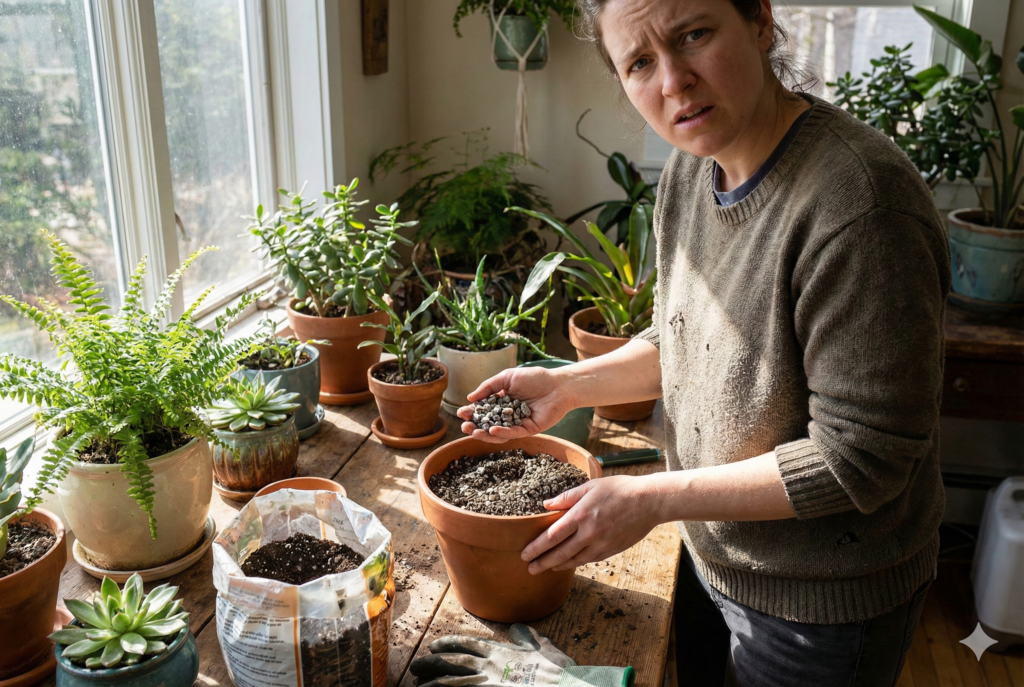
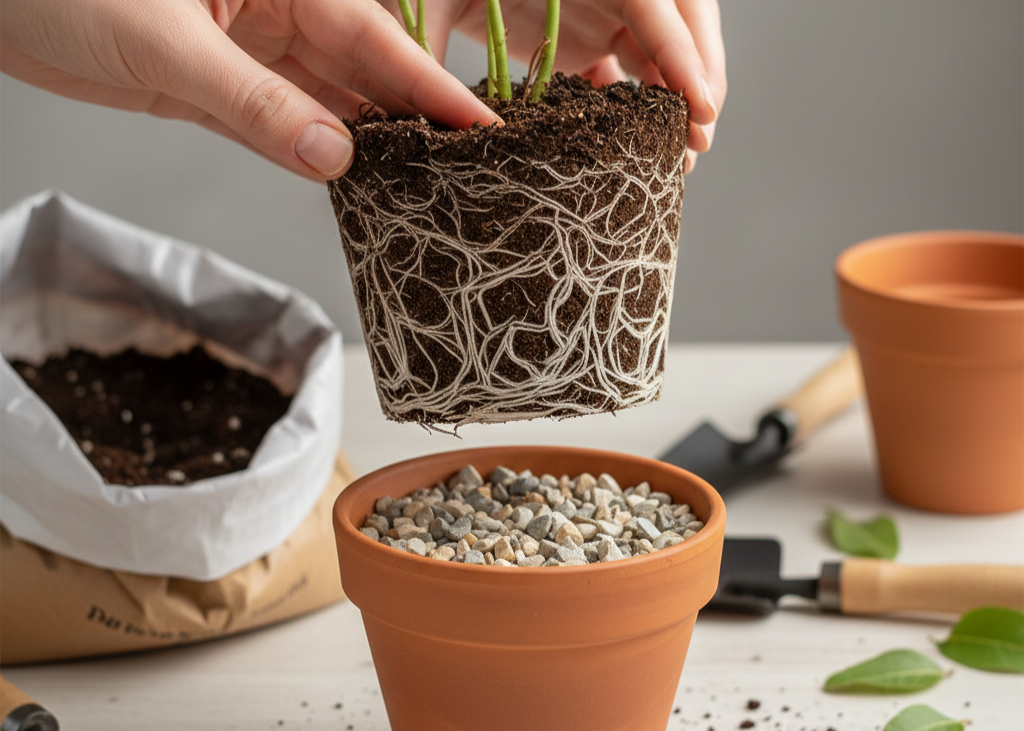
<p> If you have ever stood over a plant pot with a handful of gravel and felt confident that you were about to do something smart and “garden-expert approved,” you are definitely not alone. For decades, gardeners across the United States have believed that adding a layer of rocks to the bottom of a pot helps improve drainage, prevents soggy soil, and keeps plants healthier. It sounds logical. After all, water flows more easily through rocks than through soil, right?

Well, not exactly.

In recent years, horticulturists and plant scientists have been debunking this old gardening habit, showing that gravel at the bottom of pots often causes more harm than good. It can trap water closer to your plant’s roots, reduce the soil space your plant needs to thrive, and even increase the chances of root rot.

If you have been using gravel with good intentions, do not worry. Many of us learned this method from parents, grandparents, or friendly fellow plant lovers. Today, let’s walk through the real reasons gravel might be working against your plants and explore better ways to help them grow strong and healthy.

Below are the key problems gravel can create inside plant pots and what you should understand before sprinkling stones into your next container garden. </p> :: Gemini

If you have ever stood over a plant pot with a handful of gravel and felt confident that you were about to do something smart and “garden-expert approved,” you are definitely not alone. For decades, gardeners across the United States have believed that adding a layer of rocks to the bottom of a pot helps improve drainage, prevents soggy soil, and keeps plants healthier. It sounds logical. After all, water flows more easily through rocks than through soil, right?

Well, not exactly.

In recent years, horticulturists and plant scientists have been debunking this old gardening habit, showing that gravel at the bottom of pots often causes more harm than good. It can trap water closer to your plant’s roots, reduce the soil space your plant needs to thrive, and even increase the chances of root rot.

If you have been using gravel with good intentions, do not worry. Many of us learned this method from parents, grandparents, or friendly fellow plant lovers. Today, let’s walk through the real reasons gravel might be working against your plants and explore better ways to help them grow strong and healthy.

Below are the key problems gravel can create inside plant pots and what you should understand before sprinkling stones into your next container garden.

1. Gravel Does Not Actually Improve Drainage

<p> One of the biggest misunderstandings in the plant world is the idea that gravel speeds up drainage inside a pot. In theory, it sounds perfect. Water should flow through the soil and then pass easily into the rock layer. But in reality, soil does not behave that way.

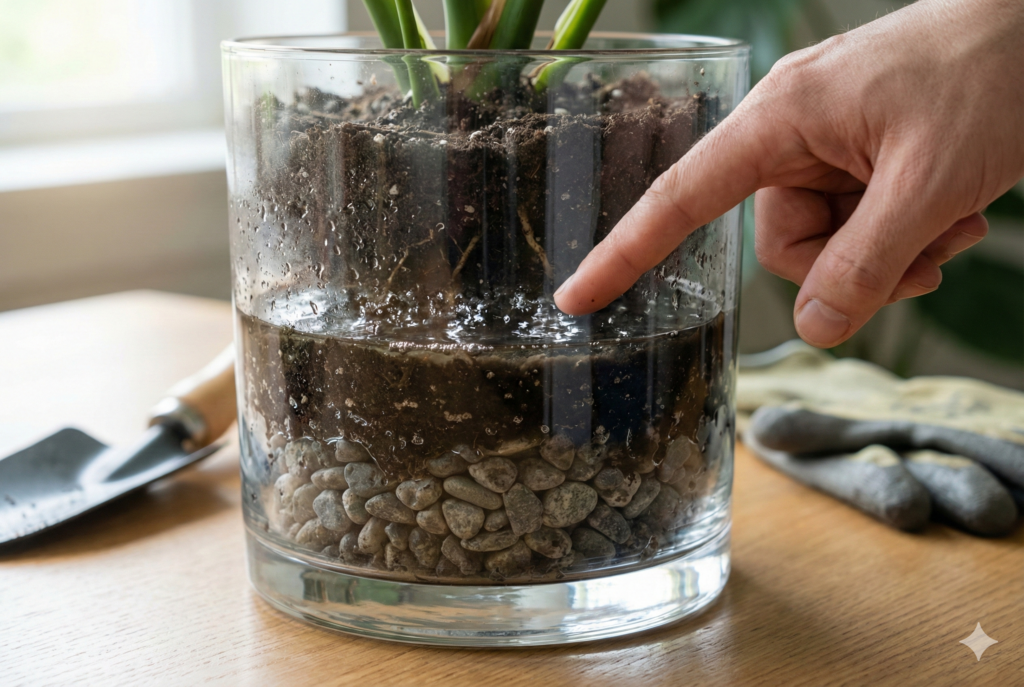
Water naturally clings to soil particles until the soil becomes saturated. Only then will excess water move downward. This means water pools above the gravel layer rather than flowing quickly into it. What you end up with is a soggy layer of soil sitting right where your plant’s roots live.

Instead of helping with drainage, the gravel often creates a barrier that keeps roots in wetter conditions for longer than intended. </p> :: Gemini

One of the biggest misunderstandings in the plant world is the idea that gravel speeds up drainage inside a pot. In theory, it sounds perfect. Water should flow through the soil and then pass easily into the rock layer. But in reality, soil does not behave that way.

Water naturally clings to soil particles until the soil becomes saturated. Only then will excess water move downward. This means water pools above the gravel layer rather than flowing quickly into it. What you end up with is a soggy layer of soil sitting right where your plant’s roots live.

Instead of helping with drainage, the gravel often creates a barrier that keeps roots in wetter conditions for longer than intended.

2. It Raises the Internal Water Table of the Pot

<p> When you add gravel to the bottom of a plant pot, you reduce the amount of soil inside the container. Because of this, the point where water settles after watering ends up higher than it would be in a pot filled entirely with soil.

This is a sneaky problem that most people do not see happening. You cannot see the water table inside the pot, but your plant definitely can feel it. When that water level rises closer to the roots, the roots spend more time sitting in overly wet soil.

Roots need both water and air to function well. When they stay wet too long, they struggle to breathe, which puts them at risk for rot, stunted growth, and fungal infections. A raised water table is one of the biggest hidden reasons that adding gravel can lead to sick or stressed plants. </p> :: Gemini

When you add gravel to the bottom of a plant pot, you reduce the amount of soil inside the container. Because of this, the point where water settles after watering ends up higher than it would be in a pot filled entirely with soil.

This is a sneaky problem that most people do not see happening. You cannot see the water table inside the pot, but your plant definitely can feel it. When that water level rises closer to the roots, the roots spend more time sitting in overly wet soil.

Roots need both water and air to function well. When they stay wet too long, they struggle to breathe, which puts them at risk for rot, stunted growth, and fungal infections. A raised water table is one of the biggest hidden reasons that adding gravel can lead to sick or stressed plants.

3. It Reduces the Space Roots Need for Growth

<p> Plants rely on soil not just for water, but also for nutrients, stability, and physical space to develop strong root systems. When you fill the bottom of a pot with gravel, you limit the soil volume available.

Less soil means fewer nutrients, less room for roots to expand, and a more confined growing environment overall. This can stunt a plant’s development over time.

Even if a pot looks large from the outside, gravel can make it function like a much smaller pot. The plant eventually becomes root bound faster or simply grows less vigorously than it could have with full access to the container’s space. </p> :: Gemini

Plants rely on soil not just for water, but also for nutrients, stability, and physical space to develop strong root systems. When you fill the bottom of a pot with gravel, you limit the soil volume available.

Less soil means fewer nutrients, less room for roots to expand, and a more confined growing environment overall. This can stunt a plant’s development over time.

Even if a pot looks large from the outside, gravel can make it function like a much smaller pot. The plant eventually becomes root bound faster or simply grows less vigorously than it could have with full access to the container’s space.

4. It Can Limit Aeration Inside the Soil

<p> Healthy soil is full of tiny pockets of air that allow plant roots to breathe. When water consistently sits above a gravel layer, those air pockets collapse, leaving less oxygen in the soil.

Oxygen-poor soil is one of the biggest enemies of root health. Roots that cannot access enough oxygen weaken, decline, and become vulnerable to rotting. While gravel is supposed to create better airflow, it often does the opposite by forcing more water to hover near the roots and reducing the soil’s natural ability to breathe. </p> :: Gemini

Healthy soil is full of tiny pockets of air that allow plant roots to breathe. When water consistently sits above a gravel layer, those air pockets collapse, leaving less oxygen in the soil.

Oxygen-poor soil is one of the biggest enemies of root health. Roots that cannot access enough oxygen weaken, decline, and become vulnerable to rotting. While gravel is supposed to create better airflow, it often does the opposite by forcing more water to hover near the roots and reducing the soil’s natural ability to breathe.

5. Gravel Can Interfere with Drainage Holes

<p> This one often surprises people, but gravel can block or partially clog drainage holes. When rocks shift or settle in the bottom of a pot, they can cover the openings and slow down the release of extra water.

This results in pooling water, which leads straight back to the root rot problem most gardeners are trying to avoid in the first place. Good drainage is absolutely important, but gravel is not the best way to achieve it. </p> :: Gemini

This one often surprises people, but gravel can block or partially clog drainage holes. When rocks shift or settle in the bottom of a pot, they can cover the openings and slow down the release of extra water.

This results in pooling water, which leads straight back to the root rot problem most gardeners are trying to avoid in the first place. Good drainage is absolutely important, but gravel is not the best way to achieve it.

6. It Makes Pots Heavier and Harder to Manage

<p> From a practical standpoint, adding a layer of gravel makes pots noticeably heavier. If you enjoy rearranging your porch or indoor plant displays, heavier pots can quickly turn from charming decor to accidental workout equipment.

Heavier pots also put more pressure on shelves, rails, balconies, or plant stands. Over time, this can create unnecessary strain or increase the risk of damage or accidents.

Since gravel does not actually help your plants thrive, that extra weight does not provide any real benefit. </p> :: Gemini

From a practical standpoint, adding a layer of gravel makes pots noticeably heavier. If you enjoy rearranging your porch or indoor plant displays, heavier pots can quickly turn from charming decor to accidental workout equipment.

Heavier pots also put more pressure on shelves, rails, balconies, or plant stands. Over time, this can create unnecessary strain or increase the risk of damage or accidents.

Since gravel does not actually help your plants thrive, that extra weight does not provide any real benefit.

7. It Keeps an Old Gardening Myth Alive When Better Methods Exist

<p> One reason gravel continues to be used is simply tradition. It is a piece of gardening advice passed down for generations, and many people follow it without question because it sounds so sensible.

But gardening science has evolved. We now understand soil structure, moisture movement, and root needs much more clearly. There are better tools, better potting mixes, and better methods available that keep plants healthier without the risks gravel introduces.

Using gravel at the bottom of pots is unnecessary, outdated, and often harmful. Thankfully, you have far more effective options for promoting drainage and creating an ideal environment for your plants. </p> :: Gemini

One reason gravel continues to be used is simply tradition. It is a piece of gardening advice passed down for generations, and many people follow it without question because it sounds so sensible.

But gardening science has evolved. We now understand soil structure, moisture movement, and root needs much more clearly. There are better tools, better potting mixes, and better methods available that keep plants healthier without the risks gravel introduces.

Using gravel at the bottom of pots is unnecessary, outdated, and often harmful. Thankfully, you have far more effective options for promoting drainage and creating an ideal environment for your plants.

Final Thoughts

<p> If you have been using gravel in your plant pots for years, you are definitely not alone, and you are certainly not a bad gardener. You were following common advice that seemed logical and well-intentioned. But now that you understand how water really moves through soil and how gravel affects the internal environment of a pot, you can make choices that support healthier plants.

Removing gravel from your potting routine can make a noticeable difference. Your plants will have access to more soil space, more oxygen, and more consistent moisture levels, and they will be far less likely to suffer from preventable problems like root rot.

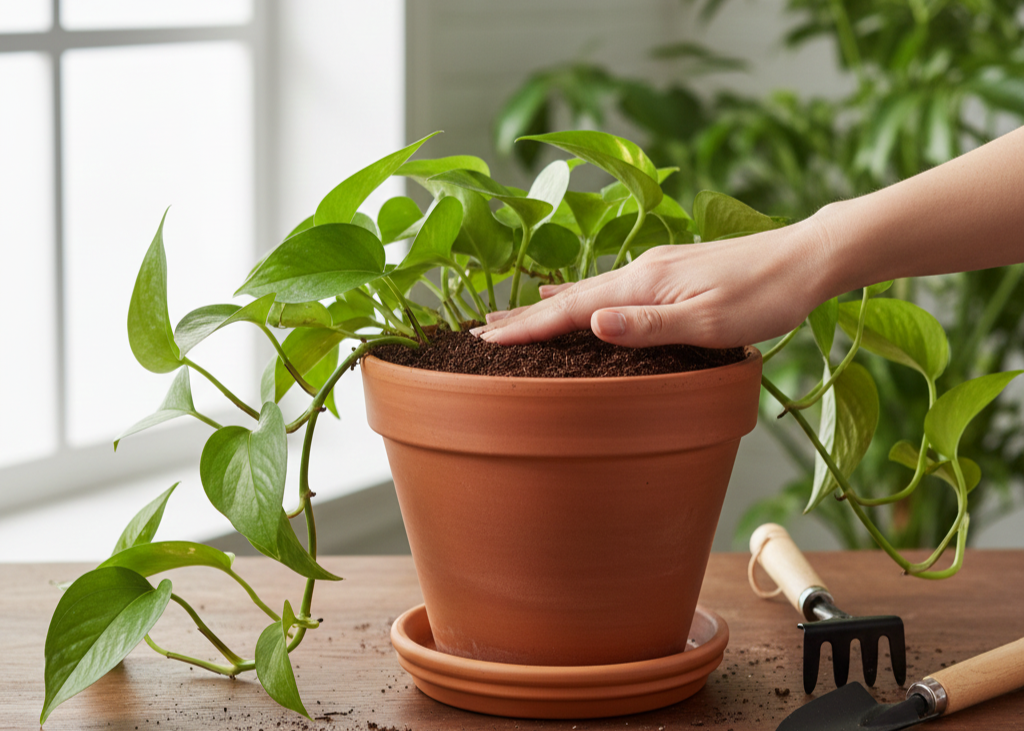
The most effective way to support proper drainage is not through gravel, but through using high quality potting mix and containers that have drainage holes. If you need to keep soil from slipping out of those holes, a simple coffee filter, mesh piece, or small bit of pottery works beautifully without disturbing the water table.

Your plants depend on you to create the conditions they cannot create for themselves. With the right soil and the right pot, they will reward you with better growth, brighter foliage, and far fewer frustrations. It is amazing how much healthier your plants can become when you skip the gravel and let the soil do its job. </p> :: Gemini

If you have been using gravel in your plant pots for years, you are definitely not alone, and you are certainly not a bad gardener. You were following common advice that seemed logical and well-intentioned. But now that you understand how water really moves through soil and how gravel affects the internal environment of a pot, you can make choices that support healthier plants.

Removing gravel from your potting routine can make a noticeable difference. Your plants will have access to more soil space, more oxygen, and more consistent moisture levels, and they will be far less likely to suffer from preventable problems like root rot.

The most effective way to support proper drainage is not through gravel, but through using high quality potting mix and containers that have drainage holes. If you need to keep soil from slipping out of those holes, a simple coffee filter, mesh piece, or small bit of pottery works beautifully without disturbing the water table.

Your plants depend on you to create the conditions they cannot create for themselves. With the right soil and the right pot, they will reward you with better growth, brighter foliage, and far fewer frustrations. It is amazing how much healthier your plants can become when you skip the gravel and let the soil do its job.

Filed Under: Lifestyle

7 Cultural Experiences to Enrich Your Retirement Years

November 26, 2025 | Leave a Comment

7 Cultural Experiences to Enrich Your Retirement Years

<p>Retirement gives you something rare: time to explore without rushing. And while travel is one way to do that, culture isn’t limited to far-off places. You can fill your days with rich, soul-stirring experiences no matter where you are. Art, music, history, food—they all tell stories that help you see the world in new ways. The best part? These cultural gems aren’t just for tourists or scholars. They’re for anyone curious enough to try something new. If you want to add more meaning to your days, these seven ideas are a good place to start.</p> ::Pexels

Retirement gives you something rare: time to explore without rushing. And while travel is one way to do that, culture isn’t limited to far-off places. You can fill your days with rich, soul-stirring experiences no matter where you are. Art, music, history, food—they all tell stories that help you see the world in new ways. The best part? These cultural gems aren’t just for tourists or scholars. They’re for anyone curious enough to try something new. If you want to add more meaning to your days, these seven ideas are a good place to start.

Visit Local Museums and Exhibits

<p>Every town has a museum, even if it’s just one room above a library. Whether it’s art, science, or history, a museum gives you a peek into someone else’s world. You don’t need to travel far to feel inspired. Many small museums are run by locals who love to share little-known facts. Did you know the first public museum in the U.S. opened in Charleston in 1773? Some even offer free entry days or senior discounts. A quiet afternoon in a museum can wake up your brain like a good book.</p> ::Pexels

Every town has a museum, even if it’s just one room above a library. Whether it’s art, science, or history, a museum gives you a peek into someone else’s world. You don’t need to travel far to feel inspired. Many small museums are run by locals who love to share little-known facts. Did you know the first public museum in the U.S. opened in Charleston in 1773? Some even offer free entry days or senior discounts. A quiet afternoon in a museum can wake up your brain like a good book.

Attend Live Theater or Performances

<p>There’s something special about watching real people perform just feet away from you. Live theater, dance shows, or local concerts can shake up your week and make you feel more alive. Community plays, jazz nights, or even improv comedy bring you into the moment. No two shows are ever the same. Many towns host outdoor summer shows or senior matinees. Some theaters even offer “pay what you can” nights. Shakespeare in the park? Sounds fancy, but it’s often free and packed with fun.</p> ::Pexels

There’s something special about watching real people perform just feet away from you. Live theater, dance shows, or local concerts can shake up your week and make you feel more alive. Community plays, jazz nights, or even improv comedy bring you into the moment. No two shows are ever the same. Many towns host outdoor summer shows or senior matinees. Some theaters even offer “pay what you can” nights. Shakespeare in the park? Sounds fancy, but it’s often free and packed with fun.

Join a Cultural Festival

<p>Festivals are like a vacation without the plane ticket. They offer food, music, crafts, and traditions from all over the world. Think Greek food fests, Chinese New Year parades, or Latin dance nights. You don’t need to know the culture to enjoy the vibe. Just show up, try something new, and talk to people. You’ll likely hear a new language or taste a dish you’ve never had before. Fun fact: The Albuquerque International Balloon Fiesta started with just 13 balloons in 1972. Now it draws hundreds of thousands every year. Festivals grow—and so can you.</p> ::Pexels

Festivals are like a vacation without the plane ticket. They offer food, music, crafts, and traditions from all over the world. Think Greek food fests, Chinese New Year parades, or Latin dance nights. You don’t need to know the culture to enjoy the vibe. Just show up, try something new, and talk to people. You’ll likely hear a new language or taste a dish you’ve never had before. Fun fact: The Albuquerque International Balloon Fiesta started with just 13 balloons in 1972. Now it draws hundreds of thousands every year. Festivals grow—and so can you.

Take an Art or Craft Class

<p>Making something with your hands feeds your mind in ways screens can’t. Pottery, painting, sewing, or even stained glass classes help you focus, learn, and relax. Many community centers and libraries offer low-cost or free classes for adults. Don’t worry if you’ve never held a brush or needle before. You’re not trying to make a masterpiece—you’re trying to feel something new. Bonus: You get to take home something you made with pride. Creating is part of every culture. When you join in, you connect with that long human story.</p> ::Pexels

Making something with your hands feeds your mind in ways screens can’t. Pottery, painting, sewing, or even stained glass classes help you focus, learn, and relax. Many community centers and libraries offer low-cost or free classes for adults. Don’t worry if you’ve never held a brush or needle before. You’re not trying to make a masterpiece—you’re trying to feel something new. Bonus: You get to take home something you made with pride. Creating is part of every culture. When you join in, you connect with that long human story.

Explore Local Heritage Sites

<p>There’s a reason people visit old towns, lighthouses, battlefields, or missions. These places hold the bones of a story that shaped the place you live. You can learn a lot by walking through a site, reading a plaque, or talking to a guide in period costume. Some sites even have live demos—blacksmithing, weaving, or cooking over fire. It’s history with sounds and smells, not just dates. Many seniors volunteer at these places too, which adds a social perk. A stroll through the past can help you feel more grounded in the now.</p> ::Pexels

There’s a reason people visit old towns, lighthouses, battlefields, or missions. These places hold the bones of a story that shaped the place you live. You can learn a lot by walking through a site, reading a plaque, or talking to a guide in period costume. Some sites even have live demos—blacksmithing, weaving, or cooking over fire. It’s history with sounds and smells, not just dates. Many seniors volunteer at these places too, which adds a social perk. A stroll through the past can help you feel more grounded in the now.

Join a Book or Film Club with Global Themes

<p>Books and films are a simple way to explore cultures without leaving your chair. A club gives you the bonus of sharing the experience with others. You can pick stories from different places—African novels, Korean dramas, Italian films—and talk about them with curious minds. Libraries often host these clubs, or you can start one with friends. You’ll likely hear new views and feel emotions you didn’t expect. It’s less about being an expert and more about being open. Culture isn’t just in the story—it’s in the talk after the credits roll.</p> ::Pexels

Books and films are a simple way to explore cultures without leaving your chair. A club gives you the bonus of sharing the experience with others. You can pick stories from different places—African novels, Korean dramas, Italian films—and talk about them with curious minds. Libraries often host these clubs, or you can start one with friends. You’ll likely hear new views and feel emotions you didn’t expect. It’s less about being an expert and more about being open. Culture isn’t just in the story—it’s in the talk after the credits roll.

Try Cooking from a Different Culture

<p>Food is one of the most fun ways to dip into a culture. Pick a country, find a few recipes, and spend an afternoon cooking something new. You don’t need a big kitchen or rare spices—just a sense of play. Try Thai curry, French crepes, or Moroccan tagine. Watch a video or follow a step-by-step recipe online. Even better, invite someone to eat with you and share the experience. A fun fact: Pizza, now a staple in the U.S., came from poor folks in Naples using scraps to feed their families. Culture is often born from simple, clever meals.</p> ::Pexels

Food is one of the most fun ways to dip into a culture. Pick a country, find a few recipes, and spend an afternoon cooking something new. You don’t need a big kitchen or rare spices—just a sense of play. Try Thai curry, French crepes, or Moroccan tagine. Watch a video or follow a step-by-step recipe online. Even better, invite someone to eat with you and share the experience. A fun fact: Pizza, now a staple in the U.S., came from poor folks in Naples using scraps to feed their families. Culture is often born from simple, clever meals.

Conclusion

<p>Cultural joy doesn’t need a plane ride, a passport, or a packed bag. It can live in a paintbrush, a playbill, a good meal, or a walk through the past. These seven ways offer both comfort and stretch—a way to feel more alive and connected. In your retirement years, time is no longer rushed. That means you can soak in the beauty of someone else’s story, one slow and lovely step at a time. Try one, try all—you might just find a new passion waiting where you least expect it.</p> ::Pexels

Cultural joy doesn’t need a plane ride, a passport, or a packed bag. It can live in a paintbrush, a playbill, a good meal, or a walk through the past. These seven ways offer both comfort and stretch—a way to feel more alive and connected. In your retirement years, time is no longer rushed. That means you can soak in the beauty of someone else’s story, one slow and lovely step at a time. Try one, try all—you might just find a new passion waiting where you least expect it.

Filed Under: Lifestyle

What Millennials Can Learn From Baby Boomers About Saving Money: 10 Time-Tested Tips That Still Work Today

November 26, 2025 | Leave a Comment

What Millennials Can Learn From Baby Boomers About Saving Money: 10 Time-Tested Tips That Still Work Today

<p> Millennials have grown up in a world of rapid technological change, economic uncertainty, and rising costs of living. While these challenges are unique to their generation, there is still a lot to be learned from the financial wisdom of Baby Boomers. The generation that weathered recessions, inflation, and job instability without the internet or budgeting apps has valuable, timeless lessons about managing money. Here are ten practical, no-nonsense money-saving strategies Millennials can borrow from the Baby Boomer playbook—and why they still matter today. </p> :: Pexels

Millennials have grown up in a world of rapid technological change, economic uncertainty, and rising costs of living. While these challenges are unique to their generation, there is still a lot to be learned from the financial wisdom of Baby Boomers. The generation that weathered recessions, inflation, and job instability without the internet or budgeting apps has valuable, timeless lessons about managing money. Here are ten practical, no-nonsense money-saving strategies Millennials can borrow from the Baby Boomer playbook—and why they still matter today.

1. Live Below Your Means

<p> Baby Boomers understood the power of spending less than you earn. While Millennials face higher costs of living, the principle of frugality still holds true. Boomers often resisted the temptation of lifestyle inflation and focused on needs over wants. They did not chase the latest gadgets or splurge on trendy experiences just to keep up. Instead, they prioritized financial stability. For Millennials, embracing a minimalist mindset and being intentional about purchases—cutting out unnecessary subscriptions, avoiding fast fashion, and cooking at home—can make a significant difference in long-term savings and peace of mind. </p> :: Freepik

Baby Boomers understood the power of spending less than you earn. While Millennials face higher costs of living, the principle of frugality still holds true. Boomers often resisted the temptation of lifestyle inflation and focused on needs over wants. They did not chase the latest gadgets or splurge on trendy experiences just to keep up. Instead, they prioritized financial stability. For Millennials, embracing a minimalist mindset and being intentional about purchases—cutting out unnecessary subscriptions, avoiding fast fashion, and cooking at home—can make a significant difference in long-term savings and peace of mind.

2. Use Cash to Stay Accountable

<p> Before debit and credit cards became widespread, Boomers used physical cash for nearly all transactions. This created a tangible connection to spending that helped them stay accountable and conscious of their financial choices. For Millennials raised in a digital world, it is easy to lose track of money with a tap or swipe. Implementing a “cash envelope” system or withdrawing a set budget for groceries, entertainment, or dining out can bring back that physical awareness and help avoid overspending. Even using prepaid cards or budgeting apps with strict limits can mimic this analog discipline and instill smarter habits. </p> :: Pexels

Before debit and credit cards became widespread, Boomers used physical cash for nearly all transactions. This created a tangible connection to spending that helped them stay accountable and conscious of their financial choices. For Millennials raised in a digital world, it is easy to lose track of money with a tap or swipe. Implementing a “cash envelope” system or withdrawing a set budget for groceries, entertainment, or dining out can bring back that physical awareness and help avoid overspending. Even using prepaid cards or budgeting apps with strict limits can mimic this analog discipline and instill smarter habits.

3. Avoid Debt Like the Plague

<p> Boomers generally viewed debt—especially credit card debt—as something to be avoided at all costs. They were more likely to save up for large purchases than to finance them with loans or credit. While student loans and housing costs make this harder for Millennials, the principle of minimizing consumer debt still applies. Paying off high-interest balances quickly, building an emergency fund, and living within a budget can help reduce dependence on credit and the stress that comes with it. Millennials can also learn to delay gratification, something Boomers practiced regularly, instead of going into debt for immediate wants. </p> :: Pexels

Boomers generally viewed debt—especially credit card debt—as something to be avoided at all costs. They were more likely to save up for large purchases than to finance them with loans or credit. While student loans and housing costs make this harder for Millennials, the principle of minimizing consumer debt still applies. Paying off high-interest balances quickly, building an emergency fund, and living within a budget can help reduce dependence on credit and the stress that comes with it. Millennials can also learn to delay gratification, something Boomers practiced regularly, instead of going into debt for immediate wants.

4. Fix and Reuse Instead of Replace

<p> In the Boomer era, when something broke, the first instinct was not to toss it—it was to fix it. Whether it was sewing a torn shirt, repairing a toaster, or changing the oil themselves, Boomers embraced a do-it-yourself attitude that saved money and reduced waste. Millennials, influenced by fast consumerism, often replace items instead of repairing them. By learning some basic skills—like sewing, home repairs, or car maintenance—Millennials can save hundreds or even thousands each year. It is not only cost-effective but also better for the environment and encourages a deeper appreciation for the value of items. </p> :: Pexels

In the Boomer era, when something broke, the first instinct was not to toss it—it was to fix it. Whether it was sewing a torn shirt, repairing a toaster, or changing the oil themselves, Boomers embraced a do-it-yourself attitude that saved money and reduced waste. Millennials, influenced by fast consumerism, often replace items instead of repairing them. By learning some basic skills—like sewing, home repairs, or car maintenance—Millennials can save hundreds or even thousands each year. It is not only cost-effective but also better for the environment and encourages a deeper appreciation for the value of items.

5. Cook at Home and Pack Your Lunch

<p> Dining out regularly was not the norm for Baby Boomers. They cooked meals from scratch and packed lunches for work, which drastically reduced food expenses. Millennials, who often opt for convenience foods or delivery apps, may be shocked by how much they could save with some meal planning. Preparing meals at home does not have to be boring or time-consuming—batch cooking, slow cookers, and meal-prep Sundays can help cut costs without sacrificing flavor. Making this one change can free up funds for savings, travel, or debt repayment while also fostering healthier eating habits. </p> :: Pexels

Dining out regularly was not the norm for Baby Boomers. They cooked meals from scratch and packed lunches for work, which drastically reduced food expenses. Millennials, who often opt for convenience foods or delivery apps, may be shocked by how much they could save with some meal planning. Preparing meals at home does not have to be boring or time-consuming—batch cooking, slow cookers, and meal-prep Sundays can help cut costs without sacrificing flavor. Making this one change can free up funds for savings, travel, or debt repayment while also fostering healthier eating habits.

6. Buy Used Instead of New

<p> Boomers knew the value of a good deal and were not shy about shopping at thrift stores, garage sales, or classifieds. From cars to furniture to appliances, buying second-hand was a smart, budget-friendly choice. Millennials, thanks to platforms like Facebook Marketplace, OfferUp, and thrift-focused apps, have even more access to gently used goods at a fraction of the cost. Embracing the Boomer habit of “pre-loved” shopping can help Millennials furnish their homes, dress stylishly, and find electronics or tools without breaking the bank. It also promotes sustainability and reduces unnecessary manufacturing and waste. </p> :: Pexels

Boomers knew the value of a good deal and were not shy about shopping at thrift stores, garage sales, or classifieds. From cars to furniture to appliances, buying second-hand was a smart, budget-friendly choice. Millennials, thanks to platforms like Facebook Marketplace, OfferUp, and thrift-focused apps, have even more access to gently used goods at a fraction of the cost. Embracing the Boomer habit of “pre-loved” shopping can help Millennials furnish their homes, dress stylishly, and find electronics or tools without breaking the bank. It also promotes sustainability and reduces unnecessary manufacturing and waste.

7. Have a Rainy Day Fund Always

<p> Baby Boomers were often raised by Depression-era parents who instilled in them the importance of saving for emergencies. That meant always keeping a rainy day fund for unexpected expenses—car trouble, medical bills, or job loss. Millennials, despite having more financial pressure, can benefit greatly from this safety net. Even starting small, like saving twenty dollars per paycheck, can build a buffer that prevents future debt. Automating savings, using round-up apps, or setting aside tax refunds are great ways to establish and grow an emergency fund, following a principle that has stood the test of time. </p> :: Pexels

Baby Boomers were often raised by Depression-era parents who instilled in them the importance of saving for emergencies. That meant always keeping a rainy day fund for unexpected expenses—car trouble, medical bills, or job loss. Millennials, despite having more financial pressure, can benefit greatly from this safety net. Even starting small, like saving twenty dollars per paycheck, can build a buffer that prevents future debt. Automating savings, using round-up apps, or setting aside tax refunds are great ways to establish and grow an emergency fund, following a principle that has stood the test of time.

8. Learn to Budget and Actually Stick to It

<p> Boomers did not have budgeting apps or spreadsheets, but they still managed their money carefully. Many used simple methods like writing expenses in a notebook, using envelopes for bills, or having strict family meetings about finances. While Millennials have tools like Mint, YNAB (You Need a Budget), or budgeting features in banking apps, the challenge often lies in consistent execution. Boomers stayed disciplined by necessity, and that same level of intentionality can help Millennials too. Treating budgeting like a lifestyle rather than a restriction can lead to long-term financial freedom and reduced financial stress. </p> :: Pexels

Boomers did not have budgeting apps or spreadsheets, but they still managed their money carefully. Many used simple methods like writing expenses in a notebook, using envelopes for bills, or having strict family meetings about finances. While Millennials have tools like Mint, YNAB (You Need a Budget), or budgeting features in banking apps, the challenge often lies in consistent execution. Boomers stayed disciplined by necessity, and that same level of intentionality can help Millennials too. Treating budgeting like a lifestyle rather than a restriction can lead to long-term financial freedom and reduced financial stress.

9. Prioritize Long-Term Financial Goals

<p> Many Boomers focused on buying a home, saving for retirement, or building generational wealth. They understood that long-term goals required patience and planning. While homeownership may seem out of reach for some Millennials, the underlying message is to think beyond short-term gratification. Whether it is investing in index funds, contributing to a 401(k), or saving for a future business, Millennials can adopt the Boomer mindset of setting financial goals and working steadily toward them. Consistency, not speed, is the key—and small steps today can mean big rewards tomorrow for both individuals and their families. </p> :: Pexels

Many Boomers focused on buying a home, saving for retirement, or building generational wealth. They understood that long-term goals required patience and planning. While homeownership may seem out of reach for some Millennials, the underlying message is to think beyond short-term gratification. Whether it is investing in index funds, contributing to a 401(k), or saving for a future business, Millennials can adopt the Boomer mindset of setting financial goals and working steadily toward them. Consistency, not speed, is the key—and small steps today can mean big rewards tomorrow for both individuals and their families.

10. Be Resourceful and Avoid Waste

<p> Waste-not, want-not was more than a saying for Baby Boomers—it was a way of life. They reused wrapping paper, kept glass jars, saved leftovers, and mended clothes. Millennials, with rising living costs and environmental concerns, can benefit by reintroducing this habit of resourcefulness. Simple shifts like repurposing containers, composting food scraps, or cutting back on disposable items not only save money but reduce environmental impact. It is about being mindful, efficient, and intentional—values that Millennials can carry forward while modernizing them for today’s world of reusable products and eco-conscious living. </p> :: Pexels

Waste-not, want-not was more than a saying for Baby Boomers—it was a way of life. They reused wrapping paper, kept glass jars, saved leftovers, and mended clothes. Millennials, with rising living costs and environmental concerns, can benefit by reintroducing this habit of resourcefulness. Simple shifts like repurposing containers, composting food scraps, or cutting back on disposable items not only save money but reduce environmental impact. It is about being mindful, efficient, and intentional—values that Millennials can carry forward while modernizing them for today’s world of reusable products and eco-conscious living.

Final Thoughts

<p> Baby Boomers did not have it easy—they faced their share of economic struggles—but they developed habits that helped them build financial stability and resilience. While the world has changed dramatically since then, many of their money-saving strategies remain incredibly relevant. By embracing frugality, avoiding unnecessary debt, and thinking long-term, Millennials can build a healthier financial future. It is not about turning back the clock—it is about blending old-school wisdom with modern tools to create a money-smart lifestyle that works in any generation. In an age of financial noise, sometimes the quiet advice from the past is what speaks loudest. </p> :: Pexels

Baby Boomers did not have it easy—they faced their share of economic struggles—but they developed habits that helped them build financial stability and resilience. While the world has changed dramatically since then, many of their money-saving strategies remain incredibly relevant. By embracing frugality, avoiding unnecessary debt, and thinking long-term, Millennials can build a healthier financial future. It is not about turning back the clock—it is about blending old-school wisdom with modern tools to create a money-smart lifestyle that works in any generation. In an age of financial noise, sometimes the quiet advice from the past is what speaks loudest.

Filed Under: Lifestyle

8 Smart Questions That Instantly Make You Stand Out in a Job Interview

November 26, 2025 | Leave a Comment

8 Smart Questions That Instantly Make You Stand Out in a Job Interview

<p> Job interviews can feel like a high-stakes performance. You walk in, shake hands, answer questions, and hope you said the right things. But what if the way you leave the room mattered just as much as what you said during the interview? The questions you ask at the end can make a lasting impression and separate you from other candidates. Thoughtful, strategic questions show curiosity, preparation, and genuine interest in the company and the role.

Instead of the usual “Do you have any questions for me,” you can step up your game with questions that not only help you understand the job better but also highlight your professional mindset. Here are eight smart questions to ask in a job interview that can make you memorable and give you a real edge. </p> :: Freepik

Job interviews can feel like a high-stakes performance. You walk in, shake hands, answer questions, and hope you said the right things. But what if the way you leave the room mattered just as much as what you said during the interview? The questions you ask at the end can make a lasting impression and separate you from other candidates. Thoughtful, strategic questions show curiosity, preparation, and genuine interest in the company and the role.

Instead of the usual “Do you have any questions for me,” you can step up your game with questions that not only help you understand the job better but also highlight your professional mindset. Here are eight smart questions to ask in a job interview that can make you memorable and give you a real edge.

1. What does a typical day or week look like for someone in this role?

<p> This question is about more than satisfying curiosity. Understanding the day-to-day responsibilities of the role allows you to picture yourself in the position and assess if the rhythm and pace match your working style. For the interviewer, it demonstrates that you are thinking practically about how you will contribute. You also gain insight into whether the role involves more teamwork, independent projects, meetings, or creative problem-solving. By asking this question, you communicate that you are serious about understanding the work environment and aligning your skills with the team’s needs. </p> :: Freepik

This question is about more than satisfying curiosity. Understanding the day-to-day responsibilities of the role allows you to picture yourself in the position and assess if the rhythm and pace match your working style. For the interviewer, it demonstrates that you are thinking practically about how you will contribute. You also gain insight into whether the role involves more teamwork, independent projects, meetings, or creative problem-solving. By asking this question, you communicate that you are serious about understanding the work environment and aligning your skills with the team’s needs.

2. What are the most important goals or expectations for the first 90 days or first six months?

<p> Asking this question demonstrates ambition and foresight. It shows you are thinking about success from day one and want to understand how your performance will be measured. You can learn what your immediate priorities will be and what challenges might arise early on. At the same time, it signals to the interviewer that you are ready to hit the ground running and take responsibility for tangible results. This type of question conveys a proactive and results-oriented mindset that is highly valued by hiring managers. </p> :: Freepik

Asking this question demonstrates ambition and foresight. It shows you are thinking about success from day one and want to understand how your performance will be measured. You can learn what your immediate priorities will be and what challenges might arise early on. At the same time, it signals to the interviewer that you are ready to hit the ground running and take responsibility for tangible results. This type of question conveys a proactive and results-oriented mindset that is highly valued by hiring managers.

3. How does this role contribute to the team’s or company’s bigger goals and priorities?

<p> Roles are rarely isolated, and your work can have ripple effects throughout the organization. By asking this question, you show interest in impact and strategy. It helps you understand how your tasks connect to the bigger picture and which contributions are most valued. Employers appreciate candidates who see beyond daily responsibilities and think about organizational success. This question also gives you a better sense of how your efforts will be recognized and the value your work can provide to the team and the company as a whole. </p> :: Freepik

Roles are rarely isolated, and your work can have ripple effects throughout the organization. By asking this question, you show interest in impact and strategy. It helps you understand how your tasks connect to the bigger picture and which contributions are most valued. Employers appreciate candidates who see beyond daily responsibilities and think about organizational success. This question also gives you a better sense of how your efforts will be recognized and the value your work can provide to the team and the company as a whole.

4. What are the biggest challenges the team or department is facing right now, and how could someone in this role help address them?

<p> This question does a lot in one sentence. It shows you are realistic, ready to face obstacles, and eager to contribute solutions. It encourages interviewers to be honest about current difficulties and gives you a chance to position yourself as part of the solution. Additionally, it provides insight into the working environment, the team dynamics, and potential hurdles you might encounter. Asking this question signals confidence and practical thinking, and it can spark a meaningful conversation about the company’s priorities and the role’s impact. </p> :: Freepik

This question does a lot in one sentence. It shows you are realistic, ready to face obstacles, and eager to contribute solutions. It encourages interviewers to be honest about current difficulties and gives you a chance to position yourself as part of the solution. Additionally, it provides insight into the working environment, the team dynamics, and potential hurdles you might encounter. Asking this question signals confidence and practical thinking, and it can spark a meaningful conversation about the company’s priorities and the role’s impact.

5. How is success measured in this role, and what does excellent performance look like?

<p> Clear expectations are essential for professional growth. By asking this question, you gain an understanding of what the company values most and how your contributions will be evaluated. It also demonstrates to the interviewer that you are goal-oriented and eager to meet or exceed expectations. Knowing the metrics or standards for success allows you to visualize your performance trajectory and ensures that both you and the employer have aligned definitions of achievement. This question also opens the door for a discussion about how the role might evolve over time. </p> :: Freepik

Clear expectations are essential for professional growth. By asking this question, you gain an understanding of what the company values most and how your contributions will be evaluated. It also demonstrates to the interviewer that you are goal-oriented and eager to meet or exceed expectations. Knowing the metrics or standards for success allows you to visualize your performance trajectory and ensures that both you and the employer have aligned definitions of achievement. This question also opens the door for a discussion about how the role might evolve over time.

6. How does the company support employee growth, development, and career advancement?

<p> A role is more than a job; it is part of a career path. This question signals that you are thinking long-term and want to grow with the company. You can learn about mentorship programs, training opportunities, and internal promotion paths. Asking about development shows that you value continuous learning and are invested in improving your skills. For interviewers, it demonstrates ambition, commitment, and foresight. This is also a chance to discover if the company genuinely invests in its employees or if opportunities for advancement are limited. </p> :: Freepik

A role is more than a job; it is part of a career path. This question signals that you are thinking long-term and want to grow with the company. You can learn about mentorship programs, training opportunities, and internal promotion paths. Asking about development shows that you value continuous learning and are invested in improving your skills. For interviewers, it demonstrates ambition, commitment, and foresight. This is also a chance to discover if the company genuinely invests in its employees or if opportunities for advancement are limited.

7. How would you describe the company culture, and what do you enjoy most about working here?

<p> Culture is everything when it comes to job satisfaction. This question invites a personal response from the interviewer and often uncovers insights you won’t find in official materials. Understanding the workplace atmosphere, values, and team dynamics helps you assess whether you will thrive in the environment. At the same time, it communicates that you value people, relationships, and the work environment as much as responsibilities. Hearing an authentic answer can reveal what makes the company unique and how employees are supported, motivated, and appreciated. </p> :: Freepik

Culture is everything when it comes to job satisfaction. This question invites a personal response from the interviewer and often uncovers insights you won’t find in official materials. Understanding the workplace atmosphere, values, and team dynamics helps you assess whether you will thrive in the environment. At the same time, it communicates that you value people, relationships, and the work environment as much as responsibilities. Hearing an authentic answer can reveal what makes the company unique and how employees are supported, motivated, and appreciated.

8. What are the next steps in the hiring process, and when can I expect to hear back?

<p> While it may seem simple, this question is practical and professional. It shows organization, genuine interest, and that you are considering the process from start to finish. Asking about next steps also ensures clarity on timelines, follow-ups, and expectations. It signals respect for the interviewer’s time while keeping you informed about your own planning. Ending with this question helps close the interview on a positive and confident note, leaving the impression that you are thoughtful and proactive. </p> :: Freepik

While it may seem simple, this question is practical and professional. It shows organization, genuine interest, and that you are considering the process from start to finish. Asking about next steps also ensures clarity on timelines, follow-ups, and expectations. It signals respect for the interviewer’s time while keeping you informed about your own planning. Ending with this question helps close the interview on a positive and confident note, leaving the impression that you are thoughtful and proactive.

Final Thoughts

<p> The best candidates are not just the ones who answer questions well but also those who ask the right questions. Thoughtful questions reveal curiosity, preparation, and a genuine interest in the role and company. They allow you to understand the day-to-day work, the expectations, and the culture before making a commitment. At the same time, they leave a lasting impression on your interviewers, showing that you are reflective, strategic, and ready to contribute.

Remember, the goal is not to recite a checklist of questions. Choose two to four that feel most relevant and adapt them based on the conversation. Listen actively and let your questions grow naturally from what the interviewer shares. A well-timed question can spark a memorable discussion, set you apart from other candidates, and even help you negotiate the role from a place of insight.

By approaching your next interview with curiosity, preparation, and genuine engagement, you can move from being just another applicant to someone your interviewer remembers. Asking the right questions is more than etiquette—it is a career strategy. Go into your next interview ready to learn, ready to connect, and ready to leave a lasting impression that could very well open the door to your next opportunity. </p> :: Freepik

The best candidates are not just the ones who answer questions well but also those who ask the right questions. Thoughtful questions reveal curiosity, preparation, and a genuine interest in the role and company. They allow you to understand the day-to-day work, the expectations, and the culture before making a commitment. At the same time, they leave a lasting impression on your interviewers, showing that you are reflective, strategic, and ready to contribute.

Remember, the goal is not to recite a checklist of questions. Choose two to four that feel most relevant and adapt them based on the conversation. Listen actively and let your questions grow naturally from what the interviewer shares. A well-timed question can spark a memorable discussion, set you apart from other candidates, and even help you negotiate the role from a place of insight.

By approaching your next interview with curiosity, preparation, and genuine engagement, you can move from being just another applicant to someone your interviewer remembers. Asking the right questions is more than etiquette—it is a career strategy. Go into your next interview ready to learn, ready to connect, and ready to leave a lasting impression that could very well open the door to your next opportunity.

Filed Under: Lifestyle

6 Social Wellness Routines to Stay Happy and Connected

November 24, 2025 | Leave a Comment

6 Social Wellness Routines to Stay Happy and Connected

<p>Staying close to people gets harder as we get older. Life gets full, and time flies. Still, strong bonds with others make a big difference in how happy and healthy we feel. Social wellness is about more than just having friends. It’s about habits that keep your connections strong, your heart full, and your stress low. You don’t need a big circle or constant events. Just a few small routines that help you check in, reach out, and stay grounded. These six simple habits will keep your social life alive—even on your busiest weeks.</p> ::Pexels

Staying close to people gets harder as we get older. Life gets full, and time flies. Still, strong bonds with others make a big difference in how happy and healthy we feel. Social wellness is about more than just having friends. It’s about habits that keep your connections strong, your heart full, and your stress low. You don’t need a big circle or constant events. Just a few small routines that help you check in, reach out, and stay grounded. These six simple habits will keep your social life alive—even on your busiest weeks.

Make a Weekly Phone Call

<p>One call a week can keep a bond strong. It doesn’t need to be long. Fifteen minutes to catch up with a friend or family member works just fine. Talking out loud—hearing a real voice—can boost your mood more than a text ever could. A call once a week also helps you stay in the loop and feel less alone. Fun fact: studies show people feel happier after social contact, even if they don’t expect to.</p> ::Pexels

One call a week can keep a bond strong. It doesn’t need to be long. Fifteen minutes to catch up with a friend or family member works just fine. Talking out loud—hearing a real voice—can boost your mood more than a text ever could. A call once a week also helps you stay in the loop and feel less alone. Fun fact: studies show people feel happier after social contact, even if they don’t expect to.

Plan a Monthly Meetup

<p>Seeing someone face to face makes a big impact. Try setting one day a month for coffee, a walk, or lunch with someone you enjoy. You don’t need a packed calendar. Just one outing can give you something to look forward to. It also deepens your bond and gives you shared memories. The key is to plan it in advance—when it’s on the calendar, you’re more likely to follow through.</p> ::Pexels

Seeing someone face to face makes a big impact. Try setting one day a month for coffee, a walk, or lunch with someone you enjoy. You don’t need a packed calendar. Just one outing can give you something to look forward to. It also deepens your bond and gives you shared memories. The key is to plan it in advance—when it’s on the calendar, you’re more likely to follow through.

Send “Thinking of You” Messages

<p>A quick note can make someone’s day—and yours. You can send a funny meme, a photo, or a short check-in. No need to wait for a reason. Just knowing someone thought of you builds trust and warmth. It also keeps connections fresh, even with people you don’t talk to often. One message every few days takes little time but builds a big network of support over time.</p> ::Pexels

A quick note can make someone’s day—and yours. You can send a funny meme, a photo, or a short check-in. No need to wait for a reason. Just knowing someone thought of you builds trust and warmth. It also keeps connections fresh, even with people you don’t talk to often. One message every few days takes little time but builds a big network of support over time.

Join a Local Group or Club

<p>Being part of something regular brings a steady social boost. Whether it’s a book club, walking group, or hobby class, group settings give you a sense of belonging. You don’t have to be the loudest in the room. Just showing up and being part of a shared space is enough. Over time, you’ll get to know the faces, and they’ll get to know yours. Shared interest often leads to deeper bonds without pressure.</p> ::Pexels

Being part of something regular brings a steady social boost. Whether it’s a book club, walking group, or hobby class, group settings give you a sense of belonging. You don’t have to be the loudest in the room. Just showing up and being part of a shared space is enough. Over time, you’ll get to know the faces, and they’ll get to know yours. Shared interest often leads to deeper bonds without pressure.

Celebrate Small Wins and Dates

<p>Marking birthdays, job news, or even “just because” wins helps people feel seen. Send a message or drop off a card. If it’s your own milestone, share it. These tiny moments build joy and connection. People remember when you remember them. Plus, the habit of noticing the good in others helps you stay in a grateful, open mindset, too.</p> ::Pexels

Marking birthdays, job news, or even “just because” wins helps people feel seen. Send a message or drop off a card. If it’s your own milestone, share it. These tiny moments build joy and connection. People remember when you remember them. Plus, the habit of noticing the good in others helps you stay in a grateful, open mindset, too.

Have a No-Phone Meal Weekly

<p>Once a week, share a meal with someone—no screens allowed. It could be dinner with your partner, lunch with a friend, or Sunday breakfast with your family. Put the phones aside and talk, even if it feels slow at first. The act of being fully present makes your time together feel richer. Face-to-face talk improves trust, lifts mood, and helps reduce stress. It’s old-school, but it still works.</p> ::Pexels

Once a week, share a meal with someone—no screens allowed. It could be dinner with your partner, lunch with a friend, or Sunday breakfast with your family. Put the phones aside and talk, even if it feels slow at first. The act of being fully present makes your time together feel richer. Face-to-face talk improves trust, lifts mood, and helps reduce stress. It’s old-school, but it still works.


Conclusion

<p>You don’t need a packed social life to feel close to people. What matters is consistency, care, and being present. These small routines help build and keep the kind of bonds that last. They remind us that connection is built, not lucked into. When you make time for others, you also make space for joy. And that joy adds up in a big way.</p> ::Pexels

You don’t need a packed social life to feel close to people. What matters is consistency, care, and being present. These small routines help build and keep the kind of bonds that last. They remind us that connection is built, not lucked into. When you make time for others, you also make space for joy. And that joy adds up in a big way.

Filed Under: Lifestyle

10 Easy Ways to Lift Your Mood When You’re Feeling Off

November 24, 2025 | Leave a Comment

10 Easy Ways to Lift Your Mood When You’re Feeling Off

<p>We all have those days. You’re not exactly sad, but you’re not quite right either. Maybe you’re tired, low on energy, or just in a weird funk you can’t name. Good news—there are small, real things you can do that help shift your mood in the right direction. No deep therapy or long-term fix needed. Just honest, easy habits that give your brain and body a gentle nudge. These tricks can help you feel more like yourself again—without needing a major lifestyle change or a pep talk from someone you’d rather avoid.</p> ::Pexels

We all have those days. You’re not exactly sad, but you’re not quite right either. Maybe you’re tired, low on energy, or just in a weird funk you can’t name. Good news—there are small, real things you can do that help shift your mood in the right direction. No deep therapy or long-term fix needed. Just honest, easy habits that give your brain and body a gentle nudge. These tricks can help you feel more like yourself again—without needing a major lifestyle change or a pep talk from someone you’d rather avoid.

Go Outside for 10 Minutes

<p>Fresh air can work fast. Just stepping outside—even if it’s cloudy—can lift your spirits. Sunlight helps your body make vitamin D, which plays a big role in your mood and sleep. It also resets your body clock and wakes up your brain. A short walk or even sitting on a porch counts. Your mind gets a break from screens and your body gets a breath of calm. Fun fact: studies show just 10 minutes outside can lower stress and improve focus.</p> ::Pexels

Fresh air can work fast. Just stepping outside—even if it’s cloudy—can lift your spirits. Sunlight helps your body make vitamin D, which plays a big role in your mood and sleep. It also resets your body clock and wakes up your brain. A short walk or even sitting on a porch counts. Your mind gets a break from screens and your body gets a breath of calm. Fun fact: studies show just 10 minutes outside can lower stress and improve focus.

Drink a Tall Glass of Cold Water

<p>It sounds too easy, but it works. Being even a little dehydrated can make you feel tired, fuzzy, or irritable. One glass of cold water can clear your head and perk you up. Add a slice of lemon or cucumber if you want a bit more zing. Your body runs better when it’s topped up. Plus, drinking water gives you a quick win—it’s something small you can control when the rest feels off.</p> ::Pexels

It sounds too easy, but it works. Being even a little dehydrated can make you feel tired, fuzzy, or irritable. One glass of cold water can clear your head and perk you up. Add a slice of lemon or cucumber if you want a bit more zing. Your body runs better when it’s topped up. Plus, drinking water gives you a quick win—it’s something small you can control when the rest feels off.

Play One Song You Loved as a Teen

<p>Music has a direct line to your mood. Play something that takes you back—a song that made you feel cool, alive, or bold. Your brain links sound with memory, so you get a fast hit of happy nostalgia. No need for a full playlist. Just one track on your phone, your car, or a speaker in the kitchen can flip the switch. Bonus points if you sing along or dance like no one’s watching. Because no one is.</p> ::Pexels

Music has a direct line to your mood. Play something that takes you back—a song that made you feel cool, alive, or bold. Your brain links sound with memory, so you get a fast hit of happy nostalgia. No need for a full playlist. Just one track on your phone, your car, or a speaker in the kitchen can flip the switch. Bonus points if you sing along or dance like no one’s watching. Because no one is.

Tidy Up One Small Spot

<p>Mess can drain you without you noticing. When your space feels chaotic, your brain often follows. You don’t need to clean the whole room. Just clear one counter, fold one pile of laundry, or empty the sink. That little win gives your mind a sense of control. It also sets off a reward loop in your brain that can help you keep going—or just breathe easier in your space.</p> ::Pexels

Mess can drain you without you noticing. When your space feels chaotic, your brain often follows. You don’t need to clean the whole room. Just clear one counter, fold one pile of laundry, or empty the sink. That little win gives your mind a sense of control. It also sets off a reward loop in your brain that can help you keep going—or just breathe easier in your space.

Text Someone Who Gets You

<p>We’re wired for connection. Even a short text to a close friend can give you a boost. Don’t wait until you “feel better”—send a message just to say hey or share a joke. Odds are, they’ll be glad to hear from you. When you feel seen or heard, your brain releases oxytocin—the feel-good hormone tied to trust and bonding. You don’t have to pour your heart out. Just a quick link, meme, or check-in can be enough.</p> ::Pexels

We’re wired for connection. Even a short text to a close friend can give you a boost. Don’t wait until you “feel better”—send a message just to say hey or share a joke. Odds are, they’ll be glad to hear from you. When you feel seen or heard, your brain releases oxytocin—the feel-good hormone tied to trust and bonding. You don’t have to pour your heart out. Just a quick link, meme, or check-in can be enough.

Stretch or Move for Five Minutes

<p>You don’t need a full workout. Just shake it out a little. Touch your toes, roll your neck, or do ten jumping jacks. Movement gets your blood flowing and tells your brain it’s time to perk up. It also lowers stress hormones. Fun fact: just five minutes of light movement can lift your mood, and it works even better if you go outside while doing it. You don’t have to feel “fit”—you just have to move.</p> ::Pexels

You don’t need a full workout. Just shake it out a little. Touch your toes, roll your neck, or do ten jumping jacks. Movement gets your blood flowing and tells your brain it’s time to perk up. It also lowers stress hormones. Fun fact: just five minutes of light movement can lift your mood, and it works even better if you go outside while doing it. You don’t have to feel “fit”—you just have to move.

Smell Something Nice on Purpose

<p>Scent has a direct path to the part of the brain that deals with mood and memory. Light a candle, brew a cup of tea, or open a jar of coffee grounds. The smell doesn’t have to be fancy—it just has to be one you like. Citrus, mint, and lavender are known for calming and energizing effects. This trick is simple, fast, and surprisingly strong. Take a slow breath while you do it and let your mind pause.</p> ::Pexels

Scent has a direct path to the part of the brain that deals with mood and memory. Light a candle, brew a cup of tea, or open a jar of coffee grounds. The smell doesn’t have to be fancy—it just has to be one you like. Citrus, mint, and lavender are known for calming and energizing effects. This trick is simple, fast, and surprisingly strong. Take a slow breath while you do it and let your mind pause.

Do One Tiny Task You’ve Been Avoiding

<p>That email. That sock on the floor. That item on your to-do list that’s been there too long. Knock out one thing you’ve been putting off. Your brain rewards you for finishing stuff, even small stuff. It creates a little dopamine rush—the “well done” feeling. Getting one nagging thing off your plate makes space in your mind and stops the cycle of guilt. It’s like clearing a jam in your mental pipes.</p> ::Pexels

That email. That sock on the floor. That item on your to-do list that’s been there too long. Knock out one thing you’ve been putting off. Your brain rewards you for finishing stuff, even small stuff. It creates a little dopamine rush—the “well done” feeling. Getting one nagging thing off your plate makes space in your mind and stops the cycle of guilt. It’s like clearing a jam in your mental pipes.

Laugh on Purpose

<p>Laughter really is medicine. Even forced laughter can trick your brain into releasing feel-good chemicals. Watch a short clip from a show that always gets you. Read a silly comic. Call someone who always makes you snort-laugh. Laughter lowers stress, boosts mood, and relaxes your body. Fun fact: kids laugh about 300 times a day. Adults? Closer to 20. You don’t have to act like a kid—but giving yourself a reason to laugh is worth it.</p> ::Pexels

Laughter really is medicine. Even forced laughter can trick your brain into releasing feel-good chemicals. Watch a short clip from a show that always gets you. Read a silly comic. Call someone who always makes you snort-laugh. Laughter lowers stress, boosts mood, and relaxes your body. Fun fact: kids laugh about 300 times a day. Adults? Closer to 20. You don’t have to act like a kid—but giving yourself a reason to laugh is worth it.

Set a 10-Minute Timer and Do Nothing

<p>Sometimes you don’t need more. You need less. Set a timer, sit or lie down, and do absolutely nothing. No phone, no music, no list. Just stare out a window or close your eyes. Giving your brain white space helps clear the noise. It’s like a soft reset. You may be surprised what comes up when you give yourself a break from pushing. Stillness is a kind of strength, and it doesn’t take long to work.</p> ::Pexels

Sometimes you don’t need more. You need less. Set a timer, sit or lie down, and do absolutely nothing. No phone, no music, no list. Just stare out a window or close your eyes. Giving your brain white space helps clear the noise. It’s like a soft reset. You may be surprised what comes up when you give yourself a break from pushing. Stillness is a kind of strength, and it doesn’t take long to work.

Conclusion

<p>Feeling off doesn’t mean something is wrong—it just means your mind and body need a little care. These simple steps give you quick ways to shift your state, no big tools or budget required. You don’t have to do them all. Just pick one that fits your moment. When you listen to what your mind is asking for—and answer with something kind—you start to build a mood toolkit that works every time. Even the rough days start to feel lighter.</p> ::Pexels

Feeling off doesn’t mean something is wrong—it just means your mind and body need a little care. These simple steps give you quick ways to shift your state, no big tools or budget required. You don’t have to do them all. Just pick one that fits your moment. When you listen to what your mind is asking for—and answer with something kind—you start to build a mood toolkit that works every time. Even the rough days start to feel lighter.

Filed Under: Lifestyle

Younger Generations Can’t Stand These 12 Baby Boomer Habits (And Why It’s Time to Let Them Go)

November 24, 2025 | Leave a Comment

Younger Generations Can’t Stand These 12 Baby Boomer Habits (And Why It’s Time to Let Them Go)

<p> While Baby Boomers have shaped much of the modern world, younger generations—from Millennials to Gen Z—are increasingly calling out habits that feel outdated, inefficient, or tone-deaf. Whether it is how Boomers approach work, money, or technology, these generational quirks can create serious eye rolls in today’s fast-paced, digital-first world. Here are 12 Baby Boomer habits that younger generations just cannot stand—and why it is time to move on from them. </p> :: Freepik

While Baby Boomers have shaped much of the modern world, younger generations—from Millennials to Gen Z—are increasingly calling out habits that feel outdated, inefficient, or tone-deaf. Whether it is how Boomers approach work, money, or technology, these generational quirks can create serious eye rolls in today’s fast-paced, digital-first world. Here are 12 Baby Boomer habits that younger generations just cannot stand—and why it is time to move on from them.

1. Obsession with 9-to-5 Office Jobs

<p> Boomers often idealize the traditional 9-to-5 office job as the gold standard of success, but younger generations see flexibility and work-life balance as far more valuable. With remote work, freelancing, and digital nomadism reshaping the job market, being chained to a desk for 40 or more hours a week feels archaic and stifling. Millennials and Gen Z value results over rigid schedules and prefer to measure productivity by impact, not hours logged under fluorescent lighting. </p> :: Pexels

Boomers often idealize the traditional 9-to-5 office job as the gold standard of success, but younger generations see flexibility and work-life balance as far more valuable. With remote work, freelancing, and digital nomadism reshaping the job market, being chained to a desk for 40 or more hours a week feels archaic and stifling. Millennials and Gen Z value results over rigid schedules and prefer to measure productivity by impact, not hours logged under fluorescent lighting.

2. Avoidance of Therapy and Mental Health Talks

<p> Many Baby Boomers were raised to believe that mental health struggles should be kept private or ignored altogether, often viewing therapy as a last resort or sign of weakness. Younger generations, however, are actively working to destigmatize mental health by embracing therapy, discussing trauma, and prioritizing emotional well-being. Boomers’ reluctance to talk about feelings or seek help is viewed as not only outdated but also potentially harmful in a time when mental health awareness is seen as crucial. </p> :: Pexels

Many Baby Boomers were raised to believe that mental health struggles should be kept private or ignored altogether, often viewing therapy as a last resort or sign of weakness. Younger generations, however, are actively working to destigmatize mental health by embracing therapy, discussing trauma, and prioritizing emotional well-being. Boomers’ reluctance to talk about feelings or seek help is viewed as not only outdated but also potentially harmful in a time when mental health awareness is seen as crucial.

3. Hanging Onto Paper Everything

<p> From printed bank statements to paper bills and hard-copy user manuals, Boomers' preference for physical documents often clashes with younger generations’ push for eco-friendliness and convenience. Digital natives wonder why someone would keep file cabinets full of paperwork when cloud storage offers easy, searchable, and clutter-free alternatives. Clinging to paper is seen not just as inefficient but environmentally tone-deaf in an era of climate consciousness and digital transformation. </p> :: Pexels

From printed bank statements to paper bills and hard-copy user manuals, Boomers’ preference for physical documents often clashes with younger generations’ push for eco-friendliness and convenience. Digital natives wonder why someone would keep file cabinets full of paperwork when cloud storage offers easy, searchable, and clutter-free alternatives. Clinging to paper is seen not just as inefficient but environmentally tone-deaf in an era of climate consciousness and digital transformation.

4. Romanticizing the “Good Old Days”

<p> Boomers often wax nostalgic about a supposedly simpler, better past—usually the 1950s, 60s, or 70s—without acknowledging the social and systemic inequalities that existed during those times. Younger people view this rose-colored perspective as dismissive of the progress made in areas like civil rights, gender equality, and LGBTQ plus acceptance. To them, glorifying the past often comes across as willfully ignoring the hardships others endured and undermines efforts to build a more inclusive future. </p> :: Pexels

Boomers often wax nostalgic about a supposedly simpler, better past—usually the 1950s, 60s, or 70s—without acknowledging the social and systemic inequalities that existed during those times. Younger people view this rose-colored perspective as dismissive of the progress made in areas like civil rights, gender equality, and LGBTQ plus acceptance. To them, glorifying the past often comes across as willfully ignoring the hardships others endured and undermines efforts to build a more inclusive future.

5. Using Phone Calls for Everything

<p> Boomers tend to prefer phone calls over texts or emails, even for quick interactions, which younger generations find intrusive and inefficient. Millennials and Gen Z often view unsolicited phone calls as anxiety-inducing or disruptive, especially when a simple message would do. The expectation to “just pick up the phone” feels like a disregard for personal boundaries and modern communication preferences, especially in a world where people are constantly juggling multiple responsibilities and platforms. </p> :: Pexels

Boomers tend to prefer phone calls over texts or emails, even for quick interactions, which younger generations find intrusive and inefficient. Millennials and Gen Z often view unsolicited phone calls as anxiety-inducing or disruptive, especially when a simple message would do. The expectation to “just pick up the phone” feels like a disregard for personal boundaries and modern communication preferences, especially in a world where people are constantly juggling multiple responsibilities and platforms.

6. Rigid Views on Career Success

<p> For many Boomers, success is measured by homeownership, climbing the corporate ladder, and staying with one company for decades. Younger generations, facing a very different economy, see these expectations as outdated and often unattainable. Many value experiences over material goods and prioritize job satisfaction, entrepreneurship, or gig work over traditional metrics of success. The Boomer approach to career and stability can feel unrealistic and disconnected from today’s economic pressures and personal values. </p> :: Pexels
For many Boomers, success is measured by homeownership, climbing the corporate ladder, and staying with one company for decades. Younger generations, facing a very different economy, see these expectations as outdated and often unattainable. Many value experiences over material goods and prioritize job satisfaction, entrepreneurship, or gig work over traditional metrics of success. The Boomer approach to career and stability can feel unrealistic and disconnected from today’s economic pressures and personal values.

7. Shaming Taboos Around Money Talk

<p> Boomers often grew up in households where money was a private matter, not to be discussed openly. In contrast, younger people are more transparent about salaries, debt, budgeting, and investing, believing that sharing financial information empowers others. Boomers’ discomfort with these conversations can come across as gatekeeping or financial elitism, especially when younger generations are seeking knowledge to navigate student loans, rising housing costs, and inflation-driven lifestyles. </p> :: Pexels

Boomers often grew up in households where money was a private matter, not to be discussed openly. In contrast, younger people are more transparent about salaries, debt, budgeting, and investing, believing that sharing financial information empowers others. Boomers’ discomfort with these conversations can come across as gatekeeping or financial elitism, especially when younger generations are seeking knowledge to navigate student loans, rising housing costs, and inflation-driven lifestyles.

8. Prioritizing Homeownership at Any Cost

<p> For Boomers, owning a home was the ultimate life milestone and a symbol of success. But with skyrocketing housing prices and shifting life goals, younger people often see renting, co-living, or even van life as smarter or more flexible options. The Boomer narrative that renting is “throwing money away” does not align with today’s financial realities, and pushing homeownership as a one-size-fits-all solution often feels unrealistic and out of touch with the way Millennials and Gen Z live and budget. </p> :: Pexels

For Boomers, owning a home was the ultimate life milestone and a symbol of success. But with skyrocketing housing prices and shifting life goals, younger people often see renting, co-living, or even van life as smarter or more flexible options. The Boomer narrative that renting is “throwing money away” does not align with today’s financial realities, and pushing homeownership as a one-size-fits-all solution often feels unrealistic and out of touch with the way Millennials and Gen Z live and budget.

9. Dismissing Social Media as Shallow

<p> Boomers frequently mock or dismiss social media as narcissistic or meaningless, overlooking its role in building communities, spreading awareness, and creating career opportunities. Younger generations have grown up using social platforms for education, activism, networking, and entrepreneurship. The condescending attitude toward digital culture can feel patronizing, especially when Boomers themselves are increasingly active on the same platforms they criticize. For many young people, social media is not just fun—it is vital for survival in the modern world. </p> :: Pexels

Boomers frequently mock or dismiss social media as narcissistic or meaningless, overlooking its role in building communities, spreading awareness, and creating career opportunities. Younger generations have grown up using social platforms for education, activism, networking, and entrepreneurship. The condescending attitude toward digital culture can feel patronizing, especially when Boomers themselves are increasingly active on the same platforms they criticize. For many young people, social media is not just fun—it is vital for survival in the modern world.

10. Treating Technology Like It’s Rocket Science

<p> Many Boomers resist adopting new technology, often turning basic tasks—like setting up Wi-Fi or navigating apps—into dramatic episodes. While it is understandable that they did not grow up with this tech, their refusal to learn or adapt is frustrating for digital-native generations. Younger people are often expected to be on-call tech support, and the unwillingness to try before asking for help can feel like a lack of effort or respect for their time. Tech is no longer optional—it is part of everyday life, and learning it is a necessity. </p> :: Pexels

Many Boomers resist adopting new technology, often turning basic tasks—like setting up Wi-Fi or navigating apps—into dramatic episodes. While it is understandable that they did not grow up with this tech, their refusal to learn or adapt is frustrating for digital-native generations. Younger people are often expected to be on-call tech support, and the unwillingness to try before asking for help can feel like a lack of effort or respect for their time. Tech is no longer optional—it is part of everyday life, and learning it is a necessity.

11. Clinging to Outdated Etiquette Rules

<p> From insisting on handwritten thank-you notes to judging people for not dressing formally in every setting, Boomers often hold tight to outdated social norms. While respect and courtesy are always in style, rigid etiquette expectations can feel elitist or unnecessary in more casual, inclusive modern spaces. Younger generations prioritize authenticity, inclusivity, and practicality over tradition for tradition’s sake. It is not about being rude—it is about evolving with the times and making room for new expressions of respect and connection. </p> :: Pexels

From insisting on handwritten thank-you notes to judging people for not dressing formally in every setting, Boomers often hold tight to outdated social norms. While respect and courtesy are always in style, rigid etiquette expectations can feel elitist or unnecessary in more casual, inclusive modern spaces. Younger generations prioritize authenticity, inclusivity, and practicality over tradition for tradition’s sake. It is not about being rude—it is about evolving with the times and making room for new expressions of respect and connection.

12. Downplaying Climate Change Concerns

<p> Many Boomers either downplay the urgency of climate change or view environmental activism as overreacting, often because they did not grow up with such dire environmental warnings. For Millennials and Gen Z, who will live with the long-term consequences of environmental neglect, this dismissal is infuriating. Younger people are demanding systemic change and sustainability, and Boomer resistance is viewed as a dangerous barrier to progress. They want climate responsibility to be a shared value, not a partisan issue or generational inconvenience. </p> :: Pexels

Many Boomers either downplay the urgency of climate change or view environmental activism as overreacting, often because they did not grow up with such dire environmental warnings. For Millennials and Gen Z, who will live with the long-term consequences of environmental neglect, this dismissal is infuriating. Younger people are demanding systemic change and sustainability, and Boomer resistance is viewed as a dangerous barrier to progress. They want climate responsibility to be a shared value, not a partisan issue or generational inconvenience.

Final Thoughts

<p> Generational divides are nothing new, but the speed of cultural, economic, and technological shifts has widened the gap between Baby Boomers and younger generations more than ever. While not all Boomers hold onto these habits, the ones who do are often met with frustration and confusion from those navigating a drastically different world. Understanding and adapting to new norms is not about abandoning tradition—it is about moving forward with empathy, openness, and the willingness to evolve. If we want intergenerational harmony, we have to be willing to listen, reflect, and sometimes let go of the past. </p> :: Pexels

Generational divides are nothing new, but the speed of cultural, economic, and technological shifts has widened the gap between Baby Boomers and younger generations more than ever. While not all Boomers hold onto these habits, the ones who do are often met with frustration and confusion from those navigating a drastically different world. Understanding and adapting to new norms is not about abandoning tradition—it is about moving forward with empathy, openness, and the willingness to evolve. If we want intergenerational harmony, we have to be willing to listen, reflect, and sometimes let go of the past.

Filed Under: Lifestyle

DIY Habits Baby Boomers Can’t Seem to Quit (Even When We Probably Should): 8 Everyday Examples

November 24, 2025 | Leave a Comment

DIY Habits Baby Boomers Can’t Seem to Quit (Even When We Probably Should): 8 Everyday Examples

<p> There is something deeply satisfying about doing things yourself. Baby boomers, more than any other generation, grew up fixing what broke, building what they needed, and learning how to take care of a home without calling a professional every time something went sideways. It was a badge of honor, a sign of independence, and in many cases, the only practical way to get things done.

But even the most skilled do-it-yourselfers eventually reach a point where a habit that once made life easier slowly becomes a little less helpful, a little more tiring, or—let’s be honest—a little riskier than it used to be. Technology has changed. Tools have changed. Bodies have definitely changed. And yet, many baby boomers still cling proudly to certain DIY tendencies that younger generations either skip altogether or outsource without a second thought.

If you are a boomer, you may spot yourself in a few of these. If you love a boomer, you will absolutely recognize at least one. None of these habits are bad in themselves, but this list might just help you decide which ones to keep, which ones to adjust, and which ones to finally retire.

Let’s take a look at eight DIY habits baby boomers cannot seem to quit—and what to do about them. </p> :: Gemini

There is something deeply satisfying about doing things yourself. Baby boomers, more than any other generation, grew up fixing what broke, building what they needed, and learning how to take care of a home without calling a professional every time something went sideways. It was a badge of honor, a sign of independence, and in many cases, the only practical way to get things done.

But even the most skilled do-it-yourselfers eventually reach a point where a habit that once made life easier slowly becomes a little less helpful, a little more tiring, or—let’s be honest—a little riskier than it used to be. Technology has changed. Tools have changed. Bodies have definitely changed. And yet, many baby boomers still cling proudly to certain DIY tendencies that younger generations either skip altogether or outsource without a second thought.

If you are a boomer, you may spot yourself in a few of these. If you love a boomer, you will absolutely recognize at least one. None of these habits are bad in themselves, but this list might just help you decide which ones to keep, which ones to adjust, and which ones to finally retire.

Let’s take a look at eight DIY habits baby boomers cannot seem to quit—and what to do about them.

1. Taking On Every Home Repair Personally

<p> There is a special kind of pride that comes from fixing something in your own home. Whether it is a dripping faucet or a garage door that refuses to budge, many boomers instinctively roll up their sleeves and get to work. After all, hiring someone often feels unnecessary, too expensive, or simply not how “we were raised.”

But as repairs get more technical and homes become more complex, the risk of a DIY misstep grows. Electrical work is not what it used to be. Modern plumbing systems, smart appliances, and even HVAC units require training that goes beyond a weekend project. What used to be a simple repair can now lead to a very costly mistake.

It is perfectly okay to keep small fixes for yourself, but knowing when to call in a professional can save time, money, and stress. Think of it this way: hiring someone for the big stuff means you will have more energy to enjoy the smaller projects you still love doing. </p> :: Gemini

There is a special kind of pride that comes from fixing something in your own home. Whether it is a dripping faucet or a garage door that refuses to budge, many boomers instinctively roll up their sleeves and get to work. After all, hiring someone often feels unnecessary, too expensive, or simply not how “we were raised.”

But as repairs get more technical and homes become more complex, the risk of a DIY misstep grows. Electrical work is not what it used to be. Modern plumbing systems, smart appliances, and even HVAC units require training that goes beyond a weekend project. What used to be a simple repair can now lead to a very costly mistake.

It is perfectly okay to keep small fixes for yourself, but knowing when to call in a professional can save time, money, and stress. Think of it this way: hiring someone for the big stuff means you will have more energy to enjoy the smaller projects you still love doing.

2. Choosing High-End Materials Even When They Are Not Necessary

<p> Boomers grew up during an era when durability mattered. When something was labeled “quality,” it was built to last. So it makes perfect sense that many still gravitate toward premium materials, even for simple DIY tasks.

But sometimes “top of the line” is more than what a project really needs. Spending extra for the most expensive paint, hardware, or lumber does not always make a meaningful difference—especially for cosmetic upgrades or short-term fixes. Today’s mid-range materials are often reliable, affordable, and designed for low maintenance.

There is nothing wrong with choosing high quality, but there is also nothing wrong with being practical. Matching the material to the project prevents overspending and still delivers the results you want. </p> :: Gemini

Boomers grew up during an era when durability mattered. When something was labeled “quality,” it was built to last. So it makes perfect sense that many still gravitate toward premium materials, even for simple DIY tasks.

But sometimes “top of the line” is more than what a project really needs. Spending extra for the most expensive paint, hardware, or lumber does not always make a meaningful difference—especially for cosmetic upgrades or short-term fixes. Today’s mid-range materials are often reliable, affordable, and designed for low maintenance.

There is nothing wrong with choosing high quality, but there is also nothing wrong with being practical. Matching the material to the project prevents overspending and still delivers the results you want.

3. Pushing Off Safety and Aging-in-Place Upgrades

<p> Many boomers are wonderfully forward-thinking when it comes to home improvement, but when it comes to installing safety upgrades like grab bars, walk-in showers, or stair railings, hesitation kicks in. Sometimes it is pride. Sometimes it is the belief that these changes can “wait a little longer.”

Unfortunately, waiting can lead to preventable accidents or mobility challenges later on. Aging-in-place upgrades are not symbols of weakness—they are smart ways to protect independence and comfort. And modern designs are far more stylish than the clinical-looking options of decades past.

A home should evolve with its owner. Making small adjustments today can prevent major problems tomorrow. </p> :: Gemini

Many boomers are wonderfully forward-thinking when it comes to home improvement, but when it comes to installing safety upgrades like grab bars, walk-in showers, or stair railings, hesitation kicks in. Sometimes it is pride. Sometimes it is the belief that these changes can “wait a little longer.”

Unfortunately, waiting can lead to preventable accidents or mobility challenges later on. Aging-in-place upgrades are not symbols of weakness—they are smart ways to protect independence and comfort. And modern designs are far more stylish than the clinical-looking options of decades past.

A home should evolve with its owner. Making small adjustments today can prevent major problems tomorrow.

4. Keeping Every Tool and Supply “Just in Case”

<p> If you have a drawer, garage, basement, or shed full of mystery screws, dried-out paint cans, or tools from the 1980s, you are in good company. Boomers love to keep things that might be useful someday. And sometimes they are.

But “just in case” often turns into “never again,” and before long, valuable space is swallowed up by items that are rarely touched. Clutter makes it harder to find the tools you actually use and can even create safety hazards.

Decluttering does not mean giving up control or losing useful items. It simply means making room for what still serves you. You might even discover tools you forgot you owned. </p> ::  Gemini

If you have a drawer, garage, basement, or shed full of mystery screws, dried-out paint cans, or tools from the 1980s, you are in good company. Boomers love to keep things that might be useful someday. And sometimes they are.

But “just in case” often turns into “never again,” and before long, valuable space is swallowed up by items that are rarely touched. Clutter makes it harder to find the tools you actually use and can even create safety hazards.

Decluttering does not mean giving up control or losing useful items. It simply means making room for what still serves you. You might even discover tools you forgot you owned.

5. Relying on Temporary Fixes Instead of Permanent Solutions

<p> There is an art to a good temporary fix. A little tape here, a shim there, and suddenly the problem seems solved. But temporary fixes have a funny habit of becoming permanent solutions, and that is where trouble begins.

A quick patch often works for a week or two, but over time small issues turn into big ones—water damage, structural issues, and even safety risks. What starts as a harmless workaround can quietly cause expensive long-term damage.

There is nothing wrong with a short-term fix while you wait for parts or plan a solution. Just make sure the real repair is not forgotten. Your future self (and your wallet) will thank you. </p> :: Gemini

There is an art to a good temporary fix. A little tape here, a shim there, and suddenly the problem seems solved. But temporary fixes have a funny habit of becoming permanent solutions, and that is where trouble begins.

A quick patch often works for a week or two, but over time small issues turn into big ones—water damage, structural issues, and even safety risks. What starts as a harmless workaround can quietly cause expensive long-term damage.

There is nothing wrong with a short-term fix while you wait for parts or plan a solution. Just make sure the real repair is not forgotten. Your future self (and your wallet) will thank you.

6. Sticking to Familiar Tools and Old-School Methods

<p> Boomers are masters of hands-on problem solving. But habit can sometimes get in the way of efficiency. Whether it is avoiding new tools, ignoring modern technology, or brushing off YouTube tutorials, many boomers prefer the methods they have relied on for decades.

There is comfort in consistency, but newer tools and techniques are often safer, faster, and easier on the body. Even something as simple as using a lightweight drill, an automatic stud finder, or a modern measuring app can transform the DIY experience.

Learning something new does not replace experience—it enhances it. Combining traditional skill with modern innovation is a powerful combination. </p> :: Gemini

Boomers are masters of hands-on problem solving. But habit can sometimes get in the way of efficiency. Whether it is avoiding new tools, ignoring modern technology, or brushing off YouTube tutorials, many boomers prefer the methods they have relied on for decades.

There is comfort in consistency, but newer tools and techniques are often safer, faster, and easier on the body. Even something as simple as using a lightweight drill, an automatic stud finder, or a modern measuring app can transform the DIY experience.

Learning something new does not replace experience—it enhances it. Combining traditional skill with modern innovation is a powerful combination.

7. Underestimating Physical Strain and Risk

<p> Ladders were never friendly, but they become far less forgiving with age. The same goes for heavy lifting, climbing, kneeling, or long hours spent working with tools. Boomers often underestimate the physical toll of DIY projects because they remember a time when these tasks were no big deal.

But even light projects can trigger injuries, especially when balance, flexibility, or stamina are not what they once were. That does not mean giving up activities you enjoy. It simply means listening to your body, pacing yourself, and being realistic about what you can safely handle.

Protective gear, proper lighting, and an honest assessment of your limits go a long way toward preventing unnecessary accidents. </p> :: Gemini

Ladders were never friendly, but they become far less forgiving with age. The same goes for heavy lifting, climbing, kneeling, or long hours spent working with tools. Boomers often underestimate the physical toll of DIY projects because they remember a time when these tasks were no big deal.

But even light projects can trigger injuries, especially when balance, flexibility, or stamina are not what they once were. That does not mean giving up activities you enjoy. It simply means listening to your body, pacing yourself, and being realistic about what you can safely handle.

Protective gear, proper lighting, and an honest assessment of your limits go a long way toward preventing unnecessary accidents.

8. Fixing Problems as They Appear Instead of Planning Ahead

<p> Many DIY habits come from a place of practicality: when something breaks, fix it. But this reaction-based approach can lead to bigger issues later. Homes age just like people do, and staying ahead of wear and tear is essential.

Without a maintenance plan, small issues quietly accumulate until they become expensive surprises. A cracked seal becomes a leak. A clogged gutter becomes water damage. Faded paint becomes deterioration.

A simple maintenance schedule, even one written on a calendar or placed on a refrigerator, can dramatically reduce repair costs and stress. Planning ahead is not less independent—it is more strategic. </p> :: Gemini

Many DIY habits come from a place of practicality: when something breaks, fix it. But this reaction-based approach can lead to bigger issues later. Homes age just like people do, and staying ahead of wear and tear is essential.

Without a maintenance plan, small issues quietly accumulate until they become expensive surprises. A cracked seal becomes a leak. A clogged gutter becomes water damage. Faded paint becomes deterioration.

A simple maintenance schedule, even one written on a calendar or placed on a refrigerator, can dramatically reduce repair costs and stress. Planning ahead is not less independent—it is more strategic.

Final Thoughts

<p> DIY is part of the baby boomer identity. It is woven into memories, accomplishments, and a lifetime of self-sufficiency. These habits come from a place of pride, experience, and resourcefulness, and none of that should ever be dismissed or downplayed. But even the strongest skills benefit from occasional recalibration.

Today’s homes, tools, and physical demands are not the same as they were thirty or even twenty years ago. Knowing when to adapt, simplify, or hand something off to a professional is not a sign of aging—it is a sign of wisdom. It shows that you value your time, your safety, and the home you have spent years building and maintaining.

So keep the DIY spirit alive, but let it evolve with you. Hold on to the projects that bring you joy, let go of the ones that cause more stress than satisfaction, and embrace new tools and methods that make life easier. Your confidence, creativity, and know-how are still powerful assets. You are not giving up the DIY life—you are refining it so it works for you, not against you. </p> :: Gemini

DIY is part of the baby boomer identity. It is woven into memories, accomplishments, and a lifetime of self-sufficiency. These habits come from a place of pride, experience, and resourcefulness, and none of that should ever be dismissed or downplayed. But even the strongest skills benefit from occasional recalibration.

Today’s homes, tools, and physical demands are not the same as they were thirty or even twenty years ago. Knowing when to adapt, simplify, or hand something off to a professional is not a sign of aging—it is a sign of wisdom. It shows that you value your time, your safety, and the home you have spent years building and maintaining.

So keep the DIY spirit alive, but let it evolve with you. Hold on to the projects that bring you joy, let go of the ones that cause more stress than satisfaction, and embrace new tools and methods that make life easier. Your confidence, creativity, and know-how are still powerful assets. You are not giving up the DIY life—you are refining it so it works for you, not against you.

Filed Under: Lifestyle

  • « Previous Page
  • 1
  • …
  • 33
  • 34
  • 35
  • 36
  • 37
  • …
  • 59
  • Next Page »
  • Email
  • Facebook
  • Pinterest
  • Twitter

Our Most Popular Articles

ClickCashGo Review: Should You Avoid At All Costs?

Ultimate Guide to Mastering Your Credit Score

The 'YOLO' Mindset is a Dangerous Thing

Dave Ramsey's Financial Peace University Review: Is it Worth the Money?

Cash App Glitch 2025: Is the Free Money Glitch Real?

Five Steps To Debt Freedom

Here are five simple guidlines that will help you pay off debt.  

1) Get an emergency fund so you don’t take on debt when something comes up.

2) List your debts. This way you know where you stand.

3) Use the debt snowball. Pay your debts from smallest to largest, or most expensive to least expensive.

4) Avoid new debt. No new credit cards or loans. Period.

5) Go all cash. After everything is paid off, switch to all cash.

Helpful Resources

U of Tennesse Debt Repayment Plan Basics

Vertex 42's Debt Payoff Calculator

Savingadvice's Helpful Debt Forums

Jackie Becks Debt Blog