Our Debt Free Family

Commit. Plan. Take action.

  • BUDGETING
  • DEBT REDUCTION
  • INVESTING
  • LIFESTYLE
  • TOOLS
  • ABOUT
  • Privacy Policy
  • CONTACT

Remember These? 15 Things Every Boomer Had in Their First Apartment
November 15, 2025 | Leave a Comment

Remember These? 15 Things Every Boomer Had in Their First Apartment

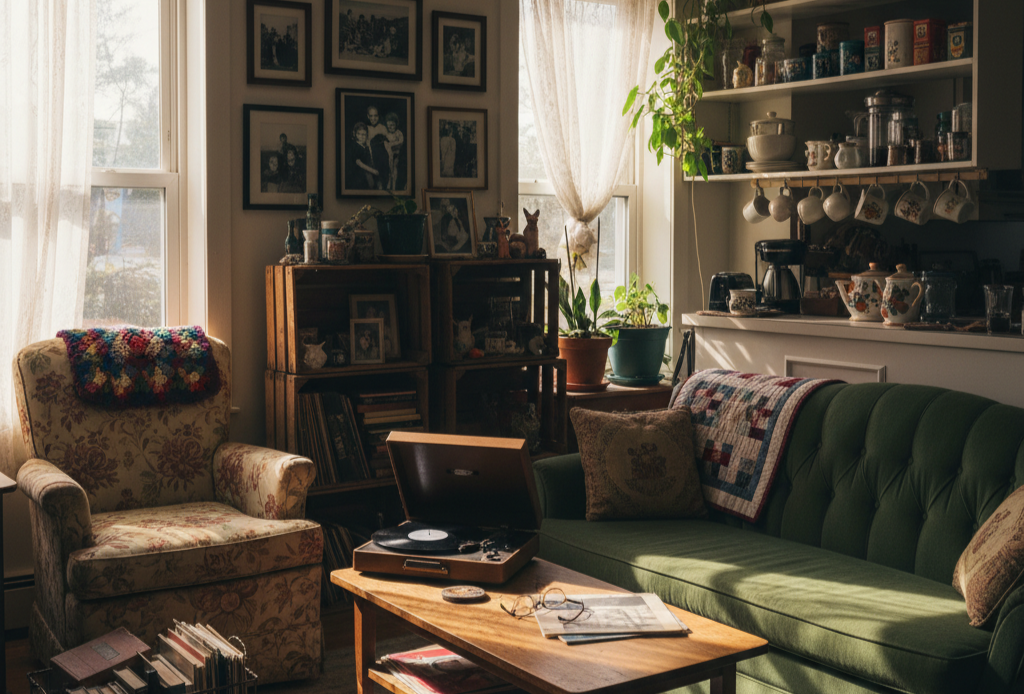
<p> There’s something magical about your very first apartment. It wasn’t just four walls and a roof—it was freedom, independence, and the start of your adult life. For Baby Boomers, those first places weren’t fancy, but they were filled with character and items that told stories. Maybe you moved in after college, landed your first job, or finally decided to fly solo. Whatever the reason, your first apartment was proof that you were making it on your own.

If you close your eyes, you can probably still picture it: the sound of your record player, the smell of coffee brewing in the morning, and the mismatched furniture that somehow made everything feel cozy. Let’s take a walk down memory lane and revisit the 15 things almost every Boomer had in their first apartment—and why they still hold a special place in your heart today. </p> :: Gemini

There’s something magical about your very first apartment. It wasn’t just four walls and a roof—it was freedom, independence, and the start of your adult life. For Baby Boomers, those first places weren’t fancy, but they were filled with character and items that told stories. Maybe you moved in after college, landed your first job, or finally decided to fly solo. Whatever the reason, your first apartment was proof that you were making it on your own.

If you close your eyes, you can probably still picture it: the sound of your record player, the smell of coffee brewing in the morning, and the mismatched furniture that somehow made everything feel cozy. Let’s take a walk down memory lane and revisit the 15 things almost every Boomer had in their first apartment—and why they still hold a special place in your heart today.

1. The Mattress on the Floor

<p> Let’s be honest—most first apartments didn’t start with a fancy bedframe. Many Boomers slept on a simple spring mattress right on the floor, maybe with a couple of milk crates serving as nightstands. It wasn’t about luxury; it was about survival and comfort. After all, nothing felt better than collapsing onto that mattress after a long day of work or unpacking boxes. </p> :: Gemini

Let’s be honest—most first apartments didn’t start with a fancy bedframe. Many Boomers slept on a simple spring mattress right on the floor, maybe with a couple of milk crates serving as nightstands. It wasn’t about luxury; it was about survival and comfort. After all, nothing felt better than collapsing onto that mattress after a long day of work or unpacking boxes.

2. A Frying Pan, Kettle, and Coffee Maker
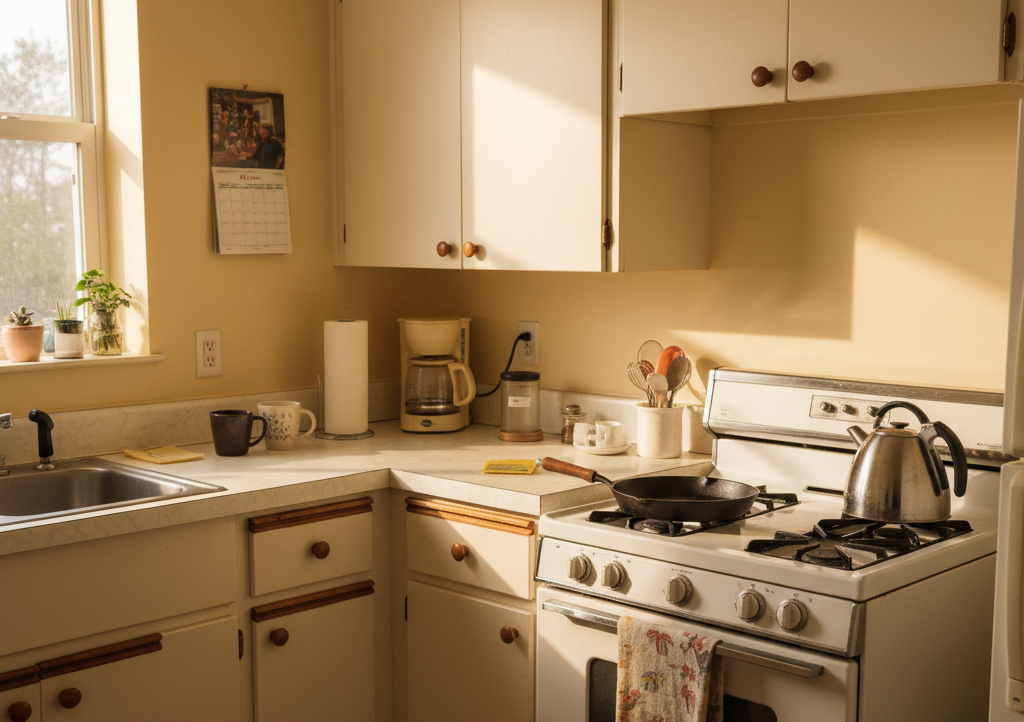
<p> Cooking in your first apartment was an adventure. You didn’t need a gourmet kitchen; all you needed was one trusty frying pan, a kettle for tea or instant noodles, and a coffee maker that got you through those early mornings. Those few tools were your introduction to real adulthood—and probably the start of some culinary disasters worth laughing about today. </p> :: Gemini

Cooking in your first apartment was an adventure. You didn’t need a gourmet kitchen; all you needed was one trusty frying pan, a kettle for tea or instant noodles, and a coffee maker that got you through those early mornings. Those few tools were your introduction to real adulthood—and probably the start of some culinary disasters worth laughing about today.

3. The Wobbly Dining Table
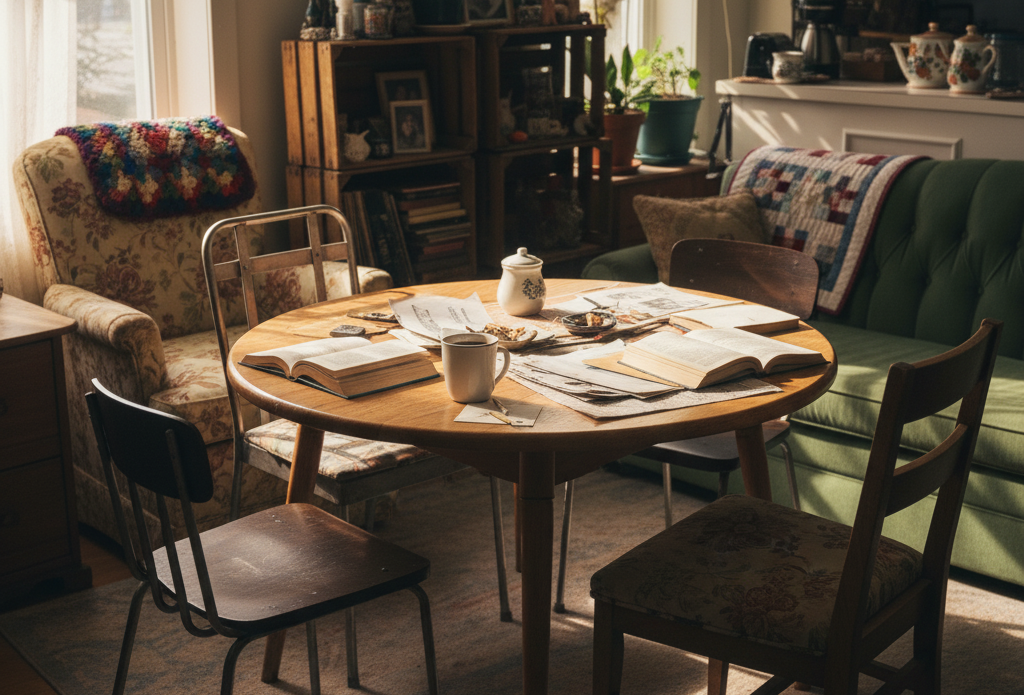
<p> Every first apartment deserved a small table and a couple of chairs, even if they didn’t match. It became the center of your world—where you ate breakfast, paid bills, and chatted with friends over cheap takeout. That table wasn’t perfect, but it was where the best conversations happened and where the apartment started to feel like home. </p> :: Gemini

Every first apartment deserved a small table and a couple of chairs, even if they didn’t match. It became the center of your world—where you ate breakfast, paid bills, and chatted with friends over cheap takeout. That table wasn’t perfect, but it was where the best conversations happened and where the apartment started to feel like home.

4. The Hand-Me-Down Couch
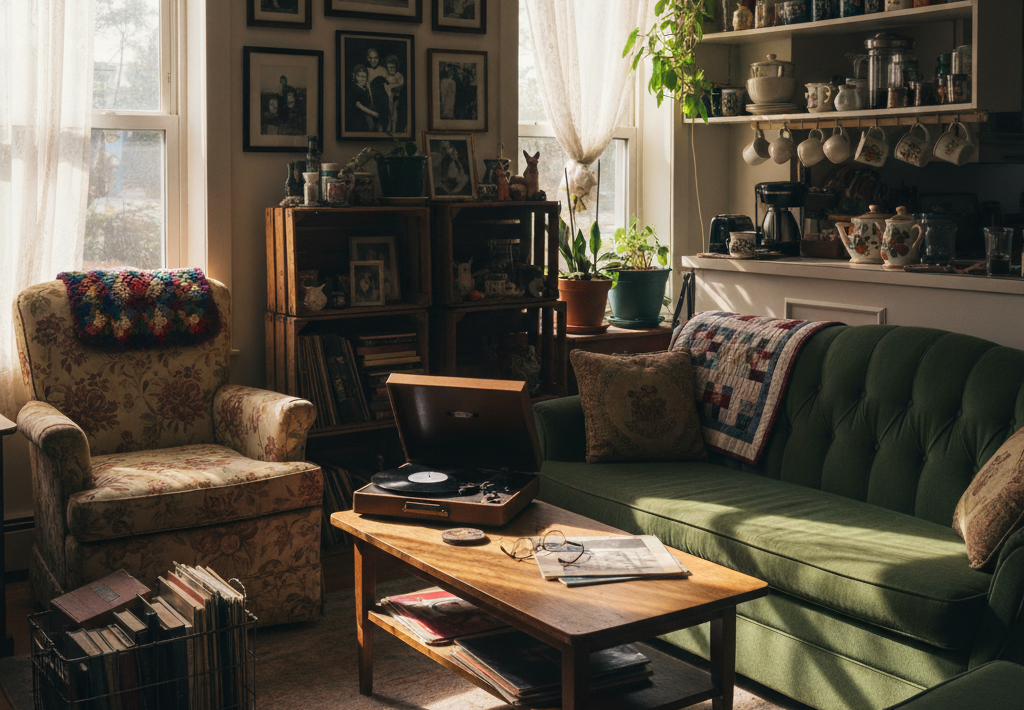
<p> Your first couch probably had a long history before it made its way into your living room. Maybe it came from your parents’ basement or a friend who was moving out. It might have been a little lumpy, but that couch saw it all—late-night movies, long talks, and maybe even a nap or two. It wasn’t stylish, but it was yours. </p> :: Gemini

Your first couch probably had a long history before it made its way into your living room. Maybe it came from your parents’ basement or a friend who was moving out. It might have been a little lumpy, but that couch saw it all—late-night movies, long talks, and maybe even a nap or two. It wasn’t stylish, but it was yours.

5. The Wall Clock and Calendar
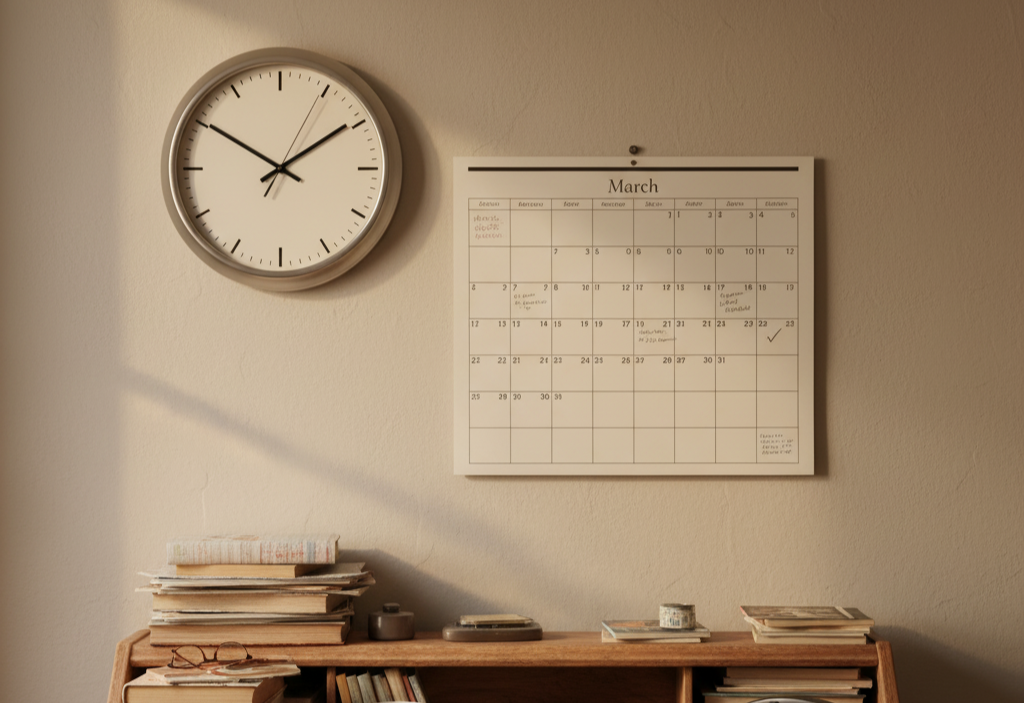
<p> Before phones told us everything, you needed a real clock on the wall to know if you were late for work. And that big paper calendar? It tracked everything—from rent due dates to family birthdays. Crossing off each day gave you a small sense of accomplishment and a feeling that you were keeping life under control. </p> :: Gemini

Before phones told us everything, you needed a real clock on the wall to know if you were late for work. And that big paper calendar? It tracked everything—from rent due dates to family birthdays. Crossing off each day gave you a small sense of accomplishment and a feeling that you were keeping life under control.

6. The Record Player or Stereo
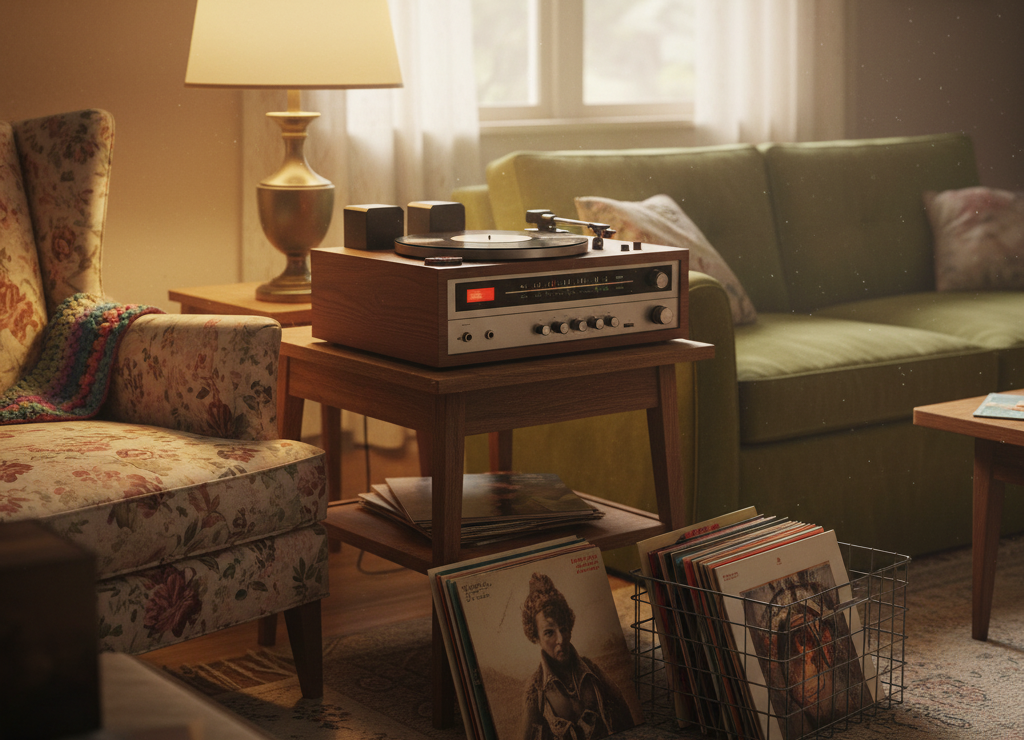
<p> No Boomer apartment was complete without a record player or stereo system. Whether you were spinning The Beatles, Fleetwood Mac, or Simon and Garfunkel, music filled every corner of your new space. It wasn’t just entertainment—it was a declaration of independence and personality. When the music played, your apartment felt alive. </p> :: Gemini

No Boomer apartment was complete without a record player or stereo system. Whether you were spinning The Beatles, Fleetwood Mac, or Simon and Garfunkel, music filled every corner of your new space. It wasn’t just entertainment—it was a declaration of independence and personality. When the music played, your apartment felt alive.

7. The Dresser and Nightstand Combo
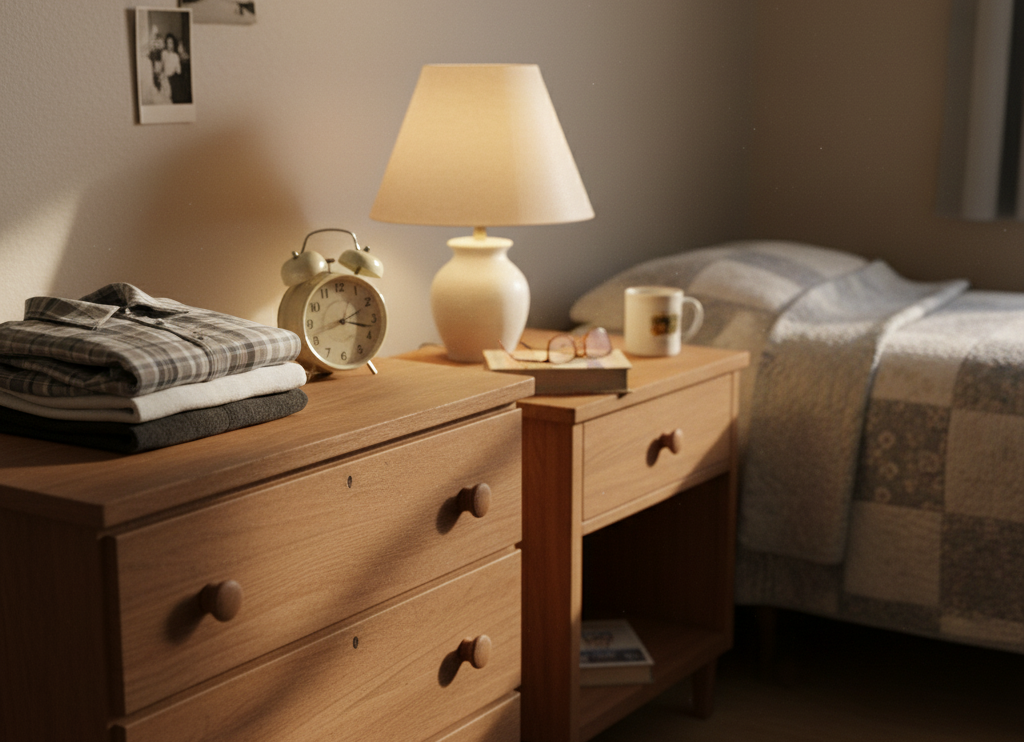
<p> You didn’t need a walk-in closet to stay organized. A small dresser and a nightstand were enough to keep your clothes folded and your essentials within reach. That nightstand often doubled as a bookshelf or a charging station for your alarm clock. It wasn’t about perfection—it was about practicality. </p> :: Gemini

You didn’t need a walk-in closet to stay organized. A small dresser and a nightstand were enough to keep your clothes folded and your essentials within reach. That nightstand often doubled as a bookshelf or a charging station for your alarm clock. It wasn’t about perfection—it was about practicality.

8. Curtains or Blinds That Never Quite Fit
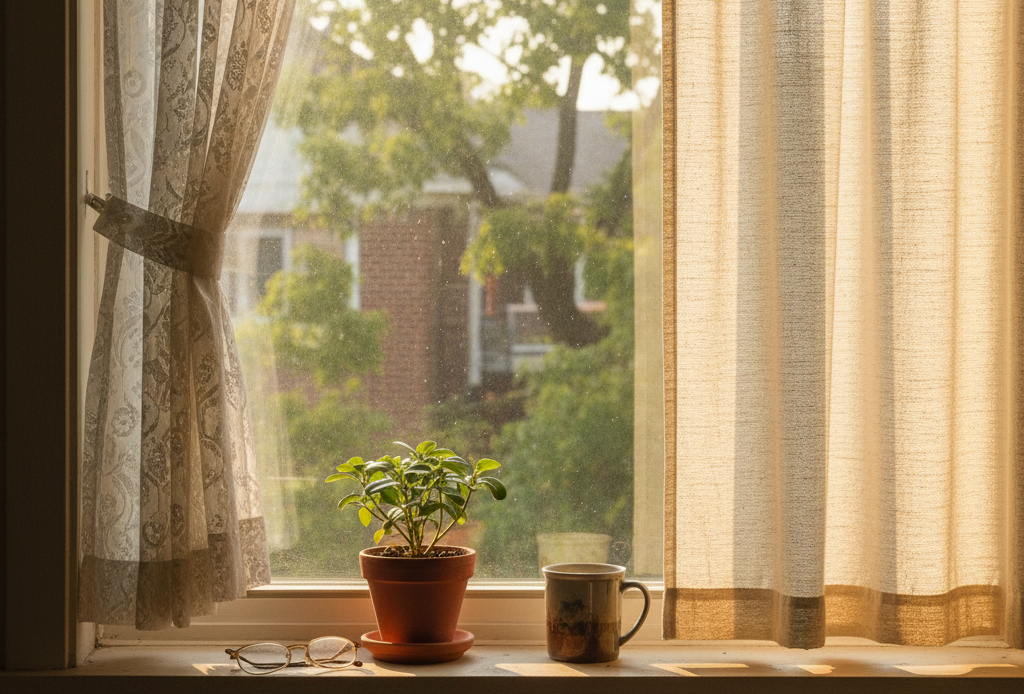
<p> Hanging up your first set of curtains was a big moment—it meant you were truly settled in. Even if they were a little short or didn’t match the paint, they gave you privacy and a sense of control over your space. They might not have been decorator-approved, but they were part of what made your apartment feel cozy and lived in. </p> :: Gemini

Hanging up your first set of curtains was a big moment—it meant you were truly settled in. Even if they were a little short or didn’t match the paint, they gave you privacy and a sense of control over your space. They might not have been decorator-approved, but they were part of what made your apartment feel cozy and lived in.

9. A Broom, Mop, or Vacuum
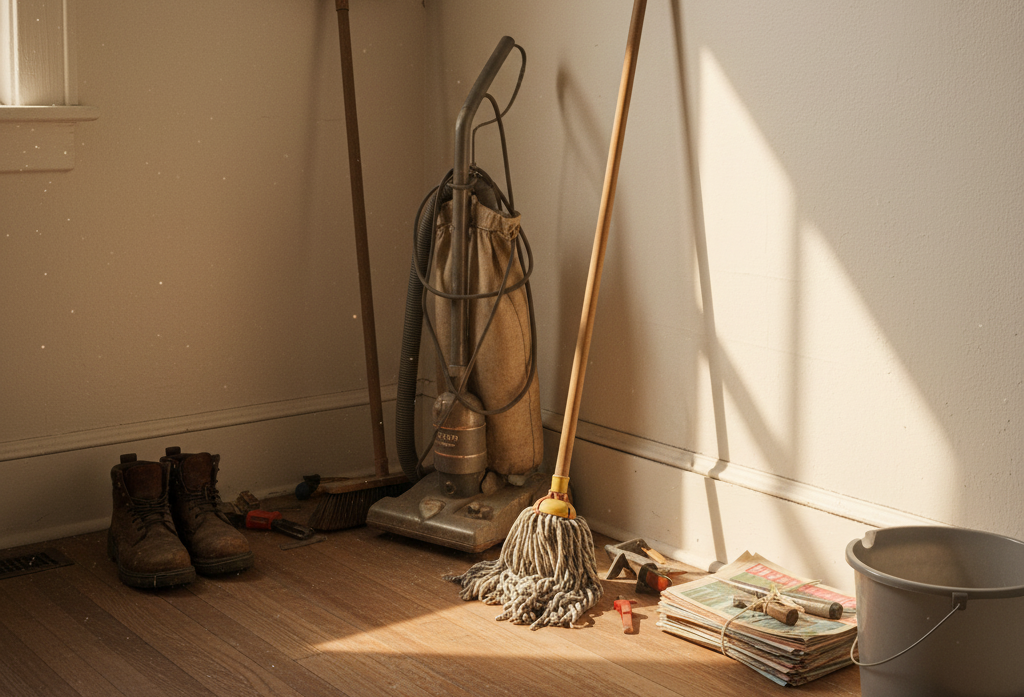
<p> Keeping your apartment clean was a point of pride. Maybe your parents instilled it in you, or maybe you just didn’t want to trip over crumbs on the carpet. Whether you used a trusty broom and dustpan or saved up for a small vacuum, cleaning became a Saturday ritual—and a sign that you were doing just fine on your own. </p> :: Gemini

Keeping your apartment clean was a point of pride. Maybe your parents instilled it in you, or maybe you just didn’t want to trip over crumbs on the carpet. Whether you used a trusty broom and dustpan or saved up for a small vacuum, cleaning became a Saturday ritual—and a sign that you were doing just fine on your own.

10. A Small Tool Kit
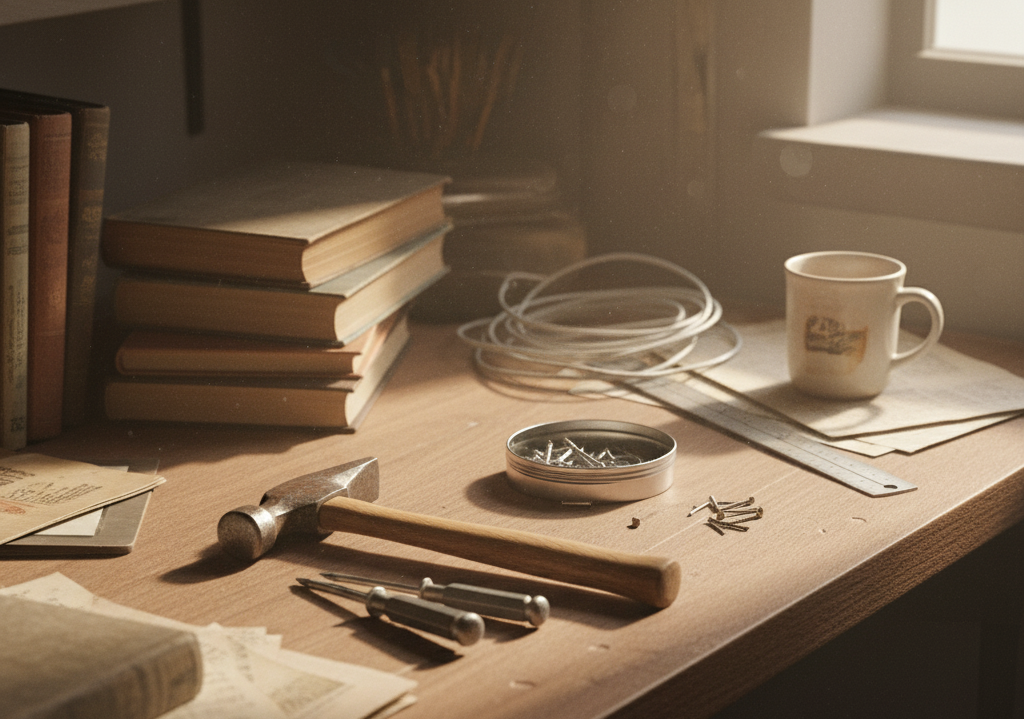
<p> Every Boomer learned quickly that a few basic tools could save a lot of headaches. A hammer, screwdriver, and nails were must-haves. You didn’t call the landlord for every small fix—you figured it out yourself. That little tool kit made you feel resourceful and self-sufficient, even if your first few “repairs” didn’t go exactly as planned. </p> :: Gemini

Every Boomer learned quickly that a few basic tools could save a lot of headaches. A hammer, screwdriver, and nails were must-haves. You didn’t call the landlord for every small fix—you figured it out yourself. That little tool kit made you feel resourceful and self-sufficient, even if your first few “repairs” didn’t go exactly as planned.

11. The Landline Phone
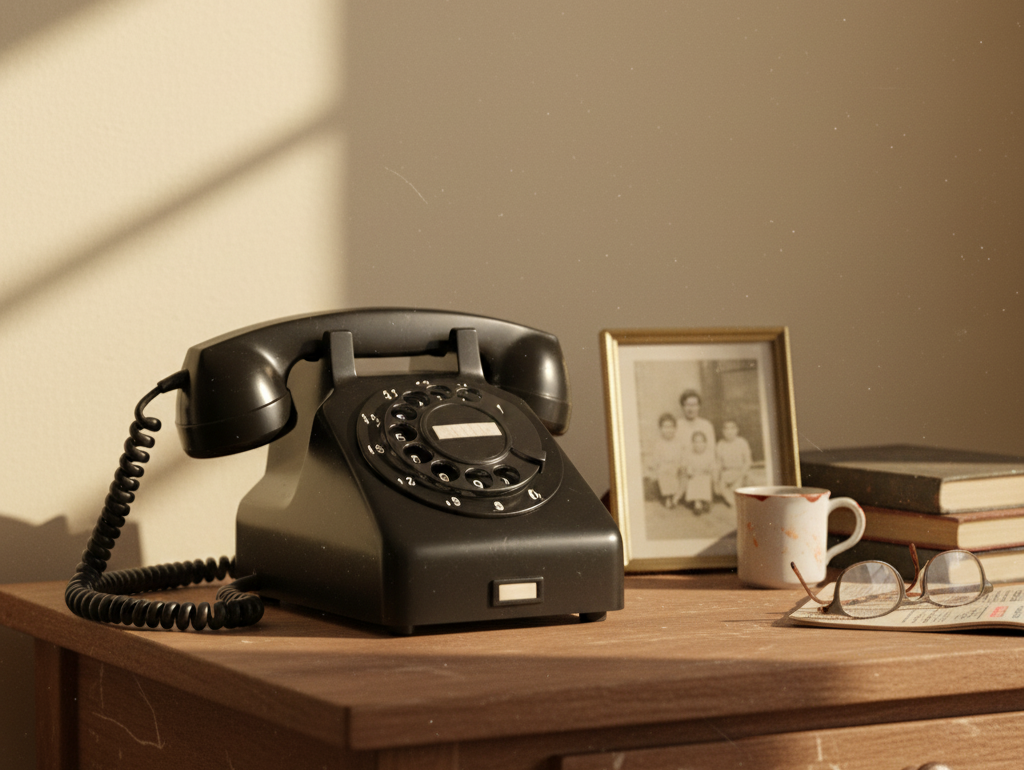
<p> Before cell phones ruled our lives, the landline was your lifeline. It sat proudly on a desk or hung on the wall, with a cord that stretched just far enough for pacing during conversations. Whether you were calling your parents, a friend, or ordering takeout, that phone connected you to the world—and made you feel like a real adult. </p> :: Gemini

Before cell phones ruled our lives, the landline was your lifeline. It sat proudly on a desk or hung on the wall, with a cord that stretched just far enough for pacing during conversations. Whether you were calling your parents, a friend, or ordering takeout, that phone connected you to the world—and made you feel like a real adult.

12. A Makeshift Pantry
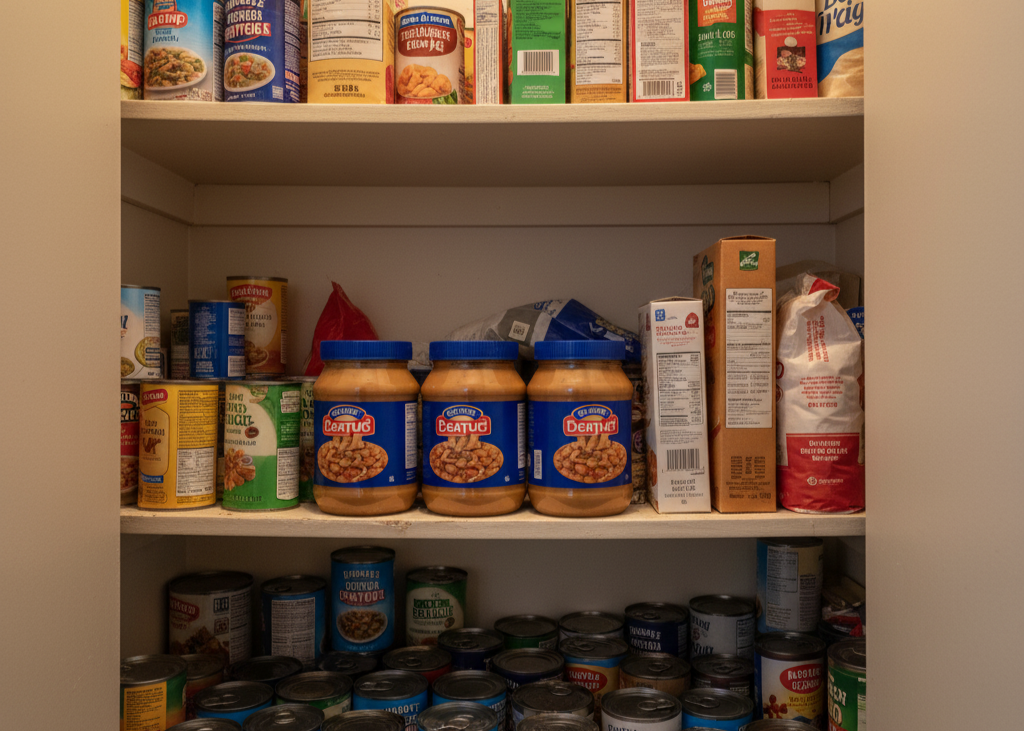
<p> Your pantry might have been one narrow shelf in the kitchen, but it held everything you needed to survive: canned soup, pasta, peanut butter, and maybe a box of cereal. It was a small sign of independence—proof that you were feeding yourself. Every grocery trip felt like an accomplishment, even if you still splurged on the occasional frozen dinner. </p> :: Gemini

Your pantry might have been one narrow shelf in the kitchen, but it held everything you needed to survive: canned soup, pasta, peanut butter, and maybe a box of cereal. It was a small sign of independence—proof that you were feeding yourself. Every grocery trip felt like an accomplishment, even if you still splurged on the occasional frozen dinner.

13. Wall Art and Family Photos
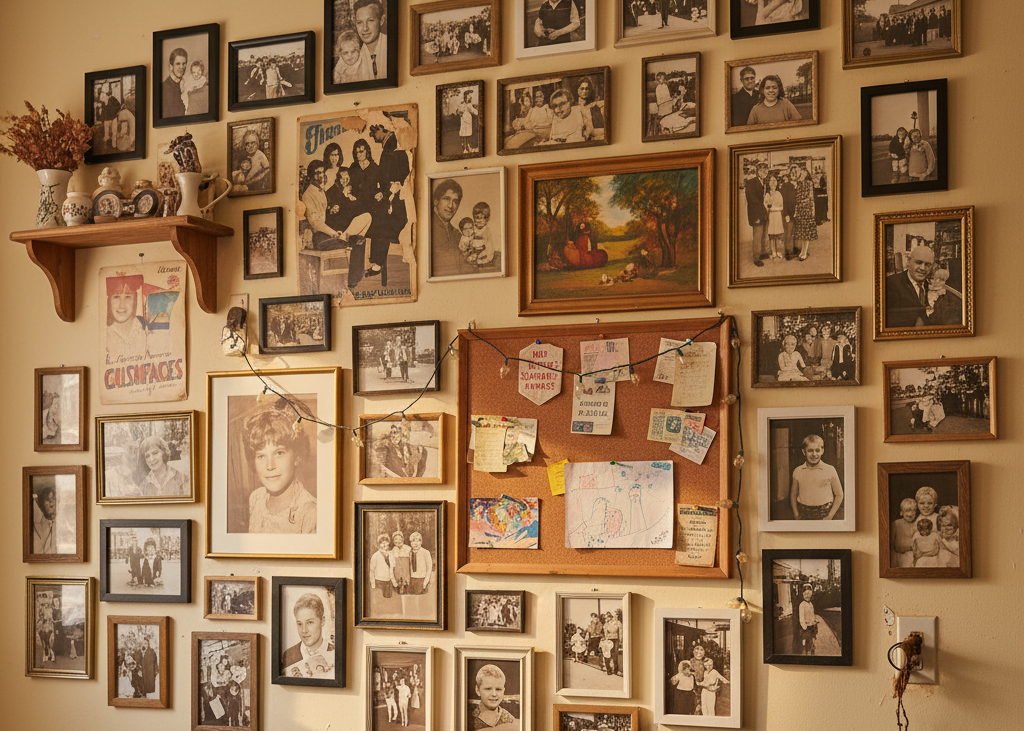
<p> Bare walls never stayed bare for long. A few photos, posters, or framed prints added personality to your apartment. Whether it was a picture of your family, your favorite band, or a scenic postcard, those touches turned an empty space into a reflection of who you were. They reminded you where you came from and where you were heading. </p> :: Gemini

Bare walls never stayed bare for long. A few photos, posters, or framed prints added personality to your apartment. Whether it was a picture of your family, your favorite band, or a scenic postcard, those touches turned an empty space into a reflection of who you were. They reminded you where you came from and where you were heading.

14. The Full-Length Mirror
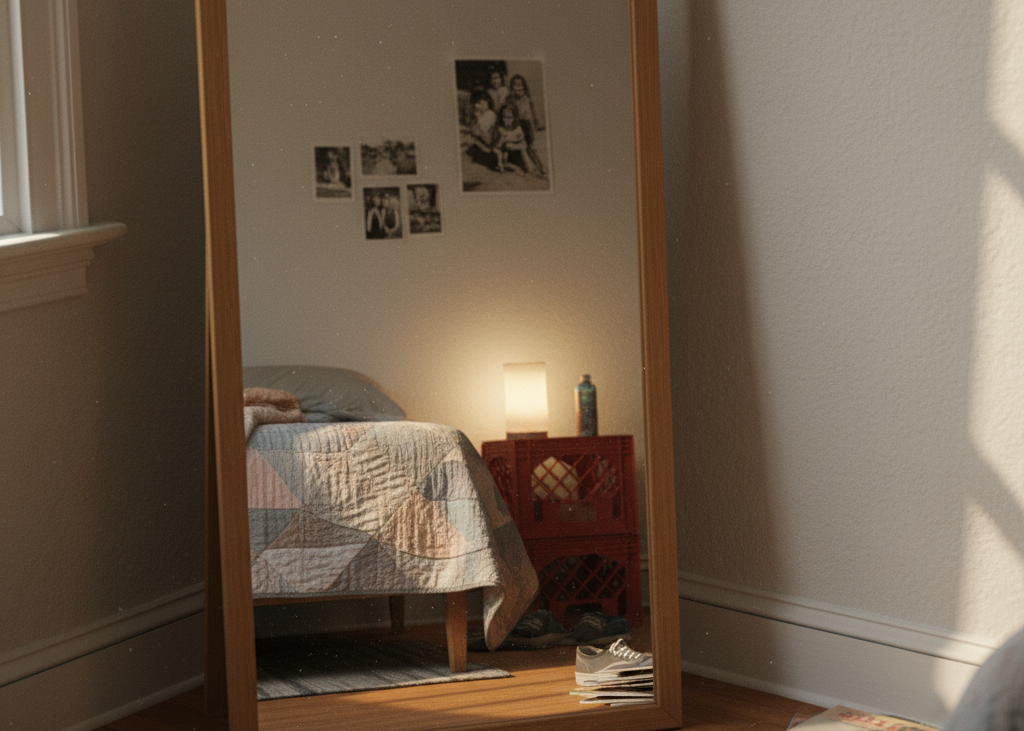
<p> There was something empowering about having your own mirror. You could finally check your outfit before work or a night out without someone knocking on the bathroom door. It was both practical and personal—a symbol that you were out in the world, putting your best foot forward. Even if the lighting wasn’t perfect, that mirror saw you through it all. </p> :: Gemini

There was something empowering about having your own mirror. You could finally check your outfit before work or a night out without someone knocking on the bathroom door. It was both practical and personal—a symbol that you were out in the world, putting your best foot forward. Even if the lighting wasn’t perfect, that mirror saw you through it all.

15. The Welcome Mat
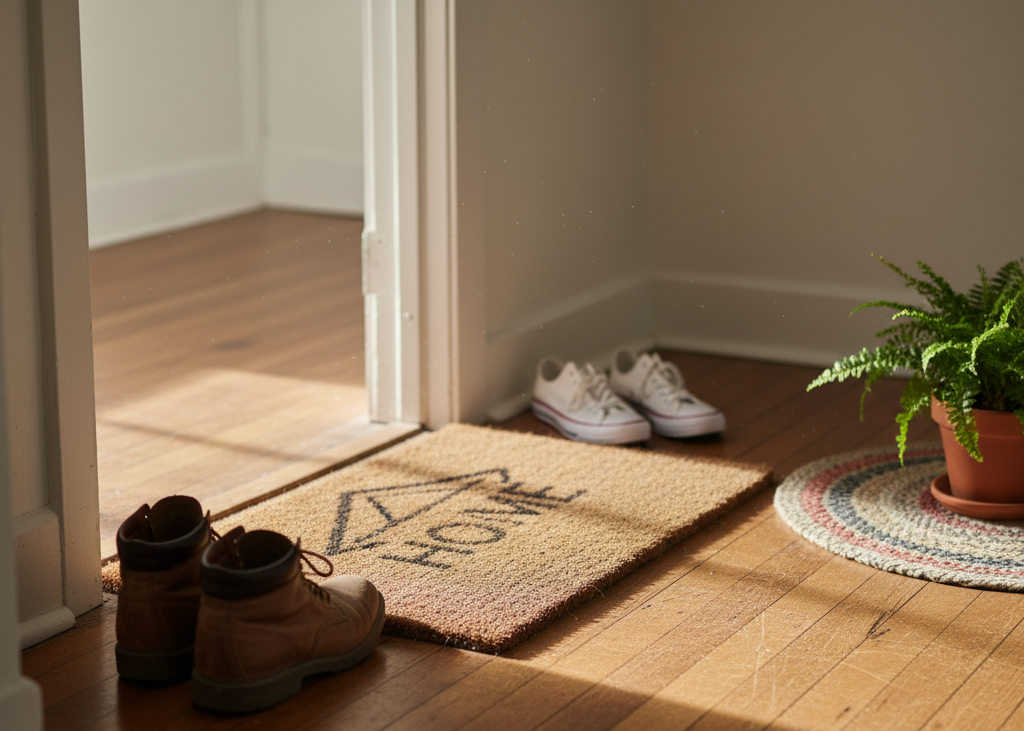
<p> A simple welcome mat at the front door meant more than just a clean entryway. It said, “This is my home.” Whether it was plain, funny, or a little worn, it gave your apartment personality. Every time you crossed it, you felt proud of how far you’d come. It was a small gesture that carried a lot of meaning. </p> :: Gemini

A simple welcome mat at the front door meant more than just a clean entryway. It said, “This is my home.” Whether it was plain, funny, or a little worn, it gave your apartment personality. Every time you crossed it, you felt proud of how far you’d come. It was a small gesture that carried a lot of meaning.

Final Thoughts
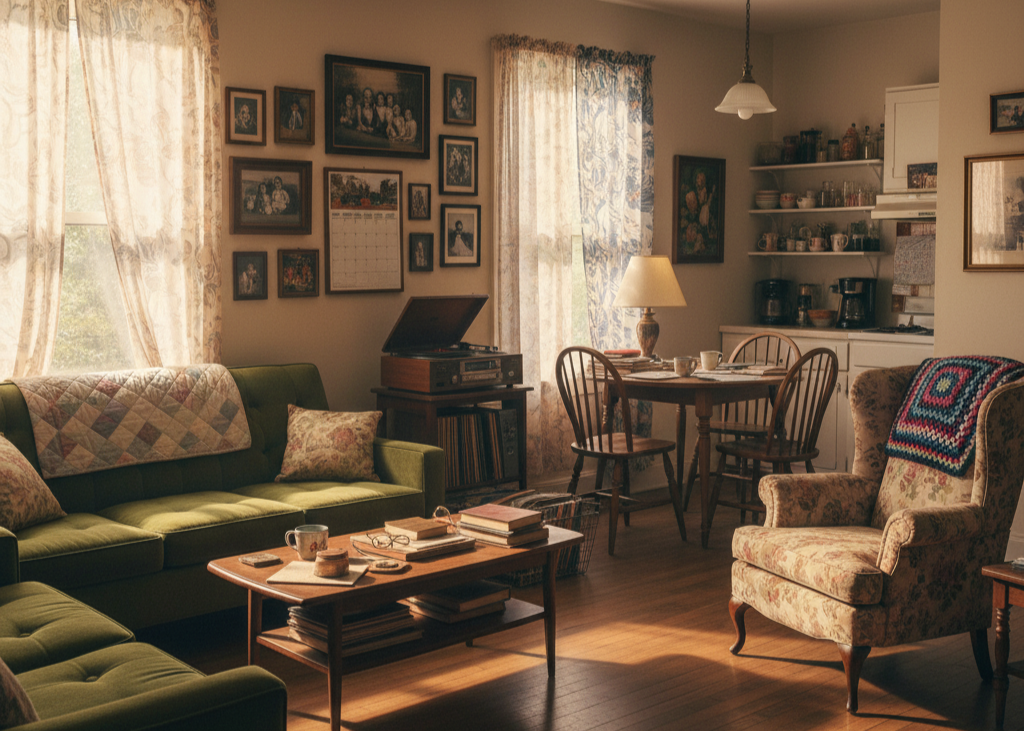
<p> Your first apartment wasn’t about fancy furniture or perfect decor—it was about independence, growth, and the memories that came with it. Every mismatched item and hand-me-down told a story. You learned how to budget, fix things, cook, and create a life that was truly your own.

Looking back now, it’s easy to smile at how simple those days were. You didn’t have much, but what you had was enough. Those humble beginnings shaped your confidence and your sense of pride. Whether you’re reminiscing over old photos or still hanging onto a few of those original pieces, they serve as reminders of where it all began.

So here’s to the first apartments—the places where we learned, laughed, and started becoming the people we are today. They may be long gone, but the memories live on in every Boomer’s heart. </p> :: Gemini

Your first apartment wasn’t about fancy furniture or perfect decor—it was about independence, growth, and the memories that came with it. Every mismatched item and hand-me-down told a story. You learned how to budget, fix things, cook, and create a life that was truly your own.

Looking back now, it’s easy to smile at how simple those days were. You didn’t have much, but what you had was enough. Those humble beginnings shaped your confidence and your sense of pride. Whether you’re reminiscing over old photos or still hanging onto a few of those original pieces, they serve as reminders of where it all began.

So here’s to the first apartments—the places where we learned, laughed, and started becoming the people we are today. They may be long gone, but the memories live on in every Boomer’s heart.
Filed Under: Lifestyle

9 Meaningful Things You Should Never Throw Away After a Funeral

November 14, 2025 | Leave a Comment

9 Meaningful Things You Should Never Throw Away After a Funeral

<p> Losing someone you love is one of the most difficult experiences in life. Funerals are often overwhelming, filled with tears, heartfelt words, and small gestures meant to honor a life. When the service ends, it is tempting to pack up the items, discard the flowers, and move on. Yet some things from that day carry deep emotional value. They are tangible reminders of a life lived, a personality cherished, and memories that continue to shape you. Holding onto these items is not about clinging to the past, but about creating a bridge to remember and honor your loved one in a meaningful way.

Here are nine meaningful things you should never throw away after a funeral, along with guidance on how to preserve them for comfort and remembrance. </p> :: Gemini

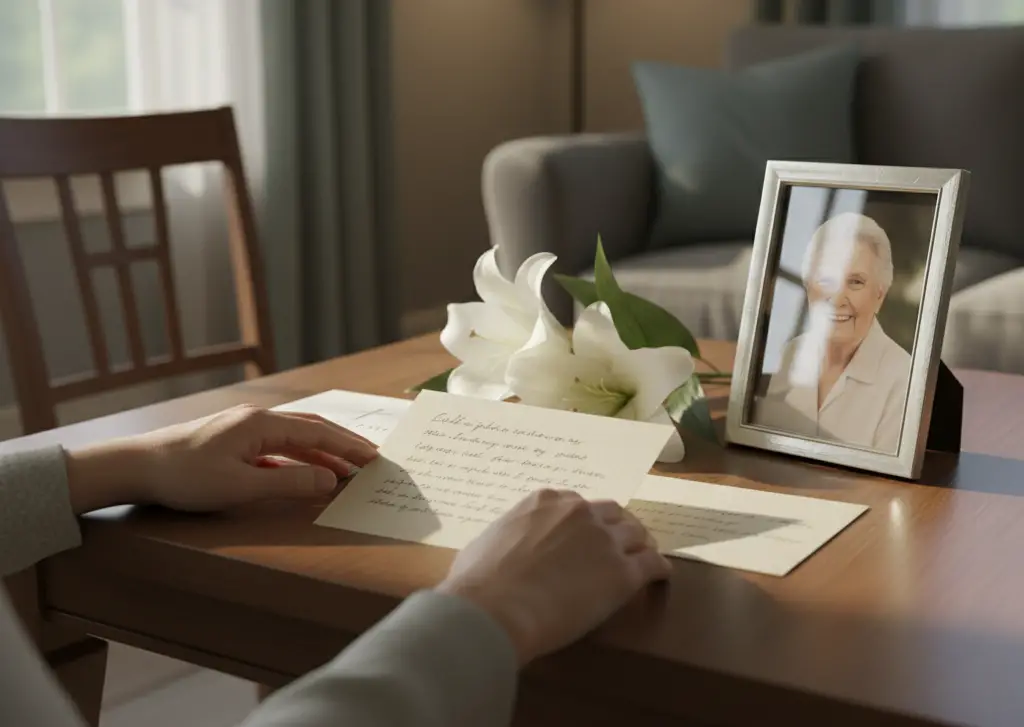
Losing someone you love is one of the most difficult experiences in life. Funerals are often overwhelming, filled with tears, heartfelt words, and small gestures meant to honor a life. When the service ends, it is tempting to pack up the items, discard the flowers, and move on. Yet some things from that day carry deep emotional value. They are tangible reminders of a life lived, a personality cherished, and memories that continue to shape you. Holding onto these items is not about clinging to the past, but about creating a bridge to remember and honor your loved one in a meaningful way.

Here are nine meaningful things you should never throw away after a funeral, along with guidance on how to preserve them for comfort and remembrance.

1. Funeral Program or Order of Service

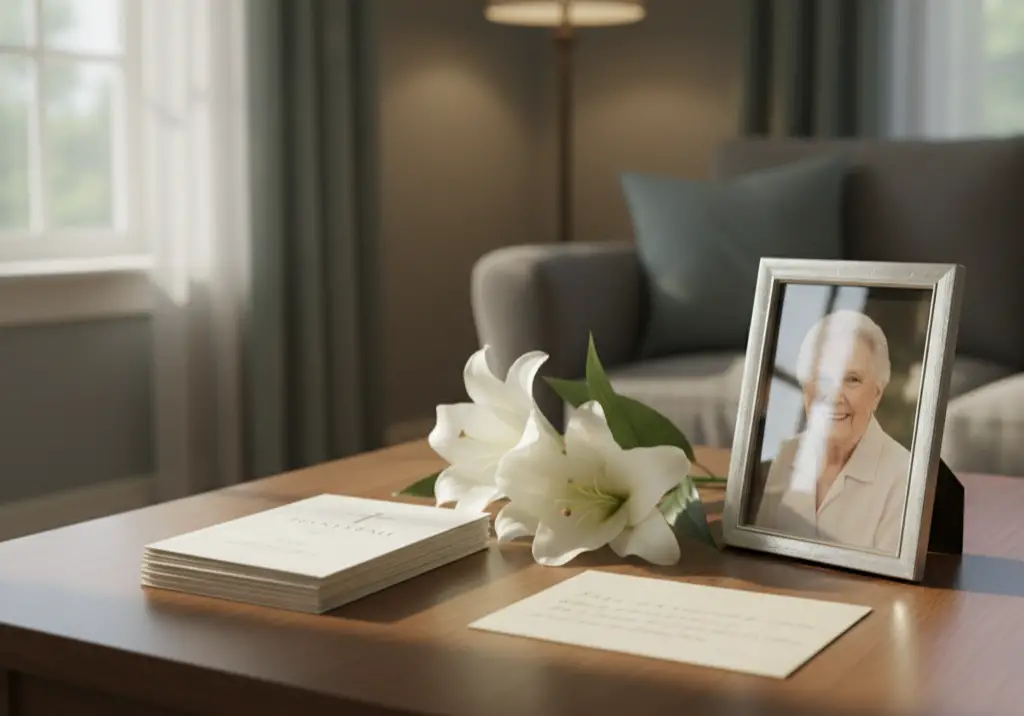
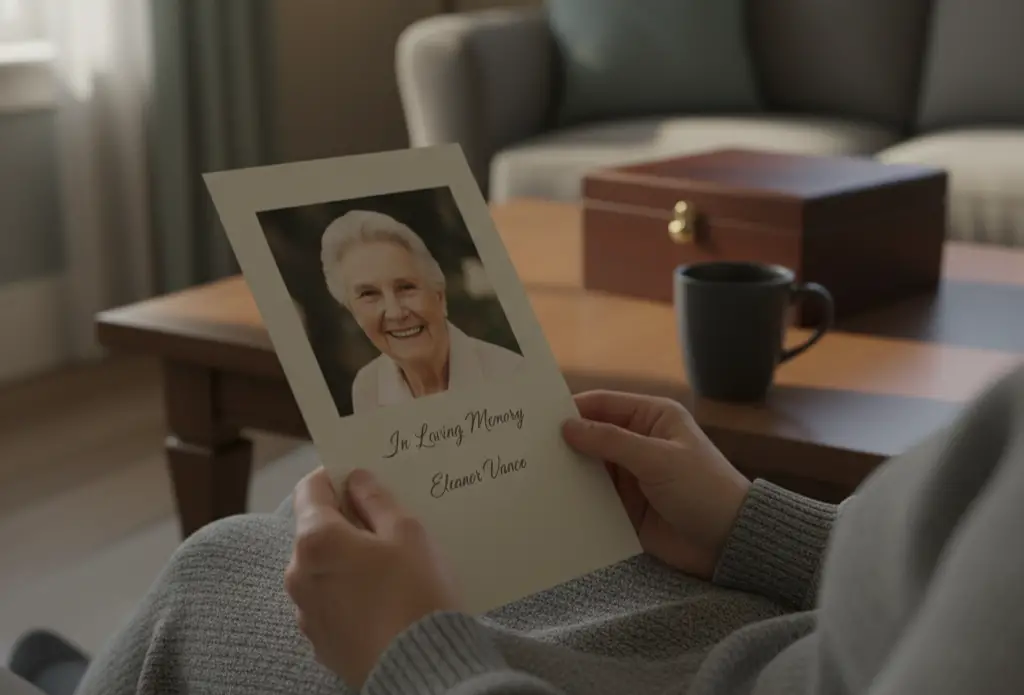
<p> The small pamphlet handed to you at the service may seem like a simple keepsake, but it is a record of how your loved one was remembered publicly. It contains names, dates, and perhaps even favorite quotes or photographs. Years from now, when the details of the service fade, the program will serve as a snapshot of the day, reminding you of the people who spoke, the music played, and the moments shared. You can keep it in a folder, scrapbook, or memory box, preserving a tangible connection to the ceremony. </p> ::  Gemini

The small pamphlet handed to you at the service may seem like a simple keepsake, but it is a record of how your loved one was remembered publicly. It contains names, dates, and perhaps even favorite quotes or photographs. Years from now, when the details of the service fade, the program will serve as a snapshot of the day, reminding you of the people who spoke, the music played, and the moments shared. You can keep it in a folder, scrapbook, or memory box, preserving a tangible connection to the ceremony.

2. Condolence Cards and Notes

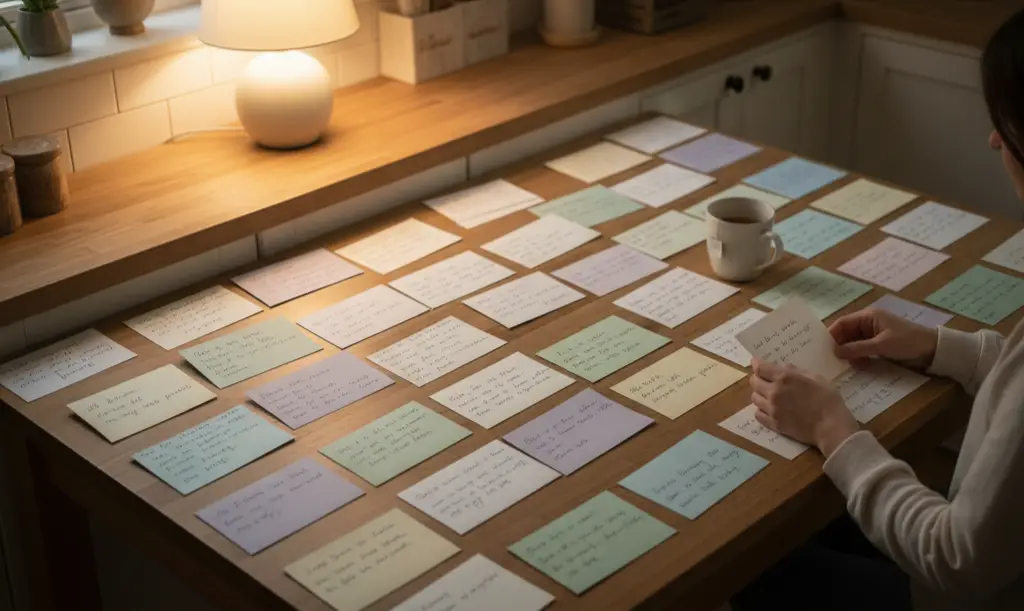
<p> Handwritten messages from friends, family, or colleagues may feel overwhelming in the immediate aftermath, but they are treasures. Condolence cards reflect how others came together to support you and share their memories of the person who passed. Reading them months or years later can offer comfort and a sense of connection to the community that surrounded your loved one. Instead of tossing them once you have read them, organize them in a binder or keepsake box to revisit when you need reassurance or a gentle reminder of the love that was shared. </p> :: Gemini

Handwritten messages from friends, family, or colleagues may feel overwhelming in the immediate aftermath, but they are treasures. Condolence cards reflect how others came together to support you and share their memories of the person who passed. Reading them months or years later can offer comfort and a sense of connection to the community that surrounded your loved one. Instead of tossing them once you have read them, organize them in a binder or keepsake box to revisit when you need reassurance or a gentle reminder of the love that was shared.

3. A Favorite Photograph Used in the Service

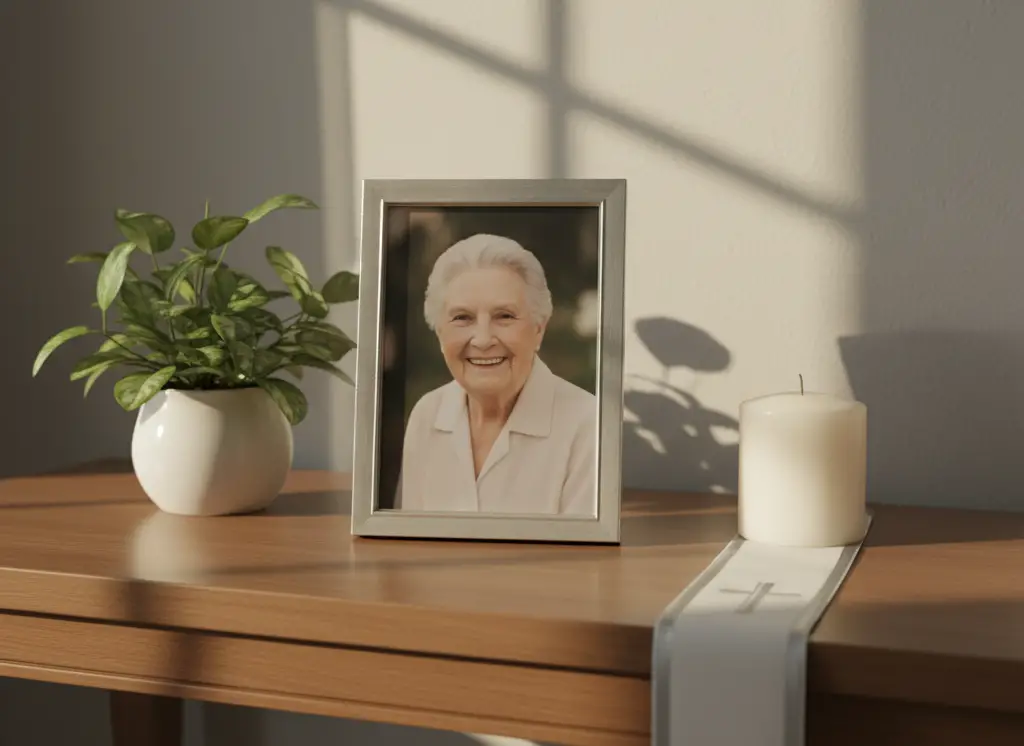
<p> Photographs displayed during the service are often chosen to represent the life and personality of your loved one. These images are more than just pictures; they are symbols of the joy, laughter, and moments that defined them. Keeping a photo from the service allows you to create a memory corner at home, a framed tribute, or even a memory book. It can serve as a touchstone on days when you want to remember their presence without sifting through countless albums. </p> :: Gemini

Photographs displayed during the service are often chosen to represent the life and personality of your loved one. These images are more than just pictures; they are symbols of the joy, laughter, and moments that defined them. Keeping a photo from the service allows you to create a memory corner at home, a framed tribute, or even a memory book. It can serve as a touchstone on days when you want to remember their presence without sifting through countless albums.

4. A Piece of Clothing or Accessory They Wore Often

<p> Whether it was a scarf, jacket, watch, shoes, or a tie, a piece of clothing your loved one wore often can be a powerful reminder of them. These items carry a physical connection to their everyday life and personality. You can store the item in a memory box, frame it, or even transform it into a meaningful keepsake like a small quilt or pillow. Holding onto such items allows you to honor their memory while keeping a tangible piece of them close. </p> :: Gemini

Whether it was a scarf, jacket, watch, shoes, or a tie, a piece of clothing your loved one wore often can be a powerful reminder of them. These items carry a physical connection to their everyday life and personality. You can store the item in a memory box, frame it, or even transform it into a meaningful keepsake like a small quilt or pillow. Holding onto such items allows you to honor their memory while keeping a tangible piece of them close.

5. Favorite Books, Poems, or Music

<p> Many people have special books, poems, or pieces of music that hold significance in their lives. Keeping a favorite book or poem allows you to revisit their thoughts, humor, or wisdom. Music, too, can evoke powerful memories, transporting you to moments you shared. Whether it is a worn copy of a beloved novel, a handwritten poem, or a playlist they loved, these items help preserve the essence of your loved one’s personality and passions. </p> :: Gemini

Many people have special books, poems, or pieces of music that hold significance in their lives. Keeping a favorite book or poem allows you to revisit their thoughts, humor, or wisdom. Music, too, can evoke powerful memories, transporting you to moments you shared. Whether it is a worn copy of a beloved novel, a handwritten poem, or a playlist they loved, these items help preserve the essence of your loved one’s personality and passions.

6. Personal Items with Their Handwriting

<p> Handwritten letters, cards, or notes are among the most meaningful keepsakes. Seeing a loved one’s handwriting can evoke powerful emotions and memories, offering comfort and connection. These items are deeply personal and allow you to hold a piece of their presence in your hands. Store them in protective sleeves or a memory box to preserve them for future reflection. They are small reminders of a voice, thoughts, or love that continues to exist even after someone has passed. </p> :: Gemini

Handwritten letters, cards, or notes are among the most meaningful keepsakes. Seeing a loved one’s handwriting can evoke powerful emotions and memories, offering comfort and connection. These items are deeply personal and allow you to hold a piece of their presence in your hands. Store them in protective sleeves or a memory box to preserve them for future reflection. They are small reminders of a voice, thoughts, or love that continues to exist even after someone has passed.

7. Jewelry or Accessories with Emotional Significance

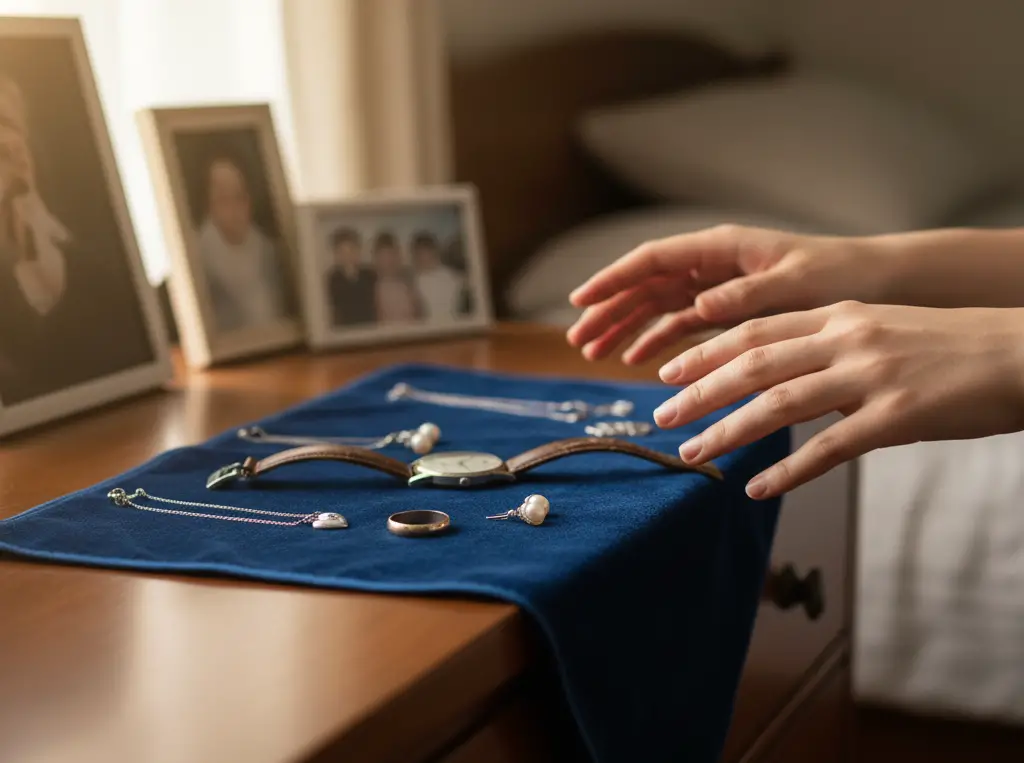
<p> Jewelry or accessories given or left behind by a loved one can be incredibly meaningful. These items are often passed down intentionally, creating a tangible link to family history and memories. A ring, watch, necklace, or charm can be kept in a safe place, worn occasionally, or even prepared as an heirloom for the next generation. Preserving these items allows you to carry the memory and spirit of your loved one close to you in a very personal way. </p> :: Gemini

Jewelry or accessories given or left behind by a loved one can be incredibly meaningful. These items are often passed down intentionally, creating a tangible link to family history and memories. A ring, watch, necklace, or charm can be kept in a safe place, worn occasionally, or even prepared as an heirloom for the next generation. Preserving these items allows you to carry the memory and spirit of your loved one close to you in a very personal way.

8. Memory Box Items from the Service

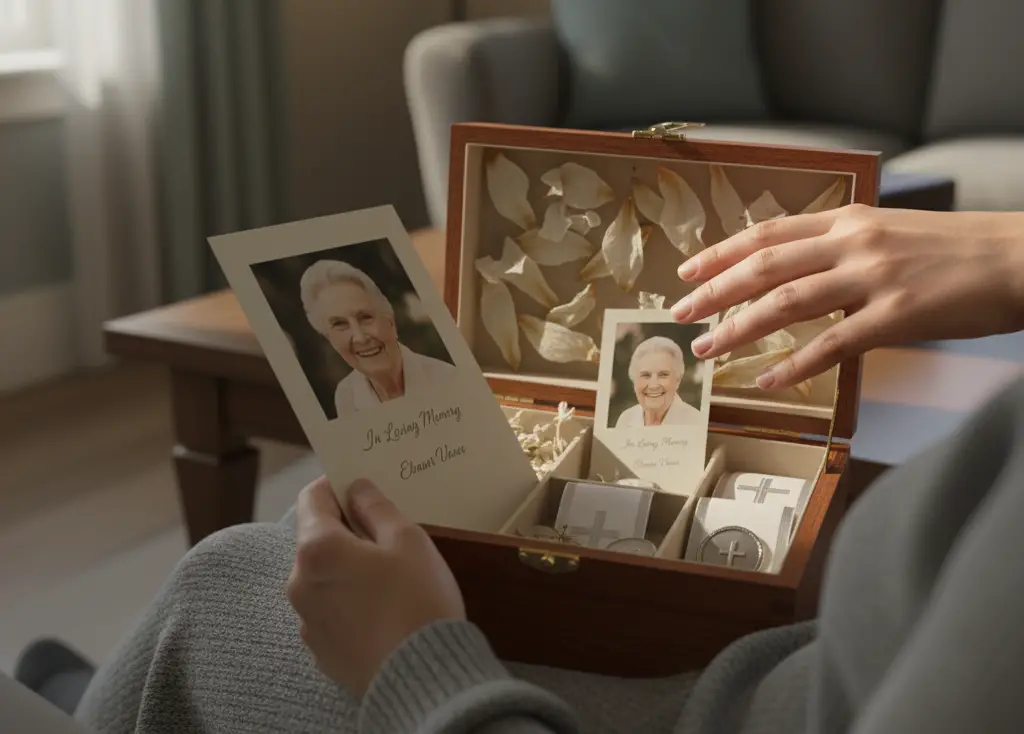
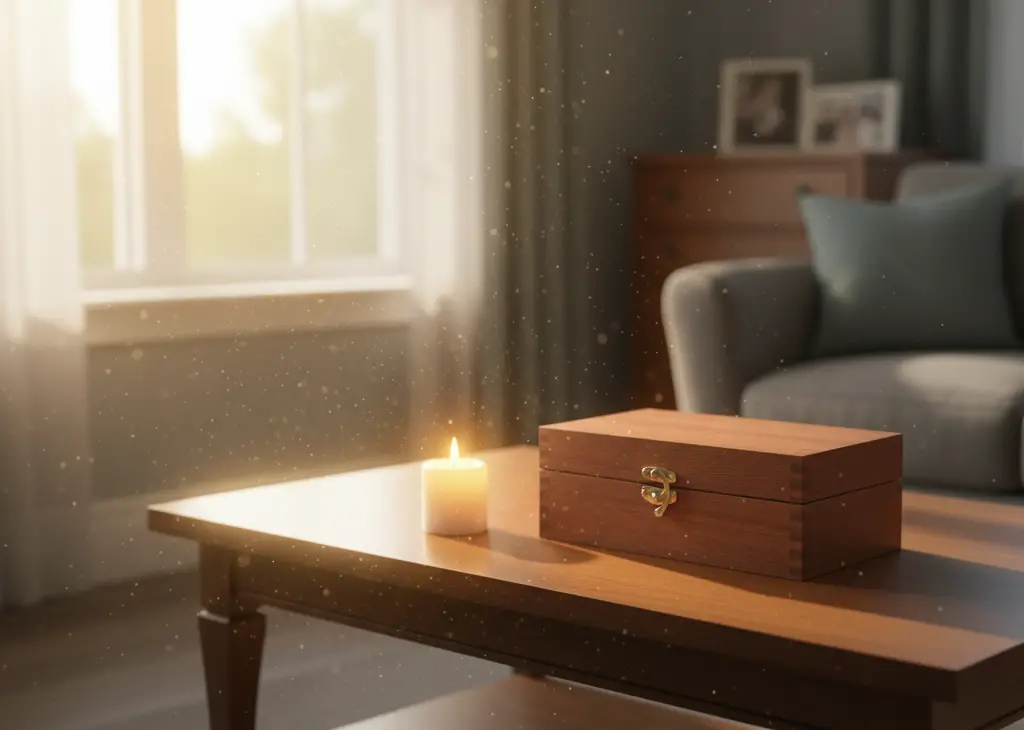
<p> Funerals often leave behind small items such as flower petals, ribbons, pins, or mementos given to guests. Instead of discarding these, collect them in a memory box. These seemingly insignificant items gain significance over time as reminders of the day and the love shared. Creating a memory box allows you to engage with your grief in a controlled and comforting way, revisiting memories whenever you need to without feeling pressured to “move on” quickly. </p> :: Gemini

Funerals often leave behind small items such as flower petals, ribbons, pins, or mementos given to guests. Instead of discarding these, collect them in a memory box. These seemingly insignificant items gain significance over time as reminders of the day and the love shared. Creating a memory box allows you to engage with your grief in a controlled and comforting way, revisiting memories whenever you need to without feeling pressured to “move on” quickly.

9. Personal Messages or Letters They Prepared

<p> Some people leave behind personal messages, letters, or recordings expressing their thoughts, love, or wishes. These messages are deeply meaningful and can provide ongoing comfort. They allow you to hear their voice, read their words, and feel a connection even after their passing. Keeping these personal messages is not about clinging to the past but preserving a source of guidance, love, and connection that can continue to enrich your life. </p> :: Gemini

Some people leave behind personal messages, letters, or recordings expressing their thoughts, love, or wishes. These messages are deeply meaningful and can provide ongoing comfort. They allow you to hear their voice, read their words, and feel a connection even after their passing. Keeping these personal messages is not about clinging to the past but preserving a source of guidance, love, and connection that can continue to enrich your life.

Final Thoughts

<p> Grief is a journey that cannot be rushed, and keeping meaningful items after a funeral is a way to navigate that journey with intention and care. The nine items listed here are not about holding on to the past in a way that prevents healing. Instead, they are tools to honor your loved one, to celebrate their life, and to carry forward memories that can bring comfort in both big and small ways.

Store these items in a safe and organized manner, whether in a keepsake box, scrapbook, or special drawer. Revisit them when you feel ready, allowing them to serve as gentle reminders of the person you loved. Let these items provide connection, comfort, and joy in moments when you need it most. Over time, these keepsakes can become treasured heirlooms, passing your loved one’s memory to future generations.

Holding onto these items is not a sign of weakness but a celebration of love, life, and the connections that endure beyond the farewell. They allow you to remember well and to keep a part of the person you lost alive in your heart. </p> :: Gemini
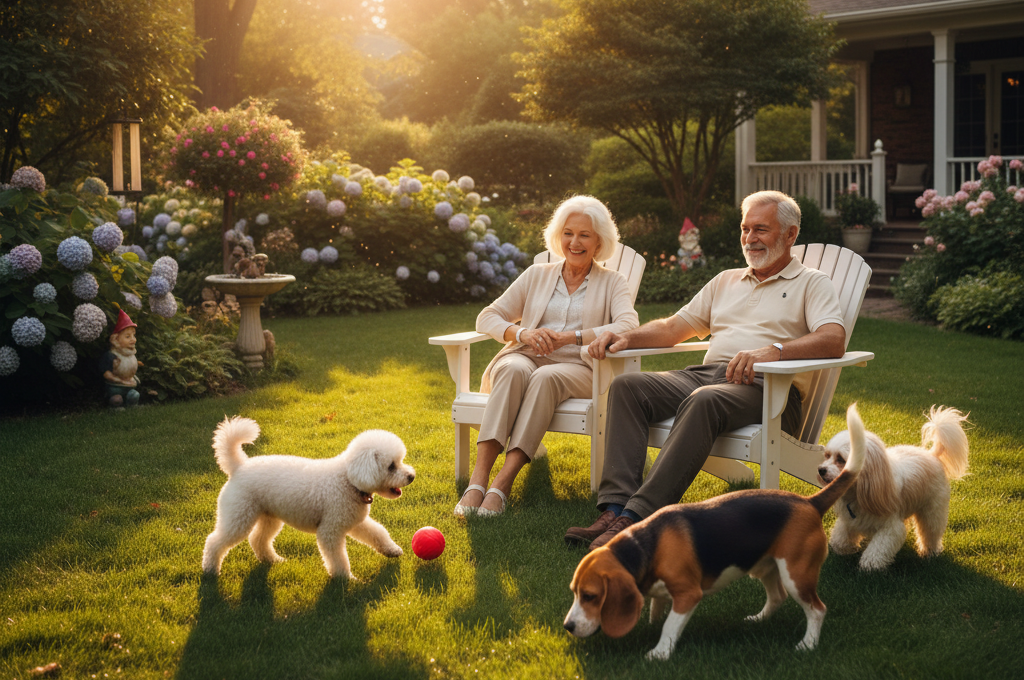
Grief is a journey that cannot be rushed, and keeping meaningful items after a funeral is a way to navigate that journey with intention and care. The nine items listed here are not about holding on to the past in a way that prevents healing. Instead, they are tools to honor your loved one, to celebrate their life, and to carry forward memories that can bring comfort in both big and small ways.

Store these items in a safe and organized manner, whether in a keepsake box, scrapbook, or special drawer. Revisit them when you feel ready, allowing them to serve as gentle reminders of the person you loved. Let these items provide connection, comfort, and joy in moments when you need it most. Over time, these keepsakes can become treasured heirlooms, passing your loved one’s memory to future generations.

Holding onto these items is not a sign of weakness but a celebration of love, life, and the connections that endure beyond the farewell. They allow you to remember well and to keep a part of the person you lost alive in your heart.

Filed Under: Lifestyle

Childhood Skills That Are Rapidly Disappearing in Today’s Generation: 10 You Might Remember

November 13, 2025 | Leave a Comment

Childhood Skills That Are Rapidly Disappearing in Today’s Generation: 10 You Might Remember

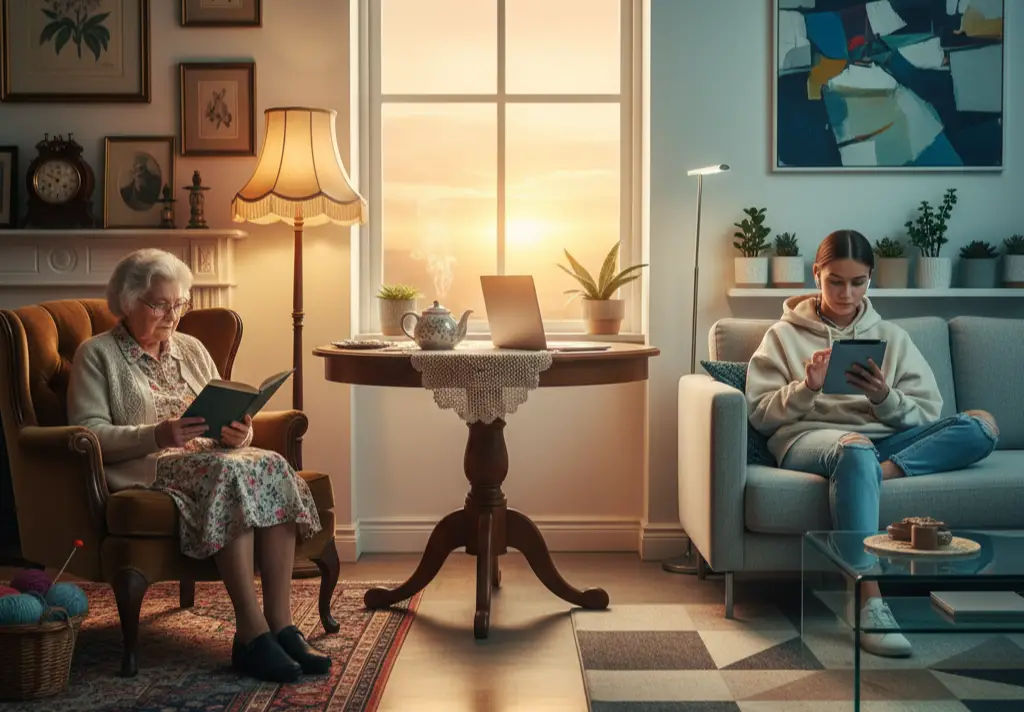
<p> If you grew up in the 1950s, 60s, or 70s, your childhood was filled with simple yet important skills that shaped the way you approached life. You learned to tie your shoes, write by hand, play outside until dark, and even fix little things around the house. These were the everyday victories that built confidence, independence, and resilience. Today, many of these skills are quietly disappearing. Screens, structured schedules, and technology shortcuts are reshaping childhood in ways that may leave some children missing foundational experiences. For baby boomers, it can feel both nostalgic and alarming to see these essential skills fading. Here are ten basic childhood skills that are rapidly disappearing, and why they matter now more than ever. </p> :: Gemini

If you grew up in the 1950s, 60s, or 70s, your childhood was filled with simple yet important skills that shaped the way you approached life. You learned to tie your shoes, write by hand, play outside until dark, and even fix little things around the house. These were the everyday victories that built confidence, independence, and resilience. Today, many of these skills are quietly disappearing. Screens, structured schedules, and technology shortcuts are reshaping childhood in ways that may leave some children missing foundational experiences. For baby boomers, it can feel both nostalgic and alarming to see these essential skills fading. Here are ten basic childhood skills that are rapidly disappearing, and why they matter now more than ever.

1. Tying Shoes

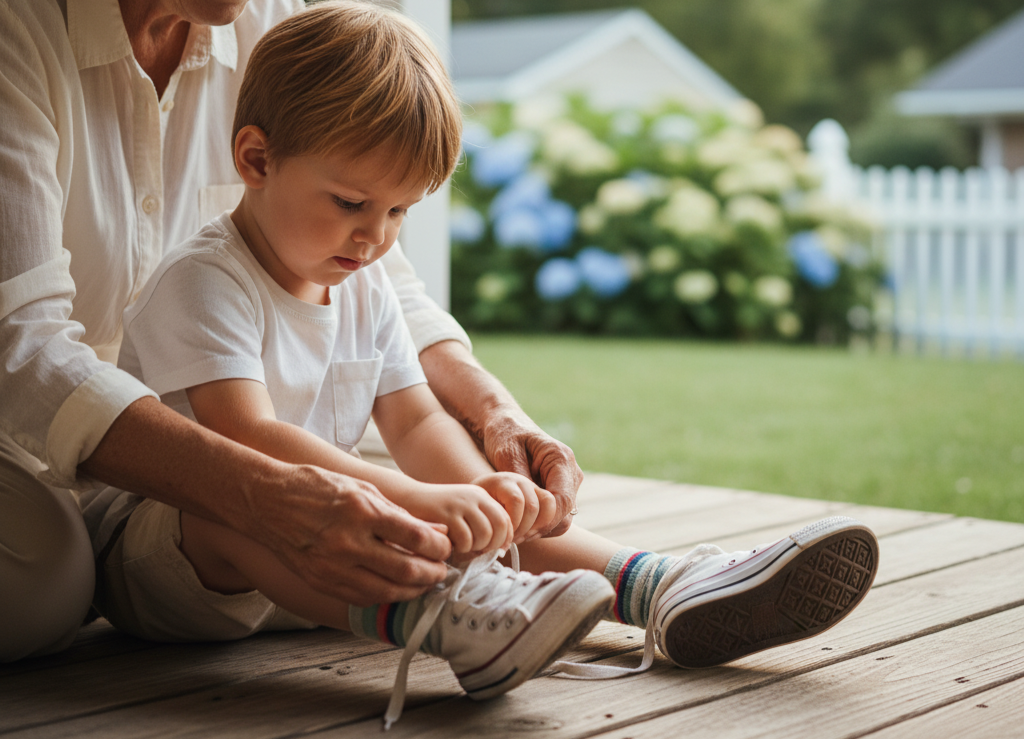
<p> Tying shoes might seem like a trivial skill, but it is one of the first lessons in independence that children typically master. Today, many children rely on Velcro shoes or have adults tie their shoes for them, which reduces opportunities to develop fine motor coordination and problem-solving skills. Mastering a simple knot is not just about footwear—it teaches patience, persistence, and a sense of accomplishment. For those who remember the pride of tying your own shoes, this loss reflects a broader trend of shortcuts replacing small, confidence-building achievements. </p> :: Gemini

Tying shoes might seem like a trivial skill, but it is one of the first lessons in independence that children typically master. Today, many children rely on Velcro shoes or have adults tie their shoes for them, which reduces opportunities to develop fine motor coordination and problem-solving skills. Mastering a simple knot is not just about footwear—it teaches patience, persistence, and a sense of accomplishment. For those who remember the pride of tying your own shoes, this loss reflects a broader trend of shortcuts replacing small, confidence-building achievements.

2. Writing By Hand

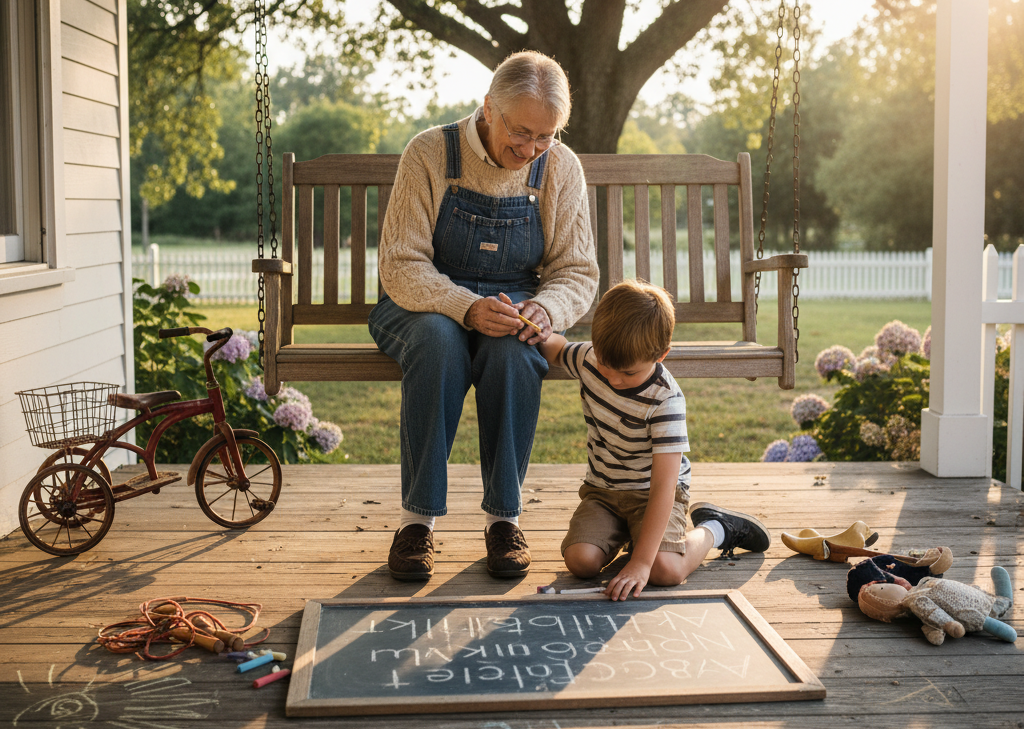
<p> Handwriting is more than just a way to communicate—it is a workout for the brain and the hands. Many children today struggle with holding a pencil properly or writing for sustained periods. With typing and texting dominating communication, the muscle memory and focus developed through writing by hand are less practiced. Baby boomers will remember the joy of filling out forms, writing notes, or signing letters. These skills taught precision, care, and expression. Losing handwriting proficiency may seem minor, but it affects cognitive development, memory, and even personal expression. </p> :: Gemini

Handwriting is more than just a way to communicate—it is a workout for the brain and the hands. Many children today struggle with holding a pencil properly or writing for sustained periods. With typing and texting dominating communication, the muscle memory and focus developed through writing by hand are less practiced. Baby boomers will remember the joy of filling out forms, writing notes, or signing letters. These skills taught precision, care, and expression. Losing handwriting proficiency may seem minor, but it affects cognitive development, memory, and even personal expression.

3. Fine Motor Skills

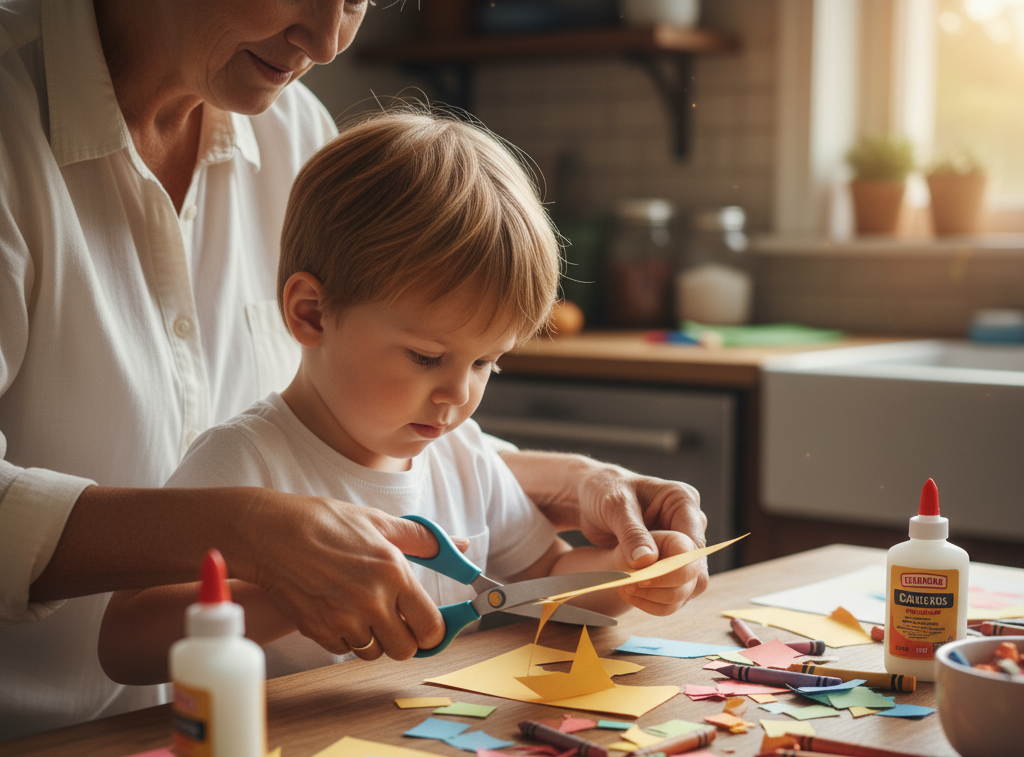
<p> Cutting with scissors, folding paper neatly, and manipulating small objects were once routine tasks for children. Today, fewer kids engage in activities that require these skills, which are essential for daily life tasks like buttoning a shirt, tying knots, or even handling small tools. Fine motor skills are the foundation for independence and confidence. For those who recall school projects, arts and crafts, or hands-on learning, noticing a decline in these abilities is a reminder of how much tactile, practical learning shaped a generation. </p> :: Gemini

Cutting with scissors, folding paper neatly, and manipulating small objects were once routine tasks for children. Today, fewer kids engage in activities that require these skills, which are essential for daily life tasks like buttoning a shirt, tying knots, or even handling small tools. Fine motor skills are the foundation for independence and confidence. For those who recall school projects, arts and crafts, or hands-on learning, noticing a decline in these abilities is a reminder of how much tactile, practical learning shaped a generation.

4. Face-to-Face Conversation

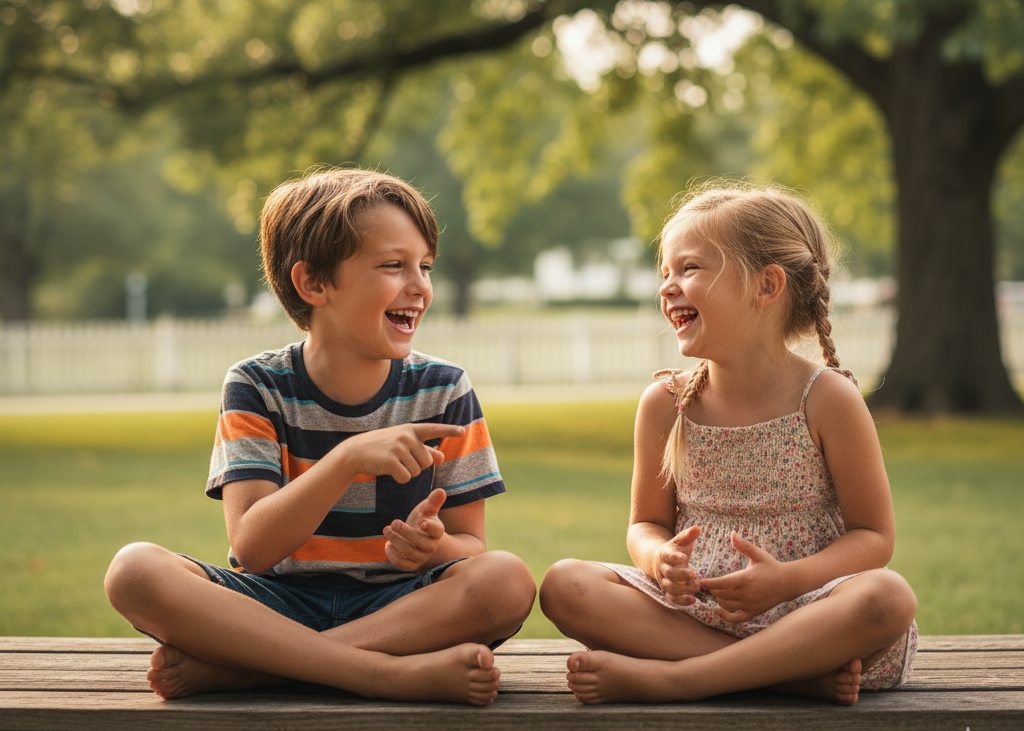
<p> The art of conversation is slipping away in a world dominated by texting, social media, and screens. Many children now lack the practice to speak confidently, read body language, and respond in real time. Baby boomers will remember hours spent on front porches, swapping stories, and learning to listen as much as to speak. These social interactions built empathy, understanding, and problem-solving skills. Encouraging children to have real conversations can help them navigate relationships, school, and eventually the workplace more effectively. </p> :: Gemini

The art of conversation is slipping away in a world dominated by texting, social media, and screens. Many children now lack the practice to speak confidently, read body language, and respond in real time. Baby boomers will remember hours spent on front porches, swapping stories, and learning to listen as much as to speak. These social interactions built empathy, understanding, and problem-solving skills. Encouraging children to have real conversations can help them navigate relationships, school, and eventually the workplace more effectively.

5. Outdoor, Unstructured Play

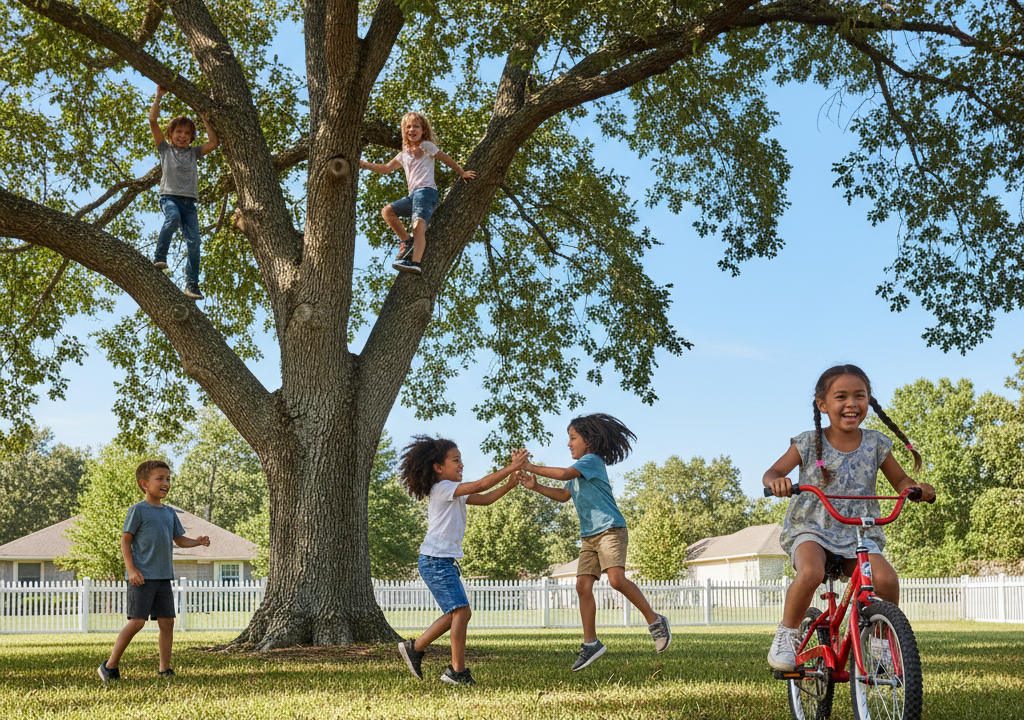
<p> Free play outdoors used to be a cornerstone of childhood. Kids rode bikes, played tag, climbed trees, and built forts without strict supervision. Today, scheduled activities and digital entertainment have replaced much of this unstructured play. Outdoor activities teach creativity, independence, problem-solving, and physical coordination. Baby boomers will remember getting home from school and exploring until the streetlight came on. Those experiences were more than fun—they were essential for developing resilience, teamwork, and an understanding of the physical world. </p> :: Gemini

Free play outdoors used to be a cornerstone of childhood. Kids rode bikes, played tag, climbed trees, and built forts without strict supervision. Today, scheduled activities and digital entertainment have replaced much of this unstructured play. Outdoor activities teach creativity, independence, problem-solving, and physical coordination. Baby boomers will remember getting home from school and exploring until the streetlight came on. Those experiences were more than fun—they were essential for developing resilience, teamwork, and an understanding of the physical world.

6. Household Chores and Self-Cleanup

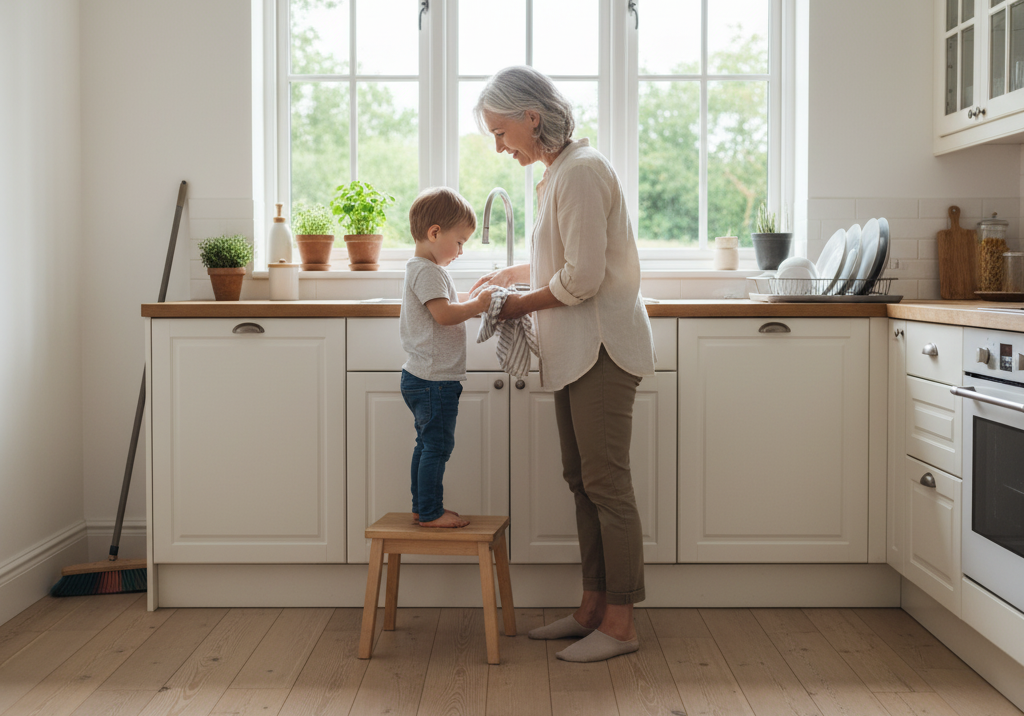
<p> Children of past generations were expected to contribute at home—setting the table, sweeping, or helping with groceries. Today, many kids have fewer opportunities to take ownership of chores, and adults often step in to complete tasks. Learning responsibility through small household tasks teaches accountability, time management, and pride in one’s work. For baby boomers, these were lessons in independence and real-world skills that carried into adulthood. Encouraging children to participate in chores instills confidence and responsibility. </p> :: Gemini

Children of past generations were expected to contribute at home—setting the table, sweeping, or helping with groceries. Today, many kids have fewer opportunities to take ownership of chores, and adults often step in to complete tasks. Learning responsibility through small household tasks teaches accountability, time management, and pride in one’s work. For baby boomers, these were lessons in independence and real-world skills that carried into adulthood. Encouraging children to participate in chores instills confidence and responsibility.

7. Map-Reading and Navigation

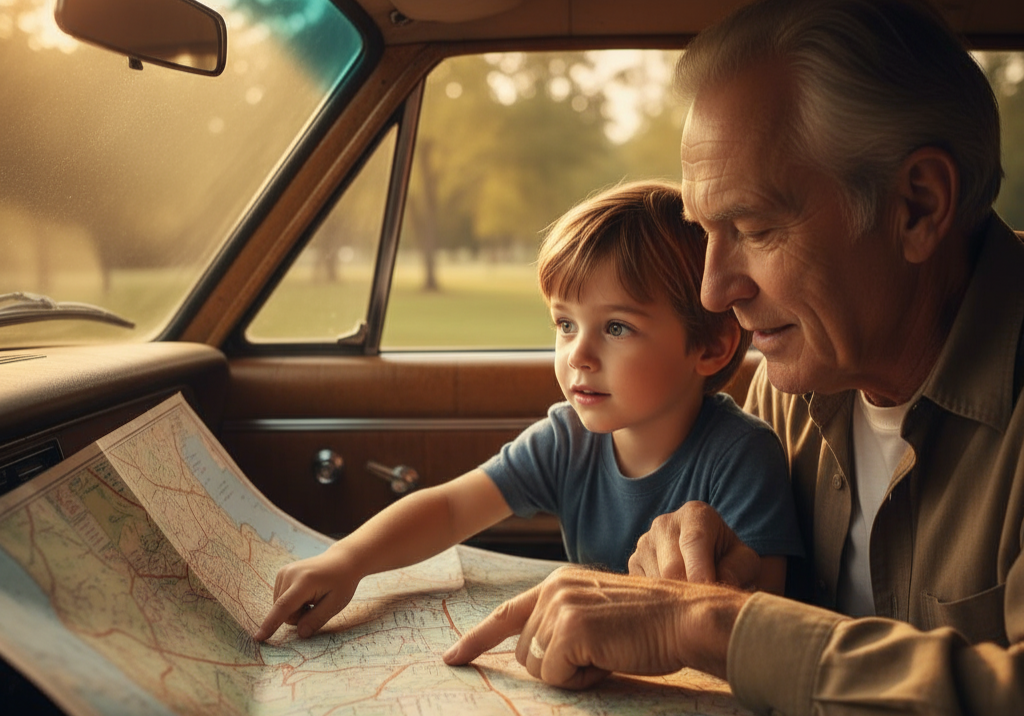
<p> Before GPS devices, children learned to read maps, ask for directions, and navigate by memory or landmarks. Today, many young people rely entirely on technology for direction and have limited experience with spatial awareness and problem-solving in real life. Baby boomers will remember being given a map on a road trip or figuring out a route on your own—it was empowering and practical. Teaching kids to find their way without technology encourages independence, confidence, and a deeper understanding of the world around them. </p> :: Gemini

Before GPS devices, children learned to read maps, ask for directions, and navigate by memory or landmarks. Today, many young people rely entirely on technology for direction and have limited experience with spatial awareness and problem-solving in real life. Baby boomers will remember being given a map on a road trip or figuring out a route on your own—it was empowering and practical. Teaching kids to find their way without technology encourages independence, confidence, and a deeper understanding of the world around them.

8. Patience and Focus

<p> Instant gratification is everywhere in today’s world. Streaming, on-demand content, and voice assistants have shortened attention spans and diminished patience. Children are less likely to engage in activities that require concentration or sustained effort, whether it is reading a book, completing a project, or waiting for a reward. Baby boomers will remember learning to stick with a task until it was finished, whether it was building a model, finishing homework, or mastering a skill. Cultivating patience and focus helps children develop perseverance, resilience, and long-term success. </p> :: Gemini

Instant gratification is everywhere in today’s world. Streaming, on-demand content, and voice assistants have shortened attention spans and diminished patience. Children are less likely to engage in activities that require concentration or sustained effort, whether it is reading a book, completing a project, or waiting for a reward. Baby boomers will remember learning to stick with a task until it was finished, whether it was building a model, finishing homework, or mastering a skill. Cultivating patience and focus helps children develop perseverance, resilience, and long-term success.

9. Letter-Writing and Handwritten Correspondence

<p> Letter-writing, once a cherished way to communicate, has largely been replaced by email and instant messaging. The skills involved in addressing an envelope, choosing a stamp, and expressing thoughts by hand are disappearing. These practices not only taught care and attention but also fostered reflection and creativity. Baby boomers will remember sending notes to friends, writing thank-you cards, or maintaining pen-pal relationships. Encouraging children to write letters today may seem quaint, but it nurtures thoughtfulness and strengthens personal connections. </p> :: Gemini

Letter-writing, once a cherished way to communicate, has largely been replaced by email and instant messaging. The skills involved in addressing an envelope, choosing a stamp, and expressing thoughts by hand are disappearing. These practices not only taught care and attention but also fostered reflection and creativity. Baby boomers will remember sending notes to friends, writing thank-you cards, or maintaining pen-pal relationships. Encouraging children to write letters today may seem quaint, but it nurtures thoughtfulness and strengthens personal connections.

10. Hands-On Fix-It Skills

<p> Fixing a bike tire, sewing a button, repairing a small appliance, or planting a garden were once common childhood tasks. Today, children have fewer opportunities to engage in hands-on problem-solving and DIY projects. These activities teach resourcefulness, independence, and self-confidence. Baby boomers grew up learning that figuring things out and making repairs was part of life. Passing down these skills encourages practical thinking, creativity, and a sense of accomplishment that technology alone cannot provide. </p> :: Gemini

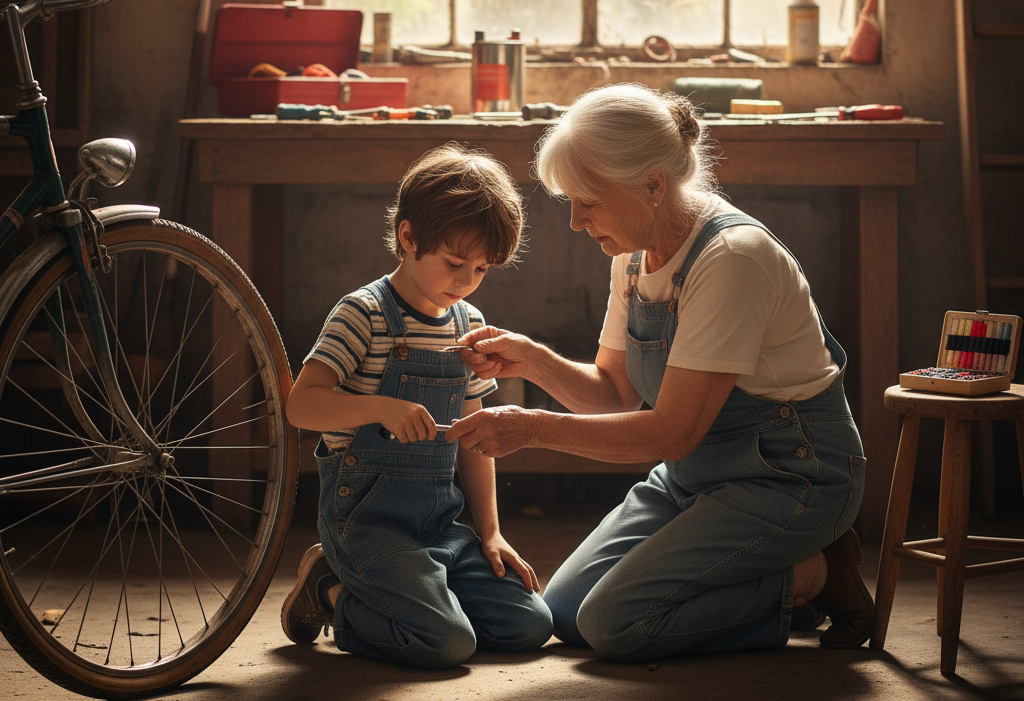
Fixing a bike tire, sewing a button, repairing a small appliance, or planting a garden were once common childhood tasks. Today, children have fewer opportunities to engage in hands-on problem-solving and DIY projects. These activities teach resourcefulness, independence, and self-confidence. Baby boomers grew up learning that figuring things out and making repairs was part of life. Passing down these skills encourages practical thinking, creativity, and a sense of accomplishment that technology alone cannot provide.

Final Thoughts

<p> Watching these childhood skills disappear can feel bittersweet. On one hand, technology and modern conveniences have made life easier and more connected than ever. On the other hand, these fundamental abilities—tying shoes, writing by hand, navigating without GPS, conversing in person, and solving practical problems—formed the foundation of independence, confidence, and resilience for your generation.

For baby boomers, there is a unique opportunity to help the next generation reclaim some of these skills. Whether it is teaching a grandchild to tie shoes, guiding them through an old-fashioned map, encouraging outdoor play, or simply having real conversations, every small act makes a difference. By sharing your experience and wisdom, you ensure that these practical and valuable skills continue to shape young lives.

The reward is not just nostalgia—it is knowing that children today can grow up equipped with the confidence, resilience, and independence that came so naturally to your generation. Bringing these skills back into the everyday lives of young people is more than teaching—they are gifts that last a lifetime. Take a moment to pass on what you once learned. The next generation will thank you in ways that go far beyond the classroom or playground. </p> :: Gemini

Watching these childhood skills disappear can feel bittersweet. On one hand, technology and modern conveniences have made life easier and more connected than ever. On the other hand, these fundamental abilities—tying shoes, writing by hand, navigating without GPS, conversing in person, and solving practical problems—formed the foundation of independence, confidence, and resilience for your generation.

For baby boomers, there is a unique opportunity to help the next generation reclaim some of these skills. Whether it is teaching a grandchild to tie shoes, guiding them through an old-fashioned map, encouraging outdoor play, or simply having real conversations, every small act makes a difference. By sharing your experience and wisdom, you ensure that these practical and valuable skills continue to shape young lives.

The reward is not just nostalgia—it is knowing that children today can grow up equipped with the confidence, resilience, and independence that came so naturally to your generation. Bringing these skills back into the everyday lives of young people is more than teaching—they are gifts that last a lifetime. Take a moment to pass on what you once learned. The next generation will thank you in ways that go far beyond the classroom or playground.

Filed Under: Lifestyle

The Best Dog Breeds for Baby Boomers Who Want Health and Longevity in a Loyal Companion

November 12, 2025 | Leave a Comment

The Best Dog Breeds for Baby Boomers Who Want Health and Longevity in a Loyal Companion

<p> As life slows down a bit and the days become more about enjoying peace, purpose, and companionship, many Baby Boomers are finding joy in adopting a dog. A good canine friend doesn’t just fill your home with love and laughter—they can also help keep you active, lower stress, and bring a sense of routine and connection that’s deeply rewarding. But not all breeds are created equal when it comes to health, lifespan, and compatibility with a more relaxed lifestyle.

If you are thinking about welcoming a four-legged friend into your life, it’s smart to choose one known for good health, long life, and an easygoing personality. Below are eight dog breeds that are not only known for their longevity but also fit perfectly with the lifestyle and pace of Baby Boomers who value both companionship and simplicity. </p> :: Gemini

As life slows down a bit and the days become more about enjoying peace, purpose, and companionship, many Baby Boomers are finding joy in adopting a dog. A good canine friend doesn’t just fill your home with love and laughter—they can also help keep you active, lower stress, and bring a sense of routine and connection that’s deeply rewarding. But not all breeds are created equal when it comes to health, lifespan, and compatibility with a more relaxed lifestyle.

If you are thinking about welcoming a four-legged friend into your life, it’s smart to choose one known for good health, long life, and an easygoing personality. Below are eight dog breeds that are not only known for their longevity but also fit perfectly with the lifestyle and pace of Baby Boomers who value both companionship and simplicity.

1. Chihuahua

<p> Small in size but bursting with personality, the Chihuahua proves that big love can come in tiny packages. Known for living well into their mid to late teens, this little dog is one of the longest-living breeds. Their petite size makes them perfect for apartment living or smaller homes, and they do not need hours of exercise—a few short walks or indoor play sessions are plenty. Chihuahuas are loyal and love being close to their owners, often curling up beside you like a warm little shadow. However, they can be a bit feisty, so early socialization helps. They do require regular dental care, but aside from that, they’re surprisingly low-maintenance companions with a heart that’s much bigger than their bodies. </p> :: Gemini

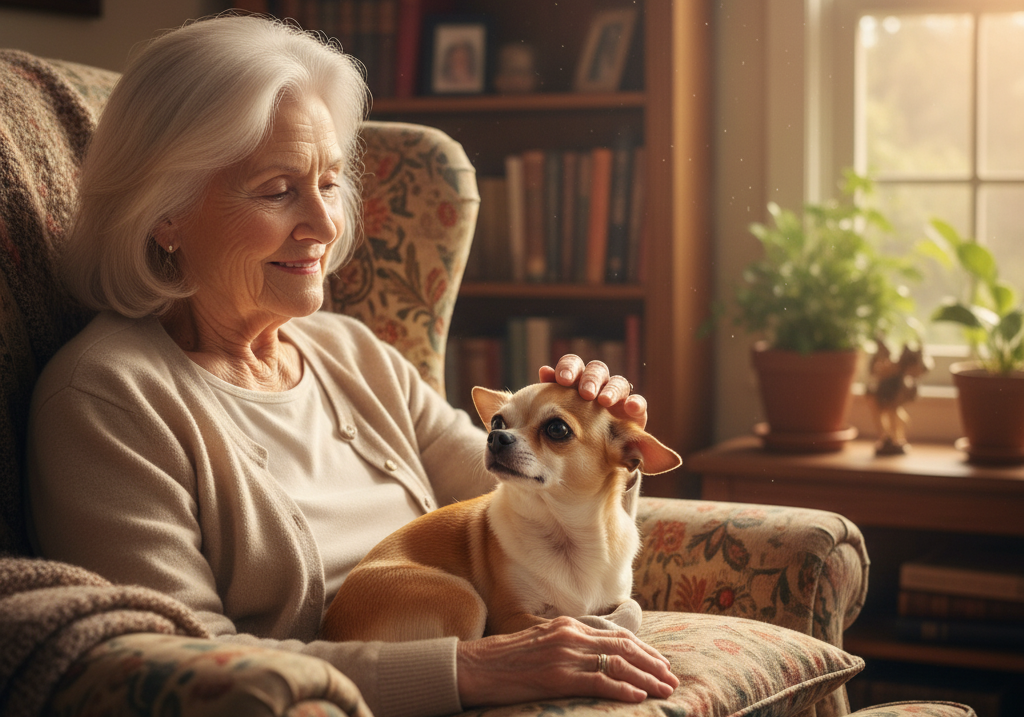
Small in size but bursting with personality, the Chihuahua proves that big love can come in tiny packages. Known for living well into their mid to late teens, this little dog is one of the longest-living breeds. Their petite size makes them perfect for apartment living or smaller homes, and they do not need hours of exercise—a few short walks or indoor play sessions are plenty. Chihuahuas are loyal and love being close to their owners, often curling up beside you like a warm little shadow. However, they can be a bit feisty, so early socialization helps. They do require regular dental care, but aside from that, they’re surprisingly low-maintenance companions with a heart that’s much bigger than their bodies.

2. Toy Poodle

<p> Elegant, intelligent, and lively, Toy Poodles are a wonderful fit for retirees who want a smart and affectionate companion. They’re known for their long lifespan—often 14 to 16 years or more—and they tend to be among the healthiest of purebred dogs. Poodles are easy to train, enjoy being around people, and can adapt to most living situations. Their curly coats don’t shed much, which makes them ideal for allergy sufferers, though grooming is necessary to keep their coat looking neat. If you enjoy daily walks and a dog that’s eager to please and quick to learn tricks, a Toy or Miniature Poodle can be a charming addition to your life. </p> :: Gemini

Elegant, intelligent, and lively, Toy Poodles are a wonderful fit for retirees who want a smart and affectionate companion. They’re known for their long lifespan—often 14 to 16 years or more—and they tend to be among the healthiest of purebred dogs. Poodles are easy to train, enjoy being around people, and can adapt to most living situations. Their curly coats don’t shed much, which makes them ideal for allergy sufferers, though grooming is necessary to keep their coat looking neat. If you enjoy daily walks and a dog that’s eager to please and quick to learn tricks, a Toy or Miniature Poodle can be a charming addition to your life.

3. Havanese

<p> The cheerful and affectionate Havanese is a people-loving breed that thrives on companionship. They’re sturdy yet small, making them a great match for older adults who prefer a manageable dog. With lifespans averaging around 14 to 16 years, they are also one of the healthier small breeds. Havanese dogs love to follow their humans around, snuggle during movie nights, and accompany you on gentle strolls. They have a silky coat that needs regular brushing, but many owners find grooming to be a relaxing routine rather than a chore. Best of all, their playful and gentle nature makes them wonderful around grandchildren and visitors alike. </p> :: Gemini

The cheerful and affectionate Havanese is a people-loving breed that thrives on companionship. They’re sturdy yet small, making them a great match for older adults who prefer a manageable dog. With lifespans averaging around 14 to 16 years, they are also one of the healthier small breeds. Havanese dogs love to follow their humans around, snuggle during movie nights, and accompany you on gentle strolls. They have a silky coat that needs regular brushing, but many owners find grooming to be a relaxing routine rather than a chore. Best of all, their playful and gentle nature makes them wonderful around grandchildren and visitors alike.

4. Whippet

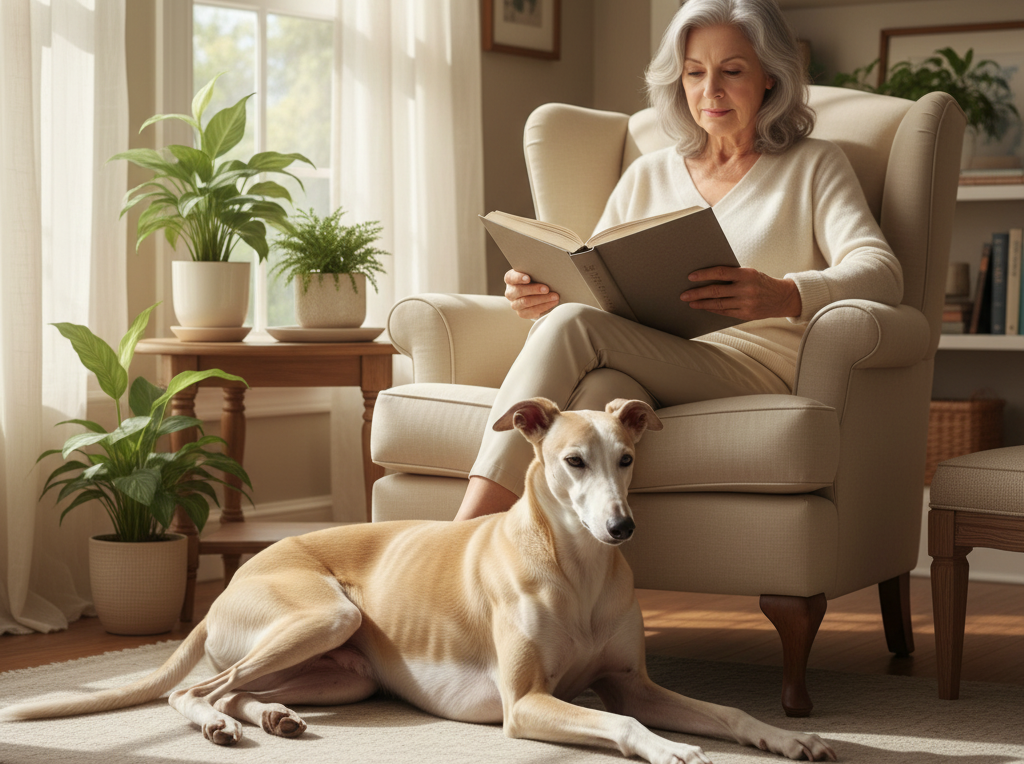
<p> If you like the idea of a dog that’s graceful, calm, and surprisingly low-maintenance, the Whippet might be the perfect choice. Despite their athletic build, Whippets are actually quite laid-back and are happiest lounging near you after a short walk or a quick sprint around the yard. They have short coats that require little grooming and tend to live around 12 to 15 years. Their quiet, affectionate nature makes them ideal for peaceful households, and they rarely bark unless there’s a real reason. The Whippet is often called the “couch potato athlete” because they love both bursts of play and long, relaxing naps—making them a great balance for retirees who enjoy a little exercise without overexertion. </p> :: Gemini

If you like the idea of a dog that’s graceful, calm, and surprisingly low-maintenance, the Whippet might be the perfect choice. Despite their athletic build, Whippets are actually quite laid-back and are happiest lounging near you after a short walk or a quick sprint around the yard. They have short coats that require little grooming and tend to live around 12 to 15 years. Their quiet, affectionate nature makes them ideal for peaceful households, and they rarely bark unless there’s a real reason. The Whippet is often called the “couch potato athlete” because they love both bursts of play and long, relaxing naps—making them a great balance for retirees who enjoy a little exercise without overexertion.

5. Beagle

<p> Friendly, loyal, and full of character, the Beagle has long been a favorite for families and older adults alike. Known for their expressive faces and happy-go-lucky attitude, Beagles are generally healthy dogs with lifespans of 12 to 15 years. They’re small enough to handle easily but sturdy enough for outdoor adventures or playful time with the grandkids. Their keen sense of smell means they love sniffing around on walks, so they do best with a securely fenced yard or leash walks to prevent them from following their nose too far. Beagles are very food-motivated, which makes training easy—just be sure to monitor their snacks to keep their weight in check. For those who want a loyal, cheerful dog with just the right amount of energy, the Beagle is hard to beat. </p> :: Gemini

Friendly, loyal, and full of character, the Beagle has long been a favorite for families and older adults alike. Known for their expressive faces and happy-go-lucky attitude, Beagles are generally healthy dogs with lifespans of 12 to 15 years. They’re small enough to handle easily but sturdy enough for outdoor adventures or playful time with the grandkids. Their keen sense of smell means they love sniffing around on walks, so they do best with a securely fenced yard or leash walks to prevent them from following their nose too far. Beagles are very food-motivated, which makes training easy—just be sure to monitor their snacks to keep their weight in check. For those who want a loyal, cheerful dog with just the right amount of energy, the Beagle is hard to beat.

6. Australian Cattle Dog

<p> For Baby Boomers who are still active and love spending time outdoors, the Australian Cattle Dog is a strong, intelligent, and loyal choice. Known for being one of the healthiest and longest-living breeds, many live well into their mid to late teens with proper care. These dogs are energetic and thrive with regular walks, hikes, or games of fetch, so they’re a perfect fit for retirees who enjoy staying active and engaged. They form incredibly strong bonds with their owners and are known for their loyalty and protective instincts. While they do need regular mental and physical stimulation, their health, endurance, and affectionate nature make them rewarding companions for the right owner. </p> :: Gemini

For Baby Boomers who are still active and love spending time outdoors, the Australian Cattle Dog is a strong, intelligent, and loyal choice. Known for being one of the healthiest and longest-living breeds, many live well into their mid to late teens with proper care. These dogs are energetic and thrive with regular walks, hikes, or games of fetch, so they’re a perfect fit for retirees who enjoy staying active and engaged. They form incredibly strong bonds with their owners and are known for their loyalty and protective instincts. While they do need regular mental and physical stimulation, their health, endurance, and affectionate nature make them rewarding companions for the right owner.

7. Greyhound

<p> Despite their history as racing dogs, Greyhounds are remarkably gentle, calm, and affectionate. Once retired from the track, they quickly adapt to a slower pace and become some of the best companions you could ask for. Their short coats require almost no grooming, and they tend to be very clean and quiet. Greyhounds typically live around 10 to 14 years and are known for being sensitive, sweet-natured dogs who love comfort. They enjoy daily walks but are just as happy spending the rest of the day stretched out on the sofa beside you. If you’re looking for a larger dog that’s mellow and low-maintenance, a Greyhound is a graceful and loving choice. </p> :: Gemini

Despite their history as racing dogs, Greyhounds are remarkably gentle, calm, and affectionate. Once retired from the track, they quickly adapt to a slower pace and become some of the best companions you could ask for. Their short coats require almost no grooming, and they tend to be very clean and quiet. Greyhounds typically live around 10 to 14 years and are known for being sensitive, sweet-natured dogs who love comfort. They enjoy daily walks but are just as happy spending the rest of the day stretched out on the sofa beside you. If you’re looking for a larger dog that’s mellow and low-maintenance, a Greyhound is a graceful and loving choice.
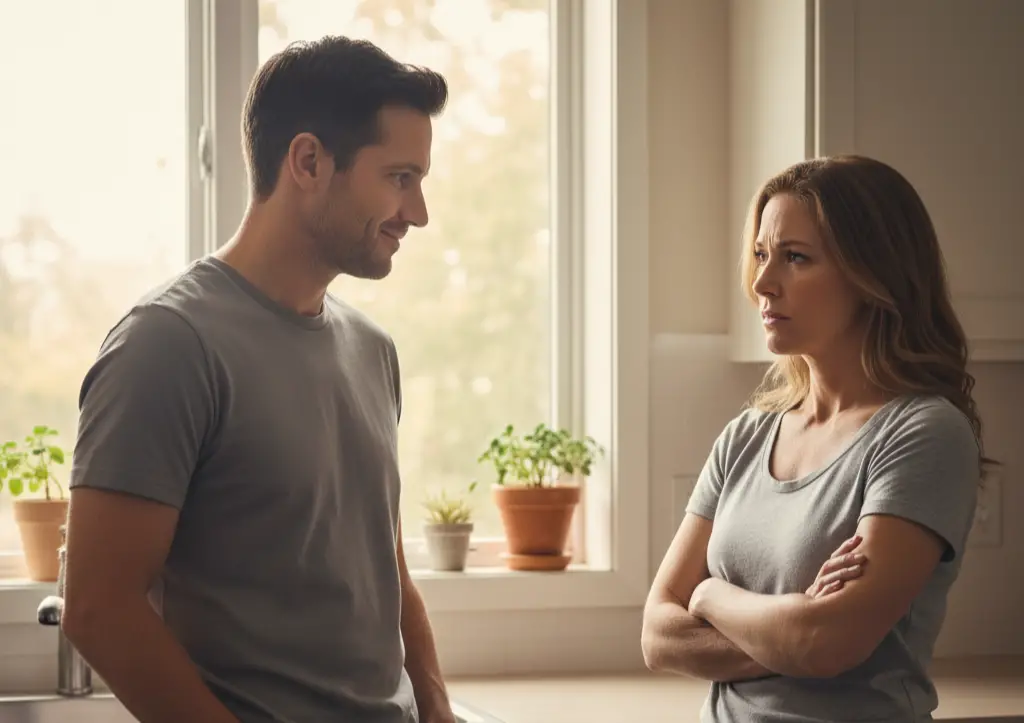

8. Maltese

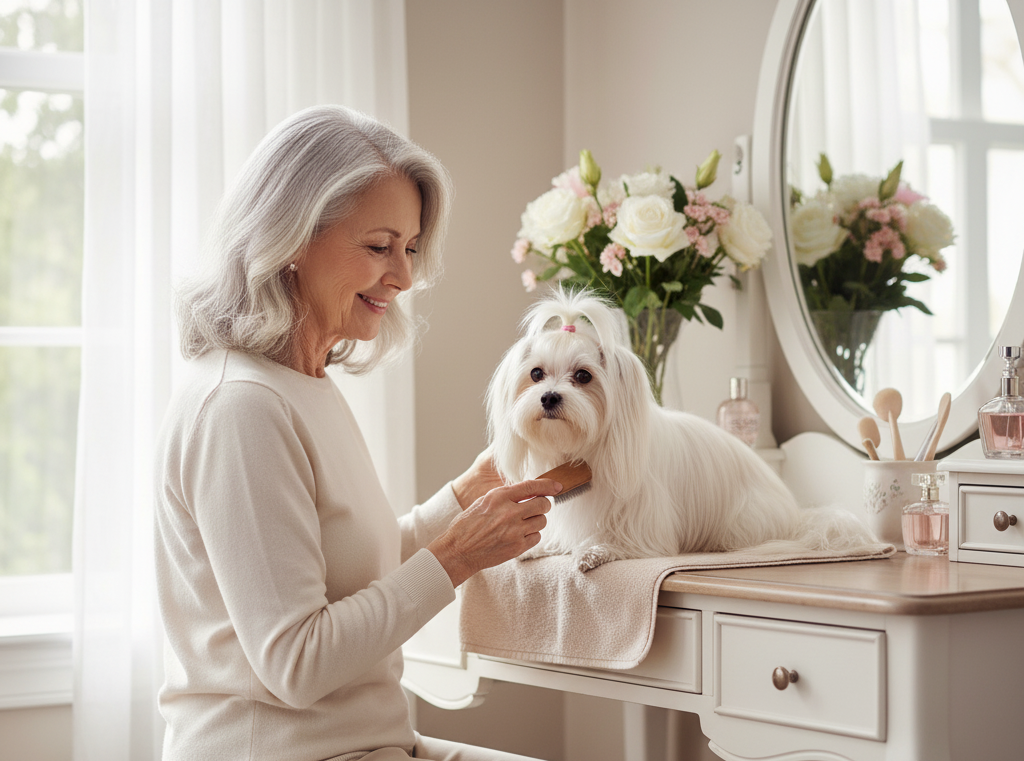
<p> The Maltese is a small, affectionate, and long-living breed that thrives on love and companionship. With lifespans often reaching 14 to 16 years, these dogs make loyal friends for many years. They’re playful without being overly energetic and enjoy being pampered just as much as they enjoy going for a walk. Their long, silky coat requires regular grooming, but that can be a wonderful bonding experience. Maltese dogs are known for their gentle nature and devotion to their owners, making them perfect for anyone who wants a constant companion that’s happy to curl up in their lap and keep them company through the day. </p> :: Gemini

The Maltese is a small, affectionate, and long-living breed that thrives on love and companionship. With lifespans often reaching 14 to 16 years, these dogs make loyal friends for many years. They’re playful without being overly energetic and enjoy being pampered just as much as they enjoy going for a walk. Their long, silky coat requires regular grooming, but that can be a wonderful bonding experience. Maltese dogs are known for their gentle nature and devotion to their owners, making them perfect for anyone who wants a constant companion that’s happy to curl up in their lap and keep them company through the day.

Final Thoughts

<p> A dog can bring incredible joy and purpose at any stage of life, but especially during the years when you finally have time to slow down and savor life’s little moments. The breeds above stand out not only for their health and longevity but also for their temperament, size, and adaptability to a relaxed, loving home.

Before choosing your new best friend, take time to reflect on your lifestyle and preferences. Do you want a walking buddy or a lap companion? Are you drawn to low-maintenance breeds or ones that need a little grooming love? There’s no wrong answer—just the right match for you.

Remember that even the healthiest breed needs regular care, good nutrition, and plenty of affection to thrive. When you find the right dog, you’ll discover that companionship in its purest form doesn’t just fill your home—it enriches your heart and adds years of happiness to both your lives. </p> :: Gemini

A dog can bring incredible joy and purpose at any stage of life, but especially during the years when you finally have time to slow down and savor life’s little moments. The breeds above stand out not only for their health and longevity but also for their temperament, size, and adaptability to a relaxed, loving home.

Before choosing your new best friend, take time to reflect on your lifestyle and preferences. Do you want a walking buddy or a lap companion? Are you drawn to low-maintenance breeds or ones that need a little grooming love? There’s no wrong answer—just the right match for you.

Remember that even the healthiest breed needs regular care, good nutrition, and plenty of affection to thrive. When you find the right dog, you’ll discover that companionship in its purest form doesn’t just fill your home—it enriches your heart and adds years of happiness to both your lives.

Filed Under: Lifestyle

11 Sneaky Phrases Manipulative People Use to Get Their Way — Don’t Fall for Them

November 12, 2025 | Leave a Comment

11 Sneaky Phrases Manipulative People Use to Get Their Way — Don’t Fall for Them

<p> We’ve all had that moment in a conversation where something just doesn’t sit right. Maybe a friend, coworker, or partner says something that feels off, but you can’t quite put your finger on why. Before you know it, you’re apologizing, agreeing to something you didn’t want, or feeling guilty for setting a simple boundary. That’s not a coincidence—it’s manipulation in action.

Manipulative people have a talent for using language that twists emotions, guilt, or loyalty into subtle control. They don’t shout or demand; they quietly steer. The scariest part? Most of their phrases sound perfectly normal at first. But once you learn to recognize them, you’ll never hear them the same way again.

Here are 11 sneaky phrases manipulative people use to get their way—and what they really mean when they say them. </p> :: Gemini

We’ve all had that moment in a conversation where something just doesn’t sit right. Maybe a friend, coworker, or partner says something that feels off, but you can’t quite put your finger on why. Before you know it, you’re apologizing, agreeing to something you didn’t want, or feeling guilty for setting a simple boundary. That’s not a coincidence—it’s manipulation in action.

Manipulative people have a talent for using language that twists emotions, guilt, or loyalty into subtle control. They don’t shout or demand; they quietly steer. The scariest part? Most of their phrases sound perfectly normal at first. But once you learn to recognize them, you’ll never hear them the same way again.

Here are 11 sneaky phrases manipulative people use to get their way—and what they really mean when they say them.

1. “If you really loved me, you would…”

<p> This is emotional blackmail at its finest. When someone uses this phrase, they’re trying to turn love into leverage. It’s not about affection or understanding—it’s about control. Real love never requires you to prove yourself by doing something you don’t want to do. The next time you hear this line, remember: genuine care respects boundaries, it doesn’t test them. </p> :: Gemini

This is emotional blackmail at its finest. When someone uses this phrase, they’re trying to turn love into leverage. It’s not about affection or understanding—it’s about control. Real love never requires you to prove yourself by doing something you don’t want to do. The next time you hear this line, remember: genuine care respects boundaries, it doesn’t test them.

2. “You’re being too sensitive.”

<p> Ah, the classic gaslighting move. This phrase is designed to make you question your feelings. Instead of addressing your concern, they flip the script and make you the problem. By calling you “too sensitive,” they dismiss your reaction and dodge accountability. But here’s the truth: sensitivity isn’t weakness. It’s awareness. And if someone keeps invalidating your emotions, they’re showing you who they are—believe them. </p> :: Gemini

Ah, the classic gaslighting move. This phrase is designed to make you question your feelings. Instead of addressing your concern, they flip the script and make you the problem. By calling you “too sensitive,” they dismiss your reaction and dodge accountability. But here’s the truth: sensitivity isn’t weakness. It’s awareness. And if someone keeps invalidating your emotions, they’re showing you who they are—believe them.

3. “I was only joking.”

<p> This one often hides behind a smile. It usually follows a comment that stings—something insulting or hurtful, wrapped in humor. When you express that it bothered you, the manipulator shrugs it off: “Relax, it was just a joke.” The goal is to make you second-guess yourself and feel uptight for standing up. But jokes that punch down aren’t funny. If it hurts, it’s fair to say so. </p> :: Gemini

This one often hides behind a smile. It usually follows a comment that stings—something insulting or hurtful, wrapped in humor. When you express that it bothered you, the manipulator shrugs it off: “Relax, it was just a joke.” The goal is to make you second-guess yourself and feel uptight for standing up. But jokes that punch down aren’t funny. If it hurts, it’s fair to say so.

4. “Don’t you trust me?”

<p> This phrase sounds innocent, even reasonable—but it’s a pressure tactic. It turns a simple question into a loyalty test. Instead of proving their trustworthiness, the manipulator shifts the burden onto you. Suddenly, saying “no” makes you the bad guy. But trust isn’t automatic—it’s earned through consistent honesty and respect. If someone’s demanding trust while giving you reasons to doubt them, that’s your answer. </p> :: Gemini

This phrase sounds innocent, even reasonable—but it’s a pressure tactic. It turns a simple question into a loyalty test. Instead of proving their trustworthiness, the manipulator shifts the burden onto you. Suddenly, saying “no” makes you the bad guy. But trust isn’t automatic—it’s earned through consistent honesty and respect. If someone’s demanding trust while giving you reasons to doubt them, that’s your answer.

5. “No one else understands me like you do.”

<p> At first, this one sounds flattering. Who doesn’t want to feel special or needed? But look closer—it’s emotional dependency disguised as affection. What they’re really saying is, “You’re responsible for my happiness.” That’s a heavy burden to carry. Relationships thrive when both people can stand on their own two feet. If someone constantly leans on you for emotional stability, it’s okay to step back and protect your peace. </p> :: Gemini

At first, this one sounds flattering. Who doesn’t want to feel special or needed? But look closer—it’s emotional dependency disguised as affection. What they’re really saying is, “You’re responsible for my happiness.” That’s a heavy burden to carry. Relationships thrive when both people can stand on their own two feet. If someone constantly leans on you for emotional stability, it’s okay to step back and protect your peace.

6. “I’m only saying this because I love you.”

<p> This phrase often follows harsh criticism. It’s a manipulative way of masking control or judgment as “care.” When someone uses love as a cover for belittling comments, what they’re really doing is trying to justify overstepping. Love doesn’t require tearing someone down “for their own good.” If someone’s words consistently hurt you, the motive doesn’t matter—the impact does. </p> :: Gemini

This phrase often follows harsh criticism. It’s a manipulative way of masking control or judgment as “care.” When someone uses love as a cover for belittling comments, what they’re really doing is trying to justify overstepping. Love doesn’t require tearing someone down “for their own good.” If someone’s words consistently hurt you, the motive doesn’t matter—the impact does.

7. “You owe me.”

<p> Manipulators love keeping score. Maybe they helped you move, loaned you money, or did you a favor. That’s fine—until they pull out the receipt later to guilt you into doing something you don’t want to do. True generosity doesn’t come with strings attached. If someone brings up what they’ve done for you every time they want something, that’s not kindness—it’s currency. </p> :: Gemini

Manipulators love keeping score. Maybe they helped you move, loaned you money, or did you a favor. That’s fine—until they pull out the receipt later to guilt you into doing something you don’t want to do. True generosity doesn’t come with strings attached. If someone brings up what they’ve done for you every time they want something, that’s not kindness—it’s currency.

8. “That never happened.”

<p> This is one of the most dangerous phrases on the list. It’s a form of gaslighting meant to make you doubt your own memory. The manipulator’s goal is to rewrite history until you question your version of events. They’ll insist they never said that, or that you’re misremembering entirely. Over time, this can destroy your confidence and make you rely on their version of reality. The best defense? Write things down, trust your memory, and know that your reality matters. </p> :: Gemini

This is one of the most dangerous phrases on the list. It’s a form of gaslighting meant to make you doubt your own memory. The manipulator’s goal is to rewrite history until you question your version of events. They’ll insist they never said that, or that you’re misremembering entirely. Over time, this can destroy your confidence and make you rely on their version of reality. The best defense? Write things down, trust your memory, and know that your reality matters.

9. “We can’t do this without you.”

<p> Flattery is manipulation’s friend. This phrase is a sneaky way to guilt you into taking on more than you can handle. It sounds like praise—“You’re so dependable, you’re the only one who can fix this!”—but what it really means is, “We want you to say yes, even if it drains you.” You don’t need to be the hero in every situation. True teamwork doesn’t demand your exhaustion; it respects your limits. </p> :: Gemini

Flattery is manipulation’s friend. This phrase is a sneaky way to guilt you into taking on more than you can handle. It sounds like praise—“You’re so dependable, you’re the only one who can fix this!”—but what it really means is, “We want you to say yes, even if it drains you.” You don’t need to be the hero in every situation. True teamwork doesn’t demand your exhaustion; it respects your limits.

10. “You’re overreacting.”

<p> This phrase is the verbal equivalent of a wave of dismissal. It’s meant to make you shrink your feelings, to second-guess your reaction. The manipulator’s goal is simple: shut down the conversation before they have to take responsibility. But nobody else gets to decide how big or small something feels to you. If it bothers you, it’s valid—and you have every right to talk about it. </p> :: Gemini

This phrase is the verbal equivalent of a wave of dismissal. It’s meant to make you shrink your feelings, to second-guess your reaction. The manipulator’s goal is simple: shut down the conversation before they have to take responsibility. But nobody else gets to decide how big or small something feels to you. If it bothers you, it’s valid—and you have every right to talk about it.

11. “Why can’t you be more like [someone else]?”

<p> Comparison is one of the most toxic forms of control. Whether it’s “Why can’t you be more like your coworker?” or “My ex never acted like this,” the underlying message is clear: “You’re not good enough.” This line is meant to chip away at your confidence and make you chase approval that will never come. Healthy relationships don’t rely on comparison—they value individuality. You’re not a replacement or a project; you’re a person. </p> :: Gemini

Comparison is one of the most toxic forms of control. Whether it’s “Why can’t you be more like your coworker?” or “My ex never acted like this,” the underlying message is clear: “You’re not good enough.” This line is meant to chip away at your confidence and make you chase approval that will never come. Healthy relationships don’t rely on comparison—they value individuality. You’re not a replacement or a project; you’re a person.

Final Thoughts

<p> Once you start noticing these phrases, you’ll see them everywhere—from the workplace to friendships, even in family dynamics. That awareness alone is powerful. Recognizing manipulation doesn’t make you cynical—it makes you strong.

When you hear one of these lines, pause before responding. Ask yourself: Do I actually want to do this, or do I feel pressured to? That single question can be the difference between acting out of choice or out of control.

Setting boundaries isn’t cold or unkind—it’s a sign of self-respect. You don’t owe anyone unlimited access to your time, energy, or emotions. The right people won’t make you feel guilty for standing your ground; they’ll respect you for it.

And here’s the beautiful thing: once you learn to recognize manipulative language, it loses its power. Those subtle guilt trips and emotional traps stop working the moment you call them out.

So the next time someone says, “You’re overreacting,” or “If you really cared, you’d do this for me,” take a deep breath and remember—you don’t have to play that game. You have every right to choose your words, your boundaries, and your peace.

You deserve relationships that feel genuine, not like emotional chess matches. And the more you trust your instincts, the harder it becomes for anyone to twist them against you. </p> :: Gemini

Once you start noticing these phrases, you’ll see them everywhere—from the workplace to friendships, even in family dynamics. That awareness alone is powerful. Recognizing manipulation doesn’t make you cynical—it makes you strong.

When you hear one of these lines, pause before responding. Ask yourself: Do I actually want to do this, or do I feel pressured to? That single question can be the difference between acting out of choice or out of control.

Setting boundaries isn’t cold or unkind—it’s a sign of self-respect. You don’t owe anyone unlimited access to your time, energy, or emotions. The right people won’t make you feel guilty for standing your ground; they’ll respect you for it.

And here’s the beautiful thing: once you learn to recognize manipulative language, it loses its power. Those subtle guilt trips and emotional traps stop working the moment you call them out.

So the next time someone says, “You’re overreacting,” or “If you really cared, you’d do this for me,” take a deep breath and remember—you don’t have to play that game. You have every right to choose your words, your boundaries, and your peace.

You deserve relationships that feel genuine, not like emotional chess matches. And the more you trust your instincts, the harder it becomes for anyone to twist them against you.

Filed Under: Lifestyle

What Men Notice About Women Right Away (10 Things They Rarely Say Out Loud)

November 11, 2025 | Leave a Comment

What Men Notice About Women Right Away (10 Things They Rarely Say Out Loud)

<p> First impressions matter, whether we like it or not. When a man meets a woman, his mind starts quietly picking up on dozens of details almost instantly. Some of those details are visual, others emotional, and a few are hard to explain but easy to feel. And while most men won’t openly talk about what they notice first, the truth is, they’re paying attention—to more than just looks.

From subtle expressions to body language to kindness, these cues help shape the first impression that sticks. So if you’ve ever wondered what catches a man’s attention the moment he meets you, here are 10 things men notice about women right away—but rarely say out loud. </p> :: Gemini

First impressions matter, whether we like it or not. When a man meets a woman, his mind starts quietly picking up on dozens of details almost instantly. Some of those details are visual, others emotional, and a few are hard to explain but easy to feel. And while most men won’t openly talk about what they notice first, the truth is, they’re paying attention—to more than just looks.

From subtle expressions to body language to kindness, these cues help shape the first impression that sticks. So if you’ve ever wondered what catches a man’s attention the moment he meets you, here are 10 things men notice about women right away—but rarely say out loud.

1. Her Smile and Eye Contact

<p> A genuine smile is one of the most powerful first impressions a woman can make. Men notice it right away because it signals warmth, approachability, and a sense of ease. A smile says, “I’m open and confident,” even before a single word is spoken. Combine that with natural eye contact, and you’ve got a simple but striking way of connecting without effort. The key isn’t a perfect Hollywood grin—it’s authenticity. Men can usually tell when a smile is real, and that’s what makes it memorable. </p> :: Gemini

A genuine smile is one of the most powerful first impressions a woman can make. Men notice it right away because it signals warmth, approachability, and a sense of ease. A smile says, “I’m open and confident,” even before a single word is spoken. Combine that with natural eye contact, and you’ve got a simple but striking way of connecting without effort. The key isn’t a perfect Hollywood grin—it’s authenticity. Men can usually tell when a smile is real, and that’s what makes it memorable.


2. Her Hair and How Well It’s Kept

<p> It may sound surprising, but many men say one of the first things they notice about a woman is her hair. It’s not about expensive styling or the latest trends—it’s about health, neatness, and effort. Well-kept hair gives off a sense of care and attention to detail. Whether your hair is long, short, curly, or straight doesn’t matter nearly as much as how you maintain it. A clean, confident look tells a story about how you value yourself, and men pick up on that subtle signal instantly. </p> :: Gemini

It may sound surprising, but many men say one of the first things they notice about a woman is her hair. It’s not about expensive styling or the latest trends—it’s about health, neatness, and effort. Well-kept hair gives off a sense of care and attention to detail. Whether your hair is long, short, curly, or straight doesn’t matter nearly as much as how you maintain it. A clean, confident look tells a story about how you value yourself, and men pick up on that subtle signal instantly.

3. Her Style and Sense of Presentation

<p> Clothing choices make a quick and lasting impression, but not in the way many people assume. Men aren’t necessarily focused on labels or runway trends—they’re observing how you present yourself. Your outfit, whether casual or polished, gives clues about your personality, confidence, and lifestyle. A woman who dresses in a way that feels natural to her tends to stand out, not because she’s trying too hard, but because her style feels authentic. When you feel comfortable in what you’re wearing, it shows—and that quiet confidence is magnetic. </p> :: Gemini

Clothing choices make a quick and lasting impression, but not in the way many people assume. Men aren’t necessarily focused on labels or runway trends—they’re observing how you present yourself. Your outfit, whether casual or polished, gives clues about your personality, confidence, and lifestyle. A woman who dresses in a way that feels natural to her tends to stand out, not because she’s trying too hard, but because her style feels authentic. When you feel comfortable in what you’re wearing, it shows—and that quiet confidence is magnetic.

4. Her Body Language and Posture

<p> Men often pick up on body language faster than they realize. Posture, gestures, and facial expressions all communicate volumes without a single word. Standing tall, keeping your shoulders relaxed, and maintaining an open stance give off the impression of self-assurance and approachability. On the flip side, slouching or crossing your arms can unintentionally create distance. Think of your posture as silent confidence—it shows that you are comfortable in your own skin, and that’s something most men find instantly attractive. </p> :: Gemini

Men often pick up on body language faster than they realize. Posture, gestures, and facial expressions all communicate volumes without a single word. Standing tall, keeping your shoulders relaxed, and maintaining an open stance give off the impression of self-assurance and approachability. On the flip side, slouching or crossing your arms can unintentionally create distance. Think of your posture as silent confidence—it shows that you are comfortable in your own skin, and that’s something most men find instantly attractive.

5. Her Voice and How She Communicates

<p> Once the conversation starts, a woman’s tone and speaking style become powerful indicators of her personality. Men notice when a woman speaks clearly, listens attentively, and shows genuine interest. A warm tone and natural laughter can instantly put people at ease. It’s not about being overly polished—it’s about being present. Whether your voice is soft or strong, what stands out is sincerity and engagement. That’s what makes conversations flow naturally and feel memorable long after they end. </p> :: Gemini

Once the conversation starts, a woman’s tone and speaking style become powerful indicators of her personality. Men notice when a woman speaks clearly, listens attentively, and shows genuine interest. A warm tone and natural laughter can instantly put people at ease. It’s not about being overly polished—it’s about being present. Whether your voice is soft or strong, what stands out is sincerity and engagement. That’s what makes conversations flow naturally and feel memorable long after they end.

6. Her Kindness and How She Treats Others

<p> This one often goes unspoken, but it leaves a big impression. Men notice how women treat people around them—waitstaff, friends, even strangers. Genuine kindness shows character, empathy, and maturity. It’s a reflection of how you approach life and relationships overall. You can tell a lot about a person by how they treat those who can’t do anything for them, and men notice that kind of integrity immediately. Confidence is attractive, but kindness gives it depth. </p> :: Gemini

This one often goes unspoken, but it leaves a big impression. Men notice how women treat people around them—waitstaff, friends, even strangers. Genuine kindness shows character, empathy, and maturity. It’s a reflection of how you approach life and relationships overall. You can tell a lot about a person by how they treat those who can’t do anything for them, and men notice that kind of integrity immediately. Confidence is attractive, but kindness gives it depth.

7. Her Social Energy and How She Interacts in a Group

<p> When men meet a woman in a social setting, they don’t just notice her—they notice how she fits into the environment. How she interacts with friends, laughs, or joins a conversation can say a lot about her personality. A woman who brings positive energy into a group or makes others feel comfortable tends to stand out effortlessly. It’s not about being the loudest or most outgoing person in the room. It’s about having a sense of ease and balance that makes others want to be around you. </p> :: Gemini

When men meet a woman in a social setting, they don’t just notice her—they notice how she fits into the environment. How she interacts with friends, laughs, or joins a conversation can say a lot about her personality. A woman who brings positive energy into a group or makes others feel comfortable tends to stand out effortlessly. It’s not about being the loudest or most outgoing person in the room. It’s about having a sense of ease and balance that makes others want to be around you.

8. Her Confidence Without Arrogance

<p> Confidence is one of the most attractive qualities a person can have, but there’s a fine line between confidence and ego. Men are quick to notice the difference. A woman who carries herself with quiet assurance—comfortable in her choices, body, and opinions—radiates an effortless charm. She doesn’t need to prove anything; she simply knows who she is. That’s the kind of confidence that sticks in someone’s memory. It’s not loud or showy—it’s real, and that’s what makes it powerful. </p> :: Gemini

Confidence is one of the most attractive qualities a person can have, but there’s a fine line between confidence and ego. Men are quick to notice the difference. A woman who carries herself with quiet assurance—comfortable in her choices, body, and opinions—radiates an effortless charm. She doesn’t need to prove anything; she simply knows who she is. That’s the kind of confidence that sticks in someone’s memory. It’s not loud or showy—it’s real, and that’s what makes it powerful.

9. Her Authenticity and Emotional Warmth

<p> You can’t fake authenticity, and that’s why it’s one of the first things men notice. When a woman shows up as herself—flaws, quirks, and all—it builds instant comfort and trust. Pretending to be someone you’re not or trying too hard to impress usually backfires, while honesty and warmth have the opposite effect. Men notice when a woman’s actions match her words, and when her energy feels genuine. Realness is refreshing, and it creates a connection that feels deeper than surface-level attraction. </p> :: Gemini

You can’t fake authenticity, and that’s why it’s one of the first things men notice. When a woman shows up as herself—flaws, quirks, and all—it builds instant comfort and trust. Pretending to be someone you’re not or trying too hard to impress usually backfires, while honesty and warmth have the opposite effect. Men notice when a woman’s actions match her words, and when her energy feels genuine. Realness is refreshing, and it creates a connection that feels deeper than surface-level attraction.

10. Her Humor and Joy for Life

<p> Few things are as magnetic as laughter. A woman who can find humor in everyday moments instantly draws people in. Men notice when a woman can laugh at herself, enjoy the moment, and not take life too seriously. A good sense of humor isn’t just about telling jokes—it’s about being open to joy. It shows emotional intelligence, confidence, and an ability to find lightness even in tough situations. That easygoing energy is something most men remember long after the conversation ends. </p> :: Gemini

Few things are as magnetic as laughter. A woman who can find humor in everyday moments instantly draws people in. Men notice when a woman can laugh at herself, enjoy the moment, and not take life too seriously. A good sense of humor isn’t just about telling jokes—it’s about being open to joy. It shows emotional intelligence, confidence, and an ability to find lightness even in tough situations. That easygoing energy is something most men remember long after the conversation ends.

Final Thoughts

<p> At the end of the day, what men notice first about women isn’t a mystery—it’s a mix of small details that reveal personality, confidence, and warmth. But here’s the truth: the most attractive traits aren’t about perfection, they’re about presence. A genuine smile, kind energy, and relaxed confidence go a long way.

Most men aren’t secretly keeping score of appearances—they’re subconsciously picking up on authenticity. When you’re comfortable with who you are, you naturally project the qualities that draw the right kind of attention. Confidence, kindness, humor, and honesty never go out of style.

So don’t overthink your first impression. Instead, focus on showing up as yourself—calm, open, and genuine. The details men notice most aren’t about what you look like, but about how you make others feel. And when you lead with authenticity, you’ll always stand out in the best possible way. </p> :: Gemini

At the end of the day, what men notice first about women isn’t a mystery—it’s a mix of small details that reveal personality, confidence, and warmth. But here’s the truth: the most attractive traits aren’t about perfection, they’re about presence. A genuine smile, kind energy, and relaxed confidence go a long way.

Most men aren’t secretly keeping score of appearances—they’re subconsciously picking up on authenticity. When you’re comfortable with who you are, you naturally project the qualities that draw the right kind of attention. Confidence, kindness, humor, and honesty never go out of style.

So don’t overthink your first impression. Instead, focus on showing up as yourself—calm, open, and genuine. The details men notice most aren’t about what you look like, but about how you make others feel. And when you lead with authenticity, you’ll always stand out in the best possible way.

Filed Under: Lifestyle

Why Millennials Are Ditching These 15 Beloved Boomer Traditions

November 11, 2025 | Leave a Comment

Why Millennials Are Ditching These 15 Beloved Boomer Traditions

<p> There was a time when shag carpets, landline phones, and a perfectly mowed front lawn were marks of success. But fast forward a few decades, and many of the things Baby Boomers once adored have lost their luster in the eyes of Millennials. These two generations, shaped by entirely different worlds, often see comfort, success, and happiness through very different lenses.

For Boomers, life revolved around stability—owning a home, staying loyal to one company, and taking pride in possessions. For Millennials, it’s about experiences, flexibility, and living intentionally without being weighed down by things that don’t add value. It’s not rebellion—it’s evolution.

Here are 15 things Boomers once loved that Millennials want nothing to do with, and what these shifts say about how our priorities have changed. </p> :: Gemini

There was a time when shag carpets, landline phones, and a perfectly mowed front lawn were marks of success. But fast forward a few decades, and many of the things Baby Boomers once adored have lost their luster in the eyes of Millennials. These two generations, shaped by entirely different worlds, often see comfort, success, and happiness through very different lenses.

For Boomers, life revolved around stability—owning a home, staying loyal to one company, and taking pride in possessions. For Millennials, it’s about experiences, flexibility, and living intentionally without being weighed down by things that don’t add value. It’s not rebellion—it’s evolution.

Here are 15 things Boomers once loved that Millennials want nothing to do with, and what these shifts say about how our priorities have changed.

1. Landline Phones and Bulky Phone Books

<p> Once the heart of every household, landline phones connected families, friends, and neighbors. Phone books were a household necessity—thick, clunky, and always within reach. Millennials, however, grew up with smartphones, social media, and instant messaging. The idea of dialing from a corded phone or flipping through hundreds of paper pages for a number feels wildly outdated. Everything they need is already in their pocket—and searchable in seconds. </p> :: Gemini

Once the heart of every household, landline phones connected families, friends, and neighbors. Phone books were a household necessity—thick, clunky, and always within reach. Millennials, however, grew up with smartphones, social media, and instant messaging. The idea of dialing from a corded phone or flipping through hundreds of paper pages for a number feels wildly outdated. Everything they need is already in their pocket—and searchable in seconds.

2. Perfectly Manicured Lawns and Massive Yards

<p> For Boomers, a neatly trimmed lawn and white picket fence symbolized success and pride. Saturdays were for mowing, watering, and admiring that flawless green space. Millennials see it differently. They often prefer low-maintenance living, community gardens, or even apartments with shared spaces. The thought of spending hours caring for grass doesn’t appeal to a generation more focused on saving time and enjoying experiences over upkeep. </p> :: Gemini

For Boomers, a neatly trimmed lawn and white picket fence symbolized success and pride. Saturdays were for mowing, watering, and admiring that flawless green space. Millennials see it differently. They often prefer low-maintenance living, community gardens, or even apartments with shared spaces. The thought of spending hours caring for grass doesn’t appeal to a generation more focused on saving time and enjoying experiences over upkeep.

3. Big, Status-Heavy Cars

<p> Nothing said “you made it” like a shiny Cadillac or Lincoln in the driveway. But while Boomers loved their big sedans and SUVs, Millennials are steering toward practicality. Compact cars, hybrids, and ride-sharing apps make more sense in cities where parking is tight and gas prices soar. To them, a vehicle isn’t a symbol of success—it’s just a tool to get where they need to go. </p> :: Gemini

Nothing said “you made it” like a shiny Cadillac or Lincoln in the driveway. But while Boomers loved their big sedans and SUVs, Millennials are steering toward practicality. Compact cars, hybrids, and ride-sharing apps make more sense in cities where parking is tight and gas prices soar. To them, a vehicle isn’t a symbol of success—it’s just a tool to get where they need to go.

4. Cable TV and Channel Surfing

<p> Boomers grew up with cable packages, remote controls, and the nightly ritual of flipping through endless channels to find something watchable. Millennials? They cut the cord years ago. Streaming services, YouTube, and social platforms offer on-demand entertainment without commercials or rigid schedules. Why wait for your favorite show to air when you can binge-watch the whole season in a weekend? </p> :: Gemini

Boomers grew up with cable packages, remote controls, and the nightly ritual of flipping through endless channels to find something watchable. Millennials? They cut the cord years ago. Streaming services, YouTube, and social platforms offer on-demand entertainment without commercials or rigid schedules. Why wait for your favorite show to air when you can binge-watch the whole season in a weekend?

5. Saving Everything “Just in Case”

<p> Boomers, raised by Depression-era parents, learned the importance of keeping things—every tool, jar, or piece of furniture might be useful someday. Millennials prefer a more minimalist lifestyle. They’d rather declutter than store “maybes.” Instead of keeping boxes in the garage, they focus on owning less and living more. The “just in case” mentality feels like unnecessary weight in an already fast-paced world. </p> :: Gemini

Boomers, raised by Depression-era parents, learned the importance of keeping things—every tool, jar, or piece of furniture might be useful someday. Millennials prefer a more minimalist lifestyle. They’d rather declutter than store “maybes.” Instead of keeping boxes in the garage, they focus on owning less and living more. The “just in case” mentality feels like unnecessary weight in an already fast-paced world.

6. Strict Dress Codes and Office Attire

<p> There was a time when showing up to work without a tie or heels was unthinkable. For Boomers, dressing up meant professionalism. Millennials, shaped by remote work and startup culture, value comfort and authenticity. They’re more likely to show up in jeans and sneakers than a full suit. For them, what you accomplish matters more than what you wear while doing it. </p> :: Gemini

There was a time when showing up to work without a tie or heels was unthinkable. For Boomers, dressing up meant professionalism. Millennials, shaped by remote work and startup culture, value comfort and authenticity. They’re more likely to show up in jeans and sneakers than a full suit. For them, what you accomplish matters more than what you wear while doing it.

7. Church Every Sunday

<p> For many Boomers, attending church each week was an essential ritual—a cornerstone of community and faith. Millennials are redefining spirituality. While many still believe in a higher power, they often seek personal or less traditional forms of connection, from mindfulness to online communities. For this generation, spirituality is more about meaning than routine. </p> :: Gemini

For many Boomers, attending church each week was an essential ritual—a cornerstone of community and faith. Millennials are redefining spirituality. While many still believe in a higher power, they often seek personal or less traditional forms of connection, from mindfulness to online communities. For this generation, spirituality is more about meaning than routine.

8. Elaborate Dinner Parties

<p> Boomers loved hosting formal dinner parties, complete with multi-course meals, fine china, and hours spent in the kitchen. Millennials prefer casual gatherings with pizza, takeout, or potlucks. The goal isn’t to impress—it’s to connect. With busy schedules and smaller homes, simplicity wins every time. For them, good company and easy conversation matter more than perfect table settings. </p> :: Gemini

Boomers loved hosting formal dinner parties, complete with multi-course meals, fine china, and hours spent in the kitchen. Millennials prefer casual gatherings with pizza, takeout, or potlucks. The goal isn’t to impress—it’s to connect. With busy schedules and smaller homes, simplicity wins every time. For them, good company and easy conversation matter more than perfect table settings.

9. Collecting and Owning Lots of “Stuff”

<p> Boomers were proud homeowners who filled their houses with furniture, decorations, and keepsakes. Millennials lean toward decluttering and owning less. The rise of tiny homes, digital storage, and secondhand shopping shows how their priorities differ. Instead of owning more, they value having space—both physically and mentally. </p> :: Gemini

Boomers were proud homeowners who filled their houses with furniture, decorations, and keepsakes. Millennials lean toward decluttering and owning less. The rise of tiny homes, digital storage, and secondhand shopping shows how their priorities differ. Instead of owning more, they value having space—both physically and mentally.

10. Smoking Indoors

<p> It’s hard to imagine now, but smoking indoors—at home, in offices, even on airplanes—was once normal. Millennials grew up with anti-smoking campaigns and health warnings plastered everywhere. They associate smoking with pollution and health risks rather than sophistication. The shift toward cleaner air, wellness, and mindfulness makes indoor smoking a definite no-go. </p> :: Gemini

It’s hard to imagine now, but smoking indoors—at home, in offices, even on airplanes—was once normal. Millennials grew up with anti-smoking campaigns and health warnings plastered everywhere. They associate smoking with pollution and health risks rather than sophistication. The shift toward cleaner air, wellness, and mindfulness makes indoor smoking a definite no-go.

11. Filing Cabinets and Paper Bills

<p> Boomers had whole systems for storing paper: bills, receipts, bank statements, and even appliance manuals. Millennials prefer digital everything. Online banking, cloud storage, and automatic payments make life simpler—and much more eco-friendly. The idea of a physical filing cabinet now feels like a relic of a slower, less connected world. </p> :: Gemini

Boomers had whole systems for storing paper: bills, receipts, bank statements, and even appliance manuals. Millennials prefer digital everything. Online banking, cloud storage, and automatic payments make life simpler—and much more eco-friendly. The idea of a physical filing cabinet now feels like a relic of a slower, less connected world.

12. Driving Everywhere

<p> Boomers embraced the open road, with long commutes and multiple family cars being the norm. Millennials see things differently. They’re drawn to walkable cities, biking, public transit, and remote work options. Owning multiple vehicles feels expensive and unnecessary when a single car—or no car at all—can get the job done. The freedom they value most isn’t behind the wheel—it’s in how they use their time. </p> :: Gemini

Boomers embraced the open road, with long commutes and multiple family cars being the norm. Millennials see things differently. They’re drawn to walkable cities, biking, public transit, and remote work options. Owning multiple vehicles feels expensive and unnecessary when a single car—or no car at all—can get the job done. The freedom they value most isn’t behind the wheel—it’s in how they use their time.

13. Giant TVs as a Status Symbol

<p> For Boomers, the bigger the TV, the better. It was often the centerpiece of the living room, a source of pride and entertainment. Millennials, however, are content watching their favorite shows on laptops, tablets, or phones. When they do buy TVs, it’s for function—not bragging rights. What matters isn’t the screen size but the streaming service that comes with it. </p> :: Gemini

For Boomers, the bigger the TV, the better. It was often the centerpiece of the living room, a source of pride and entertainment. Millennials, however, are content watching their favorite shows on laptops, tablets, or phones. When they do buy TVs, it’s for function—not bragging rights. What matters isn’t the screen size but the streaming service that comes with it.

14. Buying a Home Young and Staying Forever

<p> Boomers could often afford to buy a home in their twenties and pay it off before retirement. Millennials face a different reality—skyrocketing prices, student loans, and unstable job markets. Many are renting longer or moving frequently for work opportunities. To them, flexibility matters more than being tied to a 30-year mortgage. Owning a home isn’t out of reach—it’s just no longer the ultimate goal. </p> :: Gemini

Boomers could often afford to buy a home in their twenties and pay it off before retirement. Millennials face a different reality—skyrocketing prices, student loans, and unstable job markets. Many are renting longer or moving frequently for work opportunities. To them, flexibility matters more than being tied to a 30-year mortgage. Owning a home isn’t out of reach—it’s just no longer the ultimate goal.

15. The Traditional 9-to-5 Office Life

<p> Boomers built careers around stability: one job, one company, one schedule. Millennials crave flexibility. Remote work, side hustles, and entrepreneurship have redefined what success looks like. The daily commute and fluorescent-lit office cubicle are being replaced with laptops, coffee shops, and home offices. Work-life balance isn’t just a dream—it’s a priority. </p> :: Gemini

Boomers built careers around stability: one job, one company, one schedule. Millennials crave flexibility. Remote work, side hustles, and entrepreneurship have redefined what success looks like. The daily commute and fluorescent-lit office cubicle are being replaced with laptops, coffee shops, and home offices. Work-life balance isn’t just a dream—it’s a priority.

Final Thoughts

<p> Generational shifts aren’t about one group being right and another being wrong—they’re about how times change and people adapt. Boomers came of age during an era of growth and prosperity, where hard work and ownership symbolized success. Millennials grew up in a world of rapid technology, student debt, and global uncertainty. Naturally, their priorities evolved.

What once represented security for Boomers—homes, cars, full closets—can feel like burdens to Millennials seeking freedom and flexibility. Yet, there’s something valuable in both approaches. Boomers taught the importance of resilience and discipline, while Millennials remind us to embrace adaptability and purpose.

At the end of the day, every generation learns from the last and shapes the next. Whether you’re proudly holding onto your landline or thriving with nothing but a smartphone, one thing’s for sure: change is constant, and each era brings something worth keeping. </p> :: Gemini

Generational shifts aren’t about one group being right and another being wrong—they’re about how times change and people adapt. Boomers came of age during an era of growth and prosperity, where hard work and ownership symbolized success. Millennials grew up in a world of rapid technology, student debt, and global uncertainty. Naturally, their priorities evolved.

What once represented security for Boomers—homes, cars, full closets—can feel like burdens to Millennials seeking freedom and flexibility. Yet, there’s something valuable in both approaches. Boomers taught the importance of resilience and discipline, while Millennials remind us to embrace adaptability and purpose.

At the end of the day, every generation learns from the last and shapes the next. Whether you’re proudly holding onto your landline or thriving with nothing but a smartphone, one thing’s for sure: change is constant, and each era brings something worth keeping.

Filed Under: Lifestyle

10 Eye-Opening Life Lessons Baby Boomers Wish They Knew Back in Their 30s

November 10, 2025 | Leave a Comment

10 Eye-Opening Life Lessons Baby Boomers Wish They Knew Back in Their 30s

<p> If you could sit down with your 30-year-old self, what advice would you give? Baby Boomers, who have lived through decades of change, triumphs, and hard-won lessons, often look back and realize there are things they wish they had truly understood earlier. Your 30s might feel like you have endless time to figure life out, but the truth is, the choices made in that decade shape everything that follows. From finances to friendships to health, the wisdom Boomers have gained over the years can be a priceless gift to anyone willing to listen. Here are 10 life lessons Baby Boomers wish they learned sooner and why these insights can change the course of your life if you apply them today. </p> :: Freepik

If you could sit down with your 30-year-old self, what advice would you give? Baby Boomers, who have lived through decades of change, triumphs, and hard-won lessons, often look back and realize there are things they wish they had truly understood earlier. Your 30s might feel like you have endless time to figure life out, but the truth is, the choices made in that decade shape everything that follows. From finances to friendships to health, the wisdom Boomers have gained over the years can be a priceless gift to anyone willing to listen. Here are 10 life lessons Baby Boomers wish they learned sooner and why these insights can change the course of your life if you apply them today.

1. Saving for Retirement Should Start Yesterday

<p> Many Boomers admit they vastly underestimated how important it was to save aggressively in their 30s. Retirement feels light-years away when you are young, but time moves fast, and compound interest works best when it has decades to grow. Waiting until your 40s or 50s to get serious about retirement savings often leads to stress, higher financial pressure, and fewer options later in life. The sooner you start, the less you have to scramble later and the more freedom you will have to enjoy your golden years. Even saving small amounts consistently in your 30s can build into a significant nest egg. Delaying means missing out on the magic of compounding, and that is one regret many Boomers carry today. </p> :: Pexels

Many Boomers admit they vastly underestimated how important it was to save aggressively in their 30s. Retirement feels light-years away when you are young, but time moves fast, and compound interest works best when it has decades to grow. Waiting until your 40s or 50s to get serious about retirement savings often leads to stress, higher financial pressure, and fewer options later in life. The sooner you start, the less you have to scramble later and the more freedom you will have to enjoy your golden years. Even saving small amounts consistently in your 30s can build into a significant nest egg. Delaying means missing out on the magic of compounding, and that is one regret many Boomers carry today.

2. Health Is Not Guaranteed, So Prioritize It Early

<p> Ask any Boomer, and they will likely tell you: never take good health for granted. While your 30s may feel like the prime of life, habits formed now—good or bad—will have long-term effects. Many wish they had taken exercise, nutrition, and regular check-ups more seriously instead of waiting until warning signs appeared. Building a strong foundation of physical wellness in your 30s could mean fewer health issues, lower medical bills, and a far better quality of life decades down the road. Consistent movement, good sleep, and mindful eating become investments in future vitality. Taking small steps now can help you avoid major health battles later that could have been prevented. </p> :: Pexels

Ask any Boomer, and they will likely tell you: never take good health for granted. While your 30s may feel like the prime of life, habits formed now—good or bad—will have long-term effects. Many wish they had taken exercise, nutrition, and regular check-ups more seriously instead of waiting until warning signs appeared. Building a strong foundation of physical wellness in your 30s could mean fewer health issues, lower medical bills, and a far better quality of life decades down the road. Consistent movement, good sleep, and mindful eating become investments in future vitality. Taking small steps now can help you avoid major health battles later that could have been prevented.

3. Experiences Are Worth More Than Possessions

<p> Boomers often reflect with some regret on the time and money spent chasing material things rather than making memories. In their 30s, many focused on upgrading homes, cars, and wardrobes, only to find that stuff depreciates but experiences appreciate. Traveling, spending time with loved ones, and pursuing passions tend to be the investments that bring the most lasting happiness. Choosing memories over materials is a decision you will never regret. Possessions break, get lost, or go out of style, but memories stay vibrant for a lifetime. Baby Boomers now realize that shared moments often hold more emotional value than anything you could ever buy. </p> :: Pexels

Boomers often reflect with some regret on the time and money spent chasing material things rather than making memories. In their 30s, many focused on upgrading homes, cars, and wardrobes, only to find that stuff depreciates but experiences appreciate. Traveling, spending time with loved ones, and pursuing passions tend to be the investments that bring the most lasting happiness. Choosing memories over materials is a decision you will never regret. Possessions break, get lost, or go out of style, but memories stay vibrant for a lifetime. Baby Boomers now realize that shared moments often hold more emotional value than anything you could ever buy.

4. Career Moves Matter, But They Are Not Everything

<p> Climbing the corporate ladder seemed like the ultimate goal to many Baby Boomers in their 30s. Today, they often advise younger generations that while a fulfilling career is important, it is not worth sacrificing your mental health, relationships, or sense of purpose. Jobs come and go, industries change, and titles lose meaning but your time, well-being, and loved ones are irreplaceable. Balance matters more than chasing a corner office. Your career should enhance your life, not consume it completely. Baby Boomers wish they had realized earlier that success is truly measured by a balanced, happy life rather than job titles or salaries. </p> :: Pexels

Climbing the corporate ladder seemed like the ultimate goal to many Baby Boomers in their 30s. Today, they often advise younger generations that while a fulfilling career is important, it is not worth sacrificing your mental health, relationships, or sense of purpose. Jobs come and go, industries change, and titles lose meaning but your time, well-being, and loved ones are irreplaceable. Balance matters more than chasing a corner office. Your career should enhance your life, not consume it completely. Baby Boomers wish they had realized earlier that success is truly measured by a balanced, happy life rather than job titles or salaries.

5. Invest in Friendships Because They Are Priceless

<p> One of the common reflections among Boomers is how easy it was to neglect friendships in favor of careers, kids, and commitments. Many wish they had prioritized nurturing those bonds earlier, as close friendships become a crucial pillar of support later in life. Friends are the family you choose, and staying connected during life’s busier seasons builds relationships that endure through the inevitable highs and lows. The strongest friendships require time, attention, and genuine care to flourish. When life becomes overwhelming, it is the friends who stay close that help you weather the storms. Baby Boomers now understand that strong friendships add immeasurable joy and resilience to life. </p> :: Pexels

One of the common reflections among Boomers is how easy it was to neglect friendships in favor of careers, kids, and commitments. Many wish they had prioritized nurturing those bonds earlier, as close friendships become a crucial pillar of support later in life. Friends are the family you choose, and staying connected during life’s busier seasons builds relationships that endure through the inevitable highs and lows. The strongest friendships require time, attention, and genuine care to flourish. When life becomes overwhelming, it is the friends who stay close that help you weather the storms. Baby Boomers now understand that strong friendships add immeasurable joy and resilience to life.

6. It Is Okay to Say No Without Guilt

<p> In their 30s, many Boomers fell into the trap of overcommitting—to work projects, social obligations, and family expectations—out of fear of disappointing others. Only later did they realize the immense power of setting boundaries. Learning to say "no" when necessary, without guilt or lengthy explanation, can protect your time, energy, and emotional health. In fact, it is one of the healthiest forms of self-respect you can practice. Saying no makes room for saying yes to the things that truly matter. Protecting your personal time is not selfish; it is essential for long-term happiness and well-being. </p> :: Pexels

In their 30s, many Boomers fell into the trap of overcommitting—to work projects, social obligations, and family expectations—out of fear of disappointing others. Only later did they realize the immense power of setting boundaries. Learning to say “no” when necessary, without guilt or lengthy explanation, can protect your time, energy, and emotional health. In fact, it is one of the healthiest forms of self-respect you can practice. Saying no makes room for saying yes to the things that truly matter. Protecting your personal time is not selfish; it is essential for long-term happiness and well-being.

7. Your Marriage or Relationship Needs Just as Much Work as Your Career

<p> Relationships often get put on autopilot in the chaos of building careers and raising kids, a mistake many Boomers wish they could undo. They learned, sometimes the hard way, that strong partnerships require just as much nurturing, communication, and effort as a successful career. Prioritizing your significant other, investing time, and keeping open lines of communication can prevent resentment and keep the relationship strong through every season of life. It is easy to take a relationship for granted until cracks begin to show. Consistent care, attention, and intentional connection help a relationship thrive over decades, not just survive. </p> :: Pexels

Relationships often get put on autopilot in the chaos of building careers and raising kids, a mistake many Boomers wish they could undo. They learned, sometimes the hard way, that strong partnerships require just as much nurturing, communication, and effort as a successful career. Prioritizing your significant other, investing time, and keeping open lines of communication can prevent resentment and keep the relationship strong through every season of life. It is easy to take a relationship for granted until cracks begin to show. Consistent care, attention, and intentional connection help a relationship thrive over decades, not just survive.

8. Learn About Financial Literacy Because No One Teaches It for You

<p> Far too many Boomers entered their 30s without a solid understanding of personal finance, and they paid for it later—literally. Whether it is budgeting, investing, understanding interest rates, or navigating insurance, these topics are not taught in school, but they are crucial to long-term security and freedom. Taking the time to educate yourself financially in your 30s can set you up to avoid debt traps, build wealth, and live with far less stress as you age. Knowledge is power when it comes to managing money wisely. The earlier you take control of your finances, the more choices and opportunities you create for your future. </p> :: Pexels

Far too many Boomers entered their 30s without a solid understanding of personal finance, and they paid for it later—literally. Whether it is budgeting, investing, understanding interest rates, or navigating insurance, these topics are not taught in school, but they are crucial to long-term security and freedom. Taking the time to educate yourself financially in your 30s can set you up to avoid debt traps, build wealth, and live with far less stress as you age. Knowledge is power when it comes to managing money wisely. The earlier you take control of your finances, the more choices and opportunities you create for your future.

9. Trust Your Gut Because It Knows More Than You Think

<p> Throughout their lives, Boomers have learned that instincts are often more accurate than logic alone. In their 30s, many ignored their gut feelings—whether about a toxic boss, a bad relationship, or an uneasy financial deal—only to regret it later. Learning to trust yourself, tune in to that quiet voice inside, and act accordingly can save you from countless headaches, heartbreaks, and missteps. Your intuition is the result of experience, observation, and subconscious wisdom at work. Respecting your gut feelings can often lead you to better decisions faster than overanalyzing every detail. </p> :: Pexels

Throughout their lives, Boomers have learned that instincts are often more accurate than logic alone. In their 30s, many ignored their gut feelings—whether about a toxic boss, a bad relationship, or an uneasy financial deal—only to regret it later. Learning to trust yourself, tune in to that quiet voice inside, and act accordingly can save you from countless headaches, heartbreaks, and missteps. Your intuition is the result of experience, observation, and subconscious wisdom at work. Respecting your gut feelings can often lead you to better decisions faster than overanalyzing every detail.

10. Life Is Shorter Than You Realize So Enjoy the Ride

<p> When you are young, it feels like you have all the time in the world. But Boomers will tell you: life passes by in the blink of an eye. Your 30s are a vital decade for laying down important foundations, but they are also a time to embrace joy, take risks, and cherish the moments that make you feel truly alive. Tomorrow is not guaranteed, so live with intention, love without reservation, and laugh often. Regrets often stem not from the risks we take, but from the chances we were too afraid to pursue. Make every day count because the future arrives sooner than you think. </p> :: Pexels

When you are young, it feels like you have all the time in the world. But Boomers will tell you: life passes by in the blink of an eye. Your 30s are a vital decade for laying down important foundations, but they are also a time to embrace joy, take risks, and cherish the moments that make you feel truly alive. Tomorrow is not guaranteed, so live with intention, love without reservation, and laugh often. Regrets often stem not from the risks we take, but from the chances we were too afraid to pursue. Make every day count because the future arrives sooner than you think.

Final Thoughts

<p> The wisdom of Baby Boomers is a gift if we are willing to listen. Their hindsight offers a roadmap that can help anyone in their 30s and beyond make choices that lead to a fuller, freer, and more meaningful life. It is not about living without mistakes; it is about learning sooner rather than later. Life moves faster than we think, and the small choices you make today can shape your entire future. No one looks back wishing they had worked more hours or bought more stuff—they wish they had loved harder, lived braver, and laughed louder. You do not have to wait for decades of hindsight to live wisely. Start embracing these lessons now, and watch how your 30s, 40s, and every decade after can be filled with fewer regrets and a lot more joy. </p> :: Pexels

The wisdom of Baby Boomers is a gift if we are willing to listen. Their hindsight offers a roadmap that can help anyone in their 30s and beyond make choices that lead to a fuller, freer, and more meaningful life. It is not about living without mistakes; it is about learning sooner rather than later. Life moves faster than we think, and the small choices you make today can shape your entire future. No one looks back wishing they had worked more hours or bought more stuff—they wish they had loved harder, lived braver, and laughed louder. You do not have to wait for decades of hindsight to live wisely. Start embracing these lessons now, and watch how your 30s, 40s, and every decade after can be filled with fewer regrets and a lot more joy.

Filed Under: Lifestyle

10 Ways to Support a Friend Going Through a Tough Time

November 10, 2025 | Leave a Comment

10 Ways to Support a Friend Going Through a Tough Time

<p> Life throws challenges at everyone, and sometimes the people we care about need a little extra love and support to get through. Being there for a friend during tough times is one of the most powerful ways to show you care. But knowing how to help can sometimes be tricky. Should you offer advice? Give them space? Just listen? If you have been wondering how to be a true support system, you are not alone. Here are 10 thoughtful and meaningful ways to support a friend going through a tough time because your kindness could make all the difference. </p> :: Pexels

Life throws challenges at everyone, and sometimes the people we care about need a little extra love and support to get through. Being there for a friend during tough times is one of the most powerful ways to show you care. But knowing how to help can sometimes be tricky. Should you offer advice? Give them space? Just listen? If you have been wondering how to be a true support system, you are not alone. Here are 10 thoughtful and meaningful ways to support a friend going through a tough time because your kindness could make all the difference.

1. Listen Without Trying to Fix Everything

<p> One of the most important things you can do for a struggling friend is to simply listen. Often, people are not looking for solutions—they just need a safe space to vent and feel heard. Resist the urge to jump in with advice unless they specifically ask for it. Instead, focus on giving them your full attention, validate their feelings, and let them know you are there. Phrases like "That sounds really tough" or "I am so sorry you are dealing with this" can go a long way in making someone feel understood without adding pressure or judgment. Listening without fixing allows them to open up fully without fear of being corrected or dismissed. </p> :: Pexels

One of the most important things you can do for a struggling friend is to simply listen. Often, people are not looking for solutions—they just need a safe space to vent and feel heard. Resist the urge to jump in with advice unless they specifically ask for it. Instead, focus on giving them your full attention, validate their feelings, and let them know you are there. Phrases like “That sounds really tough” or “I am so sorry you are dealing with this” can go a long way in making someone feel understood without adding pressure or judgment. Listening without fixing allows them to open up fully without fear of being corrected or dismissed.

2. Offer Practical Help Not Just Words

<p> While emotional support is crucial, practical support can also be incredibly impactful. Sometimes people are so overwhelmed by their situation that small daily tasks become monumental hurdles. Offering specific help—like bringing over a meal, helping with errands, or watching their kids—can be a lifesaver. Instead of saying, "Let me know if you need anything," suggest something concrete like, "I am free Thursday. Can I bring you dinner or help with your groceries?" This shows you are truly committed to easing their burden rather than offering vague and passive assistance. Small actions often speak louder than a thousand words. </p> :: Pexels

While emotional support is crucial, practical support can also be incredibly impactful. Sometimes people are so overwhelmed by their situation that small daily tasks become monumental hurdles. Offering specific help—like bringing over a meal, helping with errands, or watching their kids—can be a lifesaver. Instead of saying, “Let me know if you need anything,” suggest something concrete like, “I am free Thursday. Can I bring you dinner or help with your groceries?” This shows you are truly committed to easing their burden rather than offering vague and passive assistance. Small actions often speak louder than a thousand words.

3. Respect Their Need for Space

<p> Every person copes differently, and sometimes a friend might need space to process their emotions. If they seem distant, do not take it personally or pressure them into talking before they are ready. Respect their boundaries and let them know you are available whenever they are ready to reach out. A simple text like, "Thinking of you—no need to reply. I am here whenever you want to talk," strikes the perfect balance between offering support and giving them room to breathe. It reassures them that they are not alone while still respecting their emotional needs. </p> :: Pexels

Every person copes differently, and sometimes a friend might need space to process their emotions. If they seem distant, do not take it personally or pressure them into talking before they are ready. Respect their boundaries and let them know you are available whenever they are ready to reach out. A simple text like, “Thinking of you—no need to reply. I am here whenever you want to talk,” strikes the perfect balance between offering support and giving them room to breathe. It reassures them that they are not alone while still respecting their emotional needs.

4. Be Patient With Their Healing Process

<p> Grief, loss, and emotional struggles do not follow a set timeline. Your friend might have good days and bad days, and healing may take much longer than you expect. Patience is key when supporting someone through difficult times. Avoid pushing them to "move on" or "cheer up" before they are ready. Instead, be a steady presence, even months after the initial crisis. Checking in weeks or even years later with messages like, "Still thinking of you. How are you today?" shows your loyalty and long-term care, which can mean more than you realize. Healing is not linear, and your continued support matters greatly. </p> :: Pexels

Grief, loss, and emotional struggles do not follow a set timeline. Your friend might have good days and bad days, and healing may take much longer than you expect. Patience is key when supporting someone through difficult times. Avoid pushing them to “move on” or “cheer up” before they are ready. Instead, be a steady presence, even months after the initial crisis. Checking in weeks or even years later with messages like, “Still thinking of you. How are you today?” shows your loyalty and long-term care, which can mean more than you realize. Healing is not linear, and your continued support matters greatly.

5. Remind Them of Their Strengths

<p> When someone is facing a tough time, it is easy for them to forget their own resilience and inner power. Gently reminding your friend of their strengths can help them reconnect with the qualities that will help them heal. Bring up examples of times they have overcome challenges before or compliment attributes like courage, compassion, persistence, or kindness. Be genuine and avoid turning it into a pep talk that minimizes their pain. Your goal is not to brush over their struggles but to help them remember they have survived hard things before and that they have the strength to get through this, too. </p> :: Pexels

When someone is facing a tough time, it is easy for them to forget their own resilience and inner power. Gently reminding your friend of their strengths can help them reconnect with the qualities that will help them heal. Bring up examples of times they have overcome challenges before or compliment attributes like courage, compassion, persistence, or kindness. Be genuine and avoid turning it into a pep talk that minimizes their pain. Your goal is not to brush over their struggles but to help them remember they have survived hard things before and that they have the strength to get through this, too.

6. Avoid Minimizing Their Pain

<p> Even if you have been through something similar, it is crucial to avoid minimizing what your friend is feeling. Phrases like "At least it is not worse" or "Everything happens for a reason" can come across as dismissive and invalidate their emotions. Everyone experiences pain differently, and comparisons rarely offer comfort. Instead, acknowledge their unique experience with empathy by saying, "I cannot imagine exactly how you feel, but I am here for you." Being empathetic without trying to reframe or downplay their feelings creates deeper trust and allows your friend to feel seen and understood in their moment of need. </p> :: Pexels

Even if you have been through something similar, it is crucial to avoid minimizing what your friend is feeling. Phrases like “At least it is not worse” or “Everything happens for a reason” can come across as dismissive and invalidate their emotions. Everyone experiences pain differently, and comparisons rarely offer comfort. Instead, acknowledge their unique experience with empathy by saying, “I cannot imagine exactly how you feel, but I am here for you.” Being empathetic without trying to reframe or downplay their feelings creates deeper trust and allows your friend to feel seen and understood in their moment of need.

7. Keep Inviting Them Even If They Say No

<p> Isolation often deepens feelings of sadness, loneliness, or anxiety, but forcing someone to be social is not helpful either. A great middle ground is to keep extending invitations without pressure. Whether it is a low-key coffee date, a walk in the park, or a movie night at home, your repeated offers remind them they are still wanted and valued. If they decline, respect their choice without guilt-tripping or judgment. Over time, just knowing they are not forgotten can be incredibly comforting. Even when they are not ready to participate, your efforts tell them they matter and are always welcome. </p> :: Pexels

Isolation often deepens feelings of sadness, loneliness, or anxiety, but forcing someone to be social is not helpful either. A great middle ground is to keep extending invitations without pressure. Whether it is a low-key coffee date, a walk in the park, or a movie night at home, your repeated offers remind them they are still wanted and valued. If they decline, respect their choice without guilt-tripping or judgment. Over time, just knowing they are not forgotten can be incredibly comforting. Even when they are not ready to participate, your efforts tell them they matter and are always welcome.

8. Send Small Meaningful Gestures

<p> Sometimes, it is the little things that make the biggest difference during a tough time. Sending a handwritten note, a funny meme, their favorite snack, a book you think they would love, or a playlist of uplifting songs can brighten their day in ways you may not even realize. These thoughtful gestures show that you are thinking about them and that they matter to you. You do not have to spend a lot of money; it is the sincerity and personal touch behind your action that makes it powerful. Small surprises during difficult times remind people they are loved and not forgotten. </p> :: Pexels

Sometimes, it is the little things that make the biggest difference during a tough time. Sending a handwritten note, a funny meme, their favorite snack, a book you think they would love, or a playlist of uplifting songs can brighten their day in ways you may not even realize. These thoughtful gestures show that you are thinking about them and that they matter to you. You do not have to spend a lot of money; it is the sincerity and personal touch behind your action that makes it powerful. Small surprises during difficult times remind people they are loved and not forgotten.

9. Help Them Find Professional Support If Needed

<p> There are moments when professional help—such as therapy, counseling, or support groups—is essential for true healing. If you notice your friend is sinking deeper into depression, showing signs of self-harm, or expressing feelings of hopelessness, it is important to encourage them to seek professional support. Approach the topic gently and without stigma. You could say, "You deserve support from someone who is trained to help with this. I can help you find someone if you want." Offering to help research therapists, suggesting resources, or even going with them to a first appointment if they are nervous can ease the process and show that they do not have to face it alone. </p> :: Pexels

There are moments when professional help—such as therapy, counseling, or support groups—is essential for true healing. If you notice your friend is sinking deeper into depression, showing signs of self-harm, or expressing feelings of hopelessness, it is important to encourage them to seek professional support. Approach the topic gently and without stigma. You could say, “You deserve support from someone who is trained to help with this. I can help you find someone if you want.” Offering to help research therapists, suggesting resources, or even going with them to a first appointment if they are nervous can ease the process and show that they do not have to face it alone.

10. Take Care of Yourself Too

<p> Supporting someone through a tough time can be emotionally and mentally draining, especially if you deeply care about them. That is why it is crucial to also care for your own mental and emotional health. Make sure you set healthy boundaries, allow yourself time to rest, and seek support when you need it. Whether it is talking to your own support system, practicing self-care, or even seeking therapy for yourself, taking care of your emotional well-being is not selfish—it is necessary. You cannot pour from an empty cup, and maintaining your own resilience ensures that you will be able to continue being a stable and loving presence in your friend's life. </p> :: Pexels

Supporting someone through a tough time can be emotionally and mentally draining, especially if you deeply care about them. That is why it is crucial to also care for your own mental and emotional health. Make sure you set healthy boundaries, allow yourself time to rest, and seek support when you need it. Whether it is talking to your own support system, practicing self-care, or even seeking therapy for yourself, taking care of your emotional well-being is not selfish—it is necessary. You cannot pour from an empty cup, and maintaining your own resilience ensures that you will be able to continue being a stable and loving presence in your friend’s life.

Final Thoughts

<p> Supporting a friend during a tough time is not about having the perfect words or magical solutions. It is about showing up consistently with compassion, patience, and genuine care. By listening without judgment, respecting their boundaries, offering practical help, and reminding them of their inner strength, you can become a pillar of support that they will never forget. Even small gestures of kindness can create ripple effects of healing and hope. Remember, your presence and your willingness to stand by them through thick and thin can make a profound difference. Sometimes, the greatest gift you can give someone is simply showing up and loving them through their darkest moments. </p> :: Pexels

Supporting a friend during a tough time is not about having the perfect words or magical solutions. It is about showing up consistently with compassion, patience, and genuine care. By listening without judgment, respecting their boundaries, offering practical help, and reminding them of their inner strength, you can become a pillar of support that they will never forget. Even small gestures of kindness can create ripple effects of healing and hope. Remember, your presence and your willingness to stand by them through thick and thin can make a profound difference. Sometimes, the greatest gift you can give someone is simply showing up and loving them through their darkest moments.

Filed Under: Lifestyle

8 Hydration Hacks That Actually Make You Want to Drink More Water

November 10, 2025 | Leave a Comment

8 Hydration Hacks That Actually Make You Want to Drink More Water

<p>We all know we should drink more water, but most of us still don’t. It feels like another chore on a long list. Yet staying hydrated keeps your body strong, your mind clear, and your mood light. The good news is that drinking water does not have to feel like work. A few smart tricks can turn it into something easy—and even fun. Here are eight simple hacks to help you crave water and hit those hydration goals without guilt.</p> ::Pexels

We all know we should drink more water, but most of us still don’t. It feels like another chore on a long list. Yet staying hydrated keeps your body strong, your mind clear, and your mood light. The good news is that drinking water does not have to feel like work. A few smart tricks can turn it into something easy—and even fun. Here are eight simple hacks to help you crave water and hit those hydration goals without guilt.

Flavor Your Water With Fresh Fruits

<p>Plain water can feel boring fast, but adding fresh fruits gives it a splash of life. You can toss in slices of lemon, strawberries, cucumber, or even mint. It adds taste without sugar or fake stuff. Plus, it looks great in a glass, making you more likely to sip. Fun fact: people who drink flavored water often end up drinking 40% more in a day. Bright, colorful fruit-infused water pictures are easy to find royalty-free for extra inspiration.</p> ::Pexels

Plain water can feel boring fast, but adding fresh fruits gives it a splash of life. You can toss in slices of lemon, strawberries, cucumber, or even mint. It adds taste without sugar or fake stuff. Plus, it looks great in a glass, making you more likely to sip. Fun fact: people who drink flavored water often end up drinking 40% more in a day. Bright, colorful fruit-infused water pictures are easy to find royalty-free for extra inspiration.

Invest in a Fun Reusable Water Bottle

<p>Having a water bottle you love can make a big difference. Look for one that fits your hand well, keeps drinks cold, and has a design you enjoy. When something looks good, you want to use it more. Studies show that using a personal bottle can boost daily water intake by 25%. It’s a small change but packs a real punch over time.</p> ::Pexels

Having a water bottle you love can make a big difference. Look for one that fits your hand well, keeps drinks cold, and has a design you enjoy. When something looks good, you want to use it more. Studies show that using a personal bottle can boost daily water intake by 25%. It’s a small change but packs a real punch over time.

Set Gentle Reminders on Your Phone

<p>Sometimes we forget to drink because we get busy, not because we aren’t thirsty. A simple fix is setting soft reminders every hour or so. It can be a soft chime or a pop-up that says, “Take a sip!” Research found that reminder nudges help people drink 3-5 more cups daily. Make it fun, not nagging, and it becomes a friendly tap on the shoulder.</p> ::Pexels

Sometimes we forget to drink because we get busy, not because we aren’t thirsty. A simple fix is setting soft reminders every hour or so. It can be a soft chime or a pop-up that says, “Take a sip!” Research found that reminder nudges help people drink 3-5 more cups daily. Make it fun, not nagging, and it becomes a friendly tap on the shoulder.

Pair Drinking Water With Daily Habits

<p>Linking water to habits you already have makes it stick. Drink a glass when you brush your teeth, after using the bathroom, or before each meal. This sets up a “trigger” that soon feels automatic. Behavioral science shows that stacking habits is one of the fastest ways to build new routines. It turns water into a normal part of your day without needing much thought.</p> ::Pexels

Linking water to habits you already have makes it stick. Drink a glass when you brush your teeth, after using the bathroom, or before each meal. This sets up a “trigger” that soon feels automatic. Behavioral science shows that stacking habits is one of the fastest ways to build new routines. It turns water into a normal part of your day without needing much thought.

Keep Water Easy to Reach Everywhere

<p>If water is close, you’ll drink it more—it’s that simple. Keep a bottle on your desk, in your bag, by your bed, or even next to the couch. The goal is to make grabbing water the easiest choice. One study found that people kept hydrated better when they placed water in sight, rather than tucked away. Royalty-free images of desks with water bottles, bedside tables, and gym bags can help show just how easy this trick is.</p> ::Pexels

If water is close, you’ll drink it more—it’s that simple. Keep a bottle on your desk, in your bag, by your bed, or even next to the couch. The goal is to make grabbing water the easiest choice. One study found that people kept hydrated better when they placed water in sight, rather than tucked away. Royalty-free images of desks with water bottles, bedside tables, and gym bags can help show just how easy this trick is.

Make Water More Fun With Ice and Sparkle

<p>Sometimes the problem isn’t water—it’s the mood. Try adding fancy ice cubes (like ones with berries frozen inside) or choose sparkling water for a change. The fizz can make drinking feel like a treat rather than a task. Did you know sparkling water can be just as hydrating as still water? As long as it’s not packed with sugar or fake stuff, bubbles are a win.</p> ::Pexels

Sometimes the problem isn’t water—it’s the mood. Try adding fancy ice cubes (like ones with berries frozen inside) or choose sparkling water for a change. The fizz can make drinking feel like a treat rather than a task. Did you know sparkling water can be just as hydrating as still water? As long as it’s not packed with sugar or fake stuff, bubbles are a win.

Track Your Sips With a Simple Journal

<p>Writing down your water intake helps you stay honest and gives you a small win each day. You don’t need anything fancy; even a note on your phone will do. It’s rewarding to see the numbers climb as the day goes on. Research shows tracking habits can double the odds you stick with them long term. Plus, looking back at your progress feels great, like a little badge of honor.</p> ::Pexels

Writing down your water intake helps you stay honest and gives you a small win each day. You don’t need anything fancy; even a note on your phone will do. It’s rewarding to see the numbers climb as the day goes on. Research shows tracking habits can double the odds you stick with them long term. Plus, looking back at your progress feels great, like a little badge of honor.

Eat Your Water Through High-Water Foods

<p>Drinking isn’t the only way to stay hydrated. Many fruits and veggies are packed with water too. Think watermelon, cucumber, oranges, strawberries, and lettuce. Eating these adds to your hydration without even picking up a glass. Fun fact: a cucumber is about 95% water! Photos of fresh fruit and veggie snacks are royalty-free favorites and can make your article or post pop visually.</p> ::Pexels

Drinking isn’t the only way to stay hydrated. Many fruits and veggies are packed with water too. Think watermelon, cucumber, oranges, strawberries, and lettuce. Eating these adds to your hydration without even picking up a glass. Fun fact: a cucumber is about 95% water! Photos of fresh fruit and veggie snacks are royalty-free favorites and can make your article or post pop visually.

Conclusion

<p>Drinking more water doesn’t have to feel like a chore when you add small, smart twists. From fruit slices to fun bottles, these tricks make staying hydrated easy and natural. Your body and brain will thank you for it. Better skin, better moods, and more energy are just a few perks waiting for you. Try one hack today, and soon you’ll wonder why you ever needed reminding at all.</p> ::Pexels

Drinking more water doesn’t have to feel like a chore when you add small, smart twists. From fruit slices to fun bottles, these tricks make staying hydrated easy and natural. Your body and brain will thank you for it. Better skin, better moods, and more energy are just a few perks waiting for you. Try one hack today, and soon you’ll wonder why you ever needed reminding at all.

Filed Under: Lifestyle

  • « Previous Page
  • 1
  • …
  • 35
  • 36
  • 37
  • 38
  • 39
  • …
  • 59
  • Next Page »
  • Email
  • Facebook
  • Pinterest
  • Twitter

Our Most Popular Articles

ClickCashGo Review: Should You Avoid At All Costs?

Ultimate Guide to Mastering Your Credit Score

The 'YOLO' Mindset is a Dangerous Thing

Dave Ramsey's Financial Peace University Review: Is it Worth the Money?

Cash App Glitch 2025: Is the Free Money Glitch Real?

Five Steps To Debt Freedom

Here are five simple guidlines that will help you pay off debt.  

1) Get an emergency fund so you don’t take on debt when something comes up.

2) List your debts. This way you know where you stand.

3) Use the debt snowball. Pay your debts from smallest to largest, or most expensive to least expensive.

4) Avoid new debt. No new credit cards or loans. Period.

5) Go all cash. After everything is paid off, switch to all cash.

Helpful Resources

U of Tennesse Debt Repayment Plan Basics

Vertex 42's Debt Payoff Calculator

Savingadvice's Helpful Debt Forums

Jackie Becks Debt Blog