Our Debt Free Family

Commit. Plan. Take action.

  • BUDGETING
  • DEBT REDUCTION
  • INVESTING
  • LIFESTYLE
  • TOOLS
  • ABOUT
  • Privacy Policy
  • CONTACT

Why You Should Step Outside Every Day: 7 Science-Backed Benefits of Spending Time Outdoors

November 6, 2025 | Leave a Comment

Why You Should Step Outside Every Day: 7 Science-Backed Benefits of Spending Time Outdoors

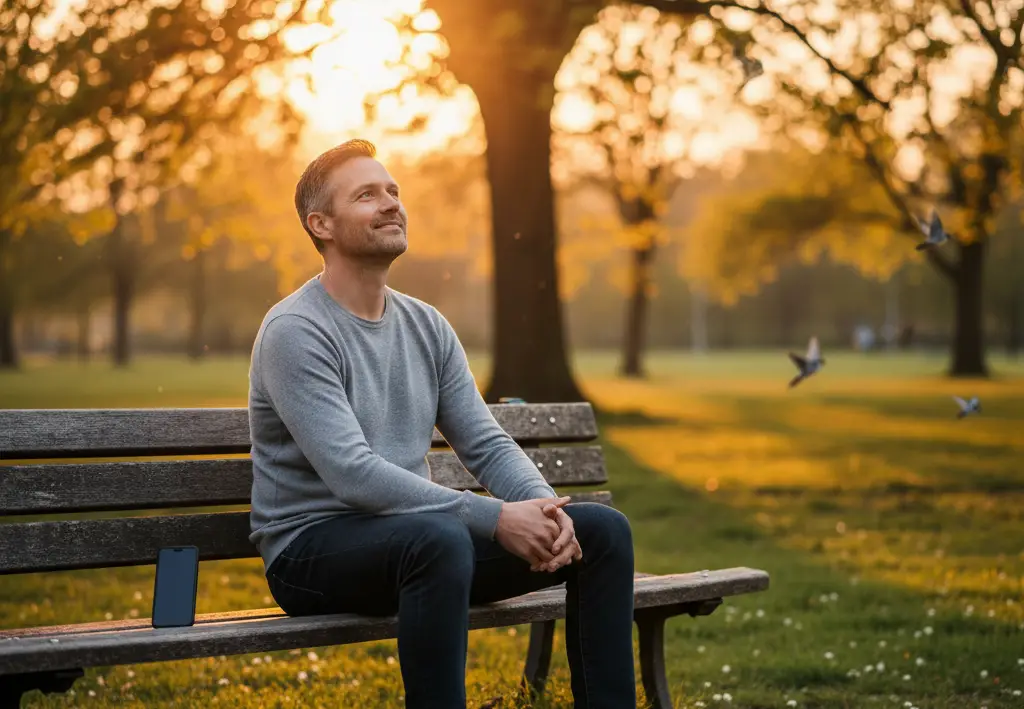
<p> In our modern, screen-filled lives, it's easy to forget the simple power of stepping outside. Whether it’s a quick walk in the park or lounging in your backyard, spending time outdoors offers more than just a breath of fresh air—it brings a cascade of mental, physical, and emotional benefits backed by science. From improving your mood to boosting your immune system, nature has a remarkable effect on your well-being. Here are 7 science-backed reasons why getting outside every day can transform your life. </p> :: Pexels

In our modern, screen-filled lives, it’s easy to forget the simple power of stepping outside. Whether it’s a quick walk in the park or lounging in your backyard, spending time outdoors offers more than just a breath of fresh air—it brings a cascade of mental, physical, and emotional benefits backed by science. From improving your mood to boosting your immune system, nature has a remarkable effect on your well-being. Here are 7 science-backed reasons why getting outside every day can transform your life.

1. Boosts Mood and Reduces Stress

<p> One of the most immediate benefits of spending time outdoors is its effect on your mental health. Studies have shown that time spent in nature significantly reduces levels of cortisol, the body’s primary stress hormone, leading to a calmer, more relaxed state. Even just 20 minutes outside can lower stress levels and boost your mood, according to research published in Frontiers in Psychology. Natural surroundings help quiet the mind and provide a break from the overstimulation of digital life. Green spaces, in particular, are linked to lower rates of depression and anxiety. Sunlight exposure stimulates serotonin production, a hormone that stabilizes mood, feelings of well-being, and happiness. Simply put, sunlight, fresh air, and the soothing sounds of nature help reset your nervous system and bring emotional balance in ways artificial environments cannot. </p> :: Pexels

One of the most immediate benefits of spending time outdoors is its effect on your mental health. Studies have shown that time spent in nature significantly reduces levels of cortisol, the body’s primary stress hormone, leading to a calmer, more relaxed state. Even just 20 minutes outside can lower stress levels and boost your mood, according to research published in Frontiers in Psychology. Natural surroundings help quiet the mind and provide a break from the overstimulation of digital life. Green spaces, in particular, are linked to lower rates of depression and anxiety. Sunlight exposure stimulates serotonin production, a hormone that stabilizes mood, feelings of well-being, and happiness. Simply put, sunlight, fresh air, and the soothing sounds of nature help reset your nervous system and bring emotional balance in ways artificial environments cannot.

2. Improves Immune Function

<p> Spending time outdoors doesn’t just feel good—it also helps your body function better on a biological level. Immune system enhancement is one of the most compelling science-supported reasons to get outside daily. Researchers in Japan have extensively studied the practice of shinrin-yoku, or forest bathing, and found that people who spend time walking through forests experience increases in the number and activity of natural killer cells, which are a type of white blood cell that plays a critical role in the body’s defense against viruses and tumor cells. This increase in immune response can last for more than a week after exposure. Additionally, sunlight exposure helps your skin produce vitamin D, which supports immune health, reduces inflammation, and helps regulate the absorption of calcium and phosphorus. Adequate levels of vitamin D are associated with a lower risk of respiratory infections and chronic diseases. Simply spending time in nature can empower your immune system to perform at its best. </p> :: Pexels

Spending time outdoors doesn’t just feel good—it also helps your body function better on a biological level. Immune system enhancement is one of the most compelling science-supported reasons to get outside daily. Researchers in Japan have extensively studied the practice of shinrin-yoku, or forest bathing, and found that people who spend time walking through forests experience increases in the number and activity of natural killer cells, which are a type of white blood cell that plays a critical role in the body’s defense against viruses and tumor cells. This increase in immune response can last for more than a week after exposure. Additionally, sunlight exposure helps your skin produce vitamin D, which supports immune health, reduces inflammation, and helps regulate the absorption of calcium and phosphorus. Adequate levels of vitamin D are associated with a lower risk of respiratory infections and chronic diseases. Simply spending time in nature can empower your immune system to perform at its best.

3. Enhances Creativity and Mental Clarity
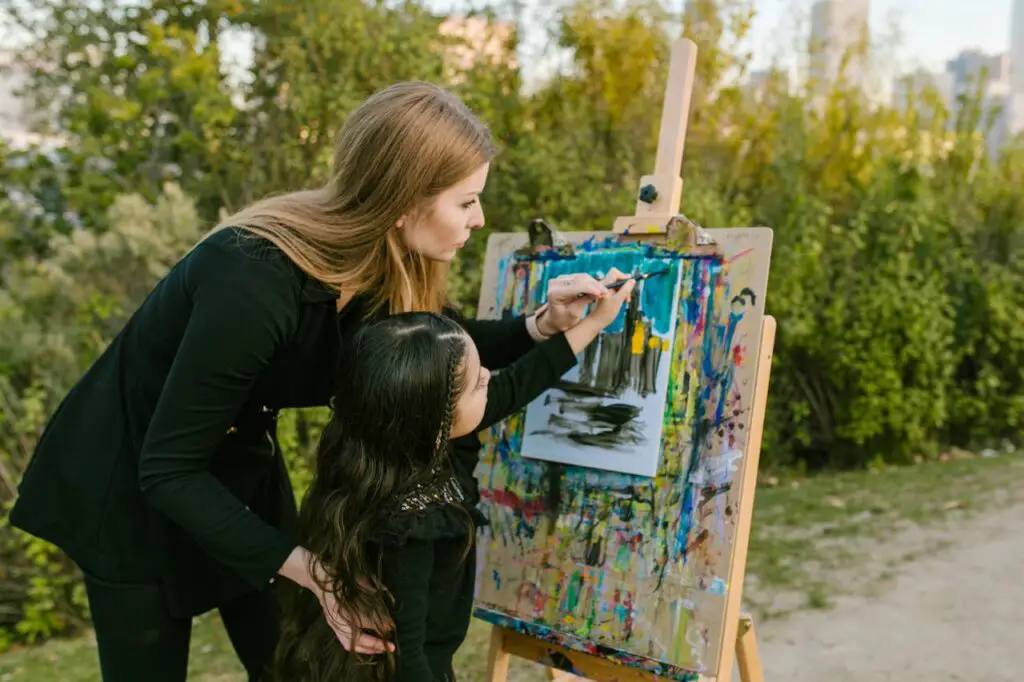
<p> If you’ve ever found yourself stuck in a creative rut or overwhelmed by mental clutter, heading outside might be the most productive thing you can do. A study published in PLOS ONE revealed that spending time in natural environments significantly boosts creative problem-solving skills. In the study, participants who spent several days immersed in nature performed up to 50 percent better on creative thinking tasks compared to those in urban environments. Nature helps reset the brain by reducing mental fatigue and providing a calming backdrop that encourages reflection and open-minded thinking. This is tied to the Attention Restoration Theory, which suggests that natural environments help replenish mental energy and restore the brain’s ability to focus on demanding tasks. Whether you are brainstorming, problem-solving, or simply looking for inspiration, a daily dose of the outdoors can provide the clarity and mental refresh you need to perform your best. </p> :: Pexels

If you’ve ever found yourself stuck in a creative rut or overwhelmed by mental clutter, heading outside might be the most productive thing you can do. A study published in PLOS ONE revealed that spending time in natural environments significantly boosts creative problem-solving skills. In the study, participants who spent several days immersed in nature performed up to 50 percent better on creative thinking tasks compared to those in urban environments. Nature helps reset the brain by reducing mental fatigue and providing a calming backdrop that encourages reflection and open-minded thinking. This is tied to the Attention Restoration Theory, which suggests that natural environments help replenish mental energy and restore the brain’s ability to focus on demanding tasks. Whether you are brainstorming, problem-solving, or simply looking for inspiration, a daily dose of the outdoors can provide the clarity and mental refresh you need to perform your best.

4. Promotes Physical Fitness Naturally

<p> One of the most obvious but often overlooked benefits of going outside is the increase in physical activity. Whether you are walking, jogging, cycling, hiking, or gardening, outdoor environments naturally encourage more movement than indoor ones. According to the American Journal of Public Health, individuals who spend time outdoors daily are more likely to meet physical activity guidelines and maintain a healthy weight. Outdoor physical activity often feels less like a chore and more like a pleasure, which makes it easier to maintain long-term. You are also more likely to engage a wider variety of muscles when navigating natural terrain, which adds to your physical conditioning. Even moderate activities like raking leaves, walking your dog, or playing with your kids in the yard contribute to cardiovascular health, improved mobility, and greater endurance. Regular outdoor exercise reduces the risk of chronic conditions such as heart disease, obesity, and type 2 diabetes. The fresh air and ever-changing scenery help keep your fitness routine enjoyable and effective. </p> :: Pexels

One of the most obvious but often overlooked benefits of going outside is the increase in physical activity. Whether you are walking, jogging, cycling, hiking, or gardening, outdoor environments naturally encourage more movement than indoor ones. According to the American Journal of Public Health, individuals who spend time outdoors daily are more likely to meet physical activity guidelines and maintain a healthy weight. Outdoor physical activity often feels less like a chore and more like a pleasure, which makes it easier to maintain long-term. You are also more likely to engage a wider variety of muscles when navigating natural terrain, which adds to your physical conditioning. Even moderate activities like raking leaves, walking your dog, or playing with your kids in the yard contribute to cardiovascular health, improved mobility, and greater endurance. Regular outdoor exercise reduces the risk of chronic conditions such as heart disease, obesity, and type 2 diabetes. The fresh air and ever-changing scenery help keep your fitness routine enjoyable and effective.

5. Supports Better Sleep Quality

<p> If you are struggling to get restful sleep, your daily sunlight exposure—or lack thereof—may be part of the problem. Natural light plays a crucial role in regulating your circadian rhythm, the internal biological clock that controls your sleep-wake cycle. Spending time outside, particularly in the morning, helps signal your body when to be awake and when to sleep. A study from the Journal of Clinical Sleep Medicine found that people who receive more natural daylight during working hours sleep longer and report better quality sleep than those exposed primarily to artificial light. Sunlight exposure increases daytime alertness and helps produce melatonin, the hormone responsible for inducing sleep, in the evening. In contrast, excessive artificial light and screen time can delay melatonin production and interfere with your ability to fall asleep. Getting outdoors daily—even for a short period—can help you fall asleep more easily, stay asleep longer, and wake up feeling more refreshed and alert. </p> :: Pexels

If you are struggling to get restful sleep, your daily sunlight exposure—or lack thereof—may be part of the problem. Natural light plays a crucial role in regulating your circadian rhythm, the internal biological clock that controls your sleep-wake cycle. Spending time outside, particularly in the morning, helps signal your body when to be awake and when to sleep. A study from the Journal of Clinical Sleep Medicine found that people who receive more natural daylight during working hours sleep longer and report better quality sleep than those exposed primarily to artificial light. Sunlight exposure increases daytime alertness and helps produce melatonin, the hormone responsible for inducing sleep, in the evening. In contrast, excessive artificial light and screen time can delay melatonin production and interfere with your ability to fall asleep. Getting outdoors daily—even for a short period—can help you fall asleep more easily, stay asleep longer, and wake up feeling more refreshed and alert.

6. Strengthens Social Connections

<p> Humans are social beings, and meaningful relationships are a key component of overall health. Interestingly, getting outside can help strengthen these connections. Parks, community gardens, beaches, and trails offer common ground where people naturally come together. Whether you are chatting with neighbors on a walk, joining an outdoor yoga class, or simply smiling at a passerby, outdoor environments create opportunities for positive social interactions. According to a study in the Journal of Environmental Psychology, frequent visits to green spaces are linked to greater feelings of social cohesion and community belonging. Strong social connections are associated with reduced stress, improved mental health, and even increased longevity. For older adults in particular, social time outdoors has been linked to reduced feelings of loneliness and depression. Being outside can provide a sense of connectedness, even without deep interaction, and remind us that we are part of something bigger than ourselves. </p> :: Pexels

Humans are social beings, and meaningful relationships are a key component of overall health. Interestingly, getting outside can help strengthen these connections. Parks, community gardens, beaches, and trails offer common ground where people naturally come together. Whether you are chatting with neighbors on a walk, joining an outdoor yoga class, or simply smiling at a passerby, outdoor environments create opportunities for positive social interactions. According to a study in the Journal of Environmental Psychology, frequent visits to green spaces are linked to greater feelings of social cohesion and community belonging. Strong social connections are associated with reduced stress, improved mental health, and even increased longevity. For older adults in particular, social time outdoors has been linked to reduced feelings of loneliness and depression. Being outside can provide a sense of connectedness, even without deep interaction, and remind us that we are part of something bigger than ourselves.

7. Increases Mindfulness and Reduces Mental Fatigue
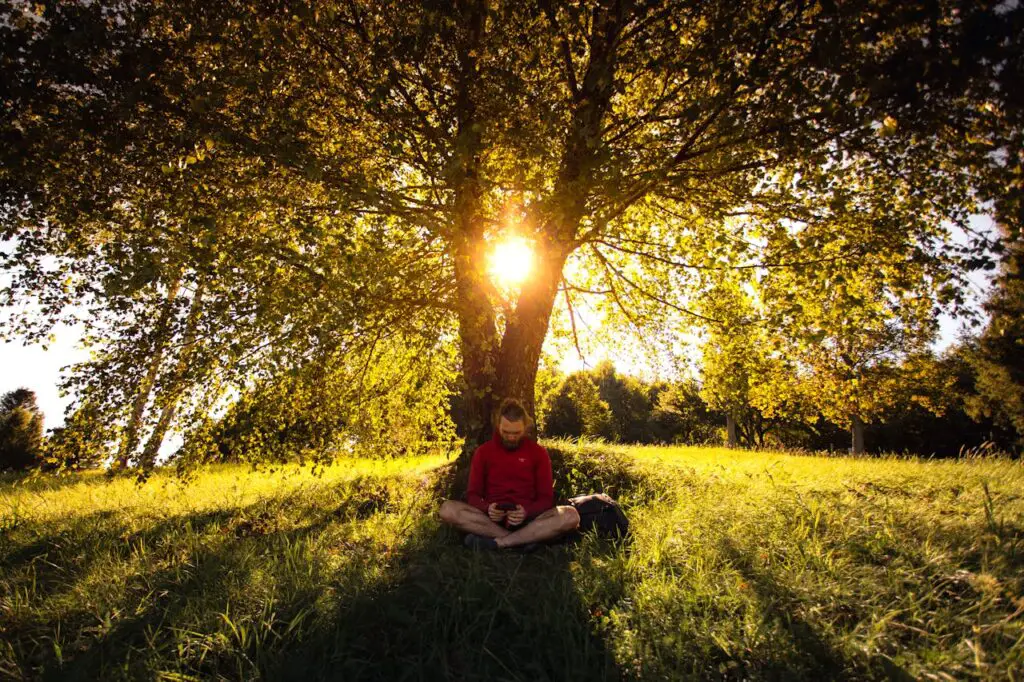
<p> In a world that demands constant attention and multitasking, mental fatigue is a common complaint. Nature offers a peaceful refuge from the distractions of modern life and provides the perfect setting for mindfulness—the practice of being fully present and engaged in the moment. Studies show that people who spend time outdoors report greater levels of mindfulness, reduced negative thought patterns, and increased emotional resilience. The Journal of Environmental Psychology reports that natural settings help the brain recover from mental fatigue and improve directed attention, which is essential for problem-solving and goal-directed behavior. Even passive engagement with nature, such as sitting quietly in a park or watching clouds pass by, can lead to noticeable improvements in focus and emotional well-being. Mindfulness has been linked to lower levels of anxiety and depression, as well as improved coping skills during periods of stress. Incorporating time in nature into your daily routine fosters a deeper sense of awareness and gratitude, grounding you in the present and restoring your mental clarity. </p> :: Pexels

In a world that demands constant attention and multitasking, mental fatigue is a common complaint. Nature offers a peaceful refuge from the distractions of modern life and provides the perfect setting for mindfulness—the practice of being fully present and engaged in the moment. Studies show that people who spend time outdoors report greater levels of mindfulness, reduced negative thought patterns, and increased emotional resilience. The Journal of Environmental Psychology reports that natural settings help the brain recover from mental fatigue and improve directed attention, which is essential for problem-solving and goal-directed behavior. Even passive engagement with nature, such as sitting quietly in a park or watching clouds pass by, can lead to noticeable improvements in focus and emotional well-being. Mindfulness has been linked to lower levels of anxiety and depression, as well as improved coping skills during periods of stress. Incorporating time in nature into your daily routine fosters a deeper sense of awareness and gratitude, grounding you in the present and restoring your mental clarity.

Final Thoughts

<p> The beauty of spending time outdoors is that it is free, accessible, and profoundly beneficial. Whether you live in a bustling city or a rural town, nature is closer than you think—just outside your door. From lifting your mood and strengthening your immune system to enhancing creativity, deepening sleep, and building stronger social bonds, the advantages of being outside are well supported by scientific evidence. You do not need to hike for hours or travel to a national park to reap these rewards. A 20-minute walk around your neighborhood, sitting under a tree, or simply breathing deeply in your backyard can create a noticeable shift in how you feel. By making it a habit to step outside each day, you are not just adding a healthy practice to your routine—you are investing in your long-term physical and mental health. The best part? The benefits begin the moment you step outside. </p> :: Pexels

The beauty of spending time outdoors is that it is free, accessible, and profoundly beneficial. Whether you live in a bustling city or a rural town, nature is closer than you think—just outside your door. From lifting your mood and strengthening your immune system to enhancing creativity, deepening sleep, and building stronger social bonds, the advantages of being outside are well supported by scientific evidence. You do not need to hike for hours or travel to a national park to reap these rewards. A 20-minute walk around your neighborhood, sitting under a tree, or simply breathing deeply in your backyard can create a noticeable shift in how you feel. By making it a habit to step outside each day, you are not just adding a healthy practice to your routine—you are investing in your long-term physical and mental health. The best part? The benefits begin the moment you step outside.


Filed Under: Lifestyle

Tiny Changes Make a Big Impact: 8 Little Habits That Strengthen Relationships Over Time

November 6, 2025 | Leave a Comment

Tiny Changes Make a Big Impact: 8 Little Habits That Strengthen Relationships Over Time

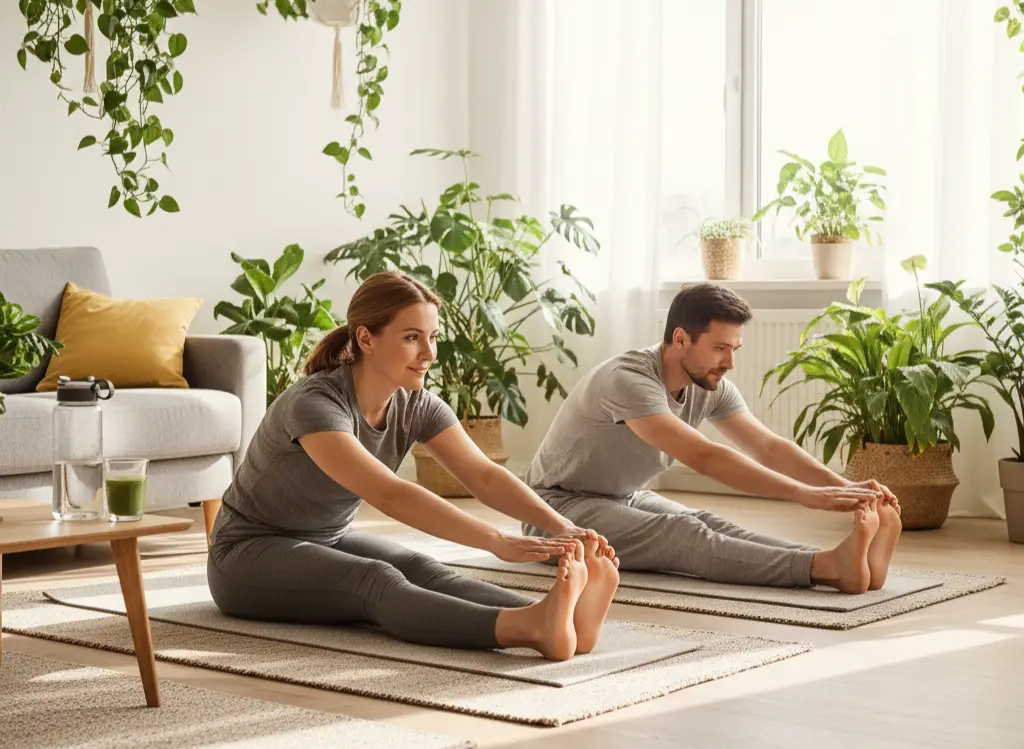
<p> In a world where flashy proposals and picture-perfect vacations dominate social media, it is easy to forget that real, lasting relationships are built on small, everyday actions. While grand gestures can feel wonderful in the moment, they are not what create long-term emotional intimacy and trust. Instead, it is the little things—those quiet, consistent habits—that reinforce connection and keep a relationship thriving year after year. Whether you are in a new relationship or have been together for decades, building these habits into your daily life can pay enormous dividends. Below are eight simple yet powerful habits that strengthen your relationship over time by nurturing love, respect, and emotional security. Practice them regularly, and you will lay a strong foundation for lasting happiness together. </p> :: Pexels

In a world where flashy proposals and picture-perfect vacations dominate social media, it is easy to forget that real, lasting relationships are built on small, everyday actions. While grand gestures can feel wonderful in the moment, they are not what create long-term emotional intimacy and trust. Instead, it is the little things—those quiet, consistent habits—that reinforce connection and keep a relationship thriving year after year. Whether you are in a new relationship or have been together for decades, building these habits into your daily life can pay enormous dividends. Below are eight simple yet powerful habits that strengthen your relationship over time by nurturing love, respect, and emotional security. Practice them regularly, and you will lay a strong foundation for lasting happiness together.

1. Start and End the Day With a Kind Gesture

<p> The way you begin and end each day with your partner can significantly impact the tone of your relationship. Something as small as a morning kiss, a loving text before heading out the door, or a warm hug when you reunite after work can build emotional closeness and security. These gestures do not need to be dramatic or time-consuming—just consistent. When you take even a moment to connect at the beginning and end of your day, you reinforce the idea that your partner matters and is a priority, regardless of your busy schedule. Over time, these simple acts help create a sense of rhythm and stability that keeps your emotional connection strong. </p> :: Pexels


The way you begin and end each day with your partner can significantly impact the tone of your relationship. Something as small as a morning kiss, a loving text before heading out the door, or a warm hug when you reunite after work can build emotional closeness and security. These gestures do not need to be dramatic or time-consuming—just consistent. When you take even a moment to connect at the beginning and end of your day, you reinforce the idea that your partner matters and is a priority, regardless of your busy schedule. Over time, these simple acts help create a sense of rhythm and stability that keeps your emotional connection strong.


2. Regularly Check In With Each Other

<p> No matter how long you have been together, it is crucial to regularly check in with your partner about how they are feeling. Life gets hectic, and assumptions can take over if we are not intentional about staying emotionally attuned. A quick question like “How are you feeling today?” or “Is there anything I can do to help this week?” can open up meaningful conversation and reveal things you might not otherwise know. These micro-conversations offer a space for vulnerability and support, creating a stronger emotional bond. When done consistently, they become a foundation of empathy and understanding that protects your relationship from slowly drifting apart. </p> :: Pexels

No matter how long you have been together, it is crucial to regularly check in with your partner about how they are feeling. Life gets hectic, and assumptions can take over if we are not intentional about staying emotionally attuned. A quick question like “How are you feeling today?” or “Is there anything I can do to help this week?” can open up meaningful conversation and reveal things you might not otherwise know. These micro-conversations offer a space for vulnerability and support, creating a stronger emotional bond. When done consistently, they become a foundation of empathy and understanding that protects your relationship from slowly drifting apart.

3. Express Gratitude for the Small Things

<p> It is easy to say thank you for big, noticeable efforts, but expressing gratitude for the small, everyday things is what really fuels long-term connection. Whether your partner makes the bed, prepares coffee, picks up groceries, or simply listens after a long day, taking a moment to say “thank you” keeps appreciation alive in the relationship. These simple acknowledgments make your partner feel seen, valued, and respected. Over time, gratitude becomes contagious—it creates a feedback loop of kindness that strengthens the bond between you. Even on stressful days, appreciation can diffuse tension and remind you both why your relationship is worth investing in. </p> :: Pexels

It is easy to say thank you for big, noticeable efforts, but expressing gratitude for the small, everyday things is what really fuels long-term connection. Whether your partner makes the bed, prepares coffee, picks up groceries, or simply listens after a long day, taking a moment to say “thank you” keeps appreciation alive in the relationship. These simple acknowledgments make your partner feel seen, valued, and respected. Over time, gratitude becomes contagious—it creates a feedback loop of kindness that strengthens the bond between you. Even on stressful days, appreciation can diffuse tension and remind you both why your relationship is worth investing in.

4. Put Down Your Phone When You Are Together

<p> In a world full of digital distractions, giving your partner your full attention is one of the most loving things you can do. Making it a habit to put away your phone during meals, conversations, or quiet moments together shows that you value their presence more than notifications or scrolling. Eye contact, active listening, and being mentally present deepen emotional intimacy and show your partner they are important to you. This simple habit builds trust and reduces feelings of neglect or loneliness that can sneak into even the most stable relationships. It also creates meaningful memories and moments of true connection that technology can never replace. </p> :: Pexels

In a world full of digital distractions, giving your partner your full attention is one of the most loving things you can do. Making it a habit to put away your phone during meals, conversations, or quiet moments together shows that you value their presence more than notifications or scrolling. Eye contact, active listening, and being mentally present deepen emotional intimacy and show your partner they are important to you. This simple habit builds trust and reduces feelings of neglect or loneliness that can sneak into even the most stable relationships. It also creates meaningful memories and moments of true connection that technology can never replace.

5. Do Thoughtful Acts Without Being Asked

<p> Doing small, kind things for your partner without being prompted shows that you are thinking about them and care about their comfort and happiness. These acts do not need to be elaborate—a handwritten note, surprising them with their favorite snack, taking on an errand they dislike, or simply starting the laundry can mean a lot. These unspoken gestures build a foundation of mutual support and attentiveness. Over time, they create a culture of giving and thoughtfulness in the relationship, where both partners feel loved without needing to ask for it. These spontaneous acts communicate love in action, which often means more than words alone. </p> :: Pexels

Doing small, kind things for your partner without being prompted shows that you are thinking about them and care about their comfort and happiness. These acts do not need to be elaborate—a handwritten note, surprising them with their favorite snack, taking on an errand they dislike, or simply starting the laundry can mean a lot. These unspoken gestures build a foundation of mutual support and attentiveness. Over time, they create a culture of giving and thoughtfulness in the relationship, where both partners feel loved without needing to ask for it. These spontaneous acts communicate love in action, which often means more than words alone.

6. Laugh Together Every Day

<p> Laughter is a powerful tool for connection. Couples who find ways to laugh together each day build a bond that is not only joyful but also resilient. Sharing funny videos, telling inside jokes, teasing each other affectionately, or watching a comedy together can lighten the mood and bring you closer. Humor acts as emotional glue, helping couples navigate difficult times with more grace and less tension. It also creates positive associations and shared joy, which strengthen the emotional connection. Making laughter a daily habit turns your relationship into a space of fun and relief, making it easier to weather life's inevitable challenges together. </p> :: Pexels

Laughter is a powerful tool for connection. Couples who find ways to laugh together each day build a bond that is not only joyful but also resilient. Sharing funny videos, telling inside jokes, teasing each other affectionately, or watching a comedy together can lighten the mood and bring you closer. Humor acts as emotional glue, helping couples navigate difficult times with more grace and less tension. It also creates positive associations and shared joy, which strengthen the emotional connection. Making laughter a daily habit turns your relationship into a space of fun and relief, making it easier to weather life’s inevitable challenges together.

7. Use Positive Language More Than Negative

<p> Words carry weight in relationships. Choosing to use more positive language than negative builds an environment of encouragement and emotional safety. This does not mean avoiding difficult conversations—it means being intentional with your words and focusing on what is working instead of only pointing out what is not. Compliments, affirmations, and supportive language like “I’m proud of you,” “You did a great job,” or “I believe in you” can uplift your partner and deepen the emotional connection. Over time, consistent positive communication creates a relationship culture rooted in mutual respect, admiration, and growth, helping both of you feel valued and empowered. </p> :: Pexels

Words carry weight in relationships. Choosing to use more positive language than negative builds an environment of encouragement and emotional safety. This does not mean avoiding difficult conversations—it means being intentional with your words and focusing on what is working instead of only pointing out what is not. Compliments, affirmations, and supportive language like “I’m proud of you,” “You did a great job,” or “I believe in you” can uplift your partner and deepen the emotional connection. Over time, consistent positive communication creates a relationship culture rooted in mutual respect, admiration, and growth, helping both of you feel valued and empowered.

8. Make Time for Distraction-Free Connection

<p> In the hustle of daily responsibilities, carving out intentional time to connect with your partner—without distractions—is essential. Whether it is a walk around the block, fifteen minutes of chatting over coffee, or cuddling on the couch without the TV on, these moments of uninterrupted togetherness build emotional closeness. You do not need to plan elaborate date nights to stay connected; what matters is the intention behind the time. Making this a regular habit communicates that your relationship is a priority and not just another task on the to-do list. It also creates space for deeper conversations, shared experiences, and emotional bonding. </p> :: Pexels

In the hustle of daily responsibilities, carving out intentional time to connect with your partner—without distractions—is essential. Whether it is a walk around the block, fifteen minutes of chatting over coffee, or cuddling on the couch without the TV on, these moments of uninterrupted togetherness build emotional closeness. You do not need to plan elaborate date nights to stay connected; what matters is the intention behind the time. Making this a regular habit communicates that your relationship is a priority and not just another task on the to-do list. It also creates space for deeper conversations, shared experiences, and emotional bonding.

Final Thoughts

<p> Building a strong, lasting relationship does not require grand gestures or constant excitement. It is the little, intentional habits—those things you do day in and day out—that create emotional safety, build trust, and keep the spark alive. From showing gratitude and putting down your phone to laughing together and making time to connect, these small actions can completely transform the health of your relationship. Relationships thrive not on perfection but on presence, effort, and consistency. When you commit to these simple practices, you build a foundation of love and resilience that can endure life’s ups and downs. So start small, be consistent, and watch your relationship grow stronger with each passing day. </p> :: Pexels

Building a strong, lasting relationship does not require grand gestures or constant excitement. It is the little, intentional habits—those things you do day in and day out—that create emotional safety, build trust, and keep the spark alive. From showing gratitude and putting down your phone to laughing together and making time to connect, these small actions can completely transform the health of your relationship. Relationships thrive not on perfection but on presence, effort, and consistency. When you commit to these simple practices, you build a foundation of love and resilience that can endure life’s ups and downs. So start small, be consistent, and watch your relationship grow stronger with each passing day.

Filed Under: Lifestyle

What No One’s Talking About: 9 Reasons So Many Boomers Are Getting Fired

November 6, 2025 | Leave a Comment

What No One’s Talking About: 9 Reasons So Many Boomers Are Getting Fired

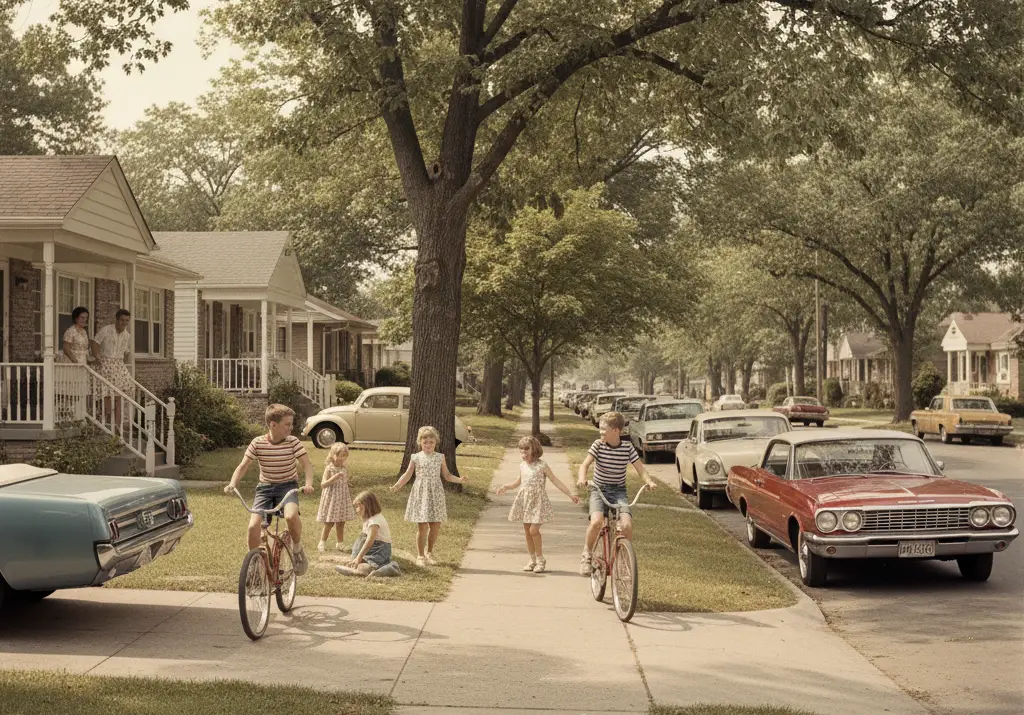
<p> No one expects to still be worrying about job security in their 50s or 60s. After decades of hard work, loyalty, and experience, you’d think stability would be the reward. Yet, many Baby Boomers across the U.S. are finding themselves suddenly unemployed, replaced, or quietly pushed out of roles they’ve held for years.

It’s not just bad luck or a “changing economy.” There are real, unspoken reasons behind this growing trend. Some are structural, others cultural—and a few are just plain unfair. But here’s the important part: understanding what’s really going on can help you stay one step ahead.

Below are nine often-overlooked reasons Boomers are getting fired today—and what you can do to protect yourself, stay relevant, and keep thriving in a workplace that sometimes seems built for everyone else. </p> :: Gemini

No one expects to still be worrying about job security in their 50s or 60s. After decades of hard work, loyalty, and experience, you’d think stability would be the reward. Yet, many Baby Boomers across the U.S. are finding themselves suddenly unemployed, replaced, or quietly pushed out of roles they’ve held for years.

It’s not just bad luck or a “changing economy.” There are real, unspoken reasons behind this growing trend. Some are structural, others cultural—and a few are just plain unfair. But here’s the important part: understanding what’s really going on can help you stay one step ahead.

Below are nine often-overlooked reasons Boomers are getting fired today—and what you can do to protect yourself, stay relevant, and keep thriving in a workplace that sometimes seems built for everyone else.

1. Higher Salaries Are Making You a Target

<p> After decades of service, most Boomers have worked their way up to higher salaries and better benefits. Unfortunately, that makes them easy targets when companies start cutting costs. Employers see an opportunity to replace a veteran employee with someone younger who costs half as much.

What you can do: You can’t change your experience level, but you can shift how you present your value. Emphasize the cost-saving impact of your expertise—such as mentoring junior employees, improving efficiency, or reducing turnover. Position yourself as an investment, not an expense. </p> :: Gemini

After decades of service, most Boomers have worked their way up to higher salaries and better benefits. Unfortunately, that makes them easy targets when companies start cutting costs. Employers see an opportunity to replace a veteran employee with someone younger who costs half as much.

What you can do: You can’t change your experience level, but you can shift how you present your value. Emphasize the cost-saving impact of your expertise—such as mentoring junior employees, improving efficiency, or reducing turnover. Position yourself as an investment, not an expense.

2. The Tech Gap Stereotype Is Holding You Back

<p> Let’s clear something up—you don’t have to be a coding wizard to stay employable. Yet many managers assume older workers can’t adapt to new technology. It’s one of the most damaging stereotypes out there, and it’s costing talented professionals their jobs.

What you can do: Stay curious and proactive. Take online courses, learn new programs relevant to your industry, or even ask younger colleagues to show you the ropes. The moment you can speak confidently about current tools, you shatter that outdated stereotype. </p> :: Gemini

Let’s clear something up—you don’t have to be a coding wizard to stay employable. Yet many managers assume older workers can’t adapt to new technology. It’s one of the most damaging stereotypes out there, and it’s costing talented professionals their jobs.

What you can do: Stay curious and proactive. Take online courses, learn new programs relevant to your industry, or even ask younger colleagues to show you the ropes. The moment you can speak confidently about current tools, you shatter that outdated stereotype.

3. The “Boomer” Label Has Become a Bias

<p> Somewhere along the way, “Boomer” stopped being just a generation label and started carrying unfair baggage. It’s often associated with being resistant to change or out of touch, which can quietly influence how employers view you.

What you can do: Don’t lean into the label—redefine it. When describing yourself, use terms like “seasoned professional” or “experienced problem-solver.” Highlight your adaptability and track record of learning. Let your results tell the story instead of the generational tag. </p> :: Gemini

Somewhere along the way, “Boomer” stopped being just a generation label and started carrying unfair baggage. It’s often associated with being resistant to change or out of touch, which can quietly influence how employers view you.

What you can do: Don’t lean into the label—redefine it. When describing yourself, use terms like “seasoned professional” or “experienced problem-solver.” Highlight your adaptability and track record of learning. Let your results tell the story instead of the generational tag.

4. The Role You Once Mastered Might Be Changing

<p> You might have been at the top of your game for years—but if your company is going through digital transformation or restructuring, the job itself may have evolved. Sometimes the role you once excelled at no longer exists in the same form, and that can make your position seem outdated.

What you can do: Take stock of your role every year. What’s changing in your industry? What new skills are becoming essential? Stay close to evolving projects or volunteer to be part of pilot programs. Staying involved keeps you relevant and visible when change happens. </p> :: Gemini

You might have been at the top of your game for years—but if your company is going through digital transformation or restructuring, the job itself may have evolved. Sometimes the role you once excelled at no longer exists in the same form, and that can make your position seem outdated.

What you can do: Take stock of your role every year. What’s changing in your industry? What new skills are becoming essential? Stay close to evolving projects or volunteer to be part of pilot programs. Staying involved keeps you relevant and visible when change happens.

5. Office Culture Has Quietly Shifted

<p> Here’s something no one likes to talk about: workplace culture has changed dramatically. Collaboration now often happens through Slack messages, Zoom meetings, or team apps—and if you prefer face-to-face interaction, you may feel left out. This cultural shift can make some Boomers feel like outsiders, which sometimes leads to being overlooked or even “pushed out.”

What you can do: Stay connected. Join in on virtual channels, attend optional meetings, and show interest in how younger teams communicate. You don’t have to mimic every trend—just demonstrate that you’re engaged and adaptable to the way work is done today. </p> :: Gemini

Here’s something no one likes to talk about: workplace culture has changed dramatically. Collaboration now often happens through Slack messages, Zoom meetings, or team apps—and if you prefer face-to-face interaction, you may feel left out. This cultural shift can make some Boomers feel like outsiders, which sometimes leads to being overlooked or even “pushed out.”

What you can do: Stay connected. Join in on virtual channels, attend optional meetings, and show interest in how younger teams communicate. You don’t have to mimic every trend—just demonstrate that you’re engaged and adaptable to the way work is done today.

6. Long Tenure Can Make You Look “Stuck”

<p> There was a time when staying loyal to one company for decades was a badge of honor. These days, it can sometimes be misinterpreted as stagnation. Employers may assume long-tenured workers are less flexible or open to new ideas.

What you can do: Flip the script. Highlight how you’ve evolved during your time at the company—new responsibilities, process improvements, or leadership roles you’ve taken on. Show that you’ve been growing, not coasting. Demonstrate curiosity about what’s next, not just pride in what’s past. </p> :: Gemini

There was a time when staying loyal to one company for decades was a badge of honor. These days, it can sometimes be misinterpreted as stagnation. Employers may assume long-tenured workers are less flexible or open to new ideas.

What you can do: Flip the script. Highlight how you’ve evolved during your time at the company—new responsibilities, process improvements, or leadership roles you’ve taken on. Show that you’ve been growing, not coasting. Demonstrate curiosity about what’s next, not just pride in what’s past.

7. Subtle Age Discrimination Still Exists

<p> Even though the Age Discrimination in Employment Act protects workers over 40, that doesn’t mean bias has disappeared. Today’s ageism often hides behind polite phrases like “cultural fit” or “we’re heading in a new direction.” It’s frustrating—and it’s real.

What you can do: Keep a paper trail of your performance and accomplishments. If you’re being excluded from training or advancement opportunities, document it. Ask for specific feedback and follow up in writing. Most importantly, continue to upskill and stay competitive—because evidence of value is your strongest defense. </p> :: Gemini

Even though the Age Discrimination in Employment Act protects workers over 40, that doesn’t mean bias has disappeared. Today’s ageism often hides behind polite phrases like “cultural fit” or “we’re heading in a new direction.” It’s frustrating—and it’s real.

What you can do: Keep a paper trail of your performance and accomplishments. If you’re being excluded from training or advancement opportunities, document it. Ask for specific feedback and follow up in writing. Most importantly, continue to upskill and stay competitive—because evidence of value is your strongest defense.

8. Career Stability Isn’t Always Seen as a Strength

<p> Ironically, the same stability that used to make you a model employee can now work against you. Employers today often value agility over longevity. If you’ve been in the same role for a long time, hiring managers might assume you’re resistant to change.

What you can do: Update your personal brand. Focus your résumé and LinkedIn profile on recent achievements rather than job length. Show how you’ve adapted to change, led transitions, or implemented new systems. Stability and flexibility can coexist—make sure people see both. </p> :: Gemini

Ironically, the same stability that used to make you a model employee can now work against you. Employers today often value agility over longevity. If you’ve been in the same role for a long time, hiring managers might assume you’re resistant to change.

What you can do: Update your personal brand. Focus your résumé and LinkedIn profile on recent achievements rather than job length. Show how you’ve adapted to change, led transitions, or implemented new systems. Stability and flexibility can coexist—make sure people see both.

9. The Real Problem Isn’t Age—it’s Perception

<p> At the end of the day, most Boomers aren’t losing their jobs because of their actual skills or performance. They’re losing them because of how others perceive their adaptability, energy, and relevance. In a world obsessed with “innovation,” being seen as outdated is the kiss of death, even if it’s untrue.

What you can do: Take control of the narrative. Present yourself as experienced but progressive, grounded but forward-looking. Refresh your appearance, communication style, and online presence if needed. You don’t have to pretend to be younger—you just have to show that you’re still evolving. </p> :: Gemini

At the end of the day, most Boomers aren’t losing their jobs because of their actual skills or performance. They’re losing them because of how others perceive their adaptability, energy, and relevance. In a world obsessed with “innovation,” being seen as outdated is the kiss of death, even if it’s untrue.

What you can do: Take control of the narrative. Present yourself as experienced but progressive, grounded but forward-looking. Refresh your appearance, communication style, and online presence if needed. You don’t have to pretend to be younger—you just have to show that you’re still evolving.

Final Thoughts

Getting fired or laid off late in your career can feel deeply personal—but it’s not a reflection of your worth. The truth is, workplaces are changing faster than ever, and many companies are struggling to balance experience with innovation. Unfortunately, that means seasoned professionals sometimes become collateral damage in the rush to modernize.

But here’s the good news: Boomers bring something younger generations can’t fake—wisdom, resilience, and a long-term perspective. Those traits are priceless, and the smartest organizations know it. The key is to make sure your skills, communication style, and personal brand match the world you’re working in today.

Keep learning. Keep connecting. Keep showing that experience is your greatest strength, not a limitation. Whether you stay in your current job or find a new opportunity that truly values what you bring to the table, remember this: being a Boomer in today’s workforce isn’t a disadvantage—it’s a superpower, as long as you keep using it to adapt, inspire, and lead.

Filed Under: Lifestyle

The Subtle Clues That Reveal 10 Telltale Signs Someone Doesn’t Like You (And Why You Should Trust Your Gut)

October 31, 2025 | Leave a Comment

The Subtle Clues That Reveal 10 Telltale Signs Someone Doesn’t Like You (And Why You Should Trust Your Gut)

<p> Have you ever walked away from a conversation thinking, something felt off, but you couldn’t quite put your finger on it? Maybe it was the tone, the lack of eye contact, or how the person’s smile didn’t reach their eyes. Most of us have been there. Sometimes, people don’t come right out and say they don’t like you—but their behavior quietly does. The truth is, your instincts are rarely wrong. Your gut often picks up on social cues long before your brain has fully processed them.

Recognizing the signs that someone isn’t into you doesn’t make you paranoid—it makes you emotionally intelligent. It’s not about judging others; it’s about protecting your time and energy from one-sided connections. If you’ve been sensing that someone doesn’t really care for your company, here are ten signs that might confirm what your intuition has been trying to tell you. </p> :: Gemini

Have you ever walked away from a conversation thinking, something felt off, but you couldn’t quite put your finger on it? Maybe it was the tone, the lack of eye contact, or how the person’s smile didn’t reach their eyes. Most of us have been there. Sometimes, people don’t come right out and say they don’t like you—but their behavior quietly does. The truth is, your instincts are rarely wrong. Your gut often picks up on social cues long before your brain has fully processed them.

Recognizing the signs that someone isn’t into you doesn’t make you paranoid—it makes you emotionally intelligent. It’s not about judging others; it’s about protecting your time and energy from one-sided connections. If you’ve been sensing that someone doesn’t really care for your company, here are ten signs that might confirm what your intuition has been trying to tell you.

1. They Never Reach Out First

<p> When someone truly enjoys your company, they’ll make an effort to keep in touch. They’ll send a quick text, share a funny meme, or ask how you’re doing—something to show you matter. But if you find yourself always being the one to initiate contact, it could be a clear sign they don’t feel the same connection. People make time for what matters to them, and silence can speak volumes. If you’re the only one putting in effort, take that as a cue to pull back and see what happens. If nothing changes, that’s your answer. </p> :: Gemini

When someone truly enjoys your company, they’ll make an effort to keep in touch. They’ll send a quick text, share a funny meme, or ask how you’re doing—something to show you matter. But if you find yourself always being the one to initiate contact, it could be a clear sign they don’t feel the same connection. People make time for what matters to them, and silence can speak volumes. If you’re the only one putting in effort, take that as a cue to pull back and see what happens. If nothing changes, that’s your answer.

2. Their Body Language Feels Closed Off

<p> People can say one thing and feel another, but their body language usually tells the truth. Maybe their arms are crossed when they talk to you, their feet point away, or they avoid eye contact altogether. These small gestures communicate a lot. Open, relaxed posture signals interest and comfort; closed or defensive body language says the opposite. If you sense a physical “wall” between you and someone else, it’s not in your head. Your intuition might be picking up on a lack of warmth before your mind even realizes it. </p> :: Gemini

People can say one thing and feel another, but their body language usually tells the truth. Maybe their arms are crossed when they talk to you, their feet point away, or they avoid eye contact altogether. These small gestures communicate a lot. Open, relaxed posture signals interest and comfort; closed or defensive body language says the opposite. If you sense a physical “wall” between you and someone else, it’s not in your head. Your intuition might be picking up on a lack of warmth before your mind even realizes it.

3. Conversations Feel One-Sided or Awkward

<p> If talking to someone feels like pulling teeth, that’s not chemistry—it’s resistance. When people like you, conversations flow naturally. They ask questions, share stories, and build on what you say. But if their replies are short, distracted, or emotionless—think “yeah,” “sure,” or “cool”—that’s a sign they’re not engaged. You can feel when someone’s heart isn’t in it. It’s not always about rudeness; sometimes it’s just indifference. Still, your time is too valuable to spend it on people who don’t care to connect. </p> :: Gemini

If talking to someone feels like pulling teeth, that’s not chemistry—it’s resistance. When people like you, conversations flow naturally. They ask questions, share stories, and build on what you say. But if their replies are short, distracted, or emotionless—think “yeah,” “sure,” or “cool”—that’s a sign they’re not engaged. You can feel when someone’s heart isn’t in it. It’s not always about rudeness; sometimes it’s just indifference. Still, your time is too valuable to spend it on people who don’t care to connect.

4. They Don’t Ask About You

<p> Think about the last few times you talked to this person. Did they ask you anything about your life—your weekend, your work, your family? If not, that says a lot. Genuine interest shows through curiosity. When someone never asks how you’re doing or seems uninterested in your stories, they’re showing you where you stand. Relationships are meant to be a two-way street, and if you’re the only one asking questions, it may be time to stop filling all the silence yourself. </p> :: Gemini

Think about the last few times you talked to this person. Did they ask you anything about your life—your weekend, your work, your family? If not, that says a lot. Genuine interest shows through curiosity. When someone never asks how you’re doing or seems uninterested in your stories, they’re showing you where you stand. Relationships are meant to be a two-way street, and if you’re the only one asking questions, it may be time to stop filling all the silence yourself.

5. They’re Always “Too Busy”

<p> We all have hectic schedules, but when someone constantly says they’re too busy, it’s often an excuse. Sure, life gets in the way sometimes, but if you notice a pattern—missed calls, last-minute cancellations, or vague promises to “catch up soon”—it’s time to accept what’s really happening. People who want to spend time with you will make time, even if it’s just a quick coffee or phone call. When they never follow through, they’re not prioritizing you. And that’s okay—just don’t chase them trying to change it. </p> :: Gemini

We all have hectic schedules, but when someone constantly says they’re too busy, it’s often an excuse. Sure, life gets in the way sometimes, but if you notice a pattern—missed calls, last-minute cancellations, or vague promises to “catch up soon”—it’s time to accept what’s really happening. People who want to spend time with you will make time, even if it’s just a quick coffee or phone call. When they never follow through, they’re not prioritizing you. And that’s okay—just don’t chase them trying to change it.

6. Their Smile Seems Forced

<p> You know that polite smile people give at work meetings or awkward gatherings? The one that doesn’t quite reach their eyes? That’s the giveaway of a forced smile. When someone genuinely likes you, their face lights up—they lean in, their eyes sparkle, and their energy feels warm. But when it’s fake, you’ll feel it instantly. It’s not about overanalyzing every grin, but if something feels off repeatedly, your intuition might be spotting the difference between kindness and obligation. </p> :: Gemini

You know that polite smile people give at work meetings or awkward gatherings? The one that doesn’t quite reach their eyes? That’s the giveaway of a forced smile. When someone genuinely likes you, their face lights up—they lean in, their eyes sparkle, and their energy feels warm. But when it’s fake, you’ll feel it instantly. It’s not about overanalyzing every grin, but if something feels off repeatedly, your intuition might be spotting the difference between kindness and obligation.

7. They Dismiss Your Wins

<p> When you share good news and someone barely reacts—or changes the subject altogether—that’s a subtle sign of disinterest. Friends and kind people celebrate your success; they smile, congratulate you, or at least show enthusiasm. When someone doesn’t, it’s usually not because they missed it—it’s because they don’t care enough to acknowledge it. Don’t let that sting linger too long. Use it as a reminder to invest in people who clap when you win. </p> :: Gemini

When you share good news and someone barely reacts—or changes the subject altogether—that’s a subtle sign of disinterest. Friends and kind people celebrate your success; they smile, congratulate you, or at least show enthusiasm. When someone doesn’t, it’s usually not because they missed it—it’s because they don’t care enough to acknowledge it. Don’t let that sting linger too long. Use it as a reminder to invest in people who clap when you win.

8. They Don’t Mirror Your Energy

<p> When people click, their energy syncs naturally. They match your tone, your enthusiasm, even your posture without realizing it. Psychologists call this “mirroring,” and it’s one of the clearest signs of connection. When someone doesn’t mirror you at all—when they stay flat, distant, or unresponsive while you’re being warm and friendly—it’s a cue they’re emotionally checked out. That imbalance can be draining, especially if you keep trying to bridge the gap alone. </p> :: Gemini

When people click, their energy syncs naturally. They match your tone, your enthusiasm, even your posture without realizing it. Psychologists call this “mirroring,” and it’s one of the clearest signs of connection. When someone doesn’t mirror you at all—when they stay flat, distant, or unresponsive while you’re being warm and friendly—it’s a cue they’re emotionally checked out. That imbalance can be draining, especially if you keep trying to bridge the gap alone.

9. You Feel Uneasy Around Them

<p> Sometimes, there’s no obvious behavior you can point to—just a feeling. Your stomach tightens, your energy dips, or you leave every interaction feeling small or unsettled. That’s your body sending a message your mind hasn’t fully processed yet. Trust that instinct. Humans are wired to pick up on subtle emotional cues, and if your gut says “something’s off,” it’s worth paying attention. It doesn’t mean the other person is bad—it just means your energies don’t align, and that’s okay. </p> :: Gemini

Sometimes, there’s no obvious behavior you can point to—just a feeling. Your stomach tightens, your energy dips, or you leave every interaction feeling small or unsettled. That’s your body sending a message your mind hasn’t fully processed yet. Trust that instinct. Humans are wired to pick up on subtle emotional cues, and if your gut says “something’s off,” it’s worth paying attention. It doesn’t mean the other person is bad—it just means your energies don’t align, and that’s okay.

10. They’re Polite, But Emotionally Absent

<p> This one’s tricky because it can easily fool you. The person is friendly, they smile, maybe even chat a little—but everything feels surface-level. They never open up, never ask personal questions, and seem content keeping things at a safe, distant level. This kind of politeness can mask disinterest. It’s like being stuck in small talk that never goes anywhere. You walk away from each encounter feeling invisible. When someone treats you like that, believe what your feelings are telling you: they’re not looking for a real connection. </p> :: Gemini

This one’s tricky because it can easily fool you. The person is friendly, they smile, maybe even chat a little—but everything feels surface-level. They never open up, never ask personal questions, and seem content keeping things at a safe, distant level. This kind of politeness can mask disinterest. It’s like being stuck in small talk that never goes anywhere. You walk away from each encounter feeling invisible. When someone treats you like that, believe what your feelings are telling you: they’re not looking for a real connection.

Final Thoughts

<p> The truth is, not everyone will like you—and that’s perfectly fine. The goal isn’t to win everyone over; it’s to recognize where your energy is best spent. Life becomes lighter when you stop chasing acceptance from people who aren’t offering it. Instead, focus on those who light up when you walk into the room, who ask about your day, who celebrate your wins without envy.

Trusting your gut is one of the most powerful emotional skills you can develop. Your instincts are there to protect you—to guide you toward people who are genuine and away from those who aren’t. When you notice the signs, don’t take them as rejection; take them as redirection.

You deserve relationships where you don’t have to guess how someone feels. Where conversations are easy, laughter is real, and kindness flows naturally. The next time your intuition whispers that something feels off, listen closely. It might just be saving you from giving your heart to someone who never planned to hold it with care. </p> :: Gemini

The truth is, not everyone will like you—and that’s perfectly fine. The goal isn’t to win everyone over; it’s to recognize where your energy is best spent. Life becomes lighter when you stop chasing acceptance from people who aren’t offering it. Instead, focus on those who light up when you walk into the room, who ask about your day, who celebrate your wins without envy.

Trusting your gut is one of the most powerful emotional skills you can develop. Your instincts are there to protect you—to guide you toward people who are genuine and away from those who aren’t. When you notice the signs, don’t take them as rejection; take them as redirection.

You deserve relationships where you don’t have to guess how someone feels. Where conversations are easy, laughter is real, and kindness flows naturally. The next time your intuition whispers that something feels off, listen closely. It might just be saving you from giving your heart to someone who never planned to hold it with care.

Filed Under: Lifestyle

Morning or Night? 8 Reasons the Best Time to Shower Might Surprise You

October 30, 2025 | Leave a Comment

Morning or Night? 8 Reasons the Best Time to Shower Might Surprise You

<p> Have you ever stood under the showerhead debating whether to rinse off at dawn or wind down under warm water at night? You are not alone. The question of whether morning or night showers are better comes up more often than you might think. The truth is, there is no one-size-fits-all answer. The best time to shower depends on your lifestyle, skin type, hair type, and how you want to feel for the day or night ahead. In this blog, we will explore eight key insights that can help you figure out the shower schedule that works best for you. Whether you are an early-morning workout enthusiast, someone who likes to unwind after a long day, or just trying to improve your sleep, these tips will help you make a more informed decision. </p> :: Freepik

Have you ever stood under the showerhead debating whether to rinse off at dawn or wind down under warm water at night? You are not alone. The question of whether morning or night showers are better comes up more often than you might think. The truth is, there is no one-size-fits-all answer. The best time to shower depends on your lifestyle, skin type, hair type, and how you want to feel for the day or night ahead.

In this blog, we will explore eight key insights that can help you figure out the shower schedule that works best for you. Whether you are an early-morning workout enthusiast, someone who likes to unwind after a long day, or just trying to improve your sleep, these tips will help you make a more informed decision.

1. Fresh Start: Morning Showers Wake You Up

<p> A morning shower is one of the best ways to kickstart your day. While you sleep, your body produces sweat and sheds skin cells. Your hair and skin can also pick up oils overnight. Showering in the morning removes these residues and leaves you feeling clean, refreshed, and ready to face the day. For people who wake up feeling groggy, experience oily hair in the morning, or want to feel fully awake before work, a morning shower is a great way to reset. It can also help you prepare your hair and skin for styling, giving you the confidence to step out the door looking and feeling your best. </p> :: Freepik

A morning shower is one of the best ways to kickstart your day. While you sleep, your body produces sweat and sheds skin cells. Your hair and skin can also pick up oils overnight. Showering in the morning removes these residues and leaves you feeling clean, refreshed, and ready to face the day.

For people who wake up feeling groggy, experience oily hair in the morning, or want to feel fully awake before work, a morning shower is a great way to reset. It can also help you prepare your hair and skin for styling, giving you the confidence to step out the door looking and feeling your best.

2. Relaxation: Night Showers Can Help You Unwind

<p> If your days are long and your mind does not easily shut off, a warm shower at night can be a game changer. Showering before bed helps your body relax and signals that it is time to wind down. Research suggests that taking a warm shower one to two hours before sleeping can help lower your core body temperature, making it easier to fall asleep. Even if you are not struggling with insomnia, a night shower can serve as a comforting ritual to separate work, errands, and stress from rest. It is an opportunity to pause, breathe, and let the water wash away the day's worries. </p> :: Pexels

If your days are long and your mind does not easily shut off, a warm shower at night can be a game changer. Showering before bed helps your body relax and signals that it is time to wind down. Research suggests that taking a warm shower one to two hours before sleeping can help lower your core body temperature, making it easier to fall asleep.

Even if you are not struggling with insomnia, a night shower can serve as a comforting ritual to separate work, errands, and stress from rest. It is an opportunity to pause, breathe, and let the water wash away the day’s worries.

3. Skin and Hair Considerations Matter

<p> Your skin and hair type should also influence when you shower. If you have oily skin or a naturally greasy scalp, a morning shower may help you feel clean and refreshed as you begin your day. For people who wake up with messy hair or sweat in their sleep, this can be a practical choice. On the other hand, if you spend your day outdoors, are exposed to dust, or wear sunscreen and other products, a night shower might be more beneficial. Washing off dirt, pollen, and pollutants before bed protects your sheets and ensures you are not carrying allergens into your sleep. </p> :: Freepik

Your skin and hair type should also influence when you shower. If you have oily skin or a naturally greasy scalp, a morning shower may help you feel clean and refreshed as you begin your day. For people who wake up with messy hair or sweat in their sleep, this can be a practical choice.

On the other hand, if you spend your day outdoors, are exposed to dust, or wear sunscreen and other products, a night shower might be more beneficial. Washing off dirt, pollen, and pollutants before bed protects your sheets and ensures you are not carrying allergens into your sleep.

4. Match Your Shower Time to Your Lifestyle

<p> Your daily routine can make a huge difference in deciding whether to shower in the morning or at night. Morning showers are great for those who want to wake up quickly, style their hair for work or errands, or feel energized at the start of the day. Night showers are better suited for people who finish their day with exercise, outdoor activities, or a stressful work schedule. It is not just about convenience; it is about aligning your shower routine with your lifestyle to maximize its benefits. Thinking about your day ahead can help you choose the time that best fits your personal rhythm. </p> :: Freepik

Your daily routine can make a huge difference in deciding whether to shower in the morning or at night. Morning showers are great for those who want to wake up quickly, style their hair for work or errands, or feel energized at the start of the day. Night showers are better suited for people who finish their day with exercise, outdoor activities, or a stressful work schedule.

It is not just about convenience; it is about aligning your shower routine with your lifestyle to maximize its benefits. Thinking about your day ahead can help you choose the time that best fits your personal rhythm.

5. Sleep Quality Can Benefit from Night Showers

<p> If falling asleep is a nightly challenge, shower timing may be part of the solution. Warm showers in the evening can improve sleep quality by helping your body cool down naturally afterward. This drop in temperature signals your body that it is time to rest, supporting a more restful night. For best results, aim to shower about 60 to 90 minutes before bedtime. Keep the water warm rather than hot, as extreme temperatures can irritate your skin and interfere with relaxation. Pairing your shower with other calming routines, such as reading or gentle stretching, can further enhance your sleep. </p> :: Freepik

If falling asleep is a nightly challenge, shower timing may be part of the solution. Warm showers in the evening can improve sleep quality by helping your body cool down naturally afterward. This drop in temperature signals your body that it is time to rest, supporting a more restful night.

For best results, aim to shower about 60 to 90 minutes before bedtime. Keep the water warm rather than hot, as extreme temperatures can irritate your skin and interfere with relaxation. Pairing your shower with other calming routines, such as reading or gentle stretching, can further enhance your sleep.

6. Hygiene and Bedding Are Key

<p> Regardless of whether you shower in the morning or at night, maintaining proper hygiene and clean bedding is essential. Night showers are especially helpful in preventing dirt, sweat, and allergens from building up on your sheets. However, if your bedding is dirty, the benefits of showering at night can be reduced. A good habit is to change your sheets and pillowcases at least once a week, or more often if you sweat heavily, have pets in your bed, or suffer from allergies. Clean bedding ensures that your shower routine, morning or night, is more effective and contributes to better skin health and comfort. </p> :: Gemini

Regardless of whether you shower in the morning or at night, maintaining proper hygiene and clean bedding is essential. Night showers are especially helpful in preventing dirt, sweat, and allergens from building up on your sheets. However, if your bedding is dirty, the benefits of showering at night can be reduced.

A good habit is to change your sheets and pillowcases at least once a week, or more often if you sweat heavily, have pets in your bed, or suffer from allergies. Clean bedding ensures that your shower routine, morning or night, is more effective and contributes to better skin health and comfort.

7. Shower Smart: Tips for Healthy Skin and Hair

<p> How you shower matters as much as when. Stick to warm water instead of hot to avoid drying out your skin or aggravating conditions like eczema. Keep showers to five to ten minutes to cleanse effectively without over-stripping natural oils. After your shower, applying moisturizer while your skin is still damp helps lock in hydration, which is especially important for night showers. If you shower at night, dry your hair thoroughly to avoid scalp irritation and ensure you wake up comfortable. Small adjustments like these make a bigger difference than the exact time of day. </p> :: Freepik

How you shower matters as much as when. Stick to warm water instead of hot to avoid drying out your skin or aggravating conditions like eczema. Keep showers to five to ten minutes to cleanse effectively without over-stripping natural oils.

After your shower, applying moisturizer while your skin is still damp helps lock in hydration, which is especially important for night showers. If you shower at night, dry your hair thoroughly to avoid scalp irritation and ensure you wake up comfortable. Small adjustments like these make a bigger difference than the exact time of day.

8. Experiment and Decide What Works for You

<p> Since there is no universally perfect shower time, the best approach is to experiment. Try showering in the morning for one week and then switch to night showers the next. Pay attention to how your energy, sleep, skin, and hair respond. Personal preferences and daily routines matter most, and your body will often tell you which routine feels better. You might even find that a combination of both works best on different days, depending on your schedule, weather, or stress levels. </p> :: Freepik

Since there is no universally perfect shower time, the best approach is to experiment. Try showering in the morning for one week and then switch to night showers the next. Pay attention to how your energy, sleep, skin, and hair respond.

Personal preferences and daily routines matter most, and your body will often tell you which routine feels better. You might even find that a combination of both works best on different days, depending on your schedule, weather, or stress levels.

Final Thoughts

<p> So what is the ultimate answer? The best time to shower is the one that fits your lifestyle, supports your health, and leaves you feeling refreshed. Morning showers energize you, prepare you for the day, and can help manage oily skin or bed hair. Night showers relax your body, remove dirt and allergens, and support better sleep. Remember, it is not just about the clock; it is about making shower time work for you. Listen to your body, consider your schedule, and observe how your skin and hair respond. Whether you wake up with a revitalizing rinse or unwind under warm water at night, your shower is more than just hygiene—it is a tool for self-care, energy, and relaxation. Try both routines, find your sweet spot, and embrace a shower schedule that makes every day or night feel a little better. Your body and mind will thank you. </p> :: Freepik

So what is the ultimate answer? The best time to shower is the one that fits your lifestyle, supports your health, and leaves you feeling refreshed. Morning showers energize you, prepare you for the day, and can help manage oily skin or bed hair. Night showers relax your body, remove dirt and allergens, and support better sleep.

Remember, it is not just about the clock; it is about making shower time work for you. Listen to your body, consider your schedule, and observe how your skin and hair respond. Whether you wake up with a revitalizing rinse or unwind under warm water at night, your shower is more than just hygiene—it is a tool for self-care, energy, and relaxation.

Try both routines, find your sweet spot, and embrace a shower schedule that makes every day or night feel a little better. Your body and mind will thank you.

Filed Under: Lifestyle

The Biggest Lifestyle Trends Everyone’s Embracing in 2025

October 29, 2025 | Leave a Comment

The Biggest Lifestyle Trends Everyone’s Embracing in 2025

<p> If there’s one thing that defines 2025, it’s that people are rethinking how they live. After years of juggling work, screens, and endless to-do lists, many Americans are craving more meaning, balance, and calm in their daily routines. This year’s most popular lifestyle trends reflect that shift—less about doing more, and more about living better.

From slowing down and focusing on wellness to finding smarter ways to use technology, the trends shaping 2025 are all about simplicity, sustainability, and intentional living. Whether you’re looking to refresh your home, your mindset, or your habits, these ideas offer inspiration for living a fuller, more satisfying life.

Here are nine lifestyle movements that are defining the way people live this year—and how you can make them part of your own story. </p> :: Gemini

If there’s one thing that defines 2025, it’s that people are rethinking how they live. After years of juggling work, screens, and endless to-do lists, many Americans are craving more meaning, balance, and calm in their daily routines. This year’s most popular lifestyle trends reflect that shift—less about doing more, and more about living better.

From slowing down and focusing on wellness to finding smarter ways to use technology, the trends shaping 2025 are all about simplicity, sustainability, and intentional living. Whether you’re looking to refresh your home, your mindset, or your habits, these ideas offer inspiration for living a fuller, more satisfying life.

Here are nine lifestyle movements that are defining the way people live this year—and how you can make them part of your own story.

1. Slow and Intentional Living

<p> The “slow living” movement is having a major moment in 2025. More people are choosing to hit pause on the chaos of fast-paced routines and instead focus on what truly matters. It’s about creating a calmer rhythm—savoring your morning coffee without checking emails, cooking dinner from scratch, or simply spending quality time with loved ones.

This trend is all about trading constant multitasking for mindful living. It’s not about doing less, but doing what you love more intentionally. Try designating one hour each evening as your “unplugged time.” Read, take a walk, or play a board game—anything that lets you disconnect from the noise and reconnect with yourself. </p> :: Gemini

The “slow living” movement is having a major moment in 2025. More people are choosing to hit pause on the chaos of fast-paced routines and instead focus on what truly matters. It’s about creating a calmer rhythm—savoring your morning coffee without checking emails, cooking dinner from scratch, or simply spending quality time with loved ones.

This trend is all about trading constant multitasking for mindful living. It’s not about doing less, but doing what you love more intentionally. Try designating one hour each evening as your “unplugged time.” Read, take a walk, or play a board game—anything that lets you disconnect from the noise and reconnect with yourself.

2. Digital Detox and Reclaiming Your Attention

<p> Screens have become the background of daily life, and for many, the constant buzz of notifications feels like a mental drain. That’s why digital detoxing has become a lifestyle must in 2025. People are rediscovering how refreshing it feels to step away from the endless scroll and actually be present in real moments.

Taking short breaks from technology can help you sleep better, focus more easily, and even feel happier. Start simple—keep your phone out of reach for the first 30 minutes after waking up or for the last 30 minutes before bed. Those small, screen-free moments can make a big difference in your day. </p> :: Gemini

Screens have become the background of daily life, and for many, the constant buzz of notifications feels like a mental drain. That’s why digital detoxing has become a lifestyle must in 2025. People are rediscovering how refreshing it feels to step away from the endless scroll and actually be present in real moments.

Taking short breaks from technology can help you sleep better, focus more easily, and even feel happier. Start simple—keep your phone out of reach for the first 30 minutes after waking up or for the last 30 minutes before bed. Those small, screen-free moments can make a big difference in your day.

3. Smart Technology That Simplifies Life

<p> Technology isn’t going anywhere—but how we use it is changing. This year’s approach to tech is all about integration and simplicity. Americans are favoring tools that make life smoother, not more complicated: think voice-controlled home assistants, smart thermostats that save energy, or fitness wearables that help monitor health.

The difference in 2025 is that people want tech that blends seamlessly into their lives instead of taking over them. Instead of chasing every new gadget, try adopting just one or two upgrades that truly add value. Maybe it’s a smart light system that helps you relax in the evening, or a health app that keeps your habits on track. The goal is convenience, not overload. </p> :: Gemini

Technology isn’t going anywhere—but how we use it is changing. This year’s approach to tech is all about integration and simplicity. Americans are favoring tools that make life smoother, not more complicated: think voice-controlled home assistants, smart thermostats that save energy, or fitness wearables that help monitor health.

The difference in 2025 is that people want tech that blends seamlessly into their lives instead of taking over them. Instead of chasing every new gadget, try adopting just one or two upgrades that truly add value. Maybe it’s a smart light system that helps you relax in the evening, or a health app that keeps your habits on track. The goal is convenience, not overload.

4. Wellness as a Daily Lifestyle

<p> Wellness has moved far beyond gym memberships and diet fads—it’s become a lifestyle. Americans in 2025 are focusing on holistic health, blending physical fitness, mental well-being, and emotional balance into everyday life. Wellness is now about prevention, self-care, and creating small habits that add up to big changes.

You don’t need a total overhaul to feel better. Start with one small, sustainable habit—like adding more plant-based meals to your week or meditating for five minutes each morning. The secret is consistency, not perfection. Taking care of yourself doesn’t have to be complicated; it just has to be intentional. </p> :: Gemini

Wellness has moved far beyond gym memberships and diet fads—it’s become a lifestyle. Americans in 2025 are focusing on holistic health, blending physical fitness, mental well-being, and emotional balance into everyday life. Wellness is now about prevention, self-care, and creating small habits that add up to big changes.

You don’t need a total overhaul to feel better. Start with one small, sustainable habit—like adding more plant-based meals to your week or meditating for five minutes each morning. The secret is consistency, not perfection. Taking care of yourself doesn’t have to be complicated; it just has to be intentional.

5. Purposeful and Values-Driven Spending

<p> Gone are the days of buying just for the sake of it. More people are shopping with their values in mind—supporting sustainable brands, buying less but better, and choosing products made responsibly. It’s a growing reflection of how Americans want their money to align with their beliefs.

Before making your next purchase, pause for a moment and ask yourself two questions: “Do I really need this?” and “Does this brand reflect what I care about?” If the answer to either is no, skip it. This trend isn’t about restriction—it’s about empowerment and making purchases that feel good in every sense of the word. </p> :: Gemini

Gone are the days of buying just for the sake of it. More people are shopping with their values in mind—supporting sustainable brands, buying less but better, and choosing products made responsibly. It’s a growing reflection of how Americans want their money to align with their beliefs.

Before making your next purchase, pause for a moment and ask yourself two questions: “Do I really need this?” and “Does this brand reflect what I care about?” If the answer to either is no, skip it. This trend isn’t about restriction—it’s about empowerment and making purchases that feel good in every sense of the word.

6. Choosing Experiences Over Things

<p> Across the country, people are realizing that the memories made from experiences often last longer than the satisfaction of buying something new. Whether it’s exploring a new city, taking a weekend road trip, or learning to paint, 2025 is the year of collecting moments instead of stuff.

This mindset not only lightens your physical space but also enriches your life with stories, connections, and joy. Try dedicating part of your monthly budget to one new experience—something that excites or challenges you. It doesn’t have to be extravagant; even a local cooking class or a day hike can create memories that outshine any material item. </p> :: Gemini

Across the country, people are realizing that the memories made from experiences often last longer than the satisfaction of buying something new. Whether it’s exploring a new city, taking a weekend road trip, or learning to paint, 2025 is the year of collecting moments instead of stuff.

This mindset not only lightens your physical space but also enriches your life with stories, connections, and joy. Try dedicating part of your monthly budget to one new experience—something that excites or challenges you. It doesn’t have to be extravagant; even a local cooking class or a day hike can create memories that outshine any material item.

7. Minimalist and Mindful Homes

<p> Minimalism isn’t about stark white rooms anymore—it’s about creating spaces that feel calm, comfortable, and meaningful. In 2025, Americans are redefining minimalism to focus on warmth and intention. It’s less “empty space” and more “purposeful space.”

Your home should feel like a sanctuary, not a storage unit. Start by decluttering just one small area—your desk, your closet, or even your kitchen counter. Keep only what you use, need, or genuinely love. A cleaner space often leads to a clearer mind, and a clearer mind helps you make better choices every day. </p> :: Gemini

Minimalism isn’t about stark white rooms anymore—it’s about creating spaces that feel calm, comfortable, and meaningful. In 2025, Americans are redefining minimalism to focus on warmth and intention. It’s less “empty space” and more “purposeful space.”

Your home should feel like a sanctuary, not a storage unit. Start by decluttering just one small area—your desk, your closet, or even your kitchen counter. Keep only what you use, need, or genuinely love. A cleaner space often leads to a clearer mind, and a clearer mind helps you make better choices every day.

8. Balancing Work and Life in a Hybrid World

<p> The shift to remote and hybrid work has changed how people structure their days—and in 2025, finding balance is more important than ever. While flexibility is a huge perk, it can blur the lines between work and personal time.

The key is to create boundaries that protect both your productivity and your peace of mind. Designate a workspace, even if it’s a small corner of your home, and set a clear “clock-out” time. When the workday ends, close your laptop, move to another room, and do something that helps you unwind. By defining where work ends and life begins, you’ll feel more present in both. </p> :: Gemini

The shift to remote and hybrid work has changed how people structure their days—and in 2025, finding balance is more important than ever. While flexibility is a huge perk, it can blur the lines between work and personal time.

The key is to create boundaries that protect both your productivity and your peace of mind. Designate a workspace, even if it’s a small corner of your home, and set a clear “clock-out” time. When the workday ends, close your laptop, move to another room, and do something that helps you unwind. By defining where work ends and life begins, you’ll feel more present in both.

9. Living Sustainably and Reconnecting with Nature

<p> From eco-friendly home products to community gardens, the sustainability trend is thriving in 2025. Americans are becoming more mindful of how their choices affect the planet and discovering that going green often leads to a simpler, more fulfilling life.

You don’t need to install solar panels overnight. Start small—switch to reusable shopping bags, buy secondhand clothes, or spend more time outdoors. Gardening, hiking, or simply taking a walk in a local park can help you feel more connected to the natural world. It’s not just good for the environment; it’s good for the soul. </p> :: Gemini

From eco-friendly home products to community gardens, the sustainability trend is thriving in 2025. Americans are becoming more mindful of how their choices affect the planet and discovering that going green often leads to a simpler, more fulfilling life.

You don’t need to install solar panels overnight. Start small—switch to reusable shopping bags, buy secondhand clothes, or spend more time outdoors. Gardening, hiking, or simply taking a walk in a local park can help you feel more connected to the natural world. It’s not just good for the environment; it’s good for the soul.

Final Thoughts

<p> The lifestyle trends of 2025 aren’t about keeping up—they’re about slowing down, being mindful, and creating a life that feels right for you. Whether you’re drawn to digital detoxing, simplifying your home, or finding balance between work and rest, these trends offer practical ways to live with more intention and joy.

The beauty of these shifts is that they aren’t one-size-fits-all. You can pick and choose what fits your values and pace. Maybe it’s saying no to constant notifications, or finally starting that morning meditation habit. The key is progress, not perfection.

As we move through 2025, it’s clear that the future of lifestyle isn’t about chasing trends—it’s about embracing authenticity. Living with purpose, nurturing your well-being, and creating space for what matters most. And that, perhaps, is the most powerful trend of all. </p> :: Gemini

The lifestyle trends of 2025 aren’t about keeping up—they’re about slowing down, being mindful, and creating a life that feels right for you. Whether you’re drawn to digital detoxing, simplifying your home, or finding balance between work and rest, these trends offer practical ways to live with more intention and joy.

The beauty of these shifts is that they aren’t one-size-fits-all. You can pick and choose what fits your values and pace. Maybe it’s saying no to constant notifications, or finally starting that morning meditation habit. The key is progress, not perfection.

As we move through 2025, it’s clear that the future of lifestyle isn’t about chasing trends—it’s about embracing authenticity. Living with purpose, nurturing your well-being, and creating space for what matters most. And that, perhaps, is the most powerful trend of all.

Filed Under: Lifestyle

Reliving the Good Old Days: Childhood Pastimes Boomers Loved That Kids Today Will Never Know

October 26, 2025 | Leave a Comment

Reliving the Good Old Days: Childhood Pastimes Boomers Loved That Kids Today Will Never Know

<p> If you grew up in the 1950s, 60s, or 70s, chances are your childhood looked a lot different from the ones kids have now. You didn’t need an app to stay entertained, a phone to stay connected, or a screen to have fun. Life was simpler—and somehow richer. From spontaneous outdoor adventures to the excitement of Saturday morning cartoons, Baby Boomers experienced a kind of childhood that taught resilience, creativity, and connection in ways today’s kids might never fully understand.

So, let’s take a nostalgic stroll down memory lane and revisit ten classic childhood pastimes that made growing up in those days so special. You might just find yourself smiling and thinking, “Ah, those were the days.” </p> :: Gemini

If you grew up in the 1950s, 60s, or 70s, chances are your childhood looked a lot different from the ones kids have now. You didn’t need an app to stay entertained, a phone to stay connected, or a screen to have fun. Life was simpler—and somehow richer. From spontaneous outdoor adventures to the excitement of Saturday morning cartoons, Baby Boomers experienced a kind of childhood that taught resilience, creativity, and connection in ways today’s kids might never fully understand.

So, let’s take a nostalgic stroll down memory lane and revisit ten classic childhood pastimes that made growing up in those days so special. You might just find yourself smiling and thinking, “Ah, those were the days.”

1. Roaming the Neighborhood Until the Streetlights Came On

<p> Before smartphones and GPS tracking, kids were free to explore their neighborhoods without constant supervision. You’d hop on your bike, meet up with friends, and spend hours outside playing tag, hide-and-seek, or pickup baseball games. The only rule? Be home by the time the streetlights flickered on. That simple boundary gave kids independence, trust, and the ability to navigate the world without fear.

Today, most children’s playtime is scheduled and supervised, but for Boomers, that freedom to roam created lasting memories and lifelong friendships. There was a sense of community, adventure, and trust that shaped an entire generation. </p> :: Gemini

Before smartphones and GPS tracking, kids were free to explore their neighborhoods without constant supervision. You’d hop on your bike, meet up with friends, and spend hours outside playing tag, hide-and-seek, or pickup baseball games. The only rule? Be home by the time the streetlights flickered on. That simple boundary gave kids independence, trust, and the ability to navigate the world without fear.

Today, most children’s playtime is scheduled and supervised, but for Boomers, that freedom to roam created lasting memories and lifelong friendships. There was a sense of community, adventure, and trust that shaped an entire generation.

2. Dialing Friends on a Rotary Phone

<p> Remember the satisfying click-click-click of a rotary phone as you dialed each number? Calling a friend back then required patience—and muscle memory. You didn’t have caller ID, texting, or instant messaging. If the line was busy, you waited and tried again. And if you were really lucky, you might even have experienced the shared “party line,” where multiple households used the same phone connection.

It may sound slow by today’s standards, but those phone calls were personal and genuine. You listened closely, you laughed freely, and you valued every conversation because there was no multitasking, no notifications, and no scrolling in the background. </p> :: Gemini

Remember the satisfying click-click-click of a rotary phone as you dialed each number? Calling a friend back then required patience—and muscle memory. You didn’t have caller ID, texting, or instant messaging. If the line was busy, you waited and tried again. And if you were really lucky, you might even have experienced the shared “party line,” where multiple households used the same phone connection.

It may sound slow by today’s standards, but those phone calls were personal and genuine. You listened closely, you laughed freely, and you valued every conversation because there was no multitasking, no notifications, and no scrolling in the background.

3. Gathering Around the Family TV

<p> For Boomers, television wasn’t something you watched alone in your bedroom—it was a family event. Everyone gathered in the living room to catch their favorite shows on one of the few available channels. You might have adjusted the rabbit-ear antenna or even acted as the “remote control” by turning the dial yourself.

Whether it was The Ed Sullivan Show, Leave It to Beaver, or the Saturday morning cartoons, watching TV together created shared memories that still bring smiles today. It wasn’t just about what was on the screen—it was about who was sitting next to you. </p> :: Gemini

For Boomers, television wasn’t something you watched alone in your bedroom—it was a family event. Everyone gathered in the living room to catch their favorite shows on one of the few available channels. You might have adjusted the rabbit-ear antenna or even acted as the “remote control” by turning the dial yourself.

Whether it was The Ed Sullivan Show, Leave It to Beaver, or the Saturday morning cartoons, watching TV together created shared memories that still bring smiles today. It wasn’t just about what was on the screen—it was about who was sitting next to you.

4. Stopping by the Corner Candy Store

<p> Few things were as magical as walking into the local corner store with a pocket full of change. Rows of glass jars filled with colorful penny candy made it hard to decide between licorice sticks, gumdrops, or those wax bottles filled with syrup. Picking out your own treats was an adventure in itself.

That sense of independence—counting out your coins, chatting with the shopkeeper, and walking home with a paper bag full of sweets—made every piece taste better. Kids today might have endless choices online, but nothing beats the simple joy of that small-town candy store experience. </p> :: Gemini

Few things were as magical as walking into the local corner store with a pocket full of change. Rows of glass jars filled with colorful penny candy made it hard to decide between licorice sticks, gumdrops, or those wax bottles filled with syrup. Picking out your own treats was an adventure in itself.

That sense of independence—counting out your coins, chatting with the shopkeeper, and walking home with a paper bag full of sweets—made every piece taste better. Kids today might have endless choices online, but nothing beats the simple joy of that small-town candy store experience.

5. Enjoying Drive-In Movies Under the Stars

<p> There was something special about piling into the family car, grabbing snacks, and heading to the local drive-in theater. The smell of popcorn, the sound of the movie echoing through tinny car speakers, and the cool night air made it an unforgettable experience.

Drive-ins were more than just movie nights—they were social gatherings. Friends waved from nearby cars, kids played on the swings before the film started, and couples shared milkshakes under the stars. While streaming services make movies convenient today, they’ll never match the magic of a summer night at the drive-in. </p> :: Gemini

There was something special about piling into the family car, grabbing snacks, and heading to the local drive-in theater. The smell of popcorn, the sound of the movie echoing through tinny car speakers, and the cool night air made it an unforgettable experience.

Drive-ins were more than just movie nights—they were social gatherings. Friends waved from nearby cars, kids played on the swings before the film started, and couples shared milkshakes under the stars. While streaming services make movies convenient today, they’ll never match the magic of a summer night at the drive-in.

6. Writing Letters and Waiting for the Mail

<p> Before emails and text messages, communication took time and thought. Writing a letter was an art form—choosing stationery, crafting your words carefully, and maybe even sealing it with a bit of perfume or a doodle. Then came the best part: waiting for a reply.

The anticipation of checking the mailbox each day brought excitement that instant messaging could never replicate. Every letter was personal, heartfelt, and often saved as a keepsake. Even now, sending a handwritten note can brighten someone’s day in a way that no emoji ever could. </p> :: Gemini

Before emails and text messages, communication took time and thought. Writing a letter was an art form—choosing stationery, crafting your words carefully, and maybe even sealing it with a bit of perfume or a doodle. Then came the best part: waiting for a reply.

The anticipation of checking the mailbox each day brought excitement that instant messaging could never replicate. Every letter was personal, heartfelt, and often saved as a keepsake. Even now, sending a handwritten note can brighten someone’s day in a way that no emoji ever could.

7. Playing Board Games and Card Games at the Kitchen Table

<p> Long before video games took over, the kitchen table was the center of family entertainment. Monopoly, Scrabble, Clue, or a deck of cards could turn any ordinary night into hours of laughter, competition, and togetherness.

These games didn’t require fancy technology—just people, conversation, and a bit of strategy. You learned patience, negotiation, and sometimes how to handle losing gracefully. Bringing out an old board game today can instantly rekindle that sense of connection that so many families miss in the digital age. </p> :: Gemini

Long before video games took over, the kitchen table was the center of family entertainment. Monopoly, Scrabble, Clue, or a deck of cards could turn any ordinary night into hours of laughter, competition, and togetherness.

These games didn’t require fancy technology—just people, conversation, and a bit of strategy. You learned patience, negotiation, and sometimes how to handle losing gracefully. Bringing out an old board game today can instantly rekindle that sense of connection that so many families miss in the digital age.

8. Listening to Music on Vinyl Records

<p> Putting on a record was an experience. You didn’t just press “play.” You chose an album, admired the cover art, carefully placed the needle on the groove, and let the music fill the room. Each side of the record was a journey, and flipping it over was part of the ritual.

Music felt more intentional back then. You didn’t skip songs—you listened, absorbed, and discussed every track. The crackle of the vinyl and the warmth of the sound made it feel alive. Today’s streaming services might offer millions of songs, but they can’t replicate the emotional depth of a record spinning on a turntable. </p> :: Gemini

Putting on a record was an experience. You didn’t just press “play.” You chose an album, admired the cover art, carefully placed the needle on the groove, and let the music fill the room. Each side of the record was a journey, and flipping it over was part of the ritual.

Music felt more intentional back then. You didn’t skip songs—you listened, absorbed, and discussed every track. The crackle of the vinyl and the warmth of the sound made it feel alive. Today’s streaming services might offer millions of songs, but they can’t replicate the emotional depth of a record spinning on a turntable.

9. Running Paper Routes and Neighborhood Jobs

<p> For many Boomers, their first taste of responsibility came from a paper route or a neighborhood job. You woke up early, delivered newspapers rain or shine, and earned your own money—often just a few dollars, but it felt like a fortune.

These jobs taught discipline, punctuality, and pride in hard work. Whether it was mowing lawns, babysitting, or shoveling snow, these experiences shaped your work ethic and sense of independence. While kids today might earn money through apps, there was something special about learning to hustle the old-fashioned way. </p> :: Gemini

For many Boomers, their first taste of responsibility came from a paper route or a neighborhood job. You woke up early, delivered newspapers rain or shine, and earned your own money—often just a few dollars, but it felt like a fortune.

These jobs taught discipline, punctuality, and pride in hard work. Whether it was mowing lawns, babysitting, or shoveling snow, these experiences shaped your work ethic and sense of independence. While kids today might earn money through apps, there was something special about learning to hustle the old-fashioned way.

10. Exploring the World Without GPS

<p> Before Google Maps and smartphone navigation, getting somewhere meant unfolding a paper map or simply asking for directions. Road trips were adventures filled with handwritten notes, rest-stop postcards, and maybe a few wrong turns along the way.

That kind of exploration taught patience, observation, and problem-solving. You relied on intuition and the kindness of strangers. There was joy in the journey, not just the destination. Kids today may never know that thrill of discovery—but you can still share it by taking a map-based adventure with them and showing how you once found your way without technology. </p> :: Gemini

Before Google Maps and smartphone navigation, getting somewhere meant unfolding a paper map or simply asking for directions. Road trips were adventures filled with handwritten notes, rest-stop postcards, and maybe a few wrong turns along the way.

That kind of exploration taught patience, observation, and problem-solving. You relied on intuition and the kindness of strangers. There was joy in the journey, not just the destination. Kids today may never know that thrill of discovery—but you can still share it by taking a map-based adventure with them and showing how you once found your way without technology.

Final Thoughts

<p> Growing up as a Baby Boomer meant living in a world that was slower, simpler, and more personal. You didn’t need screens, apps, or endless notifications to feel connected—you just needed people, curiosity, and a bit of imagination.

While the world has changed dramatically, those old-fashioned pastimes still hold lessons worth passing down. They remind us that joy doesn’t come from convenience but from shared experiences and genuine moments. So, dust off that old record player, pull out a board game, or take a walk around the neighborhood with your grandkids. You might find that the best parts of childhood never really went away—they just need a little rediscovery.

Because at the end of the day, the things that made growing up in the Boomer era so memorable weren’t the gadgets or the trends—they were the simple, human moments that made life feel full. And those, thankfully, never go out of style. </p> :: Gemini

Growing up as a Baby Boomer meant living in a world that was slower, simpler, and more personal. You didn’t need screens, apps, or endless notifications to feel connected—you just needed people, curiosity, and a bit of imagination.

While the world has changed dramatically, those old-fashioned pastimes still hold lessons worth passing down. They remind us that joy doesn’t come from convenience but from shared experiences and genuine moments. So, dust off that old record player, pull out a board game, or take a walk around the neighborhood with your grandkids. You might find that the best parts of childhood never really went away—they just need a little rediscovery.

Because at the end of the day, the things that made growing up in the Boomer era so memorable weren’t the gadgets or the trends—they were the simple, human moments that made life feel full. And those, thankfully, never go out of style.

Filed Under: Lifestyle

12 Countries That Outrank the U.S. in Happiness—Here is Why

October 24, 2025 | Leave a Comment

12 Countries That Outrank the U.S. in Happiness—Here is Why

<p> Happiness is a fundamental goal for many, yet some nations consistently achieve higher levels of well-being than others. According to the World Happiness Report, several countries outrank the United States in terms of overall life satisfaction. Factors such as social support, economic security, healthcare, and work-life balance contribute to the well-being of their citizens. By examining these countries, we can learn valuable lessons on how to create a more fulfilling and content lifestyle. Here are 12 countries that surpass the U.S. in happiness and the reasons behind their success. </p> :: Pexels

Happiness is a fundamental goal for many, yet some nations consistently achieve higher levels of well-being than others. According to the World Happiness Report, several countries outrank the United States in terms of overall life satisfaction. Factors such as social support, economic security, healthcare, and work-life balance contribute to the well-being of their citizens. By examining these countries, we can learn valuable lessons on how to create a more fulfilling and content lifestyle. Here are 12 countries that surpass the U.S. in happiness and the reasons behind their success.

1. Finland

<p> Finland continues to rank as the happiest country in the world, thanks to its strong social support system, excellent education, and high levels of trust among its citizens. The Finnish government prioritizes work-life balance, offering generous parental leave and vacation time. Nature plays a crucial role in Finnish happiness, as residents have easy access to forests, lakes, and outdoor activities. Additionally, a culture of equality and a low level of corruption contribute to overall life satisfaction. </p> :: Pexels

Finland continues to rank as the happiest country in the world, thanks to its strong social support system, excellent education, and high levels of trust among its citizens. The Finnish government prioritizes work-life balance, offering generous parental leave and vacation time. Nature plays a crucial role in Finnish happiness, as residents have easy access to forests, lakes, and outdoor activities. Additionally, a culture of equality and a low level of corruption contribute to overall life satisfaction.

2. Denmark

<p> Denmark's success in happiness rankings is largely due to its comprehensive social welfare system, which provides free healthcare and education. The Danish concept of "hygge," which emphasizes coziness and spending quality time with loved ones, contributes to their well-being. Danish workplaces promote a balanced lifestyle, encouraging flexible work hours and ample vacation time. High trust in government institutions and low levels of crime also play a role in Denmark's overall happiness. </p> :: Pexels

Denmark’s success in happiness rankings is largely due to its comprehensive social welfare system, which provides free healthcare and education. The Danish concept of “hygge,” which emphasizes coziness and spending quality time with loved ones, contributes to their well-being. Danish workplaces promote a balanced lifestyle, encouraging flexible work hours and ample vacation time. High trust in government institutions and low levels of crime also play a role in Denmark’s overall happiness.

3. Iceland

<p> Iceland's small population fosters a strong sense of community, where people look out for one another. The country has low crime rates, an excellent healthcare system, and gender equality initiatives that ensure fairness and opportunities for all. Icelanders embrace the beauty of their environment, often engaging in outdoor activities such as hiking, hot spring bathing, and exploring volcanic landscapes. The culture also places a strong emphasis on creativity, music, and storytelling, enriching the lives of its citizens. </p> :: Freepik

Iceland’s small population fosters a strong sense of community, where people look out for one another. The country has low crime rates, an excellent healthcare system, and gender equality initiatives that ensure fairness and opportunities for all. Icelanders embrace the beauty of their environment, often engaging in outdoor activities such as hiking, hot spring bathing, and exploring volcanic landscapes. The culture also places a strong emphasis on creativity, music, and storytelling, enriching the lives of its citizens.

4. Switzerland

<p> Switzerland's high quality of life is driven by its stable economy, excellent public services, and strong emphasis on personal freedoms. Citizens enjoy a well-maintained environment, clean air, and access to some of the best healthcare and education systems in the world. Switzerland operates a system of direct democracy, allowing people to have a significant say in government policies, which leads to a greater sense of control and satisfaction with life. </p> :: Pexels

Switzerland’s high quality of life is driven by its stable economy, excellent public services, and strong emphasis on personal freedoms. Citizens enjoy a well-maintained environment, clean air, and access to some of the best healthcare and education systems in the world. Switzerland operates a system of direct democracy, allowing people to have a significant say in government policies, which leads to a greater sense of control and satisfaction with life.

5. Netherlands

<p> The Netherlands excels in happiness due to its high standard of living, strong economy, and progressive social policies. The Dutch education system is among the best in the world, and universal healthcare ensures the well-being of all citizens. The country is also known for its cycling culture, which promotes a healthier lifestyle and reduces stress. The Dutch prioritize work-life balance, allowing people to spend more time with family and friends, which strengthens social bonds and enhances overall happiness. </p> :: Pexels

The Netherlands excels in happiness due to its high standard of living, strong economy, and progressive social policies. The Dutch education system is among the best in the world, and universal healthcare ensures the well-being of all citizens. The country is also known for its cycling culture, which promotes a healthier lifestyle and reduces stress. The Dutch prioritize work-life balance, allowing people to spend more time with family and friends, which strengthens social bonds and enhances overall happiness.

6. Sweden

<p> Sweden provides its citizens with a high quality of life through free healthcare, free education, and a strong social welfare system. The country places great importance on gender equality, parental leave policies, and work-life balance. The Swedish concept of "lagom," meaning "just the right amount," encourages moderation in all aspects of life, promoting a sense of balance and well-being. Nature is also deeply embedded in Swedish culture, with laws that grant public access to forests and lakes, allowing citizens to reconnect with the outdoors. </p> :: Pexels

Sweden provides its citizens with a high quality of life through free healthcare, free education, and a strong social welfare system. The country places great importance on gender equality, parental leave policies, and work-life balance. The Swedish concept of “lagom,” meaning “just the right amount,” encourages moderation in all aspects of life, promoting a sense of balance and well-being. Nature is also deeply embedded in Swedish culture, with laws that grant public access to forests and lakes, allowing citizens to reconnect with the outdoors.

7. Norway

<p> Norway's wealth from natural resources is invested back into public services, ensuring that citizens benefit from free healthcare and high-quality education. Norwegians enjoy a strong sense of community and trust in their government, which leads to greater life satisfaction. The country's breathtaking landscapes, including fjords and mountains, provide opportunities for outdoor activities that contribute to physical and mental well-being. A strong work-life balance is encouraged, making Norway one of the best places to live for overall happiness. </p> :: Pexels

Norway’s wealth from natural resources is invested back into public services, ensuring that citizens benefit from free healthcare and high-quality education. Norwegians enjoy a strong sense of community and trust in their government, which leads to greater life satisfaction. The country’s breathtaking landscapes, including fjords and mountains, provide opportunities for outdoor activities that contribute to physical and mental well-being. A strong work-life balance is encouraged, making Norway one of the best places to live for overall happiness.

8. Austria

<p> Austria ranks highly in happiness due to its excellent public transportation system, rich cultural history, and well-developed healthcare services. The country places a high value on art, music, and theater, providing an enriching experience for its residents. Austria's clean environment, well-maintained parks, and strong sense of social cohesion create a peaceful atmosphere where citizens feel secure and content. The work culture promotes leisure time, allowing people to enjoy the beautiful landscapes and historical sites. </p> :: Pexels

Austria ranks highly in happiness due to its excellent public transportation system, rich cultural history, and well-developed healthcare services. The country places a high value on art, music, and theater, providing an enriching experience for its residents. Austria’s clean environment, well-maintained parks, and strong sense of social cohesion create a peaceful atmosphere where citizens feel secure and content. The work culture promotes leisure time, allowing people to enjoy the beautiful landscapes and historical sites.

9. New Zealand

<p> New Zealand offers a unique blend of economic stability, breathtaking natural scenery, and a strong sense of community. The country's progressive policies promote inclusivity and fairness, ensuring that citizens feel valued and respected. The indigenous Māori culture plays a significant role in promoting values such as environmental conservation, family connections, and social harmony. Low crime rates, high levels of trust in government, and an outdoor-oriented lifestyle contribute to the overall happiness of New Zealanders. </p> :: Pexels

New Zealand offers a unique blend of economic stability, breathtaking natural scenery, and a strong sense of community. The country’s progressive policies promote inclusivity and fairness, ensuring that citizens feel valued and respected. The indigenous Māori culture plays a significant role in promoting values such as environmental conservation, family connections, and social harmony. Low crime rates, high levels of trust in government, and an outdoor-oriented lifestyle contribute to the overall happiness of New Zealanders.

10. Luxembourg

<p> Despite its small size, Luxembourg boasts one of the highest standards of living in the world. A thriving economy provides citizens with high wages, low unemployment rates, and excellent public services. The country is known for its strong education system, multilingual environment, and cultural diversity. Luxembourg also has a high level of safety, which enhances the overall quality of life. Its central location in Europe allows residents to experience various cultures and travel frequently, which adds to life satisfaction. </p> :: Pexels

Despite its small size, Luxembourg boasts one of the highest standards of living in the world. A thriving economy provides citizens with high wages, low unemployment rates, and excellent public services. The country is known for its strong education system, multilingual environment, and cultural diversity. Luxembourg also has a high level of safety, which enhances the overall quality of life. Its central location in Europe allows residents to experience various cultures and travel frequently, which adds to life satisfaction.

11. Canada

<p> Canada is a multicultural country that places a strong emphasis on inclusivity, diversity, and social well-being. Universal healthcare, quality education, and low crime rates contribute to the overall happiness of Canadians. The country's vast landscapes, from mountains to lakes, encourage outdoor recreation, which positively impacts mental and physical health. Canadians value politeness and community involvement, creating a friendly and welcoming atmosphere that enhances daily life. </p> :: Pexels

Canada is a multicultural country that places a strong emphasis on inclusivity, diversity, and social well-being. Universal healthcare, quality education, and low crime rates contribute to the overall happiness of Canadians. The country’s vast landscapes, from mountains to lakes, encourage outdoor recreation, which positively impacts mental and physical health. Canadians value politeness and community involvement, creating a friendly and welcoming atmosphere that enhances daily life.

12. Australia

<p> Australia's warm climate, stunning beaches, and diverse landscapes make it an attractive place to live. The country offers a strong economy, high wages, and an excellent healthcare system that ensures citizens' well-being. Australians value a laid-back lifestyle, focusing on social connections and leisure activities. The emphasis on outdoor living, sports, and cultural diversity contributes to the happiness of its residents. A strong economy and low unemployment rates provide financial security, further enhancing life satisfaction. </p> :: Pexels

Australia’s warm climate, stunning beaches, and diverse landscapes make it an attractive place to live. The country offers a strong economy, high wages, and an excellent healthcare system that ensures citizens’ well-being. Australians value a laid-back lifestyle, focusing on social connections and leisure activities. The emphasis on outdoor living, sports, and cultural diversity contributes to the happiness of its residents. A strong economy and low unemployment rates provide financial security, further enhancing life satisfaction.

Final Thoughts

<p> These 12 countries consistently outrank the United States in happiness due to their strong social support systems, economic stability, healthcare access, and emphasis on work-life balance. While cultural differences shape each nation's unique approach to well-being, common themes such as trust in government, a sense of community, and access to nature play vital roles in happiness. By learning from these countries, individuals and policymakers alike can implement changes that foster greater life satisfaction and overall well-being. Whether it is adopting a more balanced lifestyle, improving social connections, or prioritizing mental and physical health, there are many ways to create a happier and more fulfilling life. </p> :: Pexels

These 12 countries consistently outrank the United States in happiness due to their strong social support systems, economic stability, healthcare access, and emphasis on work-life balance. While cultural differences shape each nation’s unique approach to well-being, common themes such as trust in government, a sense of community, and access to nature play vital roles in happiness. By learning from these countries, individuals and policymakers alike can implement changes that foster greater life satisfaction and overall well-being. Whether it is adopting a more balanced lifestyle, improving social connections, or prioritizing mental and physical health, there are many ways to create a happier and more fulfilling life.

Filed Under: Lifestyle

13 Surprising Truths No One Tells You About Marrying an Older Man

October 24, 2025 | Leave a Comment

13 Surprising Truths No One Tells You About Marrying an Older Man

<p> Age-gap relationships have always sparked curiosity, admiration, and sometimes even judgment. While love knows no bounds, marrying an older man comes with its own set of unique experiences. From financial stability to differences in lifestyle and energy levels, there are many aspects that people do not talk about. Whether you are in a relationship with an older partner or considering one, it is important to understand the realities that come with it. Here are 13 surprising truths that no one tells you about marrying an older man. </p> :: Freepik

Age-gap relationships have always sparked curiosity, admiration, and sometimes even judgment. While love knows no bounds, marrying an older man comes with its own set of unique experiences. From financial stability to differences in lifestyle and energy levels, there are many aspects that people do not talk about. Whether you are in a relationship with an older partner or considering one, it is important to understand the realities that come with it. Here are 13 surprising truths that no one tells you about marrying an older man.

1. Maturity Can Be a Blessing and a Challenge

<p> One of the biggest advantages of marrying an older man is his emotional maturity. He has likely navigated different life experiences, learned from past mistakes, and developed a level-headed approach to relationships. However, this maturity can also mean that he has strong opinions, fixed habits, and a set way of handling things. While this stability can be reassuring, it can also lead to moments where you wish he was more adaptable to new ideas and perspectives. </p> :: Pexels

One of the biggest advantages of marrying an older man is his emotional maturity. He has likely navigated different life experiences, learned from past mistakes, and developed a level-headed approach to relationships. However, this maturity can also mean that he has strong opinions, fixed habits, and a set way of handling things. While this stability can be reassuring, it can also lead to moments where you wish he was more adaptable to new ideas and perspectives.

2. He May Be Set in His Ways

<p> By the time a man reaches a certain age, he has already established his daily routines and personal preferences. He may have a specific way of organizing his space, managing his finances, or handling relationships. While these habits may not seem like a big deal at first, they can create friction over time, especially if you prefer a more flexible or spontaneous approach to life. Learning to compromise and communicate effectively is key to ensuring that these differences do not become major issues. </p> :: Pexels

By the time a man reaches a certain age, he has already established his daily routines and personal preferences. He may have a specific way of organizing his space, managing his finances, or handling relationships. While these habits may not seem like a big deal at first, they can create friction over time, especially if you prefer a more flexible or spontaneous approach to life. Learning to compromise and communicate effectively is key to ensuring that these differences do not become major issues.

3. His Health Will Become a Priority Sooner Than You Expect

<p> No matter how fit or active he is now, age inevitably brings health concerns. From routine doctor visits to potential long-term health conditions, you may find yourself prioritizing his well-being sooner than you anticipated. While this is a natural part of life, it is important to be emotionally prepared for the role of a caregiver at some point in your relationship. Having honest discussions about health and long-term care can help you both navigate these changes together. </p> :: Pexels

No matter how fit or active he is now, age inevitably brings health concerns. From routine doctor visits to potential long-term health conditions, you may find yourself prioritizing his well-being sooner than you anticipated. While this is a natural part of life, it is important to be emotionally prepared for the role of a caregiver at some point in your relationship. Having honest discussions about health and long-term care can help you both navigate these changes together.

4. Social Circles Will Look Different

<p> When you marry an older man, your social life may shift in unexpected ways. His friends may be in a completely different stage of life, while your own friends may not always relate to your relationship dynamic. While this can sometimes make social outings feel unbalanced, it can also provide an opportunity to expand your perspective and form meaningful connections with people outside of your usual age group. Finding a balance between both social circles is essential for maintaining a fulfilling social life. </p> :: Pexels

When you marry an older man, your social life may shift in unexpected ways. His friends may be in a completely different stage of life, while your own friends may not always relate to your relationship dynamic. While this can sometimes make social outings feel unbalanced, it can also provide an opportunity to expand your perspective and form meaningful connections with people outside of your usual age group. Finding a balance between both social circles is essential for maintaining a fulfilling social life.

5. Financial Stability Can Be a Huge Advantage

<p> One of the appealing aspects of marrying an older man is financial security. He has likely built a stable career, accumulated assets, and has a clearer financial outlook than someone younger. This stability can allow you both to focus on building a future without the financial struggles that younger couples often face. However, it is still important to have open discussions about finances, including savings, investments, and any financial obligations he may have from a previous marriage or children. </p> :: Pexels

One of the appealing aspects of marrying an older man is financial security. He has likely built a stable career, accumulated assets, and has a clearer financial outlook than someone younger. This stability can allow you both to focus on building a future without the financial struggles that younger couples often face. However, it is still important to have open discussions about finances, including savings, investments, and any financial obligations he may have from a previous marriage or children.

6. You May Have to Take on a Caregiving Role

<p> As much as no one likes to think about it, the reality of an age-gap marriage is that you may have to take on the role of caregiver in the later years of your relationship. Whether it is helping with medical appointments, making lifestyle adjustments, or simply providing emotional support, being prepared for this responsibility is crucial. Having open discussions early on about long-term care plans can help ease the transition if and when the time comes. </p> :: Pexels

As much as no one likes to think about it, the reality of an age-gap marriage is that you may have to take on the role of caregiver in the later years of your relationship. Whether it is helping with medical appointments, making lifestyle adjustments, or simply providing emotional support, being prepared for this responsibility is crucial. Having open discussions early on about long-term care plans can help ease the transition if and when the time comes.

7. Differences in Energy Levels Can Be Noticeable

<p> A significant age difference often translates to different energy levels. You may be excited to go on spontaneous trips, try new activities, or stay out late, while he might prefer quieter evenings and a slower pace of life. This difference does not mean the relationship cannot work, but it does require understanding and compromise. Finding activities that you both enjoy and making adjustments to accommodate each other’s energy levels can help maintain a balanced dynamic. </p> :: Pexels

A significant age difference often translates to different energy levels. You may be excited to go on spontaneous trips, try new activities, or stay out late, while he might prefer quieter evenings and a slower pace of life. This difference does not mean the relationship cannot work, but it does require understanding and compromise. Finding activities that you both enjoy and making adjustments to accommodate each other’s energy levels can help maintain a balanced dynamic.

8. He May Have a Complicated Past

<p> If he has been married before or has children from a previous relationship, your marriage may come with additional responsibilities and emotional complexities. Navigating relationships with stepchildren, dealing with an ex-spouse, or blending families can take time and patience. Establishing clear boundaries, maintaining open communication, and prioritizing mutual respect will help create a healthy and harmonious family dynamic. </p> :: Pexels

If he has been married before or has children from a previous relationship, your marriage may come with additional responsibilities and emotional complexities. Navigating relationships with stepchildren, dealing with an ex-spouse, or blending families can take time and patience. Establishing clear boundaries, maintaining open communication, and prioritizing mutual respect will help create a healthy and harmonious family dynamic.

9. People Will Judge Your Relationship

<p> Whether from friends, family, or strangers, you will likely face unsolicited opinions about your age-gap marriage. Some people may assume there are ulterior motives, while others may question your compatibility. Learning to ignore the judgment and focus on what truly makes your relationship work is essential. Confidence in your partnership and mutual respect will help you navigate any outside negativity with ease. </p> :: Pexels

Whether from friends, family, or strangers, you will likely face unsolicited opinions about your age-gap marriage. Some people may assume there are ulterior motives, while others may question your compatibility. Learning to ignore the judgment and focus on what truly makes your relationship work is essential. Confidence in your partnership and mutual respect will help you navigate any outside negativity with ease.

10. Pop Culture References Will Not Always Align

<p> Cultural differences in interests and references can sometimes make conversations amusing or even frustrating. You may quote your favorite childhood TV show or mention the latest social media trend, only to realize that he has no idea what you are talking about. At the same time, he may bring up classic movies, historical events, or music from his youth that you have never heard of. While this can sometimes highlight generational differences, it can also be a fun way to learn from each other and explore new interests. </p> :: Pexels

Cultural differences in interests and references can sometimes make conversations amusing or even frustrating. You may quote your favorite childhood TV show or mention the latest social media trend, only to realize that he has no idea what you are talking about. At the same time, he may bring up classic movies, historical events, or music from his youth that you have never heard of. While this can sometimes highlight generational differences, it can also be a fun way to learn from each other and explore new interests.

11. Intimacy May Evolve Over Time

<p> The physical aspect of a relationship naturally changes with age. While the beginning of your marriage may be filled with passion, physical intimacy can shift as he gets older. Factors such as hormonal changes, health conditions, and energy levels may affect intimacy. However, emotional intimacy often deepens over time, making the bond even stronger. Open communication, understanding each other’s needs, and finding new ways to maintain a strong connection will help sustain a fulfilling relationship. </p> :: Pexels

The physical aspect of a relationship naturally changes with age. While the beginning of your marriage may be filled with passion, physical intimacy can shift as he gets older. Factors such as hormonal changes, health conditions, and energy levels may affect intimacy. However, emotional intimacy often deepens over time, making the bond even stronger. Open communication, understanding each other’s needs, and finding new ways to maintain a strong connection will help sustain a fulfilling relationship.

12. Long-Term Goals May Require Adjustment

<p> You may have different life plans based on where you are in life. While he may be thinking about retirement, you might still be building your career or wanting to start a family. These differences require honest conversations about future expectations, whether that involves career aspirations, travel, or lifestyle preferences. Ensuring that your long-term goals align as much as possible will help avoid potential conflicts down the road. </p> :: Pexels

You may have different life plans based on where you are in life. While he may be thinking about retirement, you might still be building your career or wanting to start a family. These differences require honest conversations about future expectations, whether that involves career aspirations, travel, or lifestyle preferences. Ensuring that your long-term goals align as much as possible will help avoid potential conflicts down the road.

13. Love Can Overcome Any Age Difference

<p> At the core of every successful marriage is love, trust, and mutual respect. While an age difference presents its own set of challenges, it does not define the success of your relationship. If both partners are committed, communicate openly, and support each other’s dreams and ambitions, the age gap becomes just another aspect of your love story. Every relationship requires effort, and an age-gap marriage is no different. When built on a solid foundation, love has the power to transcend generational differences and create a lifetime of happiness. </p> :: Pexels

At the core of every successful marriage is love, trust, and mutual respect. While an age difference presents its own set of challenges, it does not define the success of your relationship. If both partners are committed, communicate openly, and support each other’s dreams and ambitions, the age gap becomes just another aspect of your love story. Every relationship requires effort, and an age-gap marriage is no different. When built on a solid foundation, love has the power to transcend generational differences and create a lifetime of happiness.

Final Thoughts

<p> Marrying an older man comes with its unique joys and challenges, but ultimately, love and commitment are what truly matter. While there may be adjustments to make and societal judgments to ignore, the bond you share can be just as fulfilling and meaningful as any other relationship. By embracing the differences, communicating openly, and planning for the future, you can build a strong, lasting marriage that stands the test of time. </p> :: Pexels

Marrying an older man comes with its unique joys and challenges, but ultimately, love and commitment are what truly matter. While there may be adjustments to make and societal judgments to ignore, the bond you share can be just as fulfilling and meaningful as any other relationship. By embracing the differences, communicating openly, and planning for the future, you can build a strong, lasting marriage that stands the test of time.

Filed Under: Lifestyle

Revitalize Your Cat’s Look: 9 Quick Grooming Hacks for a Purrfect Appearance

October 24, 2025 | Leave a Comment

Revitalize Your Cat’s Look: 9 Quick Grooming Hacks for a Purrfect Appearance

<p>Are you set to boost your cat’s look with fun, low-cost tricks? This guide offers nine neat hacks that help you care for your pet at home with ease and care. Each tip is built from things you likely have and brings a fresh, new feel to your pet’s coat. These hacks are not what you often see in pet stores, and they offer odd yet safe ways to groom. The tricks mix a bit of craft with simple steps that you can try on a lazy day. They are easy to do and work to give your cat a neat shine and calm mood. Read on to learn each hack and see how a few small steps can make a big change in your pet’s look.</p> ::Unsplash

Are you set to boost your cat’s look with fun, low-cost tricks? This list offers nine neat hacks that help you care for your pet at home with ease and care. Each tip is built from things you likely have and brings a fresh, new feel to your pet’s coat. These hacks are not what you often see in pet stores, and they offer odd yet safe ways to groom. The tricks mix a bit of craft with simple steps that you can try on a lazy day. They are easy to do and work to give your cat a neat shine and calm mood. Read on to learn each hack and see how a few small steps can make a big change in your pet’s look.


1. DIY Warm Towel Wrap

<p>Try a DIY Warm Towel Wrap to give your cat a soft and neat coat. This hack uses a damp towel that you warm up in a dryer or the microwave on a low setting. The heat from the towel helps to loosen tight mats and relax the skin. Wrap your pet in the warm towel for a few calm minutes while you stroke her fur. The heat boosts blood flow and helps the coat to shine in a natural way. It is a low-cost tip that you can try at home with things you already own. This odd trick can change your cat’s look in a fun and safe way that brings a smile to both you and your pet.</p> ::Unsplash

Try a DIY Warm Towel Wrap to give your cat a soft and neat coat. This hack uses a damp towel that you warm up in a dryer or the microwave on a low setting. The heat from the towel helps to loosen tight mats and relax the skin. Wrap your pet in the warm towel for a few calm minutes while you stroke her fur. The heat boosts blood flow and helps the coat to shine in a natural way. It is a low-cost tip that you can try at home with things you already own. This odd trick can change your cat’s look in a fun and safe way that brings a smile to both you and your pet.


2. Herbal Mist Spray

<p>Try a Herbal Mist Spray to add a fresh touch to your cat’s coat. You fill a small spray bottle with cool water and brew a weak tea using chamomile or mint. Let the tea steep for a short time, then mix it with the water once it is cool. Spray a light mist over the fur to bring a soft shine and a gentle scent. The mist helps to clear light dust and soothes the skin with a mild touch. This hack is low-cost and odd, yet it works well at home. It gives your cat a fresh look with simple steps that are safe and fun.</p> ::Pexels

Try a Herbal Mist Spray to add a fresh touch to your cat’s coat. You fill a small spray bottle with cool water and brew a weak tea using chamomile or mint. Let the tea steep for a short time, then mix it with the water once it is cool. Spray a light mist over the fur to bring a soft shine and a gentle scent. The mist helps to clear light dust and soothes the skin with a mild touch. This hack is low-cost and odd, yet it works well at home. It gives your cat a fresh look with simple steps that are safe and fun.


3. DIY Combing Glove

<p>Make a DIY Combing Glove to groom your cat with ease and care. Take an old cotton glove and add soft bits of bristle on the palm with a bit of glue. This tool lets you comb your pet’s fur while you pet her at the same time. It works to remove loose hair and break up small knots with a light touch. The glove is safe and low-cost, made from things you may have at home. It is a neat twist on the usual brush that many have not tried. This simple hack adds a new way to care for your pet in a fun and odd way.</p> ::Pexels

Make a DIY Combing Glove to groom your cat with ease and care. Take an old cotton glove and add soft bits of bristle on the palm with a bit of glue. This tool lets you comb your pet’s fur while you pet her at the same time. It works to remove loose hair and break up small knots with a light touch. The glove is safe and low-cost, made from things you may have at home. It is a neat twist on the usual brush that many have not tried. This simple hack adds a new way to care for your pet in a fun and odd way.


4. Olive Oil Shine Boost

<p>Use a drop of extra-virgin olive oil to boost the shine of your cat’s coat. Rub a small drop into the fur with your clean finger, moving in soft strokes. The oil helps to smooth the hair and give it a neat, bright glow. It works to tame stray frizz and makes the coat feel soft to the touch. Use only a little drop so that the hair stays light and neat. This tip is low-cost and comes from the kitchen, where many may not think to look. It is a simple hack that can bring a new gleam to your pet’s look in a safe way.</p> ::Pexels

Use a drop of extra-virgin olive oil to boost the shine of your cat’s coat. Rub a small drop into the fur with your clean finger, moving in soft strokes. The oil helps to smooth the hair and give it a neat, bright glow. It works to tame stray frizz and makes the coat feel soft to the touch. Use only a little drop so that the hair stays light and neat. This tip is low-cost and comes from the kitchen, where many may not think to look. It is a simple hack that can bring a new gleam to your pet’s look in a safe way.


5. Baking Soda Spot Clean

<p>Try Baking Soda Spot Clean to freshen up your cat’s coat. Lightly dust a pinch of baking soda on a soft brush and then run it through the fur. The soda acts to lift light oils and trap small bits of dust. It helps to clear mild smells and leaves the fur with a neat feel. Use just a small amount to avoid any harm to your pet’s skin. This trick is odd and low-cost, yet it can work well with care. It is a safe, simple tip that many do not know to use on a pet’s coat.</p> ::Unsplash

Try Baking Soda Spot Clean to freshen up your cat’s coat. Lightly dust a pinch of baking soda on a soft brush and then run it through the fur. The soda acts to lift light oils and trap small bits of dust. It helps to clear mild smells and leaves the fur with a neat feel. Use just a small amount to avoid any harm to your pet’s skin. This trick is odd and low-cost, yet it can work well with care. It is a safe, simple tip that many do not know to use on a pet’s coat.


6. DIY Water Jet Rinse

<p>Try a DIY Water Jet Rinse to clear away light dirt from your cat’s coat. Fill a small spray bottle with lukewarm water and use it to mist the fur gently. This rinse is not a full bath, but it helps to remove dust and loose hair. The light spray makes the coat lie flat and brings out its natural shine. It is a low-cost method that uses water and a simple tool. This hack is odd but safe and easy to do on a calm day. It can help your pet feel fresh and look neat in just a few quick steps.</p> ::Unsplash

Try a DIY Water Jet Rinse to clear away light dirt from your cat’s coat. Fill a small spray bottle with lukewarm water and use it to mist the fur gently. This rinse is not a full bath, but it helps to remove dust and loose hair. The light spray makes the coat lie flat and brings out its natural shine. It is a low-cost method that uses water and a simple tool. This hack is odd but safe and easy to do on a calm day. It can help your pet feel fresh and look neat in just a few quick steps.


7. Lint Roller Magic

<p>Use a Lint Roller in a new way to clean your cat’s fur and boost her look. Gently roll the sticky paper over the coat to pick up stray hair and light dust. This trick is not common, as many only use lint rollers on clothes. The tool works fast and leaves the fur neat without much fuss. It is a low-cost fix that can be done in a few seconds at home. The method is odd but works well for a quick touch-up on a busy day. It brings a fresh look to your pet with a simple roll and care.</p> ::Pexels

Use a Lint Roller in a new way to clean your cat’s fur and boost her look. Gently roll the sticky paper over the coat to pick up stray hair and light dust. This trick is not common, as many only use lint rollers on clothes. The tool works fast and leaves the fur neat without much fuss. It is a low-cost fix that can be done in a few seconds at home. The method is odd but works well for a quick touch-up on a busy day. It brings a fresh look to your pet with a simple roll and care.


8. Ice Cube Quick Fix

<p>Try an Ice Cube Quick Fix to smooth out puffy spots on your cat’s fur. Hold a small ice cube in your hand and gently rub it on a few areas that look too full. The cool touch can help reset the hair and bring it to a neat line. It is a fun and odd tip that works best on hot days when the fur is prone to puff up. This method is very low-cost and uses a simple cube of ice that you can make at home. It may seem odd at first, but the chill can help the fur to lie flat and feel fresh. Give this trick a try when you need a quick boost for your pet’s look.</p> ::Unsplash

Try an Ice Cube Quick Fix to smooth out puffy spots on your cat’s fur. Hold a small ice cube in your hand and gently rub it on a few areas that look too full. The cool touch can help reset the hair and bring it to a neat line. It is a fun and odd tip that works best on hot days when the fur is prone to puff up. This method is very low-cost and uses a simple cube of ice that you can make at home. It may seem odd at first, but the chill can help the fur to lie flat and feel fresh. Give this trick a try when you need a quick boost for your pet’s look.

9. Hand Massage Comb

<p>Try a Hand Massage Comb by using your own hand to groom your cat’s fur. Wet your hand with warm water and then run your fingers through her coat in soft strokes. The gentle massage helps to boost the natural oils in the fur and gives it a neat shine. It works to ease out tangles and leaves the coat with a smooth look. This free tip costs no extra tool and is safe to use at home. It is a fun and odd way to bond with your pet while keeping her look fresh. Use this simple hack to make your cat feel calm and to bring a new life to her fur.</p> ::Unsplash

Try a Hand Massage Comb by using your own hand to groom your cat’s fur. Wet your hand with warm water and then run your fingers through her coat in soft strokes. The gentle massage helps to boost the natural oils in the fur and gives it a neat shine. It works to ease out tangles and leaves the coat with a smooth look. This free tip costs no extra tool and is safe to use at home. It is a fun and odd way to bond with your pet while keeping her look fresh. Use this simple hack to make your cat feel calm and to bring a new life to her fur.


Final Thoughts

<p>These nine hacks show that you can give your cat a fresh look with low-cost steps made at home. Each tip uses common things that bring a neat shine to the fur and calm the pet’s skin. They mix a bit of craft with care and bring odd yet safe ways to groom. Use these hacks to bond with your pet and to give her a clear, bright coat. They prove that pet care can be fun, safe, and smart with a few small steps. We hope these simple tips help you and your cat enjoy a new, neat look every day.</p> ::Unsplash

These nine hacks show that you can give your cat a fresh look with low-cost steps made at home. Each tip uses common things that bring a neat shine to the fur and calm the pet’s skin. They mix a bit of craft with care and bring odd yet safe ways to groom. Use these hacks to bond with your pet and to give her a clear, bright coat. They prove that pet care can be fun, safe, and smart with a few small steps. We hope these simple tips help you and your cat enjoy a new, neat look every day.

Filed Under: Lifestyle

  • « Previous Page
  • 1
  • …
  • 37
  • 38
  • 39
  • 40
  • 41
  • …
  • 59
  • Next Page »
  • Email
  • Facebook
  • Pinterest
  • Twitter

Our Most Popular Articles

ClickCashGo Review: Should You Avoid At All Costs?

Ultimate Guide to Mastering Your Credit Score

The 'YOLO' Mindset is a Dangerous Thing

Dave Ramsey's Financial Peace University Review: Is it Worth the Money?

Cash App Glitch 2025: Is the Free Money Glitch Real?

Five Steps To Debt Freedom

Here are five simple guidlines that will help you pay off debt.  

1) Get an emergency fund so you don’t take on debt when something comes up.

2) List your debts. This way you know where you stand.

3) Use the debt snowball. Pay your debts from smallest to largest, or most expensive to least expensive.

4) Avoid new debt. No new credit cards or loans. Period.

5) Go all cash. After everything is paid off, switch to all cash.

Helpful Resources

U of Tennesse Debt Repayment Plan Basics

Vertex 42's Debt Payoff Calculator

Savingadvice's Helpful Debt Forums

Jackie Becks Debt Blog