Our Debt Free Family

Commit. Plan. Take action.

  • BUDGETING
  • DEBT REDUCTION
  • INVESTING
  • LIFESTYLE
  • TOOLS
  • ABOUT
  • Privacy Policy
  • CONTACT

Top 8 Cybersecurity Tips for Professionals in Their 40s to Protect Digital Life

October 20, 2025 | Leave a Comment

Top 8 Cybersecurity Tips for Professionals in Their 40s to Protect Digital Life

<p> In today’s digital world, cybersecurity is no longer an option—it is a necessity. Professionals in their 40s often juggle multiple online accounts, financial transactions, and work-related data, making them prime targets for cybercriminals. As technology advances, so do cyber threats, and staying vigilant is the key to protecting personal and professional information. If you are looking to strengthen your digital security, these eight essential cybersecurity tips will help safeguard your online life from hackers, scams, and data breaches. </p> :: Pexels

In today’s digital world, cybersecurity is no longer an option—it is a necessity. Professionals in their 40s often juggle multiple online accounts, financial transactions, and work-related data, making them prime targets for cybercriminals. As technology advances, so do cyber threats, and staying vigilant is the key to protecting personal and professional information. If you are looking to strengthen your digital security, these eight essential cybersecurity tips will help safeguard your online life from hackers, scams, and data breaches.

1. Use Strong and Unique Passwords for Every Account

<p> Using the same password across multiple accounts is one of the biggest security risks. Cybercriminals can exploit weak passwords through brute force attacks or data leaks. To protect your accounts, use strong, unique passwords that combine uppercase and lowercase letters, numbers, and special characters. A password manager can help you generate and store complex passwords securely, so you do not have to memorize them. Avoid using easily guessable passwords like birthdays, names, or simple sequences such as “123456.” The stronger your password, the harder it is for hackers to break into your accounts. </p> :: Pexels

Using the same password across multiple accounts is one of the biggest security risks. Cybercriminals can exploit weak passwords through brute force attacks or data leaks. To protect your accounts, use strong, unique passwords that combine uppercase and lowercase letters, numbers, and special characters. A password manager can help you generate and store complex passwords securely, so you do not have to memorize them. Avoid using easily guessable passwords like birthdays, names, or simple sequences such as “123456.” The stronger your password, the harder it is for hackers to break into your accounts.

2. Enable Two-Factor Authentication on All Important Accounts

<p> Two-factor authentication (2FA) adds an extra layer of security beyond your password. When enabled, it requires a second form of verification, such as a code sent to your phone or an authentication app. This additional step makes it significantly harder for cybercriminals to access your accounts, even if they manage to steal your password. Most banking, email, and social media platforms now offer 2FA, and enabling it on all critical accounts is one of the simplest and most effective ways to enhance your cybersecurity. </p> :: Freepik

Two-factor authentication (2FA) adds an extra layer of security beyond your password. When enabled, it requires a second form of verification, such as a code sent to your phone or an authentication app. This additional step makes it significantly harder for cybercriminals to access your accounts, even if they manage to steal your password. Most banking, email, and social media platforms now offer 2FA, and enabling it on all critical accounts is one of the simplest and most effective ways to enhance your cybersecurity.

3. Be Cautious with Emails and Avoid Phishing Scams

<p> Phishing scams remain one of the most common cybersecurity threats, targeting professionals through deceptive emails that appear legitimate. These emails often trick users into clicking on malicious links or providing sensitive information such as passwords or credit card details. Always verify the sender’s email address, avoid clicking on unexpected links, and never download attachments from unknown sources. If an email requests urgent action, such as verifying your account or making a payment, double-check the request through official channels before responding. Cybercriminals rely on human error, so staying alert can prevent you from falling victim to these scams. </p> :: Pexels

Phishing scams remain one of the most common cybersecurity threats, targeting professionals through deceptive emails that appear legitimate. These emails often trick users into clicking on malicious links or providing sensitive information such as passwords or credit card details. Always verify the sender’s email address, avoid clicking on unexpected links, and never download attachments from unknown sources. If an email requests urgent action, such as verifying your account or making a payment, double-check the request through official channels before responding. Cybercriminals rely on human error, so staying alert can prevent you from falling victim to these scams.

4. Keep Your Software and Devices Updated

<p> Outdated software and operating systems are prime targets for cyberattacks because they contain vulnerabilities that hackers exploit. Always keep your devices, applications, and security software up to date to ensure you are protected against the latest threats. Enable automatic updates whenever possible, so you do not have to manually check for security patches. Updates often include critical fixes that patch security loopholes, making it essential to stay current with the latest software versions. </p> :: Pexels

Outdated software and operating systems are prime targets for cyberattacks because they contain vulnerabilities that hackers exploit. Always keep your devices, applications, and security software up to date to ensure you are protected against the latest threats. Enable automatic updates whenever possible, so you do not have to manually check for security patches. Updates often include critical fixes that patch security loopholes, making it essential to stay current with the latest software versions.

5. Secure Your Home and Work Wi-Fi Networks

<p> Your Wi-Fi network is a gateway to your personal and professional data, and an unsecured connection can expose you to cyber threats. Always use a strong password for your home Wi-Fi and change the default login credentials of your router. Consider using WPA3 encryption for enhanced security, and avoid using public Wi-Fi for sensitive activities like banking or work-related tasks. If you must use public Wi-Fi, use a virtual private network (VPN) to encrypt your internet connection and keep your data secure from potential hackers lurking on the same network. </p> :: Pexels

Your Wi-Fi network is a gateway to your personal and professional data, and an unsecured connection can expose you to cyber threats. Always use a strong password for your home Wi-Fi and change the default login credentials of your router. Consider using WPA3 encryption for enhanced security, and avoid using public Wi-Fi for sensitive activities like banking or work-related tasks. If you must use public Wi-Fi, use a virtual private network (VPN) to encrypt your internet connection and keep your data secure from potential hackers lurking on the same network.

6. Regularly Back Up Important Data

<p> Data loss can occur due to cyberattacks, hardware failures, or accidental deletion. To protect your valuable files, set up regular backups to an external hard drive or a secure cloud storage service. Many cybercriminals use ransomware attacks to lock users out of their own files, demanding payment for access. Having an up-to-date backup ensures that you can restore your data without paying a ransom. Automating your backups will help keep your information secure without requiring constant manual intervention. </p> :: Freepik

Data loss can occur due to cyberattacks, hardware failures, or accidental deletion. To protect your valuable files, set up regular backups to an external hard drive or a secure cloud storage service. Many cybercriminals use ransomware attacks to lock users out of their own files, demanding payment for access. Having an up-to-date backup ensures that you can restore your data without paying a ransom. Automating your backups will help keep your information secure without requiring constant manual intervention.

7. Be Mindful of What You Share Online

<p> Many cybercriminals gather information from social media and online profiles to carry out targeted attacks. Be cautious about the personal details you share, such as your location, workplace, or upcoming travel plans. Adjust your privacy settings to limit who can see your posts and avoid oversharing sensitive information that could be used against you. Scammers often use publicly available information to impersonate you or trick others into disclosing confidential details, making it crucial to control your digital footprint. </p> :: Pexels

Many cybercriminals gather information from social media and online profiles to carry out targeted attacks. Be cautious about the personal details you share, such as your location, workplace, or upcoming travel plans. Adjust your privacy settings to limit who can see your posts and avoid oversharing sensitive information that could be used against you. Scammers often use publicly available information to impersonate you or trick others into disclosing confidential details, making it crucial to control your digital footprint.

8. Educate Yourself and Stay Informed on Cybersecurity Trends

<p> Cyber threats are constantly evolving, and staying informed about the latest cybersecurity risks is essential. Follow reputable sources such as cybersecurity blogs, government agencies, and tech news sites to keep up with new threats and best practices. Many organizations offer free cybersecurity awareness training, which can help you recognize and avoid potential dangers. The more knowledge you have, the better prepared you will be to protect yourself from cyber threats in an increasingly digital world. </p> :: Pexels

Cyber threats are constantly evolving, and staying informed about the latest cybersecurity risks is essential. Follow reputable sources such as cybersecurity blogs, government agencies, and tech news sites to keep up with new threats and best practices. Many organizations offer free cybersecurity awareness training, which can help you recognize and avoid potential dangers. The more knowledge you have, the better prepared you will be to protect yourself from cyber threats in an increasingly digital world.

Final Thoughts

<p> Cybersecurity is not just for IT professionals—it is something everyone needs to take seriously. By implementing these cybersecurity tips, professionals in their 40s can protect their personal and professional digital lives from cyber threats. From using strong passwords and enabling two-factor authentication to securing Wi-Fi networks and staying informed, every step you take toward better cybersecurity strengthens your digital defenses. The online world is constantly changing, but with the right precautions, you can stay ahead of cybercriminals and keep your information safe. </p> :: Pexels

Cybersecurity is not just for IT professionals—it is something everyone needs to take seriously. By implementing these cybersecurity tips, professionals in their 40s can protect their personal and professional digital lives from cyber threats. From using strong passwords and enabling two-factor authentication to securing Wi-Fi networks and staying informed, every step you take toward better cybersecurity strengthens your digital defenses. The online world is constantly changing, but with the right precautions, you can stay ahead of cybercriminals and keep your information safe.


Filed Under: Lifestyle

8 Creative Side Hustles Helping Families Pay Down Loans Faster

October 20, 2025 | Leave a Comment

8 Creative Side Hustles Helping Families Pay Down Loans Faster

<p> If you have ever stared at your loan balance and wondered if it would ever budge, you are not alone. Families across the United States are juggling car payments, student loans, credit cards, and mortgages while trying to stretch every dollar of their paycheck. Cutting back on expenses can help, but sometimes the real game changer is finding a way to bring in extra income.

That is where creative side hustles come in. The beauty of a side hustle is that it does not have to take over your life. It just needs to be manageable, flexible, and profitable enough to make a difference. Even a few hundred dollars a month can shave years off your repayment timeline if you consistently throw that money at your debt.



Below are eight realistic and creative side hustles that families are using to tackle loans faster. The best part? Many of these can fit into your existing routine, and some can even be fun. </p> :: Gemini

If you have ever stared at your loan balance and wondered if it would ever budge, you are not alone. Families across the United States are juggling car payments, student loans, credit cards, and mortgages while trying to stretch every dollar of their paycheck. Cutting back on expenses can help, but sometimes the real game changer is finding a way to bring in extra income.

That is where creative side hustles come in. The beauty of a side hustle is that it does not have to take over your life. It just needs to be manageable, flexible, and profitable enough to make a difference. Even a few hundred dollars a month can shave years off your repayment timeline if you consistently throw that money at your debt.


Below are eight realistic and creative side hustles that families are using to tackle loans faster. The best part? Many of these can fit into your existing routine, and some can even be fun.

1. Micro Services and Virtual Assistance

<p> Small business owners, freelancers, and entrepreneurs are often drowning in administrative tasks. From scheduling and inbox cleanups to data entry and social media updates, there are dozens of small jobs they are happy to outsource. Offering micro services in bite-sized packages can be an easy way to step in and earn. For example, you might advertise a weekly content calendar setup or a 30-minute inbox refresh. Platforms like Upwork or local business groups are great places to start, and once you secure steady clients, you can generate a reliable side income without leaving home. </p> :: Gemini

Small business owners, freelancers, and entrepreneurs are often drowning in administrative tasks. From scheduling and inbox cleanups to data entry and social media updates, there are dozens of small jobs they are happy to outsource. Offering micro services in bite-sized packages can be an easy way to step in and earn. For example, you might advertise a weekly content calendar setup or a 30-minute inbox refresh. Platforms like Upwork or local business groups are great places to start, and once you secure steady clients, you can generate a reliable side income without leaving home.

2. Digital Printables and Passive Products

<p> If you are handy with design software or simply love creating planners, trackers, or templates, digital printables can become a quiet but steady source of income. Platforms such as Etsy or Gumroad make it easy to upload your products and let the sales roll in while you sleep. Think habit trackers, budget spreadsheets, or even decorative wall art. The beauty of this hustle is that you design once, and the product can sell hundreds of times. Families have used this strategy to funnel small but consistent profits directly into their debt snowball. </p> :: Gemini

If you are handy with design software or simply love creating planners, trackers, or templates, digital printables can become a quiet but steady source of income. Platforms such as Etsy or Gumroad make it easy to upload your products and let the sales roll in while you sleep. Think habit trackers, budget spreadsheets, or even decorative wall art. The beauty of this hustle is that you design once, and the product can sell hundreds of times. Families have used this strategy to funnel small but consistent profits directly into their debt snowball.

3. Reselling and Flipping Local Finds

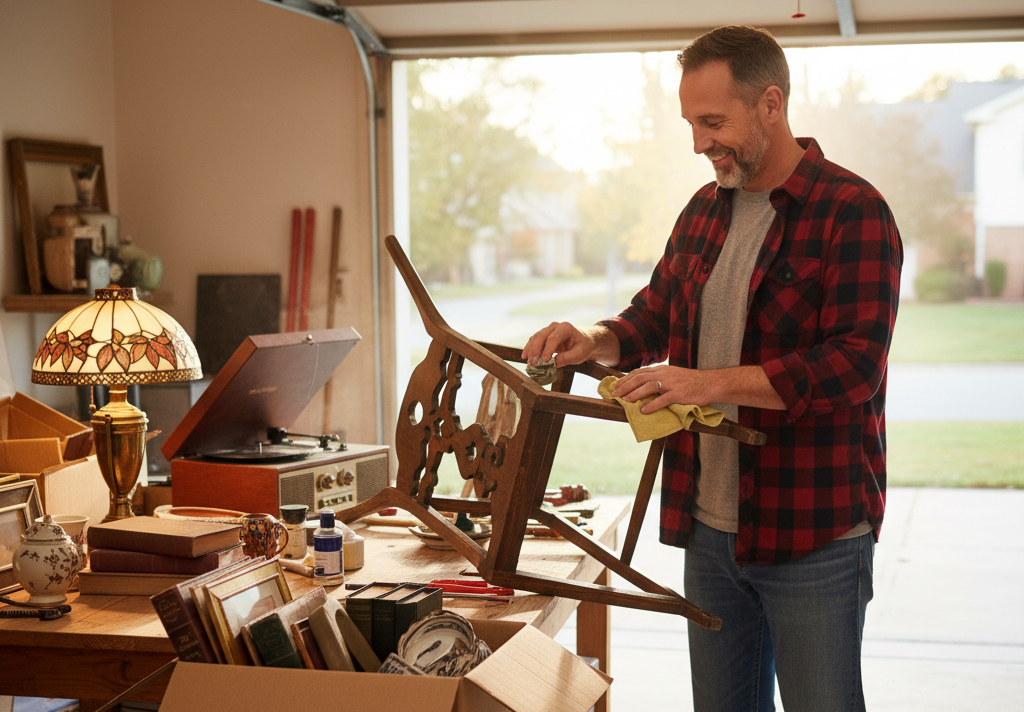
<p> There is hidden treasure in thrift stores, garage sales, and online marketplaces. Many side hustlers make extra money by finding underpriced goods and reselling them for a profit. It could be vintage furniture, electronics, or collectible books. With some research and a good eye, you can flip these items for two to three times what you paid. The upfront effort of cleaning, photographing, and listing the items can pay off quickly. Even a couple of successful flips a month can bring in hundreds of dollars that you can apply toward high-interest loans. </p> :: Gemini

There is hidden treasure in thrift stores, garage sales, and online marketplaces. Many side hustlers make extra money by finding underpriced goods and reselling them for a profit. It could be vintage furniture, electronics, or collectible books. With some research and a good eye, you can flip these items for two to three times what you paid. The upfront effort of cleaning, photographing, and listing the items can pay off quickly. Even a couple of successful flips a month can bring in hundreds of dollars that you can apply toward high-interest loans.

4. Local Subscription Boxes or Curated Kits

<p> Subscription boxes are all the rage, and you do not need a big company to create one. Families can assemble simple, themed boxes featuring regional snacks, craft supplies, or plant starter kits. You charge a monthly fee, your customers get a delightful surprise, and you enjoy recurring income. In some cases, families make it a fun group activity to pack and ship the boxes together. It is not only a profitable side hustle but also something that can involve everyone at home while keeping debt repayment a family goal. </p> :: Gemini

Subscription boxes are all the rage, and you do not need a big company to create one. Families can assemble simple, themed boxes featuring regional snacks, craft supplies, or plant starter kits. You charge a monthly fee, your customers get a delightful surprise, and you enjoy recurring income. In some cases, families make it a fun group activity to pack and ship the boxes together. It is not only a profitable side hustle but also something that can involve everyone at home while keeping debt repayment a family goal.

5. Mobile Car Detailing or On-Demand Services

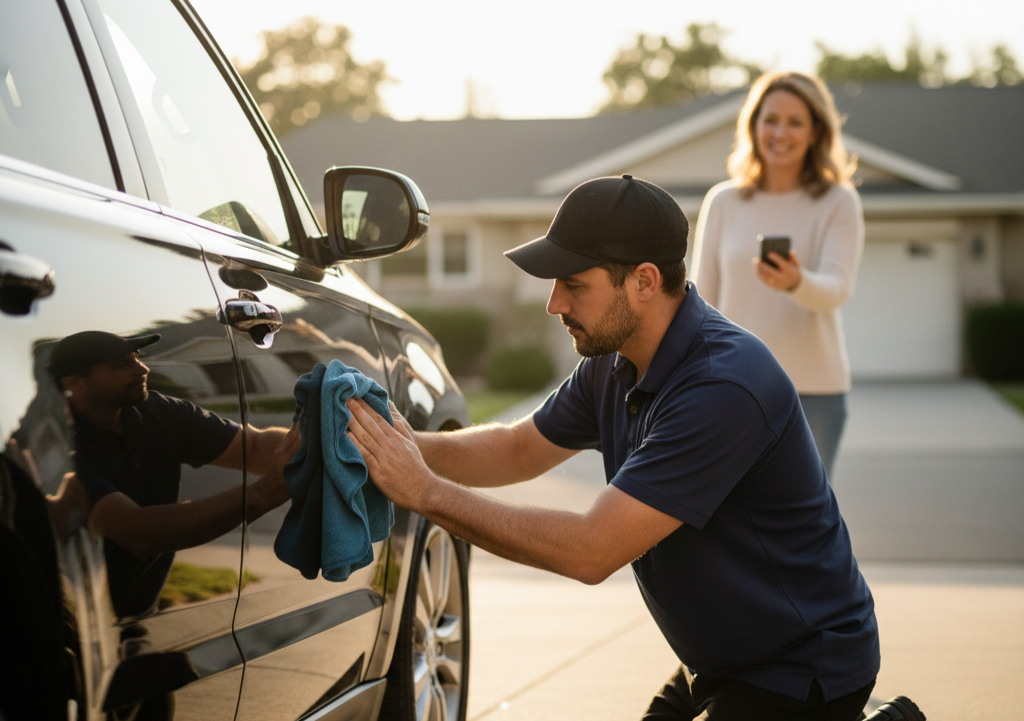
<p> If you have an eye for detail and do not mind some elbow grease, mobile car detailing can be surprisingly lucrative. People are often willing to pay a premium for the convenience of having you come to their driveway. Similarly, offering on-demand services such as home organizing or light handyman work can pay well for just a few hours of effort. Weekend slots can be booked easily, and the one-off payments add up quickly when directed straight toward your debt. </p> :: Gemini

If you have an eye for detail and do not mind some elbow grease, mobile car detailing can be surprisingly lucrative. People are often willing to pay a premium for the convenience of having you come to their driveway. Similarly, offering on-demand services such as home organizing or light handyman work can pay well for just a few hours of effort. Weekend slots can be booked easily, and the one-off payments add up quickly when directed straight toward your debt.

6. Tutoring and Teaching Skills

<p> Tutoring has always been a reliable side gig, and with the rise of online learning, it is more accessible than ever. If you are strong in math, science, languages, or even music, parents are eager to pay for quality help. Beyond tutoring, you can teach workshops or mini-classes on skills you already have, whether it is Excel basics, photography, or guitar lessons. Many tutors charge between $25 and $60 per hour, and with even a few sessions a week, you can put a significant dent in your monthly loan payment. </p> :: Gemini

Tutoring has always been a reliable side gig, and with the rise of online learning, it is more accessible than ever. If you are strong in math, science, languages, or even music, parents are eager to pay for quality help. Beyond tutoring, you can teach workshops or mini-classes on skills you already have, whether it is Excel basics, photography, or guitar lessons. Many tutors charge between $25 and $60 per hour, and with even a few sessions a week, you can put a significant dent in your monthly loan payment.

7. Content Creation for Small Businesses

<p> You do not have to be an influencer to make money from social media. Many small businesses desperately need help with posts, photos, or short-form videos. If you enjoy creating content, you can offer businesses a monthly package that includes posts, captions, or reels. With a few steady clients, this can quickly turn into a dependable side hustle. It is creative, flexible, and a great way to use skills you already have while funneling all earnings into your debt payoff plan. </p> :: Gemini

You do not have to be an influencer to make money from social media. Many small businesses desperately need help with posts, photos, or short-form videos. If you enjoy creating content, you can offer businesses a monthly package that includes posts, captions, or reels. With a few steady clients, this can quickly turn into a dependable side hustle. It is creative, flexible, and a great way to use skills you already have while funneling all earnings into your debt payoff plan.

8. Pop-Up Workshops and Community Events

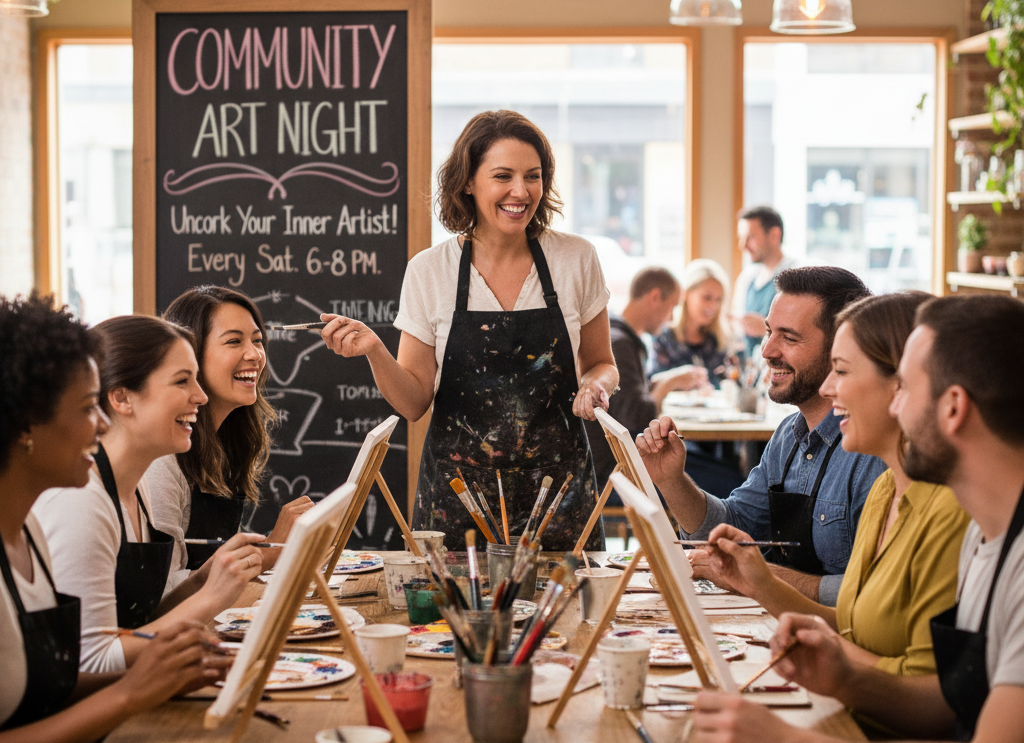
<p> Do you have a hobby or passion you could teach? Hosting a weekend workshop or community class can bring in lump sums of cash while sharing something you enjoy. It might be bread baking, watercolor painting, or building terrariums. You can host these events at a local café, library, or even your backyard. Attendees pay a registration fee, and you provide the materials and instruction. These events can become not just profitable, but also a way to connect with your community while inching closer to financial freedom. </p> :: Gemini

Do you have a hobby or passion you could teach? Hosting a weekend workshop or community class can bring in lump sums of cash while sharing something you enjoy. It might be bread baking, watercolor painting, or building terrariums. You can host these events at a local café, library, or even your backyard. Attendees pay a registration fee, and you provide the materials and instruction. These events can become not just profitable, but also a way to connect with your community while inching closer to financial freedom.

Final Thoughts

<p> Paying down debt can feel like an endless uphill battle, but side hustles have the power to change the pace. The key is not to do everything at once, but to pick one or two ideas that feel realistic for your lifestyle. Maybe you love the idea of teaching guitar lessons, or maybe flipping thrift store finds excites you more. The point is to choose a path you will stick with, then consistently funnel that income toward your loans.

Families across the country are proving that even small amounts of extra cash, when applied steadily, can shave years off repayment schedules. Side hustles are not just about money—they can give you a sense of control, creativity, and even fun while you work toward financial freedom. So grab one of these ideas, commit for the next three months, and watch how quickly your debt starts to shrink. </p> :: Gemini

Paying down debt can feel like an endless uphill battle, but side hustles have the power to change the pace. The key is not to do everything at once, but to pick one or two ideas that feel realistic for your lifestyle. Maybe you love the idea of teaching guitar lessons, or maybe flipping thrift store finds excites you more. The point is to choose a path you will stick with, then consistently funnel that income toward your loans.

Families across the country are proving that even small amounts of extra cash, when applied steadily, can shave years off repayment schedules. Side hustles are not just about money—they can give you a sense of control, creativity, and even fun while you work toward financial freedom. So grab one of these ideas, commit for the next three months, and watch how quickly your debt starts to shrink.

Filed Under: Lifestyle

12 Things Baby Boomers Learned in School That Are Totally Irrelevant Today

October 17, 2025 | Leave a Comment

12 Things Baby Boomers Learned in School That Are Totally Irrelevant Today

<p> The Baby Boomer generation grew up in a different world, one that was shaped by societal norms, technological limitations, and educational practices that have since evolved. Many of the things they learned in school were important at the time, but today, they seem outdated or even irrelevant. If you’re a Baby Boomer looking back at your school days, or a younger person curious about what school was like back then, this listicle will give you a fun and insightful look into how education has changed over the decades. From teaching methods to outdated knowledge, here are 12 things Baby Boomers learned in school that are totally irrelevant today. </p> :: Pexels

The Baby Boomer generation grew up in a different world, one that was shaped by societal norms, technological limitations, and educational practices that have since evolved. Many of the things they learned in school were important at the time, but today, they seem outdated or even irrelevant. If you’re a Baby Boomer looking back at your school days, or a younger person curious about what school was like back then, this listicle will give you a fun and insightful look into how education has changed over the decades. From teaching methods to outdated knowledge, here are 12 things Baby Boomers learned in school that are totally irrelevant today.

1. Memorizing Phone Numbers

<p> Before the age of smartphones, memorizing phone numbers was an essential skill. Baby Boomers were taught to remember long strings of digits for their home, friends, and businesses. Today, with smartphones storing thousands of contacts, there’s no need to commit phone numbers to memory. Instead, we rely on our devices to manage and dial numbers for us, rendering this skill practically obsolete. </p> :: Pexels

Before the age of smartphones, memorizing phone numbers was an essential skill. Baby Boomers were taught to remember long strings of digits for their home, friends, and businesses. Today, with smartphones storing thousands of contacts, there’s no need to commit phone numbers to memory. Instead, we rely on our devices to manage and dial numbers for us, rendering this skill practically obsolete.

2. Learning to Write in Cursive

<p> Cursive handwriting was a staple of education for Baby Boomers. Students spent hours perfecting their loops and swirls to ensure they could write in a way that was considered proper and legible. However, in today’s digital age, cursive is rarely used outside of signing your name. With the rise of typing, emails, and text messages, cursive writing has become a skill that few people actively use. </p> :: Pexels

Cursive handwriting was a staple of education for Baby Boomers. Students spent hours perfecting their loops and swirls to ensure they could write in a way that was considered proper and legible. However, in today’s digital age, cursive is rarely used outside of signing your name. With the rise of typing, emails, and text messages, cursive writing has become a skill that few people actively use.

3. Using a Typewriter

<p> Typewriters were once the go-to tool for writing essays, reports, and letters. Baby Boomers learned to type on these mechanical machines, which required precision and effort. Now, with computers and word processors, typing has become much easier and more efficient. Features like spell check, auto-correct, and instant editing have made typewriters a thing of the past. </p> :: Pexels

Typewriters were once the go-to tool for writing essays, reports, and letters. Baby Boomers learned to type on these mechanical machines, which required precision and effort. Now, with computers and word processors, typing has become much easier and more efficient. Features like spell check, auto-correct, and instant editing have made typewriters a thing of the past.

4. Memorizing the Periodic Table

<p> While chemistry is still a vital subject, the need for students to memorize the entire periodic table of elements has diminished. With access to the internet and smartphones, students can quickly look up any element they need, making rote memorization unnecessary. Today, the focus is more on understanding concepts and practical applications of science, rather than memorizing vast amounts of data. </p> :: Pexels

While chemistry is still a vital subject, the need for students to memorize the entire periodic table of elements has diminished. With access to the internet and smartphones, students can quickly look up any element they need, making rote memorization unnecessary. Today, the focus is more on understanding concepts and practical applications of science, rather than memorizing vast amounts of data.

5. Using a Map and Compass

<p> Before GPS, Baby Boomers learned how to read paper maps and use a compass for navigation. While map reading and compass skills were once essential for travelers, today’s smartphones and GPS devices provide real-time navigation, rendering traditional navigation skills largely irrelevant. The ease of using digital maps has made learning to use a physical map and compass a distant memory for most people. </p> :: Pexels

Before GPS, Baby Boomers learned how to read paper maps and use a compass for navigation. While map reading and compass skills were once essential for travelers, today’s smartphones and GPS devices provide real-time navigation, rendering traditional navigation skills largely irrelevant. The ease of using digital maps has made learning to use a physical map and compass a distant memory for most people.

6. Learning Long Division Without a Calculator

<p> In the past, long division was a significant part of elementary education, and students were taught to perform complex calculations by hand. While math skills are still essential, the widespread use of calculators (and smartphones) has made doing long division by hand less necessary. Today, students can rely on digital tools to do the heavy lifting, allowing them to focus on more advanced problem-solving techniques. </p> :: Pexels

In the past, long division was a significant part of elementary education, and students were taught to perform complex calculations by hand. While math skills are still essential, the widespread use of calculators (and smartphones) has made doing long division by hand less necessary. Today, students can rely on digital tools to do the heavy lifting, allowing them to focus on more advanced problem-solving techniques.

7. The Dewey Decimal System

<p> In the days before digital libraries, the Dewey Decimal System was the primary way to organize books in libraries. Baby Boomers were taught how to use this system to find books by subject, author, and genre. Today, with the advent of digital catalogs and online search engines, the Dewey Decimal System is no longer necessary for most people. Searching for books is as easy as typing a few keywords into a computer or smartphone. </p> :: Pexels

In the days before digital libraries, the Dewey Decimal System was the primary way to organize books in libraries. Baby Boomers were taught how to use this system to find books by subject, author, and genre. Today, with the advent of digital catalogs and online search engines, the Dewey Decimal System is no longer necessary for most people. Searching for books is as easy as typing a few keywords into a computer or smartphone.

8. Learning to Make a Carbon Copy with a Carbon Paper

<p> Before the days of digital copies, Baby Boomers learned how to make carbon copies of documents using carbon paper. This was a common method for duplicating important papers in offices and schools. Now, with the ability to scan, photocopy, or email documents instantly, the need for carbon paper has all but disappeared, making it a skill that no longer holds any practical value. </p> :: cookie_studio Freepik

Before the days of digital copies, Baby Boomers learned how to make carbon copies of documents using carbon paper. This was a common method for duplicating important papers in offices and schools. Now, with the ability to scan, photocopy, or email documents instantly, the need for carbon paper has all but disappeared, making it a skill that no longer holds any practical value.

9. Memorizing State Capitals

<p> While knowing state capitals was once an important part of geography education, this skill has become less relevant in today’s world. With instant access to information online, students no longer need to memorize facts like the capital of Wyoming or Vermont. Instead, modern education focuses on critical thinking and global awareness, with an emphasis on understanding geographic and political concepts rather than rote memorization. </p> :: Pexels

While knowing state capitals was once an important part of geography education, this skill has become less relevant in today’s world. With instant access to information online, students no longer need to memorize facts like the capital of Wyoming or Vermont. Instead, modern education focuses on critical thinking and global awareness, with an emphasis on understanding geographic and political concepts rather than rote memorization.

10. Learning to Sew by Hand

<p> Home economics classes were a staple in many Baby Boomers’ education, and sewing by hand was a key component of these lessons. While sewing is still a valuable skill for some, it’s not as essential in the modern world, where ready-made clothing is mass-produced and cheap. Many people today rely on professional tailors or clothing stores for repairs, making the skill of hand-sewing less common and less necessary for everyday life. </p> :: Pexels

Home economics classes were a staple in many Baby Boomers’ education, and sewing by hand was a key component of these lessons. While sewing is still a valuable skill for some, it’s not as essential in the modern world, where ready-made clothing is mass-produced and cheap. Many people today rely on professional tailors or clothing stores for repairs, making the skill of hand-sewing less common and less necessary for everyday life.

11. The Importance of Learning to Write in a “Formal” Style

<p> In the past, students were taught to write in a very formal, structured style, particularly for essays and reports. This often involved strict rules for sentence structure, tone, and word choice. Today, however, communication has become much more casual, especially with the rise of texting, social media, and informal online writing. While formal writing is still important in certain contexts, it’s no longer the sole focus of education, and the emphasis has shifted to clarity, creativity, and personal expression. </p> :: Pexels

In the past, students were taught to write in a very formal, structured style, particularly for essays and reports. This often involved strict rules for sentence structure, tone, and word choice. Today, however, communication has become much more casual, especially with the rise of texting, social media, and informal online writing. While formal writing is still important in certain contexts, it’s no longer the sole focus of education, and the emphasis has shifted to clarity, creativity, and personal expression.

12. Learning to Use a Slide Rule

<p> Before calculators, the slide rule was the go-to tool for making quick calculations in science and engineering. Baby Boomers learned to use this mechanical device to perform mathematical operations like multiplication, division, and square roots. Today, with the availability of electronic calculators and computers, the slide rule is no longer used or taught, making it an obsolete tool in the modern world. </p> :: ihoe / Getty Images

Before calculators, the slide rule was the go-to tool for making quick calculations in science and engineering. Baby Boomers learned to use this mechanical device to perform mathematical operations like multiplication, division, and square roots. Today, with the availability of electronic calculators and computers, the slide rule is no longer used or taught, making it an obsolete tool in the modern world.

Final Thoughts

<p> The educational landscape has changed dramatically since the days of Baby Boomers. While many of the skills they learned were essential for their time, technological advancements and societal shifts have made them largely irrelevant today. From the rise of smartphones and GPS to the move away from handwriting and memorization, the way we learn and interact with the world has evolved. While it’s important to remember and appreciate the skills of the past, it’s equally important to embrace the new tools and knowledge that shape our present and future. The world may have changed, but the value of adaptability and lifelong learning remains timeless. </p> :: Pexels

The educational landscape has changed dramatically since the days of Baby Boomers. While many of the skills they learned were essential for their time, technological advancements and societal shifts have made them largely irrelevant today. From the rise of smartphones and GPS to the move away from handwriting and memorization, the way we learn and interact with the world has evolved. While it’s important to remember and appreciate the skills of the past, it’s equally important to embrace the new tools and knowledge that shape our present and future. The world may have changed, but the value of adaptability and lifelong learning remains timeless.

Filed Under: Lifestyle

Furry Therapy: 7 Stress-Relieving Benefits of Owning a Pet!

October 17, 2025 | Leave a Comment

Furry Therapy: 7 Stress-Relieving Benefits of Owning a Pet!

<p>Life gets busy. Stress piles up. But for those with a pet, relief is often just a wag or a purr away. Science backs it up—owning a pet does wonders for mental health. Whether it’s a dog, cat, or even a small critter, pets provide comfort, companionship, and real stress relief. Here are seven ways having a pet can help ease the weight of daily life.</p> ::Pexels

Life gets busy. Stress piles up. But for those with a pet, relief is often just a wag or a purr away. Science backs it up—owning a pet does wonders for mental health. Whether it’s a dog, cat, or even a small critter, pets provide comfort, companionship, and real stress relief. Here are seven ways having a pet can help ease the weight of daily life.

1. Pets Lower Blood Pressure and Heart Rate

<p>Stress can send your heart racing. Pets help slow it down. Studies show that petting a dog or cat can lower blood pressure and heart rate within minutes. This simple act releases endorphins, the body’s natural feel-good chemicals. Dogs, in particular, encourage regular exercise, which keeps the heart strong. Even watching fish swim in a tank has been shown to have a calming effect. It’s no wonder doctors recommend pets for people dealing with hypertension or anxiety.</p> ::Pexels

Stress can send your heart racing. Pets help slow it down. Studies show that petting a dog or cat can lower blood pressure and heart rate within minutes. This simple act releases endorphins, the body’s natural feel-good chemicals. Dogs, in particular, encourage regular exercise, which keeps the heart strong. Even watching fish swim in a tank has been shown to have a calming effect. It’s no wonder doctors recommend pets for people dealing with hypertension or anxiety.

2. Pets Reduce Feelings of Loneliness

<p>Loneliness can be tough, especially for those who live alone. A pet changes that. Whether it’s a cat curled up on your lap or a dog wagging its tail when you walk through the door, pets make a house feel like home. They listen without judging, offer comfort without asking for much, and provide constant companionship. Studies even suggest that talking to pets can be just as soothing as speaking to a close friend. With a pet around, there’s always a reason to smile.</p> ::Pexels

Loneliness can be tough, especially for those who live alone. A pet changes that. Whether it’s a cat curled up on your lap or a dog wagging its tail when you walk through the door, pets make a house feel like home. They listen without judging, offer comfort without asking for much, and provide constant companionship. Studies even suggest that talking to pets can be just as soothing as speaking to a close friend. With a pet around, there’s always a reason to smile.

3. Pets Encourage Daily Exercise

<p>Moving the body is one of the best ways to fight stress. Pets make sure you stay active, even on days when you don’t feel like it. Dog owners, for example, tend to walk more than those without dogs. Even playing with a cat, tossing a ball, or cleaning a pet’s living space keeps the body moving. Regular activity helps clear the mind, release tension, and improve overall mood. In many ways, pets double as personal trainers—only fluffier and much cuter.</p> ::Pexels

Moving the body is one of the best ways to fight stress. Pets make sure you stay active, even on days when you don’t feel like it. Dog owners, for example, tend to walk more than those without dogs. Even playing with a cat, tossing a ball, or cleaning a pet’s living space keeps the body moving. Regular activity helps clear the mind, release tension, and improve overall mood. In many ways, pets double as personal trainers—only fluffier and much cuter.

4. Pets Provide a Sense of Purpose

<p>Life feels richer when there’s someone to care for. Pets depend on their owners for food, exercise, and love. In return, they give unconditional affection. This sense of responsibility can be grounding, especially for people going through tough times. Studies show that caring for a pet can help reduce depression by giving people daily goals and routines. Waking up to feed a pet or taking them out for a walk adds structure to the day. With a pet, there’s always something meaningful to do.</p> ::Pexels

Life feels richer when there’s someone to care for. Pets depend on their owners for food, exercise, and love. In return, they give unconditional affection. This sense of responsibility can be grounding, especially for people going through tough times. Studies show that caring for a pet can help reduce depression by giving people daily goals and routines. Waking up to feed a pet or taking them out for a walk adds structure to the day. With a pet, there’s always something meaningful to do.

5. Pets Help With Social Connections

<p>It’s easier to make friends when you have a pet. Dog owners often chat with others at parks or during walks. Cat owners bond over shared stories of quirky feline behavior. Even exotic pet owners find connections through online groups or local meetups. Pets act as icebreakers, making social interactions less awkward. Research shows that people with pets tend to feel more connected to their communities. A simple “What’s your dog’s name?” can lead to a great conversation and, sometimes, a lifelong friendship.</p> ::Pexels

It’s easier to make friends when you have a pet. Dog owners often chat with others at parks or during walks. Cat owners bond over shared stories of quirky feline behavior. Even exotic pet owners find connections through online groups or local meetups. Pets act as icebreakers, making social interactions less awkward. Research shows that people with pets tend to feel more connected to their communities. A simple “What’s your dog’s name?” can lead to a great conversation and, sometimes, a lifelong friendship.

6. Pets Offer Emotional Support

<p>Bad days happen. Pets make them better. They sense moods, offering comfort when needed most. A cat may curl up closer when its owner feels down. A dog may nuzzle into a hand, sensing stress. This natural support helps lower anxiety and ease sadness. Therapy animals exist for a reason—they bring calm in moments of distress. Many hospitals and nursing homes use therapy pets to boost patients’ spirits. Even without formal training, pets naturally provide the kind of emotional support humans crave.</p> ::Pexels

Bad days happen. Pets make them better. They sense moods, offering comfort when needed most. A cat may curl up closer when its owner feels down. A dog may nuzzle into a hand, sensing stress. This natural support helps lower anxiety and ease sadness. Therapy animals exist for a reason—they bring calm in moments of distress. Many hospitals and nursing homes use therapy pets to boost patients’ spirits. Even without formal training, pets naturally provide the kind of emotional support humans crave.

7. Pets Improve Sleep Quality

<p>A good night’s sleep is key to handling stress. Pets help with that too. Studies show that people who sleep with their pets nearby often feel safer and more relaxed. The rhythmic sound of a cat purring or a dog breathing can be soothing. Knowing a pet is there provides a sense of security, reducing nighttime anxiety. While some pets may disrupt sleep by moving around too much, many owners find their presence comforting. Restful sleep leads to better moods, more energy, and less stress overall.</p> ::Pexels

A good night’s sleep is key to handling stress. Pets help with that too. Studies show that people who sleep with their pets nearby often feel safer and more relaxed. The rhythmic sound of a cat purring or a dog breathing can be soothing. Knowing a pet is there provides a sense of security, reducing nighttime anxiety. While some pets may disrupt sleep by moving around too much, many owners find their presence comforting. Restful sleep leads to better moods, more energy, and less stress overall.

Conclusion

<p>Pets are more than just animals; they’re stress relievers, exercise buddies, and loyal friends. They lower blood pressure, ease loneliness, and keep their owners active. They provide emotional support, encourage social connections, and even improve sleep. Owning a pet isn’t just about having company—it’s about living a happier, healthier life. If stress is weighing you down, a furry (or scaly or feathery) friend might be the best remedy.</p> ::Pexels

Pets are more than just animals; they’re stress relievers, exercise buddies, and loyal friends. They lower blood pressure, ease loneliness, and keep their owners active. They provide emotional support, encourage social connections, and even improve sleep. Owning a pet isn’t just about having company—it’s about living a happier, healthier life. If stress is weighing you down, a furry (or scaly or feathery) friend might be the best remedy.

Filed Under: Lifestyle

Digital Grandparenting Tips: 6 Ways to Connect and Build Strong Relationships with Grandkids

October 17, 2025 | Leave a Comment

Digital Grandparenting Tips: 6 Ways to Connect and Build Strong Relationships with Grandkids

<p> The digital age has transformed the way families stay connected, making it easier than ever for grandparents to maintain strong relationships with their grandkids, no matter the distance. While technology may seem overwhelming at times, embracing it can help bridge generational gaps and create meaningful interactions. Whether your grandchildren live across the country or just down the street, these digital grandparenting tips will help you engage with them in fun and creative ways, ensuring a lasting and loving bond. </p> :: Pexels

The digital age has transformed the way families stay connected, making it easier than ever for grandparents to maintain strong relationships with their grandkids, no matter the distance. While technology may seem overwhelming at times, embracing it can help bridge generational gaps and create meaningful interactions. Whether your grandchildren live across the country or just down the street, these digital grandparenting tips will help you engage with them in fun and creative ways, ensuring a lasting and loving bond.


1. Use Video Calls to Stay Present in Their Lives

<p> Video calls are one of the most powerful tools for staying connected with grandkids, allowing you to see their faces, share stories, and participate in their daily lives. Platforms like Zoom, FaceTime, and Skype make virtual visits easy and engaging. To make video calls more interactive, consider playing games like charades, reading bedtime stories, or even cooking a recipe together while on the call. Scheduling regular video chats ensures consistency and gives your grandchildren something to look forward to, strengthening your relationship even when miles apart. </p> :: Freepik

Video calls are one of the most powerful tools for staying connected with grandkids, allowing you to see their faces, share stories, and participate in their daily lives. Platforms like Zoom, FaceTime, and Skype make virtual visits easy and engaging. To make video calls more interactive, consider playing games like charades, reading bedtime stories, or even cooking a recipe together while on the call. Scheduling regular video chats ensures consistency and gives your grandchildren something to look forward to, strengthening your relationship even when miles apart.


2. Play Online Games Together for Fun Bonding

<p> Gaming is a favorite pastime for many kids, and playing online games together can be a fantastic way to connect with them on their level. Multiplayer games like Minecraft, Animal Crossing, or even classic board games on platforms like Pogo or Words with Friends allow you to engage in fun, cooperative activities. If your grandkids are into competitive games, try joining them for a friendly match of chess or trivia. Not only does this give you a shared hobby, but it also opens doors for conversations and inside jokes that will bring you closer together. </p> :: Pexels

Gaming is a favorite pastime for many kids, and playing online games together can be a fantastic way to connect with them on their level. Multiplayer games like Minecraft, Animal Crossing, or even classic board games on platforms like Pogo or Words with Friends allow you to engage in fun, cooperative activities. If your grandkids are into competitive games, try joining them for a friendly match of chess or trivia. Not only does this give you a shared hobby, but it also opens doors for conversations and inside jokes that will bring you closer together.


3. Share Photos and Memories Through Social Media or Apps

<p> Social media and photo-sharing apps offer an easy way to keep up with each other’s lives and create shared memories. Platforms like Facebook, Instagram, and private family-sharing apps such as Google Photos or Tinybeans allow you to exchange pictures, videos, and updates. Creating a digital scrapbook together can be a fun activity, where you both upload and comment on old family photos, vacations, and important life events. This not only keeps the communication lines open but also gives grandchildren a sense of connection to their family history and roots. </p> :: Freepik

Social media and photo-sharing apps offer an easy way to keep up with each other’s lives and create shared memories. Platforms like Facebook, Instagram, and private family-sharing apps such as Google Photos or Tinybeans allow you to exchange pictures, videos, and updates. Creating a digital scrapbook together can be a fun activity, where you both upload and comment on old family photos, vacations, and important life events. This not only keeps the communication lines open but also gives grandchildren a sense of connection to their family history and roots.


4. Send Voice Messages and Personalized Videos

<p> Sometimes, a simple text message does not capture the warmth of your voice or the love in your expression. Sending voice messages or short video clips can make your communication feel more personal and heartfelt. Apps like WhatsApp, Marco Polo, and even built-in messaging features on smartphones allow you to record and send quick greetings, funny stories, or words of encouragement. Imagine sending a cheerful "Good morning!" video or a bedtime story recording—these small gestures can make a huge impact on your grandchild's day and reinforce your presence in their life. </p> :: Freepik

Sometimes, a simple text message does not capture the warmth of your voice or the love in your expression. Sending voice messages or short video clips can make your communication feel more personal and heartfelt. Apps like WhatsApp, Marco Polo, and even built-in messaging features on smartphones allow you to record and send quick greetings, funny stories, or words of encouragement. Imagine sending a cheerful “Good morning!” video or a bedtime story recording—these small gestures can make a huge impact on your grandchild’s day and reinforce your presence in their life.


5. Collaborate on Virtual Projects and Hobbies

<p> Working on a virtual project together can be an exciting and meaningful way to bond. Whether it is co-authoring a short story in Google Docs, creating a shared playlist on Spotify, or building a family tree online, these activities create shared experiences that bring joy and strengthen relationships. If your grandkids enjoy arts and crafts, consider using digital drawing apps like Procreate or Canva to create artwork together. For those interested in science or learning, you can explore virtual museum tours, online puzzles, or even co-watch educational YouTube videos to spark curiosity and discussions. </p> :: Freepik

Working on a virtual project together can be an exciting and meaningful way to bond. Whether it is co-authoring a short story in Google Docs, creating a shared playlist on Spotify, or building a family tree online, these activities create shared experiences that bring joy and strengthen relationships. If your grandkids enjoy arts and crafts, consider using digital drawing apps like Procreate or Canva to create artwork together. For those interested in science or learning, you can explore virtual museum tours, online puzzles, or even co-watch educational YouTube videos to spark curiosity and discussions.


6. Learn About Their Digital World and Interests

<p> Understanding your grandkids’ digital world can make your interactions more relevant and engaging. Take the time to learn about their favorite YouTubers, social media trends, or the latest apps they use. Ask them to teach you how to use TikTok or help you set up an Instagram account, turning it into a fun and educational experience for both of you. Showing interest in their digital activities not only helps you stay connected but also demonstrates that you respect their interests and are willing to meet them in their world. This curiosity fosters mutual respect and deeper conversations, making your bond even stronger. </p> :: Pexels

Understanding your grandkids’ digital world can make your interactions more relevant and engaging. Take the time to learn about their favorite YouTubers, social media trends, or the latest apps they use. Ask them to teach you how to use TikTok or help you set up an Instagram account, turning it into a fun and educational experience for both of you. Showing interest in their digital activities not only helps you stay connected but also demonstrates that you respect their interests and are willing to meet them in their world. This curiosity fosters mutual respect and deeper conversations, making your bond even stronger.


Final Thoughts

<p> Technology offers endless opportunities for grandparents to stay connected with their grandkids in meaningful and enjoyable ways. Whether through video calls, online games, shared photos, or digital projects, these strategies help bridge the generational gap and create lasting memories. By embracing digital communication and actively participating in your grandkids’ online world, you can build a relationship filled with love, laughter, and shared experiences, ensuring that no matter how far apart you may be, you remain close at heart. </p> :: Pexels

Technology offers endless opportunities for grandparents to stay connected with their grandkids in meaningful and enjoyable ways. Whether through video calls, online games, shared photos, or digital projects, these strategies help bridge the generational gap and create lasting memories. By embracing digital communication and actively participating in your grandkids’ online world, you can build a relationship filled with love, laughter, and shared experiences, ensuring that no matter how far apart you may be, you remain close at heart.

Filed Under: Lifestyle

Stay Connected: 10 Fun Ways Seniors Can Build Stronger Friendships!

October 17, 2025 | Leave a Comment

Stay Connected: 10 Fun Ways Seniors Can Build Stronger Friendships!

<p>Friendships keep life rich, joyful, and full of purpose. But as people get older, staying connected can be tricky. Friends move away, family gets busy, and routines shift. Luckily, there are many ways seniors can maintain and grow their social circles. These activities help foster meaningful bonds, keep the mind sharp, and make life more exciting. Here are ten fun ways to build and strengthen friendships, no matter your age.</p> ::Pexels

Friendships keep life rich, joyful, and full of purpose. But as people get older, staying connected can be tricky. Friends move away, family gets busy, and routines shift. Luckily, there are many ways seniors can maintain and grow their social circles. These activities help foster meaningful bonds, keep the mind sharp, and make life more exciting. Here are ten fun ways to build and strengthen friendships, no matter your age.


1. Join a Local Club

<p>A club is a great way to meet like-minded people while doing something enjoyable. Whether it’s a book club, gardening group, or chess society, joining a club creates routine and connection. Many libraries, community centers, and senior centers host weekly gatherings. These events give people a shared focus and plenty to talk about. Best of all, they encourage lasting friendships by bringing people together regularly.</p> ::Pexels

A club is a great way to meet like-minded people while doing something enjoyable. Whether it’s a book club, gardening group, or chess society, joining a club creates routine and connection. Many libraries, community centers, and senior centers host weekly gatherings. These events give people a shared focus and plenty to talk about. Best of all, they encourage lasting friendships by bringing people together regularly.


2. Take a Group Fitness Class

<p>Exercise is good for the body and the soul. Signing up for a group class like yoga, tai chi, or water aerobics keeps seniors active while fostering social connections. These classes are often held at gyms, parks, or community centers. Working out together builds camaraderie, and the shared effort makes it easier to stay motivated. After class, many participants grab coffee or a meal, strengthening friendships even more.</p> ::Pexels

Exercise is good for the body and the soul. Signing up for a group class like yoga, tai chi, or water aerobics keeps seniors active while fostering social connections. These classes are often held at gyms, parks, or community centers. Working out together builds camaraderie, and the shared effort makes it easier to stay motivated. After class, many participants grab coffee or a meal, strengthening friendships even more.


3. Volunteer for a Cause

<p>Giving back is a powerful way to meet others and feel fulfilled. Many charities and organizations need volunteers for events, mentoring, or helping at shelters. Seniors who volunteer find themselves surrounded by kind-hearted people with similar values. Whether it’s reading to children, walking shelter dogs, or helping at a food bank, volunteering creates lasting bonds. Doing good work together fosters deep connections and a sense of belonging.</p> ::Pexels

Giving back is a powerful way to meet others and feel fulfilled. Many charities and organizations need volunteers for events, mentoring, or helping at shelters. Seniors who volunteer find themselves surrounded by kind-hearted people with similar values. Whether it’s reading to children, walking shelter dogs, or helping at a food bank, volunteering creates lasting bonds. Doing good work together fosters deep connections and a sense of belonging.


4. Enroll in a Class or Workshop

<p>Learning something new is a great way to spark conversations and make friends. Seniors can take a class in art, cooking, music, or even a new language. Many community colleges and senior centers offer affordable courses. These classes create a shared learning experience, giving people a reason to connect. The friendships formed over shared challenges and discoveries often continue long after the class ends.</p> ::Pexels

Learning something new is a great way to spark conversations and make friends. Seniors can take a class in art, cooking, music, or even a new language. Many community colleges and senior centers offer affordable courses. These classes create a shared learning experience, giving people a reason to connect. The friendships formed over shared challenges and discoveries often continue long after the class ends.


5. Get Involved in a Faith Community

<p>For those with a spiritual side, a faith-based group can offer support and friendship. Churches, temples, and mosques often host study groups, social gatherings, and volunteer events. These spaces encourage meaningful conversations and create a sense of community. Many people find lifelong friends through shared faith and service. Even those who aren’t deeply religious can enjoy the social benefits of these groups.</p> ::Pexels

For those with a spiritual side, a faith-based group can offer support and friendship. Churches, temples, and mosques often host study groups, social gatherings, and volunteer events. These spaces encourage meaningful conversations and create a sense of community. Many people find lifelong friends through shared faith and service. Even those who aren’t deeply religious can enjoy the social benefits of these groups.


6. Plan Regular Social Gatherings

<p>Sometimes, all it takes to stay connected is a little planning. Setting up a weekly coffee meetup, monthly game night, or potluck dinner keeps friendships alive. These gatherings don’t have to be fancy—just a reason to come together. Rotating hosts or locations keeps things fresh and exciting. The key is consistency, which keeps bonds strong over time.</p> ::Pexels

Sometimes, all it takes to stay connected is a little planning. Setting up a weekly coffee meetup, monthly game night, or potluck dinner keeps friendships alive. These gatherings don’t have to be fancy—just a reason to come together. Rotating hosts or locations keeps things fresh and exciting. The key is consistency, which keeps bonds strong over time.


7. Explore Senior Travel Groups

<p>Traveling is even more fun when shared. Many tour companies offer group trips designed for seniors. These trips include guided tours, comfortable accommodations, and plenty of chances to socialize. Traveling together creates shared memories, making friendships stronger. Whether it’s a weekend getaway or an overseas adventure, exploring with others builds lasting connections.</p> ::Pexels

Traveling is even more fun when shared. Many tour companies offer group trips designed for seniors. These trips include guided tours, comfortable accommodations, and plenty of chances to socialize. Traveling together creates shared memories, making friendships stronger. Whether it’s a weekend getaway or an overseas adventure, exploring with others builds lasting connections.


8. Connect Through Technology

<p>Modern technology makes it easier than ever to stay in touch. Video calls, social media, and messaging apps help seniors connect with friends and family near and far. Many libraries and senior centers offer classes on using smartphones and computers. Once comfortable with technology, seniors can join online groups, reconnect with old friends, and even make new ones. Virtual game nights, book clubs, or hobby groups also provide fun social outlets.</p> ::Pexels

Modern technology makes it easier than ever to stay in touch. Video calls, social media, and messaging apps help seniors connect with friends and family near and far. Many libraries and senior centers offer classes on using smartphones and computers. Once comfortable with technology, seniors can join online groups, reconnect with old friends, and even make new ones. Virtual game nights, book clubs, or hobby groups also provide fun social outlets.


9. Join a Sports or Recreation League

<p>Friendly competition is a great way to bond. Seniors can join bowling leagues, golf groups, or even pickleball teams. Many cities have leagues designed for older adults, with a focus on fun over competition. These activities provide regular meetups, light exercise, and a reason to keep coming back. Over time, teammates often become close friends.</p> ::Pexels

Friendly competition is a great way to bond. Seniors can join bowling leagues, golf groups, or even pickleball teams. Many cities have leagues designed for older adults, with a focus on fun over competition. These activities provide regular meetups, light exercise, and a reason to keep coming back. Over time, teammates often become close friends.


10. Adopt a Social Hobby

<p>Some hobbies naturally bring people together. Photography clubs, knitting circles, and birdwatching groups are great ways to meet people with shared interests. Even simple activities like playing cards or puzzles at a local café can spark friendships. The key is consistency—regular meetups create familiar faces and strong connections.</p> ::Pexels

Some hobbies naturally bring people together. Photography clubs, knitting circles, and birdwatching groups are great ways to meet people with shared interests. Even simple activities like playing cards or puzzles at a local café can spark friendships. The key is consistency—regular meetups create familiar faces and strong connections.


Conclusion

<p>Friendships keep life bright, meaningful, and full of laughter. Staying social isn’t just about having fun—it’s vital for mental and emotional well-being. Whether through clubs, classes, or travel, there are many ways to keep friendships strong. The key is to take the first step, try new things, and keep an open heart. The right connections can make all the difference in leading a happy, fulfilling life.</p> ::Pexels

Friendships keep life bright, meaningful, and full of laughter. Staying social isn’t just about having fun—it’s vital for mental and emotional well-being. Whether through clubs, classes, or travel, there are many ways to keep friendships strong. The key is to take the first step, try new things, and keep an open heart. The right connections can make all the difference in leading a happy, fulfilling life.

Filed Under: Lifestyle

These 10 Adorable Animals Make Terrible Pets—Here’s Why

October 17, 2025 | Leave a Comment

10 Lovable Animals That Actually Make for Terrible Pets

<p>Many animals captivate us with their charm and beauty, leading some to consider them as potential pets. However, certain species, despite their appeal, are unsuitable for domestication due to various challenges. Here are 10 lovable animals that actually make for terrible pets.</p> ::Pexels

Many animals captivate us with their charm and beauty, leading some to consider them as potential pets. However, certain species, despite their appeal, are unsuitable for domestication due to various challenges. Here are 10 lovable animals that actually make for terrible pets.


1. Monkeys

<p>Monkeys are intelligent and social creatures, making them appear as ideal companions. However, their complex social needs, potential for aggression, and long lifespans make them challenging to care for in a domestic setting. Additionally, owning primates can contribute to illegal wildlife trafficking, further threatening their populations.</p> ::Pexels

Monkeys are intelligent and social creatures, making them appear as ideal companions. However, their complex social needs, potential for aggression, and long lifespans make them challenging to care for in a domestic setting. Additionally, owning primates can contribute to illegal wildlife trafficking, further threatening their populations.


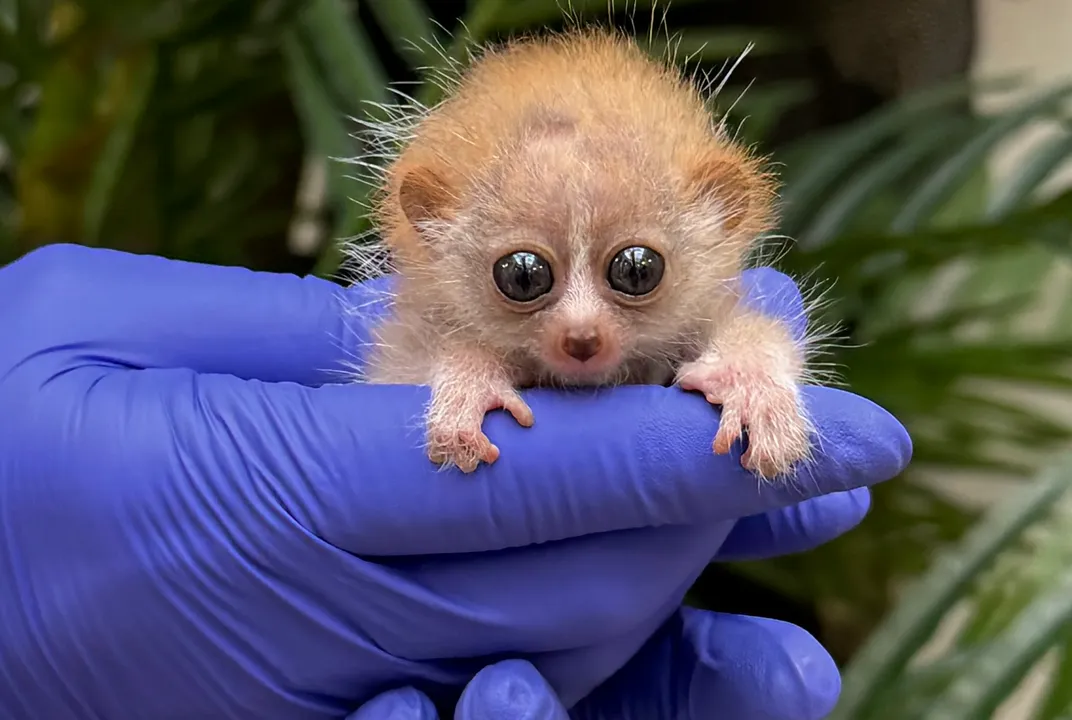
2. Slow Lorises <p> With their big, soulful eyes, slow lorises have become internet sensations. Despite their cuteness, they possess a toxic bite that can cause severe allergic reactions in humans. The illegal pet trade subjects them to inhumane practices, such as teeth removal, leading to high mortality rates. </p> :: Pexels

With their big, soulful eyes, slow lorises have become internet sensations. Despite their cuteness, they possess a toxic bite that can cause severe allergic reactions in humans. The illegal pet trade subjects them to inhumane practices, such as teeth removal, leading to high mortality rates.

3. Parrots

<p>Parrots are known for their vibrant plumage and ability to mimic human speech. However, they require extensive social interaction, mental stimulation, and can live for several decades. Without proper care, they may develop behavioral issues, making them unsuitable for many households.</p> ::Pexels

Parrots are known for their vibrant plumage and ability to mimic human speech. However, they require extensive social interaction, mental stimulation, and can live for several decades. Without proper care, they may develop behavioral issues, making them unsuitable for many households.


4. Green Iguanas

<p>Often sold as inexpensive pets, green iguanas can grow up to six feet in length and require specific environmental conditions to thrive. Inadequate care can lead to health problems, and in regions like Florida, released or escaped iguanas have become invasive, disrupting local ecosystems.</p> ::Pexels

Often sold as inexpensive pets, green iguanas can grow up to six feet in length and require specific environmental conditions to thrive. Inadequate care can lead to health problems, and in regions like Florida, released or escaped iguanas have become invasive, disrupting local ecosystems.


5. Ferrets

<p>Ferrets are playful and curious animals, but they have a musky odor and can be prone to destructive behavior if not properly trained and supervised. They also require a specialized diet and regular veterinary care, which can be demanding for some pet owners.</p> ::Pexels

Ferrets are playful and curious animals, but they have a musky odor and can be prone to destructive behavior if not properly trained and supervised. They also require a specialized diet and regular veterinary care, which can be demanding for some pet owners.


6. Hedgehogs

<p>These small, nocturnal creatures have gained popularity as pets due to their adorable appearance. However, they are prone to health issues, require specific temperature-controlled environments, and their nocturnal nature means they are active during the night, which may not align with human schedules.</p> ::Pexels

These small, nocturnal creatures have gained popularity as pets due to their adorable appearance. However, they are prone to health issues, require specific temperature-controlled environments, and their nocturnal nature means they are active during the night, which may not align with human schedules.


7. Owls

<p>Owls are often depicted as wise and majestic birds, leading some to desire them as pets. However, they are wild animals with specific dietary needs, require large enclosures, and their nocturnal habits make them unsuitable for domestic life.</p> ::Pexels

Owls are often depicted as wise and majestic birds, leading some to desire them as pets. However, they are wild animals with specific dietary needs, require large enclosures, and their nocturnal habits make them unsuitable for domestic life.


8. Skunks

<p>While some may find skunks endearing, they are wild animals that can carry diseases such as rabies, leptospirosis, and distemper, posing health risks to humans and pets. Additionally, their natural defense mechanism—a potent spray—makes them challenging to manage as pets.</p> ::Pexels

While some may find skunks endearing, they are wild animals that can carry diseases such as rabies, leptospirosis, and distemper, posing health risks to humans and pets. Additionally, their natural defense mechanism—a potent spray—makes them challenging to manage as pets.


9. Deer

<p>Deer are often seen as gentle and graceful creatures, but keeping one as a pet is extremely impractical. They are highly skittish, require vast amounts of space, and can become aggressive—especially during the breeding season. Additionally, deer are social animals that struggle when removed from their herd, leading to stress and health issues in captivity. Many states even prohibit keeping deer as pets due to conservation concerns.</p> ::Pexels

Deer are often seen as gentle and graceful creatures, but keeping one as a pet is extremely impractical. They are highly skittish, require vast amounts of space, and can become aggressive—especially during the breeding season. Additionally, deer are social animals that struggle when removed from their herd, leading to stress and health issues in captivity. Many states even prohibit keeping deer as pets due to conservation concerns.


10. Dolphins

<p>Dolphins are intelligent and playful, but they are completely unsuitable as pets. They require large expanses of ocean to thrive, cannot be confined to small tanks without suffering mental and physical stress, and have complex social structures that are nearly impossible to replicate in captivity. Additionally, keeping a dolphin as a pet is illegal in most places due to conservation laws and ethical concerns. Captive dolphins often suffer from shortened lifespans and behavioral problems.</p> ::Pexels

Dolphins are intelligent and playful, but they are completely unsuitable as pets. They require large expanses of ocean to thrive, cannot be confined to small tanks without suffering mental and physical stress, and have complex social structures that are nearly impossible to replicate in captivity. Additionally, keeping a dolphin as a pet is illegal in most places due to conservation laws and ethical concerns. Captive dolphins often suffer from shortened lifespans and behavioral problems.


Final Thoughts

<p>While the allure of owning an exotic or unconventional pet can be strong, it’s crucial to consider the ethical, legal, and practical implications. Many of these animals are best appreciated in their natural habitats or through reputable conservation programs, ensuring their well-being and the safety of potential pet owners.</p> ::Pexels

While the allure of owning an exotic or unconventional pet can be strong, it’s crucial to consider the ethical, legal, and practical implications. Many of these animals are best appreciated in their natural habitats or through reputable conservation programs, ensuring their well-being and the safety of potential pet owners.

Filed Under: Lifestyle

12 “Treasured” Heirlooms Your Kids Secretly Do Not Want to Inherit

October 17, 2025 | Leave a Comment

12 “Treasured” Heirlooms Your Kids Secretly Do Not Want to Inherit

<p> We all hold onto certain things believing they will one day be passed down as “treasures.” Baby boomers especially know the value of history, sentiment, and tradition. Maybe it is the china set you only used at Christmas, or the oak dining table that saw decades of family dinners. To you, these pieces are part of your story. To your kids, though, they might be more of a headache than a keepsake.

The truth is, younger generations often live differently than we did. Many prefer experiences over possessions, smaller apartments instead of sprawling houses, and digital files over heavy albums. That means the heirlooms we lovingly protect may not be received with the same enthusiasm.

This does not mean your kids do not appreciate your memories. It just means they do not want to inherit boxes of things that do not fit their lifestyle. Let’s take a lighthearted but practical look at twelve heirlooms many boomers think their children want, but in reality, they may be hoping you quietly donate instead. </p> :: Gemini

We all hold onto certain things believing they will one day be passed down as “treasures.” Baby boomers especially know the value of history, sentiment, and tradition. Maybe it is the china set you only used at Christmas, or the oak dining table that saw decades of family dinners. To you, these pieces are part of your story. To your kids, though, they might be more of a headache than a keepsake.

The truth is, younger generations often live differently than we did. Many prefer experiences over possessions, smaller apartments instead of sprawling houses, and digital files over heavy albums. That means the heirlooms we lovingly protect may not be received with the same enthusiasm.

This does not mean your kids do not appreciate your memories. It just means they do not want to inherit boxes of things that do not fit their lifestyle. Let’s take a lighthearted but practical look at twelve heirlooms many boomers think their children want, but in reality, they may be hoping you quietly donate instead.

1. The Wall of Photo Albums

<p> Remember when we printed every photo from family vacations and carefully slid them into plastic sleeves? Today, most of your kids prefer digital photo libraries they can access with a swipe on their phone. While those albums hold decades of memories for you, your kids may not want to haul them into storage. A smart move is to keep a few favorites and scan the rest. That way, the stories stay alive without taking over their closets. </p> :: Gemini

Remember when we printed every photo from family vacations and carefully slid them into plastic sleeves? Today, most of your kids prefer digital photo libraries they can access with a swipe on their phone. While those albums hold decades of memories for you, your kids may not want to haul them into storage. A smart move is to keep a few favorites and scan the rest. That way, the stories stay alive without taking over their closets.

2. Heavy Accent Furniture

<p> That massive oak sideboard or twelve-seat dining table once symbolized family gatherings, but your kids may not even have a dining room big enough to fit it. Today’s homes and apartments favor lighter, smaller furniture. While your sideboard may be beautiful, to them it feels more like a moving-day nightmare. If you want it to be cherished, consider offering just a smaller accent piece instead. </p> :: Gemini

That massive oak sideboard or twelve-seat dining table once symbolized family gatherings, but your kids may not even have a dining room big enough to fit it. Today’s homes and apartments favor lighter, smaller furniture. While your sideboard may be beautiful, to them it feels more like a moving-day nightmare. If you want it to be cherished, consider offering just a smaller accent piece instead.

3. Stacks of Old Books

<p> Bookshelves lined with classics and encyclopedias may have been a point of pride in your home. But unless the books are rare first editions, your kids are unlikely to see them as heirlooms. Most younger adults read on tablets or listen to audiobooks. The truth is, boxes of old books often go straight to donation centers. Keep a handful of volumes with deep personal meaning and consider donating the rest to libraries or schools that could use them. </p> :: Gemini

Bookshelves lined with classics and encyclopedias may have been a point of pride in your home. But unless the books are rare first editions, your kids are unlikely to see them as heirlooms. Most younger adults read on tablets or listen to audiobooks. The truth is, boxes of old books often go straight to donation centers. Keep a handful of volumes with deep personal meaning and consider donating the rest to libraries or schools that could use them.

4. Porcelain Figurines and Decorative Plates

<p> Maybe you spent years curating a collection of Precious Moments figurines or decorative plates that hung on the wall like art. Unfortunately, most of your kids are not interested in dusting or displaying them. While they may hold sweet nostalgia for you, to your children they are simply clutter. Instead of boxing them up for your kids to sort through later, gift them now to someone who will genuinely appreciate the craftsmanship. </p> :: Gemini

Maybe you spent years curating a collection of Precious Moments figurines or decorative plates that hung on the wall like art. Unfortunately, most of your kids are not interested in dusting or displaying them. While they may hold sweet nostalgia for you, to your children they are simply clutter. Instead of boxing them up for your kids to sort through later, gift them now to someone who will genuinely appreciate the craftsmanship.

5. Silver-Plated Goblets and Serving Pieces

<p> Polishing silver may have been a normal part of entertaining in your day, but younger generations are not setting the table with goblets and trays. Unless your serving pieces are true sterling silver or from a luxury brand, chances are they will not be considered heirlooms. They are more likely to collect tarnish than admiration. Consider selling them to someone who loves vintage entertaining or passing them along for repurposing. </p> ::Gemini

Polishing silver may have been a normal part of entertaining in your day, but younger generations are not setting the table with goblets and trays. Unless your serving pieces are true sterling silver or from a luxury brand, chances are they will not be considered heirlooms. They are more likely to collect tarnish than admiration. Consider selling them to someone who loves vintage entertaining or passing them along for repurposing.

6. Sewing Machines, Film Projectors, and Other Bulky Vintage Tech

<p> That sewing machine you inherited from your mother or the film projector that captured family vacations are pieces of history. But let’s face it—they take up a lot of space and often require skills your kids do not have. Unless someone in your family sews or restores vintage equipment, these items will probably end up in the attic. If they still work, find a local collector or community theater group that might treasure them. </p> :: Gemini

That sewing machine you inherited from your mother or the film projector that captured family vacations are pieces of history. But let’s face it—they take up a lot of space and often require skills your kids do not have. Unless someone in your family sews or restores vintage equipment, these items will probably end up in the attic. If they still work, find a local collector or community theater group that might treasure them.

7. Greeting Cards, Stacks of Paper, and Loose Photos

<p> The handwritten letters and greeting cards may tug at your heart, but for your kids, it is an overwhelming pile of paper. The same goes for loose photos stored in shoeboxes. Most younger adults prefer digital memories over paper ones. Pick out a few cards or letters that really matter and digitize the rest. That way, the sentiments survive while the clutter does not. </p> :: Gemini

The handwritten letters and greeting cards may tug at your heart, but for your kids, it is an overwhelming pile of paper. The same goes for loose photos stored in shoeboxes. Most younger adults prefer digital memories over paper ones. Pick out a few cards or letters that really matter and digitize the rest. That way, the sentiments survive while the clutter does not.

8. Collections of Linens and Hand-Embroidered Textiles

<p> That box of embroidered tablecloths and vintage linens may be beautiful, but they rarely fit into modern living. Your kids may not even own an ironing board, let alone a china cabinet to display them on. While they may keep one piece for sentimental reasons, the rest are often too fussy for everyday use. Donate them to quilting groups or historical societies so your family’s handiwork lives on in meaningful ways. </p> :: Gemini

That box of embroidered tablecloths and vintage linens may be beautiful, but they rarely fit into modern living. Your kids may not even own an ironing board, let alone a china cabinet to display them on. While they may keep one piece for sentimental reasons, the rest are often too fussy for everyday use. Donate them to quilting groups or historical societies so your family’s handiwork lives on in meaningful ways.

9. Gnome Collections, Trinkets, and Knick-Knacks

<p> From garden gnomes to souvenir spoons, collections of small trinkets were once fun to build. To your kids, they are more like dust magnets. They may keep one or two for memory’s sake, but the majority will likely head straight for a donation box. If you want them to stay in loving hands, sell or gift them to fellow collectors while you can still share the stories behind them. </p> :: Gemini

From garden gnomes to souvenir spoons, collections of small trinkets were once fun to build. To your kids, they are more like dust magnets. They may keep one or two for memory’s sake, but the majority will likely head straight for a donation box. If you want them to stay in loving hands, sell or gift them to fellow collectors while you can still share the stories behind them.

10. Clothing with Strong Nostalgic Value

<p> That prom dress from 1969 or the bell-bottoms you wore to Woodstock might bring back fond memories. But your children probably do not want to store your vintage clothing. Unless it is rare and truly collectible, it will not hold much value for them. Instead, pick out one or two special garments to preserve and consider donating the rest to costume shops or vintage boutiques where they can be enjoyed. </p> :: Gemini

That prom dress from 1969 or the bell-bottoms you wore to Woodstock might bring back fond memories. But your children probably do not want to store your vintage clothing. Unless it is rare and truly collectible, it will not hold much value for them. Instead, pick out one or two special garments to preserve and consider donating the rest to costume shops or vintage boutiques where they can be enjoyed.

11. Vacation Homes or Family Businesses

<p> On paper, leaving behind a vacation home or family business sounds like a generous inheritance. In reality, these “gifts” can come with heavy costs, legal complexities, and sibling disputes. Many kids would prefer you leave them liquid assets instead of ongoing responsibilities. If you own a timeshare, rental property, or small business, talk with your children first about whether they want to keep it. </p> :: Gemini

On paper, leaving behind a vacation home or family business sounds like a generous inheritance. In reality, these “gifts” can come with heavy costs, legal complexities, and sibling disputes. Many kids would prefer you leave them liquid assets instead of ongoing responsibilities. If you own a timeshare, rental property, or small business, talk with your children first about whether they want to keep it.

12. Any Item Not Explicitly Discussed

<p> Perhaps the biggest mistake is assuming your kids want something without asking. A Reddit user once shared a story about siblings being left broken, outdated clocks they never asked for—only to end up tossing them in a dumpster. The lesson is simple: just because it was important to you does not mean it will be important to them. Have honest conversations and allow them to say no without guilt. </p> :: Gemini

Perhaps the biggest mistake is assuming your kids want something without asking. A Reddit user once shared a story about siblings being left broken, outdated clocks they never asked for—only to end up tossing them in a dumpster. The lesson is simple: just because it was important to you does not mean it will be important to them. Have honest conversations and allow them to say no without guilt.

Final Thoughts

<p> It can be hard to let go of the idea that every heirloom is a treasure. But the truth is, your children’s lives are not made richer by boxes of dusty china or piles of linens. They are made richer by the memories you share, the traditions you pass down, and the love you show while you are here.

So, rather than burdening your kids with unwanted heirlooms, focus on preserving what truly matters. Give them your stories, your time, and your wisdom. Those are the legacies they will treasure most—and they will never end up in a donation bin. </p> :: Gemini

It can be hard to let go of the idea that every heirloom is a treasure. But the truth is, your children’s lives are not made richer by boxes of dusty china or piles of linens. They are made richer by the memories you share, the traditions you pass down, and the love you show while you are here.

So, rather than burdening your kids with unwanted heirlooms, focus on preserving what truly matters. Give them your stories, your time, and your wisdom. Those are the legacies they will treasure most—and they will never end up in a donation bin.

Filed Under: Lifestyle

14 Things Women Pretend to Care About but Secretly Do Not

October 16, 2025 | Leave a Comment

14 Things Women Pretend to Care About but Secretly Do Not

<p> Let’s be honest: women are masters at the polite nod. We smile, we listen, we drop a “totally” here and there—even when, deep down, we could not care less. Sometimes it is to avoid awkwardness, other times it is to keep the peace, and often it is simply because it feels easier than saying, “Honestly, I do not really care about that.”

The truth is, most women juggle enough responsibilities to know what truly matters. But societal pressure, social media, and the never-ending cycle of trends often make us feel like we should care about things that, in reality, barely register on our personal radar.

So, let’s peel back the curtain. Here are 14 things many women pretend to care about but secretly do not—and why letting go of the act can feel like a breath of fresh air. </p> :: Gemini

Let’s be honest: women are masters at the polite nod. We smile, we listen, we drop a “totally” here and there—even when, deep down, we could not care less. Sometimes it is to avoid awkwardness, other times it is to keep the peace, and often it is simply because it feels easier than saying, “Honestly, I do not really care about that.”

The truth is, most women juggle enough responsibilities to know what truly matters. But societal pressure, social media, and the never-ending cycle of trends often make us feel like we should care about things that, in reality, barely register on our personal radar.

So, let’s peel back the curtain. Here are 14 things many women pretend to care about but secretly do not—and why letting go of the act can feel like a breath of fresh air.

1. Perfect Social Media Aesthetics

<p> Sure, a curated Instagram feed with coordinated colors and flawless lighting looks nice. But does anyone genuinely care about keeping up that level of perfection all the time? Most women would rather share a candid laugh with friends or a quick snapshot of real life than stage a flat lay for twenty minutes. The truth is, likes and comments do not measure the joy behind the photo. </p> :: Gemini

Sure, a curated Instagram feed with coordinated colors and flawless lighting looks nice. But does anyone genuinely care about keeping up that level of perfection all the time? Most women would rather share a candid laugh with friends or a quick snapshot of real life than stage a flat lay for twenty minutes. The truth is, likes and comments do not measure the joy behind the photo.

2. Designer Labels Over Comfort

<p> We might nod along when someone gushes over their new designer handbag, but behind the scenes, most women know comfort is king. That no-name pair of sneakers that gets you through a busy day often feels far more valuable than a thousand-dollar pair of heels that pinch by lunchtime. Labels impress others, but comfort impresses your body. </p> :: Gemini

We might nod along when someone gushes over their new designer handbag, but behind the scenes, most women know comfort is king. That no-name pair of sneakers that gets you through a busy day often feels far more valuable than a thousand-dollar pair of heels that pinch by lunchtime. Labels impress others, but comfort impresses your body.

3. Flawless Makeup All Day

<p> From “smudge-proof” mascara to the perfect lipstick shade, there is pressure to keep your makeup picture-perfect. But the reality? Few women actually care if their eyeliner wings fade by noon. Most of us are perfectly fine with makeup wearing off naturally—because life is about living, not constantly reapplying. </p> :: Gemini

From “smudge-proof” mascara to the perfect lipstick shade, there is pressure to keep your makeup picture-perfect. But the reality? Few women actually care if their eyeliner wings fade by noon. Most of us are perfectly fine with makeup wearing off naturally—because life is about living, not constantly reapplying.

4. Looking Like We Can “Do It All”

<p> The superwoman narrative is alive and well. Work full time, cook, keep the house spotless, raise kids, manage relationships, and somehow look fresh doing it. But deep down, most women do not care about proving they can do everything without help. What matters more is having balance, support, and time to breathe. </p> :: Gemini

The superwoman narrative is alive and well. Work full time, cook, keep the house spotless, raise kids, manage relationships, and somehow look fresh doing it. But deep down, most women do not care about proving they can do everything without help. What matters more is having balance, support, and time to breathe.

5. Being Liked by Everyone

<p> It is easy to smile and try to win people over, but most women secretly do not care if every single person likes them. Energy is better spent nurturing genuine connections than chasing approval from people who do not truly matter in your life. </p> :: Gemini

It is easy to smile and try to win people over, but most women secretly do not care if every single person likes them. Energy is better spent nurturing genuine connections than chasing approval from people who do not truly matter in your life.

6. Extreme Lifestyle Trends

<p> One year it is minimalism. The next, maximalism. Either way, most women do not actually care about following these extremes. What we care about is creating a home and lifestyle that feel comfortable, functional, and uniquely ours—not trying to squeeze into a Pinterest-perfect box. </p> :: Gemini

One year it is minimalism. The next, maximalism. Either way, most women do not actually care about following these extremes. What we care about is creating a home and lifestyle that feel comfortable, functional, and uniquely ours—not trying to squeeze into a Pinterest-perfect box.

7. Following Every Health Trend

<p> Juice cleanses, kombucha over coffee, or the latest TikTok workout routine—most women know these trends come and go. While we might casually mention them in conversation, many of us do not really care enough to stick with them long-term. A balanced meal and a walk around the block usually do more for our well-being than any passing fad. </p> :: Gemini

Juice cleanses, kombucha over coffee, or the latest TikTok workout routine—most women know these trends come and go. While we might casually mention them in conversation, many of us do not really care enough to stick with them long-term. A balanced meal and a walk around the block usually do more for our well-being than any passing fad.

8. Always Being Busy

<p> “I am just so busy” has almost become a badge of honor. But secretly, many women do not care about appearing busy for the sake of it. Resting on the couch with Netflix or taking an afternoon nap often feels more rewarding than overstuffing a calendar. Productivity is not always the goal—peace is. </p> :: Gemini

“I am just so busy” has almost become a badge of honor. But secretly, many women do not care about appearing busy for the sake of it. Resting on the couch with Netflix or taking an afternoon nap often feels more rewarding than overstuffing a calendar. Productivity is not always the goal—peace is.

9. A Picture-Perfect Relationship

<p> Social media makes it easy to share polished couple moments with captions about soulmates and forever love. But in reality, most women do not care about portraying perfection every day. Relationships are messy, human, and real. The moments that truly matter rarely make it onto Instagram, and that is okay. </p> :: Gemini

Social media makes it easy to share polished couple moments with captions about soulmates and forever love. But in reality, most women do not care about portraying perfection every day. Relationships are messy, human, and real. The moments that truly matter rarely make it onto Instagram, and that is okay.

10. Obsessing Over Every Flaw

<p> From cellulite to smile lines, women are constantly told to fix or hide imperfections. But deep down, most of us do not actually care about every so-called flaw. What matters more is feeling strong, healthy, and confident in our own skin—not trying to meet impossible beauty standards. </p> :: Gemini

From cellulite to smile lines, women are constantly told to fix or hide imperfections. But deep down, most of us do not actually care about every so-called flaw. What matters more is feeling strong, healthy, and confident in our own skin—not trying to meet impossible beauty standards.

11. Having a Strong Opinion on Everything

<p> In today’s world, it feels like everyone must have a stance on every issue. But many women do not care to argue endlessly about politics, celebrity gossip, or diet fads. Choosing where to put our energy is a form of self-care, and staying silent on some topics does not mean we do not care about what truly matters. </p> :: Gemini

In today’s world, it feels like everyone must have a stance on every issue. But many women do not care to argue endlessly about politics, celebrity gossip, or diet fads. Choosing where to put our energy is a form of self-care, and staying silent on some topics does not mean we do not care about what truly matters.

12. Staying “On Trend”

<p> Keeping up with every fashion shift, new slang word, or viral TikTok dance is exhausting. Most women do not care if their jeans are skinny or wide-leg this season. We care about wearing what feels good and authentic, whether it is trending or not. Timeless pieces often win out over fast fads. </p> :: Gemini

Keeping up with every fashion shift, new slang word, or viral TikTok dance is exhausting. Most women do not care if their jeans are skinny or wide-leg this season. We care about wearing what feels good and authentic, whether it is trending or not. Timeless pieces often win out over fast fads.

13. Perfect Parenting Standards

<p> For moms, the pressure to get it “just right” is overwhelming. Organic snacks, screen-free afternoons, daily crafts—the list is endless. But secretly, most women do not care about meeting every expectation. What matters more is raising happy, loved kids and giving yourself grace when life does not look like a parenting blog. </p> :: Gemini

For moms, the pressure to get it “just right” is overwhelming. Organic snacks, screen-free afternoons, daily crafts—the list is endless. But secretly, most women do not care about meeting every expectation. What matters more is raising happy, loved kids and giving yourself grace when life does not look like a parenting blog.

14. What Other People Think

<p> This may be the biggest one of all. We often act like other people’s opinions shape us, but most women, deep down, do not care nearly as much as they once did. At some point, you realize that the judgments of strangers—or even acquaintances—hold little weight. The opinions that matter come from yourself and the people you truly trust. </p> :: Gemini

This may be the biggest one of all. We often act like other people’s opinions shape us, but most women, deep down, do not care nearly as much as they once did. At some point, you realize that the judgments of strangers—or even acquaintances—hold little weight. The opinions that matter come from yourself and the people you truly trust.

Final Thoughts

<p> Pretending to care about everything is exhausting, and it steals energy from the things that truly matter. As women, we often put on a performance because it feels easier than admitting, “That just is not important to me.” But life gets lighter when you stop pretending.

Caring less about appearances, trends, and outside approval gives you more space to care about what actually fills your life with meaning—whether that is family, friendships, health, passions, or peace.

So the next time you feel pressure to nod along, remember: you do not need to carry the weight of caring about everything. Sometimes the most freeing thing you can say is, “Honestly, I do not care about that.” </p> :: Gemini

Pretending to care about everything is exhausting, and it steals energy from the things that truly matter. As women, we often put on a performance because it feels easier than admitting, “That just is not important to me.” But life gets lighter when you stop pretending.

Caring less about appearances, trends, and outside approval gives you more space to care about what actually fills your life with meaning—whether that is family, friendships, health, passions, or peace.

So the next time you feel pressure to nod along, remember: you do not need to carry the weight of caring about everything. Sometimes the most freeing thing you can say is, “Honestly, I do not care about that.”

Filed Under: Lifestyle

6 Crucial Online Safety Tips Every Senior Should Follow

October 16, 2025 | Leave a Comment

6 Crucial Online Safety Tips Every Senior Should Follow

<p> As technology becomes an essential part of everyday life, more seniors are using the internet for banking, shopping, socializing, and staying informed. While the internet offers many conveniences, it also comes with risks such as identity theft, phishing scams, and fraudulent activities. Cybercriminals often target seniors because they may not be as familiar with online security practices. Learning how to protect personal information and avoid cyber threats is crucial for staying safe online. By following these six online safety tips, seniors can browse the web with confidence while keeping their sensitive information secure. </p> :: Freepik

As technology becomes an essential part of everyday life, more seniors are using the internet for banking, shopping, socializing, and staying informed. While the internet offers many conveniences, it also comes with risks such as identity theft, phishing scams, and fraudulent activities. Cybercriminals often target seniors because they may not be as familiar with online security practices. Learning how to protect personal information and avoid cyber threats is crucial for staying safe online. By following these six online safety tips, seniors can browse the web with confidence while keeping their sensitive information secure.

1. Use Strong and Unique Passwords for Every Account

<p> A weak or reused password makes it easy for hackers to access multiple accounts, increasing the risk of identity theft and financial loss. Seniors should create strong, unique passwords for each online account to reduce this risk. A strong password should be at least 12 characters long and include a mix of uppercase and lowercase letters, numbers, and special characters. Avoid using obvious words such as "password," birthdates, or common phrases that can be easily guessed. Writing passwords down on paper can be risky, so consider using a password manager to securely store and generate strong passwords. This simple habit helps protect online accounts from unauthorized access. </p> :: Freepik

A weak or reused password makes it easy for hackers to access multiple accounts, increasing the risk of identity theft and financial loss. Seniors should create strong, unique passwords for each online account to reduce this risk. A strong password should be at least 12 characters long and include a mix of uppercase and lowercase letters, numbers, and special characters. Avoid using obvious words such as “password,” birthdates, or common phrases that can be easily guessed. Writing passwords down on paper can be risky, so consider using a password manager to securely store and generate strong passwords. This simple habit helps protect online accounts from unauthorized access.

2. Enable Two-Factor Authentication for Extra Security

<p> Two-factor authentication, also known as 2FA, provides an extra layer of security by requiring a second form of verification when logging into an account. Even if a hacker manages to steal a password, they would still need access to a secondary code—usually sent to a mobile device or email—to log in. Many banks, social media platforms, and email providers offer this security feature. Seniors should enable 2FA on all accounts that support it to significantly reduce the risk of unauthorized access. This extra step only takes a few seconds but adds a powerful barrier against cybercriminals. </p> :: Freepik

Two-factor authentication, also known as 2FA, provides an extra layer of security by requiring a second form of verification when logging into an account. Even if a hacker manages to steal a password, they would still need access to a secondary code—usually sent to a mobile device or email—to log in. Many banks, social media platforms, and email providers offer this security feature. Seniors should enable 2FA on all accounts that support it to significantly reduce the risk of unauthorized access. This extra step only takes a few seconds but adds a powerful barrier against cybercriminals.

3. Beware of Phishing Scams and Suspicious Emails

<p> Phishing scams are one of the most common online threats, often disguised as emails or messages from trusted organizations. Cybercriminals use these scams to trick people into revealing sensitive information such as passwords, Social Security numbers, or banking details. Seniors should be cautious of emails that contain urgent requests, unexpected attachments, or links that ask for login credentials. Even emails that appear to be from a bank, government agency, or tech company can be fake. Never click on links or open attachments from unknown sources. Instead, verify the sender by contacting the company directly using official contact information. Recognizing and avoiding phishing scams is key to protecting personal and financial data. </p> :: Pexels

Phishing scams are one of the most common online threats, often disguised as emails or messages from trusted organizations. Cybercriminals use these scams to trick people into revealing sensitive information such as passwords, Social Security numbers, or banking details. Seniors should be cautious of emails that contain urgent requests, unexpected attachments, or links that ask for login credentials. Even emails that appear to be from a bank, government agency, or tech company can be fake. Never click on links or open attachments from unknown sources. Instead, verify the sender by contacting the company directly using official contact information. Recognizing and avoiding phishing scams is key to protecting personal and financial data.

4. Limit Personal Information Shared on Social Media

<p> Social media is a great way for seniors to stay connected with family and friends, but oversharing can lead to privacy risks. Cybercriminals often gather information from social media profiles to commit fraud, impersonate individuals, or guess security questions. Seniors should avoid posting personal details such as full names, addresses, phone numbers, birthdates, or vacation plans. Privacy settings should be adjusted to restrict who can view posts and personal information. Be cautious about accepting friend requests from unfamiliar people, as scammers often create fake profiles to gather personal data. Protecting privacy on social media reduces the risk of identity theft and online scams. </p> :: Pexels

Social media is a great way for seniors to stay connected with family and friends, but oversharing can lead to privacy risks. Cybercriminals often gather information from social media profiles to commit fraud, impersonate individuals, or guess security questions. Seniors should avoid posting personal details such as full names, addresses, phone numbers, birthdates, or vacation plans. Privacy settings should be adjusted to restrict who can view posts and personal information. Be cautious about accepting friend requests from unfamiliar people, as scammers often create fake profiles to gather personal data. Protecting privacy on social media reduces the risk of identity theft and online scams.

5. Keep Devices and Software Updated

<p> Keeping computers, smartphones, and tablets updated is a crucial step in preventing cyberattacks. Hackers exploit vulnerabilities in outdated software to gain access to personal information. Seniors should enable automatic updates on operating systems, web browsers, and applications to ensure they are protected with the latest security patches. Installing reputable antivirus software provides additional protection by detecting and blocking malware. Seniors should also be cautious about downloading apps from unknown sources, as malicious software can be disguised as legitimate programs. Regular updates and security software help create a strong defense against cyber threats. </p> :: Freepik

Keeping computers, smartphones, and tablets updated is a crucial step in preventing cyberattacks. Hackers exploit vulnerabilities in outdated software to gain access to personal information. Seniors should enable automatic updates on operating systems, web browsers, and applications to ensure they are protected with the latest security patches. Installing reputable antivirus software provides additional protection by detecting and blocking malware. Seniors should also be cautious about downloading apps from unknown sources, as malicious software can be disguised as legitimate programs. Regular updates and security software help create a strong defense against cyber threats.

6. Practice Safe Online Shopping and Banking

<p> Online shopping and banking are convenient but require extra precautions to avoid fraud. Seniors should only shop on trusted websites that have "https" in the address bar, indicating a secure connection. Public Wi-Fi networks should be avoided when making financial transactions, as hackers can intercept sensitive data on unsecured networks. Instead, use a home network or a mobile data connection for online banking and shopping. Checking bank and credit card statements regularly helps detect unauthorized transactions early. Setting up account alerts for unusual activity can provide an extra layer of security. By being cautious, seniors can enjoy the convenience of online transactions without becoming victims of fraud. </p> :: Pexels

Online shopping and banking are convenient but require extra precautions to avoid fraud. Seniors should only shop on trusted websites that have “https” in the address bar, indicating a secure connection. Public Wi-Fi networks should be avoided when making financial transactions, as hackers can intercept sensitive data on unsecured networks. Instead, use a home network or a mobile data connection for online banking and shopping. Checking bank and credit card statements regularly helps detect unauthorized transactions early. Setting up account alerts for unusual activity can provide an extra layer of security. By being cautious, seniors can enjoy the convenience of online transactions without becoming victims of fraud.

Final Thoughts

<p> Staying safe online is essential for seniors who want to take advantage of everything the internet has to offer without falling victim to scams or cyber threats. By using strong passwords, enabling two-factor authentication, recognizing phishing scams, limiting personal information on social media, keeping devices updated, and practicing safe online shopping and banking, seniors can protect their personal and financial information. Cybercriminals are constantly finding new ways to target unsuspecting users, making it important to stay informed and vigilant. Following these safety tips will allow seniors to browse the internet with confidence, knowing they have taken the right steps to protect themselves. Encouraging friends and family to adopt these habits will create a safer online experience for everyone. </p> :: Freepik

Staying safe online is essential for seniors who want to take advantage of everything the internet has to offer without falling victim to scams or cyber threats. By using strong passwords, enabling two-factor authentication, recognizing phishing scams, limiting personal information on social media, keeping devices updated, and practicing safe online shopping and banking, seniors can protect their personal and financial information. Cybercriminals are constantly finding new ways to target unsuspecting users, making it important to stay informed and vigilant. Following these safety tips will allow seniors to browse the internet with confidence, knowing they have taken the right steps to protect themselves. Encouraging friends and family to adopt these habits will create a safer online experience for everyone.

Filed Under: Lifestyle

  • « Previous Page
  • 1
  • …
  • 39
  • 40
  • 41
  • 42
  • 43
  • …
  • 59
  • Next Page »
  • Email
  • Facebook
  • Pinterest
  • Twitter

Our Most Popular Articles

ClickCashGo Review: Should You Avoid At All Costs?

Ultimate Guide to Mastering Your Credit Score

The 'YOLO' Mindset is a Dangerous Thing

Dave Ramsey's Financial Peace University Review: Is it Worth the Money?

Cash App Glitch 2025: Is the Free Money Glitch Real?

Five Steps To Debt Freedom

Here are five simple guidlines that will help you pay off debt.  

1) Get an emergency fund so you don’t take on debt when something comes up.

2) List your debts. This way you know where you stand.

3) Use the debt snowball. Pay your debts from smallest to largest, or most expensive to least expensive.

4) Avoid new debt. No new credit cards or loans. Period.

5) Go all cash. After everything is paid off, switch to all cash.

Helpful Resources

U of Tennesse Debt Repayment Plan Basics

Vertex 42's Debt Payoff Calculator

Savingadvice's Helpful Debt Forums

Jackie Becks Debt Blog