Our Debt Free Family

Commit. Plan. Take action.

  • BUDGETING
  • DEBT REDUCTION
  • INVESTING
  • LIFESTYLE
  • TOOLS
  • ABOUT
  • Privacy Policy
  • CONTACT

How to Organize Your Home for Better Accessibility and Comfort
October 4, 2025 | Leave a Comment

How to Organize Your Home for Better Accessibility and Comfort

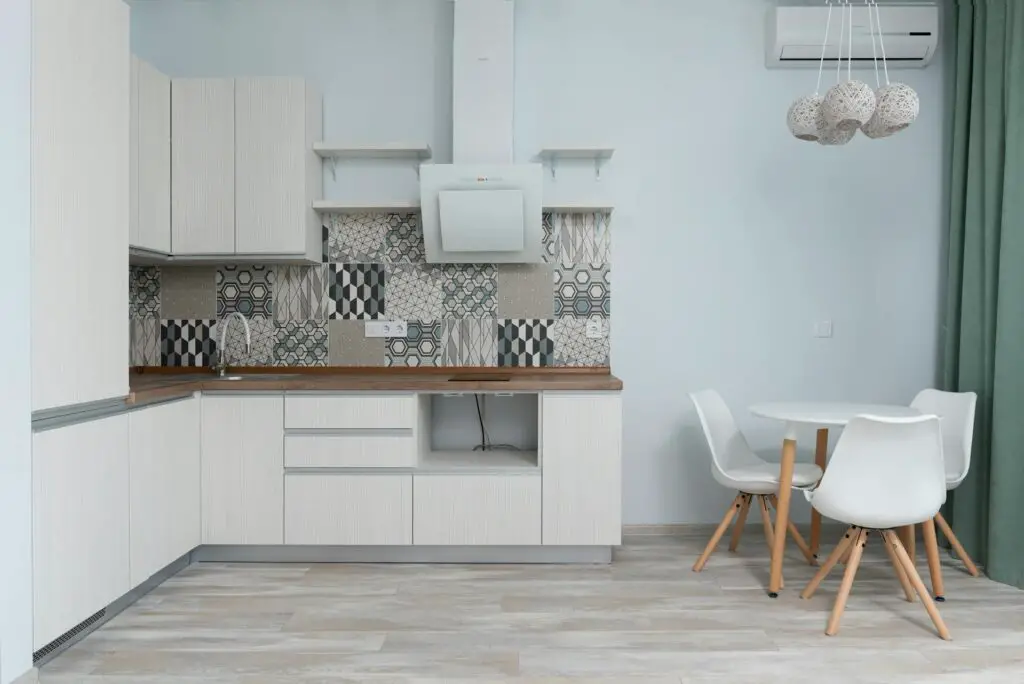
<p> Creating a home that is both accessible and comfortable can make life easier and more enjoyable, no matter your age or physical ability. With a few thoughtful adjustments, you can transform your space to ensure that it’s user-friendly, safe, and welcoming for everyone. Here are twelve practical tips to help you organize your home for better accessibility and comfort. </p> :: Pexels

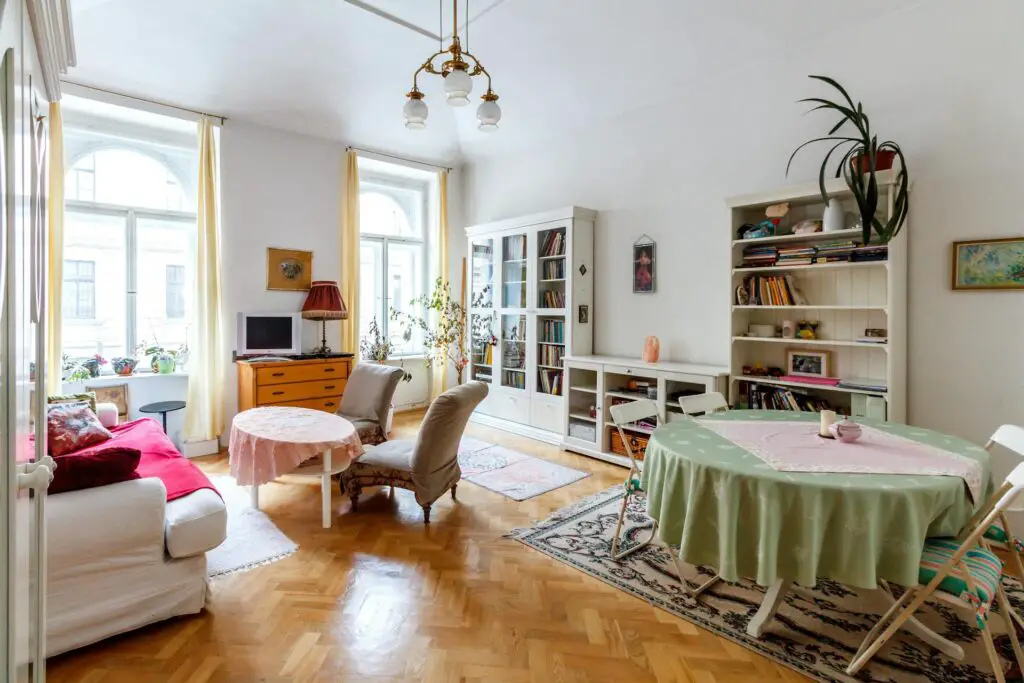
Creating a home that is both accessible and comfortable can make life easier and more enjoyable, no matter your age or physical ability. With a few thoughtful adjustments, you can transform your space to ensure that it’s user-friendly, safe, and welcoming for everyone. Here are twelve practical tips to help you organize your home for better accessibility and comfort.

1. Declutter Frequently Used Areas

<p> Decluttering is essential for creating an accessible home. A clutter-free space allows for easier navigation and reduces the risk of accidents like trips and falls. Start by clearing out items in hallways, entrances, and other high-traffic areas, keeping only the essentials within reach. Make sure surfaces such as countertops, coffee tables, and desks are free of unnecessary items. A well-organized and decluttered space is not only more functional but also brings a sense of calm and order to your home, enhancing both accessibility and comfort. </p> :: Pexels

Decluttering is essential for creating an accessible home. A clutter-free space allows for easier navigation and reduces the risk of accidents like trips and falls. Start by clearing out items in hallways, entrances, and other high-traffic areas, keeping only the essentials within reach. Make sure surfaces such as countertops, coffee tables, and desks are free of unnecessary items. A well-organized and decluttered space is not only more functional but also brings a sense of calm and order to your home, enhancing both accessibility and comfort.

2. Invest in Open Shelving and Accessible Storage
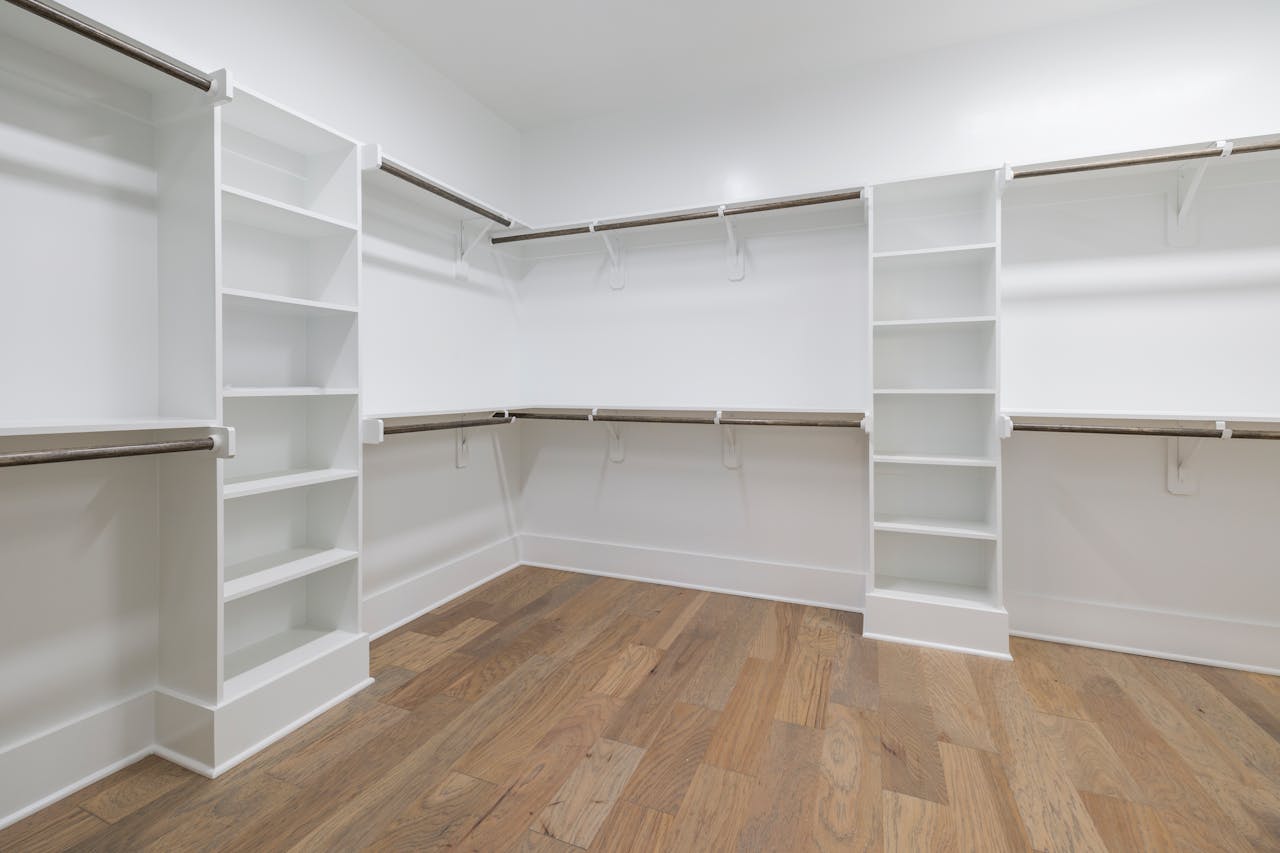
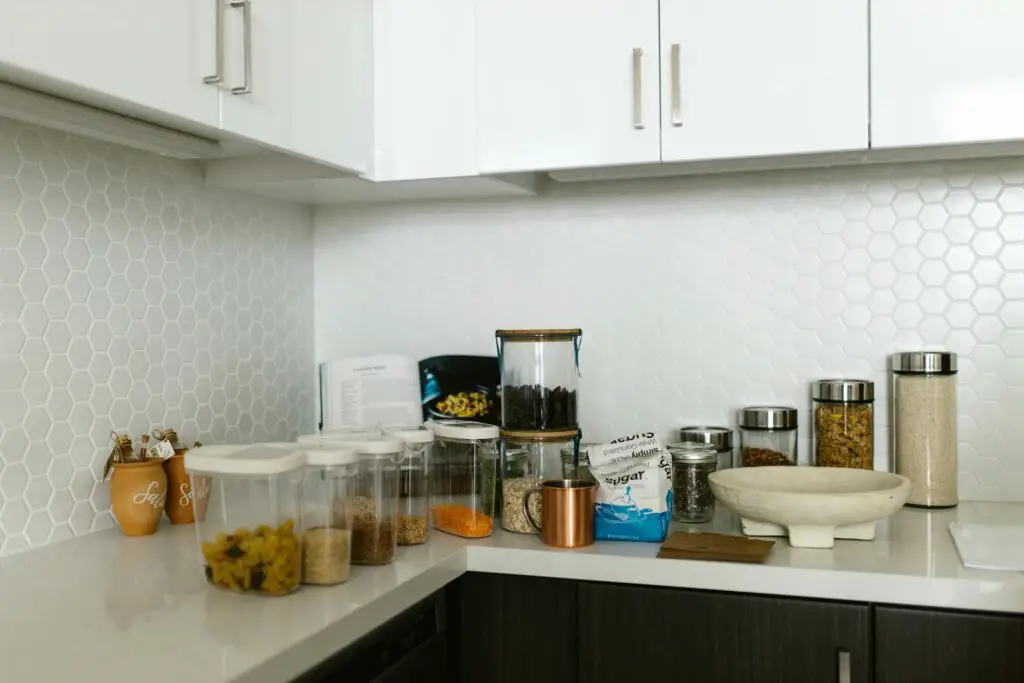
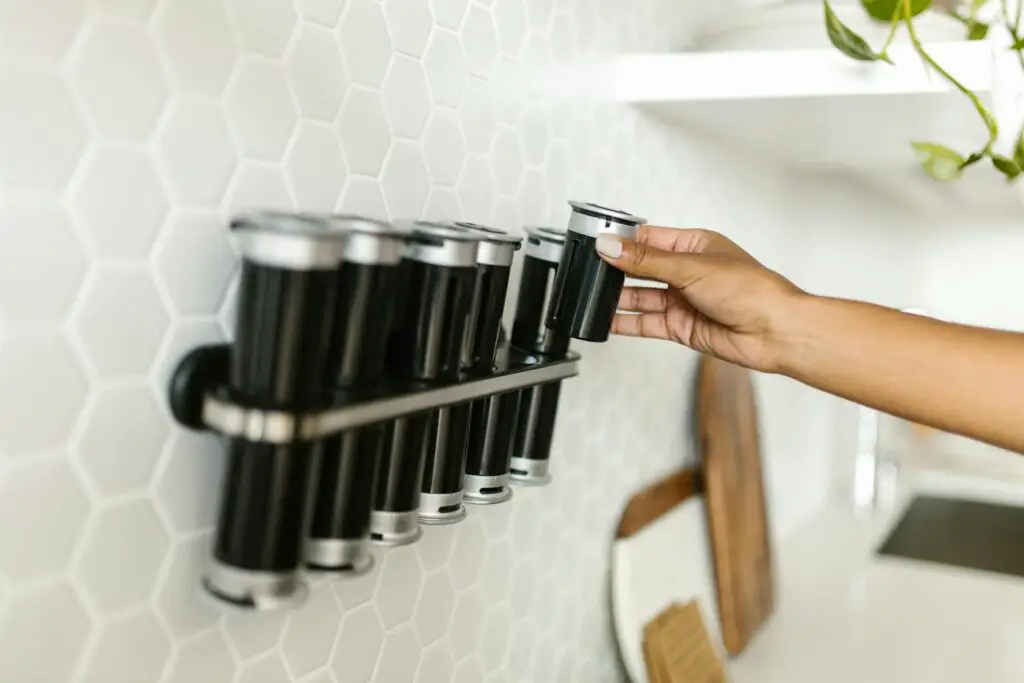
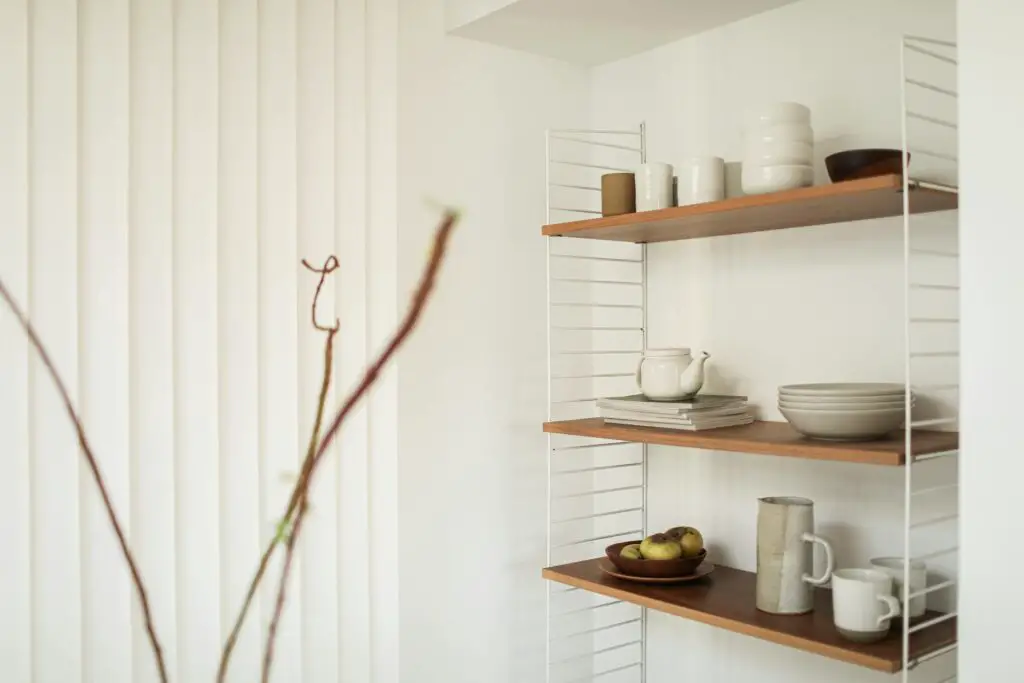
<p> Open shelving is an excellent solution for accessible storage, allowing you to easily see and reach what you need without rummaging through cabinets. Use lower shelves for everyday items so they’re within reach, while storing less-used items higher up. Consider baskets and bins to keep items organized and easy to grab. Open shelving can be stylish as well, making your storage both accessible and aesthetically pleasing. The goal is to make everything as visible and reachable as possible, reducing the need to bend or stretch. </p> :: Pexels

Open shelving is an excellent solution for accessible storage, allowing you to easily see and reach what you need without rummaging through cabinets. Use lower shelves for everyday items so they’re within reach, while storing less-used items higher up. Consider baskets and bins to keep items organized and easy to grab. Open shelving can be stylish as well, making your storage both accessible and aesthetically pleasing. The goal is to make everything as visible and reachable as possible, reducing the need to bend or stretch.

3. Utilize Lazy Susans and Pull-Out Drawers
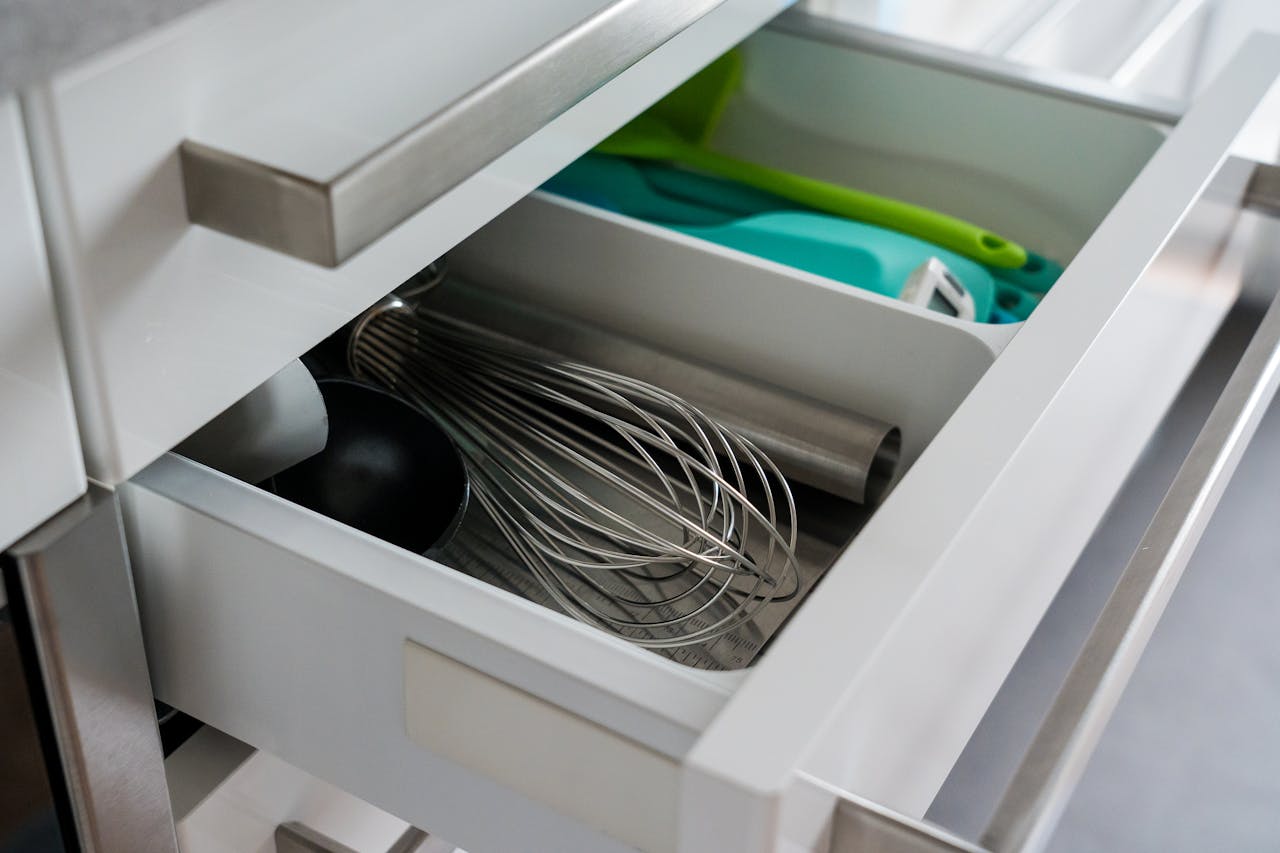
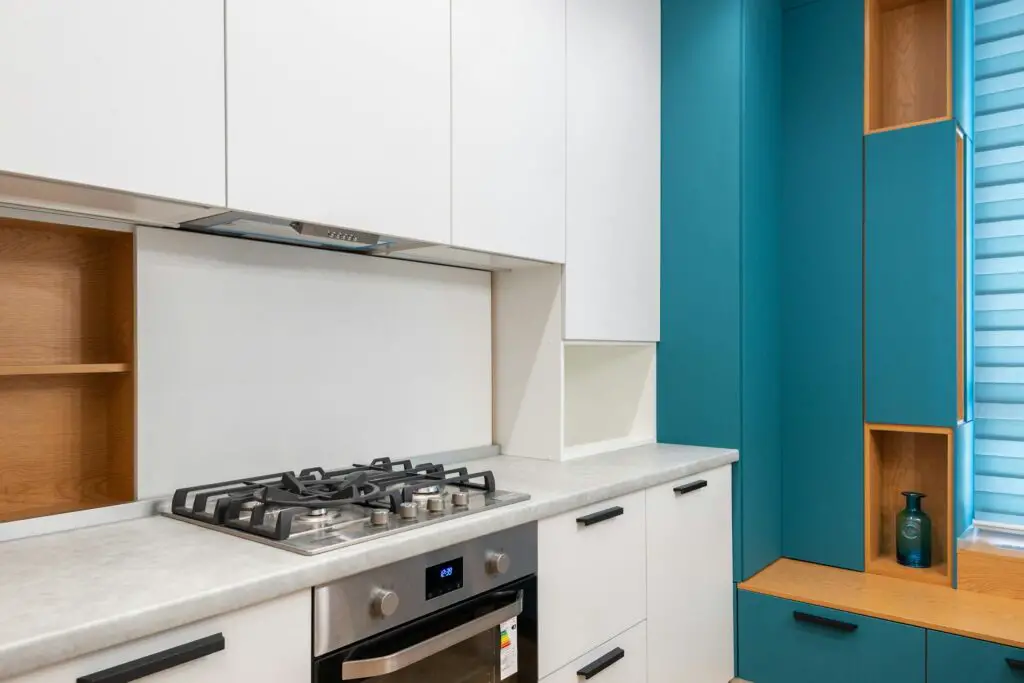
<p> Adding lazy Susans to cabinets or pantries can make it significantly easier to access hard-to-reach items, while pull-out drawers are a fantastic way to maximize cabinet space without the hassle of bending and reaching. These types of storage solutions provide easy access to kitchen items, toiletries, and cleaning supplies, enhancing accessibility in any room. Pull-out drawers are especially useful in lower cabinets and can turn a traditional cabinet into a more functional and accessible storage area. </p> :: Pexels

Adding lazy Susans to cabinets or pantries can make it significantly easier to access hard-to-reach items, while pull-out drawers are a fantastic way to maximize cabinet space without the hassle of bending and reaching. These types of storage solutions provide easy access to kitchen items, toiletries, and cleaning supplies, enhancing accessibility in any room. Pull-out drawers are especially useful in lower cabinets and can turn a traditional cabinet into a more functional and accessible storage area.

4. Install Grab Bars and Handrails Where Needed
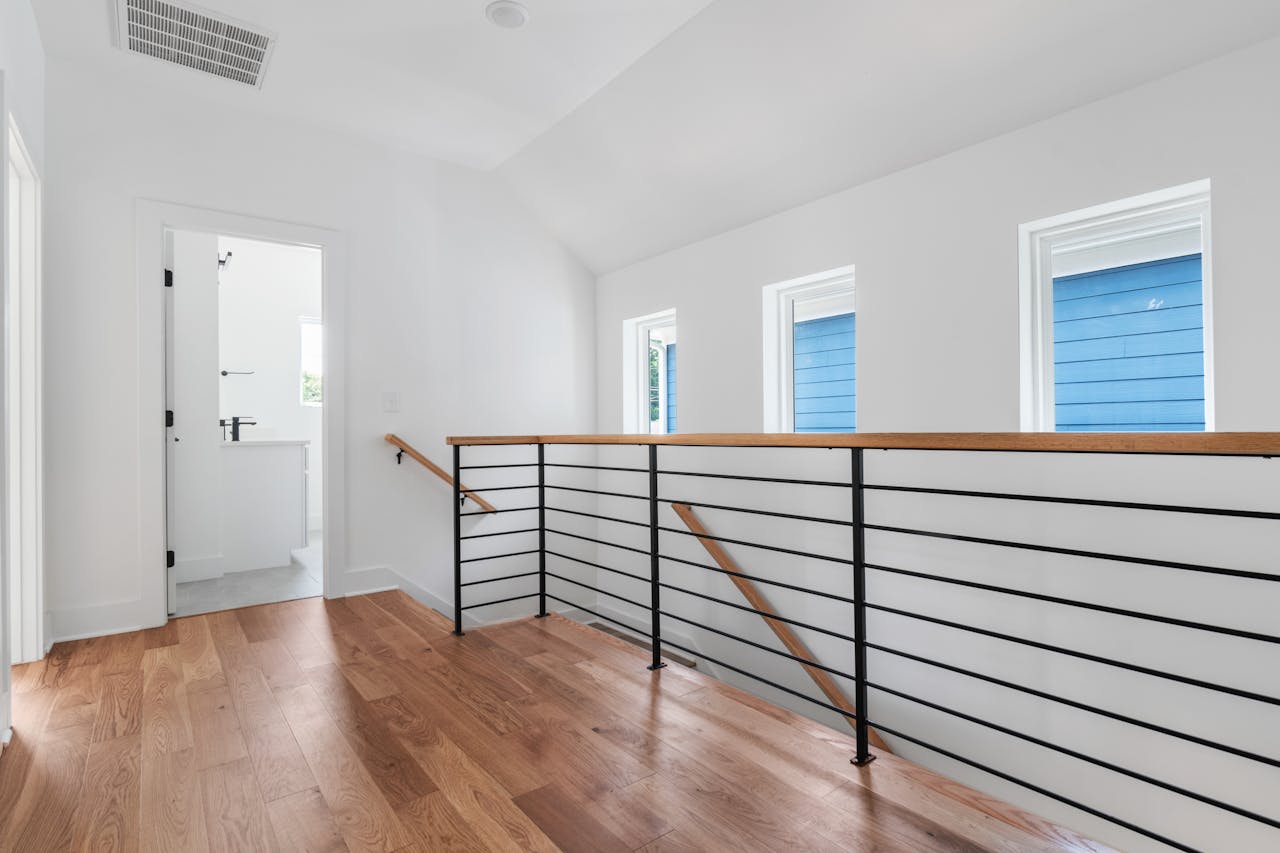
<p> Safety is a priority for accessibility, and adding grab bars or handrails can make a world of difference in providing stability. Common areas to install them include bathrooms, near stairs, and in any areas with a step or incline. Choose grab bars that match your decor to make them blend seamlessly into your design. If installed securely, grab bars and handrails can provide support, make movement around the home safer, and give everyone more confidence in moving around independently. </p> :: Pexels

Safety is a priority for accessibility, and adding grab bars or handrails can make a world of difference in providing stability. Common areas to install them include bathrooms, near stairs, and in any areas with a step or incline. Choose grab bars that match your decor to make them blend seamlessly into your design. If installed securely, grab bars and handrails can provide support, make movement around the home safer, and give everyone more confidence in moving around independently.

5. Opt for Lever-Style Door Handles and Faucets

<p> Lever-style handles are easier to use than traditional doorknobs, especially for individuals with arthritis or limited hand strength. Replace round knobs with lever-style handles on doors, cabinets, and faucets to make opening and closing more manageable. They’re also useful in kitchen and bathroom sinks, allowing users to operate them with minimal effort. Lever handles are a simple but effective change that boosts accessibility, offering ease of use for all family members, from young children to seniors. </p> :: Pexels

Lever-style handles are easier to use than traditional doorknobs, especially for individuals with arthritis or limited hand strength. Replace round knobs with lever-style handles on doors, cabinets, and faucets to make opening and closing more manageable. They’re also useful in kitchen and bathroom sinks, allowing users to operate them with minimal effort. Lever handles are a simple but effective change that boosts accessibility, offering ease of use for all family members, from young children to seniors.

6. Use Slip-Resistant Mats and Flooring
<p> Adding slip-resistant mats or flooring in areas prone to moisture, like bathrooms, kitchens, and entryways, can greatly improve home safety. Choose rubber-backed rugs that stay in place and consider slip-resistant tiles or flooring options for a long-term solution. Non-slip mats in showers or tubs are particularly important for reducing the risk of falls. Slip-resistant flooring and mats not only add a layer of security but also add comfort by reducing stress on joints with cushioned surfaces, making your home more inviting. </p> :: Pexels

Adding slip-resistant mats or flooring in areas prone to moisture, like bathrooms, kitchens, and entryways, can greatly improve home safety. Choose rubber-backed rugs that stay in place and consider slip-resistant tiles or flooring options for a long-term solution. Non-slip mats in showers or tubs are particularly important for reducing the risk of falls. Slip-resistant flooring and mats not only add a layer of security but also add comfort by reducing stress on joints with cushioned surfaces, making your home more inviting.

7. Organize Cords and Clear Pathways

<p> Loose cords and narrow pathways can be hazardous, so take time to organize cables and ensure there’s enough space for easy navigation. Use cable management solutions like clips, ties, or even cord covers to keep wires tidy and out of the way. This is especially important for living rooms, bedrooms, and hallways. Clear, open pathways allow for seamless movement, whether you’re carrying groceries or using mobility aids. A well-organized home minimizes the risk of accidents and contributes to a more comfortable living space. </p> :: Pexels

Loose cords and narrow pathways can be hazardous, so take time to organize cables and ensure there’s enough space for easy navigation. Use cable management solutions like clips, ties, or even cord covers to keep wires tidy and out of the way. This is especially important for living rooms, bedrooms, and hallways. Clear, open pathways allow for seamless movement, whether you’re carrying groceries or using mobility aids. A well-organized home minimizes the risk of accidents and contributes to a more comfortable living space.

8. Place Lighting Strategically
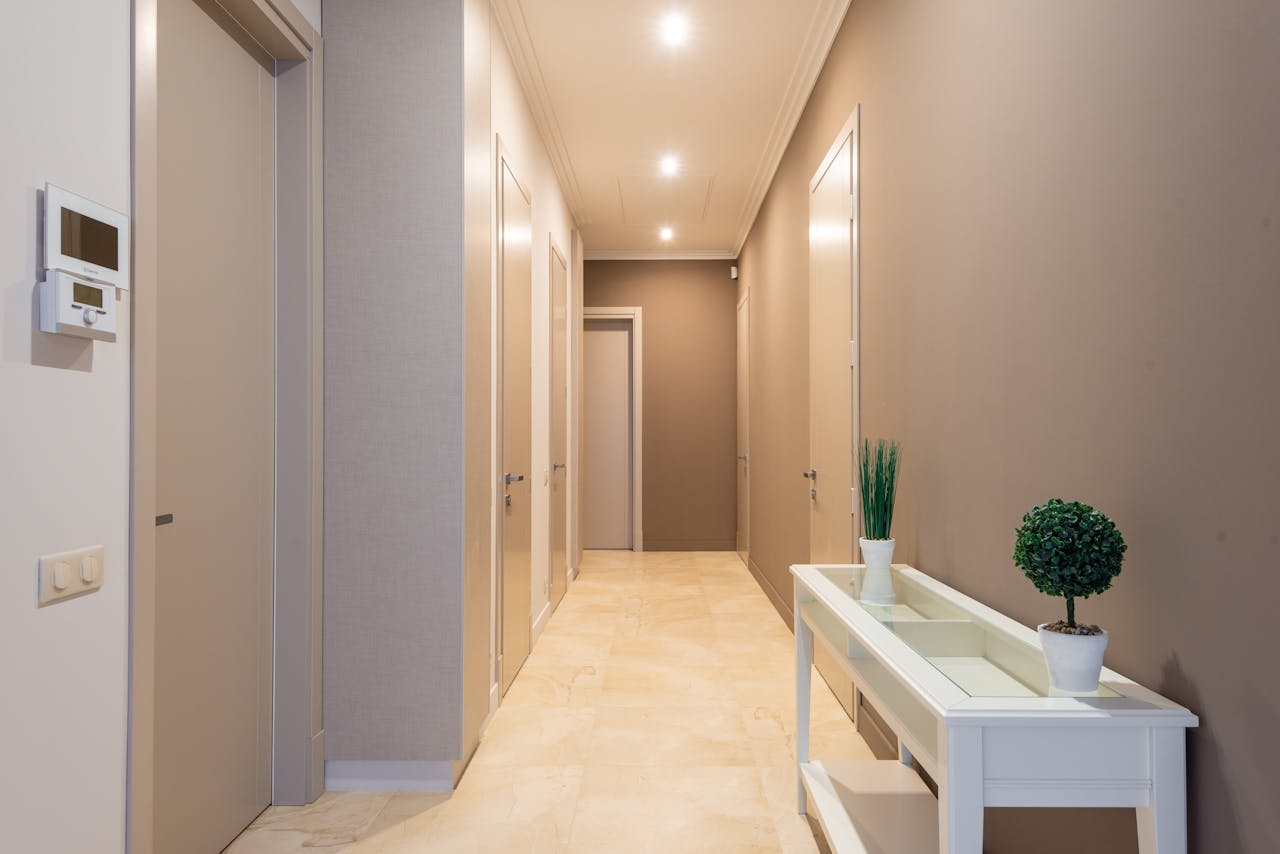
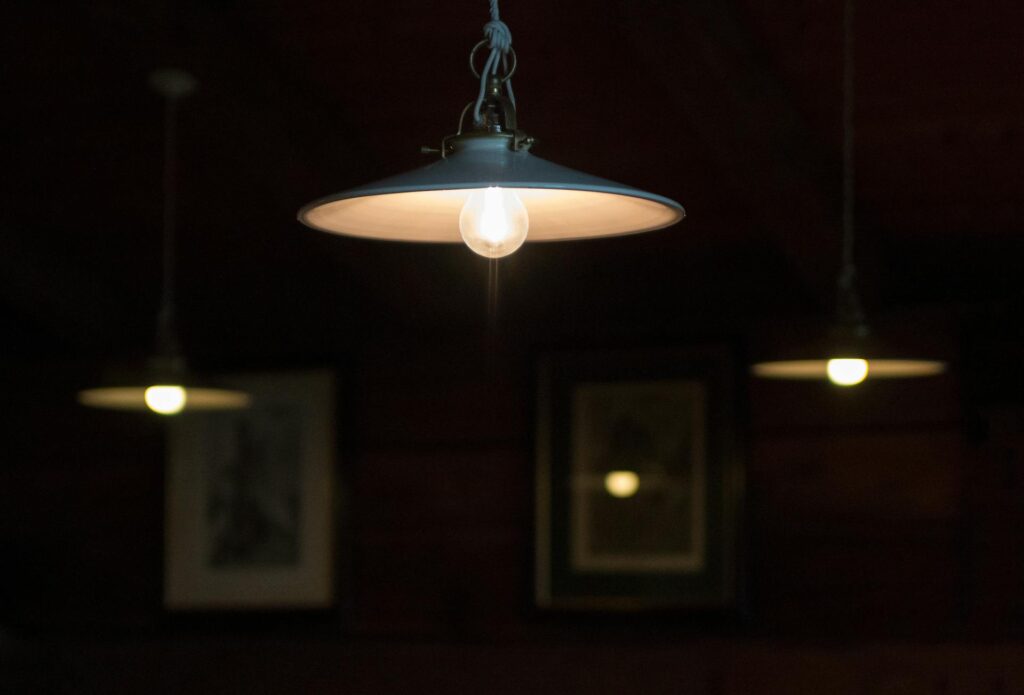
<p> Proper lighting is essential for accessibility, as it can prevent falls and make it easier to complete tasks. Install adequate lighting in high-use areas, such as hallways, entryways, staircases, and bathrooms. Consider motion-sensor lights for convenience, especially at night, to reduce the need to search for a switch in the dark. Adjustable task lighting in kitchens and workspaces can improve visibility and reduce eye strain, enhancing both safety and comfort in your home. </p> :: Pexels

Proper lighting is essential for accessibility, as it can prevent falls and make it easier to complete tasks. Install adequate lighting in high-use areas, such as hallways, entryways, staircases, and bathrooms. Consider motion-sensor lights for convenience, especially at night, to reduce the need to search for a switch in the dark. Adjustable task lighting in kitchens and workspaces can improve visibility and reduce eye strain, enhancing both safety and comfort in your home.

9. Set Up a Drop Zone for Keys and Essentials
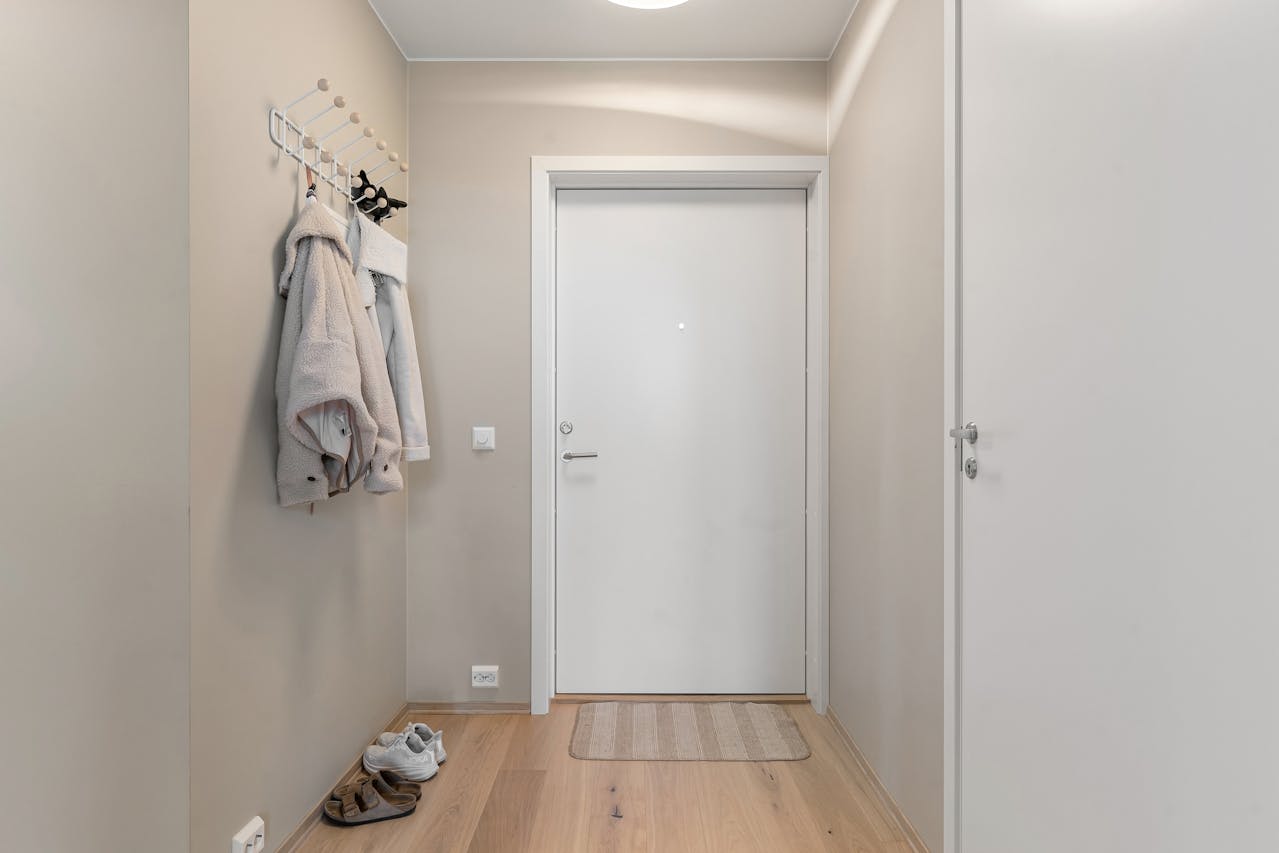
<p> A designated drop zone by the entrance for essentials like keys, bags, and mail can keep your home organized and functional. Use hooks, trays, and small baskets to create a well-organized area that’s easy to access. Keeping frequently used items in one place can prevent the frustration of misplacing essentials and reduce clutter in the rest of the home. This simple addition makes coming and going smoother, and having an organized drop zone can be a huge time-saver. </p> :: Pexels

A designated drop zone by the entrance for essentials like keys, bags, and mail can keep your home organized and functional. Use hooks, trays, and small baskets to create a well-organized area that’s easy to access. Keeping frequently used items in one place can prevent the frustration of misplacing essentials and reduce clutter in the rest of the home. This simple addition makes coming and going smoother, and having an organized drop zone can be a huge time-saver.

10. Opt for Adjustable or Multipurpose Furniture

<p> Investing in adjustable or multipurpose furniture can make your home adaptable to changing needs. For example, chairs with adjustable heights can make sitting and standing easier, and tables with wheels allow for flexible arrangements in your living space. Multipurpose furniture, like fold-out tables and beds with storage underneath, can help maximize space while making items accessible. Adjustable and versatile furniture ensures that your home can remain comfortable and functional over time, accommodating different mobility levels and lifestyles. </p> :: Pexels

Investing in adjustable or multipurpose furniture can make your home adaptable to changing needs. For example, chairs with adjustable heights can make sitting and standing easier, and tables with wheels allow for flexible arrangements in your living space. Multipurpose furniture, like fold-out tables and beds with storage underneath, can help maximize space while making items accessible. Adjustable and versatile furniture ensures that your home can remain comfortable and functional over time, accommodating different mobility levels and lifestyles.

11. Arrange Furniture for Open Spaces

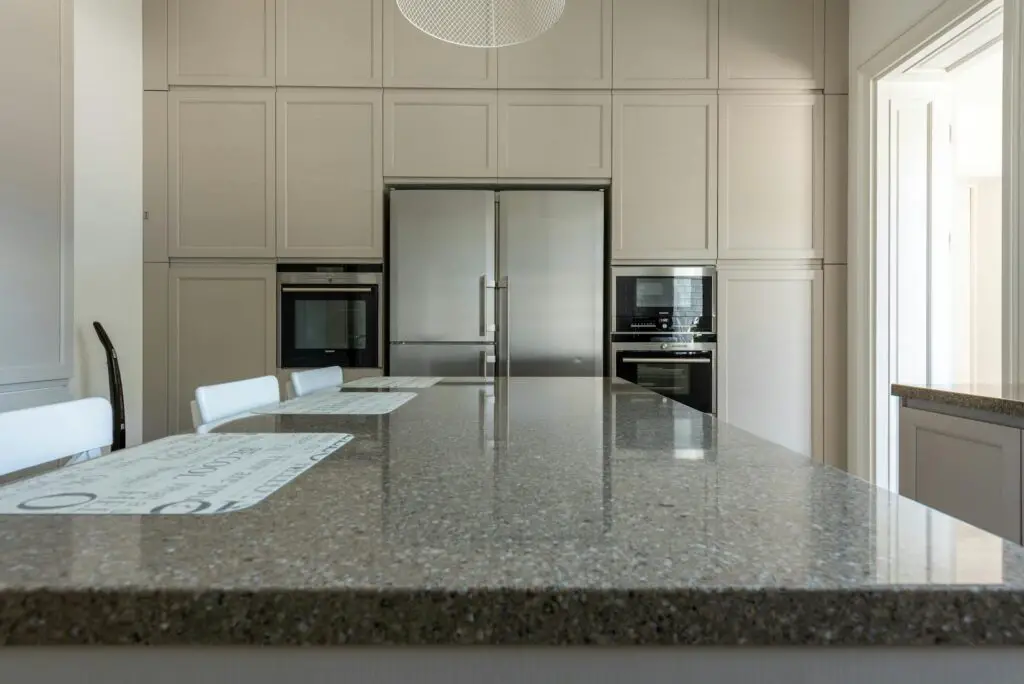
<p> When organizing furniture, prioritize open spaces to allow easy movement throughout each room. Avoid placing furniture in the middle of pathways, and consider the spacing needed for walkers or wheelchairs if necessary. An open arrangement not only enhances accessibility but also creates a more breathable, comfortable environment. You can still add cozy elements, like rugs or cushions, but avoid cluttering walkways to keep the space safe and inviting. Rearranging your layout for accessibility doesn’t sacrifice style—it enhances it by emphasizing flow and balance. </p> :: Pexels

When organizing furniture, prioritize open spaces to allow easy movement throughout each room. Avoid placing furniture in the middle of pathways, and consider the spacing needed for walkers or wheelchairs if necessary. An open arrangement not only enhances accessibility but also creates a more breathable, comfortable environment. You can still add cozy elements, like rugs or cushions, but avoid cluttering walkways to keep the space safe and inviting. Rearranging your layout for accessibility doesn’t sacrifice style—it enhances it by emphasizing flow and balance.

12. Consider Lowered or Accessible Storage in Key Areas
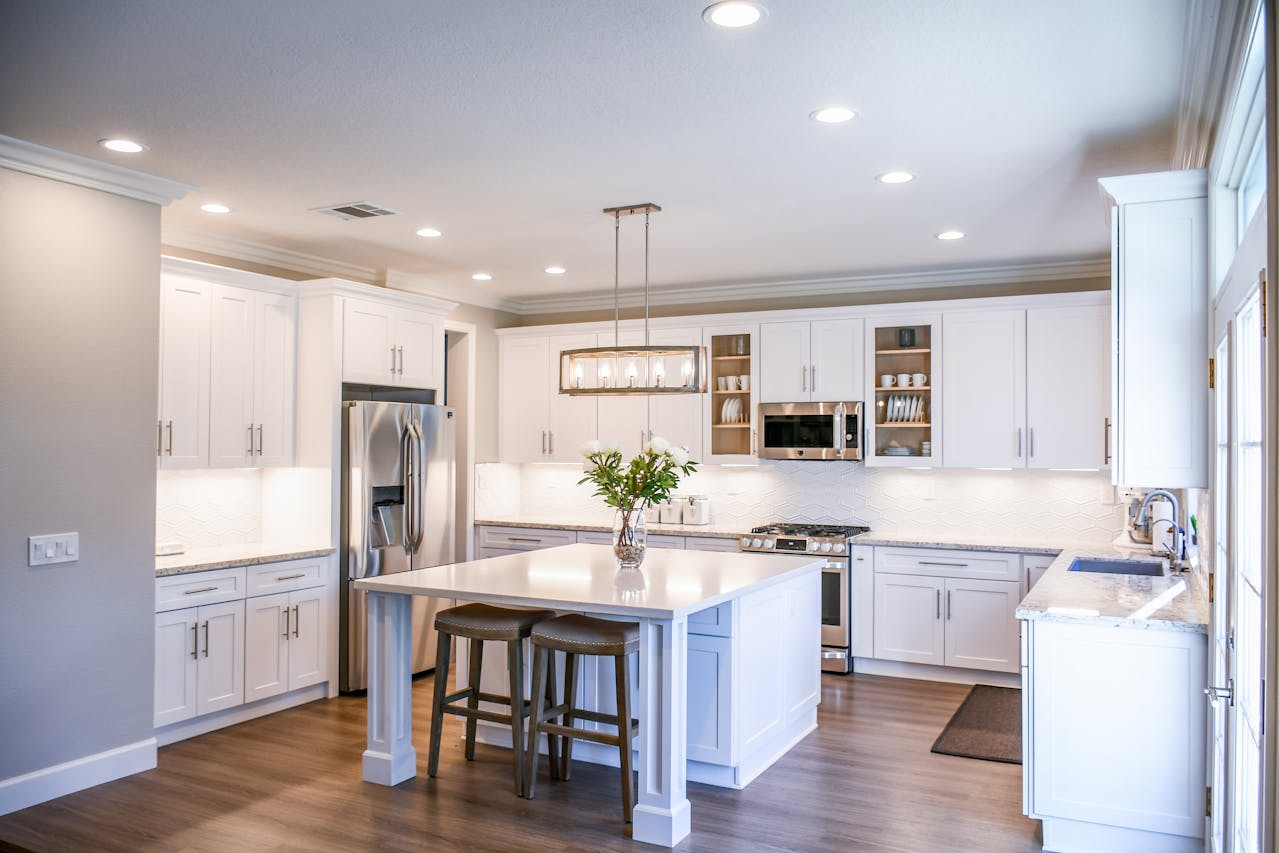
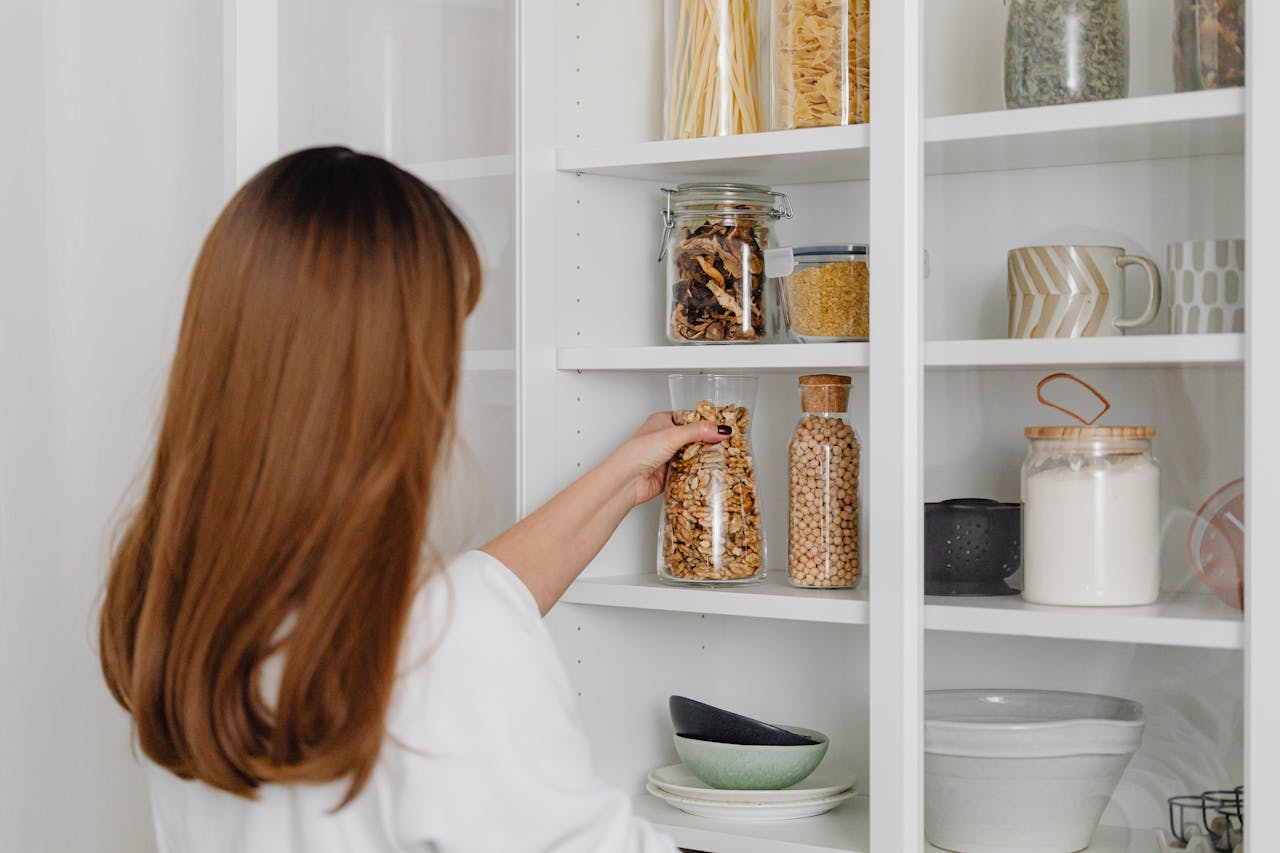
<p> Accessible storage solutions, like lower cabinets in the kitchen or bathroom, can help make essential items easier to reach. Lower shelves or pull-down organizers are great for storing dishes, cookware, or bathroom essentials at an accessible level. You can also use labeled bins or baskets to keep items organized and within reach. Making storage more accessible reduces strain and adds a level of comfort, allowing everyone in the home to access items easily and maintain organization. </p> :: Pexels

Accessible storage solutions, like lower cabinets in the kitchen or bathroom, can help make essential items easier to reach. Lower shelves or pull-down organizers are great for storing dishes, cookware, or bathroom essentials at an accessible level. You can also use labeled bins or baskets to keep items organized and within reach. Making storage more accessible reduces strain and adds a level of comfort, allowing everyone in the home to access items easily and maintain organization.


Final Thoughts
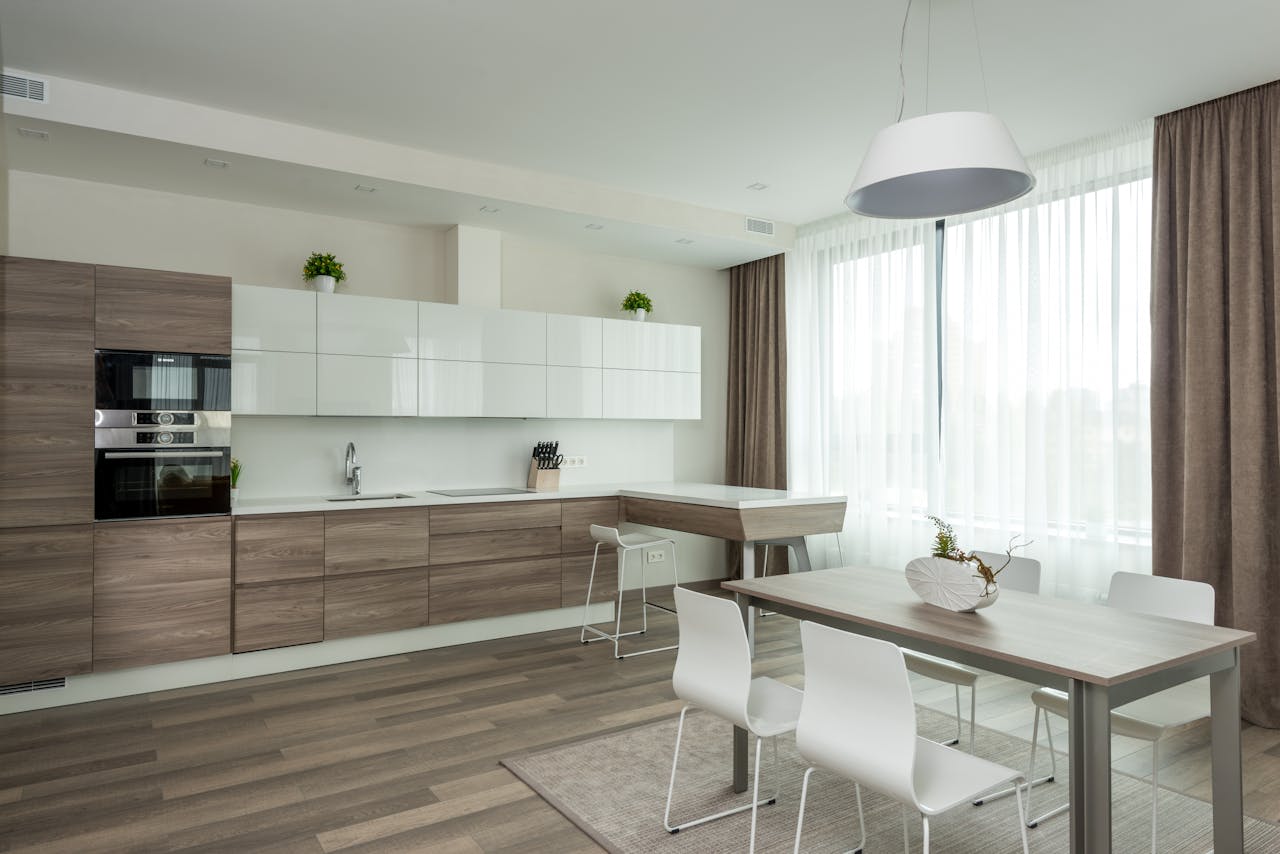
<p> Creating an accessible and comfortable home is all about small changes that add up to big results. From improved lighting and strategic storage to organizing frequently used areas, every adjustment contributes to a space that is easy to navigate and safe for all ages. By making these accessibility-friendly upgrades, you not only enhance the comfort of your home but also ensure it remains a welcoming place that adapts to the needs of everyone. </p> :: Pexels

Creating an accessible and comfortable home is all about small changes that add up to big results. From improved lighting and strategic storage to organizing frequently used areas, every adjustment contributes to a space that is easy to navigate and safe for all ages. By making these accessibility-friendly upgrades, you not only enhance the comfort of your home but also ensure it remains a welcoming place that adapts to the needs of everyone.


Filed Under: Lifestyle

7 Hair Care Myths You Need to Stop Believing

October 4, 2025 | Leave a Comment

7 Hair Care Myths You Need to Stop Believing

<p> In the quest for beautiful, healthy hair, many people often fall prey to widely accepted but misleading hair care myths. With the abundance of information available online and the countless tips shared among friends and family, it can be challenging to separate fact from fiction. Unfortunately, believing in these myths can lead to ineffective hair care routines and even damage to your hair. From misconceptions about hair washing to the effectiveness of certain products, understanding the truth behind these myths is essential for achieving your hair goals. In this article, we’ll debunk seven common hair care myths that you need to stop believing for healthier, more beautiful hair. </p> :: Pexels

In the quest for beautiful, healthy hair, many people often fall prey to widely accepted but misleading hair care myths. With the abundance of information available online and the countless tips shared among friends and family, it can be challenging to separate fact from fiction. Unfortunately, believing in these myths can lead to ineffective hair care routines and even damage to your hair. From misconceptions about hair washing to the effectiveness of certain products, understanding the truth behind these myths is essential for achieving your hair goals. In this article, we’ll debunk seven common hair care myths that you need to stop believing for healthier, more beautiful hair.

1. Frequent Trims Make Hair Grow Faster

<p> One of the most pervasive hair care myths is that frequent trims will promote faster hair growth. While getting regular haircuts can help eliminate split ends and prevent breakage, it doesn’t actually affect the speed at which your hair grows. Hair growth occurs from the follicle in the scalp, and trimming the ends won’t change this biological process. Typically, hair grows at an average rate of half an inch per month, regardless of how often you get it cut. Instead, focus on maintaining a healthy scalp and a balanced diet to support natural hair growth. </p> :: Pexels

One of the most pervasive hair care myths is that frequent trims will promote faster hair growth. While getting regular haircuts can help eliminate split ends and prevent breakage, it doesn’t actually affect the speed at which your hair grows. Hair growth occurs from the follicle in the scalp, and trimming the ends won’t change this biological process. Typically, hair grows at an average rate of half an inch per month, regardless of how often you get it cut. Instead, focus on maintaining a healthy scalp and a balanced diet to support natural hair growth.

2. You Should Wash Your Hair Daily

<p> Another myth is that daily washing is necessary for keeping hair clean and healthy. While some people with very oily hair might feel the need to wash their hair every day, most hair types benefit from less frequent washing. Over-washing can strip the hair of its natural oils, leading to dryness, frizz, and even scalp irritation. The optimal frequency for washing your hair largely depends on your hair type: oily hair may require more frequent washing, while dry or curly hair typically needs washing just once or twice a week. Finding a balance that works for your unique hair type will yield the best results. </p> :: Pexels

Another myth is that daily washing is necessary for keeping hair clean and healthy. While some people with very oily hair might feel the need to wash their hair every day, most hair types benefit from less frequent washing. Over-washing can strip the hair of its natural oils, leading to dryness, frizz, and even scalp irritation. The optimal frequency for washing your hair largely depends on your hair type: oily hair may require more frequent washing, while dry or curly hair typically needs washing just once or twice a week. Finding a balance that works for your unique hair type will yield the best results.

3. Hair Products Can Change Your Hair Texture

<p> Many people believe that hair products can permanently change their hair texture—like making straight hair curly or vice versa. While certain products can provide temporary styling effects, such as heat protectants for straightening or mousse for added volume, they do not alter the hair's structure. Your hair texture is determined by genetics, specifically the shape of the hair follicle. For those looking for a change, permanent solutions like chemical relaxers or perms are available, but these can lead to damage and should be approached with caution. Remember, the right products can enhance your natural texture but won’t change it fundamentally. </p> :: Pexels

Many people believe that hair products can permanently change their hair texture—like making straight hair curly or vice versa. While certain products can provide temporary styling effects, such as heat protectants for straightening or mousse for added volume, they do not alter the hair’s structure. Your hair texture is determined by genetics, specifically the shape of the hair follicle. For those looking for a change, permanent solutions like chemical relaxers or perms are available, but these can lead to damage and should be approached with caution. Remember, the right products can enhance your natural texture but won’t change it fundamentally.

4. Hair Loss Is Only a Genetic Issue

<p> While genetics plays a significant role in hair loss, it's a myth that it is the only factor contributing to this common concern. Various external factors can influence hair health, including stress, hormonal changes, medical conditions, and poor nutrition. For example, conditions such as thyroid disorders, anemia, and alopecia areata can lead to hair loss in individuals regardless of their genetic background. Additionally, lifestyle factors like diet and stress management can significantly impact hair health. If you're experiencing hair loss, consult a healthcare professional to identify potential underlying issues and explore treatment options. </p> :: Pexels

While genetics plays a significant role in hair loss, it’s a myth that it is the only factor contributing to this common concern. Various external factors can influence hair health, including stress, hormonal changes, medical conditions, and poor nutrition. For example, conditions such as thyroid disorders, anemia, and alopecia areata can lead to hair loss in individuals regardless of their genetic background. Additionally, lifestyle factors like diet and stress management can significantly impact hair health. If you’re experiencing hair loss, consult a healthcare professional to identify potential underlying issues and explore treatment options.

5. Natural Oils Can Replace Conditioner

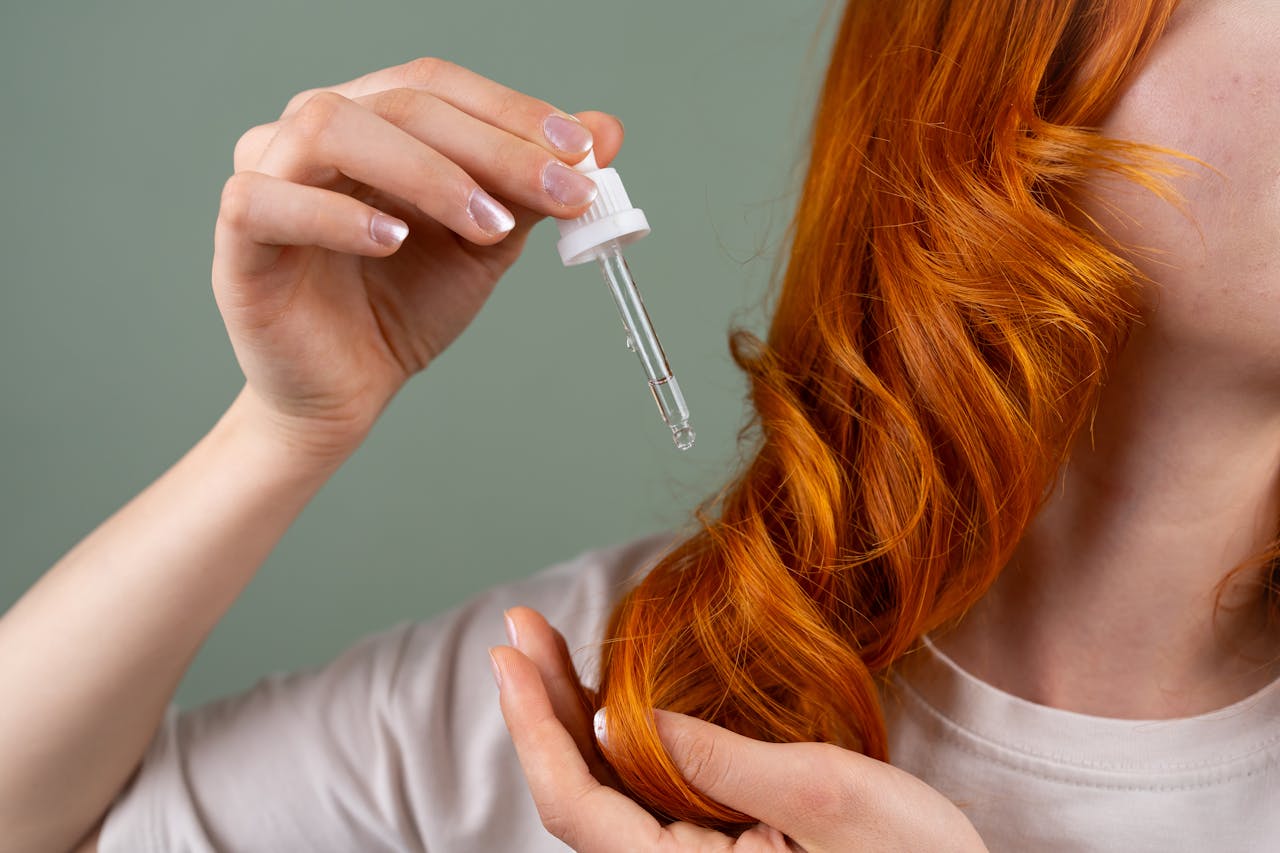
<p> Many people believe that using natural oils, such as coconut or olive oil, can substitute for traditional conditioners. While natural oils can provide moisture and shine, they do not have the same properties as a conditioner formulated to detangle, soften, and repair hair. Conditioners typically contain a blend of ingredients designed to penetrate the hair shaft, reduce frizz, and protect against damage. While incorporating natural oils into your hair care routine can be beneficial, they should be used in conjunction with a good conditioner rather than as a complete replacement. </p> :: Pexels

Many people believe that using natural oils, such as coconut or olive oil, can substitute for traditional conditioners. While natural oils can provide moisture and shine, they do not have the same properties as a conditioner formulated to detangle, soften, and repair hair. Conditioners typically contain a blend of ingredients designed to penetrate the hair shaft, reduce frizz, and protect against damage. While incorporating natural oils into your hair care routine can be beneficial, they should be used in conjunction with a good conditioner rather than as a complete replacement.

6. The More Product You Use, the Better Your Hair Will Look

<p> A common misconception is that using more product will yield better results. However, overloading your hair with styling products can lead to buildup, leaving your hair feeling heavy, greasy, and dull. It's essential to use the right amount of product for your hair type and desired style. Generally, less is more—start with a small amount of product and gradually add more as needed. Pay attention to how your hair reacts to different products and adjust accordingly. Using quality products in moderation will result in healthier-looking hair without the unwanted weight. </p> :: Pexels

A common misconception is that using more product will yield better results. However, overloading your hair with styling products can lead to buildup, leaving your hair feeling heavy, greasy, and dull. It’s essential to use the right amount of product for your hair type and desired style. Generally, less is more—start with a small amount of product and gradually add more as needed. Pay attention to how your hair reacts to different products and adjust accordingly. Using quality products in moderation will result in healthier-looking hair without the unwanted weight.

7. Color-treated Hair Needs No Moisture

<p> Many believe that once their hair is color-treated, it no longer requires moisture, as the dye itself provides enough hydration. This is far from the truth. Color-treated hair often becomes dry and brittle due to the chemical processes involved in dyeing. To maintain vibrancy and prevent damage, it's crucial to incorporate a deep conditioning treatment or a hydrating mask into your hair care routine regularly. Look for products specifically formulated for color-treated hair, as they often contain ingredients designed to nourish and protect colored strands. Prioritizing moisture will help your hair retain its shine and elasticity, extending the life of your color. </p> :: Pexels

Many believe that once their hair is color-treated, it no longer requires moisture, as the dye itself provides enough hydration. This is far from the truth. Color-treated hair often becomes dry and brittle due to the chemical processes involved in dyeing. To maintain vibrancy and prevent damage, it’s crucial to incorporate a deep conditioning treatment or a hydrating mask into your hair care routine regularly. Look for products specifically formulated for color-treated hair, as they often contain ingredients designed to nourish and protect colored strands. Prioritizing moisture will help your hair retain its shine and elasticity, extending the life of your color.

Final Thoughts

<p> In a world filled with hair care advice, it's easy to fall for common myths that can hinder your hair's health and beauty. By debunking these seven myths—frequent trims don’t speed up hair growth, daily washing isn't always necessary, products can’t change texture, hair loss is not purely genetic, natural oils shouldn’t replace conditioners, more product doesn’t equal better results, and color-treated hair needs moisture—you can adopt a more informed and effective hair care routine. Embrace the truth behind these myths, and you'll be well on your way to achieving healthy, beautiful hair that reflects your unique style. Remember, the best hair care practices are those tailored to your specific hair type and needs, so experiment and find what works best for you! </p> :: Pexels

In a world filled with hair care advice, it’s easy to fall for common myths that can hinder your hair’s health and beauty. By debunking these seven myths—frequent trims don’t speed up hair growth, daily washing isn’t always necessary, products can’t change texture, hair loss is not purely genetic, natural oils shouldn’t replace conditioners, more product doesn’t equal better results, and color-treated hair needs moisture—you can adopt a more informed and effective hair care routine. Embrace the truth behind these myths, and you’ll be well on your way to achieving healthy, beautiful hair that reflects your unique style. Remember, the best hair care practices are those tailored to your specific hair type and needs, so experiment and find what works best for you!

Filed Under: Lifestyle

Tiny Space, Big Style: 7 Rental Decor Ideas That Wow (and Keep Your Deposit Safe)

October 4, 2025 | Leave a Comment

Tiny Space, Big Style: 7 Rental Decor Ideas That Wow (and Keep Your Deposit Safe)

<p>Renting a home comes with its share of limits. One big worry for most renters is how to style their space without risking that hard-to-get deposit. The good news? There are smart, simple ways to turn a rental into a cozy, stylish space without drilling holes or breaking rules. Many of these ideas are budget-friendly, easy to find online, and removable when it’s time to move out. Plus, they add charm, warmth, and a dash of your own personality to any tiny apartment or rental home.</p> ::Pexels

Renting a home comes with its share of limits. One big worry for most renters is how to style their space without risking that hard-to-get deposit. The good news? There are smart, simple ways to turn a rental into a cozy, stylish space without drilling holes or breaking rules. Many of these ideas are budget-friendly, easy to find online, and removable when it’s time to move out. Plus, they add charm, warmth, and a dash of your own personality to any tiny apartment or rental home.

Removable Wallpaper

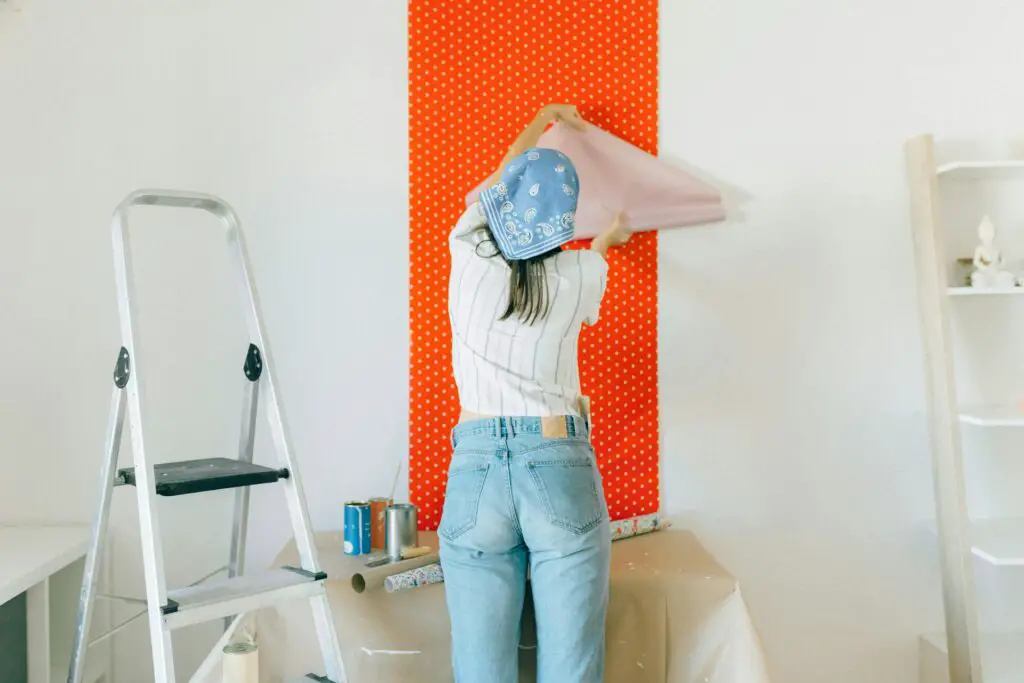
<p>Wallpaper has made a huge comeback, but renters often skip it because of the mess it leaves behind. Enter peel-and-stick wallpaper—one of the easiest ways to add color or pattern to a plain wall. This option is renter-safe and easy to remove. You can find lots of royalty-free images showing cute floral prints, bold geometric designs, or even murals that turn your wall into art. Fun fact: Removable wallpaper was first created for TV and film sets. It’s now a favorite trick for renters everywhere.</p> ::Pexels

Wallpaper has made a huge comeback, but renters often skip it because of the mess it leaves behind. Enter peel-and-stick wallpaper—one of the easiest ways to add color or pattern to a plain wall. This option is renter-safe and easy to remove. You can find lots of royalty-free images showing cute floral prints, bold geometric designs, or even murals that turn your wall into art. Fun fact: Removable wallpaper was first created for TV and film sets. It’s now a favorite trick for renters everywhere.

Stylish Area Rugs

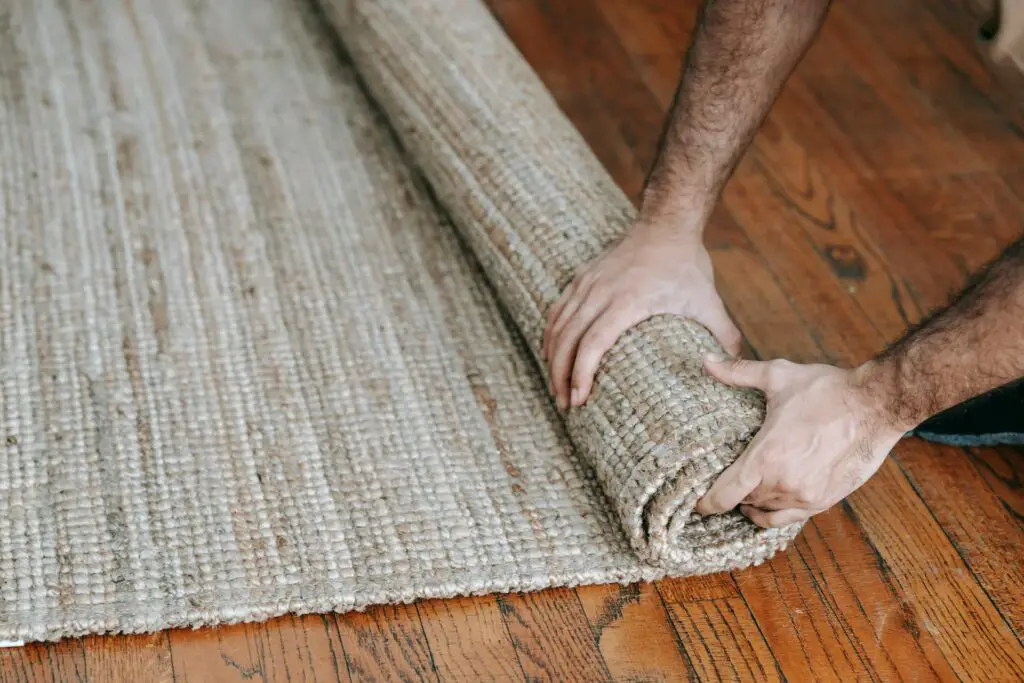
<p>Floors in rentals can often look dull or worn out. A large area rug can fix that in minutes. Rugs hide ugly tiles or scratched wood while adding warmth, texture, and color. The best part? You can roll it up and take it with you. There are plenty of free-to-use photos of bright Moroccan rugs, soft jute mats, or bold patterns perfect for small spaces. Rugs also help dampen sound, which is great if you live in a noisy building.</p> ::Pexels

Floors in rentals can often look dull or worn out. A large area rug can fix that in minutes. Rugs hide ugly tiles or scratched wood while adding warmth, texture, and color. The best part? You can roll it up and take it with you. There are plenty of free-to-use photos of bright Moroccan rugs, soft jute mats, or bold patterns perfect for small spaces. Rugs also help dampen sound, which is great if you live in a noisy building.

Command Hooks and Strips

<p>No nails? No problem. Command hooks and strips are lifesavers for renters. They let you hang art, mirrors, shelves, or even lightweight planters—all without leaving marks on the wall. These strips come in different sizes and can hold surprising amounts of weight. You’ll find lots of DIY images of gallery walls created with nothing but hooks and strips. It’s a simple trick that makes your rental feel more like home, while keeping the walls hole-free.</p> ::Pexels

No nails? No problem. Command hooks and strips are lifesavers for renters. They let you hang art, mirrors, shelves, or even lightweight planters—all without leaving marks on the wall. These strips come in different sizes and can hold surprising amounts of weight. You’ll find lots of DIY images of gallery walls created with nothing but hooks and strips. It’s a simple trick that makes your rental feel more like home, while keeping the walls hole-free.

Multi-Functional Furniture

<p>Small rentals need smart furniture. Think storage ottomans, foldable tables, or sofas that double as beds. Pieces like these help you save space while adding style and function. Many modern designs are sleek and compact, perfect for a tiny living room or studio. Free stock images often show clean-lined coffee tables with hidden storage or benches that open up for blankets and books. Bonus fact: Ottoman seats have been around since the 18th century but are now a must-have in many small homes.</p> ::Pexels

Small rentals need smart furniture. Think storage ottomans, foldable tables, or sofas that double as beds. Pieces like these help you save space while adding style and function. Many modern designs are sleek and compact, perfect for a tiny living room or studio. Free stock images often show clean-lined coffee tables with hidden storage or benches that open up for blankets and books. Bonus fact: Ottoman seats have been around since the 18th century but are now a must-have in many small homes.

Removable Backsplash Stickers

<p>Kitchen or bathroom tiles looking dated? Peel-and-stick backsplash tiles are your best friend. They’re waterproof, easy to clean, and come in designs that mimic real tile, stone, or wood. They stick right onto existing surfaces and peel off without damage. Photos of stunning faux marble or classic subway tiles are easy to find online. This small update packs a big punch and makes cooking or washing up feel much nicer.</p> ::Pexels

Kitchen or bathroom tiles looking dated? Peel-and-stick backsplash tiles are your best friend. They’re waterproof, easy to clean, and come in designs that mimic real tile, stone, or wood. They stick right onto existing surfaces and peel off without damage. Photos of stunning faux marble or classic subway tiles are easy to find online. This small update packs a big punch and makes cooking or washing up feel much nicer.

Indoor Plants and Planters

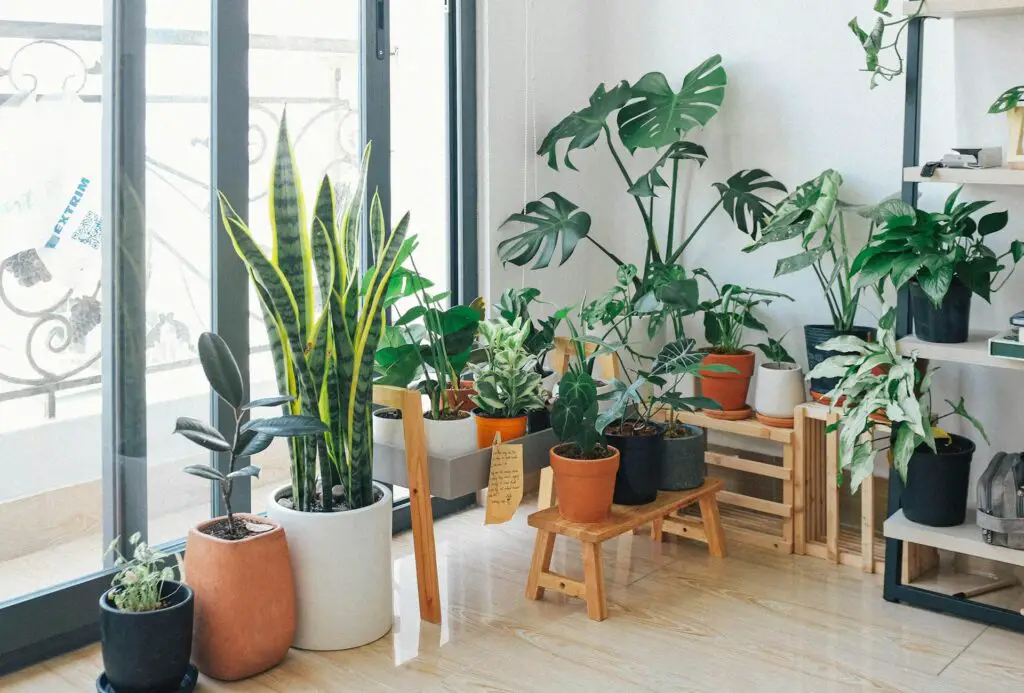
<p>Nothing livens up a rental like plants. Greenery adds color, cleans the air, and makes your home feel cozy. From hanging planters to simple pots on a windowsill, plants work in any space. Snake plants, pothos, and succulents are great for beginners and require little care. Royalty-free images of bright green plants in pretty pots are easy to find and look great in any post. Fun fact: NASA once tested houseplants to see how well they cleaned indoor air. Some common plants made the list!</p> ::Pexels

Nothing livens up a rental like plants. Greenery adds color, cleans the air, and makes your home feel cozy. From hanging planters to simple pots on a windowsill, plants work in any space. Snake plants, pothos, and succulents are great for beginners and require little care. Royalty-free images of bright green plants in pretty pots are easy to find and look great in any post. Fun fact: NASA once tested houseplants to see how well they cleaned indoor air. Some common plants made the list!

Soft Lighting and Lamps

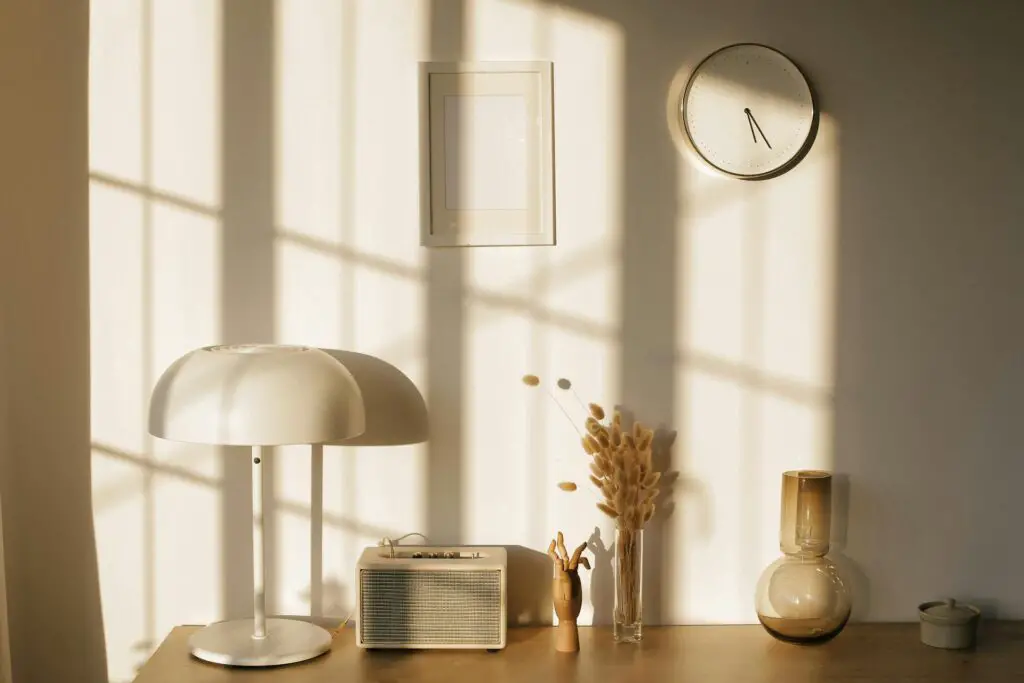
<p>Lighting changes the whole mood of a home. Rentals often come with harsh overhead lights that feel cold or sterile. Adding soft, warm lighting from floor lamps, fairy lights, or table lamps makes a big difference. Battery-powered candles or string lights are safe and easy to install, too. Photos of cozy rooms lit by soft lamps or twinkle lights fill free image sites. Plus, you can pack up your lights and take them with you when you move.</p> ::Pexels

Lighting changes the whole mood of a home. Rentals often come with harsh overhead lights that feel cold or sterile. Adding soft, warm lighting from floor lamps, fairy lights, or table lamps makes a big difference. Battery-powered candles or string lights are safe and easy to install, too. Photos of cozy rooms lit by soft lamps or twinkle lights fill free image sites. Plus, you can pack up your lights and take them with you when you move.

Conclusion

<p>Decorating a rental doesn’t mean living in a boring, blank space. With smart choices like removable wallpaper, rugs, and plants, you can add life and style to your home without losing your deposit. Each idea here is easy, affordable, and reversible, making them perfect for renters who want comfort and charm. Best of all, these changes help your rental feel like your own little retreat—a place you’re proud to call home, even if it’s temporary.</p> ::Pexels

Decorating a rental doesn’t mean living in a boring, blank space. With smart choices like removable wallpaper, rugs, and plants, you can add life and style to your home without losing your deposit. Each idea here is easy, affordable, and reversible, making them perfect for renters who want comfort and charm. Best of all, these changes help your rental feel like your own little retreat—a place you’re proud to call home, even if it’s temporary.

Filed Under: Lifestyle

Why Do Trains Derail? 10 Key Factors Behind Train Derailments

October 3, 2025 | Leave a Comment

Why Do Trains Derail? 10 Key Factors Behind Train Derailments

<p>Train derailments are significant safety events that can lead to serious injuries, damage, and disruptions. While rare, they are often the result of a combination of factors related to the environment, equipment, and human actions. Here are 10 key reasons why trains derail:</p> ::Pexels

Train derailments are significant safety events that can lead to serious injuries, damage, and disruptions. While rare, they are often the result of a combination of factors related to the environment, equipment, and human actions. Here are 10 key reasons why trains derail:


1. Track Defects

<p>One of the leading causes of train derailments is track failure. This includes broken rails, misaligned tracks, or defects in the railbed. Over time, tracks wear down due to the weight and frequency of trains, which can lead to issues like rail breaks, which cause trains to veer off their path.</p> ::Pexels

One of the leading causes of train derailments is track failure. This includes broken rails, misaligned tracks, or defects in the railbed. Over time, tracks wear down due to the weight and frequency of trains, which can lead to issues like rail breaks, which cause trains to veer off their path.


2. Human Error

<p>Train operators, signalers, and other railway personnel play a critical role in preventing derailments. Mistakes such as speeding, improper signaling, or misjudgment of track conditions can result in accidents. Human error becomes especially dangerous in complex railway systems with numerous intersections and switches.</p> ::Pexels

Train operators, signalers, and other railway personnel play a critical role in preventing derailments. Mistakes such as speeding, improper signaling, or misjudgment of track conditions can result in accidents. Human error becomes especially dangerous in complex railway systems with numerous intersections and switches.


3. Mechanical Failure

<p>Derailments can be caused by problems with the train itself. Wheel or axle failure, brake issues, or mechanical malfunctions in the locomotive or cars can lead to loss of control. Regular inspections and maintenance are vital to prevent such failures from becoming catastrophic.var cid = "9048067730"; var pid = "ca-pub-4779785715115193"; var slotId = "div-gpt-ad-ourdebtfreefamily_com-large-mobile-banner-2-0"; var ffid = 1; var alS = 1713 % 1000; if(typeof ez_ad_units == "undefined"){ez_ad_units=[];}ez_ad_units.push([[336,280],"ourdebtfreefamily_com-large-mobile-banner-2","ezslot_10",107,"0","0", "ourdebtfreefamily_com-large-mobile-banner-2-0"]); var container = document.getElementById(slotId); if (container) { var ins = document.createElement("ins"); ins.id = slotId + "-asloaded"; ins.className = "adsbygoogle ezasloaded"; ins.dataset.adClient = pid; ins.dataset.adChannel = cid; ins.style.display = "block"; ins.style.minWidth = container.attributes.ezaw.value + "px"; ins.style.width = "100%"; ins.style.height = container.attributes.ezah.value + "px"; ins.style.margin = "0px auto"; container.style.maxHeight = container.style.minHeight + "px"; container.style.maxWidth = container.style.minWidth + "px"; var script = document.createElement("script"); script.innerText = "(adsbygoogle = window.adsbygoogle || []).push({});"; ins.appendChild(script); container.appendChild(ins); window.ezoSTPixels = window.ezoSTPixels || []; if (typeof ezoSTPixelAdd === "function") { window.ezoSTPixelAdd(slotId, "stat_source_id", 44); window.ezoSTPixelAdd(slotId, "adsensetype", 1); } else { window.ezoSTPixels.push({id: slotId, name: "stat_source_id", value: 44}); window.ezoSTPixels.push({id: slotId, name: "adsensetype", value: 1}); } window.ezaslWatch = window.ezaslWatch || []; window.ezaslWatch.push(slotId); }(adsbygoogle = window.adsbygoogle || []).push({});</p> ::Pexels

Derailments can be caused by problems with the train itself. Wheel or axle failure, brake issues, or mechanical malfunctions in the locomotive or cars can lead to loss of control. Regular inspections and maintenance are vital to prevent such failures from becoming catastrophic.


4. Obstructions on the Tracks

<p>Sometimes, objects like vehicles, fallen trees, or debris can end up on the tracks, causing trains to derail when they collide with these obstacles. In rural or remote areas, animals can also wander onto the tracks, presenting a serious hazard.</p> ::Pexels

Sometimes, objects like vehicles, fallen trees, or debris can end up on the tracks, causing trains to derail when they collide with these obstacles. In rural or remote areas, animals can also wander onto the tracks, presenting a serious hazard.


5. Excessive Speed

<p>Speed limits are set to ensure trains can safely navigate curves, gradients, and switches. When trains exceed these limits—whether due to human error or mechanical failure—the centrifugal forces involved can push a train off the rails, especially on tight curves.</p> ::Pexels

Speed limits are set to ensure trains can safely navigate curves, gradients, and switches. When trains exceed these limits—whether due to human error or mechanical failure—the centrifugal forces involved can push a train off the rails, especially on tight curves.


6. Weather Conditions

<p>Adverse weather conditions, such as heavy rain, snow, or ice, can make tracks slippery or weaken their structural integrity. Floods may erode the track bed, while extreme heat can cause tracks to expand and buckle, both of which can lead to derailments.</p> ::Pexels

Adverse weather conditions, such as heavy rain, snow, or ice, can make tracks slippery or weaken their structural integrity. Floods may erode the track bed, while extreme heat can cause tracks to expand and buckle, both of which can lead to derailments.


7. Poor Maintenance

<p>Both the tracks and the trains require regular upkeep to ensure safety. When maintenance is neglected, problems like track wear, outdated equipment, and deteriorating rail ties increase the risk of accidents. In many cases, derailments have been linked to insufficient funding or delays in maintenance work.</p> ::Pexels

Both the tracks and the trains require regular upkeep to ensure safety. When maintenance is neglected, problems like track wear, outdated equipment, and deteriorating rail ties increase the risk of accidents. In many cases, derailments have been linked to insufficient funding or delays in maintenance work.


8. Signal Failures

<p>Malfunctioning signals or communication breakdowns between control centers and trains can lead to collisions or derailments. If a train is not properly warned about track obstructions, speed limits, or other trains ahead, it may proceed under unsafe conditions, increasing the risk of a derailment. Signal failures can be caused by electrical problems, software glitches, or human oversight.</p> ::Pexels

Malfunctioning signals or communication breakdowns between control centers and trains can lead to collisions or derailments. If a train is not properly warned about track obstructions, speed limits, or other trains ahead, it may proceed under unsafe conditions, increasing the risk of a derailment. Signal failures can be caused by electrical problems, software glitches, or human oversight.


9. Infrastructure Fatigue

<p>As railway infrastructure ages, bridges, tunnels, and other support systems can weaken over time. Without proper upgrades or maintenance, these structures may fail, leading to derailments. Structural fatigue is especially dangerous in high-traffic areas where constant train activity wears down the integrity of the infrastructure.</p> ::Pexels

As railway infrastructure ages, bridges, tunnels, and other support systems can weaken over time. Without proper upgrades or maintenance, these structures may fail, leading to derailments. Structural fatigue is especially dangerous in high-traffic areas where constant train activity wears down the integrity of the infrastructure.


10. Freight Imbalance

For freight trains, an uneven distribution of cargo can destabilize the train, particularly on curves or inclines. If the weight is not properly balanced across the cars, it can cause tipping or sliding, leading to derailment. Proper loading procedures and weight management are crucial to prevent this issue.


Final Thoughts

<p>In conclusion, train derailments are usually the result of multiple factors coming together. Addressing these key areas through better maintenance, technology, and human vigilance can significantly reduce the likelihood of accidents and keep railways safe for everyone.</p> ::Pexels

In conclusion, train derailments are usually the result of multiple factors coming together. Addressing these key areas through better maintenance, technology, and human vigilance can significantly reduce the likelihood of accidents and keep railways safe for everyone.

Filed Under: Lifestyle

The Fascinating History of Engagement Rings: 8 Things You Never Knew

October 3, 2025 | Leave a Comment

The Fascinating History of Engagement Rings: 8 Things You Never Knew

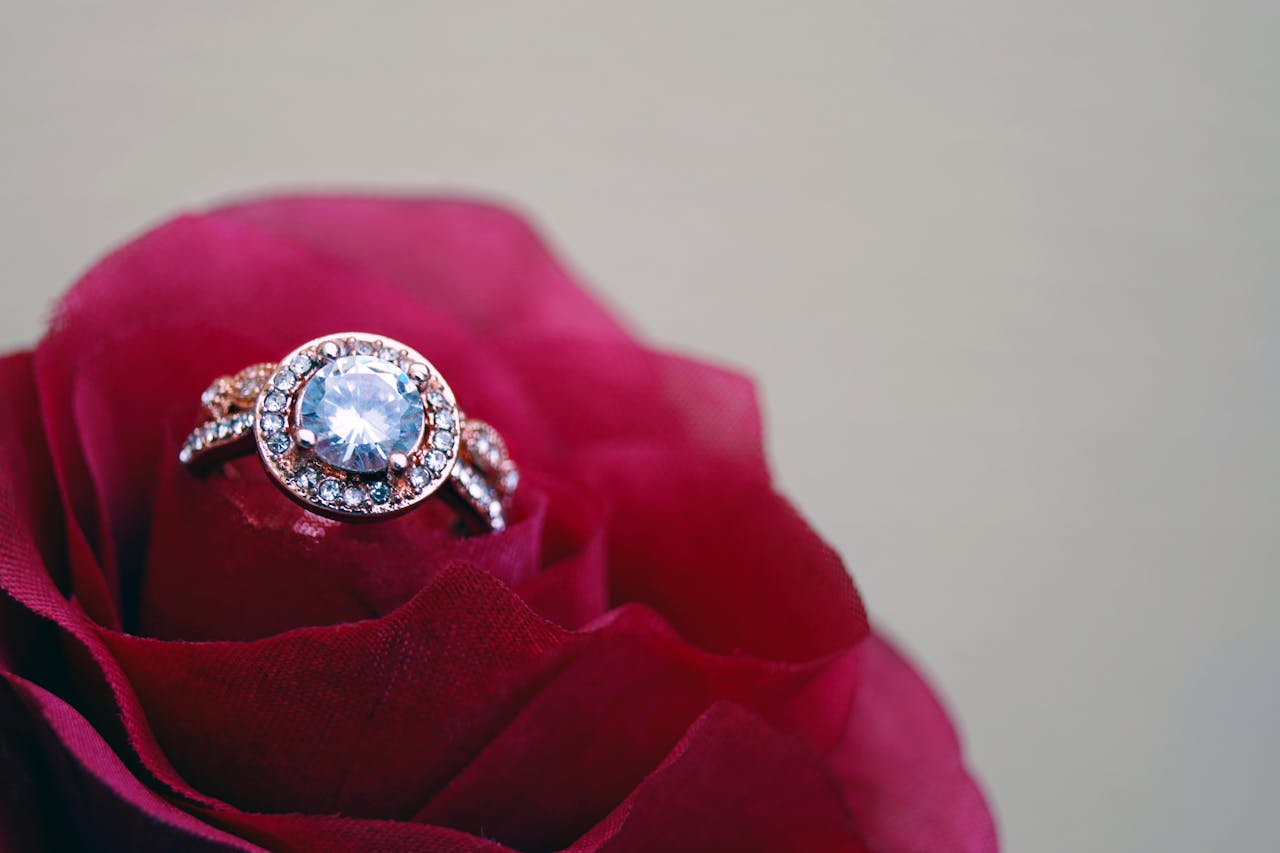
<p> Engagement rings have long been a symbol of love, commitment, and the promise of a shared future. While most people are familiar with the sparkling diamonds and beautiful designs that characterize these rings today, the history of engagement rings is rich and complex, filled with fascinating stories and cultural significance. From ancient traditions to modern customs, the evolution of engagement rings reflects changing societal values and romantic ideals. In this article, we’ll uncover ten surprising facts about engagement rings that you probably never knew, revealing the captivating history behind this enduring symbol of love. </p> :: Pexels

Engagement rings have long been a symbol of love, commitment, and the promise of a shared future. While most people are familiar with the sparkling diamonds and beautiful designs that characterize these rings today, the history of engagement rings is rich and complex, filled with fascinating stories and cultural significance. From ancient traditions to modern customs, the evolution of engagement rings reflects changing societal values and romantic ideals. In this article, we’ll uncover ten surprising facts about engagement rings that you probably never knew, revealing the captivating history behind this enduring symbol of love.

1. The First Engagement Ring Dates Back to Ancient Egypt

<p> The tradition of giving an engagement ring can be traced back to ancient Egypt, where couples exchanged braided reeds or hemp as a symbol of their commitment. The circular shape of the ring represented eternity, a powerful symbol in a culture that valued the afterlife and the continuity of love. These early rings were simple, yet they laid the foundation for the more elaborate engagement rings we see today. </p> :: Pexels

The tradition of giving an engagement ring can be traced back to ancient Egypt, where couples exchanged braided reeds or hemp as a symbol of their commitment. The circular shape of the ring represented eternity, a powerful symbol in a culture that valued the afterlife and the continuity of love. These early rings were simple, yet they laid the foundation for the more elaborate engagement rings we see today.

2. The Romans Popularized the Ring as a Symbol of Betrothal

<p> The Romans played a significant role in popularizing engagement rings in the Western world. They introduced the concept of a ring as a formal token of betrothal, often using iron or gold to craft their rings. The use of gold symbolized wealth and durability, while iron was associated with strength. Roman brides often wore two rings: one for public appearances and a more ornate one for private settings, signifying their commitment to their husbands. </p> :: Pexels

The Romans played a significant role in popularizing engagement rings in the Western world. They introduced the concept of a ring as a formal token of betrothal, often using iron or gold to craft their rings. The use of gold symbolized wealth and durability, while iron was associated with strength. Roman brides often wore two rings: one for public appearances and a more ornate one for private settings, signifying their commitment to their husbands.

3. Diamonds Became the Standard in the 15th Century

<p> While engagement rings have existed for centuries, it wasn’t until the 15th century that diamonds became the preferred gemstone. The first recorded use of a diamond engagement ring was in 1477 when Archduke Maximilian of Austria proposed to Mary of Burgundy with a diamond ring. This extravagant gesture set a trend among European nobility and eventually trickled down to the general population, marking the beginning of the diamond’s association with love and commitment. </p> :: Pexels

While engagement rings have existed for centuries, it wasn’t until the 15th century that diamonds became the preferred gemstone. The first recorded use of a diamond engagement ring was in 1477 when Archduke Maximilian of Austria proposed to Mary of Burgundy with a diamond ring. This extravagant gesture set a trend among European nobility and eventually trickled down to the general population, marking the beginning of the diamond’s association with love and commitment.

4. The De Beers Campaign Revolutionized Engagement Rings

<p> In the 20th century, the diamond engagement ring became a widespread symbol of love, thanks in large part to a brilliant marketing campaign by De Beers in the 1940s. The slogan “A diamond is forever” was introduced, emphasizing the idea that diamonds were not just a symbol of love but also of lasting commitment. This campaign successfully positioned diamond engagement rings as an essential part of the marriage proposal, forever changing societal expectations around engagement and marriage. </p> :: Pexels

In the 20th century, the diamond engagement ring became a widespread symbol of love, thanks in large part to a brilliant marketing campaign by De Beers in the 1940s. The slogan “A diamond is forever” was introduced, emphasizing the idea that diamonds were not just a symbol of love but also of lasting commitment. This campaign successfully positioned diamond engagement rings as an essential part of the marriage proposal, forever changing societal expectations around engagement and marriage.

5. The Design and Style of Engagement Rings Have Evolved

<p> Engagement ring styles have evolved over the centuries, reflecting changing tastes and cultural influences. From the ornate designs of the Victorian era to the minimalist styles of the mid-20th century, each period brought its unique flair. Today, couples have a wide range of options, from classic solitaires to modern halo settings, allowing them to choose a ring that reflects their personal style and preferences. </p> :: Pexels

Engagement ring styles have evolved over the centuries, reflecting changing tastes and cultural influences. From the ornate designs of the Victorian era to the minimalist styles of the mid-20th century, each period brought its unique flair. Today, couples have a wide range of options, from classic solitaires to modern halo settings, allowing them to choose a ring that reflects their personal style and preferences.

6. Non-Diamond Engagement Rings Are Gaining Popularity<p> While diamonds have long been the traditional choice for engagement rings, non-diamond gemstones are becoming increasingly popular. Many couples are opting for alternative stones, such as sapphires, emeralds, and moissanite, for their unique colors and meanings. This trend reflects a shift toward individuality and personal expression, with couples choosing stones that hold special significance to them. </p> :: Pexels

While diamonds have long been the traditional choice for engagement rings, non-diamond gemstones are becoming increasingly popular. Many couples are opting for alternative stones, such as sapphires, emeralds, and moissanite, for their unique colors and meanings. This trend reflects a shift toward individuality and personal expression, with couples choosing stones that hold special significance to them.

7. Engagement Rings Were Originally Worn by Men

<p> In ancient times, it was common for both men and women to wear engagement rings. Roman men, in particular, wore rings as a sign of their betrothal. However, over time, societal norms shifted, and engagement rings became primarily associated with women. Today, many couples are returning to the tradition of men wearing engagement rings, emphasizing equality and shared commitment in their relationships. </p> :: Pexels

In ancient times, it was common for both men and women to wear engagement rings. Roman men, in particular, wore rings as a sign of their betrothal. However, over time, societal norms shifted, and engagement rings became primarily associated with women. Today, many couples are returning to the tradition of men wearing engagement rings, emphasizing equality and shared commitment in their relationships.

8. The Cost of an Engagement Ring Has Increased Over Time

<p> The cost of engagement rings has significantly increased over the years. Traditionally, the cost was often determined by the groom’s financial situation and the preferences of the bride. However, societal expectations have shifted, leading to the widespread notion that one should spend at least two to three months' salary on an engagement ring. This expectation has put pressure on many couples, influencing their choices and budgets when it comes to selecting the perfect ring. </p> :: Pexels

The cost of engagement rings has significantly increased over the years. Traditionally, the cost was often determined by the groom’s financial situation and the preferences of the bride. However, societal expectations have shifted, leading to the widespread notion that one should spend at least two to three months’ salary on an engagement ring. This expectation has put pressure on many couples, influencing their choices and budgets when it comes to selecting the perfect ring.

Final Thoughts

<p> The history of engagement rings is a fascinating tapestry woven with love, tradition, and cultural significance. From ancient Egypt to modern-day trends, the evolution of engagement rings reflects changing values and romantic ideals. As couples continue to embrace individuality and express their unique love stories through their choices, engagement rings will remain a timeless symbol of commitment. Whether you choose a classic diamond, a vibrant gemstone, or even a simple band, the true essence of an engagement ring lies in the love and promise it represents. </p> :: Pexels

The history of engagement rings is a fascinating tapestry woven with love, tradition, and cultural significance. From ancient Egypt to modern-day trends, the evolution of engagement rings reflects changing values and romantic ideals. As couples continue to embrace individuality and express their unique love stories through their choices, engagement rings will remain a timeless symbol of commitment. Whether you choose a classic diamond, a vibrant gemstone, or even a simple band, the true essence of an engagement ring lies in the love and promise it represents.

Filed Under: Lifestyle

10 Stress-Relief Techniques for a Relaxing Life in Your 60s

October 3, 2025 | Leave a Comment

10 Stress-Relief Techniques for a Relaxing Life in Your 60s

<p> As we journey into our 60s, life presents us with new joys and challenges, often accompanied by a unique set of stressors. Whether it is the transition into retirement, caring for aging family members, or dealing with health concerns, it is essential to prioritize mental well-being. Discovering effective stress-relief techniques can enhance our quality of life and help us embrace this vibrant stage of existence. Here are ten stress-relief techniques to promote a more relaxed life in your 60s. </p> :: Pexels

As we journey into our 60s, life presents us with new joys and challenges, often accompanied by a unique set of stressors. Whether it is the transition into retirement, caring for aging family members, or dealing with health concerns, it is essential to prioritize mental well-being. Discovering effective stress-relief techniques can enhance our quality of life and help us embrace this vibrant stage of existence. Here are ten stress-relief techniques to promote a more relaxed life in your 60s.

1. Mindful Meditation

<p> Mindful meditation is a powerful tool for achieving inner peace and reducing stress. This practice involves focusing your attention on the present moment, which can help calm racing thoughts and anxiety. Simply find a quiet space, close your eyes, and concentrate on your breathing. As thoughts arise, acknowledge them without judgment and gently return your focus to your breath. Consistent practice can lead to a profound sense of relaxation and clarity, allowing you to navigate daily challenges with ease. Aim for just 10 to 15 minutes each day, and gradually increase the time as you become more comfortable with the practice. </p> :: Pexels

Mindful meditation is a powerful tool for achieving inner peace and reducing stress. This practice involves focusing your attention on the present moment, which can help calm racing thoughts and anxiety. Simply find a quiet space, close your eyes, and concentrate on your breathing. As thoughts arise, acknowledge them without judgment and gently return your focus to your breath. Consistent practice can lead to a profound sense of relaxation and clarity, allowing you to navigate daily challenges with ease. Aim for just 10 to 15 minutes each day, and gradually increase the time as you become more comfortable with the practice.

2. Gentle Yoga

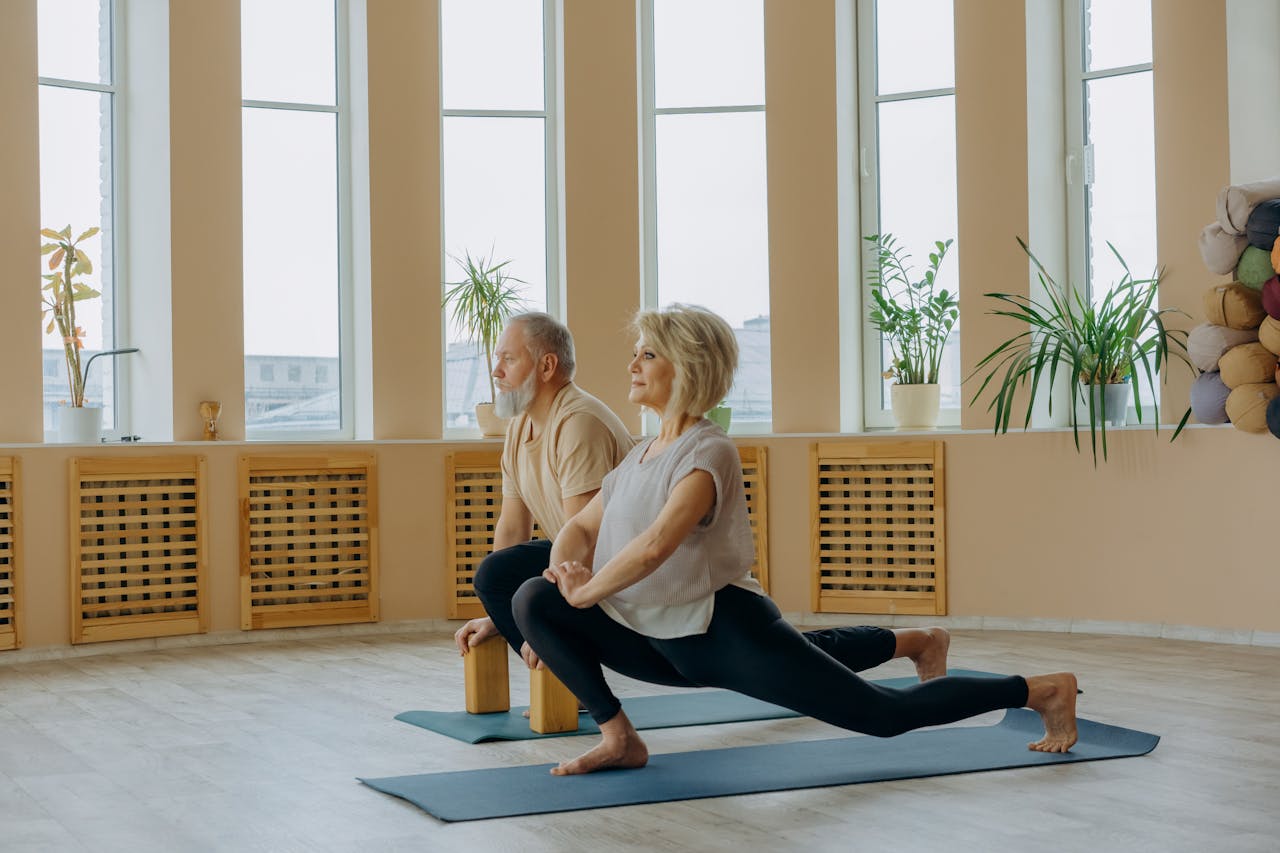
<p> Gentle yoga is an excellent way to relieve stress while enhancing physical flexibility and strength. This practice combines stretching, breathing exercises, and mindfulness, making it a holistic approach to wellness. As you flow through various poses, focus on your breath and the sensations in your body. This connection can help release built-up tension and promote relaxation. Many community centers and online platforms offer classes specifically tailored for seniors, ensuring you find a routine that fits your comfort level. Regular yoga practice can lead to better balance, increased body awareness, and a calmer mind. </p> :: Pexels

Gentle yoga is an excellent way to relieve stress while enhancing physical flexibility and strength. This practice combines stretching, breathing exercises, and mindfulness, making it a holistic approach to wellness. As you flow through various poses, focus on your breath and the sensations in your body. This connection can help release built-up tension and promote relaxation. Many community centers and online platforms offer classes specifically tailored for seniors, ensuring you find a routine that fits your comfort level. Regular yoga practice can lead to better balance, increased body awareness, and a calmer mind.

3. Nature Walks

<p> Spending time in nature has been shown to reduce stress and improve overall well-being. Nature walks allow you to connect with the beauty around you while enjoying the physical benefits of movement. Whether it is a stroll through a nearby park or a hike along a scenic trail, immersing yourself in nature's sights and sounds can have a calming effect on the mind. Aim to walk for at least 30 minutes a few times a week, and consider inviting a friend or loved one to join you. The companionship can enhance your experience, making it a joyful and relaxing outing. </p> :: Pexels

Spending time in nature has been shown to reduce stress and improve overall well-being. Nature walks allow you to connect with the beauty around you while enjoying the physical benefits of movement. Whether it is a stroll through a nearby park or a hike along a scenic trail, immersing yourself in nature’s sights and sounds can have a calming effect on the mind. Aim to walk for at least 30 minutes a few times a week, and consider inviting a friend or loved one to join you. The companionship can enhance your experience, making it a joyful and relaxing outing.

4. Creative Expression

<p> Engaging in creative activities can be a wonderful outlet for stress relief. Whether you enjoy painting, writing, knitting, or gardening, the act of creating allows you to express your feelings and thoughts in a healthy way. These activities can serve as a distraction from stressors, promoting mindfulness as you focus on the task at hand. Setting aside regular time for creative pursuits can provide you with a sense of accomplishment and fulfillment, boosting your mood and helping you relax. Plus, it can foster a sense of community if you choose to share your creations with others or participate in group activities. </p> :: Pexels

Engaging in creative activities can be a wonderful outlet for stress relief. Whether you enjoy painting, writing, knitting, or gardening, the act of creating allows you to express your feelings and thoughts in a healthy way. These activities can serve as a distraction from stressors, promoting mindfulness as you focus on the task at hand. Setting aside regular time for creative pursuits can provide you with a sense of accomplishment and fulfillment, boosting your mood and helping you relax. Plus, it can foster a sense of community if you choose to share your creations with others or participate in group activities.

5. Deep Breathing Exercises

<p> Deep breathing exercises are a simple yet effective way to combat stress and promote relaxation. This technique can be practiced anywhere and at any time, making it a convenient option for those busy days. To begin, find a comfortable seated position and take a deep breath in through your nose, allowing your abdomen to expand. Hold the breath for a moment, then slowly exhale through your mouth, releasing any tension. Repeat this process for several minutes, focusing on the sensation of your breath. Deep breathing not only calms the mind but also reduces physical symptoms of stress, such as increased heart rate and muscle tension. </p> :: Pexels

Deep breathing exercises are a simple yet effective way to combat stress and promote relaxation. This technique can be practiced anywhere and at any time, making it a convenient option for those busy days. To begin, find a comfortable seated position and take a deep breath in through your nose, allowing your abdomen to expand. Hold the breath for a moment, then slowly exhale through your mouth, releasing any tension. Repeat this process for several minutes, focusing on the sensation of your breath. Deep breathing not only calms the mind but also reduces physical symptoms of stress, such as increased heart rate and muscle tension.

6. Social Connections

<p> Maintaining strong social connections is vital for emotional well-being, especially in your 60s. Engaging with friends, family, or community groups can provide essential support and a sense of belonging. Socializing can be as simple as inviting a friend for coffee, joining a book club, or volunteering in your community. Regular interactions with others can boost your mood and help alleviate feelings of loneliness or isolation. Do not hesitate to reach out to others, as building and nurturing relationships is a crucial aspect of a fulfilling life. </p> :: Pexels

Maintaining strong social connections is vital for emotional well-being, especially in your 60s. Engaging with friends, family, or community groups can provide essential support and a sense of belonging. Socializing can be as simple as inviting a friend for coffee, joining a book club, or volunteering in your community. Regular interactions with others can boost your mood and help alleviate feelings of loneliness or isolation. Do not hesitate to reach out to others, as building and nurturing relationships is a crucial aspect of a fulfilling life.

7. Limit Screen Time

<p> In today's digital age, excessive screen time can contribute to increased stress and anxiety. The constant barrage of news, social media, and digital distractions can overwhelm the mind. To combat this, set boundaries around your screen time, especially in the hours leading up to bedtime. Instead, replace that time with calming activities such as reading a book, practicing yoga, or meditating. Reducing screen time not only helps lower stress levels but also promotes better sleep quality, which is essential for overall well-being in your 60s. </p> :: Pexels

In today’s digital age, excessive screen time can contribute to increased stress and anxiety. The constant barrage of news, social media, and digital distractions can overwhelm the mind. To combat this, set boundaries around your screen time, especially in the hours leading up to bedtime. Instead, replace that time with calming activities such as reading a book, practicing yoga, or meditating. Reducing screen time not only helps lower stress levels but also promotes better sleep quality, which is essential for overall well-being in your 60s.

8. Healthy Eating Habits

<p> Nourishing your body with healthy foods can significantly impact your mental health and stress levels. A balanced diet rich in fruits, vegetables, whole grains, and lean proteins can provide the nutrients your body needs to function optimally. Foods high in omega-3 fatty acids, such as salmon and walnuts, are known to reduce symptoms of anxiety and depression. Additionally, staying hydrated is crucial, as dehydration can contribute to feelings of fatigue and irritability. Consider meal prepping or trying new healthy recipes to make nutritious eating enjoyable and stress-free. </p> :: Pexels

Nourishing your body with healthy foods can significantly impact your mental health and stress levels. A balanced diet rich in fruits, vegetables, whole grains, and lean proteins can provide the nutrients your body needs to function optimally. Foods high in omega-3 fatty acids, such as salmon and walnuts, are known to reduce symptoms of anxiety and depression. Additionally, staying hydrated is crucial, as dehydration can contribute to feelings of fatigue and irritability. Consider meal prepping or trying new healthy recipes to make nutritious eating enjoyable and stress-free.

9. Practice Gratitude

<p> Cultivating an attitude of gratitude can be a powerful antidote to stress. Taking time each day to reflect on the positive aspects of your life can shift your perspective and help you focus on what truly matters. Consider keeping a gratitude journal, where you write down three things you are thankful for each day. This simple practice can improve your mood and foster a greater sense of contentment, even during challenging times. Embracing gratitude allows you to recognize and appreciate the beauty in everyday moments, making life feel more fulfilling. </p> :: Pexels

Cultivating an attitude of gratitude can be a powerful antidote to stress. Taking time each day to reflect on the positive aspects of your life can shift your perspective and help you focus on what truly matters. Consider keeping a gratitude journal, where you write down three things you are thankful for each day. This simple practice can improve your mood and foster a greater sense of contentment, even during challenging times. Embracing gratitude allows you to recognize and appreciate the beauty in everyday moments, making life feel more fulfilling.

10. Seek Professional Support

<p> If stress becomes overwhelming or difficult to manage, seeking professional support can be a vital step toward a more relaxed life. Therapists and counselors can provide valuable tools and strategies tailored to your specific needs. Whether through individual therapy, group sessions, or support networks, professional guidance can help you navigate life's challenges and develop effective coping mechanisms. Remember, seeking help is a sign of strength, and taking this step can significantly enhance your overall well-being. </p> :: Pexels

If stress becomes overwhelming or difficult to manage, seeking professional support can be a vital step toward a more relaxed life. Therapists and counselors can provide valuable tools and strategies tailored to your specific needs. Whether through individual therapy, group sessions, or support networks, professional guidance can help you navigate life’s challenges and develop effective coping mechanisms. Remember, seeking help is a sign of strength, and taking this step can significantly enhance your overall well-being.

Final Thoughts

<p> Embracing your 60s can be an exciting and fulfilling time filled with opportunities for growth and relaxation. By incorporating these ten stress-relief techniques into your daily routine, you can create a more balanced and enjoyable life. Remember that it is essential to prioritize self-care and find what works best for you. Whether through mindful meditation, social connections, or professional support, taking proactive steps to manage stress will enable you to savor every moment of this vibrant stage of life. </p> :: Pexels

Embracing your 60s can be an exciting and fulfilling time filled with opportunities for growth and relaxation. By incorporating these ten stress-relief techniques into your daily routine, you can create a more balanced and enjoyable life. Remember that it is essential to prioritize self-care and find what works best for you. Whether through mindful meditation, social connections, or professional support, taking proactive steps to manage stress will enable you to savor every moment of this vibrant stage of life.

Filed Under: Lifestyle

Renting Smart: 10 Surprising Ways to Build Wealth While Living in a Rental

October 3, 2025 | Leave a Comment

Renting Smart: 10 Surprising Ways to Build Wealth While Living in a Rental

<p>Living in a rental doesn’t mean you can’t build wealth. In fact, with the right mindset and habits, renters can save smart, invest wisely, and grow their money. Many renters enjoy more flexibility and fewer surprise costs compared to homeowners. That extra breathing room is perfect for planning long-term gains. Here are 10 practical ways renters can work toward wealth, all while enjoying the perks of a rented home.</p> ::Pexels

Living in a rental doesn’t mean you can’t build wealth. In fact, with the right mindset and habits, renters can save smart, invest wisely, and grow their money. Many renters enjoy more flexibility and fewer surprise costs compared to homeowners. That extra breathing room is perfect for planning long-term gains. Here are 10 practical ways renters can work toward wealth, all while enjoying the perks of a rented home.

1. Automate Your Savings

<p>Setting up automatic savings is one of the easiest ways to grow your wealth without thinking about it. Every payday, have a fixed amount sent straight to your savings or investment account. Even per check adds up fast over a year. Renters can start small and increase it when possible. This method takes advantage of consistent income and removes the temptation to spend extra cash.</p> ::Pexels

Setting up automatic savings is one of the easiest ways to grow your wealth without thinking about it. Every payday, have a fixed amount sent straight to your savings or investment account. Even $50 per check adds up fast over a year. Renters can start small and increase it when possible. This method takes advantage of consistent income and removes the temptation to spend extra cash.

2. Invest What You’re Not Spending on Home Repairs

<p>Unlike homeowners, renters rarely deal with costly repairs like a new roof or broken water heater. Instead of letting that savings vanish, put it to work. Set up a separate “homeowner savings” fund and invest it in index funds or high-interest savings. Over time, this can grow into a down payment or retirement fund. Fun fact: The average homeowner spends ,000 yearly on maintenance, so renters can make that amount work for them.</p> ::Pexels

Unlike homeowners, renters rarely deal with costly repairs like a new roof or broken water heater. Instead of letting that savings vanish, put it to work. Set up a separate “homeowner savings” fund and invest it in index funds or high-interest savings. Over time, this can grow into a down payment or retirement fund. Fun fact: The average homeowner spends $3,000 yearly on maintenance, so renters can make that amount work for them.

3. Start a Side Hustle from Home

<p>Many renters overlook how a rental can double as a workspace. Side hustles like freelancing, tutoring, or selling crafts online need little space but can bring in solid income. Use your rental’s Wi-Fi and spare corner to build a second income stream. Small earnings grow when saved or invested. Plus, it’s easier than ever to find clients online with zero upfront costs.</p> ::Pexels

Many renters overlook how a rental can double as a workspace. Side hustles like freelancing, tutoring, or selling crafts online need little space but can bring in solid income. Use your rental’s Wi-Fi and spare corner to build a second income stream. Small earnings grow when saved or invested. Plus, it’s easier than ever to find clients online with zero upfront costs.

4. Negotiate Your Rent

<p>Rent is often the biggest monthly expense, but not everyone knows you can negotiate it. Long-term renters or those who always pay on time have a strong case to ask for a discount or perks. Landlords often prefer keeping a good tenant over finding a new one. Even less a month means 0 extra a year. That saved money can grow if invested instead of spent.</p> ::Pexels

Rent is often the biggest monthly expense, but not everyone knows you can negotiate it. Long-term renters or those who always pay on time have a strong case to ask for a discount or perks. Landlords often prefer keeping a good tenant over finding a new one. Even $50 less a month means $600 extra a year. That saved money can grow if invested instead of spent.

5. Use Cash-Back Apps and Credit Card Rewards

<p>Renters can use cash-back apps or reward cards to earn money on regular purchases. Paying rent through third-party services that allow credit cards can also rack up points. Just be sure to pay off the card monthly to avoid debt. Apps like Rakuten or Honey also offer cash back on groceries, clothes, or supplies. Over time, these rewards can help fund savings or even a vacation.</p> ::Pexels

Renters can use cash-back apps or reward cards to earn money on regular purchases. Paying rent through third-party services that allow credit cards can also rack up points. Just be sure to pay off the card monthly to avoid debt. Apps like Rakuten or Honey also offer cash back on groceries, clothes, or supplies. Over time, these rewards can help fund savings or even a vacation.

6. Maximize Retirement Accounts Early

<p>One of the best wealth-building moves is starting retirement contributions early. Renters often have fewer big expenses compared to homeowners, making it easier to prioritize a 401(k) or IRA. Compound growth means even small amounts grow large over time. For instance, investing 0 a month from your 20s can turn into six figures by retirement. The earlier you start, the less you’ll need to put in later.</p> ::Pexels

One of the best wealth-building moves is starting retirement contributions early. Renters often have fewer big expenses compared to homeowners, making it easier to prioritize a 401(k) or IRA. Compound growth means even small amounts grow large over time. For instance, investing $100 a month from your 20s can turn into six figures by retirement. The earlier you start, the less you’ll need to put in later.

7. Set Financial Goals and Track Progress

<p>Many people drift without clear money goals. Renters can change that by setting short- and long-term targets like saving K, funding a dream trip, or buying a rental property later. Tracking progress monthly keeps you motivated and less likely to waste money. Apps like Mint or spreadsheets work well for this. Studies show that people who write down goals are 42% more likely to achieve them.</p> ::Pexels

Many people drift without clear money goals. Renters can change that by setting short- and long-term targets like saving $10K, funding a dream trip, or buying a rental property later. Tracking progress monthly keeps you motivated and less likely to waste money. Apps like Mint or spreadsheets work well for this. Studies show that people who write down goals are 42% more likely to achieve them.

8. Cut Unused Subscriptions and Expenses

<p>Take a close look at your monthly spending. Gym memberships, streaming services, or apps you don’t use anymore can drain your budget. Cancel or downgrade where you can. Those small savings quickly add up and can be rerouted into investments or savings. A monthly app you forget about costs you 0 a year — enough to start an investment account.</p> ::Pexels

Take a close look at your monthly spending. Gym memberships, streaming services, or apps you don’t use anymore can drain your budget. Cancel or downgrade where you can. Those small savings quickly add up and can be rerouted into investments or savings. A $15 monthly app you forget about costs you $180 a year — enough to start an investment account.

9. Get Renters Insurance for Peace of Mind

<p>Though it won’t make you rich, renters insurance protects your stuff and saves you from costly setbacks. It covers damage, theft, or loss — all for about a month. Without it, one bad event could wipe out your savings. Peace of mind is priceless, and protecting your stuff means you don’t have to start from zero if things go wrong.</p> ::Pexels

Though it won’t make you rich, renters insurance protects your stuff and saves you from costly setbacks. It covers damage, theft, or loss — all for about $15 a month. Without it, one bad event could wipe out your savings. Peace of mind is priceless, and protecting your stuff means you don’t have to start from zero if things go wrong.

10. Learn About Real Estate or Stocks

<p>Use your renting years to learn how money grows. Explore stocks, bonds, or even real estate investing without being a homeowner. There are low-cost options like REITs (Real Estate Investment Trusts) that let you invest in property without buying a house. Books, podcasts, and online courses make it simple to learn. Many self-made millionaires credit reading and learning about investing as their first steps toward wealth.</p> ::Pexels

Use your renting years to learn how money grows. Explore stocks, bonds, or even real estate investing without being a homeowner. There are low-cost options like REITs (Real Estate Investment Trusts) that let you invest in property without buying a house. Books, podcasts, and online courses make it simple to learn. Many self-made millionaires credit reading and learning about investing as their first steps toward wealth.

Conclusion

<p>Renting gets a bad rap, but it can be a smart financial move when done right. Without the weight of a mortgage or costly repairs, renters have space to save, learn, and grow their money. Small choices like cutting costs, investing wisely, or starting a side hustle all build toward lasting wealth. The key is to treat renting not as wasted money but as a chance to get ahead. Whether you dream of owning a home one day or just want financial freedom, these habits put you on the right track.</p> ::Pexels

Renting gets a bad rap, but it can be a smart financial move when done right. Without the weight of a mortgage or costly repairs, renters have space to save, learn, and grow their money. Small choices like cutting costs, investing wisely, or starting a side hustle all build toward lasting wealth. The key is to treat renting not as wasted money but as a chance to get ahead. Whether you dream of owning a home one day or just want financial freedom, these habits put you on the right track.

Filed Under: Lifestyle

9 Common Phrases That Make You Sound More Insecure Than You Think

October 3, 2025 | Leave a Comment

9 Common Phrases That Make You Sound More Insecure Than You Think

<p> We all want to come across as confident, whether at work, with friends, or even in casual conversations. Yet, sometimes the way we speak can betray our self-doubt without us even realizing it. Certain phrases that feel polite or harmless can actually make us seem hesitant, unsure, or lacking confidence. The good news is that once you recognize these patterns, it’s easy to tweak your language so your words carry more weight and authority.

Here are nine common phrases that often make people sound insecure, along with practical tips to say them in a more confident and assertive way. </p> :: Freepik

We all want to come across as confident, whether at work, with friends, or even in casual conversations. Yet, sometimes the way we speak can betray our self-doubt without us even realizing it. Certain phrases that feel polite or harmless can actually make us seem hesitant, unsure, or lacking confidence. The good news is that once you recognize these patterns, it’s easy to tweak your language so your words carry more weight and authority.

Here are nine common phrases that often make people sound insecure, along with practical tips to say them in a more confident and assertive way.

1. “I’m not sure, but …”

<p> This phrase is a classic confidence killer. When you start a sentence with “I’m not sure,” you are immediately signaling doubt, even if your idea or opinion is solid. People may unconsciously question your credibility before they even hear your point. A simple way to fix this is to remove the qualifier altogether. For example, instead of saying “I’m not sure, but maybe we could try this,” try “Here’s an idea we could try.” You are still offering your input, but now it carries more confidence. </p> :: Freepik

This phrase is a classic confidence killer. When you start a sentence with “I’m not sure,” you are immediately signaling doubt, even if your idea or opinion is solid. People may unconsciously question your credibility before they even hear your point. A simple way to fix this is to remove the qualifier altogether. For example, instead of saying “I’m not sure, but maybe we could try this,” try “Here’s an idea we could try.” You are still offering your input, but now it carries more confidence.

2. “To be honest …”

<p> Starting a statement with “To be honest” might feel like you are emphasizing your truthfulness, but it can actually make everything else you say seem less genuine. It sends the subtle message that your usual words might not be entirely honest, which can undermine your credibility. Instead, just state your opinion directly. For example, replace “To be honest, I think we should change the plan” with “I think we should change the plan.” Your honesty will come through naturally without the preface. </p> :: Freepik

Starting a statement with “To be honest” might feel like you are emphasizing your truthfulness, but it can actually make everything else you say seem less genuine. It sends the subtle message that your usual words might not be entirely honest, which can undermine your credibility. Instead, just state your opinion directly. For example, replace “To be honest, I think we should change the plan” with “I think we should change the plan.” Your honesty will come through naturally without the preface.

3. “I’m no expert, but …”

<p> Many of us say this phrase out of humility or a desire to avoid being wrong. However, it often makes your insights sound less valuable. When you say “I’m no expert, but,” you are preemptively downplaying your knowledge and the worth of your perspective. A better approach is to frame your input as your experience or observation. Try saying “From what I’ve seen” or “One perspective is” instead. This way, you are sharing valuable insight without diminishing your voice. </p> :: Pexels

Many of us say this phrase out of humility or a desire to avoid being wrong. However, it often makes your insights sound less valuable. When you say “I’m no expert, but,” you are preemptively downplaying your knowledge and the worth of your perspective. A better approach is to frame your input as your experience or observation. Try saying “From what I’ve seen” or “One perspective is” instead. This way, you are sharing valuable insight without diminishing your voice.

4. “Just a thought …”

<p> Phrasing your ideas as “Just a thought” can make them feel optional or insignificant. While it might seem polite, it sends a message that your suggestion is not worth serious consideration. You can still be collaborative without sounding uncertain. Instead, say something like “Here’s something to consider” or “I suggest we try this.” You are presenting your idea confidently while keeping the conversation open and constructive. </p> :: Pexels

Phrasing your ideas as “Just a thought” can make them feel optional or insignificant. While it might seem polite, it sends a message that your suggestion is not worth serious consideration. You can still be collaborative without sounding uncertain. Instead, say something like “Here’s something to consider” or “I suggest we try this.” You are presenting your idea confidently while keeping the conversation open and constructive.

5. “I may be wrong, but …”

<p> Adding “I may be wrong” before a statement makes your words tentative. It can make listeners wonder if you lack confidence in your own judgment. A stronger alternative is to use phrases like “I think” or “In my experience.” For instance, replace “I may be wrong, but this seems like a good approach” with “I think this is a good approach based on my experience.” This small change allows you to own your opinion without appearing arrogant. </p> :: Freepik

Adding “I may be wrong” before a statement makes your words tentative. It can make listeners wonder if you lack confidence in your own judgment. A stronger alternative is to use phrases like “I think” or “In my experience.” For instance, replace “I may be wrong, but this seems like a good approach” with “I think this is a good approach based on my experience.” This small change allows you to own your opinion without appearing arrogant.

6. “Does that make sense?”

<p> While this question is often meant as a helpful check-in, overusing it can signal self-doubt. It implies that you are not confident in your ability to communicate clearly. Instead of asking this at the end of every explanation, try saying “Let me know if you want me to clarify” or “I’m happy to explain further.” These alternatives convey willingness to communicate while keeping your voice strong. </p> :: Freepik

While this question is often meant as a helpful check-in, overusing it can signal self-doubt. It implies that you are not confident in your ability to communicate clearly. Instead of asking this at the end of every explanation, try saying “Let me know if you want me to clarify” or “I’m happy to explain further.” These alternatives convey willingness to communicate while keeping your voice strong.

7. “I’m sorry” — when unnecessary

<p> Apologizing too frequently, especially for minor or irrelevant things, can weaken your presence. Saying “I’m sorry” for small inconveniences or for stating your opinion makes you appear hesitant or overly cautious. Save apologies for situations where they are genuinely needed. Otherwise, try phrases like “Thank you for your time” or “I appreciate your feedback.” This simple adjustment can make you sound more assertive and self-assured in everyday interactions. </p> :: Pexels

Apologizing too frequently, especially for minor or irrelevant things, can weaken your presence. Saying “I’m sorry” for small inconveniences or for stating your opinion makes you appear hesitant or overly cautious. Save apologies for situations where they are genuinely needed. Otherwise, try phrases like “Thank you for your time” or “I appreciate your feedback.” This simple adjustment can make you sound more assertive and self-assured in everyday interactions.

8. “I just …”

<p> Using “just” in your sentences can minimize your message. Phrases like “I just wanted to ask” or “I just thought” suggest that your actions or thoughts are not important. Removing “just” helps your statements carry more authority. For example, instead of saying “I just wanted to share my idea,” try “I wanted to share my idea.” The change is subtle, but it has a noticeable impact on how confident you sound. </p> :: Pexels

Using “just” in your sentences can minimize your message. Phrases like “I just wanted to ask” or “I just thought” suggest that your actions or thoughts are not important. Removing “just” helps your statements carry more authority. For example, instead of saying “I just wanted to share my idea,” try “I wanted to share my idea.” The change is subtle, but it has a noticeable impact on how confident you sound.

9. “Everyone else thinks … / Everybody knows …”

<p> Relying on consensus to support your point can make you seem uncertain about your own perspective. Saying “Everyone else thinks this is a good idea” signals that you need others to validate your opinion. A more confident approach is to present your idea on its own merits. Replace it with statements like “In my view” or “One observation is” to assert your point confidently without leaning on what others think. </p> :: Pexels

Relying on consensus to support your point can make you seem uncertain about your own perspective. Saying “Everyone else thinks this is a good idea” signals that you need others to validate your opinion. A more confident approach is to present your idea on its own merits. Replace it with statements like “In my view” or “One observation is” to assert your point confidently without leaning on what others think.

Final Thoughts

<p> Confidence is not about being perfect or never doubting yourself. It is about expressing your thoughts and ideas in a way that commands respect and conveys self-assurance. The phrases you use every day play a bigger role in how others perceive you than you might realize. By being mindful of these nine common language habits and making small adjustments, you can project confidence naturally and authentically.

Start by noticing which phrases you use most often. Practice replacing them with more assertive alternatives in low-stakes conversations. Over time, these small shifts will become second nature, and you will notice a difference not only in how others respond to you but also in how you feel about yourself. Confidence is a habit you can build one sentence at a time. Your words are powerful. Make them count. </p> :: Freepik

Confidence is not about being perfect or never doubting yourself. It is about expressing your thoughts and ideas in a way that commands respect and conveys self-assurance. The phrases you use every day play a bigger role in how others perceive you than you might realize. By being mindful of these nine common language habits and making small adjustments, you can project confidence naturally and authentically.

Start by noticing which phrases you use most often. Practice replacing them with more assertive alternatives in low-stakes conversations. Over time, these small shifts will become second nature, and you will notice a difference not only in how others respond to you but also in how you feel about yourself. Confidence is a habit you can build one sentence at a time. Your words are powerful. Make them count.

Filed Under: Lifestyle

9 Tips for Throwing a Stylish Dinner Party in Your Rental

October 3, 2025 | Leave a Comment

9 Tips for Throwing a Stylish Dinner Party in Your Rental

<p>Hosting a dinner party in a rental can feel tricky, but it doesn’t have to be. You can still impress your guests with smart decor, cozy vibes, and simple touches that show effort without breaking the rules or your budget. Rentals have limits, sure. But a little creativity can work wonders. From lighting to table settings, every detail adds charm. Here are nine tips to help you throw a dinner party that looks expensive but keeps your deposit safe.</p> ::Pexels

Hosting a dinner party in a rental can feel tricky, but it doesn’t have to be. You can still impress your guests with smart decor, cozy vibes, and simple touches that show effort without breaking the rules or your budget. Rentals have limits, sure. But a little creativity can work wonders. From lighting to table settings, every detail adds charm. Here are nine tips to help you throw a dinner party that looks expensive but keeps your deposit safe.

Use String Lights for Instant Ambience

<p>Nothing sets the mood faster than soft lights. String lights are cheap, easy to install, and don’t need nails or screws. Use removable hooks or wrap them around curtain rods. The warm glow makes any room feel cozy and welcoming. String lights also photograph well, so your guests will want to share snaps. Fun fact: The first string lights were invented by Thomas Edison himself, making them both stylish and historic.</p> ::Pexels

Nothing sets the mood faster than soft lights. String lights are cheap, easy to install, and don’t need nails or screws. Use removable hooks or wrap them around curtain rods. The warm glow makes any room feel cozy and welcoming. String lights also photograph well, so your guests will want to share snaps. Fun fact: The first string lights were invented by Thomas Edison himself, making them both stylish and historic.

Invest in a Simple Tablecloth

<p>A tablecloth does wonders. It hides an old or ugly table and creates an instant upgrade. Choose a neutral color or a fun pattern, depending on your style. It doesn’t have to be fancy—linen-look fabrics are easy to find and give that high-end feel. Plus, spills are less stressful when your table is covered. A clean, fresh tablecloth also makes your dishes pop, turning simple meals into a feast.</p> ::Pexels

A tablecloth does wonders. It hides an old or ugly table and creates an instant upgrade. Choose a neutral color or a fun pattern, depending on your style. It doesn’t have to be fancy—linen-look fabrics are easy to find and give that high-end feel. Plus, spills are less stressful when your table is covered. A clean, fresh tablecloth also makes your dishes pop, turning simple meals into a feast.

Mix and Match Your Dishes

<p>Don’t stress if you don’t own a full matching set of plates. Mixing different dishes can look chic and intentional. Keep the colors or materials similar for a pulled-together look. White plates with clear glasses always work. Fun fact: mismatched tableware is popular in many farm-to-table restaurants. It gives off a relaxed, homey vibe while still feeling special.</p> ::Pexels

Don’t stress if you don’t own a full matching set of plates. Mixing different dishes can look chic and intentional. Keep the colors or materials similar for a pulled-together look. White plates with clear glasses always work. Fun fact: mismatched tableware is popular in many farm-to-table restaurants. It gives off a relaxed, homey vibe while still feeling special.

Add Fresh Flowers or Greenery

<p>Fresh flowers bring life to any table. You don’t need a fancy bouquet—small stems from the market or even garden clippings work. Place them in jars or glass bottles for a rustic, easy centerpiece. Greenery like eucalyptus is also great because it smells fresh and lasts longer. Flowers help soften the room and add a pop of color without clutter.</p> ::Pexels

Fresh flowers bring life to any table. You don’t need a fancy bouquet—small stems from the market or even garden clippings work. Place them in jars or glass bottles for a rustic, easy centerpiece. Greenery like eucalyptus is also great because it smells fresh and lasts longer. Flowers help soften the room and add a pop of color without clutter.

Keep the Menu Simple but Tasty

<p>You don’t need to serve a five-course meal. Stick to dishes you know well and can prepare ahead of time. One-pot meals or sheet pan dishes make cleanup easier and free up your time to enjoy the party. Fun fact: studies show that guests remember the company and vibe more than the food. So cook something easy, pour some wine, and relax.</p> ::Pexels

You don’t need to serve a five-course meal. Stick to dishes you know well and can prepare ahead of time. One-pot meals or sheet pan dishes make cleanup easier and free up your time to enjoy the party. Fun fact: studies show that guests remember the company and vibe more than the food. So cook something easy, pour some wine, and relax.

Use Cloth Napkins for a Fancy Touch

<p>Swapping paper for cloth napkins is a small detail that adds class. Cloth napkins look fancy, but you can find them cheap in stores or online. They’re also better for the environment and reusable. Go for neutral tones or pick a bold color to match your flowers or plates. A simple fold or tying them with twine adds an extra stylish touch.</p> ::Pexels

Swapping paper for cloth napkins is a small detail that adds class. Cloth napkins look fancy, but you can find them cheap in stores or online. They’re also better for the environment and reusable. Go for neutral tones or pick a bold color to match your flowers or plates. A simple fold or tying them with twine adds an extra stylish touch.

Create a Simple Drink Station

<p>A drink station keeps guests happy and saves you trips back and forth. Set up a small corner with wine, water, and one fun cocktail option. Use glass pitchers, mason jars, or a vintage tray if you have one. People love serving themselves, and it adds a social spot to the party. Pro tip: citrus slices or herbs make drinks feel fancy without much work.</p> ::Pexels

A drink station keeps guests happy and saves you trips back and forth. Set up a small corner with wine, water, and one fun cocktail option. Use glass pitchers, mason jars, or a vintage tray if you have one. People love serving themselves, and it adds a social spot to the party. Pro tip: citrus slices or herbs make drinks feel fancy without much work.

Play Soft Background Music

<p>Music pulls everything together. It fills quiet moments and helps guests relax. Choose a playlist of soft jazz, acoustic, or oldies—anything with a chill vibe. Keep the volume low so people can still talk easily. Fun fact: Studies show that music not only lifts the mood but also makes food taste better. A Bluetooth speaker is easy to hide and works great in small spaces.</p> ::Pexels

Music pulls everything together. It fills quiet moments and helps guests relax. Choose a playlist of soft jazz, acoustic, or oldies—anything with a chill vibe. Keep the volume low so people can still talk easily. Fun fact: Studies show that music not only lifts the mood but also makes food taste better. A Bluetooth speaker is easy to hide and works great in small spaces.

Focus on Comfortable Seating

<p>No one likes to sit on a hard chair for hours. Add cushions or soft throws to your chairs to keep guests comfortable. If you don’t have enough chairs, use benches or even pillows on the floor for a relaxed, boho feel. Just make sure everyone has space to sit and eat without juggling plates. Comfort always trumps style, but you can have both.</p> ::Pexels

No one likes to sit on a hard chair for hours. Add cushions or soft throws to your chairs to keep guests comfortable. If you don’t have enough chairs, use benches or even pillows on the floor for a relaxed, boho feel. Just make sure everyone has space to sit and eat without juggling plates. Comfort always trumps style, but you can have both.

Conclusion

<p>Hosting a stylish dinner party in your rental is easier than it seems. It’s all about the small details—lighting, flowers, good food, and a comfy space. You don’t need to own fancy things or spend a fortune. Your guests will remember the laughs, the music, and the vibe. And best of all, you’ll still have your deposit when the night ends.</p> ::Pexels

Hosting a stylish dinner party in your rental is easier than it seems. It’s all about the small details—lighting, flowers, good food, and a comfy space. You don’t need to own fancy things or spend a fortune. Your guests will remember the laughs, the music, and the vibe. And best of all, you’ll still have your deposit when the night ends.

Filed Under: Lifestyle

7 Temporary Kitchen Upgrades That Look Expensive (But Aren’t!)

October 3, 2025 | Leave a Comment

7 Temporary Kitchen Upgrades That Look Expensive (But Aren’t!)

<p>Creating a stylish kitchen doesn’t have to mean big renovations or breaking the bank. If you’re renting or simply want to avoid major changes, temporary upgrades can make a huge difference. The right tweaks give your space a polished, expensive look without the hefty price tag. These easy fixes are renter-friendly, reversible, and budget-friendly. Plus, they’re simple to install, often with tools you already have at home. Below are seven upgrades you can try that will instantly make your kitchen feel more refined.</p> ::Pexels

Creating a stylish kitchen doesn’t have to mean big renovations or breaking the bank. If you’re renting or simply want to avoid major changes, temporary upgrades can make a huge difference. The right tweaks give your space a polished, expensive look without the hefty price tag. These easy fixes are renter-friendly, reversible, and budget-friendly. Plus, they’re simple to install, often with tools you already have at home. Below are seven upgrades you can try that will instantly make your kitchen feel more refined.

Peel-and-Stick Backsplash

<p>Few things change a kitchen’s look faster than a backsplash. Peel-and-stick tiles make this upgrade simple, fast, and cheap. They come in a wide range of styles, from sleek subway tiles to bold patterns that mimic marble or stone. Many are waterproof and heat-resistant, so they last longer than you’d think. The best part is that you can remove them without leaving a mess. Fun fact: peel-and-stick tiles were first used in RVs and small boats before becoming a go-to for renters.</p> ::Pexels

Few things change a kitchen’s look faster than a backsplash. Peel-and-stick tiles make this upgrade simple, fast, and cheap. They come in a wide range of styles, from sleek subway tiles to bold patterns that mimic marble or stone. Many are waterproof and heat-resistant, so they last longer than you’d think. The best part is that you can remove them without leaving a mess. Fun fact: peel-and-stick tiles were first used in RVs and small boats before becoming a go-to for renters.

Swapping Cabinet Hardware

<p>Cabinet knobs and drawer pulls are the jewelry of your kitchen. Changing them out is one of the fastest ways to upgrade your space without much effort or cash. Choose matte black, brushed gold, or even vintage-style brass for a fresh, luxe feel. Most require just a screwdriver and a few minutes to swap out. If you save the old ones, you can put them back before moving out. Hardware has been called a “mini makeover” because it changes the entire vibe of a room in minutes.</p> ::Pexels

Cabinet knobs and drawer pulls are the jewelry of your kitchen. Changing them out is one of the fastest ways to upgrade your space without much effort or cash. Choose matte black, brushed gold, or even vintage-style brass for a fresh, luxe feel. Most require just a screwdriver and a few minutes to swap out. If you save the old ones, you can put them back before moving out. Hardware has been called a “mini makeover” because it changes the entire vibe of a room in minutes.

Removable Countertop Covers

<p>Old laminate counters can make a kitchen look dated fast. But contact paper made for countertops is a game-changer. It’s thick, waterproof, and easy to wipe clean. Marble, granite, or wood grain designs fool the eye but cost way less. With careful cutting, you can make it look seamless. If you ever get bored, it peels off clean, too. A fun fact: many of these contact papers are heat-resistant up to 170°F, perfect for busy kitchens.</p> ::Pexels

Old laminate counters can make a kitchen look dated fast. But contact paper made for countertops is a game-changer. It’s thick, waterproof, and easy to wipe clean. Marble, granite, or wood grain designs fool the eye but cost way less. With careful cutting, you can make it look seamless. If you ever get bored, it peels off clean, too. A fun fact: many of these contact papers are heat-resistant up to 170°F, perfect for busy kitchens.

Stylish Pendant Lighting

<p>Swapping out a boring ceiling fixture or adding plug-in pendant lights changes the whole mood. Pendant lights are easy to find online or in stores, and some versions don’t even need hardwiring. A pretty light fixture draws the eye up and makes everything else seem more put together. You can even use battery-powered options if you want zero hassle. Fun fact: studies show that good lighting can make food look better and even taste better.</p> ::Pexels

Swapping out a boring ceiling fixture or adding plug-in pendant lights changes the whole mood. Pendant lights are easy to find online or in stores, and some versions don’t even need hardwiring. A pretty light fixture draws the eye up and makes everything else seem more put together. You can even use battery-powered options if you want zero hassle. Fun fact: studies show that good lighting can make food look better and even taste better.

Magnetic Spice Racks

<p>Clear up counter space and give your kitchen a modern edge with magnetic spice racks. Stick them to your fridge or a metal board, and you’ve got both storage and style. Clear jars or labeled tins make your spices look organized and expensive. Plus, it keeps everything within reach while cooking. A neat row of spices in matching containers instantly upgrades your kitchen’s look. Fun fact: magnetic spice racks were first popularized by tiny homes where space is tight.</p> ::Pexels

Clear up counter space and give your kitchen a modern edge with magnetic spice racks. Stick them to your fridge or a metal board, and you’ve got both storage and style. Clear jars or labeled tins make your spices look organized and expensive. Plus, it keeps everything within reach while cooking. A neat row of spices in matching containers instantly upgrades your kitchen’s look. Fun fact: magnetic spice racks were first popularized by tiny homes where space is tight.

Roll-Out Rugs and Mats

<p>Adding a rug or cushioned mat brings color, texture, and comfort to a bland kitchen. Choose a pattern that matches your vibe, from boho prints to clean neutrals. These rugs can also hide old floors or damage you don’t want to see every day. Many kitchen rugs are washable and stain-resistant now, so maintenance is easy. Bonus: a thick mat helps relieve pressure on your legs and feet while you cook. A fun fact—Persian-style kitchen rugs are trending hard thanks to home makeover shows.</p> ::Pexels

Adding a rug or cushioned mat brings color, texture, and comfort to a bland kitchen. Choose a pattern that matches your vibe, from boho prints to clean neutrals. These rugs can also hide old floors or damage you don’t want to see every day. Many kitchen rugs are washable and stain-resistant now, so maintenance is easy. Bonus: a thick mat helps relieve pressure on your legs and feet while you cook. A fun fact—Persian-style kitchen rugs are trending hard thanks to home makeover shows.

Open Shelving with Pretty Dishes

<p>If you’ve got open shelves or space to add some, this upgrade is a winner. Stack your nicest plates, bowls, or glassware for a clean, high-end look. You don’t need fancy dishes—just pick a color scheme or stick to simple whites. Mixing wood, glass, and ceramics adds texture and interest. This trick makes you look organized and stylish all at once. Fun fact: open shelving became popular in Europe first, where smaller kitchens needed every inch to work double duty.</p> ::Pexels

If you’ve got open shelves or space to add some, this upgrade is a winner. Stack your nicest plates, bowls, or glassware for a clean, high-end look. You don’t need fancy dishes—just pick a color scheme or stick to simple whites. Mixing wood, glass, and ceramics adds texture and interest. This trick makes you look organized and stylish all at once. Fun fact: open shelving became popular in Europe first, where smaller kitchens needed every inch to work double duty.

Conclusion

<p>Upgrading your kitchen doesn’t have to drain your savings or risk your rental deposit. With a few smart swaps, you can give your space a chic, high-end look that feels fresh and personal. Whether you’re adding a peel-and-stick backsplash, changing out hardware, or simply styling your open shelves, these tricks deliver big impact for little money. Plus, they’re easy to reverse when it’s time to move. A stylish kitchen is just a few simple upgrades away—and you don’t need a full remodel to love where you cook.</p> ::Pexels

Upgrading your kitchen doesn’t have to drain your savings or risk your rental deposit. With a few smart swaps, you can give your space a chic, high-end look that feels fresh and personal. Whether you’re adding a peel-and-stick backsplash, changing out hardware, or simply styling your open shelves, these tricks deliver big impact for little money. Plus, they’re easy to reverse when it’s time to move. A stylish kitchen is just a few simple upgrades away—and you don’t need a full remodel to love where you cook.

Filed Under: Lifestyle

  • « Previous Page
  • 1
  • …
  • 43
  • 44
  • 45
  • 46
  • 47
  • …
  • 59
  • Next Page »
  • Email
  • Facebook
  • Pinterest
  • Twitter

Our Most Popular Articles

ClickCashGo Review: Should You Avoid At All Costs?

Ultimate Guide to Mastering Your Credit Score

The 'YOLO' Mindset is a Dangerous Thing

Dave Ramsey's Financial Peace University Review: Is it Worth the Money?

Cash App Glitch 2025: Is the Free Money Glitch Real?

Five Steps To Debt Freedom

Here are five simple guidlines that will help you pay off debt.  

1) Get an emergency fund so you don’t take on debt when something comes up.

2) List your debts. This way you know where you stand.

3) Use the debt snowball. Pay your debts from smallest to largest, or most expensive to least expensive.

4) Avoid new debt. No new credit cards or loans. Period.

5) Go all cash. After everything is paid off, switch to all cash.

Helpful Resources

U of Tennesse Debt Repayment Plan Basics

Vertex 42's Debt Payoff Calculator

Savingadvice's Helpful Debt Forums

Jackie Becks Debt Blog