Our Debt Free Family

Commit. Plan. Take action.

  • BUDGETING
  • DEBT REDUCTION
  • INVESTING
  • LIFESTYLE
  • TOOLS
  • ABOUT
  • Privacy Policy
  • CONTACT

8 Things Women Do Without Realizing They Make Their Husbands Feel Unloved

September 19, 2025 | Leave a Comment

8 Things Women Do Without Realizing They Make Their Husbands Feel Unloved

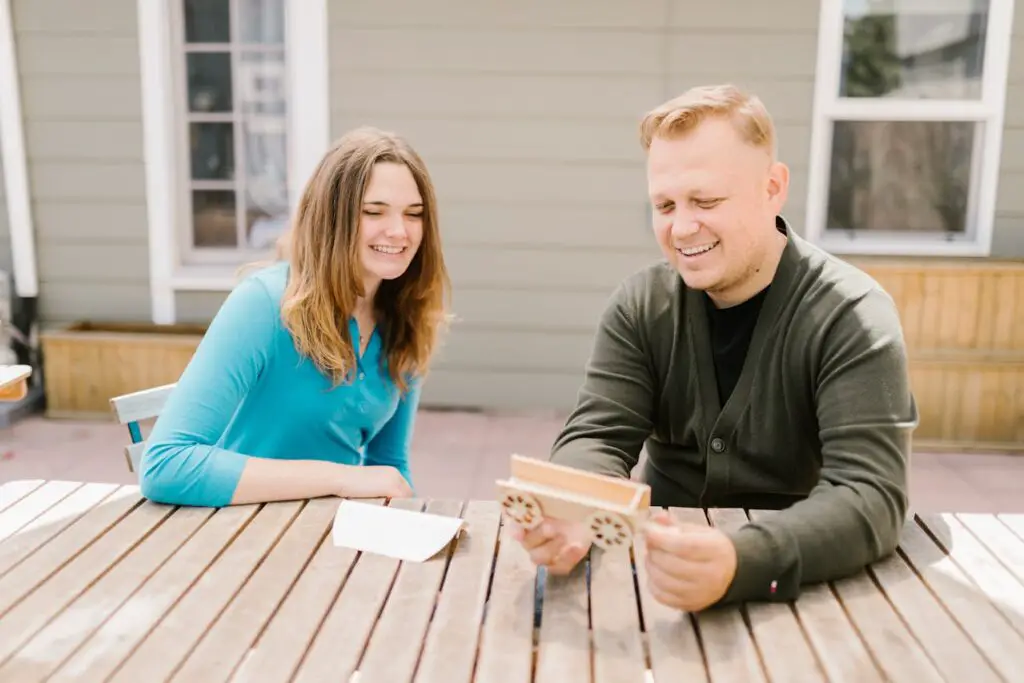
<p> In every marriage, small things can either strengthen or weaken the connection between partners. While many women try their best to keep the spark alive, sometimes without realizing it, certain behaviors can make their husbands feel neglected or unloved. These actions often come from a place of stress, habit, or simply not understanding how their partner is feeling. In this blog, we’ll explore eight things women might be doing that unknowingly hurt their husbands, and how to fix them with simple, thoughtful adjustments. Let’s dive in! </p> :: Pexels

In every marriage, small things can either strengthen or weaken the connection between partners. While many women try their best to keep the spark alive, sometimes without realizing it, certain behaviors can make their husbands feel neglected or unloved. These actions often come from a place of stress, habit, or simply not understanding how their partner is feeling. In this blog, we’ll explore eight things women might be doing that unknowingly hurt their husbands, and how to fix them with simple, thoughtful adjustments. Let’s dive in!

1. Neglecting to Show Physical Affection

<p> Let’s be honest—life gets busy, and sometimes you just forget to hug your husband or offer a quick kiss on the cheek. But these small gestures are more important than you might think. Physical affection is a love language for many men, and without it, they might start to feel emotionally disconnected. When your husband doesn’t get those hugs, spontaneous kisses, or hand-holding, he might feel unimportant, like you’ve stopped caring. You don’t need to make grand gestures to keep the spark alive—simple, everyday moments of touch can go a long way in showing your love and maintaining a close connection. </p> :: Pexels

Let’s be honest—life gets busy, and sometimes you just forget to hug your husband or offer a quick kiss on the cheek. But these small gestures are more important than you might think. Physical affection is a love language for many men, and without it, they might start to feel emotionally disconnected. When your husband doesn’t get those hugs, spontaneous kisses, or hand-holding, he might feel unimportant, like you’ve stopped caring. You don’t need to make grand gestures to keep the spark alive—simple, everyday moments of touch can go a long way in showing your love and maintaining a close connection.

2. Taking Him for Granted

<p> As time goes on, it’s easy to fall into the routine of not acknowledging your partner’s efforts. Whether it’s his work, helping around the house, or supporting you through challenging times, men want to feel appreciated too. When women don’t recognize the things their husbands do—big or small—they can start to feel like their efforts go unnoticed. A quick “thank you” or a compliment for all the hard work he’s putting in can boost his mood and remind him that you see him and appreciate him. Never assume that just because he doesn’t say anything, he doesn’t need recognition. Appreciation keeps the relationship feeling fresh and valued. </p> :: Pexels

As time goes on, it’s easy to fall into the routine of not acknowledging your partner’s efforts. Whether it’s his work, helping around the house, or supporting you through challenging times, men want to feel appreciated too. When women don’t recognize the things their husbands do—big or small—they can start to feel like their efforts go unnoticed. A quick “thank you” or a compliment for all the hard work he’s putting in can boost his mood and remind him that you see him and appreciate him. Never assume that just because he doesn’t say anything, he doesn’t need recognition. Appreciation keeps the relationship feeling fresh and valued.

3. Dismissing His Feelings or Concerns

<p> Many women are excellent listeners, but sometimes we might unintentionally dismiss our husbands’ concerns. This usually happens when we’re busy or we think that what they’re going through isn’t as big a deal as it seems. But for men, their feelings matter just as much as anyone’s, and when a woman brushes off what they say, it can make them feel invalidated. Even if you don’t fully understand the issue, try acknowledging his feelings and offer support. Sometimes, simply listening without judgment and saying “I understand” or “I’m here for you” can make a world of difference. </p> :: Pexels

Many women are excellent listeners, but sometimes we might unintentionally dismiss our husbands’ concerns. This usually happens when we’re busy or we think that what they’re going through isn’t as big a deal as it seems. But for men, their feelings matter just as much as anyone’s, and when a woman brushes off what they say, it can make them feel invalidated. Even if you don’t fully understand the issue, try acknowledging his feelings and offer support. Sometimes, simply listening without judgment and saying “I understand” or “I’m here for you” can make a world of difference.

4. Prioritizing Everything Else Over Him

<p> We all know how life can get hectic—there’s work, kids, errands, and everything in between. But when all these responsibilities take precedence over your husband’s needs, he might start to feel like an afterthought. Husbands want to feel prioritized, just like you want to feel prioritized. When women put their husbands last on their to-do list, it can create emotional distance in the relationship. It’s essential to carve out time for each other, even if it’s just a few minutes of uninterrupted conversation or a weekly date night. Showing that he matters and isn’t just another item on your long list of things to do will keep your marriage feeling alive and strong. </p> :: Pexels

We all know how life can get hectic—there’s work, kids, errands, and everything in between. But when all these responsibilities take precedence over your husband’s needs, he might start to feel like an afterthought. Husbands want to feel prioritized, just like you want to feel prioritized. When women put their husbands last on their to-do list, it can create emotional distance in the relationship. It’s essential to carve out time for each other, even if it’s just a few minutes of uninterrupted conversation or a weekly date night. Showing that he matters and isn’t just another item on your long list of things to do will keep your marriage feeling alive and strong.

5. Not Communicating Needs or Desires Clearly

<p> You may assume that your husband knows exactly what you need or want, whether it’s help around the house or emotional support. But men aren’t mind readers, and when women don’t clearly communicate their desires, it can lead to frustration. He might think he’s doing the right thing, only to find out he’s missed the mark. Be clear about what you need, whether it’s physical affection, emotional support, or just a listening ear. Open communication fosters understanding and helps both partners feel more connected. Instead of expecting him to figure it out, give him a clear idea of what will make you feel loved and supported. </p> :: Pexels

You may assume that your husband knows exactly what you need or want, whether it’s help around the house or emotional support. But men aren’t mind readers, and when women don’t clearly communicate their desires, it can lead to frustration. He might think he’s doing the right thing, only to find out he’s missed the mark. Be clear about what you need, whether it’s physical affection, emotional support, or just a listening ear. Open communication fosters understanding and helps both partners feel more connected. Instead of expecting him to figure it out, give him a clear idea of what will make you feel loved and supported.

6. Being Critical Instead of Supportive

<p> It’s easy to fall into the habit of pointing out mistakes or areas of improvement, especially when you’re trying to keep everything running smoothly. But constant criticism—whether it’s about his habits, the way he does chores, or his decisions—can hurt your husband’s self-esteem and make him feel unappreciated. No one likes to feel like they’re constantly being judged, and for many men, this can lead to feelings of inadequacy. Instead of focusing on what’s wrong, try to highlight what he’s doing right and offer support in a constructive, encouraging way. Remember, a little praise goes a long way in keeping the relationship healthy and happy. </p> :: Pexels

It’s easy to fall into the habit of pointing out mistakes or areas of improvement, especially when you’re trying to keep everything running smoothly. But constant criticism—whether it’s about his habits, the way he does chores, or his decisions—can hurt your husband’s self-esteem and make him feel unappreciated. No one likes to feel like they’re constantly being judged, and for many men, this can lead to feelings of inadequacy. Instead of focusing on what’s wrong, try to highlight what he’s doing right and offer support in a constructive, encouraging way. Remember, a little praise goes a long way in keeping the relationship healthy and happy.

7. Ignoring His Love Language

<p> Everyone experiences love differently, and understanding your husband’s love language is crucial for making him feel valued. Some men feel loved through words of affirmation, while others need acts of service or quality time. If a woman expresses love in a way that doesn’t resonate with her husband’s needs, he might feel disconnected or unsure of how much she loves him. For example, if his love language is physical touch and all you offer is verbal affection, he might still feel unloved. Take time to learn your husband’s love language and incorporate it into your daily life. Doing so will deepen your emotional connection and help him feel cherished. </p> :: Pexels

Everyone experiences love differently, and understanding your husband’s love language is crucial for making him feel valued. Some men feel loved through words of affirmation, while others need acts of service or quality time. If a woman expresses love in a way that doesn’t resonate with her husband’s needs, he might feel disconnected or unsure of how much she loves him. For example, if his love language is physical touch and all you offer is verbal affection, he might still feel unloved. Take time to learn your husband’s love language and incorporate it into your daily life. Doing so will deepen your emotional connection and help him feel cherished.

8. Failing to Foster Emotional Intimacy

<p> Emotional intimacy is the glue that holds a marriage together. Without it, even physical intimacy can feel hollow. If women keep their emotions to themselves, avoid vulnerable conversations, or don’t share their own personal experiences, it can create a barrier between partners. Husbands want to feel that they are emotionally connected to their wives, and when women neglect to open up, it can cause them to feel lonely or unimportant. Create a safe space where both of you can express your thoughts, feelings, and vulnerabilities without fear of judgment. Emotional intimacy deepens the bond and makes both partners feel supported and loved. </p> :: Pexels

Emotional intimacy is the glue that holds a marriage together. Without it, even physical intimacy can feel hollow. If women keep their emotions to themselves, avoid vulnerable conversations, or don’t share their own personal experiences, it can create a barrier between partners. Husbands want to feel that they are emotionally connected to their wives, and when women neglect to open up, it can cause them to feel lonely or unimportant. Create a safe space where both of you can express your thoughts, feelings, and vulnerabilities without fear of judgment. Emotional intimacy deepens the bond and makes both partners feel supported and loved.

Final Thoughts

<p> Recognizing these behaviors is the first step toward creating a stronger, more loving marriage. It’s important to regularly check in with each other, communicate openly, and appreciate the small things that make a relationship thrive. Sometimes, it’s the tiniest gestures—a thoughtful text during the day, a hug when you pass by, or a simple compliment—that make all the difference. Fostering a sense of mutual respect and appreciation is key to making your husband feel loved, secure, and valued. In any relationship, it’s normal to have ups and downs, but by showing consistent care, understanding, and affection, you can ensure that both you and your husband feel connected and appreciated. A healthy, happy marriage doesn’t happen by accident—it takes effort, empathy, and plenty of love from both sides. So, let’s be mindful of the small things and build a relationship where both partners feel truly seen and cherished. </p> :: Pexels

Recognizing these behaviors is the first step toward creating a stronger, more loving marriage. It’s important to regularly check in with each other, communicate openly, and appreciate the small things that make a relationship thrive. Sometimes, it’s the tiniest gestures—a thoughtful text during the day, a hug when you pass by, or a simple compliment—that make all the difference. Fostering a sense of mutual respect and appreciation is key to making your husband feel loved, secure, and valued.

In any relationship, it’s normal to have ups and downs, but by showing consistent care, understanding, and affection, you can ensure that both you and your husband feel connected and appreciated. A healthy, happy marriage doesn’t happen by accident—it takes effort, empathy, and plenty of love from both sides. So, let’s be mindful of the small things and build a relationship where both partners feel truly seen and cherished.


Filed Under: Lifestyle

9 Odd Habits That Highly Intelligent People Have—That Others Just Do Not Get

September 18, 2025 | Leave a Comment

9 Odd Habits That Highly Intelligent People Have—That Others Just Do Not Get

<p> Highly intelligent people often operate on a different wavelength. Their thought processes, actions, and habits can sometimes appear unusual or even eccentric to those around them. However, these so-called “odd” habits aren’t random quirks—they often reflect the inner workings of a mind that’s constantly analyzing, learning, and growing. If you've ever wondered why some intelligent individuals do things that leave you scratching your head, you're not alone. Many of these habits are actually signs of mental agility and creativity. Let's dive into the 9 odd habits that highly intelligent people have—habits that others often fail to understand but are essential to their success. </p> :: Pexels

Highly intelligent people often operate on a different wavelength. Their thought processes, actions, and habits can sometimes appear unusual or even eccentric to those around them. However, these so-called “odd” habits aren’t random quirks—they often reflect the inner workings of a mind that’s constantly analyzing, learning, and growing. If you’ve ever wondered why some intelligent individuals do things that leave you scratching your head, you’re not alone. Many of these habits are actually signs of mental agility and creativity. Let’s dive into the 9 odd habits that highly intelligent people have—habits that others often fail to understand but are essential to their success.

1. They Talk to Themselves

<p> It might seem odd to see someone talking to themselves, but for highly intelligent people, this is a habit rooted in efficiency. When they talk aloud, it helps them think through complex problems and clarify their thoughts. By verbalizing their inner dialogue, they are better able to focus, solve problems, and break down abstract concepts. This habit isn’t a sign of loneliness or madness—it’s an effective tool for processing information, brainstorming ideas, and troubleshooting issues. The next time you see someone talking to themselves, know that they're probably just using a strategy that helps them think more clearly and efficiently. </p> :: Pexels

It might seem odd to see someone talking to themselves, but for highly intelligent people, this is a habit rooted in efficiency. When they talk aloud, it helps them think through complex problems and clarify their thoughts. By verbalizing their inner dialogue, they are better able to focus, solve problems, and break down abstract concepts. This habit isn’t a sign of loneliness or madness—it’s an effective tool for processing information, brainstorming ideas, and troubleshooting issues. The next time you see someone talking to themselves, know that they’re probably just using a strategy that helps them think more clearly and efficiently.

2. They Enjoy Being Alone

<p> Being around people all the time can be draining for highly intelligent individuals. They often seek out solitude to recharge and engage in deep thought. While some may see this as a sign of introversion, it’s actually a necessary part of their creative process. Time alone allows them to think deeply, explore new ideas, and reflect on their experiences. Intelligent people value their own company because it provides the mental space they need to be productive. Far from being lonely, they use their solitude to refine their skills, improve their understanding of the world, and develop their next big idea. </p> :: Pexels

Being around people all the time can be draining for highly intelligent individuals. They often seek out solitude to recharge and engage in deep thought. While some may see this as a sign of introversion, it’s actually a necessary part of their creative process. Time alone allows them to think deeply, explore new ideas, and reflect on their experiences. Intelligent people value their own company because it provides the mental space they need to be productive. Far from being lonely, they use their solitude to refine their skills, improve their understanding of the world, and develop their next big idea.

3. They Have an Unusual Sleep Schedule

<p> Highly intelligent people don’t always stick to a 9-to-5 schedule—especially when it comes to sleep. Many of them prefer to stay up late or wake up early, following a schedule that works for their mental rhythms. Some even follow a polyphasic sleep cycle, which involves taking multiple naps throughout the day rather than one long stretch of sleep. This unusual sleep pattern is often linked to the brain’s need for time to process new information. Intelligent minds are constantly absorbing and analyzing data, so their brains may require extra time to work through the information before they can rest. While this habit may seem odd to others, it’s actually beneficial for their creativity and cognitive function. </p> :: Pexels

Highly intelligent people don’t always stick to a 9-to-5 schedule—especially when it comes to sleep. Many of them prefer to stay up late or wake up early, following a schedule that works for their mental rhythms. Some even follow a polyphasic sleep cycle, which involves taking multiple naps throughout the day rather than one long stretch of sleep. This unusual sleep pattern is often linked to the brain’s need for time to process new information. Intelligent minds are constantly absorbing and analyzing data, so their brains may require extra time to work through the information before they can rest. While this habit may seem odd to others, it’s actually beneficial for their creativity and cognitive function.

4. They Are Perfectionists

<p> Perfectionism is often viewed negatively, but for intelligent people, it’s more of a natural drive to achieve excellence. They may spend more time than others perfecting their work, whether it’s a research paper, a project at work, or a creative endeavor. This can sometimes be frustrating for those around them, as it can appear as an obsessive need to get everything just right. However, perfectionism allows them to produce high-quality work and push the boundaries of their capabilities. While others may see their attention to detail as an overreaction, it's actually a reflection of their desire to produce the best possible outcome. </p> :: Pexels

Perfectionism is often viewed negatively, but for intelligent people, it’s more of a natural drive to achieve excellence. They may spend more time than others perfecting their work, whether it’s a research paper, a project at work, or a creative endeavor. This can sometimes be frustrating for those around them, as it can appear as an obsessive need to get everything just right. However, perfectionism allows them to produce high-quality work and push the boundaries of their capabilities. While others may see their attention to detail as an overreaction, it’s actually a reflection of their desire to produce the best possible outcome.

5. They Read Widely and Often

<p> While many people stick to their favorite genres or topics, highly intelligent individuals are voracious readers with a wide range of interests. They’re constantly seeking new knowledge—whether it’s about science, history, philosophy, or even niche topics. Intelligent people read to broaden their horizons, expand their vocabulary, and gain new insights. They understand that the more diverse the information they consume, the more likely they are to make new connections and generate creative ideas. To others, their reading habits might seem excessive or all over the place, but for intelligent minds, this habit is a crucial part of personal and intellectual growth. </p> :: Pexels

While many people stick to their favorite genres or topics, highly intelligent individuals are voracious readers with a wide range of interests. They’re constantly seeking new knowledge—whether it’s about science, history, philosophy, or even niche topics. Intelligent people read to broaden their horizons, expand their vocabulary, and gain new insights. They understand that the more diverse the information they consume, the more likely they are to make new connections and generate creative ideas. To others, their reading habits might seem excessive or all over the place, but for intelligent minds, this habit is a crucial part of personal and intellectual growth.

6. They Ask a Lot of Questions

<p> Curiosity is a hallmark of intelligence, and one of the ways highly intelligent people express this is through their constant questioning. They don’t accept things at face value; they dig deeper, challenge assumptions, and seek to understand the “why” behind everything. While others may be satisfied with surface-level knowledge, intelligent individuals strive to uncover the full truth. They ask questions not just to learn more but to stimulate critical thinking and encourage others to think outside the box. These probing questions may seem unnecessary or even uncomfortable to some, but they’re a tool for discovering new insights and pushing the boundaries of conventional thinking. </p> :: Pexels

Curiosity is a hallmark of intelligence, and one of the ways highly intelligent people express this is through their constant questioning. They don’t accept things at face value; they dig deeper, challenge assumptions, and seek to understand the “why” behind everything. While others may be satisfied with surface-level knowledge, intelligent individuals strive to uncover the full truth. They ask questions not just to learn more but to stimulate critical thinking and encourage others to think outside the box. These probing questions may seem unnecessary or even uncomfortable to some, but they’re a tool for discovering new insights and pushing the boundaries of conventional thinking.

7. They Love to Experiment

<p> Highly intelligent people are often curious experimenters. They don’t just accept what they’re told; they like to test ideas and theories to see if they work in practice. Whether it’s a new recipe, a different method of solving a problem, or an unconventional approach to a project, they enjoy experimenting with new concepts and learning from the results. This habit of trial and error allows them to innovate and discover new solutions that others may not have considered. While some may view their willingness to try out new things as inefficient or reckless, it’s actually a key part of their intellectual curiosity and growth. </p> :: Pexels

Highly intelligent people are often curious experimenters. They don’t just accept what they’re told; they like to test ideas and theories to see if they work in practice. Whether it’s a new recipe, a different method of solving a problem, or an unconventional approach to a project, they enjoy experimenting with new concepts and learning from the results. This habit of trial and error allows them to innovate and discover new solutions that others may not have considered. While some may view their willingness to try out new things as inefficient or reckless, it’s actually a key part of their intellectual curiosity and growth.


8. They Tend to Overthink

<p> Overthinking is often seen as a negative trait, but for highly intelligent people, it’s a natural byproduct of their complex thought processes. They analyze and reanalyze every piece of information, seeking patterns, implications, and deeper meanings. While this can lead to indecisiveness at times, it also ensures that they make well-thought-out decisions and avoid making hasty mistakes. Intelligent individuals don’t take things at face value—they explore every angle before coming to a conclusion. While overthinking may appear like a flaw to others, it’s actually a sign of a mind that’s fully engaged in analyzing all possibilities before moving forward. </p> :: Pexels

Overthinking is often seen as a negative trait, but for highly intelligent people, it’s a natural byproduct of their complex thought processes. They analyze and reanalyze every piece of information, seeking patterns, implications, and deeper meanings. While this can lead to indecisiveness at times, it also ensures that they make well-thought-out decisions and avoid making hasty mistakes. Intelligent individuals don’t take things at face value—they explore every angle before coming to a conclusion. While overthinking may appear like a flaw to others, it’s actually a sign of a mind that’s fully engaged in analyzing all possibilities before moving forward.

9. They Value Failure as a Learning Tool

<p> To many, failure is something to be avoided at all costs, but highly intelligent people often see it as an essential part of the learning process. They understand that mistakes are inevitable and that each failure is an opportunity to learn, adapt, and grow. Instead of getting discouraged, they embrace failure as a tool for self-improvement. Whether they’re learning a new skill or tackling a challenging task, intelligent people understand that failing is not a reflection of their abilities—it’s a necessary step toward success. This mindset allows them to take risks, push boundaries, and ultimately achieve greater things. </p> :: Pexels

To many, failure is something to be avoided at all costs, but highly intelligent people often see it as an essential part of the learning process. They understand that mistakes are inevitable and that each failure is an opportunity to learn, adapt, and grow. Instead of getting discouraged, they embrace failure as a tool for self-improvement. Whether they’re learning a new skill or tackling a challenging task, intelligent people understand that failing is not a reflection of their abilities—it’s a necessary step toward success. This mindset allows them to take risks, push boundaries, and ultimately achieve greater things.

Final Thoughts

<p> Highly intelligent people often have habits that others may not fully understand, but these “odd” behaviors are more than just eccentricities—they are strategies that help them thrive. Whether it’s talking to themselves, seeking solitude, or embracing failure, these habits are essential to their intellectual success. By engaging in these activities, intelligent minds are able to think more deeply, solve problems more effectively, and foster creativity in ways that others simply cannot. So, the next time you see someone engaging in one of these “odd” habits, remember that it’s probably a sign of brilliance at work. </p> :: Pexels

Highly intelligent people often have habits that others may not fully understand, but these “odd” behaviors are more than just eccentricities—they are strategies that help them thrive. Whether it’s talking to themselves, seeking solitude, or embracing failure, these habits are essential to their intellectual success. By engaging in these activities, intelligent minds are able to think more deeply, solve problems more effectively, and foster creativity in ways that others simply cannot. So, the next time you see someone engaging in one of these “odd” habits, remember that it’s probably a sign of brilliance at work.

Filed Under: Lifestyle

The Surprising Longevity of Car Cigarette Lighters – Why Are They Still Around?

September 17, 2025 | Leave a Comment

The Surprising Longevity of Car Cigarette Lighters – Why Are They Still Around?

<p> Cigarette lighters in cars have come a long way since their inception. Introduced in the 1920s, these tiny devices have somehow managed to survive the test of time, despite the decline in smoking rates and the rise of advanced car technologies. So, how did an accessory primarily designed for lighting cigarettes outlast smoking trends, tech revolutions, and even some car models themselves? And what does the future hold for these resilient little sockets? Here are nine key reasons why these devices have persisted. </p> :: Pixabay

Cigarette lighters in cars have come a long way since their inception. Introduced in the 1920s, these tiny devices have somehow managed to survive the test of time, despite the decline in smoking rates and the rise of advanced car technologies. So, how did an accessory primarily designed for lighting cigarettes outlast smoking trends, tech revolutions, and even some car models themselves? And what does the future hold for these resilient little sockets? Here are nine key reasons why these devices have persisted.

 

1. Historical Context and Popularity

<p>Introduced in the 1920s, cigarette lighters became a symbol of convenience and luxury. As smoking was a common habit, the built-in lighters quickly gained popularity, becoming a standard feature in most vehicles by the mid-20th century. By the 1960s, nearly 50% of American adults smoked, making the lighter a must-have accessory. </p> ::Pexels

Introduced in the 1920s, cigarette lighters became a symbol of convenience and luxury. As smoking was a common habit, the built-in lighters quickly gained popularity, becoming a standard feature in most vehicles by the mid-20th century. By the 1960s, nearly 50% of American adults smoked, making the lighter a must-have accessory.


2. Evolution of Design

<p>Automakers continuously improved cigarette lighters, making them more reliable and user-friendly. The push-button design and integrated power source made them an indispensable accessory. In the 1990s, Chrysler led the charge by removing cigarette lighters from their new models, but the power outlet remained.</p> ::Pexels

Automakers continuously improved cigarette lighters, making them more reliable and user-friendly. The push-button design and integrated power source made them an indispensable accessory. In the 1990s, Chrysler led the charge by removing cigarette lighters from their new models, but the power outlet remained.


3. Versatility of the Power Outlet

<p>The lighter socket evolved into a versatile power outlet. People started using it to power various devices such as mobile phones, GPS units, and portable coolers, increasing its utility beyond lighting cigarettes. Today, over 90% of vehicles still include a 12-volt power outlet.</p> ::Pexels

The lighter socket evolved into a versatile power outlet. People started using it to power various devices such as mobile phones, GPS units, and portable coolers, increasing its utility beyond lighting cigarettes. Today, over 90% of vehicles still include a 12-volt power outlet.


4. Integration with Modern Technology

<p>Manufacturers adapted the lighter socket to support USB ports and other modern charging interfaces. This adaptability ensured the continued relevance of the lighter socket, even as smoking rates declined. It’s like the Swiss Army knife of car accessories—always finding a new way to be useful. </p> ::Pexels

Manufacturers adapted the lighter socket to support USB ports and other modern charging interfaces. This adaptability ensured the continued relevance of the lighter socket, even as smoking rates declined. It’s like the Swiss Army knife of car accessories—always finding a new way to be useful.


5. Cultural and Social Influence

<p>For many, the presence of a cigarette lighter was tied to cultural and social habits. Road trips, family outings, and car culture in general cemented the lighter as an integral part of the driving experience. Imagine a road trip without a way to charge your phone—unthinkable!</p> ::Pexels

For many, the presence of a cigarette lighter was tied to cultural and social habits. Road trips, family outings, and car culture in general cemented the lighter as an integral part of the driving experience. Imagine a road trip without a way to charge your phone—unthinkable!


6. Aftermarket Accessories

<p>A wide array of aftermarket accessories was developed to utilize the lighter socket, from air purifiers to tire inflators. This ecosystem of products ensured the socket’s continued presence in vehicles. It’s like the gift that keeps on giving.</p> ::Pexels

A wide array of aftermarket accessories was developed to utilize the lighter socket, from air purifiers to tire inflators. This ecosystem of products ensured the socket’s continued presence in vehicles. It’s like the gift that keeps on giving.


7. Cost-Efficiency

<p>The cost of including a cigarette lighter socket in vehicles is relatively low. Given its multiple uses, manufacturers found it cost-efficient to retain this feature, appealing to a broader range of consumers. Why fix what isn’t broken, right?</p> ::Pexels

The cost of including a cigarette lighter socket in vehicles is relatively low. Given its multiple uses, manufacturers found it cost-efficient to retain this feature, appealing to a broader range of consumers. Why fix what isn’t broken, right?


8. Consumer Expectation

<p>Many consumers have come to expect a cigarette lighter socket in their vehicles. This expectation, coupled with its multifunctionality, has perpetuated its presence in car designs. It’s like the comfort food of car features—always there when you need it.</p> ::Pexels

Many consumers have come to expect a cigarette lighter socket in their vehicles. This expectation, coupled with its multifunctionality, has perpetuated its presence in car designs. It’s like the comfort food of car features—always there when you need it.


9. Lighter Use in Name Only

<p>Oddly enough, most of us have never actually seen anyone use a cigarette lighter in a car to light a cigarette. It has become more of a power socket in disguise, making you wonder if it ever served its original purpose at all!</p> ::Pexels

Oddly enough, most of us have never actually seen anyone use a cigarette lighter in a car to light a cigarette. It has become more of a power socket in disguise, making you wonder if it ever served its original purpose at all!


Future of Cigarette Lighters in Vehicles

<p>The future of cigarette lighters in vehicles is evolving. As technology advances and the automotive industry shifts towards electric vehicles (EVs) and sustainability, traditional cigarette lighters may gradually be phased out. However, the concept of a versatile power outlet will likely persist, albeit in a more modern form such as integrated USB-C ports or wireless charging pads.</p> ::Pexels

The future of cigarette lighters in vehicles is evolving. As technology advances and the automotive industry shifts towards electric vehicles (EVs) and sustainability, traditional cigarette lighters may gradually be phased out. However, the concept of a versatile power outlet will likely persist, albeit in a more modern form such as integrated USB-C ports or wireless charging pads.

Filed Under: Lifestyle

Boomer Candy Flashback: 13 Sweets That Defined Childhood

September 17, 2025 | Leave a Comment

Boomer Candy Flashback: 13 Sweets That Defined Childhood

<p>For baby boomers, sweet treats from the past evoke memories of simpler times, family gatherings, and childhood indulgences. These nostalgic sweets carry with them a sense of history and fondness that modern candies can’t quite replicate. Here are 13 sweets that boomers are sure to resonate with:</p> ::Pexels

For baby boomers, sweet treats from the past evoke memories of simpler times, family gatherings, and childhood indulgences. These nostalgic sweets carry with them a sense of history and fondness that modern candies can’t quite replicate. Here are 13 sweets that boomers are sure to resonate with:


1. Mary Janes

<p>These peanut butter and molasses candies, wrapped in iconic yellow and red wax paper, have been around since 1914. Their chewy texture and distinctive flavor make them a timeless favorite.</p> ::truetreatscandy

These peanut butter and molasses candies, wrapped in iconic yellow and red wax paper, have been around since 1914. Their chewy texture and distinctive flavor make them a timeless favorite.


2. Necco Wafers

<p>First produced in 1847, Necco Wafers are thin, colorful discs with a chalky texture. They come in a variety of flavors, including clove, licorice, and wintergreen, evoking a taste of nostalgia.</p> ::newengland.com

First produced in 1847, Necco Wafers are thin, colorful discs with a chalky texture. They come in a variety of flavors, including clove, licorice, and wintergreen, evoking a taste of nostalgia.


3. Sky Bar

<p>Introduced in 1938, Sky Bar features four different fillings—caramel, vanilla, peanut, and fudge—each encased in a milk chocolate shell. It’s a unique candy that combines multiple flavors in one bar.</p> ::boydsretrocandy

Introduced in 1938, Sky Bar features four different fillings—caramel, vanilla, peanut, and fudge—each encased in a milk chocolate shell. It’s a unique candy that combines multiple flavors in one bar.


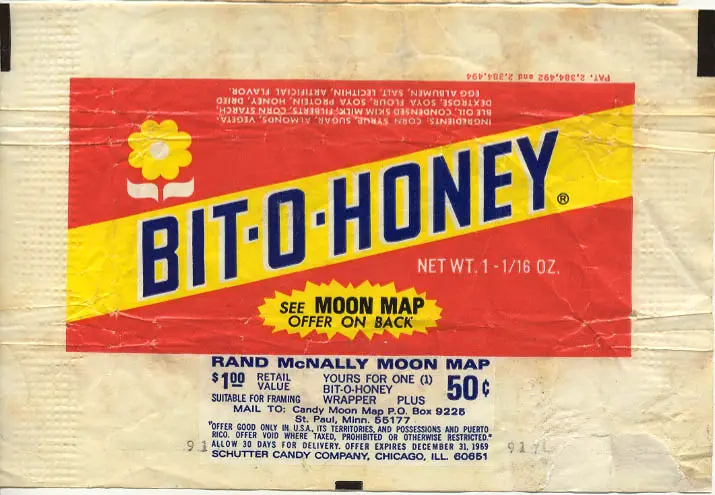
4. Bit-O-Honey

<p>Bit-O-Honey is known for its long-lasting, chewy texture and sweet honey-almond flavor. Wrapped in yellow wax paper, this candy has been a staple since 1924.</p> ::MorrisS

Bit-O-Honey is known for its long-lasting, chewy texture and sweet honey-almond flavor. Wrapped in yellow wax paper, this candy has been a staple since 1924.


5. Candy Cigarettes

<p>Before health concerns led to their decline, candy cigarettes were a popular treat among kids. Made from chalky sugar or bubblegum, these treats often imitated real cigarette brands, adding to their appeal.</p> ::Craig Pennington

Before health concerns led to their decline, candy cigarettes were a popular treat among kids. Made from chalky sugar or bubblegum, these treats often imitated real cigarette brands, adding to their appeal.


6. Zagnut

<p>Zagnut bars, first introduced in the 1930s, combine crunchy peanut butter with toasted coconut. The lack of chocolate coating makes them a unique and enduring favorite.</p> ::hersheys.com

Zagnut bars, first introduced in the 1930s, combine crunchy peanut butter with toasted coconut. The lack of chocolate coating makes them a unique and enduring favorite.


7. Wax Lips

<p>Wax Lips were both a fun toy and a sweet treat. Made from flavored wax, kids could wear them as funny oversized lips before chewing on them like gum.</p> ::sweetiescandy.com

Wax Lips were both a fun toy and a sweet treat. Made from flavored wax, kids could wear them as funny oversized lips before chewing on them like gum.


8. Root Beer Barrels

<p>These hard candies, shaped like miniature barrels, capture the classic flavor of root beer in a sweet, long-lasting treat. They’ve been delighting taste buds for decades.</p> ::allcitycandy

These hard candies, shaped like miniature barrels, capture the classic flavor of root beer in a sweet, long-lasting treat. They’ve been delighting taste buds for decades.


9. Chick-O-Stick

<p>This crunchy, peanut butter and toasted coconut candy has been around since the 1930s. Its bright orange color and unique texture make it a standout among classic sweets.</p> ::ebay

This crunchy, peanut butter and toasted coconut candy has been around since the 1930s. Its bright orange color and unique texture make it a standout among classic sweets.


10. Marathon Bar

<p>The Marathon Bar, with its braided caramel covered in milk chocolate, was a popular treat in the 1970s. While it’s no longer available, its memory lives on in the hearts of boomers who enjoyed its chewy goodness.</p> ::facebook

The Marathon Bar, with its braided caramel covered in milk chocolate, was a popular treat in the 1970s. While it’s no longer available, its memory lives on in the hearts of boomers who enjoyed its chewy goodness.


11. Sugar Daddy

<p>First introduced in 1925, Sugar Daddy is a long-lasting, caramel lollipop that provides a sweet, chewy treat. Its distinctive red and yellow packaging makes it instantly recognizable.</p> ::candycarrollton.com

First introduced in 1925, Sugar Daddy is a long-lasting, caramel lollipop that provides a sweet, chewy treat. Its distinctive red and yellow packaging makes it instantly recognizable.


12. Pixy Stix

<p>Pixy Stix, thin paper straws filled with tangy, flavored powdered candy, have been a favorite since the 1950s. The burst of sugary goodness inside each straw brings back memories of carefree childhood days.</p> ::ferraracandyshopusa

Pixy Stix, thin paper straws filled with tangy, flavored powdered candy, have been a favorite since the 1950s. The burst of sugary goodness inside each straw brings back memories of carefree childhood days.


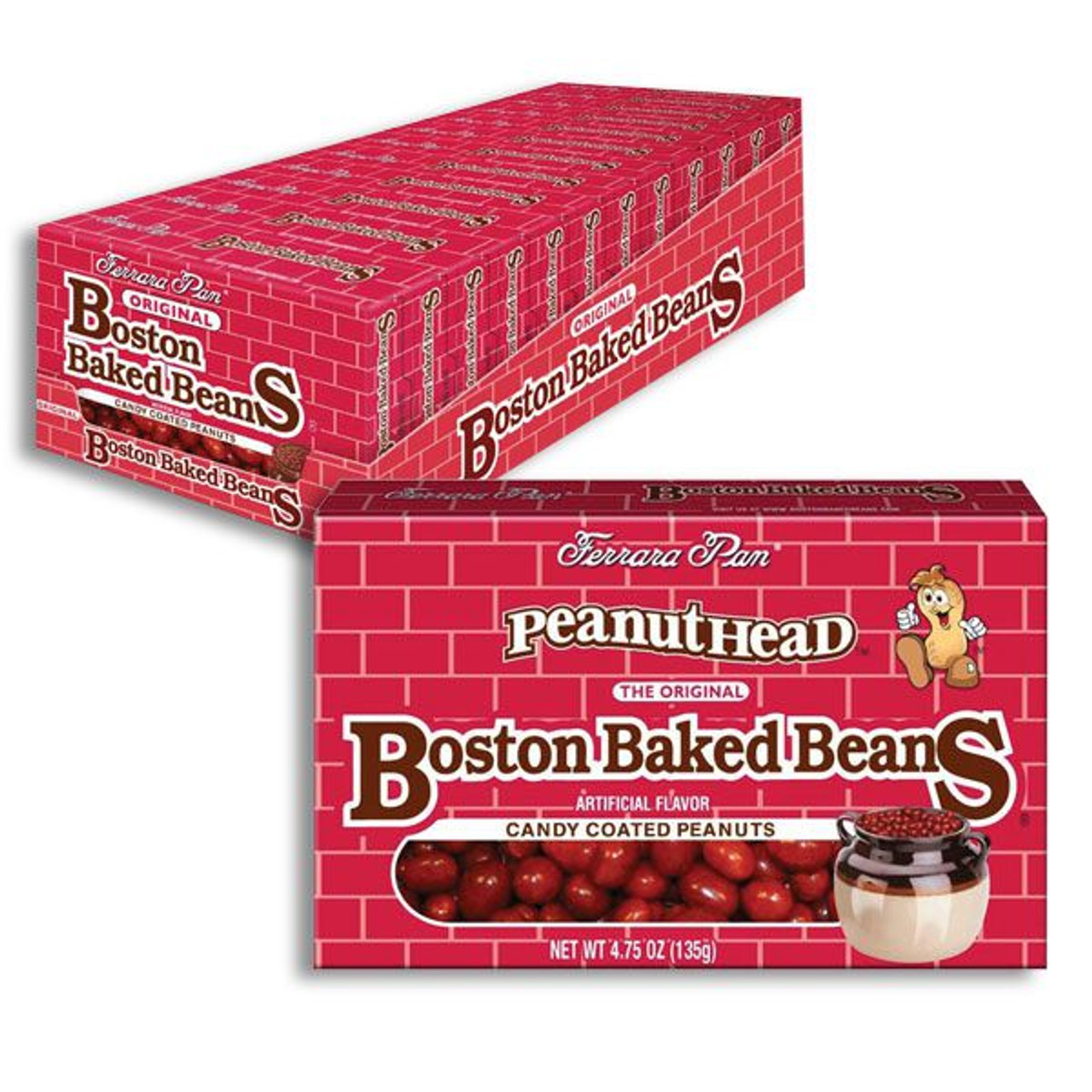
13. Boston Baked Beans

<p>These candy-coated peanuts, named after the classic baked bean dish, have been around since the early 1930s. Their crunchy, sweet exterior and nutty center make them a delightful, nostalgic snack.</p> ::candycorner

These candy-coated peanuts, named after the classic baked bean dish, have been around since the early 1930s. Their crunchy, sweet exterior and nutty center make them a delightful, nostalgic snack.


Final Thoughts

<p>These ten sweets are more than just candies—they’re nostalgic symbols of a bygone era. For baby boomers, each one brings back a flood of memories, from trick-or-treating adventures to after-school snacks. While some of these treats may be harder to find today, their legacy remains a sweet reminder of the past.</p> ::walmart

These ten sweets are more than just candies—they’re nostalgic symbols of a bygone era. For baby boomers, each one brings back a flood of memories, from trick-or-treating adventures to after-school snacks. While some of these treats may be harder to find today, their legacy remains a sweet reminder of the past.

Filed Under: Lifestyle

12 Things Women Should Let Go of After Marriage for a Happier Life

September 17, 2025 | Leave a Comment

12 Things Women Should Let Go of After Marriage for a Happier Life

<p> Marriage is a journey filled with love, growth, and transformation. While it brings new joys and experiences, it also requires letting go of certain habits and beliefs that may no longer serve you. Holding onto unnecessary baggage can create unnecessary stress and strain on your relationship. By releasing these negative patterns, you can build a stronger, healthier, and more fulfilling marriage. Here are twelve things women should let go of after marriage to create a happier and more peaceful life. </p> :: Pexels

Marriage is a journey filled with love, growth, and transformation. While it brings new joys and experiences, it also requires letting go of certain habits and beliefs that may no longer serve you. Holding onto unnecessary baggage can create unnecessary stress and strain on your relationship. By releasing these negative patterns, you can build a stronger, healthier, and more fulfilling marriage. Here are twelve things women should let go of after marriage to create a happier and more peaceful life.

1. Unrealistic Expectations of a Perfect Marriage

<p> Many women enter marriage with dreams of a fairy-tale romance, expecting their spouse to always be the perfect partner. While love is a beautiful thing, no marriage is without its challenges. Expecting perfection can lead to disappointment and unnecessary stress. Instead of focusing on flaws or setbacks, embrace the reality that marriage is about growth, compromise, and mutual support. The happiest couples accept imperfections and work together through life’s ups and downs. </p> :: Pexels

Many women enter marriage with dreams of a fairy-tale romance, expecting their spouse to always be the perfect partner. While love is a beautiful thing, no marriage is without its challenges. Expecting perfection can lead to disappointment and unnecessary stress. Instead of focusing on flaws or setbacks, embrace the reality that marriage is about growth, compromise, and mutual support. The happiest couples accept imperfections and work together through life’s ups and downs.

2. Comparing Your Marriage to Others

<p> With social media showcasing carefully curated glimpses of seemingly perfect relationships, it is easy to fall into the trap of comparison. Seeing other couples travel frequently, post affectionate messages, or celebrate milestones can make you feel like your marriage is lacking. However, every relationship is unique, and what works for one couple may not work for another. Let go of the need to measure your marriage against others and focus on nurturing the love and bond you share with your spouse. </p> :: Pexels

With social media showcasing carefully curated glimpses of seemingly perfect relationships, it is easy to fall into the trap of comparison. Seeing other couples travel frequently, post affectionate messages, or celebrate milestones can make you feel like your marriage is lacking. However, every relationship is unique, and what works for one couple may not work for another. Let go of the need to measure your marriage against others and focus on nurturing the love and bond you share with your spouse.

3. Holding onto Past Relationships

<p> Emotional baggage from past relationships can create tension and insecurity in a marriage. Whether it is a lingering attachment to an ex-partner or unresolved emotional wounds, carrying these feelings into your marriage can prevent true intimacy and trust. Letting go of the past does not mean forgetting, but it does mean choosing to focus on your present and future. Investing your energy in your spouse and relationship will create a more fulfilling and loving marriage. </p> :: Pexels

Emotional baggage from past relationships can create tension and insecurity in a marriage. Whether it is a lingering attachment to an ex-partner or unresolved emotional wounds, carrying these feelings into your marriage can prevent true intimacy and trust. Letting go of the past does not mean forgetting, but it does mean choosing to focus on your present and future. Investing your energy in your spouse and relationship will create a more fulfilling and loving marriage.

4. The Need to Be Right All the Time

<p> Arguments are inevitable in any marriage, but insisting on always being right can be damaging. Marriage is not about winning debates but about finding solutions and understanding each other’s perspectives. Let go of the mindset that you must always have the last word. Instead, practice active listening and compromise. A strong marriage thrives on open communication, respect, and the ability to let go of minor disagreements for the sake of peace and harmony. </p> :: Pexels

Arguments are inevitable in any marriage, but insisting on always being right can be damaging. Marriage is not about winning debates but about finding solutions and understanding each other’s perspectives. Let go of the mindset that you must always have the last word. Instead, practice active listening and compromise. A strong marriage thrives on open communication, respect, and the ability to let go of minor disagreements for the sake of peace and harmony.

5. Trying to Change Your Spouse

<p> Many women enter marriage believing they can change their partner’s habits, personality, or behavior over time. While growth and self-improvement are natural in any relationship, forcing change leads to resentment. Expecting your spouse to become someone they are not will only create frustration for both of you. Instead, focus on acceptance and appreciation. Encourage positive growth through love and support, but embrace your spouse for who they are. </p> :: Pexels

Many women enter marriage believing they can change their partner’s habits, personality, or behavior over time. While growth and self-improvement are natural in any relationship, forcing change leads to resentment. Expecting your spouse to become someone they are not will only create frustration for both of you. Instead, focus on acceptance and appreciation. Encourage positive growth through love and support, but embrace your spouse for who they are.

6. Overcommitting to Pleasing Others

<p> Marriage often comes with pressure from extended family, friends, and societal expectations. Trying to please everyone can leave you emotionally drained and take time away from your spouse. While it is important to maintain relationships with loved ones, your marriage should be a top priority. Let go of the constant need to seek approval from others and focus on what makes you and your spouse happy. Creating boundaries and prioritizing your relationship will lead to a more peaceful and fulfilling marriage. </p> :: Pexels

Marriage often comes with pressure from extended family, friends, and societal expectations. Trying to please everyone can leave you emotionally drained and take time away from your spouse. While it is important to maintain relationships with loved ones, your marriage should be a top priority. Let go of the constant need to seek approval from others and focus on what makes you and your spouse happy. Creating boundaries and prioritizing your relationship will lead to a more peaceful and fulfilling marriage.

7. Fear of Asking for Help

<p> Many women feel the need to handle everything themselves, from household responsibilities to emotional burdens. However, marriage is a partnership, and sharing responsibilities is essential for a healthy relationship. Let go of the fear that asking for help makes you weak or incapable. Communicate openly with your spouse about your needs, whether it is emotional support, household tasks, or financial decisions. A strong marriage is built on teamwork and mutual support. </p> :: Pexels

Many women feel the need to handle everything themselves, from household responsibilities to emotional burdens. However, marriage is a partnership, and sharing responsibilities is essential for a healthy relationship. Let go of the fear that asking for help makes you weak or incapable. Communicate openly with your spouse about your needs, whether it is emotional support, household tasks, or financial decisions. A strong marriage is built on teamwork and mutual support.

8. Guilt Over Prioritizing Self-Care

<p> Taking care of yourself is not selfish; it is necessary for your well-being and the health of your marriage. Many women feel guilty about prioritizing self-care after marriage, believing they must always put their spouse, children, or household first. However, neglecting yourself leads to burnout and resentment. Let go of the guilt and make time for activities that bring you joy, relaxation, and fulfillment. A happy and healthy you will contribute to a stronger and more loving marriage. </p> :: Pexels

Taking care of yourself is not selfish; it is necessary for your well-being and the health of your marriage. Many women feel guilty about prioritizing self-care after marriage, believing they must always put their spouse, children, or household first. However, neglecting yourself leads to burnout and resentment. Let go of the guilt and make time for activities that bring you joy, relaxation, and fulfillment. A happy and healthy you will contribute to a stronger and more loving marriage.

9. Neglecting Personal Goals and Dreams

<p> Marriage should not mean giving up on your aspirations. Some women put their dreams on hold to prioritize their family, but maintaining a sense of individuality is crucial. Let go of the belief that marriage requires sacrificing personal ambitions. Instead, find ways to balance your goals with your partnership. A supportive spouse will encourage you to pursue your passions, and working toward your dreams will bring fulfillment and happiness that enhances your marriage. </p> :: Pexels

Marriage should not mean giving up on your aspirations. Some women put their dreams on hold to prioritize their family, but maintaining a sense of individuality is crucial. Let go of the belief that marriage requires sacrificing personal ambitions. Instead, find ways to balance your goals with your partnership. A supportive spouse will encourage you to pursue your passions, and working toward your dreams will bring fulfillment and happiness that enhances your marriage.

10. Holding Grudges Over Small Issues

<p> Every couple experiences disagreements, but holding onto resentment over minor issues can create tension and unhappiness. Let go of grudges and practice forgiveness. Instead of dwelling on past conflicts, focus on finding solutions and moving forward with love and understanding. Healthy communication and a willingness to let go of petty grievances will create a more peaceful and joyful marriage. </p> :: Pexels

Every couple experiences disagreements, but holding onto resentment over minor issues can create tension and unhappiness. Let go of grudges and practice forgiveness. Instead of dwelling on past conflicts, focus on finding solutions and moving forward with love and understanding. Healthy communication and a willingness to let go of petty grievances will create a more peaceful and joyful marriage.

11. Excessive Control Over Everything

<p> Many women feel the need to control every aspect of their marriage, from household decisions to finances and social plans. While organization is important, micromanaging everything can lead to unnecessary stress and friction. Let go of the urge to have complete control and allow your spouse to share responsibilities and decision-making. Trusting your partner’s judgment and working together as a team will create a more balanced and harmonious relationship. </p> :: Pexels

Many women feel the need to control every aspect of their marriage, from household decisions to finances and social plans. While organization is important, micromanaging everything can lead to unnecessary stress and friction. Let go of the urge to have complete control and allow your spouse to share responsibilities and decision-making. Trusting your partner’s judgment and working together as a team will create a more balanced and harmonious relationship.

12. Fear of Vulnerability

<p> Vulnerability is the foundation of deep emotional connection. Some women struggle with opening up due to past experiences or fear of rejection. However, true intimacy comes from being emotionally available and honest with your spouse. Letting go of the fear of vulnerability allows for open communication, trust, and a deeper bond. Instead of holding back your thoughts and feelings, share your emotions with your spouse and create a safe space for both of you to express your true selves. </p> :: Pexels

Vulnerability is the foundation of deep emotional connection. Some women struggle with opening up due to past experiences or fear of rejection. However, true intimacy comes from being emotionally available and honest with your spouse. Letting go of the fear of vulnerability allows for open communication, trust, and a deeper bond. Instead of holding back your thoughts and feelings, share your emotions with your spouse and create a safe space for both of you to express your true selves.

Final Thoughts

<p> Letting go of these habits and beliefs can lead to a more fulfilling and joyful marriage. Instead of holding onto unnecessary burdens, embrace love, trust, and personal growth. A happy marriage is not about perfection but about two people committed to evolving together. By releasing what no longer serves you, you can build a stronger and more harmonious relationship with your spouse. </p> :: Pexels

Letting go of these habits and beliefs can lead to a more fulfilling and joyful marriage. Instead of holding onto unnecessary burdens, embrace love, trust, and personal growth. A happy marriage is not about perfection but about two people committed to evolving together. By releasing what no longer serves you, you can build a stronger and more harmonious relationship with your spouse.

Filed Under: Lifestyle

10 Outdated Boomer Habits Younger Generations Can’t Stand (And What to Do Instead)

September 16, 2025 | Leave a Comment

10 Outdated Boomer Habits Younger Generations Can’t Stand (And What to Do Instead)

<p> We all carry habits from the time we grew up. For Baby Boomers, many of those habits were shaped in a world without smartphones, constant notifications, or instant access to just about everything. What was once polite, thoughtful, or completely normal in the 1970s or 1980s can feel a little out of step to Millennials and Gen Z today.

This is not about picking on Boomers. In fact, younger generations have a lot to learn from the resilience, work ethic, and face-to-face values that Boomers bring to the table. But some old-school habits just do not land the same way anymore. If you are a Boomer hoping to connect better with your kids, grandkids, coworkers, or even neighbors, a few small tweaks can make a world of difference.

Here are ten outdated Boomer habits that younger people often find frustrating, along with some practical ways to update them without losing your personality or values. </p> :: Freepik

We all carry habits from the time we grew up. For Baby Boomers, many of those habits were shaped in a world without smartphones, constant notifications, or instant access to just about everything. What was once polite, thoughtful, or completely normal in the 1970s or 1980s can feel a little out of step to Millennials and Gen Z today.

This is not about picking on Boomers. In fact, younger generations have a lot to learn from the resilience, work ethic, and face-to-face values that Boomers bring to the table. But some old-school habits just do not land the same way anymore. If you are a Boomer hoping to connect better with your kids, grandkids, coworkers, or even neighbors, a few small tweaks can make a world of difference.

Here are ten outdated Boomer habits that younger people often find frustrating, along with some practical ways to update them without losing your personality or values.

1. Constantly Talking About “The Good Old Days”

<p> Reminiscing about the past can be wonderful, but younger people often roll their eyes when every conversation turns into a comparison of then versus now. Saying things like “Back in my day, we never…” can come across as dismissing today’s challenges. While Boomers faced their own struggles, younger generations are grappling with rising housing costs, student loan debt, and a different kind of job market.

Update it: Share stories from the past, but balance them by asking questions about the present. Instead of saying, “You kids have it easy,” try, “What do you find most challenging right now?” This opens a door for connection instead of creating distance. </p> :: Freepik

Reminiscing about the past can be wonderful, but younger people often roll their eyes when every conversation turns into a comparison of then versus now. Saying things like “Back in my day, we never…” can come across as dismissing today’s challenges. While Boomers faced their own struggles, younger generations are grappling with rising housing costs, student loan debt, and a different kind of job market.

Update it: Share stories from the past, but balance them by asking questions about the present. Instead of saying, “You kids have it easy,” try, “What do you find most challenging right now?” This opens a door for connection instead of creating distance.

2. Giving Unsolicited Advice

<p> One of the gifts of living longer is that you have accumulated plenty of wisdom. But constantly saying, “If I were you…” or “You should…” can feel patronizing, especially to younger adults who want to make their own choices. Even when advice is well-meaning, it can sound like criticism.

Update it: Before offering your perspective, ask first. A simple, “Would you like some advice or do you just want me to listen?” shows respect and gives them a choice. More often than not, they will appreciate your willingness to listen more than your solution. </p> :: Pexels

One of the gifts of living longer is that you have accumulated plenty of wisdom. But constantly saying, “If I were you…” or “You should…” can feel patronizing, especially to younger adults who want to make their own choices. Even when advice is well-meaning, it can sound like criticism.

Update it: Before offering your perspective, ask first. A simple, “Would you like some advice or do you just want me to listen?” shows respect and gives them a choice. More often than not, they will appreciate your willingness to listen more than your solution.

3. Complaining About Technology and Communication Styles

<p> Technology moves quickly, and it can be overwhelming at times. But dismissing social media, texting habits, or online culture as silly or meaningless can come across as judgmental. For younger generations, digital tools are not just for fun—they are where they socialize, build communities, and even work.

Update it: Instead of rejecting it, show curiosity. Ask your kids or grandkids to show you how their favorite app works. You do not have to use TikTok daily, but a willingness to learn goes a long way in building common ground. </p> :: Pexels

Technology moves quickly, and it can be overwhelming at times. But dismissing social media, texting habits, or online culture as silly or meaningless can come across as judgmental. For younger generations, digital tools are not just for fun—they are where they socialize, build communities, and even work.

Update it: Instead of rejecting it, show curiosity. Ask your kids or grandkids to show you how their favorite app works. You do not have to use TikTok daily, but a willingness to learn goes a long way in building common ground.

4. Dropping By Without Warning

<p> For many Boomers, showing up at a friend or family member’s house without calling first was once seen as warm and neighborly. But for younger people juggling busy schedules, remote work, or simply valuing personal downtime, unannounced visits can feel intrusive.

Update it: Send a quick text or make a short call to ask, “Is now a good time to stop by?” That small courtesy shows respect for their time and space, and it increases the odds that your visit will be welcomed with open arms instead of surprise or stress. </p> :: Freepik

For many Boomers, showing up at a friend or family member’s house without calling first was once seen as warm and neighborly. But for younger people juggling busy schedules, remote work, or simply valuing personal downtime, unannounced visits can feel intrusive.

Update it: Send a quick text or make a short call to ask, “Is now a good time to stop by?” That small courtesy shows respect for their time and space, and it increases the odds that your visit will be welcomed with open arms instead of surprise or stress.

5. Insisting on Phone Calls for Everything

<p> For Boomers, calling someone on the phone feels natural and personal. But to younger generations, an unexpected phone call can feel like an interruption. Many prefer text messages or emails for everyday updates because they can respond when it is convenient.

Update it: Save calls for important or personal conversations. For casual things, a text works just fine. If you do call, start by asking, “Is this a good time?” That simple question shows consideration and keeps the interaction pleasant. </p> :: Pexels

For Boomers, calling someone on the phone feels natural and personal. But to younger generations, an unexpected phone call can feel like an interruption. Many prefer text messages or emails for everyday updates because they can respond when it is convenient.

Update it: Save calls for important or personal conversations. For casual things, a text works just fine. If you do call, start by asking, “Is this a good time?” That simple question shows consideration and keeps the interaction pleasant.

6. Using Odd Texting Styles Like ALL CAPS or Endless Ellipses

<p> Some habits from the early days of computers and texting have stuck around, like typing in all caps or using a trail of dots at the end of every sentence. To Boomers, this may feel natural, but to younger generations, it often reads as shouting or passive-aggressive.

Update it: Keep your texts simple and straightforward. Use normal punctuation, and if you want to show excitement, an exclamation mark or even an emoji can do the trick. This small shift can prevent misunderstandings and make your messages feel more approachable. </p> :: Pexels

Some habits from the early days of computers and texting have stuck around, like typing in all caps or using a trail of dots at the end of every sentence. To Boomers, this may feel natural, but to younger generations, it often reads as shouting or passive-aggressive.

Update it: Keep your texts simple and straightforward. Use normal punctuation, and if you want to show excitement, an exclamation mark or even an emoji can do the trick. This small shift can prevent misunderstandings and make your messages feel more approachable.

7. Commenting on People’s Appearance as a Conversation Starter

<p> Many Boomers grew up hearing compliments about weight, age, or looks as a form of small talk. Saying things like, “You look so young for your age,” or “Did you lose weight?” was meant as kindness. But today, those types of comments can hit sensitive spots or feel intrusive.

Update it: Compliment something more neutral, like a person’s outfit, hairstyle, or even their energy. Even better, focus on achievements or qualities, such as, “I love how creative you are,” or “You are doing a great job.” These compliments feel more genuine and less risky. </p> :: Pexels

Many Boomers grew up hearing compliments about weight, age, or looks as a form of small talk. Saying things like, “You look so young for your age,” or “Did you lose weight?” was meant as kindness. But today, those types of comments can hit sensitive spots or feel intrusive.

Update it: Compliment something more neutral, like a person’s outfit, hairstyle, or even their energy. Even better, focus on achievements or qualities, such as, “I love how creative you are,” or “You are doing a great job.” These compliments feel more genuine and less risky.

8. Minimizing Mental Health Struggles

<p> Boomers were raised in a time when mental health issues were often ignored or brushed aside. Saying things like “Toughen up” or “Everyone gets stressed” can make younger people feel like their challenges are not being taken seriously.

Update it: Instead of trying to fix the problem, start with empathy. You can say, “I may not fully understand, but I can see this is difficult for you.” Listening without judgment shows support and encourages younger people to open up rather than shut down. </p> :: Pexels

Boomers were raised in a time when mental health issues were often ignored or brushed aside. Saying things like “Toughen up” or “Everyone gets stressed” can make younger people feel like their challenges are not being taken seriously.

Update it: Instead of trying to fix the problem, start with empathy. You can say, “I may not fully understand, but I can see this is difficult for you.” Listening without judgment shows support and encourages younger people to open up rather than shut down.

9. Chatting Too Long in Service Lines

<p> Boomers often enjoy friendly conversations with cashiers, tellers, or waitstaff. While that friendliness is admirable, younger people living in a fast-paced world may see it as holding up the line. When others are waiting, long conversations can create frustration.

Update it: Keep chats short when people are lined up behind you. A smile or quick compliment is wonderful, but save longer conversations for times when it will not slow everyone down. That way, you still spread kindness without inconveniencing others. </p> :: Pexels

Boomers often enjoy friendly conversations with cashiers, tellers, or waitstaff. While that friendliness is admirable, younger people living in a fast-paced world may see it as holding up the line. When others are waiting, long conversations can create frustration.

Update it: Keep chats short when people are lined up behind you. A smile or quick compliment is wonderful, but save longer conversations for times when it will not slow everyone down. That way, you still spread kindness without inconveniencing others.

10. Sticking to Tradition No Matter What

<p> Tradition is important, and Boomers often value the way things have “always been done.” But when tradition becomes a barrier to adapting—whether in family roles, workplace culture, or social norms—it can feel rigid to younger people who are used to change.

Update it: Ask yourself which traditions truly matter and which could use flexibility. Maybe the big holiday meal can be potluck style instead of one person doing all the cooking. Or perhaps meetings do not always have to be in person if a video call works. Holding on to meaningful traditions while allowing room for change shows wisdom and adaptability. </p> :: Pexels

Tradition is important, and Boomers often value the way things have “always been done.” But when tradition becomes a barrier to adapting—whether in family roles, workplace culture, or social norms—it can feel rigid to younger people who are used to change.

Update it: Ask yourself which traditions truly matter and which could use flexibility. Maybe the big holiday meal can be potluck style instead of one person doing all the cooking. Or perhaps meetings do not always have to be in person if a video call works. Holding on to meaningful traditions while allowing room for change shows wisdom and adaptability.

Final Thoughts

<p> very generation has its quirks, and some of these habits once served Boomers well. But the world has changed, and staying connected often means adjusting how you communicate and interact. None of this means giving up who you are. It simply means being mindful of how your words and actions land with younger people.

At the heart of it, both Boomers and younger generations want the same things: to feel respected, understood, and valued. A little curiosity, empathy, and flexibility can go a long way toward closing the gap. You might even find that making a few adjustments strengthens your relationships, sparks new conversations, and creates more moments of joy across generations.

So the next time you catch yourself saying, “Back in my day,” or reaching for the phone without a text first, pause and think: could I try a new way? Chances are, your kids, grandkids, and friends will notice—and appreciate it. </p> :: Freepik

Every generation has its quirks, and some of these habits once served Boomers well. But the world has changed, and staying connected often means adjusting how you communicate and interact. None of this means giving up who you are. It simply means being mindful of how your words and actions land with younger people.

At the heart of it, both Boomers and younger generations want the same things: to feel respected, understood, and valued. A little curiosity, empathy, and flexibility can go a long way toward closing the gap. You might even find that making a few adjustments strengthens your relationships, sparks new conversations, and creates more moments of joy across generations.

So the next time you catch yourself saying, “Back in my day,” or reaching for the phone without a text first, pause and think: could I try a new way? Chances are, your kids, grandkids, and friends will notice—and appreciate it.

Filed Under: Lifestyle

14 Home Design and Decor Trends from the 80s That Would Make Us Cringe Today

September 16, 2025 | Leave a Comment

14 Home Design and Decor Trends from the 80s That Would Make Us Cringe Today

<p>The 1980s were a bold and eclectic decade for home design, but not every trend has aged well. From excessive pastels to overwhelming patterns, some choices were best left in the past. Let’s take a look at 12 home design and decor trends from the 80s that would make us cringe today!</p> ::Pinterest

The 1980s were a bold and eclectic decade for home design, but not every trend has aged well. From excessive pastels to overwhelming patterns, some choices were best left in the past. Let’s take a look at 12 home design and decor trends from the 80s that would make us cringe today!


1. Carpeted Bathrooms

<p>Nothing says questionable design choices quite like plush carpeting in a moisture-heavy bathroom. Not only was it a nightmare to clean, but it also became a breeding ground for mold and mildew. The idea of stepping out of the shower onto a damp, bacteria-ridden carpet is enough to make anyone shudder, and the lingering musty odors were nearly impossible to eliminate.</p> ::houseandgarden.

Nothing says questionable design choices quite like plush carpeting in a moisture-heavy bathroom. Not only was it a nightmare to clean, but it also became a breeding ground for mold and mildew. The idea of stepping out of the shower onto a damp, bacteria-ridden carpet is enough to make anyone shudder, and the lingering musty odors were nearly impossible to eliminate.


2. Popcorn Ceilings

<p>These textured ceilings were everywhere in the 80s, but today, they’re considered an eyesore. Difficult to clean and prone to trapping dust, many homeowners have opted to remove them in favor of smooth, modern finishes. Additionally, older versions sometimes contained asbestos, making removal a necessary but costly endeavor that requires professional handling.</p> ::mollymaid.com

These textured ceilings were everywhere in the 80s, but today, they’re considered an eyesore. Difficult to clean and prone to trapping dust, many homeowners have opted to remove them in favor of smooth, modern finishes. Additionally, older versions sometimes contained asbestos, making removal a necessary but costly endeavor that requires professional handling.


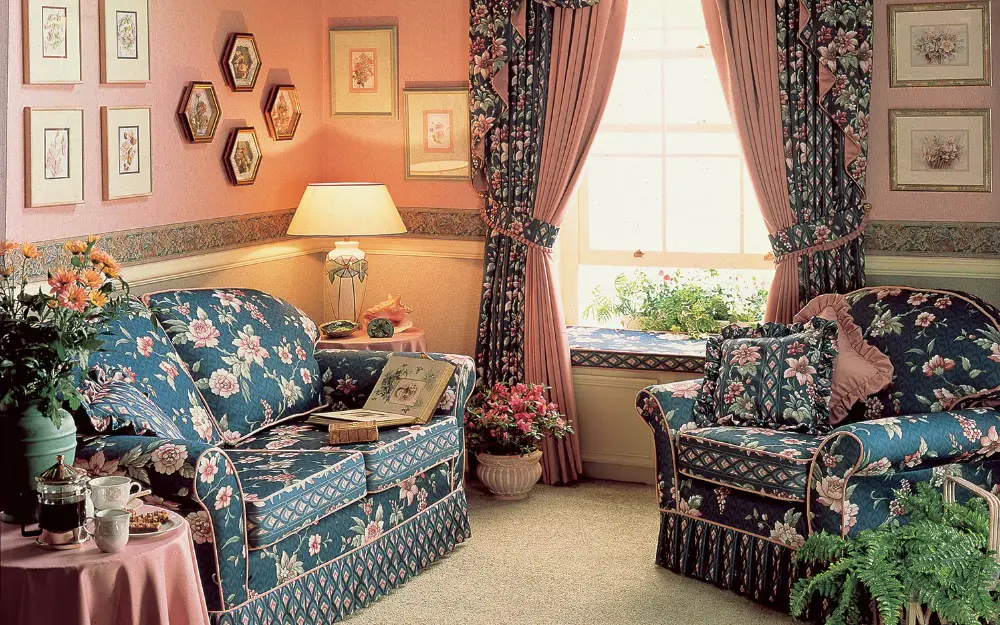
3. Floral Everything

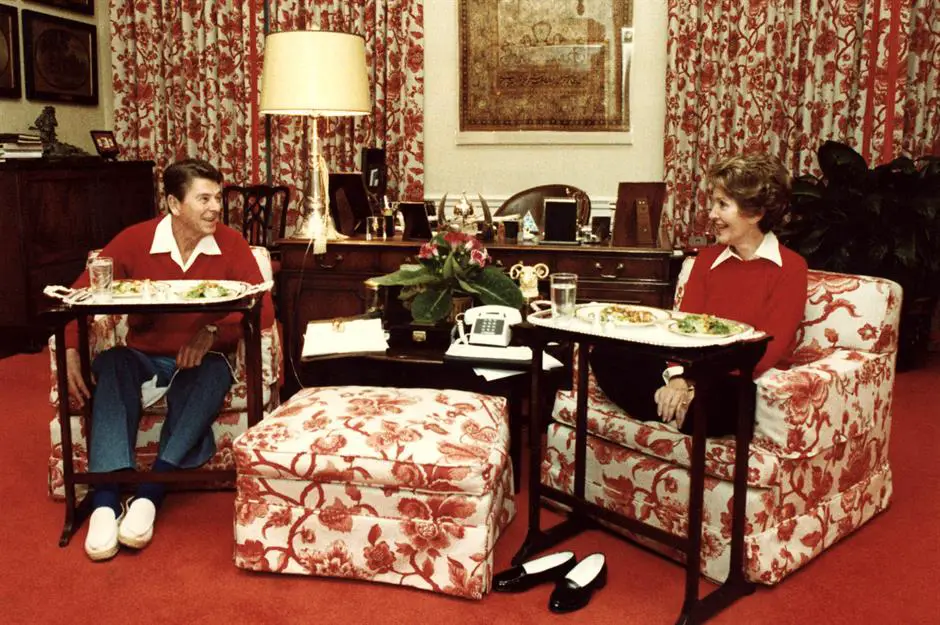
<p>From wallpaper to couches and even carpets, excessive floral patterns dominated 80s decor. While florals can be elegant in moderation, the decade’s obsession with oversized blooms now feels overwhelming and outdated. Instead of feeling cozy, many rooms ended up looking like a chaotic explosion of flowers, making the decor feel cluttered and visually exhausting.</p> ::loveproperty.com

From wallpaper to couches and even carpets, excessive floral patterns dominated 80s decor. While florals can be elegant in moderation, the decade’s obsession with oversized blooms now feels overwhelming and outdated. Instead of feeling cozy, many rooms ended up looking like a chaotic explosion of flowers, making the decor feel cluttered and visually exhausting.


4. Vertical Blinds

<p>Often found in homes with large sliding doors, these clunky, plastic blinds were notorious for breaking easily and creating an uninspired, office-like atmosphere. Their tendency to tangle and collect dust made them even less desirable over time. Not to mention, they often made an annoying clattering sound when touched by even the slightest breeze.</p> ::Reddit

Often found in homes with large sliding doors, these clunky, plastic blinds were notorious for breaking easily and creating an uninspired, office-like atmosphere. Their tendency to tangle and collect dust made them even less desirable over time. Not to mention, they often made an annoying clattering sound when touched by even the slightest breeze.


5. Pastel Overload

<p>Peach, mint green, and dusty rose covered everything from walls to furniture. While pastels can be charming in small doses, the 80s took it to an extreme, making entire rooms look washed out. The result was often a space that lacked contrast, depth, and any real personality, leaving rooms looking overly saccharine and lifeless.</p> ::Reddit

Peach, mint green, and dusty rose covered everything from walls to furniture. While pastels can be charming in small doses, the 80s took it to an extreme, making entire rooms look washed out. The result was often a space that lacked contrast, depth, and any real personality, leaving rooms looking overly saccharine and lifeless.


6. Brass Fixtures Everywhere

<p>Brass was the metal of choice in the 80s, appearing in everything from light fixtures to bathroom faucets. Though brass has made a comeback in more refined finishes, the shiny, yellow-gold version of the 80s is best left behind. It often clashed with other decor elements, making interiors look gaudy rather than elegant, and tarnished easily over time.</p> ::peoplenewspapers

Brass was the metal of choice in the 80s, appearing in everything from light fixtures to bathroom faucets. Though brass has made a comeback in more refined finishes, the shiny, yellow-gold version of the 80s is best left behind. It often clashed with other decor elements, making interiors look gaudy rather than elegant, and tarnished easily over time.


7. Mirrored Walls

<p>A staple of 80s glam, full mirrored walls were meant to make spaces feel larger. Instead, they often ended up looking tacky and dated, not to mention being a hassle to keep spotless. They also gave rooms an unintended funhouse effect that many found unsettling, making them more of a distraction than a stylish choice.</p> ::jpmdesign.blogspot

A staple of 80s glam, full mirrored walls were meant to make spaces feel larger. Instead, they often ended up looking tacky and dated, not to mention being a hassle to keep spotless. They also gave rooms an unintended funhouse effect that many found unsettling, making them more of a distraction than a stylish choice.


8. Waterbeds

<p>Considered the ultimate luxury in the 80s, waterbeds have mostly disappeared due to their impracticality. Leaks, lack of proper back support, and difficulty in moving made them more trouble than they were worth. What once seemed futuristic and indulgent quickly became a regrettable fad, and many users found the constant motion more annoying than relaxing.</p> ::Reddit

Considered the ultimate luxury in the 80s, waterbeds have mostly disappeared due to their impracticality. Leaks, lack of proper back support, and difficulty in moving made them more trouble than they were worth. What once seemed futuristic and indulgent quickly became a regrettable fad, and many users found the constant motion more annoying than relaxing.


9. Ruffled Window Treatments

<p>Heavy, frilly curtains with multiple layers of ruffles were a popular window treatment, but today’s design sensibilities lean toward sleek, minimalist drapes or simple blinds. The excessive fabric often made rooms feel stuffy and overdecorated. They also tended to collect dust and required constant upkeep to maintain their intended look.</p> ::Etsy

Heavy, frilly curtains with multiple layers of ruffles were a popular window treatment, but today’s design sensibilities lean toward sleek, minimalist drapes or simple blinds. The excessive fabric often made rooms feel stuffy and overdecorated. They also tended to collect dust and required constant upkeep to maintain their intended look.


10. Fake Fruit and Ivy Decor

<p>Plastic grapes, ceramic bananas, and artificial ivy draped over kitchen cabinets were once considered stylish. Now, they’re viewed as dust collectors that add unnecessary clutter. Instead of a lively touch, they often made kitchens and dining rooms feel artificial, outdated, and completely devoid of natural beauty.</p> ::Etsy

Plastic grapes, ceramic bananas, and artificial ivy draped over kitchen cabinets were once considered stylish. Now, they’re viewed as dust collectors that add unnecessary clutter. Instead of a lively touch, they often made kitchens and dining rooms feel artificial, outdated, and completely devoid of natural beauty.


11. Over-the-Top Chintz

<p>Chintz fabric, often featuring busy floral prints, covered sofas, chairs, and even walls. The matchy-matchy style was once trendy but now feels excessive and outdated. What was intended to be charming often resulted in an overwhelming visual overload that felt more suffocating than stylish.</p> ::apartmenttherapy

Chintz fabric, often featuring busy floral prints, covered sofas, chairs, and even walls. The matchy-matchy style was once trendy but now feels excessive and outdated. What was intended to be charming often resulted in an overwhelming visual overload that felt more suffocating than stylish.


12. Glass Block Walls

<p>Used to create partitions while maintaining light flow, glass block walls were a staple in 80s homes. Though they had a futuristic feel at the time, they now scream retro in the worst way. Their bulky presence made spaces feel more enclosed rather than open and airy, and their maintenance often proved to be more cumbersome than their aesthetic value justified.</p> ::architecturaldigest

Used to create partitions while maintaining light flow, glass block walls were a staple in 80s homes. Though they had a futuristic feel at the time, they now scream retro in the worst way. Their bulky presence made spaces feel more enclosed rather than open and airy, and their maintenance often proved to be more cumbersome than their aesthetic value justified.


13. Brown Everywhere

<p>From wood-paneled walls to brown carpets and furniture, the 80s had an obsession with this dreary color. Instead of creating a warm, cozy feel, it often made rooms look dark, heavy, and outdated. The lack of color variation left many interiors feeling dull and lifeless, draining the energy from the space rather than enhancing it.</p> ::Facebook

From wood-paneled walls to brown carpets and furniture, the 80s had an obsession with this dreary color. Instead of creating a warm, cozy feel, it often made rooms look dark, heavy, and outdated. The lack of color variation left many interiors feeling dull and lifeless, draining the energy from the space rather than enhancing it.


14. Too Many Hallways

<p>Many 80s homes featured an excessive number of hallways, making floor plans feel unnecessarily complex and disjointed. Instead of open, flowing spaces, homeowners were left navigating a maze of narrow corridors. This design choice often made homes feel more confined and less inviting, adding a sense of separation rather than cohesion.</p> ::Pinterest

Many 80s homes featured an excessive number of hallways, making floor plans feel unnecessarily complex and disjointed. Instead of open, flowing spaces, homeowners were left navigating a maze of narrow corridors. This design choice often made homes feel more confined and less inviting, adding a sense of separation rather than cohesion.


Final Thoughts

<p>While some 80s trends have made a stylish comeback, others remain firmly in the cringe-worthy category. If your home still has one of these relics, it might be time for a refresh! After all, design evolves, and thankfully, so do our tastes. Updating your home’s decor to reflect modern trends can make it feel more inviting, functional, and aesthetically pleasing.</p> ::Redfin

While some 80s trends have made a stylish comeback, others remain firmly in the cringe-worthy category. If your home still has one of these relics, it might be time for a refresh! After all, design evolves, and thankfully, so do our tastes. Updating your home’s decor to reflect modern trends can make it feel more inviting, functional, and aesthetically pleasing.

Filed Under: Lifestyle

Canine Longevity: 10 Dog Breeds Known for Their Impressive Life Expectancy

September 16, 2025 | Leave a Comment

Canine Longevity: 10 Dog Breeds Known for Their Impressive Life Expectancy

For dog lovers, ensuring a long and healthy life for their furry companions is a top priority. While genetics, diet, exercise, and healthcare all play crucial roles in a dog's lifespan, certain breeds are renowned for their exceptional longevity. We'll dive into the world of canine longevity and explore 10 dog breeds known for their impressive life expectancy, offering insights into their characteristics, health considerations, and tips for promoting a fulfilling life for your canine companion. :: Pixabay

For dog lovers, ensuring a long and healthy life for their furry companions is a top priority. While genetics, diet, exercise, and healthcare all play crucial roles in a dog’s lifespan, certain breeds are renowned for their exceptional longevity. In this article, we’ll delve into the world of canine longevity and explore 10 dog breeds known for their impressive life expectancy, offering insights into their characteristics, health considerations, and tips for promoting a fulfilling life for your canine companion.


1. Chihuahua (Average Lifespan: 12-20 Years)

Despite their pint-sized stature, Chihuahuas pack a big punch when it comes to longevity. With proper care and attention, these tiny dogs can live well into their late teens or even early twenties. Regular veterinary check-ups, a nutritious diet, and plenty of mental and physical stimulation are essential for maintaining their health and vitality. :: Pexels

Despite their pint-sized stature, Chihuahuas pack a big punch when it comes to longevity. With proper care and attention, these tiny dogs can live well into their late teens or even early twenties. Regular veterinary check-ups, a nutritious diet, and plenty of mental and physical stimulation are essential for maintaining their health and vitality.


2. Dachshund (Average Lifespan: 12-16 Years)

Known for their distinctive elongated bodies and playful personalities, Dachshunds are also celebrated for their relatively long lifespans. However, their unique physique predisposes them to certain health issues, such as intervertebral disc disease. To promote longevity in Dachshunds, it's crucial to monitor their weight, provide appropriate exercise, and avoid activities that strain their backs. :: Pexels

Known for their distinctive elongated bodies and playful personalities, Dachshunds are also celebrated for their relatively long lifespans. However, their unique physique predisposes them to certain health issues, such as intervertebral disc disease. To promote longevity in Dachshunds, it’s crucial to monitor their weight, provide appropriate exercise, and avoid activities that strain their backs.


3. Pomeranian (Average Lifespan: 12-16 Years):

With their fluffy coats and lively dispositions, Pomeranians are beloved companions that often enjoy extended lifespans. Regular grooming, dental care, and socialization are essential for keeping these small dogs healthy and happy well into their senior years. Additionally, maintaining a balanced diet and providing opportunities for mental stimulation can contribute to their overall well-being. :: Pixabay

With their fluffy coats and lively dispositions, Pomeranians are beloved companions that often enjoy extended lifespans. Regular grooming, dental care, and socialization are essential for keeping these small dogs healthy and happy well into their senior years. Additionally, maintaining a balanced diet and providing opportunities for mental stimulation can contribute to their overall well-being.


4. Toy Poodle (Average Lifespan: 12-15 Years)

Toy Poodles are not only known for their intelligence and elegance but also for their impressive longevity. These adaptable dogs thrive in various living environments, from apartments to suburban homes, making them popular choices for families and retirees alike. Regular grooming, dental care, and moderate exercise are key to ensuring their longevity and quality of life. :: Pixabay

Toy Poodles are not only known for their intelligence and elegance but also for their impressive longevity. These adaptable dogs thrive in various living environments, from apartments to suburban homes, making them popular choices for families and retirees alike. Regular grooming, dental care, and moderate exercise are key to ensuring their longevity and quality of life.


5. Beagle (Average Lifespan: 12-15 Years)

With their soulful eyes and affectionate nature, Beagles are cherished companions known for their relatively long lifespans. However, they can be prone to obesity if not provided with sufficient exercise and a balanced diet. Regular walks, playtime, and mental enrichment activities are essential for keeping Beagles healthy and active throughout their lives. :: Pixabay

With their soulful eyes and affectionate nature, Beagles are cherished companions known for their relatively long lifespans. However, they can be prone to obesity if not provided with sufficient exercise and a balanced diet. Regular walks, playtime, and mental enrichment activities are essential for keeping Beagles healthy and active throughout their lives.


6. Australian Shepherd (Average Lifespan: 12-15 Years)

Australian Shepherds are not only renowned for their intelligence and agility but also for their longevity when provided with proper care. These energetic and loyal dogs thrive on physical activity and mental stimulation, making them well-suited for active families and individuals. Regular exercise, training, and socialization are essential for maintaining their physical and mental well-being. :: Pixabay

Australian Shepherds are not only renowned for their intelligence and agility but also for their longevity when provided with proper care. These energetic and loyal dogs thrive on physical activity and mental stimulation, making them well-suited for active families and individuals. Regular exercise, training, and socialization are essential for maintaining their physical and mental well-being.


7. Lhasa Apso (Average Lifespan: 12-14 Years)

Originating from the Himalayan region, Lhasa Apsos are known for their distinctive lion-like appearance and independent nature. With their long, flowing coats, regular grooming is essential to prevent matting and maintain their overall health. Additionally, providing opportunities for mental stimulation and socialization can help keep Lhasa Apsos happy and thriving well into their senior years. :: Pixabay

Originating from the Himalayan region, Lhasa Apsos are known for their distinctive lion-like appearance and independent nature. With their long, flowing coats, regular grooming is essential to prevent matting and maintain their overall health. Additionally, providing opportunities for mental stimulation and socialization can help keep Lhasa Apsos happy and thriving well into their senior years.


8. Jack Russell Terrier (Average Lifespan: 13-16 Years)

Feisty, fearless, and full of energy, Jack Russell Terriers are small dogs with big personalities and relatively long lifespans. However, their boundless energy can sometimes lead to behavioral issues if not properly channeled through training and enrichment activities. Regular exercise, obedience training, and mental stimulation are essential for keeping Jack Russells physically and mentally stimulated throughout their lives. :: Pixabay

Feisty, fearless, and full of energy, Jack Russell Terriers are small dogs with big personalities and relatively long lifespans. However, their boundless energy can sometimes lead to behavioral issues if not properly channeled through training and enrichment activities. Regular exercise, obedience training, and mental stimulation are essential for keeping Jack Russells physically and mentally stimulated throughout their lives.


9. Shih Tzu (Average Lifespan: 10-18 Years)

Shih Tzus are known for their affectionate nature, elegant appearance, and relatively long lifespans when provided with proper care. Regular grooming, including coat maintenance and dental care, is essential for keeping these small dogs healthy and comfortable. Additionally, providing a balanced diet, regular exercise, and mental stimulation can contribute to their overall well-being and longevity. :: Pixabay

Shih Tzus are known for their affectionate nature, elegant appearance, and relatively long lifespans when provided with proper care. Regular grooming, including coat maintenance and dental care, is essential for keeping these small dogs healthy and comfortable. Additionally, providing a balanced diet, regular exercise, and mental stimulation can contribute to their overall well-being and longevity.


10. Border Collie (Average Lifespan: 12-15 Years)

With their remarkable intelligence, athleticism, and work ethic, Border Collies are not only outstanding herding dogs but also long-lived companions when provided with appropriate care. Regular physical exercise, mental stimulation, and obedience training are essential for fulfilling their need for activity and preventing behavioral issues. Additionally, regular veterinary check-ups and preventive healthcare measures can help detect and address any health issues early, ensuring a long and healthy life for Border Collies. :: Pixabay

With their remarkable intelligence, athleticism, and work ethic, Border Collies are not only outstanding herding dogs but also long-lived companions when provided with appropriate care. Regular physical exercise, mental stimulation, and obedience training are essential for fulfilling their need for activity and preventing behavioral issues. Additionally, regular veterinary check-ups and preventive healthcare measures can help detect and address any health issues early, ensuring a long and healthy life for Border Collies.


Final Thoughts

While genetics play a significant role in determining a dog's lifespan, proper care, nutrition, exercise, and healthcare are equally important factors in promoting longevity and well-being. By choosing a breed known for its impressive life expectancy and providing attentive care throughout their lives, dog owners can maximize their furry companions' chances of enjoying a long, healthy, and fulfilling life by their side. :: Pixabay

While genetics play a significant role in determining a dog’s lifespan, proper care, nutrition, exercise, and healthcare are equally important factors in promoting longevity and well-being. By choosing a breed known for its impressive life expectancy and providing attentive care throughout their lives, dog owners can maximize their furry companions’ chances of enjoying a long, healthy, and fulfilling life by their side.

Filed Under: Lifestyle

10 Old-School Social Rules Boomers Still Follow That Feel Outdated Today

September 16, 2025 | Leave a Comment

10 Old-School Social Rules Boomers Still Follow That Feel Outdated Today

<p> Social etiquette has changed dramatically over the years, with many traditional customs fading as new generations develop their own norms. While Baby Boomers grew up following certain social rules that were once considered essential, many of these customs now feel outdated in today’s fast-paced, digital-driven world. While these practices were once viewed as signs of good manners, they are often seen as unnecessary or even impractical by younger generations. Here are ten old-school social rules that Boomers still follow but may not make much sense in modern society. </p> :: Pexels

Social etiquette has changed dramatically over the years, with many traditional customs fading as new generations develop their own norms. While Baby Boomers grew up following certain social rules that were once considered essential, many of these customs now feel outdated in today’s fast-paced, digital-driven world. While these practices were once viewed as signs of good manners, they are often seen as unnecessary or even impractical by younger generations. Here are ten old-school social rules that Boomers still follow but may not make much sense in modern society.

1. Always Answering the Phone No Matter What

<p> Boomers were taught that picking up the phone was a sign of respect, whether at home, work, or in public. Ignoring a ringing phone was often considered rude. However, in today’s world of constant communication, many people screen their calls, preferring to text or let unknown numbers go to voicemail. With the rise of spam calls and robocalls, answering the phone immediately is no longer an expected norm, and many younger individuals prefer to communicate on their own terms rather than feeling obligated to respond instantly. </p> :: Pexels

Boomers were taught that picking up the phone was a sign of respect, whether at home, work, or in public. Ignoring a ringing phone was often considered rude. However, in today’s world of constant communication, many people screen their calls, preferring to text or let unknown numbers go to voicemail. With the rise of spam calls and robocalls, answering the phone immediately is no longer an expected norm, and many younger individuals prefer to communicate on their own terms rather than feeling obligated to respond instantly.

2. Writing Thank-You Notes by Hand

<p> Sending handwritten thank-you notes used to be a standard social expectation, especially after receiving gifts or attending events. While expressing gratitude is still important, digital communication has taken over, with people opting for a quick text, email, or even a phone call instead. Younger generations find it more convenient and environmentally friendly to skip the paper and send a heartfelt message online rather than spending time and money on stationery and postage. </p> :: Pexels

Sending handwritten thank-you notes used to be a standard social expectation, especially after receiving gifts or attending events. While expressing gratitude is still important, digital communication has taken over, with people opting for a quick text, email, or even a phone call instead. Younger generations find it more convenient and environmentally friendly to skip the paper and send a heartfelt message online rather than spending time and money on stationery and postage.

3. Dressing Up for Every Occasion

<p> Boomers often associate formal attire with respect and take dressing up very seriously, even for casual outings. Wearing suits and dresses to events like church, dinner parties, or even airline travel was once a standard practice. However, the modern preference for comfort and practicality has led to a more relaxed approach to dress codes. Today, business casual or even athleisure wear is widely accepted in settings that once required more formal attire, making strict dress codes feel outdated. </p> :: Pexels

Boomers often associate formal attire with respect and take dressing up very seriously, even for casual outings. Wearing suits and dresses to events like church, dinner parties, or even airline travel was once a standard practice. However, the modern preference for comfort and practicality has led to a more relaxed approach to dress codes. Today, business casual or even athleisure wear is widely accepted in settings that once required more formal attire, making strict dress codes feel outdated.

4. Bringing a Gift to Every Host

<p> While it is still considered polite to bring a gift to a host, the expectation of always arriving with flowers, wine, or a small gift is less rigid today. Boomers were taught that showing up empty-handed was a sign of poor manners, but younger generations are more relaxed about this custom. Many prefer to offer to help with food preparation or simply express gratitude verbally rather than feeling obligated to bring a physical item every time they visit someone’s home. </p> :: Pexels

While it is still considered polite to bring a gift to a host, the expectation of always arriving with flowers, wine, or a small gift is less rigid today. Boomers were taught that showing up empty-handed was a sign of poor manners, but younger generations are more relaxed about this custom. Many prefer to offer to help with food preparation or simply express gratitude verbally rather than feeling obligated to bring a physical item every time they visit someone’s home.

5. Not Talking About Money

<p> For Boomers, discussing money, salaries, or personal finances was often seen as taboo. However, millennials and Gen Z have embraced more open conversations about financial literacy, salary transparency, and money-saving tips. With rising costs of living and economic challenges, younger people see financial discussions as a way to empower themselves and advocate for fair wages rather than a subject to avoid at all costs. </p> :: Pexels

For Boomers, discussing money, salaries, or personal finances was often seen as taboo. However, millennials and Gen Z have embraced more open conversations about financial literacy, salary transparency, and money-saving tips. With rising costs of living and economic challenges, younger people see financial discussions as a way to empower themselves and advocate for fair wages rather than a subject to avoid at all costs.

6. Waiting for the Bill to Be Brought to the Table

<p> In traditional dining etiquette, it was considered rude to ask for the check too soon, as it might appear that you were rushing the meal. Boomers were taught to wait patiently until the server brought the bill. However, in today’s busy world, where efficiency is key, many diners feel comfortable requesting the check when they are ready to leave. With the rise of digital payment methods and apps, waiting around unnecessarily feels inconvenient and outdated. </p> :: Pexels

In traditional dining etiquette, it was considered rude to ask for the check too soon, as it might appear that you were rushing the meal. Boomers were taught to wait patiently until the server brought the bill. However, in today’s busy world, where efficiency is key, many diners feel comfortable requesting the check when they are ready to leave. With the rise of digital payment methods and apps, waiting around unnecessarily feels inconvenient and outdated.

7. Using Proper Titles for Everyone

<p> Addressing people formally with titles like Mr., Mrs., or Miss was once a sign of respect and was deeply ingrained in Boomer etiquette. Younger generations, however, prefer a more casual approach, often addressing people by their first names regardless of age or status. Many workplaces and social settings now embrace this shift, as formality can sometimes create unnecessary barriers in communication. </p> :: Pexels

Addressing people formally with titles like Mr., Mrs., or Miss was once a sign of respect and was deeply ingrained in Boomer etiquette. Younger generations, however, prefer a more casual approach, often addressing people by their first names regardless of age or status. Many workplaces and social settings now embrace this shift, as formality can sometimes create unnecessary barriers in communication.

8. Calling Instead of Texting

<p> For Boomers, making a phone call was the primary way to communicate, and texting was often seen as impersonal. However, younger generations prefer the efficiency of texting, finding it less intrusive than an unexpected call. In today’s fast-paced world, many people see phone calls as time-consuming and disruptive, especially when a quick text can get the point across just as effectively. </p> :: Pexels

For Boomers, making a phone call was the primary way to communicate, and texting was often seen as impersonal. However, younger generations prefer the efficiency of texting, finding it less intrusive than an unexpected call. In today’s fast-paced world, many people see phone calls as time-consuming and disruptive, especially when a quick text can get the point across just as effectively.

9. Sending Physical RSVPs

<p> Boomers were accustomed to mailing RSVP cards for weddings, parties, and other events, often feeling that a formal reply was necessary to show respect. Today, digital invitations and online RSVPs have largely replaced this practice. With platforms like email, social media, and event-planning websites, younger generations find it easier and more practical to confirm attendance electronically rather than dealing with physical mail. </p> :: Pexels

Boomers were accustomed to mailing RSVP cards for weddings, parties, and other events, often feeling that a formal reply was necessary to show respect. Today, digital invitations and online RSVPs have largely replaced this practice. With platforms like email, social media, and event-planning websites, younger generations find it easier and more practical to confirm attendance electronically rather than dealing with physical mail.

10. Expecting Face-to-Face Meetings for Everything

<p> Before the digital age, Boomers were taught that in-person meetings were the best way to conduct business, have serious conversations, or even catch up with friends. While face-to-face interaction is still valuable, remote work, virtual meetings, and video calls have made it possible to connect without physical presence. Younger generations value flexibility and efficiency, making in-person meetings feel unnecessary in many situations where digital communication works just as well. </p> :: Pexels

Before the digital age, Boomers were taught that in-person meetings were the best way to conduct business, have serious conversations, or even catch up with friends. While face-to-face interaction is still valuable, remote work, virtual meetings, and video calls have made it possible to connect without physical presence. Younger generations value flexibility and efficiency, making in-person meetings feel unnecessary in many situations where digital communication works just as well.

Final Thoughts

<p> Social customs evolve with each generation, and while some traditions still hold value, many old-school social rules followed by Boomers feel impractical or unnecessary in today’s world. As technology advances and lifestyles change, etiquette continues to shift toward convenience, efficiency, and adaptability. While showing respect and politeness remains important, the way these values are expressed is constantly being redefined by modern social norms. Understanding these generational differences can help bridge the gap between Boomers and younger generations, fostering better communication and mutual respect in an ever-changing society. </p> :: Pexels

Social customs evolve with each generation, and while some traditions still hold value, many old-school social rules followed by Boomers feel impractical or unnecessary in today’s world. As technology advances and lifestyles change, etiquette continues to shift toward convenience, efficiency, and adaptability. While showing respect and politeness remains important, the way these values are expressed is constantly being redefined by modern social norms. Understanding these generational differences can help bridge the gap between Boomers and younger generations, fostering better communication and mutual respect in an ever-changing society.

Filed Under: Lifestyle

12 Everyday Phrases That Quietly Undermine Your Confidence and Intelligence

September 15, 2025 | Leave a Comment

12 Everyday Phrases That Quietly Undermine Your Confidence and Intelligence

<p> The words you use every day play a huge role in how others perceive you and, more importantly, how you perceive yourself. While certain phrases may seem harmless or polite, they can unintentionally undermine your confidence and make you appear less intelligent. If you're hoping to project a stronger, more assured image, it may be time to rethink some of your daily expressions. In this blog, we’ll explore 12 common phrases that quietly damage your confidence and intelligence—and suggest ways to speak with more clarity, confidence, and authority. </p> :: Pexels

The words you use every day play a huge role in how others perceive you and, more importantly, how you perceive yourself. While certain phrases may seem harmless or polite, they can unintentionally undermine your confidence and make you appear less intelligent. If you’re hoping to project a stronger, more assured image, it may be time to rethink some of your daily expressions. In this blog, we’ll explore 12 common phrases that quietly damage your confidence and intelligence—and suggest ways to speak with more clarity, confidence, and authority.

1. “I’m Sorry, But…”

<p> This phrase is often a knee-jerk reaction, but it can instantly lower your perceived authority in a conversation. Saying "I'm sorry, but..." before sharing an opinion or offering input can make you appear overly apologetic, even if there's no reason to be. This subtle form of self-doubt gives the impression that your thoughts are less valid. Instead, try dropping the apology and leading with your idea directly. For example, say, "Here's my perspective..." or "Let me share my thoughts on this..." This approach helps convey more confidence and clarity. </p> :: Pexels

This phrase is often a knee-jerk reaction, but it can instantly lower your perceived authority in a conversation. Saying “I’m sorry, but…” before sharing an opinion or offering input can make you appear overly apologetic, even if there’s no reason to be. This subtle form of self-doubt gives the impression that your thoughts are less valid. Instead, try dropping the apology and leading with your idea directly. For example, say, “Here’s my perspective…” or “Let me share my thoughts on this…” This approach helps convey more confidence and clarity.

2. “I’m Not an Expert, But…”

<p> When you begin a statement with "I’m not an expert," you're discrediting your own expertise even before you have a chance to speak. Even if you’re uncertain about a topic, there’s no need to downplay your knowledge. This phrase weakens your message by suggesting you're not capable of contributing meaningfully to the conversation. Instead, own your expertise with phrases like, "From what I understand..." or "Based on my experience..." This subtly boosts your credibility and lets others know you’re confident in your insights. </p> :: Pexels

When you begin a statement with “I’m not an expert,” you’re discrediting your own expertise even before you have a chance to speak. Even if you’re uncertain about a topic, there’s no need to downplay your knowledge. This phrase weakens your message by suggesting you’re not capable of contributing meaningfully to the conversation. Instead, own your expertise with phrases like, “From what I understand…” or “Based on my experience…” This subtly boosts your credibility and lets others know you’re confident in your insights.

3. “Just”

<p> The word "just" is a common culprit in everyday speech, but it can subtly weaken your point. Phrases like "I just wanted to ask..." or "I just think..." minimize your message and may come across as uncertain or apologetic. By removing "just" from your sentences, you can sound more assertive and direct. For instance, instead of saying, "I just wanted to let you know," try saying, "I want to inform you..." or "Here’s what I have to say..." This small change helps you project confidence. </p> :: Pexels

The word “just” is a common culprit in everyday speech, but it can subtly weaken your point. Phrases like “I just wanted to ask…” or “I just think…” minimize your message and may come across as uncertain or apologetic. By removing “just” from your sentences, you can sound more assertive and direct. For instance, instead of saying, “I just wanted to let you know,” try saying, “I want to inform you…” or “Here’s what I have to say…” This small change helps you project confidence.

4. “Does That Make Sense?”

While this phrase is often used to check for understanding, it can diminish your authority by implying that your point might not be clear. Asking, “Does that make sense?” signals uncertainty about whether your message is understood, even if you’ve explained it perfectly. Instead, trust that your message is clear, and if needed, ask if anyone has any questions. A more confident alternative is, “Let me know if you have any questions.” This keeps the conversation going without second-guessing your communication skills.

5. “I’m Not Sure, But…”

<p> Using phrases like "I’m not sure, but..." can cause your audience to question your knowledge. It’s natural to feel uncertain sometimes, but beginning with this phrase can make you appear less confident in your thoughts. Instead of undermining your own words, try saying something like, "I need to check on that" or "I’ll find out and get back to you." This way, you acknowledge the need for more information while still sounding authoritative and decisive. </p> :: Pexels

Using phrases like “I’m not sure, but…” can cause your audience to question your knowledge. It’s natural to feel uncertain sometimes, but beginning with this phrase can make you appear less confident in your thoughts. Instead of undermining your own words, try saying something like, “I need to check on that” or “I’ll find out and get back to you.” This way, you acknowledge the need for more information while still sounding authoritative and decisive.

6. “Sorry, I Didn’t Mean to Interrupt”

<p> Interrupting can be tricky, especially when you're eager to contribute. However, constantly apologizing for interrupting can give the impression that you're unsure whether your input is worth sharing. Phrases like "Sorry, I didn’t mean to interrupt" can make you sound self-conscious. Instead, be confident in your contributions without excessive apologies. Simply say, "I’d like to add something here..." or "If I may, I wanted to mention..." This way, you're still interrupting, but in a more confident and composed manner. </p> :: Pexels

Interrupting can be tricky, especially when you’re eager to contribute. However, constantly apologizing for interrupting can give the impression that you’re unsure whether your input is worth sharing. Phrases like “Sorry, I didn’t mean to interrupt” can make you sound self-conscious. Instead, be confident in your contributions without excessive apologies. Simply say, “I’d like to add something here…” or “If I may, I wanted to mention…” This way, you’re still interrupting, but in a more confident and composed manner.

7. “I Guess”

<p> Starting a statement with "I guess" weakens your position and can make you sound uncertain, even if your argument is solid. Phrases like "I guess we could do this..." or "I guess that’s a possibility..." imply that you’re unsure about your own thoughts or ideas. To express more confidence, replace "I guess" with phrases like "I believe" or "I think." These alternatives make your perspective seem more certain and less tentative, showing that you have conviction in your opinions. </p> :: Pexels

Starting a statement with “I guess” weakens your position and can make you sound uncertain, even if your argument is solid. Phrases like “I guess we could do this…” or “I guess that’s a possibility…” imply that you’re unsure about your own thoughts or ideas. To express more confidence, replace “I guess” with phrases like “I believe” or “I think.” These alternatives make your perspective seem more certain and less tentative, showing that you have conviction in your opinions.

8. “I’m Just Trying to Help”

<p> While the intention behind this phrase is usually kind, it can unintentionally diminish your authority and convey a sense of hesitation. By saying "I’m just trying to help," you downplay your own contribution, as if you need validation for offering assistance. Instead, simply state your intentions confidently. Phrases like, "I can assist with that" or "Here’s how I can help" are more assertive and make you seem more capable and self-assured. You’re providing value without apologizing for it. </p> :: Pexels

While the intention behind this phrase is usually kind, it can unintentionally diminish your authority and convey a sense of hesitation. By saying “I’m just trying to help,” you downplay your own contribution, as if you need validation for offering assistance. Instead, simply state your intentions confidently. Phrases like, “I can assist with that” or “Here’s how I can help” are more assertive and make you seem more capable and self-assured. You’re providing value without apologizing for it.

9. “I Could Be Wrong, But…”

<p> This phrase is a classic example of hedging. Although it's meant to soften a statement or indicate humility, it also makes you sound less certain about your opinions. Starting with "I could be wrong, but..." shows that you're second-guessing yourself, which can reduce the impact of your message. If you’re uncertain, it’s fine to acknowledge that, but avoid undermining yourself right off the bat. Instead, try, "Based on what I know..." or "From my experience..." These phrases are more confident and convey that you stand behind your knowledge. </p> :: Pexels

This phrase is a classic example of hedging. Although it’s meant to soften a statement or indicate humility, it also makes you sound less certain about your opinions. Starting with “I could be wrong, but…” shows that you’re second-guessing yourself, which can reduce the impact of your message. If you’re uncertain, it’s fine to acknowledge that, but avoid undermining yourself right off the bat. Instead, try, “Based on what I know…” or “From my experience…” These phrases are more confident and convey that you stand behind your knowledge.

10. “I’m Not Really a [Topic] Person”

<p> Phrases like "I’m not really a math person" or "I’m not really into tech" serve to limit yourself before you even begin to engage with the subject. By saying you're not "a [topic] person," you're signaling that you're not capable or interested in learning. Instead of labeling yourself as someone who doesn't understand or care about something, express an openness to explore new ideas. For example, "I haven’t delved into that much, but I’m curious to learn more" or "I’d love to understand this better" makes you sound more open-minded and proactive. </p> :: Pexels

Phrases like “I’m not really a math person” or “I’m not really into tech” serve to limit yourself before you even begin to engage with the subject. By saying you’re not “a [topic] person,” you’re signaling that you’re not capable or interested in learning. Instead of labeling yourself as someone who doesn’t understand or care about something, express an openness to explore new ideas. For example, “I haven’t delved into that much, but I’m curious to learn more” or “I’d love to understand this better” makes you sound more open-minded and proactive.

11. “It’s Not a Big Deal”

<p> While you may use this phrase to downplay a situation or reassure others, it can inadvertently make you seem less confident or serious. By saying "It’s not a big deal," you may unintentionally minimize something that matters to you. Instead, express the importance of the matter with phrases like, "This is important to me" or "I believe this requires attention." By doing so, you’re showing that you take things seriously without sounding defensive or apologetic. </p> :: Pexels

While you may use this phrase to downplay a situation or reassure others, it can inadvertently make you seem less confident or serious. By saying “It’s not a big deal,” you may unintentionally minimize something that matters to you. Instead, express the importance of the matter with phrases like, “This is important to me” or “I believe this requires attention.” By doing so, you’re showing that you take things seriously without sounding defensive or apologetic.

12. “I Don’t Mean to Be Rude, But…”

<p> This phrase is often used as a preface to criticism or disagreement, and while it’s meant to soften the blow, it can make you sound unsure of yourself. Starting a statement with "I don’t mean to be rude, but..." signals that you’re worried about how your words will be received, which can make your message lose its impact. If you need to offer constructive feedback or express a differing opinion, simply say it without the unnecessary preface. For example, "Here’s my feedback..." or "I see it differently..." are more confident ways to present your thoughts. </p> :: Pexels

This phrase is often used as a preface to criticism or disagreement, and while it’s meant to soften the blow, it can make you sound unsure of yourself. Starting a statement with “I don’t mean to be rude, but…” signals that you’re worried about how your words will be received, which can make your message lose its impact. If you need to offer constructive feedback or express a differing opinion, simply say it without the unnecessary preface. For example, “Here’s my feedback…” or “I see it differently…” are more confident ways to present your thoughts.

Final Thoughts

<p> Your choice of words shapes not only how others perceive you but also how you perceive yourself. The phrases listed above may seem like innocent expressions, but they can quietly undermine your confidence and intelligence over time. By making small adjustments in the way you speak, you can project a more powerful, confident image—one that shows you're knowledgeable, assertive, and capable. Try replacing these common phrases with more confident alternatives, and watch as your self-esteem and authority grow. It’s amazing how just a few changes in your language can make a world of difference in how you come across to others! </p> :: Pexels

Your choice of words shapes not only how others perceive you but also how you perceive yourself. The phrases listed above may seem like innocent expressions, but they can quietly undermine your confidence and intelligence over time. By making small adjustments in the way you speak, you can project a more powerful, confident image—one that shows you’re knowledgeable, assertive, and capable. Try replacing these common phrases with more confident alternatives, and watch as your self-esteem and authority grow. It’s amazing how just a few changes in your language can make a world of difference in how you come across to others!

Filed Under: Lifestyle

  • « Previous Page
  • 1
  • …
  • 46
  • 47
  • 48
  • 49
  • 50
  • …
  • 59
  • Next Page »
  • Email
  • Facebook
  • Pinterest
  • Twitter

Our Most Popular Articles

ClickCashGo Review: Should You Avoid At All Costs?

Ultimate Guide to Mastering Your Credit Score

The 'YOLO' Mindset is a Dangerous Thing

Dave Ramsey's Financial Peace University Review: Is it Worth the Money?

Cash App Glitch 2025: Is the Free Money Glitch Real?

Five Steps To Debt Freedom

Here are five simple guidlines that will help you pay off debt.  

1) Get an emergency fund so you don’t take on debt when something comes up.

2) List your debts. This way you know where you stand.

3) Use the debt snowball. Pay your debts from smallest to largest, or most expensive to least expensive.

4) Avoid new debt. No new credit cards or loans. Period.

5) Go all cash. After everything is paid off, switch to all cash.

Helpful Resources

U of Tennesse Debt Repayment Plan Basics

Vertex 42's Debt Payoff Calculator

Savingadvice's Helpful Debt Forums

Jackie Becks Debt Blog