Our Debt Free Family

Commit. Plan. Take action.

  • BUDGETING
  • DEBT REDUCTION
  • INVESTING
  • LIFESTYLE
  • TOOLS
  • ABOUT
  • Privacy Policy
  • CONTACT

13 Things You Should Never Throw in the Garbage (and What to Do Instead)

September 9, 2025 | Leave a Comment

13 Things You Should Never Throw in the Garbage (and What to Do Instead)

<p> We all have items in our homes that, when they’re no longer useful, might seem like they belong in the garbage. However, throwing certain items in the trash can have serious consequences for the environment, waste management systems, and even our health. Some materials release harmful chemicals when they break down in landfills, while others can be recycled or repurposed to save resources. Before you toss something out, take a moment to see if it’s on this list of 13 things you should never throw in the garbage — and learn what you can do instead. </p> :: Pexels

We all have items in our homes that, when they’re no longer useful, might seem like they belong in the garbage. However, throwing certain items in the trash can have serious consequences for the environment, waste management systems, and even our health. Some materials release harmful chemicals when they break down in landfills, while others can be recycled or repurposed to save resources. Before you toss something out, take a moment to see if it’s on this list of 13 things you should never throw in the garbage — and learn what you can do instead.

1. Batteries
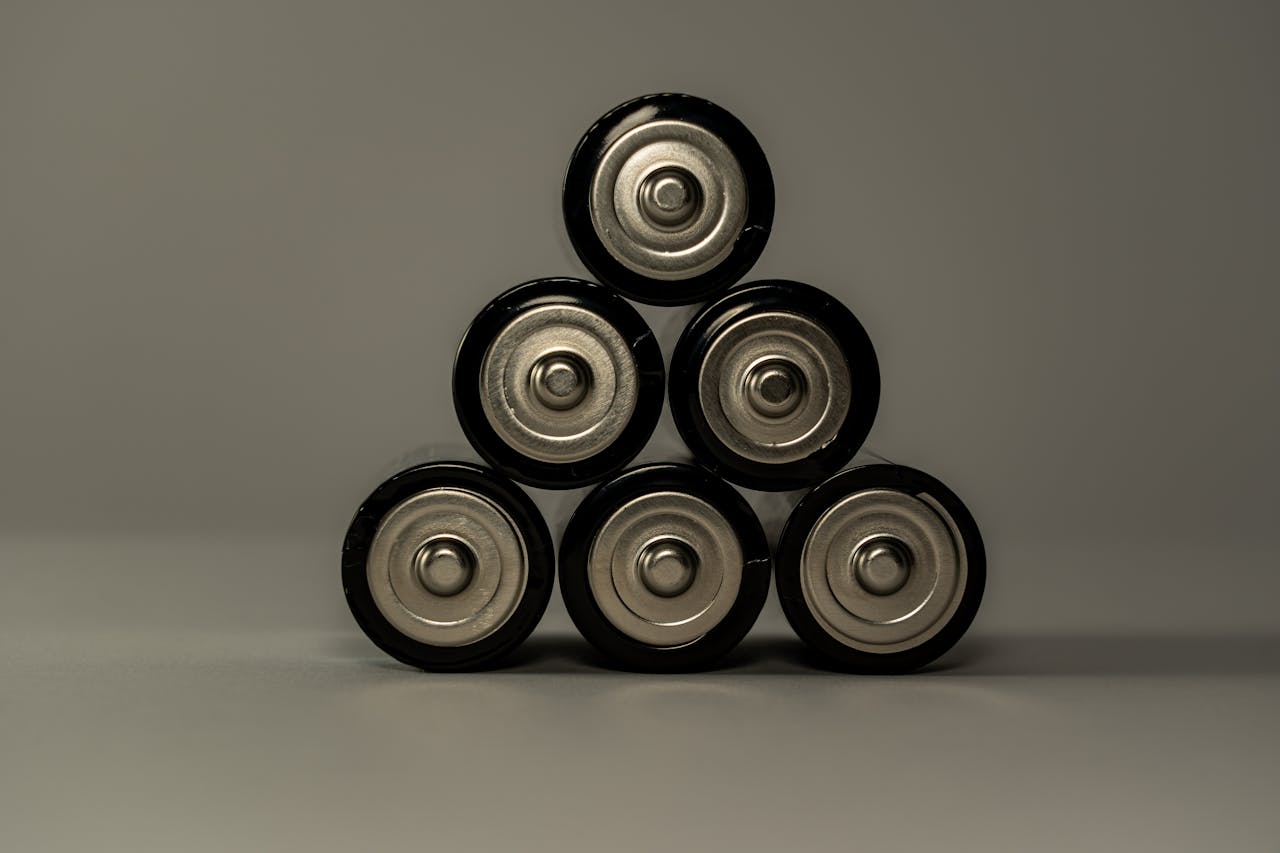
<p> Batteries contain harmful chemicals like lead, mercury, and cadmium that can leach into the ground and water systems if not disposed of properly. Instead of throwing them away, many electronics stores and local waste management facilities offer battery recycling programs, and some municipalities even provide curbside pickup for these items. By recycling batteries, we can help protect the environment and reduce pollution, so it's essential to check local guidelines to ensure responsible disposal. </p> :: Pexels

Batteries contain harmful chemicals like lead, mercury, and cadmium that can leach into the ground and water systems if not disposed of properly. Instead of throwing them away, many electronics stores and local waste management facilities offer battery recycling programs, and some municipalities even provide curbside pickup for these items. By recycling batteries, we can help protect the environment and reduce pollution, so it’s essential to check local guidelines to ensure responsible disposal.

2. Light Bulbs

<p> Fluorescent bulbs, such as CFLs (compact fluorescent lamps), contain small amounts of mercury, which, despite being minimal, is toxic and can lead to serious environmental harm. While LED bulbs are less harmful, they too should be recycled. To ensure proper disposal, check for local recycling programs that accept light bulbs, or consider dropping them off at hardware stores that provide recycling services. </p> :: Pexels

Fluorescent bulbs, such as CFLs (compact fluorescent lamps), contain small amounts of mercury, which, despite being minimal, is toxic and can lead to serious environmental harm. While LED bulbs are less harmful, they too should be recycled. To ensure proper disposal, check for local recycling programs that accept light bulbs, or consider dropping them off at hardware stores that provide recycling services.

3. Electronics

<p> E-waste, including old phones, computers, and televisions, is composed of valuable materials like copper, gold, and aluminum, along with toxic substances such as lead and mercury. Disposing of these items in the trash leads to pollution and wasted resources, making it essential to recycle them properly to protect our environment. By choosing responsible disposal methods, we can conserve natural resources and reduce harmful impacts on our planet. Instead of throwing them away, seek out an electronics recycling center or retailer that accepts old devices, or take advantage of trade-in and take-back programs offered by many manufacturers. </p> :: Pexels

E-waste, including old phones, computers, and televisions, is composed of valuable materials like copper, gold, and aluminum, along with toxic substances such as lead and mercury. Disposing of these items in the trash leads to pollution and wasted resources, making it essential to recycle them properly to protect our environment. By choosing responsible disposal methods, we can conserve natural resources and reduce harmful impacts on our planet. Instead of throwing them away, seek out an electronics recycling center or retailer that accepts old devices, or take advantage of trade-in and take-back programs offered by many manufacturers.

4. Medications

<p> Flushing medications down the toilet or tossing them in the trash can harm water systems and wildlife, as pharmaceuticals can seep into the soil and water, affecting aquatic life and ecosystems. This contamination disrupts food chains and poses risks to human health, making responsible disposal of medications essential for environmental protection. Instead of improper disposal, many pharmacies, hospitals, and law enforcement agencies offer medication take-back programs, along with designated drug disposal events in many communities. </p> :: Pexels

Flushing medications down the toilet or tossing them in the trash can harm water systems and wildlife, as pharmaceuticals can seep into the soil and water, affecting aquatic life and ecosystems. This contamination disrupts food chains and poses risks to human health, making responsible disposal of medications essential for environmental protection. Instead of improper disposal, many pharmacies, hospitals, and law enforcement agencies offer medication take-back programs, along with designated drug disposal events in many communities.

5. Paint

<p> Old paint and paint cans should never be discarded in the garbage due to the risk of chemicals leaching into the soil and water, leading to contamination. While oil-based paints are deemed hazardous, latex paints are less harmful but still require careful disposal. Instead of throwing them away, check for hazardous waste collection events in your area or visit a local recycling center, as some communities offer special drop-off points for paint. Alternatively, you can dry out small amounts of latex paint and dispose of them properly. </p> :: Pexels

Old paint and paint cans should never be discarded in the garbage due to the risk of chemicals leaching into the soil and water, leading to contamination. While oil-based paints are deemed hazardous, latex paints are less harmful but still require careful disposal. Instead of throwing them away, check for hazardous waste collection events in your area or visit a local recycling center, as some communities offer special drop-off points for paint. Alternatively, you can dry out small amounts of latex paint and dispose of them properly.

6. Cooking Oil
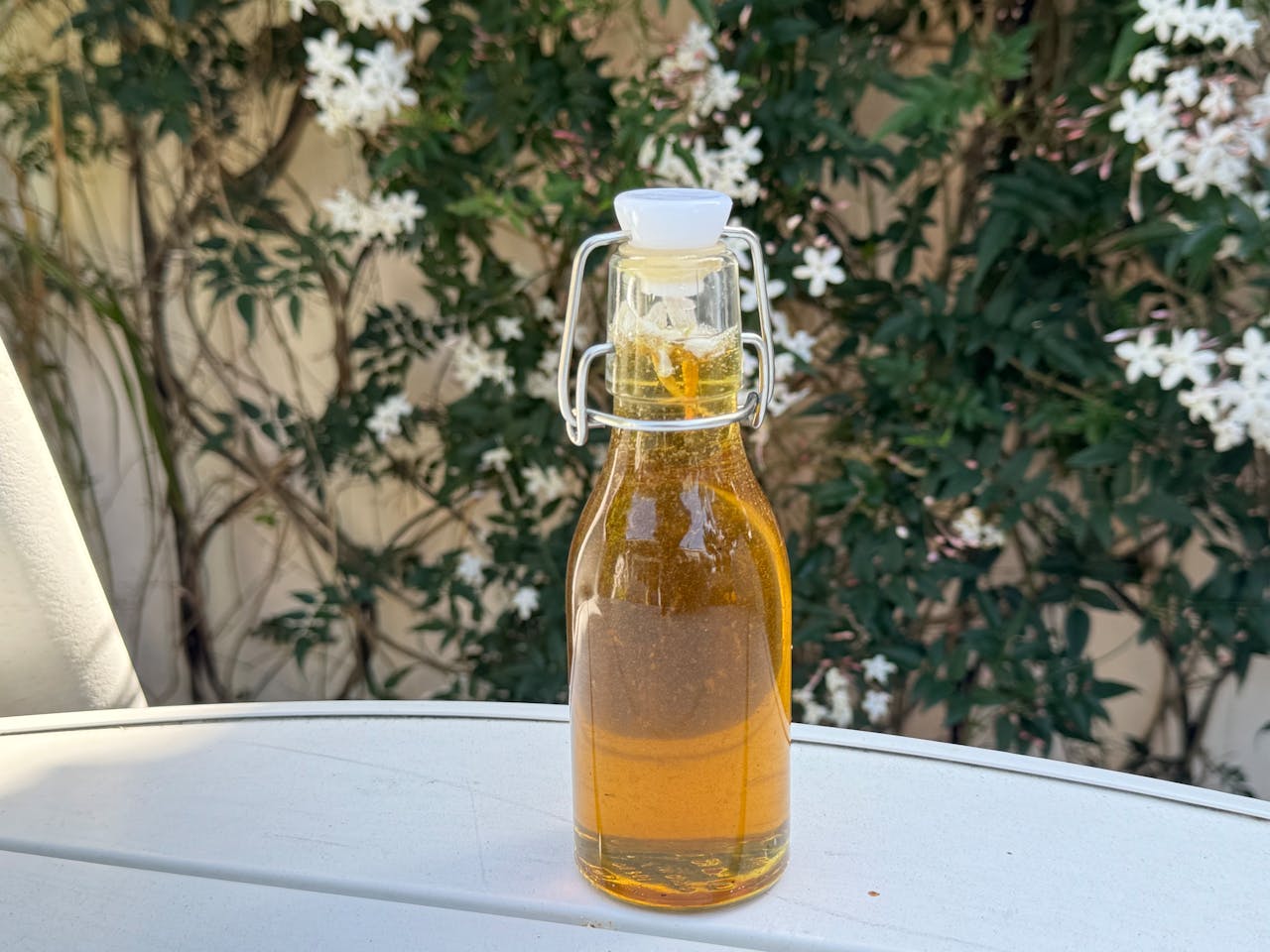
<p> Pouring used cooking oil down the drain can clog pipes and harm municipal water systems, while throwing it in the trash may seem harmless, it can create problems in landfills by attracting pests and causing foul odors. Instead, cool and solidify the used cooking oil and dispose of it in the food waste or compost bin. Additionally, some areas have recycling programs for used cooking oil, allowing it to be converted into biodiesel. </p> :: Pexels

Pouring used cooking oil down the drain can clog pipes and harm municipal water systems, while throwing it in the trash may seem harmless, it can create problems in landfills by attracting pests and causing foul odors. Instead, cool and solidify the used cooking oil and dispose of it in the food waste or compost bin. Additionally, some areas have recycling programs for used cooking oil, allowing it to be converted into biodiesel.

7. Aerosol Cans

<p> Aerosol cans are pressurized containers that can explode if exposed to heat or punctured in landfills, and many contain chemicals harmful to air quality and the environment. Understanding the risks of improper disposal is crucial, as it can lead to pollution and safety hazards. To protect our environment for future generations, it's important to recycle or dispose of these cans correctly. Instead, take empty aerosol cans to a hazardous waste facility or find a recycling program that accepts them, ensuring the cans are completely empty before disposal. </p> :: Pexels

Aerosol cans are pressurized containers that can explode if exposed to heat or punctured in landfills, and many contain chemicals harmful to air quality and the environment. Understanding the risks of improper disposal is crucial, as it can lead to pollution and safety hazards. To protect our environment for future generations, it’s important to recycle or dispose of these cans correctly. Instead, take empty aerosol cans to a hazardous waste facility or find a recycling program that accepts them, ensuring the cans are completely empty before disposal.

8. Pesticides

<p> Pesticides contain hazardous chemicals that pose risks to human health and the environment; if discarded in the trash, these substances can leach into the soil, polluting groundwater and harming wildlife. Instead, it's important to contact your local hazardous waste disposal center for safe disposal of pesticides. Many communities offer scheduled drop-off days for hazardous materials, including household chemicals like pesticides, ensuring they are handled properly and do not contribute to environmental damage. </p> :: Pexels

Pesticides contain hazardous chemicals that pose risks to human health and the environment; if discarded in the trash, these substances can leach into the soil, polluting groundwater and harming wildlife. Instead, it’s important to contact your local hazardous waste disposal center for safe disposal of pesticides. Many communities offer scheduled drop-off days for hazardous materials, including household chemicals like pesticides, ensuring they are handled properly and do not contribute to environmental damage.

9. Ink Cartridges

<p> Printer ink and toner cartridges are composed of plastic, metal, and electronic components that take hundreds of years to decompose, with leftover ink potentially seeping into the environment and causing contamination. Instead of disposing of these cartridges, many office supply stores and printer manufacturers provide recycling programs where you can drop off or mail in used cartridges for recycling. Some of these programs even offer incentives like discounts or rewards for returning your used cartridges. </p> :: Pexels

Printer ink and toner cartridges are composed of plastic, metal, and electronic components that take hundreds of years to decompose, with leftover ink potentially seeping into the environment and causing contamination. Instead of disposing of these cartridges, many office supply stores and printer manufacturers provide recycling programs where you can drop off or mail in used cartridges for recycling. Some of these programs even offer incentives like discounts or rewards for returning your used cartridges.

10. Thermometers

<p> Older mercury thermometers can pose significant health and environmental risks if broken, as mercury is a toxic substance that can severely damage the nervous system, lungs, and kidneys. Instead of disposing of them in regular trash, it's important to take mercury thermometers to a hazardous waste disposal facility. Many local governments and health departments also provide mercury recycling or exchange programs, offering safer alternatives. </p> :: Pexels

Older mercury thermometers can pose significant health and environmental risks if broken, as mercury is a toxic substance that can severely damage the nervous system, lungs, and kidneys. Instead of disposing of them in regular trash, it’s important to take mercury thermometers to a hazardous waste disposal facility. Many local governments and health departments also provide mercury recycling or exchange programs, offering safer alternatives.

11. Motor Oil

<p> Used motor oil contains harmful contaminants like heavy metals and toxins that can negatively impact the environment. Disposing of it by pouring it down the drain or throwing it in the trash can pollute water systems and damage ecosystems. Instead, most auto repair shops and service centers accept used motor oil for recycling, and you can also take it to a designated recycling center that specializes in hazardous waste. </p> :: Pexels

Used motor oil contains harmful contaminants like heavy metals and toxins that can negatively impact the environment. Disposing of it by pouring it down the drain or throwing it in the trash can pollute water systems and damage ecosystems. Instead, most auto repair shops and service centers accept used motor oil for recycling, and you can also take it to a designated recycling center that specializes in hazardous waste.

12. Clothing and Textiles

<p> While it may be tempting to throw away old, worn-out clothes, it's important to note that textiles can take years to decompose in landfills, and the dyes and chemicals in some fabrics can release toxins into the soil and air during this process. Instead, consider donating gently used clothing to thrift stores or charities. For items that are too worn out, explore textile recycling programs or repurpose them into rags, quilts, or other household items to minimize waste and make a positive impact. </p> :: Pexels

While it may be tempting to throw away old, worn-out clothes, it’s important to note that textiles can take years to decompose in landfills, and the dyes and chemicals in some fabrics can release toxins into the soil and air during this process. Instead, consider donating gently used clothing to thrift stores or charities. For items that are too worn out, explore textile recycling programs or repurpose them into rags, quilts, or other household items to minimize waste and make a positive impact.

13. Plastic Bags

<p> Plastic bags are among the most prevalent items in landfills, taking up to 1,000 years to decompose while causing substantial harm to wildlife, clogging waterways, and exacerbating the plastic pollution crisis. To combat this issue, many grocery stores and retail outlets provide plastic bag recycling bins, and making the switch to reusable bags is an effective way to reduce overall plastic waste. </p> :: Pexels

Plastic bags are among the most prevalent items in landfills, taking up to 1,000 years to decompose while causing substantial harm to wildlife, clogging waterways, and exacerbating the plastic pollution crisis. To combat this issue, many grocery stores and retail outlets provide plastic bag recycling bins, and making the switch to reusable bags is an effective way to reduce overall plastic waste.

Final Thoughts

<p> Proper disposal of household items may seem like a small task, but it can have a significant impact on the environment and human health. By following these tips and finding responsible ways to dispose of common items, we can all make a positive difference in protecting our planet for future generations. Remember to always do your research and check with local resources for the best disposal practices in your area. Together, we can create a more sustainable world. Let's each do our part to reduce waste and protect our environment. </p> :: Pexels

Proper disposal of household items may seem like a small task, but it can have a significant impact on the environment and human health. By following these tips and finding responsible ways to dispose of common items, we can all make a positive difference in protecting our planet for future generations. Remember to always do your research and check with local resources for the best disposal practices in your area. Together, we can create a more sustainable world. Let’s each do our part to reduce waste and protect our environment.


Filed Under: Lifestyle

7 Colors Designers Warn You Should Never Paint Your Living Room

September 9, 2025 | Leave a Comment

7 Colors Designers Warn You Should Never Paint Your Living Room

<p> Choosing the right paint color for your living room is crucial, as it sets the tone for the entire space. The color you choose can impact the ambiance, make the room feel more spacious or cozy, and even influence your mood. However, some colors, while they may seem appealing at first, can have the opposite effect, making the room feel cramped, cold, or overwhelming. Interior designers often recommend avoiding certain shades that can negatively affect the vibe of your living room. In this article, we’ll explore seven colors that designers warn you should never paint your living room. These colors may seem like great choices, but they can create an uncomfortable or unbalanced environment. Let’s dive into why these colors should be avoided. </p> :: Pexels

Choosing the right paint color for your living room is crucial, as it sets the tone for the entire space. The color you choose can impact the ambiance, make the room feel more spacious or cozy, and even influence your mood. However, some colors, while they may seem appealing at first, can have the opposite effect, making the room feel cramped, cold, or overwhelming. Interior designers often recommend avoiding certain shades that can negatively affect the vibe of your living room. In this article, we’ll explore seven colors that designers warn you should never paint your living room. These colors may seem like great choices, but they can create an uncomfortable or unbalanced environment. Let’s dive into why these colors should be avoided.

1. Bright Red

<p> Bright red is a bold and attention-grabbing color, but it’s one that can overwhelm a living room. Red is known for its energizing and stimulating qualities, but in large doses, it can also make a room feel tense or aggressive. In a space that’s meant to be relaxing and welcoming, bright red can create the opposite effect. It can even make the room feel smaller and more cramped, especially in spaces with limited natural light. Designers recommend using red as an accent color rather than as the main hue for your walls. It works beautifully in small doses, such as in throw pillows, rugs, or artwork, where it can provide a pop of energy without overpowering the space. For a more balanced approach, opt for deeper shades of red, like burgundy, which can add warmth without being too intense. </p> :: benzoix on Freepik

Bright red is a bold and attention-grabbing color, but it’s one that can overwhelm a living room. Red is known for its energizing and stimulating qualities, but in large doses, it can also make a room feel tense or aggressive. In a space that’s meant to be relaxing and welcoming, bright red can create the opposite effect. It can even make the room feel smaller and more cramped, especially in spaces with limited natural light. Designers recommend using red as an accent color rather than as the main hue for your walls. It works beautifully in small doses, such as in throw pillows, rugs, or artwork, where it can provide a pop of energy without overpowering the space. For a more balanced approach, opt for deeper shades of red, like burgundy, which can add warmth without being too intense.

2. Dark Brown

<p> While brown is often associated with warmth and coziness, dark brown can have the opposite effect when used on living room walls. Dark shades of brown can make a room feel smaller and more enclosed, which is not ideal for a space that should feel open and inviting. Dark brown walls absorb light, making the room feel heavy and somber. If your living room lacks natural light, dark brown can exacerbate this issue, making the space feel even more dim and claustrophobic. Instead of dark brown, consider using lighter shades of brown, such as taupe or beige, which can still create a warm, earthy feel without overwhelming the room. These lighter tones also allow more light to bounce around the space, creating a brighter and more welcoming atmosphere. </p> :: rawpixel.com on Freepik

Plain dark brown product background

While brown is often associated with warmth and coziness, dark brown can have the opposite effect when used on living room walls. Dark shades of brown can make a room feel smaller and more enclosed, which is not ideal for a space that should feel open and inviting. Dark brown walls absorb light, making the room feel heavy and somber. If your living room lacks natural light, dark brown can exacerbate this issue, making the space feel even more dim and claustrophobic. Instead of dark brown, consider using lighter shades of brown, such as taupe or beige, which can still create a warm, earthy feel without overwhelming the room. These lighter tones also allow more light to bounce around the space, creating a brighter and more welcoming atmosphere.

3. Neon Shades

<p> Neon colors like bright pink, electric green, vivid yellow, and neon orange are often associated with excitement and energy, but they can be jarring when used on living room walls. These colors are bold and attention-grabbing, but in a living room, they can create an overwhelming and chaotic environment. Neon shades can also clash with furniture and decor, making it difficult to achieve a cohesive design. While neon colors can be fun in small doses, such as in throw pillows or accessories, they should be avoided as the main wall color. Instead, opt for softer, more subdued tones that still add personality to the space. If you want to add a pop of color, consider using neon accents or artwork to bring energy into the room without overwhelming it. </p> :: rawpixel.com on Freepik

Neon colors like bright pink, electric green, vivid yellow, and neon orange are often associated with excitement and energy, but they can be jarring when used on living room walls. These colors are bold and attention-grabbing, but in a living room, they can create an overwhelming and chaotic environment. Neon shades can also clash with furniture and decor, making it difficult to achieve a cohesive design. While neon colors can be fun in small doses, such as in throw pillows or accessories, they should be avoided as the main wall color. Instead, opt for softer, more subdued tones that still add personality to the space. If you want to add a pop of color, consider using neon accents or artwork to bring energy into the room without overwhelming it.

4. Dark Purple

<p> Dark purple is another color that can create a dramatic and intense atmosphere, but it’s not always the best choice for a living room. While purple is often associated with luxury and sophistication, dark purple can make a room feel smaller and more closed off, especially in spaces with limited natural light. Dark shades of purple can also make the room feel heavy and oppressive, which is not ideal for a space that should promote relaxation and socializing. If you love purple, consider using lighter shades like lavender, lilac, or soft mauve. These colors can add a touch of elegance and tranquility to the room without overwhelming the space. Lighter purples also help to create a more open and airy feel, making the room feel more expansive. </p> :: Pexels

Dark purple is another color that can create a dramatic and intense atmosphere, but it’s not always the best choice for a living room. While purple is often associated with luxury and sophistication, dark purple can make a room feel smaller and more closed off, especially in spaces with limited natural light. Dark shades of purple can also make the room feel heavy and oppressive, which is not ideal for a space that should promote relaxation and socializing. If you love purple, consider using lighter shades like lavender, lilac, or soft mauve. These colors can add a touch of elegance and tranquility to the room without overwhelming the space. Lighter purples also help to create a more open and airy feel, making the room feel more expansive.

5. Black

<p> Black walls can look sleek and sophisticated in certain settings, but they can make a living room feel dark, cold, and uninviting. Black absorbs light, which can make the room feel gloomy and oppressive, especially in spaces that lack natural light. While black can work well as an accent color or in smaller doses, it should be avoided as the primary color for your living room walls. If you’re drawn to a moody, dramatic look, consider pairing black with lighter shades like white, gray, or metallic accents to balance the space. This combination can create a stylish and contemporary feel without making the room feel too dark or claustrophobic. Remember, the goal of a living room is to create a space that feels welcoming and comfortable, and black walls can make that difficult to achieve. </p> :: benzoix on Freepik

Black walls can look sleek and sophisticated in certain settings, but they can make a living room feel dark, cold, and uninviting. Black absorbs light, which can make the room feel gloomy and oppressive, especially in spaces that lack natural light. While black can work well as an accent color or in smaller doses, it should be avoided as the primary color for your living room walls. If you’re drawn to a moody, dramatic look, consider pairing black with lighter shades like white, gray, or metallic accents to balance the space. This combination can create a stylish and contemporary feel without making the room feel too dark or claustrophobic. Remember, the goal of a living room is to create a space that feels welcoming and comfortable, and black walls can make that difficult to achieve.

6. Bright Yellow

<p> Bright yellow is a cheerful and sunny color, but it can be overwhelming when used on living room walls. While yellow is known for its ability to brighten a space and lift your mood, too much of it can have the opposite effect. Bright yellow can create a sense of restlessness and agitation, which is not ideal for a space that should promote relaxation and comfort. When used on the walls, bright yellow can make the room feel chaotic and uncomfortable, making it difficult to unwind. Instead of bright yellow, consider using softer, more muted shades like buttery yellow, pale gold, or warm mustard. These shades can add warmth and lightness to the room without being overpowering. They create a more soothing and inviting atmosphere, perfect for a living room. </p> :: benzoix on Freepik

Bright yellow is a cheerful and sunny color, but it can be overwhelming when used on living room walls. While yellow is known for its ability to brighten a space and lift your mood, too much of it can have the opposite effect. Bright yellow can create a sense of restlessness and agitation, which is not ideal for a space that should promote relaxation and comfort. When used on the walls, bright yellow can make the room feel chaotic and uncomfortable, making it difficult to unwind. Instead of bright yellow, consider using softer, more muted shades like buttery yellow, pale gold, or warm mustard. These shades can add warmth and lightness to the room without being overpowering. They create a more soothing and inviting atmosphere, perfect for a living room.

7. Olive Green

<p> Olive green may seem like a neutral, earthy tone, but it can create a dull and dated look in your living room if not used carefully. While olive green can work well in certain design schemes, it can also make the space feel stagnant and uninspired. When used on walls, olive green can make the room feel closed off and less inviting. It’s a color that can be difficult to pair with other hues, and it can sometimes create an outdated or stuffy vibe. If you’re drawn to green tones, consider opting for lighter, fresher shades like sage, mint, or seafoam green. These shades can add a sense of calm and tranquility to the space, creating a more modern and uplifting atmosphere. Lighter greens also work well with a variety of other colors, making them easier to incorporate into your design. </p> :: benzoix on Freepik

Olive green may seem like a neutral, earthy tone, but it can create a dull and dated look in your living room if not used carefully. While olive green can work well in certain design schemes, it can also make the space feel stagnant and uninspired. When used on walls, olive green can make the room feel closed off and less inviting. It’s a color that can be difficult to pair with other hues, and it can sometimes create an outdated or stuffy vibe. If you’re drawn to green tones, consider opting for lighter, fresher shades like sage, mint, or seafoam green. These shades can add a sense of calm and tranquility to the space, creating a more modern and uplifting atmosphere. Lighter greens also work well with a variety of other colors, making them easier to incorporate into your design.

Final Thoughts

<p> Choosing the right paint color for your living room is essential for creating a space that feels welcoming, relaxing, and stylish. While some colors may seem appealing at first, they can have a negative impact on the overall ambiance of your room. Bright red, dark brown, neon shades, dark purple, black, bright yellow, and olive green are all colors that designers recommend avoiding in your living room. Instead, consider opting for lighter, more neutral tones or using bold colors as accents to create a balanced and inviting space. By carefully selecting the right colors, you can transform your living room into a place where you’ll love spending time. Remember, the goal is to create a space that feels open, welcoming, and comfortable—so choose your paint colors wisely to achieve the perfect atmosphere for your home. </p> :: Pexels

Choosing the right paint color for your living room is essential for creating a space that feels welcoming, relaxing, and stylish. While some colors may seem appealing at first, they can have a negative impact on the overall ambiance of your room. Bright red, dark brown, neon shades, dark purple, black, bright yellow, and olive green are all colors that designers recommend avoiding in your living room. Instead, consider opting for lighter, more neutral tones or using bold colors as accents to create a balanced and inviting space. By carefully selecting the right colors, you can transform your living room into a place where you’ll love spending time. Remember, the goal is to create a space that feels open, welcoming, and comfortable—so choose your paint colors wisely to achieve the perfect atmosphere for your home.

Filed Under: Lifestyle

10 Fruit Trees Experts Warn You Should Never Plant in Your Yard

September 9, 2025 | Leave a Comment

10 Fruit Trees Experts Warn You Should Never Plant in Your Yard

<p> If you’ve ever dreamed of growing your own fruit in the comfort of your backyard, it’s easy to get excited about the idea of planting a fruit tree. After all, who doesn’t love the thought of fresh, homegrown apples, peaches, or cherries? However, not all fruit trees are suitable for every yard. Some can cause more trouble than they’re worth, from invasive roots to messy fruit drops, attracting pests, and even damaging your property. To help you avoid costly mistakes and frustration, here are 10 fruit trees experts recommend you should never plant in your yard. </p> :: Pexels

If you’ve ever dreamed of growing your own fruit in the comfort of your backyard, it’s easy to get excited about the idea of planting a fruit tree. After all, who doesn’t love the thought of fresh, homegrown apples, peaches, or cherries? However, not all fruit trees are suitable for every yard. Some can cause more trouble than they’re worth, from invasive roots to messy fruit drops, attracting pests, and even damaging your property. To help you avoid costly mistakes and frustration, here are 10 fruit trees experts recommend you should never plant in your yard.

1. Mulberry Trees

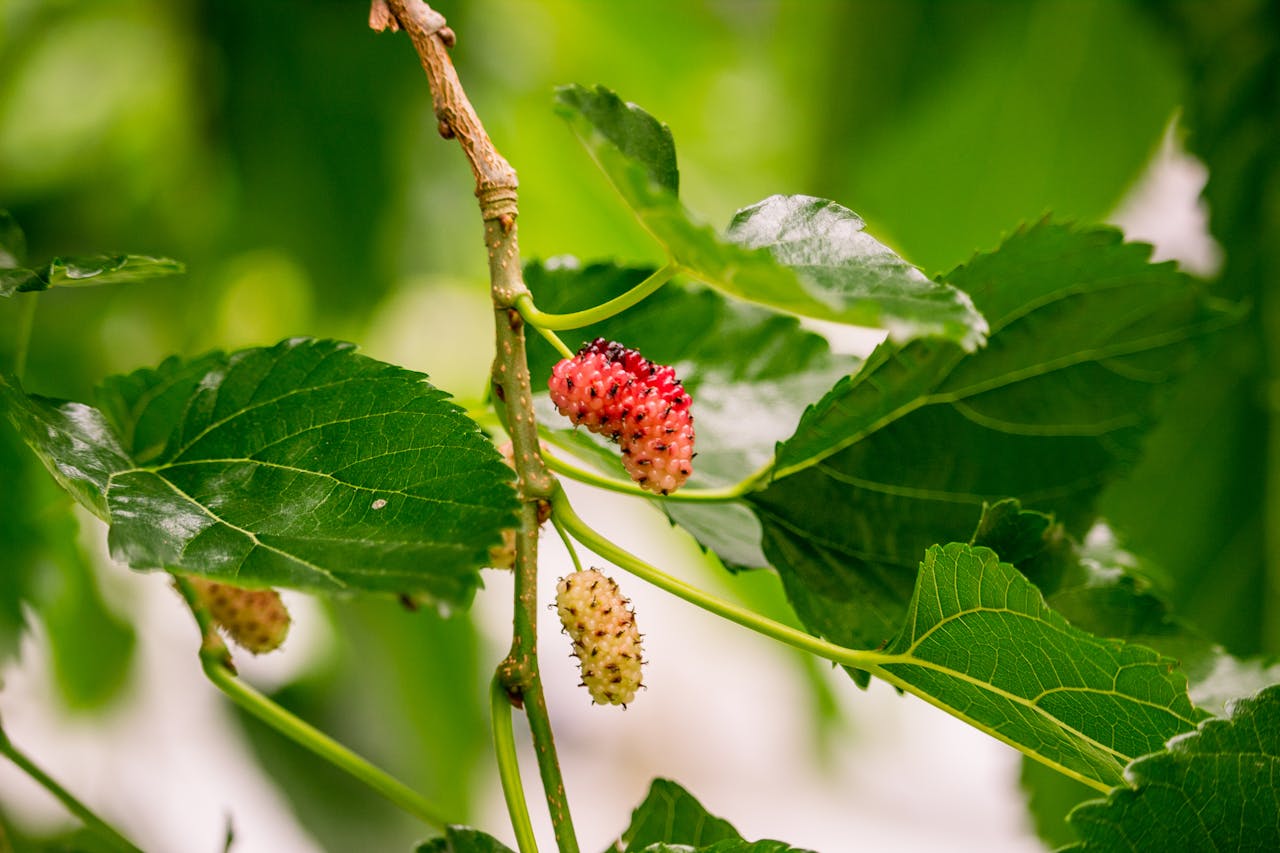
<p> Mulberry trees may seem like an appealing option, but experts caution against planting them in your yard. While their sweet fruit is edible, the tree's aggressive roots can wreak havoc on sidewalks, driveways, and even underground plumbing. Their roots are known to spread extensively, causing damage to nearby structures. Moreover, mulberries drop fruit in large quantities, creating a mess that can stain patios, decks, and outdoor furniture. If that wasn’t enough, the tree also attracts birds in droves, leading to an abundance of bird droppings around your yard. These trees are best suited for large, open spaces, far from your home and outdoor living areas. Mulberry trees are also known for their rapid growth and can quickly take over a yard, crowding out other plants and making it difficult to maintain a balanced garden. While they provide shade and can be a great addition to large properties, their invasive nature makes them unsuitable for smaller spaces. They also require a significant amount of water and care to keep them from becoming too unruly. If you’re looking for a low-maintenance tree that won’t take over your yard, a mulberry tree might not be the best choice. </p> :: Pexels

Mulberry trees may seem like an appealing option, but experts caution against planting them in your yard. While their sweet fruit is edible, the tree’s aggressive roots can wreak havoc on sidewalks, driveways, and even underground plumbing. Their roots are known to spread extensively, causing damage to nearby structures. Moreover, mulberries drop fruit in large quantities, creating a mess that can stain patios, decks, and outdoor furniture. If that wasn’t enough, the tree also attracts birds in droves, leading to an abundance of bird droppings around your yard. These trees are best suited for large, open spaces, far from your home and outdoor living areas.

Mulberry trees are also known for their rapid growth and can quickly take over a yard, crowding out other plants and making it difficult to maintain a balanced garden. While they provide shade and can be a great addition to large properties, their invasive nature makes them unsuitable for smaller spaces. They also require a significant amount of water and care to keep them from becoming too unruly. If you’re looking for a low-maintenance tree that won’t take over your yard, a mulberry tree might not be the best choice.

2. Black Walnut Trees

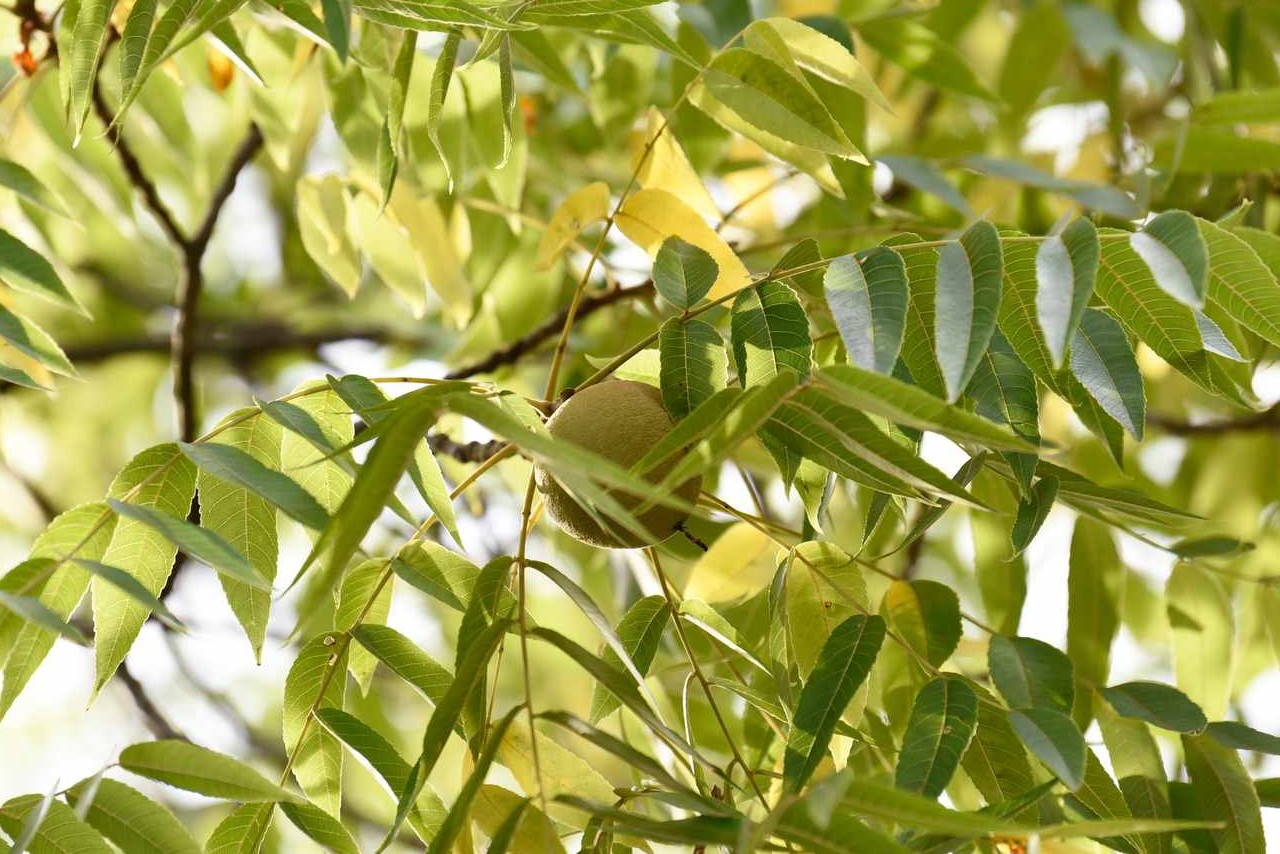
<p> While black walnut trees are known for their impressive size and attractive shade, they come with some serious drawbacks. The roots of a black walnut tree release a toxin called juglone, which can harm other plants and prevent them from growing nearby. This makes it nearly impossible to maintain a thriving garden if you plant one in your yard. Additionally, the tree produces large nuts that fall and create a mess. These nuts can also pose a tripping hazard and can be difficult to remove. If you want to avoid the potential damage and maintenance issues, it’s best to choose a different tree for your yard. Black walnut trees are also notorious for their slow growth, which can be frustrating for those eager to see results. Although the nuts are prized by some for their flavor and use in cooking, the effort required to gather and process them can be more trouble than it’s worth. The tree’s expansive root system can also interfere with nearby plants, causing them to struggle for nutrients and water. If you value a healthy, thriving garden, a black walnut tree is likely not the best choice for your landscape. </p> :: The Spruce / Evgeniya Vlasova

While black walnut trees are known for their impressive size and attractive shade, they come with some serious drawbacks. The roots of a black walnut tree release a toxin called juglone, which can harm other plants and prevent them from growing nearby. This makes it nearly impossible to maintain a thriving garden if you plant one in your yard. Additionally, the tree produces large nuts that fall and create a mess. These nuts can also pose a tripping hazard and can be difficult to remove. If you want to avoid the potential damage and maintenance issues, it’s best to choose a different tree for your yard.

Black walnut trees are also notorious for their slow growth, which can be frustrating for those eager to see results. Although the nuts are prized by some for their flavor and use in cooking, the effort required to gather and process them can be more trouble than it’s worth. The tree’s expansive root system can also interfere with nearby plants, causing them to struggle for nutrients and water. If you value a healthy, thriving garden, a black walnut tree is likely not the best choice for your landscape.

3. Bradford Pear Trees

<p> Bradford pear trees are often planted for their beautiful white blossoms in the spring, but experts warn that these trees are not as desirable as they may seem. While they look lovely, their weak branch structure makes them prone to breaking during storms or high winds. This can lead to significant damage to your property or surrounding plants. In addition to their structural weaknesses, Bradford pear trees are highly invasive, spreading rapidly and displacing native plants. Their flowers also emit a foul odor, which many people find unpleasant. If you want a tree that’s both beautiful and strong, it’s better to avoid the Bradford pear. Bradford pear trees are also known for their short lifespan, typically only lasting around 20 years. During that time, they require frequent pruning to keep them from becoming too unruly. They can also attract pests such as aphids, which can cause damage to the leaves and flowers. Given their short lifespan, susceptibility to pests, and tendency to break easily, Bradford pear trees are better suited for larger, less maintenance-focused properties. </p> :: David Beaulieu / The Spruce

Bradford pear trees are often planted for their beautiful white blossoms in the spring, but experts warn that these trees are not as desirable as they may seem. While they look lovely, their weak branch structure makes them prone to breaking during storms or high winds. This can lead to significant damage to your property or surrounding plants. In addition to their structural weaknesses, Bradford pear trees are highly invasive, spreading rapidly and displacing native plants. Their flowers also emit a foul odor, which many people find unpleasant. If you want a tree that’s both beautiful and strong, it’s better to avoid the Bradford pear.

Bradford pear trees are also known for their short lifespan, typically only lasting around 20 years. During that time, they require frequent pruning to keep them from becoming too unruly. They can also attract pests such as aphids, which can cause damage to the leaves and flowers. Given their short lifespan, susceptibility to pests, and tendency to break easily, Bradford pear trees are better suited for larger, less maintenance-focused properties.

4. Fig Trees

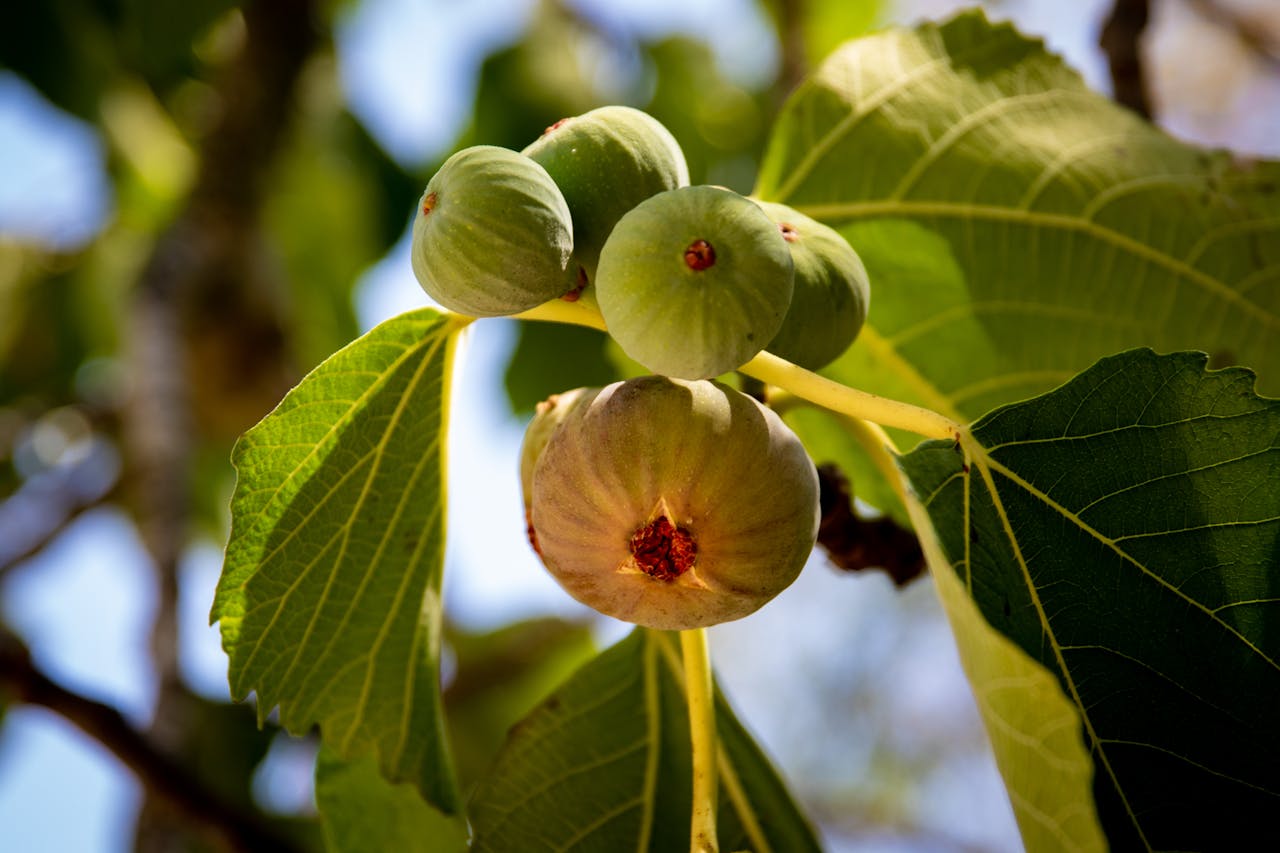
<p> Fig trees are known for their delicious fruit, but they come with several challenges that make them less than ideal for most yards. These trees have aggressive root systems that can spread far and wide, damaging foundations, pipes, and other structures. The fruit of the fig tree can also attract unwanted pests like wasps and rodents. Furthermore, the tree’s sticky sap can cause a mess on outdoor furniture, patios, and walkways. If you’re looking for a tree that won’t cause damage or attract pests, it’s best to reconsider planting a fig tree in your yard. Fig trees are also susceptible to a variety of diseases, including fig rust and leaf spot, which can make them difficult to maintain. Their large, broad leaves can create a lot of debris, which requires frequent cleanup. While the fruit is delicious, the mess and maintenance required to keep a fig tree healthy may outweigh the benefits for many homeowners. If you prefer a tree that requires less upkeep, you might want to look for a more forgiving option. </p> :: Pexels

Fig trees are known for their delicious fruit, but they come with several challenges that make them less than ideal for most yards. These trees have aggressive root systems that can spread far and wide, damaging foundations, pipes, and other structures. The fruit of the fig tree can also attract unwanted pests like wasps and rodents. Furthermore, the tree’s sticky sap can cause a mess on outdoor furniture, patios, and walkways. If you’re looking for a tree that won’t cause damage or attract pests, it’s best to reconsider planting a fig tree in your yard.

Fig trees are also susceptible to a variety of diseases, including fig rust and leaf spot, which can make them difficult to maintain. Their large, broad leaves can create a lot of debris, which requires frequent cleanup. While the fruit is delicious, the mess and maintenance required to keep a fig tree healthy may outweigh the benefits for many homeowners. If you prefer a tree that requires less upkeep, you might want to look for a more forgiving option.

5. Cherry Trees

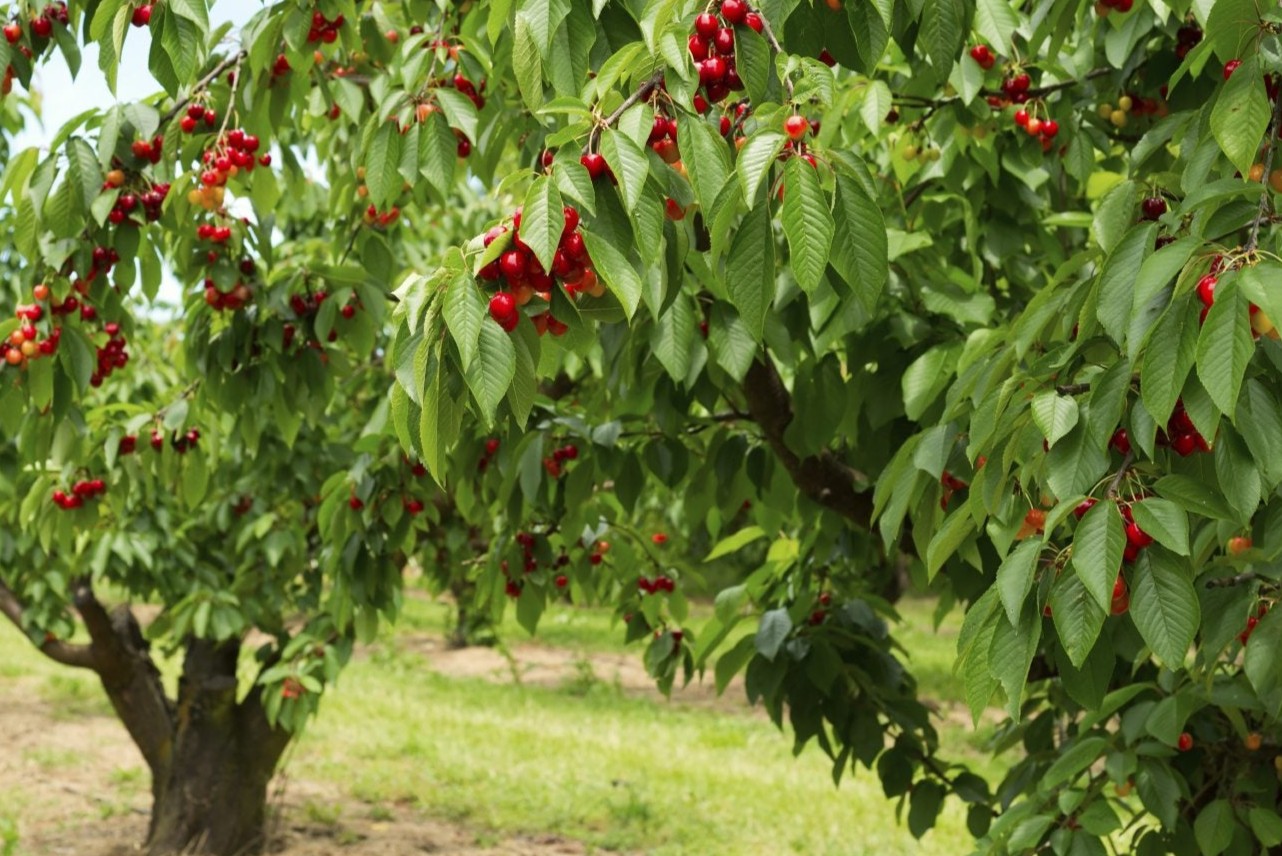
<p> While cherry trees are often associated with stunning spring blooms and delicious fruit, they can be a headache to maintain. The fruit of cherry trees drops quickly, creating a sticky, messy situation that attracts pests like bees and wasps. The fallen fruit can also stain your outdoor furniture, decks, and driveways. Additionally, cherry trees are highly susceptible to pests and diseases, such as aphids and fungal infections, which can make them difficult to care for. If you’re not ready for the regular upkeep and potential mess, you may want to skip the cherry tree for a more low-maintenance option. Cherry trees also require specific growing conditions, including well-drained soil and plenty of sunlight. They are also prone to splitting under heavy fruit loads, which can cause the branches to break and damage the tree. For those looking for a fruit tree that’s both beautiful and easy to care for, a cherry tree may not be the best fit. Consider other options that are less susceptible to pests and diseases. </p> :: stokaji

While cherry trees are often associated with stunning spring blooms and delicious fruit, they can be a headache to maintain. The fruit of cherry trees drops quickly, creating a sticky, messy situation that attracts pests like bees and wasps. The fallen fruit can also stain your outdoor furniture, decks, and driveways. Additionally, cherry trees are highly susceptible to pests and diseases, such as aphids and fungal infections, which can make them difficult to care for. If you’re not ready for the regular upkeep and potential mess, you may want to skip the cherry tree for a more low-maintenance option.

Cherry trees also require specific growing conditions, including well-drained soil and plenty of sunlight. They are also prone to splitting under heavy fruit loads, which can cause the branches to break and damage the tree. For those looking for a fruit tree that’s both beautiful and easy to care for, a cherry tree may not be the best fit. Consider other options that are less susceptible to pests and diseases.

6. Apple Trees

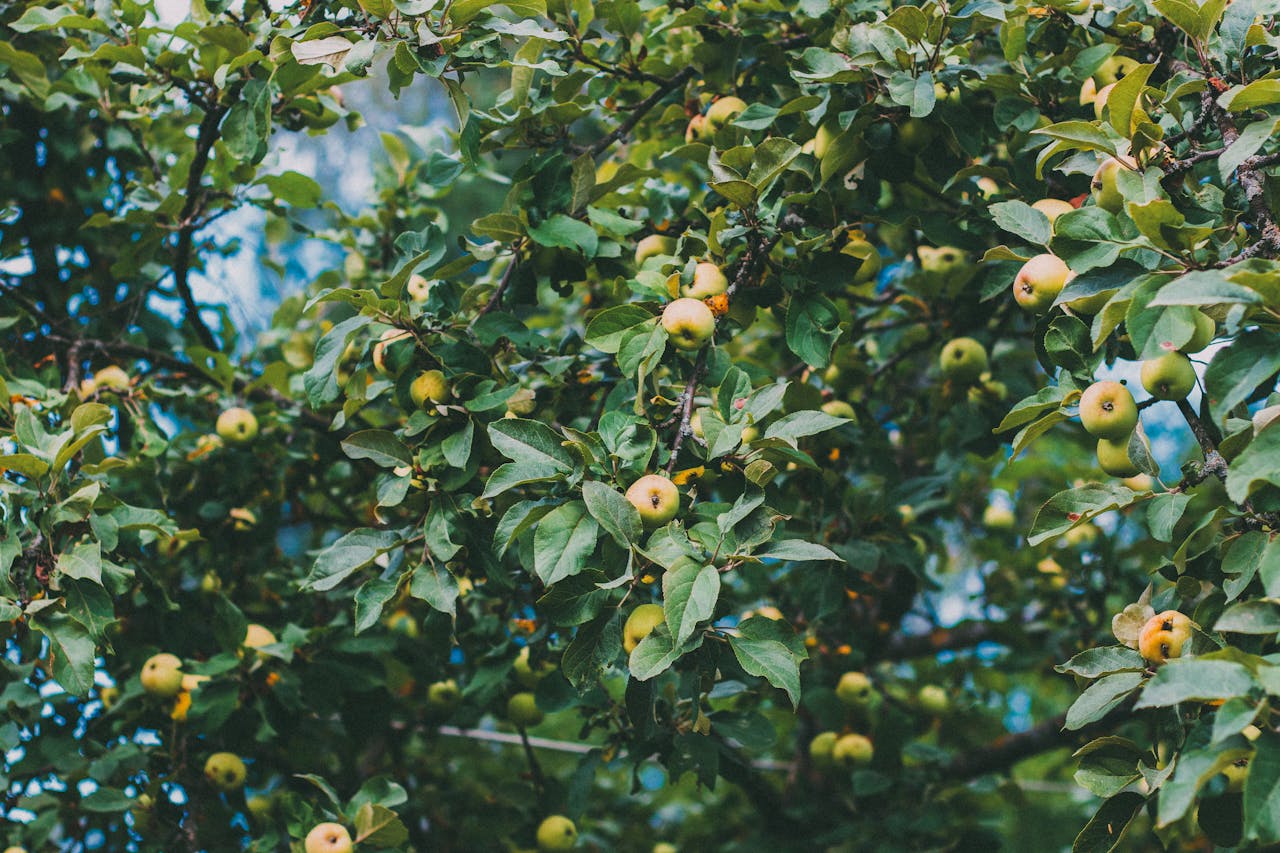
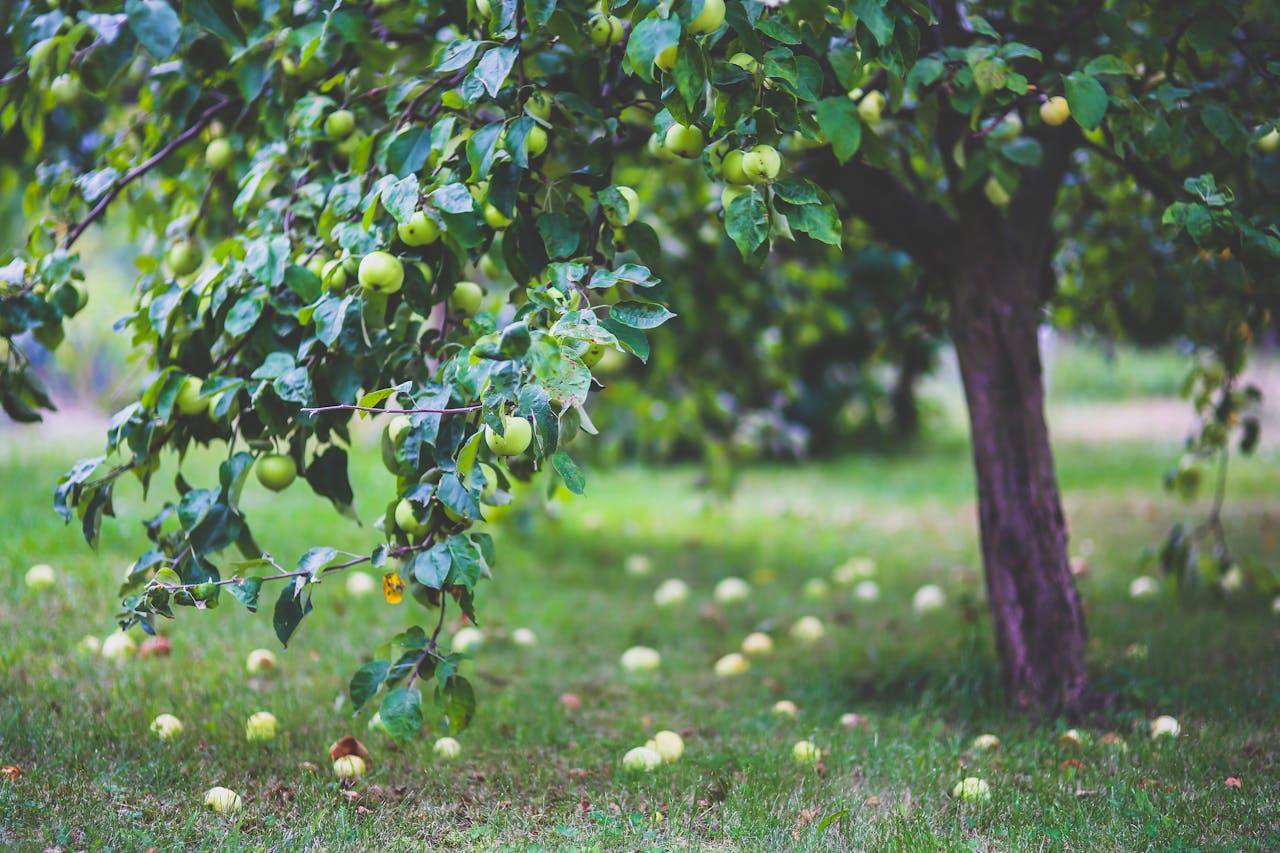
<p> Apple trees are another common choice for backyard orchards, but they come with their own set of challenges. These trees are particularly vulnerable to pests like codling moths and apple maggots, which can damage the fruit and make it unsuitable for consumption. In addition, apple trees are prone to fungal diseases such as apple scab, which can spread to other plants in your garden. The fallen fruit can attract bees, wasps, and other insects, making your yard less enjoyable. If you’re not prepared to deal with the constant maintenance and pest control, apple trees might not be the best option for your yard. Apple trees also require regular pruning to maintain their shape and health. Without proper care, the tree can become overgrown, and the fruit may not ripen properly. While apple trees can be rewarding for those willing to put in the effort, they are not the easiest tree to care for. If you prefer a tree that requires less attention, it may be worth exploring other options. </p> :: Pexels

Apple trees are another common choice for backyard orchards, but they come with their own set of challenges. These trees are particularly vulnerable to pests like codling moths and apple maggots, which can damage the fruit and make it unsuitable for consumption. In addition, apple trees are prone to fungal diseases such as apple scab, which can spread to other plants in your garden. The fallen fruit can attract bees, wasps, and other insects, making your yard less enjoyable. If you’re not prepared to deal with the constant maintenance and pest control, apple trees might not be the best option for your yard.

Apple trees also require regular pruning to maintain their shape and health. Without proper care, the tree can become overgrown, and the fruit may not ripen properly. While apple trees can be rewarding for those willing to put in the effort, they are not the easiest tree to care for. If you prefer a tree that requires less attention, it may be worth exploring other options.

7. Pecan Trees

<p> Pecan trees may offer delicious nuts, but they come with several downsides that make them less than ideal for residential yards. These trees grow large, casting dense shade that can prevent grass and other plants from thriving underneath. The fallen nuts and leaves can create a significant mess, which can be time-consuming to clean up. Additionally, pecan trees are known for their deep, spreading roots, which can damage nearby structures, including foundations and plumbing. If you don’t have a large, open space for a pecan tree, it’s better to choose a tree that won’t take up so much room and cause such a mess. Pecan trees also require specific soil conditions and a significant amount of water to thrive. They can be slow to mature, taking several years before they begin producing nuts. The trees are also prone to various diseases, such as pecan scab, which can affect the quality of the nuts. If you’re looking for a fruit tree that’s easy to care for and doesn’t require a lot of space, a pecan tree may not be the best choice. </p> :: Skapie777 / Getty Images

Pecan trees may offer delicious nuts, but they come with several downsides that make them less than ideal for residential yards. These trees grow large, casting dense shade that can prevent grass and other plants from thriving underneath. The fallen nuts and leaves can create a significant mess, which can be time-consuming to clean up. Additionally, pecan trees are known for their deep, spreading roots, which can damage nearby structures, including foundations and plumbing. If you don’t have a large, open space for a pecan tree, it’s better to choose a tree that won’t take up so much room and cause such a mess.

Pecan trees also require specific soil conditions and a significant amount of water to thrive. They can be slow to mature, taking several years before they begin producing nuts. The trees are also prone to various diseases, such as pecan scab, which can affect the quality of the nuts. If you’re looking for a fruit tree that’s easy to care for and doesn’t require a lot of space, a pecan tree may not be the best choice.

8. Plum Trees

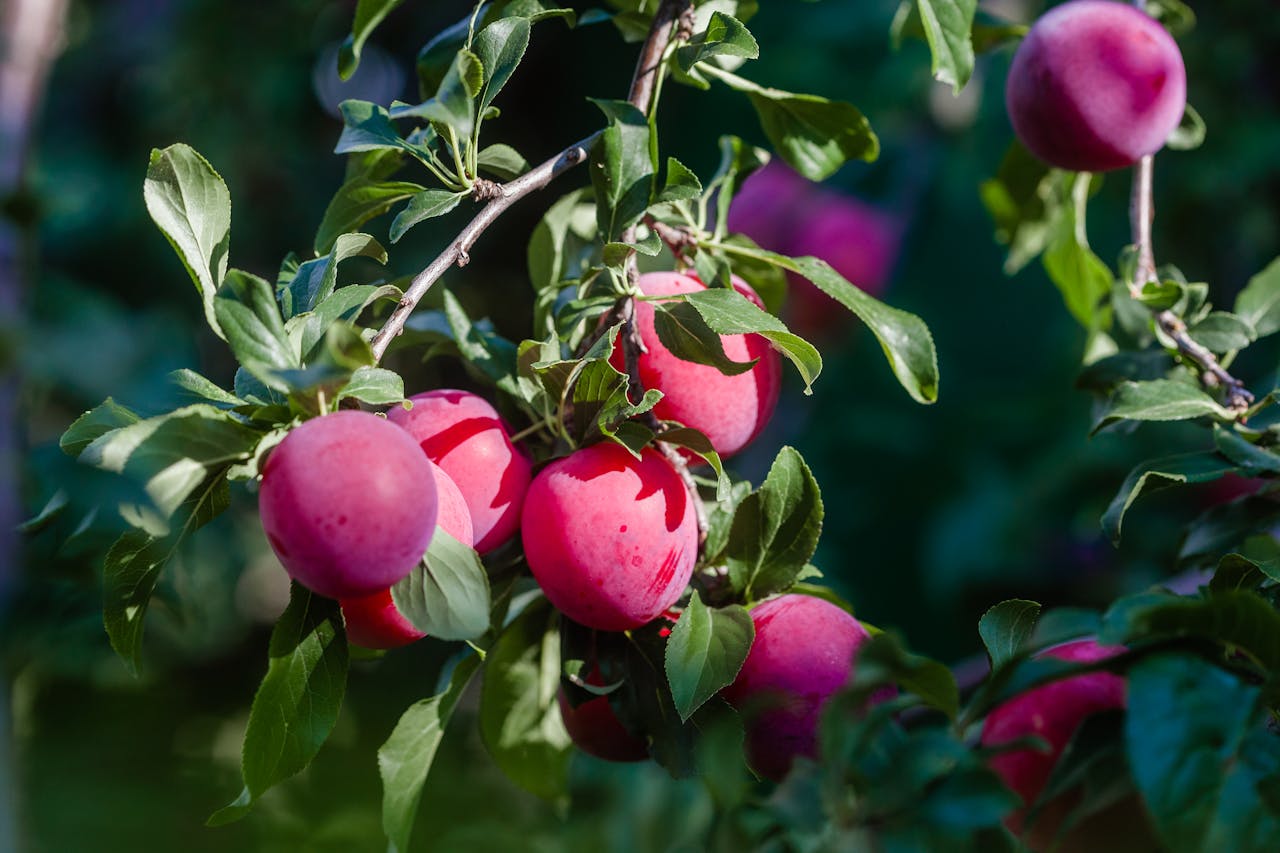
<p> Plum trees may seem like an attractive choice, but they can quickly become a maintenance nightmare. The fruit from plum trees tends to drop quickly, fermenting on the ground and attracting pests like flies and bees. The fallen fruit can also create a sticky mess that stains your lawn and outdoor surfaces. Additionally, plum trees are highly susceptible to fungal diseases like brown rot, which can spread to other plants in your garden. If you’re not prepared for the constant cleanup and disease management, it’s best to avoid planting a plum tree in your yard. Plum trees also require regular pruning to maintain their shape and prevent overcrowding. Without proper care, the tree can become overgrown, and the fruit may not ripen evenly. If you prefer a tree that requires less maintenance, you may want to consider other fruit tree options that are less prone to disease and pest problems. </p> :: Pexels

Plum trees may seem like an attractive choice, but they can quickly become a maintenance nightmare. The fruit from plum trees tends to drop quickly, fermenting on the ground and attracting pests like flies and bees. The fallen fruit can also create a sticky mess that stains your lawn and outdoor surfaces. Additionally, plum trees are highly susceptible to fungal diseases like brown rot, which can spread to other plants in your garden. If you’re not prepared for the constant cleanup and disease management, it’s best to avoid planting a plum tree in your yard.

Plum trees also require regular pruning to maintain their shape and prevent overcrowding. Without proper care, the tree can become overgrown, and the fruit may not ripen evenly. If you prefer a tree that requires less maintenance, you may want to consider other fruit tree options that are less prone to disease and pest problems.

9. Citrus Trees (in Non-Tropical Areas)

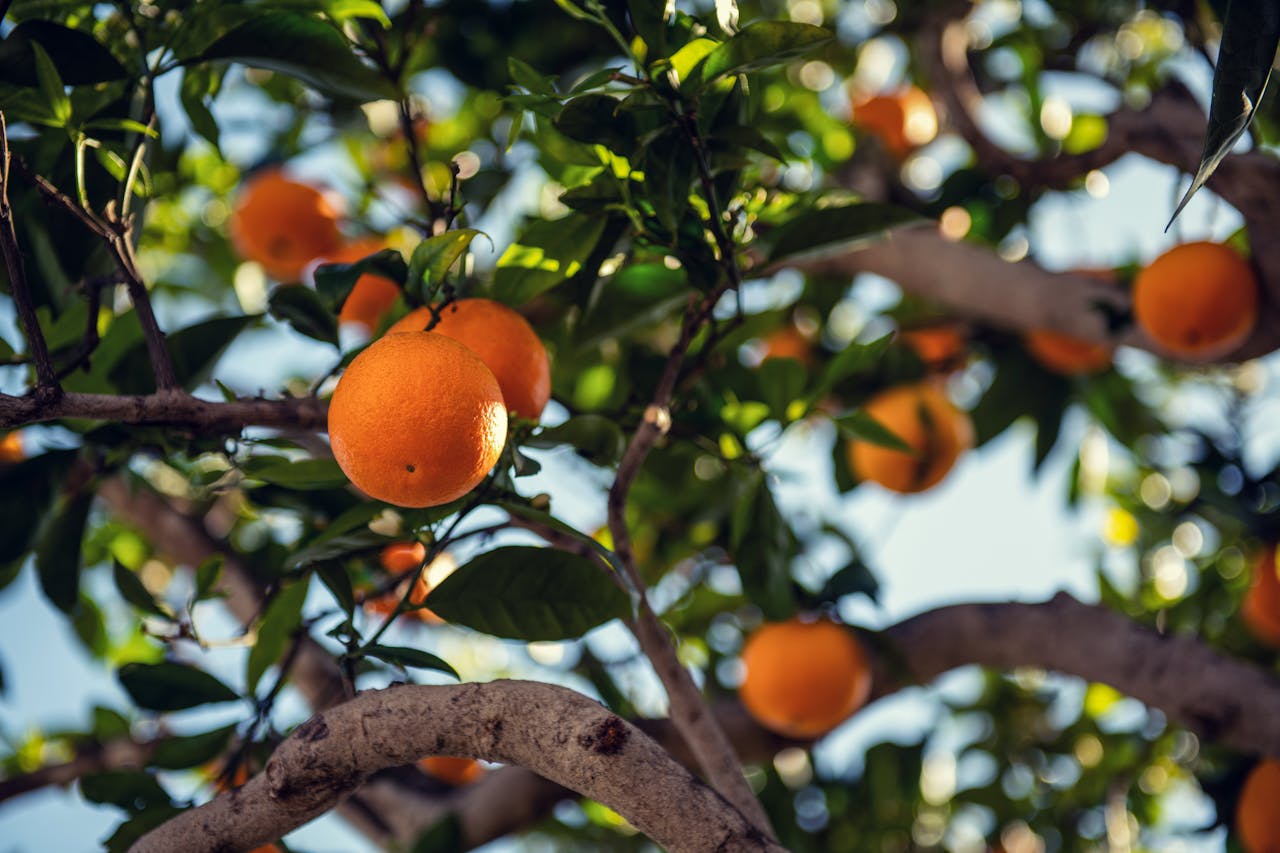
<p> Citrus trees, such as oranges, lemons, and grapefruits, are beloved for their bright, tangy fruits. However, these trees are best suited for tropical or subtropical climates, where they can thrive in warm temperatures year-round. If you live in a cooler region, citrus trees will require extra care, such as frost protection, frequent fertilization, and additional watering. They are also highly susceptible to pests like aphids and scale insects, which can be difficult to control. If you don’t live in an area that’s naturally warm, it’s best to avoid planting citrus trees in your yard. Citrus trees also require specific soil conditions and plenty of sunlight to thrive. Without these, they may not produce fruit or may suffer from poor growth. For homeowners in non-tropical areas, the effort required to maintain a citrus tree may outweigh the benefits. If you’re looking for a fruit tree that’s easier to care for in your climate, citrus trees may not be the best fit. </p> :: Pexels

Citrus trees, such as oranges, lemons, and grapefruits, are beloved for their bright, tangy fruits. However, these trees are best suited for tropical or subtropical climates, where they can thrive in warm temperatures year-round. If you live in a cooler region, citrus trees will require extra care, such as frost protection, frequent fertilization, and additional watering. They are also highly susceptible to pests like aphids and scale insects, which can be difficult to control. If you don’t live in an area that’s naturally warm, it’s best to avoid planting citrus trees in your yard.

Citrus trees also require specific soil conditions and plenty of sunlight to thrive. Without these, they may not produce fruit or may suffer from poor growth. For homeowners in non-tropical areas, the effort required to maintain a citrus tree may outweigh the benefits. If you’re looking for a fruit tree that’s easier to care for in your climate, citrus trees may not be the best fit.

10. Pineapple Guava Trees

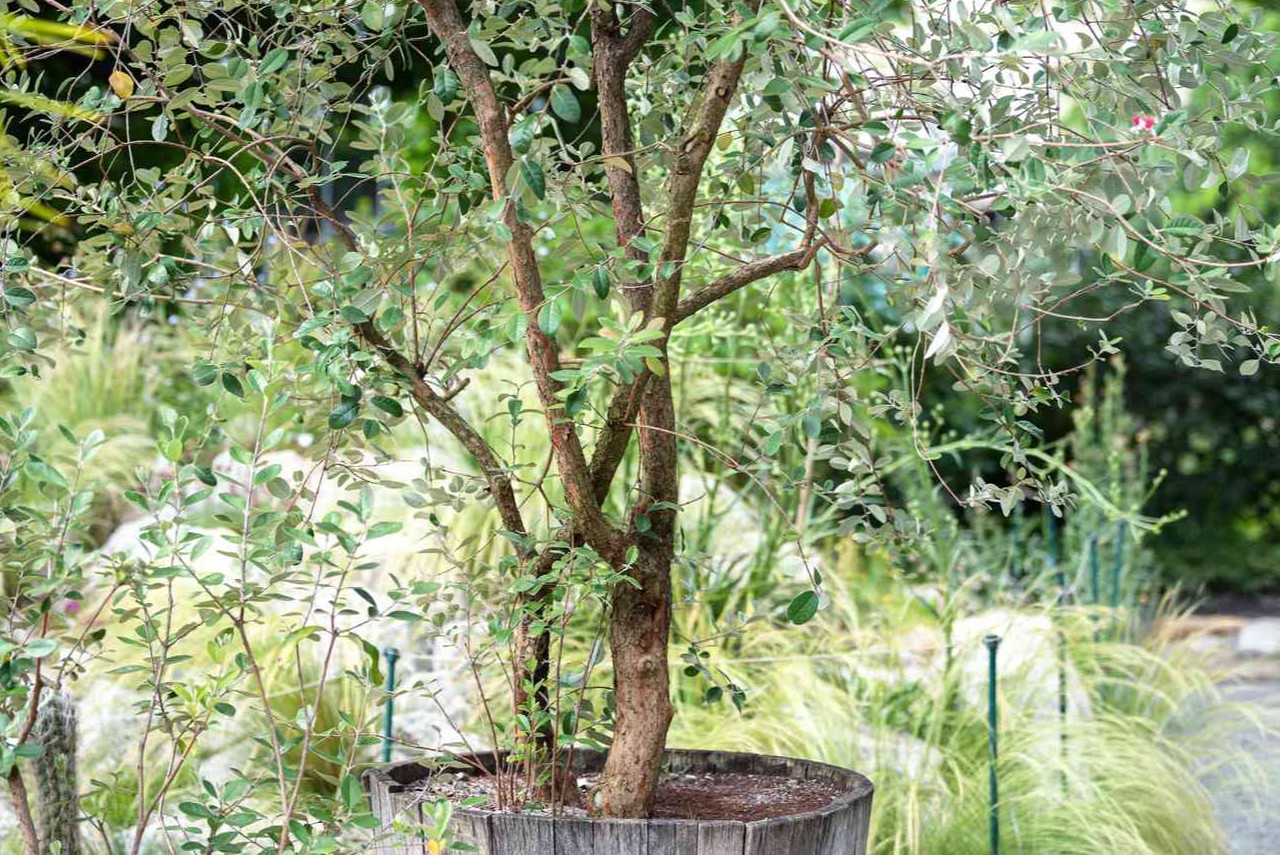
<p> Pineapple guava trees, also known as feijoa, produce small, tasty fruits that can be a fun addition to your yard. However, these trees require regular maintenance and can be a hassle to manage. The fruit drops quickly, creating a mess that attracts insects and rodents. Additionally, the tree needs frequent pruning to keep it from becoming too large and unruly. While pineapple guava trees can be a great option for those who live in mild climates, they may not be the best choice for homeowners looking for a low-maintenance fruit tree. These trees also require a specific growing environment, including well-drained soil and protection from frost. Without the right conditions, the tree may not thrive, and the fruit may not ripen properly. If you prefer a fruit tree that’s easier to grow and maintain, a pineapple guava tree might not be the best option for your yard. </p> :: The Spruce / Evgeniya Vlasova

Pineapple guava trees, also known as feijoa, produce small, tasty fruits that can be a fun addition to your yard. However, these trees require regular maintenance and can be a hassle to manage. The fruit drops quickly, creating a mess that attracts insects and rodents. Additionally, the tree needs frequent pruning to keep it from becoming too large and unruly. While pineapple guava trees can be a great option for those who live in mild climates, they may not be the best choice for homeowners looking for a low-maintenance fruit tree.

These trees also require a specific growing environment, including well-drained soil and protection from frost. Without the right conditions, the tree may not thrive, and the fruit may not ripen properly. If you prefer a fruit tree that’s easier to grow and maintain, a pineapple guava tree might not be the best option for your yard.

Final Thoughts

<p> While planting fruit trees can be a rewarding experience, it’s important to carefully consider your yard's needs and limitations. The trees listed above come with challenges that can lead to frustration, unnecessary maintenance, and even damage to your property. Before planting any tree, make sure to research its growth habits, potential problems, and how well it fits with your yard’s specific conditions. By choosing the right tree, you can enjoy a beautiful, fruitful landscape without the headaches. </p> :: Pexels

While planting fruit trees can be a rewarding experience, it’s important to carefully consider your yard’s needs and limitations. The trees listed above come with challenges that can lead to frustration, unnecessary maintenance, and even damage to your property. Before planting any tree, make sure to research its growth habits, potential problems, and how well it fits with your yard’s specific conditions. By choosing the right tree, you can enjoy a beautiful, fruitful landscape without the headaches.

Filed Under: Lifestyle

9 Risky Marriage Habits That Can Lead to Divorce

September 8, 2025 | Leave a Comment

9 Risky Marriage Habits That Can Lead to Divorce

<p> Marriage is a journey filled with love, growth, and challenges. While no one enters a marriage expecting it to fail, certain habits can slowly erode the foundation of a relationship, leaving both partners feeling disconnected and unfulfilled. By recognizing and addressing these risky behaviors early on, couples can protect their bond and avoid the heartbreak of divorce. Here are nine common habits that can jeopardize a marriage and practical tips to strengthen your connection. </p> :: Pexels

Marriage is a journey filled with love, growth, and challenges. While no one enters a marriage expecting it to fail, certain habits can slowly erode the foundation of a relationship, leaving both partners feeling disconnected and unfulfilled. By recognizing and addressing these risky behaviors early on, couples can protect their bond and avoid the heartbreak of divorce. Here are nine common habits that can jeopardize a marriage and practical tips to strengthen your connection.

1. Neglecting Open Communication

<p> Communication is the cornerstone of a strong marriage. When couples stop sharing their thoughts, feelings, and concerns, misunderstandings and resentment can build over time. Avoiding difficult conversations or bottling up emotions may feel easier in the moment, but it often leads to bigger issues later. To maintain a healthy connection, prioritize open and honest communication with your partner. Schedule regular times to discuss your feelings, address concerns, and celebrate your successes as a team. </p> :: Pexels

Communication is the cornerstone of a strong marriage. When couples stop sharing their thoughts, feelings, and concerns, misunderstandings and resentment can build over time. Avoiding difficult conversations or bottling up emotions may feel easier in the moment, but it often leads to bigger issues later. To maintain a healthy connection, prioritize open and honest communication with your partner. Schedule regular times to discuss your feelings, address concerns, and celebrate your successes as a team.

2. Taking Your Partner for Granted

<p> It is easy to fall into the trap of assuming your spouse will always be there. Over time, small gestures of appreciation may fade, and the everyday efforts your partner makes can go unnoticed. This lack of acknowledgment can lead to feelings of neglect and dissatisfaction. To avoid this, make an effort to express gratitude regularly. A heartfelt "thank you," a kind note, or a simple compliment can go a long way in showing your partner that they are valued and loved. </p> :: Pexels

It is easy to fall into the trap of assuming your spouse will always be there. Over time, small gestures of appreciation may fade, and the everyday efforts your partner makes can go unnoticed. This lack of acknowledgment can lead to feelings of neglect and dissatisfaction. To avoid this, make an effort to express gratitude regularly. A heartfelt “thank you,” a kind note, or a simple compliment can go a long way in showing your partner that they are valued and loved.

3. Allowing Technology to Create Distance

<p> In today’s digital age, technology often becomes a silent third wheel in relationships. Constantly checking your phone, scrolling through social media, or prioritizing online interactions over face-to-face time can leave your partner feeling ignored. Over time, this habit can erode the emotional connection between you. Set boundaries around screen time, especially during meals or shared moments, and focus on being fully present with your spouse. A little mindfulness can make a big difference in fostering intimacy. </p> :: Pexels

In today’s digital age, technology often becomes a silent third wheel in relationships. Constantly checking your phone, scrolling through social media, or prioritizing online interactions over face-to-face time can leave your partner feeling ignored. Over time, this habit can erode the emotional connection between you. Set boundaries around screen time, especially during meals or shared moments, and focus on being fully present with your spouse. A little mindfulness can make a big difference in fostering intimacy.

4. Avoiding Conflict Instead of Resolving It

<p> Many people mistakenly believe that avoiding arguments will keep their marriage peaceful. However, suppressing issues or sweeping them under the rug often leads to unresolved tensions that can explode later. Healthy marriages are not free of conflict; they thrive on the ability to resolve disagreements constructively. When conflicts arise, approach them with empathy and a willingness to listen. Focus on finding solutions together rather than placing blame, and remember that disagreements are opportunities to grow closer as a couple. </p> :: Pexels

Many people mistakenly believe that avoiding arguments will keep their marriage peaceful. However, suppressing issues or sweeping them under the rug often leads to unresolved tensions that can explode later. Healthy marriages are not free of conflict; they thrive on the ability to resolve disagreements constructively. When conflicts arise, approach them with empathy and a willingness to listen. Focus on finding solutions together rather than placing blame, and remember that disagreements are opportunities to grow closer as a couple.

5. Letting Intimacy Take a Backseat

<p> Physical and emotional intimacy are vital components of a strong marriage, yet they are often the first things to suffer when life gets busy. Whether due to work stress, parenting responsibilities, or unresolved issues, neglecting intimacy can create a sense of distance between partners. Make an intentional effort to prioritize your connection. This could mean planning regular date nights, sharing affectionate moments throughout the day, or simply spending quality time together without distractions. A healthy level of intimacy helps maintain trust and emotional closeness. </p> :: Pexels

Physical and emotional intimacy are vital components of a strong marriage, yet they are often the first things to suffer when life gets busy. Whether due to work stress, parenting responsibilities, or unresolved issues, neglecting intimacy can create a sense of distance between partners. Make an intentional effort to prioritize your connection. This could mean planning regular date nights, sharing affectionate moments throughout the day, or simply spending quality time together without distractions. A healthy level of intimacy helps maintain trust and emotional closeness.

6. Comparing Your Relationship to Others

<p> It is natural to look at other couples and wonder how your relationship measures up, but constant comparisons can be damaging. Whether you are scrolling through picture-perfect social media posts or observing friends’ marriages, it is important to remember that every relationship is unique. The grass may look greener on the other side, but often, it is simply a matter of perspective. Focus on nurturing your own marriage by setting realistic expectations and celebrating your shared victories, no matter how small they may seem. </p> :: Pexels

It is natural to look at other couples and wonder how your relationship measures up, but constant comparisons can be damaging. Whether you are scrolling through picture-perfect social media posts or observing friends’ marriages, it is important to remember that every relationship is unique. The grass may look greener on the other side, but often, it is simply a matter of perspective. Focus on nurturing your own marriage by setting realistic expectations and celebrating your shared victories, no matter how small they may seem.

7. Keeping Financial Secrets

<p> Money issues are one of the most common sources of tension in marriages. Hiding purchases, accumulating debt in secret, or failing to communicate about financial goals can lead to serious trust issues. Transparency is key to maintaining harmony when it comes to finances. Sit down with your partner regularly to discuss your financial situation, set shared goals, and create a budget that works for both of you. Being open about money matters not only builds trust but also ensures you are working as a team toward a secure future. </p> :: Pexels

Money issues are one of the most common sources of tension in marriages. Hiding purchases, accumulating debt in secret, or failing to communicate about financial goals can lead to serious trust issues. Transparency is key to maintaining harmony when it comes to finances. Sit down with your partner regularly to discuss your financial situation, set shared goals, and create a budget that works for both of you. Being open about money matters not only builds trust but also ensures you are working as a team toward a secure future.

8. Letting External Pressures Take Priority

<p> From demanding jobs to meddling family members, external influences can easily overshadow your marriage if you are not careful. When outside pressures take precedence, it can leave your partner feeling undervalued and disconnected. To prevent this, establish clear boundaries with family, friends, and work commitments. Make it a point to carve out dedicated time for your relationship, whether through date nights, weekend getaways, or simply enjoying each other’s company without distractions. </p> :: Pexels

From demanding jobs to meddling family members, external influences can easily overshadow your marriage if you are not careful. When outside pressures take precedence, it can leave your partner feeling undervalued and disconnected. To prevent this, establish clear boundaries with family, friends, and work commitments. Make it a point to carve out dedicated time for your relationship, whether through date nights, weekend getaways, or simply enjoying each other’s company without distractions.

9. Failing to Support Each Other’s Growth

<p> Personal growth is a natural part of life, and successful marriages require both partners to evolve together. When one person resists change or fails to support the other’s ambitions, it can create a sense of stagnation or even resentment. Encourage your partner to pursue their goals and take an active interest in their passions. At the same time, be open to sharing your own dreams and aspirations. Growing together not only strengthens your bond but also keeps your relationship dynamic and fulfilling. </p> :: Pexels

Personal growth is a natural part of life, and successful marriages require both partners to evolve together. When one person resists change or fails to support the other’s ambitions, it can create a sense of stagnation or even resentment. Encourage your partner to pursue their goals and take an active interest in their passions. At the same time, be open to sharing your own dreams and aspirations. Growing together not only strengthens your bond but also keeps your relationship dynamic and fulfilling.

Final Thoughts

<p> No marriage is perfect, but with awareness and effort, couples can avoid the habits that often lead to divorce. By prioritizing open communication, showing appreciation, and supporting each other through life’s ups and downs, you can build a relationship that stands the test of time. It is never too late to make positive changes in your marriage. Every small step you take toward strengthening your connection can lead to a happier and more fulfilling partnership. </p> :: Pexels

No marriage is perfect, but with awareness and effort, couples can avoid the habits that often lead to divorce. By prioritizing open communication, showing appreciation, and supporting each other through life’s ups and downs, you can build a relationship that stands the test of time. It is never too late to make positive changes in your marriage. Every small step you take toward strengthening your connection can lead to a happier and more fulfilling partnership.

Filed Under: Lifestyle

11 Phrases That Reveal You Weren’t Taught Proper Manners

September 8, 2025 | Leave a Comment

11 Phrases That Reveal You Weren’t Taught Proper Manners

<p> Good manners are an essential aspect of social interactions, and they often influence the way people perceive you. Whether in personal or professional settings, polite communication fosters positive relationships and mutual respect. However, certain phrases can reveal a lack of proper manners, even if they are said without malice. These phrases can unintentionally come across as rude, dismissive, or disrespectful, potentially harming your relationships. In this blog, we will identify 11 common phrases that might reveal you weren’t taught proper manners and offer alternative expressions that promote kindness and respect in conversation. By becoming aware of these phrases and making small adjustments, you can improve your social interactions and leave a better impression on those around you. </p> :: Pexels

Good manners are an essential aspect of social interactions, and they often influence the way people perceive you. Whether in personal or professional settings, polite communication fosters positive relationships and mutual respect. However, certain phrases can reveal a lack of proper manners, even if they are said without malice. These phrases can unintentionally come across as rude, dismissive, or disrespectful, potentially harming your relationships. In this blog, we will identify 11 common phrases that might reveal you weren’t taught proper manners and offer alternative expressions that promote kindness and respect in conversation. By becoming aware of these phrases and making small adjustments, you can improve your social interactions and leave a better impression on those around you.

1. “What’s your problem?”

<p> When you’re frustrated with someone or something, it may be tempting to ask, "What’s your problem?" However, this phrase can be perceived as confrontational and aggressive. It immediately puts the other person on the defensive and shifts the focus away from resolving the issue. Instead of attacking the person, try using a softer approach, such as, "Can you help me understand what’s going on?" or "Is there something bothering you that we should talk about?" This invites a calm conversation and gives the other person space to explain their perspective. </p> :: Pexels

When you’re frustrated with someone or something, it may be tempting to ask, “What’s your problem?” However, this phrase can be perceived as confrontational and aggressive. It immediately puts the other person on the defensive and shifts the focus away from resolving the issue. Instead of attacking the person, try using a softer approach, such as, “Can you help me understand what’s going on?” or “Is there something bothering you that we should talk about?” This invites a calm conversation and gives the other person space to explain their perspective.

2. “I don’t care.”

<p> Saying "I don’t care" in response to someone’s opinion or request can come across as dismissive and uncaring. Whether you're speaking to a friend, a colleague, or a family member, this phrase makes the other person feel as though their thoughts or feelings don’t matter. If you don’t have a strong opinion on the subject, express your disinterest politely by saying, "I’m not particularly concerned about that," or, "I don’t have a strong opinion either way." These alternatives convey your feelings without disregarding the other person’s input. </p> :: Pexels

Saying “I don’t care” in response to someone’s opinion or request can come across as dismissive and uncaring. Whether you’re speaking to a friend, a colleague, or a family member, this phrase makes the other person feel as though their thoughts or feelings don’t matter. If you don’t have a strong opinion on the subject, express your disinterest politely by saying, “I’m not particularly concerned about that,” or, “I don’t have a strong opinion either way.” These alternatives convey your feelings without disregarding the other person’s input.

3. “It’s not my fault.”

<p> While it may be tempting to deflect blame by saying, "It’s not my fault," this phrase often comes across as defensive and unwilling to take responsibility for a situation. It shifts the focus from solving the problem to justifying your actions. Instead of pointing fingers, try saying, "Let’s focus on how we can resolve this together," or, "I see how things unfolded, and I’m happy to help fix the issue." Taking ownership of your part in a situation shows maturity and a willingness to collaborate for a solution. </p> :: Pexels

While it may be tempting to deflect blame by saying, “It’s not my fault,” this phrase often comes across as defensive and unwilling to take responsibility for a situation. It shifts the focus from solving the problem to justifying your actions. Instead of pointing fingers, try saying, “Let’s focus on how we can resolve this together,” or, “I see how things unfolded, and I’m happy to help fix the issue.” Taking ownership of your part in a situation shows maturity and a willingness to collaborate for a solution.

4. “You always do this.”

<p> When we use the word "always," it can make the other person feel like their behavior is being unfairly generalized. Saying "You always do this" can make someone feel judged and frustrated, even if they’re just experiencing a minor lapse in behavior. Instead, offer more specific feedback by saying, "I’ve noticed this happening a few times, and I’d like to talk about it," or, "Can we figure out how to avoid this in the future?" Focusing on the issue rather than the person’s entire character fosters a more productive conversation. </p> :: Pexels

When we use the word “always,” it can make the other person feel like their behavior is being unfairly generalized. Saying “You always do this” can make someone feel judged and frustrated, even if they’re just experiencing a minor lapse in behavior. Instead, offer more specific feedback by saying, “I’ve noticed this happening a few times, and I’d like to talk about it,” or, “Can we figure out how to avoid this in the future?” Focusing on the issue rather than the person’s entire character fosters a more productive conversation.

5. “I told you so.”

<p> The phrase "I told you so" can sound smug, condescending, and dismissive. When someone is in a difficult situation or has made a mistake, hearing this phrase only adds to their discomfort and embarrassment. Instead of rubbing someone’s face in their misstep, express your support by saying, "I know this didn’t go as planned, but let’s figure out a way to move forward," or, "I understand this situation didn’t work out, but we can learn from it." These responses show empathy and offer constructive help rather than making the other person feel bad. </p> :: Pexels

The phrase “I told you so” can sound smug, condescending, and dismissive. When someone is in a difficult situation or has made a mistake, hearing this phrase only adds to their discomfort and embarrassment. Instead of rubbing someone’s face in their misstep, express your support by saying, “I know this didn’t go as planned, but let’s figure out a way to move forward,” or, “I understand this situation didn’t work out, but we can learn from it.” These responses show empathy and offer constructive help rather than making the other person feel bad.


6. “You should know better.”

<p> Telling someone "You should know better" can come off as judgmental and patronizing, especially if the person has made a simple mistake. This phrase can make the other person feel inferior or unworthy of respect. Instead of criticizing, try offering helpful advice, like, "Let’s talk about how we can avoid this in the future," or, "Here’s a better way to handle this situation." These alternatives focus on improvement and support without belittling the person’s intelligence or judgment. </p> :: Pexels

Telling someone “You should know better” can come off as judgmental and patronizing, especially if the person has made a simple mistake. This phrase can make the other person feel inferior or unworthy of respect. Instead of criticizing, try offering helpful advice, like, “Let’s talk about how we can avoid this in the future,” or, “Here’s a better way to handle this situation.” These alternatives focus on improvement and support without belittling the person’s intelligence or judgment.

7. “That’s stupid.”

<p> Calling something "stupid" is never a good choice, even if it’s meant to express frustration. Using harsh language like this can be hurtful, and it may damage your relationships with others. A more respectful way to express disagreement would be to say, "I don’t quite understand that," or, "I think there’s a better way to approach this." These phrases still express your opinion but do so in a way that respects the other person’s thoughts and ideas. </p> :: Pexels

Calling something “stupid” is never a good choice, even if it’s meant to express frustration. Using harsh language like this can be hurtful, and it may damage your relationships with others. A more respectful way to express disagreement would be to say, “I don’t quite understand that,” or, “I think there’s a better way to approach this.” These phrases still express your opinion but do so in a way that respects the other person’s thoughts and ideas.

8. “I’m too busy for this.”

<p> We all have moments when we’re overwhelmed with tasks and responsibilities, but telling someone "I’m too busy for this" can be interpreted as dismissive or rude. While it’s important to set boundaries, this phrase may make the other person feel like their needs are unimportant. Instead, try saying, "I’m currently tied up with something else, but I’d be happy to discuss this later," or, "Can we talk about this when I have more time to focus?" These responses convey your time constraints without making the other person feel like a burden. </p> :: Pexels

We all have moments when we’re overwhelmed with tasks and responsibilities, but telling someone “I’m too busy for this” can be interpreted as dismissive or rude. While it’s important to set boundaries, this phrase may make the other person feel like their needs are unimportant. Instead, try saying, “I’m currently tied up with something else, but I’d be happy to discuss this later,” or, “Can we talk about this when I have more time to focus?” These responses convey your time constraints without making the other person feel like a burden.


9. “Whatever.”

<p> "Whatever" is often used to express indifference or annoyance, but it can make the other person feel like their opinion doesn’t matter to you. This phrase can be passive-aggressive and dismissive, shutting down conversation before it can progress. Instead of ending a discussion with "Whatever," consider saying, "I see your point, but I’m not sure I agree," or, "Let’s agree to disagree." These alternatives acknowledge the other person’s viewpoint while allowing the conversation to end respectfully. </p> :: Pexels

“Whatever” is often used to express indifference or annoyance, but it can make the other person feel like their opinion doesn’t matter to you. This phrase can be passive-aggressive and dismissive, shutting down conversation before it can progress. Instead of ending a discussion with “Whatever,” consider saying, “I see your point, but I’m not sure I agree,” or, “Let’s agree to disagree.” These alternatives acknowledge the other person’s viewpoint while allowing the conversation to end respectfully.

10. “I don’t have time for this.”

<p> Similar to "I’m too busy for this," saying "I don’t have time for this" can make the other person feel like their concerns are being disregarded. It communicates impatience and a lack of interest in the issue at hand. A more polite way to handle this situation would be, "I’m unable to give this the attention it deserves right now, but I’d be happy to discuss it later," or, "Can we schedule some time to address this?" These alternatives let the other person know you value their input but need to prioritize other tasks for the moment. </p> :: Pexels

Similar to “I’m too busy for this,” saying “I don’t have time for this” can make the other person feel like their concerns are being disregarded. It communicates impatience and a lack of interest in the issue at hand. A more polite way to handle this situation would be, “I’m unable to give this the attention it deserves right now, but I’d be happy to discuss it later,” or, “Can we schedule some time to address this?” These alternatives let the other person know you value their input but need to prioritize other tasks for the moment.

11. “I don’t need your help.”

<p> While independence is admirable, outright rejecting help with the phrase "I don’t need your help" can make the other person feel unappreciated. It can come across as rude or dismissive, especially if the offer was made out of kindness. Instead of rejecting the offer outright, try saying, "I appreciate your offer, but I’ve got it covered for now," or, "Thank you for offering, but I’m good at the moment." These phrases acknowledge the other person’s generosity while politely declining their help. </p> :: Pexels

While independence is admirable, outright rejecting help with the phrase “I don’t need your help” can make the other person feel unappreciated. It can come across as rude or dismissive, especially if the offer was made out of kindness. Instead of rejecting the offer outright, try saying, “I appreciate your offer, but I’ve got it covered for now,” or, “Thank you for offering, but I’m good at the moment.” These phrases acknowledge the other person’s generosity while politely declining their help.

Final Thoughts

<p> Using the right language can make a huge difference in how you are perceived by others. While the phrases listed here may seem innocuous, they can reveal a lack of proper manners and create negative impressions. By replacing these phrases with more thoughtful alternatives, you can foster better relationships, build mutual respect, and improve your communication skills. Remember, small changes in the way you speak can have a lasting impact on the way people perceive you. So, the next time you're tempted to use one of these phrases, pause and consider how a more respectful approach could enhance the conversation. </p> :: Pexels

Using the right language can make a huge difference in how you are perceived by others. While the phrases listed here may seem innocuous, they can reveal a lack of proper manners and create negative impressions. By replacing these phrases with more thoughtful alternatives, you can foster better relationships, build mutual respect, and improve your communication skills. Remember, small changes in the way you speak can have a lasting impact on the way people perceive you. So, the next time you’re tempted to use one of these phrases, pause and consider how a more respectful approach could enhance the conversation.

Filed Under: Lifestyle

7 Boomer Habits That Younger Generations Struggle to Understand

September 7, 2025 | Leave a Comment

7 Boomer Habits That Younger Generations Struggle to Understand

<p> Baby Boomers grew up in a world that was very different from today. From rotary phones to handwritten letters, their experiences shaped habits that may seem unusual or even quirky to younger generations. Millennials and Gen Z often scratch their heads when trying to understand some Boomer behaviors, but these habits make perfect sense when you consider the era in which they were formed. This list explores seven common Boomer habits that younger generations often struggle to comprehend, with a lighthearted yet insightful look at why Boomers do what they do. </p> :: Freepik

Baby Boomers grew up in a world that was very different from today. From rotary phones to handwritten letters, their experiences shaped habits that may seem unusual or even quirky to younger generations. Millennials and Gen Z often scratch their heads when trying to understand some Boomer behaviors, but these habits make perfect sense when you consider the era in which they were formed. This list explores seven common Boomer habits that younger generations often struggle to comprehend, with a lighthearted yet insightful look at why Boomers do what they do.

1. Saving Everything Just in Case

<p> If you grew up in the 1950s through the 1970s, you understand the value of being prepared. Baby Boomers often save things that younger generations would throw away without a second thought. Empty jars, old newspapers, rubber bands, and even worn-out clothing might find a new life in a Boomer household. This habit comes from growing up during times of economic uncertainty and material scarcity. While Millennials and Gen Z tend to favor minimalism and convenience, Boomers see value in repurposing items and avoiding waste. They believe that keeping something “just in case” could save time, money, or a future headache. It is not hoarding; it is strategic preparedness, even if it sometimes leads to cluttered closets and garages. </p> :: Pexels

If you grew up in the 1950s through the 1970s, you understand the value of being prepared. Baby Boomers often save things that younger generations would throw away without a second thought. Empty jars, old newspapers, rubber bands, and even worn-out clothing might find a new life in a Boomer household. This habit comes from growing up during times of economic uncertainty and material scarcity. While Millennials and Gen Z tend to favor minimalism and convenience, Boomers see value in repurposing items and avoiding waste. They believe that keeping something “just in case” could save time, money, or a future headache. It is not hoarding; it is strategic preparedness, even if it sometimes leads to cluttered closets and garages.

2. Using Landlines and Answering Machines

<p> Long before smartphones, landlines were the primary way people stayed in touch. Baby Boomers often maintain a landline at home and rely on answering machines to catch messages, even though mobile phones now dominate communication. Younger generations are puzzled by this habit because they are accustomed to instant communication through texting, video calls, and social media. To Boomers, checking an answering machine is simply practical and reliable, especially if they are avoiding spam calls or want a clear record of important messages. While it may seem outdated to younger people, for Boomers it represents security, control, and a sense of continuity in an ever-changing digital world. </p> :: Pexels

Long before smartphones, landlines were the primary way people stayed in touch. Baby Boomers often maintain a landline at home and rely on answering machines to catch messages, even though mobile phones now dominate communication. Younger generations are puzzled by this habit because they are accustomed to instant communication through texting, video calls, and social media. To Boomers, checking an answering machine is simply practical and reliable, especially if they are avoiding spam calls or want a clear record of important messages. While it may seem outdated to younger people, for Boomers it represents security, control, and a sense of continuity in an ever-changing digital world.

3. Replying to Emails with Thanks

<p> For Baby Boomers, a simple “Thanks” or “Received, thanks” at the end of an email is a sign of politeness and acknowledgment. It confirms that a message was read and understood, keeping communication clear and professional. Younger workers, however, often see this as redundant or unnecessary, particularly in fast-paced environments where brevity is prized. The Boomer approach is rooted in etiquette and reliability. Sending a quick acknowledgment shows respect for the sender and ensures there is no miscommunication. While Millennials and Gen Z might prefer a quick thumbs-up emoji or an unread email, Boomers appreciate the tangible confirmation that their correspondence has been noticed and valued. </p> :: Pexels

For Baby Boomers, a simple “Thanks” or “Received, thanks” at the end of an email is a sign of politeness and acknowledgment. It confirms that a message was read and understood, keeping communication clear and professional. Younger workers, however, often see this as redundant or unnecessary, particularly in fast-paced environments where brevity is prized. The Boomer approach is rooted in etiquette and reliability. Sending a quick acknowledgment shows respect for the sender and ensures there is no miscommunication. While Millennials and Gen Z might prefer a quick thumbs-up emoji or an unread email, Boomers appreciate the tangible confirmation that their correspondence has been noticed and valued.

4. Using Speakerphone in Public Spaces

<p> Have you ever been at the grocery store or on a bus and heard someone speaking loudly on speakerphone? Chances are it was a Boomer. Many Baby Boomers prefer using the speaker function because it allows them to multitask, keep their hands free, or simply speak more comfortably. Younger generations, however, often see this as inconsiderate, especially in public spaces where quiet is expected. Boomers do not mean to disturb; they are accustomed to talking freely on the phone in homes or offices and may not even realize how disruptive they appear in modern public settings. It is a habit that highlights the generational differences in how we think about privacy, convenience, and etiquette. </p> :: Pexels

Have you ever been at the grocery store or on a bus and heard someone speaking loudly on speakerphone? Chances are it was a Boomer. Many Baby Boomers prefer using the speaker function because it allows them to multitask, keep their hands free, or simply speak more comfortably. Younger generations, however, often see this as inconsiderate, especially in public spaces where quiet is expected. Boomers do not mean to disturb; they are accustomed to talking freely on the phone in homes or offices and may not even realize how disruptive they appear in modern public settings. It is a habit that highlights the generational differences in how we think about privacy, convenience, and etiquette.

5. Prioritizing Face-to-Face Communication

<p> In an age of texting, email, and Zoom meetings, many younger people prefer digital communication because it is fast, efficient, and convenient. Baby Boomers, on the other hand, often insist on face-to-face conversations whenever possible. They believe that personal interactions build stronger relationships, convey tone more clearly, and foster trust in ways that digital communication cannot. Boomers grew up relying on in-person interactions for business, family, and social matters, and this habit remains deeply ingrained. To younger generations, this may seem time-consuming or old-fashioned, but Boomers see it as a meaningful way to connect, understand, and show respect. </p> :: Pexels

In an age of texting, email, and Zoom meetings, many younger people prefer digital communication because it is fast, efficient, and convenient. Baby Boomers, on the other hand, often insist on face-to-face conversations whenever possible. They believe that personal interactions build stronger relationships, convey tone more clearly, and foster trust in ways that digital communication cannot. Boomers grew up relying on in-person interactions for business, family, and social matters, and this habit remains deeply ingrained. To younger generations, this may seem time-consuming or old-fashioned, but Boomers see it as a meaningful way to connect, understand, and show respect.

6. Holding Onto Physical Media

<p> Even as streaming services and digital downloads dominate today’s media landscape, many Baby Boomers hold onto physical items such as DVDs, CDs, and vinyl records. There is a tactile satisfaction in flipping through a record collection or browsing a shelf of favorite movies. Physical media also provides a sense of nostalgia and permanence that digital formats cannot replicate. Younger generations, accustomed to instant access and unlimited digital libraries, often struggle to see the point. For Boomers, maintaining a physical collection is not just about utility; it is about preserving memories and enjoying the ritual of interacting with items that carry personal and emotional significance. </p> :: Pexels

Even as streaming services and digital downloads dominate today’s media landscape, many Baby Boomers hold onto physical items such as DVDs, CDs, and vinyl records. There is a tactile satisfaction in flipping through a record collection or browsing a shelf of favorite movies. Physical media also provides a sense of nostalgia and permanence that digital formats cannot replicate. Younger generations, accustomed to instant access and unlimited digital libraries, often struggle to see the point. For Boomers, maintaining a physical collection is not just about utility; it is about preserving memories and enjoying the ritual of interacting with items that carry personal and emotional significance.

7. Believing That Hard Work Alone Leads to Success

<p> One of the most defining habits of Baby Boomers is their unwavering belief in hard work as the key to success. Many Boomers grew up being told that dedication, persistence, and responsibility would inevitably lead to achievement. While this philosophy has served them well, younger generations often recognize that factors such as networking, technology, and even luck play a significant role in career advancement. To Millennials and Gen Z, the Boomer emphasis on sheer effort can seem naive or unrealistic in a complex world where opportunities are not always evenly distributed. Yet for Boomers, this mindset is more than a habit—it is a guiding principle, reflecting a lifelong commitment to diligence, accountability, and self-reliance. </p> :: Pexels

One of the most defining habits of Baby Boomers is their unwavering belief in hard work as the key to success. Many Boomers grew up being told that dedication, persistence, and responsibility would inevitably lead to achievement. While this philosophy has served them well, younger generations often recognize that factors such as networking, technology, and even luck play a significant role in career advancement. To Millennials and Gen Z, the Boomer emphasis on sheer effort can seem naive or unrealistic in a complex world where opportunities are not always evenly distributed. Yet for Boomers, this mindset is more than a habit—it is a guiding principle, reflecting a lifelong commitment to diligence, accountability, and self-reliance.

Final Thoughts

<p> Baby Boomer habits may seem peculiar or outdated to younger generations, but they are rooted in experiences, values, and realities that shaped a generation. From saving everything just in case to favoring face-to-face conversations, these behaviors reflect a worldview formed in a different time. Understanding these habits helps bridge generational gaps, fosters empathy, and even offers valuable lessons. After all, while technology and culture evolve, the principles behind these habits—preparation, politeness, dedication, and personal connection—remain timeless. Appreciating these differences allows younger generations to see the wisdom in Boomer habits, and perhaps even adopt some of them in their own lives.

By recognizing the logic behind Boomer behaviors, we can not only reduce confusion and frustration but also gain insights into resilience, resourcefulness, and the art of staying connected in a fast-changing world. Baby Boomers may seem old-fashioned to some, but their habits carry lessons that are both practical and enduring. </p> :: Freepik

Baby Boomer habits may seem peculiar or outdated to younger generations, but they are rooted in experiences, values, and realities that shaped a generation. From saving everything just in case to favoring face-to-face conversations, these behaviors reflect a worldview formed in a different time. Understanding these habits helps bridge generational gaps, fosters empathy, and even offers valuable lessons. After all, while technology and culture evolve, the principles behind these habits—preparation, politeness, dedication, and personal connection—remain timeless. Appreciating these differences allows younger generations to see the wisdom in Boomer habits, and perhaps even adopt some of them in their own lives.

By recognizing the logic behind Boomer behaviors, we can not only reduce confusion and frustration but also gain insights into resilience, resourcefulness, and the art of staying connected in a fast-changing world. Baby Boomers may seem old-fashioned to some, but their habits carry lessons that are both practical and enduring.

Filed Under: Lifestyle

10 Myths Boomers Still Believe—Even Though They Have Been Debunked

September 6, 2025 | Leave a Comment

10 Myths Boomers Still Believe—Even Though They Have Been Debunked

<p> Every generation carries a few myths about itself, but baby boomers often find themselves at the center of some particularly stubborn ones. Maybe it is because boomers have lived through decades of social, cultural, and technological shifts, or maybe it is simply because stereotypes stick once they are repeated long enough. Either way, some beliefs about boomers continue to hang around even though they have already been proven wrong. The funny part? Many of these myths are not just outdated, they completely miss the mark on who boomers really are today. Far from being stuck in the past, this generation is active, tech-savvy, curious, and redefining what aging looks like. So let’s set the record straight. Here are ten myths about boomers that have been thoroughly debunked, but still manage to linger in conversations. Consider this your myth-busting guide, with a touch of humor and plenty of real-world perspective. </p> :: Freepik

Every generation carries a few myths about itself, but baby boomers often find themselves at the center of some particularly stubborn ones. Maybe it is because boomers have lived through decades of social, cultural, and technological shifts, or maybe it is simply because stereotypes stick once they are repeated long enough. Either way, some beliefs about boomers continue to hang around even though they have already been proven wrong.

The funny part? Many of these myths are not just outdated, they completely miss the mark on who boomers really are today. Far from being stuck in the past, this generation is active, tech-savvy, curious, and redefining what aging looks like.

So let’s set the record straight. Here are ten myths about boomers that have been thoroughly debunked, but still manage to linger in conversations. Consider this your myth-busting guide, with a touch of humor and plenty of real-world perspective.

1. Boomers Are Still the Largest Generation

<p> For years, people said boomers made up the biggest slice of America. While that was once true, things have changed. Today, Millennials and Gen Xers actually outnumber boomers, and even kids under 18 have edged past in numbers. The truth is, boomers are no longer the “majority voice” in sheer size, though they still hold major influence in society, politics, and culture. If anything, this shift shows how quickly the country is changing and how every generation has its moment in the spotlight. </p> :: Freepik

For years, people said boomers made up the biggest slice of America. While that was once true, things have changed. Today, Millennials and Gen Xers actually outnumber boomers, and even kids under 18 have edged past in numbers. The truth is, boomers are no longer the “majority voice” in sheer size, though they still hold major influence in society, politics, and culture. If anything, this shift shows how quickly the country is changing and how every generation has its moment in the spotlight.

2. All Boomers Are Already Retired

<p> Many assume that every boomer is already retired, spending their days on the golf course or tending to the garden. But here is the reality: a large portion of boomers have not yet reached 65, and plenty of those who have are still working, consulting, or even starting businesses. Retirement today looks very different than it did decades ago. For many boomers, stepping away from work is not about slowing down but about reinventing life on their own terms. </p> :: Pexels

Many assume that every boomer is already retired, spending their days on the golf course or tending to the garden. But here is the reality: a large portion of boomers have not yet reached 65, and plenty of those who have are still working, consulting, or even starting businesses. Retirement today looks very different than it did decades ago. For many boomers, stepping away from work is not about slowing down but about reinventing life on their own terms.

3. Boomers Only Retire to Florida or Arizona

<p> It is a classic image—boomers moving south to sip iced tea on a porch in Florida or soak up the desert sun in Arizona. While some do enjoy retirement in warmer climates, the majority of boomers live all over the country, from bustling cities to quiet small towns. Many choose to stay near family, friends, and familiar communities rather than uproot. So while Florida may get the headlines, boomers are thriving everywhere, from Maine to California. </p> :: Pexels

It is a classic image—boomers moving south to sip iced tea on a porch in Florida or soak up the desert sun in Arizona. While some do enjoy retirement in warmer climates, the majority of boomers live all over the country, from bustling cities to quiet small towns. Many choose to stay near family, friends, and familiar communities rather than uproot. So while Florida may get the headlines, boomers are thriving everywhere, from Maine to California.

4. Boomers Are All Alike

<p> One of the biggest misconceptions is that all boomers think, live, and age the same way. The truth could not be further from it. The younger half of the boomer generation is more racially diverse, more educated, and more economically varied than the older half. Within the generation, you will find entrepreneurs, lifelong learners, retirees, caretakers, world travelers, and everything in between. Boomers are not a monolithic group—they are as diverse and dynamic as any generation before or after them. </p> :: Freepik

One of the biggest misconceptions is that all boomers think, live, and age the same way. The truth could not be further from it. The younger half of the boomer generation is more racially diverse, more educated, and more economically varied than the older half. Within the generation, you will find entrepreneurs, lifelong learners, retirees, caretakers, world travelers, and everything in between. Boomers are not a monolithic group—they are as diverse and dynamic as any generation before or after them.

5. Boomers Only Want to Relax in Retirement

<p> While some may picture boomers lounging endlessly in rocking chairs, the reality is that many are working well past traditional retirement age. Surveys show that about half of boomers expect to work into their 70s, and a surprising number say they may never retire at all. For this generation, retirement is less about “checking out” and more about staying engaged, whether that is through part-time work, volunteering, or creative pursuits. Boomers want to stay active and involved, not fade quietly into the background. </p> :: Pexels

While some may picture boomers lounging endlessly in rocking chairs, the reality is that many are working well past traditional retirement age. Surveys show that about half of boomers expect to work into their 70s, and a surprising number say they may never retire at all. For this generation, retirement is less about “checking out” and more about staying engaged, whether that is through part-time work, volunteering, or creative pursuits. Boomers want to stay active and involved, not fade quietly into the background.

6. Boomers Struggle to Learn New Things

<p> There is a stereotype that once people hit a certain age, learning new skills becomes impossible. But boomers are proving that wrong every single day. From mastering new technology to starting second careers, boomers show a strong appetite for growth and discovery. Lifelong learning is not just a buzzword—it is a way of life for this generation. Whether it is picking up digital tools, taking classes, or exploring new hobbies, boomers embrace learning as a way to stay sharp and energized. </p> :: Pexels

There is a stereotype that once people hit a certain age, learning new skills becomes impossible. But boomers are proving that wrong every single day. From mastering new technology to starting second careers, boomers show a strong appetite for growth and discovery. Lifelong learning is not just a buzzword—it is a way of life for this generation. Whether it is picking up digital tools, taking classes, or exploring new hobbies, boomers embrace learning as a way to stay sharp and energized.

7. Boomers Do Not Use Technology

<p> This one might be the most common myth of them all. Many assume boomers avoid smartphones, online shopping, or social media. In truth, boomers are one of the fastest-growing groups of internet users. They bank online, shop on Amazon, book travel digitally, and use social media to stay connected with loved ones. Some studies even show boomers fill out more online forms than younger generations. Far from being technophobic, most boomers see technology as a tool to make life easier, not something to fear. </p> :: Pexels

This one might be the most common myth of them all. Many assume boomers avoid smartphones, online shopping, or social media. In truth, boomers are one of the fastest-growing groups of internet users. They bank online, shop on Amazon, book travel digitally, and use social media to stay connected with loved ones. Some studies even show boomers fill out more online forms than younger generations. Far from being technophobic, most boomers see technology as a tool to make life easier, not something to fear.

8. Boomers Do Not Care About Younger Generations

<p> It is often said that boomers are too focused on their own needs and do not think about the future. In reality, many boomers care deeply about the well-being of younger generations. They volunteer in schools, support causes like environmental sustainability, and help fund their grandchildren’s education. Having lived through major social changes, boomers often feel a responsibility to pass on a better world. Far from being indifferent, they are some of the strongest advocates for leaving a positive legacy. </p> :: Pexels

It is often said that boomers are too focused on their own needs and do not think about the future. In reality, many boomers care deeply about the well-being of younger generations. They volunteer in schools, support causes like environmental sustainability, and help fund their grandchildren’s education. Having lived through major social changes, boomers often feel a responsibility to pass on a better world. Far from being indifferent, they are some of the strongest advocates for leaving a positive legacy.

9. Boomers Are Set in Their Ways

<p> The idea that boomers are rigid and unwilling to change has been floating around for years. Yet many are living proof that adaptability does not end with age. Boomers are traveling the globe, taking up new fitness routines, embracing healthier lifestyles, and even joining local clubs and organizations to expand their social circles. Being grounded in one’s values does not mean refusing to evolve. In fact, many boomers are more open to new adventures now than ever before. </p> :: Pexels

The idea that boomers are rigid and unwilling to change has been floating around for years. Yet many are living proof that adaptability does not end with age. Boomers are traveling the globe, taking up new fitness routines, embracing healthier lifestyles, and even joining local clubs and organizations to expand their social circles. Being grounded in one’s values does not mean refusing to evolve. In fact, many boomers are more open to new adventures now than ever before.

10. Boomers Are Not Valuable in Today’s Workforce

<p> Some believe boomers are outdated in the workplace, but that could not be further from the truth. Boomers bring decades of experience, strong leadership skills, and the ability to mentor younger workers. Companies often find that boomers provide stability and wisdom during challenging times. While younger generations bring fresh ideas, boomers balance that with real-world perspective and problem-solving skills. Age does not make them less valuable—it makes them indispensable in a different, complementary way. </p> :: Pexels

Some believe boomers are outdated in the workplace, but that could not be further from the truth. Boomers bring decades of experience, strong leadership skills, and the ability to mentor younger workers. Companies often find that boomers provide stability and wisdom during challenging times. While younger generations bring fresh ideas, boomers balance that with real-world perspective and problem-solving skills. Age does not make them less valuable—it makes them indispensable in a different, complementary way.

Final Thoughts

<p> Generational myths have a way of sticking around, even when they are no longer true. For baby boomers, many of these outdated ideas paint an incomplete picture of a generation that is far more dynamic, adaptable, and influential than the stereotypes suggest. Boomers have lived through rapid change, and instead of being left behind, they continue to reinvent what aging looks like. They are shaping communities, embracing new technology, working longer, and leaving legacies for the next generation. So the next time someone repeats one of these myths, you can smile and set the record straight. After all, being a boomer today is not about fitting into old molds—it is about breaking them and proving that life after 60 is as vibrant, exciting, and meaningful as ever. </p> :: Pexels

Generational myths have a way of sticking around, even when they are no longer true. For baby boomers, many of these outdated ideas paint an incomplete picture of a generation that is far more dynamic, adaptable, and influential than the stereotypes suggest.

Boomers have lived through rapid change, and instead of being left behind, they continue to reinvent what aging looks like. They are shaping communities, embracing new technology, working longer, and leaving legacies for the next generation.

So the next time someone repeats one of these myths, you can smile and set the record straight. After all, being a boomer today is not about fitting into old molds—it is about breaking them and proving that life after 60 is as vibrant, exciting, and meaningful as ever.

Filed Under: Lifestyle

10 Benefits of Being Your Own Boss After 60 for a Joyful Retirement

September 5, 2025 | Leave a Comment

10 Benefits of Being Your Own Boss After 60 for a Joyful Retirement

<p> For many baby boomers, the idea of retirement used to mean slowing down, kicking back, and maybe spending afternoons in a rocking chair. But times have changed. Retirement no longer has to be about stepping away from work entirely—it can be about stepping into something new, exciting, and deeply fulfilling. More and more people over 60 are choosing to become their own boss, not out of necessity, but out of a desire to create, contribute, and live life on their own terms.

Being your own boss after 60 is not about starting the next Silicon Valley tech giant. It can be as simple as turning a hobby into income, consulting in your field of expertise, or running a small business that lights you up. The real benefit lies in the joy, flexibility, and sense of purpose that comes with being in control of your work. If you are curious about what this path could look like for you, here are 10 wonderful benefits that could make your retirement years more rewarding than ever. </p> :: Freepik

For many baby boomers, the idea of retirement used to mean slowing down, kicking back, and maybe spending afternoons in a rocking chair. But times have changed. Retirement no longer has to be about stepping away from work entirely—it can be about stepping into something new, exciting, and deeply fulfilling. More and more people over 60 are choosing to become their own boss, not out of necessity, but out of a desire to create, contribute, and live life on their own terms.

Being your own boss after 60 is not about starting the next Silicon Valley tech giant. It can be as simple as turning a hobby into income, consulting in your field of expertise, or running a small business that lights you up. The real benefit lies in the joy, flexibility, and sense of purpose that comes with being in control of your work. If you are curious about what this path could look like for you, here are 10 wonderful benefits that could make your retirement years more rewarding than ever.

1. Freedom to Set Your Own Schedule

<p> One of the biggest perks of being your own boss is the freedom to create a schedule that works for you. No more early-morning commutes or strict nine-to-five requirements. Instead, you decide when to work and when to relax. Maybe you are most energetic in the morning and want afternoons free to spend with family or to enjoy a hobby. Or maybe you prefer a few hours of focused work in the evenings. Whatever your preference, flexibility is yours. That kind of freedom is a gift that makes retirement life far more enjoyable. </p> :: Pexels

One of the biggest perks of being your own boss is the freedom to create a schedule that works for you. No more early-morning commutes or strict nine-to-five requirements. Instead, you decide when to work and when to relax. Maybe you are most energetic in the morning and want afternoons free to spend with family or to enjoy a hobby. Or maybe you prefer a few hours of focused work in the evenings. Whatever your preference, flexibility is yours. That kind of freedom is a gift that makes retirement life far more enjoyable.

2. Keeping Your Mind Active Through Lifelong Learning

<p> Retirement does not have to mean letting your brain coast on autopilot. Running your own venture after 60 keeps your mind sharp and engaged. From learning new technology to exploring marketing or networking strategies, you will constantly be picking up new skills. This ongoing learning is not just good for business—it is good for your overall health too. Research shows that staying mentally active as you age can help reduce the risk of cognitive decline. Being your own boss gives you built-in opportunities to keep learning and stay sharp. </p> :: Pexels

Retirement does not have to mean letting your brain coast on autopilot. Running your own venture after 60 keeps your mind sharp and engaged. From learning new technology to exploring marketing or networking strategies, you will constantly be picking up new skills. This ongoing learning is not just good for business—it is good for your overall health too. Research shows that staying mentally active as you age can help reduce the risk of cognitive decline. Being your own boss gives you built-in opportunities to keep learning and stay sharp.

3. A Renewed Sense of Purpose

<p> Work provides more than a paycheck—it gives a sense of purpose. After leaving a long career, many retirees miss having that drive. Becoming your own boss gives you a brand-new mission to pour your energy into. Whether you are helping clients solve problems, creating products that bring joy, or mentoring younger generations, the work you choose can keep you connected to the world in meaningful ways. That renewed sense of purpose often translates to greater happiness and satisfaction in retirement. </p> :: Pexels

Work provides more than a paycheck—it gives a sense of purpose. After leaving a long career, many retirees miss having that drive. Becoming your own boss gives you a brand-new mission to pour your energy into. Whether you are helping clients solve problems, creating products that bring joy, or mentoring younger generations, the work you choose can keep you connected to the world in meaningful ways. That renewed sense of purpose often translates to greater happiness and satisfaction in retirement.

4. Extra Income for Financial Comfort

<p> Let’s be honest—retirement can be expensive. Even with Social Security, pensions, and savings, many retirees worry about stretching their money to cover travel, healthcare, and everyday living costs. Having your own small business or side hustle can provide extra income to ease those worries. That additional money might allow you to take that dream trip to Europe, spoil the grandkids, or simply enjoy more financial security. Knowing you have control over creating income, even in retirement, can bring peace of mind. </p> :: Pexels

Let’s be honest—retirement can be expensive. Even with Social Security, pensions, and savings, many retirees worry about stretching their money to cover travel, healthcare, and everyday living costs. Having your own small business or side hustle can provide extra income to ease those worries. That additional money might allow you to take that dream trip to Europe, spoil the grandkids, or simply enjoy more financial security. Knowing you have control over creating income, even in retirement, can bring peace of mind.

5. Putting Your Experience to Work

<p> After decades of work, you have built a wealth of knowledge, skills, and insights. Becoming your own boss lets you finally use those strengths without having to answer to someone else. Maybe you have expertise in teaching, finance, or construction. Maybe you are skilled at crafts, gardening, or photography. Whatever it is, your years of experience can be turned into something valuable for others. Best of all, you get to decide how to share it. Consulting, coaching, or even selling handmade goods are just a few ways your wisdom can shine. </p> :: Pexels

After decades of work, you have built a wealth of knowledge, skills, and insights. Becoming your own boss lets you finally use those strengths without having to answer to someone else. Maybe you have expertise in teaching, finance, or construction. Maybe you are skilled at crafts, gardening, or photography. Whatever it is, your years of experience can be turned into something valuable for others. Best of all, you get to decide how to share it. Consulting, coaching, or even selling handmade goods are just a few ways your wisdom can shine.

6. Taking Advantage of Tax Benefits

<p> Running your own business can come with some surprising financial perks. Self-employed individuals are often eligible for tax deductions that regular employees cannot access. For example, you might be able to deduct expenses for a home office, business supplies, or even health insurance premiums. You could also make contributions to retirement accounts designed for entrepreneurs. These tax advantages can add up quickly, leaving more money in your pocket. With the right planning, being your own boss can be both fulfilling and financially smart. </p> :: Freepik

Running your own business can come with some surprising financial perks. Self-employed individuals are often eligible for tax deductions that regular employees cannot access. For example, you might be able to deduct expenses for a home office, business supplies, or even health insurance premiums. You could also make contributions to retirement accounts designed for entrepreneurs. These tax advantages can add up quickly, leaving more money in your pocket. With the right planning, being your own boss can be both fulfilling and financially smart.

7. Staying Healthy and Socially Connected

<p> There is a growing body of research suggesting that working later in life can benefit both physical and mental health. Having your own business keeps you active, engaged, and connected with other people. Instead of spending retirement in isolation, you will have opportunities to interact with clients, collaborators, or even other entrepreneurs. This social connection can reduce loneliness and improve your overall well-being. Combine that with the sense of accomplishment that comes from meaningful work, and you have a recipe for a healthier, happier retirement. </p> :: Freepik

There is a growing body of research suggesting that working later in life can benefit both physical and mental health. Having your own business keeps you active, engaged, and connected with other people. Instead of spending retirement in isolation, you will have opportunities to interact with clients, collaborators, or even other entrepreneurs. This social connection can reduce loneliness and improve your overall well-being. Combine that with the sense of accomplishment that comes from meaningful work, and you have a recipe for a healthier, happier retirement.

8. Starting Small with Low Risk

<p> The beauty of starting your own business in retirement is that it does not have to be a huge leap. You can start small, perhaps by turning a hobby into a source of income or by freelancing in your area of expertise. This approach keeps the risk low while giving you the chance to test the waters. Many retirees begin with something they already enjoy, such as tutoring, baking, or crafting, and let it grow naturally. You can choose how big or small you want it to be, which keeps the whole experience fun and stress-free. </p> :: Pexels

The beauty of starting your own business in retirement is that it does not have to be a huge leap. You can start small, perhaps by turning a hobby into a source of income or by freelancing in your area of expertise. This approach keeps the risk low while giving you the chance to test the waters. Many retirees begin with something they already enjoy, such as tutoring, baking, or crafting, and let it grow naturally. You can choose how big or small you want it to be, which keeps the whole experience fun and stress-free.

9. Personal Pride and Fulfillment

<p> There is something deeply satisfying about building something of your own. As your own boss, you will feel a sense of pride in your work that is hard to match in a traditional job. You get to see the direct results of your efforts, whether that is a happy client, a finished project, or money earned doing what you love. That sense of ownership often translates to more joy and fulfillment in life. Retirement should be about enjoying yourself, and nothing feels better than creating your own success story. </p> :: Pexels

There is something deeply satisfying about building something of your own. As your own boss, you will feel a sense of pride in your work that is hard to match in a traditional job. You get to see the direct results of your efforts, whether that is a happy client, a finished project, or money earned doing what you love. That sense of ownership often translates to more joy and fulfillment in life. Retirement should be about enjoying yourself, and nothing feels better than creating your own success story.

10. Joining a Growing Movement of Entrepreneurs Over 60

<p> If you decide to start your own business after 60, you will not be alone. In fact, older entrepreneurs are one of the fastest-growing groups of new business owners in the United States. More and more baby boomers are reinventing retirement by starting second careers or small ventures. This trend is creating a vibrant community of people who are proving that age is not a barrier to success. By becoming your own boss, you are joining a movement of individuals who are rewriting what it means to retire. </p> :: Pexels

If you decide to start your own business after 60, you will not be alone. In fact, older entrepreneurs are one of the fastest-growing groups of new business owners in the United States. More and more baby boomers are reinventing retirement by starting second careers or small ventures. This trend is creating a vibrant community of people who are proving that age is not a barrier to success. By becoming your own boss, you are joining a movement of individuals who are rewriting what it means to retire.

Final Thoughts

<p> Retirement no longer has to be about slowing down—it can be about starting something new. Becoming your own boss after 60 is not about stress or pressure. It is about freedom, purpose, and joy. Whether you want to earn extra income, stay mentally sharp, or finally pursue a passion you never had time for, entrepreneurship gives you the chance to design retirement your way.

The best part? You do not have to dive in all at once. You can start small, explore ideas that excite you, and build from there. By embracing this new chapter with curiosity and courage, you can create a retirement that is not only financially comfortable but also emotionally rewarding.

So, if you have ever dreamed of working for yourself, there has never been a better time. Your golden years could be your most exciting years yet—and you just might discover that the true joy of retirement comes when you are finally your own boss. </p> :: Pexels

Retirement no longer has to be about slowing down—it can be about starting something new. Becoming your own boss after 60 is not about stress or pressure. It is about freedom, purpose, and joy. Whether you want to earn extra income, stay mentally sharp, or finally pursue a passion you never had time for, entrepreneurship gives you the chance to design retirement your way.

The best part? You do not have to dive in all at once. You can start small, explore ideas that excite you, and build from there. By embracing this new chapter with curiosity and courage, you can create a retirement that is not only financially comfortable but also emotionally rewarding.

So, if you have ever dreamed of working for yourself, there has never been a better time. Your golden years could be your most exciting years yet—and you just might discover that the true joy of retirement comes when you are finally your own boss.

Filed Under: Lifestyle

10 Processed Foods That Are Actually Good for You

September 4, 2025 | Leave a Comment

10 Processed Foods That Are Actually Good for You

<p> Processed foods often get a bad rap, but not all of them deserve to be labeled unhealthy. In fact, some processed foods are nutrient-packed and can be a convenient addition to a balanced diet. Many people associate the term "processed" with excessive sugar, unhealthy fats, and artificial ingredients, but there is a wide spectrum of processing methods. Some methods, like freezing, fermenting, or canning, are designed to preserve the nutritional quality of foods and make them more accessible and affordable. When chosen carefully, processed foods can save time in the kitchen without sacrificing health. Here are 10 processed foods that are surprisingly good for you and why they deserve a spot in your kitchen. </p> :: Pexels

Processed foods often get a bad rap, but not all of them deserve to be labeled unhealthy. In fact, some processed foods are nutrient-packed and can be a convenient addition to a balanced diet. Many people associate the term “processed” with excessive sugar, unhealthy fats, and artificial ingredients, but there is a wide spectrum of processing methods. Some methods, like freezing, fermenting, or canning, are designed to preserve the nutritional quality of foods and make them more accessible and affordable. When chosen carefully, processed foods can save time in the kitchen without sacrificing health. Here are 10 processed foods that are surprisingly good for you and why they deserve a spot in your kitchen.

1. Greek Yogurt

<p> Greek yogurt is a powerhouse of nutrition, offering high levels of protein, calcium, and probiotics. Unlike regular yogurt, it is strained to remove excess whey, resulting in a thicker texture and concentrated nutrients. Opt for plain, unsweetened varieties to avoid added sugars, and pair it with fresh fruit or honey for a satisfying snack. Greek yogurt can also be used as a base for smoothies, dressings, or even as a substitute for sour cream in recipes, adding versatility to its health benefits. </p> :: Freepik

Greek yogurt is a powerhouse of nutrition, offering high levels of protein, calcium, and probiotics. Unlike regular yogurt, it is strained to remove excess whey, resulting in a thicker texture and concentrated nutrients. Opt for plain, unsweetened varieties to avoid added sugars, and pair it with fresh fruit or honey for a satisfying snack. Greek yogurt can also be used as a base for smoothies, dressings, or even as a substitute for sour cream in recipes, adding versatility to its health benefits.

2. Canned Beans

<p> Canned beans like black beans, chickpeas, and kidney beans are a fantastic source of plant-based protein, fiber, and essential vitamins. They are pre-cooked, making them a quick and easy addition to salads, soups, and stews. Choose low-sodium or no-salt-added options to keep your sodium intake in check. Rinse the beans thoroughly before use to remove any excess sodium and enhance their flavor. These legumes are also an affordable and sustainable protein option for those looking to reduce their meat consumption. Canned beans like black beans, chickpeas, and kidney beans are a fantastic source of plant-based protein, fiber, and essential vitamins. They are pre-cooked, making them a quick and easy addition to salads, soups, and stews. Choose low-sodium or no-salt-added options to keep your sodium intake in check. Rinse the beans thoroughly before use to remove any excess sodium and enhance their flavor. These legumes are also an affordable and sustainable protein option for those looking to reduce their meat consumption. </p> :: Pexels

Canned beans like black beans, chickpeas, and kidney beans are a fantastic source of plant-based protein, fiber, and essential vitamins. They are pre-cooked, making them a quick and easy addition to salads, soups, and stews. Choose low-sodium or no-salt-added options to keep your sodium intake in check. Rinse the beans thoroughly before use to remove any excess sodium and enhance their flavor. These legumes are also an affordable and sustainable protein option for those looking to reduce their meat consumption.

3. Frozen Vegetables

<p> Frozen vegetables are often more nutritious than fresh ones because they are flash-frozen at peak ripeness, locking in vitamins and minerals. They are pre-washed and chopped, making meal prep a breeze. Keep a variety in your freezer for quick stir-fries, soups, or side dishes. Unlike fresh vegetables that may lose nutrients during storage, frozen vegetables retain their nutritional value for months, ensuring you always have a healthy option on hand. They are also budget-friendly and reduce food waste, as they have a longer shelf life. </p> :: Freepik

Frozen vegetables are often more nutritious than fresh ones because they are flash-frozen at peak ripeness, locking in vitamins and minerals. They are pre-washed and chopped, making meal prep a breeze. Keep a variety in your freezer for quick stir-fries, soups, or side dishes. Unlike fresh vegetables that may lose nutrients during storage, frozen vegetables retain their nutritional value for months, ensuring you always have a healthy option on hand. They are also budget-friendly and reduce food waste, as they have a longer shelf life.

4. Nut Butters

<p> Natural peanut butter, almond butter, and other nut spreads are minimally processed and packed with healthy fats, protein, and fiber. Look for options with just nuts and a pinch of salt on the ingredient list to avoid added sugars and hydrogenated oils. Spread it on whole-grain toast or add it to smoothies for a nutritious boost. Nut butters are also an excellent source of energy, making them a great pre-workout snack. Incorporate them into baking recipes or drizzle them over oatmeal for added flavor and nutrition. </p> :: Pexels

Natural peanut butter, almond butter, and other nut spreads are minimally processed and packed with healthy fats, protein, and fiber. Look for options with just nuts and a pinch of salt on the ingredient list to avoid added sugars and hydrogenated oils. Spread it on whole-grain toast or add it to smoothies for a nutritious boost. Nut butters are also an excellent source of energy, making them a great pre-workout snack. Incorporate them into baking recipes or drizzle them over oatmeal for added flavor and nutrition.

5. Canned Fish

<p> Canned fish like tuna, salmon, and sardines are rich in omega-3 fatty acids, protein, and essential vitamins like D and B12. They are shelf-stable, affordable, and versatile, making them an excellent pantry staple. Opt for varieties packed in water or olive oil and enjoy them in salads, sandwiches, or pasta dishes. Canned fish is also a convenient way to increase your intake of omega-3s, which support brain health and reduce inflammation. For a quick snack, pair canned fish with whole-grain crackers or mix it with avocado for a nutritious spread. </p> :: Pexels

Canned fish like tuna, salmon, and sardines are rich in omega-3 fatty acids, protein, and essential vitamins like D and B12. They are shelf-stable, affordable, and versatile, making them an excellent pantry staple. Opt for varieties packed in water or olive oil and enjoy them in salads, sandwiches, or pasta dishes. Canned fish is also a convenient way to increase your intake of omega-3s, which support brain health and reduce inflammation. For a quick snack, pair canned fish with whole-grain crackers or mix it with avocado for a nutritious spread.

6. Fortified Cereals

<p> Fortified cereals can be a great way to kickstart your day with essential nutrients like iron, folic acid, and B vitamins. Choose whole-grain options with low sugar content to reap the benefits without the sugar crash. Pair your cereal with milk or a dairy alternative and fresh fruit for a balanced breakfast. Fortified cereals are also an excellent option for picky eaters or those with dietary restrictions, as they provide a concentrated source of nutrients that might be lacking in other foods. Read the labels carefully to ensure you are choosing a healthy option. </p> :: azerbaijan_stockers on Freepik

Fortified cereals can be a great way to kickstart your day with essential nutrients like iron, folic acid, and B vitamins. Choose whole-grain options with low sugar content to reap the benefits without the sugar crash. Pair your cereal with milk or a dairy alternative and fresh fruit for a balanced breakfast. Fortified cereals are also an excellent option for picky eaters or those with dietary restrictions, as they provide a concentrated source of nutrients that might be lacking in other foods. Read the labels carefully to ensure you are choosing a healthy option.

7. Hummus

<p> Hummus, made from chickpeas, tahini, olive oil, and spices, is a nutrient-rich dip that is high in fiber, protein, and healthy fats. It is a versatile spread that pairs well with vegetables, whole-grain crackers, or sandwiches. Store-bought hummus can be just as healthy as homemade, so check the label for minimal additives. Hummus is also an excellent source of plant-based protein, making it a great option for vegetarians. Experiment with different flavors like roasted red pepper or garlic to keep your snacks exciting and flavorful. </p> :: Pexels

Hummus, made from chickpeas, tahini, olive oil, and spices, is a nutrient-rich dip that is high in fiber, protein, and healthy fats. It is a versatile spread that pairs well with vegetables, whole-grain crackers, or sandwiches. Store-bought hummus can be just as healthy as homemade, so check the label for minimal additives. Hummus is also an excellent source of plant-based protein, making it a great option for vegetarians. Experiment with different flavors like roasted red pepper or garlic to keep your snacks exciting and flavorful.

8. Cottage Cheese

<p> Cottage cheese is a low-calorie, high-protein dairy product that is incredibly versatile. It is rich in calcium, B vitamins, and selenium, making it a nutritious choice for breakfast, snacks, or even dessert. Pair it with fresh fruit, nuts, or a drizzle of honey for a satisfying treat. Cottage cheese can also be used as a base for savory dishes, such as lasagna or stuffed peppers, adding a creamy texture and nutritional boost. Its high protein content makes it a favorite among fitness enthusiasts for muscle recovery and satiety. </p> :: Freepik

Cottage cheese is a low-calorie, high-protein dairy product that is incredibly versatile. It is rich in calcium, B vitamins, and selenium, making it a nutritious choice for breakfast, snacks, or even dessert. Pair it with fresh fruit, nuts, or a drizzle of honey for a satisfying treat. Cottage cheese can also be used as a base for savory dishes, such as lasagna or stuffed peppers, adding a creamy texture and nutritional boost. Its high protein content makes it a favorite among fitness enthusiasts for muscle recovery and satiety.

9. Dark Chocolate

<p> Dark chocolate with at least 70% cocoa content is packed with antioxidants, iron, magnesium, and flavonoids that support heart health. It is a delicious way to satisfy your sweet tooth while reaping health benefits. Enjoy it in moderation as a snack or dessert, and look for options with minimal added sugar. Dark chocolate can also be incorporated into baking or melted as a dip for fruits, providing a guilt-free indulgence. Its rich flavor and health benefits make it a superior choice to milk chocolate. </p> :: Pexels

Dark chocolate with at least 70% cocoa content is packed with antioxidants, iron, magnesium, and flavonoids that support heart health. It is a delicious way to satisfy your sweet tooth while reaping health benefits. Enjoy it in moderation as a snack or dessert, and look for options with minimal added sugar. Dark chocolate can also be incorporated into baking or melted as a dip for fruits, providing a guilt-free indulgence. Its rich flavor and health benefits make it a superior choice to milk chocolate.

10. Popcorn

<p> Popcorn is a whole grain that is low in calories and high in fiber, making it a great snack option. When air-popped and lightly seasoned, it is a healthy alternative to chips or other fried snacks. Avoid pre-packaged varieties with excessive butter and salt, and try seasoning it with herbs or nutritional yeast for added flavor. Popcorn is also a budget-friendly snack that can be prepared in large batches for convenience. Its versatility allows you to experiment with sweet or savory toppings, making it a crowd-pleaser for all ages. </p> :: Pexels

Popcorn is a whole grain that is low in calories and high in fiber, making it a great snack option. When air-popped and lightly seasoned, it is a healthy alternative to chips or other fried snacks. Avoid pre-packaged varieties with excessive butter and salt, and try seasoning it with herbs or nutritional yeast for added flavor. Popcorn is also a budget-friendly snack that can be prepared in large batches for convenience. Its versatility allows you to experiment with sweet or savory toppings, making it a crowd-pleaser for all ages.

Final Thoughts

<p> Not all processed foods are created equal, and many can be nutritious, convenient, and delicious. By choosing minimally processed options with simple ingredient lists, you can enjoy the benefits of these foods without compromising your health. Incorporate these 10 processed foods into your diet to make healthy eating more manageable and enjoyable. With a little mindfulness, you can strike a balance between convenience and nutrition, proving that processed foods can be a part of a wholesome lifestyle. </p> :: Pexels

Not all processed foods are created equal, and many can be nutritious, convenient, and delicious. By choosing minimally processed options with simple ingredient lists, you can enjoy the benefits of these foods without compromising your health. Incorporate these 10 processed foods into your diet to make healthy eating more manageable and enjoyable. With a little mindfulness, you can strike a balance between convenience and nutrition, proving that processed foods can be a part of a wholesome lifestyle.

Filed Under: Lifestyle

13 Everyday Items That Have Gone From Free to Fee – What You Need to Know

September 4, 2025 | Leave a Comment

13 Everyday Items That Have Gone From Free to Fee – What You Need to Know

<p> In today’s world, it seems like we’re paying for things that used to cost nothing. From convenience services to digital essentials, fees are sneaking into our everyday lives, often catching us off guard. Let’s uncover 13 items that have transitioned from free to fee and explore what this means for your budget. </p> :: kroshka__nastya on Freepik

In today’s world, it seems like we’re paying for things that used to cost nothing. From convenience services to digital essentials, fees are sneaking into our everyday lives, often catching us off guard. Let’s uncover 13 items that have transitioned from free to fee and explore what this means for your budget.

1. Plastic Grocery Bags

<p> What once was a given in supermarkets now comes with a price tag. Many stores have implemented bag fees to encourage reusable alternatives, particularly in cities and states with strict environmental regulations. While this helps reduce plastic waste, it can add up quickly for shoppers who forget their reusable bags. These fees, often ranging from five to twenty-five cents per bag, might seem small, but they can accumulate over time, especially for larger families. Keeping reusable totes in your car, purse, or near your front door can save you from paying these fees repeatedly and contribute to a greener planet. </p> :: Pexels

What once was a given in supermarkets now comes with a price tag. Many stores have implemented bag fees to encourage reusable alternatives, particularly in cities and states with strict environmental regulations. While this helps reduce plastic waste, it can add up quickly for shoppers who forget their reusable bags. These fees, often ranging from five to twenty-five cents per bag, might seem small, but they can accumulate over time, especially for larger families. Keeping reusable totes in your car, purse, or near your front door can save you from paying these fees repeatedly and contribute to a greener planet.

2. Airline Seat Selection

<p> Choosing your seat used to be part of the ticket price, but not anymore. Airlines now charge for the luxury of picking your preferred spot, whether it is an aisle, window, or extra legroom seat. These fees can range from a few dollars for standard seats to over $100 for premium ones, depending on the airline and flight duration. While some airlines still offer free selection at check-in, the most desirable seats are often gone by then. Planning ahead and considering whether the cost of a preferred seat is worth it can help you save money. For families traveling together, these fees can add up quickly, so it is worth researching airline policies before booking. </p> :: Pexels

Choosing your seat used to be part of the ticket price, but not anymore. Airlines now charge for the luxury of picking your preferred spot, whether it is an aisle, window, or extra legroom seat. These fees can range from a few dollars for standard seats to over $100 for premium ones, depending on the airline and flight duration. While some airlines still offer free selection at check-in, the most desirable seats are often gone by then. Planning ahead and considering whether the cost of a preferred seat is worth it can help you save money. For families traveling together, these fees can add up quickly, so it is worth researching airline policies before booking.

3. Water at Restaurants

<p> Tap water was once complimentary at most dining establishments, but some now charge for filtered or bottled options. This trend is particularly common at upscale restaurants or in cities where water quality is a concern. You might find yourself paying anywhere from $1 to $5 for what used to be free. While this subtle switch can leave you with an unexpected addition to your bill, it is often avoidable. Simply ask your server if tap water is available at no charge before ordering. Being mindful of this small but unnecessary expense can make a difference, especially if you dine out frequently. </p> :: Pexels

Tap water was once complimentary at most dining establishments, but some now charge for filtered or bottled options. This trend is particularly common at upscale restaurants or in cities where water quality is a concern. You might find yourself paying anywhere from $1 to $5 for what used to be free. While this subtle switch can leave you with an unexpected addition to your bill, it is often avoidable. Simply ask your server if tap water is available at no charge before ordering. Being mindful of this small but unnecessary expense can make a difference, especially if you dine out frequently.

4. Event Ticket Printing

<p> Gone are the days when event tickets were mailed to your door at no extra cost. Many event organizers now charge fees for physical ticket printing or even for digital ticket processing. These fees, often disguised as “convenience charges,” can range from $2 to $10 or more per ticket. Printing your tickets at home or using mobile options can sometimes help you sidestep these added costs. However, even digital tickets are not always free, as many platforms charge processing fees regardless of the delivery method. To avoid surprises, factor in these costs when budgeting for concerts, sports games, or theater outings. </p> :: Freepik

Gone are the days when event tickets were mailed to your door at no extra cost. Many event organizers now charge fees for physical ticket printing or even for digital ticket processing. These fees, often disguised as “convenience charges,” can range from $2 to $10 or more per ticket. Printing your tickets at home or using mobile options can sometimes help you sidestep these added costs. However, even digital tickets are not always free, as many platforms charge processing fees regardless of the delivery method. To avoid surprises, factor in these costs when budgeting for concerts, sports games, or theater outings.

5. ATM Withdrawals

<p> Accessing your own money used to be free at ATMs, but out-of-network withdrawals now come with steep fees. Banks often charge both the user and the ATM provider, doubling the cost. These fees can range from $3 to $6 per transaction, which can quickly add up if you rely on ATMs frequently. Some banks even impose additional fees for international withdrawals, making it even more expensive for travelers. To save money, stick to your bank’s network or plan your cash withdrawals in advance. Alternatively, consider switching to a bank that reimburses ATM fees or offers a larger network of free ATMs. </p> :: Pexels

Accessing your own money used to be free at ATMs, but out-of-network withdrawals now come with steep fees. Banks often charge both the user and the ATM provider, doubling the cost. These fees can range from $3 to $6 per transaction, which can quickly add up if you rely on ATMs frequently. Some banks even impose additional fees for international withdrawals, making it even more expensive for travelers. To save money, stick to your bank’s network or plan your cash withdrawals in advance. Alternatively, consider switching to a bank that reimburses ATM fees or offers a larger network of free ATMs.

6. Hotel Amenities

<p> Hotels have made a habit of charging for amenities that were once part of the room rate. Breakfast buffets, Wi-Fi, parking, and even pool access now often come with separate charges. Resort fees, in particular, have become a major source of frustration for travelers, sometimes adding $20 to $50 per night to the cost of a stay. These fees are often mandatory, leaving guests with little choice but to pay. When booking, carefully read the fine print to ensure you are aware of all potential fees. Comparing hotels and looking for packages that include amenities can help you avoid unexpected expenses. </p> :: Pexels

Hotels have made a habit of charging for amenities that were once part of the room rate. Breakfast buffets, Wi-Fi, parking, and even pool access now often come with separate charges. Resort fees, in particular, have become a major source of frustration for travelers, sometimes adding $20 to $50 per night to the cost of a stay. These fees are often mandatory, leaving guests with little choice but to pay. When booking, carefully read the fine print to ensure you are aware of all potential fees. Comparing hotels and looking for packages that include amenities can help you avoid unexpected expenses.

7. Streaming Platforms’ Extra Features

<p> While many streaming platforms started as a one-price-fits-all model, additional fees for premium content or ad-free experiences are now standard. Services like Hulu, YouTube, and Spotify entice users with a free or basic plan but upsell features that enhance usability. For example, ad-free streaming or access to exclusive content can cost an additional $5 to $15 per month. With so many platforms available, these fees can quickly pile up, turning a low-cost entertainment option into a significant monthly expense. Consider your usage and preferences to decide if these upgrades are worth the cost or if you can stick with the basic plan. </p> :: Pexels

While many streaming platforms started as a one-price-fits-all model, additional fees for premium content or ad-free experiences are now standard. Services like Hulu, YouTube, and Spotify entice users with a free or basic plan but upsell features that enhance usability. For example, ad-free streaming or access to exclusive content can cost an additional $5 to $15 per month. With so many platforms available, these fees can quickly pile up, turning a low-cost entertainment option into a significant monthly expense. Consider your usage and preferences to decide if these upgrades are worth the cost or if you can stick with the basic plan.

8. Public Restroom Access

<p> In some cities, access to public restrooms has shifted from free to fee-based systems. Whether it is to deter misuse or fund maintenance, these charges can be frustrating when nature calls. Fees typically range from 25 cents to $1, but in some high-traffic areas, they can be even higher. For travelers or those spending time in urban areas, these costs can add up quickly. Keeping small change handy or identifying free restroom options beforehand can save you the trouble. Apps and websites that map free public restrooms can also be a lifesaver in these situations. </p> :: Pexels

In some cities, access to public restrooms has shifted from free to fee-based systems. Whether it is to deter misuse or fund maintenance, these charges can be frustrating when nature calls. Fees typically range from 25 cents to $1, but in some high-traffic areas, they can be even higher. For travelers or those spending time in urban areas, these costs can add up quickly. Keeping small change handy or identifying free restroom options beforehand can save you the trouble. Apps and websites that map free public restrooms can also be a lifesaver in these situations.

9. Paper Bank Statements

<p> Once a standard part of banking services, paper statements now often come with a monthly fee. Banks promote digital statements to cut costs and reduce paper usage, but this shift has left some customers—particularly older adults—paying for a service that used to be free. Fees for paper statements can range from $2 to $5 per month. Opting for digital versions can eliminate this expense while providing a more eco-friendly alternative. If you prefer paper statements, check if your bank offers them for free under specific conditions, such as maintaining a minimum balance. </p> :: Pexels

Once a standard part of banking services, paper statements now often come with a monthly fee. Banks promote digital statements to cut costs and reduce paper usage, but this shift has left some customers—particularly older adults—paying for a service that used to be free. Fees for paper statements can range from $2 to $5 per month. Opting for digital versions can eliminate this expense while providing a more eco-friendly alternative. If you prefer paper statements, check if your bank offers them for free under specific conditions, such as maintaining a minimum balance.

10. In-Flight Snacks and Drinks

<p> Air travel once included complimentary snacks and beverages, but now most budget airlines charge for even basic refreshments. The cost of a bottle of water or a small snack onboard can be steep, with prices often double or triple what you would pay on the ground. Packing your own snacks and an empty water bottle to fill post-security is a smart way to avoid these fees. Some airlines still offer free drinks and snacks, so researching your carrier’s policies beforehand can help you make an informed choice. </p> :: Freepik

Air travel once included complimentary snacks and beverages, but now most budget airlines charge for even basic refreshments. The cost of a bottle of water or a small snack onboard can be steep, with prices often double or triple what you would pay on the ground. Packing your own snacks and an empty water bottle to fill post-security is a smart way to avoid these fees. Some airlines still offer free drinks and snacks, so researching your carrier’s policies beforehand can help you make an informed choice.

11. Tech Support Services

<p> Tech support used to be part of the package when you purchased a device. Today, many companies charge for extended support, troubleshooting, or even basic assistance. Subscription plans like AppleCare, Geek Squad, or Microsoft’s premium support services can cost anywhere from $10 to $30 per month. While these services can be helpful for complex issues, they are often unnecessary for basic troubleshooting. Assess your tech needs and explore free resources like online forums and tutorials before committing to these additional costs. </p> :: Pexels

Tech support used to be part of the package when you purchased a device. Today, many companies charge for extended support, troubleshooting, or even basic assistance. Subscription plans like AppleCare, Geek Squad, or Microsoft’s premium support services can cost anywhere from $10 to $30 per month. While these services can be helpful for complex issues, they are often unnecessary for basic troubleshooting. Assess your tech needs and explore free resources like online forums and tutorials before committing to these additional costs.

12. Paywalls for News Websites

<p> News was once freely accessible, but paywalls have become the norm for many publications. While it ensures quality journalism, it also means that accessing reliable news now comes at a price. Subscriptions can range from $5 to $15 per month or more, depending on the publication. Exploring free alternatives or subscribing to a single trusted source can help you manage your budget while staying informed. Some publications also offer limited free access each month, so taking advantage of these options can help you stay updated without overspending. </p> :: Pexels

News was once freely accessible, but paywalls have become the norm for many publications. While it ensures quality journalism, it also means that accessing reliable news now comes at a price. Subscriptions can range from $5 to $15 per month or more, depending on the publication. Exploring free alternatives or subscribing to a single trusted source can help you manage your budget while staying informed. Some publications also offer limited free access each month, so taking advantage of these options can help you stay updated without overspending.

13. Printer Ink Refills

<p> Printers themselves are more affordable than ever, but ink refills have become a major expense. Many manufacturers use subscription models or proprietary cartridges, leaving consumers with few cost-effective options. A single ink cartridge can cost anywhere from $20 to $60, depending on the brand and printer model. Refilling cartridges or exploring third-party alternatives can sometimes reduce these recurring fees. Additionally, investing in an eco-friendly printer with refillable ink tanks can save you money in the long run. </p> :: Pexels

Printers themselves are more affordable than ever, but ink refills have become a major expense. Many manufacturers use subscription models or proprietary cartridges, leaving consumers with few cost-effective options. A single ink cartridge can cost anywhere from $20 to $60, depending on the brand and printer model. Refilling cartridges or exploring third-party alternatives can sometimes reduce these recurring fees. Additionally, investing in an eco-friendly printer with refillable ink tanks can save you money in the long run.

Final Thoughts

<p> The transition from free to fee has changed how we navigate daily life, often requiring us to rethink our spending habits. By staying informed and adopting cost-saving strategies, you can minimize the financial impact of these changes. Keep an eye on your expenses, plan ahead, and make intentional choices to keep these sneaky fees in check. </p> :: Freepik

The transition from free to fee has changed how we navigate daily life, often requiring us to rethink our spending habits. By staying informed and adopting cost-saving strategies, you can minimize the financial impact of these changes. Keep an eye on your expenses, plan ahead, and make intentional choices to keep these sneaky fees in check.

Filed Under: Lifestyle

  • « Previous Page
  • 1
  • …
  • 48
  • 49
  • 50
  • 51
  • 52
  • …
  • 59
  • Next Page »
  • Email
  • Facebook
  • Pinterest
  • Twitter

Our Most Popular Articles

ClickCashGo Review: Should You Avoid At All Costs?

Ultimate Guide to Mastering Your Credit Score

The 'YOLO' Mindset is a Dangerous Thing

Dave Ramsey's Financial Peace University Review: Is it Worth the Money?

Cash App Glitch 2025: Is the Free Money Glitch Real?

Five Steps To Debt Freedom

Here are five simple guidlines that will help you pay off debt.  

1) Get an emergency fund so you don’t take on debt when something comes up.

2) List your debts. This way you know where you stand.

3) Use the debt snowball. Pay your debts from smallest to largest, or most expensive to least expensive.

4) Avoid new debt. No new credit cards or loans. Period.

5) Go all cash. After everything is paid off, switch to all cash.

Helpful Resources

U of Tennesse Debt Repayment Plan Basics

Vertex 42's Debt Payoff Calculator

Savingadvice's Helpful Debt Forums

Jackie Becks Debt Blog