Our Debt Free Family

Commit. Plan. Take action.

  • BUDGETING
  • DEBT REDUCTION
  • INVESTING
  • LIFESTYLE
  • TOOLS
  • ABOUT
  • Privacy Policy
  • CONTACT

10 Things Americans Love That Could Soon Disappear Forever

September 4, 2025 | Leave a Comment

10 Things Americans Love That Could Soon Disappear Forever

<p> America is a country rich in traditions, innovations, and unique habits. Over the years, certain things have become iconic in the American lifestyle, but not all of them are guaranteed to last. From beloved foods to everyday conveniences, here are 10 things Americans love that could soon disappear forever. If you’ve grown fond of these, it’s time to act fast, as they may be on the brink of vanishing due to shifting trends, technological advancements, and changing societal norms. </p> :: Freepik

America is a country rich in traditions, innovations, and unique habits. Over the years, certain things have become iconic in the American lifestyle, but not all of them are guaranteed to last. From beloved foods to everyday conveniences, here are 10 things Americans love that could soon disappear forever. If you’ve grown fond of these, it’s time to act fast, as they may be on the brink of vanishing due to shifting trends, technological advancements, and changing societal norms.

1. Traditional Shopping Malls

<p> Once the heart of American retail, shopping malls have seen a significant decline in recent years. The rise of e-commerce giants like Amazon and the increasing popularity of online shopping have left malls struggling to stay afloat. Many iconic shopping centers are closing down or being repurposed for other uses, such as housing or entertainment complexes. The convenience of shopping from home, combined with the rise of online brands, has made physical malls a thing of the past for many Americans. </p> :: Freepik

Once the heart of American retail, shopping malls have seen a significant decline in recent years. The rise of e-commerce giants like Amazon and the increasing popularity of online shopping have left malls struggling to stay afloat. Many iconic shopping centers are closing down or being repurposed for other uses, such as housing or entertainment complexes. The convenience of shopping from home, combined with the rise of online brands, has made physical malls a thing of the past for many Americans.

2. Paper Checks

<p> In the age of digital payments, paper checks are quickly becoming obsolete. While some people still use checks for certain payments, the younger generation is opting for quicker, more efficient digital methods like direct transfers, apps, and credit cards. Banks are phasing out check-related services, and businesses are increasingly refusing to accept them. The rise of mobile banking and peer-to-peer payment services like Venmo and Zelle has made paper checks almost unnecessary. </p> :: Pexels

In the age of digital payments, paper checks are quickly becoming obsolete. While some people still use checks for certain payments, the younger generation is opting for quicker, more efficient digital methods like direct transfers, apps, and credit cards. Banks are phasing out check-related services, and businesses are increasingly refusing to accept them. The rise of mobile banking and peer-to-peer payment services like Venmo and Zelle has made paper checks almost unnecessary.

3. Landline Phones

<p> Landline phones, once the cornerstone of home communication, are now on the verge of extinction. With the widespread adoption of smartphones, fewer people are keeping traditional landlines in their homes. The convenience and versatility of mobile phones, combined with the decline in landline infrastructure, make it unlikely that this old-fashioned communication method will survive much longer. Even older generations are opting for mobile phones, leaving landlines as a relic of the past. </p> :: Pexels

Landline phones, once the cornerstone of home communication, are now on the verge of extinction. With the widespread adoption of smartphones, fewer people are keeping traditional landlines in their homes. The convenience and versatility of mobile phones, combined with the decline in landline infrastructure, make it unlikely that this old-fashioned communication method will survive much longer. Even older generations are opting for mobile phones, leaving landlines as a relic of the past.

4. DVD and Blu-ray Discs

<p> The days of collecting physical copies of movies and TV shows are fading fast. With the rise of streaming platforms like Netflix, Hulu, and Disney+, physical media such as DVDs and Blu-ray discs are becoming increasingly irrelevant. Consumers now prefer the convenience of instant streaming, which offers a vast library of content without the need for physical storage. As streaming services continue to dominate, DVD and Blu-ray sales are plummeting, and it’s likely that these discs will soon be collector’s items rather than household staples. </p> :: Pexels

The days of collecting physical copies of movies and TV shows are fading fast. With the rise of streaming platforms like Netflix, Hulu, and Disney+, physical media such as DVDs and Blu-ray discs are becoming increasingly irrelevant. Consumers now prefer the convenience of instant streaming, which offers a vast library of content without the need for physical storage. As streaming services continue to dominate, DVD and Blu-ray sales are plummeting, and it’s likely that these discs will soon be collector’s items rather than household staples.

5. Cable Television

<p> Cable TV, once the go-to source for entertainment, is losing ground to streaming services and digital platforms. As more Americans cut the cord in favor of affordable and flexible streaming options, traditional cable providers are seeing a decline in subscribers. Services like Hulu, YouTube TV, and Sling TV offer viewers the same content with fewer restrictions and lower costs. The shift to on-demand, commercial-free streaming is making cable TV a thing of the past, especially for younger generations who prefer to watch content on their own terms. </p> :: Pexels

Cable TV, once the go-to source for entertainment, is losing ground to streaming services and digital platforms. As more Americans cut the cord in favor of affordable and flexible streaming options, traditional cable providers are seeing a decline in subscribers. Services like Hulu, YouTube TV, and Sling TV offer viewers the same content with fewer restrictions and lower costs. The shift to on-demand, commercial-free streaming is making cable TV a thing of the past, especially for younger generations who prefer to watch content on their own terms.

6. Single-Use Plastic Straws

<p> In recent years, there has been a growing movement to eliminate single-use plastics, and plastic straws are one of the most commonly targeted items. Many cities and states have already banned plastic straws, and several major fast-food chains and coffee shops have replaced them with paper or reusable alternatives. Environmental concerns and the growing awareness of plastic pollution have driven this change, and it’s likely that plastic straws will soon be completely phased out in favor of more sustainable options. </p> :: Pexels

In recent years, there has been a growing movement to eliminate single-use plastics, and plastic straws are one of the most commonly targeted items. Many cities and states have already banned plastic straws, and several major fast-food chains and coffee shops have replaced them with paper or reusable alternatives. Environmental concerns and the growing awareness of plastic pollution have driven this change, and it’s likely that plastic straws will soon be completely phased out in favor of more sustainable options.

7. Fast Food Drive-Thru Windows

<p> The fast-food drive-thru has long been a convenient way for Americans to grab a quick meal, but this once-popular feature may soon be a thing of the past. With the rise of food delivery apps and the growing trend of contactless payment, more and more consumers are opting for home delivery rather than visiting drive-thru lanes. Additionally, some fast-food chains are experimenting with automation, using kiosks and robots to take orders and prepare food, reducing the need for traditional drive-thru windows. As these trends continue, the drive-thru experience may eventually disappear. </p> :: Pexels

The fast-food drive-thru has long been a convenient way for Americans to grab a quick meal, but this once-popular feature may soon be a thing of the past. With the rise of food delivery apps and the growing trend of contactless payment, more and more consumers are opting for home delivery rather than visiting drive-thru lanes. Additionally, some fast-food chains are experimenting with automation, using kiosks and robots to take orders and prepare food, reducing the need for traditional drive-thru windows. As these trends continue, the drive-thru experience may eventually disappear.

8. Home Landline Internet

<p> While many households once relied on landline internet connections for online access, high-speed broadband and fiber-optic internet have made these outdated systems almost obsolete. The transition to wireless internet, including 5G technology, has made it easier for people to access the internet without relying on physical landlines. Many internet providers are already phasing out their landline services, and as more Americans embrace wireless technology, the days of home landline internet may soon be over. </p> :: jcomp on Freepik

While many households once relied on landline internet connections for online access, high-speed broadband and fiber-optic internet have made these outdated systems almost obsolete. The transition to wireless internet, including 5G technology, has made it easier for people to access the internet without relying on physical landlines. Many internet providers are already phasing out their landline services, and as more Americans embrace wireless technology, the days of home landline internet may soon be over.

9. Paper Maps

<p> In the past, paper maps were essential for navigation, whether on road trips or in unfamiliar cities. However, with the advent of GPS and smartphone navigation apps like Google Maps, paper maps are no longer necessary. The convenience of real-time traffic updates, turn-by-turn directions, and the ability to reroute instantly has made paper maps nearly obsolete. While some people still enjoy using them for nostalgic reasons or in emergency situations, digital navigation has become the norm for most Americans. </p> :: Pexels

In the past, paper maps were essential for navigation, whether on road trips or in unfamiliar cities. However, with the advent of GPS and smartphone navigation apps like Google Maps, paper maps are no longer necessary. The convenience of real-time traffic updates, turn-by-turn directions, and the ability to reroute instantly has made paper maps nearly obsolete. While some people still enjoy using them for nostalgic reasons or in emergency situations, digital navigation has become the norm for most Americans.

10. Public Payphones
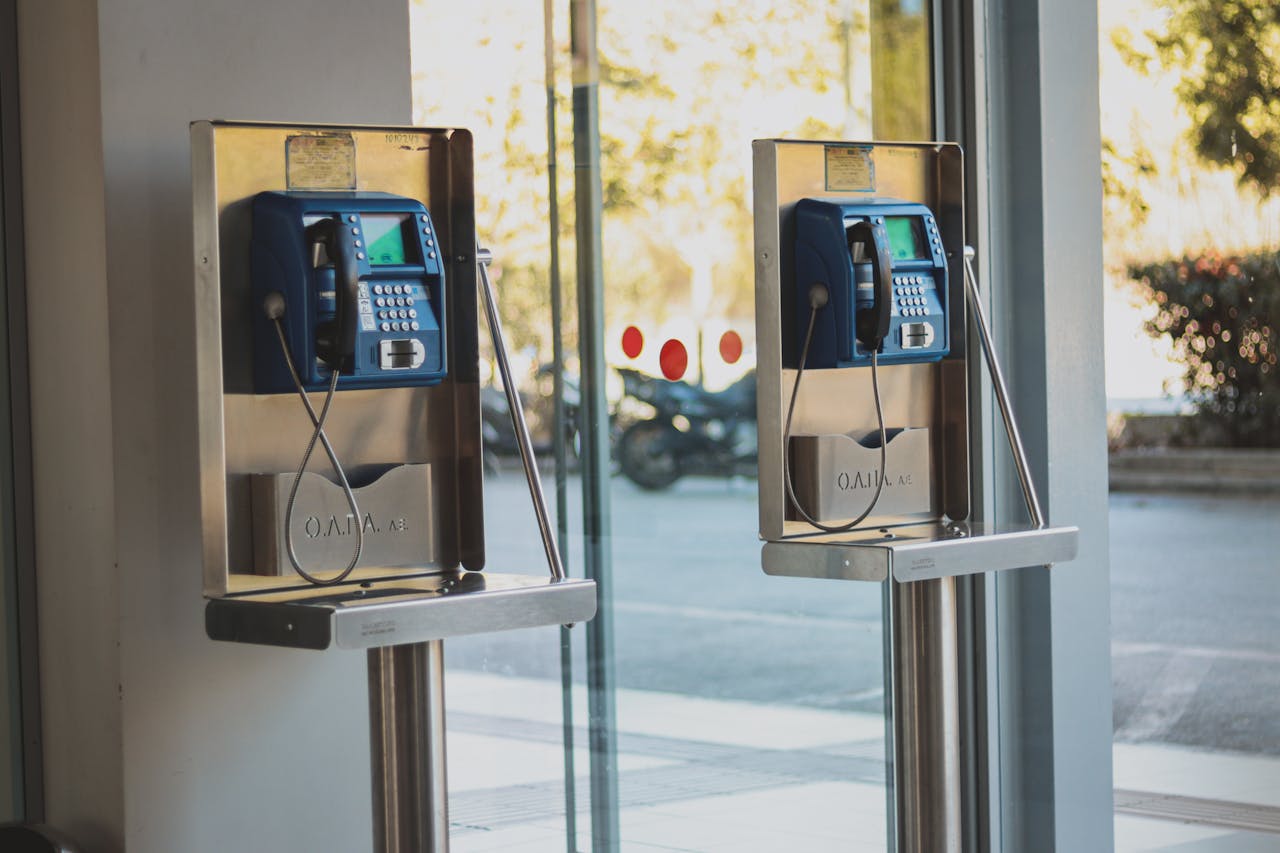
<p> Once a ubiquitous feature in cities and towns across the country, public payphones are disappearing rapidly. The rise of mobile phones has made payphones redundant, as people now carry their own communication devices wherever they go. Many payphone booths have been removed or repurposed for other uses, and the few that remain are often in disrepair. The decline of payphones is a clear sign of how mobile technology has reshaped communication in the modern world, leaving these public fixtures a distant memory. </p> :: Pexels

Once a ubiquitous feature in cities and towns across the country, public payphones are disappearing rapidly. The rise of mobile phones has made payphones redundant, as people now carry their own communication devices wherever they go. Many payphone booths have been removed or repurposed for other uses, and the few that remain are often in disrepair. The decline of payphones is a clear sign of how mobile technology has reshaped communication in the modern world, leaving these public fixtures a distant memory.

Final Thoughts

<p> While some of these items may seem like staples of American life, the rapid pace of technological advancements, societal changes, and environmental concerns means that many of them could soon disappear forever. Whether it’s the decline of shopping malls or the end of single-use plastics, these shifts reflect how the American landscape is evolving. As we embrace new technologies and lifestyles, we must also acknowledge the things we might be leaving behind. Keep an eye on these trends, and be prepared for the changes that are coming! </p> :: Pexels

While some of these items may seem like staples of American life, the rapid pace of technological advancements, societal changes, and environmental concerns means that many of them could soon disappear forever. Whether it’s the decline of shopping malls or the end of single-use plastics, these shifts reflect how the American landscape is evolving. As we embrace new technologies and lifestyles, we must also acknowledge the things we might be leaving behind. Keep an eye on these trends, and be prepared for the changes that are coming!


Filed Under: Lifestyle

15 Common Phrases People with Anger Issues Tend to Use

September 4, 2025 | Leave a Comment

15 Common Phrases People with Anger Issues Tend to Use

<p> Anger is a natural emotion that everyone experiences, but for some, it can be difficult to manage. People with anger issues often struggle with regulating their emotions, which can lead to explosive outbursts or strained relationships. One of the ways anger manifests is through the language people use. Certain phrases can reflect frustration, defensiveness, or a sense of being overwhelmed. Recognizing these phrases is an essential step toward understanding how anger affects communication and how to address it. In this article, we’ll explore 15 common phrases people with anger issues tend to use, helping you better understand the underlying emotions and reactions behind them. </p> :: Pexels

Anger is a natural emotion that everyone experiences, but for some, it can be difficult to manage. People with anger issues often struggle with regulating their emotions, which can lead to explosive outbursts or strained relationships. One of the ways anger manifests is through the language people use. Certain phrases can reflect frustration, defensiveness, or a sense of being overwhelmed. Recognizing these phrases is an essential step toward understanding how anger affects communication and how to address it. In this article, we’ll explore 15 common phrases people with anger issues tend to use, helping you better understand the underlying emotions and reactions behind them.

1. “I can’t take it anymore!”

<p> This phrase is often used when someone feels like they are at their breaking point. It reflects a sense of being overwhelmed and unable to cope with the pressures or challenges they face. People with anger issues may use this phrase when they feel like they have exhausted all their patience and are on the verge of an emotional outburst. It signals that they may be struggling to manage their feelings and need a way to express their frustration. </p> :: Pexels

This phrase is often used when someone feels like they are at their breaking point. It reflects a sense of being overwhelmed and unable to cope with the pressures or challenges they face. People with anger issues may use this phrase when they feel like they have exhausted all their patience and are on the verge of an emotional outburst. It signals that they may be struggling to manage their feelings and need a way to express their frustration.

2. “You always do this!”

<p> When someone uses the word "always," it often indicates that they are generalizing a situation or behavior. People with anger issues may say this when they feel that someone is repeatedly doing something that frustrates them. This phrase can be a form of exaggeration, as it implies a pattern of behavior that may not be entirely accurate. It often signals that the person is unable to see the situation from a different perspective and may be using the phrase to justify their anger. </p> :: Pexels

When someone uses the word “always,” it often indicates that they are generalizing a situation or behavior. People with anger issues may say this when they feel that someone is repeatedly doing something that frustrates them. This phrase can be a form of exaggeration, as it implies a pattern of behavior that may not be entirely accurate. It often signals that the person is unable to see the situation from a different perspective and may be using the phrase to justify their anger.

3. “This is so unfair!”

<p> Feelings of injustice are a common trigger for anger. When someone uses this phrase, it indicates that they believe they have been wronged in some way. People with anger issues may use this phrase when they feel like they have been treated unfairly, whether in personal relationships, at work, or in other aspects of their life. The phrase "unfair" can reflect a lack of understanding or empathy for other viewpoints, as the person may be focused solely on their own feelings of injustice. </p> :: Pexels

Feelings of injustice are a common trigger for anger. When someone uses this phrase, it indicates that they believe they have been wronged in some way. People with anger issues may use this phrase when they feel like they have been treated unfairly, whether in personal relationships, at work, or in other aspects of their life. The phrase “unfair” can reflect a lack of understanding or empathy for other viewpoints, as the person may be focused solely on their own feelings of injustice.

4. “I don’t care anymore!”

<p> This phrase is often used when someone feels emotionally drained or defeated. It can be a way of shutting down or withdrawing from a situation. People with anger issues may use this phrase when they feel like they have given up on trying to resolve a conflict or when they are too frustrated to continue a conversation. While it may seem like indifference, it often masks deeper feelings of hurt or frustration. </p> :: Pexels

This phrase is often used when someone feels emotionally drained or defeated. It can be a way of shutting down or withdrawing from a situation. People with anger issues may use this phrase when they feel like they have given up on trying to resolve a conflict or when they are too frustrated to continue a conversation. While it may seem like indifference, it often masks deeper feelings of hurt or frustration.

5. “You’re pushing my buttons!”

<p> When someone says this, it means they feel provoked or triggered by something someone else has said or done. It suggests that the person is becoming easily irritated and may be on the verge of losing their temper. People with anger issues often use this phrase when they feel that someone is intentionally trying to upset them. It can also signal that the person is struggling to control their emotions and is looking for a way to express their frustration. </p> :: Pexels

When someone says this, it means they feel provoked or triggered by something someone else has said or done. It suggests that the person is becoming easily irritated and may be on the verge of losing their temper. People with anger issues often use this phrase when they feel that someone is intentionally trying to upset them. It can also signal that the person is struggling to control their emotions and is looking for a way to express their frustration.

6. “I’ve had enough!”

<p> This phrase is a declaration that the person has reached their limit. It is often used when someone feels overwhelmed or exhausted by a situation. People with anger issues may use this phrase when they feel like they can no longer tolerate the circumstances they are in. It can be a precursor to an emotional outburst, as the person may feel like they have no other option but to express their anger. </p> :: Pexels

This phrase is a declaration that the person has reached their limit. It is often used when someone feels overwhelmed or exhausted by a situation. People with anger issues may use this phrase when they feel like they can no longer tolerate the circumstances they are in. It can be a precursor to an emotional outburst, as the person may feel like they have no other option but to express their anger.

7. “Why do you always make things worse?”

<p> When someone uses this phrase, they are often blaming another person for the escalation of a situation. It reflects a tendency to deflect responsibility and avoid acknowledging one's own role in the conflict. People with anger issues may use this phrase when they feel that someone else is contributing to their frustration or making a situation more difficult. It can also signal a lack of self-awareness and an unwillingness to take responsibility for their own emotions. </p> :: Pexels

When someone uses this phrase, they are often blaming another person for the escalation of a situation. It reflects a tendency to deflect responsibility and avoid acknowledging one’s own role in the conflict. People with anger issues may use this phrase when they feel that someone else is contributing to their frustration or making a situation more difficult. It can also signal a lack of self-awareness and an unwillingness to take responsibility for their own emotions.

8. “I’m not going to put up with this!”

<p> This phrase is a statement of resistance. It is often used when someone feels disrespected or mistreated. People with anger issues may use this phrase when they feel that their boundaries have been violated or when they believe that they are being treated unfairly. While it can be a sign of assertiveness, it can also be a sign that the person is unwilling to engage in a constructive conversation and is instead opting for emotional withdrawal. </p> :: Pexels

This phrase is a statement of resistance. It is often used when someone feels disrespected or mistreated. People with anger issues may use this phrase when they feel that their boundaries have been violated or when they believe that they are being treated unfairly. While it can be a sign of assertiveness, it can also be a sign that the person is unwilling to engage in a constructive conversation and is instead opting for emotional withdrawal.

9. “You don’t understand me!”

<p> When someone feels misunderstood, they may use this phrase as a way to express their frustration. People with anger issues may feel that others are not validating their feelings or perspective, which can lead to a sense of isolation. This phrase reflects a lack of communication and an inability to express emotions in a way that others can understand. It can also signal a refusal to listen to others' points of view. </p> :: Pexels

When someone feels misunderstood, they may use this phrase as a way to express their frustration. People with anger issues may feel that others are not validating their feelings or perspective, which can lead to a sense of isolation. This phrase reflects a lack of communication and an inability to express emotions in a way that others can understand. It can also signal a refusal to listen to others’ points of view.

10. “I’m done talking about this!”

<p> This phrase is often used when someone is ready to end a conversation, usually because they are too angry to continue discussing the issue. People with anger issues may use this phrase when they feel that the conversation is going nowhere or when they are too emotionally charged to engage in a productive dialogue. It can be a sign of emotional shutdown, as the person may be avoiding further conflict or confrontation. </p> :: Pexels

This phrase is often used when someone is ready to end a conversation, usually because they are too angry to continue discussing the issue. People with anger issues may use this phrase when they feel that the conversation is going nowhere or when they are too emotionally charged to engage in a productive dialogue. It can be a sign of emotional shutdown, as the person may be avoiding further conflict or confrontation.

11. “I don’t need this right now!”

<p> This phrase reflects a desire to avoid a situation that is causing emotional distress. People with anger issues may use this phrase when they feel overwhelmed by external factors and are not in the right mindset to deal with the issue at hand. It can be a way of expressing frustration while also attempting to withdraw from the situation. It often signals a lack of emotional regulation and a need for space to cool down. </p> :: Pexels

This phrase reflects a desire to avoid a situation that is causing emotional distress. People with anger issues may use this phrase when they feel overwhelmed by external factors and are not in the right mindset to deal with the issue at hand. It can be a way of expressing frustration while also attempting to withdraw from the situation. It often signals a lack of emotional regulation and a need for space to cool down.

12. “I’m not the problem, you are!”

<p> When someone uses this phrase, they are deflecting blame onto someone else. It reflects a lack of accountability and an unwillingness to take responsibility for one's own actions. People with anger issues may use this phrase when they feel that the other person is to blame for the conflict. It can also indicate a lack of self-awareness and an inability to reflect on one's own behavior. </p> :: Pexels

When someone uses this phrase, they are deflecting blame onto someone else. It reflects a lack of accountability and an unwillingness to take responsibility for one’s own actions. People with anger issues may use this phrase when they feel that the other person is to blame for the conflict. It can also indicate a lack of self-awareness and an inability to reflect on one’s own behavior.

13. “This is ridiculous!”

<p> This phrase is often used when someone feels that the situation is absurd or out of control. People with anger issues may use this phrase when they feel frustrated by a situation they perceive as unreasonable. It can be a way of expressing disbelief or exasperation, and it often signals that the person is struggling to see the situation from a different perspective. </p> :: Pexels

This phrase is often used when someone feels that the situation is absurd or out of control. People with anger issues may use this phrase when they feel frustrated by a situation they perceive as unreasonable. It can be a way of expressing disbelief or exasperation, and it often signals that the person is struggling to see the situation from a different perspective.

14. “I can’t stand this anymore!”

<p> This phrase is a clear expression of frustration and emotional exhaustion. People with anger issues may use this phrase when they feel that they have reached their emotional limit. It signals that the person is overwhelmed by the situation and may be on the verge of an emotional outburst. It is often a cry for relief or a sign that the person feels trapped in their emotions. </p> :: Pexels

This phrase is a clear expression of frustration and emotional exhaustion. People with anger issues may use this phrase when they feel that they have reached their emotional limit. It signals that the person is overwhelmed by the situation and may be on the verge of an emotional outburst. It is often a cry for relief or a sign that the person feels trapped in their emotions.

15. “You make me so angry!”

<p> This phrase places the blame for the person's anger squarely on someone else. It suggests that the individual is unable to control their emotions and is allowing external factors to dictate their emotional state. People with anger issues may use this phrase when they feel provoked or triggered by another person's actions. It can also reflect a lack of emotional regulation and an inability to manage one's own feelings. </p> :: Pexels

This phrase places the blame for the person’s anger squarely on someone else. It suggests that the individual is unable to control their emotions and is allowing external factors to dictate their emotional state. People with anger issues may use this phrase when they feel provoked or triggered by another person’s actions. It can also reflect a lack of emotional regulation and an inability to manage one’s own feelings.

Final Thoughts

<p> Recognizing these common phrases is an important step in understanding how anger manifests in communication. People with anger issues often use these phrases to express their frustration, but they can also serve as a barrier to resolving conflicts in a healthy way. If you or someone you know frequently uses these phrases, it may be a sign that emotional regulation is needed. Anger is a natural emotion, but when it is not properly managed, it can lead to negative consequences. By identifying these phrases and their underlying causes, individuals can work toward better communication, emotional control, and healthier relationships. </p> :: Pexels

Recognizing these common phrases is an important step in understanding how anger manifests in communication. People with anger issues often use these phrases to express their frustration, but they can also serve as a barrier to resolving conflicts in a healthy way. If you or someone you know frequently uses these phrases, it may be a sign that emotional regulation is needed. Anger is a natural emotion, but when it is not properly managed, it can lead to negative consequences. By identifying these phrases and their underlying causes, individuals can work toward better communication, emotional control, and healthier relationships.

Filed Under: Lifestyle

14 Subtle Insults That Show Zero Respect—And Boomers Can’t Stand Them

September 4, 2025 | Leave a Comment

14 Subtle Insults That Show Zero Respect—and Boomers Cannot Stand Them

<p> Respect is one of those timeless values that never goes out of style. For Baby Boomers, who grew up in a world where handshakes meant something and good manners were non-negotiable, spotting disrespect comes almost second nature. But here is the tricky part: disrespect does not always show up as someone shouting in your face or outright calling you a name. Sometimes it is sneaky. Sometimes it wears a smile. And sometimes, it is tucked inside what sounds like a compliment.

These subtle insults are the kind that can leave you blinking for a moment, wondering, “Wait, did they really just say that?” They might seem small on the surface, but they reveal a lack of consideration and, frankly, zero respect. And let us be honest—Boomers are not the type to let those little digs slide unnoticed.

So, if you have ever rolled your eyes after a backhanded compliment or felt brushed aside in conversation, this list is for you. Let us look at 14 subtle insults that people throw around, sometimes without even realizing how rude they are, and why Boomers, in particular, cannot stand them. </p> :: Freepik

Respect is one of those timeless values that never goes out of style. For Baby Boomers, who grew up in a world where handshakes meant something and good manners were non-negotiable, spotting disrespect comes almost second nature. But here is the tricky part: disrespect does not always show up as someone shouting in your face or outright calling you a name. Sometimes it is sneaky. Sometimes it wears a smile. And sometimes, it is tucked inside what sounds like a compliment.

These subtle insults are the kind that can leave you blinking for a moment, wondering, “Wait, did they really just say that?” They might seem small on the surface, but they reveal a lack of consideration and, frankly, zero respect. And let us be honest—Boomers are not the type to let those little digs slide unnoticed.

So, if you have ever rolled your eyes after a backhanded compliment or felt brushed aside in conversation, this list is for you. Let us look at 14 subtle insults that people throw around, sometimes without even realizing how rude they are, and why Boomers, in particular, cannot stand them.

1. The Backhanded Compliment

<p> Nothing grinds the gears quite like someone serving up an “almost compliment.” It sounds nice at first—“Wow, you are in great shape for your age!”—but the sting hits as soon as you catch the hidden jab. Instead of simply giving credit where it is due, the person slips in a qualifier that makes you feel lesser. Boomers, who know the value of sincerity, can spot this one a mile away. </p> :: Pexels

Nothing grinds the gears quite like someone serving up an “almost compliment.” It sounds nice at first—“Wow, you are in great shape for your age!”—but the sting hits as soon as you catch the hidden jab. Instead of simply giving credit where it is due, the person slips in a qualifier that makes you feel lesser. Boomers, who know the value of sincerity, can spot this one a mile away.

2. Negging Masquerading as Praise

<p> Negging, once a silly dating tactic, has crept into everyday conversations. It is when someone insults you under the disguise of flattery. “You are actually pretty tech-savvy for someone born before the internet!” might sound lighthearted, but the subtext is insulting. Boomers know that respect does not come with a disclaimer. </p> ::  Pexels

Negging, once a silly dating tactic, has crept into everyday conversations. It is when someone insults you under the disguise of flattery. “You are actually pretty tech-savvy for someone born before the internet!” might sound lighthearted, but the subtext is insulting. Boomers know that respect does not come with a disclaimer.

3. Interrupting Mid-Sentence

<p> Few things say “I do not value your words” more clearly than constant interruptions. Whether it is someone finishing your sentence for you or jumping in to change the topic, being cut off is a classic sign of disregard. Boomers grew up learning the power of listening, so when someone talks over them, it feels dismissive and rude. </p> :: Pexels

Few things say “I do not value your words” more clearly than constant interruptions. Whether it is someone finishing your sentence for you or jumping in to change the topic, being cut off is a classic sign of disregard. Boomers grew up learning the power of listening, so when someone talks over them, it feels dismissive and rude.

4. The Silent Treatment After a Friendly Chat

<p> Ever had a great conversation with someone, only for them to ghost you later as if it never happened? That sudden silence feels personal, especially when there is no explanation. For Boomers, who often value follow-through and consistency, this lack of basic courtesy is more than just thoughtless—it is disrespectful. </p> :: Pexels

Ever had a great conversation with someone, only for them to ghost you later as if it never happened? That sudden silence feels personal, especially when there is no explanation. For Boomers, who often value follow-through and consistency, this lack of basic courtesy is more than just thoughtless—it is disrespectful.

5. Chronic Lateness Without Apology

<p> Life happens. But when someone shows up late every single time and never apologizes, it is more than bad time management—it is a message that your time is not worth as much as theirs. Boomers know the value of punctuality, and repeated lateness without acknowledgment is one subtle insult they will not overlook. </p> :: Pexels

Life happens. But when someone shows up late every single time and never apologizes, it is more than bad time management—it is a message that your time is not worth as much as theirs. Boomers know the value of punctuality, and repeated lateness without acknowledgment is one subtle insult they will not overlook.

6. Scrolling While You Speak

<p> Picture this: you are telling a meaningful story, and instead of making eye contact, the other person is glued to their phone. They may think they are multitasking, but the message is loud and clear—you are not their priority. For Boomers, who grew up in a face-to-face world, this is one of the ultimate modern-day snubs. </p> :: Pexels

Picture this: you are telling a meaningful story, and instead of making eye contact, the other person is glued to their phone. They may think they are multitasking, but the message is loud and clear—you are not their priority. For Boomers, who grew up in a face-to-face world, this is one of the ultimate modern-day snubs.

7. Minimizing Your Feelings

<p> Phrases like “You are overreacting” or “It is not that big of a deal” can cut deep. They dismiss your emotions outright, making you feel foolish for even having them. Boomers value direct, respectful conversation, and when someone shrugs off what matters to them, it feels like an attack on their perspective and experience. </p> :: Pexels

Phrases like “You are overreacting” or “It is not that big of a deal” can cut deep. They dismiss your emotions outright, making you feel foolish for even having them. Boomers value direct, respectful conversation, and when someone shrugs off what matters to them, it feels like an attack on their perspective and experience.

8. Taking Credit for Your Work

<p> Nothing stings more than putting in the hard work, only to watch someone else soak up the praise. Whether it happens at the office, in volunteer groups, or even at family gatherings, stealing credit undermines both effort and dignity. Boomers, who know the sweat equity it takes to build trust, cannot stand when recognition is swiped away. </p> :: Pexels

Nothing stings more than putting in the hard work, only to watch someone else soak up the praise. Whether it happens at the office, in volunteer groups, or even at family gatherings, stealing credit undermines both effort and dignity. Boomers, who know the sweat equity it takes to build trust, cannot stand when recognition is swiped away.

9. Eye Rolls and Shrugs

<p> Sometimes it is not the words but the body language that says it all. An exaggerated eye roll or a dismissive shrug can make you feel as if your thoughts are not worth a dime. It is subtle, yes, but it screams disrespect louder than words ever could. Boomers, who value eye contact and good manners, see this for what it really is. </p> :: Freepik

Sometimes it is not the words but the body language that says it all. An exaggerated eye roll or a dismissive shrug can make you feel as if your thoughts are not worth a dime. It is subtle, yes, but it screams disrespect louder than words ever could. Boomers, who value eye contact and good manners, see this for what it really is.

10. Sarcasm Disguised as Humor

<p> A quick sarcastic jab may get a laugh from others, but it leaves the target feeling belittled. Comments like “Must be nice to have so much free time now that you are retired” are meant to sting. Boomers, who know the difference between lighthearted humor and mean-spirited digs, tend to have little patience for sarcastic cheap shots. </p> :: Pexels

A quick sarcastic jab may get a laugh from others, but it leaves the target feeling belittled. Comments like “Must be nice to have so much free time now that you are retired” are meant to sting. Boomers, who know the difference between lighthearted humor and mean-spirited digs, tend to have little patience for sarcastic cheap shots.

11. Passive-Aggressive Questions

<p> Some people love to package insults as “innocent” questions. Think, “Why do you always bring up that old story?” or “Do you really need to post that photo?” These are not questions—they are criticisms in disguise. Boomers, who appreciate honesty over games, see right through it. </p> :: Pexels

Some people love to package insults as “innocent” questions. Think, “Why do you always bring up that old story?” or “Do you really need to post that photo?” These are not questions—they are criticisms in disguise. Boomers, who appreciate honesty over games, see right through it.

12. A Tone That Talks Down

<p> It is not always about what is said but how it is delivered. A condescending tone, with that hint of “oh boy, here we go again,” makes you feel small. Even polite words can be drenched in sarcasm when the tone undercuts them. Boomers, who prefer direct and respectful dialogue, find this especially irritating. </p> :: Pexels

It is not always about what is said but how it is delivered. A condescending tone, with that hint of “oh boy, here we go again,” makes you feel small. Even polite words can be drenched in sarcasm when the tone undercuts them. Boomers, who prefer direct and respectful dialogue, find this especially irritating.

13. Comparing You to the Younger Crowd

<p> “You are doing well, just like the grandkids!” might be meant as encouragement, but it can also feel ageist. It frames your accomplishments as surprising for someone older, as though age automatically means being out of touch. Boomers know they are capable and experienced, and they do not need comparisons to prove it. </p> :: Pexels

“You are doing well, just like the grandkids!” might be meant as encouragement, but it can also feel ageist. It frames your accomplishments as surprising for someone older, as though age automatically means being out of touch. Boomers know they are capable and experienced, and they do not need comparisons to prove it.

14. Sneaky Blanket Statements

<p> Sometimes people toss out a comment like, “People who post too many selfies must be desperate for attention.” On the surface, it is general. But if you are the only one posting selfies in that circle, you know exactly who the jab is aimed at. Boomers, who are quick to pick up on subtext, find these “innocent” remarks less than innocent. </p> :: Pexels

Sometimes people toss out a comment like, “People who post too many selfies must be desperate for attention.” On the surface, it is general. But if you are the only one posting selfies in that circle, you know exactly who the jab is aimed at. Boomers, who are quick to pick up on subtext, find these “innocent” remarks less than innocent.

Final Thoughts

<p> At the end of the day, these subtle insults are not just about words or gestures. They are about what they represent—a lack of respect. And for Boomers, respect has always been a cornerstone of good relationships, whether with friends, family, or colleagues.

You cannot always control what people say, but you can control how you respond. Whether you choose to laugh it off, call it out, or simply walk away, remember this: the way others treat you reflects on them, not you.

Respect never goes out of style. And neither does standing tall, keeping your dignity, and refusing to let anyone’s sneaky remarks chip away at your worth. </p> :: Pexels

At the end of the day, these subtle insults are not just about words or gestures. They are about what they represent—a lack of respect. And for Boomers, respect has always been a cornerstone of good relationships, whether with friends, family, or colleagues.

You cannot always control what people say, but you can control how you respond. Whether you choose to laugh it off, call it out, or simply walk away, remember this: the way others treat you reflects on them, not you.

Respect never goes out of style. And neither does standing tall, keeping your dignity, and refusing to let anyone’s sneaky remarks chip away at your worth.

Filed Under: Lifestyle

13 Phrases Men Secretly Hate Hearing From Women (And What to Say Instead)

September 3, 2025 | Leave a Comment

 13 Phrases Men Secretly Hate Hearing From Women (And What to Say Instead)

<p> Relationships thrive on communication, but let’s be honest—sometimes the words we choose do more harm than good. We often say things without realizing how they land, and while women are not mind readers, certain phrases have a way of rubbing men the wrong way. The tricky part? Many of these phrases are so common that they slip out without much thought.

Think about it: has a conversation ever gone from calm to tense in seconds, and you had no idea why? Chances are, it was not what you said but how you said it. Men may not always spell out their frustrations, but there are phrases that secretly sting every time.

This list is not about walking on eggshells or censoring yourself. It is about being aware of how words can affect your connection, especially if you value open and healthy communication. So, let’s dive into the thirteen phrases men secretly hate hearing from women, along with better ways to get your point across. </p> :: Freepik

Relationships thrive on communication, but let’s be honest—sometimes the words we choose do more harm than good. We often say things without realizing how they land, and while women are not mind readers, certain phrases have a way of rubbing men the wrong way. The tricky part? Many of these phrases are so common that they slip out without much thought.

Think about it: has a conversation ever gone from calm to tense in seconds, and you had no idea why? Chances are, it was not what you said but how you said it. Men may not always spell out their frustrations, but there are phrases that secretly sting every time.

This list is not about walking on eggshells or censoring yourself. It is about being aware of how words can affect your connection, especially if you value open and healthy communication. So, let’s dive into the thirteen phrases men secretly hate hearing from women, along with better ways to get your point across.

1. “Man up.”

<p> On the surface, it might sound like encouragement, but this phrase often comes across as dismissive of his feelings. It implies he is being weak or not living up to some outdated idea of masculinity. Instead of motivating him, it can make him shut down emotionally. A better option is to show support directly: try saying, “I believe in you. I know you can handle this.” That way, you build him up without making him feel small. </p> :: Pexels

On the surface, it might sound like encouragement, but this phrase often comes across as dismissive of his feelings. It implies he is being weak or not living up to some outdated idea of masculinity. Instead of motivating him, it can make him shut down emotionally. A better option is to show support directly: try saying, “I believe in you. I know you can handle this.” That way, you build him up without making him feel small.

2. “You are just like my ex.”

<p> Few things deflate a man’s confidence faster than being compared to someone you clearly do not want in your life anymore. Even if you do not mean it harshly, the message sounds like he is already failing a test he did not sign up for. Instead, focus on the behavior rather than the comparison. For example, “That reminded me of something I struggled with in the past. Can we talk about it?” This keeps the focus on the issue, not on dragging ghosts from old relationships into the present. </p> :: Pexels

Few things deflate a man’s confidence faster than being compared to someone you clearly do not want in your life anymore. Even if you do not mean it harshly, the message sounds like he is already failing a test he did not sign up for. Instead, focus on the behavior rather than the comparison. For example, “That reminded me of something I struggled with in the past. Can we talk about it?” This keeps the focus on the issue, not on dragging ghosts from old relationships into the present.

3. “Whatever.”

<p> It is short, sharp, and usually the verbal equivalent of slamming a door. Saying “whatever” might feel like an easy way to end an argument, but it usually leaves him feeling dismissed and frustrated. Communication is about resolution, not shutdowns. A better approach might be: “I need a moment to cool down. Can we revisit this later?” That keeps the door open without escalating the tension. </p> :: Pexels

It is short, sharp, and usually the verbal equivalent of slamming a door. Saying “whatever” might feel like an easy way to end an argument, but it usually leaves him feeling dismissed and frustrated. Communication is about resolution, not shutdowns. A better approach might be: “I need a moment to cool down. Can we revisit this later?” That keeps the door open without escalating the tension.

4. “You always…” or “You never…”

<p> Absolutes rarely play well in conversations. When you say “you always” or “you never,” it makes him feel unfairly boxed in, as if all his efforts do not count. It is a one-way ticket to defensiveness. Instead of using absolutes, try expressing how you feel in specific situations. Something like, “Sometimes I feel hurt when this happens. Could we try a different approach?” feels less like an attack and more like a partnership. </p> :: Freepik

Absolutes rarely play well in conversations. When you say “you always” or “you never,” it makes him feel unfairly boxed in, as if all his efforts do not count. It is a one-way ticket to defensiveness. Instead of using absolutes, try expressing how you feel in specific situations. Something like, “Sometimes I feel hurt when this happens. Could we try a different approach?” feels less like an attack and more like a partnership.

5. “You are overreacting.”

<p> Even if you think he is making a big deal out of something small, telling him he is “overreacting” dismisses his emotions entirely. It is one of those phrases that can instantly shut someone down because it makes them feel their feelings are invalid. Instead, acknowledge what he is experiencing. A simple, “I hear that you are upset. Can you tell me more about what is going on?” shows care without judgment. </p> :: Pexels

Even if you think he is making a big deal out of something small, telling him he is “overreacting” dismisses his emotions entirely. It is one of those phrases that can instantly shut someone down because it makes them feel their feelings are invalid. Instead, acknowledge what he is experiencing. A simple, “I hear that you are upset. Can you tell me more about what is going on?” shows care without judgment.

6. “We need to talk.”

<p> These four words might be the most dreaded phrase in relationships. For many men, “we need to talk” translates to “you are in trouble.” It creates instant tension before the conversation even begins. If you truly need to discuss something important, try softening the approach. Saying, “Can we chat about something when you have a minute? I would love to share what has been on my mind,” makes the talk feel less like a courtroom and more like an open exchange. </p> :: Pexels

These four words might be the most dreaded phrase in relationships. For many men, “we need to talk” translates to “you are in trouble.” It creates instant tension before the conversation even begins. If you truly need to discuss something important, try softening the approach. Saying, “Can we chat about something when you have a minute? I would love to share what has been on my mind,” makes the talk feel less like a courtroom and more like an open exchange.

7. “Fine. Go ahead. Do whatever you want.”

<p> This one sounds harmless, but it is loaded with passive aggression. When you say this, what he hears is, “If you do this, you will pay for it later.” It creates a lose-lose situation where he is left confused or guilty no matter what he chooses. A better choice is honesty: “I am not sure I am comfortable with that. Can we figure out something that works for both of us?” That way, you are being clear without putting him in a trap. </p> :: Pexels

This one sounds harmless, but it is loaded with passive aggression. When you say this, what he hears is, “If you do this, you will pay for it later.” It creates a lose-lose situation where he is left confused or guilty no matter what he chooses. A better choice is honesty: “I am not sure I am comfortable with that. Can we figure out something that works for both of us?” That way, you are being clear without putting him in a trap.

8. “I am too tired.”

<p> There is nothing wrong with being tired—we all are at times—but if this becomes a go-to phrase when he wants to connect, it can feel like rejection. Whether it is about intimacy or simply spending time together, “I am too tired” can be a conversation ender. Instead, acknowledge your exhaustion while leaving the door open. Try, “I am really wiped out tonight. How about we just relax together and do something low-key?” That way, you are still prioritizing connection. </p> :: Pexels

There is nothing wrong with being tired—we all are at times—but if this becomes a go-to phrase when he wants to connect, it can feel like rejection. Whether it is about intimacy or simply spending time together, “I am too tired” can be a conversation ender. Instead, acknowledge your exhaustion while leaving the door open. Try, “I am really wiped out tonight. How about we just relax together and do something low-key?” That way, you are still prioritizing connection.

9. “I am fine!”

<p> This one is classic, and almost always means the exact opposite. When you say, “I am fine,” but your tone says otherwise, it leaves him confused and frustrated because he knows something is wrong but has no idea how to fix it. Instead of hiding behind the phrase, try being upfront: “I am upset, but I need a little time to process. Can we talk later?” That communicates honesty without shutting him out. </p> :: Pexels

This one is classic, and almost always means the exact opposite. When you say, “I am fine,” but your tone says otherwise, it leaves him confused and frustrated because he knows something is wrong but has no idea how to fix it. Instead of hiding behind the phrase, try being upfront: “I am upset, but I need a little time to process. Can we talk later?” That communicates honesty without shutting him out.

10. “Why are you friends with him?”

<p> Friendships are personal, and questioning why he hangs out with someone often feels like an attack on his judgment. Even if you do not like his friend, saying this directly challenges his choices and can put him on the defensive. A softer approach would be: “I know your friend means a lot to you, but sometimes I feel uncomfortable around him. Can I tell you why?” This way, you are expressing your feelings without belittling his relationships. </p> :: Pexels

Friendships are personal, and questioning why he hangs out with someone often feels like an attack on his judgment. Even if you do not like his friend, saying this directly challenges his choices and can put him on the defensive. A softer approach would be: “I know your friend means a lot to you, but sometimes I feel uncomfortable around him. Can I tell you why?” This way, you are expressing your feelings without belittling his relationships.

11. “Whatever you want.”’

<p> On the surface, it sounds accommodating, but often it comes across as indifference. When you always say “whatever you want,” it can feel like you are not invested in making decisions together. Over time, this can be frustrating because relationships work best when both voices matter. A better phrase might be: “I am open to either option, but what are you leaning toward?” That keeps the conversation collaborative instead of one-sided. </p> :: Pexels

On the surface, it sounds accommodating, but often it comes across as indifference. When you always say “whatever you want,” it can feel like you are not invested in making decisions together. Over time, this can be frustrating because relationships work best when both voices matter. A better phrase might be: “I am open to either option, but what are you leaning toward?” That keeps the conversation collaborative instead of one-sided.

12. “You are too sensitive.”

<p> This phrase hits hard because it questions his right to feel emotions. Men often grow up being told not to show vulnerability, so hearing “you are too sensitive” reinforces that old message. It makes him less likely to share openly in the future. A kinder alternative is, “I did not mean to upset you. Can you help me understand what you are feeling?” That validates his emotions while still keeping the conversation constructive. </p> :: Pexels

This phrase hits hard because it questions his right to feel emotions. Men often grow up being told not to show vulnerability, so hearing “you are too sensitive” reinforces that old message. It makes him less likely to share openly in the future. A kinder alternative is, “I did not mean to upset you. Can you help me understand what you are feeling?” That validates his emotions while still keeping the conversation constructive.

13. “Is that what you are wearing?”

<p> This one seems small, but it can sting deeply. When you question his outfit, especially at the last minute, it makes him feel judged and insecure. It is not just about clothes—it is about feeling respected and accepted as he is. If you truly think his outfit may not fit the occasion, try saying, “That shirt looks good on you, but I think the other one might be perfect for tonight.” It softens the critique while still guiding him toward what you prefer. </p> :: Pexels

This one seems small, but it can sting deeply. When you question his outfit, especially at the last minute, it makes him feel judged and insecure. It is not just about clothes—it is about feeling respected and accepted as he is. If you truly think his outfit may not fit the occasion, try saying, “That shirt looks good on you, but I think the other one might be perfect for tonight.” It softens the critique while still guiding him toward what you prefer.

Final Thoughts

<p> At the end of the day, everyone just wants to feel heard and respected. Relationships are not about being perfect, but about choosing words that bring you closer instead of pushing you apart. Men may not always say it out loud, but these phrases stick with them and can slowly erode trust and closeness over time.

By swapping out dismissive phrases like “whatever” or “you are overreacting” with more thoughtful alternatives, you are not only improving communication—you are strengthening your bond. The goal is not to sugarcoat your feelings but to express them in a way that invites conversation rather than conflict.

So the next time you are tempted to drop a “fine” or a “we need to talk,” pause for a moment. Ask yourself, “What do I really want to say, and how can I say it with care?” That small adjustment might just be the key to creating the kind of relationship where both partners feel safe, supported, and truly understood. </p> :: Pexels

At the end of the day, everyone just wants to feel heard and respected. Relationships are not about being perfect, but about choosing words that bring you closer instead of pushing you apart. Men may not always say it out loud, but these phrases stick with them and can slowly erode trust and closeness over time.

By swapping out dismissive phrases like “whatever” or “you are overreacting” with more thoughtful alternatives, you are not only improving communication—you are strengthening your bond. The goal is not to sugarcoat your feelings but to express them in a way that invites conversation rather than conflict.

So the next time you are tempted to drop a “fine” or a “we need to talk,” pause for a moment. Ask yourself, “What do I really want to say, and how can I say it with care?” That small adjustment might just be the key to creating the kind of relationship where both partners feel safe, supported, and truly understood.

Filed Under: Lifestyle

10 “Polite” Habits Young People Swear By—That Drive Boomers Crazy

September 1, 2025 | Leave a Comment

10 “Polite” Habits Young People Swear By—That Drive Boomers Crazy

<p> Politeness has always been a moving target. What was considered respectful in one generation often gets tossed aside by the next. If you are a Baby Boomer, you probably remember a time when calling someone on the phone, showing up unannounced, or writing a thank-you card by hand were seen as basic good manners. Fast forward to today, and many of those habits have been replaced with a new set of rules that younger generations proudly call “polite.”

The tricky part? These modern manners can feel downright rude to Boomers who grew up with a very different playbook. The good news is that none of this is about disrespect. It is more about how culture and technology have reshaped the way people show courtesy.

So let’s take a look at 10 “polite” habits Millennials and Gen Z consider thoughtful—while many Boomers cannot help but roll their eyes. </p> :: Pexels

Politeness has always been a moving target. What was considered respectful in one generation often gets tossed aside by the next. If you are a Baby Boomer, you probably remember a time when calling someone on the phone, showing up unannounced, or writing a thank-you card by hand were seen as basic good manners. Fast forward to today, and many of those habits have been replaced with a new set of rules that younger generations proudly call “polite.”

The tricky part? These modern manners can feel downright rude to Boomers who grew up with a very different playbook. The good news is that none of this is about disrespect. It is more about how culture and technology have reshaped the way people show courtesy.

So let’s take a look at 10 “polite” habits Millennials and Gen Z consider thoughtful—while many Boomers cannot help but roll their eyes.

1. Text Before You Call

<p> For today’s younger crowd, firing off a text before picking up the phone is considered considerate. It gives the other person a heads-up, allows them to prepare, and avoids the dreaded “phone anxiety.” To them, a call without warning can feel like an interruption.

Boomers, on the other hand, grew up in an era when the phone was the main way to connect. If you wanted to talk, you just called. No permission slip needed. To many Boomers, texting first feels unnecessary or even a little distant.

A happy middle ground? If you are a caller, send a quick note like, “Are you free to chat?” It balances old-school spontaneity with modern courtesy. </p> :: Pexels

For today’s younger crowd, firing off a text before picking up the phone is considered considerate. It gives the other person a heads-up, allows them to prepare, and avoids the dreaded “phone anxiety.” To them, a call without warning can feel like an interruption.

Boomers, on the other hand, grew up in an era when the phone was the main way to connect. If you wanted to talk, you just called. No permission slip needed. To many Boomers, texting first feels unnecessary or even a little distant.

A happy middle ground? If you are a caller, send a quick note like, “Are you free to chat?” It balances old-school spontaneity with modern courtesy.

2. Skipping Titles and Going Straight to First Names

<p> Younger generations often prefer informality, using first names even with bosses, teachers, or family friends. To them, titles like “Mr.” or “Mrs.” feel stiff and outdated, as if they put too much distance between people.

Boomers, however, were raised to believe that formality was a sign of respect. Dropping titles can feel jarring or even disrespectful, especially in professional settings.

The easiest fix is to ask what someone prefers. If it feels awkward, you can always start with a title and switch once invited to use a first name. </p> :: Pexels

Younger generations often prefer informality, using first names even with bosses, teachers, or family friends. To them, titles like “Mr.” or “Mrs.” feel stiff and outdated, as if they put too much distance between people.

Boomers, however, were raised to believe that formality was a sign of respect. Dropping titles can feel jarring or even disrespectful, especially in professional settings.

The easiest fix is to ask what someone prefers. If it feels awkward, you can always start with a title and switch once invited to use a first name.

3. No More Surprise Drop-Bys

<p> Boomers grew up in neighborhoods where dropping by a friend’s or neighbor’s house unannounced was not just normal, it was friendly. A knock on the door meant company, conversation, and maybe a pot of coffee.

For younger generations, that same knock can feel intrusive. With busy schedules and more emphasis on privacy, an unexpected visit is often seen as disruptive. These days, a quick call or text before showing up is considered basic courtesy.

So if you want to keep the tradition alive without stepping on toes, just give a little notice. Chances are, you will still be warmly welcomed. </p> :: Pexels

Boomers grew up in neighborhoods where dropping by a friend’s or neighbor’s house unannounced was not just normal, it was friendly. A knock on the door meant company, conversation, and maybe a pot of coffee.

For younger generations, that same knock can feel intrusive. With busy schedules and more emphasis on privacy, an unexpected visit is often seen as disruptive. These days, a quick call or text before showing up is considered basic courtesy.

So if you want to keep the tradition alive without stepping on toes, just give a little notice. Chances are, you will still be warmly welcomed.

4. A Thank-You Text Beats a Handwritten Note

<p> For Boomers, nothing said gratitude quite like a handwritten thank-you card. It showed effort, thoughtfulness, and sincerity. Many still believe that a card is the gold standard for expressing thanks.

Younger people, however, think a heartfelt text or message is just as meaningful—and a lot faster. In their minds, it is not about stationery and stamps, but about authenticity and immediacy.

The middle ground? Save the handwritten notes for weddings, gifts, or big gestures. For smaller acts of kindness, a genuine text does the job. </p> :: Freepik

For Boomers, nothing said gratitude quite like a handwritten thank-you card. It showed effort, thoughtfulness, and sincerity. Many still believe that a card is the gold standard for expressing thanks.

Younger people, however, think a heartfelt text or message is just as meaningful—and a lot faster. In their minds, it is not about stationery and stamps, but about authenticity and immediacy.

The middle ground? Save the handwritten notes for weddings, gifts, or big gestures. For smaller acts of kindness, a genuine text does the job.

5. Plans Are Flexible, Not Set in Stone

<p> For Boomers, making plans was like signing a contract. If you said you would be there, you showed up—no excuses. Canceling at the last minute was seen as inconsiderate and flaky.

Younger generations see plans more like a fluid agreement. They believe it is okay to cancel or reschedule if life gets busy. In their eyes, flexibility is not rudeness, it is reality.

The key to keeping everyone happy? If plans change, communicate as soon as possible. A simple message like, “Something came up, can we reschedule?” shows respect for the other person’s time. </p> :: Pexels

For Boomers, making plans was like signing a contract. If you said you would be there, you showed up—no excuses. Canceling at the last minute was seen as inconsiderate and flaky.

Younger generations see plans more like a fluid agreement. They believe it is okay to cancel or reschedule if life gets busy. In their eyes, flexibility is not rudeness, it is reality.

The key to keeping everyone happy? If plans change, communicate as soon as possible. A simple message like, “Something came up, can we reschedule?” shows respect for the other person’s time.

6. Juggling Multiple Conversations at Once

<p> Millennials and Gen Z are experts at multitasking. They can carry on three text threads, a group chat, and a face-to-face conversation without missing a beat. To them, this is efficient, not disrespectful.

For Boomers, though, splitting attention feels rude. They were taught to put the phone down, look someone in the eye, and give full focus to the person in front of them. Anything less can feel dismissive.

The sweet spot? If you are with someone in person, pause the phone until the chat is over. It shows respect, even if you dive back into the group thread later. </p> :: Pexels

Millennials and Gen Z are experts at multitasking. They can carry on three text threads, a group chat, and a face-to-face conversation without missing a beat. To them, this is efficient, not disrespectful.

For Boomers, though, splitting attention feels rude. They were taught to put the phone down, look someone in the eye, and give full focus to the person in front of them. Anything less can feel dismissive.

The sweet spot? If you are with someone in person, pause the phone until the chat is over. It shows respect, even if you dive back into the group thread later.

7. Keep Personal Questions Off the Table

<p> Asking about marriage, kids, or careers used to be standard small talk. Boomers asked these questions to show interest and connect with people.

Younger generations, however, often see these topics as too personal unless offered up willingly. To them, asking, “When are you having kids?” or “Why are you still single?” crosses a boundary.

The safer path is to keep things open-ended. A question like “How’s life treating you?” lets the other person decide how much to share. </p> :: Pexels

Asking about marriage, kids, or careers used to be standard small talk. Boomers asked these questions to show interest and connect with people.

Younger generations, however, often see these topics as too personal unless offered up willingly. To them, asking, “When are you having kids?” or “Why are you still single?” crosses a boundary.

The safer path is to keep things open-ended. A question like “How’s life treating you?” lets the other person decide how much to share.

8. Skip the Constant Apologies

<p> Boomers were taught that saying “sorry” often was polite, even for the smallest inconvenience. It was a way of softening requests and showing humility.

Younger generations feel differently. To them, over-apologizing makes communication heavy and sometimes insincere. They prefer directness, which feels more confident and efficient.

Instead of saying, “Sorry to bother you, but…” simply ask, “Could you help me with this?” It is polite without being overly apologetic. </p> :: Pexels

Boomers were taught that saying “sorry” often was polite, even for the smallest inconvenience. It was a way of softening requests and showing humility.

Younger generations feel differently. To them, over-apologizing makes communication heavy and sometimes insincere. They prefer directness, which feels more confident and efficient.

Instead of saying, “Sorry to bother you, but…” simply ask, “Could you help me with this?” It is polite without being overly apologetic.

9. Compliments Are Not Always About Looks

<p> Boomers often gave compliments about appearance, such as “You lost weight” or “You look tired, are you okay?” They saw these as friendly observations.

Today, younger people can find those same comments uncomfortable or even offensive. They prefer compliments that focus on mood, energy, or personality, such as, “You seem really happy today.”

The key here is awareness. Complimenting someone’s smile, kindness, or sense of humor often feels more genuine than focusing on physical appearance. </p> :: Pexels

Boomers often gave compliments about appearance, such as “You lost weight” or “You look tired, are you okay?” They saw these as friendly observations.

Today, younger people can find those same comments uncomfortable or even offensive. They prefer compliments that focus on mood, energy, or personality, such as, “You seem really happy today.”

The key here is awareness. Complimenting someone’s smile, kindness, or sense of humor often feels more genuine than focusing on physical appearance.

10. Hold the Advice Unless It Is Asked For

<p> Boomers have always valued sharing wisdom. Offering advice, even when not asked, was seen as a way of caring and helping others avoid mistakes.

Younger generations often prefer to figure things out for themselves. To them, unsolicited advice can feel patronizing, even if it is well-intentioned.

The easiest way to bridge the gap is to ask first. A simple, “Would you like my advice?” shows respect and gives the other person the choice to accept it. </p> :: Pexels

Boomers have always valued sharing wisdom. Offering advice, even when not asked, was seen as a way of caring and helping others avoid mistakes.

Younger generations often prefer to figure things out for themselves. To them, unsolicited advice can feel patronizing, even if it is well-intentioned.

The easiest way to bridge the gap is to ask first. A simple, “Would you like my advice?” shows respect and gives the other person the choice to accept it.

Final Thoughts

<p> At the heart of these differences is not rudeness, but perspective. Boomers were raised in a world where formality, punctuality, and face-to-face interactions shaped the definition of manners. Younger generations, raised in a digital age, prize flexibility, privacy, and authenticity.

Neither side is wrong—they are simply speaking different languages of politeness. The trick is to find common ground. A quick text before a call, a balance between handwritten notes and digital messages, or asking before offering advice can make interactions smoother across generations.

If you are a Baby Boomer, adjusting to these new rules does not mean giving up your values. It means adding new tools to your toolbox. And who knows? The younger generations might just learn something from you too. After all, good manners are not about the method—they are about showing respect, kindness, and connection, no matter the decade. </p> :: Pexels

At the heart of these differences is not rudeness, but perspective. Boomers were raised in a world where formality, punctuality, and face-to-face interactions shaped the definition of manners. Younger generations, raised in a digital age, prize flexibility, privacy, and authenticity.

Neither side is wrong—they are simply speaking different languages of politeness. The trick is to find common ground. A quick text before a call, a balance between handwritten notes and digital messages, or asking before offering advice can make interactions smoother across generations.

If you are a Baby Boomer, adjusting to these new rules does not mean giving up your values. It means adding new tools to your toolbox. And who knows? The younger generations might just learn something from you too. After all, good manners are not about the method—they are about showing respect, kindness, and connection, no matter the decade.

Filed Under: Lifestyle

9 Plants That Will Frustrate You More Than Feed You at Home

September 1, 2025 | Leave a Comment

9 Plants That Will Frustrate You More Than Feed You at Home

<p> Gardening at home can be one of life’s greatest joys. For many Baby Boomers, it is more than just a hobby—it is therapy, a connection to nature, and sometimes even a way to put fresh food on the table. But let’s be honest: not every plant is worth the stress. Some of the prettiest and most tempting plants out there will leave you frustrated, disappointed, and questioning your green thumb. These “problem children” of the plant world often look irresistible in the garden center, but the reality of keeping them alive at home is another story. Unless you have the patience of a saint or a house that doubles as a greenhouse, these plants will test you more than they will feed or delight you. If you are tired of plants that throw tantrums every time you forget to mist them or move them an inch to the left, this list is for you. Here are nine plants that are beautiful, dramatic, and high-maintenance—but more likely to drive you crazy than reward your hard work. </p> :: Freepik

Gardening at home can be one of life’s greatest joys. For many Baby Boomers, it is more than just a hobby—it is therapy, a connection to nature, and sometimes even a way to put fresh food on the table. But let’s be honest: not every plant is worth the stress. Some of the prettiest and most tempting plants out there will leave you frustrated, disappointed, and questioning your green thumb.

These “problem children” of the plant world often look irresistible in the garden center, but the reality of keeping them alive at home is another story. Unless you have the patience of a saint or a house that doubles as a greenhouse, these plants will test you more than they will feed or delight you.

If you are tired of plants that throw tantrums every time you forget to mist them or move them an inch to the left, this list is for you. Here are nine plants that are beautiful, dramatic, and high-maintenance—but more likely to drive you crazy than reward your hard work.

1. Maidenhair Fern (Adiantum)

<p> At first glance, Maidenhair Ferns look like little works of art, with delicate, lacy fronds that can brighten any room. But behind that beauty lies one of the most demanding houseplants around. These ferns are drama queens. They need steady humidity, soft water, and zero drafts. Miss a day of misting or let the air conditioner run a little too long, and those fronds will shrivel up before your eyes. Unless you are committed to babysitting your plants, this one will frustrate you more than it will reward you. </p> :: Pexels

At first glance, Maidenhair Ferns look like little works of art, with delicate, lacy fronds that can brighten any room. But behind that beauty lies one of the most demanding houseplants around. These ferns are drama queens. They need steady humidity, soft water, and zero drafts. Miss a day of misting or let the air conditioner run a little too long, and those fronds will shrivel up before your eyes. Unless you are committed to babysitting your plants, this one will frustrate you more than it will reward you.

2. Pinstripe Calathea (Calathea ornata)

<p> The Pinstripe Calathea looks like it belongs in a magazine spread. Its bold striped leaves and purple undersides make it a stunning statement piece. The problem? It acts more like a diva than a houseplant. Calatheas need filtered water, tropical-level humidity, and just the right amount of light. Even small changes in their environment cause their leaves to curl or brown. Unless you enjoy pampering a plant like a spoiled grandchild, you might find yourself regretting this choice. </p> :: Pexels

The Pinstripe Calathea looks like it belongs in a magazine spread. Its bold striped leaves and purple undersides make it a stunning statement piece. The problem? It acts more like a diva than a houseplant. Calatheas need filtered water, tropical-level humidity, and just the right amount of light. Even small changes in their environment cause their leaves to curl or brown. Unless you enjoy pampering a plant like a spoiled grandchild, you might find yourself regretting this choice.

3. Orchids (Phalaenopsis, or Moth Orchid)

<p> Orchids are the plant equivalent of falling in love with someone who is charming at first but hard to live with long-term. When they bloom, they are stunning, elegant, and fragrant. But once the flowers drop, things get complicated. Orchids need just the right watering schedule, perfect drainage, and a careful balance of light and temperature. Many people buy one, enjoy the first bloom, and then watch it slowly fade away, never to flower again. Unless you are willing to commit to its picky routine, orchids are more likely to test your patience than bring you joy. </p> :: Pexels

Orchids are the plant equivalent of falling in love with someone who is charming at first but hard to live with long-term. When they bloom, they are stunning, elegant, and fragrant. But once the flowers drop, things get complicated. Orchids need just the right watering schedule, perfect drainage, and a careful balance of light and temperature. Many people buy one, enjoy the first bloom, and then watch it slowly fade away, never to flower again. Unless you are willing to commit to its picky routine, orchids are more likely to test your patience than bring you joy.

4. Alocasia (Elephant’s Ear)

<p> Alocasia plants are showstoppers with their oversized leaves and bold presence. They bring instant drama to any space. But the price you pay for that beauty is constant vigilance. These plants crave steady warmth, moist soil, and high humidity. Dry air makes their leaves droop, and overwatering can cause the roots to rot. Unless you are living in a mini rainforest, Alocasias will give you more stress than satisfaction. </p> :: Pexels

Alocasia plants are showstoppers with their oversized leaves and bold presence. They bring instant drama to any space. But the price you pay for that beauty is constant vigilance. These plants crave steady warmth, moist soil, and high humidity. Dry air makes their leaves droop, and overwatering can cause the roots to rot. Unless you are living in a mini rainforest, Alocasias will give you more stress than satisfaction.

5. Fiddle Leaf Fig (Ficus lyrata)

<p> Few plants have been as trendy as the Fiddle Leaf Fig. Its tall, sculptural look has made it a favorite in home décor magazines and social media. But what you don’t often see in those glossy photos is the trail of brown, yellowing leaves that many owners deal with at home. Fiddle Leaf Figs are incredibly fussy. They need bright but steady light, consistent watering, and absolutely no drafts. Move them around too much, and they will punish you by dropping leaves all over your living room. For many gardeners, the frustration outweighs the fashion. </p> :: Pexels

Few plants have been as trendy as the Fiddle Leaf Fig. Its tall, sculptural look has made it a favorite in home décor magazines and social media. But what you don’t often see in those glossy photos is the trail of brown, yellowing leaves that many owners deal with at home. Fiddle Leaf Figs are incredibly fussy. They need bright but steady light, consistent watering, and absolutely no drafts. Move them around too much, and they will punish you by dropping leaves all over your living room. For many gardeners, the frustration outweighs the fashion.

6. Gardenia (Gardenia jasminoides)

<p> Gardenias are famous for their intoxicating fragrance, which can instantly transport you to a Southern summer evening. But getting them to bloom indoors is a challenge that often ends in heartbreak. These plants are highly sensitive to water temperature, drafts, and even small changes in their environment. One day they look perfect, and the next their buds are dropping to the floor. If you are chasing that sweet smell, prepare for plenty of disappointment along the way. </p> :: Pexels

Gardenias are famous for their intoxicating fragrance, which can instantly transport you to a Southern summer evening. But getting them to bloom indoors is a challenge that often ends in heartbreak. These plants are highly sensitive to water temperature, drafts, and even small changes in their environment. One day they look perfect, and the next their buds are dropping to the floor. If you are chasing that sweet smell, prepare for plenty of disappointment along the way.

7. Boston Fern (Nephrolepis exaltata)

<p> Boston Ferns have been gracing living rooms for decades with their lush, arching fronds. But as classic as they are, they are not easy housemates. These ferns demand consistent moisture and humidity—miss even one day, and their fronds begin to turn brown. They also prefer bright, indirect light, which can be hard to provide year-round. In many homes, the air is simply too dry for them to thrive, leaving you with more frustration than greenery. </p> :: Pexels

Boston Ferns have been gracing living rooms for decades with their lush, arching fronds. But as classic as they are, they are not easy housemates. These ferns demand consistent moisture and humidity—miss even one day, and their fronds begin to turn brown. They also prefer bright, indirect light, which can be hard to provide year-round. In many homes, the air is simply too dry for them to thrive, leaving you with more frustration than greenery.

8. Miniature Roses

<p> Miniature roses may look charming in the nursery, but once you bring them home, the battle begins. They need strong, direct sunlight for six to eight hours a day, frequent pruning, and steady fertilizing. Even if you manage that, pests love them just as much as you do. Blooms fade quickly indoors, and unless you have a greenhouse setup, miniature roses rarely live up to expectations. More often than not, they leave gardeners with thorns and disappointment. </p> :: Freepik

Miniature roses may look charming in the nursery, but once you bring them home, the battle begins. They need strong, direct sunlight for six to eight hours a day, frequent pruning, and steady fertilizing. Even if you manage that, pests love them just as much as you do. Blooms fade quickly indoors, and unless you have a greenhouse setup, miniature roses rarely live up to expectations. More often than not, they leave gardeners with thorns and disappointment.

9. Alocasia Zebrina

<p> The Alocasia Zebrina is a cousin of the Elephant’s Ear, and while it has eye-catching zebra-striped stems, it comes with the same baggage. High humidity, perfect light, and consistent care are non-negotiable. It is also more prone to pests than many other plants, which adds another layer of frustration. While it is undeniably striking, most home gardeners will find it far too high-maintenance to be worth the trouble. </p> :: DALL-E

The Alocasia Zebrina is a cousin of the Elephant’s Ear, and while it has eye-catching zebra-striped stems, it comes with the same baggage. High humidity, perfect light, and consistent care are non-negotiable. It is also more prone to pests than many other plants, which adds another layer of frustration. While it is undeniably striking, most home gardeners will find it far too high-maintenance to be worth the trouble.

Final Thoughts

<p> Growing plants at home should bring joy, not stress. If you have ever struggled to keep one of these nine plants alive, you are not alone. Many of them require conditions that are difficult to recreate in the average home. That does not mean you are a bad gardener—it simply means these plants are too demanding for most living spaces. Instead of fighting with fussy plants, choose varieties that actually want to live with you. Hardy options like snake plants, pothos, and ZZ plants thrive on neglect and still look beautiful. They will bring you greenery, fresh air, and peace of mind without constant drama. At this stage in life, gardening should be a pleasure, not a chore. So if one of these high-maintenance plants has been making you feel more like a frustrated babysitter than a proud gardener, give yourself permission to let it go. Fill your home with plants that are just as forgiving as they are beautiful. After all, your time is too valuable to spend it begging a stubborn plant to love you back. </p> :: Pexels

Growing plants at home should bring joy, not stress. If you have ever struggled to keep one of these nine plants alive, you are not alone. Many of them require conditions that are difficult to recreate in the average home. That does not mean you are a bad gardener—it simply means these plants are too demanding for most living spaces.

Instead of fighting with fussy plants, choose varieties that actually want to live with you. Hardy options like snake plants, pothos, and ZZ plants thrive on neglect and still look beautiful. They will bring you greenery, fresh air, and peace of mind without constant drama.

At this stage in life, gardening should be a pleasure, not a chore. So if one of these high-maintenance plants has been making you feel more like a frustrated babysitter than a proud gardener, give yourself permission to let it go. Fill your home with plants that are just as forgiving as they are beautiful. After all, your time is too valuable to spend it begging a stubborn plant to love you back.

Filed Under: Lifestyle

7 Easy Ways to Stay Socially Connected in a Digital World

August 20, 2025 | Leave a Comment

7 Easy Ways to Stay Socially Connected in a Digital World

<p> In today’s world, staying socially connected is more important than ever. With the rise of technology, we have more ways to connect with people than ever before, but it can sometimes feel overwhelming to keep up. Whether you're trying to maintain friendships, stay close with family, or simply want to feel more connected to the world around you, there are simple and realistic ways to build meaningful relationships in a digital world. Here are 7 easy ways to stay socially connected in a way that feels natural and manageable. </p> :: Pexels

In today’s world, staying socially connected is more important than ever. With the rise of technology, we have more ways to connect with people than ever before, but it can sometimes feel overwhelming to keep up. Whether you’re trying to maintain friendships, stay close with family, or simply want to feel more connected to the world around you, there are simple and realistic ways to build meaningful relationships in a digital world. Here are 7 easy ways to stay socially connected in a way that feels natural and manageable.

1. Schedule Regular Video Calls

<p> Video calls are one of the most effective ways to stay connected, especially when distance is a factor. Platforms like Zoom, Skype, and FaceTime make it easy to see and talk to friends or family, even if they live far away. Setting up regular video calls—whether weekly, bi-weekly, or monthly—can help you maintain a sense of closeness and make sure you’re staying involved in each other’s lives. It’s not just about catching up; it’s about making time to see each other and share moments that feel more personal than a text message or email. Video calls help maintain that face-to-face connection, even if it’s virtual. Being able to see someone’s expressions and hear their voice adds a layer of intimacy that text-based communication can’t match. You can talk about your day, share updates, or just chat casually, but the key is consistency. Knowing you have a regular time to connect gives both of you something to look forward to, and it helps maintain that bond, no matter the distance. </p> :: Pexels

Video calls are one of the most effective ways to stay connected, especially when distance is a factor. Platforms like Zoom, Skype, and FaceTime make it easy to see and talk to friends or family, even if they live far away. Setting up regular video calls—whether weekly, bi-weekly, or monthly—can help you maintain a sense of closeness and make sure you’re staying involved in each other’s lives. It’s not just about catching up; it’s about making time to see each other and share moments that feel more personal than a text message or email.

Video calls help maintain that face-to-face connection, even if it’s virtual. Being able to see someone’s expressions and hear their voice adds a layer of intimacy that text-based communication can’t match. You can talk about your day, share updates, or just chat casually, but the key is consistency. Knowing you have a regular time to connect gives both of you something to look forward to, and it helps maintain that bond, no matter the distance.

2. Join Online Communities

<p> Online communities are a great way to meet new people and stay connected with those who share similar interests. Whether it’s a Facebook Group, a Reddit thread, or a niche forum, online communities allow you to engage with others in a meaningful way. You can participate in discussions, share advice, or simply enjoy being part of a group that shares your hobbies or passions. It’s a great way to feel connected to others, especially if you’re looking to expand your social circle or find people who understand your interests. Being part of an online community gives you a sense of belonging and purpose. You can ask questions, share experiences, or learn from others, all while making new connections. These communities are diverse and inclusive, offering something for everyone, whether you’re interested in fitness, books, cooking, or any other topic. And because they’re online, you can engage with them at your own pace, making it easy to fit into your schedule. </p> :: Pexels

Online communities are a great way to meet new people and stay connected with those who share similar interests. Whether it’s a Facebook Group, a Reddit thread, or a niche forum, online communities allow you to engage with others in a meaningful way. You can participate in discussions, share advice, or simply enjoy being part of a group that shares your hobbies or passions. It’s a great way to feel connected to others, especially if you’re looking to expand your social circle or find people who understand your interests.

Being part of an online community gives you a sense of belonging and purpose. You can ask questions, share experiences, or learn from others, all while making new connections. These communities are diverse and inclusive, offering something for everyone, whether you’re interested in fitness, books, cooking, or any other topic. And because they’re online, you can engage with them at your own pace, making it easy to fit into your schedule.

3. Use Social Media Mindfully

<p> Social media has the potential to keep us connected, but it can also become overwhelming if we’re not careful. Instead of mindlessly scrolling, try using social media in a more intentional way. Take the time to engage with friends and family’s posts by liking, commenting, or sharing updates. You can also post your own updates, share your thoughts, or simply check in with others. Social media platforms like Facebook, Instagram, and Twitter allow you to stay in touch and maintain relationships, but it’s important to use them mindfully and not let them become a source of stress or comparison. By engaging with others on social media, you can stay informed about what’s going on in their lives and show support when needed. It’s an easy way to keep up with friends and family without requiring a lot of effort. However, it’s also important to set boundaries and avoid overloading yourself with notifications or the pressure to keep up with everyone’s posts. Social media should be a tool for connection, not a source of anxiety. </p> :: Pexels

Social media has the potential to keep us connected, but it can also become overwhelming if we’re not careful. Instead of mindlessly scrolling, try using social media in a more intentional way. Take the time to engage with friends and family’s posts by liking, commenting, or sharing updates. You can also post your own updates, share your thoughts, or simply check in with others. Social media platforms like Facebook, Instagram, and Twitter allow you to stay in touch and maintain relationships, but it’s important to use them mindfully and not let them become a source of stress or comparison.

By engaging with others on social media, you can stay informed about what’s going on in their lives and show support when needed. It’s an easy way to keep up with friends and family without requiring a lot of effort. However, it’s also important to set boundaries and avoid overloading yourself with notifications or the pressure to keep up with everyone’s posts. Social media should be a tool for connection, not a source of anxiety.

4. Participate in Virtual Events

<p> Virtual events have become a popular way to connect with others and participate in shared experiences. Whether it’s a webinar, a virtual concert, or an online workout class, these events provide an opportunity to learn, have fun, and interact with others from the comfort of your home. Participating in virtual events is a great way to feel part of something larger and engage with people who share similar interests. You can even use these events as an excuse to catch up with friends or family by attending together. The beauty of virtual events is that they can be tailored to almost any interest. You can attend a cooking class, join a virtual happy hour, or take part in an online conference. These events give you the chance to interact with others in real-time, ask questions, and even share experiences. Whether it’s something educational or just for fun, virtual events are an easy way to stay socially connected without leaving your home. </p> :: Pexels

Virtual events have become a popular way to connect with others and participate in shared experiences. Whether it’s a webinar, a virtual concert, or an online workout class, these events provide an opportunity to learn, have fun, and interact with others from the comfort of your home. Participating in virtual events is a great way to feel part of something larger and engage with people who share similar interests. You can even use these events as an excuse to catch up with friends or family by attending together.

The beauty of virtual events is that they can be tailored to almost any interest. You can attend a cooking class, join a virtual happy hour, or take part in an online conference. These events give you the chance to interact with others in real-time, ask questions, and even share experiences. Whether it’s something educational or just for fun, virtual events are an easy way to stay socially connected without leaving your home.

5. Start a Virtual Book Club

<p> If you love reading, starting a virtual book club is a great way to connect with others while sharing a common interest. You can start a book club with friends or family, or even join an existing one online. Platforms like Zoom or Google Meet make it easy to set up virtual meetings where you can discuss the book of the month, share your thoughts, and hear others’ perspectives. It’s a low-pressure way to stay in touch while enjoying a shared activity. Book clubs provide a great opportunity to engage in thoughtful conversations, learn from others, and bond over a shared love of reading. It’s a simple way to maintain regular contact with people, and it doesn’t require a huge time commitment. Plus, it’s an activity that can easily be done from anywhere, making it perfect for long-distance connections. Whether you’re into fiction, non-fiction, or specific genres, a virtual book club is an enjoyable way to stay socially connected. </p> :: Pexels

If you love reading, starting a virtual book club is a great way to connect with others while sharing a common interest. You can start a book club with friends or family, or even join an existing one online. Platforms like Zoom or Google Meet make it easy to set up virtual meetings where you can discuss the book of the month, share your thoughts, and hear others’ perspectives. It’s a low-pressure way to stay in touch while enjoying a shared activity.

Book clubs provide a great opportunity to engage in thoughtful conversations, learn from others, and bond over a shared love of reading. It’s a simple way to maintain regular contact with people, and it doesn’t require a huge time commitment. Plus, it’s an activity that can easily be done from anywhere, making it perfect for long-distance connections. Whether you’re into fiction, non-fiction, or specific genres, a virtual book club is an enjoyable way to stay socially connected.

6. Share Your Daily Life with Digital Storytelling

<p> One of the easiest ways to stay socially connected is by sharing small moments of your life through digital storytelling. Whether it’s posting on Instagram stories, sharing a quick video on TikTok, or writing a blog post, sharing your day-to-day experiences allows others to feel like they’re part of your life. You don’t need to create elaborate content—simple updates like a photo of your morning coffee, a short video of a walk, or a reflection on your day can make others feel connected to you. Sharing your life online doesn’t have to be about seeking attention or approval—it’s about creating a space for connection. When you post small snippets of your life, it gives others the opportunity to engage with you, share their own experiences, and start conversations. Digital storytelling fosters a sense of intimacy and helps maintain connections, especially when face-to-face interactions aren’t possible. It’s a way to keep people updated on what’s going on in your life and to show that you’re thinking of them. </p> :: Pexels

One of the easiest ways to stay socially connected is by sharing small moments of your life through digital storytelling. Whether it’s posting on Instagram stories, sharing a quick video on TikTok, or writing a blog post, sharing your day-to-day experiences allows others to feel like they’re part of your life. You don’t need to create elaborate content—simple updates like a photo of your morning coffee, a short video of a walk, or a reflection on your day can make others feel connected to you.

Sharing your life online doesn’t have to be about seeking attention or approval—it’s about creating a space for connection. When you post small snippets of your life, it gives others the opportunity to engage with you, share their own experiences, and start conversations. Digital storytelling fosters a sense of intimacy and helps maintain connections, especially when face-to-face interactions aren’t possible. It’s a way to keep people updated on what’s going on in your life and to show that you’re thinking of them.

7. Play Online Games Together

<p> If you’re looking for a fun and interactive way to stay connected, online gaming is a great option. Whether it’s a multiplayer game like Fortnite, a casual game like Words with Friends, or something as simple as a virtual board game, playing games together can help you bond with others in a relaxed, enjoyable way. Online games provide an opportunity to interact in real-time, collaborate, and have fun, all while staying socially connected. Gaming can be a great way to connect with friends and family, especially if you’re looking for a break from more serious conversations. It’s a way to relax, laugh, and spend time together without the pressure of constant communication. Plus, online games often have built-in chat functions, allowing you to talk while you play, which can make the experience feel more interactive. Whether you’re playing for fun or competing, online games can help you stay socially engaged and connected. </p> :: Pexels

If you’re looking for a fun and interactive way to stay connected, online gaming is a great option. Whether it’s a multiplayer game like Fortnite, a casual game like Words with Friends, or something as simple as a virtual board game, playing games together can help you bond with others in a relaxed, enjoyable way. Online games provide an opportunity to interact in real-time, collaborate, and have fun, all while staying socially connected.

Gaming can be a great way to connect with friends and family, especially if you’re looking for a break from more serious conversations. It’s a way to relax, laugh, and spend time together without the pressure of constant communication. Plus, online games often have built-in chat functions, allowing you to talk while you play, which can make the experience feel more interactive. Whether you’re playing for fun or competing, online games can help you stay socially engaged and connected.

Final Thoughts

<p> In a world where digital communication is constantly evolving, it’s easier than ever to stay socially connected—but it can also feel overwhelming at times. The key is to find what works best for you. Whether you prefer video calls, social media, or virtual events, there are plenty of ways to stay in touch with the people who matter most. By setting aside time to engage with others, whether through scheduled calls, online communities, or shared experiences, you can maintain meaningful connections without feeling overwhelmed. Staying socially connected in a digital world doesn’t have to be complicated—it’s about making small, consistent efforts to stay in touch and show that you care. </p> :: Pexels

In a world where digital communication is constantly evolving, it’s easier than ever to stay socially connected—but it can also feel overwhelming at times. The key is to find what works best for you. Whether you prefer video calls, social media, or virtual events, there are plenty of ways to stay in touch with the people who matter most. By setting aside time to engage with others, whether through scheduled calls, online communities, or shared experiences, you can maintain meaningful connections without feeling overwhelmed. Staying socially connected in a digital world doesn’t have to be complicated—it’s about making small, consistent efforts to stay in touch and show that you care.

Filed Under: Lifestyle

Baby Boomers’ Top Timeless Hobbies to Enjoy in 2025: 9 Must-Try Activities

August 6, 2025 | Leave a Comment

Baby Boomers’ Top Timeless Hobbies to Enjoy in 2025: 9 Must-Try Activities

<p> As 2025 unfolds, many Baby Boomers are finding joy in revisiting the hobbies they have loved for decades—while also embracing new ways to enjoy them. Retirement or semi-retirement offers more time to focus on activities that bring relaxation, connection, and creativity. What makes hobbies especially meaningful for Baby Boomers is that they not only fill the day with purpose but also keep the mind sharp, the body active, and the spirit uplifted. Whether you want to nurture your artistic side, stay active outdoors, or discover new passions, there has never been a better time to explore hobbies that stand the test of time.

Here are nine timeless hobbies Baby Boomers are enjoying in 2025 that you might want to try—or rediscover—for yourself. </p> :: Freepik

As 2025 unfolds, many Baby Boomers are finding joy in revisiting the hobbies they have loved for decades—while also embracing new ways to enjoy them. Retirement or semi-retirement offers more time to focus on activities that bring relaxation, connection, and creativity. What makes hobbies especially meaningful for Baby Boomers is that they not only fill the day with purpose but also keep the mind sharp, the body active, and the spirit uplifted. Whether you want to nurture your artistic side, stay active outdoors, or discover new passions, there has never been a better time to explore hobbies that stand the test of time.

Here are nine timeless hobbies Baby Boomers are enjoying in 2025 that you might want to try—or rediscover—for yourself.

1. Gardening: Cultivating Joy and Fresh Produce

<p> Gardening remains one of the most beloved hobbies among Baby Boomers because it combines relaxation with productivity. There is something deeply rewarding about watching a seed you planted grow into a vibrant flower, a crisp lettuce head, or a juicy tomato. Beyond the joy of tending to plants, gardening provides light exercise, fresh air, and even stress relief. Many Baby Boomers also find satisfaction in growing their own herbs and vegetables, cutting down grocery costs while enjoying healthy, homegrown meals. With raised garden beds and ergonomic tools now widely available, even those with limited mobility can enjoy the benefits of gardening without strain. Plus, community gardening projects can help you connect with others who share the same passion. </p> :: Pexels

Gardening remains one of the most beloved hobbies among Baby Boomers because it combines relaxation with productivity. There is something deeply rewarding about watching a seed you planted grow into a vibrant flower, a crisp lettuce head, or a juicy tomato. Beyond the joy of tending to plants, gardening provides light exercise, fresh air, and even stress relief. Many Baby Boomers also find satisfaction in growing their own herbs and vegetables, cutting down grocery costs while enjoying healthy, homegrown meals. With raised garden beds and ergonomic tools now widely available, even those with limited mobility can enjoy the benefits of gardening without strain. Plus, community gardening projects can help you connect with others who share the same passion.

2. Knitting and Crocheting: Crafting Comfort and Creativity

<p> Knitting and crocheting are hobbies that have stood the test of time, offering a calming and creative outlet. Many Baby Boomers find peace in the repetitive motion of working with yarn, whether they are making cozy blankets for grandchildren or stylish scarves for friends. Not only does crafting help reduce stress, but it also sharpens hand-eye coordination and keeps the mind engaged by following patterns. In recent years, knitting groups and crochet circles—both online and in person—have created vibrant communities where people share ideas and inspiration. With modern patterns and colorful yarns, this traditional hobby continues to feel fresh and rewarding, all while creating heartfelt handmade gifts. </p> :: Pexels

Knitting and crocheting are hobbies that have stood the test of time, offering a calming and creative outlet. Many Baby Boomers find peace in the repetitive motion of working with yarn, whether they are making cozy blankets for grandchildren or stylish scarves for friends. Not only does crafting help reduce stress, but it also sharpens hand-eye coordination and keeps the mind engaged by following patterns. In recent years, knitting groups and crochet circles—both online and in person—have created vibrant communities where people share ideas and inspiration. With modern patterns and colorful yarns, this traditional hobby continues to feel fresh and rewarding, all while creating heartfelt handmade gifts.

3. Birdwatching: Connecting with Nature’s Wonders

<p> Birdwatching has become a favorite for Baby Boomers who enjoy slowing down and savoring the beauty of the natural world. Whether it is spotting a rare species with a pair of binoculars or simply watching cardinals and blue jays in your backyard, birdwatching encourages mindfulness and patience. Many Baby Boomers appreciate that it is an activity you can enjoy alone for quiet reflection or with a group for social connection. Plus, it requires little more than a field guide and binoculars to get started. Birdwatching groups, local nature preserves, and guided tours make it easy to take the hobby further while also learning about conservation and the environment. </p> :: Pexels

Birdwatching has become a favorite for Baby Boomers who enjoy slowing down and savoring the beauty of the natural world. Whether it is spotting a rare species with a pair of binoculars or simply watching cardinals and blue jays in your backyard, birdwatching encourages mindfulness and patience. Many Baby Boomers appreciate that it is an activity you can enjoy alone for quiet reflection or with a group for social connection. Plus, it requires little more than a field guide and binoculars to get started. Birdwatching groups, local nature preserves, and guided tours make it easy to take the hobby further while also learning about conservation and the environment.

4. Woodworking: Crafting Functional Art

<p> For those who enjoy working with their hands, woodworking is a fulfilling way to combine creativity and practicality. Whether it is building furniture, carving keepsakes, or repairing household items, woodworking provides a satisfying sense of accomplishment. Many Baby Boomers love the way this hobby engages both the mind and body, requiring focus, patience, and problem-solving skills. Beyond the joy of creating something beautiful and functional, woodworking can also be a way to leave a legacy, making heirloom-quality items for children and grandchildren. With classes available at community centers and a wealth of online tutorials, it is easier than ever to pick up the basics and start crafting projects you can be proud of. </p> :: Freepik

For those who enjoy working with their hands, woodworking is a fulfilling way to combine creativity and practicality. Whether it is building furniture, carving keepsakes, or repairing household items, woodworking provides a satisfying sense of accomplishment. Many Baby Boomers love the way this hobby engages both the mind and body, requiring focus, patience, and problem-solving skills. Beyond the joy of creating something beautiful and functional, woodworking can also be a way to leave a legacy, making heirloom-quality items for children and grandchildren. With classes available at community centers and a wealth of online tutorials, it is easier than ever to pick up the basics and start crafting projects you can be proud of.

5. Jigsaw Puzzles: Engaging the Mind

<p> Jigsaw puzzles are more than just a rainy-day activity—they are a wonderful way to keep the brain active and engaged. Working on a puzzle requires concentration, memory, and problem-solving skills, all of which help keep the mind sharp as we age. Many Baby Boomers enjoy puzzles with stunning artwork or picturesque landscapes that feel almost like art when completed. Some even glue their finished puzzles and frame them as keepsakes. With the rise of puzzle clubs and the availability of large-piece puzzles for easier handling, this hobby has remained accessible and enjoyable for everyone. Plus, completing a puzzle provides a rewarding sense of accomplishment that never gets old. </p> :: Pexels

Jigsaw puzzles are more than just a rainy-day activity—they are a wonderful way to keep the brain active and engaged. Working on a puzzle requires concentration, memory, and problem-solving skills, all of which help keep the mind sharp as we age. Many Baby Boomers enjoy puzzles with stunning artwork or picturesque landscapes that feel almost like art when completed. Some even glue their finished puzzles and frame them as keepsakes. With the rise of puzzle clubs and the availability of large-piece puzzles for easier handling, this hobby has remained accessible and enjoyable for everyone. Plus, completing a puzzle provides a rewarding sense of accomplishment that never gets old.

6. Reading: Exploring New Worlds

<p> Few things rival the comfort of settling into a good book. For Baby Boomers, reading is a timeless escape that opens doors to new worlds, ideas, and perspectives. From historical biographies and gripping mysteries to inspirational memoirs and travel guides, books provide endless opportunities to learn and dream. Many Baby Boomers are rediscovering the joy of physical books, while others embrace e-readers for their convenience and adjustable text size. Joining a book club, whether in person or online, can make reading even more enjoyable by offering stimulating discussions and the chance to connect with fellow readers. Best of all, libraries continue to be a free treasure trove of reading material and community events. </p> :: Pexels

Few things rival the comfort of settling into a good book. For Baby Boomers, reading is a timeless escape that opens doors to new worlds, ideas, and perspectives. From historical biographies and gripping mysteries to inspirational memoirs and travel guides, books provide endless opportunities to learn and dream. Many Baby Boomers are rediscovering the joy of physical books, while others embrace e-readers for their convenience and adjustable text size. Joining a book club, whether in person or online, can make reading even more enjoyable by offering stimulating discussions and the chance to connect with fellow readers. Best of all, libraries continue to be a free treasure trove of reading material and community events.

7. Baking: Savoring Homemade Delights

<p> Baking is a hobby that combines creativity with delicious results. For Baby Boomers, baking often brings back cherished memories of family gatherings and traditional recipes passed down through generations. From baking a fresh loaf of bread to creating intricate pies and pastries, the process can be as simple or as challenging as you like. Baking also offers the joy of sharing—neighbors, family, and friends always appreciate a homemade treat. Many Baby Boomers are exploring healthier baking options too, such as whole-grain breads and reduced-sugar desserts, so they can enjoy their creations without guilt. The aroma of something fresh out of the oven has a way of making any house feel like home. </p> :: Pexels

Baking is a hobby that combines creativity with delicious results. For Baby Boomers, baking often brings back cherished memories of family gatherings and traditional recipes passed down through generations. From baking a fresh loaf of bread to creating intricate pies and pastries, the process can be as simple or as challenging as you like. Baking also offers the joy of sharing—neighbors, family, and friends always appreciate a homemade treat. Many Baby Boomers are exploring healthier baking options too, such as whole-grain breads and reduced-sugar desserts, so they can enjoy their creations without guilt. The aroma of something fresh out of the oven has a way of making any house feel like home.

8. Painting: Expressing Through Art

<p> Painting provides an opportunity for self-expression, relaxation, and creativity, no matter your skill level. Many Baby Boomers find painting to be therapeutic, allowing them to capture emotions, memories, and visions on canvas. From watercolor landscapes to bold acrylic abstracts, the options are endless. Local art classes, senior centers, and even online tutorials make it easy to get started, even if you have never painted before. What makes painting especially appealing is that there are no strict rules—you can paint for yourself without the pressure of perfection. For many, the joy comes simply from the process of creating and experimenting with color. </p> :: Pexels

Painting provides an opportunity for self-expression, relaxation, and creativity, no matter your skill level. Many Baby Boomers find painting to be therapeutic, allowing them to capture emotions, memories, and visions on canvas. From watercolor landscapes to bold acrylic abstracts, the options are endless. Local art classes, senior centers, and even online tutorials make it easy to get started, even if you have never painted before. What makes painting especially appealing is that there are no strict rules—you can paint for yourself without the pressure of perfection. For many, the joy comes simply from the process of creating and experimenting with color.

9. Traveling: Embracing New Experiences

<p> Travel continues to be one of the most popular pastimes for Baby Boomers, especially in 2025 as more people are making time for the adventures they once postponed. Whether it is a weekend road trip to explore charming small towns or an overseas journey to experience new cultures, travel offers endless opportunities for excitement and growth. Many Baby Boomers enjoy the freedom to travel on their own schedules, choosing destinations that suit their interests and energy levels. Cruises, guided tours, and all-inclusive resorts make traveling easier and more enjoyable, especially for those who prefer stress-free planning. Travel not only creates lasting memories but also keeps life exciting and full of discovery. </p> :: Pexels

Travel continues to be one of the most popular pastimes for Baby Boomers, especially in 2025 as more people are making time for the adventures they once postponed. Whether it is a weekend road trip to explore charming small towns or an overseas journey to experience new cultures, travel offers endless opportunities for excitement and growth. Many Baby Boomers enjoy the freedom to travel on their own schedules, choosing destinations that suit their interests and energy levels. Cruises, guided tours, and all-inclusive resorts make traveling easier and more enjoyable, especially for those who prefer stress-free planning. Travel not only creates lasting memories but also keeps life exciting and full of discovery.

Final Thoughts

<p> As a Baby Boomer in 2025, you have a wealth of opportunities to fill your days with hobbies that bring joy, connection, and fulfillment. Whether you are digging into a garden, painting a landscape, baking a favorite family recipe, or planning your next big trip, these activities are more than just pastimes—they are ways to stay healthy, happy, and engaged. The beauty of timeless hobbies is that they grow with you, adapting to your interests and lifestyle. So, why not choose one (or several) from this list and give yourself the gift of doing something you truly love? After all, the best time to embrace your passions is now. </p> :: Pexels

As a Baby Boomer in 2025, you have a wealth of opportunities to fill your days with hobbies that bring joy, connection, and fulfillment. Whether you are digging into a garden, painting a landscape, baking a favorite family recipe, or planning your next big trip, these activities are more than just pastimes—they are ways to stay healthy, happy, and engaged. The beauty of timeless hobbies is that they grow with you, adapting to your interests and lifestyle. So, why not choose one (or several) from this list and give yourself the gift of doing something you truly love? After all, the best time to embrace your passions is now.

Filed Under: Lifestyle

10 Must-Have Free Online Resources You Should Start Using Today

July 30, 2025 | Leave a Comment

10 Must-Have Free Online Resources You Should Start Using Today

<p> In today's digital age, countless free online resources can enhance your productivity, boost your learning, and improve your overall quality of life. Whether you are a student, a professional, or someone looking to learn something new, these resources can be invaluable. In this listicle, we present ten must-have free online resources that you should start using today. Each resource is designed to help you make the most of your time and improve your skills, so let us dive in! </p> :: Pexels

In today’s digital age, countless free online resources can enhance your productivity, boost your learning, and improve your overall quality of life. Whether you are a student, a professional, or someone looking to learn something new, these resources can be invaluable. In this listicle, we present ten must-have free online resources that you should start using today. Each resource is designed to help you make the most of your time and improve your skills, so let us dive in!

1. Coursera

<p> Coursera is a platform that offers free online courses from top universities and organizations worldwide. With thousands of courses covering a wide range of topics, from computer science to arts and humanities, Coursera is perfect for anyone looking to learn new skills or expand their knowledge base. You can audit many courses for free, allowing you to access high-quality educational content without spending a dime. With the flexibility to learn at your own pace, Coursera makes it easy to fit learning into your busy schedule. Whether you want to improve your professional skills or explore a new hobby, Coursera provides an excellent opportunity to learn from experts in various fields. </p> :: Pexels

Coursera is a platform that offers free online courses from top universities and organizations worldwide. With thousands of courses covering a wide range of topics, from computer science to arts and humanities, Coursera is perfect for anyone looking to learn new skills or expand their knowledge base. You can audit many courses for free, allowing you to access high-quality educational content without spending a dime. With the flexibility to learn at your own pace, Coursera makes it easy to fit learning into your busy schedule. Whether you want to improve your professional skills or explore a new hobby, Coursera provides an excellent opportunity to learn from experts in various fields.

2. Khan Academy

<p> Khan Academy is a non-profit educational platform that provides free resources for learners of all ages. From math and science to history and art, Khan Academy offers video lessons, practice exercises, and a personalized learning dashboard to help you track your progress. The platform is particularly popular among students looking to supplement their classroom education or adults seeking to brush up on their skills. With its user-friendly interface and engaging content, Khan Academy is a fantastic resource for anyone looking to learn at their own pace. Additionally, the platform features courses designed specifically for standardized test preparation, making it an invaluable tool for students. </p> :: Pexels

Khan Academy is a non-profit educational platform that provides free resources for learners of all ages. From math and science to history and art, Khan Academy offers video lessons, practice exercises, and a personalized learning dashboard to help you track your progress. The platform is particularly popular among students looking to supplement their classroom education or adults seeking to brush up on their skills. With its user-friendly interface and engaging content, Khan Academy is a fantastic resource for anyone looking to learn at their own pace. Additionally, the platform features courses designed specifically for standardized test preparation, making it an invaluable tool for students.

3. Duolingo

<p> If you are interested in learning a new language, Duolingo is one of the best free resources available. This gamified language-learning app offers courses in over thirty languages, making it fun and engaging to learn vocabulary, grammar, and pronunciation. With bite-sized lessons and interactive exercises, Duolingo allows you to learn at your own pace while earning rewards for your progress. Whether you are a beginner or looking to refine your skills, Duolingo is a fantastic tool for language learners of all levels. The app uses a combination of listening, speaking, reading, and writing exercises to keep users engaged and motivated throughout their learning journey. </p> :: Pexels

If you are interested in learning a new language, Duolingo is one of the best free resources available. This gamified language-learning app offers courses in over thirty languages, making it fun and engaging to learn vocabulary, grammar, and pronunciation. With bite-sized lessons and interactive exercises, Duolingo allows you to learn at your own pace while earning rewards for your progress. Whether you are a beginner or looking to refine your skills, Duolingo is a fantastic tool for language learners of all levels. The app uses a combination of listening, speaking, reading, and writing exercises to keep users engaged and motivated throughout their learning journey.

4. Canva

<p> Canva is a graphic design platform that simplifies the process of creating stunning visuals for any purpose, from social media posts to presentations. With an extensive library of templates, images, and design elements, Canva enables users to create professional-looking designs without any prior design experience. The drag-and-drop interface makes it easy to customize templates to suit your needs, and the platform offers a wealth of tutorials to help you improve your design skills. Canva is an invaluable resource for anyone looking to enhance their visual communication, whether for personal projects or professional presentations. The free version provides ample features, while the premium version offers additional tools for advanced users. </p> :: Pexels

Canva is a graphic design platform that simplifies the process of creating stunning visuals for any purpose, from social media posts to presentations. With an extensive library of templates, images, and design elements, Canva enables users to create professional-looking designs without any prior design experience. The drag-and-drop interface makes it easy to customize templates to suit your needs, and the platform offers a wealth of tutorials to help you improve your design skills. Canva is an invaluable resource for anyone looking to enhance their visual communication, whether for personal projects or professional presentations. The free version provides ample features, while the premium version offers additional tools for advanced users.

5. Trello

<p> Trello is a free project management tool that helps you organize tasks and collaborate with others. Using a board and card system, Trello allows you to break down projects into manageable tasks, making it easy to track progress and stay organized. Whether you are working on a group project, planning an event, or managing personal goals, Trello's user-friendly interface helps you visualize your tasks and deadlines. With options to add checklists, due dates, and attachments, Trello is perfect for anyone looking to boost their productivity. The platform also integrates with various other applications, allowing for a seamless workflow that can enhance collaboration and communication. </p> :: Pexels

Trello is a free project management tool that helps you organize tasks and collaborate with others. Using a board and card system, Trello allows you to break down projects into manageable tasks, making it easy to track progress and stay organized. Whether you are working on a group project, planning an event, or managing personal goals, Trello’s user-friendly interface helps you visualize your tasks and deadlines. With options to add checklists, due dates, and attachments, Trello is perfect for anyone looking to boost their productivity. The platform also integrates with various other applications, allowing for a seamless workflow that can enhance collaboration and communication.

6. Codecademy

<p> For those interested in learning to code, Codecademy offers a free platform that teaches programming languages and web development skills. With interactive lessons and hands-on projects, Codecademy makes it easy to learn coding concepts, from HTML and CSS to Python and JavaScript. The platform's structured curriculum allows you to progress at your own pace while providing instant feedback on your coding exercises. Whether you are a complete beginner or looking to improve your coding skills, Codecademy is an excellent resource to kickstart your programming journey. Additionally, Codecademy provides a community forum where learners can connect, share tips, and seek help on challenging topics. </p> :: Pexels

For those interested in learning to code, Codecademy offers a free platform that teaches programming languages and web development skills. With interactive lessons and hands-on projects, Codecademy makes it easy to learn coding concepts, from HTML and CSS to Python and JavaScript. The platform’s structured curriculum allows you to progress at your own pace while providing instant feedback on your coding exercises. Whether you are a complete beginner or looking to improve your coding skills, Codecademy is an excellent resource to kickstart your programming journey. Additionally, Codecademy provides a community forum where learners can connect, share tips, and seek help on challenging topics.

7. Google Drive

<p> Google Drive is a cloud storage service that allows you to store, share, and collaborate on documents, spreadsheets, and presentations for free. With fifteen gigabytes of free storage, Google Drive enables you to access your files from any device with an internet connection. The suite of tools, including Google Docs, Sheets, and Slides, makes it easy to work on projects collaboratively, with real-time editing and commenting features. Google Drive is an essential resource for anyone looking to streamline their work and enhance collaboration. Its integration with other Google services further enriches its functionality, allowing for easy sharing and communication with team members or classmates. </p> :: Pexels

Google Drive is a cloud storage service that allows you to store, share, and collaborate on documents, spreadsheets, and presentations for free. With fifteen gigabytes of free storage, Google Drive enables you to access your files from any device with an internet connection. The suite of tools, including Google Docs, Sheets, and Slides, makes it easy to work on projects collaboratively, with real-time editing and commenting features. Google Drive is an essential resource for anyone looking to streamline their work and enhance collaboration. Its integration with other Google services further enriches its functionality, allowing for easy sharing and communication with team members or classmates.

8. edX

<p> edX is another online learning platform offering free courses from prestigious universities and institutions. With thousands of courses available in various subjects, including business, computer science, and engineering, edX provides a wealth of knowledge for learners at all levels. You can audit courses for free or choose to earn a verified certificate for a fee. The platform also offers MicroMasters programs for those looking to gain advanced skills in specific areas. edX is a fantastic resource for anyone committed to lifelong learning, and its partnership with renowned universities ensures the quality of its content. The diverse range of subjects caters to various interests, making it easier for learners to find courses that align with their goals. </p> :: Pexels

edX is another online learning platform offering free courses from prestigious universities and institutions. With thousands of courses available in various subjects, including business, computer science, and engineering, edX provides a wealth of knowledge for learners at all levels. You can audit courses for free or choose to earn a verified certificate for a fee. The platform also offers MicroMasters programs for those looking to gain advanced skills in specific areas. edX is a fantastic resource for anyone committed to lifelong learning, and its partnership with renowned universities ensures the quality of its content. The diverse range of subjects caters to various interests, making it easier for learners to find courses that align with their goals.

9. TED Talks

<p> TED Talks are short, powerful presentations delivered by thought leaders and experts in various fields. Covering a wide range of topics, from technology and science to art and education, TED Talks are an excellent way to gain new insights and inspiration. You can watch TED Talks for free on their website or YouTube channel, making them accessible to anyone with an internet connection. Whether you are looking for motivation or want to learn about the latest ideas and innovations, TED Talks are a must-have resource for lifelong learners. Each talk offers unique perspectives and actionable ideas, making them perfect for sparking creativity and fostering critical thinking. </p> :: Pexels

TED Talks are short, powerful presentations delivered by thought leaders and experts in various fields. Covering a wide range of topics, from technology and science to art and education, TED Talks are an excellent way to gain new insights and inspiration. You can watch TED Talks for free on their website or YouTube channel, making them accessible to anyone with an internet connection. Whether you are looking for motivation or want to learn about the latest ideas and innovations, TED Talks are a must-have resource for lifelong learners. Each talk offers unique perspectives and actionable ideas, making them perfect for sparking creativity and fostering critical thinking.

10. LinkedIn Learning

<p> While LinkedIn Learning offers a subscription model, many public libraries provide free access to its vast library of online courses. With thousands of video tutorials on topics ranging from business and technology to creative skills, LinkedIn Learning is an excellent resource for professional development. You can explore courses tailored to your industry or specific skills you want to develop, allowing you to stay competitive in the job market. The platform's structured learning paths help you progress through topics in a coherent manner. By leveraging library access, you can enjoy all the benefits of LinkedIn Learning without incurring any costs. </p> :: Pexels

While LinkedIn Learning offers a subscription model, many public libraries provide free access to its vast library of online courses. With thousands of video tutorials on topics ranging from business and technology to creative skills, LinkedIn Learning is an excellent resource for professional development. You can explore courses tailored to your industry or specific skills you want to develop, allowing you to stay competitive in the job market. The platform’s structured learning paths help you progress through topics in a coherent manner. By leveraging library access, you can enjoy all the benefits of LinkedIn Learning without incurring any costs.

Final Thoughts

<p> In conclusion, these ten free online resources can significantly enhance your learning, productivity, and creativity. From online courses and language learning to project management and graphic design, there is something for everyone in this list. By incorporating these resources into your daily routine, you can take charge of your personal and professional development, ensuring that you are always learning and growing. With so many incredible options available at no cost, there is no reason not to start exploring these fantastic tools today and unlock your full potential. Whether you are looking to pick up a new hobby, advance your career, or simply enjoy learning, these resources can help you achieve your goals and enrich your life in numerous ways. </p> :: Pexels

In conclusion, these ten free online resources can significantly enhance your learning, productivity, and creativity. From online courses and language learning to project management and graphic design, there is something for everyone in this list. By incorporating these resources into your daily routine, you can take charge of your personal and professional development, ensuring that you are always learning and growing. With so many incredible options available at no cost, there is no reason not to start exploring these fantastic tools today and unlock your full potential. Whether you are looking to pick up a new hobby, advance your career, or simply enjoy learning, these resources can help you achieve your goals and enrich your life in numerous ways.

Filed Under: Lifestyle

7 Proven Strategies to Increase Website Traffic Through SEO

July 23, 2025 | Leave a Comment

7 Proven Strategies to Increase Website Traffic Through SEO

<p> Driving traffic to your website is essential for business growth in today's competitive online environment. Whether you're looking to boost sales, generate leads, or increase brand awareness, search engine optimization (SEO) offers powerful strategies to help you get noticed. This listicle covers seven proven methods to increase website traffic through SEO, helping you attract more visitors and climb higher in search engine rankings. </p> :: Pexels

Driving traffic to your website is essential for business growth in today’s competitive online environment. Whether you’re looking to boost sales, generate leads, or increase brand awareness, search engine optimization (SEO) offers powerful strategies to help you get noticed. This listicle covers seven proven methods to increase website traffic through SEO, helping you attract more visitors and climb higher in search engine rankings.

1. Optimize for Mobile Users

<p> Optimizing your website for mobile users is no longer just a good idea—it’s crucial. With more than half of global web traffic coming from mobile devices, search engines, especially Google, prioritize websites that deliver a seamless mobile experience. Google’s mobile-first indexing means your website is evaluated primarily based on its mobile version, making it essential to ensure fast loading times and intuitive navigation. Pages that are slow or difficult to navigate on mobile devices are less likely to rank well in search engine results, resulting in lower traffic. Optimizing your website’s design and performance for mobile users will improve both user experience and search engine rankings, driving more visitors to your site. </p> :: Pexels

Optimizing your website for mobile users is no longer just a good idea—it’s crucial. With more than half of global web traffic coming from mobile devices, search engines, especially Google, prioritize websites that deliver a seamless mobile experience. Google’s mobile-first indexing means your website is evaluated primarily based on its mobile version, making it essential to ensure fast loading times and intuitive navigation. Pages that are slow or difficult to navigate on mobile devices are less likely to rank well in search engine results, resulting in lower traffic. Optimizing your website’s design and performance for mobile users will improve both user experience and search engine rankings, driving more visitors to your site.

2. Create High-Quality, Relevant Content

<p> Content is at the core of any effective SEO strategy. High-quality, relevant content helps engage your target audience, keeps them on your website longer, and encourages them to explore other pages. Search engines are constantly improving their algorithms to prioritize valuable content that provides useful information and answers user queries. To attract more visitors, focus on producing long-form, in-depth content that addresses your audience’s needs, pain points, or interests. Use relevant keywords naturally within your content to boost its SEO potential, but avoid keyword stuffing, which can hurt your rankings. Content that offers real value, such as helpful guides, practical tips, or answers to common questions, will keep visitors coming back, increasing your chances of earning backlinks and improving your overall site authority. </p> :: Pexels

Content is at the core of any effective SEO strategy. High-quality, relevant content helps engage your target audience, keeps them on your website longer, and encourages them to explore other pages. Search engines are constantly improving their algorithms to prioritize valuable content that provides useful information and answers user queries. To attract more visitors, focus on producing long-form, in-depth content that addresses your audience’s needs, pain points, or interests. Use relevant keywords naturally within your content to boost its SEO potential, but avoid keyword stuffing, which can hurt your rankings. Content that offers real value, such as helpful guides, practical tips, or answers to common questions, will keep visitors coming back, increasing your chances of earning backlinks and improving your overall site authority.

3. Use Long-Tail Keywords for Targeted Traffic

<p> While it’s important to target broad, high-volume keywords, long-tail keywords can help you attract more specific, targeted traffic. Long-tail keywords are longer, more specific search phrases that typically have less competition but higher user intent. For example, instead of trying to rank for a broad term like “running shoes,” you could target a more specific keyword like “best running shoes for flat feet.” Long-tail keywords often capture users who are closer to making a purchase or taking an action, which means the traffic they bring can be highly valuable. Conduct keyword research to identify long-tail terms that are relevant to your niche and audience. By incorporating these phrases naturally into your content, meta tags, and headers, you’ll improve your chances of ranking higher for these search queries and attracting more targeted traffic. </p> :: Pexels

While it’s important to target broad, high-volume keywords, long-tail keywords can help you attract more specific, targeted traffic. Long-tail keywords are longer, more specific search phrases that typically have less competition but higher user intent. For example, instead of trying to rank for a broad term like “running shoes,” you could target a more specific keyword like “best running shoes for flat feet.” Long-tail keywords often capture users who are closer to making a purchase or taking an action, which means the traffic they bring can be highly valuable. Conduct keyword research to identify long-tail terms that are relevant to your niche and audience. By incorporating these phrases naturally into your content, meta tags, and headers, you’ll improve your chances of ranking higher for these search queries and attracting more targeted traffic.

4. Enhance On-Page SEO Elements

<p> On-page SEO refers to the optimization of individual web pages to improve their rankings in search results. This involves several key elements, including title tags, meta descriptions, header tags, URLs, and internal links. The title tag is one of the most important on-page SEO elements, as it tells search engines what your page is about. Ensure that your title tags include relevant keywords and are engaging enough to entice users to click. Meta descriptions, while not a direct ranking factor, play a role in click-through rates, so make sure they accurately describe the content of the page and include keywords. Properly structured headers (H1, H2, H3) not only improve readability for users but also help search engines understand the hierarchy and relevance of your content. By optimizing these on-page elements, you’ll create a solid SEO foundation that helps search engines crawl, index, and rank your website more effectively, leading to increased traffic. </p> :: Pexels

On-page SEO refers to the optimization of individual web pages to improve their rankings in search results. This involves several key elements, including title tags, meta descriptions, header tags, URLs, and internal links. The title tag is one of the most important on-page SEO elements, as it tells search engines what your page is about. Ensure that your title tags include relevant keywords and are engaging enough to entice users to click. Meta descriptions, while not a direct ranking factor, play a role in click-through rates, so make sure they accurately describe the content of the page and include keywords. Properly structured headers (H1, H2, H3) not only improve readability for users but also help search engines understand the hierarchy and relevance of your content. By optimizing these on-page elements, you’ll create a solid SEO foundation that helps search engines crawl, index, and rank your website more effectively, leading to increased traffic.

5. Leverage Internal Linking to Guide Visitors

<p> Internal linking is an often-overlooked yet highly effective SEO strategy. Internal links connect different pages on your website, helping both users and search engines navigate your content. By strategically placing internal links throughout your site, you can encourage visitors to explore more pages, reducing bounce rates and increasing time spent on your site. Internal linking also helps search engines discover and index new content while distributing authority across your site. For example, linking from a popular, high-ranking blog post to a newer, less-established page can boost the latter’s visibility in search results. Make sure that your internal links are relevant, provide value to the user, and follow a logical structure that improves the overall navigation of your website. This can significantly enhance user experience and drive more organic traffic to various parts of your site. </p> :: Pexels

Internal linking is an often-overlooked yet highly effective SEO strategy. Internal links connect different pages on your website, helping both users and search engines navigate your content. By strategically placing internal links throughout your site, you can encourage visitors to explore more pages, reducing bounce rates and increasing time spent on your site. Internal linking also helps search engines discover and index new content while distributing authority across your site. For example, linking from a popular, high-ranking blog post to a newer, less-established page can boost the latter’s visibility in search results. Make sure that your internal links are relevant, provide value to the user, and follow a logical structure that improves the overall navigation of your website. This can significantly enhance user experience and drive more organic traffic to various parts of your site.

6. Improve Site Speed for Better User Experience and Rankings

<p> Website speed is a critical factor in SEO and user experience. If your site takes too long to load, visitors are likely to leave before they even see your content, resulting in higher bounce rates and lower traffic. Moreover, Google uses page speed as a ranking factor, meaning slow websites are less likely to rank well in search results. To improve site speed, start by optimizing images, as large image files can slow down page load times. Compress images without losing quality, reduce the number of HTTP requests, and minimize CSS and JavaScript files. Additionally, using a content delivery network (CDN) can help distribute your website’s content across multiple servers, reducing load times for users around the world. A faster website not only improves your chances of ranking higher in search results but also creates a better user experience, encouraging visitors to stay longer and explore more of your site. </p> :: Pexels

Website speed is a critical factor in SEO and user experience. If your site takes too long to load, visitors are likely to leave before they even see your content, resulting in higher bounce rates and lower traffic. Moreover, Google uses page speed as a ranking factor, meaning slow websites are less likely to rank well in search results. To improve site speed, start by optimizing images, as large image files can slow down page load times. Compress images without losing quality, reduce the number of HTTP requests, and minimize CSS and JavaScript files. Additionally, using a content delivery network (CDN) can help distribute your website’s content across multiple servers, reducing load times for users around the world. A faster website not only improves your chances of ranking higher in search results but also creates a better user experience, encouraging visitors to stay longer and explore more of your site.

7. Build High-Quality Backlinks from Authoritative Sites

<p> Backlinks remain one of the most important factors in determining your website’s authority and ranking potential. A backlink is a link from one website to another, and search engines view backlinks as a signal of trust and credibility. However, not all backlinks are created equal. It’s important to focus on building high-quality backlinks from authoritative and relevant websites. One effective strategy for earning backlinks is to create content that other websites find valuable enough to link to, such as comprehensive guides, industry research, or infographics. You can also reach out to influencers or industry experts for guest posting opportunities, which can help you build relationships while earning high-quality backlinks. Additionally, use tools to monitor your backlink profile and disavow any harmful or low-quality links that could negatively impact your rankings. High-quality backlinks will not only boost your site’s authority but also drive referral traffic, further increasing your overall website traffic. </p> :: Pexels

Backlinks remain one of the most important factors in determining your website’s authority and ranking potential. A backlink is a link from one website to another, and search engines view backlinks as a signal of trust and credibility. However, not all backlinks are created equal. It’s important to focus on building high-quality backlinks from authoritative and relevant websites. One effective strategy for earning backlinks is to create content that other websites find valuable enough to link to, such as comprehensive guides, industry research, or infographics. You can also reach out to influencers or industry experts for guest posting opportunities, which can help you build relationships while earning high-quality backlinks. Additionally, use tools to monitor your backlink profile and disavow any harmful or low-quality links that could negatively impact your rankings. High-quality backlinks will not only boost your site’s authority but also drive referral traffic, further increasing your overall website traffic.

Final Thoughts

<p> Increasing website traffic through SEO requires consistent effort, strategic planning, and a focus on delivering value to your audience. By optimizing for mobile users, creating high-quality content, targeting long-tail keywords, enhancing on-page SEO elements, leveraging internal linking, improving site speed, and building high-quality backlinks, you’ll be well on your way to achieving sustainable growth in traffic. SEO is not a one-time task but an ongoing process that evolves as search engine algorithms and user behavior change. Implementing these seven proven strategies will help you build a strong SEO foundation that drives more visitors to your site, improves your rankings, and ultimately boosts your business growth. With these SEO tactics in place, you’ll be able to attract more relevant traffic, increase engagement, and see long-term success in search engine rankings. </p> :: Pexels

Increasing website traffic through SEO requires consistent effort, strategic planning, and a focus on delivering value to your audience. By optimizing for mobile users, creating high-quality content, targeting long-tail keywords, enhancing on-page SEO elements, leveraging internal linking, improving site speed, and building high-quality backlinks, you’ll be well on your way to achieving sustainable growth in traffic. SEO is not a one-time task but an ongoing process that evolves as search engine algorithms and user behavior change. Implementing these seven proven strategies will help you build a strong SEO foundation that drives more visitors to your site, improves your rankings, and ultimately boosts your business growth. With these SEO tactics in place, you’ll be able to attract more relevant traffic, increase engagement, and see long-term success in search engine rankings.

Filed Under: Lifestyle

  • « Previous Page
  • 1
  • …
  • 49
  • 50
  • 51
  • 52
  • 53
  • …
  • 59
  • Next Page »
  • Email
  • Facebook
  • Pinterest
  • Twitter

Our Most Popular Articles

ClickCashGo Review: Should You Avoid At All Costs?

Ultimate Guide to Mastering Your Credit Score

The 'YOLO' Mindset is a Dangerous Thing

Dave Ramsey's Financial Peace University Review: Is it Worth the Money?

Cash App Glitch 2025: Is the Free Money Glitch Real?

Five Steps To Debt Freedom

Here are five simple guidlines that will help you pay off debt.  

1) Get an emergency fund so you don’t take on debt when something comes up.

2) List your debts. This way you know where you stand.

3) Use the debt snowball. Pay your debts from smallest to largest, or most expensive to least expensive.

4) Avoid new debt. No new credit cards or loans. Period.

5) Go all cash. After everything is paid off, switch to all cash.

Helpful Resources

U of Tennesse Debt Repayment Plan Basics

Vertex 42's Debt Payoff Calculator

Savingadvice's Helpful Debt Forums

Jackie Becks Debt Blog