Our Debt Free Family

Commit. Plan. Take action.

  • BUDGETING
  • DEBT REDUCTION
  • INVESTING
  • LIFESTYLE
  • TOOLS
  • ABOUT
  • Privacy Policy
  • CONTACT

Gadgets That Change Lives: 9 Tech Tools Boomers Can’t Believe They Lived Without
February 11, 2026 | Leave a Comment

Gadgets That Change Lives: 9 Tech Tools Boomers Can’t Believe They Lived Without

<p> Technology used to be something many baby boomers kept at arm’s length—understandably so. Clunky computers, confusing manuals, and flashing error messages were more headache than help. But fast-forward to today, and tech has become smarter, simpler, and surprisingly life-changing—especially for those in their 60s and beyond. Whether it's voice assistants that answer questions without lifting a finger or devices that help you stay connected to your grandkids across the country, modern gadgets are reshaping the way boomers live, play, and stay safe. These aren’t just shiny new toys—they’re tools that genuinely make life easier, healthier, and more fun. Let’s dive into the nine tech tools boomers everywhere are using and wondering how they ever managed without. </p> :: Pexels

Technology used to be something many baby boomers kept at arm’s length—understandably so. Clunky computers, confusing manuals, and flashing error messages were more headache than help. But fast-forward to today, and tech has become smarter, simpler, and surprisingly life-changing—especially for those in their 60s and beyond.

Whether it’s voice assistants that answer questions without lifting a finger or devices that help you stay connected to your grandkids across the country, modern gadgets are reshaping the way boomers live, play, and stay safe. These aren’t just shiny new toys—they’re tools that genuinely make life easier, healthier, and more fun.

Let’s dive into the nine tech tools boomers everywhere are using and wondering how they ever managed without.

1. Voice-Powered Smart Home Assistant
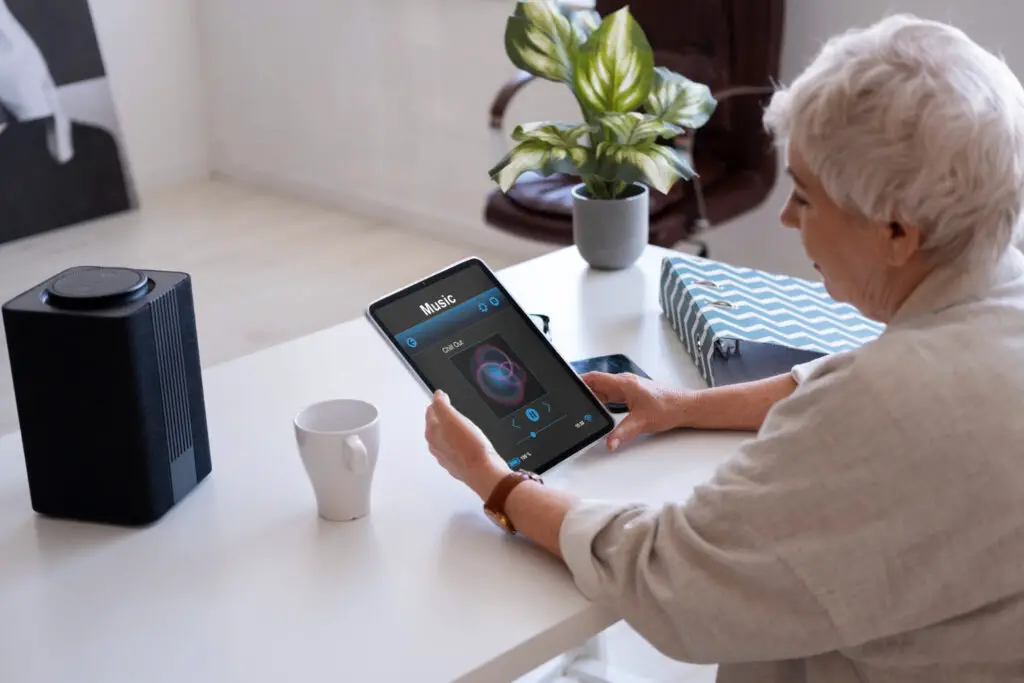
<p> Gone are the days of flipping through instruction manuals. With voice-activated assistants like Amazon Echo or Google Nest Hub, all you have to do is ask. Want the weather forecast, a recipe, or your favorite 70s playlist? Just say the word. These handy gadgets can turn on your lights, remind you to take your meds, call your kids, and even tell you a joke. It’s like having a helpful roommate who never forgets a thing. For boomers who might not love fiddling with tiny buttons or touchscreens, this hands-free convenience is a revelation. </p> :: Freepik

Gone are the days of flipping through instruction manuals. With voice-activated assistants like Amazon Echo or Google Nest Hub, all you have to do is ask. Want the weather forecast, a recipe, or your favorite 70s playlist? Just say the word. These handy gadgets can turn on your lights, remind you to take your meds, call your kids, and even tell you a joke. It’s like having a helpful roommate who never forgets a thing. For boomers who might not love fiddling with tiny buttons or touchscreens, this hands-free convenience is a revelation.

2. Wearable Fitness and Health Tracker
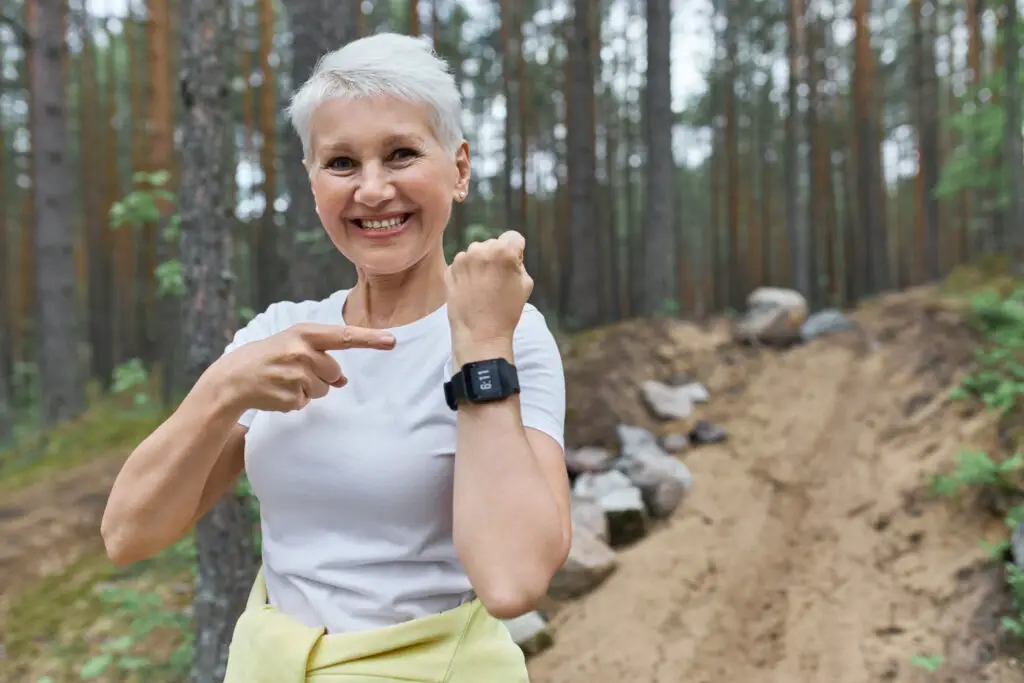
<p> Fitness trackers like the Fitbit, Apple Watch, or Garmin are more than just trendy wristbands. They quietly track your heart rate, count your steps, monitor your sleep, and even alert you to irregularities. Many models also feature fall detection and emergency calling—a huge safety net for those living alone or staying active. Staying on top of your health no longer requires guesswork or doctor’s visits for every small concern. These wearables give boomers real-time insight into their well-being, making wellness a whole lot easier to manage. </p> :: Freepik

Fitness trackers like the Fitbit, Apple Watch, or Garmin are more than just trendy wristbands. They quietly track your heart rate, count your steps, monitor your sleep, and even alert you to irregularities. Many models also feature fall detection and emergency calling—a huge safety net for those living alone or staying active. Staying on top of your health no longer requires guesswork or doctor’s visits for every small concern. These wearables give boomers real-time insight into their well-being, making wellness a whole lot easier to manage.

3. Kindle or Large-Font E-Reader
<p> Remember trying to read small print with reading glasses perched on your nose and a table lamp tilted just right? E-readers like the Kindle Paperwhite or Kobo eliminate the struggle. They let you adjust font size, screen brightness, and even switch to night mode for easy reading anytime, anywhere. You can carry hundreds of books in one device—no need to lug around heavy hardcovers. Some models even have text-to-speech features, turning any book into an audiobook. For book lovers, it’s a whole new chapter. </p> :: Pexels

Remember trying to read small print with reading glasses perched on your nose and a table lamp tilted just right? E-readers like the Kindle Paperwhite or Kobo eliminate the struggle. They let you adjust font size, screen brightness, and even switch to night mode for easy reading anytime, anywhere. You can carry hundreds of books in one device—no need to lug around heavy hardcovers. Some models even have text-to-speech features, turning any book into an audiobook. For book lovers, it’s a whole new chapter.

4. Smart Medication Dispenser or Reminder

<p> Juggling multiple prescriptions can feel like a full-time job. Smart medication dispensers such as MedMinder or Hero help by organizing your pills, sending reminders, and alerting caregivers if you miss a dose. Some even come with locking systems and preloaded refills, taking the guesswork out of staying on track. If you’ve ever asked yourself, “Did I take my pill this morning?” these devices bring peace of mind and a more organized routine. </p> :: Freepik

Juggling multiple prescriptions can feel like a full-time job. Smart medication dispensers such as MedMinder or Hero help by organizing your pills, sending reminders, and alerting caregivers if you miss a dose. Some even come with locking systems and preloaded refills, taking the guesswork out of staying on track. If you’ve ever asked yourself, “Did I take my pill this morning?” these devices bring peace of mind and a more organized routine.

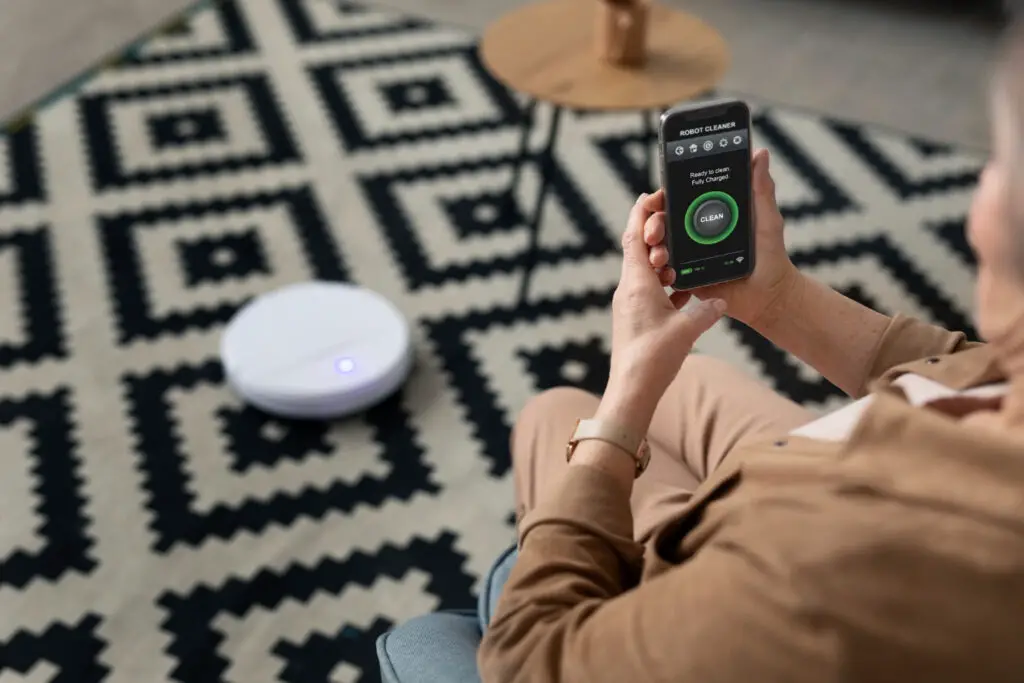
5. Robot Vacuum Cleaner
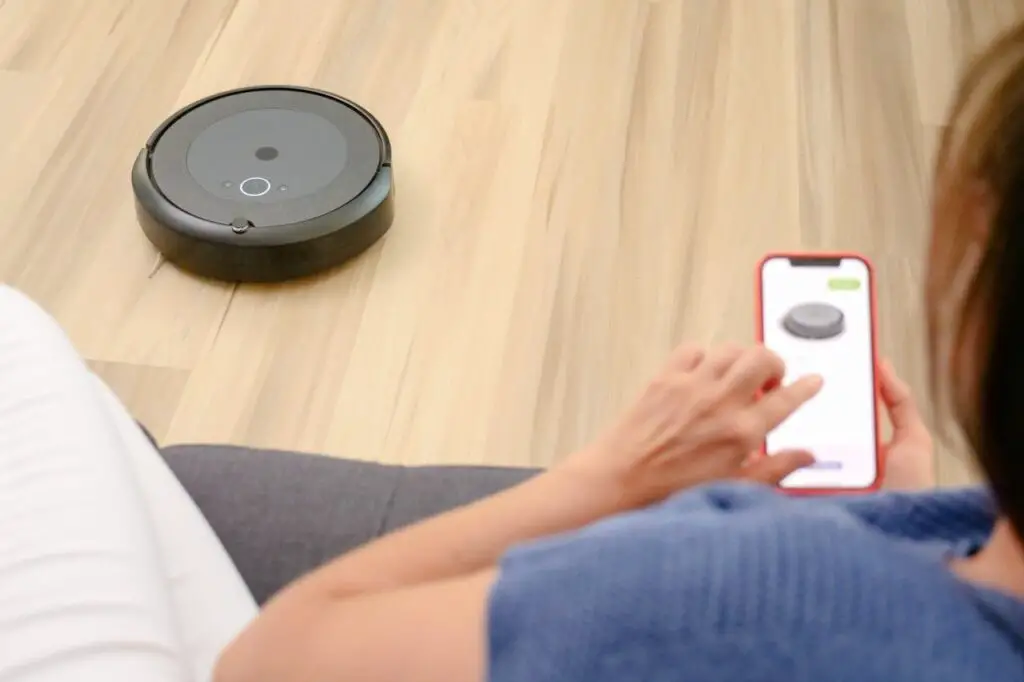
<p> Remember when vacuuming was a full-body workout? Those days are over. Robot vacuums like Roomba and Roborock zip around your floors on their own, picking up dirt, pet hair, and crumbs while you sit back and relax. Newer models map your home, avoid obstacles, and even empty themselves. Whether you live in a big house or a cozy condo, this small machine can save you time and energy. You might even find yourself naming it—yes, they’re that charming. </p> :: Pexels

Remember when vacuuming was a full-body workout? Those days are over. Robot vacuums like Roomba and Roborock zip around your floors on their own, picking up dirt, pet hair, and crumbs while you sit back and relax. Newer models map your home, avoid obstacles, and even empty themselves. Whether you live in a big house or a cozy condo, this small machine can save you time and energy. You might even find yourself naming it—yes, they’re that charming.

6. Digital Photo Frame with Remote Sharing
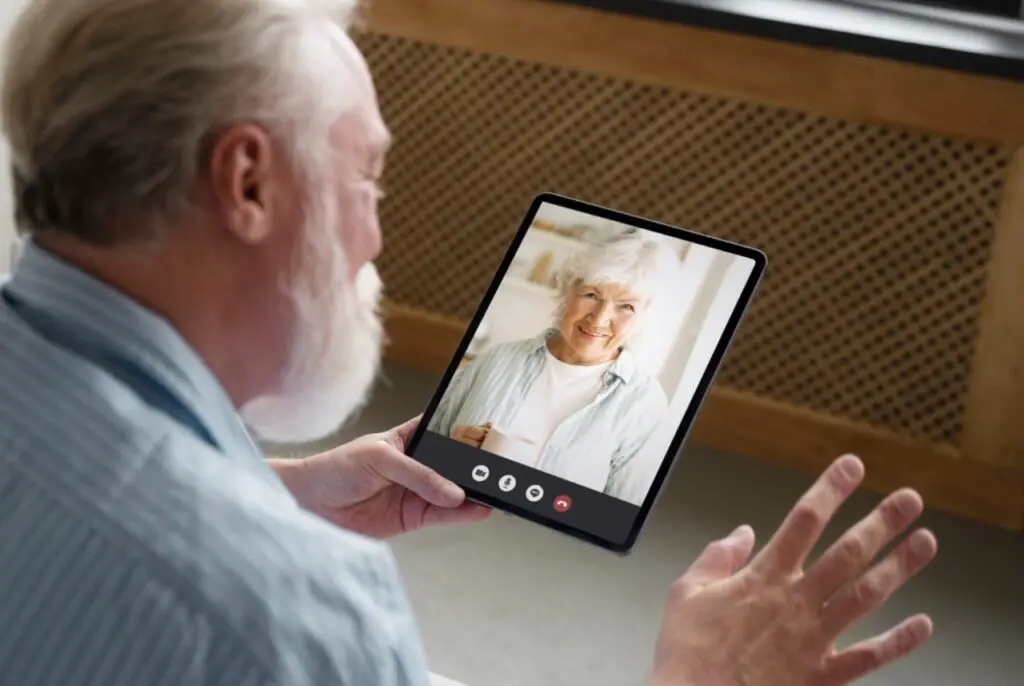
<p> No more cluttered photo albums or printing out snapshots. Digital photo frames like Nixplay and Skylight let your family send pictures straight to your frame—anytime, from anywhere. That means you could be sipping coffee and suddenly see a new photo of your granddaughter’s first bike ride pop up. These frames keep you connected to loved ones and give your home a personal, ever-changing touch. It’s like having a window into the lives of the people who matter most. </p> :: Freepik

No more cluttered photo albums or printing out snapshots. Digital photo frames like Nixplay and Skylight let your family send pictures straight to your frame—anytime, from anywhere. That means you could be sipping coffee and suddenly see a new photo of your granddaughter’s first bike ride pop up. These frames keep you connected to loved ones and give your home a personal, ever-changing touch. It’s like having a window into the lives of the people who matter most.

7. Bluetooth Locator Tags
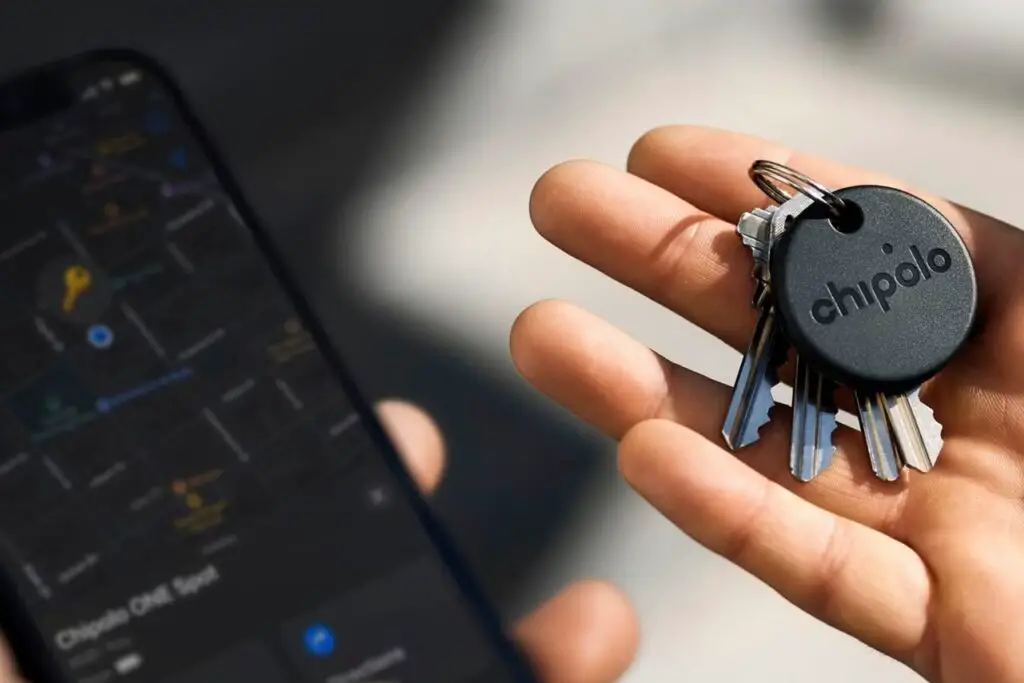
<p> Misplaced your keys again? Can’t find your wallet or remote? Bluetooth locator tags like Tile or Apple AirTag are little lifesavers. Just attach one to an item and use an app on your phone to find it. Some models even make the lost item ring until you track it down. They’re especially helpful if forgetfulness has become a frequent visitor. These small, inexpensive tools can save hours of frustration and are perfect for anyone who’s ever torn apart a couch cushion searching for something. </p> :: androidpolice.com

Misplaced your keys again? Can’t find your wallet or remote? Bluetooth locator tags like Tile or Apple AirTag are little lifesavers. Just attach one to an item and use an app on your phone to find it. Some models even make the lost item ring until you track it down. They’re especially helpful if forgetfulness has become a frequent visitor. These small, inexpensive tools can save hours of frustration and are perfect for anyone who’s ever torn apart a couch cushion searching for something.

8. Smart Plugs and Voice-Controlled Lighting
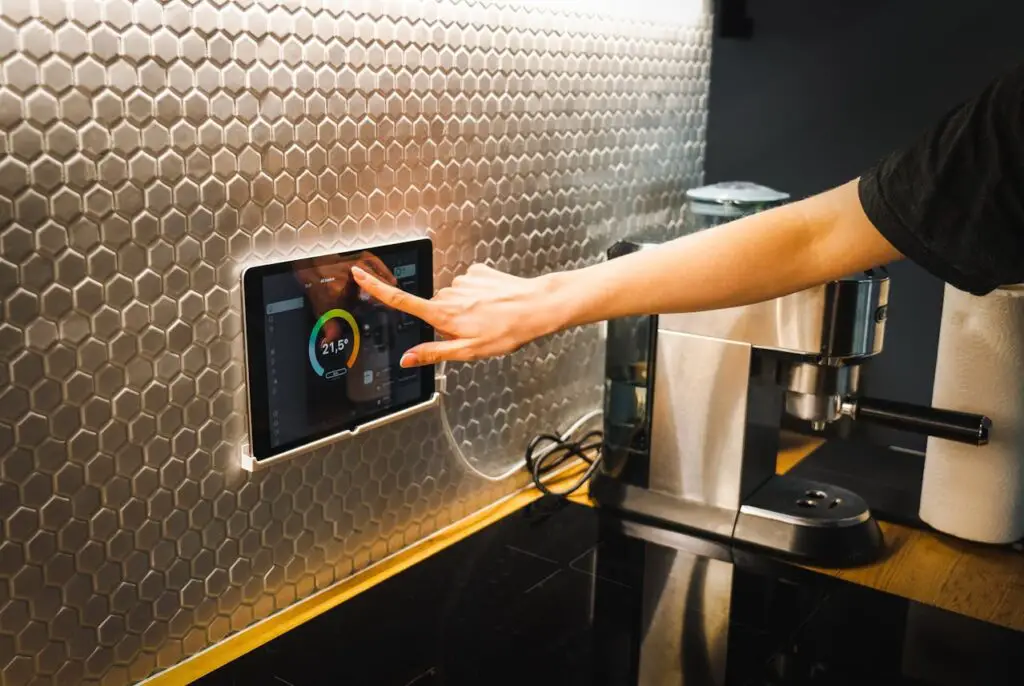
<p> Smart plugs and bulbs are small upgrades that deliver big convenience. Plug your lamp, fan, or coffee maker into a smart outlet, and you can control them with your phone or voice. No more bending down to reach a switch or getting out of bed to turn off the lights. You can even schedule devices to turn on and off at certain times—making your home feel more secure when you're away. It’s smart living without needing to be a tech genius. </p> :: Pexels

Smart plugs and bulbs are small upgrades that deliver big convenience. Plug your lamp, fan, or coffee maker into a smart outlet, and you can control them with your phone or voice. No more bending down to reach a switch or getting out of bed to turn off the lights. You can even schedule devices to turn on and off at certain times—making your home feel more secure when you’re away. It’s smart living without needing to be a tech genius.

9. Ultra-Compact Travel Charger
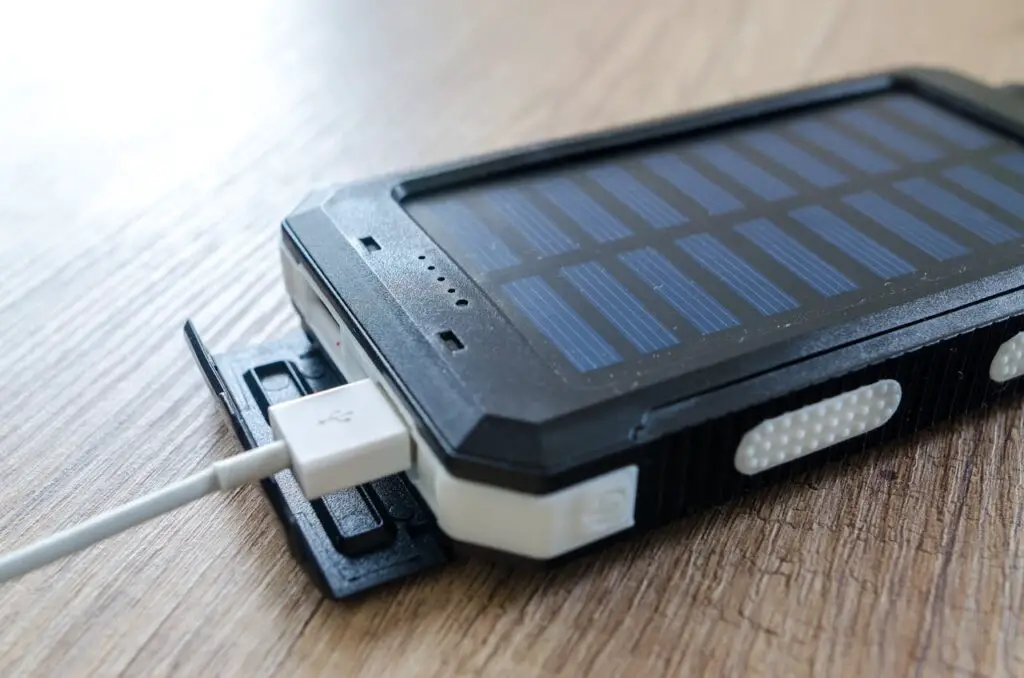
<p> For boomers who love to travel or just want to stay powered up on the go, GaN (gallium nitride) chargers are a game-changer. These ultra-compact chargers like the Anker Nano are powerful enough to juice up phones, tablets, and even laptops—yet they fit easily into a pocket or purse. No more bulky chargers or hunting for outlets. Whether you’re visiting the grandkids or road-tripping with friends, these chargers keep your gadgets ready for anything. </p> :: Pexels

For boomers who love to travel or just want to stay powered up on the go, GaN (gallium nitride) chargers are a game-changer. These ultra-compact chargers like the Anker Nano are powerful enough to juice up phones, tablets, and even laptops—yet they fit easily into a pocket or purse. No more bulky chargers or hunting for outlets. Whether you’re visiting the grandkids or road-tripping with friends, these chargers keep your gadgets ready for anything.

Final Thoughts

<p> Getting older doesn’t mean falling behind—it means finding smarter ways to live well. These nine gadgets aren’t gimmicks or fads. They’re real-world tools that improve everyday life, offering comfort, connection, and confidence. You’ve lived through decades of change—from rotary phones to video calls, from encyclopedias to Google—and you’ve adapted brilliantly. Now is the time to embrace the tech that works for you. Whether it’s a voice assistant turning on your favorite song, a smartwatch reminding you to take a walk, or a robot vacuum cleaning up after the grandkids, these gadgets prove that the best innovations are the ones that make life a little brighter, a little easier, and a whole lot more enjoyable. Try one—or try them all. You just might find yourself saying, “Why didn’t I get this sooner?” </p> :: Pexels

Getting older doesn’t mean falling behind—it means finding smarter ways to live well. These nine gadgets aren’t gimmicks or fads. They’re real-world tools that improve everyday life, offering comfort, connection, and confidence.

You’ve lived through decades of change—from rotary phones to video calls, from encyclopedias to Google—and you’ve adapted brilliantly. Now is the time to embrace the tech that works for you. Whether it’s a voice assistant turning on your favorite song, a smartwatch reminding you to take a walk, or a robot vacuum cleaning up after the grandkids, these gadgets prove that the best innovations are the ones that make life a little brighter, a little easier, and a whole lot more enjoyable.

Try one—or try them all. You just might find yourself saying, “Why didn’t I get this sooner?”

Filed Under: Science

10 Psychological Habits Only Highly Intelligent People Tend to Have

December 16, 2025 | Leave a Comment

10 Psychological Habits Only Highly Intelligent People Tend to Have

<p> When it comes to intelligence, it is not just about IQ scores or academic success. Truly intelligent individuals often display unique psychological habits that shape their decisions, behaviors, and overall worldview. These mental habits can go unnoticed by the average observer, but they significantly influence how these individuals navigate life. If you have ever wondered what sets highly intelligent people apart, you are about to uncover ten psychological habits that are often found in the world’s most brilliant minds. These traits are not just signs of mental sharpness—they are powerful habits anyone can work to develop. </p> :: Freepik

When it comes to intelligence, it is not just about IQ scores or academic success. Truly intelligent individuals often display unique psychological habits that shape their decisions, behaviors, and overall worldview. These mental habits can go unnoticed by the average observer, but they significantly influence how these individuals navigate life. If you have ever wondered what sets highly intelligent people apart, you are about to uncover ten psychological habits that are often found in the world’s most brilliant minds. These traits are not just signs of mental sharpness—they are powerful habits anyone can work to develop.

1. They Embrace Curiosity Over Judgment

<p> Highly intelligent people tend to lead with curiosity rather than making snap judgments. Instead of assuming they already have the answers, they ask thoughtful questions and seek to understand the deeper reasons behind how things work. This natural inquisitiveness helps them remain open to learning and exploring new ideas. Whether they are reading a book, watching a documentary, or engaging in a conversation, their desire to learn drives them to absorb knowledge from every possible source. This habit also enables them to stay humble, as they acknowledge that there is always more to learn and understand. </p> :: Pexels

Highly intelligent people tend to lead with curiosity rather than making snap judgments. Instead of assuming they already have the answers, they ask thoughtful questions and seek to understand the deeper reasons behind how things work. This natural inquisitiveness helps them remain open to learning and exploring new ideas. Whether they are reading a book, watching a documentary, or engaging in a conversation, their desire to learn drives them to absorb knowledge from every possible source. This habit also enables them to stay humble, as they acknowledge that there is always more to learn and understand.

2. They Practice Metacognition

<p> One of the most defining psychological habits of intelligent individuals is metacognition, or the ability to think about their own thinking. They frequently assess their mental processes, question their biases, and reflect on how they arrived at a conclusion. This level of self-awareness gives them a significant edge when it comes to problem-solving and decision-making. Instead of getting stuck in their own heads or stubbornly clinging to outdated beliefs, they evaluate their thought patterns and adjust accordingly. Metacognition makes it easier to recognize flaws in reasoning and improves the quality of their outcomes over time. </p> :: Pexels

One of the most defining psychological habits of intelligent individuals is metacognition, or the ability to think about their own thinking. They frequently assess their mental processes, question their biases, and reflect on how they arrived at a conclusion. This level of self-awareness gives them a significant edge when it comes to problem-solving and decision-making. Instead of getting stuck in their own heads or stubbornly clinging to outdated beliefs, they evaluate their thought patterns and adjust accordingly. Metacognition makes it easier to recognize flaws in reasoning and improves the quality of their outcomes over time.

3. They Enjoy Solitude and Deep Thinking

<p> Solitude is not loneliness for highly intelligent individuals—it is a valuable space for deep thought and creativity. Intelligent people often prefer quiet moments where they can reflect, brainstorm, and dive into complex ideas without distraction. While they may be perfectly capable of socializing, they frequently need time alone to recharge and process information. Solitude gives them the clarity to explore big questions, solve problems, and refine their perspectives. This alone time is often when their most creative and strategic ideas are born, far from the noise and busyness of daily life. </p> :: Pexels

Solitude is not loneliness for highly intelligent individuals—it is a valuable space for deep thought and creativity. Intelligent people often prefer quiet moments where they can reflect, brainstorm, and dive into complex ideas without distraction. While they may be perfectly capable of socializing, they frequently need time alone to recharge and process information. Solitude gives them the clarity to explore big questions, solve problems, and refine their perspectives. This alone time is often when their most creative and strategic ideas are born, far from the noise and busyness of daily life.

4. They Value Constructive Criticism

<p> Rather than becoming defensive or upset when receiving feedback, highly intelligent people see constructive criticism as a gift. They understand that no one is perfect and that there is always room to improve. When someone offers a critique, they listen carefully, consider the points raised, and reflect on how they can use the feedback to grow. This psychological habit requires emotional maturity and a strong sense of self, as it separates ego from improvement. By treating criticism as a learning opportunity, they gain insights that help sharpen their skills and perspectives. </p> :: Pexels

Rather than becoming defensive or upset when receiving feedback, highly intelligent people see constructive criticism as a gift. They understand that no one is perfect and that there is always room to improve. When someone offers a critique, they listen carefully, consider the points raised, and reflect on how they can use the feedback to grow. This psychological habit requires emotional maturity and a strong sense of self, as it separates ego from improvement. By treating criticism as a learning opportunity, they gain insights that help sharpen their skills and perspectives.

5. They Are Comfortable with Ambiguity

<p> Intelligent individuals do not need everything to be black and white. They recognize that life often presents complex, uncertain situations that do not have clear-cut answers. Rather than being overwhelmed or frustrated by ambiguity, they embrace it. This tolerance for uncertainty allows them to stay mentally flexible and open-minded. They can consider multiple possibilities at once, weigh outcomes, and live with unanswered questions while continuing to move forward. Their comfort with ambiguity also allows them to adapt quickly in changing environments and approach challenges with a calm, balanced mindset. </p> :: Pexels

Intelligent individuals do not need everything to be black and white. They recognize that life often presents complex, uncertain situations that do not have clear-cut answers. Rather than being overwhelmed or frustrated by ambiguity, they embrace it. This tolerance for uncertainty allows them to stay mentally flexible and open-minded. They can consider multiple possibilities at once, weigh outcomes, and live with unanswered questions while continuing to move forward. Their comfort with ambiguity also allows them to adapt quickly in changing environments and approach challenges with a calm, balanced mindset.

6. They Have a High Tolerance for Failure

<p> Failure is not something that highly intelligent people fear—it is something they learn from. When things do not go as planned, they do not see it as a personal defeat but as part of the journey toward success. This habit of reframing failure into a learning opportunity gives them resilience and determination. They analyze what went wrong, extract lessons, and apply that knowledge to future efforts. By not allowing failure to derail their confidence or motivation, they continue to push boundaries and take calculated risks that often lead to breakthrough results. </p> :: Pexels

Failure is not something that highly intelligent people fear—it is something they learn from. When things do not go as planned, they do not see it as a personal defeat but as part of the journey toward success. This habit of reframing failure into a learning opportunity gives them resilience and determination. They analyze what went wrong, extract lessons, and apply that knowledge to future efforts. By not allowing failure to derail their confidence or motivation, they continue to push boundaries and take calculated risks that often lead to breakthrough results.

7. They Continuously Seek Self-Improvement

<p> Highly intelligent individuals have a deep desire to evolve. They rarely feel content with the status quo and constantly look for ways to improve themselves, whether mentally, emotionally, or physically. This drive does not come from a place of insecurity but from a genuine interest in growth. They read challenging books, try new skills, and take on difficult projects—not because they have to, but because they want to stretch their abilities. The habit of self-improvement helps them stay relevant, adaptable, and prepared to tackle life’s next big opportunity or challenge. </p> :: Pexels

Highly intelligent individuals have a deep desire to evolve. They rarely feel content with the status quo and constantly look for ways to improve themselves, whether mentally, emotionally, or physically. This drive does not come from a place of insecurity but from a genuine interest in growth. They read challenging books, try new skills, and take on difficult projects—not because they have to, but because they want to stretch their abilities. The habit of self-improvement helps them stay relevant, adaptable, and prepared to tackle life’s next big opportunity or challenge.

8. They Notice Patterns and Make Connections Easily

<p> One of the clearest signs of a sharp mind is the ability to recognize patterns and connect seemingly unrelated ideas. Highly intelligent people often see connections that others miss, allowing them to come up with innovative solutions and creative insights. Whether they are solving a puzzle, analyzing human behavior, or creating something new, their pattern recognition abilities help them think several steps ahead. This skill also plays a big role in strategic thinking, innovation, and understanding cause-and-effect relationships across different contexts. </p> :: Pexels

One of the clearest signs of a sharp mind is the ability to recognize patterns and connect seemingly unrelated ideas. Highly intelligent people often see connections that others miss, allowing them to come up with innovative solutions and creative insights. Whether they are solving a puzzle, analyzing human behavior, or creating something new, their pattern recognition abilities help them think several steps ahead. This skill also plays a big role in strategic thinking, innovation, and understanding cause-and-effect relationships across different contexts.

9. They Question Social Norms and Expectations

<p> Highly intelligent people often challenge traditional thinking and question the rules society takes for granted. Instead of blindly following trends or conforming to expectations, they evaluate whether something actually makes sense or aligns with their values. This independent thinking allows them to break free from herd mentality and form original opinions. They are not afraid to stand out, voice dissenting views, or try unconventional approaches. By rejecting the pressure to conform, they often become trailblazers in their fields and thought leaders who inspire others to think differently. </p> :: Pexels

Highly intelligent people often challenge traditional thinking and question the rules society takes for granted. Instead of blindly following trends or conforming to expectations, they evaluate whether something actually makes sense or aligns with their values. This independent thinking allows them to break free from herd mentality and form original opinions. They are not afraid to stand out, voice dissenting views, or try unconventional approaches. By rejecting the pressure to conform, they often become trailblazers in their fields and thought leaders who inspire others to think differently.

10. They Manage Their Emotions Effectively

<p> Emotional regulation is a hallmark of overall intelligence. Highly intelligent individuals are not ruled by their emotions—they understand them, process them, and choose how to respond. Instead of reacting impulsively or letting their feelings control their decisions, they take a moment to reflect and respond thoughtfully. This emotional control allows them to maintain strong relationships, handle stressful situations with grace, and avoid unnecessary conflict. Their emotional intelligence enhances their communication skills, increases empathy, and builds trust with others, making them not only smart but also deeply respected. </p> :: Pexels

Emotional regulation is a hallmark of overall intelligence. Highly intelligent individuals are not ruled by their emotions—they understand them, process them, and choose how to respond. Instead of reacting impulsively or letting their feelings control their decisions, they take a moment to reflect and respond thoughtfully. This emotional control allows them to maintain strong relationships, handle stressful situations with grace, and avoid unnecessary conflict. Their emotional intelligence enhances their communication skills, increases empathy, and builds trust with others, making them not only smart but also deeply respected.

Final Thoughts

<p> True intelligence is not just about what you know—it is about how you think. The psychological habits of highly intelligent people are often what set them apart from the crowd. From questioning assumptions to embracing failure, these habits create a mental framework that supports learning, innovation, and personal growth. The best part? These traits are not fixed or exclusive. Anyone can start cultivating these habits by becoming more self-aware, curious, and open to growth. If you are committed to developing your mind and navigating life with greater clarity and confidence, adopting even a few of these psychological habits can make a powerful difference. Smart people do not simply know more—they think better, deeper, and more intentionally. By learning from their mindset and applying these habits in your own life, you will begin to unlock new levels of insight, creativity, and fulfillment. </p> :: Pexels

True intelligence is not just about what you know—it is about how you think. The psychological habits of highly intelligent people are often what set them apart from the crowd. From questioning assumptions to embracing failure, these habits create a mental framework that supports learning, innovation, and personal growth. The best part? These traits are not fixed or exclusive. Anyone can start cultivating these habits by becoming more self-aware, curious, and open to growth. If you are committed to developing your mind and navigating life with greater clarity and confidence, adopting even a few of these psychological habits can make a powerful difference.

Smart people do not simply know more—they think better, deeper, and more intentionally. By learning from their mindset and applying these habits in your own life, you will begin to unlock new levels of insight, creativity, and fulfillment.

Filed Under: Science

9 Powerful Ways Telemedicine Helps Boomers Take Control of Their Health

September 27, 2025 | Leave a Comment

9 Powerful Ways Telemedicine Helps Boomers Take Control of Their Health

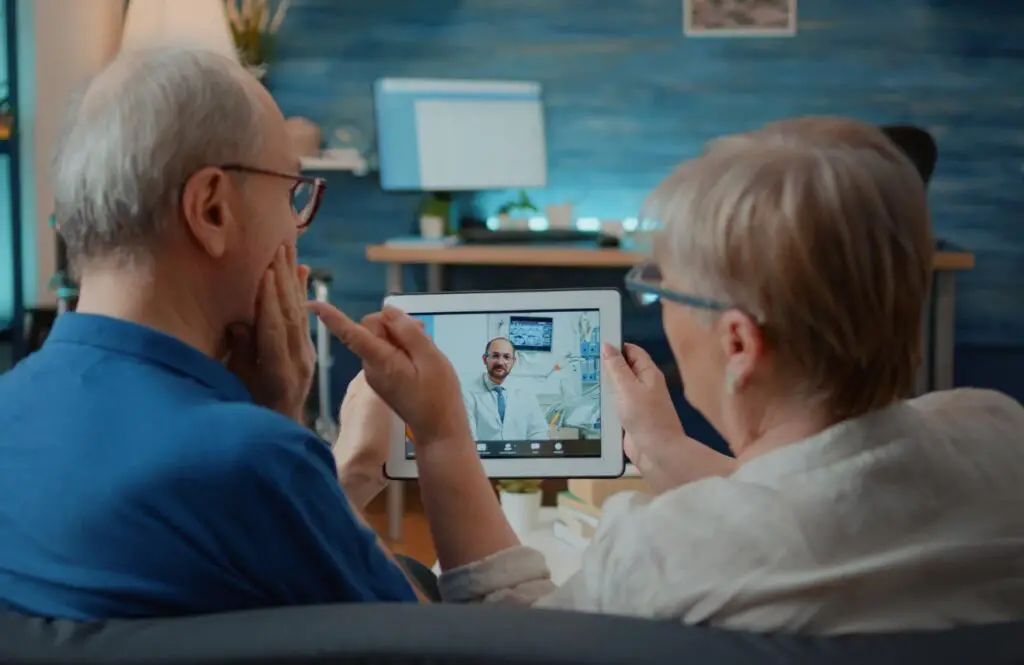
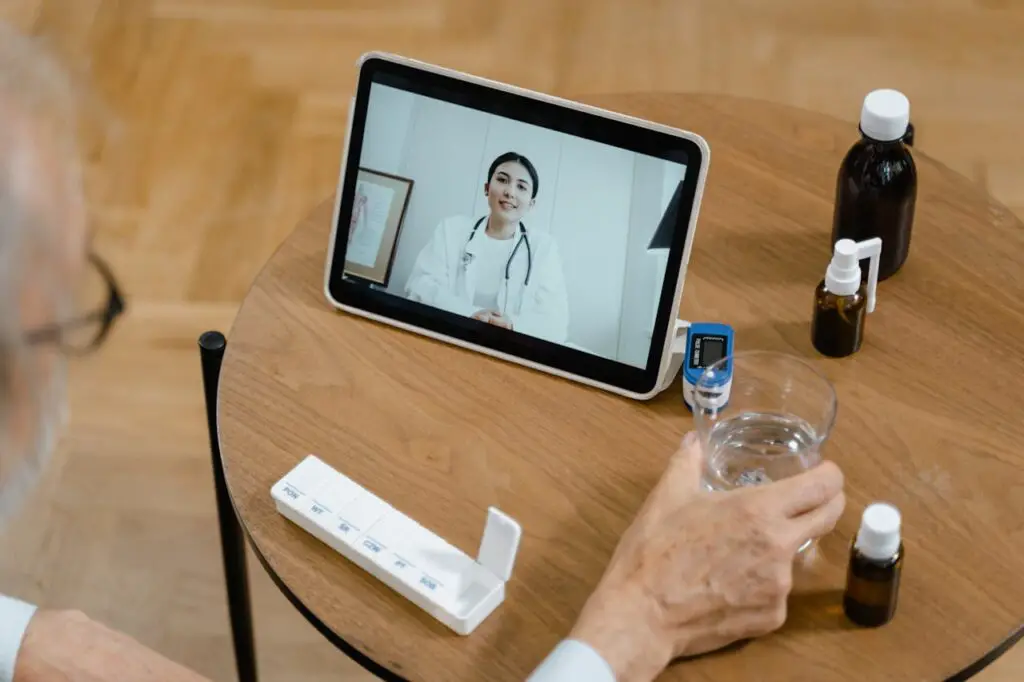
<p> For many baby boomers, health care has changed dramatically over the years. Some of us remember when a doctor made house calls. Others have spent countless hours in waiting rooms, reading old magazines and wondering how long it would take to finally get called back. Today, there is a new version of the house call, and it comes through your computer, tablet, or phone: telemedicine.

Telemedicine is more than just a video chat with your doctor. It is a tool that can save time, reduce stress, and make it easier to stay on top of your health. For boomers who want to maintain independence and take charge of their well-being, virtual health care offers freedom and flexibility that traditional care often cannot.

Here are nine powerful ways telemedicine can help boomers take control of their health and make life just a little bit easier. </p> :: Freepik

For many baby boomers, health care has changed dramatically over the years. Some of us remember when a doctor made house calls. Others have spent countless hours in waiting rooms, reading old magazines and wondering how long it would take to finally get called back. Today, there is a new version of the house call, and it comes through your computer, tablet, or phone: telemedicine.

Telemedicine is more than just a video chat with your doctor. It is a tool that can save time, reduce stress, and make it easier to stay on top of your health. For boomers who want to maintain independence and take charge of their well-being, virtual health care offers freedom and flexibility that traditional care often cannot.

Here are nine powerful ways telemedicine can help boomers take control of their health and make life just a little bit easier.

1. Skip the Commute and See Your Provider from Home

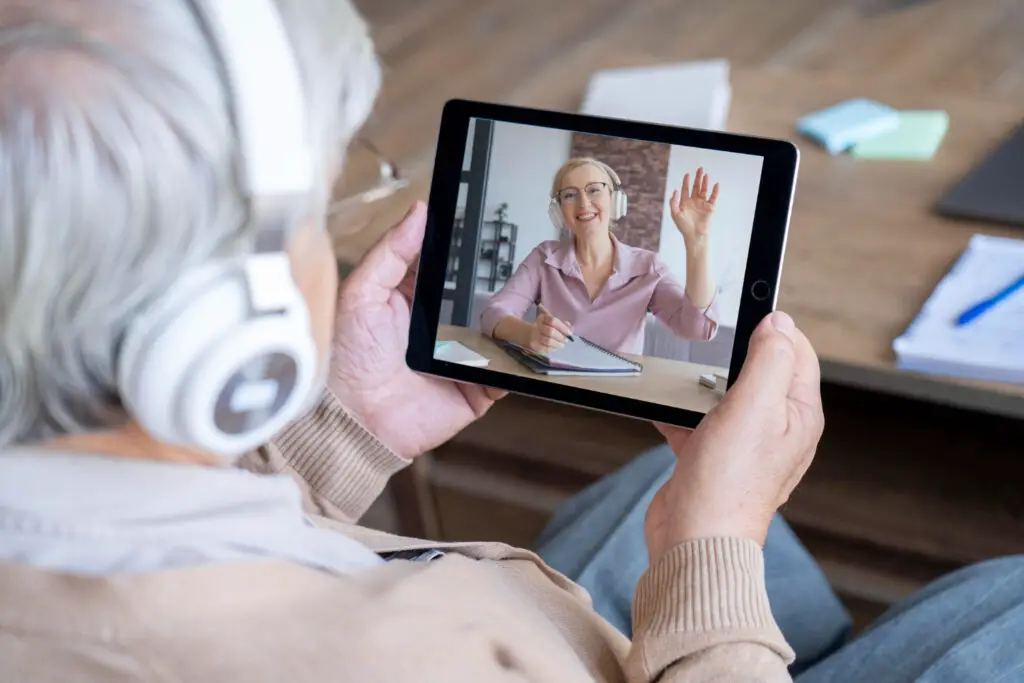
<p> One of the biggest perks of telemedicine is eliminating the drive to the clinic. No traffic jams, no parking headaches, and no long walks down hospital hallways. Instead, you can see your provider from the comfort of your living room or even your favorite recliner. This is especially useful if mobility is a challenge or the weather is less than friendly. For quick check-ins or routine visits, a video call is often all you need.

Practical Tip: Set yourself up in a quiet, well-lit spot before your appointment, and check that your camera and microphone are working so you are ready when your provider appears on the screen. </p> :: Pexels

One of the biggest perks of telemedicine is eliminating the drive to the clinic. No traffic jams, no parking headaches, and no long walks down hospital hallways. Instead, you can see your provider from the comfort of your living room or even your favorite recliner. This is especially useful if mobility is a challenge or the weather is less than friendly. For quick check-ins or routine visits, a video call is often all you need.

Practical Tip: Set yourself up in a quiet, well-lit spot before your appointment, and check that your camera and microphone are working so you are ready when your provider appears on the screen.

2. Manage Chronic Conditions More Easily

<p> Many boomers live with long-term conditions such as diabetes, high blood pressure, or heart disease that require frequent monitoring. Telemedicine often pairs with home devices like digital blood pressure cuffs, glucose meters, or connected scales that automatically send your readings to your provider. This means your care team can keep an eye on your progress between visits, and they can act quickly if something looks concerning.

Practical Tip: Ask your doctor which devices will work best for your needs and whether you will receive updates or explanations about your results instead of just raw numbers. </p> :: Freepik

Many boomers live with long-term conditions such as diabetes, high blood pressure, or heart disease that require frequent monitoring. Telemedicine often pairs with home devices like digital blood pressure cuffs, glucose meters, or connected scales that automatically send your readings to your provider. This means your care team can keep an eye on your progress between visits, and they can act quickly if something looks concerning.

Practical Tip: Ask your doctor which devices will work best for your needs and whether you will receive updates or explanations about your results instead of just raw numbers.

3. Catch Problems Before They Get Worse

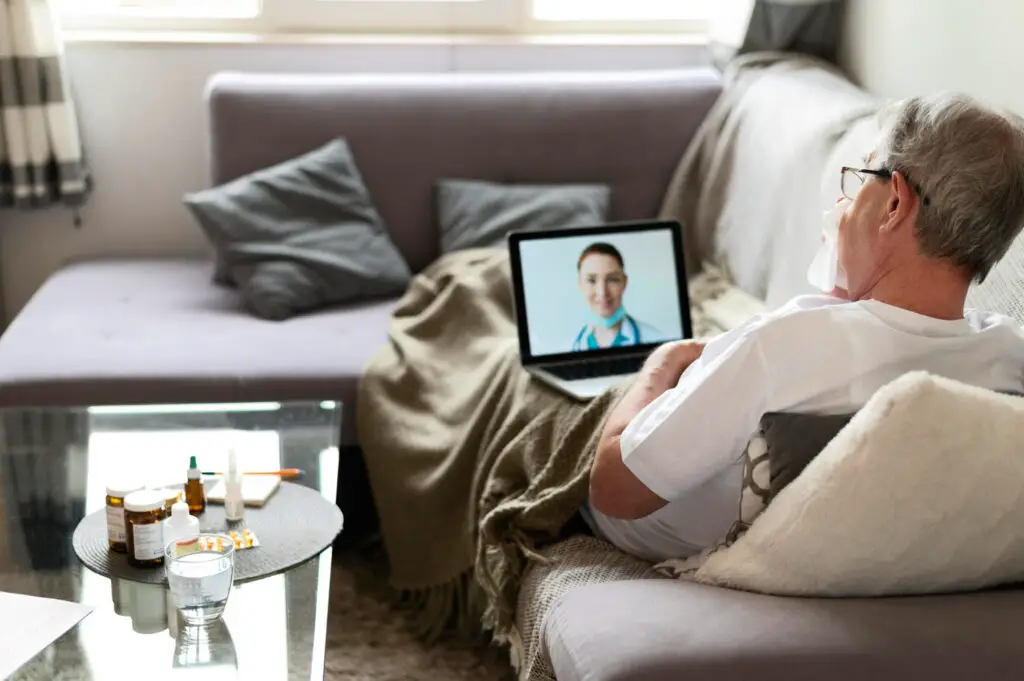
<p> We have all had moments when something felt “off” but it did not seem urgent enough to schedule a full doctor’s visit. With telemedicine, you can quickly connect with a provider about a rash, cough, or unusual pain before it turns into something more serious. Early conversations often prevent minor issues from growing into bigger, more complicated problems.

Practical Tip: Even if your provider cannot give you a full diagnosis virtually, they can guide you on the next steps and let you know if an in-person visit is truly necessary. </p> :: Pexels

We have all had moments when something felt “off” but it did not seem urgent enough to schedule a full doctor’s visit. With telemedicine, you can quickly connect with a provider about a rash, cough, or unusual pain before it turns into something more serious. Early conversations often prevent minor issues from growing into bigger, more complicated problems.

Practical Tip: Even if your provider cannot give you a full diagnosis virtually, they can guide you on the next steps and let you know if an in-person visit is truly necessary.

4. Reduce the Risk of Exposure to Illness

<p> Waiting rooms are full of germs. During flu season or a pandemic, the last place many boomers want to be is sitting next to a coughing stranger. Telemedicine lets you skip the exposure and still get the care you need. For those who may be more vulnerable to complications, this is more than just convenient—it can be a safer option for routine care.

Practical Tip: When you do need an in-person appointment, ask your provider’s office if they offer a mix of in-person and virtual visits so you can choose whichever feels safest at the time. </p> :: Freepik

Waiting rooms are full of germs. During flu season or a pandemic, the last place many boomers want to be is sitting next to a coughing stranger. Telemedicine lets you skip the exposure and still get the care you need. For those who may be more vulnerable to complications, this is more than just convenient—it can be a safer option for routine care.

Practical Tip: When you do need an in-person appointment, ask your provider’s office if they offer a mix of in-person and virtual visits so you can choose whichever feels safest at the time.

5. Schedule Health Care Around Your Life

<p> Gone are the days of waiting weeks for an appointment only to spend an hour in a crowded lobby. Many telemedicine services offer flexible scheduling, sometimes in the evenings or on weekends. This allows you to plan your health care around your life, not the other way around. Less waiting means less stress and more time to do the things you actually enjoy.

Practical Tip: Ask your provider if they have virtual “office hours” outside the usual 9-to-5 schedule, and book your follow-ups in advance to secure the times that work best for you. </p> :: Freepik

Gone are the days of waiting weeks for an appointment only to spend an hour in a crowded lobby. Many telemedicine services offer flexible scheduling, sometimes in the evenings or on weekends. This allows you to plan your health care around your life, not the other way around. Less waiting means less stress and more time to do the things you actually enjoy.

Practical Tip: Ask your provider if they have virtual “office hours” outside the usual 9-to-5 schedule, and book your follow-ups in advance to secure the times that work best for you.

6. Include Family Members or Caregivers with Ease

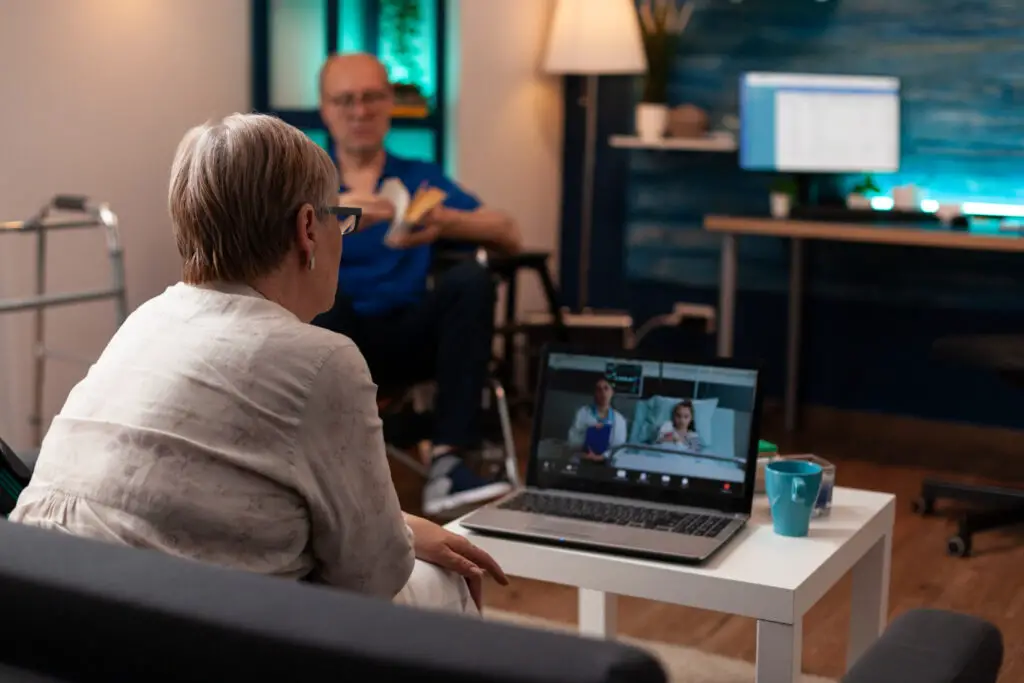
<p> One of the unique advantages of telemedicine is how simple it is to bring family members or caregivers into the conversation. Instead of coordinating rides or rearranging schedules, loved ones can log in from their own device and join your appointment. Having another set of ears on the call can help you remember details, ask questions, and feel more supported.

Practical Tip: Let your provider’s office know ahead of time if someone else will join the call so they can plan to include them smoothly and avoid any confusion. </p> :: Freepik

One of the unique advantages of telemedicine is how simple it is to bring family members or caregivers into the conversation. Instead of coordinating rides or rearranging schedules, loved ones can log in from their own device and join your appointment. Having another set of ears on the call can help you remember details, ask questions, and feel more supported.

Practical Tip: Let your provider’s office know ahead of time if someone else will join the call so they can plan to include them smoothly and avoid any confusion.

7. Save Time and Money on Travel and Parking

<p> The cost of getting to a doctor’s appointment is not just the co-pay. It is the gas, the parking fees, and the time lost in traffic or waiting rooms. Telemedicine helps cut those expenses while giving you back precious hours of your day. For retirees on a fixed income, those savings can add up in meaningful ways.

Practical Tip: Check with your insurance provider to confirm telemedicine visits are covered. Many Medicare and private plans include them, but it is always good to be sure before you book. </p> :: Freepik

The cost of getting to a doctor’s appointment is not just the co-pay. It is the gas, the parking fees, and the time lost in traffic or waiting rooms. Telemedicine helps cut those expenses while giving you back precious hours of your day. For retirees on a fixed income, those savings can add up in meaningful ways.

Practical Tip: Check with your insurance provider to confirm telemedicine visits are covered. Many Medicare and private plans include them, but it is always good to be sure before you book.

8. Stay on Top of Your Medications

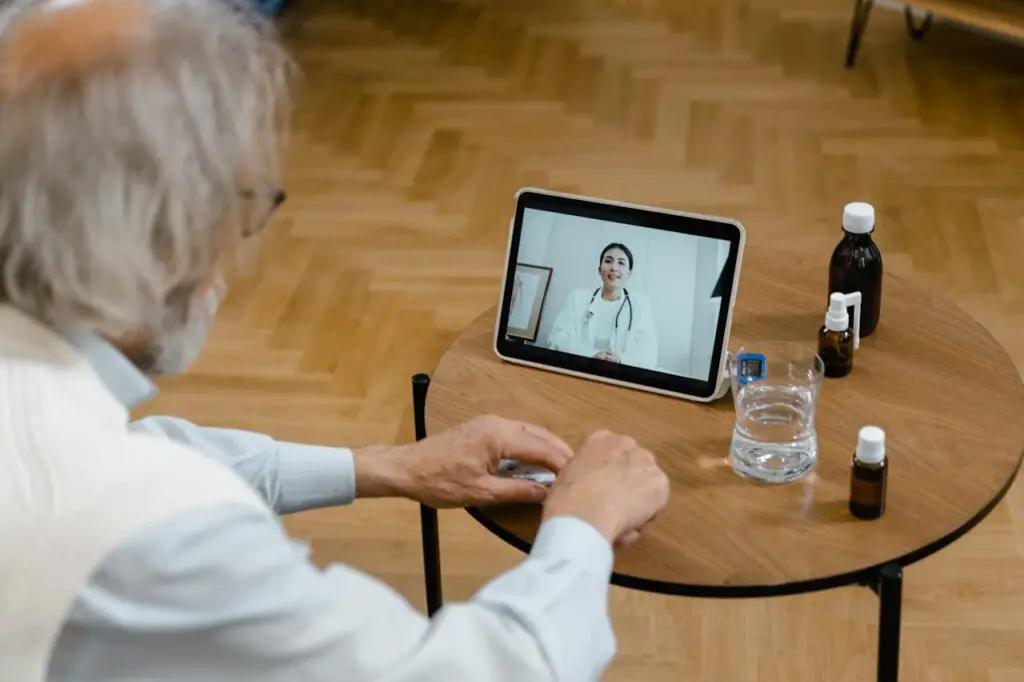
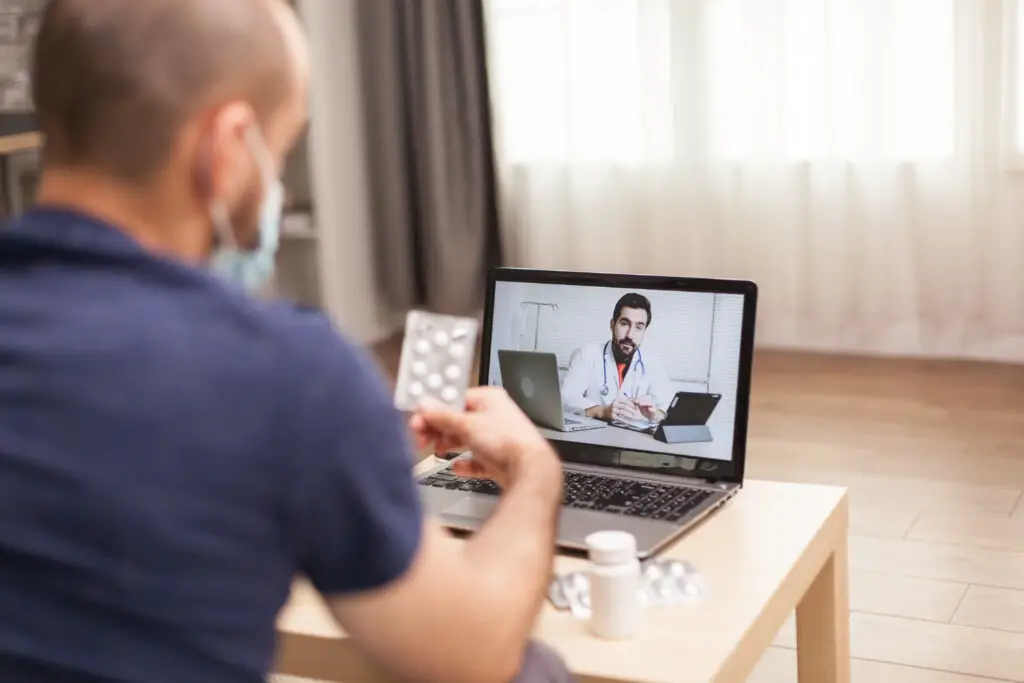
<p> Managing multiple prescriptions can feel like a full-time job. Telemedicine makes it easier to schedule quick check-ins to review side effects, ask questions, and make adjustments if needed. Providers can also spot potential drug interactions and ensure you are following your regimen correctly. Many telemedicine platforms even allow prescriptions to be sent directly to your pharmacy without the need for a paper slip.

Practical Tip: Keep your medications, including vitamins and supplements, nearby during your virtual visit. Showing your provider the actual bottles can help prevent mistakes. </p> :: Pexels

Managing multiple prescriptions can feel like a full-time job. Telemedicine makes it easier to schedule quick check-ins to review side effects, ask questions, and make adjustments if needed. Providers can also spot potential drug interactions and ensure you are following your regimen correctly. Many telemedicine platforms even allow prescriptions to be sent directly to your pharmacy without the need for a paper slip.

Practical Tip: Keep your medications, including vitamins and supplements, nearby during your virtual visit. Showing your provider the actual bottles can help prevent mistakes.

9. Access Mental Health Support from Home

<p> Health is not only physical. Boomers are increasingly recognizing the importance of mental and emotional well-being, yet the stigma or logistics of therapy can get in the way. Telemedicine makes counseling or therapy more accessible and private. Whether through video or phone, you can speak with a mental health professional without leaving home. This option can be especially helpful for stress, anxiety, or adjusting to life changes in retirement.

Practical Tip: If a video call feels intimidating, start with a phone session. Many providers offer both, and sometimes a simple conversation is the best first step. </p> :: Freepik

Health is not only physical. Boomers are increasingly recognizing the importance of mental and emotional well-being, yet the stigma or logistics of therapy can get in the way. Telemedicine makes counseling or therapy more accessible and private. Whether through video or phone, you can speak with a mental health professional without leaving home. This option can be especially helpful for stress, anxiety, or adjusting to life changes in retirement.

Practical Tip: If a video call feels intimidating, start with a phone session. Many providers offer both, and sometimes a simple conversation is the best first step.

Final Thoughts

<p> Telemedicine is not meant to replace every in-person visit, but it is a powerful complement that can make health care more practical, personal, and convenient. You will still need annual check-ups, lab work, and hands-on exams from time to time. But for many situations, virtual care allows you to stay connected to your providers without unnecessary hassle.

Think of telemedicine as another tool in your health toolbox. It offers you the ability to catch problems earlier, involve your loved ones, save money, and reduce stress. Most importantly, it helps you feel more in control of your health care journey.

Baby boomers have already lived through incredible advances in technology, from black-and-white televisions to smartphones that can fit in a pocket. Telemedicine is simply the next step—bringing health care back into the home, just in a more modern way. By embracing it, you can spend less time worrying about appointments and more time enjoying the life you have worked hard to create.

So the next time you need to check in with your doctor, consider trying it virtually. You may find that taking charge of your health has never been easier—or more comfortable—than it is today. </p> :: Freepik

Telemedicine is not meant to replace every in-person visit, but it is a powerful complement that can make health care more practical, personal, and convenient. You will still need annual check-ups, lab work, and hands-on exams from time to time. But for many situations, virtual care allows you to stay connected to your providers without unnecessary hassle.

Think of telemedicine as another tool in your health toolbox. It offers you the ability to catch problems earlier, involve your loved ones, save money, and reduce stress. Most importantly, it helps you feel more in control of your health care journey.

Baby boomers have already lived through incredible advances in technology, from black-and-white televisions to smartphones that can fit in a pocket. Telemedicine is simply the next step—bringing health care back into the home, just in a more modern way. By embracing it, you can spend less time worrying about appointments and more time enjoying the life you have worked hard to create.

So the next time you need to check in with your doctor, consider trying it virtually. You may find that taking charge of your health has never been easier—or more comfortable—than it is today.

Filed Under: Science

8 Nutrition Science Facts Boomers Should Trust (and Ignore the Myths)

September 22, 2025 | Leave a Comment

8 Nutrition Science Facts Boomers Should Trust (and Ignore the Myths)

<p> Let’s be honest: nutrition advice today can feel like a game of telephone gone wrong. One friend swears carbs are the enemy, another says butter is back, and the internet is full of miracle supplements promising to erase twenty years overnight. For Baby Boomers, who grew up hearing “finish your milk for strong bones” and “low fat everything,” it is no wonder that confusion runs deep.

But here is the good news: science has come a long way, and the latest research gives us clear, practical truths that actually matter for your health right now. Forget fads and myths that refuse to die. This list covers eight science-backed nutrition facts Boomers can rely on to feel stronger, sharper, and more energized in the years ahead.

Grab a cup of coffee (yes, you can still enjoy it) and let’s clear the table of outdated advice once and for all. </p> :: Freepik

Let’s be honest: nutrition advice today can feel like a game of telephone gone wrong. One friend swears carbs are the enemy, another says butter is back, and the internet is full of miracle supplements promising to erase twenty years overnight. For Baby Boomers, who grew up hearing “finish your milk for strong bones” and “low fat everything,” it is no wonder that confusion runs deep.

But here is the good news: science has come a long way, and the latest research gives us clear, practical truths that actually matter for your health right now. Forget fads and myths that refuse to die. This list covers eight science-backed nutrition facts Boomers can rely on to feel stronger, sharper, and more energized in the years ahead.

Grab a cup of coffee (yes, you can still enjoy it) and let’s clear the table of outdated advice once and for all.

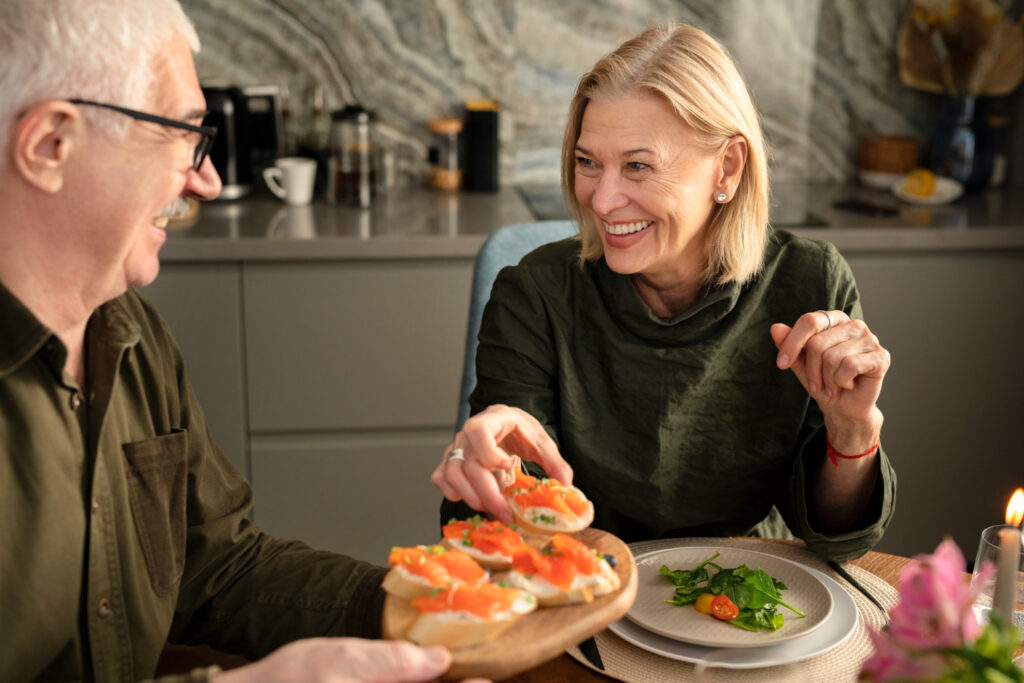
1. Protein is your best friend for staying strong

<p> When you were younger, you probably did not think twice about how much protein you were eating. But as we age, the body naturally loses muscle mass, which can make everyday tasks feel harder. Research shows that older adults benefit from eating more protein than the minimum daily requirement. Getting between one and 1.3 grams per kilogram of body weight each day can help maintain strength, balance, and independence.

Ignore the myth: “Older adults do not need much protein” or “too much protein will damage your kidneys.” For most healthy Boomers, these claims are outdated. The real risk is not eating enough protein to support your muscles.

Practical tip: Aim for a palm-sized portion of protein at each meal—think eggs for breakfast, chicken or beans at lunch, and fish or tofu at dinner. Pair this with light strength training and you will feel the difference. </p> :: Freepik

When you were younger, you probably did not think twice about how much protein you were eating. But as we age, the body naturally loses muscle mass, which can make everyday tasks feel harder. Research shows that older adults benefit from eating more protein than the minimum daily requirement. Getting between one and 1.3 grams per kilogram of body weight each day can help maintain strength, balance, and independence.

Ignore the myth: “Older adults do not need much protein” or “too much protein will damage your kidneys.” For most healthy Boomers, these claims are outdated. The real risk is not eating enough protein to support your muscles.

Practical tip: Aim for a palm-sized portion of protein at each meal—think eggs for breakfast, chicken or beans at lunch, and fish or tofu at dinner. Pair this with light strength training and you will feel the difference.

2. Vitamin D and calcium still matter, but they are not magic bullets

<p> Strong bones and steady muscles depend on vitamin D and calcium. As we get older, our bodies absorb and produce less vitamin D, and that can increase the risk of falls or fractures. Calcium also helps keep bones dense and durable.

Ignore the myth: Taking handfuls of supplements will guarantee you never break a bone. Studies show that supplements are helpful if you are deficient, but they are not cure-alls. In fact, overdoing calcium can create other health issues.

Practical tip: Get your levels checked, and if you need more, aim to get it first from food and sunlight. Fatty fish, fortified dairy, and a little time outdoors can go a long way. If a supplement is needed, stick to what your doctor recommends and keep it moderate. </p> :: Freepik

Strong bones and steady muscles depend on vitamin D and calcium. As we get older, our bodies absorb and produce less vitamin D, and that can increase the risk of falls or fractures. Calcium also helps keep bones dense and durable.

Ignore the myth: Taking handfuls of supplements will guarantee you never break a bone. Studies show that supplements are helpful if you are deficient, but they are not cure-alls. In fact, overdoing calcium can create other health issues.

Practical tip: Get your levels checked, and if you need more, aim to get it first from food and sunlight. Fatty fish, fortified dairy, and a little time outdoors can go a long way. If a supplement is needed, stick to what your doctor recommends and keep it moderate.

3. Fiber, whole grains, fruits, and vegetables are non-negotiable

<p> Here is one thing that has never gone out of style: eating your fruits and vegetables. Fiber-rich foods keep digestion moving, support heart health, and even help protect against certain cancers. Whole grains like oats, brown rice, and whole wheat bread provide valuable nutrients and keep you fuller for longer.

Ignore the myth: “Carbs are bad” or “fiber is only for younger people.” The truth is, fiber is your digestive system’s best ally as you age. It keeps things running smoothly and helps you feel more energized throughout the day.

Practical tip: Fill at least half your plate with vegetables and fruit, and make at least half your grains whole. Aiming for 25 to 30 grams of fiber daily is a realistic goal that pays off in better health. </p> :: Freepik

Here is one thing that has never gone out of style: eating your fruits and vegetables. Fiber-rich foods keep digestion moving, support heart health, and even help protect against certain cancers. Whole grains like oats, brown rice, and whole wheat bread provide valuable nutrients and keep you fuller for longer.

Ignore the myth: “Carbs are bad” or “fiber is only for younger people.” The truth is, fiber is your digestive system’s best ally as you age. It keeps things running smoothly and helps you feel more energized throughout the day.

Practical tip: Fill at least half your plate with vegetables and fruit, and make at least half your grains whole. Aiming for 25 to 30 grams of fiber daily is a realistic goal that pays off in better health.

4. Hydration is more important than you think

<p> As we age, the body’s sense of thirst weakens. That means you may not feel thirsty even when you are running low on fluids. Dehydration can cause fatigue, confusion, dizziness, and even increase the risk of falls.

Ignore the myth: “Drink only when you are thirsty.” That advice might work for younger people, but Boomers need to be more proactive. Another outdated belief is that coffee and tea dehydrate you. In moderation, they count toward your daily fluid intake.

Practical tip: Keep a water bottle nearby and sip often. Add hydrating foods like watermelon, cucumbers, and soups to your meals. If you enjoy coffee or tea, keep drinking them—just balance them with plenty of plain water. </p> :: Pexels

As we age, the body’s sense of thirst weakens. That means you may not feel thirsty even when you are running low on fluids. Dehydration can cause fatigue, confusion, dizziness, and even increase the risk of falls.

Ignore the myth: “Drink only when you are thirsty.” That advice might work for younger people, but Boomers need to be more proactive. Another outdated belief is that coffee and tea dehydrate you. In moderation, they count toward your daily fluid intake.

Practical tip: Keep a water bottle nearby and sip often. Add hydrating foods like watermelon, cucumbers, and soups to your meals. If you enjoy coffee or tea, keep drinking them—just balance them with plenty of plain water.

5. It is never too late to improve your diet

<p> Maybe you skipped vegetables in your 40s or ate more fast food than you should have in your 50s. That does not mean it is too late to turn things around. Studies show that adopting better eating habits in your 60s and 70s still leads to significant improvements in energy, immunity, and overall health.

Ignore the myth: “The damage is already done.” That mindset holds people back. The body is resilient, and positive changes at any age can make a difference.

Practical tip: Start small. Add one extra serving of vegetables a day, switch soda for sparkling water, or cook at home more often. Small wins add up, and your body will thank you. </p> :: Pexels

Maybe you skipped vegetables in your 40s or ate more fast food than you should have in your 50s. That does not mean it is too late to turn things around. Studies show that adopting better eating habits in your 60s and 70s still leads to significant improvements in energy, immunity, and overall health.

Ignore the myth: “The damage is already done.” That mindset holds people back. The body is resilient, and positive changes at any age can make a difference.

Practical tip: Start small. Add one extra serving of vegetables a day, switch soda for sparkling water, or cook at home more often. Small wins add up, and your body will thank you.

6. Not all fats are bad

<p> For years, fat was painted as the villain in every diet. But science has set the record straight: certain fats are essential for your brain, heart, and joints. Healthy fats like olive oil, nuts, avocado, and fatty fish provide omega-3s that help reduce inflammation and may even support memory.

Ignore the myth: “All fats clog your arteries” or “low-fat is always better.” In reality, trans fats and heavily processed foods are the real culprits. Healthy fats, on the other hand, should have a place on your plate.

Practical tip: Drizzle olive oil on salads, snack on a handful of almonds, or enjoy salmon once or twice a week. Skip the margarine sticks and fried fast foods. </p> :: Freepik

For years, fat was painted as the villain in every diet. But science has set the record straight: certain fats are essential for your brain, heart, and joints. Healthy fats like olive oil, nuts, avocado, and fatty fish provide omega-3s that help reduce inflammation and may even support memory.

Ignore the myth: “All fats clog your arteries” or “low-fat is always better.” In reality, trans fats and heavily processed foods are the real culprits. Healthy fats, on the other hand, should have a place on your plate.

Practical tip: Drizzle olive oil on salads, snack on a handful of almonds, or enjoy salmon once or twice a week. Skip the margarine sticks and fried fast foods.

7. Supplements can help, but they are not replacements

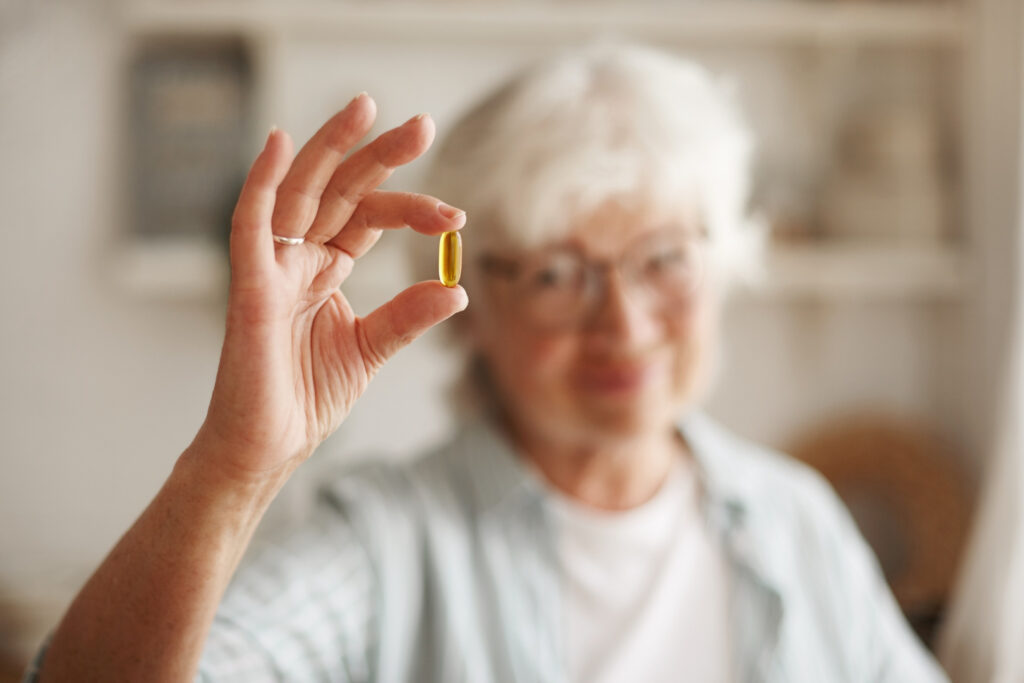
<p> Supplements have their place, especially if you are low in vitamin B12, vitamin D, or other specific nutrients. But they should not take the place of balanced meals. Whole foods offer a combination of fiber, antioxidants, and other compounds that no pill can replicate.

Ignore the myth: “If I take a multivitamin, I do not need to worry about what I eat.” Supplements should fill gaps, not become a crutch.

Practical tip: Talk to your doctor about which nutrients you may be lacking. If you need a supplement, keep it simple and targeted. Otherwise, focus on nutrient-rich foods that do the heavy lifting for your health. </p> :: Freepik

Supplements have their place, especially if you are low in vitamin B12, vitamin D, or other specific nutrients. But they should not take the place of balanced meals. Whole foods offer a combination of fiber, antioxidants, and other compounds that no pill can replicate.

Ignore the myth: “If I take a multivitamin, I do not need to worry about what I eat.” Supplements should fill gaps, not become a crutch.

Practical tip: Talk to your doctor about which nutrients you may be lacking. If you need a supplement, keep it simple and targeted. Otherwise, focus on nutrient-rich foods that do the heavy lifting for your health.

8. Nutrition works best when paired with movement

<p> Food fuels the body, but movement keeps it thriving. Strength training preserves muscle, balance exercises reduce fall risk, and cardio supports the heart and brain. When nutrition and activity work together, the results are powerful.

Ignore the myth: “Exercise is too dangerous at my age” or “Eating well is enough.” With the right guidance, exercise is safe and highly beneficial. Even short bouts of movement can make a big impact.

Practical tip: Find an activity you enjoy. Walk with friends, try tai chi, or use light hand weights while watching television. Aim for 150 minutes of movement each week, and sprinkle in strength and balance training a few times as well. </p> :: Freepik

Food fuels the body, but movement keeps it thriving. Strength training preserves muscle, balance exercises reduce fall risk, and cardio supports the heart and brain. When nutrition and activity work together, the results are powerful.

Ignore the myth: “Exercise is too dangerous at my age” or “Eating well is enough.” With the right guidance, exercise is safe and highly beneficial. Even short bouts of movement can make a big impact.

Practical tip: Find an activity you enjoy. Walk with friends, try tai chi, or use light hand weights while watching television. Aim for 150 minutes of movement each week, and sprinkle in strength and balance training a few times as well.

Final Thoughts

<p> The truth about nutrition is refreshingly simple once you set aside the noise. Eat enough protein to stay strong. Keep bones steady with the right mix of vitamin D and calcium. Embrace fiber, hydrate often, and never underestimate the power of small changes. Add healthy fats, use supplements wisely, and keep moving.

Baby Boomers have lived through decades of shifting diet advice, from margarine to kale smoothies. But the timeless takeaway is this: your health is not set in stone, no matter your age. Every plate of food and every glass of water is a chance to invest in more energy, better mobility, and a life filled with the things you love.

So, the next time someone tries to sell you a miracle shake or a fad diet, smile politely, and remember: science is on your side. </p> :: Freepik

The truth about nutrition is refreshingly simple once you set aside the noise. Eat enough protein to stay strong. Keep bones steady with the right mix of vitamin D and calcium. Embrace fiber, hydrate often, and never underestimate the power of small changes. Add healthy fats, use supplements wisely, and keep moving.

Baby Boomers have lived through decades of shifting diet advice, from margarine to kale smoothies. But the timeless takeaway is this: your health is not set in stone, no matter your age. Every plate of food and every glass of water is a chance to invest in more energy, better mobility, and a life filled with the things you love.

So, the next time someone tries to sell you a miracle shake or a fad diet, smile politely, and remember: science is on your side.

Filed Under: Science

9 Exciting Advances in Aging Research Boomers Should Know About

September 14, 2025 | Leave a Comment

9 Exciting Advances in Aging Research Boomers Should Know About

<p> Aging is something we all share, but today it is not just about adding years to life—it is about adding life to those years. For Baby Boomers, the generation that reshaped culture, work, and lifestyle in countless ways, this stage of life brings new opportunities to stay healthier, more independent, and more vibrant than ever. Thanks to groundbreaking research, scientists are uncovering ways to slow aging, improve health, and even reverse some age-related decline. You may have already seen headlines about miracle drugs, brain health breakthroughs, and lifestyle changes that promise to extend vitality. But what is hype and what is real? Let’s take a look at nine exciting advances in aging research that are backed by science and could make a difference for Boomers in the United States. </p> :: Freepik

Aging is something we all share, but today it is not just about adding years to life—it is about adding life to those years. For Baby Boomers, the generation that reshaped culture, work, and lifestyle in countless ways, this stage of life brings new opportunities to stay healthier, more independent, and more vibrant than ever. Thanks to groundbreaking research, scientists are uncovering ways to slow aging, improve health, and even reverse some age-related decline.

You may have already seen headlines about miracle drugs, brain health breakthroughs, and lifestyle changes that promise to extend vitality. But what is hype and what is real? Let’s take a look at nine exciting advances in aging research that are backed by science and could make a difference for Boomers in the United States.

1. A Shift from Treating Diseases to Targeting Aging Itself

<p> For decades, medicine has focused on treating specific diseases—heart disease, diabetes, or Alzheimer’s—after they appear. But researchers are now studying the biology of aging itself, the root processes that make the body more vulnerable to all of these conditions. The idea is simple yet powerful: if we can slow down or repair the underlying aging process, we may be able to prevent multiple diseases at once. This is not science fiction—it is a growing field known as geroscience, and it could lead to a healthier and more independent future for older adults. </p> :: Pexels

For decades, medicine has focused on treating specific diseases—heart disease, diabetes, or Alzheimer’s—after they appear. But researchers are now studying the biology of aging itself, the root processes that make the body more vulnerable to all of these conditions. The idea is simple yet powerful: if we can slow down or repair the underlying aging process, we may be able to prevent multiple diseases at once. This is not science fiction—it is a growing field known as geroscience, and it could lead to a healthier and more independent future for older adults.

2. The TAME Trial and Metformin’s Promise

<p> One of the most talked-about projects in aging research is the Targeting Aging with Metformin (TAME) trial. Metformin is a decades-old diabetes drug that has shown intriguing signs of extending lifespan and protecting against age-related diseases in observational studies. The TAME trial, based in the United States and backed by respected researchers, aims to test whether metformin can delay the onset of multiple chronic conditions in older adults. If successful, it could open the door for using safe, affordable drugs to help people age more healthfully—not just treat illness after it strikes. </p> :: Pexels

One of the most talked-about projects in aging research is the Targeting Aging with Metformin (TAME) trial. Metformin is a decades-old diabetes drug that has shown intriguing signs of extending lifespan and protecting against age-related diseases in observational studies. The TAME trial, based in the United States and backed by respected researchers, aims to test whether metformin can delay the onset of multiple chronic conditions in older adults. If successful, it could open the door for using safe, affordable drugs to help people age more healthfully—not just treat illness after it strikes.

3. Alzheimer’s Research Breakthroughs

<p> Alzheimer’s disease is one of the most pressing health concerns for Boomers. The FDA recently approved new drugs such as lecanemab that target amyloid plaques in the brain, slowing the progression of early Alzheimer’s. While these drugs are not cures, they represent a new direction in treatment. Even more exciting is the progress in blood-based tests for early detection of Alzheimer’s. Instead of relying solely on costly brain scans, researchers are developing simple blood tests that may one day identify risk much earlier, giving people more time to plan, prepare, and explore treatment options. </p> :: Pexels

Alzheimer’s disease is one of the most pressing health concerns for Boomers. The FDA recently approved new drugs such as lecanemab that target amyloid plaques in the brain, slowing the progression of early Alzheimer’s. While these drugs are not cures, they represent a new direction in treatment. Even more exciting is the progress in blood-based tests for early detection of Alzheimer’s. Instead of relying solely on costly brain scans, researchers are developing simple blood tests that may one day identify risk much earlier, giving people more time to plan, prepare, and explore treatment options.

4. Senolytics: Clearing Out “Zombie Cells”

<p> You have probably heard the term “zombie cells” in the news. These are senescent cells—cells that stop dividing but do not die off as they should. Instead, they linger and release harmful substances that damage nearby healthy cells, contributing to inflammation, frailty, and age-related diseases. Senolytics are experimental drugs designed to clear out these zombie cells. Early research, including small human studies, suggests they could improve physical function and reduce disease risk. While senolytics are not yet available as approved treatments, the field is moving quickly, and this research may one day become a powerful tool in extending healthspan. </p> :: Pexels

You have probably heard the term “zombie cells” in the news. These are senescent cells—cells that stop dividing but do not die off as they should. Instead, they linger and release harmful substances that damage nearby healthy cells, contributing to inflammation, frailty, and age-related diseases. Senolytics are experimental drugs designed to clear out these zombie cells. Early research, including small human studies, suggests they could improve physical function and reduce disease risk. While senolytics are not yet available as approved treatments, the field is moving quickly, and this research may one day become a powerful tool in extending healthspan.

5. Calorie Restriction and the Power of Eating Less

<p> We have long known that diet influences health, but studies on calorie restriction are revealing just how powerful it can be. Research in humans has shown that modest calorie reduction—without malnutrition—can improve markers of aging such as blood pressure, cholesterol, and inflammation. While lifelong calorie restriction is not practical for most people, this research is helping guide more achievable dietary approaches, like intermittent fasting or mindful eating. The takeaway for Boomers is encouraging: what you eat and how much you eat still makes a big difference, even later in life. </p> :: Freepik

We have long known that diet influences health, but studies on calorie restriction are revealing just how powerful it can be. Research in humans has shown that modest calorie reduction—without malnutrition—can improve markers of aging such as blood pressure, cholesterol, and inflammation. While lifelong calorie restriction is not practical for most people, this research is helping guide more achievable dietary approaches, like intermittent fasting or mindful eating. The takeaway for Boomers is encouraging: what you eat and how much you eat still makes a big difference, even later in life.

6. Hearing Loss and Dementia Prevention

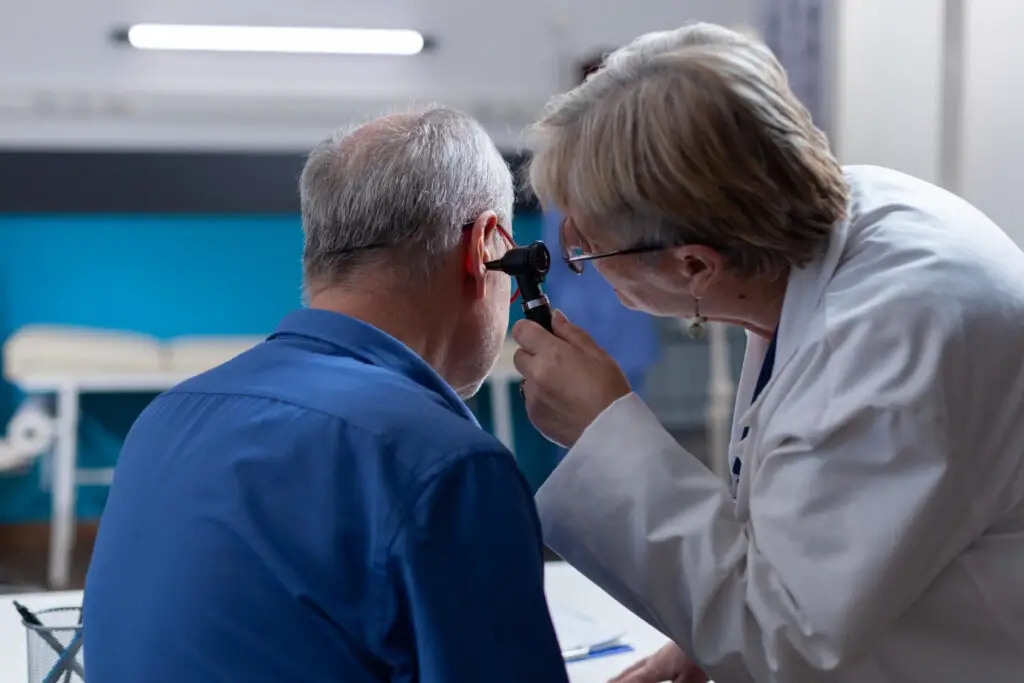
<p> Hearing loss has often been dismissed as an inevitable part of aging, but new research shows it is much more important than many realized. Studies have found that untreated hearing loss is linked to a higher risk of dementia, depression, and social isolation. The good news? Hearing aids and cochlear implants do more than improve hearing—they may also help protect brain health. For Boomers, this means that getting your hearing checked and treated is not just about better conversations at family gatherings, but also about protecting your long-term cognitive well-being. </p> :: Freepik

Hearing loss has often been dismissed as an inevitable part of aging, but new research shows it is much more important than many realized. Studies have found that untreated hearing loss is linked to a higher risk of dementia, depression, and social isolation. The good news? Hearing aids and cochlear implants do more than improve hearing—they may also help protect brain health. For Boomers, this means that getting your hearing checked and treated is not just about better conversations at family gatherings, but also about protecting your long-term cognitive well-being.

7. Biological Age Testing: More Than Just Counting Birthdays

<p> You know your chronological age, but do you know your biological age? Scientists are developing blood tests and other biomarker tools that measure how “old” your body really is at the cellular level. These tests look at DNA, proteins, and other biological signals to estimate your body’s functional age, which may differ from the number of candles on your birthday cake. While these tests are still mostly used in research or specialized clinics, they highlight a future where doctors could track aging more precisely and personalize health recommendations to keep you younger, longer. </p> :: Freepik

You know your chronological age, but do you know your biological age? Scientists are developing blood tests and other biomarker tools that measure how “old” your body really is at the cellular level. These tests look at DNA, proteins, and other biological signals to estimate your body’s functional age, which may differ from the number of candles on your birthday cake. While these tests are still mostly used in research or specialized clinics, they highlight a future where doctors could track aging more precisely and personalize health recommendations to keep you younger, longer.

8. Repurposing Old Drugs for New Benefits

<p> Sometimes innovation is not about inventing a brand-new drug but finding new uses for existing ones. Researchers are exploring whether safe, well-known medications—like those used for blood pressure or cholesterol—might also target the biological hallmarks of aging. This approach saves time and money since these drugs are already widely used and understood. For Boomers, this could mean more affordable and faster access to treatments that not only manage one condition but also slow the overall aging process. </p> :: Pexels

Sometimes innovation is not about inventing a brand-new drug but finding new uses for existing ones. Researchers are exploring whether safe, well-known medications—like those used for blood pressure or cholesterol—might also target the biological hallmarks of aging. This approach saves time and money since these drugs are already widely used and understood. For Boomers, this could mean more affordable and faster access to treatments that not only manage one condition but also slow the overall aging process.

9. The Timeless Role of Lifestyle Habits

<p> Even with all the futuristic research and drug trials, the most reliable ways to age well remain surprisingly simple. Good sleep, regular exercise, a balanced diet, stress management, and meaningful social connections continue to be the strongest predictors of healthy aging. Research confirms that these lifestyle factors can reduce the risk of chronic diseases, protect brain health, and improve quality of life. For Boomers, this is empowering news: you do not have to wait for the latest drug approval to make a real impact on your health—you can start today. </p> :: Freepik

Even with all the futuristic research and drug trials, the most reliable ways to age well remain surprisingly simple. Good sleep, regular exercise, a balanced diet, stress management, and meaningful social connections continue to be the strongest predictors of healthy aging. Research confirms that these lifestyle factors can reduce the risk of chronic diseases, protect brain health, and improve quality of life. For Boomers, this is empowering news: you do not have to wait for the latest drug approval to make a real impact on your health—you can start today.

Final Thoughts

<p> Aging research has entered an exciting new chapter. From innovative drugs like senolytics and metformin to lifestyle strategies and early detection tools, science is offering hope for longer, healthier, and more fulfilling lives. While some advances are still in the lab and others are just beginning to reach patients, the overall message is clear: growing older no longer has to mean slowing down. For Baby Boomers, staying informed and engaged with these developments is about more than curiosity—it is about taking control of your future. Whether it is trying new hearing technology, improving your diet, or simply keeping an eye on upcoming breakthroughs, every step counts toward living not just longer, but better. After all, this generation has never been one to sit on the sidelines, and the future of aging is no exception. </p> :: Pexels

Aging research has entered an exciting new chapter. From innovative drugs like senolytics and metformin to lifestyle strategies and early detection tools, science is offering hope for longer, healthier, and more fulfilling lives. While some advances are still in the lab and others are just beginning to reach patients, the overall message is clear: growing older no longer has to mean slowing down.

For Baby Boomers, staying informed and engaged with these developments is about more than curiosity—it is about taking control of your future. Whether it is trying new hearing technology, improving your diet, or simply keeping an eye on upcoming breakthroughs, every step counts toward living not just longer, but better. After all, this generation has never been one to sit on the sidelines, and the future of aging is no exception.

Filed Under: Science

8 Wearable Health Devices That Can Actually Predict Illness—Before You Even Feel Sick

June 24, 2025 | Leave a Comment

8 Wearable Health Devices That Can Actually Predict Illness—Before You Even Feel Sick

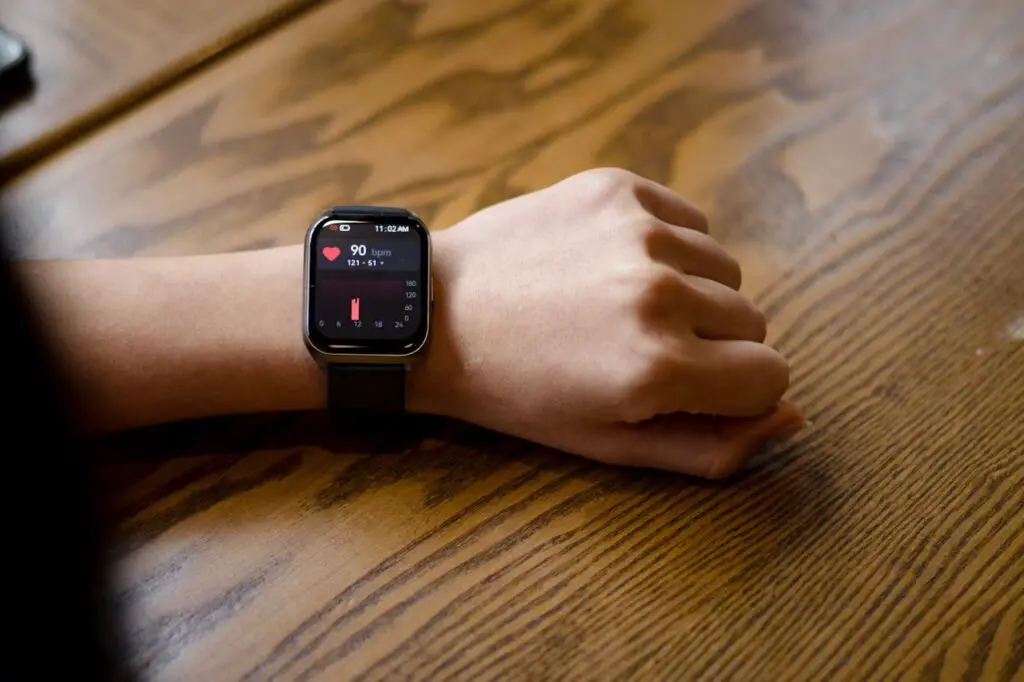
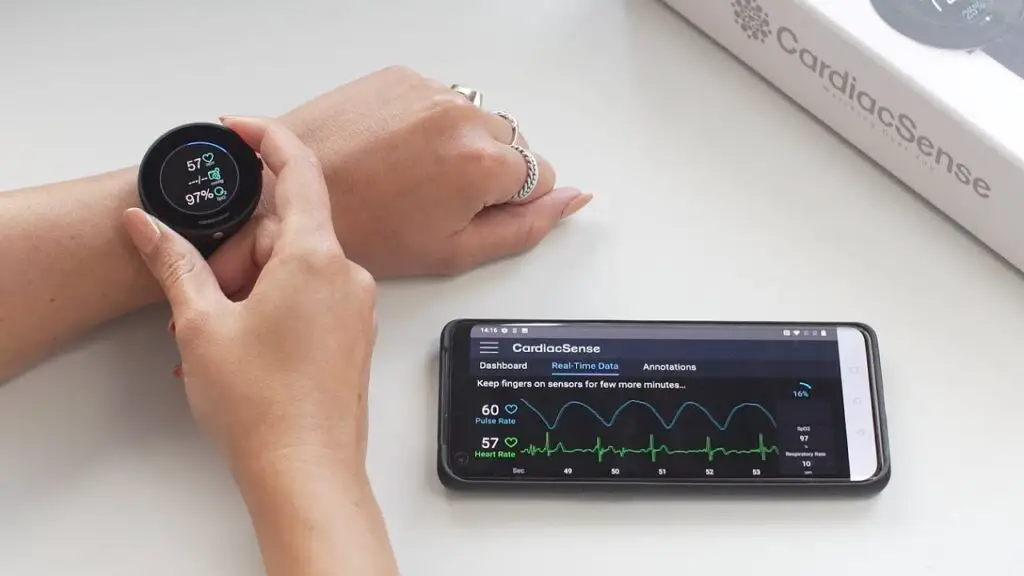
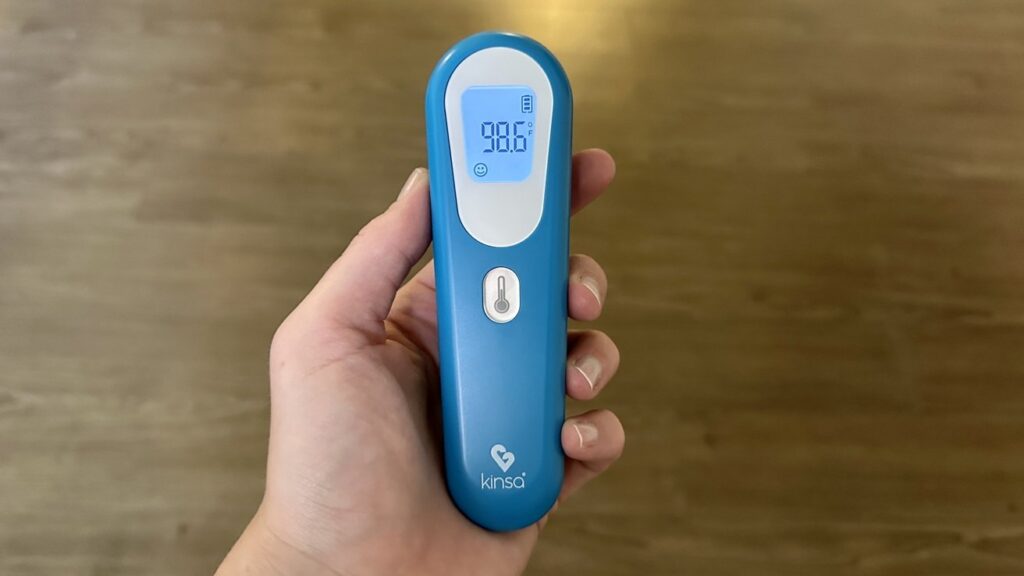
<p> According to emerging research and user reports, wearable health devices may help identify early signs of illness—sometimes even before symptoms become noticeable. While these tools aren't meant to diagnose or treat any medical condition, they can highlight changes in your body's patterns that might be worth paying attention to. Think of them as an extra set of eyes (or sensors) helping you stay one step ahead of potential issues.

From changes in heart rate and body temperature to shifts in sleep or glucose levels, wearable technology is evolving fast—and the data suggests that these changes could signal when your body is under stress, including the kind caused by early-stage illness. If you’re curious about the next level of proactive health monitoring, here are eight devices that—based on research—may help you spot illness before you feel it. </p> :: Pexels

According to emerging research and user reports, wearable health devices may help identify early signs of illness—sometimes even before symptoms become noticeable. While these tools aren’t meant to diagnose or treat any medical condition, they can highlight changes in your body’s patterns that might be worth paying attention to. Think of them as an extra set of eyes (or sensors) helping you stay one step ahead of potential issues.

From changes in heart rate and body temperature to shifts in sleep or glucose levels, wearable technology is evolving fast—and the data suggests that these changes could signal when your body is under stress, including the kind caused by early-stage illness. If you’re curious about the next level of proactive health monitoring, here are eight devices that—based on research—may help you spot illness before you feel it.

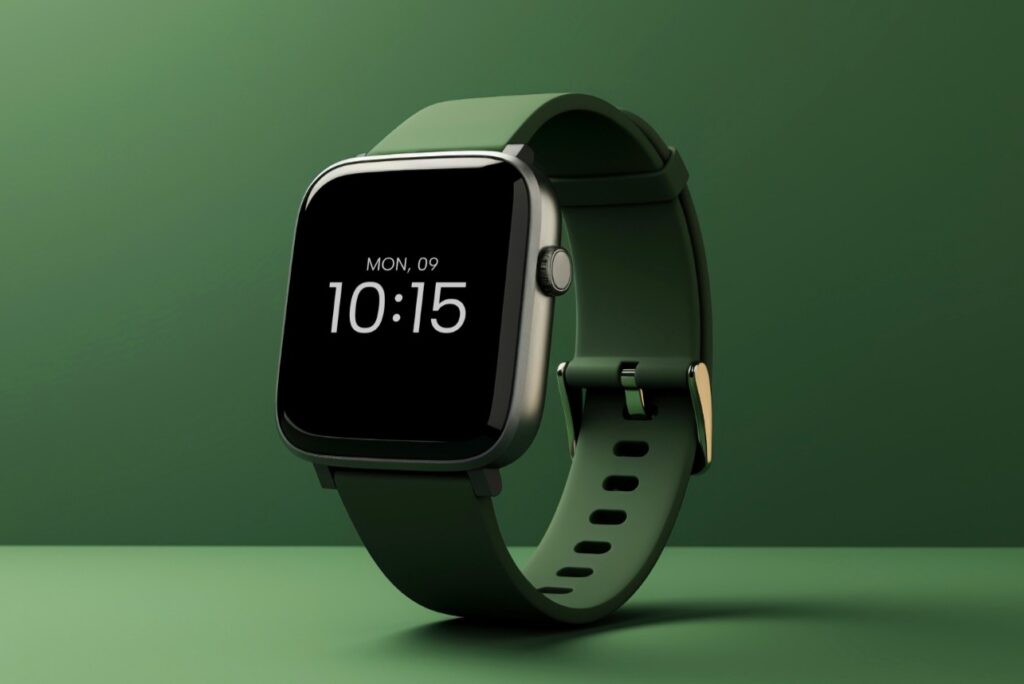
1. Apple Watch Series 10

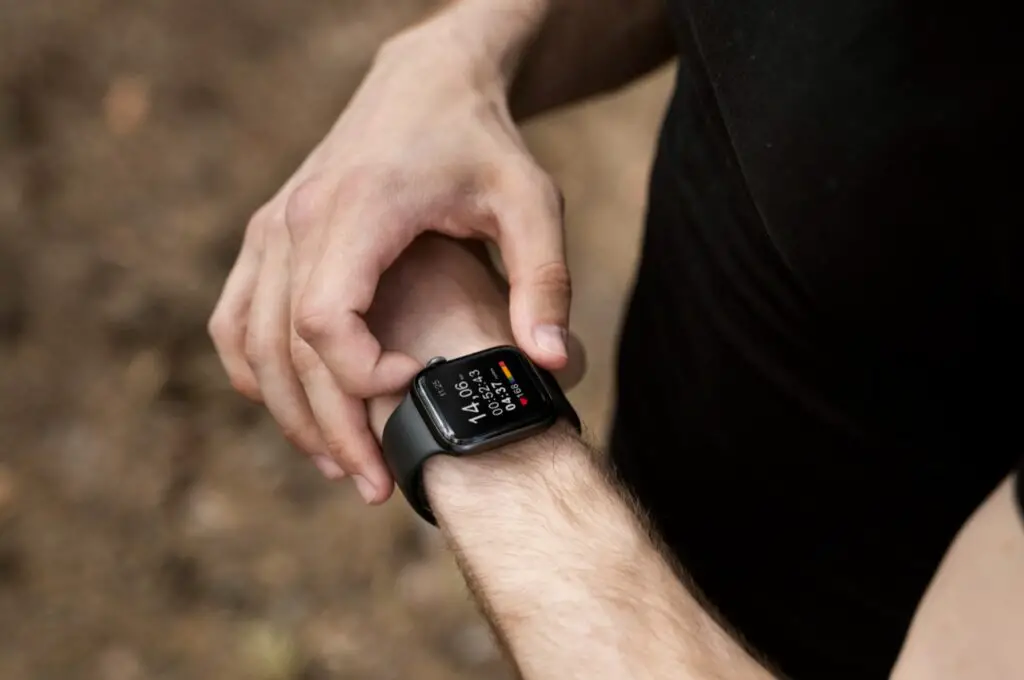
<p> Apple didn’t just build a smartwatch—they’ve created a pocket-sized health assistant. The Series 10, combined with watchOS 11, can track subtle changes in your resting heart rate, HRV (heart rate variability), wrist temperature, and blood oxygen levels. These metrics, taken together, can indicate your body is starting to fight something—even before you notice symptoms. For many users, a spike in heart rate or dip in HRV has been the first clue they’re getting sick.

The Apple Watch also integrates seamlessly with the iPhone Health app, giving you daily health trends and personalized alerts. If you’re looking for a stylish, everyday wearable that can help you spot illness early and still take calls from your wrist, this is the one. </p> :: Freepik

Apple didn’t just build a smartwatch—they’ve created a pocket-sized health assistant. The Series 10, combined with watchOS 11, can track subtle changes in your resting heart rate, HRV (heart rate variability), wrist temperature, and blood oxygen levels. These metrics, taken together, can indicate your body is starting to fight something—even before you notice symptoms. For many users, a spike in heart rate or dip in HRV has been the first clue they’re getting sick.

The Apple Watch also integrates seamlessly with the iPhone Health app, giving you daily health trends and personalized alerts. If you’re looking for a stylish, everyday wearable that can help you spot illness early and still take calls from your wrist, this is the one.

2. Garmin Index Sleep Monitor

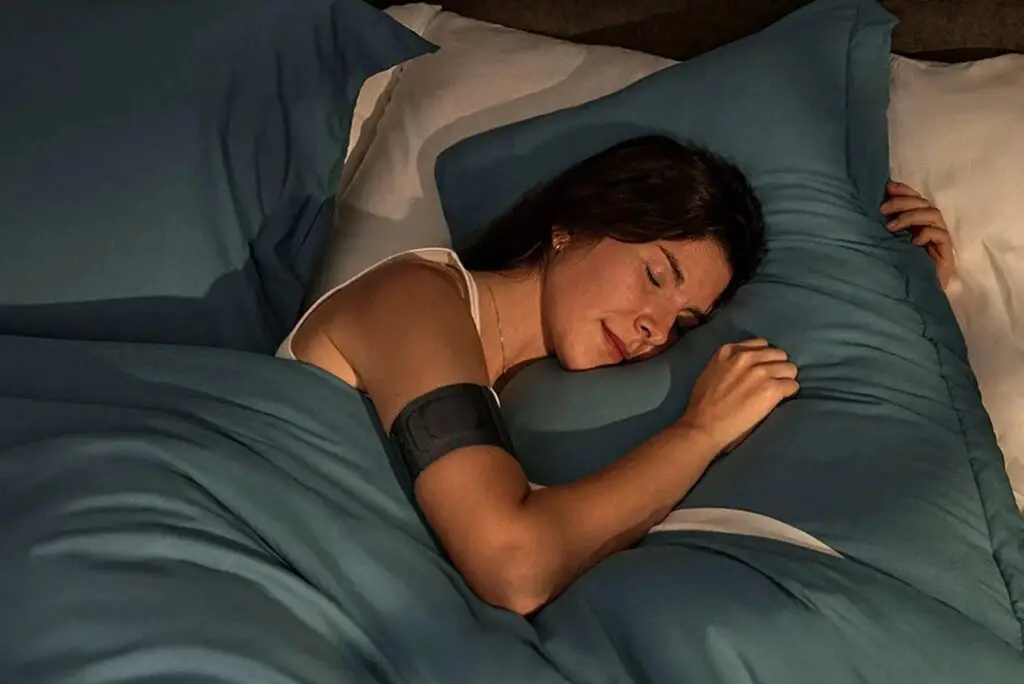
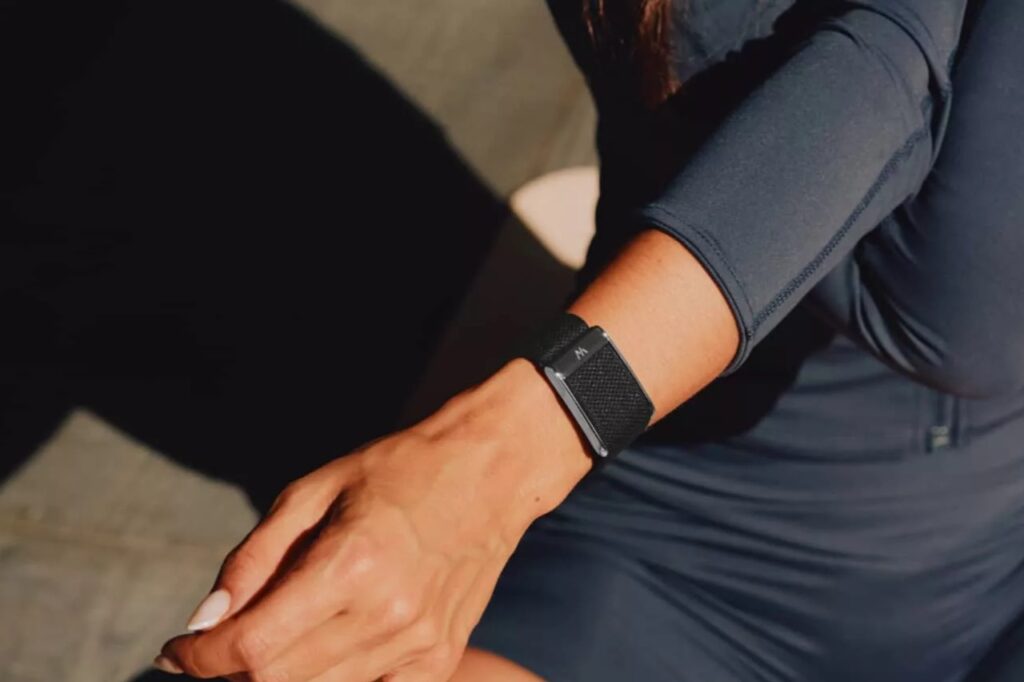
<p> If your sleep quality takes a dive for no reason, your body might be fighting an infection—and Garmin’s Index Sleep Monitor is great at catching those changes. Worn as a comfortable armband instead of a wristwatch, this device tracks respiration, heart rate, sleep stages, and skin temperature. Subtle shifts—like a sudden rise in nighttime temperature or changes in breathing rate—can signal that your immune system is on high alert.

Unlike other wearables, Garmin’s sleep monitor is designed specifically for overnight use, with a battery life that lasts for days. You’ll wake up not just more rested, but better informed about what your body was doing while you slept. </p> :: Yanko Design | Garmin

If your sleep quality takes a dive for no reason, your body might be fighting an infection—and Garmin’s Index Sleep Monitor is great at catching those changes. Worn as a comfortable armband instead of a wristwatch, this device tracks respiration, heart rate, sleep stages, and skin temperature. Subtle shifts—like a sudden rise in nighttime temperature or changes in breathing rate—can signal that your immune system is on high alert.

Unlike other wearables, Garmin’s sleep monitor is designed specifically for overnight use, with a battery life that lasts for days. You’ll wake up not just more rested, but better informed about what your body was doing while you slept.

3. Oura Ring 4

<p> This sleek, ultra-light ring has quietly become one of the most powerful tools for illness detection on the market. The Oura Ring 4 doesn’t just track steps—it monitors over 30 biomarkers including body temperature, respiratory rate, HRV, and sleep efficiency. When any of those signals shift significantly, the ring’s built-in Symptom Radar alerts you to early signs of illness, often days before you’d feel anything wrong.

One study found that Oura Ring data could predict the onset of COVID-19 symptoms nearly three days in advance. It’s also subscription-free for core functions, fits comfortably for 24/7 wear, and looks more like jewelry than a medical device—bonus! </p> :: Tom's Guide

This sleek, ultra-light ring has quietly become one of the most powerful tools for illness detection on the market. The Oura Ring 4 doesn’t just track steps—it monitors over 30 biomarkers including body temperature, respiratory rate, HRV, and sleep efficiency. When any of those signals shift significantly, the ring’s built-in Symptom Radar alerts you to early signs of illness, often days before you’d feel anything wrong.

One study found that Oura Ring data could predict the onset of COVID-19 symptoms nearly three days in advance. It’s also subscription-free for core functions, fits comfortably for 24/7 wear, and looks more like jewelry than a medical device—bonus!

4. Samsung Galaxy Ring

<p> Samsung jumped into the smart ring game in 2025, and the Galaxy Ring is already making waves. Designed for Android users (especially Galaxy phone owners), this ring measures HRV, skin temperature, respiration rate, and sleep stages. It syncs with Samsung Health to build a baseline profile of your normal data, then flags when your body starts behaving unusually—like an early fever or change in breathing rate.

It’s discreet, durable, and comes with a surprisingly deep health dashboard. If you’re someone who doesn’t like bulky tech but still wants serious health insights, the Galaxy Ring is worth checking out. </p> :: Digital Trends

Samsung jumped into the smart ring game in 2025, and the Galaxy Ring is already making waves. Designed for Android users (especially Galaxy phone owners), this ring measures HRV, skin temperature, respiration rate, and sleep stages. It syncs with Samsung Health to build a baseline profile of your normal data, then flags when your body starts behaving unusually—like an early fever or change in breathing rate.

It’s discreet, durable, and comes with a surprisingly deep health dashboard. If you’re someone who doesn’t like bulky tech but still wants serious health insights, the Galaxy Ring is worth checking out.

5. Dexcom G7 Continuous Glucose Monitor

<p> While originally made for people with diabetes, the Dexcom G7 has become an essential wearable for anyone who wants to stay on top of metabolic health. This FDA-approved device tracks glucose levels in real-time and sends alerts when something’s off. What most people don’t realize? Sharp rises in blood sugar can sometimes be your body's early response to illness or inflammation.

The Dexcom G7 is worn as a small sensor on your skin and pairs with your phone or smartwatch. It offers a valuable glimpse into how your body is handling food, stress, and yes—potential viruses. And with no finger pricks required, it’s painless health insight 24/7. </p> :: AppleInsider

While originally made for people with diabetes, the Dexcom G7 has become an essential wearable for anyone who wants to stay on top of metabolic health. This FDA-approved device tracks glucose levels in real-time and sends alerts when something’s off. What most people don’t realize? Sharp rises in blood sugar can sometimes be your body’s early response to illness or inflammation.

The Dexcom G7 is worn as a small sensor on your skin and pairs with your phone or smartwatch. It offers a valuable glimpse into how your body is handling food, stress, and yes—potential viruses. And with no finger pricks required, it’s painless health insight 24/7.

6. CardiacSense CSF-3 Medical Watch

<p> This isn’t your average smartwatch—it’s a full-on medical-grade health monitor disguised as a wristwatch. The CardiacSense CSF-3 continuously monitors heart rate, blood pressure (without a cuff), ECG, oxygen saturation, respiratory rate, and skin temperature. If something like a respiratory infection, heart issue, or even COVID-19 is brewing, this watch is likely to catch it fast.

It’s especially valuable for people with chronic conditions or anyone who wants high-level, hospital-grade monitoring at home. Though it’s pricier than basic fitness watches, its FDA and CE certifications make it one of the most reliable illness predictors on the market. </p> :: CardiacSense YouTube Channel

This isn’t your average smartwatch—it’s a full-on medical-grade health monitor disguised as a wristwatch. The CardiacSense CSF-3 continuously monitors heart rate, blood pressure (without a cuff), ECG, oxygen saturation, respiratory rate, and skin temperature. If something like a respiratory infection, heart issue, or even COVID-19 is brewing, this watch is likely to catch it fast.

It’s especially valuable for people with chronic conditions or anyone who wants high-level, hospital-grade monitoring at home. Though it’s pricier than basic fitness watches, its FDA and CE certifications make it one of the most reliable illness predictors on the market.

7. Whoop 5.0 / Whoop MG

<p> Whoop isn’t your typical fitness tracker—it’s a performance and recovery coach rolled into a strap. The newest version (Whoop 5.0 or the updated Whoop MG) tracks HRV, resting heart rate, sleep disturbances, and respiratory rate, using that data to create a daily recovery score. When your recovery suddenly drops, it’s often your body’s way of saying, “Hey, I’m under attack here.”

It’s popular among athletes, but even non-sporty users appreciate the detailed feedback and lack of distracting screens. Plus, it has a 14-day battery life and is now smaller and more comfortable than ever. If you want to know when to push through or when to rest, Whoop gives you a science-backed answer. </p> :: Pickr

Whoop isn’t your typical fitness tracker—it’s a performance and recovery coach rolled into a strap. The newest version (Whoop 5.0 or the updated Whoop MG) tracks HRV, resting heart rate, sleep disturbances, and respiratory rate, using that data to create a daily recovery score. When your recovery suddenly drops, it’s often your body’s way of saying, “Hey, I’m under attack here.”

It’s popular among athletes, but even non-sporty users appreciate the detailed feedback and lack of distracting screens. Plus, it has a 14-day battery life and is now smaller and more comfortable than ever. If you want to know when to push through or when to rest, Whoop gives you a science-backed answer.

8. Kinsa Smart Thermometer + App

<p> While it’s not technically wearable, the Kinsa Smart Thermometer deserves a spot on this list. This clever device connects to an app that not only tracks your fever and symptoms but also pulls data from other users in your area to alert you to local illness outbreaks. If strep throat is sweeping through your kid’s school or the flu is hitting your neighborhood, Kinsa can warn you before you’re affected.

It’s great for families—especially those with young kids or elderly loved ones—because it offers personalized guidance on what to do next if someone spikes a fever. It’s less about passive monitoring and more about smart decision-making when the sniffles start. </p> :: AppleInsider

While it’s not technically wearable, the Kinsa Smart Thermometer deserves a spot on this list. This clever device connects to an app that not only tracks your fever and symptoms but also pulls data from other users in your area to alert you to local illness outbreaks. If strep throat is sweeping through your kid’s school or the flu is hitting your neighborhood, Kinsa can warn you before you’re affected.

It’s great for families—especially those with young kids or elderly loved ones—because it offers personalized guidance on what to do next if someone spikes a fever. It’s less about passive monitoring and more about smart decision-making when the sniffles start.

Final Thoughts

<p> While no wearable can replace your doctor, many of today’s devices offer valuable insights backed by research. These tools are designed to track your personal health trends over time, and they may help you recognize early signs of illness—like elevated resting heart rate, changes in sleep quality, or respiratory shifts. According to various studies and user experiences, these changes have been linked to viral infections, metabolic stress, or other health issues in their early stages.

That said, it’s always wise to use wearables as part of a bigger wellness picture. If something seems off, listen to your body—and consult a healthcare professional. These devices can be helpful tools, but they're not foolproof or meant to replace medical advice. Still, when used consistently and with awareness, they just might help you catch those sick days before they start. </p> :: Freepik

While no wearable can replace your doctor, many of today’s devices offer valuable insights backed by research. These tools are designed to track your personal health trends over time, and they may help you recognize early signs of illness—like elevated resting heart rate, changes in sleep quality, or respiratory shifts. According to various studies and user experiences, these changes have been linked to viral infections, metabolic stress, or other health issues in their early stages.

That said, it’s always wise to use wearables as part of a bigger wellness picture. If something seems off, listen to your body—and consult a healthcare professional. These devices can be helpful tools, but they’re not foolproof or meant to replace medical advice. Still, when used consistently and with awareness, they just might help you catch those sick days before they start.

Filed Under: Science

  • Email
  • Facebook
  • Pinterest
  • Twitter

Our Most Popular Articles

ClickCashGo Review: Should You Avoid At All Costs?

Ultimate Guide to Mastering Your Credit Score

The 'YOLO' Mindset is a Dangerous Thing

Dave Ramsey's Financial Peace University Review: Is it Worth the Money?

Cash App Glitch 2025: Is the Free Money Glitch Real?

Five Steps To Debt Freedom

Here are five simple guidlines that will help you pay off debt.  

1) Get an emergency fund so you don’t take on debt when something comes up.

2) List your debts. This way you know where you stand.

3) Use the debt snowball. Pay your debts from smallest to largest, or most expensive to least expensive.

4) Avoid new debt. No new credit cards or loans. Period.

5) Go all cash. After everything is paid off, switch to all cash.

Helpful Resources

U of Tennesse Debt Repayment Plan Basics

Vertex 42's Debt Payoff Calculator

Savingadvice's Helpful Debt Forums

Jackie Becks Debt Blog