10 Tech Skills Every Grandparent Should Master in 2026 to Stay Connected, Confident, and Independent
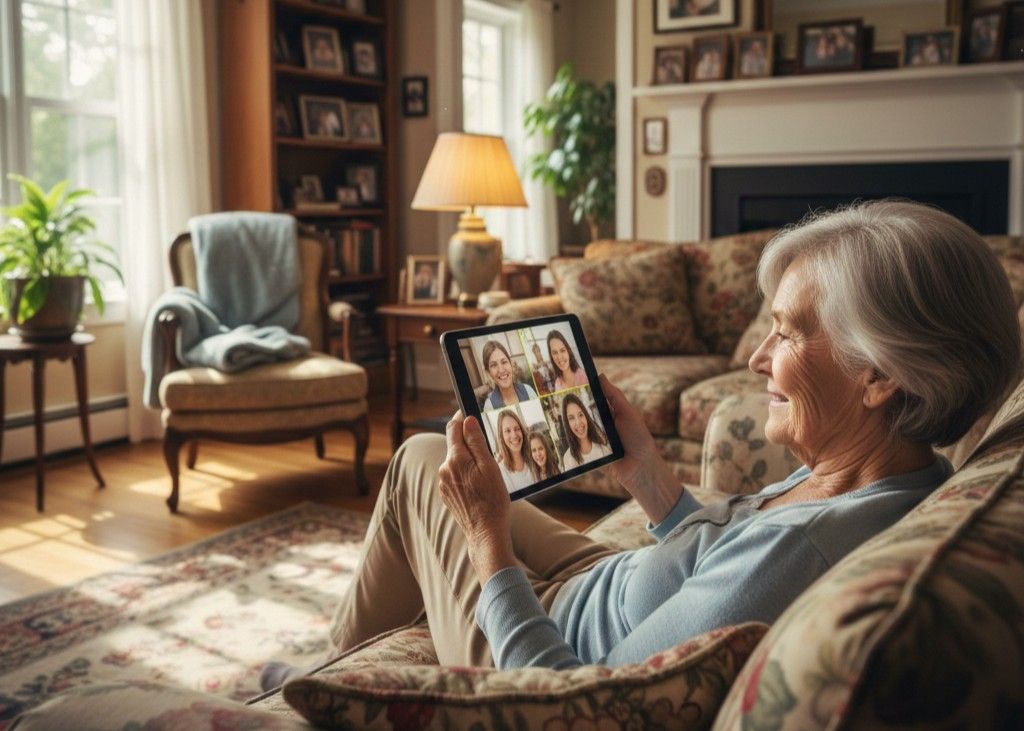
Technology has quietly woven itself into nearly every part of daily life. From doctor appointments and banking to family photos and birthday wishes, much of what keeps us connected now lives on a screen. For grandparents in 2026, technology is no longer optional or just “nice to have.” It is a powerful tool that can make life easier, safer, and far more connected to the people you love most.
The good news is you do not need to become a tech wizard or memorize confusing jargon. Mastering a few practical, real-world tech skills can dramatically improve your confidence and independence. These skills are not about keeping up with trends. They are about staying in control, avoiding frustration, and enjoying the benefits of modern life on your own terms.
Below are ten essential tech skills every grandparent should feel comfortable using in 2026. Each one is designed to solve real problems, save time, and help you stay connected without feeling overwhelmed.
1. Mastering Your Smartphone or Tablet Basics
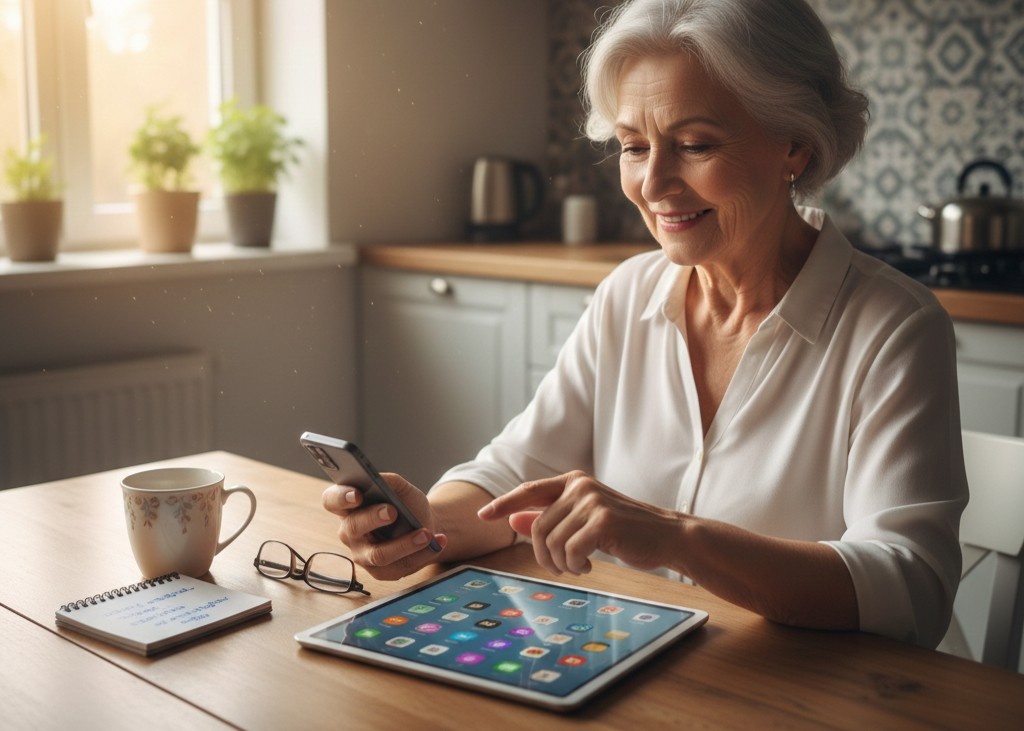
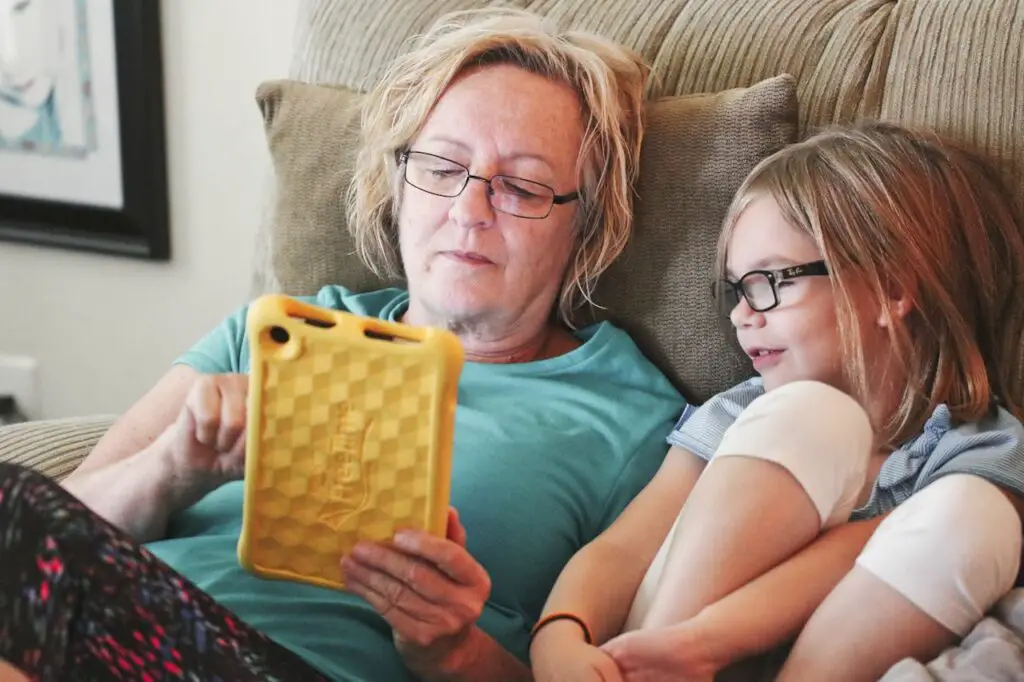
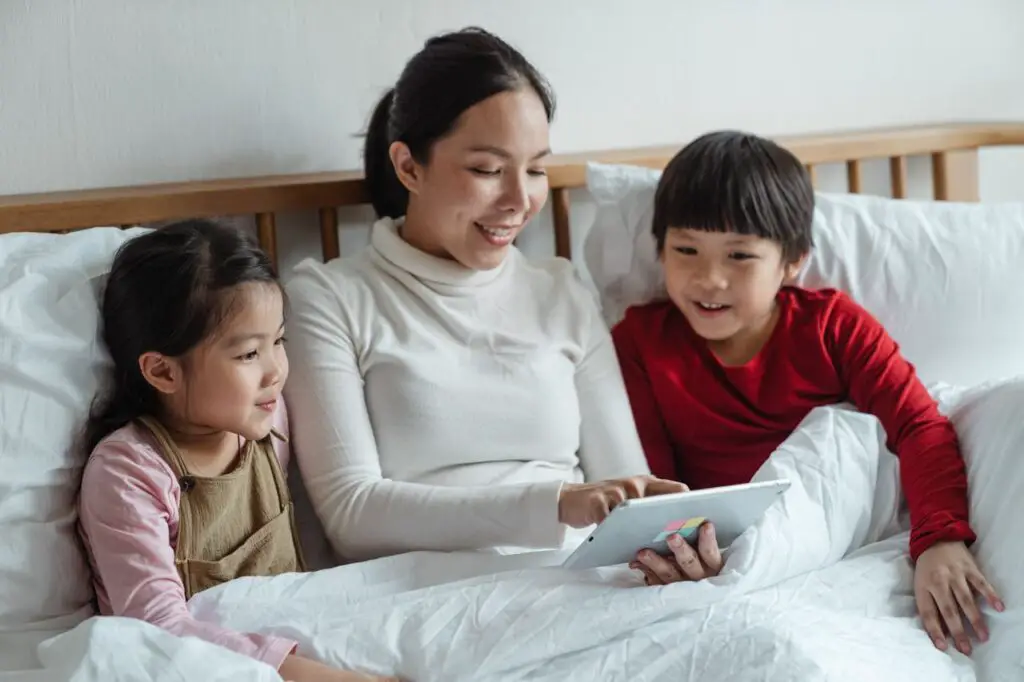
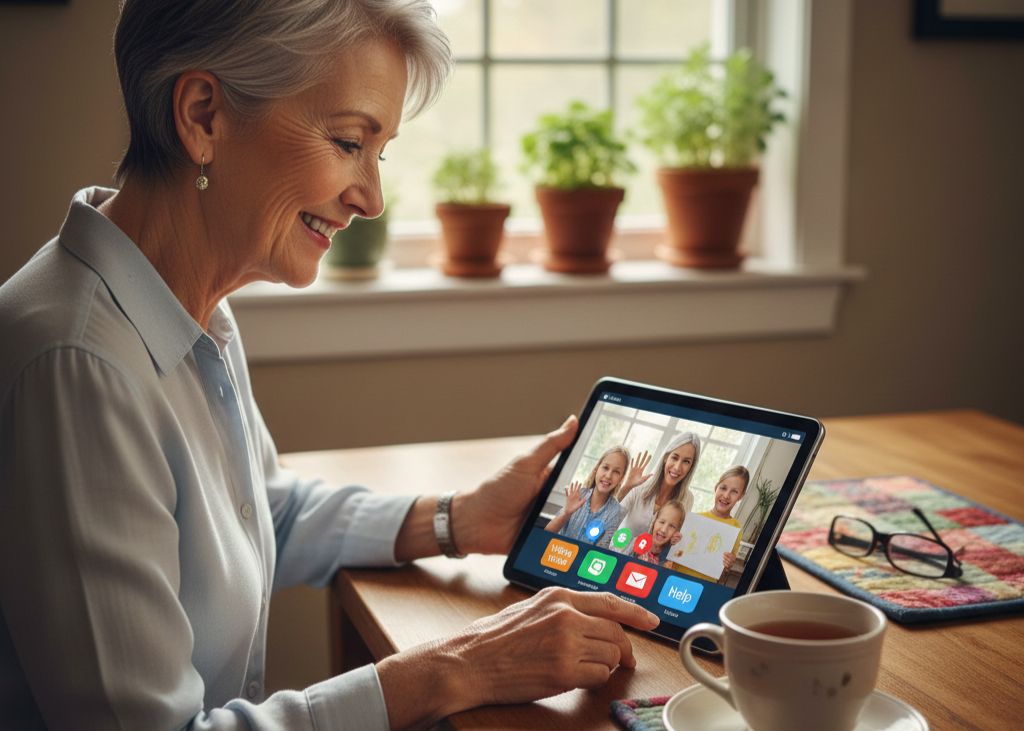
Your smartphone or tablet is the hub of your digital life, handling everything from phone calls and photos to maps, reminders, and everyday questions. Learning how to adjust settings, organize apps, increase text size, and use voice commands can quickly turn confusion into confidence and reduce daily frustration. When you feel comfortable navigating your device, every other tech skill becomes easier to learn and less intimidating. It is like getting familiar with a new kitchen. Once you know where everything is and how it works, cooking feels natural, efficient, and even enjoyable instead of stressful.
2. Using Email Confidently and Safely

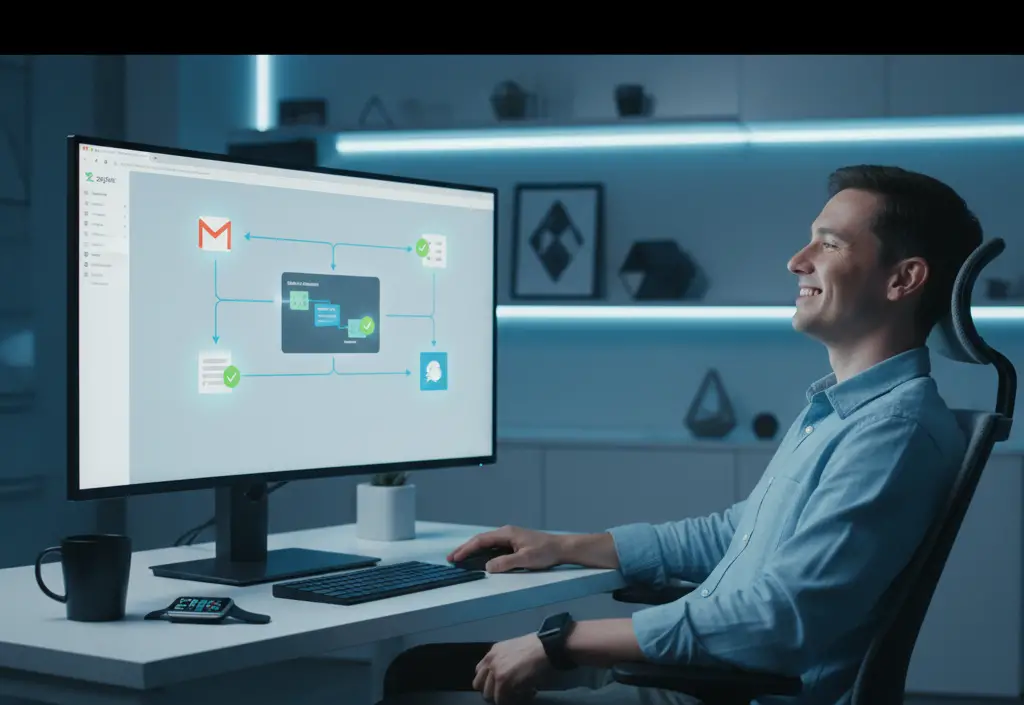
Email remains one of the most essential tools for everyday communication, especially when it comes to bills, medical updates, appointments, and official notices. Knowing how to send, reply, forward, and organize emails into folders helps you stay organized and ensures nothing important slips through the cracks. Just as important is learning how to recognize suspicious emails so you avoid fake links, scams, and requests that do not feel right. Taking a moment to verify messages before clicking can protect both your finances and your personal information. With a little confidence and awareness, email becomes a reliable tool that helps you stay informed, organized, and firmly in control of your digital life.
3. Making Video Calls With Family and Friends

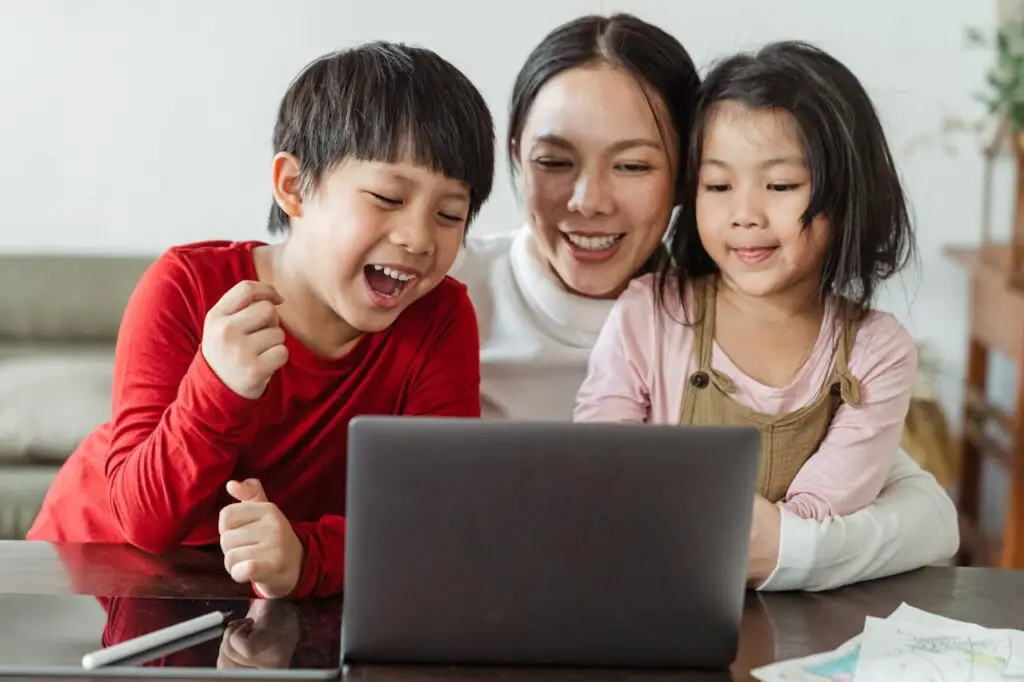
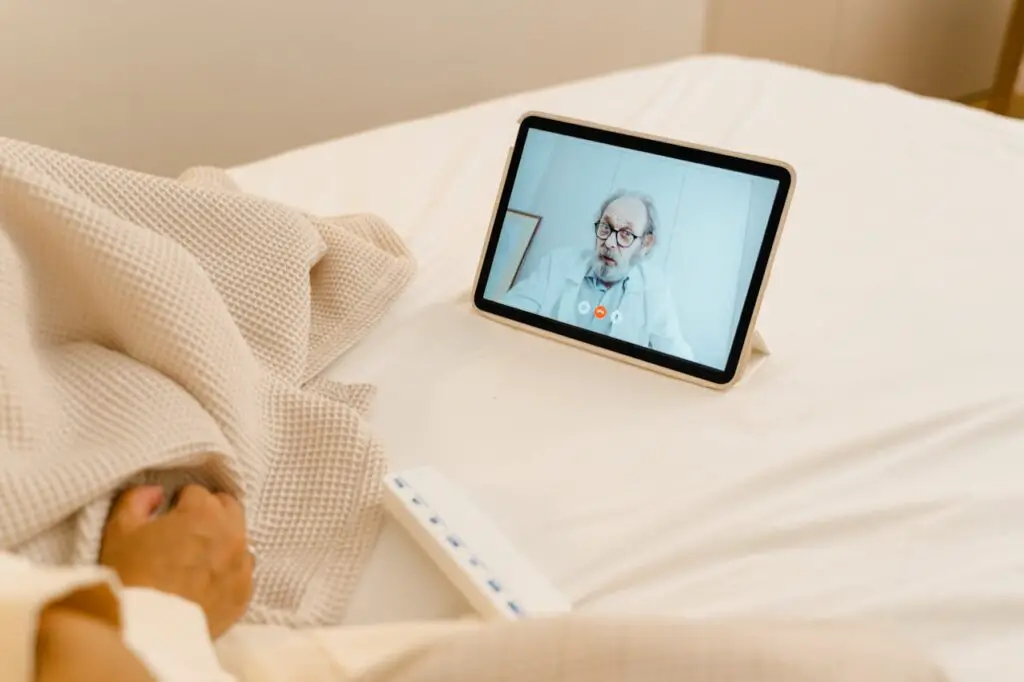
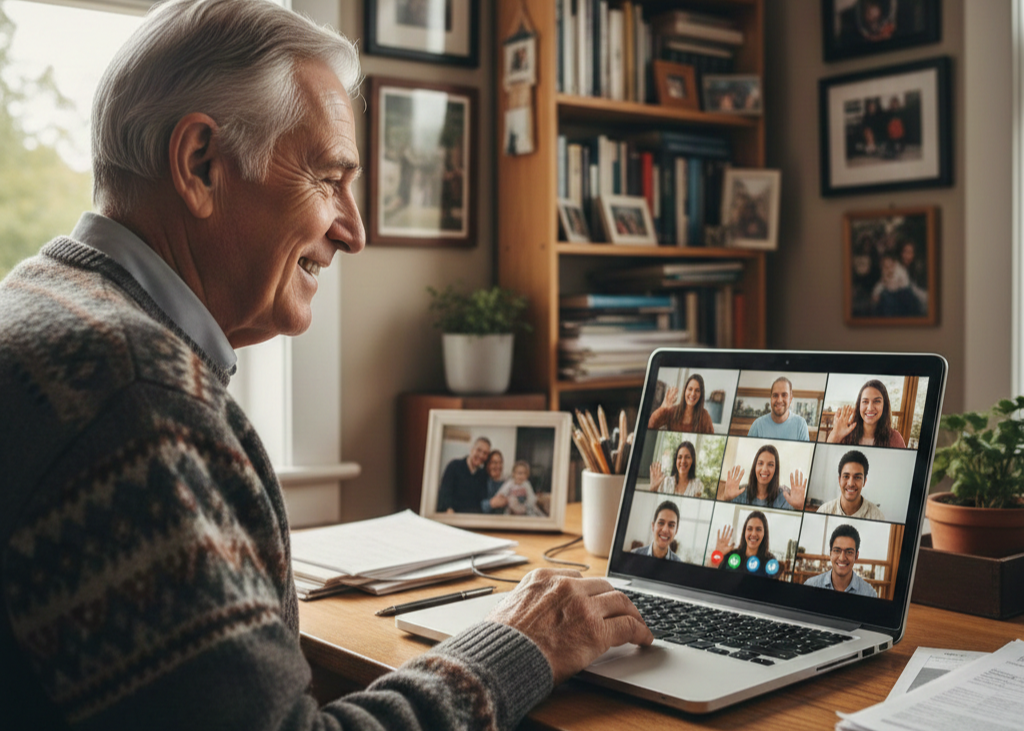
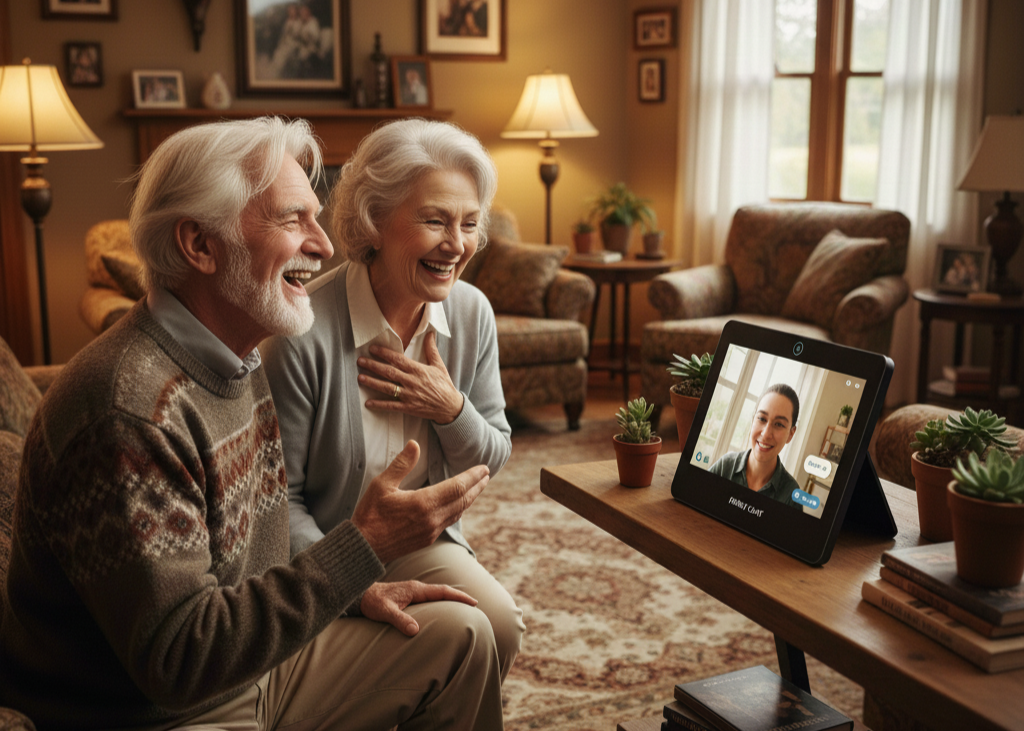
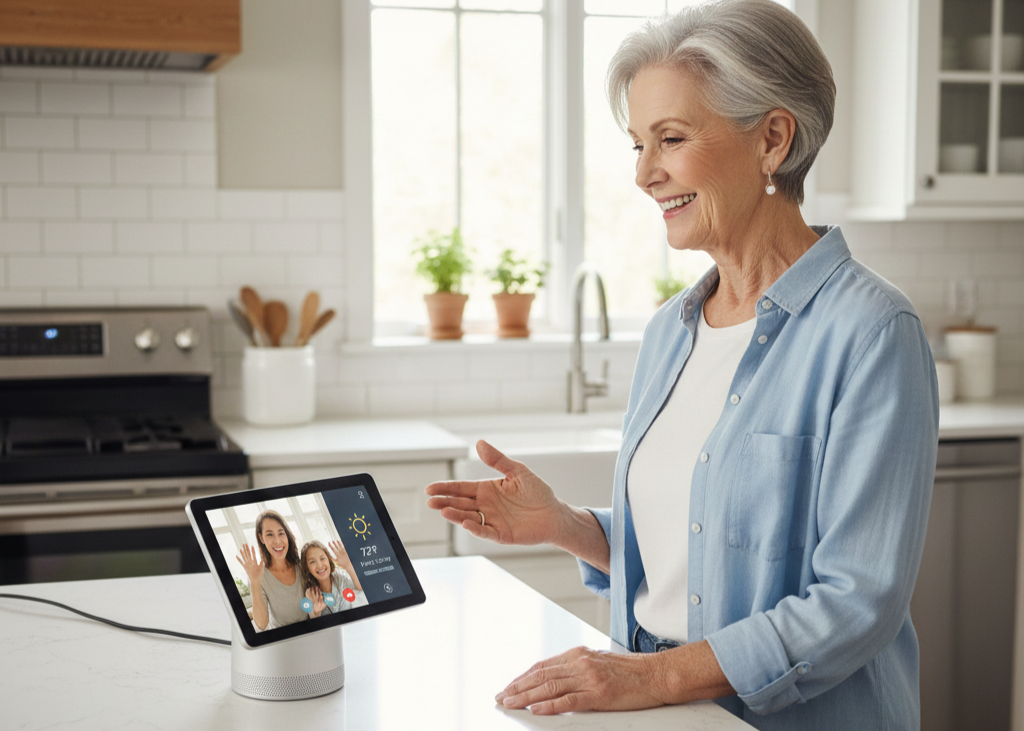
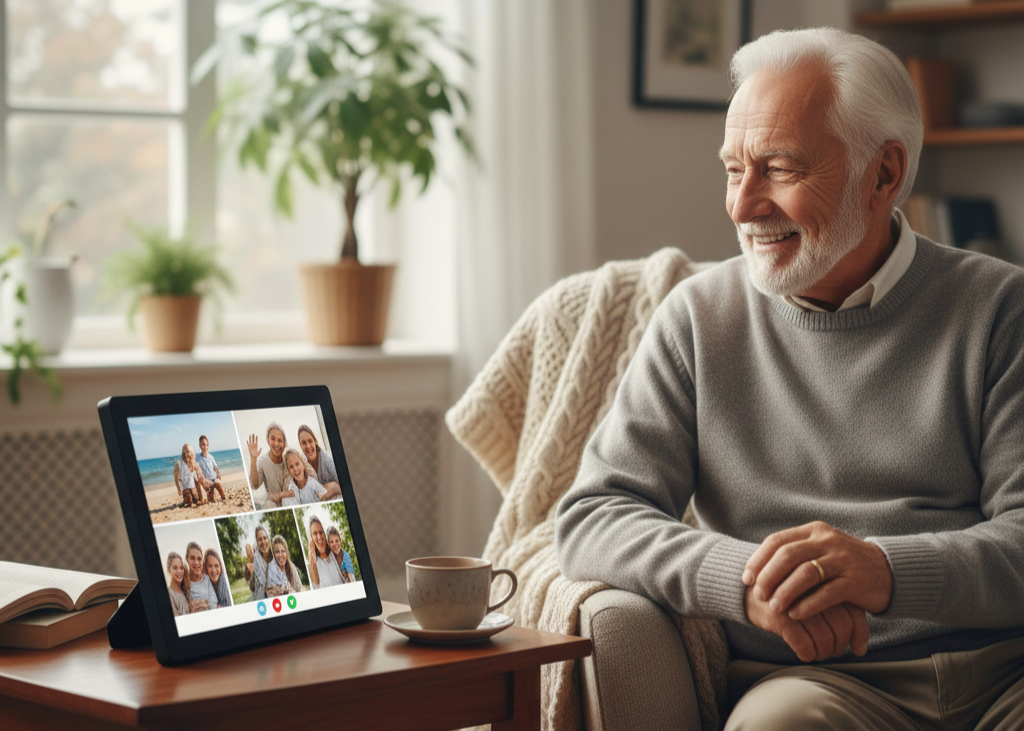
Video calling has become one of the most meaningful ways to stay emotionally close, especially when family lives miles or even states away. Apps like FaceTime, Zoom, and WhatsApp make it possible to watch grandkids grow, join birthday celebrations, or simply share a cup of coffee and a laugh from afar. Learning how to start a call, adjust the camera, and fix simple audio issues helps remove stress and build confidence. It also means you can focus on the conversation instead of the technology. Over time, video calls stop feeling like a tool and start feeling like real, face-to-face moments that bring everyone closer.
4. Using Messaging Apps Beyond Basic Texting

Text messages are great, but messaging apps offer so much more. With apps like Messenger and WhatsApp, you can send photos, short videos, voice messages, and even your location if needed. These apps often become the main communication channel for families. Learning how to use them helps you stay part of daily conversations instead of hearing about them later.
5. Understanding Online Safety and Scam Awareness
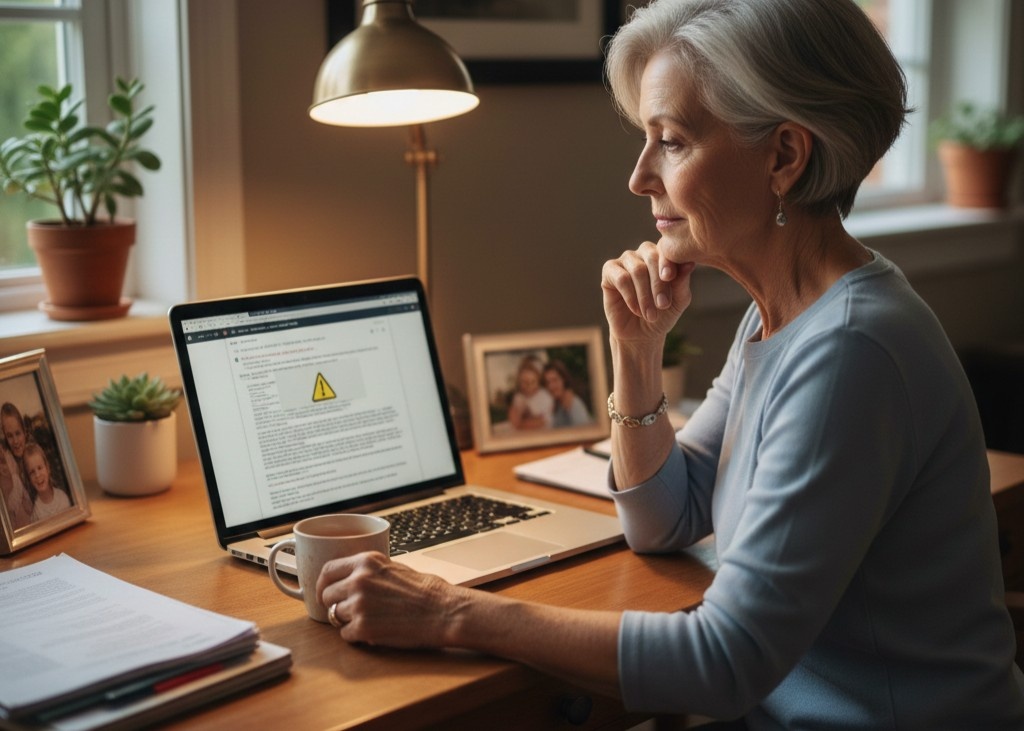
Online safety is one of the most important skills to master, and it is about confidence, not fear. Learning how to create strong passwords, recognize fake messages, and avoid phone or email scams protects both your money and your peace of mind. Scammers often target older adults, but knowing the warning signs makes you far less vulnerable. Digital awareness is simply modern common sense.
6. Managing Online Banking and Digital Payments

Online banking allows you to check balances, pay bills, and monitor account activity from the comfort of your home, without waiting in lines or driving to a branch. Learning how to log in securely, recognize legitimate bank messages, and avoid fraudulent requests protects both your money and your peace of mind. Once grandparents understand the basics, many find online banking simpler and more convenient than traditional methods. It puts everyday finances at your fingertips and makes routine tasks faster and less stressful. Best of all, it offers greater independence and control, especially during busy seasons, bad weather, or unexpected life events.
7. Taking, Storing, and Sharing Digital Photos
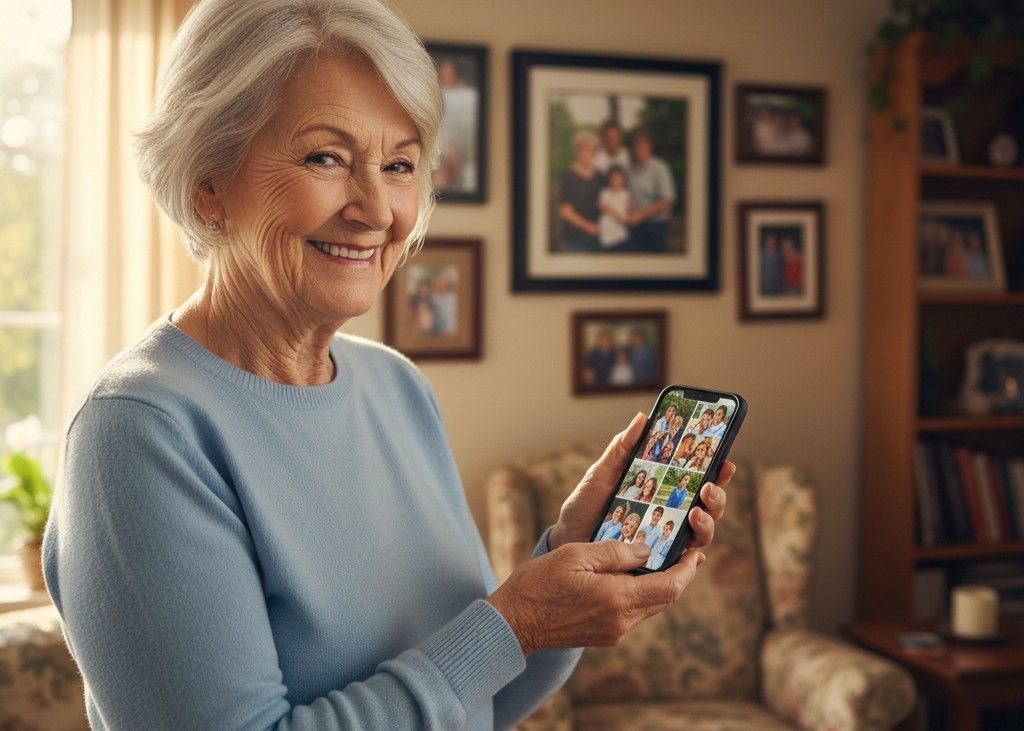
Photos are more than files. They are living memories that capture moments you will want to revisit and share again and again. Learning how to take clear photos, organize them into simple albums, and easily send them to family keeps you connected to everyday joys, even from miles away. Understanding basic photo storage on your phone or in the cloud ensures those memories stay safe, backed up, and easy to find when you need them. In many cases, sharing a recent photo or short video can feel just as personal and meaningful as sitting down to tell the story in person.
8. Using Streaming Services for Entertainment and Learning

Streaming services offer far more than movies and television shows. They open the door to documentaries, exercise classes, music, educational programs, and step-by-step how-to videos you can watch at your own pace. Learning how to search for content, save favorites, and adjust settings like subtitles or volume makes everything easier to enjoy and less overwhelming. These small tweaks can turn your screen into a personalized entertainment hub that actually fits your interests and comfort level. Instead of feeling lost or frustrated, your downtime becomes relaxing, enjoyable, and even a little inspiring.
9. Storing Important Files Using Cloud Services

Cloud storage may sound technical, but it is simply a safe place online to store important files you want to keep protected and easy to find. This includes photos, important documents, and even medical information you may need to access quickly. Learning how to upload, organize, and retrieve files means you will not lose critical paperwork if a phone or computer is lost, damaged, or replaced. It also makes sharing documents with family members or doctors much simpler when needed. Think of it as a secure digital filing cabinet that travels with you and keeps everything neatly in one place.
10. Using Smart Assistants and Basic AI Tools

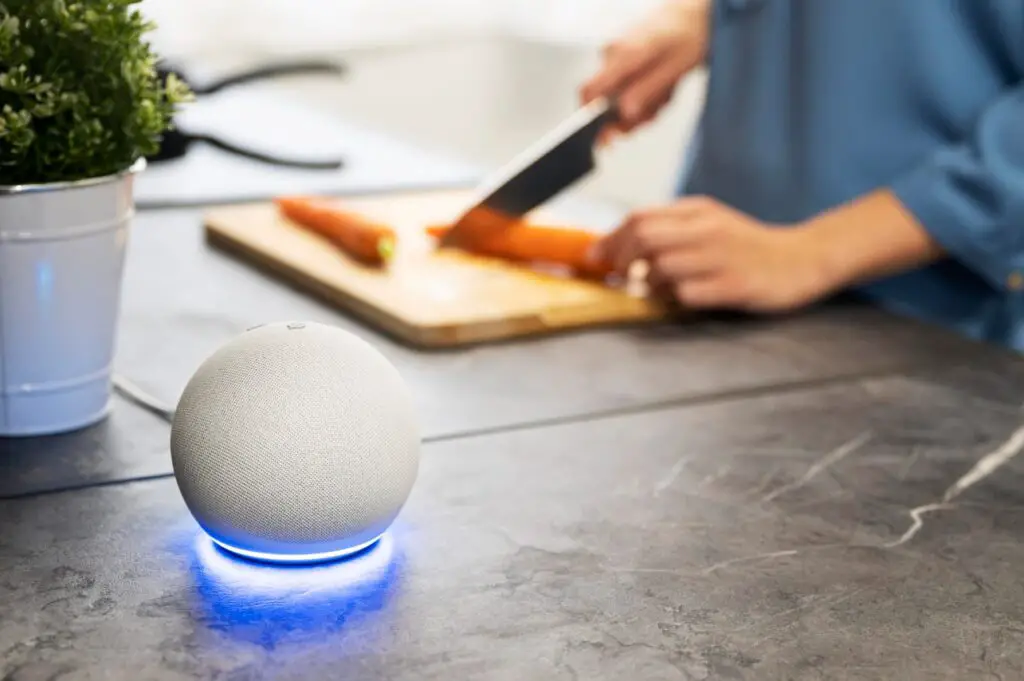
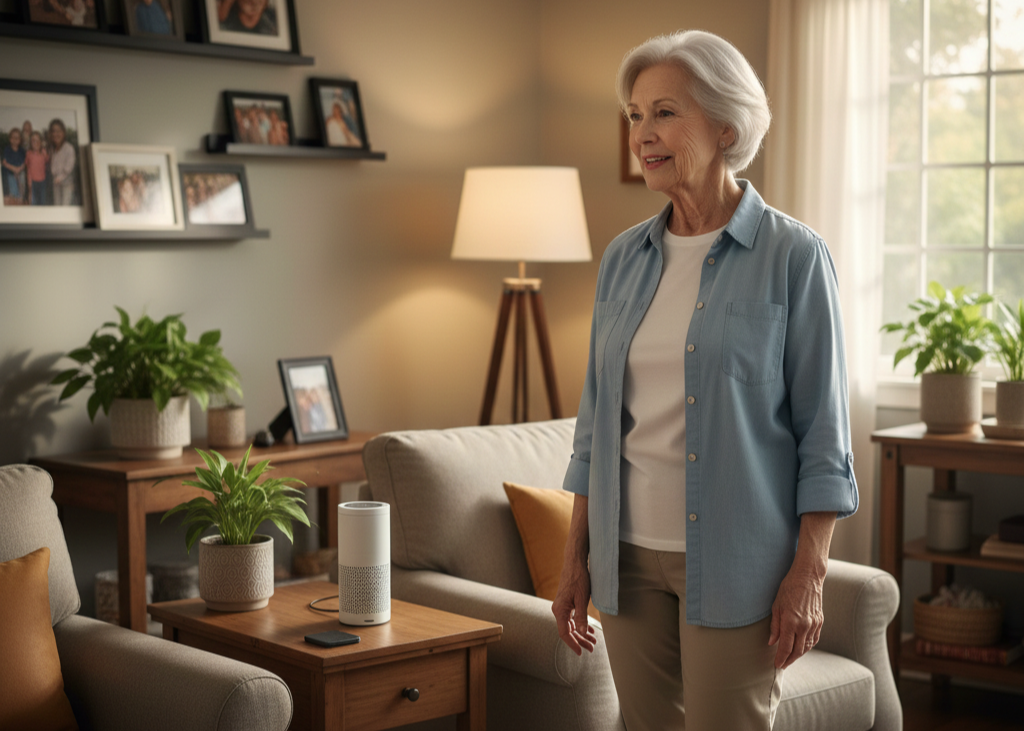
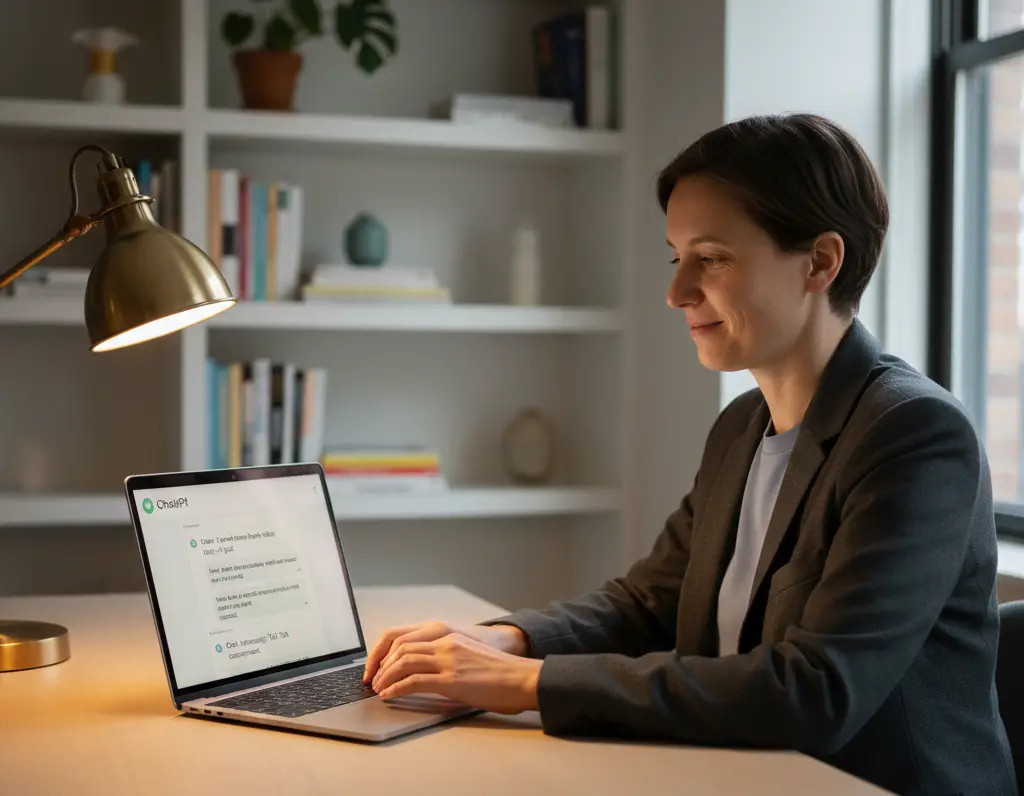
Smart assistants and basic AI tools are becoming more helpful and easier to use each year. Voice assistants can set reminders, answer questions, read messages aloud, and help manage daily tasks. Learning how to ask simple questions or give basic commands can save time and reduce mental clutter. These tools are designed to help, not replace, your independence.
Final Thoughts

Technology does not belong to one generation. It belongs to anyone willing to learn how it can make life better. Mastering these tech skills in 2026 is not about becoming someone else or changing who you are. It is about staying connected to the people you love, protecting yourself in a digital world, and enjoying the convenience modern tools can offer.
Every small step builds confidence. Every new skill removes a little frustration. And before you know it, technology becomes less intimidating and more empowering. You do not need to learn everything at once. Start with one skill, practice it, and move on when you feel ready.
Growing older does not mean falling behind. With the right tools and a little patience, you can stay curious, capable, and confidently connected to the world around you.