Our Debt Free Family

Commit. Plan. Take action.

  • BUDGETING
  • DEBT REDUCTION
  • INVESTING
  • LIFESTYLE
  • TOOLS
  • ABOUT
  • Privacy Policy
  • CONTACT
You are here: Home / Lifestyle / Community Activities That Actually Bring People Together: 10 Ideas That Work in Real Life
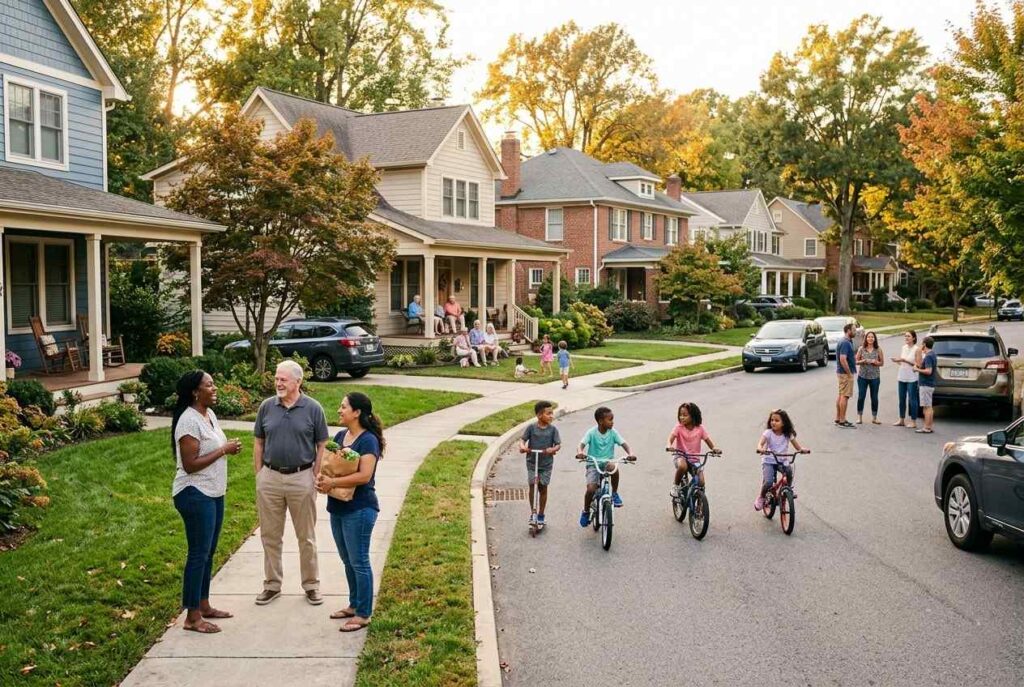
Community Activities That Actually Bring People Together: 10 Ideas That Work in Real Life

April 13, 2026 | Leave a Comment

Community Activities That Actually Bring People Together: 10 Ideas That Work in Real Life

<p> Some communities feel naturally connected. People know each other, help each other out, and show up when it matters. Others feel more like strangers sharing the same sidewalks. The difference usually is not money, location, or even size. It is the small, repeated opportunities people have to actually meet and interact in a meaningful way.

The good news is that building that kind of connection is not complicated. It does not require perfect planning or big budgets. It usually starts with simple activities that give people a reason to show up, talk, laugh a little, and come back again next time.

Below are ten community activities that consistently work because they feel natural, welcoming, and easy to join. </p> :: Gemini

Some communities feel naturally connected. People know each other, help each other out, and show up when it matters. Others feel more like strangers sharing the same sidewalks. The difference usually is not money, location, or even size. It is the small, repeated opportunities people have to actually meet and interact in a meaningful way.

The good news is that building that kind of connection is not complicated. It does not require perfect planning or big budgets. It usually starts with simple activities that give people a reason to show up, talk, laugh a little, and come back again next time.

Below are ten community activities that consistently work because they feel natural, welcoming, and easy to join.

1. Neighborhood Potluck Gatherings
<p> Food has a way of breaking down awkwardness faster than any introduction ever could. A potluck works because it removes pressure from the host while giving everyone a small role in the event.

When people bring a dish, they also bring a piece of themselves. Suddenly, conversations start forming around recipes, family traditions, and “you have to teach me how you made this.” It is not forced socializing. It is casual and comfortable, which is exactly why it works.

The best part is how quickly familiarity builds. By the second or third gathering, people are not just attending an event. They are recognizing faces, remembering names, and continuing conversations from last time. </p> :: Pexels

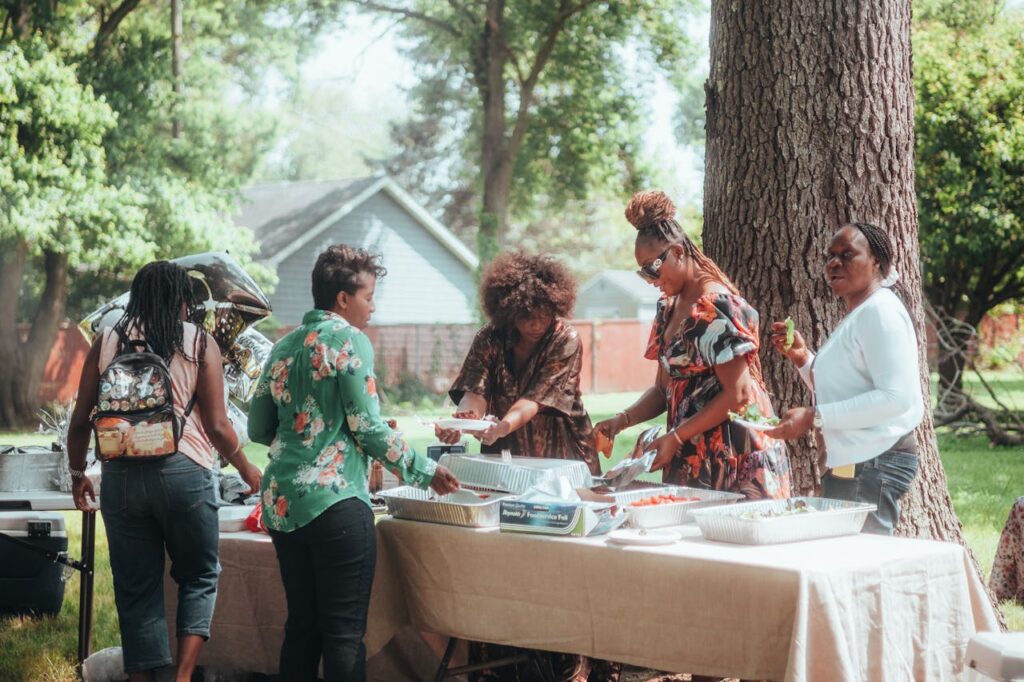
Food has a way of breaking down awkwardness faster than any introduction ever could. A potluck works because it removes pressure from the host while giving everyone a small role in the event.

When people bring a dish, they also bring a piece of themselves. Suddenly, conversations start forming around recipes, family traditions, and “you have to teach me how you made this.” It is not forced socializing. It is casual and comfortable, which is exactly why it works.

The best part is how quickly familiarity builds. By the second or third gathering, people are not just attending an event. They are recognizing faces, remembering names, and continuing conversations from last time.

2. Community Clean-Up Walk<p> A clean-up day might not sound exciting at first, but something interesting happens once people start doing it together. The task gives everyone a shared focus, which removes the pressure of constantly trying to make conversation.
As people pick up litter or organize shared spaces, they naturally begin talking. It usually starts small, like commenting on the weather or joking about the amount of trash collected, then slowly turns into real conversation.

By the end of the day, people are not just looking at a cleaner street or park. They are looking at something they improved together. That shared sense of effort creates a quiet but strong bond. </p> :: Pexels

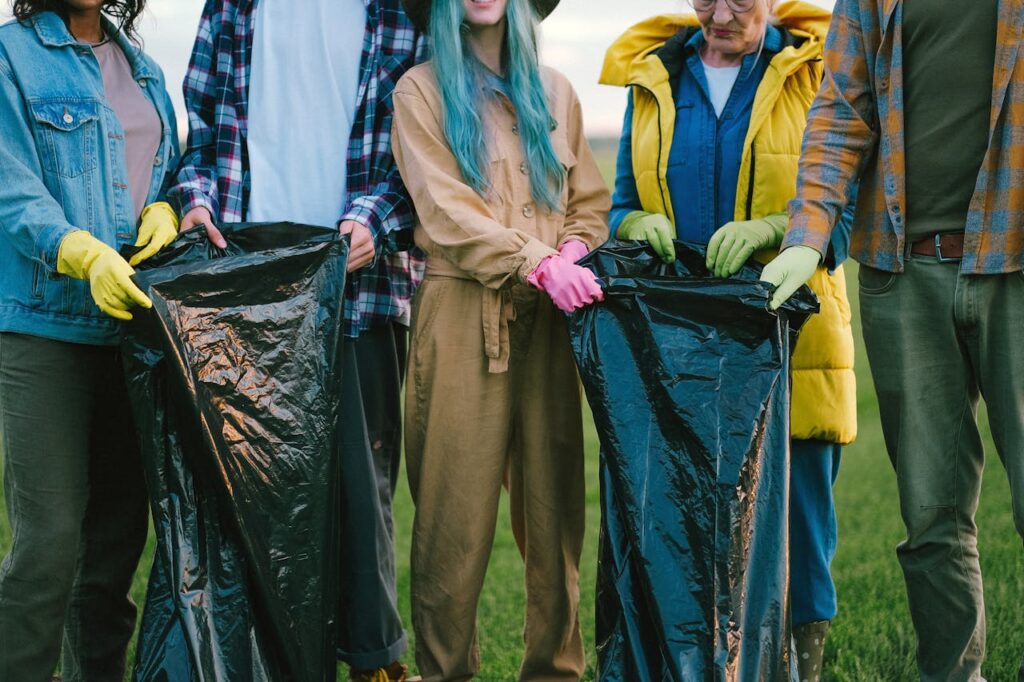
A clean-up day might not sound exciting at first, but something interesting happens once people start doing it together. The task gives everyone a shared focus, which removes the pressure of constantly trying to make conversation.

As people pick up litter or organize shared spaces, they naturally begin talking. It usually starts small, like commenting on the weather or joking about the amount of trash collected, then slowly turns into real conversation.

By the end of the day, people are not just looking at a cleaner street or park. They are looking at something they improved together. That shared sense of effort creates a quiet but strong bond.

3. Outdoor Movie Nights Under the Stars
<p> There is something almost nostalgic about watching a movie outside with other people. It feels relaxed, simple, and a little bit magical when done right.

People arrive early, set up blankets or lawn chairs, and settle into a shared space without pressure. Some talk, others just relax, but everyone is part of the same experience. That balance of togetherness and low effort interaction is what makes it special.

It also works across all ages. Kids run around before the movie starts, adults catch up, and afterward people linger just a little longer than they planned. That extra time is where connections often happen. </p> :: Pexels

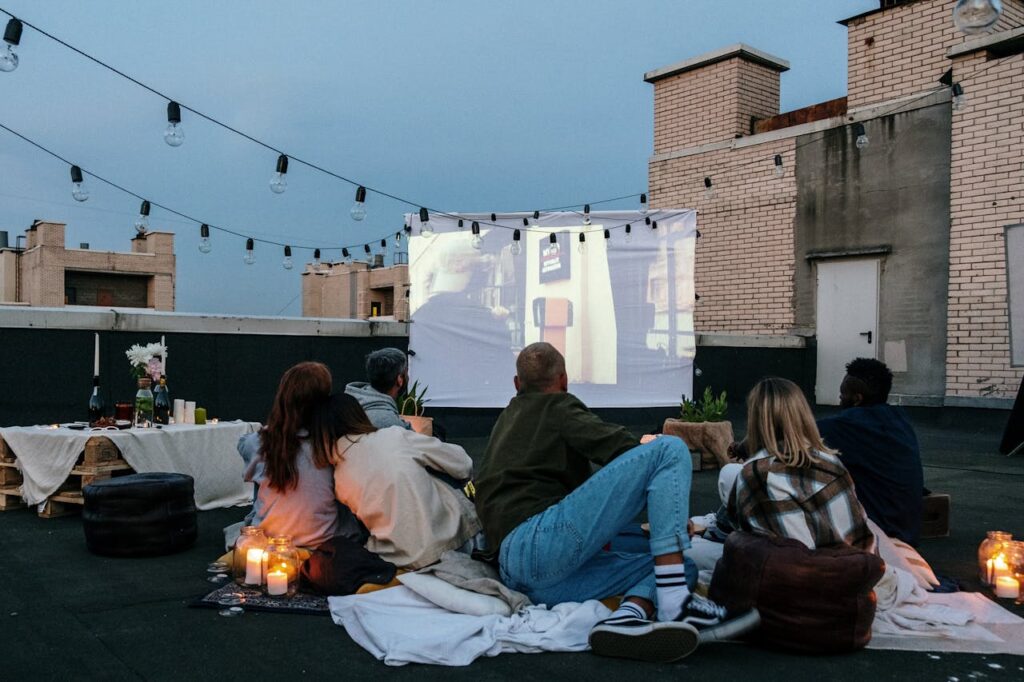
There is something almost nostalgic about watching a movie outside with other people. It feels relaxed, simple, and a little bit magical when done right.

People arrive early, set up blankets or lawn chairs, and settle into a shared space without pressure. Some talk, others just relax, but everyone is part of the same experience. That balance of togetherness and low effort interaction is what makes it special.

It also works across all ages. Kids run around before the movie starts, adults catch up, and afterward people linger just a little longer than they planned. That extra time is where connections often happen.

4. Local Skill Sharing Sessions
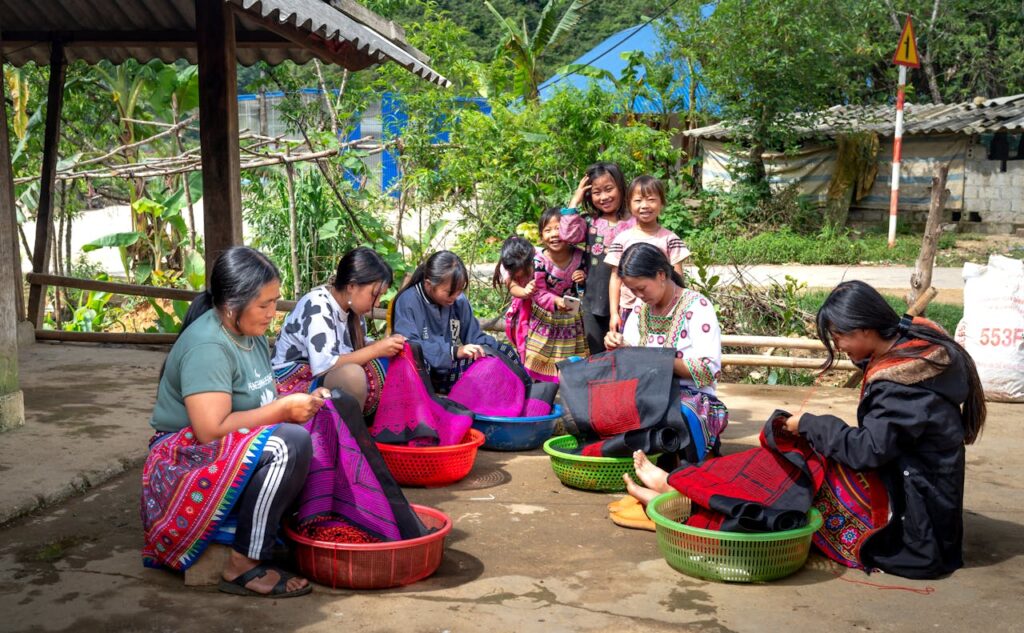
<p> Every community has hidden skills sitting quietly in people’s everyday lives. Someone knows how to fix bikes, another knows budgeting tricks, and someone else might be surprisingly good at gardening or cooking.

Skill sharing sessions turn that knowledge into something valuable for everyone. Instead of formal classes, these feel more like friendly exchanges where anyone can teach or learn.

What makes this powerful is the shift in perception. People stop being strangers and start being “the person who taught me that.” That small shift builds respect and connection faster than most structured programs. </p> :: Pexels

Every community has hidden skills sitting quietly in people’s everyday lives. Someone knows how to fix bikes, another knows budgeting tricks, and someone else might be surprisingly good at gardening or cooking.

Skill sharing sessions turn that knowledge into something valuable for everyone. Instead of formal classes, these feel more like friendly exchanges where anyone can teach or learn.

What makes this powerful is the shift in perception. People stop being strangers and start being “the person who taught me that.” That small shift builds respect and connection faster than most structured programs.

5. Group Volunteer Projects
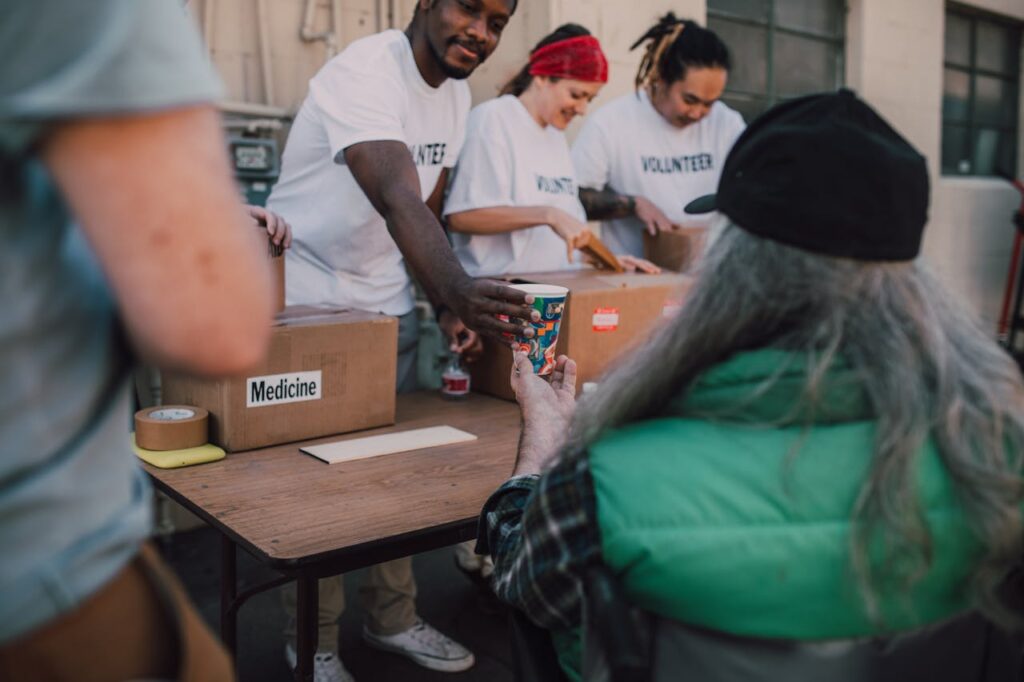
<p> Volunteering as a group creates a different kind of connection because the focus is not on socializing, it is on helping. That shared purpose removes pressure and replaces it with teamwork.

Whether it is packing food donations, helping local shelters, or assisting community projects, people naturally bond while working toward something meaningful.

There is also a lasting emotional effect. People tend to remember how they felt during those moments, not just what they did. That shared feeling becomes the foundation of stronger community ties. </p> :: Pexels

Volunteering as a group creates a different kind of connection because the focus is not on socializing, it is on helping. That shared purpose removes pressure and replaces it with teamwork.

Whether it is packing food donations, helping local shelters, or assisting community projects, people naturally bond while working toward something meaningful.

There is also a lasting emotional effect. People tend to remember how they felt during those moments, not just what they did. That shared feeling becomes the foundation of stronger community ties.

6. Weekly Walking Groups
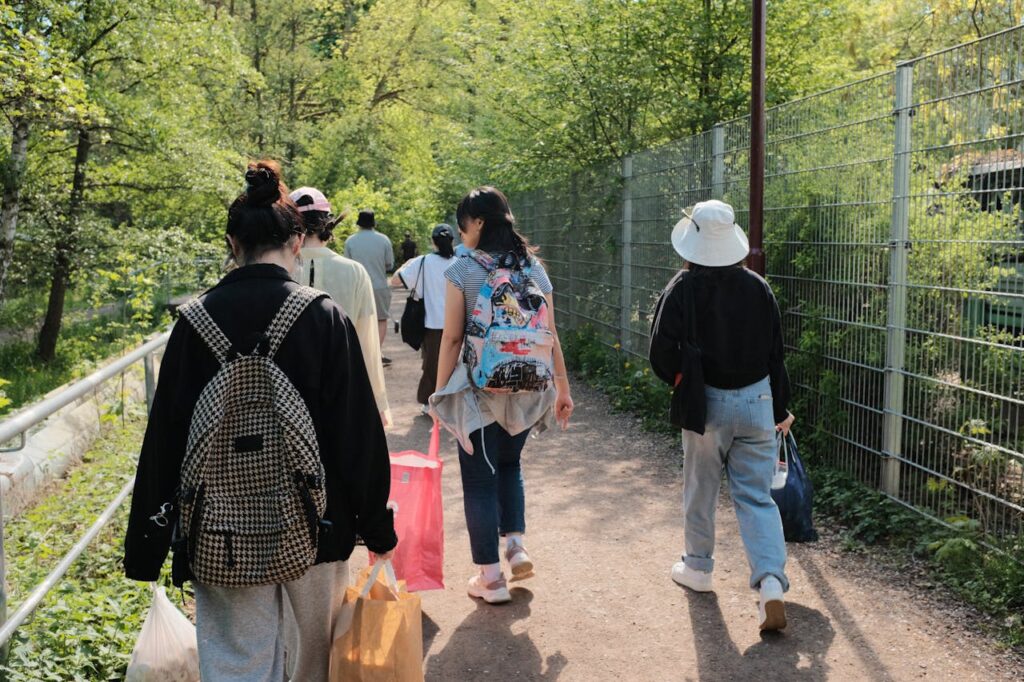
<p> Not every community activity needs to be an event. Sometimes the simplest routines are the most effective.

A walking group works because it is easy to join, does not require special skills, and allows conversation to happen naturally. Walking side by side removes the intensity of face to face interaction, which makes it easier for people to open up.

Over time, these walks become something people rely on. They are not just exercising. They are catching up, sharing life updates, and building steady relationships without even thinking about it. </p> :: Pexels

Not every community activity needs to be an event. Sometimes the simplest routines are the most effective.

A walking group works because it is easy to join, does not require special skills, and allows conversation to happen naturally. Walking side by side removes the intensity of face to face interaction, which makes it easier for people to open up.

Over time, these walks become something people rely on. They are not just exercising. They are catching up, sharing life updates, and building steady relationships without even thinking about it.

7. Community Game Nights
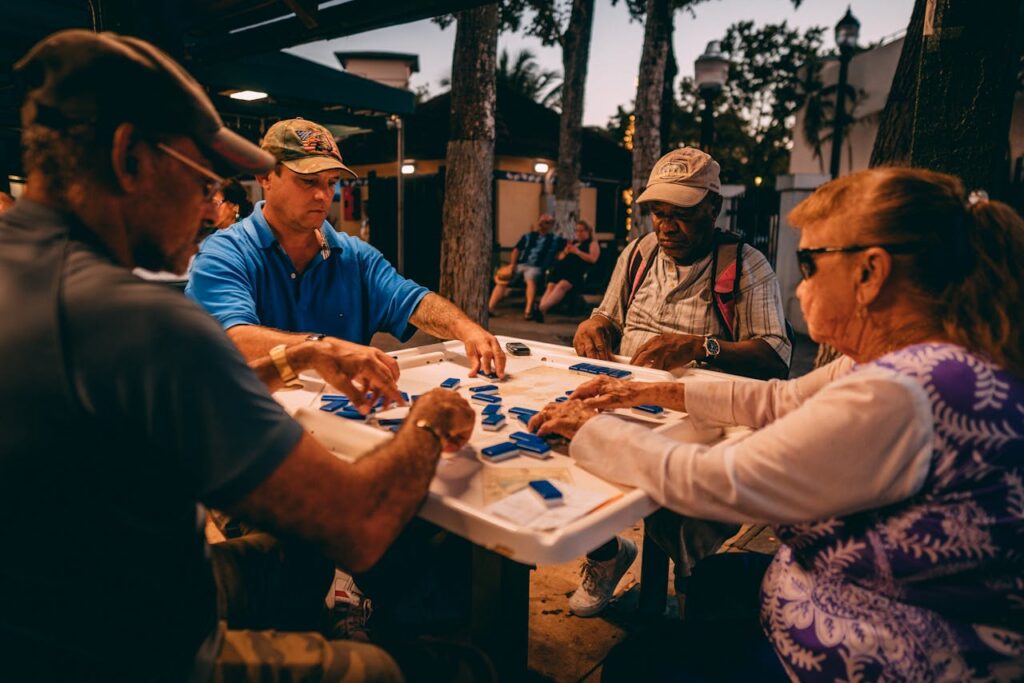
<p> Game nights bring out something that many structured events cannot: natural personality. People relax when there is a game involved because the focus shifts away from “how do I act” to “let’s just play.”

Board games, card games, or trivia nights all work because they encourage interaction without forcing it. Even shy participants find it easier to engage because the game becomes the conversation starter.

And honestly, a little friendly competition never hurts. People laugh, tease each other, and connect through shared moments of winning and losing together. </p> :: Pexels

Game nights bring out something that many structured events cannot: natural personality. People relax when there is a game involved because the focus shifts away from “how do I act” to “let’s just play.”

Board games, card games, or trivia nights all work because they encourage interaction without forcing it. Even shy participants find it easier to engage because the game becomes the conversation starter.

And honestly, a little friendly competition never hurts. People laugh, tease each other, and connect through shared moments of winning and losing together.

8. Local Market Days or Pop Up Community Stalls
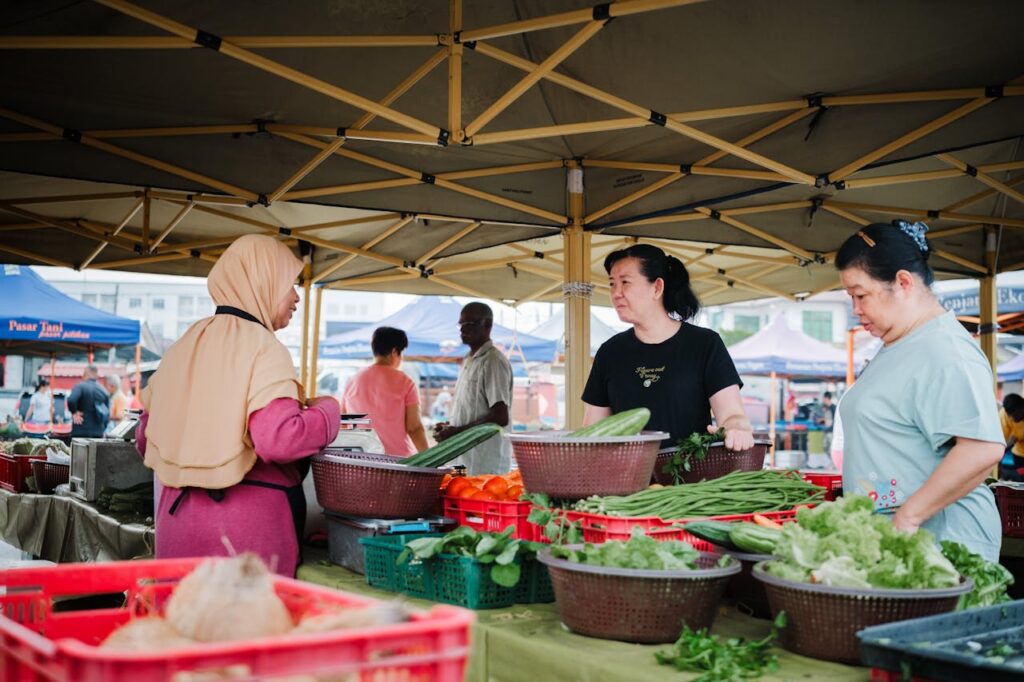
<p> Markets are more than places to buy things. They are social spaces where people naturally slow down, browse, and talk.

When local vendors set up stalls, it creates opportunities for small conversations that would not happen in a regular store setting. People ask questions, learn stories behind products, and interact with neighbors they might normally pass by without noticing.

Adding simple elements like live music or local food makes the atmosphere even more inviting. People do not just shop. They stay, wander, and connect. </p> :: Pexels

Markets are more than places to buy things. They are social spaces where people naturally slow down, browse, and talk.

When local vendors set up stalls, it creates opportunities for small conversations that would not happen in a regular store setting. People ask questions, learn stories behind products, and interact with neighbors they might normally pass by without noticing.

Adding simple elements like live music or local food makes the atmosphere even more inviting. People do not just shop. They stay, wander, and connect.

9. Book Discussion Circles

<p> Book discussions might seem quiet compared to other activities, but they often lead to some of the deepest conversations in a community.

Talking about a book gives people a shared starting point, but the conversation usually expands into personal experiences and opinions. It becomes less about the book itself and more about how people see the world.

This kind of interaction helps people understand each other beyond surface level impressions. It builds thoughtful connections that tend to last. </p> :: Pexels

Book discussions might seem quiet compared to other activities, but they often lead to some of the deepest conversations in a community.

Talking about a book gives people a shared starting point, but the conversation usually expands into personal experiences and opinions. It becomes less about the book itself and more about how people see the world.

This kind of interaction helps people understand each other beyond surface level impressions. It builds thoughtful connections that tend to last.

10. Seasonal Community Celebrations
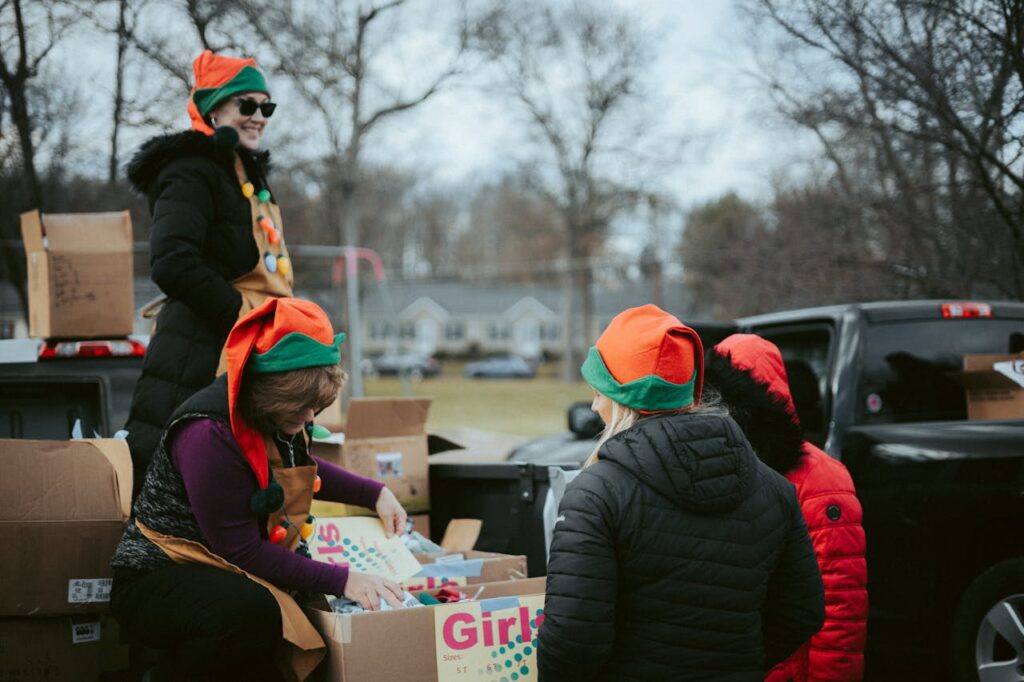
<p> Seasonal events like summer gatherings, fall festivals, or winter celebrations naturally bring people together because they already carry a sense of tradition and excitement.

These events feel different from regular meetups. There is a sense of occasion, even if the setup is simple. People are more willing to attend, more open to participation, and more relaxed in social settings.

What makes them especially powerful is repetition. When people return year after year, these events slowly become part of the community identity. </p> :: Pexels

Seasonal events like summer gatherings, fall festivals, or winter celebrations naturally bring people together because they already carry a sense of tradition and excitement.

These events feel different from regular meetups. There is a sense of occasion, even if the setup is simple. People are more willing to attend, more open to participation, and more relaxed in social settings.

What makes them especially powerful is repetition. When people return year after year, these events slowly become part of the community identity.

Final Thoughts
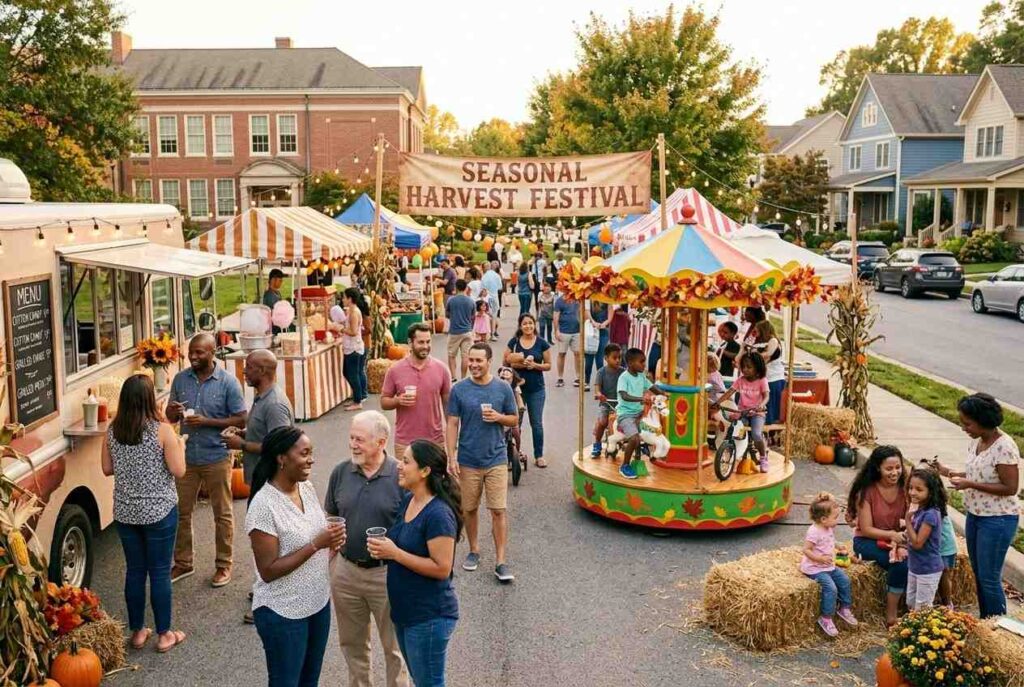
<p> Strong communities do not happen by accident. They are built through small, repeated moments where people feel comfortable showing up as themselves. The activities that work best are not the most complicated or expensive ones. They are the ones that feel easy to join, easy to enjoy, and easy to come back to.

If there is one takeaway, it is this. Start small and stay consistent. One potluck, one walk, one game night can feel simple on its own, but over time those moments stack up into something much bigger.

At the end of the day, community is not really about events. It is about familiarity. It is about recognizing faces, sharing small conversations, and slowly turning strangers into people you actually know. </p> :: Gemini

Strong communities do not happen by accident. They are built through small, repeated moments where people feel comfortable showing up as themselves. The activities that work best are not the most complicated or expensive ones. They are the ones that feel easy to join, easy to enjoy, and easy to come back to.

If there is one takeaway, it is this. Start small and stay consistent. One potluck, one walk, one game night can feel simple on its own, but over time those moments stack up into something much bigger.

At the end of the day, community is not really about events. It is about familiarity. It is about recognizing faces, sharing small conversations, and slowly turning strangers into people you actually know.

Filed Under: Lifestyle

Leave a Reply Cancel reply

Your email address will not be published. Required fields are marked *

  • Email
  • Facebook
  • Pinterest
  • Twitter

Our Most Popular Articles

ClickCashGo Review: Should You Avoid At All Costs?

Ultimate Guide to Mastering Your Credit Score

The 'YOLO' Mindset is a Dangerous Thing

Dave Ramsey's Financial Peace University Review: Is it Worth the Money?

Cash App Glitch 2025: Is the Free Money Glitch Real?

Five Steps To Debt Freedom

Here are five simple guidlines that will help you pay off debt.  

1) Get an emergency fund so you don’t take on debt when something comes up.

2) List your debts. This way you know where you stand.

3) Use the debt snowball. Pay your debts from smallest to largest, or most expensive to least expensive.

4) Avoid new debt. No new credit cards or loans. Period.

5) Go all cash. After everything is paid off, switch to all cash.

Helpful Resources

U of Tennesse Debt Repayment Plan Basics

Vertex 42's Debt Payoff Calculator

Savingadvice's Helpful Debt Forums

Jackie Becks Debt Blog