Dangerous Things You Should Never Keep in Your Wallet Again (10 Items to Remove Today)

You probably don’t think twice about your wallet. It is just there, sitting in your back pocket or tucked inside your bag, quietly holding everything you “might need.” But here is the thing most people overlook. Your wallet is not just carrying money. It is carrying pieces of your identity.
And losing it is not just inconvenient. It can turn into a full-blown nightmare.
Imagine this for a second. You lose your wallet at a gas station or drop it somewhere in a crowded store. At first, you panic about the cash. Then you remember your cards. But what really matters is everything else inside that could be used against you.
The truth is, most people carry far more than they should. A quick cleanout could save you from weeks or even months of stress.
Here are ten dangerous things you should stop keeping in your wallet starting today.
1. Your Social Security Card
If there is one item that absolutely does not belong in your wallet, it is your Social Security card. This number is one of the most powerful identifiers tied to your identity in the United States. With it, someone can open credit accounts, apply for loans, or even file tax returns in your name.
The scary part is how quickly this can happen. Identity thieves do not need much. Once they have your Social Security number, they can start building a completely fake version of your life.
There is rarely a situation where you need to carry this card daily. If a form asks for it, you can usually provide the number without showing the physical card. Keep it stored somewhere secure at home, ideally in a locked drawer or safe. Think of it like your most valuable document, because it is.
2. Multiple Credit Cards You Barely Use
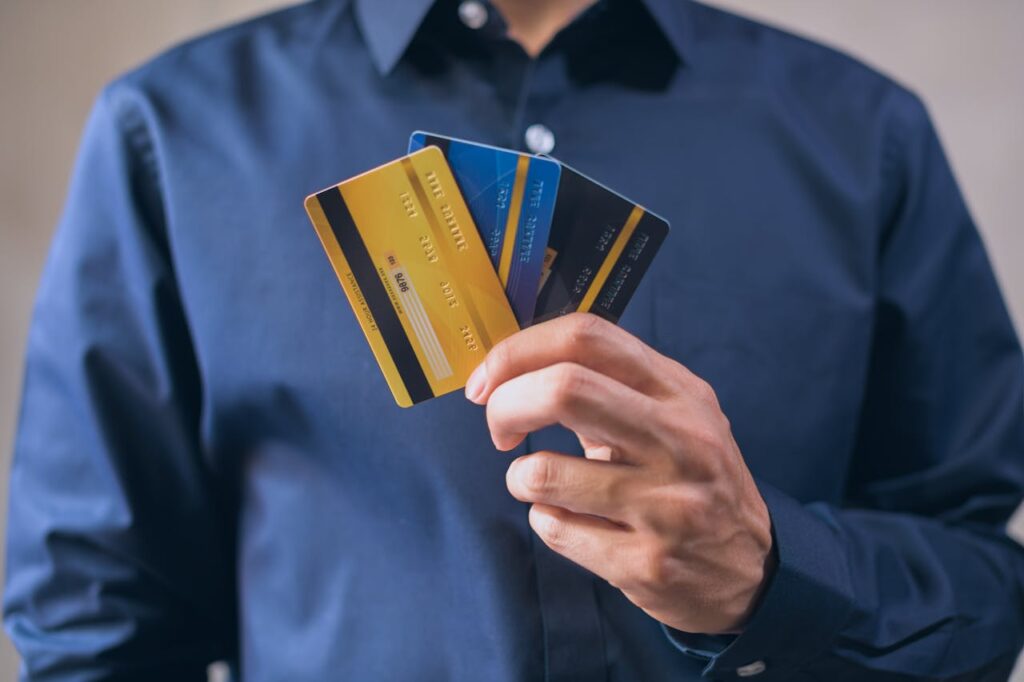
Carrying several credit cards might feel like being prepared, but it actually works against you. Every extra card in your wallet is another opportunity for fraud if your wallet gets lost or stolen.
It is easy to forget about cards you rarely use. That is what makes them dangerous. You might not notice suspicious charges right away, giving someone more time to misuse your account.
A smarter approach is to carry only one or two cards that you use regularly. Keep the rest at home. This makes it easier to track your spending and quickly spot anything unusual. Less clutter also means less stress when you need to cancel or replace cards in an emergency.
3. Passwords Written on Paper
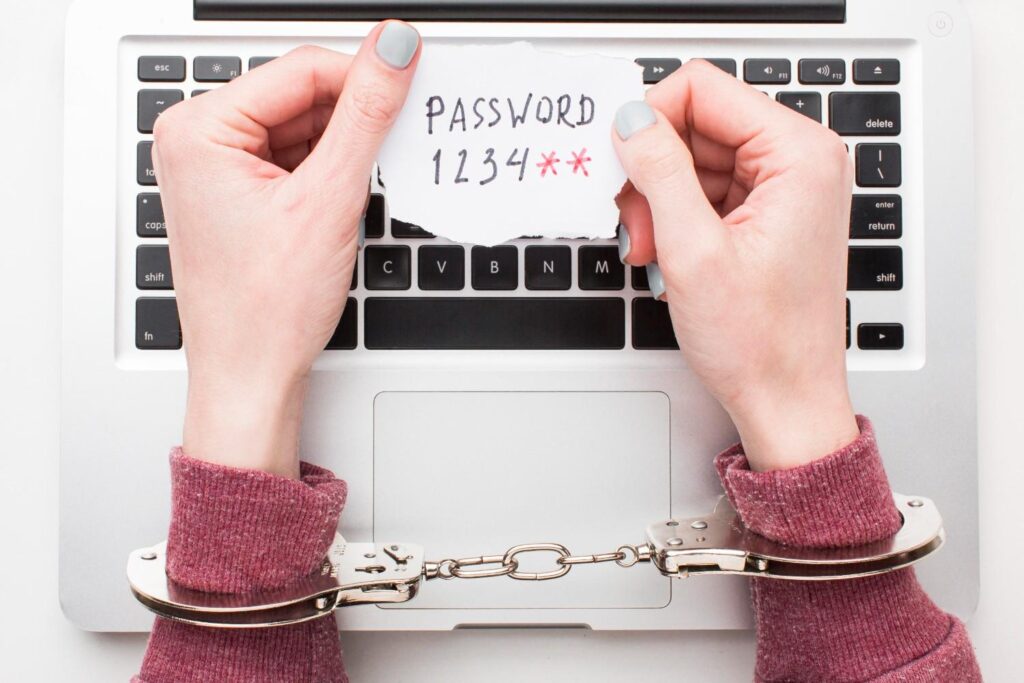
It might seem harmless to keep a small note with a password or PIN tucked inside your wallet, especially if you are worried about forgetting it. But if someone finds that note, it is like handing them direct access to your accounts.
Even if the note looks vague, it does not take much for someone to figure it out, especially if it is stored next to your ID or cards. People often underestimate how easily small clues can be pieced together.
A better solution is to use a password manager or create passwords that are memorable but not obvious. If you must write something down, keep it somewhere separate from your wallet and avoid labeling it clearly.
4. Your Birth Certificate
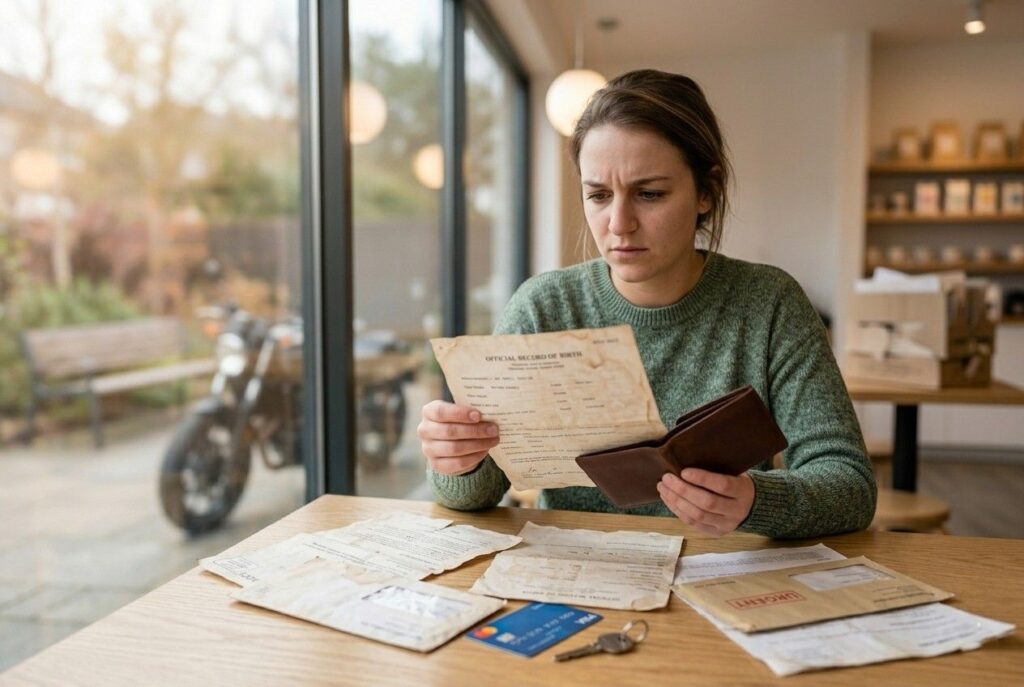
Some people carry their birth certificate as a backup form of identification. While that might sound like a good idea, it actually puts you at risk.
Your birth certificate contains key personal details that can be used to verify your identity. Combined with other information, it can help someone impersonate you in ways that are difficult to undo.
This document should always stay at home in a secure place. For everyday identification, your driver’s license or state ID is more than enough. There is no need to carry something so sensitive with you at all times.
5. Spare Keys
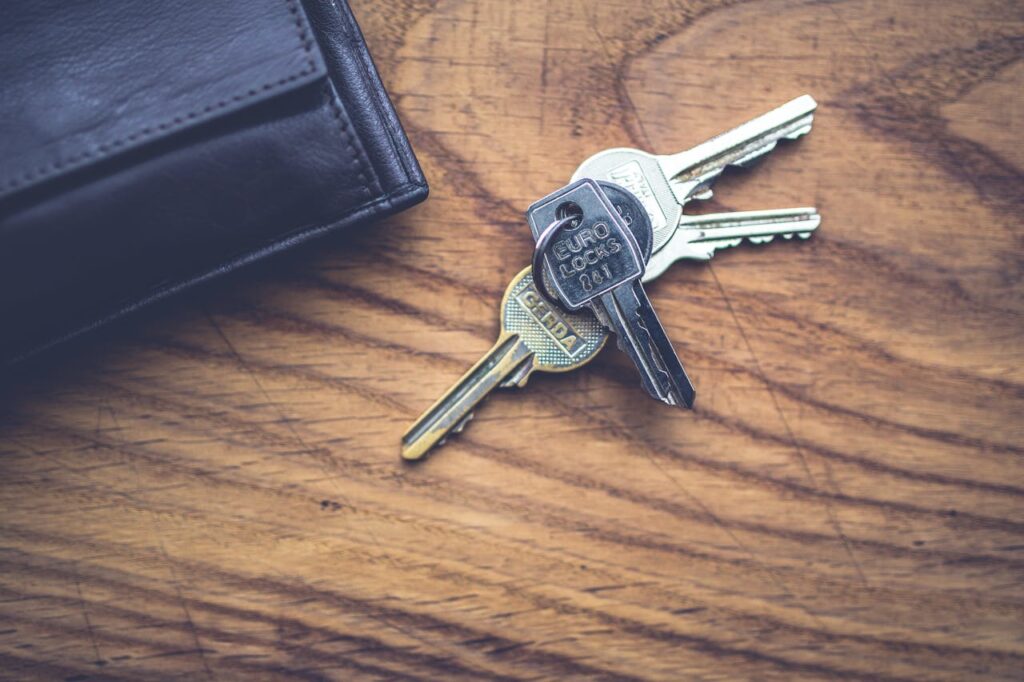
Keeping a spare key in your wallet feels like a smart backup plan, especially if you have ever locked yourself out. But think about what happens if your wallet is stolen.
Your ID likely has your address on it. If someone has both your address and your key, they have everything they need to access your home.
That is a risk not worth taking. Instead, leave a spare key with someone you trust or use a secure lockbox. It might feel less convenient, but it is far safer in the long run.
6. Too Much Cash

There is nothing wrong with carrying cash, but carrying too much can backfire. Unlike credit cards, cash cannot be canceled, tracked, or recovered once it is gone.
If your wallet disappears, that money is gone with it. No alerts, no refunds, no protection.
Try to carry only what you expect to use for the day. With digital payments being widely accepted, there is rarely a need to carry large amounts. Keeping it simple reduces your risk and keeps your losses manageable if something goes wrong.
7. Gift Cards You Are Not Using
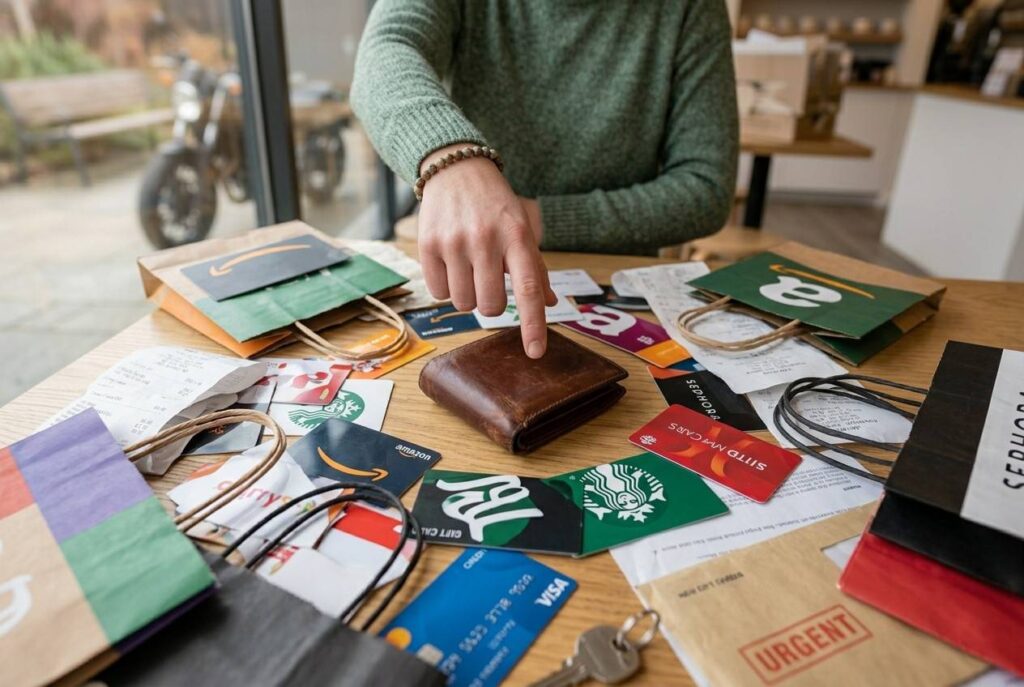
Gift cards tend to pile up in wallets. You receive them, plan to use them later, and then forget about them. The problem is, they are essentially cash.
If your wallet is lost, whoever finds it can use those gift cards without any restrictions. There is usually no way to trace or recover them.
If you are not planning to use a gift card soon, store it safely at home or keep a digital version if available. This keeps it protected and ensures you actually remember to use it.
8. Receipts with Personal Information
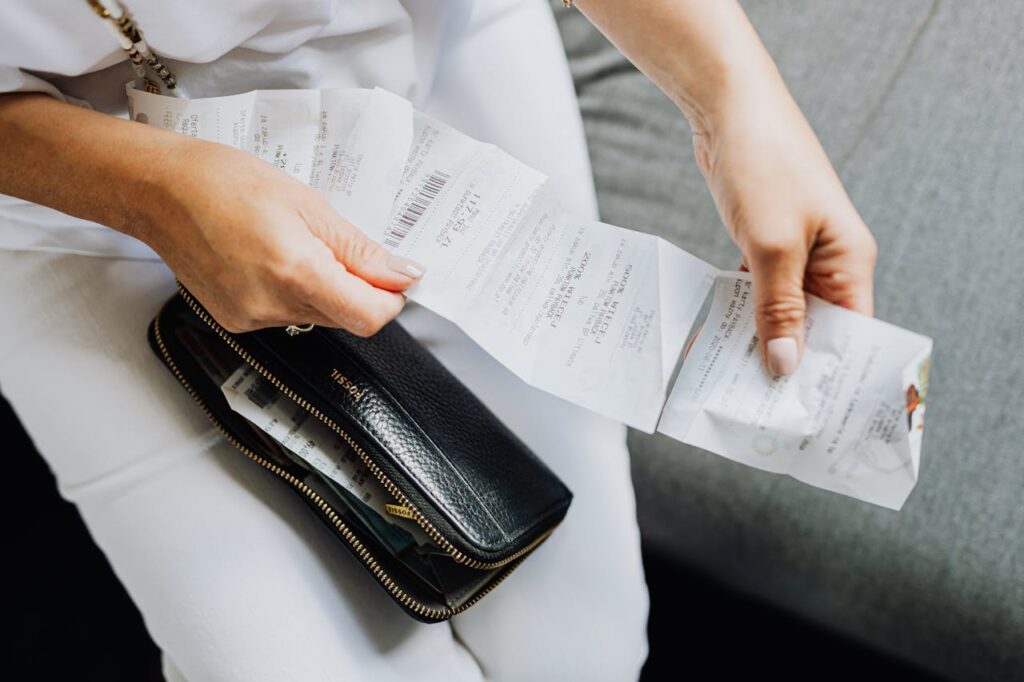
Receipts might seem harmless, but they can contain more information than you think. Some include partial card numbers, your name, or even your email address.
On their own, these details might not seem like much. But combined with other information, they can help someone build a profile of you.
Make it a habit to clean out your wallet regularly. Toss unnecessary receipts and opt for digital versions when possible. It keeps your wallet lighter and your information safer.
9. Old Checks
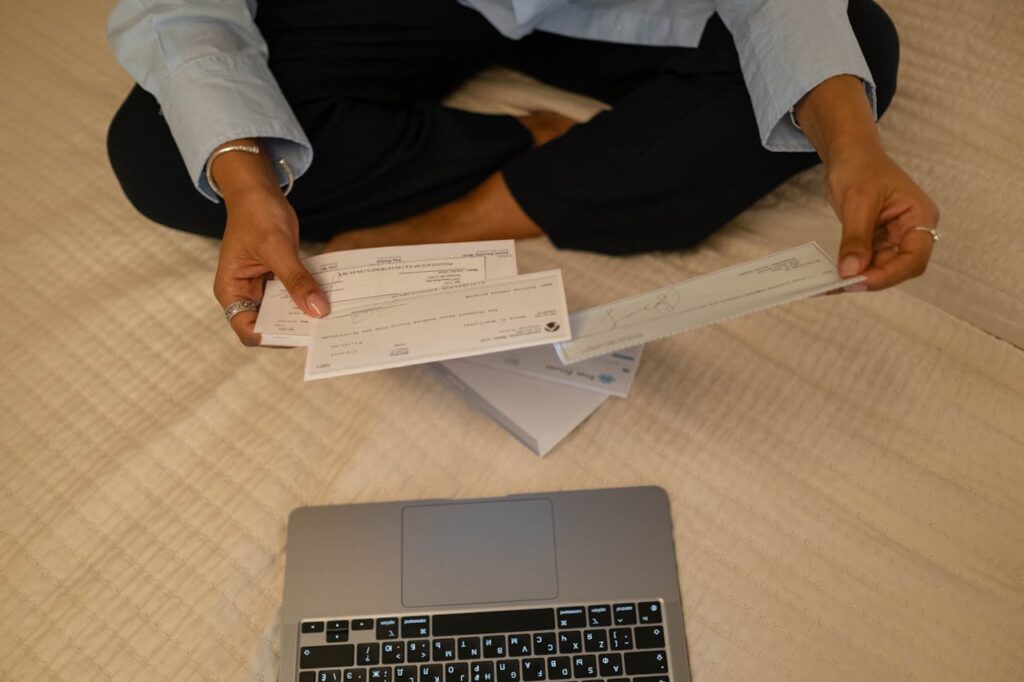
Carrying checks in your wallet is another hidden risk. A single check contains your bank account number, routing number, and often your address.
That is more than enough for someone to attempt fraudulent transactions or scams. Even if you trust your bank’s protections, dealing with fraud can be time-consuming and stressful.
Unless you know you will need a check that day, leave your checkbook at home. It is one of those things that feels useful but rarely is in everyday situations.
10. Your Backup ID Like a Passport
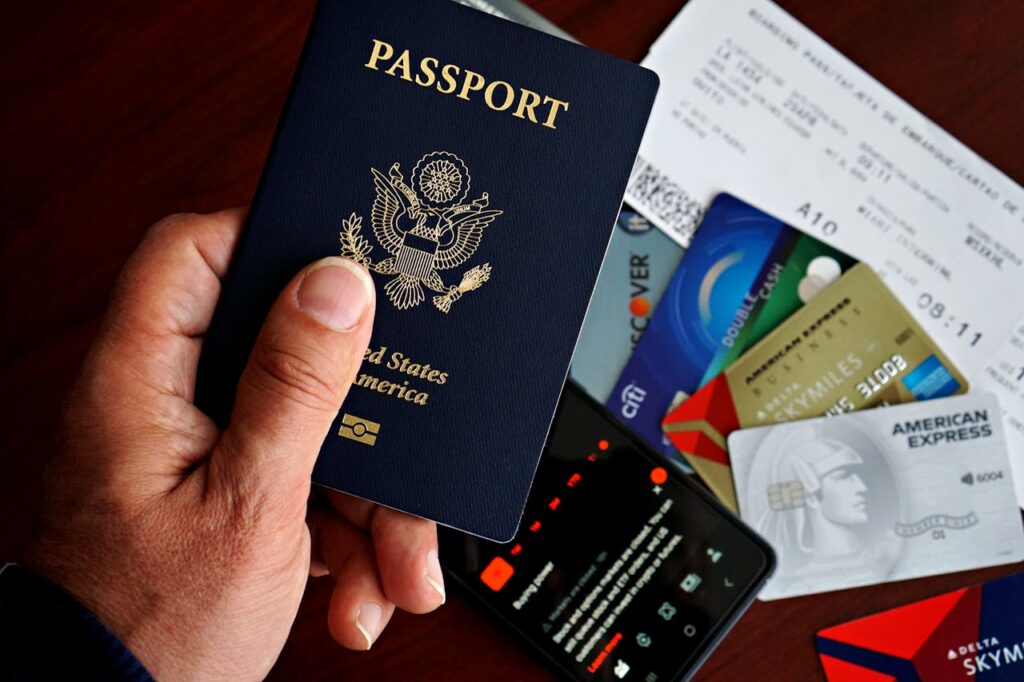
Carrying an extra form of identification, such as a passport, might seem like being extra prepared. In reality, it increases your exposure.
If your wallet is stolen and it contains multiple IDs, it becomes much easier for someone to impersonate you. A passport, in particular, is a highly valuable document that should be handled with care.
Only carry it when you truly need it, such as during travel. Otherwise, keep it stored securely at home. One reliable form of ID is enough for daily life.
Final Thoughts

Your wallet should make your life easier, not riskier. The goal is not to carry everything you might need someday. It is to carry only what makes sense for today.
A good way to think about it is simple. If losing something would cause serious stress or long-term problems, it probably does not belong in your wallet.
Take a few minutes to go through it. Pull everything out and look at each item honestly. Ask yourself if it is necessary or just there out of habit. You might be surprised by how much you can remove.
That small habit can make a big difference. A lighter wallet is not just more comfortable to carry. It is safer, smarter, and gives you one less thing to worry about when life gets busy.
Leave a Reply