Our Debt Free Family

Commit. Plan. Take action.

  • BUDGETING
  • DEBT REDUCTION
  • INVESTING
  • LIFESTYLE
  • TOOLS
  • ABOUT
  • Privacy Policy
  • CONTACT
You are here: Home / Lifestyle / The Simple Planting Hack That Changes Everything: 9 Ways to Ditch Tomato Cages
The Simple Planting Hack That Changes Everything: 9 Ways to Ditch Tomato Cages

November 29, 2025 | Leave a Comment

The Simple Planting Hack That Changes Everything: 9 Ways to Ditch Tomato Cages

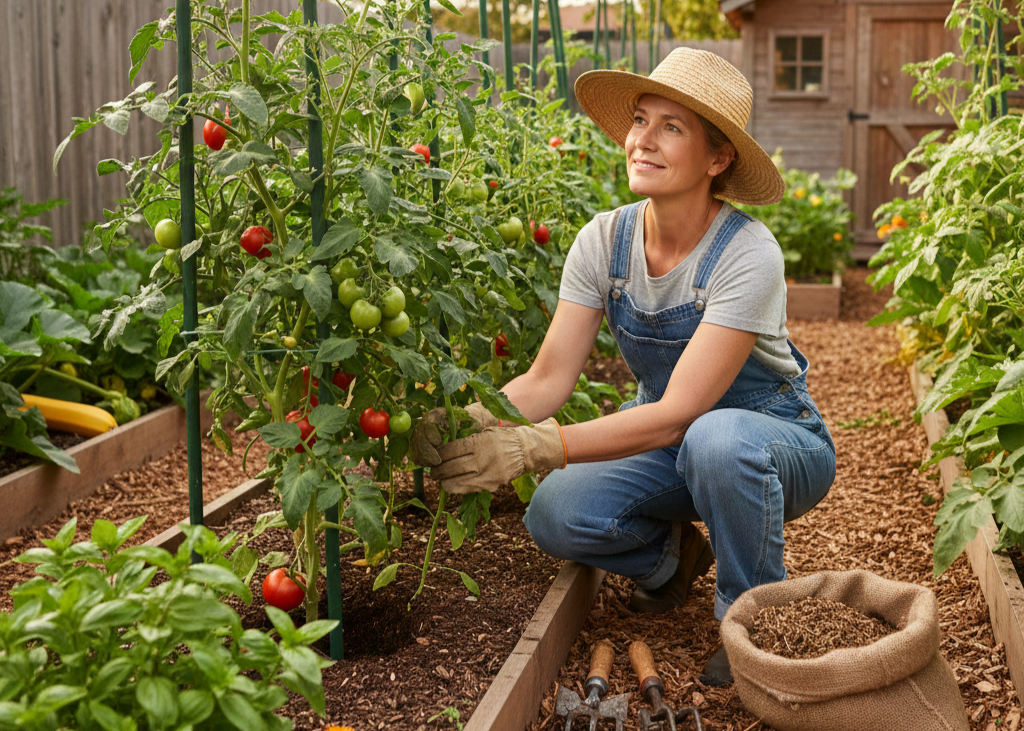
<p> If you love growing tomatoes but dread the wrestling match that comes with metal cages, you are not alone. Those wire cylinders often topple over, get tangled with leaves, or simply cost more than you expected. But what if I told you that there is a smarter, simpler way to grow healthy, heavy-yielding tomatoes without the headache of traditional cages? By making a few tweaks to how you plant and support your tomatoes, you can save space, reduce maintenance, and enjoy a cleaner, more organized garden. Here are nine practical, easy-to-follow methods that will change the way you grow tomatoes forever. Each one is designed to be accessible for backyard gardeners, container growers, and anyone tired of bulky cages taking over their garden. </p> :: Gemini

If you love growing tomatoes but dread the wrestling match that comes with metal cages, you are not alone. Those wire cylinders often topple over, get tangled with leaves, or simply cost more than you expected. But what if I told you that there is a smarter, simpler way to grow healthy, heavy-yielding tomatoes without the headache of traditional cages? By making a few tweaks to how you plant and support your tomatoes, you can save space, reduce maintenance, and enjoy a cleaner, more organized garden.

Here are nine practical, easy-to-follow methods that will change the way you grow tomatoes forever. Each one is designed to be accessible for backyard gardeners, container growers, and anyone tired of bulky cages taking over their garden.

1. Plant Deep for Strong Roots
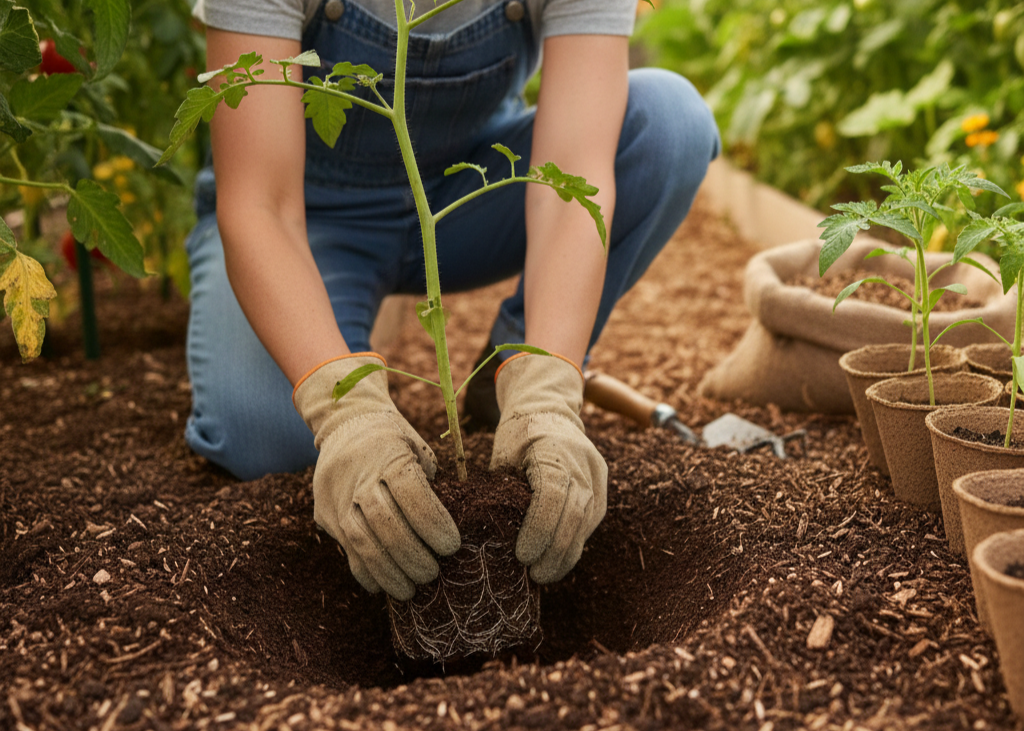
<p> One of the easiest ways to grow stable, healthy tomato plants is to plant them deeper than usual. Tomatoes have a remarkable ability to grow roots from any part of their stem that is buried in soil. By digging a deeper hole and planting more of the stem below the surface, you encourage a stronger root system. Strong roots help the plant absorb more water and nutrients and make it less likely to topple in windy conditions. This method creates naturally sturdy plants that need less support throughout the growing season. </p> :: Gemini

One of the easiest ways to grow stable, healthy tomato plants is to plant them deeper than usual. Tomatoes have a remarkable ability to grow roots from any part of their stem that is buried in soil. By digging a deeper hole and planting more of the stem below the surface, you encourage a stronger root system. Strong roots help the plant absorb more water and nutrients and make it less likely to topple in windy conditions. This method creates naturally sturdy plants that need less support throughout the growing season.

2. Stake Your Tomatoes for Upright Growth
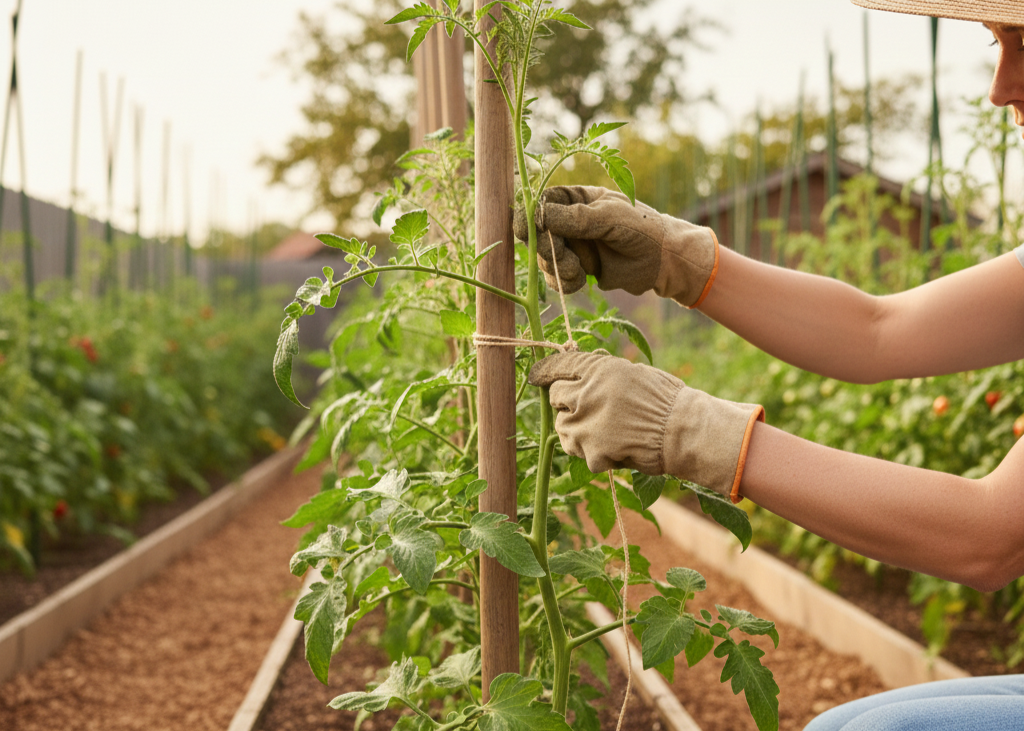
<p> Using a single stake per plant is a simple way to give your tomatoes structure without the bulk of a cage. Choose a strong wooden post, bamboo cane, or metal stake, and tie the main stem to it using soft garden twine, cloth strips, or plant tape. As the tomato grows, adjust the ties to support new growth. Staked plants grow vertically, improving airflow, saving space, and making fruit easier to harvest. While staking requires occasional attention, it is a lightweight, practical alternative to clunky cages. </p> :: Gemini

Using a single stake per plant is a simple way to give your tomatoes structure without the bulk of a cage. Choose a strong wooden post, bamboo cane, or metal stake, and tie the main stem to it using soft garden twine, cloth strips, or plant tape. As the tomato grows, adjust the ties to support new growth. Staked plants grow vertically, improving airflow, saving space, and making fruit easier to harvest. While staking requires occasional attention, it is a lightweight, practical alternative to clunky cages.

3. Build a Trellis or Vertical String System
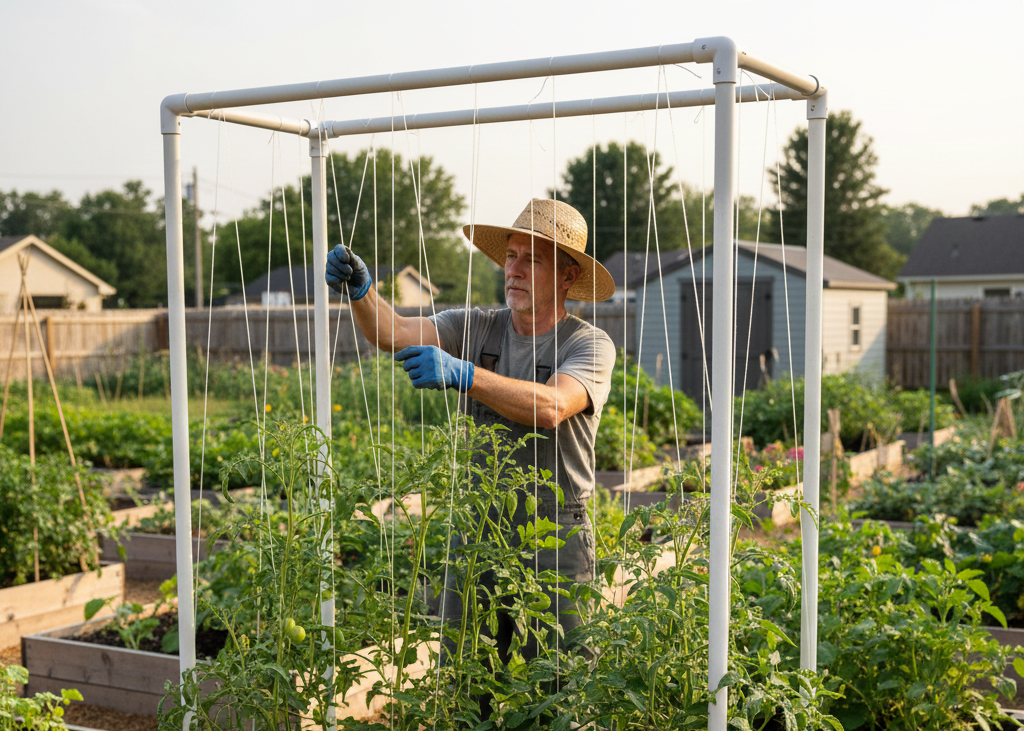
<p> If you have multiple tomato plants in a row, a trellis or vertical string system can help keep them organized. Create a frame with wood, metal, or PVC pipes and attach strong twine for the plants to climb. Gently guide the vines as they grow and tie them to the strings to keep the plants upright. This setup improves air circulation, prevents disease, and makes it easier to harvest your tomatoes. A trellis system is especially helpful for small gardens or container setups because it maximizes vertical space and reduces clutter. </p> :: Gemini

If you have multiple tomato plants in a row, a trellis or vertical string system can help keep them organized. Create a frame with wood, metal, or PVC pipes and attach strong twine for the plants to climb. Gently guide the vines as they grow and tie them to the strings to keep the plants upright. This setup improves air circulation, prevents disease, and makes it easier to harvest your tomatoes. A trellis system is especially helpful for small gardens or container setups because it maximizes vertical space and reduces clutter.

4. Use the Florida Weave Method
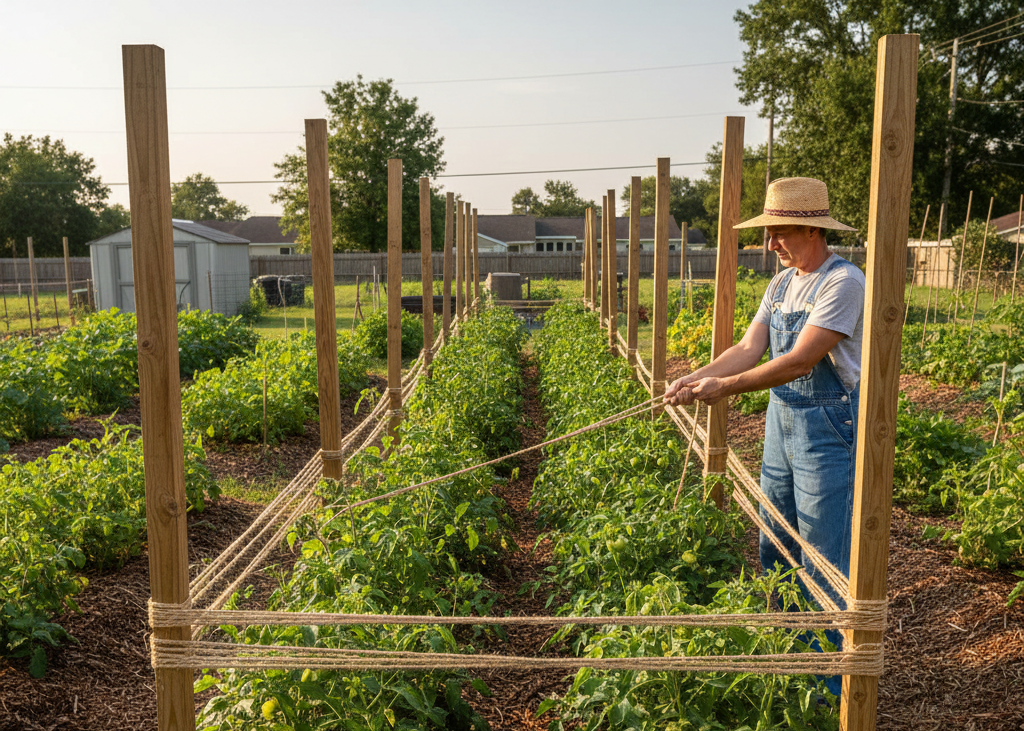
<p> The Florida Weave is a clever, space-saving technique for rows of tomato plants. Place sturdy stakes at each end of the row, and optionally in the middle for longer rows. As the plants grow, weave garden twine horizontally between the stakes and around the plants. This keeps plants upright without needing a cage for each one. The Florida Weave is ideal for indeterminate tomato varieties that keep producing fruit throughout the season. It provides strong support while using less material than traditional cages, making it both cost-effective and practical. </p> :: Gemini

The Florida Weave is a clever, space-saving technique for rows of tomato plants. Place sturdy stakes at each end of the row, and optionally in the middle for longer rows. As the plants grow, weave garden twine horizontally between the stakes and around the plants. This keeps plants upright without needing a cage for each one. The Florida Weave is ideal for indeterminate tomato varieties that keep producing fruit throughout the season. It provides strong support while using less material than traditional cages, making it both cost-effective and practical.

5. Let Tomatoes Sprawl Naturally
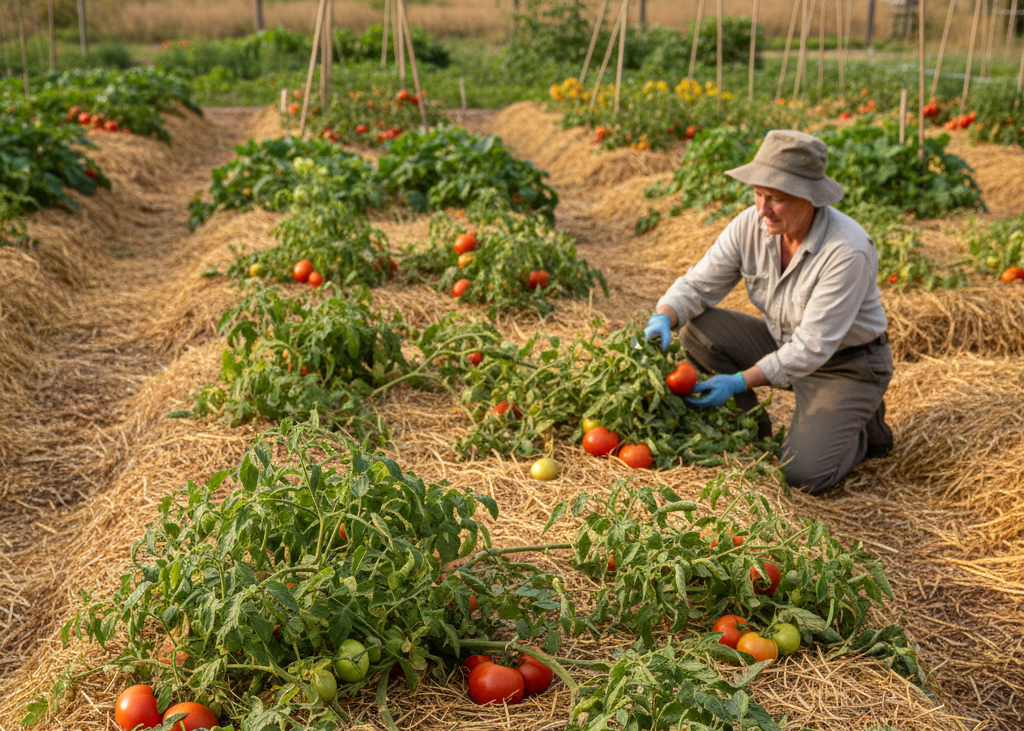
<p> Not all tomatoes need support to thrive. Compact or determinate varieties, such as bush types or cherry tomatoes, can often grow happily without staking or caging. If you have enough space, let the plants sprawl naturally along the ground. This approach requires more garden space, but it can save time, materials, and effort. You will still need to monitor for soil-borne disease and pests, but the simplicity of a free-form tomato patch can be surprisingly rewarding for gardeners who enjoy a relaxed, low-maintenance setup. </p> :: Gemini

Not all tomatoes need support to thrive. Compact or determinate varieties, such as bush types or cherry tomatoes, can often grow happily without staking or caging. If you have enough space, let the plants sprawl naturally along the ground. This approach requires more garden space, but it can save time, materials, and effort. You will still need to monitor for soil-borne disease and pests, but the simplicity of a free-form tomato patch can be surprisingly rewarding for gardeners who enjoy a relaxed, low-maintenance setup.

6. Improve Soil and Use Mulch
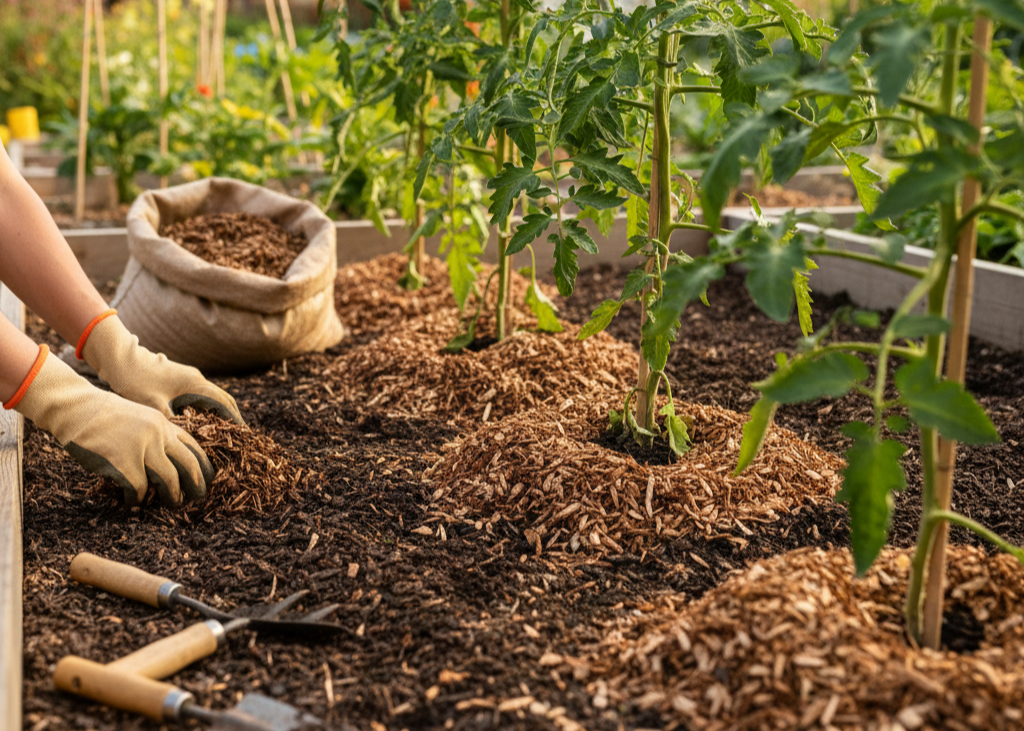
<p> Strong plants start with strong soil. Use well-draining, nutrient-rich soil amended with compost or organic matter. Plant your tomatoes deeply, as described earlier, and cover the soil with mulch. Mulch helps retain moisture, prevent weeds, and protect the roots from temperature fluctuations. Healthy, well-supported plants rely less on cages for stability because the combination of rich soil, deep roots, and mulch reduces stress on the stems. This is a simple, natural way to support your tomatoes without extra structures. </p> :: Gemini

Strong plants start with strong soil. Use well-draining, nutrient-rich soil amended with compost or organic matter. Plant your tomatoes deeply, as described earlier, and cover the soil with mulch. Mulch helps retain moisture, prevent weeds, and protect the roots from temperature fluctuations. Healthy, well-supported plants rely less on cages for stability because the combination of rich soil, deep roots, and mulch reduces stress on the stems. This is a simple, natural way to support your tomatoes without extra structures.

7. Prune and Train for Better Growth
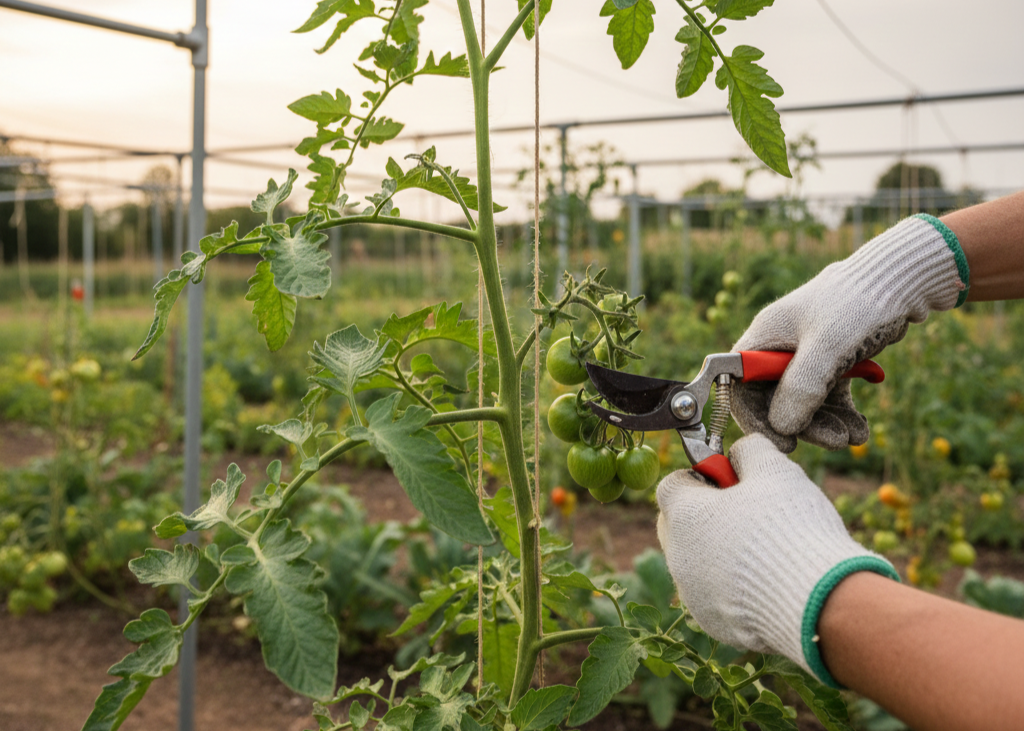
<p> Pruning and training your tomato plants can make a huge difference in how well they grow without a cage. Remove lower leaves and suckers, which are small shoots that take energy away from the main plant. This helps direct resources toward producing fruit rather than excessive foliage. Training the plants along stakes, strings, or a trellis makes pruning easier and encourages upright growth. A well-pruned tomato plant is lighter, healthier, and produces more fruit while requiring minimal structural support. </p> :: Gemini

Pruning and training your tomato plants can make a huge difference in how well they grow without a cage. Remove lower leaves and suckers, which are small shoots that take energy away from the main plant. This helps direct resources toward producing fruit rather than excessive foliage. Training the plants along stakes, strings, or a trellis makes pruning easier and encourages upright growth. A well-pruned tomato plant is lighter, healthier, and produces more fruit while requiring minimal structural support.

8. Choose Varieties Wisely
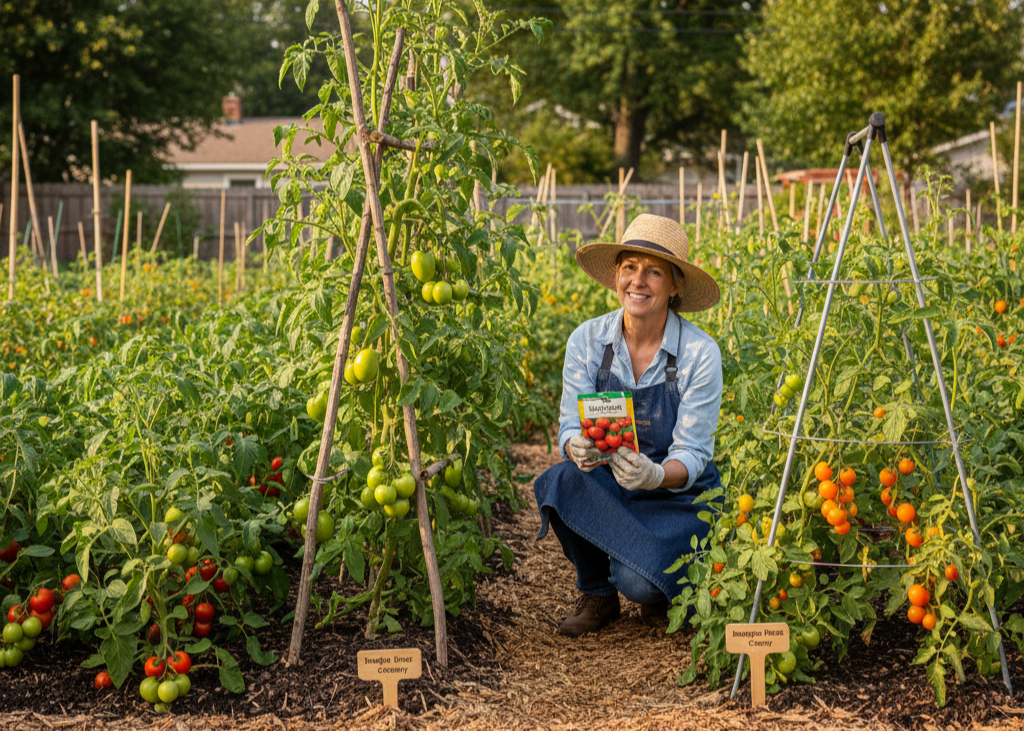
Selecting the right tomato variety can make or break your no-cage gardening success. Compact, determinate varieties tend to grow to a fixed size and set their fruit over a short period, making them perfect for minimal support methods. Indeterminate varieties, which continue growing and producing fruit all season, do better with stakes, strings, or a Florida Weave. Matching your support method to the tomato variety helps you avoid overbuilding or under-supporting, saving effort, materials, and frustration in the long run.

9. Enjoy a Cleaner, More Flexible Garden
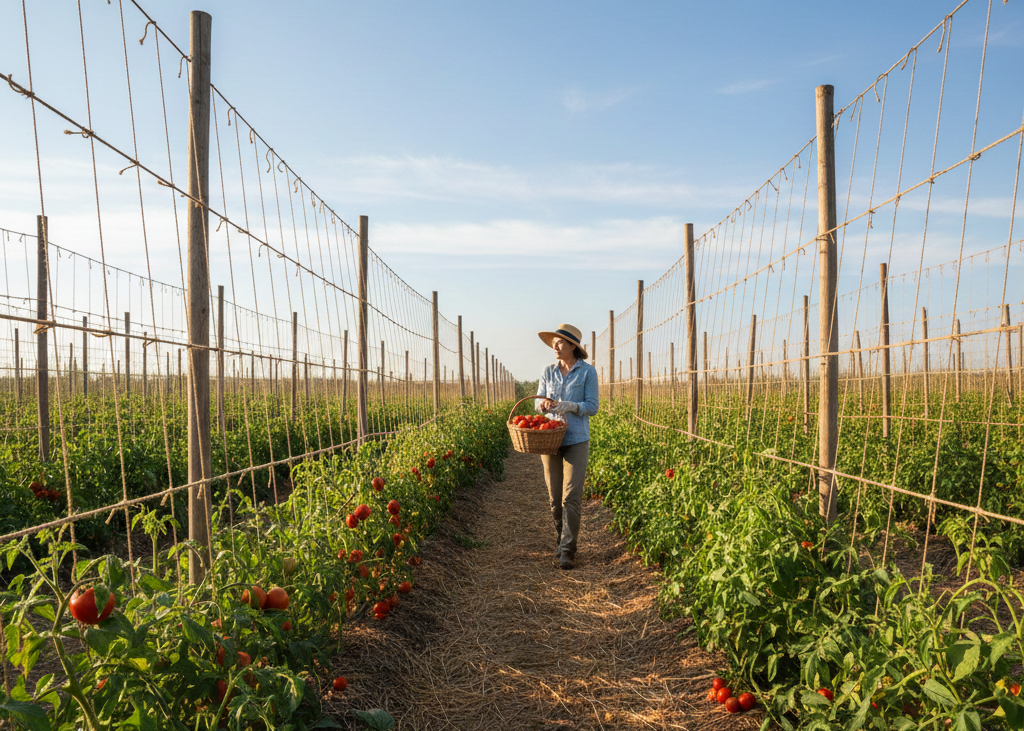
<p> One of the biggest benefits of ditching cages is having a cleaner, more flexible garden. Without bulky wire cylinders crowding your plants, it is easier to water, weed, inspect for pests, and harvest your fruit. Stakes and strings are easy to adjust and remove at the end of the season, and trellises can be repurposed for other climbing plants. A simplified system allows you to rotate crops, move containers, or change your garden layout without wrestling with cumbersome cages. It makes tomato season less stressful and more enjoyable. </p> :: Gemini

One of the biggest benefits of ditching cages is having a cleaner, more flexible garden. Without bulky wire cylinders crowding your plants, it is easier to water, weed, inspect for pests, and harvest your fruit. Stakes and strings are easy to adjust and remove at the end of the season, and trellises can be repurposed for other climbing plants. A simplified system allows you to rotate crops, move containers, or change your garden layout without wrestling with cumbersome cages. It makes tomato season less stressful and more enjoyable.

Final Thoughts
<p> Ditching tomato cages does not mean giving up on strong, productive plants. By planting deeply, staking, pruning, and choosing the right varieties, you can enjoy healthy tomato plants without the clutter and hassle of traditional cages. Whether you are growing in a small backyard, raised beds, or containers, these methods save space, reduce maintenance, and improve airflow and sunlight exposure. Trying one or a combination of these approaches this season can transform how you garden. You might discover that growing tomatoes is not only easier but also more rewarding. Less wrestling with wire, more time enjoying your garden, and plenty of juicy, ripe tomatoes at harvest time — it is a win-win for any gardener. </p> :: Gemini

Ditching tomato cages does not mean giving up on strong, productive plants. By planting deeply, staking, pruning, and choosing the right varieties, you can enjoy healthy tomato plants without the clutter and hassle of traditional cages. Whether you are growing in a small backyard, raised beds, or containers, these methods save space, reduce maintenance, and improve airflow and sunlight exposure.

Trying one or a combination of these approaches this season can transform how you garden. You might discover that growing tomatoes is not only easier but also more rewarding. Less wrestling with wire, more time enjoying your garden, and plenty of juicy, ripe tomatoes at harvest time — it is a win-win for any gardener.

Filed Under: Lifestyle

Leave a Reply Cancel reply

Your email address will not be published. Required fields are marked *

  • Email
  • Facebook
  • Pinterest
  • Twitter

Our Most Popular Articles

ClickCashGo Review: Should You Avoid At All Costs?

Ultimate Guide to Mastering Your Credit Score

The 'YOLO' Mindset is a Dangerous Thing

Dave Ramsey's Financial Peace University Review: Is it Worth the Money?

Cash App Glitch 2025: Is the Free Money Glitch Real?

Five Steps To Debt Freedom

Here are five simple guidlines that will help you pay off debt.  

1) Get an emergency fund so you don’t take on debt when something comes up.

2) List your debts. This way you know where you stand.

3) Use the debt snowball. Pay your debts from smallest to largest, or most expensive to least expensive.

4) Avoid new debt. No new credit cards or loans. Period.

5) Go all cash. After everything is paid off, switch to all cash.

Helpful Resources

U of Tennesse Debt Repayment Plan Basics

Vertex 42's Debt Payoff Calculator

Savingadvice's Helpful Debt Forums

Jackie Becks Debt Blog