8 Expert-Recommended Driving Tips to Help Boomers Stay Safe After 60
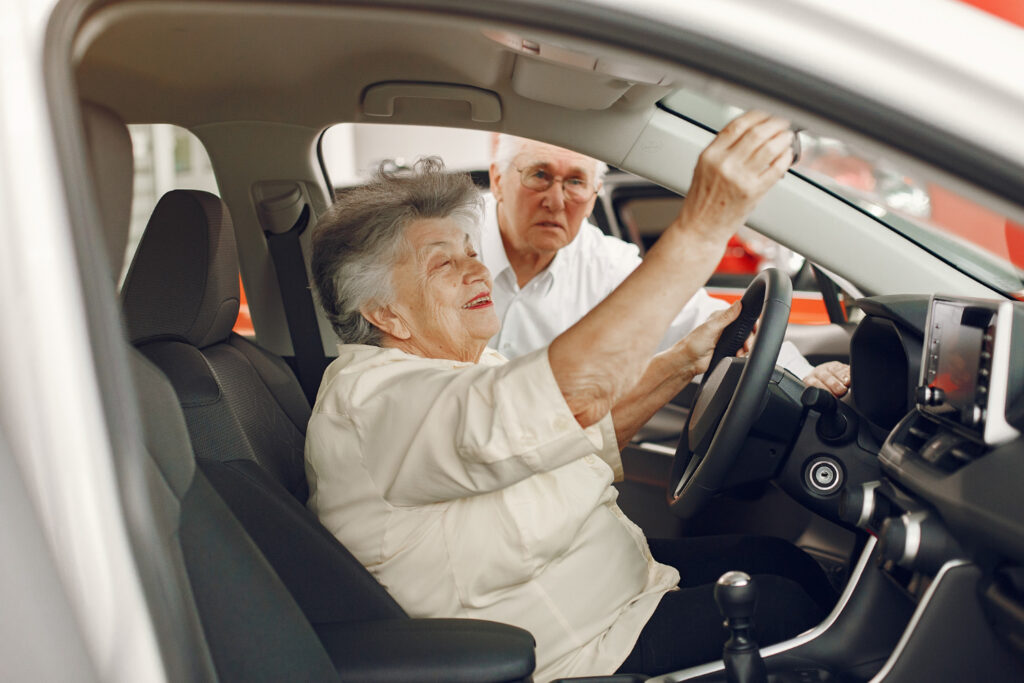
There is something liberating about driving. For many baby boomers, being behind the wheel is not just about getting from one place to another—it represents independence, freedom, and the ability to stay connected with friends, family, and community. But let’s be honest: as we age, driving can feel a little different. Vision changes, slower reflexes, or even new medications can influence how confident and safe we feel on the road.
The good news? Staying safe after 60 does not mean giving up your car keys. It simply means being a little more intentional and making small adjustments that help keep driving enjoyable and secure. With guidance from experts in aging and road safety, here are eight practical tips designed to help boomers keep their independence while staying safe on the open road.
1. Schedule Regular Vision and Hearing Checks

Your eyes and ears are two of your most important driving tools. Even minor changes in eyesight or hearing can affect how quickly you notice hazards. Eye doctors recommend getting an annual exam to check for common conditions like cataracts, glaucoma, and age-related macular degeneration. These issues can sneak up gradually, but they may impact how well you see road signs, judge distance, or handle glare from headlights at night.
Hearing is just as crucial. A siren from an emergency vehicle or a horn from another driver can be lifesaving signals. If you wear hearing aids, make sure they are properly adjusted, and get tested every couple of years. Staying on top of these checkups is one of the easiest ways to keep yourself safe while maintaining peace of mind.
2. Review Medications With Your Doctor or Pharmacist

Many boomers take prescriptions or over-the-counter medications to manage health conditions, but some of those drugs can affect driving ability. Side effects like drowsiness, blurred vision, or dizziness may sound minor on paper, but behind the wheel they can increase risks.
Set aside time to review your medications with your doctor or pharmacist. Be upfront about how often you drive, and ask specifically whether any of your medicines could interfere with alertness or reaction time. Sometimes the solution is as simple as adjusting the timing of when you take your medication. This small step can prevent dangerous situations and give you confidence knowing you are alert every time you drive.
3. Choose Safer Times and Conditions to Drive

Not all driving conditions are created equal. Night driving can be especially challenging as our eyes age, since it becomes harder to recover from glare or spot pedestrians in dim light. Rain, snow, or heavy traffic can also make the road feel overwhelming.
One way to stay safe without sacrificing independence is to plan your trips during daylight and in good weather whenever possible. Need to run errands? Aim for mid-morning after rush hour or early afternoon before traffic builds. If you know a storm is on the horizon, consider rescheduling or asking for a ride. These simple adjustments can reduce stress and keep your trips more enjoyable.
4. Take Extra Care at Intersections and Turns
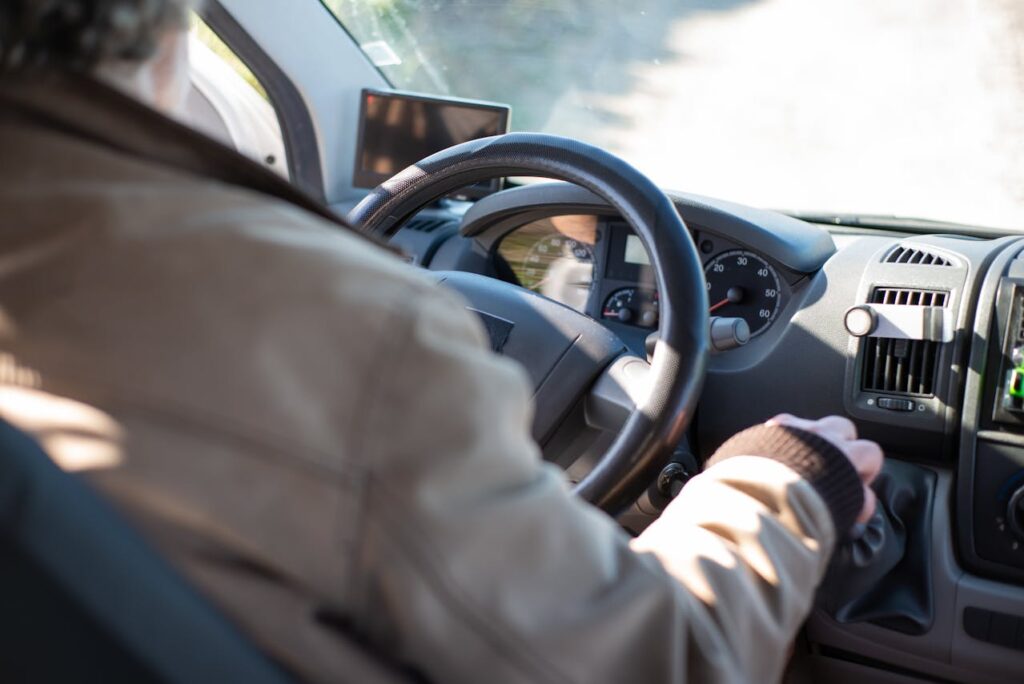
Intersections are one of the most common places where accidents happen, especially for older drivers. Left turns across busy lanes can be particularly tricky because they require quick judgment and precise timing.
Experts recommend giving yourself more time at intersections. Do not feel pressured by the car behind you. If you are unsure about crossing, wait for a clear and comfortable gap in traffic. When possible, choose routes with protected left-turn signals or roundabouts, which reduce the stress of crossing multiple lanes. By approaching intersections with patience and caution, you significantly reduce the chances of a close call.
5. Adjust Your Car for Comfort and Control

Small tweaks to your car setup can make a world of difference. Start with your seat position. You should be able to sit upright with your back supported, your knees slightly bent, and your hands comfortably on the wheel. Adjust your mirrors so you have maximum visibility with minimal head movement.
For many boomers, glare from the sun or headlights is a growing issue. A good pair of polarized sunglasses can help during the day, while anti-glare coatings on prescription glasses can make nighttime driving less stressful. If your car is equipped with modern safety features like blind spot alerts or backup cameras, take the time to learn how they work. Think of them as helpful copilots rather than intimidating gadgets.
6. Keep Your Body and Mind in Driving Shape

Driving may not seem physically demanding, but flexibility, strength, and quick reflexes all play a role. If turning your head to check blind spots or gripping the wheel feels uncomfortable, it may be time to add some simple exercises to your routine. Neck stretches, shoulder rolls, and light strength training can improve your range of motion and control.
Mental sharpness is equally important. Activities like reading, puzzles, or even trying new routes can help keep your brain active and ready to process information quickly. Staying physically and mentally fit ensures that when something unexpected happens on the road, you are able to respond confidently and safely.
7. Use Technology to Your Advantage
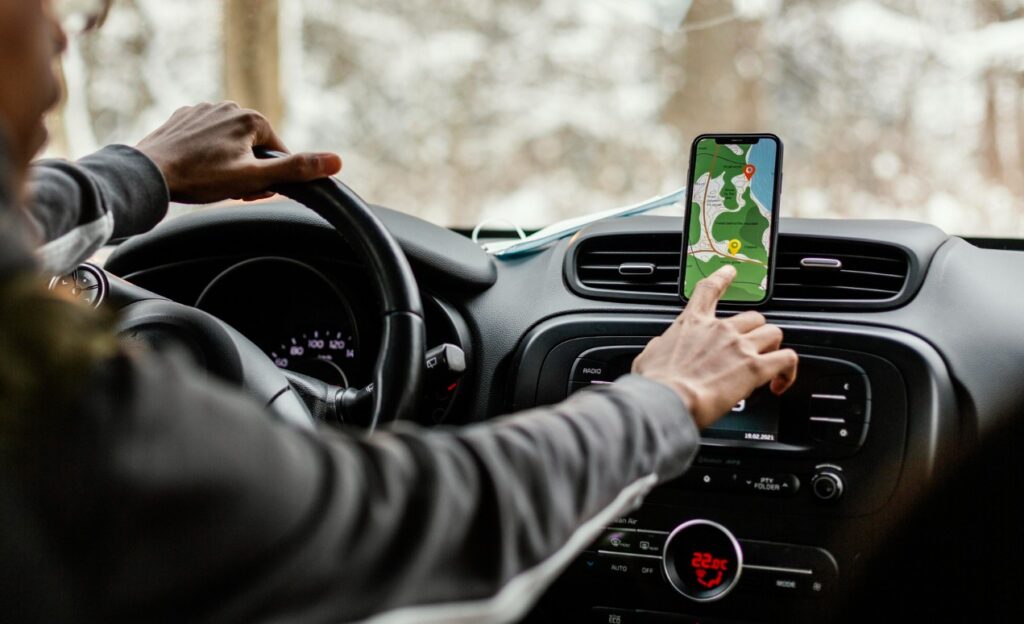
Technology is not just for younger generations—it can make driving easier and safer at any age. Modern vehicles often come with features such as lane departure warnings, forward collision alerts, and parking sensors. These tools are designed to back you up, not take over.
If your car has a GPS system, program it before you start driving so you are not distracted while on the move. Voice navigation can be particularly useful since it allows you to keep your eyes on the road. Even if you are not tech-savvy, a little practice with these features can make you feel more confident and secure behind the wheel.
8. Be Honest With Yourself and Know When to Adjust
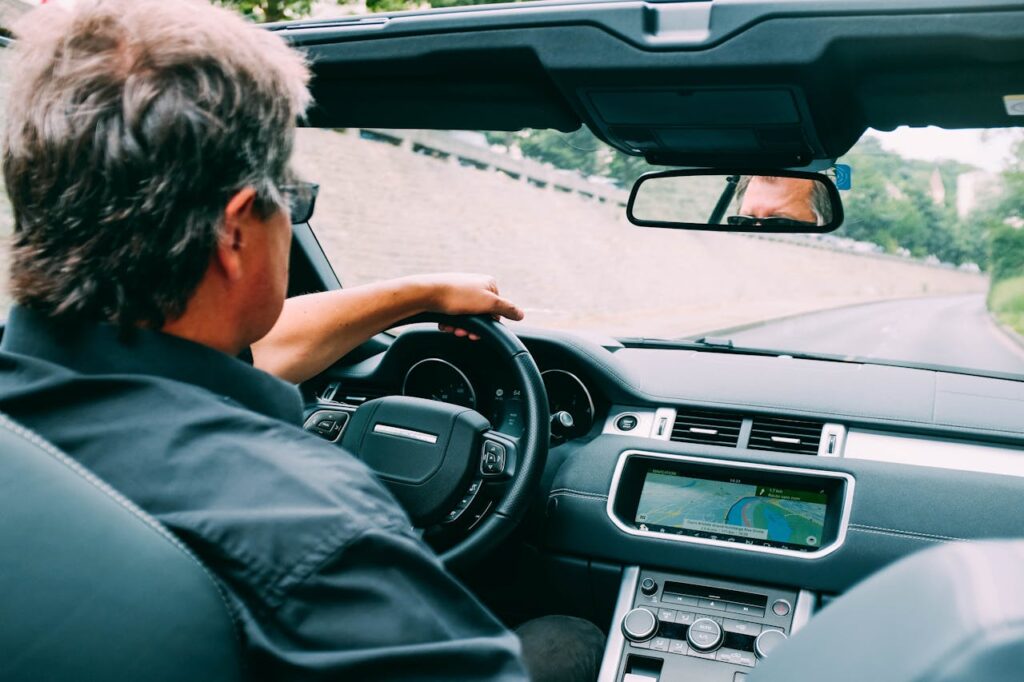
Perhaps the most important tip is to regularly check in with yourself. Pay attention to how you feel while driving. Do you find yourself getting lost on familiar routes? Are you more anxious at night or in heavy traffic? Have family members expressed concern about your driving? These could be signs that some adjustments are needed.
That does not always mean hanging up the keys. It may simply mean limiting driving to certain conditions, taking a defensive driving course to brush up on skills, or getting a professional driving evaluation for extra reassurance. And when the time comes to scale back further, remember that rideshare apps, community shuttles, and supportive family members can help you stay mobile and connected. Independence is not about always driving—it is about continuing to get where you need to go safely and confidently.
Final Thoughts

Driving after 60 is not about slowing down—it is about driving smarter. The road is still yours to enjoy, whether it is a trip to visit the grandkids, a scenic weekend drive, or a simple grocery run. By making small but meaningful adjustments—like checking your vision and hearing, planning trips during the day, or using modern car safety tools—you can hold onto both your independence and your peace of mind.
Remember, safe driving is not about age. It is about preparation, awareness, and the willingness to adapt. You have spent decades gaining wisdom and experience—now put that to work every time you slide behind the wheel. With these expert-recommended tips, you can keep the keys in your hand and the open road ahead for many more years to come.
Leave a Reply