Everyday Items You Should Always Wash Your Hands After Touching: 10 Surprising Germ Hotspots
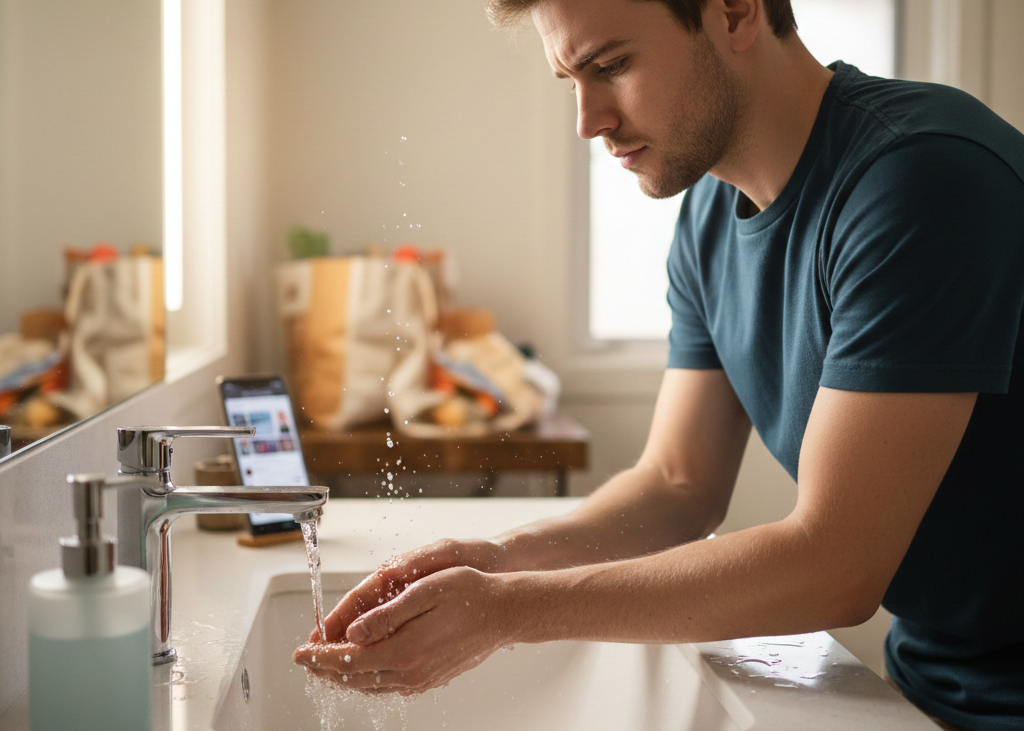
We all like to think of ourselves as careful and clean, but the truth is germs are everywhere. Some of the places you touch daily are hiding more bacteria and viruses than you might expect. You don’t need to live in a bubble to stay healthy, but being mindful about when to wash your hands can make a big difference. Handwashing is one of the simplest ways to prevent illness, yet most people underestimate just how many opportunities there are for germs to hop onto your hands. From the grocery store to your office and even your own home, germs travel in ways you might never notice.
To help you stay on top of your hygiene game, we have compiled a list of everyday items you should always wash your hands after touching. Some are obvious, while others may surprise you. Pay attention, because these small actions can make a big difference for your health.
1. Doorknobs and Door Handles
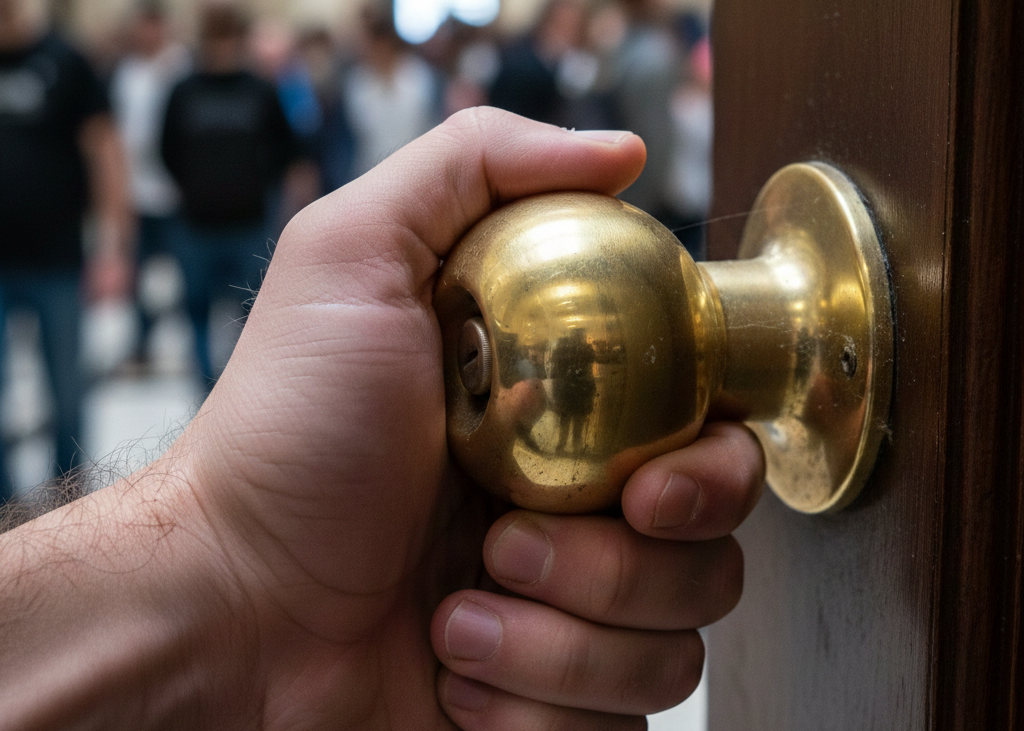
Doorknobs are an everyday gateway for germs. Whether at work, at home, or in public spaces, these handles are constantly touched by countless hands. Even if the handle looks clean, bacteria and viruses can linger unnoticed. Washing your hands after using a doorknob is a simple habit that can prevent germs from moving from the handle to your face, phone, or food. Think of it as giving yourself a little shield against invisible invaders.
2. Grocery Carts and Shopping Baskets
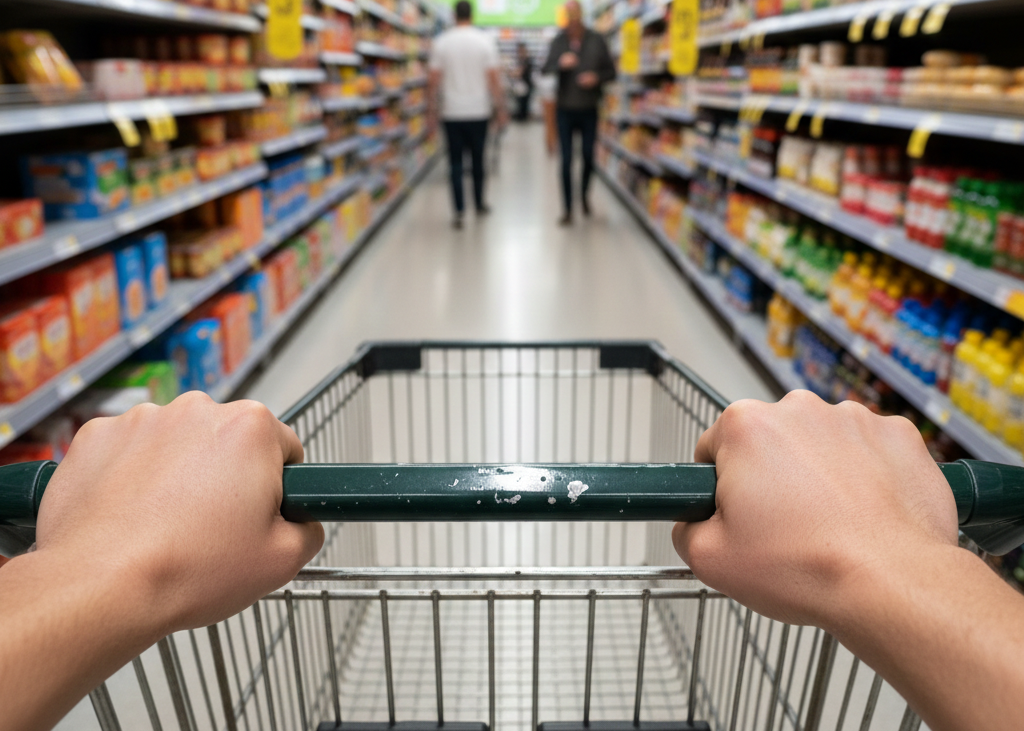
When you go shopping, your hands come into contact with handles, baskets, conveyor belts, and product packaging. All of these surfaces have been touched by many people before you, meaning germs can transfer easily. Washing your hands after grocery shopping, especially before handling food or putting items away, is a small step that can help reduce your exposure to harmful bacteria. It is also a good excuse to take a brief moment for yourself before tackling the groceries.
3. Public Transportation Poles and Handrails
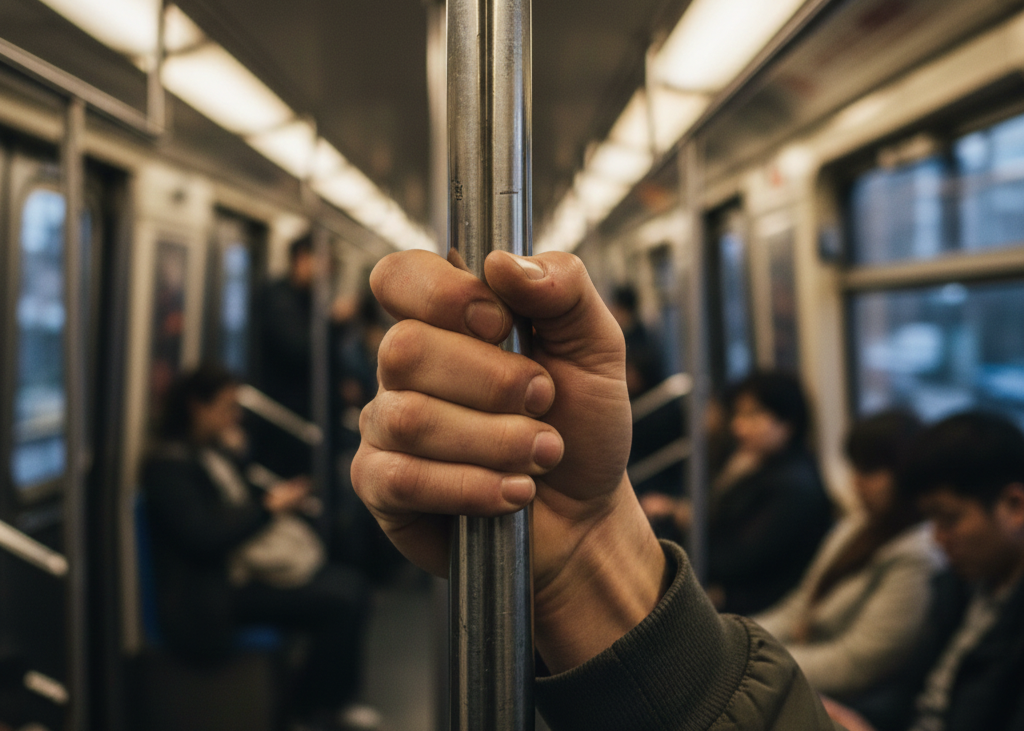
Riding public transportation can feel routine, but those poles and handrails are high-traffic germ zones. Each person who holds onto a pole or rail can leave behind bacteria or viruses. Washing your hands after using public transit reduces the chance of transferring germs to your face, mouth, or personal belongings. Even if you are just running a quick errand, a little handwashing goes a long way in protecting yourself and others.
4. Elevator Buttons and ATM Keypads
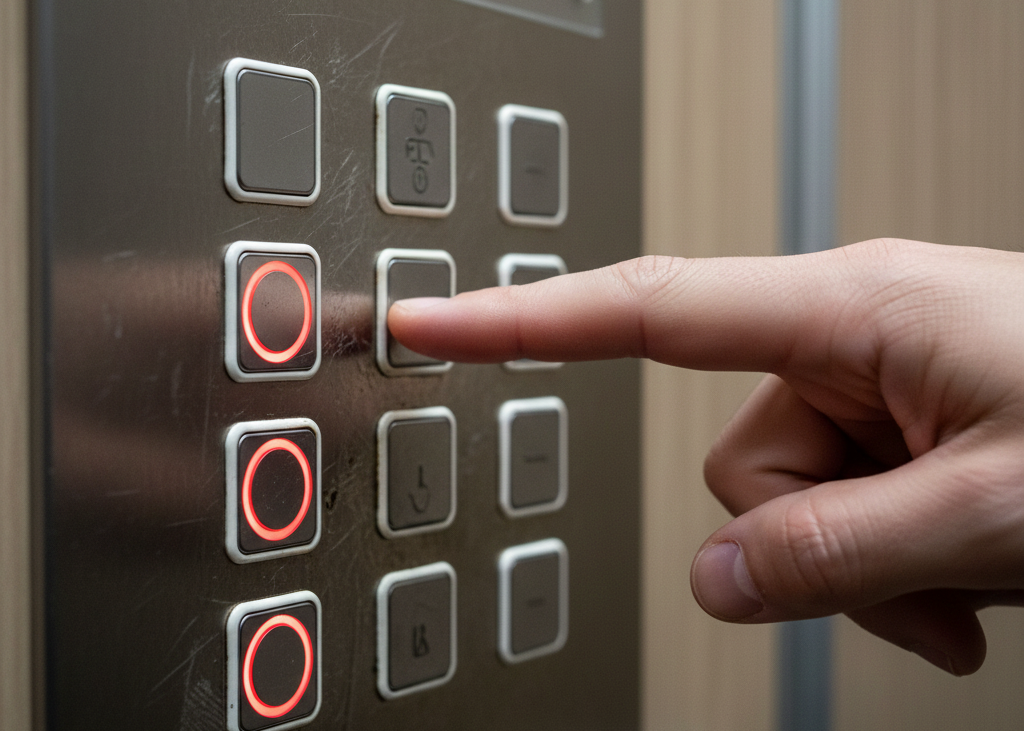
Buttons on elevators, ATMs, or even building entry systems are touched by dozens of people every hour. Germs can survive on these small surfaces and move quickly from person to person. After using them, washing your hands is essential. It only takes a few seconds, but it significantly reduces the risk of transferring germs to your face or onto your personal devices. Make it part of your routine, and you’ll notice the difference over time.
5. Phones, Tablets, and Laptops
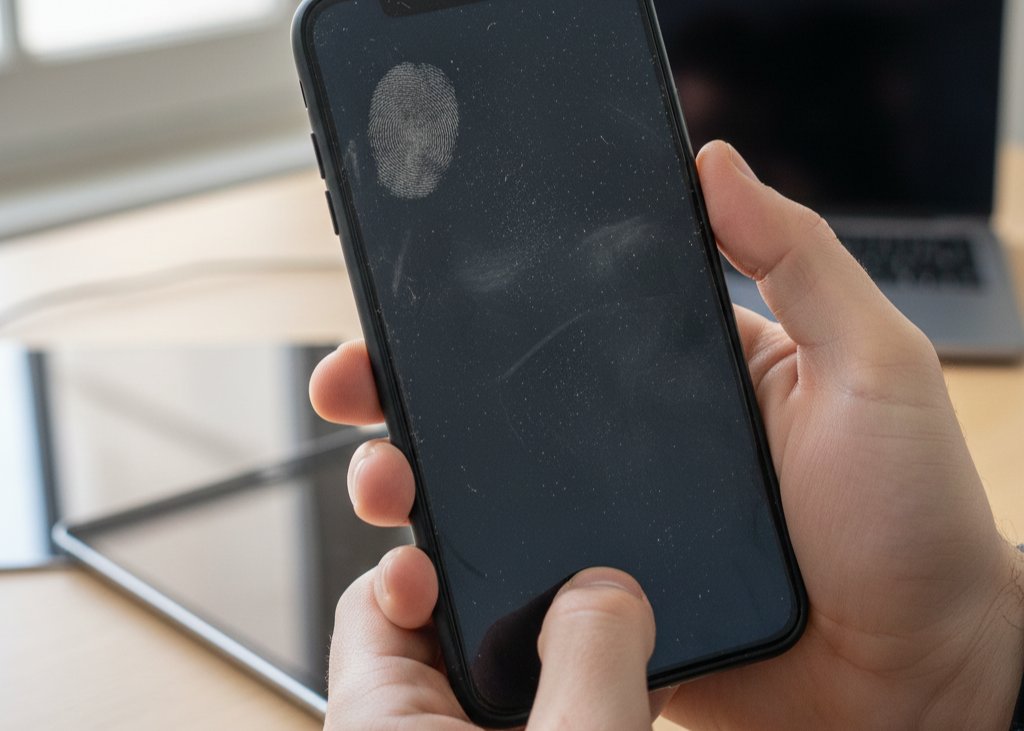
Our devices are with us almost all day, and we touch them constantly. From phones to tablets to laptops, germs can accumulate quickly on these surfaces. Even if your hands were clean before using them, they pick up germs from desks, countertops, or shared surfaces. Washing your hands before and after using your devices is a simple way to keep germs at bay. For added protection, wipe down your devices with disinfectant regularly.
6. Car Steering Wheels and Gas Pump Handles
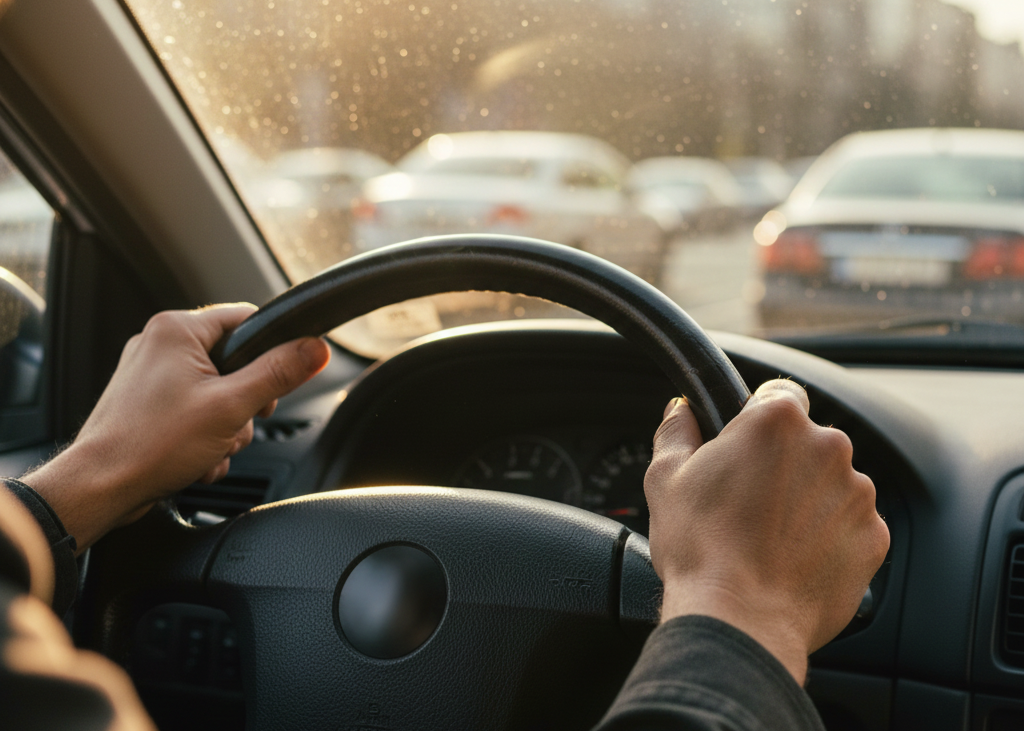
Many people don’t realize that items like car steering wheels, gas pump handles, and shared vehicle surfaces can be major germ hotspots. Whether it is your own car or a rideshare, germs can easily transfer to your hands. Washing your hands after handling these surfaces is especially important before you eat, touch your face, or use your phone. If you do not have access to a sink immediately, using hand sanitizer is a practical alternative until you can wash properly.
7. Reusable Grocery Bags and Product Packaging
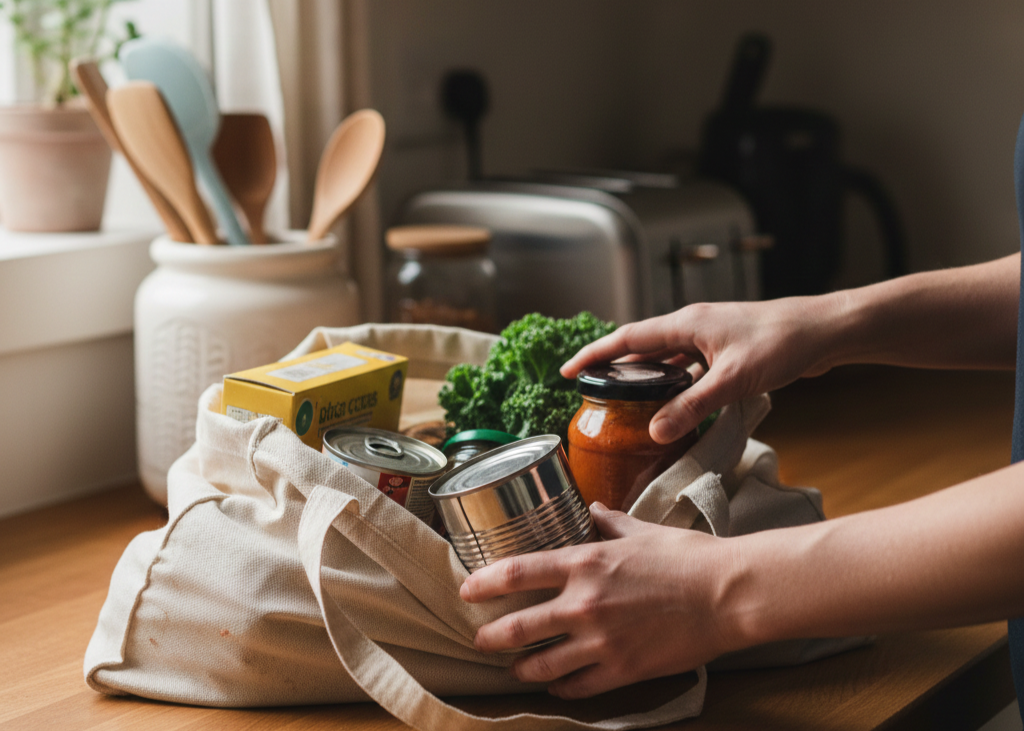
Reused bags, boxes, jars, and cans pass through multiple hands before reaching your kitchen. Reusable grocery bags in particular can carry bacteria if they are not washed regularly. Washing your hands after unpacking groceries ensures that any germs picked up along the supply chain do not end up on your food or surfaces at home. It is a small act that protects both you and your family.
8. Handrails in Public Spaces
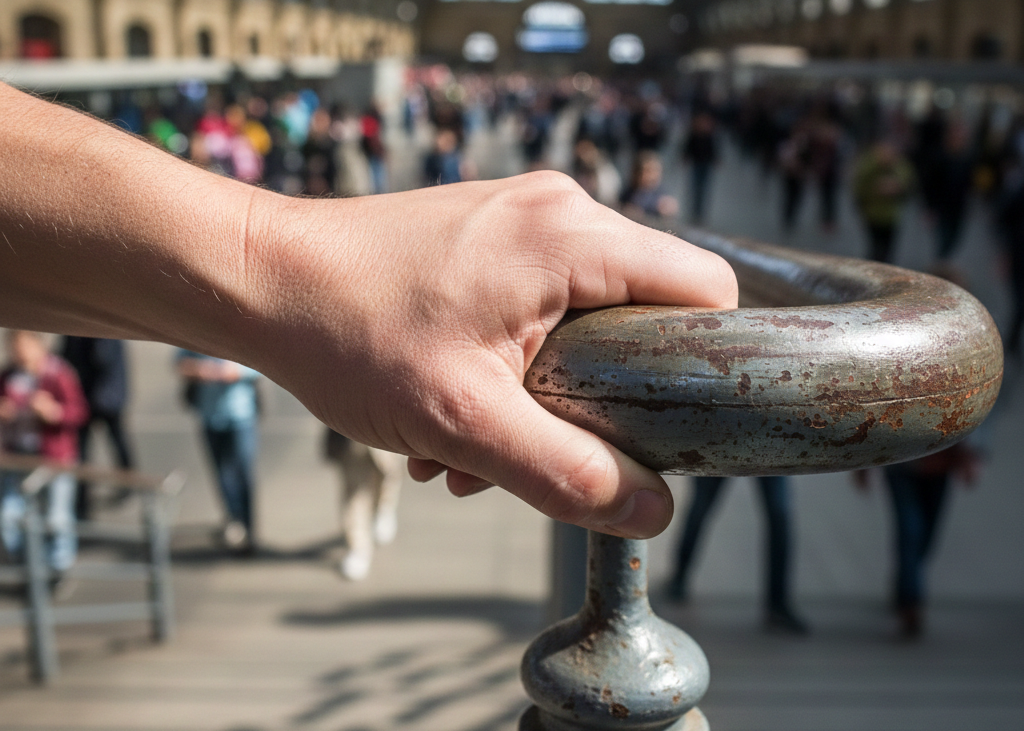
Handrails on stairs, escalators, and other public spaces are touched by hundreds of people every day. These surfaces are often overlooked when it comes to cleaning, making them prime locations for germs to linger. Taking a moment to wash your hands after using them can significantly reduce the risk of illness. It is a simple habit that becomes second nature once you start noticing how often you actually touch these surfaces.
9. Shared Keyboards and Office Equipment

If you work in an office, library, or shared workspace, keyboards, computer mice, and office equipment are likely to be touched by multiple people each day. Germs can build up quickly on these items, making handwashing a must after using them. This is particularly important before eating or touching your face. Simple steps like washing your hands regularly and keeping a small bottle of hand sanitizer at your desk can help you stay healthy during the workday.
10. Trash Cans and Recycling Bins
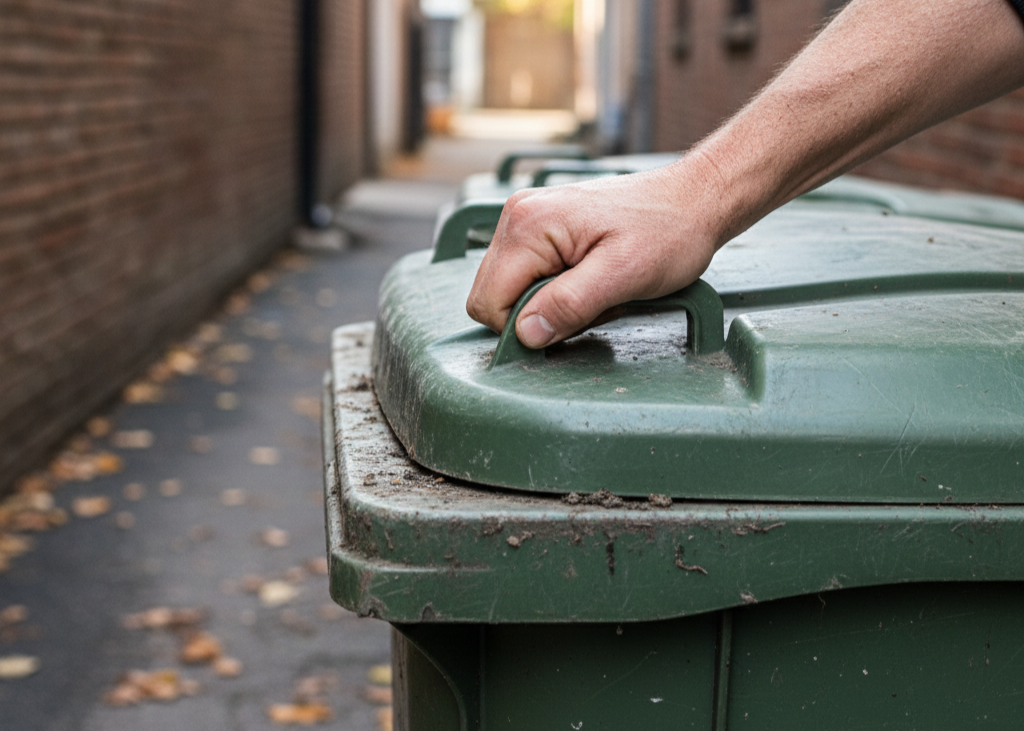
Handling garbage or recycling might seem like a mundane task, but these containers can harbor a surprising amount of germs. Touching the lid, bag, or surface of a bin can transfer bacteria to your hands, which can then move to your face, phone, or food. Washing your hands after handling trash is essential to prevent illness. It only takes a moment, but the health benefits are long-lasting.
Final Thoughts
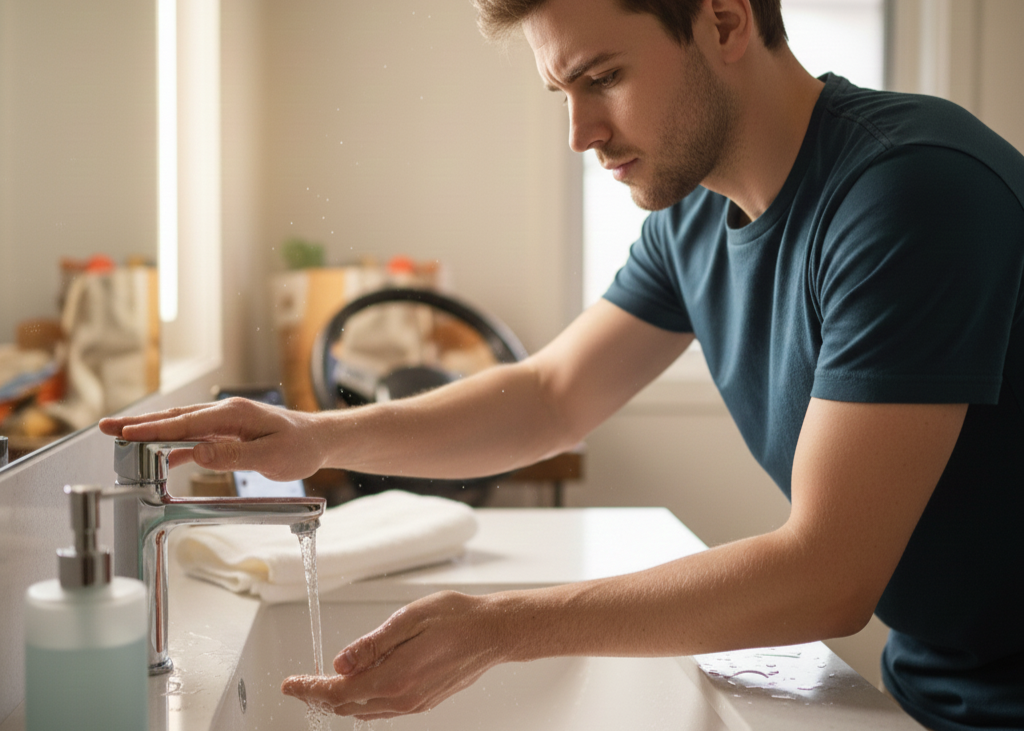
We interact with dozens of surfaces every day, often without realizing it. Doorknobs, shopping carts, phones, and even trash cans are all potential carriers of germs. Handwashing may seem like a small act, but it is one of the most effective ways to protect yourself and your loved ones from illness.
Making handwashing a routine part of your day does not require extreme measures. It is about being mindful and consistent. Wash after touching public surfaces, before eating, and after handling potentially dirty items. Use hand sanitizer when a sink is not available, and clean frequently touched personal items regularly.
By taking these simple steps, you are giving yourself a powerful defense against everyday germs. Small habits like these create a ripple effect of health benefits, protecting you and everyone around you. So the next time you grab a doorknob, swipe an ATM, or unload groceries, take a moment to wash your hands. Your body will thank you, and your risk of illness will drop significantly. Staying healthy is not just about avoiding germs, but about being proactive in the little things that make a big difference in daily life.
Leave a Reply