Fall and Winter Gardening: 12 Vegetables You Can Plant for a Cold Season Harvest
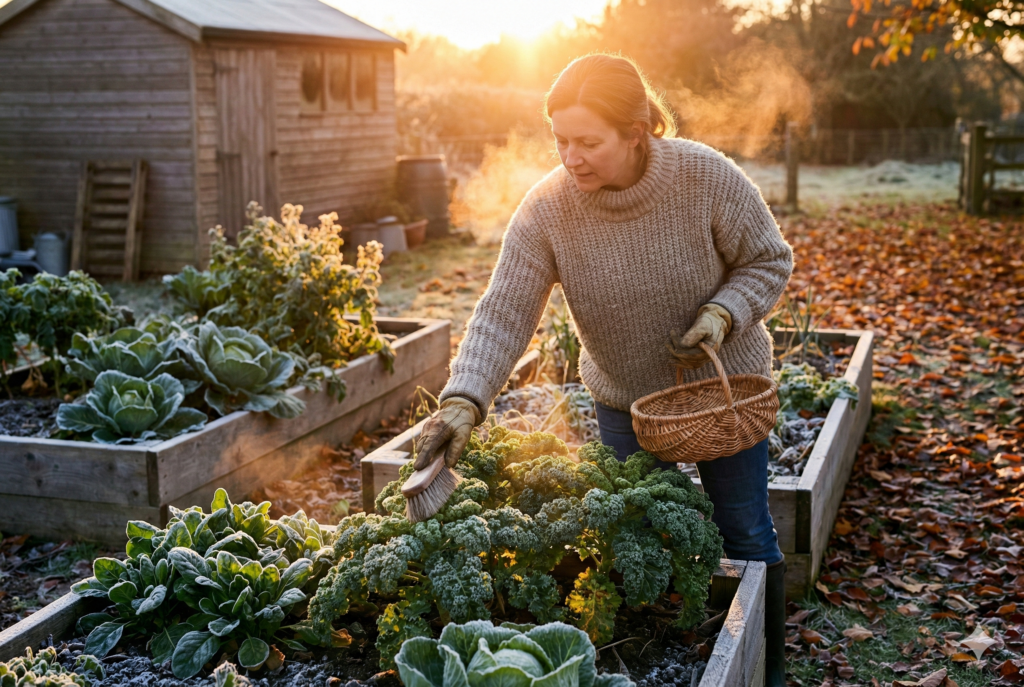
As summer winds down and the first hints of fall chill the air, many gardeners think their planting days are over. The truth is, some of the tastiest vegetables actually thrive in cooler weather. Planting in fall and winter can be incredibly rewarding. Your garden can stay lively, your kitchen full of fresh greens, and your meals brighter even when the rest of the landscape has gone dormant.
Fall and winter vegetables often have a flavor advantage too. Cold temperatures can turn natural starches into sugars, giving root vegetables and leafy greens a naturally sweet, tender taste. Plus, growing during these seasons extends your harvest window, reduces pests, and allows you to enjoy homegrown produce when grocery store options are limited.
Here are 12 vegetables that you can plant in the fall and winter, with practical tips and insights for gardeners across the United States.
1. Spinach
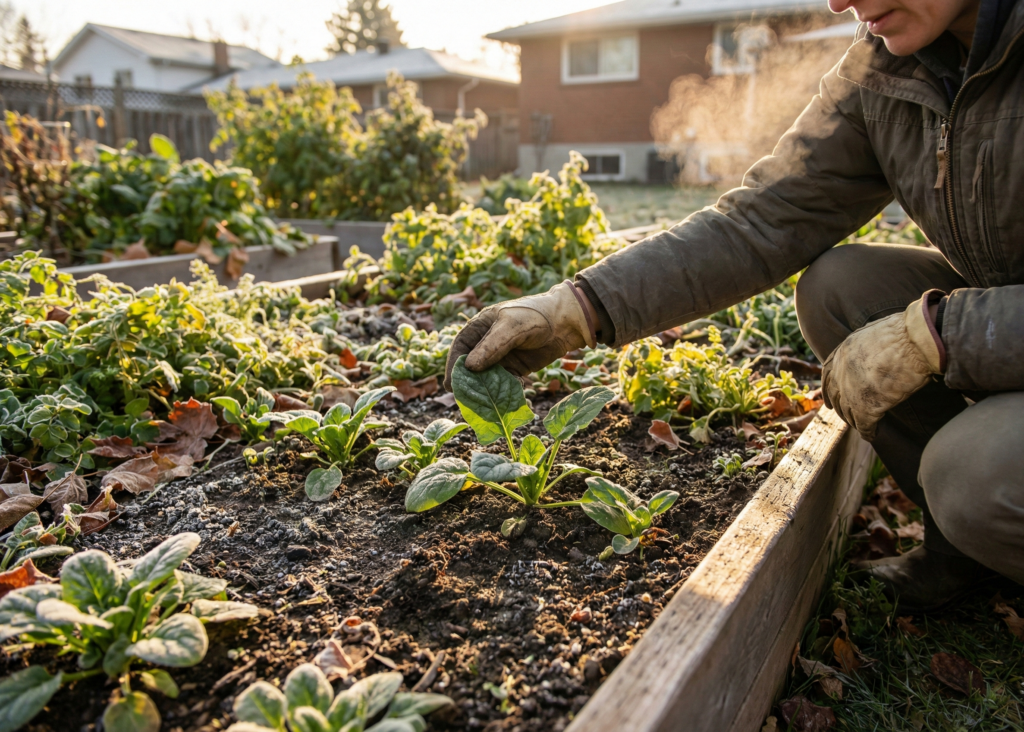
Spinach is a superstar of cold-season gardening. It grows quickly, tolerates frost, and produces tender leaves that are perfect for salads, sautés, and smoothies. Plant seeds six to eight weeks before your first average frost. Spinach tends to bolt less often in cooler weather, which means more harvests over time. Its rich, earthy flavor actually improves when exposed to a light frost, making your late-season salads particularly delicious.
2. Kale
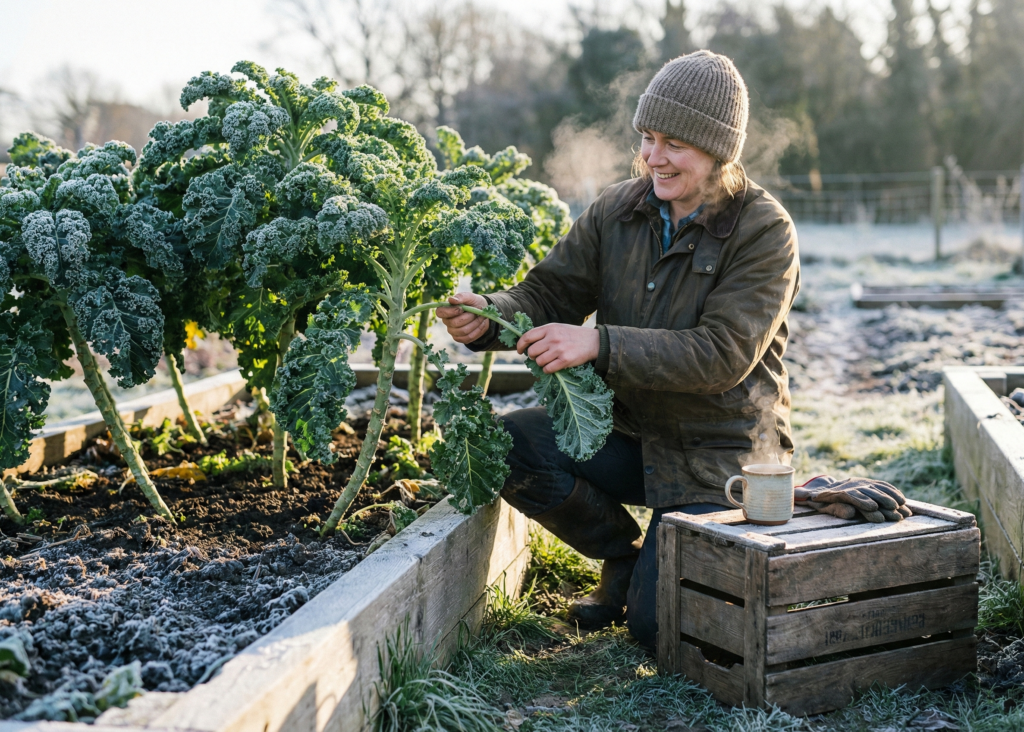
Kale is one of the hardiest vegetables you can grow in fall or winter. Many gardeners notice that kale leaves taste sweeter after a frost, making it ideal for winter soups and sautés. It grows well in garden beds, containers, or raised beds, and if planted in late summer or early fall, it can continue producing leaves throughout the colder months. Kale is also packed with nutrients, so you get both flavor and a health boost.
3. Carrots
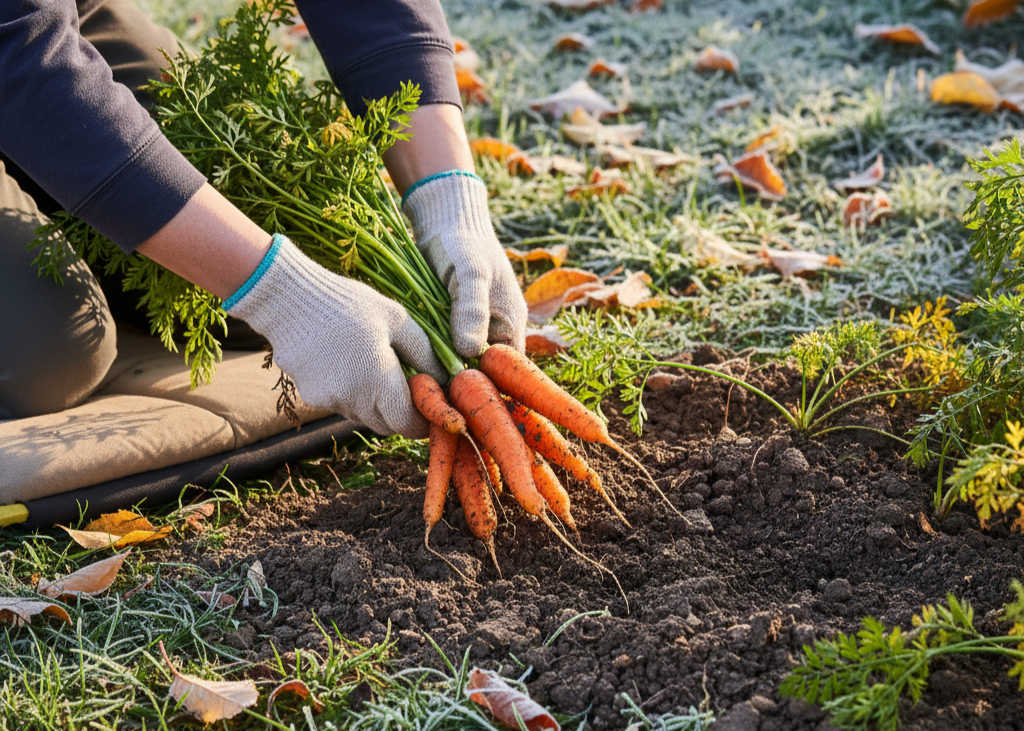
Cool temperatures are great for carrots. Plant them in late summer or early fall and they will sweeten as the weather turns chilly. Loose, well-drained soil allows roots to grow straight and tender. You can harvest small, baby carrots for snacking or let them grow to full size for roasting and soups. Carrots often survive light frost, making them a reliable choice for a winter garden.
4. Beets
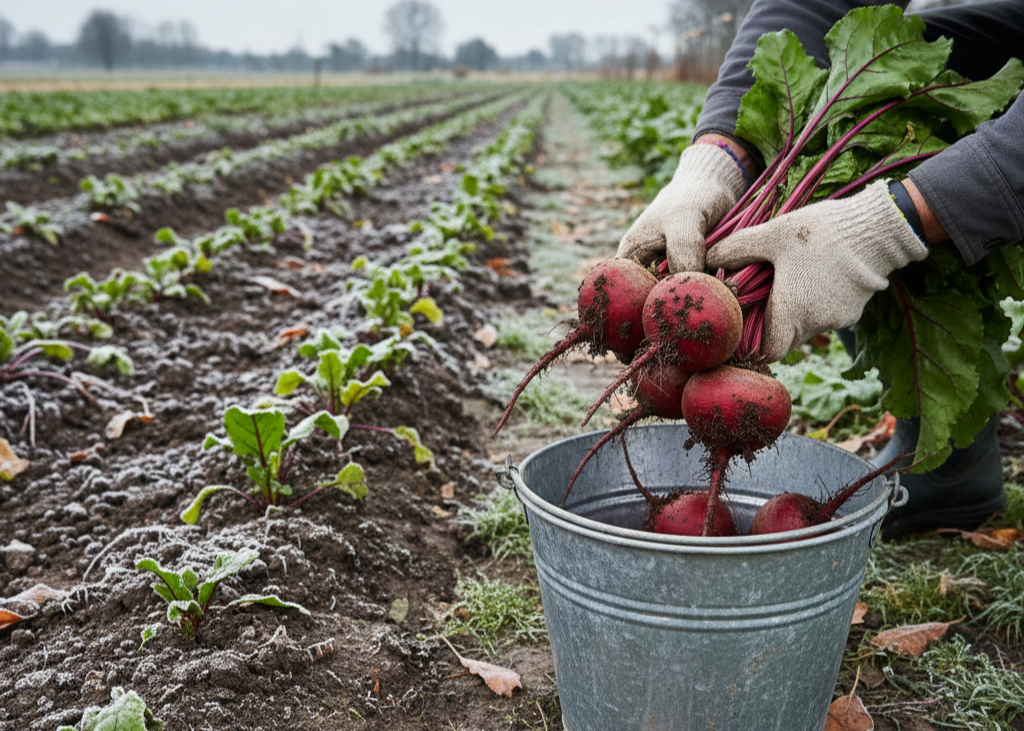
Beets are versatile, nutritious, and surprisingly hardy. Both the roots and the greens are edible, so you get double value from a single planting. Sow seeds in late summer or early fall, and the plants will tolerate frost. Beets are excellent roasted, pickled, or added to salads, and their greens can be used like spinach or chard. Their sweet, earthy flavor develops even more in cool temperatures.
5. Turnips
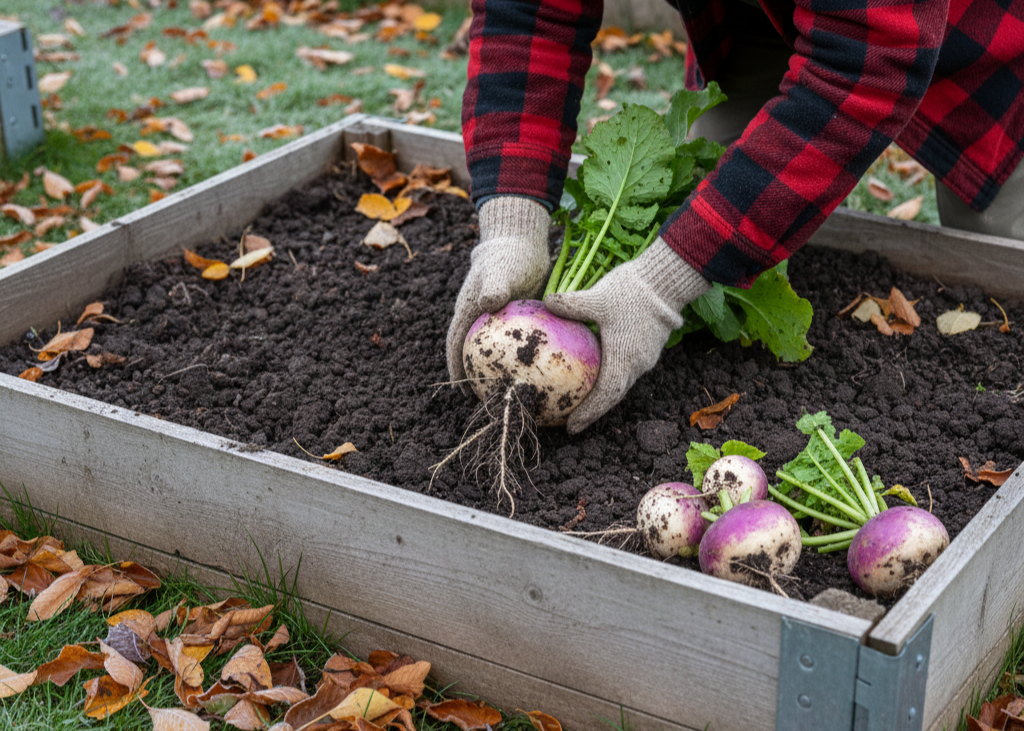
Turnips are fast-growing root vegetables that love cooler weather. Plant them in late summer or early fall, and they will mature quickly enough for a late fall harvest. Turnip greens are peppery and delicious in sautés or soups, while the roots can be roasted, mashed, or added to stews. They are ideal for smaller garden spaces because they do not require much room to grow.
6. Lettuce
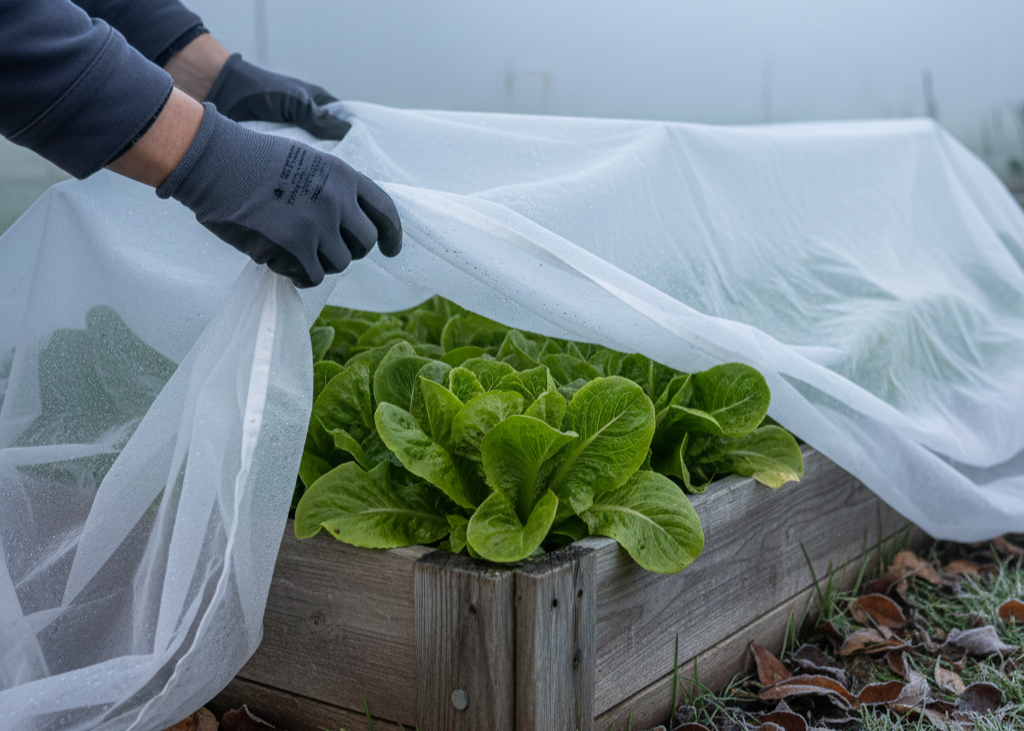
Loose-leaf varieties of lettuce are perfect for fall and winter gardens. They grow faster than head lettuce and tolerate cooler temperatures well. Covering young plants with a frost blanket or cold frame can extend their growing season even further. Harvest leaves continuously for fresh salads or sandwich toppings, and enjoy the crisp, tender texture that only cold-grown lettuce can provide.
7. Swiss Chard and Other Cold-Tolerant Greens
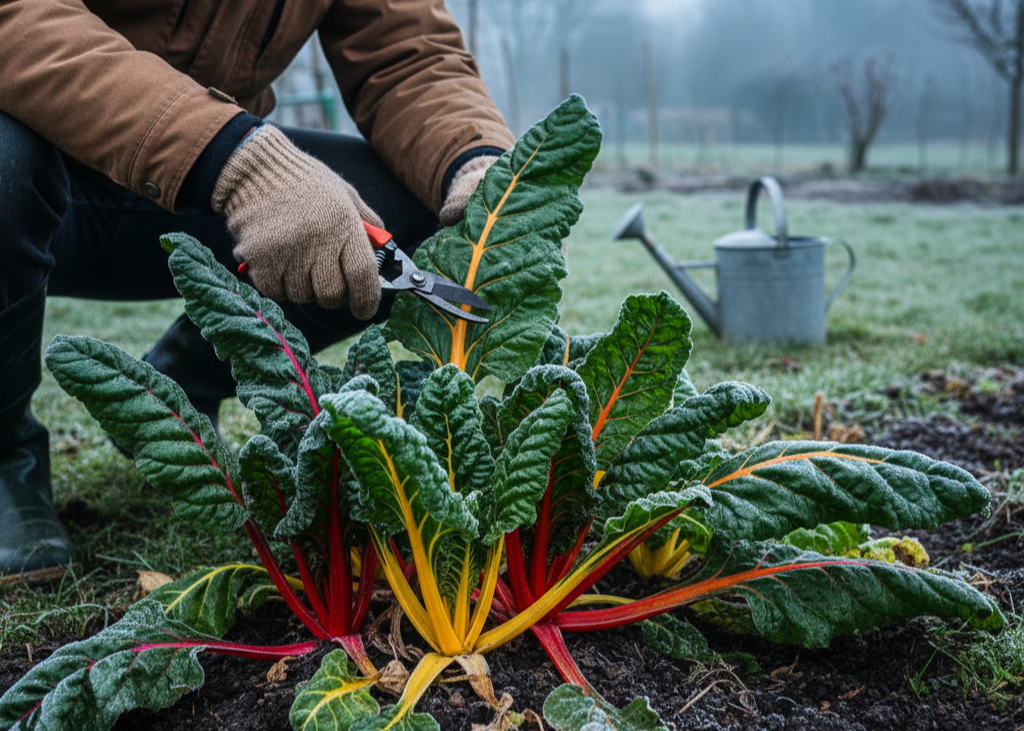
Swiss chard and similar leafy greens thrive when temperatures drop. They grow more slowly in cold weather, but they continue producing leaves well into winter. These greens are packed with vitamins and minerals, and they are delicious in soups, sautés, or as a base for salads. Their vibrant colors can also brighten up your winter garden when many other plants have faded.
8. Broccoli
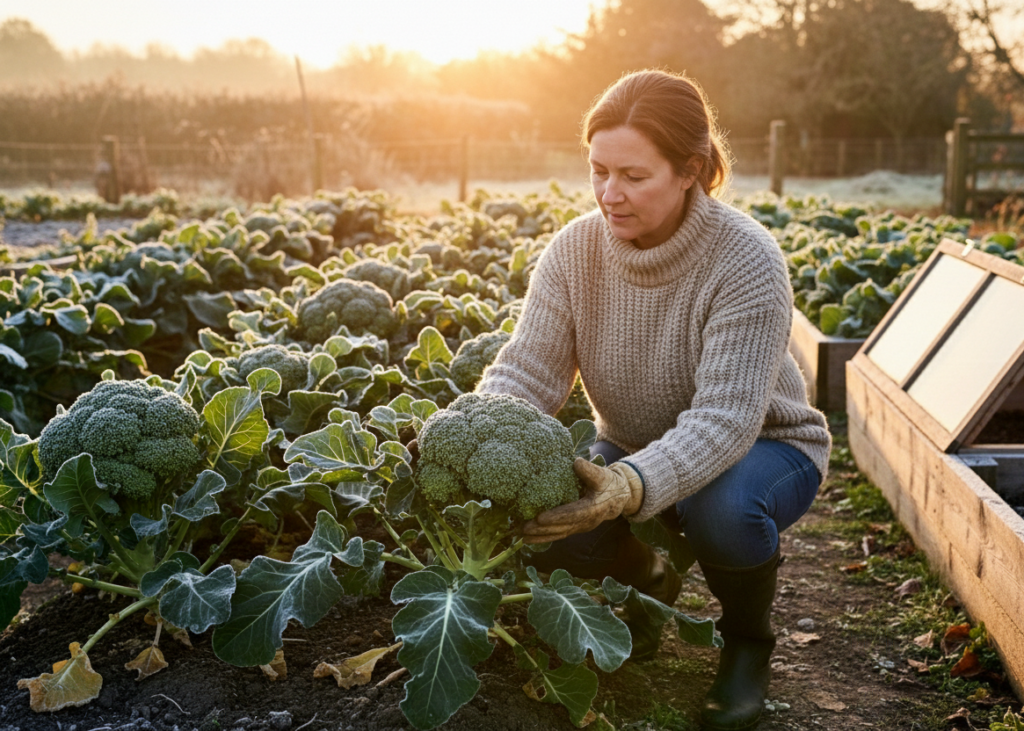
Broccoli is a cool-season vegetable that does best when grown in fall or mild winter conditions. Plant it early enough so that the main head develops before deep winter. Even after harvesting the primary head, broccoli often produces side shoots for additional harvests. It grows well in garden beds or containers with rich, well-drained soil, and a little protection from frost can keep it productive for months.
9. Cauliflower
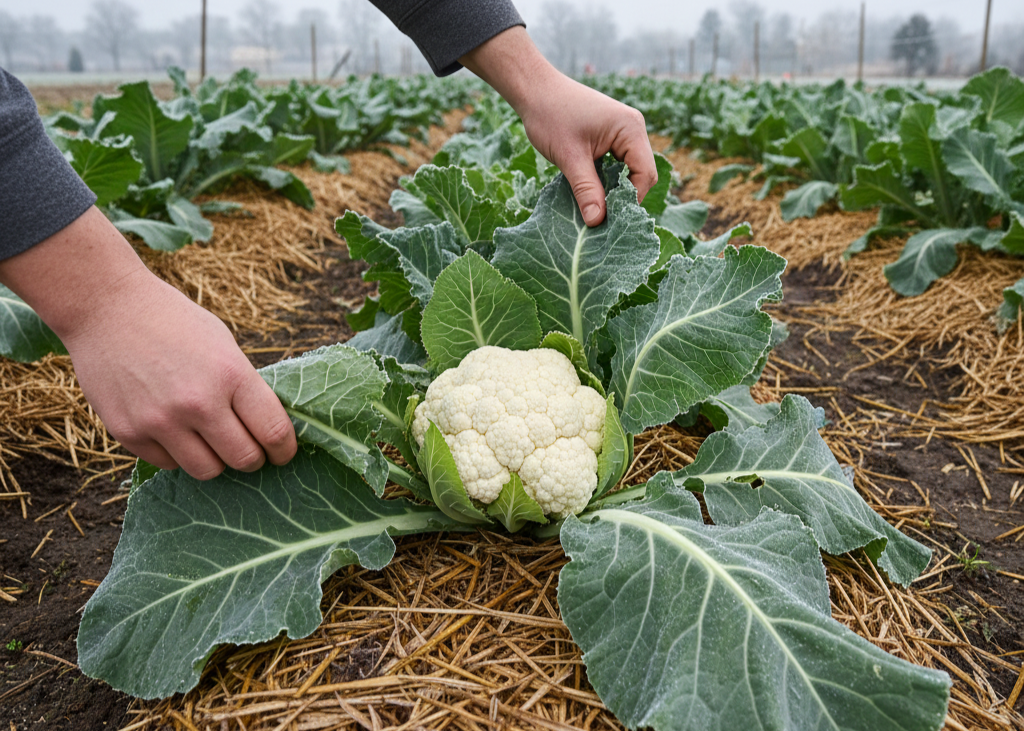
Cauliflower prefers cool temperatures and is ideal for planting in late summer or early fall. While it is more sensitive than kale or spinach, the flavor is exceptional when harvested in cooler weather. Plant in fertile soil with consistent moisture, and consider using row covers or cold frames if temperatures drop significantly. Cauliflower is versatile in the kitchen and can be roasted, mashed, or used as a low-carb substitute for grains.
10. Cabbage and Collards
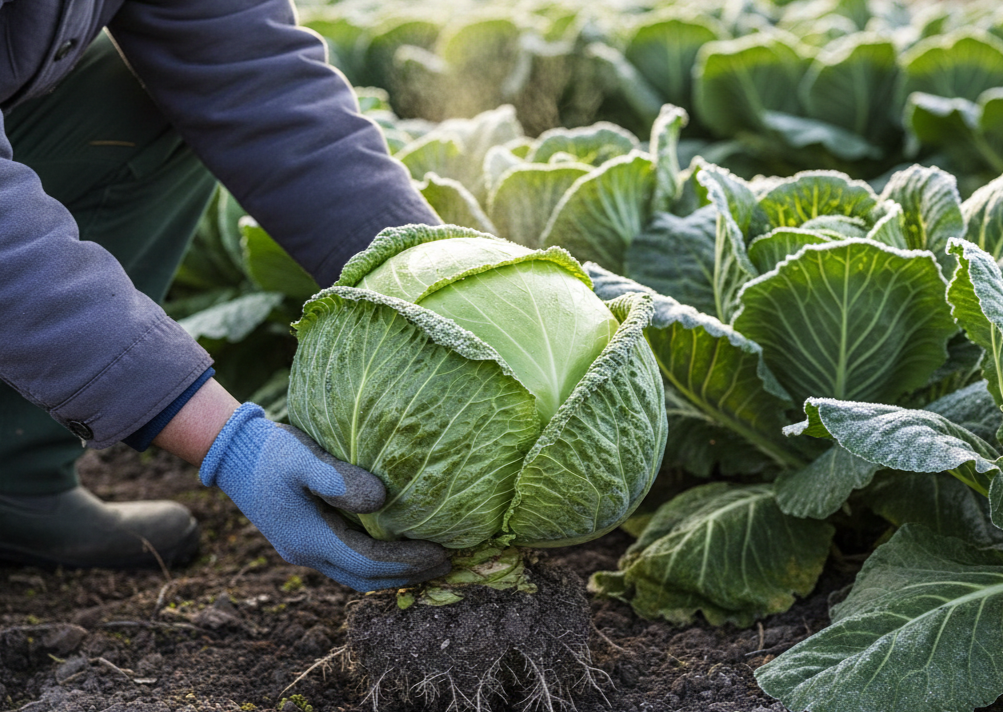
Cabbage and collards are some of the most frost-tolerant vegetables you can grow. They thrive in cold conditions and are perfect for hearty winter meals such as stews, stir-fries, and fermented dishes like sauerkraut. Plant them in early to mid-fall so that heads or leaves are ready to harvest well into winter. Their durability makes them a reliable choice when other crops may struggle in the cold.
11. Peas
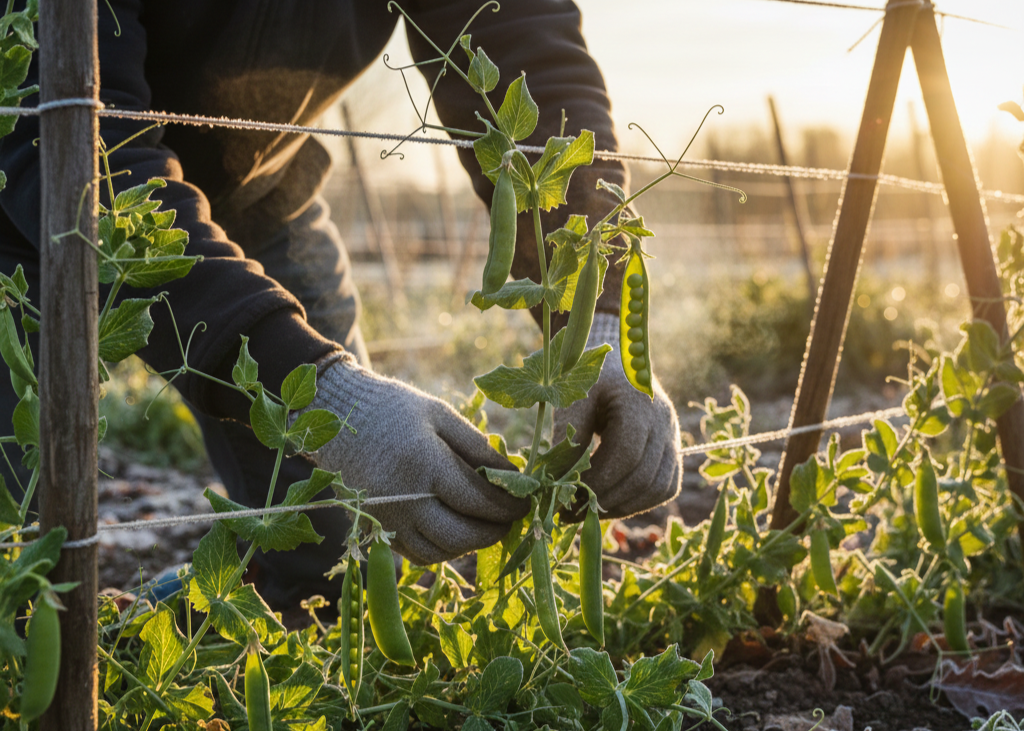
Certain varieties of peas can be planted in early fall for a late fall or early winter harvest. They perform well in mild winter climates and benefit from protection like cold frames or row covers. Fresh peas harvested in cooler weather are sweeter and more tender than those grown in the heat of summer. They are also a fun and rewarding crop for gardeners who enjoy a quick-growing plant that can produce tasty results in just a few weeks.
12. Garlic and Onions
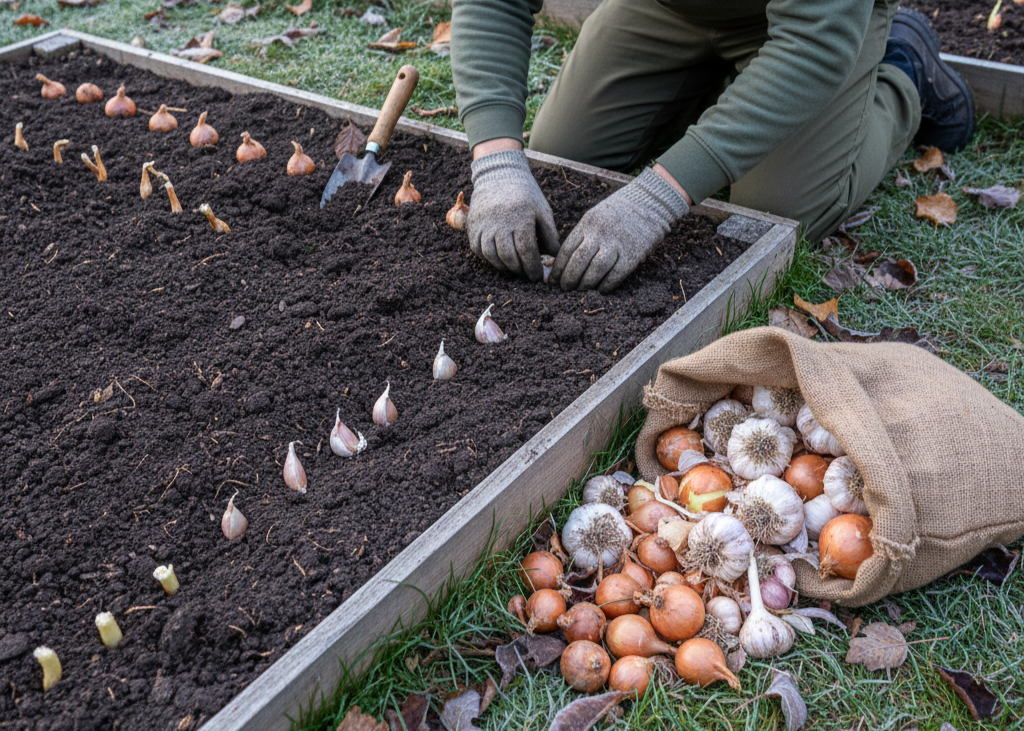
Planting garlic and bulb onions in the fall gives them a head start for next summer. These crops develop roots before going dormant in the cold, then resume growth in spring. Garlic and onions planted in fall produce stronger, fuller bulbs by harvest time. They require minimal care over winter, making them ideal for gardeners who want an early summer harvest without intensive attention.
Final Thoughts
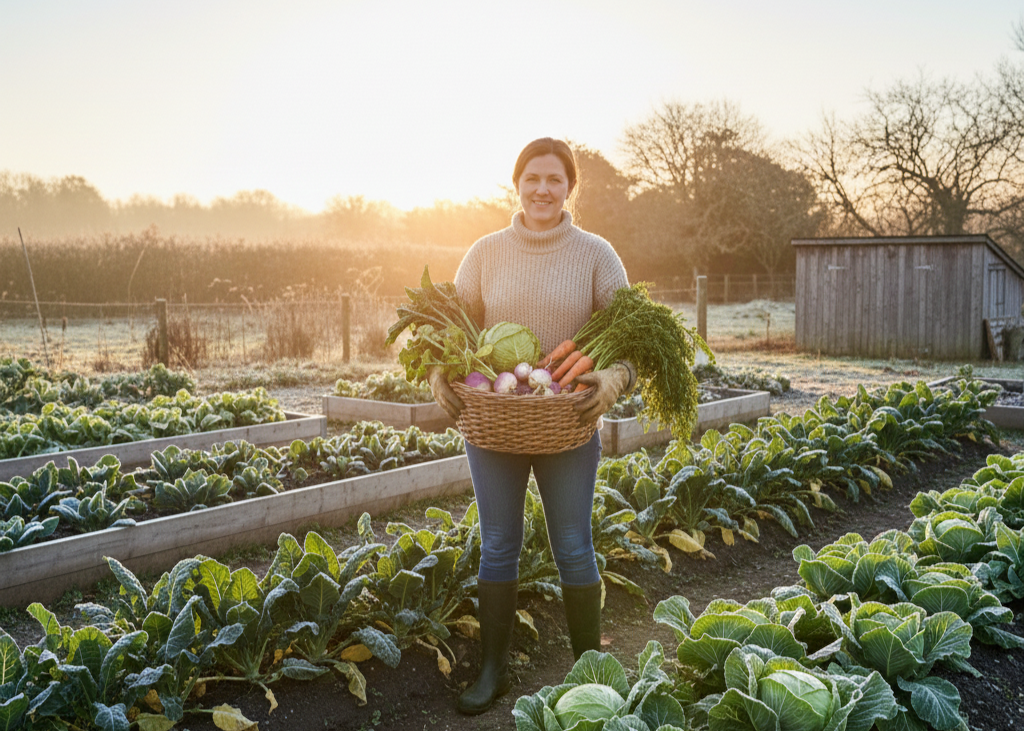
Fall and winter gardening opens a whole new world of possibilities. It allows you to enjoy fresh, homegrown vegetables when most gardens have gone quiet. These cool-season crops are often sweeter, more tender, and packed with nutrients thanks to the chill in the air.
Even if you are new to gardening, fall and winter planting is accessible. Start with hardy greens and root vegetables, use simple protection if needed, and watch as your garden continues to thrive while others rest. Experimenting with late-season crops can be both rewarding and educational, and it helps you make the most of your garden space year-round.
The satisfaction of harvesting your own fresh spinach, kale, carrots, or garlic while the world outside feels cold and gray is unmatched. With a little planning and care, your fall and winter garden can provide abundant produce, vibrant color, and the joy of knowing that fresh, homegrown food is just steps away.
Gardening does not stop when summer ends. It evolves. And embracing the colder months might just turn out to be the most rewarding part of the year.
Leave a Reply