Our Debt Free Family

Commit. Plan. Take action.

  • BUDGETING
  • DEBT REDUCTION
  • INVESTING
  • LIFESTYLE
  • TOOLS
  • ABOUT
  • Privacy Policy
  • CONTACT
You are here: Home / Food & Drink / Fiber Fix: 5 Foods That Can Seriously Transform Your Gut Health Fast

Fiber Fix: 5 Foods That Can Seriously Transform Your Gut Health Fast

March 29, 2026 | Leave a Comment

Fiber Fix: 5 Foods That Can Seriously Transform Your Gut Health Fast

<p> If your stomach has been acting like it has its own mood swings lately, you are not imagining it. Bloating after lunch, sluggish digestion, random cravings, and those “why do I feel so heavy?” moments can all be signs that your gut is begging for more fiber. The funny part is that fiber is not exactly trendy. It does not come in a flashy bottle, it does not promise a “three-day reset,” and no one on social media is making dramatic videos about how a bowl of lentils changed their life. But when it comes to gut health, fiber quietly does the heavy lifting.

That matters because most Americans still do not get enough of it. Current U.S. guidance suggests adults generally need about 14 grams of fiber for every 1,000 calories, which usually lands many adults in the 25 to 38 gram range depending on age and sex. Mayo Clinic also notes specific adult targets that range from 21 to 38 grams a day, and many people are falling short. Fiber helps keep digestion regular, feeds beneficial gut bacteria, and can even help with fullness, blood sugar support, and heart health. In short, your gut loves it, and the rest of your body tends to benefit too.

The good news is you do not need a complicated meal plan, a pricey supplement stack, or a refrigerator full of strange “wellness” products to feel better. Sometimes the fastest path to a happier gut is just eating more of the right everyday foods consistently. The five foods below are practical, easy to find in U.S. grocery stores, and genuinely useful in real life. If you add them slowly and drink enough water, they can make a noticeable difference faster than you might expect. Your gut may not send a thank-you card, but it will absolutely notice. </p> :: Gemini

If your stomach has been acting like it has its own mood swings lately, you are not imagining it. Bloating after lunch, sluggish digestion, random cravings, and those “why do I feel so heavy?” moments can all be signs that your gut is begging for more fiber. The funny part is that fiber is not exactly trendy. It does not come in a flashy bottle, it does not promise a “three-day reset,” and no one on social media is making dramatic videos about how a bowl of lentils changed their life. But when it comes to gut health, fiber quietly does the heavy lifting.

That matters because most Americans still do not get enough of it. Current U.S. guidance suggests adults generally need about 14 grams of fiber for every 1,000 calories, which usually lands many adults in the 25 to 38 gram range depending on age and sex. Mayo Clinic also notes specific adult targets that range from 21 to 38 grams a day, and many people are falling short. Fiber helps keep digestion regular, feeds beneficial gut bacteria, and can even help with fullness, blood sugar support, and heart health. In short, your gut loves it, and the rest of your body tends to benefit too.

The good news is you do not need a complicated meal plan, a pricey supplement stack, or a refrigerator full of strange “wellness” products to feel better. Sometimes the fastest path to a happier gut is just eating more of the right everyday foods consistently. The five foods below are practical, easy to find in U.S. grocery stores, and genuinely useful in real life. If you add them slowly and drink enough water, they can make a noticeable difference faster than you might expect. Your gut may not send a thank-you card, but it will absolutely notice.

1. Chia Seeds
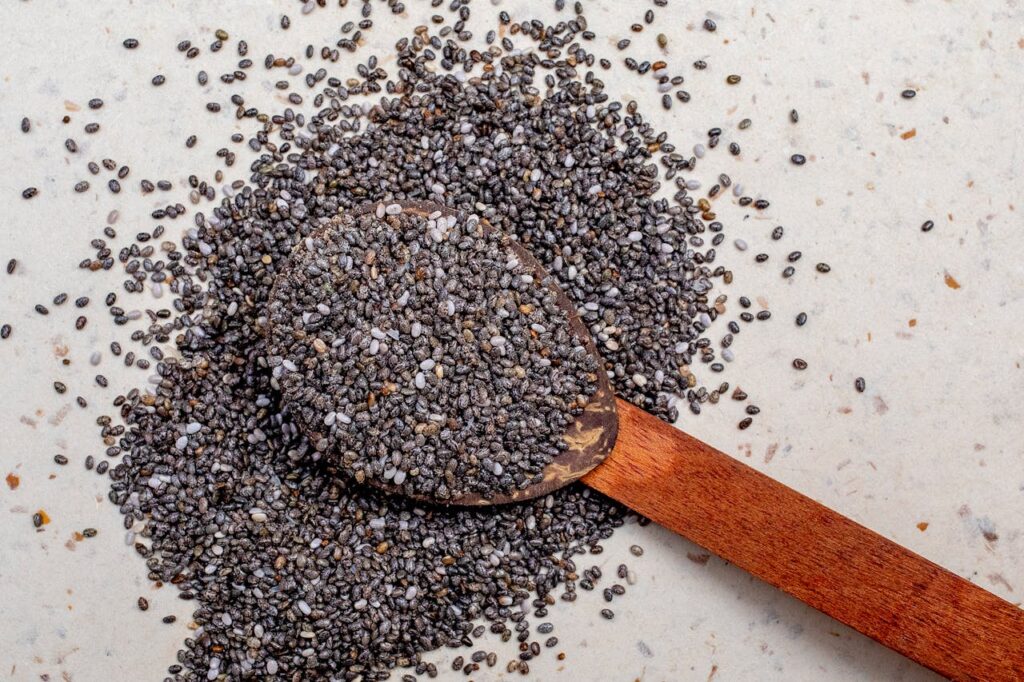
<p> Chia seeds may be tiny, but they are basically the overachievers of the fiber world. According to Mayo Clinic’s high-fiber food chart, just 1 ounce of chia seeds delivers about 10 grams of fiber, which is a serious boost from a very small serving. That is one reason they are so helpful for gut health. Chia contains fiber that absorbs liquid and forms a gel-like texture, which can help support smoother digestion and more regular bowel movements. They are also ridiculously easy to use, which matters because the best healthy food is the one you will actually eat. Stir a tablespoon into yogurt, blend it into a smoothie, sprinkle it over oatmeal, or make overnight chia pudding if you want something that feels slightly more Pinterest than practical. If you are new to fiber, start small. Going from zero to “I now eat chia every hour” can backfire with bloating and gas. Mayo Clinic specifically recommends increasing fiber gradually so your digestive system has time to adjust. In other words, do not let a teaspoon of seeds humble you. </p> :: Pexels

Chia seeds may be tiny, but they are basically the overachievers of the fiber world. According to Mayo Clinic’s high-fiber food chart, just 1 ounce of chia seeds delivers about 10 grams of fiber, which is a serious boost from a very small serving. That is one reason they are so helpful for gut health. Chia contains fiber that absorbs liquid and forms a gel-like texture, which can help support smoother digestion and more regular bowel movements. They are also ridiculously easy to use, which matters because the best healthy food is the one you will actually eat. Stir a tablespoon into yogurt, blend it into a smoothie, sprinkle it over oatmeal, or make overnight chia pudding if you want something that feels slightly more Pinterest than practical. If you are new to fiber, start small. Going from zero to “I now eat chia every hour” can backfire with bloating and gas. Mayo Clinic specifically recommends increasing fiber gradually so your digestive system has time to adjust. In other words, do not let a teaspoon of seeds humble you.

2. Lentils
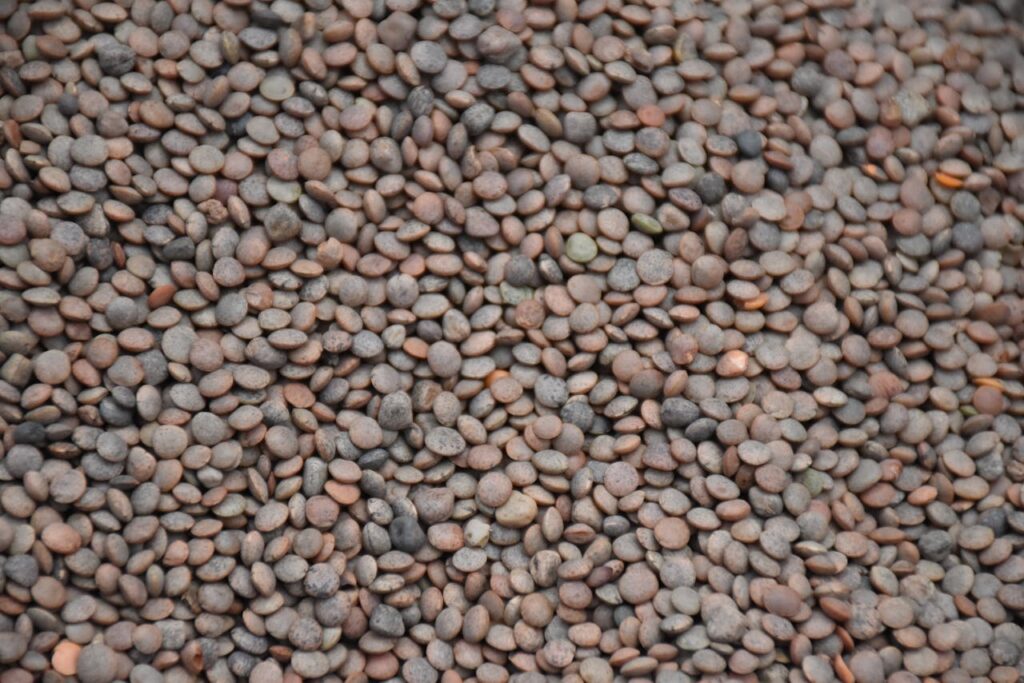
<p> If there were a hall of fame for gut-friendly budget foods, lentils would have their own display case. One cooked cup of lentils packs around 15.5 grams of fiber, according to Mayo Clinic, which makes them one of the most powerful foods on this list. They are rich in both the kind of fiber that helps add bulk and keep things moving and the kind that helps feed beneficial bacteria in your gut. That combination is great news if your digestion has been inconsistent, sluggish, or just plain annoying. Lentils are also one of the easiest healthy foods to work into normal meals without making dinner feel like a wellness project. You can add them to soups, toss them into salads, stir them into pasta sauce, use them in tacos, or bulk up grain bowls without spending much money. For U.S. readers dealing with grocery prices that seem to have their own personality lately, that is a win. If beans and lentils sometimes make you gassy, that does not mean your body is rejecting them forever. It often just means your gut bacteria are adjusting to more fermentable fiber. Start with smaller portions and build up. Your stomach can learn new tricks, even if it complains at first. </p> :: Pexels

If there were a hall of fame for gut-friendly budget foods, lentils would have their own display case. One cooked cup of lentils packs around 15.5 grams of fiber, according to Mayo Clinic, which makes them one of the most powerful foods on this list. They are rich in both the kind of fiber that helps add bulk and keep things moving and the kind that helps feed beneficial bacteria in your gut. That combination is great news if your digestion has been inconsistent, sluggish, or just plain annoying. Lentils are also one of the easiest healthy foods to work into normal meals without making dinner feel like a wellness project. You can add them to soups, toss them into salads, stir them into pasta sauce, use them in tacos, or bulk up grain bowls without spending much money. For U.S. readers dealing with grocery prices that seem to have their own personality lately, that is a win. If beans and lentils sometimes make you gassy, that does not mean your body is rejecting them forever. It often just means your gut bacteria are adjusting to more fermentable fiber. Start with smaller portions and build up. Your stomach can learn new tricks, even if it complains at first.

3. Oats
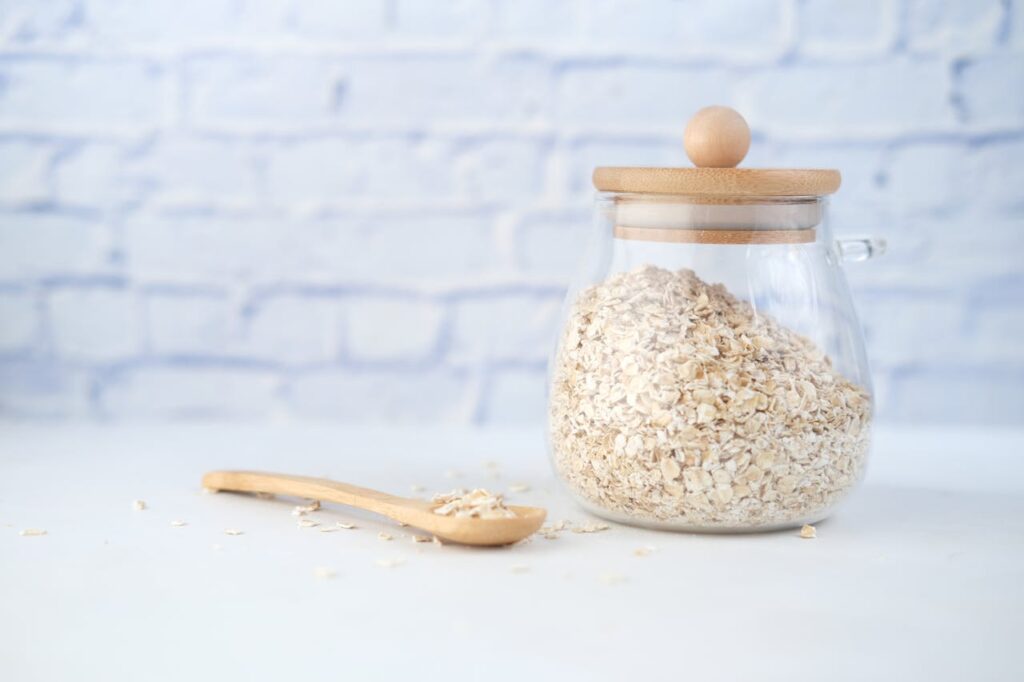
<p> Oats are one of the most underrated gut health foods because they seem almost too ordinary to be impressive. But boring and effective is a pretty great combination when it comes to breakfast. Oats are especially valuable because they contain soluble fiber, including beta-glucan, which forms a soft gel-like texture in the digestive tract. That can help slow digestion, support fullness, and create a friendlier environment for the beneficial bacteria living in your gut. Mayo Clinic specifically lists oats among foods rich in soluble fiber, and that matters because soluble fiber can help with both digestive regularity and steadier energy after meals. Oats are also easy to make fit real life. Overnight oats are great if mornings are chaos. A warm bowl of oatmeal with berries works when you want something comforting. Even savory oats can be surprisingly good if you top them with eggs, spinach, or avocado. Just try not to rely too heavily on the super sugary instant packets that are basically dessert wearing a health costume. Plain old-fashioned oats or steel-cut oats usually give you more fiber value without the sugar overload. When a food is cheap, filling, pantry-friendly, and good for your gut, it deserves more respect than it gets. </p> :: Pexels

Oats are one of the most underrated gut health foods because they seem almost too ordinary to be impressive. But boring and effective is a pretty great combination when it comes to breakfast. Oats are especially valuable because they contain soluble fiber, including beta-glucan, which forms a soft gel-like texture in the digestive tract. That can help slow digestion, support fullness, and create a friendlier environment for the beneficial bacteria living in your gut. Mayo Clinic specifically lists oats among foods rich in soluble fiber, and that matters because soluble fiber can help with both digestive regularity and steadier energy after meals. Oats are also easy to make fit real life. Overnight oats are great if mornings are chaos. A warm bowl of oatmeal with berries works when you want something comforting. Even savory oats can be surprisingly good if you top them with eggs, spinach, or avocado. Just try not to rely too heavily on the super sugary instant packets that are basically dessert wearing a health costume. Plain old-fashioned oats or steel-cut oats usually give you more fiber value without the sugar overload. When a food is cheap, filling, pantry-friendly, and good for your gut, it deserves more respect than it gets.

4. Raspberries
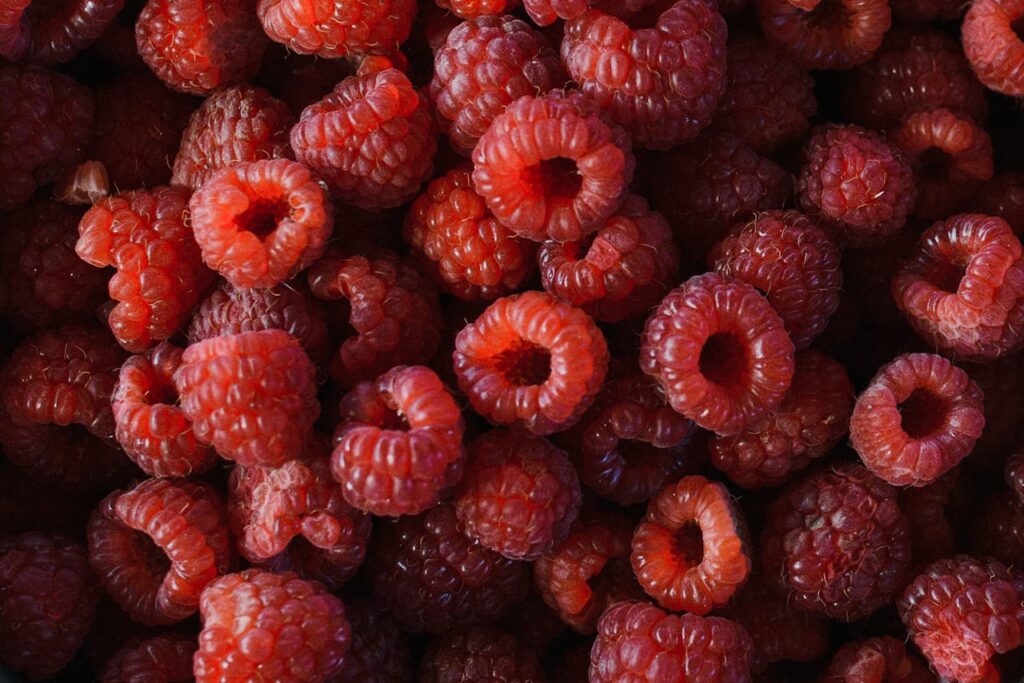
<p> If you want a gut-friendly food that actually feels fun to eat, raspberries are your answer. They are sweet, refreshing, easy to grab, and surprisingly loaded with fiber. Mayo Clinic’s high-fiber chart lists 1 cup of raspberries at about 8 grams of fiber, which is impressive for a fruit that tastes more like a treat than a health strategy. That makes them a smart option for anyone who wants to support digestion without feeling like they are “trying to be healthy” every second of the day. Raspberries can help add fiber and water to your diet at the same time, which is a helpful combo when your goal is staying regular and avoiding that heavy, backed-up feeling. They are also incredibly flexible. Add them to oatmeal, mix them into yogurt, freeze them for a cold snack, or eat them straight from the container while standing in the kitchen deciding what your life is about. No judgment. They pair especially well with other foods on this list too. A bowl of oats with chia and raspberries is one of the easiest gut-friendly breakfasts you can make without spending half your morning cooking. If your snack routine currently involves crackers, chips, or protein bars that taste like drywall, raspberries are a simple upgrade your digestive system will appreciate. </p> :: Pexels

If you want a gut-friendly food that actually feels fun to eat, raspberries are your answer. They are sweet, refreshing, easy to grab, and surprisingly loaded with fiber. Mayo Clinic’s high-fiber chart lists 1 cup of raspberries at about 8 grams of fiber, which is impressive for a fruit that tastes more like a treat than a health strategy. That makes them a smart option for anyone who wants to support digestion without feeling like they are “trying to be healthy” every second of the day. Raspberries can help add fiber and water to your diet at the same time, which is a helpful combo when your goal is staying regular and avoiding that heavy, backed-up feeling. They are also incredibly flexible. Add them to oatmeal, mix them into yogurt, freeze them for a cold snack, or eat them straight from the container while standing in the kitchen deciding what your life is about. No judgment. They pair especially well with other foods on this list too. A bowl of oats with chia and raspberries is one of the easiest gut-friendly breakfasts you can make without spending half your morning cooking. If your snack routine currently involves crackers, chips, or protein bars that taste like drywall, raspberries are a simple upgrade your digestive system will appreciate.

5. Avocados
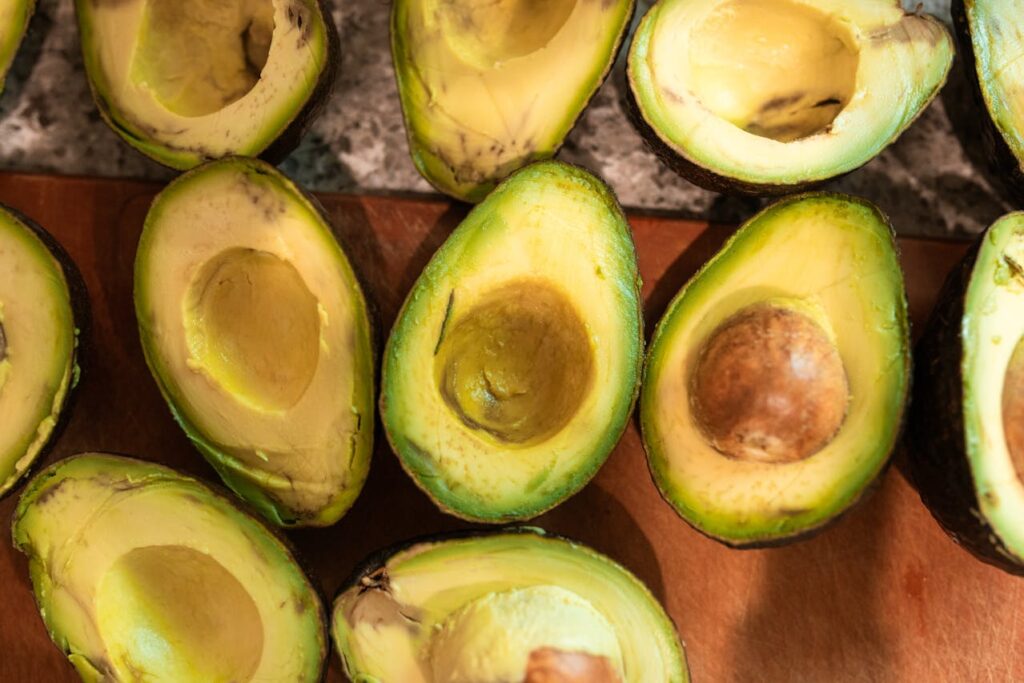
<p> Avocados are often praised for healthy fats, but they do not get nearly enough credit for their fiber content. Mayo Clinic includes avocados among foods rich in soluble fiber, which is one reason they can be so helpful for digestion and satiety. That combination of fiber and healthy fat is especially useful because it can help meals feel more balanced and satisfying instead of leaving you hungry an hour later and mysteriously elbow-deep in snack foods. Avocados are also one of the easiest gut-friendly foods to work into everyday eating without making it feel like a sacrifice. Mash them onto whole-grain toast, slice them into sandwiches, toss them into salads, blend them into smoothies for extra creaminess, or turn them into guacamole and suddenly everyone is interested in fiber. They are rich, versatile, and honestly make healthy eating feel a lot less like punishment. For people trying to improve their gut health quickly, that matters. If a food is nutritious but feels depressing, you probably will not stick with it. Avocados solve that problem nicely. Just keep portions realistic if you are also trying to manage calories, because “I will have a few slices” can become “somehow the whole avocado disappeared” faster than most of us care to admit. </p> :: Pexels

Avocados are often praised for healthy fats, but they do not get nearly enough credit for their fiber content. Mayo Clinic includes avocados among foods rich in soluble fiber, which is one reason they can be so helpful for digestion and satiety. That combination of fiber and healthy fat is especially useful because it can help meals feel more balanced and satisfying instead of leaving you hungry an hour later and mysteriously elbow-deep in snack foods. Avocados are also one of the easiest gut-friendly foods to work into everyday eating without making it feel like a sacrifice. Mash them onto whole-grain toast, slice them into sandwiches, toss them into salads, blend them into smoothies for extra creaminess, or turn them into guacamole and suddenly everyone is interested in fiber. They are rich, versatile, and honestly make healthy eating feel a lot less like punishment. For people trying to improve their gut health quickly, that matters. If a food is nutritious but feels depressing, you probably will not stick with it. Avocados solve that problem nicely. Just keep portions realistic if you are also trying to manage calories, because “I will have a few slices” can become “somehow the whole avocado disappeared” faster than most of us care to admit.

Final Thoughts

<p> If you want better gut health fast, the answer is usually not some dramatic cleanse, expensive powder, or influencer-approved “detox.” It is consistency. That is what makes these five foods so powerful. Chia seeds, lentils, oats, raspberries, and avocados all bring something useful to the table, and together they make it much easier to build a diet that actually supports digestion instead of working against it.

The key is not perfection. It is repetition. Add chia to breakfast a few times a week. Swap one low-fiber lunch for a lentil soup. Keep oats in the pantry. Buy raspberries instead of another box of snack bars. Put avocado on meals that usually leave you unsatisfied. These are not dramatic changes, but they are the kind that tend to stick, and that is where the real magic happens.

One important reminder before you go full fiber warrior: more is not always better all at once. Mayo Clinic warns that increasing fiber too quickly can cause gas, bloating, and cramping. The smartest move is to add fiber gradually over a few weeks and drink plenty of water so your body can adjust. Think of it as training your gut, not shocking it into submission.

Your gut does not need a miracle. It needs better daily habits. And if you start with these five foods, you are giving it a much better chance to calm down, function better, and stop acting like every meal is a personal attack. </p> :: Gemini

If you want better gut health fast, the answer is usually not some dramatic cleanse, expensive powder, or influencer-approved “detox.” It is consistency. That is what makes these five foods so powerful. Chia seeds, lentils, oats, raspberries, and avocados all bring something useful to the table, and together they make it much easier to build a diet that actually supports digestion instead of working against it.

The key is not perfection. It is repetition. Add chia to breakfast a few times a week. Swap one low-fiber lunch for a lentil soup. Keep oats in the pantry. Buy raspberries instead of another box of snack bars. Put avocado on meals that usually leave you unsatisfied. These are not dramatic changes, but they are the kind that tend to stick, and that is where the real magic happens.

One important reminder before you go full fiber warrior: more is not always better all at once. Mayo Clinic warns that increasing fiber too quickly can cause gas, bloating, and cramping. The smartest move is to add fiber gradually over a few weeks and drink plenty of water so your body can adjust. Think of it as training your gut, not shocking it into submission.

Your gut does not need a miracle. It needs better daily habits. And if you start with these five foods, you are giving it a much better chance to calm down, function better, and stop acting like every meal is a personal attack.

Filed Under: Food & Drink

Leave a Reply Cancel reply

Your email address will not be published. Required fields are marked *

  • Email
  • Facebook
  • Pinterest
  • Twitter

Our Most Popular Articles

ClickCashGo Review: Should You Avoid At All Costs?

Ultimate Guide to Mastering Your Credit Score

The 'YOLO' Mindset is a Dangerous Thing

Dave Ramsey's Financial Peace University Review: Is it Worth the Money?

Cash App Glitch 2025: Is the Free Money Glitch Real?

Five Steps To Debt Freedom

Here are five simple guidlines that will help you pay off debt.  

1) Get an emergency fund so you don’t take on debt when something comes up.

2) List your debts. This way you know where you stand.

3) Use the debt snowball. Pay your debts from smallest to largest, or most expensive to least expensive.

4) Avoid new debt. No new credit cards or loans. Period.

5) Go all cash. After everything is paid off, switch to all cash.

Helpful Resources

U of Tennesse Debt Repayment Plan Basics

Vertex 42's Debt Payoff Calculator

Savingadvice's Helpful Debt Forums

Jackie Becks Debt Blog