Foods That Seem Healthy but Often Are Not: 7 Common Choices That Deserve a Second Look
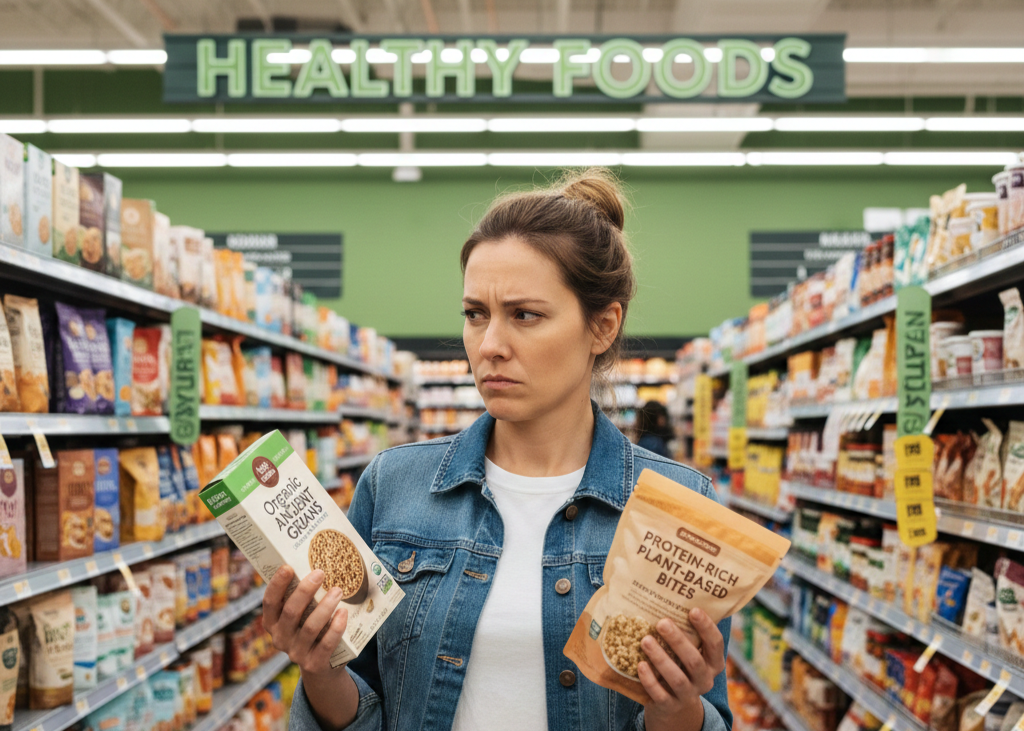
Walking through a U.S. grocery store can feel like navigating a wellness obstacle course. Every aisle is packed with products promising better energy, weight loss, heart health, or “clean” eating. Words like natural, protein-packed, whole grain, and gluten-free jump off the packaging, making it seem like eating healthy is as simple as trusting the label on the front of the box. The problem is that many of these foods only appear healthy. Beneath the polished marketing and earthy colors, some of the most popular “better-for-you” options are quietly loaded with sugar, refined carbs, sodium, or unnecessary additives.
This does not mean you need to eat perfectly or avoid convenience foods altogether. Real life is busy, and most people are doing the best they can with the time and budget they have. The goal is not fear or restriction, but awareness. When you understand which foods are commonly misunderstood, you can make smarter choices without overthinking every bite. Below are seven foods many Americans believe are healthy but often fall short once you look a little closer.
1. Granola and Sweetened Breakfast Cereals
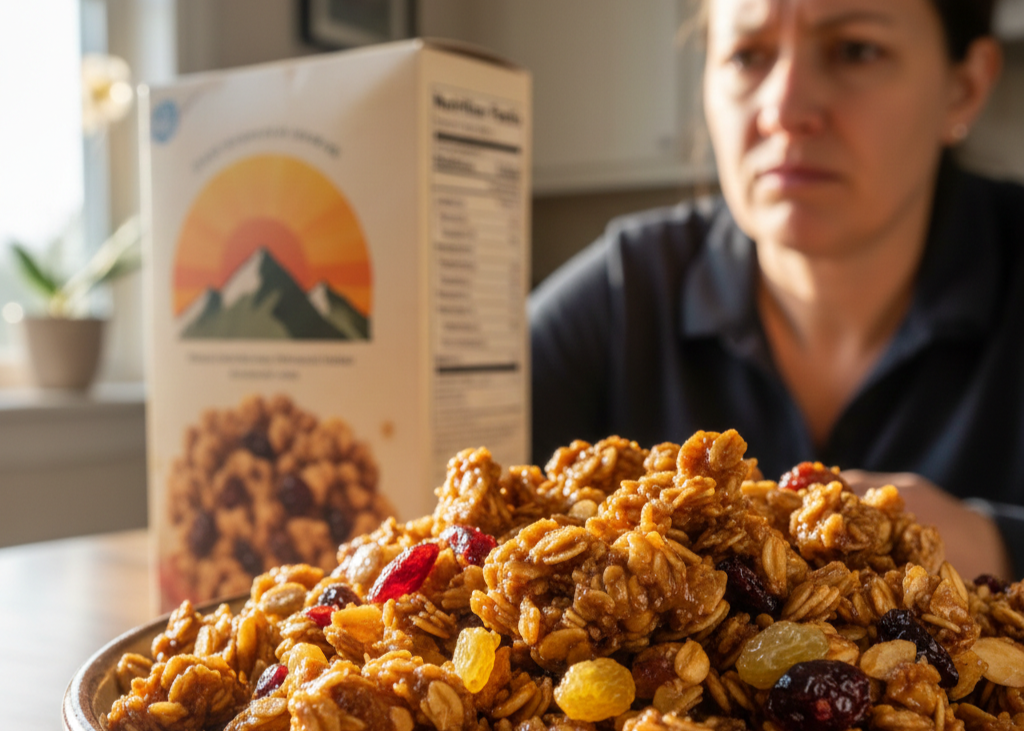
Granola and cereal have long been marketed as a wholesome way to start the day, especially when the box features oats, nuts, or images of fresh fruit. In reality, many popular granolas and cereals are packed with added sugars, oils, and calorie-dense ingredients that can rival desserts. A small serving can contain multiple teaspoons of sugar, yet most people pour far more than the suggested portion into their bowl. While oats themselves are nutritious, the heavy sweeteners and coatings used in many packaged versions turn breakfast into a blood sugar roller coaster. Choosing plain oats or low-sugar cereals and adding your own fruit is usually a much better option.
2. Protein Bars and Energy Bars
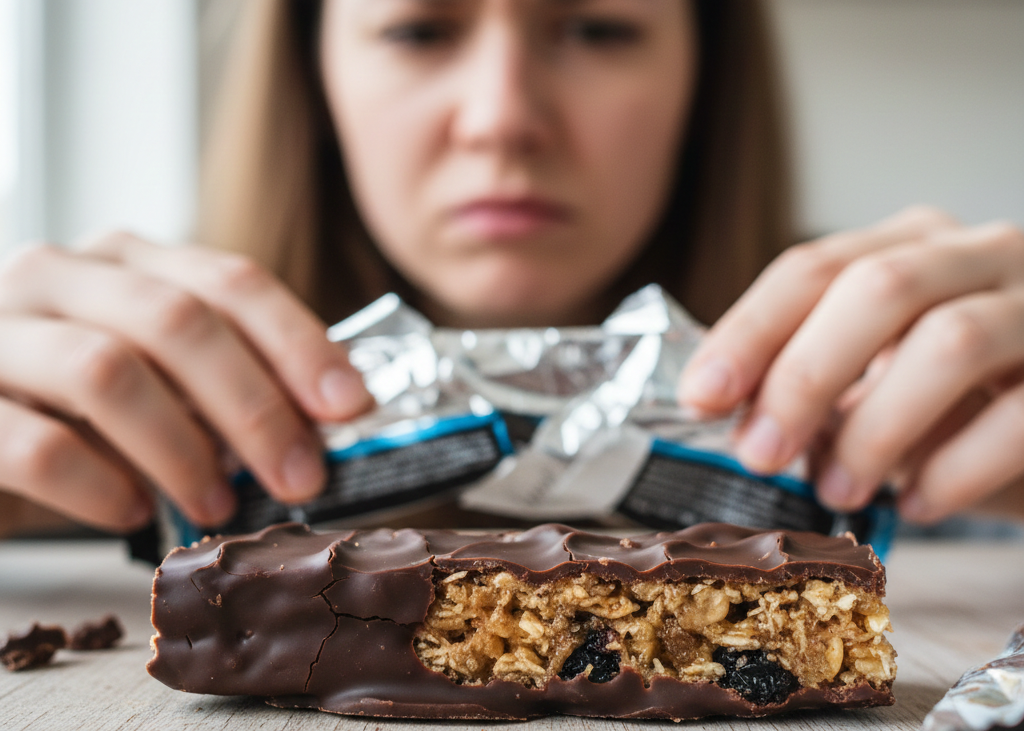
Protein bars are often seen as a smart grab-and-go snack, especially for people trying to eat healthier or stay full between meals. The problem is that many of them are closer to candy bars with a fitness costume. They frequently contain high amounts of added sugar, syrups, artificial sweeteners, and processed fillers that do little for long-term nutrition. While protein is important, it does not magically cancel out excessive sugar or calories. Unless you truly need a compact meal replacement, whole-food snacks like nuts, yogurt, or fruit with peanut butter are often more satisfying and less processed.
3. Flavored Yogurt

Yogurt has a well-earned reputation as a nutritious food thanks to its protein and probiotics. However, flavored yogurts often come with a surprising amount of added sugar, sometimes as much as a small dessert. Fruit-on-the-bottom varieties and dessert-inspired flavors can contain more sugar than many people realize, which reduces their overall health value. Plain yogurt, especially Greek yogurt, provides the same protein and probiotic benefits without the sugar overload. Adding fresh fruit or a drizzle of honey gives you sweetness while keeping control over what goes into your body.
4. Bottled Smoothies and Fruit Juice
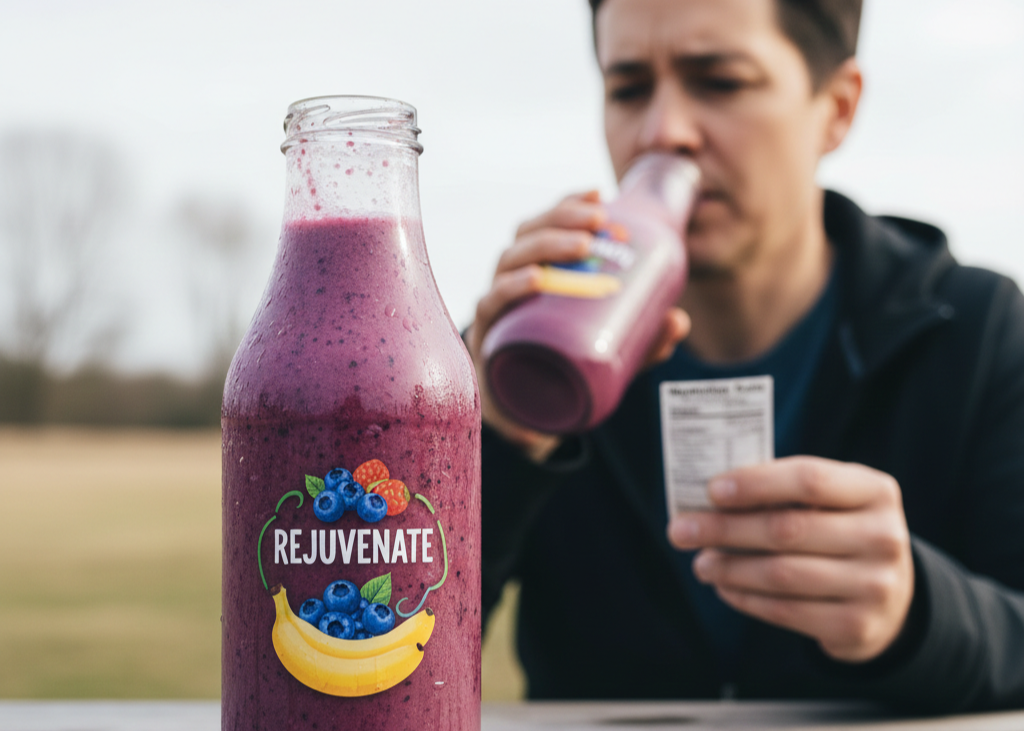
Smoothies and juices are commonly associated with clean eating, detoxes, and wellness trends. Unfortunately, many store-bought versions are essentially liquid sugar. Even when made from fruit, the lack of fiber means sugar is absorbed quickly, leading to energy crashes and hunger soon after. Fruit juice, including 100 percent juice, often contains as much sugar as soda without the benefit of chewing or fullness. Homemade smoothies made with whole fruits, vegetables, protein, and healthy fats are far more balanced and filling than bottled versions.
5. Veggie Chips and Better-For-You Snack Foods
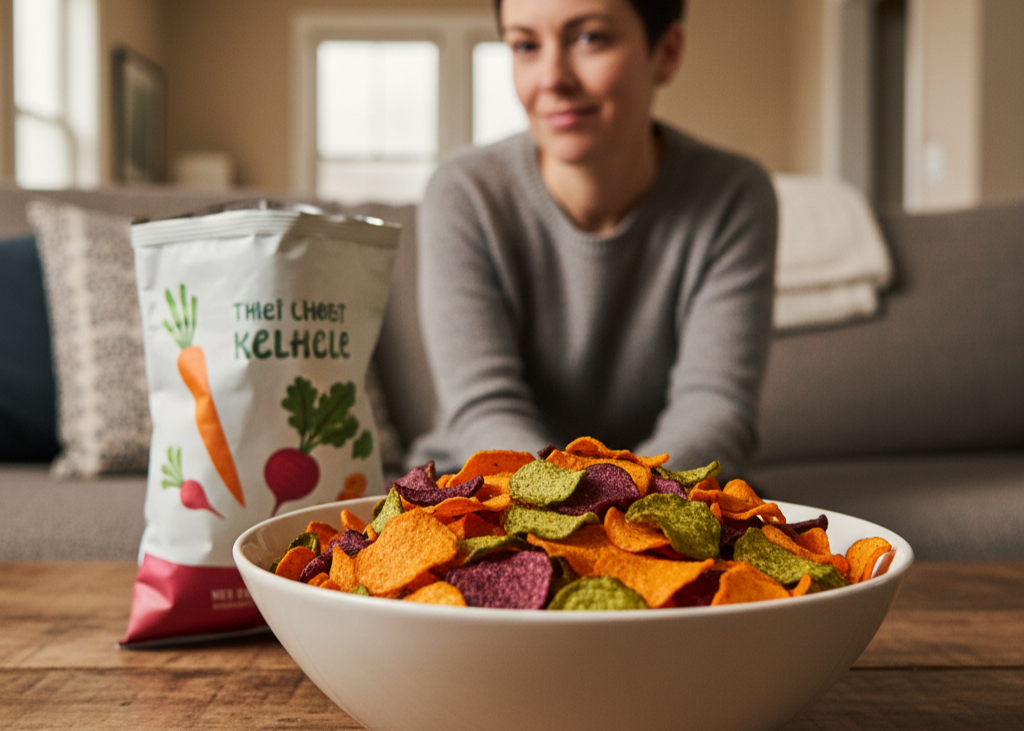
Veggie chips sound like a clever way to eat more vegetables, but the name can be misleading. Most veggie chips are made from processed starches or refined flours with vegetable powders added for color rather than nutrition. They are often fried or heavily baked in oils and seasoned with salt, making them nutritionally similar to regular chips. While they are fine as an occasional treat, they should not be mistaken for real vegetables. Whole vegetables, air-popped popcorn, or lightly roasted chickpeas offer more fiber and lasting satisfaction.
6. Store-Bought Trail Mix
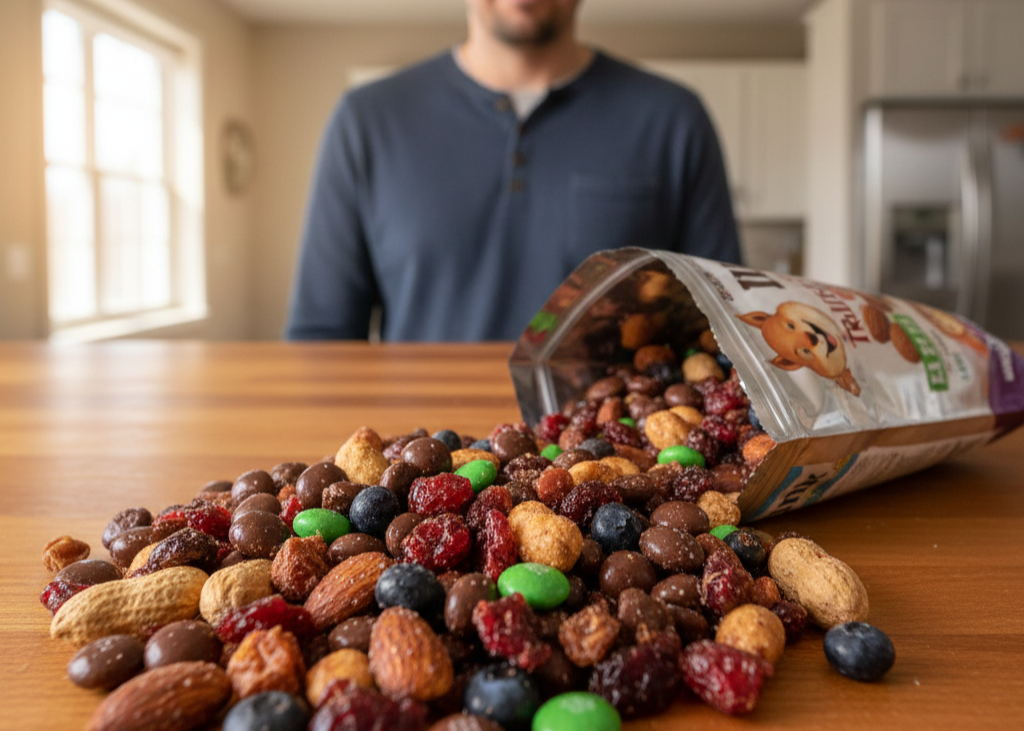
Trail mix has a healthy reputation thanks to nuts, seeds, and dried fruit, but many pre-packaged versions quietly cross into dessert territory. Sweetened dried fruits, chocolate candies, and heavily salted nuts can turn a small handful into a calorie-dense snack that is easy to overeat. While trail mix can be nutritious, portion size and ingredients matter. Making your own mix with unsweetened dried fruit and plain nuts gives you the benefits without the hidden sugar and excess sodium.
7. Gluten-Free and Trend-Labeled Foods
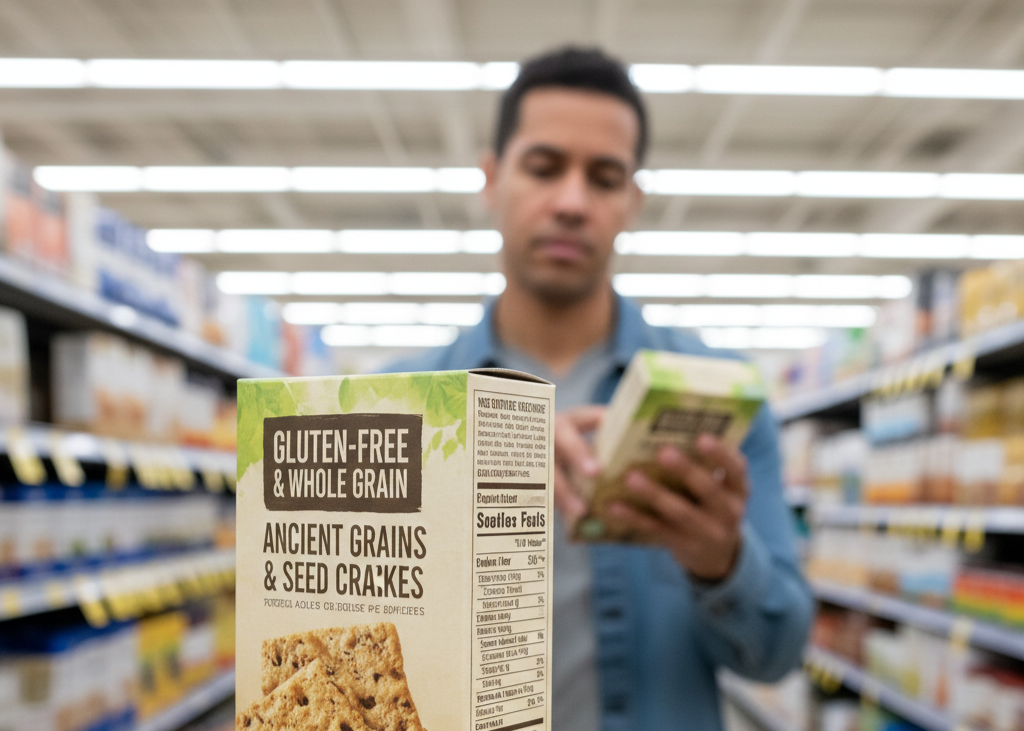
Gluten-free, keto-friendly, vegan, and natural labels often create a strong health halo, even when the product itself is highly processed. Unless you have a medical reason to avoid gluten, gluten-free products are not automatically healthier and can sometimes contain less fiber and more sugar than regular versions. Similarly, foods labeled natural or plant-based can still be high in calories and low in nutrients. These terms are marketing tools, not guarantees of quality. Checking the ingredient list and nutrition label is far more reliable than trusting trendy claims.
Final Thoughts

Eating well does not require perfection, strict rules, or giving up foods you enjoy. What it does require is a little curiosity and a willingness to look beyond the front of the package. Many foods that seem healthy are not harmful in moderation, but problems arise when they are eaten daily under the assumption that they are doing your body a favor. Over time, small misunderstandings can add up to low energy, stubborn weight gain, or blood sugar swings that feel confusing and frustrating.
The good news is that awareness is empowering. Once you recognize common nutrition traps, grocery shopping becomes less stressful and more intentional. You start choosing foods because they truly nourish you, not because a label told you they would. Real health is not about chasing the latest food trend. It is about balance, consistency, and understanding what your body actually needs. When you shift from assumptions to informed choices, healthy eating becomes simpler, more realistic, and far more sustainable.
Leave a Reply