“Frugal” Habits That Could Actually Be Costing You More Money: 7 Smart Fixes

We all like the idea of being “good with money.” Maybe you compare prices, skip unnecessary purchases, or go out of your way to stretch your budget. It feels responsible. It feels disciplined. It feels like you are doing the right thing.
But here is the uncomfortable truth. Not every frugal habit actually saves you money.
Some of the most common cost-cutting behaviors can quietly backfire. They look smart on the surface, but over time they can lead to more spending, more stress, and more frustration. It is not because you are doing something wrong. It is because frugality, when taken too far or applied the wrong way, can lose sight of what really matters: value.
If you have ever wondered why your efforts to save money do not always add up, you are not alone. Let’s take a closer look at seven “frugal” habits that might be costing you more than you think, and how to approach them in a smarter way.
1. Always choosing the cheapest option

It is easy to assume that the lowest price automatically means the best deal. After all, paying less upfront feels like an instant win. But cheap products often come with hidden costs.
Lower-priced items tend to wear out faster, break more easily, or simply not perform well. That means you end up replacing them sooner than expected. Over time, those repeat purchases can cost far more than investing in something slightly more expensive but built to last.
Think about everyday items like shoes, kitchen tools, or even a backpack for school or work. If you have to replace them every few months, you are not really saving. You are just spreading out the cost.
A better approach is to think in terms of cost over time. Spending a little more upfront for durability, reliability, and decent quality can actually reduce your total spending. Frugal does not mean cheap. It means smart.
2. Stocking up just because something is on sale

Sales can be surprisingly persuasive. You walk into a store or browse online, see a big discount, and suddenly it feels like you need to take advantage of it. The logic seems simple. If it is cheaper now, buying more means saving more.
But that only works if you truly need and will use what you are buying.
Stockpiling can lead to clutter, wasted products, and unnecessary spending. Food expires. Trends change. Sometimes you forget you even bought something in the first place. That “great deal” ends up sitting unused, which means your money is tied up in something that adds no value to your life.
There is also a psychological effect at play. Buying in bulk can give you a false sense of productivity, like you are getting ahead financially, when you are actually just spending more in one go.
Before grabbing extras, pause and ask yourself one simple question. Would I still buy this if it were not on sale? If the answer is no, then it is not really saving. It is just spending with a discount attached.
3. Driving out of your way to save a little on gas

Saving a few cents per gallon feels like a smart move. Gas prices add up quickly, so it makes sense to look for the cheapest option. But driving farther just to save a small amount can cancel out the benefit.
When you go out of your way, you are using more fuel, adding mileage to your car, and spending time that could be used elsewhere. The actual savings are often minimal, sometimes just a dollar or two, while the hidden costs are easy to overlook.
Over time, this habit can contribute to more frequent maintenance and wear on your vehicle. That turns a small short-term gain into a long-term expense.
Instead of chasing the absolute lowest price, aim for convenience and reasonable pricing. Filling up at a nearby station that is fairly priced often makes more sense than trying to squeeze out every last cent of savings.
4. Skipping regular maintenance to avoid spending now

Skipping maintenance can feel like a smart way to save money, especially when everything seems to be working fine. You might delay an oil change, ignore a small leak, or put off fixing something minor around your home.
The problem is that small issues rarely stay small.
A missed oil change can lead to engine problems. A tiny leak can turn into water damage. What could have been a quick and inexpensive fix can grow into a major repair that costs significantly more.
Preventative maintenance is one of those habits that does not feel exciting, but it pays off over time. It protects your bigger investments, whether that is your car, your home, or even your appliances.
Think of it this way. Spending a little now is often what prevents you from spending a lot later. It is not an extra cost. It is a form of protection.
5. Using coupons for things you never planned to buy

Coupons are often seen as the ultimate frugal tool. And when used correctly, they can absolutely help you save. The problem is when they start influencing what you buy instead of supporting what you already planned to purchase.
It is easy to justify adding something to your cart because you have a discount. It feels like you are saving money, but if that item was never on your list, you are still increasing your total spending.
This habit can sneak up on you, especially during grocery runs or online shopping. A few extra items here and there may not seem like much, but they add up quickly.
To make coupons work in your favor, use them with intention. Start with a clear list of what you actually need, then apply discounts where they fit. That way, you are reducing costs instead of creating new ones.
6. Trying to do everything yourself
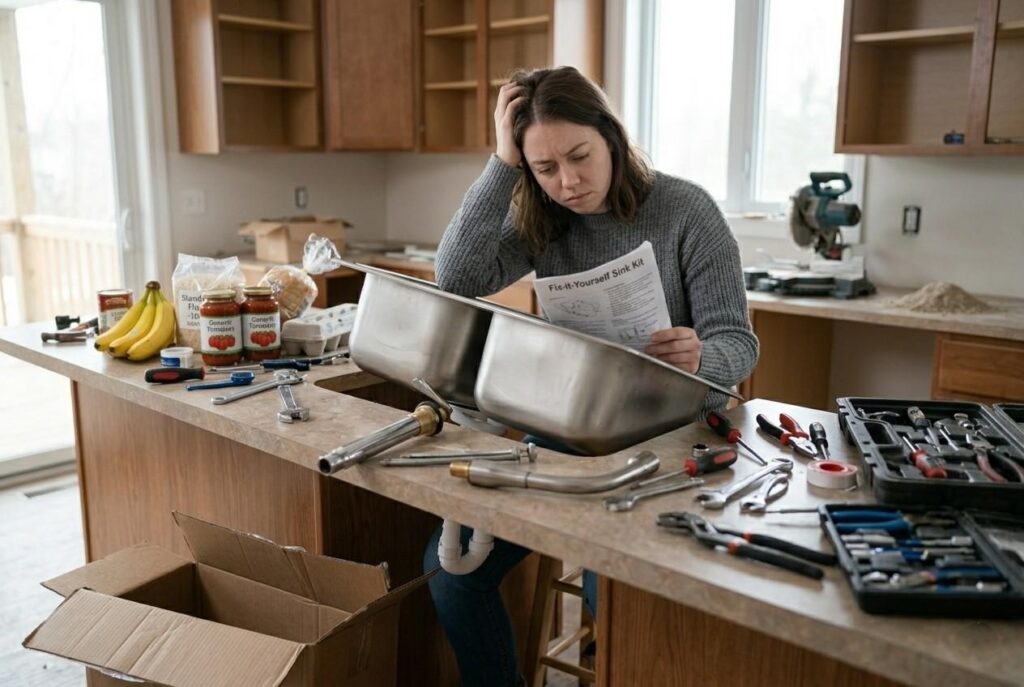
Doing things yourself can be a great way to save money. Simple tasks like cooking at home or handling basic repairs can definitely cut costs. But trying to do everything on your own can sometimes lead to the opposite result.
Certain tasks require skill, experience, or the right tools. When you take on something beyond your ability, mistakes can happen. Fixing those mistakes can cost more than hiring a professional in the first place.
There is also the value of your time to consider. Spending hours figuring out a complex problem can be exhausting, especially when someone with experience could handle it quickly and efficiently.
The goal is not to avoid help. It is to be selective. Handle the things you are confident in, and recognize when it makes sense to bring in someone who knows what they are doing. That balance is where real savings happen.
7. Cutting out every small pleasure

It is easy to think that being financially responsible means saying no to everything extra. No coffee runs, no small treats, no little rewards. On paper, it looks like a solid plan.
In reality, it can be hard to sustain.
When you remove every small enjoyment from your routine, it often leads to burnout. And when that happens, you are more likely to swing in the opposite direction and spend impulsively. One big splurge can undo weeks or even months of careful saving.
Small, intentional pleasures can actually support your financial goals. They give you something to enjoy without going overboard. They make your budget feel realistic instead of restrictive.
The key is moderation. It is not about cutting everything out. It is about making room for what matters without losing control of your spending.
Final thoughts

Frugality is not about spending the least amount of money possible. It is about making choices that truly serve you in the long run.
Some habits look smart on the surface but fall apart when you consider their bigger impact. Others require a shift in mindset, from focusing on price alone to thinking about value, durability, and sustainability.
If you recognize any of these habits in your own life, that is actually a good thing. Awareness is what allows you to make better decisions moving forward. You do not have to overhaul everything overnight. Small adjustments can make a big difference over time.
At the end of the day, being smart with money is not about restriction. It is about intention. Spend where it counts, cut where it does not, and remember that the goal is not just to save money, but to use it in a way that genuinely improves your life.
Leave a Reply