Our Debt Free Family

Commit. Plan. Take action.

  • BUDGETING
  • DEBT REDUCTION
  • INVESTING
  • LIFESTYLE
  • TOOLS
  • ABOUT
  • Privacy Policy
  • CONTACT
You are here: Home / Food & Drink / From Garden to Bowl: 8 Tips for Gardening to Table and Growing Your Own Salad

From Garden to Bowl: 8 Tips for Gardening to Table and Growing Your Own Salad

February 9, 2026 | Leave a Comment

From Garden to Bowl: 8 Tips for Gardening to Table and Growing Your Own Salad

<p> Imagine stepping outside, scissors in hand, and snipping vibrant greens straight from your own garden. The crisp crunch, the fresh aroma, the satisfaction of knowing it came directly from soil you nurtured—there is nothing quite like it. Gardening to table is more than just growing food; it is an opportunity to slow down, connect with nature, and experience a deeper appreciation for the ingredients we often take for granted. Even if you are pressed for space, short on time, or just starting your first garden, growing your own salad is achievable. With a little planning, care, and these eight practical tips, you can turn a small patch of soil—or even a sunny windowsill—into a continuous supply of fresh, delicious salad ingredients. </p> :: Gemini

Imagine stepping outside, scissors in hand, and snipping vibrant greens straight from your own garden. The crisp crunch, the fresh aroma, the satisfaction of knowing it came directly from soil you nurtured—there is nothing quite like it. Gardening to table is more than just growing food; it is an opportunity to slow down, connect with nature, and experience a deeper appreciation for the ingredients we often take for granted. Even if you are pressed for space, short on time, or just starting your first garden, growing your own salad is achievable. With a little planning, care, and these eight practical tips, you can turn a small patch of soil—or even a sunny windowsill—into a continuous supply of fresh, delicious salad ingredients.

1. Pick the Right Spot for Your Salad Garden

<p> Location is everything in gardening, and salad greens are no exception. Most greens like lettuce, arugula, spinach, and kale thrive with at least six hours of direct sunlight each day. Sunlight is essential for photosynthesis, which encourages tender, flavorful leaves rather than tough, bitter ones. If your backyard has limited sunny areas, do not worry. Containers, raised beds, or even pots on a balcony or patio can be moved to catch the sun throughout the day. For indoor gardeners, a south-facing windowsill can provide enough light to grow some salad favorites. The right spot also includes airflow. Crowded, damp areas are a breeding ground for mold and pests. A little breeze and ample light go a long way in creating a happy environment for your greens.

When choosing your space, consider convenience as well. Having your salad garden close to the kitchen increases the likelihood that you will harvest frequently. There is something magical about walking just a few steps to pick fresh herbs and greens for lunch or dinner, and this ease makes gardening feel less like a chore and more like a joyful ritual. </p> :: Gemini

Location is everything in gardening, and salad greens are no exception. Most greens like lettuce, arugula, spinach, and kale thrive with at least six hours of direct sunlight each day. Sunlight is essential for photosynthesis, which encourages tender, flavorful leaves rather than tough, bitter ones. If your backyard has limited sunny areas, do not worry. Containers, raised beds, or even pots on a balcony or patio can be moved to catch the sun throughout the day. For indoor gardeners, a south-facing windowsill can provide enough light to grow some salad favorites. The right spot also includes airflow. Crowded, damp areas are a breeding ground for mold and pests. A little breeze and ample light go a long way in creating a happy environment for your greens.

When choosing your space, consider convenience as well. Having your salad garden close to the kitchen increases the likelihood that you will harvest frequently. There is something magical about walking just a few steps to pick fresh herbs and greens for lunch or dinner, and this ease makes gardening feel less like a chore and more like a joyful ritual.

2. Prepare Soil That Plants Will Love
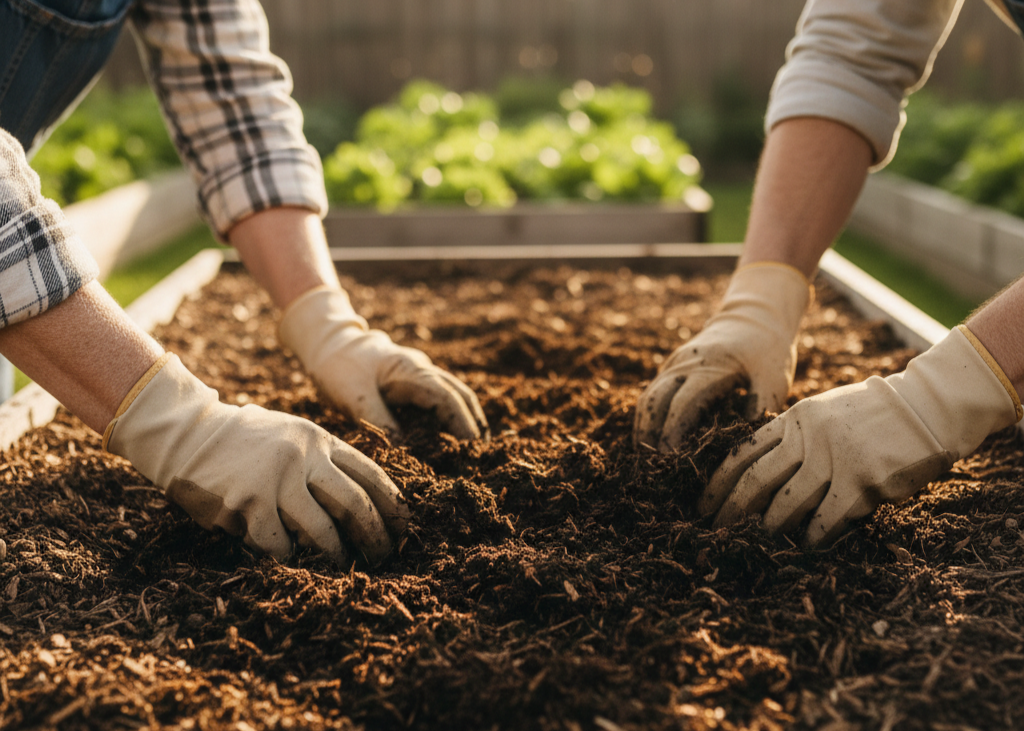
<p> Great salads start with great soil. Salad greens need well-draining, nutrient-rich soil that can hold moisture without becoming soggy. Think of it as creating a cozy home for roots. If your soil is heavy clay or too sandy, mix in organic compost or well-rotted manure to improve texture and fertility. This not only nourishes your plants but also supports healthy microorganisms in the soil, which can naturally deter some pests and diseases.

Container gardeners can use a high-quality potting mix with added compost. Avoid garden soil in pots as it can compact, reducing airflow and water drainage. A small layer of mulch on top of your soil will help retain moisture, reduce weeds, and protect delicate roots from heat. Healthy soil results in healthier plants, and healthy plants produce vibrant, flavorful leaves that will make your salads truly shine. Investing time into your soil pays dividends with every bite of fresh greens. </p> :: Gemini

Great salads start with great soil. Salad greens need well-draining, nutrient-rich soil that can hold moisture without becoming soggy. Think of it as creating a cozy home for roots. If your soil is heavy clay or too sandy, mix in organic compost or well-rotted manure to improve texture and fertility. This not only nourishes your plants but also supports healthy microorganisms in the soil, which can naturally deter some pests and diseases.

Container gardeners can use a high-quality potting mix with added compost. Avoid garden soil in pots as it can compact, reducing airflow and water drainage. A small layer of mulch on top of your soil will help retain moisture, reduce weeds, and protect delicate roots from heat. Healthy soil results in healthier plants, and healthy plants produce vibrant, flavorful leaves that will make your salads truly shine. Investing time into your soil pays dividends with every bite of fresh greens.

3. Choose a Variety of Greens and Herbs
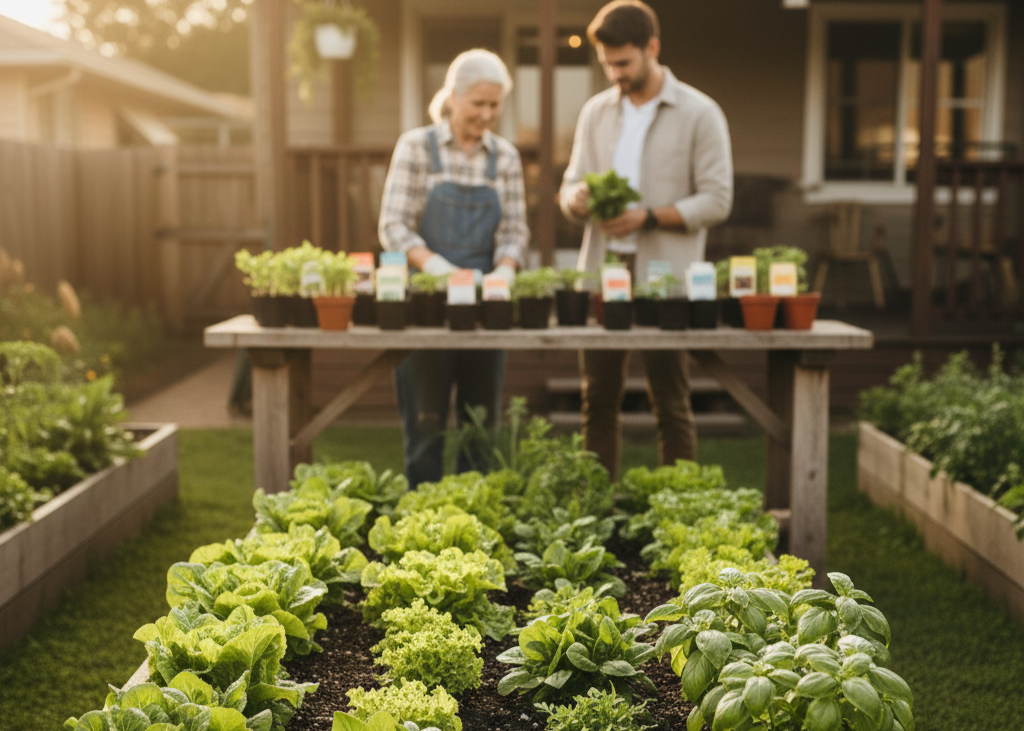
<p> One green is good, but a variety of greens makes your salads exciting and nutritious. Mixing lettuces like Romaine, Butterhead, and Oakleaf, along with spinach, arugula, kale, and Swiss chard, creates a beautiful spectrum of colors, textures, and flavors. Each type of green has unique nutritional benefits, so planting multiple varieties increases the health value of your meals.

Herbs are another way to elevate your garden-to-table salads. Parsley, cilantro, basil, and dill add fragrance, taste, and a touch of flair. Herbs often grow quickly and can even be harvested alongside your greens. If you are feeding picky eaters, consider starting with milder greens like baby spinach or Butterhead lettuce, and gradually introduce more peppery or bitter options such as arugula or mustard greens. Growing a mix of greens and herbs ensures your salads are never boring, and you will enjoy experimenting with new flavor combinations as your garden matures. </p> :: Gemini

One green is good, but a variety of greens makes your salads exciting and nutritious. Mixing lettuces like Romaine, Butterhead, and Oakleaf, along with spinach, arugula, kale, and Swiss chard, creates a beautiful spectrum of colors, textures, and flavors. Each type of green has unique nutritional benefits, so planting multiple varieties increases the health value of your meals.

Herbs are another way to elevate your garden-to-table salads. Parsley, cilantro, basil, and dill add fragrance, taste, and a touch of flair. Herbs often grow quickly and can even be harvested alongside your greens. If you are feeding picky eaters, consider starting with milder greens like baby spinach or Butterhead lettuce, and gradually introduce more peppery or bitter options such as arugula or mustard greens. Growing a mix of greens and herbs ensures your salads are never boring, and you will enjoy experimenting with new flavor combinations as your garden matures.

4. Water Consistently and Wisely
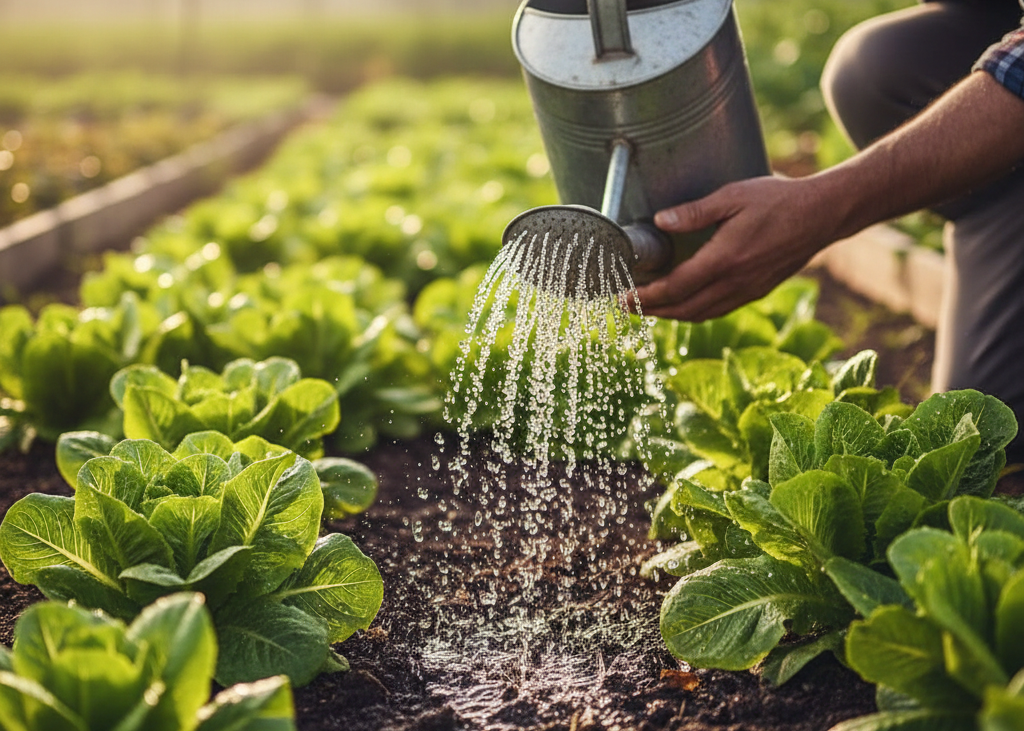
<p> Watering seems simple, but salad greens have shallow roots, so they require consistent attention. Soil should remain moist but not waterlogged—think of a wrung-out sponge. Overwatering can lead to root rot and disease, while under-watering causes leaves to wilt and develop a bitter taste. A practical tip is to check soil moisture daily, especially in containers that dry out quickly in hot weather.

Mulching around your plants helps maintain soil moisture, reduces weed growth, and keeps roots cooler during hot summer months. Morning watering is best because it allows leaves to dry throughout the day, preventing fungal infections. For larger gardens, drip irrigation or soaker hoses can make watering more efficient and less labor-intensive. By giving your plants consistent hydration, you create the conditions for tender, crisp leaves that taste amazing straight from the garden. </p> :: Gemini

Watering seems simple, but salad greens have shallow roots, so they require consistent attention. Soil should remain moist but not waterlogged—think of a wrung-out sponge. Overwatering can lead to root rot and disease, while under-watering causes leaves to wilt and develop a bitter taste. A practical tip is to check soil moisture daily, especially in containers that dry out quickly in hot weather.

Mulching around your plants helps maintain soil moisture, reduces weed growth, and keeps roots cooler during hot summer months. Morning watering is best because it allows leaves to dry throughout the day, preventing fungal infections. For larger gardens, drip irrigation or soaker hoses can make watering more efficient and less labor-intensive. By giving your plants consistent hydration, you create the conditions for tender, crisp leaves that taste amazing straight from the garden.

5. Practice Succession Planting
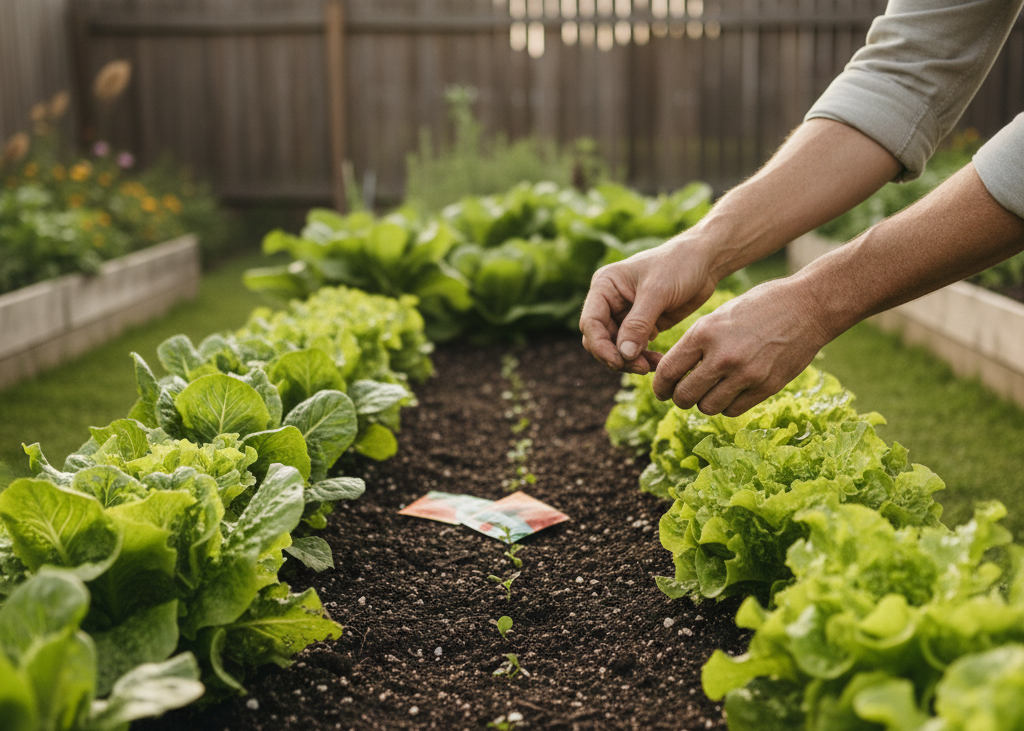
<p> Nothing is more frustrating than having a glut of salad greens one week and none the next. Succession planting solves this problem and ensures a steady supply of fresh greens. Sow small batches of seeds every one to three weeks. As one crop matures and is harvested, the next is already growing. This staggered approach spreads out your harvest workload and provides a continuous variety of fresh leaves for your meals.

Succession planting also lets you experiment with different varieties over the season. Early crops might include cool-weather greens such as spinach and arugula, while later plantings can include heat-tolerant lettuces and Swiss chard. By staggering planting times, you maximize both yield and flavor, making it easier to enjoy garden-fresh salads well into summer and fall. For beginner gardeners, succession planting is one of the most effective strategies to keep a productive, rewarding garden without overwhelming effort. </p> :: Gemini

Nothing is more frustrating than having a glut of salad greens one week and none the next. Succession planting solves this problem and ensures a steady supply of fresh greens. Sow small batches of seeds every one to three weeks. As one crop matures and is harvested, the next is already growing. This staggered approach spreads out your harvest workload and provides a continuous variety of fresh leaves for your meals.

Succession planting also lets you experiment with different varieties over the season. Early crops might include cool-weather greens such as spinach and arugula, while later plantings can include heat-tolerant lettuces and Swiss chard. By staggering planting times, you maximize both yield and flavor, making it easier to enjoy garden-fresh salads well into summer and fall. For beginner gardeners, succession planting is one of the most effective strategies to keep a productive, rewarding garden without overwhelming effort.

6. Harvest Smart: Cut and Come Again
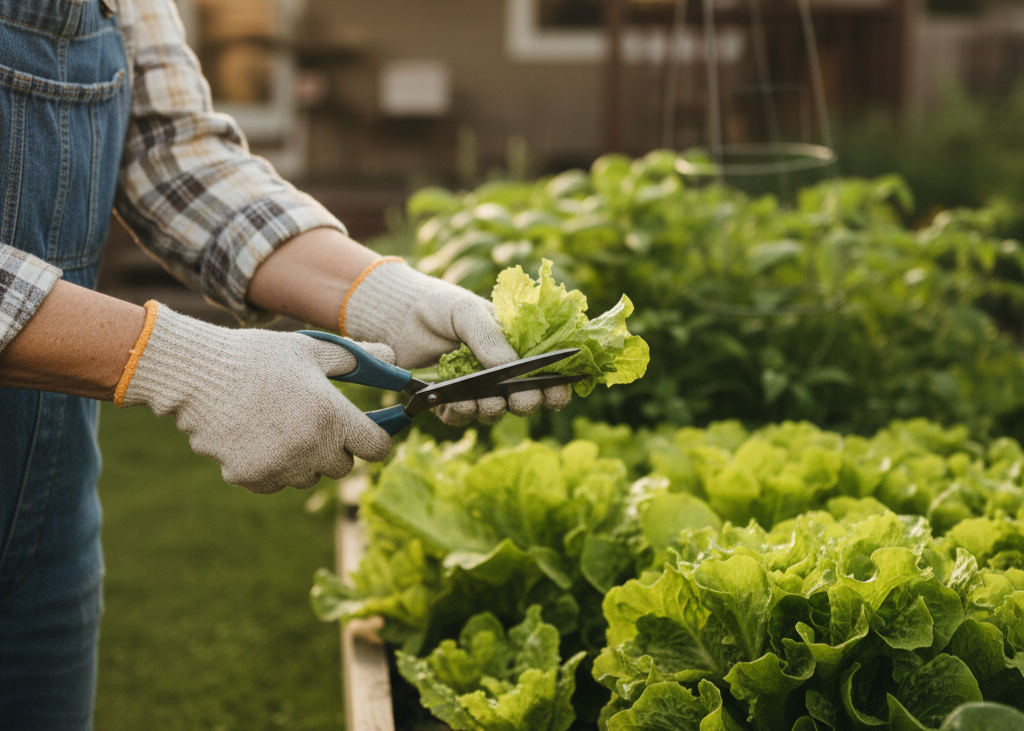
<p> Harvesting properly is key to getting the most out of your garden. Instead of pulling up entire plants, use the “cut and come again” method. Snip off outer leaves when they reach four to six inches in height, allowing inner leaves to continue growing. This approach extends your harvest window and keeps plants producing longer, giving you more meals from the same space.

Harvesting in the morning is ideal, as leaves are at their crispest before the heat of the day. Handle greens gently to avoid bruising, which can reduce shelf life. This method is also satisfying to watch: each time you cut leaves, your plant regenerates, almost like magic. With a little care, you can enjoy fresh salads multiple times a week without replanting constantly. </p> :: Gemini

Harvesting properly is key to getting the most out of your garden. Instead of pulling up entire plants, use the “cut and come again” method. Snip off outer leaves when they reach four to six inches in height, allowing inner leaves to continue growing. This approach extends your harvest window and keeps plants producing longer, giving you more meals from the same space.

Harvesting in the morning is ideal, as leaves are at their crispest before the heat of the day. Handle greens gently to avoid bruising, which can reduce shelf life. This method is also satisfying to watch: each time you cut leaves, your plant regenerates, almost like magic. With a little care, you can enjoy fresh salads multiple times a week without replanting constantly.

7. Grow Beyond Greens
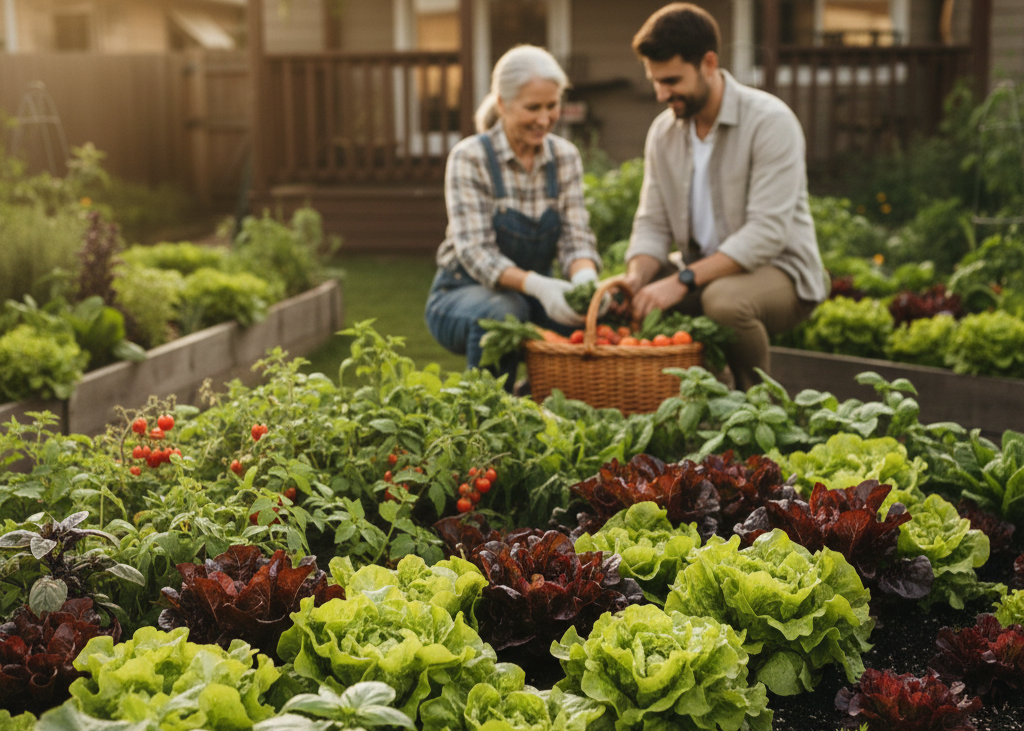
<p> A salad does not need to be just lettuce. Adding vegetables and herbs can turn a simple side dish into a star of the meal. Cucumbers, cherry tomatoes, radishes, bell peppers, and even snap peas add color, crunch, and sweetness. Many of these can be grown alongside your greens in containers or garden beds, but make sure to respect their spacing and sunlight needs so nothing overshadows another plant.

Consider companion planting, where certain plants help each other thrive. For example, basil planted near tomatoes may improve flavor and repel pests. Radishes can grow quickly between slower-growing crops, giving you extra harvests in the same space. By diversifying your garden, you not only enjoy more flavors and textures in your salads but also increase the overall productivity and beauty of your garden. </p> :: Gemini

A salad does not need to be just lettuce. Adding vegetables and herbs can turn a simple side dish into a star of the meal. Cucumbers, cherry tomatoes, radishes, bell peppers, and even snap peas add color, crunch, and sweetness. Many of these can be grown alongside your greens in containers or garden beds, but make sure to respect their spacing and sunlight needs so nothing overshadows another plant.

Consider companion planting, where certain plants help each other thrive. For example, basil planted near tomatoes may improve flavor and repel pests. Radishes can grow quickly between slower-growing crops, giving you extra harvests in the same space. By diversifying your garden, you not only enjoy more flavors and textures in your salads but also increase the overall productivity and beauty of your garden.

8. Protect Your Plants Naturally
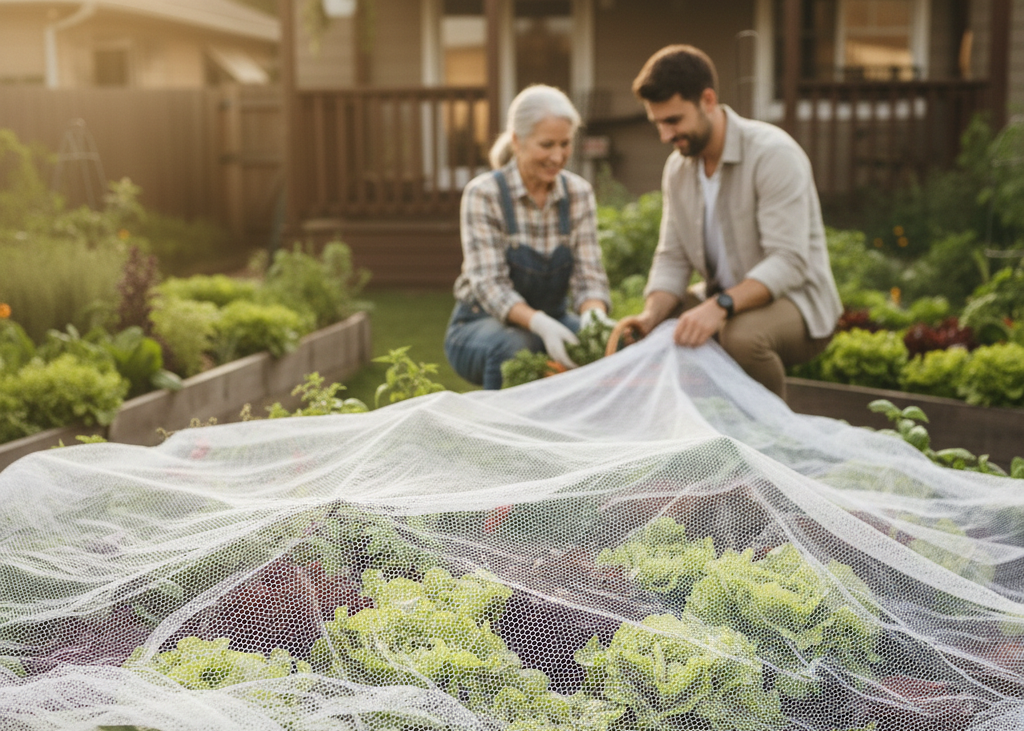
<p> Pests, weather changes, and diseases are part of gardening, but there are simple ways to protect your plants naturally. Row covers or light netting keep delicate leaves safe from insects while still allowing sunlight to reach your plants. Thinning seedlings prevents overcrowding, improves airflow, and reduces the risk of fungal infections. Providing temporary shade during extremely hot days can prevent leaves from becoming bitter or wilting.

Companion planting can also help protect plants. Marigolds, for example, can deter certain pests, while aromatic herbs like rosemary or thyme may repel unwanted insects. By taking proactive, natural steps, you can reduce damage without resorting to chemicals, ensuring that your garden remains safe and healthy for both you and your family. </p> :: Gemini

Pests, weather changes, and diseases are part of gardening, but there are simple ways to protect your plants naturally. Row covers or light netting keep delicate leaves safe from insects while still allowing sunlight to reach your plants. Thinning seedlings prevents overcrowding, improves airflow, and reduces the risk of fungal infections. Providing temporary shade during extremely hot days can prevent leaves from becoming bitter or wilting.

Companion planting can also help protect plants. Marigolds, for example, can deter certain pests, while aromatic herbs like rosemary or thyme may repel unwanted insects. By taking proactive, natural steps, you can reduce damage without resorting to chemicals, ensuring that your garden remains safe and healthy for both you and your family.

Final Thoughts

<p> Gardening to table is more than producing fresh greens. It is a rewarding, therapeutic practice that brings a sense of accomplishment and connection to the food you eat. There is unmatched joy in preparing a salad composed entirely of ingredients you nurtured yourself. Each leaf has a story, from tiny seed to the crisp bite on your fork. Even small gardens or balcony pots can yield surprising variety and abundance when cared for properly.

The benefits go beyond flavor. Growing your own food helps you understand the effort behind every meal, encourages mindful eating, and reduces food waste. By following these tips, you can enjoy garden-fresh salads year-round, experiment with flavors, and even inspire family members or friends to take up gardening. The process teaches patience, observation, and creativity, while the results reward you every day with vibrant, nutritious, and delicious meals.

Start small, stay consistent, and savor every bite. With patience and practice, gardening to table will become more than a hobby—it will become a lifestyle that brings fresh flavors, healthy eating, and daily joy straight from your garden to your bowl. There is no substitute for the taste, satisfaction, and pride of a salad grown by your own hands. </p> :: Gemini

Gardening to table is more than producing fresh greens. It is a rewarding, therapeutic practice that brings a sense of accomplishment and connection to the food you eat. There is unmatched joy in preparing a salad composed entirely of ingredients you nurtured yourself. Each leaf has a story, from tiny seed to the crisp bite on your fork. Even small gardens or balcony pots can yield surprising variety and abundance when cared for properly.

The benefits go beyond flavor. Growing your own food helps you understand the effort behind every meal, encourages mindful eating, and reduces food waste. By following these tips, you can enjoy garden-fresh salads year-round, experiment with flavors, and even inspire family members or friends to take up gardening. The process teaches patience, observation, and creativity, while the results reward you every day with vibrant, nutritious, and delicious meals.

Start small, stay consistent, and savor every bite. With patience and practice, gardening to table will become more than a hobby—it will become a lifestyle that brings fresh flavors, healthy eating, and daily joy straight from your garden to your bowl. There is no substitute for the taste, satisfaction, and pride of a salad grown by your own hands.

Filed Under: Food & Drink

Leave a Reply Cancel reply

Your email address will not be published. Required fields are marked *

  • Email
  • Facebook
  • Pinterest
  • Twitter

Our Most Popular Articles

ClickCashGo Review: Should You Avoid At All Costs?

Ultimate Guide to Mastering Your Credit Score

The 'YOLO' Mindset is a Dangerous Thing

Dave Ramsey's Financial Peace University Review: Is it Worth the Money?

Cash App Glitch 2025: Is the Free Money Glitch Real?

Five Steps To Debt Freedom

Here are five simple guidlines that will help you pay off debt.  

1) Get an emergency fund so you don’t take on debt when something comes up.

2) List your debts. This way you know where you stand.

3) Use the debt snowball. Pay your debts from smallest to largest, or most expensive to least expensive.

4) Avoid new debt. No new credit cards or loans. Period.

5) Go all cash. After everything is paid off, switch to all cash.

Helpful Resources

U of Tennesse Debt Repayment Plan Basics

Vertex 42's Debt Payoff Calculator

Savingadvice's Helpful Debt Forums

Jackie Becks Debt Blog