Our Debt Free Family

Commit. Plan. Take action.

  • BUDGETING
  • DEBT REDUCTION
  • INVESTING
  • LIFESTYLE
  • TOOLS
  • ABOUT
  • Privacy Policy
  • CONTACT
You are here: Home / Lifestyle / Gen Z and the Death of Traditional Career Paths: What Boomers Are Getting Wrong

Gen Z and the Death of Traditional Career Paths: What Boomers Are Getting Wrong

February 10, 2026 | Leave a Comment

Gen Z and the Death of Traditional Career Paths: What Boomers Are Getting Wrong

<p> The career world is shifting fast, and Gen Z is leading the charge. Unlike past generations who followed a more traditional career path by getting a degree, landing a stable job, and climbing the corporate ladder, Gen Z is doing things differently. They’re looking for flexibility, purpose, and a better work-life balance, and they’re willing to walk away from the old ways to get it. But many Boomers see this change as a sign of instability or lack of ambition, leading to a gap in understanding between the generations. In this blog, we’ll dive into why traditional career paths are losing appeal for Gen Z and what Boomers may be getting wrong about this new approach to work. </p> :: Pexels

The career world is shifting fast, and Gen Z is leading the charge. Unlike past generations who followed a more traditional career path by getting a degree, landing a stable job, and climbing the corporate ladder, Gen Z is doing things differently. They’re looking for flexibility, purpose, and a better work-life balance, and they’re willing to walk away from the old ways to get it. But many Boomers see this change as a sign of instability or lack of ambition, leading to a gap in understanding between the generations. In this blog, we’ll dive into why traditional career paths are losing appeal for Gen Z and what Boomers may be getting wrong about this new approach to work.

1. Flexibility Over Stability

<p> Gen Z values flexibility more than the traditional idea of job stability. They’re less interested in sticking with one company for decades and more focused on finding roles that offer freedom in terms of hours, location, and how they work. Remote work and freelance gigs are especially appealing to them. While Boomers may see this as lacking commitment, Gen Z sees it as a way to prioritize a healthy work-life balance, explore multiple interests, and avoid burnout. The old model of “staying put” doesn’t align with their desire for freedom and variety. </p> :: Pexels

Gen Z values flexibility more than the traditional idea of job stability. They’re less interested in sticking with one company for decades and more focused on finding roles that offer freedom in terms of hours, location, and how they work. Remote work and freelance gigs are especially appealing to them. While Boomers may see this as lacking commitment, Gen Z sees it as a way to prioritize a healthy work-life balance, explore multiple interests, and avoid burnout. The old model of “staying put” doesn’t align with their desire for freedom and variety.

2. Purpose Matters More Than a Paycheck

<p> Unlike previous generations, Gen Z wants their work to mean something beyond a steady income. They’re motivated by jobs that align with their values and allow them to contribute to causes they care about. Whether it’s environmental issues, social justice, or mental health, Gen Z wants to feel like their work makes a positive impact. Boomers may view this as impractical or idealistic, but for Gen Z, it’s a non-negotiable. They’re willing to pass on higher-paying jobs if it means they can find purpose and fulfillment in what they do. </p> :: Pexels

Unlike previous generations, Gen Z wants their work to mean something beyond a steady income. They’re motivated by jobs that align with their values and allow them to contribute to causes they care about. Whether it’s environmental issues, social justice, or mental health, Gen Z wants to feel like their work makes a positive impact. Boomers may view this as impractical or idealistic, but for Gen Z, it’s a non-negotiable. They’re willing to pass on higher-paying jobs if it means they can find purpose and fulfillment in what they do.

3. Side Hustles Are the Norm

<p> For Gen Z, having multiple streams of income is common, and side hustles are often seen as essential. They don’t want to rely on just one job or employer for their financial stability. Whether it’s running an online shop, freelance design, or social media management, many Gen Z workers have a side hustle to supplement their main income or even to explore other passions. Boomers often see this as a distraction, but for Gen Z, it’s a way to diversify their income, build new skills, and maintain control over their career trajectory. </p> :: Pexels

For Gen Z, having multiple streams of income is common, and side hustles are often seen as essential. They don’t want to rely on just one job or employer for their financial stability. Whether it’s running an online shop, freelance design, or social media management, many Gen Z workers have a side hustle to supplement their main income or even to explore other passions. Boomers often see this as a distraction, but for Gen Z, it’s a way to diversify their income, build new skills, and maintain control over their career trajectory.

4. Digital Skills Are a Priority<p> Growing up with technology, Gen Z has a natural fluency in digital tools that older generations had to learn later in life. From coding to content creation to data analysis, they prioritize developing digital skills that are relevant in today’s workforce. Traditional career paths may emphasize years of experience in a specific field, but Gen Z focuses on keeping up with the latest tech trends and skills, which allows them to pivot between industries and roles more easily. Boomers might see this as a lack of specialization, but for Gen Z, adaptability is key. </p> :: Pexels

Growing up with technology, Gen Z has a natural fluency in digital tools that older generations had to learn later in life. From coding to content creation to data analysis, they prioritize developing digital skills that are relevant in today’s workforce. Traditional career paths may emphasize years of experience in a specific field, but Gen Z focuses on keeping up with the latest tech trends and skills, which allows them to pivot between industries and roles more easily. Boomers might see this as a lack of specialization, but for Gen Z, adaptability is key.

5. Job-Hopping Isn’t a Red Flag

<p> While Boomers often view job-hopping as a sign of instability or disloyalty, Gen Z doesn’t see it that way. They’re more likely to switch jobs frequently in search of better opportunities, whether it’s for higher pay, better work-life balance, or more meaningful work. This isn’t about being flaky—it’s about taking control of their career and finding what works best for them. Job-hopping is seen as a way to gain a diverse set of experiences and skills, which can actually make them more competitive in the long run. </p> :: Pexels

While Boomers often view job-hopping as a sign of instability or disloyalty, Gen Z doesn’t see it that way. They’re more likely to switch jobs frequently in search of better opportunities, whether it’s for higher pay, better work-life balance, or more meaningful work. This isn’t about being flaky—it’s about taking control of their career and finding what works best for them. Job-hopping is seen as a way to gain a diverse set of experiences and skills, which can actually make them more competitive in the long run.

6. Mental Health Takes Priority
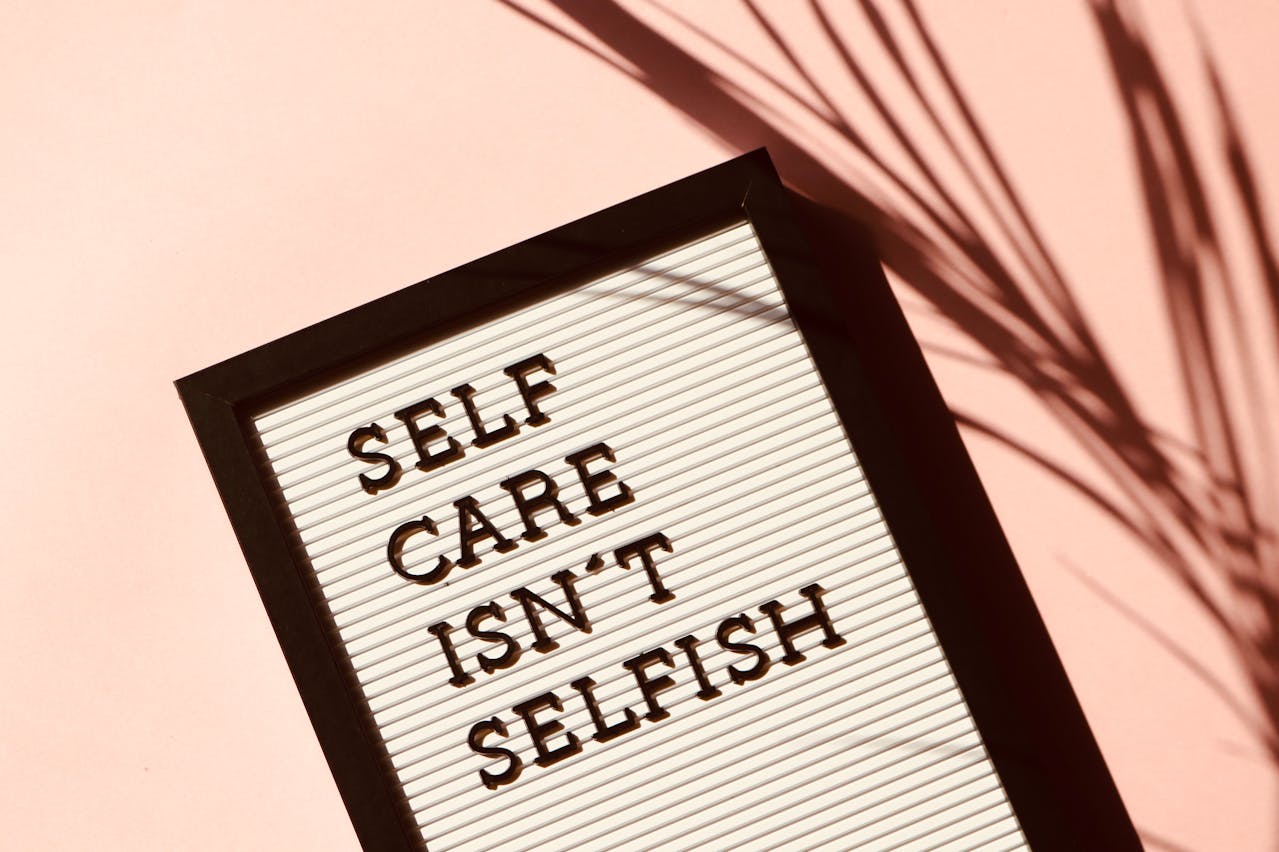
<p> Gen Z is much more vocal about the importance of mental health in the workplace than previous generations. They expect employers to provide a supportive work environment that prioritizes well-being, including flexibility for mental health days and access to wellness resources. Boomers may view this focus as a sign of weakness or lack of resilience, but for Gen Z, mental health is critical to maintaining productivity and job satisfaction. They won’t hesitate to leave a job that negatively impacts their mental health, even if it means taking a pay cut or switching industries. </p> :: Pexels

Gen Z is much more vocal about the importance of mental health in the workplace than previous generations. They expect employers to provide a supportive work environment that prioritizes well-being, including flexibility for mental health days and access to wellness resources. Boomers may view this focus as a sign of weakness or lack of resilience, but for Gen Z, mental health is critical to maintaining productivity and job satisfaction. They won’t hesitate to leave a job that negatively impacts their mental health, even if it means taking a pay cut or switching industries.

7. College Degrees Aren’t the Only Path

<p> While Boomers often viewed a college degree as the key to career success, Gen Z recognizes that there are many alternative ways to build a successful career. With the rise of online learning, bootcamps, certifications, and entrepreneurial ventures, Gen Z understands that education doesn’t have to come from a four-year institution. They’re willing to invest in skills-based training or start businesses without a degree if it means they can fast-track their career or avoid massive student debt. For them, real-world experience and practical skills often outweigh a traditional diploma. </p> :: Pexels

While Boomers often viewed a college degree as the key to career success, Gen Z recognizes that there are many alternative ways to build a successful career. With the rise of online learning, bootcamps, certifications, and entrepreneurial ventures, Gen Z understands that education doesn’t have to come from a four-year institution. They’re willing to invest in skills-based training or start businesses without a degree if it means they can fast-track their career or avoid massive student debt. For them, real-world experience and practical skills often outweigh a traditional diploma.

8. Networking Is Digital and Global

<p> For Gen Z, networking doesn’t happen exclusively at in-person events or through long-established professional connections. They’ve grown up building relationships online and are skilled at using social media platforms like LinkedIn, Twitter, and even Instagram to connect with professionals worldwide. This global, digital approach to networking allows them to find mentors, collaborators, and job opportunities beyond their local area. While Boomers may prefer face-to-face networking, Gen Z’s comfort with digital platforms allows them to expand their professional reach in new and innovative ways. </p> :: Pexels

For Gen Z, networking doesn’t happen exclusively at in-person events or through long-established professional connections. They’ve grown up building relationships online and are skilled at using social media platforms like LinkedIn, Twitter, and even Instagram to connect with professionals worldwide. This global, digital approach to networking allows them to find mentors, collaborators, and job opportunities beyond their local area. While Boomers may prefer face-to-face networking, Gen Z’s comfort with digital platforms allows them to expand their professional reach in new and innovative ways.

Final Thoughts

<p> The traditional career path of previous generations no longer resonates with Gen Z, who are redefining success in a rapidly changing world. Flexibility, purpose, mental health, and digital fluency are at the heart of their approach to work, and they’re unafraid to challenge outdated norms in pursuit of a fulfilling career. While Boomers may view some of these shifts as risky or misguided, they represent a broader change in the workforce, one where success is no longer measured by stability and tenure but by adaptability, purpose, and balance. The future of work is evolving, and Gen Z is leading the way. </p> :: Pexels

The traditional career path of previous generations no longer resonates with Gen Z, who are redefining success in a rapidly changing world. Flexibility, purpose, mental health, and digital fluency are at the heart of their approach to work, and they’re unafraid to challenge outdated norms in pursuit of a fulfilling career. While Boomers may view some of these shifts as risky or misguided, they represent a broader change in the workforce, one where success is no longer measured by stability and tenure but by adaptability, purpose, and balance. The future of work is evolving, and Gen Z is leading the way.

Filed Under: Lifestyle

Leave a Reply Cancel reply

Your email address will not be published. Required fields are marked *

  • Email
  • Facebook
  • Pinterest
  • Twitter

Our Most Popular Articles

ClickCashGo Review: Should You Avoid At All Costs?

Ultimate Guide to Mastering Your Credit Score

The 'YOLO' Mindset is a Dangerous Thing

Dave Ramsey's Financial Peace University Review: Is it Worth the Money?

Cash App Glitch 2025: Is the Free Money Glitch Real?

Five Steps To Debt Freedom

Here are five simple guidlines that will help you pay off debt.  

1) Get an emergency fund so you don’t take on debt when something comes up.

2) List your debts. This way you know where you stand.

3) Use the debt snowball. Pay your debts from smallest to largest, or most expensive to least expensive.

4) Avoid new debt. No new credit cards or loans. Period.

5) Go all cash. After everything is paid off, switch to all cash.

Helpful Resources

U of Tennesse Debt Repayment Plan Basics

Vertex 42's Debt Payoff Calculator

Savingadvice's Helpful Debt Forums

Jackie Becks Debt Blog