7 Plant-Based Milks That Are Healthier Than You Think
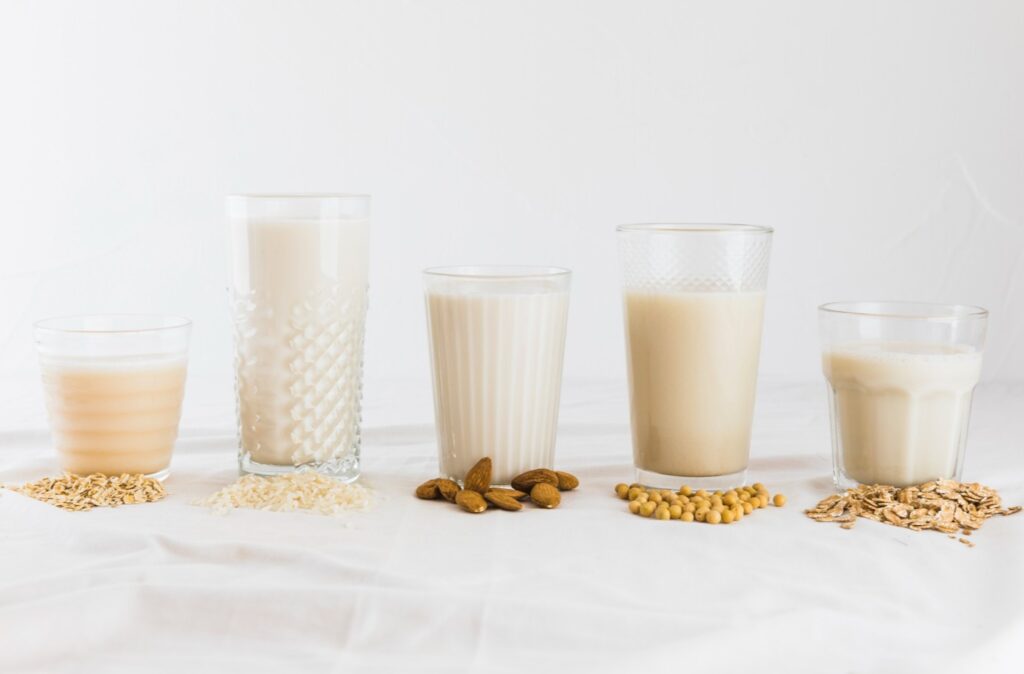
Thinking about cutting back on dairy, but not sure where to start? You’re not alone. Across the U.S., more people than ever are ditching cow’s milk in favor of plant-based alternatives—and it’s not just about lactose intolerance. From heart health to weight loss to better digestion, there are lots of good reasons to make the switch. But here’s the kicker: many folks still believe plant-based milks are nutritionally inferior to dairy.
That’s just not true.
In fact, some plant-based milks are not only comparable to cow’s milk—they might actually be healthier. Whether you’re after more protein, fewer calories, or just looking for a tasty addition to your morning coffee, there’s a milk out there that’s perfect for you. Let’s take a closer look at seven underrated plant-based milks that deserve a spot in your fridge.
1. Almond Milk: The Low-Calorie Classic
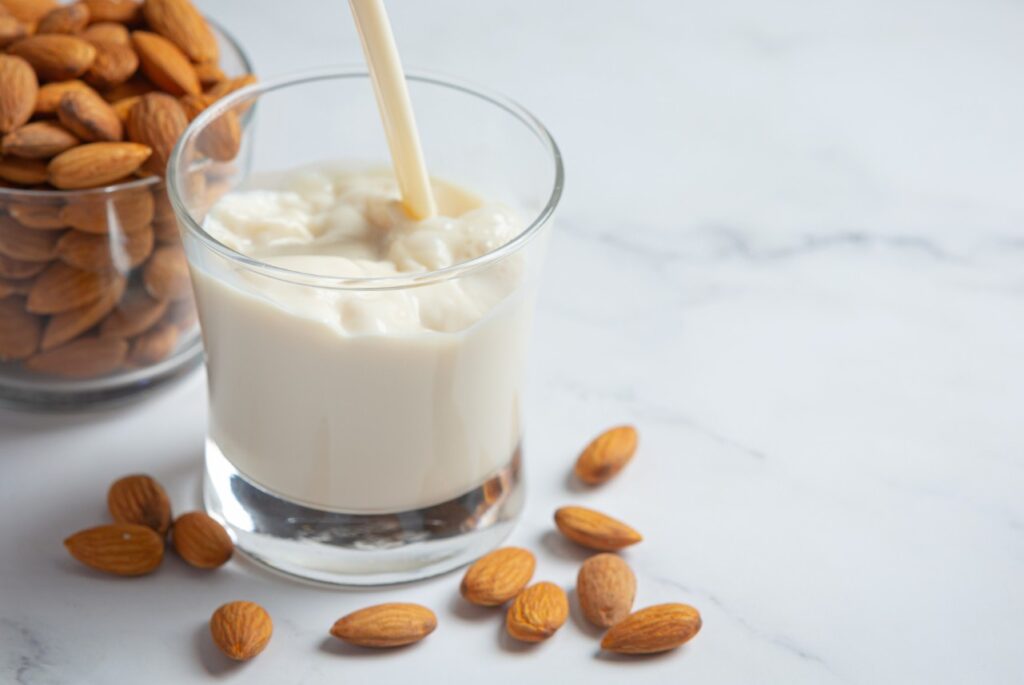
Almond milk is one of the most popular plant-based options—and for good reason. It’s low in calories, especially if you choose the unsweetened variety (around 30–50 calories per cup), and naturally free of cholesterol and saturated fat. Most brands fortify almond milk with calcium and vitamin D, giving you a bone-health boost comparable to dairy milk. Its subtle, nutty flavor pairs perfectly with coffee, cereal, smoothies, or baking. If you’re aiming to lose weight or manage your calorie intake without sacrificing flavor, almond milk is a great go-to.
2. Oat Milk: Creamy, Comforting, and Gut-Friendly
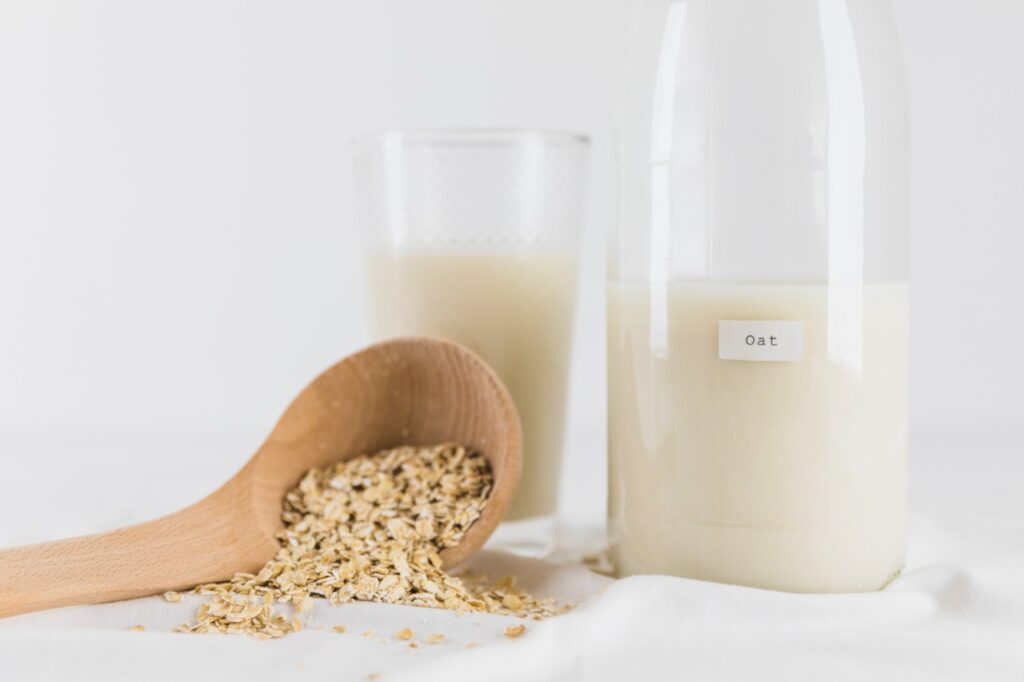
Looking for something that feels a little more indulgent? Oat milk brings a creamy texture that rivals whole milk, making it a favorite among baristas and breakfast lovers alike. It’s made by soaking oats in water, blending, and straining, which gives it a naturally sweet flavor and smooth consistency. Oat milk contains beta-glucans, a type of soluble fiber that can help lower cholesterol and support gut health. It’s often fortified with vitamins A, D, B12, and calcium—making it a nutrient-dense alternative. Just watch for added sugars in flavored versions.
3. Soy Milk: The Protein Powerhouse
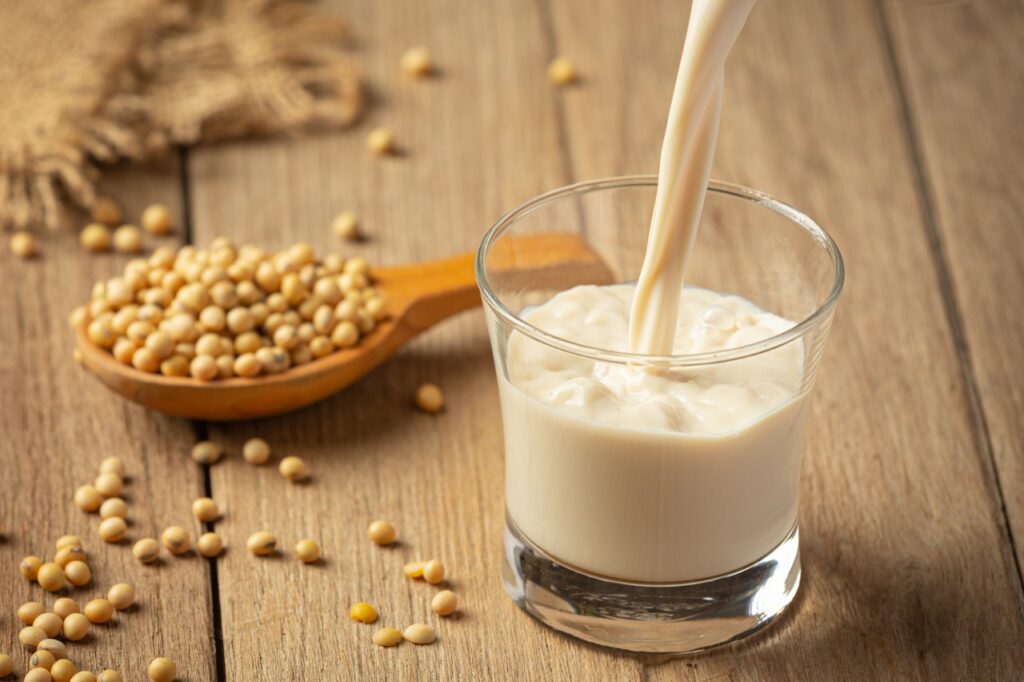
If protein is a priority, soy milk is your top contender. With about 7–9 grams of protein per cup, it mirrors the protein content of cow’s milk—something most plant-based alternatives can’t match. Soy milk is made from whole soybeans or soy protein isolate and contains all nine essential amino acids, making it a complete protein source. It’s also naturally rich in potassium and often fortified with calcium and B12. Whether you’re fueling up after a workout or just trying to stay full longer, soy milk delivers on both taste and nutrition.
4. Hemp Milk: A Hidden Omega-3 Gem

Hemp milk might not be the most common pick, but it packs a powerful punch when it comes to healthy fats. Made from hulled hemp seeds, this earthy, nutty milk is rich in omega-3 and omega-6 fatty acids, which support brain health, inflammation control, and cardiovascular wellness. It also contains about 3 grams of protein per cup and is typically fortified with calcium, vitamin D, and B12. Its slightly grassy flavor might take a little getting used to, but it blends beautifully into smoothies and oatmeal.
5. Pea Milk: Surprisingly Creamy and Packed with Protein
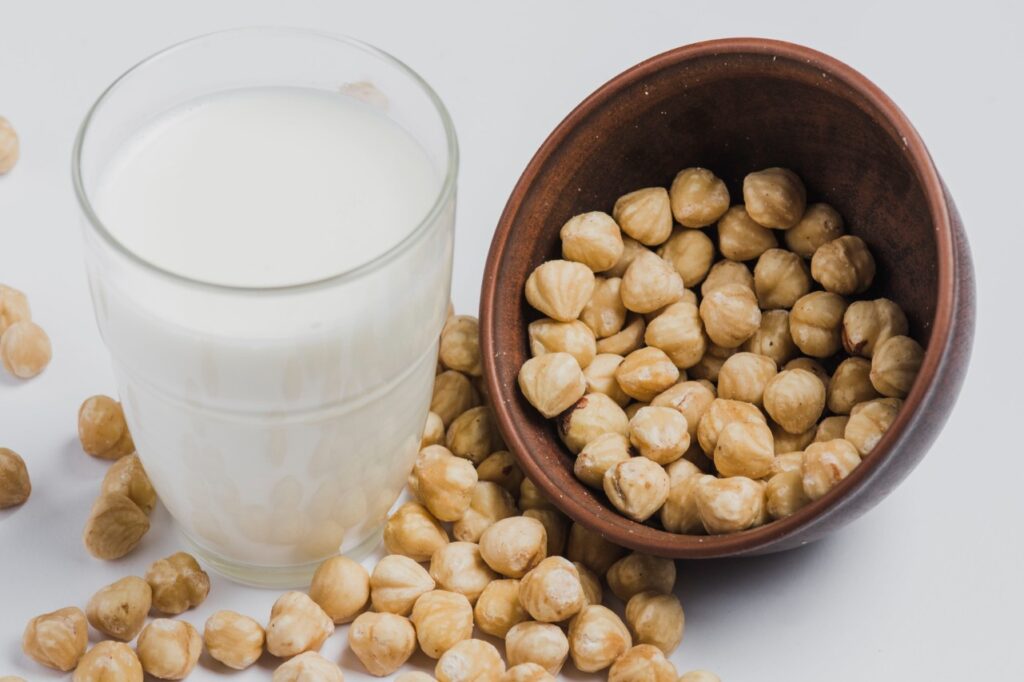
Don’t judge it by the name—pea milk (like Ripple brand) doesn’t taste anything like peas. Made from yellow split peas, this surprisingly creamy milk has around 8 grams of protein per cup and a very mild, neutral flavor. It’s also high in iron and typically fortified with calcium, vitamin D, and omega-3s (from algae oil). Plus, it’s free from soy, nuts, and gluten, making it a fantastic choice for people with allergies or dietary restrictions. Whether you’re pouring it over cereal or frothing it for a latte, pea milk is a protein-packed, allergy-friendly win.
6. Cashew Milk: Creamy and Low in Calories
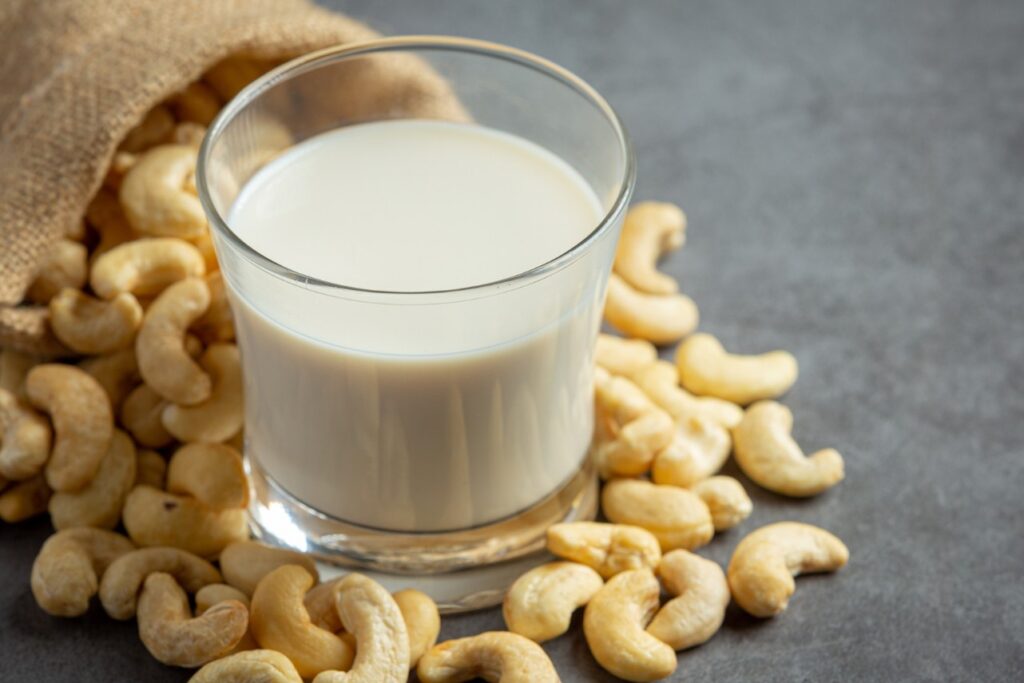
Craving creaminess without the calorie overload? Cashew milk is smooth, rich, and perfect for anyone trying to slim down without giving up their favorite recipes. Unsweetened cashew milk contains just 25–40 calories per cup and still delivers a silky texture that’s ideal for soups, sauces, and coffee creamers. While it’s not a major source of protein, most brands do fortify it with calcium and vitamin D. It’s a lesser-known but versatile milk that deserves more love.
7. Coconut Milk (Carton): A Dairy-Free Flavor Boost

Let’s be clear—we’re not talking about the thick canned coconut milk you use in curry. The carton version is lighter, drinkable, and deliciously refreshing. Coconut milk is naturally sweet and tropical, with a flavor that works wonders in coffee, smoothies, and oatmeal. It’s lower in protein than other options but contains medium-chain triglycerides (MCTs), which may support energy and metabolism. Look for fortified versions with added calcium and vitamin D to round out the nutrition. If you want a dairy-free milk that feels like a treat, coconut milk delivers.
Final Thoughts

When it comes to plant-based milks, variety is a beautiful thing. Gone are the days when soy milk was your only option. Now, whether you’re craving a protein punch, lower calories, more fiber, or healthy fats, there’s a plant-based milk to match your lifestyle. The key is reading labels carefully—look for unsweetened versions and fortified nutrients like calcium, vitamin D, and B12.
Trying out new milks can feel overwhelming at first, but it’s also a great way to mix things up and find what works best for your body (and your taste buds). So go ahead—swap that splash of dairy for something plant-powered. You might be surprised at how good healthy can taste.
Leave a Reply